SUGAR CREEK CARE CENTER
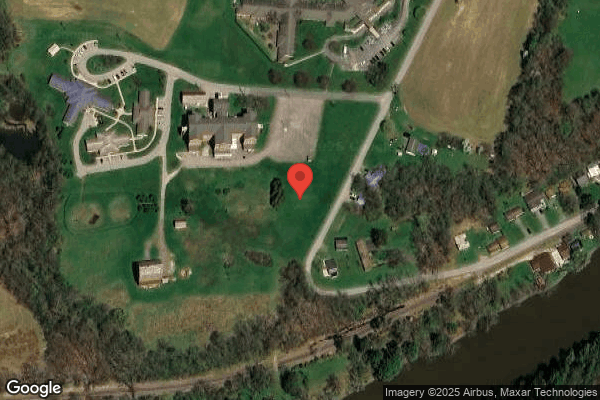
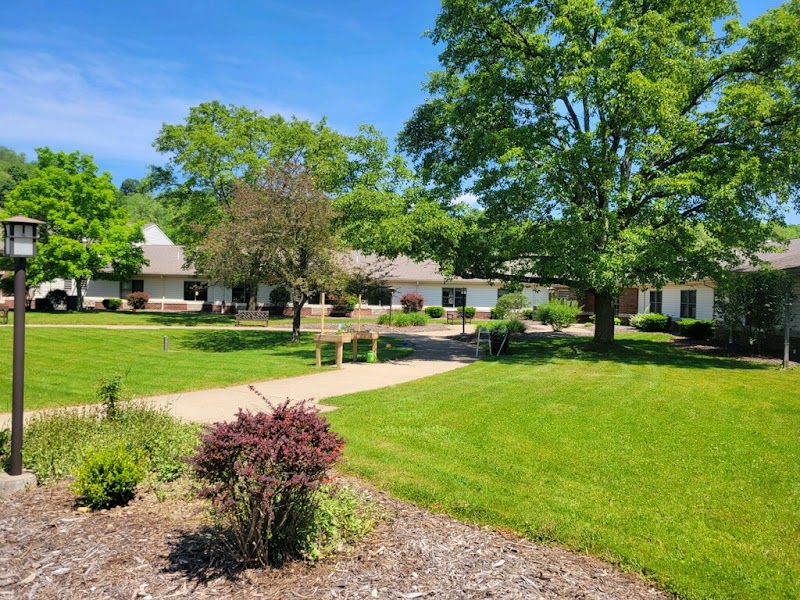
351 CAUSEWAY DRIVE, FRANKLIN, PA 16323 (814) 437-0100
For profit - Limited Liability company 148 Beds WECARE CENTERS Data: November 2025
Trust Grade
60/100
#362 of 653 in PA
Last Inspection: August 2025

Inspected within the last 6 months. Data reflects current conditions.

Overview

Sugar Creek Care Center in Franklin, Pennsylvania has a Trust Grade of C+, indicating it is slightly above average but not outstanding. It ranks #362 out of 653 facilities statewide, placing it in the bottom half, and #3 out of 5 in Venango County, meaning only two local options are better. The facility's situation is worsening, with issues increasing from 6 in 2024 to 14 in 2025. Staffing is a strength, as they have a 0% turnover rate, which is well below the Pennsylvania average of 46%, though their staffing rating is only 2 out of 5 stars, indicating below-average staffing levels overall. Notably, there have been concerning incidents, including failure to store food safely, lack of proper wound assessments by RNs for residents, and inconsistencies with a resident's advance directives, which could affect care decisions. While there are strengths in staff retention, families should be aware of the increasing number of compliance issues.

Trust Score
C+
60/100
In Pennsylvania
#362/653
Bottom 45%
Safety Record
Low Risk
No red flags
Inspections
Getting Worse
6 → 14 violations
Staff Stability
○ Average
Turnover data not reported for this facility.
Penalties
✓ Good
No fines on record. Clean compliance history, better than most Pennsylvania facilities.
Skilled Nurses
○ Average
Each resident gets 36 minutes of Registered Nurse (RN) attention daily — about average for Pennsylvania. RNs are the most trained staff who monitor for health changes.
Violations
⚠ Watch
27 deficiencies on record. Higher than average. Multiple issues found across inspections.
★★★☆☆
3.0
Overall Rating
★★☆☆☆
2.0
Staff Levels
★★★★☆
4.0
Care Quality
★★★☆☆
3.0
Inspection Score
Stable
2024: 6 issues
2025: 14 issues

The Good

  • 4-Star Quality Measures · Strong clinical quality outcomes
  • Full Sprinkler Coverage · Fire safety systems throughout facility
  • No fines on record

Facility shows strength in quality measures, fire safety.

The Bad

3-Star Overall Rating

Near Pennsylvania average (3.0)

Meets federal standards, typical of most facilities

Chain: WECARE CENTERS

Part of a multi-facility chain

Ask about local staffing decisions and management

The Ugly 27 deficiencies on record

Aug 2025 6 deficiencies
CONCERN (D)

Potential for Harm - no one hurt, but risky conditions existed

Deficiency F0578 (Tag F0578)

Could have caused harm · This affected 1 resident

**NOTE- TERMS IN BRACKETS HAVE BEEN EDITED TO PROTECT CONFIDENTIALITY** Based on review of facility policy and clinical records, and staff interview, it was determined that the facility failed to ensu...

Read full inspector narrative →
**NOTE- TERMS IN BRACKETS HAVE BEEN EDITED TO PROTECT CONFIDENTIALITY** Based on review of facility policy and clinical records, and staff interview, it was determined that the facility failed to ensure physician's orders and resident Pennsylvania Order for Life Sustaining Treatment (POLST - a legal document specifying the resident/responsible party choices regarding life-sustaining treatments) were consistent for one of 20 residents reviewed (Resident R19). Findings include:A facility policy entitled Advanced Directives dated [DATE], indicated that the plan of care for each resident is consistent with his or her documented treatment preferences and/or advance directive. Resident R19's clinical record revealed an admission date of [DATE], with diagnoses that included gastro-esophageal reflux disease (GERD - happens when stomach acid flows back up into the esophagus and causes heartburn), diabetes (a health condition caused by the body's inability to produce enough insulin), and high blood pressure. Resident R19's clinical record revealed a physician's order dated [DATE], for Full Code (staff to implement Cardiopulmonary Resuscitation [CPR] - emergency life-saving procedure that is done when breathing or a heartbeat has stopped and when performed immediately can double or triple chances of survival after cardiac arrest). Further review revealed additional physician's orders dated [DATE], for Full Code - POLST on file; [DATE], Living Will - see chart for instructions; and [DATE], DNR (Do not attempt resuscitation and allow natural death). Resident R19's clinical record revealed a Living Will signed and dated on [DATE], that indicated DNR and to follow if I become incompetent. Further review revealed a POLST signed and dated by Resident R19 and his/her physician on [DATE], indicating Full Code. Resident R19's clinical record revealed progress notes completed by Resident R19's physician dated [DATE], indicating he/she was a Full Code per resident. Further review revealed a progress note dated [DATE], completed by Social Services indicating The resident is no longer a full code, DNR per Living Will [DATE]. Progress note dated [DATE], by nursing indicated Resident's advanced directives updated in electronic chart to match most recent Advance directive/ living will. Progress note dated [DATE], completed by physician indicating Now DNR as of [DATE]. Progress note dated [DATE], completed by physician indicating No CPR- see POLST.During an interview on [DATE], at 2:34 p.m. Licensed Practical Nurse (LPN) Employee E3 stated each unit has a binder with each resident's face sheet and advanced directive or POLST. Review of the binder revealed Resident R19's face sheet and POLST dated [DATE], indicating Full Code were present. During an interview on [DATE], at 11:03 a.m. LPN Employee E3 revealed that the License Nurse Report sheet that included Resident R19 indicated that Resident R19 was a Full Code. LPN Employee E3 reviewed and confirmed that Resident R19's POLST dated [DATE], also indicated he/she was a Full Code, and this was the most recent document signed by Resident R19. LPN Employee E3 reviewed and confirmed that Resident R19's physician's orders indicated he/she was a DNR. LPN Employee E3 confirmed that Resident R19's physician's orders and POLST did not match. 28 Pa. Code 201.18 (b)(1)(e)(1) Management28 Pa. Code 201.29(a) Resident rights28 Pa. Code 211.5(f)(i) Medical records28 Pa. Code 211.10(c) Resident care policies
CONCERN (D)

Potential for Harm - no one hurt, but risky conditions existed

Deficiency F0583 (Tag F0583)

Could have caused harm · This affected 1 resident

Based on review of facility policy, observations, and staff interview, it was determined that the facility failed to provide resident privacy during medication administration for one of six residents ...

Read full inspector narrative →
Based on review of facility policy, observations, and staff interview, it was determined that the facility failed to provide resident privacy during medication administration for one of six residents observed (Resident R107).Findings include: Review of facility policy entitled Dignity dated 6/4/25, indicated Residents are treated with dignity and respect at all times. And Staff promote, maintain and protect resident privacy, including bodily privacy during assistance with personal care and during treatment procedures. During observation of medication administration for Resident R107 on 8/27/25, at 1:33 p.m. Licensed Practical Nurse (LPN) Employee E2 was administering medications through Resident R107's G-Tube (a tube placed in the stomach to provide nutrition). Resident R107's night gown was pulled up exposing his/her legs, incontincence care product, and stomach. Resident R107 was able to be viewed from the hallway. LPN Employee E2 failed to close the residents' door and/or pull the privacy curtain while administering medications through Resident R107's G-Tube. During an interview on 8/27/25, at 1:54 p.m. LPN Employee E2 confirmed that the door and/or privacy curtain was not closed during medication administration for Resident R107. He/she confirmed that Resident R107 was exposed and was able to be viewed from the hallway and also confirmed that Resident R107's door and/or privacy curtain should be closed during medication administration to maintain privacy. 28 Pa. Code 201.14(a) Responsibility of licensee 28 Pa. Code 211.12(d)(1)(5) Nursing services
CONCERN (D)

Potential for Harm - no one hurt, but risky conditions existed

Deficiency F0628 (Tag F0628)

Could have caused harm · This affected 1 resident

Based on review of facility policies, clinical records, and staff interviews it was determined that the facility failed to provide the resident and/or resident representative with a written notice of ...

Read full inspector narrative →
Based on review of facility policies, clinical records, and staff interviews it was determined that the facility failed to provide the resident and/or resident representative with a written notice of the facility bed-hold policy (explanation of how long a bed can be held during a leave of absence and the cost per day); failed to make certain that the necessary resident information was communicated to the receiving health care provider upon transfer to the hospital; and failed to complete a discharge summary for four of 20 residents reviewed (Residents R1, R2, R103, and R105). Findings include: Review of facility policy entitled “Bed-Holds and Returns” dated 6/4/25, indicated “All residents/representatives are provided written information regarding the facility bed-hold policies… at the time of transfer…” Review of facility policy entitled “Discharge Summary and Plan” dated 6/4/25, indicated that when a facility anticipates a resident’s discharge to a private residence, another nursing care facility a discharge summary and a post-discharge plan will be developed which will assist the resident to adjust to his or her new living arrangements. The discharge summary will include a recapitulation of the resident’s stay at the facility and a final summary of the resident’s status at the time of discharge. The policy further stated that a copy will be provided to the resident and receiving facility and a copy will be filed in the resident’s medical records. Review of facility policy entitled “Transfer or Discharge, Emergency” dated 6/4/25, indicated “Should it become necessary to make an emergency transfer… to a hospital… prepare a transfer form to send with the resident.” Resident R1’s clinical record revealed an admission date of 1/5/23, with diagnoses that included dementia (a disease that affects short term memory and the ability to think logically), obstructive and reflux uropathy (a condition that will not let the urine drain naturally), and chronic obstructive pulmonary disease (when your lungs do not have adequate air flow). Resident R1’s progress notes revealed a note dated 4/23/25, indicating a transfer to the hospital. The clinical record lacked evidence indicating that he/she and/or his/her representative were provided with a copy of the bed-hold policy upon transfer. Resident R2’s clinical record revealed an admission date of 12/8/22, with diagnoses that included congestive heart failure (the inability of the heart to maintain an adequate supply of blood to organs and tissues), hypertension (high blood pressure), and hyperlipidemia (high cholesterol). Resident R2’s progress notes revealed a note dated 3/14/25, indicating a transfer to the hospital. The clinical record lacked evidence that his/her necessary clinical information was communicated to the receiving health care provider. His/her clinical record also lacked evidence indicating that the resident and/or his/her representative were provided with a copy of the bed-hold policy upon transfer. Review of Resident R103's clinical record revealed an admission date of 6/11/25, with diagnoses that included sciatica (pain that radiates along the sciatic nerve from the lower back through the buttocks and down the back of the thigh), hypertension, and hyperlipidemia. Resident R103’s progress notes revealed a note dated 7/11/25, indicating a transfer to the hospital. The clinical record also lacked evidence indicating that the resident and/or their representative were provided with a copy of the bed-hold policy upon transfer. Resident R105’s clinical record revealed an admission date of 7/1/25, with diagnoses that included ulnar fracture (broken bone in forearm), gastro-esophageal reflux disease (GERD - happens when stomach acid flows back up into the esophagus and causes heartburn), and high blood pressure. Resident R105’s clinical record revealed he/she was discharged to home on 7/23/25. The clinical record lacked evidence that a discharge summary was completed and/or provided to Resident R105 at the time he/she was discharged home. During an interview on 8/29/25, at 11:10 a.m. the Director of Nursing (DON) confirmed that there was no evidence that Residents R1, R2 and R103 and/or their representatives were provided with a copy of the bed-hold policy that included the cost per day. The DON also confirmed that there was no evidence that Resident R2’s necessary clinical information was provided to the receiving healthcare provider upon transfer and that when the transfers occurred the resident and/or his/her representative should have been provided with bed hold policy and clinical information should be provided to the receiving healthcare provider upon transfer. During an interview on 8/29/25, at 11:11 a.m. the DON confirmed that Resident R105’s clinical record lacked evidence of a discharge summary being completed and/or provided to Resident R105 at the time he/she was discharged home. 28 Pa. Code 201.18(e)(1) Management 28 Pa. Code 201.29(c.3) (2) Resident rights
CONCERN (D)

Potential for Harm - no one hurt, but risky conditions existed

Deficiency F0657 (Tag F0657)

Could have caused harm · This affected 1 resident

Based on review of facility policy and clinical records and staff interview, it was determined that the facility failed to review and/or revise resident care plans to reflect resident's current condit...

Read full inspector narrative →
Based on review of facility policy and clinical records and staff interview, it was determined that the facility failed to review and/or revise resident care plans to reflect resident's current condition for one of 20 residents reviewed (Resident R38).Findings include: Review of facility policy entitled Care Plan Completion, Updating, Reviews, and Auditing Compliance Process dated 6/2/25, revealed that care plan reviews are required to be an interdisciplinary review and goal setting for each resident. Resident R38's clinical record revealed an admission date of 6/19/25, with diagnoses that included Cellulitis of Left Lower Leg (a skin infection caused by bacteria, most commonly affecting the lower legwith symptoms incluing swelling, pain, warmth, and redness), diabetes (a health condition caused by the body's inability to produce enough insulin), and high blood pressure. Review of Resident R38's care plans on 8/28/25, revealed a focus or problem initiated on 6/30/25, Resident is on enhanced barrier precautions related PICC line and wounds. Clinical record progress notes revealed PICC line was dislodged and removed on 7/30/25. Review of Resident R38's care plans on 8/28/25, revealed a focus or problem initiated on 6/27/25, Resident is on IV antibiotics related to cellulitis of the left foot. Clinical record progress notes revealed the last dose of IV antibiotics was received on 7/30/25. Review of Resident R38's care plans on 8/28/25, revealed a focus or problem initiated on 8/1/25, Resident has C-Difficile related to C-Diff. Clinical record progress notes revealed that on 8/8/25, Resident R38's C-diff results were negative and isolation was discontinued. Review of Resident R38's clinical record progress notes dated 8/22/25, indicated a care plan meeting was held. During an interview on 8/29/25, at 8:54 a.m. the Director of Nursing confirmed that Resident R38's care plans were not updated to reflect Resident R38's current status and care needs. 28 Pa. Code 201.14(a) Responsibility of licensee 28 Pa. Code 211.12(d)(3)(5) Nursing services
CONCERN (D)

Potential for Harm - no one hurt, but risky conditions existed

Deficiency F0761 (Tag F0761)

Could have caused harm · This affected 1 resident

Based on review of facility policy, observations, and staff interview, it was determined that the facility failed to prevent the opportunity for potential unauthorized access of medications and failed...

Read full inspector narrative →
Based on review of facility policy, observations, and staff interview, it was determined that the facility failed to prevent the opportunity for potential unauthorized access of medications and failed to appropriately discard outdated medications for two of three medication carts reviewed (Medication carts 400 and 600).Findings include: Review of facility policy entitled Administering Medication dated 6/4/25, indicated The expiration/beyond use date on the medication label is checked prior to administering. When opening a multi-dose container, the date opened is recorded on the container, During administration of medications, the medication cart is kept closed and locked when out of sight of the medication nurse., and The cart must be clearly visible to the personal administering medications. Review of manufacturer's guidelines revealed that an open pen of Aspart Insulin must be used within 28 days after opening or be discarded. Review of manufacturer's guidelines revealed that an open pen of Victoza must be used within 30 days after opening or be discarded even if some medicine is left in the pen. Observations of drug storage on 8/26/25, at 11:38 a.m. of the 400 medication cart revealed an open Aspart Insulin pen with no date indicating when the insulin pen was open, an open pen of Victoza with no date indicating when the pen was open, and an open bottle of loratadine tablets with an expiration date of 1/2025. During an interview at the time of observations with Licensed Practical Nurse (LPN) Employee E1, he/she confirmed that the open pens of Aspart and Victoza lacked open dates, and staff were unable to determine the discard dates. LPN Employee E1 also confirmed that the open bottle of loratadine tablets were beyond their expiration date and that the open bottle of loratadine tablets, the Aspart and Victoza pens should have been discarded. Observation on 8/27/25, at 1:33 p.m. revealed that LPN Employee E2 prepared medications for a resident from the 600 hall medication cart parked in the hall outside of a resident's room. LPN Employee E2 then proceeded into the resident room to administer medications. Upon entering the resident room LPN Employee E2 proceeded to the side of the resident's bed with his/her back toward the doorway. LPN Employee E2 did not securely lock the 600 hall medication cart. LPN Employee E2 was unable to view the medication cart from the resident's bedside. During an interview on 8/27/25, at 1:54 p.m. LPN Employee E2 confirmed that he/she left the medication cart unlocked while it was parked in the hallway outside of the resident's room, which was out of his/her view during administration of medications and confirmed that the medication cart should be locked when out of his/her view. 28. Pa. Code 201.18(b)(1) Management 28. Pa. Code 211.9(a)(1) Pharmacy services 28 Pa. Code 211.12(d)(1) Nursing services
CONCERN (D)

Potential for Harm - no one hurt, but risky conditions existed

Dental Services (Tag F0791)

Could have caused harm · This affected 1 resident

Based on review of facility policy, clinical records, resident council minutes, and resident and staff interview, it was determined that the facility failed to provide dental services in a timely mann...

Read full inspector narrative →
Based on review of facility policy, clinical records, resident council minutes, and resident and staff interview, it was determined that the facility failed to provide dental services in a timely manner for one of 20 residents reviewed (Resident R97). Findings include: The facility policy entitled Dental Services, dated 6/4/25, revealed Routine and emergency dental services are available to meet the resident's oral health services in accordance with the resident's assessment and plan of care. residents will be referred for dental services within 3 days. If the referral is not made within 3 days, documentation will be provided regarding what is being done to ensure that the resident is able to eat and drink adequately while awaiting dental services; and the reason for the delay. Resident R97's clinical record revealed an admission date of 9/6/19, with diagnoses that included major depressive disorder, cerebral infarction (stroke-blood flow to the brain is interrupted), and hypothyroidism (thyroid gland does not produce enough thyroid hormones). Review of Resident R97's clinical record progress notes revealed that on 3/17/25, and 3/18/25, the Speech Therapist documented that Resident R97 requested pureed/ground foods until he/she receives his/her dentures. On 4/30/25, the physician documented that Resident R97 was very unhappy that the dentist extracted his/her lower teeth, took impressions, but still does not have dentures after waiting for months, and attributes his/her eating difficulties to the lack of lower teeth and when he/she goes out to eat with his/her family he/she has to order soft foods or soups. The Registered Nurse (RN) documented on 4/30/25, indicating a new order was received from the physician to follow up with dental regarding lower dentures. On 6/25/25, the physician documented that Resident R97 still does not have lower dentures. The RN documented on 6/26/25, a new order was received from the physician to follow up on dentures. On 8/13/25, the physician documented no lower dentures yet. Resident R97's clinical record revealed his/her remaining lower teeth were extracted on 9/27/24, indicating he/she has not had lower teeth for almost an entire year. Review of resident council minutes from July 2025, revealed that Resident R97 attended and inquired regarding his/her dentures from the 360 Dental Program. Resident council minutes in August 2025, revealed a follow up indicating that the 360 Dental Program is changing the frequency of their services and will only be coming every 90 days rather than every 30 days. During an interview on 8/26/25, Resident R97 revealed he/she is very upset regarding not having lower dentures for several months. Resident R97 indicated that he/she has been waiting way too long to get lower dentures and that not having lower dentures makes it difficult to eat the things he/she would like to eat, and it is affecting his/her quality of life. During an interview on 8/28/25, at 1:45 p.m. the Director of Nursing confirmed that Resident R97 has not received his/her lower dentures in a timely manner. 28 Pa. Code 211.12(d)(1)(3)(5) Nursing services 28 Pa Code 211.15 Dental services
Aug 2025 2 deficiencies
CONCERN (D) 📢 Someone Reported This

A family member, employee, or ombudsman was alarmed enough to file a formal complaint

Potential for Harm - no one hurt, but risky conditions existed

Deficiency F0658 (Tag F0658)

Could have caused harm · This affected 1 resident

Based on review of the Pennsylvania Code Title 49. Professional and Vocational Standards, facility job descriptions, clinical records, and staff interview, it was determined that the facility failed t...

Read full inspector narrative →
Based on review of the Pennsylvania Code Title 49. Professional and Vocational Standards, facility job descriptions, clinical records, and staff interview, it was determined that the facility failed to follow nursing standards of practice to ensure physician orders were entered into point click care (PCC-a healthcare software used to track and administer healthcare operations in a long-term care facility) upon admission to ensure timely medication availability and timely medication administration for one of 17 residents reviewed (Resident R1). Findings include: Review of Pennsylvania Code Title 49. Professional and Vocational Standards 21.11. General functions of the Registered Nurse (RN) (a)(4) stated, Carries out nursing care actions which promote, maintain and restore the well-being of individuals and (b) The RN is fully responsible for all actions as a licensed nurse and is accountable to clients for the quality of care delivered and (d) The Board recognizes standards of practice and professional codes of behavior, as developed by appropriate nursing associations, as the criteria for assuring safe and effective practice. Review of the facility's job description for RNs revealed To provide direct nursing care under the medical direction and supervision of the residents' attending physicians, the Director of Nursing Services, and the Medical Director of the facility. Responsible for interpretation and execution of physician's orders and calling the physician as indicated. Is responsible for competent administration of care and treatments according to physicians orders and facility policy and procedure.Prepare residents for admission.Assure documentation is complete and incorporated into the clinical records in compliance with facility policy. Review of Resident R1's clinical record revealed an admission date of 3/4/23, with diagnoses that included idiopathic pulmonary fibrosis (a lung disease that causes irreversible scarring in the lungs), sleep apnea (breathing starts and stops during sleep), and acute and chronic respiratory failure. Resident R1's clinical record revealed he/she returned to the facility from the hospital on 6/12/25, at 4:15 p.m. His/her medication orders were not placed into PCC for floor nurses to be alerted when scheduled medications were due to be administered or for the administration of PRN (as needed) medications until 6/13/25, at 10:31 a.m., which was approximately 18 hours after Resident R1 had returned from the hospital. Resident R1's clinical record progress notes dated 6/13/25, at 2:30 p.m. and 2:34 p.m. documented that Resident R1 was short of breath and his/her pulse ox (test used to measure the amount of oxygen in the blood) was 76% on room air, which was well below the desired percentage of 90% or higher. The nurses on duty had to call the physician for an order to treat the resident due to the orders not being placed in PCC timely. Resident R1 indicated that he/she had not had breathing treatment since returning from the hospital the day prior. Resident R1's admission orders included Albuterol 90 MCG [microgram] inhaler (medication used to treat and prevent breathing difficulties) 2 puffs every 4 hours PRN and Budesonide 2 milliliters (medication used to reduce inflammation and swelling in the airways making it easier to breath) twice a day via nebulizer (a machine used to convert liquid medication into an inhalable mist), which could have been used during their documented episode of respiratory distress, had the medications been entered in PCC timely. During an interview on 8/7/25, at 2:07 p.m. the Director of Nursing confirmed that the RN failed to enter physician orders timely and that it is the RN's responsibility to ensure orders are entered into PCC timely upon admission to the facility. 28 Pa. Code 211.12(d)(1)(5) Nursing Services
CONCERN (D) 📢 Someone Reported This

A family member, employee, or ombudsman was alarmed enough to file a formal complaint

Potential for Harm - no one hurt, but risky conditions existed

Quality of Care (Tag F0684)

Could have caused harm · This affected 1 resident

Based on review of facility policy, clinical records, and staff interview, it was determined that the facility failed to enter physician's orders timely resulting in a delay in treatment for one of 17...

Read full inspector narrative →
Based on review of facility policy, clinical records, and staff interview, it was determined that the facility failed to enter physician's orders timely resulting in a delay in treatment for one of 17 residents reviewed (Resident R1).Findings include: Review of facility policy entitled, Administering Medications 5/9/25, indicated, Medications are administered in a safe and timely manner, and as prescribed. Review of Resident R1's clinical record revealed an admission date of 3/4/23, with diagnoses that included idiopathic pulmonary fibrosis (a lung disease that causes irreversible scarring in the lungs), sleep apnea (breathing starts and stops during sleep), and acute and chronic respiratory failure. Resident R1's clinical record revealed he/she returned to the facility from the hospital on 6/12/25, at 4:15 p.m. His/her medication orders were not placed into point click care (PCC-a healthcare software used to track and administer healthcare operations in a long-term care facility) for floor nurses to be alerted when scheduled medications were due to be administered or for the administration of PRN (as needed) medications until 6/13/25, at 10:31 a.m., which was approximately 18 hours after Resident R1 had returned from the hospital. Resident R1's clinical record progress notes dated 6/13/25, at 2:30 p.m. and 2:34 p.m. documented that Resident R1 was short of breath and his/her pulse ox (test used to measure the amount of oxygen in the blood) was 76% on room air, which was well below the desired percentage of 90% or higher. The nurses on duty had to call the physician for an order to treat the resident due to the orders not being placed in PCC timely. Resident R1 indicated that he/she had not had breathing treatment since returning from the hospital the day prior. Resident R1's admission orders included Albuterol 90 MCG [microgram] inhaler (medication used to treat and prevent breathing difficulties) 2 puffs every 4 hours PRN and Budesonide 2 milliliters (medication used to reduce inflammation and swelling in the airways making it easier to breath) twice a day via nebulizer (a machine used to convert liquid medication into an inhalable mist), which could have been used during their documented episode of respiratory distress, had the medications been entered in PCC timely. During an interview on 8/7/25, at 2:07 p.m. the Director of Nursing confirmed that the facility failed to enter physician's orders timely which resulted in a delay in treatment related to Resident R1's episode of respiratory distress. 28 Pa. Code 201.18(b)(1)(3) Management28 Pa. Code 211.12(d)(1)(5) Nursing Services
Jun 2025 2 deficiencies
CONCERN (D) 📢 Someone Reported This

A family member, employee, or ombudsman was alarmed enough to file a formal complaint

Potential for Harm - no one hurt, but risky conditions existed

Medical Records (Tag F0842)

Could have caused harm · This affected 1 resident

Based on review of facility policy and clinical records, and staff interview, it was determined that the facility failed to have complete and accurate documentation regarding Peripherally Inserted Cen...

Read full inspector narrative →
Based on review of facility policy and clinical records, and staff interview, it was determined that the facility failed to have complete and accurate documentation regarding Peripherally Inserted Central Catheter (PICC-a thin soft flexible tube placed in the vein of the upper arm also called an IV to deliver fluids and medications) dressing changes for two of three residents reviewed with PICC lines in the treatment record. (Residents R1 and R2) Findings include: Review of facility policy entitled Peripheral and Midline IV Dressing Changes dated 5/9/25, indicated Change the dressing if it becomes damp, loosened or visibly soiled and at least every 7 days . Review of Resident R1's clinical record revealed an admission date of 11/24/24, with diagnoses that included hypertension (high blood pressure), cellulitis (and infection of the skin), and diabetes (a health condition that is caused by the body's inability to produce enough insulin). Review of Resident R1's physician's orders for May 2025, revealed an order dated 5/5/25, to change PICC line dressing weekly. Review of Resident R1's treatment administration record for May 2025, lacked evidence that his/her PICC line dressing was changed on 5/12/25, 5/19/25, and 5/26/25. Review of his/her treatment administration record for June 2025, lacked evidence that his/her PICC line dressing was changed on 6/1/25. Review of Resident R2's clinical record revealed an admission date of 4/6/25, with diagnoses that included osteomyelitis (an infection in the bone), bacteremia (infection in the blood), and gastro esophageal reflux disease (a condition when stomach acid repeatedly flows back up into your throat). Review of Resident R2's physician's orders for April 2025, revealed an order dated 4/6/25, to change PICC line dressing weekly. Review of Resident R2's treatment administration record for April 2025, lacked evidence that his/her PICC line dressing was changed on 4/21/25, and 4/28/25. Review of his/her treatment administration record for May 2025, lacked evidence that his/her PICC line dressing was changed on 5/5/25. During an interview on 6/18/25, at 12:56 p.m. the Regional Clinical Director Employee E1 confirmed that Residents R1 and R2's treatment records did not have complete documentation regarding PICC line dressing changes. He/she also confirmed that the dressing changes should be completed per physician's orders and documented in the clinical record. 28 Pa. Code 211.5(f)(xiii)(ix) Medical Records 28 Pa. Code 211.12(d)(1)(5) Nursing Services
CONCERN (D) 📢 Someone Reported This

A family member, employee, or ombudsman was alarmed enough to file a formal complaint

Potential for Harm - no one hurt, but risky conditions existed

Deficiency F0882 (Tag F0882)

Could have caused harm · This affected 1 resident

Based on review of facility infection control program and staff interview, it was determined that the facility failed to ensure the designated Infection Preventionist (IP) was qualified with specializ...

Read full inspector narrative →
Based on review of facility infection control program and staff interview, it was determined that the facility failed to ensure the designated Infection Preventionist (IP) was qualified with specialized training in infection prevention and control from 4/10/25 to 5/25/25. Findings include: Review of facility policy entitled Infection Preventionist dated 5/9/25, indicated The Infection Preventionist has obtained specialized IPC training beyond initial professional training . and Evidence of training is provided through a certificate of completion . Review of Registered Nurse (RN) Employee E2's daily timecard revealed he/she worked as the facility's IP from 4/16/25, to 5/21/25. Upon request, the facility was unable to produce a certificate of completion for the IP specialized training for RN Employee E2. During an interview with Regional Clinical Director Employee E1 on 6/17/25, at 11:00 a.m. he/she revealed that RN Employee E2 started covering the IP position in the facility when the former IP left the position on 4/9/25, and he/she continued covering the position until the facility's new IP started the position on 5/26/25. During an interview on 6/24/25, at 8:37 a.m. the Nursing Home Administrator confirmed that the facility had no evidence that RN Employee E2 had successfully completed the required specialized IP training. 28 Pa. Code 201.18(b)(1)(3) Management
May 2025 1 deficiency
CONCERN (D) 📢 Someone Reported This

A family member, employee, or ombudsman was alarmed enough to file a formal complaint

Potential for Harm - no one hurt, but risky conditions existed

Quality of Care (Tag F0684)

Could have caused harm · This affected 1 resident

Based on review of facility policy and clinical record, and staff interview, it was determined that the facility failed to ensure that medication was obtained and provided as ordered by the physician ...

Read full inspector narrative →
Based on review of facility policy and clinical record, and staff interview, it was determined that the facility failed to ensure that medication was obtained and provided as ordered by the physician for one of 10 residents reviewed for medications (Resident R3). Findings include: Review of facility policy entitled Administering Medications dated 5/09/25, indicated Medications are administered in a safe and timely manner, and as perscribed. Review of Resident R3's clinical record revealed an admission date of 10/05/20, with diagnoses that included Rheumatoid arthritis, pain in shoulder and chronic pain. Review of Resident R3's clinical recorded revealed a physician's order dated 5/17/25, for Oxycodone (a narcotic pain medication) 5 milligrams one tab every six hours while awake for pain. Review of Resident R3's May 2025 Medication Administration Record revealed that Resident R3's Oxycodone was not administered for three doses on 5/18/25, for three doses on 5/19/25, and one dose on 5/20/25. During an interview on 5/22/25, at 12:05 p.m. the Nursing Home Administrator (NHA) confirmed that Resident R3 did not received his/her Oxycodone as ordered by the physician related to nursing entering the order incorrectly. The NHA also confirmed that the medication should have been administered per physician orders. 28 Pa. Code 201.18(b)(1) Management 28 Pa. Code 211.12(d)(1)(3)(5) Nursing services
May 2025 3 deficiencies
CONCERN (D) 📢 Someone Reported This

A family member, employee, or ombudsman was alarmed enough to file a formal complaint

Potential for Harm - no one hurt, but risky conditions existed

Deficiency F0657 (Tag F0657)

Could have caused harm · This affected 1 resident

Based on review of facility policy, facility documentation, and clinical records and staff interview, it was determined that the facility failed to review and/or revise comprehensive care plans to ref...

Read full inspector narrative →
Based on review of facility policy, facility documentation, and clinical records and staff interview, it was determined that the facility failed to review and/or revise comprehensive care plans to reflect the current necessary care and services for one of eight residents reviewed (Resident R1). Findings include: A facility policy entitled Care Plans, Comprehensive Person-Centered dated 5/09/25, revealed that each resident's care plan describes the services that will be furnished to attain or maintain the resident's highest practicable physical, mental, and psychosocial well-being; which specialized services are responsible for each element of care; assessments of residents are ongoing and care plans are revised as information about the residents and the resident's condition change; and the interdisciplinary team reviews and updates the care plan when there has been a significant change in the resident's condition. Resident R1's clinical record revealed an admission date of 12/14/24, with diagnoses that included muscle wasting, depression, diabetic foot ulcer, with Parkinson's disease (age-related degenerative brain condition, meaning it causes parts of your brain to deteriorate, and is best known for causing slowed movements, tremors, balance problems and more) being documented throughout the clinical record. A departmental progress note dated 1/06/25, revealed that Resident R1 had wrapped his/her call bell cord around his/her neck and stated, I don't want to live. Continued review of departmental progress notes revealed scattered notations regarding Resident R1 having every 15 minutes checks (visual confirmation of location and safety). An initial psychiatric evaluation dated 3/04/25, revealed a recommendation that Resident R1 continue with behavioral health services. Further review of Resident R1's clinical record lacked evidence that the facility developed and/or implemented a comprehensive care plan in response to Resident R1's current care needs and services. During an interview on 5/07/25, at 3:03 p.m. the Regional Clinical Consultant and Nursing Home Administrator confirmed that the facility failed to update Resident R1's comprehensive care plan to address his/her needs for behavioral health interventions and services. 28 Pa. Code 201.18 (b)(1)(3) Management 28 Pa. Code 211.5(f)(ix) Medical records 28 Pa. Code 211.10(c)(d) Resident care policies 28 Pa. Code 211.12(d)(1)(5) Nursing services
CONCERN (D) 📢 Someone Reported This

A family member, employee, or ombudsman was alarmed enough to file a formal complaint

Potential for Harm - no one hurt, but risky conditions existed

Deficiency F0725 (Tag F0725)

Could have caused harm · This affected 1 resident

Based on review of Pennsylvania Code Title 49 and Title 55: Professional and Vocational Standards, clinical records, facility staffing, and facility policy, and staff interviews, it was determined tha...

Read full inspector narrative →
Based on review of Pennsylvania Code Title 49 and Title 55: Professional and Vocational Standards, clinical records, facility staffing, and facility policy, and staff interviews, it was determined that the facility failed to have sufficient staff with the appropriate skill sets to provide nursing services including timely medication administration, and post-fall assessments for three of eight residents reviewed (Residents R5, R7, and R8). Findings include: Review of Pennsylvania Code Title 49. Professional and Vocational Standards 21.145 a. Prohibited Acts revealed a Licensed Practical Nurse (LPN) may not administer medications or fluids via arterial lines. Review of Pennsylvania Code Title 55. Additional Assessments 2800.225 revealed an LPN, under the supervision of a Registered Nurse (RN), or an RN shall complete additional written assessments for each resident. A facility policy entitled Administering Medications dated 5/09/25, indicated that staffing schedules are arranged to ensure that mediations are administered without unnecessary interruptions, and that medications are administered within one hour of their prescribed time. Resident R5's clinical record revealed an admission date of 4/06/25, with diagnoses that included partial amputation of right foot, dehiscence (the separation or splitting open of a wound, typically after surgery), bacterial infection in the blood stream, and gangrene (serious condition where tissue death occurs due to a lack of blood supply, often accompanied by infection). Resident R5's clinical record revealed a physician's order dated 4/11/25, to insert a new double lumen PICC line (peripherally inserted central line [arterial]- type of central venous access device that has two separate tubes within the catheter [flexible tube] in right arm); a physician's order dated 4/13/25, to administer Vancomycin HCl (antibiotic) 1250 milligrams (mg) intravenously two times a day; and a physician's order dated 4/14/25, to administer Cefazolin (antibiotic) two grams intravenously every 8 hours. Review of Resident R5's medication administration record revealed that on 4/26/25, the midnight dose of Cefazolin and the 6:00 a.m. dose of Vancomycin were not administered through his/her PICC line. Resident R5's departmental progress noted revealed there was no RN available to administer the PICC line medications on 4/25/25, overnight (11 p.m.-7:00 a.m.) shift. Resident R7's clinical record revealed an admission date of 12/18/24, with diagnoses including dementia, stroke, abnormal gait, and lack of coordination. A report of an un-witnessed fall occurring on 4/25/25, at 11:30 p.m. revealed the written assessment of Resident R7 after his/her fall was completed by the LPN, not an RN. Resident R8's clinical record revealed an admission date of 3/06/25, with diagnoses that included Parkinson's disease (age-related degenerative brain condition, meaning it causes parts of your brain to deteriorate, and is best known for causing slowed movements, tremors, balance problems and more), repeated falls, and neurocognitive disorder with Lewy bodies (type of dementia characterized by cognitive decline, movement problems, and visual hallucinations). A report of an un-witnessed fall occurring on 4/25/25, at 10:30 p.m. revealed the written assessment of Resident R8 after his/her fall was completed by the LPN, not an RN. Review of facility staffing for the 4/25/25, overnight shift revealed there was no RN scheduled to administer Resident R5's PICC line medications and complete written assessments for Residents R7 and R8. During an interview on 5/07/25, at 2:51 p.m. RN Employee E1 confirmed that he/she had already worked 16 hours and was instructed to go home, and he/she did not administer the PICC line medications or complete the written assessments after the above falls. During an interview on 5/07/25, at 2:51 p.m. the Director of Nursing confirmed he/she had worked all day and was not able to stay to cover the shift. During an interview on 5/07/25, at 2:51 p.m. the Nursing Home Administrator confirmed that the facility failed to have an RN available at the facility to cover the above overnight shift. 28 Pa. Code 201.14(a) Responsibility of licensee 28 Pa. Code 211.12(d)(1)(4)(5) Nursing services
CONCERN (D) 📢 Someone Reported This

A family member, employee, or ombudsman was alarmed enough to file a formal complaint

Potential for Harm - no one hurt, but risky conditions existed

Deficiency F0742 (Tag F0742)

Could have caused harm · This affected 1 resident

Based on review of facility policy, facility documents and clinical records, and staff interviews, it was determined that the facility failed to make certain residents receive appropriate treatment an...

Read full inspector narrative →
Based on review of facility policy, facility documents and clinical records, and staff interviews, it was determined that the facility failed to make certain residents receive appropriate treatment and services to attain the highest practicable mental and psychosocial well-being for one of eight residents reviewed (Resident R1). Findings include: A facility policy entitled Behavioral Health Services dated 5/09/25, indicated behavioral health services are provided to residents as needed as part of the interdisciplinary, person-centered approach to care, and residents who exhibit signs of emotional/psychosocial distress receive services and support that address their individual needs and goals for care. Resident R1's clinical record revealed an admission date of 12/14/24, with diagnoses that included muscle wasting, depression, diabetic foot ulcer, with Parkinson's disease (age-related degenerative brain condition, meaning it causes parts of your brain to deteriorate, and is best known for causing slowed movements, tremors, balance problems and more) being documented throughout the clinical record. A departmental progress note dated 1/06/25, revealed that Resident R1 had wrapped his/her call bell cord around his/her neck and stated, I don't want to live. Continued review of departmental progress notes revealed scattered notations regarding Resident R1 having every 15 minutes checks (visual confirmation of location and safety). An initial psychiatric evaluation dated 3/04/25, revealed a recommendation that Resident R1 continue with behavioral health services. Further review of Resident R1's clinical record lacked evidence that the facility continued to provide recommended behavioral health services. During an interview on 5/07/25, at 3:00 p.m. the Nursing Home Administrator confirmed there was no evidence that Resident R1 continued behavioral health services. 28 Pa. Code 201.18(b)(1)(3) Management 28 Pa. Code 211.12(d)(1)(3)(5) Nursing services
Dec 2024 1 deficiency
CONCERN (D) 📢 Someone Reported This

A family member, employee, or ombudsman was alarmed enough to file a formal complaint

Potential for Harm - no one hurt, but risky conditions existed

Pharmacy Services (Tag F0755)

Could have caused harm · This affected 1 resident

Based on review of facility policy, clinical record review, and staff interviews, it was determined that the facility failed to ensure that medication was obtained and provided as ordered by the physi...

Read full inspector narrative →
Based on review of facility policy, clinical record review, and staff interviews, it was determined that the facility failed to ensure that medication was obtained and provided as ordered by the physician for two of two residents reviewed for medications (Residents R1 and R2). Findings include: Review of facility policy entitled Medication Orders Controlled Substance Prescriptions dated 5/01/24, indicated If a new prescription is not obtained by the pharmacy before the medication would be due again, the facility is notified. Review of Resident R1's clinical record revealed an admission date of 5/13/23, with diagnoses that included Psychotic disorder with delusions (a mental disease that include delusions a false belief based on an incorrect interpretation of reality), and Anxiety (a condition that causes a person to be nervous, uneasy, or worried about something or someone). Review of Resident R1's clinical recorded revealed a physician's order dated 9/11/24, for Ativan, Benadryl, Haldol, Reglan (ABHR-combined medications for topical application) gel apply to wrist topically four times a day for psychotic disorder. Review of Resident R1's December 2024 Medication Administration Record (MAR) revealed that Resident R1's ABHR gel was not administered for one dose on 12/16/24, for four doses on 12/17/24, for four doses on 12/18/24, for four doses on 12/19/24, for four doses on 12/20/24, for four doses on 12/21/24, and for four doses on 12/22/24. Review of Resident R1's nursing documentation indicated that from 12/16/24, through 12/22/24, ABHR gel was not available and awaiting delivery from pharmacy. Review of Resident R2's clinical record revealed an admission date of 3/04/23, with diagnoses that included bipolar disorder (a mental illness that causes extreme mood swings with emotional highs and emotional lows), and gastro esophageal reflux disease (a condition when stomach acid repeatedly flows back up into your throat). Review of Resident R2's clinical record revealed a physician's order dated 6/17/24, for ABHR gel apply to wrist topically four times a day for anxiety. Review of Resident R2's December 2024 MAR revealed that Resident R2's ABHR gel was not administered for three doses on 12/26/24, and for four doses on 12/27/24. Review of Resident R2's nursing documentation indicated that from 12/26/24, through 12/27/24, ABHR gel was not available and awaiting delivery from pharmacy. During an interview on 12/31/24, at 10:34 a.m. the Nursing Home Administrator (NHA) confirmed that Residents R1 and R2 did not received their ABHR gel as ordered by the physician related to pharmacy not delivering the medication. The NHA also confirmed that the medication should be available from pharmacy and administered per physician orders. 28 Pa. Code 201.18(b)(1) Management 28 Pa. Code 211.9(a)(1) Pharmacy services 28 Pa. Code 211.12(d)(1)(3)(5) Nursing services
Sept 2024 5 deficiencies
CONCERN (D)

Potential for Harm - no one hurt, but risky conditions existed

Incontinence Care (Tag F0690)

Could have caused harm · This affected 1 resident

Based on review of facility policy and clinical records, and staff interview, it was determined that the facility failed to ensure a foley catheter (tubing inserted into the bladder to help drain urin...

Read full inspector narrative →
Based on review of facility policy and clinical records, and staff interview, it was determined that the facility failed to ensure a foley catheter (tubing inserted into the bladder to help drain urine from the bladder) was emptied and the amount was documented every shift per physician's orders for one of 21 residents reviewed (Resident R21) Findings include: Review of a facility policy entitled Catheter Care, Urinary dated 5/1/24, revealed Observe the resident's urine level for noticeable increases or decreases. If the level stays the same or increases rapidly, report it to the physician or supervisor. Follow the facility procedure for measuring and documenting input and output. Resident R21's clinical record revealed an admission date of 3/27/23, with diagnoses that included retention of urine (bladder does not empty completely), heart failure, and hypertension (high blood pressure). Review of Resident R21's physician's orders dated 6/01/24, revealed an order to empty the foley catheter every shift and document the amount. Review of R21's Treatment Administration Record for August 2024 and September 2024 revealed his/her foley catheter was not emptied every shift and the amount was not documented per physician's orders on 8/11/24, 8/14/24, 8/15/24, 8/16/24, 8/20/24, 8/21/24, 8/29/24, 8/30/24, 9/06/24, 9/07/24, 9/11/24, 9/12/24, and 9/13/24. During an interview on 9/19/24, at approximately 10:03 a.m. the Director of Nursing confirmed that the clinical record lacked evidence that R21's foley catheter was being emptied and the amount documented per physician's orders. 28 Pa. Code 201.14(a) Responsibility of licensee 28 Pa. Code 211.10(c) Resident care policies 28 Pa. Code 211.12(d)(1)(5) Nursing services
CONCERN (D)

Potential for Harm - no one hurt, but risky conditions existed

Pharmacy Services (Tag F0755)

Could have caused harm · This affected 1 resident

Based on a review of facility policy and clinical records, and staff interview, it was determined that the facility failed to implement procedures to promote accurate tracking and safe disposition of ...

Read full inspector narrative →
Based on a review of facility policy and clinical records, and staff interview, it was determined that the facility failed to implement procedures to promote accurate tracking and safe disposition of controlled medications for one of three closed records reviewed (Closed Record Resident CR87). Findings include: Review of the facility policy, entitled Discarding and Destroying Medications, dated 5/1/24, revealed Schedule II, III, and IV (non-hazardous) controlled substances will be disposed of in accordance with state regulations and federal guidelines regarding disposition of non-hazardous controlled medications. The medication disposition record will contain the following information: a. The resident's name; b. Date medication disposed; c. The name and strength of the medication; d. The name of the dispensing pharmacy; e. The quantity disposed; f. Method of disposition; g. Reason for disposition; h. Signature of witnesses. Review of Resident CR87's clinical record revealed admission to the facility on 6/17/24. Resident CR87 ceased to breathe on 6/24/24. Review of Resident CR87's closed record revealed a lack of evidence of a controlled substance tracking log which would include, but not limited to the resident's name, the dosage, the date the medication was received, the name and strength of the medication, the quantity received, the name of the pharmacy, the quantity disposed, the method of disposition, the reason for disposition, and signatures of at least two licensed staff that disposed of the medication for Resident CR87's Morphine (a controlled schedule II drug used for pain management and to help with breathing), Ativan (a controlled schedule IV drug used for anxiety and restlessness), and Diazepam (a controlled schedule IV drug used for anxiety and seizures). The closed record also lacked evidence of the destruction or return to pharmacy for Resident CR87's remaining doses of Morphine, Ativan, and Diazepam. During an interview on 9/20/24, at 9:56 a.m. the Director of Nursing confirmed that Resident CR87's clinical record lacked evidence a controlled substance tracking log for his/her Morphine, Ativan, and Diazepam and lacked evidence of the destruction or return to pharmacy for Resident CR87's remaining doses of Morphine, Ativan, and Diazepam. 28 Pa. Code 211.9(a) Pharmacy services 28 Pa. Code 211.12(d)(3) Nursing services
CONCERN (D)

Potential for Harm - no one hurt, but risky conditions existed

Deficiency F0760 (Tag F0760)

Could have caused harm · This affected 1 resident

Based on review of facility policy and clinical records, and staff interview, it was determined that the facility failed to ensure that it was free from significant medication errors for one of 21 res...

Read full inspector narrative →
Based on review of facility policy and clinical records, and staff interview, it was determined that the facility failed to ensure that it was free from significant medication errors for one of 21 residents reviewed (Resident R75). Findings include: Review of facility policy entitled Administering Medications dated, 5/1/24, indicated Medications are administered in accordance with prescriber orders including any required time frame. and The individual administering the medication checks the label THREE (3) times to verify the right resident, right medication, right dosage, right time and right method (route) of administration before giving the medication. Review Resident R75's clinical record revealed an admission date of 6/20/24, with diagnoses that included diabetes (a health condition that causes by the body's inability to produce enough insulin), hypertension (high blood pressure), and anxiety (a condition that causes a person to be nervous, uneasy, or worried about something or someone). Review of Resident R75's physician's orders revealed, an order dated 6/20/24, for Humalog (type of insulin used to help with diabetes and blood sugar control) Injection Solution (Insulin Lispro) inject 5 units subcutaneously (injected into the tissue between the skin and muscle) with meals for diabetes Hold if BS (blood sugar) less than 120 milligrams/deciliter (mg/dL). Review of Resident R75's August 2024 Medication Administration Record (MAR) revealed the following: Resident R75's BS at 8:00 a.m. for the following dates: 8/11/24, was 110 mg/dL; BS on 8/16/24, was 105 mg/dL; BS on 8/18/24, was 98 mg/dL; and BS on 8/26/24, was 102 mg/dL. Resident R75's BS at 12:00 p.m. for the following dates: 8/11/24, was 93 mg/dL; BS on 8/16/24, was 100 mg/dL; BS on 8/17/24, was 104 mg/dL; and BS on 8/18/24, was 90 mg/dL. Resident R75's BS at 5:00 p.m. for the following dates: 8/8/24, was 119 mg/dL; BS on 8/10/24, was 118 mg/dL; BS on 8/16/24, was 105 mg/dL; BS on 8/17/24, was 111 mg/dL; and BS on 8/26/24, was 109 mg/dL. Staff failed to hold Humalog 5 units for a BS less than 120 in accordance with physician's order on the above dates and times. Review of Resident R75's September 2024 MAR revealed Resident R75's BS at 12:00 p.m. on 9/11/24, was 90 mg/dL. Staff failed to hold Humalog 5 units for a BS less than 120 in accordance with physician's order on the above date and time. During an interview on 9/19/24, at 10:30 a.m. the Director of Nursing (DON) confirmed that Resident R75's Humalog was not administered in accordance with physicia's orders and that Resident R75 was administered 5 units of Humalog when his/her BS was below 120 mg/dL on the above dates and times and the insulin should have been held. 28 Pa. Code 211.12(d)(1)(5) Nursing services 28 Pa. Code 211.10(c) Resident care policies
CONCERN (D)

Potential for Harm - no one hurt, but risky conditions existed

Deficiency F0761 (Tag F0761)

Could have caused harm · This affected 1 resident

Based on review of facility policies, observations, and staff interviews, it was determined that the facility failed to store Schedule II-V medications in a separately locked, permanently affixed comp...

Read full inspector narrative →
Based on review of facility policies, observations, and staff interviews, it was determined that the facility failed to store Schedule II-V medications in a separately locked, permanently affixed compartment in one of two medication rooms reviewed (West medication room) and failed to appropriately discard outdated medications for one of two medication rooms reviewed (West medication room). Findings include: Review of facility policy entitled Storage of Medications dated 5/1/24, revealed that Schedule II-V controlled medications are stored in separately locked, permanently affixed compartments. Review of facility policy entitled Administering Medications dated 5/1/24, revealed that When opening a multi-dose container, the date opened is recorded on the container. Observation of drug storage on 9/17/24, at 11:35 a.m. of the [NAME] medication room refrigerator revealed an open multi-dose vile of Tubersol (a solution used for tuberculosis testing upon admission and employment) with no date indicating when the vile was open. Further observation of the refrigerator revealed a shelf with a clear plastic box and inside the clear plastic box were two boxes of Lorazepam (a controlled antianxiety medication). The shelf with the clear plastic box containing the Lorazepam was not permanently affixed to the refrigerator allowing the shelf and Lorazepam to be removed from the refrigerator. During an interview at the time of observation Licensed Practical Nurse (LPN) Employee E1 he/she confirmed that the opened Tubersol vial lacked an open date and staff were unable to determine the discard date. LPN Employee E1 also confirmed that the clear plastic box containing Lorazepam was not permanently affixed to the refrigerator. He/she confirmed that the vile of Tubersol should have been dated when opened and that Schedule II-V medications should be stored in a separately locked permanently affixed compartment. 28. Pa. Code 201.18(b)(1) Management 28. Pa. Code 211.9(a)(1) Pharmacy services 28 Pa. Code 211.12(d)(1) Nursing services
CONCERN (E)

Potential for Harm - no one hurt, but risky conditions existed

Food Safety (Tag F0812)

Could have caused harm · This affected multiple residents

Based on review of a facility policies, observations, and staff interviews, it was determined that the facility failed to ensure that food was stored in accordance with standards for food safety in tw...

Read full inspector narrative →
Based on review of a facility policies, observations, and staff interviews, it was determined that the facility failed to ensure that food was stored in accordance with standards for food safety in two of two unit refrigerators reviewed (East Unit and [NAME] Unit). Findings include: A facility policy entitled Use and Storage of Food and Beverage brought in for Residents dated 5/1/24, revealed it is the policy of this facility to provide safe and sanitary storage, handling, and consumption of all food including food and fluids brought to residents by family and other visitors. Additionally, the facility procures food from sources approved or considered satisfactory by federal, state, or local authorities. This includes storage, preparations, distribution, and serving food in accordance with professional standards for food service safety. A facility policy entitled Preventing Foodborne Illness - Food Handling dated 5/1/24, revealed Food will be stored, prepared, handled and served so that the risk of foodborne illness is minimized. Observations on 9/19/24, at approximately 9:45 a.m. of the East Unit freezer revealed several ice packs that are used for treatments on resident's bodies stored next to popsicles. During an interview at the time of observation of the East Unit freezer with Licensed Practical Nurse (LPN) Employee E2, he/she confirmed that ice packs that are used on resident's bodies should not be stored in the resident freezer with food. Observations on 9/19/24, at approximately 9:50 a.m. of the [NAME] Unit freezer revealed several ice packs that are used for treatments on resident's bodies stored next to several containers of ice cream. During an interview at the time of observation of the [NAME] Unit freezer with LPN Employee E3, he/she confirmed that the ice packs that are used on resident's bodies should not be stored in the resident freezer with food. During an interview on 9/19/24, at approximately 10:03 a.m. the Director of Nursing confirmed that ice packs that are used on resident's bodies should not be stored in the resident freezer with food. 28 Pa. Code 201.14(a) Responsibility of licensee 28 Pa. Code 211.10(d) Resident care policies
Oct 2023 7 deficiencies
CONCERN (D) 📢 Someone Reported This

A family member, employee, or ombudsman was alarmed enough to file a formal complaint

Potential for Harm - no one hurt, but risky conditions existed

Deficiency F0582 (Tag F0582)

Could have caused harm · This affected 1 resident

Based on review of facility documents and staff interviews, it was determined that the facility failed to fully complete the Notice of Medicare Non-Coverage (NOMNC) letter for one of four residents re...

Read full inspector narrative →
Based on review of facility documents and staff interviews, it was determined that the facility failed to fully complete the Notice of Medicare Non-Coverage (NOMNC) letter for one of four residents reviewed (Closed Record Resident CR1). Findings include: Review of Resident CR1's closed clinical record revealed an admission date of 3/17/23, with diagnoses that included stroke, dementia, intestinal hemorrhaging, low red blood cell count, low platelet levels, and muscle wasting. The clinical record revealed a physician's order dated 4/25/23, to admit to Hospice services. Further review of Resident CR1's closed clinical record revealed payor sources Medicare part B, AETNA Medicare, and Private Pay. Review of a NOMNC indicated that verbal notification was issued to Resident CR1's representative on 3/29/23, and that written confirmation of understanding, and receipt of the notice was provided to Resident CR1's representative on 3/30/23, that indicated Medicare services would end on 4/01/23. There was no documented evidence that Resident CR1's representative was notified that resident/representative financial liability would begin on 4/02/23. Review of Resident CR1's financial account and balance forward record provided by the facility on 10/20/23, indicated that during his/her admission to the facility a total of $21,988.73 was charged for care and services, $10,492.25 was paid by AETNA Medicare, $249 was paid by AETNA part B, and an unpaid balance of $11,247.48 that remained at the time of Resident CR1's death. There was no indication on the financial statement that Hospice was billed for any services. During an interview on 10/20/23, at 10:43 a.m. the Admissions Coordinator/Case Manager confirmed that the NOMNC issued for last covered skilled day of 4/01/23, for AETNA Medicare insurance did not identify that the family was made aware of financial liability to start 4/02/23. 28 Pa. Code 201.29(c.3)(1) Resident rights
CONCERN (D)

Potential for Harm - no one hurt, but risky conditions existed

Deficiency F0625 (Tag F0625)

Could have caused harm · This affected 1 resident

**NOTE- TERMS IN BRACKETS HAVE BEEN EDITED TO PROTECT CONFIDENTIALITY** Based on review of clinical records and staff interview, it was determined that the facility failed to provide the resident and ...

Read full inspector narrative →
**NOTE- TERMS IN BRACKETS HAVE BEEN EDITED TO PROTECT CONFIDENTIALITY** Based on review of clinical records and staff interview, it was determined that the facility failed to provide the resident and resident representative with a written notice of the facility bed-hold policy (explanation of how long a bed can be held during a leave of absence and the cost per day) upon transfer for one of 21 residents reviewed (Resident R78). Findings include: Review of the facility policy entitled Bed Hold Policy dated 3/2023, indicated that at the time of discharge to hospital the resident or responsible party should be given the bed hold information. The policy also indicated a bed hold authorization form should be completed. Review of Resident R13's clinical record revealed an initial admission date of 3/8/23, with diagnoses that included Dementia (a disease that affects short term memory and the ability to think logically), depression, Chronic respiratory failure (a condition were your lungs don't exchange air properly), Dysphagia (difficulty swallowing), and diabetes. Review of Resident R78's clinical record revealed a progress note dated 10/2/23, identifying a transfer to hospital. The clinical record lacked documentation that Resident R78 and/or their representative was provided with a copy of the facility bed-hold policy. Review of bed hold authorization forms provided by the Director of Nursing (DON), revealed no bed hold authorization form for R8's transfer to hospital on [DATE]. During an interview on 10/19/23, at 3:00 p.m. the DON confirmed that there was no evidence that Resident R78 and his/her representative was provided with a copy of the facility bed-hold policy. 28 Pa. Code 201.18(e)(1) Management
CONCERN (D)

Potential for Harm - no one hurt, but risky conditions existed

Assessment Accuracy (Tag F0641)

Could have caused harm · This affected 1 resident

Based on review of clinical records and Minimum Data Set (MDS - federally mandated standardized assessment conducted at specific intervals to plan resident care), and staff interview it was determined...

Read full inspector narrative →
Based on review of clinical records and Minimum Data Set (MDS - federally mandated standardized assessment conducted at specific intervals to plan resident care), and staff interview it was determined that the facility failed to ensure that the MDS assessment accurately reflected the status for one of 21 residents reviewed (Resident R54). Finding include: Review of MDS instructions for section O0100 indicated that if Hospice services were provided while a resident of this facility and in the last 14 days to code 2 (While a Resident), in Section O0100K. Review of Resident R54's clinical record revealed an admission date of 3/20/18, with diagnoses including dementia, high blood pressure, difficulty walking and swallowing, and muscle weakness. The clinical record revealed a physician's order dated 8/13/23, to admit Resident R54 to Hospice. Review of a Significant Change MDS with a reference date of 8/22/23, under Section O0100K, lacked coding to identify that Resident R54 received Hospice services while a resident at the facility. During an interview on 10/19/23, at 11:27 a.m. the Registered Nurse Assessment Coordinator confirmed Section O0100K was coded incorrectly and that Resident R54 had had received Hospice services while a resident in the facility. 28 Pa. Code 201.14(a) Responsibility of licensee 28 Pa. Code 201.18 (e)(1) Management
CONCERN (D)

Potential for Harm - no one hurt, but risky conditions existed

Incontinence Care (Tag F0690)

Could have caused harm · This affected 1 resident

Based on review of facility policy and clinical records, observation, and staff interview, it was determined that the facility failed to demonstrate the necessary clinical condition for the use of uri...

Read full inspector narrative →
Based on review of facility policy and clinical records, observation, and staff interview, it was determined that the facility failed to demonstrate the necessary clinical condition for the use of urinary catheter (tubing inserted into the bladder to drain urine into a bag) for one of 21 residents (Resident R8). Findings include: Review of the facility policy entitled Catheter: Indwelling Urinary-Insertion and care of, dated 3/2023, indicated that a physician must provide written justification of the need for catheterization. Review of Resident R8's clinical record revealed an admission date of 12/2/19, with diagnoses that included, Alzheimer disease (a disease that affects short term memory and the ability to think logically), hypokalemia (a condition where you have low potassium level), hypertension (high blood pressure), and hyperlipidemia (high cholesterol). Review of Resident R8's clinical record revealed a physician's telephone order dated 10/16/23, to reinsert foley catheter. Resident R8's clinical record lacked evidence of necessary clinical condition for the use of a urinary catheter. Review of an active care plan for indwelling catheter, revealed a lack of evidence of a necessary clinical condition for the use of urinary catheter. During an interview on 10/19/23, at 1:53 p.m. the Director of Nursing confirmed that Resident R8's clinical record lacked evidence of a necessary clinical condition for the use of urinary catheter. 28 Pa. Code 201.14(a) Responsibility of licensee 28 Pa. Code 211.10(c) Resident care policies 28 Pa. Code 211.12(d)(1)(5) Nursing services
CONCERN (D)

Potential for Harm - no one hurt, but risky conditions existed

Medication Errors (Tag F0758)

Could have caused harm · This affected 1 resident

Based on review of facility policy and clinical records, and staff interview, it was determined that the facility failed to ensure that a PRN (as needed) anti-anxiety psychotropic (any drug that affec...

Read full inspector narrative →
Based on review of facility policy and clinical records, and staff interview, it was determined that the facility failed to ensure that a PRN (as needed) anti-anxiety psychotropic (any drug that affects brain activities associated with mental processes and behavior) medication had clinical rationale identified for the use beyond the limitation of fourteen days for two of 19 residents reviewed (Residents R31 and R50). Findings include: Review of a facility policy entitled Psychotropic Drug Management dated 3/2023, indicated PRN orders for psychotropic medications (antipsychotic, anxiolytic, antidepressant and sedative/hypnotic) will be limited to 14 days unless the physician identifies the rationale to extend the medication beyond 14 days. Resident R31's clinical record revealed an admission date of 3/20/2020, with diagnoses of Alzheimer's Dementia (a disease of the brain that affects decision making, memory, mood and behavior), atrial fibrillation (the heart's upper chambers beat out of coordination with the lower chambers causing an irregular heart rate and poor blood flow), cardiac heart failure, and pain. Resident R31's clinical record revealed a physician's order dated 10/16/23, for Ativan (anxiolytic--anti-anxiety medication) 0.5 milligram (mg) by mouth (po) every four hours PRN X 180 days. Residents R50's clinical record revealed an admission date of 3/02/23, with diagnoses includng broken rib, dementia with agitation, and depression. Resident R50's clincal record revealed the following physician's orders: 5/25/23, Lorazepam (Ativan) one mg intramuscularly (IM) three times per day as needed; 6/12/23, Lorazepam one mg IM three times per day as needed for thirty days for agitation and aggression; 9/18/23, psychiatric consult recommendation to give po Lorazepam (Ativan) as needed for behaviors, and a physician's order dated 9/18/23, to discontinue the IM Ativan and give 1/2 mg po every four hours as needed for agitation for 30 days. The clinical record lacked documentation of clinically necessary rationale for the continued use of Ativan. During an interview on 10/19/23, at 3:00 p.m. the Director of Nursing confirmed there was no clinical rationale documented by the physician for the extended time-period of Resident 31's and Resident R50's PRN Ativan usage beyond 14 days. 28 Pa. Code 211.12 (d)(3)(5) Nursing services
CONCERN (E)

Potential for Harm - no one hurt, but risky conditions existed

Deficiency F0836 (Tag F0836)

Could have caused harm · This affected multiple residents

Based on review of clinical records and Title 49. Professional and Vocational Standards, and staff interview, it was determined that the facility failed to assure that a Registered Nurse (RN) conducte...

Read full inspector narrative →
Based on review of clinical records and Title 49. Professional and Vocational Standards, and staff interview, it was determined that the facility failed to assure that a Registered Nurse (RN) conducted initial and/or follow up resident wound assessments for two of two residents with wounds (Residents R33 and R92). Findings include: Review of the Title 49. Professional and Vocational Standards, Department of State Chapter 21, State Board of Nursing, dated 7/29/23, indicated that under Responsibilities of the RN, 21.11, General Functions. (a) The registered nurse assesses human responses and plans, implements, and evaluates nursing care for individuals or families for whom the nurse is responsible, and (b) The registered nurse is fully responsible for all actions as a licensed nurse and is accountable to clients for the quality of care delivered. The 21.141 Definitions, Practice of practical nursing revealed The performance of selected nursing acts in the care of the ill, injured or infirm under the direction of the licensed professional nurse, a licensed physician or a licensed dentist which do not require the specialized skill, judgement and knowledge required in professional nursing. The 21.145 Functions of the LPN [Licensed Practical Nurse], (a) . The LPN participates in the planning, implementation and evaluation of nursing care using the focused assessment in settings where nursing takes place. Review of Resident R33's clinical record revealed an initial admission date of 10/26/15, with diagnoses that included cardiac heart failure, chronic obstructive pulmonary disease (COPD-a disease that affects the air flow in the lungs making it difficult to breath), diabetes mellitus Type II (a chronic condition that affects the way the body processes blood sugar), and pulmonary hypertension (a type of high blood pressure that affects arteries in the lungs and in the heart), and venous ulcers of lower extremities (leg ulcers caused by problems with blood flow in your leg veins). Review of the Wound Assessment Sheet for Resident R33 revealed the assessment was completed by Licensed Practical Nurse (LPN) Employee E2 on 8/01/23, for a right elbow trauma wound. There was no evidence the comprehensive wound assessment was completed by an RN for Resident R33's right elbow wound caused by trauma. Review of the Wound Assessment Sheet for Resident R33 revealed it was completed by LPN Employee E2 on 8/04/23, for a left lower leg venous ulcer. There was no evidence the comprehensive wound assessment was completed by an RN for Resident R33's venous ulcer. Review of the Wound Assessment Sheet for Resident R33 revealed it was completed by LPN Employee E2 on 10/10/23, for a right lower leg venous ulcer. There was no evidence the comprehensive wound assessment was completed by an RN for Resident R33's venous ulcer. Review of Resident R92's clinical record revealed an initial admission date of 8/8/23, with diagnoses that included, COPD, hypertension (high blood pressure), retention of urine (a condition that causes you to be unable to urinate), stage three pressure ulcer (full thickness loss of skin), and dysphagia (difficulty swallowing). Review of the Wound Assessment Sheet for Resident R92 revealed it was completed by LPN Employee E2 on 8/17/23, for a left buttocks pressure ulcer, staged as stage two (the sore area of skin has broken through the top two layers of skin). There was no evidence the comprehensive wound assessment was completed by an RN for Resident R92's left buttock wound. Review of the Wound Assessment Sheet for Resident R92 revealed it was completed by LPN Employee E2 on 8/17/23, 8/31/23, 9/8/23, 9/11/23, 9/21/23, 9/26/23, 10/4/23, 10/9/23, and 10/13/23 for a sacrum pressure ulcer, staged as stage three. There was no evidence the comprehensive wound assessments were completed by an RN for Resident R92's sacrum wound. Review of the Wound Assessment Sheet for Resident R92 revealed it was completed by LPN Employee E2 on 8/9/23 and 8/17/23, for an abrasion on posterior shoulder (an open scrape area on body). There was no evidence a comprehensive wound assessment was completed by an RN for Resident R92's abrasion. Review of the Wound Assessment Sheet for Resident R92 revealed it was completed by LPN Employee E2 on 8/9/23, 8/17/23, 8/31/23, and 9/8/23, for a left lateral hip surgical incision. There was no evidence the comprehensive wound assessments were completed by an RN for Resident R92's left lateral hip surgical incision. Review of the Wound Assessment Sheet for Resident R92 revealed it was completed by LPN Employee E2 on 8/9/23, 8/17/23, 8/31/23, and 9/8/23, for a left anterior thigh surgical incision. There was no evidence comprehensive wound assessments were completed by an RN for Resident R92's left anterior thigh surgical incision. During an interview on 10/20/23, at 11:06 a.m. the Director of Nursing confirmed that wound assessments and documentation were conducted by an LPN, and not completed by an RN or completed with the oversight of an RN for Residents R33 and Resident 92. 28 Pa. Code 201.18(e)(1) Management 28 Pa. Code 211.12(d)(1)(5) Nursing services
MINOR (C)

Minor Issue - procedural, no safety impact

Deficiency F0575 (Tag F0575)

Minor procedural issue · This affected most or all residents

Based on observations and staff interview, it was determined that the facility failed to display the Department of Health (DOH) Hotline (toll-free telephone number) number in a prominent/accessible lo...

Read full inspector narrative →
Based on observations and staff interview, it was determined that the facility failed to display the Department of Health (DOH) Hotline (toll-free telephone number) number in a prominent/accessible location for residents, resident representatives, and other visitors to observe and access in the facility. Findings include: Observations throughout the facility on 10/19/23, at approximately 12:05 p.m. with the Nursing Home Administrator revealed that the DOH Hotline phone number was not posted for residents, resident representatives, and other visitors. During an interview on 10/19/23, at 12:05 p.m. the Nursing Home Administrator confirmed the facility failed to display the DOH Hotline phone number for residents, resident representatives, and other visitors. 28 Pa. Code 201.14(a) Responsibility of licensee
Understanding Severity Codes (click to expand)
Life-Threatening (Immediate Jeopardy)
J - Isolated K - Pattern L - Widespread
Actual Harm
G - Isolated H - Pattern I - Widespread
Potential for Harm
D - Isolated E - Pattern F - Widespread
No Harm (Minor)
A - Isolated B - Pattern C - Widespread

Questions to Ask on Your Visit

  • "Can I speak with families of current residents?"
  • "What's your RN coverage like on weekends and overnight?"

Our Honest Assessment

Strengths
  • • No major safety red flags. No abuse findings, life-threatening violations, or SFF status.
  • • No fines on record. Clean compliance history, better than most Pennsylvania facilities.
Concerns
  • • 27 deficiencies on record. Higher than average. Multiple issues found across inspections.
Bottom line: Mixed indicators with Trust Score of 60/100. Visit in person and ask pointed questions.

About This Facility

What is Sugar Creek's CMS Rating?

CMS assigns SUGAR CREEK CARE CENTER an overall rating of 3 out of 5 stars, which is considered average nationally. Within Pennsylvania, this rating places the facility higher than 0% of the state's 100 nursing homes. This mid-range rating indicates the facility meets federal standards but may have areas for improvement.
How is Sugar Creek Staffed?

CMS rates SUGAR CREEK CARE CENTER's staffing level at 2 out of 5 stars, which is below average compared to other nursing homes.

What Have Inspectors Found at Sugar Creek?

State health inspectors documented 27 deficiencies at SUGAR CREEK CARE CENTER during 2023 to 2025. These included: 26 with potential for harm and 1 minor or isolated issues.

Who Owns and Operates Sugar Creek?

SUGAR CREEK CARE CENTER is owned by a for-profit company. For-profit facilities operate as businesses with obligations to shareholders or private owners. The facility is operated by WECARE CENTERS, a chain that manages multiple nursing homes. With 148 certified beds and approximately 93 residents (about 63% occupancy), it is a mid-sized facility located in FRANKLIN, Pennsylvania.
How Does Sugar Creek Compare to Other Pennsylvania Nursing Homes?

Compared to the 100 nursing homes in Pennsylvania, SUGAR CREEK CARE CENTER's overall rating (3 stars) matches the state average and health inspection rating (3 stars) is at the national benchmark.

What Should Families Ask When Visiting Sugar Creek?

Based on this facility's data, families visiting should ask: "Can you walk me through typical staffing levels on day, evening, and night shifts?" "Can I visit during a mealtime to observe dining assistance and food quality?" "How do you handle medical emergencies, and what is your hospital transfer rate?" "Can I speak with family members of current residents about their experience?" These questions are particularly relevant given the below-average staffing rating.

Is Sugar Creek Safe?

Based on CMS inspection data, SUGAR CREEK CARE CENTER has a clean safety record: no substantiated abuse findings (meaning no confirmed cases of resident harm), no Immediate Jeopardy citations (the most serious violation level indicating risk of serious injury or death), and is not on the Special Focus Facility watch list (a federal program monitoring the lowest-performing 1% of nursing homes). The facility has a 3-star overall rating and ranks #1 of 100 nursing homes in Pennsylvania. While no facility is perfect, families should still ask about staff-to-resident ratios and recent inspection results during their visit.

Do Nurses at Sugar Creek Stick Around?

SUGAR CREEK CARE CENTER has not reported staff turnover data to CMS. Staff turnover matters because consistent caregivers learn residents' individual needs, medications, and preferences. When staff frequently change, this institutional knowledge is lost. Families should ask the facility directly about their staff retention rates and average employee tenure.

Was Sugar Creek Ever Fined?

SUGAR CREEK CARE CENTER has no federal fines on record. CMS issues fines when nursing homes fail to meet care standards or don't correct problems found during inspections. The absence of fines suggests the facility has either maintained compliance or corrected any issues before penalties were assessed. This is a positive indicator, though families should still review recent inspection reports for the full picture.

Is Sugar Creek on Any Federal Watch List?

SUGAR CREEK CARE CENTER is not on any federal watch list. The most significant is the Special Focus Facility (SFF) program, which identifies the bottom 1% of nursing homes nationally based on persistent, serious quality problems. Not being on this list means the facility has avoided the pattern of deficiencies that triggers enhanced federal oversight. This is a positive indicator, though families should still review the facility's inspection history directly.