SPIRITRUST LUTHERAN THE VILLAGE AT GETTYSBURG
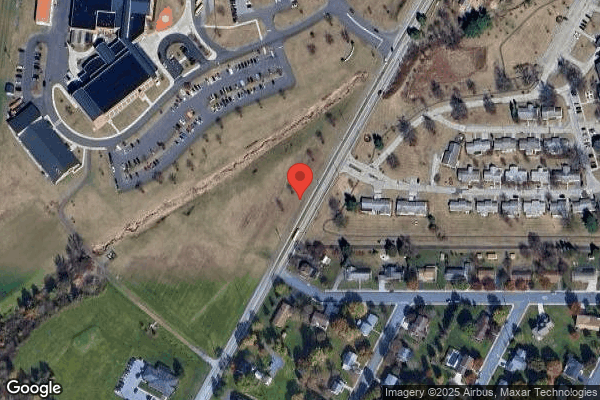
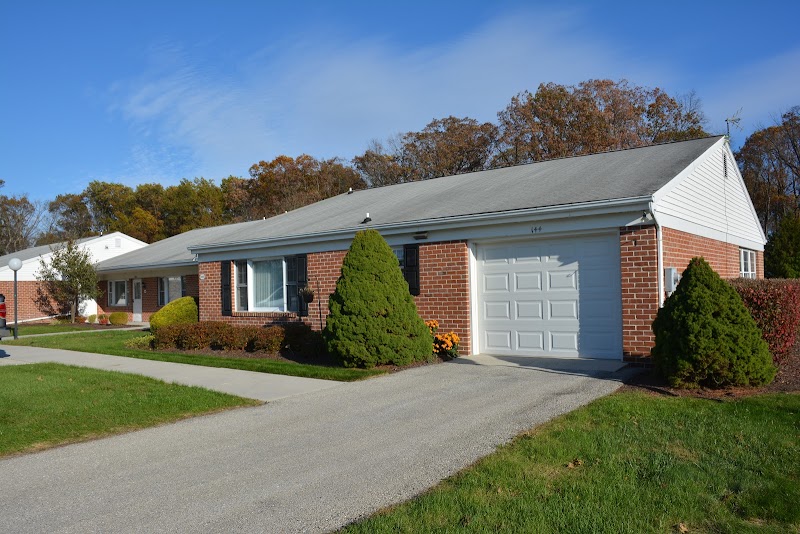
1075 OLD HARRISBURG ROAD, GETTYSBURG, PA 17325 (717) 334-6204
Non profit - Corporation 60 Beds Independent Data: November 2025
Trust Grade
78/100
#234 of 653 in PA
Last Inspection: June 2025

Inspected within the last 6 months. Data reflects current conditions.

Overview

Spiritrust Lutheran The Village at Gettysburg has a Trust Grade of B, meaning it is a good facility and a solid choice among nursing homes. It ranks #234 out of 653 in Pennsylvania, placing it in the top half of facilities in the state, and #3 out of 6 in Adams County, indicating that only two local options are better. However, the facility's trend is concerning, as the number of issues reported increased from 3 in 2024 to 8 in 2025. Staffing is a strength, with a 4 out of 5 stars rating and a turnover rate of 25%, significantly lower than the state average. Although there are no fines on record, which is a positive sign, recent inspections found specific problems, including failures to respond promptly to resident call bells and issues with food storage safety, which could impact resident comfort and health. Overall, while there are notable strengths, families should be aware of the increasing issues and specific concerns raised in recent inspections.

Trust Score
B
78/100
In Pennsylvania
#234/653
Top 35%
Safety Record
Low Risk
No red flags
Inspections
Getting Worse
3 → 8 violations
Staff Stability
✓ Good
25% annual turnover. Excellent stability, 23 points below Pennsylvania's 48% average. Staff who stay learn residents' needs.
Penalties
✓ Good
No fines on record. Clean compliance history, better than most Pennsylvania facilities.
Skilled Nurses
✓ Good
Each resident gets 46 minutes of Registered Nurse (RN) attention daily — more than average for Pennsylvania. RNs are trained to catch health problems early.
Violations
⚠ Watch
18 deficiencies on record. Higher than average. Multiple issues found across inspections.
★★★★☆
4.0
Overall Rating
★★★★☆
4.0
Staff Levels
★★★★★
5.0
Care Quality
★★★☆☆
3.0
Inspection Score
Stable
2024: 3 issues
2025: 8 issues

The Good

  • 4-Star Staffing Rating · Above-average nurse staffing levels
  • 5-Star Quality Measures · Strong clinical quality outcomes
  • Low Staff Turnover (25%) · Staff stability means consistent care
  • Full Sprinkler Coverage · Fire safety systems throughout facility
  • No fines on record
  • Staff turnover is low (25%)

    23 points below Pennsylvania average of 48%

Facility shows strength in staffing levels, quality measures, staff retention, fire safety.

The Bad

No Significant Concerns Identified

This facility shows no red flags. Among Pennsylvania's 100 nursing homes, only 1% achieve this.

The Ugly 18 deficiencies on record

Jun 2025 8 deficiencies
CONCERN (D)

Potential for Harm - no one hurt, but risky conditions existed

Deficiency F0658 (Tag F0658)

Could have caused harm · This affected 1 resident

**NOTE- TERMS IN BRACKETS HAVE BEEN EDITED TO PROTECT CONFIDENTIALITY** Based on policy review, observation, clinical record review, and staff interviews, it was determined that the facility failed to...

Read full inspector narrative →
**NOTE- TERMS IN BRACKETS HAVE BEEN EDITED TO PROTECT CONFIDENTIALITY** Based on policy review, observation, clinical record review, and staff interviews, it was determined that the facility failed to ensure care and services were provided in accordance with professional standards for two of 15 residents reviewed (Residents 14 and 94). Findings include: Review of facility policy, titled Residents Self-Administration of Medication, last reviewed July 18, 2024, revealed Residents are permitted to self-administer medication upon an order from a licensed provider and after evaluation by the Care Planning Team. Review of Resident 14's clinical record revealed diagnoses that included myasthenia gravis with acute exacerbation (an autoimmune disorder of the neuromuscular junction) and muscle weakness (lack of strength). Observations made during medication administration on June 11, 2025, at 12:00 PM, revealed Employee 3 left Resident 14's medications (acetaminophen 650 mg, ferrous sulfate 325 mg) on the bedside table when leaving the room to retrieve additional medication from the medication cart. Upon returning to the room, Resident 14 was observed to have partially taken the medications left on the bedside table. Review of Resident 14's physician orders failed to reveal an order for self-administration of medications. Further review of Resident 14's clinical record revealed a form, titled Self-Administration of Medications Evaluation Form dated March 25, 2025. Review of the form revealed resident 14 was only approved for self-administration of saline nasal spray. During an interview on June 12, 2025, at 1:49 PM, with the Nursing Home Administrator (NHA) and Director of Nursing (DON), the DON revealed it was the expectation of the facility that nurses do not leave medications at the bedside if a resident is not assessed to self-administer the medications. Review of Resident 94's clinical record revealed diagnoses that included Huntington disease (genetic disorder that causes the progressive breakdown of nerve cells in the brain) and encounter for palliative care (specialized medical care that focuses on providing comfort and support to patients with serious or life-threatening illnesses). Further review of Resident 94's clinical record revealed she was admitted to the facility on [DATE], for respite hospice care. Review of Resident 94's physician orders failed to reveal an order for hospice services. Review of Resident 94's care plan revealed a focus area for comfort/hospice care with interventions that provided contact details for Resident 94's hospice provider. During an interview on June 11, 2025, at 1:51 PM, with the NHA and DON, the NHA stated Resident 94 now has a physician's order for hospice care and that it was the facility's expectation that physician orders for care and services be entered. 28 Pa. Code 201.18(b)(1) Management. 28 Pa. Code 211.12(d)(1)(5) Nursing services
CONCERN (D)

Potential for Harm - no one hurt, but risky conditions existed

Pressure Ulcer Prevention (Tag F0686)

Could have caused harm · This affected 1 resident

Based on clinical record review and resident and staff interviews, it was determined that the facility failed to ensure that residents receive necessary treatment and services, consistent with profess...

Read full inspector narrative →
Based on clinical record review and resident and staff interviews, it was determined that the facility failed to ensure that residents receive necessary treatment and services, consistent with professional standards of practice, to promote healing and prevent infection of a pressure ulcer for one of two residents reviewed for pressure ulcers (Resident 13). Findings include: Review of Resident 13's clinical record revealed diagnoses that included cervicalgia (neck pain) and acute diastolic congestive heart failure (occurs when the heart muscle becomes stiff and unable to relax properly between beats). During an interview on June 9, 2025, at 1:26 PM, with Resident 13, it was revealed that Resident 13 had a wound on her right hip and was receiving daily wound care. Further review of Resident 13's clinical record revealed Resident 13's was evaluated by a contracted wound care provider on June 4, 2025. Review of the evaluation revealed Resident 13 had a stage 1 pressure ulcer on the right buttock that was present for less than two days. Treatment recommendations for superabsorbent gelling fiber with silicone border and faced once daily and as needed for 30 days were given. Review of Resident 13's physician orders failed to reveal wound care orders for Resident 13's right buttock pressure ulcer. During an interview on June 11, 2025 at 1:53 PM, with the Nursing Home Administrator and Director of Nursing (DON), the DON revealed the wound care recommendations for Resident 13's right buttock pressure ulcer were missed and that Resident 13 now has wound care orders. The DON stated it was the expectation of the facility that recommendations from the wound care provider be entered as treatment orders. 28 Pa. Code 201.18(b)(1) Management 28 Pa. Code 211.12 (d)(1)(5) Nursing services
CONCERN (D)

Potential for Harm - no one hurt, but risky conditions existed

Deficiency F0804 (Tag F0804)

Could have caused harm · This affected 1 resident

Based on observations and resident and staff interviews, it was determined that the facility failed to provide food that was palatable in accordance with resident preference for one of 15 residents ob...

Read full inspector narrative →
Based on observations and resident and staff interviews, it was determined that the facility failed to provide food that was palatable in accordance with resident preference for one of 15 residents observed in the dining room (Resident 9); and failed to provide food in accordance with selected menu items for one of 15 residents observed in the dining room (Resident 11). Findings include: Observations of Resident 9's lunch meal on June 9, 2025, revealed that she didn't eat the piece of chicken on her tray. Resident did mark her meal ticket for plain chicken (no marinara sauce on top) and to prepare well done. The chicken was white with no grill marks on one side and two streaks of grill markings that could barely be seen on the opposite side. During an interview with the Resident on June 9, 2025, at approximately 12:30 PM, Resident 9 stated that she was unable to eat the chicken the way it was prepared, describing it as not palatable (texture and appearance) and not cooked enough. During an interview with Employee 1 (Director of Dining Services) on June 9, 2025, at approximately 1:00 PM, he was asked how the chicken was prepared because of the appearance. Employee 1 stated that it is thawed, steamed, and tossed on the grill. Employee 1 agreed that the chicken was not prepared based on Resident 9's request, and stated that if prepared well done, it would be too dry. Observation of Resident 11 in dining room on June 9, 2025, at 12:33 PM, revealed that on her meal ticket had been marked for her to receive chicken and penne pasta with red sauce. Resident 11 was observed to have chicken and mashed potatoes with a yellow colored gravy. During an immediate staff interview with the nursing team member assisting Resident 11 regarding the lack of pasta, the team member indicated It must have been missed. It has been a hectic day. During a staff interview with Employee 1 on June 9, 2025, at 12:43 PM, Employee 1 indicated that nursing staff selects Resident 11's food items since she is incapable. He further indicated that dietary staff served Resident 11 mashed potatoes because she generally eats them very well. He did confirm that they had the pasta with red sauce available and that it should have been served to her since it was selected on the meal ticket. During continued observation of the dining room on June 9, 2025, until 12:55 PM, revealed that Resident 11 was not served the penne pasta with red sauce. During a staff interview with the Nursing Home Administrator (NHA) and the Director of Nursing on June 11, 2025, at 2:25 PM, the NHA indicated that since nursing staff had marked the ticket it was not necessarily Resident 11's preference to receive the pasta, but did agree that since it was available it should have been served. 28 Pa. code 211.6 Dietary Services
CONCERN (E)

Potential for Harm - no one hurt, but risky conditions existed

Deficiency F0558 (Tag F0558)

Could have caused harm · This affected multiple residents

Based on review of facility policy, review of facility provided call bell monitoring system reports, and resident and staff interviews, it was determined that the facility failed to ensure a prompt re...

Read full inspector narrative →
Based on review of facility policy, review of facility provided call bell monitoring system reports, and resident and staff interviews, it was determined that the facility failed to ensure a prompt response time to resident call bells for four of four residents reviewed (Residents 2, 3, 4, and 30) between March 10, 2025, through June 10, 2025. Findings include: Review of the facility policy, titled Call Light, Use of, with a last revised date of May 18, 2018, and a last review date of July 18, 2024, revealed All Center team members must be aware of call lights at all times. Answer ALL call lights promptly whether or not you are assigned to the resident. Answer call lights in a prompt, calm, courteous manner. Once care needs are started, call light is turned off. If additional needs are identified after call bell is turned off, call bell will be reactivated until those needs can be met. During an interview with Resident 2 on June 9, 2025, at 12:56 PM, he indicated that the facility seems short of help at night and that call bell wait times vary. Review of facility's RESPONDER 5000 (call bell monitoring system) reports for Resident 2 revealed the following response times that were greater than 20 minutes: March 15, 2025, at 2:19 PM, 37 minutes; March 19, 2024, at 8:44 PM, 25 minutes; March 24, 2025, at 5:56 AM, 24 minutes; April 3, 2025, at 7:55 PM, 33 minutes; April 18, 2025, at 7:56 PM, 1 hour and 8 minutes; April 21, 2025, at 2:14 PM, 32 minutes; April 29, 2025, at 8:13 PM, 25 minutes; May 5, 2025, at 6:52 AM, 1 hour and 44 minutes; May 27, 2025, at 8:03 PM, 24 minutes; June 2, 2025, at 6:54 AM, 39 minutes; and June 8, 2025, at 8:20 PM, 28 minutes. Review of facility's RESPONDER 5000 (call bell monitoring system) reports for Resident 3 revealed the following response times that were greater than 20 minutes; March 21, 2025, at 10:26 PM, 25 minutes; March 23, 2025, at 7:38 PM, 23 minutes; March 24, 2025, at 8:50 AM, 31 minutes; March 29, 2025, at 11:14 AM, 28 minutes; March 30, 2025, at 9:20 AM, 42 minutes; March 30, 2025, at 12:45 PM, 42 minutes; April 3, 2025, at 9:03 PM, 21 minutes; April 12, 2025, at 11:46 AM, 37 minutes; April 13, 2025, at 11:23 AM, 23 minutes; April 14, 2025, at 6:58 PM, 21 minutes; April 26, 2025, at 12:06 PM, 40 minutes; April 27, 2025, at 10:43 AM, 30 minutes; April 28, 2025, at 9:01 PM, 24 minutes; May 2, 2025, at 9:53 AM, 22 minutes; May 18, 2025, at 9:02 PM, 23 minutes; May 19, 2025, at 11:51 AM, 29 minutes; May 24, 2025, at 12:49 PM, 27 minutes; May 25, 2025, at 8:07 PM, 23 minutes; June 7, 2025, at 10:30 AM, 29 minutes; June 8, 2025, at 11:41 AM, 35 minutes; and June 8, 2025, at 9:01 PM, 24 minutes. During an interview with Resident 4 on June 10, 2025, at 9:36 AM, she indicated there is not enough staff; she has been on bedpan 45 minutes to 2 hours; all shifts have issues, but day shift and evening shift are the worst. Review of facility's RESPONDER 5000 (call bell monitoring system) reports for Resident 4 revealed the following response times that were greater than 20 minutes: March 10, 2025, at 10:25 AM, 31 minutes; March 15, 2025, at 9:29 AM, 28 minutes; March 16, 2025, at 9:18 AM, 50 minutes; March 25, 2025, at 2:26 PM, 21 minutes; April 10, 2025, at 2:10 PM, 26 minutes; April 17, 2025, at 8:30 AM, 21 minutes; April 26, 2025, at 8:59 AM, 27 minutes; April 27, 2025, at 12:47 PM, 24 minutes; May 17, 2025, at 9:31 PM, 24 minutes; and May 27, 2025, at 1:28 PM, 24 minutes. During an interview with Resident 30 on June 9, 2025, at 10:44 AM, she indicated there are long call bell wait times especially on the weekend and she often does not drink enough because she cannot wait for help to take her to the bathroom. Review of facility's RESPONDER 5000 (call bell monitoring system) reports for Resident 30 revealed the following response times that were greater than 20 minutes: May 11, 2025, at 7:44 AM, 44 minutes; May 11, 2025, at 8:44 AM, 22 minutes; May 11, 2025, at 7:20 PM, 34 minutes; May 19, 2025, at 6:55 PM, 24 minutes; and May 25, 2025, at 6:55 AM, 21 minutes. During a staff interview with the Nursing Home Administrator (NHA) on June 12, 2025, at 11:00 AM, the NHA indicated that she reviews call bell reports when a grievance is filed or if resident voices a concern. She indicated that individual long wait times on the reports could just be outliers because a staff member may have forgotten to turn off the call light when need was met, staff may have been involved in another resident's care or passing meal trays. She indicated that all staff are expected to respond to a call light, but they have been educated not to turn off the call light until the actual need has been met. She said she could not confirm that staff had or had not acknowledged Residents 2, 3, 4, or 30 in a timely manner. She indicated that she looks at the average response time when a concern is voiced and not the individual response times. She said she could not speak as to if anyone else reviews the call bell reports for concerns on a regular basis. During a final staff interview with the NHA and the Director of Nursing on June 12, 2025, at approximately 11:30 AM, they were unable to share the expectations of how long a resident should wait for a response from staff after placing there call bell on for assistance. 28 Pa. Code 201.14(a) Responsibility of licensee 28 Pa. Code 201.18(b)(1)(3) Management 28 Pa Code 211.12(d)(1) Nursing services
CONCERN (E)

Potential for Harm - no one hurt, but risky conditions existed

Deficiency F0691 (Tag F0691)

Could have caused harm · This affected multiple residents

Based on review of policy, clinical record review, and resident and staff interviews, it was determined that the facility failed to ensure that residents were provided with proper urostomy care for on...

Read full inspector narrative →
Based on review of policy, clinical record review, and resident and staff interviews, it was determined that the facility failed to ensure that residents were provided with proper urostomy care for one of one resident reviewed (Resident 4). Findings include: Review of facility policy, titled Colostomy/Ileostomy Care #066, with revised date of July 2015, and a last review date of June 18, 2024, revealed The following information should be recorded in the resident ' s medical record: 1. The date and time the colostomy/ileostomy care was provided. 2. The name and title of the individual(s) who provided the colostomy/ileostomy care. (The above information is generally documented in the Treatment Record.) 3. Any breaks in resident's skin, signs of infection (purulent discharge, pain, redness, swelling, temperature), or excoriation of skin. 4. How the resident tolerated the procedure. 5. If the resident refused the procedure, the reason(s) why and the intervention taken; and 6. The signature and title of the person recording the data. Review of Resident 4's clinical record revealed diagnoses that included neuromuscular disorder of the bladder and urostomy (artificial opening of the urinary tract on the abdomen). During an interview with Resident 4 on June 10, 2025, at 9:57 AM, Resident 4 indicated that she has a urostomy, that she provides her own urostomy care, and is comfortable doing so. Review of Resident 4's physician orders revealed an order for right urostomy: diagnosis of neurogenic bladder dated December 31, 2024. Further review of the physician orders failed to reveal any order for urostomy care. Review of Resident 4's care plan revealed a care plan focus for urostomy care, and interventions included care as ordered by my physician, skin nurse or charge nurse, with a revised date of January 25, 2019. Review of Resident 4's treatment administration records revealed that there was no documentation regarding urostomy care after March 23, 2025. During a staff interview with the Nursing Home Administrator and Director of Nursing (DON) on June 12, 2025, at 1:52 PM, the DON confirmed that Resident 4 performs her own urostomy care and will either tell staff that she needs supplies or orders them herself because Resident 4 wants to maintain as much independence as possible. The DON further confirmed that there should be an order for urostomy care to include more details and that the urostomy care provision should be documented in Resident 4's clinical record. 28 Pa. Code 211.10(c) Resident care policies 28 Pa. Code 211.12(d)(1)(2)(5) Nursing services
CONCERN (E)

Potential for Harm - no one hurt, but risky conditions existed

Deficiency F0692 (Tag F0692)

Could have caused harm · This affected multiple residents

**NOTE- TERMS IN BRACKETS HAVE BEEN EDITED TO PROTECT CONFIDENTIALITY** Based on clinical record review and staff interviews, it was determined that the facility failed to inform the dietician or phys...

Read full inspector narrative →
**NOTE- TERMS IN BRACKETS HAVE BEEN EDITED TO PROTECT CONFIDENTIALITY** Based on clinical record review and staff interviews, it was determined that the facility failed to inform the dietician or physician of the non-availability of an ordered nutritional supplement for two of two residents reviewed for nutrition(Residents 31 and 39). Findings include: Review of the clinical record for Resident 31 revealed diagnoses that included diabetes mellitus (body has trouble controlling blood sugar and using it for energy) and dementia (a chronic disorder of the mental processes caused by brain disease, marked by memory disorders, personality changes, and impaired reasoning). A review of the clinical record revealed that Resident 31 weighed 115.8 pounds on February 4, 2025, and on May 11, 2025, the Resident weighed 113.2 pounds, which is a -2.25 % pound weight loss over the 3 months. A review of the physician orders for Resident 31 revealed an order for Magic Cup (a nutritional supplement) twice a day beginning April 8, 2025. Progress notes dated April 27, 28, and 29, 2025, revealed that the Magic Cup was not available to be provided during the lunch or dinner meals as ordered due to being back ordered. A progress note dated May 6, 2025, at 4:00 PM, indicated the staff was unable to locate the Magic Cup. There was no documentation that the physician or dietician was notified of the unavailability of Magic Cup. During a staff interview with the Nursing Home Administrator (NHA) and Director of Nursing (DON) on June 12, 2025, at 1:50 PM, the NHA indicated that the Magic Cup was on back order in April. The DON confirmed that nursing staff should have notified the dietician and/or Resident 31's physician that the Magic Cup was not available and to seek for further guidance. Review of Resident 39's clinical record revealed that she was admitted to the facility on [DATE], with diagnoses that included dementia (a chronic disorder of the mental processes caused by brain disease, marked by memory disorders, personality changes, and impaired reasoning) and stage 4 pressure injury (an injury resulting from pressure that extends below the subcutaneous fat into deep tissues, including muscle, tendons, ligaments, cartilage or bone). Review of Resident 39's clinical record revealed an order for Magic two times a day between meals for a low body mass index (BMI- a measure of body fat based on height and weight), with an original order date of April 17, 2025. Review of Resident 39's April Medication Administration Record and accompanying progress notes revealed the following: April 27, 2025, at 11:37 AM, the magic cup was not available; April 27, 2025, at 7:03 PM, the magic cup was not available; April 28, 2025, at 12:57 PM, the magic cup was not available and Ensure was given; April 29, 2025, at 12:50 PM, the magic cup was not available and Ensure was given; April 29, 2025, at 6:30 PM, the magic cup was not available and the Resident 39 did not want anything else; and April 30, 2025, at 1:23 PM, the magic cup was not available. In addition, on April 28, 2025, at 7:00 PM, Resident 39 was documented as receiving the magic cup. Review of facility documentation provided revealed that magic cups were ordered on April 27, 2025, and were delivered to the facility on April 29, 2025. During a staff interview with the NHA and DON on June 12, 2025, at 1:50 PM, the NHA indicated that the magic cup had been on back order. The DON confirmed that nursing staff should have notified the dietician and/or Resident 39's physician that the magic cup was not available and to seek for further guidance. She also confirmed that staff had provided ensure as a substitute but agreed that nursing staff did not have an order to do so. 28 Pa. Code 211.12(d)(1)(3)(5) Nursing services
CONCERN (E)

Potential for Harm - no one hurt, but risky conditions existed

Deficiency F0761 (Tag F0761)

Could have caused harm · This affected multiple residents

Based on observations, facility policy review, and staff interviews, it was determined that the facility failed to ensure controlled substances were contained in a double locked compartment for one of...

Read full inspector narrative →
Based on observations, facility policy review, and staff interviews, it was determined that the facility failed to ensure controlled substances were contained in a double locked compartment for one of one medication rooms observed (Arlington Hall), and failed to ensure appropriate labeling of medications when opened for two of two medication carts observed (2-AE and 2-A hall). Findings include: Review of facility policy, titled Accountability of Medications and Controlled Substances, last reviewed July 18, 2024, read, in part, d. Medication storage areas remain locked when not in use. Controlled substances are double locked in the medication carts. Emergency controlled substances are also double locked. Review of facility policy, titled Multi-Dose Medication Storage, last reviewed July 18, 2024, read, in part, 1. All multi-dose vials are to be dated when opened . Observation of the medication storage room refrigerate in the Arlington hall on June 11, 2025 at 9:17 AM, with Employee 3, revealed one 30 milliliter bottle of lorazepam laying on top of the non-removable lock box. Further observation of the refrigerator lock box revealed the box was not locked and contained seven vials of lorazepam. An interview on June 11, 2025, at 9:17 AM, with Employee 3 revealed the lorazepam should be stored in the box and the box should be locked. Observation of the medication cart on 2-AE on June 11, 2025 at 9:04 AM, with Employee 3 present, revealed an open bottle of acetaminophen tablets with no open date and an open bottle of cranberry tablets with no open date. An interview on June 11, 2025 at 9:04 AM, with Employee 3, revealed medications are to be dated when opened. Observation of the medication cart on 2-A on June 11, 2025 at 9:30 AM, with Employee 2 present, revealed an open bottle of calcium 600 + vitamin D tablets with no open date, an open bottle of multi vitamins with no open date, and an open container of prosource powder with no open date. During an interview on June 12, 2025 at 1:51 AM, with the Nursing Home Administrator and the Director of Nursing (DON), the DON revealed with was the expectation of the facility that medication be dated when opened. 28 Pa. Code 201.18(b)(1) Management 28 Pa. Code 211.9(a)(1) Pharmacy services 28 Pa. Code 211.12 (d)(1)(5) Nursing services
CONCERN (F)

Potential for Harm - no one hurt, but risky conditions existed

Food Safety (Tag F0812)

Could have caused harm · This affected most or all residents

**NOTE- TERMS IN BRACKETS HAVE BEEN EDITED TO PROTECT CONFIDENTIALITY** Based on policy review, observations, and staff interviews, it was determined that the facility failed to store food and equipme...

Read full inspector narrative →
**NOTE- TERMS IN BRACKETS HAVE BEEN EDITED TO PROTECT CONFIDENTIALITY** Based on policy review, observations, and staff interviews, it was determined that the facility failed to store food and equipment in accordance with professional standards for food service safety in the main kitchen, walk in freezer, and two of two pantries. Findings include: Review of facility policy, titled Labeling and Dating, last reviewed July 18, 2024, revealed the following: 3. All prepared menu items will be dated (m/d) in compliance of a 3 day 'Use by' date. Day 1 is counted as the day of prep. The item is discarded at the end of day 3 . 4. Any unopened food or beverage item will be discarded by the manufacturer labeled expiration date. Examples of what is considered an expiration date can be preceded by, but are not limited to, Use By, Fresh Through, Sell By, etc. In a health care setting consider these expiration terms. Observations made in the main kitchen on June 9, 2025, at 9:37 AM, revealed an open bag of chips with no open date, an open bag of bread with no open date, an open bag of rolls with no open date, and a bowl containing a green flaky substance with no label or date. Observation of reach in refrigerator #1 in the main kitchen revealed one open container of cool whip with no open date. Observation of reach in refrigerator #2 in the main kitchen revealed: one open container of turkey base with an open date of April 17; one open container of seafood base with an open date of May 25; one open container of basil pesto with an open date of May 7 and an expiration date of June 7, 2025; one open container of cocktail sauce with a use by date of June 6, 2025; one open bottle of mayonnaise with an expiration date of November 30, 2024; one container of cut lemons with a use by date of June 6; one container of cut lemons with a use by date of June 7; one open bottle of lemon juice with no open date; and one open bottle of chocolate syrup with no open date. Further observation of the main kitchen revealed two multi use ovens with a heavy amount of white staining on the table under the ovens as well as a heavy amount of water damage to the wall behind the ice machine at the water line connection. An interview with Employee 1 on June 9, 2025, at 10:15 AM, revealed all open and prepared foods should be dated with an open or prepared date and discarded by the expiration dates. Employee 1 revealed the multi-use ovens and tables they sit on are cleaned every evening but hard water had caused white staining on the surfaces. Employee 1 also revealed there had been an on and off issue with the water line to the ice machine leaking and that a maintenance request had been entered. Observation of the walk in freezer on June 9, 2025, at 10:30 AM, revealed a metal shelving unit with multiple shelves having a brownish red discoloration and a large amount of greenish/brown substance on the shelves and pooled on the floor beneath the shelves. Interview with Employee 1 on June 9, 2025, at 10:30 AM, revealed there is not a cleaning schedule for the walk in freezer. Observation of the 2A hall pantry on June 9, 2025, at 11:30 AM, revealed one open container of Thick it with an open date of May 2025 and expiration date of June 2024. Observation of the [NAME] pantry on June 9, 2025, at 11:35 AM, revealed four packets of thicken coffee with expiration dates of March 29, 2025, and an open bag with frozen chocolate bananas with no open date. During an interview on June 12, 2025 at 1:52 PM, with the Nursing Home Administrator (NHA) and Director of Nursing, the NHA revealed it was the expectation of the facility that food be dated when opened or prepared and that expired foods be discarded. The NHA also stated it was the facility's expectation that equipment be maintained and clean. 28 Pa. Code 201.14(a) Responsibility of licensee 28 Pa. Code 211.6(f) Dietary services
May 2024 3 deficiencies
CONCERN (D)

Potential for Harm - no one hurt, but risky conditions existed

Tube Feeding (Tag F0693)

Could have caused harm · This affected 1 resident

Based on policy review, observation, record review, and staff interviews, it was determined the facility failed to provide appropriate care and services for residents receiving a tube feeding for one ...

Read full inspector narrative →
Based on policy review, observation, record review, and staff interviews, it was determined the facility failed to provide appropriate care and services for residents receiving a tube feeding for one of 16 residents reviewed (Resident 19). Findings include: Review of facility policy, titled Tube Feeding Standard, last revised April 1, 2016, revealed, in part, Feeding solution is hung per manufacturer recommendations. All bags and tubing are replaced daily. Irrigation syringes are labeled with resident name, date, and are changed daily on 11-7 shift. Review of Resident 19's clinical record revealed diagnoses that included: surgical aftercare following surgery on the digestive system, dysphagia (difficulty swallowing), and dementia (a chronic disorder of the mental processes caused by brain disease, marked by memory disorders, personality changes, and impaired reasoning). Review of Resident 19's physician orders revealed an order for Enteral Feed every night shift, Change Enteral Feeding set, container bag, tubing, with a start date of April 13, 2024. Observation in Resident 19's room on April 30, 2024, at 12:02 PM, revealed Resident 19's enteral feed tubing and the hanging bag of water for flushing were dated April 29, 2024, at 2:50 AM. During an interview with the Director of Nursing (DON) on April 30, 2024, at 1:12 PM, the surveyor revealed the observation of the tubing and water bag not dated as changed on the prior night shift. During a follow-up interview with the DON on May 1, 2024, at 9:57 AM, she revealed the tubing was not changed on night shift on April 30, 2024, and she would expect tubing and hanging bags to be changed per physician order and facility policy. 28 Pa. Code 211.12(d)(1)(3)(5) Nursing services
CONCERN (D)

Potential for Harm - no one hurt, but risky conditions existed

Drug Regimen Review (Tag F0756)

Could have caused harm · This affected 1 resident

Based on facility policy review, clinical record review, and staff interviews, it was determined that the facility failed to ensure that the physician reviewed and responded to pharmacy review recomme...

Read full inspector narrative →
Based on facility policy review, clinical record review, and staff interviews, it was determined that the facility failed to ensure that the physician reviewed and responded to pharmacy review recommendations for one of five residents reviewed for unnecessary medications (Resident 24). Findings include: Review of facility policy titled Drug Regimen Review last revised February 2023, read, in part A record of the consultant pharmacist's observations and recommendations is made available in an easily retrievable form to nurses, physicians and the care planning team. This should be: Documentation of the date each medication regimen review is completed on the appropriate form and notation of the finding in the medical record or other designated site. Review of Resident 24's clinical record revealed diagnoses that included: Myasthenia gravis (a neuromuscular disorder that leads to weakness of skeletal muscles), anxiety disorder (a persistent feeling of worry, nervousness, or unease), and major depressive disorder (a mood disorder that causes a persistent feeling of sadness and loss of interest in things). Review of Resident 24's clinical record on April 30, 2024, at 9:30 AM, failed to reveal a medication regimen review completed by a licensed pharmacist in the month of November 2023. Email correspondence with the Director of Nursing (DON) on May 1, 2023, at 9:40 AM, revealed I cannot locate the pharmacy recommendation for November 2023 for [Resident 24]. During a follow up interview with the DON on May 1, 2023, at 1:45 PM, she confirmed she was unable to locate Resident 24's pharmacy recommendation from November 2023, and she would expect pharmacy recommendations to be available and reviewed by the physician. 28 Pa. Code 211.9(k) Pharmacy services 28 Pa. Code 211.12(d)(1)(3)(5) Nursing services
CONCERN (E)

Potential for Harm - no one hurt, but risky conditions existed

Deficiency F0657 (Tag F0657)

Could have caused harm · This affected multiple residents

Based on policy review, observations, clinical record review, and staff interviews, it was determined that the facility failed to ensure the care plan was reviewed and revised for three of sixteen res...

Read full inspector narrative →
Based on policy review, observations, clinical record review, and staff interviews, it was determined that the facility failed to ensure the care plan was reviewed and revised for three of sixteen residents reviewed (residents 17, 19, and 29). Findings include: Review of facility policy titled, Comprehensive Care Planning Standard, last revised November 15, 2017, revealed, in part, The care plan framework will include the following: The services that are to be furnished to attain or maintain the resident's highest practicable physical, mental, and psychosocial well-being .Care plans are evaluated and revised as the resident's status changes and with any goals or treatment refusals. Review of Resident 17's clinical record revealed diagnoses of muscle weakness (weakness of muscle movements) and fracture of the left humerus (bone in the part of the arm closest to the body). Observation on Resident 17 on April 29, 2024, at 12:24 PM, revealed Resident 17 sitting in a wheelchair with no brace on her left arm. When questioned about the brace that was sitting on a chair behind where the resident was sitting, Resident 17 replied that she only wears the brace at nighttime. Resident 17 was also using supplemental oxygen at this time. Review of Resident 17's care plan, on April 29, 2024, revealed an active care plan for, Activities of daily living function impaired due to left humeral fracture. This care plan had an intervention of hinged elbow brace to be work at all times, with a date initiated of February 16, 2024. Further review of Resident 17's care plan failed to reveal anything regarding Resident 17's supplemental oxygen use. Review of Resident 17's physician orders on April 29, 2024, revealed a current physician's orders for supplemental oxygen at 2 liters per minute to start on March 24, 2024, and an order for Resident 17 to wear her hinged elbow brace at hours of sleep only starting on March 30, 2024. Interview with the Director of Nursing (DON) on May 2, 2024, at 10:12 AM revealed that Resident 17's care plan should have been updated to include her use of supplemental oxygen and should have been updated when the physicians order for her hinged elbow brace changed to only be worn at hours of sleep. Review of Resident 19's clinical record revealed diagnoses that included: muscle weakness, peripheral vascular disease (disease or disorder of the circulatory system outside of the brain and heart), and dementia (a chronic disorder of the mental processes caused by brain disease, marked by memory disorders, personality changes, and impaired reasoning). Observation of Resident 19 in her room on April 29, 2024, at 10:13 AM, revealed she had a soft boot on her left foot, her other foot was covered by a blanket. Review of Resident 19's care plan on April 29, 2024, at 12:45 PM, failed to reveal and notation of heel boots or heel protective devices. During an interview with the DON on May 1, 2024, at 9:59 AM, she revealed Resident 19 wears heel protector boots to prevent skin breakdown (development of wounds). Review of Resident 19's care plan on May 1, 2024, at 2:05 PM, revealed a focus area: Potential for skin breakdown due to fragile skin, incontinence (the loss of bladder control), limited ability to move by myself, poor nutrition initiated on April 12, 2024, with an intervention for Apply heel protectors as needed for skin protection, initiated April 30, 2024. Interview with the DON on May 2, 2024, at 10:04 AM, revealed she would expect the heel protectors to be on Resident 17's care plan prior to April 30, 2024. Review of Resident 29's clinical record on April 30, 2024 at approximately 2:00 PM, revealed diagnoses that included cerebral infarction (damage to tissues in the brain due to loss of oxygen to the area) and muscle weakness (lack of strength). Review of Resident 29's physician orders revealed an order written on January 12, 2024 to apply left resting hand splint upon rising in the morning and remove at bedtime. Review of Resident 29's comprehensive care plan failed to reveal a focus area or intervention for the use of a left-hand splint. During an interview on May 1, 2024 at 1:15 PM, with the Nursing Home Executive Director and Director of Nursing (DON) the surveyor requested additional information regarding Resident 29's care plan not including the left hand splint. During a follow up interview on May 2, 2024 at 10:12 AM with the Nursing Home Executive Director and DON, the DON stated the Resident 29's care plan had been revised to include use of the left-hand splint. The DON also stated it was the facility's expectation that the care plan would have been updated timely. 28 Pa. Code 211.12(d)(5) Nursing services
Jul 2023 7 deficiencies
CONCERN (D)

Potential for Harm - no one hurt, but risky conditions existed

Quality of Care (Tag F0684)

Could have caused harm · This affected 1 resident

Based on clinical record review and staff interview, it was determined that the facility failed to ensure residents were provided care and services to attain or maintain their highest practical level ...

Read full inspector narrative →
Based on clinical record review and staff interview, it was determined that the facility failed to ensure residents were provided care and services to attain or maintain their highest practical level of well-being for one of 18 residents reviewed (Resident 6). Findings include: Review of Resident 6's clinical record revealed diagnoses that included presence of cardiac pacemaker (small device that's placed in the chest or abdomen to help control abnormal heart rhythms) and sick sinus syndrome (disease in which the heart's natural pacemaker becomes damaged and is no longer able to generate normal heartbeats at the normal rate). Review of cardiology consult report dated November 21, 2022, revealed instructions for a follow-up appointment in six months. Review of Resident 6's nursing progress notes dated November 23, 2022, revealed, in part, follow up with Cardiology in 6 months . Unit secretary made aware of follow up appointment needing scheduled. Further review of Resident 6's clinical record failed to reveal evidence that she was seen by her cardiology provider since her appointment on November 21, 2022. During an interview with the Director of Nursing on July 20, 2023, at 9:41 AM, she confirmed that Resident 6 has not been seen by cardiology since November 2022, and noted that the scheduler must have missed scheduling the appointment. 28 Pa. Code 211.12(d)(1)(3)(5) Nursing services
CONCERN (D)

Potential for Harm - no one hurt, but risky conditions existed

Deficiency F0688 (Tag F0688)

Could have caused harm · This affected 1 resident

Based on facility policy review, clinical record review, and staff interviews, it was determined that the facility failed to ensure a resident with limited mobility received appropriate services, equi...

Read full inspector narrative →
Based on facility policy review, clinical record review, and staff interviews, it was determined that the facility failed to ensure a resident with limited mobility received appropriate services, equipment, and assistance to maintain or improve mobility for one of two residents reviewed (Residents 26). Findings include: Review of facility policy, titled Restorative Nursing Standard with a last revision date of July 23, 2015, and a last review date of November 9, 2022, indicated the following: B. Referral Process 2. Residents will be placed in the program per recommendations of therapy or nursing team members. All residents, as appropriate, after completion of skilled therapy, will have recommendations and referral to restorative program documented in the Therapy Discharge Summary. C. Schedule Residents: 1. Therapy Department team members complete the Restorative Nursing Program form for the specific program and gives form to the Restorative Aide. D. Documentation & Record Keeping 1. A daily schedule will be initiated by the aides to ensure that the interventions and daily documentation are completed. 2. Daily documentation is entered in the Electronic Health Record by the Restorative Aide or designee. Restorative Nursing refers to interventions that promote the resident's ability to adapt and adjust to living as independently and safely as possible, and focuses on achieving and maintaining optimal physical, mental, and psychosocial function. Review of Resident 26's clinical record revealed diagnoses that included muscle weakness and contractures (condition of shortening and hardening of muscles, tendons, or other tissue often leading to deformity and rigidity of joints) of the right and left knee. Review of Resident 26's care plan revealed no interventions regarding Range of Motion programs. Review of Resident 26's clinical record revealed that they had received Occupational Therapy (OT) from January 5, 2023, through January 18, 2023. Review of facility form, titled Rehab Discharge Program-OT dated January 17, 2023, was marked Restorative and indicated in the section labeled Upper Extremity Range of Motion and Strengthening, Active Range of Motion for fingers, wrists, elbows, and shoulders; three sets of 10 repetitions. Review of Resident 26's clinical record revealed that they had received Physical Therapy (PT) from March 2, 2023, through March 29, 2023. Review of facility form, titled Rehab Discharge Program-PT dated March 29, 2023, was marked Restorative and indicated in the section labeled Lower Extremity Range of Motion and Strengthening, Passive Range of Motion for hips, knees, and ankles; three sets of 10 repetitions. Review of Resident 26's clinical record revealed that they are currently receiving OT, with a start of care date July 11, 2023. During an interview with the Nursing Home Administrator (NHA) on July 18, 2023, at 1:27 PM, the NHA revealed that she could not find any documentation in the point of care documentation for Resident 26 that the Range of Motion programs were provided, as recommended by therapy. She further stated that she could not find where the programs were ever implemented, but that she would look again. During a follow-up interview with the NHA on July 19, 2023, at 8:45 AM, the NHA confirmed that she could not provide any documentation for either of the Range of Motion programs recommended by therapy. She stated that she had no explanation for it. She further indicated that she would expect programs to be implemented as recommended by therapy. 28 Pa. Code 211.11 (a) Resident care plan 28 Pa. Code 211.12(a)(d)(1)(3)(5) Nursing services
CONCERN (D)

Potential for Harm - no one hurt, but risky conditions existed

Respiratory Care (Tag F0695)

Could have caused harm · This affected 1 resident

Based on facility policy review, observations, record review, and staff and resident interviews, it was determined the facility failed to provide respiratory care consistent with professional standard...

Read full inspector narrative →
Based on facility policy review, observations, record review, and staff and resident interviews, it was determined the facility failed to provide respiratory care consistent with professional standards of practice for one of 18 residents reviewed (Resident 10). Findings Include: Review of facility policy, titled Oxygen Administration last reviewed November 9, 2022, revealed Procedure 1. Check physician's order for liter flow and method of administration .adjust liter flow as ordered Review of Resident 10's clinical record revealed diagnoses that included obstructive sleep apnea (a sleep-related breathing disorder that causes repeated disruptions in breathing during sleep), multiple sclerosis (a chronic progressive disease involving damage to the sheaths of nerve cells in the brain and spinal cord; symptoms include numbness, impaired speech, muscle coordination, blurred vision, and severe fatigue), and major depressive disorder (a mood disorder that causes a persistent feeling of sadness and loss of interest in things). Review of Resident 10's physician orders revealed an order for oxygen continuous at 2 liters (liters - unit of measure) every shift for shortness of breath, dated November 07, 2020. Review of Resident 10's TAR (Treatment Administration Record - documentation for treatments/medication administered or monitored) revealed documentation to indicate oxygen was running at 2 liters every shift on July 17, 2023, and July 18, 2023. Observation on July 17, 2023, at 8:42 AM, revealed Resident 10's oxygen was running at 4 liters. Observation on July 18, 2023, at 11:08 AM, revealed Resident 10's oxygen was running at 4 liters. Resident 10 then stated, the doctor was supposed to increase my oxygen in the computer, as I prefer it to be at 4 liters. Interview with Employee 3 on July 18, 2023, at 11:09 AM, when the surveyor revealed Resident 10's oxygen was running at 4 liters, Employee 3 stated, I haven't looked at it today. When the surveyor questioned whether Employee 3 had adjusted the oxygen level on July 17th, 2023, or July 18, 2023, Employee 3 replied, I have not changed it yesterday or today. Interview with Employee 3 on July 18, 2023, at 12:54 PM, when the surveyor questioned if she looked at Resident 10's oxygen on July 17, 2023, Employee 10 stated the room was dark and I thought it was running at 2 liters. Review of Resident 10's TAR indicated Employee 3 signed off that Resident 10's oxygen was running at 2 liters on July 17, 2023, at 6:30 AM, and July 18, 2023, at 6:30 AM. Interview with Nursing Home Administrator on July 19, 2023, at 1:46 PM, revealed she would expect physician's orders to be followed. 28 Pa code 211.12(d)(1)(2)-Nursing Services
CONCERN (D)

Potential for Harm - no one hurt, but risky conditions existed

Pharmacy Services (Tag F0755)

Could have caused harm · This affected 1 resident

**NOTE- TERMS IN BRACKETS HAVE BEEN EDITED TO PROTECT CONFIDENTIALITY** Based on facility policy review, record review, and staff interviews, it was determined that facility failed to ensure pharmaceu...

Read full inspector narrative →
**NOTE- TERMS IN BRACKETS HAVE BEEN EDITED TO PROTECT CONFIDENTIALITY** Based on facility policy review, record review, and staff interviews, it was determined that facility failed to ensure pharmaceutical services provide an accurate account for the disposition of uncontrolled medication during the discharge process for one of three discharged residents reviewed (Resident 42). Findings include: Review of facility policy, titled Disposition of Medications last revised June 2023, revealed Upon discontinuation of medication, or resident discharge or death, Disposition of Medications will be documented on the Disposition of Medication Form .Documentation of actual disposition of medication to include the name of the individual disposing the medication, the name of the resident, the name of the medication, the prescription number if applicable, the quantity of medication and the date of disposition. A review of the closed clinical record for Resident 42 on July 19, 2023, revealed that Resident 42 was admitted to the facility on [DATE], and discharged on June 9, 2023. Review of Resident 42's clinical record revealed diagnoses that included hypertension (high blood pressure), hypothyroidism (decreased production of thyroid hormones), and dementia (a chronic disorder of the mental processes caused by brain disease, marked by memory disorders, personality changes, and impaired reasoning). Review of Resident 42's physician orders revealed that they were not ordered any controlled substances at the time of their death. Orders were only noted for uncontrolled substances. Further review of Resident 42's closed record revealed that there was no documentation of the disposition of their uncontrolled medications. Interview with Employee 8 on July 19, 2023, at 11:00 AM, revealed she completed an audit on closed records and indicated she was unable to find a medication disposition form in Resident 42's record. During an interview with the Nursing Home Administrator (NHA) on July 20, 2023, at 9:01 AM, the NHA revealed she was unable to produce evidence of medication disposition for Resident 42 upon discharge. She further revealed that she would expect the staff to complete the medication disposition form when the medications were destroyed. 28 Pa. Code 211.9(j) Pharmacy services 28 Pa. Code 211.12(d)(1)(3)(5) Nursing services
CONCERN (D)

Potential for Harm - no one hurt, but risky conditions existed

Deficiency F0868 (Tag F0868)

Could have caused harm · This affected 1 resident

Based on review of facility documents, facility policy review, and staff interview, it was determined that the facility failed to ensure that all required staff persons were in attendance at quarterly...

Read full inspector narrative →
Based on review of facility documents, facility policy review, and staff interview, it was determined that the facility failed to ensure that all required staff persons were in attendance at quarterly Quality Assurance Process Improvement (QAPI) Committee meetings for one of four quarters reviewed (second quarter, April - June 2023). Findings include: Review of Quality Assessment and Assurance (QAA) Steering Committee Standard, effective November 28, 2017, revealed that the steering committee, at a minimum, consists of the Nursing Home Administrator (NHA) and two additional community leaders, Director of Nursing or designee, Clinical Quality Manager Infection Preventionist, Medical Director or designee, and a resident/family member. A review of Quality Assurance/Performance Improvement (QAPI) Committee meeting sign-in sheets for the period of September 2022 through June 2023, revealed that all of the following mandatory members were not present at any one meeting held in the second quarter, April - June of 2023: the Director of Nursing services; the Medical Director or his/her designee; at least three other members of the facility's staff, at least one of who must be the Administrator, owner, a board member, or other individual in a leadership role; and the Infection Preventionist. During an interview with the NHA on July 20, 2023, at 8:48 AM, she confirmed that the individuals noted on the sign-in sheets were the only ones in attendance at the corresponding meetings. 28 Pa. Code §201.18(e)(1)(2)(3) Management
CONCERN (D)

Potential for Harm - no one hurt, but risky conditions existed

Deficiency F0940 (Tag F0940)

Could have caused harm · This affected 1 resident

Based on review of the Facility Assessment, personnel files, staff orientation checklist, staff education transcripts, and staff interviews, it was determined that the facility failed to implement and...

Read full inspector narrative →
Based on review of the Facility Assessment, personnel files, staff orientation checklist, staff education transcripts, and staff interviews, it was determined that the facility failed to implement and maintain an effective training program for three of five employees reviewed (Employees 5, 6, and 7). Findings include: Review of the Facility Assessment (an evaluation tool for a facility to evaluate its resident population and identify the resources needed to provide the necessary person-centered care and services) last completed on July 10, 2023, indicated in Part 3: Facility Resources Needed to Provide Competent Support and Care for our Resident Population Every Day and During Emergencies: . 3.4 Staff training/education and competencies: Team members receive centralized orientation after their initial start date. This orientation includes [in part] .dementia training and Relias competencies, prior to on the floor orientation. Relias training at hire includes [in part]: Dementia Management and Communication. (Relias training is a computer-based training program.) Review of Employee 5's (Nurse Aide) personnel file indicated their date of hire was June 14, 2023. Their General Orientation checklist dated June 14, 2023, and their Relias Transcript dated July 19, 2023, revealed no documentation that training on dementia or effective communication was completed. Review of Employee 6's (Licensed Practical Nurse) personnel file indicated their date of hire was June 7, 2023. Their General Orientation Checklist dated June 7, 2023, and their Relias Transcript dated July 19, 2023, revealed no documentation that training on dementia or effective communication was completed. Review of Employee 7's (Registered Nurse) personnel file indicated their date of hire was June 23, 2023. Their General Orientation Checklist dated June 23, 2023, and their Relias Transcript dated July 19, 2023, revealed no documentation that training on dementia was completed. During an interview with Employee 9 (Human Resources Director) on July 19, 2023, at 1:35 PM, revealed that she had reviewed their program and that not all mandatory education modules were added into their virtual online education program when they stopped having in-classroom training days as a result of COVID-19. She confirmed that there was no documentation to show that Employees 5, 6, or 7 completed dementia training, or that Employees 5 and 6 completed effective communication training. During an interview with the Nursing Home Administrator (NHA), Director of Nursing, and Assistant Director of Nursing on July 19, 2023, at 1:50 PM, the NHA confirmed that she would expect all required education to be completed as part of the orientation process. 28 Pa. Code 201.20(a)(b)(d) Staff Development
CONCERN (E)

Potential for Harm - no one hurt, but risky conditions existed

Food Safety (Tag F0812)

Could have caused harm · This affected multiple residents

**NOTE- TERMS IN BRACKETS HAVE BEEN EDITED TO PROTECT CONFIDENTIALITY** Based on facility policy reviews, observations, and staff interviews, it was determined that the facility failed to store food a...

Read full inspector narrative →
**NOTE- TERMS IN BRACKETS HAVE BEEN EDITED TO PROTECT CONFIDENTIALITY** Based on facility policy reviews, observations, and staff interviews, it was determined that the facility failed to store food and equipment in accordance with professional standards for food service safety in the main kitchen, dry storage area, walk-in freezer and refrigerator, and two of two pantries. Findings include: Review of facility policy, titled 3.5 Labeling last reviewed November 9, 2022, revealed Ensure all food items are labeled .Each label must contain the following information: Product name (or a common name or identifying description), Use-by date, Date the product was prepared or opened, Time prepared and team member initials where applicable, Date frozen, if applicable, Date thawed, if applicable. Review of facility policy, titled Storage of Refrigerated & Frozen Foods last reviewed November 9, 2022, revealed Maximum Refrigerated Periods: gravy, broth: up to 7 days; fresh apples: up to 2 weeks; Frozen Shakes Thawed - unopened, 14 days under refrigeration; and Pre-thickened Juices, Water and Beverages Refrigerate after opening and use within 7 days. Observation in the dry storage area on July 17, 2023, at 7:08 AM, revealed: one box of to-go cups and one box of to-go boxes on the floor; one bag of marshmallows not dated; and one box of russet potatoes with a use by date of July 12, 2023. Further observation in the box of potatoes revealed three rotten potatoes. Observation in the main kitchen on July 17, 2023, at 7:18 AM, revealed five colanders stored right side up on a shelf. Observation in the main kitchen reach-in refrigerator on July 17, 2023, at 7:24 AM, revealed one open container of ham base labeled best by July 8, 2023, and one container of feta cheese labeled use by July 13, 2023. Observation in the main kitchen reach-in freezer on July 17, 2023, at 7:31 AM, revealed: one bag of gluten free sauce with a use by date of April 7, 2023; four bags of lasagna without a label or date; half of a loaf of white bread without a date; one bag of everything bagels dated use by February 10, 2023; three dinner rolls without a label or date; one bag of apple cinnamon pancakes with a use by date of January 15, 2023; one pie shell without a date; and one bag of pancakes with a use by date of May 7, 2023. Observation in the walk-in refrigerator on July 17, 2023, at 7:37 AM, revealed: a container of seafood base half-full without an open date; one container of ham base with an open date of February 12, 2023; two pans of mashed potatoes without a date; one container of lemons without a date, further observation of the lemons revealed five rotten lemons; one container of apples with a date of June, 12, 2023; one container of ham base with an open date April 10, 2023; one container of balsamic vinaigrette with a use by date of May 5, 2023; and one bag of [NAME] without a label or date. Observation in the walk-in freezer on July 17, 2023, at 7:52 AM, revealed: one banana pie with a use by date of June 9, 2023; one container of birthday cupcakes with a use by date of May 8, 2023; half a bag of hash browns without a label or date; one bag of frozen corn without a label or date; and one bag of mixed vegetables without a label or date. Observation during initial tour of the [NAME] pantry area refrigerator on July 17, 2023, at 11:04 AM, revealed: one open container of thickened apple juice without a date, and one open container of thickened lemon water without a date. Observation during initial tour of the Arlington pantry area refrigerator on July 17, 2023, at 8:00 AM, revealed: two chocolate shakes without a date; one nutritional drink with a use by date of February 1, 2023; one open container of thickened cranberry juice without a date; and one open container of thickened lemon water without a date. Observation in the freezer revealed four chocolate shakes without a date. Observation in the cabinet revealed four nutritional drinks with a use by date of February 1, 2023. Interview with the Assistant Food Service Director on July 17, 2023, at 8:14 AM, revealed that items should be labeled and dated per policy, and discarded once expired; colanders should be stored upside down; boxes should not be stored on the floor; and food items and kitchen equipment should be stored in accordance with professional standards. Interview with the Nursing Home Administrator on July 19, 2023, at 1:59 PM, revealed it was the facility's expectation that expired items are discarded, foods items are labeled and dated per facility policy, and food items and kitchen equipment are stored in accordance with professional standards. 28 Pa. Code 211.6(f) Dietary services
Understanding Severity Codes (click to expand)
Life-Threatening (Immediate Jeopardy)
J - Isolated K - Pattern L - Widespread
Actual Harm
G - Isolated H - Pattern I - Widespread
Potential for Harm
D - Isolated E - Pattern F - Widespread
No Harm (Minor)
A - Isolated B - Pattern C - Widespread

Questions to Ask on Your Visit

  • "Can I speak with families of current residents?"
  • "What's your RN coverage like on weekends and overnight?"

Our Honest Assessment

Strengths
  • • No major safety red flags. No abuse findings, life-threatening violations, or SFF status.
  • • No fines on record. Clean compliance history, better than most Pennsylvania facilities.
  • • 25% annual turnover. Excellent stability, 23 points below Pennsylvania's 48% average. Staff who stay learn residents' needs.
Concerns
  • • 18 deficiencies on record. Higher than average. Multiple issues found across inspections.
Bottom line: Generally positive indicators. Standard due diligence and a personal visit recommended.

About This Facility

What is Spiritrust Lutheran The Village At Gettysburg's CMS Rating?

CMS assigns SPIRITRUST LUTHERAN THE VILLAGE AT GETTYSBURG an overall rating of 4 out of 5 stars, which is considered above average nationally. Within Pennsylvania, this rating places the facility higher than 99% of the state's 100 nursing homes. This rating reflects solid performance across the metrics CMS uses to evaluate nursing home quality.
How is Spiritrust Lutheran The Village At Gettysburg Staffed?

CMS rates SPIRITRUST LUTHERAN THE VILLAGE AT GETTYSBURG's staffing level at 4 out of 5 stars, which is above average compared to other nursing homes. Staff turnover is 25%, compared to the Pennsylvania average of 46%. This relatively stable workforce can support continuity of care.

What Have Inspectors Found at Spiritrust Lutheran The Village At Gettysburg?

State health inspectors documented 18 deficiencies at SPIRITRUST LUTHERAN THE VILLAGE AT GETTYSBURG during 2023 to 2025. These included: 18 with potential for harm.
Who Owns and Operates Spiritrust Lutheran The Village At Gettysburg?

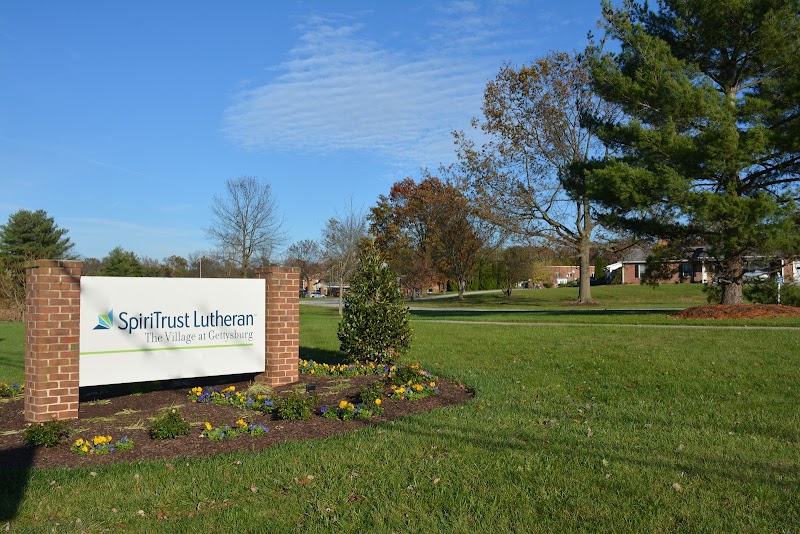
SPIRITRUST LUTHERAN THE VILLAGE AT GETTYSBURG is owned by a non-profit organization. Non-profit facilities reinvest revenue into operations rather than distributing to shareholders. The facility operates independently rather than as part of a larger chain. With 60 certified beds and approximately 40 residents (about 67% occupancy), it is a smaller facility located in GETTYSBURG, Pennsylvania.
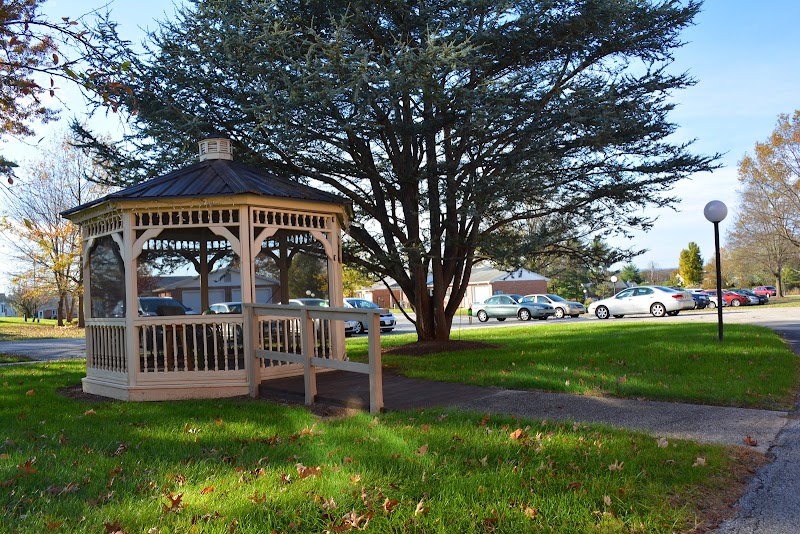
How Does Spiritrust Lutheran The Village At Gettysburg Compare to Other Pennsylvania Nursing Homes?

Compared to the 100 nursing homes in Pennsylvania, SPIRITRUST LUTHERAN THE VILLAGE AT GETTYSBURG's overall rating (4 stars) is above the state average of 3.0, staff turnover (25%) is significantly lower than the state average of 46%, and health inspection rating (3 stars) is at the national benchmark.

What Should Families Ask When Visiting Spiritrust Lutheran The Village At Gettysburg?

Based on this facility's data, families visiting should ask: "Can I visit during a mealtime to observe dining assistance and food quality?" "How do you handle medical emergencies, and what is your hospital transfer rate?" "Can I speak with family members of current residents about their experience?"

Is Spiritrust Lutheran The Village At Gettysburg Safe?

Based on CMS inspection data, SPIRITRUST LUTHERAN THE VILLAGE AT GETTYSBURG has a clean safety record: no substantiated abuse findings (meaning no confirmed cases of resident harm), no Immediate Jeopardy citations (the most serious violation level indicating risk of serious injury or death), and is not on the Special Focus Facility watch list (a federal program monitoring the lowest-performing 1% of nursing homes). The facility has a 4-star overall rating and ranks #1 of 100 nursing homes in Pennsylvania. While no facility is perfect, families should still ask about staff-to-resident ratios and recent inspection results during their visit.

Do Nurses at Spiritrust Lutheran The Village At Gettysburg Stick Around?

Staff at SPIRITRUST LUTHERAN THE VILLAGE AT GETTYSBURG tend to stick around. With a turnover rate of 25%, the facility is 21 percentage points below the Pennsylvania average of 46%. Low turnover is a positive sign. It means caregivers have time to learn each resident's needs, medications, and personal preferences. Consistent staff also notice subtle changes in a resident's condition more quickly. Registered Nurse turnover is also low at 29%, meaning experienced RNs are available to handle complex medical needs.

Was Spiritrust Lutheran The Village At Gettysburg Ever Fined?

SPIRITRUST LUTHERAN THE VILLAGE AT GETTYSBURG has no federal fines on record. CMS issues fines when nursing homes fail to meet care standards or don't correct problems found during inspections. The absence of fines suggests the facility has either maintained compliance or corrected any issues before penalties were assessed. This is a positive indicator, though families should still review recent inspection reports for the full picture.

Is Spiritrust Lutheran The Village At Gettysburg on Any Federal Watch List?

SPIRITRUST LUTHERAN THE VILLAGE AT GETTYSBURG is not on any federal watch list. The most significant is the Special Focus Facility (SFF) program, which identifies the bottom 1% of nursing homes nationally based on persistent, serious quality problems. Not being on this list means the facility has avoided the pattern of deficiencies that triggers enhanced federal oversight. This is a positive indicator, though families should still review the facility's inspection history directly.