TRANSITIONS HEALTHCARE GETTYSBURG


595 BIGLERVILLE ROAD, GETTYSBURG, PA 17325 (717) 334-6249
For profit - Corporation 135 Beds TRANSITIONS HEALTHCARE Data: November 2025
Trust Grade
53/100
#369 of 653 in PA
Last Inspection: August 2024

Within standard 12-15 month inspection cycle. Federal law requires annual inspections.

Overview

Transitions Healthcare Gettysburg has a Trust Grade of C, which means it is average compared to other facilities, sitting in the middle of the pack. It ranks #369 out of 653 nursing homes in Pennsylvania, placing it in the bottom half, and #5 out of 6 in Adams County, indicating there is only one local option that ranks better. The facility is improving, having decreased its number of issues from 12 in 2023 to 6 in 2024. However, staffing is a concern with a below-average rating of 2 out of 5 stars and a high turnover rate of 60%, significantly above the state average of 46%. While there are no critical or serious deficiencies noted, the facility did have 22 concerns, including a failure to prevent pressure ulcers for a resident and improper storage of medications. Additionally, one resident did not receive adaptive feeding devices as required, which could impact their health and comfort. On a positive note, the nursing home has more RN coverage than 88% of Pennsylvania facilities, which can enhance resident care. Overall, families should weigh these strengths and weaknesses carefully when considering this facility for their loved ones.

Trust Score
C
53/100
In Pennsylvania
#369/653
Bottom 44%
Safety Record
Low Risk
No red flags
Inspections
Getting Better
12 → 6 violations
Staff Stability
⚠ Watch
60% turnover. Above average. Higher turnover means staff may not know residents' routines.
Penalties
○ Average
$16,334 in fines. Higher than 71% of Pennsylvania facilities. Some compliance issues.
Skilled Nurses
⚠ Watch
Each resident gets only 25 minutes of Registered Nurse (RN) attention daily — below average for Pennsylvania. Fewer RN minutes means fewer trained eyes watching for problems.
Violations
⚠ Watch
22 deficiencies on record. Higher than average. Multiple issues found across inspections.
★★★☆☆
3.0
Overall Rating
★★☆☆☆
2.0
Staff Levels
★★★☆☆
3.0
Care Quality
★★★☆☆
3.0
Inspection Score
Stable
2023: 12 issues
2024: 6 issues

The Good

  • Full Sprinkler Coverage · Fire safety systems throughout facility
  • No fines on record

Facility shows strength in fire safety.

The Bad

3-Star Overall Rating

Near Pennsylvania average (3.0)

Meets federal standards, typical of most facilities

Staff Turnover: 60%

14pts above Pennsylvania avg (46%)

Frequent staff changes - ask about care continuity

Federal Fines: $16,334

Below median ($33,413)

Minor penalties assessed

Chain: TRANSITIONS HEALTHCARE

Part of a multi-facility chain

Ask about local staffing decisions and management

Staff turnover is elevated (60%)

12 points above Pennsylvania average of 48%

The Ugly 22 deficiencies on record

Aug 2024 6 deficiencies
CONCERN (D)

Potential for Harm - no one hurt, but risky conditions existed

Report Alleged Abuse (Tag F0609)

Could have caused harm · This affected 1 resident

Based on resident and staff interviews, clinical record review, and policy review, it was determined that the facility failed to follow the facility policy for reporting an allegation of neglect to th...

Read full inspector narrative →
Based on resident and staff interviews, clinical record review, and policy review, it was determined that the facility failed to follow the facility policy for reporting an allegation of neglect to the Nursing Home Administrator (NHA) immediately for one of 24 residents reviewed (Resident 5). Findings include: A review of the facility policy, titled Abuse, Neglect, Mistreatment, Exploitation, and Misappropriation of Resident Property, last revised June 14, 2024, stated, any report or suspicion of an incident is to be reported immediately to the charge nurse/supervisor. The Administrator or the Director of Nursing who receives the report are to be notified immediately by the charge nurse/supervisor who receives the report. A review of the clinical record for Resident 5 on August 13, 2024, revealed diagnoses that included obstructive and reflux uropathy (obstructive or functional impediment of urine flow and back-up of urine flow) and bullous pemphigus (a rare autoimmune skin disease that causes blisters to form between the skin's epidermal and dermal layers of the skin). A review of Resident 5's Quarterly MDS (periodic assessment of resident needs) revealed a BIMS (brief interview of mental status) score of 13, indicating Resident 5 is cognitively intact. During an interview with Resident 5 on August 13, 2024, at 9:30 AM, the Resident informed the surveyor that a nurse on night shift August 11, 2024, didn't change her soiled brief. During an interview with Employee 4 (Licensed Practical Nurse) on August 13, 2024, at 9:35 AM, Employee 4 confirmed that Resident 5 stated the same allegation of neglect on the morning of August 12, 2024. Employee 4 stated that she reported the allegation of neglect immediately to the dayshift supervisor on August 12, 2024. During an interview with Employee 5 (Registered Nurse Supervisor) on August 13, 2024, at 10:55 AM, the Employee confirmed being informed about the allegation of neglect that Resident 5 had made to staff on August 12, 2024. Employee 5 was asked if the allegation was reported to the NHA, and Employee 5 confirmed there was no additional reporting of the allegation at the time. On August 13, 2024, at approximately 12:00 PM, the NHA confirmed that he was made aware of the allegation of neglect by Employee 5 on August 13, 2024, and that the facility is in the process of investigating and obtaining statements from staff and Resident 5. On August 13, 2024, at 1:43 PM, statements were received from the staff working on August 11, 2024, and a statement from Resident 5. Resident 5's statement indicated that she was changed, but staff were slow to change her. Resident 5 required the assistance of two staff. No specific times were provided by Resident 5 indicating a delay. Staff documented care was provided. Staff stated that Resident 5 had frequent episodes of loose stools and was changed frequently with assistance due to those issues. The facility unsubstantiated neglect. During an interview with the NHA on August 14, 2024, at approximately 11:15 AM, the NHA confirmed that policy should have been followed by staff and the allegation of neglect made by Resident 5 should have been reported immediately to the NHA on August 13, 2024. 28 Pa. Code 201.18 (b)(1) Management 28 Pa. Code 211.12(d)(1)Nursing services
CONCERN (D)

Potential for Harm - no one hurt, but risky conditions existed

Deficiency F0658 (Tag F0658)

Could have caused harm · This affected 1 resident

Based on observations, clinical record review, and resident and staff interviews, it was determined that the facility failed to ensure care and services were provided in accordance with professional s...

Read full inspector narrative →
Based on observations, clinical record review, and resident and staff interviews, it was determined that the facility failed to ensure care and services were provided in accordance with professional standards of practice for three of 27 residents reviewed (Residents 14, 20, and 51). Findings Include: Review of Resident 14's clinical record revealed diagnoses that included type 2 diabetes mellitus (impairment in the way the body regulates and uses sugar [glucose] as a fuel resulting in too much sugar circulating in the bloodstream) and history of traumatic brain injury (injury to the brain caused by an external force). Review of Resident 14's physician orders revealed an order for Insulin Glargine, inject 6 units at bedtime for type 2 diabetes, hold for blood sugar level less than 150, starting May 10, 2024. Further review indicated an administration time of 9:30 PM. Review of Resident 14's physician orders also revealed an order to check blood sugar levels before meals and at bedtime, starting May 10, 2024. Further review revealed scheduled times for blood sugar monitoring were 6:30 AM, 11:00 AM, 4:30 PM, and 8:00 PM. Review of Resident 14's July 2024 and August 2024 MARs (Medication Administration Records - forms used to document physician orders as well as when and how medications are administered to a resident) revealed that a blood sugar level of less than 150 was recorded at 8:00 PM and Resident 14's insulin administration was not held at 9:30 PM on the following dates: July 1-3, 7-8, 10-11, 14-16, 18-23, 25-28, and 31, 2024; and August 3-6 and 9-13, 2024. Further review of Resident 14's July 2024 and August 2024 MARs failed to reveal that blood sugar levels were recorded specifically in correspondence with administration of Resident 51's insulin at 9:30 PM. During an interview with the Nursing Home Administrator (NHA) and Regional Nurse on August 15, 2024, at 1:15 PM, they revealed that they had no additional information regarding the aforementioned insulin administration concern, and that Resident 14's insulin order was updated to include a corresponding blood sugar level check. Review of Resident 20's clinical record revealed diagnoses that included major depressive disorder (a mood disorder that causes a persistent feeling of sadness and loss of interest) and hypertension (high blood pressure). Review of Resident 20's clinical record revealed a physician's order for Humalog Kwik Pen Subcutaneous Solution Pen-Injector 200 Unit/milliliters (insulin Lispro) inject as per sliding scale: If 100-150 = 2 units; 151-200 = 3 units; 201-250 = 4 units; 251-300 = 5 units; 301-350 = 6 units; 351-400 = 7 units above 400 call Medical director/nurse practitioner, subcutaneously before meals for diabetes, with a start date of May 20, 2024. Review of Resident 20's May 2024 MAR (Medication Administration Record) revealed the following: On May 23, 2024, at 7:00 AM, Resident 20 had a blood sugar level of 142, and was not administered any insulin. On May 27, 2024, at 7:00 AM, the Resident had a blood sugar level of 146, and was not administered any insulin. On May 28, 2024, at 7:00 AM, the Resident had a blood sugar level of 148, and was not administered any insulin. Review of Resident 20's June 2024 MAR revealed the following: On June 1, 2024, at 7:00 AM, Resident 20 had a blood sugar level of 101, and was not administered any insulin. On June 1, 2024, at 11:00 AM, the Resident had a blood sugar level of 133, and was not administered any insulin. On June 15, 2024, at 7:00 AM, the Resident had a blood sugar level of 100, and was not administered any insulin. On June 17, 2024, at 7:00 AM, the Resident had a blood sugar level of 115, and was not administered any insulin. Review of Resident 20's July 2024 MAR revealed on July 3, 2024, at 7:00 AM, Resident 20 had a blood sugar level of 101, and was not administered any insulin. Review of Resident 20's August 2024 MAR revealed the following: On August 5, 2024, at 7:00 AM, Resident 20 had a blood sugar level of 103, and was not administered any insulin. On August 10, 2024, at 7:00 AM, the Resident had a blood sugar level of 148, and was not administered any insulin. During an interview with the NHA on August 15, 2024, at 11:04 AM, he revealed he would have expected Resident 20 to have been administered insulin as ordered by the physician. Review of Resident 51's clinical record revealed diagnoses that included cerebral infarction (brain injury caused by a lack of oxygen to a group of brain cells) and hemiplegia and hemiparesis following cerebral infarction (inability to move, severe weakness, or rigid movement on either the right or left side of the body). Review of Resident 51's physician orders revealed an order for Trolamine Salicylate External Cream (treats minor aches and pains of the muscles/joints), apply topically to legs every 8 hours as needed for muscle pain, starting March 3, 2023. Observation on August 13, 2024, at 9:50 AM, revealed Resident 51 in bed with his overbed table in front of him. Two small plastic medication administration cups partially filled with a white cream were present on his overbed table. Additional observation at 10:04 AM, revealed Employee 1 (Licensed Practical Nurse) inquiring with Resident 51 about the contents of the medication cups on his table. Resident 51 was observed stating that it was Aspercreme (Trolamine Salicylate), that the nurse puts it on but left the cups there, and that he didn't know why the cups were left there. Employee 1 removed the cups from Resident 51's room at that time. During an interview with the Regional Nurse on August 15, 2024, at 11:15 AM, she confirmed that the cream should not have been left in Resident 51's room since he does not self-administer that medication. 28 Pa. Code 201.18(b)(1)(e)(1) Management 28 Pa. Code 211.12(d)(1)(5) Nursing services
CONCERN (D)

Potential for Harm - no one hurt, but risky conditions existed

Respiratory Care (Tag F0695)

Could have caused harm · This affected 1 resident

Based on observations, clinical record review, policy review, and staff interview, it was determined the facility failed to provide respiratory care consistent with professional standards of practice ...

Read full inspector narrative →
Based on observations, clinical record review, policy review, and staff interview, it was determined the facility failed to provide respiratory care consistent with professional standards of practice for one of one resident reviewed for respiratory care (Resident 9). Findings include: Review of facility policy, titled Clin - 157 CPAP/BIPAP, last reviewed March 2024, revealed that when cleaning the system: clean the unit weekly. Review of Resident 9's clinical record revealed diagnoses that included stage 3 chronic kidney disease (when your kidneys have mild to moderate damage and are less able to filter waste and fluid out of your blood) and pulmonary fibrosis (a lung disease that occurs when lung tissue become damaged and scarred). During an observation of Resident 9 on August 12, 2024, at 1:57 PM, revealed a CPAP (continuous positive airway pressure) machine and mask sitting on Resident 9's night stand beside their bed, not dated. Review of Resident 9's clinical record revealed a physician's order for CPAP on at bedtime, remove in the AM every shift, and encourage use during naps, with an active date of July 17, 2024. Review of Resident 9's July 2024 and August 2024 MAR (Medication Administration Record) revealed that Resident 9 uses the CPAP daily. Review of Resident 9's clinical record on August 13, 2024, revealed there was no order or documentation indicating the CPAP mask, tubing, filter, and water supply has been cleaned or changed. Review of Resident 9's clinical record on August 15, 2024, at 9:15 AM, revealed new CPAP orders were put in place that included: CPAP/BiPAP - wash headgear/straps, tubing, and humidifying chamber with solution of mild soapy water weekly, and allow to air dry; CPAP/BiPAP filter - weekly, remove from back of device, rinse under running water while squeezing filter to ensure dust is removed. Blot dry with clean towel and place back into machine; CPAP/BiPAP use: check distilled water supply every week. Replace and write date on bottle if: supply depleted, supply not dated, supply dated over 30 days prior, all with an active date of August 20, 2024. During an interview with the Nursing Home Administrator on August 15, 2025, at 11:05 AM, revealed they would have expected Resident 9 to have cleaning orders for their CPAP in place prior to the active date above, and would expect the CPAP to be cleaned weekly. 28 Pa. Code 211.12(d)(5) Nursing services
CONCERN (E)

Potential for Harm - no one hurt, but risky conditions existed

Pressure Ulcer Prevention (Tag F0686)

Could have caused harm · This affected multiple residents

Based on review of facility policy, observations, clinical record review, and staff interview, it was determined that the facility failed ensure the resident received care, consistent with professiona...

Read full inspector narrative →
Based on review of facility policy, observations, clinical record review, and staff interview, it was determined that the facility failed ensure the resident received care, consistent with professional standards, to prevent pressure ulcers for one of five residents reviewed (Resident 108). Findings Include: Review of facility policy, titled Pressure Ulcer Prevention and Management, revised September 13, 2019, revealed in a section Pressure relief: Elevate/float heels or obtain a device to provide pressure relief. Review of Resident 108's clinical record revealed diagnoses of muscle weakness (weakness in the muscles that makes movement difficult) and diabetes (a chronic disease that occurs when the pancreas does not produce enough insulin). Review of Resident 108's current physician order on August 12, 2024, at 2:35 PM, revealed a physician's order for Blue off-loading boots to B/L (bilateral) heels, with an order date of July 22, 2024. Observation of Resident 108 on August 12, 2024, at 1:48 PM, revealed the Resident was not wearing blue off-loading boots to elevate her heels off of the bed. Observation of Resident 108 on August 13, 2024, at 9:57 AM, revealed the Resident was not wearing blue off-loading boots to elevate her heels off of the bed. Observation of Resident 108 on August 14, 2024, at 10:59 AM, revealed the Resident was not wearing blue off-loading boots to elevate her heels off of the bed. Interview with the Nursing Home Administrator on August 15, 2024, at 11:45 AM, revealed that Resident 108 should have been wearing the off-loading boots at the time of the above observations and the order has been changed to a pressure reducing mattress. 28 Pa. Code 211.12(c)(d)(1)(3)(5) Nursing services
CONCERN (E)

Potential for Harm - no one hurt, but risky conditions existed

Deficiency F0761 (Tag F0761)

Could have caused harm · This affected multiple residents

Based on observations, product label review, facility policy review, and staff interview, it was determined that the facility failed to store drugs used in the facility in accordance with currently ac...

Read full inspector narrative →
Based on observations, product label review, facility policy review, and staff interview, it was determined that the facility failed to store drugs used in the facility in accordance with currently accepted professional principles and the expiration dates for two of three medication carts observed (Annex 1 North medication cart and Annex 1 South medication cart). Findings Include: Review of facility provided policy, Storage of Medications, effective September 2018, revealed, Medication and biologicals are stored safely, securely, and properly, following manufacture's recommendations or those of the supplier. Observation of the Annex 1 North medication cart on August 15, 2024, at 9:40 AM, revealed one Ozembic (a prescription injectable medication used to treat type 2 diabetes) that was currently in use and was not labeled with a date that it was opened. The observation at that time also revealed a Levemir pen (a prescription injectable medication used to treat type 2 diabetes) that was unopened, not refrigerated, and was not labeled with the date it had been removed from refrigeration. Also, noted was one Basaglar pen (a prescription injectable medication used to treat type 2 diabetes) that was open and not labeled with a date of opening. Observation of the Annex 1 South medication cart on August 15, 2024, at 9:50 AM, revealed one vial of Lantus insulin (a prescription injectable medication used to treat type 2 diabetes) that was labeled with an open date of June 25, 2024 (51 days prior). A second vial of Lantus insulin was labeled with an open date of July 15, 2024 (31 days prior). Further observation revealed two insulin Aspart pens (a prescription injectable medication used to treat type 2 diabetes) labeled with open dates of July 15, 2024 (31 days prior). Review of Ozembic product information on August 15, 2024, revealed that once opened or removed from refrigeration the medication should be discarded after 56 days. Review of Levemir product information on August 15, 2024, revealed that once opened or removed from refrigeration the medication should be discarded after 42 days. Review of Basaglar product information on August 15, 2024, revealed that once opened or removed from refrigeration the medication should be discarded after 28 days. Review of Lantus product information on August 15, 2024, revealed that once opened or removed from refrigeration the medication should be discarded after 28 days. Review of insulin aspart product information on August 15, 2024, revealed that once opened or removed from refrigeration the medication should be discarded after 28 days. Interview with Nursing Home Administrator on August 15, 2024, at 1:35 PM, revealed an expectation that the medication would have been labeled, stored, and disposed of as per the manufacture's guidelines. 28 Pa. Code 201.18(b)(1) Management
CONCERN (E)

Potential for Harm - no one hurt, but risky conditions existed

Deficiency F0810 (Tag F0810)

Could have caused harm · This affected multiple residents

Based on observations, policy review, clinical record review, and staff interview, it was determined that the facility failed to provide adaptive feeding devices for one of 24 residents reviewed (Resi...

Read full inspector narrative →
Based on observations, policy review, clinical record review, and staff interview, it was determined that the facility failed to provide adaptive feeding devices for one of 24 residents reviewed (Resident 59). Findings include: Review of facility provided policy, titled Restorative Adaptive Equipment, with a revision date of March 28, 2016, revealed, Restorative adaptive equipment and assistive devices will be used to promote individual resident functional level and to prevent decline. Review of Resident 59's clinical record revealed diagnoses that included dysphagia (difficulty swallowing) and hemiplegia (one-sided weakness caused by brain or spinal cord problems). Review of Resident 59's care plan revealed a focus area of, [Resident 59] is on a therapeutic, mechanically altered diet, with a date initiated of May 29, 2019, and a revision date of January 5, 2022. Further review of this care plan revealed an intervention of, Dycem on side table with meals in dining room, with a revision date of April 23, 2024. Review of Resident 59's current physician's orders on August 12, 2024, revealed an order for Dycem (non-slip rubber mat) in the dining room on table with meals, ordered September 11, 2023. Observation of Resident 59 on August 12, 2024, at 11:29 AM, revealed he was sitting in his room eating lunch and there was no Dycem present. Observation of Resident 59 on August 13, 2024, at 12:04 PM, revealed he was sitting in his room eating lunch and there was no Dycem present. Observation of Resident 59 on August 14, 2024, at 11:46 AM, revealed he was sitting in his room eating lunch and there was no Dycem present. Interview with the Nursing Home Administrator revealed that he would have expected that Resident 59 would have had his ordered adaptive equipment, as ordered, at all meals. 28 Pa Code 211.12(d)(5) Nursing services
Oct 2023 11 deficiencies
CONCERN (D)

Potential for Harm - no one hurt, but risky conditions existed

Deficiency F0657 (Tag F0657)

Could have caused harm · This affected 1 resident

**NOTE- TERMS IN BRACKETS HAVE BEEN EDITED TO PROTECT CONFIDENTIALITY** Based on facility policy review, observations, clinical record review, and staff interviews, it was determined that the facility...

Read full inspector narrative →
**NOTE- TERMS IN BRACKETS HAVE BEEN EDITED TO PROTECT CONFIDENTIALITY** Based on facility policy review, observations, clinical record review, and staff interviews, it was determined that the facility failed to ensure that the resident care plan was reviewed and revised to reflect the resident's current status for three of 27 residents reviewed (Residents 36, 41, and 70) Findings include: Review of facility policy, titled IDT (Interdisciplinary Team) Care Planning, with a last revision date of September 19, 2019, indicated, The care plan is revised when appropriate to reflect the resident's current needs based on the team's evaluation of the plan: 1) the resident's progression; 2) the resident's response to care and treatment; and 3) any significant changes in the resident's status. Review of Resident 36's clinical record revealed diagnoses that included localized edema (swelling caused by excess fluid accumulation in the body tissues) and venous insufficiency (condition in which blood pools in the veins, straining the walls of the vein causing swelling, pain, and skin changes). Review of Resident 36's current care plan revealed that he has a potential for skin breakdown related to limited mobility. Further review revealed an intervention to apply Unna boots (special gauze bandage which can be used for the treatment of venous stasis ulcers and other venous insufficiencies of the leg) to bilateral lower extremities, and to have the wound doctor change them each Tuesday. This intervention was initiated on October 3, 2023. Observations of Resident 36 on October 23, 2023, at 1:30 PM; October 24, 2023, at 9:28 AM; and on October 25, 2023, at 10:49 AM, failed to reveal that he was wearing Unna boots. Review of Resident 36's physician orders revealed an order to discontinue Unna boots and apply ace bandages upon discharge. This order was noted to be discontinued on October 17, 2023. Review of Resident 36's clinical record revealed that he was discharged to home on October 16, 2023, and readmitted on [DATE]. During an interview with the Director of Nursing (DON) on October 26, 2023, at 10:05 AM, she revealed that use of the Unna boots was no longer applicable and was removed from Resident 36's care plan. Review of Resident 41's clinical record revealed diagnoses that included chronic diastolic congestive heart failure (heart failure that occurs when the heart does not relax properly between beats, causing the heart to be unable to pump an adequate amount of blood to the body), dementia (a chronic disorder of the mental processes caused by brain disease, and marked by memory disorders, personality changes, and impaired reasoning), and depression. Review of Resident 41's clinical record progress notes revealed a note dated October 3, 2023, at 1:51 PM, that indicated that Resident 41 had experienced a five percent (10 pounds) weight loss over one month. Review of Resident 41's care plan revealed a focus for alteration in nutritional well-being due to need for therapeutic and mechanically altered diet. The care plan failed to identify Resident 41's aforementioned weight loss. During an interview with the Nursing Home Administrator (NHA) and DON on October 26, 2023, at 1:03 PM, the DON confirmed that Resident 41's care plan should have been updated to reflect their actual weight loss. A review of Resident 70's clinical record on October 24, 2023, revealed diagnoses that included hospice (end of life care) and retention of urine (difficulty urinated and completely emptying the bladder). Further review of the Resident 70's clinical record revealed that Resident 70's had his foley catheter (a medical device that helps drain urine from the bladder) discontinued on September 18, 2023, after being admitted to hospice care. A review of Resident 70's care plan on October 24, 2023, revealed a care plan for a foley catheter being currently in place with interventions. During an interview with the DON on October 25, 2023, at 2:26 PM, the DON agreed that the care plan should have been revised to reflect that Resident 70 no longer has a foley catheter. 42 CFR 483.21(b) Comprehensive Care Plans 28 Pa. Code 211.11(d)(e) Resident care plan 28 Pa. Code 211.12(d)(1)(5) Nursing services
CONCERN (D)

Potential for Harm - no one hurt, but risky conditions existed

Quality of Care (Tag F0684)

Could have caused harm · This affected 1 resident

Based on clinical record review, observations, and staff and resident interviews, it was determined that the facility failed to ensure that care and services were provided in accordance with professio...

Read full inspector narrative →
Based on clinical record review, observations, and staff and resident interviews, it was determined that the facility failed to ensure that care and services were provided in accordance with professional standards of practice to meet each resident's physical, mental, and psychosocial needs for three of 27 residents reviewed (Residents 36, 95, and 117). Findings include: Review of Resident 36's clinical record revealed diagnoses that included localized edema (swelling caused by excess fluid accumulation in the body tissues) and venous insufficiency (condition in which blood pools in the veins, straining the walls of the vein causing swelling, pain, and skin changes). Review of Resident 36's physician orders revealed an order to apply ace wraps daily, on in the morning and off at bedtime, effective October 17, 2023. Observation on October 23, 2023, at 1:30 PM, revealed Resident 36 was not wearing ace wraps to his legs. The wraps were observed on top of his dresser, rolled neatly. During an interview with the Director of Nursing (DON) on October 26, 2023, at 10:05 AM, she revealed that she had no additional information as to why Resident 36 did not have his ace wraps applied on October 23, 2023. Review of Resident 95's clinical record revealed diagnoses that included hypertensive chronic kidney disease (condition where high blood pressure causes damage to the kidney tissue and blood vessels) and type II diabetes mellitus (condition results from insufficient production of insulin, causing high blood sugar). During an interview with Resident 95 on October 23, 2023, at 10:57 AM, she revealed concern that a few weeks ago she went without her blood pressure medication and insulin for a couple of days because they were unavailable from the pharmacy. Review of Resident 95's October 2023 MAR (Medication Administration Record - form used to document physician orders as well as when and how medications are administered to a resident) revealed orders for metoprolol succinate extended release (used to treat high blood pressure) 50 mg every 12 hours for hypertensive chronic kidney disease, effective August 24, 2023. Further review of the MAR revealed that it was documented that metoprolol was not administered on the following dates and times: October 5, 2023, evening dose; October 6, 2023, both morning and evening doses; and on October 7, 2023, morning dose. Further review of Resident 95's October 2023 MAR revealed an order for Tresiba Flextouch Subcutaneous Solution Pen-injector (insulin), inject 60 units one time per day for diabetes mellitus, effective August 25, 2023. Review of the MAR revealed it was documented that Tresiba was not administered on October 12 and 13, 2023. Review of corresponding nursing progress notes revealed it was documented that this medication was unavailable on those dates. Review of Resident 95's October 2023 MAR also revealed an order to inject Lovenox (anticoagulant) 0.6 ml every 12 hours for deep vein thrombosis (condition where blood clots form in veins located deep inside the body, usually in the thigh or lower legs causing pain and swelling), effective September 28, 2023. Further review revealed that it was documented that this medication was not administered on the following dates and times: October 5, 2023, evening dose; October 6, 2023, both morning and evening doses; and October 7, 2023, evening dose. Review of corresponding nursing progress notes revealed that the facility was awaiting delivery of this medication on the aforementioned dates. Review of Resident 95's clinical record failed to reveal evidence that the physician was notified of the missed doses of metoprolol, Lovenox, and Tresiba. Review of Omnicell inventory (onsite medication supply cabinet) revealed that metoprolol and Lovenox were available for nursing to dispense. During an interview with the DON on October 26, 2023, at 10:11 AM, she confirmed that the aforementioned medications were not administered to Resident 95 because they were not available from the pharmacy. She also revealed she was uncertain why nursing staff did not pull medication from the Omnicell. During a later interview with the DON on October 26, 2023, at 2:02 PM, she revealed that she was not able to find evidence that the doctor was notified of the missed medications. Review of Resident 117's clinical record revealed diagnosis that included abnormal weight loss (persistent, unintentional loss of more than five percent of your weight over 6 to 12 months) and protein calorie malnutrition (a nutritional status in which reduced availability of nutrients leads to changes in body composition and function). Review of Resident 117's current physician orders on October 23, 2023, revealed a current physician order for heel protectors on bilateral feet while in bed, with a start date of October 17, 2023. Observation of Resident 117 on October 23, 2023, at 10:42 AM, revealed the Resident lying in bed. The Resident was not wearing heel protectors at that time. Observation of Resident 117 on October 24, 2023, at 10:02 AM, revealed the Resident lying in bed. The Resident was not wearing heel protectors at that time. Review of Resident 117's care plan on October 24, 2023, failed to reveal a care plan that provided instruction to apply heel protectors while in bed. Interview with the Nursing Home Administrator on October 26, 2023, at 9:47 AM, revealed that Resident 117 should have had the heel protectors on while in bed, but also that Resident 117 does not always allow staff to apply the heel protectors and his new care plan will reflect this. 28 Pa. Code 211.12(d)(1)(3)(5) Nursing services
CONCERN (D)

Potential for Harm - no one hurt, but risky conditions existed

Deficiency F0688 (Tag F0688)

Could have caused harm · This affected 1 resident

Based on observations, clinical record review, and resident and staff interviews, it was determined that the facility failed to ensure residents with limited mobility received appropriate services, eq...

Read full inspector narrative →
Based on observations, clinical record review, and resident and staff interviews, it was determined that the facility failed to ensure residents with limited mobility received appropriate services, equipment, and assistance to maintain or improve mobility for one of one residents reviewed (Resident 7). Findings include: Review of Resident 7's clinical record revealed diagnoses that included muscle weakness and hemiplegia (paralysis of one side of body) and hemiparesis (muscle weakness on one side of the body) following unspecified cerebrovascular disease (a group of conditions that affect blood flow and the blood vessels of the brain) affecting right dominant side. Review of Resident 7's physician orders revealed an order for a right elbow brace (on in AM after care) for up to four hours or as tolerated for contracture (condition of shortening and hardening of muscles, tendons, or other tissue often leading to deformity and rigidity of joints) prevention, dated September 5, 2023. Review of Resident 7's care plan revealed a care plan focus for potential for pain related to history of a stroke with an intervention of right elbow splint on at 7:00 AM and off at 3:00 PM, with an initiated date of September 9, 2023. Observation of Resident 7 on October 23, 2023, at 12:07 PM, revealed that their elbow brace was laying on their nightstand. Observation of Resident 7 on October 25, 2023, at 9:37 AM, revealed that their elbow brace was laying on their nightstand. Observation of Resident 7 on October 25, 2023, at 12:03 PM, revealed that their elbow brace was laying on their nightstand. During an immediate interview with Resident 7, Resident 7 indicated, I don't wear it because they don't put it on me. Review of Resident 7's October 2023 Medication Administration Record (MAR) on October 25, 2023, at 12:03 PM, revealed that the right elbow brace was documented as being applied. During an interview with Employee 1 on October 25, 2023, at 12:04 PM, Employee 1 indicated that Resident 7 does wear the brace and that they put it on her after care. Employee 1 then went in Resident 7's room and applied the brace. During an interview with the Nursing Home Administrator (NHA) and Director of Nursing (DON) on October 25, 2023, at 2:30 PM, the aforementioned observations and documentation concern were shared for further follow-up. Observation of Resident 7 on October 26, 2023, at 9:22 AM, revealed that their elbow brace was laying on their nightstand. During an interview with the NHA and DON on October 26, 2023, at 9:50 AM, the DON indicated that the nurses are the staff responsible for applying the brace and that it was to be applied for four hours and not for eight hours as indicated on Resident 7's care plan. Observation of Resident 7 on October 26, 2023, at 12:02 PM, revealed that their elbow brace was laying on their nightstand. Review of Resident 7's October MAR on October 26, 2023, at 12:02 PM, revealed that the right elbow brace was documented as being applied. During an interview with Employee 2 on October 26, 2023, at 12:02 PM, Employee 2 indicated that they apply the brace after lunch, usually when administering their 2:00 PM medications. When questioned as to why the brace was already documented as being applied, Employee 2 reviewed Resident 7's MAR and confirmed that they had signed for the application of the brace and must have signed for it by accident. They further indicated that they would strike out their signature since they had, in fact, not applied the splint. During a follow-up interview with the NHA and DON on October 26, 2023 at 1:28 PM, the aforementioned observation and documentation concern from earlier were shared. The concern was also shared that all observations this week have revealed that the brace had been documented as being applied when it was observed to be laying on Resident 7's nightstand. The NHA and DON both confirmed that they would have expected that the Resident's brace to have been applied as was documented. 28 Pa. Code 211.11 (a) Resident care plan 28 Pa. Code 211.12(a)(d)(1)(3)(5) Nursing services
CONCERN (D)

Potential for Harm - no one hurt, but risky conditions existed

Deficiency F0699 (Tag F0699)

Could have caused harm · This affected 1 resident

**NOTE- TERMS IN BRACKETS HAVE BEEN EDITED TO PROTECT CONFIDENTIALITY** Based on policy review, clinical record review, and staff interviews, it was determined that the facility failed to complete a t...

Read full inspector narrative →
**NOTE- TERMS IN BRACKETS HAVE BEEN EDITED TO PROTECT CONFIDENTIALITY** Based on policy review, clinical record review, and staff interviews, it was determined that the facility failed to complete a timely assessment for trauma, and then develop and implement an individualized person-centered care plan to render trauma-informed care to a resident with a diagnosis of Post-Traumatic Stress Disorder (PTSD) for one out of 24 residents reviewed (Resident 107). Findings include: Review of Facility Policy, titled Trauma Informed Care, effective November 28, 2019, revealed, The facility must ensure that residents who are trauma survivors receive culturally competent, trauma-informed care in accordance with professional standards of practice and accounting for residents' experiences and preferences in order to eliminate or mitigate triggers that may cause re-traumatization of the resident .Within 72 hours of admission, Social Services will perform an initial trauma evaluation of residents using the Trauma Questionnaire .Any resident who scores a 3 or higher is deemed positive for a traumatic experience and must be care planned. Any resident who is care planned for trauma will be referred to behavioral health services. Clinical record review revealed that Resident 107 was admitted to the facility on [DATE], with diagnoses that included Post-Traumatic Stress Disorder (PTSD - a mental health condition that develops following a traumatic event) and anxiety disorder (mental disorder characterized by feelings of worry about future events and/or fear in reaction to current events). Further review of Resident 107's clinical record on October 24, 2023, at 11:12 AM, failed to reveal a screening for a history of trauma, documentation, or care planning per facility policy related to trauma-informed care. Review of Resident 107's care plan failed to reveal Resident 107's diagnosis, symptoms, or triggers related to the diagnosis of PTSD. During an interview with Employee 11 (Social Worker) on October 25, 2023, at 11:06 AM, she revealed that she had not yet completed the trauma assessment for Resident 107 since she wanted the daughter's assistance with completing it. Employee 11 stated she was aware of Resident 107's PTSD diagnosis, but did not know details about where it came from. Employee 11 revealed that she had met with Resident 107's daughter since the time that Resident 107 was admitted , but did not have the opportunity to complete the assessment at that time. She confirmed that she typically completes the trauma assessment within one to two days of admission as part of the admission process. Employee 11 revealed that she attempted the previous day to reach Resident 107's daughter, but had not yet received a call back. Review of Resident 107's clinical record failed to reveal any documentation related to the delay in completion of her trauma assessment. During an interview with the Nursing Home Administrator on October 26, 2023, at 10:02 AM, she confirmed that Employee 11 was able to make contact with Resident 107's daughter the prior day, and that the trauma assessment was completed at that time. She revealed the expectation that staff would have documented attempts to complete the trauma assessment. Finally, she revealed that Resident 107's care plan was updated to include information related to her diagnosis of PTSD. Review of trauma questionnaire completed for Resident 107 on October 25, 2023, revealed that she was assessed as having a trauma severity score of 5 out of 5. 28 Pa Code 211.12 (d)(1)(3)(5) Nursing services
CONCERN (E)

Potential for Harm - no one hurt, but risky conditions existed

Assessment Accuracy (Tag F0641)

Could have caused harm · This affected multiple residents

**NOTE- TERMS IN BRACKETS HAVE BEEN EDITED TO PROTECT CONFIDENTIALITY** Based on clinical record review, observation, and staff interviews, it was determined that the facility failed to ensure that th...

Read full inspector narrative →
**NOTE- TERMS IN BRACKETS HAVE BEEN EDITED TO PROTECT CONFIDENTIALITY** Based on clinical record review, observation, and staff interviews, it was determined that the facility failed to ensure that the resident assessment accurately reflected the resident's status for four of 27 residents reviewed (Residents 3, 34, 61, and 117). Findings Include: Review of Resident 3's clinical record revealed diagnoses that included nicotine dependence and diabetes mellitus Type II (disease that occurs when your blood glucose, also called blood sugar, is too high, but does not require the use of insulin). Review of Resident 3's physician orders revealed no orders for insulin; however, there was an order for Trulicity (injectable medication used to treat type II diabetes, but is not insulin) Subcutaneous Solution Pen-injector 0.75 milligrams/0.5 milliliters (dulaglutide) Inject 0.75 mg subcutaneously one time a day every Friday related to type II diabetes mellitus, dated September 11, 2023. Review of Resident 3's order history revealed that they had been on Trulicity since August 6, 2021. Review of Resident 3's Quarterly MDS (Minimum Data Set - an assessment tool to review all care areas specific to the resident such as a resident's physical, mental, or psychosocial needs) with the assessment reference date (last day of the assessment period) of February 1, 2023, indicated in Section N Medications that they had received insulin one day during the assessment period. Review of Resident 3's Quarterly MDS with the assessment reference date of May 22, 2023, indicated in Section N Medications that they had received insulin one day during the assessment period. Review of Resident 3's Annual MDS with the assessment reference date of August 2, 2023, indicated in Section N Medications that they had received insulin one day during the assessment period. Review of Resident 3's Quarterly MDS with the assessment reference date of September 15, 2023, indicated in Section N Medications that they had received insulin one day during the assessment period. During an interview with the Nursing Home Administrator (NHA) and Director of Nursing (DON) on October 25, 2023, at 2:25 PM, the NHA indicated that, according to the Registered Nurse Assessment Coordinator (RNAC), the Trulicity could be coded as an insulin. During a follow-up interview with the NHA on October 26, 2023, the surveyor conveyed to the NHA that Trulicity is not classified as insulin and, therefore, could not be coded as such on the MDS. The NHA indicated that she would follow-up with the RNAC. During a follow-up interview with the NHA and DON on October 26, 2023, at 9:48 AM, the NHA confirmed the MDSs were coded inaccurately and that modifications had been completed. She also confirmed that she would expect MDSs to be coded to reflect a true and accurate assessment of a resident's status. Review of Resident 3's clinical record revealed that they were assessed to be safe to smoke on June 22, 2023. Review of Resident 3's Annual MDS with the assessment reference date of August 2, 2023, indicated in Section J Health Conditions at question 1300 Tobacco Use that Resident 3 was coded as not using tobacco. During a follow-up interview with the NHA and DON on October 26, 2023, at 10:55 AM, the NHA confirmed the MDS was coded inaccurately for tobacco use and that a modification to the assessment had been completed. She also confirmed that she would expect MDSs to be coded to reflect a true and accurate assessment of a resident's status. Review of Resident 34's clinical record revealed diagnoses that included dementia (a chronic disorder of the mental processes caused by brain disease, and marked by memory disorders, personality changes, and impaired reasoning), weakness, and history of falling. Review of Resident 34's Quarterly MDS with the assessment reference date of August 22, 2023, indicated in Section P Restraints that Resident 34 was coded as having an other restraint used less than daily. Review of Resident 34's physician orders revealed no orders for the use of a restraint. Observation of Resident 34 on October 23, 2023, at 11:16 AM, failed to reveal the use of a restraint. Email communication was sent to the NHA on October 24, 2023, at 1:33 PM, for follow-up on the noted MDS concern. Email communication received from NHA on October 24, 2023, at 5:06 PM, indicated, This was coded incorrectly. Modification was done by LNAC. During a follow-up interview with the NHA on October 25, 2023, at 10:09 AM, she confirmed that she would expect the MDS to be coded to reflect a true and accurate assessment of a resident's status. Review of Resident 61's clinical record revealed diagnoses that included hemiplegia (paralysis of one side of body) and hemiparesis (muscle weakness on one side of the body) following a cerebral infarction (a stroke - damage to the brain from interruption of its blood supply) affecting right dominant side, dementia, impulsiveness (the tendency to act without thinking), and difficulty walking. Review of Resident 61's clinical progress notes revealed that they had a fall on May 1, 2023, and experienced an injury of a skin tear; and that they had fall on May 2, 2023, with no injuries noted. Review of Resident 61's Annual MDS with the assessment reference date of May 3, 2023, indicated in Section J Health Conditions at question 1900A Falls with No Injury that Resident 61 had one fall; and at question 1900B Falls with Minor Injury was coded as None. Further review of Resident 61's clinical record revealed that they had a fall on June 1, 2023, with no injury noted. Review of Resident 61's Quarterly MDS with the assessment reference date of August 14, 2023, indicated in Section J Health Conditions at question 1800 Falls since Prior Assessment was coded as None. During an interview with the NHA and DON on October 26, 2023, at 9:41 AM, the NHA confirmed the MDSs were coded inaccurately and that modifications had been completed. She also confirmed that she would expect MDSs to be coded to reflect a true and accurate assessment of a resident's status. Review of Resident 117's clinical record revealed diagnoses that included abnormal weight loss (persistent, unintentional loss of more than five percent of your weight over 6 to 12 months) and protein calorie malnutrition (a nutritional status in which reduced availability of nutrients leads to changes in body composition and function). Review of Resident 117's Quarterly MDS dated [DATE], revealed that Section K0300. Weight Loss was marked that Resident 117 did not have weight loss of 5% in the last month or 10% in the last six months. Review of Resident 117's electronic medical record (EMR) revealed the Resident's weight closest to the MDS assessment was 117.0 pounds on August 24, 2023, at 1:41 PM. The Resident's weight closest to 180 days prior to the MDS assessment was from June 6, 2023, at 2:30 PM, when the Resident weighed 135.6 pounds; a 15% difference. Interview with the NHA on October 26, 2023, at 10:00 AM, revealed that she agreed that the dietician was under the impression that, since there were no weights for Resident 117 that were 180 days old, that she didn't mark the MDS as having weight loss even though a weight loss did occur. 28 Pa Code 211.12 (d)(3)(5) Nursing Services 28 Pa. Code 211.5(f) Clinical records
CONCERN (E)

Potential for Harm - no one hurt, but risky conditions existed

Comprehensive Care Plan (Tag F0656)

Could have caused harm · This affected multiple residents

Based on clinical record review and staff and resident interviews, it was determined that the facility failed to develop and/or implement a comprehensive person-centered care plan for three of 24 resi...

Read full inspector narrative →
Based on clinical record review and staff and resident interviews, it was determined that the facility failed to develop and/or implement a comprehensive person-centered care plan for three of 24 residents reviewed (Residents 28, 36, and 106). Findings include: A review of the clinical record for Resident 28 revealed diagnoses that included nicotine dependence (when you need nicotine [tobacco] and can't stop using it) and chronic obstructive pulmonary disease (COPD - disease process that causes decreased ability of the lungs to perform). During an interview with Resident 28 on October 25, 2023, at 10:35 AM, Resident 28 stated that she smoked cigarettes prior to being admitted to the facility, and the facility is providing interventions for her to quit smoking because the facility is a non-smoking facility. Further review of Resident 28's care plan failed to reveal any care plan regarding her diagnosis of nicotine dependence or interventions to assist her in remaining free from the desire for tobacco use. During an interview with the Nursing Home Administrator and the Director of Nursing (DON) on October 25, 2023, at 11:00 AM, both agreed that Resident 28's comprehensive care plan should include her diagnosis of nicotine dependence and the interventions for quitting her dependence. Review of Resident 36's clinical record revealed diagnoses that included vascular dementia with behavioral disturbance (condition caused by the lack of blood that carries oxygen and nutrient to a part of the brain that causes problems with reasoning, planning, judgment, and memory) and depression (mood disorder that causes persistent feelings of sadness and loss of interest). Review of Resident 36's physician orders revealed an order for Quetiapine (antipsychotic medication) for vascular dementia with behavioral disturbance. Review of Resident 36's current care plan failed to reveal any information related to his use of an antipsychotic medication. During an interview with the DON on October 26, 2023, at 10:07 AM, she revealed that Resident 36's care plan was updated to include information related to his use of antipsychotic medication. A review of the clinical record for Resident 106 revealed diagnoses that included delusional disorder (a type of psychotic disorder with a main symptom of one or more delusions [an unshakable belief in something that's untrue]) and chronic obstructive pulmonary disease. Further review of Resident 106's physician orders revealed that he receives Quetiapine (an antipsychotic medication for treatment of the Resident's delusional disorder). A review of Resident 106's comprehensive care plan failed include his diagnosis of delusional disorder and interventions. During an interview with the DON on October 26, 2023, at 10:00 AM, the DON confirmed that Resident 106's care plan should include the diagnosis and interventions for delusional disorders. 28 Pa. Code 211.10(a)(c)(d) Resident care policies
CONCERN (E)

Potential for Harm - no one hurt, but risky conditions existed

Accident Prevention (Tag F0689)

Could have caused harm · This affected multiple residents

Based on observations, clinical record review, review of facility provided documents, and staff interviews, it was determined that the facility failed to ensure that the resident environment was free ...

Read full inspector narrative →
Based on observations, clinical record review, review of facility provided documents, and staff interviews, it was determined that the facility failed to ensure that the resident environment was free of accident hazards for two of 27 Residents reviewed (Residents 47 and 61). Findings include: Review of Resident 47's clinical record revealed diagnoses of dementia (the loss of cognitive functioning, thinking, remembering, and reasoning, to such an extent that it interferes with a person's daily life and activities) and hypertension (high blood pressure). Observation of Resident 47 on October 23, 2023, at 10:04 AM, revealed the Resident lying in bed. Resident 47's bed had bilateral enablers. Observation of Resident 47 on October 25, 2023, at 10:46 AM, revealed the Resident lying in bed. Resident 47's bed had bilateral enablers. Review of Resident 47's care plan revealed a care plan with a focus area of: Resident 47 has an ADL (Activities of Daily Living) self-care performance deficit related to dementia, with an intervention of left side assistive rail to enable Resident to turn and reposition self in bed, initiated on September 20, 2023. Review of Resident 47's physician orders revealed a physician order for left side assistive rail to assist Resident with turning and repositioning self in bed, with a start date of September 20, 2023. Review of, Side Rail Evaluation, dated September 20, 2023, revealed, Based on evaluation factors: Helper/assist rail(s) are indicated as checked: Left. Interview of the Nursing Home Administrator (NHA) on October 26, 2023, at 10:20 AM, revealed that Resident 47 had recently moved rooms and was put into a bed with bilateral bed rails by mistake. The right-side bed rail has since been removed. Review of Resident 61's clinical record revealed diagnoses that included hemiplegia (paralysis of one side of body) and hemiparesis (muscle weakness on one side of the body) following a cerebral infarction (a stroke - damage to the brain from interruption of its blood supply) affecting right dominant side, dementia (a chronic disorder of the mental processes caused by brain disease, and marked by memory disorders, personality changes, and impaired reasoning), impulsiveness (the tendency to act without thinking), and difficulty walking. Further review of Resident 61's clinical record revealed a note dated October 10, 2023, at 8:12 PM, that indicated they had experienced a fall. Per the note, Resident 61 was found lying face down on the floor in front of wheelchair in the activity room. Resident 61 was noted to have a laceration to the top center of their forehead, a skin tear to their elbow, and was experiencing a large amount of bleeding from their nose. Resident 61 was assessed by the Certified Registered Nurse Practitioner and an order was given to transfer Resident 61 to the emergency room for evaluation. Review of facility provided incident report for Resident 61 revealed that the fall had occurred on October 10, 2023, at 1:00 PM; that they were unresponsive when found by staff; that they have a history of unresponsive episodes, cognitive impairment related to their dementia, and hemiplegia/hemiparesis related to history of a right sided stroke. The incident report also indicated that Resident 61 would be placed on every 15-minute checks as an intervention to the fall. Review of Resident 61's care plan revealed a care plan focus for at risk for falls related to generalized weakness with multiple interventions noted, but failed to include the every 15-minute checks. During an interview with the NHA and Director of Nursing (DON) on October 26, 2023, at 9:41 AM, the DON indicated that she could not provide any documentation of the every 15- minute checks being completed as was to be implemented after Resident 61's fall on October 10, 2023. She said that Resident 61 went to the hospital after the fall because of it being an unresponsive episode. She further indicated that the every 15-minute checks should have been implemented upon Resident 61's return to the facility from the hospital because of their history of unresponsive episodes and given the fact that they are independent with mobility in their wheelchair. The DON added that they have begun educating staff on completing them and have implemented the every 15-minute checks as of this date. 28 Pa. Code 211.12(d)(1)(3)(5) Nursing services
CONCERN (E)

Potential for Harm - no one hurt, but risky conditions existed

Deficiency F0761 (Tag F0761)

Could have caused harm · This affected multiple residents

Based on observations, staff interviews, and policy review, it was determined that the facility failed to ensure appropriate labeling (opened date) of medication for three of six medication carts (Ann...

Read full inspector narrative →
Based on observations, staff interviews, and policy review, it was determined that the facility failed to ensure appropriate labeling (opened date) of medication for three of six medication carts (Annex 1 cart, South Wing cart, and East Wing cart) that effected eight residents (Residents 7, 34, 35, 36, 37, 73, 80, and 95); failed to have refrigerated one unopened vial that effected one resident (Resident 80); and failed to have an open date or resident name on one medication that was stored with medications in use. Findings include: Review of facility, policy titled Administration Procedures for All Medications, with a revision date of August 2020, revealed in Section IV, Number 1, When opening a multidose container, place the date on the container. Observation on October 25, 2023, at 12:25 PM, revealed the following in the South Wing medication cart: Humalog (insulin) Kwikpen Injection 100 Units/ml (insulin) for Resident 37, opened and not dated. Insulin Degludec Pen 200 Units/ml for Resident 35, opened and not dated. Insulin Degludec vial 100 Units/ml for Resident 73 opened and not dated. An unopened Lantus Solostar Insulin Pen, that should remained refrigerated until use, was located in the medication cart without a resident name or the date removed from the refrigerator. Observation on October 25, 2023, at 1:30 PM, revealed the following in the East Wing medication cart: Humalog (insulin) Kwikpen Injection 100 Units/ml for Resident 36, opened and not dated. Tresiba Flextouch Insulin Pen 200 Units/ml for Resident 95, opened and not dated. During an interview with Employee 10 (Licensed Practical Nurse) on October 25, 2023, at 1:45 PM, Employee 10 confirmed that the medication containers were not dated when placed into use, as required, and that all insulin Pens when placed in the medication cart should contain a resident name and the date removed from the refrigerator to the cart. Observation on October 26, 2023, at 10:00 AM, revealed the following in the Annex 1 medication cart: Lantus 100 Units/ml (insulin) for Resident 7, opened and not dated. Basaglar Kwikpen (insulin) 100 Units/ml for Resident 34, opened and not dated. Levemir Flexpen (insulin) 100 Units/ml for Resident 80, opened and not dated. Insulin Aspart Flexpen for Resident 80, opened and not dated. Insulin Aspart Vial 100 Units/ml for Resident 80, unopened and not dated, that should remain in the refrigerator until opened. During an interview with Employee 2 (Licensed Practical Nurse) on October 26, 2023, at 10:15 PM, Employee 2 confirmed that the insulin should have been dated when placed in the medication cart for use, and the vial of Insulin Aspart should have remained in the refrigerator until opened for use and dated. During an interview with the Director of Nursing and Nursing Home Administrator on October 26, 2023, both agreed that the medication policy should be followed for proper storage until use, and all medication should be dated when placed into use and labeled with the resident's name. 28 Pa. Code 211.9(a)(1)Pharmacy services
CONCERN (E)

Potential for Harm - no one hurt, but risky conditions existed

Food Safety (Tag F0812)

Could have caused harm · This affected multiple residents

Based on observations and staff interviews, it was determined that the facility failed to store and serve food/beverages in accordance with professional standards for food safety in three of three nou...

Read full inspector narrative →
Based on observations and staff interviews, it was determined that the facility failed to store and serve food/beverages in accordance with professional standards for food safety in three of three nourishment rooms. Findings include: Observations on October 23, 2023, at 10:50 AM, of the Annex 1 nourishment room revealed the following: the base of the freezer was noted to have a sticky brown colored substance; the refrigerator contained two Ready Care vanilla shakes dated with a use by date of October 20, 2023; the ice chest cooler was noted with a black residue around the rim of the lid; the ice scoop was stored in a separate bin on the side of the cooler, but was uncovered, and the cart for the cooler was noted to have a brown colored residue; the microwave was noted with a heavy build-up of a black substance, the plastic coating of the microwave looks as if it was melted, and there was orange-red food splatter on the sides. Observations on October 23, 2023, at 1:59 PM, of the Rehabilitation Unit revealed the following: freezer was noted to have loose food debris particles; the refrigerator contained an eight ounce carton of 2% milk dated October 22, 2023; the drawers in the bottom of the refrigerator had a yellow-tan sticky residue, as well as the base of the refrigerator under the drawers; and a plastic storage bin on counter with spoons that had approximately 75% of the spoons stored with the eating surface stored upright and uncovered, and there was a brown colored substance noted at the base of the handle of this bin. Observations on October 25, 2023, at 9:54 AM, of the Annex 2 nourishment room revealed the following: the base of the freezer was noted to have a sticky brown colored substance; one Ready Care vanilla shake that was not dated; five cheese sandwiches that were dated to be used by October 24, 2023; and the ice scoop was stored in a separate bin on the side of the cooler, but was uncovered. During an interview with the Nursing Home Administrator (NHA) and Director of Nursing (DON) on October 25, 2023, at 2:35 PM, the aforementioned concerns were shared for further follow-up. During a follow-up interview with the NHA and DON on October 26, 2023, at 9:53 AM, the NHA indicated that the kitchen staff are responsible for the cleaning and checking the refrigerators for expired items, and that the ice chest coolers are to be cleaned every Wednesday. She further indicated that the refrigerators and the cooler have all been cleaned, and that the microwave had been discarded and a new one obtained and put on that unit. She confirmed that she would expect all items to be dated, expired items would be discarded, and that freezers, refrigerators, microwaves, and ice chest coolers would be cleaned on a regular basis. 28 Pa code 211.6(b)(d) - Dietary Services
CONCERN (E)

Potential for Harm - no one hurt, but risky conditions existed

Infection Control (Tag F0880)

Could have caused harm · This affected multiple residents

Based on facility policy review, clinical record review, observations, and staff interviews, it was determined that the facility failed to establish and maintain an infection prevention and control pr...

Read full inspector narrative →
Based on facility policy review, clinical record review, observations, and staff interviews, it was determined that the facility failed to establish and maintain an infection prevention and control program designed to provide a safe, sanitary, and comfortable environment and to help prevent the development and transmission of communicable diseases and infections. Findings include: Review of facility policy, titled Multidrug Resistant Organisms (MDRO), with a last revision date of October 1, 2017, revealed in subsection Contact Precautions: 3) Should a resident be placed on Contact Precautions, implement the facility's Contact Precautions policy. Review of facility policy, titled Transmission Based Precautions, with a last revision date of September 28, 2022, revealed in subsection: Contact Precautions, Place isolation sign at door of resident's room. Review of Resident 3's clinical record revealed diagnoses that included Enterococcus (a type of bacteria that develops resistance to many antibiotics, especially vancomycin, that is spread from person-to-person or from contaminated surfaces and can cause severe infections) as the cause of diseases classified elsewhere and methicillin resistant staphylococcus aureus infection. Review of Resident 3's physician orders revealed an order for contact precautions (precautions intended to prevent the transmission or spread of infectious agents which are spread through direct or in-direct contact with the patient or patient's environment), dated September 12, 2023. Review of Resident 3's care plan revealed a focus for a suprapubic catheter (a flexible drainage tube inserted through the abdomen directly into the bladder) related to obstructive uropathy (disorder of the urinary tract that occurs due to obstructed urinary flow). The care plan also indicated that Resident 3 has vancomycin resistant Enterococcus and extended spectrum beta-lactamase (a group of bacteria that break down and destroy most antibiotics, making it very difficult to treat infections which are spread by contact with the bacteria). Interventions included contact precautions, dated September 11, 2023. Observation of Resident 3's room on October 25, 2023, at 9:25 AM, failed to reveal any posting to alert staff and/or visitors that Resident 3 was on contact precaution to prevent the spread of infection(s). In addition, there was no personal protective equipment provided at the entry to the room. During an interview with the Director of Nursing (DON) on October 25, 2023, at 2:20 PM, the aforementioned concerns were shared. The DON indicated that the Resident had become very upset over the contact precaution posting. She said the Resident was upset that staff were wearing gowns and felt dirty because of this. The DON indicated that she looked at it from a dignity stand point and removed the signage. When asked how staff and would know appropriate precautions to follow, the DON indicated that they all know what PPE (Personal protective equipment) to wear. She further stated that Resident 3 has a MDRO (multiple drug resistant organism) in their urine and it was contained. Review of Resident 3's clinical record progress notes failed to reveal any documentation of their emotional concerns over the posting and implementation of the contact precautions. Another review of Resident 3's care plan failed to reveal any documentation of their emotional status in regards to the contact precautions. A follow-up review of Resident 3's clinical record progress notes on October 26, 2023, at approximately 10:00 AM, revealed a note dated October 26, 2023, at 7:39 AM, that indicated it was a late entry for October 18, 2023, and indicated resident has gone to several staff members asking why [they] were on contact precautions and when can they be discontinued. I discussed with [them] the reason [they were] on contact precautions and that it was only while staff was providing direct care. Resident insistent that items be removed as they made [them] feel dirty. Bin and sign removed. Staff aware precautions still in place. Again, there were no other progress notes in Resident 3's clinical record regarding their emotional distress over the contact precautions. During a follow-up interview with the Nursing Home Administrator (NHA) and DON on October 26, 2023, at 1:07 PM, the DON shared that she had put in a late entry in Resident 3's clinical record progress notes regarding the discussion with the Resident. The NHA indicated that she did not feel it would have been necessary to add Resident 3's emotional distress related to the implementation of the contact precautions to their care plan. During this interview, the concern that the Resident's dignity does not hold a higher importance than the protection of other Residents' health safety prevention of infections was shared. The DON indicated that she would follow-up with the Medical Director to determine the best protocol to follow at this point. 28. Pa Code 211.12(c)(d)(1)(2)(3)(5) Nursing services
CONCERN (E)

Potential for Harm - no one hurt, but risky conditions existed

Deficiency F0947 (Tag F0947)

Could have caused harm · This affected multiple residents

Based on personnel file review and staff interview, it was determined that the facility failed to ensure each nurse aide was provided required in-service training consisting of no less than 12 hours p...

Read full inspector narrative →
Based on personnel file review and staff interview, it was determined that the facility failed to ensure each nurse aide was provided required in-service training consisting of no less than 12 hours per year, and/or that this training included dementia management and resident abuse prevention, for seven of seven nurse aide employee records reviewed (Employees 3, 4, 5, 6, 7, 8, and 9). Findings Include: Review of select facility documentation revealed that Employee 3 was hired on November 18, 2019; Employee 4 was hired on October 4, 2011; Employee 5 was hired on August 9, 2011; Employee 6 was hired on July 19, 2019; and Employee 7 was hired on November 29, 2021. Review of training records provided by the facility failed to reveal evidence that Employees 3, 4, 5, 6, and 7 received at least 12 hours of annual in-service training. Further review of training records failed to reveal evidence that Employee 3 received in-service training that included dementia management and resident abuse prevention. Further review of training records failed to reveal evidence that Employees 8 and 9 received in-service training that included resident abuse prevention. During an interview with the Director of Nursing on October 26, 2023, at 2:02 PM, she revealed that that they were unable to locate any additional in-service training information. 28 Pa. Code 201.14(a) Responsibility of licensee 28 Pa. Code 201.18(b)(1) Management 28 Pa. Code 201.20(a)(d) Staff development
Feb 2023 1 deficiency
CONCERN (D) 📢 Someone Reported This

A family member, employee, or ombudsman was alarmed enough to file a formal complaint

Potential for Harm - no one hurt, but risky conditions existed

Report Alleged Abuse (Tag F0609)

Could have caused harm · This affected 1 resident

Based on review of facility policy, review of select facility documentation, as well as resident and staff interview, it was determined that the facility failed to ensure all alleged violations involv...

Read full inspector narrative →
Based on review of facility policy, review of select facility documentation, as well as resident and staff interview, it was determined that the facility failed to ensure all alleged violations involving abuse were reported immediately for one of 10 residents reviewed for abuse (Resident 4). Findings include: Review of facility policy, titled Abuse Prohibition - Abuse, Neglect, and Misappropriation of Resident's Property, revised January 4, 2023, revealed, Verbal abuse refers to any use of oral, written, or gestured language that includes disparaging and derogatory terms to residents or their families, or within their hearing distance .Any report or suspicion of an incident is to be reported immediately to the charge nurse/supervisor .The Administrator and the Director of Nursing are to be notified immediately by the charge nurse/supervisor who receives the report. During an interview with Resident 4 on February 6, 2023, at 9:38 AM, she revealed that on the prior Friday or Saturday, a staff person with reddish hair told her to get the 'F' back to my room. Resident 4 stated that a nurse had come earlier that morning to speak to her about the incident. During an interview with Employee 1 (Registered Nurse Unit Manager) on February 6, 2023, at 9:50 AM, she revealed that she was the individual who had spoken to Resident 4 about the incident earlier that morning. She revealed that she found a completed grievance form in the unit's 24-hour report book, and was following-up with the Resident. Review of the grievance form revealed it was completed by Employee 2 (Registered Nurse) on February 5, 2023, at 8:00 PM. Further review of the grievance form revealed, [Resident 4] stated to this RN [Registered Nurse] that yesterday during the day a red headed staff member (Female) told her to 'Get back to your room you Fucking Bitch.' During the interview with Employee 1, as noted above, she revealed that she felt that what was reported by Resident 4 and written on the grievance form could be considered verbal abuse. She also revealed that she had not yet informed Administration of the allegation of abuse and was trying to gather facts first. During an interview with the Director of Nursing on February 6, 2023, at 10:49 AM, she confirmed that staff are to inform her of abuse allegations. She also confirmed that she had not yet been informed of Resident 4's concern by either Employee 1 or Employee 2. 28 Pa. Code 201.18(b)(1) Management 28 Pa. Code 211.12(d)(1)(2)(5) Nursing services 483.13 - Resident Behavior and Facility Practices, 10-1-1998 edition
Nov 2022 4 deficiencies
CONCERN (D)

Potential for Harm - no one hurt, but risky conditions existed

Transfer Notice (Tag F0623)

Could have caused harm · This affected 1 resident

Based on clinical record review and staff interview, it was determined that the facility failed to notify the representative of the Office of the State Long-Term Care Ombudsman of resident transfer an...

Read full inspector narrative →
Based on clinical record review and staff interview, it was determined that the facility failed to notify the representative of the Office of the State Long-Term Care Ombudsman of resident transfer and failed to include the State Long Term Care Ombudsman information on the transfer notification form for one of 27 residents reviewed (Resident 13). Findings include: A review of Resident 13's clinical record on November 14, 2022, revealed diagnoses that include congestive obstructive pulmonary disease (disease process that causes decreased ability of the lungs to perform) and Dementia (irreversible, progressive degenerative disease of the brain, resulting in loss of reality contact and functioning ability). Review of nursing progress note dated October 8, 2022, revealed Resident 13 was transferred to the hospital and subsequently admitted with metabolic encephalopathy (an acute dysfunction of the brain caused by a chemical imbalance in the blood). Review of Resident 13's hospital transfer notice dated November 8, 2022, failed to include contact and address information for the Office of the State Long-Term Care Ombudsman. A review of the Ombudsman transfer notification list for the month of October 2022, failed to include Resident 13's name on the list of notifications. During an interview with Nursing Home Administrator and Director of Nursing on November 16, 2022, at approximately 11:00 AM, revealed the required Ombudsman information should be present on the transfer form, and the Office of the State Long-Term Care Ombudsman should have been notified of Resident's 13's transfer to the hospital. 28 Pa. Code 201.14(a) Responsibility of licensee
CONCERN (D)

Potential for Harm - no one hurt, but risky conditions existed

Deficiency F0658 (Tag F0658)

Could have caused harm · This affected 1 resident

**NOTE- TERMS IN BRACKETS HAVE BEEN EDITED TO PROTECT CONFIDENTIALITY** Based on state regulations, facility policy review, clinical record review, and staff interview, it was determined that the faci...

Read full inspector narrative →
**NOTE- TERMS IN BRACKETS HAVE BEEN EDITED TO PROTECT CONFIDENTIALITY** Based on state regulations, facility policy review, clinical record review, and staff interview, it was determined that the facility failed to ensure care and services were provided in accordance with professional standards for one of 27 residents reviewed (Resident 72). Findings Include: Review of the Pennsylvania Nursing Practice Act, Chapter 21.145 revealed The LPN (Licensed Practical Nurse) administers medication and carries out the therapeutic treatment ordered for the patient in accordance with the following: . The LPN may accept a written order for medication and therapeutic treatment from a practitioner authorized by law and by facility to issue orders for medical and therapeutic measures. Review facility policy CLIN-080 Medication Pass revised [DATE], revealed, all medications will be administered with physicians' orders and in a safe manner. Review of Resident 72's clinical record revealed diagnosis that included anxiety disorder (a mental health disorder characterized by feelings of worry, anxiety, or fear that are strong enough to interfere with one's daily activities) and cerebral infarction (a lack of blood supply to brain cells that deprives them of oxygen and vital nutrients which causes parts of the brain to die off). Review of Resident 72's physician's orders on [DATE], revealed a physician's order written on [DATE], for Lorazepam (anxiety medication) gel 0.5 mg/ml applied to skin every 12 hours as needed for anxiety/agitation, good for six months (expired [DATE]). Review of Resident 72's MAR (Medication Administration Record) from the month of [DATE], revealed that on [DATE], at 1:15 AM, Employee 1 (LPN) administered Lorazepam gel 0.5 mg/ml to Resident 72. Review of Resident 72's MAR from the month of [DATE], revealed that on [DATE], at 8:15 PM, Employee 2 (LPN) administered Lorazepam gel 0.5 mg/ml to Resident 72. Review of Resident 72's MAR from the month of [DATE], revealed that on [DATE], at 8:15 PM, Employee 3 (LPN) administered Lorazepam gel 0.5 mg/ml to Resident 72. Interview with the Director of Nursing on [DATE], at 9:17 AM, revealed that she would expect medications to be administered with a current physician's order as stated in their policy, and that she believes that the expired physician's order kept showing up on the MAR because it was entered incorrectly. 28 Pa. Code 211.12(d)(1)(5) Nursing services
CONCERN (D)

Potential for Harm - no one hurt, but risky conditions existed

Respiratory Care (Tag F0695)

Could have caused harm · This affected 1 resident

Based on record review and interview, it was determined the facility failed to discontinue one of two physician orders for the administration of oxygen for one of 27 residents reviewed (Resident 85). ...

Read full inspector narrative →
Based on record review and interview, it was determined the facility failed to discontinue one of two physician orders for the administration of oxygen for one of 27 residents reviewed (Resident 85). Findings include: Review of the clinical record for Resident 85 on November 14, 2022, revealed diagnoses that included congestive obstructive pulmonary disease (disease process that causes decreased ability of the lungs to perform) and Diabetes Mellitus (DM- a form of diabetes that is characterized by high blood sugar, insulin resistance, and relative lack of insulin). A review of Resident 85's current physician orders dated November 2022, revealed an order dated September 30, 2022, that stated, oxygen via nasal cannula at 2 liters/minute continuous every shift for supplemental. A second order dated October 22, 2022, was also present for oxygen that stated, keep oxygen saturation level at 92% and to utilize oxygen as needed. During an interview with the Director of Nursing (DON) on November 16, 2022, at approximately 11:00 AM, the DON stated Resident 85's current oxygen order is the standing order which is 2 liters/min continuously. The DON agreed that the oxygen order that states keep oxygen saturation level at 92% and to utilize oxygen as needed should have been discontinued. 28 Pa Code 211.12 (d)(5) Nursing services
CONCERN (D)

Potential for Harm - no one hurt, but risky conditions existed

Infection Control (Tag F0880)

Could have caused harm · This affected 1 resident

Based on policy review, observations, and staff interview, it was determined that the facility failed to ensure residents remained free from infection by not touching medication with bare hands for on...

Read full inspector narrative →
Based on policy review, observations, and staff interview, it was determined that the facility failed to ensure residents remained free from infection by not touching medication with bare hands for one of three residents observed (Resident 32) . Findings Include: Review facility policy CLIN-080 Medication Pass revised March 28, 2016, revealed, The medications are not touched when removing them from the container and placing them in a souffle cup. Review of Resident 32's clinical record revealed diagnosis that included cerebral infarction (a lack of blood supply to brain cells that deprives them of oxygen and vital nutrients, which causes parts of the brain to die off) and anxiety disorder (a mental health disorder characterized by feelings of worry, anxiety, or fear that are strong enough to interfere with one's daily activities). Observation of a medication preparation on November 15, 2022, at 9:21 AM, revealed Employee 4 (Licensed Practical Nurse) preparing medication to administer. She removed one capsule of Gabapentin (medication used to treat seizures) out of the container, and it fell onto the medication cart when she was trying to place it into the medication cup. At that time, Employee 4 picked up the capsule with her bare hand and then placed it into a medication cup. She then administered the medication to the Resident 32. Interview with the Director of Nursing on November 16, 2022, at 10:50 AM, revealed that she would expect the nurse to follow the facility policy and not touch the medication to be administered. 28 Pa. Code 211.12(d)(1)(3)(5) Nursing services
Understanding Severity Codes (click to expand)
Life-Threatening (Immediate Jeopardy)
J - Isolated K - Pattern L - Widespread
Actual Harm
G - Isolated H - Pattern I - Widespread
Potential for Harm
D - Isolated E - Pattern F - Widespread
No Harm (Minor)
A - Isolated B - Pattern C - Widespread

Questions to Ask on Your Visit

  • "Why is there high staff turnover? How do you retain staff?"
  • "Can I speak with families of current residents?"
  • "What's your RN coverage like on weekends and overnight?"

Our Honest Assessment

Strengths
  • • No major safety red flags. No abuse findings, life-threatening violations, or SFF status.
Concerns
  • • 22 deficiencies on record. Higher than average. Multiple issues found across inspections.
  • • $16,334 in fines. Above average for Pennsylvania. Some compliance problems on record.
  • • Grade C (53/100). Below average facility with significant concerns.
  • • 60% turnover. Above average. Higher turnover means staff may not know residents' routines.
Bottom line: Mixed indicators with Trust Score of 53/100. Visit in person and ask pointed questions.

About This Facility

What is Transitions Healthcare Gettysburg's CMS Rating?

CMS assigns TRANSITIONS HEALTHCARE GETTYSBURG an overall rating of 3 out of 5 stars, which is considered average nationally. Within Pennsylvania, this rating places the facility higher than 0% of the state's 100 nursing homes. This mid-range rating indicates the facility meets federal standards but may have areas for improvement.

How is Transitions Healthcare Gettysburg Staffed?

CMS rates TRANSITIONS HEALTHCARE GETTYSBURG's staffing level at 2 out of 5 stars, which is below average compared to other nursing homes. Staff turnover is 60%, which is 14 percentage points above the Pennsylvania average of 46%. High turnover can affect care consistency as new staff learn residents' individual needs.

What Have Inspectors Found at Transitions Healthcare Gettysburg?

State health inspectors documented 22 deficiencies at TRANSITIONS HEALTHCARE GETTYSBURG during 2022 to 2024. These included: 22 with potential for harm.
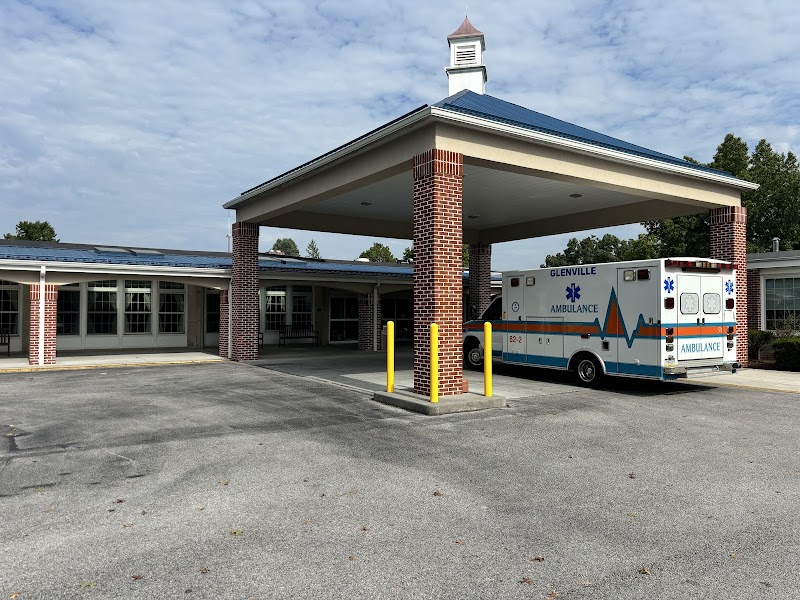
Who Owns and Operates Transitions Healthcare Gettysburg?

TRANSITIONS HEALTHCARE GETTYSBURG is owned by a for-profit company. For-profit facilities operate as businesses with obligations to shareholders or private owners. The facility is operated by TRANSITIONS HEALTHCARE, a chain that manages multiple nursing homes. With 135 certified beds and approximately 127 residents (about 94% occupancy), it is a mid-sized facility located in GETTYSBURG, Pennsylvania.

How Does Transitions Healthcare Gettysburg Compare to Other Pennsylvania Nursing Homes?

Compared to the 100 nursing homes in Pennsylvania, TRANSITIONS HEALTHCARE GETTYSBURG's overall rating (3 stars) matches the state average, staff turnover (60%) is significantly higher than the state average of 46%, and health inspection rating (3 stars) is at the national benchmark.

What Should Families Ask When Visiting Transitions Healthcare Gettysburg?

Based on this facility's data, families visiting should ask: "How do you ensure continuity of care given staff turnover, and what is your staff retention strategy?" "Can you walk me through typical staffing levels on day, evening, and night shifts?" "Can I visit during a mealtime to observe dining assistance and food quality?" "How do you handle medical emergencies, and what is your hospital transfer rate?" These questions are particularly relevant given the facility's high staff turnover rate and the below-average staffing rating.

Is Transitions Healthcare Gettysburg Safe?

Based on CMS inspection data, TRANSITIONS HEALTHCARE GETTYSBURG has a clean safety record: no substantiated abuse findings (meaning no confirmed cases of resident harm), no Immediate Jeopardy citations (the most serious violation level indicating risk of serious injury or death), and is not on the Special Focus Facility watch list (a federal program monitoring the lowest-performing 1% of nursing homes). The facility has a 3-star overall rating and ranks #1 of 100 nursing homes in Pennsylvania. While no facility is perfect, families should still ask about staff-to-resident ratios and recent inspection results during their visit.

Do Nurses at Transitions Healthcare Gettysburg Stick Around?

Staff turnover at TRANSITIONS HEALTHCARE GETTYSBURG is high. At 60%, the facility is 14 percentage points above the Pennsylvania average of 46%. High turnover means new staff may not know residents' individual needs, medications, or preferences. It can also be disorienting for residents, especially those with dementia who rely on familiar faces. Families should ask: What is causing the turnover? What retention programs are in place? How do you ensure care continuity during staff transitions?

Was Transitions Healthcare Gettysburg Ever Fined?

TRANSITIONS HEALTHCARE GETTYSBURG has been fined $16,334 across 2 penalty actions. This is below the Pennsylvania average of $33,242. While any fine indicates a compliance issue, fines under $50,000 are relatively common and typically reflect isolated problems that were subsequently corrected. Families should ask what specific issues led to these fines and confirm they've been resolved.

Is Transitions Healthcare Gettysburg on Any Federal Watch List?

TRANSITIONS HEALTHCARE GETTYSBURG is not on any federal watch list. The most significant is the Special Focus Facility (SFF) program, which identifies the bottom 1% of nursing homes nationally based on persistent, serious quality problems. Not being on this list means the facility has avoided the pattern of deficiencies that triggers enhanced federal oversight. This is a positive indicator, though families should still review the facility's inspection history directly.