ST BARNABAS NURSING HOME
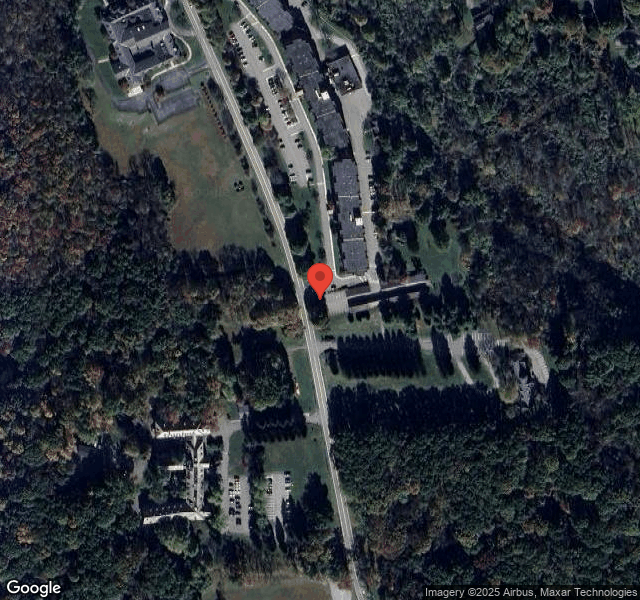

5827 MERIDIAN ROAD, GIBSONIA, PA 15044 (724) 443-0700
Non profit - Corporation 119 Beds Independent Data: November 2025
Trust Grade
65/100
#358 of 653 in PA
Last Inspection: January 2025

Within standard 12-15 month inspection cycle. Federal law requires annual inspections.

Overview

St. Barnabas Nursing Home has a Trust Grade of C+, which indicates that it is slightly above average compared to other facilities. It ranks #358 out of 653 nursing homes in Pennsylvania, placing it in the bottom half, but is #19 out of 52 in Allegheny County, meaning there are only a few local options that are better. Unfortunately, the facility's performance is worsening, with issues increasing from 4 in 2024 to 11 in 2025. Staffing is a strength, with a 4 out of 5-star rating and an RN coverage that surpasses 78% of state facilities, although the turnover rate is at 52%, which is average. While there have been no fines, several concerning issues were noted, including failing to provide transfer notifications for residents and not timely addressing significant weight loss for one resident, indicating areas needing improvement. Overall, families should weigh these strengths and weaknesses when considering this nursing home.

Trust Score
C+
65/100
In Pennsylvania
#358/653
Bottom 46%
Safety Record
Low Risk
No red flags
Inspections
Getting Worse
4 → 11 violations
Staff Stability
⚠ Watch
52% turnover. Above average. Higher turnover means staff may not know residents' routines.
Penalties
✓ Good
No fines on record. Clean compliance history, better than most Pennsylvania facilities.
Skilled Nurses
✓ Good
Each resident gets 58 minutes of Registered Nurse (RN) attention daily — more than average for Pennsylvania. RNs are trained to catch health problems early.
Violations
⚠ Watch
18 deficiencies on record. Higher than average. Multiple issues found across inspections.
★★★☆☆
3.0
Overall Rating
★★★★☆
4.0
Staff Levels
★★★★☆
4.0
Care Quality
★★★☆☆
3.0
Inspection Score
Stable
2024: 4 issues
2025: 11 issues

The Good

  • 4-Star Staffing Rating · Above-average nurse staffing levels
  • 4-Star Quality Measures · Strong clinical quality outcomes
  • Full Sprinkler Coverage · Fire safety systems throughout facility
  • No fines on record

Facility shows strength in staffing levels, quality measures, fire safety.

The Bad

3-Star Overall Rating

Near Pennsylvania average (3.0)

Meets federal standards, typical of most facilities

Staff Turnover: 52%

Near Pennsylvania avg (46%)

Higher turnover may affect care consistency

The Ugly 18 deficiencies on record

Jan 2025 11 deficiencies
CONCERN (D)

Potential for Harm - no one hurt, but risky conditions existed

Quality of Care (Tag F0684)

Could have caused harm · This affected 1 resident

**NOTE- TERMS IN BRACKETS HAVE BEEN EDITED TO PROTECT CONFIDENTIALITY** Based on review of clinical record review and staff interviews it was determined that the facility failed to follow physician or...

Read full inspector narrative →
**NOTE- TERMS IN BRACKETS HAVE BEEN EDITED TO PROTECT CONFIDENTIALITY** Based on review of clinical record review and staff interviews it was determined that the facility failed to follow physician orders for one of seven residents (Resident R23) and failed to provide appropriate treatment and care by failing to ensure timely notification to the physician of significant weight loss and failing to implement physician orders in a timely manner for one of seven residents (Resident R36). Findings include: Review of facility policy Physician Notification dated 5/23/24, indicated attending physicians will be notified of changes in resident conditions, incidents involving resident injury, or have the potential for needing physician interventions. Review of facility policy Weight Loss Prevention dated 5/23/24, indicated to update MD (physician) and obtain orders as needed. The Resident Assessment Instrument (RAI) User's Manual, which gives instructions for completing Minimum Data Set (MDS) assessments (mandated assessments of a resident's abilities and care needs), dated October 2024, indicated the following instructions: - Section K0300: significant weight loss is defined as 5% weight loss or more in 30 days or 10% weight loss or more in 180 days GUIDANCE §483.25(g) Significant weight loss is defined as: 5% or greater in one month 7.5% or greater in three months 10% or greater in six months Review of the clinical record indicated that Resident R23 was admitted to the facility on [DATE], with diagnosis that included congestive heart failure, cerebral palsy (group of disorders that affect movement, muscle tone, and posture due to damage or abnormal development of the brain during or shortly after birth) and asthma. Review of Resident R23's physician orders dated 7/19/24, indicated that Resident R23 was ordered Empagliflozin Oral Tablet 10 MG (milligrams) 1 tablet by mouth. Review of Resident R23's MAR (medical administration record), the following was not administered: Empagliflozin 1/20/25, 1/19/25, 12/21/24, 12/7/24, 12/6/24. Review of Resident R23's clinical nurse notes indicated medications awaiting med to be delivered from pharmacy and resident R23 did not receive on 1/20/25, 1/19/25, 12/21/24, 12/7/24, 12/6/24. During an interview on 1/30/25, at 11:00 a.m. the Director of Nursing confirmed that resident did not receive the medication on the above days and the physician was not notified. Review of the clinical record revealed Resident R36 was admitted to the facility on [DATE]. Review of Resident R36's Minimum Data Set (MDS - a periodic assessment of care needs) dated 1/12/25, indicated diagnoses of anemia (too little iron in the body), Alzheimer's Disease (a progressive disease that destroys memory and other important mental functions), and hyperlipidemia (high levels of fat in the blood). Review of Resident R36's MDS dated [DATE], Section K - Swallowing/Nutritional Status, Question K0300 Weight Loss was coded 2 indicating a loss of 5% or more in the last month or loss of 10% or more in last 6 months and not on a physician-prescribed weight-loss regimen. Review of Resident R36's Weight Summary revealed the following documented weights: - 9/2/24: 119.5 lbs (pounds) - 9/30/24 = 108.6 lbs, a loss of 9.12% in one month - 10/1/24 = 108.6 lbs - 10/14/24 = 108 lbs - 11/3/24 = 107.8 lbs - 11/12/24 = 105.9 lbs - 11/25/24 = 107.5 lbs - 12/2/24 = 105.1 lbs - 12/9/24 = 101.5 lbs, a loss of 15% in three months Review of Resident R36's clinical record indicated that the physician was not made aware of Resident R36's 9.12% weight loss until 11/1/24. Review of Daily Progress note dated 11/1/24, indicated Resident R36 experiences frequent increased stomach residual necessitating need to hold/stop feeding and had significant weight loss noted in 30-day period 119.5 to 108.6. The physician documented, Weight loss noted - needs full nutritional assessment and perhaps a change in substrate (tube feeding formula). Review of a physician order dated 7/31/24, and discontinued on 9/21/24, indicated to administer Osmolite 1.5 (a type of tube feeding formula) via G-tube (a surgically inserted tube into the stomach to provide nutrition) at 45cc/hour (milliliters per hour); hold tube feeding daily from 12 a.m. to 4 a.m. Review of a physician order dated 9/21/24, and discontinued on 12/13/24, indicated to administer Osmolite 1.5 via G-tube at 40cc/hour; hold tube feeding daily from 12 a.m. to 4 a.m. Review of the above order indicates this is a decrease in amount of formula to be administered. Review of Resident R36's clinical record failed to include documentation to support the change in the tube feeding order. Review of a physician order dated 12/12/24, indicated to administer Nutren 2.0 (a type of tube feeding formula) via G-tube at 40cc/hour; hold tube feeding daily from 12 a.m. to 4 a.m. During an interview on 1/29/25, at 1:45 p.m. Licensed Practical Nurse Assessment Coordinator (LPNAC) Employee E4 stated, I caught the weight loss in October when I was filling out that portion of the MDS. Usually, the Registered Dietitian would be who catches weight loss and makes recommendations. I round with the physician and made him aware of the weight loss on November 1st and the physician gave a verbal order to change her tube feeding formula. It wasn't changed to a different formula until December 12th because we had to use up her current tube feeding supply, we can't return anything. During an interview on 1/29/25, at 1:45 p.m. LPNAC Employee E4 confirmed that the facility failed to provide appropriate treatment and care by failing to ensure timely notification to the physician of significant weight loss and failing to implement physician orders in a timely manner as required. 28 Pa. Code: 201.14(a) Responsibility of licensee. 28 Pa. Code: 201.18(b)(1)(e)(1) Management. 28 Pa. Code: 211.10(c)(d) Resident care policies. 28 Pa. Code: 211.12(d)(1)(2)(3)(5) Nursing services.
CONCERN (D)

Potential for Harm - no one hurt, but risky conditions existed

Tube Feeding (Tag F0693)

Could have caused harm · This affected 1 resident

**NOTE- TERMS IN BRACKETS HAVE BEEN EDITED TO PROTECT CONFIDENTIALITY** Based on review of facility policy, clinical record review, and staff interview, it was determined that the facility failed to e...

Read full inspector narrative →
**NOTE- TERMS IN BRACKETS HAVE BEEN EDITED TO PROTECT CONFIDENTIALITY** Based on review of facility policy, clinical record review, and staff interview, it was determined that the facility failed to ensure that a resident with an enteral feeding tube (a tube inserted in the stomach through the abdomen) received appropriate treatment and services for one of four residents (Resident R36). Findings include: Review of facility policy Enteral Therapy dated 5/23/24, indicated the dietitian will assess the resident's nutritional needs and provide consultation to the MD (physician) as indicated. Review of facility policy Weight Loss Prevention dated 5/23/24, indicated Dietitian or Dietitian Tech to evaluate and make recommendations as indicated. Update MD (physician) and obtain orders as needed. The Resident Assessment Instrument (RAI) User's Manual, which gives instructions for completing Minimum Data Set (MDS) assessments (mandated assessments of a resident's abilities and care needs), dated October 2024, indicated the following instructions: - Section K0300: significant weight loss is defined as 5% weight loss or more in 30 days or 10% weight loss or more in 180 days GUIDANCE §483.25(g) Significant weight loss is defined as: 5% or greater in one month 7.5% or greater in three months 10% or greater in six months Review of the clinical record revealed Resident R36 was admitted to the facility on [DATE]. Review of Resident R36's Minimum Data Set (MDS - a periodic assessment of care needs) dated 1/12/25, indicated diagnoses of anemia (too little iron in the body), Alzheimer's Disease (a progressive disease that destroys memory and other important mental functions), and hyperlipidemia (high levels of fat in the blood). Review of Resident R36's MDS dated [DATE], Section K - Swallowing/Nutritional Status, Question K0300 Weight Loss was coded 2 indicating a loss of 5% or more in the last month or loss of 10% or more in last 6 months and not on a physician-prescribed weight-loss regimen. Review of a physician order dated 7/31/24, and discontinued on 9/21/24, indicated to administer Osmolite 1.5 (a type of tube feeding formula) via G-tube (a surgically inserted tube into the stomach to provide nutrition) at 45 cc/hour (milliliters per hour); hold tube feeding daily from 12 a.m. to 4 a.m. Review of a physician order dated 9/21/24, and discontinued on 12/13/24, indicated to administer Osmolite 1.5 via G-tube at 40cc/hour; hold tube feeding daily from 12 a.m. to 4 a.m. Review of the above order indicates this is a decrease in amount of formula to be administered. Review of Resident R36's clinical record failed to include documentation to support the change in the tube feeding order. Review of a physician order dated 12/12/24, indicated to administer Nutren 2.0 (a type of tube feeding formula) via G-tube at 40cc/hour; hold tube feeding daily from 12 a.m. to 4 a.m. Review of a Weight Change Note dated 8/13/24, completed by Registered Dietitian (RD) Employee E1 stated, Review of monthly weight status. Per weight 8/1 120# (pounds), resident with trigger for significant weight loss for 6 months (133.5#, -10.1%). Weight stable past 3 months 116-121#. Continue current TF (tube feeding) as ordered/resident tolerates. Continue to monitor weight status for significant change. Review of Resident R36's Weight Summary revealed the following documented weights: - 9/2/24: 119.5 lbs (pounds) - 9/30/24 = 108.6 lbs, a loss of 9.12% in one month - 10/1/24 = 108.6 lbs - 10/14/24 = 108 lbs - 11/3/24 = 107.8 lbs - 11/12/24 = 105.9 lbs - 11/25/24 = 107.5 lbs - 12/2/24 = 105.1 lbs - 12/9/24 = 101.5 lbs, a loss of 15% in three months Review of Resident R36's clinical record failed to include documentation that indicated the resident was assessed by the Registered Dietitian in September 2024, October 2024, November 2024, and December 2024. The review of the clinical record failed to reveal any documentation regarding the above weight changes or any nutritional recommendations. During an interview on 1/29/25, at 9:32 a.m. RD Employee E1 stated, I was not employed at the facility between 8/20/24 and 11/6/24. I can't speak exactly to Resident R36's weight loss in September. I was notified through email communication at the beginning of November. My recommendation was to increase her tube feeding rate, but her husband dictates most of her care and had no desire to increase the tube feeding rate. When asked if it is documented in Resident R36's clinical record that her husband refused to have nutritional recommendations implemented, RD Employee E1 stated, Nobody would dare put that in. Review of Resident R36's clinical record indicated that the physician was not made aware of Resident R36's 9.12% weight loss until 11/1/24. Review of Daily Progress note dated 11/1/24, indicated Resident R36 experiences frequent increased stomach residual necessitating need to hold/stop feeding and had significant weight loss noted in 30-day period 119.5 to 108.6. The physician documented, Weight loss noted - needs full nutritional assessment and perhaps a change in substrate (tube feeding formula). During an interview on 1/29/25, at 1:45 p.m. Licensed Practical Nurse Assessment Coordinator (LPNAC) Employee E4 stated, I caught the weight loss in October when I was filling out that portion of the MDS. Usually, the Registered Dietitian would be who catches weight loss and makes recommendations. I round with the physician and made him aware of the weight loss on November 1st and the physician gave a verbal order to change her tube feeding formula. It wasn't changed to a different formula until December 12th because we had to use up her current tube feeding supply, we can't return anything. During an interview on 1/29/25, at 1:45 p.m. LPNAC Employee E4 confirmed that the facility failed to ensure that a resident with an enteral feeding tube received appropriate treatment and services as required. 28 Pa. Code: 201.18(b)(1) Management. 28 Pa. Code: 211.10(c) Resident care policies. 28 Pa. Code: 211.12(d)(1) Nursing services.
CONCERN (D)

Potential for Harm - no one hurt, but risky conditions existed

Respiratory Care (Tag F0695)

Could have caused harm · This affected 1 resident

**NOTE- TERMS IN BRACKETS HAVE BEEN EDITED TO PROTECT CONFIDENTIALITY** Based on observations, staff interviews, and clinical record review, it was determined that the facility failed to provide appro...

Read full inspector narrative →
**NOTE- TERMS IN BRACKETS HAVE BEEN EDITED TO PROTECT CONFIDENTIALITY** Based on observations, staff interviews, and clinical record review, it was determined that the facility failed to provide appropriate respiratory care for two of four residents (Residents R32 and R36). Findings include: Review of the clinical record revealed Resident R32 was admitted to the facility on [DATE]. Review of Resident R32's Minimum Data Set (MDS - a periodic assessment of care needs) dated 1/1/4/25, indicated diagnoses of high blood pressure, hyponatremia (too little sodium in the blood), and respiratory failure (a condition where the lungs cannot get enough oxygen into the blood). Review of a physician order dated 1/21/25, indicated to provide oxygen at 1 - 2 liters per minute (LPM) via nasal cannula (a lightweight tube that delivers oxygen into the nostrils) continuously. During an observation on 1/27/25, at 11:57 a.m. Resident R32 was observed receiving oxygen at 3 LPM via nasal cannula. During an observation on 1/28/25, at 8:57 a.m. Resident R32 was observed receiving oxygen at 3 LPM via nasal cannula. During an observation on 1/29/25, at 10:08 a.m. Resident R32 was observed receiving oxygen at 3 LPM via nasal cannula. During this observation, Registered Nurse (RN) Employee E2 confirmed that Resident R32 was receiving oxygen at 3 LPM via nasal cannula. During an interview on 1/29/25, at 10:08 a.m. RN Employee E2 confirmed that the facility failed to provide appropriate respiratory care for Resident R32. Review of the clinical record revealed Resident R36 was admitted to the facility on [DATE]. Review of Resident R36's MDS dated [DATE], indicated diagnoses of anemia (too little iron in the body), Alzheimer's Disease (a progressive disease that destroys memory and other important mental functions), and hyperlipidemia (high levels of fat in the blood). Review of a physician order dated 10/5/24, indicated to administer Ipratropium-Albuterol 0.5-2.5 mg/mL (milligrams per milliliter) inhale orally every 4 hours as needed for congestion. Review of Resident R36's January Medication Administration Record indicated the resident received Ipratropium-Albuterol on 1/4/25, 1/12/25, 1/13/25, 1/17/25, 1/18/25, 1/19/25, 1/20/25, 1/24/25, and 1/25/25. During an observation on 1/27/25, at 9:50 a.m. a nebulizer machine (a machine used to deliver aerosolized medications) was observed on Resident R36's bedside table with the attached tubing and aerosolized face mask in a bag in the drawer. Review of Resident R36's physician orders on 1/29/25, failed to include an order to change the nebulizer tubing and aerosolized face mask. Review of Resident R36's care plan on 1/29/25, failed to include goals and interventions related to the maintenance of equipment for respiratory care and failed to include interventions for procedures to follow in the event of an adverse reaction to respiratory treatments. During an interview on 1/29/25, at 10:10 a.m. Registered Nurse (RN) Employee E2 stated, I don't think there is an order to change the nebulizer tubing, I just know they do it at night on Thursday or Fridays. During an interview on 1/29/25, at 11:16 a.m. the Director of Nursing (DON) stated, Nebulizer tubing is changed Thursday into Friday on the 11 p.m. to 7 a.m. shift, it's changed with the oxygen tubing, that's just how we do it. When asked how would a new employee or agency employee know when to change the nebulizer tubing, the DON stated, It's part of orientation and onboarding, it would be discussed then. During this interview, the DON confirmed that Resident R36 did not have a physician order to change nebulizer tubing and did not have a care plan developed for the administration of aerosolized medications. During an interview on 1/30/25, at 10:01 a.m. the DON was asked to provide the facility's policies and procedures for respiratory care and aerosolized medication therapy. During an interview on 1/30/25, at 10:54 a.m. the DON stated that the facility does not have policies related to respiratory care and aerosolized medication therapy. During an interview on 1/30/25, at 10:54 a.m. the DON confirmed that the facility failed to provide appropriate respiratory care for Resident R36. 28 Pa. Code: 201.14(a) Responsibility of licensee. 28 Pa. Code: 211.10(c)(d) Resident care policies. 28 Pa. Code: 211.11 (a)(c)(d) Resident care plan. 28 Pa. Code 211.12(d)(1)(2)(3)(5) Nursing services.
CONCERN (D)

Potential for Harm - no one hurt, but risky conditions existed

Deficiency F0760 (Tag F0760)

Could have caused harm · This affected 1 resident

**NOTE- TERMS IN BRACKETS HAVE BEEN EDITED TO PROTECT CONFIDENTIALITY** Based on review of facility policy, clinical record, and staff interview, it was determined that the facility failed to make cer...

Read full inspector narrative →
**NOTE- TERMS IN BRACKETS HAVE BEEN EDITED TO PROTECT CONFIDENTIALITY** Based on review of facility policy, clinical record, and staff interview, it was determined that the facility failed to make certain significant medications are administered as ordered by the physician for one of three residents (Resident R50). Findings include: Review of the facility policy Medication Administration) dated 5/23/24 indicated medications and biologicals shall be administered by the same licensed nurse who prepared the dose for administration and will give as soon as possible after being prepared. Review of the clinical record indicated that Resident R50 was admitted to the facility on [DATE], with diagnoses which included atrial fibrillation (common heart rhythm disorder where the upper chambers of the heart (atria) beat irregularly and rapidly), hypertension and macular degeneration (common eye disease that damages the macula, the central part of the retina responsible for sharp, central vision). Review of Resident R50's physician orders dated 11/23/24 indicated Synthroid (to treat hypothyroidism) Oral Tablet 50 MCG (Levothyroxine Sodium) 1 tablet orally once a day. Review of Resident R50's Medication Administration Record (MAR) indicated that 12/29/24, 12/30/24, 1/21/25 and 1/27/25, staff had documented that the drug was unavailable and not given. Resident R50 had not received the medication for four days. During an interview on 1/30/25, at approximately 11:00 a.m., the Director of Nursing confirmed that the facility failed to make certain significant medications are administered as ordered by the physician. 28 Pa. Code: 201.14(a) Responsibility of licensee. 28Pa. Code:211.9(e)(f)(g)(h) Pharmacy services. 28 Pa. Code: 211.10(c) Resident care policies.
CONCERN (D)

Potential for Harm - no one hurt, but risky conditions existed

Deficiency F0801 (Tag F0801)

Could have caused harm · This affected 1 resident

Based on staff interviews it was determined that the facility failed to employ a qualified Registered Dietitian for one of twelve months (October 2024). Findings include: During an interview with Regi...

Read full inspector narrative →
Based on staff interviews it was determined that the facility failed to employ a qualified Registered Dietitian for one of twelve months (October 2024). Findings include: During an interview with Registered Dietitian Employee E1 revealed she was employed 6/29/21-8/20/24 and didn't start PRN again till 11/6/24. Interview with Nursing Home Administrator on 1/29/25 at 11:00 a.m. indicated the facility had a Registered Dietitian 9/5/24-10/4/24. During an interview on 1/29/25 at 9:00 a.m. the Nursing Home Administrator confirmed that the facility did not employ a qualified Registered Dietitian for one of twelve months as required. 28 Pa. Code 201. 18(e)(1)(6)Management. 28 Pa. Code 211. 6(c) Dietary service.
CONCERN (D)

Potential for Harm - no one hurt, but risky conditions existed

Infection Control (Tag F0880)

Could have caused harm · This affected 1 resident

**NOTE- TERMS IN BRACKETS HAVE BEEN EDITED TO PROTECT CONFIDENTIALITY** Based on policy review, documentation review, review of Centers for Disease Control (CDC) guidelines for Legionella (bacteria th...

Read full inspector narrative →
**NOTE- TERMS IN BRACKETS HAVE BEEN EDITED TO PROTECT CONFIDENTIALITY** Based on policy review, documentation review, review of Centers for Disease Control (CDC) guidelines for Legionella (bacteria that causes disease found in contaminated water) control, and staff interviews it was determined that the facility failed to maintain a comprehensive program for water management to monitor the potential development and spread of Legionella and failed to implement control measures for Legionella within the facility for eleven of twelve months (February 2024 through January 2025) and failed to implement transmission-based precautions for one of four residents (Resident R36). Findings include: Review of the facility policy Legionella Prevention dated 5/23/24, indicated the facility will utilize water management practices to reduce the risk of Legionella in the ice machines by cleaning quarterly, sanitizing, and checking monthly for cleanliness. The policy fails to mention how to prevent Legionella and other microbial growth throughout the facility. Core Elements of the Water Management Plan are: 1. Establish Water Management Plan team. 2. Describe Center's water system using text and flow diagram. 3. Risk assessment with control methods and corrective actions. 4. Monitoring control measures. 5. Corrective actions. 6. Verification and validation. 7. Documentation and communication. Review of Department of Health and Human services, Centers for Medicare and Medicaid services (CMS) memo, Requirement to Reduce Legionella Risk in Healthcare Facility Water Systems to Prevent Cases and Outbreaks of Legionnaires' Disease (LD) dated 7/6/18, revealed, Facilities must develop and adhere to policies and procedures that inhibit microbial growth in building water systems that reduce the risk of growth and spread Legionella and other opportunistic pathogens in water. This policy memorandum applies to Hospitals, Critical Access Hospitals (CAHs) and Long-Term Care (LTC). However, this policy memorandum is also intended to provide general awareness for all healthcare organizations. Facilities must have water management plans and documentation that, at minimum, ensure each facility: -Conducts a facility risk assessment to identify where Legionella and other opportunistic waterborne pathogens (e.g. Pseudomonas, Acinetobacter, Nontuberculous Mycobacteria, Burkholderia, Stenotrophomonas, and fungi) could grow and spread in the facility water system. -Develops and implements a water management program that considers the ASHRAE (American Society of Heating, Refrigerating, and Air Conditioning Engineers) industry standard and the CDC toolkit. -Specifies testing protocols and acceptable ranges for control measures and document the results of testing and corrective actions taken when control limits are not maintained. -Maintains compliance with other applicable Federal, State and local requirements. Review of the ASHRAE guidance Managing the Risk of Legionellosis Associated with Building Water Systems dated December 2020, indicated the most commonly used supplemental disinfection methods are treatment with chlorine, chlorine-dioxide, copper-silver ions, and monochloramine. The guidance further indicated the recommended levels of residual chlorine are 0.50-3.00 ppm (part per million). Review of facility policy Contact Precautions dated 5/23/24, indicated contact precautions are intended to prevent transmission of infectious agents which are spread by direct or indirect contact with the resident or resident's environment. Review of facility policy Enhanced Barrier Precautions dated 5/23/24, indicated the facility will adhere to the CDC guideline recommendations for use of Enhanced Barrier Precautions (EBP) when providing care to residents identified as at risk for multi-drug resistant organisms (MDRO) or to those residents identified as having a MDRO infection. The CDC defines Enhanced Barrier Precautions as: an infection control intervention designed to reduce transmission of multidrug-resistant organisms (MDROs) in nursing homes. EBP involve gown and gloves during high-contact resident care activities for residents known to be colonized or infected with MDRO as well as those at increased risk of MDRO acquisition (e.g., residents with wounds or indwelling medical devices). Review of the facility provided water management information failed to include specific testing protocols and acceptable ranges for control measures along with a description of the facility's water system using a flow diagram. Review of the Water Management Program Control Measures did not contain a log for Point of Use Disinfectant (the level of chlorine concentration in the water) indicated to measure and record hot water and cold water chlorine concentration as point of use, and to note that chlorine concentration below 0.5 ppm and above 4.0 ppm as outside the control limits. During an interview on 1/28/25, at approximately 11:30 a.m. the Nursing Home Administrator and Maintenance Supervisor Employee E15 confirmed that the facility failed to maintain a comprehensive program for water management to monitor the potential development and spread of Legionella and failed to implement control measures for Legionella within the facility. Review of the clinical record revealed Resident R36 was admitted to the facility on [DATE]. Review of Resident R36's Minimum Data Set (MDS - a periodic assessment of care needs) dated 1/12/25, indicated diagnoses of anemia (too little iron in the body), Alzheimer's Disease (a progressive disease that destroys memory and other important mental functions), and hyperlipidemia (high levels of fat in the blood). Review of Section H - Bowel and Bladder, Question H0100 indicated the resident has an indwelling catheter. Section K - Swallowing/Nutritional Status, Question K05520B indicated the resident has a feeding tube. Review of Section M - Skin Conditions, Question M0300 indicated the resident has 2 Stage 4 pressure ulcers and 1 unstageable pressure ulcer. Review of a nursing progress note dated 10/10/24, stated, New orders obtained for treatment of Shingles, husband updated. Review of Resident R36's clinical record failed to reveal documentation that the resident was placed in transmission-based precautions for Shingles on 10/10/24, and failed to reveal documentation that EBP were implemented related to Resident R36's wounds and indwelling medical devices. During an interview on 1/29/25, at 10:10 a.m. Registered Nurse (RN) Employee E2 stated, I'm not sure if isolation precautions are in the physician orders or resident care plans, usually I find out by word of mouth. During an interview on 1/29/25, at 11:23 a.m. Infection Preventionist Employee E4 stated, We placed in her Contact Precautions when she had shingles. We don't write orders for isolation precautions; we update the resident care plans to reflect any isolation precautions. During an interview on 1/29/25, at 12:11 p.m. Infection Preventionist Employee E4 confirmed there was no documentation in Resident R36's plan of care to reflect being placed in Contact Precautions for shingles and there was no documentation to implement EBP related to the resident's wounds and indwelling medical devices. During an interview on 1/29/25, at 12:11 p.m. Infection Preventionist Employee E4 confirmed that the facility failed to implement transmission-based precautions as required. 28 Pa. Code: 201.14(a) Responsibility of licensee. 28 Pa. Code: 201.18(b)(1)(e)(1) Management.
CONCERN (D)

Potential for Harm - no one hurt, but risky conditions existed

Deficiency F0943 (Tag F0943)

Could have caused harm · This affected 1 resident

Based on review of facility policy, facility personnel/in-service training records, and staff interview, it was determined that the facility failed to provide training on resident protection from abus...

Read full inspector narrative →
Based on review of facility policy, facility personnel/in-service training records, and staff interview, it was determined that the facility failed to provide training on resident protection from abuse and neglect for one of seven staff members (Employee E8). Findings include: Review of the facility policy Facility Assessment: Staff Training and Competencies dated 5/23/24, indicated that all new staff are trained during the orientation process on designated facility topics. A checklist is completed both on theory and skills material. A checklist is completed again annually on both theory and skills material. Review of the facility policy Prohibition and Prevention of resident Abuse, Neglect, Exploitation, Mistreatment, or Misappropriation of Resident Property dated 5/23/24, indicated that all employees receive abuse training during general orientation and annually in conjunction with scheduled on-going training. Review of facility provided documents and training records revealed the following staff member did not have documented training on abuse and neglect. Nurse Aide (NA) Employee E8 had a hire date of 4/27/17, failed to have abuse and neglect prevention in-service education between 4/27/23, and 4/27/24. During an interview on 1/29/25, at 2:15 p.m. the Staff Development Coordinator Employee E14 confirmed that the facility failed to provide training on resident protection from abuse and neglect for one of seven staff members. 28 Pa Code: 201.14 (a) Responsibility of licensee. 28 Pa Code: 201.18 (b)(1) Management. 28 Pa Code: 201.20 (a)(c) Staff development.
CONCERN (D)

Potential for Harm - no one hurt, but risky conditions existed

Deficiency F0947 (Tag F0947)

Could have caused harm · This affected 1 resident

Based on review of facility documents, employee education records, and staff interviews it was determined that the facility failed to ensure that all nurse aide staff received a minimum of twelve hour...

Read full inspector narrative →
Based on review of facility documents, employee education records, and staff interviews it was determined that the facility failed to ensure that all nurse aide staff received a minimum of twelve hours of in-service education training each year as required for two out of five Nurse Aide (NA) Employees (Employee E7, and E8) Findings include: Review of the facility policy Facility Assessment: Staff Training and Competencies dated 5/23/24, indicated that all new staff are trained during the orientation process on designated facility topics. A checklist is completed both on theory and skills material. A checklist is completed again annually on both theory and skills material. Review of facility provided documents and training records revealed the following staff members did not have documented training. NA Employee E7 had a hire date of 3/12/20, facility provided information indicated that she had received 8.5 hours of in-services between 3/12/23, and 3/12/24 and did not meet the required 12 hours of in-servicing NA Employee E8 had a hire date of 4/27/17, facility provided information indicated that she had received 5.25 hours of in-services between 4/28/23, and 4/27/24, and did not meet the required 12 hours of in-servicing During an interview on 1/29/25, at 2:15 p.m. the Staff Development Coordinator Employee E14 confirmed that the facility failed to ensure that all NA received a minimum of 12 hours of in-service education training each year as required for two of five NA. 28 Pa. Code: 201.14(a) Responsibility of Licensee. 28 Pa. Code: 201.20(c) Staff Development.
CONCERN (E)

Potential for Harm - no one hurt, but risky conditions existed

Transfer Notice (Tag F0623)

Could have caused harm · This affected multiple residents

**NOTE- TERMS IN BRACKETS HAVE BEEN EDITED TO PROTECT CONFIDENTIALITY** Based on clinical record review and staff interviews, it was determined that the facility failed to provide a transfer notice to...

Read full inspector narrative →
**NOTE- TERMS IN BRACKETS HAVE BEEN EDITED TO PROTECT CONFIDENTIALITY** Based on clinical record review and staff interviews, it was determined that the facility failed to provide a transfer notice to a representative of the Office of the Long-Term Care Ombudsman Division for four of four residents (Residents R1, R18, R27, and R32). Findings include: Review of the clinical record revealed Resident R1 was admitted to the facility on [DATE]. Review of Resident R1's Minimum Data Set (MDS - a periodic assessment of care needs) dated 11/24/24, indicated diagnoses of hemiplegia, affecting right side (medical condition that causes paralysis or weakness on one side of the body), diabetes mellitus, and hypertension. Review of Resident R1's clinical record revealed that the resident was transferred to the hospital on 8/27/24. Review of Resident R1's clinical record, the facility failed to include documented evidence that the facility provided a written transfer notification to the Office of Long-Term Care Ombudsman for the hospitalization on 8/27/24. Review of the clinical record revealed Resident R18 was admitted to the facility on [DATE]. Review of Resident R18's MDS dated [DATE], indicated diagnoses of high blood pressure, anemia (too little iron in the blood), and retention of urine. Review of Resident R18's clinical record revealed that the resident was transferred to the hospital on [DATE]. Review of Resident R18's clinical record, the facility failed to include documented evidence that the facility provided a written transfer notification to the Office of Long-Term Care Ombudsman for the hospitalization on 10/8/24. Review of the clinical record revealed Resident R27 was admitted to the facility on [DATE]. Review of Resident R27's MDS dated [DATE], indicated diagnoses of congestive heart failure, respiratory failure with hypoxia and diabetes mellitus. Review of Resident R27's clinical record revealed that the resident was transferred to the hospital on 9/1/24. Review of Resident R27's clinical record, the facility failed to include documented evidence that the facility provided a written transfer notification to the Office of Long-Term Care Ombudsman for the hospitalization on 9/1/24. Review of the clinical record revealed Resident R32 was admitted to the facility on [DATE]. Review of Resident R32's MDS dated [DATE]/25, indicated diagnoses of high blood pressure, hyponatremia (too little sodium in the blood), and respiratory failure (a condition where the lungs cannot get enough oxygen into the blood). Review of Resident R32's clinical record revealed that the resident was transferred to the hospital on 1/16/25. Review of Resident R32's clinical record, the facility failed to include documented evidence that the facility provided a written transfer notification to the Office of Long-Term Care Ombudsman for the hospitalization on 1/16/25. During an interview on 1/29/25, at 10:30 a.m. Secretary Employee E3 confirmed that the facility failed to provide a transfer notice to a representative of the Office of the Long-Term Care Ombudsman Division for four of four residents as required. 28 Pa. Code 201.29 (a)(c.3)(2) Resident rights.
CONCERN (E)

Potential for Harm - no one hurt, but risky conditions existed

Deficiency F0692 (Tag F0692)

Could have caused harm · This affected multiple residents

**NOTE- TERMS IN BRACKETS HAVE BEEN EDITED TO PROTECT CONFIDENTIALITY** Based on review of facility policies, clinical records, and staff interviews, it was determined that the facility failed to make...

Read full inspector narrative →
**NOTE- TERMS IN BRACKETS HAVE BEEN EDITED TO PROTECT CONFIDENTIALITY** Based on review of facility policies, clinical records, and staff interviews, it was determined that the facility failed to make certain that weight loss was identified and addressed in a timely manner for one of three residents (Resident R36) and the facility failed to complete initial nutrition assessments for two to seven residents (Resident R29, R49). Findings include: Review of facility policy Weight Loss Prevention dated 5/23/24, indicated Dietitian or Dietitian Tech to evaluate and make recommendations as indicated. Update MD (physician) and obtain orders as needed. The Resident Assessment Instrument (RAI) User's Manual, which gives instructions for completing Minimum Data Set (MDS) assessments (mandated assessments of a resident's abilities and care needs), dated October 2024, indicated the following instructions: - Section K0300: significant weight loss is defined as 5% weight loss or more in 30 days or 10% weight loss or more in 180 days GUIDANCE §483.25(g) Significant weight loss is defined as: 5% or greater in one month 7.5% or greater in three months 10% or greater in six months Review of the clinical record revealed Resident R36 was admitted to the facility on [DATE]. Review of Resident R36's Minimum Data Set (MDS - a periodic assessment of care needs) dated 1/12/25, indicated diagnoses of anemia (too little iron in the body), Alzheimer's Disease (a progressive disease that destroys memory and other important mental functions), and hyperlipidemia (high levels of fat in the blood). Review of Resident R36's MDS dated [DATE], Section K - Swallowing/Nutritional Status, Question K0300 Weight Loss was coded 2 indicating a loss of 5% or more in the last month or loss of 10% or more in last 6 months and not on a physician-prescribed weight-loss regimen. Review of a physician order dated 7/31/24, and discontinued on 9/21/24, indicated to administer Osmolite 1.5 (a type of tube feeding formula) via G-tube (a surgically inserted tube into the stomach to provide nutrition) at 45cc/hour (milliliters per hour); hold tube feeding daily from 12 a.m. to 4 a.m. Review of a physician order dated 9/21/24, and discontinued on 12/13/24, indicated to administer Osmolite 1.5 via G-tube at 40cc/hour; hold tube feeding daily from 12 a.m. to 4 a.m. Review of the above order indicates this is a decrease in amount of formula to be administered. Review of Resident R36's clinical record failed to include documentation to support the change in the tube feeding order. Review of a physician order dated 12/12/24, indicated to administer Nutren 2.0 (a type of tube feeding formula) via G-tube at 40cc/hour; hold tube feeding daily from 12 a.m. to 4 a.m. Review of a Weight Change Note dated 8/13/24, completed by Registered Dietitian (RD) Employee E1 stated, Review of monthly weight status. Per weight 8/1 120# (pounds), resident with trigger for significant weight loss for 6 months (133.5#, -10.1%). Weight stable past 3 months 116-121#. Continue current TF (tube feeding) as ordered/resident tolerates. Continue to monitor weight status for significant change. Review of Resident R36's Weight Summary revealed the following documented weights: - 9/2/24: 119.5 lbs (pounds) - 9/30/24 = 108.6 lbs, a loss of 9.12% in one month - 10/1/24 = 108.6 lbs - 10/14/24 = 108 lbs - 11/3/24 = 107.8 lbs - 11/12/24 = 105.9 lbs - 11/25/24 = 107.5 lbs - 12/2/24 = 105.1 lbs - 12/9/24 = 101.5 lbs, a loss of 15% in three months Review of Resident R36's clinical record failed to include documentation that indicated the resident was assessed by the Registered Dietitian in September 2024, October 2024, November 2024, and December 2024. The review of the clinical record failed to reveal any documentation regarding the above weight changes or any nutritional recommendations. During an interview on 1/29/25, at 9:32 a.m. RD Employee E1 stated, I was not employed at the facility between 8/20/24 and 11/6/24. I can't speak exactly to Resident R36's weight loss in September. I was notified through email communication at the beginning of November. My recommendation was to increase her tube feeding rate, but her husband dictates most of her care and had no desire to increase the tube feeding rate. When asked if it is documented in Resident R36's clinical record that her husband refused to have nutritional recommendations implemented, RD Employee E1 stated, Nobody would dare put that in. Review of the clinical record revealed Resident R29 was admitted to the facility on [DATE]. Review of Resident R29's Minimum Data Set (MDS - a periodic assessment of care needs) dated 1/12/25, indicated diagnoses of fracture of right femur, orthopedic aftercare and atrial fibrillation (common heart rhythm disorder where the upper chambers of the heart (atria) beat irregularly and rapidly). Review of Resident R29's clinical record failed to include documentation that indicated the resident was assessed by the Registered Dietitian in October 2024, November 2024, and December 2024. Review of the clinical record revealed Resident R49 was admitted to the facility on [DATE]. Review of Resident R49's Minimum Data Set (MDS - a periodic assessment of care needs) dated 11/10/24, indicated diagnoses of asthma, nonrheumatic aortic stenosis (a narrowing of the aortic valve that occurs when it doesn't open or close properly) and syncope (a sudden and brief loss of consciousness that is caused by a temporary decrease in blood flow to the brain). Review of Resident R49's clinical record failed to include documentation that indicated the resident was assessed by the Registered Dietitian in October 2024, November 2024, and December 2024. During an interview on 1/29/25, at 9:44 a.m. RD Employee E1 confirmed that the facility failed to make certain that weight loss was identified and addressed in a timely manner for Resident R36 and the facility failed to assess two residents on admission as required (Resident R29, and R49). 28 Pa. Code: 201.18(b)(1)(e)(1) Management. 28 Pa. Code: 211.12(d)(1)(3)(5) Nursing services.
CONCERN (E)

Potential for Harm - no one hurt, but risky conditions existed

Deficiency F0944 (Tag F0944)

Could have caused harm · This affected multiple residents

Based on review of facility documents, employee education records, and staff interview, it was determined that the facility failed to provide training on QAPI (Quality Assurance and Performance Improv...

Read full inspector narrative →
Based on review of facility documents, employee education records, and staff interview, it was determined that the facility failed to provide training on QAPI (Quality Assurance and Performance Improvement) for five of seven staff members (Employee E7, E8, E9, E11, and E12) Findings include: Review of the facility policy Facility Assessment: Staff Training and Competencies dated 5/23/24, indicated that all new staff are trained during the orientation process on designated facility topics. A checklist is completed both on theory and skills material. A checklist is completed again annually on both theory and skills material. Review of facility provided documents and training records revealed the following staff members did not have documented training. Nurse Aide (NA) Employee E7 had a hire date of 3/12/20, failed to have QAPI education between 3/12/23, and 3/12/24. NA Employee E8 had a hire date of 4/27/17, failed to have QAPI education between 4/27/23, and 4/27/24. NA Employee E9 had a hire date of 10/23/20, failed to have QAPI education between 10/23/23, and 10/23/24. NA Employee E11 had a hire date of 11/20/22, failed to have QAPI education between 11/20/23, and 11/20/24. Registered Nurse Employee E12 had a hire date of 7/12/16, failed to have QAPI education between 7/12/23, and 7/12/24. During an interview on 1/29/25, at 2:15 p.m. the Staff Development Coordinator Employee E14 confirmed that the facility failed to provide training on QAPI for five of seven staff members. 28 Pa Code: 201.14 (a) Responsibility of licensee. 28 Pa Code: 201.18 (b)(1) Management. 28 Pa Code: 201.20 (a)(c) Staff development.
Feb 2024 4 deficiencies
CONCERN (D)

Potential for Harm - no one hurt, but risky conditions existed

Investigate Abuse (Tag F0610)

Could have caused harm · This affected 1 resident

**NOTE- TERMS IN BRACKETS HAVE BEEN EDITED TO PROTECT CONFIDENTIALITY** Based on review of facility policy, clinical records, facility documents, and staff interview, it was determined that the facili...

Read full inspector narrative →
**NOTE- TERMS IN BRACKETS HAVE BEEN EDITED TO PROTECT CONFIDENTIALITY** Based on review of facility policy, clinical records, facility documents, and staff interview, it was determined that the facility failed to fully investigate alleged allegation of abuse/neglect for one of three residents (Resident R10). Findings include: Review of the facility policy J-5-O Prohibition and Prevention of Resident Abuse, Neglect, Exploitation, Mistreatment, or Misappropriation of Resident Property dated [DATE], indicated to assure a timely, thorough, and objective investigation of all allegations of abuse, neglect exploitation, mistreatment, or misappropriation of resident property. The Investigation Statement form should include a graphic description if physical abuse is suspected. Be sure to include a description of the scene, positioning of resident and staff, time, nature of injury, etc. Review of the admission record indicated Resident R10 was admitted to the facility on [DATE]. Review of Resident R10's Minimum Data Set (MDS- a periodic assessment of care needs) dated [DATE], indicated the diagnoses of high blood pressure, heart failure (the heart doesn't pump blood as well as it should), and Parkinson's Disease (disorder of the nervous system that results in tremors). Review of Resident R10's incident report dated [DATE], at 8:00 p.m. indicated resident noted with a skin tear to right lower leg as he was being readied for bed. A trickle of bright red blood present, stopped with slight pressure. Review of facility provided Risk Management Report dated [DATE], indicated Nurse Aides (NA) Employee E3 and Employee E4 reported to Registered Nurse (RN) Employee E5 that they noticed a skin tear on Resident R10's right lower leg when getting him ready for bed. Review of NA Employee E3's Investigation Statement dated [DATE], indicated right lower leg skin tear was noted when getting client ready for bed. Review of NA Employee E4's Investigation Statement dated [DATE], indicated Pulled down pants, skin tear left lower leg. Review of Resident R10's second incident report dated [DATE], at 8:00 p.m. indicated during evening care the staff observed a horizontal skin tear to resident's right great toe at the bottom of the toe. Review of facility provided Risk Management Report dated [DATE], indicated NA Employee E6 got RN Employee E7 to further assess Resident R10. Resident noted to have a cut to the bottom of the right great toe. Moderate amount of bleeding. Review of NA Employee E6's Investigation Statement dated [DATE], indicated I was getting resident ready for bed. I took his sock off. His toe started to bleed. Review of RN Employee E7's Investigation Statement dated [DATE], indicated NA Employee E6 got RN Employee E7 to further assess Resident R10. Resident noted to have a cut to the bottom of the right great toe. Moderate amount of bleeding. Interview with the Director of Nursing (DON) on [DATE], at 1:00 p.m. indicated that it was not noticed that both injuries occurred during undressing the resident and that normally the DON would interview employees until finding the employee who last observed the skin intact. The Director of Nursing further indicated that the facility failed to include a description of the scene or positioning of resident and staff at the time. Interview with the Director of Nursing on [DATE], at 2:10 p.m. indicated there was not a thorough investigation completed, and the only witness statements obtained were from staff involved at the time, that the facility failed to fully investigate (interviewing all potential witnesses and to interview other staff members who had contact with Resident R10), alleged allegation of abuse/neglect for one of three residents (Resident R10). 28 Pa. Code: 201.29(b)(d)(j) Resident rights. 28 Pa. Code: 201.14 (a) Responsibility of licensee. 28 Pa. Code: 211.12 (d) (1) Nursing services.
CONCERN (D)

Potential for Harm - no one hurt, but risky conditions existed

Deficiency F0625 (Tag F0625)

Could have caused harm · This affected 1 resident

**NOTE- TERMS IN BRACKETS HAVE BEEN EDITED TO PROTECT CONFIDENTIALITY** Based on review of facility policy, clinical records, and resident and staff interview, it was determined that the facility fail...

Read full inspector narrative →
**NOTE- TERMS IN BRACKETS HAVE BEEN EDITED TO PROTECT CONFIDENTIALITY** Based on review of facility policy, clinical records, and resident and staff interview, it was determined that the facility failed to notify the resident or resident's representative of the facility bed-hold policy (an agreement for the facility to hold a bed for an agreed upon rate during a hospitalization) for two of four resident hospital transfers (Resident R11). Findings Include: The facility policy A-16: Bed Hold, dated 1/8/24, indicated the Bed Hold policy is given at the time of admission. When a resident is sent to the hospital or goes on therapeutic leave, a copy should be sent with the patient. All residents and/or resident representative should be contacted for a bed hold and they will be reminded of the 15 day bed hold for Medicaid. Review of the admission record indicated Resident R11 admitted to the facility on [DATE]. Review of Resident R11's Minimum Data Set (MDS - a periodic assessment of care needs) dated 2/3/24, indicated the diagnoses of high blood pressure, anemia (the blood doesn ' t have enough healthy red blood cells), and hemiparesis (paralysis of one side of the body). Review of Resident R11's physician order dated 12/26/23, indicated send resident to the hospital for evaluation after updating the mother of current status. Review of Resident R11's clinical record failed to include documented evidence that the resident or the resident's representative were provided with written information about the facility's bed hold policy at the time of the transfer to the hospital on [DATE]. Review of Resident R11's physician order dated 1/19/24, indicated to discharge to hospital for evaluation and treatment. Review of Resident R11's clinical record failed to include documented evidence that the resident or the resident's representative were provided with written information about the facility's bed hold policy at the time of the transfer to the hospital on 1/19/24. Interview on 2/15/24, at 10:17 a.m. Registered Nurse Assessment Coordinator (RNAC) Employee E2 confirmed the facility failed to notify Resident R11 or their representative of the facility bed-hold policy as required. 28 Pa. Code: 201.29(b)(d)(j) Resident rights.
CONCERN (D)

Potential for Harm - no one hurt, but risky conditions existed

Assessment Accuracy (Tag F0641)

Could have caused harm · This affected 1 resident

**NOTE- TERMS IN BRACKETS HAVE BEEN EDITED TO PROTECT CONFIDENTIALITY** Based on a review of facility policy and clinical records and staff interviews it was determined that the facility failed to mak...

Read full inspector narrative →
**NOTE- TERMS IN BRACKETS HAVE BEEN EDITED TO PROTECT CONFIDENTIALITY** Based on a review of facility policy and clinical records and staff interviews it was determined that the facility failed to make certain that resident assessments were accurate for two of five hospice residents (Resident R10 and R25). Findings include: Review of the Resident Assessment Instrument (RAI) Manual (provides instructions and guidelines for completing a Minimum Data Set Section (MDS-periodic assessment of care needs) dated October 2023, Section O: Special Treatments, Procedures, and Programs. The intent of the items in this section is to identify any special treatments, procedures, and programs that the resident received or performed during the specified time periods. Code residents identified as being in a hospice program for terminally ill persons. Review of the admission record indicated Resident R10 was admitted to the facility on [DATE]. Review of Resident R10's MDS dated [DATE], indicated the diagnoses of high blood pressure, heart failure (the heart doesn't pump blood as well as it should), and Parkinson's Disease (disorder of the nervous system that results in tremors). Review of Resident R10's physician order summary indicted an order dated 2/15/23, for hospice care. Review of Resident R10's care plan dated 2/15/23, indicated the resident has a terminal prognosis related to Parkinson's disease and is receiving hospice care. Further review of Resident R10's MDS dated [DATE], Section O failed to indicate hospice services as required. Interview on 2/15/24, at 11:15 a.m., Licensed Practical Nurse Assessment Coordinator (LPNAC) Employee E1 confirmed Resident R10's MDS dated [DATE], Section O failed to indicate hospice as required. Review of admission record indicated Resident R25 was admitted to the facility 10/4/22. Review of Resident R25's MDS dated [DATE], indicated the diagnoses of high blood pressure, cerebrovascular accident (Occurs when the supply of blood to the brain is reduced or blocked completely, which prevents brain tissue from getting oxygen and nutrients), and dementia (a group of symptoms that affects memory, thinking and interferes with daily life). Review of Resident R25's physician order summary indicated an order dated 11/2/22, for hospice care. Review of Resident R25's care plan dated 11/3/22, indicated the resident has a terminal prognosis and is receiving hospice care. Further review of Resident R25's MDS dated [DATE], Section O failed to indicate hospice services as required. Interview on 2/14/24, at 2:44 p.m., LPNAC Employee E1 confirmed Resident R25's MDS dated [DATE]. Section O failed to indicate hospice as required. Interview on 2/16/24, at 1:30 p.m., Nursing Home Administrator (NHA) and Director of Nursing (DON) confirmed that the facility failed to make certain that resident assessments were accurate for two of five hospice residents (Resident R10 and R25) reviewed. 28 Pa. Code 211.5 (f)(g)(h) Clinical records 28 Pa. Code: 211.12 (d) (1) Nursing services.
CONCERN (D)

Potential for Harm - no one hurt, but risky conditions existed

Respiratory Care (Tag F0695)

Could have caused harm · This affected 1 resident

**NOTE- TERMS IN BRACKETS HAVE BEEN EDITED TO PROTECT CONFIDENTIALITY** Based on clinical record review, observations, and staff interviews, it was determined that the facility failed to provide appro...

Read full inspector narrative →
**NOTE- TERMS IN BRACKETS HAVE BEEN EDITED TO PROTECT CONFIDENTIALITY** Based on clinical record review, observations, and staff interviews, it was determined that the facility failed to provide appropriate respiratory care for one of two residents (Resident R158). Findings include: Review of federal guidance § 483.25(i) Respiratory care, including tracheostomy care and tracheal suctioning. The facility must ensure that a resident who needs respiratory care, including tracheostomy care and tracheal suctioning, is provided such care, consistent with professional standards of practice, the comprehensive person-centered care plan, the residents' goals and preferences. Review of facility policies failed to reveal a policy for oxygen therapy. Review of the clinical record indicated that Resident R158 was admitted to the facility on [DATE]. Review of Resident R158's Minimum Data Set (MDS - a periodic assessment of care needs) dated 2/5/24, indicated diagnoses aspiration pneumonia (inhalational acute lung injury that occurs from body fluids or matter leak into the lungs from the stomach or mouth), anemia (a deficiency of healthy red blood cells), and high blood pressure. Review of Section O - Special Treatments, Procedures, and Programs, Sub-section O0110C, Oxygen Therapy failed to indicate that oxygen therapy was performed within the last 14 days. During an observation on 2/13/24, at 9:15 a.m., Resident R158 was observed receiving 2 liters per minute of oxygen via a nasal cannula (lightweight tube placed in the nostrils to provide oxygen). Review of Resident R158's active physician orders failed to reveal an order for oxygen use or an order to change respiratory tubing. Review of Resident R158's current plan of care, initiated 2/6/24, updated 2/12/24, indicated resident has potential for behavioral problems; removing O2 (oxygen) cannula and dropping on floor. Interventions revised on 2/12/24, indicated to remind resident of need to keep oxygen on, and staff to attempt to reapply oxygen cannula when resident has been noted to remove. Review of Resident R158's Admission/readmission assessment dated [DATE], indicated oxygen use at 2 liters, and Comments: Resident on 2L (liters) of O2 with Sat of 100% Hospital reports if taken off quickly drops to upper 80's. Review of Resident R158's Skilled Days Charting, dated 2/13/24, indicated that on 2/13/24, at 6:39 p.m., Most Recent O2 sats: 97%; method: Oxygen via Nasal. Further review indicated that oxygen is being used, 2 liters via nasal cannula. Review of Resident R158's Skilled Night Charting, dated 2/14/24, indicated that oxygen is being used, 2 lpm (liter per minute) via nasal cannula, and Comments: Removes oxygen frequently as hs, applied as needed. Review of Resident R158's Skilled Days Charting, dated 2/14/24, indicated that oxygen is being used, 2 lpm (liter per minute) via nasal cannula. Review of Resident R158's Skilled Night Charting, dated 2/15/24, indicated that oxygen is being used, 2 lpm (liter per minute) via nasal cannula, and Comments: Removes oxygen frequently as hs, applied as needed. Review of Resident R158's progress notes dated 2/13/24, at 4:44 a.m., indicated resident takes O2 off multiple times during the night. Review of Resident R158's progress notes dated 2/12/24, at 2:49 p.m., indicated Lung sounds clear but diminished on 2L via nasal cannula. During an interview on 2/15/24, at 2:00 p.m., the Director of Nursing (DON) confirmed that the facility does not have a policy for oxygen therapy. The DON also at this time confirmed that Resident R158 does not have a physicians order for oxygen therapy. During an interview on 2/15/24, at 2:05 p.m., the Director of Nursing confirmed that the facility failed to provide appropriate respiratory care for one of two residents (Resident R158). 28 Pa. Code: 201.14(a) Responsibility of licensee. 28 Pa. Code 211.12(d)(1)(2)(3)(5) Nursing services
Feb 2023 3 deficiencies
CONCERN (D)

Potential for Harm - no one hurt, but risky conditions existed

Deficiency F0658 (Tag F0658)

Could have caused harm · This affected 1 resident

**NOTE- TERMS IN BRACKETS HAVE BEEN EDITED TO PROTECT CONFIDENTIALITY** Based on review of clinical records and staff interview it was determined that the facility failed to provide care and services ...

Read full inspector narrative →
**NOTE- TERMS IN BRACKETS HAVE BEEN EDITED TO PROTECT CONFIDENTIALITY** Based on review of clinical records and staff interview it was determined that the facility failed to provide care and services according to accepted standards of clinical practice in the identification of a resident's diagnosis of schizoaffective disorder for one resident of three residents (Resident R42). Findings include: According to the American Psychiatric Association, Diagnostic and Statistical Manual of Mental Disorders (DSM-5), Fifth Edition, Schizoaffective Disorder, Diagnostic Criteria included, but is not limited to: A. An uninterrupted period of illness during which there is a major mood episode (major depressive or manic) concurrent with Criterion-A of schizophrenia: --Two (or more) of the following, each present for a significant portion of time during a one-month period (or less if successfully treated). At least one of these must be (1), (2), or (3): --1. Delusions. --2. Hallucinations. --3. Disorganized speech (e.g., frequent derailment or incoherence). --4. Grossly disorganized or catatonic behavior. --5. Negative symptoms (i.e., diminished emotional expression or avolition). B. Delusions or hallucinations for 2 or more weeks in the absence of a major mood episode (depressive or manic) during the lifetime duration of the illness. C. Symptoms that meet criteria for a major mood episode are present for the majority of the total duration of the active and residual portions of the illness. D. The disturbance is not attributable to the effects of a substance (e.g., a drug of abuse, a medication) or another medical condition. Review of the Resident R42's clinical record revealed the resident was admitted to the facility on [DATE]. Review of the facility Psychotropic Medications (a drug that affects a person's mental state) policy dated 2/1/23, indicated that patients will not be on any unnecessary psychotropic medications. Review of the Minimum Data Set (MDS, periodic assessment of resident care needs) dated 7/12/22, included diagnoses of high blood pressure, benign prostatic hyperplasia (BPH, enlarged prostate), diabetes (group of diseases that result in too much sugar in the blood), and history of a stroke. No diagnoses were documented in the psychiatric/mood disorder section of this MDS. Review of the MDS dated [DATE], included the diagnosis of schizophrenia (which includes schizoaffective disorder), and the use of antipsychotic medications. Review of Resident R42's medical diagnosis list included a new diagnosis of schizoaffective disorder, dated 1/2/23. Review of Resident R42's physician's orders for psychotropic medications upon admission included only lorazepam (Ativan, an anti-anxiety medication), ordered for agitation. Review of a physician order for divalproex sodium (an anti-seizure medication that may also be used to treat certain psychiatric conditions) 125 milligrams (mg) twice daily, dated 8/18/22, for mood instability and agitation. Review of the physician's orders dated 12/21/22, included an update for the divalproex sodium order to change the order to two times a day for antipsychotic. A new physician's order was also dated 12/21/22, for Quetiapine fumarate (Seroquel, an antipsychotic medication) 25 mg one time a day for psychosis related to schizoaffective disorder. Review of Resident R42's comprehensive plan of care initiated on 7/15/22, included goals and interventions related to adjustment disorder (emotional or behavioral reaction to a stressful event or change in a person's life, not a psychoses) and the use of anti-anxiety medications. Review of Resident R42's care plan update on 10/14/22, included goals and interventions related to adjustment disorder and the use of anti-anxiety medications Review of Resident R42's care plan update on 1/12/23, revealed the goals and interventions related to adjustment disorder had been discontinued, and the use of antipsychotic medications added. No care plan was developed related to the diagnosis of a psychotic condition. Review of Resident R42's progress notes indicated one instance of delusions on 7/9/22, where Resident R42 stated, the police are after him. Review of Resident R42's unit nurse behavior documentation for hallucinations/paranoia/delusions (charted two times daily) from 7/5/22, through 2/24/23, revealed one instance of documentation on 7/9/22. Review of Resident R42's nurse aide behavior monitoring for hallucinations (charted three times daily) from 7/5/22, through 2/24/23, revealed zero documented instances of hallucinations. Review of the progress note dated 7/14/22, at 4:53 p.m. indicated per Psychiatric Provider Employee E1, there was no clear or compelling indication for a medication adjustment. Review of a psychiatric follow-up note written by Psychiatric Provider Employee E1 dated 10/25/22, indicated a routine follow-up for adjustment disorder and history of altered mental status. The note documented no medication changes appear indicated today. Review of Resident R42's clinical record, behavior charting, and physician and provider notes failed to reveal documented evidence that a clinical practitioner had diagnosed the resident with schizoaffective disorder with supporting clinical findings that included an uninterrupted period of illness during which there is a major mood episode at the same time as delusions, hallucinations, and/or disorganized speech. During an interview on 2/24/23, at 2:15 p.m. the Nursing Home Administrator confirmed the facility did not have documented evidence of a practitioner diagnosing the resident with schizoaffective disorder according to professional standards for one of three residents. 28 Pa. Code 211.2 (a) Physician services 28 Pa. Code 211.5 (f)(g)(h) Clinical records
CONCERN (D)

Potential for Harm - no one hurt, but risky conditions existed

Deficiency F0760 (Tag F0760)

Could have caused harm · This affected 1 resident

**NOTE- TERMS IN BRACKETS HAVE BEEN EDITED TO PROTECT CONFIDENTIALITY** Based on facility policy, manufacturers recommendations, observation, and clinical record and staff interview, it was determined...

Read full inspector narrative →
**NOTE- TERMS IN BRACKETS HAVE BEEN EDITED TO PROTECT CONFIDENTIALITY** Based on facility policy, manufacturers recommendations, observation, and clinical record and staff interview, it was determined that the facility failed to make certain that residents are free of significant medication errors for two of 27 residents reviewed (Residents R20 and R32). Findings include: Review of facility policy, Medication Administration dated 2/1/23, indicated under the procedure that medication reference information is available as indicated. Review of manufacturers guidelines for Novolog Flex Pen (a fast acting insulin that controls blood sugar around meal times for both type one and type two diabetes) indicated to always prime a new pen needle before each injection. Turn the dose knob to two dose units, hold the pen with needle pointing up, tap the cartridge gently to make any air bubble collect at the top of the cartridge then press the push button all the way in so the dose selector returns to zero. A drop of insulin should appear at the needle tip. A review of manufacturers guidelines for Humalog Kwik Pen (fast acting insulin that decreases blood sugar) indicated to always prime a new pen needle before each injection. Turn the dose knob to two dose units, hold the pen with needle pointing up, tap the cartridge gently to make any air bubble collect at the top of the cartridge then press the push button all the way in so the dose selector returns to zero. A drop of insulin should appear at the needle tip. Review of admission record indicated Resident R20 admitted to the facility on [DATE]. Review of the Minimum Data Set (MDS - a periodic assessment of care needs) dated 12/16/22, indicated the diagnoses of anemia (blood doesn't have enough healthy red blood cells), high blood pressure, and benign prostatic hyperplasia (BPH, enlarged prostate). During a medication administration observation on 2/23/23, at 11:49 a.m. Licensed Practical Nurse (LPN) Employee E4 indicated Resident R20 required Novolog insulin 55 units subcutaneously injected, dialed the Novolog pen to 55 units, then injected Resident R20, failing to prime the needle prior to administration. Review of admission record indicated Resident R32 was admitted to the facility on [DATE]. Review of Resident R32's MDS dated [DATE], indicated the diagnoses of high blood pressure, diabetes (group of diseases that result in too much sugar in the blood), and chronic obstructive pulmonary disease (COPD blocks airflow making it difficult to breathe). During a medication administration observation on 2/24/23, at 12:02 p.m. Registered nurse Employee E3 indicated Resident R32 required Humalog insulin three units subcutaneously injected, dialed the Humalog pen to three units, then injected Resident R32, failing to prime the needle prior to administration. During an interview on 2/24/23, at 2:30 p.m. the Assistant Director of Nursing Employee E5 confirmed that LPN Employee E4 and RN Employee E3 failed to prime the Novolog flex pen and Humalog Kwik pen when administering insulin and confirmed the facility committed a significant medication error for two of 27 residents reviewed (Residents R20 and R32). 28 Pa Code: 211.9 (a) Pharmacy services. 28 Pa code: 211.12 (d) (1) (5) Nursing services.
CONCERN (E)

Potential for Harm - no one hurt, but risky conditions existed

Deficiency F0700 (Tag F0700)

Could have caused harm · This affected multiple residents

**NOTE- TERMS IN BRACKETS HAVE BEEN EDITED TO PROTECT CONFIDENTIALITY** Based on review of clinical records, observations, and staff interview it was determined that the facility failed to assess thre...

Read full inspector narrative →
**NOTE- TERMS IN BRACKETS HAVE BEEN EDITED TO PROTECT CONFIDENTIALITY** Based on review of clinical records, observations, and staff interview it was determined that the facility failed to assess three of 21 residents for the use of bed rails (Residents R17, R18, and R30). Findings Include: Review of the facility policy Restraints dated 2/1/23, indicated once the need for a safety or positioning device has been recognized, the nurse shall consult the restraint team and the restraint team will complete a restraint assessment form. Review of admission record indicated Resident R17 was admitted to the facility on [DATE]. Review Resident R17's Minimum Data Set (MDS - a periodic assessment of care needs) dated 2/19/23, indicated the diagnoses of high blood pressure, chronic kidney disease (inability to filter waste), and osteoporosis (brittle bones). Review of physician orders dated 9/9/22 indicated supportive device: partial side rails times two as a means of support to facilitate turning and re-position self in bed as well as for getting in and out of bed. Review of Resident R17's clinical record did not include an assessment pertaining to the use of bed rails. Review of admission record indicated Resident R18 was admitted to the facility on [DATE]. Review of Resident 18's MDS dated [DATE], indicated the diagnoses of high blood pressure, chronic kidney disease and stroke. Review of Resident R18's physician orders dated 12/22/22, indicated supportive device: partial side rails times two as a means of support to facilitate turning and re-position self in bed as well as for getting in and out of bed. Review of Resident R18's clinical record did not include an assessment pertaining to the use of bed rails. Review of admission record indicated Resident R30 was admitted to the facility on [DATE]. Review of Resident R30's MDS dated [DATE], indicated the diagnoses of chronic kidney disease heart failure (condition where the heart doesn't pump blood as well as it should), and amyloidosis (the buildup of amyloid proteins in the heart, kidneys, liver and other organs). Review of Resident R30's physician orders dated 12/22/22, indicated supportive device: partial side rails times two as a means of support to facilitate turning and re-position self in bed as well as for getting in and out of bed. Review of Resident R30's clinical record did not include an assessment pertaining to the use of bed rails. Tour of the One South Unit on 2/22/23, at 2:41 p.m. indicated Residents R17, R18, and R30's beds were observed to have adjustable partial bed rails. Interview on 2/22/23, at 2:45 p.m. Licensed Practical Nurse (LPN) Employee E2 confirmed no assessments were present for side rails for Resident R17, R18 and R30. Interview with the Nursing Home Administrator on 2/22/23, at 2:48 confirmed the facility failed to assess three of 21 residents for the use of bed rails (Residents R17, R18, and R30). 28 Pa. Code: 201.14 (a) Responsibility of licensee. 28 Pa. Code: 211.12 (d) (1) Nursing services.
Understanding Severity Codes (click to expand)
Life-Threatening (Immediate Jeopardy)
J - Isolated K - Pattern L - Widespread
Actual Harm
G - Isolated H - Pattern I - Widespread
Potential for Harm
D - Isolated E - Pattern F - Widespread
No Harm (Minor)
A - Isolated B - Pattern C - Widespread

Questions to Ask on Your Visit

  • "Can I speak with families of current residents?"
  • "What's your RN coverage like on weekends and overnight?"

Our Honest Assessment

Strengths
  • • No major safety red flags. No abuse findings, life-threatening violations, or SFF status.
  • • No fines on record. Clean compliance history, better than most Pennsylvania facilities.
Concerns
  • • 18 deficiencies on record. Higher than average. Multiple issues found across inspections.
Bottom line: Mixed indicators with Trust Score of 65/100. Visit in person and ask pointed questions.

About This Facility

What is St Barnabas's CMS Rating?

CMS assigns ST BARNABAS NURSING HOME an overall rating of 3 out of 5 stars, which is considered average nationally. Within Pennsylvania, this rating places the facility higher than 0% of the state's 100 nursing homes. This mid-range rating indicates the facility meets federal standards but may have areas for improvement.

How is St Barnabas Staffed?

CMS rates ST BARNABAS NURSING HOME's staffing level at 4 out of 5 stars, which is above average compared to other nursing homes. Staff turnover is 52%, compared to the Pennsylvania average of 46%.

What Have Inspectors Found at St Barnabas?

State health inspectors documented 18 deficiencies at ST BARNABAS NURSING HOME during 2023 to 2025. These included: 18 with potential for harm.
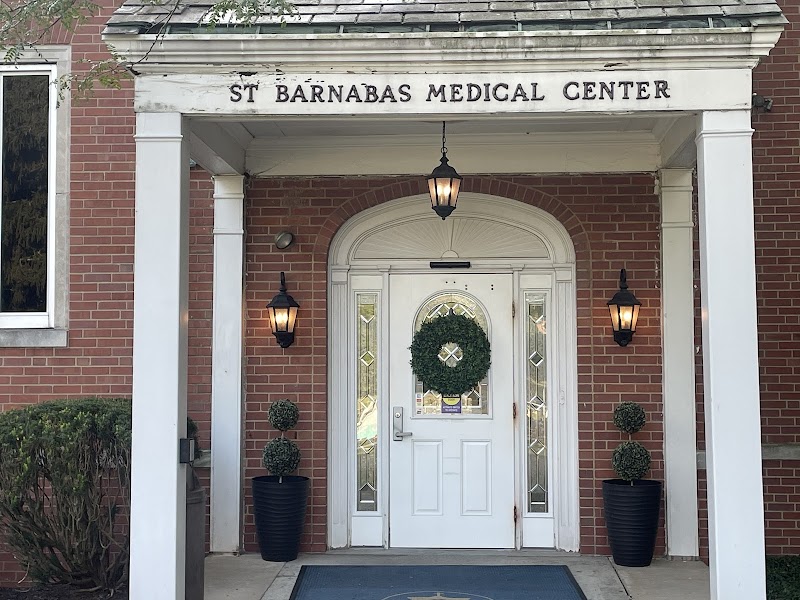
Who Owns and Operates St Barnabas?

ST BARNABAS NURSING HOME is owned by a non-profit organization. Non-profit facilities reinvest revenue into operations rather than distributing to shareholders. The facility operates independently rather than as part of a larger chain. With 119 certified beds and approximately 58 residents (about 49% occupancy), it is a mid-sized facility located in GIBSONIA, Pennsylvania.

How Does St Barnabas Compare to Other Pennsylvania Nursing Homes?

Compared to the 100 nursing homes in Pennsylvania, ST BARNABAS NURSING HOME's overall rating (3 stars) matches the state average, staff turnover (52%) is near the state average of 46%, and health inspection rating (3 stars) is at the national benchmark.

What Should Families Ask When Visiting St Barnabas?

Based on this facility's data, families visiting should ask: "Can I visit during a mealtime to observe dining assistance and food quality?" "How do you handle medical emergencies, and what is your hospital transfer rate?" "Can I speak with family members of current residents about their experience?"

Is St Barnabas Safe?

Based on CMS inspection data, ST BARNABAS NURSING HOME has a clean safety record: no substantiated abuse findings (meaning no confirmed cases of resident harm), no Immediate Jeopardy citations (the most serious violation level indicating risk of serious injury or death), and is not on the Special Focus Facility watch list (a federal program monitoring the lowest-performing 1% of nursing homes). The facility has a 3-star overall rating and ranks #1 of 100 nursing homes in Pennsylvania. While no facility is perfect, families should still ask about staff-to-resident ratios and recent inspection results during their visit.

Do Nurses at St Barnabas Stick Around?

ST BARNABAS NURSING HOME has a staff turnover rate of 52%, which is 6 percentage points above the Pennsylvania average of 46%. Moderate turnover is common in nursing homes, but families should still ask about staff tenure and how the facility maintains care continuity when employees leave.

Was St Barnabas Ever Fined?

ST BARNABAS NURSING HOME has no federal fines on record. CMS issues fines when nursing homes fail to meet care standards or don't correct problems found during inspections. The absence of fines suggests the facility has either maintained compliance or corrected any issues before penalties were assessed. This is a positive indicator, though families should still review recent inspection reports for the full picture.

Is St Barnabas on Any Federal Watch List?

ST BARNABAS NURSING HOME is not on any federal watch list. The most significant is the Special Focus Facility (SFF) program, which identifies the bottom 1% of nursing homes nationally based on persistent, serious quality problems. Not being on this list means the facility has avoided the pattern of deficiencies that triggers enhanced federal oversight. This is a positive indicator, though families should still review the facility's inspection history directly.