GREENE HEALTH & REHAB CENTER
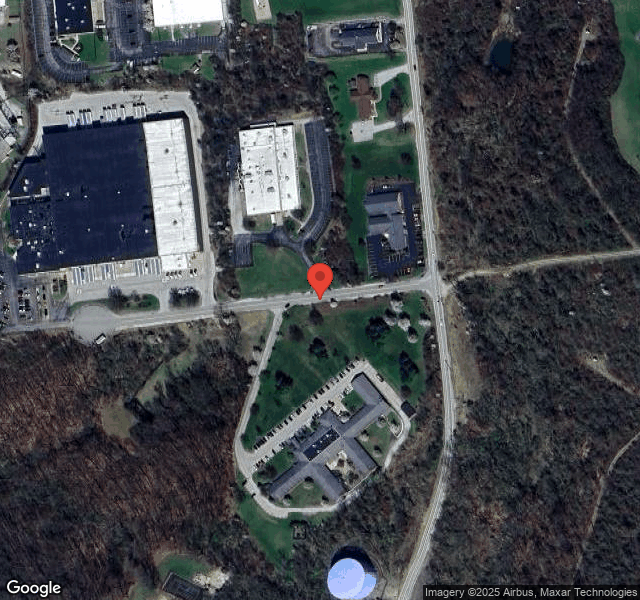

119 INDUSTRIAL PARK ROAD, GREENSBURG, PA 15601 (724) 836-2480
For profit - Corporation 119 Beds SABER HEALTHCARE GROUP Data: November 2025
Trust Grade
18/100
#564 of 653 in PA
Last Inspection: October 2024

Within standard 12-15 month inspection cycle. Federal law requires annual inspections.

Overview

Greene Health & Rehab Center has a Trust Grade of F, indicating significant concerns about the facility's operations and care quality. It ranks #564 out of 653 nursing homes in Pennsylvania, placing it in the bottom half of facilities statewide, and #12 out of 18 in Westmoreland County, meaning only a few local options are worse. While the facility is trending towards improvement, having reduced issues from 24 to 16 over the past year, there are still 67 identified concerns, all categorized as potential harm. Staffing is average with a 3/5 rating and a turnover rate of 55%, which is higher than the state average. However, the facility's recent inspection revealed alarming findings, including serving food at unsafe temperatures and failing to maintain sanitary conditions in food storage. Families should weigh these significant weaknesses against the facility's average staffing and improving trend.

Trust Score
F
18/100
In Pennsylvania
#564/653
Bottom 14%
Safety Record
High Risk
Review needed
Inspections
Getting Better
24 → 16 violations
Staff Stability
⚠ Watch
55% turnover. Above average. Higher turnover means staff may not know residents' routines.
Penalties
○ Average
$11,719 in fines. Higher than 50% of Pennsylvania facilities. Some compliance issues.
Skilled Nurses
○ Average
Each resident gets 40 minutes of Registered Nurse (RN) attention daily — about average for Pennsylvania. RNs are the most trained staff who monitor for health changes.
Violations
⚠ Watch
67 deficiencies on record. Higher than average. Multiple issues found across inspections.
★☆☆☆☆
1.0
Overall Rating
★★★☆☆
3.0
Staff Levels
★★☆☆☆
2.0
Care Quality
★☆☆☆☆
1.0
Inspection Score
Stable
2024: 24 issues
2025: 16 issues

The Good

  • Full Sprinkler Coverage · Fire safety systems throughout facility
  • No fines on record

Facility shows strength in fire safety.

The Bad

1-Star Overall Rating

Below Pennsylvania average (3.0)

Significant quality concerns identified by CMS

Staff Turnover: 55%

Near Pennsylvania avg (46%)

Frequent staff changes - ask about care continuity

Federal Fines: $11,719

Below median ($33,413)

Minor penalties assessed

Chain: SABER HEALTHCARE GROUP

Part of a multi-facility chain

Ask about local staffing decisions and management

Staff turnover is elevated (55%)

7 points above Pennsylvania average of 48%

The Ugly 67 deficiencies on record

Sept 2025 6 deficiencies
CONCERN (D) 📢 Someone Reported This

A family member, employee, or ombudsman was alarmed enough to file a formal complaint

Potential for Harm - no one hurt, but risky conditions existed

Deficiency F0658 (Tag F0658)

Could have caused harm · This affected 1 resident

Based on review of Pennsylvania's Nursing Practice Act and clinical records, as well as staff interviews, it was determined that the facility failed to ensure that a professional (registered) nurse as...

Read full inspector narrative →
Based on review of Pennsylvania's Nursing Practice Act and clinical records, as well as staff interviews, it was determined that the facility failed to ensure that a professional (registered) nurse assessed a resident after a change in condition for one of eight residents reviewed (Resident 4).Findings include:The Pennsylvania Code, Title 49, Professional and Vocational Standards, State Board of Nursing, 21.11 (a)(1)(2)(4) indicated that the registered nurse was to collect complete and ongoing data to determine nursing care needs, analyze the health status of individuals and compare the data with the norm when determining nursing care needs, and carry out nursing care actions that promote, maintain, and restore the well-being of individuals.The facility's Registered Nurse Charge Nurse job description, undated, revealed the primary purpose of the job was to assess resident's needs. An essential function of the position was to notify the physician, responsible parties, or other necessary parties with changes in condition.The facility's policy regarding pain management, dated July 22, 2025, indicated that acute pain was usually sudden onset and time-limited with a duration of less than one month and often caused by injury, trauma, or medical treatments. A pain evaluation would occur with any onset of new pain. The physician or provider would be notified of new onset or pain or a significant increase in pain as appropriate. The facility's policy regarding change in condition, dated July 22, 2025, indicated that the physician/provider would be notified when there has been a significant change in the resident's physical, emotional, and mental condition.A quarterly Minimum Data Set (MDS) assessment (a mandated assessment of a resident's abilities and care needs) for Resident 4, dated June 25, 2025, revealed that the resident was cognitively intact, was usually understood, and could usually understand, and required assistance from staff for daily care needs.A nursing note written by a licensed practical nurse dated September 2, 2025, at 4:47 a.m. indicated Resident 4 was having a lot of pain this shift that was not relieved with her scheduled Tylenol (pain medication). Resident 4 was complaining of her leg and back hurting; she cried out in pain if she was moved at all and yelled to stop touching her leg when she is being rolled. She cried multiple times that she just wanted to die and doesn't understand why she had to live in such pain. A note was written in the physician's communication book requesting comfort care, stronger pain medicine, or hospice. There was no documented evidence in the clinical record to indicate that Resident 4 was assessed by a registered nurse when she had pain that was uncontrolled with Tylenol, when she was crying out while being rolled, or after stating that she just wanted to die.Interview with the Director of Nursing on September 5, 2025, at 6:11 p.m. confirmed there was no documented evidence of a registered nurse assessment at the time of Resident 4's pain, and there should have been.28 Pa. Code 211.12(d)(1)(3)(5) Nursing services.
CONCERN (D) 📢 Someone Reported This

A family member, employee, or ombudsman was alarmed enough to file a formal complaint

Potential for Harm - no one hurt, but risky conditions existed

ADL Care (Tag F0677)

Could have caused harm · This affected 1 resident

Based on review of facility policies, clinical records, and shower schedules, as well as staff interviews, it was determined that the facility failed to ensure that residents were provided with shower...

Read full inspector narrative →
Based on review of facility policies, clinical records, and shower schedules, as well as staff interviews, it was determined that the facility failed to ensure that residents were provided with showers as scheduled for one of eight residents reviewed (Resident 5). Findings include: The facility policy for bathing and showering, dated July 22, 2025, indicated that residents will be bathed or showered according to their preferences. Each resident will be scheduled to receive bathing a minimum of two times per week unless they prefer less frequently. If the bath/shower cannot be given or the resident refuses, the nursing assistant will promptly report this to the charge nurse. The charge nurse will speak to the resident who refuses to ascertain why they are refusing and to determine if alternative arrangements that suit the resident can be made. If the resident continues to refuse, the charge nurse will document the resident's refusal in the medical record. An admission Minimum Data Set (MDS) assessment (a mandatory assessment of a resident's abilities and care needs) for Resident 5, dated July 7, 2025, revealed that the resident was cognitively impaired, required partial/moderate assistance with bathing, was occasionally incontinent of urine and had a diagnosis of diabetes. A care plan for Resident 5, dated July 2, 2025, indicated that the resident preferred to shower two times per week on the day shift on Sundays and Thursdays, and may refuse showers at any time and a prompt bed bath would be administered with skin checks. A review of the bathing detail report and weekly skin sheets for Resident 5 from July 3, 2025, through August 17, 2025, revealed that there was no documented evidence that the resident received a shower per her preference and care plan, and there was no documented evidence that the resident refused her showers, requiring that a bed bath be given. Interview with the Director of Nursing on September 5, 2025, at 5:23 p.m. confirmed that there was no documented evidence that Resident 5 received and/or refused showers from July 3, 2025, through August 17, 2025, as per the resident's preferences and plan of care. He indicated that he also noticed some days when ‘did not occur' was documented and could not explain why it was being documented that way. 28 Pa. Code 211.12(d)(5) Nursing services.
CONCERN (D) 📢 Someone Reported This

A family member, employee, or ombudsman was alarmed enough to file a formal complaint

Potential for Harm - no one hurt, but risky conditions existed

Quality of Care (Tag F0684)

Could have caused harm · This affected 1 resident

Based on clinical record reviews, as well as staff interviews, it was determined that the facility failed to follow physician's orders for one of eight residents reviewed (Resident 5).Findings include...

Read full inspector narrative →
Based on clinical record reviews, as well as staff interviews, it was determined that the facility failed to follow physician's orders for one of eight residents reviewed (Resident 5).Findings include: An admission Minimum Data Set (MDS) assessment (a mandatory assessment of a resident's abilities and care needs) for Resident 5, dated July 7, 2025, revealed that the resident was cognitively impaired, required partial/moderate assistance with care needs, and received routine pain medication. Physician's orders for Resident 5, dated July 1, 2025, included an order for the resident to receive 500 milligrams (mg) of Naproxen (a non-steroidal anti-inflammatory pain medication) twice a day with meals. A review of Resident 5's Medication Administration Record (MAR) for August 2025 revealed no documented evidence that the resident received the Naproxen on August 6, 2025 at 6:00 p.m.; August 9, 2025 at 6:00 p.m.; August 21, 2025 at 9:00 a.m. and 6:00 p.m.; August 25 at 9:00 a.m. and 6:00 p.m.; and August 27 at 9:00 a.m. Interview with the Director of Nursing on September 5, 2025, at 5:23 p.m. confirmed that Resident 5 did not receive her Naproxen on the above-mentioned dates and times as per physician's orders. He indicated that Naproxen is stocked in the emergency box, and that Naproxen is an over the counter medication that could be obtained as a stock medication. 28 Pa. Code 211.12(d)(1)(3)(5) Nursing Services.
CONCERN (D) 📢 Someone Reported This

A family member, employee, or ombudsman was alarmed enough to file a formal complaint

Potential for Harm - no one hurt, but risky conditions existed

Deficiency F0697 (Tag F0697)

Could have caused harm · This affected 1 resident

Based on review of facility policies, and residents' clinical records, as well as staff interviews, it was determined that the facility failed to provide pain management for one of eight residents rev...

Read full inspector narrative →
Based on review of facility policies, and residents' clinical records, as well as staff interviews, it was determined that the facility failed to provide pain management for one of eight residents reviewed (Resident 4).Findings include:The facility's policy regarding pain management, dated July 22, 2025, indicated that acute pain was usually a sudden onset and time-limited with a duration of less than one month, and often caused by injury, trauma, or medical treatments. A pain evaluation would occur with any onset of new pain. The physician or provider would be notified of a new onset of pain, or a significant increase in pain, as appropriateA quarterly Minimum Data Set (MDS) assessment (a mandated assessment of a resident's abilities and care needs) for Resident 4, dated June 25, 2025, revealed that the resident was cognitively intact, was usually understood, and could usually understand, and required assistance from staff for daily care needs.Physician orders for Resident 4 dated November 20, 2024, included an order for her to receive 650 milligrams (mg) Pharbetol (Tylenol, an over-the-counter medication used for the temporary relief of minor aches and pains and to reduce fever) three times a day.A review of the physician's communication book revealed an entry dated August 28, 2025, indicating that Resident 4 had swelling, couldn't sleep, and had increased pain.A nursing note for Resident 4, dated August 29, 2025, at 2:29 p.m. indicated that she had a Doppler (a medical test that uses sound waves to visualize and assess blood flow in vessels and organs) which was positive for a deep vein thrombosis (DVT - a blood clot in a vein) in the left lower extremity. New orders were received for Eliquis (anticoagulant blood thinning medication) 10 mg twice a day for seven days then 5 mg twice a day.A nursing note for Resident 4, dated September 2, 2025, at 4:47 a.m. revealed: The resident was having a lot of pain this shift that was not relieved with her scheduled Tylenol (pain medication). She was complaining of her leg and back hurting and cries out in pain if she is moved and yelled to stop touching her leg when being rolled. She cried multiple times that she just wanted to die and doesn't understand why she had to live in such pain. A note was placed in the physician's communication book (notebook where staff document resident issues for the physician to address when they are in the facility next) requesting comfort care, stronger pain medicine, or hospice for Resident 4. However, there was no documented evidence in the clinical record to indicate that the physician was contacted at that time for additional interventions or treatment to relieve her pain.Interview with the Director of Nursing on September 5, 2025, at 5:45 p.m. confirmed that Resident 4's acute pain was not controlled and should have been. 28 Pa. Code 211.12(d)(3)(5) Nursing Services.
CONCERN (E) 📢 Someone Reported This

A family member, employee, or ombudsman was alarmed enough to file a formal complaint

Potential for Harm - no one hurt, but risky conditions existed

Deficiency F0804 (Tag F0804)

Could have caused harm · This affected multiple residents

Based on review of policies and observations, as well as staff interviews, it was determined that the facility failed to serve palatable food that was at appropriate temperatures. Findings include:The...

Read full inspector narrative →
Based on review of policies and observations, as well as staff interviews, it was determined that the facility failed to serve palatable food that was at appropriate temperatures. Findings include:The facility's policy regarding food temperatures, dated February 5, 2025, revealed that hot foods would be plated at 135 degrees Fahrenheit (F) when plated and should be palatable at the point of delivery. Cold foods were to be served at a temperature of 41 degrees F or below.Review of the posted menus for the lunch meal on Friday, September 5, 2025, revealed that residents were to receive potato encrusted fish, rice pilaf, creamy coleslaw, sliced carrots (alternative), a citrus banana cup, and milk.A test tray for the lunch meal on the 200 nursing unit on September 5, 2025, revealed that the cart left the kitchen at 12:26 p.m., arrived on the nursing unit at 12:27 p.m., and the last resident was served at 12:53 p.m. The test tray was tasted at 12:54 p.m. and the potato encrusted fish was 121.1 degrees F, the sliced carrots were 120.4 degrees F, the creamy coleslaw was 67.7 degrees F, the fruit cup was 62.0 degrees F, and the milk was 59.8 degrees F. The fish and carrots were lukewarm and not hot to taste, and were not palatable at those temperatures. The fruit cup, coleslaw and milk were not cold to taste, and were not palatable at those temperatures.Interview with the Dietary Technician at that time confirmed that the foods were not served at the proper temperatures.28 Pa. Code 211.6(f) Dietary Services.
CONCERN (E) 📢 Someone Reported This

A family member, employee, or ombudsman was alarmed enough to file a formal complaint

Potential for Harm - no one hurt, but risky conditions existed

Food Safety (Tag F0812)

Could have caused harm · This affected multiple residents

Based on review of policies, as well as observations and staff interviews, it was determined that the facility failed to store and prepare food under sanitary conditions.Findings include:The facility'...

Read full inspector narrative →
Based on review of policies, as well as observations and staff interviews, it was determined that the facility failed to store and prepare food under sanitary conditions.Findings include:The facility's policy for storage of refrigerated foods, dated February 5, 2025, revealed that refrigerated foods would be marked to indicate the date the food would be consumed or discarded.A deep cleaning calendar, dated August 2025, revealed that staff were to clean an area of the kitchen each day of the week. On Sundays the morning dietary aide was to clean the outside of the dish machine and wipe all walls around the machine; however there was no documented evidence that this was completed each Sunday during the month. There were only two days of the month that staff signed off on the calendar that the cleaning was completed.Observations in the main kitchen on September 5, 2025, at 8:50 a.m. revealed that in the walk-in refrigerator there were cartons of macaroni salad and potato salad, and a container of pasta salad that were not labeled or dated; the convection oven had a build up of food and debris on the metal edges and had a build up of thick dust and debris on top where skillets were stored; a large black box (grease trap) located under the dishwasher area had a large build up of food and debris on the top of the box; a ceiling vent above the two compartment sink had a build of dust; the flooring around the stove and ice machine was black; and the ice machine filter located in the front of the ice machine had a build up of thick dust.Interview with the Dietary Technician on September 5, 2025, at 9:01 a.m. confirmed that the food in the walk in refrigerator should have been labeled, and confirmed that the items mentioned above were dirty and needed cleaned.28 Pa. Code 211.6(f) Dietary Services.
Jul 2025 1 deficiency
CONCERN (D) 📢 Someone Reported This

A family member, employee, or ombudsman was alarmed enough to file a formal complaint

Potential for Harm - no one hurt, but risky conditions existed

Deficiency F0657 (Tag F0657)

Could have caused harm · This affected 1 resident

Based on review of policies and clinical records, as well as staff interviews, it was determined that the facility failed to ensure that care plans were updated to reflect changes in residents' care n...

Read full inspector narrative →
Based on review of policies and clinical records, as well as staff interviews, it was determined that the facility failed to ensure that care plans were updated to reflect changes in residents' care needs for one of eight residents reviewed (Resident 7). Findings include:The facility's policy regarding care plans, dated July 22, 2025, indicated that the facility will develop a comprehensive person-centered care plan for each resident. The care plan is reviewed on an ongoing basis and revised as indicated by the resident's needs, wishes, or a change in condition. At a minimum, this will occur with each comprehensive and quarterly assessment in accordance with the Resident Assessment Instrument (RAI - a standardized, comprehensive process used in nursing facilities to assess residents' needs and develop individualized care plans) requirements. A quarterly Minimum Data Set (MDS) assessment (a federally mandated assessment of a resident's abilities and care needs) for Resident 7, dated April 30, 2025, revealed that the resident was understood, could understand others, and had a diagnosis which included aftercare following surgery for a shoulder joint prosthesis (an artificial body part), and repeated falls. A care plan for the resident, dated July 15, 2025, revealed that the resident has a history of falls with a left should injury and left hip fracture, and is at risk for falls related to deconditioning, limited mobility, vertigo (a sensation of feeling off-balance, as if you or your surroundings are spinning or moving), orthostatic hypotension (a form of low blood pressure that occurs when a person stands up, leading to dizziness, lightheadedness, and potentially fainting), and weakness. A Therapy note for Resident 7, dated April 28, 2025, revealed that the writer attended the falls meeting with interdisciplinary team (IDT - a group of professionals from various fields who collaborate to address a complex issue, often in healthcare, by sharing their unique expertise and working together to achieve a common goal). The resident fell while attempting to self-ambulate. She then fell again while sitting on the edge of her bed. New intervention is to add a bed alarm that the resident is unable to turn off.A Therapy note for Resident 7, dated May 8, 2025, revealed that the writer attended the falls meeting with IDT. The resident fell in the shower room. New intervention is to place an alarm on her wheelchair.A Therapy note for Resident 7, dated June 18, 2025, revealed that the writer attended the falls meeting with IDT. The resident fell attempting to self-transfer out of her bed. New intervention is to place a bed/chair alarm on the bed and wheelchair.Observations of Resident 7 on July 23, 2025, at 4:35 p.m. revealed that the resident was lying in bed and there was a bed alarm hanging on the bedside stand drawer with a cord leading to the resident's bed. However, as of July 23, 2025, there was no documented evidence that Resident 7's care plan was revised/updated to reflect those alarms had been added to the resident's bed and wheelchair. Interview with the Director of Nursing on July 23, 2025, at 4:53 p.m. confirmed that the facility currently uses a bed and wheelchair alarm for Resident 7, and that there was no documented evidence that the resident's care plan was revised/updated to reflect the use of a bed and wheelchair alarm. 28 Pa. Code 211.12(d)(5) Nursing Services.
May 2025 2 deficiencies
CONCERN (D) 📢 Someone Reported This

A family member, employee, or ombudsman was alarmed enough to file a formal complaint

Potential for Harm - no one hurt, but risky conditions existed

Free from Abuse/Neglect (Tag F0600)

Could have caused harm · This affected 1 resident

Based on review of policies, clinical records, and investigation documents, as well as staff interviews, it was determined that the facility failed to ensure that residents were free from abuse for on...

Read full inspector narrative →
Based on review of policies, clinical records, and investigation documents, as well as staff interviews, it was determined that the facility failed to ensure that residents were free from abuse for one of eight residents reviewed (Resident 6). Findings include: The facility's abuse policy, dated September 26, 2024, indicated that the facility would not tolerate abuse, neglect, mistreatment, exploitation of residents and misappropriation of resident property by anyone. Facility staff must immediately report all such allegations to the administrator/abuse coordinator. An investigation would begin immediately and all applicable local and state agencies would be notified in accordance with the procedures in this policy. A quarterly Minimum Data Set (MDS) assessment (a mandated assessment of a resident's abilities and care needs) for Resident 6, dated December 12, 2024, revealed that the resident was understood and could usually understand others, was dependent on staff for transfers, had no behaviors, and had a diagnosis of dementia. A nursing note for Resident 6, dated March 12, 2025, at 12:22 p.m., revealed that the Director of Nursing was notified of an allegation of neglect/abuse. A nurse aide moved the call bell from a resident's reach over the weekend and refused to get her out of bed. The facility's investigation, dated March 12, 2025, revealed that Nurse Aide 1 removed Resident 6's call bell and refused to get the resident out of bed. A witness statement by Licensed Practical Nurse (LPN) 2, signed and undated, regarding the incident of March 9, 2025, revealed that Nurse Aide 1 reported to her that Resident 6 was not getting out of bed because she had played in her bowel movement after Nurse Aide 1 washed her. Resident 6 rang the call light multiple times asking to get out of bed. During the dinner tray pass, Resident 6 was hitting her remote off the table and LPN 2 heard Nurse Aide 1 say stop hitting your remote off the table or I will move your table too. Resident 6's call light was noted to be draped over the night stand. Resident 6 said, I don't have my call bell, they moved it. A witness statement by Nurse Aide 3, dated March 11, 2025, revealed that she was not aware that Resident 6's call bell was out of reach and denied involvement with it being moved. A witness statement by Nurse Aide 1, dated March 13, 2025, revealed that she had worked the past Saturday and Sunday. Resident 6 started yelling that she wanted up in the middle of an emergency. She revealed that Nurse Aide 3 removed Resident 6's call bell on Saturday and when Resident 6 wanted to get out of bed on Sunday Nurse Aide 3 said the resident was not getting out of bed. A witness statement from Registered Nurse 4, dated March 14, 2025, revealed that Nurse Aides 1 and 3 informed her that they moved the call bell away from Resident 6 so she could not reach it and bother them because they were too busy to deal with her that day. Interview with the Nursing Home Administrator on May 18, 2025, at 4:30 p.m. confirmed that Nurse Aides 1 and 3 were both assigned to Resident 6's hall and accused each other of removing the call bell. Resident 6's call bell was removed and she was not allowed out of bed. The investigation determined that Nurse Aide 1 removed the call bell, but Nurse Aide 3 was aware and Registered Nurse 4 was aware of the incident but did not report it timely per the abuse policy. 28 Pa. Code 201.14(a) Responsibility of Licensee. 28 Pa. Code 201.18(b)(1)(e)(1) Management. 28 Pa. Code 201.29(j) Resident Rights. 28 Pa. Code 211.12 (d)(5) Nursing Services.
CONCERN (D) 📢 Someone Reported This

A family member, employee, or ombudsman was alarmed enough to file a formal complaint

Potential for Harm - no one hurt, but risky conditions existed

Quality of Care (Tag F0684)

Could have caused harm · This affected 1 resident

Based on clinical record reviews, as well as staff interviews, it was determined that the facility failed to follow physician's orders for one of eight residents reviewed (Resident 2). Findings includ...

Read full inspector narrative →
Based on clinical record reviews, as well as staff interviews, it was determined that the facility failed to follow physician's orders for one of eight residents reviewed (Resident 2). Findings include: An admission Minimum Data Set (MDS) assessment (a mandatory assessment of a resident's abilities and care needs) for Resident 2, dated April 11, 2025, revealed that the resident was cognitively intact, needed assistance from staff for daily care needs, and had diagnoses that included paraplegia (no feeling below the abdomen), wound infection, and a Stage 4 pressure ulcer (wound that exposes bone, tendon or muscle). Physician's orders for Resident 2, dated April 5, 2025, included an order for the resident to receive 4.5 grams of Piperacillin-tazobactam (antibiotic) intravenously (IV-administered through the vein) every eight hours. A review of Resident 2's Medication Administration Record for April 2025 revealed no documented evidence that the resident received the Piperacillin-tazobactam per physician's orders on April 6, 2025, at 12:00 a.m., 8:00 a.m., and 4:00 p.m. A nursing note for Resident 2, dated April 6, 2025, at 2:28 a.m., revealed that the resident requested bed rails and an air mattress for repositioning and pressure ulcers. A wound consult for Resident 2, dated April 7, 2025, at 10:45 a.m. revealed that the Certified Registered Nurse Practitioner (CRNP - an advanced practice nurse who can diagnose and treat medical conditions, prescribe medications, and provide comprehensive patient care) recommended an air mattress for the resident's pressure ulcers; however, a review of Resident 2's clinical record revealed no documented evidence that the resident received an air mattress per the wound consultant's recommendation and resident's request. Interview with the Director of Nursing on May 28, 2025, at 2:36 p.m. confirmed that Resident 2 did not receive IV Piperacillin per physician's orders. She also confirmed that there was no documented evidence that the resident received an air mattress per the wound consultant CRNP's recommendation and resident's request. 28 Pa. Code 211.12(d)(1)(3)(5) Nursing Services.
Apr 2025 2 deficiencies
CONCERN (E) 📢 Someone Reported This

A family member, employee, or ombudsman was alarmed enough to file a formal complaint

Potential for Harm - no one hurt, but risky conditions existed

Pharmacy Services (Tag F0755)

Could have caused harm · This affected multiple residents

Based on review of facility policies and clinical records, as well as staff interviews, it was determined that the facility failed to maintain accountability for controlled medications (drugs with the...

Read full inspector narrative →
Based on review of facility policies and clinical records, as well as staff interviews, it was determined that the facility failed to maintain accountability for controlled medications (drugs with the potential to be abused) for three of five residents reviewed (Residents 3, 4, 5). Findings include: The facility's policy for medication administration, dated September 26, 2024, indicated to document the administration of controlled substances in accordance with applicable law and to document necessary medication administration/treatment information (e.g., when medications are given and as needed medications) on appropriate forms. A quarterly Minimum Data Set (MDS) assessment (a mandated assessment of a resident's abilities and care needs) for Resident 3, dated February 4, 2025, revealed that the resident was cognitively intact, required assistance with care needs, had pain frequently rated a 10 of 10 on a pain scale of 0-10, was receiving an opioid (narcotic pain medication that can lead to addiction) for pain, and had diagnoses that included a fracture to the right lower leg. Physician's orders for Resident 3, dated November 27, 2024, included an order for the resident to receive 50 milligrams (mg) of Tramadol (a narcotic pain medication) every six hours as needed for moderate to severe pain rated a 7-10 on a pain scale. Review of the controlled drug record (a form that accounts for each tablet/pill/dose of a controlled drug) for Resident 3, dated February, March and April 2025 revealed that a 50 mg Tramadol tablet was signed out on February 15 at 11:03 a.m.; February 17 at 8:15 p.m.; March 2 at 9:05 p.m.; March 6 at 8:25 p.m.; March 10 at 8:03 p.m.; March 14 at 8:10 p.m.; March 15 at 9:01 p.m.; March 20 at 9:00 p.m.; April 7 at 2:50 p.m. and 8:20 p.m.; April 14 at 8:30 p.m.; April 17 at 7:45 p.m.; and April 23 at 12:35 a.m. However, there was no documented evidence in Resident 3's clinical record, including the Medication Administration Record (MAR), that the signed-out doses of controlled medications were administered to the resident on the above-mentioned dates and times. An annual MDS assessment for Resident 4, dated February 4, 2025, revealed that the resident was cognitively intact, required assistance with care needs, had pain frequently rated a 4 of 10 on a pain scale of 0-10, was receiving opioid medications for pain, and had diagnoses that included osteoarthritis, chronic pain syndrome and fibromyalgia (chronic condition causing pain in muscles and joints throughout the body). Physician's orders for Resident 4, dated December 10, 2024, included an order for the resident to receive 5-325 mg of oxycodone-acetaminophen (a narcotic pain medication) three times daily for pain. Review of the controlled drug record for Resident 4, dated March 2025, revealed that a 5-325 mg oxycodone-acetaminophen tablet was signed out on March 29 at 7:30 p.m. However, there was no documented evidence in Resident 4's clinical record, including the MAR, that the signed-out dose of controlled medication was administered to the resident on the above-mentioned date and time. A quarterly MDS assessment for Resident 5, dated March 5, 2025, revealed that the resident was cognitively intact, required assistance with care needs, had pain frequently rated a 5 of 10 on a pain scale of 0-10, was receiving opioid medications for pain, and had diagnoses that include chronic pain and polyneuropathy (disease affecting peripheral nerves in the hands, feet, arms and legs). Physician's orders for Resident 5, dated December 28, 2023, included an order for the resident to receive 5-325 mg of hydrocodone-acetaminophen (a narcotic pain medication) every four hours as needed for moderate pain. Review of the controlled drug record for Resident 5, dated February 2025, revealed that a 5-325 mg hydrocodone-acetaminophen tablet was signed out on February 25, at 2:40 a.m. However, there was no documented evidence in Resident 5's clinical record, including the MAR, that the signed-out dose of controlled medication was administered to the resident on the above-mentioned date and time. Interview with the Director of Nursing on April 24, 2025, at 3:46 p.m. confirmed that there was no documented evidence in Resident 3's, 4's and 5's clinical records to indicate that the signed-out doses of controlled medications were administered on the above-mentioned dates and times. 28 Pa. Code 211.9(a)(1) Pharmacy Services. 28 Pa. Code 211.12(d)(1)(3)(5) Nursing Services.
CONCERN (E) 📢 Someone Reported This

A family member, employee, or ombudsman was alarmed enough to file a formal complaint

Potential for Harm - no one hurt, but risky conditions existed

Medical Records (Tag F0842)

Could have caused harm · This affected multiple residents

Based on a review of clinical records, as well as resident and staff interviews, it was determined that the facility failed to maintain clinical records that were complete and accurately documented fo...

Read full inspector narrative →
Based on a review of clinical records, as well as resident and staff interviews, it was determined that the facility failed to maintain clinical records that were complete and accurately documented for five of five residents reviewed (Residents 1, 2, 3, 4, 5). Findings include: The facility's policy for medication administration, dated September 26, 2024, indicated to document the administration of controlled substances (drugs with the potential to be abused) in accordance with applicable law and to document necessary medication administration/treatment information (e.g., when medications are given and as needed medications) on appropriate forms. An annual Minimum Data Set (MDS) assessment (a mandated assessment of a resident's abilities and care needs) for Resident 1, dated April 9, 2025, revealed that the resident was cognitively intact, required assistance with care needs, was receiving a scheduled opioid (narcotic pain medication that can lead to addiction) for pain, and had diagnoses that included multiple sclerosis (MS-chronic disease that affects nerves in the brain and spinal cord) and chronic pain. Physician's orders for Resident 1, dated September 18, 2024, included an order for the resident to receive 50 milligrams (mg) of Tramadol (a narcotic pain medication) every four hours and to hold for sedation and document. A review of the Medication Administration Record (MAR) for Resident 1, dated February and March 2025, revealed that 50 mg of Tramadol was administered to the resident on February 8 at 4:00 p.m. and 8:00 p.m.; February 9 at 12:00 a.m. and 4:00 a.m.; February 25 at 4:00 a.m.; March 28 at 8:00 p.m.; and March 29 at 12:00 a.m. However, a review of the resident's controlled medication record (a form that accounts for each tablet/pill/dose of a controlled drug), dated February and March 2025, revealed no documented evidence that 50 mg of Tramadol was signed out for administration on the above-mentioned dates and times. A quarterly MDS assessment for Resident 2, dated February 12, 2025, revealed that the resident was cognitively intact, required assistance with care needs, had pain rated a 5 of 10 on a pain scale of 0-10, was receiving opioid medications for pain, and had diagnoses that included polyneuropathy (disease affecting peripheral nerves in the hands, feet, arms and legs) and spinal stenosis (condition where the spaces within the spine narrow). Physician's orders for Resident 2, dated April 4, 2025, included an order for the resident to receive 50 mg of Tramadol every six hours. A review of the MAR for Resident 2, dated April 2025, revealed that 50 mg of Tramadol was administered to the resident on April 5, at 12:00 a.m. However, a review of the resident's controlled medication record, dated April 2025, revealed no documented evidence that 50 mg of Tramadol was signed out for administration on the above-mentioned date and time. A quarterly MDS assessment for Resident 3, dated February 4, 2025, revealed that the resident was cognitively intact, required assistance with care needs, had pain frequently rated a 10 of 10 on a pain scale of 0-10, was receiving opioid medications for pain, and had diagnoses that included a fracture to the right lower leg. Physician's orders for Resident 3, dated November 27, 2024, included an order for the resident to receive 50 mg of Tramadol every six hours as needed for moderate to severe pain rated a 7-10 on a pain scale. A review of the MAR for Resident 3, dated February and April 2025 revealed that 50 mg of Tramadol was administered to the resident on February 18 at 1:19 a.m. and April 22 at 9:08 p.m. However, a review of the resident's controlled medication record, dated February and April 2025, revealed no documented evidence that 50 mg of Tramadol was signed out for administration on the above-mentioned dates and times. An annual MDS assessment for Resident 4, dated February 4, 2025, revealed that the resident was cognitively intact, required assistance with care needs, had pain frequently rated a 4 of 10 on a pain scale of 0-10, was receiving opioid medications for pain, and had diagnoses that included osteoarthritis, chronic pain syndrome, and fibromyalgia (chronic condition causing pain in muscles and joints throughout the body). Physician's orders for Resident 4, dated December 10, 2024, included an order for the resident to receive 5-325 mg of oxycodone-acetaminophen (a narcotic pain medication) three times daily for pain. A review of the MAR for Resident 4, dated February 2025, revealed that 5-325 mg of oxycodone-acetaminophen was administered to the resident on February 8, at 2:00 p.m. However, a review of the resident's controlled medication record, dated February 2025, revealed no documented evidence that 5-325 mg of oxycodone-acetaminophen was signed out for administration on the above-mentioned date and time. Physician's orders for Resident 4, dated April 2, 2025, included an order for the resident to receive 7.5 mg of oxycodone (a narcotic pain medication) every six hours. A review of the MAR for Resident 4, dated April 2025, revealed that 7.5 mg of oxycodone was administered to the resident on April 22 at 12:00 p.m. and 6:00 p.m., and April 23 at 12:00 a.m. However, a review of the resident's controlled medication record, dated April 2025, revealed no documented evidence that 7.5 mg of oxycodone was signed out for administration on the above-mentioned dates and times. A quarterly MDS assessment for Resident 5, dated March 5, 2025, revealed that the resident was cognitively intact, required assistance with care needs, had pain frequently rated a 5 of 10 on a pain scale of 0-10, was receiving opioid medications for pain, and had diagnoses that include chronic pain and polyneuropathy, Physician's orders for Resident 5, dated December 27, 2023, included an order for the resident to receive 5-325 mg of hydrocodone-acetaminophen (a narcotic pain medication) twice daily for chronic pain. A review of the MAR for Resident 5, dated March 2025, revealed that 5-325 mg of hydrocodone-acetaminophen was administered to the resident on March 31 at bedtime. However, a review of the resident's controlled medication record, dated March 2025, revealed no documented evidence that 5-325 mg of hydrocodone-acetaminophen was signed out for administration on the above-mentioned date and time. Interview with the Director of Nursing on April 24, 2025, at 3:46 p.m. confirmed that there was no documented evidence that the above-mentioned medications were signed out for administration on the controlled medication sheets for Residents 1, 2, 3, 4, and 5 on the above-mentioned dates and times. 28 Pa Code 211.5(f) Clinical Records. 28 Pa. Code 211.12(d)(5) Nursing Services.
Mar 2025 5 deficiencies
CONCERN (D) 📢 Someone Reported This

A family member, employee, or ombudsman was alarmed enough to file a formal complaint

Potential for Harm - no one hurt, but risky conditions existed

ADL Care (Tag F0677)

Could have caused harm · This affected 1 resident

Based on review of facility policies, clinical records, and shower schedules, as well as staff interviews, it was determined that the facility failed to ensure that residents were provided with shower...

Read full inspector narrative →
Based on review of facility policies, clinical records, and shower schedules, as well as staff interviews, it was determined that the facility failed to ensure that residents were provided with showers per their preferences and plan of care for three of seven residents reviewed (Residents 5, 6, 7). Findings include: The facility policy for bathing and showering, dated September 26, 2024, indicated that residents will be bathed or showered according to their preferences in order to maintain healthy hygiene and skin conditions. The charge nurse will speak with the resident who refuses to ascertain why they are refusing and to determine if alternative arrangements that suit the resident can be made. If the resident continues to refuse, the charge nurse will document the resident's refusal in the medical record. A quarterly Minimum Data Set (MDS) assessment (a mandated assessment of a resident's abilities and care needs) for Resident 5, dated January 23, 2025, revealed that the resident was cognitively impaired, required assistance from staff for daily care needs including bathing, and had diagnosis that included a history of a stroke. A care plan, dated July 3, 2024, revealed that the resident preferred showers one time a week. He may refuse showers at any time and a bed bath will be provided. A review of the bathing detail report for Resident 5 from January 1, 2025, through March 25, 2025, revealed that he was given only two showers in January, three showers in February, and did not receive any showers in March. There was no documented evidence that the resident refused his showers, requiring a bed bath to be given. A quarterly MDS assessment for Resident 6, dated December 17, 2024, revealed that the resident was cognitively intact, required substantial assistance with care needs including bathing and toileting hygiene, was incontinent of bowel and bladder, had an unstageable deep tissue injury (pressure injury that affects the underlying soft tissues and may not be visible until advanced), received pressure ulcer treatment, and had diagnoses including peripheral vascular disease (disease reducing blood flow to the legs) and diabetes. A care plan for Resident 6, dated September 13, 2023, included an intervention that the resident preferred to shower three evenings a week. He may refuse showers at any time and a bed bath will be provided. A review of the bathing detail report for Resident 6 from January 1, 2025, through March 25, 2025, revealed that there was no documented evidence that the resident received a shower per his preference, and there was no documented evidence that the resident refused his showers, requiring a bed bath be given. A quarterly MDS assessment for Resident 7, dated February 5, 2025, revealed that the resident was cognitively impaired, required assistance with daily care needs including bathing, and had diagnosis of Alzheimer's dementia. A care plan, dated February 23, 2024, revealed that the resident preferred showers twice a week. She may refuse showers at any time and a bed bath will be provided. A review of the bathing detail report for Resident 7 from January 1, 2025, through March 25, 2025, revealed that she was not given any showers in January, only two showers in February, and four showers in March 2025. There was no documented evidence that the resident refused her showers, requiring a bed bath to be given. Interview with the Director of Nursing on March 25, 2025, at 2:29 p.m. confirmed that there was no documented evidence that staff offered Resident's 5, 6, 7 showers and that they refused. She confirmed they should have had a shower per preference. 28 Pa. Code 211.12(d)(5) Nursing Services.
CONCERN (D) 📢 Someone Reported This

A family member, employee, or ombudsman was alarmed enough to file a formal complaint

Potential for Harm - no one hurt, but risky conditions existed

Pressure Ulcer Prevention (Tag F0686)

Could have caused harm · This affected 1 resident

Based on clinical record reviews and staff interviews, it was determined that the facility failed to follow recommendations from a wound consultation for one of seven residents reviewed (Resident 6). ...

Read full inspector narrative →
Based on clinical record reviews and staff interviews, it was determined that the facility failed to follow recommendations from a wound consultation for one of seven residents reviewed (Resident 6). Findings include: A quarterly Minimum Data Set (MDS) assessment (a mandated assessment of a resident's abilities and care needs) for Resident 6, dated December 17, 2024, revealed that the resident was cognitively intact, required substantial assistance with care needs including bathing and toileting hygiene, was incontinent of bowel and bladder, had an unstageable deep tissue injury (pressure injury that affects the underlying soft tissues and may not be visible until advanced), received pressure ulcer treatment, and had diagnoses including peripheral vascular disease (disease reducing blood flow to the legs) and diabetes. A wound consultation note for Resident 6, dated March 17, 2025, revealed that the resident had an unstageable pressure injury to his right heel measuring 1.4 centimeters (cm) length x 1.9 cm width with no measurable depth, with an area of 2.66 square cm. A subsequent wound encounter noted previous measurements from March 14, 2025, were 1.4 cm length x 1.2 cm width with no measurable depth, with an area of 1.68 square cm. The consulting wound Certified Registered Nurse Practitioner (CRNP) recommended to discontinue the prior wound regimen and change the treatment to the resident's right heel as follows: Cleanse with 0.125 percent Dakin's Solution, apply Santyl nickel thick, cover with a single layer calcium alginate, and cover with abdominal dressing and kerlix every day and as needed. Physician's orders for Resident 6, dated March 22, 2025, included an order for the staff to cleanse his right heel with 0.125 percent Dakin's Solution (a solution used to treat and prevent tissue infections), apply Santyl (a wound debridement treatment) nickel thick, cover with a single layer of calcium alginate (a dressing used to wounds with a high amount of drainage), and cover with abdominal dressing (used for a wound with large amounts of drainage or used as padding for pressure points and cushioning) and kerlix (used to secure dressing in place) daily and as needed. Review of Resident 6's Medication Administration Record for March 2025 revealed no documented evidence that the treatment to his right heel was changed as recommended by the CRNP on March 17, 2025. Interview with the facility's wound nurse, Licensed Practical Nurse 1 on March 25, 2025, at 2:36 p.m. revealed that she usually rounds with the consultant wound CRNP but was not at the facility on March 17, 2025, to round with her. She indicated that she had received a message from the CRNP that she was going to change the order to Resident 6's right heel. Licensed Practical Nurse 1 indicated that when she returned to the facility on March 22, 2025, she had checked the orders and found that the order was not changed to Resident 6's right heel on March 17, 2025, as recommended. She indicated that she changed the order on March 22, 2025. Interview with the Director of Nursing on 2:54 p.m. confirmed that the wound CRNP failed to change the order to Resident 6's right heel as per her recommendations on March 17, 2025. 28 Pa. Code 211.12(d)(5) Nursing Services.
CONCERN (E) 📢 Someone Reported This

A family member, employee, or ombudsman was alarmed enough to file a formal complaint

Potential for Harm - no one hurt, but risky conditions existed

Notification of Changes (Tag F0580)

Could have caused harm · This affected multiple residents

Based on review of policies and clinical records, as well as staff interviews, it was determined that the facility failed to notify the physician/provider regarding behaviors for one of seven resident...

Read full inspector narrative →
Based on review of policies and clinical records, as well as staff interviews, it was determined that the facility failed to notify the physician/provider regarding behaviors for one of seven residents reviewed (Resident 3). Findings include: The facility's policy regarding notification, dated September 26, 2024, indicated that any changes in a resident's condition would be reported to the physician/provider when necessary. A quarterly Minimum Data Set (MDS) assessment (a mandated assessment of a resident's abilities and care needs) for Resident 3, dated February 12, 2025, indicated that the resident was severely cognitively impaired and required assistance from staff for daily care needs. The resident's care plan, dated January 20, 2025, indicated that a Gradual Dose Reduction (GDR) would be attempted unless clinically contraindicated. A nursing note for Resident 3, dated January 16, 2025, revealed that the resident was admitted from the hospital on this date. A nursing note for Resident 3, dated January 17, 2025, revealed that the resident was combative with staff and was refusing care and medications. A Certified Registered Nurse Practitioner (CRNP - an advanced practice registered nurse) note for Resident 3 authored by CRNP 2, dated January 17, 2025, revealed that she was notified that the resident was combative with staff and that he was non-compliant with her evaluation. A nursing note for Resident 3, dated January 27, 2025, revealed that the resident was verbally aggressive towards staff and yelling out for help. There was no documented evidence that the physician or CRNP was notified regarding these behaviors. A nursing note for Resident 3, dated January 31, 2025, revealed that he continued to have behaviors, refuse care, and yell at staff. There was no documented evidence that the physician or CRNP was notified. A nursing note for Resident 3, dated February 6, 2025, revealed that he continued to have behaviors, refuse care, and yell at staff and that CRNP 2 was in the building and made aware of the resident's behaviors. A nursing note for Resident 3, dated February 10, 2025, revealed that the resident was angry and yelling at staff. A nursing note for Resident 3, dated February 11, 2025, and authored by CRNP 2, revealed that the resident has ongoing behaviors and was to continue medicating with his anti-psychotic medications. A nursing note for Resident 3, dated February 12, 2025, revealed that the resident was combative, wandering into other resident's rooms and threatening to hit staff. There was no documented evidence that the physician or CRNP was notified. A nursing note for Resident 3, dated February 17, 2025, and authored by CRNP 2, revealed that the resident has ongoing behaviors and was to continue medicating with his anti-psychotic medications. A nursing note for Resident 3, dated February 21, 2025, revealed that CRNP 2 ordered a Gradual Dose Reduction (GDR) of the resident's anti-psychotic medication. A nursing note for Resident 3, dated February 27, 2025, revealed that the resident had an increase in behaviors and that staff were unable to redirect him. There was no documented evidence that the physician or CRNP was notified. A nursing note for Resident 3, dated March 4, 2025, revealed that the resident was making inappropriate sexual comments towards staff, moaning, and touching his penis. There was no documented evidence that the physician or CRNP was notified. A nursing note for Resident 3, dated March 12, 2025, revealed that the resident was very combative with staff, yelling at the nurse aides, swinging, kicking, and spitting at staff. There was no documented evidence that the physician or CRNP was notified regarding these behaviors. A nursing note for Resident 3, dated March 12, 2025, revealed that the resident's antipsychotic medication was discontinued. A nursing note for Resident 3, dated March 15, 2025, revealed that the resident was yelling for help, wanted the police called, and was not able to be redirected. There was no documented evidence that the physician or CRNP was notified. A nursing note for Resident 3, dated March 17, 2025, revealed that the resident continued to have increased behaviors and that the physician ordered that his antipsychotic drug be restarted at the original dose. There was no documented evidence that the nursing staff attempted to communicate the resident's ongoing behaviors to the physician or CRNP 2 to prevent the GDR of the resident's antipsychotic medication or to further address his increase in behaviors. Interview with the Director of Nursing on March 25, 2025, at 2:29 p.m. confirmed that Resident 3's physician or CRNP was not notified that the resident had ongoing behaviors and that a GDR was not in his best interest. 28 Pa. Code 211.12(d)(1)(3)(5) Nursing Services.
CONCERN (E) 📢 Someone Reported This

A family member, employee, or ombudsman was alarmed enough to file a formal complaint

Potential for Harm - no one hurt, but risky conditions existed

Deficiency F0657 (Tag F0657)

Could have caused harm · This affected multiple residents

Based on clinical record reviews and staff interviews, it was determined that the facility failed to review and revise care plans for one of seven residents reviewed (Resident 3). Findings include: A...

Read full inspector narrative →
Based on clinical record reviews and staff interviews, it was determined that the facility failed to review and revise care plans for one of seven residents reviewed (Resident 3). Findings include: A quarterly Minimum Data Set (MDS) assessment (a mandated assessment of a resident's abilities and care needs) for Resident 3, dated February 12, 2025, indicated that the resident was severely cognitively impaired and required assistance from staff for daily care needs. The resident's care plan, dated January 20, 2025, indicated that the resident was to receive a psychiatric consult. A nursing note for Resident 3, dated January 16, 2025, revealed that the resident was admitted from the hospital on this date. A nursing note for Resident 3, dated January 17, 2025, revealed that the resident was combative with staff and refusing care and medications. A nursing note for Resident 3, dated January 27, 2025, revealed that the resident was verbally aggressive towards staff and yelling out for help. A nursing note for Resident 3, dated January 31, 2025, revealed that he continued to have behaviors, refuse care, and yell at staff. A nursing note for Resident 3, dated February 6, 2025, revealed that he continued to have behaviors, refuse care, and yell at staff. A nursing note for Resident 3, dated February 10, 2025, revealed that the resident was angry and yelling at staff. A nursing note for Resident 3, dated February 12, 2025, revealed that the resident was combative, wandering into other resident's rooms, and threatening to hit staff. A nursing note for Resident 3, dated February 27, 2025, revealed that the resident had an increase in behaviors and that staff were unable to redirect him. A nursing note for Resident 3, dated March 4, 2025, revealed that the resident was making inappropriate sexual comments towards staff, moaning, and touching his penis. A nursing note for Resident 3, dated March 12, 2025, revealed that the resident was very combative with staff, yelling at the nurse aides, swinging, kicking, and spitting at staff. A nursing note for Resident 3, dated March 12, 2025, revealed that the resident's antipsychotic medication was discontinued. A nursing note for Resident 3, dated March 15, 2025, revealed that the resident was yelling for help, wanted the police called, and was not able to be redirected. A nursing note for Resident 3, dated March 17, 202,5 revealed that the resident continued to have increased behaviors and that the physician ordered that his antipsychotic drug be restarted at the original dose. There was no documented evidence that the resident was referred for a psychiatric evaluation or that the resident's care plan was revised to reflect new interventions to address the resident's ongoing behaviors. Interview with the Director of Nursing on March 25, 2025, at 2:29 p.m. confirmed that Resident 3's care plan was not updated to address his ongoing behaviors and that he did not receive a psychiatric evaluation. 28 Pa. Code 201.24(e)(4) admission Policy. 28 Pa. Code 211.12(d)(5) Nursing Services.
CONCERN (E) 📢 Someone Reported This

A family member, employee, or ombudsman was alarmed enough to file a formal complaint

Potential for Harm - no one hurt, but risky conditions existed

Deficiency F0743 (Tag F0743)

Could have caused harm · This affected multiple residents

Based on clinical record reviews and staff interviews, it was determined that the facility failed to monitor, assess and analyze, and attempt new interventions for a resident's increased verbal, physi...

Read full inspector narrative →
Based on clinical record reviews and staff interviews, it was determined that the facility failed to monitor, assess and analyze, and attempt new interventions for a resident's increased verbal, physically-aggressive behaviors, and sexual behaviors for one of seven residents reviewed (Resident 3). Findings include: A quarterly Minimum Data Set (MDS) assessment (a mandated assessment of a resident's abilities and care needs) for Resident 3, dated February 12, 2025, indicated that the resident was severely cognitively impaired, required assistance from staff for daily care needs, and had physical and verbal behaviors towards others. A nursing note for Resident 3, dated January 16, 2025, revealed that the resident was admitted from the hospital on this date. A nursing note for Resident 3, dated January 17, 2025, revealed that the resident was combative with staff and refusing care and medications. A nursing note for Resident 3, dated January 27, 2025, revealed that the resident was verbally aggressive towards staff and yelling out for help. A nursing note for Resident 3, dated January 31, 2025, revealed that he continued to have behaviors, refuse care, and yell at staff. A nursing note for Resident 3, dated February 6, 2025, revealed that he continued to have behaviors, refuse care, and yell at staff. A nursing note for Resident 3, dated February 10, 2025, revealed that the resident was angry and yelling at staff. A nursing note for Resident 3, dated February 12, 2025, revealed that the resident was combative, wandering into other resident's rooms, and threatening to hit staff. A nursing note for Resident 3, dated February 27, 2025, revealed that the resident had an increase in behaviors and that staff were unable to redirect him. A nursing note for Resident 3, dated March 4, 2025, revealed that the resident was making inappropriate sexual comments towards staff, moaning, and touching his penis. A nursing note for Resident 3, dated March 12, 2025, revealed that the resident was very combative with staff, yelling at the nurse aides, swinging, kicking, and spitting at staff. A nursing note for Resident 3, dated March 12, 2025, revealed that the resident's antipsychotic medication was discontinued. A nursing note for Resident 3, dated March 15, 2025, revealed that the resident was yelling for help, wanted the police called, and was not able to be redirected. A nursing note for Resident 3, dated March 17, 2025, revealed that the resident continued to have increased behaviors and that the physician ordered that his antipsychotic drug be restarted at the original dose. There was no documented evidence that Resident R3's behaviors were assessed and analyzed, or that any new interventions were attempted to address his behaviors and ensure his safety and the safety of other residents. Interview with the Director of Nursing on March 25, 2025, at 2:29 p.m. revealed that Resident 3 was in need of a psychiatric evaluation/treatment, but that none had been scheduled as of this date. 28 Pa. Code 211.12(d)(5) Nursing Services.
Dec 2024 1 deficiency
CONCERN (D) 📢 Someone Reported This

A family member, employee, or ombudsman was alarmed enough to file a formal complaint

Potential for Harm - no one hurt, but risky conditions existed

Quality of Care (Tag F0684)

Could have caused harm · This affected 1 resident

Based on clinical record reviews, as well as staff interviews, it was determined that the facility failed to follow physician's orders for one of five residents reviewed (Resident 1). Findings include...

Read full inspector narrative →
Based on clinical record reviews, as well as staff interviews, it was determined that the facility failed to follow physician's orders for one of five residents reviewed (Resident 1). Findings include: A quarterly Minimum Data Set (MDS) assessment (a mandatory assessment of a resident's abilities and care needs) for Resident 1, dated October 1, 2024, revealed that the resident was cognitively intact, was independent with personal care needs, and had a diagnosis of chronic kidney disease. Physician's orders for Resident 1, dated July 12, 2024, included for the resident to receive 10 milligrams (mg) of metoclopramide before meals three times a day. Review of mealtime deliveries provided by the facility revealed that 300 hall breakfast trays were delivered daily at 7:10 a.m. Observations of Resident 1 on December 17, 2024, at 8:40 a.m. revealed the resident lying in his bed with his eyes closed and a medicine cup with two white pills in it sitting unsupervised on his bedside table. There was no breakfast on his table. Interview with Licensed Practical Nurse 1 on December 17, 2024, at 8:40 a.m. revealed that the pills in the medicine cup were his morning medications that the resident should have been administered. Interview with the Director of Nursing on December 17, 2024, at 2:02 p.m. confirmed that the resident's morning dose of metoclopramide should not have been left at the resident's beside unsupervised, and that Licensed Practical Nurse 1 should have made sure the medication was administered before breakfast as ordered. 28 Pa. Code 211.12(d)(1)(3)(5) Nursing Services.
Oct 2024 19 deficiencies
CONCERN (D)

Potential for Harm - no one hurt, but risky conditions existed

Deficiency F0554 (Tag F0554)

Could have caused harm · This affected 1 resident

Based on review of policies and clinical records, as well as observations and staff interviews, it was determined that the facility failed to determine if residents were safe to self-administer medica...

Read full inspector narrative →
Based on review of policies and clinical records, as well as observations and staff interviews, it was determined that the facility failed to determine if residents were safe to self-administer medications for one of 51 residents reviewed (Resident 107). Findings include: The facility's self administration of medications policy, dated September 26, 2024, indicated that the interdisciplinary team would assess and determine, with respect to each resident, whether self administration of medications was safe and clinically appropriate based on the resident's functionality and health condition. A nursing note, dated October 9, 2024, at 4:01 p.m. revealed that Resident 107 was alert and oriented, and admitted to the facility on this day. Physician's orders for Resident 107, dated October 22, 2024, included orders for the resident to receive 6.25 milligrams (mg) of Carvedilol (used to treat high blood pressure) twice a day, 550 mg of Xifaxan (antibiotic) twice a day, and 30 milliliters (mL) of Lactulose (used to treat constipation) twice a day. Observations during a tour of the facility on October 28, 2024, at 11:31 a.m. revealed that a plastic cup containing two white pills and a plastic cup containing 30 mL of a green liquid were sitting on the resident's overbed table with no staff present. Interview with Licensed Practical Nurse 1 on October 28, 2024, at 11:32 a.m. confirmed that she left medications with Resident 107 because he wanted to take them himself and did not want to take them when she was there. Interview with the Nursing Home Administrator on October 29, 2024, at 8:38 a.m. confirmed that Resident 107 did not have an assessment to determine if he was safe to self-administer his medications. 28 Pa. Code 211.12(d)(1)(5) Nursing Services.
CONCERN (D)

Potential for Harm - no one hurt, but risky conditions existed

Safe Environment (Tag F0584)

Could have caused harm · This affected 1 resident

Based on review of policies, as well as observations and staff interviews, it was determined that the facility failed to ensure that residents' wheelchairs were clean for one of 51 residents reviewed ...

Read full inspector narrative →
Based on review of policies, as well as observations and staff interviews, it was determined that the facility failed to ensure that residents' wheelchairs were clean for one of 51 residents reviewed (Resident 30), and failed to provide a clean and homelike environment in residents' rooms for one of 51 residents reviewed (Resident 31). Findings included: The facility's policy titled General/Routine Environmental Cleaning and Disinfection, dated September 26, 2024, revealed that the policy objective was to provide a safe, clean environment and equipment for residents. A quarterly Minimum Data Set (MDS) assessment (a mandated assessment of a resident's abilities and care needs) for Resident 30, dated August 14, 2024, revealed that the resident was severely cognitively impaired, required assistance with most daily care needs, and had diagnoses that included dementia and hypertension. Observation of Resident 30 lying on the bed in her room on October 28, 2024, at 11:15 p.m. with her wheelchair beside the bed revealed that there was a heavy accumulation of removable dust/debris on the wheels and the metal supports under the chair, with a large amount of crumbs and dirt beside the seat cushion. Interview with Nurse Aide 2 and Licensed Practical Nurse 3 on October 29, 2024, at 3:05 p.m. confirmed that Resident 30 uses her wheelchair to self propel throughout the Memory Impaired Unit. They also confirmed that there was a heavy accumulation of removable dust/debris on the wheels and the metal supports under the chair, and that there was a a large amount of crumbs and dirt on both sides of the seat cushion. In addition, they indicated that to the best of their knowledge, the wheelchairs are cleaned by environmental services. Interview with the Director of Environmental Services on October 29, 2024, at 3:15 p.m. confirmed that Resident 30's wheelchair should not have an accumulation of dust, dirt, and debris, and that it should have been cleaned. In addition, she added that her department has recently implemented a process for cleaning the facility wheelchairs, whereas they clean a certain amount of wheelchairs per day. Observations of Resident 31's room on October 28, 2024, at 11:26 a.m.; October 29, 2024, at 10:09 a.m.; and on October 30, 2024, at 10:38 a.m. revealed that the resident had a fan in the corner of his room by the window that had and accumulation of dust on the fan guard. Interview with the Director of Environmental Services on October 30, 2024, at 10:38 a.m. confirmed that Resident 31's fan had an accumulation of dust and needed to be cleaned. She indicated that staff should advise them if the resident's equipment needs to be cleaned sooner. 28 Pa. Code 201.29(j) Resident Rights. 28 Pa. Code 207.2(a) Administrator's Responsibility.
CONCERN (D)

Potential for Harm - no one hurt, but risky conditions existed

Transfer Notice (Tag F0623)

Could have caused harm · This affected 1 resident

Based on clinical record reviews and staff interviews, it was determined that the facility failed to notify the resident and legal guardian in writing regarding the reason for hospitalization for two ...

Read full inspector narrative →
Based on clinical record reviews and staff interviews, it was determined that the facility failed to notify the resident and legal guardian in writing regarding the reason for hospitalization for two of 51 residents reviewed (Residents 22, 32). Findings include: A quarterly Minimum Data Set (MDS) assessment (a mandated assessment of a resident's abilities and care needs) for Resident 22, dated August 19, 2024, revealed that the resident was cognitively impaired, required assistance with daily care needs, and had diagnosis that included atherosclerosis (thickening or hardening of the arteries). A nursing note for Resident 22, dated August 6, 2024, at 2:03 a.m., revealed that the resident was observed on the floor, could not move her leg, and had severe pain in her left hip. The resident was transferred to the emergency room for evaluation. A nursing note for Resident 22, dated August 6, 2024, at 6:10 a.m., reveled that the resident was admitted to the hospital with a left femur fracture. There was no documented evidence that a written notice of Resident 22's transfer to the hospital was provided to the resident's responsible party regarding the reason for her transfer. A nursing note, dated April 11, 2024, at 9:40 a.m., revealed that Resident 32 was at dialysis and during her treatment she became unresponsive and had a left facial droop. The resident was transferred to the emergency room. A nursing note, dated April 12, 2024, at 1:38 p.m., revealed that Resident 32 was admitted to the hospital with diagnoses that included anemia (lack of blood), syncope (brief loss of consciousness), and end-stage renal disease. There was no documented evidence that a written notice of Resident 32's transfer to the hospital was provided to the resident's responsible party regarding the reason for her transfer. Interview with the Nursing Home Administrator on October 31, 2024, at 3:41 p.m. confirmed that the facility did not provide a written notice to the resident or the resident's responsible party when the resident was transferred to the hospital for Residents 22 and 32. 28 Pa. Code 201.25 Discharge Policy. 28 Pa. Code 201.29(f)(g) Resident Rights.
CONCERN (D)

Potential for Harm - no one hurt, but risky conditions existed

Deficiency F0637 (Tag F0637)

Could have caused harm · This affected 1 resident

Based on review of the Resident Assessment Instrument User's Manual and clinical records, as well as staff interviews, it was determined that the facility failed to complete a significant change Minim...

Read full inspector narrative →
Based on review of the Resident Assessment Instrument User's Manual and clinical records, as well as staff interviews, it was determined that the facility failed to complete a significant change Minimum Data Set assessment for one of 51 residents reviewed (Resident 22). Findings include: Review of the Long-Term Care Facility Resident Assessment Instrument (RAI) User's Manual, which provides guidance and instructions for the completion of Minimum Data Set (MDS) assessments (mandated assessments of a resident's abilities and care needs) revealed that the facility must conduct a comprehensive assessment of a resident within 14 days after the facility determines, or should have determined that there has been a significant change in the resident's physical or mental condition. The RAI Manual revealed that staff should complete a significant change MDS when a resident has a decline that will not normally resolve itself without interventions by staff, impacts more than one area of the resident's health status, and requires interdisciplinary review and/or revision of the resident's care plan. The RAI Manual revealed that staff should complete a significant change MDS when a terminally ill resident enrolls in a hospice program (Medicare-certified or state-licensed hospice provider) or changes hospice providers and remains a resident at the nursing home. A quarterly MDS assessment for Resident 22, dated August 19, 2024, revealed that the resident was cognitively impaired, required assistance with daily care needs, and had diagnosis that included atherosclerosis (thickening or hardening of the arteries). Physician's orders for Resident 22, dated September 5, 2024, included orders to admit the resident to a hospice provider for a diagnosis of protein-calorie malnutrition. The current care plan indicated that the resident was started on hospice services on August 14, 2024. Nurse's note for Resident 22, dated September 4, 2024, at 11:12 a.m., revealed that the resident's family was requesting that the resident's hospice care be transferred from one hospice provider to another hospice provider of their choice. There was no documented evidence in Resident 22's clinical record to indicate that a significant change MDS was completed when the resident was enrolled in hospice services. An interview with Registered Nurse Assessment Coordinator 4 (RNAC- a registered nurse who is responsible for the completion of MDS assessments) on October 31, 2024, at 10:15 a.m. confirmed that a significant change MDS should have been completed for Resident 22 when she was enrolled in hospice services. 28 Pa. Code 211.12(d)(5) Nursing Services.
CONCERN (D)

Potential for Harm - no one hurt, but risky conditions existed

Deficiency F0657 (Tag F0657)

Could have caused harm · This affected 1 resident

Based on review of policies, clinical records, and information submitted by the facility, as well as staff interviews, it was determined that the facility failed to review and revise care plans to ref...

Read full inspector narrative →
Based on review of policies, clinical records, and information submitted by the facility, as well as staff interviews, it was determined that the facility failed to review and revise care plans to reflect changes in residents' care needs for two of 51 residents reviewed (Residents 5, 31). Findings include: The facility's policy regarding care plans, dated September 26, 2024, revealed that an interdisciplinary plan of care will be established for every resident and updated in accordance with state and federal regulatory requirements and on an as needed basis. The comprehensive care plan is reviewed and updated at least every 90 days by the interdisciplinary team. A quarterly Minimum Data Set (MDS) assessment (a mandated assessment of a resident's care needs and abilities) for Resident 5, dated August 15, 2024, indicated that the resident was cognitively impaired, was dependent on staff for daily care needs, and had diagnoses that included dementia. Physician's orders for Resident 5, dated July 29, 2024, included for the resident to receive 5 milligrams (mg) of Zyprexa (antipsychotic medication) at bedtime daily. Review of Resident 5's Medication Administration Record (MAR), dated August 2024 through October 2024, revealed that the resident was administered 5 milligrams (mg) of Zyprexa every night at bedtime. Review of the care plan for Resident 5, dated May 1, 2024, revealed that it was not revised to include the care and treatment needs for antipsychotic medication use. Interview with the Director of Nursing on October 31, 2024, at 1:50 p.m. confirmed that Resident 5's care plan was not revised to include the care and treatment needs for antipsychotic medication use, and it should have been. A quarterly MDS assessment for Resident 31, dated October 9, 2024, revealed that the resident was understood, could understand others, and had a diagnosis that included multiple sclerosis (MS -a chronic disease that damages the central nervous system). Physician's orders for Resident 31, dated June 17, 2024, included an order for the resident to be on contact precautions/isolation (isolation measures used to prevent the spread of germs that are spread by touching) related to for extended spectrum beta-lactamase (ESBL - a bacteria that cannot be killed by many of the antibiotics). Observations of Resident 31 on October 28, 2024, at 11:26 a.m.; October 29, 2024, at 10:09 a.m.; and on October 30, 2024, at 10:38 a.m. revealed that the resident was lying in bed in his room. There were no signs outside the resident's room to indicate that the resident was on contact precautions/isolation. Resident 31's current care plan, dated June 18, 2024, revealed that the resident was on Enhanced Barrier Precautions (EBP - an infection control practice that involves wearing gloves and gowns during high-contact resident care activities) for ESBL in his urine. Interview with the Director of Nursing on October 30, 2024, at 2:15 p.m. revealed that Resident 31 does not require EBP any longer, so his care plan should have been revised to reflect that he does not require placement in EBP any longer. 28 Pa. Code 211.12(d)(5) Nursing Services.
CONCERN (D)

Potential for Harm - no one hurt, but risky conditions existed

Deficiency F0661 (Tag F0661)

Could have caused harm · This affected 1 resident

Based on clinical record reviews and staff interviews, it was determined that the facility failed to ensure that a discharge summary, including a recapitulation of the resident's stay, was completed f...

Read full inspector narrative →
Based on clinical record reviews and staff interviews, it was determined that the facility failed to ensure that a discharge summary, including a recapitulation of the resident's stay, was completed for one of three discharged residents reviewed (Resident 102). Findings include: A nursing note for Resident 102, dated September 11, 2024, at 9:28 a.m. revealed that the resident was discharged from the hospital directly to home. As of October 31, 2024, there was no documented evidence that a discharge summary that included a recapitulation of the resident's stay was completed for Resident 102. Interview with the Assistant Director of Nursing on October 31, 2024, at 2:51 p.m. confirmed that there was no documented evidence that a discharge summary was completed for Resident 102. 28 Pa. Code 211.5(d) Clinical Records.
CONCERN (D)

Potential for Harm - no one hurt, but risky conditions existed

Accident Prevention (Tag F0689)

Could have caused harm · This affected 1 resident

**NOTE- TERMS IN BRACKETS HAVE BEEN EDITED TO PROTECT CONFIDENTIALITY** Based on review of facility policy and clinical records, as well as staff interviews, it was determined that the facility failed...

Read full inspector narrative →
**NOTE- TERMS IN BRACKETS HAVE BEEN EDITED TO PROTECT CONFIDENTIALITY** Based on review of facility policy and clinical records, as well as staff interviews, it was determined that the facility failed to ensure that assistance devices to prevent accidents or injury were in place for two of 51 residents reviewed (Residents 22, 74) Findings include: A quarterly Minimum Data Set (MDS) assessment (a mandated assessment of a resident's abilities and care needs) for Resident 22, dated August 19, 2024, revealed that the resident was cognitively impaired, required assistance with daily care needs, and had diagnosis that included atherosclerosis (thickening or hardening of the arteries). The resident's care plan, dated August 8, 2023, indicated that the resident was at risk for falling and was to have a bolster overlay (a mattress cover with foam bolsters around the edge of the bed to help prevent residents from falling out) on her mattress. An intervention that was added on September 10, 2024, indicated that the resident was to have a reacher (device that enables a person to pick up objects that are difficult to reach) within reach at all times. Observations of Resident 22 on October 30, 2024, at 9:16 a.m. revealed that the resident was resting in her bed. There was no bolster overlay on her air mattress, and she did not have a reacher within reach. Interview with Licensed Practical Nurse 7 at that time confirmed that an overlay mattress was not in place and that the resident did not have a reacher in reach. Interview with the Director of Nursing on October 30, 2024, at 2:18 p.m. confirmed that Resident 22 should have had a bolster overlay on her mattress and her reacher should have been within reach as care planned. A quarterly MDS assessment for Resident 74, dated September 11, 2024, revealed that the resident was cognitively impaired, required assistance with all care, and had diagnoses that included dementia. A current care plan for Resident 74 revealed that she was at risk for falls due to dementia and a history of falls related to confusion. Observations on the Memory Impaired Unit on October 28, 2024, at 11:08 a.m. revealed that Resident 74 was in her wheelchair being transported by Nurse Aide 8 from room [ROOM NUMBER] to the dining/activity room without footrests on the chair. The resident had her feet elevated approximately two inches off the floor. Interview with Nurse Aide 8 on October 28, 2024, at 11:09 a.m. confirmed that there should have been footrests on Resident 74's wheelchair. Interview with the Assistant Director of Nursing on October 28, 2024, at 11:11 a.m. confirmed that footrests should have been used when transporting Resident 74 in her wheelchair. 28 Pa. Code 211.12(d)(3)(5) Nursing Services.
CONCERN (D)

Potential for Harm - no one hurt, but risky conditions existed

Incontinence Care (Tag F0690)

Could have caused harm · This affected 1 resident

Based on review of facility policies and clinical records, as well as staff interviews, it was determined that the facility failed to obtain physician's orders for the size of indwelling urinary cathe...

Read full inspector narrative →
Based on review of facility policies and clinical records, as well as staff interviews, it was determined that the facility failed to obtain physician's orders for the size of indwelling urinary catheters for one of of 51 residents reviewed (Resident 42). Findings include: The facility's policy regarding urinary catheters, dated September 26, 2024, revealed that staff would catheterize the resident per the provider's order. An admission Minimum Data Set (MDS) assessment (a mandated assessment of a resident's care needs and abilities) for Resident 42, dated October 8, 2024, revealed that the resident was understood and could understand, required staff assistance for care, had pressure ulcers, and had an indwelling urinary catheter (a tube inserted and held in the bladder to drain urine). A care plan, dated October 28, 2024, indicated that the resident was to have an indwelling urinary catheter per orders. A nursing note for resident 42, dated September 25, 2024, at 3:18 p.m., revealed that a urinary catheter was placed per orders. Physician's orders for Resident 42, dated October 2, 2024, included an order for catheter care every shift and monitoring of the catheter output each shift. There was no catheter size or balloon size indicated. Interview with the Director of Nursing on October 31, 2024, at 1:15 p.m. confirmed that Resident 42's physician's order did not contain a catheter or balloon size and should have. 28 Pa. Code 211.12(d)(1)(5) Nursing Services.
CONCERN (D)

Potential for Harm - no one hurt, but risky conditions existed

Deficiency F0757 (Tag F0757)

Could have caused harm · This affected 1 resident

Based on review of clinical records, as well as staff interviews, it was determined that the facility failed to ensure that residents were free from unnecessary drugs for one of 51 residents reviewed ...

Read full inspector narrative →
Based on review of clinical records, as well as staff interviews, it was determined that the facility failed to ensure that residents were free from unnecessary drugs for one of 51 residents reviewed (Resident 34). Findings include: A quarterly Minimum Data Set (MDS) assessment (a mandated assessment of a resident's abilities and care needs) for Resident 34, dated August 7, 2024, revealed that the resident was cognitively intact, required assistance from staff for daily care needs, and had diagnoses that included diabetes. A nurse's note for Resident 34, dated October 10, 2024, at 10:56 a.m., revealed that the resident was seen by the Certified Registered Nurse Practitioner for shortness of breath and congestion and was to be administered azithromycin for five days, two 10 mg tablets of prednisone for three days, then one 10 mg tablet of prednisone for three days. Physician's orders for Resident 34, dated October 10, 2024, included orders for the resident to receive two 250 milligram (mg) tablets of azithromycin one time on October 10, 2024, then one 250 mg tablet of azithromycin on days two through five, and two 10 mg tablets of Prednisone for three days, then one 10 mg tablet of prednisone for three days. Review of the Medication Administration Record (MAR) for Resident 34, dated October 2024, revealed that staff administered 500 mg of azithromycin on October 10, 2024, and 250 mg of azithromycin on October 11, 12, 13, 14, and 15, to total six days of antibiotic administration. Review of the MAR revealed that the resident was administered two 10 mg tablets of prednisone on October 10, 11, 12, and 13, and one 10 mg tablet of prednisone on October 13, 14, 15, and 16, indicating that the resident received an extra two tablets on October 13 and an extra one tablet on October 16. Interview with the Director of Nursing on October 30, 2024, at 2:19 p.m. confirmed that staff did not follow physician's orders correctly and administered one extra dose of azithromycin and two extra doses of prednisone to Resident 34. 28 Pa. Code 211.12(d)(5) Nursing Services.
CONCERN (D)

Potential for Harm - no one hurt, but risky conditions existed

Deficiency F0760 (Tag F0760)

Could have caused harm · This affected 1 resident

Based on review of clinical records and staff interviews, it was determined that the facility failed to provide medication as ordered by the physician, resulting in significant medication errors for o...

Read full inspector narrative →
Based on review of clinical records and staff interviews, it was determined that the facility failed to provide medication as ordered by the physician, resulting in significant medication errors for one of 51 residents reviewed (Resident 34). Findings include: A quarterly Minimum Data Set (MDS) assessment (a mandated assessment of a resident's abilities and care needs) for Resident 34, dated August 7, 2024, revealed that the resident was cognitively intact, required assistance from staff for daily care needs, and had diagnoses that included diabetes. Physician's orders for Resident 34, dated October 4, 2024, included an order for the resident to receive 10 units of insulin lispro (used to lower blood sugar levels) twice a day, to be held for a blood sugar less than 100 milligrams/deciliter (mg/dL). A review of the Medication Administration Record (MAR) for Resident 35, dated October 2024, revealed that on October 7 at 8:00 a.m. the resident's blood sugar was 95 mg/dL and 10 units of insulin lispro was administered; on October 9 at 8:00 a.m. the resident's blood sugar was 82 mg/dL and 10 units of insulin lispro was administered; on October 29 at 8:00 a.m. the resident's blood sugar was 74 mg/dL and 10 units of insulin lispro was administered; and on October 30 at 8:00 a.m. the resident's blood sugar was 70 mg/dL and 10 units of insulin lispro was administered. Interview with the Director of Nursing on October 30, 2024, at 2:19 p.m. confirmed that there was documented evidence that insulin lispro was administered to Resident 34 on the above-mentioned dates and times when his blood sugar was less than 100 mg/dL, and it should not have been administered. 28 Pa. Code 211.12(d)(1)(5) Nursing Services.
CONCERN (D)

Potential for Harm - no one hurt, but risky conditions existed

Deficiency F0761 (Tag F0761)

Could have caused harm · This affected 1 resident

Based on review of policies and clinical records, as well as observations and staff interviews, it was determined that the facility failed to ensure that medications were properly stored and labeled f...

Read full inspector narrative →
Based on review of policies and clinical records, as well as observations and staff interviews, it was determined that the facility failed to ensure that medications were properly stored and labeled for one of 51 residents reviewed (Resident 107). Findings include: The facility's medication administration policy, dated September 26, 2024, indicated that facility staff were not to leave medications or chemicals unattended. A nursing note, dated October 9, 2024, at 4:01 p.m. revealed that Resident 107 was alert and oriented, and admitted to the facility on that day. Physician's orders for Resident 107, dated October 22, 2024, included orders for the resident to receive 6.25 milligrams (mg) of Carvedilol (used to treat high blood pressure) twice a day, 550 mg of Xifaxan (antibiotic) twice a day, and 30 milliliters (mL) of lactulose (used to treat constipation) twice a day Observations during a tour of the facility on October 28, 2024, at 11:31 a.m. revealed that a plastic cup containing two white pills and a plastic cup containing 30 mL of a green liquid were sitting on the resident's overbed table with no staff present. Interview with Licensed Practical Nurse 1 on October 28, 2024, at 11:32 a.m. confirmed that she left medications with Resident 107 because he wanted to take them himself and did not want to take them when she was there. Interview with the Nursing Home Administrator on October 29, 2024, at 8:38 a.m. confirmed that medications should not have been left unsupervised and unlabeled at the bedside for Resident 107. 28 Pa. Code 211.9(a)(1) Pharmacy Services. 28 Pa. Code 211.12(d)(1) Nursing Services.
CONCERN (D)

Potential for Harm - no one hurt, but risky conditions existed

Deficiency F0773 (Tag F0773)

Could have caused harm · This affected 1 resident

Based on clinical record reviews and staff interviews, it was determined that the facility failed to obtain a physician's order for an invasive procedure to collect a specimen for a laboratory test fo...

Read full inspector narrative →
Based on clinical record reviews and staff interviews, it was determined that the facility failed to obtain a physician's order for an invasive procedure to collect a specimen for a laboratory test for one of 51 residents reviewed (Resident 8). Findings include: An annual Minimum Data Set (MDS) assessment (a mandated assessment of a resident's abilities and care needs) for Resident 8, dated July 10, 2024, revealed that the resident was rarely/never understood, could rarely/never understand others, was always incontinent (lack of voluntary control) of urine, and had diagnoses that included dementia. Physician's orders for Resident 8, dated October 7, 2024, included an order for staff to obtain a urine culture and sensitivity (C&S - to test for specific bacteria) after the completion of her antibiotics. A nursing note for Resident 8, dated October 10, 2024, revealed that a urine sample was collected via straight catheterization (insertion of a plastic tube into the bladder to obtain urine) and labeled and placed into the specimen refrigerator. The Registered Nurse Supervisor was made aware. There was no documented evidence that staff obtained a physician's order to collect Resident 8's urine specimen via straight catheterization. Interview with the Director of Nursing on October 30, 2024, at 2:10 p.m. confirmed that there was no documented evidence that a physician's order was obtained for Resident 8 to have a straight catheterization performed to collect the urine specimen on October 10, 2024. 28 Pa. Code 211.12(d)(1)(3)(5) Nursing Services.
CONCERN (D)

Potential for Harm - no one hurt, but risky conditions existed

Infection Control (Tag F0880)

Could have caused harm · This affected 1 resident

Based on review of policies and clinical records, as well as observations and staff interviews, it was determined that the facility failed to ensure that proper infection control practices were follow...

Read full inspector narrative →
Based on review of policies and clinical records, as well as observations and staff interviews, it was determined that the facility failed to ensure that proper infection control practices were followed during medication administration for one of 51 residents reviewed (Resident 77). Findings include: The facility's policy regarding medication administration, dated September 26, 2024, indicated that staff were to avoid touching the medication with their bare hands when opening a bottle or unit dose package. Observations during medication administration on October 31, 2024, at 8:23 a.m. revealed that Licensed Practical Nurse 9 was preparing medications to administer to Resident 77 when she knocked over the medication cup and two pink pills landed on the medication cart. With her bare hands, the nurse picked up the pills and placed them into a plastic medication cup, entered the resident's room, and the resident took the medications by mouth. Interview with Licensed Practical Nurse 9 on October 31, 2024, at 8:45 a.m. confirmed that she should not have touched the pills with her bare hands. 28 Pa. Code 211.12(d)(1)(5) Nursing Services.
CONCERN (E)

Potential for Harm - no one hurt, but risky conditions existed

Comprehensive Assessments (Tag F0636)

Could have caused harm · This affected multiple residents

**NOTE- TERMS IN BRACKETS HAVE BEEN EDITED TO PROTECT CONFIDENTIALITY** Based on review of the Resident Assessment Instrument User's Manual and clinical records, as well as staff interviews, it was de...

Read full inspector narrative →
**NOTE- TERMS IN BRACKETS HAVE BEEN EDITED TO PROTECT CONFIDENTIALITY** Based on review of the Resident Assessment Instrument User's Manual and clinical records, as well as staff interviews, it was determined that the facility failed to ensure that comprehensive admission Minimum Data Set assessments were completed in the required time frame for seven of 51 residents reviewed (Residents 48, 70, 98, 203, 204, 205, 206) and annual Minimum Data Set assessments were completed in the required timeframe for one of 51 residents reviewed (Resident 36). Findings include: The Long-Term Care Facility Resident Assessment Instrument (RAI) User's Manual, which provides instructions and guidelines for completing required Minimum Data Set (MDS) assessments (mandated assessments of a resident's abilities and care needs), dated October 2023, indicated that an admission MDS assessment was to be completed no later than 14 days following admission (admission date + 13 calendar days), and that an annual comprehensive MDS assessment was to be completed no later than the assessment reference date (ARD - the last day of the assessment's look-back period) plus 14 calendar days. An admission MDS assessment for Resident 48, dated July 19, 2024, revealed that the resident was admitted to the facility on [DATE], and the resident's admission MDS assessment was dated as completed on August 1, 2024, which was 21 days after admission. An admission MDS assessment for Resident 70, dated August 4, 2024, revealed that the resident was admitted to the facility on [DATE], and the resident's admission MDS assessment was dated as completed on August 12, 2024, which was 15 days after admission. An admission MDS assessment for Resident 98, dated August 27, 2024, revealed that the resident was admitted to the facility on [DATE], and the resident's admission MDS assessment was dated as completed on September 5, 2024, which was 16 days after admission. An admission MDS assessment for Resident 203, dated September 24, 2024, revealed that the resident was admitted to the facility on [DATE], and the resident's admission MDS assessment was dated as completed on October 3, 2024, which was 16 days after admission. An admission MDS assessment for Resident 204, dated September 19, 2024, revealed that the resident was admitted to the facility on [DATE], and the resident's admission MDS assessment was dated as completed on October 2, 2024, which was 20 days after admission. An admission MDS assessment for Resident 205, dated August 27, 2024, revealed that the resident was admitted to the facility on [DATE], and the resident's admission MDS assessment was dated as completed on September 5, 2024, which was 16 days after admission. An admission MDS assessment for Resident 206, dated August 4, 2024, revealed that the resident was admitted to the facility on [DATE], and the resident's admission MDS assessment was dated as completed on August 12, 2024, which was 15 days after admission. An annual MDS assessment for Resident 36 with an ARD of May 6, 2024, was due to be completed on May 19, 2024, but was not signed as completed until August 7, 2024, which was 94 days from ARD until completion. Interview with the Nursing Home Administrator on October 31, 2024, at 3:10 p.m. confirmed that the admission MDS assessments for Residents 48, 70, 98, 203, 204, 205, 206, and the annual MDS assessment for Resident 36 were completed late. 28 Pa. Code 211.5(f) Clinical Records.
CONCERN (E)

Potential for Harm - no one hurt, but risky conditions existed

Deficiency F0638 (Tag F0638)

Could have caused harm · This affected multiple residents

Based on review of the Resident Assessment Instrument Manual and clinical records, as well as staff interviews, it was determined that the facility failed to ensure that quarterly Minimum Data Set ass...

Read full inspector narrative →
Based on review of the Resident Assessment Instrument Manual and clinical records, as well as staff interviews, it was determined that the facility failed to ensure that quarterly Minimum Data Set assessments were completed within the required timeframe for four of 51 residents reviewed (Residents 27, 45, 55, 63). Findings include: The Long-Term Care Facility Resident Assessment Instrument (RAI) User's Manual, which provides instructions and guidelines for completing Minimum Data Set (MDS) assessments (mandated assessments of a resident's abilities and care needs), dated October 2023, indicated that the assessment reference date (ARD - the last day of the assessment's look-back period) of a quarterly MDS assessment must be no more than 92 days after the ARD of the most recent assessment of any type, and the assessment was to be completed no later than the ARD plus 14 calendar days. A quarterly MDS assessment for Resident 27, with an ARD of May 4, 2024, was due to be completed by May 18, 2024, but was not signed as completed until August 7, 2024, which was 96 days from the ARD until completion. A quarterly MDS assessment for Resident 45, with an ARD of July 17, 2024, was due to be completed by July 31, 2024, but was not signed as completed until August 1, 2024, which was 16 days from the ARD until completion. A quarterly MDS assessment for Resident 55, with an ARD of July 15, 2024, was due to be completed by July 29, 2024, but was not signed as completed until July 30, 2024, which was 16 days from the ARD until completion. A quarterly MDS assessment for Resident 63, with an ARD of July 17, 2024, was due to be completed by July 31, 2024, but was not signed as completed until August 1, 2024, which was 16 days from the ARD until completion. Interview with the Nursing Home Administrator on October 31, 2024, at 3:10 p.m. confirmed that the quarterly MDS assessments for Residents 27, 45, 55, and 63 were completed late. 28 Pa. Code 211.5(f) Clinical Records.
CONCERN (E)

Potential for Harm - no one hurt, but risky conditions existed

Assessment Accuracy (Tag F0641)

Could have caused harm · This affected multiple residents

Based on a review of the Resident Assessment Instrument User's Manual and clinical records, as well as staff interviews, it was determined that the facility failed to complete accurate Minimum Data Se...

Read full inspector narrative →
Based on a review of the Resident Assessment Instrument User's Manual and clinical records, as well as staff interviews, it was determined that the facility failed to complete accurate Minimum Data Set assessments for seven of 51 residents reviewed (Residents 20, 22, 34, 38, 49, 87, 92). Findings include: The Long-Term Care Facility Resident Assessment Instrument (RAI) User's Manual, which provides guidance and instructions for the completion of Minimum Data Set (MDS) assessments (mandated assessments of a resident's abilities and care needs), dated October 2023, indicated that Section N0415I1 was to be checked if the resident received an anti-platelet medication during the seven-day assessment period, Section N0415G1 was to be coded if the resident received a diuretic pill (a medication used to help remove extra fluid) during the seven day assessment period, and Section N0450D Antipsychotic Medication - physician documented gradual dose reduction (GDR) as clinically contraindicated was to be coded (0) no, if a GDR has not been documented by a physician as clinically contraindicated or (1) yes a GDR has been documented by a physician as clinically contraindicated. Physician's orders for Resident 20, dated March 31, 2024, 2022, included an order for the resident to receive 81 milligrams (mg) of aspirin daily and 20 mg of Furosemide (a diuretic) every day. Physician's orders for Resident 20, dated April 29, 2024, included orders for the resident to receive 4 mg of Risperidone (antipsychotic) for an anxiety disorder. The resident's Medication Administration Record (MAR) for September 2024 revealed that the resident received aspirin and Furosemide and Risperidone every day during the seven-day look-back period. A psychiatry note, dated July 26, 2024, revealed that the resident's medications were reviewed, and a GDR was clinically contraindicated at the time. However, a quarterly MDS assessment for Resident 20, dated September 4, 2024, revealed that Section N041G1 and N0415I1 were coded zero (0), indicating that the resident did not receive an anti-platelet or a diuretic during the last seven days and Section N0450D was coded (0), indicating that a GDR had not been documented by a physician as clinically contraindicated. The RAI User's Manual, dated October, 2023, indicated that Section N0415I (Antiplatelet Medications-medications used to reduce the risk of blood clots) was to be checked if the resident took the medication during the seven-day look-back period. Section O0110H1(b) should be checked only if the resident was receiving intravenous medication while a resident at the facility during the seven-day look-back period. Physician's orders for Resident 22, dated November 21, 2023, included an order for the resident to receive 90 milligrams (mg) of Brilinta (antiplatelet medication) twice a day. Review of the resident's Medication Administration Record (MAR) for August 2024 revealed that the resident was administered Brilinta twice a day during the seven-day look-back assessment period. There was no documented evidence to indicate that the resident received any intravenous medication during the seven-day look-back period. A quarterly MDS assessment for Resident 22, dated August 19, 2024, revealed that N0415I was not checked, indicating that she did not receive an antiplatelet medication during the seven-day look-back assessment period and Section O0110H1(b) was checked to indicate that the resident received intravenous medication during the seven-day look-back assessment period. Physician's orders for Resident 34, dated June 28, 2024, included an order for the resident to receive 90 mg of Brilinta twice a day. Review of the resident's MAR for June 2024 revealed that the resident was administered Brilinta twice a day during the seven-day look-back assessment period. However, a quarterly MDS assessment for Resident 34, dated August 7, 2024, revealed that N0415I was not checked, indicating that he did not receive an antiplatelet medication during the seven-day look-back assessment period. The RAI User's Manual, dated October 2023, indicated that Section N0415G (Diuretic-medicines that help reduce fluid buildup in the body) was to be checked if the resident took the medication during the seven-day look-back period. Physician's orders for Resident 38, dated July 15, 2023, included an order for the resident to receive 20 mg of furosemide (a diuretic medication) every Monday, Wednesday, and Friday. Review of the resident's MAR for July 2024 revealed that the resident was administered furosemide on Monday, Wednesday, and Friday during the seven-day look-back assessment period. However, a quarterly MDS assessment for Resident 38, dated August 15, 2024, revealed that N0415G was not checked, indicating that he did not receive a diuretic medication during the seven-day look-back assessment period. Physician's orders for Resident 49, dated May 31, 2024, included an order for the resident to receive 81 milligrams (mg) of aspirin daily. Review of the Resident's MAR for October 2024 revealed that the resident received aspirin every day during the seven-day look-back period. However, a quarterly MDS assessment for Resident 49, dated October 18, 2024, revealed that Section N0415I1 was coded zero (0), indicating that the resident did not receive an anti-platelet during the last seven days. The RAI User's Manual, dated October 2023, revealed that Section O0250A (Influenza Vaccine) was to be coded (0) if the resident did not receive the influenza vaccine, and (1) if the resident did receive the influenza vaccine, Section O0250A was to be completed with the date the influenza vaccine was received, and Section O0250C was to be coded with the reason why the influenza vaccine was not received; (1) if the resident was not in the facility during the flu season; (2) if received outside the facility; (3) if not eligible; (4) if offered and declined; (5) if not offered; (6) inability to obtain influenza vaccine due to a declared shortage; and (9) none of the above. Vaccination information for Resident 87 revealed that the resident refused the influenza vaccine on October 4, 2024. However, an admission MDS assessment for Resident 87, dated October 6, 2024, revealed that the resident did not have his influenza vaccine because it was not offered. The RAI User's Manual, dated October 2023, indicated that Section O0110K1(b) was to be checked if the resident was receiving hospice service while a resident at the facility during the seven-day look-back assessment period. Physician's orders for Resident 92, dated July 24, 2023, included an order for the resident to receive hospice services. A quarterly MDS assessment for Resident 92, dated August 28, 2024, revealed that Section O0110K1(b) was not checked, indicating that she did not receive hospice services during the seven-day look-back assessment period. An interview with Registered Nurse Assessment Coordinator 10 (RNAC- a registered nurse who is responsible for the completion of MDS assessments) on October 31, 2024, at 10:20 a.m. confirmed that the MDS assessments for Residents 20, 22, 34, 38, 49, 87, and 92 were coded incorrectly. 28 Pa. Code 211.5(f) Clinical Records.
CONCERN (E)

Potential for Harm - no one hurt, but risky conditions existed

Deficiency F0679 (Tag F0679)

Could have caused harm · This affected multiple residents

Based on clinical record reviews, observations, and staff interviews, it was determined that the facility failed to provide adequate ongoing activities designed to meet the needs of five of 51 residen...

Read full inspector narrative →
Based on clinical record reviews, observations, and staff interviews, it was determined that the facility failed to provide adequate ongoing activities designed to meet the needs of five of 51 residents reviewed (Residents 30, 53, 63, 67, 74) who had wandering behaviors and/or dementia, and resided on the facility's Memory Impaired Unit (secured unit). Findings include: A quarterly Minimum Data Set (MDS) assessment (a mandated assessment of a resident's abilities and care needs) for Resident 30, dated August 14, 2024, revealed that the resident was severely cognitively impaired, was rarely able to understand others, was sometimes understood by others, and had diagnoses that included dementia. The resident's care plan, dated February 27, 2024, revealed that the resident enjoyed socializing with other residents, was an elopement risk, and required a secure, locked unit for her safety. An annual MDS assessment for Resident 53, dated August 14, 2024, revealed that the resident was sometimes understood and could sometimes understand others, was severely cognitively impaired, had diagnoses that included dementia, and required a wheelchair for mobility. The resident's care plan, dated August 26, 2024, revealed that the resident was encouraged to participate in individual and group activities at least four times a week, was hard of hearing, and that he required a secure, locked unit for his safety. A quarterly MDS assessment for Resident 63, dated October 16, 2024, revealed that the resident was severely cognitively impaired, was never understood and rarely able to understand, and had diagnoses that included dementia. The resident's care plan, dated October 10, 2024, indicated that the resident was to maintain involvement in cognitive and social stimulation by attending group activities three to five times a week, and that she was confused and required a secured, locked unit for safety. A quarterly MDS assessment for Resident 67, dated September 10, 2024, revealed that the resident was cognitively impaired, had unclear speech, and had diagnoses that included dementia. The resident's care plan, dated September 19, 2024, indicated that the resident was to maintain involvement in cognitive and social stimulation by attending group activities three to five times a week, and that she required a secured, locked unit for safety. A quarterly MDS assessment for Resident 74, dated September 11, 20124, revealed that the resident was severely cognitively impaired and had diagnoses that included dementia with behavioral disturbances. The resident's care plan, dated September 13, 2024, revealed that the resident was encouraged to participate in group activities, escorted to those activities as needed, and required a secure, locked unit for safety. The Memory Impaired Unit's (MIU) activity calendar for October 2024 indicated that activities for October 28, 29, 30, and 31, 2024, included table talk, rise and stretch, puzzle time, exercise time, table ball, television, and music time. Observations of Residents 30, 53, 63, 67, and 74 on the MIU during the survey October 28-31, 2024, between 10:00 a.m. and 4:00 p.m. revealed that the majority of time residents were sitting at or walking around the tables in the activity room. Observations on October 28, 2024, at approximately 2:10 p.m. revealed that an activity staff member got some puzzles for two residents. None of the other activities (table talk, rise and stretch, exercise time, table ball, and music time) were provided despite being scheduled on the MIU activity calendar. Interview with Registered Nurse 5 on October 29, 2024, at 9:54 a.m. confirmed that the residents on the MIU could most definitely use more activities and that it has been close to a month since she has seen any. Interview with Nurse Aide 6 on October 29, 2024, at 11:27 a.m. confirmed that the residents lack activities on the MIU and that they are lucky if they get a couple of activities a week. Nurse Aide 6 revealed that the activity department rarely comes to the MIU and that there was a time when one staff member was designated for activities and they came three times a day and did activities with the residents. Nurse Aide 6 showed the activity calendar to the surveyor and the Rise and Stretch was to be at 11:00 a.m. but no one from activities came to the unit to run the program. Interview with the Activities Director on October 30, 2024, at 1:31 p.m. indicated that she used to have more staff and hours to devote to hands on activities, but now there is more paperwork and less hours to devote time to the MIU. She confirmed that the residents of the MIU have not been getting the activities that are listed on the activity calendar. 28 Pa. Code 211.12(d)(3)(5) Nursing Services.
CONCERN (E)

Potential for Harm - no one hurt, but risky conditions existed

Deficiency F0807 (Tag F0807)

Could have caused harm · This affected multiple residents

Based on clinical record reviews and observations, as well as resident and staff interviews, it was determined that the facility failed to ensure that drink preferences were honored for six of 51 resi...

Read full inspector narrative →
Based on clinical record reviews and observations, as well as resident and staff interviews, it was determined that the facility failed to ensure that drink preferences were honored for six of 51 residents reviewed (Residents 6, 23, 36, 75, 79, 96). Findings include: Interview with a group of residents on October 29, 2024, at 10:00 a.m. revealed that they wanted to have soda as a drink choice, either for meals or for a snack. They stated that they previously had soda available with their meals or with a snack, but that this is no longer the case. The residents stated that they were told that they could purchase their own soda from the activity room or the snack wagon located at the entrance to the facility. They could also have someone bring in soda for them, but it would no longer be supplied. Interview with the Dietary Manager on October 30, 2024, at 10:56 a.m. revealed that the facility has some soda (ginger ale) that is available if a resident is ill. However, she does not order any other soda for the residents on a regular basis. Interview with the Activities Manager on October 30, 2024, at 1:00 p.m. revealed that the residents have indicated that they miss having soda, so she will occasionally have activities that incorporate root beer or Pepsi floats. Interview with the Nursing Home Administrator (NHA) on October 30, 2024, at 2:50 p.m. revealed that the facility prefers to give the residents drinks with nutritional value and not soda. The NHA stated that the residents may purchase their own soda, but they would not provide it for them, and they are aware that the residents continue to request soda as a drink choice for some meals and for their snacks. 28 Pa. Code 201.29(j) Resident Rights.
CONCERN (E)

Potential for Harm - no one hurt, but risky conditions existed

Deficiency F0883 (Tag F0883)

Could have caused harm · This affected multiple residents

**NOTE- TERMS IN BRACKETS HAVE BEEN EDITED TO PROTECT CONFIDENTIALITY** Based on review of residents' clinical records, as well as staff interviews, it was determined that the facility failed to ensur...

Read full inspector narrative →
**NOTE- TERMS IN BRACKETS HAVE BEEN EDITED TO PROTECT CONFIDENTIALITY** Based on review of residents' clinical records, as well as staff interviews, it was determined that the facility failed to ensure that each resident received pneumococcal immunizations for four of 51 residents reviewed (Residents 20, 42, 49, 55). Findings include: The facility's vaccination policy, dated September 26, 2024, indicated that residents and/or their responsible party would be asked about prior vaccinations at admission. Prior doses of influenza, pneumococcal, COVID-19, and other vaccines would be documented in the immunization portal in the electronic health record. A quarterly Minimum Data Set (MDS) assessments (a mandated assessment of a resident's abilities and care needs) for Resident 20, dated September 4, 2024, revealed that the resident was admitted to the facility on [DATE]. The sections of the MDS assessment related to the resident's pneumococcal vaccination revealed that the resident's pneumococcal vaccination was not up to date and was not offered. There was no documented evidence that the facility offered or administered the pneumococcal vaccine to the resident. An admission MDS assessment for Resident 42, dated October 8, 2024, revealed that the resident was admitted to the facility on [DATE]. The sections of the MDS assessment related to the resident's pneumococcal vaccination revealed that the resident's pneumococcal vaccination was not up to date and was not offered. There was no documented evidence that the facility offered or administered the pneumococcal vaccine to the resident. A quarterly MDS assessment for Resident 49, dated October 18, 2024, revealed that the resident was admitted to the facility on [DATE]. The sections of the MDS assessment related to the resident's pneumococcal vaccination revealed that the resident's pneumococcal vaccination was not up to date and was not offered. There was no documented evidence that the facility offered or administered the pneumococcal vaccine to the resident. A quarterly MDS assessment for Resident 55, dated August 21, 2024, revealed that the resident was admitted to the facility on [DATE]. The sections of the MDS assessment related to the resident's pneumococcal vaccination revealed that the resident's pneumococcal vaccination was not up to date and was not offered. There was no documented evidence that the facility offered or administered the pneumococcal vaccine to the resident. Interview with the Nursing Home Administrator on October 30, 2024, at 1:26 p.m. confirmed that there was no documented evidence that Residents 20, 42, 49, and 55 were offered the pneumococcal vaccine at the time of their admissions or at any time afterward. 28 Pa. Code 201.14(a) Responsibility of Licensee. 28 Pa. Code 201.18(b)(1) Management. 28 Pa. Code 211.12(d)(1)(5) Nursing Services.
Sept 2024 2 deficiencies
CONCERN (D) 📢 Someone Reported This

A family member, employee, or ombudsman was alarmed enough to file a formal complaint

Potential for Harm - no one hurt, but risky conditions existed

Pharmacy Services (Tag F0755)

Could have caused harm · This affected 1 resident

Based on review of facility policies and clinical records, as well as staff interviews, it was determined that the facility failed to maintain accountability for controlled medications (drugs with the...

Read full inspector narrative →
Based on review of facility policies and clinical records, as well as staff interviews, it was determined that the facility failed to maintain accountability for controlled medications (drugs with the potential to be abused) for two of 13 residents reviewed (Residents 11, 13). Findings include: The facility's policy for medication administration, dated August 29, 2023, revealed that facility staff should take all measures required by facility policy and applicable law, including documenting necessary medication information on appropriate forms. Each dose of a medication shall be initialed on the Medication Administration Record (MAR). A quarterly Minimum Data Set (MDS) assessment (a mandated assessment of a resident's abilities and care needs) for Resident 11, dated August 31, 2024, revealed that the resident was cognitively intact, required assistance with personal care needs, and had diagnoses that included chronic pain syndrome and chronic obstructive pulmonary disease (lung disease). Physician's orders for Resident 11, dated July 1, 2024, included an order for the resident to receive 5 milligrams (mg) of oxycodone (a narcotic pain medication) every four hours as needed for pain. Review of the September 2024 controlled drug record (a form that accounts for each tablet/pill/dose of a controlled drug) for Resident 11 revealed that a 5 mg oxycodone tablet was signed out on September 11, 2024, at 12:30 a.m. and September 14, 2024, at 11:00 p.m. However, there was no documented evidence in Resident 11's clinical record, including the Medication Administration Record (MAR), that the signed-out doses of controlled medications were administered to the resident on the above-mentioned dates and times. A quarterly MDS assessment for Resident 13, dated August 19, 2024, indicated that the resident was cognitively impaired, was understood and able to understand others, required assistance with care needs, was taking opioid medications, and had a diagnosis that included chronic pain. Physician's orders for Resident 13, dated September 9, 2024, included an order for the resident to receive 0.5 milliliters (ml) of morphine (a narcotic pain medication) every two hours as needed for pain. Review of the September 2024 controlled drug record for Resident 13 revealed that 0.5 ml of morphine was signed out on September 15, 2024, at 5:00 a.m. However, there was no documented evidence in Resident 13's clinical record, including the Medication Administration Record (MAR), that the signed-out dose of the controlled medication was administered to the resident on the above-mentioned date and time. Interview with the Director of Nursing on September 26, 2024, at 2:33 p.m. confirmed that there was no documented evidence in the clinical records to indicate that the signed-out doses of controlled medications mentioned above were administered to Residents 11 and 13. 28 Pa. Code 211.9(h) Pharmacy Services. 28 Pa. Code 211.12(d)(1)(5) Nursing Services.
CONCERN (D) 📢 Someone Reported This

A family member, employee, or ombudsman was alarmed enough to file a formal complaint

Potential for Harm - no one hurt, but risky conditions existed

Food Safety (Tag F0812)

Could have caused harm · This affected 1 resident

Based on observations and staff interviews, it was determined that the facility failed to ensure that dishes used for residents' meals were dried in a sanitary method after manual dishwashing. Findin...

Read full inspector narrative →
Based on observations and staff interviews, it was determined that the facility failed to ensure that dishes used for residents' meals were dried in a sanitary method after manual dishwashing. Findings include: Observations in the main kitchen area on September 26, 2024, at 9:14 a.m. revealed staff removing dishes from the sanitization solution and placing them on a rack to dry. An industrial fan was blowing on the dishes as they sat in the rack. Observations of that fan revealed an accumulation of dirt or dust on the air intake side of the fan. The grate at the front of the fan, where the air blew out, had dirt and dust on it. Dust could also be seen in the interior walls of the fan when looking inside it. Interview with the certified Dietary Manager on September 26, 2024, at 9:25 a.m. confirmed that the fan blowing on the dishes had an accumulation of dirt or dust on it and should not have been used to blow air on the clean dishes. Interview with the Maintenance Director on September 26, 2024, at 11:33 a.m. confirmed that the fan that was blowing on the dishes in the kitchen had an accumulation of dirt and dust on it. He also revealed that the fan was taken out of service when he was notified of its condition. 28 Pa. Code 211.6(f) Dietary Services.
Mar 2024 2 deficiencies
CONCERN (D) 📢 Someone Reported This

A family member, employee, or ombudsman was alarmed enough to file a formal complaint

Potential for Harm - no one hurt, but risky conditions existed

Free from Abuse/Neglect (Tag F0600)

Could have caused harm · This affected 1 resident

Based on review of policies, clinical records, and grievance/complaint investigation documents, as well as staff interviews, it was determined that the facility failed to ensure that residents were fr...

Read full inspector narrative →
Based on review of policies, clinical records, and grievance/complaint investigation documents, as well as staff interviews, it was determined that the facility failed to ensure that residents were free from abuse for one of four residents reviewed (Resident 1). Findings include: The facility's policy regarding abuse, dated August 29, 2023, indicated that the facility would not tolerate abuse, neglect, mistreatment, exploitation of residents, and misappropriation of resident property. The facility would investigate all alleged, suspicions, and incidents of abuse, neglect, involuntary seclusion, intimidation, exploitation of residents, misappropriation of resident property, and injuries of unknown source. Abuse is defined as the willful infliction of injury, unreasonable confinement, intimidation, or punishment with resulting physical harm, pain, or mental anguish. Abuse also includes the deprivation by an individual, including a caretaker, of goods or services that are necessary to attain or maintain physical, mental, and psychosocial well-being. Mental abuse includes, but is not limited to, humiliation, harassment, and threats of punishment or deprivation. A quarterly Minimum Data Set (MDS) assessment (a mandated assessment of a resident's abilities and care needs) for Resident 1, dated December 20, 2023, revealed that the resident could understand and was understood. A care plan for an Activities of Daily Living (ADL) self-care deficit, dated February 12, 2024, indicated that staff was to encourage the resident to use the call bell to call for assistance as needed. That the resident was at risk for falls and staff was to always keep the call light in reach and to keep personal items and frequently used items within reach. An interview with Resident 1, completed by Registered Nurse 1, dated January 24, 2024, revealed that on January 24, 2024, at shift change, Agency Nurse Aide 2 (on the 400-unit) asked the registered nurse to go speak with Resident 1 regarding an incident that happened in the evening, and she did not want to be inadvertently associated with it. Agency Nurse Aide 3 from an unknown agency was working the first assignment on the 400 unit. Per Resident 1's report, Agency Nurse Aide 3 was rough with him during evening care, which he did not think too much of. Afterwards, Nurse Aide 3 did not place the bed remote and call light within his reach, to which Resident 1 asked her for these items. Resident 1 claims that Nurse Aide 3 stated she would give him back the call bell only if he agrees to not ring out until 10:00 p.m. Resident 1 stated he does not utilize the call bell except for emergencies and continued to ask for the call light back. At this time, Resident 1 stated that Nurse Aide 3 began to offer and retract the call light to him in a game-like manner that was upsetting to him. Resident 1 stated he then told Nurse Aide 3 to give him his damn call light, to which Nurse Aide 3 then refused because the resident was swearing. Nurse Aide 3 then dropped the call light in the resident's trash can and left the room, closing the door behind her. Resident 1 stated that the heat was turned on in the room, making it very hot, and that he was unable to utilize the call bell, and that his door was closed. Resident 1 stated that he does not want to be at this facility and spends too much money to be here and to be treated in this manner. Resident 1 asked the writer to have Nurse Aide 3 terminated. The writer explained that Nurse Aide 3 was an outside agency staff, but that this matter would be addressed in a formal grievance to be handled by the appropriate management. Resident 1 seemed pleased with this outcome. Interview with the Resident 1 on March 13, 2024, at 2:45 p.m. revealed that he had asked Nurse Aide 3 to do something for him but he could not recall what it was. He indicated that she became rude, so he became rude right back. That is when she took his call light off him and placed it in the garbage can where he could not reach it. He indicated that she then left the room and shut the door. He indicated that it was concerning to him because he was not able to reach the call bell if needed, and since the door was closed, he would not be able to yell out for assistance because no one would be able to hear him. He indicated that even his roommate at the time was ringing his call bell and no one would come. He indicated that it was not until the next shift when they finally came into his room. Interview with Registered Nurse 1 on March 13, 2024, at 4:19 p.m. revealed that Resident 1 stated that Nurse Aide 3 came into his room and was rude. He had asked her for his call bell and Nurse Aide 3 would act as if she was going to give the call bell to him and then she would pull the call bell away, so he swore at her. Nurse Aide 3 made the resident mad by placing the call bell away from him, so that he could not use it. She indicated that at the time of her interview with the resident, she was not thinking it was abuse. Interview with the Nursing Home Administrator on March 15, 2024, at 11:08 a.m. confirmed that the incident between Resident 1 and Nurse Aide 3 was considered abuse per their policy. 28 Pa. Code 201.14(a) Responsibility of Licensee. 28 Pa. Code 201.18(b)(1)(e)(1) Management. 28 Pa. Code 201.29(a)(j) Resident Rights. 28 Pa. Code 211.12(d)(5) Nursing Services.
CONCERN (D) 📢 Someone Reported This

A family member, employee, or ombudsman was alarmed enough to file a formal complaint

Potential for Harm - no one hurt, but risky conditions existed

Investigate Abuse (Tag F0610)

Could have caused harm · This affected 1 resident

Based on review of policies and clinical records, as well as staff interviews, it was determined that the facility failed to thoroughly investigate potential abuse for one of four residents reviewed (...

Read full inspector narrative →
Based on review of policies and clinical records, as well as staff interviews, it was determined that the facility failed to thoroughly investigate potential abuse for one of four residents reviewed (Resident 1). Findings include: The facility's policy regarding abuse, dated August 29, 2023, indicated that the facility would not tolerate abuse, neglect, mistreatment, exploitation of residents, and misappropriation of resident property. The facility would investigate all alleged, suspicions, and incidents of abuse, neglect, involuntary seclusion, intimidation, exploitation of residents, misappropriation of resident property, and injuries of unknown source. Abuse is defined as the willful infliction of injury, unreasonable confinement, intimidation, or punishment with resulting physical harm, pain, or mental anguish. Abuse also includes the deprivation by an individual, including a caretaker, of goods or services that are necessary to attain or maintain physical, mental, and psychosocial well-being. Mental abuse includes, but is not limited to, humiliation, harassment, and threats of punishment or deprivation. A quarterly Minimum Data Set (MDS) assessment (a mandated assessment of a resident's abilities and care needs) for Resident 1, dated December 20, 2023, revealed that the resident could understand and was understood. A care plan for an Activities of Daily Living (ADL) self-care deficit, dated February 12, 2024, indicated that staff was to encourage the resident to use the call bell to call for assistance as needed. The resident was at risk for falls, and staff was to always keep the call light in reach and to keep personal items and frequently used items within reach. An interview with Resident 1, completed by Registered Nurse 1, dated January 24, 2024, revealed that on January 24, 2024, at shift change, Agency Nurse Aide 2 (on the 400-unit) asked the registered nurse to go speak with Resident 1 regarding an incident that happened in the evening, and she did not want to be inadvertently associated with it. Agency Nurse Aide 3 from an unknown agency was working the first assignment on the 400 unit. Per Resident 1's report, Agency Nurse Aide 3 was rough with him during evening care, which he did not think too much of. Afterwards, Nurse Aide 3 did not place the bed remote and call light within his reach, to which Resident 1 asked her for these items. Resident 1 claims that Nurse Aide 3 stated she would give him back the call bell only if he agrees to not ring out until 10:00 p.m. Resident 1 stated he does not utilize the call bell except for emergencies and continued to ask for the call light back. At this time, Resident 1 stated that Nurse Aide 3 began to offer and retract the call light to him in a game-like manner that was upsetting to him. Resident 1 stated he then told Nurse Aide 3 to give him his damn call light, to which Nurse Aide 3 then refused because the resident was swearing. Nurse Aide 3 then dropped the call light in the resident's trash can and left the room, closing the door behind her. Resident 1 stated that the heat was turned on in the room, making it very hot, and that he was unable to utilize the call bell and that his door was closed. Resident 1 stated that he does not want to be at this facility and spends too much money to be here and to be treated in this manner. Resident 1 asked the writer to have Nurse Aide 3 terminated. This writer explained that Nurse Aide 3 was an outside agency staff, but that this matter would be addressed in a formal grievance to be handled by the appropriate management. Resident 1 seemed pleased with this outcome. Interview with the Assistant Director of Nursing on March 13, 2024, at 2:35 p.m. revealed that when she came in to work the next morning, she was advised of the situation between Resident 1 and Nurse Aide 3. She went back to speak with Resident 1 and at that time the resident did not feel it was abuse because the other nurse aide had gotten him his call light, and that he did not want Nurse Aide 3 caring for him again. She indicated that is when the facility called Nurse Aide 3's agency and told them that she was not allowed to come back to the facility. There was no documented evidence of the interaction between the Assistant Director of Nursing and Resident 1 on the morning following the incident on January 24, 2024. There was no documented evidence that statements were obtained from Nurse Aide 2, Nurse Aide 3, and/or Resident 1's roommate. Interview with the Resident 1 on March 13, 2024, at 2:45 p.m. revealed that he had asked Nurse Aide 3 to do something for him but he could not recall what it was. He indicated that she became rude, so he became rude right back. That is when she took his call light off him and placed it in the garbage can where he could not reach it. He indicated that she then left the room and shut the door. He indicated that it was concerning to him because he was not able to reach the call bell if needed, and since the door was closed, he would not be able to yell out for assistance because no one would be able to hear him. He indicated that even his roommate at the time was ringing his call bell and no one would come. He indicated that it was not until the next shift when they finally came into his room. Interview with the Director of Nursing on March 13, 2024, at 3:35 p.m. confirmed that there was no documented evidence of the interaction between the Assistant Director of Nursing and Resident 1 the following morning after the incident on January 24, 2024. Interview with Registered Nurse 1 on March 13, 2024, at 4:19 p.m. revealed that Resident 1 stated that Nurse Aide 3 came into his room and was rude. He had asked her for his call bell and Nurse Aide 3 would act as if she was going to give the call bell to him and then she would pull the call bell away, so he swore at her. Nurse Aide 3 made the resident mad by placing the call bell away from him, so that he could not use it. She indicated that at the time of her interview with the resident, she was not thinking it was abuse and confirmed that she did not obtain statements from Nurse Aide 2, Nurse Aide 3, and/or Resident 1's roommate. Interview with the Nursing Home Administrator on March 15, 2024, at 11:08 a.m. confirmed that the incident between Resident 1 and Nurse Aide 3 on January 24, 2024, was not thoroughly investigated as per their policy. 28 Pa. Code 201.18(e)(1) Management. 28 Pa. Code 211.12(d)(5) Nursing Services.
Dec 2023 11 deficiencies
CONCERN (D)

Potential for Harm - no one hurt, but risky conditions existed

Deficiency F0625 (Tag F0625)

Could have caused harm · This affected 1 resident

Based on review of clinical records, as well as staff interviews, it was determined that the facility failed to ensure that the resident and/or the responsible party was notified about the facility's ...

Read full inspector narrative →
Based on review of clinical records, as well as staff interviews, it was determined that the facility failed to ensure that the resident and/or the responsible party was notified about the facility's bed-hold policy upon transfer to the hospital for one of 39 residents reviewed (Resident 81). Findings include: A quarterly Minimum Data Set (MDS) assessment (a mandated assessment of a resident's abilities and care needs) for Resident 81, dated November 3, 2023, revealed that the resident was cognitively intact, required set up and supervision with daily care needs, and had diagnoses that included acute cholecystitis (inflammation of the gallbladder) and clostridium difficile infection (infection of the colon). A progress note for Resident 81, dated October 11, 2023, revealed that the resident was sent to the hospital on September 29, 2023, with vomiting and was admitted with a diagnosis of acute cholecystitis and had a cholecystostomy tube placed (to allow for drainage from the gallbladder). There was no documented evidence that the resident and/or the responsible party was notified about the facility's bed-hold policy at the time of the above transfers to the hospital for Resident 81. Interview with the Director of Nursing on December 13, 2023, at 12:30 p.m. confirmed there was no documented evidence that a bed-hold notice was issued to Resident 81 or his responsible party and it should have been. 28 Pa. Code 201.29(d) Resident rights. 28 Pa. Code 211.5(f) Clinical records.
CONCERN (D)

Potential for Harm - no one hurt, but risky conditions existed

Deficiency F0657 (Tag F0657)

Could have caused harm · This affected 1 resident

Based on review of policies and clinical records, observations, and staff interviews, it was determined that the facility failed to ensure that care plans were updated to reflect changes in resident's...

Read full inspector narrative →
Based on review of policies and clinical records, observations, and staff interviews, it was determined that the facility failed to ensure that care plans were updated to reflect changes in resident's care needs for three of 39 residents reviewed (Residents 34, 54, 81). Findings include: The facility's policy for care planning, dated August 29, 2023, indicated that the care planning coordinator will add minor changes in the resident's status to the existing care plans on a daily basis. An annual Minimum Data Set (MDS) assessment (a federally-mandated assessment of a resident's abilities and care needs) for Resident 34, dated September 5, 2023, revealed that the resident was cognitively intact, required extensive assistance from staff with her daily care needs, was not ambulatory, and was dependent for transfers with the use of a full-body lift. The resident's care plan, edited on November 29, 2023, revealed that the resident was ordered oxygen and an anticoagulant (blood thinning medication) for short-term use. A review of Resident 34's Medication Administration Record (MAR), dated November 2023, revealed that the resident was no longer using oxygen and was no longer taking an anticoagulant. Observations of Resident 34 on December 11, 2023, at 12:35 p.m. revealed that she was in bed and not using oxygen. Interview with the Director of Nursing (DON) on December 13, 2023, at 10:53 a.m. confirmed that the care plans for Resident 34 were not revised when the oxygen and anticoagulant were discontinued and should have been. A quarterly MDS assessment for Resident 54, dated October 5, 2023, revealed that the resident was cognitively intact, required substantial to moderate assist with care needs, and had a Stage 2 pressure ulcer (the ulcer has broken through the top layer of the skin and part of the layer below) on readmission. A care plan for Resident 54, edited November 28, 2023, included that the resident had cellulitis (a bacterial skin infection) to his right lower extremity and was receiving treatments as ordered. A review of Resident 54's MAR, dated November 2023, revealed that the resident was started on Ceftin (an antibiotic) on November 15, 2023, for suspected right lower extremity cellulitis and finished on November 23, 2023. Interview with the DON on December 14, 2023, at 9:10 a.m. confirmed the care plan for Resident 54's cellulitis and antibiotic was not revised when the cellulitis was resolved and should have been. A quarterly MDS assessment for Resident 81, dated November 3, 2023, revealed that the resident was cognitively intact, required set up to supervision with daily care needs, and had diagnoses that included acute cholecystitis (inflammation of the gallbladder) and clostridium difficile infection (infection of the colon). Resident 81's care plan, edited December 1, 2023, revealed that he had a care plan for clostridium difficile including an antibiotic as ordered. Resident 81's MAR, dated November 2023, revealed that his antibiotic was completed on November 22, 2023. Interview with the DON on December 13, 2023, at 10:53 a.m. confirmed that Resident 81's antibiotic was discontinued and that his care plan was not revised and should have been. 28 Pa. Code 211.11(d) Resident care plan. 28 Pa. Code 211.12(d)(5) Nursing services.
CONCERN (D) 📢 Someone Reported This

A family member, employee, or ombudsman was alarmed enough to file a formal complaint

Potential for Harm - no one hurt, but risky conditions existed

ADL Care (Tag F0677)

Could have caused harm · This affected 1 resident

**NOTE- TERMS IN BRACKETS HAVE BEEN EDITED TO PROTECT CONFIDENTIALITY** Based on review of facility policies, clinical records, and shower schedules, as well as staff interviews, it was determined tha...

Read full inspector narrative →
**NOTE- TERMS IN BRACKETS HAVE BEEN EDITED TO PROTECT CONFIDENTIALITY** Based on review of facility policies, clinical records, and shower schedules, as well as staff interviews, it was determined that the facility failed to ensure that residents were provided with showers as scheduled for two of 39 residents reviewed (Residents 15, 83). Findings include: The facility policy for bathing and showering, dated August 28, 2023, indicated that every resident will be asked about his/her bathing preferences upon admission. Each resident will be scheduled to receive bathing a minimum of two days per week unless they prefer less frequent baths. When the bath or shower is complete, the nursing assistant will document the activity on the shower sheet or in the point-of-care section of the electronic record. The charge nurse will speak to the resident who refuses to ascertain why they are refusing and to determine if alternative arrangements that would suit the resident could be made. If the resident continues to refuse, the charge nurse will document the resident's refusal in the medical record. An admission Minimum Data Set (MDS) assessment (a mandated assessment of a resident's abilities and care needs) for Resident 15, dated October 24, 2023, revealed that the resident was cognitively impaired, required assistance from staff for daily care needs including showering/bathing, and had diagnoses that included tumor of the temporal lobe. A care plan for Resident 15, dated October 18, 2023, revealed that he preferred showers weekly in the evenings. A review of the bathing detail report for Resident 15 from October 18, 2023, through December 14, 2023, revealed that there was no documented evidence that the resident received a shower per his preference. Interview with the Director of Nursing on December 14, 2023, at 10:44 a.m. confirmed that there was no documented evidence that Resident 15 received and/or refused showers weekly from October 18, 2023, through December 14, 2023. A quarterly MDS assessment for Resident 83, dated November 15, 2023, revealed that the resident was sometimes understood and could sometimes understand others, required moderate assistance for personal hygiene needs, and had diagnoses that included dementia. A care plan for Resident 83, dated August 24, 2023, revealed that the resident had a self-care deficit and had a preference of showers on the daylight shift. Review of the bathing record for Resident 83 from her admission on [DATE], through December 12, 2023, revealed that showers were not provided to the resident as care planned. Interview with the Director of Nursing on December 13, 2023, at 1:57 p.m. confirmed that there was no documented evidence that Resident 83 was provided with or refused showers weekly since her admission date as care planned or per policy. 28 Pa. Code 201.14(a) Responsibility of licensee. 28 Pa. Code 211.12(d)(5) Nursing services.
CONCERN (D)

Potential for Harm - no one hurt, but risky conditions existed

Quality of Care (Tag F0684)

Could have caused harm · This affected 1 resident

Based on review of clinical records, as well as staff interviews, it was determined that the facility failed to ensure that physician's orders for medications were followed for one of 39 residents rev...

Read full inspector narrative →
Based on review of clinical records, as well as staff interviews, it was determined that the facility failed to ensure that physician's orders for medications were followed for one of 39 residents reviewed (Resident 29). Findings include: The facility's policy regarding medication administration, dated August 29, 2023, revealed that medications shall be administered in a safe and timely manner, and as prescribed. Vital signs must be checked/verified for each resident prior to administering medications. A quarterly Minimum Data Set (MDS) assessment (a mandated assessment of a resident's abilities and care needs) for Resident 29 dated November 27, 2023, revealed that the resident was cognitively impaired, requires assistance for daily care needs, and had diagnoses that included high blood pressure. Physician's order for Resident 29, dated November 22, 2023, included an order for the resident to receive 25 milligrams of Metoprolol (a medication for high blood pressure) two times a day and to hold medication if blood pressure systolic is less than 110 mmHg and diastolic is less than 60 mmHg. A review of Residents 29's November and December 2023 Medication Administration Record revealed no documented evidence that the blood pressure was being monitored per physician order. An interview with the Director of Nursing on December 13, 2023, at 10:10 a.m. confirmed that there was no documented evidence that Resident 29's blood pressure was being monitored per physician order. 28 Pa. Code 211.12(d)(1)(5) Nursing services.
CONCERN (D)

Potential for Harm - no one hurt, but risky conditions existed

Accident Prevention (Tag F0689)

Could have caused harm · This affected 1 resident

Based on clinical record reviews, observations, and staff interviews, it was determined that the facility failed to complete safety assessments for five of 39 residents reviewed (Residents 3, 15, 34, ...

Read full inspector narrative →
Based on clinical record reviews, observations, and staff interviews, it was determined that the facility failed to complete safety assessments for five of 39 residents reviewed (Residents 3, 15, 34, 40, 67) who used an air mattress, and failed to implement new interventions for fall/injury prevention for one of 39 residents reviewed (Resident 49). Findings include: The facility's policy for bed identification and safety inspection, dated August 29, 2023, indicated that beds, rails and mattresses (including air mattresses) will be inspected for safe operation and any potential adverse events and are to be completed annually and as needed. An annual Minimum Data Set (MDS) assessment (a mandated assessment of a resident's abilities and care needs) for Resident 3, dated October 31, 2023, revealed that the resident was cognitively impaired, required substantial to total assistance from staff for his daily care needs, was at risk for developing a pressure ulcer, and had diagnoses that included dementia and diabetes. Physician's orders, dated June 28, 2023, included an order for the resident to have a specialty air mattress (an inflated mattress for pressure relief). Observations on December 11, 2023, at 11:30 a.m. revealed that Resident 3 was lying in bed and the bed was equipped with an air mattress; however, there was no documented evidence that the use of an air mattress was assessed for potential safety hazards prior to being placed on the resident's bed. Interview with the Director of Nursing (DON) on December 14, 2023, at 9:12 a.m. confirmed that there was no assessment for potential safety hazards prior to the air mattress being placed on the Resident 3's bed and there should have been. An admission MDS assessment for Resident 15, dated October 24, 2023, revealed that the resident was cognitively impaired, required assistance from staff for daily care needs including bed mobility, and had diagnoses that included tumor of the temporal lobe. Physician's orders for Resident 15, dated October 27, 2023, included an order for the resident to have an air mattress to his bed and to check placement and function every shift. Observation on December 11, 2023, at 10:35 a.m. revealed that Resident 15's bed was equipped with an air mattress. There was no documented evidence that the use of an air mattress was assessed for potential safety hazards prior to the air mattress being placed on Resident 15's bed. Interview with the Director of Nursing on December 14, 2023, at 9:11 a.m. confirmed that Resident 15 did not have an assessment completed regarding potential safety hazards prior to the air mattress being place on the resident's bed. An annual MDS assessment for Resident 34, dated September 5, 2023, revealed that the resident was cognitively intact and required extensive assist from staff with her daily care needs, was not ambulatory, was dependent for transfers with the use of a full body lift, and was at risk for developing a pressure ulcer. Physician's orders, dated July 10, 2023, included an order for the resident's bed to be equipped with an air mattress. Observations on December 11, 2023, at 12:10 a.m. revealed that Resident 34 was lying in bed; however, there was no documented evidence that the use of an air mattress was assessed for potential safety hazards prior to being placed on the resident's bed. Interview with the DON on December 13, 2023, at 2:04 p.m. confirmed that there was no assessment for potential safety hazards prior to the air mattress being placed on Resident 34's bed and there should have been. A quarterly MDS for Resident 40, dated November 7, 2023, revealed the resident was cognitively intact, required maximum assist for personal hygiene needs, and had diagnoses that included malnutrition. Physician's orders for Resident 40, dated September 3, 2023, included an order for the resident to be provided an alternating pressure mattress and to check settings every shift. Observations of Resident 40 on December 11, 2023, at 11:38 a.m. revealed that his bed was equipped with an alternating pressure mattress. There was no documented evidence that the use of an alternating pressure mattress was assessed for potential safety hazards prior to the alternating pressure mattress being placed on Resident 40's bed. Interview with the Director of Nursing on December 14, 2023, at 9:13 a.m. confirmed that Resident 40 did not have an assessment completed regarding potential safety hazards prior to the alternating pressure mattress being place on the resident's bed. An annual MDS assessment for Resident 67, dated August 30, 2023, revealed that the resident was cognitively impaired, required substantial assist with most care needs, was dependent for transfers with use of full body lift, was not ambulatory, was incontinent of bowel/bladder, and had an unstageable deep tissue injury. Observations of Resident 67's bed on December 11, 2023, at 12:20 p.m. revealed that she had an air mattress; however, there was no documented evidence that the use of an air mattress was assessed for potential safety hazards prior to being placed on resident's bed. Interview with the DON on December 14, 2023, at 12:00 p.m. confirmed that there was no assessment for potential safety hazards prior to the air mattress being placed on the Resident 67's bed and there should have been. A quarterly MDS assessment for Resident 49, dated November 29, 2023, revealed that the resident was cognitively intact, required supervision with personal care needs, was not on a toileting program, and had diagnoses that included heart failure. A nurse's note for Resident 49, dated November 20, 2023, at 9:09 a.m. revealed that the interdisciplinary team met to discuss the resident's recent falls. Staff was to continue to assist the resident with toileting and transfers, and the resident was to be put on a toileting program with staff monitoring its effectiveness. There was no documented evidence in the clinical record that Resident 49 was placed on a toileting program. Interview with the Director of Nursing on December 14, 2023, confirmed that there was no documented evidence that a toileting program was initiated after being identified as a fall intervention. 28 Pa. Code 211.12(d)(1)(3)(5) Nursing services.
CONCERN (D) 📢 Someone Reported This

A family member, employee, or ombudsman was alarmed enough to file a formal complaint

Potential for Harm - no one hurt, but risky conditions existed

Deficiency F0692 (Tag F0692)

Could have caused harm · This affected 1 resident

Based on review of facility policies and clinical records, as well as staff interviews, it was determined that the facility failed to ensure that residents maintained acceptable parameters of nutritio...

Read full inspector narrative →
Based on review of facility policies and clinical records, as well as staff interviews, it was determined that the facility failed to ensure that residents maintained acceptable parameters of nutritional status, by failing to ensure timely intervention for weight loss and failing to notify the responsible party of weight loss for one of 39 residents reviewed (Resident 77). Findings include: The facility's policy for weights, dated August 29, 2023, indicated that any resident with a new significant weight change of five percent or more in one month, seven and a half percent or more in three months, or ten percent or more in six months would be weighed weekly until stable or unless the provider orders otherwise. All significant weight changes must be communicated to the resident, if appropriate, the attending physician and responsible party. A quarterly Minimum Data Set (MDS) assessment (a mandated assessment of a resident's abilities and care needs) for Resident 77, dated November 14, 2023, revealed that the resident was cognitively impaired, required moderate assistance for personal care needs, had a weight loss not prescribed by a physician, and had diagnoses that included dementia. Review of the weight record for Resident 77 for October and November 2023 revealed that the resident had an admission weight on October 4, 2023, of 155.4 pounds (lbs) and a weight on November 7, 2023, of 137 lbs, which was a weight loss of 18.4 lbs, or 11.84 percent in one month. There was no documented evidence of weekly weights being obtained after a significant weight loss was identified and no documented evidence that Resident 77's responsible party was notified of his significant weight loss. Interview with the Director of Nursing on December 13, 2023, at 1:57 p.m. confirmed that weekly weights for Resident 77 were not obtained after a significant weight loss was identified and should have been, and also confirmed that there was no documented evidence that the resident's responsible party was notified of his weight loss. 28 Pa. Code 211.12(d)(3)(5) Nursing services.
CONCERN (D) 📢 Someone Reported This

A family member, employee, or ombudsman was alarmed enough to file a formal complaint

Potential for Harm - no one hurt, but risky conditions existed

Deficiency F0730 (Tag F0730)

Could have caused harm · This affected 1 resident

Based on review of personnel files, as well as staff interviews, it was determined that the facility failed to ensure that nurse aide performance evaluations were completed annually based on hire date...

Read full inspector narrative →
Based on review of personnel files, as well as staff interviews, it was determined that the facility failed to ensure that nurse aide performance evaluations were completed annually based on hire dates for four of five nurse aides reviewed (Nurse Aides 1, 2, 3, 4). Findings include: A list of nurse aides provided by the facility revealed that based on their months and days of hire, annual performance evaluations for Nurse Aides 1, 2, 3 and 4 were due between April 18 and August 2, 2023. As of December 14, 2023, there was no documented evidence that annual performance evaluations were completed as required for Nurse Aides 1, 2, 3 and 4. Interview with the Director of Nursing on December 14, 2023, at 9:07 a.m. confirmed that she did not have performance reviews for the staff. 28 Pa. Code 201.14(a) Responsibility of licensee. 28 Pa. Code 201.18(b)(1)(3)(e)(1) Management. 28 Pa. Code 201.20(a)(c) Staff development.
CONCERN (D)

Potential for Harm - no one hurt, but risky conditions existed

Pharmacy Services (Tag F0755)

Could have caused harm · This affected 1 resident

Based on review of policies and clinical records, as well as staff interviews, it was determined that the facility failed to maintain accountability for controlled medications (drugs with the potentia...

Read full inspector narrative →
Based on review of policies and clinical records, as well as staff interviews, it was determined that the facility failed to maintain accountability for controlled medications (drugs with the potential to be abused) for one of 39 residents reviewed (Resident 53). Findings include: The facility's policy regarding the administration of oral medications, dated August 29, 2023, indicated that the nurse will document on the Medication Administration Record (MAR) with their initials at the appropriate date and time for the medication administered after witnessing the ingestion of the medication. A quarterly Minimum Data Set (MDS) assessment (a mandated assessment of a resident's abilities and care needs) for Resident 53, dated November 1, 2023, revealed that the resident was cognitively intact, required assistance from staff for daily care needs, and had diagnoses that included heart failure, high blood pressure, and chronic pain syndrome. Physician's orders for Resident 53, dated August 21, 2023, included an order for the resident to receive 5-325 milligrams (mg) of Hydrocodone (a controlled pain medication) every six hours as needed for moderate pain. A review of Resident 53's controlled drug record (a form that accounts for each tablet/pill/dose of a controlled drug) for October, November and December 2023 revealed that one 5-325 mg tablet of Hydrocodone was signed out for the resident on October 9, 2023; October 16, 2023; October 22, 2023; October 31, 2023; November 8, 2023; November 10, 2023; November 13, 2023; November 21, 2023; and December 11, 2023. However, the resident's clinical record, including the MAR and nursing notes, contained no documented evidence that the signed-out tablets of Hydrocodone were administered to the resident on these dates. An interview with the Director of Nursing on December 14, 2023, at 9:09 a.m. confirmed that there was no documented evidence that staff administered the controlled drugs to Resident 53 on the dates mentioned above. 28 Pa. Code 211.9(h) Pharmacy services. 28 Pa. Code 211.12(d)(1)(5) Nursing services.
CONCERN (D)

Potential for Harm - no one hurt, but risky conditions existed

Drug Regimen Review (Tag F0756)

Could have caused harm · This affected 1 resident

**NOTE- TERMS IN BRACKETS HAVE BEEN EDITED TO PROTECT CONFIDENTIALITY** Based on a review of facility policies and clinical records, as well as staff interviews, it was determined that the facility fa...

Read full inspector narrative →
**NOTE- TERMS IN BRACKETS HAVE BEEN EDITED TO PROTECT CONFIDENTIALITY** Based on a review of facility policies and clinical records, as well as staff interviews, it was determined that the facility failed to respond timely to a pharmacy recommendation for two of 39 residents reviewed (Residents 16, 49), and failed to ensure that the pharmacist completed monthly medication regimen reviews for one of 39 residents reviewed (Resident 83). Findings include: The facility's policy for medication regimen reviews (MRR), dated August 29, 2023, revealed that the facility should encourage the physician who is receiving a MRR and the Director of Nursing (DON) to act upon the recommendations contained in the MRR, and that the attending physician should document in the resident's health record that the identified irregularity has been reviewed and what, if any, action has been taken to address it. A quarterly Minimum Data Set (MDS) assessment (a mandated assessment of a resident's abilities and care needs) for Resident 16, dated November 14, 2023, revealed that the resident was cognitively impaired, required assistance from staff for daily care needs, and had diagnoses that included atrial fibrillation (irregular heartbeat) and high blood pressure. Review of a pharmacy MRR recommendation for Resident 16, dated June 6, 2023, revealed a recommendation that the furosemide (lasix) dosage be adjusted due to resident's blood pressure readings being low. The MRR recommendation was signed by the physician to agree; however, he did not address the dosage of the medication. Interview with the Director of Nursing on December 14, 2023, at 1:30 p.m. confirmed that the pharmacy MRR recommendation for Resident 16 was not completely addressed by the physician and it should have been. A quarterly MDS assessment for Resident 49, dated November 29, 2023, revealed that the resident was cognitively intact, required supervision with personal care needs, and had diagnoses that included heart failure. Review of a pharmacy MRR recommendation for Resident 49, dated June 6, 2023, revealed a recommendation that Benadryl be discontinued because it could have been associated with a fall. The MRR recommendation was signed by the physician; however, he did not address if the medication should be continued or discontinued. Interview with the Director of Nursing on December 13, 2023, at 1:57 p.m. confirmed that the pharmacy MRR recommendation for Resident 49 was not completely addressed by the physician and should have been. A quarterly MDS assessment for Resident 83, dated November 15, 2023, revealed that the resident was sometimes understood and could sometimes understand others, required moderate assistance for personal hygiene needs, and had diagnoses that included dementia. Physician's orders for Resident 83 on admission, dated August 24, 2023, included orders for the resident to receive 10 milligrams (mg) of Aricept once a day, 5 mg of aripiprazole once a day, 50 mg of sertraline once a day, and 25 mg of trazadone once a day. Review of Resident 83's clinical record revealed that she was admitted on [DATE], and there was no documented evidence that a MRR was completed until October 10, 2023. Interview with the Director of Nursing on December 14, 2023, at 11:55 a.m. confirmed that a MRR for Resident 83 was not completed for the month of September and should have been. 28 Pa. Code 211.12(d)(3)(5) Nursing services.
CONCERN (D)

Potential for Harm - no one hurt, but risky conditions existed

Food Safety (Tag F0812)

Could have caused harm · This affected 1 resident

Based on review of policies, as well as observations and staff interviews, it was determined that the facility failed to store food in accordance with professional standards of food service safety, by...

Read full inspector narrative →
Based on review of policies, as well as observations and staff interviews, it was determined that the facility failed to store food in accordance with professional standards of food service safety, by failing to properly date frozen foods. Findings include: The facility's policy regarding food storage, dated August 29, 2023, revealed that all foods stored in the freezer should have a use by date once the food is opened. Observations in the walk-in freezer on December 11, 2023, at 10:00 a.m. revealed that there were opened bags of sliced garlic bread and omelets that were not labeled with a use by date. Observations in the kitchen's free-standing freezer on December 11, 2023, at 10:07 a.m. revealed that there was an opened bag of hamburger patties and an opened bag of veggie burgers that were not labeled with a use by date. Interview with the Dietary Manager on December 11, 2023, at 10:30 a.m. confirmed that all food in the freezers should be labeled with a use by date when they are opened and that the garlic bread, omelets, hamburger patties, and veggie burgers were not. 28 Pa. Code 211.6(f) Dietary services.
CONCERN (D)

Potential for Harm - no one hurt, but risky conditions existed

QAPI Program (Tag F0867)

Could have caused harm · This affected 1 resident

Based on review of the facility's plans of correction for previous surveys, and the results of the current survey, it was determined that the facility's Quality Assurance Performance Improvement (QAPI...

Read full inspector narrative →
Based on review of the facility's plans of correction for previous surveys, and the results of the current survey, it was determined that the facility's Quality Assurance Performance Improvement (QAPI) committee failed to correct quality deficiencies and ensure that plans to improve the delivery of care and services effectively addressed recurring deficiencies. Findings include: The facility's deficiencies and plans of correction for State Survey and Certification (Department of Health) surveys ending January 26, 2023, and September 14, 2023, revealed that the facility developed plans of correction that included quality assurance systems with audits to ensure that the facility maintained compliance with cited nursing home regulations. The results of the audits were to be reported to the QAPI committee for review. The results of the current survey, ending December 14, 2023, identified repeated deficiencies regarding care plan timing and revision, quality of care, accident hazards, nutrition/hydration maintenance, pharmacy services and food procurement, storing, preparing and serving under sanitary conditions. The facility's plans of correction for deficiencies regarding the development of resident-centered care plans, cited during the survey ending January 26, 2023, revealed that the facility would complete audits and report the results of the audits to the QAPI committee for review. The results of the current survey, cited under F657, revealed that the facility's QAPI committee was ineffective in maintaining compliance with the regulation regarding the timing and revision of resident care plans. The facility's plans of correction for deficiencies regarding quality of care, cited during the surveys ending on January 26, 2023, and September 14, 2023, revealed that audits would be conducted and the results of the audits would be brought before the QAPI committee for further monitoring. The results of the current survey, cited under F684, revealed that the QAPI committee was ineffective in maintaining compliance with the regulation regarding quality of care. The facility's plans of correction for deficiencies regarding ensuring that the resident environment was free of accident hazards, cited during the survey ending on January 26, 2023, revealed that audits would be conducted and the results of the audits would be brought before the QAPI committee for further monitoring. The results of the current survey, cited under F689, revealed that the QAPI committee was ineffective in maintaining compliance with the regulation regarding ensuring that the environment was free of accident hazards. The facility's plans of correction for deficiencies regarding nutrition and hydration, cited during the survey ending on January 26, 2023, revealed that audits would be conducted and the results of the audits would be brought before the QAPI committee for further monitoring. The results of the current survey, cited under F692, revealed that the QAPI committee was ineffective in maintaining compliance with the regulation regarding nutrition and hydration. The facility's plans of correction for deficiencies regarding pharmacy services, cited during the survey ending on January 26, 2023, revealed that audits would be conducted and the results of the audits would be brought before the QAPI committee for further monitoring. The results of the current survey, cited under F755, revealed that the QAPI committee was ineffective in maintaining compliance with the regulation regarding pharmacy services. The facility's plans of correction for deficiencies regarding food procurement/storing/preparing and serving food under sanitary conditions, cited during the survey ending on January 26, 2023, revealed that audits would be conducted and the results of the audits would be brought before the QAPI committee for further monitoring. The results of the current survey, cited under F812, revealed that the QAPI committee was ineffective in maintaining compliance with the regulation regarding food procurement/storing/preparing and serving food under sanitary conditions. Refer to F657, F684, F689, F692, F755, F812. 28 Pa. Code 201.14(a) Responsibility of licensee. 28 Pa. Code 201.18(e)(1) Management.
Sept 2023 3 deficiencies
CONCERN (D) 📢 Someone Reported This

A family member, employee, or ombudsman was alarmed enough to file a formal complaint

Potential for Harm - no one hurt, but risky conditions existed

Quality of Care (Tag F0684)

Could have caused harm · This affected 1 resident

Based on review of clinical records, as well as staff interviews, it was determined that the facility failed to ensure that physician's orders for medications were followed for one of six residents re...

Read full inspector narrative →
Based on review of clinical records, as well as staff interviews, it was determined that the facility failed to ensure that physician's orders for medications were followed for one of six residents reviewed (Residents 4). This deficiency was cited as past non-compliance. Findings include: A Quarterly Minimum Data Set (MDS) assessment (a mandated assessment of a resident's abilities and care needs) for Resident 4, dated August 9, 2023, revealed that the resident was understood, could understand, required extensive assistance from staff for his daily care tasks, and had a diagnosis of diabetes. Physician's orders for Resident 4, dated June 28, 2023, included an order for the resident to receive 20 units of Levemir (a long-acting Insulin) at bedtime. Review of the Medication Administration Records (MAR) for Resident 4, dated July 2023, revealed no documented evidence that the resident received 20 units of Levemir at bedtime on July 9 and 11, 2023. Interview with the Assistant Director of Nursing on September 14, 2023, at 1:22 p.m. confirmed that there was no documented evidence that Resident 4 received the 20 units of Levemir at bedtime on July 9 and 11, 2023. She indicated that on July 12, 2023, Resident 4 came to her regarding a concern with an agency staff not administering medications. Following the facility's identification of missed doses of medication on July 12, 2023, the facility's corrective actions included: An investigation was started into Resident 4's concerns with medication administration. A statement was obtained from the agency nurse and her agency was contacted to not send her back to the facility. Education was initiated on August 11, 2023, with facility care staff regarding medication administration, obtaining medications that were not available, to notify the registered nurse supervisor if they were unable to administer a medication, and signing off the medication administration on the MAR. On August 11, 2023, medication administration compliance reports would be printed at 6:00 a.m., 2:00 p.m., and 10:00 p.m. to ensure all medications were administered. The results of the audits were to be discussed during the monthly QA meeting. The date of compliance was September 1, 2023. The facility has ongoing audits to monitor compliance. 28 Pa. Code 211.12(d)(1)(5) Nursing services.
CONCERN (D) 📢 Someone Reported This

A family member, employee, or ombudsman was alarmed enough to file a formal complaint

Potential for Harm - no one hurt, but risky conditions existed

Medical Records (Tag F0842)

Could have caused harm · This affected 1 resident

Based on clinical record reviews and staff interviews, it was determined that the facility failed to ensure that residents' clinical records were complete and accurately documented for one of six resi...

Read full inspector narrative →
Based on clinical record reviews and staff interviews, it was determined that the facility failed to ensure that residents' clinical records were complete and accurately documented for one of six residents reviewed (Resident 6). This was cited as past non-compliance. Findings include: Physician's orders for Resident 6, dated July 28, 2023, included an order for the resident to receive four drops of Debrox 6.5 percent (used to treat earwax buildup) once a day. Review of the Medication Administration Records (MAR) for Resident 6, dated July and August 2023, revealed that staff documented the four drops of Debrox 6.5 percent as being administered on July 29, 2023. However, on July 30 and 31, 2023, and August 2, and 3, 2023, staff documented that the four drops of Debrox 6.5 percent was not administered due to not being available. Interview with the Director of Nursing on September 14, 2023, at 1:22 p.m. confirmed that the Debrox 6.5 percent was not available for staff to administer to Resident 6 on July 29, 2023, and that staff should not have documented the Debrox 6.5 percent as being administered to the resident. Following the facility's identification of the inaccurate documentation on August 11, 2023, the facility's corrective actions included: Education was initiated on August 11, 2023, with facility care staff regarding medication administration, obtaining medications that were not available, to notify the registered nurse supervisor if they were unable to administer a medication, and signing off the medication administration on the MAR. On August 11, 2023, medication administration compliance reports would be printed at 6:00 a.m., 2:00 p.m., and 10:00 p.m. to ensure all medications were administered. The results of the audits were to be discussed during the monthly QA meeting. The date of compliance was September 1, 2023. The facility has ongoing audits to monitor compliance. 28 Pa. Code 211.5(f) Clinical records.
CONCERN (E) 📢 Someone Reported This

A family member, employee, or ombudsman was alarmed enough to file a formal complaint

Potential for Harm - no one hurt, but risky conditions existed

Notification of Changes (Tag F0580)

Could have caused harm · This affected multiple residents

Based on clinical record reviews, as well as staff interviews, it was determined that the facility failed to ensure that the resident's physician was notified timely about the unavailability of a medi...

Read full inspector narrative →
Based on clinical record reviews, as well as staff interviews, it was determined that the facility failed to ensure that the resident's physician was notified timely about the unavailability of a medication for four of six residents reviewed (Residents 1, 3, 4, 6). This deficiency was cited as past non-compliance. Findings include: A quarterly Minimum Data Set (MDS) assessment (a mandated assessment of a resident's abilities and care needs) for Resident 1, dated August 9, 2023, revealed that the resident was cognitively intact, required limited assistance from staff for personal care needs, and had diagnosis that included kidney disease. Physician's orders for Resident 1, dated July 3, 2023, included for the resident to receive 81 milligrams (mg) of aspirin daily. Review of the Medication Administration Record (MAR) for Resident 1, dated July 2023, revealed that 81 mg of aspirin was not available for administration on July 4 and July 5. There was no documented evidence that the physician was notified regarding the aspirin being unavailable on these dates. A quarterly MDS for Resident 3, dated August 14, 2023, revealed that the resident was cognitively intact, required supervision from staff for personal care needs, and had diagnosis that included diabetes. Physician's orders for Resident 3 dated June 28, 2023, included for the resident to receive 250 mg of Florastor (a daily probiotic supplement) twice a day and to receive 1 drop of 0.0005 percent Latanoprost (used to treat high pressure in the eye) in each eye daily at bedtime. Review of the MAR for Resident 3, dated July 2023, revealed that 250 mg of Florastor was not available for administration on July 9 for the 9:00 p.m. to 11:00 p.m. administration time and on July 10 for the 6:15 a.m. to 10:00 a.m. administration time, and 0.0005 percent of Latanoprost was not available for administration on July 23 at the bedtime administration time. There was no documented evidence that the physician was notified regarding the Florastor and Latanoprost being unavailable on these dates. Interview with the Director of Nursing on September 14, 2023, at 12:02 p.m. confirmed that there was no documented evidence that Resident 1 and 3's physician was notified regarding the unavailability of their medications on the above dates. Physician's orders for Resident 4, dated June 28, 2023, included an order for the resident to receive one 250 mg capsule of Florastor twice a day. Physician's orders for Resident 4, dated June 28, 2023, included an order for the resident to receive two puffs of Symbicort (a medication used to treat asthma) twice a day. Review of Resident 4's MARs, dated July 2023, revealed that staff documented that the 250 mg capsule of Florastor was not available for administration during the 7:15 a.m. to 10:00 a.m. administration time on July 8, 2023, and that the two puffs of Symbicort was not available for administration twice a day on July 9 and 11, 2023, and during the evening of July 8, 2023. However, there was no documented evidence that Resident 4's physician was contacted regarding the Florastor and Symbicort not being available for administration on the above dates. Physician's orders for Resident 6, dated July 3, 2023, included an order for the resident to receive one 10 mg tablet of famotidine (used to prevent and treat heartburn due to acid indigestion) twice a day. Review of Resident 6's MARs, dated July and August 2023, revealed that staff documented that the 10 mg of famotidine was not available for administration on July 8 and 14, 2023, and on August 6, 2023. However, there was no documented evidence that Resident 6's physician was contacted regarding the famotidine not being available for administration on the above dates. Interview with the Director of Nursing on September 14, 2023, at 1:22 p.m. confirmed that there was no documented evidence that Resident 4 and 6's physician was contacted regarding the unavailability of their medications on the above dates. Following the identification of missed doses of medication on August 11, 2023, the facility's corrective actions included: Education was initiated on August 11, 2023, with facility care staff regarding medication administration, obtaining medications that were not available, to notify the registered nurse supervisor if they were unable to administer a medication, and signing off the medication administration on the MAR. On August 11, 2023, medication administration compliance reports would be printed at 6:00 a.m., 2:00 p.m., and 10:00 p.m. to ensure all medications are administered. The results of the audits were to be discussed during the monthly QA meeting. The date of compliance was September 1, 2023. The facility has ongoing audits to monitor compliance. 28 Pa. Code 211.12(d)(3)(5) Nursing services.
May 2023 2 deficiencies
CONCERN (D) 📢 Someone Reported This

A family member, employee, or ombudsman was alarmed enough to file a formal complaint

Potential for Harm - no one hurt, but risky conditions existed

Deficiency F0604 (Tag F0604)

Could have caused harm · This affected 1 resident

Based on review of facility policies and clinical records, as well as staff interviews, it was determined that the facility failed to ensure that a resident was free from physical restraints for one o...

Read full inspector narrative →
Based on review of facility policies and clinical records, as well as staff interviews, it was determined that the facility failed to ensure that a resident was free from physical restraints for one of three residents reviewed (Resident 1). The deficiency is being cited as past non-compliance. Findings include: The facility's policy on restraints, dated September 23, 2022, indicated that the facility will use restraints only as required by medical necessity. The facility will use the least restrictive device only after proper evaluation and use of alternative interventions. An appropriate physician's order, including medical symptoms requiring the restraint, and restraint release times must be obtained prior to the use of a restraint. The facility's policy on abuse, dated September 23, 2022, indicated that each resident has the right to be free from abuse, neglect, misappropriation of property, and exploitation. This includes but is not limited to freedom from corporal punishment, involuntary seclusion, and any physical or chemical restraint not required to treat the resident's medical symptoms. No resident in the facility will have a physical or chemical restraint imposed for purposes of discipline or convenience and that are not required to treat the resident's medical symptoms. An admission Minimum Data Set (MDS) assessment (a mandated assessment of a resident's abilities and care needs) for Resident 1, dated May 11, 2023, indicated that the resident was cognitively impaired, required extensive assist with daily care needs, was always incontinent of bowel and bladder, exhibited behaviors, and had diagnoses that included dementia. An incident report as well as information provided by the facility, revealed that on May 21, 2023, at 7:40 p.m. Resident 1 was found by Registered Nurse 4 to be sitting in a wheelchair, tied to the wheelchair with a sheet. The sheet was removed immediately by Registered Nurse 4. There were no physical injuries observed related to being restrained. The Nursing Home Administrator was in the facility at 9:40 p.m. to begin an investigation and interview staff. One licensed practical nurse and two nurse aides were suspended pending investigation. Observations of Resident 1 on May 31, 2023, at 9:11 a.m. on the memory impaired unit revealed that he was sitting in a wheelchair at a table in the dining room and was free from restraints. Resident 1 was observed at 12:45 p.m. sitting in his wheelchair in the dining room eating lunch and was free from restraints. He was using his legs to move his wheelchair back and forth. Resident 1 was not interviewable. A witness statement by Licensed Practical Nurse 3, dated May 21, 2023, revealed that Resident 1 had fallen a couple of times and was belligerent towards all nursing staff. As an emergency, a sheet was wrapped around the resident's waist to prevent further falls. A witness statement by Nurse Aide 1, dated May 21, 2023, revealed that Resident 1 was observed on his knees pushing his wheelchair. Nurse Aide 1 assisted the resident to stand, but he would not sit in his wheelchair. Nurse Aide 1 was then assisted by Nurse Aide 2 and Licensed Practical Nurse 3 to get the resident seated in his wheelchair. Licensed Practical Nurse 3 asked for something to tie the resident up with, so she went and got a sheet. Nurse Aide 1 indicated that she was doing what her nurses told her to do. A witness statement by Nurse Aide 2, dated May 21, 2023, revealed that she was doing patient care and heard Nurse Aide 1 yell for help. She ran out to help and witnessed Licensed Practical Nurse 3 telling Nurse Aide 1 to put a sheet around Resident 1 like a restraint. Nurse Aide 2 was holding the resident's hands. A witness statement by Licensed Practical Nurse 5, dated May 21, 2023, revealed that when she arrived on the nursing unit Resident 1 was tied in his wheelchair. The resident was untied, and staff stayed with the resident one on one for safety. A witness statement by Registered Nurse 4, dated May 21, 2023, revealed that at 7:40 p.m. she entered the memory impaired unit with Licensed Practical Nurse 5 to find Resident 1 in the common area, restrained in his wheelchair with a sheet tied around his waist and the chair. Registered Nurse 4 released the sheet immediately and began to provide one-on-one care. A review of education records revealed that Licensed Practical Nurse 3 had abuse and dementia training on March 15, 2023. Nurse Aide 1 reviewed the abuse and resident rights policy on February 16, 2023. Nurse Aide 2 had abuse training on December 13, 2022, and dementia training on October 6, 2022. Interviews with the Nursing Home Administrator on May 31, 2023, at 11:30 a.m. confirmed that the Resident 1 was in a physical restraint on May 21, 2023, from 7:37 p.m. to 7:42 p.m. according to video surveillance. Following the incident on May 21, 2023, the facility's corrective actions included: Licensed Practical Nurse 3, who was involved in applying a physical restraint to Resident 1, was suspended on the night of the incident and terminated on May 25, 2023, after a full investigation. Nurse Aides 1 and 2 were suspended on the night of the incident. Upon completion of the investigation, the nurse aides were counseled by administration, given a 24-hour unpaid suspension, and were required to complete 30 minutes of in-service education on abuse and restraints prior to returning to work. A review of the facility's plan of correction revealed that daily audits of residents were done for observations of restraint use and will continue through June 9, 2023. No restraint use was identified as of May 31, 2023. Education of staff regarding the facility's abuse and restraint policies was complete on May 22, 2023. Interviews with staff throughout the facility during the on-site investigation revealed that they were knowledgeable about the facility's abuse and restraint policy. A review of the facility's corrective actions revealed that they were in compliance with F604 on May 22, 2023. Interview with the Nursing Home Administrator on May 31, 2023, at 3:00 p.m. revealed staff education was completed and ongoing audits are to be discussed during the monthly Quality Assurance (QA) meeting. 28 Pa. Code 211.8(a) Use of restraints. 28 Pa. Code 211.12(d)(5) Nursing services.
CONCERN (D) 📢 Someone Reported This

A family member, employee, or ombudsman was alarmed enough to file a formal complaint

Potential for Harm - no one hurt, but risky conditions existed

Deficiency F0943 (Tag F0943)

Could have caused harm · This affected 1 resident

Based on review of facility policies and staff training records, as well as staff interviews, it was determined that the facility failed to provide dementia training upon hire for one of three employe...

Read full inspector narrative →
Based on review of facility policies and staff training records, as well as staff interviews, it was determined that the facility failed to provide dementia training upon hire for one of three employees reviewed (Nurse Aide 1). Findings include: The facility's policy regarding Staff Education and Competency, dated August 23, 2022, indicated that the facility develop, implement and maintain an effective training program for all new and existing staff, individuals providing services under a contractual arrangement, and volunteers, consistent with their expected roles. In-service attendance and competency evaluation is mandatory and must be documented. Training requirements will be met upon hire, annually, and as necessary based on the Facility Assessment. The minimum training content included dementia management and care of the cognitively impaired. Employee records provided by the facility revealed that Nurse Aide 1 was hired on February 15, 2023. There was no documented evidence as of May 29, 2023, that Nurse Aide 1 received dementia training. Interview with the Nursing Home Administrator on May 31, 2023, at 12:25 p.m. confirmed that Nurse Aide 1 did not receive dementia training upon hire per the facility's policy. 28 Pa. Code 201.14(a) Responsibility of licensee. 28 Pa. Code 201.18(b)(1) Management. 28 Pa. Code 201.20(a)(c) Staff development.
Jan 2023 11 deficiencies
CONCERN (D)

Potential for Harm - no one hurt, but risky conditions existed

Deficiency F0657 (Tag F0657)

Could have caused harm · This affected 1 resident

Based on review of policies and clinical records, as well as staff interviews, it was determined that the facility failed to ensure that care plans were updated/revised to reflect their specific care ...

Read full inspector narrative →
Based on review of policies and clinical records, as well as staff interviews, it was determined that the facility failed to ensure that care plans were updated/revised to reflect their specific care needs for one of 30 residents reviewed (Resident 42). Findings include: The facility's policy regarding care plan revisions, dated February 4, 2022, indicated that care plans would be revised to reflect the current care needs of the resident. A comprehensive Minimum Data Set (MDS) assessment (a mandated assessment of a resident's abilities and care needs) for Resident 42, dated December 27, 2022, indicated that the resident was cognitively intact, required assistance from staff for daily care needs, and had a urinary catheter (a tube inserted directly into the bladder). Physician's orders for Resident 42, dated November 18, 2022, included an order for the resident to have a 16 French, 10 cubic centimeters (cc) urinary catheter. Resident 42's care plan, dated November 18, 2022, included for the resident to have a 16 French, 30 cc urinary catheter. Observations of Resident 42's urinary catheter on January 24, 2023, at 2:39 p.m. revealed that the resident had a 16 French, 10 cc urinary catheter. An interview with the Director of Nursing on January 24, 2023, at 1:28 p.m. confirmed that Resident 42's care plan was not updated to reflect the appropriate foley catheter and balloon size and it should have been. 28 Pa. Code 211.11(d) Resident care plan.
CONCERN (D)

Potential for Harm - no one hurt, but risky conditions existed

Deficiency F0692 (Tag F0692)

Could have caused harm · This affected 1 resident

Based on a review of facility policies and clinical records, as well as staff interviews, it was determined that the facility failed to ensure that there were timely resident re-weights, which lead to...

Read full inspector narrative →
Based on a review of facility policies and clinical records, as well as staff interviews, it was determined that the facility failed to ensure that there were timely resident re-weights, which lead to a delay in treatment for a significant weight loss for one of 30 residents reviewed (Resident 43). Findings include: The facility's policy regarding weight management, dated Januray 1, 2023, indicated that if a resident's weight has a change of five percent or more since the last weight assessment, it will be retaken in 24 hours. The physician and resident representative will be notified of significant weight variances (loss or gain, planned or unplanned). Documentation in the resident record will include notification of physician and resident representative, and any follow-up recommendations. A quarterly Minimum Data Set (MDS) assessment (a mandated assessment of a resident's abilities and care needs) for Resident 43, dated November 16, 2022, revealed that the resident was cognitively impaired, required supervision with eating after set up, and had diagnoses that included dementia. A care plan for Resident 43, dated April 14, 2022, indicated that she needed a therapeutic diet to maintain an adequate nutritional status. Resident 43's weight records revealed that she experienced a seven-pound weight loss in five weeks when her weight dropped from 124 pounds on December 6, 2022, to 117 pounds on January 16, 2023. Resident 43 was not reweighed until January 20, 2023, and her weight was 115.6 pounds, indicating that the resident experienced an additional weight loss of 1.4 pounds in four days. A dietary note, dated January, 23, 2023, indicated that the resident had a significant weight loss of seven percent in one month and recommendations were made to add additional nutritional supplement of Med Pass, 120 cc, twice a day for nutritional support to prevent further weight loss. The dietitian also notified family representatives, who indicated that there was a noted decline in self-feed ability during a recent visit and asked for a therapy evaluation. The physician was also made aware of the recommendations. There was no documented evidence that Resident 43 was re-weighed in 24 hours according to the facility's policy. Interview with the Director of Nursing on January 26, 2023, at 2:05 p.m. confirmed that there was no documented evidence that Resident 43 was re-weighed per facility policy until January 20, 2023, or that her weight loss was addressed until January 23, 2023, which was eight days after the significant weight loss was identified. 28 Pa. Code 211.12(d)(3) Nursing services. 28 Pa. Code 211.12(d)(5) Nursing services.
CONCERN (D)

Potential for Harm - no one hurt, but risky conditions existed

Pharmacy Services (Tag F0755)

Could have caused harm · This affected 1 resident

Based on review of policies and clinical records, as well as staff interviews, it was determined that the facility failed to maintain accountability for controlled medications (drugs with the potentia...

Read full inspector narrative →
Based on review of policies and clinical records, as well as staff interviews, it was determined that the facility failed to maintain accountability for controlled medications (drugs with the potential to be abused) for one of 30 residents reviewed (Resident 22). Findings include: The facility's controlled substance policy, dated January 1, 2023, indicated that when a controlled substance was removed for administration to a resident, the nurse administering the medication was to document on the accountability record (used to track each dose of a controlled drug) and then on the Medication Administration Record (MAR) after it was provided. A quarterly Minimum Data Set (MDS) assessment (a mandated assessment of a resident's abilities and care needs) for Resident 22, dated December 22, 2022, revealed that the resident was alert and oriented, received pain medication routinely and as needed, had pain almost constantly, and received an opioid (a controlled pain medication). Physician's orders, dated December 3, 2022, included orders for the resident to receive 5 milligrams (mg) of Oxycodone (a narcotic pain medication) every eight hours as needed for moderate pain of 4 to 6 (on a scale of 1 to 10, where 10 is the worst pain). Controlled drug logs/accountability record for Resident 22 for December 2022 and January 2023 indicated that staff signed-out doses of oxycodone-acetaminophen for administration to the resident on December 20 at 8:18 a.m., December 22 at 8:41 a.m., January 15 at 5:10 p.m., and January 19 at 9:06 a.m. However, there was no documented evidence on the clinical record, including in the nursing notes and MAR's, that staff actually administered the doses of oxycodone-acetaminophen at these times. Interview with the Director of Nursing on January 26, 2023, at 1:28 p.m. confirmed that there was no documented evidence that staff administered the above doses of oxycodone-acetaminophen that they signed-out for Resident 22. 28 Pa. Code 211.9(a)(h) Pharmacy services. 28 Pa. Code 211.12(d)(1)(5) Nursing services.
CONCERN (D)

Potential for Harm - no one hurt, but risky conditions existed

Medical Records (Tag F0842)

Could have caused harm · This affected 1 resident

Based on review of policies and clinical records, as well as staff interviews, it was determined that the facility failed to maintain clinical records that were complete and accurately documented for ...

Read full inspector narrative →
Based on review of policies and clinical records, as well as staff interviews, it was determined that the facility failed to maintain clinical records that were complete and accurately documented for two of 30 residents reviewed (Resident 44 and 59). Findings include: The facility's policy regarding nursing documentation, dated January 1, 2023, revealed that documentation was to be factual and the results of a direct interaction with, or direct observation of a resident. A nursing note for Resident 44, dated January 21, 2023, at 10:24 p.m., revealed that Licensed Practical Nurse 1 documented that Resident 44 tested positive for COVID and was asymptomatic. A nursing note for Resident 44, dated January 22, 2023, at 2:35 p.m. revealed that Licensed Practical Nurse 2 documented that Resident 44 was positive for COVID, did not have a fever, was asymptomatic, and had clear lung sounds. A nursing note for Resident 59, dated January 22, 2023, at 12:12 a.m., revealed that Licensed Practical Nurse 3 documented that Resident 59 was resting in bed with no distress, able to make simple needs known, was positive for COVID, and was asymptomatic. A nursing note for Resident 59, dated January 22, 2023, at 10:31 a.m. revealed that Licensed Practical Nurse 2 documented that Resident 59 was positive for COVID, did not have a fever, was asymptomatic, and had clear lung sounds. Interview with the Director of Nursing on January 23, 2023, at 12:03 p.m. and 12:24 p.m., confirmed that there was no documented evidence of positive testing records for Residents 44 and 59, and the nursing notes were inaccurate. 28 Pa. Code 211.5(f) Clinical records.
CONCERN (D)

Potential for Harm - no one hurt, but risky conditions existed

Deficiency F0849 (Tag F0849)

Could have caused harm · This affected 1 resident

Based on review of hospice contracts and clinical records, as well as staff interviews, it was determined that the facility failed to ensure that the designated interdisciplinary team member obtained ...

Read full inspector narrative →
Based on review of hospice contracts and clinical records, as well as staff interviews, it was determined that the facility failed to ensure that the designated interdisciplinary team member obtained the required information from the contracted hospice provider for one of 30 residents reviewed (Resident 42) who was receiving hospice services. Findings include: An agreement between the facility and a hospice provider (provider of end-of-life services) indicated that the hospice provider would provide information to the facility to facilitate coordination of care that included the most recent hospice plan of care specific to each patient, and a hospice benefit of elections form (a form signed to indicate that the individual waives all rights to traditional Medicare Part A payments for treatment related to the terminal illness). Physician's orders for Resident 42, dated December 17, 2022, revealed that the resident was to receive hospice services from the facility's contracted hospice provider. As of January 24, 2023, there was no documented evidence in the resident's clinical record, or in the hospice provider's clinical record, that the facility obtained the physician's initial certification of terminal illness form from the hospice provider. Interview with the Director of Nursing on January 24, 2023, at 2:37 p.m. revealed that the physician's initial certification of terminal illness form was not on Resident 42's hospice chart and that it should have been. 28 Pa. Code 211.12(d)(3) Nursing services. 28 Pa. Code 211.12(d)(5) Nursing services.
CONCERN (D)

Potential for Harm - no one hurt, but risky conditions existed

QAPI Program (Tag F0867)

Could have caused harm · This affected 1 resident

Based on review of the facility's plans of correction for previous surveys, and the results of the current survey, it was determined that the facility's Quality Assurance Performance Improvement (QAPI...

Read full inspector narrative →
Based on review of the facility's plans of correction for previous surveys, and the results of the current survey, it was determined that the facility's Quality Assurance Performance Improvement (QAPI) committee failed to correct quality deficiencies and ensure that plans to improve the delivery of care and services effectively addressed recurring deficiencies related to infection control. Findings include: The facility's deficiencies and plans of correction for State Survey and Certification (Department of Health) survey ending February 10, 2022, revealed that the facility developed plans of correction that included quality assurance systems with audits to ensure that the facility maintained compliance with cited nursing home regulations. The results of the audits were to be reported to the QAPI committee for review. The results of the current survey, ending January 26, 2023, identified repeated deficiencies regarding care plan revisions, ensuring that the resident's environment was free of accident hazards, and following proper infection control practices. The facility's plans of correction for deficiencies regarding the development of resident-centered care plans, cited during the survey ending February 10, 2022, revealed that the facility would complete audits and report the results of the audits to the QAPI committee for review. The results of the current survey, cited under F657, revealed that the facility's QAPI committee was ineffective in maintaining compliance with the regulation regarding the revision of resident care plans. The facility's plans of correction for deficiencies regarding ensuring that the resident environment was free of accident hazards, cited during the survey ending on February 10, 2022, revealed that audits would be conducted and the results of the audits would be brought before the QAPI committee for further monitoring. The results of the current survey, cited under F689, revealed that the QAPI committee was ineffective in maintaining compliance with the regulation regarding ensuring that the environment was free of accident hazards. The facility's plans of correction for deficiencies regarding following infection control practices, cited during the surveys ending February 10, 2022, revealed that the facility would complete audits and report the results of the audits to the QAPI committee for review. The results of the current survey, cited under F880, revealed that the facility's QAPI committee was ineffective in maintaining compliance with the regulation regarding following infection control practices. Refer to F657, F689, F880. 28 Pa. Code 201.14(a) Responsibility of licensee. 28 Pa. Code 201.18(e)(1) Management.
CONCERN (E)

Potential for Harm - no one hurt, but risky conditions existed

Deficiency F0561 (Tag F0561)

Could have caused harm · This affected multiple residents

Based on staff and resident interviews, it was determined that the facility failed to ensure that residents had the right to choose where they ate their meals for two of the three daily meals (breakfa...

Read full inspector narrative →
Based on staff and resident interviews, it was determined that the facility failed to ensure that residents had the right to choose where they ate their meals for two of the three daily meals (breakfast and supper). Findings include: A meeting with a group of residents on January 24, 2023, at 10:00 a.m. revealed that the residents would like to eat in the dining room for all of their meals; however, the dining room is only open for lunch due to low staffing. The residents stated that they would use the dining room for breakfast and supper if it were open for use. Observations during the evening meal on January 24, 2023, revealed that there were no residents eating in the main dining room. Interview with Registered Nurse Supervisor 8 on January 24, 2023, at 5:29 p.m. confirmed no evening meal is served in the dining room. Interview with the Dietary Manager on January 26, 2023, at 11:45 a.m. confirmed that the breakfast and supper meals were not served in the main dining room. 28 Pa. Code 201.29(j) Resident rights. 28 Pa. Code 211.12(d)(5) Nursing services.
CONCERN (E)

Potential for Harm - no one hurt, but risky conditions existed

Quality of Care (Tag F0684)

Could have caused harm · This affected multiple residents

Based on review of policies and clinical records, as well as staff interviews, it was determined that the facility failed to notify the physician regarding a change in condition, which resulted in a d...

Read full inspector narrative →
Based on review of policies and clinical records, as well as staff interviews, it was determined that the facility failed to notify the physician regarding a change in condition, which resulted in a delay in treatment for one of 30 residents reviewed (Resident 43). Findings include: The facility's policy regarding physician notification, dated January 1, 2023, indicated that the physician would be notified in a timely manner when a change in resident condition has occurred, and a licensed nurse would contact and inform the physician. Notification would be documented in the electronic medical record. A quarterly Minimum Data Set (MDS) assessment (a mandated assessment of a resident's abilities and care needs) for Resident 43, dated November 16, 2022, revealed that the resident was cognitively impaired, had not exhibited hallucinations or delusional behaviors, required supervision to extensive assistance with daily care tasks, and had diagnoses that included dementia. A care plan for Resident 43, dated January 16, 2023, revealed that the resident was on antibiotics related to a urinary tract infection. A nursing note for Resident 43, dated December 29, 2022, at 9:25 p.m. revealed that the resident was having auditory and visual hallucinations insisting there was something under the covers, as well as being very anxious and wanting to go home. There was no documented evidence that a registered nurse was notified or assessed for a change in condition at that time. A nurse practitioner note for Resident 43, dated January 10, 2023, at 2:56 p.m. (12 days later) revealed that the resident presented with worsening confusion, and ordered the resident to have a urine analysis with culture and sensitivity. A nursing note for Resident 43, dated January 10, 2023, at 9:54 p.m. indicated that the resident continued to talk to unseen persons and was informed by another staff person that the resident had been displaying these behaviors for several days now. A nursing note for Resident 43, dated January 13, 2023, at 9:48 p.m. revealed that after reviewing the urinalysis laboratory results, new orders were received to start Ceftin 500 milligrams (mg) twice a day for 10 days and Florastor 250 mg daily for 14 days. Interview with the Director of Nursing on January 26, 2023, at 2:04 a.m. confirmed that there was a delay in treating Resident 43's urinary tract infection when a change in condition occurred. 28 Pa. Code 211.12(d)(1)(5) Nursing services.
CONCERN (E)

Potential for Harm - no one hurt, but risky conditions existed

Accident Prevention (Tag F0689)

Could have caused harm · This affected multiple residents

Based on review of facility policies and clinical records, as well as observations and staff interviews, it was determined that the facility failed to ensure that the resident environment was as free ...

Read full inspector narrative →
Based on review of facility policies and clinical records, as well as observations and staff interviews, it was determined that the facility failed to ensure that the resident environment was as free of accident hazards as possible, by failing to complete safety assessments for air mattress use for one of 30 residents reviewed (Resident 6), and failed to ensure that residents in wheelchairs were transported in a safe manner for one of 30 residents reviewed (Resident 44). Findings include: The facility's policy regarding bed safety evaluations, dated January 1, 2023, indicated that residents would be assessed for entrapment risks upon admission, re-admission, quarterly, with changes in bed equipment and with significant changes in condition. The risks, benefits, and alternatives would be considered when individualizing interventions based upon any identified risk concerns. A quarterly Minimum Data Set (MDS) assessment (a mandated assessment of a resident's abilities and care needs) for Resident 6, dated December 5, 2022, revealed that the resident was cognitively impaired, required extensive assistance for bed mobility, was at risk for developing pressure ulcers, and had diagnoses that included dementia. Physician's orders, dated May 24, 2018, and November 1, 2022, included an order for the resident to use an air mattress on her bed (to prevent pressure and skin breakdown due to pressure). The resident's care plan, dated November 2, 2022, included that the resident was to use an air mattress on her bed. There was no documented evidence that the use of an air mattress was assessed quarterly for any potential safety hazards it might create for Resident 6 while an air mattress was used on the resident's bed. Observations on January 23, 2023, at 11:02 a.m. and January 26, 2023, at 11:40 a.m. revealed that Resident 6 was in bed and had an air mattress on her bed. Interview with the Director of Nursing on January 26, 2023, at 12:35 p.m. confirmed that there were no quarterly assessments completed per the facility's policy to ensure that the use of an air mattress was safe for Resident 6. A quarterly MDS assessment for Resident 44, dated December 21, 2022, revealed that the resident was severely cognitively impaired; required extensive assistance from staff for bed mobility, transfers, toileting, dressing, and hygiene; required limited assistance for locomotion on and off the unit; and had medical diagnoses that included dementia. A care plan for Resident 44, revised April 14, 2022, indicated that the resident was at risk for falls related to her diagnosis of dementia with poor safety awareness, and included an intervention for bilateral elevating footrests to be utilized during transportation in a wheelchair. Observations on January 19, 2023, at 11:09 a.m. revealed that Registered Nurse 5 pushed Resident 44 from the common room down the hallway to her room without footrests on the wheelchair. During the transport, the resident's feet were less than one inch off the floor. Interview with Registered Nurse 5 at that time confirmed that she should have put the footrests on for transport. Interview with the Nursing Home Administrator on Januray 26, 2023, at 11:54 a.m. confirmed that footrests should be in place when a resident was being transported by staff. 28 Pa. Code 211.10(a) Resident care policies. 28 Pa. Code 211.12(d)(3)(5) Nursing services.
CONCERN (E)

Potential for Harm - no one hurt, but risky conditions existed

Food Safety (Tag F0812)

Could have caused harm · This affected multiple residents

Based on observations and staff interviews, it was determined that the facility failed to ensure that ice was made and stored in sanitary ice machines for one of one ice machine reviewed (kitchen). F...

Read full inspector narrative →
Based on observations and staff interviews, it was determined that the facility failed to ensure that ice was made and stored in sanitary ice machines for one of one ice machine reviewed (kitchen). Findings include: Observations on January 23, 2023, at 10:16 a.m. revealed that there was an orange, removable substance on the inside back right corner of the ice machine. Interview with the Dietary Manager on January 23, 2023, at 10:16 a.m. confirmed that there was an orange, removable substance along the inside back right corner of the ice machine and that it should not be there. Interview with Maintenance Worker 4 on January 23, 2023, at 10:16 a.m. revealed that the ice machines were cleaned monthly. He confirmed that there was an orange, removable substance along the inside back right corner and it should not be there. 28 Pa. Code 211.6(f) Dietary services. 28 Pa. Code 207.4 Ice containers and storage.
CONCERN (E)

Potential for Harm - no one hurt, but risky conditions existed

Infection Control (Tag F0880)

Could have caused harm · This affected multiple residents

Based on review of facility policies, as well as observations and staff interviews, it was determined that the facility failed to follow infection control standards to reduce the spread of infection a...

Read full inspector narrative →
Based on review of facility policies, as well as observations and staff interviews, it was determined that the facility failed to follow infection control standards to reduce the spread of infection and prevent cross-contamination during the COVID-19 pandemic. Findings include: The facility's policy regarding precautions for the immunocompromised resident, dated January 1, 2023, indicated that employee, resident, and family education would be provided; precaution signage would be placed outside of the resident's room; and strict hand hygeine adherence would be emphasized. A quarterly Minimum Data Set (MDS) assessment (a mandated assessment of a resident's abilities and care needs) for Resident 43, dated November 16, 2022, revealed that the resident was cognitively impaired, required supervision to extensive assistance with care. A nursing note for Resident 43, dated January 21, 2023, revealed that the resident presented with a moist non-productive cough, raspy voice, a temperature of 99.3 degrees Fahrenheit, and tested positive for COVID-19. Observations on January 23, 2023, at 10:45 a.m. revealed that the door to the Memory Impaired Unit (MIU) had a sign posted on the door indicating that there were COVID-19 positive residents on the unit. Observations on January 23, 2023, of Resident 43 lying in her bed, while Laboratory Staff 6 performed a blood draw, revealed that there was no signage before entering the room to indicate that Resident 43 was on transmission-based precautions. Laboratory Staff 6 was only wearing a medical mask and gloves, and did not have a gown or eye protection. Laboratory Staff Supervisor 7 was in the hall wearing only a medical mask. Interview with Laboratory Staff 6 and Laboratory Staff Supervisor 7 on January 23, 2023, at 11:08 a.m. revealed that they were not aware there were COVID-positive residents on the unit, and did not see the sign posted on the double doors, prior to entering MIU. There were no signs posted on any of the resident room doors to indicate COVID-19 positive status of residents who resided within the unit. Interview with the Infection Preventionist on January 23, 2023, at 11:05 a.m. revealed that currently there were ten residents that tested positive for COVID-19; there was a sign posted before entering the unit that there were positive cases, and would expect that visitors to the unit ask at the nurse's station for additional information; and since this was the dementia unit, there were no signs posted on resident rooms because there was no way to keep confused and wandering residents isolated in rooms. Interview with the Director of Nursing on January 23, 2023, at 12:03 p.m. confirmed that lab personnel should have been wearing an N95 mask and goggles while on the memory unit, and should have donned a gown when providing care to COVID-19 positive residents. Interview with the Director of Nursing on January 26, 2023, at 11:54 a.m. confirmed that transmission-based precautions signs should be posted outside of residents' rooms. 28 Pa. Code 211.12(d)(1) Nursing services.
Understanding Severity Codes (click to expand)
Life-Threatening (Immediate Jeopardy)
J - Isolated K - Pattern L - Widespread
Actual Harm
G - Isolated H - Pattern I - Widespread
Potential for Harm
D - Isolated E - Pattern F - Widespread
No Harm (Minor)
A - Isolated B - Pattern C - Widespread

Questions to Ask on Your Visit

  • "What safeguards are in place to prevent abuse and neglect?"
  • "Can I speak with families of current residents?"
  • "What's your RN coverage like on weekends and overnight?"

Our Honest Assessment

Strengths
  • • Licensed and certified facility. Meets minimum state requirements.
Concerns
  • • Multiple safety concerns identified: Federal abuse finding. Review inspection reports carefully.
  • • 67 deficiencies on record. Higher than average. Multiple issues found across inspections.
  • • $11,719 in fines. Above average for Pennsylvania. Some compliance problems on record.
  • • Grade F (18/100). Below average facility with significant concerns.
Bottom line: This facility has a substantiated abuse finding. Extreme caution advised. Explore alternatives.

About This Facility

What is Greene Health & Rehab Center's CMS Rating?

CMS assigns GREENE HEALTH & REHAB CENTER an overall rating of 1 out of 5 stars, which is considered much below average nationally. Within Pennsylvania, this rating places the facility higher than 0% of the state's 100 nursing homes. A rating at this level reflects concerns identified through health inspections, staffing assessments, or quality measures that families should carefully consider.

How is Greene Health & Rehab Center Staffed?

CMS rates GREENE HEALTH & REHAB CENTER's staffing level at 3 out of 5 stars, which is average compared to other nursing homes. Staff turnover is 55%, which is 9 percentage points above the Pennsylvania average of 46%. High turnover can affect care consistency as new staff learn residents' individual needs.

What Have Inspectors Found at Greene Health & Rehab Center?

State health inspectors documented 67 deficiencies at GREENE HEALTH & REHAB CENTER during 2023 to 2025. These included: 67 with potential for harm. While no single deficiency reached the most serious levels, the total volume warrants attention from prospective families.

Who Owns and Operates Greene Health & Rehab Center?

GREENE HEALTH & REHAB CENTER is owned by a for-profit company. For-profit facilities operate as businesses with obligations to shareholders or private owners. The facility is operated by SABER HEALTHCARE GROUP, a chain that manages multiple nursing homes. With 119 certified beds and approximately 106 residents (about 89% occupancy), it is a mid-sized facility located in GREENSBURG, Pennsylvania.

How Does Greene Health & Rehab Center Compare to Other Pennsylvania Nursing Homes?

Compared to the 100 nursing homes in Pennsylvania, GREENE HEALTH & REHAB CENTER's overall rating (1 stars) is below the state average of 3.0, staff turnover (55%) is near the state average of 46%, and health inspection rating (1 stars) is much below the national benchmark.

What Should Families Ask When Visiting Greene Health & Rehab Center?

Based on this facility's data, families visiting should ask: "What safeguards and monitoring systems are in place to protect residents from abuse or neglect?" "How do you ensure continuity of care given staff turnover, and what is your staff retention strategy?" "Can I visit during a mealtime to observe dining assistance and food quality?" "How do you handle medical emergencies, and what is your hospital transfer rate?" These questions are particularly relevant given the substantiated abuse finding on record and the facility's high staff turnover rate.

Is Greene Health & Rehab Center Safe?

Based on CMS inspection data, GREENE HEALTH & REHAB CENTER has documented safety concerns. The facility has 1 substantiated abuse finding (meaning confirmed case of resident harm by staff or other residents). The facility has a 1-star overall rating and ranks #100 of 100 nursing homes in Pennsylvania. Families considering this facility should ask detailed questions about what corrective actions have been taken since these incidents.

Do Nurses at Greene Health & Rehab Center Stick Around?

Staff turnover at GREENE HEALTH & REHAB CENTER is high. At 55%, the facility is 9 percentage points above the Pennsylvania average of 46%. High turnover means new staff may not know residents' individual needs, medications, or preferences. It can also be disorienting for residents, especially those with dementia who rely on familiar faces. Families should ask: What is causing the turnover? What retention programs are in place? How do you ensure care continuity during staff transitions?

Was Greene Health & Rehab Center Ever Fined?

GREENE HEALTH & REHAB CENTER has been fined $11,719 across 2 penalty actions. This is below the Pennsylvania average of $33,196. While any fine indicates a compliance issue, fines under $50,000 are relatively common and typically reflect isolated problems that were subsequently corrected. Families should ask what specific issues led to these fines and confirm they've been resolved.

Is Greene Health & Rehab Center on Any Federal Watch List?

GREENE HEALTH & REHAB CENTER is not on any federal watch list. The most significant is the Special Focus Facility (SFF) program, which identifies the bottom 1% of nursing homes nationally based on persistent, serious quality problems. Not being on this list means the facility has avoided the pattern of deficiencies that triggers enhanced federal oversight. This is a positive indicator, though families should still review the facility's inspection history directly.