OAK HILL REHABILITATION & HEALTHCARE CENTER

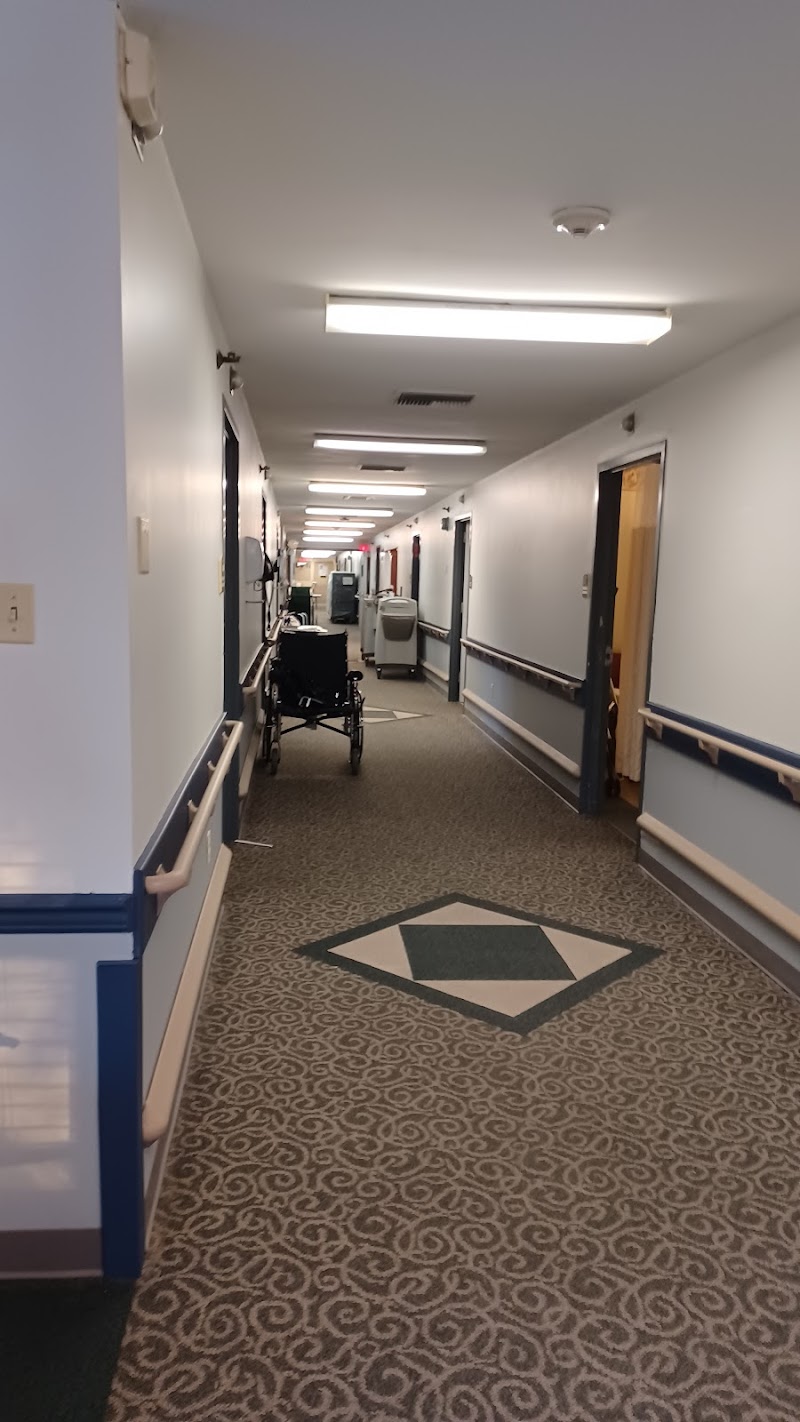
827 GEORGES STATION ROAD, GREENSBURG, PA 15601 (724) 837-7100
For profit - Limited Liability company 48 Beds Independent Data: November 2025
Trust Grade
30/100
#616 of 653 in PA
Last Inspection: June 2025

Inspected within the last 6 months. Data reflects current conditions.

Overview

Families considering Oak Hill Rehabilitation & Healthcare Center should be aware that it has a Trust Grade of F, indicating significant concerns about care quality. It ranks #616 out of 653 facilities in Pennsylvania, placing it in the bottom half statewide and #15 of 18 in Westmoreland County, meaning only a few local options are worse. The facility's trend is stable, with 25 issues noted in both 2024 and 2025, which suggests ongoing concerns rather than improvement. Staffing is rated average at 3 out of 5 stars, but the turnover rate is a troubling 74%, much higher than the state average. Although there have been no fines, the inspector found critical issues such as unsanitary food service conditions and failure to monitor residents' urinary catheters properly, raising serious concerns about the standard of care provided.

Trust Score
F
30/100
In Pennsylvania
#616/653
Bottom 6%
Safety Record
Low Risk
No red flags
Inspections
Holding Steady
25 → 25 violations
Staff Stability
⚠ Watch
74% turnover. Very high, 26 points above average. Constant new faces learning your loved one's needs.
Penalties
✓ Good
No fines on record. Clean compliance history, better than most Pennsylvania facilities.
Skilled Nurses
✓ Good
Each resident gets 56 minutes of Registered Nurse (RN) attention daily — more than average for Pennsylvania. RNs are trained to catch health problems early.
Violations
⚠ Watch
65 deficiencies on record. Higher than average. Multiple issues found across inspections.
★☆☆☆☆
1.0
Overall Rating
★★★☆☆
3.0
Staff Levels
★★★★☆
4.0
Care Quality
★☆☆☆☆
1.0
Inspection Score
Stable
2024: 25 issues
2025: 25 issues

The Good

  • 4-Star Quality Measures · Strong clinical quality outcomes
  • Full Sprinkler Coverage · Fire safety systems throughout facility
  • No fines on record

Facility shows strength in quality measures, fire safety.

The Bad

1-Star Overall Rating

Below Pennsylvania average (3.0)

Significant quality concerns identified by CMS

Staff Turnover: 74%

28pts above Pennsylvania avg (46%)

Frequent staff changes - ask about care continuity

Staff turnover is very high (74%)

26 points above Pennsylvania average of 48%

The Ugly 65 deficiencies on record

Jun 2025 24 deficiencies
CONCERN (D)

Potential for Harm - no one hurt, but risky conditions existed

Deficiency F0553 (Tag F0553)

Could have caused harm · This affected 1 resident

Based on review of policies and clinical records, as well as staff interviews, it was determined that the facility failed to routinely conduct care plan meetings and invite the resident or interested ...

Read full inspector narrative →
Based on review of policies and clinical records, as well as staff interviews, it was determined that the facility failed to routinely conduct care plan meetings and invite the resident or interested family member to attend for two of 26 residents reviewed (Residents 3, 20). Findings include: The facility's policy regarding care plan conferences, dated February 19, 2025, indicated that the intent was to promote a care plan conference which ensured that the resident and/or responsible party would have the opportunity to review and participate in the development of the care plan. A quarterly Minimum Data Set (MDS) assessment (a mandated assessment of a resident's abilities and care needs) for Resident 3, dated May 28, 2025, indicated that the resident was understood and understands, required assistance with activities of daily living, and had diagnoses that included Parkinson's. Interview with Resident 3, dated June 17, 2025, at 1:27 p.m., revealed that the resident stated the facility does not conduct care plan meetings with her or invite her responsible party. There was no documented evidence in Resident 3's medical record that a care plan meeting was conducted, or that the resident and/or responsible party was invited to a care plan meeting. An annual MDS assessment for Resident 20, dated March 7, 2025, indicated that the resident was cognitively impaired, required assistance with activities of daily living, and had diagnoses that included dementia with behavioral disturbances. There was no documented evidence in Resident 20's medical record that a care plan meeting was conducted, or that the resident and/or responsible party was invited to a care plan meeting. Interview with the Nursing Home Administrator and Social Service Director on June 18, 2025, at 1:36 p.m. confirmed that care plan meetings were not being held at least quarterly as required. 28 Pa. Code 201.18(e)(1) Management. 28 Pa. Code 201.24(e)(4) admission Policy.
CONCERN (D)

Potential for Harm - no one hurt, but risky conditions existed

Deficiency F0557 (Tag F0557)

Could have caused harm · This affected 1 resident

Based on a review of facility policies and clinical records, as well as observations and staff interviews, it was determined that the facility failed to maintain the dignity of one of 26 residents rev...

Read full inspector narrative →
Based on a review of facility policies and clinical records, as well as observations and staff interviews, it was determined that the facility failed to maintain the dignity of one of 26 residents reviewed (Resident 45) who had an indwelling urinary catheter (a flexible tube inserted into the bladder to drain urine). Findings include: A facility policy for Quality of Life - Dignity, dated February 19, 2025, indicated that residents shall be treated with dignity and respect at all times. Demeaning practices and standards of care that compromise dignity are prohibited. Staff shall promote dignity and assist residents as needed by helping the resident to keep urinary catheter bags covered. An admission Minimum Data Set (MDS) assessment (a mandated assessment of a resident's abilities and care needs) for Resident 45, dated May 26, 2025, indicated that the resident had moderate cognitive impairment, had an indwelling urinary catheter, and had diagnoses that included neurogenic bladder (lack of bladder control due to brain, spinal cord or nerve problems). Observations of Resident 45 on June 16, 2025, at 2:15 p.m. revealed that the resident was lying in his bed with his urinary catheter drainage bag that contained urine hanging on his bed frame and visible from the hallway. Interview with Licensed Practical Nurse 1 on June 16, 2025, at 2:20 p.m. revealed that the urinary drainage bags usually come with a privacy cover; however, Resident 45's catheter drainage bag did not have a privacy cover. Interview with the Nursing Home Administrator on June 16, 2025, 2:31 p.m. confirmed that all catheter bags should have a privacy cover. 28 Pa. Code 201.29(c) Resident Rights.
CONCERN (D)

Potential for Harm - no one hurt, but risky conditions existed

Deficiency F0582 (Tag F0582)

Could have caused harm · This affected 1 resident

Based on clinical record reviews and staff interviews, it was determined that the facility failed to provide the required notice to the resident or the resident's representative following the end of t...

Read full inspector narrative →
Based on clinical record reviews and staff interviews, it was determined that the facility failed to provide the required notice to the resident or the resident's representative following the end of their Medicare coverage for one of 26 residents reviewed (Resident 44). Findings include: A Skilled Nursing Facility Beneficiary Protection Notification Review form, completed by the facility and dated February 10, 2025, revealed that Medicare coverage for Resident 44 started on January 11, 2025, and that her last covered day was February 12, 2025. The form indicated that the facility initiated discontinuation from Medicare Part A coverage, and that the resident's benefit days were not exhausted. The Advanced Beneficiary Notice of Non-coverage for Resident 44 was not issued. Interview with the Nursing Home Administrator on June 18, 2025, at 12:37 p.m. confirmed that Resident 44 was not provided with an Advanced Beneficiary Notice of Non-coverage as required when their Medicare coverage ended. 28 Pa. Code 201.18(e)(1) Management.
CONCERN (D)

Potential for Harm - no one hurt, but risky conditions existed

Deficiency F0628 (Tag F0628)

Could have caused harm · This affected 1 resident

Based on review of policies and clinical records, as well as staff interviews, it was determined that the facility failed to notify the resident and the resident's representative, in writing regarding...

Read full inspector narrative →
Based on review of policies and clinical records, as well as staff interviews, it was determined that the facility failed to notify the resident and the resident's representative, in writing regarding the reason for transfer to the hospital and to ensure that a bed-hold notice was provided to the resident's responsible party for two of 26 residents reviewed (Residents 29, 36). Findings include: The facility's policy regarding bed-holds and returns, dated February 19, 2025, indicated that residents and/or representatives are informed (in writing) of the facility and state (if applicable) bed-hold policies. Residents, regardless of payer source are provided written notice about these policies at least twice: notice one well in advance of any transfer (for example, in the admission packet); and notice two at the time of transfer (or if the transfer was an emergency, within 24 hours). An admission Minimum Data Set (MDS) assessment (a mandated assessment of a resident's abilities and care needs) for Resident 29, dated March 25, 2025, indicated that the resident had moderate cognitive impairment, required assistance from staff for daily care needs, and had diagnoses that included dementia. A nurse's note for Resident 29, dated January 1, 2025, at 3:22 a.m., revealed that the resident was sent to the hospital for evaluation of pneumonia. A nurse's note at 6:26 a.m. revealed that the resident was admitted to the hospital. There was no documented evidence that written notification of transfer was provided to Resident 29 and the resident's representative, and no documented evidence that a bed-hold notice was provided to the resident's responsible party as required. Interview with the Nursing Home Administrator on June 18, 2025, at 12:37 p.m. confirmed that a written notification of hospital transfer was not provided to Resident 29 and their representatives, and that a bed-hold notice was not provided to Resident 29's responsible party as required. A quarterly MDS assessment for Resident 36, dated May 7, 2025, indicated that the resident was cognitively intact, required assistance from staff for daily care needs, and had a diagnoses that included heart failure, hypertension (high blood pressure), and kidney failure. Nursing notes for Resident 36, dated May 20, 2025, at 2:00 a.m. revealed that the resident complained of persistent shortness of breath and generalized fatigue, and requested to go to the hospital for evaluation. At 8:30 a.m. the resident was admitted to the hospital. There was no documented evidence that written notification of transfer was provided to the resident and the resident's representative, and no documented evidence that a bed-hold notice was provided to the resident's responsible party as required. Interview with the Nursing Home Administrator on June 18, 2025, at 2:19 p.m. confirmed that a written notification of hospital transfer was not provided to Resident 36 and their representatives, and that a bed-hold notice was not provided to Resident 36's responsible party as required. 28 Pa. Code 201.29(j) Resident Rights.
CONCERN (D)

Potential for Harm - no one hurt, but risky conditions existed

Comprehensive Care Plan (Tag F0656)

Could have caused harm · This affected 1 resident

Based on review of clinical records, as well as staff interviews, it was determined that the facility failed to develop individualized care plans for four of 26 residents reviewed (Residents 13, 20, 3...

Read full inspector narrative →
Based on review of clinical records, as well as staff interviews, it was determined that the facility failed to develop individualized care plans for four of 26 residents reviewed (Residents 13, 20, 36, 45). Findings include: A quarterly Minimum Data Set (MDS) assessment (a mandated assessment of a resident's abilities and care needs) for Resident 13, dated May 2, 2025, indicated that the resident was cognitively intact and was frequently incontinent of bowel and bladder. Physician's orders for Resident 13, dated April 21, 2025, included an order for the resident to receive Methenamine Hippurate (an antibiotic) two times a day for preventative measures. A Certified Registered Nurse Practitioner's note, dated April 22, 2025, indicated that Resident 13 had chronic urinary tract infections and was to continue suppressive therapy with Methenamine Hippurate. However, there was no documented evidence that a care plan was developed to address Resident 13's long term antibiotic use. An interview with the Director of Nursing on June 17, 2025, at 1:53 p.m. confirmed that there was no care plan in place to address Resident 13's antibiotic use. An annual MDS assessment for Resident 20, dated March 7, 2025, indicated that the resident was understood and could understand, required assistance from staff for her daily care needs, and had medical diagnoses that included dementia. Physician's orders for Resident 20, dated June 7, 2023, included an order for the resident to receive Methenamine (an antibiotic) two times a day for recurrent urinary tract infections. However, there was no documented evidence that a care plan was developed to address Resident 20's antibiotic use. An interview with the Nursing Home Administrator on June 17, 2025, at 2:21 p.m. confirmed that there was no care plan in place to address Resident 20's antibiotic use. A quarterly MDS assessment for Resident 36, dated May 15, 2024, revealed that the resident was cognitively intact, had a pressure ulcer, received dialysis, and had diagnoses that included renal failure. Physician's orders for Resident 36, dated May 23, 2025, included orders for the resident to receive dialysis on Tuesdays, Thursdays and Saturdays, and physician's orders, dated June 1, 2025, included an order for the resident's bed to be equipped with a bariatric air mattress. However, there was no documented evidence that a care plan was developed to address Resident 36's air mattress or for dialysis. Observations on June 16, 2025, at 10:30 a.m. revealed that Resident 36 was in bed with an air mattress in place. A nursing note, dated June 17, 2025, at 9:39 a.m. revealed the resident left the facility for dialysis. Interview with the Director of Nursing on June 17, 2025, at 1:53 p.m. confirmed that there were no care plans developed for the resident's use of an air mattress or dialysis treatments. An admission MDS assessment for Resident 45, dated May 26, 2025, indicated that the resident had moderate cognitive impairment, had an indwelling urinary catheter (a flexible tube inserted into the bladder to drain urine), required assistance from staff for daily care needs, and had diagnoses that included neurogenic bladder (lack of bladder control due to brain, spinal cord or nerve problems). However, there was no documented evidence that a care plan was developed to address Resident 45's use of an indwelling urinary catheter. Observations of Resident 45 on June 16, 2025, at 2:15 p.m. revealed the resident lying in his bed with his urinary catheter drainage bag containing urine hanging on his bed frame. Interview with the Director of Nursing on June 17, 2024, a 12:34 p.m. confirmed that Resident 45 had an indwelling urinary catheter and that there was no care plan in place to address the care and treatment needs related to the resident's indwelling urinary catheter. 28 Pa. Code 201.24(e)(4) admission Policy. 28 Pa. Code 211.12(d)(5) Nursing Services.
CONCERN (D)

Potential for Harm - no one hurt, but risky conditions existed

Deficiency F0658 (Tag F0658)

Could have caused harm · This affected 1 resident

Based on review of the Pennsylvania Nurse Practice Act, facility policies, and clinical records, as well as staff interviews, it was determined that the facility failed to obtain a physician's orders ...

Read full inspector narrative →
Based on review of the Pennsylvania Nurse Practice Act, facility policies, and clinical records, as well as staff interviews, it was determined that the facility failed to obtain a physician's orders for a medication for one of 26 residents reviewed (Resident 13). This deficiency was cited as past non-compliance. Findings include: The Pennsylvania Code, Title 49, Professional and Vocational Standards, State Board of Nursing, 21.11 (a)(1)(2)(4) indicated that the registered nurse was to collect complete and ongoing data to determine nursing care needs, analyze the health status of individuals and compare the data with the norm when determining nursing care needs, and carry out nursing care actions that promote, maintain and restore the well-being of individuals. The facility's policy regarding medication administration, dated February 19, 2025, indicated that medications were to be administered in accordance with the prescriber's orders, including any required time frame. A quarterly Minimum Data Set (MDS) assessment (a mandated assessment of a resident's abilities and care needs) for Resident 13, dated May 2, 2025, indicated that the resident was cognitively intact, required assistance from staff for daily care needs, and had diagnoses that included respiratory failure. A physician's order, dated April 9, 2025, included an order for 875-125 milligrams (mg) of Amoxicillin Potassium Clavulanate (antibiotic). A nursing note, dated April 19, 2025, revealed that at 10:00 a.m. Resident 13 was given Amoxicillin Potassium Clavulanate, and then complained of shortness of breath. Registered Nurse 2 thought the reaction could be related to the new medications and administered 1 gram of Epinephrine (used to treat emergency allergic reactions) in her right thigh. The resident was then sent to the hospital for evaluation and treatment. A review of Resident 13's clinical record revealed no documented evidence of a physician's order to administer Epinephrine. Interview with the Nursing Home Administrator on June 18, 2025, at 11:18 a.m. confirmed that Registered Nurse 2 administered Epinephrine to Resident 13 without a physician's order. Following identification that a medication was administered without a physician's order, the facility's corrective actions included: Resident 13 was transferred to the hospital for evaluation and treatment. Medication Administration Records (MAR's) and progress notes for all residents in house were checked to ensure medications were being administered per physician's orders. Education was provided to licensed staff regarding administering medications. Audits were completed five times a week for two weeks, then biweekly for two weeks, and then monthly for one month to ensure all medications that were administered had a physician's order. The findings were reviewed with the quality assurance performance improvement committee. A review of the facility's corrective actions revealed that they were in compliance with F658 on April 22, 2025. 28 Pa. Code 211.12(d)(1)(5) Nursing Services.
CONCERN (D)

Potential for Harm - no one hurt, but risky conditions existed

ADL Care (Tag F0677)

Could have caused harm · This affected 1 resident

Based on review of policies, clinical records, and bathing records, as well as staff interviews, it was determined that the facility failed to ensure that residents were provided with showers/baths as...

Read full inspector narrative →
Based on review of policies, clinical records, and bathing records, as well as staff interviews, it was determined that the facility failed to ensure that residents were provided with showers/baths as scheduled for one of 24 residents reviewed (Resident 5). Findings include: The facility's policy regarding baths/showers, dated February 19, 2025, revealed that staff were to document the date and time that the resident's shower was provided. Staff were to notify the charge nurse or supervisor if the resident refused the shower or bath. An admission Minimum Data Set (MDS) assessment (a mandated assessment of a resident's abilities and care needs) for Resident 5, dated May 26, 2025, revealed that the resident was cognitively intact and was dependent on staff for showers/baths. The resident's care plan, dated June 1, 2025, revealed that staff were to assist her to bathe/shower as needed. Interview with Resident 5 on June 16, 2025, at 10:30 a.m. revealed that she was upset that she was not getting her showers as scheduled. Current bathing records indicated that Resident 5 was to receive a bath/shower every Wednesday and Saturday during the evening shift. Review of Resident 5's bathing records for May and June 2025 confirmed that there was no documented evidence that a shower/bath was offered or provided on Saturday May 31 and June 7, 2025. Interview with the Director of Nursing on June 18, 2025, at 1:12 p.m. confirmed that there was no documented evidence that Resident 5 was provided showers/baths as scheduled, and there was no evidence of refusals. 28 Pa. Code 211.12(d)(5) Nursing Services.
CONCERN (D)

Potential for Harm - no one hurt, but risky conditions existed

Accident Prevention (Tag F0689)

Could have caused harm · This affected 1 resident

Based on review of facility policies and clinical records, as well as observations and staff interviews, it was determined that the facility failed to ensure that the resident environment remained as ...

Read full inspector narrative →
Based on review of facility policies and clinical records, as well as observations and staff interviews, it was determined that the facility failed to ensure that the resident environment remained as free from accident hazards as possible by failing to complete an air mattress safety assessment to identify potential safety hazards for two of 26 residents reviewed (Residents 20, 36). Findings include: The facility's policy regarding air mattresses, dated February 19, 2025, indicated that support surfaces will be utilized in accordance with manufacturer recommendations (including considerations for contraindications) a schedule for inspection and replacement will be established accordingly. An annual Minimum Data Set (MDS) assessment (a mandated assessment of a resident's abilities and care needs) for Resident 20, dated March 7, 2025, indicated that the resident was understood and understands, required assistance from staff for her daily care needs, and had medical diagnoses that included dementia. Physician's orders for Resident 20, dated June 1, 2025, included an order for the resident's bed to be equipped with a perimeter air mattress. There was no documented evidence that the use of an air mattress was assessed for potential safety hazards prior to the air mattress being placed on Resident 20's bed. Observations on June 16, 2025, at 10:15 a.m. revealed that Resident 20 was in bed with an air mattress in place. Interview with the Director of Nursing on June 17, 2025, at 12:26 p.m. confirmed that there were no specific assessments completed to ensure that the use of an air mattress was safe for Resident 20. A quarterly MDS assessment for Resident 36, dated May 15, 2024, revealed that the resident was cognitively intact and had a pressure ulcer. Physician's orders for Resident 36, dated June 1, 2025, included an order for the resident's bed to be equipped with a bariatric air mattress. There was no documented evidence that the use of an air mattress was assessed for potential safety hazards prior to the air mattress being placed on Resident 36's bed. Observations on June 16, 2025, at 10:30 a.m. revealed that Resident 36 was in bed with an air mattress in place. Interview with the Director of Nursing on June 17, 2025, at 1:53 p.m. confirmed that there were no specific assessments completed to ensure that the use of an air mattress was safe for Resident 36. 28 Pa. Code 211.12(d)(5) Nursing Services.
CONCERN (D)

Potential for Harm - no one hurt, but risky conditions existed

Deficiency F0694 (Tag F0694)

Could have caused harm · This affected 1 resident

Based on review of policies and clinical records, as well as staff interviews, it was determined that the facility failed to ensure that long-term intravenous catheters were flushed as ordered by the ...

Read full inspector narrative →
Based on review of policies and clinical records, as well as staff interviews, it was determined that the facility failed to ensure that long-term intravenous catheters were flushed as ordered by the physician for one of 26 residents reviewed (Resident 36). Findings include: The facility's policy regarding flushing intravenous (IV) catheters (a thin tube inserted into a vein and used long-term for the administration of fluids and/or medications), dated February 19, 2025, indicated that the catheter was to be flushed with 10 milliliters of saline (sterile salt water solution) before and after medication administration. A nursing note for Resident 36, dated May 2, 2025, at 4:54 p.m. revealed that he was readmitted to the facility and required IV therapy. Physician's orders, dated May 3, 2025, included an order for the resident to receive 2 grams of IV Meropenem solution (an antibiotic) one time a day on Tuesdays, Thursdays and Saturdays after dialysis for ESBL (Extended-Spectrum Beta-Lactamase- refers to enzymes produced by certain bacteria that make them resistant to many common antibiotics) until May 12, 2025. The resident's Medication Administration Record (MAR) for May 2025 revealed that staff administered Meropenem solution through the midline daily on May 6, 8, and 10, 2025. There was no documented evidence that staff flushed Resident 36's midline before and after the administration of IV Meropenem on May 6, 8, and 10, 2025. Interview with the Director of Nursing on June 18, 2025, at 12:07 p.m. confirmed that there was no documented evidence that Residents 36's midline was flushed before and after medication administration on the above dates. 28 Pa. Code 211.12(d)(1)(3)(5) Nursing Services.
CONCERN (D)

Potential for Harm - no one hurt, but risky conditions existed

Respiratory Care (Tag F0695)

Could have caused harm · This affected 1 resident

Based on clinical record reviews, observations, and staff interviews, it was determined that the facility failed to ensure that a resident who needed respiratory care was provided such care consistent...

Read full inspector narrative →
Based on clinical record reviews, observations, and staff interviews, it was determined that the facility failed to ensure that a resident who needed respiratory care was provided such care consistent with professional standards of practice and the resident's person-centered care plan for one of 26 residents reviewed (Resident 2). Findings include: A quarterly Minimum Data Set (MDS) assessment (a mandated assessment of a resident's abilities and care needs) for Resident 2, dated March 7, 2025, revealed that the resident was understood/understands, required assistance with daily care tasks, had diagnoses that included heart failure and high blood pressure, and required supplemental oxygen. Physician's orders, dated August 29, 2023, included an order for the resident to receive continuous oxygen at a flow rate of 3 liters per minute by nasal cannula (tubes that deliver oxygen into the nostrils). Physician's orders, dated August 29, 2023, included orders to change oxygen tubing and canister every Tuesday night and as needed. Observations on June 15, 2025, at 10:15 a.m. and June 16, 2025, at 10:15 a.m. revealed that the tubing being used by the resident was dated June 4, 2025, and humidification bottle tubing was dated May 20, 2025. Interview with Licensed Practical Nurse 1 on June 16, 2025, at 10:32 a.m. confirmed that Resident 2's oxygen set-up was dated June 4, and May 20, 2025. The nurse indicated that the oxygen set-up was usually replaced every Tuesday night. Interview with the Nursing Home Administrator on June 16, 2025, at 1:49 p.m. confirmed that Resident 2's oxygen set-up should have been replaced weekly on June 10, 2025, according to physician's orders. 28 Pa. Code 211.12(d)(1)(5) Nursing Services.
CONCERN (D)

Potential for Harm - no one hurt, but risky conditions existed

Deficiency F0700 (Tag F0700)

Could have caused harm · This affected 1 resident

Based on review of policies and clinical records, as well as observations and staff interviews, it was determined that the facility failed to ensure that a safety assessment was completed for side rai...

Read full inspector narrative →
Based on review of policies and clinical records, as well as observations and staff interviews, it was determined that the facility failed to ensure that a safety assessment was completed for side rail/enabler use for one of 26 residents reviewed (Resident 29). Findings include: The facility's policy regarding bed safety, dated February 19, 2025, indicated that the resident's sleeping environment shall be assessed by the interdisciplinary team, considering the resident's safety, medical conditions, comfort, and freedom of movement, as well as input from the resident and family regarding previous sleeping habits and bed environment. To try to prevent deaths/injuries from the beds and related equipment, the facility shall promote the inspection of all beds and related equipment as part of the regular bed safety program to identify risks and problems including potential entrapment risks. A quarterly Minimum Data Set (MDS) assessment (a mandated assessment of a resident's abilities and care needs) for Resident 29, dated March 25, 2025, indicated that the resident was moderately cognitively impaired, required assistance with care needs, had a history of falls, and had diagnoses that included dementia. Physician's orders for Resident 29, dated June 1, 2025, included for the resident to have bilateral enabler bars (type of equipment that is positioned on the side of a bed to assist residents who may need additional support with safety and/or mobility) Observations of Resident 29 on June 18, 2025, at 8:15 a.m. revealed that the resident's bed was equipped with bilateral enabler bars. There was no documented evidence that Resident 29 was assessed for potential safety hazards prior to the enabler bars being applied to the resident's bed. Interview with the Director of Nursing on June 18, 2025, at 11:42 a.m. confirmed that bed rail/enabler safety assessment was not completed for Resident 29. 28 Pa. Code 211.12(d)(5) Nursing Services.
CONCERN (D)

Potential for Harm - no one hurt, but risky conditions existed

Deficiency F0730 (Tag F0730)

Could have caused harm · This affected 1 resident

Based on review of nurse aides' dates of hire and their most recent performance review dates, it was determined that the facility failed to complete an annual nurse aide performance evaluation for one...

Read full inspector narrative →
Based on review of nurse aides' dates of hire and their most recent performance review dates, it was determined that the facility failed to complete an annual nurse aide performance evaluation for one of three nurse aides reviewed (Nurse Aide 4). Findings include: A list of nurse aides provided by the facility revealed that based on their months and days of hire, an annual performance evaluation was due in March 2025 for Nurse Aide 4. However, there was no documented evidence that an annual performance evaluation was completed as required for Nurse Aide 4. Interview with the Human Resource director on June 18, 2025, at 1:41 confirmed that she could provide no evidence that an annual performance evaluation was completed as required for Nurse Aide 4. 28 Pa. Code 201.18(e)(1) Management.
CONCERN (D)

Potential for Harm - no one hurt, but risky conditions existed

Deficiency F0761 (Tag F0761)

Could have caused harm · This affected 1 resident

Based on review of facility policies, observations, and staff interviews, it was determined that the facility failed to provide a separately-locked, permanently-affixed compartment in the refrigerator...

Read full inspector narrative →
Based on review of facility policies, observations, and staff interviews, it was determined that the facility failed to provide a separately-locked, permanently-affixed compartment in the refrigerator for the storage of controlled drugs in one of one medication rooms reviewed. Findings include: The facility's policy regarding controlled substances, dated February 19, 2025, indicated that that controlled substances are separately locked in permanently affixed compartments. Observations in the facility's medication room on the French unit on June 18, 2025, at 7:36 a.m. revealed one locked compartment in the medication refrigerator that was not secured to a shelf and was able to be removed from the refrigerator. This unsecured, locked compartment contained one unopened bottle of liquid Ativan (a controlled medication used to treat anxiety). Interview with Registered Nurse 3 at the time of the observation confirmed that the locked compartment box that contained Ativan was not permanently affixed to the refrigerator. Interview with the Nursing Home Administrator on June 18, 2025, at 10:10 a.m. confirmed that the locked box in the medication room refrigerator should have been permanently affixed to the refrigerator. 28 Pa. Code 211.9(a)(1) Pharmacy Services.
CONCERN (D)

Potential for Harm - no one hurt, but risky conditions existed

Infection Control (Tag F0880)

Could have caused harm · This affected 1 resident

Based on review of policies and residents' clinical records, as well as observations and staff interviews, it was determined that the facility failed to ensure that proper hand washing/hand hygiene wa...

Read full inspector narrative →
Based on review of policies and residents' clinical records, as well as observations and staff interviews, it was determined that the facility failed to ensure that proper hand washing/hand hygiene was completed during wound care and it was determined that the facility failed to follow infection control guidelines from the Centers for Medicare/Medicaid Services (CMS) and the Centers for Disease Control (CDC) to reduce the spread of infections and prevent cross-contamination for one of 26 residents reviewed (Resident 20). Findings include: The facility's policy regarding hand hygiene, dated February 19, 2025, revealed that hand hygiene was to be performed whether or not gloves were worn when/after touching inanimate objects that were likely to be contaminated with microorganisms, and after contact with blood, body fluids, mucous membranes, secretions, or excretions. CDC guidance on isolation precautions and Implementation of Personal Protective Equipment (PPE) use in Nursing Homes to Prevent Spread of Multidrug-Resistant Organisms (MDRO's - bacteria that have become resistant to certain antibiotics, and these antibiotics can no longer be used to control or kill the bacteria), dated July 12, 2022, indicates that MDRO transmission is common in skilled nursing facilities, contributing to substantial resident morbidity and mortality and increased healthcare costs. Enhanced Barrier Precautions (EBP) are an infection control intervention designed to reduce transmission of resistant organisms that employs targeted gown and glove use during high contact resident care activities. CMS updated its infection prevention and control guidance effective April 1, 2024. The recommendations now include the use of EBP during high-contact care activities for residents with chronic wounds or indwelling medical devices, regardless of their MDRO status, in addition to residents who have an infection or colonization with a CDC-targeted or other epidemiologically important MDRO when contact precautions do not apply. The facility's policy regarding EBP, dated February 19, 2025, revealed that EBP is an approach of targeted gown and glove use during high-contact resident care activities, designed to reduce transmission of MDROs as recommended by Centers for Medicare and Medicaid Services (CMS) guidance aligned with CDC recommendations. Enhanced Barrier Precautions may be applied when Contact Precautions do not otherwise apply to residents with: Wounds or indwelling medical devices, regardless of MDRO colonization status EBP for wound and indwelling medical devices will end when healed or removed. An annual Minimum Data Set (MDS) assessment (a mandated assessment of a resident's abilities and care needs) for Resident 20, dated March 7, 2025, indicated that the resident was understood and understands required assistance from staff for her daily care needs, and had diagnoses that included dementia. Physician's orders for the resident, dated June 5, 2025, included an order to treat the pressure ulcer on the sacrum (buttocks) daily and as needed by applying Santyl (a wound care ointment to promote healing), cleaning the area with soap and water, apply santyl to wound bed and apply calcium alginate to wound and cover with dry dressing. Observations during wound care on June 17, 2025, at 9:27 a.m. revealed that Licensed Practical Nurse 5 gathered supplies for wound care, put them on Resident 20's bedside table, and placed a garbage bag to collect soiled materials. She did not wear a gown per the enhanced barrier precautions policy. Resident 20 was lying on her side and Licensed Practical Nurse 5 donned gloves removed residents brief and removed the old dressing. She then removed her gloves and threw the old dressing and gloves into the garbage bag. Then she reached into her pocket and donned new gloves. She then used soap and water to clean the wound bed, patted dry, and applied Santyl and calcium alginate and dry dressing. Interview with Licensed Practical Nurse 5 on June 17, 2024, at 10:19 a.m. confirmed that she should have used hand sanitizer prior to putting on new gloves, but she did not, and she did not wear a gown per the enhanced barrier precautions policy during wound care. Interview with the Nursing Home Administrator on June 17, 2025, at 2:22 p.m. confirmed that the Licensed Practical Nurse should have washed her hands with soap and water or used a hand sanitizer after removing her gloves and prior to putting on new gloves. She also confirmed that enhanced barrier precautions were not followed per policy. 28 Pa. Code 211.12(d)(1)(5) Nursing Services.
CONCERN (E)

Potential for Harm - no one hurt, but risky conditions existed

Assessment Accuracy (Tag F0641)

Could have caused harm · This affected multiple residents

Based on a review of the Resident Assessment Instrument User's Manual and clinical records, as well as staff interviews, it was determined that the facility failed to complete accurate Minimum Data Se...

Read full inspector narrative →
Based on a review of the Resident Assessment Instrument User's Manual and clinical records, as well as staff interviews, it was determined that the facility failed to complete accurate Minimum Data Set (MDS) assessments for nine of 26 residents reviewed (Residents 2, 3, 7, 13, 14, 18, 20, 40, 42). Findings include: The RAI User's Manual, dated October 2025, indicated that Section B0700 (make self-understood) should be coded with either clearly understood, usually understood, sometimes understood, or rarely/never understood. Section C0100 (should brief interview for mental status be conducted) should be completed if the resident is at least sometimes understood verbally, in writing, or using another method. Section C0100 was to be coded No (0) or Yes (1) to determine whether a Brief Interview for Mental Status (BIMS) (an assessment to determine a resident's cognitive status) should be attempted with the resident. The instructions for determining if a BIMS interview should be attempted indicated that if the resident was at least sometimes understood (verbally or in writing) then the BIMS interview was to be attempted with the resident and coded in Sections C0200 through C0500. If the resident was rarely/never understood, then the BIMS interview was not to be attempted, and a Staff Assessment of Mental Status was to be completed instead and coded in Sections C0600 through C1000. The instructions for determining a resident mental status Section D0100 was to be coded zero (0) No if a mood interview was not to be conducted with the resident because the resident was rarely/never understood and/or unable to respond, and one (1) Yes if a mood interview should be conducted with the resident. The RAI Manual indicated that a mood interview should be attempted with all residents. A quarterly MDS assessment for Resident 2, dated March 7, 2025, revealed that the resident is understood and understands, Section C0100 was coded Yes (1) that a BIMS assessment was to be conducted; however, Sections C0200-C0500 were coded as not assessed. Section D0150 was also coded Yes (1) that resident mood interview Section D0150 was to be conducted; however, the section was coded as not assessed. A quarterly MDS assessment for Resident 3, dated May 28, 2025, revealed that the resident is understood and understands, Section C0100 was coded Yes (1) that a BIMS assessment was to be conducted; however, Sections C0200-C0500 were coded as not assessed. Section D0150 was also coded Yes (1) that resident mood interview Section D0150 was to be conducted; however, the section was coded as not assessed. A quarterly MDS assessment for Resident 7. dated May 4, 2025, revealed that the resident was able to make herself understood and was able to understand others. Section C0100 was coded Yes (1) that a BIMS assessment was to be conducted; however, Sections C0200-C0500 were coded as not assessed. A quarterly MDS assessment for Resident 14, dated May 9, 2025, revealed that the resident was able to make himself understood and was able to understand others. Section C0100 was coded Yes (1) that a BIMS assessment was to be conducted; however, Sections C0200-C0500 were coded as not assessed. Section D0100 was also coded Yes (1) that a resident mood interview was to be conducted; however, the Section D0150 was coded as not assessed. A quarterly MDS assessment for Resident 18, dated May 16, 2025, revealed that the resident was able to make himself understood and was able to understand others. Section C0100 was coded Yes (1) that a BIMS assessment was to be conducted; however, Sections C0200-C0500 were coded as not assessed. Section D0100 was also coded Yes (1) that a resident mood interview was to be conducted; however, the Section D0150 was coded as not assessed. A quarterly MDS assessment for Resident 40, dated May 19, 2025, revealed that the resident is understood and understands, Section C0100 was coded Yes (1) that a BIMS assessment was to be conducted; however, Sections C0200-C0500 were coded as not assessed. Section D0150 was also coded Yes (1) that resident mood interview Section D0150 was to be conducted; however, the section was coded as not assessed. Interview with the Nursing Home Administrator on June 17, 2025, at 2:21 p.m. confirmed that the above-mentioned MDS assessments for Residents 2, 3, 7, 14, and 40 were coded inaccurately and that Sections C0200-0500 and Section D0150 should have been completed per the RAI manual. The Resident Assessment Instrument (RAI) User's Manual, which gives instructions for completing Minimum Data Set (MDS) assessments (required assessments of a resident's abilities and care needs), dated October 2025, revealed that Section N0415F1 Antibiotic Medications (medication used to for infections) was to be coded if the resident took the medication during the seven-day look-back period. Physician's orders for Resident 13, dated April 21, 2025, included an order for the resident to receive 1 gram of methenamine hippurate (an antibiotic) two times a day. The resident's Medication Administration Record (MAR) for May 2025 revealed that the resident received methergine Hippurate from May 1 through May 31, 2025. A quarterly MDS for Resident 13, dated May 2, 2025, revealed that Section N0401F1 was not coded, indicating that the resident did not receive antibiotic medication during the seven-day look-back assessment period. Interview with the Nursing Home Administrator on June 18, 2025, at 11:07 a.m. confirmed that Resident 13's quarterly MDS assessment was coded to indicate that the resident did not receive an antibiotic during the look-back period. Physician's orders for Resident 20, dated June 7, 2023, included an order for the resident to receive 1 gram of methenamine (an antibiotic) two times a day. The resident's Medication Administration Record (MAR) for March 2025 revealed that the resident received methenamine twice a day during the seven-day look-back assessment period. An annual MDS for Resident 20, dated March 7, 2025, revealed that Section N0401F was not coded, indicating that the resident did not receive antibiotic medication during the seven-day look-back assessment period. Interview with the Nursing Home Administrator on June 17, 2025, at 2:21 p.m. confirmed that Resident 20's MDS assessment was coded inaccurately, and that the resident did receive antibiotics during the look-back period. Physician's orders for Resident 42, dated April 29, 2025, included an order for the resident to have Magic Mix (1:1:1:1) of Silvadene (antibiotic), hydrocortisone (steroid medication), nystatin (antifungal medication), and zinc cream (used to prevent skin irritation) applied to his right buttocks daily. Resident 42's Treatment Administration Records (MAR's) for April and May 2025 revealed that the resident received Magic Mix to his right buttocks daily from April 30 through May 31, 2025. A quarterly MDS for Resident 42, dated May 2, 2025, revealed that Section N0401F1 was not coded, indicating that the resident did not receive an antibiotic medication during the seven-day look-back assessment period. Interview with the Nursing Home Administrator on June 18, 2025, at 11:07 a.m. confirmed that Resident 42's quarterly MDS assessment was coded incorrectly, and did not indicate that the resident received an antibiotic during the look-back period. 28 Pa. Code 211.5(f) Clinical Records.
CONCERN (E)

Potential for Harm - no one hurt, but risky conditions existed

Incontinence Care (Tag F0690)

Could have caused harm · This affected multiple residents

Based on review of facility policies and clinical records, as well as observations and staff interviews, it was determined that the facility failed to ensure urinary output was monitored for three of ...

Read full inspector narrative →
Based on review of facility policies and clinical records, as well as observations and staff interviews, it was determined that the facility failed to ensure urinary output was monitored for three of 26 residents reviewed (Residents 39, 40, 45) who had an indwelling urinary catheter (a flexible tube inserted into the bladder to drain urine), and failed to ensure that physician's orders were obtained for an indwelling urinary catheter for one of 26 residents reviewed (Resident 45). Findings include: A facility policy for urinary catheters care, dated February 19, 2025, indicated that staff were to review the resident's care plan to assess for any special needs of the resident and maintain an accurate level of the resident's daily output per facility policy and procedure. An admission Minimum Data Set (MDS) assessment (a mandated assessment of a resident's abilities and care needs) for Resident 39, dated June 3, 2025, indicated that the resident had moderate cognitive impairment, had an indwelling urinary catheter, required assistance from staff for daily care needs, and had diagnoses that included an infection and inflammatory reaction due to an indwelling urethral catheter. A care plan for Resident 39, dated June 1, 2025, indicated that the resident required a foley catheter (type of indwelling catheter) and that staff were to report any changes in the amount, color, or odor of the resident's urine. Physician's orders for Resident 39, dated May 29, 2025, included for the resident to have a foley catheter for urinary retention. There was no documented evidence that staff were measuring the resident's urine output per facility policy. A quarterly MDS assessment for Resident 40, dated May 19, 2025, revealed that the resident was understood and understands, required assistance with daily care needs, had nephrostomy tube (a tube inserted into the kidney to excrete urine), and had medical diagnoses that included heart failure and high blood pressure. A care plan, dated May 24, 2024, revealed that staff were to monitor urinary output every shift per facility policy, Review of Resident 40's clinical record revealed no documented evidence that the resident's indwelling urinary catheter output was documented during the day shift on May 20, 23, 28, 31, and June 1, 6, 8, 10, 2025; during the evening shift on May 19, 20, 21, 22, 23, 24, 25, 28, 29, 30, 31, 2025, and June 1, 4, 5, 6, 9, 10, 11, 15, 2025; and during the night shift on May 20, 22, 24, 25, 26, 29, and June 10, 15, 2025. Interview with the Director of Nursing on June 17, 2025, at 12:26 p.m. confirmed that there was no documented evidence that Resident 40's nephrostomy output was documented on the dates and times listed above. An admission MDS assessment for Resident 45, dated May 26, 2025, indicated that the resident had moderate cognitive impairment, had an indwelling urinary catheter, required assistance from staff for daily care needs, and had diagnoses that included neurogenic bladder (lack of bladder control due to brain, spinal cord or nerve problems). Review of the clinical record for Resident 45, dated May 2025 and June 2025, revealed no documented evidence of a physician's order for an indwelling urinary catheter or for catheter care. Observations of Resident 45 on June 16, 2025, at 2:15 p.m. revealed the resident lying in his bed with his urinary catheter drainage bag containing urine hanging on his bed frame. There was no documented evidence that staff were measuring the resident's urinary output per facility policy. Interview with the Director of Nursing on June 17, 2025, a 12:34 p.m. confirmed that Resident 45 did not have a physician's order for the use or care of an indwelling urinary catheter, and also confirmed that there was no documented evidence that catheter care was being provided. Interview with the Director of Nursing on June 18, 2025, a 11:29 p.m. confirmed that there was no documented evidence that staff were measuring urine output per facility policy for Residents 39 and 45. 28 Pa. Code 211.12(d)(5) Nursing Services.
CONCERN (E)

Potential for Harm - no one hurt, but risky conditions existed

Deficiency F0691 (Tag F0691)

Could have caused harm · This affected multiple residents

**NOTE- TERMS IN BRACKETS HAVE BEEN EDITED TO PROTECT CONFIDENTIALITY** Based on review of policies and clinical records, as well as observations and staff interviews, it was determined that the facil...

Read full inspector narrative →
**NOTE- TERMS IN BRACKETS HAVE BEEN EDITED TO PROTECT CONFIDENTIALITY** Based on review of policies and clinical records, as well as observations and staff interviews, it was determined that the facility failed to ensure that residents were provided with proper ileostomy care for one of 26 residents reviewed (Resident 42). Findings include: The facility's policy regarding colostomy/ileostomy care (care for an artificial opening in the bowel), dated February 19, 2025, indicated that staff were to review the resident's care plan to assess for any special needs of the resident. A quarterly Minimum Data Set (MDS) assessment (a mandated assessment of a resident's abilities and care needs) for Resident 42, dated May 2, 2025, indicated that the resident was cognitively intact, required assistance or total dependence on staff for daily care tasks, and had an ileostomy. A care plan, dated May 8, 2023, revealed that Resident 13 had an ileostomy, he wore products, and they were to be changed as needed. Physician's orders, dated April 22, 2025, included an order for the resident to have the barrier and pouch to his right abdominal ileostomy be changed every three days and as needed. The order indicated staff were to use a #6921 Coloplast Mio 55 millimeter(mm) light convex barrier (baseplate around stoma), a #18641 Coloplast Mio 60 mm high output pouch (collection bag), a #12035 brava 2 mm ring barrier (a moldable ring designed to create a seal between an ostomy baseplate and the skin, protecting against leakage and skin irritation), and a 120700 Brava elastic barrier extender c curved (elastic strip that helps secure the ostomy barrier to the skin and prevents it from lifting or rolling up). Observations of Resident 42 on June 18, 2025, at 11:55 a.m. revealed that the resident had an ileostomy bag in place and it was leaking. He stated his pouch did not leak in the hospital, but since his return from the hospital his ileostomy pouch has been leaking. He stated that it leaked all of the time and it had recently been changed three times in one day. Observations on June 18, 2025, at 11:56 a.m. revealed that the facility's ileostomy supplies included a [NAME] 8531 premier flextend lock and roll 2 1/2 64 mm drain pouch. Interview with Registered Nurse 3 at that time revealed that the facility used the same colostomy/ileostomy supplies for all residents who required colostomy/ileostomy products and was the only product they had in the building. Interview with the Director of Nursing on June 18, 2025, at 12:36 p.m. confirmed that staff should have been using the ileostomy supplies ordered by the physician. 28 Pa. Code 211.12(d)(5) Nursing Services.
CONCERN (E)

Potential for Harm - no one hurt, but risky conditions existed

Pharmacy Services (Tag F0755)

Could have caused harm · This affected multiple residents

Based on review of facility policies and clinical records, as well as staff interviews, it was determined that the facility failed to maintain accountability for controlled medications (drugs with the...

Read full inspector narrative →
Based on review of facility policies and clinical records, as well as staff interviews, it was determined that the facility failed to maintain accountability for controlled medications (drugs with the potential to be abused) for three of 26 residents reviewed (Residents 7, 36, 40). Findings include: A facility policy regarding medication administration, dated February 19, 2025, indicated that the individual administering the medication initials the resident's Medication Administration Record (MAR) on the appropriate line after giving each medication and before administering the next ones. A facility policy regarding controlled substances, dated February 19, 2025, indicated that waste and/or disposal of controlled medication are done in the presence of the nurse and a witness who also signs the disposition sheet. A quarterly Minimum Data Set (MDS) assessment (a mandated assessment of a resident's abilities and care needs) for Resident 7, dated May 4, 2025, indicated that the resident was able to make herself understood and could understand others, required assistance with care needs, was taking an opioid medication (a controlled medications used to treat pain), was receiving hospice services, and had diagnoses that included dementia. Physician's orders for Resident 7, dated April 19, 2025, included an order for the resident to receive a 12 microgram per hour (mcg/hr) Fentanyl (opioid medication) transdermal patch (delivers a specific dose of medication through the skin) every three days for pain management, removing it per schedule. Review of the Medication Administration Record, as well as the controlled drug record (a form that accounts for each tablet/pill/dose of a controlled drug) for Resident 7 for April 2025, May 2025, and June 2025 revealed that a 12 mcg/hr Fentanyl patch was removed from Resident 7 on April 22, 25, 28; May 1, 4, 13, 16, 19, 22, 25, 28; and June 3, 6, 9, and 12. There was no documented evidence that the Fentanyl transdermal patch that was removed was disposed of in the presence of the nurse and a witness per facility policy. Interview with the Director of Nursing on June 17, 2025, at 2:47 p.m. confirmed that there was no documented evidence that the Fentanyl transdermal patches removed from Resident 7 on the above-mentioned dates and times were disposed of in the presence of the nurse and a witness per the facility's policy. A quarterly MDS assessment for Resident 36, dated May 7, 2025, revealed that the resident was cognitively intact, had occasional pain, received pain medication as needed, and received an opioid (a controlled pain medication). Physician's orders for Resident 36, dated March 24 and May 1, 2025, included orders for the resident to receive 50 milligrams (mg) of Tramadol (opioid medication) every four hours as needed. A controlled drug accountability record (tracks each dose of a controlled medication) for Resident 36's Tramadol revealed that one tablet was signed out on the controlled drug log on April 19 at 3:00 p.m.; April 22 (no time listed); April 24 at 7:00 a.m.; May 9 at 8:00 a.m.; May 10 at 3:00 a.m.; June 3 at 8:00 p.m.; June 10 at 8:45 a.m.; and June 12, 2025, at 7:36 a.m. There was no documented evidence in the clinical record to indicate that the signed-out doses of Tramadol were administered to Resident 36 on the above dates and times. Interview with the Director of Nursing on June 18, 2025, at 12:07 p.m. confirmed that there was no documented evidence that staff administered the controlled drugs to Resident 36 on the dates and times mentioned above. A quarterly MDS assessment for Resident 40, dated May 19, 2025, revealed that the resident was understood and could understand, required assistance with daily care needs, and has medical diagnoses that include heart failure and high blood pressure. Physician's orders for Resident 40, dated January 24, 2025, included an order for the resident to receive 50 milligrams (mg) of Tramadol (opioid medication) every eight hours for pain. Review of Resident 40's MAR for March 2025, April 2025, May 2025, and June 2025 revealed that one 50 mg tablet of Tramadol was signed-out for administration to the resident on March 17, 2025, at 10:08 a.m.; March 18, 2025, at 9:00 p.m.; March 23, 2025, at 7:09 a.m.; March 27, 2025, at 6:40 a.m.; April 2, 2025, at 8:00 p.m.; April 4, 2025, at 7:24 p.m.; April 6, 2025, at 8:25 p.m.; April 13, 2025, at 7:15 a.m.; April 14, 2025, at 7:00 a.m.; April 25, 2025, at 5:50 p.m.; May 10, 2025, at 11:40 p.m.; May 15, 2025, at 9:20 a.m.; May 23, 2025, at 9:00 p.m.; June 2, 2025, at 6:45 a.m.; and June 11, 2025, at 7:00 a.m. However, the resident's clinical record contained no documented evidence that the signed-out tablets of Tramadol were administered to the resident on these dates. Interview with the Director of Nursing on June 17, 2025, confirmed that there was no documented evidence that staff administered the controlled drugs to Resident 40 on the dates mentioned above. 28 Pa. Code 211.9(a)(1) Pharmacy Services. 28 Pa. Code 211.12(d)(1)(3)(5) Nursing Services.
CONCERN (E)

Potential for Harm - no one hurt, but risky conditions existed

Deficiency F0760 (Tag F0760)

Could have caused harm · This affected multiple residents

Based on review of facility policy and clinical records, as well as staff interviews, it was determined that the facility failed to ensure that residents were free from significant medication errors f...

Read full inspector narrative →
Based on review of facility policy and clinical records, as well as staff interviews, it was determined that the facility failed to ensure that residents were free from significant medication errors for one of 26 residents reviewed (Resident 7). Findings include: The facility policy for administering medications, dated February 19, 2025, indicated that medications are administered in accordance with prescriber orders, and that the individual administering medications checks the label three times to verify the right resident, right medication, right dosage, right time, and right method of administration before giving the medication. A quarterly Minimum Data Set (MDS) assessment (a mandated assessment of a resident's abilities and care needs) for Resident 7, dated May 4, 2025, indicated that the resident was able to make herself understood and could understand others, required assistance with care needs, was receiving hospice services, and had diagnoses that included dementia. Physician's orders for Resident 7, dated April 16, 2025, indicated for the resident to receive 10 milligrams (mg) of diazepam (controlled drug medication used to treat anxiety) gel every two hours as needed for agitation. Review of the controlled drug record (a form that accounts for each tablet/pill/dose of a controlled drug), dated May 7, 2025, indicated that the diazepam delivered to the facility was provided in 0.5 milliliter (ml) syringes and that two 0.5 ml syringes were to be administered per dose. However, on May 16 at 10:34 p.m.; June 4 at 12:00 a.m., 12:00 p.m., 2:00 p.m. and 5:00 p.m.; June 5 at 12:35 a.m., and 7:49 p.m.; June 7 at 11:38 p.m.; June 8 at 6:40 a.m. and 10:00 p.m.; and June 11 at 9:30 p.m., only one 0.5 ml syringe of diazepam was signed out on the controlled drug record as administered. Interview with the Nursing Home Administrator on June 18, 2025, at 12:37 p.m. confirmed that staff were signing out and administering only one 0.5 ml syringe of diazepam on the above-mentioned dates and times when they should have been administering two 0.5 ml syringes. 28 Pa. Code 211.12(d)(1)(5) Nursing Services.
CONCERN (E)

Potential for Harm - no one hurt, but risky conditions existed

Menu Adequacy (Tag F0803)

Could have caused harm · This affected multiple residents

Based on review of planned, written menus, as well as observations and staff interviews, it was determined that the facility failed to follow their pre-approved planned menu. Findings included: An i...

Read full inspector narrative →
Based on review of planned, written menus, as well as observations and staff interviews, it was determined that the facility failed to follow their pre-approved planned menu. Findings included: An interview with a group of residents on June 16, 2025, at 11:12 a.m. revealed that they did not always get what was on the menu. Review of the posted menus for the lunch meal on Monday, June 16, 2025, revealed that residents were to receive honey pot roast, fried potatoes, seasoned red cabbage, bread pudding, dinner roll with margarine, and a beverage. Observations in the main dining room on June 16, 2025, at 12:35 p.m. during the lunch meal revealed that there was no dinner roll or margarine provided to the residents. Observations on June 16, 2025, at 12:38 p.m. revealed that Resident 42 did not receive a dinner roll with margarine with his lunch meal. Interview with the Dietary Manager on June 16, 2025, at 12:45 p.m. confirmed that the dinner roll and margarine were not provided to the residents and he was unaware that they were to get a dinner roll with the lunch meal. 28 Pa. Code 211.6(a) Dietary Services.
CONCERN (E)

Potential for Harm - no one hurt, but risky conditions existed

Deficiency F0804 (Tag F0804)

Could have caused harm · This affected multiple residents

Based on observations and staff interviews, it was determined that the facility failed to serve food that was palatable. Findings include: Review of the posted menus for the lunch meal on Tuesday, Jun...

Read full inspector narrative →
Based on observations and staff interviews, it was determined that the facility failed to serve food that was palatable. Findings include: Review of the posted menus for the lunch meal on Tuesday, June 17, 2025, revealed that residents were to receive a smothered pork chop, mashed potatoes, steamed broccoli, pineapple delight cake, dinner roll with margarine, and a beverage. A test tray for the lunch meal on the French Hall on June 17, 2025, revealed that the cart left the kitchen at 11:53 a.m., arrived on the nursing unit at 11:54 a.m., and the last resident was served at 12:14 p.m. The test tray was tasted at 12:14 p.m. and the broccoli was mushy and not palatable. Interview with the Dietary Manager on June 17, 2025, at 12:14 p.m. confirmed that the broccoli was overcooked and was mushy. 28 Pa. Code 211.6(b) Dietary services.
CONCERN (E)

Potential for Harm - no one hurt, but risky conditions existed

Food Safety (Tag F0812)

Could have caused harm · This affected multiple residents

Based on review of facility cleaning records, as well as observations and staff interviews, it was determined that the facility failed to ensure that ice was made and stored in sanitary ice machines f...

Read full inspector narrative →
Based on review of facility cleaning records, as well as observations and staff interviews, it was determined that the facility failed to ensure that ice was made and stored in sanitary ice machines for one of one ice machines (pantry room) and failed to store and serve food under sanitary conditions. Findings include: The facility's cleaning records for the ice machine, dated May 20, 2025, revealed that the interior was sanitized and the outside of the ice machine was cleaned on this date. Observations of the pantry on June 18, 2025, at 9:18 a.m. revealed that the ice machine had a build up of a white, slimy substance on the plastic dispenser that the ice came out of and on the black metal screen that the leftover ice fell onto. Observations of the pantry refrigerator revealed three small containers of fresh blue berries that were not dated or labeled. Interview with the Dietary Manager on June 18, 2025, at 9:21 a.m. confirmed that the ice machine needed cleaned and the containers of fresh blueberries should have been labeled and dated. 28 Pa. Code 211.6(f) Dietary Services.
CONCERN (E)

Potential for Harm - no one hurt, but risky conditions existed

Medical Records (Tag F0842)

Could have caused harm · This affected multiple residents

Based on a review of clinical records and facility investigations, as well as staff interviews, it was determined that the facility failed to ensure that residents' clinical records were complete and ...

Read full inspector narrative →
Based on a review of clinical records and facility investigations, as well as staff interviews, it was determined that the facility failed to ensure that residents' clinical records were complete and accurately documented for two of 26 residents reviewed (Residents 5, 29), and that documentation of an incident was part of the clinical records for one of 26 residents reviewed (Resident 29). Findings include: An admission Minimum Data Set (MDS) assessment (a mandated assessment of a resident's abilities and care needs) for Resident 5, dated March 27 , 2025, indicated that the resident was moderately cognitively impaired, required assistance with care needs, had a history of falls, and had diagnoses that included dementia. Review of nurse aide documentation for Resident 5, dated June 2025, revealed that there was no nurse aide documentation completed on each shift for bed mobility, bedtime snacks, bowel and bladder continence, fluid intake, personal hygiene, toilet use, and transfers on June 1, 3, 5-10, 12, 14, and 15, 2025. A quarterly MDS assessment for Resident 29, dated March 25, 2025, indicated that the resident was moderately cognitively impaired, required assistance with care needs, had a history of falls, and had diagnoses that included dementia. Review of incident investigations for Resident 29 provided by the facility revealed that an incident report was completed on March 27, 2025, when the resident was observed lying on the floor in his room next to his bed. An incident report was completed on April 6, 2025, when the resident fell out of his wheelchair onto the floor while he was coloring. There was no documented evidence in Resident 29's clinical record of the falls or registered nurse assessments after the falls on March 27, 2025, and April 6, 2025. Review of nurse aide documentation for Resident 29 dated May 2025 and June 2025 revealed that there was no nurse aide documentation completed for daily tasks on the dayshift on May 1, 4, 7, 9, 11, 12, 14, 15, 20, 22, 23, 24, 27, 28, 29, or June 1, 3, 5, 7, 10, 13, and 14. There was no nurse aide documentation completed for daily tasks on the evening shift on May 10, 11, 12, 14, 16, 19, 20, 22, 23, 24, 26, 30, or June 1, 6, 9, 10, 11, and 14. There was no nurse aide documentation completed for daily tasks on the night shift on May 2, 10, 16, 17, 23, 24, 29, 30, or June 2, 3, 4, 6, 7, 8, and 14. Interview with the Director of Nursing on June 17, 2025, at 2:47 p.m. confirmed that Resident 29 did fall on March 27, 2025, and April 6, 2025, and that there was no documented evidence in the resident's clinical record of the falls or of registered nurse assessments after the falls. Interview with the Director of Nursing on June 18, 2025, at 1:12 p.m. confirmed that Residents 5 and 29 were receiving all of their care; however, staff were not documenting the care they provided in the clinical record and should have been. 28 Pa. Code 211.5(f) Clinical Records.
CONCERN (E)

Potential for Harm - no one hurt, but risky conditions existed

QAPI Program (Tag F0867)

Could have caused harm · This affected multiple residents

Based on review of the facility's plans of correction for previous surveys, and the results of the current survey, it was determined that the facility's Quality Assurance Performance Improvement (QAPI...

Read full inspector narrative →
Based on review of the facility's plans of correction for previous surveys, and the results of the current survey, it was determined that the facility's Quality Assurance Performance Improvement (QAPI) committee failed to correct quality deficiencies and ensure that plans to improve the delivery of care and services effectively addressed recurring deficiencies. Findings include: The facility's deficiencies and plans of corrections for State Survey and Certification (Department of Health) surveys ending June 13, 2024; October 22, 2024; and April 21, 2025, revealed that the facility developed plans of correction that included quality assurance systems to ensure that the facility maintained compliance with cited nursing home regulations. The results of the current survey, ending June 18, 2025, identified repeated deficiencies related to a failure to notify residents' of a change in Medicare coverage, to provide services provided to meet professional standards, to prevent accident hazards, to prevent issues with oxygen therapy, that nurse aide performance evaluations were completed timely, to prevent issues with the accountability of controlled medications (drugs with the potential to be abused), properly store and label medications, store and prepare food under sanitary conditions, and ensuring that clinical records were complete and accurately documented The facility's plan of correction for a deficiency regarding notification of changes to Medicare coverage, cited during the survey ending June 13, 2024, revealed that the facility would complete audits and report the results of the audits to the QAPI committee for review. The results of the current survey, cited under F582, revealed that the facility's QAPI committee failed to successfully implement their plan to ensure ongoing compliance with regulations regarding notification of changes to Medicare coverage. The facility's plan of correction for a deficiency regarding services provided meet professional standards, cited during the survey ending October 22, 2024, revealed that the facility would complete audits and report the results of the audits to the QAPI committee for review. The results of the current survey, cited under F658, revealed that the facility's QAPI committee failed to successfully implement their plan to ensure ongoing compliance with regulations regarding services provided meet professional standards. The facility's plans of correction for deficiencies regarding providing a safe environment free of accident hazards, cited during the survey ending June 13, 2024, revealed that the facility developed plans of correction that included completing audits and reporting the results of the audits to the QAPI committee for review. The results of the current survey, cited under F689, revealed that the facility's QAPI committee was ineffective in correcting deficient practices related to safety and accident-free environments. The facility's plan of correction for a deficiency regarding failure to provide respiratory care and treatment as ordered by the physician, cited during the survey ending June 13, 2024, revealed that the facility would complete audits and report the results of the audits to the QAPI committee for review. The results of the current survey, cited under F695, revealed that the facility's QAPI committee was ineffective in correcting deficient practices related to administering oxygen as ordered. The facility's plan of correction for a deficiency regarding nurse aide evaluations not being completed, cited during the survey ending on June 13, 2024, revealed that audits would be conducted and the results of the audits would be brought before the QAPI committee for further monitoring. The results of the current survey, cited under F730, revealed that the QAPI committee was ineffective in maintaining compliance with the regulation regarding completing nurse aide evaluations. The facility's plan of correction for a deficiency regarding pharmacy services, cited during the survey ending June 13, 2024, revealed that the facility developed a plan of correction that included completing audits and reporting the results of the audits to the QAPI committee for review. The results of the current survey, cited under F755, revealed that the facility's QAPI committee failed to successfully implement their plan to ensure ongoing compliance with regulations regarding pharmacy services. The facility's plan of correction for a deficiency regarding storing/labeling medications properly, cited during the survey ending June 13, 2024, revealed that the facility developed a plan of correction that included completing audits and reporting the results of the audits to the QAPI committee for review. The results of the current survey, cited under F761, revealed that the facility's QAPI committee was ineffective in correcting deficient practices related to storing/labeling medications properly. The facility's plan of correction for a deficiency regarding food storage and labeling, cited during the surveys ending June 13, 2024 and April 21, 2025, revealed that audits would be conducted and the results of the audits would be brought before the QAPI committee for further monitoring. The results of the current survey, cited under F812, revealed that the QAPI committee was ineffective in maintaining compliance with the regulation regarding food storage and labeling. The facility's plans of correction for deficiencies regarding complete medical record documentation, cited during the surveys ending on June 13, 2024 and October 22, 2024, revealed that audits would be conducted and the results of the audits would be brought before the QAPI committee for further monitoring. The results of the current survey, cited under F842, revealed that the QAPI committee was ineffective in maintaining compliance with the regulation regarding complete medical records. Refer to F582, F658, F689, F695, F730, F755, F761, F812, F842. 28 Pa. Code 201.14(a) Responsibility of Licensee. 28 Pa. Code 201.18(e)(1) Management.
Apr 2025 1 deficiency
CONCERN (E) 📢 Someone Reported This

A family member, employee, or ombudsman was alarmed enough to file a formal complaint

Potential for Harm - no one hurt, but risky conditions existed

Food Safety (Tag F0812)

Could have caused harm · This affected multiple residents

Based on review of policies, as well as observations and staff interviews, it was determined that the facility failed to store and prepare food under sanitary conditions. Findings include: The facilit...

Read full inspector narrative →
Based on review of policies, as well as observations and staff interviews, it was determined that the facility failed to store and prepare food under sanitary conditions. Findings include: The facility's policy for sanitization, dated February 19, 2025, revealed that the food service area was to be maintained in a clean and sanitary manner. All kitchens, kitchen areas, and dining areas were to be kept clean, free from garbage and debris, and protected from rodents and insects. All utensils, counters, shelves, and equipment were to be kept clean, maintained in good repair and free from breaks, corrosions, open seams, cracks, and chipped areas that may affect their use or proper cleaning. Observations in the main kitchen on April 21, 2025, at 9:20 a.m. revealed that two meal serving carts had a build up of food and debris on the lower metal edge in between the bumpers, a large black box (grease trap) located under the three-compartment sink had a large build up of food and debris on the top of the box, and a wall-mounted fan in the corner near the food prep area had a build up of black dust and debris on the cage and was blowing towards the food prep area while staff prepared food. Observations of the dishwasher temperature log, dated April 2025, revealed that the dishwasher wash temperatures (150 degrees Fahrenheit (F) and rinse temperatures (180 degrees F) were to be recorded every day at breakfast, lunch, and dinner. The log did not include dishwasher wash or rinse temperatures for all meals April 9 through 12, 2025, and did not include any dishwasher wash or rinse temperatures for any meals on April 13 through April 20, 2025. Interview with the Dietary Manager on April 21, 2025, at 9:31 a.m. and 10:36 a.m. confirmed that the food carts and black grease box had a build up of food and debris on them, the fan was dirty and needed cleaned, and staff were to document the dishwasher temperatures on the log everyday for every meal. 28 Pa. Code 211.6(f) Dietary Services.
Oct 2024 3 deficiencies
CONCERN (D) 📢 Someone Reported This

A family member, employee, or ombudsman was alarmed enough to file a formal complaint

Potential for Harm - no one hurt, but risky conditions existed

Grievances (Tag F0585)

Could have caused harm · This affected 1 resident

Based on review of policies, clinical records, and facility grievance/complaint logs, as well as staff interviews, it was determined that the facility failed to ensure that a written copy of the griev...

Read full inspector narrative →
Based on review of policies, clinical records, and facility grievance/complaint logs, as well as staff interviews, it was determined that the facility failed to ensure that a written copy of the grievance/complaint decision was provided to the resident and/or resident representative for one of four residents reviewed (Resident 1). Findings include: The facility's policy regarding grievances/complaints, dated June 7, 2024, revealed that the resident, or the person filing the grievance and/or complaint on behalf of the resident, will be informed (verbally and in writing) of the findings of the investigation and the actions that will be taken to correct any identified problems. The administrator or designee will make such reports orally within five working days of the filing of the grievance or complaint with the facility. A written summary of the investigation will also be provided to the resident, and a copy will be filed in the business office. The facility's grievance/complaint logs, dated July through October 22, 2024, revealed that Resident 1 filed a verbal grievance/complaint with the facility on September 9, 2024. The concern/grievance report stated that a nurse aide rushes her out of the dining room, and that the nurse aide has an attitude, making it hard for her and the other table members to approach the nurse aide. The nurse aide also makes the dining room uncomfortable when she is there, and that the nurse aide also slammed a cup down. A summary of the investigation revealed that the nurse aide stated there may be a delay on requested items at times. They educated the nurse aide and will evaluate the need for extra assistance in the dining room at meal times. The facility indicated that the grievance/complaint investigation was completed on September 13, 2024. However, as of October 22, 2024, there was no documented evidence that Resident 1 received a written grievance/complaint report. Interview with the Nursing Home Administrator on October 22, 2024, at 4:00 p.m. confirmed that there was no documented evidence until October 22, 2024, that Resident 1 was informed of the findings of the investigation. 28 Pa. Code 201.29(i) Resident Rights.
CONCERN (D) 📢 Someone Reported This

A family member, employee, or ombudsman was alarmed enough to file a formal complaint

Potential for Harm - no one hurt, but risky conditions existed

Deficiency F0658 (Tag F0658)

Could have caused harm · This affected 1 resident

Based on review of Pennsylvania's Nurse Practice Act and clinical records, as well as staff interviews, it was determined that the facility failed to clarify a questionable physician's order for one o...

Read full inspector narrative →
Based on review of Pennsylvania's Nurse Practice Act and clinical records, as well as staff interviews, it was determined that the facility failed to clarify a questionable physician's order for one of four residents reviewed (Resident 1). Findings include: The Pennsylvania Code, Title 49, Professional and Vocational Standards, State Board of Nursing, 21.11 (a)(1)(2)(4) indicated that the registered nurse was to collect complete and ongoing data to determine nursing care needs, analyze the health status of individuals and compare the data with the norm when determining nursing care needs, and carry out nursing care actions that promote, maintain and restore the well-being of individuals. Physician's orders for Resident 1, dated August 25, 2024, included an order for the resident to receive the Restorative Nursing (a person-centered program that helps residents in long-term care facilities improve or maintain their ability to live independently and safely) Range of Motion (ROM - the distance and direction a joint can move between its fully extended and flexed positions) program to maintain her current upper extremity strength through use of a weighted dowel rod. There was no documented evidence that Resident 1's physician was contacted to clarify how much weight was to be on the dowel rod, how often and/or how many repetitions the resident was to complete. Interview with the Nursing Home Administrator on October 22, 2024, at 4:10 p.m. confirmed that Resident 1's Restorative Nursing ROM program should have been clarified with the physician. 28 Pa. Code 211.12(d)(1)(3)(5) Nursing Services.
CONCERN (D) 📢 Someone Reported This

A family member, employee, or ombudsman was alarmed enough to file a formal complaint

Potential for Harm - no one hurt, but risky conditions existed

Medical Records (Tag F0842)

Could have caused harm · This affected 1 resident

Based on clinical record reviews and staff interviews, it was determined that the facility failed to ensure that residents' clinical records were complete and accurately documented for one of four res...

Read full inspector narrative →
Based on clinical record reviews and staff interviews, it was determined that the facility failed to ensure that residents' clinical records were complete and accurately documented for one of four residents reviewed (Resident 1). Findings include: Physician's orders for Resident 1, dated August 25, 2024, included an order for the resident to receive the Restorative Nursing (a person-centered program that helps residents in long-term care facilities improve or maintain their ability to live independently and safely) Range of Motion (ROM - the distance and direction a joint can move between its fully extended and flexed positions) program to maintain her current upper extremity strength through use of a weighted dowel rod. Restorative Nursing documentation for Resident 1, dated August, September, and October 2024, revealed that staff documented N/A during the 2:00 p.m. to 10:00 p.m. shift on August 27, 2024; documented as N/A during the 6:00 a.m. to 2:00 p.m. shift on September 1, 3, 5, 6, 22, and 29, 2024, and during the 2:00 p.m. to 10:00 p.m. shift on September 2, 3, 6, 9, 14, 16-19, 26-28, and 30, 2024; and documented as N/A during the 6:00 a.m. to 2:00 p.m. shift on October 6, 13, 18-21, 2024, and during the 2:00 p.m. to 10:00 p.m. shift on October 1, 9, 10, 12, and 20, 2024. Review of Resident 1's clinical record revealed no documented evidence that staff completed and/or that the resident refused the Restorative Nursing ROM program on the above dates. Interview with the Nursing Home Administrator on October 22, 2024, at 4:10 p.m. confirmed that Resident 1's Restorative Nursing ROM program was not accurately documented to reflect if staff completed and/or if the resident refused on the above dates. 28 Pa. Code 211.5(f) Clinical Records.
Jun 2024 21 deficiencies
CONCERN (D)

Potential for Harm - no one hurt, but risky conditions existed

Deficiency F0578 (Tag F0578)

Could have caused harm · This affected 1 resident

Based on review of facility policies and clinical records, as well as staff interviews, it was determined that the facility failed to document the opportunity to formulate advance directives and faile...

Read full inspector narrative →
Based on review of facility policies and clinical records, as well as staff interviews, it was determined that the facility failed to document the opportunity to formulate advance directives and failed to document the resident's decision to accept or decline assistance to formulate advance directives for four of 28 residents reviewed (Residents 6, 26, 34, 41). Findings include: The facility's policy regarding advance directives (instructions regarding the provision of health care and life sustaining measures when the resident is incapacitated), dated June 7, 2024, indicated that upon admission, the resident will be provided with written information concerning the right to refuse or accept medical or surgical treatment and to formulate an advance directive if he or she chooses to do so. Information about whether or not the resident has executed an advance directive shall be displayed prominently in the medical record. If the resident indicated that he or she has not established advance directives, the facility staff will offer assistance in establishing advance directives. The resident will be given the option to accept or decline the assistance, and nursing staff will document in the medical record the offer to assist and the resident's decision to accept or decline assistance. A quarterly Minimum Data Set (MDS) assessment (a mandated assessment of a resident's abilities and care needs) for Resident 6, dated May 30, 2024, revealed that the resident was cognitively intact, usually understood and understands others, required extensive assistance with care needs, and had diagnoses that include chronic obstructive pulmonary disease (a lung disease that causes breathing problems and airflow restriction). A social history form for Resident 6, dated July 31, 2024, indicated that the resident did not have advance directives and that advance directives were discussed with the resident. However, there was no documented evidence that information was provided to the resident on advance directives and that assistance was offered to formulate advance directives. There was no documented evidence as to the resident's decision to accept or decline assistance to formulate advance directives. A quarterly MDS assessment for Resident 26, dated May 10, 2024, revealed that the resident was cognitively intact, usually understood and understands others, required assistance with care needs, and had diagnoses that include cerebral infarction (a condition that occurs when the brain is damaged due to lack of oxygen and nutrients). A social history form for Resident 26, dated August 17, 2023, indicated that the resident did not have advance directives and that advance directives were discussed with the resident's family. However, there was no documented evidence that information was provided to the resident's family on advance directives and that assistance was offered to formulate advance directives. There was no documented evidence as to the resident's family's decision to accept or decline assistance to formulate advance directives. An admission MDS assessment for Resident 34, dated May 13, 2024, revealed that the resident was cognitively intact, usually understood and understands others, required assistance with care needs, and had diagnoses that included hemiplegia (paralysis or weakness to one side of the body due to brain injury), expressive language disorder (affects how thoughts and ideas are communicated), and a history of traumatic brain injury (TBI) (serious medical condition caused by a blow or jolt to the head). A social history form for Resident 34, dated May 13, 2024, indicated that the resident did not have advance directives and that advance directives were discussed with the resident. However, there was no documented evidence that information was provided to the resident on advance directives and that assistance was offered to formulate advance directives. There was no documented evidence as to the resident's decision to accept or decline assistance to formulate advance directives. Interview with the Social Service Coordinator on June 12, 2024, at 1:43 p.m. revealed that she did discuss advance directives with Resident 34 on admission but did not document in the medical record that information was provided on advance directives, that assistance was offered to formulate advance directives, or the the resident's decision to formulate or not to formulate an advance directive. An admission MDS assessment for Resident 41, dated June 10, 2024, revealed that the resident was cognitively intact, usually understood and understands others, required assistance with care needs, and had diagnoses that include acute respiratory failure (a life-threatening condition that occurs when the lungs cannot provide enough oxygen to the blood). A social history form for Resident 41, dated June 7, 2024, indicated that the resident did not have advance directives and that advance directives were discussed with the resident. However, there was no documented evidence that information was provided to the resident on advance directives and that assistance was offered to formulate advance directives. There was no documented evidence as to the resident's decision to accept or decline assistance to formulate advance directives. Interview with the Social Service Coordinator on June 12, 2024, at 1:43 p.m. revealed that she did discuss advance directives with Resident 41 on admission but did not document in the medical record that information was provided on advance directives, that assistance was offered to formulate advance directives, or the resident's decision to formulate or not to formulate an advance directive. Interview with the Nursing Home Administrator on June 13, 2024, at 11:57 a.m. revealed that she felt the facility's process for addressing advance directives met the regulatory requirements and that the social history forms for Residents 6, 26, 34 and 41 addressed advance directives. 28 Pa. Code 201.29(a)(d) Resident Rights.
CONCERN (D)

Potential for Harm - no one hurt, but risky conditions existed

Deficiency F0582 (Tag F0582)

Could have caused harm · This affected 1 resident

Based on review of facility policies and clinical records, as well as staff interviews, it was determined that the facility failed to ensure that notices of Medicare non-coverage were issued timely fo...

Read full inspector narrative →
Based on review of facility policies and clinical records, as well as staff interviews, it was determined that the facility failed to ensure that notices of Medicare non-coverage were issued timely for two of three discharged residents reviewed (Residents 44, 45). Findings included: The facility's policy regarding notices of Medicare non-coverage, dated June 7, 2024, indicated that Skilled Nursing Facility Beneficiary Notices will be issued following the Medicare Claims Processing Manual Chapter 30 Section 260 with the purpose to inform beneficiaries on the Medicare covered services ending and how to request an appeal. A nursing note for Resident 44, dated May 1, 2024, at 11:20 a.m. revealed that she was discharged home. There was no documented evidence that Resident 44 was issued a notice of Medicare non-coverage prior to the end her of Medicare coverage. A nursing note for Resident 45, dated February 28, 2024, at 7:16 p.m. revealed that she was discharged . There was no documented evidence that Resident 45 was issued a notice of Medicare non-coverage prior to the end her of Medicare coverage. Interview with the Nursing Home Administrator on June 11, 2024, at 11:24 a.m. confirmed that there was no documented evidence that the notice of Medicare non-coverage was issued to Resident 44 and Resident 45 prior to the end their of Medicare coverage and it should have been. 28 Pa. Code 201.18(e)(1) Management.
CONCERN (D)

Potential for Harm - no one hurt, but risky conditions existed

Abuse Prevention Policies (Tag F0607)

Could have caused harm · This affected 1 resident

Based on review of policies and personnel files, as well as staff interviews, it was determined that the facility failed to ensure that the status of nursing licenses was checked with the State Board ...

Read full inspector narrative →
Based on review of policies and personnel files, as well as staff interviews, it was determined that the facility failed to ensure that the status of nursing licenses was checked with the State Board of Nursing for one of two nurses reviewed (Registered Nurse 4) and failed to complete a Nurse Aide Registry verification for one of three nurse aides reviewed (Nurse Aide 5). Findings include: The facility's policy regarding abuse prevention program, dated June 7, 2024, indicated that the facility would conduct employee background checks and would not knowingly employ or otherwise engage any individuals who have had a finding entered into the State Nurse Aide Registry concerning abuse, neglect, exploitation, mistreatment of residents or misappropriation of their property; or have a disciplinary action in effect against his or her professional license by a state licensure body as a result finding of abuse, neglect, exploitation, mistreatment of residents or misappropriation of resident property. The personnel file for Registered Nurse 4 revealed a start date of March 12, 2024. However, there was no documented evidence until June 13, 2024, that her license was verified with the state board. The personnel file for Nurse Aide 5 revealed a start date of March 4, 2024. However, there was no documented evidence that the nurse aide's standing on the Pennsylvania Nurse Aide Registry was verified until March 21, 2024. Interview with the Human Resources Director on June 13, 2024, at 10:54 a.m. confirmed that Registered Nurse 4's start date was March 12, 2024, and her license was not verified with the State Board of Nursing, but used a quick confirm website. She also confirmed that Nurse Aide 5 had a start date of March 4, 2024, and there was no documented evidence that a registry verification was completed prior to her start date. 28 Pa. Code 201.14(a) Responsibility of Licensee. 28 Pa. Code 201.18(e)(1) Management.
CONCERN (D)

Potential for Harm - no one hurt, but risky conditions existed

Transfer Notice (Tag F0623)

Could have caused harm · This affected 1 resident

Based on review of policies and clinical records, as well as staff interviews, it was determined that the facility failed to notify the resident, the resident's representative, and the state long-term...

Read full inspector narrative →
Based on review of policies and clinical records, as well as staff interviews, it was determined that the facility failed to notify the resident, the resident's representative, and the state long-term care ombudsman in writing regarding the reason for transfer to the hospital for two of 28 residents reviewed (Residents 6, 26). Findings include: The facility's policy regarding transfer or discharge, dated June 7, 2024, indicated that the facility would provide written notification to inform residents, residents' representatives, and the state long-term care ombudsman of hospitalization. A quarterly Minimum Data Set (MDS) assessment (a mandated assessment of a resident's abilities and care needs) for Resident 6, dated May 30, 2024, indicated that the resident was cognitively intact, required extensive assistance from staff for daily care needs, and had a diagnosis of chronic congestive heart failure. Nursing notes for Resident 6, dated February 21, 2024, indicated that the resident was transferred to the hospital on that date. There was no documented evidence that written notification of transfer was provided to the resident, the resident's representative, or the state long-term care ombudsman. A quarterly Minimum Data Set (MDS) assessment for Resident 26, dated May 10, 2024, indicated that the resident was cognitively intact, required assistance from staff for daily care needs, and had a diagnosis of chronic congestive heart failure. Nursing notes for Resident 26, dated March 8, 2024, indicated that the resident was transferred to the hospital on that date. There was no documented evidence that written notification of transfer was provided to the resident, the resident's representative, or the state long-term care ombudsman. Interview with the Nursing Home Administrator on June 13, 2024, at 12:25 p.m. confirmed that a written notification of hospital transfer was not provided to Resident 6 or Resident 26, their representatives, or the state long-term care ombudsman as required. 28 Pa. Code 201.29(j) Resident Rights.
CONCERN (D)

Potential for Harm - no one hurt, but risky conditions existed

Deficiency F0625 (Tag F0625)

Could have caused harm · This affected 1 resident

Based on review of policies and clinical records, as well as staff interviews, it was determined that the facility failed to ensure that a bed-hold notice was provided to the resident's responsible pa...

Read full inspector narrative →
Based on review of policies and clinical records, as well as staff interviews, it was determined that the facility failed to ensure that a bed-hold notice was provided to the resident's responsible party for two of 28 residents reviewed (Residents 6, 26) who were transferred to the hospital. Findings include: The facility's policy regarding bed-hold notices, dated June 7, 2024, indicated that the facility would provide notification to inform residents and/or the resident's representative of their rights regarding holding the resident's current bed in the facility when a resident must be hospitalized or temporarily leaves the facility for medical or therapeutic reasons. A quarterly Minimum Data Set (MDS) assessment (a mandated assessment of a resident's abilities and care needs) for Resident 6, dated May 30, 2024, indicated that the resident was cognitively intact, required extensive assistance from staff for daily care needs, and had a diagnosis of chronic congestive heart failure. Nursing notes for Resident 6, dated February 21, 2024, indicated that the resident was transferred to the hospital on that date. There was no documented evidence that a bed-hold notice was provided to the resident's responsible party as required. A quarterly Minimum Data Set (MDS) assessment for Resident 26, dated May 10, 2024, indicated that the resident was cognitively intact, required assistance from staff for daily care needs, and had a diagnosis of chronic congestive heart failure. Nursing notes for Resident 26, dated March 8, 2024, indicated that the resident was transferred to the hospital on that date. There was no documented evidence that a bed-hold notice was provided to the resident's responsible party as required. Interview with the Nursing Home Administrator on June 13, 2024, at 12:25 p.m. confirmed that a bed-hold notice was not provided to Resident 6's or Resident 26's responsible party as required. 28 Pa. Code 201.29(j) Resident Rights.
CONCERN (D)

Potential for Harm - no one hurt, but risky conditions existed

Deficiency F0655 (Tag F0655)

Could have caused harm · This affected 1 resident

**NOTE- TERMS IN BRACKETS HAVE BEEN EDITED TO PROTECT CONFIDENTIALITY** Based on review of facility policies and clinical records, as well as staff interviews, it was determined that the facility fail...

Read full inspector narrative →
**NOTE- TERMS IN BRACKETS HAVE BEEN EDITED TO PROTECT CONFIDENTIALITY** Based on review of facility policies and clinical records, as well as staff interviews, it was determined that the facility failed to ensure that a baseline care plan was developed that included resident-specific information necessary to properly care for one of 28 residents reviewed (Resident 242). Findings include: The facility's policy for baseline care plans (includes the minimum healthcare information necessary to properly care for a resident), dated June 7, 2024, indicated that a baseline care plan would be developed within 48 hours of the resident's admission. The baseline care plan would be used until the staff conducts the comprehensive assessment and develops an interdisciplinary person-centered care plan. An admission Minimum Data Set (MDS) assessment (a mandated assessment of a resident's abilities and care needs) for Resident 242, dated June 7, 2024, revealed that the resident was admitted on [DATE], was understood, was able to understand others, required assistance with care needs, was taking an anticoagulant (a medication used to thin the blood to prevent blood from clotting), and had diagnoses that included atrial fibrillation (irregular heart rhythm), transient ischemic attack (TIA) (a brief blockage of blood flow to the brain that causes stroke-like symptoms) and a history of thrombosis (vascular disease caused by formation of a blood clot inside a blood vessel) and embolism (blockage of an artery caused by a blood clot). A physician's order for Resident 242, dated June 3, 2024, included an order for the resident to receive 15 milligrams (mg) of rivaroxaban (an anticoagulant) daily. There was no documented evidence that a baseline care plan was developed to address Resident 242's need for an anticoagulant. Interview with the Nursing Home Administrator on June 13, 2024, at 9:31 a.m. confirmed that there was no documented evidence that a baseline care plan was developed to address Resident 242's need for an anticoagulant. 28 Pa. Code 201.24(e)(4) admission Policy.
CONCERN (D)

Potential for Harm - no one hurt, but risky conditions existed

Quality of Care (Tag F0684)

Could have caused harm · This affected 1 resident

Based on review of clinical records, as well as staff interviews, it was determined that the facility failed to ensure that physician's orders were followed for one of 28 residents reviewed (Resident ...

Read full inspector narrative →
Based on review of clinical records, as well as staff interviews, it was determined that the facility failed to ensure that physician's orders were followed for one of 28 residents reviewed (Resident 41). Findings include: An admission Minimum Data Set (MDS) assessment (a mandated assessment of a resident's abilities and care needs) for Resident 41, dated June 10, 2024, revealed that the resident was understood, understands, and required assistance from staff for daily care needs. Physician's orders for Resident 41, dated June 5, 2024, included an order to cleanse the right shin with normal saline, pat dry with ABD (a gauze pad used to treat large wounds), and wrap with rolled gauze. Observations on June 10, 2024, at 11:15 a.m. and June 11, 2024, at 1:15 p.m. revealed that Resident 41 did not have a wrap on her right leg. Resident 41 stated that she did not think the wraps had been discontinued. Review of Resident 41's Treatment Administration Record (TAR) for June 2024 revealed that the order for the leg wrap was still an active order and that the wrap was signed off as being completed on June 10 and 11, 2024. Interview with the Nursing Home Administrator on June 12, 2024, at 2:35 p.m. confirmed that the treatment for Resident 41's right shin was signed off as being completed and it was not completed as ordered by the physician. 28 Pa. Code 211.12(d)(1)(3)(5) Nursing Services.
CONCERN (D)

Potential for Harm - no one hurt, but risky conditions existed

Pressure Ulcer Prevention (Tag F0686)

Could have caused harm · This affected 1 resident

Based on clinical record reviews, observations, and staff interviews, it was determined that the facility failed to ensure that pressure-relieving interventions were in place as care planned for one o...

Read full inspector narrative →
Based on clinical record reviews, observations, and staff interviews, it was determined that the facility failed to ensure that pressure-relieving interventions were in place as care planned for one of 28 residents reviewed (Resident 4) who was at risk for pressure ulcers. Findings include: The facility's policy regarding mobility and skin integrity, dated June 7, 2024, indicated that any protective device should be provided as established by the physician. A quarterly Minimum Data Set (MDS) assessment (a mandated assessment of a resident's abilities and care needs) for Resident 4, dated May 9, 2024, indicated that the resident was severely cognitively impaired, dependent on staff for care, had limited range of motion of the upper and lower extremities on both sides, and had diagnoses that included cerebral palsy (a disorder of muscle tone and exaggerated reflexes) with right hand and leg contractures. Physician's orders, dated April 30, 2024, included an order for the resident to have a right palm guard splint (a type of cushioned barrier between the fingers and the palm to prevent injury to the palm from finger contractures) on except during hygiene, and a heel pro (a type of heel off-loading device to aid in the prevention of skin breakdown) while in bed. Resident 4's care plan, revised on April 29, 2024, included that he had decreased mobility and functional abilities related to cerebral palsy, with contractures as well as intellectual and cognitive disabilities. Interventions included a right hand palm guard and a heel pro, both to prevent injury to the skin. Observations on June 12, 2024, at 9:52 a.m. revealed that Resident 4 was sitting in his high-back manual wheelchair with his right hand/arm resting on the right arm rest, and he did not have his right palm guard splint in place. Observations on June 13, 2024, at 8:00 a.m. revealed that the resident was in bed with his right arm on a pillow, the right palm guard splint was not on and the heel pro was on the chair and not elevating his heels off the mattress. Interview with Nurse Aide 1 on June 13, 2024, at 8:07 a.m. confirmed that Resident 4 was in bed with his right arm on a pillow but he was not wearing his right palm guard splint, and the heel pro was not under his feet per physician order. Interviews with the Director of Therapy and Nursing Home Administrator on June 13, 2024, at 1:00 p.m. confirmed that Resident 4 was not wearing a right palm guard splint to his right hand, and there was no heel pro under his heels per physician orders, and there should have been. 28 Pa. Code 211.12(d)(5) Nursing Services.
CONCERN (D)

Potential for Harm - no one hurt, but risky conditions existed

Accident Prevention (Tag F0689)

Could have caused harm · This affected 1 resident

Based on review of facility policies and clinical records, as well as observations and staff interviews, it was determined that the facility failed to complete safety assessments for one of 28 residen...

Read full inspector narrative →
Based on review of facility policies and clinical records, as well as observations and staff interviews, it was determined that the facility failed to complete safety assessments for one of 28 residents reviewed (Resident 11) and failed to provide safe transport in a wheelchair for one of 28 residents reviewed (Resident 26). Findings include: The facility's policy for bed safety, dated June 7, 2024, indicated that the resident's sleeping environment shall be assessed by the interdisciplinary team considering the resident's safety, medical conditions, comfort and freedom of movement to try to prevent deaths or injuries from the beds and related equipment (including mattress). A significant change Minimum Data Set (MDS) assessment (a mandated assessment of a resident's abilities and care needs) for Resident 11, dated May 23, 2024, revealed that the resident was cognitively impaired, required assistance from staff for his daily care needs, and had a Stage 4 pressure ulcer (pressure wound with full thickness tissue loss with exposed bone, tendon or muscle). Physician's orders for Resident 11, dated February 12, 2024, included an order for the resident to have an air mattress (an inflated mattress for pressure relief) to his bed and to check functioning every shift. Observations on June 10, 2024, at 11:52 a.m. revealed that Resident 11 was lying in bed and the bed was equipped with an air mattress. There was no documented evidence that the use of an air mattress was assessed for potential safety hazards prior to being placed on the resident's bed. Interview with the Director of Nursing on June 12, 2024, at 10:00 a.m. confirmed there was no assessment for potential safety hazards prior to the air mattress being placed on the Resident 11's bed and there should have been. A quarterly MDS assessment for Resident 26, dated May 10, 2024, revealed that the resident was cognitively intact and needed moderate assistance for all of his care. The resident's care plan, revised on March 18, 2024, revealed that the resident was at risk for falls and had muscle weakness and impaired mobility. There was no documented evidence that an assessment was completed to determine if the resident was safe to be transported in a wheelchair that was not equipped with leg rests. Observations on June 13, 2024, at 1:33 p.m. revealed that Resident 26 was being pushed through the hallway in a wheelchair by Nurse Aide 1. The resident had socks on his feet and the resident's feet were less than one inch above the floor. Upon interview with Nurse Aide 1 at that time, she indicated that the resident prefers not to have the footrests on his wheelchair. An interview with Resident 26 on June 13, 2024, at 1:44 p.m. revealed that the footrests were sitting on a chair beside him and that he preferred not to have them in place on his wheelchair. An interview with the Nursing Home Administrator on June 13, 2024, at 2:10 p.m. confirmed that while being pushed by staff in his wheelchair, Resident 26 should have his feet on the leg rests or have a care plan in place regarding his desire not to use foot rests. In addition, safety education was not provided regarding the dangers associated with not using footrests during transportation, and it should have. 28 Pa. Code 211.12(d)(1)(3)(5) Nursing Services.
CONCERN (D)

Potential for Harm - no one hurt, but risky conditions existed

Respiratory Care (Tag F0695)

Could have caused harm · This affected 1 resident

Based on review of policies and clinical records, as well as observations and staff interviews, it was determined that the facility failed to ensure that residents received oxygen as ordered by the ph...

Read full inspector narrative →
Based on review of policies and clinical records, as well as observations and staff interviews, it was determined that the facility failed to ensure that residents received oxygen as ordered by the physician for one of 28 residents reviewed (Resident 2). Findings include: The facility's policy regarding oxygen therapy, dated June 7, 2024, indicated that oxygen was to be administered in accordance with physician's orders. A quarterly Minimum data Set (MDS) assessment (a mandated assessment of a resident's abilities and care needs) for Resident 2, dated May 6, 2024, revealed that the resident was cognitively intact and had diagnoses that included atrial fibrillation (an irregular heart rate causing poor blood flow) and heart failure (a condition in which the heart does not pump blood as well as it should). Resident 2's care plan, dated May 20, 2024, indicated that she had difficulty breathing related to cardiac disease. Physician's orders for Resident 2, dated August 29, 2023, included an order for the resident to receive continuous oxygen at a flow rate of 3 liters per minute via nasal cannula (tubes that deliver oxygen into the nostrils). Observations of Resident 2 on June 11, 2024, at 9:10 a.m. and 11:50 a.m. revealed that the resident was in her room receiving oxygen from an oxygen concentrator (electrical machine that concentrates oxygen from the air) that was set at 1.5 liters per minute. Interview with Registered Nurse 3 on June 11, 2024, at 12:15 p.m. confirmed that Resident 2's oxygen flow rate was set at 1.5 liters per minute and not 3.0 liters per minute as ordered by the physician. Interview with the Director of Nursing on June 11, 2024, at 12:26 p.m. confirmed that Resident 2's oxygen flow rate should be set at 3 liters per minute continuously as per physician order, and it was not. 28 Pa. Code 211.12(d)(1)(3)(5) Nursing Services.
CONCERN (D)

Potential for Harm - no one hurt, but risky conditions existed

Deficiency F0699 (Tag F0699)

Could have caused harm · This affected 1 resident

Based on clinical record review and staff interview, it was determined that the facility failed to ensure that residents were assessed and received trauma-informed care to eliminate or mitigate trigge...

Read full inspector narrative →
Based on clinical record review and staff interview, it was determined that the facility failed to ensure that residents were assessed and received trauma-informed care to eliminate or mitigate triggers for residents with the diagnosis of Post Traumatic Stress Disorder (PTSD) (a mental and behavioral disorder that develops related to a terrifying event) for one of 28 residents reviewed (Resident 2). Findings include: A quarterly Minimum Data Set (MDS) assessment (a mandated assessment of a resident's abilities and care needs) for Resident 2, dated May, 2024, indicated that the resident was cognitively intact, required assistance from staff for daily care needs, and had diagnoses that included schizophrenia and post-traumatic stress disorder (PTSD). A review of Resident 2's care plan, revised on May 20, 2024, indicated that the resident had PTSD and anxiety. There was no documented evidence the facility identified Resident 2's specific triggers that could re-traumatize the resident or implement measures as to how facility staff could prevent or minimize triggers from occurring. Interview with the Nursing Home Administrator on June 13, 2024, at 12:37 p.m. revealed that the facility was not completing trauma-informed care assessments and they should be. In addition, the facility did not assess or identify specific triggers that may re-traumatize residents with past traumas to prevent triggers from occurring for Resident 2. 28 Pa. Code 201.24(e)(4) admission Policy. 28 Pa. Code 211.12(a)(d)(3)(5) Nursing Services. 28 Pa. Code 211.16(a) Social Services.
CONCERN (D)

Potential for Harm - no one hurt, but risky conditions existed

Deficiency F0761 (Tag F0761)

Could have caused harm · This affected 1 resident

Based on a review of facility policies and clinical records, as well as observations and staff interviews, it was determined that the facility failed to label multi-dose containers of medications with...

Read full inspector narrative →
Based on a review of facility policies and clinical records, as well as observations and staff interviews, it was determined that the facility failed to label multi-dose containers of medications with the date they were opened in one of one medication carts observed (Colonial Wing). Findings include: The facility's policy regarding medication labeling and storage, dated June 7, 2024, revealed that multi-dose medications that have been opened or accessed are to be dated and discarded within 28 days unless the manufacturer specifies a shorter or longer date for the open medication. Observations of the Colonial Wing medication cart on June 10, 2024, at 12:24 p.m. revealed one opened and undated vial of Levemir insulin, one opened and undated vial of glargine insulin, and one opened and undated bottle of .005 percent Latanoprost solution eye drops. Interview with Registered Nurse 3 on June 10, 2024, at 12:30 p.m. confirmed that the insulin vials and bottle of eye drops should have been dated with the date they were opened. Interview with the Nursing Home Administrator on June 10, 2024, at 2:58 p.m. confirmed that multidose vials of insulin and eye drops were to be labeled with the dates they were opened and discarded in accordance with the manufacturer's instructions. 28 Pa. Code 211.9(h) Pharmacy Services.
CONCERN (D)

Potential for Harm - no one hurt, but risky conditions existed

Deficiency F0801 (Tag F0801)

Could have caused harm · This affected 1 resident

Based on observations and staff interviews, it was determined that the facility failed to employ a full-time qualified dietitian. Findings include: Interview with the facility's Dietary Manager on Jun...

Read full inspector narrative →
Based on observations and staff interviews, it was determined that the facility failed to employ a full-time qualified dietitian. Findings include: Interview with the facility's Dietary Manager on June 10, 2024, at 9:14 a.m. revealed that the facility did not have a qualified dietician on staff as of May 20, 2024, when the previous dietician's employment ended. Interview with the Nursing Home Administrator on June 13, 2024, at 10:45 a.m. confirmed that the facility did not have a dietician or a dietician consultant employed as of June 13, 2024. 28 Pa Code 201.18(e)(1)(6) Management. 28 Pa. Code 211.6(c)(d) Dietary Services.
CONCERN (D)

Potential for Harm - no one hurt, but risky conditions existed

Medical Records (Tag F0842)

Could have caused harm · This affected 1 resident

Based on clinical record reviews and staff interviews, it was determined that the facility failed to ensure that clinical records were complete and accurately documented for one of 28 residents review...

Read full inspector narrative →
Based on clinical record reviews and staff interviews, it was determined that the facility failed to ensure that clinical records were complete and accurately documented for one of 28 residents reviewed (Resident 2). Findings include: The facility policy, dated June 7, 2024, indicated that documentation would be complete and accurate. A quarterly Minimum Data Set (MDS) assessment (a mandated assessment of a resident's abilities and care needs) for Resident 2, dated May 6, 2024, revealed that the resident was cognitively intact, required the extensive assistance of two staff for daily care tasks, and had diagnoses that included heart failure and diabetes. Physician's orders for Resident 2, dated November 7, 2023, included an order to clean the reddened area on the right lower back with wound cleanser, pat dry, and apply a hydrocolloid (breathable) dressing every third day and every shift as needed. Observations on June 13, 2024, at 2:10 p.m. of Resident 2's right lower back revealed that there was no reddened area or dressing noted. Review of the June 2024 Treatment Administration Records (TAR) for Resident 2 revealed that on June 1, 4, 7 and 10, 2024, wound care was signed as being completed on the right lower back reddened area. Interview with Registered Nurse 3 and Registered Nurse 13 on June 10, 2024, at 10:36 a.m. and June 13, 2024, at 2:07 p.m., respectively, confirmed that Resident 2 did not currently have a reddened area on her right lower back that required wound care. Interview with Registered Nurse 13 on June 13, 2024, at 2:10 confirmed that if there was no wound to care for, there should be no documentation to indicate that it was done. Interview with the Nursing Home Administrator on June 13, 2024, at 2:07 p.m. confirmed that Resident 2 did not currently have a reddened area on her right lower back that required wound care; therefore, staff should not be documenting that wound care was done. 28 Pa. Code 211.5(f) Clinical Records.
CONCERN (D)

Potential for Harm - no one hurt, but risky conditions existed

Deficiency F0849 (Tag F0849)

Could have caused harm · This affected 1 resident

Based on review of facility policies and clinical records, as well as staff interviews, it was determined that the facility failed to obtain the required information from the contracted hospice provid...

Read full inspector narrative →
Based on review of facility policies and clinical records, as well as staff interviews, it was determined that the facility failed to obtain the required information from the contracted hospice provider for one of one hospice residents reviewed (Resident 11). Findings include: The facility's policy regarding the hospice program, dated June 7, 2024, indicated that facility was responsible for obtaining the hospice election of benefits form (a form signed to indicate that the individual waives all rights to traditional Medicare Part A payments for treatment related to the terminal illness) and the certification of terminal illness form (to certify a person's terminal diagnosis and life expectancy of six months or less) from the hospice provider (provider of end-of-life services) A significant change Minimum Data Set (MDS) assessment (a mandated assessment of a resident's abilities and care needs) for Resident 11, dated May 23, 2024, revealed that the resident was cognitively impaired, required assistance from staff for his daily care needs, and was receiving hospice services. Physician's orders for Resident 11, dated May 24,2024, revealed that the resident was to receive hospice services, effective May 23, 2024, from the facility's contracted hospice provider. As of June 12, 2024, there was no documented evidence in the resident's clinical record, or in the hospice provider's clinical record, that the facility obtained the hospice election of benefits and the certification of terminal illness from the hospice provider. Interview with the Nursing Home Administrator on June 12, 2024, at 3:43 p.m. confirmed that there was no documented evidence in Resident 11's clinical record, or in the hospice provider's clinical record, that the facility obtained the hospice election of benefits and the certification of terminal illness from the hospice provider. 28 Pa. Code 211.12(d)(3)(5) Nursing Services.
CONCERN (D)

Potential for Harm - no one hurt, but risky conditions existed

QAPI Program (Tag F0867)

Could have caused harm · This affected 1 resident

Based on review of the facility's plans of correction for previous surveys, and the results of the current survey, it was determined that the facility's Quality Assurance Performance Improvement (QAPI...

Read full inspector narrative →
Based on review of the facility's plans of correction for previous surveys, and the results of the current survey, it was determined that the facility's Quality Assurance Performance Improvement (QAPI) committee failed to correct quality deficiencies and ensure that plans to improve the delivery of care and services effectively addressed recurring deficiencies. Findings include: The facility's deficiencies and plans of correction for a State Survey and Certification (Department of Health) survey ending August 30, 2023, revealed that the facility developed plans of correction that included development and implementation of abuse and neglect polices, quality of care, and pharmacy services. The results of the current survey, ending June 13, 2024, identified repeated deficiencies related development and implementation of abuse and neglect polices, quality of care, and pharmacy services. The facility's plan of correction for a deficiency regarding development and implementation of abuse and neglect policies, cited during the survey ending August 30, 2023, revealed that the facility developed a plan of correction that included completing audits and reporting the results of the audits to the QAPI committee for review. The results of the current survey, cited under F607, revealed that the facility's QAPI committee failed to successfully implement their plan to ensure ongoing compliance with regulations regarding development and implementation of abuse and neglect policies. The facility's plan of correction for a deficiency regarding quality of care, cited during the survey ending August 30, 2023, revealed that the facility developed a plan of correction that included completing audits and reporting the results of the audits to the QAPI committee for review. The results of the current survey, cited under F684, revealed that the facility's QAPI committee failed to successfully implement their plan to ensure ongoing compliance with regulations regarding quality of care. The facility's plan of correction for a deficiency regarding pharmacy services, cited during the survey ending August 30, 2023, revealed that the facility developed a plan of correction that included completing audits and reporting the results of the audits to the QAPI committee for review. The results of the current survey, cited under F755, revealed that the facility's QAPI committee failed to successfully implement their plan to ensure ongoing compliance with regulations regarding pharmacy services. Refer to F607, F684, and F755. 28 Pa. Code 201.14(a) Responsibility of Licensee. 28 Pa. Code 201.18(e)(1) Management.
CONCERN (D)

Potential for Harm - no one hurt, but risky conditions existed

Deficiency F0947 (Tag F0947)

Could have caused harm · This affected 1 resident

Based on review of a list of nurse aides currently employed by the facility, including their hire dates and training hours, as well as staff interviews, it was determined that the facility failed to e...

Read full inspector narrative →
Based on review of a list of nurse aides currently employed by the facility, including their hire dates and training hours, as well as staff interviews, it was determined that the facility failed to ensure that nurse aides had 12 hours of in-service training annually for two of three nurse aides reviewed (Nurse Aide 6, Nurse Aide 7), and failed to ensure that nurse aides received annual in-service training regarding abuse and dementia for one of three nurse aides reviewed (Nurse Aide 6). Findings include: The facility's policy regarding in-services, dated June 7, 2024, indicated that the facility was mandated to ensure that all employees receive training hours required within state and federal guidelines. A list of nurse aides provided by the facility revealed that based on their months and days of hire: Nurse Aide 6 should have received at least 12 hours of in-service training between March 28, 2023, and March 28, 2024. However, there was no documented evidence that she received at least 12 hours of in-service training as required. Nurse Aide 7 should have received at least 12 hours of in-service training between February 26, 2023, and February 26, 2024. However, there was no documented evidence that she received at least 12 hours of in-service training as required. The facility's policy regarding abuse, neglect, exploitation, and misappropriation, dated June 7, 2024, indicated that the facility required staff trainings that included such topics as abuse prevention, identification, reporting abuse, and handling verbally or physically aggressive resident behaviors. Review of personnel records for Nurse Aide 6 revealed a hire date of March 28, 2023. However, there was no documented evidence that she received the facility's annual resident abuse training, abuse reporting training, and dementia training during the time period of March 28, 2023, through March 28, 2024. Interview with the Nursing Home Administrator on June 12, 2024, at 2:40 p.m. confirmed that there was no documented evidence that the above nurse aides received at least 12 hours of in-service training as required or received the facility's annual resident abuse, abuse reporting, and dementia training. 28 Pa. Code 201.20(a) Staff Development.
CONCERN (E)

Potential for Harm - no one hurt, but risky conditions existed

Safe Environment (Tag F0584)

Could have caused harm · This affected multiple residents

Based on observations and staff interviews, it was determined that the facility failed to provide a clean and homelike environment for four of 28 residents reviewed (Residents 4, 8, 9, 29). Findings i...

Read full inspector narrative →
Based on observations and staff interviews, it was determined that the facility failed to provide a clean and homelike environment for four of 28 residents reviewed (Residents 4, 8, 9, 29). Findings include: Observations of Resident 4's wheelchair on June 10, at 11:42 a.m.; June 11, 2024, at 12:18 p.m.; and June 12, 2024, at 9:00 a.m. revealed that the resident was resting his hand/arm on an oversized right armrest that had a moderate accumulation of removable, dried-on debris. Observations of Resident 8's wheelchair on June 10, 2024, at 11:47 a.m.; June 11, 2024, at 2:16 p.m.; and June 12, 2024, at 11:12 a.m. revealed that the resident's cushioned wheelchair had a moderate to large amount of thick, removable dust/debris on the metal supports under the seat and an accumulation of dirt and sticky debris that caused the seat cushion to stick to the wheelchair seat. Observations of Resident 9's wheelchair on June 10, 2024, at 11:38 a.m.; June 11, 2024, at 1:20 p.m.; and June 12, 2024, at 1:32 p.m. revealed that there was a large amount of removable dust/debris on the wheels and the metal supports under the chair. Observations of Resident 29's wheelchair on June 10, 2024, at 11:55 a.m. and June 11, 2024, at 2:30 p.m. revealed that the front wheels of the wheelchair had an accumulation of removable, white, dried-on debris. Interview with the Housekeeping Supervisor on June 13, 2024, at 12:50 p.m. confirmed that Resident's 4, 8, 9 and 29's wheelchairs should have been clean. He revealed that it was his impression that the nurse aides cleaned the residents' wheelchairs. Interview with the Nursing Home Administrator on June 13, 2024, at 1:31 p.m. confirmed that the removable dust, dirt and debris on Resident 4's, 8's, 9's and 29's wheelchairs should not have been there, and they should have been cleaned. 28 Pa. Code 201.29(j) Resident Rights. 28 Pa. Code 207.2(a) Administrator's Responsibility.
CONCERN (E)

Potential for Harm - no one hurt, but risky conditions existed

Deficiency F0730 (Tag F0730)

Could have caused harm · This affected multiple residents

Based on review of personnel files, as well as staff interviews, it was determined that the facility failed to ensure that nurse aide performance evaluations were completed annually based on hire date...

Read full inspector narrative →
Based on review of personnel files, as well as staff interviews, it was determined that the facility failed to ensure that nurse aide performance evaluations were completed annually based on hire dates for three of five nurse aides reviewed (Nurse Aides 6, 7, 8). Findings include: The facility's policy regarding performance evaluations, dated June 7, 2024, indicated that job performances of each employee shall be reviewed and evaluated at least annually. A list of nurse aides provided by the facility revealed that Nurse Aide 6 was hired on March 28, 2023, and that she was due for her annual performance evaluation in March 2024. Nurse Aide 7 was hired February 26, 2023, and was due for her annual performance evaluation in February 2024. Nurse Aide 8 was hired April 16, 2023, and was due for her annual performance evaluation in April 2024. There was no documented evidence that the annual performance evaluations were completed as required for Nurse Aides 6, 7, and 8. Interview with the Nursing Home Administrator on June 12, 2024, at 2:40 p.m. confirmed that she could not provide evidence that annual performance evaluations were completed as required for Nurse Aides 6, 7, and 8. 28 Pa. Code 201.14(a) Responsibility of Licensee. 28 Pa. Code 201.18(b)(1)(3)(e)(1) Management. 28 Pa. Code 201.20(a)(c) Staff Development.
CONCERN (E)

Potential for Harm - no one hurt, but risky conditions existed

Pharmacy Services (Tag F0755)

Could have caused harm · This affected multiple residents

Based on a review of facility policies and clinical record reviews, as well as staff interviews, it was determined that the facility failed to ensure the accountability of controlled medications (drug...

Read full inspector narrative →
Based on a review of facility policies and clinical record reviews, as well as staff interviews, it was determined that the facility failed to ensure the accountability of controlled medications (drugs with the potential to be abused) for three of 28 residents reviewed (Residents 2, 11, 20). Findings include: A facility policy regarding administration of pain medication, dated June 7, 2024, indicated that facility staff were to administer pain medication as ordered and to document in the resident's medical record the results of the pain assessment, medication, dose, route of administration, and the result of the medication. A quarterly Minimum Data Set (MDS) assessment (a mandated assessment of a resident's abilities and care needs) for Resident 2, dated May 6, 2024, revealed that the resident was understood and could understand others and was receiving palliative care. Physician's orders for Resident 2, dated January 17, 2024, included an order for the resident to receive 30 milligrams (mg) of MS Contin (Morphine Sulfate - a controlled narcotic) by mouth three times a day related to palliative care. Review of the June 2024 controlled drug record (a log for tracking the inventory of controlled drugs) for Resident 2 revealed that staff signed out a dose of MS Contin for administration to the resident on June 6, 2024, at 5:00 a.m. However, a review of the Medication Administration Record (MAR) and nursing notes for Resident 2 for June 2024 revealed no documented evidence that the signed out dose of MS Contin was administered to the resident. Interview with the Nursing Home Administrator on June 12, 2024, at 2:36 p.m. confirmed that the dose of MS Contin for Resident 2 should have been documented as administered on the MAR if it was signed out on the controlled drug record. A significant change MDS assessment for Resident 11, dated May 23, 2024, revealed that the resident was cognitively impaired, required assistance from staff for his daily care needs, was receiving hospice services, and received opioid (controlled drug used to treat pain) medication. Physician's orders for Resident 11, dated February 27, 2024, included an order for the resident to receive 5 milligrams (mg) of oxycodone every six hours as needed for pain. Review of the controlled drug record for Resident 11 revealed that staff signed out a dose of oxycodone for administration to the resident on March 10, 2024, at 8:20 a.m.; March 12, 2024, at 10:30 p.m.; April 3, 2024, at 9:25 p.m.; and April 21, 2024, at 9:00 a.m. However, a review of Resident 11's nursing notes and MARs for March 2024 and April 2024 revealed no documented evidence that the signed-out doses of oxycodone were administered to the resident on those dates and times. A quarterly MDS assessment for Resident 20, dated May 7, 2024, revealed that the resident was cognitively intact, required assistance from staff for his daily care needs, had almost constant pain, and received opioid medication. A care plan for Resident 20 regarding chronic pain, dated February 7, 2024, included an intervention to administer pain medication per physician orders. Physician's orders for Resident 20, dated February 7, 2024, included an order for the resident to receive 5 mg of oxycodone every four hours as needed for pain. Review of the controlled drug records for Resident 20 from February through May 2024 revealed that staff signed out a dose of oxycodone for administration to the resident on February 11, 2024, at 12:00 p.m.; February 16, 2024, at 11:30 a.m.; February 18, 2024, at 1:00 p.m.; February 20, 2024, at 4:00 a.m.; February 21, 2024, at 10:00 p.m.; February 29, 2024, at 9:00 a.m.; March 5, 2024, at 11:30 a.m.; March 16, 2024, at 9:30 p.m.; April 10, 2024, at 10:00 p.m.; and May 12, 2024, at 7:20 p.m. However, a review of Resident 20's nursing notes and MARs for February 2024 through May 2024 revealed no documented evidence that the signed-out doses of oxycodone were administered to the resident on those dates and times. Interview with the Nursing Home Administrator on June 13, 2024, at 12:24 p.m. confirmed that there was no documented evidence in Resident 11's or 20's clinical records to indicate that the signed-out doses of oxycodone were administered to the residents on the above-mentioned dates and times. 28 Pa. Code 211.9(a)(1) Pharmacy Services. 28 Pa. Code 211.12(d)(1)(3)(5) Nursing Services.
CONCERN (F)

Potential for Harm - no one hurt, but risky conditions existed

Food Safety (Tag F0812)

Could have caused harm · This affected most or all residents

Based on review of policies, observations, and staff interviews, it was determined that the facility failed to ensure that food was served under sanitary conditions, in accordance with professional st...

Read full inspector narrative →
Based on review of policies, observations, and staff interviews, it was determined that the facility failed to ensure that food was served under sanitary conditions, in accordance with professional standards for food service safety. Findings include: The facility's policy regarding sanitization, dated June 7, 2024, indicated that the food service area is maintained in a clean sanitary manner. All kitchen areas are kept clean and free from debris. All utensils, counters, shelves and equipment are kept clean and maintained. Observations in the main kitchen on June 13, 2024, at 9:23 a.m. revealed that there was a black, removable substance on the wall near the dishwasher; kitchen shelves, where clean pots and serving pans were kept, had dust and debris on them; and the dish warmer tray had a thick, removable substance on it. Interview with the Dietary Manager on June 13, 2024, at 9:23 a.m. confirmed that the kitchen, the shelving, and kitchen equipment should be clean and free of debris and was not. 28 Pa. Code 211.6(f) Dietary Services.
Apr 2024 1 deficiency
CONCERN (D) 📢 Someone Reported This

A family member, employee, or ombudsman was alarmed enough to file a formal complaint

Potential for Harm - no one hurt, but risky conditions existed

Grievances (Tag F0585)

Could have caused harm · This affected 1 resident

Based on review of policies, clinical records, and facility grievance forms, as well as staff interviews, it was determined that the facility had no documented evidence of the steps taken to investiga...

Read full inspector narrative →
Based on review of policies, clinical records, and facility grievance forms, as well as staff interviews, it was determined that the facility had no documented evidence of the steps taken to investigate the grievance, a summary of the pertinent findings or conclusion regarding the resident's concerns, or any corrective action taken or to be taken by the facility as a result of the grievance for one of five residents reviewed (Resident 1). Findings include: The facility's grievance policy, dated December 18, 2023, indicated that all grievances and complaints filed with the facility would be investigated and corrective actions would be taken to resolve the grievance(s). The investigation and report would include, as applicable: the date and time of the alleged incident; the circumstances surrounding the alleged incident; the location of the alleged incident; the names of any witnesses and their accounts of the alleged incident; the resident's account of the alleged incident; the employee's account of the alleged incident; accounts of any other individuals involved; and recommendations for corrective actions. The Grievance Officer would record and maintain all grievances and complaints on the Resident Grievance Complaint Log. The following information would be recorded and maintained in the log: the date the grievance was received; the name and room number of the resident filing the grievance/complaint; the name and relationship of the person filing the grievance/complaint on behalf of the resident; the date the alleged incident took place; the name of the person investigating the incident; the date the resident or interested party was informed of the findings; and the disposition of the grievance. The Resident Grievance/Complaint Investigation Report Form would be filed with the Nursing Home Administrator within five working days of the incident. A copy of the Resident Grievance/Complaint Investigation Report Form must be attached to the Resident Grievance/Complaint Form and filed in the business office. Copies of all reports must be signed and would be made available to the resident or person acting on behalf of the resident. The resident, or person acting on behalf of the resident, would be informed of the findings of the investigation, as well as any corrective actions recommended. A quarterly Minimum Data Set (MDS) assessment (a federally-mandated assessment of a resident's abilities and care needs) for Resident 1, dated March 27, 2024, revealed that the resident's cognition was moderately impaired and she was able to make her needs known. Information reported by the facility, dated February 6, 2024, revealed that Resident 1 submitted a concern that her i-Pad (electronic tablet) was missing again. The resident and staff were interviewed as to the last time that the i-Pad was seen and an exact date and time was not able to be obtained. However, it was last seen approximately the first week of January. The resident then asked that the i-Pad be replaced by the facility and after being told on February 5, 2024, that it was not the responsibility of the facility to replace the i-Pad, the resident stated that some one must have stolen it. She then requested to speak with a corporate representative who could get her a new i-Pad, and a corporate representative was scheduled to meet with the resident. There was no documented evidence that the resident's complaint/grievance was thoroughly investigated, including interviews and/or written statements from the staff who worked during the shift in question or whether the corporate representative met with the resident. There was also no documented evidence of a summary of the findings or conclusion regarding the resident's concerns or corrective actions taken or to be taken by the facility as a result of the grievance. Interview with the Regional Director of Clinical Operations on April 29, 2024, at 1:27 p.m. confirmed that there was no documented evidence that Resident 1's grievance was thoroughly investigated, including interviews with staff regarding the mentioned concerns, and no summary of the findings or corrective actions taken or to be taken by the facility. He confirmed that they were unable to find a grievance regarding her concern. 28 Pa. Code 201.29(i) Resident Rights.
Aug 2023 8 deficiencies
CONCERN (D)

Potential for Harm - no one hurt, but risky conditions existed

Deficiency F0577 (Tag F0577)

Could have caused harm · This affected 1 resident

Based on review of the facility's admission packet, as well as observations and staff interviews, it was determined that the facility failed to ensure that the results of all recent surveys conducted ...

Read full inspector narrative →
Based on review of the facility's admission packet, as well as observations and staff interviews, it was determined that the facility failed to ensure that the results of all recent surveys conducted by state surveyors (Department of Health) were made accessible for residents to review without asking for staff assistance. Findings Include: A facility policy regarding examination of survey results, dated December 21, 2022, revealed that a copy of the most recent survey, including any subsequent extended surveys, follow-up revisits reports, along with state approved plans of correction of noted deficiencies, would be maintained in a three-ring binder located in an area frequented by most residents, such as the main lobby or resident activity room. An interview with a group of residents on August 28, 2023, at 3:00 p.m. indicated that the results of the state inspection surveys were available in the lobby. However the lobby door was locked, and the results were not accessible to residents to read without asking for facility staff assistance to open the door. Observations during the survey on August 28 through 29, 2023, revealed that the three-ring binder was on the bottom shelf at the visitor sign in table. The lobby door was locked at all times and only accessible by an access code. Interview with the Nursing Home Administrator on August 29, 2023 at 12:07 and 12:19 p.m. confirmed that the survey results were located only in the lobby area. She indicated that the survey results were available to to public, and residents would have to ask facility staff to open the door to have access to the lobby area. 28 Pa. Code 201.18(b)(1)(3) Management. 28 Pa. Code 201.18(e)(1) Management. 28 Pa. Code 201.29(a) Resident rights.
CONCERN (D)

Potential for Harm - no one hurt, but risky conditions existed

Abuse Prevention Policies (Tag F0607)

Could have caused harm · This affected 1 resident

Based on review of policies and personnel files, as well as staff interviews, it was determined that the facility failed to complete a nurse aide registry verification upon hire for one of two nurse a...

Read full inspector narrative →
Based on review of policies and personnel files, as well as staff interviews, it was determined that the facility failed to complete a nurse aide registry verification upon hire for one of two nurse aides reviewed (Nurse Aide 1) and failed to complete a licensed practical nurse (LPN) license check prior to hire for one of one licensed practical nurses reviewed (LPN 2). Findings include: The facility's policy regarding background screening investigations, dated December 21, 2022, revealed that the purpose of the policy was to ensure the Director of Personnel, or designee, would conduct background checks, reference checks, and criminal conviction checks on all potential direct access employees and contractors. Background and criminal checks were to be initiated within two days of an offer of employment or contract agreement and completed prior to employment. Applicants for a position of nurse assistant would have the state nurse aide registry contacted to determine any findings of abuse, neglect, mistreatment of individuals, and/or theft of property, and the check would be entered into the applicant's file. For any licensed professional applicants that may be involved in direct contact with residents, his/her respective licensing board would be contacted to determine if any sanctions have been assessed against the applicant's license. The personnel file for Nurse Aide 1 revealed that she was hired as a nurse aide on July 6, 2023, and the Pennsylvania Nurse Aide Registry check was verified on August 28, 2023, over one month after she was hired. The personnel file for LPN 2 revealed that she was hired as a licensed practical nurse on July 18, 2023, and the Pennsylvania Professional Licensure check was not verified until August 29, 2023, over one month after she was hired. Interview with the Nursing Home Administrator on August 29, 2023, at 4:10 p.m. confirmed that there was no documented evidence of a nurse aide registry check being completed as required upon hire for Nurse Aide 1 or a professional licensure check being completed as required upon hire for LPN 2. Interview with the Human Resources/Scheduler on August 30, 2023, at 11:55 a.m. confirmed that there was no documented evidence of a nurse aide registry check being completed as required upon hire for Nurse Aide 1 or a professional licensure check being completed as required upon hire for LPN 2. She added that she completed the required checks, but either forgot to print the documents for the personnel file or was pulled away to complete other tasks before printing the documents. 28 Pa. Code 201.14(a) Responsibility of licensee. 28 Pa. Code 201.18(e)(1) Management.
CONCERN (D)

Potential for Harm - no one hurt, but risky conditions existed

Deficiency F0657 (Tag F0657)

Could have caused harm · This affected 1 resident

Based on review of policies and clinical records, as well as staff interviews, it was determined that the facility failed to ensure that care plans were updated to reflect changes in residents' care n...

Read full inspector narrative →
Based on review of policies and clinical records, as well as staff interviews, it was determined that the facility failed to ensure that care plans were updated to reflect changes in residents' care needs for two of 25 residents reviewed (Residents 8, 27). Findings include: The facility's policy regarding care plans, dated December 21, 2022, indicated that the facility was responsible for the development of an individualized comprehensive care plan for each resident. A significant change comprehensive Minimum Data Set (MDS) assessment (a mandated assessment of a resident's abilities and care needs) for Resident 8, dated August 6, 2023, revealed that the resident was understood and could understand, was cognitively intact, required extensive assistance from staff for her daily care tasks, and had a diagnoses that included respiratory failure, chronic obstructive pulmonary disease (COPD - impaired air flow in lungs), and used oxygen therapy. A care plan for Resident 8, dated April 30, 2021, revealed that the resident had respiratory impairment and staff was to provide oxygen at two liters per minute as needed. Physician's orders for Resident 8, dated July 31, 2023, included an order for staff to administer six liters per minute via nasal cannula (a tube in the nose to administer oxygen). As of August 30, 2023, there was no documented evidence that Resident 8's care plan was revised/updated to include her current oxygen needs. Interview with the Director of Nursing on August 30, 2023, at 9:25 a.m. confirmed that Resident 8's care plan was not revised/updated to reflect current physican's orders. A Quarterly Minimum Data Set (MDS) assessment (a mandated assessment of a resident's abilities and care needs) for Resident 27, dated June 5, 2023, revealed that the resident usually understood, usually understands, required extensive assistance from staff for his daily care tasks, and had a diagnosis of Clostridioides difficile (C-Diff - a germ that causes diarrhea and colitis (an inflammation of the colon). A care plan for Resident 27, dated June 12, 2023, revealed that the resident had an infection of C-Diff and staff was to maintain isolation precautions (used to reduce transmission of microorganisms in healthcare) as indicated. Physician's orders for Resident 27, dated July 29, 2023, included an order for staff to discontinue contact precautions (used for infections, diseases, or germs that are spread by touching the patient or items in the room) for C-Diff. As of August 30, 2023, there was no documented evidence that Resident 27's care plan was revised/updated to include the discontinuation of contact precautions for C-Diff. Interview with the Director of Nursing on August 30, 2023, at 2:25 p.m. confirmed that Resident 27's care plan was not revised/updated to include the discontinuation of contact precautions for C-Diff. 28 Pa. Code 211.11(d) Resident care plan. 28 Pa. Code 211.12(d)(5) Nursing services.
CONCERN (D)

Potential for Harm - no one hurt, but risky conditions existed

Quality of Care (Tag F0684)

Could have caused harm · This affected 1 resident

Based on the review of facility policies and clinical records, as well as staff interviews, it was determined that the facility failed to ensure that the physician order for daily weights was followed...

Read full inspector narrative →
Based on the review of facility policies and clinical records, as well as staff interviews, it was determined that the facility failed to ensure that the physician order for daily weights was followed for one of the 25 residents reviewed (Resident 8) and failed to ensure medications were provided as ordered for one of the 25 residents reviewed (Resident 24). Findings include: The facility policy for documentation of medication orders, dated December 21, 2022, indicated that when recording treatment orders, specify the treatment, frequency, and duration of the treatment. A significant change Minimum Data Set (MDS) assessment (a mandated assessment of a resident's abilities and care needs) for Resident 8, dated August 6, 2023, revealed that the resident was understood and understands, was cognitively intact, required extensive assistance from staff for her daily care tasks, and had a diagnosis which included respiratory failure, chronic obstructive pulmonary disease (COPD - impaired air flow in lungs), and congestive heart failure. Physician's orders for Resident 8, dated August 18, 2023, included an order for the resident to be weighed daily. A cardiac consult for Resident 8, dated August 17, 2023, revealed that it was recommended that she have a daily weight. A nursing note for Resident 8, dated August 17, 2023, revealed that the resident went to a cardiac clinic appointment for a follow up regarding her congestive heart failure and all recommendations were reviewed and accepted. A review of the weights obtained by facility date, revealed there was no documented evidence that Resident 8 was weighed on August 23, 26, and 27, 2023. Interview with the Director of Nursing on August 29, 2023, at 3:25 p.m. confirmed that there was no evidence that Resident 8 was weighed on the dates listed above per physician's orders. The facility policy for documentation of medication administration, dated December 21, 2022, indicated that documentation of the medication administration record (MAR) should include the resident name, name and strength of the drug, dosage, route of administration, date and time of the administration, signature and title of the person administering the medication, and the resident response to the medication (for example as needed pain medication). The facility policy for controlled medications, dated December 21, 2022, indicated that when a controlled medication is administered, the licensed nurse administering the medication immediately enters the date and time of administration, amount administered, and the signature of the nurse administering the dose, completed after the medication is actually administered. The significant change minimum data set (MDS) assessment (mandated to assess the resident's abilities and care needs) for Resident 24, dated July 5, 2023, indicated that she was alert and oriented, required extensive assistance of two for bed mobility and transfers, and she had occasional pain at the level of 4 (pain scale of 1-10 with 10 the most severe). Physician order for Resident 24, dated June 22, 2023, included an order for Oxycodone 5 milligrams (mg) by mouth every six hours as needed for pain for five days. The medication administration record for Resident 24 for June 2023 indicated that the resident was provided Oxycodone on June 23 at 11:56 a.m. There was no documented evidence where the staff would have obtained the medication for administration. The physician order, dated June 3, 2023 for Resident 24 included an order for Tramadol 50 mg every eight hours as needed for pain. The medication administration record for Resident 24 for July and August 2023 indicated that the resident was provided Tramadol on July 9 at 2:11 p.m. and August 15 at 10:00 a.m. There was no documented evidence where the staff would have obtained the medication for administration. Interview with the Director of Nursing on August 30, 2023, at 8:52 a.m. confirmed that there was no documented evidence that the medications were removed from the controlled medications to be provided to the resident at those times; therefore, it could not have been provided. 28 Pa. Code 211.12(d)(3)(5) Nursing services.
CONCERN (D)

Potential for Harm - no one hurt, but risky conditions existed

Incontinence Care (Tag F0690)

Could have caused harm · This affected 1 resident

Based on review of clinical records, as well as staff interviews, it was determined that the facility failed to ensure that physician's orders were followed for an indwelling urinary catheter for one ...

Read full inspector narrative →
Based on review of clinical records, as well as staff interviews, it was determined that the facility failed to ensure that physician's orders were followed for an indwelling urinary catheter for one of 25 residents reviewed (Resident 25) who had a indwelling urinary catheter. Findings include: A quarterly Minimum Data Set (MDS) assessment (a mandated assessment of a resident's abilities and care needs) for Resident 27, dated June 5, 2023, revealed that the resident usually understood, usually understands, required extensive assistance from staff for his daily care tasks, and had an indwelling urinary catheter. Physician's orders for Resident 27, dated June 12, 2023, included an order for staff to check the patency and output from the resident's left nephroureteral catheter (a tube inserted directly into the kidney. The tube then drains urine from the kidney into a collection bag outside of the body) every shift. Resident 27's Treatment Administration Record, dated June, July, and August 2023, revealed that there was no documented evidence that the resident's nephroureteral tube's patency and output was completed as ordered during the 6:00 a.m. to 2:00 p.m. shift on June 18, 2023, and July 13, 2023; on the 2:00 p.m. to 10:00 p.m. shift on June 17, 2023; and on the 10:00 p.m. to 6:00 a.m. shift on July 8 and 21, 2023, and August 11 and 15, 2023. Interview with the Director of Nursing on August 30, 2023, at 1:00 p.m. confirmed that there was no documented evidence that Resident 27's nephroureteral tube's patency and output was completed as ordered by the physician on the above dates. 28 Pa. Code 211.12(d)(5) Nursing services.
CONCERN (E)

Potential for Harm - no one hurt, but risky conditions existed

Deficiency F0694 (Tag F0694)

Could have caused harm · This affected multiple residents

Based on review of policies and clinical records, as well as staff interviews, it was determined that the facility failed to ensure that an intravenous line was flushed in accordance with professional...

Read full inspector narrative →
Based on review of policies and clinical records, as well as staff interviews, it was determined that the facility failed to ensure that an intravenous line was flushed in accordance with professional standards for three of 25 residents reviewed (Residents 24, 27, 39) and failed to ensure that physician's orders were followed for intravenous line care for one of 25 residents reviewed (Resident 39). Findings include: The facility's policy regarding flushing of central venous (a thin, flexible tube (catheter) that is placed into the large vein above the heart for the administration of fluids and/or medications) and midline (catheter inserted in the upper arm for the administration of fluids and/or medications) catheters, dated December 21, 2022, revealed that staff were to flush catheters at regular intervals to maintain patency and before and after the following: administration of intermittent solutions, administration of medications, administration of blood or blood products, obtaining blood samples, and/or converting from continuous to intermittent therapies. The diagnosis record for Resident 24, last updated June 30, 2023, included the diagnosis of pneumonia. A nursing note for Resident 24, dated June 25, 2023, indicated that the IV team inserted a midline (catheter inserted directly into a vein for provision of medications). Physician's orders for Resident 24, dated June 25, 2023, included an order for Ceftriaxone Sodium (antibiotic)intravenous (IV-directly into the vein) 2 gram (gm) at bedtime for respiratory infection. Physician's orders for Resident 24, dated June 26, 2023, included an order for a 10 cubic centimeters (cc) normal saline flush (sterile salt and water solution to help prevent IV catheters from becoming blocked and to help remove any medication that may be left in the catheter after medication administration) IV every shift for maintenance, and a 10 cc normal saline flush IV before and after each medication administration as needed. The medication administration record for Resident 24 for June and July 2023 revealed that she was administered the IV ceftriaxone sodium at 8:00 p.m. daily as ordered from June 25 through July 3, 2023 (9 doses); however, there was no documented evidence that the midline was flushed before and after each medication administration as per the facility's policy and physician's order. Physician's orders for Resident 27, dated June 28, 2023, included an order for the resident to receive one gram (gm) of Cefepime (an antibiotic) IV every 12 hours for 10 days and an order for the resident to receive a 10 cc normal saline flush before and after each medication administration as needed. Review of Resident 27's MAR for July 2023 revealed that Cefepime was administered as ordered from June 27, 2023, through July 8, 2023. There was no documented evidence that the resident's IV catheter was flushed before or after medication administration on those dates. Physician's orders for Resident 27, dated July 31, 2023, included an order for the resident to receive 3.375 gm of Zosyn (an antibiotic) IV every six hours for 10 days and to receive 10 cc of normal saline IV before and after each medication administration as needed. A review of Resident 27's MAR's for June and August 2023 revealed that Zosyn was administered as ordered from July 31, 2023, through August 10, 2023; however, there was no documented evidence that the resident's IV catheter was flushed before or after medication administration on August 1 through 5, 2023. Physician's orders for Resident 39, dated June 19, 2023, included an order for the resident to receive one gm of ceftriaxone (an antibiotic) IV one time a day for seven days and to receive 10 cc of normal saline IV before and after each medication administration as needed. A review of Resident 39's MAR for June 2023 revealed that ceftriaxone was administered one time a day on June 19 through 25, 2023; however, there was no documented evidence that the resident's IV catheter was flushed with 10 cc of normal saline before or after medication administrations on June 20 through 25, 2023. Physician's orders for Resident 39, dated July 17, 2023, included an order for the resident to receive two gm of ceftriaxone IV one time a day for seven days and for the resident to receive 10 cc of normal saline before and after each medication administration as needed. Physician's orders for Resident 39, dated July 22, 2023, included an order for the resident to receive two gm of ceftriaxone IV one time a day until July 26, 2023. A review of Resident 39's MAR for July 2023 revealed that ceftriaxone was administered one time a day on July 17 through 26, 2023. However, there was no documented evidence that the resident's IV catheter was flushed with 10 cc of normal saline before or after medication administrations on July 17 through 25, 2023. Interview with the Assistant Director of Nursing on August 29, 2023, at 1:31 p.m. indicated that the physician's orders should have been placed as a routine flush before and after medication administration as per the facility policy and that it was incorrect in the electronic system. Physician's orders for Resident 39, dated July 17, 2023, included an order for staff to measure the circumference of the resident's upper arm at the IV insertion site in centimeters (cm) every shift and as needed. Resident 39's MAR's for July 2023 revealed that staff were documenting the circumference of the resident's upper arm at the IV insertion site each shift. However, there was no documented evidence that the measurement was in cm each shift on July 17 through 30, 2023. Interview with the Director of Nursing on August 30, 2023, at 8:50 a.m. confirmed that there was no documented evidence that the circumference of Resident 39's upper arm was measured in cm on the above dates. 28 Pa. Code 211.12(d)(1)(3)(5) Nursing services.
CONCERN (E)

Potential for Harm - no one hurt, but risky conditions existed

Pharmacy Services (Tag F0755)

Could have caused harm · This affected multiple residents

Based on clinical record reviews and staff interviews, it was determined that the facility failed to maintain a complete and accurate accounting of controlled medications (medications with the potenti...

Read full inspector narrative →
Based on clinical record reviews and staff interviews, it was determined that the facility failed to maintain a complete and accurate accounting of controlled medications (medications with the potential to be abused) for two of 25 residents reviewed (Residents 24, 35). Findings include: The facility's policy for controlled medications, dated December 21, 2023, indicated that when a controlled medication is administered, the licensed nurse administering the medication immediately enters the date and time of administration, amount administered, and the signature of the nurse administering the dose after the medication is actually administered. A diagnosis record for Resident 24, dated June 22, 2023, had diagnoses that included neuropathy (weakness numbness and pain from nerve damage), pneumonia, fracture of the upper left arm, pain disorder with psychological factors, depression and anxiety. A significant change Minimum Data Set (MDS) assessment (a mandated assessment of a resident's abilities and care needs) for Resident 24, dated July 5, 2023, revealed that she was alert and oriented, required extensive assistance of two for bed mobility and transfers, and she had occasional pain. Physician's orders for Resident 24, dated June 22, 2023, included an order for 5 milligrams (mg) of Oxycodone (opioid pain medication) every six hours as needed for pain for five days. The controlled drug log for Resident 24 for June 2023 indicated that 5 mg of Oxycodone was removed on June 24, 2023, at 4:00 a.m. and June 25, 2023, at 3:40 p.m. However, the resident's clinical record, including the medication administration record (MAR) and nursing notes, contained no documented evidence that the signed-out doses of Oxycodone were administered to the resident on these dates and times. Physician's orders for Resident 24, dated June 3, 2023, included an order for 50 mg of Tramadol (opioid pain medication) every eight hours as needed for pain rated 7-10 on a scale (scale of 1-10, with 10 being the worst pain imaginable). The controlled medication log for Resident 24 for Tramadol, from June through August 2023, indicated that the medication was removed on June 6 at 4:00 a.m.; June 8 at 8:45 a.m.; June 11 at 5:45 a.m.; June 17 at 7:00 p.m.; June 18 at 5:30 a.m.; June 21 at 8:00 p.m.; June 22 at 4:48 a.m., 1:00 p.m. and 10:00 p.m.; June 23 at 4:30 a.m.; June 24 at 12:00 a.m.; June 27 at 12:00 a.m.; June 30 at 9:10 p.m.; July 1 at 10:00 p.m.; July 2 at 8:00 p.m.; July 4 at 7:00 p.m.; July 15 at 8:00 p.m.; July 20 at 12:00 a.m.; July 29 at 4:00 a.m.; August 4 at 3:30 a.m.; August 7 at 9:00 p.m.; August 15 at 8:00 p.m.; August 16 at 8:00 p.m.; August 17 at 9:00 p.m.; and August 25 at 5:30 a.m. (25 times). However, the resident's clinical record, including the medication administration record (MAR) and nursing notes, contained no documented evidence that the signed-out doses of Tramadol were administered to the resident on these dates and times. Interview with the Director of Nursing on August 30, 2023, at 8:52 a.m. confirmed that there was no documented evidence that the medications were provided to the resident at these times. An admission MDS assessment for Resident 35, dated July 11, 2023, revealed that the resident was cognitively intact, required extensive assist from staff for daily care needs, and had diagnoses that included fibromyalgia (causes pain and tenderness throughout the body) and Parkinson's disease (causes stiffness and uncontrollable movements). A care plan, dated July 5, 2023, indicated that Resident 35 had pain with an intervention for staff to administer pain medication per physician's orders. Interview with Resident 35 on August 28, 2023, at 10:54 a.m. revealed that she had pain in her left leg and back. Current physician's orders for Resident 35 included an order for the resident to receive 5-325 mg of Oxycodone/acetaminophen every 12 hours as needed for pain. A review of the controlled drug record for Resident 35 for July and August 2023 indicated that 5-325 mg of Oxycodone/acetaminophen was removed from the controlled drugs on July 20, 2023, at 8:00 p.m.; on July 21, 2023, at 8:00 p.m.; on July 27, 2023, at 10:00 a.m.; on July 29, 2023, at 8:00 p.m.; on August 3, 2023, at 11:15 a.m.; on August 9, 2023, at 10:00 a.m.; on August 18, 2023, at 1:30 a.m.; on August 24, 2023, at 6:30 p.m.; and on August 27, 2023, at 12:00 a.m. However, the resident's clinical record, including the medication administration record (MAR) and nursing notes, contained no documented evidence that the signed-out tablets of Oxycodone/acetaminophen were administered to the resident on these dates and times. Interview with the Director of Nursing on August 30, 2023, at 9:26 a.m. confirmed that there was no documented evidence that the narcotic pain medication was provided to Resident 35 at the dates and times listed above. 28 Pa. Code 211.5(f) Clinical records. 28 Pa. Code 211.9(a)(1)(h) Pharmacy services. 28 Pa. Code 211.12(d)(1)(5) Nursing services.
CONCERN (E)

Potential for Harm - no one hurt, but risky conditions existed

Deficiency F0804 (Tag F0804)

Could have caused harm · This affected multiple residents

Based on a review of facility policies, as well as interviews with residents and a meal test tray, it was determined that the facility failed to serve food items that were palatable and at proper temp...

Read full inspector narrative →
Based on a review of facility policies, as well as interviews with residents and a meal test tray, it was determined that the facility failed to serve food items that were palatable and at proper temperatures. Findings include: The facility's policy for food preparation and service, dated December 21, 2022, indicated that fresh, frozen or canned foods are cooked to a holding temperature of 135 degrees Fahrenheit and the proper hot and cold temperatures are to maintained during food distribution. An interview with a group of residents on August 28, 2023 at 3:00 p.m. revealed a concern about food being cold when served in the dining room and that it is not always good. Observations on August 30, 2023, at 11:57 a.m. in the dietary department revealed that the broccoli was in a vented steam table pan with another pan underneath it that had water in it and the container was sitting on the stove griddle area. The stove temperature controls were noted to be in the off position. The last resident was served their lunch meal at 12:09 p.m. in the dining room. Temperatures of the test tray on August 29, 2023, at 12:11 p.m. revealed that the broccoli was 111 degrees Fahrenheit, cold, and not palatable to taste. Interview with the Dietary Manager on August 29, 2023, at 12:17 p.m. confirmed that the stove top was not on, or even warm, and that the broccoli was not hot. 28 Pa. Code 201.18(b)(1)(2)(e) Management. 28 Pa. Code 211.6(c) Dietary services.
Aug 2023 3 deficiencies
CONCERN (D) 📢 Someone Reported This

A family member, employee, or ombudsman was alarmed enough to file a formal complaint

Potential for Harm - no one hurt, but risky conditions existed

Deficiency F0658 (Tag F0658)

Could have caused harm · This affected 1 resident

Based on review of Pennsylvania's Nursing Practice Act, facility policies, and clinical records, as well as staff interviews, it was determined that the facility failed to ensure that an assessment wa...

Read full inspector narrative →
Based on review of Pennsylvania's Nursing Practice Act, facility policies, and clinical records, as well as staff interviews, it was determined that the facility failed to ensure that an assessment was completed by a professional (registered) nurse after a fall occurred for one of seven residents reviewed (Resident 5). Findings include: The Pennsylvania Code, Title 49, Professional and Vocational Standards, State Board of Nursing, 21.11 (a)(1)(2)(4) indicated that the registered nurse was to collect complete and ongoing data to determine nursing care needs, analyze the health status of individuals and compare the data with the norm when determining nursing care needs, and carry out nursing care actions that promote, maintain, and restore the well-being of individuals. The facility's policy for change in condition, dated December 21, 2022, indicated that the nurse will record in the resident's medical record information relative to changes in the resident's medical/mental condition or status. A quarterly Minimum Data Set (MDS) assessment (a mandated assessment of a resident's abilities and care needs) for Resident 5, dated July 3, 2023, revealed that he was able to make himself understood and could understand others, required extensive assistance from staff for personal care needs, required limited assistance for transfers and ambulation, and had diagnoses that included Lupus (inflammatory disease caused when the immune system attacks its own tissues). A nurse's note and an incident investigation report for Resident 5, dated July 16, 2023, at 4:15 p.m., revealed that the resident fell on the floor in his room and a registered nurse was informed of the fall. There was no documented evidence of a registered nurse assessment of the resident until July 16, 2023, at 11:00 p.m., more than six hours later. Interview with the Director of Nursing on August 2, 2023, at 12:25 p.m. confirmed that there was no documented evidence of a registered nurse assessment at the time of Resident 5's fall and that there should have been. 28 Pa. Code 211.12(d)(1)(3)(5) Nursing services.
CONCERN (D) 📢 Someone Reported This

A family member, employee, or ombudsman was alarmed enough to file a formal complaint

Potential for Harm - no one hurt, but risky conditions existed

Accident Prevention (Tag F0689)

Could have caused harm · This affected 1 resident

Based on review of policies, clinical records, and facility investigation reports, as well as staff interviews, it was determined that the facility failed to ensure that assistance devices to prevent ...

Read full inspector narrative →
Based on review of policies, clinical records, and facility investigation reports, as well as staff interviews, it was determined that the facility failed to ensure that assistance devices to prevent accidents or injury were in place as care planned for one of seven residents reviewed (Resident 7) who was at risk for falls. Findings include: The facility's policy regarding managing falls and fall risks, dated December 21, 2022, indicated that in conjunction with the attending physician, staff will identify and implement relevant interventions to try to minimize serious consequences of falling. A quarterly MDS assessment for Resident 7, dated May 12, 2023, indicated that the resident was cognitively impaired, required extensive assistance from staff with daily care tasks, and had diagnoses that included schizophrenia (disorder that affects a person's ability to think, feel, and behave clearly). A care plan for Resident 7, dated March 27, 2023, revealed that the resident was at risk for falls due to medication side effects, a history of falls, and weakness. Review of a facility fall investigation report for Resident 7, dated July 13, 2023, at 4:00 p.m., revealed that the resident rolled from her bed to the floor. A fall intervention, dated July 14, 2023, indicated that the resident was to have a perimeter mattress (cradles the resident to assist in preventing falls). Review of Resident 7's clinical record revealed no documented evidence that a perimeter mattress was provided as care planned. Observation of Resident 7's room on August 2, 2023, at 12:35 p.m. revealed that the resident's bed did not have a perimeter mattress on it. Interview with Registered Nurse 1 at that time confirmed that a perimeter mattress was not on the resident's bed. Interview with the Director of Nursing on August 2, 2023, at 1:09 p.m. confirmed that a perimeter mattress was not on Resident 7's bed as care planned and there should have been. 28 Pa. Code 211.12(d)(3)(5) Nursing services.
CONCERN (D) 📢 Someone Reported This

A family member, employee, or ombudsman was alarmed enough to file a formal complaint

Potential for Harm - no one hurt, but risky conditions existed

Medical Records (Tag F0842)

Could have caused harm · This affected 1 resident

Based on review of facility policies and clinical records, as well as resident and staff interviews, it was determined that the facility failed to maintain clinical records that were complete and accu...

Read full inspector narrative →
Based on review of facility policies and clinical records, as well as resident and staff interviews, it was determined that the facility failed to maintain clinical records that were complete and accurately documented for one of seven residents reviewed (Resident 6). Findings include: The facility policy for change in condition, dated December 21, 2022, indicated that the nurse will record in the resident's medical record information relative to changes in the resident's medical/mental condition or status. A quarterly Minimum Data Set (MDS) assessment (a mandated assessment of a resident's abilities and care needs)for Resident 7, dated May 26, 2023, revealed that the resident was cognitively intact, required limited assistance from staff for personal care needs, and had diagnoses that included Multiple Sclerosis (disease that affects the central nervous system). A review of a facility incident report investigation (which is not part of the clinical record) for Resident 6, dated July 14, 2023, at 2:00 p.m. revealed that the resident had a fall in her bathroom. There was no documentation of a fall or assessment of the resident on that date and time in the resident's electronic health record. Interview with the Director of Nursing on August 2, 2023, at 12:42 p.m. revealed that the nursing notes did not transfer from that incident report to the electronic health record as they should have; therefore, there was no documentation of Resident 6's fall in her electronic health record and there should have been. 28 Pa Code 211.5(f) Clinical records 28 Pa. Code 211.12(d)(5) Nursing services
May 2023 3 deficiencies
CONCERN (D) 📢 Someone Reported This

A family member, employee, or ombudsman was alarmed enough to file a formal complaint

Potential for Harm - no one hurt, but risky conditions existed

Deficiency F0559 (Tag F0559)

Could have caused harm · This affected 1 resident

**NOTE- TERMS IN BRACKETS HAVE BEEN EDITED TO PROTECT CONFIDENTIALITY** Based on review of policies and clinical records, as well as staff interviews, it was determined that the facility failed to ens...

Read full inspector narrative →
**NOTE- TERMS IN BRACKETS HAVE BEEN EDITED TO PROTECT CONFIDENTIALITY** Based on review of policies and clinical records, as well as staff interviews, it was determined that the facility failed to ensure that a resident's family and/or resident's representative received written notice, including the reason for the change, before the resident's room or roommate was changed for one of five residents reviewed (Resident 2). Findings include: The facility's policy regarding room changes, dated December 21, 2022, revealed that prior to changing a room or roommate assignment all parties involved in the change/assignment (e.g. residents and their representatives (sponsors)) will be given advance notice of such change. Documentation of a room change is recorded in the resident's medical record. A social services' note for Resident 2, dated February 3, 2023, revealed that the resident was agreeable to moving rooms. A facility census report revealed that Resident 2 was moved into a room [ROOM NUMBER]-B on February 6, 2023. There was no documented evidence in Resident 2's clinical record that Resident Family Member 1 was notified and/or received a written notice before the resident's room was changed. Interview with the Nursing Home Administrator on May 19, 2023, at 1:55 p.m. confirmed that there was no documented evidence that Resident Family Member 1 was notified and/or received a written notice before the resident's room was changed. She indicated that the resident was cognitively intact, so they would not have notified Resident Family Member 1 of the room change, because that would be doing double the work. 28 Pa. Code 201.14(a) Responsibility of licensee. 28 Pa. Code 201.29(j) Resident rights.
CONCERN (D) 📢 Someone Reported This

A family member, employee, or ombudsman was alarmed enough to file a formal complaint

Potential for Harm - no one hurt, but risky conditions existed

Grievances (Tag F0585)

Could have caused harm · This affected 1 resident

Based on review of policies, clinical records, and facility grievance/complaint logs, as well as staff interviews, it was determined that the facility failed to ensure that a written copy of the griev...

Read full inspector narrative →
Based on review of policies, clinical records, and facility grievance/complaint logs, as well as staff interviews, it was determined that the facility failed to ensure that a written copy of the grievance/complaint decision was provided to the resident and/or resident representative for one of five residents reviewed (Resident 2). Findings include: The facility's policy regarding grievances/complaints, dated December 21, 2022, revealed that the resident, or person acting on behalf of the resident, will be informed of the findings of the investigation, as well as any corrective actions recommended. The facility's grievance/complaint logs, dated February 17 through May 9, 2023, revealed that Resident Family Member 1 filed a grievance/complaint with the facility on April 6, 2023, via a letter. In the letter it stated that Resident 2 was not kept clean, was missing clothing, and was physically abused; that Resident 2 would spread her fingers out and hit her daughter on the chest; and the family believed that this was an indication that she was being abused. A summary of the investigation revealed that the facility looked for the missing clothing, conducted abuse and neglect education, as well as conducted resident interviews and reviewed weekly skin audits. A summary of the findings revealed that the missing belongings were not able to be found, no residents' voiced being abused or neglected, and no residents had any skin alterations. The facility was unable to identify any perpetrators of abuse or neglect, they conducted whole house interviews for residents' who were alert and oriented, and reviewed weekly skin audits for those who are not alert and oriented. The facility indicated that the grievance/complaint was resolved on April 18, 2023. However, as of May 19, 2023, there was no documented evidence that Resident Family Member 1 received a written grievance/complaint report. Interview with the Nursing Home Administrator on May 19, 2023, at 1:55 p.m. revealed that she attempted to contact Resident Family Member 1; however, she will not return her calls. She confirmed that she never provided a written report to Resident Family Member 1. 28 Pa. Code 201.29(i) Resident rights.
CONCERN (D) 📢 Someone Reported This

A family member, employee, or ombudsman was alarmed enough to file a formal complaint

Potential for Harm - no one hurt, but risky conditions existed

ADL Care (Tag F0677)

Could have caused harm · This affected 1 resident

Based on review of facility policies, clinical records, and shower schedules, as well as staff interviews, it was determined that the facility failed to ensure that residents were provided with shower...

Read full inspector narrative →
Based on review of facility policies, clinical records, and shower schedules, as well as staff interviews, it was determined that the facility failed to ensure that residents were provided with showers and/or tub baths as scheduled for one of five residents reviewed (Resident 2). Findings include: The facility's policy regarding showers/tub baths and bed baths, dated December 21, 2022, revealed that documentation should include the date and time the shower/tub bath or bed bath was performed, the name and title of the individual(s) who assisted the resident with the shower/tub bath or bed bath, and all assessment data obtained during the shower/tub bath or bed bath. If the resident refused the shower/tub bath or bed bath, the reason(s) why and the intervention taken were to be documented, along with the signature and title of the person recording the data. An admission Minimum Data Set (MDS) assessment (a mandated assessment of a resident's abilities and care needs) for Resident 2, dated December 16, 2022, revealed that the resident was understood and could understand and required extensive assistance from staff for her daily care tasks, including personal hygiene and bathing. The resident's care plan, dated December 11, 2022, revealed that she had a self-care deficit related to COVID-19, Clostridium difficile (C-Diff - a germ that causes diarrhea and colitis (an inflammation of the colon), and weakness. Staff was to assist her to bathe/shower as needed. A bathing preference for the resident, dated December 11, 2022, revealed that the resident preferred to receive a shower. The facility's shower schedule revealed that the resident was to receive showers on Wednesday and Saturdays during the day shift. Resident 2's bathing records for December 2022 and January 2023 revealed that there was no documented evidence that the resident received a shower as scheduled on Wednesday, December 28, 2022, or January 4, and 11, 2023. There was no documented evidence that the resident was offered and/or refused any showers. Interview with the Director of Nursing on May 19, 2023, at 1:08 p.m. confirmed that there was no documented evidence that Resident 2 received and/or refused showers as scheduled on the above dates. 28 Pa. Code 201.14(a) Responsibility of licensee. 28 Pa. Code 211.12(d)(5) Nursing services.
Dec 2022 1 deficiency
CONCERN (D) 📢 Someone Reported This

A family member, employee, or ombudsman was alarmed enough to file a formal complaint

Potential for Harm - no one hurt, but risky conditions existed

Safe Environment (Tag F0584)

Could have caused harm · This affected 1 resident

Deficiency Text Not Available

Read full inspector narrative →
Deficiency Text Not Available
Understanding Severity Codes (click to expand)
Life-Threatening (Immediate Jeopardy)
J - Isolated K - Pattern L - Widespread
Actual Harm
G - Isolated H - Pattern I - Widespread
Potential for Harm
D - Isolated E - Pattern F - Widespread
No Harm (Minor)
A - Isolated B - Pattern C - Widespread

Questions to Ask on Your Visit

  • "Why is there high staff turnover? How do you retain staff?"
  • "Can I speak with families of current residents?"
  • "What's your RN coverage like on weekends and overnight?"

Our Honest Assessment

Strengths
  • • No major safety red flags. No abuse findings, life-threatening violations, or SFF status.
  • • No fines on record. Clean compliance history, better than most Pennsylvania facilities.
Concerns
  • • 65 deficiencies on record. Higher than average. Multiple issues found across inspections.
  • • Grade F (30/100). Below average facility with significant concerns.
  • • 74% turnover. Very high, 26 points above average. Constant new faces learning your loved one's needs.
Bottom line: Trust Score of 30/100 indicates significant concerns. Thoroughly evaluate alternatives.

About This Facility

What is Oak Hill Rehabilitation & Healthcare Center's CMS Rating?

CMS assigns OAK HILL REHABILITATION & HEALTHCARE CENTER an overall rating of 1 out of 5 stars, which is considered much below average nationally. Within Pennsylvania, this rating places the facility higher than 0% of the state's 100 nursing homes. A rating at this level reflects concerns identified through health inspections, staffing assessments, or quality measures that families should carefully consider.

How is Oak Hill Rehabilitation & Healthcare Center Staffed?

CMS rates OAK HILL REHABILITATION & HEALTHCARE CENTER's staffing level at 3 out of 5 stars, which is average compared to other nursing homes. Staff turnover is 74%, which is 28 percentage points above the Pennsylvania average of 46%. High turnover can affect care consistency as new staff learn residents' individual needs. RN turnover specifically is 73%, which is notably high. RNs provide skilled clinical oversight, so turnover in this role can affect medical care quality.

What Have Inspectors Found at Oak Hill Rehabilitation & Healthcare Center?

State health inspectors documented 65 deficiencies at OAK HILL REHABILITATION & HEALTHCARE CENTER during 2022 to 2025. These included: 65 with potential for harm. While no single deficiency reached the most serious levels, the total volume warrants attention from prospective families.

Who Owns and Operates Oak Hill Rehabilitation & Healthcare Center?

OAK HILL REHABILITATION & HEALTHCARE CENTER is owned by a for-profit company. For-profit facilities operate as businesses with obligations to shareholders or private owners. The facility operates independently rather than as part of a larger chain. With 48 certified beds and approximately 41 residents (about 85% occupancy), it is a smaller facility located in GREENSBURG, Pennsylvania.

How Does Oak Hill Rehabilitation & Healthcare Center Compare to Other Pennsylvania Nursing Homes?

Compared to the 100 nursing homes in Pennsylvania, OAK HILL REHABILITATION & HEALTHCARE CENTER's overall rating (1 stars) is below the state average of 3.0, staff turnover (74%) is significantly higher than the state average of 46%, and health inspection rating (1 stars) is much below the national benchmark.

What Should Families Ask When Visiting Oak Hill Rehabilitation & Healthcare Center?

Based on this facility's data, families visiting should ask: "How do you ensure continuity of care given staff turnover, and what is your staff retention strategy?" "Can I visit during a mealtime to observe dining assistance and food quality?" "How do you handle medical emergencies, and what is your hospital transfer rate?" "Can I speak with family members of current residents about their experience?" These questions are particularly relevant given the facility's high staff turnover rate.

Is Oak Hill Rehabilitation & Healthcare Center Safe?

Based on CMS inspection data, OAK HILL REHABILITATION & HEALTHCARE CENTER has a clean safety record: no substantiated abuse findings (meaning no confirmed cases of resident harm), no Immediate Jeopardy citations (the most serious violation level indicating risk of serious injury or death), and is not on the Special Focus Facility watch list (a federal program monitoring the lowest-performing 1% of nursing homes). The facility has a 1-star overall rating and ranks #100 of 100 nursing homes in Pennsylvania. While no facility is perfect, families should still ask about staff-to-resident ratios and recent inspection results during their visit.

Do Nurses at Oak Hill Rehabilitation & Healthcare Center Stick Around?

Staff turnover at OAK HILL REHABILITATION & HEALTHCARE CENTER is high. At 74%, the facility is 28 percentage points above the Pennsylvania average of 46%. Registered Nurse turnover is particularly concerning at 73%. RNs handle complex medical decisions and coordinate care — frequent RN changes can directly impact care quality. High turnover means new staff may not know residents' individual needs, medications, or preferences. It can also be disorienting for residents, especially those with dementia who rely on familiar faces. Families should ask: What is causing the turnover? What retention programs are in place? How do you ensure care continuity during staff transitions?

Was Oak Hill Rehabilitation & Healthcare Center Ever Fined?

OAK HILL REHABILITATION & HEALTHCARE CENTER has no federal fines on record. CMS issues fines when nursing homes fail to meet care standards or don't correct problems found during inspections. The absence of fines suggests the facility has either maintained compliance or corrected any issues before penalties were assessed. This is a positive indicator, though families should still review recent inspection reports for the full picture.

Is Oak Hill Rehabilitation & Healthcare Center on Any Federal Watch List?

OAK HILL REHABILITATION & HEALTHCARE CENTER is not on any federal watch list. The most significant is the Special Focus Facility (SFF) program, which identifies the bottom 1% of nursing homes nationally based on persistent, serious quality problems. Not being on this list means the facility has avoided the pattern of deficiencies that triggers enhanced federal oversight. This is a positive indicator, though families should still review the facility's inspection history directly.