Redstone Highlands Health Care
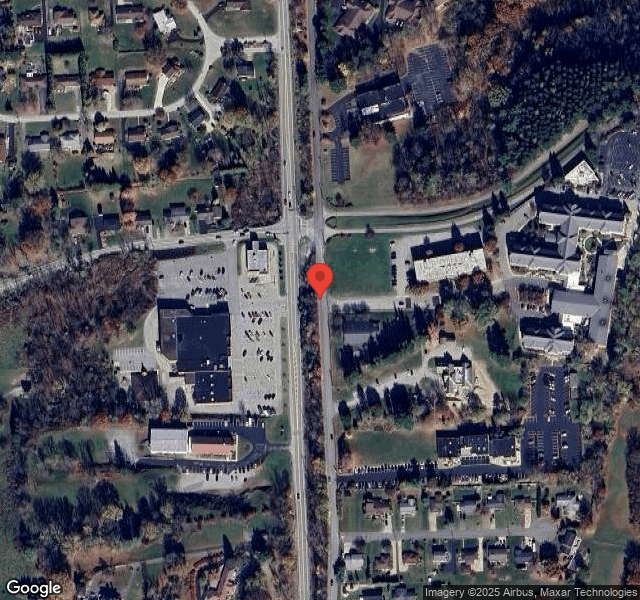

6 GARDEN CENTER DRIVE, GREENSBURG, PA 15601 (724) 832-8400
Non profit - Corporation 77 Beds Independent Data: November 2025
Trust Grade
43/100
#487 of 653 in PA
Last Inspection: March 2025

Within standard 12-15 month inspection cycle. Federal law requires annual inspections.

Overview

Redstone Highlands Health Care has a Trust Grade of D, which means it is below average and has some concerns that families should consider. It ranks #487 out of 653 facilities in Pennsylvania, placing it in the bottom half, and #8 out of 18 in Westmoreland County, indicating that there are better local options available. The facility is worsening, with the number of issues increasing from 11 in 2024 to 16 in 2025. Staffing is a strong point, earning a 5/5 rating, and has a turnover rate of 50%, which is average for the state. However, the facility has faced some concerning incidents, such as a medication error that led to a resident having critically abnormal blood clotting, and they failed to serve food at the proper temperatures, which led to complaints from residents about cold meals. Overall, while there are strengths in staffing, the facility's declining trend and specific issues raise red flags for families considering care for their loved ones.

Trust Score
D
43/100
In Pennsylvania
#487/653
Bottom 26%
Safety Record
Moderate
Needs review
Inspections
Getting Worse
11 → 16 violations
Staff Stability
⚠ Watch
50% turnover. Above average. Higher turnover means staff may not know residents' routines.
Penalties
⚠ Watch
$5,244 in fines. Higher than 88% of Pennsylvania facilities, suggesting repeated compliance issues.
Skilled Nurses
✓ Good
Each resident gets 95 minutes of Registered Nurse (RN) attention daily — more than 97% of Pennsylvania nursing homes. RNs are the most trained staff who catch health problems before they become serious.
Violations
⚠ Watch
43 deficiencies on record. Higher than average. Multiple issues found across inspections.
★★☆☆☆
2.0
Overall Rating
★★★★★
5.0
Staff Levels
★★☆☆☆
2.0
Care Quality
★☆☆☆☆
1.0
Inspection Score
Stable
2024: 11 issues
2025: 16 issues

The Good

  • 5-Star Staffing Rating · Excellent nurse staffing levels
  • Full Sprinkler Coverage · Fire safety systems throughout facility
  • No fines on record

Facility shows strength in staffing levels, fire safety.

The Bad

2-Star Overall Rating

Below Pennsylvania average (3.0)

Below average - review inspection findings carefully

Staff Turnover: 50%

Near Pennsylvania avg (46%)

Higher turnover may affect care consistency

Federal Fines: $5,244

Below median ($33,413)

Minor penalties assessed

The Ugly 43 deficiencies on record

1 actual harm
Aug 2025 3 deficiencies 1 Harm
SERIOUS (G) 📢 Someone Reported This

A family member, employee, or ombudsman was alarmed enough to file a formal complaint

Actual Harm - a resident was hurt due to facility failures

Deficiency F0760 (Tag F0760)

A resident was harmed · This affected 1 resident

Based on a review of clinical records, as well as staff interviews, it was determined that the facility failed to ensure that residents were free from significant medication errors for one of four res...

Read full inspector narrative →
Based on a review of clinical records, as well as staff interviews, it was determined that the facility failed to ensure that residents were free from significant medication errors for one of four residents reviewed (Resident 2) resulting in a critically abnormal blood clotting time.Findings include:An admission Minimum Data Set (MDS) assessment (a federally mandated assessment of the resident's abilities and care needs) for Resident 2 dated April 20, 2025, indicated that the resident was moderately cognitively impaired, required assistance from staff for daily care needs, and had diagnoses that included heart failure. Review of clinical records revealed she was discharged from the facility on May 17, 2025. A medication error report for Resident 2 revealed that on May 11, 2025, a medication discrepancy was identified. The medication nurse realized that the pills in the resident's medication card labeled by the pharmacy as rosuvastatin calcium (a statin medication used to lower bad cholesterol and triglycerides) was actually Warfarin (coumadin-a blood thinner) tablets and not rosuvastatin calcium. Resident 2 was administered the coumadin tablets for several days before the error was noted. A nursing note for Resident 2, dated May 11, 2025 at 6:53 p.m. revealed that a medication discrepancy was identified. The resident is alert and appears at baseline. The physician was notified and new orders were received to obtain a CBC (a common blood test that provides information about different types of cells in your blood: red blood cells, white blood cells, and platelets) and PT/INR (a blood test that measures how long it takes for your blood to clot, assessing the effectiveness of your body's blood clotting process) in the morning. A nursing note for Resident 2, dated May 12, 2025, at 1:15 p.m. revealed that this nurse was made aware of the medication error of Warfarin pills in a medication card labeled Rosuvastatin Calcium 40mg, sent from pharmacy. This nurse immediately reached out to the physician who reviewed the resident's lab work drawn this morning. The resident's INR was 7.0 (the target range is typically between 2.0 and 3.0 for most patients taking warfarin and anything higher indicates an increased risk of bleeding because the blood is taking too long to clot). The physician gave an order for 5 milligrams (mg) STAT of Phytonadione Oral (Vitamin K) and to check the INR daily for three days. This nurse immediately called family and explained the situation at hand. Review of Resident 2's Medication Administration Record for May, 2025, revealed that the resident received 5 mg of Vitamin K orally on May 12, 13, and 14, 2025. A nurse's note for Resident 2 dated May 12, 2025, at 2:08 p.m. revealed that staff spoke to the director of the pharmacy regarding the wrong pills being labeled as rosuvastatin calcium. The card was to be replaced with a new card containing the correct medication and a representative from the pharmacy was to retrieve the wrong medication card. There was no documented evidence that the facility investigated the error to determine if other medication cards in the facility had been labeled incorrectly by the pharmacy. Interview with the Nursing Home Administrator on August 5, 2025, at 3:23 p.m. confirmed that Resident 2 received the wrong medication for several days due to the pharmacy packaging the medication incorrectly. The facility ended their contract with that pharmacy on July 31, 2025, due to a breach in contract for services. 28 Pa. Code 211.12(d)(1)(5) Nursing Services.
CONCERN (E) 📢 Someone Reported This

A family member, employee, or ombudsman was alarmed enough to file a formal complaint

Potential for Harm - no one hurt, but risky conditions existed

Pressure Ulcer Prevention (Tag F0686)

Could have caused harm · This affected multiple residents

Based on review of clinical records and job descriptions, as well as staff interviews, it was determined that the facility failed to follow pressure ulcer treatment recommendations from a wound consul...

Read full inspector narrative →
Based on review of clinical records and job descriptions, as well as staff interviews, it was determined that the facility failed to follow pressure ulcer treatment recommendations from a wound consultation for one of four residents reviewed (Resident 3).Findings include: The facility's job description for the wound care coordinator, dated July 2024, indicates that the wound care coordinator maintains documentation and care coordination in the electronic medical record for each resident and coordinates care with the attending physician and rounds with the in-house wound physician regularly.An admission Minimum Data Set (MDS) assessment (a mandated assessment of a resident's abilities and care needs) for Resident 3, dated July 12, 2025, indicated that the resident was cognitively impaired, required assistance for her care needs, and had diagnoses that included atherosclerotic heart disease (hardening of your arteries from plaque building up gradually inside them). Census data revealed the resident was discharged on July 25, 2025.Physician's orders for Resident 3 dated July 8, 2025, included an order to apply skin prep to the resident's heels every shift to maintain skin integrity.A nurse's note for Resident 3 dated July 17, 2025, indicated that the resident had a blood-filled blister on his left heel. Skin prep and a bordered foam dressing was applied. Orders were obtained for a wound consult. A skin check note for Resident 3 dated July 18, 2025, indicated that the resident had a Stage 2 pressure ulcer (a shallow, open wound or blister) to his left heel. The wound care consultant assessed the resident for an initial evaluation of a blood blister to the left heel. No new orders were obtained.A wound consultation for Resident 3 dated July 18, 2025, indicated that the resident had a pressure ulcer to his left heel and treatment recommendations included to apply skin prep the base of the wound and secure it with bordered foam.A skin check note for Resident 3 dated July 25, 2025, at 10:38 a.m. indicated that the resident had Stage 3 pressure ulcer to his left heel.Review of Resident 3's Treatment Administration Records for July 2025 revealed that the treatments to the left heel did not include the application of a bordered foam dressing from July 18 through July 25, 2025.Interview with the Assistant Nursing Home Administrator on August 5, 2025, at 3:23 p.m. revealed that wound care orders that included a foam dressing were not added to the resident's wound orders, resulting in wound care not being completed as recommended by the wound consultant.28 Pa. Code 211.12(d)(1)(3)(5) Nursing Services.
CONCERN (E) 📢 Someone Reported This

A family member, employee, or ombudsman was alarmed enough to file a formal complaint

Potential for Harm - no one hurt, but risky conditions existed

Pharmacy Services (Tag F0755)

Could have caused harm · This affected multiple residents

Based on review of facility policy, review of clinical records, and interview with staff, it was determined that the facility failed to provide pharmaceutical services to ensure accurate receiving, di...

Read full inspector narrative →
Based on review of facility policy, review of clinical records, and interview with staff, it was determined that the facility failed to provide pharmaceutical services to ensure accurate receiving, dispensing and administration of medication to meet the needs of a resident for one of four residents reviewed (Resident 2).A facility policy for Medication Administration dated July 11, 2025, indicated that medications are administered as prescribed in accordance with Manufacturers' specifications, good nursing principles and practices and only by persons legally authorized to do so. Personnel authorized to administer medications do so only after they have familiarized themselves with the medication. An admission Minimum Data Set (MDS) assessment (a federally mandated assessment of the resident's abilities and care needs) for Resident 2 dated April 20, 2025, indicated that the resident was moderately cognitively impaired, required assistance from staff for daily care needs, and had diagnosis that included heart failure. Review of clinical records revealed she was discharged from the facility on May 17, 2025.Physician's orders for Resident 2 dated April 16, 2025, indicated that the resident was to receive 40 milligrams (mg) of rosuvastatin calcium (medication used to lower the amount of cholesterol in the blood) at bedtime for hyperlipidemia (abnormally high levels of lipids (fats) in the bloodstream).A medication error report for Resident 2 dated May 12, 2025, indicated that the medication card delivered to the facility from the pharmacy was labeled as rosuvastatin calcium, however, it contained coumadin (a blood thinner) tablets instead of the labeled rosuvastatin calcium tablets and Resident 2 was administered coumadin for several days before the error was noted.An Advanced Practice Nurse's note for Resident 2 dated May 12, 2025, indicated that on May 11, 2025, at 5:49 p.m. she was made aware that a medication ordered for Resident 2 was packaged wrong from the pharmacy, that Resident 2 had received Coumadin instead of rosuvastatin calcium, and orders were given to obtain lab work including a Prothrombin Time (PT-test used to help detect and diagnose a bleeding disorder or excessive clotting disorder), International Normalized Ratio (INR-used to monitor how well the blood-thinning medication is working to prevent blood clots) and a complete blood count. A nurse's note for Resident 2 dated May 12, 2025, at 1:15 p.m. revealed that staff was made aware of a medication error that identified coumadin pills were in a medication card sent to the facility from the pharmacy that was labeled as rosuvastatin calcium and was administered to the resident. The nurse immediately reached out to the physician. The resident's lab work that was ordered and drawn on the morning of May 12, 2025, was reviewed. The resident's INR was elevated and the physician ordered Vitamin K (can reverse the effects of blood thinners likes coumadin), and to check the resident's INR for three days. Interview with the Nursing Home Administrator on August 5, 2025, at 3:23 p.m. revealed that Resident 2 did receive that wrong medication for several days due to the pharmacy packaging the medication incorrectly. The facility ended their contract with that pharmacy on July 31, 2025, due to a breach in contract for services.28 Pa. Code 211.9(a)(1) Pharmacy Services.28 Pa. Code 211.12(d)(1)(5) Nursing Services.
Mar 2025 13 deficiencies
CONCERN (D)

Potential for Harm - no one hurt, but risky conditions existed

Investigate Abuse (Tag F0610)

Could have caused harm · This affected 1 resident

Based on review of policies and clinical records, as well as staff interviews, it was determined that the facility failed to investigate injuries of unknown origin to rule out abuse or neglect for one...

Read full inspector narrative →
Based on review of policies and clinical records, as well as staff interviews, it was determined that the facility failed to investigate injuries of unknown origin to rule out abuse or neglect for one of 38 residents reviewed (Resident 24) who suffered an ankle fracture. Findings include: The facility's injury of unknown origin policy, dated September 27, 2024, indicated that any time there was an injury of unknown origin, a thorough investigation will be conducted to determine the cause. A quarterly Minimum Data Set (MDS) assessment (a mandated assessment of a resident's abilities and care needs) for Resident 24, dated January 26, 2025, indicated that the resident was cognitively intact and required assistance from staff for her daily care needs. A nursing note for Resident 24, dated October 9, 2024, indicated that the resident's son asked if the resident had seen the doctor regarding the pain in her left foot. Resident 24's x-ray results, dated October 12, 2024, revealed that the resident had a non-union or delayed healing fracture of the distal fibula, just above the malleolus of the left ankle (ankle fracture). There was no documented evidence that a thorough investigation was completed into Resident 24's injury of unknown origin in order to rule out that abuse or neglect was involved as the possible cause(s). Interview with the Director of Nursing on March 20, 2025, at 1:18 p.m. revealed that he interviewed Resident 24 and she denied that anyone abused her; therefore, he concluded the investigation. There was no documented evidence that neglect was ruled out causing the resident to have a fracture. 28 Pa. Code 201.18(e)(1) Management. 28 Pa. Code 211.12(d)(2) Nursing Services.
CONCERN (D)

Potential for Harm - no one hurt, but risky conditions existed

Assessment Accuracy (Tag F0641)

Could have caused harm · This affected 1 resident

**NOTE- TERMS IN BRACKETS HAVE BEEN EDITED TO PROTECT CONFIDENTIALITY** Based on a review of the Resident Assessment Instrument User's Manual and clinical records, as well as staff interviews, it was ...

Read full inspector narrative →
**NOTE- TERMS IN BRACKETS HAVE BEEN EDITED TO PROTECT CONFIDENTIALITY** Based on a review of the Resident Assessment Instrument User's Manual and clinical records, as well as staff interviews, it was determined that the facility failed to complete accurate Minimum Data Set assessments for one of 38 residents reviewed (Resident 55) and failed to complete accurate discharge Minimum Data Set assessments for two of 38 residents reviewed (Residents 69, 96). Findings include: The Long-Term Care Facility RAI User's Manual, dated [DATE], indicated that Section N0415E (Anticoagulant-medications that prevent blood clots from forming or growing) was to be coded (1) is taking, if the resident received an anticoagulant medication during the seven-day look-back period. Section N0415G (Diuretic-medicines that helps reduce fluid buildup in the body) was to be coded (1) is taking, if the resident received a diuretic medication during the seven-day look-back period. Physician's orders for Resident 55, dated February 3, 2025, included an order for the resident to receive 5 milligrams (mg) of Apixaban (an anticoagulant) two times a day. Review of the resident's MAR for February 2025 revealed that the resident received Apixaban daily on February 3 through February 7, 2025. However, an admission MDS assessment for Resident 55, dated February 7, 2025, revealed that Section N0415E was not coded (1) is taking, indicating that the resident did not receive an anticoagulant during the seven-day look-back period. Physician's orders for Resident 55, dated February 4, 2025, included an order for the resident to receive 20 mg of Torsemide (a diuretic) daily. Review of the resident's MAR for February 2025 revealed that the resident received Torsemide daily on February 4 through February 7, 2025. However, an admission MDS assessment for Resident 55, dated February 7, 2025, revealed that Section N0415G was not coded (1) is taking, indicating that the resident did not receive a diuretic during the seven-day look-back period. An interview with the RNAC on [DATE], at 12:37 p.m. confirmed that Resident 55's MDS assessment dated [DATE], was not coded accurately. The RAI User's Manual, which gives instructions for completing MDS assessments, dated [DATE], revealed that Section A2105 (Discharge Status) was to be coded one (1) through thirteen (13) depending on the location of the resident's discharge. If the resident was discharged to a short-term general hospital (acute hospital), and then Section A2105 was to be coded four (4). If the resident was discharged to home under the care of a organized home health service organization, then Section A2105 was to be coded twelve (12). Physician's orders for Resident 69, dated February 2, 2025, included an order for the resident to discharge home with all current medications and treatment, as well as to receive home health services of physical therapy, occupational therapy, skilled nursing, and home health aide. A social services progress note for Resident 69, dated [DATE], revealed that the resident will discharge home on Sunday with his power of attorney (POA - a legal document that allows someone to act on behalf of another person in specific matters, such as financial or healthcare decisions). The resident will receive home health services. A discharge summary for Resident 69, dated February 2, 2025, revealed that the resident was discharged to home with home health services. A discharge return not anticipated MDS assessment for Resident 69, dated February 2, 2025, revealed that Section A2105 was coded four (4), indicating that the resident was discharged to an short-term general hospital (acute hospital). Interview with the Assistant Campus Director on [DATE], at 12:40 p.m. confirmed that Section A2105 of Resident 69's discharge return not anticipated MDS assessment of February 2, 2025, was not accurate and should have been coded to indicate that the resident was discharged to home under the care of a organized home health service organization. A death tracking MDS assessment for Resident 96, dated [DATE], revealed that Section A2105 was coded thirteen (13), indicating that the resident was deceased ; however, nursing notes for Resident 96, dated [DATE], at 10:05 a.m., revealed that the resident continued to complain of left lower extremity pain, swelling, discoloration, and hypotension (low blood pressure). The physician was made aware, and an order was received to send the resident to the hospital for further evaluation and treatment. A nursing note at 10:56 p.m. revealed that the resident was admitted to the hospital. Interview with the Assistant Campus Director on [DATE], at 9:40 a.m. confirmed that the resident did not die at the facility and was sent out to the hospital on [DATE], and confirmed that Section A2105 of Resident 96's death tracking MDS assessment [DATE], was not accurate and should have been coded to indicate that the resident was discharged to a hospital. 28 Pa. Code 211.5(f) Clinical Records.
CONCERN (D)

Potential for Harm - no one hurt, but risky conditions existed

Deficiency F0655 (Tag F0655)

Could have caused harm · This affected 1 resident

Based on a review of facility policies and clinical records, as well as staff interviews, it was determined that the facility failed to ensure that a resident's baseline care plan included information...

Read full inspector narrative →
Based on a review of facility policies and clinical records, as well as staff interviews, it was determined that the facility failed to ensure that a resident's baseline care plan included information regarding the resident's immediate care needs for three of 38 residents reviewed (Residents 89, 94, 95). Findings include: The facility's policy regarding care planning, dated September 27, 2024, revealed that the licensed nurse will initiate a baseline care plan upon admission to the facility and complete it within 48 hours. Care plans will be individualized to the residents. The facility's policy regarding Enhanced Barrier Precautions (EBP - an infection control intervention designed to reduce transmission of multidrug-resistant organisms that employs targeted gown and glove use during high contact resident care activities), dated September 27, 2024, revealed that residents requiring the use of EBP, will be identified to staff by including the EBP in their care plans. An order for EBP will be obtained for residents with any of the following: indwelling medical devices (e.g. urinary catheters). A care plan for Resident 89, dated March 8, 2025, revealed that the resident required a feeding tube (a flexible plastic tube placed into the stomach or bowel) for nutritional support. There was no documented evidence that a baseline care plan was developed for Resident 89's care and treatment needs related to requiring EBP due to having a feeding tube. A care plan for Resident 94, dated March 11, 2025, revealed that the resident had a foley catheter (a thin, flexible tube inserted into the bladder through the urethra to drain urine) related to urinary retention (a condition where a person is unable to empty their bladder completely). There was no documented evidence that a baseline care plan was developed for Resident 94's care and treatment needs related to requiring EBP due to having a foley catheter. Interview with the Nursing Home Administrator on March 20, 2025, at 1:19 p.m. confirmed that a baseline care plan was not developed for Resident 89 or Resident 94's care and treatment needs related to requiring EBP. A care plan for Resident 95, dated March 12, 2025, revealed that the resident had a foley catheter (a thin, flexible tube inserted into the bladder through the urethra to drain urine) related to urinary retention (a condition where a person is unable to empty their bladder completely). Physician's orders for Resident 95, dated March 11, 2025, included an order for the resident to receive a five milligram (mg) tablet of Apixaban (an anticoagulant medication used to treat and prevent blood clots and to prevent strokes) two times a day. Physician's orders for Resident 95, dated March 12, 2025, included an order for the resident to receive a 20 mg tablet of Furosemide (a diuretic medication to help treat fluid retention (edema) and swelling) one time a day. There was no documented evidence that a baseline care plan was developed for Resident 95's care and treatment needs related to EBP due to having a foley catheter, the use of anticoagulant, and diuretic medications. Interview with the Assistant Campus Director on March 20, 2025, at 10:40 a.m. confirmed that a baseline care plan was not developed for Resident 95's care and treatment needs related to EBP due to having a foley catheter, the use of anticoagulant, and diuretic medications. 28 Pa. Code 211.12(d)(1) Nursing Services.
CONCERN (D)

Potential for Harm - no one hurt, but risky conditions existed

Comprehensive Care Plan (Tag F0656)

Could have caused harm · This affected 1 resident

Based on review of facility policies, clinical records, and staff interviews, it was determined that the facility failed to develop a comprehensive care plan that included specific and individualized ...

Read full inspector narrative →
Based on review of facility policies, clinical records, and staff interviews, it was determined that the facility failed to develop a comprehensive care plan that included specific and individualized interventions to address the care needs of residents for two of 38 residents reviewed (Residents 40, 55). Findings include: A facility policy for Clinical Care Planning, dated September 27, 2025, included that the facility will develop a comprehensive and baseline care plan for all residents. A quarterly Minimum Data Set (MDS) assessment (a mandated assessment of a resident's abilities and care needs) for Resident 40, dated February 3, 2025, indicated that the resident was cognitively impaired, required assistance from staff for daily care needs, and had a colostomy (surgical diversion of the colon through an opening in the abdomen). There was no documented evidence that a care plan was developed to address the resident's care needs regarding her colostomy. Interview with the Nursing Home Administrator on March 19, 2025, at 3:24 p.m. confirmed that a care plan should have been developed for Resident 40's colostomy. An admission MDS assessment for Resident 55, dated February 7, 2025, revealed that the resident was cognitively intact, required assistance for personal care needs, and had diagnoses that included diabetes. Physician orders for Resident 55, dated February 26, 2025, included for the resident to receive a Freestyle Libre 3 sensor (a Continuous Glucose monitoring System Sensor -wearable device that tracks your glucose (sugar) levels in real time) injected every 14 days for diabetes. There was no documented evidence that a care plan was developed to address Resident 55's individual care and treatment needs related to her diabetes or the use of a continuous glucose monitoring system. An interview with the Nursing Home Administrator on March 20, 2025, at 12:37 p.m. revealed that there was no documented evidence that a care plan was developed for Resident 55 to address her care and treatment needs related to her diabetes and use of a continuous glucose monitoring system. 28 Pa. Code 211.12(d)(5) Nursing Services.
CONCERN (D)

Potential for Harm - no one hurt, but risky conditions existed

Deficiency F0657 (Tag F0657)

Could have caused harm · This affected 1 resident

Based on review of facility policy and clinical records, as well as staff interviews, it was determined that the facility failed to ensure that a resident's care plan was updated/revised to reflect th...

Read full inspector narrative →
Based on review of facility policy and clinical records, as well as staff interviews, it was determined that the facility failed to ensure that a resident's care plan was updated/revised to reflect the resident's specific care needs for one of 38 residents reviewed (Resident 73). Findings include: A facility policy for care planning, dated September 27, 2025, indicated that care plans would be individualized to the residents and care plans will be updated by the licensed nurse and interdisciplinary team as needed with changes as applicable. An admission Minimum Data Set (MDS) assessment (a mandated assessment of a resident's care needs and abilities) for Resident 73, dated March 8, 2025, indicated that the resident was cognitively intact, required assistance from staff for daily care needs, and had diagnoses that included pneumonia (infection of the lungs). A care plan for Resident 73, dated March 4, 2025, indicated that the resident was on antibiotic therapy for pneumonia and staff were to administer the antibiotic medication as ordered by the physician. Interview with the Nursing Home Administrator on March 20, 2025, at 12:27 p.m. revealed that Resident 73's care plan was not updated when her antibiotic therapy was completed, and it should have been. 28 Pa. Code 201.24(e)(4) admission Policy. 28 Pa. Code 211.12(d)(5) Nursing Services.
CONCERN (D)

Potential for Harm - no one hurt, but risky conditions existed

Deficiency F0658 (Tag F0658)

Could have caused harm · This affected 1 resident

Based on review of Pennsylvania's Nursing Practice Act and clinical records, as well as staff interviews, it was determined that the facility failed to clarify a provider's orders for one of 38 reside...

Read full inspector narrative →
Based on review of Pennsylvania's Nursing Practice Act and clinical records, as well as staff interviews, it was determined that the facility failed to clarify a provider's orders for one of 38 residents reviewed (Resident 48). Findings include: The Pennsylvania Code, Title 49, Professional and Vocational Standards, State Board of Nursing, 21.11 (a)(1)(2)(4) indicated that the registered nurse was to collect complete and ongoing data to determine nursing care needs, analyze the health status of individuals and compare the data with the norm when determining nursing care needs, and carry out nursing care actions that promote, maintain and restore the well-being of individuals. An admission Minimum Data Set (MDS) assessment (a federally-mandated assessment of a resident's abilities and care needs) for Resident 48, dated January 21, 2025, indicated that the resident was cognitively intact, required assistance from staff for daily care needs, and had diagnoses that included a left hip fracture, diabetes, and dementia. Physician's orders for Resident 48, dated February 19, 2025, included an order for the resident to have betadine applied to his bilateral heels and then covered with a bordered foam dressing every other day for deep tissue injury (DTI - form of pressure-induced damage to underlying tissues). Physician's orders for Resident 48, dated March 16, 2025, included an order for the resident to have his bilateral heels cleansed with Vashe (a wound cleanser), pat dry, UrgoClean Ag (a wound dressing that supports the continuous debridement of dead tissue with the benefit of silver) and foam bordered dressings (used to promote wound healing) applied and secured with rolled gauze every other day for pressure ulcer. Wound consult reports for Resident 48, dated February 21, 2025, and February 28, 2025, respectively, indicated that the resident was to have his bilateral heels cleansed with a wound cleanser, then betadine applied to his bilateral heels and covered with a bordered foam dressing every day for deep tissue injury (DTI). A wound consult report for Resident 48, dated March 14, 2025, indicated that the resident was to have his bilateral heels cleansed with Vashe (antimicrobial solution for wound management), then patted dry, and UrgoClean Ag and foam bordered dressings applied every day. Interview with the wound nurse (Registered Nurse 1) on March 20, 2025, at 10:40 a.m. revealed that she rounds with the consultant wound physician who gives her verbal orders for treatments that she enters into the clinical records. The consultant physician also has an assistant who types his assessments for him. The above-mentioned assessments included orders to change Resident 48's dressings daily; however, the wound consultant gave verbal orders to Registered Nurse 1 to change the dressing every other day. The wound consultant notes that are typed by his assistant do not always match the verbal orders given to the facility's wound nurse. They are developing a process to correct that issue. 28 Pa. Code 211.12(d)(1)(3)(5) Nursing Services.
CONCERN (D)

Potential for Harm - no one hurt, but risky conditions existed

Deficiency F0761 (Tag F0761)

Could have caused harm · This affected 1 resident

Based on review of manufacturer's instructions, facility policies, and clinical records, as well as observations and staff interviews, it was determined that the facility failed to ensure that medicat...

Read full inspector narrative →
Based on review of manufacturer's instructions, facility policies, and clinical records, as well as observations and staff interviews, it was determined that the facility failed to ensure that medications were stored in a secure manner, failed to ensure that medications were appropriately secured in one of two medication carts reviewed (first floor medication cart 1), failed to store unopened and unused multi-dose containers of insulin according to manufacturer's instructions for one of 38 residents reviewed (Resident 76), and failed to ensure that refrigerated controlled medications were stored in a separately-locked, permanently-affixed container in one of two medication refrigerators reviewed (first floor medication room refrigerator). Findings include: A facility policy for medication storage, dated September 27, 2024, revealed that medications and biologicals are to be stored properly. The medication should only be accessible to licensed nursing staff, pharmacy personnel, and lawfully authorized staff. Observations on the first floor on March 19, 2025, at 9:07 a.m. revealed an unlocked and unsecured medication cart that was accessible to residents, family, and staff who walked past while Registered Nurse 2 was in a resident's room. Interviews with Registered Nurse 2 at the time of observation confirmed that the cart should have been locked and secured while he was in a resident's room. Observations of the first-floor medication cart 1 on March 20, 2025, at 1:33 p.m. revealed that the second drawer contained nine loose pills that were unsecured and not in the pharmacy's packaging. Interview with Licensed Practical Nurse 2 at the time of observation confirmed that the pills were loose in the bottom of the cart drawers and should not have been. Manufacturer's directions for Insulin Aspart (Novolog - a fast-acting insulin used to lower blood sugar levels), dated February 2023, indicated to store unused pens in the refrigerator at 36 degrees Fahrenheit (F) to 46 degrees F. Unused pens may be used until the expiration date printed on the label if the pen has been kept in the refrigerator. Unopened vials should be thrown away after 28 days, if they are stored at room temperature. Physician's orders for Resident 76, dated March 17, 2025, included an order for the resident to receive Insulin Aspart as per a sliding scale (the amount of insulin given was determined by the blood sugar level) before meals and at bedtime. Physician's orders for Resident 76, dated March 17, 2025, included an order for the resident to receive 10 units of Insulin Aspart with her meals. Observations of the first-floor medication cart 1 on March 20, 2025, at 1:33 p.m. revealed that Resident 76's Insulin Aspart Pen Injector was unopened and not in use in the second drawer of the medication cart. Interview with Licensed Practical Nurse 2 at the time of observation confirmed that Resident 76's Insulin Aspart Pen was not opened, not in use, and should not have been in the medication cart but should have been stored in the refrigerator until ready for use. The facility's policy regarding controlled medication storage, dated September 27, 2024, revealed that controlled medications requiring refrigeration are stored within a locked, permanently-affixed box within the refrigerator. Observations of the first-floor medication room refrigerator on March 20, 2025, at 1:51 p.m. revealed that there was a red plastic box with a metal lockable lid sitting on the second shelf in the refrigerator that contained one box of Ativan Intensol (an antianxiety medication that is a controlled drug); however, the red plastic box with a metal lockable lid was not permanently affixed to the refrigerator and could be removed from the refrigerator. Interview with Assistant Director of Nursing at the time of observation confirmed that the red plastic box with a metal lockable lid containing the Ativan Intensol was not permanently affixed to the refrigerator and could be removed. 28 Pa. Code 211.9(a)(1) Pharmacy Services. 28 Pa. Code 211.12(d)(1) Nursing Services.
CONCERN (D)

Potential for Harm - no one hurt, but risky conditions existed

Infection Control (Tag F0880)

Could have caused harm · This affected 1 resident

Based on review of policies and clinical records, as well as observations and staff interviews, it was determined that the facility failed to ensure that proper infection control practices were follow...

Read full inspector narrative →
Based on review of policies and clinical records, as well as observations and staff interviews, it was determined that the facility failed to ensure that proper infection control practices were followed during the administration of a treatment for one of 38 residents reviewed (Residents 48). Findings include: The facility policy regarding enhanced barrier precautions (EBP), dated September 27, 2024, revealed that an order for EBP will be obtained for residents with wounds (e.g., chronic wounds such as pressure ulcers, diabetic foot ulcers, unhealed surgical wounds, and chronic venous stasis ulcers) and/or indwelling medical devices (e.g., central lines, urinary catheters, feeding tubes, tracheostomy/ventilator tubes) even if the resident is not known to be infected or colonized with a multi-drug resistant organism (MDRO). Gowns and gloves will be available near or outside of the resident's room. Personal protective equipment (PPE - clothing and equipment that is worn or used in order to provide protection against hazardous substances or environments) for EBP is only necessary when performing high-contact care activities and may not need to be donned prior to entering the resident's room. High-contact resident care activities include wound care (any skin opening requiring a dressing). EBP will be used for the duration of the affected resident's stay in the facility or until resolution of the wound. The facility policy regarding handwashing, dated September 27, 2024, included that hands are to be washed before and after taking care of individual residents and when they become soiled in process of resident care. Hands should be washed after glove removal. An admission Minimum Data Set (MDS) assessment (a mandated assessment of a resident's abilities and care needs)for Resident 48, dated January 21, 2025, indicated that the resident was cognitively intact, required assistance from staff for daily care needs, and had diagnosis that included a left hip fracture, diabetes, and dementia. Physician's orders for Resident 48, dated March 16, 2025, included an order for the resident to have his bilateral heels cleansed with Vashe (a wound cleanser), pat dry, UrgoClean Ag (a wound dressing that supports the continuous debridement of dead tissue with the benefit of silver) and foam bordered dressings applied and secured with rolled gauze every other day for pressure ulcer. Observations on March 20, 2025, at 10:14 a.m. revealed that Registered Nurse 1 provided wound care to Resident 48's right and left heels without wearing a gown. Registered Nurse 1 removed the soiled dressing from Resident 48's left foot, removed her gloves, and donned clean gloves without performing hand hygiene. Interview with Registered Nurse 1 at that time confirmed that she should have washed her hands after removing the soiled gloves and prior to donning clean gloves. An interview with Registered Nurse 1 on March 20, 2025, at 10:40 a.m. confirmed that Resident 48 should have been on enhanced barrier precautions due to having wounds; however, there was no EBPs in place and no EBP supplies available in the resident's room. An interview with the Nursing Home Administrator on March 20, 2025, at 1:19 p.m. confirmed that EBP was not in place for Resident 48 and should have been. An interview with the Nursing Home Administrator on March 20, 2025, at 2:21 p.m. confirmed that Registered Nurse 1 should have washed her hands after glove removal and prior to donning clean gloves, and a gown should have been worn during Resident 48's treatment administration. 28 Pa. Code 211.12(d)(1)(5) Nursing Services.
CONCERN (E)

Potential for Harm - no one hurt, but risky conditions existed

Quality of Care (Tag F0684)

Could have caused harm · This affected multiple residents

Based on review of clinical records, as well as staff interviews, it was determined that the facility failed to ensure that residents received care and treatment in accordance with professional standa...

Read full inspector narrative →
Based on review of clinical records, as well as staff interviews, it was determined that the facility failed to ensure that residents received care and treatment in accordance with professional standards of practice, by failing to ensure that physician's orders were followed for three of 38 residents reviewed (Residents 15, 70, 95). Findings include: A quarterly Minimum Data Set (MDS) assessment (a mandated assessment of a resident's abilities and care needs) for Resident 15, dated December 29, 2024, indicated that the resident was cognitively impaired, was dependent on staff for daily care needs, and had a diagnosis of hypertension (high blood pressure). Physician's order for Resident 15, dated April 4, 2024, included an order for the resident to receive 100 milligrams (mg) of Labetalol (treats hypertension) two times a day and to hold if heart rate is less than 50 beats per minute (bpm). Review of Resident 15's Medication Administration Record (MAR), dated January 2025, February 2025, and March 2025 for 100 mg of labetalol revealed that on January 11, 2025, at 8:00 a.m. the resident's heart rate was 44 bpm, and the labetalol was administered; on January 21, 2025 at 8:00 p.m. the resident's heart rate was 50 bpm and labetalol was held; on February 4, 2025, at 8:00 p.m. the resident's heart rate was 51 bpm and labetalol was held; on February 19, 2025, the resident's heart rate was 51 bpm and labetalol was held; on February 24, 2025, at 8:00 p.m. the resident's heart rate was 50 bpm and labetalol was held; and March 1, 2025, at 8:00 p.m. the resident's heart rate was 47 bpm and labetalol was administered. Interview with Nursing Home Administrator on March 20, 2025, at 12:45 p.m. confirmed that staff were not administering Resident 15's 100mg labetalol per physician's orders. Physician's orders for Resident 70, dated December 6, 2024, included an order for staff to obtain the resident's weight before breakfast every day shift, and they were to notify the physician if the resident had a weight gain of greater than two pounds. Review of the MAR for Resident 70, dated December 2024, revealed that on December 9, 2024, the resident's weight was 114.2 pounds, and on December 10, 2024, the resident's weight was 118.6 pounds. However, there was no documented evidence that the physician was contacted regarding the resident's 4.4-pound weight gain. Interview with the Nursing Home Administrator on March 20, 2025, at 12:27 p.m. confirmed that there was no documented evidence that the physician was contacted regarding Resident 70's 4.4-pound weight gain. Physician's orders for Resident 95, dated March 12, 2025, included an order for staff to obtain the resident's weight before breakfast every day shift, and they were to notify the physician if the resident had a weight gain of greater than two pounds. Review of the MAR for Resident 95, dated March 2025, revealed that on March 12, 2025, the resident's weight was 239.8 pounds. The resident refused to have his weights obtained on March 13, 14, and 15, 2025. On March 16, 2025, the resident's weight was 287.6 pounds. However, there was no documented evidence that the physician was contacted regarding the resident's 47.8-pound weight gain. Interview with the Assistant Campus Director on March 20, 2025, at 10:40 a.m. confirmed that there was no documented evidence that the physician was contacted regarding Resident 95's 47.8-pound weight gain. 28 Pa. Code 211.12(d)(1)(5) Nursing Services.
CONCERN (E)

Potential for Harm - no one hurt, but risky conditions existed

Pharmacy Services (Tag F0755)

Could have caused harm · This affected multiple residents

Based on review of clinical records and staff interviews, it was determined that the facility failed to ensure the accountability of controlled medications for three of 38 residents reviewed (Resident...

Read full inspector narrative →
Based on review of clinical records and staff interviews, it was determined that the facility failed to ensure the accountability of controlled medications for three of 38 residents reviewed (Residents 4, 28, 36). Findings include: An admission Minimum Data Set (MDS) assessment (a mandated assessment of a resident's abilities and care needs) for Resident 4, dated December 9, 2024, revealed that the resident was cognitively intact, received routine pain medication, and received an opioid (a controlled pain medication). Physician's orders for Resident 4, dated December 31, 2024, included an order to apply a 25 micrograms (mcg) Fentanyl (a narcotic pain patch) patch every three days for pain. The Medication Administration Record (MAR) and a controlled drug count record (tracks each dose of a controlled medication) for Resident 4, dated December 2024 and January and February 2025, revealed that a new Fentanyl patch was applied to the resident on the following dates: December 31, 2024; January 3, 6, 9, 12, 15, 18, 21, 24, 27, 30, 2025; and February 2, 5, 8, 11, 14, 17, 20, and 23, 2025. There was no documented evidence on the narcotic sheets that the old Fentanyl patch was destroyed on the above dates. Interview with the Nursing Home Administrator on March 20, 2025, at 12:15 a.m. confirmed that there were no narcotic sign-out sheets for December 31, 2024 through February 23, 2025. A quarterly MDS assessment for Resident 28, dated December 12, 2024, indicated that the resident was cognitively intact, was independent for all daily care needs, and had pain. Physician's orders for Resident 28, dated May 29, 2024, included an order for the resident to receive one 5-325 milligram (mg) tablet of Oxycodone/Tylenol (a combination controlled narcotic pain medication) every six hours as needed for pain. Resident 28's controlled drug record (used to keep count of narcotic medication) for February and March 2025 revealed that staff signed out one 5-325 mg Oxycodone/Tylenol on February 6, 2025, at 11:35 p.m.; February 7, 2025, at 2:30 p.m.; February 14, 2025, at 9:30 a.m.; February 17, 2025, at 3:13 p.m.; February 21, 2025, at 11:00 a.m.; March 4, 2024, at 6:15 a.m.; and March 8, 2025, at 11:00 p.m. However, review of the resident's MAR, dated February and March 2025, revealed no documented evidence that the 5-235 mg Oxycodone/Tylenol was administered to the resident on those dates. A quarterly MDS assessment for Resident 36, dated December 15, 2024, indicated that the resident was cognitively intact, required assistance from staff for all daily care needs, and had pain. Physician's orders for Resident 36, dated April 24, 2024, included an order for the resident to receive one 5-325 milligram (mg) tablet of Oxycodone/Tylenol (a combination controlled narcotic pain medication) every four hours as needed for pain. Resident 36's controlled drug record (used to keep count of narcotic medication) for January, February, and March, 2025, revealed that staff signed out Percocet on January 8 at 7:58 a.m.; January 22 at 11:00 p.m.; January 27 at 11:00 p.m.; January 27 at 8:40 a.m.; January 27 at 5:15 p.m.; February 14 at 8:30 a.m.; February 19 at 8:30 a.m.; February 20 at 8:30 a.m.; February 24 at 9:00 p.m.; February 28 at 9:15 p.m.; March 10 at 8:00 a.m.; and March 11 at 8:40 a.m. However, a review of the resident's MAR, dated January, February, and March 2025, revealed no documented evidence that the Percocet was administered to the resident on those dates. Interview with the Nursing Home Administrator March 20, 2025, at 12:27 p.m. confirmed that there was no documented evidence that Resident 28 received the 5-325 Oxycodone/Tylenol or that Resident 36 received the Percocet as ordered on the above referenced dates. 28 Pa. Code 211.9(h) Pharmacy Services. 28 Pa. Code 211.12(d)(3)(5) Nursing Services.
CONCERN (E)

Potential for Harm - no one hurt, but risky conditions existed

Food Safety (Tag F0812)

Could have caused harm · This affected multiple residents

Based on review of policies, observations, and staff interviews, it was determined that the facility failed to ensure that food was prepared and served under sanitary conditions, in accordance with pr...

Read full inspector narrative →
Based on review of policies, observations, and staff interviews, it was determined that the facility failed to ensure that food was prepared and served under sanitary conditions, in accordance with professional standards for food service safety. Findings include: The facility's policy regarding food and nutrition services, dated September 27, 2024, indicated that employees will wear a clean, appropriate hairnet/hair restraint, and that beards and facial hair will be contained, and food will be stored, labeled and dated when received. Observations in the main kitchen on March 17, 2025, at 9:25 a.m. revealed that there was one-quarter pound of American cheese open to air and undated, 15 scones open to air and undated, six Danish open to air and undated, one apple pie open to air and undated, one blueberry open to air and undated, abd one bag of brownie mix half full open to air and undated. Observations in the kitchenette on March 19, 2025, at 11:45 a.m. revealed that Nurse Aide 3 walked into the kitchenette past the food prep to obtain mustard packs and was not wearing a hair net. Interview with the Executive Chef on March 17, 2025, at 9:35 p.m. confirmed that the food listed above should have been covered and dated. Interview with Nursing Home Administrator on March 19, 2025, at 3:25 p.m. confirmed that Nurse Aide 3 should have been wearing a hairnet while walking into the kitchenette past the food prep. 28 Pa. Code 201.18(e) (2.1) Management. 28 Pa. Code 211.6(f) Dietary Services.
CONCERN (E)

Potential for Harm - no one hurt, but risky conditions existed

Deficiency F0849 (Tag F0849)

Could have caused harm · This affected multiple residents

Based on review of hospice contracts, facility policies, and residents' clinical records, as well as staff interviews, it was determined that the facility failed to ensure that the designated interdis...

Read full inspector narrative →
Based on review of hospice contracts, facility policies, and residents' clinical records, as well as staff interviews, it was determined that the facility failed to ensure that the designated interdisciplinary team member obtained the required information from the contracted hospice provider for one of 38 residents reviewed (Resident 35) who received hospice services. Findings include: An agreement between the facility and a hospice provider (provider of end-of-life services), dated March 5, 2021, indicated that it is hospice's responsibility to provide services under this agreement at the same level and to the same extent as those services would be provided if the facility resident were in his or her own home. That all records of hospice services rendered to the patient may be accessed if needed. The facility's policy regarding hospice care (specialized care that provides physical comfort and emotional, social and spiritual support for people nearing the end of life), dated September 27, 2024, revealed that relative to patient care and services, the hospice provider is responsible for providing usual and customary hospice services as well by noting any pertinent information relative to each visit provided throughout the course of care. A quarterly Minimum Data Set (MDS) assessment (a mandated assessment of a resident's abilities and care needs) for Resident 35, dated December 14, 2024, revealed that the resident was understood, could understand others, and received hospice care. A care plan for the resident, dated May 10, 2024, revealed that the resident had a Stage 3 pressure ulcer (involves full-thickness skin loss, extending into the subcutaneous tissue layer, but not reaching muscle, tendon, or bone) and staff was to document weekly the treatment, and was to include the measurement of each area of skin breakdown's width, length, depth, type of tissue and exudate (fluid, cells, or cellular debris that leaks out of blood vessels and deposits into soft tissues, cavities, or wounds). A care plan, dated September 6, 2024, revealed that the resident was ordered hospice, and staff was to work cooperatively with the hospice team to ensure that his spiritual, emotional, intellectual, physical and social needs were met. A nursing note for Resident 35, dated September 1, 2024, revealed that the resident was readmitted to the facility from the hospital and that the resident had an open area on his coccyx (tailbone area) that measured six centimeters (cm) by five cm by one cm. Review of Resident 35's clinical record and the hospice provider's clinical record revealed no documented evidence of the weekly wound assessments/measurements being completed during the week of September 8 through 14, 2024; September 15 through 21, 2024; September 22 through 28, 2024; September 29 through October 5, 2024; October 6 through 12, 2024; October 13 through 19, 2024; and November 17 through 22, 2024. Interview with the Director of Nursing on March 20, 2025, at 11:25 a.m. confirmed that hospice was following Resident 35's wounds during their visits, and that hospice did not provide any documented evidence of their weekly wound assessments/measurements being completed on the above dates. 28 Pa. Code 211.12(d)(3)(5) Nursing Services.
MINOR (B)

Minor Issue - procedural, no safety impact

Transfer Notice (Tag F0623)

Minor procedural issue · This affected multiple residents

Based on clinical record reviews and staff interviews, it was determined that the facility failed to notify the resident and legal guardian in writing regarding the reason for hospitalization for five...

Read full inspector narrative →
Based on clinical record reviews and staff interviews, it was determined that the facility failed to notify the resident and legal guardian in writing regarding the reason for hospitalization for five of 38 residents reviewed (Residents 28, 39, 40, 48, 69). Findings include: An admission Minimum Data Set (MDS) assessment (a mandated assessment of a resident's abilities and care needs) Resident 28, dated May 1, 2024, revealed that the resident was cognitively intact, was dependent on staff with daily care needs, and had diagnosis that included high blood pressure and pneumonia. A nursing note for Resident 28, dated May 24, 2024, at 6:04 a.m., revealed that the resident was admitted to the hospital. There was no documented evidence that a written notice of Resident 28's transfer to the hospital was provided to the resident's responsible party regarding the reason for transfer. A nursing note for Resident 39, dated February 27, 2025, at 12:45 a.m., revealed that the resident was admitted to the hospital with a urinary tract infection. There was no documented evidence that a written notice of Resident 39's transfer to the hospital was provided to the resident's responsible party regarding the reason for transfer. An admission MDS assessment for Resident 40, dated September 14, 2024, revealed that the resident was cognitively impaired, required maximum assistance for daily care needs, and had diagnoses that included dementia. A nursing note for Resident 40, dated September 10, 2024, revealed that the resident had a fall with resultant hematoma. Orders were received from the physician to send the resident to the hospital for evaluation. There was no documented evidence that a written notice of Resident 40's transfer to the hospital was provided to the resident's responsible party regarding the reason for the transfer. Interview with the Nursing Home Administrator on March 20, 2025, at 9:29 a.m. confirmed that the responsible party was not notified writing regarding the reason for Resident 40's transfer to the hospital. An admission MDS assessment for Resident 48 dated January 21, 2025, indicated that the resident was cognitively intact, required assistance from staff for daily care needs and had diagnoses that included a left hip fracture, diabetes and dementia. A nurse's note for Resident 48, dated February 12, 2025, at 1:46 p.m. revealed that the resident's lab results were reported to the physician and the physician gave orders to send the resident to the hospital due to worsening kidney function. There was no documented evidence that a written notice of Resident 48's transfer to the hospital was provided to the resident and/or the resident's responsible party regarding the reason for transfer. A nurse's note for Resident 48, dated March 1, 2025, at 3:42 p.m., revealed that the resident's lab results were reported to the physician, and the physician gave orders to send the resident to the hospital. There was no documented evidence that a written notice of Resident 49's transfer to the hospital was provided to the resident and/or the resident's responsible party regarding the reason for transfer. Interview with the Nursing Home Administrator on March 20, 2025, at 2:18 p.m. confirmed that there was no documented evidence that a written notice of Resident 48's transfer to the hospital was provided to the resident and/or the resident's responsible party regarding the reason for transfer. An admission MDS assessment for Resident 69, dated January 1, 2025, revealed that the resident was understood, could understand others, and had a diagnosis which included cancer, anemia (a condition where the body does not have enough healthy red blood cells or hemoglobin, the protein in red blood cells that carries oxygen throughout the body), hypertension (high blood pressure), and colostomy (a surgical procedure that creates an opening (stoma) in the abdominal wall to bring the colon (large intestine) to the surface of the body). Nursing notes for Resident 69, dated January 14, 2025, at 6:02 p.m. revealed that the nurse and the resident's nurse on duty attempted to apply ostomy (a surgically created opening, or stoma, on the abdomen to allow waste (stool or urine) to exit the body when the normal digestive or urinary tract is damaged) supplies to the resident's stoma (a surgically-created opening) several times throughout the shift (five to seven times). The nurse contacted the in-house physician, and he stated that they should send the resident to the hospital due to not having excessive stoma supplies/specialized staff within that area of expertise. The nurse notified the resident, who was alert and was agreeable with the send out. A nursing note at 6:37 p.m. revealed that the resident left the facility via ambulance to the emergency department for further evaluation and treatment due to new ostomy issues. A nursing note at 11:26 p.m. revealed that the resident was admitted to the hospital with a diagnosis of dermatitis (a general term for a group of skin conditions that cause inflammation and irritation). There was no documented evidence that a written notice of Resident 69's transfer to the hospital was provided to the resident and/or the resident's responsible party regarding the reason for transfer. Interview with the Assistant Campus Director on March 20, 2025, at 10:40 a.m. confirmed that there was no documented evidence that a written notice of Resident 69's transfer to the hospital was provided to the resident and/or the resident's responsible party regarding the reason for transfer. 28 Pa. Code 201.25 Discharge Policy. 28 Pa. Code 201.29(f)(g) Resident Rights.
Apr 2024 10 deficiencies
CONCERN (D)

Potential for Harm - no one hurt, but risky conditions existed

Notification of Changes (Tag F0580)

Could have caused harm · This affected 1 resident

Based on a review of facility policies and clinical records, as well as staff interviews, it was determined that the facility failed to ensure that a resident's physician was notified in a timely mann...

Read full inspector narrative →
Based on a review of facility policies and clinical records, as well as staff interviews, it was determined that the facility failed to ensure that a resident's physician was notified in a timely manner about a change in condition for one of 25 residents reviewed (Resident 40). Findings include: A quarterly Minimum Data Set (MDS) assessment (a mandated assessment of a resident's abilities and care needs) for Resident 40, dated February 15, 2024, indicated that the resident was understood and could understand, was cognitively impaired, required substantial assistance for care, and was receiving a diuretic (a drug that causes increased passing of urine). A care plan for Resident 40, dated February 9, 2024, revealed that the resident had a risk for dehydration due to diuretic use. Physician's orders for Resident 40, dated April 20, 2024, included an order for the resident to have daily weights taken and to notify the physician if the resident had an increase of three pounds in one day or five pounds in one week. Resident 40's electronic health record revealed that the resident refused his daily weights. A physician communication form for Resident 40, dated April 23, 2024, at 9:00 a.m., revealed a note to the physician that the resident was refusing daily weights. There is no documented evidence of a physician's response to the communication as of April 25, 2024. Interview with the Director of Nursing on April 25, 2024, at 2:54 p.m. confirmed that there was no documented evidence that Resident 40's physician was notified about the refusals of daily weights and there should have been. 28 Pa. Code 211.12(d)(3) Nursing Services.
CONCERN (D)

Potential for Harm - no one hurt, but risky conditions existed

Safe Environment (Tag F0584)

Could have caused harm · This affected 1 resident

Based on observations, as well as resident and staff interviews, it was determined that the facility failed to provide comfortable air temperatures on the second-floor dining/activity room. Findings ...

Read full inspector narrative →
Based on observations, as well as resident and staff interviews, it was determined that the facility failed to provide comfortable air temperatures on the second-floor dining/activity room. Findings include: The facility's policy homelike environment, dated March 22, 2024, revealed that the facility would provide comfortable and safe temperature levels and that the ambient temperature should be in a relatively narrow range that minimizes residents' susceptibility to loss of body heat and risk of hypothermia, or hyperthermia, and is comfortable for the residents. Observations on April 22, 2024, at 12:12 p.m. revealed that there were residents eating lunch in the second floor dining room with blankets and long sleeves on and verbalizing that the room is cold. An interview with a group of residents on April 23, 2024, at 1:27 p.m. revealed that the second floor dining room is very cold and that they freeze when attending activities. An interview with Activities Aide 1 on April 24, 2024, at 10:08 a.m. revealed that the room thermometer was set at 70 degrees Fahrenheit and that she has a hard time getting residents to attend activities and meals in the second floor dining room due to the cold temperature. Interview with the Maintenance Director on April 24, 2024, at 10:57 a.m. revealed that the facility has turned on the air conditioner throughout the entire facility and turned off the heat to the facility. He stated the heat and air conditioner cannot run at the same time. He stated that the residents did voice concerns of being cold and that he had put portable heaters in the dining room during the winter. Observations and interview with the Maintenance Director on April 24, 2024, at 11:35 a.m. confirmed that the temperature of the second floor dining room was 67 degrees F. The Maintenance Director indicated that the room has a lot of windows, which were not sealed, letting in cold air. Interview with the Director of Nursing on April 24, 2024, at 12:15 p.m. confirmed the room should be at a comfortable temperature for the residents. 28 Pa. Code 201.14(a) Responsibility of Licensee. 28 Pa. Code 201.18(b)(1) Management. 28 Pa. Code 201.18(e)(1) Management. 28 Pa. Code 201.29(j) Resident Rights.
CONCERN (D)

Potential for Harm - no one hurt, but risky conditions existed

Comprehensive Assessments (Tag F0636)

Could have caused harm · This affected 1 resident

Based on review of the Resident Assessment Instrument User's Manual and clinical records, as well as staff interviews, it was determined that the facility failed to ensure that a comprehensive annual ...

Read full inspector narrative →
Based on review of the Resident Assessment Instrument User's Manual and clinical records, as well as staff interviews, it was determined that the facility failed to ensure that a comprehensive annual Minimum Data Set assessment was completed in the required time frame for two of 25 residents reviewed (Residents 11, 52). Findings include: The Long-Term Care Facility Resident Assessment Instrument (RAI) User's Manual, which provides instructions and guidelines for completing required Minimum Data Set (MDS) assessments (mandated assessments of a resident's abilities and care needs), dated October 2023, indicated that an admission MDS assessment was to be completed no later than 14 days following admission, that the Assessment Reference Date (ARD - the last day of an assessment's look-back period) must be set within 366 days after the ARD of the previous comprehensive assessment, and within 92 days since the ARD of the previous quarterly assessment (ARD of previous quarterly assessment plus 92 calendar days), and that the assessment was to be completed no later than the ARD plus 14 calendar days. An annual MDS assessment for Resident 11 revealed that the ARD was February 1, 2023, and the ARD of the next annual MDS was March 7, 2024 (35 days late). An annual MDS assessment for Resident 52 revealed that the ARD was December 9, 2023, and the ARD of the next annual MDS was January 3, 2024 (25 days late). Interview with the Director of Nursing on April 25, 2024, at 1:21 p.m. confirmed that the annual MDS assessments for Residents 11 and 52 were completed late. 28 Pa. Code 211.5(f) Clinical Records.
CONCERN (D)

Potential for Harm - no one hurt, but risky conditions existed

Comprehensive Care Plan (Tag F0656)

Could have caused harm · This affected 1 resident

Based on clinical record reviews and staff interviews, it was determined that the facility failed to develop an individualized care plan for exit-seeking behavior for one of 25 residents reviewed (Res...

Read full inspector narrative →
Based on clinical record reviews and staff interviews, it was determined that the facility failed to develop an individualized care plan for exit-seeking behavior for one of 25 residents reviewed (Resident 30). Findings include: A quarterly Minimum Data Set (MDS) assessment (a mandated assessment of a resident's abilities and care needs) for Resident 30, dated March 26, 2024, revealed that the resident was usually understood and could sometimes understand, was cognitively impaired, dependent on staff for care, and exhibited behaviors such as hitting, kicking, yelling, screaming and rummaging. A nursing note for Resident 30, dated February 29, 2024, revealed that the resident was attempting to leave the locked unit and a visitor left her out. The resident was brought directly back into the unit by a nurse aide, and the visitor was educated that the resident was not allowed to leave the unit. There was no documented evidence in the clinical record to indicate that a care plan regarding exit-seeking behavior was developed for Resident 30 since the incident on February 29, 2024. Interview with the Director of Nursing on April 25, 2024, at 2:25 p.m. confirmed that a care plan to address Resident 30's exit-seeking behavior was not developed and should have been. 28 Pa. Code 201.24(e)(4) admission Policy. 28 Pa. Code 211.12(d)(5) Nursing Services.
CONCERN (D)

Potential for Harm - no one hurt, but risky conditions existed

Deficiency F0657 (Tag F0657)

Could have caused harm · This affected 1 resident

Based on review of clinical records, as well as staff interviews, it was determined that the facility failed to ensure that a resident's care plan was updated/revised to reflect the resident's specifi...

Read full inspector narrative →
Based on review of clinical records, as well as staff interviews, it was determined that the facility failed to ensure that a resident's care plan was updated/revised to reflect the resident's specific care needs for two of 25 residents reviewed (Residents 8, 20). Findings include: An admission Minimum Data Set (MDS) assessment (a mandated assessment of a resident's abilities and care needs) for Resident 8, dated February 8, 2024, revealed that the resident was cognitively impaired and required extensive assistance with daily care needs. A care plan for Resident 8, dated February 5, 2023, revealed the use of heparin (a medication used to prevent blood clots) and antibiotics (a medication used against bacterial infections); however, the resident was not receiving heparin or taking antibiotics on April 22, 2024. An interview with the Director of Nursing on April 24, 2024, at 11:55 a.m. confirmed that Resident 8 did not have an active order for heparin and was not being treated with antibiotics, and that the resident's care plan was not updated as it should have been. A quarterly Minimum Data Set (MDS) assessment (a mandated assessment of a resident's abilities and care needs) for Resident 20, dated March 12, 2024, revealed that the resident was severely cognitively impaired and required extensive assistance with daily care needs. The resident's care plan, revised March 5, 2024, indicated that the resident wore a Wanderguard (a roam alert bracelet) and was an elopement risk. A nursing note, dated October 2, 2023 for Resident 20, revealed that the resident left the unit via her wheelchair and took the elevator by her room and was found in the chapel area on the first floor. Resident 20's care plan, revised on March 5, 2024, revealed that the new interventions put in place to help prevent further elopements were not added to the care plan. Those interventions included that the activities team would assist the resident to the chapel throughout the week and the chaplain would sit down with the resident periodically. An interview with the Director of Nursing on April 25, 2024, at 10:23 a.m. confirmed that Resident 20's care plan was not updated to reflect the new interventions put in place after the resident's recent elopement, and it should have been. 28 Pa. Code 201.24(e)(4) admission Policy.
CONCERN (D)

Potential for Harm - no one hurt, but risky conditions existed

Incontinence Care (Tag F0690)

Could have caused harm · This affected 1 resident

Based on review of policies and clinical records, as well as resident and staff interviews, it was determined that the facility failed to provide appropriate care for one of 25 residents reviewed (Res...

Read full inspector narrative →
Based on review of policies and clinical records, as well as resident and staff interviews, it was determined that the facility failed to provide appropriate care for one of 25 residents reviewed (Resident 8) who had an indwelling urinary catheter. Findings include: The facility's policy regarding indwelling urinary catheter care (a tube placed and held in the bladder to drain urine), dated March 22, 2024, indicated that catheter care should be performed at least twice daily as part of routine perineal care, after bowel incontinence, or when secretions have accumulated around the urinary meatus. A quarterly Minimum Data Set (MDS) assessment (a mandated assessment of a resident's abilities and care needs) for Resident 8, dated February 8, 2024, revealed that the resident was cognitively impaired, required extensive assistance with daily care needs, and had a urinary catheter. The care plan for Resident 8, dated February 2, 2024, indicated that he had an indwelling urinary catheter and that catheter care should be provided every shift. Review of Resident 8's electronic health record, as well as nurse aide documentation for March and April 2024, revealed that he was scheduled for catheter care every shift. However, there was no documented evidence that catheter care was completed during the evening shift on March 24 and April 22, and the night shift on March 6, March 12, March 13, March 16, March 18, March 22, April 7, and April 8, 2024. Interview with the Assistant Director of Nursing on April 25, 2024, at 2:21 p.m. confirmed that Resident 8's catheter care should have been completed every shift as care planned. 28 Pa. Code 211.12(d)(1)(5) Nursing Services.
CONCERN (D)

Potential for Harm - no one hurt, but risky conditions existed

Deficiency F0692 (Tag F0692)

Could have caused harm · This affected 1 resident

Based on a review of the facility's policies and clinical records, as well as staff interviews, it was determined that the facility failed to ensure that there were timely re-weighs, physician notific...

Read full inspector narrative →
Based on a review of the facility's policies and clinical records, as well as staff interviews, it was determined that the facility failed to ensure that there were timely re-weighs, physician notification, and intervention for one of 25 residents reviewed (Resident 320) who had a significant weight loss. Findings include: The facility's policy regarding weight management, dated March 22, 2024, indicated that if a resident's month-to-month weight has a change of five percent or more since the last weight assessment, it will be retaken as recommended by the dietician. If there is an actual 5 percent or more gain or loss in one month, notify the resident's family, physician and the nutrition services director and document the notification per facility protocol. An admission Minimum Data Set (MDS) assessment (a mandated assessment of a resident's abilities and care needs) for Resident 320, dated April 15, 2024, revealed that the resident was cognitively intact and required extensive assistance of staff for daily care needs. The resident's weight records revealed that he experienced a 10.4 pound weight loss in five days when his weight dropped from 175.2 pounds on April 11, 2024, to 165.6 pounds on April 16, 2024. His weight record revealed that he lost additional weight when his weight dropped to 151.4 pounds on April 23, 2024. A dietary note, dated April 19, 2024, indicated that dietary was aware the resident had a significant weight loss of 13.6 percent in two weeks and recommendations were made for supplements three times a day that would provide an additional 360 kcal/20 grams if consumed. Resident 320 requires extensive to total assist with meals and consumes 56 percent of his meals, which provides 54 percent of estimated needs. Weight loss was of an unknown etiology. The resident recieves no diuretic or diagnoses that would contribute to expected weight loss. Continue to monitor the resident's status. There was no documented evidence that Resident 320 was re-weighed or that resident's family, physician or nutrition services director were notified of the weight loss on April 16, 2024, or on April 23, 2024, according to the facility's policy. Interview with the Director of Nursing on April 24, 2024, at 2:49 p.m. confirmed that there was no documented evidence that Resident 320 was re-weighed or that his weight loss was noted until April 19, 2024 (five days after her weight loss was first noted). 28 Pa. Code 211.12(d)(3)(5) Nursing Services.
CONCERN (D)

Potential for Harm - no one hurt, but risky conditions existed

Respiratory Care (Tag F0695)

Could have caused harm · This affected 1 resident

Based on review of the facility policies and clinical records, as well as observations and staff interviews, it was determined that the facility failed to ensure the physician's order for oxygen was f...

Read full inspector narrative →
Based on review of the facility policies and clinical records, as well as observations and staff interviews, it was determined that the facility failed to ensure the physician's order for oxygen was followed for one of 25 residents reviewed (Resident 10). Findings include: The facility policy for oxygen administration, dated March 22, 2024, indicated that oxygen is to be started at the prescribed liter flow and may be titrated according to physician orders to maintain resident comfort. A admission Minimum Data Set (MDS) assessment (a mandated assessment of a resident's abilities and care needs) for Resident 10, dated March 16, 2024, indicated that the resident was cognitively intact and required assistance of staff for daily care needs. A diagnosis record for Resident 10, dated March 10, 2024, included pulmonary fibrosis (a disease where there is scarring of the lungs called fibrosis, which makes it difficult to breathe) and pneumonia (a form of acute respiratory infection that affects the lungs). Physician's orders for Resident 10, dated March 10, 2024, indicated that the resident was to be provided oxygen therapy at 0-6 liter flow rate. The resident's care plan, dated March 10, 2024, indicated that the oxygen flow rate was to be at 0-6 liters. Observations of Resident 10 on April 23, 2024, at 10:27 a.m. revealed that she was using oxygen via a concentrator (device to provide oxygen) with a set flow rate of 7 liters via nasal canula (tube prongs in the nares to deliver the oxygen). Interview with Licensed Practical Nurse 2 on April 25, 2024, at 12:53 p.m. confirmed that the concentrator setting was on 7 liters flow rate and it should be on 0-6 liters. Interview with the Director of Nursing on April 25, 2024, at 1:47 p.m. indicated that the physician's order for oxygen flow rate should be followed. 28 Pa. Code 211.12(d)(5) Nursing Services.
CONCERN (D)

Potential for Harm - no one hurt, but risky conditions existed

QAPI Program (Tag F0867)

Could have caused harm · This affected 1 resident

Based on review of the facility's plans of correction for previous surveys, and the results of the current survey, it was determined that the facility's Quality Assurance Performance Improvement (QAPI...

Read full inspector narrative →
Based on review of the facility's plans of correction for previous surveys, and the results of the current survey, it was determined that the facility's Quality Assurance Performance Improvement (QAPI) committee failed to correct quality deficiencies and ensure that plans to improve the delivery of care and services effectively addressed recurring deficiencies. Findings include: The facility's deficiencies and plans of corrections for State Survey and Certification (Department of Health) survey ending May 24, 2023, revealed that the facility developed plans of correction that included quality assurance systems to ensure that the facility maintained compliance with cited nursing home regulations. The results of the current survey, ending April 25, 2024, identified repeated deficiencies related to development and implement comprehensive care plans, care plan timing and revision, and respiratory care. The facility's plan of correction for a deficiency regarding development and implement comprehensive care plans, cited during the survey ending May 24, 2023, revealed that development and implement comprehensive care plans would be monitored by QAPI. The results of the current survey, cited under F656, revealed that the QAPI committee was ineffective in maintaining compliance with regulation regarding development and implement comprehensive care plans. The facility's plan of correction for a deficiency regarding care plan timing and revision, cited during the survey ending May 24, 2023, revealed that care plan timing and revision would be monitored by QAPI. The results of the current survey, cited under F657, revealed that the QAPI committee was ineffective in maintaining compliance with regulation regarding care plan timing and revision. The facility's plan of correction for a deficiency regarding respiratory care, cited during the survey ending May 24, 2023, revealed that respiratory care would be monitored by QAPI. The results of the current survey, cited under F695, revealed that the QAPI committee was ineffective in maintaining compliance with regulation regarding respiratory care. Refer to F656, F657, F695. 28 Pa. Code 201.14(a) Responsibility of Licensee. 28 Pa. Code 201.18(e)(1) Management.
CONCERN (F)

Potential for Harm - no one hurt, but risky conditions existed

Deficiency F0804 (Tag F0804)

Could have caused harm · This affected most or all residents

Based on review of facility policies, resident interviews, observations, and staff interviews, it was determined that the facility failed to serve food items at palatable temperatures. Findings includ...

Read full inspector narrative →
Based on review of facility policies, resident interviews, observations, and staff interviews, it was determined that the facility failed to serve food items at palatable temperatures. Findings include: The facility's policy regarding food temperatures, dated March 22, 2024, revealed that a delivery standard for cold food must be served at a temperature between 33 and 50 degrees Fahrenheit (F) and hot food at 135 and 155 degrees F. An interview with a group of residents on April 23, 2024, at 1:27 p.m. revealed that the food served by the facility is served cold. Food committee meeting reviewed for March 25, 2024, revealed that the residents stated the temperature of food is inconsistent for residents served in their room's, hot food is not always hot and cold food is not always cold, and that their plates are cold to touch. Observations of the lunch meal service in the main kitchen on April 24, 2024, revealed that the second unit cart containing a test tray left the main kitchen at 11:28 a.m. and arrived on second unit at 11:32 p.m. Trays were passed to the residents that were in their rooms. The last resident was served at 11:44 a.m. The test tray was tested from the cart at 11:44 a.m. and the temperature of the iced tea was 49 degrees F, the coffee was 138 degrees F, the mixed vegetables were 119 degrees F, the pork was 129 degrees F, and the rice was 136.2 degrees F. The sweet and sour pork and rice, mixed vegetables, and coffee were lukewarm and not at a palatable or appetizing temperature. Interview with the Dietary Director on April 24, 2024, at 11:45 p.m. confirmed that the food on the test tray was not at an appetizing temperature. 28 Pa. Code 201.18(b)(1)(2)(e) Management. 28 Pa. Code 211.6(c) Dietary Services.
Jan 2024 1 deficiency
CONCERN (D) 📢 Someone Reported This

A family member, employee, or ombudsman was alarmed enough to file a formal complaint

Potential for Harm - no one hurt, but risky conditions existed

Accident Prevention (Tag F0689)

Could have caused harm · This affected 1 resident

Based on review of clinical records and facility investigation reports, as well as staff interviews, it was determined that the facility failed to safely transfer one of two residents reviewed (Reside...

Read full inspector narrative →
Based on review of clinical records and facility investigation reports, as well as staff interviews, it was determined that the facility failed to safely transfer one of two residents reviewed (Resident 1) who required staff assistance for transfers, resulting in the resident sliding to the floor. Findings include: A quarterly Minimum Data Set (MDS) assessment (a mandated assessment of a resident's abilities and care needs) for Resident 1, dated October 2, 2023, revealed that the resident was understood and could understand, and had diagnoses that included dementia. A care plan for the resident, dated August 18, 2021, revealed that the resident was a risk falls related to her need for assistance with her balance. A care plan, dated October 13, 2023, revealed that the resident had an activities of daily living self-care deficit related to decreased mobility and that the resident required the assistance of two staff for her transfers. A quarterly fall risk assessment for Resident 1, dated November 2, 2023, revealed that the resident scored a 21, indicating that the resident was a high risk for falls. A nursing note for Resident 1, dated November 29, 2023, revealed that the resident slid to the floor while being transferred by staff from her wheelchair to bed. No injury was noted. An interview statement with Nurse Aide 1, undated, revealed that she was in the room with Resident 1 when the resident's legs gave out and she had to lower the resident to the floor. Nurse Aide 1 indicated that she was standing and pivoting the resident as a one assist. The resident did not have any immediate complaints of pain and was slowly lowered to the ground. Nurse Aide 1 indicated that she was not familiar with the resident. An interdisciplinary team recommendation after reviewing the incident revealed that the facility needed to implement a stronger orientation plan when transferring staff from other parts of the facility's campus to work in the facility's long-term care unit. Interview with the Director of Nursing on January 18, 2024, at 11:55 a.m. confirmed that Nurse Aide 1 should not have transferred Resident 1 by herself. He indicated that Nurse Aide 1 came from another area of the facility's campus to work in the facility's long-term care unit and that she had received an orientation to the long-term care unit prior to providing care to Resident 1. 28 Pa. Code 211.12(d)(5) Nursing services.
May 2023 15 deficiencies
CONCERN (D)

Potential for Harm - no one hurt, but risky conditions existed

Assessment Accuracy (Tag F0641)

Could have caused harm · This affected 1 resident

Based on a review of the Resident Assessment Instrument User's Manual and clinical records, as well as staff interviews, it was determined that the facility failed to complete accurate Minimum Data Se...

Read full inspector narrative →
Based on a review of the Resident Assessment Instrument User's Manual and clinical records, as well as staff interviews, it was determined that the facility failed to complete accurate Minimum Data Set assessments for seven of 41 residents reviewed (Residents 15, 21, 22, 44, 63, 66, 75). Findings include: The Long-Term Care Facility Resident Assessment Instrument (RAI) User's Manual, which provides guidance and instructions for the completion of Minimum Data Set (MDS) assessments (mandated assessments of a resident's abilities and care needs), dated October 2019, revealed that the nurse was expected to listen to the resident, ask primary caregivers about the resident's speech, review the medical record, and determine the quality of the resident's speech. Section B0600 (Speech Clarity) was to be coded with a zero (0) for clear speech, a one (1) for unclear speech, and a two (2) for no speech. Section B0700 (Makes Self Understood) was to be coded zero (0) if the resident was understood, one (1) if the resident was usually understood, two (2) if the resident was sometimes understood, and three (3) if the resident was rarely/never understood. The section was not to be coded as rarely/never understood if the resident completed any of the resident interviews, as the interviews were conducted during the look-back period and should be factored in when determining the residents' ability to make himself/herself understood during the entire 7-day look-back period. Section B0800 (Ability to Understand Others) was to be coded zero (0) if the resident understands others, one (1) if the resident usually understands others, two (2) if the resident sometimes understands others, and three (3) if the resident rarely/never understands others. Section C0100 (Should a Brief Interview for Mental Status Be Conducted) was to be coded zero (0) No if the resident was rarely/never understood or one (1) Yes if the resident could participate in the interview. Section J0200 (Should Pain Assessment Interview Be Conducted) was to be coded zero (0) No if the resident was rarely/never understood and one (1) Yes if the resident interview should be attempted. Section D0100 (Should Resident Mood Interview be Conducted) was to be coded (0) No (resident is rarely/never understood) or (1) Yes (continue with interview). A quarterly Minimum Data Set (MDS) assessment (mandated assessments of a resident's abilities and care needs) for Resident 15, dated April 1, 2023, revealed that Section B0700 (Makes Self Understood) was coded with (2), indicating that the resident was sometimes able to be understood by others and Section B0800 (Ability to Understand Others) was coded two (2), indicating that she sometimes understood. However, Section C0100 was coded with a dash (-), indicating that the mental status interview was not attempted/assessed and Section D (Mood) was coded with a dash (-), indicating that the mood interview was not attempted/assessed. A quarterly MDS assessment for Resident 21, dated March 11, 2023, revealed that Section B0700 (Makes Self Understood) was coded with (2), indicating that the resident was sometimes able to be understood by others and Section B0800 (Ability to Understand Others) was coded two (2), indicating that she sometimes understood. However, Section C0100 was coded with a dash (-), indicating that the mental status interview was not attempted/assessed and Section D (Mood) was coded with a dash (-), indicating that the mood interview was not attempted/assessed. An interview with the Clinical Consultant on May 24, 2023 at 2:29 p.m. revealed that Residents 15 and 21's MDS were coded incorrectly and that sections C and D should have been completed. The RAI User's Manual, dated October 2019, indicated that the intent of Section N0410G was to be coded with the number of days the resident received a diuretic pill (a medication used to help the body get rid of extra fluid and salt). Physician's orders for Resident 22, dated April 27, 2021, included an order for the resident to receive hydrochlorothiazide (a diuretic) every day for edema (swelling). The resident's Medication Administration Record (MAR) for March 2023 revealed that the resident received hydrochlorothiazide every day during the seven-day look-back period. However, a quarterly MDS assessment for Resident 22, dated March 16, 2023, revealed that Section N0410G was coded zero (0), indicating that the resident did not receive a diuretic during the last seven days. An interview with the Clinical Consultant on May 24, 2023 at 2:29 p.m. confirmed that Resident 22's MDS was coded incorrectly and should have reflected that the resident was receiving a diuretic. The RAI User's Manual, dated October 2019, indicated that the intent of Section H0100 (Appliances) was to be coded with the number of days the resident used an appliance related to their toileting, such as an indwelling catheter, external catheter, ostomy, or intermittent catheterization (inserting a tube directly into the bladder to drain urine). Physician's orders for Resident 44, dated December 6, 2022, included an order for the resident to perform a straight catheterization (cath) on himself every shift for urinary retention. The Resident's MAR, dated April 2023, indicated that the resident straight cathed himself at least once a shift during the seven-day look-back period. However, a quarterly MDS assessment for Resident 44, dated April 20, 2023, revealed that Section H0100D (intermittent catheterization) was coded (0), indicating that the resident did not straight cath himself at least once a day during the last seven days. An interview with the Clinical Consultant on May 24, 2023 at 2:29 p.m. confirmed that Resident 44's MDS was coded incorrectly and should have reflected that he was straight cathed at least once daily during the seven-day look-back period and did not. The RAI User's Manual, dated October 2019, revealed that Section M0300G1 was to be coded with the number of unstageable pressure injuries related to a deep tissue injuries (area of purple or maroon discolored intact skin due to damage of underlying soft tissue). If Section M0300G1 was coded with a number, then the number of these unstageable injuries present upon admission/reentry was to be coded in section M0300G2. A quarterly MDS assessment for Resident 63, dated May 5, 2023, revealed that Section M0300G1 was marked 1 to indicate that the resident had one unstageable pressure ulcer related to a deep tissue injury. Section M0300G2 was marked 0 to indicate that the deep tissue injury was not present upon admission/readmission. However, a nursing note dated April 2, 2023, revealed that the resident returned to the facility via emergency medical sercives (EMS). The resident was noted to have a deep tissue injury to her right heel measuring 2.5 centimeters (cm) by 2 cm. Interview with the Director of Nursing on May 23, 2023, at 1:30 p.m. confirmed that Section M0300G2 of Resident 63's quarterly MDS assessment, dated May 5, 2023, was coded incorrectly. The RAI user's manual, dated October, 2019, revealed that Section A2100 was to be coded one (1) through (8) depending on the location of the resident's discharge. If the resident was discharged to the community (including a boarding home or assisted living facility) or home, then Section A2100 was to be coded one (1), and if the resident was discharged to an acute care hospital, then Section A2100 was to be coded three (3). A discharge note for Resident 66, dated April 18, 2023, revealed that the resident was discharged to an independent living facility. A discharge MDS assessment for Resident 66, dated April 18, 2023, revealed that Section A2100 was coded three (3), indicating that the resident was discharged to an acute care hospital. Interview with Director of Risk Management on May 24, 2023, at 3:40 p.m. confirmed that Section A2100 of Resident 66's discharge MDS assessment of April 18, 2023, was not accurate and should have been coded to indicate that the resident was discharged to the community. The RAI User's Manual, which gives instructions for completing Minimum Data Set (MDS) assessments (mandated assessments of a resident's abilities and care needs), dated October 2019, revealed that for a resident with ability to hear, Section B0300 (Hearing Aid) was to be coded as one (1) if the resident used a hearing aid. A nursing admission screening observation note for Resident 75, dated May 8, 2023, indicated that the resident was admitted to the facility and there was no documentation of hearing aids being present on admission. Review of an admission MDS assessment, dated May 14, 2023, revealed that Section B0300 (Hearing Aid) was marked with a (1) yes. A witness statement, dated May 22, 2023, by the RNAC revealed that Resident 75 stated she wore hearing aides but had left them at home. The resident did not have hearing aides in place at the time the interview took place in her room. Resident 75 was in her wheelchair at bedside, was alert, and answered all questions appropriately. Interview with the Nursing Home Administator on May 25, 2023, at 10:32 a.m. confirmed that Section B0300 of Resident 75's MDS assessment of May 14, 2023, was not accurate, as the facility was not able to determine if the Resident 75 was admitted with hearing aids. 28 Pa. Code 211.5(f) Clinical records.
CONCERN (D)

Potential for Harm - no one hurt, but risky conditions existed

Deficiency F0657 (Tag F0657)

Could have caused harm · This affected 1 resident

Based on review of clinical records, as well as staff interviews, it was determined that the facility failed to ensure that a resident's care plan was updated/revised to reflect the resident's specifi...

Read full inspector narrative →
Based on review of clinical records, as well as staff interviews, it was determined that the facility failed to ensure that a resident's care plan was updated/revised to reflect the resident's specific care needs for two of 41 residents reviewed (Residents 16, 20). Findings include: A quarterly Minimum Data Set (MDS) assessment (a mandated assessment of a resident's abilities and care needs) for Resident 16, dated February 21, 2023, revealed that the resident was cognitively intact, required extensive assistance with daily care needs, used supplemental oxygen, and had diagnoses that included chronic respiratory failure. Resident 16's care plan, dated February 16, 2023, revealed a focus for having a urinary tract infection and antibiotic use; however, the resident did not have a urinary tract infection and was not receiving antibiotics on May 21, 2023. An interview with the Director of Nursing on May 23, 2023, at 10:14 a.m. confirmed that Resident 16 did not have a urinary tract infection and was not being treated with antibiotics, and the resident's care plan was not updated as it should have been. A quarterly MDS assessment for Resident 20, dated May 3, 2023, revealed that the resident was cognitively intact and required staff assistance for daily care needs. Resident 20's care plan, dated December 16, 2022, indicated that the resident had a leg wound infection and was taking an antibiotic. However, as of May 24, 2023, the resident had completed the antibiotics and her leg wound had healed. Interview with the Director of Nursing on May 23, 2023, at 1:32 p.m. confirmed that Residents 16 and 20 were no longer receiving antibiotic medications and that their infections were resolved. He confirmed that the care plans for Residents 16 and 20 were not revised to reflect that their infections were resolved and that they should have been. 28 Pa. Code 211.11(d) Resident care plan.
CONCERN (D)

Potential for Harm - no one hurt, but risky conditions existed

Deficiency F0658 (Tag F0658)

Could have caused harm · This affected 1 resident

Based on review of Pennsylvania's Nursing Practice Act, facility policy, and clinical record reviews, as well as staff interviews, it was determined that the facility failed to ensure that a professio...

Read full inspector narrative →
Based on review of Pennsylvania's Nursing Practice Act, facility policy, and clinical record reviews, as well as staff interviews, it was determined that the facility failed to ensure that a professional (registered) nurse assessed a resident after a change in condition for two of 41 residents reviewed (Residents 12, 15). Findings include: The Pennsylvania Code, Title 49, Professional and Vocational Standards, State Board of Nursing 21.11 (a)(1)(2)(4) indicated that the registered nurse was responsible for assessing human responses and plans, implementing nursing care, analyzing/comparing data with the norm in determining care needs, and carrying out nursing care actions that promote, maintain and restore the well-being of individuals. The facility's policy regarding change in condition, dated March 13, 2023, revealed that prior to notifying the physician or health care provider, the nurse will make detailed observations and gather relevant and pertinent information. The nurse will notify the physician when there was an accident or incident or a discovery of injuries of an unknown source. An admission Minimum Data Set (MDS) assessment (a mandated assessment of a resident's abilities and care needs) for Resident 12, dated April 5, 2023, revealed that the resident was cognitively intact, required extensive assistance of staff for bed mobility, transfers, dressing, toileting, and hygiene, and was at risk for developing pressure ulcers (skin impaired caused by pressure). A care plan for Resident 12, initiated on May 10, 2023, revealed that he had a pressure ulcer on his left heel. A nursing note for Resident 12, dated May 6, 2023, and written by a licensed practical nurse, indicated that during a weekly skin check a new area was noted on the left heel measuring 1.5 centimeters (cm) x 1.0 cm. The wound bed was pink/yellow and the surrounding skin was pink. The area was cleaned with normal saline solution, an application of medihoney was applied, and then a small foam dressing was applied. The wound nurse was notified and created new wound care orders. There was no documented evidence in Resident 12's clinical record to indicate that the resident was assessed by a registered nurse when the new pressure ulcer was identified. Interview with the Director of Health Care Navigator on May 24, 2023, at 1:35 p.m. confirmed that a registered nurse did not assess after the identification of a new pressure ulcer and should have. A quarterly MDS assessment for Resident 15, dated April 1, 2023, revealed that the resident was cognitively impaired and required extensive assistance from staff for her daily care needs. A nursing note for Resident 15, dated April 21, 2023, indicated that the resident's family was notified regarding an incident that happened the previous weekend where the resident's head was bumped on a mechanical lift (a mechanical device used to lift a resident from another position) during a transfer. There was no documented evidence that the resident was assessed by a registered nurse when the incident occurred. Interview with the Director of Nursing on May 24, 2023, at 2:29 p.m. confirmed that a registered nurse did not assess Resident 15 after she was hit in the head with the mechanical lift and they should have. 28 Pa. Code 211.12(d)(1)(5) Nursing services.
CONCERN (D)

Potential for Harm - no one hurt, but risky conditions existed

ADL Care (Tag F0677)

Could have caused harm · This affected 1 resident

Based on clinical record reviews and staff interviews, it was determined that the facility failed to ensure that dependent residents were provided with the necessary services to maintain personal groo...

Read full inspector narrative →
Based on clinical record reviews and staff interviews, it was determined that the facility failed to ensure that dependent residents were provided with the necessary services to maintain personal grooming, by failing to keep a female resident free of facial hair for one of 41 residents reviewed (Resident 45). Findings include: An annual Minimum Data Set (MDS) assessment (a mandated assessment of a resident's abilities and care needs) for Resident 45, dated April 27, 2023, revealed that the resident was cognitively impaired, required extensive assistance from staff for personal hygiene, and had diagnosis that included complete atrioventricular block (a type of heart rhythm disorder). Observations of Resident 45 on May 21, 22, and 23, 2023, during lunch meal service revealed the resident sitting in her wheelchair in the dining room with other residents, visitors, and staff around her, with multiple light-colored hairs, approximately one quarter of an inch long on her chin. There was no documentation in the clinical record to indicate that the resident refused to have personal hygiene or shaving completed. Observations on May 24, 2023, at 10:08 a.m. revealed that she was sitting in her wheelchair in the hallway with no noticeable facial hair. An interview with Nursing Assistant 1 on May 23, 2023, at 12:20 p.m. confirmed that facial hair was present on Resident 45's chin and that it should not be there. An interview with the Director of Nursing on May 23, 2023, at 1:07 p.m. confirmed that female residents should not have noticeable hair on their chin for three consecutive days. 28 Pa. Code 211.12(d)(5) Nursing services.
CONCERN (D)

Potential for Harm - no one hurt, but risky conditions existed

Deficiency F0679 (Tag F0679)

Could have caused harm · This affected 1 resident

Based on a review of facility policies and clinical records, as well as resident and staff interviews, it was determined that the facility failed to provide adequate, ongoing activities designed to me...

Read full inspector narrative →
Based on a review of facility policies and clinical records, as well as resident and staff interviews, it was determined that the facility failed to provide adequate, ongoing activities designed to meet the needs of residents for four of 41 residents reviewed (Residents 8, 20, 22, 48). Findings include: The facility's activity policy, dated March 13, 2023, indicated that they would provide activities to meet the resident's needs. A review of the monthly activity calendar, dated March, April, and May 2023, revealed that on Sundays they only have an interfaith service at 2:30 p.m. The calendar revealed that on Monday, Wednesday, Thursday, and Friday, there were activities from 9:30 a.m. through 3:00 p.m., and on Tuesday activities were from 9:30 a.m. through 3:00 p.m. and one activity at 6:00 p.m. Saturday revealed that there was a movie at 1:00 p.m. and on the second Saturday of the month there were games at 10:00 a.m. and bingo at 2:00 p.m. An admission Minimum Data Set (MDS) assessment (a mandated assessment of a resident's abilities and care needs) for Resident 8, dated December 13, 2022, revealed that the resident was cognitively intact and that it was very important to her to do things with groups of people, to do her favorite activities, and to go outside to get fresh air when the weather is good. A care plan for the resident, dated December 6, 2022, revealed that staff was to provide engagement opportunities through a combination of live broadcasting of activities into resident rooms, independent self-directed opportunities, as well as individual interventions. An initial activities review for Resident 8, dated December 7, 2022, revealed that the resident likes to watch game shows, enjoys word searches, loves to play bingo, and likes to sew. The resident wishes to participate in activities while in the home and wishes to participate in group activities, go on outings, have one-to-one with staff, and also likes to have independent activities. An interview with Resident 8 on May 22, 2023, at 1:22 p.m. revealed that the resident is frustrated that there is nothing to do on the weekends or in the evenings. She said it is very boring sitting around all day waiting for the time to pass. There is nothing good on TV and she does not care to sit and watch movies all day. She and some other residents have asked multiple times for structured activities on the weekends and have been told that they could go play a game or cards, but there is no one to set things up for them and they are all unable to do it themselves. A comprehensive MDS assessment for Resident 20, dated May 3, 2023, revealed that the resident was cognitively intact and required staff assistance for her daily care needs. Resident 20's care plan, dated July 15, 2022, indicated that her activity interests would be assessed upon her admission to the facility. An interview with Resident 20 on May 21, 2023, at 2:36 p.m. revealed that she is bored on the weekends. She said that she has some friends and they do like to play games, but she would prefer at least one or two organized activities on the weekends to help pass the time. She further stated she did not understand why they could not have bingo more than one time a week. She stated it is one hour long and it is the fastest hour of her week. A quarterly MDS assessment for Resident 22, dated March 16, 2023, revealed that the resident was cognitively intact and required staff assistance for her daily care needs. Resident 22's care plan, revised March 16, 2023, did not include a care plan related to the resident's activity preferences. An interview with Resident 22 on May 21, 2023, at 10:02 a.m. revealed that she wanted more activities during the week and especially on the weekends. She stated there were currently no weekend activities other than a movie and she preferred organized or structured activities to attend. A quarterly MDS assessment for Resident 48, dated April 28, 2023, revealed that the resident was cognitively intact and required staff assistance for her daily care needs. Resident 48's care plan, dated August 28, 2018, revealed that she was dependent on staff and family for activities and that she should be provided an activity calendar. An interview with Resident 48 on May 21, 2023, at 2:15 p.m. revealed that the facility did not have enough activities for her to participate in. She stated that there was nothing to do in the evenings or on the weekends. She further stated that she would prefer more structured activities on the weekends and in the evenings after supper. Interview with the Activity Director on May 24, 2023, at 1:59 p.m. revealed that there is one staff member who works one Saturday a month and does one organized activity on that day. He said that there are movies that can play for the residents on the weekends, but no organized activities. Interview with the Nursing Home Administrator on May 24, 2023, at 2:48 p.m. revealed that the residents could take themselves, if able, to the personal care side of the facility and participate in their activities; however, the residents may or may not be aware of that. 28 Pa. Code 211.11(d) Resident care plan. 28 Pa. Code 211.12(d)(3) Nursing services. 28 Pa. Code 211.12(d)(5) Nursing services.
CONCERN (D)

Potential for Harm - no one hurt, but risky conditions existed

Quality of Care (Tag F0684)

Could have caused harm · This affected 1 resident

Based on review of clinical records, as well as staff interviews, it was determined that the facility failed to ensure that a physician was notified of low blood pressures and medications being held f...

Read full inspector narrative →
Based on review of clinical records, as well as staff interviews, it was determined that the facility failed to ensure that a physician was notified of low blood pressures and medications being held for one of 41 residents reviewed (Resident 16). Findings include: A quarterly Minimum Data Set (MDS) assessment (a mandated assessment of a resident's abilities and care needs) for Resident 16, dated February 21, 2023, revealed that the resident was cognitively intact, required extensive assistance with daily care needs, used supplemental oxygen, and had diagnosis that included chronic respiratory failure. Physician's orders for Resident 16, dated February 14, 2023, included for the resident to receive 25 milligrams (mg) of Metoprolol Tartrate (used to treat high blood pressure) two times a day for hypertensive heart disease (heart disease caused by high blood pressure). A nurse's note for Resident 16, dated March 3, 2023, at 6:51 a.m. revealed that the resident had a low blood pressure of 86/50 millimeters of mercury (mm/Hg). Review of the Medication Administration Record (MAR) for Resident 16 for March 2023 revealed documentation of the following low blood pressures: March 2 on night shift was 86/50 mm/Hg; March 6 on evening shift was 99/60 mm/Hg; March 7 on day shift was 98/62 mm/Hg; March 7 on evening shift was 98/62 mm/Hg; March 7 on night shift was 91/60 mm/Hg; and March 8 on night shift was 99/65 mm/Hg. Review of the MAR also revealed that the resident's metoprolol was not administered on March 1 at 8:00 a.m. and March 5, 6, and 7 at 10:00 p.m. There is no documented evidence in Resident 16's clinical record to indicate that the physician was notified of the above-mentioned low blood pressures or the Metoprolol doses that were not administered. An interview with the Director of Nursing on May 23, 2023, at 10:14 a.m. confirmed that there was no documented evidence that the physician was notified of Resident 16's low blood pressures or the Metoprolol doses that were not administered. 28 Pa. Code 211.12(d)(1)(5) Nursing services.
CONCERN (D)

Potential for Harm - no one hurt, but risky conditions existed

Respiratory Care (Tag F0695)

Could have caused harm · This affected 1 resident

Based on review of facility policies and clinical record reviews, as well as staff interviews, it was determined that the facility failed to ensure that respiratory equipment (CPAP) was cleaned regula...

Read full inspector narrative →
Based on review of facility policies and clinical record reviews, as well as staff interviews, it was determined that the facility failed to ensure that respiratory equipment (CPAP) was cleaned regularly for three of 41 residents reviewed (Residents 16, 20, 53). Findings include: The facility's policy for Continuous Positive Air Pressure (CPAP), dated March 13, 2023, indicated that the mask or nasal pillow on CPAP devices be cleaned daily by placing in warm, soapy water and soaking/agitating, and then rinsed with warm and allowed to air dry between uses. The CPAP tubing should be cleaned weekly by placing in warm soapy water and soaking/agitating, and then rinsed with warm and allowed to air dry between uses. The CPAP machine and headgear should be cleaned as needed and the CPAP filter should be cleaned monthly to remove dust and debris. A quarterly Minimum Data Set (MDS) assessment (a mandated assessment of a resident's abilities and care needs) for Resident 16, dated February 21, 2023, revealed that the resident was cognitively intact, required extensive assistance with daily care needs, used supplemental oxygen, and had diagnosis that included chronic respiratory failure. There was no documented evidence that Resident 16 had a physician's order or a care plan to clean or maintain her CPAP device. Interview with Resident 16 on May 21, 2023, at 11:30 a.m. revealed that she wears a CPAP device at night and that a new mask was ordered for her due to irritation on the bridge of her nose from the mask she is currently using. Interview with the Director of Nursing on May 23, 2023, confirmed that there was no documentation of Resident 16's CPAP device being cleaned prior to May 23, 2023. A quarterly MDS assessment for Resident 20, dated May 3, 2023, revealed that the resident was cognitively intact and had diagnoses that included Chronic Obstructive Pulmonary Disease (COPD, a breathing disorder). Interview with Resident 20 on May 21, 2023, at 2:36 p.m. revealed that she wears a CPAP device at night and that staff help her to put the machine on when it is time for her to go to sleep. There was no documented evidence that Resident 20 had a physician's order to wear her CPAP device at night or to clean or maintain her CPAP device. Interview with the Nursing Home Administrator on May 23, 2023, at 11:30 a.m. confirmed that Resident 20 did not have a physician's order for the CPAP device or to maintain or clean the CPAP device and she should have. A quarterly MDS assessment for Resident 53, dated May 1, 2023, revealed that the resident was cognitively intact and required assistance from staff for daily care needs. Physician's orders for Resident 53 included an order, dated May 1, 2023, for the resident to self apply his CPAP at night. The resident's care plan, dated February 10, 2021, indicated that the resident had respiratory failure and wore a CPAP nightly. There was no documented evidence that Resident 53's CPAP was cleaned regularly. An interview with the Director of Nursing on May 23, 2023, at 10:14 a.m. revealed that there was no documented evidence that Residents 16, 20, and 53's CPAP apparatuses were cleaned or maintained regularly. 28 Pa. Code 211.12(d)(5) Nursing services.
CONCERN (D)

Potential for Harm - no one hurt, but risky conditions existed

Deficiency F0698 (Tag F0698)

Could have caused harm · This affected 1 resident

Based on review of policies and clinical records, as well as observations and resident and staff interviews, it was determined that the facility failed to obtain physician's orders for dialysis or for...

Read full inspector narrative →
Based on review of policies and clinical records, as well as observations and resident and staff interviews, it was determined that the facility failed to obtain physician's orders for dialysis or for the care and monitoring of dialysis sites for one of 41 residents reviewed (Resident 77). Findings include: The facility's policy regarding care for residents who receive dialysis (mechanical process that cleanses the blood when the kidneys are not functioning properly), dated March 13, 2023, revealed that the hemodialysis procedure would be under the direct responsibility and supervision of the contracted dialysis agency. The outpatient dialysis service agreement, signed August 23, 2013, indicated that both the facility and outpatient dialysis facility would mutually develop a written protocol governing specific reponsibilities, policies, and procedures to be used in rendering dialysis services to residents at the dialysis unit, including but not limited to, the development and implementation of a resident's care plan relative to the provision of dialysis services. A nursing note for Resident 77, dated May 18, 2023, indicated that the resident was admitted to the facility with a right subclavian catheter (a deep central vein from the axillary vein that joins the internal jugular vein under the clavicle) with a dressing that was dry and intact. A nursing note for Resident 77, dated May 21, 2023, indicated that the resident had a right chest double lumen dialysis site with a dressing in place. A nursing note for Resident 77, dated May 19, 2023, indicated that the resident was at dialysis and medication would be administered upon return. Interview with Resident 77 on May 23, 2023, at 12:04 a.m. revealed that she went to dialysis on May 22, 2023; she received dialysis through the port on her chest; and she has a fistula (surgical dialysis access site) on her right arm, but it has not been accessed. There was no documented evidence that staff monitored the dialysis site, and there was no documented evidence that physician's orders were obtained for hemodialysis services or for monitoring the access sites. Interview with the Director of Nursing on May 23, 2023, at 1:34 p.m. confirmed that there was no documented evidence that physician's orders for dialysis services or for monitoring Resident 77's s dialysis access sites were obtained, and no documented evidence that the dialysis sites were being monitored. 28 Pa. Code 211.12(d)(1)(3)(5) Nursing services.
CONCERN (D)

Potential for Harm - no one hurt, but risky conditions existed

Deficiency F0773 (Tag F0773)

Could have caused harm · This affected 1 resident

Based on review of clinical records, as well as staff interviews, it was determined that the facility failed to obtain a physician's order for an invasive procedure to collect a specimen for a laborat...

Read full inspector narrative →
Based on review of clinical records, as well as staff interviews, it was determined that the facility failed to obtain a physician's order for an invasive procedure to collect a specimen for a laboratory test for one of 41 residents reviewed (Resident 83). Findings include: An admission nursing note for Resident 83, dated April 29, 2023, revealed that the resident was confused with a diagnosis that included dementia and was continent of bowel and bladder. A nursing note for Resident 83, dated May 4, 2023, revealed that the resident's daughter reported to staff that the resident was having increased hallucinations. Staff were waiting for the resident to urinate so that it could be collected for testing, but the resident did not void. Resident 83 was straight catheterized (an invasive procedure in which a plastic tube is inserted into the bladder) to obtain the urine. There was no documented evidence in the clinical record to indicate that staff obtained a physician's order to collect Resident 83's urine specimen via catheterization. Interview with the Director of Health Navigation on May 24, 2023, at 8:50 a.m. confirmed that there was no evidence that a physician's order was obtained for Resident 83 to be straight catheterized in order to obtain the urine specimen. 28 Pa. Code 211.12(d)(1)(3)(5) Nursing services.
CONCERN (D)

Potential for Harm - no one hurt, but risky conditions existed

Deficiency F0887 (Tag F0887)

Could have caused harm · This affected 1 resident

**NOTE- TERMS IN BRACKETS HAVE BEEN EDITED TO PROTECT CONFIDENTIALITY** Based on clinical record review, review of select facility policies and procedures, and staff interview, it was determined that ...

Read full inspector narrative →
**NOTE- TERMS IN BRACKETS HAVE BEEN EDITED TO PROTECT CONFIDENTIALITY** Based on clinical record review, review of select facility policies and procedures, and staff interview, it was determined that the facility failed to offer, or provide education regarding the benefits, risks, and potential side effects of the COVID-19 vaccine for three of five residents reviewed for immunizations (Residents 60, 71, 80). Findings include: Review of the policy regarding Infection Control-Vaccination for COVID-19, dated March 13, 2023, indicates that the facility will educate residents on the risks and benefits of the COVID vaccines, offer to administer the vaccine, and report vaccination data to Center for Disease Control's (CDC) National Healthcare Safety Network. Data will be collected upon admission to determine if a resident has been fully vaccinated against COVID-19. COVID-19 vaccination and handwashing education will be provided upon admission. If applicable the COVID-19 vaccine or booster will be offered. Nursing will obtain a physician order for the applicable vaccine; nursing will complete the Vaccine Administration Record Informed Consent for Vaccination in Long Term Care Facility form and send it to the identified staff who will keep a log of residents requesting the vaccine. The vaccine will be ordered on Monday, delivered on Thursdays, and administered on Friday. Review of the clinical record revealed that Resident 60 was admitted to the facility on [DATE]. A review of the resident's COVID tracker record done on admission revealed that the resident had previously refused the COVID vaccine. As of May 24, 2023, there was no documented evidence that the resident was offered education regarding the risks and benefits of the COVID vaccine or the COVID vaccination. Review of the clinical record revealed that Resident 71 was admitted to the facility on [DATE]. A review of the resident's COVID tracker record done on admission revealed that the resident had previously refused the COVID vaccine. As of May 24, 2023, there was no documented evidence that the resident was offered education regarding the risks and benefits of the COVID vaccine or the COVID vaccination. Review of the clinical record revealed that Resident 80 was admitted to the facility on [DATE]. A review of the resident's COVID tracker record done on admission revealed that the resident had previously refused the COVID vaccine. As of May 24, 2023, there was no documented evidence that the resident was offered education regarding the risks and benefits of the COVID vaccine or the COVID vaccination. Interview with the Director of Nursing on May 24, 2023, at 4:15 p.m. confirmed that there was no documented evidence that Residents 60, 71 and 80 were offered education regarding the risks and benefits of the COVID vaccine or the COVID vaccination. 28 Pa. Code 211.12(d)(1)(3)(5) Nursing services
CONCERN (E)

Potential for Harm - no one hurt, but risky conditions existed

Deficiency F0655 (Tag F0655)

Could have caused harm · This affected multiple residents

Based on review of policies and clinical records, as well as staff interviews, it was determined that the facility failed to ensure that a baseline care plan was developed and implemented, and that a ...

Read full inspector narrative →
Based on review of policies and clinical records, as well as staff interviews, it was determined that the facility failed to ensure that a baseline care plan was developed and implemented, and that a written summary of the baseline care plan was provided to the resident and/or the resident's representative for three of 41 residents reviewed (Residents 77, 78, 80) who were admitted on or after May 15, 2023. Findings include: The facility's policy regarding care plans, dated March 13, 2023, revealed that the licensed nurse will initiate a baseline care plan upon admission to facility and complete within 48 hours. The care plan will include the minimum healthcare information necessary to properly care for a resident including, but not limited to initial goals based on admission orders, physician's orders, dietary orders, therapy orders, social services. The facility may develop a comprehensive care plan in place of the baseline care plan if developed within 48 hours. The facility will provide the resident and their representative with a summary of the baseline care plan that includes but is not limited to the initial goals of the resident, a summary of the resident's medications and dietary instructions, any services and treatments to be administered by the facility and personnel acting on behalf of the facility, and any updated information based on the details of the comprehensive care plan, as necessary. A diagnosis list for Resident 77, dated May 18, 2023, revealed that the resident had a diagnosis which included dependence on renal dialysis (mechanical process that cleanses the blood when the kidneys are not functioning properly), end stage renal disease (kidney failure), and Type I diabetes (the pancreas makes little or no insulin) . Physician's orders for Resident 77, dated May 15, 2023, included an order for the resident to receive Calmoseptine ointment (a skin treatment) to the coccyx (tail bone) every day for impaired skin Physician's orders for Resident 77, dated May 18, 2023, included an order for the resident to receive Humalog (a type of insulin) per sliding scale (the amount of insulin given depends of the level of the resident's blood sugar level). Physician's orders for Resident 77, dated May 18, 2023, included an order for the resident to receive 18 units of Glargine (a type of insulin) once a day. Physician's orders for Resident 77, dated May 18, 2023, included an order for the resident to receive 5 milligrams of Apixaban (anticoagulant/blood thinning medication) twice a day. A nursing note for Resident 77, dated May 18, 2023, indicated that the resident had redness and excoriation noted to the coccyx and buttocks, with an open area to right buttocks measuring 0.5 x 0.2 centimeters (cm). A nursing note for Resident 77, dated May 19, 2023, indicated that the resident was at dialysis and medication would be administered upon return. There was no documented evidence that Resident 77's baseline care plan (includes the minimum healthcare information necessary to properly care for a resident), dated May 18, 2023, included information about the resident's care needs related to the use of insulin, dialysis, and impaired skin areas to the buttocks. Interview with the Director of Nursing on May 23, 2023, at 1:34 p.m. confirmed there was no baseline care plan for Resident 77's dialysis needs related to kidney failure, the use of insulin for Type I diabetes, the use of anticoagulant medication, or for the care and treatment of a skin impairment. A diagnosis list for Resident 78, dated May 15, 2023, revealed that the resident had a diagnosis which included Type 2 diabetes (a condition that happens because of a problem in the way the body regulates and uses sugar as a fuel) and anxiety. Physician's orders for Resident 78, dated May 15, 2023, included an order for the resident to receive one 50 milligram (mg) tablet of Trazadone (a medication to treat depression) at bedtime. Physician's orders for Resident 78, dated May 15, 2023, included an order for the resident to receive Novolog 70/30 (a type of insulin) per sliding scale (the amount of insulin given depends of the level of the resident's blood sugar level). There was no documented evidence that Resident 78's baseline care plan (includes the minimum healthcare information necessary to properly care for a resident), dated May 15, 2023, included information about the resident's care needs related to the use of antidepressant's and insulin, and there was no documented evidence that the resident and/or the resident's representative received a written summary of the baseline care plan. A diagnosis list for Resident 80, dated May 18, 2023, revealed that the resident had a diagnosis which included anxiety and hypothyroidism (when the thyroid gland does not make enough thyroid hormones to meet your body's needs). Physician's orders for Resident 80, dated May 18, 2023, included an order for the resident to receive 30 mg injection of Enoxaparin Sodium (a blood thinner) one time a day. Physician's orders for Resident 80, dated May 18, 2023, included an order for the resident to receive one 50 mg tablet of Sertraline (a medication to treat anxiety) one time a day. Physician's orders for Resident 80, dated May 18, 2023, included an order for the resident to receive one 15 mg tablet of Temazepam (a medication to treat anxiety) at bedtime. Physician's orders for Resident 80, dated May 18, 2023, included an order for the resident to receive one 50 microgram (mcg) tablet of Synthroid (a medication to treat hypothyroidism) one time per day. There was no documented evidence that Resident 80's baseline care plan, dated May 18, 2023, included information about the resident's care needs related to the use of hypothyroid, anticoagulant (blood thinners), and antianxiety medications, and there was no documented evidence that the resident and/or the resident's representative received a written summary of the baseline care plan. Interview with the Director of Healthcare Navigation on May 23, 2023, at 1:35 p.m. confirmed that Resident 78's baseline care plan did not include the use of antidepressant's and insulin, and that Resident 80's baseline care plan did not include the use of hypothyroid, anticoagulants, and antianxiety medications Interview with the Nursing Home Administrator on May 24, 2023, at 8:10 a.m. confirmed that there was no documented evidence that Residents 78 and 80 and/or their residents' responsible parties received a written summary of the residents' baseline care plan. 28 Pa. Code 211.11(e) Resident care plan.
CONCERN (E)

Potential for Harm - no one hurt, but risky conditions existed

Comprehensive Care Plan (Tag F0656)

Could have caused harm · This affected multiple residents

Based on clinical record reviews, as well as resident and staff interviews, it was determined that the facility failed to develop comprehensive care plans that included specific and individualized pre...

Read full inspector narrative →
Based on clinical record reviews, as well as resident and staff interviews, it was determined that the facility failed to develop comprehensive care plans that included specific and individualized preferences regarding health care needs, oxygen needs, diabetes, and activities for four of 41 residents reviewed (Residents 12, 16, 20, 22). Findings include: An admission Minimum Data Set (MDS) assessment (a mandated assessment of a resident's abilities and care needs) for Resident 12, dated April 5, 2023, revealed that the resident was cognitively intact, required extensive assistance of staff for bed mobility, transfers, dressing, toileting, and hygiene and had diagnosis that included atrial fibrillation (rapid heart beat), hypertension (high blood pressure), and Type 2 diabetes. Physician's orders for Resident 12, dated April 29, 2023, included an order for the resident to receive 25 milligrams of Sertraline (antidepressant medication) once a day for depression. Physician's orders for Resident 12, dated April 29, 2023, included an order for the resident to receive 5 milligrams of Eliquis (anticoagulant medication) twice a day for hypertension. Physician's orders for Resident 12, dated April 29, 2023, included an order for the resident to receive 40 milligrams of Furosemide (diuretic medication) once a day for hypertension. Physician's orders for Resident 12, dated April 29, 2023, included an order for the resident to receive 1000 milligrams of metformin (diabetic medication) twice a day for Type 2 diabetes. Physician's orders for Resident 12, dated May 6, 2023, included an order for the resident to receive Lispro (a type of insulin) per sliding scale (the amount of insulin given depends of the level of the resident's blood sugar level). Interview with the Director of Health Care Navigator on May 24, 2023, at 2:16 p.m. confirmed that Resident 12 did not have care plans developed for the care and treatment of Type 2 diabetes, hypertension, depression, and the use of anticoagulant medications and should have been. A quarterly Minimum Data Set (MDS) assessment (a mandated assessment of a resident's abilities and care needs) for Resident 16, dated February 21, 2023, revealed that the resident was cognitively intact, required extensive assistance with daily care needs, used supplemental oxygen, and had diagnosis that included chronic respiratory failure. Physician's order for Resident 16, dated March 11, 2023, included for the resident to use Continuous Positive Airway Pressure (CPAP-device used to keep breathing airways open while you sleep) on at bedtime and off in the morning. An interview with the Director of Nursing on May 23, 2023, at 10:14 a.m. confirmed that as of May 23, 2023, there was no care plan developed regarding Resident 16's use of a CPAP device. A quarterly MDS assessment for Resident 20, dated May 3, 2023, revealed that the resident was cognitively intact and had diagnoses that included diabetes with insulin dependence. There was no documented evidence that the resident's care plan, which was initiated on July 15, 2022, included a care plan for diabetes. Interview with the Director of Nursing on May 23, 2023 at 1:32 p.m. confirmed that Resident 20's care plan was not individualized regarding the resident's diabetes, and it should have been. A quarterly MDS assessment for Resident 22, dated March 16, 2023, revealed that the resident was cognitively intact and required extensive assistance from staff for daily care needs. An interview with Resident 22 on May 21, 2023, at 10:02 a.m. revealed that she would like more activities to be scheduled, especially on the weekends when there currently are none. There was no documented evidence that the resident's care plan, which was initiated January 24, 2021, included the resident's preferences regarding activities. Interview with the Activities Director on May 24, 2023 at 1:59 p.m. confirmed that Resident 22's care plan was not individualized regarding the resident's preference for activities, and it should have been. 28 Pa. Code 211.11(d) Resident care plan.
CONCERN (E)

Potential for Harm - no one hurt, but risky conditions existed

Deficiency F0688 (Tag F0688)

Could have caused harm · This affected multiple residents

Based on a review of facility policy, clinical records, and staff interviews, it was determined that the facility failed to ensure the provision of restorative nursing to maintain and/or to prevent a ...

Read full inspector narrative →
Based on a review of facility policy, clinical records, and staff interviews, it was determined that the facility failed to ensure the provision of restorative nursing to maintain and/or to prevent a decline in range of motion for three of 41 residents reviewed (Residents 5, 17, 45). Findings include: The facility's policy regarding Restorative Nursing, dated March 13, 2023, revealed that residents will receive restorative nursing care as needed to help promote optimal safety and independence. A quarterly Minimum Data Set (MDS) assessment (a mandated assessment of a resident's abilities and care needs) for Resident 5, dated April 13, 2023, revealed that the resident was cognitively impaired, required extensive assist assistance from staff for personal hygiene, and had diagnosis that included dementia. Resident 5's care plan, dated November 26, 2020, indicated that the resident was at risk for decline in functional ability and she will perform active assisted range of motion (AAROM) to all joints to maintain strength, endurance and functional ROM abilities once daily as tolerated. The resident's care plan included an intervention for the resident to receive AAROM to all joints to decrease the risk of contracture and maintain/improve range of motion ability once daily. There was no documented evidence of restorative range of motion being completed for Resident 5, and there was no evidence that the resident's range of motion had been assessed to determine if the resident was participating in the restorative nursing program. An annual MDS assessment for Resident 17, dated April 26, 2023, indicated that the resident was cognitively impaired and required assistance from staff for daily care needs. Resident 17's care plan, dated June 15, 2020, indicated that the resident was at risk for decline in functional ability and she will maintain mobility and endurance to achieve maximum level of independence/safety without evidence of increased falls by ambulating once daily as tolerated. The resident's care plan, dated June 15, 2020, revealed that the resident would walk 80 feet with a minimum assistance of one staff and a wheeled walker. The resident's task list indicated that the resident was to walk 10 feet every shift, walk 150 feet with two turns, roll right and left and return to lying on back on the bed, would wheel 150 feet once seated in wheelchair/scooter, and wheel 50 feet with two turns once seated in wheelchair/scooter. There was no documented evidence in the clinical record of restorative programs being provided to Resident 17. The resident's task list was not completed consistently and there was no evidence that the resident's ability to walk, turn herself in bed, or wheel herself in her chair had been assessed to determine if the resident was participating in the restorative nursing program. An annual MDS assessment for Resident 45, dated April 27, 2023, revealed that the resident was cognitively impaired, required extensive assistance from staff for personal hygiene, and had diagnosis that included complete atrioventricular block (a type of heart rhythm disorder). Resident 45's care plan, revised May 11, 2023, indicated that the resident was at risk for decline in functional ability and she will maintain mobility and endurance to achieve maximum level of independence/safety without evidence of increased falls by ambulating once daily as tolerated. The resident's care plan intervention, dated April 22, 2021, revealed that the resident would walk 50 feet with a minimum assistance of one staff and a wheeled walker with a wheelchair following her. The resident's task list indicated that the resident was to be walked 10 feet every shift, walk 150 feet with two turns. There was no documented evidence in the clinical record of restorative ambulation for Resident 45. The resident's task list was not completed consistently and there was no evidence that the resident's ability to walk had been assessed to determine if the resident was participating in the restorative nursing program. Interview with the Health Navigator on May 24, 2023, at 10:00 a.m. confirmed that the facility no longer had a full restorative program and that there was no clear way to determine if a resident is participating in a restorative nursing program or if they are unable to participate. 28 Pa. Code 211.12(d)(5) Nursing services.
CONCERN (E)

Potential for Harm - no one hurt, but risky conditions existed

Food Safety (Tag F0812)

Could have caused harm · This affected multiple residents

Based on review of policies, as well as observations and staff interviews, it was determined that the facility failed to ensure that food items were stored in accordance with professional standards fo...

Read full inspector narrative →
Based on review of policies, as well as observations and staff interviews, it was determined that the facility failed to ensure that food items were stored in accordance with professional standards for food service safety in the walk-in freezer, walk-in coolers, and the dry storage in the main kitchen. Findings include: The facility's policy regarding labeling and dating food, dated March 13, 2023, indicated that all foods were labeled with the name, use by dated, prepared and opened date to ensure food safety. The facility's policy regarding food storage, dated March 13, 2023, revealed that all food stored in dry storage would be at least six inches above the floor. Staff are to cover, label, and date unused portions and opened packages. Foods past the use by, sell by, best by, or enjoy by dates should be discarded. Raw foods and cooked foods should be separated with cooked foods being stored above raw foods. Observations in Walk-In Refrigerator 3 on May 21, 2023, at 9:44 a.m. revealed an opened and undated quart of chocolate milk with a best-by date of May 18, 2023. Observations in Walk-In Refrigerator 2 on May 21, 2023, at 9:49 a.m. revealed a bowl of staff-prepared ambrosia salad being stored under a large pan of raw beef tenderloin, and a 40-ounce opened and undated package of hard salami. Observations in the walk-in freezer on May 21, 2023, at 9:52 a.m. revealed one opened and undated bag of frozen chef gold vegetable blend and a 20-pound box of mixed vegetables that were open and exposed to air and undated. Observations of the dry storage area on May 21, 2023, at 9:54 a.m. revealed a box of Frito Lay individual smart popcorn bags and a box of snack pack pudding stored directly on the floor. Interview with the Dietary Manager on May 21, 2023, during the tour of the food storage areas, confirmed that expired foods should be disposed of; prepared foods should not be stored under raw meats; all food packages should be labeled, dated, and sealed after opening; and dry foods should be stored above the floor. 28 Pa. Code 211.6(f) Dietary services.
CONCERN (E)

Potential for Harm - no one hurt, but risky conditions existed

QAPI Program (Tag F0867)

Could have caused harm · This affected multiple residents

Based on review of the facility's plans of correction for previous surveys, and the results of the current survey, it was determined that the facility's Quality Assurance Performance Improvement (QAPI...

Read full inspector narrative →
Based on review of the facility's plans of correction for previous surveys, and the results of the current survey, it was determined that the facility's Quality Assurance Performance Improvement (QAPI) committee failed to correct quality deficiencies and ensure that plans to improve the delivery of care and services effectively addressed recurring deficiencies. Findings include: The facility's deficiencies and plans of corrections for a State Survey and Certification (Department of Health) survey ending June 23, 2022, and a complaint investigation survey ending July 29, 2022, revealed that the facility developed plans of correction that included quality assurance systems to ensure that the facility-maintained compliance with cited nursing home regulations. The results of the current survey, ending May 24, 2023, identified repeated deficiencies related to the accuracy of Minimum Data Set (MDS) assessments (mandated assessment of a resident's abilities and care needs), revision of comprehensive care plans, and meeting professional standards of practice. The facility's plan of correction for a deficiency regarding the accuracy of assessments, cited during the survey ending June 23, 2022, revealed that the facility would complete audits and report the results of the audits to the QAPI committee for review. The results of the current survey, cited under F641, revealed that the facility's QAPI committee failed to successfully implement their plan to ensure ongoing compliance with regulations regarding the accuracy of assessments. The facility's plan of correction for a deficiency regarding the development of comprehensive care plans, cited during the survey ending June 23, 2022, revealed that the facility would complete audits and report the results of the audits to the QAPI committee for review. The results of the current survey, cited under F656, revealed that the facility's QAPI committee failed to successfully implement their plan to ensure ongoing compliance with regulations regarding the revision of comprehensive care plans. The facility's plan of correction for a deficiency regarding services meeting professional standards, cited during the survey ending July 29, 2022, revealed that the facility would complete audits and report the results of the audits to the QAPI committee for review. The results of the current survey, cited under F658, revealed that the facility's QAPI committee failed to successfully implement their plan to ensure ongoing compliance with regulations regarding professional standards. Refer to F641, F656, F658. 28 Pa. Code 201.14(a) Responsibility of licensee. 28 Pa. Code 201.18(e)(1) Management.
May 2023 1 deficiency
CONCERN (D) 📢 Someone Reported This

A family member, employee, or ombudsman was alarmed enough to file a formal complaint

Potential for Harm - no one hurt, but risky conditions existed

Deficiency F0565 (Tag F0565)

Could have caused harm · This affected 1 resident

Based on review of facility policies and Resident Council meeting minutes, as well as staff interviews, it was determined that the facility failed to demonstrate a response to grievances from the Resi...

Read full inspector narrative →
Based on review of facility policies and Resident Council meeting minutes, as well as staff interviews, it was determined that the facility failed to demonstrate a response to grievances from the Resident Council. Findings include: The facility's policy regarding resident complaints, dated March 13, 2023, revealed that if the complaint meets the definition of a grievance, the Summoning Our Service (SOS) form will be provided to the grievance officer or designee. Upon receipt of a grievance or concern the grievance officer or designee will review the grievance and determine immediately if the grievance meets a reportable complaint. The grievance officer or designee will coordinate an investigation of the complaint and document the results. The grievance officer or designee will follow up with the individual who filed the complaint. Grievances will have a prompt written response within five days if possible depending on the nature of the grievance. Investigations that require more time to complete and come to a resolution for the grievance will have documented updates to the grievant including an anticipated resolution, not to exceed 30 days from the date of grievance. The written response to the grievance will include the following: Date of grievance/concern, summary of grievance, a statement as to whether the grievance was confirmed or not confirmed, outcome and actions taken, dated decision was issued, and contact person. Resident Council meeting minutes, dated February 27, 2023, revealed that the residents had a concern wondering if medications could be given at a more consistent time because each shift does it differently. There was no documented evidence that the facility acted promptly upon this grievance/recommendation from the Resident Council or that they were informed of the findings/resolution of their grievance. Interview with the Nursing Home Administrator on May 11, 2023, at 2:50 p.m. confirmed that there was no documented evidence of an investigation into the concerns of Resident Council related to medications being given at a more consistent time. She also confirmed that there was no documented evidence of any findings/resolution for their grievance. 28 Pa. Code 201.18(e)(4) Management. 28 Pa. Code 201.29(i) Resident rights.
Understanding Severity Codes (click to expand)
Life-Threatening (Immediate Jeopardy)
J - Isolated K - Pattern L - Widespread
Actual Harm
G - Isolated H - Pattern I - Widespread
Potential for Harm
D - Isolated E - Pattern F - Widespread
No Harm (Minor)
A - Isolated B - Pattern C - Widespread

Questions to Ask on Your Visit

  • "Can I speak with families of current residents?"
  • "What's your RN coverage like on weekends and overnight?"

Our Honest Assessment

Strengths
  • • Licensed and certified facility. Meets minimum state requirements.
Concerns
  • • 43 deficiencies on record, including 1 serious (caused harm) violation. Ask about corrective actions taken.
  • • Grade D (43/100). Below average facility with significant concerns.
Bottom line: Trust Score of 43/100 indicates significant concerns. Thoroughly evaluate alternatives.

About This Facility

What is Redstone Highlands Health Care's CMS Rating?

CMS assigns Redstone Highlands Health Care an overall rating of 2 out of 5 stars, which is considered below average nationally. Within Pennsylvania, this rating places the facility higher than 0% of the state's 100 nursing homes. A rating at this level reflects concerns identified through health inspections, staffing assessments, or quality measures that families should carefully consider.

How is Redstone Highlands Health Care Staffed?

CMS rates Redstone Highlands Health Care's staffing level at 5 out of 5 stars, which is much above average compared to other nursing homes. Staff turnover is 50%, compared to the Pennsylvania average of 46%.

What Have Inspectors Found at Redstone Highlands Health Care?

State health inspectors documented 43 deficiencies at Redstone Highlands Health Care during 2023 to 2025. These included: 1 that caused actual resident harm, 41 with potential for harm, and 1 minor or isolated issues. Deficiencies causing actual harm indicate documented cases where residents experienced negative health consequences.

Who Owns and Operates Redstone Highlands Health Care?

Redstone Highlands Health Care is owned by a non-profit organization. Non-profit facilities reinvest revenue into operations rather than distributing to shareholders. The facility operates independently rather than as part of a larger chain. With 77 certified beds and approximately 72 residents (about 94% occupancy), it is a smaller facility located in GREENSBURG, Pennsylvania.

How Does Redstone Highlands Health Care Compare to Other Pennsylvania Nursing Homes?

Compared to the 100 nursing homes in Pennsylvania, Redstone Highlands Health Care's overall rating (2 stars) is below the state average of 3.0, staff turnover (50%) is near the state average of 46%, and health inspection rating (1 stars) is much below the national benchmark.

What Should Families Ask When Visiting Redstone Highlands Health Care?

Based on this facility's data, families visiting should ask: "Can I visit during a mealtime to observe dining assistance and food quality?" "How do you handle medical emergencies, and what is your hospital transfer rate?" "Can I speak with family members of current residents about their experience?"

Is Redstone Highlands Health Care Safe?

Based on CMS inspection data, Redstone Highlands Health Care has a clean safety record: no substantiated abuse findings (meaning no confirmed cases of resident harm), no Immediate Jeopardy citations (the most serious violation level indicating risk of serious injury or death), and is not on the Special Focus Facility watch list (a federal program monitoring the lowest-performing 1% of nursing homes). The facility has a 2-star overall rating and ranks #100 of 100 nursing homes in Pennsylvania. While no facility is perfect, families should still ask about staff-to-resident ratios and recent inspection results during their visit.

Do Nurses at Redstone Highlands Health Care Stick Around?

Redstone Highlands Health Care has a staff turnover rate of 50%, which is about average for Pennsylvania nursing homes (state average: 46%). Moderate turnover is common in nursing homes, but families should still ask about staff tenure and how the facility maintains care continuity when employees leave.

Was Redstone Highlands Health Care Ever Fined?

Redstone Highlands Health Care has been fined $5,244 across 1 penalty action. This is below the Pennsylvania average of $33,131. While any fine indicates a compliance issue, fines under $50,000 are relatively common and typically reflect isolated problems that were subsequently corrected. Families should ask what specific issues led to these fines and confirm they've been resolved.

Is Redstone Highlands Health Care on Any Federal Watch List?

Redstone Highlands Health Care is not on any federal watch list. The most significant is the Special Focus Facility (SFF) program, which identifies the bottom 1% of nursing homes nationally based on persistent, serious quality problems. Not being on this list means the facility has avoided the pattern of deficiencies that triggers enhanced federal oversight. This is a positive indicator, though families should still review the facility's inspection history directly.