REHAB & NURSING CTR GREATER PITTSBURGH
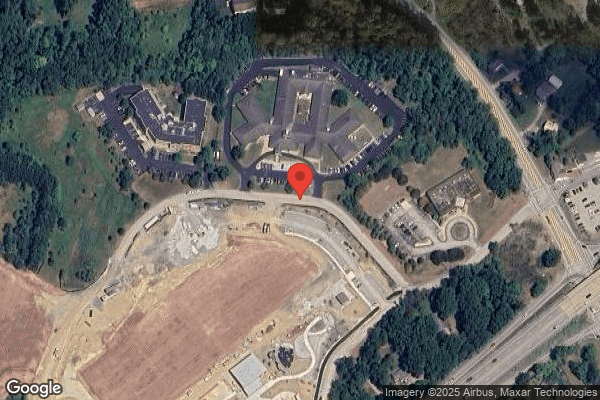
890 WEATHERWOOD LANE, GREENSBURG, PA 15601 (724) 837-8076
For profit - Corporation 120 Beds CAREONE Data: November 2025
Trust Grade
88/100
#107 of 653 in PA
Last Inspection: December 2024

Within standard 12-15 month inspection cycle. Federal law requires annual inspections.

Overview

Rehab & Nursing Center Greater Pittsburgh has received a Trust Grade of B+, which indicates that it is above average and recommended for families considering this facility. It ranks #107 out of 653 nursing homes in Pennsylvania, placing it in the top half, and it is the best option out of 18 facilities in Westmoreland County. The facility's trend is stable, with the same number of issues reported in 2023 and 2024, suggesting consistency in operations. Staffing is a relative strength, with a 4 out of 5-star rating and a turnover rate of 40%, which is below the state average, indicating staff retention. However, there are some concerns, including a recent incident where medications were not properly stored, and another where medication carts were left unsecured, posing potential risks to residents. Additionally, the facility failed to ensure that some residents were informed about their rights to advance directives, which is an important aspect of patient care.

Trust Score
B+
88/100
In Pennsylvania
#107/653
Top 16%
Safety Record
Low Risk
No red flags
Inspections
Holding Steady
2 → 2 violations
Staff Stability
○ Average
40% turnover. Near Pennsylvania's 48% average. Typical for the industry.
Penalties
⚠ Watch
$8,159 in fines. Higher than 76% of Pennsylvania facilities, suggesting repeated compliance issues.
Skilled Nurses
✓ Good
Each resident gets 45 minutes of Registered Nurse (RN) attention daily — more than average for Pennsylvania. RNs are trained to catch health problems early.
Violations
✓ Good
Only 4 deficiencies on record. Cleaner than most facilities. Minor issues only.
★★★★★
5.0
Overall Rating
★★★★☆
4.0
Staff Levels
★★★★☆
4.0
Care Quality
★★★★★
5.0
Inspection Score
Stable
2023: 2 issues
2024: 2 issues

The Good

  • 4-Star Staffing Rating · Above-average nurse staffing levels
  • 4-Star Quality Measures · Strong clinical quality outcomes
  • Full Sprinkler Coverage · Fire safety systems throughout facility
  • No fines on record
  • Staff turnover below average (40%)

    8 points below Pennsylvania average of 48%

Facility shows strength in staffing levels, quality measures, fire safety.

The Bad

Staff Turnover: 40%

Near Pennsylvania avg (46%)

Typical for the industry

Federal Fines: $8,159

Below median ($33,413)

Minor penalties assessed

Chain: CAREONE

Part of a multi-facility chain

Ask about local staffing decisions and management

The Ugly 4 deficiencies on record

Dec 2024 2 deficiencies
CONCERN (D)

Potential for Harm - no one hurt, but risky conditions existed

Deficiency F0578 (Tag F0578)

Could have caused harm · This affected 1 resident

**NOTE- TERMS IN BRACKETS HAVE BEEN EDITED TO PROTECT CONFIDENTIALITY** Based on review of the facility policy and clinical records and staff interviews, it was determined that the facility failed to ...

Read full inspector narrative →
**NOTE- TERMS IN BRACKETS HAVE BEEN EDITED TO PROTECT CONFIDENTIALITY** Based on review of the facility policy and clinical records and staff interviews, it was determined that the facility failed to provide the opportunity to formulate an advance directive (written instructions such as a living will or durable power of attorney for health care for when the individual is incapacitated) for four of the nine residents reviewed (Resident R24, R29, R57, R71). Findings Include: A review of the facility policy Advanced Directives last reviewed 1/18/24, indicated the facility will comply with the requirements related to maintaining written policies and procedures regarding advance directives, including provisions to inform and provide written information to all adult residents concerning the right to accept or refuse medical or surgical treatment and formulate an advance directive. A review of the medical record indicated Resident R24 was admitted to the facility on [DATE], with diagnoses that included type II diabetes (long-term condition in which the body has trouble controlling blood sugar and using it for energy), dysphagia (difficulty swallowing), muscle weakness, left below knee amputation. A review of the clinical record failed to reveal and advance directive or documentation that Resident R24 was given the opportunity to formulate an Advanced Directive. A review of the clinical record indicated Resident R29 was admitted to the facility on [DATE], with diagnoses that include type II diabetes, dysphagia, high blood pressure, difficulty walking. A review of the clinical record failed to reveal and advance directive or documentation that Resident R29 was given the opportunity to formulate an Advanced Directive. A review of the clinical record indicated Resident R57 was admitted to the facility on [DATE], with diagnoses that include high blood pressure, history of falling, chronic kidney disease, stage III (moderate level of kidney damage where the kidneys have mild to moderate impairment in filtering waste from the blood). A review of the clinical record failed to reveal and advance directive or documentation that Resident R57 was given the opportunity to formulate an Advanced Directive. A review of the clinical record indicated Resident R71 was admitted to the facility on [DATE], with diagnoses that include multiple sclerosis (the immune system eats away at the protective covering of nerves , this damage disrupts communication between the brain and the body), dysphagia, chronic kidney disease, stage III. A review of the clinical record failed to reveal and advance directive or documentation that Resident R71 was given the opportunity to formulate an Advanced Directive. During an interview on 12/10/24 at 12:45 p.m. the Social Worker and the Director of Nursing (DON) confirmed that the clinical record did not include documentation that Resident R24, R29, R57, R71, were not afforded the opportunity to formulate Advance Directives. 28 Pa. Code: 201.29(b)(d)(j) Resident rights.
CONCERN (D)

Potential for Harm - no one hurt, but risky conditions existed

Deficiency F0761 (Tag F0761)

Could have caused harm · This affected 1 resident

Based on review of facility policy, observation and staff interview, it was determined that the facility failed to properly secure medication in one of two medication carts on the 300 hall nursing uni...

Read full inspector narrative →
Based on review of facility policy, observation and staff interview, it was determined that the facility failed to properly secure medication in one of two medication carts on the 300 hall nursing unit (B cart). Findings include: Review of the facility policy Medication Labeling and Storage last reviewed on 1/18/24, indicated the facility stores medications in locked compartments and only authorized have access to the keys. During an observation on 12/8/24, at 12:10 p.m., the 300 hall B medication cart was left unsecured and unattended and accessible to any passerby. During an interview on 12/8/24, at 12:15 p.m., the Director of Nursing confirmed the facility failed to properly secure medications on one of two medication carts on the 300 hall nursing unit accessible to any passerby. 28 Pa. Code: 211.9(a)(1)(k) Pharmacy services. 28 Pa. Code: 211.10(c) Resident care policies. 28 Pa. Code: 211.12(d)(1)(2)(5) Nursing services.
Nov 2023 1 deficiency
CONCERN (E)

Potential for Harm - no one hurt, but risky conditions existed

Deficiency F0761 (Tag F0761)

Could have caused harm · This affected multiple residents

Based on review of manufacturer guidelines, observation, and staff interview, it was determined that the facility failed to make certain that medications were properly stored in two of two medication ...

Read full inspector narrative →
Based on review of manufacturer guidelines, observation, and staff interview, it was determined that the facility failed to make certain that medications were properly stored in two of two medication carts (200 B and 200 A). Findings include: Review of the Humalog lispro insulin (injectable medication used to treat high blood sugar) prescribing information revised 02/2020, indicated that for Humalog injection pens Do not use your pen past the expiration date printed on the label or for more than 28 days after you first start using the pen. For Humalog vials of insulin Do not use Insulin Lispro Injection past the expiration date printed on the label or 28 days after you first use it. During an observation of the 200 B medication cart on 11/17/23, at 11:17 a.m. a partially used flex-pen of Humalog was observed, without an open date. During an interview on 11/17/23, at 11:18 a.m. Licensed Practical Nurse (LPN) Employee E1 confirmed the above observation. During an observation of the 200 A medication cart on 11/17/23, at 11:21 a.m. two partially used vials of Humalog were observed, without an open date. During an interview on 11/17/23, at 11:22 a.m. LPN Employee E2 confirmed the above observation. During an interview on 11/17/23, at approximately 2:00 p.m. the Nursing Home Administrator confirmed that the facility failed to make certain that medications were properly stored in two of two medication carts. 28 Pa. Code: 201.14 (a) Responsibility of licensee. 28 Pa. Code: 201.18 (b)(1)(e)(1) Management. 28 Pa. Code: 211.9 (a)(1) Pharmacy services. 28 Pa. Code: 211.12 (d)(1)(3)(5) Nursing services.
Jan 2023 1 deficiency
CONCERN (D)

Potential for Harm - no one hurt, but risky conditions existed

Deficiency F0825 (Tag F0825)

Could have caused harm · This affected 1 resident

**NOTE- TERMS IN BRACKETS HAVE BEEN EDITED TO PROTECT CONFIDENTIALITY** Based on a review of facility policy and clinical records, and resident and staff interview, it was determined that the facility...

Read full inspector narrative →
**NOTE- TERMS IN BRACKETS HAVE BEEN EDITED TO PROTECT CONFIDENTIALITY** Based on a review of facility policy and clinical records, and resident and staff interview, it was determined that the facility failed to provide specialized rehabilitative services for two of four residents (Residents R35 and R61). Findings include: A review of the facility policy Restorative Nursing Services last reviewed 1/20/22, indicated residents will receive restorative nursing care as needed to help promote optimal safety and independence. During resident group meeting two out of seven resident's stated the restorative nurse aide gets pulled to the floor and they do not get restorative nursing. A review of the clinical record revealed that resident R61 was admitted to the facility on [DATE], with diagnoses that included, cerebral palsy (condition marked by impaired muscle coordination, caused by damage to the brain), spastic hemiplegic cerebral palsy and fatty liver. A review of the minimum data set (MDS-periodic assessment of care needs) dated 10/11/22, indicated the diagnoses remain current. Review of Resident R61's medical record included Therapy Communication to Nursing, dated 4/08/22, stated that therapy recommends that nursing follow through with the following: RNP (Restorative Nursing Program) for Ambulation with RW(Rolling Walker). Patient will ambulate 50-75 feet with RW and SBA(stand by assist) with wheel chair follow. A review of the Restorative Bed Mobility Tasks documentation indicated Resident R61 did not receive active rehabilitation on 12/1/22-12/13/22, 12/15/22-12/17/22, 12/29-12/31/22 A review of the clinical record revealed that resident R35 was admitted to the facility on [DATE], with diagnoses that included, muscle weakness, heart disease, and hypertension (a condition impacting blood circulation through the heart related to poor pressure). A review of the minimum data set (MDS-periodic assessment of care needs) dated 9/26/22, indicated the diagnoses remain current. Review of Resident R35's medical record included Therapy Communication to Nursing, dated 1/31/22, stated that therapy recommends that nursing follow through with the following: Transfer supine (lying horizontally with the face and torso facing up) to sit max (maximum) assist (providing 51-75 percent of the work required for the task), sit at edge of bed with assist to place legs flexed under him to sit and use of arms on edge of bed assistance can vary from Min (minimum- providing one to 25 percent of the work required for the task) to Mod (moderate- providing 26-50 percent of the work required for the task) Limit to 5 mins (minutes). A review of the Restorative Bed Mobility Tasks documentation indicated Resident R35 did not receive active rehabilitation on 12/8/22, 12/9/22, 12/14/22, 12/15/22, 12/17/22, 12/20/22, 12/21/22, 12/22/22, 12/24/22, 12/27/22, 12/28/22, 12/30/22, 12/31/22, 1/3/23, and 1/4/23. During an interview on 1/6/23, at 11:30 a.m., Nursing Home Administrator confirmed that the Restorative Aide is pulled to work on the floor as a nurse aide and the facility fails to provide the restorative program. During an interview on 1/6/23, at 1:45 p.m., Restorative Aide Employee E1 stated that she is the only Restorative Aide at the facility and that she is often pulled out of restorative to fill other needs in the building. It was also clarified that she works as a Restorative Aide approximately 15 percent of her working hours and confirmed that the facility failed to provide specialized rehabilitative services as needed to help promote optimal safety and independence. 28 Pa Code: 201.18(e)(1) Management. 28 Pa. Code: 211.10(c)(d) Resident care policies.
Understanding Severity Codes (click to expand)
Life-Threatening (Immediate Jeopardy)
J - Isolated K - Pattern L - Widespread
Actual Harm
G - Isolated H - Pattern I - Widespread
Potential for Harm
D - Isolated E - Pattern F - Widespread
No Harm (Minor)
A - Isolated B - Pattern C - Widespread

Questions to Ask on Your Visit

  • "Can I speak with families of current residents?"
  • "What's your RN coverage like on weekends and overnight?"

Our Honest Assessment

Strengths
  • • Grade B+ (88/100). Above average facility, better than most options in Pennsylvania.
  • • No major safety red flags. No abuse findings, life-threatening violations, or SFF status.
  • • Only 4 deficiencies on record. Cleaner than most facilities. Minor issues only.
  • • 40% turnover. Below Pennsylvania's 48% average. Good staff retention means consistent care.
Concerns
  • • No significant concerns identified. This facility shows no red flags across CMS ratings, staff turnover, or federal penalties.
Bottom line: Generally positive indicators. Standard due diligence and a personal visit recommended.

About This Facility

What is Rehab & Nursing Ctr Greater Pittsburgh's CMS Rating?

CMS assigns REHAB & NURSING CTR GREATER PITTSBURGH an overall rating of 5 out of 5 stars, which is considered much above average nationally. Within Pennsylvania, this rating places the facility higher than 99% of the state's 100 nursing homes. This rating reflects solid performance across the metrics CMS uses to evaluate nursing home quality.

How is Rehab & Nursing Ctr Greater Pittsburgh Staffed?

CMS rates REHAB & NURSING CTR GREATER PITTSBURGH's staffing level at 4 out of 5 stars, which is above average compared to other nursing homes. Staff turnover is 40%, compared to the Pennsylvania average of 46%. This relatively stable workforce can support continuity of care.

What Have Inspectors Found at Rehab & Nursing Ctr Greater Pittsburgh?

State health inspectors documented 4 deficiencies at REHAB & NURSING CTR GREATER PITTSBURGH during 2023 to 2024. These included: 4 with potential for harm.

Who Owns and Operates Rehab & Nursing Ctr Greater Pittsburgh?

REHAB & NURSING CTR GREATER PITTSBURGH is owned by a for-profit company. For-profit facilities operate as businesses with obligations to shareholders or private owners. The facility is operated by CAREONE, a chain that manages multiple nursing homes. With 120 certified beds and approximately 103 residents (about 86% occupancy), it is a mid-sized facility located in GREENSBURG, Pennsylvania.

How Does Rehab & Nursing Ctr Greater Pittsburgh Compare to Other Pennsylvania Nursing Homes?

Compared to the 100 nursing homes in Pennsylvania, REHAB & NURSING CTR GREATER PITTSBURGH's overall rating (5 stars) is above the state average of 3.0, staff turnover (40%) is near the state average of 46%, and health inspection rating (5 stars) is much above the national benchmark.

What Should Families Ask When Visiting Rehab & Nursing Ctr Greater Pittsburgh?

Based on this facility's data, families visiting should ask: "Can I visit during a mealtime to observe dining assistance and food quality?" "How do you handle medical emergencies, and what is your hospital transfer rate?" "Can I speak with family members of current residents about their experience?"

Is Rehab & Nursing Ctr Greater Pittsburgh Safe?

Based on CMS inspection data, REHAB & NURSING CTR GREATER PITTSBURGH has a clean safety record: no substantiated abuse findings (meaning no confirmed cases of resident harm), no Immediate Jeopardy citations (the most serious violation level indicating risk of serious injury or death), and is not on the Special Focus Facility watch list (a federal program monitoring the lowest-performing 1% of nursing homes). The facility has a 5-star overall rating and ranks #1 of 100 nursing homes in Pennsylvania. While no facility is perfect, families should still ask about staff-to-resident ratios and recent inspection results during their visit.

Do Nurses at Rehab & Nursing Ctr Greater Pittsburgh Stick Around?

REHAB & NURSING CTR GREATER PITTSBURGH has a staff turnover rate of 40%, which is about average for Pennsylvania nursing homes (state average: 46%). Moderate turnover is common in nursing homes, but families should still ask about staff tenure and how the facility maintains care continuity when employees leave.

Was Rehab & Nursing Ctr Greater Pittsburgh Ever Fined?

REHAB & NURSING CTR GREATER PITTSBURGH has been fined $8,159 across 1 penalty action. This is below the Pennsylvania average of $33,160. While any fine indicates a compliance issue, fines under $50,000 are relatively common and typically reflect isolated problems that were subsequently corrected. Families should ask what specific issues led to these fines and confirm they've been resolved.

Is Rehab & Nursing Ctr Greater Pittsburgh on Any Federal Watch List?

REHAB & NURSING CTR GREATER PITTSBURGH is not on any federal watch list. The most significant is the Special Focus Facility (SFF) program, which identifies the bottom 1% of nursing homes nationally based on persistent, serious quality problems. Not being on this list means the facility has avoided the pattern of deficiencies that triggers enhanced federal oversight. This is a positive indicator, though families should still review the facility's inspection history directly.