TWIN LAKES REHABILITATION AND HEALTHCARE CENTER
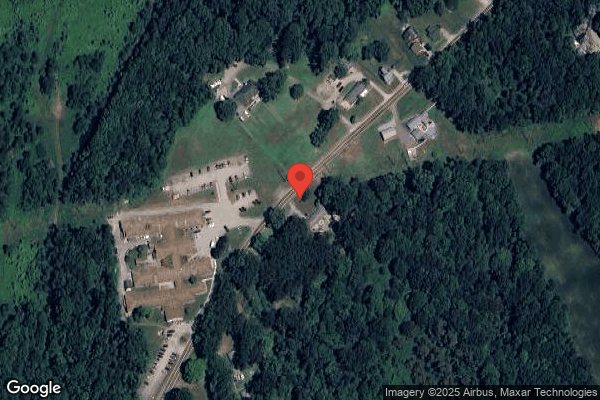
227 SAND HILL ROAD, GREENSBURG, PA 15601 (724) 837-6482
For profit - Corporation 137 Beds Independent Data: November 2025 1 Immediate Jeopardy citation
Trust Grade
13/100
#639 of 653 in PA
Last Inspection: October 2024

Within standard 12-15 month inspection cycle. Federal law requires annual inspections.

Overview

Twin Lakes Rehabilitation and Healthcare Center in Greensburg, Pennsylvania, has received a Trust Grade of F, indicating significant concerns and that it is performing poorly compared to other facilities. It ranks #639 out of 653 in Pennsylvania, placing it in the bottom half of nursing homes in the state, and #17 out of 18 in Westmoreland County, meaning there is only one local option that is better. While the trend is improving with a decrease in reported issues from 36 in 2024 to 2 in 2025, the facility has been under scrutiny for serious incidents, including failing to protect residents from verbal and physical abuse and inadequate monitoring of residents' behavioral health needs. Staffing has a below-average rating of 2 out of 5 stars, with a turnover rate of 47%, which is on par with the state average, and the facility has faced $87,838 in fines, indicating compliance problems that are higher than 88% of facilities in Pennsylvania. However, it does maintain average RN coverage, which is crucial for catching issues that other staff may overlook.

Trust Score
F
13/100
In Pennsylvania
#639/653
Bottom 3%
Safety Record
High Risk
Review needed
Inspections
Getting Better
36 → 2 violations
Staff Stability
⚠ Watch
47% turnover. Above average. Higher turnover means staff may not know residents' routines.
Penalties
✓ Good
$87,838 in fines. Lower than most Pennsylvania facilities. Relatively clean record.
Skilled Nurses
○ Average
Each resident gets 33 minutes of Registered Nurse (RN) attention daily — about average for Pennsylvania. RNs are the most trained staff who monitor for health changes.
Violations
⚠ Watch
93 deficiencies on record. Higher than average. Multiple issues found across inspections.
★☆☆☆☆
1.0
Overall Rating
★★☆☆☆
2.0
Staff Levels
★★☆☆☆
2.0
Care Quality
★☆☆☆☆
1.0
Inspection Score
Stable
2024: 36 issues
2025: 2 issues

The Good

  • Full Sprinkler Coverage · Fire safety systems throughout facility
  • No fines on record

Facility shows strength in fire safety.

The Bad

1-Star Overall Rating

Below Pennsylvania average (3.0)

Significant quality concerns identified by CMS

Staff Turnover: 47%

Near Pennsylvania avg (46%)

Higher turnover may affect care consistency

Federal Fines: $87,838

Well above median ($33,413)

Moderate penalties - review what triggered them

The Ugly 93 deficiencies on record

1 life-threatening 1 actual harm
May 2025 1 deficiency
CONCERN (E) 📢 Someone Reported This

A family member, employee, or ombudsman was alarmed enough to file a formal complaint

Potential for Harm - no one hurt, but risky conditions existed

Quality of Care (Tag F0684)

Could have caused harm · This affected multiple residents

Based on review of facility policy and clinical records, as well as staff interviews, it was determined that the facility failed to ensure that physician's orders regarding medication administration w...

Read full inspector narrative →
Based on review of facility policy and clinical records, as well as staff interviews, it was determined that the facility failed to ensure that physician's orders regarding medication administration were followed for one of eight residents reviewed (Resident 6). Findings include: The facility policy for medication administration, dated January 15, 2025, indicated that medications are administered in accordance with prescriber orders, and that the following information is checked/verified for each resident prior to administering medications: allergies to medications; and vital signs, if necessary. A quarterly Minimum Data Set (MDS) assessment (a mandated assessment of a resident's abilities and care needs) for Resident 6, dated February 28, 2025, revealed that the resident was cognitively intact, independent with personal care needs, and had diagnoses that included diabetes. Physician's orders for Resident 6, dated February 28, 2025, included an order for the resident to receive one-half tablet of 25 milligrams (mg) of Metoprolol Tartrate (used to treat high blood pressure) twice a day for hypertension (high blood pressure) and to hold the medication if the resident's heart rate is less than 60. Physician's orders, dated March 31, 2025, included an order for the resident to receive six units of Insulin Aspart (rapid acting insulin used to lower blood sugar) three times a day and to hold the medication if the resident's blood glucose (sugar) level was less that 120 milligrams (mg) per deciliter (dL). Review of the Medication Administration Record (MAR) for Resident 6, dated April 2025 and May 2025, revealed that there was no documented evidence that the resident's heart rate was checked twice each day prior to the administration of Metoprolol Tartrate as ordered from April 1, 2025, through May 14, 2025. Review of the MAR also revealed that six units of Insulin Aspart was administered on April 13 at 9:00 a.m. when the resident's blood sugar level was 75 mg/dl, six units of Insulin Aspart was administered on April 17 at 9:00 a.m. when the resident's blood sugar level was 112 mg/dl, six units of Insulin Aspart was administered on May 2 at 9:00 a.m. when the resident's blood sugar level was 98 mg/dl, six units of Insulin Aspart was administered on May 5 at 9:00 a.m. when the resident's blood sugar level was 102 mg/dl, and six units of Insulin Aspart was administered on May 6 at 9:00 a.m. when the resident;s blood sugar level was 104 mg/dl. Interview with the Assistant Director of Nursing on May 14, 2025, at 3:56 p.m. confirmed that the heart rate for Resident 6 should have been assessed prior to the administration of Metoprolol Tartrate; however, it was not. Interview with the Assistant Director of Nursing on May 14, 2025, at 4:05 p.m. confirmed that Insulin Aspart was administered to Resident 6 on the above-mentioned dates and times when it should have been held per physician's orders. 28 Pa. Code 211.12(d)(1)(5) Nursing Services.
Apr 2025 1 deficiency
CONCERN (D) 📢 Someone Reported This

A family member, employee, or ombudsman was alarmed enough to file a formal complaint

Potential for Harm - no one hurt, but risky conditions existed

Medical Records (Tag F0842)

Could have caused harm · This affected 1 resident

**NOTE- TERMS IN BRACKETS HAVE BEEN EDITED TO PROTECT CONFIDENTIALITY** Based on a review of clinical records, as well as resident and staff interviews, it was determined that the facility failed to m...

Read full inspector narrative →
**NOTE- TERMS IN BRACKETS HAVE BEEN EDITED TO PROTECT CONFIDENTIALITY** Based on a review of clinical records, as well as resident and staff interviews, it was determined that the facility failed to maintain clinical records that were complete and accurately documented for one of four residents reviewed (Resident 1). Findings include: A quarterly Minimum Data Set (MDS) assessment (a mandated assessment of a resident's abilities and care needs) for Resident 1, dated April 10, 2025, revealed that the resident was understood, could understand others, had diagnosis that included hemiplegia (paralysis on one side of the body), chronic obstructive pulmonary disease (COPD - a condition caused by damage to the airways or other parts of the lung), and respiratory failure (a serious condition where the respiratory system is unable to adequately supply the body with oxygen or remove carbon dioxide), received oxygen therapy, suctioning and tracheostomy (a procedure to help air and oxygen reach the lungs by creating an opening into the trachea (windpipe) from outside the neck) care. A care plan for the resident, dated April 4, 2025, revealed that the resident has/at risk for respiratory impairment related to acute and chronic respiratory failure, hypoxia (a condition where the body, or a specific region of it, does not receive enough oxygen at the tissue level), COPD, and tracheostomy. Staff was to evaluate the resident's lung sounds and vital signs as needed and report significant changes to the physician, and obtain the resident's pulse oximetry (a test used to measure the oxygen level (oxygen saturation) of the blood) as clinically indicated and report abnormal findings. Physician's orders for Resident 1, dated April 23, 2025, revealed that Registered Nurse 1 placed orders from the physician for staff to obtain a STAT (order should be prioritized first as it is needed urgently) chest xray, complete blood count (CBC - a laboratory test that provides information about the cells in a person's blood, specifically red blood cells, white blood cells, and platelets), comprehensive metabolic panel (CMP - a blood test that assesses various aspects of your body's chemical balance and metabolism, including kidney and liver function, electrolyte levels, blood sugar, and protein levels), and sputum culture (a laboratory test that analyzes a sample of mucus (sputum) from the lungs or airways to identify bacteria, fungi, or other microorganisms that may be causing an infection) related to hypoxia. However, review of Resident 1's clinical record revealed that there was no documented evidence as to why Registered Nurse 1 obtained orders from the physician due to the resident's hypoxia on April 23, 2025. Interview with Licensed Practical Nurse 2 on April 30, 2025, at 12:35 p.m. revealed that Resident 1's pulse oximetry's were running between 78 and 80 percent (a normal pulse oximeter reading for oxygen saturation is typically between 95 and 100 percent), so she suctioned the resident's tracheostomy as well as increasing her oxygen to increase the resident's pulse oximetry. She indicated that she was never able to get the resident's pulse oximetry to go above 90 percent, so she contacted Registered Nurse 1 and advised her of the resident's condition. She indicated that Registered Nurse 1 contacted the physician and received orders for the resident. Interview with Registered Nurse 1 on April 30, 2025, at 1:32 p.m. revealed that around 3:00 a.m. she went over to the [NAME] unit to obtain supplies and that she was advised by the staff on the unit that Resident 1's pulse oximetry was in the 70's, and that her heart rate was increased, so they increased her oxygen and suctioned the resident in attempts to increase the resident's pulse oximetry. They were able to get her pulse ox up into the mid 80's and her heart rate would balance around from being high to normal. She then contacted the physician and received orders from the physician for a STAT chest xray, CBC, CMP, and a sputum culture. She indicated that the physician did not give her orders to send her out at that time. She indicated that she did place a progress note in the resident's chart at that time. She indicated that she was having problems with the computers and had to go to three different computers to be able to put the physician's orders in. She indicated that she did place a progress note in the resident's clinical record. However, review of Resident 1's clinical record revealed that there was no documented evidence that Licensed Practical Nurse 2 and Registered Nurse 1 had wrote a progress note regarding the change in condition for Resident 1 on April 23, 2025. Interview with the Nursing Home Administrator and the Director of Nursing on April 30, 2025, at 2:46 p.m. confirmed that there was no documentation in Resident 1's clinical record from Licensed Practical Nurse 2 and Registered Nurse 1 regarding Resident 1's change in condition on April 23, 2025. 28 Pa Code 211.5(f) Clinical Records. 28 Pa. Code 211.12(d)(5) Nursing Services.
Dec 2024 2 deficiencies
CONCERN (D) 📢 Someone Reported This

A family member, employee, or ombudsman was alarmed enough to file a formal complaint

Potential for Harm - no one hurt, but risky conditions existed

Transfer Requirements (Tag F0622)

Could have caused harm · This affected 1 resident

Based on review of policies and clinical records, as well as staff interviews, it was determined that the facility failed to notify to update the admitting facility with information about laboratory t...

Read full inspector narrative →
Based on review of policies and clinical records, as well as staff interviews, it was determined that the facility failed to notify to update the admitting facility with information about laboratory testing and results for one of three residents reviewed (Resident 2). Findings include: A quarterly Minimum Data Set (MDS) assessment (a mandated assessment of a resident's abilities and care needs) for Resident 2, dated August 27, 2024, indicated that the resident was cognitively intact, usually understood and could sometimes understand, required assistance from staff for his daily care needs, was always incontinent of bowel and bladder, and had diagnoses that included debilitating cardiorespiratory conditions. Physician orders for Resident 2, dated September 4, 2024, included an order for Clostridioides difficile (C-diff - infectious bacteria that causes diarrhea, an inflammation of the colon, and can be life-threatening) toxin stool for frequent watery stools. A nursing note for Resident 2, dated September 4, 2024, at 5:20 p.m., indicated that the resident had recurrent watery stools throughout the shift. The stool was brown, unformed, watery, and had a fowl odor. New orders were received to collect and send the stool for C-Diff toxin. Laboratory results for Resident 2, dated September 5, 2024, at 9:55 p.m., indicated that she was positive for the C difficile toxin. A nursing note for Resident 2, dated September 6, 2024, at 11:39 a.m., indicated that the resident had discharged to another facility at 11:00 a.m. There was no documented evidence in Resident 2's clinical record as well as referral information sent to the admitting facility included current laboratory testing or laboratory results of C-diff. Interview with the Director of Nursing on December 3, 2024, at 3:39 p.m. confirmed that there was no documented evidence that Resident 2's admitting facility was updated about current laboratory testing or laboratory results of C-diff. 28 Pa. Code 201.25 Discharge Policy. 28 Pa. Code 201.29(f)(g) Resident Rights.
CONCERN (D) 📢 Someone Reported This

A family member, employee, or ombudsman was alarmed enough to file a formal complaint

Potential for Harm - no one hurt, but risky conditions existed

Deficiency F0773 (Tag F0773)

Could have caused harm · This affected 1 resident

Based on review of policies and clinical records, as well as staff interviews, it was determined that the facility failed to obtain laboratory studies as ordered by the physician for one of three resi...

Read full inspector narrative →
Based on review of policies and clinical records, as well as staff interviews, it was determined that the facility failed to obtain laboratory studies as ordered by the physician for one of three residents reviewed (Resident 2). Findings include: A facility policy regarding test results, dated July 26, 2024, indicated that results of laboratory, radiological, and diagnostic testing shall be reported in writing to the resident's attending physician or to the facility. The Director of Nursing services or charge nurse receiving the test results, shall be responsible for notifying the physician of such test results. The signed and dated reports of all diagnostic testing shall be made part of the clinical record. A quarterly Minimum Data Set (MDS) assessment (a mandated assessment of a resident's abilities and care needs) for Resident 2, dated August 27, 2024, indicated that the resident was cognitively intact, usually understood and could sometimes understand, required assistance from staff for his daily care needs, was always incontinent of bowel and bladder, and had diagnoses that included debilitating cardiorespiratory conditions. Physician orders for Resident 2, dated September 4, 2024, included an order for Clostridioides difficile (C-diff - infectious bacteria that causes diarrhea, an inflammation of the colon, and can be life-threatening) toxin stool for frequent watery stools. A nursing note for Resident 2, dated September 4, 2024, at 5:20 p.m., indicated that the resident had recurrent watery stools throughout the shift. The stool was brown, unformed, watery, and had a fowl odor. New orders were received to collect and send stool for C-Diff toxin. Laboratory results for Resident 2, dated September 5, 2024, at 9:55 p.m., indicated that she was positive for the C-difficile toxin. The sample was collected on September 4, 2024, at 8:00 p.m. There was no documented evidence in Resident 2's clinical record that the physician was notified or reviewed the abnormal laboratory results. Interview with the Director of Nursing on December 3, 2024, at 4:24 p.m. confirmed that there was no documented evidence that Resident 2's physician was notified or reviewed the abnormal laboratory results for C-diff. 28 Pa. Code 211.12(d)(1)(3)(5) Nursing Services.
Oct 2024 25 deficiencies
CONCERN (D) 📢 Someone Reported This

A family member, employee, or ombudsman was alarmed enough to file a formal complaint

Potential for Harm - no one hurt, but risky conditions existed

Deficiency F0552 (Tag F0552)

Could have caused harm · This affected 1 resident

Based on clinical record reviews and resident and staff interviews, it was determined that the facility failed to honor the resident's right to make informed choices and participate in his/her treatme...

Read full inspector narrative →
Based on clinical record reviews and resident and staff interviews, it was determined that the facility failed to honor the resident's right to make informed choices and participate in his/her treatment for one of 61 residents reviewed (Resident 84). Findings include: A comprehensive Minimum Data Set (MDS) assessment (a mandated assessment of a resident's abilities and care needs) for Resident 84, dated August 21, 2024, indicated that the resident could be understood and could understand others, and was alert and oriented. A nursing note for Resident 84, dated May 24, 2024, revealed that the resident requested to have lab work drawn. According to Resident 84's clinical record, she had labs drawn and resulted on May 28, 2024. There was no documented evidence in Resident 84's clinical record that anyone reviewed her lab results with her. Interview with Resident 84 on October 6, 2024, at 10:58 a.m. revealed that she requested lab work be done; however, no one reviewed the results with her. Interview with the Director of Nursing on October 8, 2024, at 2:00 p.m. revealed that she stated there was no documented evidence that anyone reviewed the resident's lab results with her and they should have. 28 Pa. Code 201.29(a)(j) Resident Rights.
CONCERN (D) 📢 Someone Reported This

A family member, employee, or ombudsman was alarmed enough to file a formal complaint

Potential for Harm - no one hurt, but risky conditions existed

Deficiency F0554 (Tag F0554)

Could have caused harm · This affected 1 resident

Based on review of policies and clinical records, as well as observations and resident and staff interviews, it was determined that the facility failed to determine if residents were safe to self-admi...

Read full inspector narrative →
Based on review of policies and clinical records, as well as observations and resident and staff interviews, it was determined that the facility failed to determine if residents were safe to self-administer medications for three of 61 residents reviewed (Residents 19, 78, 108). Findings include: The facility's medication administration policy, dated July 19. 2024, indicated that medications are administered in a safe manner, and as prescribed. Residents may self-administer their own medications only if the attending physician, in conjunction with the interdisciplinary care planning team, has determined that they have the decision-making capacity to do so safely. The facility's self-administration policy, dated July 19, 2024, indicated that residents have the right to self-administer medications if the interdisciplinary team has determined that it is clinically appropriate and safe for the resident to do so. If it is deemed safe and appropriate for a resident to self-administer medications, this is documented in the medical record and the care plan. A quarterly Minimum Data Set (MDS) assessment (a mandated assessment of a resident's abilities and care needs) for Resident 19, dated August 18, 2024, revealed that the resident was understood and could understand others. Physician's orders for Resident 19, dated August 3, 2023, included an order for the resident to receive 17 grams of polyethylene glycol (medication used to treat constipation) dissolved in four to six ounces of fluid and given daily. Observations during medication administration on October 7, 2024, at 7:52 a.m. revealed that Licensed Practical Nurse 1 prepared 17 grams of polyethylene glycol in a cup of four ounces of water and left the cup sitting on Resident 19's overbed table. At 8:00 a.m. and 8:12 a.m., Resident 19 was lying in her bed with no staff present and the cup of polyethylene glycol and water was sitting on her overbed table. Interview with Licensed Practical Nurse 1 on October 7, 2024, at 8:16 a.m. confirmed that she left the polyethylene glycol with Resident 19 and would go back and check if the resident took the medication. Interview with the Director of Nursing on October 7, 2024, at 10:14 a.m. confirmed that Licensed Practical Nurse 1 should have observed Resident 19 take the polyethylene glycol and should not have left it with the resident, and that there was no assessment to determine if Resident R19 was safe to self-administer her medications. A quarterly MDS assessment for Resident 78, dated July 29, 2024, indicated that the resident was cognitively intact, was dependent on staff for daily care needs, and had diagnoses that included hemiplegia (muscle weakness or partial paralysis on one side of the body) following a stroke (disruption in blood flow to the brain) affecting the right side. Observations of Resident 78 on October 5, 2024, at 11:50 a.m. revealed the resident lying in bed and a medicine cup containing two pills was sitting on his overbed table. An interview with Resident 78 at that time revealed that he did not know the pills were on his table and that nurses will frequently leave his pills sitting there if he is sleeping when the nurse comes in to administer his medication. An interview with Licensed Practical Nurse 2 on October 5, 2024, at 11:54 a.m. revealed that she did leave medication in Resident 78's room because she thought he was awake and was going to take them. She did not stay in the room to observe the resident take the medication. A quarterly MDS assessment for Resident 108, dated September 22, 2024, indicated that the resident was usually understood and could usually understand others, required assistance from staff for daily care needs, and had diagnoses that included bipolar disorder (mental health condition that causes extreme mood swings) and presence of surgical wounds. Observations of Resident 108 on October 5, 2024, at 10:45 a.m. revealed the resident was lying in bed and a medicine cup containing nine clean, dry pills was sitting on her overbed table. Interview with Resident 108 at that time revealed that they were her morning medications that were left for her to take, but she had not taken them yet. Interview with Licensed Practical Nurse 3 on October 8, 2024, at 10:48 a.m. revealed that she gave Resident 108 her medication and she thought the resident had taken them; however, she was not observed swallowing the medication and must have spit them back out. An interview with the Director of Nursing on October 5, 2024, at 2:31 p.m. confirmed that medications should not have been left unsupervised at the bedside for Resident 78 or Resident 108 to take. An interview with the Director of Nursing on October 7, 2024, at 3:12 p.m. confirmed that there were no assessments to determine if Residents 78 or 108 could self-administer their medications. 28 Pa. Code 211.12(d)(1)(5) Nursing Services.
CONCERN (D) 📢 Someone Reported This

A family member, employee, or ombudsman was alarmed enough to file a formal complaint

Potential for Harm - no one hurt, but risky conditions existed

Deficiency F0558 (Tag F0558)

Could have caused harm · This affected 1 resident

Based on review of policies and clinical records, as well as observations and resident and staff interviews, it was determined that the facility failed to ensure that call bells were within reach for ...

Read full inspector narrative →
Based on review of policies and clinical records, as well as observations and resident and staff interviews, it was determined that the facility failed to ensure that call bells were within reach for one of 61 residents reviewed (Resident 59). Findings include: A review of the facility Answering the Call Light policy, dated July 19, 2024, indicated that the facility was to ensure that the call light was accessible to the resident when in bed. A quarterly Minimum Data Set (MDS) assessment (a mandated assessment of a resident's care needs and abilities) for Resident 59, dated July 31, 2024, revealed that the resident was understood and able to understand others, required assistance from staff for care needs, and had diagnoses that included glaucoma (chronic eye disease that damages the optic nerve and causes vision loss) and hemiplegia/hemiparesis (paralysis or weakness to one side of the body due to brain injury) following a cerebral vascular accident (an event caused by poor blood flow or bleeding to in the areas of the brain). A fall risk care plan for Resident 59, dated October 2, 2023, indicated that the resident was at risk for falls due to his impaired vision and decline in functional mobility and had an intervention to keep his call bell in reach. Observation of Resident 59 on October 5, 2024, at 10:39 a.m. revealed that the resident was lying in his bed in his room and his call bell was clipped to an electrical cord at the wall behind his bedside dresser. Interview with the resident indicated that he was able to use his call bell to ring for assistance and he searched to find it. Interview with Nurse Aide 4 at the time of the observation confirmed that Resident 59 was able to use his call bell. She indicated that he was blind and was used to having it clipped to his blankets. She confirmed that the resident did not have his call bell within reach, and it should have been. Interview with the Director of Nursing on October 5, 2024, at 2:53 p.m. confirmed that Resident 59's call bell should have been within his reach. 28 Pa. Code 211.12(d)(1)(3)(5) Nursing Services.
CONCERN (D)

Potential for Harm - no one hurt, but risky conditions existed

Deficiency F0578 (Tag F0578)

Could have caused harm · This affected 1 resident

Based on review of clinical records, as well as staff interviews, it was determined that the facility failed to ensure that the resident and/or resident representative had an opportunity to develop an...

Read full inspector narrative →
Based on review of clinical records, as well as staff interviews, it was determined that the facility failed to ensure that the resident and/or resident representative had an opportunity to develop an advance directive (instructions regarding the provision of health care when the resident is incapacitated) or assist in formulating an advance directive for four of 61 residents reviewed (Residents 14, 17, 59, 101). Findings include: A quarterly Minimum Data Set (MDS) assessment (a mandated assessment of a resident's abilities and care needs) for Resident 14, dated August 16, 2024, indicated that the resident was clearly understood and clearly able to understand others, required assistance with care needs, and had a diagnosis of dementia. An annual MDS assessment for Resident 17, dated September 7, 2024, revealed that the resident was cognitively intact, was clearly understood and clearly able to understand others, required assistance for care needs, and had diagnoses that included schizophrenia (a serious mental disorder that affects how people interpret reality), anxiety, depression, and bipolar disorder (a mental disorder that causes extreme mood swings). A quarterly MDS assessment for Resident 59, dated July 31, 2024, revealed that the resident was clearly understood and able to clearly understand others, required assistance from staff for care needs, and had diagnoses that included glaucoma (chronic eye disease that damages the optic nerve and causes vision loss) and hemiplegia/hemiparesis (paralysis or weakness to one side of the body due to brain injury) following a cerebral vascular accident (an event caused by poor blood flow or bleeding to in the areas of the brain). An admission MDS assessment for Resident 101, dated September 22, 2024, revealed that the resident was cognitively intact, was clearly understood and was clearly able to understand others, and required assistance with care needs. Review of Residents 14, 17, 59 and 101's clinical records indicated that they did not have advance directives. There was no documented evidence in the residents' clinical records that indicated the residents and/or their representative were informed of their rights to develop advance directives, no documented evidence that the residents and/or their representatives were provided the opportunity and assistance to formulate an advance directive, and no documented evidence that advanced directives were addressed with the residents and/or resident representatives periodically throughout their course of stay. Interview with the Nursing Home Administrator on October 8, 2024, at 12:14 p.m. confirmed that there was no documented evidence in Resident 14's, 17's, 59's and 101's clinical records that indicated the residents and/or their representatives were informed of their rights to develop advance directives, no documented evidence that the residents and/or their representatives were provided the opportunity and assistance to formulate an advance directive, and no documented evidence that advanced directives were addressed with the residents and/or resident representatives periodically throughout their course of stay. He confirmed that the facility was to address advance directives regularly at the care conferences, but they have not been doing that and it is something they have to work on. 28 Pa. Code 201.29(a)(d) Resident Rights.
CONCERN (D)

Potential for Harm - no one hurt, but risky conditions existed

Abuse Prevention Policies (Tag F0607)

Could have caused harm · This affected 1 resident

Based on review of policies and personnel files, as well as staff interviews, it was determined that the facility failed to complete a criminal background check prior to hire for one of three nurse ai...

Read full inspector narrative →
Based on review of policies and personnel files, as well as staff interviews, it was determined that the facility failed to complete a criminal background check prior to hire for one of three nurse aides reviewed (Nurse Aide 3). Findings include: The facility's policy regarding abuse, neglect, exploitation, and misappropriation prevention, dated July 19, 2024, indicated that the facility will conduct employee background checks and will not knowingly employ any individual who has been found guilty of abuse, neglect, exploitation, misappropriation of property, or mistreatment by a court of law. Review of the personnel file for Nurse Aide 3 revealed that he was hired on June 6, 2024, but as of October 8, 2024, there was no evidence that a criminal background check was completed. Interview with the Human Resource Director on October 8, 2024, at 2:30 p.m. confirmed that there was no documented evidence that a criminal background check was completed for Nurse Aide 3 prior to his date of hire. 28 Pa. Code 201.14(a) Responsibility of Licensee. 28 Pa. Code 201.18(e)(1) Management.
CONCERN (D)

Potential for Harm - no one hurt, but risky conditions existed

Transfer Notice (Tag F0623)

Could have caused harm · This affected 1 resident

Based on clinical record reviews and staff interviews, it was determined that the facility failed to notify the resident and resident's representative in writing of the transfer and reason for hospita...

Read full inspector narrative →
Based on clinical record reviews and staff interviews, it was determined that the facility failed to notify the resident and resident's representative in writing of the transfer and reason for hospitalization for four of 61 residents reviewed (Residents 13, 88, 109, 131). This deficiency was cited as past noncompliance. Findings include: A quarterly Minimum Data Set (MDS) assessment (a mandated assessment of a resident's abilities and care needs) for Resident 13, dated August 23, 2024, indicated that the resident was cognitively intact, required assistance from staff for care needs, had an indwelling catheter (a thin, flexible tube inserted into the bladder to drain urine from the bladder), received dialysis (treatment to remove extra fluid and waste from the blood when the kidneys are not able to), and had diagnoses that included neurogenic dysfunction of the bladder (bladder lacks control due to nerve or muscle problems) and End-Stage Renal Disease (kidneys no longer work as they should to meet the body's needs requiring dialysis or kidney transplant). A nursing note, dated August 15, 2024, at 7:25 a.m. revealed that the facility received a phone call from the dialysis center reporting that Resident 13 was experiencing increased lethargy and was slumping over to the side . The physician was notified, and the resident was transferred to the hospital for evaluation. There was no documented evidence that a written notice of Resident 13's transfer to the hospital was provided to the resident's representative regarding the reason for transfer. A quarterly MDS assessment for Resident 88, dated August 19, 2024, indicated that the resident was cognitively impaired, required assistance from staff for daily care tasks, and had a feeding tube. A nursing note, dated August 12, 2024, at 5:54 p.m. revealed that Resident 88 had a large emesis with curdled feeding and a red-colored liquid, appearing to be blood. The physician was notified, and the resident was transferred to the hospital for evaluation. There was no documented evidence that a written notice of Resident 88's transfer to the hospital was provided to the resident's representative regarding the reason for transfer. A quarterly MDS assessment for Resident 109, dated August 17, 2024, revealed that the resident was cognitively impaired, required assistance from staff for daily care tasks, had diagnoses that included aphasia (a language disorder that affects a person's ability to understand and express written and spoken language), Parkinson's disease, seizures, and tracheostomy (a surgical procedure that creates an opening in the neck to provide an airway and help with breathing), and had a feeding tube. Nursing notes for Resident 109, dated February 12, 2024, revealed that the writer was notified by nursing staff that the resident was presenting with increased lethargy (a state of tiredness, sleepiness, weariness, fatigue, sluggishness, or lack of energy). The physician was notified of the resident's change in condition. New orders were received to transfer the resident to the emergency department for further evaluation. The resident was admitted to the intensive care unit with a diagnosis of hyponatremia (a condition where the level of sodium in the blood is lower than normal), fever, acute kidney injury (a sudden decrease in kidney function that can range from mild to severe), and respiratory distress (a condition that occurs when the body needs more oxygen, resulting in difficulty breathing and low oxygen levels in the blood). Nursing notes for Resident 109, dated March 28, 2024, revealed that the writer was alerted to the resident's room by the staff nurse who noted a fever, alerted mental status, and increased oxygen demand. The physician was notified, and orders were received to send the resident to the emergency department for further evaluation. The resident was admitted with the diagnosis of shortness of breath, urinary tract infection, altered mental status, fever, aspiration pneumonia (a lung infection that occurs when you inhale food, liquid, or other substances into the lungs instead of swallowing them), and hyperkalemia (a condition where there is too much potassium in the blood). Nursing notes for Resident 109, dated May 14, 2024, revealed that the writer was notified by nursing that the resident was presenting hypoxia (a condition that occurs when the body or a part of the body does not have enough oxygen at the tissue level). The physician was notified, and orders were received to send the resident to the emergency department for further evaluation. The resident was admitted with a diagnosis of sepsis (a serious condition in which the body responds improperly to an infection), acute respiratory failure with hypoxia, and bilateral pneumonia. Nursing notes for Resident 109, dated June 27, 2024, revealed that the nurse was in the resident's room administering morning medications when the nurse found the resident with agonal breathing (when someone who is not getting enough oxygen is gasping for air). The nurse and the respiratory therapist stayed with the resident until the ambulance arrived, and the resident was transferred to the emergency department. The resident was admitted with the diagnosis of sepsis, acute kidney injury, hyponatremia, hyperkalemia, and anemia (a blood disorder that happens when there is not enough red blood cells or the red blood cells do not work as they should). A nursing note for Resident 109, dated August 6, 2024, revealed that the resident was admitted to the intensive care unit with a diagnosis of sepsis, respiratory failure, hyponatremia, and requiring mechanical ventilation. There was no documented evidence that a written notice of Resident 109's transfers to the hospital were provided to the resident's representative regarding the reason for transfer. An admission MDS assessment for Resident 131, dated February 27, 2024, revealed that the resident was cognitively intact, required assistance from staff for daily care needs, used oxygen, and had diagnoses that included respiratory failure. A nursing note, dated May 15, 2024, at 9:43 a.m., revealed that Resident 131 was noted to have increased work of breathing, was alert but disoriented, was utilizing 30 liters per minute (lpm) of oxygen via high flow nasal cannula and non-rebreather mask, had a respiration rate of 39, and was ashen in color with cyanosis present (when the skin, lips or nails turn blue due to a lack of oxygen in your blood.). The resident was transferred to the hospital for evaluation. There was no documented evidence that a written notice of Resident 131's transfer to the hospital was provided to the resident's representative regarding the reason for transfer. Interview with the Nursing Home Administrator on October 8, 2024, at 2:03 p.m. confirmed that the facility did not provide a written notice to the above residents and/or their representative when the residents were transferred to the hospital. The Nursing Home Administrator indicated that they had identified the issue of not providing written notices of the transfers to the hospital on August 28, 2024. Following the identification on August 28, 2024, that they were not providing the written notices to the resident and/or the resident's representative when the resident was transferred to the hospital, the facility's corrective actions included: Education was provided to staff regarding the required written notice that was to be given to the resident and/or the resident's representative when the resident was transferred to the hospital. Audits were started on all residents that were transferred to the hospital. The results of these audits will be brought to the Quality Assurance Performance Improvement committee for further analysis and corrective actions if necessary. Review of the facility's corrective actions and interviews completed with staff regarding their re-education revealed that they were in compliance with F623 on September 1, 2024. 28 Pa. Code 201.25 Discharge Policy. 28 Pa. Code 201.29(f)(g) Resident Rights.
CONCERN (D)

Potential for Harm - no one hurt, but risky conditions existed

Assessment Accuracy (Tag F0641)

Could have caused harm · This affected 1 resident

**NOTE- TERMS IN BRACKETS HAVE BEEN EDITED TO PROTECT CONFIDENTIALITY** Based on review of the Resident Assessment Instrument User's Manual and clinical records, as well as staff interviews, it was de...

Read full inspector narrative →
**NOTE- TERMS IN BRACKETS HAVE BEEN EDITED TO PROTECT CONFIDENTIALITY** Based on review of the Resident Assessment Instrument User's Manual and clinical records, as well as staff interviews, it was determined that the facility failed to complete accurate Minimum Data Set assessments for seven of 61 residents reviewed (Residents 6, 13, 51, 78, 80, 88, 128). Findings include: The Long-Term Care Facility Resident Assessment Instrument (RAI) User's Manual, which provides guidance and instructions for the completion of Minimum Data Set (MDS) assessments (mandated assessments of a resident's abilities and care needs), dated October 2023, indicated that Section N0415 (high risk drug classes) E (anticoagulant) was to be coded (1) is taking, if an anticoagulant (blood thinner) medication was administered while a resident at the facility during the seven-day assessment period. Physician's orders for Resident 6, dated April 17, 2024, included for the resident to receive 75 milligrams (mg) of Pradaxa (an anticoagulant) two times a day. Review of the Medication Administration Record (MAR) for Resident 6, dated August 2024, revealed that the resident was administered 75 mg of Pradaxa twice a day during all seven days of the seven-day assessment period. A quarterly MDS assessment for Resident 6, dated August 22, 2024, revealed that Section N0415E was not coded (1), indicating that the resident did not receive an anticoagulant medication during the seven-day assessment period. Interview with the Registered Nurse Assessment Coordinator on October 9, 2024, at 9:34 a.m. confirmed that Resident 6's quarterly MDS assessment was coded incorrectly and should have been coded to indicate that the resident was receiving an anticoagulant medication during the seven-day assessment period. The Long-Term Care Facility RAI User's Manual, dated October 2023, indicated that Section O0110H1, intravenous (IV) (administration of medications directly into a person's vein) medications, was to be coded for any drug or biological given by intravenous push, epidural pump, or drip through a central or peripheral port at any time during the seven-day look back period. It indicated not to code IV medications of any kind that were administered during dialysis or chemotherapy. Physician's orders for Resident 13, dated August 22, 2024, included an order for the resident to receive two grams of Vancomycin HCl intravenously daily every Tuesday, Thursday, and Saturday for seven administrations with indications to send the medication to dialysis to be administered at dialysis. Review of the MAR for Resident 13, dated August 2024, revealed that the resident was not administered two grams of Vancomycin HCl intravenously during the seven-day assessment period. A quarterly MDS assessment for Resident 13, dated August 23, 2024, revealed that Section O0110H1 was coded indicating that the resident received an IV medication while a resident during the seven-day look back period. Interview with the Registered Nurse Assessment Coordinator on October 9, 2024, at 10:25 a.m. confirmed that Resident 13's quarterly MDS assessment was coded incorrectly and should not have been coded to indicate that the resident received an IV medication during the seven-day assessment period. The Long-Term Care Facility RAI User's Manual, dated October 2023, indicated that Section O0110C1, oxygen therapy, was to be coded if oxygen was administered at any time during the seven-day look back period. Review of the MAR for Resident 51, dated September 2024, revealed that the resident did not receive oxygen during the seven-day assessment period. A quarterly MDS assessment for Resident 51, dated September 24, 2024, revealed that Section O0110C1 was coded indicating that the resident received oxygen therapy during the seven-day look back period. Interview with the Registered Nurse Assessment Coordinator on October 9, 2024, at 10:25 a.m. confirmed that Resident 51's quarterly MDS assessment was coded incorrectly and should not have been coded to indicate that the resident received oxygen therapy during the seven-day assessment period. The Long-Term Care Facility RAI User's Manual, dated October 2023, revealed that Section E (Behavior) 0800 (rejection of care) was to be checked (0) if the behavior was not exhibited, (1) if it occurred one to three days, (2) if it occurred four to six days but less than daily, or (3) behavior occurred daily. Review of nurse aide documentation for Resident 78, dated July 2024, revealed that the resident refused dressing on July 27; refused to get out of bed on July 24, 27, 28, and 29; refused a shower on July 27; refused wheelchair use on July 25 and July 26; and refused a meal on July 24 and 27. A quarterly MDS assessment for Resident 78, dated July 29, 2024, revealed that Section E0800 was checked (0), indicating that the resident did not exhibit any rejection of care during the seven-day assessment period. Interview with the Registered Nurse Assessment Coordinator on October 9, 2024, at 9:42 a.m. confirmed that Resident 78's quarterly MDS assessment was coded incorrectly and should have been coded to indicate that the resident had exhibited rejection of care during the seven-day assessment period. The Long-Term Care Facility RAI User's Manual, dated October 2023, revealed that Section N0415H (opioid) was to be checked (1) is taking, if an opioid (a class of drugs used to reduce moderate to severe pain) medication was administered while a resident at the facility during the seven-day assessment period. Physician's orders for Resident 80, dated August 14, 2024, included for the resident to receive 50 mg of Tramadol (narcotic pain reliever) two times a day for pain. Review of the Medication Administration Record (MAR) for Resident 80, dated September 2024, revealed that the resident was administered 50 mg of Tramadol twice a day during all seven days of the seven-day assessment period. An annual MDS assessment for Resident 80, dated August 8, 2024, revealed that Section N0415H was not checked (1), indicating that the resident did not receive an opioid medication during the seven-day assessment period. Interview with the Registered Nurse Assessment Coordinator on October 9, 2024, at 9:34 a.m. confirmed that Resident 80's annual MDS assessment was coded incorrectly and should have been coded to indicate that the resident was receiving an opioid medication during the seven-day assessment period. The Long-Term Care Facility RAI User's Manual, dated October 2023, revealed that Section N0415H1 should be checked if the resident received an opioid medication during the seven-day assessment period. Physician's orders for Resident 88, dated August 17, 2024, included an order for the resident to receive 50 mg of Tramadol (narcotic pain reliever) every four hours as needed for moderate pain (pain scale 4-6 out of 10), and the resident's MAR for August 2024 revealed that she received Tramadol on August 17, 2024. However, a quarterly MDS assessment, dated August 19, 2024, revealed that Section N0410H was coded with a zero (0), indicating that the resident did not receive an opioid during the review period. Interview with the the RNAC on October 9, 2024, at 9:34 a.m. confirmed that Resident 88's annual MDS assessment was coded incorrectly. The RAI User's Manual, dated October 2019, indicated that the intent of Section A was to record the discharge status of the resident. Section A2100 was to be coded with the location of the resident's discharge. A nursing note for Resident 128, dated August 8, 2024, indicated that the resident was discharged to home on that date. However, a discharge tracking MDS, dated [DATE], indicated that Resident 128 was discharged to the hospital. An interview with the Director of Nursing on October 9, 2024, confirmed that Resident 128 was discharged home/to the community and not to the hospital. She confirmed that the wrong discharge location was entered on Resident 128's discharge tracking MDS. 28 Pa. Code 211.5(f) Clinical Records.
CONCERN (D)

Potential for Harm - no one hurt, but risky conditions existed

Comprehensive Care Plan (Tag F0656)

Could have caused harm · This affected 1 resident

Based on review of facility policies and clinical records, as well as staff interviews, it was determined that the facility failed to develop care plans to address individualized resident care needs f...

Read full inspector narrative →
Based on review of facility policies and clinical records, as well as staff interviews, it was determined that the facility failed to develop care plans to address individualized resident care needs for two of 61 residents reviewed (Residents 70, 80). Findings include: The facility's policy regarding care plans, dated July 19, 2024, revealed that a comprehensive, person-centered care plan that includes measurable objectives and timetables to meet the resident's physical, psychosocial and functional needs is developed and implemented on each resident. Assessments of residents are ongoing and care plans are revised as information about the residents and the residents' conditions changes. A quarterly Minimum Data Set (MDS) assessment (a mandated assessment of a resident's abilities and care needs) for Resident 70, dated August 5, 2024, revealed that the resident was cognitively intact and was receiving an anti-coagulant (blood thinner). Physician's orders for Resident 70, dated March 8, 2024, included an order for the resident to receive 10 milligrams (mg) of Xarelto (blood thinner) once a day. There was no documented evidence that a care plan was developed to address Resident 70's care needs related to the use of an anticoagulant. Interview with Director of Nursing on October 8, 2024, at 10:18 a.m. confirmed that Resident 70 did not have a care plan to address his care needs related to the use of an anticoagulant. An annual MDS assessment for Resident 80, dated September 8, 2024, indicated that the resident had moderate cognitive impairment, was dependent on staff for daily hygiene needs, had an indwelling catheter (a thin hollow tube inserted into the bladder to drain urine), had an ostomy (opening that is created surgically somewhere on the body), and had diagnosis that included urinary tract infection and obstructive uropathy (condition in which the flow of urine is blocked). Review of a hospital discharge summary for Resident 80, dated August 9, 2024, revealed that the resident had a right nephrostomy (thin catheter that drains urine from the kidney into a bag) placement on July 18, 2024. As of October 8, 2024, there was no documented evidence that a care plan was developed to address Resident 80's individualized care needs related to the care and treatment to his nephrostomy. Interview with the Director of Nursing on October 8, 2024, at 1:40 p.m. confirmed that Resident 80 did have a nephrostomy and a care plan was not developed to address the care and treatment required for his nephrostomy. 28 Pa. Code 211.10(d) Resident Care Plans.
CONCERN (D)

Potential for Harm - no one hurt, but risky conditions existed

Deficiency F0657 (Tag F0657)

Could have caused harm · This affected 1 resident

Based on review of facility policies and clinical records, as well as staff interviews, it was determined that the facility failed to ensure that a resident's care plan was updated/revised to reflect ...

Read full inspector narrative →
Based on review of facility policies and clinical records, as well as staff interviews, it was determined that the facility failed to ensure that a resident's care plan was updated/revised to reflect the resident's specific care needs for two of 61 residents reviewed (Residents 51, 80). Findings include: The facility's policy regarding care plans, dated July 19, 2024, revealed that a comprehensive, person-centered care plan that includes measurable objectives and timetables to meet the resident's physical, psychosocial and functional needs is developed and implemented on each resident. Assessments of residents are ongoing and care plans are revised as information about the residents and the residents' conditions change. A quarterly Minimum Data Set (MDS) assessment (a mandated assessment of a resident's abilities and care needs) for Resident 51, dated September 24, 2024, indicated that the resident was cognitively intact, was understood and able to understand others, and required assistance with care needs. A physician's note for Resident 51, dated August 15, 2024, at 11:29 p.m., revealed that the resident requested that his Eliquis (an anticoagulant- medication used to thin the blood to prevent blood from clotting) be discontinued due to a one-time history of deep vein thrombosis. The practitioner documented that his symptoms resolved a long time ago upon initiating Eliquis . Recommendations at that time indicated to discontinue the Eliquis and start Aspirin (an antiplatelet- medication used to prevent blood from clotting). Review of Resident 51's Medication Administration Record for October 2024 revealed that the resident was not ordered an anticoagulant medication. An anticoagulant therapy care plan for Resident 51, dated July 12, 2024, indicated that the resident was taking an anticoagulant medication. Interview with Director of Nursing on October 8, 2024, at 12:14 p.m. confirmed that Resident 51's care plan for anticoagulation therapy should have been resolved to reflect that the anticoagulant medication was discontinued. An annual MDS assessment for Resident 80, dated September 8, 2024, indicated the resident had moderate cognitive impairment, was dependent on staff for daily hygiene needs, had an indwelling catheter (flexible tube that drains urine from the bladder into a bag outside the body), and had diagnoses that included urinary tract infection and obstructive uropathy (condition in which the flow of urine is blocked). Physician's orders for Resident 80, dated August 14, 2024, included an order for an indwelling catheter for a diagnosis of obstructive uropathy. An active care plan for Resident 80, dated April 1, 2024, indicated that the resident had an indwelling foley catheter. An active care plan for Resident 80, dated June 11, 2024, indicated that the resident was incontinent of urine. Observations of Resident 80 on October 5, 2024, at 11:50 a.m. revealed that the resident was lying in bed with a urinary drainage bag attached to his bed frame. Interview with The Director of Nursing on October 8, 2024, at 1:40 p.m. revealed that as of October 8, 2024, Resident 80 had an active care plan for urinary incontinence and a foley catheter. The care plan was not revised when the resident was ordered a foley catheter and continued to indicate that the resident had urinary incontinence when it should not have. 28 Pa. Code 201.24(e)(4) admission Policy. 28 Pa. Code 211.12(d)(5) Nursing Services.
CONCERN (D) 📢 Someone Reported This

A family member, employee, or ombudsman was alarmed enough to file a formal complaint

Potential for Harm - no one hurt, but risky conditions existed

Deficiency F0658 (Tag F0658)

Could have caused harm · This affected 1 resident

Based on policy review, observations, and staff interviews, it was determined that the facility failed to ensure care and services were provided in accordance with professional standards regarding med...

Read full inspector narrative →
Based on policy review, observations, and staff interviews, it was determined that the facility failed to ensure care and services were provided in accordance with professional standards regarding medication administration for two of 61 residents reviewed (Residents 47, 77). Findings include: Review of the facility policy for medication administration, dated July 19, 2024, revealed that medications are administered in a safe and timely manner and as prescribed. The Director of Nursing supervises and directs all personnel who administer medications and/or have relate functions. The individual administering the medication initials the residents Medication Administration Record on the appropriate line after giving each medication and before administering the next ones. Observations during medication administration on October 7, 2024, at 7:34 a.m. revealed that Licensed Practical Nurse 2 prepared medications for Resident 47 then picked up the medicine cup with the medications that she had just prepared, and another medicine cup with pills in that was prepared prior to the surveyor observation, and proceeded into the residents' room. Licensed Practical Nurse 2 handed Resident 77 her medications and watched her take them, then proceeded directly to Resident 47 and assisted her to take her medication. An interview with Licensed Practical Nurse 2 immediately after the medication administration revealed that Licensed Practical Nurse 2 knew she should not have administered medications to both residents at the same time. She reported that she should have prepared and administered the medication for one resident at a time as she usually does. Interview with the Director of Nursing on October 7, 2024, at 3:12 p.m. confirmed that Licensed Practical Nurse 2 should have prepared and administered medication for one resident at a time and should not have administered medications to two residents at the same time. 28 Pa. Code 211.12(d)(1)(3)(5) Nursing Services.
CONCERN (D) 📢 Someone Reported This

A family member, employee, or ombudsman was alarmed enough to file a formal complaint

Potential for Harm - no one hurt, but risky conditions existed

Quality of Care (Tag F0684)

Could have caused harm · This affected 1 resident

**NOTE- TERMS IN BRACKETS HAVE BEEN EDITED TO PROTECT CONFIDENTIALITY** Based on clinical record reviews and staff interviews, it was determined that the facility failed to ensure that physician's ord...

Read full inspector narrative →
**NOTE- TERMS IN BRACKETS HAVE BEEN EDITED TO PROTECT CONFIDENTIALITY** Based on clinical record reviews and staff interviews, it was determined that the facility failed to ensure that physician's orders regarding treatment administration were followed for one of 61 residents reviewed (Resident 80). Findings include: An annual Minimum Data Set (MDS) assessment (a mandated assessment of a resident's abilities and care needs) for Resident 80, dated September 8, 2024, indicated that the resident had moderate cognitive impairment, was dependent on staff for personal hygiene care, had diagnoses that included urinary tract infection and diabetes, and had one Stage 4 pressure ulcer (wound that occurs from prolonged pressure on the skin that that involves full thickness tissue loss with exposed bone, tendon, or muscle). Physician's orders for Resident 80, dated September 19, 2024, included orders to remove the resident's dressing, re-evaluate the wound, and contact the provider to obtain new orders for wound care any time the resident's negative wound pressure therapy (NWPT- treatment that pulls fluid and bacteria out of a wound to help it heal better) is off for over two hours. An orders-administration note for Resident 80, dated October 7, 2024, at 12:31 p.m., revealed that the resident's NWPT treatment was not administered because there was no tubing available for the canister, and that an abdominal pad was applied to the resident's wound. Observations of Resident 80 on October 8, 2024, at 8:23 a.m. revealed the resident was in bed. His NWPT treatment device was sitting on his bedside table and was not turned on. There was no documented evidence that the resident's provider was notified that Resident 80's NWPT treatment was off for more than two hours. Interview with Licensed Practical Nurse 6 on October 8, 2024, at 8:23 a.m. confirmed that Resident 80's NWPT treatment was not attached and functioning, and she was unsure why. Interview with the Director of Nursing on October 8, 2024, at 11:58 a.m. confirmed that the physician was not notified on October 7, 2024, when the resident's NWPT treatment was not functioning for greater than two hours as ordered. A skin and wound note for Resident 80, dated September 3, 2024, at 2:47 p.m., revealed that the resident had a medical adhesive related skin injury (MARSI) above his nephrostomy (thin catheter that drains urine from the kidney into a bag) and new orders were obtained for Xeroform (a petrolatum-based fine mesh gauze) and a border foam dressing (absorbent wound covering). Review of Resident 80's Treatment Administration Record (TAR) for September 2024 revealed no documented evidence that the treatment to his MARSI was completed as ordered. Interview with the Director of Nursing on October 8, 2024, at 1:40 p.m. confirmed that Resident 80's treatment to the [NAME] above his nephrostomy was never administered and should have been. 28 Pa. Code 211.12(d)(1)(5) Nursing Services.
CONCERN (D)

Potential for Harm - no one hurt, but risky conditions existed

Deficiency F0685 (Tag F0685)

Could have caused harm · This affected 1 resident

**NOTE- TERMS IN BRACKETS HAVE BEEN EDITED TO PROTECT CONFIDENTIALITY** Based on review of clinical records, as well as resident, family, and staff interviews, it was determined that the facility fail...

Read full inspector narrative →
**NOTE- TERMS IN BRACKETS HAVE BEEN EDITED TO PROTECT CONFIDENTIALITY** Based on review of clinical records, as well as resident, family, and staff interviews, it was determined that the facility failed to ensure that residents had proper assistive devices to maintain adequate hearing for one of 61 residents reviewed (Resident 14). Findings include: A quarterly Minimum Data Set (MDS) assessment (a mandated assessment of a resident's abilities and care needs) for Resident 14, dated [DATE], indicated that the resident was understood and able to understand others and required assistance with daily care needs. Resident 14's care plan, dated [DATE], revealed that she had difficulty communicating and used hearing aids. A social services note, dated [DATE], at 11:56 a.m., indicated that Resident 14's right hearing aid was smashed and audiology took both hearing aids in an attempt to fix/replace them. An audiology consult note, dated [DATE], indicated that the right hearing aid was smashed and both hearing aids were taken for repair. Interview with Resident 14 on [DATE], during the initial tour revealed that she needed a new pair of hearing aids. She indicated that they were taken away, and she had not heard anything for a while. Observations during the interview revealed that the resident did not have any hearing aids in her ears and was difficult to communicate with her because she was hard of hearing. Interview with Social Worker 7 on [DATE], at 10:32 a.m. revealed that Resident 14's hearing aids were sent with the audiologist for repair. She had an email from the audiologist, dated [DATE], at 10:46 a.m., that indicated the warranty had expired in [DATE], and she did not believe that Medical Assistance would pay for repairs. Social Worker 7 responded to the audiologists email indicating that she would ask the business office. Interview with the Business Office Manager on [DATE], at 11:50 a.m. revealed that she was unaware of Resident 14's need for new hearing aids. She indicated that she would have to check and see if the resident could enroll with 360 audiology services to get a new pair but was not sure if this would be feasible due to the resident's limited funds and having no family support. She indicated that if the resident could not get enrolled with 360 services, she would have to wait until Medicaid would pay for another pair. Interview with the Social Services Director on [DATE], at 2:32 p.m. revealed that she forgot to follow up with the audiologist about the broken hearing aids. She spoke to the audiologist today and was told that she was unable to fix the hearing aids. The Social Services Director indicated that she asked the audiologist to send an invoice, and she was going to submit it to the facility to see if they could get Resident 14 a new pair of hearing aids. 28 Pa. Code 201.29(j) Residents Rights. 28 Pa. Code 211.12(d)(3)(5) Nursing Services.
CONCERN (D)

Potential for Harm - no one hurt, but risky conditions existed

Deficiency F0699 (Tag F0699)

Could have caused harm · This affected 1 resident

Based on review of facility policies and clinical records, as well as staff interview, it was determined that the facility failed to ensure that residents were assessed and received trauma-informed ca...

Read full inspector narrative →
Based on review of facility policies and clinical records, as well as staff interview, it was determined that the facility failed to ensure that residents were assessed and received trauma-informed care to eliminate or mitigate triggers for residents with the diagnosis of Post Traumatic Stress Disorder for one of 61 residents reviewed (Resident 113). Findings include: The facility's policy regarding trauma informed care, dated July 19, 2024, indicated that the facility would perform universal screenings of residents, which included a brief, non-specialized identification of possible exposures to traumatic events. The assessment involved an indepth process of evaluating the presence of symptoms, their relationship to trauma, as well as the identification of triggers. A quarterly Minimum Data Set (MDS) assessment (a mandated assessment of a resident's abilities and care needs) for Resident 113, dated September 20, 2024, indicated that the resident was cognitively intact, required assistance from staff for daily care needs, and had diagnoses that included anxiety, depression, Post Traumatic Stress Disorder (PTSD- a mental and behavioral disorder that develops related to a terrifying event), and schizophrenia (mental health condition that affects how people think, feel and behave). A review of Resident 113's care plan, dated September 3, 2024, indicated that the resident had anxiety, depression, PTSD, and schizophrenia. There was no documented evidence the facility identified Resident 113's specific triggers that could re-traumatize the resident or implement measures as to how facility staff could prevent or minimize triggers from occurring. Interview with the Director of Nursing on October 9, 2024, at 11:41 a.m. revealed that the facility did not complete a trauma informed care assessment for Resident 113. 28 Pa Code 211.12(a)(d)(3)(5) Nursing Services. 28 Pa. Code 211.16(a) Social Services.
CONCERN (D)

Potential for Harm - no one hurt, but risky conditions existed

Deficiency F0730 (Tag F0730)

Could have caused harm · This affected 1 resident

Based on review of facility policies and personnel files, as well as staff interviews, it was determined that the facility failed to ensure that nurse aide performance evaluations were completed annua...

Read full inspector narrative →
Based on review of facility policies and personnel files, as well as staff interviews, it was determined that the facility failed to ensure that nurse aide performance evaluations were completed annually based on hire dates for two of three nurse aides reviewed (Nurse Aides 8, 9). Findings include: The facility's policy regarding performance evaluations, dated July 19, 2024, indicated that performance evaluations were to be completed annually and thereafter. A list of nurse aides provided by the facility revealed that based on their months and days of hire, annual performance evaluations were due between April 8 and July 1, 2024, for Nurse Aide 8 and Nurse Aide 9. However, there was no documented evidence that annual performance evaluations were completed as required for these nurse aides. Interview with the Director of Nursing on October 8, 2024, at 2:30 p.m. confirmed that the annual performance evaluations were not completed as required for Nurse Aides 8 and 9. 28 Pa. Code 201.18(e)(1) Management.
CONCERN (D)

Potential for Harm - no one hurt, but risky conditions existed

Drug Regimen Review (Tag F0756)

Could have caused harm · This affected 1 resident

Based on review of clinical records, as well as staff interviews, it was determined that the facility failed to ensure that the physician responded timely to pharmacy recommendations for one of 61 res...

Read full inspector narrative →
Based on review of clinical records, as well as staff interviews, it was determined that the facility failed to ensure that the physician responded timely to pharmacy recommendations for one of 61 residents reviewed (Resident 61). Findings include: An annual Minimum Data Set (MDS) assessment (a mandated assessment of a resident's abilities and care needs) for Resident 61, dated September 19, 2024, revealed that the resident was cognitively intact, was understood and able to understand others, required minimal assistance with care needs, was taking an antipsychotic medication (medications used to treat mental health disorders), and had diagnoses that included dementia, Wernicke's encephalopathy (a degenerative brain disorder caused by a lack of vitamin B1), bipolar disorder (mood disorder), and depression. Physician's orders for Resident 61, dated October 6, 2023, included an order for the resident to receive 0.5 mg of Risperidone (antipsychotic medication) twice daily for bipolar disorder. Physician's orders for Resident 61, dated October 5, 2023, included an order for the resident to receive 50 milligrams (mg) of Sertraline (antidepressant medication) daily. A monthly pharmacy medication regimen review for Resident 61, dated March 14, 2024, revealed a recommendation for a gradual dose reduction of Risperidone and Sertraline. There was no documented evidence that the pharmacy recommendation was addressed or a gradual dose reduction attempted. A monthly pharmacy medication regimen review for Resident 61, dated June 18, 2024, revealed a recommendation for a gradual dose reduction of Risperidone and Sertraline. There was no documented evidence that the pharmacy recommendation was addressed or a gradual dose reduction attempted. Interview with the Director of Nursing on October 8, 2024, at 10:15 a.m. confirmed that there was no documented evidence that the pharmacy recommendations were addressed or a gradual dose reduction attempted for Resident 61 on the above-mentioned dates. 28 Pa. Code 211.12(d)(3)(5) Nursing Services.
CONCERN (D)

Potential for Harm - no one hurt, but risky conditions existed

Deficiency F0761 (Tag F0761)

Could have caused harm · This affected 1 resident

**NOTE- TERMS IN BRACKETS HAVE BEEN EDITED TO PROTECT CONFIDENTIALITY** Based on review of facility policies, observations, and staff interviews, it was determined that the facility failed to provide ...

Read full inspector narrative →
**NOTE- TERMS IN BRACKETS HAVE BEEN EDITED TO PROTECT CONFIDENTIALITY** Based on review of facility policies, observations, and staff interviews, it was determined that the facility failed to provide a separately-locked, permanently-affixed compartment in the refrigerator for the storage of controlled drugs in one of two medication rooms reviewed (medication room on [NAME] unit), failed to discard an expired multi-dose inhaler in one of three carts reviewed ([NAME] long hall cart), failed to label an opened, multi-dose insulin vial in one of three carts reviewed ([NAME] long hall cart), and failed to ensure that medications were properly stored and labeled for two of 61 residents reviewed (Residents 78, 108). Findings include: The facility's policy regarding medication labeling and storage, dated [DATE], indicated that controlled substances (medications with the potential to be abused) and other drugs subject to abuse are separately locked in permanently-affixed compartments. Multi-dose vials that have been opened or accessed (e.g., needle punctured) are dated and discarded within 28 days unless the manufacturer specifies a shorter or longer date for the open vial. Each resident's medications are assigned to an individual cubicle, drawer, or other holding area to prevent the possibility of mixing medications of several residents. Medications and biologicals are stored in packaging, containers, or other dispensing systems in which they are received. Nursing staff is responsible for maintaining medication storage and preparation areas in a clean, safe, and sanitary method. Observations in the facility's medication room refrigerator on [NAME] unit on [DATE], at 11:28 a.m. revealed two locked compartments in the refrigerator. There was an empty, locked compartment affixed to a shelf in the refrigerator that was secured behind two bolts and not able to be removed from the refrigerator. The other locked compartment in the refrigerator was locked and secured to a shelf that was able to be removed from the refrigerator. This unsecured, locked compartment contained one opened bottle of liquid Ativan (a medication used to treat anxiety that is tightly controlled because it may be abused or cause addiction), three boxes of unopened liquid Ativan listed as Omnicell stock, and a bag with two small unopened vials of Ativan listed as Omnicell stock. Manufacturer's directions for use of Fluticasone-Salmeterol (Wixela) (an inhaled medication used to help open the airways and make it easier to breathe), dated [DATE], indicated to discard Fluticasone-Salmeterol one month after opening the foil pouch or when the counter reads 0, whichever comes first. Physician's orders for Resident 14, dated [DATE], included an order for the resident to inhale one puff of Fluticasone-Salmeterol Inhalation Aerosol Powder 250-50 micrograms (mcg) twice daily for asthma (inflammatory disease of the airways making it difficult to breathe). Observations of the long cart on [NAME] unit on [DATE], at 11:01 a.m. revealed an opened container of Resident 14's Fluticasone-Salmeterol that was dated as opened on [DATE], and the use-by date was dated as [DATE]. The instructions on the medication container indicated to discard the medication 30 days after removing it from the foil pouch. Interview with Licensed Practical Nurse 10 on [DATE], at 11:01 a.m. confirmed that the opened container of Resident 14's Fluticasone-Salmeterol was beyond the use-by date and should have been discarded and it was not. Manufacturer's directions for Lantus (Glargine) insulin (injectable medication to lower blood sugar levels), dated [DATE], revealed that vials of Lantus should be thrown away after 28 days, even if there is insulin left in it. Physician's orders for Resident 15, dated [DATE], included an order for the resident to receive 15 units of Glargine insulin subcutaneously (injection of medication into the fatty layer between the skin and muscle) at bedtime for diabetes. Observations of the long cart on [NAME] unit on [DATE], at 11:01 a.m. revealed that a multi-use vial of Lantus insulin for Resident 15 was opened and was not labeled with the date it was opened. Interview with Licensed Practical Nurse 10 at the time of observation confirmed that the Lantus insulin for Resident 15 should have been labeled with the date it was opened and it was not. Interview with the Director of Nursing on [DATE], at 1:25 p.m. confirmed that the shelf with the locked compartment containing the controlled medications in the refrigerator on [NAME] unit should have been permanently affixed to the refrigerator, confirmed that Resident 14's Fluticasone-Salmeterol inhaler should have been discarded and it was not, and confirmed that Resident 15's vial of Lantus insulin should have been dated and it was not. A quarterly Minimum Data Set (MDS) for Resident 78, dated [DATE], indicated that the resident was cognitively intact, was dependent on staff for daily care needs, and had diagnosis that included hemiplegia (muscle weakness or partial paralysis on one side of the body) following a stroke (disruption in blood flow to the brain) affecting the right side. Observation of Resident 78 on [DATE], at 11:50 a.m. revealed that the resident was lying in his bed in his room. An unsupervised medicine cup with two unlabeled pills in it was sitting on his overbed table. An interview with Resident 78 at that time revealed that he did not know the pills were on his table and that nurses will frequently leave his pills sitting there if he is sleeping when the nurse comes into his room to administer his medication. An interview with Licensed Practical Nurse 2 on [DATE], at 11:54 a.m. revealed that she did leave medication in Resident 78's room because she thought he was awake and was going to take them. She did not stay in the room to observe the resident take the medication. A quarterly MDS for Resident 108, dated [DATE], indicated that the resident was usually understood and could usually understand others, required assistance from staff for daily care needs, and had diagnosis that included bipolar disorder (mental health condition that causes extreme mood swings) and presence of surgical wounds. Observation of Resident 108 on [DATE], at 10:45 a.m. revealed the resident was lying in bed and an unsupervised medicine cup containing nine unlabeled clean and dry pills was sitting on her overbed table. Interview with Resident 108 at that time revealed that they were her morning medications that were left with her to take, but she had not taken them yet. Interview with Licensed Practical Nurse 3 on [DATE], at 10:48 a.m. revealed that she gave Resident 108 her medication and she thought the resident had taken them; however, she was not observed swallowing the medication and must have spit them back out. An interview with the Director of Nursing on [DATE], at 2:31 p.m. confirmed that medications should not have been left unsupervised and unlabeled at the bedside for Resident 78 and Resident 108. 28 Pa. Code 211.9(a)(1) Pharmacy Services. 28 Pa. Code 211.12(d)(1) Nursing Services.
CONCERN (D) 📢 Someone Reported This

A family member, employee, or ombudsman was alarmed enough to file a formal complaint

Potential for Harm - no one hurt, but risky conditions existed

Deficiency F0810 (Tag F0810)

Could have caused harm · This affected 1 resident

Based on review of facility policies and clinical records, as well as observations and staff interviews, it was determined that the facility failed to provide adaptive eating equipment as ordered by t...

Read full inspector narrative →
Based on review of facility policies and clinical records, as well as observations and staff interviews, it was determined that the facility failed to provide adaptive eating equipment as ordered by the physician for one of 61 residents reviewed (Resident 42). Findings include: The facility's policy for assistance with meals, dated July 19, 2024, indicated that adaptive devices (special eating equipment and utensils) would be provided for residents who needed or requested them. A quarterly Minimum Data Set (MDS) assessment (a mandated assessment of a resident's abilities and care needs) for Resident 42, dated July 21, 2024, indicated that the resident was cognitively intact and required set-up assistance from staff with eating. A therapy screen, dated June 20, 2024, revealed that the resident requested adaptive silverware due to arthritis in his hands. He complained of cramping in his hands after completing wheelchair mobility that affected his ability to hold standard utensils. He demonstrated independence with the use of built-up utensils (utensils with foam handles) and was pleased with the equipment. A care plan, dated June 20, 2024, indicated that he was to utilize built-up utensils. Physician's orders for Resident 42, dated September 19, 2024, included an order for built-up utensils. Observations of Resident 42 during the lunch meal on October 8, 2024, at 12:54 p.m. revealed that the resident was in his room eating his meal with regular utensils and did not have built-up utensils. The resident's meal ticket did not include built-up utensils. Interview with Nurse Aide 11 on October 8, 2024, at 12:56 a.m. confirmed that Resident 42 did not have built-up utensils and should have them. Interview with the Director of Nursing on October 8, 2024, at 1:50 p.m. confirmed that Resident 42 should have had built-up utensils if they were ordered and care planned. 28 Pa. Code 211.12(d)(3)(5) Nursing Services.
CONCERN (D)

Potential for Harm - no one hurt, but risky conditions existed

Medical Records (Tag F0842)

Could have caused harm · This affected 1 resident

Based on review of clinical records, as well as staff interviews, it was determined that the facility failed to ensure that clinical records were complete and accurately documented for one of 61 resid...

Read full inspector narrative →
Based on review of clinical records, as well as staff interviews, it was determined that the facility failed to ensure that clinical records were complete and accurately documented for one of 61 residents reviewed (Resident 130). Findings Include: A quarterly Minimum Data Set (MDS) assessment (a mandated assessment of a resident's abilities and care needs) for Resident 130, dated August 6, 2024, revealed that the resident was understood, could understand others, and had a diagnosis which included chronic obstructive pulmonary disease (COPD - a common lung disease that makes it difficult to breathe) and gastroesophageal reflux disease (GERD - a chronic condition that occurs when stomach contents leak into the esophagus, causing irritation and other symptoms). A care plan for the resident, dated May 20, 2024, revealed that the resident had an actual/potential for weight loss/gain and staff was to provide diet/supplements per orders. Physician's orders for Resident 130, dated May 14, 2024, included an order for the resident to receive regular texture, thin consistency, regular diet. Review of nurse aide documentation for Resident 130, dated June, July, and August 2024, revealed that staff was to document the amount that the resident ate for each meal. However, on June 2, 8, and 14, 2024, at 9:00 a.m.; on June 2, 8, and 14, 2024, at 1:00 p.m.; on June 9, 15, and 24, 2024, at 6:00 p.m.; on July 6, 7, and 24, 2024, at 9:00 a.m.; on July 6, 7, and 24, 2024, at 1:00 p.m.; and on August 12, 2024, at 1:00 p.m. there was no documented evidence regarding the amount that the resident ate during the meals on the above dates. Interview with the Director of Nursing on October 9, 2024, at 9:32 a.m. confirmed that there was no documented evidence in Resident 130's clinical record of how much the resident ate during the meals on the above dates. 28 Pa. Code 211.5(f) Clinical Records.
CONCERN (D)

Potential for Harm - no one hurt, but risky conditions existed

QAPI Program (Tag F0867)

Could have caused harm · This affected 1 resident

Based on review of the facility's plans of correction for previous surveys, and the results of the current survey, it was determined that the facility's Quality Assurance Performance Improvement (QAPI...

Read full inspector narrative →
Based on review of the facility's plans of correction for previous surveys, and the results of the current survey, it was determined that the facility's Quality Assurance Performance Improvement (QAPI) committee failed to correct quality deficiencies and ensure that plans to improve the delivery of care and services effectively addressed recurring deficiencies. Findings include: The facility's deficiencies and plans of corrections for a State Survey and Certification (Department of Health) survey ending November 9, 2023, and complaint investigation surveys ending March 5, 2024, and May 30, 2024, revealed that the facility developed plans of correction that included quality assurance systems to ensure that the facility-maintained compliance with cited nursing home regulations. The results of the current survey, ending October 9, 2024, identified repeated deficiencies related to accuracy of Minimum Data Sets (MDS), creating and implementing care plans, revision of care plans, quality of care, and tube feeding management. The facility's plan of correction for a deficiency regarding the accuracy of assessment, cited during the survey ending November 9, 2023, revealed that the facility would complete audits and report the results of the audits to the QAPI committee for review. The results of the current survey, cited under F641, revealed that the facility's QAPI committee failed to successfully implement their plan to ensure ongoing compliance with regulations regarding accuracy of assessments. The facility's plan of correction for a deficiency regarding developing comprehensive care plans, cited during the survey ending November 9, 2023, revealed that the facility developed a plan of correction that included completing audits and reporting the results of the audits to the QAPI committee for review. The results of the current survey, cited under F656, revealed that the facility's QAPI committee failed to successfully implement their plan to ensure ongoing compliance with regulations regarding the development of comprehensive care plans. The facility's plan of correction for a deficiency regarding a failure to update residents' care plans, cited during the survey ending November 9, 2023, revealed that the facility developed a plan of correction that included completing audits and reporting the results of the audits to the QAPI committee for review. The results of the current survey, cited under F657, revealed that the facility's QAPI committee failed to successfully implement their plan to ensure ongoing compliance with regulations regarding updating residents' care plans. The facility's plan of correction for a deficiency regarding quality care, cited during the surveys ending November 9, 2023; March 5, 2024; and May 30, 2024, revealed that the facility would complete audits and report the results of the audits to the QAPI committee for review. The results of the current survey, cited under F684, revealed that the facility's QAPI committee failed to successfully implement their plan to ensure ongoing compliance with regulations regarding quality care. The facility's plans of correction for deficiencies regarding failure to provide proper tube feeding management, cited during the surveys ending November 9, 2023, revealed that the facility developed plans of correction that included completing audits and reporting the results of the audits to the QAPI committee for review. The results of the current survey, cited under F693, revealed that the facility's QAPI committee failed to maintain compliance with the regulation regarding proper tube feeding management. Refer to F641, F656, F657, F684, F693. 28 Pa. Code 201.14(a) Responsibility of Licensee. 28 Pa. Code 201.18(e)(1) Management.
CONCERN (D)

Potential for Harm - no one hurt, but risky conditions existed

Safe Environment (Tag F0921)

Could have caused harm · This affected 1 resident

Based on manufacturer's directions for use and observations, as well as staff interviews, it was determined that the facility failed to maintain two of three laundry dryers in safe operating condition...

Read full inspector narrative →
Based on manufacturer's directions for use and observations, as well as staff interviews, it was determined that the facility failed to maintain two of three laundry dryers in safe operating condition. Findings include: Manufacturer's directions for use for the tumble dryer, dated February 2022, indicated to keep the area around the exhaust opening and adjacent surrounding area free from the accumulation of lint, dust, and dirt. The interior of the tumble dryer and exhaust duct should be cleaned periodically by qualified service personnel. Observations in the laundry department on October 8, 2024, at 8:44 a.m. revealed that in the compartment above the dryer drum where the gas line entered the back of the dryer towards the room with the washers and the middle dryer had an accumulation of lint. Interview with the Director of Environmental Services at the time of observation confirmed that there was an accumulation of lint. Interview with the Director of Maintenance on October 8, 2024, at 9:00 a.m. confirmed that there was an accumulation of lint in the compartment above the dryer drum where the gas line entered the back of the dryer towards the room with the washers and the middle dryer. He indicated that he had last cleaned the dryers on September 9, 2024. 28 Pa. Code 207.2(a) Administrator's Responsibility.
CONCERN (E) 📢 Someone Reported This

A family member, employee, or ombudsman was alarmed enough to file a formal complaint

Potential for Harm - no one hurt, but risky conditions existed

ADL Care (Tag F0677)

Could have caused harm · This affected multiple residents

Based on clinical record reviews, as well as staff and resident interviews, it was determined that the facility failed to ensure that residents were provided with showers/baths as scheduled for two of...

Read full inspector narrative →
Based on clinical record reviews, as well as staff and resident interviews, it was determined that the facility failed to ensure that residents were provided with showers/baths as scheduled for two of 61 residents reviewed (Residents 36, 68). Findings include: A quarterly Minimum Data Set (MDS) assessment (a mandated assessment of a resident's abilities and care needs) for Resident 36, dated August 22, 2024, revealed that the resident was cognitively intact, was dependent on staff for bathing/showering, and had diagnoses that included rheumatoid arthritis (chronic disease that causes inflammation around the body and commonly presents with pain in the joints). Resident 36's bathing record for August and September 2024 revealed that the resident was to receive a shower every Monday during the evening shift and every Friday during the day shift; however, documentation during that time revealed that the resident was provided a bed bath on Mondays and Thursdays on day shift, with the exception of a shower provided on August 19, 2024; September 19, 2024; and September 30, 2024. No showers were offered or refused on the evening shift. Interview with Resident 36 on October 5, 2024, at 10:30 a.m. during initial rounds revealed that the resident was not getting her showers as preferred because staff would either not offer her a shower or they provided excuses for not being able to provide a shower, like no hot water was available. Interview with the Director of Nursing on October 8, 2024, at 11:55 a.m. confirmed that showers were not being provided to Resident 36 per her preference. A quarterly MDS assessment for Resident 68, dated July 22, 2024, revealed that the resident was cognitively intact, required partial to maximum assist with bathing/showers, and had a diagnosis which included traumatic brain injury (brain dysfunction caused by an outside force, usually a violent blow to the head). Resident 68's bathing records, dated September 1, 2024, through October 8, 2024, revealed that the resident was to receive a shower every Monday on daylight shift and every Friday on evening shift; however, documentation during that time revealed that the resident was only provided a shower on Mondays. No showers were offered of refused any other day of the week. Interview with Resident 68 on October 8, 2024, at 10:15 a.m. during initial rounds revealed that the resident requested to have showers twice a week but was only getting one shower a week. Interview with the Director of Nursing on October 7, 2024, at 10:39 a.m. confirmed that showers were only being provided to Resident 68 once a week when he preferred to have showers twice a week. 28 Pa. Code 211.12(d)(5) Nursing Services.
CONCERN (E) 📢 Someone Reported This

A family member, employee, or ombudsman was alarmed enough to file a formal complaint

Potential for Harm - no one hurt, but risky conditions existed

Incontinence Care (Tag F0690)

Could have caused harm · This affected multiple residents

Based on a review of facility policies and clinical records, as well as staff interviews, it was determined that the facility failed to provide appropriate care to ensure that interventions were in pl...

Read full inspector narrative →
Based on a review of facility policies and clinical records, as well as staff interviews, it was determined that the facility failed to provide appropriate care to ensure that interventions were in place to prevent urinary tract infections for three of 61 residents reviewed (Residents 13, 80, 104) who had indwelling urinary catheters. Findings include: The facility policy for urinary catheter care, dated July 19, 2024, indicated that the catheter tubing and drainage bag were to be kept off the floor, and staff were to document the date and time that catheter care was given. A quarterly Minimum Data Set (MDS) assessment (a mandated assessment of a resident's abilities and care needs) for Resident 13, dated August 23, 2024, indicated that the resident was cognitively intact, required assistance from staff for care needs, had an indwelling catheter (a thin, flexible tube inserted into the bladder to drain urine from the bladder), and had a diagnosis that included neurogenic dysfunction of the bladder (bladder lacks control due to nerve or muscle problems). Nurse aide documentation for Resident 13 for August and October 2024 revealed that catheter care was to be provided every shift; however, there was no documented evidence that catheter care was provided during the day shift on August 12, October 6, and October 7, 2024. Interview with the Director of Nursing on October 8, 2024, at 11:20 a.m. confirmed that there was no documented evidence that catheter care was provided for Resident 13 on the above-mentioned dates and shifts. An annual MDS assessment for Resident 104, dated August 28, 2024, revealed that the resident was cognitively impaired, had an indwelling urinary catheter (a flexible tube inserted and held in the bladder to drain urine), and had diagnoses that included a stroke and obstructive uropathy (when urine cannot drain through the urinary tract). Physician's orders for Resident 104, dated October 4, 2024, included an order for the resident to have an indwelling urinary catheter due to having obstructive uropathy. Observations of Resident 104 on October 5, 2024, at 10:37 a.m. and 10:48 a.m. revealed that the resident was in bed and his catheter collection bag was in direct contact with the floor. Staff entered the resident's room without repositioning the catheter bag. Interview with the Assistant Director of Nursing on October 5, 2024, at 10:48 a.m. confirmed that the resident's catheter drainage bag was in contact with the floor and should not have been. Nurse aide documentation for Resident 104 for August, September, and October 2024 revealed that catheter care was to be provided every shift; however, there was no documented evidence that catheter care was provided during the day shift on September 27; the evening shift on August 2 and 21, and September 11, 18, 24, and 27; and the night shift on October 5, 2024. Interview with the Director of Nursing on October 8, 2024, at 9:13 a.m. confirmed that there was no documented evidence that catheter care was provided on the dates and times mentioned above and it should have been done. A facility policy for the care of a nephrostomy tube, dated July 19, 2024, indicated in part that the resident should be assessed for indications of bleeding in the flank area every eight hours, placement of the tubing should be checked during assessments, the drainage bag should be emptied once per shift, the drainage bag should be changed monthly or as needed, and output should be measured every eight hours. An annual MDS assessment for Resident 80, dated September 8, 2024, indicated the resident had moderate cognitive impairment, was dependent on staff for daily hygiene needs, had an indwelling catheter (a thin hollow tube inserted into the bladder to drain urine), had an ostomy (opening that is created surgically somewhere on the body), and had diagnoses that included urinary tract infection and obstructive uropathy (condition in which the flow of urine is blocked). Review of a hospital discharge summary for Resident 80, dated August 9, 2024, revealed that the resident had a right nephrostomy (thin catheter that drains urine from the kidney into a bag) placement on July 18, 2024. A review of the clinical record revealed no documented evidence that physician's orders were obtained for the care and treatment of Resident 80's nephrostomy. Interview with the Director of Nursing on October 8, 2024, at 1:40 p.m. confirmed that Resident 80 had no orders in place to address the care and treatment of Resident 80's nephrostomy. 28 Pa. Code 211.12(d)(3)(5) Nursing Services.
CONCERN (E)

Potential for Harm - no one hurt, but risky conditions existed

Tube Feeding (Tag F0693)

Could have caused harm · This affected multiple residents

Based on review of facility policies and clinical records, as well as staff interviews, it was determined that the facility failed to ensure that physician's orders were followed for two of 61 residen...

Read full inspector narrative →
Based on review of facility policies and clinical records, as well as staff interviews, it was determined that the facility failed to ensure that physician's orders were followed for two of 61 residents reviewed (Residents 88, 109) who had a feeding tube. Findings include: The facility policy regarding enteral tube feedings, dated July 19, 2024, indicated that prior to the administration of the tube feeding, staff were to verify the placement of the feeding tube and were to document the verification of the tube placement. A quarterly Minimum Data Set (MDS) assessment (a mandated assessment of a resident's abilities and care needs) for Resident 88, dated August 19, 2024, indicated that the resident was cognitively impaired, required assistance from staff for daily care tasks, and had a feeding tube. A care plan, dated January 15, 2024, revealed that staff were to check feeding tube placement and residuals per the guidelines or physician's order. Physician's orders for Resident 88, dated August 16, 2024, included orders for the resident to receive Jevity 1.5 cal (a tube feeding formula) continuously at 60 milliliters (mL) per hour 24 hours per day via a feeding tube pump and staff were to check placement of the feeding tube by checking the residual (fluid/contents that remain in the stomach) one time day. If the residual was 150 mL or less, staff were to reinsert the volume into the stomach and continue the feeding, and if the residual was greater than 150 mL, staff were to hold the tube feeding and notify the physician. The Medication Administration Records (MAR's) for Resident 88 for August, September, and October 2024 revealed that staff verified placement of the feeding tube; however, there was no documentation of the amount of residual that was present when verifying the tube placement. Interview with the Director of Nursing on October 8, 2024, at 9:44 a.m. confirmed that staff were not documenting the amount of residual that was present when checking for Resident 88's tube placement and they should have been. A quarterly MDS assessment for Resident 109, dated August 17, 2024, revealed that the resident was cognitively impaired, required assistance from staff for her daily care tasks, and had a feeding tube. A care plan for the resident, dated January 15, 2024, revealed that staff were to check feeding tube placement and residuals per the guidelines or physician's order. Physician's orders for Resident 109, dated September 16, 2024, included an order for the resident to receive Glucerna 1.5 (a tube feeding formula) at a rate of 330 ml every six hours via a feeding tube pump. Physician's orders for Resident 109, dated August 16, 2024, included an order for staff to check placement of the feeding tube by checking the residual one time a day. If the residual was 150 mL or less, staff were to reinsert the volume into the stomach and continue the feeding, and if the residual was greater than 150 mL, staff were to hold the tube feeding and notify the physician. The MAR's for Resident 109 for August, September, and October 2024 revealed that staff verified placement of the feeding tube; however, there was no documentation of the amount of residual that was present when verifying the tube placement. Interview with the Director of Nursing on October 8, 2024, at 1:40 p.m. confirmed that staff were not documenting the amount of residual that was present when checking for Resident 109's tube placement and they should have been. 28 Pa. Code 211.12(d)(3)(5) Nursing Services.
CONCERN (E)

Potential for Harm - no one hurt, but risky conditions existed

Deficiency F0694 (Tag F0694)

Could have caused harm · This affected multiple residents

Based on review of facility policies and clinical records, as well as staff interviews, it was determined that the facility failed to ensure that long-term intravenous catheters were flushed per facil...

Read full inspector narrative →
Based on review of facility policies and clinical records, as well as staff interviews, it was determined that the facility failed to ensure that long-term intravenous catheters were flushed per facility policy for three of 61 residents reviewed (Residents 101, 104, 136). Findings include: The facility's policy regarding the flushing of peripheral and midline intravenous catheters (a catheter that is placed in a peripheral vein for long-term administration of fluids and/or medication), dated July 19, 2024, indicated that the peripheral or midline catheter was to be flushed with 10 cubic centimeters (cc's) of normal saline (sterile salt and water solution) before and after each use. An admission Minimum Data Set (MDS) assessment (a mandated assessment of a resident's abilities and care needs) for Resident 101, dated September 22, 2024, indicated that the resident was cognitively intact, was understood and able to understand others, required assistance with care needs, received an intravenous medication, and had an infection to his left shoulder. Physician's orders for Resident 101, dated September 16, 2024, indicated that the resident was to have his intravenous catheter site transparent dressing changed every Monday on the day shift and as needed with instructions to indicate the external catheter length and circumference of the upper arm (10 centimeters above the antecubital) and notify the practitioner if the external length had changed from the previous measurement. Review of the Medication Administration Record (MAR) for Resident 101 for September and October 2024 revealed that there was no documented evidence that the external catheter length and circumference of the upper arm was measured as ordered on September 23 and September 30, 2024, and October 7, 2024. Interview with the Director of Nursing on October 8, 2024, at 12:03 p.m. confirmed that there was no documented evidence that Resident 101's external catheter length and upper arm circumference was measured as ordered on the above-mentioned dates. An annual MDS assessment for Resident 104, dated August 28, 2024, indicated that the resident was cognitively impaired and had diagnoses that included a stroke. Physician's orders for Resident 104, dated October 4, 2024, included an order for the resident to receive 2 grams of Meropenem solution (an antibiotic) intravenously every eight hours for sepsis (a life-threatening complication of an infection) for 12 administrations. Review of the MAR for Resident 104 for October 2024 revealed that the resident received IV Meropenem every eight hours from October 5 through 7, 2024; however, there was no documented evidence that the resident's IV catheter was flushed before and after receiving the medication per the facility's policy. An admission MDS assessment for Resident 136, dated September 29, 2024, indicated that the resident was cognitively intact, had a PICC line (peripherally inserted central catheter- soft tube inserted into a peripheral vein for long term venous access), received intravenous antibiotics, and had diagnoses that included a multidrug resistant organism infection. Physician's orders for Resident 136, dated September 24, 2024, included an order for the resident to have a PICC line and receive 2 grams of Ceftriaxone solution (an antibiotic) intravenously every day for osteomyelitis (bone infection) until October 17, 2024. Review of the MAR for Resident 136 for September and October 2024 revealed that the resident received IV Ceftriaxone every day from September 24 through October 7, 2024; however, there was no documented evidence that the resident's PICC line was flushed before and after receiving the medication per the facility's policy. Interview with the Director of Nursing on October 8, 2024, at 1:39 p.m. confirmed that there was no documented evidence that Resident 104 or 136's peripheral IV and PICC line were flushed before and after its use for medication administration per facility policy. 28 Pa. Code 211.12(d)(1)(3)(5) Nursing Services.
CONCERN (E)

Potential for Harm - no one hurt, but risky conditions existed

Deficiency F0712 (Tag F0712)

Could have caused harm · This affected multiple residents

Based on review of clinical records, as well as staff interviews, it was determined that the facility failed to ensure that physician visits were conducted at least every 60 days after the first 90 da...

Read full inspector narrative →
Based on review of clinical records, as well as staff interviews, it was determined that the facility failed to ensure that physician visits were conducted at least every 60 days after the first 90 days of admission for three of 61 residents reviewed (Residents 8, 13, 61). Findings include: A quarterly Minimum Data Set (MDS) assessment (a mandated assessment of a resident's abilities and care needs) for Resident 8, dated September 17, 2024, revealed that the resident was cognitively impaired, was understood and able to understand others, required assistance with care needs, and had diagnoses that included dementia with behaviors and chronic obstructive pulmonary disease (COPD) (chronic lung disease making breathing difficult). A physician's note, dated February 5, 2024, indicated that Resident 8 disenrolled from Senior Life Services and transferred physicians effective February 1, 2024. Clinical record reviews for Resident 8 revealed that the resident was seen by the physician on February 26, 2024, and July 29, 2024. There is no documented evidence that Resident 8 was seen by a physician or physician delegate for 155 days between February 26, 2024, and July 29, 2024. A quarterly MDS assessment for Resident 13, dated August 23, 2024, indicated that the resident was cognitively intact, required assistance from staff for care needs, had an indwelling catheter (a thin, flexible tube inserted into the bladder to drain urine from the bladder), received dialysis (treatment to remove extra fluid and waste from the blood when the kidneys are not able to), and had diagnoses that included neurogenic dysfunction of the bladder (bladder lacks control due to nerve or muscle problems) and End-Stage Renal Disease (kidneys no longer work as they should to meet the body's needs requiring dialysis or kidney transplant). Clinical record reviews for Resident 13 revealed that the resident was seen by the physician on October 26, 2023; February 29, 2024; and July 29, 2024. There was no documented evidence that Resident 13 was seen by a physician or physician delegate for 116 days between October 26, 2023, and February 29, 2024, or for 155 days between February 29, 2024, and July 29, 2024. An annual MDS assessment for Resident 61, dated September 19, 2024, revealed that the resident was cognitively intact, was understood and able to understand others, required minimal assistance with care needs, and had diagnoses that included dementia, Wernicke's encephalopathy (a degenerative brain disorder caused by a lack of vitamin B1), bipolar disorder (mood disorder), and depression. Clinical record reviews for Resident 61 revealed that the resident was seen by the physician on October 6, 2023; February 28, 2024; and July 24, 2024. There was no documented evidence that Resident 61 was seen by a physician or physician delegate for 144 days between October 6, 2023, and February 28, 2024, or for 148 days between February 28, 2024, and July 24, 2024. Interview with the Director of Nursing on October 8, 2024, at 10:15 a.m. confirmed that there was no documented evidence that Residents 8, 13, and 61 were seen by a physician or physician delegate at least every 60 days between the above-mentioned dates. She indicated that Resident 8's, 13's and 61's physician does not have a physician's assistant or certified registered nurse practitioner who works with her to oversee these resident's care. 28 Pa. Code 211.2(a) Physician Services.
Sept 2024 3 deficiencies
CONCERN (D) 📢 Someone Reported This

A family member, employee, or ombudsman was alarmed enough to file a formal complaint

Potential for Harm - no one hurt, but risky conditions existed

Safe Environment (Tag F0584)

Could have caused harm · This affected 1 resident

Based on observations and staff interviews, it was determined that the facility failed to provide a clean, homelike environment for one of 15 residents reviewed (Resident 10). Findings include: The fa...

Read full inspector narrative →
Based on observations and staff interviews, it was determined that the facility failed to provide a clean, homelike environment for one of 15 residents reviewed (Resident 10). Findings include: The facility's policy titled Homelike Environment, dated July 26, 2024, revealed that the objective was to provide a safe, clean, comfortable and homelike environment for residents. A quarterly Minimum Data Set (MDS) assessment (a mandated assessment of a resident's abilities and care needs) for Resident 10, dated September 1, 2024, revealed that the resident was cognitively intact, required assistance with most daily care needs, and had diagnoses that included COPD (congestive obstructive pulmonary disease), quadriplegia, and drug abuse. Observations on September 11, 2024, at 9:39 a.m. of Resident 10 in his room sitting in his electric wheelchair revealed an accumulation of dust, dirt and debris on the resident's bed, floor, and in the bathroom. There were three dried-up alcohol wipes, straws, and straw papers scattered about, as well as crumbs and a large amount of generalized dirt and debris throughout the room. The bathroom had bits of paper and dirt on the floor, the garbage can was overflowing with paper towels, and the toilet was dirty with dried pieces of a brown substance. Interview with Housekeeper 1 and the Director of Housekeeping on September 11, 2024, at 9:57 a.m. confirmed that Resident 10's room and bathroom had a large accumulation of dirt, crumbs, and generalized debris and should not have. They went on to say that four staff members have left since August, and it has become difficult to keep the facility as clean as they would like it. Interview with the Nursing Home Administrator on September 11, 2024, at 3:51 p.m. confirmed that Resident 10's room and bathroom were not clean and should have been 28 Pa. Code 201.29(j) Resident Rights. 28 Pa. Code 207.2(a) Administrator's Responsibility.
CONCERN (D) 📢 Someone Reported This

A family member, employee, or ombudsman was alarmed enough to file a formal complaint

Potential for Harm - no one hurt, but risky conditions existed

Pressure Ulcer Prevention (Tag F0686)

Could have caused harm · This affected 1 resident

Based on review of clinical records and staff interviews, it was determined that the facility failed to ensure that treatments for pressure ulcers were provided as ordered by the physician for one of ...

Read full inspector narrative →
Based on review of clinical records and staff interviews, it was determined that the facility failed to ensure that treatments for pressure ulcers were provided as ordered by the physician for one of 15 residents reviewed (Resident 10). Findings include: The facility's policy regarding dressing and wound documentation, dated July 26, 2024, indicated that wound care/dressings and refusals should be documented on the resident's medical record, treatment sheet, or designated wound form. A quarterly Minimum Data Set (MDS) assessment (a mandated assessment of a resident's abilities and care needs) for Resident 10, dated September 1, 2024, revealed that the resident was cognitively intact, required assistance with daily care needs, and had diagnoses that included quadriplegia, drug abuse, and a pressure ulcer (injuries to skin and underlying tissue resulting from prolonged pressure). Current physician's orders for Resident 10, included an order for the resident's right ischium (pelvis), right iliac crest (hip bone), and right medial buttocks to be cleansed with Dakin's (antiseptic solution), then loosely packed with Dakin's wet to moist gauze and covered with abdominal pads. In addition, any areas of dermatitis (irritation of the skin) around the wounds were to be covered with ketoconazole (antifungal cream) daily and as needed. Review of Resident 10's Treatment Administration Record (TAR), dated August 2024, revealed no documented evidence that the resident's dressings to his right pelvis and hip pressure ulcer were completed or refused on August 16 and 20, 2024. Interview with the Director of Nursing on September 11, 2024, at 1:00 p.m. revealed that there was no documented evidence that Resident 10's pressure ulcer treatments were completed or refused on the above-mentioned dates and times, and there should have been. 28 Pa. Code 211.12(d)(1)(5) Nursing Services.
CONCERN (D) 📢 Someone Reported This

A family member, employee, or ombudsman was alarmed enough to file a formal complaint

Potential for Harm - no one hurt, but risky conditions existed

Infection Control (Tag F0880)

Could have caused harm · This affected 1 resident

Based on review of policies and clinical records, as well as observations and staff interviews, it was determined that the facility failed to ensure that proper infection control practices were perfor...

Read full inspector narrative →
Based on review of policies and clinical records, as well as observations and staff interviews, it was determined that the facility failed to ensure that proper infection control practices were performed during care for one of 15 residents reviewed (Resident 15). Findings include: The facility's policy regarding perineal care, dated July 26, 2024, indicated that staff was to discard disposable items into designated containers, remove gloves and discard into designated container, wash and dry hands thoroughly, reposition the bed covers, and make the resident comfortable. Observations during wound care on September 11, 2024, at 9:53 a.m. revealed that Wound Care Nurse 2 completed the physician's ordered treatment to the resident's coccyx (tailbone area) wound. The brief that was under the resident was heavily soiled with serosanguineous (blood and serum, the liquid part of blood) drainage. Wound Care Nurse 2 rolled up the soiled brief, placed a clean brief, then rolled Resident 15 onto his left side and removed the soiled brief, which then fell from the bed to the floor. Wound Care Nurse 2 straightened out the clean brief and rolled the resident back onto his back. She then picked up the soiled brief from the floor and placed the soiled brief into a garbage can. With the same gloves on and without washing her hands, she lifted the resident's legs and adjusted the pillow that was under his legs. She then placed the sheet and blanket over the resident. Interview with Wound Care Nurse 2 on September 11, 2024, at 10:09 a.m. confirmed that Resident 15's brief was soiled with drainage from the resident coccyx wound, and that after she cleaned the resident, she should have removed her gloves and washed her hands before providing any further care. Interview with the Director of Nursing on September 11, 2024, at 4:15 p.m. confirmed that Wound Care Nurse 2 should have removed her gloves and performed hand hygiene prior to doing any further care. 28 Pa. Code 211.12(d)(1)(5) Nursing Services.
Jul 2024 3 deficiencies
CONCERN (D) 📢 Someone Reported This

A family member, employee, or ombudsman was alarmed enough to file a formal complaint

Potential for Harm - no one hurt, but risky conditions existed

Accident Prevention (Tag F0689)

Could have caused harm · This affected 1 resident

Based on review of clinical records and facility assessment reports, as well as staff interviews, it was determined that the facility failed to complete safety assessments for one of six residents rev...

Read full inspector narrative →
Based on review of clinical records and facility assessment reports, as well as staff interviews, it was determined that the facility failed to complete safety assessments for one of six residents reviewed (Resident 4) who used an air mattress. Findings include: A quarterly Minimum Data Set (MDS) assessment (a mandated assessment of a resident's abilities and care needs) for Resident 4, dated May 15, 2024, revealed that the resident was cognitively impaired, was totally dependent on facility staff with care needs, had multiple pressure ulcers, had a feeding tube, and was at risk for falls. A care plan for Resident 4, dated January 15, 2024, indicated that the resident was at risk for falls related to impaired mobility. Physician's orders for Resident 4, dated January 17, 2024, indicated that she was to have an air mattress with bolsters. A nursing note for Resident 4, dated March 30, 2024, at 4:15 a.m., revealed that the resident was found on the floor lying on her right side. An air mattress assessment was completed on June 6, 2024. A nursing note for Resident 4, dated June 7, 2024, at 5:44 p.m., revealed that the resident was found on the floor between her bed and the window. Her mattress was fully inflated and she was wearing no-slip socks. It was noted that she had partially digested stomach contents all over her and on the floor, presumably from the dislodged gastric tube (a tube insert into the abdomen into the stomach to provide nutrition). Resident 4 had a large bump on her head as well as a small 2 centimeter (cm) laceration. Observations of Resident 4 on July 3, 2024, at 9:51 a.m. revealed that she was on an air mattress with bolsters, with fall mats. Her legs were bent at the knees in a contracture, her right arm was bent at the elbow, and her right fingers were in a contracture. There was no documented evidence that the continued use of Resident 4's air mattress was assessed for potential safety hazards following the unwitnessed fall from bed on June 7, 2024. Interview with the Director of Nursing on July 3, 2024, at 2:27 and 2:38 p.m. confirmed that an air mattress safety assessment was not completed following the fall on June 7, 2024, because she had one completed on June 6, 2024, and there had been no changes. 28 Pa. Code 201.14(a) Responsibility of Licensee. 28 Pa. Code 201.18(b)(1)(e)(1) Management. 28 Pa. Code 211.12(d)(1)(3)(5) Nursing Services.
CONCERN (D) 📢 Someone Reported This

A family member, employee, or ombudsman was alarmed enough to file a formal complaint

Potential for Harm - no one hurt, but risky conditions existed

Infection Control (Tag F0880)

Could have caused harm · This affected 1 resident

Based on review of established infection control guidelines and residents' clinical records, as well as observations and staff interviews, it was determined that the facility failed to follow infectio...

Read full inspector narrative →
Based on review of established infection control guidelines and residents' clinical records, as well as observations and staff interviews, it was determined that the facility failed to follow infection control guidelines from the Centers for Medicare/Medicaid Services (CMS) and the Centers for Disease Control (CDC) to reduce the spread of infections and prevent cross-contamination for two of six residents reviewed (Residents 1, 4). Findings include: CDC guidance on isolation precautions and Implementation of Personal Protective Equipment (PPE) use in Nursing Homes to Prevent Spread of Multidrug-resistant Organisms (MDROs), dated July 12, 2022, indicates that multidrug-resistant organism (MDRO) transmission is common in skilled nursing facilities, contributing to substantial resident morbidity and mortality and increased healthcare costs. Enhanced Barrier Precautions (EBP) are an infection control intervention designed to reduce transmission of resistant organisms that employs targeted gown and glove use during high contact resident care activities. CMS updated its infection prevention and control guidance effective April 1, 2024. The recommendations now include the use of EBP during high-contact care activities for residents with chronic wounds or indwelling medical devices, regardless of their MDRO status, in addition to residents who have an infection or colonization with a CDC-targeted or other epidemiologically important MDRO when contact precautions do not apply. The facility's policy regarding Enhanced Barrier Precautions, dated January 10, 2024, indicated that gloves and a gown are used during high contact resident care, which includes bathing and showering. A admission Minimum Data Set (MDS) assessment (a mandated assessment of a resident's abilities and care needs) for Resident 1, dated June 26, 2024, revealed that the resident was clearly understood and could understand others, required assistance with care needs, and had a catheter (a thin, flexible tube inserted into the bladder to drain urine from the bladder). A care plan for Resident 1 regarding enhanced barrier precautions, dated June 20, 2024, revealed that the resident had EPB in place due to foley catheter placement. Physician's orders for Resident 1, dated May 1, 2024, included an order for resident to receive enhanced barrier precautions due to foley catheter placement every shift. Observations of Resident 1 on July 2, 2024, at 9:49 a.m. revealed that the resident had signage at the entrance to his room to indicate that infection control measures for EBP were in place related to his catheter. Nurse Aide 1 and Nurse Aide 2 were wearing gloves while providing a bed bath to Resident 1. Interview with Nurse Aide 1 and Nurse Aide 2 on July 2, 2024, at 10:25 a.m. revealed that they were not aware that a gown was required during a bed bath. Interview with the Infection Prevention Nurse on July 3, 2024, at 10:34 a.m. confirmed that Resident 1 had EBP, and staff should have been wearing a gown and gloves while providing a bed bath. A quarterly MDS assessment for Resident 4, dated May 15, 2024, revealed that the resident was cognitively impaired, was totally dependent on facility staff with care needs, had multiple pressure ulcers, and had a feeding tube. A care plan for Resident 4, dated January 15, 2024, indicated that the resident was at risk for infection related to history of clostridioides difficile (c-diff infection in colon causing diarrhea), a peg tube, and wounds with an intervention of enhanced barrier precautions. Observations of Resident 4 on July 3, 2024, at 9:51 a.m. revealed that she was on her bed receiving a bed bath provided by Nurse Aide 3 and Nurse Aide 4. Both nurse aides were only wearing gloves while providing care. There was an umbrella picture (facility's picture notification of precautions) on the wall behind the bed and gowns for staff use. Interview with the Nurse Aides 3 and 4 at 9:55 a.m. indicated that they forgot, did not see the the gowns available at bed side, and should have been wearing a gown while providing care to the resident. Interview with the Infection Prevention Nurse on July 3, 2024, at 1:18 p.m. confirmed that Resident 4 had EBP, and staff should have been wearing a gown and gloves while providing a bed bath. 28 Pa. Code 201.14(a) Responsibility of Licensee. 28 Pa. Code 201.18(e)(1) Management. 28 Pa. Code 211.12(d)(1)(5) Nursing Services.
CONCERN (E) 📢 Someone Reported This

A family member, employee, or ombudsman was alarmed enough to file a formal complaint

Potential for Harm - no one hurt, but risky conditions existed

Deficiency F0553 (Tag F0553)

Could have caused harm · This affected multiple residents

**NOTE- TERMS IN BRACKETS HAVE BEEN EDITED TO PROTECT CONFIDENTIALITY** Based on review of policies and clinical records, as well as staff and family interviews, it was determined that the facility fa...

Read full inspector narrative →
**NOTE- TERMS IN BRACKETS HAVE BEEN EDITED TO PROTECT CONFIDENTIALITY** Based on review of policies and clinical records, as well as staff and family interviews, it was determined that the facility failed to routinely conduct care plan meetings and invite the resident or representative to attend for one of six residents reviewed (Resident 6). Findings include: The facility's policy regarding assessment/care plans, dated January 10, 2024, revealed that the resident and his or her representative are encouraged to participate in the resident's assessment and in the development and implementation of the resident's care plan. The resident/representative's right to participate in the development and implementation of his or her plan of care includes the right to participate in the planning process, request meetings, and request revisions to the plan of care. A quarterly Minimum Data Set (MDS) assessment (a mandated assessment of a resident's abilities and care needs) for Resident 6, dated June 11, 2024, indicated that the resident was confused, required extensive assistance with activities of daily living, and had diagnoses that included dementia, anxiety and mood disturbance. Resident 6 was admitted to the facility on [DATE]. Interview with resident's daughter on July 3, 2024, at 12:37 p.m. revealed that Resident 6 refuses care frequently and has skin care needs to her right lower leg. She also revealed that there has not been a meeting with the resident or family to discuss the continued refusals of care and a change in the plan of care to address the refusals. A review of Resident 6's medical record revealed that there was no documented evidence of a meeting with the resident and her representative to participate in the plan of care since admission on [DATE]. Interview with the Nursing Home Administrator on July 3, 2024, at 2:00 p.m. confirmed that there was not a care planning meeting with the resident or her representative to participate in her plan of care since her admission on [DATE] and there should have been. 28 Pa. Code 201.24(e)(4) admission Policy. 28 Pa. Code 201.18(e)(1) Management.
May 2024 1 deficiency
CONCERN (D) 📢 Someone Reported This

A family member, employee, or ombudsman was alarmed enough to file a formal complaint

Potential for Harm - no one hurt, but risky conditions existed

Quality of Care (Tag F0684)

Could have caused harm · This affected 1 resident

Based on review of facility policies and clinical records, as well as staff interviews, it was determined that the facility failed to ensure that physician's orders for medications were followed for t...

Read full inspector narrative →
Based on review of facility policies and clinical records, as well as staff interviews, it was determined that the facility failed to ensure that physician's orders for medications were followed for two of four residents reviewed (Residents 1, 2), and failed to ensure that verbal phone orders were written and followed for one of four residents reviewed (Resident 1). Findings include: A facility policy for medication administration, dated January 10, 2024, indicated that medications are administered in a safe and timely manner as prescribed. A facility policy for telephone orders, dated January 10, 2024, indicated that verbal telephone orders must be reduced to writing, by the person receiving the order, and recorded in the resident's medical record. An annual Minimum Data Set (MDS) assessment (a mandated assessment of a resident's abilities and care needs) for Resident 1, dated April 2, 2024, revealed that the resident was understood and understands others, required assistance with daily care needs, had a diagnosis of diabetes (a disease causing high blood sugar levels), and received insulin. Physician's orders for Resident 1, dated March 28, 2024, included an order for the resident to receive 20 units of Fiasp insulin (a rapid acting insulin) subcutaneously (injected just under the skin) for a blood sugar of greater than 400 milligrams per deciliter (mg/dl) and to notify the physician. A review of Resident 1's Medication Administration Record (MAR) for April 2024 revealed that the resident's blood sugar on April 11, 2024, at 4:00 p.m. was 435 mg/dl. There was no documented evidence that the physician was notified of a blood sugar greater than 400 mg/dl as ordered. A review of Resident 1's MAR for April 2024 revealed that the resident's blood sugar on April 20, 2024, at 4:00 p.m. was 505 mg/dl. A nursing note for Resident 1, dated April 20, 2024, at 4:23 p.m. revealed that the supervisor notified the physician of the blood sugar of 505 mg/dl and verbal telephone orders were obtained to give an additional 4 units of Fiasp insulin. There was no documented evidence in Resident 1's clinical record that the verbal telephone orders to give the additional 4 units Fiasp insulin was written and no documented evidence on the MAR for April 2024 to indicate that the 4 units of Fiasp insulin was administered. A review of Resident 1's MAR for April 2024 revealed that the resident's blood sugar on April 25, 2024, at 7:00 a.m. was 441 mg/dl. There was no documented evidence that the physician was notified of a blood sugar greater than 400 mg/dl. An interview with the Director of Nursing on May 30, 2024, at 2:30 p.m. confirmed that physician's orders were not being followed for Resident 1 on the above noted dates and times and confirmed that the verbal phone order should have been reduced to witting and followed. An annual Minimum Data Set (MDS) assessment (a mandated assessment of a resident's abilities and care needs) for Resident 2, dated April 2, 2024, revealed that the resident was understood and could understand others, required assistance with daily care needs, had diagnoses that included Multiple Sclerosis (a chronic, typically progressive disease involving damage to the sheaths of nerve cells in the brain and spinal cord, whose symptoms may include numbness, impairment of speech and of muscular coordination, blurred vision, and severe fatigue), and pain. Physician's orders for Resident 2, dated April 11, 2024, included an order for the resident to receive two-5 milligrams (mg) tablets of Oxycodone HCL (a narcotic drug used to treat moderate to severe pain) every 8 hours as needed for pain scale 6-10. A review of the narcotic accountability sheet for Resident 2, dated May 23, 2024, revealed that only one 5 mg tablet of Oxycodone HCL was signed out; however, a review of the MAR for Resident 2, dated May 23, 2024, revealed that it was documented that the resident received two 5 mg tablets of Oxycodone HCL. An interview with the Director of Nursing on May 30, 2024, at 3:44 p.m. revealed that Resident 2 only received one 5 mg tablet of Oxycodone HCL on May 23, 2024, and it should have been two tablets. 28 Pa. Code 211.12(d)(1)(5) Nursing Services.
May 2024 1 deficiency
CONCERN (D) 📢 Someone Reported This

A family member, employee, or ombudsman was alarmed enough to file a formal complaint

Potential for Harm - no one hurt, but risky conditions existed

Pharmacy Services (Tag F0755)

Could have caused harm · This affected 1 resident

Based on review of clinical records and staff interviews, it was determined that the facility failed to ensure the accountability of controlled medications for one of 10 residents reviewed (Resident 2...

Read full inspector narrative →
Based on review of clinical records and staff interviews, it was determined that the facility failed to ensure the accountability of controlled medications for one of 10 residents reviewed (Resident 2). Findings include: A significant change Minimum Data Set (MDS) assessment (a mandated assessment of a resident's abilities and care needs) for Resident 2, dated March 2, 2024, indicated that the resident was cognitively intact, required assistance from staff for all daily care needs, and had diagnoses that included chronic pain. Physician's orders for Resident 2, dated April 12, 2024, included an order for the resident to receive one 5-325 milligram (mg) tablet of Oxycodone/Tylenol (a combination controlled narcotic pain medication) every four hours as needed for pain. Resident 2's controlled drug record (used to keep count of narcotic medication) for April 2024 revealed that the facility received 60 tablets of 5-325 mg Oxycodone/Tylenol. According to the controlled drug log, there were 60 doses of Oxycodone/Tylenol signed out for administration to Resident 2; however, according to the resident's Medication Administration Record (MAR), dated April 2024, she received 54 doses. There were six doses of Oxycodone/Tylenol that were unaccounted for. Interview with the Nursing Home Administrator and Director of Nursing on May 1, 2024, at 4:55 p.m. confirmed that there were six missing doses of Oxycodone/Tylenol for Resident 2. They stated that the controlled drug log was not the facility's regular log and that this particular log was used because the medication was supplied by hospice. They stated that the facility utilizes a different controlled drug log that makes it easier to see when each dose is signed out. 28 Pa. Code 211.9(h) Pharmacy Services. 28 Pa. Code 211.12(d)(3)(5) Nursing Services.
Mar 2024 1 deficiency
CONCERN (D) 📢 Someone Reported This

A family member, employee, or ombudsman was alarmed enough to file a formal complaint

Potential for Harm - no one hurt, but risky conditions existed

Quality of Care (Tag F0684)

Could have caused harm · This affected 1 resident

**NOTE- TERMS IN BRACKETS HAVE BEEN EDITED TO PROTECT CONFIDENTIALITY** Based on review of clinical records, and staff interviews, it was determined that the facility failed to ensure that physicians ...

Read full inspector narrative →
**NOTE- TERMS IN BRACKETS HAVE BEEN EDITED TO PROTECT CONFIDENTIALITY** Based on review of clinical records, and staff interviews, it was determined that the facility failed to ensure that physicians orders were followed for one of 10 residents reviewed (Resident 5). Findings include: A quarterly Minimum Data Set (MDS) assessment (a mandated assessment of a resident's abilities and care needs) for Resident 5, dated February 22, 2024, revealed that the resident was admitted on [DATE]; was cognitively intact; required substantial to maximum assistance for personal hygiene needs; and had diagnosis that included chronic obstructive pulmonary disease (lung disease causing restricted airflow and breathing problems). A review of discharge instructions from the hospital, dated November 27, 2023, revealed that the resident was to follow up with orthopedics (medical specialty dealing with injures and diseases of the musculoskeletal system) in one to two weeks regarding right shoulder effusion (accumulation of fluid in the joint). There is no documented evidence in the clinical record that the resident had an orthopedic consult. Interview with the Nursing Home Administrator and Director of Nursing on March 5, 2024, at 4:27 p.m. revealed that Resident 5 was a participant in Senior Life Program (a Medicare program that provides all-inclusive care for the elderly) at the time of her admission and that all consults had to be approved and scheduled through them. The Nursing Home Administrator and Director of Nursing believed that Senior Life's physician spoke with the resident and decided that an orthopedic follow up was not required, and therefore it was never completed. The Nursing Home Administrator confirmed that there was no documented evidence in Resident 5's clinical record to indicate that Senior Life determined the consult was not required. 28 Pa. Code 211.12(d)(1)(5) Nursing Services.
Nov 2023 15 deficiencies
CONCERN (D)

Potential for Harm - no one hurt, but risky conditions existed

Comprehensive Assessments (Tag F0636)

Could have caused harm · This affected 1 resident

**NOTE- TERMS IN BRACKETS HAVE BEEN EDITED TO PROTECT CONFIDENTIALITY** Based on review of the Resident Assessment Instrument User's Manual and clinical records, as well as staff interviews, it was de...

Read full inspector narrative →
**NOTE- TERMS IN BRACKETS HAVE BEEN EDITED TO PROTECT CONFIDENTIALITY** Based on review of the Resident Assessment Instrument User's Manual and clinical records, as well as staff interviews, it was determined that the facility failed to ensure that comprehensive admission and annual Minimum Data Set assessments were completed in the required timeframe for four of 66 residents reviewed (Residents 26, 60, 93, 96). Findings include: The Long-Term Care Facility Resident Assessment Instrument (RAI) User's Manual, which provides instructions and guidelines for completing required Minimum Data Set (MDS) assessments (mandated assessments of a resident's abilities and care needs), dated October 2019, indicated that an admission MDS assessment was to be completed no later than 14 days after admission. An admission MDS assessment for Resident 26 revealed that the resident was admitted to the facility on [DATE], and the resident's admission MDS assessment was dated as completed on October 20, 2023, which was 15 days after admission. An admission MDS assessment for Resident 60 revealed that the resident was admitted to the facility on [DATE], and the resident's admission MDS assessment was dated as completed on October 5, 2023, which was 64 days after admission. An admission MDS assessment for Resident 93 revealed that the resident was admitted to the facility on [DATE], and the resident's admission MDS assessment was dated as completed on October 9, 2023, which was 15 days after admission. An admission MDS assessment for Resident 96 revealed that the resident was admitted to the facility on [DATE], and the resident's admission MDS assessment was dated as completed on August 10, 2023, which was 16 days after admission. An interview with the Registered Nurse Assessment Coordinator (RNAC - a registered nurse who is responsible for the completion of MDS assessments), on November 9, 2023, at 9:47 a.m. confirmed that the above admission MDS assessments were completed late. 28 Pa. Code 211.5(f) Medical records.
CONCERN (D)

Potential for Harm - no one hurt, but risky conditions existed

Deficiency F0638 (Tag F0638)

Could have caused harm · This affected 1 resident

Based on review of the Resident Assessment Instrument Manual and clinical records, as well as staff interviews, it was determined that the facility failed to ensure that quarterly Minimum Data Set ass...

Read full inspector narrative →
Based on review of the Resident Assessment Instrument Manual and clinical records, as well as staff interviews, it was determined that the facility failed to ensure that quarterly Minimum Data Set assessments were completed within the required time frame for two of 66 residents reviewed (Residents 23, 60). Findings include: The Long-Term Care Facility Resident Assessment Instrument (RAI) User's Manual, which provides instructions and guidelines for completing required Minimum Data Set (MDS) assessments (mandated assessments of a resident's abilities and care needs), dated October 2023, indicated that the assessment reference date (ARD - the last day of the assessment's look-back period) of a quarterly MDS assessment must be no more than 92 days after the ARD of the most recent assessment of any type, and the assessment was to have a completion date (Section Z0500B) that was no later than the ARD plus 14 calendar days. A quarterly MDS assessment for Resident 23 had an ARD of August 14, 2023. There was no previous quarterly or comprehensive MDS assessment completed in the prior 92 days. A quarterly MDS assessment for Resident 60 had an ARD of August 4, 2023. There was no previous quarterly or comprehensive MDS assessment completed in the prior 92 days. An interview with Registered Nurse Assessment Coordinator (RNAC - a registered nurse who is responsible for the completion of MDS assessments) on November 9, 2023, at 9:47 a.m. confirmed that the above-referenced quarterly MDS assessment were completed late. 28 Pa. Code 211.5(f) Clinical records.
CONCERN (D)

Potential for Harm - no one hurt, but risky conditions existed

Assessment Accuracy (Tag F0641)

Could have caused harm · This affected 1 resident

**NOTE- TERMS IN BRACKETS HAVE BEEN EDITED TO PROTECT CONFIDENTIALITY** Based on a review of the Resident Assessment Instrument User's Manual and clinical records, as well as staff interviews, it was ...

Read full inspector narrative →
**NOTE- TERMS IN BRACKETS HAVE BEEN EDITED TO PROTECT CONFIDENTIALITY** Based on a review of the Resident Assessment Instrument User's Manual and clinical records, as well as staff interviews, it was determined that the facility failed to complete accurate Minimum Data Set assessments for four of 66 residents reviewed (Residents 30, 51, 60, 97). Findings include: The Long-Term Care Facility RAI User's Manual, dated October 2019, revealed that Section N0415F (Antibiotic Medications) was to be coded with the number of days the resident received an antibiotic medication during the seven-day assessment period. A quarterly Minimum Data Set (MDS) assessment (a mandated assessment of a resident's abilities and care needs) for Resident 30, dated October 26, 2023, revealed that Section N0415F was coded (1), indicating that the resident did receive antibiotics during the seven-day assessment period. Review of the Medication Administration Record (MAR) for Resident 30 revealed that the resident did not receive antibiotics during the seven-day look back period. Interview with the Director of Nursing on November 8, 2023, at 1:00 p.m. confirmed that Resident 30 was not administered antibiotics during the seven-day look back period and it should not have been coded on the MDS. The RAI User's Manual, dated October 2019, revealed that Section H0100 was to be coded for each appliance that was used at any time in the past seven days. Select none of the above if none of the appliances A-D were used in the past seven days. A quaterly MDS assessment for Resident 51, dated September 20, 2023, revealed that Section H0100A was checked, indicating that the resident had an indwelling urinary catheter. However, there was no documented evidence that resident had an indwelling catheter. Interview with the Registered Nurse Assessment Coordinator on November 8, 2023, at 2:48 p.m. confirmed that Resident 51 did not have an indwelling urinary catheter during the assessment period in September 2023 and that Section H0100A should not have been coded for indwelling catheter. The Resident Assessment Instrument (RAI) User's Manual, which gives instructions for completing Minimum Data Set (MDS) assessments (mandated assessments of a resident's abilities and care needs), dated October 2019, revealed that if the resident had a fall since admission, entry or re-entry, or a prior assessment, then Section J1800 was to be coded (1) Yes, and Section J1900 was to be completed. If the resident had a fall with no injury since admission, entry or re-entry, or a prior assessment then J1900A was to be coded with the number of falls. If the resident had a fall with an injury (skin tears, abrasions, lacerations, superficial bruises, hematoma) since admission, entry or re-entry, or a prior assessment then Section J1900B was to be coded with the number of falls. If the resident had a fall with a major injury (bone fractures, joint dislocations, closed head injuries with altered consciousness, subdural hematoma) since admission, entry or re-entry, or a prior assessment then Section J1900C was to be coded with the number of falls. An admission MDS assessment for Resident 60, dated September 27, 2023, revealed that Section J1800 was coded zero (0), indicating that the resident did not have a fall since admission, entry or re-entry, or the prior assessment and Section J1900A was coded as (0), indicating that the resident did not have a fall without injury. Nursing notes, dated September 13, 2023, at 4:29 p.m. and 5:59 p.m. revealed that Resident 60 fell on that date and had no injury. Interview with the Registered Nurse Assessment Coordinator on November 8, 2023, at 2:48 p.m. confirmed that Resident 60's fall without injury on September 13, 2023, was not captured on the admission MDS assessment dated [DATE], and should have been. The Long-Term Care Facility RAI User's Manual, dated October 2019, revealed that Section N0410E (Anticoagulant Medications - medications used to help prevent blood clots) was to be coded with the number of days the resident received an anticoagulant medication during the seven-day assessment period. A quarterly MDS for Resident 97, dated August 9, 2023, revealed that section N0410E was coded (0), indicating that the resident did not receive anticoagulant medication during the seven-day look-back assessment period. Physician's orders for Resident 97, dated June 16, 2023, included an order for the resident to receive 30 milligrams (mg) of Lovenox (an anticoagulant) every 12 hours for blood clotting prevention. Review of the MAR for Resident 97, dated August 2023, revealed that the resident received 30 mg of Lovenox every 12 hours during the seven-day look back assessment period. Interview with the Registered Nurse Assessment Coordinator on November 11, 2023, at 9:47 a.m. confirmed that section N0410E of Resident 97's quarterly MDS assessment for August 9, 2023, was coded incorrectly and should have been coded to indicate that he received anticoagulant medication every day during the seven-day assessment period. 28 Pa. Code 211.5(f) Clinical records.
CONCERN (D)

Potential for Harm - no one hurt, but risky conditions existed

Comprehensive Care Plan (Tag F0656)

Could have caused harm · This affected 1 resident

Based on review of facility policies, clinical records, and staff interviews, it was determined that the facility failed to develop a comprehensive care plan that included specific and individualized ...

Read full inspector narrative →
Based on review of facility policies, clinical records, and staff interviews, it was determined that the facility failed to develop a comprehensive care plan that included specific and individualized interventions to address the care needs of residents for two of 66 residents reviewed (Residents 23, 30). Findings include: A facility policy for Comprehensive Person-Centered Care Plans, dated January 19, 2023, included that the interdisciplinary team in conjunction with the resident and his or her family or legal representative, develops and implements a comprehensive, person-centered care plan for each resident. The comprehensive person-centered care plan is developed within seven days of the completion of the required comprehensive Minimum Data Set (MDS) assessment (a mandated assessment of a resident's abilities and care needs). A Quarterly MDS assessment for Resident 23, dated August 27, 2023, revealed that the resident was cognitively intact, required extensive assistance for personal care needs, and had diagnoses that included atrial fibrillation (an irregular and often rapid heart rhythm). Physician's orders for Resident 23, dated August 8, 2023, included an order for the resident to receive 1 milligram (mg) of Warfarin (anticoagulant-used to prevent blood clots) every Monday, Wednesday, and Friday evening and 2 mg every Tuesday, Thursday, and Saturday evening. There was no documented evidence that a care plan was developed to address Resident 23's individual care and treatment needs related to her use of anticoagulant medication. An interview with the Director of Nursing on November 9, 2023, at 1:32 p.m. confirmed that a care plan to address the care needs related to Resident 23's anticoagulant medication use was not developed and should have been. A quarterly MDS assessment for Resident 30, dated October 26, 2023, revealed that the resident was cognitively intact, required assistance with daily care needs, and had diagnoses that included depression and anxiety. Physician's orders for Resident 30, dated October 23, 2023, included an order for the resident to receive 0.25 mg of Risperidone (antipsychotic medication used for mood disorders) every day. There was no documented evidence that a care plan was developed to address Residents 30's individual care and treatments needs related to her use of antipsychotic medication. An interview with the Director of Nursing on November 8, 2023, at 1:00 p.m. confirmed that a care plan to address the care needs related to Resident 30's antipsychotic medication was not developed and should have been. 28 Pa. Code 211.11(d) Resident care plans. 28 Pa. Code 211.12(d)(1)(5) Nursing services.
CONCERN (D)

Potential for Harm - no one hurt, but risky conditions existed

Deficiency F0657 (Tag F0657)

Could have caused harm · This affected 1 resident

**NOTE- TERMS IN BRACKETS HAVE BEEN EDITED TO PROTECT CONFIDENTIALITY** Based on review of facility policy and clinical records, as well as staff interviews, it was determined that the facility failed...

Read full inspector narrative →
**NOTE- TERMS IN BRACKETS HAVE BEEN EDITED TO PROTECT CONFIDENTIALITY** Based on review of facility policy and clinical records, as well as staff interviews, it was determined that the facility failed to ensure that a resident's care plan was updated/revised to reflect the resident's specific care needs for two of 66 residents reviewed (Residents 90, 121). Findings include: A facility policy for Comprehensive Person-Centered Care Plans, dated January 19, 2023, included that assessments of residents are ongoing and care plans are revised as information about the resident and resident's condition change. A quarterly MDS assessment for Resident 90, dated August 3, 2023, revealed that the resident was cognitively impaired, was dependent on staff for personal care needs, was receiving dialysis, and had diagnosis that included end-stage renal disease. Observations of Resident 90 on November 9, 2023, at 1:30 p.m. revealed that the resident resting in a low positioned bed with fall mats on both sides of his bed. Interview with The Director of Nursing on November 9, 2023, at 1:35 p.m. revealed that Resident 90 did require a low bed and bilateral floor mats and these interventions should be included in the resident's current care plan and are not. Resident 121's Medication Administration Record (MAR) for October 2023 revealed that the resident was admitted to the facility on [DATE], and that his antibiotic was completed on October 30, 2023. Resident 121's care plan indicated that he was currently taking an antibiotic. Interview with the Registered Nurse Assessment Coordinator on November 8, 2023, at 2:48 p.m. confirmed that Resident 121's care plan should have been revised to reflect that the antibiotic was completed. 28 Pa. Code 211.11(d) Resident care plan. 28 Pa. Code 211.12(d)(5) Nursing services.
CONCERN (D) 📢 Someone Reported This

A family member, employee, or ombudsman was alarmed enough to file a formal complaint

Potential for Harm - no one hurt, but risky conditions existed

Pressure Ulcer Prevention (Tag F0686)

Could have caused harm · This affected 1 resident

Based on clinical record reviews and staff interviews, it was determined that the facility failed to follow recommendations from a wound consultation and failed to administer treatments per physician'...

Read full inspector narrative →
Based on clinical record reviews and staff interviews, it was determined that the facility failed to follow recommendations from a wound consultation and failed to administer treatments per physician's orders for one of 66 residents reviewed (Resident 74). Findings include: A quarterly Minimum Data Set (MDS) assessment (a mandated assessment of a resident's abilities and care needs) for Resident 74, dated October 13, 2023, revealed that the resident was cognitively impaired, was dependent on staff for daily care needs, had two Stage 4 pressure ulcers (full thickness tissue loss with exposed bone, tendon or muscle) and an unstageable deep tissue injury. The resident's care plan, revised on November 1, 2023, included that the resident had pressure ulcers and treatments were to be administered as ordered by the physician. Physician's orders for Resident 74, dated October 17, 2023, included orders to cleanse his left elbow with wound cleanser, pat dry, apply collagen sheet (wound dressing), and cover with a small border dressing every day shift and as needed. Physician's orders, dated October 17, 2023, included orders to cleanse the resident's sacrum with wound cleanser, pat dry, apply collagen sheet, and cover with calcium alginate (special wound dressing) and a large border dressing every day shift and as needed. A wound consultation note for Resident 74, dated November 6, 2023, revealed that the resident had a Stage 4 pressure ulcer to his left elbow. The physician ordered, at that visit, for the resident to receive a collagen sheet and foam silicone border three times per week and as needed for soilage and/or displacement. There was no evidence that the treatment for Resident 74's left elbow was changed per the physician's orders to reflect the current frequency for treatment to three times per week. Interview with the facility's wound nurse, Licensed Practical Nurse 1, on November 9, 2023, at 11:58 a.m. revealed that Resident 74's order for treatment to the left elbow should have been changed to reflect the physician's orders and it was not. Interview with the Director of Nursing on November 9, 2023 at 1:13 p.m. confirmed that Resident 74's wound care orders should reflect the current physician's orders and they did not. 28 Pa. Code 211.12(d)(5) Nursing services.
CONCERN (D) 📢 Someone Reported This

A family member, employee, or ombudsman was alarmed enough to file a formal complaint

Potential for Harm - no one hurt, but risky conditions existed

Tube Feeding (Tag F0693)

Could have caused harm · This affected 1 resident

Based on review of clinical record reviews and facility policies, as well as observations and staff interviews, it was determined that the facility failed to ensure that residents who were receiving t...

Read full inspector narrative →
Based on review of clinical record reviews and facility policies, as well as observations and staff interviews, it was determined that the facility failed to ensure that residents who were receiving tube feedings received appropriate treatment and services to prevent complications for one of 66 residents reviewed (Resident 51). Findings include: The facility's policy for mouth care, dated January 19, 2023, stated that oral care was provided to keep the resident's lips and oral tissues moist, to cleanse and freshen the resident's mouth, and prevent oral infection. Documentation in resident's clinical record was to include the date and time the mouth care was provided and the name and title of the individual who provided the care. A Quarterly Minimum Data Set (MDS) assessment (a mandated assessment of a resident's abilities and care needs) for Resident 51, dated September 20, 2023, revealed that the resident was cognitively intact, required extensive assist with daily care needs including mouth care, was to have nothing by mouth, and had a feeding tube (a tube surgically implanted to provide nutrition to people who cannot obtain nutrition by mouth). Resident 51's feeding tube care plan, dated May 29, 2023, indicated that the resident was not allowed ice chips or lollipops and that he was permitted to utilize oral swabs that were moistened by staff. Physician's orders for Resident 51, dated September 14, 2023, included an order for the resident to have nothing by mouth and to receive his nutrition through his feeding tube and to receive oral care. Obervations of Resident 51 on November 6, 2023, at 9:30 a.m. revealed that the resident was lying in bed and his lips were dry and cracked and there were white patches on his dry tongue. Interview with Resident 51 on November 6, 2023, at 9:30 a.m. revealed that he did not get oral care. He stated that staff used to give him oral swabs to wet his mouth but now he has to ask for them and that he just gave up doing that. He stated that his mouth gets so dry that sometimes it is hard to swallow. Observations of Resident 51 on November 8, 2023, at 9:35 a.m. revealed that he was lying in bed and his lips were dry and cracked and he had white patches on his tongue. Interview with Resident 51 at that time revealed that he had not received oral care since this writer visited him last on November, 6, 2023. The resident denies having any oral swabs at bedside and no swabs were observed at the bedside for the resident to use. Interview with Registered Nurse 2 on November 8, 2023, at 2:04 p.m. revealed that she had just provided him with oral care and mouth swabs. She stated that the resident must ask for the swabs. Interview with the Director of Nursing on November 9, 2023, at 1:15 p.m. confirmed that staff were aware of Resident 51's need for oral care and swabs due to his inability to take any nutrition, water, or ice chips by mouth and that it should be provided when needed. 28 Pa. Code 211.12(d)(5) Nursing services.
CONCERN (D)

Potential for Harm - no one hurt, but risky conditions existed

Medical Records (Tag F0842)

Could have caused harm · This affected 1 resident

Based on review of clinical records and staff interviews, it was determined that the facility failed to ensure that clinical records were complete and accurately documented for one of 66 residents rev...

Read full inspector narrative →
Based on review of clinical records and staff interviews, it was determined that the facility failed to ensure that clinical records were complete and accurately documented for one of 66 residents reviewed (Residents 81). Findings Include: An admission Minimum Data Set (MDS) assessment (a mandated assessment of a resident's abilities and care needs) for Resident 81, dated May 24, 2023, revealed that the resident was cognitively intact, was independent with daily care needs, and had diagnoses that included diabetes. Physician's orders for Resident 81, dated January 1, 2023, included an order for insulin aspart, inject 10 units subcutaneously (under the skin) each morning with breakfast. A review of the Medication Administration Record (MAR) for Resident 81 revealed that on October 22, 2023, and October 24, 2023, administration was documented as vitals outside of parameters for administration. A review of the nurse's notes for Resident 81 revealed there was no documentation for physician notification. Interview with Director of Nursing on November 8, 2023, at 12:25 p.m. confirmed that insulin was not administered because Resident 81 refused it, and the physician was not notified. She confirmed that it should have been documented as refused and that the physician should have been notified. 28 Pa. Code 211.5(f) Clinical Records.
CONCERN (E)

Potential for Harm - no one hurt, but risky conditions existed

Quality of Care (Tag F0684)

Could have caused harm · This affected multiple residents

Based on review of policies and clinical records, as well as staff interviews, it was determined that the facility failed to ensure that medications were provided as ordered by the physician for three...

Read full inspector narrative →
Based on review of policies and clinical records, as well as staff interviews, it was determined that the facility failed to ensure that medications were provided as ordered by the physician for three of 66 residents reviewed (Resident 7, 64, 97) and failed to ensure that physician orders were followed for one of 66 residents reviewed (Resident 90). Findings include: The facility's medication administration policy, dated January 19, 2023, indicated that medications were to be administered in accordance with prescriber orders, including any required time frame. A quarterly Minimum Data Set (MDS) assessment (a mandated assessment of a resident's abilities and care needs) for Resident 7, dated August 7, 2023, indicated that the resident was cognitively intact, required extensive assistance for daily care needs, and had diagnosis that included Parkinson's (disease that affects nerves), hypotension (low blood pressure), and end-stage renal disease. Physician's orders for Resident 7, dated March 24, 2023, included orders for the resident to receive 10 milligrams (mg) of Midodrine (a medication used for low blood pressure) three times a day every day and to hold if systolic blood pressure is 120 mmHg or above. Resident 7's Medication Administration Records (MAR'S) for January, February, March, April, June, July, August, and October 2023 indicated that the resident's blood pressure was 140/64 mmHg on January 29; 134/76 mmHg on January 31; 136/62 mmHg on February 5; 122/70 mmHg on April 16; 120/78 mmHg on June 27; 142/78 mmHg on July 28; 188/62 mmHg on August 26; and 142/81 mmHg on October 26, 2023. However, according to the MAR'S, staff administered Midodrine on these days when the medication should have been held. Interview with the Director of Nursing on November 8, 2023, at 12:23 p.m. confirmed that Midodrine should have been held for Resident 7 when the resident's systolic blood pressure was more than 120 mmHg. A quarterly Minimum Data Set (MDS) assessment (a mandated assessment of a resident's abilities and care needs) for Resident 64, dated July 31, 2023, indicated that the resident was cognitively intact, had pain, received pain medications as needed, and received an opioid (controlled pain medication). Physician's orders for Resident 64, dated June 12 and July 25, 2023, included orders for the resident to receive 7.5 milligrams (mg) of morphine sulfate (narcotic pain medication) every four hours as needed for a pain rating of 4-6 (moderate pain), and to receive 15 mg of morphine sulfate every four hours as needed for a pain rating of 7-10 (severe pain). The resident's care plan, dated March 23, 2023, indicated that the resident had pain related to general discomfort and nerve pain, and pain medications were to be administered per the physician's orders. Resident 64's Medication Administration Records (MAR's) for June, July, and August 2023 revealed that staff administered 7.5 mg of morphine sulfate on June 17 and 18 at 8:30 a.m. for a pain scale of 8; on July 28 at 6:34 a.m. for a pain scale of 10; July 29 at 6:39 a.m. for a pain scale of 3; and August 3 at 5:56 a.m. for a pain scale of 7; and administered 15 mg of morphine sulfate on June 19 at 7:55 a.m. for a pain scale of 6; on June 20 at 7:41 a.m. for a pain scale of 4; on June 21 at 1:21 p.m. for a pain scale of 6; on June 25 at 1:09 p.m. for a pain scale of 1; on June 26 at 6:29 a.m. for a pain scale of 5; July 1 at 6:23 a.m. for a pain scale of 4; July 2 at 6:26 a.m. for a pain scale of 4; July 7 at 6:24 a.m. for a pain scale of 5; July 7 at 1:11 p.m. for a pain scale of 4; July 10 at 6:13 a.m. for a pain scale of 3; August 12 at 6:01 a.m. for a pain scale of 4; and August 15 at 6:03 a.m. for a pain scale of 6. Interview with the Director of Nursing on November 9, 2023, at 12:15 p.m. confirmed that Resident 64's morphine sulfate was not administered as ordered by the physician. A facility policy for hemodialysis (procedure used to filter blood) access care, dated January 19, 2023, included not to use the arm containing an arterio-venous fistula (AVF-a surgical connection between an artery and a vein used for dialysis) access site to take blood pressures. A quarterly MDS assessment for Resident 90, dated August 3, 2023, revealed that the resident was cognitively impaired, was dependent on staff for personal care needs, was receiving dialysis, and had diagnosis that included end-stage renal disease. Physician's orders for Resident 90, dated June 8, 2023, included an order for the resident to be on dialysis precautions and not have blood draws, injections, or blood pressures taken from the left arm. Physician's orders, dated June 16, 2023, included an order to monitor the hemodialysis left AVF site for any complications. A care plan for Resident 90, dated June 13, 2023, revealed that the resident required dialysis and had an intervention that indicated that blood pressures, blood specimens, or injections should not be performed with the left arm. Review of the blood pressure record for Resident 90, dated September 2023, revealed that on September 12, 2023, at 8:37 a.m., 11:37 a.m., 5:25 p.m., and 8:12 p.m., and on September 13, 2023, at 5:12 a.m., 1:10 p.m., and 10:23 p.m. the resident's blood pressure was taken in the left arm. Interview with the Director of Nursing on November 9, 2023, at 12:19 p.m. revealed that the facility did not have a policy in place to alert Resident 90's caregivers not to use her left arm for blood draws, injections, or blood pressures and documentation revealed blood pressures were taken in the left arm and they should not have been. A quarterly MDS assessment for Resident 97, dated August 9, 2023, revealed that the resident was cognitively intact, was dependent on staff for all daily care needs, and had diagnosis that included quadriplegia and orthostatic hypotension (a form of low blood pressure). Physician's orders for Resident 97, dated August 13, 2023, included an order for the resident to receive 600 mg of ibuprofen every eight hour as needed for fever when Tylenol is ineffective. Physician's orders, dated July 5, 2023, included an order for the resident to receive 5 mg of Midodrine (used to treat low blood pressure) every eight hours, and to hold it if the resident's systolic blood pressure (SBP- top number on blood pressure reading) was greater than 120. Review of the MAR for Resident 97, dated September, October, and November 2023 revealed that on September 25 at 12:24 p.m. and 11:52 p.m., September 26 at 4:48 p.m., September 28 at 1:51 p.m., and October 6 at 1:33 p.m., 600 mg of ibuprofen was administered for fever without first administering Tylenol and determining its effectiveness. Review of the MAR also revealed that 5 mg of Midodrine was administered on October 2 at 6:00 a.m. when the resident's SBP was 132; on October 10 at 10:00 p.m. when the resident's SBP was 128; on October 11 at 6:00 a.m. when the resident's SBP was 126; on October 11 at 2:00 p.m. when the resident's SBP was 124; on October 13 at 10:00 p.m. when the resident's SBP was 124; on October 14 at 2:00 p.m. when the resident's SBP was 128; on October 15 at 6:00 a.m. when the resident's SBP was 156; on October 15 at 2:00 p.m. when the resident's SBP was 144; on October 15 at 10:00 p.m. when the resident's SBP was 132; on October 16 at 6:00 a.m. when the resident's SBP was 138; on October 22 at 6:00 a.m. when the resident's SBP was 142; on October 28 at 10:00 p.m. when the resident's SBP was 122; on November 4 at 2:00 p.m. when the resident's SBP was 140; on November 4 at 10:00 p.m. when the resident's SBP was 126; on November 5 at 6:00 a.m. when the resident's SBP was 148; and on November 5 at 10:00 p.m. when the resident's SBP was 126. Interview with the Director of Nursing on November 8, 2023, at 1:38 p.m. confirmed that ibuprofen was administered on the above dates and time before Tylenol was attempted and should not have been, and that Midodrine was administered on the above dates and times when the resident's SBP was greater than 120 and it should not have been. 28 Pa. Code 211.12(d)(3)(5) Nursing services.
CONCERN (E)

Potential for Harm - no one hurt, but risky conditions existed

Deficiency F0692 (Tag F0692)

Could have caused harm · This affected multiple residents

Based on review of facility policies and clinical records, as well as staff interviews, it was determined that the facility failed to ensure that residents maintained acceptable parameters of nutritio...

Read full inspector narrative →
Based on review of facility policies and clinical records, as well as staff interviews, it was determined that the facility failed to ensure that residents maintained acceptable parameters of nutritional status by failing to ensure timely notification of the physician for one of 66 residents reviewed (Resident 65). Findings Include: The facility's policy regarding food and nutrition anthropocentric (measurements), dated January 19, 2023, indicated that any resident with a weight change of 5 percent or more since the last weight assessment will be reweighed for confirmation and that interventions would be based on several things. An annual Minimum Data Set (MDS) assessment (a mandated assessment of a resident's abilities and care needs) for Resident 65, dated June 26, 2023, revealed that the resident could make himself understood and could understand others, required minimal assistance for personal care needs, and had diagnoses that included anemia (a condition that develops when your blood produces a lower-than-normal amount of healthy red blood cells) and hemiplegia (muscle weakness or partial paralysis on one side of the body). A review of the weight record for Resident 54 for April through November 2023 revealed that the resident's weight on April 6, 2023, was 144.7 lbs; on May 4, 2023, the resident's weight was 145.8 lbs; on June 6, 2023, the resident's weight was 166.0 lbs; on July 3, 2023, the resident's weight was 165.6 lbs; on July 4, 2023, the resident's weight was 166.0 lbs; on August 1, 2023, the resident's weight was 165.2 lbs; on August 26, 2023, the resident's weight was 164.6 lbs; on August 26, 2023, the resident was reweighed at 165.6 lbs; on September 14, 2023, the resident's weight was 136.6 lbs; on September 14, 2023, the resident was reweighed at 136.0 lbs; on September 21, 2023, the resident's weight was 132.8 lbs; on September 21, 2023, the resident was reweighed at 137.5 lbs; on October 6, 2023, the resident's weight was 136.2 lbs; and on November 1, 2023, the resident's weight was 136.0 lbs. Dietary note from June 19, 2023, stated that Resident 65 had a 20.2 lb increase (13.9 percent) in one month and that the resident was to be re-weighed to verify the increase. There was no documented evidence that Resident 65 was reweighed at that time or that the resident's nutritional status was reviewed. Review of dietary weights of Resident 65 from August 26, 2023, to November 1, 2023, showed a 17.38 percent loss. There was no documented evidence that the weight loss was addressed at that time either. Review of Resident 65's dialysis communication logs, dated April through November 2023, revealed that the resident did not actually have a change in his weight as documented in the clinical records. Interview with Registered Dietician on November 8, 2023 at 11:13 a.m. revealed that the weights obtained for Resident 65 at the facility did not match the weights obtained from dialysis; however, she stated that she does not review the dialysis communication forms and was not aware that the difference existed. The resident's weights should have been reassessed and any significant changes should have been addressed. She further stated that the facility re-calibrated the scales and then the resident's weight was normal for him again.
CONCERN (E)

Potential for Harm - no one hurt, but risky conditions existed

Pharmacy Services (Tag F0755)

Could have caused harm · This affected multiple residents

Based on review of policies and clinical records, as well as staff interviews, it was determined that the facility failed to maintain accountability for controlled medications (drugs with the potentia...

Read full inspector narrative →
Based on review of policies and clinical records, as well as staff interviews, it was determined that the facility failed to maintain accountability for controlled medications (drugs with the potential to be abused) for one of 66 residents reviewed (Resident 64). Findings include: The facility's policy regarding medications administration, dated January 19, 2023, indicated that the individual administering a medication would record in the resident's medical record the date and time the medication was administered, the dosage, the route of administration, any compliants or symptoms for which the drug was administered, any results achieved and when the results were observed, and the signature and title of the person administering the drug. A quarterly Minimum Data Set (MDS) assessment (a mandated assessment of a resident's abilities and care needs) for Resident 64, dated July 31, 2023, indicated that the resident was cognitively intact, had pain, received pain medications as needed, received an opioid (controlled pain medication) and antianxiety medications, and had diagnoses of fractures and anxiety. Physician's orders for Resident 64, dated October 4, 2023, included an order for the resident to receive 1 milligram (mg) of clonazepam (antianxiety medication) every eight hours as needed for anxiety, and physician's orders, dated June 12, 2023, included an order for the resident to receive 15 mg of morphine sulfate (narcotic pain medication) every four hours as needed for a pain rating of 7-10 (severe pain) The resident's controlled drug record (a form that accounts for each tablet/pill/dose of a controlled drug) for July, August, and October 2023 indicated that one dose of clonazepam was signed-out for administration to the resident on October 2 at 11:30 a.m.; and one dose of morphine sulfate was signed out for administration on July 5 at 1:20 p.m., July 9 at 1:27 p.m., July 11 at 6:20 a.m., and August 2, 2023, at 5:56 a.m. However, the resident's clinical record, including the Medication Administration Records (MAR's) and nursing notes, contained no documented evidence that the signed-out doses of clonazepam and morphine sulfate were actually administered to the resident on these dates and times. Interview with the Director of Nursing on November 9, 2023, at 12:15 p.m. confirmed that there was no documented evidence that staff administered signed-out doses of clonazepam and morphine sulfate to Resident 64 on the above dates and times. 28 Pa. Code 211.9(a)(h) Pharmacy services. 28 Pa. Code 211.12(d)(1)(5) Nursing services.
CONCERN (E)

Potential for Harm - no one hurt, but risky conditions existed

Medication Errors (Tag F0758)

Could have caused harm · This affected multiple residents

Based on review of policies and clinical records, as well as staff interviews, it was determined that the facility failed to ensure that non-pharmacological (non-medication) interventions were attempt...

Read full inspector narrative →
Based on review of policies and clinical records, as well as staff interviews, it was determined that the facility failed to ensure that non-pharmacological (non-medication) interventions were attempted prior to the administration of anti-anxiety medications for one of 66 residents reviewed (Resident 64). Findings include: The facility's policy regarding medications administration, dated January 19, 2023, indicated that the individual administering a medication would record in the resident's medical record the date and time the medication was administered, the dosage, the route of administration, any compliants or symptoms for which the drug was administered, any results achieved and when the results were observed, and the signature and title of the person administering the drug. A quarterly Minimum Data Set (MDS) assessment (a mandated assessment of a resident's abilities and care needs) for Resident 64, dated July 31, 2023, indicated that the resident was cognitively intact, had verbal behaviors toward others, had diagnoses that included anxiety and received an anti-anxiety medication. Physician's orders for Resident 64, dated October 24, 2023, included an order for the resident to receive 1.0 milligram (mg) of clonazepam (an antianxiety medication) every eight hours as needed for anxiety. Resident 64's care plan, dated June 12, 2023, revealed that staff were to engage the resident in relaxation techniques such as massage, breathing, and guided imagery. Staff were to evaluate the effectiveness and side effects of medications for a possible decrease/elimination of psychotropic drugs as needed. Resident 64's Medication Administration Records (MAR's) for October and November 2023 revealed that staff administered 1.0 mg of clonazepam for anxiety on October 24 at 12:00 p.m.; October 25 at 11:28 a.m. and 8:05 p.m.; October 26 at 11:55 a.m. and 8:04 p.m.; October 27 at 11:04 a.m. and 8:15 p.m.; October 28 at 11:03 a.m. and 7:27 p.m.; October 29 at 9:30 p.m.; October 30 at 7:48 p.m.; October 31 at 8:04 p.m.; November 1 at 10:57 a.m. and 8:12 p.m.; November 2 at 11:19 a.m. and 8:50 p.m.; November 3 at 7:57 p.m.; November 4 at 7:55 p.m.; and November 5 at 7:53 p.m. There was no documented evidence that non-medication interventions were attempted prior to the administration of clonazepam. Interview with the Director of Nursing on November 9, 2023, at 12:15 p.m. confirmed that there was no documented evidence that staff attempted non-medication interventions prior to administering as needed clonazepam to Resident 64 on the mentioned dates and times. 28 Pa. Code 211.12(d)(5) Nursing services.
CONCERN (E)

Potential for Harm - no one hurt, but risky conditions existed

Food Safety (Tag F0812)

Could have caused harm · This affected multiple residents

Based on review of policies, as well as observations and staff interviews, it was determined that the facility failed to ensure that dietary staff wore hair coverings that completely covered their fac...

Read full inspector narrative →
Based on review of policies, as well as observations and staff interviews, it was determined that the facility failed to ensure that dietary staff wore hair coverings that completely covered their facial hair during food handling and failed to store and prepare food in accordance with professional standards for food service safety by not dating opened food items and not storing food under sanitary conditions. Findings include: The facility's policy regarding dietary employee personal hygiene, dated January 19, 2023, revealed that all dietary staff must wear hair restraints (e.g., hairnet, hat and/or beard restraint) to prevent hair from contacting food. Observations in the kitchen on November 7, 2023, at 11:34 a.m. revealed that [NAME] 3 was preparing meal trays for lunch and had exposed facial hair; however, he did not have his facial hair covered, and that the Dietary Manager also had exposed facial hair and did not have it covered it while working around the food at lunch time. Interview with the Dietary Manager on November 8, 2023, at 2:30 p.m. confirmed that [NAME] 3 and himself did not have their facial hair covered while working around the food on November 7, 2023, at lunch time. He stated that he was not aware that the facial hair had to be covered if it was trimmed neatly, as theirs was. The facility's policy regarding food labeling and dating, dated January 19, 2023, revealed that all foods stored in the refrigerator or freezer will be covered, labeled and dated. Observations of the walk-in freezer on November 6, 2023, at 10:02 a.m. revealed that a package of frozen pork link sausages were opened and exposed to air and not sealed, a package of frozen chicken breasts were opened and exposed to air and not sealed, and an unopened bag of frozen chicken tenders that were not in the original box were not labeled or dated. Interview with the Dietary Manager on November 6, 2023, at 10:03 a.m. confirmed that the packages of frozen pork link sausages and frozen chicken breasts should have been sealed and not exposed to air and the package of unopened frozen chicken breasts should have been labeled and dated. 28 Pa. Code 211.6(f) Dietary services.
CONCERN (E) 📢 Someone Reported This

A family member, employee, or ombudsman was alarmed enough to file a formal complaint

Potential for Harm - no one hurt, but risky conditions existed

QAPI Program (Tag F0867)

Could have caused harm · This affected multiple residents

Based on review of the facility's plans of correction for previous surveys, and the results of the current survey, it was determined that the facility's Quality Assurance Performance Improvement (QAPI...

Read full inspector narrative →
Based on review of the facility's plans of correction for previous surveys, and the results of the current survey, it was determined that the facility's Quality Assurance Performance Improvement (QAPI) committee failed to correct quality deficiencies and ensure that plans to improve the delivery of care and services effectively addressed recurring deficiencies. Findings include: The facility's deficiencies and plans of correction for a State Survey and Certification (Department of Health) surveys ending December 7, 2022; February 4, 2023; July 12, 2023; and August 29, 2023, revealed that the facility developed plans of correction that included quality assurance systems to ensure that the facility maintained compliance with cited nursing home regulations. The results of the current survey, ending November 9, 2023, identified repeated deficiencies related to accuracy of Minimum Data Sets (MDS), creating and implementing care plans, revision of care plans, quality of care, preventing/treating pressure ulcers, nutrition/hydration status maintenance, tube feeding, pharmacy services, food procurement/storage/preparation, accurate medical records, and infection control. The facility's plan of correction for a deficiency regarding completing accurate MDS assessments, cited during the survey ending December 7, 2022, revealed that the facility would complete audits and report the results of the audits to the QAPI committee for review. The results of the current survey, cited under F641, revealed that the facility's QAPI committee failed to successfully implement their plan to ensure ongoing compliance with regulations regarding accurate MDS assessments. The facility's plan of correction for a deficiency regarding developing and implementing care plans, cited during the surveys ending December 7, 2022; July 12, 2023; and August 29, 2023, revealed that the facility would complete audits and report the results of the audits to the QAPI committee for review. The results of the current survey, cited under F656, revealed that the facility's QAPI committee failed to successfully implement their plan to ensure ongoing compliance with regulations regarding developing and implementing care plans. The facility's plan of correction for a deficiency regarding revising care plans, cited during the surveys ending December 7, 2022, and February 4, 2023, revealed that the facility would complete audits and report the results of the audits to the QAPI committee for review. The results of the current survey, cited under F657, revealed that the facility's QAPI committee failed to successfully implement their plan to ensure ongoing compliance with regulations regarding revising care plans. The facility's plan of correction for a deficiency regarding quality of care, cited during the surveys ending December 7, 2022, and February 4, 2023, revealed that the facility would complete audits and report the results of the audits to the QAPI committee for review. The results of the current survey, cited under F684, revealed that the facility's QAPI committee failed to successfully implement their plan to ensure ongoing compliance with regulations regarding quality of care. The facility's plan of correction for a deficiency regarding prevention of pressure ulcers, cited during the survey ending December 7, 2022, revealed that the facility would complete audits and report the results of the audits to the QAPI committee for review. The results of the current survey, cited under F686, revealed that the facility's QAPI committee failed to successfully implement their plan to ensure ongoing compliance with regulations regarding preventing pressure ulcer development The facility's plan of correction for a deficiency regarding nutrition and hydration, cited during the survey ending December 7, 2022, revealed that the facility would complete audits and report the results of the audits to the QAPI committee for review. The results of the current survey, cited under F692, revealed that the facility's QAPI committee failed to successfully implement their plan to ensure ongoing compliance with regulations regarding nutrition and hydration. The facility's plan of correction for a deficiency regarding tube feeding, cited during the survey ending December 7, 2022, revealed that the facility would complete audits and report the results of the audits to the QAPI committee for review. The results of the current survey, cited under F693, revealed that the facility's QAPI committee failed to successfully implement their plan to ensure ongoing compliance with regulations regarding tube feeding. The facility's plan of correction for a deficiency regarding pharmacy services, cited during the survey ending December 7, 2022, revealed that the facility would complete audits and report the results of the audits to the QAPI committee for review. The results of the current survey, cited under F755, revealed that the facility's QAPI committee failed to successfully implement their plan to ensure ongoing compliance with regulations regarding pharmacy services. The facility's plan of correction for a deficiency regarding food procurement/storage/preparation, cited during the survey ending December 7, 2022, revealed that the facility would complete audits and report the results of the audits to the QAPI committee for review. The results of the current survey, cited under F812, revealed that the facility's QAPI committee failed to successfully implement their plan to ensure ongoing compliance with regulations regarding food procurement/storage/preparation. The facility's plan of correction for a deficiency regarding accurate medical records, cited during the surveys ending December 7, 2022, and July 12, 2023, revealed that the facility would complete audits and report the results of the audits to the QAPI committee for review. The results of the current survey, cited under F842, revealed that the facility's QAPI committee failed to successfully implement their plan to ensure ongoing compliance with regulations regarding accurate medical records. The facility's plan of correction for a deficiency regarding infection control, cited during the survey ending December 7, 2022, revealed that the facility would complete audits and report the results of the audits to the QAPI committee for review. The results of the current survey, cited under F880, revealed that the facility's QAPI committee failed to successfully implement their plan to ensure ongoing compliance with regulations regarding infection control. Refer to F641, F656, F657, F684, F686, F692, F693, F755, F812, F842, F880 28 Pa. Code 201.14(a) Responsibility of licensee. 28 Pa. Code 201.18(e)(1) Management.
CONCERN (E) 📢 Someone Reported This

A family member, employee, or ombudsman was alarmed enough to file a formal complaint

Potential for Harm - no one hurt, but risky conditions existed

Infection Control (Tag F0880)

Could have caused harm · This affected multiple residents

Based on review of policies and clinical records, as well as observations and staff interviews, it was determined that the facility failed to ensure that proper infection control practices were follow...

Read full inspector narrative →
Based on review of policies and clinical records, as well as observations and staff interviews, it was determined that the facility failed to ensure that proper infection control practices were followed while providing medications for one of 66 residents reviewed (Resident 79), failed to ensure that proper infection control practices were followed for urinary catheter care for one of 66 residents reviewed (Resident 109), and failed to report COVID positive residents and staff to the Department of Health. Findings include: The facility's policy regarding medication administration, dated January 19, 2023, indicated that staff were to follow established facility infection control procedures (hand washing, antiseptic technique, gloves, isolation precautions, etc.) for the administration of medications. Observations during medication administration on November 8, 2023, at 8:47 a.m. revealed that Licensed Practical Nurse 4 prepared to administer medications to Resident 79 and obtained Vitamin D from a stock medication bottle (medication used for multiple residents). The nurse touched the tablet of Vitamin D with her bare hands, then placed the tablet into the cup of medications and administered them to Resident 79. Interview with Licensed Practical Nurse 4 on November 8, 2023, at 8:55 a.m. confirmed that she should not have touched the medication with her bare hands. Interview with the Director of Nursing on November 9, 2023, at 9:09 a.m. confirmed that staff were not to touch residents' medications with their bare hands. The facility policy regarding urinary catheter care, dated January 11, 2023, includes that catheter tubing and drainage bags should be kept off the floor. An admission Minimum Data Set (MDS) assessment (a mandated assessment of a resident's abilities and care needs) for Resident 109, dated September 14, 2023, revealed that the resident was cognitively intact, required extensive assistance with personal care needs, had an indwelling urinary catheter (a tube inserted into the bladder to drain urine), and diagnoses that included hemiplegia (paralysis of one side of the body) following a stroke. Observations of Resident 109 on November 6, 2023, at 11:59 a.m., revealed the resident lying in bed with his indwelling catheter drainage bag lying directly on the floor. Interview with Licensed Practical Nurse 5 at the time of the observation confirmed that the indwelling catheter bag was lying on the floor and it should not have been. An interview with the Director of Nursing on November 7, 2023, at 2:33 p.m. confirmed that indwelling catheter bags should not be touching the floor at any time. 28 Pa. Code 211.12(d)(1)(5) Nursing services.
Oct 2023 2 deficiencies
CONCERN (D) 📢 Someone Reported This

A family member, employee, or ombudsman was alarmed enough to file a formal complaint

Potential for Harm - no one hurt, but risky conditions existed

ADL Care (Tag F0677)

Could have caused harm · This affected 1 resident

Based on clinical record reviews and staff interviews, it was determined that the facility failed to ensure that residents were provided with showers as scheduled for one of nine residents reviewed (R...

Read full inspector narrative →
Based on clinical record reviews and staff interviews, it was determined that the facility failed to ensure that residents were provided with showers as scheduled for one of nine residents reviewed (Resident 1). Findings include: An annual Minimum Data Set (MDS) assessment (a mandated assessment of a resident's abilities and care needs) for Resident 1, dated August 23, 2023, indicated that the resident was understood and able to understand others, required extensive assistance from staff for daily care needs, was dependent on staff for transfers and bathing, and it was very important for the resident to choose between a tub bath, shower, bed bath, or sponge bath. A care plan, dated August 16, 2023, revealed that Resident 1 preferred a shower and was to be showered on Wednesday during the 3:00 to 11:00 p.m. shift. Bathing documentation for August 30 through September 26, 2023, indicated that Resident 1 was to receive a shower during the evening shift on Wednesday. There was no documented evidence that the resident received a shower on September 20 and 27, 2023. Interview with the Nursing Home Administrator and Director of Nursing on October 3, 2023, at 3:20 p.m. confirmed that that there was no documented evidence that Resident 1 received showers as scheduled and indicated that the resident stated he would like more showers. 28 Pa. Code 211.12(d)(5) Nursing services.
CONCERN (E) 📢 Someone Reported This

A family member, employee, or ombudsman was alarmed enough to file a formal complaint

Potential for Harm - no one hurt, but risky conditions existed

Safe Environment (Tag F0584)

Could have caused harm · This affected multiple residents

**NOTE- TERMS IN BRACKETS HAVE BEEN EDITED TO PROTECT CONFIDENTIALITY** Based on observations and staff interviews, it was determined that the facility failed to ensure that the resident environment w...

Read full inspector narrative →
**NOTE- TERMS IN BRACKETS HAVE BEEN EDITED TO PROTECT CONFIDENTIALITY** Based on observations and staff interviews, it was determined that the facility failed to ensure that the resident environment was maintained in a homelike manner in the hallways on the [NAME] nursing unit. Findings include: Observations of hallway on the [NAME] nursing unit on October 3, 2023, at 9:10 a.m. and at 2:05 p.m. revealed that multiple ceiling tiles near resident rooms [ROOM NUMBERS] contained large brown spots. One ceiling tile by a large vent in the center of the ceiling contained a brown spot as well as a black spotted substance and a smaller vent in the ceiling that also contained a black spotted substance. Interview with the Director of Maintenance on October 3, 2023, at 2:05 p.m. confirmed that the above areas on the [NAME] nursing unit by resident rooms [ROOM NUMBERS] could be cleaned. He indicated that there is an air conditioning unit on the roof above the brown and black areas, and on hotter days the air conditioning unit will develop condensation, which then drips down onto the ceiling tiles. 28 Pa. Code 201.18(e)(1) Management. 28 Pa. Code 207.2(a) Administrator's responsibility.
Aug 2023 1 deficiency
CONCERN (D) 📢 Someone Reported This

A family member, employee, or ombudsman was alarmed enough to file a formal complaint

Potential for Harm - no one hurt, but risky conditions existed

Comprehensive Care Plan (Tag F0656)

Could have caused harm · This affected 1 resident

Based on facility policies and clinical record reviews, as well as staff interviews, it was determined that the facility failed to develop comprehensive care plans that included specific and individua...

Read full inspector narrative →
Based on facility policies and clinical record reviews, as well as staff interviews, it was determined that the facility failed to develop comprehensive care plans that included specific and individualized interventions to address an allergy to bees for one of eight residents reviewed (Resident 8). Findings include: The facility's policy regarding care plans, dated January 19, 2023, indicated that care plans would incorporate goals and objectives that lead to the resident's higher obtainable level of independence. Care plan goals and objectives were defined as the desired outcome for a specific resident problem. A nursing note, dated August 21, 2023, at 2:39 p.m. revealed that the resident was admitted to the facility. An allergy list for Resident 8, undated, revealed that the resident was allergic to bees. Physician's orders for Resident 8, dated August 21, 2023, included orders for the resident to receive 0.3 milligrams (mg) of epinephrine (used treat a severe, potentially life-threatening allergic reaction) solution intramuscularly (injected into the muscle) every 24 hours as needed for a bee sting. A maintenance work order, dated August 13, 2023, revealed that bees were coming into the facility through another resident's air conditioning unit. There was no documented evidence that a care plan was developed to address Resident 8's specific and individualized care needs related to having an allergy to bees and a need for epinephrine if stung by a bee. Interview with the Director of Nursing on August 29, 2023, at 3:45 p.m. confirmed that an individualized care plan and interventions were not developed related to Resident 8's bee allergy and a possible need for epinephrine. She indicated that they usually did not develop care plans for allergies. 28 Pa. Code 211.11(d) Resident care plan. 28 Pa. Code 211.12(d)(5) Nursing services.
Jul 2023 5 deficiencies
CONCERN (D) 📢 Someone Reported This

A family member, employee, or ombudsman was alarmed enough to file a formal complaint

Potential for Harm - no one hurt, but risky conditions existed

Deficiency F0655 (Tag F0655)

Could have caused harm · This affected 1 resident

**NOTE- TERMS IN BRACKETS HAVE BEEN EDITED TO PROTECT CONFIDENTIALITY** Based on review of clinical records, as well as staff interviews, it was determined that the facility failed to ensure that a ba...

Read full inspector narrative →
**NOTE- TERMS IN BRACKETS HAVE BEEN EDITED TO PROTECT CONFIDENTIALITY** Based on review of clinical records, as well as staff interviews, it was determined that the facility failed to ensure that a baseline care plan included resident-specific information necessary to properly care for a resident for one of eight residents reviewed (Resident 7). Findings include: An admission assessment for Resident 7, dated July 4, 2023, at 3:42 p.m. revealed that it was very important for the resident to choose between a tub bath, shower, bed bath, or sponge bath. Resident's 7 bathing records for July 2023 revealed that there was no documented evidence that the resident received a shower since her admission on [DATE]. A baseline care plan (includes the minimum healthcare information necessary to properly care for a resident) for Resident 7, dated July 4, 2023, revealed that there was no documented evidence of any individualized interventions being developed to meet the resident's bathing preference. Interview with the Director of Nursing on July 12, 2023, at 4:00 p.m. confirmed that there was no documented evidence that a baseline care plan was developed with individualized interventions for Resident 7's bathing preference. 28 Pa. Code 211.11(d) Resident care plans.
CONCERN (D) 📢 Someone Reported This

A family member, employee, or ombudsman was alarmed enough to file a formal complaint

Potential for Harm - no one hurt, but risky conditions existed

Comprehensive Care Plan (Tag F0656)

Could have caused harm · This affected 1 resident

Based on clinical record reviews and staff interviews, it was determined that the facility failed to ensure that resident-centered care plans were developed and implemented for one of eight residents ...

Read full inspector narrative →
Based on clinical record reviews and staff interviews, it was determined that the facility failed to ensure that resident-centered care plans were developed and implemented for one of eight residents reviewed (Resident 3). Findings include: An admission Minimum Data Set (MDS) assessment (a mandated assessment of a resident's abilities and care needs) for Resident 3, dated June 29, 2023, revealed that the resident was cognitively intact and required staff assistance for daily care tasks. A review of Resident 3's bathing records revealed that she had only been bathed/showered one time since her admission to the facility three weeks prior and that she had not received a bed bath either. There was no documented evidence that a care plan was developed to address Resident 3's bathing or showering preference. Interview with the Director of Nursing on July 12, 2023, at 1:35 p.m. confirmed that Resident 3's care plan should have included her bathing/shower preference and it did not. 28 Pa. Code 211.11(d) Resident care plan.
CONCERN (D) 📢 Someone Reported This

A family member, employee, or ombudsman was alarmed enough to file a formal complaint

Potential for Harm - no one hurt, but risky conditions existed

Deficiency F0712 (Tag F0712)

Could have caused harm · This affected 1 resident

**NOTE- TERMS IN BRACKETS HAVE BEEN EDITED TO PROTECT CONFIDENTIALITY** Based on review of clinical records, as well as staff interviews, it was determined that the facility failed to ensure that a ph...

Read full inspector narrative →
**NOTE- TERMS IN BRACKETS HAVE BEEN EDITED TO PROTECT CONFIDENTIALITY** Based on review of clinical records, as well as staff interviews, it was determined that the facility failed to ensure that a physician performed the initial comprehensive visit with the resident and to ensure that physician visits were conducted as required for one of eight residents reviewed (Resident 2). Findings include: A quarterly Minimum Data Set (MDS) assessment (a mandated assessment of a resident's abilities and care needs) for Resident 2, dated May 18, 2023, revealed that the resident was admitted on [DATE], was able to make herself understood and understand others, and had diagnoses that included dementia. A Certified Registered Nurse Practitioner's (CRNP, a registered nurse who has advanced education and clinical training in a health care specialty area) note for Resident 2, dated December 8, 2022, revealed that the resident's initial physician visit was completed by the CRNP and not by the attending physician. Additional CRNP notes, dated December 14, 2022; January 2, 2023; January 13, 2023; February 8, 2023; February 10, 2023; March 22, 2023; April 24, 2023; and April 28, 2023, revealed that all visits were completed by the CRNP and not the attending physician. Interview with the Director of Nursing on July 12, 2023, at 3:25 p.m. confirmed that the physician did not complete the initial physician's visit for Resident 2 and had not seen Resident 2 from her admission to her discharge on [DATE]. 28 Pa. Code 211.2 (a) Physician services.
CONCERN (D) 📢 Someone Reported This

A family member, employee, or ombudsman was alarmed enough to file a formal complaint

Potential for Harm - no one hurt, but risky conditions existed

Medical Records (Tag F0842)

Could have caused harm · This affected 1 resident

Based on review of clinical records, observations, and staff interviews, it was determined that the facility failed to maintain clinical records that were accurately documented for one of eight reside...

Read full inspector narrative →
Based on review of clinical records, observations, and staff interviews, it was determined that the facility failed to maintain clinical records that were accurately documented for one of eight residents reviewed (Resident 3). Findings include: A comprehensive Minimum Data Set (MDS) assessment (a mandated assessment of a resident's abilities and care needs) for Resident 3, dated June 29, 2023, indicated that the resident was cognitively intact and required staff assistance for daily care needs. A review of Resident 3's meal intake record, dated June and July 2023, revealed that there was no documentation on July 1 for the evening meal or July 3 for the breakfast or lunch meal. Interview with the Director of Nursing on July 12, 2023 at 2:28 p.m. confirmed that staff are to chart a resident's total meal intake, and there was no way to show that the resident was offered a meal on July 1 at evening meal or July 3 at breakfast or lunch. 28 Pa. Code 211.5(f) Clinical records.
CONCERN (E) 📢 Someone Reported This

A family member, employee, or ombudsman was alarmed enough to file a formal complaint

Potential for Harm - no one hurt, but risky conditions existed

ADL Care (Tag F0677)

Could have caused harm · This affected multiple residents

**NOTE- TERMS IN BRACKETS HAVE BEEN EDITED TO PROTECT CONFIDENTIALITY** Based on review of clinical records and shower schedules, as well as staff interviews, it was determined that the facility faile...

Read full inspector narrative →
**NOTE- TERMS IN BRACKETS HAVE BEEN EDITED TO PROTECT CONFIDENTIALITY** Based on review of clinical records and shower schedules, as well as staff interviews, it was determined that the facility failed to ensure that residents were provided with showers and/or tub baths as scheduled for three of eight residents reviewed (Residents 3, 5, 7). Findings include: An admission Minimum Data Set (MDS) assessment (mandated assessments of a resident's abilities and care needs) for Resident 3, dated June 23, 2023, revealed that the resident was cognitively intact, required staff assistance for daily care, and required staff assistance for bathing. The resident's care plan, dated June 29, 2023, revealed that the resident had an ADL self-care deficit related to physicial limitations. The facility's shower schedule revealed that the resident was to receive two showers a week. Resident 3's bathing records for June and July 2023 revealed that the resident received one shower. No other bathing care, such as a bed bath, was received. An interview with the Director of Nursing on July 12, 2023, at 2:48 p.m. revealed that Resident 3 should have been offered at least two showers per week and should have received a bed bath on other days; however, there was no documented evidence that this occurred. A quarterly MDS assessment for Resident 5, dated May 27, 2023, revealed that the resident was understood, could understand, and required extensive assistance from staff for her daily care tasks, including with her personal hygiene and bathing. The resident's care plan, dated May 4, 2021, revealed that the resident had an ADL self-care deficit related to physical limitations. The facility's shower schedule revealed that the resident was to receive showers every Tuesday and Friday during the evening shift. Resident 5's bathing records for May, June, and July 2023 revealed that there was no documented evidence that the resident received a shower as scheduled on Tuesday, May 23 and 30, 2023; Friday, May 19 and 26, 2023; Friday, June 9, 23, and 30, 2023; and Friday, July 7, 2023. There was no documented evidence that the resident was offered and/or refused any showers. Interview with the Director of Nursing on July 12, 2023, at 4:00 p.m. confirmed that there was no documented evidence that Resident 5 received or was offered and refused showers as scheduled on the above dates. A readmission assessment for Resident 7, dated July 4, 2023, at 3:42 p.m. revealed that it was very important for the resident to choose between a tub bath, shower, bed bath, or sponge bath. Resident 7's bathing records for July 2023 revealed that there was no documented evidence that the resident received a shower since her admission on [DATE]. Interview with the Director of Nursing on July 12, 2023, at 4:00 p.m. confirmed that there was no documented evidence that Resident 7 received and/or refused showers since admission. 28 Pa. Code 201.14(a) Responsibility of licensee. 28 Pa. Code 211.12(d)(5) Nursing services.
May 2023 2 deficiencies
CONCERN (D) 📢 Someone Reported This

A family member, employee, or ombudsman was alarmed enough to file a formal complaint

Potential for Harm - no one hurt, but risky conditions existed

Notification of Changes (Tag F0580)

Could have caused harm · This affected 1 resident

Based on a review of clinical records, as well as staff interviews, it was determined that the facility failed to notify the physician regarding elevated temperatures for one of three residents review...

Read full inspector narrative →
Based on a review of clinical records, as well as staff interviews, it was determined that the facility failed to notify the physician regarding elevated temperatures for one of three residents reviewed (Resident 2). Findings include: An admission MDS assessment for Resident 2, dated March 13, 2023, revealed that the resident was cognitively impaired, was dependent on staff for daily care tasks, and had a diagnosis that included anoxic brain damage (brain injury caused by lack of oxygen to the brain). A review of vital sign records for Resident 2 revealed that on May 15, 2023, at 7:44 p.m. the resident had an elevated temperature of 100.2 degrees Fahrenheit (F). On May 16, 2023, at 5:44 p.m. his temperature was 100.3 degrees F; on May 18, 2023, at 2:12 a.m. his temperature was 101.9 degrees F; on May 18, 2023, at 4:47 p.m. his temperature was 102.5 degrees F; on May 19, 2023, at 5:42 a.m. his temperature was 101.5 degrees F; and on May 19, 2023, at 3:58 p.m. his temperature was 102.1 degrees F. There was no documented evidence in Resident 2's clinical record to indicate that a physician was made aware of the elevated temperatures. Interview with the Director of Nursing on May 22, 2023, at 6:40 p.m. confirmed that staff did not notify the physician of Resident 2's elevated temperatures mentioned above and should have. 28 Pa. Code 211.12(d)(3)(5) Nursing services.
CONCERN (D) 📢 Someone Reported This

A family member, employee, or ombudsman was alarmed enough to file a formal complaint

Potential for Harm - no one hurt, but risky conditions existed

Deficiency F0773 (Tag F0773)

Could have caused harm · This affected 1 resident

Based on clinical record reviews and staff interviews, it was determined that the facility failed to notify the physician of laboratory results for one of three residents reviewed (Resident 2). Findin...

Read full inspector narrative →
Based on clinical record reviews and staff interviews, it was determined that the facility failed to notify the physician of laboratory results for one of three residents reviewed (Resident 2). Findings include: An admission MDS assessment for Resident 2, dated March 13, 2023, revealed that the resident was cognitively impaired, was dependent on staff for daily care tasks, and had diagnoses that included anoxic brain damage (brain injury caused by lack of oxygen to the brain). Physician's orders for Resident 2, dated March 9, 2023, included an order for a urine specimen to be obtained from the resident and sent to a laboratory for a urinalysis (test urine to identify if infection is present) and culture and sensitivity (C&S-test to identify a bacteria that is causing an infection and identify an antibiotic to treat it). A review of clinical records for Resident 2, including nurses' notes and a urine C&S report, dated March 13, 2023, revealed no documented evidence that the physician was notified of Resident 2's urine C&S results. Interview with the Director of Nursing on May 23, 2023, at 1:47 p.m. confirmed that there was no documented evidence to indicate that the physician was notified of Resident 2's final urine C&S results that were ordered on March 9, 2023. 28 Pa. Code 211.12(d)(1)(3)(5) Nursing services.
Dec 2022 30 deficiencies 1 IJ (1 affecting multiple)
CRITICAL (K) 📢 Someone Reported This

A family member, employee, or ombudsman was alarmed enough to file a formal complaint

Immediate Jeopardy (IJ) - the most serious Medicare violation

Free from Abuse/Neglect (Tag F0600)

Someone could have died · This affected multiple residents

Based on a review of facility policies, clinical records, and information submitted by the facility, as well as resident and staff interviews, it was determined that the facility failed to promptly ta...

Read full inspector narrative →
Based on a review of facility policies, clinical records, and information submitted by the facility, as well as resident and staff interviews, it was determined that the facility failed to promptly take measures necessary to protect residents from verbal and physical abuse after abuse was identified for two of 47 residents reviewed (Residents 71, 73). This failure placed the residents in immediate jeopardy due to the actual verbal and physical abuse that already occurred, as well as the potential for further verbal and physical abuse to occur. Findings include: Review of the facility's abuse policy, dated February 17, 2022, revealed that residents have the right to be free from abuse and neglect. Nursing notes, dated April 7, 2022, revealed that Resident 71 and Resident 73 arrived at the facility around the same time and were placed in the same room together. Resident 71 is the mother of Resident 73. Interview with Family Member 1 on December 6, 2022, at 1:45 p.m. revealed that Resident 73 had no power of attorney or legal guardian. A quarterly Minimum Data Set (MDS) assessment (a mandated assessment of a resident's abilities and care needs) for Resident 71, dated November 12, 2022, indicated that the resident was cognitively intact, required assistance from staff for daily care needs, had behaviors such as physical and verbal aggression towards others, and had diagnoses that included dementia. Resident 71's care plan for verbal and aggressive behaviors towards Resident 73, dated May 24, 2022, indicated that staff would monitor her aggressive behaviors towards him. A quarterly MDS assessment for Resident 73, dated August 11, 2022, indicated that the resident was cognitively intact, required extensive assistance from staff for care, had a feeding tube (a tube surgically placed into the stomach for nutrition), had behaviors such as verbal aggression, and had diagnoses that included cerebral palsy (injury at birth that causes difficulty with movement, muscle tone and posture), dementia with behavioral disturbance (memory loss), and dysphagia (swallowing difficulties). An interview with Family Member 1 on December 6, 2022, at 1:45 p.m. revealed that he did not want his mother and brother separated and he felt that they should remain in the same room. He stated that his mother would never hurt his brother. He said that he knew that his mother had dementia, but he did not think that her having dementia would alter her thought process or her ability to deal with stressful situations. He stated that Resident 73 was independent, enjoyed going for walks, was social in his neighborhood, and enjoyed going out to eat at restaurants. In December 2021 Resident 73 got COVID and became very ill. He was intubated and ended up with a feeding tube as well. He said that Resident 73 deteriorated significantly but because of his intellectual disabilities, Resident 73 does not understand what has happened to him or that he is not able to go home or go out to eat or just walk around anymore. A nursing note for Resident 73, dated April 18, 2022, revealed that he had displayed verbal behaviors such as yelling out. A nursing note, dated April 21, 2022, revealed that Resident 73 was yelling out and threatening staff saying that he did not like anyone there and would get them all in serious trouble by saying they did sexual things to him. Staff were unable to calm him as he yelled, and he began to call the staff names. A nursing note for Resident 71, dated April 19, 2022, revealed that she did not want to be moved to another room away from Resident 73 (her son), despite the yelling and arguing between them. A nursing note for Resident 73, dated April 25, 2022, revealed that he was evaluated by speech therapy and determined that he was not safe to eat foods and that he would continue to require the feeding tube. His sister stated that she understood but still wanted him to have food. A nursing note for Resident 73, dated May 1, 2022, revealed that his family requested he be served food regardless of his risk of aspiration (choking on the food). A nursing note, dated May 6, 2022, revealed that Resident 73 was yelling out and Resident 71 began yelling at him, which increased his behaviors. A nursing note for Resident 71, dated May 6, 2022, revealed that she was antagonizing Resident 73 when he was quiet and was heard saying piss your pants, that will get them in trouble. She was very argumentative with caretakers. A nursing note for Resident 73, dated May 6, 2022, revealed that he was yelling out and the nurse heard Resident 71 yell shut up you retard at him. A nursing note for Resident 73, dated May 7, 2022, revealed that he screamed continuously the entire shift and redirection and medication were ineffective. A nursing note for Resident 73, dated May 8, 2022, at 3:58 a.m. revealed that he yelled out the entire shift and was not able to be redirected. Other residents were upset and mad that they could not sleep. A nursing note for Resident 73, dated May 8, 2022, at 10:01 a.m. revealed that he was medicated to calm him, and that Resident 71 was found giving him drinks of water, despite his inability to swallow safely and the physician's order to not give him anything by mouth. A nursing note, dated May 12, 2022, revealed that Resident 73 and Resident 71 were yelling at each other and that despite the nurse's efforts she could not calm Resident 73. Resident 71 was very agitated and was telling Resident 73 to shut up, shut the hell up, these people hate you and don't want to come in because of you. When asked what she needed, Resident 71 stated him to shut the hell up. She then yelled at Resident 73 I hate you, you're just a waste of time, shut the hell up you idiot. A social service note for Resident 73, dated May 13, 2022, revealed that she phoned his sister to request a family meeting to discuss his behaviors. A social service note for Resident 73, dated May 17, 2022, revealed that a family meeting was held with his siblings. An individual caregiver was recommended to the family, and they were to investigate that suggestion. The family was to update the social worker regarding a one-on-one care intervention. A nursing note for Resident 73, dated May 18, 2022, revealed that the nurse practitioner recommended medication changes and discussed this with his sister. However, on May 19, 2022, his sister decided she did not want any medication changes and wanted the medication discontinued. A nursing note for Resident 73, dated May 21, 2022, revealed that he was very agitated and continually screamed out all shift and was not able to be redirected. He continued to yell out all shift and began to make comments that his mother masturbated him and that he would say staff touched him sexually to get everyone in trouble. He could not be redirected. A nursing note for Resident 73, dated May 24, 2022, revealed that he continuously yelled throughout the shift and that he was not able to be consoled. He yelled at staff and called them names and yelled at Resident 71 as well. A nursing note for Resident 73, dated June 1, 2022, revealed that he continuously yelled out and had attention seeking behaviors. Resident 71 was overheard yelling shut up you retard to Resident 73, which aggravated him more. When the nurse attempted to educate Resident 71 that she should not call him a retard, she replied, I call them like I see them. A nursing note for Resident 71, dated June 16, 2022, revealed that she was having an increase in behaviors and was trying to pull Resident 73 out of bed. She was confused and not easily redirected. Staff phoned her daughter to try to redirect and that was unsuccessful. A nursing note for Resident 73, dated June 23, 2022, revealed that he had increased yelling outbursts at staff and that numerous attempts to calm him were unsuccessful. At 8:15 p.m. the nurse charted that the resident could not be consoled and was continuing to yell and scream so much that he was sweating profusely. He was given one-on-one attention and care and he continued to scream. The family refused medication for behaviors. A nursing note for Resident 71, dated July 4, 2022, revealed that she was complaining of hand and wrist pain and was found to have slight bruising and swelling to the left hand and wrist. The licensed practical nurse stated that she observed Resident 71 slap Resident 73 across the face. A nursing note for Resident 71, dated July 5, 2022, revealed that the licensed practical nurse now stated she did not see her slap Resident 73, but she heard a slap sound and heard the resident say ouch. A nursing note for Resident 73, dated July 17, 2022, revealed that his family was feeding him food that was not pureed, which was his ordered consistency. A nursing note for Resident 71, dated July 26, 2022, revealed that she was cursing and yelling at staff and yelling at Resident 73 to shut up and called him stupid. A nursing note for Resident 73, dated July 31, 2022, revealed that he was demanding care from staff stating he was wet or soiled; however, when care was provided, he would be dry, and he would yell at the staff and call them swear words. He also continued to yell at his mother. A nursing note for Resident 73, dated August 8, 2022, revealed that he was yelling obscenities and upsetting other residents, unable to be calmed. A nursing note for Resident 73, dated August 11, 2022, revealed that he was found to have cookies that were not pureed and when staff removed them for his safety he yelled and swore loudly and continuously. The speech therapist sat with him and fed him the cookie to try to calm him; however, he continued to yell and scream. A social service's note for Resident 73, dated August 14, 2022, revealed that he was yelling out and Resident 71 called him crazy and told him to shut up. A nursing note for Resident 73, dated August 16, 2022, revealed that he was having behaviors and could not be redirected. Staff phoned his family for assistance, and they stated they would try to come in. A nursing note for Resident 73, dated August 19, 2022, revealed that his sister told nursing staff that she and her siblings had been bringing him regular consistency food in, not pureed, and she would like his diet changed to regular. His sister was educated that he is at risk of aspiration and the family should not bring him in regular foods. A nursing note for Resident 73, dated August 22, 2022, revealed that the nursing staff phoned his sister to inform her that he had medication changes to help with his anxiety and behaviors. A nursing note for Resident 73, dated August 25, 2022, revealed that his sister phoned and again requested his diet be changed to regular because she has been feeding him regular foods. She was informed he would need a test to determine if he was safe on regular foods and she agreed. She was educated that he required pureed foods and nectar thick liquids at that time. A nursing note for Resident 73, dated August 28, 2022, revealed that he returned from a doctor appointment with two cans of regular soda. The soda was placed in the refrigerator for later use. Later that evening the resident fell while screaming they took my pop. A nursing note for Resident 73, dated September 6, 2022, revealed that his sister was observed feeding him a regular can of soda and that she was aware he was not supposed to have it. A nursing note for Resident 73, dated September 15, 2022, revealed that his sister was in to visit and left him with regular pop in his room. A nursing note for Resident 73, dated October 15, 2022, revealed that he continuously yelled and demanded soda. Staff explained he could not have regular soda and he was angry and stated that his sisters gave him regular soda and so should they. A nursing note for Resident 73, dated October 9, 2022, revealed that he returned from the hospital and was yelling out. His brother phoned the nurses and requested that Resident 73 be medicated with calming medication due to his yelling out and having behaviors. A nursing note for Resident 73, dated October 10, 2022, revealed that his sister did not want him to have calming medications. A nursing note for Resident 73, dated October 17, 2022, revealed that his sister was upset because she believed the facility was over-medicating the resident and that he was sedated. She expressed anger regarding her brother making decisions regarding Resident 73's care. A nursing note for Resident 73, dated October 19, 2022, revealed that he was ordered an anti-emetic (vomiting) medication for calming, to be administered once every eight hours if needed. A nursing note for Resident 73, dated October 26, 2022, revealed that he called staff derogatory names and threatened to put a gun to their head and blow their brains out. A nursing note for Resident 73, dated November 10, 2022, revealed that he was yelling at Resident 71 when she placed her hands on his face and said, Shut up or I will claw your f*cking eyes out. She then pushed his face away. A nursing note for Resident 73, dated November 11, 2022, revealed that his brother did not want Resident 73 moved out of his current room that he shared with Resident 71. He stated that he would talk to his family about having a one-on-one come into the building. Resident 73's sister then phoned and stated she did not want a room move or to have Resident 73 separated from Resident 71. A nursing note for Resident 73, dated November 16, 2022, revealed that his siblings all agreed that Resident 73 could be medicated for his behaviors and that they did not want him separated from Resident 71. A nursing note for Resident 73, dated December 2, 2022, revealed that he had an increase in behaviors and that he and his mother continued to yell at each other, and they could not be redirected. Resident 73's sister was present, and they continued to yell. Despite the ongoing verbal abuse between Resident 73 and Resident 71, as well as nursing notes indicating that they observed physical contact between Resident 71 and Resident 73 when Resident 71 was agitated and frustrated with him, the facility allowed the residents to remain in the same room with each other. A care plan for Resident 71's verbal and aggressive behaviors towards Resident 73, dated May 24, 2022, indicated that staff would monitor her aggressive behaviors towards him; however, there was no documented evidence that her behaviors were monitored. According to the nursing notes above, staff were unable to redirect Resident 71 or calm her when Resident 73 was yelling out. There was no documented evidence that a care plan addressing Resident 73's behaviors towards his mother was developed until November 6, 2022, seven months after his behaviors began, and it had not been revised to reflect any new interventions since that time. There was no documented evidence that Resident 73's behaviors were being monitored. According to the nursing notes above, staff were never able to redirect him or calm him. During the interview with Family Member 1 on December 6, 2022, at 1:45 p.m., he also stated that he believes Resident 73 yells and screams all the time because he can no longer go home or out to eat or for a walk. He further said that he believes Resident 71 gets upset with Resident 73 because she must listen to him scream all day and all night. Family Member 1 stated that Resident 73 had no power of attorney or legal guardian. Family Member 1 stated that he was the power of attorney for Resident 71, and he thought that gave him the ability to make decisions for Resident 73 as well; however, his siblings were also making decisions for Resident 73, and they would often contradict one another. Family Member 1 stated he thought about getting guardianship for Resident 73, but he was unsure how to go about it and the facility never mentioned that that was an option or that it was important so that one person was making decisions while another family member changed the plan. The facility's failure to act upon the potential signs of physical and verbal abuse placed the residents in immediate jeopardy. The facility indicated that they had interventions in place and that Resident 71's and Resident 73's care plans were updated with interventions to prevent further abuse by either resident; however, a review of the care plans provided revealed that neither resident had any changes regarding their behaviors towards one another. Interview with Nurse Aide 4 on December 5, 2022, at 3:48 p.m. revealed that Residents 71 and 73 often yell at each other and that she tries to separate them; however, they do not like to leave their room. She said that there are family members that visit, but they are not able to get them to stop yelling at each other either. She said the family instigates the residents by bringing food and drink items in for Resident 73 that he cannot have because he is on pureed diet with thickened liquids, then Resident 73 gets angry when staff have to take the items. Then Resident 71 yells at them all. Interview with Nurse Aide 5 on December 5, 2022, at 3:52 p.m. revealed that Resident 71 and Resident 73 constantly yell at each other, and the staff are not able to redirect them. She stated that Resident 73 gets angry that Resident 71 yells at him and then he yells more. She said Resident 71 yells at Resident 73 and calls him names. Interview with Registered Nurse 6 on December 5, 2022, at 4:17 p.m. revealed that Resident 73 yells a lot and that Resident 71 yells and swears at him to shut up and calls him names. She said that recently a nurse aide came to get her because the nurse aide witnessed Resident 71 with her hands on Resident 73's neck telling him to shut up and calling him names. She said she wanted to separate the residents since they room together and constantly yell at one another, but administration told her she is not permitted to move either of them. An Immediate Jeopardy situation was identified to the Nursing Home Administrator and the Director of Nursing on December 6, 2022, at 12:20 p.m. related to the facility's failure to ensure that immediate and adequate safeguards were taken to protect Resident 73 from potential physical and verbal abuse perpetrated by his mother. Nursing staff observed multiple occasions of verbal abuse by both Resident 71 and 73, as well as Resident 71 getting frustrated and grabbing at or slapping at Resident 73 to get his attention and to tell him to shut up. The corrective action plan included the following interventions: The facility provided one-on-one supervision to monitor Residents 71 and 73 when together until an alternate plan was identified. The facility ordered immediate psychological and psychiatric evaluations for Residents 71 and 73. The facility provided immediate verbal education for staff on implementing abuse prohibition procedures to include: the definition of abuse, identifying abuse, immediate investigation of alleged abuse, reporting of abuse, signs and symptoms of sexual abuse, and protection of residents to prevent the potential for further abuse. Staff will be provided with verbal education on abuse on the beginning of their shift prior to having any contact with residents until all staff have been re-educated. Administrative staff conducted a facility-wide audit 30 days retroactively to identify other residents that were at risk of physical, verbal abuse, and/or psychosocial harm. Administrative staff will perform audits five times a week once a week for two weeks and monthly for two months of any reported/identified altercations between residents indicative of or may lead to abuse of any form. Staff were provided with immediate education on abuse. Following verification of the completion of this corrective action plan the immediate jeopardy was lifted at 3:00 p.m. on December 7, 2022. 42 CFR 483.13 - Resident Behavior and Facility Practices, 10-1-1998 edition. 28 Pa. Code 201.14(a) Responsibility of licensee. 28 Pa. Code 201.18(e)(1) Management. 28 Pa. Code 201.29(a)(c)(d) Resident rights.
SERIOUS (G) 📢 Someone Reported This

A family member, employee, or ombudsman was alarmed enough to file a formal complaint

Actual Harm - a resident was hurt due to facility failures

Deficiency F0742 (Tag F0742)

A resident was harmed · This affected 1 resident

Based on clinical record reviews as well as interviews with staff, it was determined that the facility failed to adequately monitor, assess, and provide the necessary and timely behavioral health care...

Read full inspector narrative →
Based on clinical record reviews as well as interviews with staff, it was determined that the facility failed to adequately monitor, assess, and provide the necessary and timely behavioral health care and services for residents exhibiting psychological and/or physical distress for two of 47 residents reviewed (Residents 71 and 73). Findings include: Nursing notes, dated April 7, 2022, revealed that Resident 71 and Resident 73 arrived at the facility around the same time and were placed in the same room together. Resident 71 is the mother of Resident 73. Interview with Family Member 1 on December 6, 2022, at 1:45 p.m. revealed that Resident 73 had no power of attorney or legal guardian. A quarterly Minimum Data Set (MDS) assessment (a mandated assessment of a resident's abilities and care needs) for Resident 71, dated November 12, 2022, indicated that the resident was cognitively intact, required assistance from staff for daily care needs, had behaviors such as physical and verbal aggression towards others, and had diagnoses that included dementia. Resident 71's care plan for verbal and aggressive behaviors towards Resident 73, dated May 24, 2022, indicated that staff would monitor her aggressive behaviors towards him. A quarterly MDS assessment for Resident 73, dated August 11, 2022, indicated that the resident was cognitively intact, required extensive assistance from staff for care, had a feeding tube (a tube surgically placed into the stomach for nutrition), had behaviors such as verbal aggression, and had diagnoses that included cerebral palsy (injury at birth that causes difficulty with movement, muscle tone and posture), dementia with behavioral disturbance (memory loss), and dysphagia (swallowing difficulties). An interview with Family Member 1 on December 6, 2022, at 1:45 p.m. revealed that he did not want his mother and brother separated and he felt that they should remain in the same room. He stated that his mother would never hurt his brother. He said that he knew that his mother had dementia, but he did not think that her having dementia would alter her thought process or her ability to deal with stressful situations. He stated that Resident 73 was independent, enjoyed going for walks, was social in his neighborhood, and enjoyed going out to eat at restaurants. In December 2021 Resident 73 got COVID and became very ill. He was intubated and ended up with a feeding tube as well. He said that Resident 73 deteriorated significantly but because of his intellectual disabilities, Resident 73 does not understand what has happened to him or that he is not able to go home or go out to eat or just walk around anymore. A nursing note for Resident 73, dated April 18, 2022, revealed that he had displayed verbal behaviors such as yelling out. A nursing note dated April 21, 2022, revealed that Resident 73 was yelling out and threatening staff saying that he did not like anyone there and would get them all in serious trouble by saying they did sexual things to him. Staff were unable to calm him as he yelled, and he began to call the staff names. A nursing note for Resident 71, dated April 19, 2022, revealed that she did not want to be moved to another room away from Resident 73 (her son), despite the yelling and arguing between them. A nursing note for Resident 73, dated April 25, 2022, revealed that he was evaluated by speech therapy and determined that he was not safe to eat foods and that he would continue to require the feeding tube. His sister stated that she understood but still wanted him to have food. A nursing note for Resident 73, dated May 1, 2022, revealed that his family requested he be served food regardless of his risk of aspiration (choking on the food). A nursing note, dated May 6, 2022, revealed that Resident 73 was yelling out and Resident 71 began yelling at him, which increased his behaviors. A nursing note for Resident 71, dated May 6, 2022, revealed that she was antagonizing Resident 73 when he was quiet and was heard saying piss your pants, that will get them in trouble. She was very argumentative with caretakers. A nursing note for Resident 73, dated May 6, 2022, revealed that he was yelling out and the nurse heard Resident 71 yell shut up you retard at him. A nursing note for Resident 73, dated May 7, 2022, revealed that he screamed continuously the entire shift and redirection and medication were ineffective. A nursing note for Resident 73, dated May 8, 2022, at 3:58 a.m. revealed that he yelled out the entire shift and was not able to be redirected. Other residents were upset and mad that they could not sleep. A nursing note for Resident 73, dated May 8, 2022, at 10:01 a.m. revealed that he was medicated to calm him, and that Resident 71 was found giving him drinks of water, despite his inability to swallow safely, and the physician's order to not give him anything by mouth. A nursing note, dated May 12, 2022, revealed that Resident 73 and Resident 71 were yelling at each other and that despite the nurse's efforts she could not calm Resident 73. Resident 71 was very agitated and was telling Resident 73 to shut up, shut the hell up, these people hate you and don't want to come in because of you. When asked what she needed, Resident 71 stated him to shut the hell up. She then yelled at Resident 73 I hate you, you're just a waste of time, shut the hell up you idiot. A social service note for Resident 73, dated May 13, 2022, revealed that she phoned his sister to request a family meeting to discuss his behaviors. A social service note for Resident 73, dated May 17, 2022, revealed that a family meeting was held with his siblings. An individual caregiver was recommended to the family, and they were to investigate that suggestion. The family was to update the social worker regarding a one-on-one care intervention. A nursing note for Resident 73, dated May 18, 2022, revealed that the nurse practitioner recommended medication changes and discussed this with his sister. However, on May 19, 2022, his sister decided she did not want any medication changes and wanted the medication discontinued. A nursing note for Resident 73, dated May 21, 2022, revealed that he was very agitated and continually screamed out all shift and was not able to be redirected. He continued to yell out all shift and began to make comments that his mother masturbated him and that he would say staff touched him sexually to get everyone in trouble. He could not be redirected. A nursing note for Resident 73, dated May 24, 2022, revealed that he continuously yelled throughout the shift and that he was not able to be consoled. He yelled at staff and called them names and yelled at Resident 71 as well. A nursing note for Resident 73, dated June 1, 2022, revealed that he continuously yelled out and had attention-seeking behaviors. Resident 71 was overheard yelling shut up you retard to Resident 73, which aggravated him more. When the nurse attempted to educate Resident 71 that she should not call him a retard, she replied, I call them like I see them. A nursing note for Resident 71, dated June 16, 2022, revealed that she was having an increase in behaviors and was trying to pull Resident 73 out of bed. She was confused and not easily redirected. Staff phoned her daughter to try to redirect and that was unsuccessful. A nursing note for Resident 73, dated June 23, 2022, revealed that he had increased yelling outbursts at staff and that numerous attempts to calm him were unsuccessful. At 8:15 p.m. the nurse charted that the resident could not be consoled and was continuing to yell and scream so much that he was sweating profusely. He was given one-on-one attention and care and he continued to scream. The family refused medication for behaviors. A nursing note for Resident 71, dated July 4, 2022, revealed that she was complaining of hand and wrist pain and was found to have slight bruising and swelling to the left hand and wrist. The licensed practical nurse stated that she observed Resident 71 slap Resident 73 across the face. A nursing note for Resident 71, dated July 5, 2022, revealed that the licensed practical nurse now stated she did not see her slap Resident 73, but she heard a slap sound and heard the resident say ouch. A nursing note for Resident 73, dated July 17, 2022, revealed that his family was feeding him food that was not pureed, which was his ordered consistency. A nursing note for Resident 71, dated July 26, 2022, revealed that she was cursing and yelling at staff and yelling at Resident 73 to shut up and called him stupid. A nursing note for Resident 73, dated July 31, 2022, revealed that he was demanding care from staff, stating he was wet or soiled; however, when care was provided, he would be dry, and he would yell at the staff and call them swear words. He also continued to yell at his mother. A nursing note for Resident 73, dated August 8, 2022, revealed that he was yelling obscenities and upsetting other residents, unable to be calmed. A nursing note for Resident 73, dated August 11, 2022, revealed that he was found to have cookies that were not pureed and when staff removed them for his safety he yelled and swore loudly and continuously. The speech therapist sat with him and fed him the cookie to try to calm him; however, he continued to yell and scream. A social service's note for Resident 73, dated August 14, 2022, revealed that he was yelling out and Resident 71 called him crazy and told him to shut up. A nursing note for Resident 73, dated August 16, 2022, revealed that he was having behaviors and could not be redirected. Staff phoned his family for assistance, and they stated they would try to come in. A nursing note for Resident 73, dated August 19, 2022, revealed that his sister told nursing staff that she and her siblings had been bringing him regular consistency food in, not pureed, and she would like his diet changed to regular. His sister was educated that he is at risk of aspiration and the family should not bring him in regular foods. A nursing note for Resident 73, dated August 22, 2022, revealed that the nursing staff phoned his sister to inform her that he had medication changes to help with his anxiety and behaviors. A nursing note for Resident 73, dated August 25, 2022, revealed that his sister phoned and again requested his diet be changed to regular because she has been feeding him regular foods. She was informed he would need a test to determine if he was safe on regular foods and she agreed. She was educated that he required pureed foods and nectar thick liquids at that time. A nursing note for Resident 73, dated August 28, 2022, revealed that he returned from a doctor appointment with two cans of regular soda. The soda was placed in the refrigerator for later use. Later in that evening the resident fell while screaming they took my pop. A nursing note for Resident 73, dated September 6, 2022, revealed that his sister was observed feeding him a regular can of soda and that she was aware he was not supposed to have it. A nursing note for Resident 73, dated September 15, 2022, revealed that his sister was in to visit and left him with regular pop in his room. A nursing note for Resident 73, dated October 9, 2022, revealed that he returned from the hospital and was yelling out. His brother phoned the nurses and requested that Resident 73 be medicated with calming medication due to his yelling out and having behaviors. A nursing note for Resident 73, dated October 10, 2022, revealed that his sister did not want him to have calming medications. A nursing note for Resident 73, dated October 15, 2022, revealed that he continuously yelled and demanded soda. Staff explained he could not have regular soda and he was angry and stated that his sisters gave him regular soda and so should they. A nursing note for Resident 73, dated October 17, 2022, revealed that his sister was upset because she believed the facility was over-medicating the resident and that he was sedated. She expressed anger regarding her brother making decisions regarding Resident 73's care. A nursing note for Resident 73, dated October 19, 2022, revealed that he was ordered an anti-emetic (vomiting) medication for calming, to be administered once every eight hours if needed. A nursing note for Resident 73, dated October 26, 2022, revealed that he called staff derogatory names and threatened to put a gun to their head and blow their brains out. A nursing note for Resident 73, dated November 10, 2022, revealed that he was yelling at Resident 71 when she placed her hands on his face and said, shut up or I will claw your f*cking eyes out. She then pushed his face away. A nursing note for Resident 73, dated November 11, 2022, revealed that his brother did not want Resident 73 moved out of his current room that he shared with Resident 71. He stated that he would talk to his family about having a one-on-one come into the building. Resident 73's sister then phoned and stated she did not want a room move or to have Resident 73 separated from Resident 71. A nursing note for Resident 73, dated November 16, 2022, revealed that his siblings all agreed that Resident 73 could be medicated for his behaviors and that they did not want him separated from Resident 71. A nursing note for Resident 73, dated December 2, 2022, revealed that he had an increase in behaviors and that he and his mother continued to yell at each other, and they could not be redirected. Resident 73's sister was present, and they continued to yell. Despite the ongoing verbal abuse between Resident 73 and Resident 71, as well as nursing notes indicating that they observed physical contact between Resident 71 and Resident 73 when Resident 71 was agitated and frustrated with him, the facility allowed the residents to remain in the same room with each other. A care plan for Resident 71's verbal and aggressive behaviors towards Resident 73, dated May 24, 2022, indicated that staff would monitor her aggressive behaviors towards him; however, there was no documented evidence that her behaviors were monitored. According to the nursing notes above, staff were unable to redirect Resident 71 or calm her when Resident 73 was yelling out. There was no documented evidence that a care plan addressing Resident 73's behavior was developed until November 6, 2022, seven months after his behaviors began and it had not been revised to reflect any new interventions since that time. There was no documented evidence that Resident 73's behaviors were being monitored. According to the nursing notes above, staff were never able to redirect him or calm him. During the interview with Family Member 1 on December 6, 2022, at 1:45 p.m. he also stated that he believes Resident 73 yells and screams all the time because he can no longer go home or out to eat or for a walk. He further said that he believes Resident 71 gets upset with Resident 73 because she must listen to him scream all day and all night. Family Member 1 stated that Resident 73 had no power of attorney or legal guardian. Family Member 1 stated that he was the power of attorney for Resident 71, and he thought that gave him the ability to make decisions for Resident 73 as well; however, his siblings were also making decisions for Resident 73, and they would often contradict one another. Family Member 1 stated he thought about getting guardianship for Resident 73, but he was unsure how to go about it and the facility never mentioned that that was an option or that it was important so that one person was making decisions while another family member changed the plan. The facility indicated that they had interventions in place and that Resident 71's and Resident 73's care plans were updated with interventions to prevent further behaviors by either resident; however, a review of the care plans provided revealed that neither resident had any changes regarding their behaviors towards one another. Interview with Nurse Aide 4 on December 5, 2022, at 3:48 p.m. revealed that Residents 71 and 73 often yell at each other and that she tries to separate them; however, they do not like to leave their room. She said that there are family members that visit, but they are not able to get them to stop yelling at each other either. She said the family instigates the residents by bringing food and drink items in for Resident 73 that he cannot have because he is on pureed diet with thickened liquids, then Resident 73 gets angry when staff have to take the items. Then Resident 71 yells at them all. Interview with Nurse Aide 5 on December 5, 2022, at 3:52 p.m. revealed that Resident 71 and Resident 73 constantly yell at each other, and the staff are not able to redirect them. She stated that Resident 73 gets angry that Resident 71 yells at him and then he yells more. She said Resident 71 yells at Resident 73 and calls him names. Interview with Registered Nurse 6 on December 5, 2022, at 4:17 p.m. revealed that Resident 73 yells a lot and that Resident 71 yells and swears at him to shut up and calls him names. She said that recently a nurse aide came to get her because the nurse aide witnessed Resident 71 with her hands on Resident 73's neck telling him to shut up and calling him names. She said she wanted to separate the residents since they room together and constantly yell at one another, but administration told her she is not permitted to move either of them. 28 Pa. Code 201.14(a) Responsibility of licensee. 28 Pa. Code 201.18(e)(1) Management. 28 Pa. Code 201.29(a)(c)(d) Resident rights.
CONCERN (D)

Potential for Harm - no one hurt, but risky conditions existed

Resident Rights (Tag F0550)

Could have caused harm · This affected 1 resident

Based on clinical record reviews, observations, and staff interviews, it was determined that the facility failed to ensure that assistance with hygiene was given in a manner to maintain dignity for on...

Read full inspector narrative →
Based on clinical record reviews, observations, and staff interviews, it was determined that the facility failed to ensure that assistance with hygiene was given in a manner to maintain dignity for one of 47 residents reviewed (Resident 10). Findings include: An annual Minimum Data Set (MDS) assessment (a mandated assessment of a resident's abilities and care needs) for Resident 10, dated Novemeber 5, 2022, revealed that the resident was cognitively impaired and required one assist for personal hygiene, was totally dependent on staff for bathing, with an active diagnosis of non-traumatic brain dysfunction (a brain injury that is not caused by an external force). A care plan for Resident 10, dated April 8, 2021, revealed that the resident had a deficit related to physical limitations and staff were to assist with daily hygiene, grooming, dressing, oral care, and eating as needed. A care plan for Resident 10, dated April 15, 2021, revealed that the resident was on anticoagulant medication and staff were to use an electric razor for any shaving needs. Observations of Resident 10 on December 4, 2022, at 11:35 a.m. revealed that she was sitting on her bed and there were visible white hairs covering an area approximately 1.5 inches x 1.5 inches on the chin. Observations of Resident 10 on December 5, 2022, at 1:28 p.m. revealed that she was sitting on her bed eating lunch and continued to have chin hair as described above. Observations of Resident 10 on December 6, 2022, at 1:30 p.m. revealed that she was sitting on her bed eating lunch and continued to have chin hair as described above. At that time, Resident 10 said that staff usually use a razer to shave off the hair, she does not like to have chin hair, and prefers to have it removed. On December 6, 2022, at 6:25 p.m., Licensed Practical Nurse 3 confirmed that Resident 10's chin hair should have been removed. Interview with the Director of Nursing on December 6, 2022, at 5:22 p.m. confirmed that Resident 10 required assistance with care and that the facial hair should have been removed as preferred by resident. 28 Pa. Code 201.29(j) Resident rights. 28 Pa. Code 211.12(d)(5) Nursing services.
CONCERN (D)

Potential for Harm - no one hurt, but risky conditions existed

Assessment Accuracy (Tag F0641)

Could have caused harm · This affected 1 resident

Based on review of the Resident Assessment Instrument User's Manual and clinical records, as well as staff interviews, it was determined that the facility failed to complete accurate Minimum Data Set ...

Read full inspector narrative →
Based on review of the Resident Assessment Instrument User's Manual and clinical records, as well as staff interviews, it was determined that the facility failed to complete accurate Minimum Data Set assessments for five of 47 residents reviewed (Residents 24, 36, 54, 84, 92). Findings include: The Resident Assessment Instrument (RAI) User's Manual, dated October 2019, revealed that Section N0410A (Antipsychotic Medications) was to be coded with the number of days the resident received an antipsychotic medication during the seven-day assessment period, and that Section N0410C (Antidepressant Medications) was to be coded with the number of days the resident received an antidepressant medication during the seven-day assessment period. A quarterly Minimum Data Set (MDS) assessment (a mandated assessment of a residents' abilities and care needs) for Resident 24, dated November 17, 2022, revealed that Section N0410A was coded (0), indicating that the resident did not receive any antipsychotic medications during the seven days of the assessment period and Section N0410C was coded (0), indicating that the resident did not receive any antidepressant medications during the seven days of the assessment period. Physician's orders for Resident 24, dated February 22, 2022, included an order for the resident to receive 50 Milligrams (mg) of Clozaril (an antipsychotic) two times a day. The resident's Medication Administration Record (MAR) revealed that the resident received 50 mg of Clozaril two times a day during the look-back period. A physician's order, dated January 4, 2022, included an order for the resident to receive 50 mg of Sertraline (an antidepressant) one time a day. The resident's MAR revealed that the resident received 50 mg of Sertraline one time a day during the look-back period. An interview with Registered Nurse Assessment Coordinator 7 (RNAC - a registered nurse who is responsible for the completion of MDS assessments) on December 7, 2022, at 1:45 p.m. confirmed that the assessment mentioned above for Resident 24 was coded incorrectly. The RAI User's Manual, dated October 2019, revealed that Section N was to record the number of days during the last seven days (or since admission/entry or reentry if less than seven days) that specific types of medications were received by the resident. Section N0410B was to indicate how many days the resident received an antianxiety during the seven-day review period. An admission MDS assessment for Resident 36, dated November 24, 2022, revealed that Section N0410B was coded with a zero (0), indicating that the resident did not receive an antianxiety medication during the review period. Physician's orders for Resident 36, dated November 19, 2022, included an order for the resident to receive 0.5 mg of clonazepam (an antianxiety) twice a day, and the resident's MAR for November 2022 revealed that she received clonazepam twice a day from November 19 to 30, 2022. Interview with RNAC 7 on December 6, 2022, at 1:45 p.m. confirmed that the assessment mentioned above for Resident 36 was coded incorrectly. The RAI User's Manual, dated October 2019, revealed that Section O0100J2 was to be coded for residents who received dialysis services (mechanical cleansing of the blood for a person whose kidneys are not functioning normally) while a resident and within the 14-day look-back period. Resident 54's care plan, dated July 1, 2021, revealed that the resident had diagnoses that included renal insufficiency (poor function of the kidneys that may be due to a reduction in blood-flow to the kidneys caused by renal artery disease) related to Chronic Kidney Disease (CKD - a condition in which the kidneys are damaged and cannot filter blood as well as they should) and required dialysis treatments three times a week. Physician's orders for Resident 54, dated November 3, 2022, included an order for the resident to receive dialysis treatments three times per week. Facility Dialysis Communication Sheets for Resident 54 revealed that the resident was out of the facility for dialysis treatments on October 22, 25, and 29, 2022, and November 1, and 3, 2022. A quarterly MDS assessment for Resident 54, dated November 3, 2022, revealed that section O0100J2 was not checked, indicating that the resident did not receive dialysis treatments during the look-back period. Interview with RNAC 7 on December 6, 2022, at 12:03 p.m. confirmed that Section O0100J2 of Resident 54's quarterly MDS assessment of November 3, 2022, should have been coded to reflect that the resident received dialysis treatments during the assessment period. The RAI User's Manual, which gives instructions for completing MDS assessments, dated October 2019, revealed that Section A2100 (Discharge Status) was to be coded one (1) through eight (8) depending on the location of the resident's discharge. If the resident was discharged to the community (including a boarding home or assisted living facility) or home, then Section A2100 was to be coded one (1), and if the resident was discharged to an acute care hospital, then Section A2100 was to be coded three (3). A social services progress note for Resident 84, dated September 13, 2022, revealed that the resident was discharged home on September 16, 2022, at 1:00 p.m. with his son. A nursing note for Resident 84, dated September 16, 2022, revealed that the resident was discharged home with his son at 1:30 p.m. A discharge MDS assessment for Resident 84, dated September 16, 2022, revealed that Section A2100 was coded three (3), indicating that the resident was discharged to an acute care hospital. Interview with RNAC 7 on December 7, 2022, at 1:45 p.m. confirmed that Section A2100 of Resident 84's discharge MDS assessment of September 16, 2022, was not accurate and should have been coded to indicate that the resident was discharged to the community. The RAI User's Manual, dated October 2019, revealed that Section N was to record the number of days during the last seven days (or since admission/entry or reentry if less than seven days) that specific types of medications were received by the resident. Section N0350A was to indicate how many days the resident received insulin (an injected medication to lower blood sugar levels) during the seven-day review period and Section N0410C was to indicate how many days the resident received an antidepressant during the seven-day review period Physician's orders for Resident 92, dated November 22, 2022, included an order for the resident to receive Insulin Aspart (short acting insulin) 100 units per milliliter based on a sliding scale (amount of insulin based on blood sugar result) before meals and at bedtime related to Type II Diabetes Mellitus (disease that impairment in the way the body regulates and uses sugar). There were no physician's orders for the resident to receive an antidepressant medication. A review of the November 2022 MAR revealed that the resident received the ordered insulin every day during the seven-day look-back period and did not receive an antidepressant during the seven-day look back period. An admission MDS assessment for Resident 92, dated November 28, 2022, revealed that Section N0350A was coded zero (0), indicating that the resident did not receive insulin during the last seven days and Section N0410C was coded seven (7), indicating that the resident received an antidepressant every day during the last seven days. Interview with RNAC 7 on December 6, 2022, at 1:45 p.m. confirmed that sections N0350A and N0410C of Resident 92's admission MDS assessment of November 28, 2022, were coded incorrectly. 28 Pa. Code 211.5(f) Clinical records.
CONCERN (D)

Potential for Harm - no one hurt, but risky conditions existed

Deficiency F0657 (Tag F0657)

Could have caused harm · This affected 1 resident

Based on clinical record reviews, observations, and staff interviews, it was determined that the facility failed to review and revise care plans for one of 47 residents reviewed (Resident 10). Finding...

Read full inspector narrative →
Based on clinical record reviews, observations, and staff interviews, it was determined that the facility failed to review and revise care plans for one of 47 residents reviewed (Resident 10). Findings include: An annual Minimum Data Set (MDS) assessment (a mandated assessment of a resident's abilities and care needs) for Resident 10, dated Novemeber 5, 2022, revealed that the resident was cognitively impaired, required supervision for bed mobility and hygiene, limited assistance with dressing, and was totally dependent on staff for bathing. There were no dental issues captured. A care plan for Resident 10, dated October 21, 2021, revealed that the resident had a dental and oral cavity problem with the use of a full upper and lower dentures. A dental progress note for Resident 10, with an examination date of May 4, 2022, indicated that the the resident was not a candidate for a lower denture at this time due to insufficient bone. The resident previously had a lower denture, but it was lost. A nutrition evaluation for Resident 10, dated November 15, 2022, revealed that she only had top teeth but reported no trouble chewing. Interview with the Director of Nursing on December 7, 2022, at 3:02 p.m. confirmed that Resident 10's care plan should have been updated to reflect that the resident no longer has or wears a lower denture. 28 Pa. Code 211.11(d) Resident care plan. 28 Pa. Code 211.12(d)(5) Nursing services.
CONCERN (D)

Potential for Harm - no one hurt, but risky conditions existed

Deficiency F0658 (Tag F0658)

Could have caused harm · This affected 1 resident

Based on review of Pennsylvania's Nursing Practice Act, job descriptions, and employee files, as well as staff interviews, it was determined that the facility failed to ensure that a registered nurse'...

Read full inspector narrative →
Based on review of Pennsylvania's Nursing Practice Act, job descriptions, and employee files, as well as staff interviews, it was determined that the facility failed to ensure that a registered nurse's license remained current for one of four registered nurses reviewed (Registered Nurse 8). Findings include: The Pennsylvania Code, Title 49, Professional and Vocational Standards, State Board of Nursing, 21.29 (a)(1)(2)(3)(4) indicated that the Board would assign registered nurses to one of the following expiration dates: April 30 in the even-numbered years, October 31 in the even-numbered years, April 30 in the odd-numbered years, or October 31 in the odd-numbered years; (b) notice of the renewal period of a license would be sent to each active license prior to the expiration date of the licensee's license; and (c)(1)(2)(3) when applying for licensure renewal, a registered nurse shall complete and submit the renewal application, including disclosing any license to practice nursing or any allied health profession in any other state, territory, possession or country, pay the biennial renewal of licensure fee in 21.5 (relating to fees), and verify that the registered nurse has complied with the continuing education requirements mandated by section 12.1 of the act during the biennial period immediately preceding the application for renewal in accordance with 21.131-21.134 (relating to continuing education). The facility's registered nurse job description, revised February 17, 2022, indicated that specific requirements included possessing a current, unencumbered (clear), active license to practive as a registered nurse. The personnel file for Registered Nurse 8 revealed that she previously resided in Florida and did not possess a nursing license to practice in Pennsylvania. Interview with the Nursing Home Administrator on December 6, 2022, at 7:02 p.m. confirmed that Registered Nurse 8 did not possess a registered nurse's license in the Commonwealth of Pennsylvania and that she believed there was a compact agreement (an agreement between states that allows nurses to have one compact state nursing license that gives them the ability to practice in other states that are part of the agreement) between Florida and Pennsylvania. 28 Pa. Code 201.14(a) Responsibility of licensee. 28 Pa. Code 201.18(e)(1) Management. 28 Pa. Code 211.12(d)(1)(3)(5) Nursing services.
CONCERN (D)

Potential for Harm - no one hurt, but risky conditions existed

Pressure Ulcer Prevention (Tag F0686)

Could have caused harm · This affected 1 resident

Based on review of policies and clinical records, as well as observations and staff interviews, it was determined that the facility failed to monitor pressure ulcers for one of 47 residents reviewed (...

Read full inspector narrative →
Based on review of policies and clinical records, as well as observations and staff interviews, it was determined that the facility failed to monitor pressure ulcers for one of 47 residents reviewed (Resident 23) and failed to ensure that preventive pressure ulcer interventions were in place for one of 47 residents reviewed (Resident 36). Findings include: A facility policy regarding pressure ulcers/skin breakdown, dated February 17, 2022, indicated that the nurse shall describe and document a full assessment of pressure sores including location, stage, length, width and depth, and the presence of any exudates (secretions) or necrotic (dead) tissue. A comprehensive Minimum Data Set (MDS) assessment (a mandated assessment of a resident's abilities and care needs) for Resident 23, dated September 27, 2022, revealed that the resident was cognitively impaired, required extensive assistance with daily care tasks, was at risk for developing pressure ulcers, and had no pressure areas during the look-back period. A physician's order for Resident 23, dated September 20, 2022, included an order for the resident to have a weekly body audit, performed every Wednesday on day shift. A facility skin observation tool for Resident 23, dated October 24, 2022, revealed that he had an unstageable pressure area (full thickness skin and muscle loss with slough and/or eschar present that prevents you from seeing the true depth of the ulcer) on his left heel measuring 3.7 centimeters (cm) long x 3.0 cm wide. A nursing note for Resident 23, dated November 17, 2022, at 3:17 p.m. revealed that the resident had a Stage 3 pressure ulcer (full thickness skin loss involving muscle) on his left heel measuring 1.3 cm long x 0.7 cm wide x 0.2 cm deep. There was no documented evidence that a nursing assessment was completed for the resident's left heel between the dates of October 24, 2022, and November 17, 2022, per the facility's policy. An interview with Licensed Practical Nurse 1 on December 2, 2022, at 3:45 p.m. confirmed that the weekly body audits for Resident 23 should have included a nursing assessment of the pressure area to his left heel, but they did not. An interview with the Director of Nursing on December 7, 2022, at 5:23 p.m. confirmed that the weekly body audits should have included a nursing assessment of Resident 38's pressure area on his left heel, but they did not. An admission MDS assessment for Resident 36, dated November 24, 2022, indicated that the resident was cognitively impaired, required extensive assistance with daily care tasks including bed mobility, was at risk for developing pressure ulcers, and had diagnoses that included a stroke. Physician's orders, dated November 22, 2022, included an order for the resident to wear bilateral (both feet) softs boots (pressure-relieving boots) when in bed. The resident's care plan, dated November 21, 2022, included that the resident was to wear soft boots when in bed. Observations of Resident 36 on December 4, 2022, at 11:25 a.m. and 11:29 a.m. revealed that the resident was in bed without her soft boots on. Interview with Nurse Aide 9 on December 4, 2022, at 11:29 a.m. revealed that she was not sure if the resident was to wear soft boots. Interview with Registered Nurse Supervisor 10 on December 4, 2022, at 11:42 a.m. confirmed that Resident 36 was to have soft boots on when in bed. Interview with the Director of Nursing on December 6, 2022, at 2:37 p.m. confirmed that Resident 36's soft boots were to be on for pressure relief. 28 Pa. Code 211.12(d)(5) Nursing services.
CONCERN (D)

Potential for Harm - no one hurt, but risky conditions existed

Accident Prevention (Tag F0689)

Could have caused harm · This affected 1 resident

Based on clinical record reviews, observations, and staff interviews, it was determined that the facility failed to complete a thorough investigation of falls to determine the possible cause for one o...

Read full inspector narrative →
Based on clinical record reviews, observations, and staff interviews, it was determined that the facility failed to complete a thorough investigation of falls to determine the possible cause for one of 47 residents reviewed (Resident 2) and failed to ensure that each resident received assistance devices to prevent accidents for two of 47 residents reviewed (Residents 6, 38). Findings include: An annual Minimum Data Set (MDS) assessment (a mandated assessment of a resident's abilities and care needs) for Resident 2, dated September 4, 2022, revealed that the resident was cognitively intact, required extensive assistance from staff for care, and had diagnoses that included dementia. Physician's orders, dated March 14 and April 3, 2022, included orders for an air mattress with bolsters, and bilateral (both sides) fall mats in place while the resident was in bed. A care plan, dated January 25, 2021, indicated that the resident was at risk for falls. Interventions included bilateral fall mats, call bell within reach, bed in the lowest position, and to have commonly used articles within easy reach. A nursing note, date March 4, 2022, at 2:25 a.m. revealed that Resident 2 was found on the floor in his room next to his bed. The resident's bed was in the lowest position, an air mattress and bolster were in place, there was a fall mat on the left side of the bed, but the resident had refused the fall mat on the right side of the bed due to the use of a tray table. At 2:38 a.m. on March 4, 2022, the resident complained of intense pain to his left lower leg. When asking the resident how the incident happened, the resident stated, I don't know how I fell; I just rolled out of bed. The resident was transferred to the emergency room and was admitted with a left femur (large leg bone) fracture and left tibia/fibula (small bones of leg) fracture. There was no documented evidence that an investigation was completed regarding Resident 2's fall with fractures that included interviews with staff, whether all care-planned interventions were in place, or if alternative interventions were attempted when the resident refused the fall mat on the right side of his bed. Interview with the Director of Nursing on December 6, 2022, at 4:09 p.m. confirmed that there was no documented evidence of an investigation regarding Resident 2's fall with fractures. A quarterly MDS assessment for Resident 6, dated October 15, 2022, revealed that the resident was cognitively impaired and required assistance from staff for all daily care needs. The resident's current care plan, most recently revised June 20, 2022, revealed that the resident was at risk for falls and as an intervention, the resident was to have her bed in the low position (close to the floor). A nursing note for Resident 6, dated June 20, 2022, indicated that the resident fell out of bed, which resulted in her fracturing her shoulder. Observations of Resident 6 on December 6, 2022, at 5:50 p.m. and December 7, 2022, at 11:05 a.m. revealed that the resident was in her bed and that the bed was not in the low position. Interview with Nurse Aide 11 on December 6, 2022, at 5:53 p.m. confirmed that Resident 6's bed was not in the low position as care planned. Interview with Nurse Aide 12 on December 7, 2022 ,at 11:05 a.m. confirmed that Resident 6's bed was not in the low position as care planned. Interview with the Director of Nursing on December 7, 2022, at 3:11 p.m. revealed that Resident 6's bed should have been in the low position. A quarterly MDS for Resident 38, dated September 24, 2022, revealed that the resident was cognitively impaired and needed extensive assistance from staff for care. Physician's orders for Resident 38, dated September 11, 2022, included an order for the resident to have a one-half enabler bar (modified side rail) to the left side of her bed for increased bed mobility. A care plan for Resident 38, initiated on June 20, 2022, indicated that she had a self-care deficit related to physical limitations and visual impairment. An intervention, initiated August 12, 2022, included the use of a one-half enabler bar to the left side of the bed for increased bed mobility. A nursing note for Resident 38 on August 9, 2022, revealed that the resident was witnessed rolling out of bed and onto the floor. A physical therapy screen was completed on August 11, 2022, indicating that the resident should have a left-handed assist rail placed on the bed for self-repositioning. An observation of Resident 38 on December 4, 2022, at 11:20 a.m. and on December 6, 2022, at 6:16 p.m. revealed the resident lying in bed with a left half-siderail attached but not in the proper position to prevent her from rolling out of bed. An interview with Licensed Practical Nurse 2 on December 6, 2022, revealed that Resident 38 did have an enabler on the left side of the bed that was in the down position and should have been in the up position so the resident could use it for repositioning while in bed. An interview with the Director of Nursing on December 7, 2022, revealed that Resident 38's half-siderail should have been in the up position so the resident could use it for bed re-positioning. 28 Pa. Code 211.10(c)(d) Resident care policies. 28 Pa. Code 211.12(d)(3)(5) Nursing services.
CONCERN (D)

Potential for Harm - no one hurt, but risky conditions existed

Deficiency F0691 (Tag F0691)

Could have caused harm · This affected 1 resident

**NOTE- TERMS IN BRACKETS HAVE BEEN EDITED TO PROTECT CONFIDENTIALITY** Based on review of policies and clinical records, as well as observations and staff interviews, it was determined that the facil...

Read full inspector narrative →
**NOTE- TERMS IN BRACKETS HAVE BEEN EDITED TO PROTECT CONFIDENTIALITY** Based on review of policies and clinical records, as well as observations and staff interviews, it was determined that the facility failed to ensure that residents were provided with proper colostomy care for one of 47 residents reviewed (Resident 36). Findings include: The facility's policy regarding colostomy care (care for an artificial opening in the bowel), dated February 17, 2022, indicated that when colostomy care was provided and the drainage bag was replaced, staff were to record in the resident's medical record the date and time the care was provided. Staff were to document if the resident refused the procedure, the reason why, and the intervention taken. A diagnosis record for Resident 36, dated November 18, 2022, revealed that the resident had a colostomy (an opening in the abdomen that allows waste to exit the body). An admission Minimum Data Set (MDS) assessment (a mandated assessment of a resident's abilities and care needs) for Resident 36, dated November 24, 2022, indicated that the resident was admitted to the facility on [DATE], had impaired cognition, required extensive assistance or total dependence on staff for daily care tasks, and had a colostomy. A review of Resident 36's clinical record revealed that there was no documented evidence that physician's orders for the care of her colostomy were obtained until December 5, 2022, when a physician's order was received to clean the area with soap and water, change the colostomy wafer (adhesive barrier that connects to the colostomy collection bag) and pouch (collection bag) every week and as needed, and empty the colostomy collection bag every shift. Resident 36's Treatment Administration Records for November and December 2022 revealed that there was no documented evidence that the resident's wafer and collection bag were changed until December 6, 2022. Observations of Resident 36 on December 6, 2022, at 9:32 a.m. revealed that the resident had a colostomy bag in place, but there was no date on the collection bag or wafer to indicate when it was changed. Interview with Registered Nurse Supervisor 10 on December 6, 2022, at 9:32 a.m. confirmed that there was no documented evidence that Resident 36's collection bag or wafer were changed. Interview with the Director of Nursing on December 6, 2022, at 12:00 p.m. confirmed that there was no physician's order for changing the resident's colostomy collection bag or wafer and there should have been. 28 Pa. Code 211.12(d)(5) Nursing services.
CONCERN (D)

Potential for Harm - no one hurt, but risky conditions existed

Tube Feeding (Tag F0693)

Could have caused harm · This affected 1 resident

**NOTE- TERMS IN BRACKETS HAVE BEEN EDITED TO PROTECT CONFIDENTIALITY** Based on review of policies and clinical records, as well as observations and staff interviews, it was determined that the facil...

Read full inspector narrative →
**NOTE- TERMS IN BRACKETS HAVE BEEN EDITED TO PROTECT CONFIDENTIALITY** Based on review of policies and clinical records, as well as observations and staff interviews, it was determined that the facility failed to ensure that a resident's gastrostomy tube feeding was administered as ordered by the physician for one of 47 residents reviewed (Resident 36) and failed to ensure that physician's orders and facility policies for a tube feeding were followed for one of 47 residents reviewed (Resident 61). Findings include: The facility's policy regarding feeding tubes (a tube inserted directly into the stomach), dated February 17, 2022, revealed that staff were to check the enteral nutrition label against the order before administration. The following information was to be checked: Resident name, ID and room number; type of formula; date and time formula was prepared; route of delivery; access site; method; and rate of administration. The formula label was to be documented with initials, date and the time the formula was hung/administered, and initial that the label was checked against the order. An admission Minimum Data Set (MDS) assessment (a mandated assessment of a resident's abilities and care needs) for Resident 36, dated November 24, 2022, indicated that the resident was cognitively impaired, required extensive assistance on staff for care, and had a feeding tube for nutrition. A diagnosis record, dated November 18, 2022, revealed that the resident had diagnoses that included dysphagia (difficulty swallowing) and a gastrostomy (tube surgically inserted through the abdomen into the stomach). A care plan dated, November 21, 2022, indicated that the tube feeding formula, hydration, and flushes were to be administered per order. Physician's orders for Resident 36, dated November 30, 2022, included an order for the resident to receive [NAME] Farms 1.4 calories/milliliter (Cal/mL) (a tube feeding formula) at 55 ml/hr continuously. Resident 36's Medication Administration Record (MAR) for December 2022 indicated that the tube feeding was administered at 55 mL/hr continuously. Observations of Resident 36 while in bed on December 4, 2022, at 11:25 a.m. revealed that the feeding formula bottle ([NAME] Farms 1.4 cal/mL) was labeled to start on December 4, 2022, at 8:00 a.m. at a rate of 40 mL/hr; however, the tube feeding was running at a rate of 45 mL/hr instead of the ordered 55 mL/hr. Interview with Licensed Practical Nurse 13 on December 4, 2022, at 12:00 p.m. confirmed that Resident 36's tube feeding was running at a rate of 45 mL/hr instead of the ordered 55 mL/hr. Interview with the Director of Nursing on November 7, 2022, at 3:02 p.m. confirmed that Resident 36's tube feeding was not running at the rate ordered by the physcian and should have been A quarterly MDS assessment for Resident 61, dated November 15, 2022, revealed that the resident was cognitively impaired, received a tube feeding, was totally dependent on staff for eating, and had diagnoses that included a stroke. A care plan for the resident, dated December 21, 2020, revealed that the resident required a feeding tube. Staff was to administer the tube feeding formula, hydration, and flushes per the physician's orders. Physician's orders for Resident 61, dated November 13, 2022, included an order for the resident to receive Osmolite 1.5 (a tube feeding formula) at 60 cubic centimeters (cc)/hour (hr) every day. The feeding was to be started at 8:00 a.m. and stopped at 4:00 a.m. (20 continuous hours). The order was discontinued on December 5, 2022. Observations of Resident 61 on December 4, 2022, at 11:58 a.m. revealed that the tube feeding bottle was hanging on the tube feeding pump; however, the tube feeding bottle label was blank and was not labeled with the resident's name, room number, date and time the tube feeding bottle was prepared or the rate of administration. Interview with Licensed Practical Nurse 13 on December 4, 2022, at 12:42 p.m. confirmed that Resident 61's tube feeding bottle did not contain any identifying information such as the resident's name, the infusion rate, and the time the formula was hung. Interview with the Director of Nursing on December 5, 2022, at 4:00 p.m. confirmed that staff are to ensure the tube feeding labels contain the necessary identifying information such as the resident's name, the infusion rate, and the time the formula was hung. 28 Pa. Code 211.12(d)(5) Nursing services.
CONCERN (D)

Potential for Harm - no one hurt, but risky conditions existed

Respiratory Care (Tag F0695)

Could have caused harm · This affected 1 resident

Based on clinical record reviews and staff interviews, it was determined that the facility failed to ensure that a physician's order was obtained to provide oxygen therapy for one of 47 residents revi...

Read full inspector narrative →
Based on clinical record reviews and staff interviews, it was determined that the facility failed to ensure that a physician's order was obtained to provide oxygen therapy for one of 47 residents reviewed (Resident 40). Findings include: The facility's policy for oxygen administration, dated February 17, 2022, revealed that staff are to verify that there is a physician's order for oxygen therapy and to review the physician's order and care plan to assess for any special needs of the resident. A Comprehensive Minimum Data Set (MDS) assessment (a mandated assessment of a resident's abilities and care needs) for Resident 40, dated November 24, 2022, revealed that the resident was cognitively intact, non-ambulatory, dependent on staff for daily care needs, used supplemental oxygen, and had diagnoses that included asthma and chronic obstructive pulmonary disease (lung disease). A review of physician's orders for Resident 40 revealed that there was no order for the resident to receive oxygen therapy. A care plan for Resident 40, dated November 18, 2022, indicated that he was at risk for respiratory impairment related to asthma and chronic obstructive pulmonary disease, and that he was to use oxygen as ordered. An observation of Resident 40 on December 4, 2022, at 10:46 a.m. and again on December 5, 2022, at 12:17 p.m. revealed that he was in bed with a nasal cannula in place, providing him with oxygen at 3 liters per minute (L/min). An interview with the Director of Nursing on December 5, 2022, at 4:02 p.m. confirmed that Resident 40 did not have a physician's order for the oxygen he was receiving and that he should have. 28 Pa. Code 211.12(d)(3) Nursing services. 28 Pa. Code 211.12(d)(5) Nursing services.
CONCERN (D)

Potential for Harm - no one hurt, but risky conditions existed

Deficiency F0698 (Tag F0698)

Could have caused harm · This affected 1 resident

Based on clinical record reviews, as well as observations and staff interviews, it was determined that the facility failed to ensure that a dialysis emergency kit containing appropriate equipment, suc...

Read full inspector narrative →
Based on clinical record reviews, as well as observations and staff interviews, it was determined that the facility failed to ensure that a dialysis emergency kit containing appropriate equipment, such as a tourniquet, sterile gauze, gloves, etc., in order to stop bleeding in case the resident's dialysis catheter pulls out or breaks off, was at the resident's bedside as per physician's orders and care plans for two of 47 residents reviewed (Residents 34, 54). The findings include: A comprehensive Minimum Data Set (MDS) assessment (a mandated assessment of a resident's abilities and care needs) for Resident 34, dated November 14, 2022, indicated that the resident was cognitively intact, required assistance from staff with his daily care needs, had a mechanically altered diet (special diet), and had diagnoses that included renal failure (kidney failure) and required hemodialysis (a process of cleaning the blood of toxins and returning it into the body). The resident's care plan, dated November 8, 2022, revealed that the resident required dialysis and that he would have dialysis emergency equipment at bedside in order to prevent the resident from bleeding to death if the dialysis port should get pulled out or damaged. Observation of Resident 34 on December 4, 2022, at 3:54 p.m. revealed that he was sitting up in bed with a dialysis access catheter present in his right upper chest wall. Observations of Resident 34's room on December 7, 2022, at 11:08 a.m. revealed that there was no dialysis emergency equipment at his bedside. Interview with Nurse Aide 12 on December 7, 2022, at 11:08 a.m. revealed that she did not know what dialysis emergency equipment was supposed to be at bedside. She searched his dressers and night stand and could not find any dialysis emergency equipment. Interview with Licensed Practical Nurse 2 on December 7, 2022, at 11:11 a.m. revealed that she was not aware of any dialysis emergency equipment that should be at Resdient 34's bedside and that she has never seen any dialysis emergency equipment in his room. Interview with Registered Nurse 14 on December 7, 2022, at 11:11 a.m. revealed that she was not aware of any dialysis emergency equipment for Resident 34 and that she did not know what kind of dialysis emergency equipment he was supposed to have in his room. A quarterly MDS assessment for Resident 54, dated November 3, 2022, revealed that the resident was understood, could understand, required extensive assistance from staff for his daily care tasks, and had diagnoses that included end stage renal disease (ESRD - a medical condition in which a person's kidneys cease functioning on a permanent basis). A care plan for the resident, revised on November 4, 2022, revealed that the resident had diagnoses that included renal insufficiency (poor function of the kidneys due to a reduction in blood-flow) related to Chronic Kidney Disease (CKD - a condition in which the kidneys are damaged and cannot filter blood as well as they should) and required dialysis treatments three times a week. The resident was to have dialysis emergency equipment at the bedside. Physician's orders for Resident 54, dated January 7, 2022, included an order for the resident to have a dialysis emergency kit at the bedside containing appropriate equipment, such as a tourniquet, sterile gauze, gloves, etc. Observations of Resident 54's room on December 4, 2022, at 11:42 a.m. and December 6, 2022, at 11:35 a.m. revealed that there was no dialysis emergency kit at the resident's bedside. Interview with Licensed Practical Nurse 15 on December 6, 2022, at 11:40 a.m. confirmed that there was no dialysis emergency kit at Resident 54's bedside. Interview with the Director of Nursing on December 6, 2022, at 12:05 p.m. confirmed that there should be a dialysis emergency kit at Resident 54's bedside. 28 Pa. Code 211.12(d)(5) Nursing services.
CONCERN (D)

Potential for Harm - no one hurt, but risky conditions existed

Deficiency F0725 (Tag F0725)

Could have caused harm · This affected 1 resident

Based on observations, as well as resident and staff interviews, it was determined that the facility failed to ensure that there was sufficient nursing staff available to provide dining services in th...

Read full inspector narrative →
Based on observations, as well as resident and staff interviews, it was determined that the facility failed to ensure that there was sufficient nursing staff available to provide dining services in the facility's main and restorative dining areas for the lunch and dinner meals. Findings include: Review of the facility's dietary delivery times, undated, revealed that for breakfast, the meals are delivered to the units from 7:00 a.m. to 8:00 a.m. The lunch meal is served in the restorative dining room at 12:00 p.m., in the main dining room at 12:10 p.m., and the units are served from 12:25 p.m. to 1:25 p.m. The dinner meal is served to the units from 5:00 p.m. to 6:00 p.m. Interview with Resident 62 on December 4, 2022, at 10:56 a.m. revealed that residents cannot eat in the dining room on the weekends for any meals. She stated the staff say they work short on the weekends, and therefore they cannot have dining services. Interview with Resident 15 on December 4, 2022 at 1:28 p.m. revealed that she has to eat meals in her room on the weekends because the dining room is closed. She stated that it is closed on the weekends and every night because the facility does not have enough staff to keep it open. Observations during the lunch meal on Sunday, December 4, 2022, from 11:30 a.m. through 2:00 p.m. revealed that there were no residents eating in the dining room for the lunch meal and that residents were served their meals in their rooms. Observations in the main dining room during the lunch meal on Monday, December 5, 2022, at 12:04 p.m. revealed that there were 14 residents seated and waiting for their lunch meal to be delivered. There were nine residents in the restorative dining area being assisted by three staff members. Interviews with Residents 2, 9, 35, 58, 66, 70 and 78, all indicated that they would like to eat in the dining room if it would be open. Resident 68 revealed that she would like to eat lunch and supper in the dining room like we used to. Observations during the breakfast and supper meals on December 5, 6, and 7, 2022, revealed that there were no residents eating in the dining room during those meal times. Interview with Nurse Aide 16 on December 5, 2022, at 11:09 a.m. revealed that the dining room is closed on the weekends because there is not enough staff to help. She stated that during the week the administration staff helps with the meals, and therefore they can open the dining room for lunch. An interview with a group of residents during a Resident Council meeting on December 5, 2022, at 1:30 p.m. revealed that the dining room is not open for residents to eat in on the weekends and that they prefer that is was open. Interview with the the Dietary Manager on December 5, 2022, at 1:21 p.m. confirmed that the main dining room is not open on weekends and she felt it may be related to staffing. She indicated that where residents eat affects her staff in regards to how the meals are served. 28 Pa. Code 201.18(e)(1) Management. 28 Pa. Code 211.12(d)(5) Nursing services.
CONCERN (D)

Potential for Harm - no one hurt, but risky conditions existed

Deficiency F0761 (Tag F0761)

Could have caused harm · This affected 1 resident

**NOTE- TERMS IN BRACKETS HAVE BEEN EDITED TO PROTECT CONFIDENTIALITY** Based on review of policies and clinical records, as well as observations and staff interviews, it was determined that the facil...

Read full inspector narrative →
**NOTE- TERMS IN BRACKETS HAVE BEEN EDITED TO PROTECT CONFIDENTIALITY** Based on review of policies and clinical records, as well as observations and staff interviews, it was determined that the facility failed to discard expired medication in one of two medication rooms reviewed ([NAME] Hall), failed to securely store medications for one of 47 residents reviewed (Resident 52), and failed to ensure that medications were stored in accordance with currently accepted professional principles. Findings include: The facility's policy regarding storage of medications, dated February 17, 2022, revealed that discontinued, outdated, or deteriorated drugs or biologicals are returned to the dispensing pharmacy or destroyed. Observations of the [NAME] Hall medication room on [DATE], at 11:27 a.m. revealed that there were four 50 units/five milliliter (ml) of Heparin (blood thinning medication used to keep intravenous access ports open) lock syringes with an expiration date of [DATE]. Interview with Licensed Practical Nurse 17 at the time of observation confirmed that the four syringes of Heparin were outdated and should have been discarded. Interview with the Director of Nursing on [DATE], at 12:58 p.m. confirmed that the Heparin syringes were expired and should have been returned and/or discarded. A quarterly Minimum Data Set (MDS) assessment (a mandated assessment of a resident's abilities and care needs) for Resident 52, dated [DATE], revealed that the resident was cognitively intact and required supervision for most care areas, was independent with eating and bathing, and had active diagnoses of heart failure and respiratory failure. A care plan for Resident 52, dated [DATE], revealed that the resident had respiratory impairment and was to have medication administered as ordered. Physcian's orders for Resident 52, dated [DATE], indicated that he was to receive one puff of Proair HFA Aerosol Solution orally (Albuterol Sulfate HFA - an inhaler used open the airway) four times a day. Physcian's orders for Resident 52, dated [DATE], indicated that he was to receive 2 drops of artificial tears, 1-0.3 percent solution, in each eye every two hours as needed for dry eyes. Observations during the initial tour process on [DATE], at 10:55 a.m. revealed that Resident 52 was lying in bed and there was a blue inhaler and a bottle of eye drops on the bedside table. The medication was not labeled or stored in the original box. At 11:10 a.m., Resident 52 said the eye drops usually stay on the over-bed table, but was not sure why the inhaler was still there, since staff are quick to return it to the medication cart. Interview with Licenced Practical Nurse (LPN) 18 on [DATE], at 11:13 a.m. revealed that she gave medication to Resident 10 that morning and the medication was placed back in the medication cart. LPN 18 did not see the medications on the over-bed table during medication pass, but confirmed that the two medications at the bedside were prescribed to the resident. LPN 18 did not know where the medications came from or if the resident was to have medications at his bedside. Licenced Practical Nurse 18 asked Resident 52 where he got those medications and Resident 52 said the facility staff had brought them in. Interview with Registered Nurse Supervisor 14 on [DATE], at 12:52 p.m. revealed that there needs to be a physician's order and a resident assessment for self administration of medications, and that Resident 52 had neither. A quarterly MDS assessment for Resident 18, dated [DATE], revealed that the resident was cognitively intact and required extensive assistance of two staff for bed mobility, transfers, dressing, toileting and personal hygiene, required supervision with eating, was totally dependent on staff for bathing, and had an active diagnosis of multiple sclerosis (neurological condition that effect the nerves). Physcian's orders for Resident 18, dated [DATE], indicated that she was to receive 40 milligrams of Pantoprazole Sodium Tablet Delayed Release (Protonix-used to treat acid reflux) once a day. Observations on [DATE], at 1:13 p.m. in the hallway outside of Resident 18's room on the [NAME] Hallway revealed an oblong yellow pill on the floor with an I 52 marking. Interview with Licenced Practical Nurse 19 at 1:37 p.m. indicated that she passed medication to this section of the hall and identified the pill as a 40 milligram delayed-release Protonix, there is only one resident on the medication and it was administered today, and the medication should not be on the floor, but she did not know why the medication was found on the floor. Interview with the Director of Nursing on [DATE], at 3:02 p.m., confirmed that all medications should be labeled and secured in the medication cart. 28 Pa. Code 211.9(a)(1) Pharmacy services. 28 Pa. Code 211.12(d)(1) Nursing services.
CONCERN (D)

Potential for Harm - no one hurt, but risky conditions existed

Deficiency F0773 (Tag F0773)

Could have caused harm · This affected 1 resident

Based on review of facility policies and clinical records, as well as staff interviews, it was determined that the facility failed to obtain a physician's order for an invasive procedure to collect a ...

Read full inspector narrative →
Based on review of facility policies and clinical records, as well as staff interviews, it was determined that the facility failed to obtain a physician's order for an invasive procedure to collect a specimen for a laboratory test for two of 47 residents reviewed (Residents 19, 28). Findings include: The facility's policy regarding urinary catheterization (a procedure in which a tube, known as a urinary catheter, is inserted into the bladder through the urethra to allow urine to drain from the bladder for collection), dated February 17, 2022, indicated that staff were to verify that there was a physician's order for the procedure. A quarterly Minimum Data Set (MDS) assessment (a mandated assessment of a resident's abilities and care needs) for Resident 19, dated November 15, 2022, revealed that the resident was understood, could understand, required extensive assistance from staff for her daily care tasks, including with toilet use, and was always incontinent of urine. Physician's orders, dated August 16, 2022, included an order to obtain a urinalysis and culture (laboratory test to check for the presence of infection). A nursing note for Resident 19, dated August 16, 2022, at 4:39 p.m. revealed that a urine specimen was collected via a straight catheterization procedure (insertion of a plastic tube into the bladder to obtain urine). There was no documented evidence that staff obtained a physician's order to obtain Resident 19's urine specimen via straight catheterization. Interview with the Director of Nursing on December 7, 2022, at 3:02 p.m. confirmed that there was no documented evidence that staff obtained a physician's order to obtain Resident 19's urine specimen via straight catheterization on August 16, 2022. A quarterly MDS assessment for Resident 28, dated October 10, 2022, revealed that the resident was cognitively intact, was independent with eating, required extensive assistance with daily care needs, and was always incontinent of bowel and bladder. Nursing notes for Resident 28, dated September 25, 2022, at 1:50 a.m. and September 28, 2022, at 3:47 p.m. revealed that a urine specimen was collected via a straight catheterization procedure. There was no documented evidence that staff obtained a physician's order to obtain the urine specimens via straight catheterization for Resident 28. Interview with the Director of Nursing on December 6, 2022, at 1:41 p.m. confirmed that there was no documented evidence that staff obtained a physician's order to obtain Resident 28's urine specimen via straight catheterization on September 25, 2022, and September 28, 2022, and that there should have been. 28 Pa. Code 211.12(d)(1)(3)(5) Nursing services.
CONCERN (D)

Potential for Harm - no one hurt, but risky conditions existed

Deficiency F0849 (Tag F0849)

Could have caused harm · This affected 1 resident

Based on review of hospice contracts and clinical records, as well as staff interviews, it was determined that the facility failed to ensure that the designated interdisciplinary team member obtained ...

Read full inspector narrative →
Based on review of hospice contracts and clinical records, as well as staff interviews, it was determined that the facility failed to ensure that the designated interdisciplinary team member obtained the required information from the contracted hospice provider for one of one hospice residents reviewed (Resident 43). Findings include: An agreement between the facility and a hospice provider (provider of end-of-life services) indicated that the hospice provider would provide information to the facility to facilitate coordination of care that included the most recent hospice plan of care specific to each patient, and a hospice benefit of elections form (a form signed to indicate that the individual waives all rights to traditional Medicare Part A payments for treatment related to the terminal illness). Physician's orders for Resident 43, dated August 5, 2022, revealed that the resident was to receive hospice services from the facility's contracted hospice provider. As of December 7, 2022, there was no documented evidence in the resident's clinical record, or in the hospice provider's clinical record, that the facility obtained the hospice benefit of elections form from the hospice provider. Interview with the Social Services Director on December 7, 2022, at 2:38 p.m. revealed that she was unaware that the benefit of elections paper was supposed to be on the resident's chart. 28 Pa. Code 211.12(d)(3) Nursing services. 28 Pa. Code 211.12(d)(5) Nursing services.
CONCERN (D)

Potential for Harm - no one hurt, but risky conditions existed

QAPI Program (Tag F0867)

Could have caused harm · This affected 1 resident

Based on review of the facility's plans of correction for previous surveys, and the results of the current survey, it was determined that the facility's Quality Assurance Performance Improvement (QAPI...

Read full inspector narrative →
Based on review of the facility's plans of correction for previous surveys, and the results of the current survey, it was determined that the facility's Quality Assurance Performance Improvement (QAPI) committee failed to correct quality deficiencies and ensure that plans to improve the delivery of care and services effectively addressed recurring deficiencies. Findings include: The facility's deficiencies and plans of corrections for a State Survey and Certification (Department of Health) survey ending December 7, 2022, revealed that the facility developed plans of correction that included quality assurance systems to ensure that the facility maintained compliance with cited nursing home regulations. The results of the current survey, ending December 7, 2022, identified repeated deficiencies related to a failure to develop comprehensive care plans, failure to provide professional nursing services, failure to provide quality nursing care, failure to provide oxygen services to meet the residents' needs, failure to store/prepare/serve food in a sanitary manner, and failure to comply with current infection control regulations. The facility's plan of correction for a deficiency regarding developing comprehensive care plans, cited during the survey ending May 26, 2022, revealed that the facility would complete audits and report the results of the audits to the QAPI committee for review. The results of the current survey, cited under F656, revealed that the facility's QAPI committee failed to successfully implement their plan to ensure ongoing compliance with regulations regarding developing comprehensive care plans. The facility's plan of correction for a deficiency regarding professional nursing services, cited during the survey ending February 24, 2022, revealed that the facility would complete audits and report the results of the audits to the QAPI committee for review. The results of the current survey, cited under F658, revealed that the facility's QAPI committee failed to successfully implement their plan to ensure ongoing compliance with regulations regarding professional nursing services. The facility's plan of correction for a deficiency regarding quality care, cited during the survey ending January 12, 2022, revealed that the facility would complete audits and report the results of the audits to the QAPI committee for review. The results of the current survey, cited under F684, revealed that the facility's QAPI committee failed to successfully implement their plan to ensure ongoing compliance with regulations regarding quality care. The facility's plan of correction for a deficiency regarding oxygen use, cited during the survey ending January 12, 2022, revealed that the facility would complete audits and report the results of the audits to the QAPI committee for review. The results of the current survey, cited under F695, revealed that the facility's QAPI committee failed to successfully implement their plan to ensure ongoing compliance with regulations regarding oxygen use. The facility's plan of correction for a deficiency regarding store/prepare/serve food in a sanitary manner, cited during the survey ending September 15, 2022, revealed that the facility would complete audits and report the results of the audits to the QAPI committee for review. The results of the current survey, cited under F812, revealed that the facility's QAPI committee failed to successfully implement their plan to ensure ongoing compliance with regulations regarding store/prepare/serve food in a sanitary manner. The facility's plan of correction for a deficiency regarding infection control, cited during the survey ending October 3, 2022, revealed that the facility would complete audits and report the results of the audits to the QAPI committee for review. The results of the current survey, cited under F880, revealed that the facility's QAPI committee failed to successfully implement their plan to ensure ongoing compliance with regulations regarding infection control. Refer to F656, F658, F684, F695, F812, F880. 28 Pa. Code 201.14(a) Responsibility of licensee. 28 Pa. Code 201.18(e)(1) Management.
CONCERN (D)

Potential for Harm - no one hurt, but risky conditions existed

Infection Control (Tag F0880)

Could have caused harm · This affected 1 resident

Based on review of policies and clinical records, as well as observations and staff interviews, it was determined that the facility failed to ensure that appropriate signage was posted for a resident ...

Read full inspector narrative →
Based on review of policies and clinical records, as well as observations and staff interviews, it was determined that the facility failed to ensure that appropriate signage was posted for a resident with special infection control isolation needs for one of 47 residents reviewed (Resident 26). Findings include: The facility's policy regarding Transmission Based Precautions, dated February 17, 2022, revealed that transmission-based precautions were initiated when a resident developed signs and symptoms of a transmissible infection; arrived for admission with symptoms of an infection; or had a laboratory-confirmed infection; and was at risk for transmitting the infection to other residents. When a resident was placed on transmission-based precautions, appropriate notification was to be placed on the room entrance door and on the front of the chart so that personnel and visitors were aware of the need for the type of precaution. Contact precautions would be implemented for residents known or suspected to be infected with microorganisms that could be transmitted by direct contact with the resident or indirect contact with environmental surfaces or resident-care items in the resident's environment. A quarterly Minimum Data Set (MDS) assessment (a mandated assessment of a resident's abilities and care needs) assessment for Resident 26, dated November 9, 2022, revealed that the resident was moderately cognitivily impaired, required extensive assistance from staff for daily care tasks, and was always incontinent of bowel movements. A nursing note, dated November 18, 2022, 9:55 p.m. revealed that the resident tested positive for Clostridium Difficile (C-diff, bacteria that causes diarrhea). Physician's orders for Resident 26, dated November 18 and 19, 2022, included an order for the resident to be in contact precautions related to C-diff and start 125 milligrams (mg) of Vancomycin via feeding tube (a tube inserted directly into the stomach) four times a day for ten days, then twice a for seven days, then taper to daily for seven days, and then 125 mg every other day for four weeks, and to start 500 mg of Flagyl intravenously every eight hours for ten days. A care plan for the resident, dated November 21, 2022, revealed that the resident was to be in contact precautions. Observations of Resident 26 on December 4, 2022, at 11:42 a.m. revealed that the resident was in his room, and there was no infection control sign posted at the entrance to the resident's room to indicate that the resident was in any type of isolation. Interview with Registered Nurse Supervisor 10 on December 4, 2022, at 11:33 a.m. confirmed that Resident 26 was on contact isolation precautions and the sign was not in place. Interview with the Infection Control Nurse on December 7, 2022, at 3:02 p.m. confirmed that staff should have put a sign on the outside of Resident 26's door indicating that he was on contact isolation precautions. 28 Pa. Code 211.12(d)(5) Nursing services.
CONCERN (E) 📢 Someone Reported This

A family member, employee, or ombudsman was alarmed enough to file a formal complaint

Potential for Harm - no one hurt, but risky conditions existed

Abuse Prevention Policies (Tag F0607)

Could have caused harm · This affected multiple residents

Based on review of facility policies, clinical records, and investigation documents, as well as staff interviews, it was determined that the facility failed to implement its abuse policy by not immedi...

Read full inspector narrative →
Based on review of facility policies, clinical records, and investigation documents, as well as staff interviews, it was determined that the facility failed to implement its abuse policy by not immediately protecting residents who were abusive to one another, for two of 47 residents reviewed (Residents 71, 73). Findings include: The facility's policy regarding abuse, dated February 17, 2022, indicated that the facility would thoroughly investigate all reports of suspected or alleged abuse (mental, physical, sexual, involuntary seclusion, or misappropriation of resident property), neglect, or exploitation. If an employee was involved in alleged or suspected abuse, the employee would be immediately removed from duty for the duration of the investigation. The accused employee would be informed that the facility was required to report the allegation and submit a written report to the state upon completion of the investigation. Nursing notes, dated April 7, 2022, revealed that Resident 71 and Resident 73 arrived at the facility around the same time and were placed in the same room together. Resident 71 is the mother of Resident 73. Interview with Family Member 1 on December 6, 2022, at 1:45 p.m. revealed that Resident 73 had no power of attorney or legal guardian. A quarterly Minimum Data Set (MDS) assessment (a mandated assessment of a resident's abilities and care needs) for Resident 71, dated November 12, 2022, indicated that the resident was cognitively intact, required assistance from staff for daily care needs, had behaviors such as physical and verbal aggression towards others, and had diagnoses that included dementia. Resident 71's care plan for verbal and aggressive behaviors towards Resident 73, dated May 24, 2022, indicated that staff would monitor her aggressive behaviors towards him. A quarterly MDS assessment for Resident 73, dated August 11, 2022, indicated that the resident was cognitively intact, required extensive assistance from staff for care, had a feeding tube (a tube surgically placed into the stomach for nutrition), had behaviors such as verbal aggression, and had diagnoses that included cerebral palsy (injury at birth that causes difficulty with movement, muscle tone and posture), dementia with behavioral disturbance (memory loss), and dysphagia (swallowing difficulties). A nursing note for Resident 73, dated April 18, 2022, revealed that he had displayed verbal behaviors such as yelling out. A nursing note, dated April 21, 2022, revealed that Resident 73 was yelling out and threatening staff saying that he did not like anyone there and would get them all in serious trouble by saying they did sexual things to him. Staff were unable to calm him as he yelled, and he began to call the staff names. A nursing note for Resident 71, dated April 19, 2022, revealed that she did not want to be moved to another room away from Resident 73 (her son), despite the yelling and arguing between them. A nursing note for Resident 73, dated April 25, 2022, revealed that he was evaluated by speech therapy and determined that he was not safe to eat foods and that he would continue to require the feeding tube. His sister stated that she understood but still wanted him to have food. A nursing note for Resident 73, dated May 1, 2022, revealed that his family requested he be served food regardless of his risk of aspiration (choking on the food). A nursing note, dated May 6, 2022, revealed that Resident 73 was yelling out and Resident 71 began yelling at him, which increased his behaviors. A nursing note for Resident 71, dated May 6, 2022, revealed that she was antagonizing Resident 73 when he was quiet and was heard saying piss your pants, that will get them in trouble. She was very argumentative with caretakers. A nursing note for Resident 73, dated May 6, 2022, revealed that he was yelling out and the nurse heard Resident 71 yell shut up you retard at him. A nursing note for Resident 73, dated May 7, 2022, revealed that he screamed continuously the entire shift and redirection and medication were ineffective. A nursing note for Resident 73, dated May 8, 2022, at 3:58 a.m. revealed that he yelled out the entire shift and was not able to be redirected. Other residents were upset and mad that they could not sleep. A nursing note for Resident 73, dated May 8, 2022, at 10:01 a.m. revealed that he was medicated to calm him, and that Resident 71 was found giving him drinks of water, despite his inability to swallow safely and the physician's order to not give him anything by mouth. A nursing note, dated May 12, 2022, revealed that Resident 73 and Resident 71 were yelling at each other and that despite the nurse's efforts she could not calm Resident 73. Resident 71 was very agitated and was telling Resident 73 to shut up, shut the hell up, these people hate you and don't want to come in because of you. When asked what she needed, Resident 71 stated him to shut the hell up. She then yelled at Resident 73 I hate you, you're just a waste of time, shut the hell up you idiot. A social service note for Resident 73, dated May 13, 2022, revealed that she phoned his sister to request a family meeting to discuss his behaviors. A social service note for Resident 73, dated May 17, 2022, revealed that a family meeting was held with his siblings. An individual caregiver was recommended to the family, and they were to investigate that suggestion. The family was to update the social worker regarding a one-on-one care intervention. A nursing note for Resident 73, dated May 18, 2022, revealed that the nurse practitioner recommended medication changes and discussed this with his sister. However, on May 19, 2022, his sister decided she did not want any medication changes and wanted the medication discontinued. A nursing note for Resident 73, dated May 21, 2022, revealed that he was very agitated and continually screamed out all shift and was not able to be redirected. He continued to yell out all shift and began to make comments that his mother masturbated him and that he would say staff touched him sexually to get everyone in trouble. He could not be redirected. A nursing note for Resident 73, dated May 24, 2022, revealed that he continuously yelled throughout the shift and that he was not able to be consoled. He yelled at staff and called them names and yelled at Resident 71 as well. A nursing note for Resident 73, dated June 1, 2022, revealed that he continuously yelled out and had attention seeking behaviors. Resident 71 was overheard yelling shut up you retard to Resident 73, which aggravated him more. When the nurse attempted to educate Resident 71 that she should not call him a retard, she replied, I call them like I see them. A nursing note for Resident 71, dated June 16, 2022, revealed that she was having an increase in behaviors and was trying to pull Resident 73 out of bed. She was confused and not easily redirected. Staff phoned her daughter to try to redirect and that was unsuccessful. A nursing note for Resident 73, dated June 23, 2022, revealed that he had increased yelling outbursts at staff and that numerous attempts to calm him were unsuccessful. At 8:15 p.m. the nurse charted that the resident could not be consoled and was continuing to yell and scream so much that he was sweating profusely. He was given one-on-one attention and care and he continued to scream. The family refused medication for behaviors. A nursing note for Resident 71, dated July 4, 2022, revealed that she was complaining of hand and wrist pain and was found to have slight bruising and swelling to the left hand and wrist. The licensed practical nurse stated that she observed Resident 71 slap Resident 73 across the face. A nursing note for Resident 71, dated July 5, 2022, revealed that the licensed practical nurse now stated she did not see her slap Resident 73, but she heard a slap sound and heard the resident say ouch. A nursing note for Resident 73, dated July 17, 2022, revealed that his family was feeding him food that was not pureed, which was his ordered consistency. A nursing note for Resident 71, dated July 26, 2022, revealed that she was cursing and yelling at staff and yelling at Resident 73 to shut up and called him stupid. A nursing note for Resident 73, dated July 31, 2022, revealed that he was demanding care from staff stating he was wet or soiled; however, when care was provided, he would be dry, and he would yell at the staff and call them swear words. He also continued to yell at his mother. A nursing note for Resident 73, dated August 8, 2022, revealed that he was yelling obscenities and upsetting other residents, unable to be calmed. A nursing note for Resident 73, dated August 11, 2022, revealed that he was found to have cookies that were not pureed and when staff removed them for his safety he yelled and swore loudly and continuously. The speech therapist sat with him and fed him the cookie to try to calm him; however, he continued to yell and scream. A social service's note for Resident 73, dated August 14, 2022, revealed that he was yelling out and Resident 71 called him crazy and told him to shut up. A nursing note for Resident 73, dated August 16, 2022, revealed that he was having behaviors and could not be redirected. Staff phoned his family for assistance, and they stated they would try to come in. A nursing note for Resident 73, dated August 19, 2022, revealed that his sister told nursing staff that she and her siblings had been bringing him regular consistency food in, not pureed, and she would like his diet changed to regular. His sister was educated that he is at risk of aspiration and the family should not bring him in regular foods. A nursing note for Resident 73, dated August 22, 2022, revealed that the nursing staff phoned his sister to inform her that he had medication changes to help with his anxiety and behaviors. A nursing note for Resident 73, dated August 25, 2022, revealed that his sister phoned and again requested his diet be changed to regular because she has been feeding him regular foods. She was informed he would need a test to determine if he was safe on regular foods and she agreed. She was educated that he required pureed foods and nectar thick liquids at that time. A nursing note for Resident 73, dated August 28, 2022, revealed that he returned from a doctor appointment with two cans of regular soda. The soda was placed in the refrigerator for later use. Later that evening the resident fell while screaming they took my pop. A nursing note for Resident 73, dated September 6, 2022, revealed that his sister was observed feeding him a regular can of soda and that she was aware he was not supposed to have it. A nursing note for Resident 73, dated September 15, 2022, revealed that his sister was in to visit and left him with regular pop in his room. A nursing note for Resident 73, dated October 15, 2022, revealed that he continuously yelled and demanded soda. Staff explained he could not have regular soda and he was angry and stated that his sisters gave him regular soda and so should they. A nursing note for Resident 73, dated October 9, 2022, revealed that he returned from the hospital and was yelling out. His brother phoned the nurses and requested that Resident 73 be medicated with calming medication due to his yelling out and having behaviors. A nursing note for Resident 73, dated October 10, 2022, revealed that his sister did not want him to have calming medications. A nursing note for Resident 73, dated October 17, 2022, revealed that his sister was upset because she believed the facility was over-medicating the resident and that he was sedated. She expressed anger regarding her brother making decisions regarding Resident 73's care. A nursing note for Resident 73, dated October 19, 2022, revealed that he was ordered an anti-emetic (vomiting) medication for calming, to be administered once every eight hours if needed. A nursing note for Resident 73, dated October 26, 2022, revealed that he called staff derogatory names and threatened to put a gun to their head and blow their brains out. A nursing note for Resident 73, dated November 10, 2022, revealed that he was yelling at Resident 71 when she placed her hands on his face and said, Shut up or I will claw your f*cking eyes out. She then pushed his face away. A nursing note for Resident 73, dated November 11, 2022, revealed that his brother did not want Resident 73 moved out of his current room that he shared with Resident 71. He stated that he would talk to his family about having a one-on-one come into the building. Resident 73's sister then phoned and stated she did not want a room move or to have Resident 73 separated from Resident 71. A nursing note for Resident 73, dated November 16, 2022, revealed that his siblings all agreed that Resident 73 could be medicated for his behaviors and that they did not want him separated from Resident 71. A nursing note for Resident 73, dated December 2, 2022, revealed that he had an increase in behaviors and that he and his mother continued to yell at each other, and they could not be redirected. Resident 73's sister was present, and they continued to yell. Despite the ongoing verbal abuse between Resident 73 and Resident 71, as well as nursing notes indicating that they observed physical contact between Resident 71 and Resident 73 when Resident 71 was agitated and frustrated with him, the facility failed to investigate the allegations of abuse of one another and failed to protect the residents from one another. An interview with the Nursing Home Administrator on December 6, 2022 at 12:00 p.m. revealed that the facility did not investigate each time Resident 71 was accused of having touched or slapped Resident 73 because they did not feel that she was abusive to him. She stated that she did discuss these behaviors with the family and that the siblings did not believe Resident 71 was an abusive woman. She further stated that they did not believe the statement that Resident 73 made when she stated that his mother masturbated him, therefore they did not do a formal investigation into the matter. 42 CFR 483.13 - Resident Behavior and Facility Practices, 10-1-1998 edition. 28 Pa. Code 201.14(c) Responsibility of licensee. 28 Pa. Code 201.18(e)(1) Management. 28 Pa. Code 211.12(d)(5) Nursing services.
CONCERN (E) 📢 Someone Reported This

A family member, employee, or ombudsman was alarmed enough to file a formal complaint

Potential for Harm - no one hurt, but risky conditions existed

Report Alleged Abuse (Tag F0609)

Could have caused harm · This affected multiple residents

Based on review of facility policies, clinical records, and facility investigation documents, as well as staff interviews, it was determined that the facility failed to ensure that staff reported an a...

Read full inspector narrative →
Based on review of facility policies, clinical records, and facility investigation documents, as well as staff interviews, it was determined that the facility failed to ensure that staff reported an allegation of physical or verbal abuse in a timely manner for two of 47 residents reviewed (Residents 71, 73). Findings include: The facility's policy regarding abuse, dated February 17, 2022, indicated that any staff that had suspicion of abuse or neglect or exploitation was to immediately report the suspicion to the supervisor. The supervisor was to notify the appropriate office personnel. Nursing notes, dated April 7, 2022, revealed that Resident 71 and Resident 73 arrived at the facility around the same time and were placed in the same room together. Resident 71 is the mother of Resident 73. Interview with Family Member 1 on December 6, 2022, at 1:45 p.m. revealed that Resident 73 had no power of attorney or legal guardian. A quarterly Minimum Data Set (MDS) assessment (a mandated assessment of a resident's abilities and care needs) for Resident 71, dated November 12, 2022, indicated that the resident was cognitively intact, required assistance from staff for daily care needs, had behaviors such as physical and verbal aggression towards others, and had diagnoses that included dementia. Resident 71's care plan for verbal and aggressive behaviors towards Resident 73, dated May 24, 2022, indicated that staff would monitor her aggressive behaviors towards him. A quarterly MDS assessment for Resident 73, dated August 11, 2022, indicated that the resident was cognitively intact, required extensive assistance from staff for care, had a feeding tube (a tube surgically placed into the stomach for nutrition), had behaviors such as verbal aggression, and had diagnoses that included cerebral palsy (injury at birth that causes difficulty with movement, muscle tone and posture), dementia with behavioral disturbance (memory loss), and dysphagia (swallowing difficulties). An interview with Family Member 1 on December 6, 2022, at 1:45 p.m. revealed that he did not want his mother and brother separated and he felt that they should remain in the same room. He stated that his mother would never hurt his brother. He said that he knew that his mother had dementia, but he did not think that her having dementia would alter her thought process or her ability to deal with stressful situations. He stated that Resident 73 was independent, enjoyed going for walks, was social in his neighborhood, and enjoyed going out to eat at restaurants. In December 2021 Resident 73 got COVID and became very ill. He was intubated and ended up with a feeding tube as well. He said that Resident 73 deteriorated significantly but because of his intellectual disabilities, Resident 73 does not understand what has happened to him or that he is not able to go home or go out to eat or just walk around anymore. A nursing note for Resident 73, dated April 18, 2022, revealed that he had displayed verbal behaviors such as yelling out. A nursing note, dated April 21, 2022, revealed that Resident 73 was yelling out and threatening staff saying that he did not like anyone there and would get them all in serious trouble by saying they did sexual things to him. Staff were unable to calm him as he yelled, and he began to call the staff names. A nursing note for Resident 71, dated April 19, 2022, revealed that she did not want to be moved to another room away from Resident 73 (her son), despite the yelling and arguing between them. A nursing note for Resident 73, dated April 25, 2022, revealed that he was evaluated by speech therapy and determined that he was not safe to eat foods and that he would continue to require the feeding tube. His sister stated that she understood but still wanted him to have food. A nursing note for Resident 73, dated May 1, 2022, revealed that his family requested he be served food regardless of his risk of aspiration (choking on the food). A nursing note, dated May 6, 2022, revealed that Resident 73 was yelling out and Resident 71 began yelling at him, which increased his behaviors. A nursing note for Resident 71, dated May 6, 2022, revealed that she was antagonizing Resident 73 when he was quiet and was heard saying piss your pants, that will get them in trouble. She was very argumentative with caretakers. A nursing note for Resident 73, dated May 6, 2022, revealed that he was yelling out and the nurse heard Resident 71 yell shut up you retard at him. A nursing note for Resident 73, dated May 7, 2022, revealed that he screamed continuously the entire shift and redirection and medication were ineffective. A nursing note for Resident 73, dated May 8, 2022, at 3:58 a.m. revealed that he yelled out the entire shift and was not able to be redirected. Other residents were upset and mad that they could not sleep. A nursing note for Resident 73, dated May 8, 2022, at 10:01 a.m. revealed that he was medicated to calm him, and that Resident 71 was found giving him drinks of water, despite his inability to swallow safely and the physician's order to not give him anything by mouth. A nursing note, dated May 12, 2022, revealed that Resident 73 and Resident 71 were yelling at each other and that despite the nurse's efforts she could not calm Resident 73. Resident 71 was very agitated and was telling Resident 73 to shut up, shut the hell up, these people hate you and don't want to come in because of you. When asked what she needed, Resident 71 stated him to shut the hell up. She then yelled at Resident 73 I hate you, you're just a waste of time, shut the hell up you idiot. A social service note for Resident 73, dated May 13, 2022, revealed that she phoned his sister to request a family meeting to discuss his behaviors. A social service note for Resident 73, dated May 17, 2022, revealed that a family meeting was held with his siblings. An individual caregiver was recommended to the family, and they were to investigate that suggestion. The family was to update the social worker regarding a one-on-one care intervention. A nursing note for Resident 73, dated May 18, 2022, revealed that the nurse practitioner recommended medication changes and discussed this with his sister. However, on May 19, 2022, his sister decided she did not want any medication changes and wanted the medication discontinued. A nursing note for Resident 73, dated May 21, 2022, revealed that he was very agitated and continually screamed out all shift and was not able to be redirected. He continued to yell out all shift and began to make comments that his mother masturbated him and that he would say staff touched him sexually to get everyone in trouble. He could not be redirected. A nursing note for Resident 73, dated May 24, 2022, revealed that he continuously yelled throughout the shift and that he was not able to be consoled. He yelled at staff and called them names and yelled at Resident 71 as well. A nursing note for Resident 73, dated June 1, 2022, revealed that he continuously yelled out and had attention seeking behaviors. Resident 71 was overheard yelling shut up you retard to Resident 73, which aggravated him more. When the nurse attempted to educate Resident 71 that she should not call him a retard, she replied, I call them like I see them. A nursing note for Resident 71, dated June 16, 2022, revealed that she was having an increase in behaviors and was trying to pull Resident 73 out of bed. She was confused and not easily redirected. Staff phoned her daughter to try to redirect and that was unsuccessful. A nursing note for Resident 73, dated June 23, 2022, revealed that he had increased yelling outbursts at staff and that numerous attempts to calm him were unsuccessful. At 8:15 p.m. the nurse charted that the resident could not be consoled and was continuing to yell and scream so much that he was sweating profusely. He was given one-on-one attention and care and he continued to scream. The family refused medication for behaviors. A nursing note for Resident 71, dated July 4, 2022, revealed that she was complaining of hand and wrist pain and was found to have slight bruising and swelling to the left hand and wrist. The licensed practical nurse stated that she observed Resident 71 slap Resident 73 across the face. A nursing note for Resident 71, dated July 5, 2022, revealed that the licensed practical nurse now stated she did not see her slap Resident 73, but she heard a slap sound and heard the resident say ouch. A nursing note for Resident 73, dated July 17, 2022, revealed that his family was feeding him food that was not pureed, which was his ordered consistency. A nursing note for Resident 71, dated July 26, 2022, revealed that she was cursing and yelling at staff and yelling at Resident 73 to shut up and called him stupid. A nursing note for Resident 73, dated July 31, 2022, revealed that he was demanding care from staff stating he was wet or soiled; however, when care was provided, he would be dry, and he would yell at the staff and call them swear words. He also continued to yell at his mother. A nursing note for Resident 73, dated August 8, 2022, revealed that he was yelling obscenities and upsetting other residents, unable to be calmed. A nursing note for Resident 73, dated August 11, 2022, revealed that he was found to have cookies that were not pureed and when staff removed them for his safety he yelled and swore loudly and continuously. The speech therapist sat with him and fed him the cookie to try to calm him; however, he continued to yell and scream. A social service's note for Resident 73, dated August 14, 2022, revealed that he was yelling out and Resident 71 called him crazy and told him to shut up. A nursing note for Resident 73, dated August 16, 2022, revealed that he was having behaviors and could not be redirected. Staff phoned his family for assistance, and they stated they would try to come in. A nursing note for Resident 73, dated August 19, 2022, revealed that his sister told nursing staff that she and her siblings had been bringing him regular consistency food in, not pureed, and she would like his diet changed to regular. His sister was educated that he is at risk of aspiration and the family should not bring him in regular foods. A nursing note for Resident 73, dated August 22, 2022, revealed that the nursing staff phoned his sister to inform her that he had medication changes to help with his anxiety and behaviors. A nursing note for Resident 73, dated August 25, 2022, revealed that his sister phoned and again requested his diet be changed to regular because she has been feeding him regular foods. She was informed he would need a test to determine if he was safe on regular foods and she agreed. She was educated that he required pureed foods and nectar thick liquids at that time. A nursing note for Resident 73, dated August 28, 2022, revealed that he returned from a doctor appointment with two cans of regular soda. The soda was placed in the refrigerator for later use. Later that evening the resident fell while screaming they took my pop. A nursing note for Resident 73, dated September 6, 2022, revealed that his sister was observed feeding him a regular can of soda and that she was aware he was not supposed to have it. A nursing note for Resident 73, dated September 15, 2022, revealed that his sister was in to visit and left him with regular pop in his room. A nursing note for Resident 73, dated October 15, 2022, revealed that he continuously yelled and demanded soda. Staff explained he could not have regular soda and he was angry and stated that his sisters gave him regular soda and so should they. A nursing note for Resident 73, dated October 9, 2022, revealed that he returned from the hospital and was yelling out. His brother phoned the nurses and requested that Resident 73 be medicated with calming medication due to his yelling out and having behaviors. A nursing note for Resident 73, dated October 10, 2022, revealed that his sister did not want him to have calming medications. A nursing note for Resident 73, dated October 17, 2022, revealed that his sister was upset because she believed the facility was over-medicating the resident and that he was sedated. She expressed anger regarding her brother making decisions regarding Resident 73's care. A nursing note for Resident 73, dated October 19, 2022, revealed that he was ordered an anti-emetic (vomiting) medication for calming, to be administered once every eight hours if needed. A nursing note for Resident 73, dated October 26, 2022, revealed that he called staff derogatory names and threatened to put a gun to their head and blow their brains out. A nursing note for Resident 73, dated November 10, 2022, revealed that he was yelling at Resident 71 when she placed her hands on his face and said, Shut up or I will claw your f*cking eyes out. She then pushed his face away. A nursing note for Resident 73, dated November 11, 2022, revealed that his brother did not want Resident 73 moved out of his current room that he shared with Resident 71. He stated that he would talk to his family about having a one-on-one come into the building. Resident 73's sister then phoned and stated she did not want a room move or to have Resident 73 separated from Resident 71. A nursing note for Resident 73, dated November 16, 2022, revealed that his siblings all agreed that Resident 73 could be medicated for his behaviors and that they did not want him separated from Resident 71. A nursing note for Resident 73, dated December 2, 2022, revealed that he had an increase in behaviors and that he and his mother continued to yell at each other, and they could not be redirected. Resident 73's sister was present, and they continued to yell. There was no documented evidence that the Department of Health was notified about the allegations of abuse for Resident 71 or Resident 73. Interview with the Nursing Home Administrator on December 6, 2022 at 12:00 p.m. confirmed that staff should report any allegation/observation of abuse immediately and that the administrative staff are to investigate and report it timely. She stated that they did report one incident that occurred between Resident 71 and Resident 73, but that she did not report any others because she did not feel it was abuse. 42 CFR 483.13 - Resident Behavior and Facility Practices, 10-1-1998 edition. 28 Pa. Code 201.14(c) Responsibility of licensee. 28 Pa. Code 201.18(e)(1) Management. 28 Pa. Code 211.12(d)(5) Nursing services.
CONCERN (E) 📢 Someone Reported This

A family member, employee, or ombudsman was alarmed enough to file a formal complaint

Potential for Harm - no one hurt, but risky conditions existed

Investigate Abuse (Tag F0610)

Could have caused harm · This affected multiple residents

Based on review of policies and clinical records, as well as staff interviews, it was determined that the facility failed to conduct a thorough investigation into the abuse between two residents for t...

Read full inspector narrative →
Based on review of policies and clinical records, as well as staff interviews, it was determined that the facility failed to conduct a thorough investigation into the abuse between two residents for two of 47 residents reviewed (Residents 71, 73). Findings include: The facility's policy regarding abuse and neglect, dated February 17, 2022, indicated that the facility maintained that all allegations of neglect and abuse were thoroughly investigated and appropriate actions were taken. Nursing notes, dated April 7, 2022, revealed that Resident 71 and Resident 73 arrived at the facility around the same time and were placed in the same room together. Resident 71 is the mother of Resident 73. Interview with Family Member 1 on December 6, 2022, at 1:45 p.m. revealed that Resident 73 had no power of attorney or legal guardian. A quarterly Minimum Data Set (MDS) assessment (a mandated assessment of a resident's abilities and care needs) for Resident 71, dated November 12, 2022, indicated that the resident was cognitively intact, required assistance from staff for daily care needs, had behaviors such as physical and verbal aggression towards others, and had diagnoses that included dementia. Resident 71's care plan for verbal and aggressive behaviors towards Resident 73, dated May 24, 2022, indicated that staff would monitor her aggressive behaviors towards him. A quarterly MDS assessment for Resident 73, dated August 11, 2022, indicated that the resident was cognitively intact, required extensive assistance from staff for care, had a feeding tube (a tube surgically placed into the stomach for nutrition), had behaviors such as verbal aggression, and had diagnoses that included cerebral palsy (injury at birth that causes difficulty with movement, muscle tone and posture), dementia with behavioral disturbance (memory loss), and dysphagia (swallowing difficulties). An interview with Family Member 1 on December 6, 2022, at 1:45 p.m. revealed that he did not want his mother and brother separated and he felt that they should remain in the same room. He stated that his mother would never hurt his brother. He said that he knew that his mother had dementia, but he did not think that her having dementia would alter her thought process or her ability to deal with stressful situations. He stated that Resident 73 was independent, enjoyed going for walks, was social in his neighborhood, and enjoyed going out to eat at restaurants. In December 2021 Resident 73 got COVID and became very ill. He was intubated and ended up with a feeding tube as well. He said that Resident 73 deteriorated significantly but because of his intellectual disabilities, Resident 73 does not understand what has happened to him or that he is not able to go home or go out to eat or just walk around anymore. A nursing note for Resident 73, dated April 18, 2022, revealed that he had displayed verbal behaviors such as yelling out. A nursing note, dated April 21, 2022, revealed that Resident 73 was yelling out and threatening staff saying that he did not like anyone there and would get them all in serious trouble by saying they did sexual things to him. Staff were unable to calm him as he yelled, and he began to call the staff names. A nursing note for Resident 71, dated April 19, 2022, revealed that she did not want to be moved to another room away from Resident 73 (her son), despite the yelling and arguing between them. A nursing note for Resident 73, dated April 25, 2022, revealed that he was evaluated by speech therapy and determined that he was not safe to eat foods and that he would continue to require the feeding tube. His sister stated that she understood but still wanted him to have food. A nursing note for Resident 73, dated May 1, 2022, revealed that his family requested he be served food regardless of his risk of aspiration (choking on the food). A nursing note, dated May 6, 2022, revealed that Resident 73 was yelling out and Resident 71 began yelling at him, which increased his behaviors. A nursing note for Resident 71, dated May 6, 2022, revealed that she was antagonizing Resident 73 when he was quiet and was heard saying piss your pants, that will get them in trouble. She was very argumentative with caretakers. A nursing note for Resident 73, dated May 6, 2022, revealed that he was yelling out and the nurse heard Resident 71 yell shut up you retard at him. A nursing note for Resident 73, dated May 7, 2022, revealed that he screamed continuously the entire shift and redirection and medication were ineffective. A nursing note for Resident 73, dated May 8, 2022, at 3:58 a.m. revealed that he yelled out the entire shift and was not able to be redirected. Other residents were upset and mad that they could not sleep. A nursing note for Resident 73, dated May 8, 2022, at 10:01 a.m. revealed that he was medicated to calm him, and that Resident 71 was found giving him drinks of water, despite his inability to swallow safely and the physician's order to not give him anything by mouth. A nursing note, dated May 12, 2022, revealed that Resident 73 and Resident 71 were yelling at each other and that despite the nurse's efforts she could not calm Resident 73. Resident 71 was very agitated and was telling Resident 73 to shut up, shut the hell up, these people hate you and don't want to come in because of you. When asked what she needed, Resident 71 stated him to shut the hell up. She then yelled at Resident 73 I hate you, you're just a waste of time, shut the hell up you idiot. A social service note for Resident 73, dated May 13, 2022, revealed that she phoned his sister to request a family meeting to discuss his behaviors. A social service note for Resident 73, dated May 17, 2022, revealed that a family meeting was held with his siblings. An individual caregiver was recommended to the family, and they were to investigate that suggestion. The family was to update the social worker regarding a one-on-one care intervention. A nursing note for Resident 73, dated May 18, 2022, revealed that the nurse practitioner recommended medication changes and discussed this with his sister. However, on May 19, 2022, his sister decided she did not want any medication changes and wanted the medication discontinued. A nursing note for Resident 73, dated May 21, 2022, revealed that he was very agitated and continually screamed out all shift and was not able to be redirected. He continued to yell out all shift and began to make comments that his mother masturbated him and that he would say staff touched him sexually to get everyone in trouble. He could not be redirected. A nursing note for Resident 73, dated May 24, 2022, revealed that he continuously yelled throughout the shift and that he was not able to be consoled. He yelled at staff and called them names and yelled at Resident 71 as well. A nursing note for Resident 73, dated June 1, 2022, revealed that he continuously yelled out and had attention seeking behaviors. Resident 71 was overheard yelling shut up you retard to Resident 73, which aggravated him more. When the nurse attempted to educate Resident 71 that she should not call him a retard, she replied, I call them like I see them. A nursing note for Resident 71, dated June 16, 2022, revealed that she was having an increase in behaviors and was trying to pull Resident 73 out of bed. She was confused and not easily redirected. Staff phoned her daughter to try to redirect and that was unsuccessful. A nursing note for Resident 73, dated June 23, 2022, revealed that he had increased yelling outbursts at staff and that numerous attempts to calm him were unsuccessful. At 8:15 p.m. the nurse charted that the resident could not be consoled and was continuing to yell and scream so much that he was sweating profusely. He was given one-on-one attention and care and he continued to scream. The family refused medication for behaviors. A nursing note for Resident 71, dated July 4, 2022, revealed that she was complaining of hand and wrist pain and was found to have slight bruising and swelling to the left hand and wrist. The licensed practical nurse stated that she observed Resident 71 slap Resident 73 across the face. A nursing note for Resident 71, dated July 5, 2022, revealed that the licensed practical nurse now stated she did not see her slap Resident 73, but she heard a slap sound and heard the resident say ouch. A nursing note for Resident 73, dated July 17, 2022, revealed that his family was feeding him food that was not pureed, which was his ordered consistency. A nursing note for Resident 71, dated July 26, 2022, revealed that she was cursing and yelling at staff and yelling at Resident 73 to shut up and called him stupid. A nursing note for Resident 73, dated July 31, 2022, revealed that he was demanding care from staff stating he was wet or soiled; however, when care was provided, he would be dry, and he would yell at the staff and call them swear words. He also continued to yell at his mother. A nursing note for Resident 73, dated August 8, 2022, revealed that he was yelling obscenities and upsetting other residents, unable to be calmed. A nursing note for Resident 73, dated August 11, 2022, revealed that he was found to have cookies that were not pureed and when staff removed them for his safety he yelled and swore loudly and continuously. The speech therapist sat with him and fed him the cookie to try to calm him; however, he continued to yell and scream. A social service's note for Resident 73, dated August 14, 2022, revealed that he was yelling out and Resident 71 called him crazy and told him to shut up. A nursing note for Resident 73, dated August 16, 2022, revealed that he was having behaviors and could not be redirected. Staff phoned his family for assistance, and they stated they would try to come in. A nursing note for Resident 73, dated August 19, 2022, revealed that his sister told nursing staff that she and her siblings had been bringing him regular consistency food in, not pureed, and she would like his diet changed to regular. His sister was educated that he is at risk of aspiration and the family should not bring him in regular foods. A nursing note for Resident 73, dated August 22, 2022, revealed that the nursing staff phoned his sister to inform her that he had medication changes to help with his anxiety and behaviors. A nursing note for Resident 73, dated August 25, 2022, revealed that his sister phoned and again requested his diet be changed to regular because she has been feeding him regular foods. She was informed he would need a test to determine if he was safe on regular foods and she agreed. She was educated that he required pureed foods and nectar thick liquids at that time. A nursing note for Resident 73, dated August 28, 2022, revealed that he returned from a doctor appointment with two cans of regular soda. The soda was placed in the refrigerator for later use. Later that evening the resident fell while screaming they took my pop. A nursing note for Resident 73, dated September 6, 2022, revealed that his sister was observed feeding him a regular can of soda and that she was aware he was not supposed to have it. A nursing note for Resident 73, dated September 15, 2022, revealed that his sister was in to visit and left him with regular pop in his room. A nursing note for Resident 73, dated October 15, 2022, revealed that he continuously yelled and demanded soda. Staff explained he could not have regular soda and he was angry and stated that his sisters gave him regular soda and so should they. A nursing note for Resident 73, dated October 9, 2022, revealed that he returned from the hospital and was yelling out. His brother phoned the nurses and requested that Resident 73 be medicated with calming medication due to his yelling out and having behaviors. A nursing note for Resident 73, dated October 10, 2022, revealed that his sister did not want him to have calming medications. A nursing note for Resident 73, dated October 17, 2022, revealed that his sister was upset because she believed the facility was over-medicating the resident and that he was sedated. She expressed anger regarding her brother making decisions regarding Resident 73's care. A nursing note for Resident 73, dated October 19, 2022, revealed that he was ordered an anti-emetic (vomiting) medication for calming, to be administered once every eight hours if needed. A nursing note for Resident 73, dated October 26, 2022, revealed that he called staff derogatory names and threatened to put a gun to their head and blow their brains out. A nursing note for Resident 73, dated November 10, 2022, revealed that he was yelling at Resident 71 when she placed her hands on his face and said, Shut up or I will claw your f*cking eyes out. She then pushed his face away. A nursing note for Resident 73, dated November 11, 2022, revealed that his brother did not want Resident 73 moved out of his current room that he shared with Resident 71. He stated that he would talk to his family about having a one-on-one come into the building. Resident 73's sister then phoned and stated she did not want a room move or to have Resident 73 separated from Resident 71. A nursing note for Resident 73, dated November 16, 2022, revealed that his siblings all agreed that Resident 73 could be medicated for his behaviors and that they did not want him separated from Resident 71. A nursing note for Resident 73, dated December 2, 2022, revealed that he had an increase in behaviors and that he and his mother continued to yell at each other, and they could not be redirected. Resident 73's sister was present, and they continued to yell. Interview with Nurse Aide 4 on December 5, 2022, at 3:48 p.m. revealed that Residents 71 and 73 often yell at each other and that she tries to separate them; however, they do not like to leave their room. She said that there are family members that visit, but they are not able to get them to stop yelling at each other either. She said the family instigates the residents by bringing food and drink items in for Resident 73 that he cannot have because he is on pureed diet with thickened liquids, then Resident 73 gets angry when staff have to take the items. Then Resident 71 yells at them all. Interview with Nurse Aide 5 on December 5, 2022, at 3:52 p.m. revealed that Resident 71 and Resident 73 constantly yell at each other, and the staff are not able to redirect them. She stated that Resident 73 gets angry that Resident 71 yells at him and then he yells more. She said Resident 71 yells at Resident 73 and calls him names. Interview with Registered Nurse 6 on December 5, 2022, at 4:17 p.m. revealed that Resident 73 yells a lot and that Resident 71 yells and swears at him to shut up and calls him names. She said that recently a nurse aide came to get her because the nurse aide witnessed Resident 71 with her hands on Resident 73's neck telling him to shut up and calling him names. She said she wanted to separate the residents since they room together and constantly yell at one another, but administration told her she is not permitted to move either of them. There was no documented evidence that administration conducted thorough investigations regarding the many reported incidents of verbal and physical abuse between Resident 71 and Resident 73 by the staff. Interview with the Nursing Home Administrator on December 6, 2022 at 12:00 p.m. confirmed that there were no investigations into the many reports of verbal and physical abuse between Resident 71 and Resident 73. 42 CFR 483.13 - Resident Behavior and Facility Practices, 10-1-1998 edition. 28 Pa. Code 201.14(a) Responsibility of licensee. 28 Pa. Code 201.18(b)(1) Management. 28 Pa. Code 201.18(e)(1) Management. 28 Pa. Code 207.2(a) Administrator's responsibility. 28 Pa. Code 211.12(d)(3) Nursing services. 28 Pa. Code 211.12(d)(5) Nursing services.
CONCERN (E)

Potential for Harm - no one hurt, but risky conditions existed

Comprehensive Care Plan (Tag F0656)

Could have caused harm · This affected multiple residents

**NOTE- TERMS IN BRACKETS HAVE BEEN EDITED TO PROTECT CONFIDENTIALITY** Based on review of clinical records, as well as observations and staff interviews, it was determined that the facility failed to...

Read full inspector narrative →
**NOTE- TERMS IN BRACKETS HAVE BEEN EDITED TO PROTECT CONFIDENTIALITY** Based on review of clinical records, as well as observations and staff interviews, it was determined that the facility failed to develop comprehensive care plans that included specific and individualized interventions to address the care needs for three of 47 residents reviewed (Residents 34, 36, 40). Findings include: A comprehensive Minimum Data Set (MDS) assessment (a mandated assessment of a resident's abilities and care needs) for Resident 34, dated November 14, 2022, indicated that the resident was cognitively intact, required assistance from staff with his daily care needs, had a mechanically altered diet (special diet), and had diagnoses that included renal failure (kidney failure) requiring hemodialysis (a process of cleaning the blood of toxins and returning it into the body). Physician's orders, dated November 18, 2022, revealed that Resident 34 required an insulated mug with a lid for all meals and an order, dated November 8, 2022, for the resident to attend dialysis three days a week. Resident 34's care plan, initiated November 8, 2022, revealed that it did not include any information or interventions related to the resident's nutritional needs. An interview with the Director of Nursing on December 6, 2022, at 6:31 p.m. confirmed that Resident 34's care plan did not include anything regarding the resident's nutritional status and it should have. A diagnosis record for Resident 36, dated November 18, 2022, revealed that the resident had a colostomy (an opening in the abdomen that allows waste to exit the body). An admission MDS assessment for Resident 36, dated November 24, 2022, indicated that the resident was admitted to the facility on [DATE], had impaired cognition, required extensive assistance or total dependence on staff for daily care tasks, and had a colostomy. A nursing note for Resident 36, dated November 11, 2022, at 11:30 p.m. revealed that she had a colostomy present in the right upper quadrant of her abdomen. The stoma (an opening in the abdomen that allows waste to exit the body) was beefy red and producing output. A nursing note for Resident 36, dated November 29, 2022, at 10:01 a.m. revealed that care was provided to the colostomy site. There was no documented evidence that a care plan was developed to address Resident 36's specific and individualized care needs related to having a colostomy. Interview with the Director of Nursing on December 7, 2022, at 3:02 p.m. confirmed that an individualized care plan and interventions were not developed related to Resident 36's colostomy care. A comprehensive MDS assessment for Resident 40, dated November 24, 2022, revealed that the resident was alert and oriented, non-ambulatory, dependent on staff for toileting needs, required supervision for eating, extensive assistance for all other daily care needs, used as-needed pain medications, received an opioid (a controlled narcotic pain medication) and oxygen therapy, and had a diagnosis of a fracture. Physician's orders for Resident 40, dated November 18, 2022, included an order to cleanse the left knee and left leg incisions daily with normal saline, pat dry, cover with a bordered gauze, place Tegaderm (clear medical dressing used to cover and protect wounds) over the bordered gauze to keep the incision dry. A Skin Observation Tool form for Resident 40, dated November 21, 2022, revealed that the resident had a total of nine surgical incisions to the left lower extremity that included 32 staples in total. As of December 4, 2022, there was no documented evidence that a care plan was developed to address Resident 40's individualized care needs related to the care and treatment of his surgical incisions. An interview with the Director of Nursing on December 6, 2022, at 1:41 p.m. confirmed that there was no careplan initiated for the care and treatment of Resident 40's surgical incisions and there should have been one. 28 Pa. Code 211.11(d) Resident care plan. 28 Pa. Code 211.12(d)(5) Nursing services.
CONCERN (E)

Potential for Harm - no one hurt, but risky conditions existed

Quality of Care (Tag F0684)

Could have caused harm · This affected multiple residents

Based on a review of facility policies and clinical records, as well as staff interviews, it was determined that the facility failed to follow physician's orders for three of 47 residents reviewed (Re...

Read full inspector narrative →
Based on a review of facility policies and clinical records, as well as staff interviews, it was determined that the facility failed to follow physician's orders for three of 47 residents reviewed (Residents 5, 10, 73). Findings include: A quarterly Minimum Data Set (MDS) assessment (a federally-mandated assessment of a resident's abilities and care needs) for Resident 5, dated November 14, 2022, indicated that the resident was cognitively intact and required assistance with care. A nursing note for Resident 5, dated November 22, 2022, indicated that the resident was found on the floor after falling. A nursing note for Resident 5, dated November 23, 2022, revealed that she complained of pain and an x-ray was ordered of her hip. The x-ray of Resident 5's hip was not obtained until November 26, 2022, four days later. Resident 5's x-ray revealed a fracture of her hip. She was transferred to the hospital where she underwent surgical repair of the hip. There was no documented evidence that Resident 5's physician was notified that her x-ray could not be obtained on November 23, 2022, when it was ordered, or that it would not be done timely. Interview with the Director of Nursing on December 7, 2022, at 5:22 p.m. confirmed that there was a delay with notifying Resident 5's physician about the inability to obtain an x-ray of the resident's hip, which required surgical intervention. The facility's policy for administering medications, dated February 17, 2022, revealed medications were to be administered in accordance with prescribers' orders. An annual MDS assessment for Resident 10, dated Novemeber 5, 2022, revealed that the resident was cognitively impaired and required supervision for bed mobility and hygiene, limited assistance with dressing, was totally dependent on staff for bathing, and had diagnoses that included hypertension (high blood pressure) and atrial fibrillation (rapid fluttering heartbeat). A care plan for Resident 10, dated April 8, 2021, revealed that the resident had cardiac disease and one of the interventions was to have medications administered per physician's orders. Physician's orders for Resident 10, dated January 4, 2021, included an order for 250 micrograms of Digoxin (helps the heart beat stronger and more regular) once a day, and the medication was to be held if the heart rate was less than 60 beats per minute. Review of Resident 10's electronic medication administration record (eMAR) for November 2022 revealed that the Digoxin was administered November 25-27, 2022, with a documented pulse of 59 beats per minute. Interview with the Director of Nursing on December 6, 2022, at 2:35 p.m. confirmed that Resident 10's medication was administered outside of the physician's ordered parameters and should have been held. The facility's policy for bowel protocol, dated February 17, 2022, revealed that residents who do not have a bowel movement in 72 hours will trigger, and an alert will be sent to the registered nurse to follow up on. The registered nurse will ensure that the bowel protocol is followed. A quarterly MDS assessment for Resident 73, dated November 8, 2022, revealed that the resident was cognitively intact, required assistance from staff for all his care needs and was incontinent of bowel. Physician's orders, dated October 9, 2022, included orders for the resident to receive 30 milliliters (ml) of Milk of Magnesia (an oral laxative for constipation) as needed if there was no bowel movement by the third day (72 hours), one Bisacodyl suppository (a laxative inserted rectally) if the Milk of Magnesia was not effective, and one Fleet's enema (a liquid inserted rectally to stimulate a bowel movement) if there was no bowel movement by the end of the following shift after administration of the Bisacodyl suppository. Resident 73's bowel records revealed that he did not have a bowel movement from November 20-26, 2022 (seven days) and November 28 through December 4 (seven days). The resident's Medication Administration Record (MAR) revealed that staff did not administer the Milk of Magnesia, Bisacodyl or Fleet's Enema in accordance with the physician's orders. Interview with the Director of Nursing on December 7, 2022, at 3:03 p.m. confirmed that staff should have followed the physician's orders for Resident 73' bowel protocol and they did not. 28 Pa. Code 211.12(d)(1) Nursing services. 28 Pa. Code 211.12(d)(3) Nursing services. 28 Pa. Code 211.12(d)(5) Nursing services.
CONCERN (E)

Potential for Harm - no one hurt, but risky conditions existed

Deficiency F0692 (Tag F0692)

Could have caused harm · This affected multiple residents

Based on review of facility policies and clinical records, as well as staff interviews, it was determined that the facility failed to ensure that residents maintained acceptable parameters of nutritio...

Read full inspector narrative →
Based on review of facility policies and clinical records, as well as staff interviews, it was determined that the facility failed to ensure that residents maintained acceptable parameters of nutritional status, by failing to ensure timely notification of the dietician, and timely intervention for weight loss for one of 47 residents reviewed (Resident 19). Findings include: The facility's policy regarding weight assessment and intervention, dated February 17, 2022, indicated that if any resident had a weight change of 5 percent or more since the last weight, they would have the weight re-taken the next day for confirmation. If the weight was verified, nursing would immediately notify the dietitian in writing. Verbal communication was to be confirmed in writing. The dietician was to respond within 24 hours of receipt of the notification. A quarterly Minimum Data Set (MDS) assessment (a mandated assessment of a resident's abilities and care needs) for Resident 19, dated November 15, 2022, revealed that the resident was understood, could understand, required extensive assistance from staff for her daily care tasks, was independent with eating, had a recent weight loss, and had diagnoses that included a stroke. Resident 19's weight records revealed that she experienced a 25.5 pound (20.7 percent) weight loss in one month when her weight dropped from 122.7 pounds on October 6, 2022, to 97.2 pounds on November 4, 2022. There was no documented evidence that the resident's weight was retaken the next day for confirmation or that the dietitian was notified about the resident's significant weight loss. The resident's weight record, dated November 15, 2022, revealed that the resident's weight was 97.4 pounds; however, there was no documented evidence that the dietician was notified about the resident's weight loss until November 18, 2022, when the dietitian noted that she had decreased meal intake and appetite, and had a 21 percent weight loss in one month. Physician's orders, dated November 18, 2022, included orders for the resident to receive 15 milligrams (mg) of Remeron at bedtime for appetite stimulation and Ensure (nutritional supplement) three times a day for poor intake and weight loss. Interview with the Director of Nursing on November 7, 2022, at 3:02 p.m. confirmed that there were delays in notifying the dietician about Resident 19's significant weight loss and also in implementing new nutritional interventions. 28 Pa. Code 211.12(d)(3)(5) Nursing services.
CONCERN (E)

Potential for Harm - no one hurt, but risky conditions existed

Deficiency F0694 (Tag F0694)

Could have caused harm · This affected multiple residents

Based on review of facility policies and clinical records, as well as staff interviews, it was determined that the facility failed to ensure that long-term intravenous catheters were flushed as ordere...

Read full inspector narrative →
Based on review of facility policies and clinical records, as well as staff interviews, it was determined that the facility failed to ensure that long-term intravenous catheters were flushed as ordered for one of 47 residents reviewed (Resident 26). Findings include: The facility's policy regarding flushing peripheral and midline catheters (a tube placed in a vein that can be used to deliver fluids and/or medications), dated February 17, 2022, revealed that when a resident was ordered intravenous medication, a 10 milliliter (ml) saline flush (a method used to clean a catheter of blood or medication) was to be administered before and after each medication was infused. A nursing note for Resident 26, dated November 18, 2022, at 9:55 p.m. revealed that the resident tested positive for clostridium difficile (bacteria that causes diarrhea). A nursing note, dated November 19, 2022, at 3:37 p.m. revealed that a midline was inserted into Resident 26's right arm. Physician's orders for Resident 26, dated November 19, 2022, included orders for the resident to receive 500 milligrams (mg) of Flagyl (antibiotic) intravenously (IV - directly into a vein) every eight hours for ten days. There was no documented evidence of a physician's order to flush the resident's midline catheter before and after medication administration. The resident's Medication Administration Record (MAR) for November 2022 revealed that the resident received IV Flagyl on November 19 through 29, 2022; however, there was no documented evidence that staff flushed the resident's midline catheter with normal saline solution before and after each administration. Interview with the Director of Nursing on December 7, 2022, at 3:02 p.m. confirmed that there was no documented evidence that Resident 26's midline catheter was flushed before and after each medication administration per the facility's policy. 28 Pa. Code 211.12(d)(1)(3)(5) Nursing services.
CONCERN (E)

Potential for Harm - no one hurt, but risky conditions existed

Pharmacy Services (Tag F0755)

Could have caused harm · This affected multiple residents

Based on review of policies and clinical records, as well as staff interviews, it was determined that the facility failed to maintain accountability for controlled medications (drugs with the potentia...

Read full inspector narrative →
Based on review of policies and clinical records, as well as staff interviews, it was determined that the facility failed to maintain accountability for controlled medications (drugs with the potential to be abused) for two of 47 residents reviewed (Residents 32, 40). Findings include: The facility's policy regarding medication administration, dated February 17, 2022, indicated that staff were to document that the medication was given in the correct slot of the resident's Medication Administration Record (MAR). A quarterly Minimum Data Set (MDS) assessment (a mandated assessment of a resident's abilities and care needs) for Resident 32, dated November 12, 2022, revealed that the resident was alert and oriented, received pain medication routinely and as needed, and received an opioid (a controlled pain medication) and antianxiety medication. Physician's orders dated October 24, 2022, included an order for the resident to receive one 10 milligram (mg) tablet of oxycodone (a narcotic pain medication) every eight hours as needed for moderate pain and November 18, 2022, included an order for the resident to receive one 0.5 mg tablet of lorazepam every eight hours as needed anxiety. A controlled drug accountability record (tracks each dose of a controlled medication) for Resident 32's oxycodone revealed that one tablet was signed out on the controlled drug log at 1:04 p.m. on November 4, 5:35 a.m. on November 14, 2:10 a.m. on November 21, 4:55 p.m. on November 26, and 5:00 p.m. on November 27, 2022. There was no documented evidence, including on the MAR, that the signed-out doses of oxycodone were administered to Resident 32 on these dates and times. A controlled drug accountability record (tracks each dose of a controlled medication) for Resident 32's lorazepam revealed that one tablet was signed out on the controlled drug log at 1:04 p.m. on November 4, 2:10 a.m. on November 21, 4:55 p.m. on November 26, and 5:00 p.m. on November 27, 2022. There was no documented evidence, including on the MAR, that the signed-out doses of lorazepam were administered to Resident 32 on these dates and times. Interview with the Director of Nursing on December 6, 2022, at 6:30 p.m. confirmed that the doses of oxycodone and lorazepam that were signed out on Resident 32's controlled medication log on the mentioned dates and times but were not documented on the MAR as being administered to the resident and they should have been. A Comprehensive MDS assessment for Resident 40, dated November 24, 2022, revealed that the resident was cognitively intact, dependent on staff for daily care needs, used as-needed pain medications, and received an opioid (a controlled narcotic pain medication). A physician's orders for Resident 40, dated November 18, 2022, included an order for resident to receive two tablets of 5 milligrams (mg) of oxycodone (pain medication) every four hours as needed for moderate pain and three tablets of 5 milligrams (mg) of oxycodone every four hours as needed for severe pain. The resident's controlled drug record for November 2022 indicated that one tablet of oxycodone was signed out for administration to the resident on November 21, 2022, at 7:30 p.m. However, the resident's clinical record, including the Medication Administration Records (MAR's) and nursing notes, contained no documented evidence that the signed-out tablet of oxycodone was administered to the resident on this date and time. An interview with the Director of Nursing on December 7, 2022, at 3:02 p.m. confirmed that there was no documented evidence that staff administered the oxycodone to Resident 40 on the above date. 28 Pa. Code 211.9(a)(h) Pharmacy services. 28 Pa. Code 211.12(d)(1)(5) Nursing services.
CONCERN (E)

Potential for Harm - no one hurt, but risky conditions existed

Food Safety (Tag F0812)

Could have caused harm · This affected multiple residents

**NOTE- TERMS IN BRACKETS HAVE BEEN EDITED TO PROTECT CONFIDENTIALITY** Based on review of policies, as well as observations and staff interviews, it was determined that the facility failed to ensure ...

Read full inspector narrative →
**NOTE- TERMS IN BRACKETS HAVE BEEN EDITED TO PROTECT CONFIDENTIALITY** Based on review of policies, as well as observations and staff interviews, it was determined that the facility failed to ensure that food items were stored in accordance with professional standards for food service safety in two of two resident food refrigerators reviewed ([NAME] Unit Restorative Dining Room and [NAME] Unit), and failed to ensure that ice was made and stored in sanitary ice machines for one of two ice machines reviewed ([NAME] Unit Restorative Dining Room). Findings include: The facility's policy regarding refrigerators and freezers, dated February 17, 2022, revealed that the facility will ensure safe refrigerator and freezer maintenance, temperatures, and sanitation, and will observe food expiration guidelines. Acceptable temperatures ranges are 35 degrees Fahrenheit (F) to 40 degrees F for refrigerators and less than zero (0) degrees F for freezers. Monthly tracking sheets for all refrigerators and freezers will be posted to record temperatures. Monthly tracking sheets will include time, temperature, initials, and action taken. The last column will be completed only if temperatures are not acceptable. Food service supervisors or designated employees will check and record refrigerator and freezer temperatures daily with first opening and at closing in the evening. The supervisor will take immediate action if temperatures are out of range. Actions necessary to correct the temperatures will be recorded on the tracking sheet, including the repair personnel and/or department contacted. Observations of the [NAME] Unit (Restorative Dining Room) resident food refrigerator on December 6, 2022, at 2:10 p.m. revealed that the refrigerator contained a plate which had cottage cheese and fruit, meals that were brought in by residents' families, and several cans of soda and cartons of various juices in the refrigerator. There were no refrigerator or freezer temperatures recorded on December 2 through 5, 2022, and as of the time of this observation, no temperatures were recorded for December 6, 2022. Observations of the [NAME] Unit food refrigerator on December 6, 2022, at 2:25 p.m. revealed that there were several cans of soda and cartons of various juices in the refrigerator. However, there were no refrigerator or freezer temperatures recorded on December 4, 2022. Interview with Nurse Aide 12 on December 6, 2022, at 2:15 p.m. confirmed that the temperature log had no temperatures recorded December 2 through 6, 2022. She indicated that she was not sure who took the temperatures, but thought the supervisors recorded the temperatures when they came on. Review of the [NAME] Unit (Restorative Dining Room) food refrigerator temperature logs for October, November, and December 2022 revealed that the temperatures were not recorded on October 23-31, 2022; November 1-4, 6-9, 12-15, 21-23 and 26-30, 2022; and December 2-5, 2022. Review of the [NAME] Unit food refrigerator temperature logs for October, November, and December 2022 revealed that the temperatures were not recorded on October, 29, 30, and 31, 2022; November 11, 2022; and December 4, 2022. Interview with the Director of Nursing on December 6, 2022, at 6:32 p.m. confirmed that the [NAME] Unit (Restorative Dining Room) and the [NAME] Unit food refrigerators temperatures should have been checked on the above dates. She indicated that night shift nursing are to check the temperatures. Manufacturer's instructions for use of the Manitowoc ice machine, dated February 2014, indicated to clean and sanitize the ice machine every six months for efficient operation. If the ice machine requires more frequent cleaning and sanitizing, consult a qualified service company to test the water quality and recommend appropriate water treatment. An extremely dirty ice machine must be taken apart for cleaning and sanitizing. Observations of the Manitowoc Ice Machine on the [NAME] Unit (Restorative Dining Room) on December 6, 2022, at 2:13 p.m. revealed that there was a brown, removable substance on the inside of the door along the hinge portion of the door. Interview with Nurse Aide 12 on December 6, 2022, at 2:15 p.m. confirmed that there was a brown, removable substance along the hinge portion of the inside of the door. Interview with the Director of Maintenance on December 6, 2022, at 3:20 p.m. revealed that he had received a work order on October 14, 2022, due to the ice machine leaking. He indicated that at that time he completed the required maintenance as well as cleaning of the ice machine. He indicated that if staff notice that the ice machine requires maintenance and/or cleaning, they should notify him. He indicated that he normally cleans the ice machine every four to six months. 28 Pa. Code 211.6(f) Dietary services. 28 Pa. Code 207.4 Ice containers and storage.
CONCERN (E)

Potential for Harm - no one hurt, but risky conditions existed

Administration (Tag F0835)

Could have caused harm · This affected multiple residents

Based on review of job descriptions and the deficiencies cited during the current survey, it was determined that the Nursing Home Administrator (NHA) and the Director of Nursing (DON) failed to assume...

Read full inspector narrative →
Based on review of job descriptions and the deficiencies cited during the current survey, it was determined that the Nursing Home Administrator (NHA) and the Director of Nursing (DON) failed to assume responsibility for effective management of the facility to ensure the residents would be free from abuse. Findings include: The job description for the Nursing Home Administrator (NHA), dated December 5, 2019, indicated that the NHA would direct the day-to-day functions of the facility in accordance with the current federal, state and local standards guidelines, and regulations that govern nursing facilities to ensure that the highest degree of quality care can be provided to the residents at all times. The job description for the Director of Nursing (DON), dated May 5, 2022, indicated that the DON would plan, organize, develop, and direct the overall operation of the Nursing Service Department in accordance with current federal, state, and local standards, guidelines, and regulations that govern the facility and as may be directed by the Nursing Home Administrator or the Medical Director to ensure that the highest degree of quality care is maintained at all times. The deficiencies cited under the Code of Federal Regulatory Groups for Long Term Care, 483.13 Resident Behavior and Facility Practices (F600 and F742) revealed that the NHA and DON failed to fulfill their essential job duties for ensuring the safety of residents. Refer to F600. 28 Pa. Code 201.14(a) Responsibility of licensee. 28 Pa. Code 201.18(b)(1) Management. 28 Pa. Code 201.18(e)(1) Management. 28 Pa. Code 211.12(d)(1)(5) Nursing services.
CONCERN (E)

Potential for Harm - no one hurt, but risky conditions existed

Medical Records (Tag F0842)

Could have caused harm · This affected multiple residents

Based on review of policies and clinical records, as well as staff interviews, it was determined that the facility failed to ensure that clinical records were complete and accurately documented for th...

Read full inspector narrative →
Based on review of policies and clinical records, as well as staff interviews, it was determined that the facility failed to ensure that clinical records were complete and accurately documented for three of 47 residents reviewed (Residents 18, 40, 61). Findings include: The facility's policy regarding medication administration, dated February 17, 2022, indicated that medications are administered in a safe and timely manner, and as prescribed. The individual administering the medication initials the resident's Medication Administration Record (MAR) on the appropriate line after giving each medication, and before administering the next one. The facility's policy regarding controlled substances, dated February 17, 2022, indicated that the nurse administering the medication is responsible for recording the name of the resident receiving the medication, name, strength and dose of the medication, time of administration, method of administration, quantity of the medication, and signature of the nurse administering the medication. A quarterly Minimum Data Set (MDS) assessment (a mandated assessment of a resident's abilities and care needs) for Resident 18, dated September 2, 2022, revealed that the resident was cognitively intact and required extensive assistance for bed mobility, transfers, dressing, toileting and personal hygiene, required supervision with eating, was totally dependent with bathing, had active diagnoses of multiple sclerosis (neurological condition that effect the nerves) and anxiety, and received opioid (a controlled narcotic pain medication) and antianxiety medications. Physician's orders for Resident 18, dated January 4, 2022, included an order for the resident to receive 0.5 milligram (mg) of Lorazepam (a controlled narcotic antianxiety medication) twice a day for anxiety. Physician's orders for Resident 18, dated January 19, 2021, included an order for the resident to receive 5-325 milligram (mg) of Oxycodone-Acetaminophen Tablet (a controlled narcotic pain medication) every six hours for pain. Resident 18's MAR for September 2022 and November 2022 indicated that staff administered 0.5 mg of Lorazepam on September 14, 2022, at 9:00 p.m.; September 15, 2022, at 9:00 a.m.; and November 13, 2022, at 9:00 p.m. There was no documentation on the resident's controlled medication sign-out record (a form used to account for each dose of a controlled medication) for the dates and times listed to indicate that the doses were administered. Resident 18's MAR for September 2022 and November 2022 indicated that staff administered 5-325 mg of Oxycodone-Acetaminophen on September 15, 2022, at 6:00 p.m.; September 16, 2022, at 12:00 a.m.; September 18, 2022, at 6:00 p.m.; September 19, 2022, at 12:00 a.m, 6:00 a.m., 12:00 p.m., and 6:00 p.m.; September 20, 2022, at 12:00 a.m., 6:00 a.m., and 12:00 p.m.; September 25, 2022, at 6:00 p.m.; November 4, 2022, at 6:00 p.m.; and November 5, 2022, at 12:00 a.m. However, there was no documentation on the resident's controlled medication sign-out record for the dates and times listed to indicate that the doses were administered. Interview with the Director of Nursing on December 7, 2022, at 3:02 p.m. confirmed that Resident 18's Lorazepam and oxycodone were not signed out of the controlled medication sign-out record for the above mentioned dates and times, and that they should have been. A comprehensive MDS assessment for Resident 40, dated November 24, 2022, revealed that the resident was cognitively intact, did not walk, was dependent on staff for toileting needs, required supervision for eating and extensive assist for all other daily care needs, used as-needed pain medications, received an opioid (a controlled narcotic pain medication), and supplemental oxygen. Physician's orders for Resident 40, dated November 22, 2022, included an order for the resident to receive 10 mg of oxycodone every four hours as needed for pain. Resident 40's MAR for November 2022 indicated that staff administered 10 mg of oxycodone on November 22, 2022, at 5:33 p.m. However, there was no documentation on the resident's controlled medication sign-out record for that date and time to indicate that the dose was administered. Interview with the Director of Nursing on December 7, 2022, at 3:02 p.m. confirmed that oxycodone was not signed out of the controlled medication sign-out record for the above mentioned date and time, and that it should have been. The facility's policy for checking gastric residual volume (the amount aspirated from the stomach following administration of enteral or tube feeding), dated February 17, 2022, revealed that the person performing this procedure should record the following information in the resident's medical record: The date and time the procedure was performed; the amount, if any, of the gastric residual; the name and title of the individual(s) who performed the procedure; all assessment data obtained during the procedure; how the resident tolerated the procedure; if the resident refused the procedure, the reason(s) why, and the interventions taken; and the signature and title of the person recording the data. A quarterly MDS assessment for Resident 61, dated November 15, 2022, revealed that the resident was cognitively impaired, received a tube feeding (a feeding tube supplies nutrients to people who cannot get enough nutrition through eating), was totally dependent on staff for eating, and had medical diagnoses that included a stroke. A care plan for the resident, dated December 21, 2020, revealed that the resident had a need for a feeding tube. Staff was to administer the tube feeding formula, hydration, and flushes per order. Physician's orders for Resident 61, dated August 25, 2022, included an order for staff to perform placement verification by checking the residual. If the residual was 150 milliliters (ml) or less, reinsert the volume into the stomach and continue the feeding. If the residual was greater than 150 ml, hold the feeding and notify the physician every shift. The order was discontinued November 9, 2022 MARs for Resident 61 for September, October, and November 2022 revealed that staff were documenting and initialing that the physician's ordered had been completed September 1 through 30, 2022; October 1 through 31, 2022; and November 1 through 8, 2022. However, there was no documented evidence of the amount, if any, of the gastric residual was obtained during the placement verification. Physician's orders for Resident 61, dated November 12, 2022, included an order for staff to perform placement verification by checking the residual. If the residual was 150 ml or less, reinsert the volume into the stomach and continue the feeding. If the residual was greater than 150 ml, hold the feeding and notify the physician every shift. MARs for Resident 61 for November and December 2022 revealed that staff were documenting and initialing that the physician's order had been completed November 13 through 30, 2022, and December 1 through 5, 2022. However, there was no documented evidence of the amount, if any, of the gastric residual was obtained during the placement verification. Interview with the Director of Nursing on December 6, 2022, at 12:05 p.m. confirmed that there was no documented evidence of the amount, if any, of the gastric residual was obtained during the placement verification for Resident 61 on the above dates. 28 Pa. Code 211.5(f) Clinical records. 28 Pa. Code 211.12(d)(1)(5) Nursing services.
CONCERN (E)

Potential for Harm - no one hurt, but risky conditions existed

Deficiency F0883 (Tag F0883)

Could have caused harm · This affected multiple residents

**NOTE- TERMS IN BRACKETS HAVE BEEN EDITED TO PROTECT CONFIDENTIALITY** Based on review of facility policies and clinical records, as well as staff interviews, it was determined that the facility fail...

Read full inspector narrative →
**NOTE- TERMS IN BRACKETS HAVE BEEN EDITED TO PROTECT CONFIDENTIALITY** Based on review of facility policies and clinical records, as well as staff interviews, it was determined that the facility failed to ensure that each resident was assessed, offered and/or received the influenza and/or the pneumococcal immunizations for two of 47 residents reviewed (Residents 82, 92). Findings include: The facility's policy regarding influenza (flu) vaccines, dated February 17, 2022, revealed that between October 1st and March 31st each year, the influenza vaccine would be offered to residents and employees, unless the vaccine was medically contraindicated or the resident or employee had already been immunized. Residents admitted between October 1st and March 31st would be offered the vaccine within five working days of the employee's job assignment or the resident's admission to the facility. Prior to the vaccination, the resident (or resident's legal representative) would be provided information and education regarding the benefits and potential side effects of the influenza vaccine. Provision of such education would be documented in the resident's medical record. The facility's policy regarding pneumococcal vaccine, dated February 17, 2022, revealed that prior to or upon admission, residents would be assessed for eligibility to receive the pneumococcal vaccine series and when indicated would be offered the vaccine series within thirty days of admission to the facility unless medically contraindicated or the resident had already been vaccinated. Assessments of pneumococcal vaccination status would be conducted within five working days of the resident's admission if not conducted prior to admission. Before receiving a pneumococcal vaccine , the resident or legal representative would receive information and education regarding the benefits and potential side effects of the pneumococcal vaccine. Provision of such education would be documented in the resident's medical record. An admission Minimum Data Set (MDS) assessment (a mandated assessment of a resident's abilities and care needs) for Resident 82, dated November 17, 2022, indicated that the resident was understood and could understand, required extensive assistance from staff for her daily care tasks, and had a diagnosis that included a fractured humerus (the bone of the upper arm). Section O0250 A (Influenza Vaccination) revealed that the resident did not receive the influenza vaccine in this facility for this year's influenza vaccination season, due to not being offered the vaccine. Section O0300 B (Pneumococcal Vacination) revealed that the resident was not up to date and that the resident was not offered the pneumococcal vaccine. Consent forms for Influenza Pneumococcal (PVC 13) and Pneumococcal (PCV 13) Vaccinations for Resident 82 dated November 11, 2022, revealed that the resident's daughter gave verbal consent for the resident to receive the vaccinations. Review of the Medication Administration Records (MARs) for November and December 2022, as well as the clinical record for Resident 82, revealed no documented evidence as of December 7, 2022, that the resident received the Influenza and/or Pneumococcal vaccinations. Interview with the Infection Preventionist on December 7, 2022, at 5:00 p.m. confirmed that as of December 7, 2022, Resident 82 had not received the Influenza and/or Pneumococcal vaccinations. She indicated that she does not do the Pneumococcal vaccinations, that there is paperwork in the admission packet for Pneumococcal vaccinations and that nursing takes care of that at the time of admission. An Influenza Vaccination consent form for Resident 92, dated November 17, 2022, revealed that the resident's wife gave verbal consent for the resident to receive the vaccination. There was no documented evidence that the facility assessed the resident's pneumococcal status within five working days of the resident's admission. An admission MDS assessment for Resident 92, dated November 28, 2022, revealed that the resident was admitted to the facility on [DATE]; the resident's influenza vaccine was not received in the facility for the current influenza season due to not being offered; and the resident's pneumococcal vaccine was not administered due to not being offered. There was no documented evidence that the facility offered or administered the influenza or pneumococcal vaccines to the resident. Interview with the Infection Preventionist on December 7, 2022, at 5:00 p.m. confirmed that as of December 7, 2022, Resident 92 had not received the Influenza vaccination. She confirmed that there was no documented evidence that Resident 92's pneumococcal status was assessed within five working days of admission. 28 Pa. Code 201.14(a) Responsibility of licensee. 28 Pa. Code 201.18(b)(1) Management. 28 Pa. Code 211.12(d)(1)(5) Nursing services.
Understanding Severity Codes (click to expand)
Life-Threatening (Immediate Jeopardy)
J - Isolated K - Pattern L - Widespread
Actual Harm
G - Isolated H - Pattern I - Widespread
Potential for Harm
D - Isolated E - Pattern F - Widespread
No Harm (Minor)
A - Isolated B - Pattern C - Widespread

Questions to Ask on Your Visit

  • "What changes have you made since the serious inspection findings?"
  • "Can I speak with families of current residents?"
  • "What's your RN coverage like on weekends and overnight?"

Our Honest Assessment

Strengths
  • • Licensed and certified facility. Meets minimum state requirements.
Concerns
  • • Multiple safety concerns identified: 1 life-threatening violation(s), 1 harm violation(s), $87,838 in fines, Payment denial on record. Review inspection reports carefully.
  • • 93 deficiencies on record, including 1 critical (life-threatening) violation. These warrant careful review before choosing this facility.
  • • $87,838 in fines. Extremely high, among the most fined facilities in Pennsylvania. Major compliance failures.
  • • Grade F (13/100). Below average facility with significant concerns.
Bottom line: Trust Score of 13/100 indicates significant concerns. Thoroughly evaluate alternatives.

About This Facility

What is Twin Lakes Rehabilitation And Healthcare Center's CMS Rating?

CMS assigns TWIN LAKES REHABILITATION AND HEALTHCARE CENTER an overall rating of 1 out of 5 stars, which is considered much below average nationally. Within Pennsylvania, this rating places the facility higher than 0% of the state's 100 nursing homes. A rating at this level reflects concerns identified through health inspections, staffing assessments, or quality measures that families should carefully consider.
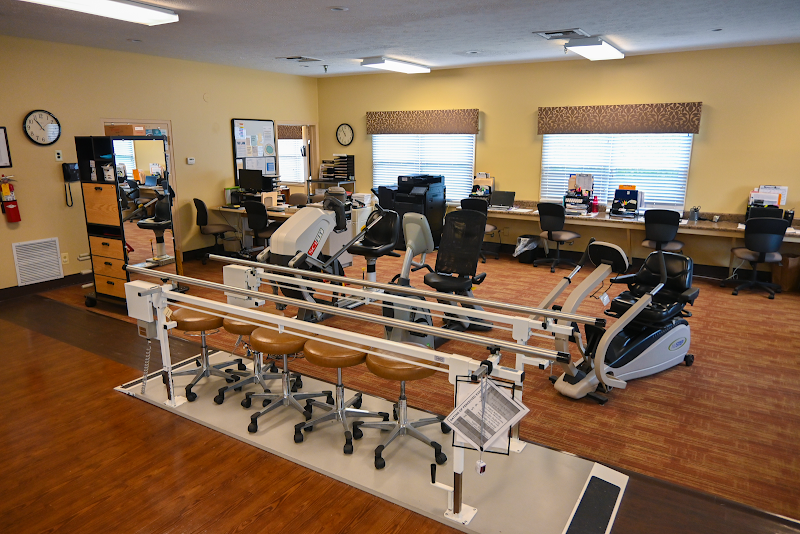
How is Twin Lakes Rehabilitation And Healthcare Center Staffed?

CMS rates TWIN LAKES REHABILITATION AND HEALTHCARE CENTER's staffing level at 2 out of 5 stars, which is below average compared to other nursing homes. Staff turnover is 47%, compared to the Pennsylvania average of 46%.

What Have Inspectors Found at Twin Lakes Rehabilitation And Healthcare Center?

State health inspectors documented 93 deficiencies at TWIN LAKES REHABILITATION AND HEALTHCARE CENTER during 2022 to 2025. These included: 1 Immediate Jeopardy (the most serious level, indicating potential for serious harm or death), 1 that caused actual resident harm, and 91 with potential for harm. Immediate Jeopardy findings are rare and represent the most serious regulatory concerns. They require immediate corrective action.
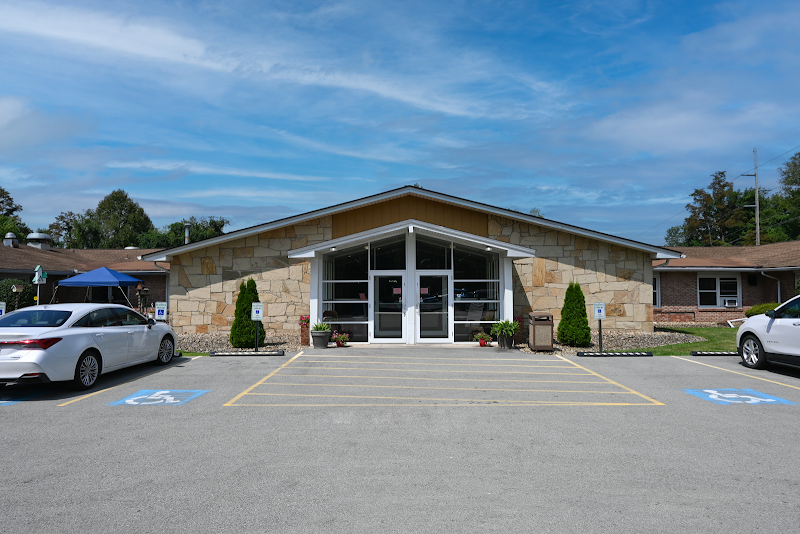
Who Owns and Operates Twin Lakes Rehabilitation And Healthcare Center?

TWIN LAKES REHABILITATION AND HEALTHCARE CENTER is owned by a for-profit company. For-profit facilities operate as businesses with obligations to shareholders or private owners. The facility operates independently rather than as part of a larger chain. With 137 certified beds and approximately 127 residents (about 93% occupancy), it is a mid-sized facility located in GREENSBURG, Pennsylvania.
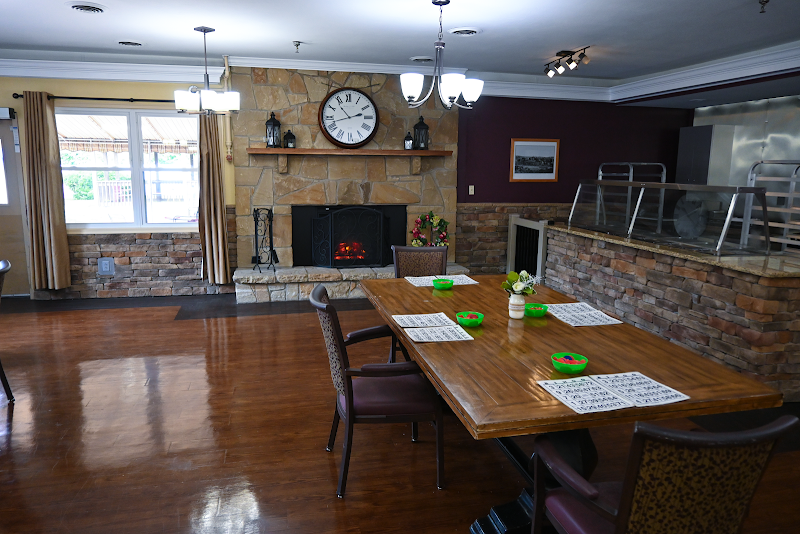
How Does Twin Lakes Rehabilitation And Healthcare Center Compare to Other Pennsylvania Nursing Homes?

Compared to the 100 nursing homes in Pennsylvania, TWIN LAKES REHABILITATION AND HEALTHCARE CENTER's overall rating (1 stars) is below the state average of 3.0, staff turnover (47%) is near the state average of 46%, and health inspection rating (1 stars) is much below the national benchmark.

What Should Families Ask When Visiting Twin Lakes Rehabilitation And Healthcare Center?

Based on this facility's data, families visiting should ask: "What changes have been made since the serious inspection findings, and how are you preventing similar issues?" "Can you walk me through typical staffing levels on day, evening, and night shifts?" "Can I visit during a mealtime to observe dining assistance and food quality?" "How do you handle medical emergencies, and what is your hospital transfer rate?" These questions are particularly relevant given the facility's Immediate Jeopardy citations and the below-average staffing rating.

Is Twin Lakes Rehabilitation And Healthcare Center Safe?

Based on CMS inspection data, TWIN LAKES REHABILITATION AND HEALTHCARE CENTER has documented safety concerns. Inspectors have issued 1 Immediate Jeopardy citation (the most serious violation level indicating risk of serious injury or death). The facility has a 1-star overall rating and ranks #100 of 100 nursing homes in Pennsylvania. Families considering this facility should ask detailed questions about what corrective actions have been taken since these incidents.

Do Nurses at Twin Lakes Rehabilitation And Healthcare Center Stick Around?

TWIN LAKES REHABILITATION AND HEALTHCARE CENTER has a staff turnover rate of 47%, which is about average for Pennsylvania nursing homes (state average: 46%). Moderate turnover is common in nursing homes, but families should still ask about staff tenure and how the facility maintains care continuity when employees leave.

Was Twin Lakes Rehabilitation And Healthcare Center Ever Fined?

TWIN LAKES REHABILITATION AND HEALTHCARE CENTER has been fined $87,838 across 1 penalty action. This is above the Pennsylvania average of $33,957. Fines in this range indicate compliance issues significant enough for CMS to impose meaningful financial consequences. Common causes include delayed correction of deficiencies, repeat violations, or care failures affecting resident safety. Families should ask facility leadership what changes have been made since these penalties.

Is Twin Lakes Rehabilitation And Healthcare Center on Any Federal Watch List?

TWIN LAKES REHABILITATION AND HEALTHCARE CENTER is not on any federal watch list. The most significant is the Special Focus Facility (SFF) program, which identifies the bottom 1% of nursing homes nationally based on persistent, serious quality problems. Not being on this list means the facility has avoided the pattern of deficiencies that triggers enhanced federal oversight. This is a positive indicator, though families should still review the facility's inspection history directly.