QUALITY LIFE SERVICES - GROVE CITY
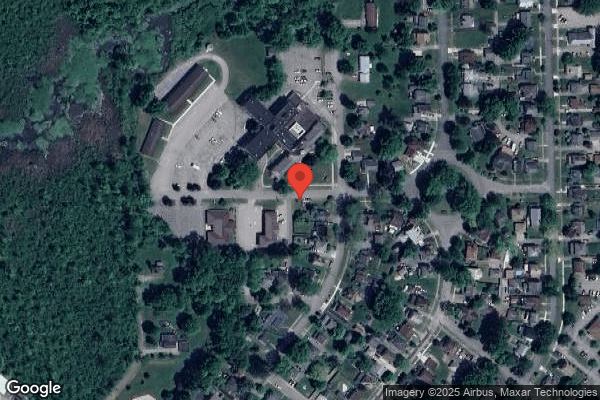
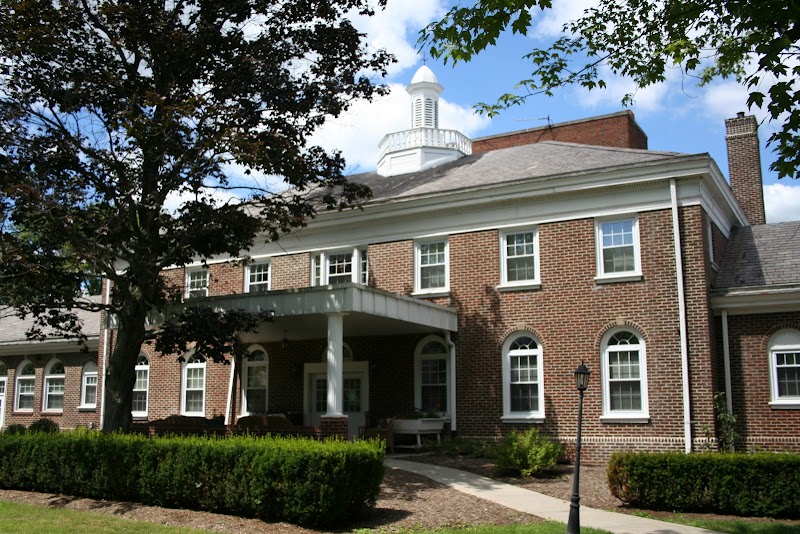
400 HILLCREST AVENUE, GROVE CITY, PA 16127 (724) 458-9501
For profit - Limited Liability company 109 Beds QUALITY LIFE SERVICES Data: November 2025
Trust Grade
78/100
#105 of 653 in PA
Last Inspection: October 2024

Within standard 12-15 month inspection cycle. Federal law requires annual inspections.

Overview

Quality Life Services in Grove City, Pennsylvania, has a Trust Grade of B, indicating it is a good but not top-tier option among nursing homes. It ranks #105 out of 653 facilities in Pennsylvania, placing it in the top half, and #3 out of 10 in Mercer County, meaning just two local homes are rated higher. However, the facility is experiencing a worsening trend, with issues increasing from three in 2023 to six in 2024. Staffing is average, rated 3 out of 5 stars, with a turnover rate of 52%, which is around the Pennsylvania average of 46%. While the nursing home has concerning RN coverage, falling below 80% of state facilities, it has received fines totaling $12,649, which is also average. Specific incidents raised during inspections include a serious failure to provide required mobility assistance, leading to actual harm for one resident, and concerns about cleanliness, as multiple wheelchairs were found dirty and not maintained according to policy. Additionally, there was a lack of accurate physician's orders for a resident's necessary medical equipment. Overall, while the facility has strengths, such as high ratings for quality measures, these weaknesses highlight areas needing improvement.

Trust Score
B
78/100
In Pennsylvania
#105/653
Top 16%
Safety Record
Moderate
Needs review
Inspections
Getting Worse
3 → 6 violations
Staff Stability
⚠ Watch
52% turnover. Above average. Higher turnover means staff may not know residents' routines.
Penalties
✓ Good
$12,649 in fines. Lower than most Pennsylvania facilities. Relatively clean record.
Skilled Nurses
⚠ Watch
Each resident gets only 28 minutes of Registered Nurse (RN) attention daily — below average for Pennsylvania. Fewer RN minutes means fewer trained eyes watching for problems.
Violations
⚠ Watch
15 deficiencies on record. Higher than average. Multiple issues found across inspections.
★★★★★
5.0
Overall Rating
★★★☆☆
3.0
Staff Levels
★★★★★
5.0
Care Quality
★★★★☆
4.0
Inspection Score
Stable
2023: 3 issues
2024: 6 issues

The Good

  • 5-Star Quality Measures · Strong clinical quality outcomes
  • Full Sprinkler Coverage · Fire safety systems throughout facility
  • No fines on record

Facility shows strength in quality measures, fire safety.

The Bad

Staff Turnover: 52%

Near Pennsylvania avg (46%)

Higher turnover may affect care consistency

Federal Fines: $12,649

Below median ($33,413)

Minor penalties assessed

Chain: QUALITY LIFE SERVICES

Part of a multi-facility chain

Ask about local staffing decisions and management

The Ugly 15 deficiencies on record

1 actual harm
Oct 2024 4 deficiencies
CONCERN (D)

Potential for Harm - no one hurt, but risky conditions existed

Safe Environment (Tag F0584)

Could have caused harm · This affected 1 resident

Based on review of facility policy, observation, and staff interview, it was determined that the facility failed to maintain a clean homelike environment for one of two resident neighborhoods (2nd Flo...

Read full inspector narrative →
Based on review of facility policy, observation, and staff interview, it was determined that the facility failed to maintain a clean homelike environment for one of two resident neighborhoods (2nd Floor). Findings include: Review of a facility policy dated 2/22/24, entitled Wheelchair Cleaning Policy, indicated the facility will provide clean, functional, and safe resident and facility owned wheelchairs through at least monthly cleaning or as needed. Observation of the 2nd Floor on 10/09/24, between 11:13 a.m. and 11:20 a.m. revealed concerns with four resident wheelchairs. Resident R8's wheelchair was observed to have dust and dried debris on the frame of his/her wheelchair. Resident R14's wheelchair was observed to have dried liquid and debris down the side of his/her wheelchair and on the frame of his/her wheelchair. Resident R55's wheelchair was observed to have dust and dried debris on the frame of his/her wheelchair. Resident R74 was observed to have a dried spaghetti noodle as well as other dried debris and dust on the edge of his/her wheelchair near and under the wheelchair cushion and on the frame of his/her wheelchair. During an interview on 10/09/24, at approximately 11:33 a.m. Registered Nurse (RN) Employee E1 confirmed that Residents R8, R14, R55, and R74's wheelchairs were unclean and with dried debris and dust. RN Employee E1 further stated that the nursing staff are responsible for cleaning the wheelchairs. 28 Pa. Code 201.18(b)(1) Management
CONCERN (D)

Potential for Harm - no one hurt, but risky conditions existed

Quality of Care (Tag F0684)

Could have caused harm · This affected 1 resident

Based on review of clinical record, observation, and staff interview, it was determined that the facility failed to ensure physician's orders were accurate and reflected the status and care provided t...

Read full inspector narrative →
Based on review of clinical record, observation, and staff interview, it was determined that the facility failed to ensure physician's orders were accurate and reflected the status and care provided to one of 21 residents reviewed (Resident R8). Findings include: Resident R8's clinical record revealed an admission date of 5/15/06, with diagnoses that included stroke, diabetes, and dementia (loss of cognitive functioning affecting a persona memory and behaviors). Resident R8's clinical record revealed a task dated 12/16/20, indicating Resident R8 was to wear a left upper extremity resting hand splint for up to four hours twice a day and to check skin integrity before and after splint wearing. Further review of Resident R8's clinical record revealed it lacked a physician's order for the left upper extremity resting hand splint. Observation of Resident R8 on 10/09/24, at approximately 11:50 a.m. revealed he/she was wearing a left resting hand splint. During an interview on 10/10/24, at 2:44 p.m. the Nursing Home Administrator confirmed that Resident R8 was utilizing a left resting hand splint and there was no physician's order for the use of the left resting hand splint. 28 Pa. Code 211.5(f)(i) Clinical records 28 Pa. Code 211.12 (d)(1)(5) Nursing Services
CONCERN (D)

Potential for Harm - no one hurt, but risky conditions existed

Respiratory Care (Tag F0695)

Could have caused harm · This affected 1 resident

Based on review of facility policy and clinical record, observations, and staff interview, it was determined that the facility failed to maintain proper care of respiratory equipment for one of two re...

Read full inspector narrative →
Based on review of facility policy and clinical record, observations, and staff interview, it was determined that the facility failed to maintain proper care of respiratory equipment for one of two residents reviewed for respiratory services (Resident R35). Findings include: Review of a facility policy dated 2/22/24, entitled Oxygen Concentrator indicated to check inlet filter pad to be sure it is clean and in place and not to run the concentrator without a filter or with a dusty filter as this can cause damage to the concentrator and alter the oxygen concentration. Policy also indicated to remove, rinse, and pat dry the air intake filter weekly or more often if needed to keep clean and free of dust. Resident R35's clinical record revealed an admission date of 12/28/22, with diagnoses that included chronic obstructive pulmonary disease (COPD - a lung disease that results in difficulty breathing, cough, and mucus production), dementia (loss of cognitive functioning affecting a persona memory and behaviors), and high blood pressure. Resident R35's physician's order dated 12/28/22, revealed that oxygen was ordered at two liters per minute every shift via nasal cannula (tubing that enters into the nostrils to administer oxygen). Further review of physician orders revealed an order dated 1/05/24, to clean oxygen filters every Friday on night shift. Observations on 10/08/24, at approximately 1:44 p.m. and 10/09/24, at approximately 11:25 a.m. revealed that Resident R35's oxygen concentrator had a filter on each side of the concentrator that contained a gray dusty substance. During an interview on 10/9/24, at approximately 11:32 a.m. Registered Nurse Employee E1 confirmed that the oxygen concentrator filters contained a gray dusty substance and should not as they are to be cleaned on a weekly basis. 28 Pa. Code 211.12(d)(1)(5) Nursing services
MINOR (B)

Minor Issue - procedural, no safety impact

Menu Adequacy (Tag F0803)

Minor procedural issue · This affected multiple residents

Based on review of facility policy and the facility's written menus, observation, and resident and staff interviews, it was determined that the facility failed to follow their planned menu for four of...

Read full inspector narrative →
Based on review of facility policy and the facility's written menus, observation, and resident and staff interviews, it was determined that the facility failed to follow their planned menu for four of six meals (lunch meal 10/08/24, dinner meal 10/08/24, dinner meal 10/09/24, and lunch meal 10/10/24). Findings include: Review of a facility policy dated 2/22/24, entitled Menu Substitutions indicated that substitutions will be provided when an uncontrollable situation has temporarily made the item unavailable and all changes will be recorded on the menu extension sheets and menu substitution sheet. Policy further stated that if a substitution is required more than one time, the Registered Dietitian must sign off to make a permanent change along with a permanent adjustment to the spreadsheet. Review of the facility's written and printed menu for the lunch meal on 10/08/24, revealed that the residents were to receive herb marinated chicken thigh, rice pilaf, green beans, wheat bread, cherry crisp, and coffee/tea. Observation of the lunch meal on the resident's unit on 10/08/24, at 12:24 p.m. revealed that the facility prepared and served chicken breast, white rice, corn, white bread, and chocolate chip cookie. Interview with Resident R1 at the time of observation revealed the following: This happens frequently, not as bad as today, but something is usually always different. Review of the facility's written and printed menu for dinner meal on 10/08/24, revealed that the residents were to receive macaroni and cheese, stewed tomatoes, parslied cauliflower, pineapple chunks, and coffee/tea. Interview with Resident R1 on 10/9/24, at 11:45 a.m. revealed the residents did not get the parslied cauliflower for the dinner meal on 10/08/24, like the menu indicated. Review of the facility's written and printed menu for dinner meal on 10/09/24, revealed that the residents were to receive Italian wedding soup, saltines, ham and provolone sandwich, pasta salad, seasonal fruit choice, and coffee/tea. Interview with Resident R1 on 10/10/24, at 12:17 p.m. revealed the residents received macaroni salad instead of the pasta salad for the dinner meal on 10/08/24, like the menu indicated. Review of the facility's written and printed menu for lunch meal on 10/10/24, revealed that the residents were to receive baked crunchy ranch chicken thigh, baked sweet potato half, winter blend vegetable (broccoli and cauliflower), choice of roll, gingersnap cookie, and coffee/tea. Observation of the lunch meal on the resident's unit on 10/10/24, at 12:17 p.m. revealed that the facility prepared and served baked chicken leg, sweet potato, broccoli, white bread, and cherry crisp cobbler. Interview with Resident R1 at the time of observation revealed the following: I can't remember the last time we received a dinner roll like it says, it is always a slice of bread. I don't know maybe the dinner rolls are too expensive and I crossed off the dessert for today, because it said it was going to be a gingersnap cookie and I don't care for those. During an interview on 10/09/24, at approximately 2:15 p.m. six of seven residents interviewed during a Resident Council meeting revealed that menus are not followed. Residents further indicated it was always a surprise what was under the lid when a meal was served. During an interview on 10/10/24, at approximately 10:30 a.m. the Dietary Manager stated they served chicken breast on Tuesday instead of the chicken thighs because the chicken thighs have too much fat on them and the residents don't care for them. He / she also stated they didn't serve the cherry crisp cobbler on Tuesday as scheduled because staff didn't realize it needed thawed out before they could cook it. During an interview on 10/10/24, at approximately 12:10 p.m. Nurse Aide (NA) Employees E2, E3, and E4 stated they are not aware of menu changes ahead of time and know what is served to the residents when they remove the lids from the trays. During an interview on 10/10/24, at approximately 1:30 p.m. the Nursing Home Administrator stated the Dietary Manager informs the Assistant Director of Nursing, or the first nurse he/she sees of any menu changes. During an interview on 10/11/24, at approximately 10:25 a.m. the Dietary Manager confirmed the menu was not followed as posted for the lunch meal 10/08/24, dinner meal 10/08/24, dinner meal 10/09/24, and lunch meal 10/10/24. The Dietary Manager stated some changes he/she was aware of and others the staff changed without prior approval. The Dietary Manager also confirmed that the facility does not use chicken thighs because of the fat, and the menus have not been updated to reflect that change. 28 Pa. Code 211.6 (a) Dietary Services
Jan 2024 2 deficiencies
CONCERN (D) 📢 Someone Reported This

A family member, employee, or ombudsman was alarmed enough to file a formal complaint

Potential for Harm - no one hurt, but risky conditions existed

Transfer Requirements (Tag F0622)

Could have caused harm · This affected 1 resident

Based on review of clinical records and staff interview, it was determined that the facility failed to ensure the presence of necessary documentation to support the specific reasons for discharge vers...

Read full inspector narrative →
Based on review of clinical records and staff interview, it was determined that the facility failed to ensure the presence of necessary documentation to support the specific reasons for discharge versus returning to the facility after an emergency transfer to an acute care facility for one of three residents reviewed (Resident R1). Findings include: Review of Resident R1's clinical record revealed an initial admission date of 12/07/23, with diagnoses that included edema (swelling), dysphagia (difficulty swallowing) and short bowel syndrome (malabsorption disorder caused by lack of functional small intestine). Review of a progress note, dated 12/09/23, and as a late entry, revealed that Resident R1 was displaying behaviors including verbal, throwing things, putting other residents at risk, interfering with resident care and participation in activities. Another nursing note at 1:00 p.m., revealed that Crisis was called and Resident R1 was transferred to an acute care facility on a 302 petition and evaluation. Review of Resident R1's clinical record revealed that there was no physician documentation concerning the basis for the transfer/discharge; the specific resident's needs the facility could not meet; the facility efforts to meet the needs of the resident; and the specific services the receiving facility will provide to meet the needs of the resident which cannot be met at the current facility. During an interview on 1/24/24, at 2:25 p.m. the Nursing Home Administrator confirmed the clinical record did not contain the required physician documentation as to the rationale that Resident R1's clinical symptoms could not be treated at the facility. 28 Pa. Code 201.29(a)(c) Resident rights
CONCERN (D) 📢 Someone Reported This

A family member, employee, or ombudsman was alarmed enough to file a formal complaint

Potential for Harm - no one hurt, but risky conditions existed

Transfer Notice (Tag F0623)

Could have caused harm · This affected 1 resident

Based on review of clinical records and facility policy and staff interview, it was determined that the facility failed to provide the resident and resident representative of a Notice before Transfer/...

Read full inspector narrative →
Based on review of clinical records and facility policy and staff interview, it was determined that the facility failed to provide the resident and resident representative of a Notice before Transfer/Discharge in writing for one of three residents reviewed (Resident R1). Findings include: Review of the facility policy entitled 30 Day Discharge Notice AR-29 revealed to ensure proper notice is given and to secure a safe discharge location per state regulations. Review of Resident R1's clinical record revealed an initial admission date of 12/07/23, with diagnoses that included edema (swelling), dysphagia (difficulty swallowing) and short bowel syndrome (malabsorption disorder caused by lack of functional small intestine). Review of Resident R1's clinical record revealed a progress note dated 12/09/23, at 1:00 p.m., which identified that Resident R1 was transferred to the hospital. The clinical record lacked documentation that Resident R1 and their representative was provided with a copy of a Notice of Transfer/Discharge as required. During an interview on 1/24/24, at 2:25 p.m. the Nursing Home Administrator confirmed that there was no evidence that Resident R1 and his/her representative was provided with a copy of the Notice of Transfer/Discharge. 28 Pa. Code 201.14(a) Responsibility of licensee 28 Pa. Code 201.29(a) Resident rights
Nov 2023 2 deficiencies
CONCERN (D)

Potential for Harm - no one hurt, but risky conditions existed

Resident Rights (Tag F0550)

Could have caused harm · This affected 1 resident

Based on review of facility policy and clinical records, observations, and staff interview, it was determined that the facility failed to provide resident privacy and dignity regarding an exposed urin...

Read full inspector narrative →
Based on review of facility policy and clinical records, observations, and staff interview, it was determined that the facility failed to provide resident privacy and dignity regarding an exposed urinary catheter (a tube placed and held in the bladder to drain urine) drainage bag for two of five residents reviewed for catheters (Residents R88 and R47). Findings include: Review of a facility policy entitled, Indwelling Urinary Catheter dated 2/23/23, indicated .drainage bag should be placed in a position lower than the bladder , policy also indicated The catheter bag should have a privacy cover applied at all times Review of Resident R88's clinical record revealed an admission date of 10/9/23, with diagnosis that included, Obstructive and Reflux Uropathy (a condition that will not let the urine drain naturally), Diabetes (condition of inadequate insulin levels and blood sugar control), and Hypertension (high blood pressure). Review of Resident R88's foley catheter care plan revealed an intervention for position catheter bag and tubing below the level of my bladder, without kinks and secure with leg strap - facing away from the entrance to my room. Observation on 11/14/23, at 12:44 p.m. revealed Resident R88 sitting in his/her wheelchair in his/her room and his/her urinary catheter drainage bag visible from the hallway without a privacy cover. Observation on 11/15/23, at 11:55 a.m. revealed Resident R88 sitting in his/her wheelchair in his/her room and his/her urinary catheter drainage bag was hanging from the arm rest on his/her wheelchair visible from the hallway without a privacy cover. Further observations on 11/16/23, at 9:00 a.m. revealed Resident R88 sitting in his/her wheelchair in the dining area, which is a common area within the facility, with his/her urinary catheter drainage bag hanging from the back of his/her wheelchair visible without a privacy cover. During an interview on 10/15/23, at 11:55 a.m. Licensed Practical Nurse Employee E1, confirmed that the urinary catheter drainage bag should be placed below the resident's bladder and covered to ensure resident privacy and dignity. Review of Resident R47's clinical record revealed an admission date of 2/01/23, with diagnoses that included paraplegia (loss of use of the lower body), lack of coordination, and abnormal posture. Observation on 11/15/23, at 2:10 p.m. revealed Resident R47 in the front lobby, which is a common area within the facility, with their urinary catheter drainage bag containing urine hanging on his/her wheelchair without a privacy cover. During an interview on 11/15/23, at 2:15 p.m. the Director of Nursing confirmed that R47's urinary catheter drainage bag lacked a privacy cover and that there should have been a privacy cover in place. 28 Pa. Code 201.14(a) Responsibility of licensee 28 Pa. Code 211.10(c) Resident care policies 28 Pa. Code 211.12(d)(1)(5) Nursing Services
CONCERN (D)

Potential for Harm - no one hurt, but risky conditions existed

Food Safety (Tag F0812)

Could have caused harm · This affected 1 resident

Based on review of facility policy, observations, and staff interviews, it was determined that the facility failed to ensure that food was stored in accordance with standards for food safety in one of...

Read full inspector narrative →
Based on review of facility policy, observations, and staff interviews, it was determined that the facility failed to ensure that food was stored in accordance with standards for food safety in one of two refrigerators reviewed (third floor pantry). Findings include: Review of a facility policy entitled Food brought in from outside sources dated 2/23/23, indicated that items brought into the facility must be labeled with the resident's name and the date prepared. The policy also indicated condiment type foods may be kept for 2 months or until factory marked date whichever is first. Review of a facility policy entitled Food Storage dated 2/23/23, indicated that food is stored by methods designed to prevent contamination or cross contamination. Observations on 11/15/23, at approximately 10:30 a.m. a refrigerator in the pantry for resident use on the third floor revealed three bottles of Pepsi with no resident name, an open container of 2.0 Cal med pass (a supplement given to resident during medication administration) with no open date, an open half empty bottle of parmesan cheese with no resident name and an expiration date of 7/24/23, a chef salad with no resident name and a best by date of 11/4/23, an open bottle of salad dressing with no resident name and an unreadable expiration date, and an open container of cream cheese with no open date. Further observation of the freezer revealed an ice pack that was used for treatments on resident's bodies, next to ice cream and a breakfast sandwich. During an interview at the time of observation with Licensed Practical Nurse Employee E1 he/she confirmed that items in the refrigerator should be labeled and dated. He/she also confirmed that items should be discarded if expired or unable to read expiration dates and that the ice packs that were used on resident's bodies should not be stored in the resident food freezer. 28 Pa. Code 201.14(a) Responsibility of licensee
Aug 2023 1 deficiency 1 Harm
SERIOUS (G) 📢 Someone Reported This

A family member, employee, or ombudsman was alarmed enough to file a formal complaint

Actual Harm - a resident was hurt due to facility failures

Accident Prevention (Tag F0689)

A resident was harmed · This affected 1 resident

Based on review of clinical records, and facility documents, and staff interview it was determined that the facility failed to ensure each resident received the required mobility assistance using assi...

Read full inspector narrative →
Based on review of clinical records, and facility documents, and staff interview it was determined that the facility failed to ensure each resident received the required mobility assistance using assistive devices to prevent accidents that resulted in actual harm of the right lower leg for one of eight residents reviewed (Closed Record Resident CR2). This deficiency is being cited as past non-compliance. Findings include: Review of Resident CR2's clinical record revealed an admission date of 7/26/23, with diagnoses that included broken left lower leg, lack of coordination, abnormal gait and mobility, falls, and muscle wasting. Review of hospital discharge records dated 7/24/23, included a Closed fracture of left fibula (lower leg) assessment and plan indicated, Patient is partial weight bearing due to distal fibula/ankle fracture. Patient with assistance of caregiver can pivot between bed to chair, wheelchair, and commode with Sit-to-Stand or patient would be confined without the use of a Sit-to-Stand. Review of physician's orders revealed the following orders for Resident CR2: 7/26/23- weight bearing full; 7/26/23- short air cast boot; 7/27/23- transfer with a stand-up lift; and 7/27/23- weight bearing as tolerated with use of walking boot for transfers. Review of Resident CR2's clinical record revealed a nurse aide tasks record dated 7/26/23, that identified Resident CR2 was to be transferred with extensive assistance of two staff. The nurse aide task record did not include the current 7/27/23, physician orders for the use of a stand-up lift for transfers. Review of departmental progress notes dated 8/03/23, revealed that Resident CR2 was working with therapy and was yelling out and grimacing, and his/her right foot was bruised, swollen, and rotated outward. X-rays from 8/03/23, revealed new buckle/angulated fractures of both bones in the right lower leg. The facility began an investigation on 8/03/23, and determined that the therapy order dated 7/27/23, to transfer Resident CR2 using the stand-up lift was not transcribed to the nurse aide tasks and that staff were transferring him/her with extensive assistance of two people. The facility initiated a whole-house audit of residents with transfer orders and identified and reconciled an additional 18 resident transfer orders. Facility obtained statements from staff who provided care to Resident CR2. Review of facility documents revealed that the facility conducted licensed nursing staff education on 8/04/23, related to proper transcription of resident mobility orders into the nurse aide 'tasks' portion of the electronic health records. Interviews on 8/16/23, at 12:40 p.m. and 1:05 p.m. with the Therapy Supervisor, Director of Nursing, and Nursing Home Administrator confirmed that they were reviewing all new transfer orders in morning meeting and ensuring that the orders are consistent in the electronic health record and nurse aide tasks. The facility identified an opportunity for error during the entry of new therapy transfer orders, and that corporate scheduled additional training for therapy staff to enter transfer orders in the nurse aide tasks when they are entered into the electronic health record. Facility has also educated therapy staff on entering new transfer status orders into the nurse aide tasks in the electronic health record. This deficiency is being cited as past non-compliance. The facility has demonstrated compliance with the transcription of resident mobility orders since 8/04/23. 28 Pa. Code 201.14(a) Responsibility of Licensee 28 Pa. Code 201.18(b)(1) Management 28 Pa. Code 211.12 (d)(3)(5) Nursing Services
Dec 2022 6 deficiencies
CONCERN (D)

Potential for Harm - no one hurt, but risky conditions existed

Investigate Abuse (Tag F0610)

Could have caused harm · This affected 1 resident

Based on review of facility policies and documentation and clinical records and staff interviews, it was determined that the facility failed to immediately initiate a thorough investigation regarding ...

Read full inspector narrative →
Based on review of facility policies and documentation and clinical records and staff interviews, it was determined that the facility failed to immediately initiate a thorough investigation regarding an allegation of abuse for one of 18 residents reviewed (Resident R9). Findings include: Review of facility policy, Resident protection from abuse, neglect or exploitation dated 2/23/22, revealed under Reporting/Response - The following procedure will be implemented by the homes when an incident of abuse, neglect, exploitation, or mistreatment including injuries of unknown source, or misappropriation of resident property resident abuse (including injuries of unknown source), alleged or suspected. This includes allegations involving other residents, visitors, employees, or any other person. Any situation of abuse or suspected abuse will be reported as follows. The Administrator or Director of Nursing (DON) must be notified immediately. Review of Resident R9's clinical record revealed an admission date of 2/02/21, with diagnoses that included heart failure, dementia (a disease of the brain that affects decision making, mood and behavior), diabetes mellitus (a condition that affects the way the body processes blood sugar), and kidney disease. Review of Resident R9's care plan dated 2/03/21, revealed a focus on potential or actual bowel incontinence related to immobility, Transient Ischemic Attack (TIA) with interventions to check on me at least every two hours and assist with toileting as needed and provide me with a bedpan or bedside commode as needed. Review of Resident R9's progress notes dated 9/19/22, 3:45 p.m. revealed CNA came to DON stated Resident R9 had a complaint. CNA told DON that Resident R9 stated he/she was not checked on all night, he/she had bowel movement (BM) all over. Allegation of neglect, Resident R9 assessed, no injury, investigation initiated. No further documentation of a prior investigation was noted from the midnight and dayshift facility staff. Review of information submitted by the facility dated 9/20/22, revealed Factual Description reported by the DON, At 1430 a Certified Nursing Assistant (CNA) came to me and reported that when he/she went to get Resident R9 out of bed this morning he/she was crying. Was incontinent of a large amount of loose stool some of which was dried on skin. Resident R9 stated, No one came in all night to check on me, how could they forget about me? Also stated, they probably came in and turned around and walked out when they smelled me. No further documentation was noted in the facility report or a Risk Management Report to indicate an investigation was immediately initiated during or after the midnight shift of the incident by any facility staff until 1:30 p.m. 9/19/22, when the DON was notified by a CNA. During an interview on 12/07/22, at 2:30 p.m. the DON confirmed that no thorough investigation was immediately initiated until he/she was notified at 1:30 p.m. 9/19/22 of Resident R9's allegation of no incontinence care during the night shift (11 p.m. - 7 a.m.) 9/19/22. 483.13 - Resident Behavior and Facility Practices, 10-1-1998 edition 28 Pa. Code 201.14(a) Responsibility of licensee 28 Pa. Code 211.5(f) Clinical records 28 Pa. Code 211.12(d)(5) Nursing services
CONCERN (D)

Potential for Harm - no one hurt, but risky conditions existed

Deficiency F0625 (Tag F0625)

Could have caused harm · This affected 1 resident

**NOTE- TERMS IN BRACKETS HAVE BEEN EDITED TO PROTECT CONFIDENTIALITY** Based on review of clinical records and staff interview, it was determined that the facility failed to provide written evidence ...

Read full inspector narrative →
**NOTE- TERMS IN BRACKETS HAVE BEEN EDITED TO PROTECT CONFIDENTIALITY** Based on review of clinical records and staff interview, it was determined that the facility failed to provide written evidence to residents or the responsible parties of a notice of bed-hold policy when transported to the hospital for two of 18 residents reviewed (Residents R21 and R66). Findings include: Review of Resident R21's clinical record revealed an admission date of 9/19/22, with diagnoses that included dementia, hypothyroidism (a condition in which the thyroid gland does not produce enough thyroid hormone) and diabetes. Review of progress notes revealed that Resident R21 was transferred to the hospital for evaluation and treatment on 11/6/22 and returned to the facility on [DATE]. There was no documented evidence to indicate that notification regarding the bed-hold policy was provided to Resident R21 or their responsible party before the transfer to the hospital. Review of Resident R66's clinical record revealed an admission date of 9/20/22, with diagnoses that included cerebral infarction (disrupted blood flow to the brain due to problems with blood vessels) affecting right dominant side, cognitive and communication deficit, and muscle wasting/ atrophy. Review of progress notes revealed that Resident R66 was transferred to the hospital for evaluation and treatment on 11/1/22 and returned to the facility on [DATE]. There was no documented evidence to indicate that notification regarding the bed-hold policy was provided to Resident R66 or their responsible party before the transfer to the hospital. During an interview on 12/09/22, at 12:00 p.m. the Nursing Home Administrator confirmed that there was no evidence or documentation that written notification of the bed hold policy was sent with Resident R21 or Resident R66 or their representatives when transferred to the hospital. Pa. Code 211.5(f) Clinical records Pa. Code 211.12(d)(1)(3)(5) Nursing services
CONCERN (D)

Potential for Harm - no one hurt, but risky conditions existed

Comprehensive Care Plan (Tag F0656)

Could have caused harm · This affected 1 resident

Based on review of facility policy and clinical records and staff interviews, it was determined that the facility failed to develop a comprehensive care plan for two of 18 residents reviewed (Resident...

Read full inspector narrative →
Based on review of facility policy and clinical records and staff interviews, it was determined that the facility failed to develop a comprehensive care plan for two of 18 residents reviewed (Residents R4 and R32) Findings include: Review of facility policy dated 2/23/22, entitled Care Plan and Interdisciplinary Care Conference indicated The care plan is reviewed and updated at least quarterly, and is based on ongoing assessment and evaluation of resident needs. It may be specifically reviewed and updated as the resident's condition changes . Review of Resident R4's clinical record revealed an admission date of 12/18/21, with diagnoses that included bladder cancer, anxiety, and dysphagia (difficulty swallowing foods or liquids). Resident R4's clinical record revealed a physician's order dated 5/11/22, for admission to hospice services on 5/11/22. The clinical record lacked evidence that a care plan had been developed to address Resident R4's terminal condition or hospice services. Review of Resident R32's clinical record revealed an admission date of 5/25/22, with diagnoses that included dysphagia, and osteoporosis (a condition in which bones become weak and brittle). Resident R32's clinical record revealed a physician's order dated 7/21/22, for admission to hospice services. The clinical record lacked evidence that a care plan had been developed to address Resident R32's terminal condition or hospice services. During an interview on 12/7/22, at 1:03 p.m. Registered Nurse Assessment Coordinator confirmed that a care plan had not been developed to address Resident R4 and R32's hospice services. 28 Pa. Code 201.14(a) Responsibility of licensee 28 Pa. Code 211.11(a) Resident care plan 28 Pa. Code 211.12(d)(3)(5) Nursing services
CONCERN (D)

Potential for Harm - no one hurt, but risky conditions existed

Drug Regimen Review (Tag F0756)

Could have caused harm · This affected 1 resident

Based on review of facility policy and clinical record and staff interview, it was determined that the facility failed to ensure that monthly pharmacy medication reviews were completed for two of 18 r...

Read full inspector narrative →
Based on review of facility policy and clinical record and staff interview, it was determined that the facility failed to ensure that monthly pharmacy medication reviews were completed for two of 18 residents reviewed (Residents R9 and R66). Findings include: Review of the facility policy entitled, Documentation and Communication of consultant pharmacist recommendations dated 2/23/22, stated Procedures: The consultant pharmacist reviews the medication regimen of each resident at least monthly. Review of Resident R9's clinical record revealed an admission date of 2/02/21, with diagnoses that included heart failure, dementia (a disease of the brain that affects mood, decision making, and behavior), diabetes mellitus (a chronic condition that affects the way the body processes blood sugar), and kidney disease. Resident R9's physician's orders included Lantus 100 unit/milliliter (Insulin Glargine) inject 10 units subcutaneously in the morning for diabetes mellitus, Tramadol HCL 50 milligrams (mg) give 1/2 tablet three times a day for polyarthritis, and Torsemide 20 mg give two tablets in the morning for cardiac heart failure. There was no documented evidence that pharmacy completed a monthly drug regimen review for Resident R9 from March 2022 to December 2022. During an interview on 12/08/22, at 12:05 p.m. the Director of Nursing (DON) confirmed there were no pharmacy reviews for Resident R9 for March 2022 to December 2022. Review of Resident R66's clinical record revealed an admission date of 9/20/22, with diagnoses that included cerebral infarction (disrupted blood flow to the brain due to problems with blood vessels) affecting right dominant side, cognitive and communication deficit, and muscle wasting/ atrophy. Resident R66's physician's orders included Donepezil HCL tablet 5 mg give one tablet by mouth in the morning for dementia, Eliquis tablet 5 mg give one tablet by mouth two times per day for a CVA (cardiovascular accident-stroke), quetiapine fumarate tablet 100 mg give 1 tablet by mouth at bedtime for dementia, and Sertraline HCL tablet 100 mg give 1.5 tablets by mouth in the morning for depression. There was no documented evidence that pharmacy completed a monthly drug regimen review for Resident R66 for October and November 2022. During an interview on 12/08/22, at 12:25 p.m. the DON confirmed that there were no pharmacy reviews for Resident R66 for October and November 2022. 28 Pa. Code 201.14(a) Responsibility of licensee
CONCERN (D)

Potential for Harm - no one hurt, but risky conditions existed

Medication Errors (Tag F0758)

Could have caused harm · This affected 1 resident

Based on review of clinical records and staff interviews, it was determined that the facility failed to provide a clinical rationale for the continued use of a PRN (as needed) psychotropic (affecting ...

Read full inspector narrative →
Based on review of clinical records and staff interviews, it was determined that the facility failed to provide a clinical rationale for the continued use of a PRN (as needed) psychotropic (affecting the mind) medication beyond 14-days and failed to provide evidence that non-pharmacological interventions (interventions attempted to calm a resident other than medication) were attempted prior to the administration of a PRN psychotropic medication for one of five residents reviewed for unnecessary medications (Resident R184). Findings include: Review of Resident R184's clinical record revealed an admission date of 11/18/22, with diagnoses that included diabetes, high blood pressure, and anxiety. A physician's order dated 11/18/22, identified to administer Alprazolam (anti-anxiety agent) 0.5 milligrams (mg) by mouth every eight hours as needed for anxiety, and lacked the required stop date within 14-days or a clinical rationale for continued use beyond 14-days. Review of Resident R184's Medication Administration Records (MAR) revealed he/she received the Alprazolam past the 14-days on 12/2/22, 12/3/22, 12/4/22, 12/5/22, and 12/6/22. Review of Resident R184's MAR for November 2022 revealed that the PRN Alprazolam was used 22 times between 11/18/22, and 11/30/22. Review of the November 2022 MAR and clinical record progress notes revealed that there was no evidence of non-pharmacological interventions attempted prior to the administration of the PRN Alprazolam 22 of the 22 times the Alprazolam was utilized in November 2022. Review of Resident R184's MAR for December 2022 revealed that the PRN Alprazolam was used 10 times between 12/1/22, and 12/6/2022. Review of the December 2022 MAR and clinical record progress notes revealed that there was no evidence of non-pharmacological interventions attempted prior to the administration of the PRN Alprazolam 10 of the 10 times the Alprazolam was utilized in December 2022. During an interview on 12/7/22, at 2:34 p.m. the Director of Nursing confirmed that Resident R184's Alprazolam order lacked the required stop date within 14-days or a clinical rationale for continued use beyond 14-days and that there was no evidence of non-pharmacological interventions being attempted prior to the administration of the PRN Alprazolam 32 of the 32 times it was administered between 11/18/22, and 12/6/2022. 28 Pa. Code 211.12(d)(1)(3)(5) Nursing services
CONCERN (D)

Potential for Harm - no one hurt, but risky conditions existed

Deficiency F0761 (Tag F0761)

Could have caused harm · This affected 1 resident

**NOTE- TERMS IN BRACKETS HAVE BEEN EDITED TO PROTECT CONFIDENTIALITY** Based on review of facility policy, observation and staff interviews, it was determined that the facility failed to discard an o...

Read full inspector narrative →
**NOTE- TERMS IN BRACKETS HAVE BEEN EDITED TO PROTECT CONFIDENTIALITY** Based on review of facility policy, observation and staff interviews, it was determined that the facility failed to discard an opened multiple-dose vial of insulin that was past its use-by date on one of two medication carts observed (Second Floor Medication Cart). Findings include: Review of the facility policy entitled, Storage of Medications last reviewed [DATE], revealed that when the original seal of a manufacturer's container or vial is initially broken, the container or vial will be dated. The nurse will place a date opened sticker on the medication and enter the date opened and the new date of expiration. The expiration date of the vial or container will be 30 days unless the manufacturer recommends another date or regulations/guidelines require different dating. Review of manufacturer's recommendations for Novolin (type of insulin) 10 milliliter multiple-dose vials revealed that in-use opened room temperature vials must be used within 42 days. Observations of medication storage of the second floor medication cart on [DATE], at 9:40 a.m., revealed an opened multi-dose vial of Novolin insulin with an opened date of [DATE], and expired after opening date of [DATE]. The Vial was in the medication drawer 61 days after opening. During an interview at the time of the observation, Licensed Practical Nurse Employee E1 confirmed that the vial was in the cart past the expiration/use by date written on the vial and should have been discarded. 28 Pa. Code 201.14(a) Responsibility of licensee 28 Pa. Code 211.12(d)(1)(5) Nursing services
Understanding Severity Codes (click to expand)
Life-Threatening (Immediate Jeopardy)
J - Isolated K - Pattern L - Widespread
Actual Harm
G - Isolated H - Pattern I - Widespread
Potential for Harm
D - Isolated E - Pattern F - Widespread
No Harm (Minor)
A - Isolated B - Pattern C - Widespread

Questions to Ask on Your Visit

  • "Can I speak with families of current residents?"
  • "What's your RN coverage like on weekends and overnight?"

Our Honest Assessment

Strengths
  • • Licensed and certified facility. Meets minimum state requirements.
Concerns
  • • 15 deficiencies on record, including 1 serious (caused harm) violation. Ask about corrective actions taken.
  • • $12,649 in fines. Above average for Pennsylvania. Some compliance problems on record.
Bottom line: Generally positive indicators. Standard due diligence and a personal visit recommended.

About This Facility

What is Quality Life Services - Grove City's CMS Rating?

CMS assigns QUALITY LIFE SERVICES - GROVE CITY an overall rating of 5 out of 5 stars, which is considered much above average nationally. Within Pennsylvania, this rating places the facility higher than 99% of the state's 100 nursing homes. This rating reflects solid performance across the metrics CMS uses to evaluate nursing home quality.
How is Quality Life Services - Grove City Staffed?

CMS rates QUALITY LIFE SERVICES - GROVE CITY's staffing level at 3 out of 5 stars, which is average compared to other nursing homes. Staff turnover is 52%, compared to the Pennsylvania average of 46%.

What Have Inspectors Found at Quality Life Services - Grove City?

State health inspectors documented 15 deficiencies at QUALITY LIFE SERVICES - GROVE CITY during 2022 to 2024. These included: 1 that caused actual resident harm, 13 with potential for harm, and 1 minor or isolated issues. Deficiencies causing actual harm indicate documented cases where residents experienced negative health consequences.
Who Owns and Operates Quality Life Services - Grove City?

QUALITY LIFE SERVICES - GROVE CITY is owned by a for-profit company. For-profit facilities operate as businesses with obligations to shareholders or private owners. The facility is operated by QUALITY LIFE SERVICES, a chain that manages multiple nursing homes. With 109 certified beds and approximately 94 residents (about 86% occupancy), it is a mid-sized facility located in GROVE CITY, Pennsylvania.
How Does Quality Life Services - Grove City Compare to Other Pennsylvania Nursing Homes?

Compared to the 100 nursing homes in Pennsylvania, QUALITY LIFE SERVICES - GROVE CITY's overall rating (5 stars) is above the state average of 3.0, staff turnover (52%) is near the state average of 46%, and health inspection rating (4 stars) is above the national benchmark.

What Should Families Ask When Visiting Quality Life Services - Grove City?

Based on this facility's data, families visiting should ask: "Can I visit during a mealtime to observe dining assistance and food quality?" "How do you handle medical emergencies, and what is your hospital transfer rate?" "Can I speak with family members of current residents about their experience?"

Is Quality Life Services - Grove City Safe?

Based on CMS inspection data, QUALITY LIFE SERVICES - GROVE CITY has a clean safety record: no substantiated abuse findings (meaning no confirmed cases of resident harm), no Immediate Jeopardy citations (the most serious violation level indicating risk of serious injury or death), and is not on the Special Focus Facility watch list (a federal program monitoring the lowest-performing 1% of nursing homes). The facility has a 5-star overall rating and ranks #1 of 100 nursing homes in Pennsylvania. While no facility is perfect, families should still ask about staff-to-resident ratios and recent inspection results during their visit.

Do Nurses at Quality Life Services - Grove City Stick Around?

QUALITY LIFE SERVICES - GROVE CITY has a staff turnover rate of 52%, which is 6 percentage points above the Pennsylvania average of 46%. Moderate turnover is common in nursing homes, but families should still ask about staff tenure and how the facility maintains care continuity when employees leave.

Was Quality Life Services - Grove City Ever Fined?

QUALITY LIFE SERVICES - GROVE CITY has been fined $12,649 across 1 penalty action. This is below the Pennsylvania average of $33,205. While any fine indicates a compliance issue, fines under $50,000 are relatively common and typically reflect isolated problems that were subsequently corrected. Families should ask what specific issues led to these fines and confirm they've been resolved.

Is Quality Life Services - Grove City on Any Federal Watch List?

QUALITY LIFE SERVICES - GROVE CITY is not on any federal watch list. The most significant is the Special Focus Facility (SFF) program, which identifies the bottom 1% of nursing homes nationally based on persistent, serious quality problems. Not being on this list means the facility has avoided the pattern of deficiencies that triggers enhanced federal oversight. This is a positive indicator, though families should still review the facility's inspection history directly.