CAPITOL REHABILITATION AND HEALTHCARE CENTER


4000 LINGLESTOWN ROAD, HARRISBURG, PA 17112 (717) 657-0700
For profit - Corporation 138 Beds MARQUIS HEALTH SERVICES Data: November 2025
Trust Grade
45/100
#393 of 653 in PA
Last Inspection: October 2024

Within standard 12-15 month inspection cycle. Federal law requires annual inspections.

Overview

Capitol Rehabilitation and Healthcare Center has a Trust Grade of D, which means it is below average and raises some concerns about care quality. It ranks #393 out of 653 nursing homes in Pennsylvania, placing it in the bottom half, and #4 out of 8 in Dauphin County, indicating that only three local facilities are better. The facility is improving, having reduced its issues from 10 in 2024 to 5 in 2025, but it still has a total of 36 issues, including one serious incident where a resident suffered an acute fracture due to inadequate supervision during a lift transfer. Staffing is a relative strength with a 3/5 rating and a turnover rate of 43%, which is slightly below the state average, but RN coverage is only average. On a positive note, there have been no fines, which suggests that the facility has avoided some compliance issues. However, families should be aware of specific incidents, such as a failure to maintain accurate resident assessments and care plans, which could impact the quality of care provided.

Trust Score
D
45/100
In Pennsylvania
#393/653
Bottom 40%
Safety Record
Moderate
Needs review
Inspections
Getting Better
10 → 5 violations
Staff Stability
○ Average
43% turnover. Near Pennsylvania's 48% average. Typical for the industry.
Penalties
✓ Good
No fines on record. Clean compliance history, better than most Pennsylvania facilities.
Skilled Nurses
○ Average
Each resident gets 39 minutes of Registered Nurse (RN) attention daily — about average for Pennsylvania. RNs are the most trained staff who monitor for health changes.
Violations
⚠ Watch
36 deficiencies on record. Higher than average. Multiple issues found across inspections.
★★☆☆☆
2.0
Overall Rating
★★★☆☆
3.0
Staff Levels
★★★★☆
4.0
Care Quality
★★☆☆☆
2.0
Inspection Score
Stable
2024: 10 issues
2025: 5 issues

The Good

  • 4-Star Quality Measures · Strong clinical quality outcomes
  • Full Sprinkler Coverage · Fire safety systems throughout facility
  • No fines on record
  • Staff turnover below average (43%)

    5 points below Pennsylvania average of 48%

Facility shows strength in quality measures, fire safety.

The Bad

2-Star Overall Rating

Below Pennsylvania average (3.0)

Below average - review inspection findings carefully

Staff Turnover: 43%

Near Pennsylvania avg (46%)

Typical for the industry

Chain: MARQUIS HEALTH SERVICES

Part of a multi-facility chain

Ask about local staffing decisions and management

The Ugly 36 deficiencies on record

1 actual harm
Sept 2025 2 deficiencies
CONCERN (D) 📢 Someone Reported This

A family member, employee, or ombudsman was alarmed enough to file a formal complaint

Potential for Harm - no one hurt, but risky conditions existed

ADL Care (Tag F0677)

Could have caused harm · This affected 1 resident

Based on clinical record review and staff interview, it was determined that the facility failed to provide care and services necessary for care dependent residents for two of five residents reviewed (...

Read full inspector narrative →
Based on clinical record review and staff interview, it was determined that the facility failed to provide care and services necessary for care dependent residents for two of five residents reviewed (Residents 1 and 2).Findings Include: Review of Resident 1's clinical record revealed diagnoses that included heart failure (a condition where the heart cannot pump blood effectively enough to meet the body's needs) and hypertension (high blood pressure). Review of Resident 1's comprehensive care plan under the focus section for Activities of Daily Living (ADL), revealed an intervention that Resident 1 required total assistance with eating and drinking, initiated on June 25, 2025. Further review of Resident 1's care plan, under the focus section for nutrition, revealed an intervention to provide feeding assistance at meals, initiated on April 18, 2024.Review of Resident 1's clinical record revealed an eating task with a 30 day look back from August 25, 2025, through September 22, 2025 revealed that Resident 1 did not receive the required assistance with eating on the following dates: August 27 for two meals, September 6 for one meal, September 8 for three meals, September 10 for one meal and September 16 and 17 for one meal.Review of Resident 2's clinical record revealed diagnoses that included dementia (loss of memory, language, problem-solving and other thinking abilities that are severe enough to interfere with daily lift) and atrial fibrillation (irregular heartbeat). Review of Resident 2's comprehensive care plan under the focus section for ADLs, revealed an intervention that Resident 2 required total assistance with eating and drinking, initiated on August 15, 2025. Further review of Resident 2's care plan under the focus section for nutrition revealed that the Resident was at risk for malnutrition related to dementia diagnosis, with an intervention to monitor and record intake at meals, initiated on August 20, 2025. Review of Resident 2's clinical record revealed an eating task with a 30 day look back from August 25, 2025, through September 22, 2025 revealed that Resident 2 did not receive the required assistance with eating on the following dates: August 26 for two meals, August 27 for one meal, September 6 for one meal, September 8 for three meals, September 12 for one meal, September 17 for two meals and September 18 for two meals. During an interview with the Nursing Home Administrator on September 23, 2025, at approximately 3:00 PM, it was revealed they would expect staff to be documenting if a resident received feeding assistance for every meal. 28 Pa Code 211.12(d)(1)(3)(5) Nursing services.
CONCERN (D) 📢 Someone Reported This

A family member, employee, or ombudsman was alarmed enough to file a formal complaint

Potential for Harm - no one hurt, but risky conditions existed

Pressure Ulcer Prevention (Tag F0686)

Could have caused harm · This affected 1 resident

Based on clinical record review and staff interview, it was determined that the facility failed to ensure that residents receive necessary treatment and services, consistent with professional standard...

Read full inspector narrative →
Based on clinical record review and staff interview, it was determined that the facility failed to ensure that residents receive necessary treatment and services, consistent with professional standards of practice, to promote healing and prevent infection of a pressure ulcer for one of five residents reviewed (Resident 1). Findings Include: Review of Resident 1's clinical record revealed diagnoses that included heart failure (a condition where the heart cannot pump blood effectively enough to meet the body's needs) and hypertension (high blood pressure). Further review of Resident 1's clinical record revealed that the Resident had a stage 4 pressure ulcer on the sacral region. Review of Resident 1's Treatment Administration Record (TAR) for June 2025, revealed an order to change wound vac (Vacuum-assisted closure - a medical device that uses negative pressure to remove drainage from wounds and promote healing) three times a week, wash with normal saline, pack with black foam drape and set negative pressure to 125 mmHg (millimeters of mercury). Dust surrounding skin with over the counter (OTC) antifungal powder. Use skin prep prior to wound vac placement, every evening shift every Monday, Wednesday, and Friday for wound care, with a start date of April 18, 2025, and discontinue date of June 20, 2025. Further review of Resident 1's June 2025 TAR revealed that on June 2 and 5, it was marked 5, which is code for hold. Review of Resident 1's nursing progress notes revealed a medication administration note written on June 2, 2025, at 9:28 PM, in relation to the order above, that read, in part, wet to dry applied, wound nurse states she was going to do it but she never showed up. When writer attempted to do it, writer couldn't find a wound vac kit. Went to wound nurse's office door were locked. Called the supervisor no answer. Further review of Resident 1's nursing progress notes revealed a medication administration note written on June 3, 2025, at 11:48 AM, that the Resident's wound vac was not on at present time. On June 4, 2025, at 8:45 PM, there was a nursing progress note written Resident 1's wound vac was done PRN (as needed) on June 3, 2025. Review of Resident 1's June 2025 TAR revealed a PRN order to change wound vac three times a week, wash with normal saline, pack with black foam drape and set negative pressure to 125 mmHg. Dust surrounding skin with OTC antifungal powder. Use skin prep prior to wound vac placement as needed, with a start date of April 18, 2025, and a discontinue date of June 20, 2025. Further review of Resident 1's June 2025 TAR revealed that there was no documentation indicating a PRN wound vac change occurred on June 3, 2025. Review of Resident 1's June 2025 TAR revealed a PRN order that if wound vac not functioning, place a wet to dry dressing to site and notify medical director as needed, with a start date of April 18, 2025, and discontinue date of June 15, 2025. Further review of the June 2025 TAR failed to reveal any documentation indicating the Resident received wet to dry dressing during that time. Review of Resident 1's July 2025 TAR revealed an order for State IV left buttock: cleanse wound with vasche, apply triple mix ointment (1% hydrocortisone, zinc oxide, antifungal ointment mixed in equal parts) to skin surrounding wound, apply aquacel ag rope to wound opening, cover with silicone bordered super absorbent dressing twice a day and prn soilage every day and evening shift, with a start date of June 13, 2025. Further review of Resident 1's July 2025 TAR relating to the order above revealed that on July 3, 2025, during day shift, it was left blank, indicating the wound treatment did not occur. During a staff interview on September 23, 2025, at approximately 3:00 PM, the Nursing Home Administrator (NHA) revealed that she felt like Resident 1's wound treatment was completed on the dates listed above and felt it was a documentation error. NHA revealed she would expect staff to be documenting when any treatment or prn treatment was completed. 28 Pa. Code 211.12 Nursing services.
Jun 2025 1 deficiency
CONCERN (D) 📢 Someone Reported This

A family member, employee, or ombudsman was alarmed enough to file a formal complaint

Potential for Harm - no one hurt, but risky conditions existed

Deficiency F0658 (Tag F0658)

Could have caused harm · This affected 1 resident

Based on clinical record review and staff interviews, it was determined that the facility failed to ensure care and services were provided in accordance with professional standards for one of 10 resid...

Read full inspector narrative →
Based on clinical record review and staff interviews, it was determined that the facility failed to ensure care and services were provided in accordance with professional standards for one of 10 residents reviewed (Resident 2). Findings include: Review of Resident 2's clinical record revealed diagnoses that included anxiety disorder (excessive fear or apprehension about real or perceived threats) and depression (persistent feelings of sadness, loss of interest in activities, and a range of emotional, physical and cognitive symptoms). Review of Resident 2's clinical record revealed she was ordered Lorazepam 0.5 milligrams (mg) one time daily for anxiety for six months, with a start date of November 4, 2024 and Lorazepam 0.5 mg every 12 hours as needed (PRN). Review of Resident 2's May 2025 medication administration record (MAR) revealed Resident 2's daily Lorazepam order stopped on May 3, 2025 and a new order did not start until May 13, 2025. Review of the controlled drug record for the Resident 2's Lorazepam revealed Employee 1 continued to sign out the medication for six days after the daily order stopped (May 4 - 9, 2025). Further review of Resident 2's May 2025 MAR revealed no doses of the PRN Lorazepam had been documented as administered during May 4 - 9, 2025. An interview on June 17, 2025 at 2:00 PM, with the Director of Nursing (DON), reveled that the issue was brought to her attention around May 10, 2025 and an investigation was conducted. The investigation found that Resident 2 had a routine Lorazepam order that had fallen off the MAR. Employee 1 continued to administer the medication for several days before it was discovered that there was no order for the daily Lorazepam. Employee 1 continued to sign off the Lorazepam on the narcotic count sheet and Resident 2 did have a prn order for the Lorazepam, but Employee 1 did not document the administration under the prn order. The physician was notified and provided a new order for the daily Lorazepam. A QAPI review of the incident was completed and a plan of correction was put into place. An initial audit of all narcotics was done with a follow up audit one month later, no additional issues were found. Education and a medication administration competency was provided for all nursing staff. The DON stated it was the expectation of the facility that medication be administered and documented properly. Due to the facility completing a plan of correction on May 28, 2025, the deficient practice was found to be past non-compliance. 28 Pa. Code 201.18(b)(1) Management 28 Pa. Code 211.12 (d)(1)(5) Nursing services
Apr 2025 1 deficiency
CONCERN (D) 📢 Someone Reported This

A family member, employee, or ombudsman was alarmed enough to file a formal complaint

Potential for Harm - no one hurt, but risky conditions existed

Deficiency F0692 (Tag F0692)

Could have caused harm · This affected 1 resident

**NOTE- TERMS IN BRACKETS HAVE BEEN EDITED TO PROTECT CONFIDENTIALITY** Based on facility policy review, clinical record review, and staff interview, it was determined that the facility failed to ensu...

Read full inspector narrative →
**NOTE- TERMS IN BRACKETS HAVE BEEN EDITED TO PROTECT CONFIDENTIALITY** Based on facility policy review, clinical record review, and staff interview, it was determined that the facility failed to ensure proper monitoring to maintain acceptable parameters of nutritional status for one of six residents reviewed (Resident 1). Findings include: Review of facility policy, titled Weight Assessment and Intervention, last reviewed March 29, 2025, read, in part, Resident weights are monitored for undesirable or unintended weight loss or gain. Residents are weighed upon admission and at intervals established by the interdisciplinary team. Weights are recorded in each unit's weight record chart and in the individual's medical record. Any weight change of 5% or more since the last weight assessment is retaken the next day for confirmation. If the weight is verified, nursing will immediately notify the dietitian in writing. Care planning for weight loss or impaired nutrition is a multidisciplinary effort. Individualized care plans shall address the identified cause of weight loss, goals and benchmarks for improvement, and time frames and parameters for monitoring and reassessment. Review of Resident 1's clinical record revealed he was admitted to the facility on [DATE], with diagnoses that included muscle wasting and atrophy (the loss of muscle mass and strength), dysphagia (difficulty swallowing), and depression (a mood disorder that causes a persistent feeling of sadness and loss of interest in things). Review of Resident 1's physician orders revealed an order for Weekly weights X 4 weeks - new admission, every day shift every Wednesday for 4 Weeks, Document weight in PCC, with a start date of January 29, 2025, and a noted completed date of February 26, 2025. Review of Resident 1's clinical record revealed he weighed 193.4 pounds on January 29, 2025, and showed he had experienced a significant weight loss in one month to 178.2 pounds (7.8%) on February 26, 2025. Further review of Resident 1's clinical record failed to reveal weights were obtained and documented weekly as per physician order on February 12 and 19, 2025. Review of Resident 1's progress notes revealed Employee 1 (Registered Dietitian) wrote a progress note titled Brief Weight Note, about Resident 1 on February 26, 2025, that detailed, in part, Resident noted with significant weight loss in 30 days - which is unplanned/undesirable. Reweigh requested to confirm and pending. Full nutrition assessment to follow once weight change is confirmed. Discussed food preferences and possible interventions and resident agreeable to having fortified foods twice daily [and] will add fruit with breakfast. Review of Resident 1's physician orders revealed an order for Weight STAT (without delay or immediately), with a start and completed date of March 3, 2025. Review of Resident 1's March 3, 2025, weight measure revealed it was 177.4 pounds, which confirmed his significant weight loss. Review of Resident 1's care plan on April 7, 2025, failed to reveal his weight loss or nutrition interventions in response to his weight loss had been added to his care plan. During an interview with the Director of Nursing on April 8, 2025, at 1:46 PM, she revealed her expectation that weights should be obtained per physician's order, reweighs should be obtained the next day for confirmation, and care plans should be updated to reflect residents' weight loss and interventions. 28 Pa Code 201.18(b)(1) Management 28 Pa Code 211.12(c)(d)(1)(3)(5) Nursing Services
Mar 2025 1 deficiency
CONCERN (D) 📢 Someone Reported This

A family member, employee, or ombudsman was alarmed enough to file a formal complaint

Potential for Harm - no one hurt, but risky conditions existed

Medical Records (Tag F0842)

Could have caused harm · This affected 1 resident

**NOTE- TERMS IN BRACKETS HAVE BEEN EDITED TO PROTECT CONFIDENTIALITY** Based on record review and staff interview, it was determined that the facility failed to document physician ordered medication ...

Read full inspector narrative →
**NOTE- TERMS IN BRACKETS HAVE BEEN EDITED TO PROTECT CONFIDENTIALITY** Based on record review and staff interview, it was determined that the facility failed to document physician ordered medication administrations in the clinical record for one of seven residents reviewed (Resident 6). Findings include: A review of the clinical record for Resident 6 revealed diagnoses that included Type 2 Diabetes Mellitus (a form of diabetes that is characterized by high blood sugar, insulin resistance, and relative lack of insulin) and hypertension (elevated blood pressure). Further review of the clinical record revealed that Resident 6 was admitted to the facility on [DATE], post-hospitalization for sepsis (bacterial blood stream infection). The Resident was admitted with a PICC (peripherally inserted central catheter) to administer intravenous medications. The Medication Administration Record (MAR) for Resident 6 revealed the following intravenous (IV) flushes were not signed off as completed: Sodium Chloride 0.9%, use 10 milliliters (ml) to flush IV for PICC maintenance on December 28, 2024, evening shift Heparin Lock flush IV solution, use 10 units/ml, flush with 5 ml IV every shift for PICC maintenance on December 28, 2024, evening shift; January 8, 11, 12, 25, 26, 30, and 31, 2025, day shift; and January 20, 23, 28, and 30, 2025, night shift. Written statements from the staff revealed the Registered Nurses (RNs) performed these IV flushes due to the Licensed Practical Nurses not being permitted to flush PICC lines, and the RNs failed to sign off on the MAR. During an interview with the Director of Nursing (DON) on March 5, 2025, at 4:50 PM, the DON confirmed that documentation in the clinical record should be completed for care and services provided to residents. 28 Pa. Code 211.12(d)(5)Nursing services
Dec 2024 2 deficiencies
CONCERN (D) 📢 Someone Reported This

A family member, employee, or ombudsman was alarmed enough to file a formal complaint

Potential for Harm - no one hurt, but risky conditions existed

Resident Rights (Tag F0550)

Could have caused harm · This affected 1 resident

Based on observations, clinical record review, and staff interviews, it was determined that the facility failed to ensure that care and services were provided in a manner that enhanced resident dignit...

Read full inspector narrative →
Based on observations, clinical record review, and staff interviews, it was determined that the facility failed to ensure that care and services were provided in a manner that enhanced resident dignity for one of five residents reviewed (Resident 1). Findings include: Review of Resident 1's clinical record revealed diagnoses that included benign prostatic hyperplasia (a condition in which the flow of urine is blocked due to the enlargement of prostate gland), dementia (a chronic disorder of the mental processes caused by brain disease, marked by memory disorders, personality changes, and impaired reasoning), and anxiety disorder (a persistent feeling of worry, nervousness, or unease). Observation of Resident 1 on December 23, 2024, at 11:47 AM, revealed he was sitting in a dining area with other residents, and a yellow puddle consistent with urine appeared underneath his chair. Further observation in the dining area on December 23, 2024, at 12:10 PM, revealed Resident 1 wheeling away from the dining area and Employee 1 (Nurse Aide) wheeled him back over to the table where he was sitting previously, over the urine puddle. During an interview with Employee 2 (Licensed Practical Nurse) on December 23, 2024, at 1:02 PM, the surveyor revealed the concern that Resident 1 was still sitting in the dining area appearing to be incontinent of urine. Observation on December 23, 2024, at 1:09 PM, revealed Employee 3 (Nurse Aide) and Employee 4 (Nurse Aide) were wheeling Resident 1 into a shower room with incontinence care supplies and new pants. During an interview with the Director of Nursing on December 23, 2024, at 1:19 PM, she confirmed that Resident 1 was incontinent of urine, and when she spoke to Employee 1, she revealed she told Employee 3 that Resident 1 needed to be changed when she realized he was incontinent at 12:10 PM; but that Employee 3 got side tracked with other tasks and lost track of time before she was able to get to him to provide incontinence care. The surveyor revealed the concern with the lack of incontinence care until surveyor inquiry. No further information was provided. 28 Pa. Code 201.29(a) Resident rights 28 Pa. Code 211.12(d)(1)(5) Nursing services
CONCERN (D) 📢 Someone Reported This

A family member, employee, or ombudsman was alarmed enough to file a formal complaint

Potential for Harm - no one hurt, but risky conditions existed

Quality of Care (Tag F0684)

Could have caused harm · This affected 1 resident

Based on facility policy review, clinical record review, observations, and staff interviews, it was determined that the facility failed to implement resident-directed care and treatment consistent wit...

Read full inspector narrative →
Based on facility policy review, clinical record review, observations, and staff interviews, it was determined that the facility failed to implement resident-directed care and treatment consistent with the resident's comprehensive plan of care for one of five residents reviewed (Resident 1). Findings include: Review of facility policy, titled Perineal Care, last revised February 2018, read, in part, The purpose of this procedure is to provide cleanliness and comfort to the resident, to prevent infections and skin irritation, and to observe the resident's skin condition. Review the resident's care plan to assess for any special needs of the resident. Assemble the equipment and supplies as needed. Review of Resident 1's clinical record revealed diagnoses that included benign prostatic hyperplasia (BPH- a condition in which the flow of urine is blocked due to the enlargement of prostate gland), dementia (a chronic disorder of the mental processes caused by brain disease, marked by memory disorders, personality changes, and impaired reasoning), and anxiety disorder (a persistent feeling of worry, nervousness, or unease). Review of Resident 1's comprehensive care plan revealed a focus area of I have urinary incontinence, diagnosis BPH, with an intervention for check resident approximately every 2 hours and provide incontinence care as needed. Review of Resident 1's nurse aide task documentation on December 23, 2024, revealed it was documented that Resident 1 was last assisted with toileting on December 23, 2024, at 9:19 AM. Observation of Resident 1 on December 23, 2024, at 11:47 AM, revealed he was sitting in a dining area with other residents, and a yellow puddle consistent with urine appeared underneath his chair. Further observation in the dining area on December 23, 2024, at 12:10 PM, revealed Resident 1 wheeling away from the dining area and Employee 1 (Nurse Aide) wheeled him back over to the table where he was sitting previously, over the urine puddle. During an interview with Employee 2 (Licensed Practical Nurse) on December 23, 2024, at 1:02 PM, the surveyor revealed the concern that Resident 1 was still sitting in the dining area appearing to be incontinent of urine. Observation on December 23, 2024, at 1:09 PM, revealed Employee 3 (Nurse Aide) and Employee 4 (Nurse Aide) were wheeling Resident 1 into a shower room with incontinence care supplies and new pants. During an interview with the Director of Nursing (DON) on December 23, 2024, at 1:19 PM, she confirmed that Resident 1 was incontinent of urine, and she spoke with Employee 1 who stated she told Employee 3 that the Resident needed to be changed when she realized he was incontinent at 12:10 PM. The DON further revealed that Employee 3 stated she got sidetracked with other tasks and lost track of time before she was able to get to him to provide incontinence care. The surveyor revealed the concern with the lack of incontinence care until surveyor inquiry. No further information was provided. 28 Pa. Code 211.12 (d)(1)(5) Nursing services
Oct 2024 8 deficiencies
CONCERN (D) 📢 Someone Reported This

A family member, employee, or ombudsman was alarmed enough to file a formal complaint

Potential for Harm - no one hurt, but risky conditions existed

Pressure Ulcer Prevention (Tag F0686)

Could have caused harm · This affected 1 resident

Based on facility policy review, clinical record review, observations, and staff interviews, it was determined that the facility failed to ensure that residents receive necessary treatment and service...

Read full inspector narrative →
Based on facility policy review, clinical record review, observations, and staff interviews, it was determined that the facility failed to ensure that residents receive necessary treatment and services, consistent with professional standards of practice, to promote healing of a pressure ulcer for one of four residents reviewed for pressure ulcers (Resident 91). Findings include: Review of facility policy, titled Dressings, Dry/Clean, with a last revised date of September 2013, and a last review date of June 17, 2024, revealed, in part, Steps in Procedure 7. Pull glove over dressing and discard into plastic or biohazard bag. 8. Wash and dry your hands thoroughly. 9. Open dry, clean dressing(s) by pulling corners of the exterior wrapping outward, touching only the exterior surface. 17. Apply the ordered dressing. Also, section titled Documentation indicated The following information should be recorded in the resident's medical record, treatment sheet or designated wound form: 1. The date and time the dressing was changed; 3. The name and title (or initials) of the individual changing the dressing. Review of Resident 91's clinical record revealed diagnoses that included stroke (damage to the brain from interruption of its blood supply) and Stage IV pressure ulcer (wound of the skin caused by pressure over a bony prominence that extends to the muscle, tendons, ligaments, and bone). Review of Resident 91's physician order revealed an order for Stage IV Left Buttock: Cleanse wound with Vashe, apply triple mix ointment (1% hydrocortisone, zinc oxide, antifungal ointment mixed in equal parts) to wound, apply Aquacel Ag rope to wound opening, (pack loosely), covered with mepilex sacral border, change twice a day and prn [as needed] soilage every day and evening shift for left buttock wound, dated September 26, 2024. During an observation of Resident 91's wound care on October 9, 2024, at 7:59 AM, with Employee 4 and Employee 5, Employee 4 was observed to cleanse the wound, removed the gloves, and then directly touched the rope wound packing material with their ungloved hands while cutting it to fit the wound. Employee 4 then used hand sanitizer to cleanse hands, applied gloves, and continued with the dressing application. Employee 4 was noted to cover the wound with a square foam bordered dressing approximately 4 inches by 4 inches. During an interview with Employee 4 on October 9, 2024, at approximately 8:15 AM, with Employee 4, confirmed that they did touch the wound packing material with their bare hands while cutting it. Employee 4 indicated that their hands were clean because she used her hand sanitizer. When told that they were not observed using the hand sanitizer, Employee 4 said I thought I did, but maybe I didn't. Review of Resident 91's September Treatment Administration Record revealed that there was no documentation that Resident 91 received the ordered wound treatment on September 8, 2024, or on September 29, 2024, evening shift. During an inspection of wound care dressing supplies on October 9, 2024, at approximately 11:30 AM, it was noted that Employee 4 failed to utilize the ordered Aquacel AG (silver infused) rope as ordered. In addition, a sacral shaped mepiplex border dressing was not applied to the wound. During a staff interview with the Nursing Home Administrator and Director of Nursing (DON) on October 9, 2024, at 12:11 PM, the DON confirmed that she would expect physician orders to be followed, treatments to be provided as ordered, and that Employee 4 should not have touched the wound packing with an ungloved hand. During a follow-up staff interview with the DON on October 9, 2024, at 1:00 PM, she indicated that she had no additional information to provide as to why the dressing changes were not completed as ordered on September 8 and 29, 2024. During a staff interview with Employee 4 and Employee 5 on October 9, 2024, at 1:23 PM, they both confirmed that Aquacel rope was used, but that it did not contain silver as was ordered by Resident 91's physician. 28 Pa. Code 201.18(b)(1) Management 28 Pa. Code 211.10(c)(d) Resident care policies 28 Pa. Code 211.12(d)(1)(2)(3)(5) Nursing services
CONCERN (D)

Potential for Harm - no one hurt, but risky conditions existed

Deficiency F0692 (Tag F0692)

Could have caused harm · This affected 1 resident

Based on facility policy review, clinical record review, observations, and resident and staff interviews, it was determined that the facility failed to monitor hydration status precisely and effective...

Read full inspector narrative →
Based on facility policy review, clinical record review, observations, and resident and staff interviews, it was determined that the facility failed to monitor hydration status precisely and effectively for one of 25 residents reviewed (Resident 14). Findings include: Review of facility policy, titled Encouraging and Restricting Fluids, last revised October 2010, read, in part, The purpose of this procedure is to provide the resident with amount of fluids necessary to maintain optimum health. This may include encouraging or restricting fluids. Review the resident's care plan and/or your daily assignment sheet to assess for any special needs of the resident. Follow specific instructions concerning fluid intake or restrictions. Be accurate when recording fluid intake. Review of Resident 14's clinical record revealed diagnoses that included congestive heart failure (CHF- a long-term condition that happens when your heart can't pump blood well enough to meet your body's needs), chronic kidney disease (a condition characterized by a gradual loss of kidney function), and hypertension (high blood pressure). Review of Resident 14's physician orders revealed an order: 2000 mL fluid restriction Nursing: 560 ml/24hr, (240 ml on 7-3, 220 ml on 3-11, 100 ml on 11-7) Dietary: 1440 ml/24hr (480 ml @Breakfast, 480 ml @Lunch, 480 ml @Dinner) every shift for CHF protocol, communicate shift to shift on mLs consumed, with a start date of September 30, 2024. Review of Resident 14's care plan revealed an intervention for fluid restriction as ordered, with a start date of July 5, 2021. Observation in Resident 14's room on October 6, 2024, at 10:16 AM, revealed he had 120 ml cranberry juice, 240 ml of milk, and a 240 ml cup of coffee, which is more than what should be provided from dietary at breakfast per physician order. Observation in Resident 14's room on October 8, 2024, at 9:48 AM, revealed he two 480 mL Styrofoam cups of water form nursing, one was full and one was half full, which was more than the 240 mL allowed that shift. During an interview with Resident 14 in his room on October 8, 2024, at 9:48 AM, he revealed he did not believe he was on a fluid restriction. Interview with Employee 1 (Licensed Practical Nurse) on October 8, 2024, at 9:50 AM, the surveyor questioned how Resident 14's fluid restriction is managed. Employee 1 revealed the nurse aides pass him allowed fluids and let her know how much he consumed. She further revealed the reason he was provided excess fluids is because the nurse aide students were passing fluids that morning, and they would not be aware of his fluid restriction. Review of Resident 14's meal tray tickets on October 7, 2024, revealed at breakfast he was provided 3/4 cup of juice, one cup of milk, and one cup of coffee, which was over the allowed amount of fluids from dietary. Further review of Resident 14's meal tray tickets on October 7, 2024, revealed at dinner he was provided 1/2 cup of juice, one cup of coffee, and 180 ml of soup. Interview with Employee 2 (Regional Director of Dining) on October 8, 2024, at 12:57 PM, revealed he reviewed Resident 14's meal tickets and identified a concern with his fluid restriction being followed. He further revealed Resident 14 is also being provided soup and ice cream at certain meals, which would count as fluids, and that they did not serve his soup at lunch that day as that would have put him over his allowed fluids from dietary. Review of Resident 14's MAR (Medication Administration Record - documentation for treatments/medication administered or monitored) revealed he was documented as consuming excess fluids allowed from nursing on five shifts in October 2024. During an interview with the Nursing Home Administrator and Director of Nursing (DON) on October 8, 2024, at 1:35 PM, the surveyor revealed the concern with the overall management of Resident 14's fluid restriction, and that nursing has recorded mls consumed in excess of his fluid restriction order on several shifts. Follow-up interview with the DON on October 9, 2024, at 11:01 AM, revealed she spoke with the nurses who documented excess fluids on the aforementioned shifts, and they said that those were documentation errors. She further revealed they have identified issues with fluid restrictions and that they have provided a list of residents on fluid restrictions to the doctor for review. No further information as provided. 28 Pa. Code 201.14(a) Responsibility of licensee 28 Pa. Code 211.12(c)(d)(1)(3)(5) Nursing services
CONCERN (E)

Potential for Harm - no one hurt, but risky conditions existed

Assessment Accuracy (Tag F0641)

Could have caused harm · This affected multiple residents

**NOTE- TERMS IN BRACKETS HAVE BEEN EDITED TO PROTECT CONFIDENTIALITY** Based on clinical record review and resident and staff interviews, it was determined that the facility failed to ensure that the...

Read full inspector narrative →
**NOTE- TERMS IN BRACKETS HAVE BEEN EDITED TO PROTECT CONFIDENTIALITY** Based on clinical record review and resident and staff interviews, it was determined that the facility failed to ensure that the resident assessment accurately reflected the resident's status for four of 25 residents reviewed (Residents 11, 17, 91, and 101). Findings include: Review of Resident 11's clinical record revealed diagnoses that included dementia (irreversible, progressive degenerative disease of the brain, resulting in loss of reality contact and functioning ability) and age-related osteoporosis (occurs when bones become weaker and more fragile due to the aging process). Further review of Resident 11's clinical record revealed that Resident 11 had a fall on February 18, 2024, without injury. A review of Resident 11's Quarterly MDS (minimum data set-periodic assessment) dated April 16, 2024, was marked for a fall with major injury. Further review of the clinical record failed to reveal any documentation of a fall with major injury. The clinical record for Resident 11 revealed that on April 4, 2024, the Resident complained of pain in her left upper arm and shoulder. The physician was notified and assessed the Resident, noting that her left arm hung lower than the right arm. X-rays were ordered and revealed that the bones with osteopenia (body doesn't make new bone as quickly as it reabsorbs the old bone), there was an age-indeterminate comminuted left humeral fracture (a break in the upper arm bone that occurs in at least two places), and a distal fragment is medially displaced over the axillary region. During an interview with Employee 6 (RNAC-Registered Nurse Assessment Coordinator) she confirmed that Resident 11's April 16, 2024, MDS was marked in error. Employee 6 said that the RNAC marked that MDS as a fall with major injury due to the report of the x-ray assuming the fracture occurred with the February 18, 2024, fall. The fall investigation report for February 18, 2024, failed to reveal any injury or complaints of pain. Employee 6 informed the surveyor that the April 16, 2024, MDS will be corrected and resubmitted. During an interview with the Director of Nursing (DON) on October 8, 2024, the DON confirmed that there was no fall with major injury and that the MDS for Resident 11 was marked in error. Review of Resident 17's clinical record revealed diagnoses that included end stage renal disease (kidneys no longer function) and dependence on renal dialysis (treatment needed to clean waste from the body due to kidney failure). Review of Resident 17's physician orders revealed an order for dialysis treatments three times a week. During an interview with Resident 17 on October 6, 2024 at 12:40 PM, it was revealed that Resident 17 had been admitted to the facility about one month ago. Resident 17 also revealed he had started dialysis treatments several months ago due to kidney failure. Review of Resident 17's admission MDS assessment dated [DATE], revealed Resident 17 was coded as not receiving dialysis on admission. Further review of Resident 17's clinical record revealed a hospital Discharge summary dated [DATE]. Review of the hospital discharge summary revealed Resident 17 had been receiving dialysis services at the time of admission. During an interview on October 7, 2024, at 1:29 PM, Employee 6 revealed Resident 17's admission MDS was coded incorrectly. During an interview on October 8, 2024 at 1:49 PM, with the DON and Nursing Home Administrator (NHA), the DON stated that it was the expectation of the facility that MDS assessments be accurate. Review of Resident 91's clinical record revealed diagnoses that included stroke (damage to the brain from interruption of its blood supply) and Stage 4 pressure ulcer (wound of the skin caused by pressure over a bony prominence that extends to the muscle, tendons, ligaments, and bone). Further review of Resident 91's clinical record revealed that they acquired their stage 4 pressure ulcer at the facility in January 2023. Review of Resident 91's Quarterly MDS with the assessment reference date of May 4, 2024, revealed in Section M. Skin Conditions that their pressure ulcer was coded as being present upon admission to the facility. Review of Resident 91's Quarterly MDS with the assessment reference date of August 4, 2024, revealed in Section M. Skin Conditions that their pressure ulcer was coded as being present upon admission to the facility. Email communication received from Employee 7 (Regional Director of Clinical Services) on October 9, 2024, indicated that Resident 91's MDS's were coded inaccurately. Email communication received from the DON on October 9, 2024, at 1:01 PM, indicated that she would expect a resident's MDS assessments to be coded accurately. Review of Resident 101's clinical record revealed diagnoses that included dementia and unspecified psychosis (severe mental condition in which thought and emotions are so affected that contact can be lost with reality). Review of Resident 101's Quarterly MDS with the assessment reference date of June 7, 2024, indicated in Section N. Medications that the Resident had received an antipsychotic medication on a routine basis and that their physician had not documented that a gradual dosage reduction was clinically contraindicated. Review of Resident 101's clinical record revealed a psychiatric consult visit note dated April 19, 2024, that indicated that a gradual dose reduction of their antipsychotic medication was clinically contraindicated. Review of Resident 101's Quarterly MDS with the assessment reference date of September 19, 2024, indicated in Section N. Medications that the Resident had received an antipsychotic medication on a routine basis and that their physician had not documented that a gradual dosage reduction was clinically contraindicated. Review of Resident 101's clinical record revealed a psychiatric consult visit note September 16, 2024, that indicated that a gradual dose reduction of their antipsychotic medication was clinically contraindicated. During a staff interview with Employee 3 (Registered Nurse Assessment Coordinator) on October 9, 2024, at 8:59 AM, she confirmed that the gradual dose reduction clinically contraindicated dates should have been included in Resident 101's MDS assessments and that modifications would be completed. During a staff interview with the Nursing Home Administrator and DON on October 9, 2024, at 12:12 PM, the DON confirmed that she would expect a resident's MDS assessments to be completed accurately. 28 Pa Code 211.12 (d)(3)(5) Nursing Services
CONCERN (E)

Potential for Harm - no one hurt, but risky conditions existed

Deficiency F0657 (Tag F0657)

Could have caused harm · This affected multiple residents

Based on facility policy review, observation, clinical record review, and resident representative and staff interviews, it was determined that the facility failed to ensure the care plan was reviewed ...

Read full inspector narrative →
Based on facility policy review, observation, clinical record review, and resident representative and staff interviews, it was determined that the facility failed to ensure the care plan was reviewed and revised for four of 25 residents reviewed (Residents 65, 102, 106, and 113), and failed to give the opportunity to participate in the development, review, and revision of his/her care plan for four of 25 residents reviewed (Residents 41, 73, 91, and 101). Findings include: Review of facility policy, titled Care Plans, Comprehensive Person-Centered, with a last revised date of March 2022, and last review date of June 17, 2024, read, in part, A comprehensive, person-centered care plan that includes measurable objectives and timetables to meet the resident's physical, psychosocial and functional needs is developed and implemented for each resident. Assessments of residents are ongoing and care plans are revised as information about the residents and the residents' conditions change; 1. The interdisciplinary team (IDT), in conjunction with the resident and his/her family or legal representative, develops and implements a comprehensive, person-centered care plan for each resident; 4. Each resident ' s comprehensive person-centered care plan is consistent with the resident's rights to participate in the development and implementation of his or her plan of care, including the right to: a. participate in the planning process; e. participate in establishing the expected goals and outcomes of care; f. participate in determining the type, amount, frequency and duration of care; and 5. The resident is informed of his or her right to participate in his or her treatment, and provided advance notice of care planning conferences. Review of Resident 65's clinical record revealed diagnoses that included acute embolism (a life-threatening condition that occurs when a blood clot blocks a pulmonary artery) and thrombosis (when blood clots block veins or arteries). Review of Resident 65's physician orders on October 7, 2024, revealed an order for Apixaban (anticoagulant medication) 2.5 mg twice daily, with a start date of September 1, 2024. Review of Resident 65's care plan on October 7, 2024, failed to reveal a care plan with any information regarding Resident 65's anticoagulation therapy. Interview with the Director of Nursing (DON) on October 9, 2024, at 12:33 PM, revealed that Resident 65's care plan should include care information regarding her use of anticoagulant medication. Review of Resident 102's clinical record revealed diagnoses that included protein-calorie malnutrition (a nutritional status in which reduced availability of nutrients leads to changes in body composition and function) and acute respiratory failure (a condition where you don't have enough oxygen in the tissues in your body). Review of Resident 102's POLST (Pennsylvania Orders for Life Sustaining Treatment) completed and signed on December 6, 2023, revealed that Resident 102's Representative indicated that Resident 102 should have DNR (do not resuscitate) status. Review of Resident 102's physician orders on October 7, 2024, revealed an order for DNR (Do Not Resuscitate), with a start date of May 1, 2024. Review of Resident 102's care plan on October 7, 2024, revealed a care plan with a focus area of the Resident has the following advanced directives on record with an intervention of, I am Full Code, with a date initiated of August 23, 2023. Interview with the DON on October 9, 2024, at 12:33 PM, revealed that Resident 102's care plan should have been updated to remove full code status when Resident's Representative updated the advanced directive on December 6, 2023. Review of Resident 106's clinical record revealed diagnoses that included presence of cardiac pacemaker (a small, battery-powered device that prevents the heart from beating too slowly), depression (a mood disorder that causes a persistent feeling of sadness and loss of interest in things), and muscle weakness. Review of Resident 106's physician orders revealed an order for Monitor pacer site every day for signs and symptoms of infection until healed, with a start date of August 16, 2024, and discontinued on September 24, 2024. Review of Resident 106's clinical record revealed a nursing progress note on August 14, 2024, that she was admitted to the hospital, and she was scheduled for a pacemaker implant that morning. Observation in Resident 106's room on October 6, 2024, at 11:18 AM, revealed a pacemaker monitor at her bedside. Review of Resident 106's care plan failed to reveal notation of her cardiac pacemaker. During an interview with the DON on October 8, 2024, at 1:38 PM, she revealed Resident 142's pacemaker had now been added to her care plan and that it should have been on her care plan. Review of Resident 113's clinical record revealed diagnoses that included retention of urine (unable to empty bladder) and urinary tract infection (UTI - bacterial infection occurring in the bladder, kidneys, ureters, and urethra). Review of Resident 113's current physician orders failed to reveal an order for a foley catheter. Review of Resident 113's discontinued/completed physician orders revealed an order dated August 27, 2024, to remove the foley catheter. Review of Resident 113's care plan revealed a focus area for an indwelling urinary catheter. During an interview on October 8, 2024 at 1:47 PM, with the DON and Nursing Home Administrator (NHA), the DON revealed the facility failed to revise Resident 113's care plan after the foley catheter was discontinued. The DON stated it was the expectation of the facility that care plan revisions be done timely. Review of Resident 41's clinical record revealed diagnoses that included dementia (a chronic disorder of the mental processes caused by brain disease, and marked by memory disorders, personality changes, and impaired reasoning) and cerebral infarction (a stroke-damage to the brain from interruption of its blood supply). Review of Resident 41's clinical record revealed that the facility had completed quarterly assessments on May 13, 2024, and August 13, 2024. Further review of Resident 41's clinical record revealed that their last documented care plan meeting occurred on February 29, 2024. Review of Resident 73's clinical record revealed diagnoses that included dementia and thyroid cancer. Review of Resident 73's clinical record revealed that the facility had completed a quarterly assessment on August 24, 2024. Further review of Resident 73's clinical record revealed that their last documented care plan meeting occurred on June 21, 2024. Review of Resident 91's clinical record revealed diagnoses that included stroke and pressure ulcer (wound of the skin caused by pressure over a bony prominence that extends to the subcutaneous tissue). During an interview with Resident 91's Representative on October 6, 2024, at 1:21 PM, they indicated that they had not participated in a care plan meeting in six months and that, when they asked about the care plan meetings, they were told the facility was down a Social Worker. Review of Resident 91's clinical record revealed that the facility had completed quarterly assessments on May 4, 2024, and August 24, 2024. Further review of Resident 91's clinical record revealed that their last documented care plan meeting occurred on February 15, 2024. Review of Resident 101's clinical record revealed diagnoses that included dementia and unspecified psychosis (severe mental condition in which thought and emotions are so affected that contact can be lost with reality). Review of Resident 101's clinical record revealed that the facility had completed quarterly assessments on June 7, 2024; September 7 and 19, 2024. Further review of Resident 101's clinical record revealed that their last documented care plan meeting occurred on March 22, 2024. During a staff interview with the DON on October 8, 2024, at 10:11 AM, she indicated that the facility Social Worker was off on a medical leave and that, although they had someone to cover the Social Worker's leave, not all resident care plan meetings occurred. During a final staff interview with the NHA and DON on October 8, 2024, at 1:51 PM, the DON confirmed that the care plan meetings should have been held, and that Residents 41, 73, 91, and 101 or their Representatives should have been invited to participate. 28 Pa. Code 211.10(c)Resident care policies 28 Pa. Code 211.12(d)(2)(3)(5) Nursing services
CONCERN (E)

Potential for Harm - no one hurt, but risky conditions existed

Deficiency F0658 (Tag F0658)

Could have caused harm · This affected multiple residents

Based on clinical record review and staff interviews, it was determined that the facility failed to ensure care and services were provided in accordance with professional standards of practice when ad...

Read full inspector narrative →
Based on clinical record review and staff interviews, it was determined that the facility failed to ensure care and services were provided in accordance with professional standards of practice when administering medications for five of 22 residents reviewed on the East Wing (Residents 11, 21, 43, and 55), and that physician orders are discontinued for one of 25 residents reviewed (Resident 99). Findings Include: Review of Resident 11's clinical record revealed diagnoses that included hypothyroidism (thyroid doesn't produce enough thyroid hormone) and age-related osteoporosis (occurs when bones become weaker and more fragile due to the aging process). A review of Resident 11's clinical record revealed she was ordered Levothyroxine 75 mcg (micrograms) daily at 6:00 AM. A review of Resident 11's medication administration record failed to reveal that the medication was initialed by Employee 10 as administered on October 6, 2024, at 6:00 AM. Review of Resident 21's clinical record revealed diagnoses that included hypothyroidism (thyroid doesn't produce enough thyroid hormone) and insomnia (difficulty sleeping). A review of Resident 21's clinical record revealed she is ordered Levothyroxine for hypothyroidism 88 mcg every other day at 6:00 AM that was due on October 6, 2024. A review of Resident 21's medication administration record failed to reveal that the medication was initialed by Employee 10 as administered on October 6, 2024, at 6:00 AM. Review of Resident 43's clinical record revealed diagnoses that included hypothyroidism (thyroid doesn't produce enough thyroid hormone) and insomnia (difficulty sleeping). A review of Resident 43's clinical record revealed she is ordered Levothyroxine for hypothyroidism 50 mcg daily at 6:00 AM. A review of Resident 43's medication administration record administration section failed to reveal that the medication was initialed by Employee 10 as administered on October 6, 2024, at 6:00 AM. Review of Resident 55's clinical record revealed diagnoses that included hypothyroidism (thyroid doesn't produce enough thyroid hormone) and hypertension (elevated blood pressure). A review of Resident 55's clinical record revealed she is ordered Levothyroxine for hypothyroidism 62.5 mcg daily at 6:00 AM. A review of Resident 55's medication administration record administration section failed to reveal that the medication was initialed by Employee 10 as administered on October 6, 2024, at 6:00 AM. During an interview with the Director of Nursing (DON) on October 7, 2024, at approximately 10:00 AM, she informed this surveyor that all medications should be signed off by staff immediately after administering the medication. The DON also stated that she interviewed Employee 10, who said she did administer the medication and the levothyroxine doses were not present in the Resident's medication compartments. The DON notified the physician regarding the situation. A review of Resident 99's clinical record revealed diagnoses that included dementia (irreversible, progressive degenerative disease of the brain, resulting in loss of reality contact and functioning ability) and depression (major loss of interest in pleasurable activities, characterized by change in sleep patterns, appetite and or daily routine). A review of Resident 99's physician orders dated October 2024 revealed an order to provide the Resident with an extra 240 cc (equals 8 ounces) of fluids every shift x (times) 5 days effective June 10, 2024, and on October 7, 2024, the order was still active. During an interview with the DON on October 7, 2024, at approximately 10:00 AM, she informed the surveyor that the physician never added a stop date to the order, so the order remained in effect. 28 Pa. Code 201.18(b)(1)(e)(1) Management 28 Pa. Code 211.12(d)(1)(5) Nursing services
CONCERN (E)

Potential for Harm - no one hurt, but risky conditions existed

Quality of Care (Tag F0684)

Could have caused harm · This affected multiple residents

Based on facility policy review, clinical record review, facility document review, and resident and staff interviews, it was determined that the facility failed to administer the correct dosage of med...

Read full inspector narrative →
Based on facility policy review, clinical record review, facility document review, and resident and staff interviews, it was determined that the facility failed to administer the correct dosage of medication for one of 25 residents reviewed (Resident 41); and failed to ensure that physician's orders were implemented for three of 22 residents on the East Wing (Residents 69, 87, 89). Findings include: A review of the facility policy, titled Administering Medications, last revised April 2019, revealed that the individual administering the medications records in the resident's medical record; the date and the time the medication was administered; the dosage; the signature and title of the person administering the medication. The individual administering medication checks the label three times to verify the right resident, right medication, right dosage, right time, and right route of administration before giving the medication. Review of Resident 41's clinical record revealed diagnoses that included dementia (a chronic disorder of the mental processes caused by brain disease, and marked by memory disorders, personality changes, and impaired reasoning) and cerebral infarction (a stroke-damage to the brain from interruption of its blood supply). Review of Resident 41's current physician orders revealed an order for oxycodone (a controlled opioid pain medication) oral tablet 5 mg give 0.5 tablet by mouth every six hours as needed for severe pain, dated February 19, 2024. Review of Resident 41's progress notes revealed a note dated May 6, 2024, that indicated a nurse had identified that Resident 41's medication card for their ordered oxycodone contained tablets that were 5 mg (milligrams) and that it was noted on the controlled substance log that only one of the six documented medication administrations had indicated that half a tablet was wasted; therefore, Resident 41 received the wrong medication dose on five occasions (March 5, 9, 14, and 21, 2024; and May 6, 2024). The note also indicated that Resident 41 had no negative outcomes and that their Representative and physician was made aware of the error. Review of facility provided medication error report revealed that Employees 11, 12, and 13 confirmed that they gave the wrong dose of oxycodone to Resident 41. During a staff interview with the Nursing Home Administrator (NHA) and Director of Nursing (DON) on October 9, 2024, at 12:11 PM, the DON indicated education was provided to all licensed nurses regarding the 10 rights to medication administration, and she confirmed that she would expect nurses to administer the correct doses of medication as ordered. During the survey screening process on October 6, 2024, at approximately 11:45 AM, Resident 87 ambulated to the hall to inform this surveyor that she was not administered her 6:00 AM medications by the night shift nurse on that morning. During the conversation, Employee 9 (Licensed Practical Nurse) was present and stated that Resident 87 also informed her that the medications were not administered when she started her medication pass on day shift, and that she notified the Supervisor, who was going to notify the physician. Employee 9 also stated that she requested an order for the analgesic so that she wouldn't have to wait several hours until the next dose was due. Resident 87 said that she needs her Tylenol because she has pain in the morning when she first gets out of bed. A review of Resident 87's BIMS (brief interview of mental status) reveals a score of 15, indicating she is cognitively intact. Review of the clinical record revealed the medication administration record (MAR) was not signed off for Buspar (anxiolytic- to decrease anxiety/depression) and Tylenol (analgesic for pain). During interview with Employee 9 on October 6, 2024, the employee stated that other residents stated they did not receive their early morning medications and that the Supervisor was made aware of the reports. The DON interviewed the three residents that were capable of interviews, based on a BIMS score. Resident 87 informed the DON that she had not received her 6:00 AM medications that included the buspar and Tylenol; Resident 69 informed the DON that she didn't receive her 6:00 AM Lasix (diuretic to decrease edema) for a diagnoses of congestive heart failure (excessive body/lung fluid caused by a weakened heart); and Resident 89 informed the DON that she didn't receive her 6:00 AM medications that included Tylenol for pain and phenobarbital for seizures (uncontrolled jerking, loss of consciousness, blank stares and other symptoms caused by abnormal electrical activity in the brain). A review of the clinical records for Resident 69 and Resident 89 revealed their 6:00 AM medications were not signed off to indicate administration. The phenobarbital narcotic count revealed the 6:00 AM dose was present and not administered as ordered by Employee 10. The DON was made aware of the complaints of medication omissions on October 6, 2024, by the night shift supervisor, and began an investigation that included interviewing staff and residents and contacting the individual assigned to the medication pass from 5:00 AM until 6:00 AM on October 6, 2024. The facility interview with Employee 10 revealed that Employee 10 stated she gave the medications but didn't sign them off because she thought she could do that at home remotely. The Tylenol is a stock medication so administration could not be confirmed, four doses of levothyroxine (to treat hypothyroidism when thyroid doesn't produce enough thyroid hormone) could not be confirmed as administered, the levothyroxine doses were not present, indicating the medication was removed to administer but the Medication Administration Record (MAR) was not signed off as administered. During an interview with the DON on October 7, 2024, at approximately 11:00 AM, the DON confirmed that medications should be administered as prescribed and initialed by the individual after administration. The DON also informed this surveyor that staff are never given remote access. 28 Pa. Code 201.18(b)(1) Management 28 Pa. Code 211.10(c)(d) Resident care policies 28 Pa. Code 211.12(d)(1)(2)(3)(5) Nursing services
CONCERN (E)

Potential for Harm - no one hurt, but risky conditions existed

Deficiency F0698 (Tag F0698)

Could have caused harm · This affected multiple residents

Based on facility policy review, clinical record review, and staff interviews, it was determined that the facility failed to maintain complete and accurate records related to dialysis communication fo...

Read full inspector narrative →
Based on facility policy review, clinical record review, and staff interviews, it was determined that the facility failed to maintain complete and accurate records related to dialysis communication for one of two residents reviewed for dialysis (Resident 77). Findings include: Review of facility policy, titled End stage renal disease, Care of a Resident with, last revised September 2010, read, in part, Residents with end-stage renal disease (ESRD) will be cared for according to currently recognized standards of care. Education and training of staff includes, specifically: The nature and clinical management of ESRD; The type of assessment data that is to be gathered about the resident's condition on a daily or per shift basis; Agreements between this facility and the contracted ESRD facility include all aspects of how the resident's care will be managed, including: How information will be exchanged between the facilities. The resident's comprehensive care plan will reflect the resident's needs related to ESRD/dialysis care. Review of Resident 77's clinical record revealed diagnoses that included ESRD (failure of kidney function to remove toxins from blood), hypertension (elevated/high blood pressure), and dependence on renal dialysis (an artificial process for removing waste products and excess fluids from the body, a process that is needed when the kidneys are not functioning properly). Review of Resident 77's physician orders revealed an order for Dialysis: Monday-Wednesday-Friday. Arrival time is at 1000 am to 1015 am every day shift every Mon, Wed, Fri, with a start date of April 3, 2024. Review of Resident 77's dialysis communication sheets revealed there were missing communication sheets February 7-March 11, 2024; April 8, 2024; May 6 and 29, 2024; July 15 and 26, 2024; August 5, 16, and 26, 2024; and September 20, 23, and 25, 2024. Further review of Resident 77's dialysis communication sheets provided failed to reveal post-dialysis weights recorded on August 12, 2024, and September 6, 2024. Interview with the Director of Nursing (DON) on October 8, 2024, at 1:28 PM, revealed if information such as post-dialysis weights were not recorded on the communication sheets, she would reach out to dialysis for the missing information. Follow-up interview with the DON on October 8, 2024, at 1:28 PM, revealed they are unable to locate the missing communication sheets or missing documentation from the reviewed communication sheets. The surveyor revealed the concern with the missing dialysis communications and information. The DON further revealed the facility has identified issues with dialysis communication and they are working on fixing that process. 28 Pa code 211.5(f) Medical records 28 Pa Code 211.12(c)(d)(1)(3)(5) Nursing services
CONCERN (E)

Potential for Harm - no one hurt, but risky conditions existed

Pharmacy Services (Tag F0755)

Could have caused harm · This affected multiple residents

**NOTE- TERMS IN BRACKETS HAVE BEEN EDITED TO PROTECT CONFIDENTIALITY** Based on observations, policy review, clinical record review, and staff interview, it was determined that the facility failed to...

Read full inspector narrative →
**NOTE- TERMS IN BRACKETS HAVE BEEN EDITED TO PROTECT CONFIDENTIALITY** Based on observations, policy review, clinical record review, and staff interview, it was determined that the facility failed to establish a system of records of receipt and disposition of all controlled drugs in sufficient detail to enable an accurate reconciliation; and determine that drug records are in order and that account of all controlled drugs is maintained and periodically reconciled for three of three residents reviewed (Resident 63, 117, and 119). Findings include: Review of facility provided policy, Discarding and Destroying Medications, revised [DATE], revealed, 10. The medication disposition record contains, as a minimum, the following information: a. The resident's name. b. The name and strength of the medication. c. The prescription number (if any). d. The name of the dispensing pharmacy. e. Date medication destroyed. f. The quantity destroyed. g. Method of destruction. h. Reason for destruction. i. Signature of witnesses. 11. Completed medication disposition records are kept on file in the facility for at least two (2) years, or as mandated by state law governing the retention and storage of such records. Review of Resident 63's clinical record revealed diagnoses that included muscle weakness and hypertension (high blood pressure). Further review of Resident 63's clinical record revealed Resident 63 was discharged from the facility on [DATE]. Review of Resident 63's closed record failed to include a medication disposition record. During an email correspondence with the Director of Nursing (DON) on [DATE] at 1:05 PM, she confirmed that the facility was unable to provide a medication disposition record for Resident 63's medications upon discharge. Review of Resident 117's clinical record revealed diagnoses that included muscle wasting and atrophy (loss of muscle mass due to weakening and shrinking) and pulmonary embolism without acute cor pulmonale (blockage in the pulmonary artery of the lungs). Further review of Resident 117's clinical record revealed Resident 117 was discharged from the facility on [DATE]. Review of Resident 117's closed record failed to reveal a medication disposition record. An email communication on [DATE], at 1:11 PM, with the DON revealed that the facility was unable to provide documentation that a medication reconciliation had been completed. Review of Resident 119's clinical record revealed diagnoses of Chronic obstructive pulmonary disease (COPD - a common lung disease that makes it difficult to breathe) and acute respiratory failure (a condition where you don't have enough oxygen in the tissues in your body). Review of the clinical record revealed that the resident was discharged from the facility on [DATE] Review of Resident 119's previous physician's orders on [DATE], revealed that Resident 119 had a physician's order for morphine sulphate (opioid pain medication) 5 mg every four hours, as needed for pain or shortness of breath. The order was valid from [DATE], until the time of Resident 119's death on [DATE], at 8:02 AM. Review of Resident 119's clinical record failed to reveal a medication disposition record, including morphine sulphate. Interview with the Director of Nursing on [DATE], at 11:30 AM, revealed that the medication disposition sheets for the morphine sulfate were not in Resident 119's chart, where they are supposed to be, and could not be located. She also revealed that she did not know the disposition of the remaining morphine sulfate. 28 Pa. Code 211.9(j)Pharmacy services 28 Pa. Code 211.12(d)(1)(3)(5) Nursing services
Dec 2023 9 deficiencies
CONCERN (D)

Potential for Harm - no one hurt, but risky conditions existed

Deficiency F0655 (Tag F0655)

Could have caused harm · This affected 1 resident

**NOTE- TERMS IN BRACKETS HAVE BEEN EDITED TO PROTECT CONFIDENTIALITY** Based on clinical record review and staff interview, it was determined that the facility failed to develop and implement a basel...

Read full inspector narrative →
**NOTE- TERMS IN BRACKETS HAVE BEEN EDITED TO PROTECT CONFIDENTIALITY** Based on clinical record review and staff interview, it was determined that the facility failed to develop and implement a baseline care plan that includes the instructions needed to provide effective and person-centered care of the resident that meet professional standards of quality care for one of 28 residents reviewed (Resident 330). Findings include: Review of Resident 330's clinical record revealed diagnoses that included essential hypertension (high blood pressure) and type 2 diabetes mellitus (a chronic condition that affects the way the body processes blood sugar). Review of Resident 330's clinical record reveals they were admitted on [DATE], from [NAME] State Health Rehabilitation Hospital. Review of clinical records received from [NAME] State Health Rehabilitation Hospital revealed Resident 330 had a stage four sacral pressure ulcer, with an onsite date of October 30, 2023. Review of a skin and wound evaluation completed on Resident 330 on December 14, 2023, revealed wound measurements with a length of 8.0 centimeters (cm), a width of 5.2 cm, and a depth of 3.0 cm. Review of Resident 330's current physician's orders revealed an order to change wound vacuum three times a week, wash wound with normal saline, apply black foam to wound base and bridge to left and right hip (alternating with each dressing change) and set negative pressure to -125 millimeters of mercury. Review of Resident 330's person-centered comprehensive care plan on December 19, 2023, at 1:23 PM, failed to include any indication of Resident 330's stage four sacral pressure ulcer, or treatment they are receiving for it. Resident 330's person-centered comprehensive care plan was created and initiated on December 14, 2023. Review of Resident 330's person-centered comprehensive care plan on December 21, 2023, at 9:12 AM, revealed a care plan focus area of: impaired skin integrity relating to stage 4, with an initiation date of December 14, 2023. During an interview with the Director of Nursing (DON) on December 21, 2023, at 9:45 AM, the DON confirmed Resident 330's pressure ulcer was just added to their person-centered comprehensive care plan on December 20, 2023, and should have been added prior to then. 28 Pa. Code 211.11(e) Resident care plan 28 Pa. Code 211.12(d)(1)(5) Nursing services
CONCERN (D)

Potential for Harm - no one hurt, but risky conditions existed

Deficiency F0657 (Tag F0657)

Could have caused harm · This affected 1 resident

Based on facility policy review, clinical record review, and staff interviews, it was determined that the facility failed to review and revise the resident plan of care for two of 26 residents reviewe...

Read full inspector narrative →
Based on facility policy review, clinical record review, and staff interviews, it was determined that the facility failed to review and revise the resident plan of care for two of 26 residents reviewed (Residents 3 and 113). Findings include: Review of facility policy, titled Care Plans, Comprehensive Person-Centered, with a last revised date of March 2022, and last review date of June 2023, revealed: 11. Assessments of residents are ongoing and care plans are revised as information about the residents' conditions change. Review of Resident 3's clinical record revealed diagnoses that included type II diabetes (disease that occurs when your blood glucose, also called blood sugar, is too high, but does not require the use of insulin), heart failure (condition that develops when your heart doesn't pump enough blood for your body's needs), and hypertension (high blood pressure). Review of Resident 3's care plan revealed a care plan focus that indicated I am currently being treated for Shingles (a viral disease characterized by a painful skin rash with blisters in a localized area), with an initiated date of October 20, 2023. Further review of Resident 3's clinical record revealed that they had completed their ordered treatment for their shingles on October 24, 2023, and that they no longer had shingles. During an interview with the Nursing Home Administrator (NHA) and Director of Nursing (DON) on December 20, 2023, at 9:35 AM, the DON confirmed that Resident 3's care plan should have been revised to reflect a history of shingles when the treatment was concluded. During a further review of Resident 3's care plan, it was revealed that they had a care plan focus for I am independent in fulfilling my leisure time, with an initiated date of October 9, 2022; and a care plan focus for I am dependent on staff for activities, cognitive stimulation, social interaction related to immobility, with an initiated date of October 20, 2023. During an interview with the NHA and DON on December 20, 2023, at 1:25 PM, the aforementioned concern of conflicting activity care plans was shared for further follow-up. During a follow-up interview with the NHA and DON on December 21, 2023, at 9:36 AM, the NHA indicated that Resident 3 had been a Resident at the facility before, was discharged , and when they came back to the facility in October 2023, the old activity care plan regenerated. She said that she would have expected the old activity care plan to have been closed at time of discharge. She further indicated that Resident 3's care plan was updated to be reflective of their current status. No additional information was provided as to why this care plan discrepancy was not identified when Resident 3's admission comprehensive assessment was completed on October 23, 2023, and their care plan was developed. Review of Resident 113's medical record revealed diagnoses that included peripheral vascular disease (reduced circulation of blood to a body part, other than the brain or heart, due to a narrowed or blocked blood vessel), osteomyelitis (infection of the bone), and muscle weakness. Review of Resident 113's care plan on December 18, 2023, revealed a focus area of I have impaired skin integrity and am at risk for pressure areas (pressure area/PU- wound that occurs related to prolonged pressure against the skin) related to PU L heel, recent toe amputation on right foot, malnutrition, Left Heel Stage I, initiated October 30, 2023. Review of Resident 113's clinical record revealed a progress note on November 13, 2023, that revealed Resident was seen on Wound Rounds for Left heel wound .Wound is noted to be resolved. Further review of Resident 113's clinical record revealed a wound physician note on November 13, 2023, that stated stage 1 pressure wound of the left heel (resolved on November 13, 2023). Interview with the DON on December 20, 2023, at 9:28 AM, revealed she would expect Resident 113's care plan to be updated that he no longer has a pressure area. 42 CFR 483.21(b) Comprehensive Care Plans 28 Pa. Code 211.11(d)(e) Resident care plan 28 Pa. Code 211.12(d)(5) Nursing services
CONCERN (D)

Potential for Harm - no one hurt, but risky conditions existed

Deficiency F0698 (Tag F0698)

Could have caused harm · This affected 1 resident

Based on facility policy review, clinical record review, observations, and staff interviews, it was determined that the facility failed to ensure that residents who require dialysis receive services c...

Read full inspector narrative →
Based on facility policy review, clinical record review, observations, and staff interviews, it was determined that the facility failed to ensure that residents who require dialysis receive services consistent with professional standards of practice and the comprehensive person-centered care plan for one of one resident reviewed (Resident 80). Findings include: Review of facility policy, titled End Stage Renal Disease, Care of a Resident, (undated) with a last review date of June 2023, revealed, Residents with end-stage renal disease (ESRD) will be cared for according to currently recognized standards of care. 1. Staff caring for residents with ESRD, including residents receiving dialysis care outside of the facility, shall be trained in the care and special needs of these residents. Review of Resident 80's clinical record revealed diagnoses that included dementia (a chronic disorder of the mental processes caused by brain disease, and marked by memory disorders, personality changes, and impaired reasoning), end stage renal disease (ESRD - condition in which a person's kidneys cease functioning on a permanent basis), and dependence on dialysis (external filtering of the blood performed by a machine by removing the blood and replacing it). Review of Resident 80's physician orders revealed the following orders: keep pressure dressing and hemostat (a clamping tool used to control bleeding) at bedside, dated December 8, 2023; check right chest wall peripheral dialysis access for bleeding, drainage, signs of infection, and the presentation of dressing. Document abnormal findings in the nurses' notes and report to physician, dated December 8, 2023; and dialysis: emergency care of dialysis site, apply pressure if bleeding, notify physician immediately as needed, dated December 8, 2023. Review of Resident 80's care plan included a focus for: I need hemodialysis, with an initiated date of December 27, 2022, with interventions that included: Emergency equipment at bedside (pressure dressings), with an initiated date of December 27, 2022; and monitor right anterior chest wall dialysis double lumen catheter/site every shift, with an initiated date of January 31, 2023. Observations of Resident 80's room on December 19, 2023, at 9:12 AM and again at 12:28 PM, failed to reveal the presence of a pressure dressing or hemostat at their bedside. During an interview with Employee 3 (Licensed Practical Nurse) on December 19, 2023, at 12:30 PM, Employee 3 went to room to look for the pressure dressing and hemostat. Employee 3 confirmed that these items were not present, but that they were not sure about it. Employee 3 indicated that they would report this to Employee 5 (Licensed Practical Nurse Unit Manager). Employee 3 returned and indicated that Employee 5 was going to speak to administration and take care of it. Employee 3 did confirm that Resident 80 had an external dialysis catheter to their right chest wall. A follow-up observation of Resident 80's room on December 20, 2023, at 10:14 AM, revealed that sterile gauze pads and a hemostat were in a sealed bag taped to the back side of the headboard. During an interview with Employee 5 on December 20, 2023, at approximately 10:15 AM, Employee 5 indicated that they had spoken to the Assistant Director of Nursing yesterday and confirmed that the emergency kit should have been there and that they placed it yesterday approximately 10 minutes after the concern was brought to their attention. During an interview with the Nursing Home Administrator and Director of Nursing (DON) on December 20, 2023, at 10:31 AM, the DON indicated that the emergency kit was there last week when someone had checked and that she was not sure what happened to it. She indicated that she was not aware prior to yesterday that it was not present at Resident 80's bedside. She did finally confirm that staff should have followed the physician orders and that the emergency kit should have been present at the Resident's bedside. 28 Pa. Code 211.12 (d)(1)(3)(5) Nursing services
CONCERN (D)

Potential for Harm - no one hurt, but risky conditions existed

Deficiency F0761 (Tag F0761)

Could have caused harm · This affected 1 resident

Based on surveyor observation, facility policy review, and staff interview, it was determined that the facility failed to ensure that all drugs and biologicals were stored in accordance with professio...

Read full inspector narrative →
Based on surveyor observation, facility policy review, and staff interview, it was determined that the facility failed to ensure that all drugs and biologicals were stored in accordance with professional standards, including refrigeration, for one of two medication rooms observed (South Hall). Findings Include: Review of facility policy titled, Medication Labeling and Storage, with revision date of February 2023, revealed Multi-dose vials that have been opened or acceded (e.g., needle punctured) are dated and discarded within 28 days unless the manufacturer specifies a shorter or longer date for the open vial. An observation of a medication storage room in the South Hall, on December 20, 2023, at 12:01 PM revealed medication refrigerator number four contained one open vial of Aplisol (diagnostic agent used to test for Tuberculosis) with no open date and one open vial of Alfuia (Influenza vaccine) with no open date. Licensed Practical Nurse 13 (LPN 13), confirmed the vials should have been dated when opened and she removed the vials from refrigerator four. Further observation of refrigerator four in the South Hall medication storage room revealed a large amount of ice build up inside the upper compartment. Review of the document title Medication Refrigerator Temperature Log revealed the refrigerator temperature range should be maintained between 36 to 46 degrees Fahrenheit. Further review of the refrigerator temperature log revealed documented temperatures below 36 degrees Fahrenheit on the following dates: October 3, 2023 - 34 degrees Fahrenheit, October 5th - 32 degrees Fahrenheit, November 18th 34 degrees Fahrenheit, November 19th - 32 degrees Fahrenheit, November 20th, 21st, 22nd, 23rd – 34 degrees Fahrenheit, December 1st, 2nd, and 3rd - 28 degrees Fahrenheit, December 6th - 32 degrees, and December 7th and 12th 34 degrees Fahrenheit. Licensed Practical Nurse 13 (LPN 13), stated temperatures are checked once daily and if the temperature is out of range staff adjust the temperature using the knob inside the refrigerator. She stated she was not aware of the ice buildup and would notify someone. Review of facility policy titled, Medication Labeling and Storage, with revision date of February 2023, failed to reveal expectations for monitoring temperature and defrosting medication storage refrigerators. Additional observation in the South Hall medication storage room, on December 20, 2023, at 12:17 PM, revealed a specimen storage refrigerator with a large amount of a black colored substance throughout the interior of the refrigerator and on the refrigerator door seal. One specimen was being stored in the refrigerator at the time of the observation. No temperature log for the specimen refrigerator was available. Licensed Practical Nurse 13 (LPN 13) was made aware of the black substance and stated she did not know the procedure for cleaning the specimen refrigerator. During an interview with the Nursing Home Administrator (NHA), Director of Nursing (DON), and Employee 4, on December 20, 2023, at 1:13 PM, they were made a aware of the South Hall medication storage room observations. A copy of the facilities policy for maintaining, cleaning, and monitoring temperatures for medication and specimen refrigerators was requested. During the interview the DON confirmed multi-use vials should be dated upon opening per facility policy. An additional interview with the NHA on December 20, 2023, at 3:07 PM revealed the facility does not have a policy for maintaining, cleaning, and monitoring temperatures for medication and specimen refrigerators. 28 Pa. Code 201.18(b)(1)(d)(e)(2.1) Management 28 Pa. Code 211.9(a)(1) Pharmacy services 28 Pa. Code 201.12 (d)(2) Nursing services
CONCERN (D) 📢 Someone Reported This

A family member, employee, or ombudsman was alarmed enough to file a formal complaint

Potential for Harm - no one hurt, but risky conditions existed

Deficiency F0804 (Tag F0804)

Could have caused harm · This affected 1 resident

Based on review of resident council meetings and resident grievance, completion of meal test tray, review of select facility test tray form, and resident and staff interviews, it was determined that t...

Read full inspector narrative →
Based on review of resident council meetings and resident grievance, completion of meal test tray, review of select facility test tray form, and resident and staff interviews, it was determined that the facility failed to provide foods that were at appetizing temperatures at one of one meals. Findings include: Review of facility document, titled Test Tray, revealed that hot foods and hot beverages should be served at or above 135 degrees Fahrenheit (F - a unit of measure), and cold foods and beverages should be served at or below 41 degrees F. Interview with Resident 373 on December 18, 2023, at 10:03 AM, revealed her food is often served cold. Interview with Resident 372 on December 18, 2023, at 11:47 AM, revealed the food is often served cold. Review of facility grievance logs revealed Resident 373 filed a grievance on December 10, 2023, about her food being cold and, when the facility inquired if it was an isolated incident, she stated sometimes her food is cold. Review of November 2023 Food Committee Meeting minutes revealed Resident 105 complained his soup is served cold. Review of Resident Council Meeting minutes from September 18, 2023, revealed; Residents reported food concerns, about food temperatures, and edibleness. Review of Resident Council Meeting minutes from October 16, 2023, revealed; Residents reported food concerns, about food temperatures, and edibleness. Interview with Employee 9 (Regional Director of Dining) on December 20, 2023, at 12:06 PM, revealed it is the facility standard that hot foods and hot beverages should be served at or above 135 degrees F, and cold foods and beverages should be served at or below 41 degrees F. A Test Tray was completed on December 20, 2023, at 1:29 PM, utilizing a lunch tray served from the tray line in the main facility kitchen. A test tray was served and placed in a closed food cart approximately two minutes prior to being delivered to the North Hall (other trays for room service being delivered here also at this time). Test Tray included: spaghetti with meatballs, Italian blend vegetables, chilled fruit, dinner roll, creamy tomato rice soup, coffee, and milk. Temperatures taken by Employee 9 revealed the spaghetti with meatballs was 131.7 degrees F, and the creamy tomato rice soup was at 131.7 degrees F, not at appetizing temperatures. Interview with Employee 9 on December 20, 2023, at 1:45 PM, the surveyor revealed the concern with the test tray temperatures. Employee 9 revealed they are working to improve meal service. Interview with the Nursing Home Administrator on December 21, 2023, at 9:24 AM, the surveyor revealed the concern with the test tray temperatures. No further information was provided. 28 Pa. Code 211.6 (d) Dietary services
CONCERN (D)

Potential for Harm - no one hurt, but risky conditions existed

Infection Control (Tag F0880)

Could have caused harm · This affected 1 resident

Based on observations, facility policy review, clinical record review, and staff interview, it was determined that the facility failed to ensure staff implemented infection control policies to prevent...

Read full inspector narrative →
Based on observations, facility policy review, clinical record review, and staff interview, it was determined that the facility failed to ensure staff implemented infection control policies to prevent the spread of infection by wearing required PPE (personal protective equipment) on two of three employees observed (Employees 1 and 2). Findings Include: Review of facility policy, titled Isolation - Categories of Transmission-Based Precautions, with a revision date of September 2022, revealed in a section labeled Contact Precautions, 7. Staff and visitors wear gloves (clean, non-sterile) when entering the room. a. While caring for a resident, staff will change gloves after having contact with infective material (for example, fecal material and wound drainage). 8. Staff and visitors wear a disposable gown upon entering the room and remove before leaving the room and avoid touching potentially contaminated surfaces with clothing after gown is removed. Observation of Resident 18's room on December 18, 2023, at 10:00 AM, revealed a PPE container hanging on the door and a sign that said see nurse before entering. Observations made on December 18, 2023, at 12:19 PM, revealed Employee 1 entering Resident 18's room to assist the Resident with eating lunch. Employee 1 was wearing no PPE at that time other than a surgical mask and did not put on any additional PPE when she was sitting with and assisting Resident 18 with eating. Review of Resident 18's medical record revealed diagnosis of Respiratory Syncytial Virus (RSV- A viral infection of the respiratory tract caused by the virus Respiratory syncytial virus). Further review of Resident 18's record revealed physician's orders of isolation precautions maintained x5 days RSV, with a start date of December 15, 2023; and a physician's order of Isolation precautions for confirmed RSV, with a start date of December 18, 2023. During an interview on December 20, 2021, at 12:15 PM, the Director of Nursing stated that she would expect employees to follow facility policy and wear required PPE. 28 Pa. Code 211.12(d)(1)(3)(5) Nursing services
CONCERN (E)

Potential for Harm - no one hurt, but risky conditions existed

Assessment Accuracy (Tag F0641)

Could have caused harm · This affected multiple residents

**NOTE- TERMS IN BRACKETS HAVE BEEN EDITED TO PROTECT CONFIDENTIALITY** Based on clinical record review and staff interviews, it was determined that the facility failed to ensure that the resident ass...

Read full inspector narrative →
**NOTE- TERMS IN BRACKETS HAVE BEEN EDITED TO PROTECT CONFIDENTIALITY** Based on clinical record review and staff interviews, it was determined that the facility failed to ensure that the resident assessment accurately reflected the resident's status for five of 28 residents reviewed (Resident 17, 35, 39, 94, and 119). Findings Include: Review of Resident 17's clinical record revealed diagnoses that included chronic obstructive pulmonary disease (COPD - a common lung disease causing restricted airflow and breathing problems) and dependence on supplemental oxygen (cannot live with supplemental oxygen). Review of Resident 17's quarterly MDS (Minimum Data Set is part of federally mandated process for clinical assessment of all Medicare and Medicaid certified nursing homes) dated November 26, 2023, Section O0100. Special Treatments, Procedures, and Programs, C1. Oxygen Therapy revealed that Resident 17 did not receive oxygen therapy during the previous 14 days. Review of Resident 17's electronic medical record, in a section labeled vital signs, revealed that Resident 17 had been using supplemental oxygen when his blood oxygen levels were checked each of the 14 days prior to November 26, 2023. Interview with the Director of Nursing (DON) on December 21, 2023, at 10:30 AM, revealed that she agreed that Resident 17's November 26, 2023, MDS should have been coded to reveal that the Resident received oxygen therapy. Review of Resident 35's clinical record revealed diagnoses that included dementia (a chronic disorder of the mental processes caused by brain disease, and marked by memory disorders, personality changes, and impaired reasoning), a fracture (break) of the right femur (large bone located in the thigh area of the leg), and unspecified fall encounter. Review of Resident 35's Discharge Return Anticipated MDS with the assessment reference date (last day of the assessment period) of November 10, 2023, revealed in Section J. Health Conditions at question J1900A. Number of Falls since admission or Prior assessment that Resident 35 was coded to have one fall with no injury. Review of Resident 35's clinical record failed to reveal any documentation that they had a fall between this MDS assessment and their prior assessment, with an assessment reference date of August 31, 2023. Review of Resident 35's Modification of Significant Change MDS with the assessment reference date of November 16, 2023, revealed in Section A. Identification Information at question A0310E. Is this assessment the first assessment since the most recent admission/entry or reentry was coded no. Further review of Resident 35's clinical record revealed that no other MDS assessments were completed between November 10, 2023, and November 16, 2023. During an interview with Employee 10 (Registered Nurse Assessment Coordinator) on December 21, 2023, at 10:49 AM, Employee 10 confirmed that Resident 35's Discharge Return Anticipated assessment with the assessment reference date of November 10, 2023, was coded inaccurately for a fall with no injury. Employee 10 also confirmed that Resident 35's Modification of Significant Change MDS with the assessment reference date of November 16, 2023, was coded inaccurately for not being the first assessment since the most recent admission/entry or reentry. Employee 10 further indicated that modifications would be completed to these two assessments. During an interview with the Nursing Home Administrator (NHA) and DON on December 21, 2023, at 11:04 AM, the DON was made aware of the aforementioned MDS coding errors and confirmed that she would expect the MDS assessments to coded accurately. Review of Resident 39's clinical record revealed diagnoses that included unspecified dementia, unspecified severity, with other behavioral disturbance (group of symptoms affecting memory, thinking, and social abilities) and major depressive disorder, recurrent, unspecified (mood disorder that causes a persistent feeling of sadness and loss of interest). Review of Resident 39's quarterly MDS dated [DATE], reveled Section M- skin conditions, subsection M0100 - determination of pressure ulcer/injury risk, section A, resident has a pressure ulcer/injury, a scar over bony prominence, or a non-removable dressing/device was coded yes; Subsection M0210 - unhealed pressure ulcers coded as yes; and Subsection M0300 - current number of unhealed pressure ulcers/injuries at each stage, section B1 - number of stage II pressure ulcers codes as one. Review of Resident 39's electronic health record (EHR) revealed weekly skin evaluations completed on November 13, 2023, and November 19, 2023, did not show Resident 94 having a stage II pressure ulcer. An interview with the NHA on December 20, 2023, at 1:27 PM, revealed Resident 39's MDS was incorrectly coded, and a modification would be completed. Review of Resident 94's clinical record revealed diagnoses that included pressure ulcer of the left buttock stage IV (a sore extending into deep tissues, including muscle, tendons, and ligaments) and local infection of the skin and subcutaneous tissue (infection of the skin and underlying tissue). Review of Resident 94's modification of quarterly MDS dated [DATE], reveled Section M- skin conditions, subsection M0100 - determination of pressure ulcer/injury risk, section A, Resident has a pressure ulcer/injury, a scar over bony prominence, or a non-removable dressing/device was coded no. Review of Resident 94's physician orders revealed an order written on December 11, 2023, for Stage IV Pressure Injury of Sacrum: Cleanse with wound cleanser; pack with Dakins (solution made from diluted bleach used as an antiseptic to kill bacteria in wounds) soaked gauze and cover with silicone foam dressing; may substitute with bordered gauze, every 12 hours as needed for if soiled/dislodged and every shift. An interview on December 21, 2023, at approximately 9:20 AM, with the NHA and Regional Consultant revealed the MDS was incorrectly coded and a modification would be completed. Review of Resident 119's clinical record revealed diagnoses that included type 2 diabetes mellitus (a chronic condition that affects the way the body processes blood sugar) and dysphagia (difficulty swallowing). Review of Resident 119's admission record revealed they were admitted to the facility on [DATE], from an acute care hospital. Review of Resident 119's admission MDS dated [DATE], under section A1805. Entered From, was marked 06. Inpatient Rehabilitation Facility (IRF, free standing facility or unit), indicating Resident 119 was admitted from an inpatient rehabilitation facility. During an interview with Employee 10 on December 21, 2023, at 10:16 AM, they confirmed that Section A1805 on Resident 119's admission MDS was marked incorrectly and should have reflected that Resident 119 entered from an acute care hospital. During an interview with the DON on December 21, 2023, at 11:05 AM, they acknowledged that Resident 119's admission MDS on October 3, 2023, was coded in error. 28 Pa Code 211.12 (d)(3)(5) Nursing Services 28 Pa Code 211.5(f) Clinical records
CONCERN (E)

Potential for Harm - no one hurt, but risky conditions existed

Quality of Care (Tag F0684)

Could have caused harm · This affected multiple residents

Based on clinical record review, observations, and staff and resident interviews, it was determined that the facility failed to implement resident-directed care and treatment consistent with the resid...

Read full inspector narrative →
Based on clinical record review, observations, and staff and resident interviews, it was determined that the facility failed to implement resident-directed care and treatment consistent with the resident's physician orders and care plan for five of 28 residents reviewed (Resident 113, 335, 371, and 372). Findings include: Review of Resident 113's medical record revealed diagnoses that included: peripheral vascular disease (reduced circulation of blood to a body part, other than the brain or heart, due to a narrowed or blocked blood vessel, osteomyelitis (infection of the bone), and muscle weakness Review of Resident 113's physician orders revealed an order for Heel lift boots to bilateral feet every shift, with a start date of December 11, 2023. Review of Resident 113's care plan on December 18, 2023, revealed a focus area I have impaired skin integrity and am at risk for pressure areas (pressure area/PU- wound that occurs related to prolonged pressure against the skin) related to PU L heel, recent toe amputation on right foot, malnutrition, Left Heel Stage 1 initiated October 30, 2023, with an intervention for bilateral heel boots when in bed, initiated October 30, 2023. Review of Resident 113's clinical record on December 18, 2023, revealed a progress note on December 11, 2023, that states Resident returned from foot appointment earlier today .Recommendations: heel protector boots. Observation of Resident 113 on December 18, 2023, at 10:09 AM, revealed he was lying in bed, his bare feet were exposed with nothing underneath, and he did not have heel boots on. Review of Resident 113's December TAR (Treatment Administration Record- documentation for medication/treatment administered or monitored), on December 18, 2023, revealed Resident 113 was signed off as having his heel boots in place on day shift. Observation of Resident 113 on December 18, 2023, at 12:06 PM, revealed he was lying in bed, had a donut pillow under both feet, and he did not have heel boots on. Interview with Resident 113 on December 18, 2023, at 12:07 PM, revealed he was not sure why the staff is not putting his heel boots on. Interview with Employee 4 (Regional Consultant Nurse) on December 20, 2023, at 2:38 PM, revealed Resident 113 sometimes prefers to have his donut pillow under his feet instead of the boots, and that they are working on education with staff to document resident refusals, Employee 4 further revealed he would expect physician orders to be followed. Interview with the Director of Nursing (DON) on December 20, 2023, at 3:05 PM, revealed she would expect physician orders to be followed. Review of Resident 335's clinical record revealed diagnosis of major depressive disorder (a mood disorder that causes a persistent feeling of sadness and loss of interest and can interfere with your daily life) and asthma (a disease that affects your lungs). During an interview with Resident 335 during initial tours on December 18, 2023, at 10:18 AM, revealed they are waiting for enabler bars to be installed, as they are afraid of falling out of bed due to being paralyzed. Resident 335 revealed they had an evaluation for enabler bars a week ago. During an observation on December 18, 2023, at 10:20 AM, revealed Resident 335 did not have any enabler bars on their bed. During an observation on December 20, 2023, at 12:09 PM, revealed there were no enabler bars on Resident 335's bed. Review of Resident 335's clinical record revealed a consent for the use of enabler bars document that is dated signed by Resident 335 on December 11, 2023, with recommendations for therapy for enabler bars on the left and right side of Resident 335's bed. Review of Resident 335's current active physician's orders revealed a physician order with a start date of December 12, 2023, for bilateral enabler bars to bed to use with cares and when in bed for mobility, positioning, and transfers. Review of Resident 335's current person-centered comprehensive care plan revealed the following intervention: bilateral enabler bars to bed to use with cares and when in bed for mobility, positioning, and transfers, with an initiation date of December 11, 2023. Review of Resident 335's Treatment Administration Record (TAR) for the month of December 2023 revealed that staff were checking off that Resident 335 has bilateral enabler bars on every shift (day, evening, night), on December 12, 2023, December 13, 2023, December 14, 2023, December 15, 2023, December 16, 2023, December 17, 2023, December 18, 2023, and December 19, 2023, and the day shift on December 20, 2023. During an interview with the Director of Nursing (DON) on December 21, 2023, at 9:43 AM, revealed that Resident 335's enabler bars were put on last night (December 20, 2023), and their expectation would have been for staff not to be marking that enabler bars are present on Resident 335's bed if they were not. Review of Resident 371's medical record revealed diagnoses that included: type 2 diabetes mellitus (DM2- a condition where the body can't use or produce enough insulin to control blood sugar levels), anxiety disorder (a condition that causes persistent feelings of worry, nervousness, or unease), and chronic kidney disease (a condition characterized by a gradual loss of kidney function). Review of Resident 371's physician orders revealed an order for BGM (blood glucose/sugar monitoring) every morning and at bedtime for DM2 for 7 Days, with a start date of December 8, 2023, and a complete date of December 15, 2023. Review of Resident 371's December MAR (Medication Administration Record- documentation for medication/treatment administered or monitored) on December 18, 2023, revealed BGM measures were not documented on December 8, 9, and 10, 2023. Interview with the DON on December 20, 2023, at 9:28 AM, revealed she could not locate any documentation for Resident 371's blood sugar monitoring or why it was not done on the aforementioned dates, she further revealed she would expect physician orders to be followed. Review of Resident 372's medical record revealed diagnoses that included: right femur fracture (partial or complete break of a bone in the body), type 2 diabetes mellitus, and hypertension (high blood pressure). Review of Resident 372's physician orders revealed an order for bilateral enabler bars to bed to use with care when in bed to aid in mobility, positioning, and transfers every shift, with a start date of December 6, 2023. Review of Resident 372's care plan on December 18, 2023, revealed a focus area I am at risk for falls related to recent hip fracture chronic fatigue, pain, and muscle weakness, initiated December 5, 2023, with an intervention for bilateral enabler bars to bed to use with care when in bed to aid in mobility, positioning, and transfers every shift, initiated December 6, 2023. Review of Resident 372's December TAR on December 18, 2023, revealed documentation to indicate the bars were in place from December 6, until December 9, 2023, when they were marked as not in place. Review of Resident 372's progress notes revealed a note on December 9, 2023, that states charge nurse aware awaiting bars. Interview with the DON on December 20, 2023, at 9:28 AM, revealed she would expect physician orders to be followed. Follow up interview with the DON on December 21, 2023, at 11:02 AM, revealed the bars were not placed until the evening on Sunday December 10, 2023, and were missed due to an employee in the maintenance department being out with an illness. 28 Pa. Code 201.18(b)(3) Management 28 Pa. Code 211.12(c)(d)(1)(3)(5) Nursing services
CONCERN (E) 📢 Someone Reported This

A family member, employee, or ombudsman was alarmed enough to file a formal complaint

Potential for Harm - no one hurt, but risky conditions existed

Menu Adequacy (Tag F0803)

Could have caused harm · This affected multiple residents

Based on observations, review of meal extension sheets (forms that reveal what foods and quantities should be served to each diet), and staff and resident interviews, it was determined that the facili...

Read full inspector narrative →
Based on observations, review of meal extension sheets (forms that reveal what foods and quantities should be served to each diet), and staff and resident interviews, it was determined that the facility failed to ensure therapeutic diets (meal plans that control the intake of certain foods or nutrients) were provided for the lunch meal on December 20, 2023. Findings include: Review of the meal extension sheets revealed that residents on therapeutic diets including the consistent carbohydrate diet, heart healthy diet, and 2 gram sodium diets, should have been served 4 ounces (oz - unit of measure) of soup rather than 6 oz. Further review of the meal extension sheets revealed that residents on the therapeutic diets including the renal diet, heart healthy diet, and 2 gram sodium diets, should be served spaghetti and meatballs without sauce, and served 1 oz of low sodium gravy instead. Observation of lunch meal tray line on December 20, 2023, at 12:19 PM, revealed Resident 40 was prescribed a 2 gram sodium diet, was served spaghetti and meatballs with tomato sauce, and was not served low sodium gravy. Follow-up observation on December 20, 2023, at 12:46 PM, revealed Resident 40 eating in her room, she was served spaghetti and meatballs with tomato sauce, and was not served low sodium gravy. Observation of lunch meal tray line on December 20, 2023, at 12:20 PM, revealed Resident 17 was prescribed a 2 gram sodium diet, was served spaghetti and meatballs with tomato sauce, and was not served low sodium gravy. Follow-up observation on December 20, 2023, at 12:47 PM, revealed Resident 17 eating in his room, he was served spaghetti and meatballs with tomato sauce, and was not served low sodium gravy. Observation of lunch meal tray line on December 20, 2023, at 12:23 PM, revealed Resident 71 was prescribed a heart healthy diet, was served spaghetti and meatballs without sauce, but was not served low sodium gravy. Follow-up observation on December 20, 2023, at 12:51 PM, revealed Resident 71 was eating lunch, and had poured her soup on her spaghetti. Interview with Resident 71 on December 20, 2023, at 12:52 PM, revealed she would have preferred to have gravy instead of pouring her soup on her spaghetti. Observation of lunch meal tray line on December 20, 2023, at 12:30 PM, revealed Resident 69 was prescribed a heart healthy diet, was served spaghetti and meatballs without sauce, but was not served low sodium gravy. Follow-up observation on December 20, 2023, at 1:08 PM, revealed Resident 69 was eating lunch, and low sodium gravy was not provided. Observation of tray line meal service between 12:00 PM and 1:15 PM, revealed all residents who were served soup were served the same sized soup bowl with the same amount of soup, including those on therapeutic diets. Interview with Employee 11 (Dietary Aide) on December 20, 2023, at 1:14 PM, revealed she prepared the soups for lunch, and her process is she fills the bowl to the top, and all the soup bowls prepared were the same size and amount. Interview with Employee 9 (Regional Director of Dining) on December 20, 2023, at 1:15 PM, revealed the soup bowls appear to be 9 oz. Follow-up interview with Employee 9 on December 20, 2023, at 1:45 PM, the surveyor revealed the concern with therapeutic diets not being followed. Employee 9 revealed they are working to improve meal service. Interview with the Nursing Home Administrator on December 21, 2023, at 9:24 AM, the surveyor revealed the concern with the therapeutic diets not being followed. No further information was provided. 28 Pa code 211.6(a)(b) - Dietary Services
Mar 2023 1 deficiency
CONCERN (D) 📢 Someone Reported This

A family member, employee, or ombudsman was alarmed enough to file a formal complaint

Potential for Harm - no one hurt, but risky conditions existed

Medical Records (Tag F0842)

Could have caused harm · This affected 1 resident

Based on clinical record review and staff interview, it was determined that the facility failed to ensure that clinical records were complete and accurately documented for one of six residents reviewe...

Read full inspector narrative →
Based on clinical record review and staff interview, it was determined that the facility failed to ensure that clinical records were complete and accurately documented for one of six residents reviewed (Resident 1). Findings Include: Review of Resident 1's clinical record revealed diagnoses that included stroke and heart failure. Review of Resident 1's current care plan revealed an intervention, dated January 26, 2023, I need reminding/assistance to turn/reposition at least every 2 hours, more often as needed or requested. Further review revealed another intervention, dated January 26, 2023, Reposition every 2 hours and as needed. Review of Resident 1's task documentation for turning and repositioning, dated February 22, 2023, through March 23, 2023, revealed that 14 times it was documented as No for the question Was the resident turned and repositioned? During an interview with the Nursing Home Administrator and Director of Nursing on March 24, 2023, at 12:50 PM, they stated that the documentation of No was completed by the same employee, Employee 1 (Nurse Aide). They provided a statement at this time from Employee 1, stating that Employee 1 turns and repositions Resident 1 every two hours during her shift. Employee 1 stated she does not recall answering No in her documentation and must have mis-keyed. 28 Pa. Code 211.5(f) Clinical records
Dec 2022 10 deficiencies
CONCERN (D)

Potential for Harm - no one hurt, but risky conditions existed

Deficiency F0558 (Tag F0558)

Could have caused harm · This affected 1 resident

Based on observations, record review, policy review, and interviews, it was determined that the facility failed to ensure the environment meets the individual needs of each resident by ensuring call b...

Read full inspector narrative →
Based on observations, record review, policy review, and interviews, it was determined that the facility failed to ensure the environment meets the individual needs of each resident by ensuring call bells were within reach of residents for one of 30 residents reviewed (Resident 6). Findings include: Review of facility provide policy, titled Call System, Resident, without revision date, states each resident is provided with a means to call staff directly for assistance from his/her bed or other sleeping accommodation. Review of Resident 6's clinical record revealed diagnoses that included chronic ischemic heart disease (damage or disease in the heart's major blood vessels) and osteomyelitis (inflammation of bone caused by infection, generally in the legs, arm, or spine). Review of Resident 6's care plan on December 19, 2022, revealed a care plan with a focus area of: Daily preferences her desire to continue with normal routine, with a date initiated of December 2, 2014; and interventions of Resident likes call bell to be clipped to her clothing when she is in bed, with a date initiated of January 30, 2019; and another intervention of, when spending time in her room, Resident 6 prefers to have her call bell clipped to her clothing, her telephone kept within reach, and her T.V. remote placed in her hand, with a date Initiated of May 24, 2021. Observation of Resident 6 on December 19, 2022, at 10:57 AM, revealed Resident 6 lying in bed and her call bell was lying directly under the center of her bed, on the floor, out of reach of Resident 6. Interview with the Director of Nursing on December 22, 2022, at 10:29 AM, revealed that Resident 6 is capable of using the call bell and should have had access to it. Pa. Code 211.12(d)(1) Nursing Services
CONCERN (D)

Potential for Harm - no one hurt, but risky conditions existed

Grievances (Tag F0585)

Could have caused harm · This affected 1 resident

Based on observation and staff interview, it was determined that the facility failed to ensure residents are notified of the contact information of the grievance official that includes his or her name...

Read full inspector narrative →
Based on observation and staff interview, it was determined that the facility failed to ensure residents are notified of the contact information of the grievance official that includes his or her name, business address (mailing and email), and business phone number for one of three resident areas reviewed (South Hall). Findings Include: An observation of the South Hall on December 20, 2022, at 12:49 PM, revealed posted information displaying the names of the facility's designated grievance officers. Review of the posted information revealed the grievance official information did not contain the required contact information, specifically, the business address (mailing and email), or business phone number. An interview with the Nursing Home Adminstrator, on December 21, 2022, at 10:28 PM, confirmed that the facility's social workers to be the designated grievance officers, and an acknowledgement that the contact information will be updated with the required information. 28 Pa. Code 201.14 (a) Responsibility of licensee
CONCERN (D)

Potential for Harm - no one hurt, but risky conditions existed

Deficiency F0625 (Tag F0625)

Could have caused harm · This affected 1 resident

Based on clinical record review, policy review, and staff interview, it was determined that the facility failed to ensure that the resident and resident representative received written notice of the f...

Read full inspector narrative →
Based on clinical record review, policy review, and staff interview, it was determined that the facility failed to ensure that the resident and resident representative received written notice of the facility bed-hold policy, including the reserve bed rate at the time of transfer, for three of 30 resident records reviewed (Residents 72, 94, and 119). Findings Include: Review of facility policy Bed Holds and Returns, no date, read, in part, All resident/representative are provided written information regarding the facility bed-hold policies at the time of transfer. The written information regarding bed-holds provided explains in detail, including the facility per diem rate required to hold a bed or to hold a bed beyond the state bed-hold period. Review of Resident 72's clinical record revealed diagnoses that included: cystitis (inflammation of the urinary bladder) and sepsis (infection in the blood or other organs). Review of Resident 72's clinical record revealed a transfer to the hospital on November 12, 2022, Resident's payor source at that time was Medicare A, and returned from the hospital on November 17, 2022. Review of facility provided documents failed to reveal any written notification to the Resident 72 or their Representative of the facility bed-hold policy, including the reserve bed rate. Review of Resident 94's clinical record revealed diagnoses that included anemia (the blood doesn't have enough healthy red blood cells). Review of Resident 94's clinical record revealed a transfer to the hospital on December 7, 2022, Resident's payor source at that time was private pay, and returned from the hospital on December 9, 2022. Review of facility provided documents failed to reveal any written notification to Resident 94 or their Representative of the facility bed-hold policy, including the reserve bed rate. Review of Resident 119's clinical record revealed diagnoses that included congestive heart failure (a chronic condition in which the heart doesn't pump blood as well as it should) and muscle weakness (weakness in the muscles without an underlying cause). Review of nursing progress note dated September 27, 2022, at 12:13 AM, revealed that Resident 119 was sent to and admitted to the hospital. Review of facility provided documents failed to reveal any written notification to Resident 119 or their Representative of the facility bed-hold policy, including the reserve bed rate. Interview with the Nursing Home Administrator on December 21, 2022, at 1:10 PM, revealed that the facility had not been sending a bed-hold policy, including the reserve bed rate, upon transfer and that the business office is calling them later, but there is no documentation of this. 28 Pa. Code 201.14(a) Responsibility of Licensee
CONCERN (D)

Potential for Harm - no one hurt, but risky conditions existed

Assessment Accuracy (Tag F0641)

Could have caused harm · This affected 1 resident

**NOTE- TERMS IN BRACKETS HAVE BEEN EDITED TO PROTECT CONFIDENTIALITY** Based on clinical record review and staff interview, it was determined that the facility failed to ensure that the resident asse...

Read full inspector narrative →
**NOTE- TERMS IN BRACKETS HAVE BEEN EDITED TO PROTECT CONFIDENTIALITY** Based on clinical record review and staff interview, it was determined that the facility failed to ensure that the resident assessment accurately reflected the resident's status for two of 30 resident records reviewed (Residents 22 and 82). Findings Include: Review of Resident 22's clinical record revealed diagnoses that included chronic respiratory failure (a condition that occurs when the lungs cannot get enough oxygen into the blood or eliminate enough carbon dioxide from the body. The main symptoms of chronic respiratory failure are trouble breathing and fatigue). Review of Resident 22's physician orders revealed an order that reads Humidified O2 [oxygen] via NC [nasal cannula] - 1 to 5 liters. Review of Resident 22's Quarterly Minimum Data Set (MDS- a tool used to assess all areas specific to the resident), dated August 3, 2022, revealed under Section O (Special Treatments, Procedures and Programs), oxygen marked No for use within the last 14 days. Review of Resident 22's Medication Administration Record (MAR) for the month of August 2022, revealed oxygen use within the prior 14 days of the MDS reference date. Review of Resident 22's Quarterly MDS, dated [DATE], revealed under Section O, oxygen marked No for use within the last 14 days. Review of Resident 22's MAR for the month of November 2022, revealed oxygen use within the prior 14 days of the MDS reference date. Electronic mail correspondence with the Director of Nursing (DON), on December 21, 2022, at 12:54 PM, confirmed the MDS coding to be in error and that modifications were made. Review of Resident 82's clinical record revealed diagnoses that included congestive heart failure (CHF- a chronic condition in which the heart doesn't pump blood as well as it should) and generalized anxiety disorder. Review of Resident 82's current physician orders revealed an order for hospice, with a start date of August 13, 2021. Review of Resident 82's quarterly MDS assessment (Minimum Data Set - an assessment tool to review all care areas specific to the resident, such as a resident's physical, mental or psychosocial needs), dated November 4, 2022, revealed that in Section O, hospice is not checked as being performed within the past 14 days. In an email correspondence from the DON on December 21, 2022, at 11:45 AM, she stated that Resident 82's MDS has been modified. 28 Pa. Code 211.5(f) Clinical records
CONCERN (D)

Potential for Harm - no one hurt, but risky conditions existed

Deficiency F0657 (Tag F0657)

Could have caused harm · This affected 1 resident

Based on clinical record review and interviews, it was determined that the facility failed to review and revise the resident plan of care for three of 30 residents reviewed (Residents 13, 82, and 321)...

Read full inspector narrative →
Based on clinical record review and interviews, it was determined that the facility failed to review and revise the resident plan of care for three of 30 residents reviewed (Residents 13, 82, and 321). Findings include: Review of Resident 13's clinical record revealed diagnoses that included Type 2 Diabetes Mellitus and Pressure Ulcer (injury to skin and underlying tissue resulting from prolonged pressure on the skin). Review of Resident 13's current care plan revealed a care plan, dated November 1, 2022, for a pressure ulcer to the left buttock. Further review of Resident 13's current care plan revealed no other pressure ulcers. Review of Resident 13's wound care consult, dated November 18, 2022, revealed that the left buttock pressure ulcer was healed as of this date. Further review of the consult revealed Resident 13 with a Stage 3 Pressure Ulcer to the coccyx. Review of Resident 13's most recent wound care consult, dated December 16, 2022, revealed a Stage 4 Pressure Ulcer to the coccyx. During a staff interview with the Director of Nursing (DON) and Employee 3 on December 21, 2022, at 1:22 PM, Employee 3 confirmed the left buttock pressure ulcer had resolved and that the care plan should have been updated at that time to reflect that and the pressure ulcer to the coccyx. Review of Resident 82's clinical record revealed diagnoses that included congestive heart failure (CHF- a chronic condition in which the heart doesn't pump blood as well as it should) and generalized anxiety disorder. Review of Resident 82's current care plan revealed a care plan dated April 26, 2022, for Actual UTI (urinary tract infection), and a current care plan, dated October 10, 2022, for I have COVID-19. Review of Resident 82's clinical record revealed no evidence of a current UTI or current COVID-19. During an interview with Employee 3 on December 22, 2022, at 10:26 AM, he stated that the UTI and COVID-19 care plans have been resolved. Further review of Resident 82's current care plan revealed a hospice care plan dated August 31, 2021, with all interventions initiated on December 21, 2022. During an interview with the DON and Employee 3 on December 22, 2022, at 11:50 AM, Employee 3 stated Resident 82's hospice care plan was updated the day prior to make it more person-centered. Review of Resident 321's clinical record revealed diagnoses that included: vertigo (a sudden internal or external spinning sensation, often triggered by moving your head too quickly), congenital malformations of brain ( a group of brain defects or disorders that are present at birth), repeated falls, glaucoma (increased pressure within the eyeball, causing gradual loss of sight), weakness, insomnia (persistent problems falling ans staying asleep), and hard of hearing. Interview on December 19, 2022, at 10:43 AM, with Employee 1, revealed that Resident 321 doesn't speak English, but she does understand a little bit of English. It was also revealed that the Resident's husband and daughter visit daily, and her husband stays most of the day and will translate for the staff as needed. Interview on December 20, 2022, at 9:19 AM, with Employee 2, stated that she is not sure what Resident 321's primary language is, but felt the Resident was Asian. It was also noted that the Resident understands English well, and staff haven't had difficulty providing care. Employee 2 wasn't aware there was a communication board for the Resident. It was also stated that the family visits daily and will interpret for the Resident. Interview with Resident 321's daughter on December 20, 2022, at approximately 1:21 PM, revealed her mother speaks Thai, and that her parents are from Thailand. It was also revealed that she hasn't seen a communication board in her mother's room. She felt her mother wouldn't be able to utilize a picture board to communicate, as she wasn't sure her mother would remember to use it or be able to locate it. Review of Resident 321's care plan contained a focus area: requires the services of an interpreter because primary language is not English, with a start date of December 13, 2022. Goal included that the Resident would be able to communicate with the team and to have needs met, and interventions included to: monitor for signs of withdrawing from attempts to communicate or signs of depression, anger, or expressing feelings of frustration, provide Resident with a communication board with common words in English and Resident's preferred language to aide in communication for simple daily needs, date initiated December 13, 2022; use language line as needed to provide adequate communication with Resident, Resident's preferred language : (blank) initiated December 13, 2022. Interview on December 21, 2022, at 1:39 PM with the DON, it was revealed that Resident 321 is Filipino, and speaks Filipino. It was also revealed that, in the electronic record, the heading for Resident 321 special instructions was updated to include Filipino speaking. It was also revealed that Resident 321's primary language should be documented in the clinical record. Pa code 211.11(d) Resident Care Plans
CONCERN (D)

Potential for Harm - no one hurt, but risky conditions existed

Deficiency F0676 (Tag F0676)

Could have caused harm · This affected 1 resident

Based on review of clinical records and staff and resident's family interviews, it was determined that the facility failed to provide necessary individualized services to maintain Activities of Daily ...

Read full inspector narrative →
Based on review of clinical records and staff and resident's family interviews, it was determined that the facility failed to provide necessary individualized services to maintain Activities of Daily Living in regards to independence with communication for one of 30 residents reviewed (Resident 321). Findings include: Review of the facility assessment on December 22, 2022, at 8:40 AM, last reviewed October 27, 2022, read, in part, the interpreter line is available on the electronic medical record home screen for staff to access, allows a customer to quickly select the language desired for interpretation, and be connected immediately to an interpreter without interaction with a live attendant. Review of Resident 321's clinical record revealed diagnoses that included: vertigo (a sudden internal or external spinning sensation, often triggered by moving your head too quickly), congenital malformations of brain ( a group of brain defects or disorders that are present at birth), repeated falls, glaucoma (increased pressure within the eyeball, causing gradual loss of sight), weakness, insomnia (persistent problems falling ans staying asleep), and hard of hearing. Interview on December 19, 2022 at 10:43 AM with Employee 1, revealed that Resident 321 doesn't speak English, but she does understand a little bit of English. It was also revealed that the Resident's husband and daughter visit daily, and her husband stays most of the day and will translate for the staff as needed. Interview on December 20, 2022, at 9:19 AM with Employee 2, stated that she is not sure what Resident 321's primary language is, but felt the Resident was Asian. It was also noted that the Resident understands English well, and staff haven't had difficulty providing care. Employee 2 wasn't aware there was a communication board for the Resident. It was also stated that the family visits daily and will interpret for the Resident. Interview with Resident 321's daughter on December 20, 2022, at approximately 1:21 PM, revealed her mother speaks Thai, and that her parents are from Thailand. It was also revealed that she hasn't seen a communication board in her mother's room. She felt her mother wouldn't be able to utilize a picture board to communicate, as she wasn't sure her mother would remember to use it or be able to locate it. Review of Resident 321's care plan contained a focus area: requires the services of an interpreter because primary language is not English, with a start date of December 13, 2022. Goal included that the Resident would be able to communicate with the team and to have needs met, and interventions included to: monitor for signs of withdrawing from attempts to communicate or signs of depression, anger, or expressing feelings of frustration, provide Resident with a communication board with common words in English and Resident's preferred language to aide in communication for simple daily needs, date initiated December 13, 2022; use language line as needed to provide adequate communication with Resident, Resident's preferred language : (blank), initiated December 13, 2022. Interview on December 21, 2022, at 1:39 PM with the Nursing Home Administrator, it was revealed that there is a link to the interpreter line in the electronic medical record and is available for all staff to use. It was also revealed that staff would need recognize the appropriate language for the language line to be utilized effectively. Interview on December 21, 2022, at 1:39 PM with the Director Of Nursing, it was revealed that Resident 321 is Filipino, and speaks Filipino. It was also revealed that, in the electronic record, the heading for Resident 321 special instructions was updated to include Filipino speaking. It was also revealed that Resident 321's primary language should be documented in the clinical record. Pa. Code 211.12(d)(1)(5) Nursing Services
CONCERN (D)

Potential for Harm - no one hurt, but risky conditions existed

Incontinence Care (Tag F0690)

Could have caused harm · This affected 1 resident

Based on clinical record review, policy review, observation, and staff interview, it was determined that the facility failed to ensure residents receive appropriate treatment and services to prevent u...

Read full inspector narrative →
Based on clinical record review, policy review, observation, and staff interview, it was determined that the facility failed to ensure residents receive appropriate treatment and services to prevent urinary tract infections and to restore continence to the extent possible for one of 30 residents reviewed (Resident 371). Findings include: Review of facility provided policy, titled Catheter Care, Urinary, without revision date, revealed, Be sure the catheter tubing and drainage bag are kept off the floor. Review of Resident 371's clinical record revealed diagnoses that included chronic kidney disease (longstanding disease of the kidneys leading to renal failure) and urinary tract infection (an infection in any part of the urinary system, the kidneys, bladder, or urethra). Observation of Resident 371 on December 20, 2022, at 9:48 AM, revealed the Resident lying in bed and their catheter lying on the floor. During an interview with the Nursing Home Administrator on December 21, 2022, at 10:40 AM, revealed that she would expect that the Resident's catheters should not be touching the floor. 28 Pa Code 201.14(a) Responsibility of Licensee 28 Pa Code 201.18(b)(1) Management 28 Pa Code 211.12(d)(1)(5) Nursing Services
CONCERN (D)

Potential for Harm - no one hurt, but risky conditions existed

Deficiency F0804 (Tag F0804)

Could have caused harm · This affected 1 resident

**NOTE- TERMS IN BRACKETS HAVE BEEN EDITED TO PROTECT CONFIDENTIALITY** Based on observations, policy review, and interviews, it was determined the facility failed to provide food at appetizing temper...

Read full inspector narrative →
**NOTE- TERMS IN BRACKETS HAVE BEEN EDITED TO PROTECT CONFIDENTIALITY** Based on observations, policy review, and interviews, it was determined the facility failed to provide food at appetizing temperatures for one observed meal (Lunch Meal). Findings include: Review of facility policy, titled Food Preparation and Service, without initiation date, failed to reveal any temperature for food at the point of service. Interviews with multiple residents revealed concerns with the quality and the temperature of food during mealtime. Review of the grievance log and Resident Council meeting minutes revealed ongoing concerns with the quality and the temperature of food during mealtime. Observation of meal service for the lunch meal on December 20, 2022, at 11:47 AM, revealed a tray being served that included: roasted turkey breast, potato [NAME], and baked butternut squash. Temperatures taken by Employee 4 (Food Service Director) revealed the following temperatures: Roasted turkey was 132 degrees Fahrenheit (F - a unit of measure), not palatable Potato [NAME] was 141 degrees F, not palatable and baked butternut squash was 114 degrees F, not palatable Interview with Employee 4 on December 20, 2022, at 12:35 PM, revealed the foods should have been served at a temperature that is palatable for the residents. 28 Pa. Code 211.6 (d) Dietary services
CONCERN (E)

Potential for Harm - no one hurt, but risky conditions existed

Drug Regimen Review (Tag F0756)

Could have caused harm · This affected multiple residents

Based on review of facility policy, clinical record review, and staff interview, it was determined that the facility failed to ensure that the pharmacy regimen review was accurately completed, and tha...

Read full inspector narrative →
Based on review of facility policy, clinical record review, and staff interview, it was determined that the facility failed to ensure that the pharmacy regimen review was accurately completed, and that the physician responded to and provided an appropriate rationale to the recommended changes for five of 30 resident records reviewed (Residents 10, 12, 37, 53, and 106). Findings include: Review of facility policy titled, Medication Regimen Reviews, without review date, revealed, copies of medication regimen review reports, including physician responses, are maintained as part of the permanent medical record. Review of Resident 10's clinical record revealed diagnoses that included Schizoaffective Disorder (a mental health condition including schizophrenia and mood disorder symptoms), breast cancer, and deep vein thrombosis of left leg (DVT- blood clot). Review of Resident 10's monthly pharmacy consultant reviews revealed that recommendations were made in May 2022, September 2022, October 2022, and November 2022. During an interview with the Director of Nursing (DON) on December 21, 2022, at 1:20 PM, she stated that the facility was unable to locate Resident 10's pharmacy recommendations with physician responses for the aforementioned months. Review of Resident 12's clinical record revealed diagnoses that included Congestive Heart Failure (excessive body/lung fluid caused by a weakened heart muscle) and depressive episodes (a mental health disorder characterized by episodes of depressed mood or loss of interest in activities, causing impairment in daily life). Review of Resident 12's progress notes revealed that there were pharmacy reviews completed on August 5, 2022; September 12, 2022; and October 7, 2022, with recommendations that would need review by the physician. Review of facility provided documents failed to reveal any evidence that a physician responded to the recommendations made by the consultant pharmacist on August 5, 2022; September 12, 2022; or October 7, 2022. Interview with the DON on December 22, 2022, at 10:30 AM, revealed that the facility cannot locate the pharmacy reviews or physician responses to them for August 5, 2022; September 12, 2022; or October 7, 2022. Review of Resident 37's clinical record revealed diagnoses that included peripheral vascular disease (a circulatory condition in which narrowed blood vessels reduce blood flow to the limbs) and major depressive disorder (A mental health disorder characterized by persistently depressed mood or loss of interest in activities, causing significant impairment in daily life). Review of Resident 37's progress notes revealed that there were pharmacy reviews completed on June 17, 2022; July 12, 2022; September 13, 2022; and October 10, 2022, with irregularities noted that would need review by the physician. Review of facility provided documents failed to reveal any evidence that a physician responded to the recommendations made by the consultant pharmacist on June 17, 2022; July 12, 2022; September 13, 2022; or October 10, 2022. Interview with the DON on December 22, 2022, at 10:30 AM, revealed that the facility cannot locate the pharmacy reviews or physician responses to them from June 17, 2022; July 12, 2022; September 13, 2022; or October 10, 2022. Resident 53's clinical record revealed diagnoses that included: psychosis (a severe mental condition in which thought and emotions are so affected that contact is lost with external reality) and depression (a mental health disorder characterized by episodes of depressed mood or loss of interest in activities, causing impairment in daily life). Review of Resident 53's progress notes revealed pharmacy reviews were completed on July 11, 2022; August 5, 2022; September 12, 2022; and October 7, 2022, with recommendations that would need review by the physician. Interview with the DON on December 22, 2022, at 10:30 AM, revealed that the facility couldn't locate the pharmacy review with recommendations or physician responses to them for July 11, 2022; August 5, 2022; September 12, 2022; and October 7, 2022. Review of Resident 106's clinical record revealed diagnoses that included hypertension (high/elevated blood pressure) and bipolar disorder (a disorder associated with episodes of mood swings ranging from depressive lows to manic highs). Review of Resident 106's progress notes revealed that there were pharmacy reviews completed on August 24, 2022; September 12, 2022; and October 7, 2022, with recommendations that would need review by the physician. Review of facility provided documents failed to reveal any evidence that a physician responded to the recommendations made by the consultant pharmacist on August 24, 2022; September 12, 2022; or October 7, 2022. Interview with the DON on December 22, 2022, at 10:30 AM, revealed that the facility cannot locate the pharmacy reviews or physician responses to them for August 24, 2022; September 12, 2022; or October 7, 2022. 28 Pa. Code 211.2(a) Physician services 28 Pa. Code 211.5(f) Clinical records 28 Pa. Code 211.10(c) Resident care policies
CONCERN (E)

Potential for Harm - no one hurt, but risky conditions existed

Infection Control (Tag F0880)

Could have caused harm · This affected multiple residents

Based on interview and facility policy review, it was determined the facility failed to maintain an accurate data collection system of infection surveillance from January 2022 through July 2022. Findi...

Read full inspector narrative →
Based on interview and facility policy review, it was determined the facility failed to maintain an accurate data collection system of infection surveillance from January 2022 through July 2022. Findings include: Review of the facility policy, titled Surveillance for Infections, last reviewed October 2022, states, The purpose of the surveillance of infections is to identify both individual cases and trends of epidemiologically significant organisms and health-care associated infections, to guide appropriate interventions, and to prevent future infections. Based on policy review and the infection control logs reviewed for August 2022 through December 19, 2022, data to be collected and documented includes the resident's name, age, room location, unit, physician, diagnoses, admission date, onset of infection, infection site, pathogen (type of infection), risk factors (i.e. catheter, surgery), pertinent remarks, treatment, and precautions. Review of the facility's infection control logs on December 19, 2022, failed to provide any of the above data from January 2022 through July 2022. During an interview with the Director of Nursing (DON) on January 19, 2022, at approximately 11:00 AM, the DON stated that she just started in August 2022, and the data was missing for the seven months prior to her start date. 28 Pa Code 201.14(a)(c)Responsibility of licensee 28 Pa Code 211.1(a)(c)Reportable diseases
Nov 2022 1 deficiency 1 Harm
SERIOUS (G) 📢 Someone Reported This

A family member, employee, or ombudsman was alarmed enough to file a formal complaint

Actual Harm - a resident was hurt due to facility failures

Accident Prevention (Tag F0689)

A resident was harmed · This affected 1 resident

**NOTE- TERMS IN BRACKETS HAVE BEEN EDITED TO PROTECT CONFIDENTIALITY** Based on facility policy review, clinical record review, review of facility investigation documentation, and resident and staff ...

Read full inspector narrative →
**NOTE- TERMS IN BRACKETS HAVE BEEN EDITED TO PROTECT CONFIDENTIALITY** Based on facility policy review, clinical record review, review of facility investigation documentation, and resident and staff interviews, it was determined that the facility displayed past non-compliance in its failure to ensure that each resident received adequate supervision and assistance to prevent accidents, which resulted in actual harm, evidenced by an acute fracture of the left humeral neck (upper arm), for one of five residents reviewed (Resident 3). Findings Include: Review of facility policy titled Lifting Machine, Using a Mechanical, undated, revealed At least two (2) nursing assistants are needed to safely move a resident with a mechanical lift Types of lifts that may be available in the facility are: .Sit-to-stand lifts. Review of Resident 3's clinical record revealed diagnoses that included Multiple Sclerosis (a potentially disabling disease of the brain and spinal cord), ataxia (impaired balance or coordination; can be due to damage to brain, nerves, or muscles), and major depressive disorder (a mental health disorder characterized by persistently depressed mood or loss of interest in activities, causing significant impairment in daily life). Review of Resident 3's quarterly MDS (Minimum Data Set- an assessment tool to review all care areas specific to the resident such as a resident's physical, mental, or psychosocial needs), dated August 3, 2022, revealed a BIMS (brief interview for mental status) score of 15; meaning Resident 3 is cognitively intact. Review of Resident 3's physician orders revealed an order dated May 11, 2022, to transfer with standing lift. Review of Resident 3's [NAME], dated March 25, 2022, revealed that Resident transferred via standing lift. Review of Resident 3's nursing progress note dated October 18, 2022, revealed that, at 10:00 PM, the nurse was called to Resident 3's room and Resident 3 was observed sitting on the floor in front of her recliner chair, resting her back against the recliner chair, with her legs stretched out in front of her. The progress note further states that the nurse aide was present with the stand-up lift in the room, and stated that Resident 3's feet criss-crossed while on platform of lift causing her to not be able to bear weight and slide. The nurse aide stated she assisted the Resident to the floor. Review of facility's investigation revealed a witness statement from Employee 1 (Registered Nurse), dated October 18, 2022, stating that a nurse aide came to Employee 1 for help with a lift. Upon entering Resident 3's room, Employee 1 noted Resident 3 lying on her back with her head resting on the footrest of Resident 3's recliner chair. Per Employee 1's statement, the nurse aide stated I lowered her to the floor. She didn't fall and she didn't hit her head. Employee 1's statement also said that the nurse aide told her she asked another nurse aide for assistance with the lift and the Resident, but didn't get any response. Review of Employee 2's (Nurse Aide) witness statement, dated October 18, 2022, revealed Employee 2 was assisting Resident 3 to bed using the stand lift and her feet began to cross/overlap. Employee 2 stated when she noticed that Resident 3 was unable to stand, she lowered Resident 3 to the floor. Employee 2's statement said that after assisting Resident 3 to the floor, she removed the lift belt and went and got the nurse for assistance. Review of Employee 3's (Nurse Aide) witness statement, dated October 19, 2022, revealed that at approximately 8:30 PM, Employee 2 asked Employee 3 how Resident 3 transfers. Employee 3 stated to use the stand lift. Employee 3 stated that Employee 2 said she was going to do her around 9:00 PM. Per Employee 3's witness statement, Employee 2 did not ask Employee 3 for help. Review of Resident 3's witness statement, dated October 19, 2022, at 10:00 AM, revealed that Resident 3 was in the recliner chair and the nurse aide was using the stand lift. Resident 3 stated I told her she needed 2 people when using lift. She moved me from the chair and as I was near the bed I started to slip. I went to the floor Resident 3 stated the nurse aide then went and got other staff for assistance, and Resident 3 was put back to bed using a hoyer lift. Review of Resident 3's nursing progress note dated October 19, 2022, at 11:04 AM, revealed that Resident 3 was complaining of 9/10 pain in her left shoulder with the slightest movement. Left shoulder was noted to be swollen. Physician was made aware and an X-ray was ordered. Review of Resident 3's X-ray results, dated October 19, 2022, revealed Resident 3 had an acute fracture of the left humeral neck. Resident 3 was transferred to the hospital at 8:26 PM and returned to the facility on October 20, 2022, at 2:20 AM, with a left arm sling in place. During an interview with Resident 3 on November 3, 2022, at 1:22 PM, Resident 3 stated that an aide was using a lift to transfer Resident 3. Resident 3 stated she told the aide that the stand lift needs two people but the aide thought Resident 3 was confused and told Resident 3 that she could do it herself. Resident 3 stated that she then fell during the transfer with the lift. During an interview with the Director of Nursing (DON) on November 2, 2022, at 10:35 AM, she stated that Employee 2 did not follow the facility's lift policy, requiring two persons to assist with operating a lift, while transfering Resident 3 with the stand lift. She stated that Employee 2 was immediately educated on the facility's lift policy requiring two people and then, ultimately, Employee 2 was made a do not return to the facility. On November 3, 2022, at 12:10 PM, the DON stated that a plan of correction was put into place as a result of the facility's investigation, which determined that Employee 2 failed to follow the facility's lift policy for a two person assist for all transfers requiring a lift. The facility's education and audits were reviewed during the survey. On October 18, 2022, Employee 2 was educated that all lifts need two assists when operating/transfering residents. On October 19, 2022, education was started for all employees, stating that all transfers using any lift requires two assist. On October 19, 2022, lift competencies were started for all employees. On October 19, 2022, an audit was started on all residents in the facility to ensure their transfer status, with assist level, was clearly stated in all physician orders and their task [NAME]. On October 22, 2022, daily observation audits of staff using lifts were started to ensure compliance. Prior to the abbreviated survey, the facility failed to provide the appropriate transfer for Resident 3, resulting in harm to the Resident, as evidenced by a left humeral fracture. The facility reported the incident timely, investigated the incident thoroughly, and initiated interventions in an effort to prevent a future incident. Review of facility documentation revealed that on October 23, 2022, the facility had completed education for staff, competencies, housewide audit for all residents and initiated continued audits to ensure compliance. During the abbreviated survey, audits, staff education, and residents care [NAME] were reviewed. Resident record review and observations revealed no concerns with transfer status for the sampled residents. 28 Pa. Code 201.14(a) Responsibility of licensee 28 Pa. Code 201.18(b)(1)(e)(1) Management 28 Pa. Code 211.10(c)(d) Resident care policies 28 Pa. Code 211.12(d)(1)(2)(3)(5) Nursing services
Understanding Severity Codes (click to expand)
Life-Threatening (Immediate Jeopardy)
J - Isolated K - Pattern L - Widespread
Actual Harm
G - Isolated H - Pattern I - Widespread
Potential for Harm
D - Isolated E - Pattern F - Widespread
No Harm (Minor)
A - Isolated B - Pattern C - Widespread

Questions to Ask on Your Visit

  • "Can I speak with families of current residents?"
  • "What's your RN coverage like on weekends and overnight?"

Our Honest Assessment

Strengths
  • • No fines on record. Clean compliance history, better than most Pennsylvania facilities.
  • • 43% turnover. Below Pennsylvania's 48% average. Good staff retention means consistent care.
Concerns
  • • 36 deficiencies on record, including 1 serious (caused harm) violation. Ask about corrective actions taken.
  • • Grade D (45/100). Below average facility with significant concerns.
Bottom line: Trust Score of 45/100 indicates significant concerns. Thoroughly evaluate alternatives.

About This Facility

What is Capitol Rehabilitation And Healthcare Center's CMS Rating?

CMS assigns CAPITOL REHABILITATION AND HEALTHCARE CENTER an overall rating of 2 out of 5 stars, which is considered below average nationally. Within Pennsylvania, this rating places the facility higher than 0% of the state's 100 nursing homes. A rating at this level reflects concerns identified through health inspections, staffing assessments, or quality measures that families should carefully consider.

How is Capitol Rehabilitation And Healthcare Center Staffed?

CMS rates CAPITOL REHABILITATION AND HEALTHCARE CENTER's staffing level at 3 out of 5 stars, which is average compared to other nursing homes. Staff turnover is 43%, compared to the Pennsylvania average of 46%. This relatively stable workforce can support continuity of care.

What Have Inspectors Found at Capitol Rehabilitation And Healthcare Center?

State health inspectors documented 36 deficiencies at CAPITOL REHABILITATION AND HEALTHCARE CENTER during 2022 to 2025. These included: 1 that caused actual resident harm and 35 with potential for harm. Deficiencies causing actual harm indicate documented cases where residents experienced negative health consequences.
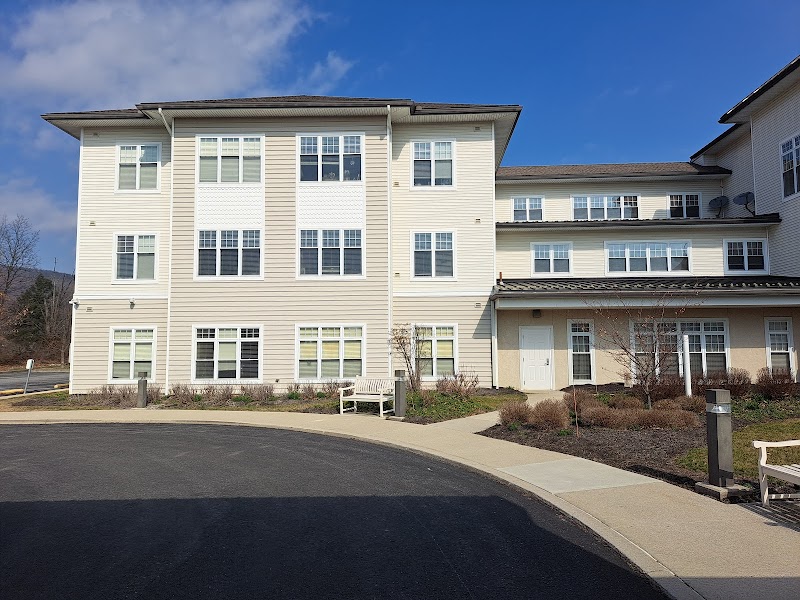
Who Owns and Operates Capitol Rehabilitation And Healthcare Center?

CAPITOL REHABILITATION AND HEALTHCARE CENTER is owned by a for-profit company. For-profit facilities operate as businesses with obligations to shareholders or private owners. The facility is operated by MARQUIS HEALTH SERVICES, a chain that manages multiple nursing homes. With 138 certified beds and approximately 128 residents (about 93% occupancy), it is a mid-sized facility located in HARRISBURG, Pennsylvania.
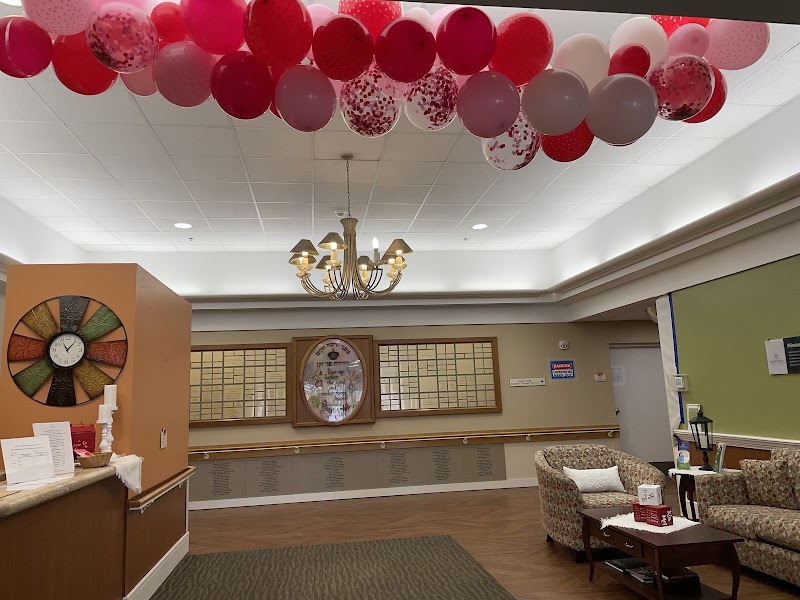
How Does Capitol Rehabilitation And Healthcare Center Compare to Other Pennsylvania Nursing Homes?

Compared to the 100 nursing homes in Pennsylvania, CAPITOL REHABILITATION AND HEALTHCARE CENTER's overall rating (2 stars) is below the state average of 3.0, staff turnover (43%) is near the state average of 46%, and health inspection rating (2 stars) is below the national benchmark.

What Should Families Ask When Visiting Capitol Rehabilitation And Healthcare Center?

Based on this facility's data, families visiting should ask: "Can I visit during a mealtime to observe dining assistance and food quality?" "How do you handle medical emergencies, and what is your hospital transfer rate?" "Can I speak with family members of current residents about their experience?"

Is Capitol Rehabilitation And Healthcare Center Safe?

Based on CMS inspection data, CAPITOL REHABILITATION AND HEALTHCARE CENTER has a clean safety record: no substantiated abuse findings (meaning no confirmed cases of resident harm), no Immediate Jeopardy citations (the most serious violation level indicating risk of serious injury or death), and is not on the Special Focus Facility watch list (a federal program monitoring the lowest-performing 1% of nursing homes). The facility has a 2-star overall rating and ranks #100 of 100 nursing homes in Pennsylvania. While no facility is perfect, families should still ask about staff-to-resident ratios and recent inspection results during their visit.

Do Nurses at Capitol Rehabilitation And Healthcare Center Stick Around?

CAPITOL REHABILITATION AND HEALTHCARE CENTER has a staff turnover rate of 43%, which is about average for Pennsylvania nursing homes (state average: 46%). Moderate turnover is common in nursing homes, but families should still ask about staff tenure and how the facility maintains care continuity when employees leave.

Was Capitol Rehabilitation And Healthcare Center Ever Fined?

CAPITOL REHABILITATION AND HEALTHCARE CENTER has no federal fines on record. CMS issues fines when nursing homes fail to meet care standards or don't correct problems found during inspections. The absence of fines suggests the facility has either maintained compliance or corrected any issues before penalties were assessed. This is a positive indicator, though families should still review recent inspection reports for the full picture.

Is Capitol Rehabilitation And Healthcare Center on Any Federal Watch List?

CAPITOL REHABILITATION AND HEALTHCARE CENTER is not on any federal watch list. The most significant is the Special Focus Facility (SFF) program, which identifies the bottom 1% of nursing homes nationally based on persistent, serious quality problems. Not being on this list means the facility has avoided the pattern of deficiencies that triggers enhanced federal oversight. This is a positive indicator, though families should still review the facility's inspection history directly.