RIVER'S BEND HEALTH & REHAB CENTER

800 KING RUSS ROAD, HARRISBURG, PA 17109 (717) 657-1520
For profit - Corporation 198 Beds SABER HEALTHCARE GROUP Data: November 2025
Trust Grade
38/100
#483 of 653 in PA
Last Inspection: March 2025

Within standard 12-15 month inspection cycle. Federal law requires annual inspections.

Overview

River's Bend Health & Rehab Center has received a Trust Grade of F, indicating significant concerns about the quality of care provided. Ranking #483 out of 653 facilities in Pennsylvania places them in the bottom half, and #6 out of 8 in Dauphin County suggests that only two local options are better. Although the facility is showing improvement with a decrease in issues from 23 in 2024 to 12 in 2025, it still reported serious problems, including the failure to adequately assess and care for residents with wounds, leading to severe infections and amputations. Staffing is average with a 3 out of 5 rating, but turnover is concerning at 51%, and the RN coverage is below that of 88% of facilities in the state, which may affect the quality of care. Additionally, the facility has faced fines totaling $19,841, which raises concerns about compliance with care standards, highlighting the need for families to weigh both strengths and weaknesses carefully.

Trust Score
F
38/100
In Pennsylvania
#483/653
Bottom 27%
Safety Record
Moderate
Needs review
Inspections
Getting Better
23 → 12 violations
Staff Stability
⚠ Watch
51% turnover. Above average. Higher turnover means staff may not know residents' routines.
Penalties
✓ Good
$19,841 in fines. Lower than most Pennsylvania facilities. Relatively clean record.
Skilled Nurses
⚠ Watch
Each resident gets only 24 minutes of Registered Nurse (RN) attention daily — below average for Pennsylvania. Fewer RN minutes means fewer trained eyes watching for problems.
Violations
⚠ Watch
47 deficiencies on record. Higher than average. Multiple issues found across inspections.
★★☆☆☆
2.0
Overall Rating
★★★☆☆
3.0
Staff Levels
★★★☆☆
3.0
Care Quality
★★☆☆☆
2.0
Inspection Score
Stable
2024: 23 issues
2025: 12 issues

The Good

  • Full Sprinkler Coverage · Fire safety systems throughout facility
  • No fines on record

Facility shows strength in fire safety.

The Bad

2-Star Overall Rating

Below Pennsylvania average (3.0)

Below average - review inspection findings carefully

Staff Turnover: 51%

Near Pennsylvania avg (46%)

Higher turnover may affect care consistency

Federal Fines: $19,841

Below median ($33,413)

Minor penalties assessed

Chain: SABER HEALTHCARE GROUP

Part of a multi-facility chain

Ask about local staffing decisions and management

The Ugly 47 deficiencies on record

2 actual harm
Mar 2025 12 deficiencies
CONCERN (D)

Potential for Harm - no one hurt, but risky conditions existed

Assessment Accuracy (Tag F0641)

Could have caused harm · This affected 1 resident

**NOTE- TERMS IN BRACKETS HAVE BEEN EDITED TO PROTECT CONFIDENTIALITY** Based on clinical record review and staff interviews, it was determined that the facility failed to ensure the resident assessme...

Read full inspector narrative →
**NOTE- TERMS IN BRACKETS HAVE BEEN EDITED TO PROTECT CONFIDENTIALITY** Based on clinical record review and staff interviews, it was determined that the facility failed to ensure the resident assessment accurately reflected the resident status for two of 30 residents reviewed (Residents 85 and 125). Findings Include: Review of Resident 85's clinical record revealed diagnoses that included dysphagia (difficulty swallowing), gastro-esophageal reflux disease (when stomach acid backs up into your esophagus, the tube connecting your stomach to your mouth), and hypertension (high blood pressure). Review of Resident 85's clinical record revealed she had a weight measure of 202.8 pounds on October 7, 2024, that reflected a significant weight loss from the previous weight measure. Review of Resident 85's Quarterly MDS (Minimum Data Set- assessment tool utilized to identify residents' physical, mental and psychosocial needs) with ARD (assessment reference date- last day of the assessment period) of October 7, 2024, revealed Section K - Swallowing/Nutrition Status, did not reflect her most current weight that was obtained on October 7, 2025, and did not reflect her significant weight loss. Review of Resident 85's clinical record revealed a physician assessment note dated November 14, 2024, stating, PCM (protein calorie malnutrition- an imbalance between the nutrients the body needs to function and the nutrients it gets) refusing to eat. Review of Resident 85's Quarterly MDS with ARD of November 15, 2024, revealed under Section I: Active Diagnoses, subsection I5600. Malnutrition (protein or calorie) or at risk for malnutrition, it was not marked to reflect that Resident 85 had a diagnosis of PCM. During an interview with the Nursing Home Administrator (NHA) on March 27, 2025, at 11:01 AM, he revealed the MDS assessments had been corrected, and he would expect MDS assessments to be coded accurately. Review of Resident 125's clinical record revealed diagnoses that included congestive heart failure (disease process of the heart that results in decreased ability of the heart to effectively pump blood through out the body) and dementia (irreversible, progressive degenerative brain disease that results in decreased contact with reality and decreased ability to perform activities of daily living). Review of Resident 125's clinical record revealed that Resident 125 was admitted to the facility on [DATE]. Review of Resident 125's weight assessments revealed the following: On August 16, 2025 Resident 125 weighed 165.2 pounds. On October 3, 2024, Resident 125 weighed 151.6 pounds. On November 5, 2024, Resident 125 weighted 143.6 pounds. The weight of 143.6 pounds on November 5, 2024, indicated that Resident 125 had weight loss of 13% since admission, and 5.2% since October 3, 2024. Review of Resident 125's Quarterly MDS with ARD of November 6, 2024, revealed that Section K - Swallowing/Nutrition Status, subsection K0300 - Weight Loss (loss of 5% or more in the last month or loss of 10% or more in the last six months) was coded as, No or unknown, and did not reflect Resident 125's weight loss accurately. During a staff interview on March 27, 2025, at 11:01 AM, the NHA revealed it was the facility's expectation that resident's Minimum Data Set assessments are coded accurately. 28 Pa. Code 211.5(f) Medical records 28 Pa. Code 211.12(d)(3)(5) Nursing Services
CONCERN (D)

Potential for Harm - no one hurt, but risky conditions existed

Deficiency F0655 (Tag F0655)

Could have caused harm · This affected 1 resident

**NOTE- TERMS IN BRACKETS HAVE BEEN EDITED TO PROTECT CONFIDENTIALITY** Based on clinical record review, staff interviews, and facility policy review, it was determined that the facility failed to pro...

Read full inspector narrative →
**NOTE- TERMS IN BRACKETS HAVE BEEN EDITED TO PROTECT CONFIDENTIALITY** Based on clinical record review, staff interviews, and facility policy review, it was determined that the facility failed to provide the resident and/or resident representative with a summary of the baseline care plan in a format and location developed by the facility for one of three residents reviewed for care planning (Resident 72). Findings include: Review of facility policy, titled Comprehensive Care Planning Policy, last revised March 20, 2025, revealed the policy's statement was, An interdisciplinary plan of care will be established and updated as indicated for every resident in accordance with state and federal regulatory requirements. The aforementioned policy's Procedures section included, The comprehensive care plan will be developed within seven (7) days after completion of the comprehensive assessment (MDS). The comprehensive care plan will be prepared by an interdisciplinary team that includes but is not limited to: The attending physician; A registered nurse with responsibility for the resident; A nurse aide with responsibility for the resident; A member of the food and nutrition services staff; To the extent practicable, the participation of the resident and the resident's representative(s). An explanation must be included in a resident's medical record if the participation of the resident and their resident representative is determined not to be practicable for the development of the resident's care plan; Other appropriate staff or professionals in disciplines as determined by the resident's needs or as requested by the resident .The presence of all Resident Care Conference staff/attendees, and their relationship to the resident, will be documented. Further, the facility's policy, titled Advance Care Planning Meeting Protocol, last revised October 1, 2024, revealed the procedure for advance care planning meetings included that a representative from social services, nursing (Director of Nursing or Unit Manager) Business Office Manager, and the MDS/Case Manager should meet with the resident and/or resident representative, within a reasonable timeframe, 3-5 days from admission, to discuss pertinent information regarding the patient's wishes . Review of Resident 72's clinical record revealed diagnoses that included general anxiety disorder (excessive worry or fear) and intermittent explosive disorder (mental health disorder characterized by episodes of impulsive, aggressive, or violent behavior). Review of Resident 72's clinical record revealed that Resident 72 was admitted to the facility on [DATE]. Review of Resident 72's clinical record revealed that as of March 26, 2025, no initial care plan meeting was held for Resident 72 to provide the Resident and/or Resident Representative with the baseline or comprehensive plan of care, nor give the Resident and/or Resident Representative the ability to participate in the care planning process with the interdisciplinary team. On March 27, 2025, Employee 1 (Regional [NAME] President of Operations) confirmed that Resident 72 did not have an initial care plan meeting after admission to the facility. During a staff interview on March 27, 2025, Director of Nursing revealed it was the facility's expectation that an initial care plan meeting would be conducted in accordance to the facility's policy. 28 Pa code 211.12(d)(1)(3)(5) Nursing services
CONCERN (D)

Potential for Harm - no one hurt, but risky conditions existed

Deficiency F0657 (Tag F0657)

Could have caused harm · This affected 1 resident

**NOTE- TERMS IN BRACKETS HAVE BEEN EDITED TO PROTECT CONFIDENTIALITY** Based on facility policy review, observations, clinical record review, as well as resident, resident representative, and staff i...

Read full inspector narrative →
**NOTE- TERMS IN BRACKETS HAVE BEEN EDITED TO PROTECT CONFIDENTIALITY** Based on facility policy review, observations, clinical record review, as well as resident, resident representative, and staff interviews, it was determined that the facility failed to invite a resident and/or their representative to care plan meetings and failed to have required members of the interdisciplinary team participate in the care plan conference for two of 30 residents reviewed (Residents 14 and 58); and failed to review and revise the resident plan of care for one of 30 residents reviewed (Resident 49). Findings include: Review of facility policy, titled Care Plan Invitation Letter Policy, with a last reviewed date of April 9, 2024, revealed The Executive Director or Administrator will designate a staff member who will be responsible for completing the Care Planning Invitations, for delivering an invitation to the resident prior to the conference date (unless he/she has been legally deemed incompetent), and for mailing an invitation or calling to notify the family/responsible party/representative, within 7 days of the conference date. Review of facility policy, titled Comprehensive Care Planning Policy, with a last reviewed date of April 9, 2024, revealed The care plan is reviewed on an ongoing basis and revised as indicated by the resident's needs, wishes, or a change in condition. At a minimum, this will occur with each comprehensive and quarterly assessment in accordance with the Resident Assessment Instrument (RAI) requirements. The presence of all Resident Care Conference staff/attendees, and their relationship to the resident, will be documented. Review of Resident 14's clinical record revealed diagnoses that included hypertension (high blood pressure) and major depressive disorder (a mood disorder that causes a persistent feeling of sadness and loss of interest in things). During an interview with Resident 14 on March 24, 2025, at 10:54 AM, Resident 14 stated the the facility does not hold care plan meetings for him, and if they do, he is not invited to them. Review of Resident 14's clinical record revealed that a care conference meeting was held on February 25, 2025. The documentation failed to reveal that Resident 14 was in attendance or declined to attend. In addition, the note indicated that only two members of the interdisciplinary team attended the care plan meeting: the Licensed Practical Nurse Assessment Coordinator and the dietician. Further review of Resident 14's clinical record revealed that a care conference meeting was held on September 25, 2024. The documentation failed to reveal that Resident 14 was in attendance or declined to attend, and there were no care plan meetings documented between the meetings in September 2024 and February 2025. Interview with Employee 1 (Regional [NAME] President of Operations) on March 25, 2025, at 10:54 AM, revealed they are working on fixing the facility process for care plan meetings, the meetings should be held at least quarterly, and documentation should reflect that the resident was invited to participate. During a follow-up interview with the Nursing Home Administrator (NHA) on March 26, 2025, at 1:40 PM, he revealed his expectation that care plans meetings are held quarterly and residents are invited to attend. Review of Resident 49's clinical record revealed diagnoses that included heart failure (when the heart muscle doesn't pump blood as well as it should) and vascular dementia (a type of cognitive decline caused by damage to the blood vessels in the brain). Review of Resident 49's comprehensive care plan on March 24, 2025, at 1:25 PM, revealed a focus area that Resident 49 required oxygen therapy related to altered respiratory status, with a start date of February 21, 2024; and an approach to administer oxygen per physician's order and nursing assessment, with a start date of February 21, 2024. Review of Resident 49's clinical record on March 25, 2025, at 11:05 AM, revealed no active physician's order for oxygen. Review of Resident 49's physician's order history revealed an order to administer oxygen (O2) via nasal cannula at 1 liter at night shift for desaturation, with a start date of February 14, 2024, and end date of October 7, 2024. Interview with the NHA on March 27, 2025, at 10:41 AM, revealed that oxygen was removed from Resident 49's care plan and would have expected her care plan to have been revised prior to now. Review of Resident 58's clinical record revealed that she was admitted to the facility on [DATE], with diagnoses that included dementia (a chronic disorder of the mental processes caused by brain disease, and marked by memory disorders, personality changes, and impaired reasoning), severe protein-calorie malnutrition (nutritional status in reduced availability of nutrients leads to changes in body composition and function), and Parkinson's disease (long term degenerative disorder of the central nervous system that mainly affects the motor system). During an interview with Resident 58's Representative on March 24, 2025, at 11:35 AM, Resident 58's Representative indicated that she had not been invited to any care conferences since the first one that was held within 2 weeks of Resident 58's admission to the facility. Review of Resident 58's clinical record revealed that a care conference meeting was held on December 4, 2024, and that Resident 58 declined to attend, and that Resident 58's family did not respond to the invitation. In addition, it was noted that only three members of the interdisciplinary team attended the care plan: the Licensed Practical Nurse Assessment Coordinator, the Dietician, and the Social Worker. Further review of Resident 58's clinical record revealed that a care conference meeting was held on February 26, 2025. The documentation failed to reveal that Resident 58 or her Representative were invited to attend or attended. The note indicated that only two members of the interdisciplinary team attended the care plan meeting: the Licensed Practical Nurse Assessment Coordinator and the dietician. During a staff interview with the Director of Nursing (DON) on March 26, 2025, at 10:31 AM, he indicated that he spoke with the Resident 58's Representative yesterday to discuss if they had any care concerns. The DON confirmed that Resident 58's Representative was not invited to attend the care conference meeting held in February 2025. He further indicated that he would expect care conference invitations to be given to residents and/or their representatives, and he would expect all members of the interdisciplinary team to participate in a resident's care conference. 42 CFR 483.21(b)(2) Comprehensive Care Plans 28 Pa. Code 201.29(a) Resident rights 28 Pa. Code 211.12(d)(2)(3)(5) Nursing services
CONCERN (D)

Potential for Harm - no one hurt, but risky conditions existed

Deficiency F0661 (Tag F0661)

Could have caused harm · This affected 1 resident

**NOTE- TERMS IN BRACKETS HAVE BEEN EDITED TO PROTECT CONFIDENTIALITY** Based on clinical record review and staff interviews, it was determined that the facility failed to ensure a physician's dischar...

Read full inspector narrative →
**NOTE- TERMS IN BRACKETS HAVE BEEN EDITED TO PROTECT CONFIDENTIALITY** Based on clinical record review and staff interviews, it was determined that the facility failed to ensure a physician's discharge summary was completed for two of four residents reviewed for discharge (Residents 57 and 137). Findings include: Review of Resident 57's clinical record revealed diagnoses that included congestive heart failure (disease process of the heart that results in a decreased ability of the heart to effectively pump blood throughout the body) and type two diabetes mellitus (decreased ability of the body to produce and/or utilize insulin for the transport of glucose from the blood stream into the cells for nourishment). Review of Resident 57's clinical record revealed that Resident 57 was admitted to the facility on [DATE], for rehabilitation after increased weakness. Resident 57 was subsequently discharged to home on February 5, 2025, after reaching rehabilitation goals for activities of daily living and strength. Review of Resident 57's clinical record revealed that as of March 26, 2025, no physician's summary was completed for Resident 57's stay at the facility from January 16, 2025, to February 5, 2025. During a staff interview on March 27, 2025, at approximately 1:50 PM, the Director of Nursing revealed it is the facility's expectation that physician summaries are completed for residents that are discharged . Review of Resident 137's clinical record revealed diagnoses that included dysphagia (difficulty swallowing), chronic kidney disease (a condition characterized by a gradual loss of kidney function), and hypertension (high blood pressure). Review of Resident 137's clinical record revealed that she was admitted to the facility on [DATE], for rehabilitation after a hospital stay. Resident 137 was discharged from the facility after she was sent directly to the hospital following an outside appointment on January 10, 2025. Review of Resident 137's clinical record revealed that as of March 26, 2025, no physician's summary was completed for Resident 137's stay at the facility from December 2, 2024, to January 10, 2025. During a staff interview on March 27, 2025, at 11:01 AM, the Nursing Home Administrator revealed they were unable to locate a physician discharge summary for Resident 137, and it is the facility's expectation that physician summaries are completed for resident's that are discharged . 28 Pa code 211.5(d) Medical records
CONCERN (D)

Potential for Harm - no one hurt, but risky conditions existed

Quality of Care (Tag F0684)

Could have caused harm · This affected 1 resident

Based on clinical record reviews, observations, and staff interviews, it was determined that the facility failed to ensure care and services are provided in accordance with professional standards of p...

Read full inspector narrative →
Based on clinical record reviews, observations, and staff interviews, it was determined that the facility failed to ensure care and services are provided in accordance with professional standards of practice that will meet each resident's physical, mental, and psychosocial needs for two of 30 residents reviewed (Residents 61 and 105). Findings include: Review of Resident 61's clinical record revealed diagnoses that included dementia (a chronic disorder of the mental processes caused by brain disease, and marked by memory disorders, personality changes, and impaired reasoning), generalized osteoarthritis (degeneration of joint cartilage and the underlying bone, causing pain and stiffness, especially in the hip, knee, and thumb joints), and hypertension (high blood pressure). Review of Resident 61's clinical record physician orders revealed an order for Resident to be out of bed to low Broda chair (a tilt-in-space positioning chair which prevents skin breakdown through reducing heat and moisture) with padded back support, pressure reducing cushion, dycem (a non-slip pad) underneath cushion, right arm trough, bilateral elevating leg rests and padded covers for bilateral leg rests with calf support, dated March 21, 2024; and an order for bilateral heel boots while in bed, dated March 23, 2025. Review of Resident 61's care plan revealed that the bilateral heel boots had been added to her care plan as intervention on March 21, 2024. Observation of Resident 61 on March 24, 2025, at 1:37 PM, revealed that she was in bed with no heel boots in place. Review of Resident 61's clinical record nurse aide point of care documentation revealed that her bilateral boots when in bed had been signed as Done on March 24, 2025, for day shift, at 2:24 PM, by Employee 16 (Nurse Aide). Review of Resident 61's March Medication Administration Record revealed that Employee 12 (Licensed Practical Nurse) had signed that the heel boots were in place on March 24, 2025, day shift. Observation of Resident 61 on March 25, 2025, at 9:27 AM, revealed that she was in bed with no heel boots in place and Employees 10 and 11 were present in the room. During an immediate staff interview with Employees 10 and 11 (Nurse Aide Students) revealed that they were not aware Resident 61 was to have on boots when in bed and indicated that they were getting ready to get Resident 61 out of bed. Employee 10 completed a search of the room and could not locate any heel boots. Review of Resident 61's clinical record nurse aide point of care documentation revealed that her bilateral boots when in bed had been signed as Done on March 25, 2025, for day shift at 8:02 AM, by Employee 16 (Nurse Aide). Review of Resident 61's March Medication Administration Record revealed that Employee 12 (Licensed Practical Nurse) had signed that the heel boots were in place on March 25, 2025, day shift. During a staff interview with Employee 12 (Licensed Practical Nurse) on March 25, 2025, at 9:31 AM, she indicated that Resident 61 normally wears them and that maybe they were in the laundry. Observation of Resident 61 on March 25, 2025, at 11:21 AM, revealed that she was seated in her Broda chair, no leg rests were present on the chair, and only her toes were touching the floor. During a staff interview with the Director of Nursing (DON) on March 25, 2025, at 11:40 AM, the DON observed Resident 61 in her Broda chair. He indicated that he would investigate the chair and the bilateral boot concerns. Observation of Resident 61 on March 26, 2025, at 9:45 AM, revealed that she was seated in her Broda chair, no leg rests were present on the chair, and only her toes were touching the floor. During a staff interview with the DON on March 26, 2025, at 10:24 AM, he indicated that he when he spoke to staff about Resident 61's bilateral heel boots, they indicated that Resident 61 frequently kicks them off. He indicated that he could not answer as to why they were not found in Resident 61's room when searched. He further stated that he would expect staff to complete accurate documentation and not sign for care items that were not completed. He confirmed that he would expect to follow a resident's care plan and physician orders. During this interview, the observation was shared of Resident 61 not having leg rests present on her Broda chair at 9:45 AM. The DON said that he put in a therapy referral March 25, 2025, regarding the leg rests because he was not sure where that intervention had generated. During a staff interview with the Nursing Home Administrator (NHA) and DON on March 26, 2025, at 2:03 PM, the DON indicated that he had made a referral to therapy for Resident 61's seating on March 25, 2025, and therapy was looking to place Resident 61 in a lower chair to allow her feet to touch the floor. The DON confirmed that since leg rests were care planned, they should have been in place and that he would expect staff to follow each resident's care plan. Review of Resident 105's clinical record revealed diagnoses that included congestive heart failure (a chronic condition in which the heart doesn't pump blood as well as it should), major depressive disorder (a mood disorder that causes a persistent feeling of sadness and loss of interest in things), and hypertension. Review of Resident 105's clinical record physician orders revealed an order for TED Hose (compression stockings to prevent fluid accumulation due to heart failure) to bilateral lower extremities as tolerated: on in AM and off at bedtime every morning and at bedtime for edema (fluid accumulation), with a start date of June 30, 2023. Observation of Resident 105 in her room on March 25, 2025, at 12:40 PM, revealed she did not have TED hose on her lower extremities. Review of Resident 105's clinical record on March 25, 2025, at 12:42 PM, revealed it was documented to indicate that her TED hose were in place. Observation of Resident 105 in her room on March 26, 2025, at 1:51 PM, revealed she did not have TED hose on her lower extremities. Review of Resident 105's clinical record on March 26, 2025, at 1:54 PM, revealed it was documented to indicate that her TED hose were in place. During a staff interview with the NHA on March 27, 2025, at 11:02 AM, revealed the TED hose should have been placed per physician order, and not documented that they were in place when they were not. 28 Pa. Code 201.18(b)(1) Management 28 Pa. Code 211.10(c)(d) Resident care policies 28 Pa. Code 211.12(c)(d)(1)(3)(5) Nursing services
CONCERN (D)

Potential for Harm - no one hurt, but risky conditions existed

Deficiency F0688 (Tag F0688)

Could have caused harm · This affected 1 resident

**NOTE- TERMS IN BRACKETS HAVE BEEN EDITED TO PROTECT CONFIDENTIALITY** Based on observation, policy review, clinical record review, and staff interviews, it was determined that the facility failed to...

Read full inspector narrative →
**NOTE- TERMS IN BRACKETS HAVE BEEN EDITED TO PROTECT CONFIDENTIALITY** Based on observation, policy review, clinical record review, and staff interviews, it was determined that the facility failed to ensure resident with limited mobility received appropriate services, equipment, and assistance to maintain or improve mobility for one of 33 residents reviewed (Residents 79). Findings include: Review of facility policy, Splint Issuance, last revised March 11, 2022, read, in part, splints shall be issued with a provider's order and therapist must evaluate patient to determine need for splint, fit and issuance. Splint schedule will be communicated to the multidisciplinary team and documented in the care plan. Clinical record review for Resident 79 documented diagnoses that included contracture (a condition of shortening and hardening of muscles, tendons, or other tissue, often leading to deformity, and rigidity of joints) of multiple muscles, depression (feelings of severe despondency and dejection), dementia (a condition characterized by progressive loss of intellectual functioning, impairment of memory, and abstract thinking), dysphagia (difficulty swallowing), diabetes mellitus (the body's ability to produce or respond to the hormone insulin is impaired, resulting in abnormal metabolism of carbohydrates and elevated levels of glucose in the blood and urine), and metabolic encephalopathy (the brains function is impaired due to an imbalance in the body's metabolism). Review of Resident 79's March 2025, physician orders included: left wrist cock up splint (a splint that securely and comfortably immobilize and protect one's wrist, as needed for treating a variety of wrist conditions), on in the morning and off at night. Remove for care and check skin integrity at every shift. Twice a day scheduled 8:00 AM and 5:00 PM, with a start date January 23, 2025. Also, left edema glove on in the morning and off at night. Remove for care and check skin integrity at every shift. Twice a day scheduled 8:00 AM and 5:00 PM, with a start date January 23, 2025. Review of Resident 79's care plan approaches included to apply left wrist cock up splint and left edema glove, on in AM and off in PM, remove for cares, with a start date of January 27, 2025. Review of Resident 79's Occupational Therapy Discharge summary dated [DATE], read, in part, recommendations for a splint and edema glove. Interventions provided included: passive range of motion, orthotic caregiver education and use, to prevent further contracture. Instructed patient and primary caregivers in splinting/orthotic schedule to facilitate increased opportunities for participation in activities of choice/hobbies with 100% carryover demonstrated by primary caregivers. Observation March 27, 2025, at 10:07 AM, revealed the Resident was in his wheelchair in the common area and was not wearing the wrist splint or edema glove. During an interview with Employee 14 (Licensed Practical Nurse) on March 27, 2025, at 10:11 AM, it was revealed he should have them on. Employee 14 assisted Resident 79 by placing the splint on the left wrist and the edema glove on the right hand. During an interview with Employee 8 (Clinical Quality Coordinator), and Employee 6 (Director of Nursing) on March 27, 2025, to 10:40 AM, it was revealed that the Resident should've been wearing the splint and edema glove. 28 Pa. Code 211.12(d)(1)(3)(5) Nursing services
CONCERN (D)

Potential for Harm - no one hurt, but risky conditions existed

Accident Prevention (Tag F0689)

Could have caused harm · This affected 1 resident

Based on observation, clinical record review, facility document review, and resident and staff interviews, it was determined that the facility failed to ensure residents receive adequate supervision a...

Read full inspector narrative →
Based on observation, clinical record review, facility document review, and resident and staff interviews, it was determined that the facility failed to ensure residents receive adequate supervision and assessment after an accident for one of five residents reviewed for falls (Resident 72). Findings include: Review of facility policy, titled Neurological Checks Policy, last revised July 9, 2024, revealed the policy stated, Neurological checks are indicated to monitor for potential irregularities in neurological status in the event of a known or unknown head trauma as the result of a resident event, change in resident condition, or physician's order. Review of the procedures section of the policy revealed it included, A licensed clinician will perform an initial neurological check for all residents who have sustained a witnessed, unwitnessed, alleged, reported, or suspected head trauma following an unusual occurrence or change in resident neurological condition .When triggered by a qualifying event, a neurological check observation in the electronic health record will be initiated to conduct periodic checks and to document the results of the neurological checks. If the EHR is down, neurological checks will be completed on paper. Unless otherwise ordered by the physician, the frequency of neurological assessments will be once every shift for 72 hours post occurrence or change. Elements of the observation include: Level of consciousness; mental status; ability to communicate; movement/coordination; reflexes; change in behavior; vital signs: [blood pressure], pulse, respirations. Review of Resident 72's clinical record revealed diagnoses that included general anxiety disorder (excessive worry or fear) and intermittent explosive disorder (mental health disorder characterized by episodes of impulsive, aggressive, or violent behavior). During a resident interview on March 25, 2025, at approximately 9:50 AM, Resident 72 was observed with a bruise, measuring approximately one half inch wide, by one and one half inch long above the outer aspect of Resident 72's right eye. The bruise was observed to be purple in color with well defined edges. When asked about the bruise, Resident 72 stated that it was caused when he struck his head on his bed foot board during a fall a few days prior. Review of Resident 72's clinical record revealed Resident 72 sustained a witness fall on March 19, 2025; however, review of the fall investigation/incident report revealed no injuries were noted (including bruising) in the assessment at the time of the fall. Review of Resident 72's clinical record revealed staff did not document the presence of a bruise above Resident 72's right eye after the March 19, 2025, fall, until after the Director of Nursing (DON) was informed of the bruise by the surveyor on March 26, 2025. During a staff interview on March 27, 2025, at approximately 1:50 PM, the DON revealed it was the facility's expectation that staff would have identified, assessed, and documented Resident 72's bruise. Review of the incident investigation report for Resident 72's March 19, 2025, witnessed fall, revealed that Employee 13 (Registered Nurse) was the witness to Resident 72's fall. Review of the incident investigation report revealed it was not created until March 21, 2025, two days after Resident 72's fall. Further, review of Resident 72's interdisciplinary progress notes revealed that Employee 13 did not enter a progress note regarding Resident 72's fall until March 26, 2025. Review of the incident investigation revealed it was reviewed by the DON and the interdisciplinary team on March 23, 2025. Review of submitted education and disciplinary action towards Employee 13 for failing to complete a fall event report on at the time of the fall, revealed it was dated March 26, 2025, with signatures dated March 27, 2025. During a staff interview on March 27, 2025, at approximately 1:50 PM, the DON confirmed that it was the facility's expectation that fall investigation/incident reports are completed directly after a fall has occurred. Finally, review of Resident 72's clinical record revealed no documentation that neurological assessments were conducted per facility policy at anytime after Resident 72's March 19, 2025 fall. During a staff interview on March 27, 2025, at approximately 1:50 PM, the DON confirmed that it was the facility's expectation that neurological assessments are conducted after a witness or unwitnessed fall. 211.12(d)(1)(3)(5) Nursing services
CONCERN (D)

Potential for Harm - no one hurt, but risky conditions existed

Deficiency F0698 (Tag F0698)

Could have caused harm · This affected 1 resident

Based on clinical record review, facility policy review, and staff interview, it was determined that the facility failed to maintain complete and accurate records related to dialysis communication for...

Read full inspector narrative →
Based on clinical record review, facility policy review, and staff interview, it was determined that the facility failed to maintain complete and accurate records related to dialysis communication for one of one resident reviewed for dialysis (Resident 54). Findings Include: Review of facility policy, titled Hemodialysis Care Policy, with an effective date of June 16, 2017, and a last reviewed date of April 9, 2024, revealed the Pre-dialysis process: Document assessment in the Dialysis Communication Tool. Assessment includes vital signs, pre-treatment weight (unless performed at dialysis), medications administered before treatment, time of last meal, fluid intake, any additional information. Print the tool and send with resident to dialysis (if off-site). Review of Resident 54's clinical record revealed diagnoses that included Parkinson's disease (a movement disorder of the nervous system that worsens over time) and end stage renal disease (a condition where the kidneys have permanently lost most of their ability to function). Review of Resident 54's current physician orders revealed an order for dialysis (process of removing waste products and excess water from the body) on Tuesdays, Thursdays, and Saturdays. Review of Resident 54's physician orders also revealed an order for the dialysis communication tool to be completed and sent to dialysis with the Resident on Tuesdays, Thursdays, and Saturdays, with an active date of January 25, 2025. Review of Resident 54's current care plan revealed a dialysis care plan with an intervention to monitor and record weight on dialysis days, notify medical director of weight gain and/or fluid volume excess, with a start date of April 23, 2024. Review of Resident 54's clinical record revealed a dialysis communication form to be completed each day of dialysis to include Resident 54's pre-dialysis vital signs and assessment as well as Resident 54's post-dialysis vital signs and assessment, which is to be completed by the facility. The form also includes a place for the dialysis unit to document their assessment findings and/or any pertinent information. Review of Resident 54's dialysis forms revealed that the facility did not complete the dialysis communication form for Resident 54 on February 4, 8, and 13, 2025; and March 15, 18, 20, and 22, 2025. During an interview with the Director of Nursing (DON) on March 27, 2025, at 10:54 AM, revealed they were unable to provide dialysis communication forms for Resident 54 for the dates listed above. DON revealed he would expect dialysis communication forms to be completed on dialysis days for Resident 54. 28 Pa Code 211.5(f) Clinical records 28 Pa. Code 211.12 (d)(1)(3)(5) Nursing services
CONCERN (D)

Potential for Harm - no one hurt, but risky conditions existed

Pharmacy Services (Tag F0755)

Could have caused harm · This affected 1 resident

Based on clinical records review and staff interview, it was determined that the facility failed to provide documentation of actual disposition of medications and method of disposition for one of thre...

Read full inspector narrative →
Based on clinical records review and staff interview, it was determined that the facility failed to provide documentation of actual disposition of medications and method of disposition for one of three residents reviewed (Resident 136). Findings include: Review of Resident 136's clinical record revealed diagnoses that included end stage renal disease (a condition where the kidneys have permanently lost most of their ability to function) and hypertension (high blood pressure). Review of Resident 136's clinical record revealed a discharge summary completed on February 15, 2025, that Resident 136 was found unresponsive and passed away on that day due to cardiac arrest. Further review of the discharge summary revealed Resident 136's disposition of medications went with the Resident. Review of Resident 136's clinical record revealed there was no medication disposition form completed or any progress notes indicating a disposition of medications has been completed for Resident 136. During an interview with the Director of Nursing on March 27, 2025, at 10:34 AM, revealed they were unable to provide a medication disposition form for Resident 136, and would have expected one to have been completed. 28 Pa. Code 211.9(j)Pharmacy services
CONCERN (D)

Potential for Harm - no one hurt, but risky conditions existed

Food Safety (Tag F0812)

Could have caused harm · This affected 1 resident

Based on observations, review of facility policy, and interviews, it was determined that the facility failed to clean and store dishes in accordance with professional standards for food safety in the ...

Read full inspector narrative →
Based on observations, review of facility policy, and interviews, it was determined that the facility failed to clean and store dishes in accordance with professional standards for food safety in the dish machine area in the kitchen area for one of one meal observed. Findings include: Review of facility policy, Dish Machine Use, last revised May 17, 2021, read, in part, prior to use confirm chemical dispensers are filled and have enough product for the shift. Prior to use verify temperature and/or chemical sanitizer concentration are within specifications provided by dish machine manufacturer. If requirements are not met, immediately discontinue use of the dish machine and notify the person in charge. During use, operator will monitor temperature gauge frequently, if requirements are not met, immediately discontinue use of the dish machine and notify person in charge. The person loading dirty dishes into the dishwasher will not handle the clean dishes unless they wash hands thoroughly before moving from dirty to clean dishes. Observation on March 24, 2025, at 9:44 AM, in the dish room, revealed the dish machine was already in use and the final rinse cycle temperature registered 142 degrees Fahrenheit (F). The bucket of sanitizer was not connected to the dish machine via tubing; the tubing was noted to be out of the bucket and on the floor. Additional observation revealed Employee 7 (Dietary Aide), with gloved hands, put clean dishes away then loaded dirty dishes into the dish machine, and returned to the clean side to put the clean dishes away without changing glove and completing hand hygiene. During an interview with Employee 9 (Registered Dietitian) on March 24, 2025, at 9:50 AM, it was revealed that there should be sanitizer solution entering the machine, and the tubing was placed into the sanitizer bucket. Employee 9 spoke with Employee 7 about changing gloves and washing her hands each time she is finished loading the machine and prior to putting away the clean dishes. During an interview with the Employee 15 (Food Service Director) on March 25, 2025, at 11:30 AM, it was revealed that the dish machine is a hot temperature dish machine, and it requires that a few cycles need to be run before the dish machine reaches acceptable temperature levels. If the appropriate temperature is not met, the sanitizer solution needs to be connected to the machine. Staff education had been initiated for hand hygiene in the dish room as well as rinse temperature requirements and use of sanitizer as needed. During an interview with the Nursing Home Administrator, it was revealed that the machine should've been run through several cycles to ensure the final rinse temperature reached appropriate temperature. 28 Pa code 211.6(f) - Dietary Services
CONCERN (E)

Potential for Harm - no one hurt, but risky conditions existed

Abuse Prevention Policies (Tag F0607)

Could have caused harm · This affected multiple residents

Based on facility policy review, personnel file review, and staff interviews, it was determined that the facility failed to ensure that residents were protected from the potential for abuse by failing...

Read full inspector narrative →
Based on facility policy review, personnel file review, and staff interviews, it was determined that the facility failed to ensure that residents were protected from the potential for abuse by failing to obtain information from previous employers and/or current employers for five of five employee files reviewed (Employees 2, 3, 4, 5, and 6). Findings include: Review of facility policy, titled Pennsylvania Resident Abuse, with a last review date of April 9, 2024, revealed that the The facility will do the following prior to hiring a new employee: generally, attempt to obtain references from 2 prior employers for an applicant. Review of personnel file of Employee 2 revealed that the Employee was hired on January 2, 2025. Further review of their personnel filed failed to reveal any reference checks from previous and/or current employers. Review of personnel file of Employee 3 revealed that the Employee was hired on December 23, 2024. Further review of their personnel filed failed to reveal any reference checks from previous and/or current employers. Review of personnel file of Employee 4 revealed that the Employee was hired on January 15, 2025. Further review of their personnel filed failed to reveal any reference checks from previous and/or current employers. Review of personnel file of Employee 5 revealed that the Employee was hired on January 15, 2025. Further review of their personnel filed failed to reveal any reference checks from previous and/or current employers. Review of personnel file of Employee 6 revealed that the Employee was hired on November 25, 2024. Further review of their personnel filed failed to reveal any reference checks from previous and/or current employers. During a staff interview with Employee 1 (Regional [NAME] President of Operations) on March 27, 2025, at 9:00 AM, she indicated that the facility had no documentation of reference checks to provide for Employees 2, 3, 4, 5, and 6. During a staff interview with the Nursing Home Administrator (NHA) and Director of Nursing on March 27, 2025, at 10:36 AM, the NHA confirmed that he would expect reference checks to be attempted and/or completed during the hiring process. 28 Pa. Code 201.14 (a) Responsibility of licensee 28 Pa. Code 201.18 (b)(1)(e)(1) Management 28 Pa. Code 201.29 (a) Resident rights 28 Pa. Code 211.10(d) Resident care policies
CONCERN (E)

Potential for Harm - no one hurt, but risky conditions existed

Drug Regimen Review (Tag F0756)

Could have caused harm · This affected multiple residents

Based on clinical record review, facility policy review, and staff interviews, it was determined that the facility failed to ensure Medication Regimen Reviews were completed by a consultant pharmacist...

Read full inspector narrative →
Based on clinical record review, facility policy review, and staff interviews, it was determined that the facility failed to ensure Medication Regimen Reviews were completed by a consultant pharmacist and responded to in a timely manner by the attending physician or prescriber in a timely manner for four of 33 residents reviewed (Residents 49, 62, 70, and 119). Findings include: Review of facility policy, titled Medication Regimen Review, revised June 1, 2024, revealed, 1. If an irregularity is not time-sensitive but should be addressed before the consultant pharmacist's next monthly MMR, the facility staff and the consultant pharmacist will confer on the timeliness of attending physician/prescriber responses to identified irregularities based on the specific resident's clinical condition. 2. The attending physician/prescriber should address the consultant pharmacist's recommendation no later than their next scheduled visit to the facility to assess the resident per facility policy, or applicable state and federal regulations. Review of Resident 49's clinical record revealed diagnoses that included heart failure (when the heart muscle doesn't pump blood as well as it should) and vascular dementia (a type of cognitive decline caused by damage to the blood vessels in the brain). Review of Resident 49's September 2024 monthly medication regimen review revealed the following recommendation made by the consultant pharmacist: Please discontinue PRN (as needed) lorazepam. If the medication cannot be discontinued at this time, please document the indication for use, the intended duration of therapy, and the rationale for the extended time period. Further review of the September 2024 monthly medication regimen review revealed that the attending physician or prescriber failed to provide a response to the pharmacy recommendation, sign, or date the medication regimen review form. Review of Resident 49's October 2024 monthly medication regimen review revealed the following recommendation made by the consultant pharmacist: Please reevaluate the continued need for Omeprazole and consider discontinuation, while monitoring for recurrence of symptoms. If step down therapy is indicated, please consider Famotidine 20 milligram (mg) daily. Further review of the October 2024 monthly medication regimen review revealed that the attending physician or prescriber failed to provide a response to the pharmacy recommendation, sign, or date the medication regimen review form. Review of Resident 49's November 2024 monthly medication regimen review revealed the following recommendation made by the consultant pharmacist: Please attempt a gradual dose reduction (GDR), while monitoring for a return of symptoms. Further review of the November 2024 monthly medication regimen review revealed that the attending physician or prescriber failed to provide a response to the pharmacy recommendation, sign, or date the medication regimen review form. Review of Resident 49's January 2025 monthly medication regimen review revealed the following recommendation made by the consultant pharmacist: Please reevaluate the continued need for Omeprazole and consider discontinuation, while monitoring for recurrence of symptoms. If step down therapy is indicated, please consider Famotidine 20 mg daily. Further review of the January 2025 monthly medication regimen review revealed that the attending physician or prescriber failed to provide a response to the pharmacy recommendation, sign, or date the medication regimen review form. During an interview with the Director of Nursing (DON) on March 27, 2025, at 10:35 AM, revealed he would have expected pharmacy recommendations to have been responded to in a timely manner, as well as signed and dated by the attending physician or prescriber. Review of Resident 62's electronic medical record revealed medication regimen review completed by the pharmacist on January 29, 2025, where recommendations were made and the physician responded on March 26, 2025. Further review of the medical record revealed the pharmacist made a recommendation on October 31, 2024, however, the facility was unable to locate the recommendation. During an interview with the DON on March 26, 2025, at 1:45 PM, revealed that they would expect that the attending physician or prescriber respond to pharmacy recommendations within two to four weeks of when the recommendation is made, and the pharmacy recommendations requested for Residents 62 and 119 that weren't provided, weren't able to be found. Review of Resident 70's clinical record revealed diagnoses that include post-traumatic stress disorder (a mental health condition caused by an extremely stressful or terrifying event) and anxiety disorder (group of mental health conditions characterized by excessive and persistent fear or worry, significantly impacting daily life and functioning). Review of Resident 70's electronic medical record revealed medication regimen reviews completed by the pharmacist on June 27, 2024; July 28, 2024; and October 30, 2024, where recommendations were made. The attending physician or prescriber failed to respond to these recommendations. Clinical record review for Resident 119 documented diagnoses that included anxiety (a feeling of worry, nervousness, or unease), dementia (a condition characterized by progressive loss of intellectual functioning, impairment of memory, and abstract thinking), and delusional disorder (a serious mental illness that causes people to have unshakable false beliefs for at least a month). Review of Resident 119's electronic medical record revealed medication regimen review completed by the pharmacist on August 29, 2024, however, the facility was unable to locate the recommendation. Interview with the DON on March 27, 2025, at 11:45 AM, revealed that they would expect that the attending physician or prescriber respond to pharmacy recommendations within two to four weeks of when the recommendation is made. 28 Pa. Code 211.10(c) Resident care policies
Oct 2024 1 deficiency
CONCERN (D) 📢 Someone Reported This

A family member, employee, or ombudsman was alarmed enough to file a formal complaint

Potential for Harm - no one hurt, but risky conditions existed

Quality of Care (Tag F0684)

Could have caused harm · This affected 1 resident

Based on facility policy review, clinical record review, and staff interviews, it was determined that the facility failed to ensure care and services were provided in accordance with professional stan...

Read full inspector narrative →
Based on facility policy review, clinical record review, and staff interviews, it was determined that the facility failed to ensure care and services were provided in accordance with professional standards of practice to meet each resident's physical, mental, and psychosocial needs for two of three residents reviewed (Residents 1 and 2). Findings Include: Review of facility policy, titled Neurological Checks Policy, revised July 9, 2024, revealed Neurological checks are indicated to monitor for potential irregularities in neurological status in the event of known or unknown head trauma as the result of a resident event, change in resident condition, or physician's order. When triggered by a qualifying event, a neurological check observation in the electronic health record will be initiated to conduct periodic checks and to document the results of the neurological checks. Unless otherwise ordered by the physician, the frequency of neurological assessments will be once every shift for 72 hours post occurrence or change. Review of Resident 1's clinical record revealed diagnoses that included Parkinson's Disease (a disorder of the central nervous system that affects movement, often including tremors) and generalized anxiety disorder (severe, ongoing anxiety that interferes with daily activities). Further review of Resident 1's clinical record revealed that Resident 1 had a fall on October 11, 2024. Review of the fall report revealed that Resident 1 hit her head on the bedside table. Review of Resident 1's nursing progress note dated October 11, 2024, at 10:32 AM, also revealed that Resident 1 hit her head. The progress note further stated that neurological checks at that time were within normal limits. Further review of Resident 1's clinical record revealed no evidence that any additional neurological checks were conducted after the fall on October 11, 2024. Review of Resident 1's clinical record revealed she had an unwitnessed fall on October 27, 2024, at 4:30 AM, and another unwitnessed fall on October 27, 2024, at 6:45 AM. Review of Resident 1's fall report for the 4:30 AM fall revealed Resident 1 was noted with a bruise to her right cheek and neurological checks were initiated and within normal limits. Review of Resident 1's fall report for the 6:45 AM fall revealed that neurological checks were completed at the time of the fall. Review of Resident 1's clinical record revealed that no additional neurological checks were documented on Resident 1 after her falls on October 27, 2024. Review of Resident 2's clinical record revealed diagnoses that included dementia (a group of thinking and social symptoms that interferes with daily functioning) and congestive heart failure (CHF - a chronic condition in which the heart doesn't pump blood as well as it should). Further review of Resident 2's clinical record revealed she had an unwitnessed fall on October 2, 2024. Review of Resident 2's fall report, dated October 2, 2024, revealed that neurological checks were completed at the time of the fall. Review of Resident 2's clinical record revealed that no additional neurological checks were documented after the fall on October 2, 2024. In an email correspondence from the Nursing Home Administrator (NHA) on October 31, 2024, at 9:16 AM, she stated that the facility was unable to find any additional documentation of neurological checks for the aforementioned falls. In a follow-up interview with the NHA on October 31, 2024, at 10:15 AM, she acknowledged the concern of the missing neurological checks. 28 Pa. Code 211.12(d)(1)(3)(5) Nursing services
Oct 2024 1 deficiency
CONCERN (E) 📢 Someone Reported This

A family member, employee, or ombudsman was alarmed enough to file a formal complaint

Potential for Harm - no one hurt, but risky conditions existed

Deficiency F0761 (Tag F0761)

Could have caused harm · This affected multiple residents

Based on observations, facility policy review, and staff interviews, it was determined that the facility failed to store drugs used in the facility in accordance with currently accepted professional p...

Read full inspector narrative →
Based on observations, facility policy review, and staff interviews, it was determined that the facility failed to store drugs used in the facility in accordance with currently accepted professional principles and the expiration dates for three of three medication carts observed (B Hall, C Hall, and G Hall medication carts). Findings Include: Review of facility policy, titled 5.3 Storage and Expiration Dating of Medications and Biologicals, last revised August 1, 2024, revealed it stated, 2. Facility should ensure that medications and biologicals are stored in an orderly manner in cabinets, drawers, carts, .3. Facility should ensure that food is not to be stored in the refrigerator, freezer, or general storage areas where medication and biologicals are stored .11. Once any medication or biological package is opened, the facility should follow manufacturer/supplier guidelines with respect to expiration dates for opened medication. Facility staff should record the date opened on the primary medication container (ie., vial, bottle, inhaler) when the medication has a shortened expiration date once opened or opened .11.3 If a multi-dose vial of an injectable medication has been opened or accessed (e.g., needle-punctured), the vial should be dated and discarded within 28 days unless the manufacturer specifies a different (shorter or longer) date for that opened vial .12. Facility should destroy and reorder medication and biologicals with soiled, illegible, worn, makeshift, incomplete, damaged, or missing labels or cautionary instructions . Observations of the G Hall medication cart on September 30, 2024, at approximately 12:00 PM, revealed the following: One insulin glargine prefilled pen that was in use with no opened date on the medication. One Lantus Solostar insulin pen with no opened date on the medication. One Admelog insulin pen with no opened date on the medication. One Lispro multidose vial of insulin with no opened date on the medication. Two Novolin 70/30 insulin multidose containers with no opened date on the medication. One prefilled insulin pen which had a sticker adhered to it that covered the name of the medication, the manufacturer's expiration date, and lot number of the medication. During the observation, the Director of Nursing (DON) confirmed that there should be a date written on the aforementioned medications identifying when they were opened; also that, there should not have been a sticker covering the manufacturers information on the insulin pen. Observation of the C Hall medication cart on September 30, 2024, revealed food contained in a restaurant paper bag was stored in the drawer used to store multi-dose medication containers that are in use on the unit. The bag of food was found to be resting on top of the medication containers. It was also observed that the C hall medication cart had an excessive amount of loose medication pills and pill dust (degraded medication tablets) contained within the drawers and outside of the drawer on the lowest interior portion of the medication cart. Observation of the B Hall medication cart revealed an excessive amount of loose medication pills were found in the drawers and in the lowest interior portion of the medication cart. It was also observed that four medication blister packs (plastic cards that pills are packaged in) were found on the lowest interior portion of the medication cart. All four medication blister packs contained medication within them. During a staff interview on September 30, 2024, at approximately 1:30 PM, Nursing Home Administrator (NHA) revealed the facility did not have a current medication cart cleaning schedule at that time. During the interview, NHA stated that it was believed to have been the night shift nurses' responsibility but, at the time of the interview, the facility had no policy, procedure, or schedule for cleaning the medication carts. During a staff interview on October 1, 2024, DON confirmed that food should not be stored in the medication cart and that medications should be labeled with opened dates per the policy. 28 Pa. Code 201.18(b)(1) Management 28 Pa. Code 211.12(d)(1)(5) Nursing services
Apr 2024 15 deficiencies
CONCERN (D)

Potential for Harm - no one hurt, but risky conditions existed

Employment Screening (Tag F0606)

Could have caused harm · This affected 1 resident

Based on facility policy review, personnel file review, and staff interviews, it was determined that the facility failed to ensure that residents were protected from the potential for abuse by failing...

Read full inspector narrative →
Based on facility policy review, personnel file review, and staff interviews, it was determined that the facility failed to ensure that residents were protected from the potential for abuse by failing to perform a FBI criminal history background check prior to hire for one of five personnel files reviewed (Employee 6). Findings Include: Review of facility policy, titled Pennsylvania Resident Abuse, with a last revised date of August 30, 3023, revealed, in part, 1. a. The facility will do the following prior to hiring a new employee: .iv. Conduct a criminal background check in accordance with State law and Facility policy. Review of facility policy, titled Employee Background Screening Policy, with a last revised date of February 16, 2024, revealed, in part, Part 2: Criminal Background Check A. Each facility shall conduct a criminal background check of all employees, as required by law upon hire. The HR department shall oversee and monitor the process .Pennsylvania-if the applicant has not been a Pennsylvania resident for two consecutive years before application, they will need to have a PA State Police criminal history background check AND an FBI Background Check. Review of the personnel file for Employee 6 revealed that they were hired on Janaury 15, 2024. Further review of Employee 6's personnel file revealed an Application for Employment that was hand written, dated December 13, 2023. Employee 6 indicated on this application that they had resided at their given Pennsylvania address from February 23, 2023 through current December 18, 2023 and, prior to that, had resided in Oregon from 2018 to 2020. Further review of the personnel file for Employee 6 revealed a typed Application for Employment that indicated that they had been employed in the state of Oregon until 2024. Further review of the personnel file for Employee 6 revealed a Resume, undated, that indicated they had been employed in Oregon from April 2018 until February 2023, and that she had worked at another facility in PA from February 2023 through current. Further review of the personnel file for Employee 6 revealed a reference check completed by Employee 8 (Human Resources Coordinator) on December 27, 2023, that confirmed Employee 6 was employed at the facility in Oregon from April 2018 to February 2023. During an interview with Employee 6 and the Director of Nursing (DON) on April 11, 2024, at 11:45 AM, Employee 6 indicated that they had written the wrong date on their written application and that the information was correct on their resume. Employee 6 indicated that they had not resided in Pennsylvania for two years at the time they were applying at the facility. They indicated that they had only lived in Pennsylvania for about a year. During an interview with Employee 8 on April 11, 2024, at 12:23 PM, they indicated that they were doing a written and an electronic/typed application at the time Employee 6 was applying, and that they would go by the hand-written one. Review of Employee file revealed that they had a Pennsylvania State Police background check that was initiated on December 22, 2023, and results received on January 11, 2024. There was no evidence that a FBI background check was completed for Employee 6 prior to hire since they had not resided in the state of Pennsylvania for two consecutive years prior to the time of hire. During an interview with the Nursing Nome Administrator (NHA) and DON on April 11, 2024, at 12:23 PM, the NHA confirmed that a FBI check should have been completed for Employee 6 when it was acknowledged on their reference that they had not resided in Pennsylvania for two consecutive years prior to hire. She further indicated that the employee has been placed on Administrative leave and has been sent to get an FBI check completed. 28 Pa. Code 201.14(a) Responsibility of licensee 28 Pa. Code 201.18(b)(1) Management 28 Pa. Code 201.19 (8) Personnel policies and procedures
CONCERN (D)

Potential for Harm - no one hurt, but risky conditions existed

Deficiency F0661 (Tag F0661)

Could have caused harm · This affected 1 resident

Based on clinical record review and staff interview, it was determined the facility failed to develop a discharge summary to anticipate resident needs for one of three residents reviewed (Resident 132...

Read full inspector narrative →
Based on clinical record review and staff interview, it was determined the facility failed to develop a discharge summary to anticipate resident needs for one of three residents reviewed (Resident 132). Findings Include: Review of Resident 132's clinical record revealed diagnoses that included hypertension (high blood pressure) and Parkinson's disease (a brain disorder that causes unintended or uncontrollable movements, such as shaking, stiffness, and difficulty with balance and coordination). Continued review of Resident 132's clinical record revealed he was discharged home with his daughter on February 10, 2024. Continued review of Resident 132's clinical record revealed no documentation of staff documenting a recapitulation of the Resident's stay, a final summary of the Resident's status, a reconciliation of all pre-discharge medications with the Resident's post-discharge medications, a post-discharge plan of care developed with Resident participation to assist Resident 132 to adjust to his living environment, or documentation of arrangements to be made for his follow-up care and post-discharge medical and non-medical services. During an interview with the Nursing Home Administrator and Director of Nursing on April 11, 2024, at 12:30 PM, revealed an expectation of a discharge summary to have been completed for Resident 132 to include the information aforementioned above. 28 Pa. Code 201.25 Discharge policy 28 Pa. Code 211.5(d)(f) Clinical records
CONCERN (D)

Potential for Harm - no one hurt, but risky conditions existed

Quality of Care (Tag F0684)

Could have caused harm · This affected 1 resident

Based on clinical record review, observations, and resident and staff interviews, it was determined that the facility failed to implement resident-directed care and treatment consistent with the resid...

Read full inspector narrative →
Based on clinical record review, observations, and resident and staff interviews, it was determined that the facility failed to implement resident-directed care and treatment consistent with the resident's physician orders and care plan for two of 26 residents reviewed (Residents 41 and 92). Findings include: Review of Resident 41's clinical record revealed diagnoses that included Pneumonia (An infection of the air sacs in one or both the lungs. Characterized by severe cough with phlegm, fever, chills and difficulty in breathing), asthma (a long-term inflammatory disease of the airways of the lungs), and vitamin D deficiency. Review of Resident 41's physician orders revealed an order for an antibiotic amoxicillin-pot clavulanate tablet; 875-125 mg; Amount to Administer: 1 tablet; oral, with a start date of March 13, 2024, and a completed date of March 22, 2024. Further review of Resident 41's physician orders revealed an order for a prednisone tablet once a day by mouth every morning for seven days, with a start date of March 22, 2024, and a completed date of March 28, 2024. Review of Resident 41's clinical record revealed a progress note written by Employee 10 (Registered Nurse) on March 22, 2024, that stated new orders from Employee 9 (Certified Registered Nurse Practitioner) for repeat lab work, orders to extend her antibiotic treatment for three days, and add prednisone medication for seven days. Review of Resident 41's March 2024 MAR (Medication Administration Record- documentation for treatments/medication administered or monitored), failed to reveal the antibiotic treatment was extended after March 22, 2024, and that the prednisone was only given for six days, from March 23, 2024, to March 28, 2024. During an interview with the Director of Nursing (DON) on April 10, 2024, at 1:52 PM, she revealed the prednisone was only given for six days due to a transcription error when the order was entered, it should have been ordered for seven days, but since the order didn't start until March 23, 2024, it was only completed for six days. Documentation provided to the surveyor on April 11, 2024, at 8:45 AM, revealed a lab report with handwritten orders from Employee 9 to extend Resident 41's antibiotic treatment for three days, signed on March 22, 2024, it was also signed by Employee 10 on March 22, 2024. During a follow-up interview with the DON on April 11, 2024, at 12:34 PM, she revealed she reached out to Employee 9, and she confirmed she gave the verbal and written order to Employee 10 on March 22, 2024, the DON further revealed she would expect physician orders to be followed and transcribed as written. Review of Resident 92's clinical record documented diagnoses that included hemiplegia and hemiparesis (paralysis of one side of the body) following cerebral infarction (stroke) affecting left non-dominant side and contracture (shortening and hardening of muscles, tendons, or other tissue) left elbow. Review of Resident 92's Physician orders included left resting hand splint on in AM and off at bedtime, as Resident allows/tolerates. Remove for care and check skin integrity every shift; twice a day 7:00 AM - 3:00 PM, 3:00 PM - 11:00 PM, start date June 25, 2023. Observation April 8, 2024, at 11:48 AM, Resident 92's left wrist was contracted in a downward position. It was also observed that there was a light blue wrist splint on a chair against the wall, out of Resident's reach. During an interview with Resident 92 on April 8, 2024, at 11:48 AM, it was revealed that he does wear the wrist splint at times. Observation April 9, 2024, at 10:40 AM, Resident 92 was dressed, lying without the left hand splint on. The splint was observed to be out of Resident's reach on the dresser. Observation April 10, 2024, at 12:03 PM, Resident 92 was dressed, lying without the left hand splint on. The splint was observed to be out of Resident's reach on the dresser. During an interview on April 10, 2024, at 12:13 PM with Employee 3 (Licensed Practical Nurse), Employee 4 (Licensed Practical Nurse), and Employee 5 (Nursing Assistant), it was revealed that, at times, Resident 92 refuses to wear the left hand splint. It was also confirmed that Resident 92 wasn't able to self-ambulate or transfer from bed. Review of Resident 92's care plan included a focus area for activities of daily living, functional status limited in ability to dress/undress self-related to stroke and muscle weakness, edited February 28, 2023. Interventions included left resting hand splint on in AM off in PM, check skin integrity every shift, created September 22, 2023. Further review of resident care plan failed to document refusal for care, restorative nursing program, or splinting program. Review of Resident 92's care plan on April 11, 2024, at 9:18 AM, documented the focus area for behavioral symptoms was edited on April 10, 2024, to include refused to wear resting hand splint in the AM; and the approach for the focus area for activities of daily living functional status was edited on April 10, 2024, to include Resident occasionally refuses to have splint applied. On April 10, 2024, at 12:39 PM, review of restorative nursing program log for April 8th through 10th, 2024, documented unanswered for day shift. On April 10, 2024, at 12:57 PM, review of Medication Administration Record documented for April 8th and 9th, 2024, the left resting hand splint check skin integrity every shift on. During an interview with the DON on April 10, 2024, at 2:00 PM, it was revealed that the restorative nursing program log should be completed and documented as a refusal if the Resident refused to have the splint applied. It was also revealed that the care plan should've reflect if the Resident refuses use of the splint. 28 Pa. Code 211.12(c)(d)(1)(3)(5) Nursing services
CONCERN (D)

Potential for Harm - no one hurt, but risky conditions existed

Deficiency F0698 (Tag F0698)

Could have caused harm · This affected 1 resident

**NOTE- TERMS IN BRACKETS HAVE BEEN EDITED TO PROTECT CONFIDENTIALITY** Based on review of facility policy, clinical record review, and resident and staff interviews, it was determined that the facili...

Read full inspector narrative →
**NOTE- TERMS IN BRACKETS HAVE BEEN EDITED TO PROTECT CONFIDENTIALITY** Based on review of facility policy, clinical record review, and resident and staff interviews, it was determined that the facility failed to ensure that residents who require dialysis receive such services consistent with professional standards of practice for one of one resident reviewed for dialysis (Resident 59). Findings include: Review of facility policy, titled Central Vascular Access Device (CVAD) Dressing Change, with a revision date of June 01, 2021, read, in part, Consideration: 1. Central vascular access devices (CVADs) include: 1.3 Tunneled catheters . 7. Assessment of the vascular access site is performed: 7.4 At least once every shift when not in use. Review of Resident 59's clinical record on April 9, 2024, at 12:03 PM, revealed diagnoses that included end stage renal disease (condition in which kidneys cease functioning) and dependence on renal dialysis (treatment that removes extra fluid and waste products from the blood when the kidneys are not able to). During an interview with Resident 59 on April 8, 2024, at 9:48 AM, Resident 59 revealed he was currently receiving dialysis services on Tuesdays and Saturdays. Resident 59 reported he had previously been receiving dialysis on Tuesdays, Thursday, and Saturdays, but it had changed a few weeks ago due to his condition improving. Further review of Resident 59's clinical record revealed Resident 59 was hospitalized [DATE], through February 4, 2024. Review of Resident 59's hospital Discharge summary dated [DATE], revealed Resident 59 had a hemodialysis tunneled catheter inserted, was started on renal dialysis, and was ordered continue outpatient dialysis. Review of Resident 59's physician orders revealed an order for outpatient hemodialysis on Tuesday, Thursday, and Saturday, with a start date of February 5, 2024, and an order for document post-dialysis weight once a day on Tuesday, Thursday, and Saturday, with a start date of February 7, 204. Further review of Resident 59's physician orders failed to reveal orders for dialysis access site monitoring. Review of Resident 59's progress notes and medication administration record failed to reveal documentation that Resident 59's hemodialysis tunneled catheter was being assessed at least once every shift. Review of a physician progress note dated March 22, 2024, read, in part, .dialysis is going well and he is now down to going on Tuesdays and Saturdays. During a staff interview on April 9, 2024, at 2:12 PM, with the Nursing Home Administrator (NHA) and Director of Nursing (DON), additional information was requested regarding documentation of dialysis access site monitoring and the accuracy of Resident 59's physician orders for dialysis and post-dialysis weights. During an additional staff interview on April 10, 2024, at 2:05 PM, with NHA and DON it was revealed that Resident 59's physician orders had been updated to include dialysis access site monitoring every shift, to accurately reflect Resident 59's dialysis on Tuesday and Saturday, and document post-dialysis weight Tuesday and Saturday. The DON stated it was the expectation of the facility that physician orders would be updated and accurate, and that orders would be in place to monitor dialysis access sites. 28 Pa Code 211.5(f) Clinical records 28 Pa. Code 211.12 (d)(1)(3)(5) Nursing services
CONCERN (D)

Potential for Harm - no one hurt, but risky conditions existed

Pharmacy Services (Tag F0755)

Could have caused harm · This affected 1 resident

**NOTE- TERMS IN BRACKETS HAVE BEEN EDITED TO PROTECT CONFIDENTIALITY** Based on facility policy review, clinical record review, and staff interviews, it was determined that the facility failed to est...

Read full inspector narrative →
**NOTE- TERMS IN BRACKETS HAVE BEEN EDITED TO PROTECT CONFIDENTIALITY** Based on facility policy review, clinical record review, and staff interviews, it was determined that the facility failed to establish a system of records of receipt and disposition of all controlled drugs in sufficient detail to enable an accurate reconciliation of medications for two of three closed records reviewed (Residents 132 and 133). Findings include: Review of facility policy, titled Disposal/Destruction of Expired or Discontinued Medications, dated 2023, read, in part, Facility should destroy non-controlled medications in the presence of a registered nurse and witnessed by one other staff member, in accordance with facility policy or applicable law. Facility should enter the following information on a drug destruction form when medications are destroyed: Residents name, name and strength of medication, prescription number, amount of medication, date of destruction, signature of staff destroying medications, signature of witnesses, and method of disposition, including donation as permitted by applicable law. Review of Resident 132's clinical record revealed diagnoses that included hypertension (high blood pressure) and Parkinson's disease (a brain disorder that causes unintended or uncontrollable movements, such as shaking, stiffness, and difficulty with balance and coordination). Continued review of Resident 132's clinical record revealed he was discharged home with his daughter on February 10, 2024. Continued review of Resident 132's clinical record revealed no indication of a drug disposition form or any indication of a reconciliation of all pre-discharge medications with the Resident's post-discharge medication being completed upon his discharge. During an interview with the Nursing Home Administrator and Director of Nursing (DON) on [DATE], at 12:30 PM, revealed an expectation of a drug disposition form to have been completed for Resident 132 upon discharge. Review of Resident 133's clinical record revealed diagnoses that included Hypothyroidism (a condition where the thyroid gland doesn't make enough thyroid hormone), glaucoma (a group of eye conditions that damage the optic nerve), and dementia (a chronic disorder of the mental processes caused by brain disease, marked by memory disorders, personality changes, and impaired reasoning). Continued review of Resident 133's clinical record revealed she passed away at the facility on [DATE]. Review of Resident 133's physician orders revealed an order for latanoprost drops; 0.005 %; amt: one drop; ophthalmic (eye) Special Instructions: Administer one drop into both eyes at bedtime related to glaucoma, discontinued on [DATE], that should have been recorded on the drug disposition form. Further review of Resident 133's physician orders revealed an order for levothyroxine tablet; 75 mcg; amt: 75 mcg; oral Special Instructions: for Hypothyroidism, Once A Day, discontinued on [DATE], that should have been recorded on the drug disposition form. Interview with the DON on [DATE], at 10:52 AM, revealed the eye drops and levothyroxine medication should have been recorded on the drug disposition form. Follow-up interview with the DON on [DATE], at 12:37 PM, revealed she would expect the two aforementioned medications to be recorded on Resident 133's drug disposition form. 28 Pa Code 211.12 (c)(d)(1)(5) Nursing services 28 Pa Code 211.19 (j.1)(3)(4)(5) Pharmacy services
CONCERN (D)

Potential for Harm - no one hurt, but risky conditions existed

Deficiency F0761 (Tag F0761)

Could have caused harm · This affected 1 resident

Based on observations, facility policy review, and staff interviews, it was determined that the facility failed to discard expired medications in one of three medication carts (Cart A); and failed to ...

Read full inspector narrative →
Based on observations, facility policy review, and staff interviews, it was determined that the facility failed to discard expired medications in one of three medication carts (Cart A); and failed to properly label drugs in one of two medication rooms observed (Station 1). Findings Include: Review of facility policy, titled 5.3 Storage and Expiration Dating of Medications, Biologicals, with a last revised date of August 7, 2023, revealed, in part, 4. Facility should ensure that medications and biologicals that:(1) have an expired date on the label; (2) have been retained longer than recommended by manufacturer or supplier guidelines; or (3) have been contaminated or deteriorated, are stored separate from other medications until destroyed or returned to the pharmacy or supplier; 5) Once any medication or biological package is opened, facility should follow manufacturer/supplier guidelines with respect to the expiration dates for opened medications. Facility should record the date opened on the primary medication container (vial, bottle, inhaler) when the medication has a shortened expiration date once opened; .5.3 If a multi-dose vial of an injectable medication has been opened or accessed (e.g. needle punctured), the vial should be dated and discarded within 28 days unless the manufacturer specifies a different (shorter or longer) date for that opened vial. Review of Omnicare Pharmacy Storage Recommendations for Injectable Diabetes Medications, dated 2023, provided by the facility as their guidelines to follow, revealed: Levemir insulin pen, when opened and stored at room temperature between 59 degrees to 86 degrees Fahrenheit, may be used for 42 days. Observation on Medication Cart A on April 10, 2024, at 8:44 AM, with Employee 11, revealed a Levemir insulin pen that was dated as being opened on February 14, 2024, and a house stock bottle of aspirin that had an opened date recorded of March 1, 2024; but there was no manufacturer expiration date indicated on the bottle. Employee 11 confirmed that the Levemir insulin pen was dated as being opened on February 14, 2024, and that it should have been discarded on March 28, 2024. They also confirmed that the aspirin bottle had no expiration date. Observation of Station 1 Medication Room on April 10, 2024, at 12:10 PM, with Employee 11, revealed two opened bottles of tuberculin 5tu/0.1 ml (milliliters) testing solution that were opened and were not dated with an open date. Employee 11 confirmed that neither vial was dated with an opened date, and indicated that they would discard them. During an interview with the Director of Nursing (DON) on April 10, 2024, at 12:20 PM, the aforementioned concerns were shared. The DON confirmed that the insulin pen was past its expiration date and that the aspirin bottle had no manufacturer expiration date. She indicated that both had been discarded. She further indicated that the aspirin was a bottle that the facility had obtained from a local pharmacy while they were waiting for the medication to be delivered from their medical supplier of over the counter medications. She further confirmed that the tuberculin testing solution should have been dated when opened, and that both vials had been discarded. 28 Pa. Code 201.18(b)(1) Management 28 Pa. Code 211.9(a)(1) Pharmacy services
CONCERN (D)

Potential for Harm - no one hurt, but risky conditions existed

Food Safety (Tag F0812)

Could have caused harm · This affected 1 resident

Based on policy review, observations, and staff interviews, it was determined that the facility failed to store and serve food/beverages in accordance with professional standards for food safety for o...

Read full inspector narrative →
Based on policy review, observations, and staff interviews, it was determined that the facility failed to store and serve food/beverages in accordance with professional standards for food safety for one walk-in refrigerator in the kitchen and one of three nourishment pantries on the nursing units. Findings include: Review of facility policy, Frozen Food Storage, revision date March 9, 2024, read, in part, date pulled from the freezer will be marked on the food item when placed in the refrigerator to thaw. Review of the facility's Use By Guide- Quick Reference, not dated, read, in part, thickened juices must be used within 10 days of opening, thicken milk within three days, and thawed nutritional shakes within 14 days of thawing. Observation in the walk-in refrigerator on April 8, 2024, at 9:30 AM, revealed the following nutritional shakes were thawed and not date marked when pulled from the freezer: 3/4 of a case vanilla shakes, 1/4 of a case orange cream shakes, and 1/4 of a case chocolate shakes. The aforementioned products were good for 14 days once thawed. During an interview with Employee 7 (Food Service Director) on April 8, 2024, at 9:30 AM, it was revealed that when items are pulled from the freezer, they should be date marked. Observation on April 8, 2024, at 9:57 AM, in the second floor nourishment pantry, revealed there were three chocolate nutritional shakes and one vanilla nutritional shake that were thawed and not date marked when pulled from the freezer or marked with a use by date. There was also one container of honey thickened orange juice and once container of nectar thickened milk that was open, with contents partially removed, and not date marked when opened or with a use by date. During an interview with Employee 7 on April 8, 2024, at 10:00 AM, it was revealed that items should be date marked when pulled from the freezer and when opened. During an interview with the Nursing Home Administrator on April 11, 2024, at 12:30 PM, it was revealed that food storage policies should be followed, and that items should be date marked when pulled from the freezer and when beverages are opened. 28 Pa code 211.6(f) - Dietary Services
CONCERN (E)

Potential for Harm - no one hurt, but risky conditions existed

Transfer Notice (Tag F0623)

Could have caused harm · This affected multiple residents

**NOTE- TERMS IN BRACKETS HAVE BEEN EDITED TO PROTECT CONFIDENTIALITY** Based on facility policy review, clinical record review, and staff interviews, it was determined that the facility failed to not...

Read full inspector narrative →
**NOTE- TERMS IN BRACKETS HAVE BEEN EDITED TO PROTECT CONFIDENTIALITY** Based on facility policy review, clinical record review, and staff interviews, it was determined that the facility failed to notify the resident/resident representative and/or the representative of the Office of the State Long-Term Care Ombudsman of resident transfers, in writing, to include to include the following: the reason for the transfer or discharge, date of transfer, location of transfer, statement of the resident's appeal rights, and name, address (mailing and email), and telephone number of the Office of the State Long-Term Care Ombudsman for six of 11 resident records reviewed (Residents 20, 34, 76, 81, 97, and 184). Findings include: Review of facility policy, Resident Discharge/Transfer Letter Policy, last revised April 19, 2023, read, in part, for emergency transfers, signature of administrator/designee will be acquired/obtained as soon as practicable. If signature is obtained after resident transfers, it will be given to resident at that time, if applicable. The policy failed to document notification of transfer and required appeals information to the resident/resident representative. Review of Resident 20's clinical record revealed diagnoses that included chronic systolic congestive heart failure (a specific type of heart failure that occurs in the left ventricle and the ventricle cannot contract normally when the heart beats), chronic obstructive pulmonary disease (COPD - a type of progressive lung disease characterized by long term respiratory symptoms and airflow limitations), and dementia (a chronic disorder of the mental processes caused by brain disease, and marked by memory disorders, personality changes, and impaired reasoning). Review of Resident 20's clinical record revealed that the Resident was transferred to the hospital on January 29, 2024, and remained hospitalized through February 2, 2024. Review of Resident 20's Notice of Transfer or Discharge dated January 29, 2024, revealed that it was addressed to Resident 20, and in the section titled Verification of Receipt of Notice, it was signed by two staff members but was not signed by the resident or resident representative. Review of the facility Ombudsman notification of Resident transfers for the month of January 2024, failed to include Resident 20. Further review of Resident 20's clinical record revealed that the Resident was transferred to the hospital on February 27, 2024, and remained hospitalized until February 29, 2024. Review of Resident 20's Notice of Transfer or Discharge dated February 27, 2024, revealed that it was not addressed to anyone, and in the section titled Verification of Receipt of Notice, it was signed by two staff members. Further review of Resident 20's clinical record progress notes failed to reveal documentation that the information contained on their Notice of Transfer or Discharge was provided to Resident 20 or their Representative. During an interview with the Nursing Home Administrator (NHA) and Director of Nursing (DON) on April 10, 2024, at 11:17 AM, the NHA confirmed that they had no additional information that they could provide to support that Resident 20 or their Representative was provided the Notice of Transfer. The DON said the facility practice had been that they were reviewed and signed by two staff members during emergent transfers, and that calls are made to the Responsible Parties and the Notice of Transfer would be sent certified mail the next day. She further indicated that this should have been documented in the progress notes. During an interview with the DON on April 10, 2024, at 1:38 PM, she confirmed that Resident 20 was not on the Ombudsman report and should have been. Review of Resident 34's clinical record revealed diagnoses that included chronic obstructive pulmonary disease and chronic diastolic congestive heart failure (heart failure that occurs when the heart does not relax properly between beats, causing the heart to be unable to pump an adequate amount of blood to the body). Review of Resident 34's clinical record revealed that the Resident was transferred to the hospital on August 11, 2023. Review of Resident 34's Notice of Transfer or Discharge dated August 11, 2024, revealed that it was addressed to Resident 34, but in the section titled Verification of Receipt of Notice, it was signed by two staff members but was not signed by the resident or resident's responsible party. Review of Resident 34's clinical record revealed that the Resident was transferred to the hospital on January 24, 2024. Review of Resident 34's Notice of Transfer or Discharge dated January 24, 2024, revealed that it was addressed to Resident 34, but in the section titled Verification of Receipt of Notice, it was signed by two staff members, but was not signed by the resident or the resident's responsible party. Review of the facility Ombudsman notification of Resident transfers for the month of January 2024 failed to include Resident 34. Review of Resident 34's clinical record revealed that the Resident was transferred to the hospital on April 3, 2024. Review of Resident 34's Notice of Transfer or Discharge dated April 3, 2024, revealed that it was addressed to Resident 34, but in the section titled Verification of Receipt of Notice it was signed by the DON and not signed by the resident or resident's responsible party. Review of Resident 34's clinical record progress notes failed to reveal documentation that the information contained on their Notice of Transfer or Discharge was provided to Resident 20 or their Representative for their hospital transfers on August 11, 2023; January 24, 2024; or April 3, 2024. During an interview with the NHA and DON on April 10, 2024, at 11:17 AM, the NHA confirmed that they had no additional information that they could provide to support that Resident 34 or their Representative was provided the Notice of Transfer for the aforementioned hospital transfer dates. The DON said the facility practice had been that they were reviewed and signed by two staff members during emergent transfers, and that calls are made to the Responsible Parties and the Notice of Transfer would be sent certified mail the next day. She further indicated that this should have been documented in the progress notes. During an interview with the NHA and DON on April 10, 2024, at 2:15 PM, the NHA confirmed that Resident 34 was not included on the Ombudsman report for their January 2024 transfer and should have been. She further indicated that they had no documentation to provide that the Ombudsman reports were completed in July and August of 2023. Review of Resident 76's clinical record revealed diagnoses that included Alzheimer's disease (a chronic disorder of the mental processes caused by brain disease, and marked by memory disorders, personality changes, and impaired reasoning), osteoporosis (a condition in which the bones become brittle and fragile), and muscle weakness. Review of Resident 76's clinical record revealed that the Resident was transferred to the hospital on February 13, 2024. Review of Resident 76's Notice of Transfer or Discharge dated February 13, 2024, revealed that it was addressed to Resident 76, but in the section titled Verification of Receipt of Notice, it was signed by two staff members. Review of Resident 76's clinical record progress notes failed to reveal documentation that the information contained on their Notice of Transfer or Discharge was provided to Resident 76 or their Representative for their hospital transfers on February 13, 2024. During an interview with the NHA and DON on April 10, 2024, at 11:17 AM, the NHA confirmed that they had no additional information that they could provide to support that Resident 76 or their Representative was provided the Notice of Transfer for their hospital transfer on February 13, 2024. The DON said the facility practice had been that they were reviewed and signed by two staff members during emergent transfers, and that calls are made to the Responsible Parties and the Notice of Transfer would be sent certified mail the next day. She further indicated that this should have been documented in the progress notes. Review of Resident 81's clinical record revealed diagnoses that included sepsis (an infection of the blood stream), hypertension (persistent high blood pressure), and chronic kidney disease (CKD - a condition characterized by a gradual loss of kidney function). Review of Resident 81's clinical record revealed she was hospitalized on [DATE]; January 21, 2024; and March 6, 2024. Review of Ombudsman notification documentation of January 2024 hospital transfers failed to reveal notification of Resident 81's hospital transfer on January 21, 2024. Interview with Employee 1 (Social Services Director) on April 10, 2024, at 9:19 AM, the surveyor questioned the lack of Resident 81 being on the Ombudsman transfer notification for her January 2024 hospitalization. Employee 1 revealed her hospitalization was missed on the report. Review of Resident 81's clinical record revealed the Notice of Transfer or Discharge for all three hospitalizations were signed by nursing staff. Further review of Resident 81's clinical record progress notes failed to reveal documentation that the information contained on their Notice of Transfer or Discharge was provided to Resident 81 or their Representative for their hospitalizations on December 22, 2023; January 21, 2024; and March 6, 2024. During an interview with the NHA on April 10, 2024, at 2:39 PM, the surveyor revealed the concern with the lack of documentation to indicate Notice of Transfer or Discharge was provided to Resident 81 or their Representative for the three aforementioned hospitalizations and lack of notification to the Ombudsman for her January 2024 hospital transfer. The NHA revealed her understanding with the concerns. Review of Resident 97's clinical record on April 10, 2024, at 10:55 AM, revealed diagnoses that included acute kidney failure (a condition in which the kidneys suddenly can't filter waste from the blood) and urinary tract infection (UTI - an infection caused by bacteria in any part of the urinary system). Further review of Resident 97's clinical record revealed that on January 11, 2024, and March 8, 2024, Resident 97 was transferred out of the facility to the hospital, and was subsequently admitted to the hospital. Review of Resident 97's documents, titled Notice of Transfer or Discharge, revealed on January 11, 2024, two staff members had signed the acknowledgment of receipt as the Resident Representative. Review of the document dated March 8, 2024, revealed no signature had been obtained to acknowledge receipt of notification of transfer. Further review of Resident 97's clinical record progress notes failed to reveal documentation that the information contained on their Notice of Transfer or Discharge documents was provided to Resident 97 or their Representative. During an interview on April 10, 2024, at 11:17 AM, with the NHA and DON, the NHA confirmed no additional information could be provided. The DON stated it was the expectation of the facility that Notice of Transfer or Discharge documents are reviewed/signed by staff during emergent transfers, that calls are made to the Responsible Parties to review the documents, and the document is to be sent via certified mail the next day. The DON stated it was the expectation of the facility that review of the transfer notice with the Resident/Representative be documented in the progress notes. Review of Resident 184's clinical record documented diagnoses that included diabetes mellitus (the body's ability to produce or respond to the hormone insulin is impaired, resulting in abnormal metabolism of carbohydrates and elevated levels of glucose in the blood and urine), congestive heart failure (CHF - the heart doesn't pump blood as well as it should), and left and right above the knee amputations. Review of Resident 184's clinical record documented the Resident was transferred to the hospital on January 16, 2024, the transfer notice was not signed by the Resident or the Resident Representative, and the progress notes didn't reflect that the Resident Representative was notified of the transfer notice and appeals process. During an interview on April 10, 2024, at 11:02 AM, with NHA, it was revealed that if the transfer is emergent, staff will call the Resident Representative to inform them of transfer. Pa. Code 201.29(a)(c.3)(2) Resident Rights Pa. Code 211.12(d)(2)(3) Nursing Services
CONCERN (E)

Potential for Harm - no one hurt, but risky conditions existed

Deficiency F0625 (Tag F0625)

Could have caused harm · This affected multiple residents

**NOTE- TERMS IN BRACKETS HAVE BEEN EDITED TO PROTECT CONFIDENTIALITY** Based on clinical record review, policy review, and staff interviews, it was determined that the facility failed to ensure that ...

Read full inspector narrative →
**NOTE- TERMS IN BRACKETS HAVE BEEN EDITED TO PROTECT CONFIDENTIALITY** Based on clinical record review, policy review, and staff interviews, it was determined that the facility failed to ensure that the resident and resident representative received written notice of the facility bed-hold policy at the time of transfer for seven of 11 resident records reviewed (Residents 20, 34, 59, 76, 81, 97, and 184). Findings Include: Review of facility policy, Bed Hold Letter, revised September 26, 2020, read, in part, Business Office or designee will complete the Medicaid Bed Hold Letter and sent to the appropriate parties, certified/return receipt requested or provided directly to the responsible party, and a copy will be maintained in the Resident's financial file. Review of Resident 20's clinical record revealed diagnoses that included chronic systolic congestive heart failure (a specific type of heart failure that occurs in the left ventricle, and the ventricle cannot contract normally when the heart beats), chronic obstructive pulmonary disease (COPD - a type of progressive lung disease characterized by long term respiratory symptoms and airflow limitations), and dementia (a chronic disorder of the mental processes caused by brain disease, and marked by memory disorders, personality changes, and impaired reasoning). Review of Resident 20's clinical record revealed that the Resident was transferred to the hospital on January 29, 2024, and remained hospitalized through February 2, 2024. Review of Resident 20's Bedhold Policy dated January 29, 2024, revealed that it was signed by two staff members. Review of Resident 20's clinical record progress notes failed to reveal documentation that the facility Bedhold Policy was provided to Resident 20 or their Representative for their January 29, 2024, hospital transfer. Further review of Resident 20's clinical record revealed the Resident was transferred to the hospital on February 27, 2024, and remained hospitalized until February 29, 2024. Review of Resident 20's Bedhold Policy dated February 27, 2024, revealed that it was signed by two staff members. Review of Resident 20's clinical record progress notes failed to reveal documentation that the facility Bedhold Policy was provided to Resident 20 or their Representative for their February 27, 2024, hospital transfer. During an interview with the Nursing Home Administrator (NHA) and Director of Nursing (DON) on April 10, 2024, at 11:17 AM, the NHA confirmed that they had no additional information that they could provide to support that Resident 20 or their Representative was provided the Bedhold Policy. The DON said the facility practice had been that this would be reviewed with the Resident or their Representative and be signed by two staff members during emergent transfers, and that calls are made to the Responsible Parties and the Bedhold Policy would be sent certified mail the next day. She further indicated that this should have been documented in the progress notes. Review of Resident 34's clinical record revealed diagnoses that included chronic obstructive pulmonary disease and chronic diastolic congestive heart failure (heart failure that occurs when the heart does not relax properly between beats, causing the heart to be unable to pump an adequate amount of blood to the body). Review of Resident 34's clinical record revealed that the Resident was transferred to the hospital on August 11, 2023, and remained hospitalized until August 24, 2023. Review of Resident 34's Bedhold Policy dated August 11, 2023, revealed that it was signed by two staff members. Review of Resident 34's clinical record progress notes failed to reveal documentation that the facility Bedhold Policy was provided to Resident 34 or their Representative for their August 11, 2023, hospital transfer. Review of Resident 34's clinical record revealed that the Resident was transferred to the hospital on January 24, 2024. Review of Resident 34's Bedhold Policy dated January 24, 2024, revealed that it was signed by two staff members. Review of Resident 34's clinical record progress notes failed to reveal documentation that the facility Bedhold Policy was provided to Resident 34 or their Representative for their January 24, 2024, hospital transfer. Review of Resident 34's clinical record revealed that the Resident was transferred to the hospital on April 3, 2024. Review of Resident 34's Bedhold Policy dated April 3, 2024, revealed that it was signed by two staff members. Review of Resident 34's clinical record progress notes failed to reveal documentation that the facility Bedhold Policy was provided to Resident 34 or their Representative for their April, 2024, hospital transfer. During an interview with the NHA and DON on April 10, 2024, at 11:17 AM, the NHA confirmed that they had no additional information that they could provide to support that Resident 34 or their Representative was provided the facility Bedhold Policy for the aforementioned hospital transfer dates. The DON said the facility practice had been that they were reviewed and signed by two staff members during emergent transfers, and that calls are made to the Responsible Parties and the Bedhold Policy would be sent certified mail the next day. She further indicated that this should have been documented in the progress notes. Review of Resident 59's clinical record on April 9, 2024, at 12:03 PM, revealed diagnoses that included end stage renal disease (condition in which kidneys cease functioning), dependence on renal dialysis (treatment that removes extra fluid and waste products from the blood when the kidneys are not able to), and urinary tract infection (UTI - an infection caused by bacteria in any part of the urinary system). Further review of Resident 59's clinical record revealed that on January 29, 2024, Resident 59 was admitted to the hospital. Review of Resident 59's document, titled Bed Hold Policy, revealed on January 29, 2024, two staff members had signed the document. Further review of Resident 59's clinical record progress notes failed to reveal documentation that the information contained on the bed-hold policy document was provided to Resident 59 or their Representative. During an interview on April 10, 2024, at 11:17 AM, with the NHA and DON, the NHA confirmed no additional information could be provided. The DON stated it was the expectation of the facility that bed-hold policy documents are reviewed/signed by staff during emergent transfers, and that calls are made to the Responsible Parties to review the documents, and the document is to be sent via certified mail the next day. The DON stated it was the expectation of the facility that review of the bed-hold policy with the Resident/Representative be documented in the progress notes. Review of Resident 76's clinical record revealed diagnoses that included Alzheimer's disease (a chronic disorder of the mental processes caused by brain disease, and marked by memory disorders, personality changes, and impaired reasoning), osteoporosis (a condition in which the bones become brittle and fragile), and muscle weakness. Review of Resident 76's clinical record revealed that the Resident was transferred to the hospital on February 13, 2024, and remained hospitalized until February 17, 2024. Review of Resident 76's Bedhold Policy dated February 13, 2024, revealed that it was signed by two staff members. Review of Resident 76's clinical record progress notes failed to reveal documentation that the facility Bedhold Policy was provided to Resident 76 or their Representative for their hospital transfer on February 13, 2024. During an interview with the NHA and DON on April 10, 2024, at 11:17 AM, the NHA confirmed that they had no additional information that they could provide to support that Resident 76 or their Representative was provided the facility Bedhold Policy for their hospital transfer on February 13, 2024. The DON said the facility practice had been that they were reviewed and signed by two staff members during emergent transfers, and that calls are made to the Responsible Parties and the Bedhold Policy would be sent certified mail the next day. She further indicated that this should have been documented in the progress notes. Review of Resident 81's clinical record revealed diagnoses that included sepsis (an infection of the blood stream), hypertension (persistent high blood pressure), and chronic kidney disease (CKD - a condition characterized by a gradual loss of kidney function). Review of Resident 81's clinical record revealed she was hospitalized on [DATE]; January 21, 2024; and March 6, 2024. Review of Resident 81's clinical record revealed the Bed Hold Policy document for all three hospitalizations were signed by nursing staff. Further review of Resident 81's clinical record progress notes failed to reveal documentation that the Bed Hold Policy information was provided to Resident 81 or their Representative for her hospitalizations on December 22, 2023; January 21, 2024; and March 6, 2024. During an interview with the NHA on April 10, 2024, at 2:39 PM, the surveyor revealed the concern with the lack of documentation to indicate the Bed Hold Policy was provided to Resident 81 or their Representative for the three aforementioned hospitalizations. The NHA revealed her understanding with the concern. Review of Resident 97's clinical record on April 10, 2024, at 10:55 AM, revealed diagnoses that included acute kidney failure (a condition in which the kidneys suddenly can't filter waste from the blood) and UTI. Further review of Resident 97's clinical record revealed that on January 11, 2024, and March 8, 2024, Resident 97 was transferred out of the facility to the hospital and was subsequently admitted to the hospital. Review of Resident 97's document, titled Bed Hold Policy, revealed on January 11, 2024, and March 8, 2024, two staff members had signed the document. Further review of Resident 97's clinical record progress notes failed to reveal documentation that the information contained on the bed-hold policy documents were provided to Resident 97 or their Representative. During an interview on April 10, 2024, at 11:17 AM, with the NHA and DON, the NHA confirmed no additional information could be provided. The DON stated it was the expectation of the facility that bed-hold policy documents are reviewed/signed by staff during emergent transfers, that calls are made to the Responsible Parties to review the documents, and the document is to be sent via certified mail the next day. The DON stated it was the expectation of the facility that review of the bed hold policy with the Resident/Representative be documented in the progress notes. Review of Resident 184's clinical record documented diagnoses that included diabetes mellitus (the body's ability to produce or respond to the hormone insulin is impaired, resulting in abnormal metabolism of carbohydrates and elevated levels of glucose in the blood and urine), congestive heart failure (CHF - the heart doesn't pump blood as well as it should), and left and right above the knee amputations. Review of Resident 184's clinical record documented Resident was transferred to the hospital on January 16, 2024, payor source was Medicaid, the bed hold notice wasn't signed by the Resident or Resident Representative, and the progress notes didn't reflect bed-hold notice was discussed with the Resident or the Resident Representative. During an interview on April 10, 2024, at 11:02 AM with NHA, it was revealed that if the transfer is emergent, staff will call the Resident Representative to inform them of the bed-hold, and bed-hold should be mailed via certified letter. 28 Pa. Code 201.14(a) Responsibility of Licensee
CONCERN (E)

Potential for Harm - no one hurt, but risky conditions existed

Assessment Accuracy (Tag F0641)

Could have caused harm · This affected multiple residents

**NOTE- TERMS IN BRACKETS HAVE BEEN EDITED TO PROTECT CONFIDENTIALITY** Based on clinical record review and staff interviews, it was determined that the facility failed to ensure the resident assessme...

Read full inspector narrative →
**NOTE- TERMS IN BRACKETS HAVE BEEN EDITED TO PROTECT CONFIDENTIALITY** Based on clinical record review and staff interviews, it was determined that the facility failed to ensure the resident assessment accurately reflected the resident status for two of 26 residents reviewed (Residents 77 and 87). Findings Include: Review of Resident 77's clinical record revealed diagnoses that included vascular dementia (brain damage caused by multiple strokes which causes memory loss in older adults), delusional disorder (type of psychotic disorder; a delusion is an unshakable belief in something that is untrue), and depression. Review of Resident 77's Quarterly MDS (Minimum Data Set - an assessment tool to review all care areas specific to the resident such as a resident's physical, mental or psychosocial needs) with the assessment reference date (ARD-last day of the assessment period) of September 2, 2023, revealed in Section N. Medications at subsection N0450. Antipsychotic Medication Review that the Resident was receiving an antipsychotic medication on a routine basis, had not had a gradual dose reduction, and that their physician had not documented that a gradual dose reduction was clinically contraindicated. Review of Resident 77's Quarterly MDS with the ARD of October 18, 2023, revealed in Section N. Medications at subsection N0450. Antipsychotic Medication Review that the Resident was receiving an antipsychotic medication on a routine basis, had not had a gradual dose reduction, and that their physician had not documented that a gradual dose reduction was clinically contraindicated. Review of Resident 77's clinical record revealed a Consultation Report completed by the pharmacist dated July 17, 2023, with a recommendation for their physician to review their antipsychotic medication for a dose reduction. This recommendation was reviewed and signed by Resident 77's physician on August 4, 2023, with documentation noted that the recommendation was contraindicated because Resident 77 was still experiencing behaviors; which confirmed that their physician had documented that a gradual dose reduction was clinically contraindicated. The date of this documentation was not included in Resident 77's aforementioned MDSs. Review of Resident 77's clinical record revealed a consultation note from PsychoGeriatric Services dated December 8, 2023, that indicated in section titled Treatment Plan/Recommendations recommending no gradual dose reduction and that the benefits of the medication outweighed the risks. This recommendation was initialed by Resident 77's primary care physician on December 11, 2023. Review of Resident 77's Quarterly MDS with the ARD of January 18, 2024, revealed in Section N. Medications at subsection N0450. Antipsychotic Medication Review that the Resident was receiving an antipsychotic medication on a routine basis, had not had a gradual dose reduction, and that their physician had not documented that a gradual dose reduction was clinically contraindicated although the aforementioned consultation note indicated that a gradual dose reduction had been documented as clinically contraindicated. During an interview with the Nursing Home Administrator (NHA) and Director of Nursing (DON) on April 10, 2024, at 1:40 PM, the NHA confirmed that the aforementioned MDS for Resident 77 were coded inaccurately, that modifications were completed, and that she would expect the MDS to have been coded accurately. Review of Resident 87's clinical record revealed she was admitted to the facility on [DATE], with diagnoses that included: Post-Traumatic Stress Disorder (PTSD - a mental and behavioral disorder that develops from experiencing a traumatic event, such as sexual assault, warfare, traffic collisions, child abuse, domestic violence, or other threats on a person's life or well-being), anxiety (a feeling of worry, nervousness, or unease), and bipolar disorder (a mental illness that causes unusual shifts in a person's mood, energy, activity levels, and concentration). Review of Resident 87's clinical record revealed a hospital referral signed by a medical doctor on July 26, 2023, noting a past medical history of PTSD related to a prior intentional medication overdose, that she was hospitalized three weeks prior for an overdose, she was seen by psychology and neurology, and the Resident denied intentional harm to herself prior to being discharged . Review of Resident 87's clinical record revealed a PsychoGeriatric Services Evaluation dated July 28, 2023, noting her PTSD diagnosis and plan for psychology services to continue to follow with her. Review of Resident 87's admission MDS with the assessment reference date of August 2, 2023, failed to indicate that Resident 87 had a diagnosis of PTSD. Review of Resident 87's Discharge Return Anticipated MDS with ARD of September 21, 2023, failed to indicate that Resident 87 had a diagnosis of PTSD. Review of Resident 87's Quarterly MDS with ARD of November 2, 2023, failed to indicate that Resident 87 had a diagnosis of PTSD. Review of Resident 87's Quarterly MDS with ARD of January 9, 2024, failed to indicate that Resident 87 had a diagnosis of PTSD. During an interview with the NHA on April 10, 2024, at 9:21 AM, she revealed the four MDS assessments were now modified to reflect Resident 87's diagnosis of PTSD, and she would expect Resident assessments to be coded accurately. 28 Pa. Code 211.12(d)(3)(5) Nursing services
CONCERN (E)

Potential for Harm - no one hurt, but risky conditions existed

Deficiency F0657 (Tag F0657)

Could have caused harm · This affected multiple residents

**NOTE- TERMS IN BRACKETS HAVE BEEN EDITED TO PROTECT CONFIDENTIALITY** Based on facility policy review, observations, clinical record review, and staff interviews, it was determined that the facility...

Read full inspector narrative →
**NOTE- TERMS IN BRACKETS HAVE BEEN EDITED TO PROTECT CONFIDENTIALITY** Based on facility policy review, observations, clinical record review, and staff interviews, it was determined that the facility failed to ensure the care plan was reviewed and revised for seven of 29 residents reviewed (Resident 20, 36, 42, 59, 77, 81, and 97). Findings include: Review of facility policy, titled Comprehensive Care Planning Policy, with a revision date of March 2, 2021, revealed F) The Comprehensive Care Plan is reviewed and updated at least every 90 days by the interdisciplinary team. J) 2. Residents who have returned from the hospital in the past week. Their previous MDS and Care Plan must be reviewed and updated and section W) Care Plans are to be maintained with the current Medical Record. Review of Resident 20's clinical record revealed diagnoses that included chronic systolic congestive heart failure (a specific type of heart failure that occurs in the left ventricle, and the ventricle cannot contract normally when the heart beats), chronic obstructive pulmonary disease (COPD - a type of progressive lung disease characterized by long term respiratory symptoms and airflow limitations), and dementia (a chronic disorder of the mental processes caused by brain disease, and marked by memory disorders, personality changes, and impaired reasoning). Observation of Resident 20's room on April 8, 2024, at 11:20 AM, revealed the presence of bilateral enabler (assistive device) bars. Review of Resident 20's clinical record physician orders revealed an order for Bilateral assistive handrails to aid in repositioning, with an original order date of February 15, 2024. Review of Resident 20's care plan revealed a care plan problem for limited physical mobility related to weakness. The care plan failed to include bilateral assistive handrails as an intervention. During an interview with the Nursing Home Administrator (NHA) and Director of Nursing (DON) on April 9, 2024, at approximately 1:45 PM, the care plan concern was shared. A follow-up review of Resident 20's care plan on April 10, 2024, at 10:00 AM, revealed that the bilateral assistive handrails were added to the care plan on April 9, 2024. During a follow-up interview with the DON on April 11, 2024, at 10:20 AM, she confirmed that Resident 20's bilateral assistive handrails should have been care planned prior to April 9, 2024. Review of Resident 36's clinical record revealed diagnoses that included COPD and heart failure (a condition that develops when your heart doesn't pump enough blood for your body's needs). Review of Resident 36's physician orders revealed an order for Xarelto (rivaroxaban) tablet; 15 milligrams; one tab once a day every evening with dinner for atrial flutter, with an original start date of December 6, 2023. Review of Resident 36's comprehensive person-centered care plan on April 9, 2024, at 1:32 PM, failed to include a focus area relating to Resident 36 being on an anticoagulant medication, as well as to monitor for bleeding. Review of Resident 36's comprehensive person-centered care plan on April 11, 2024, at 9:09 AM, revealed a focus area was added on April 10, 2024, to include the following: Resident 36 is on anticoagulant therapy related to atrial flutter, with an approach area to include: observe for signs of active bleeding (nosebleeds, bleeding gums, petechiae, purpura, ecchymotic areas, hematoma, blood in urine, blood in stools, hemoptysis, elevated temperature, pain in joints, abdominal pain, epistaxis). During an interview with the NHA and DON on April 11, 2024, at 12:27 PM, they revealed they would have expected an anticoagulant care plan to have been added to Resident 36's comprehensive person-centered care plan prior to April 10, 2024. Review of Resident 42's clinical record revealed diagnoses that included atrial fibrillation and the presence of a cardiac pacemaker. Review of Resident 42's cardiology consult dated December 28, 2023, indicated that the Resident was to have remote testing of their pacemaker on April 4, 2024; July 11, 2024; and October 17, 2024. The consult also indicated that the Resident would be seen in the cardiology office on January 21, 2025, at 7:45 AM. Review of Resident 42's care plan revealed a care plan category for cardiovascular, which indicated that Resident 42 had a pacemaker, but the care plan failed to include safety interventions associated with the presence of the pacemaker, any routine testing of the pacemaker, or cardiology follow-up visits. During an interview with the NHA and DON on April 9, 2024, at 1:55 PM, the aforementioned care plan concern for Resident 42 was shared. A follow-up review of Resident 42's care plan on April 10, 2024, at 10:18 AM, revealed that the care plan had been revised to include all appropriate safety measures, pacemaker testing, and cardiology follow-up. During a follow-up interview with the DON on April 10, 2024, at 12:23 PM, she indicated that she had updated the care plan to reflect the safety measures for Resident 42's pacemaker and their cardiology follow-up. She confirmed that she would have expected these items to have been included on Resident 42's care plan prior to April 9, 2024. Review of Resident 59's clinical record on April 9, 2024, at 12:03 PM, revealed diagnoses that included end stage renal disease (condition in which kidneys cease functioning), dependence on renal dialysis (treatment that removes extra fluid and waste products from the blood when the kidneys are not able to), and urinary tract infection (UTI - an infection caused by bacteria in any part of the urinary system). Further review of Resident 59's clinical record revealed the Resident was hospitalized [DATE], through February 4, 2024. Review of Resident 59's hospital Discharge summary dated [DATE], revealed Resident 59 was ordered an antibiotic for a UTI, had a hemodialysis catheter inserted, was started on renal dialysis, and was ordered continue outpatient dialysis. Review of Resident 59's physician orders revealed an order for outpatient hemodialysis on Tuesday, Thursday, and Saturday. Further review of Resident 59's physician orders revealed an order for doxycycline monohydrate (antibiotic medication), with a start date of February 9, 2024, and an end date of February 19, 2024. Review of Resident 59's comprehensive care plan revealed the facility failed to update Resident 59's comprehensive care plan post-hospitalization to include a focus area for hemodialysis. Further review of Resident 59's comprehensive care plan revealed the facility failed to resolve the focus area for the UTI with an intervention for administer antibiotics as ordered. During a staff interview on April 9, 2024, at 2:12 PM, with the NHA and DON, the aforementioned care plan concerns were addressed and additional information was requested. During an additional staff interview on April 10, 2024, at 9:10 AM, with the NHA and DON, it was revealed Resident 59's care plan had been updated to include a focus area for dialysis with interventions for the dialysis center and access site monitoring, and the focus area for UTI had been resolved. The DON stated it was the facility's expectation that care plan revisions be made timely. Review of Resident 77's clinical record revealed diagnoses that included vascular dementia (brain damage caused by multiple strokes which causes memory loss in older adults), delusional disorder (type of psychotic disorder; a delusion is an unshakable belief in something that is untrue), and depression. Observation of Resident 77 on April 8, 2024, at 10:42 AM, revealed that their hair was combed, down, and appeared oily. The Resident also had visible presence of facial hair noted on their chin. Observation of Resident 77 on April 9, 2024, at 10:10 AM, revealed that their hair was combed, up in pony tail, and appeared oily. The Resident also still had visible presence of facial hair noted on their chin. Review of Resident 77's care plan revealed a problem for resident is limited in ability to maintain grooming/personal hygiene R/T [related to] dementia and resident is limited in ability to bathe self R/T dementia. Interventions included, but were not limited to, provide assistance for grooming hair and assist for daily bathing and weekly showers. Review of Resident 77's activities of daily living (ADLs) documentation for April 2024, revealed the Resident had a complete bed bath on April 6, 7, and 8, 2024. During an interview with the NHA and DON on April 9, 2024, at 2:00 PM, the observations of Resident 77 were shared as well as the ADL documentation for further follow-up. Observation of Resident 77 on April 10, 2024, at 10:28 AM, revealed that their appeared clean and no facial hair was noted on their chin. During a follow-up interview with the NHA and DON on April 10, 2024, at 11:00 AM, the NHA indicated that Resident 77's family came in last evening and provided hair care and shaving. She further indicated that staff shared that Resident 77 can be resistive to care and are particular about who provides their care. It was discussed during this interview that this information was not reflected on Resident 77's care plan. The NHA confirmed that Resident 77's care plan should have included this information. Review of Resident 81's clinical record revealed diagnoses that included pressure ulcer of sacral region (wounds that occur from prolonged pressure on the skin), sepsis (an infection of the blood stream), and chronic kidney disease (CKD - a condition characterized by a gradual loss of kidney function). Review of Resident 81's clinical record revealed physician orders for a urinary foley catheter (a medical device that can be inserted in the body) related to her pressure ulcer, with a start date of March 12, 2024. Review of Resident 81's care plan on April 9, 2024, at approximately 9:00 AM, failed to reveal notation of a urinary foley catheter. During an interview with the DON on April 9, 2024, at 1:42 PM, the surveyor revealed the concern that Resident 81's care plan failed to reveal notation of a urinary foley catheter. Review of Resident 81's care plan on April 10, 2024, at approximately 9:00 AM, revealed she had a care plan focus area for her indwelling urinary catheter, with a start date of April 9, 2024. Follow-up interview with the NHA on April 10, 2024, at 1:58 PM, revealed she would expect Resident 81's care plan to be updated to reflect she has a urinary catheter. Review of Resident 97's clinical record on April 10, 2024, at 10:55 AM, revealed diagnoses that included bacteremia (bacteria in the bloodstream) and Methicillin -Sensitive Staphylococcus Aureus (MSSA - a type of bacterial infection). Further review of Resident 97's clinical record revealed Resident 97 was hospitalized [DATE], through March 16, 2024, for MSSA bacteremia due to an infected toe wound. Review of Resident 97's hospital Discharge summary dated [DATE], revealed Resident 97 had PICC line (peripherally inserted central catheter; a type of long catheter that is inserted through a peripheral vein in the arm, into a larger vein in the body) placed while hospitalized for long term antibiotic treatment and was ordered Cefazolin two grams every eight hours. Review of Resident 97's physician orders revealed orders for intravenous cefazolin (antibiotic medication) two grams every eight hours and intravenous therapy flush with normal saline 10 milliliters before and after each medication. Review of Resident 97's comprehensive care plan revealed the facility failed to update the comprehensive care plan post hospitalization to include Resident 97's PICC line and antibiotic use. During a staff interview April 10, 2024, at 2:05 PM, the NHA and DON were notified of the aforementioned comprehensive care plan concerns. The DON stated it was the facility's expectation that care plan revisions be made timely. 42 CFR 483.21(b) Comprehensive Care Plans 28 Pa. Code 211.11(d)(e) Resident care plan 28 Pa. Code 211.12(d)(5) Nursing services
CONCERN (E)

Potential for Harm - no one hurt, but risky conditions existed

Deficiency F0658 (Tag F0658)

Could have caused harm · This affected multiple residents

**NOTE- TERMS IN BRACKETS HAVE BEEN EDITED TO PROTECT CONFIDENTIALITY** Based on observations, policy review, clinical record review, and staff interviews, it was determined that the facility failed t...

Read full inspector narrative →
**NOTE- TERMS IN BRACKETS HAVE BEEN EDITED TO PROTECT CONFIDENTIALITY** Based on observations, policy review, clinical record review, and staff interviews, it was determined that the facility failed to ensure care and services were provided in accordance with professional standards for one of 29 residents reviewed (Resident 97). Findings include: Review of facility policy, titled Central Vascular Access Device (CVAD) Dressing Change, with a revision date of June 01, 2021, read, in part, Consideration: 1. Central vascular access devices (CVADs) include: 1.1 Peripherally inserted central catheter (PICC) . Guidance: 1. Perform sterile dressing changes using Standard- ANTT: 1.2 At least weekly, 1.3 If the integrity of the dressing has been compromised (wet, loose, soiled) . 7. Assessment of the vascular access site is performed: 7.3 Before and after administration of intermittent infusion . 24. Documentation in the medical record includes but is not limited to: 24.1 Date and time, 24.2 Site assessment, 24.3 Length of external catheter, 24.4. Arm circumference, 24.5 Reason for dressing change. Review of Resident 97's clinical record on April 10, 2024, at 10:55 AM, revealed diagnoses that included bacteremia (bacteria in the bloodstream) and Meticillin -Sensitive Staphylococcus Aureus (MSSA - a type of bacterial infection). Further review of Resident 97's clinical record revealed Resident 97 was hospitalized [DATE], through March 16, 2024, for MSSA bacteremia due to an infected toe wound. Review of Resident 97's hospital Discharge summary dated [DATE], revealed that Resident 97 had a PICC line (peripherally inserted central catheter; a type of long catheter that is inserted through a peripheral vein in the arm, into a larger vein in the body) placed while hospitalized for long term antibiotic treatment and was ordered Cefazolin 2 grams every eight hours. Review of Resident 97's physician orders revealed orders for intravenous cefazolin (antibiotic medication) 2 grams every eight hours, and intravenous therapy flush with normal saline 10 milliliters before and after each medication. Further review of Resident 97's physician orders failed to revealed orders for PICC line dressing changes and site monitoring. Review of Resident 97's progress notes and medication administration record failed to reveal documentation that Resident 97's PICC line dressing was being changed weekly and that assessment of the access site was being documented. During a staff interview on April 10, 2024, at 2:05 PM, with the Nursing Home Administrator (NHA) and Director of Nursing (DON), additional information regarding Resident 97's PICC line dressing changes and site assessment documentation were requested. During an additional interview on April 11, 2024, at 12:30 PM, with the NHA and DON, it was revealed that no additional information was available, and physician orders had been added for weekly PICC line dressing changes and PICC line site assessments. The DON stated it was the expectation of the facility that PICC line dressing changes be done and documented weekly and as needed, and access site assessments be completed and documented. 28 Pa. Code 201.18(b)(1) Management 28 Pa. Code 211.12(d)(1)(5) Nursing services
CONCERN (E)

Potential for Harm - no one hurt, but risky conditions existed

Respiratory Care (Tag F0695)

Could have caused harm · This affected multiple residents

Based on facility policy review, observations, clinical record reviews, and resident and staff interviews, it was determined that the facility failed to provide respiratory care/oxygen services consis...

Read full inspector narrative →
Based on facility policy review, observations, clinical record reviews, and resident and staff interviews, it was determined that the facility failed to provide respiratory care/oxygen services consistent with professional standards of practice for four of four residents reviewed for respiratory care/oxygen services (Residents 7, 34, 41, and 45). Findings include: Review of Resident 7's clinical record revealed diagnoses that included major depressive disorder (a mood disorder that causes a persistent feeling of sadness and loss of interest) and hypertension (high blood pressure). Review of Resident 7's physician orders revealed an order to administer oxygen 2 LPM (liters per minute) via nasal cannula PRN (as needed) for shortness of breath, every shift, with a start date of March 26, 2024. Further review of Resident 7's physician orders also revealed an order to clean oxygen concentrator and filter, change tubing weekly on Sunday, with a start date of March 26, 2024. Further review of Resident 7's physician orders revealed an order for CPAP unit at bedtime as needed for obstructive sleep apnea, with a start date of March 26, 2024. Observations of Resident 7's room on April 8, 2024, at 10:05 AM, revealed that they had an oxygen concentrator dated March 31, 2024, and their oxygen tubing was laying on their nightstand, not bagged or dated. Further observation of Resident 7's room on April 8, 2024, at 10:05 AM, revealed a CPAP (continuous positive airway pressure) mask on their nightstand, not bagged or dated. Observation of Resident 7's room on April 9, 2024, at 11:07 AM, revealed their oxygen tubing was bagged and dated April 7, 2024, and their CPAP mask was bagged and dated April 8, 2024. During an interview with the Nursing Home Administrator (NHA) on April 9, 2024, at 1:49 PM, they revealed they would have expected Resident 7's oxygen tubing to have been bagged and dated, as well as their CPAP mask to have been bagged and dated. Review of facility policy, titled Nebulizer Administration Policy, with a last revision date of August 10, 2023, revealed 15. Empty nebulizer cup, rinse with sterile water/sterile saline and air dry. Wipe mask with alcohol wipe and store the neb set in a plastic bag labeled with the patient's name when dried. A nebulizer is a machine used to change medication from a liquid to a mist, allowing it to be inhaled into the lungs. Review of Resident 34's clinical record revealed diagnoses that included chronic obstructive pulmonary disease (COPD - a type of progressive lung disease characterized by long term respiratory symptoms and airflow limitations) and chronic diastolic congestive heart failure (heart failure that occurs when the heart does not relax properly between beats, causing the heart to be unable to pump an adequate amount of blood to the body). Observations of Resident 34's room on April 8, 2024, at 10:49 AM and at 1:04 PM, revealed that the Resident had a nebulizer machine with the tubing and mask attached laying out on a metal tray/lid on a nightstand. The mask was not bagged or dated, nor was the tubing dated. Review of Resident 34's physician orders revealed an order for albuterol sulfate solution for nebulization; 2.5 milligrams (mg)/ 3 milliliters (ml) 0.083 % give one vial (3ml) every six hours for shortness of breath or wheezing, with an original ordered date of August 24, 2023. Review of Resident 34's April 2024 Medication Administration Record revealed that the Resident last received a dose of their nebulizer medication on April 1, 2024. During an interview with the NHA and Director of Nursing (DON) on April 9, 2024, at 1:45 PM, the aforementioned observations were shared for further follow-up. The DON indicated that the tubing should be dated and that the mask should be bagged when not in use. A follow-up observation of Resident 34's room on April 10, 2024, at 10:31 AM, revealed that the nebulizer machine and mask had been removed from their room. During a follow-up interview with the NHA and DON on April 10, 2024, at 1:42 PM, the DON confirmed that the mask should have been bagged and the tubing should have been dated. Review of Resident 41's clinical record revealed diagnoses that included Pneumonia (An infection of the air sacs in one or both the lungs. Characterized by severe cough with phlegm, fever, chills and difficulty in breathing), asthma (a long-term inflammatory disease of the airways of the lungs), and vitamin D deficiency. Review of Resident 41's physician orders revealed an order for ipratropium-albuterol solution for nebulization; 0.5 mg-3 mg(2.5 mg base)/3 mL; amt: 3 ml; Inhalation Special Instructions: inhale 1 unit dose via nebulizer three times a day for wheezing \ shortness of breath Three Times A Day, with a start date of July 1, 2023. Further review of Resident 41's physician orders failed to reveal orders for changing her nebulizer mask. Observation in Resident's room on April 8, 2024, at 10:26 AM, revealed her nebulizer mask was laying on a small dresser in her room, it was dated March 23, 2024, and the table was dirty with crumbs. Observation in Resident's room on April 8, 2024, at 1:49 PM, revealed her nebulizer mask was laying on a small dresser in her room, it was dated March 23, 2024, and the table was dirty with crumbs. Interview with Resident 41 on April 8, 2024, at 1:50 PM, revealed that she gets her breathing treatments through the mask, and she had just had one after lunch. Observation in Resident's room on April 9, 2024, at 10:15 AM, revealed her nebulizer mask was laying on a small dresser in her room, and it was dated March 23, 2024. During an interview with the DON on April 9, 2024, at 1:40 PM, the surveyor brought to her attention the observations of the mask on the dresser. The surveyor questioned how staff would know when to change the mask and how the mask should be stored. The DON revealed the masks should be changed weekly, the Resident should have an order for changing the masks weekly, and the masks should be cleansed and stored in a bag after each use. During a follow-up interview with the DON on April 10, 2024, at 1:44 PM, the surveyor revealed the concern with the observations of the nebulizer mask laying out on a dirty table and not changed within one week. The DON revealed she would expect the mask to be cleaned and stored per facility policy and changed weekly. Review of Resident 45's clinical record revealed diagnoses that included major depressive disorder (a mood disorder that causes a persistent feeling of sadness and loss of interest) and COPD. Observation of Resident 45's room on April 8, 2024, at 9:53 AM, revealed their nebulizer sitting on their nightstand, with the tubing not bagged or dated. Review of Resident 45's physician orders revealed an order for ipratropium-albuterol solution for nebulization; 0.5 milligrams - 3 milligrams per 3 milliliters' inhalation, with special instructions to include: inhale 3 milliliters via nebulizer three times a day related to shortness of breath, with a start date of February 5, 2024. Observation of Resident 45's room on April 9, 2024, at 12:31 PM, revealed their nebulizer mask was bagged, and dated April 8, 2024. During an interview with the NHA on April 9, 2024, at 1:49 PM, revealed an expectation for the nebulizer mask to have been bagged and dated while not in use. 28 Pa code 211.12(d)(1)(2) Nursing Services
CONCERN (E)

Potential for Harm - no one hurt, but risky conditions existed

Deficiency F0699 (Tag F0699)

Could have caused harm · This affected multiple residents

**NOTE- TERMS IN BRACKETS HAVE BEEN EDITED TO PROTECT CONFIDENTIALITY** Based on facility policy review, clinical record review, and staff interviews, it was determined that the facility failed to ens...

Read full inspector narrative →
**NOTE- TERMS IN BRACKETS HAVE BEEN EDITED TO PROTECT CONFIDENTIALITY** Based on facility policy review, clinical record review, and staff interviews, it was determined that the facility failed to ensure that residents who are trauma survivors receive culturally competent, trauma-informed care in order to eliminate or mitigate triggers that may cause re-traumatization of the resident for one of 26 resident's reviewed (Resident 87). Findings include: Review of facility policy, titled Social Services Policy, last revised March 1, 2024, read, in part, The facility provides social services to assure that each resident can attain or maintain his/her highest practicable physical, mental, and/or psychosocial well-being .[Social services is] responsible for assessing and ensuring residents who are trauma survivors receive culturally competent, trauma-informed care/approaches. Including: Psychiatric referrals as needed, identifying triggers and implementing approaches/interventions to help reduce risk of re-traumatization, considering resident's experiences and cultural preferences, values and practices. Review of Resident 87's clinical record revealed she was admitted to the facility on [DATE], with diagnoses that included Post-Traumatic Stress Disorder (PTSD - a mental and behavioral disorder that develops from experiencing a traumatic event, such as sexual assault, warfare, traffic collisions, child abuse, domestic violence, or other threats on a person's life or well-being), anxiety (a feeling of worry, nervousness, or unease), and bipolar disorder (a mental illness that causes unusual shifts in a person's mood, energy, activity levels, and concentration). Review of Resident 87's clinical record revealed a hospital referral signed by a medical doctor on July 26, 2023, noting a past medical history of PTSD related to a prior intentional medication overdose, that she was hospitalized three weeks prior for an overdose, she was seen by psychology and neurology, and the Resident denied intentional harm to herself prior to being discharged . Review of Resident 87's clinical record revealed a PsychoGeriatric Services Evaluation dated July 28, 2023, noting her PTSD diagnosis and plan for psychology services to continue to follow with her. Review of Resident 87's care plan revealed categories for pain and psychotropic drug use (drugs that affect the brain chemicals involved in mental health disorders) related to a diagnosis of PTSD, but failed to reveal a comprehensive care plan for the PTSD that indicates the source of her PTSD or any known triggers or current interventions. Review of Resident 87's clinical record revealed a Psychotherapy Progress Note on August 4, 2023, that read, in part, [Resident 87] was referred to psychological services to address concerns related to her mood (history of bipolar, PTSD, anxiety) .Chart review indicates she was admitted to the ER on [DATE] after she was found unconscious in her home .records indicate prior intentional overdose with her most recent overdose attempt hospital admission being June 2023. Further review of the Psychotherapy Progress Note on August 4, 2023, revealed the Resident had experienced other past trauma. Review of Resident 87's clinical record revealed Psychotherapy Progress Notes on August 17, 2023, and September 8 and 28, 2023; all noting Resident 87's diagnosis of PTSD. Further review of Resident 87's Psychotherapy Progress Notes on September 28, 2023; revealed [Resident 87] is interested in continued psychotherapy appointments in the future and will schedule appointments once they are made available to her. Terminated sessions with [Resident 87]. During an interview with Employee 1 (Social Services Director) on April 9, 2024, at 12:03 PM, the surveyor inquired if she could provide information related to Resident 87 having a diagnosis of PTSD, in which Employee 1 replied no. During an interview with the Nursing Home Administrator (NHA) and Director of Nursing (DON) on April 9, 2024, at 1:44 PM, the surveyor inquired about Resident 87's diagnosis of PTSD, such as the source of the PTSD and any known triggers or current interventions. Follow-up interview with the NHA and DON on April 10, 2024, the surveyor again inquired about Resident 87's diagnosis of PTSD and the lack of a comprehensive care plan that identifies the source of the PTSD and any known triggers or current interventions. The DON replied that she is aware that Resident 87 overdosed on medications prior to admission. The surveyor inquired as to why psychotherapy services were terminated on September 28, 2023, and the DON revealed that it was because that psychotherapy group was no longer providing services to the facility after that date. During an interview with the NHA on April 11, 2024, at 12:36 PM, she revealed they are actively looking for other psychotherapy services to take over, and their Social Services Director has graduate level education with qualifications to implement other interventions until they get those services in place. 28 Pa Code 201.18 Management (b)(1)(3) 28 Pa Code 211.12 (c)(d)(3)(5) Nursing services
CONCERN (E)

Potential for Harm - no one hurt, but risky conditions existed

Deficiency F0726 (Tag F0726)

Could have caused harm · This affected multiple residents

Based on review of facility policy, employee files review, and staff interviews, it was determined that the facility failed to ensure that nursing staff with the appropriate competencies and skills se...

Read full inspector narrative →
Based on review of facility policy, employee files review, and staff interviews, it was determined that the facility failed to ensure that nursing staff with the appropriate competencies and skills sets to provide nursing and related services was provided to assure resident safety and attain or maintain the highest practicable physical, mental, and psychosocial well-being of each resident for three of three nursing staff reviewed (Employees 6, 12, and 13). Findings include: Review of facility policy, titled Nursing Staff Orientation Process, last revised July 14, 2021, revealed, in part, Licensed nurses and certified nursing assistants will receive general orientation and complete skills and competency checklists prior to assuming an independent assignment. 1a. Certified nursing assistants will receive 1-3 days of general orientation (including skills and competencies checklist. 1b. Licensed nurses will receive 1-5 days of general orientation (including skills and competencies checklist). 3. Certified nursing assistants will receive a minimum of 2-3 days orientation on the floor/unit before being permitted to accept an independent assignment. 4. Licensed nurses will receive a minimum 3-4 orientation on the floor/unit before being permitted to accept an independent assignment. 5. Licensed nurse and certified nursing assistant orientation and skills and competency checklist will be completed by approved mentor/ trainer and staff member by the end of the last floor orientation day and turned into the Director of Nursing or designee to review for completeness. The checklist will then be placed in the new employee's file. Review of Employee 6's (Registered Nurse) employee file revealed that they were hired and completed general orientation on January 15, 2024. Further review of Employee 6's employee file failed to reveal a completed skills and competencies checklist. Review of Employee 12's (Nurse Aide) employee file revealed that they were hired and completed general orientation on December 11, 2023. Further review of Employee 12's employee file failed to reveal a completed skills and competencies checklist. Review of Employee 13's (Licensed Practical Nurse) employee file revealed that they were hired on March 19, 2024, and that they attended general orientation on March 16, 2023. Further review of Employee 13's employee file failed to reveal a completed skills and competencies checklist. During an interview with the Nursing Home Administrator (NHA) and Director of Nursing (DON) on April 11, 2024, at 12:23 PM, the concern was shared that that the skills and competencies checklists were not located in Employees 6, 12, or 13's employee files. She indicated that they were still looking for these items. During a final interview with the NHA and DON on April 11, 2024, at 1:15 PM, the NHA confirmed that they had not been able to locate the skills and competencies checklists for the employees above. She confirmed that they should be located in each employee's file. In an email communication received from the NHA on April 12, 2024, at 12:53 PM, she confirmed that they had no additional information to offer. 28Pa. Code 201.19(6)(7) Personnel policies and procedures 28 Pa. Code 201.20(a) Staff development 28 Pa. Code 211.12(c)(d)(1)(2)(3)(5) Nursing services
Jan 2024 6 deficiencies 2 Harm
SERIOUS (G) 📢 Someone Reported This

A family member, employee, or ombudsman was alarmed enough to file a formal complaint

Actual Harm - a resident was hurt due to facility failures

Quality of Care (Tag F0684)

A resident was harmed · This affected 1 resident

Based on facility policy review, clinical record review, hospital record review and staff interviews, it was determined that the facility failed to ensure care and services were provided including ski...

Read full inspector narrative →
Based on facility policy review, clinical record review, hospital record review and staff interviews, it was determined that the facility failed to ensure care and services were provided including skin and wound assessments in accordance with professional standards of practice, resulting in development and deterioration of wounds and subsequent transfer to the hospital with a diagnosis of wound infection and sepsis, requiring an above the knee amputation for one of three residents reviewed (Resident 3). Findings include: Review of facility policy, titled Skin and Wound Care Best Practices, with a last revised date of June 10, 2022, revealed, in part, the following: CNA's (Certified Nurse Aide) fill in shower sheet with each bath/shower and review with licensed nurse . The licensed nurses will complete a Weekly Skin Check. This review is in addition to the nursing assistant's shower sheet skin reviews. The policy continued, Communities may engage the services of a consulting wound care provider after consultation with the resident's medical provider and receipt of an order. Use of a consulting wound care provider for management of wounds is recommended for the following: a stage 3 or greater pressure area; complicated vascular wounds; complicated diabetic wounds; wounds which are worsening; wounds which are not healing even with treatment changes; infected wounds; when assistance with correctly staging or categorizing a wound is needed. Review of Resident 3's clinical record revealed diagnoses that included hemiplegia (paralysis of one side of body) and hemiparesis (muscle weakness on one side of the body) following a cerebral infarction (a stroke-damage to the brain from interruption of its blood supply) affecting right dominant side; chronic systolic congestive heart failure (a specific type of heart failure that occurs in the left ventricle and the ventricle cannot contract normally when the heart beats); vascular dementia (brain damage caused by multiple strokes which causes memory loss in older adults); and bullous pemphigoid (a rare skin condition causing large fluid filled blisters that usually appears on the belly, chest, arms, legs, groin, or armpits). Further record review revealed wound areas to the Resident's right lateral knee, left lateral ankle, left lateral upper arm, and abdomen. Review of Resident 3's clinical record revealed physician orders for: clobetasol ointment 0.05 % apply small amount topically to rash on right wrist twice daily, dated December 10, 2023; fluocinonide cream 0.05 % apply small amount topically to right wrist every day for bullous pemphigoid, dated December 16, 2023; fluocinonide cream 0.05 % apply small amount topically to blistered area(s)/rashes topically on the bilateral upper extremities, bilateral lower extremities, chest, and abdomen every day as needed related to bullous pemphigoid, dated August 23, 2023; triamcinolone acetonide cream; 0.1 % apply a small amount topically twice a day to rashes on the bilateral upper extremities, bilateral lower extremities, chest, and abdomen related to bullous pemphigoid, dated August 1, 2023; and tacrolimus ointment 0.1 % apply a small amount topically every shift to blistered area(s)/rashes on the bilateral upper extremities, bilateral lower extremities, chest, and abdomen related to bullous pemphigoid, dated August 9, 2023. Review of Resident 3's clinical record failed to reveal any documentation of an assessment of their skin for the extent, number, or description of these blistered areas and/or rashes. Further review of Resident 3's clinical record revealed physician orders for: Cleanse open area to right lateral knee with normal saline, apply xeroform gauze, and cover with foam every shift, dated August 21, 2023; Check placement of dressing to right lateral knee and reapply utilizing as needed treatment order if soiled or dislodged, dated June 29, 2023; Cleanse open area to left lateral upper arm with normal saline, apply triple antibiotic ointment, cover with non-adherent pad, and wrap with kling daily and as needed, dated June 29, 2023; Cleanse two small open areas to lower abdomen with normal saline, allow to dry, apply xerform gauze, and cover with foam daily and as needed, dated June 29, 2023; Cleanse open area to Left Lateral Ankle with normal saline or wound cleanser and pat dry; apply a piece of Collagen AG to the wound bed, cut to fit, and cover with border foam dressing every evening shift, dated November 21, 2023; and consult dermatology for bullae (fluid filled sacs) and multiple open areas, dated July 17, 2023. Review of Resident 3's clinical record failed to reveal any documentation of an assessment (measurements, description, characteristics, or status [healing, worsening, infected]) of the identified open areas on the right lateral knee, the left lateral upper arm, the lower abdomen, or the left lateral ankle. Review of Resident 3's care plan revealed a care plan problem for skin integrity related to diagnosis of bullous pemphigoid, with a start date of September 28, 2023, and a last edited date of December 7, 2023. Interventions included: conduct a systematic skin inspection weekly with tub bath/shower, dated September 28, 2023; and treat skin condition per MD order, Dermatology Consult as needed, and follow by wound team, dated September 28, 2023. Further review of Resident 3's clinical record failed to reveal any documentation that a systematic skin inspection was completed weekly with tub bath/shower, nor was there any documentation that Resident 3's known areas of skin breakdown were being evaluated on a weekly basis. Review of Resident 3's clinical record revealed a note dated December 18, 2023, at 9:45 AM, that indicated This writer asked MD to see resident r/t (related to) his Bullous Pemphigoid and ulcers that resident has been having treated on his lateral left lower leg. MD felt that resident should be sent out to the hospital. Review of Resident 3's clinical record revealed a note dated December 19, 2023, at 8:46 AM, that indicated the Resident was admitted to the hospital with a diagnosis of sepsis, wound infection, and critical limb ischemia (severe blockage in the arteries of the lower extremities which markedly reduces blood flow). Review of Resident 3's hospital admission history and physical dated December 18, 2023, at 4:17 PM, indicated, in part, Per nursing at Colonial Park Care Center (River's Bend), the wounds have been present for several months with worsening over the last several weeks; . MRI was concerning for osteomyelitis of the fibula. Podiatry recommended vascular surgery consult. Vascular surgery recommended AKA (above knee amputation) as patient has multiple wounds, decreased blood supply. General surgery is following patient and planning for left AKA. Facility provided a copy of Resident 3's wound assessment from hospital that was completed by a Wound Ostomy Continence Nurse on December 19, 2023, at 10:10 AM. This report indicated the presence of the following skin areas: 1) several superficial circular wounds noted on right forearm with beds red/yellow; 2) right hip presents with a stage 3 pressure injury with wound bed yellow/pink and moist. Several circular superficial pink open wounds noted of peri-wound skin (skin surrounding the wound bed); 3) sacrum presents with an unstageable pressure injury with center brown/black, edges red/yellow; 4) left lateral knee presents with a stage 3 pressure injury with wound bed pale yellow/pink and moist; and 5) unstageable pressure injury noted on left lateral lower leg extending to the lateral ankle with wound bed brown with tan and red, bone exposed over the ankle. Further review of Resident 3's hospital notes revealed a physician progress note dated December 21, 2023, at 12:46 PM, that indicated Patient was found to have osteomyelitis of the left fibula. General surgery is following and planning for left AKA on Friday. Cardiology is consulted for preop clearance. Further review of Resident 3's hospital record revealed a note dated December 21, 2023, at 1:34 PM, that indicated Given patient's comorbidities and severe dementia I do not think he is a good candidate for surgical intervention with AKA. Resident 3's family opted for comfort care with hospice and was transferred back to the facility on December 22, 2023. Email was sent to the Nursing Home Administrator (NHA) on December 26, 2023, at 1:35 PM, requesting information regarding a weekly assessment with measurements of Resident 3's identified skin areas. Email response received from NHA on December 26, 2023, at 1:37 PM, indicated that there were no weekly assessments with measurements because Resident 3 was being seen by dermatology. Review of facility provided dermatology visit note from November 7, 2023, revealed that an examination was performed including the head and that a full skin check was offered, but declined by resident. The report revealed that the dermatologist noted an area to the forehead and the right proximal dorsal forearm. Review of facility provided dermatology visit note from December 7, 2023, revealed that an examination was performed including the head and that a full skin check was offered, but declined by resident. The report revealed that the dermatologist noted an area to the forehead and the right proximal dorsal forearm. Email communication received from NHA on December 26, 2023, at 1:42 PM, the NHA confirmed that there were no assessments of Resident 3's skin conditions that the facility could locate. Email communication received form NHA on December 27, 2023, at 1:03 PM, the NHA indicated that staff are to document weekly skin checks on a form called Weekly Observation. She further indicated that she noted that Resident 3 did not have an order for this weekly observation to be completed and that an order had now been placed in system. The NHA confirmed that she would expect staff to have complete weekly assessments of Resident 3's known skin conditions and document the findings. During an interview with the NHA and Director of Nursing (DON) on December 29, 2023, at 10:24 AM, the NHA confirmed that the dermatologist had only assessed Resident 3's right arm and forehead and had not assessed Resident 3's lower extremity open areas. The DON indicated that the facility process was that an order would be entered upon admission for all residents to have a weekly skin assessment, and that this assessment would be completed by the charge nurse on that assignment on the scheduled day. She indicated that this would either be a Registered Nurse or a Licensed Practical Nurse and that wound characteristics and measurements would be documented on a form called Weekly Observation. She confirmed that Resident 3 had no order for a weekly skin check. When asked if Resident 3 had been seen by the facility wound team as indicated on their care plan, the DON indicated that the wound team only assesses pressure area wounds and confirmed that Resident 3's skin conditions (open areas, rashes, blisters) had not been assessed by the facility wound team. When asked how a nurse would know when to report a concern with the skin condition, the DON indicated the nurse doing the treatment should notice the changes in the wound/ skin condition and should notify their superior. When specifically asked if, to her knowledge, Resident 3 was receiving a weekly skin assessment by a nurse, the DON replied, Not that's documented. When asked if the facility has a specialized wound care consultant that visits the facility on a routine basis to assess residents with noted skin conditions such as open areas, the DON indicated that they do not have an in-house provider and that they send residents to a wound care provider on an as needed basis. She confirmed that Resident 3 had not been seen by a specialized wound care provider for his ongoing skin conditions (open areas, rashes, blisters). When asked if Resident 3's physician was aware of the extent of Resident 3's skin conditions and had assessed the areas prior to December 18, 2023, she indicated, not that I am aware. 28 Pa. Code 201.18(b)(1) Management 28 Pa. Code 211.10(a)(c) Resident care policies 28 Pa. Code 211.12(d)(1)(2)(3)(5) Nursing services
SERIOUS (G) 📢 Someone Reported This

A family member, employee, or ombudsman was alarmed enough to file a formal complaint

Actual Harm - a resident was hurt due to facility failures

Pressure Ulcer Prevention (Tag F0686)

A resident was harmed · This affected 1 resident

Based on facility policy review, clinical record review, hospital record review and staff interviews, it was determined that the facility failed to ensure that residents receive necessary treatment an...

Read full inspector narrative →
Based on facility policy review, clinical record review, hospital record review and staff interviews, it was determined that the facility failed to ensure that residents receive necessary treatment and services, consistent with professional standards of practice, and failed to assess residents to identify pressure ulcers for one of four residents reviewed (Resident 3), resulting in the development of pressure ulcers. Findings include: Review of facility policy, titled Skin and Wound Care Best Practices, with a last revised date of June 10, 2022, revealed, in part, the following: CNA's (Certified Nurse Aide) fill in shower sheet with each bath/shower and review with licensed nurse . On admission the nurse will complete a full body assessment. A second full body assessment will be scheduled in the first 24 hours of admission . The licensed nurses will complete a Weekly Skin Check. This review is in addition to the nursing assistant's shower sheet skin reviews . Any resident leaving the facility for an appointment, LOA [leave of absence], dialysis, etc., will have a Departure/Return assessment before the resident leaves the facility and upon return to the facility. The licensed nurse will complete the assessment(s) in the health record. The policy continued, Communities may engage the services of a consulting wound care provider after consultation with the resident's medical provider and receipt of an order. Use of a consulting wound care provider for management of wounds is recommended is recommended for the following: a stage 3 or greater pressure area; complicated vascular wounds; complicated diabetic wounds; wounds which are worsening; wounds which are not healing even with treatment changes; infected wounds; when assistance with correctly staging or categorizing a wound is needed. Review of Resident 3's clinical record revealed diagnoses that included hemiplegia (paralysis of one side of body) and hemiparesis (muscle weakness on one side of the body) following a cerebral infarction (a stroke-damage to the brain from interruption of its blood supply) affecting right dominant side; chronic systolic congestive heart failure (a specific type of heart failure that occurs in the left ventricle and the ventricle cannot contract normally when the heart beats); vascular dementia (brain damage caused by multiple strokes which causes memory loss in older adults); and bullous pemphigoid (a rare skin condition causing large fluid filled blisters that usually appears on the belly, chest, arms, legs, groin, or armpits). Review of Resident 3's clinical record revealed physician orders for: Cleanse open area to right lateral knee with normal saline, apply xeroform gauze, and cover with foam every shift dated August 21, 2023; Check placement of dressing to right lateral knee and reapply utilizing as needed treatment order if soiled or dislodged, dated June 29, 2023; Cleanse open area to left lateral upper arm with normal saline, apply triple antibiotic ointment, cover with non-adherent pad, and wrap with kling daily and as needed, dated June 29, 2023; Cleanse two small open areas to lower abdomen with normal saline, allow to dry, apply xerform gauze, and cover with foam daily and as needed, dated June 29, 2023; Cleanse open area to the Left Lateral Ankle with normal saline or wound cleanser and pat dry; apply a piece of Collagen AG to the wound bed, cut to fit, and cover with border foam dressing every evening shift, dated November 21, 2023; and consult dermatology for bullae (fluid filled sacs) and multiple open areas, dated July 17, 2023. Review of Resident 3's clinical record failed to reveal any documentation of an assessment (measurements, description, characteristics, or status [healing, worsening, infected]) of the identified open areas on the right lateral knee, the left lateral upper arm, the lower abdomen, or the left lateral ankle. Review of Resident 3's care plan revealed a care plan problem for skin integrity related to diagnosis of bullous pemphigoid, with a start date of September 28, 2023, and a last edited date of December 7, 2023. Interventions included: conduct a systematic skin inspection weekly with tub bath/shower, dated September 28, 2023; and Treat skin condition per MD order, Dermatology Consult as needed, and follow by wound team, dated September 28, 2023. The care plan failed to include actual skin impairment as identified by the multiple wounds. Further review of Resident 3's clinical record failed to reveal any documentation that a systematic skin inspection was completed weekly with tub bath/shower to determine if there were any pressure ulcers, nor was there any documentation that Resident 3's known areas of skin breakdown being evaluated on a weekly basis. Review of Resident 3's nurse aide point of care documentation revealed that on December 6, 2023, at 2:23 AM, that Employee 2 (Nurse Aide) noted redness and bruising to Resident 3's back, buttock, and leg (no specification as to which leg was given). There was no documentation noted that this identified concern was reported to the licensed nurse. Review of Resident 3's clinical record progress notes failed to reveal any documentation that the aforementioned redness and bruising to their back, buttock, and leg was assessed by a licensed nurse on December 6, 2023. Email communication received from NHA on December 28, 2023, at 4:00 PM, revealed that they were not aware of the bruising and redness being reported to a licensed nurse to assess when identified by Employee 2 on December 6, 2023. Review of Resident 3's clinical record revealed that he had been seen by Employee 3 (Primary Care Physician) on November 10, 15, 29, 2023, and December 6, 13, and 18, 2023. Review of these physician progress notes from the aforementioned visits failed to reveal an assessment of Resident 3's identified skin issues. Review of Resident 3's clinical record revealed that for November 2023 and December 2023, they had been seen by Employee 4 (Certified Registered Nurse Practitioner) on November 2, 3, 6, 7, 10, 13, 14, 16, 17, 24, 28, 2023, and December 1, 5, and 12, 2023. Review of these physician services progress notes revealed new lesions were indicated in the progress notes on November 6, 2023, which was noted as seen by dermatology November 7, 2023. On November 13, 2023, multiple lesions and open areas were reported by nursing and follow-up with dermatology was recommended. On November 14, 2023, in section titled Issues reported by nursing indicated skin lesions. On November 16, 2023, in section titled Issues reported by nursing indicated increased lesions all over, and the assessment/plan indicated bullous pemphigoid with more new lesions. The note also indicated that the charge nurse was asked to contact dermatology regarding the new lesions; On November 17, 2023, stated lesions remain the same. The note also indicated that Resident 3's Prednisone (a steroid medication) dose was increased. Review of Resident 3's progress notes revealed no physical assessment of Resident 3's skin was documented. Notes identified the bullous pemphigoid lesions but failed to complete an assessment documenting the characteristics of the wounds. Review of Resident 3's clinical record revealed a note dated December 18, 2023, at 9:45 AM, completed by Employee 5 (Registered Nurse) that indicated This writer asked MD to see resident r/t (related to) his Bullous Pemphigoid and ulcers that resident has been having treated on his lateral left lower leg. MD felt that resident should be sent out to the hospital. Review of Resident 3's clinical record revealed a physician progress note completed by Employee 6 (Physician) dated December 18, 2023, prior to sending Resident 3 to the hospital, indicated the following: Patient with bullous pemphigoid has unstageable lesion over L[eft] malleolus [ankle] ulceration. Ext[ensive] multiple wounds on LLE [left lower extremity]. Unstageable L[eft] ankle ulcer with necrotic [dead] tissue 1) Unstageable left ankle ulceration with necrosis probable OM [osteomyelitis-infection in the bone] elevated white blood cell count, needs debridement [medical removal of dead, damaged, or infected tissue to improve the healing potential of the remaining healthy tissue] and IV [intravenous] antibiotics; 2) bullous pemphigoid. Review of Resident 3's clinical record revealed a note dated December 19, 2023, at 8:46 AM, that indicated he was admitted to the hospital with a diagnosis of sepsis, wound infection, and critical limb ischemia (severe blockage in the arteries of the lower extremities which markedly reduces blood flow). Review of Resident 3's hospital admission history and physical dated December 18, 2023, at 4:17 PM, indicated, in part, Per nursing at Colonial Park Care Center (River's Bend), the wounds have been present for several months with worsening over the last several weeks. MRI was concerning for osteomyelitis of the fibula. Podiatry recommended vascular surgery consult. Vascular surgery recommended AKA (above knee amputation) as patient has multiple wounds, decreased blood supply. General surgery is following patient and planning for left AKA. Facility provided a copy of Resident 3's wound assessment from the hospital that was completed by a Wound Ostomy Continence Nurse on December 19, 2023, at 10:10 AM. Review of this report indicated that, upon admission, the presence of the following pressure areas were identified: 1) right hip presents with a stage 3 pressure injury with wound bed yellow/pink and moist. Several circular superficial pink open wounds noted of peri-wound skin (skin surrounding the wound bed); 2) sacrum presents with an unstageable pressure injury with center brown/black, edges red/yellow; 3) left lateral knee presents with a stage 3 pressure injury with wound bed pale yellow/pink and moist; 4) unstageable pressure injury noted on left lateral lower leg extending to the lateral ankle with wound bed brown with tan and red, bone exposed over the ankle; 5) left medial ankle presents with a deep tissue injury with area maroon and intact. There is an unstageable pressure injury over left posterior heel with bed dry and black. Further review of Resident 3's hospital record revealed a note dated December 21, 2023, at 1:34 PM, that indicated Given patient's comorbidities and severe dementia I do not think he is a good candidate for surgical intervention with AKA. Resident 3's family opted for comfort care with hospice and was transferred back to the facility on December 22, 2023. Review of Resident 3's clinical record revealed a progress note dated December 22, 2023, at 12:49 AM, that indicated, in part, Resident admitted .diagnosis is left leg osteomyelitis .As per hospital report family decided on comfort measures .has several bruises all over his body with multiple wounds on sacral, lower extremity, and back . Hospice was called. Email was sent to the Nursing Home Administrator (NHA) on December 26, 2023, at 1:35 PM, requesting information regarding a weekly assessment with measurements of Resident 3's identified skin areas. Email response received from NHA on December 26, 2023, at 1:37 PM, indicated that there were no weekly assessments of Resident 3's skin issues with measurements because Resident 3 was being seen by dermatology. Review of facility provided dermatology visit note from November 7, 2023, revealed that an examination was performed including the head and that a full skin check was offered, but declined by resident. The report revealed that the dermatologist noted an area to the forehead and the right proximal dorsal forearm. Review of facility provided dermatology visit note from December 7, 2023, revealed that an examination was performed including the head and that a full skin check was offered, but declined by resident. The report revealed that the dermatologist noted an area to the forehead and the right proximal dorsal forearm. Email communication received from NHA on December 26, 2023, at 1:42 PM, the NHA confirmed that there were no assessments of any of Resident 3's skin conditions that the facility could locate. Email communication received from NHA on December 27, 2023, at 1:03 PM, the NHA indicated that staff are to document weekly skin checks on a form called Weekly Observation. She further indicated that she noted that Resident 3 did not have an order for this weekly observation to be completed and that an order had now been placed in system. The NHA confirmed that she would expect staff to have complete weekly assessments of Resident 3's known skin conditions and document the findings. During further correspondence with the NHA, she stated that, upon readmission to the facility, Resident 3 had a pressure area noted to the sacrum extending to buttock measuring 5.2 centimeters (cm - unit of measure) x 7 cm with the depth unstageable. She indicated that a wound sheet for this wound was not completed on admission and that the agency nurse left measurements on paper. She further indicated that the measurements will be placed in the computer that day, on December 27, 2023. In response to the concern about care plan interventions of follow by wound team dated September 28, 2023, not being implemented, the NHA indicated wound nurse starts Tuesday (January 2, 2024). Follow-up review of Resident 3's clinical record on December 28, 2023, at 3:41 PM, revealed that a Wound Management Detail Report was completed by the DON on December 27, 2023, at 2:35 PM; a total of five days after Resident 3's readmission to the facility. This report indicated the presence of a pressure ulcer to their sacrum and was described as: Length - head to toe direction: 5.2 cm Width - side to side direction: 7 cm Can depth be measured?: No Exudate Amount: Moderate Exudate color and consistency: Serosanguineous (pale red to pink, thin and watery) Stage: Unstageable - Slough and/or Eschar Tissue Type: Necrotic Tissue Comments: Upon readmission resident noted with unstageable pressure ulcer to sacrum/extending into bilateral buttocks. Resident now comfort care and awaiting hospice consult. 90% thick adherent yellow slough noted to wound bed with 10% dry black eschar tissue. Moderate serosanguineous draining with slight odor noted. No s/sx (signs or symptoms) of pain when wound is assessed. Peri-wound WNL [within normal limits]. Wound cleansed with NSS [normal saline solution], calcium alginate with Ag [silver] placed to wound bed and covered with foam. Review of a progress note dated December 28, 2023, at 2:59 PM, (six days after Resident 3's readmission to the facility) by the DON, indicated Full body assessment completed on resident: Following are his current wounds/measurements. Right hip lesion: measures 0.4 cm x 0.2 cm, no depth, with light serous drainage; Right lateral back lesion: 1.5 cm x 2.7 cm, no depth, with light serous drainage; Right lower back lesion: 0.8 cm x 1.2 cm, no depth, with light serous drainage; Right upper lateral shin lesion: 1 cm x 1 cm, no depth, with light serous drainage; and Right lower lateral shin lesion: 1 cm x 1.4 cm, no depth, with light serous drainage Right shin: four intact scabs Right thigh: Intact fluid filled blister 1 cm x 0.7 cm, with surrounding skin intact and no discoloration. Continued review of the DON's progress note revealed multiple areas of deep discoloration, intact eschar tissue, etc., to the left lower extremity, related to critical limb ischemia and severe PVD. The progress note revealed the following area assessments were noted related to the Resident's left lower extremity: Heel: 7.5 cm x 6 cm, noted with a mixture of black eschar tissue and deep purple areas with no drainage; Medial ankle: 1 cm x 1.5 cm, intact deep purple area with surrounding skin reddened; Medial foot: 1.4 cm x 1.5 cm, intact deep purple area with surrounding skin reddened; Distal medial foot: 1.5 cm x 1.3 cm, intact deep purple area with surrounding skin reddened, Reddened area noted to medial aspect of left great toe; Medial skin: 1.6 cm x 1 cm, with light serous drainage; Medial upper knee: 2.5 cm x 1.8 cm, with light serous drainage; Medial lower knee: 3.5 cm x 2.5 cm, with light serous drainage; Distal lateral foot: 1.8 cm x 2.3 cm, intact deep purple tissue; Lateral foot: 1.2 cm x 1.3 cm, intact eschar with no drainage; Lateral foot: 6.2 cm x 5.5 cm, intact eschar tissue with no drainage; Lateral lower knee: 3 cm x 1 cm, with light serous drainage; Lateral knee: 1.9 cm x 4.3 cm, with light serous drainage; Lower back: 8 cm x 1 cm, with light serous drainage; Lateral ankle: 8 cm x 5.2 cm, unable to measure depth, wound with 80% thick yellow slough and 20% dry eschar, foul smelling with moderate serosanguineous drainage; Lateral shin: 6.4 cm x 2.5 cm, with 100% dry eschar. The progress note revealed that there was no pedal pulse to the left foot and that the left lower extremity, including the foot, was cool to the touch. Further, it stated that the Resident was currently on comfort care with a Hospice evaluation pending. A follow-up review of Resident 3's clinical record on December 29, 2023, at 9:30 AM, revealed that there were no other Wound Management Detail Reports completed for the other hospital identified wounds. During an interview with the NHA and Director of Nursing (DON) on December 29, 2023, at 10:24 AM, the NHA confirmed that the dermatologist had only assessed Resident 3's right arm and forehead, and had not assessed Resident 3's lower extremity open areas. The DON indicated that the facility process was that an order would be entered upon admission for all residents to have a weekly skin assessment, and that this assessment would be completed by the charge nurse on that assignment on the scheduled day. She indicated that this would either be a Registered Nurse or a Licensed Practical Nurse and that wound characteristics and measurements would be documented on a form called Weekly Observation. She confirmed that Resident 3 had no order for a weekly skin check. When asked if Resident 3 had been seen by the facility wound team as indicated on their care plan, the DON indicated that the wound team only assesses pressure area wounds and confirmed that Resident 3's skin conditions (open areas, rashes, blisters) had not been assessed by the facility wound team. When asked how a nurse would know when to report a concern with the skin condition, the DON indicated the nurse doing the treatment should notice the changes in the wound/ skin condition and should notify their superior. When specifically asked if, to her knowledge, Resident 3 was receiving a weekly skin assessment by a nurse, the DON replied, Not that's documented. When asked about all the areas that the hospital's Wound Ostomy Continence Nurse identified as pressure area, the DON indicated that the facility only identified the sacral wound as a pressure area, She said that the areas identified on Resident 3's legs and heels were considered vascular wounds since the Resident was diagnosed with PVD and chronic limb ischemia at the hospital. She said that, as for the others identified at the hospital, they are considered blisters that have opened and that they are flat to the skin. She also indicated that some of them were scars from previous bullous pemphigoid areas. When asked about Employee 2's documentation of the redness and bruising to Resident 3's back, buttock, and leg, the DON confirmed that there was no evidence that this was reported to a licensed nurse. When asked if this documented concern by Employee 2 could have been the start of the development of the pressure ulcer, the DON indicated No. When asked specifically if the sacral pressure ulcer should have been identified prior to Resident 3's admission to the hospital, the DON replied, Maybe, we don't know. When asked if a skin assessment was completed prior to Resident 3's transfer out of the facility as indicated in the facility policy, the DON indicated it was not done as this was an emergent transfer. When asked if the facility has a specialized wound care consultant that visits the facility on a routine basis to assess residents with noted skin conditions such as open areas, the DON indicated that they do not have an in-house provider, and that they send residents to a wound care provider on an as needed basis. She confirmed that Resident 3 had not been seen by a specialized wound care provider for his ongoing skin conditions (open areas, rashes, blisters). When asked if Resident 3's physician was aware of the extent of Resident 3's skin conditions and if the physician had actually assessed the areas prior to December 18, 2023, she indicated, not that I am aware. 28 Pa. Code 201.18(b)(1) Management 28 Pa. Code 211.10(d)Resident care policies 28 Pa. Code 211.12(d)(1)(2)(3)(5) Nursing services
CONCERN (D) 📢 Someone Reported This

A family member, employee, or ombudsman was alarmed enough to file a formal complaint

Potential for Harm - no one hurt, but risky conditions existed

Deficiency F0583 (Tag F0583)

Could have caused harm · This affected 1 resident

Based on facility policy review, clinical record review, and staff interviews, it was determined that the facility failed to ensure each resident the right to personal privacy and confidentiality of h...

Read full inspector narrative →
Based on facility policy review, clinical record review, and staff interviews, it was determined that the facility failed to ensure each resident the right to personal privacy and confidentiality of his/her personal and medical records for one of one resident reviewed (Resident 2). Findings Include: Review of the facility policy, titled Release of Information, with a last revision date of December 12, 2023, revealed It is the responsibility of the Facility to protect the privileged information contained within the record. Review of Resident 1 clinical record revealed that they were in the process of applying for Medical Assistance. Based on document review, it was revealed that Resident 1's responsible party was sent a Medical Assistance application with another reident's information on it. Email communication received from the Nursing Home Administrator (NHA) on December 27, 2023, at 10:33 AM, indicated that the business office is responsible for sending/mailing Medicaid applications. She indicated that there was never an instance where a Medicaid application was mailed to the wrong person. She further indicated that Resident 1 asked to complete their own Medicaid application. In a follow-up email communication received from the NHA on December 27, 2023, at 3:01 PM, the NHA indicated After further review of the business office email, this did occur. I was unaware of this allegation until you brought to my attention. I will report to HIPAA compliance with our company. Email communication received from the NHA on December 27, 2023, at 3:28 PM, the NHA provided email communication confirmation to show that Resident 2's Medical Assistance application was emailed to the Responsible Party of Resident 1 and provided a copy of the application that showed the presence of Resident 2's personal and financial information being contained on the application. 28 Pa. Code 201.29 (j) Resident rights 28 Pa. Code 211.5 (b) Clinical records
CONCERN (D) 📢 Someone Reported This

A family member, employee, or ombudsman was alarmed enough to file a formal complaint

Potential for Harm - no one hurt, but risky conditions existed

Deficiency F0849 (Tag F0849)

Could have caused harm · This affected 1 resident

**NOTE- TERMS IN BRACKETS HAVE BEEN EDITED TO PROTECT CONFIDENTIALITY** Based on facility policy review, clinical record review, document review, and staff interviews, it was determined the facility f...

Read full inspector narrative →
**NOTE- TERMS IN BRACKETS HAVE BEEN EDITED TO PROTECT CONFIDENTIALITY** Based on facility policy review, clinical record review, document review, and staff interviews, it was determined the facility failed to ensure that the hospice services were established in a timely manner for one of one residents receiving Hospice services reviewed (Resident 3). Findings include: Review of facility policy, titled Hospice Care Policy, with a last revised date of May 24, 2023, revealed the following: the hospice services and those providing them will meet professional standards and be provided timely . ii. Have a written agreement with the hospice that is signed by an authorized representative of the hospice and an authorized representative of the LTC (long term care facility) before hospice care is furnished to any resident. Review of Resident 3's clinical record revealed diagnoses that included hemiplegia (paralysis of one side of body) and hemiparesis (muscle weakness on one side of the body) following a cerebral infarction (a stroke-damage to the brain from interruption of its blood supply) affecting right dominant side; chronic systolic congestive heart failure (a specific type of heart failure that occurs in the left ventricle and the ventricle cannot contract normally when the heart beats); and vascular dementia (brain damage caused by multiple strokes which causes memory loss in older adults). Review of Resident 3's clinical record revealed that they had returned to the facility on December 22, 2023, after a hospital stay from December 18-22, 2023. Review of Resident 3's Hospital Discharge summary dated [DATE], revealed that a referral had been made to Amedisys Hospice. Review of Resident 3's clinical record progress notes revealed a note dated December 22, 2023, at 11:13 AM, by a facility Social Worker that indicated they received a call from Amedisys Hospice who expressed that they were following Resident at the hospital. Family is interested in Hospice with them and reached out for a referral. Social Worker is waiting on a One Time Contract to be sent over. It was reported that Resident will be back in the facility today. Upon initial review of Resident 3's clinical record on December 26, 2023, at approximately 10:00 AM, there were no documentation or indications of the status of Resident 3's hospice referral status. A follow-up review of Resident 3's clinical record on December 27, 2023, at approximately 10:00 AM, revealed there was still no documentation or indications of the status of Resident 3's hospice referral status. Email communication received from the Nursing Home Administrator (NHA) on December 27, 2023, at 3:16 PM, indicated They are picking him up after the holidays. They still do not have the staff. We will have him on comfort care until they can provide their staffing. They are to bring contract in tomorrow. Phone interview with Employee 1 (Director of Operations at Amedisys Hospice) on December 28, 2023, at 10:40 AM, revealed that they had received the referral for hospice for Resident 3 from the hospital on December 22, 2023. She indicated that they had made the physician aware at the hospital that they did not have a contract with the facility (River's Bend) and that they could not admit the Resident until December 26, 2023, because the Christmas schedule was already completed. She indicated that the hospital physician was fine with that and indicated that Resident 3's death was not imminent. She indicated that Amedisys Hospice was working with the facility's Nursing Home Administrator, Social Worker, and Business Officer Manager to secure the items needed for the contract, but that they still needed specific documents from the facility. Employee 1 indicated that their hospice liaison has reached out on a daily basis since receiving the referral to obtain the documents needed to develop the contract. Employee 1 confirmed that they were prepared to admit Resident 3 on December 26, 2023, and that they were on the schedule, but were unable to do so because the necessary documents had not received for the contract to be processed. Employee 1 indicated that they had also reached out to Palliative Care at the hospital on December 27, 2023, to try and see if they could get the facility to move along with obtaining the required documents so that a contract could be established and services could begin for Resident 3. Email communication was sent to the NHA by surveyor on December 28, 2023, at 2:43 PM, the above conversation was shared. It was shared that Amedisys hospice informed the surveyor that they did not have a staffing issue, but that it was a contract issue. They indicated that the facility was made aware of the hospice provider at the time of the hospital discharge (the same day that they received the referral) and the need for a contract. They further indicated that they have been in daily contact with the facility regarding the items needed for the contract and have spoken to the business office manager, social services, and the NHA to attempt to get this contract processed timely. As of the time of the interview, hospice indicated that they still needed one item from the facility to complete the contract. They also indicated that they have been in contact with Resident 3's family regarding the delay in getting the contract to provide the ordered services. Request was made for any additional information the facility may have regarding Resident 3's delay in acquiring hospice services. Email response communication received from NHA on December 28, 2023, at 3:12 PM, indicated We provided all of the vendor requested information with the W-9 today. I was told by my staff that it was a staffing issue. Follow-up email communication received from NHA on December 28, 2023,at 3:14 PM, indicated I just got off the phone with the business office and they are waiting for additional liability notice but the contract should be able to be signed and service started. Email communication received from NHA on December 28, 2023, 4:04 PM, indicated that the person at hospice that the facility Social Worker spoke to regarding a hospice staffing issue was the hospice liaison. The NHA further indicated The company should have come with the hospice contract when the family chose them in the hospital and not waited until the patient was back here as well. Review of email communication from the Business Office Manager to the facility corporate leadership staff, provided by the NHA on December 28, 2023, at 3:26 PM, revealed that the first time the business office requested the W-9 and Certificate of Liability was on Wednesday, December 27, 2023, at 3:29 PM. NHA provided a copy of an email communication on December 28, 2023, at 3:52 PM, that was sent by facility Social Worker on Friday, December 22, 2023, at 11:08 AM, to facility leadership indicating: I received a call from Amedisys Hospice about picking up [Resident 3] for Hospice. They expressed that he will be leaving the hospital today. NHA provided a copy of an email on December 28, 2023, at 3:52 PM, that was sent by a facility Social Worker to facility leadership on December 22, 2023, at 2:10 PM, that indicated Amedisys Hospice will not be able to see him until after the holidays. A follow-up phone interview with Employee 1 on December 29, 2023, at 9:04 AM, revealed that they had received an order that morning for hospice for Resident 3. She indicated that they were still in need of the Certificate of Liability from the facility. She said once they receive that all items will be forwarded to their contract department for review and then a contract will be prepared and sent to the facility for signature. She indicated that they now had a tentative plan to admit Resident 3 to hospice services on December 29, 2023. She also indicated the following time line of contact with the facility: December 22, 2023, at 11:17 AM, Amedisys Liaison spoke with Social Worker at facility to inform them of the referral and items needed for the contract to be established; December 26, 2023, at 10:16 AM, still awaiting requested documents from facility-resent list of items needed; December 27, 2023, at 12:57 PM, provided update to facility that they still needed a W-9 and Certificate of Liability and hospital updated on status of referral as well; December 28, 2023, no time indicated, informed hospice liaison to inform Resident 3's family to possibly select another provider with whom the facility already had a contract with such as HCP. She further revealed that they inquired with HCP but that they could not admit the Resident until Sunday, December 31, 2023. Email communication received from NHA on December 28, 2023, at 3:20 PM, indicated: Last piece of contract we were waiting for is arriving. We will send right to company. I would like it noted my staff was told by this hospice company that they were short staff and that was originally the reason they could not pick him up promptly. Email communication received from NHA on December 28, 2023, at 3:25 PM, included a copy of the last remaining hospice requested document. During an interview with the NHA and DON on December 29, 2023, at 10:45 AM, the NHA indicated that they have standing hospice contracts with Compassus Hospice and [NAME] Hospice. The NHA said that she touched base on December 27, 2023, with facility staff on the status of the hospice referral; reached out to the Resident's physician on December 28, 2023, to review medications for comfort care and to discuss comfort care measures with the family. She said that in reviewing Resident 3's record, she noted that their medications had already been reduced to comfort meds at hospital prior to his return to the facility, and that Resident 3 was placed on comfort care upon their readmission. She indicated that typically residents are admitted to hospice services within 48 hours. She said that the delay was that Amedisys Hospice was asking for the Certificate of Liability for 2024, and this was what was causing the delay. She said typically hospice providers would come and do the evaluation of the resident to determine eligibility, and then both parties would sign the contract and the additional items needed by hospice would be provided when obtained. During this interview, the NHA confirmed that she could provide no documentation to support that the facility had reached out to the Resident's Responsible Party to offer or discuss another hospice provider with whom a contract already existed. A final review of Resident 3's clinical record revealed that they were admitted to hospice on December 29, 2023, and ceased to breathe on January 2, 2023, at 12:02 PM. 28 Pa. Code 211.12 (c)(d)(3)(5) Nursing services
CONCERN (E) 📢 Someone Reported This

A family member, employee, or ombudsman was alarmed enough to file a formal complaint

Potential for Harm - no one hurt, but risky conditions existed

Deficiency F0655 (Tag F0655)

Could have caused harm · This affected multiple residents

**NOTE- TERMS IN BRACKETS HAVE BEEN EDITED TO PROTECT CONFIDENTIALITY** Based on facility policy review, clinical record review, and staff interview, it was determined that the facility failed to ensu...

Read full inspector narrative →
**NOTE- TERMS IN BRACKETS HAVE BEEN EDITED TO PROTECT CONFIDENTIALITY** Based on facility policy review, clinical record review, and staff interview, it was determined that the facility failed to ensure that a baseline care plan that included the minimum healthcare information necessary to properly care for a resident was developed and implemented within 48 hours of admission for one of 30 residents reviewed and failed to provide the resident and their representative with a summary of the baseline care plan that includes but is not limited to: (i) The initial goals of the resident. (ii) A summary of the resident ' s medications and dietary instructions. (iii) Any services and treatments to be administered by the facility and personnel acting on behalf of the facility. (iv) Any updated information based on the details of the comprehensive care plan, as necessary for four of four resident's reviewed (Residents 1, 3, 4 and 5). Findings include: Review of facility policy titled Interim/Baseline Care Planning Policy with a last revision date of August 11, 2020, revealed that the facility will develop and implement an interim/baseline care plan for each resident that includes the instructions needed to provide effective and person-centered care of the resident until a comprehensive assessment can be completed, leading to a comprehensive care plan. The policy also indicated D. The facility will provide the resident and their representative with a summary of the baseline care plan or the actual baseline care plan (with explanations if needed). Review of Resident 1's clinical record revealed that Resident 1 was admitted to the facility on [DATE], with diagnoses that included chronic pain, adult failure to thrive (a past history of weight loss of more than five percent, decreased appetite, poor nutrition, and physical inactivity, often associated with dehydration, depression, immune dysfunction), severe protein- calorie malnutrition (the state of inadequate food intake), hypertension (high blood pressure), and adjustment disorder with depressed mood (a strong emotional or behavioral reaction to stress or trauma). Review of Resident 1's clinical record revealed that the only concern identified on their care plan within 48 hours of admission was a problem for potential alteration in skin integrity that was dated October 28, 2023. Their nutritional care plan was noted as being developed on October 31, 2023. A falls care plan was developed on November 6, 2023, after Resident 1 experienced a fall. The rest of Resident 1's care plan was established on November 7, 2023, after their comprehensive assessment was completed which then included Resident 1's mood disorder until November 7, 2023. Review of Resident 1's clinical record also failed to reveal any evidence that they and their representative had been provided a summary of the baseline care plan or the actual base line care plan. Review of Resident 3's clinical record revealed that they had been re-admitted to the facility on [DATE], after a hospital stay from [DATE]-22, 2023, with new diagnoses that included pressure ulcers (wound of the skin caused by pressure over a bony prominence that extends to the subcutaneous tissue), osteomyelitis (infection of the bone), critical limb ischemia (severe blockage in the arteries of the lower extremities which markedly reduces blood flow), and severe peripheral vascular disease (circulatory condition in which narrowed blood vessels reduce blood flow to the limbs). Review of Resident 3's care plan on December 27, 2023, at approximately 10:00 AM, revealed that the care plan in place was the one that was established prior to their hospitalization with the most recent revision date of December 7, 2023, except for their nutritional problem that was revised on December 25, 2023. Resident 3's care plan did not contain any of their new diagnoses/problems when reviewed. Review of Resident 3's clinical record also failed to reveal any evidence that they and their representative had been provided a summary of the baseline care plan or the actual base line care plan. Review of Resident 4's clinical record revealed that they were admitted to the facility on [DATE], with diagnoses that included stroke (damage to the brain from interruption of its blood supply), dementia (brain damage caused by multiple strokes which causes memory loss in older adults), hypertension (high blood pressure), staphylococcus infection, chronic non-pressure ulcer of right calf, venous insufficiency (improper functioning of the vein valves in the leg(s) causing swelling and skin changes), chronic kidney disease (medical condition referring to damage to the kidneys due to chronic high blood pressure), and diabetes mellitus type II (disease that occurs when your blood glucose, also called blood sugar, is too high, but does not require the use of insulin). Review of Resident 4's clinical record revealed that the only concern identified on their care plan within 48 hours of admission was a problem for potential alteration in nutrition that was dated December 22, 2023. This review of the care plan also revealed that there were no other care plan problems noted. A final review of Resident 4's care plan on January 2, 2023, at 11:30 AM, revealed that Resident 4's care plan still had no other problems noted other than the one for nutritional risk which was developed on December 22, 2023, and had a revision date of December 28, 2023. Review of Resident 4's clinical record also failed to reveal any evidence that they and their representative had been provided a summary of the baseline care plan or the actual base line care plan. Review of Resident 5's clinical record revealed that they were admitted to the facility on [DATE], with diagnoses that included sepsis (potentially life threatening condition that arises when the body's response to infection causes injury to its own tissues and organs), anxiety disorder (mental health disorder characterized by feelings of worry, anxiety, or fear that are strong enough to interfere with one's daily activities), major depressive disorder (a mood disorder that causes a persistent feeling of sadness and loss of interest in things), hypertension (high blood pressure), and diabetes mellitus type II (disease that occurs when your blood glucose, also called blood sugar, is too high, but does not require the use of insulin). Review of Resident 5's clinical record revealed that the only concern identified on their care plan within 48 hours of admission was a problem for potential for alteration in skin integrity which was developed on November 2, 2023. The rest of Resident 1's care plan was established on December 18 and 19, 2023. Review of Resident 5's clinical record also failed to reveal any evidence that they and their representative had been provided a summary of the baseline care plan or the actual base line care plan. Email communication received from NHA on December 28, 2023, at 12:15 PM, indicated that the facility develops resident care plans when they are admitted and that they are done timely. Email communication received from NHA on December 28, 2023, at 3:00 PM, the NHA confirmed that the facility had not been providing baseline care plans to the Residents or their responsible parties and that they had not been conducting an initial care plan meeting. She indicated that according to the new Director of Nursing they were not trained on this, but that training would be completed in January. In a follow-up email communication received from NHA on December 28, 2023, at 3:15 PM, the NHA confirmed that she would expect the baseline care plan to have been developed and provided to the resident and their representative within 48 hours of admission as per the regulation. 28 Pa. Code 211.11(c) Resident care plan 28 Pa. Code 211.12(d)(1)(2)(5) Nursing services
CONCERN (E) 📢 Someone Reported This

A family member, employee, or ombudsman was alarmed enough to file a formal complaint

Potential for Harm - no one hurt, but risky conditions existed

Comprehensive Care Plan (Tag F0656)

Could have caused harm · This affected multiple residents

Based on facility policy review, clinical record reviews, and staff interviews, it was determined that the facility failed to develop a comprehensive person centered care plan to meet a resident's pre...

Read full inspector narrative →
Based on facility policy review, clinical record reviews, and staff interviews, it was determined that the facility failed to develop a comprehensive person centered care plan to meet a resident's preferences and goals, and address the resident's medical, physical, mental, and psychosocial needs for six of six records reviewed (Residents 1, 2, 3, 5, 6, and 7). Findings include: Review of facility policy, titled Comprehensive Care Planning Policy, with a last review date of July 19, 2019, revealed [in part]: H. A Facility Resident Care Plan Coordinator (must be a nurse appointed and supervised by the Director of Nursing) is responsible for the Resident Assessment, the Resident Care Plan, and the Resident Care Plan Conference; . J. Residents scheduled for the Resident Care conference include: 1) New admissions who MDS [MDS-Minimum Data Set - an assessment tool to review all care areas specific to the resident such as a resident's physical, mental or psychosocial needs] was completed within the previous seven days. 2) Residents who have returned from the hospital in the past week. Their previous MDS and Care Plan must be reviewed and updated. 3) Residents who have had a significant condition change and MDS was completed in the past week. 4) Residents who have had a 90 day review assessment or an annual full assessment completed within the previous seven days. M. The facility designee is responsible for delivering to each resident who is scheduled for conference an invitation to attend the meeting; N. The facility designee is responsible for mailing an original letter of requested participation to an appropriate family member or legal representative of all residents scheduled for review who have been deemed legally incompetent or have been charted as being medically incompetent by their attending physician. Review of Resident 1's clinical record revealed diagnoses that included chronic pain, adult failure to thrive (a past history of weight loss of more than five percent, decreased appetite, poor nutrition, and physical inactivity, often associated with dehydration, depression, immune dysfunction), severe protein-calorie malnutrition (the state of inadequate food intake), hypertension (high blood pressure), and adjustment disorder with depressed mood (a strong emotional or behavioral reaction to stress or trauma). Review of Resident 1's clinical record revealed that they had an admission comprehensive assessment with an assessment reference date (last day of assessment period) of October 31, 2023. Review of Resident 1's care plan revealed that they had 22 active care problems identified. Further review of Resident 1's care plan revealed the following: 1) one care plan problem had a start date of October 28, 2023, with a last review date of October 28, 2023; 2) one care plan problem had start date of October 31, 2023, with a last review date of October 31, 2023; 3) one care plan problem had start date of November 6, 2023, with a last review date of November 6, 2023; and 4) nine care plan problems had a start date of November 7, 2023, with a last review date of November 7, 2023. Review of Resident 1's clinical record and care conference report documentation failed to reveal any documentation of a care plan meeting with the Resident or their Resident Representative to establish their person centered care plan at the time of the aforementioned assessments and care plan review dates. Review of Resident 2's clinical record revealed diagnoses that included hemiplegia (paralysis of one side of body) and hemiparesis (muscle weakness on one side of the body) following a cerebral infarction (a stroke-damage to the brain from interruption of its blood supply) affecting left dominant side; major depressive disorder (a mood disorder that causes a persistent feeling of sadness and loss of interest in things), and hypertension (high blood pressure). Review of Resident 2's clinical record revealed that they had a quarterly assessment with the assessment reference date of October 13, 2023; and a quarterly assessment with the assessment reference date December 19, 2023. Review of Resident 2's care plan revealed that they had 18 active care problems identified. Further review of Resident 2's care plan revealed that all identified 18 care plan problems were last reviewed on November 7, 2023. Review of Resident 2's clinical record and care conference report documentation failed to reveal any documentation of a care plan meeting with the Resident or their Resident Representative to establish their person centered care plan at the time of the aforementioned assessments and care plan review dates. Review of Resident 3's clinical record revealed diagnoses that included hemiplegia (paralysis of one side of body) and hemiparesis (muscle weakness on one side of the body) following a cerebral infarction (a stroke-damage to the brain from interruption of its blood supply) affecting right dominant side; chronic systolic congestive heart failure (a specific type of heart failure that occurs in the left ventricle and the ventricle cannot contract normally when the heart beats); and vascular dementia (brain damage caused by multiple strokes which causes memory loss in older adults). Review of Resident 3's clinical record revealed that they had an annual comprehensive assessment with the assessment reference date of September 7, 2023; a quarterly assessment with the assessment reference date of October 18, 2023; and a quarterly assessment with the assessment reference date of November 14, 2023. Review of Resident 3's care plan revealed that they had 23 active care problems identified. Further review of Resident 3's care plan revealed that 17 of these identified care plan problems were last reviewed on December 7, 2023; one was last reviewed on December 19, 2023; one was last reviewed on December 26, 2023; one was last reviewed on December 28, 2023; and three new care plan problems were identified on December 28, 2023. Review of Resident 3's clinical record and care conference report documentation failed to reveal any documentation of a care plan meeting with the Resident or their Resident Representative to establish their person centered care plan at the time of the aforementioned assessments and care plan review dates. Review of Resident 5's clinical record revealed diagnoses that included sepsis (potentially life threatening condition that arises when the body's response to infection causes injury to its own tissues and organs), anxiety disorder (mental health disorder characterized by feelings of worry, anxiety, or fear that are strong enough to interfere with one's daily activities), major depressive disorder (a mood disorder that causes a persistent feeling of sadness and loss of interest in things), hypertension, and diabetes mellitus type II (disease that occurs when your blood glucose, also called blood sugar, is too high, but does not require the use of insulin). Review of Resident 5's clinical record revealed that they had an admission comprehensive assessment with the assessment reference date of November 6, 2023. Review of Resident 5's care plan revealed that they had 21 active care problems identified. Further review of Resident 5's care plan revealed that one of these identified care plan problems was last reviewed on November 2, 2023; one was last reviewed on November 6, 2023; one was last reviewed on November 13, 2023; five were last reviewed on December 18, 2023; and 13 were last reviewed on December 18, 2023. Review of Resident 5's clinical record and care conference report documentation failed to reveal any documentation of a care plan meeting with the Resident or their Resident Representative to establish their person centered care plan at the time of the aforementioned assessments and care plan review dates. Review of Resident 6's clinical record revealed diagnoses that included Alzheimer's dementia (a chronic neurodegenerative disorder of the mental processes caused by brain disease, and marked by memory disorders, personality changes, and impaired reasoning) , anxiety disorder (mental health disorder characterized by feelings of worry, anxiety, or fear that are strong enough to interfere with one's daily activities), diabetes mellitus type II, major depressive disorder (a mood disorder that causes a persistent feeling of sadness and loss of interest in things), unspecified systolic congestive heart failure (heart failure that occurs when the left ventricle in the heart cannot pump enough blood), and chronic pain. Review of Resident 6's clinical record revealed that they had an admission comprehensive assessment with the assessment reference date of August 3, 2023; and a quarterly assessment with the assessment reference date of November 3, 2023. Review of Resident 6's care plan revealed that they had 20 active care problems identified. Further review of Resident 6's care plan revealed that 19 of these identified care plan problems were last reviewed on December 18, 2023; and one was last reviewed on December 27, 2023. Review of Resident 6's clinical record and care conference report documentation failed to reveal any documentation of a care plan meeting with their Resident or their Resident Representative to establish their person centered care plan at the time of the aforementioned assessments and care plan review dates. Review of Resident 7's clinical record revealed diagnoses that included chronic kidney disease (medical condition referring to damage to the kidneys due to chronic high blood pressure), chronic obstructive pulmonary disease (COPD-a type of progressive lung disease characterized by long term respiratory symptoms and airflow limitations), chronic systolic congestive heart failure (heart failure that occurs when the left ventricle in the heart cannot pump enough blood), and hypertension. Review of Resident 7's clinical record revealed that they had a quarterly assessment with the assessment reference date of August 27, 2023; a quarterly assessment with the assessment reference date of November 29, 2023; and a significant change assessment completed on December 18, 2023. Review of Resident 7's care plan revealed that they had 16 active care problems identified. Further review of Resident 7's care plan revealed that all 16 of these identified care plan problems were last reviewed on January 3, 2023. Review of Resident 7's clinical record and care conference report documentation failed to reveal any documentation of a care plan meeting with the Resident or their Resident Representative to establish their person centered care plan at the time of the aforementioned assessments and care plan review dates. During an interview with the Nursing Home Administrator (NHA) on December 26, 2023, at 1:10 PM, the NHA indicated that the facility had a change in their electronic health record with the change in ownership in July of 2023. She indicated that the care plan meetings with Residents and/or their representatives were not held. She further stated that all resident care plans were reviewed and updated by December 22, 2023. She confirmed that she would expect the meetings to have taken place and that residents and/or their representatives should have been invited to attend the meetings. During a follow-up interview with the NHA and Director of Nursing (DON) on December 29, 2023, at 10:49 AM, the NHA again confirmed that the facility was not completing care plan meetings with residents and/or their representatives. She said that when the facility changed their electronic health record at the time of the change in ownership in July 2023, the facility had to stop the meetings. She indicated that the interdisciplinary team (IDT) reviewed any residents who had experienced a fall, a dietary/nutrition issue, or a new wound in their morning meeting, but that the IDT did not meet to review a resident's full care plan. She also indicated that residents nor responsible parties were invited to attend a care plan meeting. She indicated that residents' care plans were updated accordingly. and that the facility will be reaching out to all residents/ responsible parties in January to conduct a care plan meeting, and then they would be held according to each residents' assessment schedule. She further indicated that the facility did meet with families if they had requested meetings. 28 Pa. Code 211.11(a)(c)(d)(e) Resident Care Plans 28 Pa. Code 211.12(d)(2)(3)(5) Nursing services
Aug 2023 1 deficiency
CONCERN (E) 📢 Someone Reported This

A family member, employee, or ombudsman was alarmed enough to file a formal complaint

Potential for Harm - no one hurt, but risky conditions existed

Pharmacy Services (Tag F0755)

Could have caused harm · This affected multiple residents

Based on clinical record review and staff interviews, it was determined that the facility displayed past non-compliance in its failure to provide routine drugs to its residents and ensure procedures t...

Read full inspector narrative →
Based on clinical record review and staff interviews, it was determined that the facility displayed past non-compliance in its failure to provide routine drugs to its residents and ensure procedures to assure the accurate acquiring, receiving, dispensing, and administering of all drugs to meet the needs of each resident for eight of 10 residents reviewed (Residents 1, 2, 3, 4, 5, 6, 7, and 8). Findings Include: Review of Resident 1's clinical record revealed diagnoses that included hypertension (elevated blood pressure) and osteoporosis. Review of Resident 1's Medication Administration (MAR) dated July 2023, revealed Resident 1 was ordered medications including, but not limited to: alendronate (used to treat or prevent osteoporosis) 70 mg every Friday; calcium carbonate (calcium supplement) 500 mg daily; cefuroxime axetil (antibiotic) 500 mg twice daily for seven days; Vitamin D3 25 mcg, three tablets daily; eszopiclone (Lunesta-used to treat insomnia) 2 mg at bedtime; Florastor (probiotic) 250 mg twice a day; magnesium oxide 400 mg, take three times a day for low magnesium; mirtazapine (antidepressant) 15 mg daily at bedtime; oxycodone 5 mg three times a day for chronic pain; potassium chloride 20 mEq (milliequivalent) once a day; senna plus 8.6-50 mg (stool softener) one tablet twice a day; and Vitamin C 500 mg one tablet twice a day. Further review of the MAR revealed the following medications were not given on the following dates and times: Alendronate- medication not available on July 7 or 21, 2023; Calcium Carbonate- medication not available on July 1, 2, or 3, 2023; Cefuroxime axetil- medication not available July 7, 2023, at 8:00 AM, and documented as not given on July 7, 2023, at 4:00 PM, with no reason given; Vitamin D3- medication not available on July 2, 2023, and no documentation that the medication was given on July 4, 2023; Eszopiclone- medication not available on July 5, 2023; Florastor- medication not available on July 28, 2023; Magnesium oxide- medication not available July 1, 3, 5, 6, and 7, 2023, at 9:00 AM; July 5 and 7, 2023, at 9:00 PM; July 7 and 20, 2023, at 2:00 PM; and there is no documentation that the medication was given on July 4, 2023, at 9:00 AM; Mirtazapine- medication not available July 2, 2023; Oxycodone- no documentation that the medication was given on July 4, 2023, at 8:00 AM; Potassium chloride- no documentation that the medication was given on July 4, 2023; Senna Plus- medication not available July 2, 2023, in the evening and no documentation the morning dose was given on July 4, 2023; and Vitamin C- medication not available in the evening of July 1, 2023, morning or evening of July 2, 2023, morning of July 3, 2023, and there is no documentation of the medication being administered in the morning of July 4, 2023. Review of Resident 2's clinical record revealed diagnoses that included anxiety, depression, and gastroesophageal reflux disease (GERD- acid reflux). Review of Resident 2's MAR dated July 2023, revealed Resident 2 was ordered medications including, but not limited to: Lidocaine pain relief patch, apply one patch twice a day to lower back; magnesium oxide 400 mg, give two tablets three times a day for low magnesium; pantoprazole 20 mg every morning for GERD; and Systane eye drops, give one drop into each eye twice a day for dry eye. Further review of Resident 2's MAR revealed the following medications were not given on the following dates and times: Lidocaine Patch- medication not available July 19, 2023, in the evening and July 21, 2023, in the morning; Magnesium oxide- medication not available July 3, 2023, at 8:00 AM; July 6, 2023, at 8:00 AM and 8:00 PM; July 7, 2023, at 8:00 AM and 2:00 PM; July 8, 2023, at 8:00 AM; July 20, 2023, at 2:00 PM; and there is no documentation that the medication was administered on July 4, 2023, at 8:00 AM; Pantoprazole- no documentation that the medication was given on July 1, 2023; Systane- medication not available on July 2, 2023, in the evening; July 8, 2023, in the morning and evening; July 9, 2023, in the morning and the evening; July 10, 2023, in the morning; July 11, 2023, in the morning; and July 14, 2023, in the evening. Review of Resident 3's clinical record revealed diagnoses that included dementia and lactose intolerance (the inability to fully digest sugar [lactose] in dairy products). Review of Resident 3's July 2023 MAR revealed that Resident 3 is ordered lactase, 3,000 unit tablet, give three times a day for lactose intolerance. Further review of the MAR revealed that the medication was not available on July 3, 2023, at 8:00 PM. Review of Resident 4's clinical record revealed diagnoses that included anxiety and hypertension. Review of Resident 4's MAR dated July 2023, revealed Resident 4 was ordered medications including, but not limited to: amlodipine 5 mg daily for hypertension; buspirone 15 mg twice a day for anxiety; vitamin B-12 500 mcg daily; gabapentin 100 mg daily for neuropathy pain; metoprolol tartrate 25 mg twice a day for hypertension; omeprazole 20 mg daily for GERD; and Senna Plus 8.6-50 mg, give two tablets twice daily for constipation. Further review of Resident 4's MAR revealed the following medications were not given on the following dates and times: Amlodipine- no documentation medication was given on July 1, 2023; Buspirone- no documentation the medication was given July 1, 2023, in the morning; Vitamin B-12- no documentation the medication was given on July 1, 2023,; medication not available on July 2 and 8, 2023; Gabapentin- no documentation the medication was given on July 1, 2023; Metoprolol- no documentation the medication was given on July 1, 2023; Omeprazole- no documentation the medication was given on July 1, 2023; and Senna Plus- no documentation the medication was given on July 1, 2023; medication not available for the PM dose on July 1, 2023, or the AM dose on July 2, 2023. Review of Resident 5's clinical record revealed diagnoses that included dementia and overactive bladder. Review of Resident 5's MAR dated July 2023, revealed Resident 5 was ordered medications including, but not limited to: ferrous sulfate (iron) 325 mg twice a day and oxybutynin chloride, give 2.5 mg twice a day for overactive bladder. Further review of Resident 5's MAR revealed the following medications were not given on the following dates and times: Ferrous sulfate- no documentation the PM dose was given on July 17, 2023; and Oxybutynin chloride- no documentation the PM dose was given on July 17, 2023. Review of Resident 6's clinical record revealed diagnoses that included hypertension and heart failure. Review of Resident 6's MAR dated July 2023, revealed Resident 6 was ordered medications including, but not limited to: amiodarone (used to treat heart rhythm problems) 200 mg daily; calcium carbonate-vitamin D3 600 mg-10 mcg daily; duloxetine 60 mg daily for depression; Entresto (used to treat heart failure) 24-26 mg two times a day; Vitamin D2 50,000 units once a day on the fourth of every month; furosemide 20 mg twice daily for heart failure; levothyroxine 125 mcg daily for hypothyroidism; magnesium oxide 400 mg, two tablets three times a day; magnesium oxide 400 mg, one tablet in the evening; Meloxicam 15 mg daily for muscle spasms; metoprolol tartrate 100 mg twice daily for hypertension; and omeprazole 20 mg daily for GERD. Further review of Resident 6's MAR revealed the following medications were not given on the following dates and times: Amiodarone- no documentation medication was given on July 4, 2023; Calcium carbonate-Vitamin D3- medication not available on July 2, 2023; Duloxetine- no documentation medication was given on July 4, 2023; Entresto- no documentation medication was given on July 4, 2023; Vitamin D2- medication unavailable on July 4, 2023; Furosemide- no documentation medication was given at 6:00 AM on July 1, 2023; Levothyroxine- no documentation medication was given on July 1, 2023; Magnesium oxide 800 mg three times a day- no documentation medication was given on July 1, 2023; medication unavailable on July 5, 2023, at 8:00 AM; medication unavailable on July 6 and 7, 2023, at 8:00 AM, 2:00 PM and 8:00 PM; Magnesium oxide 400 mg every evening- medication unavailable July 6 and 7, 2023; Meloxicam- no documentation medication was given on July 4, 2023; Metoprolol tartrate- no documentation medication was given in the AM on July 4, 2023; and Omeprazole- no documentation medication was given on July 1, 2023; medication unavailable July 6, 2023. Review of Resident 7's clinical record revealed diagnoses that included hypertension and Type 2 Diabetes Mellitus. Review of Resident 7's MAR dated July 2023, revealed Resident 7 was ordered ferrous sulfate 325 mg twice a day for anemia. Further review of the MAR revealed that the medication was unavailable in the PM on July 3, 2023. Review of Resident 8's clinical record revealed diagnoses that included chronic obstructive pulmonary disease (COPD), Bipolar disorder, and hypertension. Review of Resident 8's MAR for July 2023, revealed that Resident 8 was ordered medications including, but not limited to: Anora Ellipta inhaler for COPD; buprenorphine-naloxone 2-0.5 mg twice a day for opioid use disorder; digoxin 125 mcg daily for atrial fibrillation; divalproex 250 mg three times a day for manic episodes; gabapentin 200 mg three times a day for neuropathy; glipizide 5 mg once daily for diabetes; magnesium oxide 400 mg twice a day for low magnesium; metformin 500 mg twice a day for diabetes; metoprolol succinate 12.5 mg daily for hypertension; MiraLAX 17 grams daily for constipation; potassium chloride 80 mEq daily; torsemide 100 mg daily for heart failure; and Venlafaxine 50 mg daily for depression. Further review of Resident 8's MAR revealed the following medications were not given on the following dates and times: Anoro Ellipta- no documentation that medication was given on July 4 or 18, 2023; Buprenorphine-naloxone- no documentation that medication was given in the AM on July 4, 2023, or in the AM on July 18, 2023; Medication unavailable in the AM on July 23, 2023, and in the PM on July 24, 2023; Digoxin- no documentation that medication was given on July 4 or 18, 2023; Divalproex- no documentation that the medication was given at 8:00 AM on July 4, 2023, or at 8:00 AM on July 18, 2023; Gabapentin- no documentation that the medication was given at 8:00 AM on July 4, 2023, or at 8:00 AM on July 18, 2023; Glipizide- no documentation that the medication was given on July 4 or 18, 2023; Magnesium oxide- no documentation that the medication was given in the AM on July 4, 2023, or in the AM on July 18, 2023; medication not available in the PM on July 5, 2023, in the AM and PM on July 6, 2023, and in the AM on July 7, 2023; Metformin- no documentation that the medication was given in the AM on July 4, 2023, and in the AM on July 18, 2023; Metoprolol succinate- no documentation that the medication was given on July 4 or 18, 2023; MiraLAX- no documentation that the medication was given on July 4 or 18, 2023; Potassium chloride- no documentation that the medication was given on July 4 or 18, 2023; Torsemide- no documentation that the medication was given on July 4 or 18, 2023; and Venlafaxine- no documentation that the medication was given on July 4 or 18, 2023. During an interview with the Nursing Home Administrator (NHA) on August 21, 2023, at 11:15 AM, she stated that at the end of July, 2023, the facility recognized that missing medications was an issue since the facility had a change in ownership. She stated that, at the time of the ownership change, the facility changed pharmacies and went to a different electronic medical record. The NHA stated that there was an identified issue with missing medications that were over the counter. She stated that a QAPI (quality assurance performance improvement) plan was put into place, staff were educated, and audits are being done three times a day at 6:00 AM, 2:00 PM, and 10:00 PM to ensure that medications are available and being administered. In a follow-up interview with the NHA on August 21, 2023, at 12:58 PM, she stated that she was unsure why some of the medications had no documentation of being given. She said that when the medications were not available and not given, the physician was made aware. The facility's education and audits were reviewed during the survey. On August 7, 2023, education was started for all licensed nursing staff regarding medication administration. On August 7, 2023, medication administration competencies were started for all licensed nursing staff. On August 7, 2023, audits were started three times a day, at 6:00 AM, 2:00 PM, and 10:00 PM, to ensure medications are available and being provided per physician's order. Prior to the abbreviated survey, the facility failed to provide routine drugs to its residents and ensure procedures to assure the accurate acquiring, receiving, dispensing, and administering of all drugs to meet the needs of each resident. The facility recognized this failure, put a QAPI plan into place, and initiated interventions in an effort to prevent future incidents of medications not being available and administered. Review of facility documentation revealed that on August 14, 2023, the facility had completed education for licensed nursing staff, competencies, housewide audit for all residents, and ongoing audits, three times a day, to ensure compliance. During the abbreviated survey, audits, licensed staff education and competencies, and resident MARs were reviewed. Review of the August MARs for the sampled residents revealed that medications were available and being administered per physician's order. 28 Pa. Code 201.14 (a) Responsibility of licensee 28 Pa. Code 201.18 (b)(1) Management 28 Pa. Code 211.9 (f)(2) Pharmacy services
May 2023 11 deficiencies
CONCERN (D)

Potential for Harm - no one hurt, but risky conditions existed

Resident Rights (Tag F0550)

Could have caused harm · This affected 1 resident

Based on facility policy review, clinical record review, observations, and resident and staff interviews, it was determined that the facility failed to promote care for residents in a manner and envir...

Read full inspector narrative →
Based on facility policy review, clinical record review, observations, and resident and staff interviews, it was determined that the facility failed to promote care for residents in a manner and environment that enhances each resident's dignity for one of 29 residents reviewed (Resident 2). Findings include: Review of facility policy, titled Resident's Rights with a last review date of January 2023, revealed the following: 3) A yearly staff in-service is conducted by Social Service to review and remind staff of their role in preserving the Resident's Rights which include the right to make decisions and choices; and 4) All staff are responsible for protecting Resident Rights. Review of Resident 2's clinical record revealed diagnoses that included Major Depressive Disorder (mental health disorder characterized by persistently depressed mood or loss of interest in daily activities) and Paraplegia (paralysis of the lower body/legs). During an interview with Resident 2 on May 15, 2023, at 1:28 PM, revealed that staff call them by their last name and that they have told staff multiple times that their preference was to be called by their first name. Observation on May 17, 2023, at 10:32 AM, revealed Employees 1 and 2 entering Resident 2's room and addressing the Resident by their last name. Review of Resident 2's care plan revealed no documentation of their preference to be addressed by their first name. During an interview with the Nursing Home Administrator (NHA) and the Director of Nursing (DON) on May 16, 2023, at 1:40 PM, Resident 2's concern about their preferences not being followed and that their care plan does not reflect any Resident preferences was shared. The NHA indicated she would look into this further. During a follow-up interview with the NHA and DON on May 17, 2023, at 10:55 AM, the NHA confirmed that they had nothing care planned or noted for staff to know Resident 2's preference for being addressed by their first name. 28 Pa code 201.29(d) - Resident Rights
CONCERN (D)

Potential for Harm - no one hurt, but risky conditions existed

Assessment Accuracy (Tag F0641)

Could have caused harm · This affected 1 resident

Based on clinical record review and staff interview, it was determined the facility failed to ensure the resident assessment accurately reflected the resident's status for three of 29 residents review...

Read full inspector narrative →
Based on clinical record review and staff interview, it was determined the facility failed to ensure the resident assessment accurately reflected the resident's status for three of 29 residents reviewed (Residents 2, 81, and 118). Findings include: Review of Resident 2's clinical record revealed diagnoses that included Major Depressive Disorder (mental health disorder characterized by persistently depressed mood or loss of interest in daily activities), Paraplegia (paralysis of the lower body/legs), and encounter for other orthopedic (branch of medicine concerned with the correction and prevention of deformities, or injuries of the bones) aftercare. Further review of Resident 2's clinical record revealed that they had a fall at the facility on February 19, 2023, that resulted in an acute moderately deformed fracture of the neck of right femur (thigh bone) with dislocation. Resident 2 was subsequently transferred to the hospital for treatment and returned to the facility on March 4, 2023. Review of Resident 2's Medicare 5 Day MDS (Minimum Data Set - an assessment tool to review all care areas specific to the resident such as a resident's physical, mental or psychosocial needs) with the assessment reference date (last day of the assessment period) of March 11, 2023, revealed in section J Health Conditions in subsection 1700A that Resident 2 had experienced a fall in the last month prior to re-entry; and in subsection 1700C, that Resident 2 had not experienced a fracture related to a fall in the last six months prior to re-entry. During an interview with Employee 3 on May 17, 2023, at 11:50 AM, Employee 3 confirmed that Resident 2's fracture from the fall on February 19, 2023, was not coded on their reentry MDS assessment. During an interview with the Nursing Home Administrator (NHA) and the Director of Nursing (DON) on May 17, 2023, at 1:47 PM, the NHA confirmed that she would expect the MDS to be completed accurately. Review of Resident 81's clinical record revealed diagnoses of chronic kidney disease (a condition characterized by a gradual loss of kidney function), hypertension (elevated/high blood pressure) and diabetes mellitus (a form of diabetes that is characterized by high blood sugar, insulin resistance, and relative lack of insulin). Review of Resident 81's physician orders revealed an order for hemodialysis (a procedure where a dialysis machine and a special filter called an artificial kidney, or a dialyzer, are used to clean your blood) every Monday and Friday, dated September 7, 2022. Review of Resident 81's Comprehensive Annual MDS (Minimum Data Set - an assessment tool to review all care areas specific to the resident such as a resident's physical, mental, or psychosocial needs) with the assessment reference date (last day of the assessment period) of March 7, 2023, revealed in Section O. Special Treatments, Procedures and Programs that Resident 81 was marked no, indicating the Resident doesn't receive dialysis. In addition, the same Annual MDS with assessment reference date of March 7, 2023, revealed in Section O. Special Treatments, Procedures and Programs that Resident 81 was marked yes, indicating the Resident receives hospice care. Interview with the NHA on May 16, 2023, at approximately 2:00 PM, revealed that Resident 81's Annual MDS with the assessment reference date of March 7, 2023, was marked in error for hospice and dialysis. Review of Resident 118's clinical record revealed diagnoses of Alzheimer's disease (a progressive disease that destroys memory and other important mental functions) and diabetes mellitus (group of diseases that result in too much sugar in the blood [high blood glucose]). Review of the Resident 118's skin and wound evaluation, dated February 28, 2023, at 6:46 AM, revealed that Resident 118 had a pressure related deep tissue injury on the Resident's left heel. Review of Resident 118's Minimum Data Set (MDS) (an assessment tool), dated March 1, 2023, revealed in section M0300. Current Number of Unhealed Pressure Ulcers/Injuries at Each Stage, in part G1. Number of unstageable pressure injuries presenting as a deep tissue injury is noted as being 0. Interview on May 15, 2022, at 1:30 PM, with the NHA revealed that the MDS should have accurately reflected Resident 118's status of having 1 unstageable pressure injury presenting as a deep tissue injury. 28 Pa. Code 211.5(f) Clinical records
CONCERN (D)

Potential for Harm - no one hurt, but risky conditions existed

Comprehensive Care Plan (Tag F0656)

Could have caused harm · This affected 1 resident

Based on clinical record review and staff interview, it was determined that the facility failed to develop and implement a comprehensive person-centered care plan that includes measurable objectives t...

Read full inspector narrative →
Based on clinical record review and staff interview, it was determined that the facility failed to develop and implement a comprehensive person-centered care plan that includes measurable objectives to meet the resident's medical and nursing needs for one of 29 residents reviewed (Resident 61). Findings Include: Review of Resident 61's May 2023 physician orders revealed diagnoses that included malnutrition (lack of proper nutrition, caused by not having enough to eat, not eating enough of the right things, or being unable to use the food that one does eat) and dry eye syndrome (occurs when tears aren't able to provide adequate moisture). Continued review of the physician orders revealed a summary that read admit to .hospice with a start of service 03/03/23 with the admitting diagnosis of Protein Calorie Malnutrition. Hospice is defined as a type of health care that focuses on the palliation of a terminally ill patient's pain and symptoms and attending to their emotional and spiritual needs at the end of life. Hospice care prioritizes comfort and quality of life by reducing pain and suffering. Review of Resident 61's interdisciplinary plan of care revealed none developed regarding the Resident's admission to hospice services with goals, objectives, and interventions for staff support to the Resident. An interview with the Nursing Home Administrator (NHA) on May 17, 2023, at 10:49 AM, revealed the facility will create one while referencing the hospice care plan. Continued review of Resident 61's clinical record revealed a Significant Change Minimum Data Set (MDS-a tool used to assess all areas specific to the resident) dated March 12, 2023. Review of the MDS's Care Area Assessment (CAA- triggered responses on the MDS used to evaluate and consider care planning) revealed the facility decision to proceed to the development of a care plan in the area of Visual Function to support Resident 61. Additional review of Resident 61's interdisciplinary plan of care revealed none developed to address Resident 61's vision. An additional interview with the NHA, on May 17, 2023, at 10:49 AM, revealed a vision care plan has been developed and added to Resident 61's interdisciplinary plan of care. 28 Pa. Code 211.11 (d) Resident care plan
CONCERN (D)

Potential for Harm - no one hurt, but risky conditions existed

Deficiency F0657 (Tag F0657)

Could have caused harm · This affected 1 resident

**NOTE- TERMS IN BRACKETS HAVE BEEN EDITED TO PROTECT CONFIDENTIALITY** Based on record review and staff interview, it was determined the facility failed to revise the care plan for two of 29 resident...

Read full inspector narrative →
**NOTE- TERMS IN BRACKETS HAVE BEEN EDITED TO PROTECT CONFIDENTIALITY** Based on record review and staff interview, it was determined the facility failed to revise the care plan for two of 29 residents reviewed (Residents 74 and 118). Findings include: A review of the clinical record for Resident 74 on May 16, 2023, at 1:00 PM, revealed diagnoses that included left fibula (the outer bone between the knee and ankle) displaced fracture and Hypertension (high/elevated blood pressure). A review of Resident 74's current care plan dated May 2023, states Resident is on antibiotic therapy related to pneumonia effective April 11, 2023. A review of the clinical record revealed Resident 74 was started on Levaquin (antibiotic) 750 mg daily, that continued for seven days, and was discontinued after the last dose was received on April 17, 2023. During an interview with the Director of Nursing (DON) and the Nursing Home Administrator (NHA) on May 17, 2023, at 10:49 AM, they confirmed the care plan should have been revised. Further review of Resident 74's current care plan dated May 2023, states Resident is receiving anti-anxiety medication to treat anxiety. A review of the clinical record revealed Resident 74 was admitted to the facility on [DATE], and has never received an anti-anxiety medication. During an interview with the DON and NHA on May 17, 2023, at 10:49 AM, they confirmed the care plan should be revised to remove the focus area for the anti-anxiety medication. Review of Resident 118's clinical record revealed diagnoses of Alzheimer's disease (a progressive disease that destroys memory and other important mental functions) and diabetes mellitus (group of diseases that result in too much sugar in the blood [high blood glucose]). Review of Resident 118's skin and wound evaluation dated March 28, 2023, at 6:17 AM, revealed the presence of a stage 3 pressure ulcer on Resident 118's right thigh, with a progress status of resolved. Review of Resident 118's care plan on May 16, 2023, revealed a care plan for: Resident 118 has an actual impairment of right upper thigh, initiated on January 3, 2023. Interview with the NHA on May 16, 2023, at 2:20 PM, revealed that Resident 118's should have been updated and will changed to reflect that. 28 Pa. Code 211.11(d) Resident Care Plans
CONCERN (D)

Potential for Harm - no one hurt, but risky conditions existed

Deficiency F0658 (Tag F0658)

Could have caused harm · This affected 1 resident

Based on staff interview, record review, and state scope of practice, it was determined that the facility failed to follow professional standards of practice when providing medication administration t...

Read full inspector narrative →
Based on staff interview, record review, and state scope of practice, it was determined that the facility failed to follow professional standards of practice when providing medication administration to one of 29 residents reviewed (Resident 81). Findings include: Review of the Pennsylvania Nursing Practice Act for Licensed Practical Nurses (LPN), Chapter 21.145. revealed Functions of the LPN. (a) The LPN is prepared to function as a member of the health-care team by exercising sound nursing judgement based on preparation, knowledge, experience in nursing and competency. The LPN participates in the planning, implementation and evaluation of nursing care using focused assessment in settings where nursing takes place. (1) An LPN shall communicate with a licensed professional nurse and patient's healthcare team members to seek guidance when the patient's care needs exceed the licensed practical nursing scope of practice. Review of the clinical record for Resident 81 on May 16, 2023, at 2:00 PM, revealed diagnoses that included hypertension (elevated blood pressure) and type II diabetes mellitus (a form of diabetes that is characterized by high blood sugar, insulin resistance, and relative lack of insulin). A review of Resident 81's April 2023, revealed physician order for administration of Carvedilol 3.125 milligrams (mg) to be administered every 12 hours for a diagnoses of hypertension. The ordered parameters for the medication were to hold the medication if the systolic blood pressure (SBP) is less than 100, or the heart rate (HR) was less than 60 (beats per minute). A review of Resident 81's medication administration record revealed on April 3, 2023, at 9:00 PM, the Carvedilol was not given and coded a 4, indicating hold the medication. Resident 81's SBP was 102/60 and the HR was 71, which was within the parameters to be administered. A review of Resident 81's medication administration record revealed on April 4, 2023, at 9:00 PM, the Carvedilol was not given and coded a 4, indicating hold the medication. Resident 81's SBP was 108/50 and the HR was 75, which was within the parameters to be administered. During an interview with the Nursing Home Administrator and the Director of Nursing (DON) on May 17, 2023, at approximately 2:00 PM, the DON stated maybe the nurse held the medication because the SBP was close to the parameters to hold administration. There was no telephone call to the physician or a verbal order provided by the facility to confirm that the medication should have been held on April 3, 2023, or April 4, 2023, at 9:00 PM. 28 Pa. Code 211.12(d)(1)(5)Nursing services
CONCERN (D)

Potential for Harm - no one hurt, but risky conditions existed

Accident Prevention (Tag F0689)

Could have caused harm · This affected 1 resident

Based on observations, clinical record review, facility incident report review, and staff interview, it was determined that the facility failed to ensure the resident environment is free from accident...

Read full inspector narrative →
Based on observations, clinical record review, facility incident report review, and staff interview, it was determined that the facility failed to ensure the resident environment is free from accident hazards for one of 29 residents reviewed (Resident 20). Findings Include: Review of Resident 20's clinical record revealed diagnoses that included dementia (a chronic disorder of the mental processes caused by brain disease, marked by memory disorders, personality changes, and impaired reasoning) and lack of coordination. Observation of Resident 20 on May 15, 2023, at 12:29 PM, revealed that Resident 20 was sitting in their wheelchair in their room, with regular socks noted on their feet with no shoes present. Review of Resident 20's current care plan revealed a focus for falls, with an intervention of should be wearing non-skid socks or rubber soled slippers when out of bed, with last revision date of December 3, 2021. Review of Resident 20's clinical record progress notes revealed a note dated May 15, 2023, at 6:10 PM, which indicated Resident was observed on the floor. They were noted to be sitting upright on their buttocks, facing the wall that the headboard of their bed was up against, in-between the night stand and the bed. Their wheelchair was facing them, but was located near the foot of the bed. The note further indicated that Resident 20 had on socks, but they were not non-skid socks. Review of facility incident report for Resident 20 dated May 15, 2023, at 6:10 PM, revealed the same findings as stated in the clinical record progress note and indicated that the predisposing situation factors for the fall were: 1) during transfer, 2) ambulating without assistance, and 3) improper footwear. There was no further investigation or follow-up note regarding the absence of the non-skid footwear as stated in Resident 20's care plan. During an interview with the Nursing Home Administrator (NHA) and the Director of Nursing (DON) on May 17, 2023, at 10:59 AM, observation of Resident 20 having on regular socks instead of non-skid socks or rubber soled shoes on May 15, 2023, at 12:29 PM, was shared. The NHA confirmed that she would expect staff to follow Resident 20's care plan. During a follow-up interview with the NHA and DON on May 18, 2023, at 11:42 AM, the concern was shared again that Resident 20 was observed having on regular socks instead of non-skid socks on May 15, 2023, at 12:29 PM, and then Resident 20 had a fall on May 15, 2023, at 6:10 PM; which revealed that the Resident still did not have on non-skid socks at the time of the fall. The NHA indicated that she had no additional information to provide. 28 Pa. Code 211.12(d)(1)(3)(5) Nursing services
CONCERN (D)

Potential for Harm - no one hurt, but risky conditions existed

Deficiency F0700 (Tag F0700)

Could have caused harm · This affected 1 resident

Based on policy review, observations, record review, and interviews, the facility failed to complete a risk-benefit analysis and obtain consent for enabler bar use for one of five residents reviewed (...

Read full inspector narrative →
Based on policy review, observations, record review, and interviews, the facility failed to complete a risk-benefit analysis and obtain consent for enabler bar use for one of five residents reviewed (Resident 20). Findings include: Review of facility policy, titled Bed Rails with a last reviewed date of April 2023, revealed the following: 3a: Evaluate the resident for risk of entrapment from bed rails prior to utilization; 3b: Review the risk, benefits, and alternatives of bed rails with the resident or resident representative and obtain informed consent prior to utilization; and 4. (in part) In determining whether to use bed rails to meet the needs of a resident, the following components should be considered (in part) cognition, mobility in and out of bed, and risk of falling. Review of Resident 20's clinical record revealed diagnoses that included dementia (a chronic disorder of the mental processes caused by brain disease, marked by memory disorders, personality changes, and impaired reasoning) and lack of coordination. Observation on May 15, 2023, at 12:29 PM, in Resident 20's room revealed the presence of bilateral (on both sides) enabler bars. Review of Resident 20's clinical record revealed a Bed Safety Evaluation completed on March 22, 2023, which indicated the following information: Section 1: they [Resident 20] were not able to demonstrate appropriate judgment related to safety needs, were able to reposition self in bed without use of assistive devices, they would not benefit from an assistive device, and assistive devices are not needed; Section 3: rails are not recommended; and Section 4: risks and benefits of hand rails were not discussed with the resident or responsible party because assistive hand rails were not needed. It was further noted that this evaluation was reviewed by the interdisciplinary team on March 23, 2023, and that all members were in agreement with the evaluation. During an interview with the Nursing Home Administrator (NHA) on May 16, 2023, at 1:45 PM, the concern with the presence of the bilateral hand rails was shared. She indicated that she would follow-up. During a follow-up interview with the NHA and the Director of Nursing (DON) on May 17, 2023, at 10:56 AM, the NHA indicated that the rails were removed from the bed, and she confirmed that they should not have been on the bed. 28 PA code 201.18(b)(1) - Management
CONCERN (E)

Potential for Harm - no one hurt, but risky conditions existed

Deficiency F0578 (Tag F0578)

Could have caused harm · This affected multiple residents

Based on clinical record review, policy review, and staff interview, it was determined that the facility failed to ensure each resident the right to formulate an advance directive for three of 29 resi...

Read full inspector narrative →
Based on clinical record review, policy review, and staff interview, it was determined that the facility failed to ensure each resident the right to formulate an advance directive for three of 29 residents reviewed (Residents 63, 93, and 107). Findings Include: Review of the facility's policy, titled Social Service/Advance Directives revised January 2021, defines an advance directive as a written document prepared by the resident that states choices for healthcare . Review of Resident 63's clinical record revealed an admission date of June 27, 2021. Review of Resident 63's Advance Directives Acknowledgment form revealed the Resident had not previously executed an advance directive. Continued review of Resident 63's clinical record revealed a Pennsylvania Orders for Life Sustaining Treatment form (POLST) used by the facility to determine Resident 63's wishes regarding healthcare. The POLST form is not recognized as an advance directive. Review of Resident 63's interdisciplinary plan of care documentation revealed facility staff review the POLST form. Review of Resident 93's clinical record revealed an admission date of April 10, 2020. Review of Resident 93's Advance Directives Acknowledgment form revealed the Resident had executed an advance directive prior to admission to the facility. Continued review of Resident 93's clinical record revealed no advance directive on file. An interview with the Nursing Home Administrator (NHA) on May 17, 2023, at 10:55 AM, revealed the facility would follow up with Resident 93's spouse in order to access the advance directive. The interview also revealed the facility's POLST form is reviewed with the Resident by facility staff to determine healthcare wishes. Review of Resident 107's clinical record revealed an admission date of October 15, 2021. Review of Resident 107's Advance Directives Acknowledgement form revealed the Resident had not previously executed an advance directive. Continued review of Resident 107's clinical record revealed the POLST form used by the facility to determine Resident 107's wishes regarding healthcare. Review of Resident 107's interdisciplinary plan of care documentation revealed facility staff review the POLST form to determine Resident 107's healthcare wishes. An additional interview with the NHA on May 17, 2023, at 10:54 AM, revealed the facility only reviews the POLST form with its residents to determine healthcare wishes at this time and staff have not revisited residents' rights to formulate an advance directive. 28 Pa. Code 211.5 (f) Clinical records
CONCERN (E)

Potential for Harm - no one hurt, but risky conditions existed

Deficiency F0582 (Tag F0582)

Could have caused harm · This affected multiple residents

Based on review clinical records and staff interview, it was determined that the facility failed to provide the required Notice of Medicare Provider Non-Coverage and/or Skilled Nursing Facility Advanc...

Read full inspector narrative →
Based on review clinical records and staff interview, it was determined that the facility failed to provide the required Notice of Medicare Provider Non-Coverage and/or Skilled Nursing Facility Advanced Beneficiary Notice of Non-coverage appropriately, in advance of changes for Medicare covered services whose Medicare coverage was discontinued for three of three residents reviewd (Residents 74, 119, and 289). Findings include: Review of Resident 74's clinical record documented last covered day of Medicare part A coverage issued by therapy ended on April 22, 2023. Resident 74's Representative was not issued a Skilled Nursing Facility Advanced Beneficiary Notice of Non-coverage (SNF ABN-a notice to original Medicare beneficiary in order to transfer potential financial liability before the skilled nursing facility provided a service(s) that is usually paid for by Medicare A, but may not be paid for in this particular instance because it is not medically reasonable and necessary, or is custodial care), and Resident 74 remained in the facility. Review of Resident 119 clinical record documented last covered day of Medicare part A coverage issued by therapy ended on January 20, 2023. Resident 119's Representative was not issued a Skilled Nursing Facility Advanced Beneficiary Notice of Non-coverage, and Resident 119 remained in the facility. Review of Resident 289's clinical record documented last covered day of Medicare part A coverage issued by therapy ended on May 1, 2023. Resident 289's Representative was issued a Notice of Medicare A Non-Coverage (NOMNC- a notice given by the facility to all Medicare beneficiaries at least two days before the end of a Medicare covered Part A stay) on May 2, 2023. The notice was not issued timely. Interview with the Nursing Home Administrator on May 16, 2032, at 2:00 PM, revealed that NOMNC should be issued timely, and the SNF ABN should be issued for residents who remain in the facility. 28 Pa. Code 201.29(c)(m) Resident rights
CONCERN (E)

Potential for Harm - no one hurt, but risky conditions existed

Safe Environment (Tag F0584)

Could have caused harm · This affected multiple residents

Based on observations and staff interview, it was determined the facility failed to maintain a safe, clean, and home-like environment for seven of 73 residents' rooms observed during initial tour (Res...

Read full inspector narrative →
Based on observations and staff interview, it was determined the facility failed to maintain a safe, clean, and home-like environment for seven of 73 residents' rooms observed during initial tour (Residents 6, 22, 44, 55, 91, 104, and 116). Findings include: Observations of Resident 6's Broda (a tilt-in-space positioning chair, which prevents skin breakdown through reducing heat and moisture) chair on May 15, 2023, at 1:08 PM; May 16, 2023, at 9:39 AM; and May 17, 2023, at 9:50 AM, revealed visible soiling in the form of streak marks down both sides of the chair. During an interview with the Nursing Home Administrator (NHA) and the Director of Nursing (DON) on May 17, 2023, at 1:40 PM, observations of Resident 6's soiled Broda chair were shared. Observation of Resident 6's Broda chair on May 18, 2023, at 8:48 AM, revealed that the chair had been cleaned. During a follow-up interview with the NHA and DON on May 18, 2023, at 11:40 AM, they confirmed that Resident 6's chair had been cleaned. NHA further indicated that she would expect the chair to have been cleaned when the spills/soiling occurred. Observations of Resident 22's room on May 15, 2023, at 10:30 AM; and May 16, 2023, at 9:15 AM, revealed a soiled bedside stand with food and dried liquids. The floor was soiled with a sticky substance. During an interview with the NHA and DON on May 18, 2023, at 11:40 AM, they confirmed that bedside stands should be clean, and floors should be clean. Observations of Resident 44's room on May 15, 2023, at 1:13 PM; and May 17, 2023, at 9:49 AM, revealed gouges/tears in wallpaper at the head of the bed and debris was noted on floor at head of bed. During an interview with the NHA on May 17, 2023, at 10:54 AM, observations of gouges/tears in wallpaper at the head of the bed and debris on the floor at head of bed in Resident 44's room were shared. The NHA indicated that they had identified the wall issue and have ordered a vinyl wall covering to repair the area. Additional information, such as order invoice, was requested at this time. During a follow-up interview with the NHA and DON on May 17, 2023, at 1:35 PM, the NHA provided a receipt from Lowe's date/time stamped 5/17/23 12:33 PM. She indicated that they decided not to wait for the ordered item to arrive to repair the wall in Resident 44's room. She also indicated that the floor had been cleaned. Observation on Resident 44's room on May 18, 2023, at 9:15 AM, confirmed that the wall had been repaired and the floor had been cleaned of the debris at the head of the bed. Observations of Resident 55's room on May 15, 2023, at 10:30 AM; and May 16, 2023, at 9:15 AM, revealed a soiled bedside stand with food and dried liquids. During an interview with the NHA and DON on May 18, 2023, at 11:40 AM, they confirmed that bedside stands should be clean. Observations of Resident 91's room on May 15, 2023, at 10:30 AM; and May 16, 2023, at 9:15 AM, revealed a soiled bedside stand with food and dried liquids. During an interview with the NHA and DON on May 18, 2023, at 11:40 AM, they confirmed that bedside stands should be clean. Observations of Resident 104's room on May 15, 2023, at 10:30 AM; and May 16, 2023, at 9:15 AM, revealed a soiled bedside stand with food and dried liquids. During an interview with the NHA and DON on May 18, 2023, at 11:40 AM, they confirmed that bedside stands should be clean. Observations of Resident 116's room on May 15, 2023, at 10:30 AM; and May 16, 2023, at 9:15 AM, revealed a soiled bedside stand with food and dried liquids. The floor was soiled with a sticky substance. During an interview with the NHA and DON on May 18, 2023, at 11:40 AM, they confirmed that bedside stands and floors should be clean. 28 Pa. Code 207.2(a) Administration responsibility
CONCERN (E)

Potential for Harm - no one hurt, but risky conditions existed

Infection Control (Tag F0880)

Could have caused harm · This affected multiple residents

Based staff interview, select policy review, and documents reviewed for implementation of a water management program, it was determined the facility failed to implement their water management program ...

Read full inspector narrative →
Based staff interview, select policy review, and documents reviewed for implementation of a water management program, it was determined the facility failed to implement their water management program for the prevention, detection, and control of water-borne contaminants, such as Legionella (a bacteria that may cause Legionnaires' Disease [a serious type of pneumonia]); and failed to maintain an infection control log (master line list of all infections and symptomatic residents) for six of 12 months (June 2022 through December 2022). Findings include: During an interview with the Employee 4 (Director of Maintenance) on May 18, 2023, at 10:30 AM, Employee 4 was unable to provide a water management program that included an accurate water system flow diagram or written water system flow document; unable to provide a risk assessment to determine high risk areas that require testing on a routine basis; and unable to provide any test results. When asked if the facility had any water management program meetings, he replied, not yet. During an interview with the the Nursing Home Administrator (NHA) on May 18, 2023, at approximately 11:49 AM, the NHA confirmed that a water management program has not been implemented. Based on infection control policy review and the infection control logs reviewed for January 2023 through May 17, 2023, data to be collected and documented includes the resident's name, unit, room number, diagnoses (type of infection), diagnostic data (i.e. wound culture, chest x-ray, labs), isolation start and end date, antibiotic prescribed, and antibiotic start and end date. Review of the facility infection control documentation with Employee 5 (Infection Control Practitioner) on May 18, 2023, at approximately 9:30 AM, revealed the facility was unable to provide infection control logs for June 2022 through December 2022 for residents who had infections or were symptomatic. Employee 5 stated that she deleted records from last year not realizing she had to keep them. During an interview with the NHA on May 18, 2023, at 11:49 AM, the NHA was unaware the infection control log was not available for June 2022 through December 2022, and confirmed that the infection control logs should be retained. 28 Pa. Code 201.18(b)(1) Management 28 Pa Code 211.1(a)(c)Reportable diseases
Understanding Severity Codes (click to expand)
Life-Threatening (Immediate Jeopardy)
J - Isolated K - Pattern L - Widespread
Actual Harm
G - Isolated H - Pattern I - Widespread
Potential for Harm
D - Isolated E - Pattern F - Widespread
No Harm (Minor)
A - Isolated B - Pattern C - Widespread

Questions to Ask on Your Visit

  • "Can I speak with families of current residents?"
  • "What's your RN coverage like on weekends and overnight?"

Our Honest Assessment

Strengths
  • • Licensed and certified facility. Meets minimum state requirements.
Concerns
  • • 47 deficiencies on record, including 2 serious (caused harm) violations. Ask about corrective actions taken.
  • • $19,841 in fines. Above average for Pennsylvania. Some compliance problems on record.
  • • Grade F (38/100). Below average facility with significant concerns.
Bottom line: Trust Score of 38/100 indicates significant concerns. Thoroughly evaluate alternatives.

About This Facility

What is River'S Bend Health & Rehab Center's CMS Rating?

CMS assigns RIVER'S BEND HEALTH & REHAB CENTER an overall rating of 2 out of 5 stars, which is considered below average nationally. Within Pennsylvania, this rating places the facility higher than 0% of the state's 100 nursing homes. A rating at this level reflects concerns identified through health inspections, staffing assessments, or quality measures that families should carefully consider.

How is River'S Bend Health & Rehab Center Staffed?

CMS rates RIVER'S BEND HEALTH & REHAB CENTER's staffing level at 3 out of 5 stars, which is average compared to other nursing homes. Staff turnover is 51%, compared to the Pennsylvania average of 46%. RN turnover specifically is 81%, which is notably high. RNs provide skilled clinical oversight, so turnover in this role can affect medical care quality.

What Have Inspectors Found at River'S Bend Health & Rehab Center?

State health inspectors documented 47 deficiencies at RIVER'S BEND HEALTH & REHAB CENTER during 2023 to 2025. These included: 2 that caused actual resident harm and 45 with potential for harm. Deficiencies causing actual harm indicate documented cases where residents experienced negative health consequences.
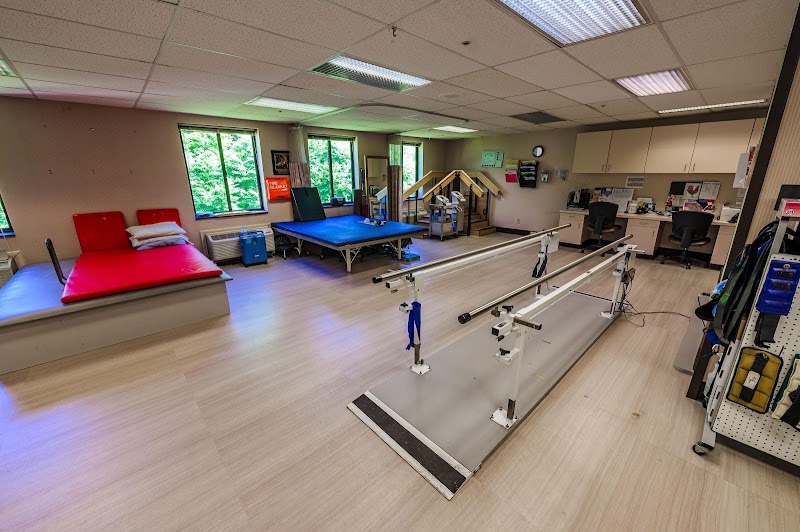
Who Owns and Operates River'S Bend Health & Rehab Center?

RIVER'S BEND HEALTH & REHAB CENTER is owned by a for-profit company. For-profit facilities operate as businesses with obligations to shareholders or private owners. The facility is operated by SABER HEALTHCARE GROUP, a chain that manages multiple nursing homes. With 198 certified beds and approximately 134 residents (about 68% occupancy), it is a mid-sized facility located in HARRISBURG, Pennsylvania.
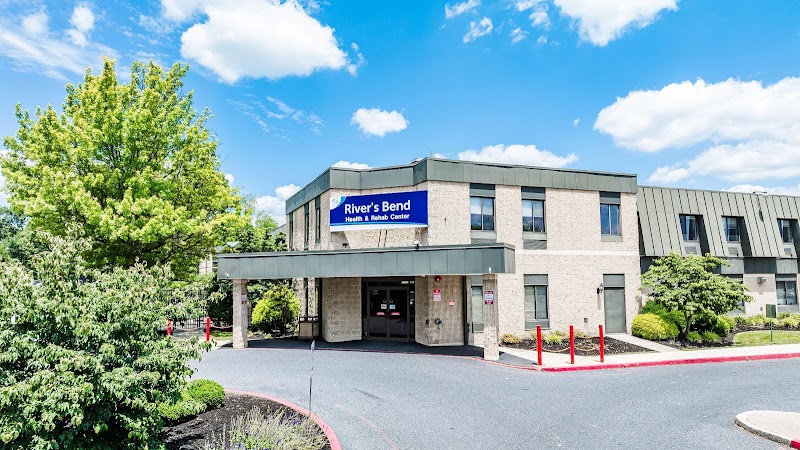
How Does River'S Bend Health & Rehab Center Compare to Other Pennsylvania Nursing Homes?

Compared to the 100 nursing homes in Pennsylvania, RIVER'S BEND HEALTH & REHAB CENTER's overall rating (2 stars) is below the state average of 3.0, staff turnover (51%) is near the state average of 46%, and health inspection rating (2 stars) is below the national benchmark.

What Should Families Ask When Visiting River'S Bend Health & Rehab Center?

Based on this facility's data, families visiting should ask: "Can I visit during a mealtime to observe dining assistance and food quality?" "How do you handle medical emergencies, and what is your hospital transfer rate?" "Can I speak with family members of current residents about their experience?"

Is River'S Bend Health & Rehab Center Safe?

Based on CMS inspection data, RIVER'S BEND HEALTH & REHAB CENTER has a clean safety record: no substantiated abuse findings (meaning no confirmed cases of resident harm), no Immediate Jeopardy citations (the most serious violation level indicating risk of serious injury or death), and is not on the Special Focus Facility watch list (a federal program monitoring the lowest-performing 1% of nursing homes). The facility has a 2-star overall rating and ranks #100 of 100 nursing homes in Pennsylvania. While no facility is perfect, families should still ask about staff-to-resident ratios and recent inspection results during their visit.

Do Nurses at River'S Bend Health & Rehab Center Stick Around?

RIVER'S BEND HEALTH & REHAB CENTER has a staff turnover rate of 51%, which is about average for Pennsylvania nursing homes (state average: 46%). Moderate turnover is common in nursing homes, but families should still ask about staff tenure and how the facility maintains care continuity when employees leave.

Was River'S Bend Health & Rehab Center Ever Fined?

RIVER'S BEND HEALTH & REHAB CENTER has been fined $19,841 across 1 penalty action. This is below the Pennsylvania average of $33,277. While any fine indicates a compliance issue, fines under $50,000 are relatively common and typically reflect isolated problems that were subsequently corrected. Families should ask what specific issues led to these fines and confirm they've been resolved.

Is River'S Bend Health & Rehab Center on Any Federal Watch List?

RIVER'S BEND HEALTH & REHAB CENTER is not on any federal watch list. The most significant is the Special Focus Facility (SFF) program, which identifies the bottom 1% of nursing homes nationally based on persistent, serious quality problems. Not being on this list means the facility has avoided the pattern of deficiencies that triggers enhanced federal oversight. This is a positive indicator, though families should still review the facility's inspection history directly.