HERMITAGE NURSING AND REHABILITATION
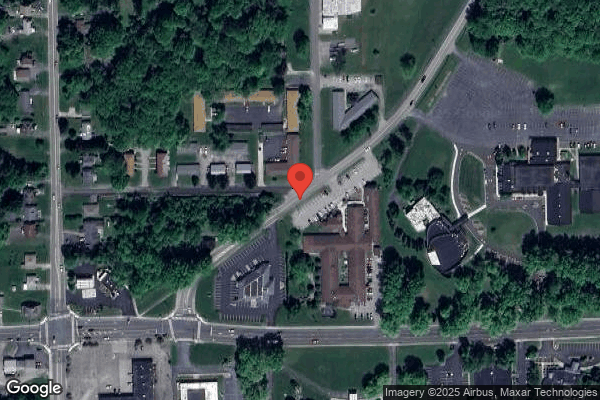
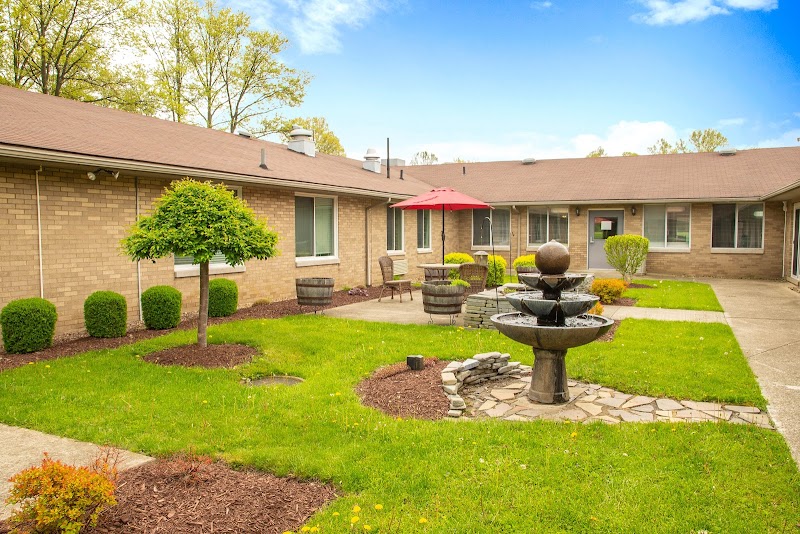
500 CLARKSVILLE ROAD, HERMITAGE, PA 16148 (724) 981-6610
For profit - Corporation 105 Beds EMBASSY HEALTHCARE Data: November 2025
Trust Grade
70/100
#179 of 653 in PA
Last Inspection: November 2024

Within standard 12-15 month inspection cycle. Federal law requires annual inspections.

Overview

Hermitage Nursing and Rehabilitation has a Trust Grade of B, which indicates it is a solid choice for families seeking care. Ranked #179 out of 653 facilities in Pennsylvania, this places it in the top half, while its county ranking of #7 out of 10 suggests that there are only a few better options nearby. The facility is improving, having reduced its issues from 5 in 2024 to just 1 in 2025, which is a positive sign. Staffing is rated as average with a 3/5 star rating and a turnover rate of 52%, which is about the state average, meaning some staff may not stay long enough to build strong relationships with residents. Notably, there have been no fines recorded, which is a good indicator of compliance. However, there are some concerns to consider. Recent inspections revealed that the facility failed to ensure a safe environment, with a soiled utility room accessible to residents and dirty linens improperly stored. Additionally, there was a lack of a comprehensive activity program on one care unit, potentially limiting engagement for some residents. The cleanliness of certain rooms was also found lacking, as several had debris and a general unkempt appearance. Overall, while there are strengths in staffing and a solid trust grade, families should weigh these weaknesses when making their decision.

Trust Score
B
70/100
In Pennsylvania
#179/653
Top 27%
Safety Record
Low Risk
No red flags
Inspections
Getting Better
5 → 1 violations
Staff Stability
⚠ Watch
52% turnover. Above average. Higher turnover means staff may not know residents' routines.
Penalties
✓ Good
No fines on record. Clean compliance history, better than most Pennsylvania facilities.
Skilled Nurses
⚠ Watch
Each resident gets only 27 minutes of Registered Nurse (RN) attention daily — below average for Pennsylvania. Fewer RN minutes means fewer trained eyes watching for problems.
Violations
⚠ Watch
24 deficiencies on record. Higher than average. Multiple issues found across inspections.
★★★★☆
4.0
Overall Rating
★★★☆☆
3.0
Staff Levels
★★★☆☆
3.0
Care Quality
★★★★☆
4.0
Inspection Score
Stable
2024: 5 issues
2025: 1 issues

The Good

  • Full Sprinkler Coverage · Fire safety systems throughout facility
  • No fines on record

Facility shows strength in fire safety.

The Bad

Staff Turnover: 52%

Near Pennsylvania avg (46%)

Higher turnover may affect care consistency

Chain: EMBASSY HEALTHCARE

Part of a multi-facility chain

Ask about local staffing decisions and management

The Ugly 24 deficiencies on record

Sept 2025 1 deficiency
CONCERN (D) 📢 Someone Reported This

A family member, employee, or ombudsman was alarmed enough to file a formal complaint

Potential for Harm - no one hurt, but risky conditions existed

ADL Care (Tag F0677)

Could have caused harm · This affected 1 resident

Based on review of facility policies, clinical records, and shower schedules, and staff interviews, it was determined that the facility failed to ensure that residents were provided with showers as sc...

Read full inspector narrative →
Based on review of facility policies, clinical records, and shower schedules, and staff interviews, it was determined that the facility failed to ensure that residents were provided with showers as scheduled for one of 13 residents reviewed (Resident R1). Findings include: The current facility policy entitled Resident Care, indicated that facility staff will provide general care as necessary for each resident per their preferences when able, and per physician orders. Residents will be given nursing care and supervision based upon individual needs. Facility policies and procedures, and nursing and other discipline's standards of practice will be utilized to promote physical, mental, spiritual, nutritional, and emotional status of the resident. Residents will be bathed or assisted to shower or bathe routinely and as needed per their preference with foot care given per order/need. A quarterly Minimum Data Set (MDS- periodic assessment of resident's abilities and care needs) Assessment for Resident R1, dated 7/15/25, revealed for Section GG area 0130E self care, ability to shower bathe self was documented as the resident needed substantial/maximal assistance. A care plan for Resident R1, dated 8/4/25, revealed that Resident R1 required assistance for ADL's (Activities of Daily living) related to immobility and multiple sclerosis. Review of resident tasks (tasks completed by staff related to resident care) revealed Resident R1 was to have bathing/showering on Wednesdays and Sundays on 3:00 p.m. to 11:00 p.m. shift. An interview with Resident R1 on 9/16/25, at approximately 11:30 a.m. revealed that Resident R1 identified that his/her shower schedule was Wednesdays and Sundays on evening shift and does not always get a shower and is usually given a bed bath. Resident R1 stated that the last shower given was last Wednesday (9/10/25) but was not given a shower on Sunday (9/14/25) and was not offered to get one. Resident R1 identified that if he/she was offered to get a shower in the shower room, they would prefer a real shower over a bed bath. Resident R1 revealed that he/she required full assist of staff and a hoyer lift (mechanical lift) to get out of bed to a chair and set up in shower room and full assist of staff was needed for a shower. A review of the bathing detail report and shower sheets for Resident R1 revealed that from 8/16/25 to 9/16/25, one partial bath was given on 8/27/25 at 9:02 p.m. Review of shower sheets revealed that on 7/30/25, it was documented that a shower was refused but the staff person provided a bed bath, nails cleaned, and lotion applied. The next documented shower sheet was 9/2/25. A shower sheet was also filled out 9/7/25, and on 9/10/25. Review of this documentation revealed that there was no documented evidence that the resident received a shower per his/her preference, order, or care plan, and there was no documented evidence that the resident refused her showers, requiring that a bed bath be given. During an interview on 9/5/25, at approximately 3:15 p.m. the Assistant Director of Nursing and Nursing Home Administrator confirmed that there was no documented evidence that Resident R1 received and/or refused showers from 7/30/25, through 9/2/25, as per the resident's preferences and shower schedule.28 Pa. Code 211.10(d) Resident care policies28 Pa. Code 211.12(d)(5) Nursing services
Nov 2024 3 deficiencies
CONCERN (D)

Potential for Harm - no one hurt, but risky conditions existed

Deficiency F0761 (Tag F0761)

Could have caused harm · This affected 1 resident

Based on review of facility policy, observation, and staff interview, it was determined that the facility failed to store Schedule II-V medications in a separately locked, permanently affixed compartm...

Read full inspector narrative →
Based on review of facility policy, observation, and staff interview, it was determined that the facility failed to store Schedule II-V medications in a separately locked, permanently affixed compartment in one of two medication rooms reviewed (Unit 1 medication room). Findings include: A facility policy entitled Controlled Substances dated 1/05/24, indicated that all controlled medications must be maintained in a separately locked, permanently affixed compartment. Observation of the refrigerator on Unit 1 medication room revealed a white locked box in the door of the refrigerator. The white locked box containing controlled medications was not permanently affixed to the refrigerator allowing the entire box to be removed from the refrigerator. During an interview on 11/13/24, at approximately 9:02 a.m. Registered Nurse Employee E1 confirmed that the white locked box in the door of the refrigerator contained controlled medications and was not permanently affixed to the refrigerator as required. 28. Pa. Code 201.18(b)(1) Management 28. Pa. Code 211.9(a)(1) Pharmacy services 28 Pa. Code 211.12(d)(1) Nursing services
MINOR (B)

Minor Issue - procedural, no safety impact

Transfer Notice (Tag F0623)

Minor procedural issue · This affected multiple residents

**NOTE- TERMS IN BRACKETS HAVE BEEN EDITED TO PROTECT CONFIDENTIALITY** Based on review of facility policy and clinical records, and staff interview, it was determined that the facility failed to send...

Read full inspector narrative →
**NOTE- TERMS IN BRACKETS HAVE BEEN EDITED TO PROTECT CONFIDENTIALITY** Based on review of facility policy and clinical records, and staff interview, it was determined that the facility failed to send copies of notice of emergency transfer to the representative of the Office of State Long-Term Care (LTC) Ombudsman for four of four residents reviewed (Residents R18, R37, R56, and R88). Findings include: A facility policy entitled Transfer and Discharge (including AMA-[against medical advice]) dated 1/5/24, indicated the facility will provide copies of notices for emergency transfers to the Ombudsman, when practicable, such as in a list of residents on a monthly basis. Policy also indicated the facility will maintain evidence that the notice was sent to the Ombudsman. Resident R18's clinical record revealed an admission date of 12/16/19, with diagnoses that included stroke, dementia (loss of cognitive functioning affecting a persons memory and behaviors), chronic kidney disease (a gradual loss of kidney function). Departmental notes indicated that Resident R18 was transferred to the hospital on 2/11/24, and returned to the facility on 2/19/24. There was no evidence that the Office of the State LTC Ombudsman was notified. Resident R37's clinical record revealed an admission date of 9/26/23, with diagnoses that included Parkinson's disease (a chronic and progressive movement disorder resulting in tremors, stiffness, and slowing of movement), high blood pressure, and obstructive uropathy (urine cannot flow due to an obstruction). Departmental notes indicated that Resident R37 was transferred to the hospital on 4/30/24, and returned to the facility on 5/03/24. Resident R37 was again transferred to the hospital on 5/10/24, and returned to the facility 5/14/24. Resident R37 was again transferred to the hospital on [DATE], and returned to the facility on [DATE]. There was no evidence that the Office of the State LTC Ombudsman was notified. Resident R56's clinical record revealed an admission date of 1/16/24, with diagnoses that included chronic kidney disease, high blood pressure, and stroke. Departmental notes indicated that Resident R56 was transferred to the hospital on 3/29/24, and returned to the facility on 4/03/24. There was no evidence that the Office of the State LTC Ombudsman was notified. Resident R88's clinical record revealed an admission date of 7/23/24, with diagnoses that included cancer of the prostate, bladder, and glottis (opening between the vocal cords), tracheostomy (a hole is made through the neck into the windpipe and then a tube is place to allow for breathing), and high blood pressure. Departmental notes indicated that Resident R88 was transferred to the hospital on 8/03/24, and returned to the facility on 8/05/24. There was no evidence that the Office of the State LTC Ombudsman was notified. During an interview on 11/14/24, at approximately 11:24 a.m. Regional Clinician confirmed that the facility failed to notify the Office of the State LTC Ombudsman of Residents R18, R37, R56, and R88's emergency transfers from the facility. 28 Pa. Code 201.14(a) Responsibility of licensee 28 Pa. Code 201.29(a) Resident rights
MINOR (B)

Minor Issue - procedural, no safety impact

Deficiency F0625 (Tag F0625)

Minor procedural issue · This affected multiple residents

**NOTE- TERMS IN BRACKETS HAVE BEEN EDITED TO PROTECT CONFIDENTIALITY** Based on review of facility policies and clinical records, and staff interview, it was determined that the facility failed to pr...

Read full inspector narrative →
**NOTE- TERMS IN BRACKETS HAVE BEEN EDITED TO PROTECT CONFIDENTIALITY** Based on review of facility policies and clinical records, and staff interview, it was determined that the facility failed to provide the resident and/or resident representative with a written notice of the facility bed-hold (explanation of how long a bed can be held during a leave of absence and the cost per day) upon or within twenty-four hours of transfer for four of four residents reviewed for hospitalizations (Residents R18, R37, R56, and R88). Findings include: A facility policy entitled Transfer and Discharge (including AMA-[against medical advice]) dated 1/05/24, indicated for emergency transfers / discharges the facility will provide a notice of transfer and the facility's bed-hold policy to the resident and representative. A facility policy entitled Bed Hold Notice Upon Transfer dated 1/05/24, indicated that in the event of an emergency transfer of a resident, the facility will provide within twenty-four hours written notice of the facility's bed-hold policies. Resident R18's clinical record revealed an admission date of 12/16/19, with diagnoses that included stroke, dementia (loss of cognitive functioning affecting a persons memory and behaviors), chronic kidney disease (a gradual loss of kidney function). Departmental notes indicated that Resident R18 was transferred to the hospital on 2/11/24, and returned to the facility on 2/19/24. The clinical record lacked evidence indicating that Resident R18 and/or their representative was provided with a copy of the facility bed-hold policy. Resident R37's clinical record revealed an admission date of 9/26/23, with diagnoses that included Parkinson's disease (a chronic and progressive movement disorder resulting in tremors, stiffness, and slowing of movement), high blood pressure, and obstructive uropathy (urine cannot flow due to an obstruction). Departmental notes indicated that Resident R37 was transferred to the hospital on 4/30/24, and returned to the facility on 5/03/24. Resident R37 was again transferred to the hospital on 5/10/24, and returned to the facility 5/14/24. Resident R37 was again transferred to the hospital on [DATE], and returned to the facility on [DATE]. The clinical record lacked evidence indicating that Resident R37 and/or their representative was provided with a copy of the facility bed-hold policy. Resident R56's clinical record revealed an admission date of 1/16/24, with diagnoses that included chronic kidney disease, high blood pressure, and stroke. Departmental notes indicated that Resident R56 was transferred to the hospital on 3/29/24, and returned to the facility on 4/03/24. The clinical record lacked evidence indicating that Resident R56 and/or their representative was provided with a copy of the facility bed-hold policy. Resident R88's clinical record revealed an admission date of 7/23/24, with diagnoses that included cancer of the prostate, bladder, and glottis (opening between the vocal cords), tracheostomy (a hole is made through the neck into the windpipe and then a tube is place to allow for breathing), and high blood pressure. Departmental notes indicated that Resident R88 was transferred to the hospital on 8/03/24, and returned to the facility on 8/05/24. The clinical record lacked evidence indicating that Resident R88 and/or their representative was provided with a copy of the facility bed-hold policy. During an interview on 11/15/24, at approximately 12:14 a.m. the Director of Nursing confirmed that there was no evidence that Residents R18, R37, R56, or R88 and/or their representatives received written notice of the facility bed-hold policy upon or within twenty-four hours of transfer. 28 Pa. Code 201.18(e)(1) Management
Mar 2024 1 deficiency
CONCERN (D) 📢 Someone Reported This

A family member, employee, or ombudsman was alarmed enough to file a formal complaint

Potential for Harm - no one hurt, but risky conditions existed

Grievances (Tag F0585)

Could have caused harm · This affected 1 resident

Based on a review of facility policy, facility grievances, and resident representative and staff interviews, it was determined that the facility failed to resolve a resident representative's grievance...

Read full inspector narrative →
Based on a review of facility policy, facility grievances, and resident representative and staff interviews, it was determined that the facility failed to resolve a resident representative's grievance concerns related to care/treatment for one of 31 residents reviewed (Resident R1). Findings include: The Concerns-Grievances policy, dated 12/28/23, revealed the facility will honor the resident's right to voice concerns and/or grievances without discrimination or reprisal. Such concerns and/or grievances will include, but not limited to, treatment which has been furnished as well as that which has not been furnished and instances of behavior of other residents. Other forms of grievances could include management of funds, lost items and/or violation of rights. This process will provide a method of documenting Concerns/Grievances and resolutions. These processes combined will promote customer satisfaction with the facility care and services and identify areas of improvement. Social Services will be responsible for coordinating orientation and in-service training to ensure all facility staff are knowledgeable of the facility's Concern process and that they understand their role in providing responsive customer service to residents and their families in concern resolutions. Social Services Director will coordinate the facility system for collecting concerns and tracking concerns for timely and appropriate response. Social Services will instruct facility staff to submit to the Social Service Director that all concerns received will be investigated within seventy-two hours (72 hours) following receipt of the concern. Within seven (7) days following the receipt of the concern, the facility will inform the complainant with the results of the investigation. A review of facility grievances from the months of January through March 2024, revealed no grievances from Resident R1's family member. During an interview with Resident R1's resident family member on 3/19/24, at 6:00 p.m. it was indicated that a letter of concern was written by Resident R1's family member in February 2024, and provided to Employee E1 regarding care and treatment concerns for Resident R1. During an interview with Employee E1 on 3/20/24, at approximately 4:55 p.m. it was revealed that he/she did receive a letter of concern from Resident R1's family member in February 2024, but failed to provide it to any further facility staff to address the concerns. An interview with the Director of Nursing on 3/20/24, at approximately 6:00 p.m. confirmed that he/she was unaware of Resident R1 family member's care and treatment concerns and further confirmed that the above noted letter of concern regarding the care and treatment concerns were not addressed timely as per the facility grievance policy as stated above. 28 Pa. Code 201.14(a) Responsibility of licensee 28 Pa. Code 201.18(b)(1)(3) Management 28 Pa. Code 201.29(a) Resident rights
Feb 2024 1 deficiency
CONCERN (E) 📢 Someone Reported This

A family member, employee, or ombudsman was alarmed enough to file a formal complaint

Potential for Harm - no one hurt, but risky conditions existed

Accident Prevention (Tag F0689)

Could have caused harm · This affected multiple residents

Based on observations and staff interviews, it was determined that the facility failed to ensure a safe environment for residents residing on two of three units regarding a soiled utility room area (U...

Read full inspector narrative →
Based on observations and staff interviews, it was determined that the facility failed to ensure a safe environment for residents residing on two of three units regarding a soiled utility room area (Unit 1 and Unit 2). Findings include: Observations on 2/7/24, at 9:51 a.m. of the soiled utility rooms on Unit 1 with the Housekeeping/Laundry Director, revealed the following: To enter the soiled utility room, observed above the key number entry mechanism were two separate strips of tape with a four digit key code identified on each strip. The numbers were located at a level that any resident could visualize and open the soiled utility room door. The Housekeeping/Laundry Manager utilized the numbers identified on the strip to enter the soiled utility room. Observed inside the room was an uncovered red bag disposal area, a large tote with clear plastic bags with soiled attends and large styrofoam cups, a bag on the floor with dirty linens, and multiple empty boxes piled up from the floor to the countertop. A full gallon of apea care shampoo and body wash was sitting on the counter opened without a lid. During an interview at the time of the observation, the Housekeeping/Laundry Director stated that the numbers above the key pad are numbers utilized to open the soiled utility room door. The four digit numbers were tested and each four digit number opened the soiled utility room door. Observation of Unit 2 soiled utility room identified two strips above the entrance keypad with a separate four digit number on each strip. When tested, each four digit number opened the door. Inside the room was a large tote with clear plastic bags with garbage. An opened container lined with a red bag was also observed inside. The keypad and four digit number sequence was located at a level that any resident could visualize and open the door. During an interview on 2/07/24, at 10:05 a.m. the Director of Nursing confirmed the numbers were above the keypad and used to enter the soiled utility room. 28 Pa. Code 201.14(a) Responsibility of licensee
Dec 2023 6 deficiencies
CONCERN (D)

Potential for Harm - no one hurt, but risky conditions existed

Incontinence Care (Tag F0690)

Could have caused harm · This affected 1 resident

Based on review of facility policies, clinical records, and staff interview, it was determined that the facility failed to ensure urinary catheter (tube inserted into the bladder to drain urine) care ...

Read full inspector narrative →
Based on review of facility policies, clinical records, and staff interview, it was determined that the facility failed to ensure urinary catheter (tube inserted into the bladder to drain urine) care was completed and urinary output was documented per physician orders for one of 20 residents reviewed (Resident R50). Findings include: Review of the facility policy entitled Use and Care of Urinary Catheter Guidelines, dated 1/2/2023, revealed Catheter care will be done per facility policy and as needed. Drainage bags will be emptied every shift and as needed. Review of the facility policy entitled Medication and Treatment Orders, dated 1/2/2023, revealed Treatment orders will be documented in PCC (Point Click Care) and on the Treatment Administration Record (TAR). Resident R50's clinical record revealed an admission date of 3/31/2023, with diagnoses that included chronic kidney disease, retention of urine, and unsteadiness on feet. Review of Resident R50's physician's orders dated 4/01/2023, revealed an order for foley (type of catheter) catheter care every shift and physician's orders dated 4/25/2023 to document foley output every shift. Review of R50's TAR completed by the Licensed Nurses for November 2023 and December 2023 revealed his/her foley catheter care was not completed every shift per physician's orders on 11/05/2023, 11/08/2023, and 12/01/2023, and urinary output was not documented every shift per physician orders on 11/01/2023, 11/02/2023, 11/03/2023, 11/04/2023, 11/05/2023, 11/06/2023, 11/08/2023, 11/11/2023, 11/12/2023, 11/15/2023, 11/16/2023, 11/17/2023, 11/23/2023, 11/24/2023, 11/25/2023, 11/26/2023, 11/29/2023, 12/01/2023, 12/04/2023, 12/07/2023, 12/09/2023, 12/10/2023, and 12/11/2023. During an interview on 12/20/2023, at 11:29 a.m. the Director of Nursing confirmed that the clinical records lacked evidence that catheter care was being completed per physician orders and lacked evidence that urinary output was being documented per physician orders for resident R50. 28 Pa. Code 201.14(a) Responsibility of licensee 28 Pa. Code 211.12(d)(1)(5) Nursing services
CONCERN (D) 📢 Someone Reported This

A family member, employee, or ombudsman was alarmed enough to file a formal complaint

Potential for Harm - no one hurt, but risky conditions existed

Medication Errors (Tag F0758)

Could have caused harm · This affected 1 resident

Based on review of facility policy, clinical records, and staff interviews, it was determined that the facility failed to provide a clinical rationale for the continued use of a PRN (as needed) psycho...

Read full inspector narrative →
Based on review of facility policy, clinical records, and staff interviews, it was determined that the facility failed to provide a clinical rationale for the continued use of a PRN (as needed) psychotropic (affecting the mind) medication beyond 14-days and failed to provide evidence that non-pharmacological interventions (interventions attempted to calm a resident other than medication) were attempted prior to the administration of an as needed (PRN) psychotropic (mind altering) medication for one of five residents reviewed (Resident R41), and failed to ensure PRN orders for psychotropic medications be used only when the medication is necessary to treat a diagnosed specific condition for two of five residents reviewed related to psychotropic medication usage (Residents R76 and R85). Findings include: Review of a facility policy entitled Use of Psychotropic Medication dated 1/2/2023, revealed that PRN orders for all psychotropic drugs shall be used only when the medication is necessary to treat a diagnosed specific condition that is documented in the clinical record, and for a limited duration (i.e. 14 days). If the attending physician or prescribing practitioner believes it is appropriate for the PRN order to be extended beyond 14 days, he or she shall document their rationale in the resident's medical record and indicate the duration for the PRN order. and Residents who use psychotropic drugs shall also receive non-pharmacological interventions to facilitate reduction or discontinuation of the psychotropic drugs. Resident R41's clinical record revealed an admission date of 10/22/2023, with diagnoses that included chronic respiratory failure, type II diabetes, failure to thrive, heart failure, and repeated falls. A physician's order dated 11/22/2023, identified to administer Lorazepam (anti-anxiety medication) 0.5 milligrams (mg) by mouth every 4 hours as needed for anxiety, and lacked the required stop date within 14 days or a clinical rationale for continued use beyond 14 days. Review of the November 2023 and December 2023 Medication Administration Record (MAR) for Resident R41 revealed that the PRN Lorazepam was used on 11/22/2023, 11/23/2023, 11/24/2023, 11/25/2023, 11/26/2023, 11/27/2023, 11/28/2023, 11/29/2023, 11/20/2023, 12/01/2023, 12/02/2023, 12/03/2023, 12/04/2023, 12/05/2023, 12/06/2023, 12/07/2023, 12/08/2023, 12/09/2023,12/11/2023, 12/12/2023, 12/13/2023, 12/14/2023, 12/16/2023, 12/17/2023, 12/18/2023, and 12/19/2023. Review of the November 2023 MAR, December 2023 MAR, and clinical record progress notes revealed that there was no evidence of non-pharmacological interventions attempted prior to the administration of the PRN Lorazepam for the 17 administrations of Lorazepam in November 2023 and 22 administrations of Lorazepam in December 2023. During an interview on 12/21/2023, at 10:20 a.m. the Director of Nursing confirmed that Resident R41's Lorazepam orders lacked the required stop date within 14 days or a clinical rationale for continued use beyond 14 days and R41's clinical record lacked evidence that non-pharmacological interventions were being attempted prior to administering Lorazepam. Resident R76's clinical record revealed an admission date of 11/10/21, with diagnoses that included Parkinson's disease (disease of the central nervous system that affects movement), dysphagia (difficulty swalling foods or liquids), muscle wasting and atrophy (a loss and break down of muscle), and dementia (disease of the brain that affects mood, behavior, and decision making). Resident R76's clinical record revealed a physician's order dated 4/29/23, Ativan Solution 2 mg/ml [milliliter] (Lorazepam) Inject 0.25 ml intramuscularly every 6 hours as needed for anxiety, agitation 0.5 mg. Resident R76's pharmacy medication regimen review (MRR) dated 11/08/23, revealed This resident has an order for Ativan 0.5 mg IM Q6H PRN for Anxiety/Agitation. This was started 4/29/23. The prescriber must then reassess the patient in order to continue the PRN order. If the medication is to be continued for PRN use, the prescriber must document clinical rationale for extended use AND the duration of treatment. The MRR further lacked evidence of a physician response to discontinue the PRN order as referenced above and/or to continue use with a clinical rationale. Resident R85's clinical record revealed an admission date of 1/30/23, with diagnoses that included fracture of left hip, muscle weakness, unsteadiness of feet, and dementia. Resident R85's clinical record revealed a physician order dated 8/15/23, Ativan oral tablet 0.5 mg (Lorazepam) Give 0.25 mg by mouth every 8 hours as needed for anxiety. Resident R85's pharmacy MRR dated 12/13/23, revealed This resident has an order for Ativan 0.25 mg Q8H PRN for Anxiety/agitation. If the medication is to be continued for PRN use, the prescriber must document clinical rationale for extended use AND the duration of treatment. The physician indicated to discontinue PRN order referenced above. The clinical record lacked evidence, however, that the Ativan 0.25 mg by mouth every 8 hours PRN was discontinued per the physician order documented on 12/13/23. During an interview on 12/21/23, at 10:40 a.m. the Assistant Director of Nursing confirmed that Resident R76's clinical record lacked evidence of a physician response to the pharmacy MRR dated 11/08/23, to discontinue the PRN Ativan 0.5mg IM Q6H PRN and/or continue use with a clinical rationale, and Resident R85's clinical record lacked evidence that the Ativan 0.25 mg by mouth every 8 hours PRN was discontinued per the 12/13/23, physician order. 28 Pa. Code 211.12(d)(1)(3)(5) Nursing services
CONCERN (D)

Potential for Harm - no one hurt, but risky conditions existed

Deficiency F0761 (Tag F0761)

Could have caused harm · This affected 1 resident

Based on review of facility policy, observations and staff interviews, it was determined that the facility failed to label multi-dose containers of insulin (medication to treat elevated blood sugar le...

Read full inspector narrative →
Based on review of facility policy, observations and staff interviews, it was determined that the facility failed to label multi-dose containers of insulin (medication to treat elevated blood sugar levels) and tuberculin solution (used to test for the disease tuberculosis) with the date they were opened in one of three medication carts (Long Cart 2). Findings include: Review of a facility policy entitled, Administering Medication dated 10/01/23, indicated that that the date opened shall be recorded on the container. Observation on 12/18/23, at 3:32 p.m. of the Long Cart 2 revealed an opened multi-dose vial of Novolog insulin without a date when it was opened. At that time, Licensed Practical Nurse Employee E1 confirmed that the multi-dose vial of Novolog insulin did not identify an opened date. 28 Pa. Code 211.9(a)(1) Pharmacy services 28 Pa. Code 211.10(c) Resident care policies
CONCERN (D)

Potential for Harm - no one hurt, but risky conditions existed

Food Safety (Tag F0812)

Could have caused harm · This affected 1 resident

Based on review of facility policy, observations, and staff interview, it was determined that the facility failed to ensure food was stored and prepared in a safe and sanitary manner related to the wa...

Read full inspector narrative →
Based on review of facility policy, observations, and staff interview, it was determined that the facility failed to ensure food was stored and prepared in a safe and sanitary manner related to the walk-in freezer, dry storage area, cooking equipment, and fans in the dishwashing area for one of one main kitchens. Findings include: Review of a facility policy entitled, Sanitary Conditions dated 1/02/2023, revealed that All equipment will be maintained in a clean and sanitary fashion. Observations conducted on 12/18/2023, at approximately 10:05 a.m. of the main kitchen revealed dirt and debris on the walk-in freezer floor, visible dust, debris, and food on the dry storage room floor, visible grease, and debris on the stove and overhead vents, and two fans in the dishwashing area with a thick layer of dust and a fuzzy substance. During an interview on 12/18/2023, at the time of the observations the Kitchen Manager confirmed that there was dirt and debris on the walk-in freezer floor, visible dust, debris, and food on the dry storage room floor, visible grease, and debris on the stove and overhead vents, and two fans in the dishwashing area with a thick layer of dust and a fuzzy substance. 28 Pa. Code 201.14(a) Responsibility of licensee
CONCERN (E)

Potential for Harm - no one hurt, but risky conditions existed

Deficiency F0679 (Tag F0679)

Could have caused harm · This affected multiple residents

Based on a review of facility policy, observations, and resident representative and staff interviews, it was determined that the facility failed to develop and implement a comprehensive activity progr...

Read full inspector narrative →
Based on a review of facility policy, observations, and resident representative and staff interviews, it was determined that the facility failed to develop and implement a comprehensive activity program for one of three resident care units observed (Memory Care Unit Three). Findings include: Review of facility policy Activity Program dated 1/02/23, revealed This facility provides activity programs that are designed to meet the needs of residents with a range of cognitive and physical levels of functioning. 1. Activity programs are designed to encourage individual participation and are geared to the needs and preferences of residents in the facility. 2. Activities are scheduled 7 (seven) days a week and residents are given an opportunity to contribute to the planning of the programs, which may include self-directed activities. 3. Our activity programs consist of individual, small and large group activities that are designed to meet the needs and interests of residents and may include such things as: a: exercise, movement to music, pool b: Stimulating activities such as current events, trivia, word games, movies c: Field trips away from the facility such as shopping, going to the park, going out to eat, attending local events d: Spiritual programming as requested by the residents e: Creative activities, such as arts and crafts, painting, writing, music, f: Occasionally special activities such as birthday and holiday parties, outside entertainment and theme events g: activities may be scheduled per resident interest as a one-time event or more often 4. Activities are not necessarily limited to formal activities being provided only by activities staff. Other facility staff, volunteers, visitors, residents, and family members may also provide activities. Observations on 12/18/23, between 11:00 a.m. and 4:00 p.m.; on 12/19/23, between 9:30 a.m. and 12:00 p.m.; and on 12/20/23, between 8:45 a.m. and 1:00 p.m. revealed no evidence of resident activities being conducted on the Memory Care Unit. During an interview on 12/19/23, at 12:45 p.m. Resident R35's Representative indicated there have not been activities for residents of the Memory Care Unit for months but was supposed to have a facility employee start doing activities on 12/01/23, but this has not occurred. During an interview with Employee E2 on 12/20/23, at approximately 10:30 a.m. it was confirmed that activities have not been taking place consistently for the residents of the Memory Care Unit for numerous days. During an interview with Employee E3 on 12/20/23, at approximately 11:00 a.m. it was confirmed that activities have not been occurring consistently due to the facility employee responsible for the Memory Care Unit was working on other responsibilities at the facility. During an interview on 12/21/23, at 10:15 a.m. the Nursing Home Administrator confirmed that an activity program was trying to be initiated, but due to staffing concerns, the staff responsible for the Memory Care Unit activities have not been able to do them as planned. 28 Pa. Code 211.10(d) Resident care policies
MINOR (B)

Minor Issue - procedural, no safety impact

Deficiency F0655 (Tag F0655)

Minor procedural issue · This affected multiple residents

Based on review of facility policy and clinical records, and staff interview, it was determined that the facility failed to provide a written summary of the baseline care plan and order summary to the...

Read full inspector narrative →
Based on review of facility policy and clinical records, and staff interview, it was determined that the facility failed to provide a written summary of the baseline care plan and order summary to the resident and resident representative for four of 20 residents reviewed (Residents R50, R41, R86, and R89). Findings include: Review of a facility policy entitled, Baseline Care Plan dated 1/02/2023, revealed A written summary of the baseline care plan shall be provided to the resident and representative in a language that the resident/representative can understand. The summary shall include, at a minimum, the following: The initial goals of the resident, a summary of the resident's medications and dietary instructions, any services and treatments to be administered by the facility and personnel acting on behalf of the facility. Resident R50's clinical record revealed an admission date of 3/31/2023, with diagnoses that included chronic kidney disease, retention of urine, and unsteadiness on feet. Resident R50's clinical record lacked evidence that a written summary of the baseline care plan and order summary was provided to Resident R50 and his/her representative. Resident R41's clinical record revealed an admission date of 10/22/2023, with diagnoses that included chronic respiratory failure, type II diabetes, failure to thrive, heart failure, and repeated falls. Resident R41's clinical record lacked evidence that a written summary of the baseline care plan and order summary was provided to Resident R41 and his/her representative. Resident R86's clinical record revealed an admission date of 5/18/2023, with diagnoses that included type II diabetes, history of falling, and muscle weakness. Resident R86's clinical record lacked evidence that a written summary of the baseline care plan and order summary was provided to Resident R86 and his/her representative. Resident R89's clinical record revealed an admission date of 11/18/23, with diagnoses that included fracture of right hip, muscle wasting and atrophy (loss and breakdown of muscles), lack of coordination, and muscle weakness. Resident R89's clinical record lacked evidence that a written summary of the baseline care plan and order summary was provided to Resident R89 and his/her representative. During an interview on 12/21/2023, at 10:30 a.m. the Director of Nursing confirmed that the clinical record of the residents listed above lacked evidence that a written summary of the baseline care plan and order summary was provided the residents and his/her representatives upon admission to the facility. 28 Pa. Code 211.10(c) Resident care policies
Aug 2023 3 deficiencies
CONCERN (D) 📢 Someone Reported This

A family member, employee, or ombudsman was alarmed enough to file a formal complaint

Potential for Harm - no one hurt, but risky conditions existed

Deficiency F0725 (Tag F0725)

Could have caused harm · This affected 1 resident

Based on review of clinical records and staff and resident interviews, it was determined that the facility failed to provide the appropriate number of staff to provide the care and services in assisti...

Read full inspector narrative →
Based on review of clinical records and staff and resident interviews, it was determined that the facility failed to provide the appropriate number of staff to provide the care and services in assisting residents with showers for two of seven residents reviewed. (Residents R4 and R5) Findings include: Review of Resident R4's clinical record revealed an admission date of 8/10/22, with diagnoses that included high blood pressure, heart problems and stomach reflux. The 6/12/23, Quarterly Minimum Data Set (MDS-periodic review of resident care needs) Assessment revealed that Resident R4 was alert and oriented. The MDS also identified that choosing a bathing method was somewhat important to the resident and bathing required one person physical assist. During an interview on 8/08/23, at 1:33 p.m., Resident R4 stated that they had received their shower recently but had a span of time that they had not gotten a shower. The resident identified that Mondays and Thursdays were their shower days. Review of the bathing record revealed Resident R4 had not received a shower between 7/10/23 and 7/19/23 and then not again from 7/21/23 through 8/02/23. On 8/08/23, at 2:30 p.m. Resident R4 was interviewed again due to the facility identifying that the resident had received a bed bath. Resident R4 stated I never asked for a bed bath. I like to shower. Resident R4 also indicated that they do not get the shower because staff say they do not have enough staff. Review of Resident R5's clinical record revealed an admission date of 4/10/23, with diagnoses that included cancer of the cecum (beginning of the large intestine). The 7/12/23, Quarterly MDS revealed Resident R5 was alert and oriented. The MDS also revealed Resident R5 indicated it was very important to choose between a bath, shower, bed bath or sponge bath and for bathing Resident R5 needed supervision with a one person physical assist. During an interview with Resident R5 on 8/08/23, at 1:42 p.m. he/she stated that they preferred to sponge bath in their room however had been asking the staff to help him/her wash their hair. Resident R5's hair was flat and somewhat greasy upon observation. Resident R5 stated I have been asking people to wash my hair, they (staff) tell me there is not enough staff. During an interview on 8/08/23, at 2:45 p.m. the Director of Nursing (DON) confirmed that documentation between 7/10/23 through 8/07/23 revealed Resident R4 did not receive showers on six of the nine days the resident was scheduled for showers and also was unaware that Resident R5 asked to have their hair washed. 28 Pa. Code 211.12 (d)(1)(3)(4)(5) Nursing services
CONCERN (E) 📢 Someone Reported This

A family member, employee, or ombudsman was alarmed enough to file a formal complaint

Potential for Harm - no one hurt, but risky conditions existed

Safe Environment (Tag F0584)

Could have caused harm · This affected multiple residents

**NOTE- TERMS IN BRACKETS HAVE BEEN EDITED TO PROTECT CONFIDENTIALITY** Based on observations, review of facility policies and staff interviews, it was determined that the facility failed to provide a...

Read full inspector narrative →
**NOTE- TERMS IN BRACKETS HAVE BEEN EDITED TO PROTECT CONFIDENTIALITY** Based on observations, review of facility policies and staff interviews, it was determined that the facility failed to provide a clean, comfortable and homelike environment for seven of 53 rooms (Rooms 51, 33, 34, 35, 37, 39, and 40.) Finding include: Review of facility policy entitiled, The 5 Step Daily Patient Room Cleaning dated 1/01/23, revealed the entire floor must be dust mopped . Observations conducted between 10:06 a.m. through 10:40 a.m. revealed the following: room [ROOM NUMBER] had loose debris under resident beds room [ROOM NUMBER] had loose debris under the bed by the door room [ROOM NUMBER] had loose debris noted on the resident floors room [ROOM NUMBER] had loose debris noted on the floor room [ROOM NUMBER] had a Kleenex box wedged under the window bed room [ROOM NUMBER] had debris on the floor and under the door bed Observations of rooms on Unit Three on 8/08/23 at 10:43 a.m. revealed that Housekeeper Employee E2 was cleaning resident rooms. During an interview at that time, Housekeeper Employee E2 stated that he/she had finished cleaning room [ROOM NUMBER]. During observation of room [ROOM NUMBER], loose debris was observed under the bed in the room by the window. During an interview with Housekeeper Employee E2 on 8/08/23 at 10:45 a.m he/she stated they had completed cleaning the room but had forgotten to clean under the resident's beds. Observations with the Housekeeping Assistant Manager on 8/08/23, at 12:33 p.m. revealed the prior morning observations were still present in Rooms 33, 34, 35, 37, 39 and 40 including the loose debris noted under beds, on the floors and the Kleenex box still under the bed in room [ROOM NUMBER]. During an inteview on 8/08/23, at 12:43 p.m. Housekeeper Employee E3 stated all rooms were completed on the North Hall except rooms [ROOM NUMBERS]. (North Hall included Rooms 30 through 45) 28 Pa. Code 201.14(a) Responsibility of licensee
CONCERN (E) 📢 Someone Reported This

A family member, employee, or ombudsman was alarmed enough to file a formal complaint

Potential for Harm - no one hurt, but risky conditions existed

Accident Prevention (Tag F0689)

Could have caused harm · This affected multiple residents

Based on observations, review of clinical records and facility documentation, manufacturer's recommendations and staff interview, it was determined that the facility failed to ensure a safe environmen...

Read full inspector narrative →
Based on observations, review of clinical records and facility documentation, manufacturer's recommendations and staff interview, it was determined that the facility failed to ensure a safe environment for individuals care planned for elopement with alpha tags (device placed on resident to notify staff when resident is exiting the building) for three of three residents reviewed. (Residents R1, R2 and R3) Findings include: Review of manufacturer's recommendations Wander Control Systems Troubleshooting Tips for Testing RF(alpha) tags revealed we highly recommend testing the resident RF (alpha tag) tags every morning with a hand held tag tester. 4 .Tags should never be attached to wheelchairs. Review of Resident R1's clinical record revealed an admission date of 9/08/22, with diagnoses that included seizures, bipolar disorder (periods of depression and elevated mood), multiple sclerosis (disease that affects the nervous system) and anxiety. Review of a physician's order dated 1/05/23, revealed an order for an alpha tag to wheelchair due to increased elopement risk for Resident R1. Resident R1's care plan dated 4/4/23, revealed an alpha tag was ordered on 1/05/23 and check the device for functioning per facility protocol. Review of Resident R1's Treatment Record for July and August 2023, revealed alpha tag to wheelchair-check placement every shift. Review of Resident R2's clinical record revealed an admission date of 11/05/21, with diagnoses that included unsteady gait, high blood pressure, and dementia. Review of a physician's order dated 7/27/23, revealed an order for an alpha tag to the right ankle- check placement every shift. Resident R2's care plan dated 4/21/23, revealed alpha tag per order for risk of elopement related to impaired cognition. Review of Resident R2's Treatment Record for July and August 2023, revealed alpha tag right ankle-check placement every shift for alpha guard check. Review of Resident R3's clinical record revealed an admission date of 10/13/21, with diagnoses that included Alzheimer's disease, anxiety, and impulse disorder (failure to resist urge or temptation). Review of a physician's order dated 10/13/21, revealed alpha tag on at all times for safety every shift. Resident R3's care plan last revised on 3/09/23, revealed staff will apply alpha tag for safety and check battery every bedtime per order. Review of Resident R3's Treatment Record for July and August 2023, revealed alpha tag on at all times for safety for Resident R3. The facility identified three residents with alpha tags. Observation on 8/02/23, at approximatley 2:00 p.m. with Maintenance Employee E1 revealed that the hand held tester used to test the alpha tag transmitter on Residents R1, R2, and R3 was not picking up a transmission for function. Residents R2 and R3 had alpha tags observed placed on their ankles. Resident R1 had an alpha tag placed on their wheelchair. Resident R1 gave permission to check their alpha tag near the exit doors and was assisted to the exit doors which were secured with a punch key code to exit. The front entrance door should lock in the presence of a resident with an alpha tag and an alarm should ring when exiting if not locked. Resident R1 was assisted to the front entrance and the door opened and no alarm sounded at 2:25 p.m. on 8/02/23. Review of the facility documention from May, June, and July revealed that the alpha tags for Residents R1, R2 and R3 were checked for functioning once a month and not daily as the manufacturer recommended. There was no documentation that the doors in the facility were checked to prevent residents care planned for elopement from exiting the building. During an interview on 8/02/23, at 2:25 p.m. the Nursing Home Administrator (NHA) confirmed that the door opened and the alarm did not sound during testing of Resident R1's alpha tag. During an interview on 8/03/23, at 10:22 a.m. the NHA confirmed they were unaware alpha tags were not to be placed on wheelchairs per the manufacturer's recommendations and was not aware that testing was recommended daily on resident alpha tags and also confirmed there was no documentation to show that the exit doors of the facility were tested for functioning to prevent an elopement. 28 Pa Code 201.14(a) Responsibility of licensee
Jun 2023 1 deficiency
CONCERN (D) 📢 Someone Reported This

A family member, employee, or ombudsman was alarmed enough to file a formal complaint

Potential for Harm - no one hurt, but risky conditions existed

Deficiency F0660 (Tag F0660)

Could have caused harm · This affected 1 resident

Based on review of facility policies and clinical records and staff interviews, it was determined that the facility failed to perform post-discharge planning prior to discharge for two of five closed ...

Read full inspector narrative →
Based on review of facility policies and clinical records and staff interviews, it was determined that the facility failed to perform post-discharge planning prior to discharge for two of five closed record residents (Residents CR2 and CR3). Findings include: Review of a facility policy entitled, Discharge Planning dated 2016, indicated that the facility will: develop and implement a discharge plan that will effectively transition residents to post-discharge care; document any referrals to local agencies or other appropriate entities; assist the resident and/or representative in selecting a post-acute care provider; develop and provide a post-discharge plan of care to the receiving provider which includes practitioner contact information, representative contact information, Advanced Directives, special instructions/precautions for ongoing care, care plan goals, and all other necessary information to ensure a safe and effective transition of care. Review of a facility policy entitled, Transfer-Discharge, Preparing a Resident for (no review date), indicated that a post-discharge plan will be developed and reviewed with the resident/representative at least 24 hours before the resident is discharged from the facility. Review of a facility policy entitled, Planned Discharge Procedure dated 7/2017, indicated that Social Services department is responsible for directly assisting the resident/representative with arrangements, and assist with obtaining equipment, home health services, hospice, etc., as requested. Review of Resident CR2's clinical record revealed an admission date of 3/15/23, with diagnoses including Type 2 Diabetes (condition that effects the way the body uses glucose [sugar]), dementia, epilepsy (brain disorder that causes recurring seizures), spinal stenosis-multiple regions (condition where the spaces in the spine narrow and create pressure on the spinal cord and nerve roots), and generalized weakness. The clinical record also revealed that Resident CR2 was discharged home on 4/15/23, and was to receive home health services. Review of a fax dated with a sent date of 4/14/23, requested the physician to sign an order to discharge Resident CR2 to home with medications, physical therapy, occupational therapy, and registered nurse services. Review of a physician's faxed order dated 5/03/23, identified the need for home health, physical and occupational therapies. Review of a Social Services progress note dated 5/11/23, indicated that Resident CR2's family had contacted the facility to report that home health services had not yet been started. Review of a fax dated with a sent date of 5/11/23, indicated that the facility sent the required documents to Home Health Intake and requested services to begin as soon as possible. Review of a Social Services progress note dated 5/12/23, indicated that Resident CR2's daughter had contacted the facility to inform them that the home health agency had contacted the family that morning to begin services (27 days after discharging from the facility). Review of electronic correspondence dated 6/02/23, revealed that Social Services employee confirmed that Resident CR2 did not begin receiving home health services until 5/12/23. Review of Resident CR3's clinical record revealed an admission date of 3/30/23, with diagnoses including Parkinson's Disease (brain disorder that causes unintended or uncontrollable movements, such as shaking, stiffness, and difficulty with balance and coordination), Type 2 Diabetes, and Fibromyalgia (condition that causes pain all over the body (also referred to as widespread pain), sleep problems, fatigue, and often emotional and mental distress). The clinical record revealed that Resident CR3 was discharged home on 5/10/23, and was to receive home health services. Review of a physician's order dated 5/10/23, revealed that Resident CR3 was to be discharged home with medications, home health, physical therapy, and occupational therapy. Review of electronic correspondences dated 5/10/23, and 5/11/23 from the home health services agency revealed a request for the required signed physician's order and progress notes to enroll Resident CR3 in home health services. Review of an electronic correspondence dated 5/12/23, from the facility to the home health services agency indicated that the required documents had been sent to allow Resident CR3 to begin services at home. Review of an electronic correspondence dated 6/02/23, revealed that Social Services employee confirmed that there was a delay in obtaining progress notes and signed physician's order for Resident CR3 to begin home health services. 28 Pa. Code 201.18(b)(1)(2) Management 28 Pa. Code 201.25(a) Discharge Policy
Apr 2023 2 deficiencies
CONCERN (E) 📢 Someone Reported This

A family member, employee, or ombudsman was alarmed enough to file a formal complaint

Potential for Harm - no one hurt, but risky conditions existed

Safe Environment (Tag F0584)

Could have caused harm · This affected multiple residents

**NOTE- TERMS IN BRACKETS HAVE BEEN EDITED TO PROTECT CONFIDENTIALITY** Based on observations, review of facility policies and staff interview, it was determined that the facility failed to maintain c...

Read full inspector narrative →
**NOTE- TERMS IN BRACKETS HAVE BEEN EDITED TO PROTECT CONFIDENTIALITY** Based on observations, review of facility policies and staff interview, it was determined that the facility failed to maintain clean and sanitary bedrooms and/or bathrooms for five of eight resident rooms on Unit Three (Rooms 54, 53, 52, 51 and 49). Findings include: Review of the 5-Step Daily Patient Room Cleaning policy revealed step three: spot clean walls, vertical surfaces are not completely wiped down daily but must be spot cleaned daily. Walls-especially by trash cans, light switches and door handles will need special attention. The entire floor must be dust mopped, especially behind dressers and beds .All corners and along all baseboards must be dust mopped to prevent buildup. When water pushes dust into corners, problems occur. During observations of Unit Three resident rooms/bathrooms on 4/10/23, between 9:00 a.m and 9:20 a.m., the following was identified: room [ROOM NUMBER] - tan color streaks on short wall on left side of room, bathroom floor had large stain noted in front of and around the toilet room [ROOM NUMBER] -stain noted on right side of room floor near resident bed and also stain on floor on left side of dresser. Also noted was a collection of dust and debris around the baseboard of the room. room [ROOM NUMBER] - reddish brown droplets noted on bathroom floor in front and around the toilet room [ROOM NUMBER] - floor mat on left side of room had multiple stains and the bathroom had an attends, towel and pants lying on the floor room [ROOM NUMBER] - floor stained on left side of room and floor was sticky throughout the room During an interview on 4/10/23, between 9:30 a.m. through 9:42 a.m., the Housekeeping Manager confirmed the above findings. 28 Pa. Code 201.14(a) Responsibility of Licensee 28 Pa. Code 207.2(a) Administrator's responsibility
CONCERN (E) 📢 Someone Reported This

A family member, employee, or ombudsman was alarmed enough to file a formal complaint

Potential for Harm - no one hurt, but risky conditions existed

Deficiency F0678 (Tag F0678)

Could have caused harm · This affected multiple residents

**NOTE- TERMS IN BRACKETS HAVE BEEN EDITED TO PROTECT CONFIDENTIALITY** Based on review of facility policies, facility documentation and staff interview, it was determined that the facility failed to ...

Read full inspector narrative →
**NOTE- TERMS IN BRACKETS HAVE BEEN EDITED TO PROTECT CONFIDENTIALITY** Based on review of facility policies, facility documentation and staff interview, it was determined that the facility failed to assure Licensed Nursing staff were properly trained to provide basic life support including cardiopulmonary resuscitation (CPR) for eight of 22 licensed personnel (Employees E1 through E8). Findings include: Review of the Cardiopulmonary Resuscitation policy, dated [DATE] revealed B. Certification/Training of Staff, Licensed Nurses providing direct resident care including supervision and/or delegation responsibilities will have a current and valid CPR certification. (1) the facility will track and monitor licensed nurse CPR certification annually with nurse license tracking. Review of the facility Licensed Nurse CPR certification records revealed the following Licenced Nurses without record of CPR certification: Registered Nurse Employees E1, E2 and E3 Licensed Practical Nurse Employees E4, E5, E6, E7, and E8 During an interviw on [DATE], at 12:45 p.m. the Human Resource Director confirmed there was no evidence that Licensed Nurses Employees E1 through E8 had completed certification for CPR. 28 Pa. Code 201.18(b)(1)(3) Management 28 Pa. Code 211.12 (d)(1)(3)(5) Nursing services
Mar 2023 1 deficiency
MINOR (B) 📢 Someone Reported This

A family member, employee, or ombudsman was alarmed enough to file a formal complaint

Minor Issue - procedural, no safety impact

Deficiency F0625 (Tag F0625)

Minor procedural issue · This affected multiple residents

**NOTE- TERMS IN BRACKETS HAVE BEEN EDITED TO PROTECT CONFIDENTIALITY** Based on review of clinical records and facility documentation, and staff interviews, it was determined that the facility failed...

Read full inspector narrative →
**NOTE- TERMS IN BRACKETS HAVE BEEN EDITED TO PROTECT CONFIDENTIALITY** Based on review of clinical records and facility documentation, and staff interviews, it was determined that the facility failed to provide a notice of bed-hold and/or completed notice of bed-hold prior to transfer to a hospital for two of five residents reviewed (Closed Record Residents CR1 and CR2). Findings include: Review of the Bed Hold Notice Upon Transfer policy, dated 10/1/22, revealed before the resident is transferred to the hospital .the facility will provide to the resident and/or resident representative written information that specifies (a.) the duration of the stated bed hold policy, if any, during which the resident is permitted to return and resume residence in the nursing facility (b) the reserve bed payment policy in the state plan policy .(2) in the event of an emergency transfer of a resident, the facility will provide within 24 hours written notice of the facility 's bed hold policies as stipulated in the State's plan .(5) The facility will keep a signed and dated copy of the bed hold notice information given to the resident and/or resident representative in the resident's file. Resident CR1 was admitted to the facility on [DATE], with diagnoses that included dementia with behavior disturbance, hypertension and anxiety. Resident CR1 was transferred and admitted to a hospital on 1/24/23. There was no evidence that the notice of bed-hold had been completed with accurate information when Resident CR1 was admitted to the hospital. Resident CR2 was admitted to the facility on [DATE], with diagnoses that included hypertension, neurogenic bladder and seizure disorder. Resident CR2 had been transferred to the hospital on 1/20/23. There was no evidence that a notice of bed-hold had been sent with the resident or reviewed with the responsible party. During an interview on 3/14/23, at 12:33 p.m. the Registered Nurse Employee E1 did not know that a notice of bed-hold was to be sent with resident and/or resident representative with a transfer to the hospital. During an interview on 3/14/23, at 1:12 p.m. the Director of Nursing confirmed the lack of a notice for bed-hold for Residents CR1 and CR2. 28 Pa. Code 211.5(f) Clinical records
Jan 2023 4 deficiencies
CONCERN (D)

Potential for Harm - no one hurt, but risky conditions existed

Food Safety (Tag F0812)

Could have caused harm · This affected 1 resident

Based on review of facility policies, observations, and staff interviews, it was determined that the facility failed to store food items and maintain equipment in a safe and sanitary condition. Findi...

Read full inspector narrative →
Based on review of facility policies, observations, and staff interviews, it was determined that the facility failed to store food items and maintain equipment in a safe and sanitary condition. Findings include: Review of facility policy entitled, Refrigerator Temperatures, with a policy review date of 12/28/22, indicated that Refrigerator shall be cleaned weekly by the 11-7 nursing staff per posted schedules. Review of facility policy entitled, Food Products From Outside the Facility, with a policy review date of 12/28/22, indicated that all foods brought to the resident that requires refrigeration/heating must be properly labeled with resident's name and date. Observations of the dementia locked unit, on 1/17/23, at approximately 2:45 p.m., in the presence of Licensed Practical Nurse (LPN) Employee E1, revealed that the resident refrigerator contained multiple bags of food unlabeled and undated with spilled food and drink in the refrigerator. The freezer unit was completely frozen with a block of ice. LPN Employee E1 confirmed that the refrigerator needed cleaned and defrosted. A follow-up observation of the resident refrigerator in the dementia locked unit on 1/18/23, at approximately 2:30 p.m., with LPN Employee E2, revealed that the refrigerator remained uncleaned and the freezer unit remained with a solid block of ice. LPN employee E2 confirmed that the refrigerator was not clean and required cleaning and defrosting. The facility failed to store food items and maintain equipment in a safe and sanitary conditions. 28 Pa. Code 201.14(a) Responsibility of licensee
CONCERN (E)

Potential for Harm - no one hurt, but risky conditions existed

ADL Care (Tag F0677)

Could have caused harm · This affected multiple residents

Based on review of clinical records, facility documents and policies, and resident and staff interviews, it was determined that the facility failed to provide bathing services for six of 20 residents ...

Read full inspector narrative →
Based on review of clinical records, facility documents and policies, and resident and staff interviews, it was determined that the facility failed to provide bathing services for six of 20 residents reviewed (R19, R25, R27, R28, R31, and R56). Findings include: Review of facility policy entitled, Personal Care Procedure with a policy review date of 12/28/22, indicated that baths/showers may be given at any time the resident chooses. They may be done in the morning, before bed, or any other time of the resident's preference. A shower is offered 2 times per week if the resident chooses this. A bed bath should be given on days a resident does not get a shower per their preference. Residents who are incontinent of urine and/or stool and those that perspire a lot may need to be given personal hygiene more than once a day. During resident interviews on 1/17/23, at approximately 12:30 p.m. Residents R25, R28, and R56 claimed that they were not getting showers per their shower schedules and sometimes not at all during the week. During a Resident Council meeting on 1/18/23, at approximately 11:30 a.m. and review of their concerns, all residents (Residents R19, R27, and R31) in attendance agreed that they and other residents were not getting their showers according to their shower schedule, and sometimes not at all during the week. Review of Resident Council minutes from the meeting 10/11/22, revealed that residents wanted more than one shower a week and not to be told that staff are too busy or shorthanded. Review of Resident R19's documented showers from 12/21/22 to 1/20/23, revealed that he/she had two documented showers over a month's time on 12/22/22, and 1/16/23. During an interview with Resident R19 during the Resident Council meeting on 1/18/23, at approximately 11:30 a.m he/she stated, I'm tired of having to continue to ask about my showers, and when I come up to the nurse's station to ask, I will hear them say Here he comes again to ask about his shower. Review of Resident R25's documented showers from 12/21/22 to 1/20/23, revealed that he/she had one documented shower over a month's time on 12/22/22, and a bath on 1/19/23. Review of Resident R27's documented showers from 12/21/22 to 1/20/23, revealed that he/she had zero documented showers over a month's time. It was documented that Resident R27 refused showers on 12/21/22 and 1/7/23. Resident R27 had no documented showers over a one month period. Review of Resident R28's documented showers from 12/21/22 to 1/20/23, revealed that he/she had only four documented showers over a month's time on 12/22/22, 12/29/22, 1/16/23, and 1/19/23. Review of Resident R31's documented showers from 12/21/22 to 1/20/23, revealed that he/she had only two documented showers over a month's time on 12/23/22, and 1/6/23. Review of Resident R56's documented showers from 12/21/22 to 1/20/23, revealed that he/she had only one documented shower over a month's time on 12/22/22. During an interview on 1/18/23, at 3:00 p.m. the Nursing Home Administrator and Director of Nursing confirmed that showers are not getting done as scheduled for the residents. 28 Pa. Code 201.14(a) Responsibility of licensee 28 Pa. Code 201.29(j) Resident rights 28 Pa. Code 211.12(d)(1)(3)(5) Nursing services
CONCERN (E)

Potential for Harm - no one hurt, but risky conditions existed

Deficiency F0804 (Tag F0804)

Could have caused harm · This affected multiple residents

Based on observations, staff and resident interviews, and review of select facility policies, it was determined that the facility failed to serve foods at palatable temperatures on one of three nursin...

Read full inspector narrative →
Based on observations, staff and resident interviews, and review of select facility policies, it was determined that the facility failed to serve foods at palatable temperatures on one of three nursing units of the facility (Station 3). Findings include: Review of the policy entitled, Test Tray and Point of Service Food temperatures, with a policy review date of 12/28/22, indicated that food should be served palatable, attractive and at an appetizing temperature as determined by the type of food, to ensure the resident's satisfaction, while minimizing the risk for scalding and burns. During individual interviews on 1/17/23, at approximately 1:30 p.m. Residents R21, R25, R26, R28, R54, R56, R92, and R242 revealed that by the time the meals are delivered to their rooms, the food is cold and not palatable. During a resident council meeting on 1/18/23, at approximately 11:30 a.m. Residents R27, R31, and R19 disclosed that the food is always cold when served and not palatable. Observations of lunch time meal tray pass at 12:00 p.m. on 1/18/23, revealed that trays were brought from the kitchen to the hallway on a cart that was not insulated. There was approximately 15 minutes between when the cart arrived on the floors and when the meals were passed to the residents and they were prepared to eat. During review of resident council minutes from the 12/13/22, meeting the residents complained of salty gravy, too much chicken, and the food is scraps. Resident council minutes from 11/8/22, meeting revealed that the discussion of meal timing was reviewed. The residents wanted consistency and the dining room served first. Review of minutes from the 10/11/22, resident council meeting revealed that the residents identified that food is too salty. The facility failed to maintain that food was palatable and at an appropriate temperature to the residents. During interview on 1/19/23, at 2:45 p.m. the Dietary Manager who attends resident council meetings, confirmed that he/she was aware that the residents felt that the food was not palatable. 28 Pa. Code 201.14(a) Responsibility of licensee
MINOR (C)

Minor Issue - procedural, no safety impact

Deficiency F0868 (Tag F0868)

Minor procedural issue · This affected most or all residents

Based on review of facility records and staff interview, it was determined that the facility failed to provide evidence of a Quality Assurance and Performance Improvement (QAPI) Committee meeting for ...

Read full inspector narrative →
Based on review of facility records and staff interview, it was determined that the facility failed to provide evidence of a Quality Assurance and Performance Improvement (QAPI) Committee meeting for one of four quarterly QAPI Committee meetings reviewed occurring in 2022 (First quarter). Findings include: Review of the QAPI Committee Attendance Records for the year of 2022 (January-December), revealed no evidence of a meeting to include who was in attendance for the first quarter of 2022. During an interview on 1/20/23, at 9:45 a.m. the Nursing Home Administrator confirmed that he/she was not able to locate or provide documentation regarding a meeting and who was in attendance for the first quarter meeting in 2022. 28 Pa. Code 201.18(e)(1)(2)(3) Management
Nov 2022 1 deficiency
CONCERN (D) 📢 Someone Reported This

A family member, employee, or ombudsman was alarmed enough to file a formal complaint

Potential for Harm - no one hurt, but risky conditions existed

Investigate Abuse (Tag F0610)

Could have caused harm · This affected 1 resident

Based on review of clinical and facility records and facility policy, and staff interviews, it was determined that the facility failed to complete a thorough investigation regarding an allegation of a...

Read full inspector narrative →
Based on review of clinical and facility records and facility policy, and staff interviews, it was determined that the facility failed to complete a thorough investigation regarding an allegation of abuse for two of four residents reviewed (Residents R1 and R2). Findings include: Review of facility policy entitled, Compliance with Reporting Allegations of Abuse/Neglect/Exploitation dated 1/31/22, revealed under Section X, Protection, Security and Response - If the situation is Resident to Resident Abuse staff will: Separate the involved parties immediately; Assess any residents involved for physical injury and document appropriately; Assess any resident involved for the need for emergency care and contact the attending physician immediately for further direction. If the attending physician cannot be reached, contact Crisis Intervention, or dial 911 requesting emergency services as indicated. Notify the resident's responsible party; Begin an investigation of the situation completing an incident report; Interview residents involved; contact Social Worker or designee if on duty to participate in or conduct interview; Request residents write (if able) and/or sign a statement detailing their involvement or response; Interview any staff who witnessed the altercation; and their willingness to testify in the event of a hearing; Request staff to write and sign a statement detailing knowledge or involvement in the situation; Continue with the above investigation and report to Director of Nursing, designee and/or the Administrator immediately; and Update the Interdisciplinary Care Plan(s) as appropriate interventions to avoid similar situations in the future. Resident R1's clinical record revealed an admission date of 1/02/22, with diagnoses that included Alzheimer's disease (a disease of the brain that affects decision making, mood and behavior), muscle weakness, unspecified abnormalities of gait and mobility, and anxiety. Resident R1's Brief Interview for Mental Status (BIMS) score was a 4/15 which identified the resident has severe impairment for cognition. Resident R2's clinical record revealed an admission date of 11/19/21, with diagnoses that included dementia (a disease of the brain that affects decision making, mood and behavior), depressive disorder, insomnia, and mood disorder. Resident R2's Brief Interview for Mental Status (BIMS) score was a 7/15 which identified the resident has severe impairment for cognition. Review of Resident R1's clinical record revealed a progress note dated 10/13/22, which indicated Resident R1 walked past Resident R2 who was quietly sitting in a chair in the common area and smacked the other resident across the upper back. No further follow-up documentation of the resident-to-resident altercation was noted in the progress notes from the Registered Charge Nurse, Social Services Director, and/or Director of Nursing. No further documentation was noted to show notification of the physicians and families of the resident-to-resident altercation was completed. Review of the Risk Management/Incident Report report dated 10/13/22, stated Incident Description/Nursing Description, Resident walked past male resident R.N., who is quietly sitting in chair in commons area, and smacked R.N. across upper back. This nurse redirected resident to chair outside of med [medication] room and reminded resident we do not hit or smack other residents. Had resident sit in chair outside med room, away from male resident R.N. with resident's statement noted as we are married. No further documentation was noted on the Risk Management report to indicate further investigation of the incident by any facility staff. All areas of the report including notification, care plan reviewed, and signatures of Registered Nurse, Director of Nursing (DON), and Administrator were incomplete. Review of Licensed Practical Nurse (LPN) Employee E1's witness statement indicated, I witnessed Resident R1 walk past Resident R2, who was sitting in chair in commons area minding his/her own business when Resident R1 walked past Resident R2 and smacked him/her across the upper back. I instructed Resident R1 to sit in chair outside of med room away from Resident R2. I looked at Resident R2's back no red areas were noted. Notified Registered Nurse (RN) of incident. A witness statement of Certified Nursing Assistant (CNA) Employee E2 stated, I was sitting with another resident in his room but I heard what sounded like a clap from the room then I immediately heard my nurse telling Resident R1 to keep her hands to herself. During an interview on 11/22/22, at 3:20 p.m. RN Employee E3 indicated that he/she was informed by LPN Employee E1 of the resident-to-resident altercation of Resident R1 slapping Resident R2, and that LPN Employee E1 completed the risk management/incident report of the incident. During an interview on 11/22/22, at 3:27 p.m. LPN Employee E1 indicated that he/she informed RN Employee E3 of Resident R1 slapping Resident R2 and assumed RN Employee E3 would complete the risk management/incident report further. During an interview on 11/22/22, at 3:45 p.m. the DON confirmed that the risk management/incident report for the resident-to-resident altercation of Resident R1 slapping Resident R2 was incomplete, lacking a thorough investigation of the resident-to-resident altercation, notification of physicians and families, and revision of the residents' care plan. There was no evidence that the facility thoroughly investigated the resident-to-resident altercation. 483.13 - Resident Behavior and Facility Practices, 10-1-1998 edition 28 Pa. Code 201.14(a) Responsibility of licensee 28 Pa. Code 211.5(f) Clinical records 28 Pa. Code 211.12(d)(5) Nursing services
Understanding Severity Codes (click to expand)
Life-Threatening (Immediate Jeopardy)
J - Isolated K - Pattern L - Widespread
Actual Harm
G - Isolated H - Pattern I - Widespread
Potential for Harm
D - Isolated E - Pattern F - Widespread
No Harm (Minor)
A - Isolated B - Pattern C - Widespread

Questions to Ask on Your Visit

  • "Can I speak with families of current residents?"
  • "What's your RN coverage like on weekends and overnight?"

Our Honest Assessment

Strengths
  • • No major safety red flags. No abuse findings, life-threatening violations, or SFF status.
  • • No fines on record. Clean compliance history, better than most Pennsylvania facilities.
Concerns
  • • 24 deficiencies on record. Higher than average. Multiple issues found across inspections.
Bottom line: Mixed indicators with Trust Score of 70/100. Visit in person and ask pointed questions.

About This Facility

What is Hermitage Nursing And Rehabilitation's CMS Rating?

CMS assigns HERMITAGE NURSING AND REHABILITATION an overall rating of 4 out of 5 stars, which is considered above average nationally. Within Pennsylvania, this rating places the facility higher than 99% of the state's 100 nursing homes. This rating reflects solid performance across the metrics CMS uses to evaluate nursing home quality.

How is Hermitage Nursing And Rehabilitation Staffed?

CMS rates HERMITAGE NURSING AND REHABILITATION's staffing level at 3 out of 5 stars, which is average compared to other nursing homes. Staff turnover is 52%, compared to the Pennsylvania average of 46%.

What Have Inspectors Found at Hermitage Nursing And Rehabilitation?

State health inspectors documented 24 deficiencies at HERMITAGE NURSING AND REHABILITATION during 2022 to 2025. These included: 19 with potential for harm and 5 minor or isolated issues.
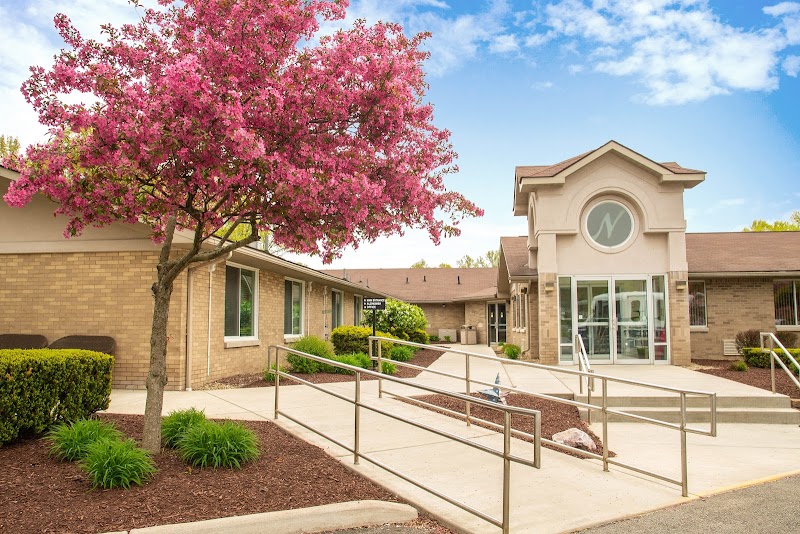
Who Owns and Operates Hermitage Nursing And Rehabilitation?

HERMITAGE NURSING AND REHABILITATION is owned by a for-profit company. For-profit facilities operate as businesses with obligations to shareholders or private owners. The facility is operated by EMBASSY HEALTHCARE, a chain that manages multiple nursing homes. With 105 certified beds and approximately 88 residents (about 84% occupancy), it is a mid-sized facility located in HERMITAGE, Pennsylvania.
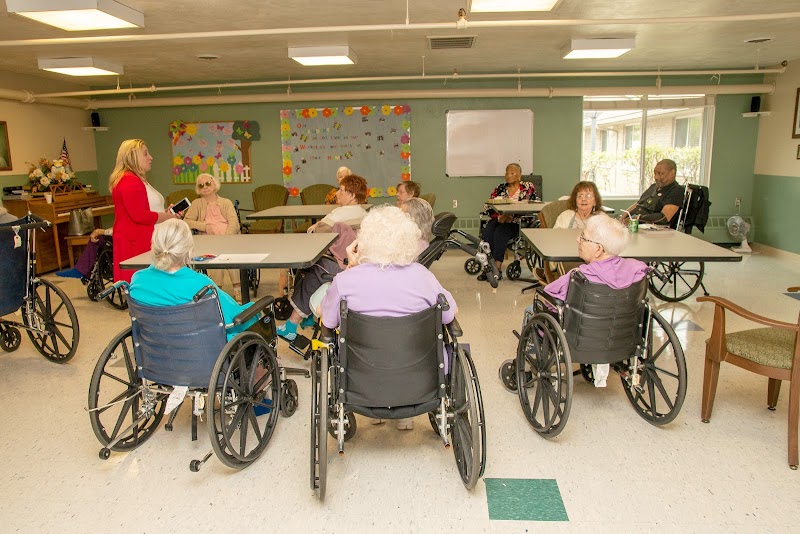
How Does Hermitage Nursing And Rehabilitation Compare to Other Pennsylvania Nursing Homes?

Compared to the 100 nursing homes in Pennsylvania, HERMITAGE NURSING AND REHABILITATION's overall rating (4 stars) is above the state average of 3.0, staff turnover (52%) is near the state average of 46%, and health inspection rating (4 stars) is above the national benchmark.

What Should Families Ask When Visiting Hermitage Nursing And Rehabilitation?

Based on this facility's data, families visiting should ask: "Can I visit during a mealtime to observe dining assistance and food quality?" "How do you handle medical emergencies, and what is your hospital transfer rate?" "Can I speak with family members of current residents about their experience?"

Is Hermitage Nursing And Rehabilitation Safe?

Based on CMS inspection data, HERMITAGE NURSING AND REHABILITATION has a clean safety record: no substantiated abuse findings (meaning no confirmed cases of resident harm), no Immediate Jeopardy citations (the most serious violation level indicating risk of serious injury or death), and is not on the Special Focus Facility watch list (a federal program monitoring the lowest-performing 1% of nursing homes). The facility has a 4-star overall rating and ranks #1 of 100 nursing homes in Pennsylvania. While no facility is perfect, families should still ask about staff-to-resident ratios and recent inspection results during their visit.

Do Nurses at Hermitage Nursing And Rehabilitation Stick Around?

HERMITAGE NURSING AND REHABILITATION has a staff turnover rate of 52%, which is 6 percentage points above the Pennsylvania average of 46%. Moderate turnover is common in nursing homes, but families should still ask about staff tenure and how the facility maintains care continuity when employees leave.

Was Hermitage Nursing And Rehabilitation Ever Fined?

HERMITAGE NURSING AND REHABILITATION has no federal fines on record. CMS issues fines when nursing homes fail to meet care standards or don't correct problems found during inspections. The absence of fines suggests the facility has either maintained compliance or corrected any issues before penalties were assessed. This is a positive indicator, though families should still review recent inspection reports for the full picture.

Is Hermitage Nursing And Rehabilitation on Any Federal Watch List?

HERMITAGE NURSING AND REHABILITATION is not on any federal watch list. The most significant is the Special Focus Facility (SFF) program, which identifies the bottom 1% of nursing homes nationally based on persistent, serious quality problems. Not being on this list means the facility has avoided the pattern of deficiencies that triggers enhanced federal oversight. This is a positive indicator, though families should still review the facility's inspection history directly.