SAINT JOHN XXIII HOME
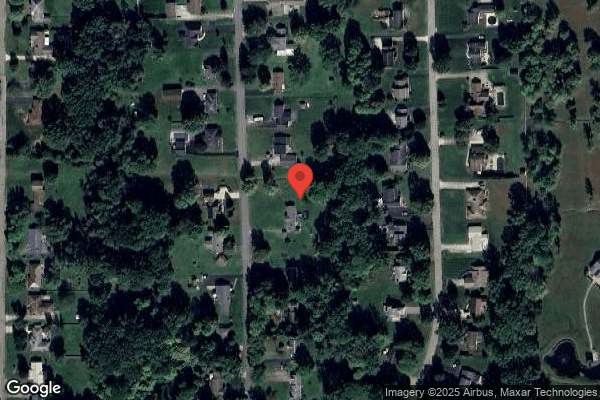
2250 SHENANGO FREEWAY, HERMITAGE, PA 16148 (724) 981-3200
Non profit - Church related 90 Beds Independent Data: November 2025
Trust Grade
95/100
#114 of 653 in PA
Last Inspection: March 2025

Within standard 12-15 month inspection cycle. Federal law requires annual inspections.

Overview

Saint John XXIII Home in Hermitage, Pennsylvania, has a Trust Grade of A+, indicating it is an elite facility, among the best in the area. It ranks #114 out of 653 in Pennsylvania, placing it in the top half of all facilities, and #4 out of 10 in Mercer County, meaning only three local options are better. However, the facility's trend is concerning as issues have increased from 1 in 2024 to 3 in 2025. Staffing is a strong point, with a 5/5 star rating and a low turnover rate of 17%, significantly better than the state average. Notably, the home has no fines on record and provides more RN coverage than 93% of Pennsylvania facilities, which is a positive sign for resident care. On the downside, recent inspections revealed several concerns, including unsanitary food service operations where temperature logs for dishwashing were not properly maintained, potentially compromising food safety. Additionally, there were issues with inaccurate assessments of residents' health statuses and a lack of cleanliness in respiratory care equipment, which could increase infection risk. Families should weigh these strengths and weaknesses when considering this nursing home for their loved ones.

Trust Score
A+
95/100
In Pennsylvania
#114/653
Top 17%
Safety Record
Low Risk
No red flags
Inspections
Getting Worse
1 → 3 violations
Staff Stability
✓ Good
17% annual turnover. Excellent stability, 31 points below Pennsylvania's 48% average. Staff who stay learn residents' needs.
Penalties
✓ Good
No fines on record. Clean compliance history, better than most Pennsylvania facilities.
Skilled Nurses
✓ Good
Each resident gets 68 minutes of Registered Nurse (RN) attention daily — more than 97% of Pennsylvania nursing homes. RNs are the most trained staff who catch health problems before they become serious.
Violations
✓ Good
Only 5 deficiencies on record. Cleaner than most facilities. Minor issues only.
★★★★★
5.0
Overall Rating
★★★★★
5.0
Staff Levels
★★★★☆
4.0
Care Quality
★★★★☆
4.0
Inspection Score
Stable
2024: 1 issues
2025: 3 issues

The Good

  • 5-Star Staffing Rating · Excellent nurse staffing levels
  • 4-Star Quality Measures · Strong clinical quality outcomes
  • Low Staff Turnover (17%) · Staff stability means consistent care
  • Full Sprinkler Coverage · Fire safety systems throughout facility
  • No fines on record
  • Staff turnover is low (17%)

    31 points below Pennsylvania average of 48%

Facility shows strength in staffing levels, quality measures, staff retention, fire safety.

The Bad

No Significant Concerns Identified

This facility shows no red flags. Among Pennsylvania's 100 nursing homes, only 1% achieve this.

The Ugly 5 deficiencies on record

Mar 2025 3 deficiencies
CONCERN (D)

Potential for Harm - no one hurt, but risky conditions existed

Assessment Accuracy (Tag F0641)

Could have caused harm · This affected 1 resident

Based on review of clinical records and the Minimum Data Set (MDS - federally mandated standardized assessment conducted at specific intervals to plan resident care), and staff interview, it was deter...

Read full inspector narrative →
Based on review of clinical records and the Minimum Data Set (MDS - federally mandated standardized assessment conducted at specific intervals to plan resident care), and staff interview, it was determined that the facility failed to ensure that the MDS assessment accurately reflected the status of one of 16 residents reviewed (Resident R2). Findings include: Review of MDS instructions for Section H Bladder and Bowel subsection H0300 Urinary Continence indicated that urinary continence is to be coded as not rated if during the seven-day look-back period the resident had an indwelling bladder catheter (tubing from the bladder to drain urine into the bag), condom catheter, ostomy, or no urine output for the entire seven days. Resident R2's clinical record revealed an admission date of 3/4/24, with diagnoses that included Benign Prostatic Hyperplasia (BPH - a noncancerous enlargement of the prostate gland, which can result in frequent urination, difficulty starting or stopping urination and a weak urine stream), depression (condition characterized by persistent feeling of sadness loss of interest in activities once enjoyed), gastro-esophageal reflux disease (a condition where stomach acid flows back into the esophagus [tube that passes food from the mouth into the stomach]), and high blood pressure. Resident R2's clinical record revealed a physician's order dated 3/4/24, for an Indwelling Catheter. Resident R2's discharge MDS with Assessment Reference Date (ARD) of 5/30/24, admission MDS with ARD of 6/10/24, and quarterly MDS's with the ARD's of 9/10/24, 12/10/24, and 3/12/25, Subsection H0100 Appliances was coded as Indwelling Catheter and Subsection H0300 Urinary Continence was coded as Always Continent, although Resident R2 had an indwelling catheter for the entire seven-day look-back period. During an interview on 3/28/25, at 8:53 a.m. Registered Nurse Assessment Coordinator Employee E1 confirmed that the 5/30/24, 6/10/24, 9/10/24, 12/10/24 and 3/12/25, MDS's were coded inaccurately and urinary continence should have been coded as not rated for Resident R2. 28 Pa. Code 201.14(a) Responsibility of licensee 28 Pa. Code 211.5(f)(ix) Medical records
CONCERN (D)

Potential for Harm - no one hurt, but risky conditions existed

Respiratory Care (Tag F0695)

Could have caused harm · This affected 1 resident

Based on review of facility policy and clinical records, observations, and staff interview, it was determined that the facility failed to promote cleanliness and help prevent the spread of infection r...

Read full inspector narrative →
Based on review of facility policy and clinical records, observations, and staff interview, it was determined that the facility failed to promote cleanliness and help prevent the spread of infection regarding respiratory care equipment for one of three residents reviewed (Resident R17). Findings include: Review of facility policy entitled Oxygen Administration dated 3/24/25, indicated to check and clean oxygen equipment at regular intervals. Resident R17's clinical record revealed an admission date of 6/11/17, with diagnoses that included Atrial Fibrillation (A-Fib - irregular and often rapid heartbeat that can lead to stroke, heart failure, and other complications), anxiety (a condition that causes a person to be nervous, uneasy, or worried about something or someone), and high blood pressure. Resident R17's clinical record revealed a physician's order dated 9/17/24, for oxygen at 2 liter per min (lpm) via nasal cannula (a thin tube with two prongs that fit in a resident's nostrils to deliver oxygen) continuously, every shift for low oxygen level. Further review revealed a physician's order dated 5/31/21, that identified while on O2 (oxygen), change tubing, O2 humidifier bottle, clean concentrator and filter as needed. Observations on 3/25/25, at 11:40 a.m. and 3/27/25, at 10:18 a.m. revealed Resident R17 lying on his/her bed with supplemental oxygen in place and the oxygen concentrator liter flow set at 2 lpm via nasal cannula. Further observation of the concentrator filter on the back of the oxygen concentrator revealed a large amount of a gray fluffy substance covering the entire filter. During an interview on 3/27/25, at 10:18 a.m. the Director of Nursing confirmed that Resident R17's oxygen concentrator filter contained a large amount of gray dusty substance and should be cleaned. 28 Pa. Code 211.10(c) Resident care policies 28 Pa. Code 211.12(d)(1)(5) Nursing services
CONCERN (D)

Potential for Harm - no one hurt, but risky conditions existed

Medical Records (Tag F0842)

Could have caused harm · This affected 1 resident

Based on review of facility policy and clinical records, and staff and resident interviews, it was determined that the facility failed to have complete and accurate documentation regarding indwelling ...

Read full inspector narrative →
Based on review of facility policy and clinical records, and staff and resident interviews, it was determined that the facility failed to have complete and accurate documentation regarding indwelling catheter changes for one of two residents reviewed with an indwelling catheter (Resident R2). Findings include: Review of facility policy entitled Catheter Care dated 3/24/25, indicated under General Documentation Guidelines to document date, time, procedure, signature and title. And under General Infection Control Guidelines that all indwelling urinary catheters are to be changed every month unless otherwise ordered by the physician. Resident R2's clinical record revealed an admission date of 3/4/24, with diagnoses that included Benign Prostatic Hyperplasia (BPH - a noncancerous enlargement of the prostate gland, which can result in frequent urination, difficulty starting or stopping urination and a weak urine stream), depression (condition characterized by persistent feeling of sadness loss of interest in activities once enjoyed), gastro-esophageal reflux disease (a condition where stomach acid flows back into the esophagus [tube that passes food from the mouth into the stomach]), and high blood pressure. Resident R2's clinical record revealed that on 11/5/24, their physician ordered an indwelling catheter change to be completed monthly and as needed. Review of Resident R2's Treatment Administration Records (TAR) for January 2025 and February 2025, lacked documentation indicating the catheter change was completed per physician's orders. During an interview on 3/25/25, at 12:00 p.m. Resident R2 stated the facility changes his indwelling catheter on a monthly basis. During an interview on 3/28/25, at 9:46 am. the Director of Nursing confirmed that Resident R2's treatment records did not have complete documentation regarding indwelling catheter changes. 28 Pa. Code 211.5(f)(ii)(iii)(viii)(ix) Medical records 28 Pa. Code 211.12(d)(1)(5) Nursing Services
Apr 2024 1 deficiency
CONCERN (F)

Potential for Harm - no one hurt, but risky conditions existed

Food Safety (Tag F0812)

Could have caused harm · This affected most or all residents

Based on review of facility policy, observations, and staff interviews, it was determined that the facility failed to maintain sanitary food service operations for one of one kitchens. Findings includ...

Read full inspector narrative →
Based on review of facility policy, observations, and staff interviews, it was determined that the facility failed to maintain sanitary food service operations for one of one kitchens. Findings include: Review of facility policy entitled, Dish Machine Temperature Log, last reviewed 7/26/2023, revealed The dish machine temperature log should be completed to ensure proper temperatures are met before sending ware through dish machine. Documentation must include date, temperature of wash and final rinse and initials of the recorder at each mealtime. The temperature log also identified that the final rinse temperatures should be at least 165 degrees Fahrenheit (F) and up to 180 degrees F to ensure proper sanitization. Upon observation of the dish machine on 4/22/2024, at 1:05 p.m. it was confirmed that the dish machine was a hot water temperature machine. During an interview with Employee E1 on 4/22/2024, at the time of the observations, it was confirmed that they only record the wash temperatures on the dish machine temperature log. Review of the dish machine temperature logs revealed that since February 1, 2024, until April 22, 2024, only the wash temperatures have been recorded at each mealtime and there were no final rinse temperatures were recorded to ensure proper sanitization. During an interview, on 4/23/2024, at 9:15 a.m. it was confirmed by the Dietary Manager, that only the wash temperatures have been recorded for the time period of February 1, 2024 until April 22, 2024, and no final rinse temperatures have been recorded. 28 Pa. Code 201.14(a) Responsibility of licensee 28 Pa. Code 211.6(f) Dietary services
May 2023 1 deficiency
CONCERN (D)

Potential for Harm - no one hurt, but risky conditions existed

Medication Errors (Tag F0758)

Could have caused harm · This affected 1 resident

Based on review of facility policy, clinical records, and staff interviews, it was determined that the facility failed to provide a clinical rationale for the continued use of a PRN (as needed) psycho...

Read full inspector narrative →
Based on review of facility policy, clinical records, and staff interviews, it was determined that the facility failed to provide a clinical rationale for the continued use of a PRN (as needed) psychotropic (affecting the mind) medication beyond 14 days for one of five residents reviewed (Resident R1). Findings include: Review of a facility policy entitled, Psychotropic Medications dated 7/2022, indicated that PRN orders for psychotropic medications other than antipsychotic medications are limited to 14-day orders. The attending physician or prescriber may extend the order beyond 14 days if he/she believes the order is appropriate. The prescriber must document the rationale and duration when extending the order. Review of Resident R1's clinical record revealed an admission date of 10/14/22, with diagnoses that included muscle wasting, atrial fibrillation (irregular heartbeat), repeated falls, type II diabetes, and anxiety. A physician's order dated 4/27/23, identified to administer Ativan (anti-anxiety medication) 0.5 milligrams (mg) by mouth every 6 hours as needed for anxiety, and lacked the required stop date within 14 days or a clinical rationale for continued use beyond 14 days. The physician's order was updated on 5/1/23 to administer Ativan (anti-anxiety) 0.5 milligrams (mg) by mouth every 6 hours as needed for anxiety day to include non-pharmacological interventions and continued to lack the required stop date within 14 days or a clinical rationale for continued use beyond 14 days. During an interview on 5/03/23, at 12:20 p.m. the Director of Nursing confirmed that Resident R1's Ativan orders lacked the required stop date within 14 days or a clinical rationale for continued use beyond 14 days. 28 Pa. Code 211.12(d)(1)(3)(5) Nursing services
Understanding Severity Codes (click to expand)
Life-Threatening (Immediate Jeopardy)
J - Isolated K - Pattern L - Widespread
Actual Harm
G - Isolated H - Pattern I - Widespread
Potential for Harm
D - Isolated E - Pattern F - Widespread
No Harm (Minor)
A - Isolated B - Pattern C - Widespread

Questions to Ask on Your Visit

  • "Can I speak with families of current residents?"
  • "What's your RN coverage like on weekends and overnight?"

Our Honest Assessment

Strengths
  • • Grade A+ (95/100). Above average facility, better than most options in Pennsylvania.
  • • No major safety red flags. No abuse findings, life-threatening violations, or SFF status.
  • • No fines on record. Clean compliance history, better than most Pennsylvania facilities.
  • • Only 5 deficiencies on record. Cleaner than most facilities. Minor issues only.
Concerns
  • • No significant concerns identified. This facility shows no red flags across CMS ratings, staff turnover, or federal penalties.
Bottom line: Generally positive indicators. Standard due diligence and a personal visit recommended.

About This Facility

What is Saint John Xxiii Home's CMS Rating?

CMS assigns SAINT JOHN XXIII HOME an overall rating of 5 out of 5 stars, which is considered much above average nationally. Within Pennsylvania, this rating places the facility higher than 99% of the state's 100 nursing homes. This rating reflects solid performance across the metrics CMS uses to evaluate nursing home quality.

How is Saint John Xxiii Home Staffed?

CMS rates SAINT JOHN XXIII HOME's staffing level at 5 out of 5 stars, which is much above average compared to other nursing homes. Staff turnover is 17%, compared to the Pennsylvania average of 46%. This relatively stable workforce can support continuity of care.

What Have Inspectors Found at Saint John Xxiii Home?

State health inspectors documented 5 deficiencies at SAINT JOHN XXIII HOME during 2023 to 2025. These included: 5 with potential for harm.

Who Owns and Operates Saint John Xxiii Home?

SAINT JOHN XXIII HOME is owned by a non-profit organization. Non-profit facilities reinvest revenue into operations rather than distributing to shareholders. The facility operates independently rather than as part of a larger chain. With 90 certified beds and approximately 46 residents (about 51% occupancy), it is a smaller facility located in HERMITAGE, Pennsylvania.

How Does Saint John Xxiii Home Compare to Other Pennsylvania Nursing Homes?

Compared to the 100 nursing homes in Pennsylvania, SAINT JOHN XXIII HOME's overall rating (5 stars) is above the state average of 3.0, staff turnover (17%) is significantly lower than the state average of 46%, and health inspection rating (4 stars) is above the national benchmark.

What Should Families Ask When Visiting Saint John Xxiii Home?

Based on this facility's data, families visiting should ask: "Can I visit during a mealtime to observe dining assistance and food quality?" "How do you handle medical emergencies, and what is your hospital transfer rate?" "Can I speak with family members of current residents about their experience?"

Is Saint John Xxiii Home Safe?

Based on CMS inspection data, SAINT JOHN XXIII HOME has a clean safety record: no substantiated abuse findings (meaning no confirmed cases of resident harm), no Immediate Jeopardy citations (the most serious violation level indicating risk of serious injury or death), and is not on the Special Focus Facility watch list (a federal program monitoring the lowest-performing 1% of nursing homes). The facility has a 5-star overall rating and ranks #1 of 100 nursing homes in Pennsylvania. While no facility is perfect, families should still ask about staff-to-resident ratios and recent inspection results during their visit.

Do Nurses at Saint John Xxiii Home Stick Around?

Staff at SAINT JOHN XXIII HOME tend to stick around. With a turnover rate of 17%, the facility is 29 percentage points below the Pennsylvania average of 46%. Low turnover is a positive sign. It means caregivers have time to learn each resident's needs, medications, and personal preferences. Consistent staff also notice subtle changes in a resident's condition more quickly. Registered Nurse turnover is also low at 8%, meaning experienced RNs are available to handle complex medical needs.

Was Saint John Xxiii Home Ever Fined?

SAINT JOHN XXIII HOME has no federal fines on record. CMS issues fines when nursing homes fail to meet care standards or don't correct problems found during inspections. The absence of fines suggests the facility has either maintained compliance or corrected any issues before penalties were assessed. This is a positive indicator, though families should still review recent inspection reports for the full picture.

Is Saint John Xxiii Home on Any Federal Watch List?

SAINT JOHN XXIII HOME is not on any federal watch list. The most significant is the Special Focus Facility (SFF) program, which identifies the bottom 1% of nursing homes nationally based on persistent, serious quality problems. Not being on this list means the facility has avoided the pattern of deficiencies that triggers enhanced federal oversight. This is a positive indicator, though families should still review the facility's inspection history directly.