HOLLAND CENTER FOR REHABILITATION AND NURSING
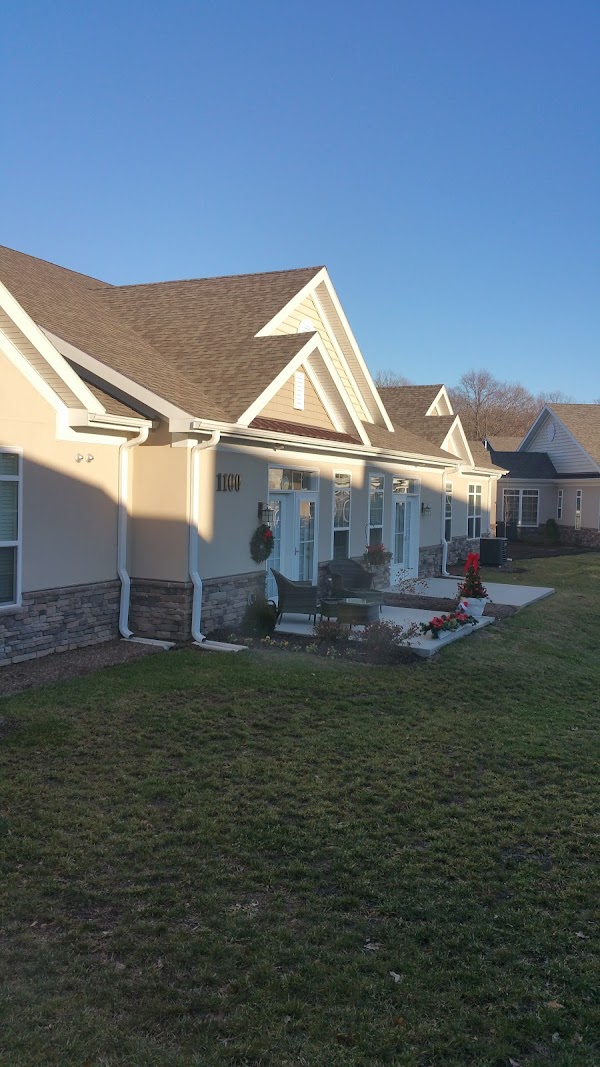

280 MIDDLE HOLLAND ROAD, HOLLAND, PA 18966 (215) 322-6100
For profit - Corporation 66 Beds LME FAMILY HOLDINGS Data: November 2025 1 Immediate Jeopardy citation
Trust Grade
33/100
#295 of 653 in PA
Last Inspection: May 2025

Inspected within the last 6 months. Data reflects current conditions.

Overview

Holland Center for Rehabilitation and Nursing has received a Trust Grade of F, indicating significant concerns about the care provided. They rank #295 out of 653 facilities in Pennsylvania, placing them in the top half, but their county rank of #24 out of 29 suggests that there are better local options available. The facility's trend is improving, reducing issues from 21 in 2024 to 10 in 2025, but it still faces challenges. Staffing is a concern with a high turnover rate of 74%, which is significantly above the Pennsylvania average, although they do have good RN coverage, exceeding 87% of other facilities. The facility has faced $36,186 in fines, indicating more compliance issues than 86% of Pennsylvania homes. Specific incidents have raised alarms, such as a critical failure to timely assess a resident experiencing respiratory distress, which resulted in their death. Additionally, there were concerns regarding incomplete medical records for catheter care and a lack of consistent pain management for another resident, who reported not receiving prescribed medication for over 48 hours. Overall, while there are some strengths, such as improving trends and RN coverage, the facility has serious weaknesses that families should consider.

Trust Score
F
33/100
In Pennsylvania
#295/653
Top 45%
Safety Record
High Risk
Review needed
Inspections
Getting Better
21 → 10 violations
Staff Stability
⚠ Watch
74% turnover. Very high, 26 points above average. Constant new faces learning your loved one's needs.
Penalties
✓ Good
$36,186 in fines. Lower than most Pennsylvania facilities. Relatively clean record.
Skilled Nurses
✓ Good
Each resident gets 71 minutes of Registered Nurse (RN) attention daily — more than 97% of Pennsylvania nursing homes. RNs are the most trained staff who catch health problems before they become serious.
Violations
⚠ Watch
43 deficiencies on record. Higher than average. Multiple issues found across inspections.
★★★☆☆
3.0
Overall Rating
★★★☆☆
3.0
Staff Levels
★★★★★
5.0
Care Quality
★★☆☆☆
2.0
Inspection Score
Stable
2024: 21 issues
2025: 10 issues

The Good

  • 5-Star Quality Measures · Strong clinical quality outcomes
  • Full Sprinkler Coverage · Fire safety systems throughout facility
  • No fines on record

Facility shows strength in quality measures, fire safety.

The Bad

3-Star Overall Rating

Near Pennsylvania average (3.0)

Meets federal standards, typical of most facilities

Staff Turnover: 74%

27pts above Pennsylvania avg (46%)

Frequent staff changes - ask about care continuity

Federal Fines: $36,186

Above median ($33,413)

Moderate penalties - review what triggered them

Chain: LME FAMILY HOLDINGS

Part of a multi-facility chain

Ask about local staffing decisions and management

Staff turnover is very high (74%)

26 points above Pennsylvania average of 48%

The Ugly 43 deficiencies on record

1 life-threatening
May 2025 10 deficiencies
CONCERN (D)

Potential for Harm - no one hurt, but risky conditions existed

Abuse Prevention Policies (Tag F0607)

Could have caused harm · This affected 1 resident

Based on a review of facility policies and procedures, employee personnel records, and staff interviews, it was determined that the facility failed to develop and implement an abuse prohibition policy...

Read full inspector narrative →
Based on a review of facility policies and procedures, employee personnel records, and staff interviews, it was determined that the facility failed to develop and implement an abuse prohibition policy that required a thorough investigation of prospective employees' employment history for three of five newly hired employees reviewed. (Employees E8, E9, E10) Findings include: A review of the Facility Policy titled Abuse Prevention Program revised November 30, 2022, revealed our residents but is not limited to freedom from corporal punishment, involuntary seclusion, verbal mental and sexual or physical abuse, physical or chemical restrains to required to treat resident's symptoms. Under Policy Implementation bullet #2 it further states Conduct employee background checks and will not knowingly employ or otherwise engage any individual who has been found guilty of abuse, neglect exploitation, misappropriation of property, or exploitations mistreatment of residents or misappropriation of their property. A review of the Activity aide, Employee E8's personnel file revealed that Employee E8 was hired on January 22, 2025, and criminal background was not done until February 3, 2025. A review of the Nurse aide, Employee E9's personnel file revealed that Employee E9 was hired on January 13, 2025, and criminal background was not done until May 14, 2025. A review of the Registered Nurse, Employee E10's personnel file revealed that Employee E10 was hired on January 13, 2025, and criminal background was not done until March 24, 2025. An interview was conducted with Human Resources staff, Employee E14 on May 15, 2025, at 1:46 p.m., confirmed Employees E8, E9 and E10 had their criminal background done after their hire date. 28 Pa. Code 201.18(b)(3) Management 28 Pa. Code 201.19 Personnel policies and procedures
CONCERN (D)

Potential for Harm - no one hurt, but risky conditions existed

Report Alleged Abuse (Tag F0609)

Could have caused harm · This affected 1 resident

**NOTE- TERMS IN BRACKETS HAVE BEEN EDITED TO PROTECT CONFIDENTIALITY** Based on review of facility policies, clinical record reviews and interviews with staff, it was determined that the facility did...

Read full inspector narrative →
**NOTE- TERMS IN BRACKETS HAVE BEEN EDITED TO PROTECT CONFIDENTIALITY** Based on review of facility policies, clinical record reviews and interviews with staff, it was determined that the facility did not ensure that allegations of abuse and neglect was reported immediately to the Pennsylvania Department of Health for one of four residents reviewed. (Resident R143) Findings Include: A review of the Facility Policy titled Abuse Prevention Program revised November 30, 2022, revealed our residents but is not limited to freedom from corporal punishment, involuntary seclusion, verbal mental and sexual or physical abuse, physical or chemical restrains to required to treat resident's symptoms. Under Policy Implementation bullet #2 it further states Conduct employee background checks and will not knowingly employ or otherwise engage any individual who has been found guilty of abuse, neglect exploitation, misappropriation of property, or exploitations mistreatment of residents or misappropriation of their property. Review of Resident R143's clinical record revealed that the resident was admitted to the facility on [DATE]. The resident had the following diagnoses: dementia without behavioral disturbance, psychotic disturbance, mood disturbance and anxiety, need assistance for personal care. Review of facility's internal investigation statement dated July 16, 2024, at 6:20 p.m. revealed a nursing aide, Employee E17 stated Yesterday at 2:50 p.m. [Resident R143] started acting up in the hallway. She pulled her pants down and started to pee in the hallway. [Nurse aide, Employee E16] and [Nurse aide, Employee E18] were trying to get the resident in the room (xxx). I was walking up to help assist them. The resident door was open , [Employee E16] had a clean diaper in her hand and [the Resident R143] took the diaper out of [Employee E16] and slapped her against the face. Employee E16 grabbed it back and slapped the Resident R143 across her face. Who did you report it to? I told nurse supervisor, Employee E19 today, because when this happened the shift was over, and I went home. That's why I told E19 today. On May 14, 2025, at 2:13 p.m. an interview with the Administrator, Employee E1 and Director of Nursing, Employee E2 confirmed that nursing aid, Employee E17 failed to report an allegation of abuse immediately after the incident accrued. The incident occurred on July 15, 2024, at approximately 2:50 p.m. and nursing aide, Employee E17 reported to the nursing supervisor, Employee E19 on July 16, 2024, at 3:00 p.m. Shift Scheduled were confirmed for evening (3:00 p.m. -11:00 p.m. ) shift of July 15 going into night (11:00 p.m. -7:00 a.m.) shift of July 16, 2024, that nursing aids Employee E16, E17, E18 did not work any double shifts and were all suspended after the allegation was reported on July 16, 2024, at 3:00 p.m. The facility's staff failed to immediately report an allegation of abuse, which delayed the initiation of an internal investigation by approximately 24 hours, the immediate suspension of the alleged perpetrators, and notification to the State Licensing Agency. 28 Pa. Code: 201.14(a)(c) Responsibility of licensee. 28 Pa. Code: 201.18(b)(1)(e)(1) Management.
CONCERN (D)

Potential for Harm - no one hurt, but risky conditions existed

Deficiency F0655 (Tag F0655)

Could have caused harm · This affected 1 resident

**NOTE- TERMS IN BRACKETS HAVE BEEN EDITED TO PROTECT CONFIDENTIALITY** Based on review of facility policy and review of clinical records, it was determined that the facility failed to develop and imp...

Read full inspector narrative →
**NOTE- TERMS IN BRACKETS HAVE BEEN EDITED TO PROTECT CONFIDENTIALITY** Based on review of facility policy and review of clinical records, it was determined that the facility failed to develop and implement a baseline care plan for one of two clinical records reviewed (Resident R140). Findings Include: Review of facility policy, Care Plan, Comprehensive Person-Centered revised March 2022, revealed, A comprehensive, personal -centered care plan that includes measurable objectives and timetables to meet the resident's physical, psychosocial and functional needs is developed and implemented for each resident. Review of Resident 140's clinical record revealed the resident was admitted to the facility on [DATE], and had a diagnosis of severe protein-calorie malnutrition, anorexia (eating disorder that involves severe calorie restriction), depression (loss of interest in pleasurable activities), muscle weakness. On May 13, 2025, at 12:13 p.m. an interview was held with Resident 140 who reported I lost a lot of weight. Review of Resident R140's clinical record revealed no documented evidence a baseline care plan was developed and implemented related to the resident's nutrition diagnosis. On May 14, 2025, at 1:35 p.m. an interview with the Director of Nursing, Employee E2 confirmed that Resident R140 did not have a baseline care plan developed related to nutrition. 28 Pa Code 211.10(c) Resident care policies 28 Pa Code 211.12(d)(5) Nursing services
CONCERN (D)

Potential for Harm - no one hurt, but risky conditions existed

Comprehensive Care Plan (Tag F0656)

Could have caused harm · This affected 1 resident

**NOTE- TERMS IN BRACKETS HAVE BEEN EDITED TO PROTECT CONFIDENTIALITY** Based on review of facility policy, review of clinical records, observations, and staff interviews, it was determined that the f...

Read full inspector narrative →
**NOTE- TERMS IN BRACKETS HAVE BEEN EDITED TO PROTECT CONFIDENTIALITY** Based on review of facility policy, review of clinical records, observations, and staff interviews, it was determined that the facility failed to develop a comprehensive person-centered care plan for three of twelve residents reviewed (Residents R29, R4 and R188 ). Findings include: Review of facility policy, Care Plan, Comprehensive Person-Centered revised March 2022, revealed, a comprehensive, personal -centered care plan that includes measurable objectives and timetables to [NAME] the resident's physical, psychosocial and functional needs is developed and implemented for each resident and services not provided due to the resident exercising their right to refuse treatment. A review of the clinical record for Resident R4 revealed an admission date of November 02, 2023, with diagnoses including chronic pulmonary disease (disease process that causes decreased ability of the lungs toperform), respiratory failure with hypoxia (low levels of oxygen). Review of Resident R4's physician orders dated May 11, 2025, for change nebulizer mask and tubing weekly; date and place in dated plastic bag. Place in date bag when not in use. On May 13, 2025, at 11:11 a.m., an observation and interview were conducted with Resident R4 who reported that his nebulizer is at bedside; however, as of today it stopped nursing staff were aware. A review of the comprehensive care plan dated, April 2, 2025, did not have a care plan related to nebulizer treatments. On May 13, 2025, at 11:42 a.m. a assistant director of nursing, Employee E3 confirmed that Resident R4 did not have a care plan related to nebulizer treatments. Review of Resident R29's clinical record revealed that the resident was admitted to the facility on [DATE], with diagnoses that included Parkinson's Disease (Parkinson's disease is a progressive neurological disorder characterized by the degeneration of brain cells that produce dopamine, a neurotransmitter essential for motor control. This leads to a variety of motor symptoms, including tremors, stiffness, slowness of movement, and balance problems. Additionally, non-motor symptoms like depression, anxiety, and sleep disturbances can also occur), and Syncope and Collapse (Syncope, commonly known as fainting, is a brief loss of consciousness accompanied by a loss of postural tone due to reduced blood flow to the brain). Review of physician order for Resident R29, dated April 14, 2025, indicated an order to administer Oxygen Continuous at 2 Liters. Another order of the same date indicated an order to administer Oxygen as needed. Review of the care plan for Resident R29, on May 15, 2025, at 11:16 a.m., revealed that there were no focus, interventions, and outcomes (goals) care- planned for oxygen administration. On May 15, 2025, at 11:19 a.m., interview with Employee E13, a Registered Nurse confirmed the above findings. Review of Resident R188's admission MDS (minimum Data Set, an assessment of residents' needs) dated December 31, 2024, indicated the resident was admitted with pressure ulcers and was at risk for further injury. Review of Resident R188's physician order, ordered PR boots (to elevate heels) be worn while the resident was in bed Interview with Resident R188 on May 13, 2025, at 2:00 p.m. observed the resident not wearing the boots while in bed and the resident stated the resident does not wear them. Review of documentation from the wound team documented Resident R188 was noncompliant with the boots. Review of the treatment administration record revealed the resident was documented compliant and marked as wearing the boots. Review of Resident R188's care plan failed to develop a care plan for boots worn to reduce pressure injury and/or resident's noncompliant with care. 28 Pa Code 211.10 (c)(d) Resident care policies 28 Pa Code 211.12(d)(1)(3)(5) Nursing services
CONCERN (D)

Potential for Harm - no one hurt, but risky conditions existed

Respiratory Care (Tag F0695)

Could have caused harm · This affected 1 resident

**NOTE- TERMS IN BRACKETS HAVE BEEN EDITED TO PROTECT CONFIDENTIALITY** Based on observation, clinical record review, review of facility policy and staff interview, it was determined that the facility...

Read full inspector narrative →
**NOTE- TERMS IN BRACKETS HAVE BEEN EDITED TO PROTECT CONFIDENTIALITY** Based on observation, clinical record review, review of facility policy and staff interview, it was determined that the facility failed to provide appropriate respiratory care and services for two of 12 residents reviewed (Residents R4, R29). Findings include: Review of the Facility Policy and Guidelines for implementation of Oxygen administration indicated that the nurse should review and follow the physician's orders while administering Oxygen via nasal canula. Review of Resident R29's clinical record revealed that the resident was admitted to the facility on [DATE], with diagnoses that included Parkinson's Disease (Parkinson's disease is a progressive neurological disorder characterized by the degeneration of brain cells that produce dopamine, a neurotransmitter essential for motor control. This leads to a variety of motor symptoms, including tremors, stiffness, slowness of movement, and balance problems. Additionally, non-motor symptoms like depression, anxiety, and sleep disturbances can also occur), and Syncope and Collapse (Syncope, commonly known as fainting, is a brief loss of consciousness accompanied by a loss of postural tone due to reduced blood flow to the brain). Review of physician order for Resident R29, dated April 14, 2025, indicated an order to administer Oxygen Continuous at 2 Liters. Another order of the same date indicated an order to administer Oxygen as needed. In May 2025, at 11:09 a.m., observed Resident R29, and that no oxygen administered as ordered. Registered Nurse, E13 confirmed the finding at the time of the observation. A review of the clinical record for Resident R4 revealed an admission date of November 02, 2023, with diagnoses including chronic pulmonary disease (disease process that causes decreased ability of the lungs to perform), and respiratory failure with hypoxia (low levels of oxygen in the body tissue) . Review of Resident R4's physician orders dated July 18, 2024, for O2 at 3 liter/minute via nasal cannula continuously for chronic obstructive pulmonary disease. On May 13, 2025, at 11:11 a.m., an observation and interview were conducted with Resident R4, revealed 2 liter of oxygen flow rate. The oxygen consecrator had a dirty filter and oxygen tubing was labeled with a bandage only readable label 11-7 shift. On May 13, 2025, at 11:24 a.m., the above observations were confirmed by Licensed Nurse, Employee E6. The labeling on the tubing was unreadable; therefore, Employee E6 decided to replace the entire tubing, increased the resident's oxygen flow to 3 liters, and confirmed that the filter on the back of the oxygen concentrator was dirty. 28 Pa Code 211.12(d)(5) Nursing services
CONCERN (D)

Potential for Harm - no one hurt, but risky conditions existed

Deficiency F0730 (Tag F0730)

Could have caused harm · This affected 1 resident

Based on a review of employee personnel records and staff interviews, it was determined that the facility failed to complete performance reviews for nurse aides in one out of the two employee personne...

Read full inspector narrative →
Based on a review of employee personnel records and staff interviews, it was determined that the facility failed to complete performance reviews for nurse aides in one out of the two employee personnel records reviewed. (Employee E12) Findings include: Record review of personnel file for Employee E12 revealed that employee was hired by the facility on March 23, 2024 as a nurse aide. There was no further documentation available in the record to demonstrate that a skills evaluation or post orientation performance evaluation had been completed. Interview on May 16, 2025 at 10:44 a.m. with the Director of Nursing revealed that the facility does not complete competencies or performance reviews on staff and confirmed that Employee E12 does not have a completed performance review on file. Continued interview with the Director of Nursing revealed that the facility does not have a policy or procedure related to staff competencies or performance reviews and stated that none of the nurse aides have annual performance reviews completed. 28 Pa. Code 201.19 Personnel policies and procedures
CONCERN (D)

Potential for Harm - no one hurt, but risky conditions existed

Deficiency F0742 (Tag F0742)

Could have caused harm · This affected 1 resident

**NOTE- TERMS IN BRACKETS HAVE BEEN EDITED TO PROTECT CONFIDENTIALITY** Based on clinical record review, staff interview and review of facility policy, it was determined that the facility failed to to...

Read full inspector narrative →
**NOTE- TERMS IN BRACKETS HAVE BEEN EDITED TO PROTECT CONFIDENTIALITY** Based on clinical record review, staff interview and review of facility policy, it was determined that the facility failed to to ensure that nursing staff was informed of a resident with a diagnosis of PTSD (Post traumatic Stress Disorder) to ensure treatment and services for one of one resident review with PTSD. (Resident R4) Findings include: A review of the facility policy titled, Trauma-Informed Care undated, reveals This policy establishes guidelines for implementing trauma-informed care (TIC) in the long-term care facility to support residents and staff who may have experienced trauma. The goal is to provide care that is safe, respectful, and responsive to the effects of trauma while fostering a supportive environment. Rreview of Resident R4's clinical record revealed that the resident was admitted to the facility on [DATE]. Continued review of the resident's clinical record revealed a psychological notes completed by Nurse Practitioner , Employee E7 on March 27, 2025, and May 1, 2025, which documented that [Resident R4] has PTSD symptoms, including nightmares several times per month. Resident states he tolerates the nightmares and is not seeking any treatment for them. The PTSD diagnosis was listed under the Other Diagnoses category in the progress notes on both dates. On May 15, 2025, at 11:57 a.m., an interview was conducted with Registered Nurse, Employee E15, who stated he was unaware that Resident R4 had a PTSD diagnosis. Employee E15 explained that he is typically responsible for assessing residents by reviewing hospital records, identifying active diagnoses, and developing comprehensive care plans. In this instance, the psychological progress notes indicating PTSD were not communicated to him. On May 16, 2025, at approximately 9:30 a.m., an interview was conducted with the Director of Nursing, Employee E2 and the Administrator, Employee E2, who confirmed that Resident R4 is a veteran. They further stated that they were not aware of the PTSD diagnosis or related symptoms. It was also acknowledged that there was no established communication system in place for the psychologist to report new resident diagnoses to the facility's staff. 28 Pa Code 211.12 (d)(1) Nursing services
CONCERN (D)

Potential for Harm - no one hurt, but risky conditions existed

Pharmacy Services (Tag F0755)

Could have caused harm · This affected 1 resident

**NOTE- TERMS IN BRACKETS HAVE BEEN EDITED TO PROTECT CONFIDENTIALITY** Based on review of clinical records and interviews with staff, it was determined the facility failed to acquire, receive and adm...

Read full inspector narrative →
**NOTE- TERMS IN BRACKETS HAVE BEEN EDITED TO PROTECT CONFIDENTIALITY** Based on review of clinical records and interviews with staff, it was determined the facility failed to acquire, receive and administer medications to a newly admitted resident for one of 12 resident records reviewed (Resident 190). Findings include: Review of Resident R190's nursing note revealed that the resident was admitted to the facility on [DATE], at 11:52 a.m. from the hospital, with a diagnosis of traumatic subdural hematoma due to a fall prior to admission. Resident R190 was alert and oriented, capable of making their own decisions. Continued review of nursing notes indicated Writer reviewed and provided a copy of all of physician orders including medication administration and treatment administration records to resident. Resident reviewed and is agreeable with and received a copy of baseline and discharge plan of care. On March 1, 2025 the electronic medication administration record (EMAR) noted Heparin Sodium (Porcine) Injection Solution 5000 UNIT/ML instructed to inject 50000 unit subcutaneously two times a day for deep vein thrombosis, (blood clot) prophylaxis, Dronabinol Oral Capsule 2.5 milligrams (mg) taken two times a day for nausea, Modafinil Oral Tablet 200 mg, given one tablet by mouth two times a day for Sleep apnea (a serious sleep disorder where breathing repeatedly stops and starts during sleep), was not administered. The nurse noted the reason why the medication was not administered was due to the resident being a new admit (admission) and that the medication on order from pharmacy. On March 2, 2025, at approximately 10:00 a.m., the EMAR noted Dronabinol Oral Capsule 2.5 mg , Modafinil 200 mg, and Mekinist Oral 2 mg given one tablet a day for cancer was not administered with the morning medications due to the medication not being available. On March 3, 2025 at 4:00 p.m. nursing note indicated the script for modafinil and dronabinol were faxed to the pharmacy. At approximately 11:00 p.m. EMAR note indicated both medications were not available and were still waiting on the pharmacy to deliver them. March 4, 2025 at approximately 1:00 p.m. indicated dronabinol and modafinil were still not available. That same day the physician progress note noted Resident R190's poor intake and nausea and stated to continue taking dronabinol. At 11:00 p.m. EMAR progress note noted dronabinol and Modafinil had still not been received from pharmacy and again on March 5, 2025 at approximately 10:00 a.m. and 9:00 p.m. Further review of the clinical record revealed no evidence the physician was aware medications were still not available from the pharmacy. Physician progress not dated March 6, 2025 noted to continue modafinil for neuro stimulation and due to Resident R190 poor intake, continue taking dronabinol. Interview on May 16, 2025, at 11:00 a.m. with the Director of Nursing indicated the facility does not have a policy or a procedure that is followed that ensures residents receive their prescribed medication nor a protocol that is followed when medications are not available from the pharmacy nor if the medication is not administered. 28 Pa Code 211.9(a)(1) Pharmacy services 28 Pa Code 211.10(c) Resident care policies 28 Pa Code 211.12(d)(5) Nursing services
CONCERN (D)

Potential for Harm - no one hurt, but risky conditions existed

Unnecessary Medications (Tag F0759)

Could have caused harm · This affected 1 resident

Based on observations, review of clinical records, and interviews with facility staff, and facility policy it was determined that the facility failed to ensure that it was free of medication error rat...

Read full inspector narrative →
Based on observations, review of clinical records, and interviews with facility staff, and facility policy it was determined that the facility failed to ensure that it was free of medication error rate of five percent or greater for one of four residents observed during medication administration (Residents R29), and failed to administer medications in a timely manner, and as ordered by the physician for one of 12 resident records reviewed (Resident R188). Findings include: Review of the facility's policy titled, Administering Medications revised on April 2020 states medications are administered in a safe and timely manner, and as prescribed. Medications are administered in accordance with prescriber orders, including any required time frame. Medication administration times are determined by resident need and benefit not staff convenience. Medications are administered within one hour of prescribed time, if a dosage is believed to be inappropriate or excessive for a resident the person preparing or administering the medication will contact the prescriber. Resident R188 was initially admitted to the facility December 28, 2024, with diagnoses that included fibromyalgia, chronic pain, heart disease, obstructive pulmonary disease (Lung disease) , and Type 2 Diabetes mellitus (body cannot produce insulin). Interview with Resident R188 on May 13, 2025, at 2:00 p.m. stated the nurse was late administering the resident's medication January 1, 2025. I didn't get any of my morning meds until noon. I started getting shooting pain in my feet because I didn't have my gabapentin. Review of Resident R188 physician orders for January 1, 2025, revealed an order for Gabapentin oral tablets 600 mg 1 tablet given four times a day for neuropathy (nerve pain), scheduled to be given at., 8:00 a.m., 12:00 p.m., 4:00 p.m. and 8:00 p.m. Review of the facility's medication audit report received from the Director of Nursing, revealed 8:00 a.m. dose was not given until 12:31 p.m., (4 ½ hours late), 12:00 p.m. dose was not given until 2:36 p.m., (over 2 ½ hours late), , 4:00 p.m. dose was not given until 5:18 p.m. and the 8:00 p.m. dose was not given until 10:32 p.m. Lidocaine external patch 4% lidocaine for the resident's low back pain was to be applied at 9:00 a.m. but documented it was applied at 12:33 p.m Metformin HCI oral tablets 1000 mg was to give 1 tablet two times a day at 9:00 a.m., and 5:00 p.m. given with meals for the resident's diagnosis of Diabetes. The audit revealed the 9:00 a.m. dose was not administered until 12:34 p.m., and the 5:00 p.m. dose was administered at 5:18 p.m., almost 5 hours since last dose not 8 hours as ordered. It was confirmed by the Director of Nursing there was no evidence the physician was notified, nor orders allowing the medications to be given sooner than the expected time frame Review of physician orders for Resident R29, indicated orders dated January 9, 2025, for Metoprolol Succinate Extended-Release (ER) Oral Tablet 24 Hour 25 MG (milligrams), give 0.5 tablet by mouth one time a day for Hypertension ( high blood pressure); Finasteride Oral Tablet 5 MG, give 1 tablet by mouth one time a day for BPH (condition where the prostate gland, located below the bladder in men, enlarges); Clopidogrel Bisulfate Oral Tablet 75 MG, give 1 tablet by mouth one time a day for AFib. (condition where the upper chambers of the heart (atria) beat irregularly and rapidly) Observations conducted on May 15, 2025, at 9:01 a.m., revealed Employee E13, a Registered Nurse, decanted Metoprolol Succinate ER Oral Tablet Extended Release 12.5 MG, Finasteride Oral Tablet 5 MG, and Clopidogrel Bisulfate Oral Tablet 75 MG, with other medications as ordered, into a Tablet Crusher Pouch, and was initiating to crush the medications, before administering it to Resident R29; but Employee E13 was prevented from crushing those three medications, as those medications should be administered whole. Review of literature revealed as follows: Metoprolol Succinate ER (Extended-Release) oral tablets should not be crushed, broken, or chewed because it can disrupt the extended-release mechanism, potentially leading to a rapid release of the medication and an increased risk of side effects. Metoprolol Succinate ER tablets are designed to release the medication slowly over a prolonged period, usually 24 hours, to provide a consistent therapeutic effect. A rapid release of metoprolol can result in higher than intended blood levels, potentially leading to an overdose and increasing the risk of side effects, such as dizziness, fatigue, and low blood pressure. Finasteride Oral Tablets are coated and will prevent contact with the active ingredient during normal handling, provided that the tablets are not broken or crushed. Clopidogrel Bisulfate oral tablets, should not be crushed because this can lead to a rapid and higher concentration of the drug in the body, potentially increasing the risk of bleeding. At the time of the observation, interview with Employee E13, confirmed the above findings. The facility incurred a medication error rate of 12.00%. . 28 Pa Code 211.9(a)(1) Pharmacy services 28 Pa Code 211.10(c) Resident care policies 28 Pa Code 211.12(d)(5) Nursing services
MINOR (B)

Minor Issue - procedural, no safety impact

Deficiency F0577 (Tag F0577)

Minor procedural issue · This affected multiple residents

Based on a review of the observations, and an interview with residents and staff, it was determined that the facility failed to ensure that the most recent Department of Health Survey results were rea...

Read full inspector narrative →
Based on a review of the observations, and an interview with residents and staff, it was determined that the facility failed to ensure that the most recent Department of Health Survey results were readily accessible to residents and visitors in two of two nursing floors. (First Floor and Second Floor. Findings include: On May 13, 2025, at 11:52 a.m., a facility tour was conducted with the Director of Social Services, Employee E4 to observe the placement of the Department of Health Survey binder within the facility. During the tour of the first and second-floor nursing units, it was noted that the Department of Health Survey results binder was not readily accessible to residents or visitors, as it was placed behind the nursing station, requiring individuals to request access. Additionally, the binder on the second floor was outdated, with the most recent survey results dated January 22, 2019. During a resident council meeting held on March 14, 2025, at 10:30 a.m., with 4 residents (R27, R9, R140, R14), who were identified as alert and oriented, it was revealed that the residents were unaware of the recent Department of Health Survey results. 28 Pa. Code 201.14(a) Responsibility of licensee
Sept 2024 1 deficiency
CONCERN (E) 📢 Someone Reported This

A family member, employee, or ombudsman was alarmed enough to file a formal complaint

Potential for Harm - no one hurt, but risky conditions existed

Medical Records (Tag F0842)

Could have caused harm · This affected multiple residents

**NOTE- TERMS IN BRACKETS HAVE BEEN EDITED TO PROTECT CONFIDENTIALITY** Based on observation, clinical record review, and interviews with staff, it was determined that the facility did not maintain co...

Read full inspector narrative →
**NOTE- TERMS IN BRACKETS HAVE BEEN EDITED TO PROTECT CONFIDENTIALITY** Based on observation, clinical record review, and interviews with staff, it was determined that the facility did not maintain complete and accurate medical records for four of four records reviewed related to catheter care and urinary continence. (Residents R1, R2, R4, and R5). Findings include: Review of clinical documentation revealed that Resident R1 was admitted to the facility on [DATE], and had diagnoses of fracture of right tibia, fracture of left tibia, fracture of left fibula, and morbid obesity. Review of the resident's clinical record revealed that she utilized an indwelling urinary catheter (a tube inserted into the bladder through the urethra in order to assist in emptying it of urine, and which stays in place for an extended period of time). Review of Nurse Aide documentation of bladder function for the time period of September 13, 2024, through September 24, 2024, revealed that available options for documenting the resident's urinary continence included Continent (having sufficient voluntary bladder control) , Incontinent (having insufficient voluntary bladder control), Did Not Void, Continence Not Rated Due To Indwelling Catheter, Continence Not Rated Due To Condom Catheter (a condom-like device which is placed on the penis to collect urine through a tube and into a collection bag as it is passed), Continence Not Rated Due To Urinary Ostomy (where a surgical opening is made into the bladder through the abdomen), Resident Not Available, Resident Refused, And Not Applicable. Continued review revealed the following instances where documentation was incorrect or incomplete: On September 14, no documentation was found for night shift (11:00 p.m.-7:00 a.m.) or day shift (7:00 a.m.-3:00 p.m.). On September 15, at 1:57 p.m., the resident was documented as incontinent. No documentation was found for night shift. On September 16, at 8:07 p.m., the resident was documented as continent. No documentation was found for night shift. On September 17, at 6:59 a.m., the resident was documented as continence not rated due to urinary ostomy. At 1:48 p.m., the resident was documented as incontinent. On September 18, at 10:34 a.m., the resident was documented as continent. No documentation was found for night shift or day shift. On September 19, at 6:03 a.m., the resident was documented as continence not rated due to urinary ostomy. At 11:05 a.m., the resident was documented as incontinent. On September 20, at 12:06 p.m., the resident was documented as incontinent. No documentation was found for night shift. On September 22, at 12:26 p.m., the resident was documented as incontinent. At 5:58 p.m. the resident was documented as continent. On September 23, at 8:39 p.m., the resident was documented as incontinent. On September 24, at 6:12 a.m., the resident was documented as incontinent. Observation of the resident on September 25, 2024, at 12:45 p.m. revealed that Resident R1 was still utilizing her urinary catheter. Review of clinical documentation revealed that Resident R2 was admitted to the facility on [DATE], and had diagnoses of obstructive and reflux uropathy (a disorder of the urinary tract that occurs due to obstructed urinary flow where the built up urine flows backward into the kidney), benign prostatic hyperplasia (commonly known as an enlarged prostate), and urinary tract infection. Review of the resident's clinical record revealed that he utilized an indwelling urinary catheter. Review of Nurse Aide documentation of bladder function for the time period of September 12, 2024, through September 24, 2024, revealed the following instances where documentation was incorrect or incomplete: On September 12, at 5:48 p.m., the resident was documented as incontinent. No documentation was found for night shift. On September 13, at 5:19 a.m., at 2:28 p.m., and at 5:48 p.m., the resident was documented as incontinent. On September 14, at 5:34 a.m., and at 2:12 p.m., the resident was documented as incontinent. At 2:13 p.m. and at 4:56 p.m., the resident was documented as continent. On September 15, at 7:08 p.m., the resident was documented as continent. On September 16, at 10:50 a.m., and at 8:40 p.m., the resident was documented as incontinent. No documentation was found for night shift. On September 17, at 6:59 a.m., the resident was documented as continence not rated due to urinary ostomy. At 6:11 p.m., the resident was documented as incontinent. No documentation was found for night shift. On September 18, at 8:21 p.m., the resident was documented as incontinent. No documentation was found for night shift. On September 19, at 6:59 a.m., at 1:20 p.m., and at 9:41 p.m., the resident was documented as incontinent. On September 20, at 6:46 a.m., and at 11:41 a.m., the resident was documented as incontinent. No documentation was found for evening shift. On September 21, at 1:56 pm., and at 4:26 p.m., the resident was rated as incontinent. At 1:58 p.m., the resident was rated as continent. On September 22, at 5:57 a.m., and at 6:04 p.m., the resident was documented as incontinent. On September 23, at 9:20 p.m., the resident was documented as incontinent. No documentation was found for night shift. On September 24, at 4:39 a.m., the resident was documented as incontinent. At 10:41 a.m., the resident was documented as continent. Observation of the resident on September 25, 2024, at 12:32 p.m. revealed that resident R1 was still utilizing his urinary catheter. Review of clinical documentation revealed that resident R4 was admitted to the facility on [DATE], and had diagnoses of benign prostatic hyperplasia, and neuro muscular dysfunction of the bladder. Review of the resident's clinical record revealed that prior to his discharge on [DATE], he utilized an indwelling urinary catheter. Review of Nurse Aide documentation of bladder function for the time period of September 1, 2024, through September 6, 2024, revealed the following instances where documentation was incorrect or incomplete: On September 1, at 11:33 a.m., and at 8:16 p.m., the resident was documented as incontinent. No documentation was found for night shift. On September 2, at 3:25 a.m., the resident was documented as continent. At 1:52 p.m., the resident was documented as incontinent. On September 3, at 2:06 a.m., the resident was documented as incontinent. On September 4, at 6:49 a.m., the resident was documented as incontinent. No documentation was found for day shift. On September 5, at 5:26 a.m., the resident was documented as incontinent. No documentation was found for day shift or for evening shift. On September 6, no documentation was found for day shift. Review of clinical documentation revealed that resident R5 was admitted to the facility on [DATE], and had diagnoses of benign prostatic hyperplasia, malignant neoplasm (cancerous tumor) of prostate, and hematuria (blood in the urine). Review of the resident's clinical record revealed that prior to August 15, 2024, he utilized an indwelling urinary catheter. He discharged from the facility on August 17, 2024. Review of Nurse Aide documentation of bladder function for the time period of August 11, 2024, through August 14, 2024, revealed the following instances where documentation was incorrect or incomplete: On August 11, at 2:59 p.m., the resident was documented as both continent, and continence not rated due to condom catheter. No documentation was found for night shift or for evening shift. On August 13, no documentation was found for day shift or for evening shift. On August 14, at 2:59 p.m., the resident was documented as continent. At 9:47 p.m., the resident was rated as continence not rated due to condom catheter. At 11:53 p.m., the resident was rated as incontinent. No documentation was found for night shift. On August 15, at 2:58 p.m., and at 6:46 p.m., the resident was documented as continent. At 6:44 p.m., the resident was documented as incontinent. No documentation was found for night shift. Interview with the Director of Nursing, employee E2, on September 25, 2024, at 2:15 p.m. confirmed that during the above documented time periods, each respective resident was utilizing an indwelling catheter, and that documentation should have been continence not rated due to indwelling catheter. She also confirmed that bladder function should be documented at least once per shift. 28 Pa. Code 211.12(c) Nursing service 28 Pa. Code 211.12(d)(1) Nursing service 28 Pa. Code 211.12(d)(2) Nursing service 28 Pa. Code 211.12 (d)(5) Nursing service
Aug 2024 1 deficiency
CONCERN (D) 📢 Someone Reported This

A family member, employee, or ombudsman was alarmed enough to file a formal complaint

Potential for Harm - no one hurt, but risky conditions existed

Deficiency F0658 (Tag F0658)

Could have caused harm · This affected 1 resident

Based on clinical record reviews, interviews with staff and review of policies and procedures and review of emergency medications and review of Pennsylvania Professional Nurse Practice Act., it was de...

Read full inspector narrative →
Based on clinical record reviews, interviews with staff and review of policies and procedures and review of emergency medications and review of Pennsylvania Professional Nurse Practice Act., it was determined that the facility failed to meet professional standards of practice related to providing routine and emergency pain medication to meet the needs of one of seven residents reviewed. (Resident R1) Findings include: According to the Pennsylvania Code Title 49, Professional and Vocational Standards Department of State, Chapter 21 State Board of Nursing, Chapter 21.145 Functions of the LPN (Licensed Practical Nurse) requires the following: (a) The LPN is prepared to function as a member of the health care team by exercising sound nursing judgement based on preparations, knowledge, skills, understandings, and past experiences in nursing situations. The LPN participates in the planning, implementation, and evaluation of nursing care in settings where nursing takes place. (b) The LPN administers medication and carries out the therapeutic treatment ordered for the patient in accordance with the following: (d) The Board recognizes codes of behavior as developed by appropriate practical nursing associations as the criteria for assuring safe and effective practice. According to the Pennsylvania Code Title 49, Professional and Vocational Standards Department of State, Chapter 21 State Board of Nursing, Chapter 21.11 Functions of the RN (Registered Nurse) requires the following: The registered nurse assesses human responses and plans, implements and evaluates nursing care for individuals or families for whom the nurse is responsible. 21.18 A registered nurse shall undertake a specific practice only if the registered nurse has the necessary knowledge, preparation, experience and competency to properly execute the practice. Review of the undated policy and procedure titled delivery of medications from the pharmacy indicated that the facility was to call the pharmacy for medications that had to be delivered immediately. Review of the policy and procedure titled administering medications dated April 2020 revealed that medications were to be administered to residents in a safe and timely manner as prescribed by the physician. The policy indicated that licensed staff were responsible for administering medications to the residents. The policy said that medications were required to be administered by the prescriber keeping with required time frames of administration. Review of the medication inventory log for August 13, 2024 revealed that seven, 15 milligrams (mg) tablets of Morphine sulfate,were being stored in the facility's emergency supplies. The medication inventory sheet also listed eight tablets of Oxycodone-acetaminophen 10- 325 mg. each tablet in the emergency medication supplies. Clinical record review revealed that Resident R1 arrived at the facility from the hospital on August 5, 2024. The resident had diagnoses of cerebral infarction (ischemic stroke causing blockage of the blood supply to the brain), hypertension(high blood pressure), malignant neoplasm of the ovary (cancer of the ovary), hemiparesis (paralysis on left side of the body), central pain syndrome (neurological condition caused by damage to the central nervous system, brain and spinal cord) and leukemia (cancer that causes anemia, low platelets and compromised immune system). Review of Resident R1's August 2024 physician's orders revealed an order for one 15 mg. tablet of Morphine sulfate to be administered twice a day at 9:00 a.m., and 9:00 p.m. for pain management. The physician had also ordered Oxycodone-acetaminophen 10-325 mg tablet every 4 hours as needed for moderate pain. Review of Resident R1's August 2024 Medication Administration Record revealed that the 9:00 p.m., dose of Morphine sulfate 15 mg was not administered for this resident as ordered by the physician on August 2, 2024. Continued review of the Medication Administration Record for Resident R1 indicating that the as needed pain medication (Oxycodone-acetaminophen 10-325 mg tablet every 4 hours) was not administered on August 2 or 3, 2024. Clinical record review revealed a nursing progress note dated August 3, 2024 that indicated Resident R1 reported to the nursing staff that she needed her pain medication. The nursing staff member told Resident R1 that the facility did not have the prescribed pain medication to administer to her on August 2, 2024 or August 3, 2024. Clinical record documentation on August 3, 2024 indicated that Resident R1 called the local police Department to report that she was being neglected; without any pain medication, to meet her needs, at the facility. Clinical record documentation indicated that Resident R1 also call emergency ambulance transport to take her back to hospital so that she could get the pain medication that she needed; since the facility was not providing routine or emergency medications for her as ordered by the physician for 9:00 p.m., on August 2, 2024. The nursing progress note also indicated that Resident R1 departed the facility at 12:44 a.m., with the emergency transport staff, for the hospital. Interview with the Director of Nursing, Employee E2, at 10:30 a.m., on August 13, 2024 confirmed that the nursing staff failed to administer routine or emergency pain medications for Resident R1 on August 2 and August 3, 2024 as prescribed by the physician for pain management. 28 Pa. Code 211.10(c) Resident care policies 28 Pa. Code 211.12(d)(1) Nursing services
Jul 2024 16 deficiencies 1 IJ
CRITICAL (J) 📢 Someone Reported This

A family member, employee, or ombudsman was alarmed enough to file a formal complaint

Immediate Jeopardy (IJ) - the most serious Medicare violation

Quality of Care (Tag F0684)

Someone could have died · This affected 1 resident

**NOTE- TERMS IN BRACKETS HAVE BEEN EDITED TO PROTECT CONFIDENTIALITY** Based on review of clinical record, review of facility policies, review of documentation, and interview with staff, it was deter...

Read full inspector narrative →
**NOTE- TERMS IN BRACKETS HAVE BEEN EDITED TO PROTECT CONFIDENTIALITY** Based on review of clinical record, review of facility policies, review of documentation, and interview with staff, it was determined that the facility failed to timely assess a resident for respiratory distress and failed to ensure that emergency transportation services were provided in a timely manner for one of 13 residents reviewed (Resident R158). This failure resulted in an Immediate Jeopardy situation for Resident R158 who experienced a change in condition related to respiratory distress and did not receive a timely nursing assessment and was not transferred in a timely manner to emergency room and subsequently died. (Resident R158) Findings include: Review of facility policy Change in Condition, revised [DATE], revealed that The nurse will notify the resident's Attending Physician or physician on call when there has been a(an): significant change in the resident's physical/emotional/mental condition; need to transfer the resident to a hospital/treatment center. The nurse will confirm with the physician to clarify the mode of emergency transport requested by the physician according to the level of emergency indicated (911 emergency transport vs. non-emergency transport. Review of facility policy Oxygen Administration, revised [DATE], indicates to verify that there is a physician's order for this procedure. Review the physician's order or facility protocol for oxygen administration. Review of Resident R158's clinical record revealed that he was admitted to facility on [DATE]. Resident R158 resided in a memory care unit and was admitted to emergency room for respiratory issues prior to admission to the facility. Continued review of Resident R158's clinical record revealed that the resident was admitted with the diagnoses of status post abscess incision and drainage of right posterior shoulder. He was started on antibiotics and admitted to facility for rehabilitative services. The resident had a past medical history of Alzheimer's disease (progressive degenerative disease of the brain), type 2 diabetes (failure of the body to produce insulin), and high blood pressure. Review of facility provide investigation report, completed [DATE], revealed that on [DATE], at approximately 3:00 p.m. Resident R158's spouse expressed concern to nursing staff about R158's breathing status. Review of statement from day shift licensed nurse, who was assigned to care for Resident R158 on [DATE], Employee E13, stated On Thursday [DATE] at approximately 1537 (3:37 p.m.) as I was on my way out of unit I overheard pt's (patient) spouse telling charge nurse that her husband was not breathing well, I turned around and asked charge nurse to go and assess pt's lungs, obtain VS (vital signs) and call MD (physician), and I left unit. Interview with licensed nurse, Employee E4, who was assigned to care for Resident R158 on evening shift (3-11 shift) on [DATE], revealed that Resident R158's spouse approached her during shift report and she continued to focus on taking report because she did not know who that woman was. Further during interview with Employee E4 revealed that at approximately 7:00 p.m., she went to assess the resident whose pulse oximeter (SpO2) reading was between 60% and 70%. At that point, Employee E4 administered 2L (litters) of oxygen and then increased it to 5L of oxygen which resulted in between 80% and 85% SpO2. Employee E4 stated that she contacted physician on call and called non-emergency transport for transfer to medical center. Further interview with Employee E4 revealed that at approximately 8:10 p.m., the resident was picked up by non-emergent transportation and coded (cardiac arrest) on the facility's parking lot at which point, the non-emergent transportation staff called 911 (Medical Emergency Services). The Resident expired at 9:47 p.m., and was taken back to facility. Interview with Nursing Supervisor, Employee E5, who was assigned to work on the medication cart on the evening shift of [DATE], revealed that at approximately 6:40 p.m., she was approached by Employee E4 who reported that a resident on her unit was having respiratory distress in a non-emergent manner. Employee E5 went to see Resident R158 and stated she could hear the resident's heavy breathing upon approaching resident's room and observed Resident R158 using accessory muscles. Nursing Supervisor, Employee E5 instructed Licensed nurse, Employee E4 to administer oxygen and call the physician. Nursing Supervisor, Employee E5 also confirmed that non-emergency staff called 911 when Resident R158 coded on the parking lot. Further interview with Employee E5 revealed that she spoke with resident's spouse the following day who reported that during day shift on [DATE] she expressed concern about her husband's breathing issues to four nurses and that no one went to see him. Nursing Supervisor, Employee E5 stated that Licensed nurse, Employee E4 worked as a supervisor at times and she expected this nurse to know when to call 911. Interview with facility's Director of Nursing, Employee E2, on [DATE], at approximately 11:45 a.m. revealed that the physician who was on call on [DATE] evening shift returned call at 7:38 p.m In the meantime the resident remained at facility, emergency services were not contacted until physician called back, at which point, Licensed nurse, Employee E4 contacted non-emergency transportation. Review of Resident R158's nursing notes, completed by Licensed nurse, Employee E4, dated [DATE], at 6:21 p.m. noted that Resident R158 is very tense and shaking Review of nursing note dated [DATE], at 8:10 p.m. completed by Nursing Supervisor, Employee E5, revealed that Resident R158's charge nurse report a change of condition. This nurse went to assess resident and noted resident was labor breathing on auscultation scattered crackles heard. HOB (head of the bed) elevated, POX 91% on room air. 2L of O2 (oxygen) administered via nasal cannula. MD was called upon returning the call MD give order to send resident to ED for eval. This nurse prints necessary paperwork and give it to charge nurse. Continued review of nursing notes dated [DATE], at 10:12 p.m. completed by Nursing Supervisor, Employee E5, revealed that charge nurse (Employee E4) called this nurse to inform her transport return to the building with resident's body. This nurse went up to the unit and observed resident on the stretcher body totally covered and was told resident coded in the (non-emergency transportation) ambulance, (emergency transportation) rescue assisted with CPR (cardio pulmonary resuscitation) and doctor from (medical center) pronounced him deceased at 9:47 p.m. Review of employee discipline report, completed on [DATE], regarding incident on [DATE] revealed that Licensed nurse, Employee E4 was disciplined for violating facility's Group 4 violations #1 - any deviations from a resident's course or treatment that creates the risk of, or results in serious or substantial harm to the resident. Based on above findings, an Immediate Jeopardy to the safety of Resident 158 was identified for the facility's failure to ensure that a resident with a change in condition received timely nursing assessment and timely transportation to the emergency room. An Immediate Jeopardy template (a document which included information necessary to establish each of the key components of immediate jeopardy) was provided to the Nursing Home Administrator on [DATE], at 1:16 p.m. The facility initiated a plan of correction to address the failure of ensuring that a resident received timely emergency services. Facility plan of correction included the following: 1. Current residing resident's at facility were assessed for change in condition and physician notified in timely manner with appropriate interventions initiated if indicated. 2. Facility initiated a comprehensive Quality Assurance/Performance Improvement Plan to ensure that residents in the facility who experience change in condition are immediately assessed with appropriate and timely physician notification, and to ensure that physician ordered interventions are immediately initiated with appropriate use of emergency transport services in accordance with professional standards of practice. 3. Facility conducted audits of emergency transfers starting on [DATE], which remain ongoing to ensure that the change in condition was appropriately identified and assessed with physician notification and the appropriate emergency transfer services were utilized in a timely manner with continuous monitoring of the resident until such time. 4. Facility policy regarding a resident's change in condition was revised on [DATE], to include when emergency services (911) vs private ambulance services for emergencies should be utilized, ensuring that physician orders for transfers are clarified with the preferred method of transportation for transfer, and that the resident is continuously monitored for nay additional changes in condition until emergency transport has arrived with appropriate updates on changes to the physician as necessary. 5. Facility licensed nurse received education on [DATE], with 100% completion to be done by [DATE], from director of nursing/designee on ensuring timely identification of a resident's change in condition, timely and appropriate physician notification , timely implementation of physician ordered interventions, identifying when it is appropriate to utilize 911 emergency services vs private emergency services, ensuring that physician orders for transfers are clarified with the preferred method of transportation for transfer, and that the resident is continuously monitored for any additional changes in condition until emergency transport has arrived with appropriate updates on changes to the physician as necessary. 6. The nurses involved in this incident were immediately educated and disciplined. 7. The QAPI committee will continue to meet to identify root causes, and to initiate improvements to the facility's process and procedures relate to timely identification of a resident's change in condition, timely and appropriate physician notification, timely implementation of physician ordered interventions and identifying when it is appropriate to utilize 911 emergency services vs private emergency services, ensuring that physician orders for transfers are clarified with the preferred method of transportation for transfers, and that the resident is continuously monitored for any additional changes in condition until emergency transport has arrived with appropriate updates on changes to the physician as necessary. Audits will occur weekly x 4 weeks, bi-weekly x 2 months, then monthly x 2 months to ensure the facility remains in compliance. Review of facility documentation revealed that the corrective action plan was immediately developed and initiated on [DATE]. Audits were initiated to assess residents and facility updated their policy. In-service training provided for nursing staff. Interviews were conducted with nursing staff from First floor and Second floor nursing units and nursing staff reported that they received in-service training on protocol for residents change in status. It was confirmed during interview that they were able to recognize importance of timely assessments, signs of respiratory distress which requires emergency services and timely notification of 911 services. The immediate jeopardy was lifted on [DATE], at 4:36 p.m 28 Pa Code 211.12(c ) Nursing Services 28 Pa Code 211.12( d)(1)(2)(3)(5)Nursing services
CONCERN (D)

Potential for Harm - no one hurt, but risky conditions existed

Deficiency F0578 (Tag F0578)

Could have caused harm · This affected 1 resident

**NOTE- TERMS IN BRACKETS HAVE BEEN EDITED TO PROTECT CONFIDENTIALITY** Based on clinical record review, review of policy and procedures and staff interviews, it was determined that the facility faile...

Read full inspector narrative →
**NOTE- TERMS IN BRACKETS HAVE BEEN EDITED TO PROTECT CONFIDENTIALITY** Based on clinical record review, review of policy and procedures and staff interviews, it was determined that the facility failed to ensure that residents were offered an opportunity to develop an advance directive for one of 13 residents reviewed. (Residents R94). Findings include: Review of the facility policy Advance Directive (revised [DATE]) reviewed in part the following: 1. Upon admission, the resident will be provided with written infom1ation concerning the right to refuse or accept medical or surgical treatment and to fonnulate an advance directive if he or she chooses to do so. 2. Written infom1ation will include a description of the facility's policies to implement advance directives and applicable state law. 3. If the resident is incapacitated and unable to receive infomrntion about his or her right to formulate an advance directive, the infomrntion may be provided to the resident's legal representative. 4. If the resident becomes able to receive and understand this information later, he or she will be provided with the same written materials as described above, even if his or her legal representative has already been given the information. 5. Each resident will also be informed that the facility's policies do not condition the provision of care or discriminate against an individual based on whether or not the individual has executed an advance directive. Review of clinical record revealed that the resident was admitted on [DATE] Review of the electronic clinical record for Resident R94, revealed a section for code status (the type of emergent treatment a person would or would not receive if their heart or breathing were to stop) was not completed. No code status was included. Review of physician order for Resident R94 revealed no evidence that the facility obtained an order for a code status. Review of hospital record for Resident R94 dated [DATE], revealed that the residents code status was documented as DNR/DNI. ((Do Not Resuscitate, it instructs health care providers not to do cardiopulmonary resuscitation (CPR) if a patient's breathing stops or if the patient's heart stops beating). /Do Not Intubate (no breathing tube will be placed.) Continued review of the clinical record revealed that there was no documented evidence that resident's family was given opportunity to formulate an advance directive or clarified the hospital code status to implement the residents wishes after admission to the facility. Interview with the Assistant Director of Nursing on [DATE], at 12:14 p.m., confirmed that Resident R94's code status of DNR/DNI in the hospital was not implemented in the facility and resident's family was not given opportunity to formulate an advance directive. 28 Pa. Code 201.18(b)(1) Management 28 Pa. Code 201.29(a) Resident rights 28 Pa. Code 211.12(d)(1) Nursing services 28 Pa. Code 211.12(d)(5) Nursing services
CONCERN (D)

Potential for Harm - no one hurt, but risky conditions existed

Deficiency F0655 (Tag F0655)

Could have caused harm · This affected 1 resident

**NOTE- TERMS IN BRACKETS HAVE BEEN EDITED TO PROTECT CONFIDENTIALITY** Based on review of facility policies and clinical records and staff interviews, it was determined that the facility failed to en...

Read full inspector narrative →
**NOTE- TERMS IN BRACKETS HAVE BEEN EDITED TO PROTECT CONFIDENTIALITY** Based on review of facility policies and clinical records and staff interviews, it was determined that the facility failed to ensure that a baseline care plan was developed and implemented, and that a written summary of the baseline care plan was provided to the resident and/or the resident's representative for 7 of 13 residents reviewed (Residents R148, R147, R153, R97 and R94). Findings include: Review of facility policy Care Plans, Comprehensive Person-Centered, revised March 2022, reveals that assessments of residents are ongoing and care plans are revised as information about the residents and the residents conditions change. Review of Resident R148's clinical record revealed that the resident was admitted to facility on June 23, 2024. Review of Wound- weekly observation tool, completed on June 25, 2024 by facility's nurse practitioner, Employee E15, revealed resident was assessed to have suspected deep tissue injury (SDTI) on sacrum, 7 cm in length and 4 cm width, 0.1 cm depth, with treatment plan to cleanse with normal saline solution, pat dry, apply Triad paste, leave open to air. Review of R1148's care plan revealed no evidence of goals or interventions for sacral wound. Review of Resident R147's clinical record on July 11, 2024 revealed that he was admitted to facility on June 24, 2024 and was order the use of an indwelling urinary catheter care every shift. Review of R147's care plan revealed no evidence of goals or interventions regarding urinary catheter care. Review of Resident R153's clinical records revealed that that the resident was admitted to the facility on [DATE]. Resident R153 had a skin check assessment completed on June 28, 2024 at 5:02 p.m. which revealed pink peri area, and bilateral heels red and blanchable. Review of R153's care plan revealed no evidence of goals or interventions regarding her heels or peri area care. A review of Resident R97's clinical record revealed that resident was admitted to the facility on [DATE], with diagnosis, including altered mental status dementia and dehydration. Continued review of the clinical record revealed no documented evidence that a baseline line care was developed within 48 hours of resident's admission and resident and/or the resident's representative received a written summary of the baseline care plan. Baseline care plan assessment was not completed. Review of clinical record for Resident R97 dated June 21, 2021, revealed a question if resident representative reviewed and received a copy of the baseline care plan. The response was documented as made aware will discuss in care conference. Further review of the care plan revealed no documented evidence that the resident representative received a written summary of the baseline care plan. A review of Resident R94's clinical record revealed that resident was admitted to the facility on [DATE], with diagnosis, including anemia and chronic kidney disease. Continued review of the clinical record for Resident R94 revealed no documented evidence that a baseline care plan was developed within 48 hours of resident's admission and resident and/or the resident's representative received a written summary of the baseline care plan. Baseline care plan assessment was not completed. Review of clinical record for Resident R97 dated June 21, 2021, revealed a question if resident representative reviewed and received a copy of the baseline care plan. There was no evidence that the resident or representative received a copy of the care plan. A request was made to the Assistant Director of Nursing on July 11, 2024, at 12:14 p.m., for a copy of the baseline care plan for Resident R94 and Resident R97, and evidence that resident/resident representative received a copy of the baseline care plan. Facility did not provide any evidence that a baseline care plan was developed for Resident R94 and Resident R97, and resident/resident representative received a copy of the baseline care plan. 28 Pa. Code 211.10(c) Resident care policies 28 Pa. Code 211.10(d) Resident care policies 28 Pa. Code 211.12(d)(1) Nursing services
CONCERN (D)

Potential for Harm - no one hurt, but risky conditions existed

Comprehensive Care Plan (Tag F0656)

Could have caused harm · This affected 1 resident

**NOTE- TERMS IN BRACKETS HAVE BEEN EDITED TO PROTECT CONFIDENTIALITY** Based on clinical record review and staff interview, it was determined that the facility failed to developed a personal center c...

Read full inspector narrative →
**NOTE- TERMS IN BRACKETS HAVE BEEN EDITED TO PROTECT CONFIDENTIALITY** Based on clinical record review and staff interview, it was determined that the facility failed to developed a personal center care plan related to elopment for one of 13 residents reviewed. (Resident R97) Findings include: A review of Resident R97's clinical record revealed that resident was admitted to the facility on [DATE], with diagnosis, including altered mental status dementia (progressive degenerative disease of the brain resulting in loss of reality function) and dehydration (lack of sufficient body fluid). Review of care plan for Resident R97 dated July 21, 2024, revealed that the resident had impaired cognitive function/ dementia or impaired thought process. Review of Resident R97's admission assessment revealed an instruction section which indicated Response of Ambulatory and Disoriented/intermittent confusion will score resident at risk for elopement. Review of progress note for Resident R97 dated July 5, 2024, revealed that resident was noted with wandering behavior and exit seeking behavior. Review of a social service progress note dated July 8, 2024 revealed that the resident requested to go home. Observation of Resident R97 on July 9, 2024, and July 10, 2024, on second floor nursing unit revealed that the resident was ambulatory and was wandering in the unit. Interview with the Assistant Director of Nursing on July 11, 2024, at 12:14 p.m., confirmed that Resident R97 was at risk for elopement and the facility did not have a care plan or intervention for elopement prevention. 28 Pa. Code 211.10(d) Resident care policies 28 Pa. Code 211.12(d)(1) Nursing services
CONCERN (D)

Potential for Harm - no one hurt, but risky conditions existed

Deficiency F0700 (Tag F0700)

Could have caused harm · This affected 1 resident

**NOTE- TERMS IN BRACKETS HAVE BEEN EDITED TO PROTECT CONFIDENTIALITY** Based on observations, review of facility policy, clinical record review, and staff interview, it was determined that the facili...

Read full inspector narrative →
**NOTE- TERMS IN BRACKETS HAVE BEEN EDITED TO PROTECT CONFIDENTIALITY** Based on observations, review of facility policy, clinical record review, and staff interview, it was determined that the facility failed to conduct accurate assessments to ensure that bedrails were used to meet residents' needs and the risks associated with bedrail usage, failed to review the risks and benefits of bed rails with the resident or resident representative and obtain informed consent prior to installation for one of two residents (Residents R97). Findings include: A review of Resident R97's clinical record revealed that resident was admitted to the facility on [DATE], with diagnosis, including altered mental status dementia and dehydration. Review of care plan for Resident R97 dated July 21, 2024, revealed that the resident had impaired cognitive function/ dementia or impaired thought process. During an observation on 7/10/24, at 11:26 a.m. there were bilateral upper side rails on Resident R97's bed. Review of a side rail/entrapment risk evaluation for Resident R97 dated June 21, 2024 revealed that the resident was using the side rail for support or positioning and the resident wanted the siderails raised. Intervention was documented as the resident wanted side rails raised. Resident was using quarter side rail on both sides. Further review of the assessment under the entrapment risk which required clear documented reasoning revealed that resident was able to get out of bed unsupervised. Continued review of the risk of entrapment revealed a question if the resident have dementia, confusion, learning disability, agitation, unable to comprehend or distress staff documented no. However, this question was not answered accurately to identify the risk of resident's dementia and impaired thought process as indicated in the care plan. Continued review of the Resident R97's clinical record revealed no documented evidence that the resident/resident representative was informed of the risks and benefits of bed rails. Clinical record also contained no evidence that the facility obtained informed consent prior to the use of side rails. Interview with the Assistant Director of Nursing (ADON) on July 11, 2024, at 12:14 p.m., confirmed that Resident R97's bed rail evaluation was completed inaccurate, and the facility did not review the risks and benefits of bed rail with the resident/resident representatives. ADON also confirmed that there was no informed consent available from resident representative prior to the use of bed rail. 28 Pa. Code: 201.14 (a) Responsibility of licensee. 28 Pa. Code: 211.12 (d) (1)(3)(5) Nursing services. 28 Pa. Code 211.10(c)(d) Resident care policies.
CONCERN (D)

Potential for Harm - no one hurt, but risky conditions existed

Laboratory Services (Tag F0770)

Could have caused harm · This affected 1 resident

Based on clinical record review and staff interview, it was determined that the facility failed to ensure that laboratory study results were promptly obtained as ordered by the physician for one of 13...

Read full inspector narrative →
Based on clinical record review and staff interview, it was determined that the facility failed to ensure that laboratory study results were promptly obtained as ordered by the physician for one of 13 clinical records reviewed (Resident R94). Findings include: Interview with Resident R94's daughter on June 9, 2024 at 1:07 p.m. stated resident was more confused and fell 2 days ago. Daughter stated she was concerned that the resident might be anemic, and she requested blood work on Sunday. Daughter stated the blood was collected on Monday morning and still don't have the result. Review of Resident R94's physician progress note dated July 8, 2024 revealed that resident was anemic and monitor H&H (also known as a hemoglobin and hematocrit test, provides information about the blood's oxygen-carrying capacity) Review of physician order dated July 5, 2024 revealed an order to complete blood work CBC (complete blood count), CMP (complete metabolic panel) and Magnesium on July 8, 2024. Interview with Licensed Practical Nurse, Employee E18 on June 9, 2024 at 1:25 p.m. stated facility did not have blood test results for Resident R94 which was collected on July 8, 2024. On July 10, 2024, review of Resident R94's laboratory result was completed which revealed that the blood was collected on June 8, 2024, at 6:54 a.m., result was reported on July 8, 2024 at 10:51 p.m. Further review of the lab result revealed that hemoglobin was low at 7.4 (normal range 11.3 to 15.7), BUN (Blood Urea Nitrogen-kidney function indicator often indicates dehydration)) 50 normal range 9-23. Review of clinical record revealed no evidence that the facility notified Resident R94's abnormal result to the physician until July 9, 2024 at 2:00 p.m. Interview with the Assistant Director of Nursing (ADON) on July 11, 2024, at 12:14 p.m., stated facility had issue with lab result getting in a timely manner. Facility should receive the lab results on the same day when it was collected. 28 Pa. Code 211.10(c) Resident care policies 28 Pa. Code 211.12(d)(1) Nursing services 28 Pa. Code 211.12(d)(3) Nursing services 28 Pa. Coded 211.12(d)(5) Nursing services
CONCERN (D)

Potential for Harm - no one hurt, but risky conditions existed

Food Safety (Tag F0812)

Could have caused harm · This affected 1 resident

Based on review of facility policy, observations, and interviews with staff, it was determined that the facility did not ensure that food was stored and served in accordance with professional standard...

Read full inspector narrative →
Based on review of facility policy, observations, and interviews with staff, it was determined that the facility did not ensure that food was stored and served in accordance with professional standards for food service safety. Findings include: Review of undated facility policy titled, Food Storage indicated that Food is stored, prepared and transported at an appropriate temperature and by methods designed to prevent contamination. Freezer temperature: temperature of for freezer should be 0 degrees or below and must be recorded daily An initial tour of the Food Service Department conducted on July 9, 2024, at 9:52 a.m. with Employee E19, Food Service Manager, revealed the following: Observations of the refrigerator inside the kitchen contained hot dogs buns with use by date of June 29, 2024, Inside the refrigerator there was a vegetable tray with no date A tray of cake with no date. A tray of Fresh fruit cup with use by date of July 8, 2024. Lettuce with use by date of July 8, 2024. Observation of the walk-in refrigerator revealed that the door was not completely closed. The temperature read 24-degree Fahrenheit. Employee E19 stated facility received delivery in the morning and the delivery staff left the freezer door opened which caused the high temperature. 28 Pa. Code 201.18(b)(1) Management 28 Pa. Code 211.6 (f) Dietary Services
CONCERN (D)

Potential for Harm - no one hurt, but risky conditions existed

Garbage Disposal (Tag F0814)

Could have caused harm · This affected 1 resident

Based on observations and interviews with staff, it was determined that the facility failed to ensure that garbage was dispose of properly. Findings include: Observation in the receiving area and the...

Read full inspector narrative →
Based on observations and interviews with staff, it was determined that the facility failed to ensure that garbage was dispose of properly. Findings include: Observation in the receiving area and the garbage disposal area on July 9, 2024, at 10:30 a.m. with Employee E19, Food Service Manager, revealed one dumpster with the lid open revealing contents. There was brown colored liquid leaking from one dumpster, the leak created a stagnant brown colored liquid outside the dumpster on the floor. There were flies observed around the liquid. A follow up observation with regional dietary staff, Employee E19, on June 10, 2024, at 1:55 p.m. revealed the brown colored liquid was still present next to the dumpster and there were trash from the kitchen on the floor next to the dumpster. 29 Pa. Code 201.18 (b)(1) Management
CONCERN (D)

Potential for Harm - no one hurt, but risky conditions existed

Medical Records (Tag F0842)

Could have caused harm · This affected 1 resident

**NOTE- TERMS IN BRACKETS HAVE BEEN EDITED TO PROTECT CONFIDENTIALITY** Based on a review of clinical records, it was determined that the faciltiy failed to ensure that elopment assessments was accura...

Read full inspector narrative →
**NOTE- TERMS IN BRACKETS HAVE BEEN EDITED TO PROTECT CONFIDENTIALITY** Based on a review of clinical records, it was determined that the faciltiy failed to ensure that elopment assessments was accurately completed for one of 13 residents reviewed (Resident R97) Findings include: A review of Resident R97's clinical record revealed that resident was admitted to the facility on [DATE], with diagnosis, including altered mental status dementia (progressive degenerative disease of the brain resulting in loss of reality function) and dehydration (lack of sufficient body fluid). Review of care plan for Resident R97 dated July 21, 2024, revealed that the resident had impaired cognitive function/ dementia or impaired thought process. Review of Resident R97's admission assessment dated [DATE] revealed an elopement assessment which was not completed accurately. For a question Predisposing Disease it was documented as none present. However, an instruction for predisposing condition included Dementia, Organic Brain Syndrome, Alzheimer's disease, Mental Illness and Traumatic Brain Injury. Resident was diagnosed with Dementia which was not included in the assessment. As a result of this response resident had a total assessment score of 8 (above 10 was considered at risk for elopement). Further review of the assessment revealed an instruction section which indicated Response of Ambulatory and Disoriented/intermittent confusion will score resident at risk for elopement. Resident was documented in assessment as ambulatory however impaired thought process or impaired cognitive function was not included in the assessment. It was documented was 0 to cognitive process which indicated responsive to redirection/cueing. Review of progress note for Resident R97 dated July 5, 2024, revealed that resident was noted with wandering behavior and exit seeking behavior. Review of a social service progress note dated July 8, 2024 revealed that the resident requested to go home. Observation of Resident R97 on July 9, 2024, and July 10, 2024, on second floor nursing unit revealed that the resident was ambulatory and was wandering in the unit. 28 Pa. Code 211.5(f)(ix) Medical records 28 Pa. Code 211.12(d)(1) Nursing services
CONCERN (D)

Potential for Harm - no one hurt, but risky conditions existed

Infection Control (Tag F0880)

Could have caused harm · This affected 1 resident

**NOTE- TERMS IN BRACKETS HAVE BEEN EDITED TO PROTECT CONFIDENTIALITY** Based on observations, review of facility policy and interview with staff, it was determined that facility did not ensure to mai...

Read full inspector narrative →
**NOTE- TERMS IN BRACKETS HAVE BEEN EDITED TO PROTECT CONFIDENTIALITY** Based on observations, review of facility policy and interview with staff, it was determined that facility did not ensure to maintain infection prevention and control program designed to provide a safe and sanitary environment and to help prevent the development and transmission of communicable diseases and infections for three of 13 residents reviewed. (Resident R148, R147 and Resident R96) Findings include: Review of facility policy Enhanced Barrier Precautions (EBP) , revealed that EBP's are indicated for residents with any of the following: wounds or indwelling medical devices, regardless of : multidrug resistant organisms (MDRO's) colonization status; infection or colonization with an MDRO when contact precautions do not otherwise apply Effective implementation of EBP requires staff training on the proper use of personal protective equipment and the availability of PPE and hand hygiene supplies at the point of care. Review of facility policy Laundry, Bedding, Soiled, dated July 2009 revealed that Place contaminated laundry in a bag or container at the location where it is used During observation of medication administration on July 10, 2024, at 8:45 a.m., observed licensed nurse, employee E10, tend to both residents in room [ROOM NUMBER] on first floor unit - R148 and R147, wearing the same gown. Both residents, R148 and R147 were on EBP's. Observation of Resident R96's room on July 9, 2024, at 10:35 a.m., revealed that an aide was providing incontinence care with no gowns. There was a sign outside the resident door indicated that the resident was on Enhanced Barrier Precaution. Further observation of the second floor on July 9, 2024, at 10:40 a.m., revealed that a therapy staff was leaving the room with soiled linen in her hand without any bags or containers. This observation was confirmed by the Employee E21, Licensed Practical Nurse. on July 9, 2024, at 10:45 a.m. Employee E21 staff staff should bag used linen prior to transport or before taking it to the hall way 28 Pa Code 211.12(d)(1)(3)(5) Nursing services
CONCERN (D)

Potential for Harm - no one hurt, but risky conditions existed

Deficiency F0944 (Tag F0944)

Could have caused harm · This affected 1 resident

Based on observations, review of clinical records, review of facility provided documentation and interview with staff and residents, it was determined that facility did not ensure to include as part o...

Read full inspector narrative →
Based on observations, review of clinical records, review of facility provided documentation and interview with staff and residents, it was determined that facility did not ensure to include as part of its Quality Assurance and Performance Improvement (QAPI) program mandatory training that outlines and informs staff of the elements and goals of the facility's QAPI program for five of five employees reviewed (Employees E6, E7, E8, E9, and E10) Findings include: Review of Employee E7 and Employee E8's nurse aide personnel files revealed no evidence of training related to facility's QAPI program. Review of licensed nurse personnel files of Employee E6, Employee E9 and Employee E10 revealed no evidence of training provided regarding facility's QAPI program. Findings confirmed with facility's administrator on July 12, 2024. 28 Pa Code 201.14(a)Responsibility of licensee 28 Pa Code 201.18(b)(1) Management 28 Pa Code 201.20(a)(c)Staff development
CONCERN (E)

Potential for Harm - no one hurt, but risky conditions existed

Deficiency F0697 (Tag F0697)

Could have caused harm · This affected multiple residents

Based on the review of clinical records and interviews with staff, it was determined that the facility failed to ensure that pain management was provided consistent with physician orders for one of on...

Read full inspector narrative →
Based on the review of clinical records and interviews with staff, it was determined that the facility failed to ensure that pain management was provided consistent with physician orders for one of one resident reviewed for pain management. (Resident R98) Findings include: Interview with Resident R98 on July 10, 2024, at 9:53 a.m. revealed that she was not receiving pain medication as ordered. She stated when she was not receiving pain medication when her pain level was 10 of a scale of 10. It also affected her activities and sleep. She stated did not receive her morphine sulfate pain medication for over 48 hours. Resident stated she has pain to lower back, right leg, and left leg pain radiates down to the foot. Review of physician orders for Resident R98 for July 2024, revealed orders for the following pain medications: Lyrica 150 milligrams (mg) every 12 hour for chronic pain; Morphine sulfate 15 mg every 8 hour for chronic pain; and Oxycodone 10 mg every 6 hour for chronic pain. Review of Medication Administration Record for the month of July 2024 revealed that on July 8, 2024, at 9:00 a.m. resident did not receive Lyrica as ordered by the physician. Review of Medication Administration Record for the month of July 2024 revealed that resident did not receive Morphine Sulfate as ordered by the physician on July 2, 2024, at 10:00 p.m. July 3, 2024 at 2:00 p.m., July 6, 2024 at 2 p.m. and 10:00 p.m., July 7 at 6:00 a.m., July 8 at 6:00 a.m., 2:00 p.m. and 10 p.m. Review of Medication Administration Record for the month of July 2024 revealed that resident did not receive Oxycodone as ordered by the physician on July 7, 2024 at 12:00 a.m., 6:00 a.m., 12:00 p.m., and 6:00 pm, July 8, 2024 at 12:00 a.m., 6:00 a.m., 12:00 p.m., and 6:00 pm, July 9:00 at 12:00 a.m., 6:00 a.m., 12:00 p.m., and 6:00 p.m., July 10, 2024 at 6:00 p.m., and July 11, 2024 at 6:00 a.m. Review of clinical record revealed that medication was not available to be administered. Interview with the Assistant Director of Nursing on July 11, 2024, at 12:14 p.m., confirmed that Resident R98 did not receive pain medication as ordered by the physician. Assistant Director of Nursing stated facility had issues with pharmacy services as medications were not delivered in a timely manner. 28 Pa. Code 211.10(c) Resident care policies 28 Pa. Code 211.12(d)(1) (5)Nursing services
CONCERN (E)

Potential for Harm - no one hurt, but risky conditions existed

Drug Regimen Review (Tag F0756)

Could have caused harm · This affected multiple residents

Based on review of clinical records, review of facility's policy and staff interview, it was determined that the facility did not ensure that a drug regimen review was conducted at least monthly and d...

Read full inspector narrative →
Based on review of clinical records, review of facility's policy and staff interview, it was determined that the facility did not ensure that a drug regimen review was conducted at least monthly and did not ensure the attending physician's reviewed/responded to pharmacist's recommendations for one of five residents reviewed. (Resident R13) Findings include: Review of facility's policy medication regimen reviews, revealed that the consultant pharmacist performs a medication regimen review (MMR) for every resident in the facility receiving medication, and MRR's are done upon admission and at least monthly thereafter, or more frequently if indicated. Reviews for short-stay individuals are done upon admission and as needed to identify individuals with potential medication-related issues and for those who may be experiencing adverse consequences from their medications. Review of Resident R13's clinical records revealed no evidence of medication regimen review completed upon admission since June 8, 2024. Facility unable to provide evidence of MRR completion upon request. Review of Resident R9's medication regimen review, unknown date, completed by consultant pharmacist - employee E16, revealed that Resident R9 was requested to be evaluated for continued use of Pantoprazole 40mg daily, with reference note: increased risk of fractures with long-term use of proton pump inhibitors (PPI) FDA requirement for PPI use includes a warning about this possibility. Prolonged treatment may lead to Vitamin B12 malabsorption and hypomagnesemia. The use of PPI may increase the risk of CDAD (clostridium difficile-associated diarrhea.) Further review of MRR revealed no evidence of physician acknowledgement/response. 28 Pa. Code 211.9(k)Pharmacy services 28 Pa. Code 211.12(d)(3)Nursing services
CONCERN (E)

Potential for Harm - no one hurt, but risky conditions existed

Deficiency F0836 (Tag F0836)

Could have caused harm · This affected multiple residents

Review of facility documentation, state legislation, and interview with staff, it was determined that the facility failed to conduct a review of reportable infection to PA-PASR and report as indicated...

Read full inspector narrative →
Review of facility documentation, state legislation, and interview with staff, it was determined that the facility failed to conduct a review of reportable infection to PA-PASR and report as indicated for two of six months reviewed. (May 2024 and June 2024) Findings Include: Review of act 52 of 2007 Medical Care Availability and Reduction of Error (MCARE) act chapter 4. Health care-associated infections 40 p.s. § 1303.401 - 1303.411 (2007) revealed that § 1303.404. Health care facility reporting (a) NURSING HOME REPORTING. - In addition to reporting pursuant to The Health Care Facilities Act, a nursing home shall also electronically report health care-associated infection data to the department and the authority using nationally recognized standards based on CDC definitions, provided that the data is reported on a patient-specific basis in the form, with the time for reporting and format as determined by the department and the authority The Pennsylvania Patient Safety Authority developed the Pennsylvania Patient Safety Reporting System, known as PA-PSRS (pronounced PAY-sirs), a secure, web-based system that permits healthcare facilities to submit reports of what Act 13 of 2002, Act 30 of 2006 and Act 52 of 2007 defines as Serious Events and Incidents. More than 525 healthcare facilities are subject to Act 13 of 2002 and Act 30 of 2006 requirements. Over 700 nursing homes must report HAIs to the Authority and the Department of Health. Review of facility documentation from the month of May 2024 revealed that the facility had a total of 14 inhouse acquired infections (HAI-Hospital Acquired Infections). Review of facility documentation from the month of June 2024 revealed that the facility had a total of 5 inhouse acquired infections (HAI-Hospital Acquired Infections). Review of facility documentation revealed no evidence that the facility reported HAI's to PA-PASR as required or evaluate the infection to determine the infections met the criteria to be reported. Interview with Director of Nursing on July 11, 2024, at 11:16 a.m. confirmed that the facility did not review HAI infections to determine if the infections met the criteria and reported to PA-PASR as required.
CONCERN (E)

Potential for Harm - no one hurt, but risky conditions existed

Antibiotic Stewardship (Tag F0881)

Could have caused harm · This affected multiple residents

Based on a review of facility documentation, facility policies and staff interviews, it was determined that the facility failed to maintain an effective antibiotic stewardship program that includes a ...

Read full inspector narrative →
Based on a review of facility documentation, facility policies and staff interviews, it was determined that the facility failed to maintain an effective antibiotic stewardship program that includes a system that includes antibiotic use protocols and a system to effectively monitor antibiotic usage for five of five months of antibiotic stewardship program data reviewed. (February 2024, March 2024, April 2024, May 2024 and June 2024). Findings Include: Review of facility policy Antibiotic Stewardship dated December 2016 , revealed that Antibiotics will be prescribed and administered to residents under the guidance of the facility's antibiotic stewardship program. Further review of facility policy and protocol revealed that the facility policy did not include a system that includes antibiotic use protocols. A review of CDC (Centers for Disease Control and Prevention) guidelines, The core element of Antibiotic Stewardship for Nursing Homes, revealed that Improving the use of antibiotics in healthcare to protect patients and reduce the threat of antibiotic resistance is a national priority. 1. Antibiotic stewardship refers to a set of commitments and actions designed to optimize the treatment of infections while reducing the adverse events associated with antibiotic use.2 The Centers for Disease Control and Prevention (CDC) recommends that all acute care hospitals implement an antibiotic stewardship program (ASP) and outlined the seven core elements which are necessary for implementing successful ASPs.2 CDC also recommends that all nursing homes take steps to improve antibiotic prescribing practices and reduce inappropriate use. Nursing homes monitor both antibiotic use practices and outcomes related to antibiotics in order to guide practice changes and track the impact of new interventions. Data on adherence to antibiotic prescribing policies and antibiotic use are shared with clinicians and nurses to maintain awareness about the progress being made in antibiotic stewardship. Clinician response to antibiotic use feedback (e.g., acceptance) may help determine whether feedback is effective in changing prescribing behaviors. Integrate the dispensing and consultant pharmacists into the clinical care team as key partners in supporting antibiotic stewardship in nursing homes. Pharmacists can provide assistance in ensuring antibiotics are ordered appropriately, reviewing culture data, and developing antibiotic monitoring and infection management guidance in collaboration with nursing and clinical leaders. Identify clinical situations which may be driving inappropriate courses of antibiotics such as asymptomatic bacteriuria or urinary tract infection prophylaxis and implement specific interventions to improve use Perform reviews on resident medical records for new antibiotic starts to determine whether the clinical assessment, prescription documentation and antibiotic selection were in accordance with facility antibiotic use policies and practices. When conducted over time, monitoring process measures can assess whether antibiotic prescribing policies are being followed by staff and clinicians. Track the amount of antibiotic used in your nursing home to review patterns of use and determine the impact of new stewardship interventions. Some antibiotic use measures (e.g., prevalence surveys) provide a snap-shot of information; while others, like nursing home initiated antibiotic starts and days of therapy (DOT) are calculated and tracked on an ongoing basis. Selecting which antibiotic use measure to track should be based on the type of practice intervention being implemented. Interventions designed to shorten the duration of antibiotic courses, or discontinue antibiotics based on post-prescription review (i.e., antibiotic time-out), may not necessarily change the rate of antibiotic starts, but would decrease the antibiotic DOT. Review of facility documentation from the month of February 2024 revealed that the facility had a total of 17 antibiotic orders. All 17 of those orders did not have any symptoms documented on the facility infection surveillance tool. It was also revealed that the surveillance tool did not contain a stop date, total days of therapy, outcome and adverse events. There was no antibiotic review completed to determine the appropriateness of the antibiotic usage. Review of facility documentation from the month of March 2024 revealed that the facility had a total of 15 antibiotic orders. All 15 of those orders did not have any symptoms documented on the facility infection surveillance tool. It was also revealed that the surveillance tool did not contain a stop date, total days of therapy, outcome and adverse events. There was no antibiotic review completed to determine the appropriateness of the antibiotic usage. Review of facility documentation from the month of April 2024 revealed that the facility had a total of 21 antibiotic orders. All 21 of those orders did not have any symptoms documented on the facility infection surveillance tool. It was also revealed that the surveillance tool did not contain, outcome and adverse events. There was no antibiotic review completed to determine the appropriateness of the antibiotic usage. Review of facility documentation from the month of May 2024 revealed that the facility had a total of 37 antibiotic orders. All 37 of those orders did not have any symptoms documented on the facility infection surveillance tool. It was also revealed that the surveillance tool did not contain, outcome and adverse events. There was no antibiotic review completed to determine the appropriateness of the antibiotic usage. Review of facility documentation from the month of June 2024 revealed that the facility had a total of 12 antibiotic orders. All 12 of those orders did not have any symptoms documented on the facility infection surveillance tool. It was also revealed that the surveillance tool did not contain, outcome and adverse events. There was no antibiotic review completed to determine the appropriateness of the antibiotic usage. Interview with Director of Nursing on July 11, 2024, at 11:16 a.m. confirmed the above finding. 28 Pa. Code 211.10(d) Resident care policies. 28 Pa. Code 211.12(d)(1)(5) Nursing services
CONCERN (E)

Potential for Harm - no one hurt, but risky conditions existed

Deficiency F0883 (Tag F0883)

Could have caused harm · This affected multiple residents

**NOTE- TERMS IN BRACKETS HAVE BEEN EDITED TO PROTECT CONFIDENTIALITY** Based on review of clinical records and staff interview, it was determined that the facility failed to offer and/or provide the ...

Read full inspector narrative →
**NOTE- TERMS IN BRACKETS HAVE BEEN EDITED TO PROTECT CONFIDENTIALITY** Based on review of clinical records and staff interview, it was determined that the facility failed to offer and/or provide the pneumococcal immunization to five of five residents reviewed (Resident R11, R3, R96, R23 and R20). Findings include: Review of facility policy Pneumococcal vaccine dated October 2019 revealed that Prior to or upon admission, residents will be assessed for eligibility to receive the pneumococcal vaccine series, and when indicated, will be offered the vaccine series within thirty (30) days of admission to the facility unless medically contraindicated or the resident has already been vaccinated. Assessments of pneumococcal vaccination status will be conducted within five (5) working days of the resident's admission if not conducted prior to admission. Pneumococcal vaccines will be administered to residents (unless medically contraindicated, already given, or refused) per our facility's physician-approved pneumococcal vaccination protocol. For residents who receive the vaccines, the date of vaccination, lot number, expiration date, person administering, and the site of vaccination will be documented in the resident's medical record. Review of Resident R11's immunization records revealed no evidence that the resident received the pneumococcal vaccine, or the facility offered the pneumococcal vaccine. Resident was [AGE] years old. Review of Resident R3's immunization records revealed no evidence that the resident received the pneumococcal vaccine, or the facility offered the pneumococcal vaccine. Resident was [AGE] years old. Review of Resident R20's immunization records revealed no evidence that the resident received the pneumococcal vaccine, or the facility offered the pneumococcal vaccine. Resident was [AGE] years old. Review of Resident R96's immunization records revealed no evidence that the resident received the pneumococcal vaccine, or the facility offered the pneumococcal vaccine. Resident was [AGE] years old. Review of Resident 23's immunization records revealed no evidence that the resident received the pneumococcal vaccine, or the facility offered the pneumococcal vaccine. Resident was [AGE] years old. Interview with the Assistant Director of Nursing on July 12, 2024, at 12:14 p.m., confirmed that, Resident R11, R3, R96, R23 and R20 did not receive pneumococcal vaccine, or the facility offered the pneumococcal vaccine. 28 Pa Code: 201.14 (a) Responsibility of licensee 28 Pa Code: 211.12 (d)(1)(5) Nursing services
Apr 2024 2 deficiencies
CONCERN (D) 📢 Someone Reported This

A family member, employee, or ombudsman was alarmed enough to file a formal complaint

Potential for Harm - no one hurt, but risky conditions existed

Deficiency F0655 (Tag F0655)

Could have caused harm · This affected 1 resident

**NOTE- TERMS IN BRACKETS HAVE BEEN EDITED TO PROTECT CONFIDENTIALITY** Based on clinical record reviews and interviews with staff, it was determined that the facility failed to develop a baseline car...

Read full inspector narrative →
**NOTE- TERMS IN BRACKETS HAVE BEEN EDITED TO PROTECT CONFIDENTIALITY** Based on clinical record reviews and interviews with staff, it was determined that the facility failed to develop a baseline care plan that included instructions related to a diagnosis of heart failure for one of two residents reviewed. (Resident R1). Findings include: Resident R1 was admitted to the facility on [DATE], diagnosed with encephalopathy ( a disease in which the functioning of the brain is affected), chronic kidney disease, unspecified heart failure (heart does not pump sufficiently) and high blood pressure. Physicians note dated December 19, 2023, stated, Elevated legs at rest. Compression stocking (used to improve blood flow from legs to the heart and to decrease swelling (edema) in legs) on in AM off before bed. Vitals daily and weigh weekly. Alert provider of weight gain of more than 2-3 pounds in a 24-hour period or more than 5 pounds in a week (weight gain is a marker for heart failure). Review of Resident R1's care plan failed to develop a plan of care related to Resident R1's diagnosis of heart failure that included interventions of utilizing the compression stockings for edema and daily weights for signs of heart failure. This was confirmed during an interview with the Director of Nursing on April 22, 2024, at 3:00 p.m. 28 Pa. Code 211.12(d)(1) Nursing services 28 Pa. Code 211.12(d)(5) Nursing services
CONCERN (D) 📢 Someone Reported This

A family member, employee, or ombudsman was alarmed enough to file a formal complaint

Potential for Harm - no one hurt, but risky conditions existed

Quality of Care (Tag F0684)

Could have caused harm · This affected 1 resident

**NOTE- TERMS IN BRACKETS HAVE BEEN EDITED TO PROTECT CONFIDENTIALITY** Based on review of resident records and interviews with staff, it was determined the facility did not follow/obtain nor clarify ...

Read full inspector narrative →
**NOTE- TERMS IN BRACKETS HAVE BEEN EDITED TO PROTECT CONFIDENTIALITY** Based on review of resident records and interviews with staff, it was determined the facility did not follow/obtain nor clarify physician orders for medication and treatments for one of two residents reviewed (Resident R1). Findings include: Resident R1 was admitted to the facility on [DATE], diagnosed with encephalopathy, chronic kidney disease, unspecified heart failure and high blood pressure. Review of Resident R1's December 2023 electronic medication administration record (EMAR) physician orders instructed: Ticagrelor Oral Tablet 90 milligrams (mg) instructed to give one tablet by mouth every 12 hours at 9:00 a.m. and 9 p.m. for Post Carotid Surgery was not given during the 9 p.m. dose on December 17, and 20, 2024. Nursing note specified the medication was not available. Clonidine HCl Oral Tablet 0.3 mg instructed to give 0.3 mg by mouth two times a day for high blood pressure was not given on December 20, 2023. Nursing note specified the medication was not available. To weigh resident on admission and 24 hours post admission for two days revealed these weights were not obtained. Doxazosin Mesylate Oral Tablet 4 mg instructed to give one tablet by mouth at bedtime for high blood pressure was not given on December 17, 2023. Nursing note indicated the medication was not available. Interview with the Director of Nursing on April 22, 2024 at 3:00 p.m. stated nursing failed to utilize the facility's emergency supply of these available medications. Physicians note dated December 19, 2023, stated, Elevated legs at rest. Compression stocking on in AM off before bed. Vitals daily and weigh weekly. Alert provider of weight gain of more than 2-3 pounds in a 24-hour period or more than 5 pounds in a week. Further review of the December 2023, EMAR the order for compression stockings read. Teds (compression stockings) to b/l le (bilateral lower extremities) while oob (out of bed) every shift. The order failed to indicate when the compression stockings were donned on/off and/or if they were in use. The same orders indicated daily weights in the morning, failing to specify parameters to alert the physician of weight gain. The facility failed to obtain weights on December 19 and 22, 2023, and on December 23, 2023, the resident's weight was documented at 161 pounds, on December 24, 2024, the resident's weight was 164.5 pounds, representing a 3 ½ pound weight gain in 24 hours. During the interview it was confirmed with the Director of Nursing that the orders were missing parameters, and no clinical evidence the physician was informed of the 3 ½ pound weight gain. Furthermore the Director of Nursing confirmed the order for compression stockings was incorrect and needed additional clarification. 28 Pa. Code 211.12(c)Nursing services
Feb 2024 1 deficiency
CONCERN (D) 📢 Someone Reported This

A family member, employee, or ombudsman was alarmed enough to file a formal complaint

Potential for Harm - no one hurt, but risky conditions existed

Infection Control (Tag F0880)

Could have caused harm · This affected 1 resident

Based on observations, review of facility policy, and review of facility documentation it was determined that the facility did not ensure an effective infection prevention program was maintained relat...

Read full inspector narrative →
Based on observations, review of facility policy, and review of facility documentation it was determined that the facility did not ensure an effective infection prevention program was maintained related to hand hygiene observed for one of six residents observed. (Resident R6) Findings Include: Review of the facility policy titled, Handwashing/Hand Hygiene dated July 2023, reads, Policy Statement: This facility considers hand hygiene the primary means to prevent the spread of infections. 1. All personnel shall be trained and regularly in-serviced on the importance of hand hygiene in preventing the transmission of healthcare-associated infections. 2. All personnel shall follow the handwashing/hand hygiene procedures to help prevent the spread of infections to other personnel, residents, and visitors. 3. Hand hygiene products and supplies (sinks, soap, towels, alcohol-based hand rub, etc.) shall be readily accessible and convenient for staff use to encourage compliance with hand hygiene policies. 4. Triclosan-containing soaps will not be used. 5. Wash hands with soap (antimicrobial or non-antimicrobial) and water for the following situations: a. When hands are visibly soiled; and b. After contact with a resident with infectious diarrhea including, but not limited to infections caused by norovirus, salmonella, shigella and C. difficile. 6. Use an alcohol-based hand rub containing at least 62% alcohol; or, alternatively, soap (antimicrobial or non-antimicrobial) and water for the following situations: a. Before and after coming on duty; b. Before and after direct contact with residents; c. Before preparing or handling medications; d. Before performing any non-surgical invasive procedures; e. Before and after handling an invasive device (e.g., urinary catheters, IV access sites); f. Before donning sterile gloves; g. Before handling clean or soiled dressings, gauze pads, etc.; h. Before moving from a contaminated body site to a clean body site during resident care; i. After contact with a resident's intact skin; j. After contact with blood or bodily fluids; k. After handling used dressings, contaminated equipment, etc.; l. After contact with objects (e.g., medical equipment) in the immediate vicinity of the resident; m. After removing gloves; n. Before and after entering isolation precaution settings; o. Before and after eating or handling food; p. Before and after assisting a resident with meals; and q. After personal use of the toilet or conducting your personal hygiene. 7. Hand hygiene is the final step after removing and disposing of personal protective equipment. Observation of the second-floor unit on February 9, 2024 at 10:36 a.m. revealed a licensed nurse completing medication administration. Medication administration was observed for Resident R6. Licensed nurse, Employee E4, was observed during medication pass. When Licensed nurse, Employee E4. found out they were going to be observed they went to the nurse's station to obtain disinfecting wipes. Licensed Nurse, Employee E4, came back to the nursing cart and placed the disinfecting wipes container on the top of their cart. Licensed nurse Employee E4 sanitized their hands and put on new gloves. Licensed Nurse, Employee E4, then after noticing there was not much space on the top of the nursing cart, went to place the disinfecting wipes in the bottom drawer of the nursing cart, and they would not fit. Licensed Nurse, Employee E4 took them out of the drawer and the disinfecting wipe container fell on the floor. Licensed Nurse, Employee with gloves still on, picked up the disinfecting wipes container and placed them on the top of the nurse's station. Licensed Nurse, Employee E4 then started to pour medications while placing medication cards on the nurse's station. Licensed Nurse, Employee E4 did not disinfect the top of the nursing cart, remove their existing gloves, sanitizie their hands, and put on new gloves after picking up the disifecting wipes off the floor and placing them on the top of their nursing cart. Observation of the first-floor unit on February 9, 2024 at 11:17 a.m. revealed Nurse Aid Employee E7 came out of a resident room with gloves on and a urine sample cup in their hand. Nurse Aid Employee E7 walked over to the nurse's station and placed a urine cup on the nurses station top counter for a moment while still in their hand. While doing this, Nurse Aid Employee E7, asked where they should put the sample, and Licensed Nurse, Employee E8 stated they would get a bag out of the closet. While Licensed Nurse, Employee E8 retrieved the bag from the closet, Nurse Aid Employee E7 placed the urine cup on the top counter of the nurse's station for a moment again and then picked it up and leaned on the nurse's station with both arms. After this, the Nurse Aid Employee E7 touched the side of their face with the back of their hand. Licensed Nurse, Employee E8 obtained a specimen bag from the closet and Nurse Aide Employee E7 then placed the urine sample cup into a specimen bag and it was given to licensed nurse Employee E8. Nurse Aide Employee E7 then threw their gloves in the trash on the medication cart, opened the door with the door handle to Tyler's place lounge, and went into Tyler's place lounge. Nurse Aide Employee E7 did not perform hand hygiene after taking off their gloves. 28 Pa. Code 211.12 (d) Nursing Services
Oct 2023 9 deficiencies
CONCERN (D)

Potential for Harm - no one hurt, but risky conditions existed

Quality of Care (Tag F0684)

Could have caused harm · This affected 1 resident

Based on the review of clinical records, interview with resident and staff, it was determined that the facility failed to administer medications in a timely manner as ordered by the physician for one ...

Read full inspector narrative →
Based on the review of clinical records, interview with resident and staff, it was determined that the facility failed to administer medications in a timely manner as ordered by the physician for one of 15 residents reviewed. (Resident R22) Findings Include: Review of facility policy Administering Medication dated July 2023, revealed Medications must be administered in accordance with the orders, including any required time frame. Medications must be administered within one (1) hour of their prescribed time, unless otherwise specified. (for example, before and after meal order) Review of MDS (Minimum Data Set- Assessment of resident care needs) for Resident R22, dated September 13, 2023, revealed that the resident had a BIMS (Brief Interview for Mental Status) score of 13 which indicated that the resident's cognitive decision making was intact. Interview with Resident R22 on October 2, 2023, at 11:57 a.m. stated she was waiting for her morning medication which was scheduled for 9:00 a.m. Resident stated she received the medication often late. Observation of facility second floor on October 2, 2023, from 10:40 a.m. to 12:00 p.m., revealed that resident was sitting in her room. Review of physician order for Resident R22 for the month of October 2023, revealed, orders for: Calcium carbonate-Vitamin D 250-3-125 mg-mcg tablet once daily for deficiency to given daily at 9:00 a.m. Norvasc 5mg tablet give one tablet once daily for hypertension to given daily at 9:00 a.m. Celecoxib 200mg capsule two times a day for inflammation to given at daily 9:00 a.m. and 9:00 p.m. Apixaban 5mg tablet two times a day for A fib to given at daily 9:00 a.m. and 9:00 p.m. Escitalopram 10 mg tablet one time a day for depression to given daily at 9:00 a.m. Metoprolol Tartrate 25 mg tablet two times a day for hypertension to given at daily 9:00 a.m. and 9:00 p.m. Propafenone HCL 225mg extended-release tablet two times a day for hypertension to given at daily 9:00 a.m. and 9:00 p.m. Review of Medication Administration Audit Report for Resident R22 dated October 2, 2023, revealed that Resident R22 received all the above medications as below, Calcium carbonate-Vitamin D 250-3-125 mg-mcg tablet scheduled at 9:00 a.m. received at 12:04 p.m. Norvasc 5mg tablet scheduled at 9:00 a.m. received at 12:05 p.m. Celecoxib 200mg capsule scheduled at 9:00 a.m. received at 12:05 p.m. Apixaban 5mg tablet scheduled at 9:00 a.m. received at 12:05 p.m. Escitalopram 10 mg scheduled at 9:00 a.m. received at 12:06 p.m. Metoprolol Tartrate 25 mg tablet scheduled at 9:00 a.m. received at 12:06 p.m. Propafenone HCL 225mg extended-release tablet scheduled at 9:00 a.m. received at 12:12 p.m. Review of clinical record for Resident R22 revealed no documented reason for the delaying of 9:00 a.m. medication on October 2, 2023. Interview with the Director of Nursing, Employee E2, on October 5, 2023, at 11:00 a.m. confirmed that the medication was not administered as ordered for Resident R22 on October 2, 2023, at 9:00 a.m. 28 Pa. Code 211.12(d)(1)(5) Nursing services.
CONCERN (D)

Potential for Harm - no one hurt, but risky conditions existed

Tube Feeding (Tag F0693)

Could have caused harm · This affected 1 resident

Based on the review of clinical records, observation, and interview with the staff, it was revealed that the facility failed to administer appropriate tube feeding (a medical device used to provide nu...

Read full inspector narrative →
Based on the review of clinical records, observation, and interview with the staff, it was revealed that the facility failed to administer appropriate tube feeding (a medical device used to provide nutrition to people who cannot obtain nutrition by mouth) formula as ordered by the physician and recommended by the dietician. (Resident R33). Findings Include: Review of physician orders for Resident R33 for the month of October 2023 revealed that the resident was ordered to receive Jevity 1.2 (fiber-fortified therapeutic nutrition that provides complete, balanced nutrition for long- or short-term tube feeding) via tube at 75 ml/hr continuous to start at 9:00 p.m. daily. Further review of physician orders for the month of October 2023 revealed an order to check and ensure Jevity 1.2 is infusing as ordered. Continued review of the physician order revealed an order for Jevity 1.5 75ml/hr. (Order did not have any other specification like start time, total volume to be infused or total time of administration.) Review of dietician consult dated October 3, 2023, revealed that enteral feed ordered Jevity 1.2 at 75 ml per hour for hours with flush of 150 ml every 6 hours. Observation of Resident R33 on October 3, 2023, at 11:16 a.m., revealed that the resident was receiving tube feeding. The tube feeding formula was Jevity 1.5. Interview with the Employee E10, Licensed Practical Nurse, on October 3, 2023, at 11:18 a.m., confirmed that the resident was receiving thr wrong tube feeding formula. Employee E10 stated she did not start the tube feeding it was started by the previous evening shift nurse. Interview with the Director of Nursing, Employee E2, October 5, 2023, at 11:00 a.m., confirmed that the resident was receiving wrong tube feeding formula. Employee E2 also confirmed that the nurse who administered the formula, night nurse and the morning nurse did not verify the tube feeding formula before the start of the shift or any time during the shift. Employee E2 also confirmed that the Jevity 1.5 order was not the actual order as recommended by the dietician and it was discontinued. 28 Pa. Code 211.12(d)(5) Nursing services.
CONCERN (D)

Potential for Harm - no one hurt, but risky conditions existed

Deficiency F0697 (Tag F0697)

Could have caused harm · This affected 1 resident

Based on a review of select facility policy and clinical records and staff interview, it was determined that the facility failed to administer pain medication as prescribed by the physician and attemp...

Read full inspector narrative →
Based on a review of select facility policy and clinical records and staff interview, it was determined that the facility failed to administer pain medication as prescribed by the physician and attempt non-pharmacological interventions to alleviate pain prior to the administration of pain medication prescribed on an as needed basis for one of 15 residents sampled (Resident R18). Findings include: A review of the facility policy entitled Pain - Clinical Protocol, last reviewed July 2023 indicated that The nursing staff will assess each individual for pain upon admission to the facility, at the quarterly review, whenever there is a significant change in condition, and when there is onset of new pain or worsening of existing pain. The staff and physician will identify the characteristics of pain such as location, intensity, frequency, pattern, and severity. Staff will use a consistent approach and a standardized pain assessment instrument appropriate to the resident's cognitive level. Treatment/Management: of pain includes that the physician will order appropriate non-pharmacologic and medication interventions to address the individual's pain. A review of the clinical record revealed that Resident R18 was admitted to the facility with diagnoses including fracture of cervical vertebrae and need for assistance with personal hygeine. Review of an admission MDS (Minimum Data Set-Assessment of resident care needs) dated September 2, 2023, revealed that the resident received PRN pain medications and did not receive non-medication intervention for pain in the last 5 days. The resident stated that he frequently experienced pain or hurting in the last 5 days and rated this pain on a scale of 0-10 (zero being no pain and ten as the worst pain you can imagine), as a 9 according to the MDS. Additionally, it was also revealed that the pain made it hard for his sleep and affected his day today activities. Review of Resident R18's care plan, dated August 30, 2023, revealed the resident was at risk of pain with interventions included to administer pain medication as ordered and to notify physician if pain persisted. Interview with R18 on October Resident R18 on October 2, 2023, stated facility often ran out of his pain medication. Facility staff did not order it on time and the pharmacy did not deliver enough supply of the medication. Resident R18 stated he suffered constant pain when he did not receive the medication the pain was at 10 on a scale of 1 to 10. Resident stated when staff missed his scheduled pain medication, he suffered a pain level of 10 on a scale of 0 to 10. Review of physician order for Resident R18 dated September 5, 2023, revealed that the resident was ordered for Oxycontin extended (narcotic pain medication) release tablet 10 mg every 12 hours for pain. Review of Medication Administration Record for Resident R18 for the month of September 2023 revealed that the resident did not receive the medication on September 20, 2023, at 9:00 p.m. The reason was documented as medication not available. Review of nurses note for Resident R18 dated September 20, 2023, revealed that the resident became verbally abusive towards the staff and staff did not administer the ordered dose on September 20, 2023, at 9:00 .p.m. Further review of the note revealed that the medication arrived at 2:30 a.m. on September 21, 2023, but it was not in the administration window and the nurse did not administer the medication. Further review of the physician order for Resident R18 dated August 30, 2023 revealed an order for Oxycodone-Acetaminophen 10-325 mg (Narcotic pain medication) tablet every 4 hours as needed for severe pain. Review of Medication Administration Record for Resident R18 for the month of September 2023 revealed that the resident received the as needed pain medication 102 times from September 1 through September 30. Continued review of the Medication Administration Record revealed no documented evidence that the facility attempted or offered non-pharmacological pain intervention for Resident R18 prior to administering as needed pain medication. Interview with the Nursing Home Administrator on September 8, 2023 at approximately 2:00 PM confirmed facility failed to provide effective pain management and administer pain medication as per physician order or attempt non-pharmacological interventions. 28 Pa. Code 211.12 (c)(d)(1)(5) Nursing Services
CONCERN (D)

Potential for Harm - no one hurt, but risky conditions existed

Pharmacy Services (Tag F0755)

Could have caused harm · This affected 1 resident

Based on the review of facility documentation, clinical records and staff interviews it was determined that the facility failed to provide necessary pharmaceutical services for two of seven residents ...

Read full inspector narrative →
Based on the review of facility documentation, clinical records and staff interviews it was determined that the facility failed to provide necessary pharmaceutical services for two of seven residents reviewed for pharmacy services. (Resident R145 and Resident R18) Findings include: Interview with R18 on October Resident R18 on October 2, 2023, stated facility often ran out of his pain medication. Facility staff did not order it on time and the pharmacy did not deliver enough supply of the medication. Resident R18 stated he suffered constant pain when he did not receive the medication the pain was at 10 on a scale of 1 to 10. Review of physician order for Resident R18 dated September 5, 2023, revealed that the resident was ordered for Oxycontin extended (narcotic pain medication) release tablet 10 mg every 12 hours for pain. Review of Medication Administration Record for Resident R18 for the month of September 2023 revealed that the resident did not receive the medication on September 20, 2023, at 9:00 p.m. The reason was documented as medication not available. Review of nurses note for Resident R18 dated September 20, 2023, revealed that the resident became verbally abusive towards the staff and staff did not administer the ordered dose on September 20, 2023, at 9.p.m. Further review of the note revealed that the medication arrived at 2:30 a.m. on September 21, 2023, but it was not in the administration window and the nurse did not administer the medication. Review of physician orders for Resident R145 for the month of October 2023. revealed an order for Estradiol vaginal ring one application one time a day for hormone deficiency. Further review of physician orders for Resident R145 for the month of October 2023 revealed an order for Clonazepam 1mg to take 3 tablet at bedtime for anxiety. Review of Medication Administration Record for Resident R145 for the month of October 2023 revealed that the resident did not receive Estradiol vaginal ring on October 3, 4, and 5. Review of clinical record for Resident R145 dated October 3, 4 and 5 revealed that the medication was not available and awaiting delivery from pharmacy. Further review of Medication Administration Record for the month of October 2023 revealed that the resident did not receive Clonazepam on October 1, 2 and 3. Review of clinical record for Resident R145 dated October 1, 2, and 3, revealed that the clonazepam was not available and awaiting delivery from pharmacy. 28 Pa. Code: 201.14(a)Responsibility of licensee. 28 Pa. Code: 211.9(a)(1)(f)(2)(4)(k) Pharmacy services.
CONCERN (D)

Potential for Harm - no one hurt, but risky conditions existed

Deficiency F0757 (Tag F0757)

Could have caused harm · This affected 1 resident

Based on the review of facility policy, clinical records, and interview with staff, it was determined that the facility failed to adequately monitor for side effects and adverse consequences of antips...

Read full inspector narrative →
Based on the review of facility policy, clinical records, and interview with staff, it was determined that the facility failed to adequately monitor for side effects and adverse consequences of antipsychotic (a type of psychiatric medication which are available on prescription to treat psychosis.) medication as for one of five residents reviewed for unnecessary medications. (Resident R15). Findings Include: Review of facility policy Antipsychotic Medication Use dated December 2016 revealed Nursing staff shall monitor for and report any of the following side effects and adverse consequences of antipsychotic medications to the Attending Physician: a. General/anticholinergic: constipation. blurred vision, S mouth. urinary retention, sedation; b. Cardiovascular: orthostatic hypotension, arrhythmias; c. Metabolic: increase in total cholesterol/triglycerides, unstable or poorly controlled blood sugar, weight gain; or d. Neurologic: Akathisia, dystonia, extrapyramidal effects, akinesia; or tardive dyskinesia, stroke or TIA. Review of physician order for Resident R15 dated December 7, 2022, revealed an order to take Risperidone 1 mg tablet by mouth two times daily for schizophrenia (A disorder that affects a person's ability to think, feel, and behave clearly). Review of care plan for Resident R15 initiated 11/8/2020 revealed that the resident used psychotropic medications, risperidone related to schizophrenia. Further review of the care plan revealed an intervention, monitor/document/report PRN any adverse reactions of psychotropic medications: unsteady gait, tardive dyskinesia, EPS (shuffling gait, rigid muscles, shaking), frequent falls, refusal to eat, difficulty swallowing, dry mouth, depression, suicidal ideations, social isolation, blurred vision, diarrhea, fatigue, insomnia, loss of appetite, weight loss, muscle cramps nausea, vomiting, behavior symptoms not usual to the person. Further review of clinical record revealed no documented evidence that the staff monitored and documented for adverse reaction for Resident R18 related to the use of antipsychotic medication according to the care plan. Interview with the Director of Nursing on October 5, 2023, at 1:00 p.m. confirmed that Resident R15's clinical record did not contain evidence of consistent monitoring for adverse consequences related to the use of antipsychotic medication. 28 Pa. Code 211.12(d)(1)(3) (5) Nursing services
CONCERN (D)

Potential for Harm - no one hurt, but risky conditions existed

Deficiency F0761 (Tag F0761)

Could have caused harm · This affected 1 resident

Based on review of facility policies, observations, and staff interviews, it was determined that the facility failed to make certain that medications were stored at the proper temperature in two of tw...

Read full inspector narrative →
Based on review of facility policies, observations, and staff interviews, it was determined that the facility failed to make certain that medications were stored at the proper temperature in two of two medication refrigerators reviewed (First and Second Floor Nursing Units). Findings include: Review of facility policy on Medication Storage, reviewed in October 2023, indicated as follows: Medications will be stored in a manner that maintains the integrity of the product, ensures the safety of the residents and is in accordance with the Department of Health guidelines Medications requiring refrigeration will be stored in a refrigerator that is maintained between 2 - 8 degrees Celsius (36 to 46 degrees F). If a medication label indicates to store in a Cool Place, the medication may be stored in the refrigerator unless specifically noted otherwise .Temperature will be checked daily to ensure it is within the specified range. If temperature is out of range, the refrigerator thermostat will be adjusted. On October 04, 2023, at 12:17 p.m. , during an observation of the Medication Storage Room of First Floor, in the presence of Employee E5, a Licensed Nurse; and on October 04, 2023, at 2:00 p.m., during an observation of the Medication Storage Room of Second Floor, in the presence of Employee E7, a Licensed Nurse; found that there were no temperatures documented, for the refrigerators of the Medication Storage Rooms, for any days. During an interview, on October 04, 2023, at 2:11 p.m., the Director of Nursing, confirmed that the facility failed to monitor, the temperature of Medication Storage Rooms, daily, as required. 28 Pa Code 211.9(a)(1) Pharmacy services. 28 Pa Code 211.12(d)(1)(5) Nursing services.
CONCERN (D)

Potential for Harm - no one hurt, but risky conditions existed

Infection Control (Tag F0880)

Could have caused harm · This affected 1 resident

Based on observation, review of facility policy and procedure and interviews with staff, it was determined that the facility failed to maintain an effective infection control program related to the ha...

Read full inspector narrative →
Based on observation, review of facility policy and procedure and interviews with staff, it was determined that the facility failed to maintain an effective infection control program related to the hand hygiene, and appropriate cleaning techniques for medical equipment, on two of the three Medication Administration Reviews (Residents R8 and R15). Findings include: Review of Facility policy on Medication Administration, reviewed in July 2023, indicated that the staff will follow established infection control procedures such as hand washing, antiseptic technique, gloves, and isolation precautions for administration of medications, as applicable. Review of Policy on Reusable Medical Equipment, reviewed in July 2023, indicated that all reusable equipment will be decontaminated and/or sterilized between residents at the point-of-care. On October 3, 2023, at 9:46 a.m., during medication administration to Resident R8, Employee E6, a Licensed Nurse; after touching the drawer, medication cart, computer, and medication-blister-pack; without disinfecting her hands; picked medication tablets, from the medication-blister-packs; and placed in the medicine- dispensing-cups; with her bare hand. Also, on October 3, 2023, at 10:06 a.m., during medication administration to Resident R15, Employee E6; after touching the drawer, medication cart, computer, and medication-blister-pack; without disinfecting her hands; picked medication tablets, from the medication-blister-packs; and placed in the medicine- dispensing-cups; with her bare hand. At the time of the finding, E6 confirmed the same. On October 3, 2023, at 9:46 a.m., during medication administration, to Resident R8, Employee E6, used the sphygmomanometer (an instrument for measuring blood pressure), without disinfecting it, which was used for checking blood pressure of other residents. Also, on October 3, 2023, at 10:06 a.m., during medication administration to Resident R15, Employee E6, used the same sphygmomanometer, without disinfecting it, which was used for checking blood pressure of R8. At the time of the finding, E6 confirmed the same. 28 Pa Code 211.12 (d)(1)(5) Nursing services
CONCERN (E)

Potential for Harm - no one hurt, but risky conditions existed

Respiratory Care (Tag F0695)

Could have caused harm · This affected multiple residents

**NOTE- TERMS IN BRACKETS HAVE BEEN EDITED TO PROTECT CONFIDENTIALITY** Based on observation, clinical record review, review of facility policy and staff interview, it was determined that the facility...

Read full inspector narrative →
**NOTE- TERMS IN BRACKETS HAVE BEEN EDITED TO PROTECT CONFIDENTIALITY** Based on observation, clinical record review, review of facility policy and staff interview, it was determined that the facility failed to provide appropriate respiratory care and services for three of 12 residents reviewed ( R94, R97, R99). Findings include: Review of Facility Policy on Oxygen Administration, reviewed in July 2023, indicated; after completing the oxygen setup or adjustment, the following information should be recorded in the resident's medical record: the date and time that the procedure was performed, and the name and title of the individual who performed the procedure. Review of the clinical record revealed that Resident R94 was admitted to the facility on [DATE], with diagnosis including, Apraxia (Apraxia is a disorder of the brain and nervous system in which a person is unable to perform tasks or movements when asked, even though: The request or command is understood), Corticobasal Degeneration (CBD) (Corticobasal Degeneration is a rare condition that can cause gradually worsening problems with movement, speech, memory and swallowing), and Severe Obesity. A review of Resident R94's clinical records revealed a physician order, dated September 29, 2023, for Oxygen at two liters per minute, via Nasal Canula for Shortness of Breath. On October 4, 2023, at 11:08 a.m., it was observed that R94 was administered with Oxygen at two liters per minute, via Nasal Canula; but without any recording of the date and time of the procedure performed. The finding was confirmed with Employee E5, a Licensed Nurse. Review of the clinical record revealed that Resident R99 was admitted to the facility on [DATE], with diagnosis including, Obstructive Sleep Apnea (OSA) (Obstructive Sleep Apnea is characterized by episodes of complete collapse of the airway or partial collapse with an associated decrease in oxygen saturation or arousal from sleep), and Acute Respiratory Failure (Acute Respiratory Failure happens quickly and without much warning, it is the buildup of carbon dioxide which can damage tissues and organs and prevent or slow oxygen delivery to the body. It is often caused by a disease or injury that affects an individual's breathing, such as pneumonia, opioid overdose, stroke, or a lung or spinal cord injury). On October 4, 2023, at 12:05 p.m., it was observed that R99 was administered with Oxygen at two liters per minute, via Nasal Canula; but without any recording of the date and time of the procedure performed. At the time observation, the finding was confirmed with Employee E5, a Licensed Nurse. Review of the clinical record revealed that Resident R97 was admitted to the facility on [DATE], with diagnosis including, Chronic Obstructive Pulmonary Disease, or COPD (COPD refers to a group of diseases that cause airflow blockage and breathing-related problems). On October 4, 2023, at 12:08 p.m., it was observed that R97 was administered with Oxygen at two liters per minute, via Nasal Canula; but without any recording of the date and time of the procedure performed. At the time observation, the finding was confirmed with Employee E5, a Licensed Nurse. 28 Pa Code 211.12(d)(5) Nursing services
CONCERN (E)

Potential for Harm - no one hurt, but risky conditions existed

Deficiency F0804 (Tag F0804)

Could have caused harm · This affected multiple residents

Based on observations of the Food and Nutrition Services, reviews of policies and procedures, and interviews with residents and staff, it was determined that the facility failed to ensure that each re...

Read full inspector narrative →
Based on observations of the Food and Nutrition Services, reviews of policies and procedures, and interviews with residents and staff, it was determined that the facility failed to ensure that each resident received foods and beverages that were at appetizing temperatures for one of two nursing units. Findings include: Review of an undated facility document titled, Resident Tray Audit, indicated that Standard on tray 20 minutes out for soup was 150 degrees Fahrenheit (F), Entrée 130 degrees Fahrenheit (F), Vegetable 130 degrees Fahrenheit (F), Dessert less than 50 degrees Fahrenheit (F) and cold beverage less than 45 degrees Fahrenheit (F). During the Resident Council meeting on October 3, 2023, at 1:28 p.m. a group of six alert and oriented residents (Residents R20, R5, R39, R23, R146, R11) reported most of their meals comes cold. Interview with administrator, Employee E2, on October 5, 2023, at 1:00 p.m. stated resident's who attended the resident council for the month of September 2023 complained of food temperature and facility was trying to address the concern. On October 5, 2023, at 11:56 a.m. a Test Tray was conducted in the presence of the Food Service Manager (FSM), Employee E14, which revealed the following, Entrée- Quesadilla was at 121.1 degrees Fahrenheit (F) Vegetable- green beans was at 123.4 degrees Fahrenheit (F) Cold beverage- apple juice at 55.6 Intervieww with Employee E14 on October 5, 2023, at 12:20 p.m. stated facility's pellet warmer was down and it was helping the food to keep warm at point of service on nursing floors. Employee E15 confirmed that the food temperature did not meet the facility test tray standard. 28 Pa. Code 201.14(a) Responsibility of licensee 28 Pa. Code 201.18(b)(3) Management 28 Pa. Code 211.6(f) Dietary services
Jul 2023 2 deficiencies
CONCERN (D) 📢 Someone Reported This

A family member, employee, or ombudsman was alarmed enough to file a formal complaint

Potential for Harm - no one hurt, but risky conditions existed

Deficiency F0559 (Tag F0559)

Could have caused harm · This affected 1 resident

**NOTE- TERMS IN BRACKETS HAVE BEEN EDITED TO PROTECT CONFIDENTIALITY** Based on review of facility policy, review of clinicial records, and interviews with staff, it was determined that the facility ...

Read full inspector narrative →
**NOTE- TERMS IN BRACKETS HAVE BEEN EDITED TO PROTECT CONFIDENTIALITY** Based on review of facility policy, review of clinicial records, and interviews with staff, it was determined that the facility failed to ensure residents were notified in writing of the reason for rooms changes, before the resident's room was changed in the facility for one of six residents' reviewed. (Resident R1) Findings Include: Review of the facility Room Change/Roommate Assignment Policy dated June 1, 2023 states 5. Resident have the right to refuse to move to another room in the facility if the purpose of the move is: a. To relocate the resident from a nursing unit within the facility to one that is not a skilled nursing unit: b. To relocate the resident from a nursing unit within the facility to one that is a skilled nursing unit; or c. Solely for the convenience of the staff. Further review of the facility Room Change/Roommate Assignment Policy revealed 8. Documentation of a room change is recorded in the resident's medical record. Review of the facility Coronavirus (COVID-19) Policy and Procedure dated June 1, 2023 states, Patient Placement: Place a patient with suspected or confirmed SARS-CoV-2 infection in a separate room. The door should be kept closed (if safe to do so). Ideally, the patient should have a dedicated bathroom. If cohorting, only patients with the same respiratory pathogen should be housed in the same room. Review of the 24-hour nursing report on the unit showed Resident R1 was moved from room [ROOM NUMBER]A to room [ROOM NUMBER]B on July 18, 2023. Review of Resident R1's clinical record revealed a nursing note dated July 18, 2023 Residents daughter is not happy with the room change as she feels her mother should not have a room mate. Writer did discuss the roommate would also be COVID positive and it is protocol to contain and isolate all COVID positive residents. Writer advised her to speak with infection control nurse and/or administrator tomorrow AM. Daughter verbalized an understanding and was happy to receive a return call from nursing. Interview with Invention Preventionist Employee, Employee E3 at 11:45 a.m. revealed Resident R1 did not want a room change at the time they were wanting to change her to a cohort room. Infection Preventionist Employee E3 stated it was her recommendation that four COVID positive residents (R1, R2, R3, and R4) stay in their own single rooms. Employee E3 stated that after this meeting she came into work the next day and the four residents were moved into two rooms. Upon meeting and discussing further, Infection Preventionist Employee E3 stated they were all moved into single rooms. Review of Resident R1's record revealed a progress note by Physician/Practitioner July 19, 2023, Additional Notes: Spoke to the pt's daughter . at length about her mother's health condition and rooming situation. She is very upset her mother was moved 3 times since her arrival to [NAME]. Her main concern is that her mother was in a private room, and moved to a double occupancy room with another covid positive pt (patient) who requires O2 (Oxygen). She is concerned her mother could get more sick and/or catch another strain of covid. This NP explained the facility tries to keep all covid positive pts in the same area to try to contain the virus. It was also discussed that all pts likely have the same strain of covid and catching a subsequent strain of covid is unlikely. All questions answered. Executive director, DON and ADON aware of situation and are in contact with the pts daughter to try and rectify this situation as soon as possible. Review of the clinical record showed no confirmation that the Resident R1 was going to be cohorting with another resident with the same SARS-CoV-2 infection. Interview with Nursing Home Administrator at 12:45p.m. revealed resident R1 and three other Resident (R2, R3, R4) were all moved back into single occupancy rooms on July 19, 2023. During the interview Nursing Home Administrator revealed there were a few residents and familes members that were not happy with the room changes. When questioned how resident's or resident's representatives are notified of room changes, Nursing Home Administrator stated that room change notifications are made verbally. Nursing Home Adminstrator confirmed no written notice was given to the residents regarding change of room and the reason for the room change. 28 Pa. Code: 201.18(b)(3) Management 28 Pa. Code 211.12(c) Nursing services
CONCERN (D) 📢 Someone Reported This

A family member, employee, or ombudsman was alarmed enough to file a formal complaint

Potential for Harm - no one hurt, but risky conditions existed

Infection Control (Tag F0880)

Could have caused harm · This affected 1 resident

Based on review of facility policy, observations, and staff interviews, it was determined that the facility failed to follow acceptable infection control practices related to Coronavirus infection con...

Read full inspector narrative →
Based on review of facility policy, observations, and staff interviews, it was determined that the facility failed to follow acceptable infection control practices related to Coronavirus infection control practices in relation to personal protective equipment for two of three residents reviewed. (Residents R3 and R6). Findings Include: Review of facility document titled Personal Protective Equipment Policy dated June 1, 2023 revealed, 5.PPE should be disposed of prior to leaving the resident room, as indicated. Review of Resident R3 and Resident R6s' clinical record revealed that the residents had a diagnosis of Coronavirus. Tour of unit one on July 28, 2023 revealed Resident R3 and Resident R6s' rooms without proper protective equipment disposal practices. At 11:05 a.m. Resident R6 Room was observed with no specified receptacles for covid gowns or personal protective equipment in the room. At 11:24 a.m. a tour of unit one reavealed Resident R3 Room with no specified receptacles for covid gowns or personal protective equipment in the room. Interview with Nursing Home Administrator and Director of Nursing at 12:46 p.m. confirmed the above findings. 28 Pa. Code 201.14(a) Responsibility of licensee 28 Pa. Code 211.12(c) Nursing services 28 Pa. Code 211.12(d)(5) Nursing services
Jul 2023 1 deficiency
CONCERN (D) 📢 Someone Reported This

A family member, employee, or ombudsman was alarmed enough to file a formal complaint

Potential for Harm - no one hurt, but risky conditions existed

Deficiency F0657 (Tag F0657)

Could have caused harm · This affected 1 resident

**NOTE- TERMS IN BRACKETS HAVE BEEN EDITED TO PROTECT CONFIDENTIALITY** Based on observation, interview with staff and review of clinical records, it was determined the facility failed to revised and ...

Read full inspector narrative →
**NOTE- TERMS IN BRACKETS HAVE BEEN EDITED TO PROTECT CONFIDENTIALITY** Based on observation, interview with staff and review of clinical records, it was determined the facility failed to revised and update a resident's care plan related to assistance with activities of daily living for one of 12 residents reviewed. (Resident R2). Findings Include: Review of Resident R2's clinical record revealed the diagnoses of multiple fractures of pelvis without disruption of pelvic ring, subsequent encounter for fracture with routine healing, muscle weakness (generalized), other lack of coordination, need for assistance with personal care, fracture of unspecified part of right clavicle, subsequent encounter for fracture with routine healing and history of falling. Continued review of Resident R2's clinical record revealed that a care plan meeting was held on June 22, 2023. Review of a progress note dated June 22, 2023 stated Care plan reviewed & remains appropriate at this time. Copy of care plan given to resident. Review of Resident R2's admission Minimum Data Set (MDS- assessment of resident's care needs) assessment dated [DATE] revealed that the resident was assessed with requiring 2 people physical assist for dressing, toileting, 2 person physical assist for personal hygiene and physical assist for bathing. Review of Resident R2's care plan revealed that no care plan was developed for the resident needing a two person assistance for dressing, toileting, personal hygiene and bathing. Interview with Director of Nursing, confirmed on July 17, 2023 at 1:24 p.m. confirmed that Resident R2 would have needed more than one person for assistance with activities of daily living and it was not inlcuded in the resident's care plan. 28 Pa. Code 211.12(d)(1)(5) Nursing services
Understanding Severity Codes (click to expand)
Life-Threatening (Immediate Jeopardy)
J - Isolated K - Pattern L - Widespread
Actual Harm
G - Isolated H - Pattern I - Widespread
Potential for Harm
D - Isolated E - Pattern F - Widespread
No Harm (Minor)
A - Isolated B - Pattern C - Widespread

Questions to Ask on Your Visit

  • "What changes have you made since the serious inspection findings?"
  • "Why is there high staff turnover? How do you retain staff?"
  • "Can I speak with families of current residents?"
  • "What's your RN coverage like on weekends and overnight?"

Our Honest Assessment

Strengths
  • • Licensed and certified facility. Meets minimum state requirements.
Concerns
  • • Multiple safety concerns identified: 1 life-threatening violation(s), $36,186 in fines. Review inspection reports carefully.
  • • 43 deficiencies on record, including 1 critical (life-threatening) violation. These warrant careful review before choosing this facility.
  • • $36,186 in fines. Higher than 94% of Pennsylvania facilities, suggesting repeated compliance issues.
  • • Grade F (33/100). Below average facility with significant concerns.
Bottom line: Trust Score of 33/100 indicates significant concerns. Thoroughly evaluate alternatives.

About This Facility

What is Holland Center For Rehabilitation And Nursing's CMS Rating?

CMS assigns HOLLAND CENTER FOR REHABILITATION AND NURSING an overall rating of 3 out of 5 stars, which is considered average nationally. Within Pennsylvania, this rating places the facility higher than 0% of the state's 100 nursing homes. This mid-range rating indicates the facility meets federal standards but may have areas for improvement.

How is Holland Center For Rehabilitation And Nursing Staffed?

CMS rates HOLLAND CENTER FOR REHABILITATION AND NURSING's staffing level at 3 out of 5 stars, which is average compared to other nursing homes. Staff turnover is 74%, which is 27 percentage points above the Pennsylvania average of 46%. High turnover can affect care consistency as new staff learn residents' individual needs.

What Have Inspectors Found at Holland Center For Rehabilitation And Nursing?

State health inspectors documented 43 deficiencies at HOLLAND CENTER FOR REHABILITATION AND NURSING during 2023 to 2025. These included: 1 Immediate Jeopardy (the most serious level, indicating potential for serious harm or death), 41 with potential for harm, and 1 minor or isolated issues. Immediate Jeopardy findings are rare and represent the most serious regulatory concerns. They require immediate corrective action.
Who Owns and Operates Holland Center For Rehabilitation And Nursing?

HOLLAND CENTER FOR REHABILITATION AND NURSING is owned by a for-profit company. For-profit facilities operate as businesses with obligations to shareholders or private owners. The facility is operated by LME FAMILY HOLDINGS, a chain that manages multiple nursing homes. With 66 certified beds and approximately 32 residents (about 48% occupancy), it is a smaller facility located in HOLLAND, Pennsylvania.
How Does Holland Center For Rehabilitation And Nursing Compare to Other Pennsylvania Nursing Homes?

Compared to the 100 nursing homes in Pennsylvania, HOLLAND CENTER FOR REHABILITATION AND NURSING's overall rating (3 stars) matches the state average, staff turnover (74%) is significantly higher than the state average of 46%, and health inspection rating (2 stars) is below the national benchmark.

What Should Families Ask When Visiting Holland Center For Rehabilitation And Nursing?

Based on this facility's data, families visiting should ask: "What changes have been made since the serious inspection findings, and how are you preventing similar issues?" "How do you ensure continuity of care given staff turnover, and what is your staff retention strategy?" "Can I visit during a mealtime to observe dining assistance and food quality?" "How do you handle medical emergencies, and what is your hospital transfer rate?" These questions are particularly relevant given the facility's Immediate Jeopardy citations and the facility's high staff turnover rate.

Is Holland Center For Rehabilitation And Nursing Safe?

Based on CMS inspection data, HOLLAND CENTER FOR REHABILITATION AND NURSING has documented safety concerns. Inspectors have issued 1 Immediate Jeopardy citation (the most serious violation level indicating risk of serious injury or death). The facility has a 3-star overall rating and ranks #1 of 100 nursing homes in Pennsylvania. Families considering this facility should ask detailed questions about what corrective actions have been taken since these incidents.

Do Nurses at Holland Center For Rehabilitation And Nursing Stick Around?

Staff turnover at HOLLAND CENTER FOR REHABILITATION AND NURSING is high. At 74%, the facility is 27 percentage points above the Pennsylvania average of 46%. High turnover means new staff may not know residents' individual needs, medications, or preferences. It can also be disorienting for residents, especially those with dementia who rely on familiar faces. Families should ask: What is causing the turnover? What retention programs are in place? How do you ensure care continuity during staff transitions?

Was Holland Center For Rehabilitation And Nursing Ever Fined?

HOLLAND CENTER FOR REHABILITATION AND NURSING has been fined $36,186 across 1 penalty action. The Pennsylvania average is $33,441. While any fine indicates a compliance issue, fines under $50,000 are relatively common and typically reflect isolated problems that were subsequently corrected. Families should ask what specific issues led to these fines and confirm they've been resolved.

Is Holland Center For Rehabilitation And Nursing on Any Federal Watch List?

HOLLAND CENTER FOR REHABILITATION AND NURSING is not on any federal watch list. The most significant is the Special Focus Facility (SFF) program, which identifies the bottom 1% of nursing homes nationally based on persistent, serious quality problems. Not being on this list means the facility has avoided the pattern of deficiencies that triggers enhanced federal oversight. This is a positive indicator, though families should still review the facility's inspection history directly.