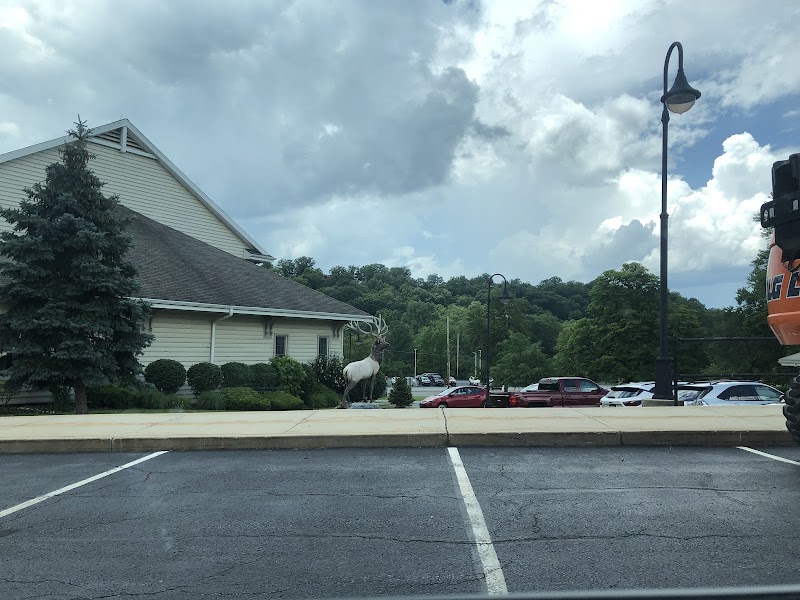
GARVEY MANOR

1037 SOUTH LOGAN BOULEVARD, HOLLIDAYSBURG, PA 16648 (814) 695-5571
Non profit - Church related 132 Beds CARMELITE SISTERS FOR THE AGED & INFIRM Data: November 2025
Trust Grade
40/100
#287 of 653 in PA
Last Inspection: July 2025

Inspected within the last 6 months. Data reflects current conditions.

Overview

Garvey Manor has a Trust Grade of D, indicating it is below average and has some concerns. In terms of rankings, it stands at #287 out of 653 facilities in Pennsylvania, placing it in the top half of the state, and #3 out of 9 in Blair County, meaning only two local options are better. The facility's trend is improving, with issues decreasing from 11 in 2024 to 7 in 2025, but it still faces challenges, such as a concerning staff turnover rate of 90%, significantly higher than the state average of 46%. Additionally, Garvey Manor has incurred $40,641 in fines, which is higher than 81% of facilities in Pennsylvania, indicating potential compliance issues. While the RN coverage is below average, it is important to note some specific incidents: a resident fell and fractured a bone due to inadequate safety assessments, and there were issues with serving food at proper temperatures and ensuring food safety standards in the kitchen. Overall, while there are some positive trends and average ratings in certain areas, families should weigh these concerns carefully when considering Garvey Manor for their loved ones.

Trust Score
D
40/100
In Pennsylvania
#287/653
Top 43%
Safety Record
Moderate
Needs review
Inspections
Getting Better
11 → 7 violations
Staff Stability
⚠ Watch
90% turnover. Very high, 42 points above average. Constant new faces learning your loved one's needs.
Penalties
✓ Good
$40,641 in fines. Lower than most Pennsylvania facilities. Relatively clean record.
Skilled Nurses
○ Average
Each resident gets 32 minutes of Registered Nurse (RN) attention daily — about average for Pennsylvania. RNs are the most trained staff who monitor for health changes.
Violations
⚠ Watch
31 deficiencies on record. Higher than average. Multiple issues found across inspections.
★★★☆☆
3.0
Overall Rating
★★★☆☆
3.0
Staff Levels
★★★★☆
4.0
Care Quality
★★★☆☆
3.0
Inspection Score
Stable
2024: 11 issues
2025: 7 issues

The Good

  • 4-Star Quality Measures · Strong clinical quality outcomes
  • Full Sprinkler Coverage · Fire safety systems throughout facility
  • No fines on record

Facility shows strength in quality measures, fire safety.

The Bad

3-Star Overall Rating

Near Pennsylvania average (3.0)

Meets federal standards, typical of most facilities

Staff Turnover: 90%

43pts above Pennsylvania avg (46%)

Frequent staff changes - ask about care continuity

Federal Fines: $40,641

Above median ($33,413)

Moderate penalties - review what triggered them

Chain: CARMELITE SISTERS FOR THE AGED & IN

Part of a multi-facility chain

Ask about local staffing decisions and management

Staff turnover is very high (90%)

42 points above Pennsylvania average of 48%

The Ugly 31 deficiencies on record

1 actual harm
Jul 2025 7 deficiencies
CONCERN (D)

Potential for Harm - no one hurt, but risky conditions existed

Safe Environment (Tag F0584)

Could have caused harm · This affected 1 resident

Based on observations and staff interviews it was determined that the facility failed to keep a clean, homelike environment on the D1 wing. Observations on July 21, 2025 at 11:15 a.m., July 22, 2025 a...

Read full inspector narrative →
Based on observations and staff interviews it was determined that the facility failed to keep a clean, homelike environment on the D1 wing. Observations on July 21, 2025 at 11:15 a.m., July 22, 2025 at 9:32 a.m., and July 23, 2025 at 10:18 a.m. revealed that the D1 hallway carpeting and the D1 lounge carpeting had large brown and black stains. Interview on July 23, 2025 at 11:10 a.m. with the Director of Maintenance revealed that the carpeting on D1 and in the D1 lounge needs replaced and that despite the effort of the housekeepers to keep the area clean, the carpet is stained in multiple places.
CONCERN (D)

Potential for Harm - no one hurt, but risky conditions existed

Free from Abuse/Neglect (Tag F0600)

Could have caused harm · This affected 1 resident

Based on review of policies, investigation reports, clinical records, as well as staff interviews, it was determined that the facility failed to ensure that residents were free from abuse for one of 4...

Read full inspector narrative →
Based on review of policies, investigation reports, clinical records, as well as staff interviews, it was determined that the facility failed to ensure that residents were free from abuse for one of 41 residents reviewed (Resident 122). This deficiency is being cited as past non-compliance.The facility's policy dated June 20, 2025, regarding prevention of abuse, neglect, misappropriation of resident property and exploitation states that systems are in place to prevent resident abuse, including neglect, exploitation, and misappropriation of property.An admission Minimum Data Set (MDS) assessment (a mandated assessment of a resident's abilities and care needs) for Resident 122 dated June 4 2025, revealed that the resident was alert with confusion, required total assistance from staff for her daily care needs, and had diagnoses that included dementia, encephalopathy (condition where the brain does not function properly), and sepsis (serious infection in the blood).Resident 122's care plan, dated May 29, 2025, indicates that the resident exhibited physical/verbal aggression to staff and resistive to care. Staff were to explain all procedures to the resident prior to care, continue to provide simple explanations of care while completing the task, use diversional conversation to distract during care and decrease any potential anxiety/stress. If the resident became combative, staff were to stop care and allow the resident to cool down and then re-approach after at least 15 minutes to half hour later. Staff were to consider change in caregiver if needed.Facility investigation for Resident 122, dated June 11, 2025, indicated that during her therapy session, Resident 122 was reported to have been yelled at by Physical Therapist 1. Rehabilitation Manager 2 and Occupational Therapist 3, reported that Physical Therapist 1 was verbally abusive to Resident 122 during the therapy session that day before lunch. Occupational Therapist 3, reported that Physical Therapist 1 was working with Resident 122 in the therapy gym and was trying to get her to stand, working on her functional transfers. Occupational Therapist 3 stated Resident 122 was fearful and resisted completing the tasks and that Physical Therapist 1 was trying to explain to her that she had to participate as her insurance required the assessment. Occupational Therapist 3 reported that Resident 122 did not want to participate despite encouragement and that Physical Therapist 3 was becoming more impatient with her, began to increase her volume and insist that the resident stand. Occupational Therapist 3 then stated that Physical Therapist 1 looked and whispered to her I f*cking hate her, I can't do this speaking about Resident 122. Occupational Therapist 3 stated that she reminded Physical Therapist 1 that residents have the right to refuse treatment, and, at that time, Physical Therapist 1 then said she was done with this bullshit so take her back.A witness statement from Rehabilitation Manager 2, dated June 11, 2025, revealed that she overheard Physical Therapist 1 working with Resident 122 and that Physical Therapist 1 was frustrated and had an escalating tone. A witness statement from Speech Therapist 4 dated June 11, 2025, revealed that she also overheard Physical Therapist 1 working with Resident 122 and that Physical Therapist 1 was frustrated and had an escalating tone. Interview with Director of Nursing on July 22, 2025, at 01:58 p.m. revealed that the Physical Therapist 1 was terminated from employment for her aggressive and abusive treatment of Resident 122.Following the incident on June 11, 2025, the facility's corrective actions included:1. Resident 122 was assessed by a registered nurse for any signs of injury.2. The nursing facility immediately removed Physical Therapist 1 from employment and notified the contracting agency that she would not be permitted to return to the facility. 3. Education records dated June 27, 2025, revealed that all facility staff, including contracted therapy staff, received education regarding the abuse prevention, recognition, and notification policy as of June 27, 2025.4. The Director of Nursing or designee initiated audits of residents receiving therapy/care three times a week for two weeks then weekly for four weeks, beginning on June 27, 2025. Further audits will be completed as determined by the Quality Assurance Performance Improvement (QAPI) committee.Review of the facility's corrective actions and interviews completed with staff regarding their re-education revealed that they were in compliance with F600 on June 27, 2025. 28 Pa. Code 211.10(c)(d) Resident care policies.28 Pa. Code 211.11(d) Resident care plan.28 Pa. Code 211.12(d)(1) Nursing services.28 Pa. Code 211.12(d)(5) Nursing services.
CONCERN (D)

Potential for Harm - no one hurt, but risky conditions existed

Abuse Prevention Policies (Tag F0607)

Could have caused harm · This affected 1 resident

Based on review of policies and employee files, as well as staff interviews, it was determined that the facility failed to ensure that license checks were obtained prior to hire for two of two Registe...

Read full inspector narrative →
Based on review of policies and employee files, as well as staff interviews, it was determined that the facility failed to ensure that license checks were obtained prior to hire for two of two Registered Nurses (Registered Nurses 5 and 6).The facility's policy regarding protection from abuse, dated June 20, 2025, indicated that policies and procedures were developed to aid in preventing abuse, neglect, or mistreatment of residents, and protocols for conducting employment background checks and screening of employees.The personnel file for Registered Nurse 5 revealed a start date of June 9, 2025, with a license check done on July 23, 2025. There was no documented evidence that a license check was obtained prior to the staff's start date of June 9, 2025. The personnel file for Registered Nurse 6 revealed a start date of May 27, 2025, with a license check done on June 6, 2025. There was no documented evidence that a license check was obtained prior to the staff's start date of May 27, 2025.Interview on July 23, 2025, at 2:32 p.m. with the Director of Nursing revealed that Registered Nurses 5 and 6's license checks should have been completed prior to their start date and they were not. 28 Pa. Code 201.14(a) Responsibility of licensee28 Pa. Code 201.18(e)(1) Management.
CONCERN (D)

Potential for Harm - no one hurt, but risky conditions existed

Comprehensive Care Plan (Tag F0656)

Could have caused harm · This affected 1 resident

Based on facility policy, clinical record reviews, as well as resident and staff interviews, it was determined that the facility failed to implement an individualized care plan for fall prevention for...

Read full inspector narrative →
Based on facility policy, clinical record reviews, as well as resident and staff interviews, it was determined that the facility failed to implement an individualized care plan for fall prevention for one of 41 residents reviewed (Resident 12). Findings include:Facility policy for safety alarms dated June 20, 2025, revealed that alarms will be used to alert staff to assist residents who have a history of transferring unassisted and when it has been determined that staff assistance is necessary for resident safety.An admission Minimum Data Set (MDS) assessment (a mandated assessment of a resident's abilities and care needs) for Resident 12, dated July 2, 2025, indicated that the resident was alert and oriented, required maximum assistance for daily care, had a diagnosis of a hip fracture, and utilized a motion sensor alarm less than daily.Resident 12's care plan for fall safety, dated July 8, 2025, revealed that the resident required a motion sensor alarm at the foot of the bed at all times when the resident is in bed.A nursing note for Resident 12 dated July 9, 2025, revealed that the resident was found on the floor leaning against a wall.A witness statement from Nurse Aide 7 dated July 9, 2025, revealed that the alarm was not present at time of Resident 12's incident.An interview with the Director of Nursing on July 23, 2025, at 11:21 a.m. confirmed that the alarm was not at the foot of the bed and turned on when Resident 12 was in bed and should have been. 28 Pa. Code 211.10 (a)(c)(d) Resident care policies28 Pa. Code 211.12(d)(1)(3)(5) Nursing services
CONCERN (D)

Potential for Harm - no one hurt, but risky conditions existed

Deficiency F0729 (Tag F0729)

Could have caused harm · This affected 1 resident

Based on review of policies and employee files, as well as staff interviews, it was determined that the facility failed to ensure that Pennsylvania Nurse Aide Registry checks were obtained prior to hi...

Read full inspector narrative →
Based on review of policies and employee files, as well as staff interviews, it was determined that the facility failed to ensure that Pennsylvania Nurse Aide Registry checks were obtained prior to hire for two of two Nurse Aides reviewed (Nurse Aides 8 and 9).The facility's policy regarding protection from abuse, dated June 20, 2025, indicated that policies and procedures were developed to aid in preventing abuse, neglect, or mistreatment of residents, and protocols for conducting employment background checks and screening of employees.The personnel file for Nurse Aide 8 revealed a start date of May 27, 2025, with a Pennsylvania Nurse Aide registry check done on June 10, 2025. There was no documented evidence that the registry check was obtained prior to the staff's start date of May 27, 2025. The personnel file for Nurse Aide 9 revealed a start date of April 7, 2025, with a Pennsylvania Nurse Aide registry check done on July 23, 2025. There was no documented evidence that the registry check was obtained prior to the staff's start date of April 7, 2025. Interview on July 23, 2025 at 2:32 p.m. with the Director of Nursing revealed that registry checks for Nurse Aides 8 and 9 should have been completed prior to their start date and they were not. 28 Pa. Code 201.14(a) Responsibility of licensee28 Pa. Code 201.18(e)(1) Management.
CONCERN (E)

Potential for Harm - no one hurt, but risky conditions existed

Deficiency F0804 (Tag F0804)

Could have caused harm · This affected multiple residents

Based on review of facility policies and information provided by the facility, as well as observations and staff interviews, it was determined that the facility failed to serve food items at appetizin...

Read full inspector narrative →
Based on review of facility policies and information provided by the facility, as well as observations and staff interviews, it was determined that the facility failed to serve food items at appetizing temperatures.Findings include:The facility's policy regarding food temperature records, dated June 20, 2025, revealed that the temperatures of foods shall be taken prior to service. Breakfast temperatures were checked by the cook in the kitchen to assure the food is at proper temperature. Any hot foods falling below established standards of 165 degrees Fahrenheit (F) would be reheated to the proper temperature.An annual minimum data set (MDS) assessment (mandated to assess the resident abilities and care needs) for Resident 6, dated July 8, 2025, indicated that the resident was able to understand others, was understood by others, had clear speech, and was cognitively intact.Interview and observations with Resident 6 on July 21, 2025, at 12:20 p.m., revealed that she eats in her room and the eggs taste like plastic.The posted breakfast menu on July 23, 2025, was juice of choice, hot and cold cereal, egg of choice, French toast with syrup, coffee, tea, and milk.Observations of the breakfast meal service in the D2 Dining room on July 23, 2025, revealed that the D2 hallway cart containing a test tray left the main kitchen at 8:11 a.m. and arrived on D2 hallway at 8:11 a.m. Trays were passed to the residents that were in their rooms starting at 8:12 a.m. and the last resident was served at 8:33 a.m. The test tray was removed from the cart at 8:34 a.m. The temperature of the coffee was 139.6 was degrees F, the cream of wheat was 139.6 degrees F, the scrambled eggs were 121.7 degrees F, and the French toast was 112.6 degrees F. The white milk was 56.1 degrees, the fried eggs were 108 degrees F, the slice of thin bacon was warm and crispy. The French toast and fried eggs were cool and not at a palatable or appetizing temperature. The white milk was not cold and was chalky tasting and not palatable. Interview with the Dietary Supervisor 11 and the Dietary Director at that time revealed that eggs are difficult to keep at temperature for room delivery. Dietary plates the food, but dietary staff do not deliver the trays. The milk, french toast, and the fried egg should be served at palatable temperatures.Interview with the Dietary Director on July 23, 2025, at 11:29 a.m. confirmed that the breakfast tray items should have been served at palatable temperature. 28 Pa. Code 201.18(b)(1) Management.28 Pa. Code 211.6(f) Dietary Services.
CONCERN (E)

Potential for Harm - no one hurt, but risky conditions existed

Food Safety (Tag F0812)

Could have caused harm · This affected multiple residents

Based on review of policies, as well as observations and staff interviews, it was determined that the facility failed to store and prepare food in accordance with professional standards for food servi...

Read full inspector narrative →
Based on review of policies, as well as observations and staff interviews, it was determined that the facility failed to store and prepare food in accordance with professional standards for food service safety by failing to ensure hair was properly covered with a hair restraint.Findings include:The facility's policy regarding dietary operations, dated June 20, 2025, revealed that hair and beard restraints would be worn while working in the kitchen.Observations in the facility's kitchen on July 21, 2025, at 9:24 a.m. revealed that Dietary Aide 10 was in the kitchen working and had uncovered facial hair. Interview with Dietary Director at that time confirmed that Dietary Aide 10 should be wearing a beard restraint. 28 Pa. Code 211.6(f) Dietary services
Aug 2024 11 deficiencies 1 Harm
SERIOUS (G)

Actual Harm - a resident was hurt due to facility failures

Accident Prevention (Tag F0689)

A resident was harmed · This affected 1 resident

Based on a review of clinical records, as well as staff interviews, it was determined that the facility failed to assess a resident for safety in a chair after a known history of falls from the chair,...

Read full inspector narrative →
Based on a review of clinical records, as well as staff interviews, it was determined that the facility failed to assess a resident for safety in a chair after a known history of falls from the chair, resulting in a fall with fracture for one of 39 residents reviewed (Resident 2), and failed to follow fall prevention interventions for one of 39 residents reviewed (Resident 5) who had a history of falls. Findings include: The facility's policy regarding accidents and incidents, dated July 2, 2024, revealed that if a fall is involved the resident must be assessed by the professional (registered) nurse supervisor and additional assessment as appropriate. A quarterly Minimum Data Set (MDS) assessment (a mandated assessment of a resident's abilities and care needs) for Resident 2, dated November 13, 2023, indicated that the resident was sometimes understood and could sometimes understand others, required extensive assistance of one for ambulation and transfers, and extensive assistance of one for bathing and toileting. A nursing note for Resident 2, dated November 12, 2023. at 4:14 p.m., revealed that the resident was found face down on the floor by her recliner. An incident report for Resident 2, dated November 12, 2023, revealed that the resident stated she was in her recliner and reached for something when she fell out of the recliner. There was no documented evidence in Resident 2's clinical record to indicate that a safety assessment was conducted for her with the use of the recliner. A nursing note for Resident 2, dated January 5, 2024, at 4:10 p.m., revealed that the resident was found on the floor positioned with her back supported by the recliner and was seated on the floor, head erect, and legs flexed. The call bell was attached to her recliner, her walker was near the recliner in front of the resident. The resident stated she was trying to put a book back in a basket at time of her fall. There was no documented evidence in Resident 2's clinical record to indicate that a safety assessment was conducted for her with the use of the recliner. A nursing note for Resident 2, dated January 14, 2024, at 4:30 p.m., revealed that the resident was found lying face down on the floor with her right arm under her. When the resident was turned over there was a bruise to her forehead, and the resident had limited range of motion to her right arm due to pain. Physician's orders for Resident 2, dated January 14, 2024, at 4:34 p.m., included an order for an x-ray of her right shoulder. X-ray results, dated January 14, 2024, at 6:30 p.m., revealed a fracture of the resident's right shoulder. Physician's orders for Resident 2, dated January 22, 2024, at 1:11 p.m., included an order for occupational therapy to evaluate and treat as indicated. Interview with Activities Assistant 2 on July 31, 2024, at 1:30 p.m. revealed that she was the person who found Resident 2 on the floor on January 14, 2024 at 4:30 p.m., and she does not remember if her call bell and reacher were within her reach. Interview with Registered Nurse 3 on August 1, 2024, at 11:09 revealed that she was made aware of resident's fall by Activities Assistant 2, and she does not remember if she specifically had her call bell; however, the resident had a tendency to lead forward in her chair and has had several incidents as a result. Interview with Director of Nursing on August 1, 2024, at 1:23 p.m. revealed that residents are not assessed for personal chairs; however, they will be assessed if there is a concern. Interview with Occupational Therapist 4 on August 1, 2024, at 1:26 p.m. revealed that the resident was picked up by therapy on January 22, 2024; however, she was not assessed for safety in a recliner upon admission to the facility or at any other time. The resident was provided with a motion alarm for her recliner after the fall on January 14. Interview with the Director of Nursing on August 1, 2024, at 1:38 p.m. confirmed that there was no documented evidence of a safety assessment for Resident 2 to use her personal recliner. An annual Minimum Data Set (MDS) assessment (a mandated assessment of a resident's abilities and care needs) for Resident 5, dated July 8, 2024, revealed that the resident was cognitively impaired, was usually understood and usually able to understand others, required assistance with daily care needs, had a history of falls since the prior assessment, and had a diagnosis that included dementia with behavioral disturbance. A fall care plan, dated July 6, 2023, revealed that the resident was to be on safety checks every hour effective August 17, 2023. A nursing note for Resident 5, dated May 13, 2024, at 11:56 a.m., revealed that the resident was sitting in her room on the floor near the door in front of her wheelchair with legs extended out in front of her. The resident stated she slipped while attempting to get up to go to the bathroom. No apparent injury was noted, and she denied hitting her head. An area of redness was noted to her left mid back. The resident reported generalized pain. Staff assisted the resident back into her wheelchair per facility protocol, and the resident was reminded to utilize her call bell for assistance. An intervention was added not to leave the resident in her room unattended in her wheelchair. There was no documented evidence in Resident 5's clinical record that safety checks were being done every hour for fall prevention per the resident's care plan. A nursing note for Resident 5, dated June 17, 2024, at 7:25 a.m., revealed that the resident was in her room on the floor. On arrival to the room the resident was on her buttocks, sitting upright just next to her recliner with her legs extended out towards the bed. The nurse aide witnessed the fall. Prior to the fall she was sitting on the recliner footrest. The nurse aide explained that the call light was ringing and when she went in to answer it, the resident was sitting on the recliner footrest with the chair control in her hand. When the chair moved, the trash can moved and caused the chair footrest to go down along with the resident. The resident bumped her head on the window seat. Neuro checks were initiated. The resident was assisted back to recliner. No obvious injuries were noted. An intervention was added to keep her recliner chair unplugged to prevent further falls from her chair. There was no documented evidence in Resident 5's clinical record that safety checks were being done every hour for fall prevention as per the resident's care plan. Interview with the Director of Nursing on August 1, 2024, at 11:33 a.m., confirmed that there was no documented evidence in Resident 5's clinical record that safety checks were being done every hour for fall prevention per the resident's care plan. 28 Pa. Code 211.10(a) Resident Care Policies. 28 Pa. Code 211.12(d)(3)(5) Nursing Services.
CONCERN (D)

Potential for Harm - no one hurt, but risky conditions existed

Deficiency F0558 (Tag F0558)

Could have caused harm · This affected 1 resident

Based on clinical record reviews, observations, and staff interviews, it was determined that the facility failed to provide a reasonable accommodation of needs by failing to ensure that the call bell ...

Read full inspector narrative →
Based on clinical record reviews, observations, and staff interviews, it was determined that the facility failed to provide a reasonable accommodation of needs by failing to ensure that the call bell was within reach for one of 39 residents reviewed (Resident 57). Findings include: A quarterly Minimum Data Set (MDS) assessment (a mandated assessment of a resident's abilities and care needs) for Resident 57, dated April 30, 2024, indicated that the resident was understood and could usually understand others, and she required minimal assistance of staff for care. The resident's care plan, dated January 9, 2024, included that staff were to encourage her to use her call bell for assistance, and the call bell would be placed within reach when the resident is in her room. A therapy note, dated July 28, 2024, revealed that Resident 57 was to have supervision with ambulation and transfers. Observations of Resident 57 on July 29, 2024, at 11:03 a.m. revealed that the resident was sitting on her bed attempting to ambulate, and her call bell was behind her nightstand on the floor and out of reach. Interview with Nurse Aide 1 at that time revealed that Resident 57 could use her call bell and that it should have been placed within her reach. Interview with Director of Nursing on July 30, 2024, at 2:16 p.m. confirmed that Resident 57 could use her call bell and that it should have been placed within her reach. 28 Pa. Code 211.12(d)(5) Nursing Services.
CONCERN (D)

Potential for Harm - no one hurt, but risky conditions existed

Assessment Accuracy (Tag F0641)

Could have caused harm · This affected 1 resident

Based on review of the Resident Assessment Instrument User's Manual and clinical records, as well as staff interviews, it was determined that the facility failed to complete accurate Minimum Data Set ...

Read full inspector narrative →
Based on review of the Resident Assessment Instrument User's Manual and clinical records, as well as staff interviews, it was determined that the facility failed to complete accurate Minimum Data Set assessments for two of 39 residents reviewed (Residents 45, 89). Findings include: The Resident Assessment Instrument (RAI) User's Manual, which gives instructions for completing Minimum Data Set (MDS) assessments (mandated assessments of a resident's abilities and care needs), dated October 2019, revealed that Section O0100 was to be completed with the resident's special treatments, procedures, and programs, and Section O0100C was to be coded for the use of oxygen. Column (1) was to be checked if oxygen was used while not a resident of the facility within the last 14 days, and column (2) was to be checked if oxygen was used while a resident of the facility within the last 14 days. A care plan for Resident 45, revised on November 9, 2023, indicated that the resident had an altered respiratory status related to a history of aspiration (food or liquid entering the lungs) and sleep apnea (a sleep disorder in which breathing repeatedly stops). Physician's orders for Resident 45, dated August 8, 2023, included an order for the resident to use oxygen therapy. A quarterly MDS assessment for Resident 45, dated July 17, 2024, revealed that column (2) of Section 00100C (oxygen therapy) was not marked with a checkmark indicating that the resident used oxygen. A care plan for Resident 89, dated July 3, 2023, indicated that the resident had an altered respiratory status related to a history of congestive obstruction pulmonary disease (a long-term lung disease that makes it hard to breath ). Physician's orders for Resident 89, dated July 3, 2023, included an order for the resident to use oxygen therapy. An quarterly MDS assessment for Resident 89, dated July 12, 2024, revealed that column (2) of Section 00100C (oxygen therapy) was not marked with a checkmark indicating that the resident used oxygen. Interview on August 1, 2024, at 10:27 a.m. with Licensed Practical Nurse 7, who was responsible for the completion of the MDS assessment, confirmed that Section O0100C of Resident 45 and 89's MDS assessment was inaccurate and should have indicated that the residents received oxygen therapy 28 Pa. Code 211.5(f) Clinical Records.
CONCERN (D)

Potential for Harm - no one hurt, but risky conditions existed

Comprehensive Care Plan (Tag F0656)

Could have caused harm · This affected 1 resident

Based on policy review, clinical record reviews, and staff interviews, it was determined that the facility failed to develop an individualized care plan for diabetes mellitus and/or comfort care for t...

Read full inspector narrative →
Based on policy review, clinical record reviews, and staff interviews, it was determined that the facility failed to develop an individualized care plan for diabetes mellitus and/or comfort care for two of 39 residents reviewed (Residents 69, 88). Findings include: The facility's policy regarding care plans, dated July 2, 2024, revealed that care plans will be developed that include measurable goals and timeframes, and must describe the services that are to be provided to attain or maintain the resident's highest practicable physical, mental, and psychosocial needs identified in the comprehensive assessment. A quarterly Minimum Data Set (MDS) assessment (a mandated assessment of a resident's abilities and care needs) for Resident 69, dated May 8, 2024, revealed that the resident was usually understood and could usually understand, was cognitively intact, dependent on staff for care, had diagnoses that included diabetes mellitus, and received insulin (a medication for the treatment of diabetes mellitus). A review of Resident 69's clinical record, including the medication administration records, revealed that the resident received daily insulin injections. There was no documented evidence in the clinical record for Resident 69 to indicate that a care plan regarding diabetes mellitus was developed for Resident 69. Interview with the Director of Nursing on August 1, 2024, at 9:08 a.m. confirmed that a care plan to address Resident 69's diabetes mellitus diagnosis was not developed and should have been. A quarterly MDS assessment for Resident 88, dated July 9, 2024, revealed that the resident was cognitively intact, required extensive assistance from staff for her daily care needs and had a diagnosis of cerebrovascular disease (group of conditions that affects the blood flow and the blood vessels in the brain). Physician's orders for Resident 88, dated April 11, 2024, included an order for the resident to receive comfort care (end-of-life care that focuses on comfort). A review of Resident 88's care plan, dated May 28, 2020, did not include comfort care as ordered by the physician. Interview with the Director of Nursing on August 1, 2024, at 11:10 a.m. confirmed that Resident 88's care plan dated May 28, 2020, should have been revised to reflect the physician order for comfort care and it was not. 28 Pa. Code 201.24(e)(4) admission Policy. 28 Pa. Code 211.12(d)(5) Nursing Services.
CONCERN (D)

Potential for Harm - no one hurt, but risky conditions existed

Deficiency F0657 (Tag F0657)

Could have caused harm · This affected 1 resident

Based on review of facility policy and clinical records, as well as staff interviews, it was determined that the facility failed to ensure that a resident's care plan was updated/revised to reflect th...

Read full inspector narrative →
Based on review of facility policy and clinical records, as well as staff interviews, it was determined that the facility failed to ensure that a resident's care plan was updated/revised to reflect the resident's specific care needs for two of 39 residents reviewed (Residents 88, 103). Findings include: The facility policy for care plans, dated July 2, 2024, indicated that care plans are to evaluated and revised every 90 days, annually, and if there is a change in a resident's condition. A quarterly Minimum Data Set (MDS) assessment (a mandated assessment of a resident's abilities and care needs) for Resident 88, dated July 9, 2024, revealed that the resident was cognitively intact and required extensive assistance from staff for her daily care needs and had a diagnosis of cerebrovascular disease. Physician's orders for Resident 88, dated April 12, 2024, included an order to discontinue the use of Keppra oral solution 100 mg/ml (a medication to control seizures dispensed in milligrams per milliliter). A review of care plans for Resident 88, dated May 28, 2020, included a care plan for the resident to receive Keppra oral solution to control seizures. There was no documented evidence to reflect that Keppra oral solution 100 mg/ml was discontinued. Interview with the Director of Nursing on August 1, 2024, at 11:10 a.m. confirmed that Resident 88's care plan, dated May 28, 2020, should have been revised to reflect the discontinuation of Keppra oral solution 100 mg/ml and it was not. An annual MDS assessment for Resident 103, dated July 1, 2024, revealed that the resident was cognitively intact and required assistance from staff for her daily care needs and had a diagnosis of cerebral infarction affecting right dominant side. A review of care plans for Resident 103, dated February 11, 2024, included a care plan for the resident to receive an anticoagulant (a medication that thins the blood) Physician's orders for Resident 103, dated March 27, 2024, included an order to discontinue the use of Eliquis 2.5 mg (an anticoagulant). Interview with the Director of Nursing on August 1, 2024, at 11:10 a.m. confirmed that Resident 103's care plan, dated February 11, 2024, should have been revised to reflect the discontinuation of Eliquis 2.5 mg and it was not. 28 Pa. Code 201.24(e)(4) admission Policy. 28 Pa. Code 211.12(d)(5) Nursing Services.
CONCERN (D)

Potential for Harm - no one hurt, but risky conditions existed

Deficiency F0658 (Tag F0658)

Could have caused harm · This affected 1 resident

Based on review of Pennsylvania's Nursing Practice Act, facility policies, and clinical records, as well as staff interviews, it was determined that the facility failed to obtain physician orders for ...

Read full inspector narrative →
Based on review of Pennsylvania's Nursing Practice Act, facility policies, and clinical records, as well as staff interviews, it was determined that the facility failed to obtain physician orders for pacemaker checks for two of 39 resident reviewed (Residents 36, 97) and failed to ensure that an assessment was completed by a professional (registered) nurse after an elopement occurred for one of 39 residents reviewed (Resident 99). Findings include: The Pennsylvania Code, Title 49, Professional and Vocational Standards, State Board of Nursing, 21.11 (a)(1)(2)(4) indicated that the registered nurse was to collect complete and ongoing data to determine nursing care needs, analyze the health status of individuals and compare the data with the norm when determining nursing care needs, and carry out nursing care actions that promote, maintain, and restore the well-being of individuals. The facility's policy regarding pacemaker rate checks, dated July 2, 2024, indicated that at the time of admission, the registered nurse supervisor would obtain an order for a pacemaker rate check. An Annual Minimum Data Set (MDS) assessment (a mandated assessment of a resident's abilities and care needs) for Resident 36, dated June 25, 2024, revealed that the resident was cognitively intact, was clearly understood and able to clearly understand others, required assistance with care needs, and had diagnoses that included congestive heart failure (the heart cannot pump blood well enough to meet the body's needs) and atrial fibrillation (irregular heart rhythm). A care plan for Resident 36, dated March 4, 2020, indicated that the resident had a pacemaker (a surgically-implanted, small battery-powered device to manage irregular heartbeats or heart failure), and she was to have pacemaker checks (to check if pacemaker is functioning properly) done as per physician's order. There was no documented evidence in Resident 36's clinical record of a physician's order for pacemaker checks per facility policy and per care plan. Interview with the Director of Nursing on July 31, 2024, at 4:45 p.m. confirmed that Resident 36 did not have an order for pacemaker checks as per facility policy and she should have. An annual MDS assessment for Resident 97, dated June 25, 2024, revealed that the resident was cognitively intact, was usually understood and usually understood others, was independent with care needs, and had diagnoses that included coronary artery disease (a medical condition where there is blocking of coronary arteries) and stroke. A care plan for Resident 97, dated December 19, 2023, indicated that the resident had a pacemaker. The resident was to have pacemaker checks done as per physician's order and documented in the clinical record. There was no documented evidence in Resident 97's clinical record of a physician's order for pacemaker checks per facility policy and care plan. Interview with the Director of Nursing on August 1, 2024, at 8:57 a.m. confirmed that Resident 97 did not have an order for pacemaker checks per facility policy and he should have. The facility's policy regarding missing residents, dated July 2, 2024, revealed that once the missing resident is found or returns to the facility, the resident shall be assessed and examined for injuries by the registered nurse supervisor. A quarterly MDS assessment for Resident 99, dated May 8, 2024, indicated that the resident usually understood and was usually understood by others, was cognitively intact, and required maximum assistance from staff for daily care tasks. A care plan for Resident 99, dated May 17, 2023, revealed that the resident was at risk for falls and was to ambulate with an assist of one with her wheeled walker and gait belt. A nursing note for Resident 99, dated January 28, 2024, at 1:10 p.m., indicated that the resident was seen by the front desk staff returning to the facility from the front parking lot. The resident was not wearing a coat, only a sweater. The resident told the nurse that she came back inside because she was cold and realized her son was not coming to pick her up for an appointment. There was no documented evidence that Resident 99 was assessed by a registered nurse upon return to the facility after being outside for an unknown length of time. Interview with the Director of Nursing on July 31, 2024, at 12:27 p.m. confirmed that Resident 99 was not assessed by a registered nurse when she returned to facility after elopement per policy. 28 Pa. Code 211.12(d)(1)(3)(5) Nursing Services.
CONCERN (D)

Potential for Harm - no one hurt, but risky conditions existed

Quality of Care (Tag F0684)

Could have caused harm · This affected 1 resident

Based on review of facility policies and clinical records, as well as staff interviews, it was determined that the facility failed to ensure neurological checks were completed following an unwitnessed...

Read full inspector narrative →
Based on review of facility policies and clinical records, as well as staff interviews, it was determined that the facility failed to ensure neurological checks were completed following an unwitnessed fall for one of 39 residents reviewed (Resident 99). Findings include: The facility's policy for unwitnessed falls, dated July 2, 2024, indicated that resident falls were to be reported, their causes identified when possible, timely interventions established to help reduce the probability of repeated incidents, and neurological checks (a neurological examination is the assessment of sensory neuron and motor responses, especially reflexes, to determine whether the nervous system is impaired) were to be completed. A quarterly Minimum Data Set (MDS) assessment (a mandated assessment of a resident's abilities and care needs) assessment for Resident 99, dated March 8, 2024, revealed that the resident was sometimes understood and sometimes could understand others, required substantial assistance with daily care needs, and had a diagnosis of Parkinson's disease (a disorder of the central nervous system that affects movement, often including tremors). A nurse's note for Resident 99, dated July 10, 2024, at 4:40 p.m., revealed that the resident had an unwitnessed fall at her recliner. The resident was assessed and neurological checks were to be completed. A review of Resident 99's clinical record revealed a neurological check flow sheet where neurological checks were to be completed after a fall. The checks were to be done every 15 minutes for two hours, then every 30 minutes for two hours, then every one hour for four hours, then every eight hours until 72 hours had passed. The neurological check flow sheet was initiated on July 10, 2024, at 3:10 p.m., and was completed per policy until July 11, 2024, on second shift. There was no further documentation that neuro checks were completed for the 8-hour checks. Interview with the Director of Nursing on July 31, 2024, at 12:27 p.m. confirmed that neurological checks should be completed after unwitnessed falls. 28 Pa. Code 211.12(d)(1)(5) Nursing Services.
CONCERN (D)

Potential for Harm - no one hurt, but risky conditions existed

Pressure Ulcer Prevention (Tag F0686)

Could have caused harm · This affected 1 resident

Based on review of policies and clinical records, as well as observations and staff interviews, it was determined that the facility failed to ensure that devices for pressure relief were in place as o...

Read full inspector narrative →
Based on review of policies and clinical records, as well as observations and staff interviews, it was determined that the facility failed to ensure that devices for pressure relief were in place as ordered by the physician for one of 39 residents reviewed (Resident 89). Findings include: The facility's policy regarding pressure injuries care and treatment, dated July 2, 2024, indicated that residents who were identified as at risk for the development of pressure injuries (skin impairment caused by pressure) were to have interventions in place to promote skin integrity. A quarterly Minimum Data Set (MDS) assessment (a mandated assessment of a resident's abilities and care needs) for Resident 89, dated July 12, 2024, revealed that the resident was cognitively impaired and required assistance for daily care tasks, and had medical diagnoses that included stroke, coronary artery disease, and high blood pressure. The resident's current care plan indicated that she had left-sided weakness and required pressure-reducing support surfaces to prevent skin breakdown. Care plan interventions included wearing an E-Z flex splint on the left hand and a left elbow comfy splint, each for four hours per shift. An interview with Resident 89 on July 30, 2024, at 8:25 a.m. confirmed that she was to wear her elbow splint four hours per shift. Physician's orders for Resident 89, dated November 13, 2023, included an order for the resident to wear an E-Z flex splint on the left hand in addition to a left elbow splint, each for four hours per shift. Observations on July 31, 2024, from 8:13 a.m. thru 5:00 p.m. revealed that Resident 89 was in bed wearing her E-Z flex left hand splint; however, she did not have her left elbow comfy splint in place as ordered by the physician. The elbow splint was noted to be in her room on a chair beside her bed. Interview with the Director of Therapy on August 1, 2024, at 8:11 a.m. confirmed that the left hand and elbow splints were utilized to promote skin integrity in the palm of her hand and the inside bend of her arm and should have been in place per physician order. She also indicated that at times the resident will refuse to wear them. Interview with the Director of Nursing on August 1, 2024, at 8:20 p.m. confirmed that the left elbow splint should have been in place as ordered, and that there was no documented evidence of refusal by the resident. 28 Pa. Code 211.12(d)(5) Nursing Services.
CONCERN (D)

Potential for Harm - no one hurt, but risky conditions existed

Respiratory Care (Tag F0695)

Could have caused harm · This affected 1 resident

Based on a review of facility policies and clinical records, as well as staff interviews, it was determined that the facility failed to ensure that physician's orders were followed to provide tracheos...

Read full inspector narrative →
Based on a review of facility policies and clinical records, as well as staff interviews, it was determined that the facility failed to ensure that physician's orders were followed to provide tracheostomy care (care of a surgical incision in the neck that creates an opening into the windpipe) for one of 39 residents reviewed (Resident 127). Findings include: The facility's policy for tracheostomy care, dated July 2, 2024, indicated that tracheostomy care should be provided as per physician's orders and documented as completed in the electronic Medication Administration Record (eTAR) Treatment Page. A quarterly Minimum Data Set (MDS) assessment (a mandated assessment of a resident's abilities and care needs) for Resident 127, dated May 28, 2024, revealed that the resident was cognitively intact, required limited assistance with daily care needs, and had diagnoses that included tracheostomy (surgical incision in the neck that creates an opening into the windpipe) and chronic respiratory failure (blood does not have enough oxygen and causes difficulty breathing). A care plan for Resident 127, dated February 22, 2024, indicated that the resident had a tracheostomy related to diphtheria in 1940 (an infectious disease that can affect the throat and make breathing difficult) and chronic respiratory failure and included interventions for tracheostomy care per physician's orders. A physician's order for Resident 127, dated February 28, 2024, included an order for tracheostomy care daily every day shift and as needed. A physician's order for Resident 127, dated March 27, 2024, included an order for a tracheostomy sponge to be applied to the neck beneath the trach canula and tie with trach care. Change daily every day shift and as needed for soilage. A review of nurses' notes, Medication Administration Records (MAR), and Treatment Administration Records (TAR) for Resident 127 for March 2024 revealed that there was no documented evidence of tracheostomy care being provided on March 1 and March 11, 2024. A review of nurses' notes, Medication Administration Records (MAR), and Treatment Administration Records (TAR) for Resident 127 for April 2024 revealed that there was no documented evidence of tracheostomy care being provided and no documented evidence of the tracheostomy sponge being applied with trach care on April 5, 2024. Interview with Assistant Director of Nursing on July 31, 2024, at 4:11 p.m. confirmed that there was no documented evidence that tracheostomy care or tracheostomy sponge application was provided for Resident 127 on the dates listed above. 28 Pa. Code 211.12(d)(3)(5) Nursing Services.
CONCERN (D)

Potential for Harm - no one hurt, but risky conditions existed

Deficiency F0730 (Tag F0730)

Could have caused harm · This affected 1 resident

Based on review of personnel files, as well as staff interviews, it was determined that the facility failed to ensure that nurse aide performance evaluations were completed at least annually for two o...

Read full inspector narrative →
Based on review of personnel files, as well as staff interviews, it was determined that the facility failed to ensure that nurse aide performance evaluations were completed at least annually for two of five nurse aides reviewed (Nurse Aides 5, 6). Findings include: Review of nurse aide performance evaluation records revealed that Nurse Aide's 5 and 6 were each hired over one year ago, with a hire date of October 10, 2022. Neither of these nurse aides had performance evaluations completed in the past year. Interview with the Director of Nursing on August 1, 2024, at 1:55 p.m. confirmed that she was unable to find documentation to show that the above nurse aides had an annual performance evaluation completed in the past year. 28 Pa. Code 201.14(a) Responsibility of Licensee. 28 Pa. Code 201.18(b)(1)(3)(e)(1) Management.
CONCERN (D)

Potential for Harm - no one hurt, but risky conditions existed

QAPI Program (Tag F0867)

Could have caused harm · This affected 1 resident

Based on review of the facility's plans of correction for previous surveys, and the results of the current survey, it was determined that the facility's Quality Assurance Performance Improvement (QAPI...

Read full inspector narrative →
Based on review of the facility's plans of correction for previous surveys, and the results of the current survey, it was determined that the facility's Quality Assurance Performance Improvement (QAPI) committee failed to correct quality deficiencies and ensure that plans to improve the delivery of care and services effectively addressed recurring deficiencies. Findings include: The facility's deficiencies and plans of corrections for a State Survey and Certification (Department of Health) survey ending August 3, 2023, revealed that the facility developed plans of correction that included quality assurance systems to ensure that the facility maintained compliance with cited nursing home regulations. The results of the current survey, ending August 1, 2024, identified repeated deficiencies related to assessment coding, developing and revising residents' care plans, services provided meeting professional standards, and quality of care. The facility's plan of correction for a deficiency regarding assessment coding, cited during the survey ending August 3, 2023, revealed that audits of care plans would be completed, and the results would be reported to the QAPI committee for review. The results of the current survey, cited under F641, revealed that the QAPI committee was ineffective in maintaining compliance with the regulation regarding assessment coding. The facility's plan of correction for a deficiency regarding developing residents' care plans, cited during the survey ending August 3, 2023, revealed that audits of care plans would be completed, and the results would be reported to the QAPI committee for review. The results of the current survey, cited under F656, revealed that the QAPI committee was ineffective in maintaining compliance with the regulation regarding developing residents' care plans. The facility's plans of correction for deficiencies regarding revising resident's care plans, cited during the survey ending on August 3, 2023, revealed that audits of care plans would be conducted and the results of the audits would be brought before the QAPI committee for further monitoring. The results of the current survey, cited under F657, revealed that the QAPI committee was ineffective in maintaining compliance with the regulation regarding revising residents' care plans. The facility's plan of corrections for deficiencies regarding, professional standards, cited during the survey August 3, 2023, revealed that the facility would complete audits and report the results of the audits to the QAPI committee for review. The results of the current survey, cited under F658, revealed that the facility's QAPI committee failed to successfully implement their plan to ensure ongoing compliance with regulations regarding professional standards. The facility's plan of correction for a deficiency regarding quality of care, cited during the survey ending August 3, 2023, revealed that quality of care would be monitored by QAPI. The results of the current survey, cited under F684, revealed that the QAPI committee was ineffective in maintaining compliance with quality of care. Refer to F641, F656, F657, F658, F684. 28 Pa. Code 201.14(a) Responsibility of Licensee. 28 Pa. Code 201.18(e)(1) Management.
Aug 2023 11 deficiencies
CONCERN (D)

Potential for Harm - no one hurt, but risky conditions existed

Deficiency F0557 (Tag F0557)

Could have caused harm · This affected 1 resident

Based on a review of facility policies and observations, as well as staff interviews, it was determined that the facility failed to ensure that meals were served in a manner that maintained or enhance...

Read full inspector narrative →
Based on a review of facility policies and observations, as well as staff interviews, it was determined that the facility failed to ensure that meals were served in a manner that maintained or enhanced each resident's dignity by providing a homelike environment during meals in one of four nursing unit dining rooms. Findings include: The facility's policy regarding anytime dining, dated September 22, 2022, indicated that a choice of mealtime would be provided to promote a sense of dignity, control, and autonomy in an effort to enhance quality of life. The facility's resident handbook, revised June 2023, indicated that it was the the facility's goal to create dining experiences that were comparable with eating at home. Observations in the E1 dining room on August 2, 2023, at 12:04 p.m. revealed that there were seven residents eating their lunch meals with their plates on heated serving plates and all items were on a tray. Observations in the other three dining rooms (E2, first floor main and second floor main) revealed that residents were served and eating without trays or plates on heated serving plates. The E1 dining room was the only dining room where residents ate from trays and heated serving plates. Interview with the Licensed Practical Nurse 1 on August 2, 2023, at 1:09 p.m. revealed that since the wing was reopened, the meals are plated and brought to the unit from another kitchen area. The staff serve the trays that are brought to the unit, because the country kitchen on E1 was closed. Interview with the Dietary Director on August 2, 2023, at 3:18 p.m. revealed that since the E1 unit has re-opened, there is not enough dietary staff for dining room service in the E1 country kitchen, so the unit is provided tray service. 28 Pa. Code 201.29(j) Resident rights. 28 Pa. Code 207.2(a) Administrator's responsibility.
CONCERN (D)

Potential for Harm - no one hurt, but risky conditions existed

Comprehensive Care Plan (Tag F0656)

Could have caused harm · This affected 1 resident

Based on review of policies and clinical records, as well as staff interviews, it was determined that the facility failed to develop individualized plans of care for one of 33 residents reviewed (Resi...

Read full inspector narrative →
Based on review of policies and clinical records, as well as staff interviews, it was determined that the facility failed to develop individualized plans of care for one of 33 residents reviewed (Resident 51). Findings include: The facility's policy regarding care plans, dated September 22, 2022, indicated that the facility would develop a written, individualized care plan for each resident by an interdisciplinary team of professionals to address and treat the resident's physical, mental, spiritual, and psychosocial needs in order to deliver consistent, quality care that allows the resident to attain and maintain their highest possible level of functioning and well-being. A admission Minimum Data Set (MDS) assessment (a mandated assessment of a resident's abilities and care needs), dated July 13, 2023, revealed that the resident was sometimes understood and could sometimes understand, was cognitively impaired, required extensive assistance for daily care needs, and had diagnoses that included atrial fibrillation (an abnormal heartbeat), high blood pressure, and Alzheimer's. Physician's orders for Resident 51, dated July 12, 2023, included orders for the resident to receive 125 micrograms (mcg) of Digoxin (a medicine that controls the rate and rhythm of the heart) one time a day for atrial fibrillation, to check the apical pulse prior to administering, and to hold for a heart rate of less than 60 beats per minute. There was no documented evidence that a care plan was developed to address Resident 51's specific care needs related to being on Digoxin. Interview with the Director of Nursing on August 1, at 3:30 p.m. confirmed that a care plan to address Resident 51's care needs related to the use of Digoxin was not developed and should have been. 28 Pa. Code 211.11(d) Resident care plan. 28 Pa. Code 211.12(d)(5) Nursing services.
CONCERN (D)

Potential for Harm - no one hurt, but risky conditions existed

Deficiency F0657 (Tag F0657)

Could have caused harm · This affected 1 resident

Based on review of facility policies and clinical records, as well as staff interviews, it was determined that the facility failed to ensure that care plans were updated to reflect changes in resident...

Read full inspector narrative →
Based on review of facility policies and clinical records, as well as staff interviews, it was determined that the facility failed to ensure that care plans were updated to reflect changes in residents' care needs for two of 33 residents reviewed (Residents 26, 57). Findings include: The facility's policy regarding care plans, dated September 22, 2022, indicated that resident care plans were to be reviewed or modified at least quarterly or upon a significant change in the resident's condition. A quarterly Minimum Data Set (MDS) assessment (a mandated assessment of a resident's abilities and care needs) for Resident 26, dated May 11, 2023, revealed that the resident was cognitively intact, was understood, could understand, was dependent on staff for her daily care needs, had an indwelling urinary catheter (a tube inserted into the bladder to drain urine), and had an active diagnosis of neurogenic bladder (a disorder of bladder control). Physician's orders for Resident 26, dated June 19, 2023, indicated that staff were to change a 24 French (size of catheter), 10 cubic centimeter (cc) balloon catheter monthly. A care plan for Resident 26's indwelling catheter, dated January 20, 2023, indicated that she had an indwelling suprapubic catheter due to urinary retention and a neurogenic bladder, with interventions to change the catheter as ordered by the physician with a 26 French, 30 cc balloon suprapubic catheter. Interview with Director of Nursing on August 3, 2023, at 10:18 a.m. confirmed that the current physician's order did not match the correct catheter size as care planned. The care plan was not accurate and should have been revised. A quarterly MDS assessment for Resident 57, dated June 13, 2023, revealed that the resident was cognitively impaired, was sometimes understood, could sometimes understand, required extensive assistance from staff for her daily care needs, received insulin during the assessment period, and had an active diagnosis of diabetes mellitus (impaired control of blood sugar in the body). Physician's orders for Resident 57, dated June 10, 2023, included orders to administer Novolin Regular Insulin (fast acting medication to control blood sugar) per the sliding scale before meals and at bedtime. Staff were to administer 2 units for a blood glucose reading of 201-250 milligram per deciliter (mg/dL), 4 units for a blood glucose reading of 251-300 (mg/dL), 6 units for a blood glucose reading of 301-350 mg/dL, 10 units for a blood glucose reading of 351-400 mg/dL, and 12 units for a blood glucose reading of 401 mg/dL or greater. The current care plan for Resident 57's Type II diabetes mellitius, dated June 29, 2021, indicated that she was to have glucometer checks twice a day on Monday, Wednesday, and Friday. Interview with Director of Nursing on August 2, 2023, at 3:06 p.m. confirmed that the current physician's order did not match the current glucometer check order as care planned and the care plan was not accurate and should have been revised. 28 Pa. Code 211.11(d) Resident care plan. 28 Pa. Code 211.12(d)(5) Nursing services.
CONCERN (D)

Potential for Harm - no one hurt, but risky conditions existed

Deficiency F0658 (Tag F0658)

Could have caused harm · This affected 1 resident

Based on review of Pennsylvania's Nursing Practice Act, policies, job descriptions, and clinical records, as well as staff interviews, it was determined that the facility failed to ensure that a licen...

Read full inspector narrative →
Based on review of Pennsylvania's Nursing Practice Act, policies, job descriptions, and clinical records, as well as staff interviews, it was determined that the facility failed to ensure that a licensed practical nurse administered medications as ordered by the physician for one of 33 residents reviewed (Resident 81). Findings include: The Pennsylvania Code, Title 49, Professional and Vocational Standards, State Board of Nursing, 21.45(a) indicated that the Licensed Practical Nurse (LPN) was prepared to function as a member of the health-care team by exercising sound nursing judgment based on preparation, knowledge, experience in nursing and competency. The LPN participates in the planning, implementation and evaluation of nursing care using focused assessment in settings where nursing takes place, (b) the LPN administers medication and carries out the therapeutic treatment ordered for the patient in accordance with the following: The LPN may accept a written order for medication and therapeutic treatment from a practitioner authorized by law and by facility policy to issue orders for medical and therapeutic measures. The facility's policy regarding the administration of oral medications, dated September 22, 2022, indicated that the nurse will document on the Medication Administration Record (MAR) with their initials, at the appropriate date and time for the medication administered, after witnessing the ingestion of the medication. The current LPN job description indicated that the LPN was expected to deliver quality care to assigned residents under the direction of a professional registered nurse in accordance with policies, procedures, and state and federal regulations. The functions of the LPN included administering medications and treatments accurately, and observing resident responses, as evidenced by documentation in the medical record and lack of negative outcomes. A quarterly MDS assessment for Resident 81, dated July 11, 2023, revealed that the resident was sometimes understood, could sometimes understand, was cognitively impaired, required extensive assistance with daily care needs, and had diagnoses that included dementia and high blood pressure. An employee counseling form for LPN 2 revealed that on June 4, 2023, he documented that medications were administered Resident 81. A progress note for Resident 81, dated June 4, 2023, at 5:20 p.m. revealed that the registered nurse found medications in a medicine cup labeled with Resident 81's room number. The medications were not administered but were signed as being administered on the resident's medication administration record when giving report to the second shift licensed practical nurse. Physician's orders for Resident 81, dated January 10, 2023, included orders for the resident to receive 81 milligrams (mg) of aspirin daily for transient ischemic attack (a condition that causes the brain to not receive blood flow), 1200 mg of fish oil daily for supplement, 2.5 mg of lisinopril for hypertension (high blood pressure) daily, 5 mg of amlodipine two times a day for hypertension, 25-5mg of ocuvite lutein for supplement (multivitamin for eye health), and one capsule of preservision areds (multivitamin for eye health). Interview with the Director of Nursing on August 2, 2023, at 12:23 p.m. confirmed that Licensed Practical Nurse 2 signed that the medications were administered to Resident 81 but did not administer them to the resident. She confirmed that he should have administered the medications per physician orders. 28 Pa. Code 211.12(d)(1)(5) Nursing services.
CONCERN (D)

Potential for Harm - no one hurt, but risky conditions existed

Deficiency F0761 (Tag F0761)

Could have caused harm · This affected 1 resident

Based on review of policies, as well as observations and staff interviews, it was determined that the facility failed to ensure that medications were properly secured in the medication cart. Findings ...

Read full inspector narrative →
Based on review of policies, as well as observations and staff interviews, it was determined that the facility failed to ensure that medications were properly secured in the medication cart. Findings include: The facility's policy regarding medication administration, dated September 22, 2022, indicated that the purpose was to provide a method for the safe, accurate administration of oral medications to residents. Observations of the top drawer of the D1 medication cart on August 3, 2023, at 4:01 p.m. revealed an undated/unmarked medication cup that contained two white round tablets, two white capsules, and one-half white tablet that was broken into two pieces. Interview with Registered Nurse 4 at that time confirmed that an undated/unmarked medication cup that contained medications was in the top drawer of the D1 medication cart, and it should not have been. Interview with the Director of Nursing on August 3, 2023, at 11:08 a.m. confirmed that an undated/unmarked medication cup that contained medications should not have been in the top drawer of the medication cart. 28 Pa. Code 211.9(a)(1) Pharmacy services. 28 Pa. Code 211.12(d)(5) Nursing services.
CONCERN (D)

Potential for Harm - no one hurt, but risky conditions existed

Medical Records (Tag F0842)

Could have caused harm · This affected 1 resident

Based on review of policies and clinical records, as well as staff interviews, it was determined that the facility failed to ensure that clinical records were complete and accurately documented for on...

Read full inspector narrative →
Based on review of policies and clinical records, as well as staff interviews, it was determined that the facility failed to ensure that clinical records were complete and accurately documented for one of 33 residents reviewed (Resident 81). Findings include: The facility's policy regarding the administration of oral medications, dated September 22, 2022, indicated that the nurse will document on the Medication Administration Record (MAR) with their initials, at the appropriate date and time for the medication administered, after witnessing the ingestion of the medication. A quarterly Minimum Data Set (MDS) assessment (a mandated assessment of a resident's abilities and care needs) for Resident 81, dated July 11, 2023, revealed that the resident was sometimes understood, could sometimes understand, was cognitively impaired, required extensive assist with daily care needs, and had diagnoses that included dementia and high blood pressure. An employee counseling form revealed that on June 4, 2023, Licensed Practical Nurse 2 documented that medications were administered Resident 81, but they were not administered. A progress note for Resident 81, dated June 4, 2023, at 5:20 p.m. revealed that the registered nurse found medications in a medicine cup labeled with the resident's room number and not administered but were signed off on the resident's medication administration record when giving report to the second shift licensed practical nurse. Physician's orders for Resident 81, dated January 10, 2023, included orders for the resident to receive 81 milligrams (mg) of aspirin daily for transient ischemic attack (a condition that causes the brain to not receive blood flow), 1200 mg of fish oil daily for supplement, 2.5 mg of lisinopril for hypertension (high blood pressure) daily, 5 mg of amlodipine two times a day for hypertension, 25-5mg of ocuvite lutein for supplement (multivitamin for eye health), and one capsule of Preservision Areds (multivitamin for eye health). Interview with the Director of Nursing on August 2, 2023, at 12:23 p.m. confirmed that Licensed Practical Nurse 2 signed that the medications were administered to Resident 81, but he did not administer them to the resident. She confirmed that he should have not signed the medications as being given. 28 Pa. Code 211.5(f) Clinical records. 28 Pa. Code 211.12(d)(5) Nursing services.
CONCERN (D)

Potential for Harm - no one hurt, but risky conditions existed

QAPI Program (Tag F0867)

Could have caused harm · This affected 1 resident

Based on review of the facility's plans of correction for previous surveys and the results of the current survey, it was determined that the facility's Quality Assurance Performance Improvement (QAPI)...

Read full inspector narrative →
Based on review of the facility's plans of correction for previous surveys and the results of the current survey, it was determined that the facility's Quality Assurance Performance Improvement (QAPI) committee failed to correct quality deficiencies and ensure that plans to improve the delivery of care and services effectively addressed recurring deficiencies. Findings include: The facility's deficiencies and plans of corrections for State Survey and Certification (Department of Health) survey ending September 28, 2022, and May 1, 2023, revealed that the facility developed plans of correction that included quality assurance systems to ensure that the facility-maintained compliance with cited nursing home regulations. The results of the current survey, ending August 3, 2023, identified repeated deficiencies related to services provided to meet professional standards, quality of care, labeling and storage of drugs and biologicals, food procurement storage, preparing and serving. The facility's plan of correction for a deficiency regarding services provided to meet professional standards, cited during the survey ending May 1, 2023, revealed that services provided to meet professional standards would be monitored by QAPI. The results of the current survey, cited under F658, revealed that the QAPI committee was ineffective in maintaining compliance with regulation regarding services provided to meet professional standards. The facility's plan of correction for a deficiency regarding quality of care, cited during the survey ending September 28, 2022, revealed quality of care would be monitored by QAPI. The results of the current survey, cited under F684, revealed that the QAPI committee was ineffective in maintaining compliance with regulation quality of care. The facility's plan of correction for a deficiency regarding labeling and storage of drugs and biologicals cited during the survey ending September 28, 2022, revealed that labeling and storage of drugs and biologicals would be monitored by QAPI. The results of the current survey, cited under F761, revealed that the QAPI committee was ineffective in maintaining compliance with regulation labeling and storage of drugs and biologicals. The facility's plan of correction for deficiencies regarding food procurement storage, prepare and serve cited during the survey ending September 28, 2022, revealed that food procurement storage, preparing and serving would be monitored by QAPI. The results of current survey, cited under F812, revealed that the QAPI committee was ineffective in maintaining food procurement storage, preparing and serving. Refer to F658, F684, F761, F812. 28 Pa. Code 201.14(a) Responsibility of licensee. 28 Pa. Code 201.18(e)(1) Management.
CONCERN (E)

Potential for Harm - no one hurt, but risky conditions existed

Assessment Accuracy (Tag F0641)

Could have caused harm · This affected multiple residents

Based on review of the Resident Assessment Instrument User's Manual and clinical records, as well as staff interviews, it was determined that the facility failed to complete accurate Minimum Data Set ...

Read full inspector narrative →
Based on review of the Resident Assessment Instrument User's Manual and clinical records, as well as staff interviews, it was determined that the facility failed to complete accurate Minimum Data Set assessments for three of 33 residents reviewed (Residents 21, 62, 112). Findings include: The Resident Assessment Instrument (RAI) User's Manual, which gives instructions for completing Minimum Data Set (MDS) assessments (mandated assessments of a resident's abilities and care needs), dated October 2019, revealed that Sections P0100A through P0100D (physical restraints) were to be coded if the resident had various types of restraints in use when in bed. These sections were to be coded zero (0) if a restraint was not used, one (1) if a restraint was used less than daily, and two (2) if a restraint was used daily. A quarterly MDS assessment for Resident 21, dated July 3, 2023, revealed that the resident was understood and could usually understand, was independent with daily care needs including bed mobility and transfers, and had diagnoses that included multiple sclerosis (a disease that affects the nerves of the brain and spinal cord), high blood pressure, and depression. Section P0100A was coded coded two (2), indicating that the resident used bed rails (a type of restraint) daily when in bed. A bed rail assessment for Resident 21, dated June 28, 2023, revealed that the resident was capable and used bed rails for independence with mobility. Interview with the Director of Nursing on August 3, 2023, at 11:26 a.m. confirmed that section P0100A was coded incorrectly for Resident 21. A quarterly MDS assessment for Resident 62, dated June 26, 2023, revealed that the resident was understood and could usually understand, was cognitively intact, required extensive assistance of two for bed mobility, extensive assistance of one for transfers, and had diagnoses that included Parkinson's disease (a disease that affects the muscles causing stiffness and tremors), high blood pressure, and depression. Section P0100A was coded two (2), indicating that the resident used bed rails daily when in bed. A bed rail assessment for Resident 62, dated June 28, 2023, revealed that the resident was self-capable and wanted side rails. The side rails would assist him with turning side to side in bed, moving up and down in bed, pulling from lying to sitting position, improved balance with transfers, and support during transfers. A quarterly MDS assessment for Resident 112, dated July 6, 2023, revealed that the resident was understood and usually understands, was cognitively intact, and required extensive assistance from staff with her daily care needs including bed mobility and transfers. Section P0100A was coded two (2), indicating that the resident used bed rails daily when in bed. Interview with the Director of Nursing on August 3, 2023, at 12:15 p.m. confirmed that section P0100A was coded incorrectly for Residents 62 and 112. 28 Pa. Code 211.5(f) Clinical records.
CONCERN (E)

Potential for Harm - no one hurt, but risky conditions existed

Quality of Care (Tag F0684)

Could have caused harm · This affected multiple residents

Based on review of policies and clinical records, as well as staff interviews, it was determined that the facility failed to follow physician's orders for three of 33 residents reviewed (Residents 51,...

Read full inspector narrative →
Based on review of policies and clinical records, as well as staff interviews, it was determined that the facility failed to follow physician's orders for three of 33 residents reviewed (Residents 51, 70, 81). Findings include: The facility's policy regarding administration of medications and following physician orders, dated September 22, 2022, revealed that if any medications require a blood pressure or apical pulse before administering, these vitals signs should be obtained prior to preparing any medications. The policy regarding physician orders indicated that resident medications, treatments, and consults must be ordered by the attending physician and implemented by the appropriate staff. A admission Minimum Data Set (MDS) assessments (mandated assessments of a resident's abilities and care needs), dated July 13, 2023, revealed that the resident was sometimes understood, could sometimes understand, was cognitively impaired, required extensive assistance for daily care needs, and had diagnosis that included atrial fibrillation (an abnormal heartbeat), high blood pressure, and Alzheimer's. Physician's orders for Resident 51, dated July 12, 2023, included orders for the resident to receive 125 micrograms (mcg) of Digoxin (a medicine that controls the rate and rhythm of the heart) one time a day for atrial fibrillation and to check the apical pulse prior to administering and hold for a heart rate less than 60 beats per minute. There was no documented evidence that Resident's 51 apical pulse was being obtained prior to the medication being administered to the resident. Interview with the Director of Nursing on August 1, at 3:30 p.m. confirmed that Resident 51's apical heart rate should have been obtained prior to the medication being administered. A quarterly MDS assessment for Resident 70, dated May 30, 2023, indicated that the resident was cognitively intact, required extensive assistance with bed mobility and personal hygiene, and had diagnoses that included dementia, depression, and severe obesity. Physician's orders for the resident, dated May 20, 2020, included orders for the resident's weight to be obtained weekly. A review of Resident 70's clinical record revealed that weights were obtained on May 21, June 2, and July 10, 2023. A nutrition assessment for Resident 70, dated May 29, 2023, indicated that the current diet order was regular with thin liquids, small portions are provided to help limit weight gain related to her sedentary lifestyle. Interview with the Director of Nursing on August 3, 2023, at 12:18 p.m. confirmed that Resident 70 had a physician's order to obtain weekly weights and that the order was not implemented. A quarterly MDS assessment for Resident 81, dated July 11, 2023, revealed that the resident was sometimes understood and could understand, was cognitively impaired, required extensive assistance with daily care needs, and had diagnoses that included dementia and high blood pressure. An employee counseling form revealed that on June 4, 2023, Licensed Practical Nurse 2 documented that medications were administered to Resident 81 when they were not given. A progress note for Resident 81, dated June 4, 2023, at 5:20 p.m. revealed that the registered nurse found medications in a medicine cup labeled with the resident's room number and not administered but were signed off on the resident's medication administration record when giving report to the second shift licensed practical nurse. Physician's orders for Resident 81, dated January 10, 2023, included orders for the resident to receive 81 milligrams (mg) of aspirin daily for transient ischemic attack (a condition that causes the brain to not receive blood flow), 1200 mg of fish oil daily for supplement, 2.5 mg of lisinopril for hypertension (high blood pressure) daily, 5 mg of amlodipine two times a day for hypertension, 25-5mg of ocuvite lutein for supplement (multivitamin for eye health), and one capsule of preservision areds (multivitamin for eye health). Interview with the Director of Nursing on August 2, 2023, at 12:23 p.m. confirmed that Licensed Practical Nurse 2 signed that the medications were administered to Resident 81 but did not administer them to the resident. She confirmed that he should have administered the medications per physician orders. 28 Pa. Code 211.12(d)(1)(3)(5) Nursing services.
CONCERN (E)

Potential for Harm - no one hurt, but risky conditions existed

Deficiency F0760 (Tag F0760)

Could have caused harm · This affected multiple residents

Based on review of facility policies and clinical records, as well as staff interviews, it was determined that the facility failed to ensure that residents were free from significant medication errors...

Read full inspector narrative →
Based on review of facility policies and clinical records, as well as staff interviews, it was determined that the facility failed to ensure that residents were free from significant medication errors for one of 33 residents reviewed (Resident 70). Findings include: The facility's policy regarding medication administration, dated September 22, 2023, revealed that the purpose was to provide a method for the safe, accurate administration of medications to the resident. An annual Minimum Data Set (MDS) assessment (a federally-mandated assessment of a resident's abilities and care needs) for Resident 70, dated May 30, 2023, revealed that the resident was cognitively intact and had diagnoses that included, high blood pressure, Alzheimers disease, schizoaffective disorder (a mood disorder), and diabetes (high blood sugar). A nursing note for Resident 70, dated May 14, 2023, at 8:30 pm. revealed that the medication nurse inadvertently gave Resident 70 another resident's medication. The nursing supervisor and on-call physician were notified. The physician stated concern with the resident being administered extended release morphine and ordered Resident 70 to be sent to the emergency room for evaluation and monitoring. A medication incident report for Resident 70, dated May 14, 2023, revealed that the resident received another resident's medication that included Tylenol (a pain and fever reducer), aspirin (anti-inflammatory and blood thinner), Coreg (a heart medication), Colace (a stool softener), donepezil (treats memory loss), neurontin (seizure and nerve pain medication), Requip (treats nerve diseases), and extended release morphine (an opioid pain medication that lasts for an extended time). Education and observation of medication administration was provided to the registered nurse involved. Interview with the Director of Nursing on August 3, 2023, at 11:03 a.m. confirmed that Registered Nurse 3 administered another resident's medications to Resident 70. 28 Pa. Code 211.12(d)(5) Nursing services.
CONCERN (E)

Potential for Harm - no one hurt, but risky conditions existed

Food Safety (Tag F0812)

Could have caused harm · This affected multiple residents

Based on review of facility policies, as well as observations and staff interviews, it was determined that the facility failed to ensure that opened food items were properly labeled, and failed to ens...

Read full inspector narrative →
Based on review of facility policies, as well as observations and staff interviews, it was determined that the facility failed to ensure that opened food items were properly labeled, and failed to ensure that dietary staff wore appropriate hair coverings while preparing residents' food. Findings include: The facility's policy regarding labeling and dating food, dated September 22, 2022, revealed that in order to ensure proper storage and safety of food, all shelf-safe items are to be dated when opened. Observations in the dry storage area in the main kitchen on July 31, 2023, at 9:32 a.m. revealed that there was a ten-pound bag of pasta and a five-pound container of breadcrumbs that were opened and undated. Interview with the Dietary Director on July 31, 2023, at 9:37 a.m. confirmed that the above food items should have been labeled and dated with the date they were opened. The facility's policy regarding hair restraints, dated September 22, 2022, revealed that all kitchen employees prepping or preparing food must wear hair restraints that are designed to effectively keep hair properly restrained. Observations in the D1 Dining room on July 31, 2023, at 12:26 p.m. revealed that Dietary Aide 5 was plating food for residents who were seated in the dining room. It was noted that Dietary Aide 5 had two to three inches of hair at the back of her head at her hairline that was not covered. Interview with the Dietary Director on August 1, 2023, at 10:49 p.m. confirmed that Dietary Aide 5 should have had her hair completely covered when plating food for the residents. 28 Pa. Code 211.6(f) Dietary services.
May 2023 2 deficiencies
CONCERN (D) 📢 Someone Reported This

A family member, employee, or ombudsman was alarmed enough to file a formal complaint

Potential for Harm - no one hurt, but risky conditions existed

Deficiency F0658 (Tag F0658)

Could have caused harm · This affected 1 resident

Based on review of The Pennsylvania Code, Professional and Vocational Standards, State Board of Nursing, facility policies and clinical records, as well as staff interviews, it was determined that the...

Read full inspector narrative →
Based on review of The Pennsylvania Code, Professional and Vocational Standards, State Board of Nursing, facility policies and clinical records, as well as staff interviews, it was determined that the facility failed to ensure that a registered nurse assessment was completed with a change in condition for one of three residents reviewed (Resident 2). Finding include: The Pennsylvania Code, Title 49, Professional and Vocational Standards, State Board of Nursing, 21.11 (a)(1)(2)(4) indicated that the registered nurse was to collect complete and ongoing data to determine nursing care needs, analyze the health status of individuals and compare the data with the norm when determining nursing care needs, and carry out nursing care actions that promote, maintain and restore the well-being of individuals. The facility's current policy for falls indicated that a registered nurse would assess any resident after a fall prior to the resident being moved. A comprehensive Minimum Data Set (MDS) assessment (a mandated assessment of a resident's abilities and care needs) for Resident 2, dated April 5, 2023, revealed that the resident had severe cognitive impairment, was sometimes understood, could sometimes understand, was dependent on staff for her locomotion on and off the unit, and had diagnoses of dementia. Resident 2's care plan, dated February 16, 2023, indicated that the resident required two staff to pivot with a gait belt and a wheeled walker for transfers. Nursing note for Resident 2, dated April 26, 2023 at 6:06 a.m., revealed that the resident was walking with Nurse Aide 1 when she stated that she was going down. The nurse aide then lowered the resident to the floor. The resident was then lifted from the floor with a full body mechanical lift by a licensed practical nurse and nurse aide and placed in bed. Interview with the Director of Nursing on May 1, 2023, at 1:50 p.m. confirmed that a registered nurse did not assess the resident prior to the staff picking her up off the floor and putting her back in bed and should have. 28 Pa. Code 211.12(d)(1)(5) Nursing services.
CONCERN (D) 📢 Someone Reported This

A family member, employee, or ombudsman was alarmed enough to file a formal complaint

Potential for Harm - no one hurt, but risky conditions existed

Accident Prevention (Tag F0689)

Could have caused harm · This affected 1 resident

Based on a review of clinical records, as well as staff interviews, it was determined that the facility failed to ensure that a resident's plan of care was followed for fall prevention and transfers f...

Read full inspector narrative →
Based on a review of clinical records, as well as staff interviews, it was determined that the facility failed to ensure that a resident's plan of care was followed for fall prevention and transfers for one of three residents reviewed (Resident 2). Findings include: A comprehensive Minimum Data Set (MDS) assessment (a mandated assessment of a resident's abilities and care needs) for Resident 2, dated April 5, 2023, revealed that the resident had severe cognitive impairment, was sometimes understood, could sometimes understand, was dependent on staff for her locomotion on and off the unit, and had diagnoses of dementia. Resident 2's care plan, dated February 16, 2023, indicated that the resident required two staff to pivot with a gait belt and a wheeled walker for transfers. Nursing note for Resident 2, dated April 26, 2023 at 6:06 a.m., revealed that the resident was walking with Nurse Aide 1 when she stated that she was going down. The nurse aide then lowered the resident to the floor. Interview with the Director of Nursing on May 1, 2023, at 1:50 p.m. confirmed that Resident 2 was transferred with one assist and not a two-person assist for transfers as care planned. 28 Pa. Code 211.10(a) Resident care policies. 28 Pa. Code 211.12(d)(3)(5) Nursing services.
Understanding Severity Codes (click to expand)
Life-Threatening (Immediate Jeopardy)
J - Isolated K - Pattern L - Widespread
Actual Harm
G - Isolated H - Pattern I - Widespread
Potential for Harm
D - Isolated E - Pattern F - Widespread
No Harm (Minor)
A - Isolated B - Pattern C - Widespread

Questions to Ask on Your Visit

  • "Why is there high staff turnover? How do you retain staff?"
  • "Can I speak with families of current residents?"
  • "What's your RN coverage like on weekends and overnight?"

Our Honest Assessment

Strengths
  • • Licensed and certified facility. Meets minimum state requirements.
Concerns
  • • 31 deficiencies on record, including 1 serious (caused harm) violation. Ask about corrective actions taken.
  • • $40,641 in fines. Higher than 94% of Pennsylvania facilities, suggesting repeated compliance issues.
  • • Grade D (40/100). Below average facility with significant concerns.
  • • 90% turnover. Very high, 42 points above average. Constant new faces learning your loved one's needs.
Bottom line: Trust Score of 40/100 indicates significant concerns. Thoroughly evaluate alternatives.

About This Facility

What is Garvey Manor's CMS Rating?

CMS assigns GARVEY MANOR an overall rating of 3 out of 5 stars, which is considered average nationally. Within Pennsylvania, this rating places the facility higher than 0% of the state's 100 nursing homes. This mid-range rating indicates the facility meets federal standards but may have areas for improvement.

How is Garvey Manor Staffed?

CMS rates GARVEY MANOR's staffing level at 3 out of 5 stars, which is average compared to other nursing homes. Staff turnover is 90%, which is 43 percentage points above the Pennsylvania average of 46%. High turnover can affect care consistency as new staff learn residents' individual needs. RN turnover specifically is 97%, which is notably high. RNs provide skilled clinical oversight, so turnover in this role can affect medical care quality.

What Have Inspectors Found at Garvey Manor?

State health inspectors documented 31 deficiencies at GARVEY MANOR during 2023 to 2025. These included: 1 that caused actual resident harm and 30 with potential for harm. Deficiencies causing actual harm indicate documented cases where residents experienced negative health consequences.

Who Owns and Operates Garvey Manor?

GARVEY MANOR is owned by a non-profit organization. Non-profit facilities reinvest revenue into operations rather than distributing to shareholders. The facility is operated by CARMELITE SISTERS FOR THE AGED & INFIRM, a chain that manages multiple nursing homes. With 132 certified beds and approximately 130 residents (about 98% occupancy), it is a mid-sized facility located in HOLLIDAYSBURG, Pennsylvania.

How Does Garvey Manor Compare to Other Pennsylvania Nursing Homes?

Compared to the 100 nursing homes in Pennsylvania, GARVEY MANOR's overall rating (3 stars) matches the state average, staff turnover (90%) is significantly higher than the state average of 46%, and health inspection rating (3 stars) is at the national benchmark.

What Should Families Ask When Visiting Garvey Manor?

Based on this facility's data, families visiting should ask: "How do you ensure continuity of care given staff turnover, and what is your staff retention strategy?" "Can I visit during a mealtime to observe dining assistance and food quality?" "How do you handle medical emergencies, and what is your hospital transfer rate?" "Can I speak with family members of current residents about their experience?" These questions are particularly relevant given the facility's high staff turnover rate.

Is Garvey Manor Safe?

Based on CMS inspection data, GARVEY MANOR has a clean safety record: no substantiated abuse findings (meaning no confirmed cases of resident harm), no Immediate Jeopardy citations (the most serious violation level indicating risk of serious injury or death), and is not on the Special Focus Facility watch list (a federal program monitoring the lowest-performing 1% of nursing homes). The facility has a 3-star overall rating and ranks #1 of 100 nursing homes in Pennsylvania. While no facility is perfect, families should still ask about staff-to-resident ratios and recent inspection results during their visit.

Do Nurses at Garvey Manor Stick Around?

Staff turnover at GARVEY MANOR is high. At 90%, the facility is 43 percentage points above the Pennsylvania average of 46%. Registered Nurse turnover is particularly concerning at 97%. RNs handle complex medical decisions and coordinate care — frequent RN changes can directly impact care quality. High turnover means new staff may not know residents' individual needs, medications, or preferences. It can also be disorienting for residents, especially those with dementia who rely on familiar faces. Families should ask: What is causing the turnover? What retention programs are in place? How do you ensure care continuity during staff transitions?

Was Garvey Manor Ever Fined?

GARVEY MANOR has been fined $40,641 across 1 penalty action. The Pennsylvania average is $33,485. While any fine indicates a compliance issue, fines under $50,000 are relatively common and typically reflect isolated problems that were subsequently corrected. Families should ask what specific issues led to these fines and confirm they've been resolved.

Is Garvey Manor on Any Federal Watch List?

GARVEY MANOR is not on any federal watch list. The most significant is the Special Focus Facility (SFF) program, which identifies the bottom 1% of nursing homes nationally based on persistent, serious quality problems. Not being on this list means the facility has avoided the pattern of deficiencies that triggers enhanced federal oversight. This is a positive indicator, though families should still review the facility's inspection history directly.