HOMEWOOD LIVING MARTINSBURG, INC
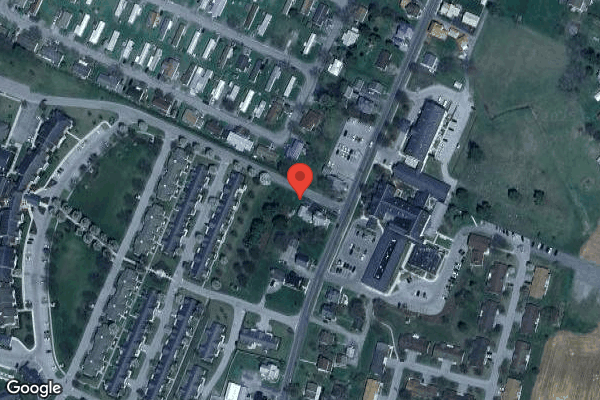

437 GIVLER DRIVE, MARTINSBURG, PA 16662 (814) 793-3728
Non profit - Corporation 129 Beds HOMEWOOD RETIREMENT CENTERS Data: November 2025
Trust Grade
80/100
#57 of 653 in PA
Last Inspection: November 2024

Within standard 12-15 month inspection cycle. Federal law requires annual inspections.

Overview

Homewood Living Martinsburg, Inc has a Trust Grade of B+, indicating it is above average and recommended for families considering care options. It ranks #57 out of 653 facilities in Pennsylvania, placing it in the top half, and is the highest-ranked facility in Blair County. The overall trend is improving, with issues decreasing from 15 in 2023 to 7 in 2024. Staffing is a strong point, with a 5/5 star rating and a turnover rate of only 33%, which is significantly lower than the state average. On the downside, while there have been no fines, the facility has had 23 identified concerns, including failing to provide necessary care for a resident with a feeding tube and not updating care plans for residents with complex needs. These incidents could potentially impact resident safety and well-being, so families should weigh these findings carefully against the facility's strengths. Overall, Homewood Living Martinsburg offers quality staffing and a good reputation, but there are areas needing attention.

Trust Score
B+
80/100
In Pennsylvania
#57/653
Top 8%
Safety Record
Low Risk
No red flags
Inspections
Getting Better
15 → 7 violations
Staff Stability
○ Average
33% turnover. Near Pennsylvania's 48% average. Typical for the industry.
Penalties
✓ Good
No fines on record. Clean compliance history, better than most Pennsylvania facilities.
Skilled Nurses
✓ Good
Each resident gets 48 minutes of Registered Nurse (RN) attention daily — more than average for Pennsylvania. RNs are trained to catch health problems early.
Violations
⚠ Watch
23 deficiencies on record. Higher than average. Multiple issues found across inspections.
★★★★★
5.0
Overall Rating
★★★★★
5.0
Staff Levels
★★★★☆
4.0
Care Quality
★★★★☆
4.0
Inspection Score
Stable
2023: 15 issues
2024: 7 issues

The Good

  • 5-Star Staffing Rating · Excellent nurse staffing levels
  • 4-Star Quality Measures · Strong clinical quality outcomes
  • Full Sprinkler Coverage · Fire safety systems throughout facility
  • No fines on record
  • Staff turnover below average (33%)

    15 points below Pennsylvania average of 48%

Facility shows strength in staffing levels, quality measures, fire safety.

The Bad

Staff Turnover: 33%

13pts below Pennsylvania avg (46%)

Typical for the industry

Chain: HOMEWOOD RETIREMENT CENTERS

Part of a multi-facility chain

Ask about local staffing decisions and management

The Ugly 23 deficiencies on record

Nov 2024 7 deficiencies
CONCERN (D)

Potential for Harm - no one hurt, but risky conditions existed

Comprehensive Care Plan (Tag F0656)

Could have caused harm · This affected 1 resident

Based on review of facility policy and clinical records, as well as interviews with staff, it was determined that the facility failed to develop individualized care plans for two of 44 residents revie...

Read full inspector narrative →
Based on review of facility policy and clinical records, as well as interviews with staff, it was determined that the facility failed to develop individualized care plans for two of 44 residents reviewed (Residents 28, 105). Findings include: A facility policy for Comprehensive, person-Centered Care Plans, dated January 10. 2024, indicated that a comprehensive, person-centered care plan that includes measurable objectives and timetables to meet the resident's physical, psychosocial and functional needs is developed and implemented for each resident. Assessments of residents are ongoing and care plans are revised as information about the resident and resident's condition change. A quarterly Minimum Data Set (MDS) assessment (a mandated assessment of a resident's abilities and care needs) for Resident 28, dated August 15, 2024, revealed that the resident was rarely/never understood, could rarely/never understand, was cognitively impaired, required assistance with care needs, and had diagnoses that included heart failure and dementia. Observations of Resident 28 on November 18, 2024, at 11:26 a.m. revealed that the resident was asleep in bed. He had intravenous access in his right forearm. A nursing note for Resident 28, dated November 20, 2024, at 9:05 p.m. revealed that Resident 28's midline (an intravenous catheter used to administer medications or fluids for up to 30 days) had good blood return and flushed well. There were no signs of midline complications. The dressing was clean, dry and intact. Dextrose five percent (fluid injected into a vein through an IV to replace lost fluids and provide carbohydrates to the body) was running at 75 milliters per hour. Resident 28's current care plan did not include any information or interventions related to the resident's care needs for the use of a midline catheter. Interview with the Director of Nursing on November 21, 2024, at 2:18 p.m. confirmed that there was no information in Resident 28's care plan related to the care and use of his midline catheter. A nursing note for Resident 105, dated November 12, 2024, at 11:44 a.m. revealed that the resident had two seizure episodes in the therapy gym. The physician was notified and gave an order to send the resident to the hospital, and he was admitted with a diagnosis of seizure. After treatment he was discharged from the hospital on November 15, 2024, with a diagnosis of epilepsy (a chronic brain disease that causes seizures). Resident 105's current care plan did not include any information or interventions related to the resident's care needs for a seizure disorder. Interviews with the Director of Nursing on November 18, 2024, at 1:19 p.m. confirmed that there was no information in Resident 105's care plan related to his seizure disorder. 28 Pa. Code 201.24(e)(4) admission Policy.
CONCERN (D)

Potential for Harm - no one hurt, but risky conditions existed

Deficiency F0657 (Tag F0657)

Could have caused harm · This affected 1 resident

Based on review of facility polices and clinical records, as well as staff interviews, it was determined that the facility failed to ensure that a resident's care plan was updated/revised to reflect t...

Read full inspector narrative →
Based on review of facility polices and clinical records, as well as staff interviews, it was determined that the facility failed to ensure that a resident's care plan was updated/revised to reflect the resident's specific care needs for one of 44 residents reviewed (Resident 25). Findings include: A facility policy for Comprehensive Person-Centered Care Plans, dated January 10, 2024, included that a comprehensive, person-centered care plan that includes measurable objectives and timetables to meet the resident's physical, psychosocial and functional needs is developed and implemented for each resident. Assessments of residents are ongoing and care plans are revised as information about the resident and resident's condition change. A quarterly Minimum Data Set (MDS) assessment (a mandated assessment of a resident's abilities and care needs) for Resident 25, dated October 15, 2024, indicated that the resident was cognitively impaired, was understood and able to understand others, required assistance with care needs, received a diuretic (a medication used to treat fluid build-up), received oxygen, and had diagnoses that included respiratory failure (blood does not have enough oxygen and causes difficulty breathing) and hypertension (high blood pressure). Current physician's orders for Resident 25 included an order for the resident to receive 40 milligrams (mg) of Furosemide (a diuretic medication) daily for hypertension and cerebrovascular disease (conditions that affect blood flow to your brain). A review of Resident 25's Medication Administration Record (MAR) for September, October, and November 2024 revealed that the resident received Furosemide as ordered; however, there was no documented evidence that the resident's care plan was revised to reflect her need for diuretic medication. Interview with the Director of Nursing on November 21, 2024, at 11:02 a.m. confirmed that there was no documented evidence that Resident 25's care plan was revised to reflect her need for diuretic medication and it should have been. 28 Pa. Code 201.24(e)(4) admission Policy. 28 Pa. Code 211.12(d)(5) Nursing Services.
CONCERN (D)

Potential for Harm - no one hurt, but risky conditions existed

Deficiency F0658 (Tag F0658)

Could have caused harm · This affected 1 resident

Based on review of clinical records, as well as observations and staff interviews, it was determined that the facility failed to ensure medications were administered correctly for one of 44 residents ...

Read full inspector narrative →
Based on review of clinical records, as well as observations and staff interviews, it was determined that the facility failed to ensure medications were administered correctly for one of 44 residents reviewed (Resident 89). This deficiency was cited as past non-compliance. Findings include: A quarterly Minimum Data Set (MDS) assessment (a mandated assessment of a resident's abilities and care needs) for Resident 89, dated September 4, 2024, revealed that the resident was understood, could understand, was cognitively impaired, required assistance with care needs, and had diagnoses that included renal failure and dementia. A nursing note for Resident 89, dated October 21, 2024, at 10:15 p.m., revealed that Resident 89 was given another resident's medication. The staff member became distracted and accidently gave the medication to the wrong resident. A nursing note for Resident 89, dated October 21, 2024, at 10:18 p.m., revealed that Resident 89 was sent to the emergency room for further evaluation and treatment to monitor for any possible drug interactions. The medications that Resident 89 received included 650 milligrams of Tylenol (pain reliever), 5 mg of Zyprexa (antipsychotic medication), 200 mg of Atorvastatin (cholesterol lowering medication), 40 mg of Famotidine, 750 mg of Levetiracetam (anticonvulsant), 300 mg of Lithium (psychotropic medication), 200 mg of Hydroxychloroquine (antimalarial), and 75 mg of Effexor (Serotonin and norepinephrine reuptake inhibitors). Interview with the Director of Nursing on November 19, 2024, at 11:03 a.m. confirmed Resident 89 received the wrong medication and was sent to the hospital for evaluation. A system change was implemented that included a review of the resident impacted, other residents that could be impacted by medication errors, training for all licensed staff about the five rights of medication, and audits of medication passes. A plan was developed on October 22, 2024, for random audits to be conducted The results of the audits were to be discussed during the monthly QA meeting.
CONCERN (D)

Potential for Harm - no one hurt, but risky conditions existed

Accident Prevention (Tag F0689)

Could have caused harm · This affected 1 resident

Based on review of facility policies and clinical records, as well as observations and staff interviews, it was determined that the facility failed to ensure that the environment remained as free of a...

Read full inspector narrative →
Based on review of facility policies and clinical records, as well as observations and staff interviews, it was determined that the facility failed to ensure that the environment remained as free of accident hazards as possible for two of 44 residents reviewed (Residents 25, 45). Findings include: Observations in the main dining room on November 18, 2024, at 11:26 a.m. revealed that there was a hot plate in use to keep coffee pots warm. The hot plate was sitting on the counter at waist height and was accessible by the residents. At 11:26 a.m. Resident 3 was observed pouring a cup of hot water and making hot chocolate at the counter where the hot plate was located. Interview with Resident 3 on November 18, 2024, at 1:06 p.m. revealed that she did get her own hot water today; however, she has not done that before. She stated that staff always get the hot water or coffee for them, and she is not sure why she did it herself today. Interview with Family Member 1 on November 18, 2024, at 12:08 p.m. revealed that she eats lunch with her family member everyday in the dining room. She stated that she has never seen any residents approach the coffee, hot water, or hot plate and that staff always get the residents their coffee and hot water. Interview with Dietary Aide 2 revealed that the residents do not get themselves coffee, the staff always do, but that the hot plate is within the residents' reach. Interview with the Director of Nursing on November 18, 2024, at 3:25 p.m. revealed that she was not aware there was a hot plate in the dining room that was within the residents' reach. She stated that it would be removed immediately. A facility policy for wheelchairs, dated January 10, 2024, indicated that it was the policy of the facility to provide transportation with safety and comfort and that residents transported in a wheelchair by staff should have their leg rests on and feet on the foot pedals. A quarterly Minimum Data Set (MDS) assessment (a mandated assessment of a resident's abilities and care needs) for Resident 25, dated October 15, 2024, indicated that the resident was cognitively impaired, was understood and able to understand others, required assistance with care needs, used a wheelchair, was dependent on staff for mobility in her wheelchair, and had a diagnosis of dementia. Observations of Resident 25 on November 18, 2024, at 11:17 a.m. revealed that the resident was transported in her wheelchair down the hallway from her room to the dining room by Nurse Aide 3. The wheelchair had no leg rests on it to prevent the resident from dragging her feet. Nurse Aide 4 was observed walking with Nurse Aide 3 as she transported Resident 25 to the dining room. An interview with Nurse Aide 4 at that time revealed that she did not see the leg rests in the resident's room and did not believe the resident had leg rests for her chair. Nurse Aide 4 went to the resident's room and found a set of leg rests and put them on her wheelchair. Nurse Aide 4 and Nurse Aide 3 confirmed that they should not have transported the resident in her wheelchair without leg rests. Interview with the Director of Nursing on November 19, 2024, at 11:02 a.m. confirmed that leg rests should have been used when transporting Resident 25 in her wheelchair. Facility policy for the safe lifting and moving of residents, dated January 10, 2024, indicated that manual lifting of residents should be eliminated when feasible and that staff responsible for direct resident care will be trained in the use of manual (gait/transfer belts) and mechanical lifting devices. An annual MDS for Resident 45, dated October 23, 2024, indicated that the resident had moderate cognitive impairment, required partial to moderate assistance from staff for moving from sitting to standing position, and had diagnoses that included dementia. Observations of Resident 45 on November 18, 2024, at 11:02 a.m. revealed the resident was lying in her bed ringing her call bell to go to the bathroom. Registered Nurse 1 entered the room and assisted the resident to sit on the edge of her bed so she could walk to the bathroom in her room. While Resident 45 was sitting on the edge of the bed, Registered Nurse 1 leaned forward and placed her arm under the resident's right arm attempting to assist the resident to a standing position. The resident was unable to stand upright, and Registered Nurse 1 again placed her arm under the right arm of Resident 45 and helped to pull her to a standing position. The resident was walked to the bathroom and care was provided. The resident was again assisted to the standing position from the toilet with the support of Registered Nurse 1 pulling under the resident's left arm. No gait/transfer belt (an assistive device which can be used to help safely transfer a person from a bed to a wheelchair, assist with sitting and standing, and help with walking around) was used. Interview with Registered Nurse 1 on November 18, 2024, at 11:16 a.m. confirmed that she should have used a gait belt when assisting Resident 45 from the sitting to standing position and walking her to the bathroom. Interview with the Director of Nursing on November 19, 2024, at 9:03 a.m. confirmed that a gait belt should have been used when Registered Nurse 1 assisted Resident 45 with transferring out of bed to a standing position. 28 Pa. Code 211.12(d)(5) Nursing Services.
CONCERN (D)

Potential for Harm - no one hurt, but risky conditions existed

Deficiency F0692 (Tag F0692)

Could have caused harm · This affected 1 resident

Based on clinical record reviews and staff interviews, it was determined that the facility failed to obtain weights as ordered by the physician for one of 44 residents reviewed (Resident 25) who had w...

Read full inspector narrative →
Based on clinical record reviews and staff interviews, it was determined that the facility failed to obtain weights as ordered by the physician for one of 44 residents reviewed (Resident 25) who had weight loss. Findings include: A quarterly Minimum Data Set (MDS) assessment (a mandated assessment of a resident's abilities and care needs) for Resident 25, dated October 15, 2024, indicated that the resident was cognitively impaired, was understood and able to understand others, required supervision assist with eating, holds food in mouth/cheeks, was on a mechanically altered diet, had a significant weight loss, received a diuretic medication (a medication used to treat fluid build-up), received oxygen, and had a diagnosis of dementia, depression, anxiety, and respiratory failure (blood does not have enough oxygen and causes difficulty breathing). Physician's orders for Resident 25, dated August 7, 2024, included an order for the resident to be weighed weekly for four weeks with a start date of August 12, 2024, and an end date of September 16, 2024. Review of Resident 25's clinical record revealed no documented evidence that the resident's weight was obtained on August 19, 2024. Physician's orders for Resident 25, dated September 4, 2024, included an order for the resident to be weighed weekly for four weeks with a start date of September 9, 2024, and an end date of October 1, 2024. Review of Resident 25's clinical record revealed no documented evidence that the resident's weight was obtained on September 9, 2024. Physician's orders for Resident 25, dated October 14, 2024, included an order for the resident to be weighed weekly for four weeks with a start date of October 18, 2024, and an end date of November 9, 2024. Review of Resident 25's clinical record revealed no documented evidence that the resident's weight was obtained on October 18, 2024. Physician's orders for Resident 25, dated November 10, 2024, included an order for the resident to be weighed weekly for four weeks with a start date of November 14, 2024, and an end date of December 6, 2024. Review of Resident 25's clinical record revealed no documented evidence that the resident's weight was obtained on November 14, 2024. Interview with the Director of Nursing on November 21, 2024, at 11:02 a.m. confirmed that Resident 25's weights were not obtained as ordered on the above-mentioned dates. 28 Pa. Code 211.12(d)(1)(5) Nursing Services.
CONCERN (D)

Potential for Harm - no one hurt, but risky conditions existed

Deficiency F0849 (Tag F0849)

Could have caused harm · This affected 1 resident

Based on review of facility policies and clinical records, as well as staff interviews, it was determined that the facility failed to ensure that the required information was obtained from the contrac...

Read full inspector narrative →
Based on review of facility policies and clinical records, as well as staff interviews, it was determined that the facility failed to ensure that the required information was obtained from the contracted hospice provider (provider of end-of-life services) for one of 44 residents reviewed (Resident 94) who was receiving hospice services. Findings include: A facility policy regarding the Hospice Program, dated January 10, 2024, indicated that the hospice agency maintains overall professional management responsibility for directing the implementation of the plan of care related to the terminal illness and related conditions and includes all communication between the hospice and facility when any changes are indicated or made to the plan of care. A significant change Minimum Data Set (MDS) assessment (a mandated assessment of a resident's abilities and care needs) for Resident 94, dated October 28, 2024, indicated that the resident was cognitively impaired, required assistance for her daily care needs, had diagnoses that included dementia and Alzheimer's disease, and was receiving hospice services. Physician's orders for Resident 94, dated October 25, 2024, included an order for a hospice consult. A nursing note for Resident 94, dated October 26, 2024, at 7:22 p.m. indicated that the resident was admitted to Gentiva Hospice. The hospice plan of care, dated October 26, 2024, indicated that the home health aide was to see Resident 94 twice weekly starting October 27, 2024, and a registered nurse was to see the resident weekly. As of November 21, 2024, at 12:36 p.m. there was no documented evidence readily available in Resident 94's clinical record, or in the hospice provider's clinical record, of progress notes by the hospice registered nurse since October 27, 2024, or the hospice nurse aide since the start of hospice services on October 26, 2024. Interview with the Director of Nursing on November 21, 2024, at 12:36 p.m. confirmed that the hospice communication records should have been readily accessible in Resident 94's clinical record and they were not. She indicated that it was the facility's practice to obtain paperwork from hospice agencies weekly to put in their hospice binders. 28 Pa. Code 211.12(d)(3)(5) Nursing Services.
CONCERN (D)

Potential for Harm - no one hurt, but risky conditions existed

Infection Control (Tag F0880)

Could have caused harm · This affected 1 resident

Based on review of facility policies, as well as observations and staff interviews, it was determined that the facility failed to ensure the consistent implementation of infection control procedures d...

Read full inspector narrative →
Based on review of facility policies, as well as observations and staff interviews, it was determined that the facility failed to ensure the consistent implementation of infection control procedures designed to prevent the spread of infection during incontinent care for one of 44 residents reviewed (Resident 45). Findings include: Facility policy for handwashing/hand hygiene, dated January 10, 2024, indicated that the facility considers hand hygiene the primary means to prevent the spread of healthcare-associated infections. Hand hygiene is indicated after contact with blood, body fluids, or contaminated surfaces, after touching the resident's environment, before moving from work on a soiled body site to a clean body site on the same resident and immediately after glove removal. An annual Minimum Data Set (MDS) assessment (a mandated assessment of a resident's care needs and abilities) for Resident 45, dated October 23, 2024, indicated that the resident had moderate cognitive impairment, required partial to moderate assistance from staff for toileting and personal care needs, and had diagnoses that included dementia. Observations of Resident 45 on November 18, 2024, at 11:02 a.m. revealed that Registered Nurse 1 entered the resident's room and assisted the resident to walk to the bathroom. The resident was noted to be continent and incontinent of urine at the time. Registered Nurse 1 removed a soiled brief from the resident and changed the resident's pants that were soiled. She then assisted Resident 45 to a standing position and cleansed the resident's buttocks area and pulled her brief and pants up. Registered Nurse 1 did not remove her gloves and perform hand hygiene prior to assisting the resident to walk to her recliner. Registered Nurse 1 was observed rubbing the resident's back while she walked beside her, then assisted the resident to sit in a recliner with her feet elevated, positioned her over-bed table, and placed a pillow under the resident's feet prior to removing her gloves. Interview with Registered Nurse 1 on November 18, 2024, at 11:16 a.m. confirmed that she should have removed her gloves and completed hand hygiene after providing toileting care to the resident and prior to touching the resident's belongings. Interview with the Director of Nursing on November 19, 2024, at 9:03 a.m. confirmed that Registered Nurse 1 should have removed her gloves and completed hand hygiene after providing toileting care to Resident 45 and prior to touching the resident's belongings. 28 Pa. Code 211.12(d)(1)(5) Nursing Services.
Dec 2023 6 deficiencies
CONCERN (D)

Potential for Harm - no one hurt, but risky conditions existed

Comprehensive Care Plan (Tag F0656)

Could have caused harm · This affected 1 resident

Based on review of facility policies and clinical records, as well as staff interviews, it was determined that the facility failed to develop and implement comprehensive care plans that included speci...

Read full inspector narrative →
Based on review of facility policies and clinical records, as well as staff interviews, it was determined that the facility failed to develop and implement comprehensive care plans that included specific and individualized interventions to address specific care needs for two of 33 residents reviewed (Residents 3, 35). Findings include: The facility's policy regarding care plans, dated January 12, 2023, indicated that individualized, comprehensive, person-centered care plans would be developed and implemented based on the resident's rights, including measurable objectives and timeframes to meet a resident's medical, nursing, mental, and psychosocial needs identified in the resident's comprehensive assessment. An admission Minimum Data Set (MDS) assessment (a mandated assessment of a resident's abilities and care needs) for Resident 3, dated November 26, 2023, revealed that the resident was cognitively impaired was understood and could understand others. Physician's orders for Resident 3, dated December 13, 2023, included an order for the resident to be on a 1500 milliliter (ml) fluid restriction per day. There was no documented evidence in Resident 3's clinical record that a comprehensive care plan was developed that included a 1500 ml per day fluid restriction. Interview with the Director of Nursing on December 19, 2023, at 2:00 p.m. confirmed that a care plan to address Resident 3's specialized care needs related to a fluid restriction was not created and that it should have been. An admission MDS assessment for Resident 35, dated October 15, 2023, revealed that the resident was cognitively impaired. Physician's orders for Resident 35, dated December 13, 2023, included an order for the resident to have the midline catheter (a form of intravenous access that is used for a prolonged period of time) flushed with 3 milliliters of normal saline solution before and after each IV medication administration. There was no documented evidence in Resident 35's clinical record to indicate that a comprehensive care plan was developed that included the care needs for a midline catheter. Interview with the Director of Nursing on December 20, 2023, at 1:26 p.m. confirmed that a care plan to address Resident 35's specialized care needs related to having a midline catheter was not created and that it should have been. 28 Pa. Code 211.11(d) Resident care plan. 28 Pa. Code 211.12(d)(5) Nursing services.
CONCERN (D)

Potential for Harm - no one hurt, but risky conditions existed

Deficiency F0657 (Tag F0657)

Could have caused harm · This affected 1 resident

Based on review of policies and clinical records, as well as observations and staff interviews, it was determined that the facility failed to ensure that care plans were updated to reflect changes in ...

Read full inspector narrative →
Based on review of policies and clinical records, as well as observations and staff interviews, it was determined that the facility failed to ensure that care plans were updated to reflect changes in residents' care needs for two of 34 residents reviewed (Residents 14, 101). Findings include: The facility's policy regarding care plans, dated January 12, 2023, indicated that nursing staff and/or the interdisciplinary team were to initiate and/or update care plans for the resident as warranted. A quarterly Minimum Data Set (MDS) assessment (a mandated assessment of a resident's abilities and care needs) for Resident 14, dated August 21, 2023, revealed that the resident was understood and could understand others, had no cognitive impairment, and was dependent on staff for daily care needs. Current physician's orders for Resident 14 revealed an order for a 1500 milliliter (ml) fluid restriction per day. A care plan for Resident 14, most recently updated November 2, 2023, indicated the resident was on a 2000 ml per day fluid restriction. Interview with the Director of Nursing on December 19, 2023, at 9:28 a.m. confirmed that Resident 14 was on a 1500 ml fluid restriction per day and that the care plan was not updated. An annual MDS assessment for Resident 101, dated December 10, 2023, revealed that the resident was cognitively impaired, required extensive assistance from staff for daily care tasks, had a care plan that indicated the resident was at risk for infection due to her indwelling catheter, and had diagnoses that included chronic kidney disease and acute kidney failure. Physician's orders for Resident 101, dated December 4, 2023, included an order for the resident to have the foley catheter changed every month. However, a care plan, dated December 19, 2023, indicated that the catheter was to be changed every three months. Interview with the Director of Nursing on December 19, 2023, at 2:40 p.m. confirmed that Resident 101's care plan was not updated to reflect the catheter was to be changed every month. 28 Pa. Code 211.11(d) Resident care plan. 28 Pa. Code 211.12(d)(5) Nursing services.
CONCERN (D)

Potential for Harm - no one hurt, but risky conditions existed

Quality of Care (Tag F0684)

Could have caused harm · This affected 1 resident

Based on review of clinical records, as well as staff interviews, it was determined that the facility failed to ensure that physician's orders were followed for one of 34 residents reviewed (Resident ...

Read full inspector narrative →
Based on review of clinical records, as well as staff interviews, it was determined that the facility failed to ensure that physician's orders were followed for one of 34 residents reviewed (Resident 93). Findings include: An admission Minimum Data Set (MDS) assessment (a mandated assessment of a resident's abilities and care needs) for Resident 93, dated November 23, 2023, revealed that the resident was understood, could understand others, and had diagnoses that included heart disease. Physician's orders for Resident 93, dated November 28, 2023, included orders for the resident to receive 25 milligrams (mg) of Metoprolol Tartrate (treats high blood pressure) once a day, to be held if her systolic blood pressure (top number in a blood pressure reading) was less than 100 mm/Hg and held if her heart rate was less than 60 beats per minute (bpm). A review of the December 2023 Medication Administration Record (MAR) for Resident 93 revealed that on December 5 the resident's blood pressure was 86/51 mm/Hg. The Metoprolol Tartrate dose was administered on the above date when it should have been held, according to the physician's orders. In addition, there was no documented evidence in the clinical record to indicate that Resident 93's pulse was taken as ordered during the month of December 2023. Interview with the Director of Nursing on December 20, 2023, at 2:47 p.m. confirmed that Metoprolol Tartrate was administered to Resident 93 on the above-mentioned date when it should not have been given, and that the pulse should have been taken and recorded per the physician's orders but was not. 28 Pa. Code 211.12(d)(1)(5) Nursing services.
CONCERN (D)

Potential for Harm - no one hurt, but risky conditions existed

Deficiency F0694 (Tag F0694)

Could have caused harm · This affected 1 resident

Based on review of policies and clinical records, as well as staff interviews, it was determined that the facility failed to ensure that central venous catheters were flushed as ordered by the physici...

Read full inspector narrative →
Based on review of policies and clinical records, as well as staff interviews, it was determined that the facility failed to ensure that central venous catheters were flushed as ordered by the physician for one of 34 residents reviewed (Resident 35). Findings include: The facility's policy regarding flushing central venous catheters (a thin tube inserted into a vein and used long-term for the administration of fluids and/or medications), dated January 12, 2023, indicated that the catheter was to be flushed before and after each intravenous (IV) medication administration and after each blood draw. An admission Minimum Data Set (MDS) assessment (a mandated assessment of a resident's abilities and care needs) for Resident 35, dated October 15, 2023, revealed that the resident was cognitively impaired, needed extensive assistance for daily care needs, had diagnoses that included wound infection, a diabetic foot ulcer, and was receiving IV medication. Physician's orders for Resident 35, dated December 13, 2023, included and order for the central catheter to be flushed with 3 milliliters (ml) of normal saline solution (NSS) after medication. There was no documented evidence in the clinical record that Resident 35's central catheter was flushed as ordered and per facility policy on December 13, 2023; December 14, 2023; and December 16, 2023. An interview with the Director of Nursing on December 20, 2023, at 12:20 p.m. confirmed that there was no documented evidence that Resident 35's midline was flushed as ordered or per the facility's policy. 28 Pa. Code 211.12(d)(1)(3)(5) Nursing services.
CONCERN (D)

Potential for Harm - no one hurt, but risky conditions existed

Pharmacy Services (Tag F0755)

Could have caused harm · This affected 1 resident

Based on review of policies and clinical records, as well as staff interviews, it was determined that the facility failed to maintain a complete and accurate accounting of controlled medications (medi...

Read full inspector narrative →
Based on review of policies and clinical records, as well as staff interviews, it was determined that the facility failed to maintain a complete and accurate accounting of controlled medications (medications with the potential to be abused) for one of 34 residents reviewed (Resident 3). Findings include: The facility's policy regarding medication administration, dated January 12, 2023, indicated that staff were to document that medication was given on the appropriate line of the resident's Medication Administration Record (MAR). Physician's orders for Resident 3, dated November 20, 2023, included an order for the resident to receive one 5 milligram (mg) tablet of Oxycontin (a controlled narcotic pain medication) every four hours three times daily. Resident 3's controlled drug records for December 2023 revealed that a 5 mg dose of Oxycontin was signed-out for administration once on December 9, 2023; however, the resident's clinical record, including the MAR, contained no documented evidence that the Oxycontin was actually administered to the resident. Interview with the Director of Nursing on December 19, 2023, at 2:00 p.m. confirmed that there was no documented evidence that the dose of Oxycontin signed-out by the nurse was actually administered to Resident 3 on the above date. 28 Pa. Code 211.9(h) Pharmacy services. 28 Pa. Code 211.12(d)(1)(5) Nursing services.
CONCERN (D)

Potential for Harm - no one hurt, but risky conditions existed

QAPI Program (Tag F0867)

Could have caused harm · This affected 1 resident

Based on review of the facility's plans of correction from previous surveys, and the results of the current survey, it was determined that the facility's Quality Assurance Performance Improvement (QAP...

Read full inspector narrative →
Based on review of the facility's plans of correction from previous surveys, and the results of the current survey, it was determined that the facility's Quality Assurance Performance Improvement (QAPI) committee failed to correct quality deficiencies and ensure that plans to improve the delivery of care and services effectively addressed recurring deficiencies. Findings include: The facility's deficiencies and plans of correction for State Survey and Certification (Department of Health) survey ending January 6, 2023, revealed that the facility developed plans of correction that included quality assurance systems with audits to ensure that the facility maintained compliance with cited nursing home regulations. The results of the audits were to be reported to the QAPI committee for review. The results of the current survey, ending December 21, 2023, identified repeated deficiencies regarding care plan development, care plan timing and revision, quality of care, and ensuring that parenteral fluids were administered consistent with professional standards of practice. The facility's plan of correction for deficiencies regarding the development of resident-centered care plans, cited during the survey ending January 6, 2023, revealed that the facility would complete audits and report the results of the audits to the QAPI committee for review. The results of the current survey, cited under F656, revealed that the facility's QAPI committee was ineffective in maintaining compliance with the regulation regarding the development of resident-centered care plans. The facility's plan of correction for deficiencies regarding the timing and revision of resident care plans, cited during the survey ending January 6, 2023, revealed that the facility would complete audits and report the results of the audits to the QAPI committee for review. The results of the current survey, cited under F657, revealed that the facility's QAPI committee was ineffective in maintaining compliance with the regulation regarding the timing and revision of resident care plans. The facility's plan of correction for deficiencies regarding quality of care, cited during the surveys ending on January 6, 2023, revealed that audits would be conducted and the results of the audits would be brought before the QAPI committee for further monitoring. The results of the current survey, cited under F684, revealed that the QAPI committee was ineffective in maintaining compliance with the regulation regarding quality of care. The facility's plan of correction for deficiencies regarding ensuring that parenteral fluids were administered consistent with professional standards of practice, cited during the survey ending on January 6, 2023, revealed that audits would be conducted and the results of the audits would be brought before the QAPI committee for further monitoring. The results of the current survey, cited under F694, revealed that the QAPI committee was ineffective in maintaining compliance with the regulation regarding ensuring that parenteral fluids were administered consistent with professional standards of practice. Refer to F656, F657, F684, F694. 28 Pa. Code 201.14(a) Responsibility of licensee. 28 Pa. Code 201.18(e)(1) Management.
Jan 2023 9 deficiencies
CONCERN (D)

Potential for Harm - no one hurt, but risky conditions existed

Abuse Prevention Policies (Tag F0607)

Could have caused harm · This affected 1 resident

Based on review of policies and personnel files, as well as staff interviews, it was determined that the facility failed to implement its abuse prohibition policies regarding verifying new employees' ...

Read full inspector narrative →
Based on review of policies and personnel files, as well as staff interviews, it was determined that the facility failed to implement its abuse prohibition policies regarding verifying new employees' standing with the Pennsylvania Nurse Aide Registry or the State Board of Nursing for two of five new employees reviewed (Registered Nurse 1, Nurse Aide 2), and failed to complete a Federal Bureau of Investigations (FBI) background clearance prior to hire for one of five employees reviewed (Nurse Aide in Training 3). Findings include: The facility's policy regarding abuse prevention and prohibition, dated January 31, 2022, indicated that all employees would be screened and have background checks completed; licensed staff will have their appropriate licensing boards checked for any history of abuse, neglect, mistreatment of residents or misappropriation of resident property; and that nurse aides will have their registry checked for past incidents of abuse, neglect, exploitation, mistreatment of residents, and misappropriation of resident property prior to hiring for employment. The personnel file for Registered Nurse 1 revealed that she was hired on September 7, 2022; however, there was no documented evidence that her professional license was verified with the State Board of Nursing prior to being hired. The personnel file for Nurse Aide 2 revealed that she was hired on November 2, 2022; however, her enrollment on the Pennsylvania Nurse Aide Registry was not verified prior to being hired. The personnel file for Nurse Aide in Training 3 revealed that she was hired September 14, 2022, and that she had not resided in the state of Pennsylvania for two years prior to employment; however, there was no documented evidence that there was a FBI check verified prior to her being hired. Interview with the Director of Nursing on January 5, 2023, at 2:20 p.m. confirmed that Registered Nurse 1's licensure verification, Nurse Aide 2's enrollment in the Nurse Aide Registry, and Nurse Aide in Training 3's FBI check should have been completed prior to employment. 28 Pa. Code 201.18(e)(1) Management.
CONCERN (D)

Potential for Harm - no one hurt, but risky conditions existed

Assessment Accuracy (Tag F0641)

Could have caused harm · This affected 1 resident

**NOTE- TERMS IN BRACKETS HAVE BEEN EDITED TO PROTECT CONFIDENTIALITY** Based on review of the Resident Assessment Instrument User's Manual and clinical records, as well as staff interviews, it was de...

Read full inspector narrative →
**NOTE- TERMS IN BRACKETS HAVE BEEN EDITED TO PROTECT CONFIDENTIALITY** Based on review of the Resident Assessment Instrument User's Manual and clinical records, as well as staff interviews, it was determined that the facility failed to complete accurate comprehensive Minimum Data Set assessments for two of 32 residents reviewed (Residents 94, 98). Findings include: The Resident Assessment Instrument (RAI) User's Manual, which gives instructions for completing Minimum Data Set (MDS) assessments (required assessments of a resident's abilities and care needs), dated October 2019, revealed that Section N0410H Opioid Medications (narcotic medications used to treat pain) was to be coded for the number of days the resident used an opioid during the seven-day assessment period. A Comprehensive MDS for Resident 94, dated December 25, 2022, revealed that Section N0401H was coded (7), indicating that the resident received opioid medication on seven days during the look-back assessment period. A review of the Medication Administration Record (MAR) for Resident 94, dated December, 2022, revealed that the resident did not receive any opioid medication during the look-back period. An interview with the Registered Nurse Assessment Coordinator (RNAC- a registered nurse who is responsible for the completion of MDS assessments) on January 6, 2022, at 1:50 p.m. confirmed that the assessment mentioned above was coded incorrectly. The RAI User's Manual, dated October 2019, indicated that the intent of Section A was to record the discharge status of the resident. Section A2100 was to be coded with the location of the resident's discharge. A nursing note for Resident 98, dated November 7, 2022, indicated that the resident was discharged to her independent living apartment. However, a discharge tracking MDS, dated [DATE], indicated that Resident 98 was discharged to the hospital. An interview with the Registered Nurse Assessment Coordinator (Registered Nurse responsible for accurate reporting information) on January 6, 2023, at 1:49 p.m. confirmed that Resident 98 was discharged home/to the community and not to the hospital. She confirmed that she entered the wrong discharge location on Resident 98's discharge tracking MDS. 28 Pa. Code 211.5(f) Clinical records.
CONCERN (D)

Potential for Harm - no one hurt, but risky conditions existed

Comprehensive Care Plan (Tag F0656)

Could have caused harm · This affected 1 resident

Based on review of clinical records and staff interviews, it was determined that the facility failed to develop a comprehensive care plan that included specific and individualized interventions to add...

Read full inspector narrative →
Based on review of clinical records and staff interviews, it was determined that the facility failed to develop a comprehensive care plan that included specific and individualized interventions to address the care needs of residents for one of 32 residents reviewed (Residents 20). Findings include: A Comprehensive Minimum Data Set (MDS) assessment (a mandated assessment of a resident's abilities and care needs) for Resident 20, dated December 7, 2022, revealed that the resident was cognitively intact; needed extensive assistance for daily care needs; had diagnoses that included diabetes, a wound infection, and a diabetic foot wound; and was receiving intravenous (a thin tube inserted into a vein and used for the administration of fluids and/or medications) medication. Physician's orders for Resident 20, dated December 1, 2022, included an order for the resident to receive 17 units of Tresiba insulin (a long-acting insulin that helps lower the amount of sugar in the blood) every day at bedtime for diabetes. Physician's orders for Resident 20, dated December 2, 2022, included an order for the resident to 5 units of Insulin Lispro (a fast-acting insulin) three times a day for diabetes. Nursing notes for Resident 20, dated December 2, 2022, revealed that the resident had a PICC line (peripherally inserted central catheter - a type of IV) in his right upper arm with a clean, dry and intact dressing on it; and December 12, 2022, revealed that blood was drawn from the resident's PICC line without difficulty. Physician's orders for Resident 20, dated December 29, 2022, included an order for the resident to receive 2 grams of Cefazolin (an antibiotic medication) through his PICC every eight hours for osteomyelitis (an infection in the bone). There was no documented evidence that a care plan was developed to address Resident 20's individual care and treatment needs related to his diabetes and PICC line. An interview with the Director of Nursing on January 5, 2023, at 9:10 a.m. confirmed that a care plan to address the care and treatment needs related to Resident 20's diabetes and PICC line was not developed and should have been. 28 Pa. Code 211.11(d) Resident care plans. 28 Pa. Code 211.12(d)(1)(5) Nursing services.
CONCERN (D)

Potential for Harm - no one hurt, but risky conditions existed

Deficiency F0657 (Tag F0657)

Could have caused harm · This affected 1 resident

Based on review of clinical records, as well as staff interviews, it was determined that the facility failed to ensure that a resident's care plan was updated/revised to reflect the resident's specifi...

Read full inspector narrative →
Based on review of clinical records, as well as staff interviews, it was determined that the facility failed to ensure that a resident's care plan was updated/revised to reflect the resident's specific care needs for one of 32 residents reviewed (Resident 94). Findings include: A Comprehensive Minimum Data Set (MDS) assessment (a mandated assessment of a resident's abilities and care needs) for Resident 94, dated December 25, 2022, indicated that the resident was able to understand others and make himself understood, required extensive assist of two for daily care needs, had a diagnosis of renal insufficiency (poor function of the kidneys that may be due to a reduction in blood flow), and was receiving dialysis. A review of the December 2022 and January 2023 nursing notes for Resident 94 revealed that the resident received dialysis three times a week. A dialysis consult form for Resident 94, dated January 3, 2023, revealed that the resident's access site for dialysis was a permanent catheter (perma-cath - a tube placed through a vein into or near your heart). A review of Resident 94's care plan regarding dialysis, initiated on December 20, 2022, included an intervention for the care of a fistula (connection of a vein and an artery in your arm) access site for dialysis treatments. The resident did not have a fistula; however, he did have a perma-cath used for dialysis treatments. There were no documented interventions for the care of the perma-cath. An interview with Director of Nursing on January 6, 2023, at 12:55 p.m. confirmed that the care plan developed for Resident 94 was incorrect and should have included a plan of care for a perma-cath and not a fistula. 28 Pa. Code 211.11(d) Resident care plan. 28 Pa. Code 211.12(d)(5) Nursing services.
CONCERN (D)

Potential for Harm - no one hurt, but risky conditions existed

Quality of Care (Tag F0684)

Could have caused harm · This affected 1 resident

Based on review of facility policies and clinical records, as well as staff interviews, it was determined that the facility failed to ensure that physician's orders were followed for checking blood su...

Read full inspector narrative →
Based on review of facility policies and clinical records, as well as staff interviews, it was determined that the facility failed to ensure that physician's orders were followed for checking blood sugar levels for one of 32 residents reviewed (Resident 20) and failed to hold an anticoagulant (a blood thinning medication) as ordered for one of 32 residents reviewed (Resident 69). Findings include: The facility's policy regarding hyperglycemia (high levels of sugar in the blood), dated January 31, 2022, revealed that if a resident has sliding scale insulin orders (instructions for administering insulin dosages based on specific blood sugar readings), staff should notify the physician of elevated blood sugars per the parameters. A comprehensive Minimum Data Set (MDS) assessment (a mandated assessment of a resident's abilities and care needs) for Resident 20, dated December 7, 2022, revealed that the resident was cognitively intact, needed extensive assistance for daily care needs, had diagnoses that included diabetes, had a diabetic foot ulcer, and was receiving IV medication. Physician's orders for Resident 20, dated December 2, 2022, included an order for staff to check the resident's blood sugar daily before meals, administer the sliding scale insulin per parameters, and notify the physician if the resident's blood sugar is greater than 350 milligrams per deciliter (mg/dL). A review of the December 2022 Medication Administration Record (MAR) for Resident 20 revealed that on December 20, 2022, at 12:09 p.m. the resident's blood sugar was 356 milligram per deciliter (mg/dL), and at 5:31 p.m. it was 359 mg/dL. There was no documented evidence that the physician was notified as ordered about Resident 20's elevated blood sugars. An interview with the Director of Nursing on January 5, 2023, at 9:10 a.m. confirmed that the physician was not notified of Resident 20's elevated blood sugar results mentioned above and that he should have been. An admission MDS assessment for Resident 69, dated October 30, 2022, revealed that the resident was severely cognitively impaired; required extensive assistance with bed mobility, transfers, dressing, toileting, and hygiene; was on an anticoagulant medication, and had a diagnosis of atrial fibrillation (irregular fast heartbeat). Physician's orders for Resident 69, dated October 24, 2022, included orders for the resident to receive 2.5 milligrams (mg) of Eliquis twice a day for atrial fibrillation. A Certified Registered Nurse Practitioner's (CRNP - an advanced practice nurse who can diagnose illnesses and injuries, and prescribe medications or therapy) note for Resident 69, dated October 26, 2022, indicated that the resident had hematuria (blood in the urine) and that the Eliquis was to be held for two days after the resident had a brief episode of passing out. Resident 69's MAR for October 2022 revealed that the Eliquis was only held on October 26, 2022, at 8:00 p.m. and October 27, 2022, at 8:00 a.m. and 8:00 p.m Interview with the Director of Nursing on January 6, 2023, at 1:10 p.m. confirmed that Resident 69's order for Eliquis was not followed and that it should have been held for a total of four doses. 28 Pa. Code 211.12(d)(1)(5) Nursing services.
CONCERN (D)

Potential for Harm - no one hurt, but risky conditions existed

Accident Prevention (Tag F0689)

Could have caused harm · This affected 1 resident

Based on review of the facility's investigation documents and residents' clinical records, as well as staff interviews, it was determined that the facility failed to maintain a safe environment from i...

Read full inspector narrative →
Based on review of the facility's investigation documents and residents' clinical records, as well as staff interviews, it was determined that the facility failed to maintain a safe environment from injury with hot liquids for one of 32 residents reviewed (Resident 15). This deficiency was cited as past non-compliance. Findings include: The facility's policy for safety of hot liquids, dated January 31, 2022, indicated that residents would be evaluated for safety concerns and potential for injury from hot liquids upon admission, readmission, and on change of condition. If risk factors for injuries from hot liquids are identified, appropriate interventions would be implemented, such as maintaining hot liquid serving temperature of not more than 180 degrees Fahrenheit. The facility's policy for investigating incidents, accidents and reporting, dated January 31, 2022, indicated that regardless of how minor an incident or accident may be, it must be reported to the department supervisor. A quarterly Minimum Data Set (MDS) assessment (a mandated assessment of a resident's abilities and care needs) for Resident 15, dated September 16, 2022, indicated that she was usually understood, could understand, and required extensive assistance of one for eating. An occupational therapy note for Resident 15, dated October 18, 2022, indicated that the resident required maximum to total assistance for feeding, with occasional attempts to participate. Occupational therapy trialed and used a Kennedy cup (one-handled cup with lid and straw) and the resident demonstrated no spillage with its use. A nursing note for Resident 15, dated November 22, 2022, at 3:09 p.m. indicated that her skin was intact with no bruising. A nursing note written by Licensed Practical Nurse 5, dated November 23, 2022, at 7:01 a.m., indicated that the nurse aide reported that Resident 15 had a fluid-filled blister on her inner thigh when she toileted the resident. The note further indicated that the resident had what appeared to be broken blisters on her inner thigh and her groin area had redness noted. A nursing note for Resident 15 authored by Licensed Practical Nurse 4 on November 23, 2022, indicated that at 3:45 p.m. the resident's right inner groin reddened area measured 5.5 cm x 4.0 cm with a small open blister in the center, measuring 1.5 cm x 1.5 cm. The left inner groin had a C-shaped red line, measuring 5.0 cm x 1.0 cm. A late entry nursing note for Resident 15, dated November 23, 2022, at 4:07 p.m. (for an incident that happened on November 22, 2022, at 5:12 p.m.) indicated that the resident spilled a small amount of coffee on her thighs. The resident was changed immediately and there was a small amount of redness at first that faded. There was no blistering at the site, no redness on follow up, and there were no open areas. The registered nurse was updated. An undated incident statement, authored by Licensed Practical Nurse 4, indicated that the nurse aide did notify her of the incident with Resident 15 and that she assessed the resident for injuries and did not find any redness on the tops of her thighs. The resident did not complain of any discomfort or pain. A nursing note authored by Registered Nurse 6, dated November 23, 2022, indicated that she was notified of Resident 15 having redness to her inner thighs and a blister that had opened to her right inner thigh. Upon assessment it was noted that the resident's brief was digging into her skin causing the irritation and blister. The brief was readjusted to not cause any more harm to the skin. A correction/addendum note authored by Registered Nurse 6, dated November 23, 2022, at 9:35 p.m. indicated that she was not notified until November 23, 2022, at 4:30 pm. about the incident that occurred with Resident 15 on November 22, 2022. The facility's investigation, dated November 23, 2022, indicated that the root cause of the areas on Resident 15's thighs was related to a hot beverage coming in contact with her skin. There was no documented evidence that the facility was monitoring the temperatures of the hot liquids in the carafes on the nursing units prior to the incident. On November 23, 2022, (the day after the actual incident) the facility's investigation documentation revealed that the temperature of the carafes on the unit that Resident 15 resided on was 181.2 degrees Fahrenheit. Interview with the Director of Nursing on January 5, 2022, at 1:51 p.m. confirmed that they had no documented evidence of monitoring the carafe temperatures for the month of November and indicated that the licensed practical nurse should have notified the registered nurse at the time of the incident. Following the incident on November 22, 2022, the facility's corrective actions included: Resident 15's cup was changed to a double-handled sip cup with lid for hot beverages. Hot beverages will be served from carafe at 160 degrees or below. Residents were screened by occupational therapy for adaptive device usage for safety with hot beverages. The hot beverage machine was removed and was serviced on November 28, 2022, and the dispensing machine was set for a temperature of 160 degrees. Education was provided to staff related to policy and procedures for monitoring temperatures, notification of accidents/incidents, and policy for safety with hot liquids. Audits were initiated weekly for four weeks then monthly for two months and are to be reported to the QAA committee monthly for three months. The plan of correction completion date was December 12, 2022. 28 Pa. Code 211.12(d)(1)(5) Nursing services.
CONCERN (D)

Potential for Harm - no one hurt, but risky conditions existed

Deficiency F0694 (Tag F0694)

Could have caused harm · This affected 1 resident

Based on review of policies and clinical records, as well as staff interviews, it was determined that the facility failed to ensure that central venous catheters were flushed as ordered by the physici...

Read full inspector narrative →
Based on review of policies and clinical records, as well as staff interviews, it was determined that the facility failed to ensure that central venous catheters were flushed as ordered by the physician for one of 32 residents reviewed (Residents 20). Findings include: The facility's policy regarding flushing central venous catheters (a thin tube inserted into a vein and used long-term for the administration of fluids and/or medications), dated January 31, 2022, indicated that the catheter was to be flushed before and after it was used to administer medication, and after each time it was used to draw blood. An admission Minimum Data Set (MDS) assessment (a mandated assessment of a resident's abilities and care needs) for Resident 20, dated December 7, 2022, revealed that the resident was cognitively intact, needed extensive assistance for daily care needs, had diagnoses that included wound infection and a diabetic foot ulcer, and was receiving IV medication. Physician's orders for Resident 20, dated December 1, 2022, included and order for the resident's peripherally inserted central catheter (PICC - a type of central venous catheter) be flushed vigorously with 20 milliliters (ml) of normal saline solution (NSS) after blood draws, followed with 5 ml of Heparin (a blood thinner). A nurse's note for Resident 20, dated December 2, 2022, revealed that the resident had a PICC line in his right upper arm with a clean, dry and intact dressing on it. Physician's orders for Resident 20, dated December 2, 2022, included an order for the resident's PICC line to be flushed with 5 ml of NSS before and after each medication, followed by 5 ml of Heparin. In addition, there was an order for the resident to have blood drawn for laboratory testing every week. Physician's orders for Resident 20, dated December 29, 2022, included an order for the resident to receive 2 grams of Cefazolin (an antibiotic medication) through his PICC every eight hours for osteomyelitis (an infection in the bone). A nurse's note for Resident 20, dated December 12, 2022, revealed that blood was drawn from his PICC line without difficulty. There was no documented evidence in the clinical record that Resident 20's PICC line had been flushed as ordered before and after the administration of IV Cefazolin or after obtaining any blood draws. An interview with the Director of Nursing on January 5, 2023, at 1:51 p.m. confirmed that there was no documented evidence that Residents 20's PICC line was flushed as ordered. 28 Pa. Code 211.12(d)(1)(3)(5) Nursing services.
CONCERN (D)

Potential for Harm - no one hurt, but risky conditions existed

Deficiency F0761 (Tag F0761)

Could have caused harm · This affected 1 resident

**NOTE- TERMS IN BRACKETS HAVE BEEN EDITED TO PROTECT CONFIDENTIALITY** Based on a review of manufacturer's instructions, as well as observations and staff interviews, it was determined that the facil...

Read full inspector narrative →
**NOTE- TERMS IN BRACKETS HAVE BEEN EDITED TO PROTECT CONFIDENTIALITY** Based on a review of manufacturer's instructions, as well as observations and staff interviews, it was determined that the facility failed to label medications with the date they were opened for one of one bottles in the medication refrigerator. Findings include: Tubersol Manufacturer's Instructions, dated November 1, 2021, indicated that a multi-dose vial of Tubersol solution should be discarded 30 days after it is opened. Observations in the facility's [NAME] Hall medication room refrigerator on January 5, 2023, at 11:03 a.m. revealed one opened and undated bottle of Tubersol Tuberculin injection for Mantoux TB skin test (to test for tuberculosis). Interview with Licensed Practical Nurse 7 on January 5, 2023, at 11:03 p.m. confirmed that the bottle of Tubersol was not properly labeled, and that it should have been dated when opened. Interview with the Director of Nursing on January 5, 2023, at 1:42 p.m. confirmed that the opened vial of Tubersol should have been properly dated when opened. 28 Pa. Code 211.9(a)(1) Pharmacy services.
CONCERN (E)

Potential for Harm - no one hurt, but risky conditions existed

Tube Feeding (Tag F0693)

Could have caused harm · This affected multiple residents

Based on clinical record reviews and staff interviews, it was determined that the facility failed to ensure that gastrostomy tube care was provided as ordered by the physician for one of 32 residents ...

Read full inspector narrative →
Based on clinical record reviews and staff interviews, it was determined that the facility failed to ensure that gastrostomy tube care was provided as ordered by the physician for one of 32 residents reviewed (Resident 50). Findings include: The facility's policy regarding gastric residual volume (GRV), dated January 31, 2022, revealed that staff were to check the GRV when the resident was not tolerating the enteral feedings, had a marked position change of the tube, the appearance and pH (a measure of the acidity) of the aspirate suggest the tube was misplaced, or when ordered by the physician. A quarterly Minimum Data Set (MDS) assessment (a mandated assessment of a resident's abilities and care needs) for Resident 50, dated December 30, 2022, indicated that the resident was rarely or never understood or understands; was severely impaired; required extensive assistance from staff for bed mobility, toileting, and dressing; was fully dependent on staff for transfers, eating, hygiene and bathing; and had a feeding tube for nutrition. A care plan, dated December 22, 2022, indicated that the resident was a nutritional risk related to a current status of nothing by mouth (NPO), requiring enteral feeding to meet nutrition and hydration needs with an intervention to notify the physician if the gastric residual volume was 100 milliliters (ml) or over. The resident received a continuous enteral feeding from 12:00 p.m. to 6:00 a.m. daily. Physician's orders for Resident 50, dated June 11, 2022, included an order for the resident to receive a flush of 200 milliliters of free water prior to starting the enteral feeding at 12:00 p.m. and after the feeding is stopped at 6:00 a.m., check for a gastric residual volume before each flush. There was no documented evidence in the clinical record to indicate that Resident 50's gastric residual volume was checked as ordered from June 11, 2022, through December 22, 2022. Interview with the Director of Nursing on January 6, 2023, at 12:27 p.m. confirmed that there was no documented evidence that Resident 50's gastric residual volumes were checked as ordered. 28 Pa. Code 211.12(d)(5) Nursing services.
Dec 2022 1 deficiency
CONCERN (D) 📢 Someone Reported This

A family member, employee, or ombudsman was alarmed enough to file a formal complaint

Potential for Harm - no one hurt, but risky conditions existed

Notification of Changes (Tag F0580)

Could have caused harm · This affected 1 resident

Based on review of clinical records, as well as staff interviews, it was determined that the facility failed to ensure that the physician was notified timely about a change in condition for one of six...

Read full inspector narrative →
Based on review of clinical records, as well as staff interviews, it was determined that the facility failed to ensure that the physician was notified timely about a change in condition for one of six residents reviewed (Resident 5). Findings include: An admission Minimum Data Set (MDS) assessment (a mandated assessment of a resident's abilities and care needs) for Resident 5, dated November 24, 2022, indicated that the resident was cognitively impaired, required extensive assistance from staff for daily care tasks, and was not ambulatory. A diagnosis record for the resident, dated November 18, 2022, included Alzheimer's disease and a displaced fracture of the right femur. A physician's note, dated November 23, 2022, revealed that the resident had a partial hemiarthroplasty (replacement of the femoral head). Physician's orders for Resident 5, dated November 18, 2022, included an order for the resident to be administered 650 milligrams (mg) of Tylenol every six hours as needed for pain that was a level of 1-3 (10 being the worst pain). Physician's orders, dated November 23, 2022, included an order for the resident to be administered a 5 mg tablet of oxycodone every four hours as needed for severe pain that was a level of 4-10. A nursing note for Resident 5, dated November 19, 2022, revealed that the resident would answer yes and no questions and that his daughters reported that he will rub his hands and arms up and down on his thighs when agitated. The Medication Administration Record (MAR) and nursing notes for Resident 5 for November 23-30, 2022, revealed that he was administered the Tylenol and/or oxycodone for his restlessness and/or pain of his right hip. A nursing note for Resident 5, dated December 1, 2022, revealed that at 6:15 p.m. he was sitting in his wheelchair in the dining room when his alarm device sounded due to him standing up. The resident was found lying on the floor on his left side and he had an abrasion noted to the left knee and small skin tear to the right shin. The MAR for Resident 5, dated December 1, 2022, at 11:53 p.m. revealed that he was administered oxycodone for left hip pain. A nursing note, dated December 2, 2022, at 1:35 a.m. indicated that the resident was still awake and rubbing his legs; therefore, he was transferred into his wheelchair. While in the wheelchair he was rubbing his left knee and left thigh, still saying ouch with any movement or touch. A nursing note, dated December 2, 2022, at 6:11 a.m. indicated that Resident 5 had been up all night and he complained of left upper leg pain while in the chair. He was occasionally saying ow or ooh while sitting and rubbing his leg. The MAR for Resident 5 for December 3, 2022, revealed that at 12:21 p.m. he was administered 650 mg of Tylenol for pain of his left lower extremity. A nursing note, dated December 4, 2022, revealed that the family requested an x-ray of the resident's left hip due to his left leg pain. The x-ray report for Resident 5, dated December 5, 2022, revealed a left subcaptial fracture of the femoral head. (a fracture at the neck of the thigh bone) There was no documented evidence that Resident 5's attending physician was notified until December 5, 2022, that he had a new onset of left hip pain after his fall of December 1, 2022. Interview with the Director of Nursing on December 7, 2022, at 7:09 p.m. confirmed that there was no documented evidence in Resident 5's clinical record to indicate that the physician was notified of the left hip/thigh/leg pain after the fall until December 5, 2022. She further indicated that staff did not recognize this as a new concern. 28 Pa. Code 211.12(d)(1)(3)(5) Nursing services.
Understanding Severity Codes (click to expand)
Life-Threatening (Immediate Jeopardy)
J - Isolated K - Pattern L - Widespread
Actual Harm
G - Isolated H - Pattern I - Widespread
Potential for Harm
D - Isolated E - Pattern F - Widespread
No Harm (Minor)
A - Isolated B - Pattern C - Widespread

Questions to Ask on Your Visit

  • "Can I speak with families of current residents?"
  • "What's your RN coverage like on weekends and overnight?"

Our Honest Assessment

Strengths
  • • Grade B+ (80/100). Above average facility, better than most options in Pennsylvania.
  • • No major safety red flags. No abuse findings, life-threatening violations, or SFF status.
  • • No fines on record. Clean compliance history, better than most Pennsylvania facilities.
  • • 33% turnover. Below Pennsylvania's 48% average. Good staff retention means consistent care.
Concerns
  • • 23 deficiencies on record. Higher than average. Multiple issues found across inspections.
Bottom line: Generally positive indicators. Standard due diligence and a personal visit recommended.

About This Facility

What is Homewood Living Martinsburg, Inc's CMS Rating?

CMS assigns HOMEWOOD LIVING MARTINSBURG, INC an overall rating of 5 out of 5 stars, which is considered much above average nationally. Within Pennsylvania, this rating places the facility higher than 99% of the state's 100 nursing homes. This rating reflects solid performance across the metrics CMS uses to evaluate nursing home quality.

How is Homewood Living Martinsburg, Inc Staffed?

CMS rates HOMEWOOD LIVING MARTINSBURG, INC's staffing level at 5 out of 5 stars, which is much above average compared to other nursing homes. Staff turnover is 33%, compared to the Pennsylvania average of 46%. This relatively stable workforce can support continuity of care.

What Have Inspectors Found at Homewood Living Martinsburg, Inc?

State health inspectors documented 23 deficiencies at HOMEWOOD LIVING MARTINSBURG, INC during 2022 to 2024. These included: 23 with potential for harm.

Who Owns and Operates Homewood Living Martinsburg, Inc?

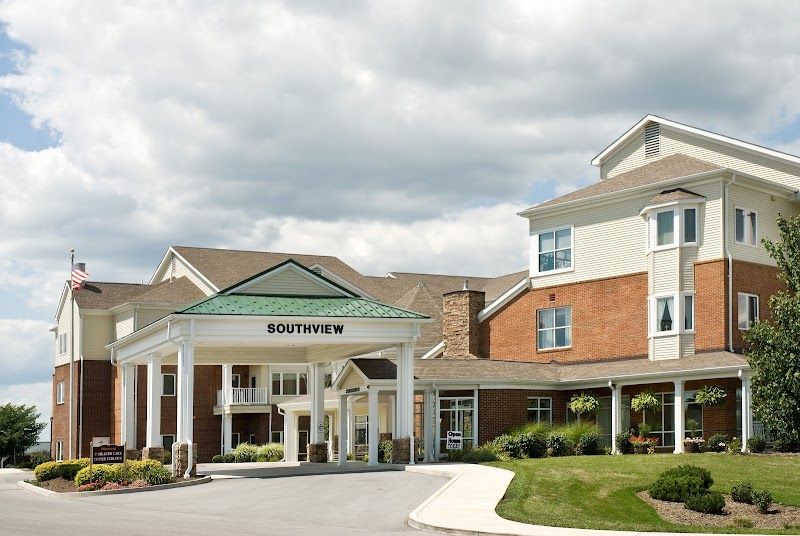
HOMEWOOD LIVING MARTINSBURG, INC is owned by a non-profit organization. Non-profit facilities reinvest revenue into operations rather than distributing to shareholders. The facility is operated by HOMEWOOD RETIREMENT CENTERS, a chain that manages multiple nursing homes. With 129 certified beds and approximately 110 residents (about 85% occupancy), it is a mid-sized facility located in MARTINSBURG, Pennsylvania.
How Does Homewood Living Martinsburg, Inc Compare to Other Pennsylvania Nursing Homes?

Compared to the 100 nursing homes in Pennsylvania, HOMEWOOD LIVING MARTINSBURG, INC's overall rating (5 stars) is above the state average of 3.0, staff turnover (33%) is significantly lower than the state average of 46%, and health inspection rating (4 stars) is above the national benchmark.

What Should Families Ask When Visiting Homewood Living Martinsburg, Inc?

Based on this facility's data, families visiting should ask: "Can I visit during a mealtime to observe dining assistance and food quality?" "How do you handle medical emergencies, and what is your hospital transfer rate?" "Can I speak with family members of current residents about their experience?"

Is Homewood Living Martinsburg, Inc Safe?

Based on CMS inspection data, HOMEWOOD LIVING MARTINSBURG, INC has a clean safety record: no substantiated abuse findings (meaning no confirmed cases of resident harm), no Immediate Jeopardy citations (the most serious violation level indicating risk of serious injury or death), and is not on the Special Focus Facility watch list (a federal program monitoring the lowest-performing 1% of nursing homes). The facility has a 5-star overall rating and ranks #1 of 100 nursing homes in Pennsylvania. While no facility is perfect, families should still ask about staff-to-resident ratios and recent inspection results during their visit.

Do Nurses at Homewood Living Martinsburg, Inc Stick Around?

HOMEWOOD LIVING MARTINSBURG, INC has a staff turnover rate of 33%, which is about average for Pennsylvania nursing homes (state average: 46%). Moderate turnover is common in nursing homes, but families should still ask about staff tenure and how the facility maintains care continuity when employees leave.

Was Homewood Living Martinsburg, Inc Ever Fined?

HOMEWOOD LIVING MARTINSBURG, INC has no federal fines on record. CMS issues fines when nursing homes fail to meet care standards or don't correct problems found during inspections. The absence of fines suggests the facility has either maintained compliance or corrected any issues before penalties were assessed. This is a positive indicator, though families should still review recent inspection reports for the full picture.

Is Homewood Living Martinsburg, Inc on Any Federal Watch List?

HOMEWOOD LIVING MARTINSBURG, INC is not on any federal watch list. The most significant is the Special Focus Facility (SFF) program, which identifies the bottom 1% of nursing homes nationally based on persistent, serious quality problems. Not being on this list means the facility has avoided the pattern of deficiencies that triggers enhanced federal oversight. This is a positive indicator, though families should still review the facility's inspection history directly.