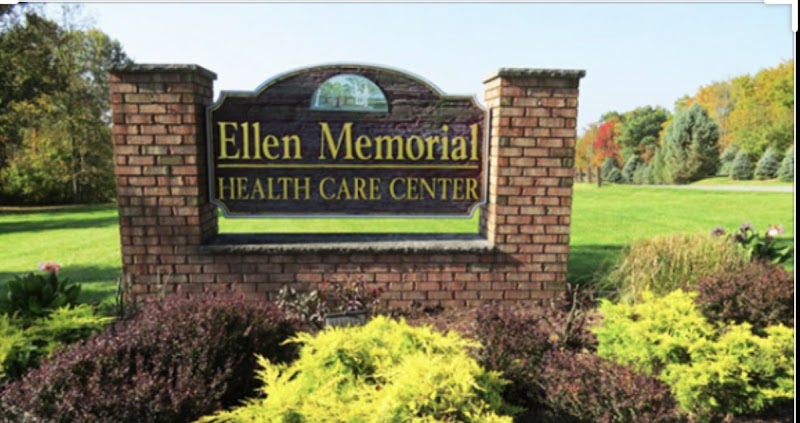
ELLEN MEMORIAL HEALTH CARE CENTER
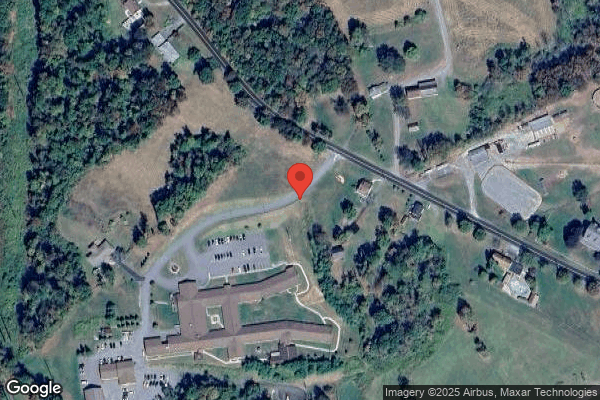
23 ELLEN MEMORIAL LANE, HONESDALE, PA 18431 (570) 253-5690
For profit - Corporation 128 Beds Independent Data: November 2025
Trust Grade
60/100
#280 of 653 in PA
Last Inspection: January 2025

Within standard 12-15 month inspection cycle. Federal law requires annual inspections.

Overview

Ellen Memorial Health Care Center has a Trust Grade of C+, indicating it is slightly above average among nursing homes. It ranks #280 out of 653 facilities in Pennsylvania, placing it in the top half, and is the best option among three homes in Wayne County. The facility is improving, with reported issues decreasing from six in 2024 to four in 2025. Staffing is rated average, with a turnover rate of 37%, which is better than the Pennsylvania average of 46%, indicating a stable workforce that knows the residents. However, there are some concerns, including incidents of improper food storage leading to potential contamination, and failures to ensure that some residents were free from physical abuse, highlighting areas where the facility needs to improve.

Trust Score
C+
60/100
In Pennsylvania
#280/653
Top 42%
Safety Record
Low Risk
No red flags
Inspections
Getting Better
6 → 4 violations
Staff Stability
○ Average
37% turnover. Near Pennsylvania's 48% average. Typical for the industry.
Penalties
✓ Good
No fines on record. Clean compliance history, better than most Pennsylvania facilities.
Skilled Nurses
○ Average
Each resident gets 34 minutes of Registered Nurse (RN) attention daily — about average for Pennsylvania. RNs are the most trained staff who monitor for health changes.
Violations
⚠ Watch
31 deficiencies on record. Higher than average. Multiple issues found across inspections.
★★★☆☆
3.0
Overall Rating
★★★☆☆
3.0
Staff Levels
★★★★☆
4.0
Care Quality
★★★☆☆
3.0
Inspection Score
Stable
2024: 6 issues
2025: 4 issues

The Good

  • 4-Star Quality Measures · Strong clinical quality outcomes
  • Full Sprinkler Coverage · Fire safety systems throughout facility
  • No fines on record
  • Staff turnover below average (37%)

    11 points below Pennsylvania average of 48%

Facility shows strength in quality measures, fire safety.

The Bad

3-Star Overall Rating

Near Pennsylvania average (3.0)

Meets federal standards, typical of most facilities

Staff Turnover: 37%

Near Pennsylvania avg (46%)

Typical for the industry

The Ugly 31 deficiencies on record

Apr 2025 1 deficiency
CONCERN (D) 📢 Someone Reported This

A family member, employee, or ombudsman was alarmed enough to file a formal complaint

Potential for Harm - no one hurt, but risky conditions existed

Investigate Abuse (Tag F0610)

Could have caused harm · This affected 1 resident

**NOTE- TERMS IN BRACKETS HAVE BEEN EDITED TO PROTECT CONFIDENTIALITY** Based on review of clinical records and select facility policy. facility investigative reports, and staff interviews, it was det...

Read full inspector narrative →
**NOTE- TERMS IN BRACKETS HAVE BEEN EDITED TO PROTECT CONFIDENTIALITY** Based on review of clinical records and select facility policy. facility investigative reports, and staff interviews, it was determined the facility failed to thoroughly investigate an incident of unknown origin to rule out abuse, neglect or mistreatment as the potential cause, for one out of 5 sampled residents (Resident 1). Findings include: A review of the facility's Abuse Policy, last reviewed by the facility in January 2025, indicated that incidents of unknown origin will be investigated as abuse until root cause can be identified. Written procedures for investigation include: identifying staff responsible for the investigation; exercising caution in handling evidence that could be used in a criminal investigation; investigating different types of alleged violations; identifying and interviewing all involved persons, including alleged victim, alleged perpetrator, witnesses, and others who might have knowledge of the allegations; focusing the investigation on determining if abuse, neglect, exploitation, and/or mistreatment has occurred, the extent, and cause; and providing complete and thorough documentation of the investigation. A review of clinical record revealed Resident 1 was admitted to the facility on [DATE], with diagnoses which included diabetes and severe protein/calorie malnutrition. A review of an admission Minimum Data Set assessment (MDS - a federally mandated standardized assessment process completed periodically to plan resident care) dated January 21, 2025, revealed the resident was cognitively intact with a BIMS score of 13 (brief interview for mental status, a tool to assess the residents attention, orientation and ability to register and recall new information, a score of 13-15 equates to being cognitively intact) and requires staff assistance with activities of daily living (ADLs). A review of physician orders dated February 21, 2025, revealed an order for potassium chloride extended release, 10 MEQ tablets, four tablets by mouth, three times daily. A review of a February 2025 Medication Administration Record (MAR) revealed that nursing staff documented administration of all prescribed medications, including the potassium chloride, from February 21 through February 28, 2025 when he was transferred out to the hospital. Nursing documentation dated February 28, 2025, at 11:52 AM indicated the resident's son requested hospital evaluation due to the resident feeling unwell, with symptoms of nausea and loose stools. The resident was noted to be incontinent of a small, pasty, tarry stool. He refused breakfast and morning medications. The abdomen was soft, non-tender, with positive bowel sounds. The physician evaluated the resident and ordered hospital transfer at approximately 11:40 AM. A review of hospital emergency room documentation dated February 28, 2025, indicated a CT scan (medical imaging procedure that uses X-rays to create detailed images of cross-sections of the body) of the abdomen and pelvis revealed innumerable circular foreign bodies. A rectal examination resulted in the expulsion of a copious amount of light brown, [NAME]/gritty liquid stool and 20-30 circular-shaped tablets, some with KC scoring, suspected to be potassium chloride. The emergency room physician documented a call with the attending physician, who stated uncertainty about whether nursing staff observed the resident swallow his oral medications. Nursing documentation dated February 28, 2025, at 8:02 PM revealed, Resident 1 was readmitted to the facility from the hospital with a diagnosis of foreign body in rectum. The hospital report included disimpaction (procedure to remove feces from the rectum) of more than 30 pills (multiple clusters). The resident denied inserting the medications into his rectum. Education was provided to the resident. There was no documented evidence the facility initiated an investigation upon the resident's return to identify the root cause of the unknown incident, including: interviews or witness statements from all staff members who had administered medications to Resident 1 during the period in question, an interview or written statement from the resident himself to assess potential mistreatment and a root cause determination to evaluate if abuse, neglect, or mistreatment may have occurred. On March 1, 2025, at 6:51 AM, nursing documentation revealed that staff entered the resident's room and observed multiple pills on the floor. The nursing supervisor was notified. A facility investigation report dated March 3, 2025, regarding the March 1, 2025, incident, documented that pills were found on the floor at the resident's bedside. The report stated the resident was known to have medications come out of his bowels. Witness statements from three employees dated March 3, 2025, (no time indicated) regarding the March 1 incident included: Employee 1 (LPN): Resident 1 always took his meds by mouth when I was the nurse. Employee 2 (LPN): Indicated the resident took his medications and was never observed attempting to insert them rectally. Employee 3 (RN): Noted the resident frequently refused medications; however, she waited bedside to ensure administration and never witnessed him placing medications in his rectum. There was no further documentation that staff responsible for medication administration from February 21-28 were interviewed or that any attempt was made to determine how the resident became impacted with more than 30 pills. Additionally, there was no documented evidence that the facility interviewed Resident 1 regarding the incident to determine whether any staff had harmed him or administered medication inappropriately. An interview conducted with the Director of Nursing (DON) and the Nursing Home Administrator (NHA) on April 9, 2025, at 1:00 PM, confirmed that the facility failed to initiate a timely and comprehensive investigation into the February 28, 2025, incident to rule out abuse, neglect, or mistreatment. The facility failed to implement its own Abuse Policy requiring that incidents of unknown origin be investigated as potential abuse 28 Pa. Code 201.29(a)(c)(d) Resident rights 28 Pa. Code 201.14(a) Responsibility of Licensee 28 Pa. Code 201.18(e)(1) Management
Jan 2025 3 deficiencies
CONCERN (D)

Potential for Harm - no one hurt, but risky conditions existed

Comprehensive Care Plan (Tag F0656)

Could have caused harm · This affected 1 resident

**NOTE- TERMS IN BRACKETS HAVE BEEN EDITED TO PROTECT CONFIDENTIALITY** Based on review of clinical records and staff interview it was determined the facility failed to fully develop and revise a pers...

Read full inspector narrative →
**NOTE- TERMS IN BRACKETS HAVE BEEN EDITED TO PROTECT CONFIDENTIALITY** Based on review of clinical records and staff interview it was determined the facility failed to fully develop and revise a person-centered comprehensive care plan to meet the individualized needs of one resident out of 20 sampled (Resident 67). Findings included: A review of Resident 67's clinical record revealed the resident was admitted to the facility on [DATE], with diagnoses that included Alzheimer's disease (a brain disorder that slowly destroys memory and thinking skills and, eventually, the ability to carry out the simplest tasks) and muscle weakness. A review of Resident 67's POLST (Pennsylvania Orders for Life Sustaining Treatment, a process that helps an individual receive the medical treatment they want, and avoid the medical treatments they do not want, when they are seriously ill or frail) initiated by the facility's Social Worker (SW) and completed with Resident 67's RP (responsible party) dated [DATE], indicated the resident's code status was changed to do-not-resuscitate (DNR a medical order written by a doctor. It instructs health care providers not to do cardiopulmonary resuscitation (CPR) if breathing stops or if the heart stops beating and comfort care (a specialized patient care approach focused on managing symptoms, relieving pain, and enhancing quality of life. It is typically offered to residents who have experienced multiple hospitalizations, where further medical interventions are unlikely to change the outcome), elected medical interventions for comfort measures, antibiotic use to be determined when infection occurs or with comfort as the goal, and no hydration or nutrition by means of a feeding tube. The POLST form dated [DATE], and a progress note by the Social Worker indicated that the resident's responsible party (RP) had elected a care plan that included do-not-resuscitate (DNR), comfort care, antibiotics for comfort, and no artificial hydration or nutrition by tube. Physician's orders dated [DATE], at 1:15 PM, revealed that the Resident 67's code status was DNR. A review of the resident's comprehensive plan of care, last revised on [DATE], failed to reflect these updated medical treatment goals and interventions. Despite updated physician orders and documentation in progress notes, the care plan did not address the resident's goals for comfort measures only, the selective use of antibiotics, or the decision to forego artificial hydration and nutrition. On [DATE], the Social Worker confirmed that the resident's RP elected comfort measures due to the resident's progressive weight loss and variable meal intake. The Director of Nursing (DON) confirmed that the facility failed to revise the resident's care plan to include the specific medical treatment goals outlined by the POLST form and RP's instructions. The facility failed to incorporate the resident's medical treatment goals for comfort measures only, antibiotics use for comfort, and no hydration or artificial nutrition by tube 28 Pa. Code 211.12 (d)(5) Nursing services
CONCERN (D)

Potential for Harm - no one hurt, but risky conditions existed

Incontinence Care (Tag F0690)

Could have caused harm · This affected 1 resident

Based on a review of clinical records, and staff interview, it was determined the facility failed to implement individualized approaches to prevent declines in bowel continency and restore normal bowe...

Read full inspector narrative →
Based on a review of clinical records, and staff interview, it was determined the facility failed to implement individualized approaches to prevent declines in bowel continency and restore normal bowel function to the extent possible for one resident (Resident 65) out of 20 residents sampled. Findings include: Review of facility policy entitled Bladder and Continence, last reviewed on January 2, 2025, indicated residents who are identified as having the potential to improve continence, place on a retraining program. According to the policy, upon admission, re-admission, with any significant change, and after urinary catheter removal, a bowel and bladder diary will be completed for a minimum of three days to gather information about the resident's current continence status. Upon review of the data gathered from the diary, a continence evaluation will be completed, and an appropriate toileting program implemented. A review of Resident 65's clinical record revealed admission to the facility on February 23, 2024, with diagnoses which included hypertension (high blood pressure), anxiety, and recurrent urinary tract infections. A review of Resident 65's admission Minimum Data Set assessment (MDS- a federally mandated standardized assessment process conducted periodically to plan resident care) dated March 1, 2024, section H, bowel, and bladder, indicated the resident was frequently incontinent of bladder and frequently incontinent of bowel and was not on a toileting program to manage the resident's incontinence. The resident required partial/moderate assistance (helper does less than half the effort, helper lifts, holds, or supports trunk or limbs, but provides less than half the effort) with activities of daily living which included toilet transfer and toileting hygiene. A review of Resident 65's care plan-initiated February 26, 2024, revealed that the resident has an ADL self-care performance deficit related to weakness and need for assist with personal care. There was no evidence the facility had evaluated the resident's bowel and/or bladder habits and status to develop an individualized toileting retraining program to decrease episodes of incontinence. A Continence Evaluation completed on April 9, 2024, indicated that Resident 65 experienced occasional incontinence of both bowel and bladder. Recommendations included routine toileting before and after meals, at bedtime, and as requested, with checks and changes every three hours during the night. Despite this evaluation, there was no evidence that the recommended program was implemented. 28 Pa. Code 211.12 (d)(5) Nursing services.
CONCERN (D)

Potential for Harm - no one hurt, but risky conditions existed

Deficiency F0849 (Tag F0849)

Could have caused harm · This affected 1 resident

**NOTE- TERMS IN BRACKETS HAVE BEEN EDITED TO PROTECT CONFIDENTIALITY** Based on a review of clinical records and staff interview, it was determined the facility failed to ensure coordination of care ...

Read full inspector narrative →
**NOTE- TERMS IN BRACKETS HAVE BEEN EDITED TO PROTECT CONFIDENTIALITY** Based on a review of clinical records and staff interview, it was determined the facility failed to ensure coordination of care and services between the facility and the Hospice Agency for two residents (Residents 69 and 7). Findings include: A review of Resident 69's clinical record revealed the resident was admitted to the facility on [DATE], with diagnoses to include dementia (a chronic or persistent disorder of the mental processes caused by brain disease or injury and marked by memory disorders, personality changes, and impaired reasoning) and Alzheimer's disease (a progressive disease that destroys memory and other important mental functions). A review of physician's order dated December 4, 2024, revealed the resident was admitted into hospice services for a diagnosis of end stage Alzheimer's disease. A review of the resident's care plan initially dated October 30, 2024, and last revised November 25, 2024, revealed the resident's care plan failed to reflect coordination of services between the facility and the Hospice agency in meeting the resident's daily care needs and specific needs related to care and services provided for the resident's terminal diagnosis. A review of Resident 7's clinical record revealed she was admitted to the facility on [DATE], with diagnoses to include dementia (a chronic or persistent disorder of the mental processes caused by brain disease or injury and marked by memory disorders, personality changes, and impaired reasoning). A review of physician's order dated September 19, 2024, revealed the resident was admitted into hospice services for a diagnosis of end stage dementia. A review of the resident's care plan initially dated September 19, 2024, and last revised December 10, 2024, revealed the resident's care plan failed to reflect coordination of services between the facility and the Hospice agency in meeting the resident's daily care needs and specific needs related to care and services provided for the resident's terminal diagnosis. An interview with the director of nursing on January 8, 2025, at approximately 12:30 pm, confirmed the resident's care plan was not coordinated with hospice services. 28 Pa. Code 211.12 (c)(d)(1)(3)(5) Nursing services 28 Pa. Code 201.21(c) Use of outside resources
Mar 2024 6 deficiencies
CONCERN (D)

Potential for Harm - no one hurt, but risky conditions existed

Investigate Abuse (Tag F0610)

Could have caused harm · This affected 1 resident

**NOTE- TERMS IN BRACKETS HAVE BEEN EDITED TO PROTECT CONFIDENTIALITY** Based on review of clinical records and the facility's abuse prohibition policy and staff interview, it was determined that the ...

Read full inspector narrative →
**NOTE- TERMS IN BRACKETS HAVE BEEN EDITED TO PROTECT CONFIDENTIALITY** Based on review of clinical records and the facility's abuse prohibition policy and staff interview, it was determined that the facility failed to implement their established procedures for thoroughly investigating an injury of known source, a fractured leg, sustained by one resident, to rule out abuse, neglect or mistreatment as the potential cause for out of 21 residents sampled (Resident 57). Findings include: A review of the facility's Abuse Policy, last reviewed by the facility on January 16, 2024, indicated that incidents of unknown origin will be investigated as abuse until root cause can be identified. Written procedures for investigation include: identifying staff responsible for the investigation; exercising caution in handling evidence that could be used in a criminal investigation; investigating different types of alleged violations; identifying and interviewing all involved persons, including alleged victim, alleged perpetrator, witnesses, and others who might have knowledge of the allegations; focusing the investigation on determining if abuse, neglect, exploitation, and/or mistreatment has occurred, the extent, and cause; and providing complete and thorough documentation of the investigation. According to the policy an Injury of Unknown Source includes circumstances when both the following conditions are met; the source of the injury was not observed by any person or could not be explained by the resident; and the injury is suspicious because of the extent of the injury, location of the injury, the number of injuries observed at one particular point in time, or the incidence of injuries over time. Review of clinical record revealed Resident 57 was admitted to the facility on [DATE], with diagnoses, which included dementia, chronic obstructive pulmonary disease, and hypertension. Review of a Quarterly MDS assessment dated [DATE], revealed that Resident 57 was severely cognitively impaired and required staff assistance to perform activities of daily living to include toileting, transfers, and walking in/out of room. Review of documentation dated January 22, 2024, at 7:05 p.m. revealed a Change in Condition report which indicated that the resident's right ankle was red, tender to touch and movement, and the resident was yelling out when ankle was moved. Review of documentation dated January 22, 2024, at 7:20 p.m. revealed that the physician ordered an x-ray of the resident's right foot and ankle. Review of X-ray results revealed that osteoarthritic changes are seen, the bones are osteopenic (bones are weaker than usual, which increases risk of developing osteoporosis and fractures), and there is an acute fracture of the distal tibia and fibula (fracture that occurs at the lower/ankle end of the leg) with soft tissue swelling noted. The resident was sent to the emergency room for evaluation and returned with a splint in place to right ankle. Review of facility's investigation dated January 22, 2024, at 7:10 p.m. revealed that Resident 57 was yelling out when the right leg was touched or moved. Review of witness statement dated January 22, 2024, completed by Employee 6, nurse aide, revealed that while caring for Resident 57 during her scheduled shift of 3 p.m. to 5 a.m. on January 21, 2024, into January 22, 2024, the resident was fine. According to Employee 6, on January 21, 2024, she took the resident for her scheduled shower, and was assisted by Employee 9, nurse aide, to use mechanical lift to place resident in shower chair. After providing the shower, Employee 6 was then assisted again by Employee 9 with mechanical lift to place resident in her chair, and in dining room for dinner. On January 22, 2024, Employee 6 stated that she was assisted by Employee 5, licensed practical nurse, to use mechanical lift and get resident up to brush her teeth and I put [her] by TV and went home. Review of witness statement dated January 22, 2024, completed by Employee 5, LPN, revealed that she assisted Employee 6 with mechanical lift to get Resident 57 out of bed that morning. According to statement, resident was normal self, no complaints of pain or discomfort noted. When I left room, Employee 6 was setting resident up to brush her teeth. Review of an additional witness statement from Employee 6 dated January 22, 2024, revealed that when Employee 6 came in at 4 p.m. on January 22, 2024, the resident was seated in the little dining room watching television. After dinner, Employee 7, a nurse aide, assisted putting the resident to bed. As soon as we lifted her she started yelling her foot, so I tried to see if I could help her after we hot her to bed and you could not even touch her foot so I went and got the nurse. There was no documented evidence that the facility interviewed additional staff members, including those from the other shifts that cared for the resident prior to the injury, including Employee 9. There was no evidence that the facility investigated potential causes of injury that may have occurred from 7 a.m. to 4 p.m. on January 22, 2024, or that the facility attempted to gather additional information that may have contributed to the resident sustaining a fracture to her leg. Interview with the Director of Nursing (DON) on March 14, 2024, at approximately 11 a.m. indicated following the identification of the resident's injury the facility planned to educate staff on the use of the mechanical lift, which included return demonstrations to rule out potential staff technique as a potential cause of injury to the resident. The DON confirmed that there was no documented evidence that the education was provided, however, at the time of the survey ending March 15, 2024. Interview with the Director of Nursing on March 14, 2024, at approximately 11:00 a.m. confirmed that the facility failed to provide evidence of a thorough investigation conducted into the resident's serious injury of unknown origin to rule out abuse, neglect or mistreatment. 28 Pa. Code 201.14 (a) Responsibility of Licensee 28 Pa. Code 201.18 (e)(1) Management 28 Pa. Code 201.29 (a)(c) Resident rights
CONCERN (D)

Potential for Harm - no one hurt, but risky conditions existed

Deficiency F0740 (Tag F0740)

Could have caused harm · This affected 1 resident

**NOTE- TERMS IN BRACKETS HAVE BEEN EDITED TO PROTECT CONFIDENTIALITY** Based on review of select facility policies and clinical records, staff and resident interview it was determined that the facili...

Read full inspector narrative →
**NOTE- TERMS IN BRACKETS HAVE BEEN EDITED TO PROTECT CONFIDENTIALITY** Based on review of select facility policies and clinical records, staff and resident interview it was determined that the facility failed to provide necessary behavioral health care to promote the highest practicable physical and psychosocial well-being of one resident out of 21 sampled (Resident 5). Findings include: A review of facility policy entitled Behavioral Management last reviewed January 16, 2024, indicated that residents who exhibit behaviors which could endanger themselves, other residents or staff may benefit from a behavioral care plan to ensure they are receiving appropriate services and interventions to meet their needs. Behaviors should be documented clearly and concisely by facility staff and documentation should be specific behaviors, time and frequency of behaviors, observations of what may be triggering behaviors, what interventions were utilized and the outcomes of the interventions. Behaviors should be identified and approaches for modification or redirection should be included I the comprehensive plan of care. Facility efforts to help residents with mental disorder such as individual counseling services, access to group counseling, or access to a medication assisted treatment program if applicable. Review of the clinical record revealed that Resident 5 was admitted to the facility on [DATE], and had diagnoses, which included post-traumatic stress syndrome ([PTSD] a mental condition that develops following a traumatic event characterized by intrusive thoughts, recurrent distress/anxiety, flashback, and avoidance of similar situations), anxiety and depression. A quarterly Minimum Data Set assessment ([MDS] a federally mandated standardized assessment process completed at specific intervals to plan resident care) dated February 1, 2024, indicated that Resident 5 had a BIMS (brief screener that aids in detecting cognitive impairment) score of seven indicating the resident was severely cognitively impaired and required assistance of staff for activities of daily living (ADL). The resident's care plan initially dated December 2, 2022, indicated that the resident has the potential to be verbally and physically aggressive toward staff and others. The planned interventions were to analyze the times of day, places, circumstances, triggers and what de-escalates the behavior and document, assess and address contributing sensory deficits and any needs the resident may have, communicate by providing physical and verbal cues to alleviate anxiety, give positive feedback, encourage seeking out staff when agitated, give the resident as many choices as possible about care and activities, and psychiatric/psychogeriatric consultation as indicated. The resident's care plan dated December 27, 2022, identified alterations in behavior as evidenced by socially inappropriate behavior by disruptive sounds yelling out/cursing/hoarding items, smearing, or throwing food/coffee cups or feces, hitting staff, taking a pair of pliers out of a drawer under the fish tank and hiding them under the blanket, infatuated with female staff and turning lights off in the hallways. The resident's care plan was revised on February 9, 2024, with planned interventions to approach the resident slowly and calmly, remind that yelling is disruptive and upsetting to the other residents. If behavior is unacceptable, remove the resident from the public area, monitor for patterns or triggers to problem behavior, offer a snack or drink, 1:1 visit encouraging the resident to express his feelings, fears, concerns or needs and provide emotional support and reassurance. The resident's care plan did not identify the interventions planned to attempt to determine the root cause of the resident's behaviors or the interventions developed for staff to employ when the resident exhibits these behavioral symptoms. The resident's care plan initially dated March 21, 2023, indicated that the resident had trauma as evidenced by PTSD related to the Korean War and more recently concerns related to the Ukrainian War, as his daughter lives there and her location was bombed. The planned interventions, initiated March 23, 2023, noted the resident's triggers, being getting easily startled by loud noises, with coping mechanisms to play cards and involve family as needed, offer consultation with the social worker, time to verbalize feelings as needed, and provide emotional support and conversation in a non-judgmental tone. As of the time of the survey ending March 15, 2024, there was no evidence of any review of this plan for continued adequacy and effectiveness in meeting the resident's mental health care needs. Review of a Psychiatric Progress Note dated March 29, 2023, indicated that Resident 5 had been getting more anxious and depressed, talking about not wanting to be in the facility, easily annoyed and irritable. Resident denies having suicidal thoughts and states I could be better. The plan was to continue Trazodone (antidepressant medication) 25 milligrams (mg) at night and increase Paxil (antidepressant medication) to 20 mg in the morning for unspecified depressive disorder and continue to monitor and provide support. There was no documented evidence that Resident 5 was provided and further follow-up psychiatric services treatment between March 29, 2023, through the time of the survey ending March 15, 2024. A review of nurse's notes from the months of December 2023, January 2024, February 2024, and March 2024 revealed that the resident routinely refused care and treatment, including medications becoming verbally aggressive yelling and cursing at staff when attempts were made to encourage and redirect the resident. A nurses note dated December 13, 2023, at 9:23 PM revealed that the resident was refusing to shower or remove urine saturated clothing. The resident was unreceptive to education that staff provided. After several attempts the resident was agreeable to removing soiled clothing and bed linens. A nurses note dated December 26, 2023, at 10:51 PM revealed that the resident was in the blue dinette and grabbed another resident's animatronic cat and threw it across the room, breaking the leg. When the resident was asked why he would damage another resident's personal belonging, the resident stated, I don't like him, and I don't like the cat and I don't give a f*ck that its broke. The entry noted that the Nursing Supervisor was made aware. A nurses note dated January 16, 2024, at 3:34 PM revealed that the resident was refusing Glargine (insulin medication) coverage of 25 units and stated get out of here, I said get out of here and I am not going to tell you again. The resident then flipped off his middle finger in the air as a derogatory gesture to the nurse. The nurse attempted to provide emotional support, but noted that the resident is difficult to redirect and reapproach at this time, again the Nursing Supervisor was made aware. Review of Documentation Survey Report v2 titled behavior monitoring and interventions for February 2024, revealed that the resident displayed behaviors of being physically aggressive towards others, cursing at others, agitated and anxious, neglecting self and refusing care on the following dates February 2, 9, 18, 19, 21, 22, 23, 26, 28, 29, 2024. Interventions documented were to reapproach and redirect the resident with the same unchanged behavior or worsened behavior and no revisions to the interventions planned for staff to employ when the resident displayed these behaviors. On February 18, 2024, at 9:21 PM the resident was cursing and became physically aggressive toward others with no intervention (NI) documented. A nurses note dated February 8, 2024, at 4:01 PM, revealed the resident was having increased behaviors at this time. Staff reported that the resident was refusing his (safety) alarms and demanding staff get out of his room. Again the Nursing Supervisor was made aware. A nurses note dated February 13, 2024, at 10:50 PM, revealed that resident was verbally aggressive to female staff members during this shift. A plan of care note dated February 23, 2024, at 12:10 PM revealed psychotropic medication review was completed and the interdisciplinary team including the resident's representative agreed that the resident has been stable on current dose of Paxil 30 mg daily. The resident's Trazodone was discontinued on October 26, 2023. The entry noted that the resident has a history of PTSD from the war and recent episodes he was involved in the Ukraine war. The increase in the Paxil dosage has improved his mood and sleeping habits and a gradual dose reduction at this time would cause additional distress. A nurses note dated February 29, 2024, at 4:53 PM revealed that the resident was observed by staff instigating arguments with other residents, causing arguments between them and would laugh when the other residents would begin to yell. Review of Documentation Survey Report v2 titled behavior monitoring and interventions for March 2024, revealed that the resident displayed behaviors of grabbing others, neglecting self, refusing care, and appeared withdrawn/isolating on the following dates March 3, 4, 6, 7, 9, 2024. Interventions documented were to reapproach and redirect the resident with the same unchanged behavior and no revisions or additions to the interventions planned to address those behaviors. There was no documented evidence that the facility had developed and implemented an interdisciplinary approach to the resident's care, with qualified staff that demonstrate the competencies and skills necessary to provide appropriate services to the resident, individualized approaches to care, including direct care and activities provided to support the resident's physical, mental, and psychosocial environment, and are directed toward understanding, preventing, relieving, and/or accommodating a resident's distress. There was no documented evidence that the facility had provided the resident with timely and necessary behavioral health care to address the resident's increased behavior's and had reviewed and revised the planned interventions that proved ineffective. A nurses note dated March 12, 2024, at 1:57 PM revealed that a new order was noted to discontinue Paxil 30 mg daily and begin Paxil 20 mg by mouth daily for depression. Observations of Resident 5 throughout the days of the survey March 12, 2024, and March 13, 2024, revealed that the resident spent the majority of time when observed sleeping in his bed. Interview with Employee 1 Licensed Practical Nurse (LPN) on March 14, 2024, at approximately 10:35 AM revealed that Resident 5 has not had many issues on day shift (7:00 AM - 3:30 PM), that the resident will occasionally refuse care but has not had any aggressive behaviors, but is aware that the resident has increased behaviors frequently during other shifts of nursing duty. Interview with Resident 5 on March 14, 2024, at 11:03 AM, revealed that the resident was sitting on his bed in his room. The resident was smiling, when approached by the surveyor. The resident, who was very hard of hearing, was asked how he was and about the care he was receiving. The resident replied yes I have a lot {of complaints}, but who really cares and would not further elaborate to the surveyor. When asked how he was sleeping, and preferred sleep schedule, the resident stated that he sleeps on and off, mostly sleeps during the day. When discussing preferred or desired activities, he laughed and said, what activities?, he stated that he would like to be able to go outside once in a while, but does not enjoy bingo games. Resident 5 then made an inappropriate comment, of a sexual nature, directed at the female surveyor, and then declined to answer any further questions. Interview with Nursing Home Administrator (NHA) on March 14, 2024, at 12:00 PM revealed that Resident 5 is part of morning report during which staff discuss behaviors on almost a daily basis. Interview with the Nursing Home Administrator (NHA) on March 15, 2024, at approximately 1:00 PM, revealed that the facility was unable to provide evidence that the facility had provided, or obtained from outside resources, the necessary care and services to meet the resident's behavioral health needs. 28 Pa Code 211.12 (d)(3)(5) Nursing Services
CONCERN (E)

Potential for Harm - no one hurt, but risky conditions existed

Free from Abuse/Neglect (Tag F0600)

Could have caused harm · This affected multiple residents

**NOTE- TERMS IN BRACKETS HAVE BEEN EDITED TO PROTECT CONFIDENTIALITY** Based on a review of select facility policy, clinical records and select investigative reports, and resident and staff interview...

Read full inspector narrative →
**NOTE- TERMS IN BRACKETS HAVE BEEN EDITED TO PROTECT CONFIDENTIALITY** Based on a review of select facility policy, clinical records and select investigative reports, and resident and staff interviews, it was determined that the facility failed to ensure that three residents out of the five sampled for abuse (Residents 65, 73, and 89) were free from physical abuse. Findings include: A review of facility policy entitled Abuse, Neglect, and Exploitation, last revised by the facility on January 16, 2024, revealed that it is the policy of the facility to provide protections for the health, welfare, and rights of each resident by developing and implementing written policies and procedures that prohibit and prevent abuse, neglect, exploitation, and misappropriation of resident property. The policy defines physical abuse as including, but not limited to, hitting, slapping, punching, biting, and kicking. Review of the clinical record revealed that Resident 73 was admitted to the facility on [DATE], with diagnoses of alcohol-induced persisting dementia (a condition characterized by the loss of cognitive functioning such as thinking, remembering, and reasoning, to such an extent that it interferes with a person's daily life and activities related to the consumption of alcohol). A review of a quarterly Minimum Data Set assessment (MDS - a federally mandated standardized assessment process conducted periodically to plan resident care) dated April 14, 2023, revealed that Resident 73 was severely cognitively impaired. Clinical record review revealed that Resident 74 was admitted to the facility on [DATE], with a diagnosis of Alzheimer's disease (a brain disorder that slowly destroys memory and thinking skills and, eventually, the ability to carry out the simplest tasks). The resident's quarterly MDS assessment dated [DATE], revealed that Resident 74 was severely cognitively impaired. Resident 74's care plan noted that the resident displayed socially inappropriate behaviors that included hitting, punching, and swinging at staff initiated on April 11, 2023, with planned interventions to encourage the resident to interact with others and participate in activities of interest and encouraging the resident to express any feelings, fears, needs, or concerns as able. The resident's care plan also noted that Resident 74 has the potential to be verbally and physically aggressive toward staff related to dementia initiated October 18, 2022, with planned interventions to anticipate the resident's needs, provide physical and verbal cues, and providing the resident with as many choices as possible about care and activities. A record review revealed a Documentation Survey Report dated April 2023, indicating that Resident 74 displayed physical aggression towards others on April 2, 11, 15, and 16, 2023. The report indicated that Resident 74 threatened others on April 2, 9, 11, 15, and 16, 2023. The report also indicated that the resident hit and kicked others on April 2, 15, and 16, 2023. A review of clinical records and investigative reports, and staff interviews revealed that Resident 74 grabbed and scratched Resident 73's left forearm on May 10, 2024. A facility witness statement dated May 10, 2023 revealed that Employee A1, Nurse Aide witnessed Resident 74 attempting to push Resident 73's wheelchair. Employee A1 indicated that Resident 74 grabbed and scratched Resident 73 before staff could intervene. A progress note dated May 10, 2023, at 13:51 PM indicated that Resident 74 scratched another resident {Resident 73}. The entry indicated that Resident 74 sustained no injuries during the incident. However, a progress note dated May 11, 2023, at 14:26 (2:26 PM)revealed that Resident 73 sustained a scratch to her left forearm with linear scabbed areas and ecchymosis (bruising) measuring 6.0 cm x 0.5 cm. There was no redness, swelling, or drainage noted. The note indicated that Resident 73 had no complaints of pain in the area. During an interview on March 15, 2024, at approximately 10:15 AM, the Nursing Home Administrator (NHA) and Director of Nursing (DON) confirmed that the Resident 73 was not free from physical abuse perpetrated by Resident 74 resulting in a scratch and bruising on her left forearm. A clinical record review revealed that Resident 65 was admitted to the facility on [DATE], with diagnoses to include dementia (a condition characterized by the loss of cognitive functioning such as thinking, remembering, and reasoning, to such an extent that it interferes with a person's daily life and activities). A review of a quarterly MDS assessment dated [DATE], revealed that Resident 65 was severely cognitively impaired. A facility Report of Resident Aggression form dated February 15, 2024, revealed that Employee A2, a nurse aide, witnessed Residents 65 and 74 talking in the hallway. Employee A2, indicated that Resident 74 slapped Resident 65's face. Resident 65 grabbed Resident 74's hands and yelled out in response. Employee A2 explained that the residents were separated and calmed down. A progress note dated February 15, 2024, at 4:00 PM in Resident 65's clinical record, revealed that staff observed another resident, Resident 74, slap Resident 65 on the left side of her face. Resident 65 had no complaints of pain or discomfort and was assessed without redness, edema, or bruising to the left side of her face. A progress note dated February 15, 2024, at 9:06 PM in Resident 74's clinical record revealed that a nurse aide reported Resident 74 had smacked another resident {Resident 65} in the face. The note indicated that the residents were immediately separated, and Resident 74 had no complaints of pain or distress. The entry indicated that Resident 74 continued to display increased poor impulse control with behaviors such as wandering into resident rooms and pushing residents in wheelchairs. The progress note explained that distraction activities were provided and effective for brief periods of time. During an interview on March 15, 2024, at approximately 10:15 AM, the Nursing Home Administrator (NHA) and Director of Nursing (DON) confirmed that the facility failed to protect Resident 65 from physical abuse. A clinical record review revealed that Resident 89 was admitted to the facility on [DATE], with diagnoses that included heart failure (a condition that develops when the heart doesn't pump enough blood to meet the body's needs). A quarterly MDS assessment indicated that Resident 89 was moderately cognitively impaired. A clinical record review revealed that Resident 80 was admitted to the facility on [DATE], with diagnoses that included dementia. A significant change in status MDS assessment dated [DATE], revealed that Resident 80 was severely cognitively impaired. A review of Resident 80's current care plan revealed that he has a problem with impaired cognitive functions, impaired thought processes, and impulse control related to his diagnosis of dementia, initiated on September 3, 2023. Care plan interventions planned were cueing, reorienting, and supervising as needed; engaging the resident in simple, structured activities; and providing a program of activities that accommodates the resident's abilities. The resident's Documentation Survey Report dated January 2024, indicated that Resident 80 displayed agitation on January 1 and 3, 2024. The resident was cursing at others, frustration directed at others, displayed aggression towards others on January 1, 3, and 4, 2024, and the resident was entering other resident rooms on January 3, 2024. A review of clinical records and investigative reports revealed that Resident 80 pushed and hit Resident 89 with a reaching-assistance device on January 10, 2024. A witness statement dated January 10, 2024, provided by Employee 2, Licensed Practical Nurse, indicated that Resident 89 was at his bedroom door, yelling to get this man {Resident 80} out of his room. Resident 80 was found in Resident 89's bathroom. Resident 80 was agitated and putting his fist up. Employee 2 indicated that she was able to redirect Resident 80 out of Resident 89's room. Employee 2 reported that Resident 89 informed her that Resident 80 went through his belongings, shoved him, and then hit him with a grabber {reaching-assist device}. A progress note dated January 10, 2024, at 10:30 PM indicated that Resident 89 was on the phone with his family member when Resident 80 entered Resident 89's bedroom. Resident 89's family member called the facility to report the incident, at which time Employee 2, LPN, responded to Resident 89's room. The note indicated that Resident 80 went through Resident 89's personal belongings, shoved him in the left shoulder, and hit him on the left hand with a grabber bar {reaching-assist device}. The note indicated that Resident 89 had no complaints of pain or injuries noted. A progress note dated January 10, 2024, at 10:28 PM indicated that Resident 80 was wandering into rooms and agitated with another male resident. The note indicated that Resident 80 had no symptoms of pain or discomfort, care was provided, and the resident appeared pleasant and cooperative. A physician note dated January 11, 2024, at 9:53 PM indicated that Resident 89 was seen today due to being accosted yesterday by another resident with a long shoehorn {reaching-assist device} and a tissue box. Resident 89 complained of left shoulder pain after being hit there with the long shoehorn. During an interview on March 12, 2024, at 10:10 AM, Resident 89 indicated that a while back, a gentleman entered his room. He explained that he told the resident to leave, but he wouldn't listen. Resident 89 stated that the resident pushed him and hit him on the shoulder. He explained that he had some pain in the shoulder the next day, but it has healed since the incident. During the interview, Resident 89 explained that the incident doesn't bother him, because he believes that the other resident didn't know what he was doing. During an interview on March 15, 2024, at approximately 10:15 AM, the Nursing Home Administrator (NHA) and Director of Nursing (DON) confirmed that the facility failed to protect Resident 89 from physical abuse. Refer to F744 28 Pa. Code 201.14(a) Responsibility of licensee 28 Pa. Code 201.18(e)(1) Management 28 Pa. Code 201.29 (a)(c) Resident Rights
CONCERN (E)

Potential for Harm - no one hurt, but risky conditions existed

Deficiency F0679 (Tag F0679)

Could have caused harm · This affected multiple residents

**NOTE- TERMS IN BRACKETS HAVE BEEN EDITED TO PROTECT CONFIDENTIALITY** Based on observation, a review of clinical records and schedule of activities programming and resident activities participation ...

Read full inspector narrative →
**NOTE- TERMS IN BRACKETS HAVE BEEN EDITED TO PROTECT CONFIDENTIALITY** Based on observation, a review of clinical records and schedule of activities programming and resident activities participation records, and resident and staff interviews, it was determined that the facility failed to provide an ongoing program of activities designed to meet the needs, interests, and functional abilities of residents, including three residents out of 21 sampled (Residents 77, 74, and 80). Findings include: A clinical record review revealed that Resident 74 was admitted to the facility on [DATE], with diagnoses that included Alzheimer's disease (a brain disorder that slowly destroys memory and thinking skills and, eventually, the ability to carry out the simplest tasks). A quarterly Minimum Data Set assessment (MDS - a federally mandated standardized assessment process conducted periodically to plan resident care) dated January 16, 2024, revealed that Resident 74 is severely cognitively impaired. Resident 74's care plan, included the problem of socially inappropriate behaviors that included hitting, punching, and swinging at staff initiated April 11, 2023. Planned interventions were to encourage the resident to interact with others, participate in activities of interest, encourage the resident to express any feelings, fears, needs, or concerns as able. Resident 74's care plan also identified that the resident had the potential to be verbally and physically aggressive towards staff related to dementia dated October 18, 2022. Planned interventions were to anticipate the resident's needs, providing physical and verbal cues, and providing the resident with as many choices as possible about care and activities. Resident 74's care plan identified that the resident had a preference for activities that include gardening, time outdoors, watching Jeopardy, Hallmark Channel movies, and Classic movies, listening to others reading, hymns, and crafting. A review of Resident 74's activities participation revealed no documented evidence that the facility had provided, or the resident had participated in the preferred activities. Resident 74's activities participation records for December 2023, January 2024, and February 2024 revealed that she participated in only three reading activities. There was no indication of how many reading activities were offered to the resident. It was not identified if the resident was reading or other were reading to the resident. There was no indication that Resident 74 was provided an opportunity to watch Hallmark Channel movies, classic movies, or the Jeopardy television game show. There was no indication that Resident 74 was provided the opportunity to participate in a crafts program in February 2024. Resident 74's activities participation records for December 2023, January 2024, and February 2024, revealed that the resident was wandering during 10 activities opportunities and in bed during 22 activities opportunities. There was no evidence that Resident 74 was encouraged, prompted, or directed to the available activities programming on those dates. A review of Resident 74's activities participation records for December 2023, January 2024, and February 2024, revealed no evidence of the resident's level of participation, duration of participation in the activities and the resident's response to any programming provided to evaluate the adequacy and appropriateness of the activities programming provided to this resident. A review of Resident 77's clinical record revealed that she was admitted to the facility on [DATE], with diagnoses that included unspecified dementia, dysphagia, aphagia (inability to speak), anxiety disorder and was severely cognitively impaired. The resident's care plan, dated January 18, 2022, and revised December 19, 2023, identified that the resident displayed socially inappropriate behaviors, of rummaging through other resident's belongings, disrobing in public, voiding/defecating in inappropriate areas, physical and verbal aggression, calling anyone near her Donna/Donald and looking for husband Mike and pushing other residents. Resident 77's goal was to not exhibit socially inappropriate behaviors with planned interventions to encourage the resident to interact with others as able, enjoy small groups such as sing-a-longs and Rosary. Resident 77's plan of care indicated that the resident was at risk for wandering and had the potential to become physically/verbally aggressive towards staff and others related to dementia. Planned interventions to manage these behaviors were to distract the resident from wandering by offering pleasant diversions such as structured activities (not specified), food, conversation (topic not identified), television (viewing preference not identified), warm tea, reminiscing (topic not identified), looking through old pictures (location of these photographs), and memory boxes. Planned interventions to manage the resident's dementia related behaviors also included providing independent activities such as folding and organizing clothes and sensory activities such as light shows with music. A review of Resident 77's activity participation logs dated October 2023, November 2023, December 2023, January 2024, February 2024, through survey ending March 15, 2024, revealed that the resident had limited periodic participation in activities such as coffee cart, small group activities (program not identified) in the AM and PM, arts and crafts, and outside. Observation of the facility's activities calendar posted on the wall in the Gold Unit on March 14, 2024, at 10:45 a.m., revealed the scheduled activities for the day included: Coffee Clutch at 9:00 a.m., One-to-Ones at 10:00 a.m., Sensory Time at 11:00 a.m., Chip 'N' Dips at 3:00 p.m., Balloon Battle from 4-6:00 p.m., and Music Time from 7-8:00 p.m. During an observation of the Gold Unit, the facility's dedicated dementia unit, on March 14, 2024, at approximately 10:45 a.m., revealed the doors to the activity room were closed. Upon entering the activity room, four residents were observed seated in their wheelchairs there was no activities program occurring at that time. The television was on, but the residents did not appear to be engaged in watching the television. At this time, Resident 77 was observed in another resident's room, room [ROOM NUMBER], laying on the other resident's bed near the door. Observation of the Gold Unit revealed that upon exiting the resident activity room, at approximately 11:04 a.m., nursing staff discovered that Resident 77 was in an another's resident's room and escorted her out. Resident 77 then entered the activity room, but not begin watching the television and instead began to wander about the unit. During an interview with Employee 8, an activity staff member, on March 14, 2024, at 11:07 a.m., revealed that lunch would be coming shortly and that they were getting ready to set up the activity area. Employee 8 stated that staff were going to put a sing-along video that showed the words for the residents to follow along while they set up the room for lunch. The planned activity noted on the activity calendar for the Gold Unit at that time was, Sensory Time, but the source of the sensory stimulation was not identified A review of the schedule of the activities department staff for the months of January 2024, February 2024, and through survey ending March 15, 2024, revealed that the employees assigned to the Gold Unit worked the day shifts 9:00 a.m. to 5:00 p.m. and one employee that worked 2:00 p.m. to 7:00 p.m. once per month. During an interview with the facility's activities consultant on March 15, 2024, at 10:05 a.m., the employee stated that that the Gold Unit (dementia care unit) that the facility currently has a job openings on the evening shift and confirmed that the facility does not consistently have activities staff working during the evening shifts on the Gold Unit to provide diversional activities to manage escalating dementia behaviors that frequently occur during periods of sundowning in the late afternoon and early evening hours. The facility was unable to provide evidence that the facility had developed and implemented an individualized activities program to meet the resident's cognitive and functional abilities. The facility failed to accurately monitor the resident's activities participation and the resident's response to any activities programming provided to design an appropriate individualized program of activities to meet the resident's current needs and abilities. A clinical record review revealed that Resident 80 was admitted to the facility on [DATE], with a diagnosis of dementia. A significant change in status MDS assessment dated [DATE], revealed that Resident 80 is severely cognitively impaired. Resident 80's current care plan revealed that he has a problem with impaired cognitive functions, impaired thought processes, and impulse control related to his diagnosis of dementia, initiated on September 3, 2023. The planned interventions were to cue, reorient, and supervise the resident as needed, engaging the resident in simple, structured activities (not identified) and providing a program of activities that accommodates the resident's abilities. The resident's care plan revealed that he enjoys 50's and 60's music, word search, reading the newspaper, car magazines, spending time outdoors, socials, animals, kids, and assisting with bingo. A review of Resident 80's activities participation records for the months of December 2023, January 2024, and February 2024, revealed no evidence that the facility had participated in the resident's preferred activities or was provided materials/resources for self-directed activities he preferred. Resident 80's activity participation records for December 2023, January 2024, and February 2024 revealed that he participated in one bingo activity. There was no indication of how many bingo opportunities were offered to Resident 80. The resident's participation records for December 2023, January 2024, and February 2024 revealed that the resident was wandering during three activity opportunities, napping during 35 activity opportunities, and refused 16 activities (not identified which were refused). The resident's activities participation records from December 2023 through the time of the survey ending March 15, 2024, revealed no evidence of the resident's level of participation, duration of participation in the activities and the resident's response to any programming provided to evaluate the adequacy and appropriateness of the activities programming provided to this resident. During an interview on March 15, 2024, at approximately 10:30 AM, the Nursing Home Administrator and Director of Nursing confirmed the facility failed to provide an ongoing program of activities designed to meet the needs, interests, preferences, and functional abilities of residents, including Residents 77, 74, and 80. 28 Pa. Code 201.29 (a) Resident rights
CONCERN (E)

Potential for Harm - no one hurt, but risky conditions existed

Deficiency F0692 (Tag F0692)

Could have caused harm · This affected multiple residents

**NOTE- TERMS IN BRACKETS HAVE BEEN EDITED TO PROTECT CONFIDENTIALITY** Based on clinical record and select policy review and staff interview, it was determined that the facility failed to accurately ...

Read full inspector narrative →
**NOTE- TERMS IN BRACKETS HAVE BEEN EDITED TO PROTECT CONFIDENTIALITY** Based on clinical record and select policy review and staff interview, it was determined that the facility failed to accurately monitor a fluid restriction prescribed to address a resident's clinical condition and maintain fluid balance and adequate hydration status for two residents out of 21 sampled. (Resident 35 and 43) Findings include: A review of a facility policy entitled Fluid Restrictions that was last reviewed by the facility on January 16, 2024, indicated that the facility would ensure that fluid restrictions would follow in accordance with physician's orders. Nursing will obtain and verify physician's orders for the fluid restriction and an order written to include the breakdown of the amount of fluid per 24-hours to be distributed between the food and nutrition department and the nursing department and will be recorded on the medication record or other format as per facility policy. A review of Resident 35's clinical record revealed that the resident was admitted to the facility on [DATE], with diagnoses that included heart failure [is a progressive heart disease that affects pumping action of the heart muscles that causes fatigue, shortness of breath] and hyponatremia [(low sodium lab value) is a condition where sodium levels in the blood are lower than normal and caused by too much water present in the body dilutes sodium levels and caused symptoms of confusion, muscle spasms, convulsions]. A physician orders dated February 1, 2024, was dated for the resident to maintain a 1500 ml per day fluid restriction due to hyponatremia. The resident's nutritional plan of care revised by the registered dietitian (RD) on February 2, 2024, at 10:27 a.m., indicated that Resident 35 was nutritionally at risk due to hyponatremia with an intervention to maintain a 1500 ml per day fluid restriction. Planned interventions were for the dietary department to provide the following fluids at breakfast: decaf hot tea 6 oz- 180 cc, orange Juice- 4 oz- 120 cc, and milk- 8 oz- 240 cc for a total of 18 oz/540 cc at breakfast; lunch: decaf hot tea 6 oz- 180 cc, orange juice- 4 oz- 120 cc for a total of 12 oz/300 cc at lunch, and dinner decaf hot tea 6 oz- 180 cc, orange juice- 4 oz- 120 cc for a total 12 oz/300 cc at dinner. Total fluids from dietary on trays 1140 cc/day and allotted 360 cc of fluids to be provided by nursing staff to total 1500 cc per the MD orders. A review of Resident 35's clinical record Medication Administration Record [(MAR, or eMAR for electronic versions), commonly referred to as a drug chart, is the report that serves as a legal record of the drugs administered to a patient at a facility by a health care professional and is a part of a patient's permanent record on their medical chart] dated February 2024 and March through survey ending March 15, 2024, failed to reveal documented evidence that nursing staff recorded the amount of fluids nursing staff provided to the resident daily. A review of the resident's Documentation Survey Reports dated February 2024 and through survey ending March 15, 2024, failed revealed inconsistent documentation to demonstrate that the facility accurately recorded and/or accounted for the amount of fluids the resident consumed each day to assess compliance with physician ordered fluid restriction to treat the resident's clinical diagnosis of hyponatremia and heart failure and meet the resident's hydration needs. During an interview with the Director of Nursing (DON) and in the presence of the Nursing Home Administrator (NHA) on March 15, 2024, at 10:15 a.m., confirmed that the facility was unable to provide documented evidence that nursing staff documented the amount of fluids provided to Resident 35 daily and confirmed that the facility failed to ensure that staff consistently documented and monitored the resident's fluid intakes as required for maintenance of the physician ordered 1500 ml per day fluid to manage Resident 35's chronic conditions. A physician's order dated February 20, 2024, was noted for the resident to be maintained on a 2000 cc fluid restriction related to a diagnosis of congestive heart failure. Resident 43's care plan, initiated July 17, 2023, revealed that the resident has the potential for fluid overload or potential fluid volume overload related to disease process congestive heart failure. Interventions planned October 30, 2023, included that 1410 ml fluid provided by dietary on meal trays, and nursing staff provide at total of 410 ml fluids daily. The registered dietitian recommended 7 AM - 3 PM nursing staff offer/give 180 ml daily, 3 PM to 11 PM nursing staff offer/give 120 ml daily, and 11 PM to 7 AM nursing staff offer/give 110 ml daily. The care planned interventions were to monitor/document/report as needed any signs/symptoms of fluid overload: anorexia, mood/behavior changes, confusion, edema, nausea/vomiting, shortness of breath, difficulty breathing, increased respirations, difficulty breathing when lying flat, congestion, cough, fatigue, jugular venous distention, or sudden weight gain. The resident was to be weighed daily in the morning and ensure that all the resident's snacks and beverages offered at activities comply with diet and fluid restrictions. A review of the resident's February 2024 and March 2024 Documentation Survey Reports failed to provide evidence of an accurate recording and accounting of the amount of fluids the resident consumed each day to assess compliance with physician ordered fluid restriction and hydration needs. Review of clinical documentation completed by Registered Dietitian February 20, 2024 through March 7, 2024, failed to provide evidence that Resident 43's physician ordered fluid restriction was monitored for compliance with the prescribed 2000 ml restriction and that the resident's fluid intake was adequate to maintain hydration. An interview with the Director of Nursing on March 15, 2024, at 1:15 p.m., confirmed that the facility failed to total and calculate resident's daily fluid intake to confirm the amount of fluid consumed by the residents' daily, compliance with the physician prescribed fluid restriction and adequacy for hydration needs. 28 Pa. Code: 211.12 (c)(d)(3)(5) Nursing services 28 Pa. Code 211.5(f) Medical records 28 Pa. Code 211.10 (a)(c)(d) Resident care policies
CONCERN (E)

Potential for Harm - no one hurt, but risky conditions existed

Deficiency F0744 (Tag F0744)

Could have caused harm · This affected multiple residents

**NOTE- TERMS IN BRACKETS HAVE BEEN EDITED TO PROTECT CONFIDENTIALITY** Based on a review of clinical records, select facility policy and facility incident reports, observations, and staff interviews,...

Read full inspector narrative →
**NOTE- TERMS IN BRACKETS HAVE BEEN EDITED TO PROTECT CONFIDENTIALITY** Based on a review of clinical records, select facility policy and facility incident reports, observations, and staff interviews, it was determined that the facility failed to provide the necessary treatment and services to maintain the highest practicable level of mental, physical and psychosocial well being of three residents with a diagnosis of dementia out of 21 sampled residents (Residents 74, 80, and 77 ). Findings include: A review of a facility policy entitled Behavioral Management that was last reviewed on January 16, 2024, indicated that residents exhibiting behaviors that could endanger themselves, other residents, or staff may benefit from a behavioral care plan to ensure that they receive appropriate services and interventions to meet their needs. A behavioral health care plan could include a schedule of daily life events that address the individuality of the resident and should reflect the resident's personal preferences, and usual routines, to the extent possible. The care plan should include the recreational schedule, non-pharmacological interventions, and environmental adjustments needed to help the resident his/her highest practicable well-being. Additionally, the care plan should be reviewed quarterly for continued need of behavioral management and appropriate interventions. A clinical record review revealed that Resident 74 was admitted to the facility on [DATE], with diagnoses that included Alzheimer's disease (a brain disorder that slowly destroys memory and thinking skills and, eventually, the ability to carry out the simplest tasks). A review of a quarterly Minimum Data Set assessment (MDS - a federally mandated standardized assessment process conducted periodically to plan resident care) dated January 16, 2024, revealed that Resident 74 is severely cognitively impaired. Resident 74's care plan dated April 11, 2023, revealed that the resident displayed socially inappropriate behaviors of hitting, punching, and swinging at staff with planned interventions to encourage the resident to interact with others and participate in activities of interest and encouraging the resident to express any feelings, fears, needs, or concerns as able. The resident's care plan, dated October 18, 2022, revealed that the resident had the potential to be verbally and physically aggressive toward staff related to dementia with planned interventions to anticipate the resident's needs, provide physical and verbal cues, and provide the resident with as many choices as possible about care and activities. A progress note dated December 6, 2023, at 5:03 AM indicated that Resident 74 had increased behaviors throughout the night. The resident was observed rummaging in other rooms, wandering with impact on others and himself, hitting and resisting staff attempts at care or redirection. At 10:00 PM on this date Resident 74 was aggressive with care throughout the evening and was observed displaying kicking and hitting behaviors. A progress note dated January 14, 2024, at 8:03 PM indicated that Resident 74 was very angry and agitated during this shift. The resident was wandering around the unit as normal, grabbing other residents' wheelchairs, trays, garbage cans, chairs, and touching other residents. The resident was observed making threatening statements to staff. Close supervision was provided; however, the resident was not receptive to all directions. A record review revealed a Documentation Survey Report dated February 2024, indicating that Resident 74 was observed hitting others on February 1, 2024, and February 4 of 2024; grabbing others on February 1 and 18 of 2024; and wandering on February 3, 4, and 24 of 2024. Nursing progress notes dated February 15, 2024, at 9:06 PM revealed that a nurse aide reported Resident 74 had smacked another resident in the face. The note indicated that the residents were immediately separated, and Resident 74 had no complaints of pain or distress. However, the entry indicated that Resident 74 continued to display increased poor impulse control with behaviors such as wandering into resident rooms and pushing residents in wheelchairs. The note explained that distraction activities were provided and effective for brief periods of time. There was no indication that the facility had implemented an individualized plan of care, including providing purposeful and meaningful activities based on Resident 74's past history, customary routines, and preferences identified, such as gardening, time outdoors, jeopardy, hallmark movies, being read too, crafting, or hymns to address the resident's known dementia related behavior to promote the resident's quality of life and highest practical level of psychosocial well-being and safety. A clinical record review revealed that Resident 80 was admitted to the facility on [DATE], with diagnoses that included dementia. A significant change in status MDS assessment dated [DATE], revealed that Resident 80 is severely cognitively impaired. A review of Resident 80's current care plan revealed that he has a problem with impaired cognitive functions, impaired thought processes, and impulse control related to his diagnosis of dementia, initiated September 3, 2023, with planned interventions to provide cueing, reorienting, and supervising as needed; engaging the resident in simple, structured activities; and providing a program of activities that accommodates the resident's abilities. Resident 80's current care plan revealed that he enjoys 50s and 60s music, word search, reading the newspaper, car magazines, time outdoors, socials, animals, kids, and assisting with bingo. A progress note dated October 18, 2023, at 9:55 PM indicated that Resident 80 was demanding to use the mobility chair of another resident, unbuckling her safety belt, and attempting to lift her from the chair by the arm. Resident 80 was threatening staff and refusing to let go of the other resident's mobility chair for several minutes before redirection was successful. Education was provided to Resident 80 on behaviors. On October 18, 2023, at 10:13 PM Resident 80 was observed displaying increased behaviors this evening. The resident was cursing, degrading, and threatening staff and other residents. A physician's order was noted for Resident 80 to receive Tegretol Oral Tablet (Carbamazepine- an anticonvulsant medication) 100 mg two times a day for impulse control was initiated on October 19, 2023. A progress note dated October 29, 2023, at 11:07 PM indicated that Resident 80 was seeking out a female resident during the shift and required redirection several times. Close monitoring, emotional support, and activities were provided to residents throughout the shift. Progress notes dated October 30, 2023, at 2:55 AM indicated that Resident 80 continued to seek out female residents through the night. The resident was observed following staff in and out of female residents' rooms during care and standing in front of doors. Redirection was effective but only short periods of time. A progress note dated November 6, 2023, at 6:46 AM indicated that Resident 80 was verbally aggressive, cursing, wandering into females' rooms, undressing in hallways, pacing, and unable to settle. The note indicated that snacks, fluids, redirection, toileting, and activities were only effective for short periods of time. On November 15, 2023, at 7:22 PM progress notes indicated that Resident 80 was easily agitated, verbally aggressive, cursing, threatening, and yelling at staff and residents. Redirection, snacks and fluids, puzzle books, and television were not effective. Resident 80 continued to threaten and yell at anyone near him. Resident 80 continued female seeking, cursing, threatening, and throwing objects. On November 24, 2023, Resident 80 was aggressive, restless, and verbally abusive towards staff and other residents. The resident yelled, You bitch, you son's of bitches! Snacks, fluids, toileting, a decrease in stimuli, and emotional support were offered with no change in behavior. A progress note dated December 9, 2023, at 9:54 PM revealed that Resident 80 was verbally combative, yelling, and cursing at staff and other residents. Staff redirected and reapproached the resident with a positive outcome. Snacks were provided to the resident. A progress note dated December 18, 2023, at 2:51 AM revealed that Resident 80 was agitated, short with staff, and in a poor mood. The resident stated, I can't stand this sh*t anymore, let it be. I don't have pain. I just hate people. A progress note dated December 22, 2023, at 5:25 PM indicated that Resident 80 was agitated at the beginning of the shift, accusing, arguing, curing, pointing, and threatening physical harm to other residents and staff. Progress notes dated December 30, 2023, at 2:54 AM indicated that Resident 80 was awake throughout the night, pacing in the halls, undressing and redressing, being argumentative, cursing at staff and other residents, and knocking on resident bedroom doors. Education, emotional support, redirection, and distraction were provided and were effective for brief periods. A progress note dated January 10, 2024, at 10:28 PM indicated that Resident 80 was wandering into other residents' rooms and was agitated with another male resident. Progress notes dated January 18, 2024, at 10:39 PM indicated Resident 80 had increased restlessness throughout the shift and was attempting to urinate on the floor and undress. The resident required frequent redirection throughout the night. A progress note dated January 26, 2024, at 3:00 AM indicated that Resident 80 had increased restlessness, agitation, yelling, and disrupting others. A clinical record review revealed physician orders dated January 29, 2024, discontinuing Tegretol Oral Tablet (Carbamazepine- an anticonvulsant medication) 100 mg. A progress note dated January 30, 2024, at 3:46 AM revealed that Resident 80 was agitated and restless throughout the night, required four hours of 1:1 supervision due to poor safety awareness. The resident was observed cursing at others, yelling, and grabbing other residents' wheelchairs. The resident's behavior was unchanged with the redirection. Activity was effective for short periods of time. A record review revealed a Documentation Survey Report dated January 2024, indicating that Resident 80 displayed agitation on January 1, 3, 10, 24, 26, 29, and 30 of 2024. The resident was cursing at others, frustration directed at others, or aggression towards others on January 1, 3, 4, 10, and 21 of 2024, and the resident displayed entering other resident rooms on January 3 and 10 of 2024. A progress note dated February 4, 2024, at 11:40 PM indicated that Resident 80 displayed agitation, screaming, cursing at others, and spitting at an aide. The note indicated that the resident was redirected several times, talked and listened too, walked, provided a snack, and toileted. The resident's behavior was unchanged. A progress note dated February 5, 2024, at 9:22 PM indicated that Resident 80 started with increased behaviors at 6:55 PM. Resident 80 cursed at another male resident and threatened others. Redirection, distraction, and anticipation of needs had some effect. Progress note dated February 6, 2024, at 10:40 PM indicated that Resident 80 displayed restlessness, facial flushing, cursing at others, and banging on doors, walls, and banister. Distraction, activity, snacks, and fluids are provided. All effective for brief periods of time. Progress note dated February 10, 2024, at 11:02 PM indicated that Resident 80 attempted to wake up sleeping residents and was physically and verbally aggressive with staff. Ice cream, juice, a puzzle book, and anticipated needs are all effective for brief periods of time. A record review revealed a Documentation Survey Report dated February 2024, indicating that Resident 80 displayed agitation on February 1 and 10 of 2023. The resident displayed cursing at others, frustration directed at others, or physical aggression toward others on February 4, 10, and 12 of 2024. A clinical record review revealed that Resident 80 was in the community hospital from [DATE], through March 8, 2024. There was no indication that the facility had implemented an individualized plan of care, including facilitating purposeful and meaningful activities based on Resident 80's past history, customary routines, and identified activities preferences of music, car magazines, animals, or 50s and 60s music, to address the resident's known dementia-related behavior and promote the resident's quality of life and the highest practical level of psychosocial well-being and safety. During an interview on March 15, 2024, at approximately 10:15 AM, the Nursing Home Administrator and Director of Nursing confirmed the facility had not consistently implemented an effective individualized and person-centered care plan to address Resident 74's or Resident 80's dementia-related behaviors. A review of Resident 77's clinical record revealed that she was admitted to the facility on [DATE], with diagnosis of unspecified dementia, cognitive communication deficit dysphagia, aphagia and anxiety. The resident had severe cognitive impairment according to the clinical record. A quarterly Minimum Data Set assessment (Minimum Data Set - a federally mandated standardized assessment conducted at specific intervals to plan resident care) dated October 13, 2023, revealed that the resident was severely cognitively impaired. The resident's plan of care, initiated January 18, 2022, and last revised on December 19, 2023, with altered behaviors as evidenced by socially inappropriate behaviors such as rummaging through other resident's belongings, disrobing in public, voiding/defecating in inappropriate areas, physically and verbally aggressive, calling anyone near her Donna/Donald and looking for husband Mike and pushing other residents. Resident 77's goal was to not exhibit socially inappropriate behaviors with a goal to encourage the resident to interact with others as able, enjoyed small groups such as sing-a-longs and Rosary. Resident 77's plan of care indicated that the resident was at risk for wandering and had the potential to become physically/verbally aggressive towards staff and others related to dementia. A review of the resident's clinical record nursing progress notes dated October 2023 revealed that Resident 77 had demonstrated repeated escalations in dementia related behaviors on October 4, 2023, October 12, 2023, at 10:10 PM, and October 18, 2023. An incident investigation dated October 18, 2023, at 9:30 p.m., revealed that Resident 77 was observed unbuttoning her shirt and was kissing Resident 80, a severely cognitively impaired male resident on the unit, in the dinette on the Gold Unit. Resident 80's hand was touching Resident 77 in the breast area. Nursing staff witnessed this from down the hall and immediately stopped the interaction. Both residents were separated and provided with increased staff supervision. Both residents attending physicians were notified, and psychiatric services consulted to re-evaluate. On October 19, 2023, at 2:26 a.m., Resident 77 continued to display behaviors during the night shift and was awake and pacing the halls. A Psychiatric Progress Note completed by facility's consultant psychiatric physician dated October 19, 2023, revealed that the resident had increased physical and verbal aggression, was more irritable and impulsive, and was easily agitated and difficult to re-direct. The psych MD assessed and diagnosed the resident with major neurocognitive disorder and increased the resident's dose of Zyprexa (an antipsychotic medication that affects chemicals in the brain and used to treat psychotic conditions such as schizophrenia and bipolar disorder) to 2.5 mg three times daily and to continue to monitor. Further review of Resident 77's clinical record revealed progress note documentation dated from November 2023 through survey ending March 15, 2024, which revealed that the resident continued to have escalating dementia behaviors of verbal and physical aggression towards staff and peers, agitation, wandering/exit seeking behaviors, and rummaging through peer's personal belongings. The resident was disruptive to her peers by following them around and insisting other residents were her spouse. During an observation of the Gold Unit on March 14, 2024, at approximately 10:45 a.m., Resident 77 was observed in another resident's room, room [ROOM NUMBER], laying on the other residents' bed near the door. Continued observation of the Gold Unit revealed that upon exiting the resident activity room, at approximately 11:04 a.m., nursing staff discovered that Resident 77 was not in the correct room and escorted her out. The resident entered the activity room, where a few residents were assembled with the TV on, but did not engage in the activity of watching television and instead began to wander about the unit. The facility failed to demonstrate that it had identified, addressed and/or obtained the necessary services for the dementia care needs of residents including developing individualized interventions related to the resident's symptomology and rate of progression, reviewing and revising care plans that were ineffective, and modifying the residents' environments if needed. The Director of Nursing (DON) when interviewed on March 14, 2023, at 1:05 p.m., confirmed that the interventions developed to prevent intrusive wandering and resident to resident altercations, and related behavioral symptoms, displayed by residents with dementia have not been fully effective. Refer F600 and F679 28 Pa. Code 211.12 (d)(3)(5) Nursing services 28 Pa. Code 201.18 (e)(1) Management 28 Pa. Code 201.29 (a) Resident rights
Oct 2023 1 deficiency
CONCERN (E) 📢 Someone Reported This

A family member, employee, or ombudsman was alarmed enough to file a formal complaint

Potential for Harm - no one hurt, but risky conditions existed

Infection Control (Tag F0880)

Could have caused harm · This affected multiple residents

Based on observation, a review of clinical records, select facility policy, current infection control guidance and the facility's resident testing logs for COVID-19 infection, and staff interview, it ...

Read full inspector narrative →
Based on observation, a review of clinical records, select facility policy, current infection control guidance and the facility's resident testing logs for COVID-19 infection, and staff interview, it was determined that the facility failed to implement and maintain infection control practices, including infection control precautions, to prevent spread of infection COVID-19. Findings include: According to information provided by the Centers for Disease Control and Prevention (CDC) dated September 23, 2022, and updated February 8, 2023, health care providers that test positive for COVID-19 and are asymptomatic throughout their infection and not moderately to severely immunocompromised could return to work after the following criteria have been met: at least 7 days have passed since the date of their first positive viral test if a negative viral test is obtained 48 hours prior to returning to work (or 10 days if testing is not performed or if a positive test at day 5-7). Interview with the Nursing Home Administrator on October 5, 2023, at approximately 9 AM revealed that on September 30, 2023, Employee 1, registered nurse, tested positive for COVID-19 at the beginning of her shift during routine outbreak testing. According to the NHA, Employee 1 was not symptomatic at the time of testing and despite testing positive for COVID-19 was permitted to remain in the facility and complete her scheduled 16-hour shift (3 PM to 7 AM). The NHA further stated that Employee 1 wore an N-95 mask, a face shield, and remained in the COVID area during her 16-hour shift. However, a review of the facility's current floor plan revealed that the facility did not have a designated COVID-19 isolation area for the residents that had tested positive for COVID-19 despite having vacant rooms and open beds available in the facility during the outbreak. The NHA confirmed that Employee 1 was permitted to remain in the facility working and not limited to a designated COVID unit as the facility did not have a designated COVID area where all COVID positive residents were housed and cohorted. According to information provided by the Pennsylvania Department of Health 2023-PAHAN-694 dated May 11, 2023, placement of residents with suspected or confirmed SARS-CoV-2 infection: ideally, residents should be placed in a single-person room. If limited single rooms are available, or if numerous residents are simultaneously identified to have known SARS-CoV-2 exposures or symptoms concerning for COVID-19, residents should remain in their current location. However, quarantined patients and those with suspected infection should NOT be cohorted with patients with confirmed SARS-CoV-2 infection unless they are confirmed to have SARS-CoV-2 infection through testing. Review of the testing logs and current room placements revealed that three residents, who tested positive on September 24, 2023, remained in the same rooms with residents who were negative for COVID-19, Residents 2, 3, and 5. Review of the facility's COVID-19 resident testing log, revealed that 7 residents were quarantined after testing positive for COVID-19 as of October 5, 2023, Residents 1, 2, 3, 4, 5, 6, and 7. On October 2, 2023, Resident 4, who roomed with Resident 3 (positive September 24, 2023), then tested positive for COVID-19. Resident 4 remained asymptomatic for signs and/or symptoms of COVID-19 as of the time of the survey on October 5, 2023. On October 2, 2023, Resident 7 tested positive for COVID-19 and remained with the roommate who tested negative, as of the time of the survey October 5, 2023. On October 5, 2023, Resident 6 tested positive for COVID-19 and remained with the roommate who tested negative, at the time of the survey. During an interview with the facility's Infection Preventionist (IPC) on October 5, 2023, at 1 PM she stated that the facility did not have rooms available to isolate residents that tested positive for COVID-19. However, the Infection Preventionist also verified that resident rooms 100 through 116 were open on September 24, 2023, for use to cohort the COVID positive residents. The IPC stated that the facility was not able to adequately staff the additional area to separate COVID positive and negative residents and there would be possible roommate compatability issues due to difficult residents occupying the rooms. Interview with the Nursing Home Administrator and Director of Nursing on October 5, 2023, at 2:30 p.m. confirmed that the facility failed to implement infection control practices for cohorting and isolating COVID positive residents, and preventing COVID positive staff from working on units with COVID negative residents, to prevent the potential spread of COVID-19. 28 Pa. Code 211.12 (c)(d)(1)(2)(5) Nursing Services 28 Pa. Code 211.10 (a)(d) Resident Care Policies 28 Pa. Code 201.18 (e)(1) Management
Aug 2023 1 deficiency
CONCERN (D) 📢 Someone Reported This

A family member, employee, or ombudsman was alarmed enough to file a formal complaint

Potential for Harm - no one hurt, but risky conditions existed

Report Alleged Abuse (Tag F0609)

Could have caused harm · This affected 1 resident

Based on review of the facility's abuse prohibition policy and procedures and employee statements it was determined that facility staff failed to timely report alleged resident abuse of one out of 7 r...

Read full inspector narrative →
Based on review of the facility's abuse prohibition policy and procedures and employee statements it was determined that facility staff failed to timely report alleged resident abuse of one out of 7 residents sampled (Resident 5). Findings include: The facility's Abuse Policy, dated as reviewed by the facility August 15, 2022, indicated that the facility will provide protections for the health, welfare and rights of each resident by developing and implementing written policies and procedures that prohibit and prevent abuse, neglect, exploitation and misappropriation of resident property. An alleged violation is defined as a situation that is observed or reported by staff, resident, relative, visitor or others but has not yet been investigated and, if verified, could be indication of noncompliance with the Federal requirements related to mistreatment, exploitation, neglect, or abuse, including injuries of unknown source, and misappropriation of resident property. Mistreatment is defined as inappropriate treatment or exploitation of a resident. Reporting of alleged violation to the Administrator, state agency, adult protective services and to all other required agencies within specified timeframes: immediately, but not later than 2 hours after the allegation is made, if the events that cause the allegation involve abuse or result in serious bodily injury, or not later than 24 hours if the events that cause the allegation do not involve abuse and do not result in serious bodily injury. Review of a staff witness statement completed by Employee 1, nurse aide, dated August 26, 2023, revealed that last week, while providing incontinence care to Resident 5, she witnessed Employee 3, nurse aide, put her hand right over her (Resident 5's) nose and mouth and told her to be quiet. The resident had been screaming while Employee 1 and Employee 3 were providing care. According to Employee 1's statement, Employee 3 had her hand over the resident's mouth for at least 5 seconds and that she didn't report it [be]cause I didn't want any confrontation. An interview with the Nursing Home Administrator and Director of Nursing on August 29, 2023, at approximately 2:30 PM confirmed that Employee 1 failed to timely report an allegation of abuse of Resident 5. 28 Pa. Code 201.18 (e)(1) Management 28 Pa. Code 201.29 (a)(c) Resident rights 28 Pa. Code 201.14 (a) Responsibility of Licensee
Mar 2023 15 deficiencies
CONCERN (D)

Potential for Harm - no one hurt, but risky conditions existed

Assessment Accuracy (Tag F0641)

Could have caused harm · This affected 1 resident

**NOTE- TERMS IN BRACKETS HAVE BEEN EDITED TO PROTECT CONFIDENTIALITY** Based on a review of clinical records and the Resident Assessment Instrument and staff interviews, it was determined that the fa...

Read full inspector narrative →
**NOTE- TERMS IN BRACKETS HAVE BEEN EDITED TO PROTECT CONFIDENTIALITY** Based on a review of clinical records and the Resident Assessment Instrument and staff interviews, it was determined that the facility failed to ensure that the Minimum Data Set Assessments (MDS - a federally mandated standardized assessment conducted at specific intervals to plan resident care) accurately reflected the status of one resident out of 22 sampled (Resident 78). Findings include: A review of Resident 78's Quarterly MDS assessment dated [DATE], revealed in Section J1800, Any Falls Since admission or Prior Assessment (OBRA or PPS), whichever is more recent, revealed that the resident had not falls since admission or the prior assessment. However, a review of Resident 78's clinical record revealed that the resident had a incurred a fall from her wheelchair on November 30, 2022. Interview with Employee 4, Registered Nurse Assessment Coordinator on March 16, 2023, at approximately 1:30 PM confirmed that the residents MDS's was inaccurate with respect to the resident's fall. 28 Pa. Code 211.5(g)(h) Clinical records. 28 Pa. Code 211.12 (c)(d)(1)(3)(5) Nursing Services
CONCERN (D)

Potential for Harm - no one hurt, but risky conditions existed

Deficiency F0657 (Tag F0657)

Could have caused harm · This affected 1 resident

**NOTE- TERMS IN BRACKETS HAVE BEEN EDITED TO PROTECT CONFIDENTIALITY** Based on review of clinical records and select facility incident reports, and staff interview, it was determined that the facili...

Read full inspector narrative →
**NOTE- TERMS IN BRACKETS HAVE BEEN EDITED TO PROTECT CONFIDENTIALITY** Based on review of clinical records and select facility incident reports, and staff interview, it was determined that the facility failed to review and revise the comprehensive care plan to address the current safety needs of one resident to prevent recurrence of falls for one resident (Resident 78) out of 22 residents reviewed. Findings include: A review of the clinical record revealed that Resident 78 was admitted to the facility on [DATE], with diagnoses to include dementia, anxiety disorder, abnormalities of gait and mobility and muscle weakness. A facility incident report dated January 7, 2023, at 0630 (6:30 AM) revealed that staff found the resident lying on the floor of her room. Immediate interventions planned after this fall were to apply a chair and bed alarm. These interventions were both discontinued on March 3, 2023, because they increased the resident's agitation. Interview with Employee 3, Licensed Practical Nurse, on March 15, 2023, at 11 AM revealed that the resident's chair and bed alarms were no longer used as safety measures for this resident as the resident's family wanted the alarms to be discontinued. The resident's bed and chair alarms were discontinued on March 3, 2023. A review of the resident's current plan of care, conducted on March 15, 2023, revealed that the use of the chair and bed alarms, which had been discontinued on March 3, 2023, due to the resident's negative response to the devices, remained in place as current interventions on the resident's plan of care. There was no documented evidence that the facility had reviewed and revised the adequacy and effectiveness of the resident's care plan for falls and safety and had developed new, or revised existing interventions to prevent future falls. Interview with the director of nursing on March 15, 2023, at approximately 10:45 AM confirmed that the facility failed to revise the resident's care plan to reflect the resident's current safety needs and fall prevention interventions. 28 Pa. Code 211.12(a)(c)(d)(1)(5) Nursing Services. 28 Pa. Code 211.11(d)(e) Resident Care Plan.
CONCERN (D)

Potential for Harm - no one hurt, but risky conditions existed

Deficiency F0697 (Tag F0697)

Could have caused harm · This affected 1 resident

**NOTE- TERMS IN BRACKETS HAVE BEEN EDITED TO PROTECT CONFIDENTIALITY** Based on a review of select facility policy and clinical records and staff interview, it was determined that the facility failed...

Read full inspector narrative →
**NOTE- TERMS IN BRACKETS HAVE BEEN EDITED TO PROTECT CONFIDENTIALITY** Based on a review of select facility policy and clinical records and staff interview, it was determined that the facility failed to administer pain medication as prescribed by the physician and attempt non-pharmacological interventions to alleviate pain prior to the administration of pain medication prescribed on an as needed basis for one of 22 residents reviewed (Resident 65). Findings include: A review of the facility policy entitled Pain Management Policy last reviewed January 30, 2023, indicated that the facility will utilize a systemic approach for recognition, assessment, treatment and monitoring of pain. The management and treatment of pain will include non-pharmacological interventions which include but are not limited to environmental comfort (adjusting room temperature, comfortable seating or assistive devices, or smoothing linens), loosening any constrictive bandages or clothing, physical modalities (cold compress, warm shower/bath, massage, turning/repositioning), and cognitive/behavioral interventions (music, relaxation techniques, activities, diversions, spiritual and comfort support). When administering as needed pain medication, the following need to be checked and documented, 1) numeric value of pain: 1-3 indicates mild pain, 4-6 indicates moderate pain, and 7-10 indicates severe pain. Before administering any prn (as needed) pain medication, alternate interventions need to be attempted and documented in the electronic health record. If interventions not effective, pain medication can be given. Review of Resident 65's clinical record revealed the resident was admitted to the facility on [DATE], with diagnoses to include hypertension, diabetes with diabetic neuropathy, and pain in left arm following a stroke affecting the left arm. Review of quarterly MDS assessment dated [DATE], revealed that the resident did not receive a scheduled pain medication regimen and received PRN (as needed) pain medications. The MDS noted that the resident did receive non-medication intervention for pain in the last 5 days. The resident stated that she occasionally experienced pain or hurting in the last 5 days and rated this pain on a scale of 0-10 (zero being no pain and ten as the worst pain you can imagine), as a 6 according to the MDS. Review of current physician orders revealed an order dated August 24, 2022, for Norco (a narcotic opioid pain medication used to help relieve moderate to severe pain) 5 mg-325 mg as needed at bedtime for severe pain (7-10), an order dated August 5, 2022, for Tramadol HCL 50 mg (medication is used to help relieve moderate to moderately severe pain. Tramadol belongs to a class of drugs known as opioid analgesics) every six hours as needed for moderate pain (4-6), and an order dated July 21, 2021, for Acetaminophen 325 mg two tablets every four hours as needed mild pain (1-3). Review of Resident 65's Medication Administration Record (MAR) dated January 2023 revealed that staff administered Norco 5/325 mg as needed at bedtime for a pain level of 4 on January 8, 2023, and January 11, 2023, and for a pain level of 6 on January 31, 2023, all of which are considered moderate pain. There was no evidence that non-pharmacological interventions were attempted prior to the administration of the narcotic pain medication on January 5, 8, 11, 29, or 31, 2023. Further review of the MAR revealed that on January 29, 2023, at 8:57 PM, the resident received Acetaminophen 325 mg two tablets for complaints of pain level 9, which is considered severe pain. Review of Resident 65's MAR dated February 2023 revealed that staff administered Norco 5/325 mg as needed at bedtime on February 4, 2023, for a pain level of 5 and on February 11, 2023, and February 24, 2023, for a pain level of 6, all of which are considered moderate pain. Further review of the MAR revealed that Tramadol HCL 50 mg was administered on February 15, 2023, and February 20, 2023, for a pain level of 8, which is considered severe pain. There was no evidence that non-pharmacological interventions were attempted prior to the administration of the as needed pain medications. Review of Resident 65's MAR dated March 2023 revealed that staff administered Norco 5/325 mg as needed on March 3, 2023, for a pain level of 6, which is considered moderate pain. On February 3, 8, and 14, 2023, there was no evidence that non-pharmacological interventions were attempted prior to the administration of the pain medication. Interview with the Director of Nursing on March 17, 2023, at approximately 1:30 PM confirmed facility failed to provide effective pain management and administer pain medication as per physician orders or facility policy and consistently attempt non-pharmacological interventions to alleviate pain. 28 Pa. Code 211.2(a) Physician Services 28 Pa. Code 211.5(f)(g) Clinical records 28 Pa. Code 211.12(a)(c)(d)(1)(3)(5) Nursing Services 28 Pa. Code 211.10(a)(c)(d) Resident care policies
CONCERN (D)

Potential for Harm - no one hurt, but risky conditions existed

Deficiency F0699 (Tag F0699)

Could have caused harm · This affected 1 resident

**NOTE- TERMS IN BRACKETS HAVE BEEN EDITED TO PROTECT CONFIDENTIALITY** Based on a review of clinical records and staff interview, it was determined that the facility failed to develop and implement a...

Read full inspector narrative →
**NOTE- TERMS IN BRACKETS HAVE BEEN EDITED TO PROTECT CONFIDENTIALITY** Based on a review of clinical records and staff interview, it was determined that the facility failed to develop and implement an individualized person-centered plan to render trauma informed care to address a resident with a diagnosis of Post Traumatic Stress Disorder for one out of 22 residents reviewed (Resident 76). Findings include: A review of the clinical record revealed that Resident 76 was admitted to the facility on [DATE] with diagnoses that included Post Traumatic Stress Disorder (PTSD). The resident's current care plan, in effect at the time of the survey ending March 17, 2023, did identify the resident PTSD diagnosis. However, the resident's care plan did not identify the resident's real and potential triggers related to this diagnosis and failed to include the specific interventions planned in response to provide individualized person-centered care to the resident. The facility failed to develop and implement an individualized person-centered plan to address, modify and manage this resident's diagnosis of PTSD. The resident's care plan for behavioral symptoms failed to include individualized interventions based on an assessment of the resident's preferences, social/past life history, customary routines, and interests in an effort to manage the resident's PTSD. Interview with the Director of Nursing on March 17, 2023, at approximately 1:00 PM, confirmed the facility was unable to provide evidence of the development and implementation of an individualized person-centered plan to address individualized trauma informed care. 28 Pa Code 211.12 (a)(c)(d)(1)(3)(5) Nursing services 28 Pa Code 211.11(d) Resident care plan
CONCERN (D)

Potential for Harm - no one hurt, but risky conditions existed

Deficiency F0725 (Tag F0725)

Could have caused harm · This affected 1 resident

Based on observation, review of nurse staffing, and staff and resident interviews it was determined that the facility failed to provide and/or efficiently deploy sufficient nursing staff to consistent...

Read full inspector narrative →
Based on observation, review of nurse staffing, and staff and resident interviews it was determined that the facility failed to provide and/or efficiently deploy sufficient nursing staff to consistently provide timely and quality of care to residents as required, including timely provision of assistance with activities of daily living, to residents dependent on staff and to accommodate resident the preferences for daily routines to maintain a resident's psychosocial well-being for one resident (Resident 28) out of 22 sampled. Findings include: During observations performed of the blue unit on March 15, 2023, at 11:00 AM, Resident 28's call bell was observed to be activated. The resident was observed to be in bed at that time wearing pajamas. During an interview with Resident 29, who was cognitively intact, on March 15, 2023, at 11:03 AM, revealed that she had activated her call bell and was now waiting for two staff members to get her out of bed and provide her morning care so she could be dressed for the day and on time for lunch in the main dining room. Resident 28 stated that she required the assistance of two staff members with activities of daily living including transfers, toileting, bathing, showering and dressing. Resident 28 stated that she rings the call bell, staff come to her room, turn off the call bell and tell her that they will be right back but then do not return to provide the needed care for thirty minutes or more. The resident stated that frequently she is left in bed and staff does not provide her assistance with washing her face and dressing in the morning. The resident stated that staff often do not assist her out of bed and with morning care, and transfer her to the wheel chair until around lunch time, which causes her to miss lunch meal service in the main resident dining room. The resident stated that she is then left to eat her lunch in her room, which is not her preference. Resident 28 stated that she prefers to be out of bed and have morning care performed after breakfast and that it was her preference to eat her lunch in the resident main dining room instead of in her room. Observation of the blue unit revealed that nursing staff at approximately 11:30 AM were seated at the nurse's station. Employee 2, a LPN, was observed to enter Resident 28's room at 11:30 AM, approximately 30-minutes after Resident 28 activated her call bell. Employee 2 was observed to turn off the resident's call bell and exited the room without providing the resident's care and meeting the resident's needs for assistance. Review of Resident 28's comprehensive care plan, dated September 17, 2020, identified that the resident had an ADL self-care performance deficit related hemiplegia, limited mobility, and limited ROM (range of motion) due to a stroke with noted interventions to provide assist with personal hygiene, oral care, dressing, grooming, bathing, feeding, toilet use as needed, and to encourage the resident to use bell to call for assistance, and that the resident preferred to get up in the morning at approximately 7:30 am. The facility failed to provide and/or efficiently deploy sufficient nursing staff to timely assist a resident with her morning care and accommodate the resident's preferences for her daily routine to be able to attend her lunch in the main resident dining room. Observation revealed that nursing staff failed to respond to the resident's call bell timely and failed to provide the needed care and assistance promptly. Interview with the Director of Nursing (DON) on March 16, 2023, at 2:15 PM, revealed that she was unable to explain why Resident 28's preferred time to get up, out of bed and dressed for the day were not honored according to the resident's care plan. The DON confirmed that nursing staff, including Employee 2 did not respond to the resident's call bell timely and failed to provide nursing care, assistance with activities of daily living. 28 Pa. Code 211.12(a)(c)(d)(1)(3)(5) Nursing services 28 Pa. Code 201.18 (e)(1)(2)(3)(6) Management
CONCERN (D)

Potential for Harm - no one hurt, but risky conditions existed

Deficiency F0729 (Tag F0729)

Could have caused harm · This affected 1 resident

**NOTE- TERMS IN BRACKETS HAVE BEEN EDITED TO PROTECT CONFIDENTIALITY** Based on employee personnel records and Pennsylvania State nurse aide registry information and staff interview, it was determine...

Read full inspector narrative →
**NOTE- TERMS IN BRACKETS HAVE BEEN EDITED TO PROTECT CONFIDENTIALITY** Based on employee personnel records and Pennsylvania State nurse aide registry information and staff interview, it was determined that the facility failed to ensure current nurse aide registry verification for two facility employees working as nurse aides in the facility (Employees 5 and 6). Findings include: A review of personnel records conducted during the survey ending [DATE], revealed that Employee 5's nurse aide certification expired [DATE] and Employee 6's nurse aide certification expired [DATE]. A review of facility staffing records revealed that Employee 5 worked at the facility on the following dates: [DATE], 22, and 24, 2022; [DATE], 8, 12, 16, 20, 22, 23, 25, 26, and 30, 2022; [DATE], 10, 12, 14, 21, 23, 25, 27, 28, and 30; [DATE], 6, 11, 14, 15, 16, 18, 19, 23, 24, 26, and 27, 2023; February 1, 2, 3, 7, 8, 9, 11, 12, 14, 16, 20, 21, 23, 25, 26, and 28, 2023; [DATE], 6, 9, 11, 12, 14, and 15, and 17, 2023. Employee 6 worked at the facility on the following dates: [DATE] and 11, 2022; [DATE], and 25, 2022; [DATE] and 27, 2023; February 3 and 10, 2023; [DATE] and 17, 2023. During an interview with the Nursing Home Administrator (NHA) on [DATE], at 12:00 PM, the NHA verified that the facility failed to assure current nurse aide registry verification for Employees 5 and 6 and further confirmed that both Employee 5 and Employee 6 worked on the above dates as a nurse aide without current certification. 28 Pa. Code 201.18(e)(2)(3) Management 28 Pa. Code 211.12 (c) Nursing Services 28 Pa. Code 201.19 Personnel policies and procedures
CONCERN (D)

Potential for Harm - no one hurt, but risky conditions existed

Medication Errors (Tag F0758)

Could have caused harm · This affected 1 resident

**NOTE- TERMS IN BRACKETS HAVE BEEN EDITED TO PROTECT CONFIDENTIALITY** Based on a review of clinical records and staff interview, it was determined that the facility failed to attempt gradual dose re...

Read full inspector narrative →
**NOTE- TERMS IN BRACKETS HAVE BEEN EDITED TO PROTECT CONFIDENTIALITY** Based on a review of clinical records and staff interview, it was determined that the facility failed to attempt gradual dose reductions of psychoactive medications and failed to monitor the effectiveness of antipsychotic drugs as treatment for targeted behavioral symptoms and for potential adverse consequences for one resident (Resident 19) out of five residents sampled Findings included: A review of the clinical record revealed that Resident 19 was admitted to the facility on [DATE], and had diagnoses that included Alzheimer's disease (a type of brain disease that causes a long-term and often gradual decrease in the ability to think and remember how to perform normal activities such as bathing, dressing and eating). The resident had a physician's order dated February 19, 2021, that was current at the time of the survey ending March 17, 2023, for Haloperidol (an antipsychotic medication used to treat certain mental/mood conditions) 2 mg by mouth twice daily for dementia with behavioral disturbance. A review of the monthly Medication Regimen Reviews conducted by the pharmacist from March 2022 through the time of the survey ending March 17, 2023, revealed no indication that a gradual dose reduction of the Haloperidol 2 mg and was attempted annually (from March 2022 through current at the time of the survey ending March 17, 2023). Further review of the monthly Medication Regimen Reviews conducted by the pharmacist from March 20022 through current at the time of the survey ending March 17, 2023, indicated that on December 20, 2022, the pharmacist recommended to the physician to attempt a gradual dosage reductions of the resident's psychoactive drugs. The physician response did not include resident specific individualized clinical justification for the continued use of the resident's psychoactive medications at the present dosage. A review of a quarterly Minimum Data Set Assessment (MDS - a federally mandated standardized assessment completed at specific times to identify resident care needs) dated June 8, 2022, revealed that the resident was moderately cognitively impaired. Review of Resident 19's nursing progress notes for June 2022 and July 2022, revealed that the resident was experiencing potential side effects of the antipsychotic medication, Haldol. Review of a nursing progress note dated June 23, 2022, revealed resident was experiencing anxiety with the following symptoms: tachycardic (A fast heart rate), flushed, hitting her chest, trembling and wide eyes. The resident's physician was made aware and ordered one stat dose of Haloperidol 2 mg tab. Nursing progress notes dated June 24, 2022, revealed the resident was having episodes of anxiety as evidenced by shaking and lip smacking, the resident was also trembling and tachycardic before dinner. A nursing progress note dated June 29, 2022, revealed the resident was having anxiety attacks. Resident was trembling, tachycardic, flushed, yelling out, and labored breathing. Tried deep breathing technique and imagery but both ineffective. RN supervisor notified. Review of a nursing progress note dated July 2, 2022, revealed Roommate alerted to resident having increased anxiety. Resident was trembling, flushed, wide eyed and tachypneic. Sat with resident while performing deep breathing and visual imagery. Resident was able to relax and by the time I brought her medications she was calmed down. RN supervisor notified. Review of Resident 19's Medication Administration Record (MAR) revealed that resident was to be monitored for side effects of antipsychotic medication Haloperidol. Side effects to be aware of and documented included Muscle rigidity, Bradykinesia, Dystonia, Tremor, Tardive Dyskinesia, Fever, Sweating, Irregular heart rate, Chg (change) in mental status, Sedation, Dry mouth, Constipation, Headache, and Insomnia. Review of Resident 19's MARs for June 2022 and July 2022, indicated resident had none of the above noted side effects, however as noted in nursing progress notes, nursing staff was documenting these potential side effects in the nursing progress notes during the months of June 2022 and July 2022. Further review of Resident 19's clinical record revealed an AIMS (Abnormal Involuntary Movement Scale) test dated July 12, 2022, with a score noted as 12. Resident 19 stated during the AIMS test July 12, 2022, she knows she has some shakiness states she feels upset during these episodes. The resident's involuntary movement score changed from the previous AIMS test dated January 11, 2022, with a score of 5. The resident's physician was made aware of the outcome of the AIMS test and made no changes to the resident's antipsychotic drug orders. There was no documented evidence that the resident's increased symptoms of anxiety were being accurately monitored and effectively tracked to determine if these symptoms wer possible side effects of antipsychotic drug use. There was no documented evidence of a clinical evaluation of the resident's symptoms of anxiety in relationship to the potential side effects of antipsychotic drug use and that the resident's psychoactive drug regimen was effectively managed and monitored to maintain the resident's highest practicable mental, physical, and psychosocial well-being. Interview with the Nursing Home Administrator on March 17, 2023, at 9:30 a.m. confirmed that the facility failed to ensure that gradual dose reductions of psychoactive drugs were attempted at required frequencies, that declinations of dose reductions included resident specific clinical justification supporting the contraindication and that antipsychotic drug use was monitored for effectiveness in treating target symptoms and potential side effects. 28 Pa. Code 211.9 (k) Pharmacy services. 28 Pa. Code 211.12 (c)(d)(3)(5) Nursing services. 28 Pa. Code 211.2(a) Physician services 28 Pa. Code 211.5(f)(g)(h) Clinical records
CONCERN (D)

Potential for Harm - no one hurt, but risky conditions existed

Deficiency F0888 (Tag F0888)

Could have caused harm · This affected 1 resident

Based on a review of select facility policy, directives established by the Centers for Medicare and Medicaid Services, and employee vaccine data, and staff interviews, it was determined the facility f...

Read full inspector narrative →
Based on a review of select facility policy, directives established by the Centers for Medicare and Medicaid Services, and employee vaccine data, and staff interviews, it was determined the facility failed to fully develop and implement procedures to ensure that all staff were vaccinated for COVID-19. The facility's staff vaccination rate was 99.2% at the time of the survey ending March 17, 2023. Findings include: A review of a DEPARTMENT OF HEALTH & HUMAN SERVICES, Center for Clinical Standards and Quality/Quality, Safety & Oversight Group dated October 28, 2022, QSO 23-02-ALL memo stated that within 60 days after the issuance of this memorandum the facility demonstrates that policies and procedures are developed and implemented for ensuring all facility staff, regardless of clinical responsibility or patient or resident contact are vaccinated for COVID-19; and 100% of staff have received the necessary doses to complete the vaccine series (i.e., one dose of a single-dose vaccine or all doses of a multiple-dose vaccine series), or have been granted a qualifying exemption, or identified as having a temporary delay as recommended by the CDC, the facility is compliant under the rule; or Less than 100% of all staff have received at least one dose of a single-dose vaccine, or all doses of a multiple-dose vaccine series, or have been granted a qualifying exemption, or identified as having a temporary delay as recommended by the CDC, the facility is noncompliant. A review of a DEPARTMENT OF HEALTH & HUMAN SERVICES, Center for Clinical Standards and Quality/Quality, Safety & Oversight Group dated October 28, 2022, QSO 23-02-ALL memo stated, Vaccination Enforcement: Medicare and Medicaid-certified facilities are expected to comply with all applicable regulatory requirements, and CMS has a variety of established enforcement remedies. For nursing homes, home health agencies, and hospice (beginning in 2022), this includes civil monetary penalties, denial of payments, and-as a final measure-termination of participation from the Medicare and Medicaid programs. The sole enforcement remedy for noncompliance for hospitals and certain other acute and continuing care providers is termination; however, CMS ' s primary goal is to bring health care facilities into compliance. Termination would generally occur only after providing a facility with an opportunity to make corrections and come into compliance. CMS expects all providers ' and suppliers ' staff to have received the appropriate number of doses of the primary vaccine series unless exempted as required by law, or delayed as recommended by CDC. Facility staff vaccination rates under 100% constitute noncompliance under the rule. Noncompliance does not necessarily lead to termination, and facilities will generally be given opportunities to return to compliance. For example, a facility that is noncompliant and has implemented a plan to achieve compliance would not be subject to an enforcement action. A review of a facility policy for COVID-19 Vaccination, implemented January 10, 2023, revealed, that it is the policy of this facility to minimize the risk of acquiring, transmitting or experiencing complications from COVID-19 (SARS-CoV-2) by educating and offering our residents and staff the COVID-19 vaccination. Further review of the policy revealed that all staff are required to receive the COVID-19 vaccination series (one-dose or two-dose) as per CMS guidelines or be up-to-date with recommended doses (CDC guidance) unless exempted for religious or medical reasons, or the vaccine needs to be delayed due to clinical considerations as outlined by the CDC. A review of the facility staff vaccination data revealed that Employee 7, dietary aide, was only partially vaccinated at the time of the survey of March 17, 2023. Further review of the employee's vaccination status revealed that Employee 7 received the first dose of a two-dose series of the COVID-19 vaccine, on July 25, 2022. However, as of the time of the survey ending March 17, 2023, Employee 7 had not received the second dose of the 2-dose COVID-19 vaccination series. According to facility documentation Employee 7 was hired on July 26, 2022. As a result, the facility's staff vaccination rate for facility staff was 99.2%. A review of NHSN reported data dated March 13, 2023, revealed that the facility COVID-19 staff vaccination percentage rate was 78.0 %. At the time of the end of survey on March 17, 2023, the facility procedures for staff COVID-19 vaccinations had not been consistently implemented. Interview with the Director of Nursing on March 17, 2023, at 11:00 AM confirmed that the facility did not fully implement a COVID-19 vaccination policy to include timeframes for newly hired partially vaccinated staff to receive all doses of the vaccine series and the first dose prior to employment at the facility of their vaccination series and to ensure. The facility confirmed that the current staff vaccination rate was less than 100% with qualifying exemptions. 28 Pa. Code 201.14 (a) Responsibility of Licensee 28 Pa. Code 201.18(b)(1)(d)(e)(1) Management 28 Pa. Code 211.12 (c) Nursing Services
CONCERN (E)

Potential for Harm - no one hurt, but risky conditions existed

Grievances (Tag F0585)

Could have caused harm · This affected multiple residents

Based on observations, review of select facility policy, and grievances lodged with the facility and resident and staff interviews, it was determined that the facility failed to develop a comprehensiv...

Read full inspector narrative →
Based on observations, review of select facility policy, and grievances lodged with the facility and resident and staff interviews, it was determined that the facility failed to develop a comprehensive grievance policy and ensure the necessary information for filing a grievance was posted and/or provided/available to residents or their representatives and failed to make residents aware of the procedure for filing a concern/grievance, written or verbally, and the procedure to file an anonymous grievance as reported by three of four residents (Residents 5, 52, and 73) during a group meeting. Findings include: A review of the facility's policy entitled Resident and Family Grievances (reviewed/revised November 1, 2022) indicated that it is the facility's policy all grievances and complaints filed will be investigated and corrective actions will be taken to resolve the grievance(s). Observations of the hallway next to the chapel, conducted on the days of survey from March 15, 2023, through March 17, 2023, revealed a posting regarding the facility's grievance policy, however the posted policy failed to identify the current grievance official (the previous Director of Social Services was listed). During a group interview conducted on March 16, 2023, at 10:30 AM with four alert and oriented residents, three of four residents in attendance (Residents 5, 52, and 73) stated that they were unaware of how to file a grievance. The residents were unaware of any information posted in the facility regarding the grievance process and the location of grievance/concern submission boxes to submit an anonymous grievance. During an interview on March 17, 2023 at approximately 2:00 PM the Director of Nursing acknowledged that the facility failed to post or provide residents the necessary details of the grievance process to include procedures designed to support the resident's right to file a grievance without discrimination or reprisal and without fear of discrimination or reprisal and identify the grievance official; and the procedure for filing an anonymous grievance including the locations of boxes for anonymous grievances, and provide a timeframe in which the individual will be informed of the findings of the investigation. 28 Pa Code 201.29 (i) Resident rights 28 Pa. Code 201.18(e)(1) Management
CONCERN (E)

Potential for Harm - no one hurt, but risky conditions existed

Incontinence Care (Tag F0690)

Could have caused harm · This affected multiple residents

Based on review of clinical records and select facility procedures and staff interviews it was determined the facility failed to accurately monitor bowel activity and carry out physician orders for a ...

Read full inspector narrative →
Based on review of clinical records and select facility procedures and staff interviews it was determined the facility failed to accurately monitor bowel activity and carry out physician orders for a prescribed bowel protocol to promote normal bowel activity for one resident out of 22 sampled (Resident 31). Findings include: Review of the current facility Procedure on Bowel Protocol indicated that the facility will identify and provide interventions to residents who have not had a bowel movement in 72-hours. Nursing assistants are responsible to document each resident's bowel movements daily on every shift in Point Click Care (PCC). If a resident does not have a bowel movement on their shift, not applicable is to be documented in the PCC system in the section for bowel movements. If a resident has not had a bowel movement over a three-day period, Milk of Magnesia will be administered on the 3-11 shift as per the physician's orders and documented in PCC. If the resident has not had a bowel movement by the fourth day, a Dulcolax suppository will be administered on the 11 PM - 7 AM shift as per MD order and documented in PCC. If the resident has not had a bowel movement on the 4th day, a fleets enema will be administered by the 7 AM - 3 PM shift as per MD order and documented in PCC. Of there are no results or inadequate results after the enema is administered, the physician is to be notified for further direction. The effectiveness of the bowel protocol will be documented in the PCC system as effective or not effective. Review of Resident 31's clinical record revealed admission to the facility on October 5, 2022, with diagnoses of muscle weakness, abnormal gait and mobility, and protein calorie malnutrition. A physician order dated October 5, 2022, at 4:51 PM, was noted for Milk of Magnesia Suspension 2400 MG/30 ML (Magnesium Hydroxide), give 30 ml by mouth as needed for no bowel movement (BM), give in PM of the 3rd day without bowel activity. A physician order dated October 5, 2022, at 4:51 PM, was noted to administer Bisacodyl Suppository, insert 1 suppository rectally, as needed, in morning of the 4th day without a BM, if MOM ineffective and an order to administer a Fleet Enema 7-19 GM/118 ML (Sodium Phosphates), insert 1 unit rectally as needed if no BM by the evening of the 4th day without a BM if Bisacodyl suppository is ineffective. Resident 31's plan of care, initiated October 6, 2022, indicated that the resident had a potential for constipation due to decreased mobility with a goal to have a normal bowel movement at least every 3 days with planned interventions to follow the facility bowel protocol for bowel management, and to record the resident's bowel movement pattern each day and to describe amount, color and consistency. Review of Resident 31's Survey Documentation Report (nursing care tasks completed for the resident) for January 2023, revealed that from January 2, 2023, 11:00 PM to 7:00 AM shift until January 6, 2023, 11:00 PM, to 7:00 AM shift, the resident did not have a bowel movement. During the month of January 2023 nursing staff failed to consistently record the resident's bowel activity, with multiple instances lacking documentation on 13 shifts of nursing duty during the month. Nursing progress notes indicated that on January 6, 2023, at 6:41 AM, revealed that the order for Bisacodyl Suppository Insert 1 suppository rectally as needed for Administer in morning of the 4th day if MOM ineffective was refused by the resident. However, there was no documented evidence that MOM was offered as prescribed by the physician prior to offering the suppository. The resident's survey documentation report for February 2023, revealed that on February 21, 2023, staff noted that the resident did not have a bowel movement on February 22, 2023, February 23, 2023, on day shift (7 AM - 3 PM) and February 23, 2023, on day shift (7 AM- 3 PM) and on night shift 11 PM - 7 AM). During an interview with the Director of Nursing (DON) on March 16, 2023, at 1:30 PM, revealed that if a resident did not have a bowel movement in 3 days, nursing staff should complete a Change in Condition assessment each time and confirmed that nursing staff did not follow the physician prescribed bowel protocol orders for Resident 31 and confirmed that staff did not conduct a change in condition form. The DON stated during interview on March 17, 2023, at 10:47 AM, that Resident 31 was non-compliant with care and may have refused the physician prescribed bowel protocol, but the DON verified that the resident's clinical record and care plan did not identify the resident's non-compliance with the bowel regimen or an individualized plan to address the non-compliance with the physician prescribed medical treatment plan. 28 Pa. Code 211.10 (a)(c)(d) Resident care policies 28 Pa. Code 211.12 (a)(c)(d)(1)(3)(5) Nursing services
CONCERN (E)

Potential for Harm - no one hurt, but risky conditions existed

Drug Regimen Review (Tag F0756)

Could have caused harm · This affected multiple residents

**NOTE- TERMS IN BRACKETS HAVE BEEN EDITED TO PROTECT CONFIDENTIALITY** Based on a review of clinical records and staff interview it was determined that the attending physician failed to timely act on...

Read full inspector narrative →
**NOTE- TERMS IN BRACKETS HAVE BEEN EDITED TO PROTECT CONFIDENTIALITY** Based on a review of clinical records and staff interview it was determined that the attending physician failed to timely act on a pharmacist's identification of an irregularity in the drug regimen of one resident out of five sampled (Resident 74). Findings include: A review of the clinical record revealed that Resident 74 was admitted to the facility on [DATE], with diagnoses to include dementia. A review of Resident 74's clinical record revealed the pharmacist conducted a drug regimen review on July 25, 2022, and identified irregularities in the resident's drug regimen and made recommendations to the attending physician. There was no documented evidence that the attending physician acted upon the reported drug irregularity. The consultant pharmacist identified the same drug irregularity on November 20, 2022, four months after the original recommendation, on July 25, 2022. However, there was no documented evidence that the attending physician had acted upon the pharmacy recommendation. Interview with the Director of Nursing on March 17, 2023, approximately 1:00 p.m. confirmed the facility was unable to provide documented evidence that the attending physician had timely acted upon the reports of irregularities in the drug regimen of Resident 74 and the recommendations of the pharmacist. 28 Pa. Code 211.2(a) Physician services 28 Pa. Code 211.9 (k) Pharmacy services
CONCERN (E)

Potential for Harm - no one hurt, but risky conditions existed

Deficiency F0761 (Tag F0761)

Could have caused harm · This affected multiple residents

**NOTE- TERMS IN BRACKETS HAVE BEEN EDITED TO PROTECT CONFIDENTIALITY** Based on observations, select facility policy review and staff interviews it was determined that the facility failed to ensure a...

Read full inspector narrative →
**NOTE- TERMS IN BRACKETS HAVE BEEN EDITED TO PROTECT CONFIDENTIALITY** Based on observations, select facility policy review and staff interviews it was determined that the facility failed to ensure accurate labeling to promote accurate drug administration to one resident (Resident 2) out three residents observed during medication administration and failed to adhere to use by/discard dates for multi-dose medications on one medication carts out of three medication carts reviewed. Findings include: According to the National Association of Boards of Pharmacy, Uniform Prescription Labeling Requirements, indicate that critical information on prescription labels include the Use by date, which is the Date by which medication should be used, not expiration date of medication or expiration date of prescription. Observation of medication administration pass on [DATE], at 8:25 AM revealed that Employee 2 administered Oxycodone 10 mg by mouth to Resident 2. Observation of the medication label on the Oxycodone blister pack revealed that the label indicated to that the resident was to take one tablet by mouth every 8 hours, as needed, for severe pain. Review of Resident 2's [DATE] medication administration record revealed this resident had a straight dose order dated [DATE], for Oxycodone 10 mg one time a day at 8:30 AM. Interview with Employee 2, Licensed Practical Nurse, at the time of the medication administration, confirmed the resident was receiving her 8:30 AM scheduled straight dose of oxycodone 10 mg. Employee 2 stated that the facility continued to use the supply of Oxycodone 10 mg labeled for prn use, and the current medication label was incorrect and did not reflect the current physician order. Review of the facility policy entitled Insulin Pen last reviewed by the facility [DATE], indicated that insulin pens must be clearly labeled with the resident name, physician name, date dispensed, type of insulin, amount to be given, frequency and expiration date. If the label is missing, the pen will not be used; a new pen must be ordered from the pharmacy. Store unopened insulin pens in a refrigerator. Once opened, clearly labeled insulin pens may be stored at room temperature in a locked medication cart. Insulin pens should be disposed of after 28 days or according to manufacturer's recommendation. When a nurse opens a new bottle of insulin or a new insulin pen, the nurse is responsible to write the date on the insulin pen or bottle. Insulins that are open are to be discarded on the last day or recommended use. Observation conducted on [DATE], at 8:26 a.m. of the medication cart revealed an opened multidose Basaglar Insulin pen, belonging to Resident 26 as indicated by the resident's first initial and last name written on the insulin pen in black ink. The insulin pen was opened and did not have a pharmacy label, or a date indicating when it was opened and put into use. A multidose Novolog insulin vial also belonging to Resident 26 was opened and had an opened date of February 14, 2023. According to manufacturer recommendations, the Novolog insulin vial was to be discarded after 28 days. Further observation of the medication cart revealed that a Basaglar Insulin pen belonging to Resident 65 as indicated by the resident's last name written in black ink on the pen, was opened, did not have a pharmacy label and was not dated when initially opened and put into use. A Novolog Flex insulin pen also belonging to Resident 65 was opened, not dated when opened, and an opened Aspart multidose insulin vial did not have a pharmacy label or date to indicate when the insulin was opened and put into use. Resident 65's last name was written on the box in black ink pen. Additionally, a Levemir Flex touch insulin pen belonging to Resident 41 was opened but not dated to indicate when it was opened and put into use. Interview with Employee 1, Licensed Practical Nurse, at this time, confirmed the medication were not dated when opened, not properly labeled and/ or outdated. An interview with the Director of Nursing on [DATE], at 10:30 AM confirmed that the insulins were not properly labeled, dated, and/or expired and should have been removed from the medication cart and not remained available for use. 28 Pa. Code 211.12 (a)(c)(d)(3)(5) Nursing services 28 Pa. Code 211.9 (a)(1)(k) Pharmacy Services
CONCERN (E)

Potential for Harm - no one hurt, but risky conditions existed

Deficiency F0804 (Tag F0804)

Could have caused harm · This affected multiple residents

Based on observation, resident and staff interview, test tray results, and a review of minutes from the facility's food committee meeting and select facility policy, it was determined that the facilit...

Read full inspector narrative →
Based on observation, resident and staff interview, test tray results, and a review of minutes from the facility's food committee meeting and select facility policy, it was determined that the facility failed to serve food at safe and palatable temperatures. Findings include: Review of the current facility policy entitled Food Preparation Guidelines indicated that food and drinks shall be palatable, attractive, and at safe and appetizing temperatures. Strategies to ensure resident satisfaction include to serve hot foods/drinks hot and cold food/drinks cold. Interviews with Residents 5, 14, 52, and 73 during a group meeting conducted on March 16, 2023, at 11:15 AM, revealed that the residents expressed concerns that their meals were not consistently served at palatable temperatures. The residents relayed that hot food was not always served hot enough and cold food was not always served cold enough for their preferences. During an observation in the facility's kitchen of the lunch meal tray service on March 16, 2023, at 11:35 AM, revealed that the temperatures of the meal, obtained, prior to resident lunch service were as follows: pot roast was at 168 degrees Fahrenheit, mashed potatoes with gravy were at 172 degrees Fahrenheit, carrots were at 198.7 degrees Fahrenheit, juice was at 40 degrees Fahrenheit, and milk was at 31 degrees Fahrenheit. The food and beverages were palatable at these temperatures. Observation of blue unit's lunch meal service on March 16, 2023, revealed that the lunch meals arrived in the meal cart on the nursing unit at 11:58 AM and distribution of meal trays began at 12:03 PM. The final tray was passed at 12:20 PM, and the last tray that remained on the cart was used as a test tray at the time of the last resident served began eating. Acceptable temperature for hot foods should be >/= (greater than or equal to) 135 degrees Fahrenheit and cold food should be </= (less than or equal to) 41 degrees Fahrenheit. Food temperatures were obtained by the facility's RD in the presence of the surveyor with results as follows: pot roast was at 131.5 degrees Fahrenheit, mashed potatoes with gravy were at 114.4 degrees Fahrenheit, carrots were at 125.4 degrees Fahrenheit, juice was at 52 degrees Fahrenheit, and milk was at 49.5 degrees Fahrenheit. Test tray results further revealed the pot roast and carrots were lukewarm and the mashed potatoes with gravy cold and not palatable. The juice and milk were warm and unpalatable at the temperatures served to residents. Interview with the RD on March 16, 2023, at 12:25 PM, confirmed that the above food and beverage temperatures were not served at safe and palatable temperatures. 28 Pa. Code 201.29(j) Resident rights 28 Pa. Code 211.6(c) Dietary services
CONCERN (E)

Potential for Harm - no one hurt, but risky conditions existed

Antibiotic Stewardship (Tag F0881)

Could have caused harm · This affected multiple residents

Based on a review of the facility's antibiotic stewardship program and staff interview, it was determined that the facility failed to fully develop and implement an antibiotic stewardship program. Fi...

Read full inspector narrative →
Based on a review of the facility's antibiotic stewardship program and staff interview, it was determined that the facility failed to fully develop and implement an antibiotic stewardship program. Findings include: A review of the facility's Antibiotic Stewardship Policy (ASP) dated March 18, 2019, indicated that the Infection Prevention and Control Committee will support and promote antibiotic use protocols which include assessment of residents using standardized tools and criteria. The committee will review the ASP policy and antibiotic use protocols annually and make recommendations for changes to the program. The Infection preventionist will collect and analyze infection surveillance and treatment data to ensure that infection prevention and antibiotic stewardship activities are supported. The facility will monitor antibiotic use, stewardship actions, and outcomes related to antibiotic use (excluding topical or ophthalmic antibiotics) in order track compliance and impact of the ASP. The facility will track physician habits monthly to determine what antibiotics are frequently ordered and if the algorithm is followed. The Infection Preventionist will monitor for adverse effects of antibiotic use including C. diff infection, multi-drug resistant organisms, and other adverse effects related to antibiotic use. The data will be tracked by the Infection Preventionist, and results reported in the Medical Director, QAPI and staff meetings. The information will also be communicated to prescribing practitioners in the facility and to the consultant pharmacist. At the time of the survey ending March 17, 2023, however, the facility was unable to provide evidence of any the implementation of any of the above components of their antibiotic stewardship program, There was an absence of data regarding antibiotic use and no written antibiotic use protocols for antibiotic prescribing, including procedures requiring documentation of the indication, dosage and duration of use of antibiotics. There was also no indication of an established and operational system for the provision of feedback reports on antibiotic use, antibiotic resistance patterns based on laboratory data, and prescribing practices for the prescribing practitioner. Interview with the Director of Nursing on March 17, 2023, at approximately 11:45 a.m. confirmed that the facility had no documented evidence of established written antibiotic use protocols for antibiotic prescribing, including the documentation of prescribing practices that included indication, dosage and duration of use of antibiotics, and not implemented a system for the provision of feedback reports on antibiotic use, antibiotic resistance patterns based on laboratory data, and prescribing practices for the prescribing practitioner. The facility was unable to provide documented evidence of the necessary data as required by their existing antibiotic stewardship program 28 Pa. Code 211.10(a)(c)(d) Resident care policies 28 Pa. Code 211.12(c)(d)(3)(5) Nursing services
CONCERN (F)

Potential for Harm - no one hurt, but risky conditions existed

Food Safety (Tag F0812)

Could have caused harm · This affected most or all residents

Based on observation and staff interview, it was determined that the facility failed to maintain acceptable practices for the storage and service of food to prevent the potential for contamination and...

Read full inspector narrative →
Based on observation and staff interview, it was determined that the facility failed to maintain acceptable practices for the storage and service of food to prevent the potential for contamination and microbial growth in food, which increased the risk of food-borne illness. Findings include: Food safety and inspection standards for safe food handling indicate that everything that comes in contact with food must be kept clean and food that is mishandled can lead to foodborne illness. Safe steps in food handling, cooking, and storage are essential in preventing foodborne illness. You cannot always see, smell, or taste harmful bacteria that may cause illness according to the USDA (The United States Department of Agriculture, also known as the Agriculture Department, is the U.S. federal executive department responsible for developing and executing federal laws related to food). Review of the current facility policy entitled Date Marking for Food Safety provided during the survey ending March 17, 2023, indicated that the facility adheres to a date marking system of ready-to-eat, time/temperature control for food safety. Refrigerated, ready-to-eat, time/temperature control for food safety (e.g., perishable food) shall be held at a temperature of 41 degrees Fahrenheit or less for a maximum of 7-days. The food shall be clearly marked to indicate the date or day by which the food shall be consumed or discarded. The individual opening or preparing a food shall be responsible for date marking the food at the time the food is opened or prepared. The discard day or date may not exceed the manufacturer's us-by date, or four days, whichever is earliest. The date of opening or preparation counts as day one (for example, food prepared on Tuesday shall be discarded on or by Friday). The Head Cook, or designee, shall be responsible for checking the refrigerator daily for food items that are expiring, and shall discard accordingly. Drinks, deli meats, cheeses, fruits, and vegetables have a 5-day shelf life from the day they are opened. After a span of 5-days, these products shall be discarded. Nutrition milkshakes have a 5-day shelf life from the date they are completely thawed. The current facility policy entitled Food Safety Requirements provided during the survey ending March 27, 2023, indicated that food will be stored, prepared, and served in accordance with professional standards for food safety. Strategies to prevent foodborne illness include to keep garbage cans covered with lids and to keep hood vents and light fixtures clean. During the initial tour of the kitchen with the facility's registered dietitian (RD) and dietary manager on March 15, 2023, at 9:13 AM, the following observations of food safety issues were observed Inside of the walk-in produce/milk cooler the following items lacked the dates of initial opening and/or thawing: 1.) a pack of defrosted waffles and a plastic Ziplock bag of waffles 2.) open bottle of chocolate syrup 3.) an open bottled of flavored coffee creamer 4.) ten thawed 4-ounce vanilla shakes 5.) quart of chocolate milk Observations in the walk-in cooler revealed a 48-ounce bottle of tomato juice dated February 23, 2023, prune juice with an open date of February 24, 2023, and cheese sauce that was dated March 9, 2023. The dietary manager stated at the time of the observation indicated that after a product was opened that it should be discarded in 3-days. Observations inside of the walk-in cooler revealed an empty box from a case of soda and debris underneath the cooler shelving. Observation inside of the walk-in freezer revealed several ice cream containers scattered underneath the freezer shelving. A mobile rack containing two trays of hash browns uncovered (open to air) and not dated. Shelving containing stacks of clear salad/dessert bowls for the resident's meals that were identified as clean by the RD and noticed that in between each bowl that there was an accumulation of water, which can result in wet nesting [refers to improperly drying plates, trays, pans, cutting boards, cups, etc., which can result in a breeding ground for bacteria]. Over the cook's cooking area, the grates inside of the ventilation hood were coated with a sticky greasy film along with a collection of debris. Debris was observed scattered behind and underneath the cook's cooking equipment. There were no lids on the garbage cans, which contained trash, in the cook's preparation area and near the beverage station. A white substance was observed splattered inside the storage well of the mobile cooler station Food splatter was observed inside microwave, that staff use to reheat resident's food/beverages. There were brownish stains and food debris inside the clean thermal hot beverage mugs used for residents. There was no lid on the trash can, which was full of garbage, located near the janitor's closet. Inside of the janitor's closet, there was a mop handle and a black hose stored in utility sink/drain. The above observations were confirmed by the RD and dietary manager, at approximately 9:45 AM. During a revisit to the dietary department on March 16, 2023, at 11:35 AM, observed that there was a dietary worker pouring resident cold beverages into cups without gloves and was observed reaching into her pocket for a marker to write on the lids. Additionally, did not observe the employee performing hand hygiene. Observed staff serving the lunch tray line that revealed that staff members were wearing gloves and touching kitchen surfaces without changing their gloves or performing hand hygiene. Interview with the Nursing Home Administrator on March 15, 2023, at 2:25 PM, confirmed that the dietary department was to be maintained in a sanitary manner and that food/beverages should be stored in a sanitary manner. 28 Pa. Code 207.2(a) Administrator's responsibility 28 Pa Code 211.6(c) Dietary services
Feb 2023 3 deficiencies
CONCERN (D) 📢 Someone Reported This

A family member, employee, or ombudsman was alarmed enough to file a formal complaint

Potential for Harm - no one hurt, but risky conditions existed

Report Alleged Abuse (Tag F0609)

Could have caused harm · This affected 1 resident

Based on review of the facility's abuse prohibition policy and procedures and employee statements and staff interview it was determined that the facility failed to timely report alleged resident abuse...

Read full inspector narrative →
Based on review of the facility's abuse prohibition policy and procedures and employee statements and staff interview it was determined that the facility failed to timely report alleged resident abuse two residents out of six sampled (Residents 5 and 14). Findings include: The facility's Abuse Policy, dated as reviewed by the facility August 15, 2022, indicated that the facility will provide protections for the health, welfare and rights of each resident by developing and implementing written policies and procedures that prohibit and prevent abuse, neglect, exploitation and misappropriation of resident property. An alleged violation is defined as a situation that is observed or reported by staff, resident, relative, visitor or others but has not yet been investigated and, if verified, could be indication of noncompliance with the Federal requirements related to mistreatment, exploitation, neglect, or abuse, including injuries of unknown source, and misappropriation of resident property. Mistreatment is defined as inappropriate treatment or exploitation of a resident. Reporting of alleged violation to the Administrator, state agency, adult protective services and to all other required agencies within specified timeframes: immediately, but not later than 2 hours after the allegation is made, if the events that cause the allegation involve abuse or result in serious bodily injury, or not later than 24 hours if the events that cause the allegation do not involve abuse and do not result in serious bodily injury. A staff witness statement dated February 3, 2023, revealed that a report of staff aggression towards residents was completed by Employee 2, an activities aide while she was working on the facility's dementia unit. According to Employee 2's statement, on February 3, 2023, Resident 14 was in the doorway of the activity/dining room when Employee 3, a licensed practical nurse, grabbed Resident 14's wheelchair from the front and yanked the resident into the hall to where Resident 14 was still rolling (in the wheelchair). Employee 3 didn't say anything to Resident 14 prior to yanking her out of the doorway, which startled the resident. Additionally, Resident 5 had self-propelled herself in her wheelchair out of the activity/ dining room three or four times because she wanted to go back to her room, but each time, Employee 3, LPN, brought the resident back into the activity/dining room. At the time of the survey ending February 16, 2023, there was no documented evidence that the facility had reported Employee 3's alleged abuse or mistreatment of Residents 14 and 5 that reportedly occurred on February 3, 2023. An interview with the Nursing Home Administrator and Director of Nursing on February 16, 2023, at approximately 2:30 PM confirmed that the facility had not reported the alleged abuse of Residents 14 and 4 to State Survey Agency or local Area Agency on Aging agency when Employee 2 reported the allegation of potential abuse and/or mistreatment of residents on February 3, 2023. Refer F610 28 Pa. Code 201.18(e)(1) Management 28 Pa. Code 201.29(a)(c)(d) Resident rights 28 Pa. Code 201.14(a)(c)(e) Responsibility of Licensee
CONCERN (D) 📢 Someone Reported This

A family member, employee, or ombudsman was alarmed enough to file a formal complaint

Potential for Harm - no one hurt, but risky conditions existed

Investigate Abuse (Tag F0610)

Could have caused harm · This affected 1 resident

**NOTE- TERMS IN BRACKETS HAVE BEEN EDITED TO PROTECT CONFIDENTIALITY** Based on review of clinical records, grievance reports the facility's abuse prohibition policy and staff witness statements, and...

Read full inspector narrative →
**NOTE- TERMS IN BRACKETS HAVE BEEN EDITED TO PROTECT CONFIDENTIALITY** Based on review of clinical records, grievance reports the facility's abuse prohibition policy and staff witness statements, and staff and family interview, it was determined that the facility failed to timely and thoroughly investigate an allegation of resident abuse and prevent the potential for further abuse during the course of the investigation for two residents out of eight residents sampled (Resident 5 and 14). Findings include: Review of the facility's Abuse Policy, dated as reviewed by the facility August 15, 2022, indicated the facility will provide protections for the health, welfare and rights of each resident by developing and implementing written policies and procedures that prohibit and prevent abuse, neglect, exploitation and misappropriation of resident property. An alleged violation is defined as a situation that is observed or reported by staff, resident, relative, visitor or others but has not yet been investigated and, if verified, could be indication of noncompliance with the Federal requirements related to mistreatment, exploitation, neglect, or abuse, including injuries of unknown source, and misappropriation of resident property. Mistreatment is defined as inappropriate treatment or exploitation of a resident. An immediate investigation is warranted when suspicion of abuse, neglect or exploitation, or reports of abuse, neglect, or exploitation occur. Written procedures for investigation include: Identifying staff responsible for the investigation; exercising caution in handling evidence that could be used in a criminal investigation (e.g. not tampering or destroying evidence); investigating different types of alleged violations; identifying and interviewing all involved persons, including the alleged victim, alleged perpetrator, witnesses, and others who might have knowledge of the allegations; focusing the investigation on determining if abuse, neglect, exploitation, and/or mistreatment has occurred, the extent, and cause, and providing complete documentation of the investigation. Reporting of alleged violation to the Administrator, state agency, adult protective services and to all other required agencies within specified timeframes: immediately, but not later than 2 hours after the allegation is made, if the events that cause the allegation involve abuse or result in serious bodily injury, or not later than 24 hours if the events that cause the allegation do not involve abuse and do not result in serious bodily injury. The facility will analyze the occurrences to determine whether there is further need for systemic action to include measures to verify the implementation of corrective actions and timeframes. A review of the clinical record revealed that Resident 5 was admitted to the facility on [DATE], with diagnoses, which included dementia (chronic or persistent disorder of the mental processes caused by brain disease or injury and marked by memory disorders, personality changes, and improved reasoning). A Quarterly MDS assessment dated [DATE], revealed that Resident 5 was moderately cognitively impaired with a BIMS score of 9 (BIMS section of the MDS which assesses cognition, a tool to assess the resident's attention, orientation, and ability to register and recall new information, a score of 8-12 equates to being moderately cognitively impaired) and required extensive assistance of staff for transfers, ambulating and toileting. Review of the clinical record revealed Resident 14 was admitted to the facility on [DATE], with diagnoses, which included Alzheimer's dementia, anxiety, and depression. Review of a Quarterly MDS assessment dated [DATE], revealed that Resident 14 was severely cognitively impaired with a BIMS score of 4 and required staff assistance for toileting, bed mobility, and transfers. Review of staff witness statement dated February 3, 2023, revealed Employee 2, an activities aide made a report of staff aggression towards residents. According to Employee 2, on February 3, 2023, during her 3 PM to 5 PM shift on the facility's SCU (dementia unit), Resident 14 was in doorway of the activity/dining room when Employee 3, an LPN (licensed practical nurse), grabbed the front of Resident 14's wheelchair and yanked the resident into the hall, where Resident 14 was still rolling (in the wheelchair). Employee 3 didn't say anything to Resident 14 prior to yanking the resident out of the doorway in the wheelchair, which startled the resident. Additionally, Employee 2 reported that Resident 5 had self-propelled herself in a wheelchair out of the activity/dining room three to four times because the resident wanted to go back to her room, but each Employee 3, LPN, brought the resident back into the activity/dining room. Review of Employee 3's witness statement dated February 5, 2023, revealed that she did not harm any resident, I was not aggressive with any resident. Employee 3 detailed events from February 3, 2023, during her 3 PM to 11 PM shift, which included Resident 5's attempts to leave the dining room prior to completion of dinner meal and Resident 14's multiple attempts to stand in the hallway with alarms sounding. When Employee 3 responded to alarms, Resident 14 began screaming and hollering out. According to Employee 3, she prevented the Resident 14 falling and proceeded to turn the wheelchair away from the handrail and the resident took off. The facility did not obtain statements from any additional staff or residents in an attempt to thoroughly investigate the alleged abuse/mistreatment of Resident 5 and 14 on February 3, 2023. Information provided to the State Survey Agency on February 7, 2023, indicated that Employee 4, the registered nurse supervisor, attempted to call/text the Director of Nursing on February 3, 2023, when allegation of Employee 3's aggression towards residents was submitted by Employee 2. Employee 3 was permitted to continue working on the dementia unit until 7 AM on February 4, 2023, and continued to have contact with residents. The Director of Nursing contacted the facility on Saturday, February 4, 2023, at which time Employee 3 was assigned to work another unit. The facility did not initiate an investigation upon receiving the allegations of abuse nor was Resident 14 assessed for potential injury. Observation and attempted interview with Resident 14 in the presence of her daughter on February 16, 2023, at 10:24 AM, revealed that the resident was in no distress. Resident 14 was pleasantly confused, enjoying visit with her daughter. Interview with the resident's daughter at that time revealed no concerns. Observation of Resident 5 during the survey of February 16, 2023, at 10:45 AM found the resident in her room in quarantine for COVID-19. Review of facility grievance report dated February 5, 2023, (2 days after Employee 2's allegation of abuse/mistreatment) revealed that due to report of negative interaction with peer or staff and other, Employee 3 was provided education on how to approach residents before moving, which was dated then February 9, 2023, by the Director of Nursing as the the date the written decision was issued. Interview with the Director of Nursing on February 16, 2023, at approximately 11:30 AM confirmed that the facility did attempt to reach her on February 3, 2023, in response to alleged abuse of Residents 14 and 5 by Employee 3. According to the DON, she didn't see the message until she received another call from the facility on Saturday, February 4, 2023. The DON further confirmed that the facility did not immediately initiate an investigation to rule out potential abuse, or mistreatment when the allegation was received and Employee 3 remained on duty on the resident units. The DON verified that there were no additional witness statements obtained, no assessment of Resident 14 to rule out injury and/or emotional distress, and Employee 4 failed to implement the facility's abuse prohibition procedures when unable to reach the the DON/facility administration. During an interview on February 16, 2023, at 2:00 PM the DON confirmed that facility failed to conduct a timely and thorough investigation and failed to protect residents from the potential for further abuse during the course of an investigation. 28 Pa. Code 201.14(a)(c)(e) Responsibility of Licensee 28 Pa. Code 201.18(e)(1) Management 28 Pa. Code 201.29(a)(c)(d) Resident rights
CONCERN (E) 📢 Someone Reported This

A family member, employee, or ombudsman was alarmed enough to file a formal complaint

Potential for Harm - no one hurt, but risky conditions existed

Infection Control (Tag F0880)

Could have caused harm · This affected multiple residents

Based on observation and a review of select facility policy and clinical records and staff interview, it was determined that the facility failed to maintain infection control practices in the includin...

Read full inspector narrative →
Based on observation and a review of select facility policy and clinical records and staff interview, it was determined that the facility failed to maintain infection control practices in the including appropriate signage alerting staff, residents and visitors of necessary precautions and PPE use to prevent the spread of COVID-19 Findings include: A review of the current facility policy for transmission-based precautions, no policy review date noted, revealed that residents that require transmission-based precautions due to an infectious illness will be identified with a sign on the door of their room with instructions for Visitors report to nursing station before entering room. Observations of the facility's dementia unit on February 16, 2023, at 10:30 AM revealed bins stocked with personal protective equipment (PPE) outside resident rooms. There was no signage to indicate, which room required visitors to report to nursing station before entering the resident room as noted in facility policy. At time of survey on February 16, 2023, the facility reported that 8 residents had tested positive for COVID-19 and required transmission-based precautions to mitigate the spread of COVID-19. Each of these COVID positive residents resided on the facility's dementia unit. Interview with Employee 1, licensed practical nurse, on February 16, 2023, at 10:30 AM revealed that the staff refer to a list that is provided at the nurse's station to know which resident had tested positive for COVID-19 and which rooms required the necessary PPE prior to entering the room. Employee 1 further stated that bins stocked with PPE were located outside each of the rooms. Employee 1 confirmed that there was no signage to alert visitors, other staff, or outside service providers that they should apply PPE prior to entering the COVID positive's resident's room or directing them to visit the nurse's station for further instruction. Interview with the Director of Nursing on February 16, 2023, at approximately 2:00 PM confirmed that there was no signage outside resident rooms to indicate that residents were on transmission-based precautions and required staff, visitors, or outside service providers/vendors to apply PPE prior to entering the room. The facility failed to thoroughly implement their facility policy and procedure for residents that require transmission-based precautions to prevent the potential spread of COVID infection. 28 Pa Code 211.12 (a)(c)(d)(1)(3)(5) Nursing Services 28 Pa. Code 211.10 (a)(c)(d) Resident care policies
Jan 2023 1 deficiency
CONCERN (D) 📢 Someone Reported This

A family member, employee, or ombudsman was alarmed enough to file a formal complaint

Potential for Harm - no one hurt, but risky conditions existed

Deficiency F0761 (Tag F0761)

Could have caused harm · This affected 1 resident

Based on a review of select facility policy, investigative reports and information submitted by the facility it was determined that the facility failed to implement established procedures for safe and...

Read full inspector narrative →
Based on a review of select facility policy, investigative reports and information submitted by the facility it was determined that the facility failed to implement established procedures for safe and secure storage of medications to minimize loss or diversion. Finding include: Review of the current facility policy for Medication Storage in the facility provided during the survey of January 3, 2023, revealed that medications and biologicals are stored safely, securely and properly, following manufacturer's recommendations or those of the supplier. All medications dispensed by the pharmacy are stored in the container with the pharmacy label. A review of a facility investigation dated July 18, 2022, revealed that on July 18, 2022 (no time indicated) Employees 2 and 3, nurse aides, brought to the attention of the facility's Director of Nursing that Employee 1 (LPN) had personal medication in a plastic bag in the medication cart and was administering these medications to residents on the locked memory care unit. The facility's investigation revealed that Employee 1 (LPN) did have a bag of personal medication in the medication cart. During an interview July 19, 2022, Employee 1 (LPN) confirmed with the facility that she did have a plastic bag containing her personal medications stored in the medication cart. However, Employee 1 denied giving any of these medications to any resident. The facility's investigation did not identify the medications or the number of pills in the plastic bag. A review of an employee discipline warning notice dated July 25, 2022, revealed that Employee 1 (LPN) left her personal medication in a ziplock bag, unlabeled, in the facility medication cart. The facility gave Employee 1 a written warning and educated her that she is not to leave any personal medication in or on the medication cart. A review of a facility investigation report dated December 22, 2022, at 10 A.M. revealed that Employee 4, a nurse aide, approached the DON informing her that Employee 5, an LPN had found a plastic bag of pills in the medication cart. There was a plastic bag containing approximately 50 pills reportedly found in the medication cart. The pills were identified as Benadryl PM ( an antihistamine used as a sleep aide), Tylenol PM ( a non narcotic pain medication and an antihistamine medication used as a sleep aide) and Motrin ( an NSAID) In response to this report from Employees 4 and 5, the Nursing Home Administrator interviewed Employee 1 (LPN) via the telephone on December 22, 2022 (no time indicated) and Employee 1 confirmed that the medication in the plastic bag in the med cart was hers. Employee 1 (LPN) stated that she had the bag of pills in her pocket. Employee 1 stated that she had thrown the bag in her pocket and put it in the med cart so that it (the bag) would not be left out for others to access. A review of an employee discipline warning notice dated December 23, 2022, revealed that a plastic bag containing approximately 50 pills was discovered in the medication cart. Employee 1 (LPN) admitted to placing the bag of pills in the med cart. Employee 1 (LPN) was previously warned in July 2022 that this is unacceptable behavior. The discipline notice noted the action taken by the facility was to again reeducate Employee 1 (LPN) that she is not to place personal medication in or on the medication cart and she received a written final warning for this action. Interview with the DON on January 4, 2023 at approximately 1 p.m. the DON confirmed that Employee 1 (LPN) did not follow facility policy for established procedures for safe and secure storage of medications to minimize loss or diversion and to ensure accurate medication administration to residents. 28 Pa Code 211.12 (a)(c)(d)(1)(3)(5) Nursing services. 28 Pa Code 211.9(a)(1)(k) Pharmacy services.
Understanding Severity Codes (click to expand)
Life-Threatening (Immediate Jeopardy)
J - Isolated K - Pattern L - Widespread
Actual Harm
G - Isolated H - Pattern I - Widespread
Potential for Harm
D - Isolated E - Pattern F - Widespread
No Harm (Minor)
A - Isolated B - Pattern C - Widespread

Questions to Ask on Your Visit

  • "Can I speak with families of current residents?"
  • "What's your RN coverage like on weekends and overnight?"

Our Honest Assessment

Strengths
  • • No major safety red flags. No abuse findings, life-threatening violations, or SFF status.
  • • No fines on record. Clean compliance history, better than most Pennsylvania facilities.
  • • 37% turnover. Below Pennsylvania's 48% average. Good staff retention means consistent care.
Concerns
  • • 31 deficiencies on record. Higher than average. Multiple issues found across inspections.
Bottom line: Mixed indicators with Trust Score of 60/100. Visit in person and ask pointed questions.

About This Facility

What is Ellen Memorial Health's CMS Rating?

CMS assigns ELLEN MEMORIAL HEALTH CARE CENTER an overall rating of 3 out of 5 stars, which is considered average nationally. Within Pennsylvania, this rating places the facility higher than 0% of the state's 100 nursing homes. This mid-range rating indicates the facility meets federal standards but may have areas for improvement.

How is Ellen Memorial Health Staffed?

CMS rates ELLEN MEMORIAL HEALTH CARE CENTER's staffing level at 3 out of 5 stars, which is average compared to other nursing homes. Staff turnover is 37%, compared to the Pennsylvania average of 46%. This relatively stable workforce can support continuity of care.

What Have Inspectors Found at Ellen Memorial Health?

State health inspectors documented 31 deficiencies at ELLEN MEMORIAL HEALTH CARE CENTER during 2023 to 2025. These included: 31 with potential for harm.

Who Owns and Operates Ellen Memorial Health?

ELLEN MEMORIAL HEALTH CARE CENTER is owned by a for-profit company. For-profit facilities operate as businesses with obligations to shareholders or private owners. The facility operates independently rather than as part of a larger chain. With 128 certified beds and approximately 111 residents (about 87% occupancy), it is a mid-sized facility located in HONESDALE, Pennsylvania.

How Does Ellen Memorial Health Compare to Other Pennsylvania Nursing Homes?

Compared to the 100 nursing homes in Pennsylvania, ELLEN MEMORIAL HEALTH CARE CENTER's overall rating (3 stars) matches the state average, staff turnover (37%) is near the state average of 46%, and health inspection rating (3 stars) is at the national benchmark.

What Should Families Ask When Visiting Ellen Memorial Health?

Based on this facility's data, families visiting should ask: "Can I visit during a mealtime to observe dining assistance and food quality?" "How do you handle medical emergencies, and what is your hospital transfer rate?" "Can I speak with family members of current residents about their experience?"

Is Ellen Memorial Health Safe?

Based on CMS inspection data, ELLEN MEMORIAL HEALTH CARE CENTER has a clean safety record: no substantiated abuse findings (meaning no confirmed cases of resident harm), no Immediate Jeopardy citations (the most serious violation level indicating risk of serious injury or death), and is not on the Special Focus Facility watch list (a federal program monitoring the lowest-performing 1% of nursing homes). The facility has a 3-star overall rating and ranks #1 of 100 nursing homes in Pennsylvania. While no facility is perfect, families should still ask about staff-to-resident ratios and recent inspection results during their visit.

Do Nurses at Ellen Memorial Health Stick Around?

ELLEN MEMORIAL HEALTH CARE CENTER has a staff turnover rate of 37%, which is about average for Pennsylvania nursing homes (state average: 46%). Moderate turnover is common in nursing homes, but families should still ask about staff tenure and how the facility maintains care continuity when employees leave.

Was Ellen Memorial Health Ever Fined?

ELLEN MEMORIAL HEALTH CARE CENTER has no federal fines on record. CMS issues fines when nursing homes fail to meet care standards or don't correct problems found during inspections. The absence of fines suggests the facility has either maintained compliance or corrected any issues before penalties were assessed. This is a positive indicator, though families should still review recent inspection reports for the full picture.

Is Ellen Memorial Health on Any Federal Watch List?

ELLEN MEMORIAL HEALTH CARE CENTER is not on any federal watch list. The most significant is the Special Focus Facility (SFF) program, which identifies the bottom 1% of nursing homes nationally based on persistent, serious quality problems. Not being on this list means the facility has avoided the pattern of deficiencies that triggers enhanced federal oversight. This is a positive indicator, though families should still review the facility's inspection history directly.