JULIA RIBAUDO EXTENDED CARE CENTER
1404 GOLF PARK DRIVE, LAKE ARIEL, PA 18436 (570) 698-5647
For profit - Corporation 119 Beds SABER HEALTHCARE GROUP Data: November 2025
Trust Grade
50/100
#443 of 653 in PA
Last Inspection: October 2024

Within standard 12-15 month inspection cycle. Federal law requires annual inspections.

Overview

Julia Ribaudo Extended Care Center has a Trust Grade of C, which means it is average, placing it in the middle of the pack among nursing homes. It ranks #443 out of 653 facilities in Pennsylvania, indicating it is in the bottom half, but it is #2 out of 3 in Wayne County, suggesting only one local option is better. The facility is improving, as it went from 11 issues in 2024 to just 1 in 2025, which is a positive trend. Staffing is below average with a rating of 2 out of 5 stars and a turnover rate of 46%, which is equal to the state average, indicating some instability in staffing. Notably, the center has not incurred any fines, which is a good sign, but it does have average RN coverage, meaning there is some oversight from registered nurses, although not exceptional. However, there are concerning incidents noted in the inspection findings. For example, the facility failed to conduct a comprehensive assessment to identify the specific resources needed for its residents, which could impact the quality of care. Additionally, it lacked an effective infection control program to monitor and prevent infections, raising concerns about safety. Lastly, one resident did not receive appropriate treatment for bowel management, showing a gap in meeting individual care needs. Overall, while there are some strengths, there are significant areas for improvement that families should consider.

Trust Score
C
50/100
In Pennsylvania
#443/653
Bottom 33%
Safety Record
Low Risk
No red flags
Inspections
Getting Better
11 → 1 violations
Staff Stability
⚠ Watch
46% turnover. Above average. Higher turnover means staff may not know residents' routines.
Penalties
✓ Good
No fines on record. Clean compliance history, better than most Pennsylvania facilities.
Skilled Nurses
○ Average
Each resident gets 31 minutes of Registered Nurse (RN) attention daily — about average for Pennsylvania. RNs are the most trained staff who monitor for health changes.
Violations
⚠ Watch
31 deficiencies on record. Higher than average. Multiple issues found across inspections.
★★☆☆☆
2.0
Overall Rating
★★☆☆☆
2.0
Staff Levels
★★☆☆☆
2.0
Care Quality
★★☆☆☆
2.0
Inspection Score
Stable
2024: 11 issues
2025: 1 issues

The Good

  • Full Sprinkler Coverage · Fire safety systems throughout facility
  • No fines on record

Facility shows strength in fire safety.

The Bad

2-Star Overall Rating

Below Pennsylvania average (3.0)

Below average - review inspection findings carefully

Staff Turnover: 46%

Near Pennsylvania avg (46%)

Higher turnover may affect care consistency

Chain: SABER HEALTHCARE GROUP

Part of a multi-facility chain

Ask about local staffing decisions and management

The Ugly 31 deficiencies on record

Apr 2025 1 deficiency
CONCERN (D) 📢 Someone Reported This

A family member, employee, or ombudsman was alarmed enough to file a formal complaint

Potential for Harm - no one hurt, but risky conditions existed

Deficiency F0658 (Tag F0658)

Could have caused harm · This affected 1 resident

**NOTE- TERMS IN BRACKETS HAVE BEEN EDITED TO PROTECT CONFIDENTIALITY** Based on review of Pennsylvania's Nursing Practice Act, facility policies, clinical records, and facility investigative document...

Read full inspector narrative →
**NOTE- TERMS IN BRACKETS HAVE BEEN EDITED TO PROTECT CONFIDENTIALITY** Based on review of Pennsylvania's Nursing Practice Act, facility policies, clinical records, and facility investigative documents, and staff interviews, it was determined the facility failed to implement a physician's order as written for one of 8 residents reviewed (Resident 1). Findings include: The Pennsylvania Code, Title 49, Professional and Vocational Standards, State Board of Nursing 21.11 (a)(1)(2)(4) indicated the registered nurse is responsible for assessing human responses and plans, implementing nursing care, analyzing/comparing data with the norm in determining care needs, and carrying out nursing care actions that promote, maintain and restore the well-being of individuals. A review of Resident 1's clinical record revealed the resident was admitted to the facility on [DATE], with medical diagnoses that included depression and atrial fibrillation (a cardiac arrhythmia characterized by an irregular and often rapid heart rhythm). A physician's order dated October 2, 2024, was noted for Eliquis (blood thinner) 5 mg every 12 hours for atrial fibrillation. A nursing progress note authored by Employee 1 (Registered Nurse), dated March 7, 2025, at 3:47 p.m., indicated the resident's Eliquis was to be placed on hold starting March 21, 2025, in preparation for a scheduled procedure on March 24, 2025. The note further stated that a new physician's order would be required to resume the Eliquis post-procedure. Further review of Resident 1's clinical record revealed a nursing progress note dated March 24, 2025, at 2:00 p.m., that indicated the resident's Eliquis had not been held as ordered, and the procedure scheduled for that date was canceled and had to be rescheduled for April 29, 2025. Review of documentation of an interview with the Director of Nursing conducted on March 24, 2025, revealed that Employee 1 acknowledged recalling entry of the hold order but admitted , I must have mistakenly not saved the order when it took me to the second page for verification. An interview conducted with the Nursing Home Administrator on April 9, 2025, at 1:49 p.m., confirmed the facility's internal review revealed Employee 1 had failed to enter the physician's order to hold Eliquis as required resulting in the postponement of a procedure. 28 Pa. Code 211.12(d)(1)(3)(5) Nursing Services.
Oct 2024 7 deficiencies
CONCERN (D)

Potential for Harm - no one hurt, but risky conditions existed

Free from Abuse/Neglect (Tag F0600)

Could have caused harm · This affected 1 resident

**NOTE- TERMS IN BRACKETS HAVE BEEN EDITED TO PROTECT CONFIDENTIALITY** Based on a review of clinical records, select facility policies, investigative reports, and staff interviews, it was determined ...

Read full inspector narrative →
**NOTE- TERMS IN BRACKETS HAVE BEEN EDITED TO PROTECT CONFIDENTIALITY** Based on a review of clinical records, select facility policies, investigative reports, and staff interviews, it was determined the facility failed to ensure that two residents out of 21 sampled (Residents 35 and 64) were free from abuse perpetrated by another resident (Resident 76). Findings include: A facility policy titled Pennsylvania Resident Abuse Section: Abuse, Neglect, and Exploitation, last reviewed by the facility on December 15, 2023, revealed the facility will not tolerate abuse by anyone. Abuse is defined as the willful infliction of injury, intimidation, or punishment, resulting in physical harm, pain, or mental anguish. The policy indicates that physical abuse includes hitting, slapping, punching, and kicking. Verbal abuse is defined as the use of language that willfully includes disparaging and derogatory terms directed at residents or their families, regardless of the resident's age, ability to comprehend, or disability. Furthermore, the policy states that willful means the individual must have acted deliberately, not that the individual must have intended to inflict injury. A review of clinical records, facility investigations, and incident reports indicated that Resident 76 abused Resident 64 on August 14, 2024, when he grabbed Resident 64's chin, shook her face, and told her to shut the f*%k up. Additionally, Resident 76 also abused Resident 35 on September 17, 2024, when he wrapped his arms around her from behind, resulting in faint bruising around Resident 35's neck. A clinical record review revealed that Resident 76 was admitted to the facility on [DATE], with diagnoses that include dementia (a condition characterized by the loss of cognitive functioning, such as thinking, remembering, and reasoning, to such an extent that it interferes with a person's daily life and activities) and unspecified psychosis (symptoms that affect a person's cognition and cause detachment from reality). A review of a quarterly Minimum Data Set (MDS) assessment (MDS is a federally mandated standardized assessment process conducted periodically to plan resident care) dated September 18, 2024, revealed that Resident 76 is severely cognitively impaired, with a BIMS score of 00 (Brief Interview for Mental Status-a tool within the Cognitive Section of the MDS used to assess the resident's attention, orientation, and ability to register and recall new information; a score of 0-7 indicates severe cognitive impairment). A clinical record review revealed that Resident 64 was admitted to the facility on [DATE], with diagnoses that include dementia. A review of a quarterly MDS assessment dated [DATE], revealed that Resident 64 is severely cognitively impaired, with a BIMS score of 00. A clinical record review revealed that Resident 35 was admitted to the facility on [DATE], with diagnoses that included dementia and panic disorder (an anxiety disorder where a person experiences sudden and repeated panic attacks-intense periods of fear or discomfort). A review of a quarterly MDS assessment dated [DATE], revealed that Resident 35 is severely cognitively impaired, with a BIMS score of 3. A clinical record review revealed that Resident 76 has a history of behavioral symptoms, including physically and verbally abusive behaviors towards staff and involvement in a resident-to-resident altercation initiated on June 5, 2024. Goals in place indicate that Resident 76 will not threaten, scream, or curse at other residents, visitors, or staff, and will refrain from physical and verbal abuse towards others. A review of progress note documentation revealed that Resident 76 had known physical and verbal aggressive behaviors. A progress note dated July 29, 2024, at 7:48 AM, revealed that Resident 76 had an unprovoked verbal outburst towards staff. A progress note dated July 30, 2024, at 5:54 AM, revealed that Resident 76 had several verbal outbursts during the night. The note indicated he snapped, cursed, and yelled at staff, attempted to enter other residents' rooms, and kicked the nursing station gate. A facility incident and investigation report dated August 14, 2024, revealed that at 10:40 PM, Resident 76 was observed walking up to Resident 64, leaning down in front of her, grabbing her by the chin, shaking her face, and stating, shut the f*%k up. Staff intervened and separated the residents. The report indicates that both residents were assessed and no issues were noted. A witness statement provided by Employee 2, Nurse Aide (NA), revealed that on August 14, 2024, she heard Resident 64 yelling loudly and becoming agitated. She indicated that Resident 76 grabbed Resident 64 by the chin, shook her face, and told her to shut the f*%k up. Employee 2, NA, further indicated that while she moved Resident 64 away from Resident 76, they started slapping at each other. Further review of progress note documentation revealed that Resident 76's physical and verbal aggression continued following the resident-to-resident incident on August 14, 2024. A progress note dated August 22, 2024, at 6:25 PM, revealed that Resident 76 was yelling at other residents and attempting to grab them. A progress note dated August 25, 2024, at 5:14 PM, revealed that Resident 76 was grabbing other residents' meal trays at dinner, being nasty, and yelling. After multiple attempts, staff were able to redirect him. A progress note dated August 25, 2024, at 9:39 PM, revealed that when Resident 76 was redirected, he balled his fist and made a movement as though he was going to punch a nurse aide. A progress note dated August 29, 2024, at 10:42 PM, revealed that Resident 76 was sitting in another resident's doorway, yelling at that resident. A progress note dated September 7, 2024, at 9:07 PM, revealed that Resident 76 was extremely agitated and attempted to barricade himself in the room of a female resident. He was not redirectable by several staff members and was verbally and physically aggressive toward staff. A progress note dated September 11, 2024, at 3:27 PM, revealed that Resident 76 was confused and could become belligerent at times, needing a lot of redirection. The note indicated that he could become nasty at times and was not always redirectable. A progress note dated September 17, 2024, at 7:14 PM, revealed that Resident 76 was walking around the facility and hit a nurse aide in the chest. A progress note dated September 17, 2024, at 10:19 PM, revealed that Resident 76 was standing at the nurses' station when she heard Resident 35 arguing with him. The note indicates that Resident 76 bear-hugged and subsequently grabbed Resident 35 by the throat. Resident 76 remained agitated and easily provoked when redirection was attempted. A facility investigation and incident report dated September 17, 2024, revealed that Resident 76 put his arms around Resident 35, and while staff were approaching, he placed his hands around her neck. A witness statement dated September 17, 2024, revealed that Employee 3, NA, observed Resident 76 behind Resident 35 with his arms around her. Employee 3, NA, indicated that she yelled for him to let go of her. Employee 3, NA, reported that Resident 35 said he had choked her. The residents were separated, and Employee 3, NA, stayed with Resident 76. A Focused Head-to-Toe Observation form dated September 18, 2024, at 8:54 AM, revealed that Resident 35 was assessed following the resident-to-resident incident on September 17, 2024. The document indicates that there were faint bruises noted on Resident 35's neck, though the resident was not experiencing any pain. A social service note dated September 17, 2024, at 11:12 PM, revealed that Resident 35 was okay and, according to staff, did not appear to be in any distress. Social services will continue to monitor her, provide emotional support as needed, and a psychological services referral was made. A progress note dated September 23, 2024, at 11:00 AM, revealed that Resident 76 was evaluated post-incident without further issues or behaviors. The note indicated that Resident 76 receives external psychological/psychiatric services and a medication review is in progress. Interventions and precautions are in place and updated in the resident's care plan. A social service note dated September 24, 2024, at 4:19 PM, revealed that Resident 35 does not appear to be in any distress from the incident and shows no signs of being afraid. Social services provided emotional support, and psychological consultation will continue as needed. The facility failed to prevent the physical abuse of Residents 35 and 64 perpetrated by Resident 76, which resulted in a grab of the face and hands wrapped around the neck. During an interview on October 11, 2024, at approximately 10:00 AM, the Director of Nursing (DON) confirmed that it is the facility's responsibility to ensure residents are free from resident-to-resident abuse. The DON confirmed it is the facility's responsibility to ensure that Resident 76 does not verbally, physically, or emotionally abuse other residents. The facility was aware of the physically aggressive behavior of Resident 76 but failed to demonstrate sufficient supervisory measures of this resident to monitor his whereabouts to prevent the physical abuse of other residents. 28 Pa. Code 201.14 (a) Responsibility of licensee 28 Pa. Code 201.18(e)(1) Management 28 Pa. Code 201.29(a) Resident Rights
CONCERN (D)

Potential for Harm - no one hurt, but risky conditions existed

Deficiency F0810 (Tag F0810)

Could have caused harm · This affected 1 resident

**NOTE- TERMS IN BRACKETS HAVE BEEN EDITED TO PROTECT CONFIDENTIALITY** Based on clinical record review, observation, and staff interview, it was determined that the facility failed to provide adaptiv...

Read full inspector narrative →
**NOTE- TERMS IN BRACKETS HAVE BEEN EDITED TO PROTECT CONFIDENTIALITY** Based on clinical record review, observation, and staff interview, it was determined that the facility failed to provide adaptive dining equipment as required and prescribed for one resident out of 21 sampled (Resident 52). Findings include: A review of the clinical record revealed that Resident 52 was admitted to the facility on [DATE], with diagnoses to include early onset Alzheimer's disease (a progressive brain disease that destroys memory and other important mental functions) diagnosed before the age of 65, protein-calorie malnutrition (a condition caused by not getting enough calories or the right amount of protein and nutrients needed for health), and oropharyngeal dysphagia (swallowing problems occurring in the mouth and/or throat). Review of a Speech Therapy Discharge summary dated [DATE], revealed that Resident 52 was not able to self-control the rate and amount of food and liquids presented to him at meals. The resident was provided with a maroon spoon (an adaptive spoon with a narrow, shallow bowl) to decrease the size of the bolus (semi-solid mass of food) and provided with a small sip Provale cup (2 handled spout cup with a separate chamber inside which delivers specific volume in each mouthful. This prevents over-delivery of fluids and promotes safer swallowing) to decrease the risk of aspiration (when food or liquid enter a person's airways and eventually the lungs) and choking. Review of a current physician order dated April 5, 2024, revealed an order for the use of a maroon spoon and a 2 handled spout cup on all meal trays for food/liquid presentations. One-to-one nursing supervision for all food intake to provide assistance and cues to slow the rate and amount of food/liquid intake. Observation of the lunch meal on October 8, 2024, at 12:06 PM revealed that the above resident, with physician orders for the maroon spoon and 2 handled spout cup, was seated in the dining room and served his lunch meal with a white plastic spoon, a regular carton of milk and a regular plastic juice cup with a foil pull-back lid. The resident did not receive the maroon spoon or 2 handled spout cup as ordered. Observation of the lunch meal of October 9, 2024, at 12:28 PM revealed the resident was seated on a sofa by the nurses station with his lunch on a table tray positioned in front of him. His lunch meal was served with a stainless-steel spoon and a regular plastic juice cup with a foil pull-back lid with a straw inserted through the top of the foil. The resident did not receive the maroon spoon, or the 2 handled spout cup as ordered. The resident was being supervised by Employee 1 (Director of Rehab). Interview with Employee 1 on October 9, 2024, at 12:30 PM confirmed the maroon spoon and Provale cup were not being utilized at the time of the meal observation and that the facility failed to provide the resident with the prescribed adaptive eating/drinking equipment as ordered by the physician and required to prevent aspiration and choking. 28 Pa. Code 211.12 (d)(3)(5) Nursing services.
CONCERN (E)

Potential for Harm - no one hurt, but risky conditions existed

Incontinence Care (Tag F0690)

Could have caused harm · This affected multiple residents

**NOTE- TERMS IN BRACKETS HAVE BEEN EDITED TO PROTECT CONFIDENTIALITY** Based on a review of clinical records, select facility policy, and staff interview, it was determined the facility failed to pro...

Read full inspector narrative →
**NOTE- TERMS IN BRACKETS HAVE BEEN EDITED TO PROTECT CONFIDENTIALITY** Based on a review of clinical records, select facility policy, and staff interview, it was determined the facility failed to provide appropriate treatment and services to restore normal bowel function for one out of 21 residents sampled (Resident 75). Findings include: A review of facility policy titled Continence Management Program, last reviewed by the facility on December 15, 2023, revealed the facility will ensure a plan designed to manage incontinence is developed according to the resident's needs and capabilities. The policy indicates residents should be considered for a bowel incontinence program for those who require limited to extensive assistance in toilet use or who could benefit from a prompted or scheduled toileting plan. The license nurse will complete a new continence evaluation once they identify a pattern. The licensed nurse will develop a toileting plan, determining the approaches needed to achieve the goals. A clinical record review revealed Resident 75 was admitted to the facility on [DATE], with diagnoses that include cellulitis (infection of the skin) and morbid obesity (a condition where a person is extremely overweight characterized by a body mass index of 40 or higher). A review of an admission Minimum Data Set assessment (MDS-a federally mandated standardized assessment process conducted periodically to plan resident care) dated July 22, 2024 revealed that Resident 75 is cognitively intact with a BIMS score of 13 (Brief Interview for Mental Status- a tool within the Cognitive Section of the MDS that is used to assess the resident's attention, orientation, and ability to register and recall new information; a score of 13-15 indicates cognition is intact). An Elimination-Continence and Retraining/Scheduled Toileting and Decision/Determination observation form dated July 17, 2024, at 11:38 PM indicated Resident 75 was reviewed for appropriateness for continence and retraining schedule. However, several areas of the form were not completed. The assessment indicates the resident is unable to walk to the bathroom and is completely aware of his toileting needs. The assessment indicated Resident 75 has no problems with communication or mental status. There was no documented evidence indicating the resident would benefit from a bowel incontinence schedule or determination for continence or retraining. The initial MDS assessment, Section H Bladder and Bowel, dated July 22, 2024, indicated Resident 75 is frequently incontinent of bowels (i.e. the resident was observed with two or more episodes of bowel incontinence). A care plan dated July 25, 2024, indicated Resident 75 has a problem with incontinence and experiences occasional incontinence with the bowel and bladder. Interventions developed to assist the resident indicate offering toileting after meals. A review of Resident 75's bowel tracking from his admission on [DATE], through October 9, 2024, revealed the resident experienced bowel incontinence on 96 occasions. Further review of the clinical record revealed there was no documented evidence the facility assessed Resident 75 to determine the appropriateness of a bowel management program. During an interview on October 11, 2024, at approximately 9:30 AM, the Director of Nursing (DON) confirmed the facility failed to assess Resident 75 after identifying he is frequently incontinent of bowels or develop and implement interventions to minimize episodes of his incontinence or prevent his bowel incontinence. The DON confirmed that it is the facility's responsibility to ensure residents receive appropriate treatment and services are provided to restore normal bowel function. 28 Pa. Code 211.12(d)(1)(5) Nursing services 28 Pa. Code 211.10(c) Resident care policies.
CONCERN (E)

Potential for Harm - no one hurt, but risky conditions existed

Pharmacy Services (Tag F0755)

Could have caused harm · This affected multiple residents

**NOTE- TERMS IN BRACKETS HAVE BEEN EDITED TO PROTECT CONFIDENTIALITY** Based on review of clinical records, select facility policy, observation, and staff interview, it was determined the facility fa...

Read full inspector narrative →
**NOTE- TERMS IN BRACKETS HAVE BEEN EDITED TO PROTECT CONFIDENTIALITY** Based on review of clinical records, select facility policy, observation, and staff interview, it was determined the facility failed to implement procedures to maintain records of controlled drugs and ensure accurate drug administration for one out of the 21 residents sampled (Resident 75) and failed to store drugs in a safe manner for one out of the 21 residents sampled (Resident 39). Findings include: A facility policy titled Long Term Care Facility Pharmacy Services and Procedures Manual 5.4 Inventory Control of Controlled Substance, last reviewed by the facility on December 15, 2023, revealed the facility should maintain separate individual controlled substance records on all Schedule II medications and any medication with a potential for abuse or diversion. The policy also indicates the facility should regularly check inventory records to reconcile inventory. The facility should regularly reconcile current inventory to the controlled medication declining inventory record and the resident's medication administration record. A facility policy titled Long Term Care Facility Pharmacy Services and Procedures Manual 6.0 General Dose Preparation and Mediation Administration, last reviewed by the facility on December 15, 2023, revealed that during medication administration, facility staff should take all measures required by facility policy and applicable law, including but not limited to documenting the administration of controlled substances in accordance with applicable law. The policy also indicates that following medication administration, facility staff should take all measures required by facility policy and applicable law, including, but not limited to, the following: Document necessary medication administration information (e.g., when medications are opened, when medications are given) on appropriate forms. A clinical record review revealed Resident 75 was admitted to the facility on [DATE], with diagnoses that include cellulitis (infection of the skin) and neuropathy (a nerve problem that can cause pain, numbness, tingling, swelling, or muscle weakness in different parts of the body). A physician's order for Resident 75 to receive OXYcodone-acetaminophen 10mg - 325mg (Oxycodone is in a schedule II opiate narcotic medication; schedule II drugs have a high potential for abuse) was initiated on July 21, 2024, and discontinued on July 29, 2024, with instructions to administer one tablet every four hours for severe pain. A physician's order for Resident 75 to receive OXYcodone-acetaminophen 10mg - 325mg initiated on July 29, 2024, and discontinued on August 26, 2024, with instructions to administer one tablet every six hours for moderate to severe pain. A physician's order for Resident 75 to receive OXYcodone-acetaminophen 10mg - 325mg initiated on August 26, 2024, with instructions to administer one tablet every eight hours for moderate to severe pain. A review of facility clinical records revealed the facility utilizes a Controlled Medication Utilization Record to track, monitor, and reconcile each controlled medication, such as OXYcodone. Further review of facility clinical records revealed the facility tracks medication administration for each resident by way of the Medication Administration Record (MAR). The MAR indicates the medication administered, time and date of administration, staff administering the medication, pain prior to the administration of medication, and clinical rationale for the administration of medication. A comparison of Resident 75's Controlled Medication Utilization Record with Resident 75's Medication Administration Record (MAR) from July 22, 2024, through October 9, 2024, revealed 19 entries indicating OXYcodone-acetaminophen 10mg - 325mg was utilized according to Resident 75's Controlled Medication Utilization Record. However, there was no documented evidence in Resident 75's MAR indicating the medication was administered. The following is a list of the dates where there is a discrepancy in Resident 75's Controlled Medication Utilization Record and MAR: July 25, 2024, at 6:00 AM July 29, 2024, at 6:00 PM July 30, 2024, at 8:30 AM August 1, 2024, at 12:30 AM August 3, 2024, at 2:30 PM August 8, 2024, at 5:30 AM August 8, 2024, at 9:30 AM August 9, 2024, at 11:00 PM August 11, 2024, at 12:30 AM August 13, 2024, at 5:30 AM August 16, 2024, at 8:00 AM August 19, 2024, at 9:30 AM August 22, 2024, at 9:40 PM August 23, 2024, at 5:45 AM August 23, 2024, at 7:00 PM August 28, 2024, at 9:45 PM August 30, 2024, at 2:40 PM September 2, 2024, at 5:30 AM September 19, 2024, at 12:00 AM During an interview on October 11, 2024, at approximately 10:00 AM, the Director of Nursing (DON) was unable to explain the discrepancies between Resident 75's Medication Administration Record and Resident 75's Controlled Medication Utilization Record. The DON confirmed the facility failed to implement effective procedures to reconcile Resident 75's controlled substance medications (OXYcodone-acetaminophen 10mg - 325mg). A facility policy titled Long Term Care Facility Pharmacy Services and Procedures Manual 5.3 Storage and Expiration Dating of Medications and Biologicals, last reviewed by the facility on December 15, 2023, revealed the facility should ensure that medications and biologicals are stored in an orderly manner in cabinets, drawers, carts, refrigerators/freezers of sufficient size to prevent crowding. The policy also indicates the facility should ensure that all medications and biologicals, including treatment items, are securely stored in a locked cabinet/cart or locked medication room that is inaccessible by residents and visitors. A clinical record review revealed Resident 39 was admitted to the facility on [DATE], with diagnoses that include end-stage renal disease (the final stage of kidney decline where the kidneys are no longer able to function to meet the body's needs). A physician's order for midodrine 10 mg tablet (midodrine is used to treat sudden decreases in blood pressure through the constriction of blood vessels) for end stage renal disease initiated on April 6, 2024, with instructions to administer one tablet three times daily and to hold the medication if blood pressure is greater than 120 mmHg. During an observation on October 10, 2024, at 10:16 AM, two medication packs of midodrine 10 mg were observed in Resident 39's dialysis communication binder in the D Hall nursing station. The first medication packet was observed with four tablets remaining, and another medication pack was observed with 30 tablets. The dialysis communication binder is a tool that travels with the resident to an external hospice and indicates pertinent clinical resident information. During an interview at the same time as the observation, Employee 4, Registered Nurse (RN), indicated that the medication should not be stored in the dialysis communication binder or left in the nursing station. Employee 4, RN, indicated that medication should be secured in areas approved for appropriate medication storage. During an interview on October 11, 2024, at approximately 10:00 AM, the Director of Nursing (DON) confirmed it is the facility's responsibility to ensure medications are properly stored and secured. The DON confirmed that Resident 39's midodrine 10 mg should not be left in the dialysis communication binder in the nursing station. 28 Pa Code 211.5(f)(xi) Medical records 28 Pa Code 211.9(a)(1)(k) Pharmacy services. 28 Pa Code 211.12 (d)(1)(3)(5) Nursing services.
CONCERN (F)

Potential for Harm - no one hurt, but risky conditions existed

Deficiency F0838 (Tag F0838)

Could have caused harm · This affected most or all residents

Based on staff interview and review of professional literature, the facility's assessment, facility provided documentation, and review of the medical, psychiatric, and mental health conditions of the ...

Read full inspector narrative →
Based on staff interview and review of professional literature, the facility's assessment, facility provided documentation, and review of the medical, psychiatric, and mental health conditions of the resident census, it was determined that the facility failed to conduct and document a facility-wide assessment, using evidence-based methods, which identified the specific resources necessary to care for its specific resident population. Findings include: Review of the Centers for Medicare and Medicaid Services Memorandum, Revised Guidance for Long-Term Care Facility Assessment Requirements (QSO-24-13-NH) dated June 18, 2024, revealed that the facility assessment must include an evaluation of diseases, conditions, physical or cognitive limitations of the resident population, acuity (the level of severity of residents' illnesses, physical, mental, and cognitive limitations, and conditions) and any other pertinent information about the resident population as a whole that may affect the services the facility must provide. Continued review revealed, The assessment of the resident population should drive staffing decisions and inform the facility about what skills and competencies staff must possess in order to deliver the necessary care required by the residents being served. Review of the Facility Assessment, last reviewed by the facility on July 26, 2024, failed to accurately identify the specific needs and services required by the various subsets and characteristics of the resident population. Review of the facility's Resident Matrix (list of all residents in the facility), dated October 8, 2024, revealed a total census of 86 residents. Of the 86 residents, the Matrix identified 30 residents with an Alzheimer's or dementia diagnosis. A review of the facility document titled Vital HealthCare Solutions dated October 11, 2024, identified residents currently receiving psychiatry and/or psychology services. Of the 86 residents in the facility, 47 residents were currently identified as receiving psychiatric and/or psychological services. The Facility Assessment presented to the survey team indicated there were no residents with behavioral health needs who would need special treatments and conditions despite the characteristics of the current resident population. The facility assessment failed to accurately reflect the current population in the facility and the behavioral health and dementia care needs of the residents to ensure resident safety. The Facility Assessment failed to include the resources needed, including an evaluation of the overall number of facility staff and the capabilities needed to ensure a sufficient and competent number of qualified staff are available to meet each resident's needs. During an interview on October 11, 2024, at 9:30 AM , the Nursing Home Administrator confirmed that the Facility Assessment did not contain all of the required information. 28 Pa. Code 201.14(a) Responsibility of licensee 28 Pa. Code 201.18 (b)(1)(3)(e)(1)(2) Management
CONCERN (F)

Potential for Harm - no one hurt, but risky conditions existed

Infection Control (Tag F0880)

Could have caused harm · This affected most or all residents

Based on review of select facility policy, the facility's infection control log and staff interview, it was determined the facility failed to maintain and implement a comprehensive program to monitor ...

Read full inspector narrative →
Based on review of select facility policy, the facility's infection control log and staff interview, it was determined the facility failed to maintain and implement a comprehensive program to monitor and prevent infections in the facility. Findings included: A review of facility policy titled Infection Prevention and Control Program Policy last reviewed by the facility on December 15, 2023, indicated that the facility must maintain an organized, effective facility-wide program designed to systematically prevent, identify, control, and reduce the risk of acquiring and transmitting infections; conduct surveillance of communicable disease and infectious outbreaks; and monitor employee health. A review of the facility's infection control data revealed the facility's infection control program failed to reflect an operational system to monitor and investigate causes of infection and manner of spread. There was no evidence of a system, which enabled the facility to analyze clusters, changes in prevalent organisms, or increases in the rate of infection in a timely manner. A review of facility infection control logs for November 2023 through October 2024 revealed the facility did not have accurate tracking of infections for the months of November 2023 through August 2024. A review of clinical records indicated that Resident 67 was treated for a fungal skin infection in the month of April 2024. Resident 69 was treated for was treated for a urinary tract infection in the month of July 2024. Resident 56 was treated for a c-diff infection in the month of August 2024. An interview with the Director of Nursing (DON) on October 11, 2024, at approximately 10:30 AM revealed the infection control tracking logs could not be located for November 2023 through August 2024. Interview with the Infection Preventionist on October 11, 2024, at approximately 10:45 AM confirmed the facility infection control logs were not complete and failed to maintain a comprehensive program to monitor and prevent infections. The facility failed to demonstrate that its infection control program included, at a minimum, a system for preventing, identifying, reporting, investigating, and controlling infections and communicable diseases for all residents, staff, and visitors following accepted standards and guidelines. 28 Pa. Code 211.12 (c)(d)(1)(5) Nursing services. 28 Pa. Code 211.10(c)(d) Resident care policies.
MINOR (B)

Minor Issue - procedural, no safety impact

Transfer Notice (Tag F0623)

Minor procedural issue · This affected multiple residents

**NOTE- TERMS IN BRACKETS HAVE BEEN EDITED TO PROTECT CONFIDENTIALITY** Based on review of clinical records and facility-initiated transfer notices and a staff interview, it was determined the facilit...

Read full inspector narrative →
**NOTE- TERMS IN BRACKETS HAVE BEEN EDITED TO PROTECT CONFIDENTIALITY** Based on review of clinical records and facility-initiated transfer notices and a staff interview, it was determined the facility failed to provide written notices of facility-initiated hospital transfers of residents, with the reasons for the move in writing, to one out of 21 residents reviewed (Resident 53). Findings include: Regulatory requirements indicate that before a facility transfers or discharges a resident, the facility must notify the resident and the resident's representative(s) of the transfer or discharge and the reasons for the move in writing and in a language and manner they understand. A review of the clinical record revealed that Resident 53 required to be transferred to the hospital on August 5, 2024, and was readmitted to the facility on [DATE]. A review of the facility provided Immediate Discharge/Transfer Notice revealed the resident required an immediate transfer/discharge to an acute care facility on August 5, 2024, because the resident's urgent medical needs cannot be met in the facility there was no medical reason for the transfer provided on this form. Interview with the Nursing Home Administrator on October 11, 2024, at approximately 1:30 PM confirmed that the facility failed to provide transfer information including the reason for the move in writing to both the resident and/or resident representative. 28 Pa. Code 201.29 (a)(c.3)(2) Resident rights
Aug 2024 1 deficiency
CONCERN (D) 📢 Someone Reported This

A family member, employee, or ombudsman was alarmed enough to file a formal complaint

Potential for Harm - no one hurt, but risky conditions existed

Deficiency F0605 (Tag F0605)

Could have caused harm · This affected 1 resident

**NOTE- TERMS IN BRACKETS HAVE BEEN EDITED TO PROTECT CONFIDENTIALITY** Based on clinical record review and staff interviews it was determined that the facility failed to ensure that one resident out ...

Read full inspector narrative →
**NOTE- TERMS IN BRACKETS HAVE BEEN EDITED TO PROTECT CONFIDENTIALITY** Based on clinical record review and staff interviews it was determined that the facility failed to ensure that one resident out of five sampled was free of chemical restraints used to most readily control the resident's behavior and not required to treat the resident's medical symptoms (Resident B1). Findings include: A review of Resident B1's clinical record revealed that the resident was admitted to the facility on [DATE], with diagnoses that included unspecified dementia (a group of symptoms that affects memory, thinking and interferes with daily life), unspecified psychosis (is the term for a collection of symptoms that happen when a person has a disconnection from reality and can occur due to different mental and physical conditions), and insomnia. An annual Minimum Data Set assessment (a federally mandated standardized assessment completed periodically to plan resident care) dated May 8, 2024, indicated that the resident was severely cognitively impaired with a BIMS (brief interview to assess cognitive status) score of 00 (00-07 represents severe cognitive impairment) and that the resident was independent with ambulation. Section E0900 Wandering-Presence and Frequency: indicated that the resident displayed wandering behavior daily. Section E1000 Wandering - Impact: indicated that the resident's wandering significantly intruded on the privacy of activities of others. Review of physician's order dated May 24, 2024, revealed an order for Risperdal (risperidone) tablet; 0.5 mg (an antipsychotic medication used to treat certain mental/mood disorders). Special instruction included to document behaviors daily, twice a day at 9:00 AM and 5:00 PM. Review of the Medication Administration Record for daily behavioral tracking for June 2024 and July 2024, revealed no documented evidence that Risperdal was causing adverse side effects. Review of nurses' and life enrichment notes dated from June 4, 2024, though July 30, 2024, revealed Resident B1 exhibited wandering behaviors throughout the facility, picking up objects (such as wet floor signs) and carrying them around. He required constant redirection, which was not always successful. It was noted that he could become aggressive towards staff. A nurses note dated June 17, 2024, at 4:29 PM revealed that the resident was ambulating around the facility but was leaning forward which was not his norm. MD notified and ordered a spinal X-ray. A nurses note dated June 18, 2024 at 12:04 AM revealed the resident was ambulating in the hallway partially hunched over and drooling . A wheelchair was provided and a therapy referral was sent due to the resident's need for wheelchair use. Nurses note dated June 18, 2024 at 2:26 PM revealed the resident was seated in the wheelchair with not much walking today. A nurse practitioner note dated June 20, 2024, revealed a reassessment was conducted due to staff's reports of the resident's new increased confusion and being slouched over in his chair. New orders for a urinalysis (UA), culture and sensitivity, urology consult and CT scan of the head. A nurses note dated July 4, 2024, at 4:54 PM revealed the UA results were negative. A social service note dated July 11, 2024 at 6:25 PM revealed the IDT team met to discuss how Resident B1 was doing on Risperdal. It was determined he was doing well. He remained on 15-minute checks for behavior monitoring . He continued to wander hallways. Social Worker spoke to guardian about locked secure units. A nurses note dated July 13, 2024, at 1:09 AM revealed the resident had a fall in B Hall. No injuries were noted. A nurses note dated July 13, 2024 at 7:15 PM revealed the resident had another fall on C hall. No injuries were noted. A nurses note dated July 16, 2024 at 1:38 PM revealed an order from the MD (physician) for STAT (immediate) urine test. A nurses note dated July 17, 2024, at 10:00 AM revealed that the lab called the facility and informed them that the resident's urine sample could not be processed because the urine was in in a vial and not a specimen cup. CRNP (certified registered nurse practitioner) gave a new order for the urine to be collected via a straight catheter for a drug screen and Benadryl level. A nurses note dated July 17, 2024, at 3:16 PM revealed the resident was up walking around, leaned over at times, and was able to sit in wheelchair for some time. A CRNP progress note dated July 26, 2024, revealed that the urine drug screen was ordered on July 16, 2024, due to staff's reports of the resident drooling and being hunched over. The specimen was collected on July 16, 2024, but not processed due to it being in the incorrect specimen container. Resident with a face-to-face assessment on July 17, 2024, and noted to be drooling, hunched over, and slower to respond than normal. He had falls on July 12, 2024, and July 13, 2024. A urine drug screen and Benadryl level was ordered. Results of drug screen were received today and his urine was positive for diphenhydramine (Benadryl) for which he is not prescribed and was not previously prescribed. The CRNP discussed the findings with the facility leadership. Spoke with lab-Benadryl level still being processed and will be provided once available. Resident observed earlier today- he is ambulating ad lib (freely) around the facility upright without an assistive device. No drooling observed. The urine was negative for amphetamine, barbiturate, [NAME], THC, cocaine, meth, opiates, pcp, ethanol. ID screen positive for acetaminophen, risperidone, citalopram, diphenhydramine. He is on Tylenol, and risperidone. He had been on escitalopram which was discontinued on July 10, 2024. As above, he had not been ordered Benadryl or any medication containing the same. Review of the urine results labeled Reference Tests dated as verified July 29, 2024, revealed concentrations of diphenhydramine between [PHONE NUMBER] ng/ml were found in the urine. Review of an email communication from the CRNP to the Nursing Home Administrator dated July 29, 2024 at 11:39 AM revealed the following was communicated In June, XXX (Resident B1) was noted to have increased confusion, drooling, hunched over, using a wheelchair. Symptoms were not consistent but intermittent. Staff concerned that it may have been risperidone causing symptoms- he had been on risperidone and would expect that if he had symptoms from antipsychotic, it would be consistent. Labs and urine were done. Miraculously he didn't have any symptoms like this for several weeks. On 7/16/24, I was informed by staff that he was off again and something was not right. I ordered urine drug screen. Unfortunately, specimen was in wrong container and not processed. On 7/17/24, I was in facility and went to see resident. He was drooling, sitting in wheelchair, and extremely slow to respond to me. He was also noted to have 2 recent falls. There was no specific neurological deficit, but he seemed off from his baseline. Because it's intermittent, I was concerned that he may have drugs in his system that he shouldn't have, I ordered a drug screen including Benadryl level. Over my career, I have hard numerous horror stories of elderly residents being given Benadryl without orders. I ordered test to rule out any other reason for his intermittent increased confusion and intermittent functional decline. Signed by the CRNP According to the Merck Manual (comprehensive medical reference guide), diphenhydramine (Benadryl) is used for the prevention and treatment of allergic or hypersensitivity reactions. It is also used for treating symptoms associated with allergic rhinitis or the common cold and for cough caused by minor throat and bronchial irritation. Adverse reactions, or side effects, of this medication are asthenia (weakness or lack of energy), confusion, dizziness, drowsiness, fatigue, headache, and psychomotor impairment (slowing down of thoughts and physical movements). Interview with Employee 1 (licensed practical nurse) and Employee 2 (licensed practical nurses) on August 1, 2024 revealed Resident B1 consistently exhibited behaviors of being up all day and up all night. They reported that he is constantly wandering the hallways and does laps around the facility. They stated that he does not have family who visits or anyone who might bring him drugs or items from outside the facility. Review of the resident's care plan for the problem of behavioral symptoms dated April 14, 2024, identified that the resident has physical behavioral symptoms toward others (e.g. hitting, kicking, pushing, scratching, abusing others sexually). The identified goal was that the resident will not harm others secondary to physically abusive behavior. The care plan interventions included paired care for safety, assess whether the behavior endangers the resident and/or others, avoid power struggles with resident, maintain a calm environment and approach, obtain psych consult/psychosocial therapy as needed, offer one step verbal directions for tasks, allow extra time to process information and provide consistent staff as much as possible. Continued review identified another problem category, dated May 17, 2024, of Cognitive loss/Dementia indicating that the resident was at risk for elopement, dementia, and wandering. The identified goal was that the resident will not leave the facility/building unattended. Interventions included use of a wander guard (bracelet worn that triggers an alarm when approaching doors), calmly redirect from exit doors by offering toileting and reminder of mealtimes, medications as ordered, and notify physician and responsible party of exiting behavior. The resident's care plan did not include the use of the administration of Benadryl or any medications containing diphenhydramine. At the time of the survey ending August 1, 2024, there was no documented evidence of a physician order for the administration of Benadryl to Resident B1. Interview with the Nursing Home Administrator (NHA) on August 1, 2024, verified that Resident B1 did not have a physician's order for Benadryl but received the drug during his stay at the facility. She confirmed that during the period of time when diphenhydramine showed up in his urine results, the resident appeared more sedated, and was not exhibiting his usual behavioral symptoms. The facility's follow up to the lab results concluded that a staff member in the facility had given the resident Benadryl to most readily control the resident's behaviors for staff convenience, but the perpetrator was not identified as of the time of the survey ending August 1, 2024. 28 Pa. Code 211.12(c)(d)(1)(5) Nursing Services 28 Pa. Code 211.9(a)(1)(d) Pharmacy services
Jan 2024 3 deficiencies
CONCERN (D) 📢 Someone Reported This

A family member, employee, or ombudsman was alarmed enough to file a formal complaint

Potential for Harm - no one hurt, but risky conditions existed

Notification of Changes (Tag F0580)

Could have caused harm · This affected 1 resident

**NOTE- TERMS IN BRACKETS HAVE BEEN EDITED TO PROTECT CONFIDENTIALITY** Based on review of clinical records and staff interview, it was determined that the facility failed to timely notify the residen...

Read full inspector narrative →
**NOTE- TERMS IN BRACKETS HAVE BEEN EDITED TO PROTECT CONFIDENTIALITY** Based on review of clinical records and staff interview, it was determined that the facility failed to timely notify the resident's interested representative of a change in condition for one resident out of 12 sampled (Resident A1). Findings include: A review of the clinical record revealed that Resident A1 was admitted to the facility on [DATE], with diagnoses which included schizoaffective disorder ( is a mental health disorder that is marked by a combination of schizophrenia symptoms, such as hallucinations or delusions, and mood disorder symptoms, such as depression or mania), diabetes and anxiety. A review of the resident's recorded monthly weights revealed that on November 7, 2023, the resident's weight was noted as 195 lbs. The resident's next recorded monthly weight was dated December 6, 2023, revealed that the resident's weight decreased to 171 lbs. The resident lost 24 lbs, a significant weight loss of 12% loss of body weight, in one month. A dietary note dated December 6, 2023, indicated that the resident's weight had decreased to 171 lbs and the plan was to add a house nutritional supplement, 120 ml, four times a day. The resident's attending physician was notified. According to nursing documentation the resident's interested representative representative, a daughter, was not notified of the resident's significant weight loss until December 13, 2023, at 1:39 PM at which time she expressed concerns regarding the resident's mental health. The resident's significant weight loss was identified on December 6, 2023, but the resident's representative was not informed until a week later on December 13, 2023. An interview with the Nursing Home Administrator on January 18, 2024, at approximately 2:00 PM confirmed the facility failed to timely notify the resident's representative of the resident's significant weight loss. 28 Pa Code 211.12 (d)(3) Nursing services
CONCERN (D) 📢 Someone Reported This

A family member, employee, or ombudsman was alarmed enough to file a formal complaint

Potential for Harm - no one hurt, but risky conditions existed

Deficiency F0687 (Tag F0687)

Could have caused harm · This affected 1 resident

**NOTE- TERMS IN BRACKETS HAVE BEEN EDITED TO PROTECT CONFIDENTIALITY** Based on review of clinical records and staff interview, it was determined that the facility failed to consistently provide time...

Read full inspector narrative →
**NOTE- TERMS IN BRACKETS HAVE BEEN EDITED TO PROTECT CONFIDENTIALITY** Based on review of clinical records and staff interview, it was determined that the facility failed to consistently provide timely and necessary foot care for one of eight residents sampled (Resident A1). Findings include: Review of Resident A1's clinical record revealed that the resident was admitted to the facility on [DATE], with diagnoses to include diabetes and deep vein thrombosis (blood clot in a deep vein). Review of clinical records revealed Resident A1 was admitted to the hospital on [DATE]. A review of the hospital podiatry (foot doctor) consultation report dated December 22, 2023, at 12:00 PM, revealed that the reason for the consult was Nails in disarray. The report stated that the Patient has elongated nails with what looks like a traumatic avulsion of the right 4th nail. Elongated nails that appear painful for the patient. Elongated nails x 9 b/l LE (bilateral lower extremities) that are thickened and with subungual debris noted (debris under to toenails). Further review of the resident's clinical record revealed no evidence that during the resident's stay at the facility from May 18, 2023, through hospitalization on December 19, 2023, that that Resident A1 received podiatry care in the facility and the necessary foot care. Interview with the Nursing Home Administrator on January 18, 2024, at approximately 3:00 PM confirmed that the facility was unable to provide documented evidence that Resident A1 had been provided routine podiatry and foot care as a resident in the facility. 28 Pa. Code 211.12 (d)(3)(5) Nursing Services
CONCERN (E) 📢 Someone Reported This

A family member, employee, or ombudsman was alarmed enough to file a formal complaint

Potential for Harm - no one hurt, but risky conditions existed

Deficiency F0576 (Tag F0576)

Could have caused harm · This affected multiple residents

**NOTE- TERMS IN BRACKETS HAVE BEEN EDITED TO PROTECT CONFIDENTIALITY** Based on observation and staff interviews, it was determined that the facility failed to ensure residents had access to a teleph...

Read full inspector narrative →
**NOTE- TERMS IN BRACKETS HAVE BEEN EDITED TO PROTECT CONFIDENTIALITY** Based on observation and staff interviews, it was determined that the facility failed to ensure residents had access to a telephone that afforded privacy for residents during telephone calls on two out of two resident units. Findings include: Observation of the Countryside nursing station on January 18, 2024, at approximately 10:50 AM revealed no telephones intended for resident use that afforded the residents privacy during telephone calls. Interview with Employee 1 (nurse aide) on January 18, 2024, at approximately 10:52 AM revealed that the residents may use the corded telephone located behind the nursing station. The resident may sit behind the nurses station or staff place the phone on the counter for the resident to reach. Employee 1 confirmed there is no area for the residents to have a private conversation while at the nurses station. Employee 1 explained that the facility previously had cordless phones for the residents use however the phones stopped working and they were never replaced. Observation of the Grandview nursing station on January 18, 2024, at approximately 11:05 AM revealed no telephone for resident use that afforded privacy during resident phone calls. Observation revealed a corded telephone located in the Activities Room across from the Grandview nursing station. Interview with Employee 2 (Activities Director) on January 18, 2024, at 11:10 AM revealed that if the Activities room is empty, staff can close the door and the resident may have a private conversation, but that may not always be the situation when a resident wishes to use the phone. Employee 2 stated employees allow residents to use their personal employee cell phones for private telephone calls if they are in bed or unable to get to the nurses station or activities room. Interview with Employee 3 (licensed practical nurse) on January 18, 2024, at 11:12 AM revealed that the facility previously had cordless phones for resident use, but the connection was poor and calls were unable to be maintained. The facility disconnected the cordless phones for resident use and did not obtain replacements. Resident access to telephones was limited to nurses' stations alone and failed to meet the provisions of the regulatory requirement. The facility failed to provide reasonable access to the use of a telephone without being overheard such as providing cordless telephones or phones with telephone [NAME] in residents' rooms. Interview with the Nursing Home Administrator on January 18, 2024, at approximately 3:05 PM confirmed that the facility stopped providing the residents' cordless phones for their use and no longer maintained telephone access that afforded residents privacy during telephone conversations. 28 Pa. Code 201.18(b)(2)(e)(1) Management 28 Pa. Code 201.29(a) Resident rights
Dec 2023 4 deficiencies
CONCERN (D) 📢 Someone Reported This

A family member, employee, or ombudsman was alarmed enough to file a formal complaint

Potential for Harm - no one hurt, but risky conditions existed

Resident Rights (Tag F0550)

Could have caused harm · This affected 1 resident

Based on a review of clinical records, resident, family and staff interviews it was determined that the facility failed to provide care in a manner and environment that promotes each residents' qualit...

Read full inspector narrative →
Based on a review of clinical records, resident, family and staff interviews it was determined that the facility failed to provide care in a manner and environment that promotes each residents' quality of life by failing to respond timely to residents' requests for assistance, which negatively impacted the residents' quality of life in the facility as evidenced by three of 8 residents interviewed (Residents 1, 6, and 7). Findings include: A review of Resident 1's clinical record revealed admission to the facility on December 1, 2023, for short term rehab therapy services with diagnoses of cerebral infarction (stroke). The resident was assessed as cognitively intact. During an interview on December 20, 2023, at approximately 12:30 PM, Resident 1 and her husband stated that she has waited from 30 minutes up to an hour for staff to respond to her call bell and provide assistance when requested. Resident 1 stated that these long waits for staff to respond to her requests for assistance have occurred multiple times since her admission to the facility at the beginning of the month. She stated that the extended call bell wait times are very hard for her to experience because she needed to be toileted and it is uncomfortable to wait so long for staff assistance. During an interview on December 20, 2023, at approximately 12:45 PM, Resident 6, a cognitively intact resident, stated that she waits from 30 minutes or more for staff to respond to her call bell and provide needed assistance. The resident stated that the long waits for staff assistance occur mostly on the second and third shifts of nursing duty. During an interview on December 20, 2023, at approximately 12:55 PM, Resident 7, a cognitively intact resident, stated that wait times for staff to respond to the resident's call bell and provide assistance, are at times 30 minutes or longer. The resident stated that the long waits occur mostly on the second and third shift of nursing duty. Interview with the Nursing Home Administrator on December 20, 2023, at approximately 1 p.m., confirmed that the residents should be treated with respect and dignity and provided timely care in an environment that promotes their quality of life. 28 Pa. Code 201.29 (a) Resident Rights 28 Pa. Code 201.18 (e)(1) Management
CONCERN (D) 📢 Someone Reported This

A family member, employee, or ombudsman was alarmed enough to file a formal complaint

Potential for Harm - no one hurt, but risky conditions existed

Accident Prevention (Tag F0689)

Could have caused harm · This affected 1 resident

Based on observation and staff interview, it was determined that the facility failed to ensure the facility was free from potential accident hazards and obstacles to safe mobility assistance devices. ...

Read full inspector narrative →
Based on observation and staff interview, it was determined that the facility failed to ensure the facility was free from potential accident hazards and obstacles to safe mobility assistance devices. Findings include: According to §483.90(i)(3) Facilities must equip corridors with firmly secured handrails on each side of the corridor (Secured handrails means handrails that are firmly affixed to the wall). An observation of the E hallway on December 20, 2023 at 10 A.M. and again at 1 P.M. revealed 3 rollator walkers, 5 wheelchairs, a resident room arm chair, a stool and a large linen cart were lined up blocking access to the handrails on the right side of the corridor. These items completely obstructed resident access to the hand railing on the right side of the hallway. Observations at that time revealed multiple residents self-propelling in wheelchairs in the hallway. During an interview December 20, 2023 at 1:30 P.M. the Nursing Home Administrator confirmed that the handrails on the right side of hallway were obstructed and that residents did not have unimpeded access to the handrails on the right side of the corridor to assist with ambulation and mobility on that side of the hall. 28 Pa. Code 201.18 (e)(2.1) Management
CONCERN (E) 📢 Someone Reported This

A family member, employee, or ombudsman was alarmed enough to file a formal complaint

Potential for Harm - no one hurt, but risky conditions existed

ADL Care (Tag F0677)

Could have caused harm · This affected multiple residents

Based on observations, clinical record review and resident and staff interview it was determined that the facility failed to provide services necessary to maintain adequate personal hygiene of residen...

Read full inspector narrative →
Based on observations, clinical record review and resident and staff interview it was determined that the facility failed to provide services necessary to maintain adequate personal hygiene of residents who need assistance with activities of daily living for three out of 8 residents reviewed. (Residents 1, 2 and 3). Findings include: A review of Resident 1's clinical record revealed admission to the facility on December 1, 2023, with diagnoses of cerebral infarction (stroke). The resident was cognitively intact and admitted for short term therapy services. A review of the resident's clinical record and initial care plan revealed no evidence of the resident's shower or bathing schedule or preferences. A review of the facility's shower schedule binder revealed that Resident 1 was to receive a shower on Wednesdays during the 7 AM. to 3 PM shift and Saturdays on the 3 PM to 11 PM. A review of the resident's bathing record conducted during the survey of December 20, 2023, revealed that Resident 1 was showered only once since her admission to the facility on December 1, 2023. The resident was showered on December 16, 2023, according to the bathing record. During an interview conducted on December 20. 2023 at 1:15 PM Resident 1 and her husband confirmed that the resident had only received one shower since her admission to the facility, on December 1, 2023, to the date of the survey, on December 20, 2023. Resident 1 stated that she was scheduled to be discharged from the facility the next day, December 21, 2023. Both Resident 1 and her husband stated that they were upset that she was showered only once during her stay at the facility. A review of the clinical record of Resident 3 revealed admission to the facility on November 22, 2023, with diagnoses to include hypertension. Further review of the resident's clinical record revealed that Resident 3 was to receive a shower on Tuesdays on the dayshift and on Saturday on the evening shift. A review of the resident's bathing record for November 2023 and December 2023 revealed that the resident was showered on November 23, 2023. The resident's next documented shower was on December 1, 2023, 8 days later. The resident received a shower on December 12, 2023, and then not again until December 19, 2023, 7 days later. A review of the clinical record of Resident 2 revealed admission to the facility on October 28, 2022, with diagnoses to include Alzheimers disease. The resident was severely cognitively impaired and required staff assistance for activities of daily living. Further review of the resident's clinical record revealed that the resident was to receive a shower on Thursdays on the dayshift and Monday during the evening shift. A review of the resident's bathing record for December 2023 revealed that staff documented that the resident had been showered twice a week on her designated shower days as planned. An observation conducted on December 20, 2023 at approximately 10:30 AM revealed Resident 2 was seated in a wheelchair at the nurses station. Her fingernails were observed to be long and jagged as well as chipped and peeling fingernail polish. Attempts to interview the resident to discuss her showers and nail care were unsuccessful as the resident was unable to communicate her ADL needs to the surveyor. Interview with the Nursing Home Administrator on December 20, 2023, at approximately 2:45 PM revealed that the facility was unable to demonstrate that residents are showered at the planned and desired frequency and provided nail care to maintain good personal hygiene and grooming. 28 Pa Code 211.12 (d)(5) Nursing services.
MINOR (C) 📢 Someone Reported This

A family member, employee, or ombudsman was alarmed enough to file a formal complaint

Minor Issue - procedural, no safety impact

Staffing Information (Tag F0732)

Minor procedural issue · This affected most or all residents

Based on observation and staff interview, it was determined that the facility failed to correctly post nurse staffing information. Findings include: According to §483.35(g)(2) Posting requirement...

Read full inspector narrative →
Based on observation and staff interview, it was determined that the facility failed to correctly post nurse staffing information. Findings include: According to §483.35(g)(2) Posting requirements. (i) The facility must post the nurse staffing data on a daily basis at the beginning of each shift. Observation upon entrance to the facility's nursing units on December 20, 2023 at 9 AM revealed that the posted nursing time was dated December 20, 2023, and was completed for a 24 hour time frame to include day shift and the projected staffing for the evening shift and night shifts. During an interview December 20, 2023 at approximately 1 P.M., the Nursing Home Administrator and the Director of Nursing confirmed that the posted nursing time was posted for the entire 24 hour period and not posted at the beginning of each shift of nursing duty. 28 Pa. Code: 211.12 (c) Nursing Services
Nov 2023 6 deficiencies
CONCERN (D)

Potential for Harm - no one hurt, but risky conditions existed

Assessment Accuracy (Tag F0641)

Could have caused harm · This affected 1 resident

**NOTE- TERMS IN BRACKETS HAVE BEEN EDITED TO PROTECT CONFIDENTIALITY** Based on a review of clinical records and the Resident Assessment Instrument and staff interviews, it was determined that the fa...

Read full inspector narrative →
**NOTE- TERMS IN BRACKETS HAVE BEEN EDITED TO PROTECT CONFIDENTIALITY** Based on a review of clinical records and the Resident Assessment Instrument and staff interviews, it was determined that the facility failed to ensure the Minimum Data Set Assessments (MDS - a federally mandated standardized assessment conducted at specific intervals to plan resident care) accurately reflected the status of one resident out of 19 sampled (Residents 46). Findings include: A review of Resident 46's Quarterly MDS assessment dated [DATE], Section O0100 Special Treatments, Procedures, and Programs indicated the resident was not receiving Hospice care. Review of Resident 19's clinical record revealed a physician's order initially dated April 19, 2023, and revised September 19, 2023, for the resident to receive hospice services. Further review of the resident's clinical record revealed the resident was receiving hospice services during the seven day look back period of the August 2, 2023, MDS assessment. Interview with the Nursing Home Administrator on November 3, 2023, at approximately 1:30 PM confirmed the resident's quarterly MDS assessment was inaccurate.
CONCERN (D)

Potential for Harm - no one hurt, but risky conditions existed

Accident Prevention (Tag F0689)

Could have caused harm · This affected 1 resident

**NOTE- TERMS IN BRACKETS HAVE BEEN EDITED TO PROTECT CONFIDENTIALITY** Based on review of information submitted by the facility, select facility policy, select reports and clinical records and staff ...

Read full inspector narrative →
**NOTE- TERMS IN BRACKETS HAVE BEEN EDITED TO PROTECT CONFIDENTIALITY** Based on review of information submitted by the facility, select facility policy, select reports and clinical records and staff interviews it was determined that the facility failed to provide necessary supervision and effective safety measures to prevent an elopement by one resident (Resident 42) out of 19 sampled residents. Findings include: Review of facility policy entitled Elopement/ Unauthorized Absence Policy, last revised by the facility March 18, 2022, revealed that all residents will be assessed for the risk of elopement using the facility's Elopement Assessment on admission, quarterly, and as needed. Residents identified at risk will have interventions promptly implemented to reduce the risk of elopement. A review of the clinical record revealed that Resident 42 was admitted to the facility on [DATE], with diagnoses, which included alcohol dependence with alcohol-induced dementia, anxiety, and depression. Review of Resident 42's Elopement Risk assessment dated [DATE], indicated that the resident was physically capable of leaving the facility, was alert and oriented to person, place, and time, the resident does not wander within the facility of have a history of wandering, does not verbalize or exhibit exit seeking behavior, or has there been a previous attempt or actual elopement or unsafe wandering. Resident 42 was determined not to be at risk for elopement at that time. There was no evidence that the facility re-evaluated Resident 42's risk for elopement after October 24, 2022. A review of nursing documentation dated June 18, 2023, at 7:22 AM revealed that the resident was exhibiting behaviors, arguing with staff and was difficult to redirect. According to the documentation, the resident was continually asking why we are keeping her here and was being verbally confrontational with other residents. Review of the facility Elopement event investigation dated June 24, 2023, revealed that at approximately 1:50 PM, staff observed Resident 42 walking outside the gated garden area. The gate was left unlocked for lawn care and had not been relocked. According to the report, Resident 42 was walking back into the gated garden area when additional staff went outside to escort her back inside the facility. The resident was unable to state where she was trying to go at that time. The resident reentered the facility cooperatively and without injury, and staff immediately locked the gate. Review of an employee witness statement dated June 24, 2023, written by Employee 2, licensed practical nurse, revealed that she had let Resident 42 outside to the gazebo with the resident's books and computer. (No time was included in Employee 2's statement). Employee 4, LPN was alerted Employee 2, LPN, that Resident 42 had wandered outside into the enclosed garden area. Employee 2 then went outside and observed the resident walking back into the garden area through the unlocked gate and brought the resident back inside the facility. Review of a witness statement dated June 24, 2023, written by Employee 3, nurse aide, revealed that she was approached by another staff member and told that Resident 42 was outside, on the side of the building. According to Employee 3, her and another staff member went outside to get the resident when they witnessed the resident walking back into the garden/gazebo area. Resident 42 closed the gate behind her, and housekeeping came out to lock the gate. The facility failed to provide necessary supervision to prevent an elopement. The facility failed to complete quarterly and as needed Elopement Risk Assessment per their Elopement/Unauthorized Absence policy for Resident 42. Interview with the Director of Nursing and Nursing Home Administrator on November 3, 2023, at approximately 2:00 PM, confirmed that the facility failed to provide necessary supervision and implement effective safety measures for this resident. This deficiency is cited as past non-compliance. The facility's corrective action plan included the following: o Resident 42 had an assessment completed by registered nurse with no negative findings. Resident 42 had a wanderguard placed for safety until reviewed by IDT (interdisciplinary team). Elopement assessment and resident careplan updated. The small gate at the gazebo area was locked. o To identify like residents the facility completed a head count of all residents in the building to make sure all other residents were accounted for, new elopement assessments were completed on current residents, and the facility posted signage that residents must be accompanied by a staff member when out in the courtyard. o To prevent this from reoccurring, the DON/designee educated staff on the elopement policy, educated staff that when residents are outside of facility during nice weather, a staff member is to stay with them, and staff education provided on locking the gates when done using them. o To monitor and maintain ongoing compliance the facility will complete elopement drills on each shift now and monthly or until a period of compliance has been reached and reviewed at QAPI. The maintenance director will check outside gates to ensure they are secured weekly x 4 and monthly x2 or until a period of compliance has been reached as determined by QAPI. The facility's completion date for this plan of correction was June 26, 2023. 28 Pa. Code 211.12 (d)(5) Nursing services 28 Pa. Code 201.18 (e)(2.1) Management
CONCERN (D)

Potential for Harm - no one hurt, but risky conditions existed

Incontinence Care (Tag F0690)

Could have caused harm · This affected 1 resident

**NOTE- TERMS IN BRACKETS HAVE BEEN EDITED TO PROTECT CONFIDENTIALITY** Based on review of clinical records, and staff interview, it was determined that the facility failed to thoroughly assess and ev...

Read full inspector narrative →
**NOTE- TERMS IN BRACKETS HAVE BEEN EDITED TO PROTECT CONFIDENTIALITY** Based on review of clinical records, and staff interview, it was determined that the facility failed to thoroughly assess and evaluate bladder function and implement individualized interventions to restore bladder function to the extent possible for one out of 18 sampled residents (Residents 65). Findings include: Review of Resident 65's clinical record revealed admission to the facility on June 1, 2022, and readmission on [DATE], with diagnoses that included diabetes, and hypertension. Quarterly Minimum Data Set Assessments (MDS - a federally mandated standardized assessment completed at specific intervals to define resident care needs) dated January 3, 2023, February 6, 2023, May 8, 2023, July 10, 2023, and an annual MDS dated [DATE], all indicated that the resident was cognitively intact, dependent on staff for activities of daily living (ADLs - the basic tasks of everyday life, such as eating, bathing, dressing, toileting, and transferring and repositioning) and was frequently incontinent of bladder. Review of an Evaluation for Continence and Retraining/Scheduled Toileting dated February 1, 2023, indicated that the resident was incontinent and to be placed on a 72 Hour bowel and bladder tracking. The Bowel and bladder tracking continued past the 72 hours and indicated patterns of incontinence. There was no evidence that the facility had developed and implemented individualized toileting plans based on the the results of the 72 hour bowel & bladder tracking and the resident's elimination patterns. Review of Resident 65's plan of care for bladder incontinence indicated on February 1, 2023, planned measures were to assess the resident's pattern of urination and episodes of incontinence and to Implement a toileting program as indicated, and provide incontinence care as needed. At the time of the survey ending November 3, 2023, there was no additional Incontinence Evaluations or any scheduled toileting programs developed and implemented for the resident based on the resident's assessed patterns of urination and incontinence. The facility failed to thoroughly assess and evaluate bladder function and implement individualized interventions to restore bladder function to the extent possible for Resident 65. Interview with the Administrator on November 3, 2023 at 10:30 a.m. confirmed that the resident's plan of care for bladder incontinence was not implemented. The NHA verified that Resident 65 was placed on incontinence care without evidence of individualized toileting plans attempted to decrease incontinence. 28 Pa. Code 211.12 (d)(5) Nursing services 28 Pa. Code 211.10 (d) Resident care policies.
CONCERN (D)

Potential for Harm - no one hurt, but risky conditions existed

Deficiency F0744 (Tag F0744)

Could have caused harm · This affected 1 resident

**NOTE- TERMS IN BRACKETS HAVE BEEN EDITED TO PROTECT CONFIDENTIALITY** Based on a review of clinical records and staff interview, it was determined that the facility failed to develop and implement a...

Read full inspector narrative →
**NOTE- TERMS IN BRACKETS HAVE BEEN EDITED TO PROTECT CONFIDENTIALITY** Based on a review of clinical records and staff interview, it was determined that the facility failed to develop and implement an individualized person-centered plan to address a resident's dementia-related behavioral symptoms for one out of 19 residents (Resident 3). Findings include: A review of the clinical record revealed that Resident 3 was admitted to the facility on [DATE], and had diagnoses, which included dementia (a chronic or persistent disorder of the mental processes caused by brain disease or injury and marked by memory disorders, personality changes, and impaired reasoning). A review of the resident's current care plan, initially dated March 17, 2023, in effect at the time of the survey ending November 3, 2023, revealed no documented evidence that the facility had developed an individualized person-centered plan for the resident's dementia care, while maximizing the resident's dignity, autonomy, privacy, socialization, independence, choice, and safety and using individualized, non-pharmacological approaches to care, including purposeful and meaningful activities that address the resident's customary routines, interests, preferences, and choices to enhance the resident's well-being. An interview with the director of nursing on November 2, 2023, at approximately 2:00 PM confirmed the facility failed to develop and implement an individualized person-centered plan to address the resident's dementia. 28 Pa Code 211.12 (d)(3)(5) Nursing services
CONCERN (D)

Potential for Harm - no one hurt, but risky conditions existed

Deficiency F0849 (Tag F0849)

Could have caused harm · This affected 1 resident

**NOTE- TERMS IN BRACKETS HAVE BEEN EDITED TO PROTECT CONFIDENTIALITY** Based on clinical record review and staff interview, it was determined facility failed to ensure coordination of Hospice service...

Read full inspector narrative →
**NOTE- TERMS IN BRACKETS HAVE BEEN EDITED TO PROTECT CONFIDENTIALITY** Based on clinical record review and staff interview, it was determined facility failed to ensure coordination of Hospice services with facility services to meet the needs one each resident receiving hospice care for one out of one resident reviewed under hospice care (Resident 43). Findings include: A review of the clinical record revealed that Resident 43 was admitted to the facility on [DATE], with diagnoses of Parkinson's Disease (a condition that affects the brain and causes problems with movement, balance, and coordination) and depression. The resident was admitted to hospice services on August 10, 2023, for end stage Parkinson's Disease. Review of Resident 43's plan of care, conducted during the survey ending November 3, 2023, revealed that the resident's plan of care was not integrated with hospice services to ensure the resident's care plan identified the care and services provided by both the hospice provider and facility staff. Interiew with the Administrator on November 3, 2023, at 10:30 a.m. she confirmed that hospice care plans were not integrated with the facility plans of care. 28 Pa. Code 211.12 (c)(d)(3)(5) Nursing services
CONCERN (E)

Potential for Harm - no one hurt, but risky conditions existed

Deficiency F0761 (Tag F0761)

Could have caused harm · This affected multiple residents

**NOTE- TERMS IN BRACKETS HAVE BEEN EDITED TO PROTECT CONFIDENTIALITY** Based on a review of select facility policy, observations, and staff interview, it was determined that the facility failed to en...

Read full inspector narrative →
**NOTE- TERMS IN BRACKETS HAVE BEEN EDITED TO PROTECT CONFIDENTIALITY** Based on a review of select facility policy, observations, and staff interview, it was determined that the facility failed to ensure adherence to medication/pharmaceuticals expiration/use by dates in two of three medication storage rooms and failed to identify use by/discard dates for multidose insulin for four of 35 residents sampled (Residents 30, 40, 65, and 29). Findings include: A review of the facility's policy and procedure entitled General Dose Preparation and Medication Administration last reviewed [DATE] revealed that the facility staff should enter the date opened on the label of the medication with shortened expiration dates (i.e. insulins). The staff may enter the expiration date based on the date opened on the label of the medication with shortened expiration dates. Observations of the medication room on the E hall on [DATE], at 10:47 AM revealed 18 heparin lock flush syringe 50 units/5 ml expired [DATE]; one bottle of sodium bicarbonate 325 mg expired [DATE]; one bottle of Vitamin B12 1000 mcg expired on [DATE]; one bottle of Vitamin B12 1000 mcg expired on [DATE] and one bottle of Omnipaque oral solution expired [DATE]. Observations of the central supply room on [DATE], at 10:55 AM revealed one bottle of niacin 1000 mcg expired on [DATE] and two bottles of Vitamin B6 25mg expired [DATE]. An interview with the DON (director of nursing) on [DATE], at the time of the observations noted above confirmed the medication were expired and should have been discarded. An observation of the B hall nursing unit medication cart on [DATE], at 11:02 AM revealed the following multi-dose insulins opened for resident use but undated when first opened: Resident 30's Lantus Flex Pen 100 units/ml (insulin) and Humalog 100 units/ml insulin vial Resident 40's Novolog Flex Pen 100 units/ml (insulin) . Resident 65's two Lantus Flex Pens 100 units/ml, two Lispro insulin vials 100 units/ml, and one Humalog Flex Pen 100 units/ml . Resident 29's Humulin 70/30 100 units/ml insulin vial and Lispro Flex Pen 100 units/ml The above insulin pens and vial observed were not dated when initially opened and activated for use. An interview with Employee 1 LPN (license practical nurse) on [DATE], at approximately 11:05 AM revealed the employee stated all insulins should be dated when opened and discarded in 28 days and the employee confirmed the residents' insulins were not dated when opened. 28 Pa Code 211.12 (c)(d)(1)(3)(5) Nursing services 28 Pa Code 211.9 (a)(1)(k) Pharmacy services
Sept 2023 1 deficiency
CONCERN (E) 📢 Someone Reported This

A family member, employee, or ombudsman was alarmed enough to file a formal complaint

Potential for Harm - no one hurt, but risky conditions existed

Infection Control (Tag F0880)

Could have caused harm · This affected multiple residents

Based on a review of facility policy and clinical records, observations, and staff interview it was determined that the facility failed to ensure the consistent implementation of infection control pra...

Read full inspector narrative →
Based on a review of facility policy and clinical records, observations, and staff interview it was determined that the facility failed to ensure the consistent implementation of infection control practices designed to prevent the spread of scabies. Findings include: A review of facility policy entitled Scabies Management Policy last reviewed on September 7, 2023, indicated it is the policy of the facility to treat residents infected with and sensitized to scabies and to prevent the spread of scabies to other residents and staff. Scabies is spread by skin to skin contact with the infected area or through contact of bedding, clothing, privacy curtains and some furniture. The diagnosis may be established by recovering the mite from its burrow and identifying it microscopically. Failure to identify scrapings as positive does not exclude the diagnosis. It is difficult to obtain a positive scraping because only one or two mites can cause multiple lesions. Often diagnosis is made from signs and symptoms and treatment followed without scrapings. Affected residents should remain on contact precautions until 24 hours after treatment. Exposed staff members should report any rashes developing on their bodies to the infection Preventionist or director of nursing. Further it is indicated during a scabies outbreak among residents or staff the infection Preventionist will coordinate inter departmental planning to facilitate a rapid and effective treatment program. Observations on September 27, 2023, at approximately 9:30 AM revealed Resident 1 and Resident 2 were in their beds in their shared room. Resident 1 was observed with a rash covering both her arms and hands. Resident 1 had scratched opened her skin and was observed scratching herself. The resident was interviewed at that time and asked if the rash was itchy and she replied yes. Resident 2 was also observed with a large red rash covering her arms and hands. Resident 2's rash appeared to be crusted. The resident was observed consistently rubbing her hands together and stated she was itchy. An interview with Employee 1 LPN (licensed practical nurse) on September 27, 2023, during the observation of Residents 1 and 2, revealed the Employee 1 stated that these two residents, along with several others in the facility had itchy rashes. She stated that Resident 1 and Resident 2 have had rashes for a while, which had progressively has gotten worse and cover their entire body even with treatment that had been provided. Employee 1 stated that multiple staff members in the facility also have rashes. An Interview with Employee 2, a nurse aide, on September 27, 2023, at approximately 9:45 AM, revealed that the employee stated that presently she does have an itchy rash, stating that she believes it's a COVID rash. The employee stated, however, that she had not seen a physician regarding the rash. An interview with Employee 3, a nurse aide, on September 27, 2023, at approximately 9:45 AM revealed that she too had a rash on her body but and believed that it is a COVID rash but did not see a physician about the rash to confirm that diagnosis. Observations on September 27, 2023, at the time of the interviews revealed both Employee 1 and Employee 2 had visible rashes. An interview with Employee 4, LPN, on September 27, 2023, at approximately 10:00 AM revealed she had heard that a facility employee had scabies recently and was being treated for the scabies infection. A telephone interview with Employee 5 RN (registered nurse) on September 27, 2023, at 10:13 AM revealed that this professional nurse expressed concern about the residents' rashes on the unit. The employee stated she had discussed her concerns about the rashes, with the Employee 6, RN the night shift supervisor, and both nurses were concerned that they were caused by scabies. Employee 5 stated that she had heard some of the staff were being treated for scabies. She further stated the subject was addressed in morning meeting with the facility's administration and administration informed the staff members that it will not be treated as scabies unless there is a positive scraping. A telephone interview with Employee 7, a nurse aide, on September 27, 2023, at 10:20 AM revealed that the employee had a persistent rash. The employee tried to make an appointment with dermatology and was not able to get an appointment until July 2024. Employee 7 stated that the rash continued and the resident went to see her physician at the end of August 2023. The physician at that time diagnosed Employee 7 with scabies and she was given a prescription for Permethrin cream. The employee further stated that she followed her chain of command and notified Employee 6, RN, that she was being treated for scabies and even showed Employee 6 the treatment cream she was prescribed. Employee 7 stated she was later told that the facility's administration said that without a positive scraping they would not consider it scabies. This employee revealed that Employee 8, a nurse aide, who works with her on night shift also has a rah and was currently being treated for scabies. Employee 7 stated she is very concerned because she believes she contracted scabies from residents at the facility and they are going untreated. The employee stated Resident 1's rash is so bad and she is up all night long digging at her skin. A telephone interview was attempted with Employee 6, night shift RN and Employee 8, night shift nurse aide, during the survey, but neither employee responded or returned the phone calls. An interview with the ADON (assistant director of nursing) on September 27, 2023, at 1:00 PM, confirmed that the unresolved rashes have been discussed in morning meeting over the last few weeks but no residents were treated for scabies. She stated that presently there are currently 13 residents in the facility with rashes. An interview with the ADON on September 27, 2023, at approximately 2:45 PM also verified that the facility failed to implement proper infection control practices, including the facility's established policy and procedures, to prevent and mitigate further spread of scabies after Employee 7 began treatment for scabies and the residents rashes continued. 28 Pa Code 211.10 (c)(d) Resident Care Policies. 28 Pa Code 211.12 (d)(1)(2)(3)(5) Nursing Services. 28 Pa. Code 201.18 (b)(1)(e)(1) Management
Dec 2022 8 deficiencies
CONCERN (D)

Potential for Harm - no one hurt, but risky conditions existed

Accident Prevention (Tag F0689)

Could have caused harm · This affected 1 resident

**NOTE- TERMS IN BRACKETS HAVE BEEN EDITED TO PROTECT CONFIDENTIALITY** Based on a review of clinical records, select facility policy and incident reports, and staff interview it was determined that t...

Read full inspector narrative →
**NOTE- TERMS IN BRACKETS HAVE BEEN EDITED TO PROTECT CONFIDENTIALITY** Based on a review of clinical records, select facility policy and incident reports, and staff interview it was determined that the facility failed to consistently implement planned and or/functional fall prevention measures to prevent falls with minor injuries to two residents out of 19 sampled (Residents 4 and 15). Findings include: Review of a facility policy entitled Fall Prevention and Management Policy with a facility policy review date of February 18, 2022, indicated that if fall risks were identified, preventative measures will be put in place and care planned. Individualized interventions will be implemented based on the Fall Risk Assessment and care planned accordingly. Providers will be consulted regarding risks and interventions, feedback, and any further approaches recommended. Review of Resident 4's clinical record revealed that the resident was admitted to the facility on [DATE], with diagnoses to have included Alzheimer's Disease [is a type of brain disorder that causes problems with memory, thinking and behavior], difficulty walking, and muscle weakness. Review of Resident 4's quarterly Minimum Data Set [(MDS) is a federally mandated standardized assessment process completed periodically to plan resident care), dated August 6, 2022, revealed that the resident was severely cognitively impaired, required extensive assistance with support of two-plus persons physical assistance for bed mobility and required one-person physical assistance for transfers, dressing, toilet use, and for personal hygiene. The resident required a bed and chair alarm in place daily. A review of the Resident 4's fall risk plan of care that was initiated on April 3, 2018, revealed that the resident was at risk for falls related to weakness, impaired mobility, and Alzheimer's, and anxiety. Noted goals for the resident was to minimize risks for falls/minimize injuries related to falls. Planned interventions included bed and chair alarm to alert staff of unassisted transfers, chair alarm to wheelchair when out of bed and to check placement and function each shift, and bowel and bladder assessment. A review of a facility unwitnessed fall investigation report dated September 5, 2022, at 7:35 PM, revealed that Employee 1, a RN, was called to Resident 4's room and observed the resident sitting on the floor between the window bed and the window/heater unit. The resident was facing the bathroom. All ROM (range of motion) WNL (within normal limits) and no shortening or rotation of BLE (bilateral lower extremities). Very small, slightly raised, hematoma on the back of her head with a small abrasion over the top of it with scant bleeding from site. Resident denied hitting her head and no loss of consciousness. Resident 4 was not able to give a description of the event. Predisposed physiological factors included confusion, incontinence, gait (a person's manner of walking) imbalance, and impaired memory. Predisposed situation factors included that the resident was ambulating without assistance. The noted immediate interventions included a therapy referral, battery replacement on bed pad alarm, and a 3-day bladder and bowel diary. Review of the facility's Post Fall Huddle Form completed by Employee 1 dated September 5, 2022, at 7:35 PM, revealed that the root analysis for Resident 4's fall with minor injury was related to dementia, difficulty in walking, poor insight, bed alarm not working related to battery, and resident was unaware of her safety needs. The concluded root cause was that the bed alarm battery was not working and the immediate keep safe intervention was batteries in the bed alarm were replaced. Review of Employee 2, a NA, witness statement dated September 5, 2022, no time indicated), revealed that the last time she saw Resident 4 was at 6:00 PM, when she was picking up dinner trays. Employee 3 staed that at about 7:30 PM, when she was passing fresh water, she entered Resident 4's room she found her sitting on the floor by the window. She reported the incident to Employee 3, an LPN. Employee 2 noted that the alarm was not sounding to alert staff to the resident's fall and when she checked the battery that it was dead and replaced it. Review of Employee 3, a LPN, witness statement dated September 5, 2022, at 7:35 PM, revealed that she was sitting at the nurse's station when the nurse aide called out to her that Resident 4 was laying on the floor. The supervisor was summoned, and the resident was found to be laying on the floor of the other bed in the room adjacent to the air conditioner/heater/wall. Resident 4 was awake, alert, and asking for staff to help get her up. When the resident was placed in the bed, hygiene needs were given, as Resident 4 was incontinent of urine and had a bowel movement. Resident 4's head was slightly bleeding on her posterior scalp and was cleansed with soap and water and patted dry. Vital signs were taken and stable. The bed alarm was on, but the batteries were found not to be working and a new alarm was placed. The facility failed to ensure that a planned fall prevention measures, a bed alarm, was functional to alert staff to the resident's unsafe transfers and to prevent a fall with minor injury. Interview with the Nursing Home Administrator (NHA) on December 9, 2022, at 1:50 PM, confirmed that the Resident 4's bed alarm was not functioning and failed to alert staff of Resident 4's unassisted transfer. Review of Resident 15's clinical record revealed that the resident was admitted to the facility on [DATE], with diagnoses to have included cerebral infarction without residual deficits, major depressive disorder, and anxiety. Review of Resident 15's Minimum Data dated September 29, 2022, revealed a Brief Interview for Mental Status [(BIMS) section of the MDS which assesses cognition, a tool to assess the resident's attention, orientation, and ability to register and recall new information], revealed that the resident had severe cognitive impairment. Resident 15 required extensive assistance with support of two-plus person physical assistance for bed mobility, dressing, and hygiene and limited assistance of one-person physical assistants with transfers, and toilet use. Resident 15 required the use of a walker and a wheelchair. A review of a facility unwitnessed fall investigation report dated October 25, 2022, at 6:15 PM, revealed that Employee 4, a RN, was called to Resident 15's room and observed the resident laying on her right side on floor next to her bed. Head to toe assessment done, vital signs completed. Blood pressure was 122/72 and hear rate was at 122 and was observed to have a 5.0 cm x 3.0 cm hematoma on right side of her forehead. Resident was able to fully extend all extremities stated a pain level at 7 out of 10. Two persons assisted the resident into bed and the resident stated that I don't know what happened. Attending physician made aware with new orders to send to ER for evaluation and treatment. Resident was laying in her bed and ice placed on hematoma, resident advised to call for help with assistance. Call bell was reach. Review of the facility's Post Fall Huddle Form initiated by Employee 4, dated October 25, 2022, at 6:15 PM, revealed that the resident slipped out of bed. The root cause analysis and keep safe interventions were not completed due to transferring to ER. Progress notes dated October 26, 2022, revealed that after a review of the resident's environment revealed that the perimeter mattress was in place, but without well-defined edges to alert resident to edge of bed and nursing to replace. Therapy screen sent and will be evaluated upon return from hospital. Phone jack next to bed where the resident was lying was padded to prevent further injury. Interview with the NHA on December 9, 2022, at 1:55 PM, confirmed that the facility failed to ensure that fall prevention interventions were functional and effective to prevent falls 28 Pa. Code 211.12(a)(c)(d)(1)(5) Nursing services
CONCERN (D)

Potential for Harm - no one hurt, but risky conditions existed

Incontinence Care (Tag F0690)

Could have caused harm · This affected 1 resident

**NOTE- TERMS IN BRACKETS HAVE BEEN EDITED TO PROTECT CONFIDENTIALITY** Based on clinical record and select incident report reviews and staff interviews it was determined that the facility failed to p...

Read full inspector narrative →
**NOTE- TERMS IN BRACKETS HAVE BEEN EDITED TO PROTECT CONFIDENTIALITY** Based on clinical record and select incident report reviews and staff interviews it was determined that the facility failed to provide necessary services and implement individualized measures to improve urinary and bowel continence to the extent practicable for one resident out of 19 sampled (Resident 63) Findings included: Review of Resident 63's clinical record revealed that the resident was admitted to the facility on [DATE], with diagnoses to have included cerebral infarction [also referred to as a stroke, is a brain lesion in which a cluster of brain cells die when they don't get enough blood], dysphagia (difficulty swallowing), and diabetes. Review of Resident 63's Minimum Data Set [(MDS) is a federally mandated standardized assessment process completed periodically to plan resident care), dated October 21, 2022, revealed that the resident was moderately cognitively impaired, required use of a walker and limited assistance with support of one-person physical assistance for bed mobility, transfers, dressing, toilet use, and for personal hygiene. Resident 63 was assessed as occasionally incontinent of urine and frequently incontinent of bowel, but without a toileting program. A review of a facility unwitnessed fall investigation report dated October 24, 2022, at 11:00 PM, revealed that Employee 1, a RN, was called to Resident 63's bathroom and observed the resident sitting on the bathroom floor with his back against the closet door to adjoining room. A brief (incontinence management product) with a bowel movement in it next to the resident and traces of feces on the bottom of his legs. The resident indicated I fell. Noted immediate intervention included a therapy referral and a 3-day bowel and bladder (B & B) diary to develop a B & B program to help prevent falls. Review of the facility's Post Fall Huddle Form completed by Employee 1, dated October 24, 2022, at 11:00 PM, determined that the root cause of the fall was that the resident was non-compliant with requesting assistance to transfer and ambulate and the keep safe interventions were to instruct the resident to ring for assistance, therapy evaluation, and 3-day B & B diary. Review of Resident 63's clinical record revealed that the planned 3-Day B & B diary planned after the resident's fall on October 24, 2022, was not completed to develop an individualized toileting program in an effort to improve the resident's incontinency and as a fall prevent measure to prevent unassisted toileting attempts, which was confirmed during interview with the Administrator on December 9, 2022, at 1:45 PM Refer F689 28 Pa. Code 211.12 (a)(c)(d)(1)(5) Nursing services
CONCERN (D)

Potential for Harm - no one hurt, but risky conditions existed

Deficiency F0692 (Tag F0692)

Could have caused harm · This affected 1 resident

**NOTE- TERMS IN BRACKETS HAVE BEEN EDITED TO PROTECT CONFIDENTIALITY** Based on a review of clinical records and select facility policy and staff interview it was determined that the facility failed ...

Read full inspector narrative →
**NOTE- TERMS IN BRACKETS HAVE BEEN EDITED TO PROTECT CONFIDENTIALITY** Based on a review of clinical records and select facility policy and staff interview it was determined that the facility failed to timely monitor resident weights to promptly identify declines in nutritional parameters for one resident out of two sampled with weight loss (Resident 22). Findings included: A review of the facility policy entitled Weight Policy last reviewed by the facility on February 18, 2022, indicated weights will be obtained routinely to monitor parameters of nutrition over time. Each individual's weight will be determined upon admission/readmission to the facility, weekly for the first four weeks after admission/readmission, and monthly or more often if risks identified. Obtaining accurate weight is vital for the nutritional assessment of each resident and can be used as a basis for medical and nutritional intervention. Reweights for residents who weigh greater than one hundred (100) pounds, all weight changes showing a gain or loss of five (5) pounds or more from the previous weight require a reweigh within twenty-four (24) hours. A review of the clinical record revealed that Resident 22 was admitted to the facility on [DATE], with diagnoses that included non-Alzheimer's dementia, diabetes mellitus and hyperlipidemia. A review of Resident 22's quarterly Minimum Data Set Assessment (MDS - a federally mandated standardized assessment completed at specific times to identify resident care needs) dated September 20, 2022, revealed that the had a weight loss of 5% or more in the last month or loss of 10% or more in last 6 months and was not on a physician-prescribed weight loss regimen. A review of the resident's clinical record, weight record, revealed the following weights: September 5, 2022 167.1 pounds September 21, 2022 161.5 pounds (a 5.6 lb pound weight loss). The facility failed to reweigh the resident within 24 hours of a greater than 5 pound weight loss as indicated in facility policy. The record indicated that the next weight obtained was on October 6, 2022, 15 days after the weight loss was noted, when the resident's weight had further declined to 158 lbs, an additional loss of 3.5 lbs. During an interview on December 9, 2022, at approximately 2:00 PM, with the Nursing Home Administrator (NHA), she confirmed the reweight was not obtained promptly to confirm the weight loss as noted in facility policy. 28 Pa. Code 211.12 (a)(c)(d)(1)(3)(5) Nursing services 28 Pa. Code 211.5(f) Clinical records. 28 Pa. Code 211.10 (a)(d) Resident care policies
CONCERN (D)

Potential for Harm - no one hurt, but risky conditions existed

Medication Errors (Tag F0758)

Could have caused harm · This affected 1 resident

**NOTE- TERMS IN BRACKETS HAVE BEEN EDITED TO PROTECT CONFIDENTIALITY** Based on clinical record review and staff interviews, it was determined that the facility failed to attempt a gradual dose reduc...

Read full inspector narrative →
**NOTE- TERMS IN BRACKETS HAVE BEEN EDITED TO PROTECT CONFIDENTIALITY** Based on clinical record review and staff interviews, it was determined that the facility failed to attempt a gradual dose reduction of a psychoactive drug for one resident out of 19 sampled residents (Resident 24). Findings include: Review of Resident 24's clinical record revealed that the resident was admitted to the facility on [DATE], with diagnoses to have included bipolar disorder [A serious mental illness characterized by extreme mood swings. They can include extreme excitement episodes or extreme depressive feelings], anxiety, major depressive disorder, and unspecified psychosis [a severe mental disorder in which thought, and emotions are so impaired that contact is lost with external reality] not due to substance or known physiological condition. A monthly medication consultation report completed by the pharmacist dated July 26, 2022, revealed that Resident 24 has received Lamictal [is a neuronal stabilizing agent (antiseizure medication classified in the elderly as a psychotropic medication) that is also prescribed off-label for bipolar disorder and help [NAME] off mood episodes; off-label is used in a way that it has not been formally tested or approved by the FDA as safe and effective] 100 mg daily as adjunct treatment of bipolar disorder since a dose increase in November 2021. The PharmD recommended to attempt a gradual dose reduction (GDR) to Lamictal 3 times per day of 25 mg (75 mg) once daily for diagnosis of bipolar, with the end goal of discontinuation. Further review of the clinical record failed to reveal that the physician responded to the pharmacist's July 26, 2022, recommendation for a GDR of Lamictal. Review of Nursing Progress Notes dated October 5, 2022, at 3:23 PM, revealed that the attending physician increased Lamictal to 150 mg PO daily for bipolar disorder due to documented increased episodes of crying. Resident 24's Medication Administration Record (MAR) for December 2022, revealed that the resident's remained on the increased dose of Lamictal 150 mg daily for bipolar disorder at the time of the survey ending December 9, 2022. Interview with the Nursing Home Administration (NHA), on December 9, 2022, at approximately 1:30 PM, confirmed that there was no documented evidence that a GDR had been attempted or clinical rationale documented for continued use for the resident's current dosage of Lamictal. 28 Pa. Code 211.9(a)(1)(k) Pharmacy services. 28 Pa. Code 211.12 (a)(c)(d)(1)(3)(5) Nursing services. 28 Pa. Code 211.5 (f)(g)(h) Clinical records. 28 Pa. Code 211.2(a) Physician services.
CONCERN (D)

Potential for Harm - no one hurt, but risky conditions existed

Dental Services (Tag F0791)

Could have caused harm · This affected 1 resident

Based on a review of select facility policy and clinical records review and staff interview, it was determined that the facility failed to timely provide emergency dental services for one of 19 reside...

Read full inspector narrative →
Based on a review of select facility policy and clinical records review and staff interview, it was determined that the facility failed to timely provide emergency dental services for one of 19 residents reviewed (Resident 56). Findings include: Review of facility policy entitled, Dental Services Policy, last reviewed February 18, 2022, indicated the facility will assist residents in obtaining routine and 24-hour emergency dental/care services to meet the needs of each resident. The policy noted, Routine and emergency dental services are provided to our residents though: a contract agreement with a local dentist that meets professional standards and provides qualified professional dental services, referral to the resident's personal dentist, referral to community dentists, or referral to other outside health care service organizations/dental services that provide qualified professional dental services. According to federal guidelines under §483.55 Dental Services the facility must assist residents in obtaining routine and 24-hour emergency dental care. Under these guidelines Emergency dental services includes services needed to treat an episode of acute pain in teeth, gums, or palate; broken, or otherwise damaged teeth, or any other problem of the oral cavity that required immediate attention by a dentist. For Medicaid residents, the facility must provide all emergency dental services and those routine dental services to the extent covered under the Medicaid state plan. The facility must inform the resident of the deduction for the incurred medical expense available under the Medicaid State plan and must assist the resident in applying for the deduction. If any resident is unable to pay for dental services, the facility should attempt to find alternative funding sources or delivery systems so that the resident may receive the services needed to meet their dental needs and maintain his/her highest practicable level of well-being. This can include finding other providers of dental services, such as a dental school or the provision of dental hygiene services on site at a facility. A review of Resident 56's clinical record revealed a nursing note dated October 4, 2022, noting that the resident and the resident's family complained of right-side facial swelling and some discomfort. The Certified Registered Nurse Practitioner ordered a Stat Dental Consult for the resident. A physician order dated October 13, 2022, was noted for an appointment with the dentist on October 28, 2022. The resident did not receive an appointment with the dentist until October 28, 2022, during which the resident was diagnosed with an abscessed tooth. According to facility provided documentation, following surveyor inquiry, during the survey ending December 9, 2022, on October 7, 2022, a referral was made for an emergency dental appointment. The documentation indicated that the facility's consultant dental service provider cannot do an appointment in 24 hours. An email dated October 11, 2022, from the consultant dental care provider indicated that the dental provider will need prepayment to provide services for the resident and the facility can sign for financial responsibility prior to scheduling Resident 56 for an ER (emergency) visit. Interview with the Nursing Home Administrator on December 9, 2022, at 9:25 AM revealed that the facility was unable to provide timely emergency dental services for Resident 56 in response to the resident's complaints of facial swelling and discomfort. 28 Pa. Code 211.15(a) Dental services
CONCERN (D)

Potential for Harm - no one hurt, but risky conditions existed

Deficiency F0886 (Tag F0886)

Could have caused harm · This affected 1 resident

**NOTE- TERMS IN BRACKETS HAVE BEEN EDITED TO PROTECT CONFIDENTIALITY** Based on a review of the facility's COVID-19 testing, standards established by the Centers for Medicare & Medicaid Services, and...

Read full inspector narrative →
**NOTE- TERMS IN BRACKETS HAVE BEEN EDITED TO PROTECT CONFIDENTIALITY** Based on a review of the facility's COVID-19 testing, standards established by the Centers for Medicare & Medicaid Services, and staff interview, it was determined the facility failed to timely conduct testing of three residents exhibiting signs and symptoms of COVID-19 out of 19 sampled residents. (Resident 60, 42, and 4) Findings include: According to the Centers for Medicare and Medicaid Services, Center for Clinical Standards and Quality/Survey & Certification Group QSO-Memo - 20-38-NH initially dated August 26, 2020 and revised on September 10, 2021, residents either vaccinated or unvaccinated who exhibit signs and symptoms of COVID-19 must be tested for COVID-19. A review of the facility COVID Testing Guidance revealed New Admissions will test upon admission and, if negative, again 48 hours after the first negative test and, if negative, again 48 hours after the second negative test (three total tests if first two are negative). If symptomatic individual identified, regardless of vaccinations status, with signs and symptoms must be tested ASAP. If negative, test again 48 hours after the second test. A review of Resident 60's clinical record revealed that on November 5, 2022, at 1535 (3:35 PM), the resident was noted to have a sudden onset fever of 100.7 degrees F and complaints of sore throat. There was no documentation that the resident was tested for COVID-19 despite exhibiting signs and symptoms. A review of Resident 42's clinical record revealed that on November 21, 2022, at 1730 (5:30PM) the resident was admitted to the facility and was noted to have emesis. A review of Resident 42's clinical record revealed COVID testing was performed on November 21, 2022, and negative. However there was no documented evidence of additional COVID performed in accordance to facility testing guidance (test upon admission and, if negative, again 48 hours after the first negative test and, if negative, again 48 hours after the second negative test (three total tests if first two are negative). If symptomatic individual identified, regardless of vaccinations status, with signs and symptoms must be tested ASAP. If negative, test again 48 hours after the second test). Interview with Nursing Home Director, at approximately 9:00 AM confirmed there was no documented evidence in the clinical record of COVID-19 testing being performed. Review of Resident 4's clinical record revealed that the resident was admitted to the facility on [DATE], with diagnoses to have included Alzheimer's Disease [is a type of brain disorder that causes problems with memory, thinking and behavior]. This is a gradually progressive condition., difficulty walking, and muscle weakness. Nursing notes dated October 13, 2022, at 1:57 AM, indicated that Resident 4 had an elevated temperature of 99.3 degrees Fahrenheit. Nursing progress notes dated October 13, 2022, at 4:45 PM, revealed that the resident had a change in condition due to a fever and noted vital signs were Blood Pressure (BP) was 110/70, Pulse: P 94, Temp: T 101.3 degrees Fahrenheit. The attending physician was notified, and new orders noted to obtain stat labs, chest x-ray, and dexamethasone [is a glucocorticoid medication used to treat severe allergies, asthma, and chronic obstructive lung disease] 6 mg daily times 10 days. Further review of the clinical record failed to reveal that Resident 4 was tested for COVID-19 despite exhibiting signs and symptoms. Interview with the Director of Nursing (DON) on December 9, 2022, at 9:05 AM, confirmed that the facility failed to perform and provide documented evidence in Resident 4's clinical record that COVID-19 testing was performed despite exhibiting signs and symptoms. 28 Pa. Code: 201.14(a) Responsibility of licensee. 28 Pa. Code: 201.18(b)(1)(e)(1) Management. 28 Pa. Code: 211.12 (c) Nursing services.
CONCERN (E)

Potential for Harm - no one hurt, but risky conditions existed

Drug Regimen Review (Tag F0756)

Could have caused harm · This affected multiple residents

**NOTE- TERMS IN BRACKETS HAVE BEEN EDITED TO PROTECT CONFIDENTIALITY** Based on a review of clinical records and staff interview it was determined that the physician failed to act on a pharmacist's i...

Read full inspector narrative →
**NOTE- TERMS IN BRACKETS HAVE BEEN EDITED TO PROTECT CONFIDENTIALITY** Based on a review of clinical records and staff interview it was determined that the physician failed to act on a pharmacist's identification of a drug irregularity in the drug regimen of two residents out of five sampled for unnecessary medications (Residents 15 and 24). Findings include: Review of Resident 15's clinical record revealed that the resident was admitted to the facility on [DATE], with diagnoses to have included cerebral infarction without residual deficits, major depressive disorder, A-fib [an irregular and often very rapid heart rhythm (arrhythmia) that can lead to blood clots in the heart], and anxiety. A Pharmacy Review Note by the facility's consultant pharmacist dated October 31, 2022, at 4:14 PM, revealed that a medication review was completed due to a fall that required hospitalization on October 25, 2022, at 6:15 PM. The pharmacist indicated that the resident appeared to be at significant risk for falls and received calcium plus daily and vitamin D 50,000 units weekly. It was noted that following interdisciplinary assessment of modifiable risk factors and implemented non-drug interventions, to please check a serum D with the next scheduled lab draw if the value had not been checked in the last 90 days. Review of the completed pharmacist consultant report dated October 31, 2022, revealed that the attending physician did not respond to the consult until surveyor inquiry during the survey on December 7, 2022. There was no serum D level available through survey ending December 9, 2022. Interview with the Nursing Home Administrator (NHA) on December 8, 2022, at 1:15 PM, confirmed that the attending failed to timely respond to the facility's consultant pharmacist's recommendation post a fall with injury/hospitalization. Review of Resident 24's clinical record revealed that the resident was admitted to the facility on [DATE], with diagnoses to have included bipolar disorder [A serious mental illness characterized by extreme mood swings. They can include extreme excitement episodes or extreme depressive feelings], anxiety, major depressive disorder, and unspecified psychosis [a severe mental disorder in which thought, and emotions are so impaired that contact is lost with external reality] not due to substance or known physiological condition. A monthly medication consultation report by the pharmacist dated July 26, 2022, revealed that Resident 24 has received Lamictal [is a neuronal stabilizing agent (antiseizure medication that is also classified as a psychotropic medication in the elderly) that is also prescribed off-label for bipolar disorder and help [NAME] off mood episodes; off-label is used in a way that it has not been formally tested or approved by the FDA as safe and effective] 100 mg daily as adjunct treatment of bipolar disorder since a dose increase in November 2021. The pharmacist recommended that the physician attempt a gradual dose reduction (GDR) to Lamictal 3 times per day of 25 mg (75 mg) once daily for diagnosis of bipolar, with the end goal of discontinuation. Further review of the clinical record failed to reveal that the physician responded to the pharmacist's July 26, 2022, recommendation for a GDR of Lamictal. Review of Nursing Progress Notes dated October 5, 2022, at 3:23 PM, revealed that the attending physician increased Lamictal to 150 mg PO daily for bipolar disorder due to Resident 24 having increased episodes of crying. The pharmacist's consultation report dated October 31, 2022, indicated that Resident 24 had experienced a fall on October 18, 2022, at 1:10 PM, and that a comprehensive review of the clinical record was conducted and identified that the following medications may contribute to falls: Oxybutynin for incontinence. Resident 24 was noted to be frequently incontinent, and that this medication carries anticholinergic [a prescription medications used to treat urinary, lung, and stomach issues that work by inhibiting the parasympathetic nervous system] side effects. The Pharmacy review dated October 31, 2022, identified that the resident received vitamin D 2,000 units daily and had been taking Omeprazole 20 mg daily for GERD [Gastroesophageal reflux disease (GERD) occurs when stomach acid repeatedly flows back into the tube connecting your mouth and stomach (esophagus)] and long-term use can cause hypomagnesemia (low magnesium levels). The pharmacist recommended to check a serum D and magnesium levels if they had not been checked in the past 90 days. Resident 24's clinical record failed to reveal that the attending physician timely responded to the consultant pharmacist's recommendations on two separate occasions (July 26, 2022, and October 31, 2022). Interview with the NHA on December 8, 2022, at 1:25 PM, confirmed that Resident 24's attending physician twice failed to respond to the consultant pharmacist's recommendations. 28 Pa. Code 211.9 (k) Pharmacy services. 28 Pa. Code 211.2(a) Physician services. 28 Pa. Code 211.5 (g)(h) Clinical records.
CONCERN (E)

Potential for Harm - no one hurt, but risky conditions existed

Deficiency F0847 (Tag F0847)

Could have caused harm · This affected multiple residents

Deficiency Text Not Available

Read full inspector narrative →
Deficiency Text Not Available
Understanding Severity Codes (click to expand)
Life-Threatening (Immediate Jeopardy)
J - Isolated K - Pattern L - Widespread
Actual Harm
G - Isolated H - Pattern I - Widespread
Potential for Harm
D - Isolated E - Pattern F - Widespread
No Harm (Minor)
A - Isolated B - Pattern C - Widespread

Questions to Ask on Your Visit

  • "Can I speak with families of current residents?"
  • "What's your RN coverage like on weekends and overnight?"

Our Honest Assessment

Strengths
  • • No fines on record. Clean compliance history, better than most Pennsylvania facilities.
Concerns
  • • 31 deficiencies on record. Higher than average. Multiple issues found across inspections.
  • • Grade C (50/100). Below average facility with significant concerns.
Bottom line: Mixed indicators with Trust Score of 50/100. Visit in person and ask pointed questions.

About This Facility

What is Julia Ribaudo Extended's CMS Rating?

CMS assigns JULIA RIBAUDO EXTENDED CARE CENTER an overall rating of 2 out of 5 stars, which is considered below average nationally. Within Pennsylvania, this rating places the facility higher than 0% of the state's 100 nursing homes. A rating at this level reflects concerns identified through health inspections, staffing assessments, or quality measures that families should carefully consider.
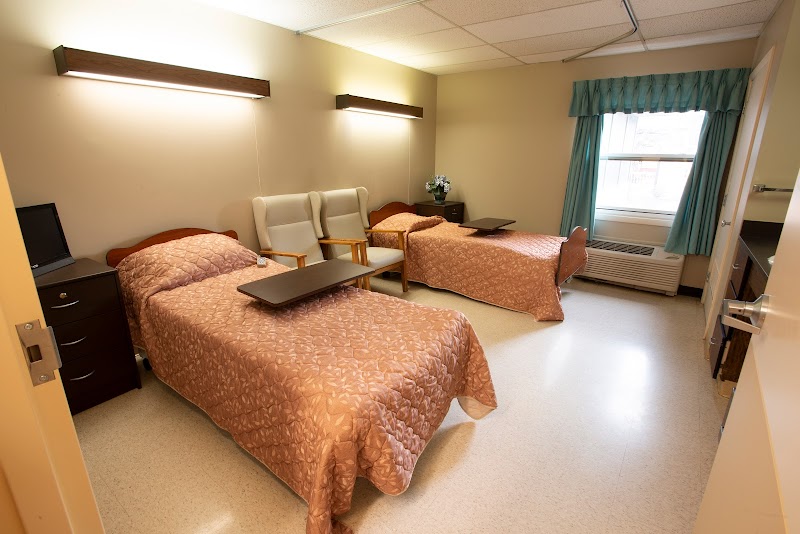
How is Julia Ribaudo Extended Staffed?

CMS rates JULIA RIBAUDO EXTENDED CARE CENTER's staffing level at 2 out of 5 stars, which is below average compared to other nursing homes. Staff turnover is 46%, compared to the Pennsylvania average of 46%. This relatively stable workforce can support continuity of care.

What Have Inspectors Found at Julia Ribaudo Extended?

State health inspectors documented 31 deficiencies at JULIA RIBAUDO EXTENDED CARE CENTER during 2022 to 2025. These included: 29 with potential for harm and 2 minor or isolated issues.
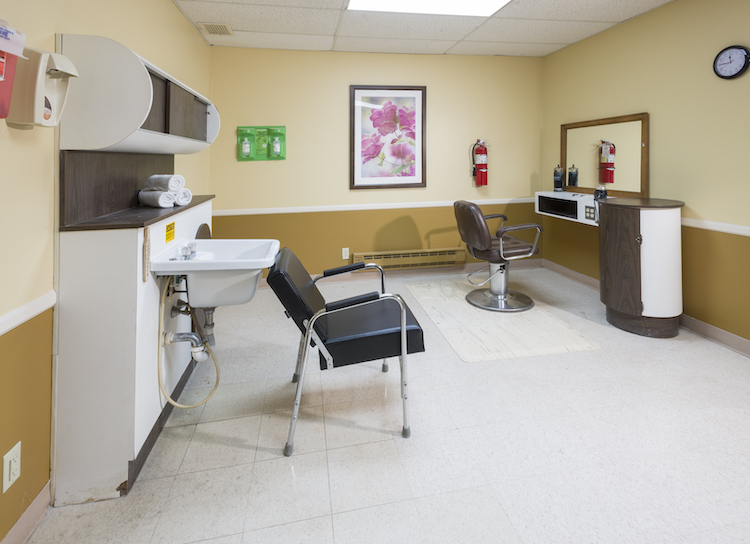
Who Owns and Operates Julia Ribaudo Extended?

JULIA RIBAUDO EXTENDED CARE CENTER is owned by a for-profit company. For-profit facilities operate as businesses with obligations to shareholders or private owners. The facility is operated by SABER HEALTHCARE GROUP, a chain that manages multiple nursing homes. With 119 certified beds and approximately 86 residents (about 72% occupancy), it is a mid-sized facility located in LAKE ARIEL, Pennsylvania.
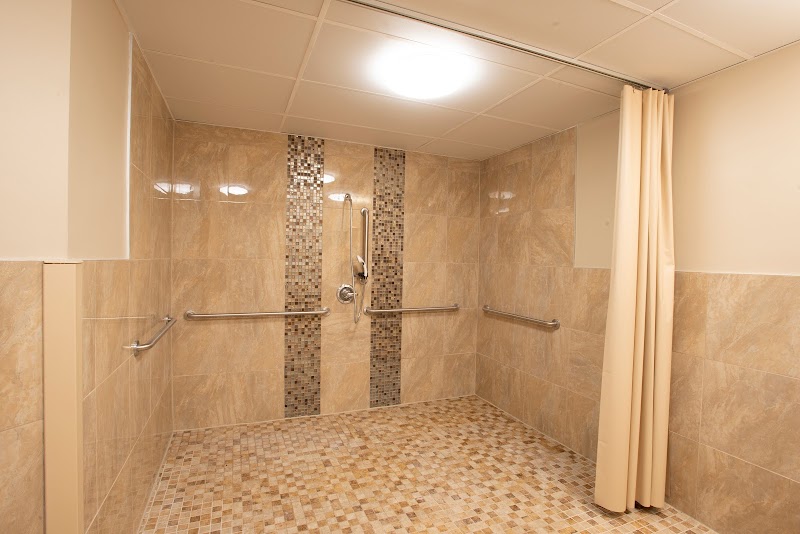
How Does Julia Ribaudo Extended Compare to Other Pennsylvania Nursing Homes?

Compared to the 100 nursing homes in Pennsylvania, JULIA RIBAUDO EXTENDED CARE CENTER's overall rating (2 stars) is below the state average of 3.0, staff turnover (46%) is near the state average of 46%, and health inspection rating (2 stars) is below the national benchmark.

What Should Families Ask When Visiting Julia Ribaudo Extended?

Based on this facility's data, families visiting should ask: "Can you walk me through typical staffing levels on day, evening, and night shifts?" "Can I visit during a mealtime to observe dining assistance and food quality?" "How do you handle medical emergencies, and what is your hospital transfer rate?" "Can I speak with family members of current residents about their experience?" These questions are particularly relevant given the below-average staffing rating.

Is Julia Ribaudo Extended Safe?

Based on CMS inspection data, JULIA RIBAUDO EXTENDED CARE CENTER has a clean safety record: no substantiated abuse findings (meaning no confirmed cases of resident harm), no Immediate Jeopardy citations (the most serious violation level indicating risk of serious injury or death), and is not on the Special Focus Facility watch list (a federal program monitoring the lowest-performing 1% of nursing homes). The facility has a 2-star overall rating and ranks #100 of 100 nursing homes in Pennsylvania. While no facility is perfect, families should still ask about staff-to-resident ratios and recent inspection results during their visit.

Do Nurses at Julia Ribaudo Extended Stick Around?

JULIA RIBAUDO EXTENDED CARE CENTER has a staff turnover rate of 46%, which is about average for Pennsylvania nursing homes (state average: 46%). Moderate turnover is common in nursing homes, but families should still ask about staff tenure and how the facility maintains care continuity when employees leave.

Was Julia Ribaudo Extended Ever Fined?

JULIA RIBAUDO EXTENDED CARE CENTER has no federal fines on record. CMS issues fines when nursing homes fail to meet care standards or don't correct problems found during inspections. The absence of fines suggests the facility has either maintained compliance or corrected any issues before penalties were assessed. This is a positive indicator, though families should still review recent inspection reports for the full picture.

Is Julia Ribaudo Extended on Any Federal Watch List?

JULIA RIBAUDO EXTENDED CARE CENTER is not on any federal watch list. The most significant is the Special Focus Facility (SFF) program, which identifies the bottom 1% of nursing homes nationally based on persistent, serious quality problems. Not being on this list means the facility has avoided the pattern of deficiencies that triggers enhanced federal oversight. This is a positive indicator, though families should still review the facility's inspection history directly.