WILLIAM PENN CARE CENTER


2020 ADER ROAD, JEANNETTE, PA 15644 (724) 327-3500
For profit - Limited Liability company 145 Beds Independent Data: November 2025
Trust Grade
43/100
#514 of 653 in PA
Last Inspection: June 2025

Inspected within the last 6 months. Data reflects current conditions.

Overview

William Penn Care Center has received a Trust Grade of D, indicating it is below average and has some concerning issues. It ranks #514 out of 653 nursing homes in Pennsylvania, placing it in the bottom half of facilities statewide, and #10 out of 18 in Westmoreland County, meaning only nine local options are better. Although the facility has shown improvement in recent years, reducing issues from 20 in 2024 to 7 in 2025, there are still significant concerns. Staffing is a positive aspect, with a 4/5 star rating and better RN coverage than 75% of Pennsylvania facilities, but the staff turnover rate of 53% is average, which may affect continuity of care. However, there have been serious incidents, such as a resident suffering a fracture due to improper transfer procedures, and failures in monthly medication reviews and kitchen sanitation, indicating areas needing urgent attention.

Trust Score
D
43/100
In Pennsylvania
#514/653
Bottom 22%
Safety Record
Moderate
Needs review
Inspections
Getting Better
20 → 7 violations
Staff Stability
⚠ Watch
53% turnover. Above average. Higher turnover means staff may not know residents' routines.
Penalties
⚠ Watch
$13,637 in fines. Higher than 89% of Pennsylvania facilities, suggesting repeated compliance issues.
Skilled Nurses
✓ Good
Each resident gets 59 minutes of Registered Nurse (RN) attention daily — more than average for Pennsylvania. RNs are trained to catch health problems early.
Violations
⚠ Watch
41 deficiencies on record. Higher than average. Multiple issues found across inspections.
★★☆☆☆
2.0
Overall Rating
★★★★☆
4.0
Staff Levels
★★★☆☆
3.0
Care Quality
★★☆☆☆
2.0
Inspection Score
Stable
2024: 20 issues
2025: 7 issues

The Good

  • 4-Star Staffing Rating · Above-average nurse staffing levels
  • Full Sprinkler Coverage · Fire safety systems throughout facility
  • No fines on record

Facility shows strength in staffing levels, fire safety.

The Bad

2-Star Overall Rating

Below Pennsylvania average (3.0)

Below average - review inspection findings carefully

Staff Turnover: 53%

Near Pennsylvania avg (46%)

Higher turnover may affect care consistency

Federal Fines: $13,637

Below median ($33,413)

Minor penalties assessed

The Ugly 41 deficiencies on record

1 actual harm
Jun 2025 4 deficiencies
CONCERN (D) 📢 Someone Reported This

A family member, employee, or ombudsman was alarmed enough to file a formal complaint

Potential for Harm - no one hurt, but risky conditions existed

Accident Prevention (Tag F0689)

Could have caused harm · This affected 1 resident

**NOTE- TERMS IN BRACKETS HAVE BEEN EDITED TO PROTECT CONFIDENTIALITY** Based on review of facility policy, clinical records, facility documents, and staff interviews, it was determined that the facil...

Read full inspector narrative →
**NOTE- TERMS IN BRACKETS HAVE BEEN EDITED TO PROTECT CONFIDENTIALITY** Based on review of facility policy, clinical records, facility documents, and staff interviews, it was determined that the facility failed to provide adequate supervision resulting in an elopement (resident exits to an unsupervised or unauthorized area without the facility's knowledge) for one of four residents (Resident R44). Findings include: Review of facility policy Elopements and Wandering Residents dated 1/28/25, indicated the facility ensures that residents which exhibit wandering behaviors and/or are at risk for elopement receive adequate supervision to prevent accidents, and receive care in accordance with their person-centered plan of care addressing the unique factors contributing to wandering or elopement risk. Alarms are not a replacement for necessary supervision. Staff are to be vigilant in responding to alarms in a timely manner. The facility shall establish and utilize a systemic approach to monitoring and managing residents at risk for elopement or unsafe wandering, including identification and assessment of risk, evaluation and analysis of hazards and risks, implementing interventions to reduce hazards and risks, and monitoring for effectiveness and modifying interventions when necessary. Review of the Resident Assessment Instrument 3.0 User's Manual effective October 2023, indicated that a Brief Interview for Mental Status (BIMS) is a screening test that aides in detecting cognitive impairment. The BIMS total score suggests the following distributions: 13-15: cognitively intact 8-12: moderately impaired 0-7: severe impairment Review of the clinical record indicated Resident R44 was admitted to facility 3/6/19, readmitted [DATE]. Review of Resident R44's Minimum Data Set (MDS, periodic assessment of resident care needs) dated 4/1/25, included diagnoses of heart disease, chronic kidney disease, and diabetes (a metabolic disorder in which the body has high sugar levels for prolonged periods of time). Review of Section C: Cognitive Patterns, Questions C0500 BIMS Summary Score revealed Resident R44's score to be 12, moderate cognitive impairment. Review of Elopement/Wandering Risk 24 assessment dated [DATE], revealed Resident R44 was NOT at risk for elopement at this time, and NOT at safety risk for wandering at this time and/or wanders but is easily redirected. Review of Elopement/Wandering Risk 24 assessment dated [DATE], revealed Resident R44 was NOT at risk for elopement at this time, and NOT at safety risk for wandering at this time and/or wanders but is easily redirected. Review of Elopement/Wandering Risk 24 assessment dated [DATE], revealed Resident R44 was NOT at risk for elopement at this time, and NOT at safety risk for wandering at this time and/or wanders but is easily redirected. Review of a progress note dated 5/11/25, at 11:41 p.m., indicated Registered Nurse received a call from a staff member stating that resident was out in the parking lot. Staff member was coming back inside after taking a break when she noticed resident driving his electric wheelchair in the parking lot. Upon going out to parking lot resident seen sitting in electric wheelchair with a pile of belongings in his lap. Resident exhibits some confusion. Resident was assisted back into building and into his room. Resident was assisted into bed per his request. Resident denies pain, no skin issues noted. Vital signs were within normal limits. Upon reentering building, front doors were noted to pushed open and off of the tracks. Alarm notes to not be going off. Upon questioning staff, no alarm was heard this evening. Alarm checked for functioning: not functioning. Doors were placed back on tracks and locked, maintenance notified of door alarm not functioning. 15 minute safety checks were initiated. Review of facility submitted documents on 5/12/25, indicated On 5/11/2025 at 2141 (11:41 p.m.), resident was in his motorized wheelchair. He crashed the chair against the locked front lobby door causing the door to open. Staff responded and approached resident in the front of the building. Resident stated that he was trying to get out, but also stated that someone stole his wheelchair and that he was looking for the door to get in. Staff assisted resident back into the building. Resident had no overt injury, nor did he have complaints. Review of an employee statement written by Licensed Practical Nurse (LPN) Employee E2 dated 5/11/25, indicated upon returning from gas station, resident (R44) was found sitting in his power wheelchair in the back parking lot. Employee E2 called the Nursing supervisor, and waited with resident until supervisor arrived. Resident was assisted back into building. Once inside, it was seen that resident had pushed the sliding doors off the hinge. Resident confirmed that is how he left. During an interview on 6/3/25, at 1:10 p.m., Registered Nurse (RN) Employee E3 stated that she was the shift supervisor on 5/11/25. RN Employee E3 stated that she received a call from a staff member returning from her break, that Resident R44 was outside in the parking lot where the employee park. RN Employee E3 further stated that when she arrived outside, she found Resident R44 in the parking lot with LPN Employee E2. Employee E3 stated that Resident R44 was confused, uninjured, and required to be manually pushed back into facility for his electric wheelchair had no more power. Employee E3 further stated that she walked past the front doors and found them open, off track, and ajar, with no alarm sounding. Employee E3 next stated that she realigned, closed and locked the front doors, and checked the alarm to find that it was not functioning properly. Employee E3 stated that she notified the Director of Nursing (DON) and maintenance regarding the event and her findings. RN Employee E3 then stated that she has known Resident R44 for a few years, and this behavior was new and unaware of any prior indications by resident to leave facility. Employee E3 then stated that she returned to Resident R44's room to further interview him shortly after event, and found that he had no recollection of going outside. During an interview on 6/4/25, at 10:00 a.m., the Director of Nursing (DON) confirmed that the facility failed to provide adequate supervision resulting in an elopement for one of four residents (Resident R44) as reviewed. 28 Pa. Code 201.14(a) Responsibility of licensee. 28 Pa. Code 201.18(b)(1)(3) Management. 28 Pa. Code 211.12(d)(1)(3)(5) Nursing services.
CONCERN (D)

Potential for Harm - no one hurt, but risky conditions existed

Deficiency F0692 (Tag F0692)

Could have caused harm · This affected 1 resident

**NOTE- TERMS IN BRACKETS HAVE BEEN EDITED TO PROTECT CONFIDENTIALITY** Based on a review of the facility policy, clinical record review and staff interview, it was determined that the facility failed...

Read full inspector narrative →
**NOTE- TERMS IN BRACKETS HAVE BEEN EDITED TO PROTECT CONFIDENTIALITY** Based on a review of the facility policy, clinical record review and staff interview, it was determined that the facility failed to accurately assess the nutritional status, and failed to update an individualized care plan to address the resident's specific nutritional concerns for one of four residents (Resident R65) records reviewed. Findings include: Review of facility's policy Nutritional Assessment, dated 1/28/25, indicated part of the comprehensive assessment, a nutritional assessment, including current nutritional status and risk factors for impaired nutrition, shall be conducted for each resident. The dietitian, in conjunction with the nursing staff and healthcare practioners, will conduct a nutritional assessment for each resident upon admission (within current baseline assessment timeframes) and as indicated by a change in condition that places the resident at risk for impaired nutrition. As part of the comprehensive assessment, the nutritional assessment will be a systemic, multidisciplinary process that includes gathering and interpreting data and using that data to help define meaningful interventions for the residents at risk for or with impaired nutrition. Once current conditions and risk factors for impaired nutrition are assessed and analyzed, individual care plans will be developed that address or minimize to the extent possible the resident's risks for nutritional complications. Such interventions will be developed within the context of the resident's prognosis and personal preferences. Review of the clinical record indicated Resident R65 was admitted to the facility on [DATE]. Review of Resident R65's Minimum Data Set (MDS - a periodic assessment of care needs) dated 3/4/25, indicated diagnoses of traumatic brain injury, aphasia (disorder that affects how you communicate due to brain damage), and heart disease. Section K0300 was coded a 2, which indicated that Resident R65 had a weight loss of 5% or more in the last month or weight loss of 10% or greater in the last six months. Review of R65's medical record revealed a clinical Dietary - MDS Assessment note dated 3/8/25, that failed to identify parameters for significant weight loss, to include prior weights associated with identified loss, and specific time frames of the loss. Review of current nutritional plan of care initiated 4/11/24, updated 3/13/25, failed to indicate a nutritional focus/concern, goals, and interventions to address Resident R65's significant weight loss as identified in MDS dated [DATE]. During an interview on 6/6/25, at 11:07 a.m., Certified Dietary Manager (CDM) Employee E1 confirmed that clinical Dietary - Assessment note dated 3/8/25, failed to address parameters for Resident R65's significant weight loss as identified in MDS dated [DATE]. During an interview on 6/6/25, at 11:53 a.m., the Director of Nursing (DON) confirmed facility failed to accurately assess the nutritional status, and failed to update an individualized care plan to address the resident's specific nutritional concerns for one of four residents (Resident R65) records reviewed. 28 Pa. Code: 201.18(b)(1)(e)(1) Management. 28 Pa. Code: 211.12(d)(5) Nursing services.
CONCERN (F)

Potential for Harm - no one hurt, but risky conditions existed

Drug Regimen Review (Tag F0756)

Could have caused harm · This affected most or all residents

**NOTE- TERMS IN BRACKETS HAVE BEEN EDITED TO PROTECT CONFIDENTIALITY** Based on review of facility policy, clinical records and staff interview, it was determined that the facility failed to provide ...

Read full inspector narrative →
**NOTE- TERMS IN BRACKETS HAVE BEEN EDITED TO PROTECT CONFIDENTIALITY** Based on review of facility policy, clinical records and staff interview, it was determined that the facility failed to provide documentation of medication regimen reviews (MRR) completed at least monthly for three of three sampled resident records (Resident R20, R59, R67). Finding include: The facility Medication regimen review policy dated 1/28/25, indicated that the drug regimen review of each resident is at least monthly by a licensed pharmacist and includes a review of the resident's medical chart. A medication regimen review (MRR) or drug regimen review, is a thorough evaluation of the medication regimen of a resident with the goal of promoting positive outcomes. Review of Resident R20's admission record indicated she was admitted to the facility on [DATE]. Review of Resident R20's MDS assessment (MDS: Minimum Data Set assessment-a periodic assessment of resident care needs) dated 5/13/25, indicated she had diagnoses that included dementia (group of symptoms affecting memory, thinking, and social abilities that interfere with daily life), heart disease, and diabetes (a metabolic disorder impacting organ function related to glucose levels in the human body). Review of Resident R20's care plan dated 4/14/22, indicated that pharmacy will review monthly as per protocol. Review of Resident R20's clinical progress notes did not include a pharmacy notation or review by a licensed pharmacist for April 2025. Review of Resident R20's medication regimen reviews did not indicate a review for April 2025. Review of Resident R59's admission record indicated he was admitted on [DATE], and readmitted on [DATE]. Review of Resident R59's MDS assessment dated [DATE], indicated he had diagnoses that included chronic kidney disease (a loss of kidney function resulting in the swelling of feet, fatigue, high blood pressure and changes in urination), diabetes, and hyperlipidemia (elevated lipid levels within the blood). Review of Resident R59's care plan dated 11/29/24, indicated that pharmacy will review monthly as per protocol. Review of Resident R59's clinical progress notes did not include a pharmacy notation or review by a licensed pharmacist for April 2025. Review of Resident R59's medication regimen reviews did not indicate a review for April 2025. Review of Resident R67's admission record indicated he was admitted on [DATE], and re-admitted on [DATE]. Review of Resident R67's MDS assessment dated [DATE], indicated he had diagnoses that included diabetes, emphysema (a chronic lung condition characterized by shortness of breath due to damage to the air sacs in the lung), hypertension (a condition impacting blood circulation through the heart related to poor pressure), and cirrhosis of the liver (damage to the liver causing nausea and fatigue). Review of Resident R67's care plan dated 3/12/25, indicated that pharmacy will review monthly as per protocol. Review of Resident R67's clinical progress notes did not include a pharmacy notation or review by a licensed pharmacist for April 2025. Review of Resident R67's medication regimen reviews did not indicate a review for April 2025. During an interview on 6/5/25, at 12:15 p.m. the Director of Nursing confirmed that the facility failed to provide documentation of medication regimen reviews (MRR) completed at least monthly for Residents R20, R59, and R67, as required. 28 Pa. Code: 201.14 (a) Responsibility of licensee. 28 Pa. Code 211.5(f) Medical records. 28 Pa. Code: 211.12(d)(1)(3)(5) Nursing services.
CONCERN (F)

Potential for Harm - no one hurt, but risky conditions existed

Food Safety (Tag F0812)

Could have caused harm · This affected most or all residents

Based on a review of policy, observation and staff interview, it was determined that the facility failed to properly maintain kitchen equipment in a sanitary condition creating the potential for cross...

Read full inspector narrative →
Based on a review of policy, observation and staff interview, it was determined that the facility failed to properly maintain kitchen equipment in a sanitary condition creating the potential for cross contamination in the main kitchen of the facility. Findings include: A review of facility policy Food Safety and Sanitation dated 1/28/25, indicated all local, state and federal standards and regulations will be followed in order to assure a safe and sanitary food and nutrition department. During an observation on 6/2/25, at 10:00 a.m., of the walk-in cooler in the main kitchen, conducted with Certified Dietary Manager (CDM) Employee E1, revealed that the cold air condenser unit had a build-up of dust, grime, and dark colored debris around the fan covers and ceiling immediately forward of the fans. CDM Employee E1 confirmed observation by surveyor when viewed. During an interview on 6/2/25, at 10:05 a.m., CDM Employee E1 confirmed that the facility failed to properly maintain kitchen equipment, walk-in cooler, in a sanitary condition creating the potential for cross contamination in the main kitchen of the facility. 28 Pa. Code: 201.14(a) Responsibility of licensee. 28 Pa. Code: 201.18(b)(1) Management.
Mar 2025 2 deficiencies
CONCERN (D) 📢 Someone Reported This

A family member, employee, or ombudsman was alarmed enough to file a formal complaint

Potential for Harm - no one hurt, but risky conditions existed

Deficiency F0573 (Tag F0573)

Could have caused harm · This affected 1 resident

**NOTE- TERMS IN BRACKETS HAVE BEEN EDITED TO PROTECT CONFIDENTIALITY** Based on facility policy and staff interview it was determined that the facility failed to provide medical record access for one...

Read full inspector narrative →
**NOTE- TERMS IN BRACKETS HAVE BEEN EDITED TO PROTECT CONFIDENTIALITY** Based on facility policy and staff interview it was determined that the facility failed to provide medical record access for one of four residents (Resident R1). Findings include: Review of Release of Medical Records dated 1/1/25, indicated medical records will be released with a valid request and in accordance with state and federal laws. Requests for records should be referred to the Director of Nursing or Administrator, or another staff member previously designated by the facility. The facility should request copies of any legal papers necessary to authenticate authority. The legal papers should be attached to the request for records. The corporate office/risk manager should be notified of the request for records. Upon receipt of a request for medical record copies, the facility should notify the requesting party, in writing of the cost for obtaining records and that records are available two days after the receipt of payment for the copies. Records should be assembled in chronological order. When documents are missing, the person assembling the record should make a notation of the items missing. Facility documentation indicated Resident R1 was admitted on [DATE]. Review of Resident R1's MDS (minimum data set a periodic assessment of basic needs) dated 1/24/24, revealed diagnoses of dementia (the loss of cognitive functioning-thinking, remembering, and reasoning to such an extent that it interferes with a person's daily life and activities), anxiety disorder, and Alzheimer's disease (a brain condition that slowly damages your memory, thinking, learning and organizing skills. It's the most common cause of dementia.) Review of Resident R1's MDS assessment dated [DATE], indicated the resident was discharged from the facility on 2/28/24. The resident ceased to breathe. During an interview on 3/26/25, at 9:15 a.m. the Nursing Home Administrator stated once the facility receives a medical request in writing, the facility informs the recipient of the cost associated. It was indicated a hard copy or flash drive can be provided for medical records as long as it is a legal request. If the medical request is from a law firm, the facility will obtain the necessary medical records and send it. The NHA stated the facility cannot send Resident R1's medical records because of how thick it is and the facility's copier is broken. The NHA stated the facility has another scanner that can be used off-site to send the records. During an interview on 3/26/25, at 9:25 a.m. the NHA indicated a law firm has been requesting Resident R1's medical records. During an interview on 3/26/25, at 9:40 a.m. the NHA confirmed it has been a few months since the facility received the initial request for Resident R1's medical records. The NHA confirmed the facility failed to provide medical record access for one of seven residents (Resident R1). 28 Pa. Code 201.29(a)Resident rights.
CONCERN (D) 📢 Someone Reported This

A family member, employee, or ombudsman was alarmed enough to file a formal complaint

Potential for Harm - no one hurt, but risky conditions existed

Deficiency F0660 (Tag F0660)

Could have caused harm · This affected 1 resident

**NOTE- TERMS IN BRACKETS HAVE BEEN EDITED TO PROTECT CONFIDENTIALITY** Based on review of clinical record review, and staff interview, it was determined that the facility failed to implement an effec...

Read full inspector narrative →
**NOTE- TERMS IN BRACKETS HAVE BEEN EDITED TO PROTECT CONFIDENTIALITY** Based on review of clinical record review, and staff interview, it was determined that the facility failed to implement an effective discharge planning process that focuses on the resident's discharge goals and effectively transition them to post-discharge care for one of three residents (Resident R2). Findings include: Review of the clinical record indicated Resident R2 was admitted to the facility on [DATE]. Review of Resident R2's Minimum Data Set (MDS - a periodic assessment of care needs) dated 2/14/25, indicated diagnoses of encounter for surgical aftercare following surgery on the digestive system, colostomy (a surgical procedure that changes the way stool exits your body), and high blood pressure. Review of Resident R2's care plan dated 2/12/25, indicated to assist the resident with obtaining durable medical equipment (DME) and medical supplies prior to discharge. Review of a physician order dated 2/12/25, indicated to administer oxygen at two liter per minute (LPM) continuously. Review of a physician order dated 2/13/25, indicated to wean oxygen as tolerated. Review of a physician order dated 2/15/25, indicated to administer oxygen at two LPM, as needed via nasal cannula to maintain oxygen above 92%. Review of a progress note dated 2/22/25, revealed Resident R2 had increased respiratory effort observed on exertion. The resident has a dry cough and complaints of shortness of breath upon exertion. The resident's oxygen saturation was 90% on room air. Review of Resident R2's progress note dated 2/22/25, indicated the resident was positive for influenza A. Review of a progress note dated 2/23/25, revealed the physician was notified and orders were obtained for discharge on [DATE], at 9:00 a.m. The resident was ordered home health services and a wheeled walker. Resident R2's family member picked the resident up for discharge. Discharge instructions were provided to the resident and resident's family member. The facility sent all medications with the resident. The facility failed to order the resident oxygen. During an interview on 3/18/25, at 1:57 p.m. the Director of Nursing stated Resident R2's family member called the facility after Resident R2 discharged and confirmed the facility failed to ensure Resident R2 was ordered oxygen. During an interview on 3/18/25, at 2:24 p.m. the DON and Nursing Home Administrator confirmed the facility failed to implement an effective discharge planning process that focuses on the resident's discharge goals and effectively transition them to post-discharge care for one of three residents (Resident R2). 28 Pa. Code 201.18 (b)(1) Management. 28 Pa. Code 211.12 (c)(d)(3)(5) Nursing services.
Jan 2025 1 deficiency
CONCERN (D) 📢 Someone Reported This

A family member, employee, or ombudsman was alarmed enough to file a formal complaint

Potential for Harm - no one hurt, but risky conditions existed

Quality of Care (Tag F0684)

Could have caused harm · This affected 1 resident

**NOTE- TERMS IN BRACKETS HAVE BEEN EDITED TO PROTECT CONFIDENTIALITY** Based on review of clinical record review and staff interviews it was determined that the facility failed to follow physician or...

Read full inspector narrative →
**NOTE- TERMS IN BRACKETS HAVE BEEN EDITED TO PROTECT CONFIDENTIALITY** Based on review of clinical record review and staff interviews it was determined that the facility failed to follow physician orders for one of two residents (Resident R1). Findings include: Review of the clinical record indicated that Resident R1 was admitted to the facility on [DATE], with diagnosis that included malignant neoplasm of upper lobe, right bronchus or lung, cyst of kidney and ischemic cardiomyopathy (a condition that occurs when the heart muscle is damaged by a lack of blood flow). Review of Resident R1's physician orders dated 1/8/25, indicated that Resident R1 is to be Nothing by Mouth(NPO) diet, NPO texture, NPO consistency, enteral feed every shift by j-port. A review of Resident R1's physician orders dated for January indicated two medications were ordered to be given by mouth. They include the following: Oxycodone HCl Oral Tablet 5 MG (Oxycodone HCl),semi-synthetic narcotic analgesic, give 0.5 tablet by mouth every 6 hours as needed Claritin Oral Tablet 10MG (Loratadine), an antihistamine used to treat allergy symptoms, 1 tablet by mouth at bedtime for itching During an interview on 1/15/25, at 2:00 p.m. the Nursing Home Administrator confirmed that resident is not to receive medication by mouth and that the above orders are not appropriate for a resident that is NPO. 28 Pa. Code: 201.14(a) Responsibility of licensee. 28 Pa. Code: 201.18(b)(1)(e)(1) Management. 28 Pa. Code: 211.10(c)(d) Resident care policies. 28 Pa. Code: 211.12(d)(1)(2)(3)(5) Nursing services.
Sept 2024 2 deficiencies
CONCERN (D) 📢 Someone Reported This

A family member, employee, or ombudsman was alarmed enough to file a formal complaint

Potential for Harm - no one hurt, but risky conditions existed

Transfer Notice (Tag F0623)

Could have caused harm · This affected 1 resident

**NOTE- TERMS IN BRACKETS HAVE BEEN EDITED TO PROTECT CONFIDENTIALITY** Based on clinical record review and staff interview, it was determined that the facility failed to provide a transfer notice to ...

Read full inspector narrative →
**NOTE- TERMS IN BRACKETS HAVE BEEN EDITED TO PROTECT CONFIDENTIALITY** Based on clinical record review and staff interview, it was determined that the facility failed to provide a transfer notice to a representative of the Office of the Long-Term Care Ombudsman Division for three out of nine residents (Residents R1, R2 and R3). Findings include: Review of Resident R2's admission record indicated she was originally admitted on [DATE], with diagnoses that included diabetes, anxiety disorder and fibromyalgia (chronic condition that causes widespread pain and tenderness in the body). Review of Resident R2's annual MDS assessment (MDS-Minimum Data Set assessment: periodic assessment of resident care needs) dated 8/29/24, indicated that the diagnoses were current upon review. Review of Resident R2's clinical record revealed that the resident was transferred to the hospital on 8/20/24, and returned to the facility on 9/9/24. Review of Resident R2's clinical record indicated the facility failed to include documented evidence that the facility provided a written transportation notification to the Office of the Long-Term Care Ombudsman for the hospitalization on 8/20/24 Review of Resident R1's admission record indicated she was originally admitted on [DATE], with diagnoses that included protein-calorie malnutrition, chronic kidney disease and cardiomegaly ( a condition where the heart is larger than normal). Review of Resident R1's admission MDS assessment (MDS-Minimum Data Set assessment: periodic assessment of resident care needs) dated 9/9/24, indicated that the diagnoses were current upon review. Review of Resident R1's clinical record revealed that the resident was transferred to the hospital on 9/13/24, and returned to the facility on 9/15/24. Review of Resident R1's clinical record indicated the facility failed to include documented evidence that the facility provided a written transportation notification to the Office of the Long-Term Care Ombudsman for the hospitalization on 9/13/24. Review of Resident R3's admission record indicated she was originally admitted on [DATE], with diagnoses that included anemia, respiratory disorders and spinal stenosis (narrowing of the spinal canal that occurs when the spinal cord or nerve roots are compressed). Review of Resident R3's entry MDS assessment (MDS-Minimum Data Set assessment: periodic assessment of resident care needs) dated 8/28/24, indicated that the diagnoses were current upon review. Review of Resident R3's clinical record revealed that the resident was transferred to the hospital on 8/16/24, and returned to the facility on 9/18/24 and 8/22/24, returned 8/28/24. Review of Resident R3's clinical record indicated the facility failed to include documented evidence that the facility provided a written transportation notification to the Office of the Long-Term Care Ombudsman for the hospitalization on 8/16/24 and 8/22/24. During an interview on 9/17/24 at 11:30 a.m. the Nursing Home Administrator confirmed the facility failed to provide a transfer notice to a representative of the Office of the Long-Term Care Ombudsman Division for two out of four residents (Residents R1, R2 and R3). 28 Pa. Code 201.29(a)(c.3)(2) Resident rights.
CONCERN (D) 📢 Someone Reported This

A family member, employee, or ombudsman was alarmed enough to file a formal complaint

Potential for Harm - no one hurt, but risky conditions existed

Social Worker (Tag F0850)

Could have caused harm · This affected 1 resident

**NOTE- TERMS IN BRACKETS HAVE BEEN EDITED TO PROTECT CONFIDENTIALITY** Based on review of the facility assessment and staff interview, it was determined that the facility failed to provide a qualifie...

Read full inspector narrative →
**NOTE- TERMS IN BRACKETS HAVE BEEN EDITED TO PROTECT CONFIDENTIALITY** Based on review of the facility assessment and staff interview, it was determined that the facility failed to provide a qualified full time social worker for a facility with more than 120 beds. Findings include: The facility assessment dated [DATE], indicated that the facility will have a full time Social Services Director. The faciliy has a capacity of 145 requiring a full time Social Worker. Interview with the Nursing Home Administrator (NHA) revealed that the Social Worker left 9/6/24. The facility hired a new social worker, start date in a few weeks. During an interview on 9/17/24, at 11:45 a.m. the Nursing Home Administrator confirmed there is currently no social worker employed at the facility as required. 28. Pa. Code: 201(b)(2) Management. 28. Pa. Code: 201(a) Social services.
Sept 2024 1 deficiency
CONCERN (F) 📢 Someone Reported This

A family member, employee, or ombudsman was alarmed enough to file a formal complaint

Potential for Harm - no one hurt, but risky conditions existed

Deficiency F0836 (Tag F0836)

Could have caused harm · This affected most or all residents

Based on review of facility financial documents, interviews with vendor and staff, it was determined that the facility failed to pay bills in a timely manner. Findings include: 28 PA Code Commonwealth...

Read full inspector narrative →
Based on review of facility financial documents, interviews with vendor and staff, it was determined that the facility failed to pay bills in a timely manner. Findings include: 28 PA Code Commonwealth of Pennsylvania Long Term Care Licensure Regulations, subsection 201.14(g), dated July 1, 2023, indicated that a facility owner shall pay in a timely manner bills incurred in the operation of a facility that are not in dispute and that are for services without which the residents' health and safety are jeopardized. Review of the Nursing Home Administrator's signed job description dated 9/20/21, indicated the primary purpose of the nursing home administrator is to direct the day-to-day functions of the facility with current federal, state, and local standards, guidelines and regulations that govern nursing facilities to assure that the highest degree if quality care can be provided to our residents at all times. During an interview on 9/9/24, at 9:36 a.m. Kitchen Manager, Employee E1 stated Vendor 1 has cut of services a couple of times. Kitchen Manager, Employee E1 indicated she is not made aware an order cannot be placed prior to placing the order. It was indicated the facility must contact the vendor and pay a certain amount to be able to place the order. It was indicated if there's a delay in delivery the facility utilizes Vendor 2, and stated if I have to go to will-call, I do. Review of facility provided Accounts Payable Ledger on 9/9/24, at 11:42 a.m., indicated Vendor 1 with an outstanding balance of $1,738.82 for services as of close of period 9-September 2024. During an interview on 9/9/24, at 11:46 a.m., Vendor 1's credit manager indicated the facility outstanding balance from 5/30/24, to 9/7/24, was $3,068.98. It was indicated if the past due amount is not received by 9/16/24, the account will be put on hold. Review of facility provided Accounts Payable Ledger on 9/9/24, at 12:21 p.m., indicated Vendor 2 with an outstanding balance of $63,960.45 for services as of close of period 9-September 2024. During an interview on 9/9/24, at 1:08 p.m., the Nursing Home Administrator confirmed the facility failed to pay bills in a timely manner. 28 Pa Code: 201.14 (a)(c )(e ) Responsibility of management 28 Pa Code: 201.18 (b)(1) (e)(1) Management.
Jul 2024 17 deficiencies 1 Harm
SERIOUS (G)

Actual Harm - a resident was hurt due to facility failures

Free from Abuse/Neglect (Tag F0600)

A resident was harmed · This affected 1 resident

**NOTE- TERMS IN BRACKETS HAVE BEEN EDITED TO PROTECT CONFIDENTIALITY** Based on review of facility policies, resident clinical records, documentation provided by the facility, facility investigation,...

Read full inspector narrative →
**NOTE- TERMS IN BRACKETS HAVE BEEN EDITED TO PROTECT CONFIDENTIALITY** Based on review of facility policies, resident clinical records, documentation provided by the facility, facility investigation, personnel records, family and staff interviews, it was determined that the facility failed to ensure that a resident was free from neglect, which resulted in actual harm as evidenced by right tibia (the anterior of two bones below the knee) fractures for one out of three residents (Resident R27). Findings include: The facility Safe resident handling/transfer policy dated 1/30/24, indicated that the facility will ensure that residents are handled and transferred safely to prevent or minimize risks for injury and provide a safe, secure, and comfortable experience. Mechanical lifts may include equipment such as full body lifts, sit to stand lifts (a mechanical device used to transfer resident. Device is typically placed in front of the resident with staff assistance), or ceiling tracked mounted lifts. Two staff members must be utilized when transferring residents with a mechanical lift. The facility Abuse, neglect and exploitation policy dated 4/6/23, last reviewed 1/30/24, indicated that the facility will provide protections for the health, welfare and rights of each resident by implementing written policies and procedures that prohibit and prevent abuse, neglect, and exploitation. Neglect means the failure of the facility, its employees, or service providers to provide goods and services to a resident that are necessary to avoid physical harm, pain, mental anguish, or emotional distress. Review of Resident R27's admission record indicated she was originally admitted on [DATE], and readmitted on [DATE]. Review of Resident R27's MDS assessment (MDS-Minimum Data Set assessment: periodic assessment of resident care needs) dated 5/21/24, indicated she had diagnoses that included a history of falling, chronic kidney disease (a loss of kidney function resulting in the swelling of feet, fatigue, high blood pressure and changes in urination), spinal stenosis (a narrowing of the spaces within the spine, which causes pain and weakness), artificial hip joint, history of other fracture, and hyperlipidemia (elevated lipid levels within the blood). Section GG0170-Mobility/ bed-to-chair transfers indicated a 1-Dependent: the assistance of two or more helpers is required for the resident. Review of Resident R27's care plans dated 5/24/24, indicated that Resident R27 required a Sit-to-Stand Machine with assistance of two staff for transfers. Review of Resident R27's physician orders 6/20/23, indicated to transfer Resident R27 with sit-to-stand and assistance of two staff persons. Review of Resident R27's physician order dated 7/17/24, indicated to X-ray her right lower leg. Review of Resident R27's [NAME] (electronic report detailing care and transfer status of resident) dated 7/18/24, indicated to transfer Resident R27 with sit-to-stand with assistance of two staff persons. Review of Resident R27's physical therapy discharge assessment dated [DATE], indicated and recommended to continued use of sit-to-stand lift for functional transfers. Documentation provided by the facility dated 7/17/24, indicated the following: on 7/17/24, Resident R27 was being transferred from the bed to the chair by two nurse aide staff members. Resident R27 was stood for transfer and put into the chair. Resident was to be an assist of two with a sit-to-stand lift. Registered Nurse (RN) Assistant Director of Nursing (ADON) Employee E11 went to see Resident R27 and found a bruise measuring 15cm x 13cm purple area on her right shin. Resident R27 did not remember bumping her leg. Doctor and family notified of area. Order for X-ray obtained to rule out any injury. Review of Resident R27's clinical progress notes dated 7/17/24, indicated that the Registered Nurse (RN) Assistant Director of Nursing (ADON) Employee E11 was called to Resident R27's room. She was observed with discoloration noted to right lower extremity shin to side of inner calf measuring 15cm x 13cm. Resident R27 did complain of discomfort when touching area, not on movement. Spoke to her daughter and notified her of area. Doctor notified with new orders obtained: physician order dated 7/17/24, indicated to X-ray her right lower leg. Review of incident report dated 7/17/24, indicated that Resident R27 gave the following statement: Two girls (Nurse Aide (NA) Employee E13 and Agency Nurse Aide (NA) Employee E14) lifted Resident R27 up, one on each side of her and stood Resident R27 up. They could not find the lift this morning, so the two girls lifted her up. Review of incident report signed and dated 7/17/24, Nurse Aide (NA) Employee E13 stated: I was searching for a sit-to-stand. Agency Nurse Aide (NA) Employee E14 told me we could do a two-person assist to transfer. Review of facility X-ray of Resident R27 right leg dated 7/17/24, indicated she had an acute to sub-acute proximal right tibial fracture. Review of Resident R27's clinical progress note dated 7/18/24, at 7:04 a.m. indicated her physician was made aware of X-ray results. Physician initially discussed an orthopedic consult as an outpatient, but he felt that she may see orthopedic quicker if she goes to the Emergency Room. Physician order was obtained to send to emergency room for evaluation. Review of Resident R27's clinical progress note dated 7/18/24, at 8:53 a.m. Resident R27 left facility via ambulance to hospital. Review of Resident R27's hospital MRI report dated 7/18/24, indicated she had a non-displaced comminuted proximal tibial fracture of right medial tibial plateau (the top of the two shin-bones, under the knee cap) and tibial spine (the anterior of two bones below the knee). Review of Resident R27's clinical progress note dated 7/18/24, at 4:52 p.m. indicated she returned on 7/18/24 from the Hospital where she was sent for post fall injury to right leg. Report from hospital reports that the MRI showed a fracture of proximal end of tibia, as well a tibial plateau fracture. Resident R27 was put in a long-leg splint (velcro wrapping to secure leg) today and will need follow-up. Review of Nurse Aide (NA) Employee E13 personnel records indicated she was hired 3/7/24, she was trained on safety and transferring residents during orientation, and she was trained on neglect. Review of Agency Nurse Aide (NA) Employee E14 personnel records indicated she was hired 1/3/24, she was trained on safety and transferring residents, and she was trained on neglect. During an interview on 7/18/24, at 9:44 a.m. Registered Nurse (RN) Assistant Director of Nursing (ADON) Employee E11 stated: Resident R27 is out to the hospital. We got an X-ray of her right leg. She has a acute fracture to her tibia. During an interview on 7/18/24, at 9:48 a.m. Resident R27's Family RF stated the following: As far as the care Resident R27 gets daily, its amazing. Other than what happened, I'm pleased with her care. She has specific favorite aides. She never had an injury before. I was told that one aide was on each side and that this is how they got her out of the bed yesterday. Registered Nurse (RN) Assistant Director of Nursing (ADON) Employee E11 told me that staff did not use a lift as there was not a lift available. During an interview on 7/18/24, at 10:10 a.m. (RN) Assistant Director of Nursing (ADON) Employee E11 stated: Yesterday, I do not recall the time, but there is a note. I was called to the Resident R27's room. One of the nurse aides, Nurse Aide (NA) Employee E12, told me there was bruise. Nurse Aide (NA) Employee E12 asked me to come back. I saw the bruise, on the right lower extremity and on the shin area. I asked Agency Nurse Aide (NA) Employee E14 what happened as it looked to me that it was from the sit-to-stand lift. I asked the Resident R27 if the bruise was from the lift. It started to progress. It did not look that big and it was starting to swell. As I asked her questions, Resident R27 stated the two girls lifted her up and she said they could not find the lift. after I got her full statement, she said they stood her up, one on each side. She said her pants were rolled down below her knee. She was moving from bed to the chair. Resident R27 said she took a step and she felt her knee buckle. I reviewed the order after she said the lift was not involved. I looked at the assignment sheet. I saw that Nurse Aide (NA) Employee E13 was assigned. Agency Nurse Aide (NA) Employee E14 went in to assist Nurse Aide (NA) Employee E13. I asked them how Resident R27 was transferred, Agency Nurse Aide (NA) Employee E14 said no. the order was a stand-up lift or two-person assist. But the order does not say stand-up lift or two-person assist. It says to use the sit-to-stand lift. I had everyone write the statements. From what I understand. the aides are trained. Transfer information is available in the [NAME] in their tasks. Nurse Aide (NA) Employee E13, came in at 10:00 a.m. yesterday. They are not her usual assigned aides. The regular aides pretty much know everyone. They should have known her transfer status and they know to look at the orders before doing a transfer. And there were three sit-to-stands over there and they said they could not find one. During an interview on 7/18/24, at 10:55 a.m. the Director of Rehabilitation Employee E15 stated: I am familiar with Resident R27. She was just on Occupational therapy recently, but not for transfers. She was discharged on 7/12/24. There were no changes to the use of a sit-to-stand lift. She was discharged from Physical therapy on 2/7/23. The recommendation was to use sit to stand lift for transfers. During an interview on 7/18/24, at 11:03 a.m. Nurse Aide (NA) Employee E13 stated the following: yes, I knew Resident R27 had to be gotten up with a sit to stand. I was not able to find one. My coworker (Agency Nurse Aide (NA) Employee E14 ) told me she was a sit to stand and a two-person assist as well. We did a two-person assist with her. She was moved from bed to chair transfer. We sat Resident R27 down and Resident R27 stated her leg was bothering her. We should have looked at her leg. Agency Nurse Aide (NA) Employee E14 told me she would report it to the nurse. I believe when I left the room, we started passing trays. I have never had anything like this happen before. I am very remorseful and sorry. I would never hurt anyone, especially the residents. This occurred between 10:30 a.m. and 11:00 a.m. Staff can find information about transfer status in the care plan. I did not look at the information before moving Resident R27. I just went by Agency Nurse Aide (NA) Employee E14 word. I was trained on using sit-to-stand and reviewing the care plan or [NAME] before transfer. During an interview on 7/18/24, at 11:11 a.m. Agency Nurse Aide (NA) Employee E14 stated the following: I did not have Resident R27 section yesterday. I do have it sometimes. I was asked for help to transfer her. I was asked by Nurse Aide (NA) Employee E13 to transfer Resident R27. We went into Resident R27 room. Resident R27 complained about her leg hurting before we moved her from the bed. We did not check or anything if there was a problem. We lifted her from her bed to her chair. I touched her leg. and then that was it, and I went back to her residents. I told them that we two-person assisted her. I thought it was two-person assist or sit to stand. I went back and looked. I was wrong for not using the sit-to-stand. I was also wrong for not questioning if we could use the sit-to-stand. I was wrong and I am not going to say I did not do something wrong: I did. When you have a good bit of residents and you are trying to get your own work done. I am always the first to help. It was my negligence to not do the right thing. I would never hurt or do something wrong to endanger them. This occurred around 10:30 a.m. I know I was going into another resident room. and right after that I was right back in another resident room. it was less then two minutes. The transfer status information is in the charting. it asks about the transfer and if the procedure was followed. I did not review information prior to moving resident, when I charted on the patient before. I just assumed. I did not know it read sit to stand with 2-assist, because Resident R27 can stand with two staff persons present. I was trained on using sit to stand through my agency and I had orientation and training in the past. I had courses with using sit-to stand, Hoyer lift and sliding board. During an interview on 7/18/24, at 11:30 a.m. Nurse Aide (NA) Employee E12, nurse aide stated the following: Resident R27 was in my care yesterday. I had another aide, Nurse Aide (NA) Employee E13, bed bath her and get her up. Nurse Aide (NA) Employee E13 and Agency Nurse Aide (NA) Employee E14 got her up. After lunch, Resident R27 rang her call bell to lay back down. I went into the room. Nurse Aide (NA) Employee E13 and Agency Nurse Aide (NA) Employee E14 were laying her down. When we took her ted hose off, we saw the bruise on her leg. It was about soft ball size bruise. Resident R27 said her right leg was hurting. We went out and got the nurse that was in the hall. Resident R27 stated her leg started to hurt when they got her out of bed. Information found related to transfers is in the charting. Staff are all trained on using the sit to stand and Hoyer lift. If an aide does not know transfer status they should ask a nurse, and if they do not know, look in the charting. During an interview on 7/18/24, at 11:46 a.m. Nurse Aide (NA) Employee E16 stated that she was trained on use of sit to stand, two staff help residents with sit to stand lifts, transfer information for residents is found in the [NAME], and if staff you don't know the transfer status, they will go find out first by looking at the [NAME]. During an interview on 7/18/24, at 11:53 a.m. Nurse Aide (NA) Employee E17 stated that she was trained on use of sit to stand, two staff help residents with sit to stand lifts, information found related to resident transfers is in the charting on the electronic kiosk and in the [NAME], and if staff don't know the transfer status to look at the [NAME]. During an interview on 7/18/24, at 2:06 p.m. Licensed Practical Nurse (LPN) Employee E6 stated that she was trained on use of sit-to-stand, transfer information for residents is found in the ADL (activity of daily living) in the computer for status, two staff help residents with any mechanical lift, and if staff don't know the transfer status to speak with her as she is familiar with Resident R27. During an interview on 7/19/24, at 9:15 a.m. Registered Nurse (RN) Assistant Director of Nursing (ADON) Employee E11 stated: Resident R27 came back yesterday. She currently has a splint to her right leg. Orthopedic consultant was considering her getting a cast. During an interview on 7/19/24, at 9:19 a.m. Licensed Practical Nurse (LPN) Employee E18 stated she was trained on use of sit to stand, transfer information for residents is usually found in the Physican's orders, staff discuss status during report in the morning. She stated that if staff don't know the transfer status to staff and look on morning report. Never assume. Two staff persons are used for using mechanical lift. And she was familiar with Resident R27 and Resident R27 usually uses a sit-to-stand to transfer. During an interview on 7/19/24, at 9:21 a.m. Nurse Aide (NA) Employee E19 stated that she was trained on use of sit-to-stand, two staff help residents with sit to stand lifts, information found related to resident transfers is in the charting on the electronic kiosk and in the [NAME], and she was familiar with Resident R27 and Resident R27 usually uses a sit-to-stand to transfer. During an interview on 7/19/24, at 11:12 a.m. the Director of Nursing (DON) confirmed that the facility failed to ensure that Resident R27 was free from neglect as required, which resulted in actual harm as evidenced by right tibia fractures. 28 Pa. Code 201.14(a) Responsibility of Licensee. 28 Pa. Code 201.18(b)(1)(3) Management. 28 Pa. Code 201.29(a)(c)(d)(j) Resident Rights 28 Pa. Code 211.10(c)(d) Resident Care Policies. 28 Pa. Code 211.12(d)(1)(3) Nursing services.
CONCERN (D)

Potential for Harm - no one hurt, but risky conditions existed

Deficiency F0602 (Tag F0602)

Could have caused harm · This affected 1 resident

**NOTE- TERMS IN BRACKETS HAVE BEEN EDITED TO PROTECT CONFIDENTIALITY** Based on review of clinical records and facility provided documents, and staff interviews, it was determined that the facility f...

Read full inspector narrative →
**NOTE- TERMS IN BRACKETS HAVE BEEN EDITED TO PROTECT CONFIDENTIALITY** Based on review of clinical records and facility provided documents, and staff interviews, it was determined that the facility failed to ensure that residents were free from misappropriation (the act of stealing something that you have been trusted to care of and using it for yourself) of $5,251.83 for one of three residents reviewed (Resident R5). Findings include: Review of the facility policy Abuse dated 1/30/24, indicated each resident has the right to be free from abuse, neglect, misappropriation of resident property, and exploitation. Review of admission record indicated Resident R5 was admitted to the facility on [DATE]. Review of Resident R5's Minimum Data Set (MDS- a periodic assessment of care needs) dated 6/4/24, indicated the diagnoses of high blood pressure, renal insufficiency (condition where the kidneys lose the ability to remove waste and balance fluids), and heart failure (heart doesn't pump blood as well as it should). Review of facility provided documentation dated 12/13/23, at 4:00 p.m. indicated during the week of 9/25/23, Resident R5's daughter reported that $5,251.83 in cash was given to the previous Business Officer Manager (BOM) Employee E8 and was not showing up in her mother's resident trust account. There was a receipt written but no deposit in the resident trust was completed. Money was not located in the facility's safe. Further review of the facility provided documentation dated 12/13/23, at 4:00 p.m. indicated after a lengthy investigation and multiple attempts to reach BOM Employee E8, the facility was unable locate the money or the employee and reported findings to the police. Interview on 7/19/24, at 10:00 a.m. the Nursing Home Administrator confirmed the facility failed to ensure that residents were free from misappropriation of $5,251.83 for one of three residents reviewed (Resident R5). 28 Pa Code: 201.14 (a ) Responsibility of licensee 28 Pa. Code 201.18 (b)(1) Management 28 Pa. Code 201.29(d) Resident Rights
CONCERN (D)

Potential for Harm - no one hurt, but risky conditions existed

Abuse Prevention Policies (Tag F0607)

Could have caused harm · This affected 1 resident

**NOTE- TERMS IN BRACKETS HAVE BEEN EDITED TO PROTECT CONFIDENTIALITY** Based on review of facility policy, clinical records, and staff interview, it was determined that the facility failed to impleme...

Read full inspector narrative →
**NOTE- TERMS IN BRACKETS HAVE BEEN EDITED TO PROTECT CONFIDENTIALITY** Based on review of facility policy, clinical records, and staff interview, it was determined that the facility failed to implement written policies and procedures to prohibit and prevent abuse, neglect, and misappropriation of property of residents for one of three residents reviewed (Closed Record Resident CR1). Findings include: Review of the facility policy Abuse dated 1/30/24, indicated - Protection: the facility will take all reasonable measures to ensure protection of the resident during an abuse investigation from any possible existing threat. In the event that the alleged perpetrator is an employee, that employee will be suspended pending investigation outcome or police intervention. Review of the admission record indicated Resident CR1 was admitted to the facility on [DATE]. Review of Resident CR1's Minimum Data Set (MDS- a periodic assessment of care needs) dated 2/5/24, indicated the diagnoses of high blood pressure, renal insufficiency (condition where the kidneys lose the ability to remove waste and balance fluids), and atrial fibrillation (irregular heart rhythm). Review of facility provided documentation dated 6/18/24, at 12:00 p.m. indicated the facility was contacted by local police on/or around 6/18/24, regarding Nurse Aide (NA) Employee E9, that they were investigating her for the possible theft of around $18,000 - $20,000 dollars from Resident CR1 who resided at the facility until 3/6/24. Interview on 7/17/24, at 1:30 p.m. Human Resource Employee E10 indicated that Nurse Aide (NA) Employee E9 has been working in the facility and was not suspended or separated from residents as required. Interview on 7/17/24, at 2:12 p.m. the Nursing Home Administrator confirmed that the facility failed to implement written policies and procedures to prohibit and prevent abuse, neglect, and misappropriation of property of residents for one of three residents reviewed (Closed Record Resident CR1). 28 Pa Code 201.14(a) Responsibility of licensee. 28 Pa Code 201.18(a)(b)(1)(e)(1) Management. 28 Pa Code 201.29(a)(j) Resident rights.
CONCERN (D)

Potential for Harm - no one hurt, but risky conditions existed

Report Alleged Abuse (Tag F0609)

Could have caused harm · This affected 1 resident

**NOTE- TERMS IN BRACKETS HAVE BEEN EDITED TO PROTECT CONFIDENTIALITY** Based on review of facility policy, clinical records, facility provided documents, resident, and staff interviews, it was determ...

Read full inspector narrative →
**NOTE- TERMS IN BRACKETS HAVE BEEN EDITED TO PROTECT CONFIDENTIALITY** Based on review of facility policy, clinical records, facility provided documents, resident, and staff interviews, it was determined that the facility failed to report an alleged allegation of misappropriation of property for one of three residents (Resident CR1). Findings include: Review of the facility's policy Abuse dated 1/30/24, indicated any reasonable suspicion of a crime committed against a resident of the facility will be reported to the Department of Health and at least one law enforcement entity. If the event that caused the suspicion did not result in serious bodily injury the facility will report the suspicion within 24 hours after forming the suspicion. Review of the admission record indicated Resident CR1 was admitted to the facility on [DATE]. Review of Resident CR1's Minimum Data Set (MDS- a periodic assessment of care needs) dated 2/5/24, indicated the diagnoses of high blood pressure, renal insufficiency (condition where the kidneys lose the ability to remove waste and balance fluids), and atrial fibrillation (irregular heart rhythm). Review of facility provided documentation dated 6/18/24, at 12:00 p.m. indicated the facility was contacted by local police on/or around 6/18/24, regarding Nurse Aide (NA) Employee E9, that they were investigating her for the possible theft of around $18,000 - $20,000 dollars from Resident CR1 who resided at the facility until 3/6/24. Review of State reportable abuse allegations dated 8/27/23 to 7/11/24, did not include a facility report related to Resident CR1's allegations of misappropriation. Interview with the Nursing Home Administrator on 7/17/24, at 2:12 p.m. indicated the there was no report to the local State field office and confirmed the facility failed to report an alleged allegation of misappropriation of property for one of three residents (Resident CR1). 28 Pa Code 201.14(a) Responsibility of licensee. 28 Pa Code 201.18(a)(b)(1)(e)(1) Management. 28 Pa Code 201.29(a)(j) Resident rights.
CONCERN (D)

Potential for Harm - no one hurt, but risky conditions existed

Investigate Abuse (Tag F0610)

Could have caused harm · This affected 1 resident

**NOTE- TERMS IN BRACKETS HAVE BEEN EDITED TO PROTECT CONFIDENTIALITY** Based on review of facility policy, clinical records, facility provided documents, and staff interview, it was determined that t...

Read full inspector narrative →
**NOTE- TERMS IN BRACKETS HAVE BEEN EDITED TO PROTECT CONFIDENTIALITY** Based on review of facility policy, clinical records, facility provided documents, and staff interview, it was determined that the facility failed to investigate a potential allegation of abuse/neglect for misappropriation of property for one of three residents (Closed Record Resident CR1). Findings include: Review of the facility's Abuse policy dated 1/30/24, indicated all allegations of abuse, neglect, exploitation, or mistreatment of residents will be thoroughly investigated by the administrator and support staff. Review of the admission record indicated Resident CR1 was admitted to the facility on [DATE]. Review of Resident CR1's Minimum Data Set (MDS- a periodic assessment of care needs) dated 2/5/24, indicated the diagnoses of high blood pressure, renal insufficiency (condition where the kidneys lose the ability to remove waste and balance fluids), and atrial fibrillation (irregular heart rhythm). Review of facility provided documentation dated 6/18/24, at 12:00 p.m. indicated the facility was contacted by local police on/or around 6/18/24, regarding Nurse Aide (NA) Employee E9, that they were investigating her for the possible theft of around $18,000 - $20,000 dollars from Resident CR1 who resided at the facility until 3/6/24. Interview on 7/17/24, at 2:12 p.m. the Nursing Home Administrator indicated the facility did not initiate an investigation into the allegation of misappropriation of property received on 6/18/24, and that the facility failed to investigate a potential allegation of abuse/neglect for misappropriation of property for one of three residents (Closed Record Resident CR1). 28 Pa Code 201.14(a) Responsibility of licensee. 28 Pa Code 201.18(a)(b)(1)(e)(1) Management. 28 Pa Code 201.29(a)(j) Resident rights.
CONCERN (D)

Potential for Harm - no one hurt, but risky conditions existed

Deficiency F0620 (Tag F0620)

Could have caused harm · This affected 1 resident

**NOTE- TERMS IN BRACKETS HAVE BEEN EDITED TO PROTECT CONFIDENTIALITY** Based on review of facility policy, resident records, admission documentation and staff interview, it was determined that the fa...

Read full inspector narrative →
**NOTE- TERMS IN BRACKETS HAVE BEEN EDITED TO PROTECT CONFIDENTIALITY** Based on review of facility policy, resident records, admission documentation and staff interview, it was determined that the facility failed to maintain admission documentation for two of three residents (Resident R2, R60). Findings include: The facility Admissions policy last reviewed 1/30/24, indicates the facility will maintain an admissions policy governing admissions to the facility to ensure fair and impartial admisssion practices. Review of Resident R60 was admitted [DATE] with diagnoses that include dementia (loss of memory, language, problem-solving and other thinking abilities that are severe enough to interfere with daily life), cardiomegaly(enlargement of the heart) and chronic kidney disease. Review of the Resident Assessment Instrument 3.0 User's Manual effective October 2019, indicated that a Brief Interview for Mental Status (BIMS) is a screening test that aides in detecting cognitive impairment. The BIMS total score suggests the following distributions: 13-15: cognitively intact 8-12: moderately impaired 0-7: severe impairment Review of Resident R60 admission MDS assessment ( Minimum Data Set assessment MDS- a periodic assessment of resident care needs) dated 4/8/22 indicated the resident was assessed as having a BIMS score of 7, which indicates severe cognitive impairment. Review of Resident R60's admission packet dated 4/6/22 indicated a signature from R60. Review of Resident R2 was admitted [DATE] with diagnoses that include chronic kidney disease and hypertensive heart disease (changes in the left ventricle, left atrium, and coronary arteries as a result of chronic blood pressure elevation). Review of Resident R2 admission MDS assessment ( Minimum Data Set assessment MDS- a periodic assessment of resident care needs) dated 11/4/23 indicated the resident was assessed as having a BIMS score of 2, which indicates severe cognitive impairment. Review of Resident R2's admission packet dated 11/16/23 indicated a signature from R2. During an interview with admission Coordinator Employee E25 on 7/18/24 at 11:30 a.m. confirmed Resident R2 & R60 were cognitivly impaired and should not have signed facility paperwork. 28 Pa Code: 201.18(b)(2) Management 28 Pa Code: 201.24(a) admission policy 28 Pa Code: 201.19(i) Residents rights
CONCERN (D)

Potential for Harm - no one hurt, but risky conditions existed

Transfer Requirements (Tag F0622)

Could have caused harm · This affected 1 resident

**NOTE- TERMS IN BRACKETS HAVE BEEN EDITED TO PROTECT CONFIDENTIALITY** Based on facility policy, clinical record review and staff interview, it was determined that the facility failed to make certain...

Read full inspector narrative →
**NOTE- TERMS IN BRACKETS HAVE BEEN EDITED TO PROTECT CONFIDENTIALITY** Based on facility policy, clinical record review and staff interview, it was determined that the facility failed to make certain that the necessary resident information was communicated to the receiving health care provider for two out of two residents sampled with facility-initiated transfers (Residents R67, and R72). Findings include: Review of the facility policy Transfer or Discharge, Emergency dated 1/30/24, indicated that should it become necessary to make an emergency transfer or discharge to a hospital the facility will prepare a transfer form to send with the resident. Review of the clinical record indicated Resident R67 was admitted to the facility on [DATE]. Review of Resident R67's MDS dated [DATE], indicated diagnoses of Post Traumatic Stress Disorder (PTSD- a disorder that develops when a person has experienced or witnessed a scary, shocking, terrifying, or dangerous event), cerebral vascular accident (an interruption in the flow of blood to cells of the brain), and dysphagia (difficulty swallowing). Review of Resident 67's clinical record revealed that the resident was transferred to the hospital on 5/13/24, and returned to the facility on 5/19/24. Review of Resident R67's clinical record revealed no documented evidence that the facility had communicated specific information to the receiving health care provider for the residents transferred and expected to return, which included the resident's care plan goals, advanced directive information, specific instructions for ongoing care, resident representative information, and all information necessary to meet the resident's specific needs at the receiving facility. Review of the clinical record indicated Resident R72 was admitted to the facility on [DATE]. Review of Resident R72's MDS dated [DATE], indicated diagnoses of high blood pressure, Alzheimer's disease (a type of brain disorder that causes problems with memory, thinking and behavior), and hearing loss. Review of Resident R72's clinical record revealed that the resident was transferred to the hospital on 3/4/24, and returned to the facility on 3/7/24. Review of Resident R72's clinical record revealed no documented evidence that the facility had communicated specific information to the receiving health care provider for the residents transferred and expected to return, which included the resident's care plan goals, advanced directive information, specific instructions for ongoing care, resident representative information, and all information necessary to meet the resident's specific needs at the receiving facility. During an interview on 7/18/24, at 12:21 p.m. the Director of Nursing confirmed that there was no evidence that the necessary information was communicated to the receiving health care institution or provider upon transfer for two out of two residents sampled with facility-initiated transfers (Residents R67, and R72). 28 Pa. Code 201.29 (a) (c.3) (2) Resident rights.
CONCERN (D)

Potential for Harm - no one hurt, but risky conditions existed

Quality of Care (Tag F0684)

Could have caused harm · This affected 1 resident

**NOTE- TERMS IN BRACKETS HAVE BEEN EDITED TO PROTECT CONFIDENTIALITY** Based on review of facility policy, clinical records, observations, resident and staff interview it was determined that the faci...

Read full inspector narrative →
**NOTE- TERMS IN BRACKETS HAVE BEEN EDITED TO PROTECT CONFIDENTIALITY** Based on review of facility policy, clinical records, observations, resident and staff interview it was determined that the facility failed to provide care as per physician's order and failed to provide weekly assessments for one out of four sampled residents with a surgical area (Resident R74). Findings include: The facility Negative pressure wound therapy policy dated 1/30/24, indicated that to promote wound healing, the facility will provide evidence-based treatments in accordance with current standards of practice and physician orders. Negative pressure wound therapy is an active wound care treatment that uses controlled sub-atmospheric (negative) pressure to assist and accelerate healing. The therapy will be provided in accordance with physician orders, including the desired pressure settings, continuous or intermittent therapy, and frequency of dressing change. Monitoring throughout the use of negative pressure wound therapy shall include pain, device functioning, settings, and response to therapy including the wound characteristics. Review of Resident R74's admission record indicated he was admitted on [DATE], and readmitted on [DATE]. Review of Resident R74's MDS (MDS-Minimum Data Set assessment: periodic assessment of resident care needs) dated 7/9/24, indicated he had diagnoses that included a history of falling, displaced trimalleolar fracture (fracture of the left ankle), hypertension (a condition impacting blood circulation through the heart related to poor pressure), dislocation to the left tarsometatarsal joint (joints in the middle of the foot), insertion of left artificial ankle joint, and an infection. Review of Resident R74's hospital records dated 6/24/24, indicated that Resident R74 was hospitalized due to infection to left ankle surgical area. Hospital ordered use of wound vacuum, and his left surgical area measured 5 cm (centimeter) x 2cm x 2cm. Review of Resident R74's physician orders dated 7/15/24, indicated to apply wound vacuum and change dressing every Monday, Wednesday, and Friday. Apply to incisional vacuum to lateral incision. No need to place wound vac to medial incision. Apply Seattle Splint. Resident R74 is non-weight bearing to left lower extremity. Review of Resident R74's physician orders did not include actions to take if the wound vacuum was inoperable or equipment was unavailable. Review of Resident R74's skin/wound note dated 7/3/24, indicated that Resident R74 has surgical area to left lower extremity and will assess wound next week after appointment. Review of Resident R74's skin/wound notes dated 7/4/24 to 7/16/24 did not include an assessment of the left surgical wound area. During an interview on 7/16/24, at 10:19 a.m. Registered Nurse (RN) Employee E5 confirmed that the facility did not put in an order for a wet-to-dry dressing change in the event the wound vacuum should malfunction. During an interview on 7/16/24, at 10:19 a.m. Registered Nurse (RN) Employee E5 stated: nursing staff can change the wound vacuum dressing for Resident R74. When he went to an orthopedic appointment, he was found with an infection to the left ankle and massive amount of drainage. During observations on 7/16/24, at 12:46 p.m. Resident R74's wound vacuum was found on his left surgical area, but the wound vacuum machine was observed off. During an interview on 7/16/24, at 12:47 p.m. the Assistant Director of Nursing (ADON) Employee E7 stated The wound vacuum machine is not on. It may have been shut off during therapy. During an interview on 7/16/24, at 12:48 p.m. Resident R74 stated I've been in my room and back from therapy for about an hour. During an interview on 7/17/24, at 2:49 p.m. the Director of Nursing (DON) confirmed that the facility failed to provide care as per physician's order and failed to provide weekly assessments for Resident R74 surgical area as required. 28 Pa Code: 201.14 (a) Responsibility of licensee 28 Pa Code 201.18 (b)(1)(3) Management 28 Pa Code 211.10(c ) Resident care policies. 28 Pa Code 211.12 (a)(d)(1)(2)(3)(5) Nursing Services.
CONCERN (D)

Potential for Harm - no one hurt, but risky conditions existed

Respiratory Care (Tag F0695)

Could have caused harm · This affected 1 resident

**NOTE- TERMS IN BRACKETS HAVE BEEN EDITED TO PROTECT CONFIDENTIALITY** Based on review of facility policies, observations, clinical record review, and staff interview, it was determined that the faci...

Read full inspector narrative →
**NOTE- TERMS IN BRACKETS HAVE BEEN EDITED TO PROTECT CONFIDENTIALITY** Based on review of facility policies, observations, clinical record review, and staff interview, it was determined that the facility failed to provide appropriate care of respiratory equipment for two of four residents (Residents R70 and R71). Findings include: Review of the facility policy Replacement and Maintenance of Respiratory Equipment dated 1/30/24, indicated on Mondays all nasal cannulas (a thin tube in the nostrils to deliver oxygen supplementation) will be labeled with the date issued every fourteen days. Review of the clinical record indicated that Resident R70 was admitted to the facility on [DATE]. Review of Resident R70's Minimum Data Set (MDS - periodic assessment of care needs) dated 7/3/24, indicated diagnoses of high blood pressure, obstructive sleep apnea (intermittent airflow blockage during sleep), and insomnia. Review of Resident R70's physician's order dated 7/7/25 indicated to administer CPAP (continuous positive airway pressure- a respiratory therapy intervention used to help people breathe during sleep) at home setting every night shift. During an observation on 7/15/24, at 1:08 p.m. Resident R70's CPAP mask was noted to be sitting on top of the nightstand. The storage bag was noted to be on the nightstand, however the CPAP mask was not being stored in the bag to prevent contamination. During an interview on 7/15/24, at 2:19 p.m. Registered Nurse (RN) Employee E3 confirmed that the CPAP mask should be stored in the storage bag, but that the facility failed to properly store Resident R70's CPAP mask. Review of the clinical record indicated that Resident R71 was admitted to the facility on [DATE]. Review of Resident R71's MDS dated [DATE], indicated diagnoses of hypertension (high blood pressure), obstructive sleep apnea, and depression. Review of Resident R71's physician's order dated 6/26/24, indicated to change nasal cannula every two weeks and oxygen at two liters/minute through nasal cannula at bedtime. During an observation on 7/15/24, at 11:27 a.m., Resident R71's nasal cannula failed to have a label with the date issued. During an interview on 7/15/24, at 11:29 a.m. Licensed Practical Nurse (LPN) Employee E6 confirmed Resident R71's nasal cannula failed to have a label with the date issued as required. Interview on 7/19/24, at 12:30 p.m. the Director of Nursing confirmed the facility failed to provide appropriate care of respiratory equipment for two of four residents (Residents R70 and R71). 28 Pa. Code: 211.10 (d) Resident care policies. 28 Pa. Code: 211.12 (d) (1) (2)(3)(5) Nursing services.
CONCERN (D)

Potential for Harm - no one hurt, but risky conditions existed

Deficiency F0699 (Tag F0699)

Could have caused harm · This affected 1 resident

**NOTE- TERMS IN BRACKETS HAVE BEEN EDITED TO PROTECT CONFIDENTIALITY** Based on review of facility policy, resident record review, and staff interviews, it was determined that the facility failed to ...

Read full inspector narrative →
**NOTE- TERMS IN BRACKETS HAVE BEEN EDITED TO PROTECT CONFIDENTIALITY** Based on review of facility policy, resident record review, and staff interviews, it was determined that the facility failed to provide a trauma survivor with trauma informed care to eliminate or mitigate triggers that may cause re-traumatization of the resident for two of two residents (Resident R1, and R67). Findings include: Review of facility policy Trauma Informed Care dated 1/30/24, indicated that nursing staff are trained on screening tools, trauma assessment and how to identify triggers associated with re-traumatization. Caregivers are taught strategies to help eliminate, mitigate or sensitively address resident's triggers. Review of the clinical record indicated Resident R1 was admitted to the facility on [DATE]. Review of Resident R1's Minimum Data Set (MDS - a periodic assessment of care needs) dated 6/13/24, indicated diagnoses of Post Traumatic Stress Disorder (PTSD- a disorder that develops when a person has experienced or witnessed a scary, shocking, terrifying, or dangerous event), high blood pressure, and dysphagia (difficulty swallowing). Review of Resident R1's care plan indicated that resident had PTSD but failed to identify what the triggers were and how to avoid them. Review of the clinical record indicated Resident R67 was admitted to the facility on [DATE]. Review of Resident R67's MDS dated [DATE], indicated diagnoses of PTSD, cerebral vascular accident (an interruption in the flow of blood to cells of the brain), and dysphagia (difficulty swallowing). Review of Resident R67's care plan indicated that resident had PTSD but failed to identify what the triggers were and how to avoid them. During an interview on 7/18/24, at 10:02 a.m. Social Worker Employee E2 confirmed that the facility failed to identify PTSD triggers for Resident R1, and R67 in order to eliminate or mitigate any triggers that may cause re-traumatization for these residents. 28 Pa. Code: 201.14(a) Responsibility of licensee. 28 Pa. Code: 201.18(b)(1) Management.
CONCERN (D)

Potential for Harm - no one hurt, but risky conditions existed

Deficiency F0761 (Tag F0761)

Could have caused harm · This affected 1 resident

Based on review of facility policies, observations, and staff interviews, it was determined that the facility failed to store medications properly and securely in two of three medications carts (East ...

Read full inspector narrative →
Based on review of facility policies, observations, and staff interviews, it was determined that the facility failed to store medications properly and securely in two of three medications carts (East Hall Medication Carts A and B). Findings include: Review of the facility policy Medication Storage in the Facility dated 1/30/24, indicated when the original seal of a manufacturer's container or vial is initially broken, the container or vial will be dated. The nurse shall place a date opened sticker on the medication and enter the date opened and the new date of expiration. Observation on 7/15/24, at 11:18 a.m. of the East Hall medication cart B, the following medications failed to have a date opened: Resident R10's albuterol inhaler (breathing medication), opened without a date. Resident R21's ipratropium albuterol (breathing medication), opened without a date. Interview on 7/15/24, at 11:18 a.m. Licensed Practical Nurse (LPN) E18 confirmed the medications failed to have a date opened as required. Observation on 7/15/24, at 11:25 a.m. of the East Hall medication cart A, the following medications failed to have a date opened: Resident R11's Trelegy (breathing medication), and ipratropium albuterol opened without a date. Resident R23's fluticasone (steroid to decreased inflammation), opened without a date. Interview on 7/15/24, at 11:51 a.m. Registered Nurse (RN) Employee E20 confirmed the medications failed to have a date opened as required. Interview on 7/19/24, at 12:30 p.m. the Director of Nursing confirmed that the facility failed to store medications properly and securely in two of three medications carts (East Hall Medication Carts A and B). 28 Pa. Code: 211.9(a)(1)(h)(k)(l)(1) Pharmacy services. 28 Pa. Code: 211.12(d)(1)(2)(3)(5) Nursing services.
CONCERN (D)

Potential for Harm - no one hurt, but risky conditions existed

Deficiency F0847 (Tag F0847)

Could have caused harm · This affected 1 resident

**NOTE- TERMS IN BRACKETS HAVE BEEN EDITED TO PROTECT CONFIDENTIALITY** Based on facility documents, resident clinical records, and staff interview, it was determined that the facility failed to ensur...

Read full inspector narrative →
**NOTE- TERMS IN BRACKETS HAVE BEEN EDITED TO PROTECT CONFIDENTIALITY** Based on facility documents, resident clinical records, and staff interview, it was determined that the facility failed to ensure a representative signed a binding arbitration agreement on behalf of a resident lacking capacity to understand the agreement terms for two of three residents (Resident R2, R60). Findings include: The facility Facility Binding Arbitration Agreements policy last reviewed 1/30/24, indicates the facility asks all residents to enter into a binding arbitration agreement. Review of Resident R60 was admitted [DATE] with diagnoses that include dementia (loss of memory, language, problem-solving and other thinking abilities that are severe enough to interfere with daily life), cardiomegaly(enlargement of the heart) and chronic kidney disease. Review of the Resident Assessment Instrument 3.0 User's Manual effective October 2019, indicated that a Brief Interview for Mental Status (BIMS) is a screening test that aides in detecting cognitive impairment. The BIMS total score suggests the following distributions: 13-15: cognitively intact 8-12: moderately impaired 0-7: severe impairment Review of Resident R60 admission MDS assessment ( Minimum Data Set assessment MDS- a periodic assessment of resident care needs) dated 4/8/22 indicated the resident was assessed as having a BIMS score of 7, which indicates severe cognitive impairment. Review of Resident R60's arbitration agreement dated 4/1/22 indicated a signature from R60. Review of Resident R2 was admitted [DATE] with diagnoses that include chronic kidney disease and hypertensive heart disease (changes in the left ventricle, left atrium, and coronary arteries as a result of chronic blood pressure elevation). Review of Resident R2 admission MDS assessment ( Minimum Data Set assessment MDS- a periodic assessment of resident care needs) dated 11/4/23 indicated the resident was assessed as having a BIMS score of 2, which indicates severe cognitive impairment. Review of Resident R2's arbitration agreement dated 11/4/23 indicated a signature from R2. During an interview with admission Coordinator Employee E25 on 7/18/24 at 11:30 a.m. confirmed Resident R2 & R60 were cognitivly impaired and should not have signed facility paperwork. 28 Pa Code: 201.24(b) admission Policy 28 Pa Code: 201.14(a) Responsibility of Licensee
CONCERN (E)

Potential for Harm - no one hurt, but risky conditions existed

Deficiency F0692 (Tag F0692)

Could have caused harm · This affected multiple residents

**NOTE- TERMS IN BRACKETS HAVE BEEN EDITED TO PROTECT CONFIDENTIALITY** Based on a review of the facility policy, clinical record review and staff interview, it was determined that the facility failed...

Read full inspector narrative →
**NOTE- TERMS IN BRACKETS HAVE BEEN EDITED TO PROTECT CONFIDENTIALITY** Based on a review of the facility policy, clinical record review and staff interview, it was determined that the facility failed to assess the nutritional status of three of six residents ( Resident R3, R35, and R67) records reviewed. Findings include: Review of facility's policy Role Delineation for Certified Dietary Manger, dated 1-30-24, indicated that the Certified Dietary Manager (CDM) may write progress notes by stating factual information such as diet order, percent of food intake, as noted by nursing, height, weight, usual body weight, lab values, medications, etc. Review of the clinical record indicated Resident R3 was admitted to the facility on [DATE]. Review of Resident R3's Minimum Data Set (MDS - a periodic assessment of care needs) dated 5/8/24, indicated diagnoses of high blood pressure, hallucinations (a perception of having seen, heard, touched, tasted, or smelled something that wasn't actually there), and schizophrenia (a mental disorder characterized by disruptions in thought processes, perceptions, emotional responsiveness, and social interactions). Section K0200 question A and B indicated that resident was 65 inches tall, and weighed 173 pounds. Section K0520 question C and D indicated that Resident R3 had received a mechanically altered and therapeutic diet. Review of Resident R3's medical record revealed a Dietary Clinical note dated 5/9/24, that failed to include the height, weight, and diet captured by the MDS dated [DATE]. Review of the clinical record indicated Resident R67 was admitted to the facility on [DATE]. Review of Resident R67's MDS dated [DATE], indicated diagnoses of Post Traumatic Stress Disorder (PTSD- a disorder that develops when a person has experienced or witnessed a scary, shocking, terrifying, or dangerous event), cerebral vascular accident (an interruption in the flow of blood to cells of the brain), and dysphagia (difficulty swallowing). Section K0200 question A and B indicated that Resident R 67 was 65 inches tall, and weighed 169 pounds. Section K0520 question D indicated that Resident R 67 had received a therapeutic diet. Review of Resident R67's medical record revealed a Dietary Clinical note dated 5/28/24, that failed to include the height, weight, and diet captured by the MDS dated [DATE]. During an interview on 7/17/24, at 12:55 p.m. Dietary Manger Employee E1 confirmed that the 5/9/24 Dietary Clinical Note for Resident R3, and 5/28/24, Dietary Clinical Note for Resident R67, did not contain information provided in the MDS dated [DATE], and 5/24/24, such as height, weight , and diet order, and that she was told to just put in a quick blurb. Review of R35's admission record indicated that she was admitted to the facility 12/22/23. Review of Resident R35 's MDS dated [DATE], indicated diagnoses of chronic respiratory failure with hypercapnia(too much carbon dioxide in the blood) and pulmonary hypertension (condition in which a blood vessel in the lung(s) gets blocked by a blood clot). Review of Resident R35's MDS list indicates 12/28/23 Significant Change Assessment, 3/26/24 Quarterly Assessment and 6/26/24 Quarterly Assessment were completed. Review of Resident R35' clinical assessment summary indicated no Nutrional Assessment's on 3/26/24 and 6/26/24. During an interview on 7/17/24 at 12:50 p.m., Certified Dietary Manager confirmed she did not nutritionally assess Resident R35. 28 Pa. Code: 201.18(b)(1)(e)(1) Management. 28 Pa. Code: 211.12(d)(1)(3)(5) Nursing services.
CONCERN (E)

Potential for Harm - no one hurt, but risky conditions existed

Infection Control (Tag F0880)

Could have caused harm · This affected multiple residents

**NOTE- TERMS IN BRACKETS HAVE BEEN EDITED TO PROTECT CONFIDENTIALITY** Based on facility policy, clinical record review, observation, and staff interview, it was determined that the facility failed t...

Read full inspector narrative →
**NOTE- TERMS IN BRACKETS HAVE BEEN EDITED TO PROTECT CONFIDENTIALITY** Based on facility policy, clinical record review, observation, and staff interview, it was determined that the facility failed to follow enhanced barrier precautions for two of twenty residents (Residents R33 and R74), failed to have proper signage for Transmission Based Precautions, and staff knowledge for one of one positive Covid resident (Resident R180). Findings include: Review of the facility policy Enhanced Barrier Precautions (EBP) dated 1/30/24, indicated EBP refer to an infection control intervention designed to reduce transmission of multidrug-resistant organisms (MDRO) that employs targeted gown and glove use during high contact resident care activities. A physician order will be obtained for EBP for residents with any of the following wounds, indwelling medical devices even if the resident is not known to be infected with a MDRO. Review of the facility provided Pennsylvania Health Alert Network (PAHAN) 694, dated 5/11/23, indicated establish a process to identify and manage individuals with suspected or confirmed Covid. Ensure everyone is aware of recommended infection prevention practices in the facility. Post visual alerts at the entrance an in strategic places with instructions about current recommendations. Place a patient with suspected or positive COVID infection in a single room. The door should remain closed, and staff should adhere to Standard Precautions and use an approved N95 respirator, gown, gloves, and eye protection. Also known as Transmission Based Precautions. Review of the clinical record indicated Resident R33 was admitted to the facility on [DATE]. Review of Resident R33's Minimum Data Set (MDS - a periodic assessment of care needs) dated 4/9/24, indicated the diagnoses of heart failure (heart doesn't pump blood as well as it should), chronic obstructive pulmonary disease (COPD- a group of diseases that block airflow and make it hard to breathe), and malnutrition. Section M0300 indicated a Stage 4 pressure ulcer (full thickness tissue loss with exposed bone, tendon, or muscle. Slough or eschar (dead tissues) may be present on some parts). Observation on 7/19/24, at 10:30 a.m. Resident R33's doorway was adorned with signage for EBP and had PPE (personal protective equipment) outside the door for staff's use. Nurse Aide (NA) Employee E21 was observed providing incontinence care to Resident R33 and failed to have a gown on as required. Interview on 7/19/24, at 10:31 a.m. Registered Nurse (RN) Employee E22 confirmed that NA Employee E21 was providing high contact resident care activity of incontinence care and should have had a gown on as required for EBP. Review of the admission record indicated Resident R74 was admitted to the facility on [DATE]. Review of Resident R74's MDS dated [DATE], indicated diagnoses of a history of falling, displaced Tri malleolar fracture (fracture of the left ankle), high blood pressure, and infection. Review of Resident R74's physician order dated 7/15/24, indicated resident was actively using a wound vacuum to treat his wound and had a PICC line (peripherally inserted venous catheter). The orders failed to include an order for EBP as required. Observation on 7/16/24, at 12:35 p.m. Resident R74's doorway failed to have signage for EBP. NA Employee E23 was observed providing direct high contact care activity and failed to have a gown on. Interview with NA Employee E23 on 7/16/24, at 12:36 p.m. indicated he was unaware he had to wear a gown and confirmed that he did not wear a gown while providing direct high contact care activity. Review of Resident R74's clinical record on 7/16/24, at 12:36 p.m. failed to have a physician order and failed to have a care plan regarding EBP as required. Interview on 7/16/24, at 12:38 p.m. Licensed Practical Nurse (LPN) Employee E24 confirmed Resident R74's record failed to have a physician order and care plan relating to EBP as required. Review of the facility provided Isolation Tracking list dated 7/15/24, indicated Resident R180 has active Covid and was in Covid isolation precautions. Observation of the front lobby entrance on 7/15/24, at 9:00 a.m. failed to have signage notifying staff and visitors that there was an active covid infection in the facility. Review of the clinical record indicated Resident R180 was admitted to the facility on [DATE], with the diagnoses of Covid. Observation of Resident R180's doorway on 7/15/24, at 9:38 a.m. indicated a sign for EBP and not the appropriate signage of Transmission Based Precautions for Covid-19 as required. Interview on 7/15/24, at 9:38 a.m. RN Employee E22 indicated I don't know if Resident R180 is still in isolation for Covid or not. I think everyone tested negative over the weekend. I'm not sure what the policy is for that. You'll have to ask the Director of Nursing. Interview with the Director of Nursing on 7/15/24, at 9:40 a.m. indicated Resident R180 was on day five of ten for transmission-based precautions and confirmed the facility failed to place appropriate signage on Resident R180's door and the front lobby entrance, and that the RN Employee E22 should have known Resident R180 remained in transmission-based precautions for positive covid infection. Interview on 7/19/24, at 12:30 p.m. the Director of Nursing confirmed the facility failed to follow enhanced barrier precautions for two of twenty residents (Residents R33 and R74), failed to have proper signage for Transmission Based Precautions, and staff knowledge for one of one positive Covid-19 resident (Resident R180). 28 Pa. Code: 201.14(a) Responsibility of licensee. 28 Pa. Code 211.12(d)(1)(3) Nursing services.
CONCERN (E)

Potential for Harm - no one hurt, but risky conditions existed

Deficiency F0882 (Tag F0882)

Could have caused harm · This affected multiple residents

Based on review of facility records and staff interviews, it was determined that the facility failed to have a designated Infection Preventionist (IP) qualified with specialized training in infection ...

Read full inspector narrative →
Based on review of facility records and staff interviews, it was determined that the facility failed to have a designated Infection Preventionist (IP) qualified with specialized training in infection prevention and control for six of twelve months (February 2024 - July 2024). Findings include: Upon review of the infection prevention tasks during annual survey 7/15/24, it was discovered that the Director of Nursing was also the current Infection Preventionist. Interview on 7/15/24, at 9:18 a.m. the Nursing Home Administrator confirmed that the Director of Nursing has been covering the Infection Preventionist (IP) role since the previous IP's last day of work on 2/5/24. Interview on 7/19/24, at 12:30 p.m. the Nursing Home Administrator confirmed that the facility failed to have a designated Infection Preventionist (IP) qualified with specialized training in infection prevention and control for six of twelve months (February 2024 - July 2024). 28 Pa. Code 201.18(b)(3) Management. 28 Pa. Code: 201.14(a) Responsibility of licensee. 28 Pa. Code 211.12(d)(1)(3) Nursing services.
CONCERN (E)

Potential for Harm - no one hurt, but risky conditions existed

Deficiency F0940 (Tag F0940)

Could have caused harm · This affected multiple residents

Based on review of facility in-service documentation, personnel records, and staff interviews it was determined that the facility failed to implement and maintain an effective training program for fiv...

Read full inspector narrative →
Based on review of facility in-service documentation, personnel records, and staff interviews it was determined that the facility failed to implement and maintain an effective training program for five of ten employee files reviewed (Nurse Aides (NA) Employee E9, NA Employee E16, NA Employee E25, NA Employee E27, and Licensed Practical Nurse (LPN) Employee E26). Findings include: Review of NA Employee E9's personnel record indicated a date of hire on 7/5/2010. Review of NA Employee E9's personnel record did not include annual in-service training on resident rights, abuse, quality assurance performance improvement (QAPI), and behavioral health training in the last year. Review of NA Employee E16's personnel record indicated a date of hire on 7/10/2014. Review of NA Employee E16's personnel record did not include annual in-service training on abuse, dementia care, infection control, communication, QAPI, falls/incident accident, restorative care, emergency preparedness, and fire safety in the last year. Review of NA Employee E25's personnel record indicated a date of hire on 7/5/12. Review of NA Employee E25's personnel record did not include annual in-service training on QAPI, falls/incident accident, resident rights, communication, behaviors, and fire safety in the last year. Review of NA Employee E27's personnel record indicated a date of hire on 4/13/23. Review of NA Employee E27's personnel record did not include annual in-service training on communication, restorative care, emergency preparedness, and fire safety in the last year. Review of LPN Employee E26's personnel record indicated a date of hire on 9/29/16. Review of LPN Employee E26's personnel record did not include annual in-service training on communication, resident rights, QAPI, infection control, behavioral health, restorative care, emergency preparedness, and fire safety in the last year. Interview on 7/17/24, at 2:15 p.m. Human Resource Employee E10 confirmed that the facility failed to implement and maintain an effective training program for five personnel record as required. 28 Pa. Code 201.18(b)(3) Management. 28 Pa. Code: 201.14(a) Responsibility of licensee.
CONCERN (F)

Potential for Harm - no one hurt, but risky conditions existed

Food Safety (Tag F0812)

Could have caused harm · This affected most or all residents

Based on a review of facility policies, observations and staff interviews it was determined that the facility failed to properly store food products, and verify the washing temperature of the dish mac...

Read full inspector narrative →
Based on a review of facility policies, observations and staff interviews it was determined that the facility failed to properly store food products, and verify the washing temperature of the dish machine in the Main Kitchen (Main Kitchen), which created the potential for food borne illness. Findings Include: Review of the facility policy Cleaning Dishes/Dish Machine, last reviewed 1/320/24, indicated that the dish machine will be checked prior to meals to assure proper functioning and appropriate temperatures for cleaning and sanitizing. Prior to use, verify proper temperatures and machine function. Staff should check the dish machine gauges throughout the cycle to assure proper temperatures for sanitization. Thermal strips may be used as verification that the temperature is adequately hot. During an observation in the Main Kitchen walk-in refrigerator, on 7/15/23, at 9:45 a.m., a plastic bag containing an employee's lunch dated 7/14/24, was noted to be stored amongst the residents' food supply. During an additional observation on 7/16/24, at 10:40 a.m. in the Main Kitchen walk-in refrigerator the plastic bag containing an employee's lunch dated 7/14/24, was still noted to being stored amongst the residents' food supply. During an interview on 7/16/24, at 10:45 a.m. Dietary Manager Employee E1 confirmed that the facility failed to safely store food products in the Main Kitchen. During an interview on 7/16/24, at 11:00 a.m. Dietary Manager Employee E1 stated that the facility utilized a high temperature dish washing machine. During an interview on 7/16/24, at 12:40 a.m. Dietary Manager Employee E1 informed that Dietary Staff had begun washing the lunch dishes. When Dietary Manager Employee E1 was asked if a test strip had been run through the dishwasher to ensure proper operating temperature, she replied I think they do that after they are done (washing dishes). During an interview on 7/16/24, at 12:40 a.m. Dietary Manager Employee E1 confirmed that running a test strip after the dishes were done, would not be able to identify any issues with the dish machine prior to washing them. Dietary Manager then offered to have a test strip run through the dish machine. During an observation on 7/16/24, at 12:40 a.m. Dietary Manager Employee E1 took a test strip marked Surface and Sink, and ran it through the dish machine. During an interview on 7/16/24, at 12:41 a.m. Dietary Manger Employee E1 confirmed that the test strip that was ran through the dish machine was not intended for use in the dish machine, but that it was for the three compartment sink (a sink used to handwash dishes with three different compartments, one used to wash, one to rinse, and one to sanitize dishes) to ensure proper concentration of cleaning chemicals. During an observation on 7/16/24, at 12:41 a.m. Dietary Manager Employee E1 ran another test strip labeled QAC QR (a test strip used to measure the concentration of chemicals when using ammonia) through the dish machine. During an interview n 7/16/24, at 12:42 p.m. Dietary Manager Employee E1 confirmed that the QAC QR strip is not designed to measure temperature in a high temperature dish machine. During an observation on 7/16/24, at 1:42 p.m. the Temperature and Sanitizer Log on the dish machine indicated that log was completed for each meal beginning 7/1/24 at breakfast, through 7/16/24 at lunch (47 entries). All 47 entries stated that the wash temperature was 160 degrees. During an observation on 7/16/24, at 1:42 p.m. the wash cycle temperature gauge was at 145 degrees and did not appear to be moving. During an interview on 7/16/24, at 1:43 p.m. Dietary Manager Employee E1 confirmed that the gauge did not appear to be moving on the dish machine, and that the required temperature reading for a wash cycle on a high temperature dish machine is a minimum of 150 degrees. Dietary Manager Employee E 1 confirmed that the facility failed to verify the washing temperature of the dish machine which created the potential for food borne illness. 28 Pa. Code 201.14(a)Responsibility of licensee. 28 Pa. Code 201.18(b)(1)Management. 28 Pa. Code 211.6c Dietary services.
Dec 2023 1 deficiency
CONCERN (D) 📢 Someone Reported This

A family member, employee, or ombudsman was alarmed enough to file a formal complaint

Potential for Harm - no one hurt, but risky conditions existed

Social Worker (Tag F0850)

Could have caused harm · This affected 1 resident

**NOTE- TERMS IN BRACKETS HAVE BEEN EDITED TO PROTECT CONFIDENTIALITY** Based on review of the facility assessment and staff interview, it was determined that the facility failed to provide a qualifie...

Read full inspector narrative →
**NOTE- TERMS IN BRACKETS HAVE BEEN EDITED TO PROTECT CONFIDENTIALITY** Based on review of the facility assessment and staff interview, it was determined that the facility failed to provide a qualified full time social worker for a facility with more than 120 beds. Findings include: The facility assessment dated [DATE], indicated that the facility will have a full time Social Services Director. The faciliy has a capacity of 145 requiring a full time Social Worker. Interview with the Nursing Home Administrator (NHA) revealed that the Social Worker left at the end of October 2023. The facility hired a new social worker, start date 12/28/23. During an interview on 12/14/23, at 11:45 a.m. the Nursing Home Administrator confirmed there was no social worker employed at the facility from approximately 10/27/23 to current as required. 28. Pa. Code: 201(b)(2) Management. 28. Pa. Code: 201(a) Social services.
Aug 2023 11 deficiencies
CONCERN (D)

Potential for Harm - no one hurt, but risky conditions existed

Report Alleged Abuse (Tag F0609)

Could have caused harm · This affected 1 resident

**NOTE- TERMS IN BRACKETS HAVE BEEN EDITED TO PROTECT CONFIDENTIALITY** Based on review of facility policy, clinical record review, and staff interview, it was determined that the facility failed to m...

Read full inspector narrative →
**NOTE- TERMS IN BRACKETS HAVE BEEN EDITED TO PROTECT CONFIDENTIALITY** Based on review of facility policy, clinical record review, and staff interview, it was determined that the facility failed to make certain that all alleged violations involving abuse, neglect, exploitation, or mistreatment, including injuries of unknown source and misappropriation of resident property are reported to the administrator of the facility and to other officials for one of four residents. (Resident R8). Findings include: Review of the facility policy Abuse Alleged Resident or Neglect Reporting dated 5/23/14, last reviewed 1/31/23, indicated allegations of mistreatment, neglect, abuse, misappropriation or any investigation, which indicates mistreatment, neglect, abuse or misappropriation of resident property must be reported within 24 hours via the Event Reporting System by the Administrator, Director of Nursing, or designee. Review of the admission Record indicated Resident R8 was admitted to the facility on [DATE]. Review of Resident R8's Minimum Data Set (MDS- a periodic assessment of care needs) dated 8/2/23, indicated the diagnoses of anemia (the blood doesn't have enough healthy red blood cells), high blood pressure, and Alzheimer 's Disease (a progressive disease that destroys memory and other important mental functions). Review of Resident R8's care plan dated 7/31/23, indicated Skin Inspection - The resident requires skin inspection with baths daily and as needed. Observe for redness, open areas, scratches, cuts, bruises and report changes. Observation of Resident R8 on 8/27/23, at 10:30 a.m. indicated a large bruise, deep purple red in color, to the right forearm with a larger bruised area on the top of the arm and a smaller bruised area on the inner arm. Observation with the Director of Nursing (DON) on 8/7/23, at 10:45 a.m. of Resident R8's bruised forearm indicated the DON was aware of the unknown injury. Review of facility's incident and accident report failed to include an event regarding Resident R8's bruised right forearm. Review of the facility's reportable events as of 8/30/23, at 9:51 a.m. did not include the above incident that was reported to the Director of Nursing on 8/27/23, at 10:45 a.m. Interview on 8/30/23, at 1:45 p.m., the Director of Nursing and Nursing Home Administrator confirmed the facility failed to make certain that all alleged violations involving abuse, neglect, exploitation, or mistreatment, including injuries of unknown source, and misappropriation of resident property, are investigated, and reported to the administrator of the facility and to other officials for one of four residents. (Resident R8). 28 Pa. Code 201.18 (b)(1) Management 28 Pa. Code 201.29(d) Resident Rights 28 Pa. Code 211.12 (d)(1)(2)(3) Nursing services
CONCERN (D)

Potential for Harm - no one hurt, but risky conditions existed

Investigate Abuse (Tag F0610)

Could have caused harm · This affected 1 resident

**NOTE- TERMS IN BRACKETS HAVE BEEN EDITED TO PROTECT CONFIDENTIALITY** Based on review of facility policy, clinical records, facility documents, and staff interview, it was determined that the facili...

Read full inspector narrative →
**NOTE- TERMS IN BRACKETS HAVE BEEN EDITED TO PROTECT CONFIDENTIALITY** Based on review of facility policy, clinical records, facility documents, and staff interview, it was determined that the facility failed to fully investigate a potential allegation of abuse/neglect for a bruise of unknown origin for one of four residents (Resident R8). Findings include: Review of the facility policy Incident/Accident Reporting dated 6/10/20, last reviewed on 1/31/23, indicated when an event occurs; falls, wandering, skin tears, etc., an investigation form is completed at that time. The form should include any further details involving the event, any suggestions to prevent reoccurrence, and any interventions implemented at the time of event. It should also include when resident was last observed, did they have any need met at the time, etc. Bruises, skin tears need investigated to rule out anything on the resident, or in the resident's environment to cause further injury is removed. The witness statement can also be entered in the electronic health record under witness section. Review of the admission Record indicated Resident R8 was admitted to the facility on [DATE]. Review of Resident R8's Minimum Data Set (MDS- a periodic assessment of care needs) dated 8/2/23, indicated the diagnoses of anemia (the blood doesn't have enough healthy red blood cells), high blood pressure, and Alzheimer ' s Disease (a progressive disease that destroys memory and other important mental functions). Review of Resident R8's care plan dated 7/31/23, indicated Skin Inspection - The resident requires skin inspection with baths daily and as needed. Observe for redness, open areas, scratches, cuts, bruises and report changes. Review of Resident R8's Weekly Skin/Hair/Nails/Oral document dated 8/19/23, indicated resident had no skin issues. Review of Resident R8's Weekly Skin/Hair/Nails/Oral document dated 8/26/23, indicated resident had no skin issues. Observation of Resident R8 on 8/27/23, at 10:30 a.m. indicated a large bruise, deep purple-red in color, to the right forearm with a larger bruised area on the top of the arm and a smaller bruised area on the inner arm. Observation with the Director of Nursing (DON) on 8/7/23, at 10:45 a.m. of Resident R8's bruised forearm indicated the DON was aware of the injury of unknown origin. Review of Resident R8's progress note dated 8/27/23, at 1:57 p.m. indicated Resident with a large bruise on right mid forearm. Resident is not affected when area is touched. Area is not warm, no drainage. Area is approximately 9cm (centimeter) x 5cm. Called daughter [NAME] and she stated that her mother's arms are always bruised like that and that she has very fragile skin. Staff reported that geri sleeves (a protective covering) had been taken home to be washed. New pair provided to resident. MD notified by Registered Nurse Supervisor. Will continue to monitor. Interview on 8/30/23, at 1:45 p.m., the Director of Nursing and Nursing Home Administrator confirmed the facility failed to fully investigate a potential allegation of abuse/neglect for a bruise of unknown origin for one of four residents (Resident R8). 28 Pa Code: 201.14 (a ) Responsibility of licensee 28 Pa Code: 201.18 (b)(1)(3) Management 28 Pa Code: 211.10 (d) Resident care policies 28 Pa Code 211.12 (d)(3) Nursing services
CONCERN (D)

Potential for Harm - no one hurt, but risky conditions existed

Comprehensive Care Plan (Tag F0656)

Could have caused harm · This affected 1 resident

**NOTE- TERMS IN BRACKETS HAVE BEEN EDITED TO PROTECT CONFIDENTIALITY** Based on review of clinical records, observations, and staff interviews it was indicated the facility failed to implement care p...

Read full inspector narrative →
**NOTE- TERMS IN BRACKETS HAVE BEEN EDITED TO PROTECT CONFIDENTIALITY** Based on review of clinical records, observations, and staff interviews it was indicated the facility failed to implement care plan interventions for a resident who was at risk for falling for one of three resident's reviewed (Resident R45). Findings: A review of the facility Care Plans, Comprehensive Person-Centered policy dated 1/31/23, indicated the comprehensive, person-centered care plan must be developed and implemented to meet the resident's physical and functional needs. A review of the clinical record indicated that Resident R45 was admitted to the facility on [DATE], with diagnoses that included history of falling, metabolic encephalopathy (an alteration of brain function or consciousness due to failure of other internal organs), and osteoporosis (causes bones to be brittle and weak). A review of Resident R45's care plan dated 3/2/23, indicated the resident was to have fall mats on both sides of the bed while in bed. It was indicated placement must be checked every shift and as needed. A review of Resident R45's physician order from 4/2/23 through 8/29/23, indicated the resident was to have fall mats at bedside every day shift and night shift. A review of Resident R45's care plan dated 4/14/23, indicated the resident is to wear bilateral hipsters (foam pads over hips to reduce risk of injury at all times. A review of Resident R45's physician orders dated 4/18/23 through 8/29/23, indicated the resident was to wear hipsters to aid in injury prevention. A review of Resident R45's care plan dated 4/24/23, indicated the resident was to wear a fall helmet when out of bed to decrease the potential of injury. A review of Resident R45's physician orders dated 4/24/23 through 8/29/23, indicated the resident was to wear a fall helmet for injury prevention. Review of Resident R45's MDS dated [DATE], indicated the diagnosis of falling, metabolic encephalopathy, and osteoporosis were current. A review of Resident R45's Fall Risk Assessment dated 8/15/23, indicated she was a moderate risk for falls. During an observation on 8/27/23, at 10:15 a.m., Resident R45 was observed lying in bed without her ordered helmet or hipsters. During an observation on 8/29/23, at 1:09 p.m., Resident R45 was observed lying in bed without her ordered helmet or hipsters, and the fall mats were not in place. During an interview on 8/29/23 at 1:10 p.m., the Director of Nursing confirmed Resident R45's fall mats were not in place while the resident was lying in bed and the resident was not wearing her hipsters or helmet. During an interview on 08/29/23, at 1:45 p.m., the Director of Nursing confirmed the facility failed to implement care plan interventions a resident who was at risk for falling for one of three residents reviewed (Resident R45). 28 Pa. Code: 201.18(b)(1)(e)(1) Management. 28 Pa. Code: §211.10(c) Resident care policies
CONCERN (D)

Potential for Harm - no one hurt, but risky conditions existed

Deficiency F0658 (Tag F0658)

Could have caused harm · This affected 1 resident

**NOTE- TERMS IN BRACKETS HAVE BEEN EDITED TO PROTECT CONFIDENTIALITY** Based on facility policy, clinical record review, job description review, observation, and staff interview, it was determined th...

Read full inspector narrative →
**NOTE- TERMS IN BRACKETS HAVE BEEN EDITED TO PROTECT CONFIDENTIALITY** Based on facility policy, clinical record review, job description review, observation, and staff interview, it was determined the facility failed to provide care and services to meet the accepted standards of practice for two of five residents (Residents R7 and R35). Findings include: Review facility policy Provision of Quality Care last reviewed 1/31/23, indicated qualified persons will provide care and treatment in accordance with professional standards of practice and all employees are responsible for following established policies and procedures. Review of facility policy Midline Catheter Maintenance dated 1/31/23, indicated that maintenance dressings are carried out every 7 to 10 days or when it gets dirty, becomes loose, or there is blood. Review of the facility Registered Nurse (RN) job description indicated that an RN will follow all established policies and procedures and review the Treatment Administration Record (TAR) to ensure treatments are completed and documentation is accurate per physician's orders. Review of the clinical record indicated Resident R7 was admitted to the facility on [DATE]. Review of Resident R7's MDS dated [DATE], indicated diagnoses of high blood pressure, peripheral vascular disease (a condition or disease affecting the blood vessels), and orthostatic hypotension (low blood pressure upon changes in position). Review of Resident R7's progress note dated 6/23/23, Registered Nurse, Employee E9 stated Resident's blood pressure has been running low throughout the day. Called MD (Doctor of Medicine). MD told the nurse the resident has a history of subclavian stenosis (narrowing of one or both of the subclavian arteries) which will cause inaccurate blood pressure on arm. MD instructed to only check real blood pressure on legs when resident appears lethargic or has tachycardia (fast heart rate, greater than 100 beats per minute). Review of Resident R7's clinical record from 6/23/23 through 8/29/23, failed to include an order and care plan interventions to take the resident's blood pressure on her leg due to subclavian stenosis, and to only check the resident's blood pressure when she appears lethargic or is tachycardic. A review of Resident R7's Blood Pressure Summary from indicated her blood pressure was taken on her arm on the following days: 6/24/23: 120/60 mmHg Right Arm 6/25/23: 100/62 mmHg Left Arm 6/26/23: 95/66 mmHg Left Arm 7/15/23: 106/66 mmHg Left Arm 8/15/23: 80/50 mmHg Left Arm 8/29/23: 88/60 mmHg Left Arm During an interview on 8/30/23, at 9:36 a.m., the Director of Nursing confirmed the facility failed to implement physician orders to take Resident R7's blood pressure on her leg. Review of the clinical record indicated Resident R35 was admitted to the facility on [DATE]. Review of the Minimum Data Set (MDS - a periodic assessment of care needs) dated 8/8/23, indicated diagnoses of bacteremia (the presence of bacteria in the bloodstream), diabetes mellitus (a metabolic disorder in which the body has high sugar levels for prolonged periods of time), and hypertension (high blood pressure in the arteries). Review of a physician order dated 8/8/23, indicated to change midline (a thin, flexible tube that is inserted into a large vein in the upper arm, used to safely administer medication into the blood stream) dressing weekly on shower day every night shift every Wednesday. Review of a physician order dated 8/12/23, indicated to administer Ceftriaxone Sodium (a medication used to treat bacterial infections) 2 grams intravenously (within a vein) one time a day related to bacteremia. During an observation on 8/27/23, at 10:04 a.m. revealed that Resident R35's left upper arm midline dressing was dated 8/18/23. Review of Resident R35's TAR dated August 2023, revealed documentation that the midline dressing change was not performed on Wednesday 8/9/23 or Wednesday 8/23/23. Review of a progress note dated 8/9/23, at 11:02 p.m. Registered Nurse (RN) Employee E1 documented, dressing intact and clean. Does not need changed at this time. Resident did not get a shower as he was out with family so dressing not soiled. Review of a progress note dated 8/23/23, at 9:57 p.m. RN Employee E1 documented, Dressing intact and clean. Does not need changed at this time. Midline dressing was covered during shower and is not soiled. During an interview on 8/27/23, at 1:16 p.m. RN Employee E2 confirmed Resident R35's midline dressing was dated 8/18/23 and the facility failed to provide care and services to meet accepted standards of clinical practice by not following a physician's orders regarding midline catheter care. During an interview on 8/30/23, at 1:38 p.m. the Director of Nursing confirmed the facility failed to provide care and services to meet the accepted standards of practice for two of five residents (Residents R7 and R35). 28 Pa. Code: 201.14(a) Responsibility of licensee. 28 Pa. Code 211.12(d)(1)(2)(5) Nursing services 28 Pa. Code: 211.12(d)(3) Nursing services.
CONCERN (D)

Potential for Harm - no one hurt, but risky conditions existed

Quality of Care (Tag F0684)

Could have caused harm · This affected 1 resident

**NOTE- TERMS IN BRACKETS HAVE BEEN EDITED TO PROTECT CONFIDENTIALITY** Based on review of clinical records and staff interview, it was determined that the facility failed to obtain physician orders f...

Read full inspector narrative →
**NOTE- TERMS IN BRACKETS HAVE BEEN EDITED TO PROTECT CONFIDENTIALITY** Based on review of clinical records and staff interview, it was determined that the facility failed to obtain physician orders for hospice services for two of three residents (Resident R10 and R50). Findings include: Review of the facility policy Coordination of Hospice Services dated 1/31/23, indicated when a resident chooses to receive hospice care and services, the facility will coordinate and provide care in cooperation with hospice staff in order to promote the resident's highest practicable physical, mental and psychosocial well-being. Review of the admission record indicated Resident R50 was admitted to the facility on [DATE]. Review of Resident R50's MDS dated [DATE], indicated the diagnoses of stroke, high blood pressure, and hemiplegia of the left side (paralysis of one side of the body). Section O indicated hospice services were received. Review of Resident R50's care plan dated 5/20/22, indicated the resident has a terminal process due to malnutrition and the facility will work cooperatively with the hospice [NAME] to ensure the resident's spiritual, emotional, intellectual, physical, and social needs are met. Review of Resident R50's physician order summary dated 8/30/23, at 10:34 a.m. failed to include physician orders for hospice care. Review of the admission record indicated Resident R10 was admitted to the facility on [DATE]. Review of the Minimum Data Set (MDS- a periodic assessment of care needs) dated 7/4/23, indicated the diagnoses of anemia (the blood doesn't have enough healthy red blood cells), atrial fibrillation (irregular heart rhythm), and stroke (damage to the brain from an interruption of blood supply). Section O indicated hospice services were received. Review of Resident R10's care plan dated 6/27/23, indicated the facility to consult with physician to have Hospice care for resident in the facility. Review of Resident R10's physician order summary dated 8/27/23, at 1:35 p.m. failed to include physician orders for hospice care. Interview on 8/27/23, at 1:45 p.m., the Director of Nursing confirmed the facility failed to obtain physician orders for hospice services for two of three residents (Resident R10 and R50). 28 Pa. Code 201.29(d) Resident Rights 28 Pa. Code 211.12 (d)(1)(2)(3) Nursing services
CONCERN (D)

Potential for Harm - no one hurt, but risky conditions existed

Pressure Ulcer Prevention (Tag F0686)

Could have caused harm · This affected 1 resident

**NOTE- TERMS IN BRACKETS HAVE BEEN EDITED TO PROTECT CONFIDENTIALITY** Based on review of facility policy and records, and a staff interview, it was determined that the facility failed to prevent pre...

Read full inspector narrative →
**NOTE- TERMS IN BRACKETS HAVE BEEN EDITED TO PROTECT CONFIDENTIALITY** Based on review of facility policy and records, and a staff interview, it was determined that the facility failed to prevent pressure sore development as required for one of two residents reviewed (Resident R62). A review of the Prevention of Pressure Ulcer policy dated 1/31/23, indicated it is the facility's policy to review the resident's care plan to assess for any special needs of the resident. It states the care process should include efforts to stabilize, reduce or remove underlying risk factors; to monitor the impact of the interventions; and to modify the interventions as appropriate. A review of the clinical record indicated that Resident R62 was admitted to the facility on [DATE], with diagnoses that included high blood pressure and benign prostatic hyperplasia (prostate enlargement). A review of Resident R62's Minimum Data Set (MDS- a periodic assessment of care needs) dated 5/28/23, indicated the diagnosis were current. A review of Resident R62's care plan dated 10/3/22, indicated the resident had an indwelling foley catheter and interventions included to monitor and document for pain and discomfort due to catheter. A review of Resident R62's Braden Scale For Predicating Pressure Score Risk dated 5/11/23, indicated the resident was a low risk for developing pressure ulcers. A review of Resident R62's progress note dated 6/22/23, stated the aide brought to this nurses attention that the resident has a small area on the tip/top of his penis. It stated it appears to be from the catheter tubing pushing/rubbing into same spot. Area reddened, no drainage noted. The supervisor was notified and the issue was placed into the physician book. It stated the area was cleansed and a small dressing was applied to protect the area and prevent further irritation. The leg strap was also applied to keep catheter tube straight and down rather than bunched up and pushing on the area. A review of Resident R62's Pink Sheet (Open Area/ Wound Sheet) dated 6/22/23, indicated the resident developed a 3 cm x 3 cm pressure ulcer to the groin. It was indicated interventions to address the area included to reposition the catheter tubing so it isn't pushing into the top of the penis. A review of Resident R62's progress note dated 6/23/23, stated the CNA brought to this nurses attention about an issue with the resident. It was indicated the resident had a small, open wound measuring 1cm x 0.8 cm x 1cm depth on his penis. It stated it appears as if the catheter tube sits against the area. The area was cleansed and a simple dressing was applied. The supervisor was notified and it was placed into the Dr. book. The resident denied pain/discomfort to the area. No bleeding or drainage was noted. It was indicated a dry sterile dressing was applied and a small amount of yellow drainage was noted. A review of Resident R62's Pink Sheet (Open Area/ Wound Sheet) dated 7/16/23, indicated the resident developed a 1 cm x 0.8 cm open area to the groin. Interventions to address the area included to follow the facility wound protocol and rotate catheter site to relieve pressure. Review of Resident R62's physician order dated 7/16/23 through 7/21/23, indicated to cleanse peri-area pressure ulcer with normal saline (wound irrigation solution) and apply Medihoney (wound and burn gel that promotes healing) and cover with gauze daily and as needed. A review of Resident R62's care plan from 6/22/23 through 8/24/22, failed to include new interventions related to the resident's catheter site to prevent the development of pressure ulcers. During an interview on 8/29/23, at 11:27 a.m., the Director of Nursing confirmed the facility failed to prevent pressure sore development as required for one of two residents reviewed (Resident R62). 28 Pa. Code 201.14(a) Responsibility of licensee. 28 Pa. Code 201.18(b)(1)(e)(1) Management. 28 Pa. Code 201.29(a) Resident rights. 28 Pa. Code 211.10 (c) Resident care policies. 28 Pa. Code 211.10 (d) Resident care policies. 28 Pa. Code 211.11(a) Resident care plan. 28 Pa. Code 211.12(d)(1) Nursing services. 28 Pa. Code 211.12(d)(5) Nursing services.
CONCERN (D)

Potential for Harm - no one hurt, but risky conditions existed

Accident Prevention (Tag F0689)

Could have caused harm · This affected 1 resident

**NOTE- TERMS IN BRACKETS HAVE BEEN EDITED TO PROTECT CONFIDENTIALITY** Based on review of facility policy, observations, and staff interview, it was determined that the facility failed to provide nec...

Read full inspector narrative →
**NOTE- TERMS IN BRACKETS HAVE BEEN EDITED TO PROTECT CONFIDENTIALITY** Based on review of facility policy, observations, and staff interview, it was determined that the facility failed to provide necessary supervision and assessment of resident accidents for one of four residents (Resident R55). Findings include: Review of the facility policy Incident/Accident Reporting dated 6/10/20, last reviewed on 1/31/23, indicated when an event occurs; falls, wandering, skin tears, etc., an investigation form is completed at that time. The form should include any further details involving the event, any suggestions to prevent reoccurrence, and any interventions implemented at the time of event. It should also include when resident was last observed, did they have any need met at the time, etc. Bruises, skin tears need investigated to rule out anything on the resident, or in the resident's environment to cause further injury is removed. The witness statement can also be entered in the electronic health record under witness section. Review of the facility education document Asking for Assistance When Providing Care dated 6/20/23, indicated there are residents who are essentially independent with bed mobility but may require more than one Nursing Assistant (NA) to provide assistance with care. -If a resident is at risk of rolling out of bed, ask for help before log rolling or asking the resident to roll. This will prevent the resident from accidentally rolling off the edge of the bed. -There are times when a bed change requires a resident to be out of bed to perform the task. In these situations, ask for assistance if the resident does not transfer independently or with the assistance of one staff person. -If the bed needs to be raised to provide care to the resident in bed and additional staff member should be present to minimize the potential for an accidental roll off of the bed. -If a resident falls, it is mandatory that a nurse be notified of the fall before the resident is moved. Review of the admission Record indicated Resident R55 was admitted to the facility on [DATE]. Review of Resident R55's Minimum Data Set (MDS- a periodic assessment of care needs) dated 8/23/23, indicated the diagnoses of anemia (the blood doesn't have enough healthy red blood cells), high blood pressure, and heart failure (heart doesn't pump blood as well as it should). Section G Functional Status indicated extensive assistance of one person for bed mobility. Review of Resident R55's care plan dated 7/17/23, indicated the resident was at moderate risk for falls due to COPD (Chronic obstructive pulmonary disease), heart failure and impaired depth perception due to having an artificial left eye. Review of Resident R55's [NAME] dated 8/24/23, indicated give clear explanation of all care activities prior to and as they occur during each contact, and provide resident with opportunities for choice during care provision. Review of PB-22 dated 6/14/23, at 1:05 p.m. indicated Nursing assistant (NA) Employee E10 was changing Resident R55's sheets due to being wet. NA Employee E10 proceeded to do the bedding change. During the roll, Resident R55 rolled off of the edge of the bed. NA Employee 10 proceeded to assist resident back to bed. An unidentified Registered Nurse (RN) was called to assess the resident after the fall. The resident initially had no complaints but then said he was having left arm pain. Order for X-ray obtained. Daughter of Resident R55 spoke to RN and felt that the resident was pushed out of the bed. Review of Resident R55's X-ray results dated 6/14/23, indicated left hand three views - degenerative changes noted without evidence for an acute process. The need for additional assessment to be determined clinically. Review of Resident R55's X-ray results dated 6/14/23, indicated left forearm two views - normal left forearm. Review of Resident R55's X-ray results dated 6/14/23, indicated left humerus (largest bone of the upper arm) two views - normal left humerus. Review of Resident R55's X-ray results dated 6/14/23, indicated left shoulder two views - degenerative changes joint space narrowing, loss of subacromial space (contains the rotator cuff tendons and the long head of biceps tendon) compatible with rotator cuff tearing. Age of this finding is indeterminate. Impression: Degenerative changes are identified. Internal derangement is suspected. Review of facility documentation indicated Resident R55 sustained two skin tears to the left arm and cared for per protocol. Review of NA Employee E10's witness statement undated, indicated he put the bed up to his hip level and rolled him over on the side to put his sheets under him to make the bed and he had one hand on Resident R55 at all times just to prevent a fall. As he was putting the sheet under the resident, he rolled off the bed and hit the ground. He stopped what he was doing to take care of the resident, Resident R55 was looking NA Employee E10 in the eyes and begging him to get him back up so he put him in his chair. Review of documented interview between the Director of Nursing and Resident R55 on 6/14/23, at an unidentified time indicated Resident R55 stated The kid was going to change the sheets. I'm lying in bed he said some of the sheets were wet and he rolled me and started pulling the sheets and I rolled out of the bed onto the floor. He (NA Employee E10) just didn't know what he was doing. I was in bed, and he was changing the sheets, I could have just got out of bed. There are a couple of chunks of meat out of my arm, two placed where I had blood. Further review of the PB 22 indicated the facility substantiated neglect - NA Employee failed to have proper assistance for bed change and failed to notify nursing to have resident assessed for injury prior to moving Resident R55. Interview on 8/30/23, at 1:45 p.m. the Nursing Home Administrator and the Director of Nursing confirmed the facility failed to provide necessary supervision and assessment of resident accidents for one of four residents (Resident R55). 28 Pa. Code 201.29(d) Resident Rights 28 Pa. Code: 211.10 (d) Resident care policies. 28 Pa. Code: 211.12 (d) (1) (2)(3)(5) Nursing services. 28 Pa. Code 201.18 (b)(1) Management 28 Pa. Code 201.29(d) Resident Rights
CONCERN (D)

Potential for Harm - no one hurt, but risky conditions existed

Deficiency F0761 (Tag F0761)

Could have caused harm · This affected 1 resident

Based on review of facility policy, observation and staff interview it was determined that the facility failed to properly store medications on one of three medication carts (East A Medication Cart). ...

Read full inspector narrative →
Based on review of facility policy, observation and staff interview it was determined that the facility failed to properly store medications on one of three medication carts (East A Medication Cart). Findings include: Review of the facility policy Medication Storage in the Facility, last reviewed on 1/31/23, indicated that the nurse will check the expiration date of each medication before administering it and all expired medications will be removed from the active supply and destroyed in the facility. During an medication administration observation on 8/27/23, at 10:06 a.m., Licensed Practical Nurse (LPN), Employee 11 was preparing to administer Resident R32's Advair inhaler. It was indicated Resident R32's Advair inhaler had a Use by date of 8/26/23. During an interview on 8/27/23, at 10:09 a.m., LPN, Employee E11 confirmed she failed to check the medication for expiration prior to administration and the facility failed to properly store medications. During an interview on 8/30/23, at 1:38 p.m. the Director of Nursing confirmed the facility failed to properly store medications on one of three medication carts (East A Medication Cart) . 28 Pa. Code: 211.9(a)(1)(h)(k)(l)(1) Pharmacy services. 28 Pa. Code: 211.12(d)(1)(2)(3)(5) Nursing services.
CONCERN (D)

Potential for Harm - no one hurt, but risky conditions existed

Infection Control (Tag F0880)

Could have caused harm · This affected 1 resident

**NOTE- TERMS IN BRACKETS HAVE BEEN EDITED TO PROTECT CONFIDENTIALITY** Based on facility policy, clinical record review, observation, and staff interview, it was determined the facility failed to imp...

Read full inspector narrative →
**NOTE- TERMS IN BRACKETS HAVE BEEN EDITED TO PROTECT CONFIDENTIALITY** Based on facility policy, clinical record review, observation, and staff interview, it was determined the facility failed to implement measures to prevent the potential for cross contamination during a dressing change for one of three residents (Resident R5). Findings include: Review of the facility policy Dry/Clean Dressings reviewed 1/31/23, indicated Steps in the Procedure to include: -Clean bedside stand. -Establish a clean field. -Open dry, clean dressings by pulling corners of the exterior wrapping outward, touching only the exterior surface. -Label tape or dressing with date, time and initials. Place on clean field. -Using clean technique, open other products. -Wash and dry your hands thoroughly. -Put on clean gloves. -Post dressing change, clean the bedside table. Review of the clinical recorded indicated Resident R5 was admitted to the facility on [DATE]. Review of Resident R5's Minimum Data Set (MDS - a periodic assessment of care needs) dated 8/18/23, indicated diagnoses of high blood pressure, Alzheimer's Disease (a progressive disease that destroys memory and other important mental functions), and seizures (sudden, violent, irregular movement of a limb or the entire body caused by a brain disorder). Review of Resident R5's physician's order dated 6/8/23, indicated to cleanse coccyx (tail bone) with normal sterile saline (NSS a cleanser), apply collagen powder (used to help moderate to heavy draining wounds to heal) to base of the wound. Apply calcium alginate (used to absorb wound fluid in the dry form and form gels that can provide dry wound with a moist environment) to depth and undermining (sunken) tissue, and then cover with foam dressing (a self-adhering, multilayer foam dressing) daily. Observation of Licensed Practical Nurse (LPN) Employee E3's administration of dressing change to Resident R5 on 8/28/23, at 10:34 a.m. Employee E3 had already prepared the dressing products at the medication cart and had them inside a foam dressing package. Observation at time of treatment indicated LPN Employee E3 placed the dressing supplies on the top sheet of the bed beside the resident's body. LPN Employee E3 pulled down the covers, failed to place a clean barrier between resident and the brief (adult diaper), removed soiled dressing, resident rested back onto brief, washed hands and new gloves. Cleansed the wound with NSS, applied collagen powder with Q-tip and then placed calcium alginate in wound bed. Covered with foam dressing which was already initialed and dated. Removed gloves discarded of trash gave resident a drink and then washed hands. Interview on 8/28/23, at 10:34 a.m. LPN Employee E3 confirmed the above observations during the dressing change for Resident R5 and that the facility failed to implement measures to prevent the potential for cross contamination during a dressing change for one of three residents (Resident R5). 28 Pa. Code: 211.10 (d) Resident care policies. 28 Pa. Code: 211.12 (d) (1) (2) (5) Nursing services.
CONCERN (E)

Potential for Harm - no one hurt, but risky conditions existed

Deficiency F0700 (Tag F0700)

Could have caused harm · This affected multiple residents

**NOTE- TERMS IN BRACKETS HAVE BEEN EDITED TO PROTECT CONFIDENTIALITY** Based on observations, review of facility policies, clinical record review, and staff interview, it was determined that the faci...

Read full inspector narrative →
**NOTE- TERMS IN BRACKETS HAVE BEEN EDITED TO PROTECT CONFIDENTIALITY** Based on observations, review of facility policies, clinical record review, and staff interview, it was determined that the facility failed to conduct accurate assessments to ensure that bedrails were used to meet residents' needs and the risks associated with bedrail usage for six of six residents (Residents R6, R7, R28, R40, R48, and R56). Findings include: Review of facility policy Enabler/Assist Rails last reviewed 1/31/23, indicated upon identification of need for Assist/Enabler rails and no identified safety concerns and completion of Side Rail Eval Form, a physician's order needs to be obtained. The enabler bar order will need to specify whether the bars/rails are to be bilateral (both sides), left, or right side. The Side Rail Eval form must be updated quarterly and/or as applicable with resident change in condition to ensure that utilization remains necessary and safe. Review of the clinical record indicated Resident R7 was admitted to the facility on [DATE]. Review of Resident R7's Minimum Data Set (MDS- a periodic assessment of care needs) dated 2/9/23, indicated diagnoses of Dementia, seizure disorder, and high blood pressure. A review of Resident R7's MDS dated [DATE], Section G: Functional Status, Question G0110 indicated that Resident R7 required oversight, encouragement, and cuing. It was indicated the resident requires a one person physical assist. Review of Resident R7's clinical record failed to include an active physician order to apply bilateral rails to the resident's bed. Review of Resident R7's clinical record revealed the most current Assist Rail Assessment was completed on 1/1/23 and indicated recommended interventions including bilateral assistive rails that are indicated and serve as an enabler to promote independence. During an observation on 8/30/23, at 10:05 a.m. revealed side rails on both sides of Resident R7's bed. During an interview on 8/30/23, at 12:03 p.m. Registered Nurse Assessment Coordinator (RNAC) Employee E7 confirmed the Assist Rail assessment dated [DATE], was the most current assessment completed for Resident R7. Review of the clinical record indicated Resident R6 was admitted to the facility on [DATE]. Review of the Minimum Data Set (MDS - a periodic assessment of care needs) dated 8/3/23, indicated diagnoses of atrial fibrillation (irregular heart rhythm), heart failure (heart doesn't pump blood as well as it should), and high blood pressure. Section G: Functional status, Question G0110 indicated Resident R6 required extensive assistance with resident involved in activity and staff provide weight-bearing support of two to perform bed mobility. Review of Resident R6's physician order dated 9/25/21, indicated bilateral assist rails to promote independent bed mobility and repositioning. Review of Resident R6's clinical record revealed the most current Assist Rail Assessment was completed on 9/25/21, and indicated recommended interventions including bilateral assistive rails that are indicated and serve as an enabler to promote independence. Observation on 8/28/23, at 11:15 a.m. revealed side rails on both sides of Resident R6's bed. Review of the clinical record indicated Resident R28 was admitted to the facility on [DATE]. Review of the MDS dated [DATE], indicated diagnoses of hemiplegia (muscle weakness or partial paralysis on one side of the body), hypertension (high blood pressure in the arteries), and diabetes mellitus (a metabolic disorder in which the body has high sugar levels for prolonged periods of time). A review of the quarterly MDS dated [DATE], Section G: Functional Status, Question G0110 indicated that Resident R28 required extensive assistance with resident involved in activity and staff provide weight-bearing support to perform bed mobility. Review of a physician order dated 9/15/20, indicated to apply bilateral rails to bed, check positioning every shift. Review of the clinical record revealed the most current Assist Rail Assessment was completed on 11/18/22, and indicated recommended interventions including bilateral assistive rails that are indicated and serve as an enabler to promote independence. During an observation on 8/28/23, at 10:56 a.m. revealed side rails on both sides of Resident R28's bed. During an interview on 8/30/23, at 12:03 p.m. Registered Nurse Assessment Coordinator (RNAC) Employee E7 confirmed the Assist Rail assessment dated [DATE], was the most current assessment completed for Resident R6 and the Assist Rail assessment dated [DATE], was the most current assessment completed for Resident R28 Review of the clinical record indicated Resident R40 was admitted to the facility on [DATE]. Review of the MDS dated [DATE], indicated diagnoses of hypertension, arthritis (painful inflammation and stiffness of the joints), and constipation. Review of the admission MDS dated [DATE], Section G: Functional Status, Question G0110 indicated that Resident R40 required extensive assistance with resident involved in activity and staff provide weight-bearing support to perform bed mobility. During an observation and interview on 8/27/23, at 9:57 a.m. Resident R40 was noted to have assist rails on both sides of her bed. When asked about the assist rails, Resident R40 stated, I use them to help roll myself in bed. Review of an admission assessment dated [DATE], indicated Resident R40 requires bilateral enabler bars for safety and promotion of independence with bed mobility. Review of Resident R40's clinical record failed to reveal a physician order for the use of assist rails to the bed for mobility assistance. Review of the clinical record failed to reveal an Assist Rail Assessment completed for Resident R40. During an interview on 8/30/23, at 12:03 p.m. RNAC Employee E7 confirmed there is no Assist Rail Assessment completed and no physician order for Resident R40 to have assist rails applied to her bed to assist with bed mobility. During an observation on 8/27/23, at 12:10 p.m. Resident R40 was noted to have assist rails on both sides of the bed. During an interview on 8/27/23, at 12:11 p.m. with Licensed Practical Nurse (LPN) Employee E4 and Certified Nursing Assistant (CNA) Employee E5 both confirmed that Resident R40 uses assist rails to help roll herself in the bed. Review of the clinical record indicated Resident 56 was admitted to the facility on [DATE]. Review of Resident R56's MDS dated [DATE], indicated diagnoses of high blood pressure, diabetes (too much sugar in the blood), and Parkinson ' s Disease (disorder of the nervous system that results in tremors). Section G: Functional status, Question G0110 indicated Resident R56 required extensive assistance with resident involved in activity and staff provide weight-bearing support of two to perform bed mobility. Review of Resident R66's physician order dated 11/10/21, indicated Big boy bed (bariatric size) with side rails for positioning. Review of Resident R56's clinical record revealed the most current Assist Rail Assessment was completed on 11/18/21 and indicated recommended interventions including bilateral assistive rails that are indicated and serve as an enabler to promote independence. Observation on 8/28/23, at 11:19 a.m. revealed side rails on both sides of Resident R56's bed. Review of the clinical record indicated Resident R48 was admitted to the facility on [DATE]. Review of Resident R48's care plan dated 1/9/23, indicated bilateral assist rails up as per physician orders to assist with bed mobility. Observe for injury or entrapment related to side rail use as needed to avoid injury. Review of Resident R48's MDS dated [DATE], indicated diagnoses of high blood pressure and cancer. Review of Resident R48's MDS dated [DATE], Section G: Functional Status, Question G0110 indicated that Resident R48 required limited assistance with resident involved in activity and staff provide weight-bearing support to perform bed mobility. It was indicated the resident required a one person physical assist for bed mobility. During an observation and interview on 8/30/23, at 10:05 a.m. Resident R48 was noted to have assist rails on both sides of her bed. Review of Resident R48's clinical record on 8/30/23, did not reveal a physician order for the use of assist rails to the bed for mobility assistance. Review of the clinical record did not reveal an Assist Rail Assessment completed for Resident R48. During an interview on 8/30/23, at 12:03 p.m. RNAC Employee E7 confirmed the facility failed to conduct accurate assessments to ensure that bedrails were used to meet residents' needs and the risks associated with bedrail usage for six of six residents (Residents R6, R7, R28, R40, R48, and R56). 28 Pa. Code: 201.14 (a) Responsibility of licensee. 28 Pa. Code: 211.12 (d) (1) Nursing services.
CONCERN (F)

Potential for Harm - no one hurt, but risky conditions existed

Food Safety (Tag F0812)

Could have caused harm · This affected most or all residents

Based on a review of policy, observation and staff interview, it was determined that the facility failed to properly maintain kitchen equipment in a sanitary condition creating the potential for cross...

Read full inspector narrative →
Based on a review of policy, observation and staff interview, it was determined that the facility failed to properly maintain kitchen equipment in a sanitary condition creating the potential for cross contamination in the main kitchen of the facility. Findings include: A review of facility General Sanitation of Kitchen policy dated 1/31/23, indicated the food and nutrition services staff will maintain sanitation of the kitchen through compliance with a written, comprehensive cleaning schedule. During an observation made on 8/27/23, at 9:30 a.m., two fans in the main kitchen had a build up of brown dusty substance covering the exterior, two juice dispenser nozzle's had a build up of slimy substance where the juice dispenses. During an interview on 8/27/23, at 10:05 a.m., Dietary cook Employee E8 confirmed the sanitation issues with the fans and juice dispenser's in the Main Kitchen creating the potential for cross contamination. 28 Pa. Code: 201.18(b)(1) Management. 28 Pa. Code: 211.6(c) Dietary services. 28 Pa. Code: 201.14(a) Responsibility of licensee.
May 2023 2 deficiencies
CONCERN (D) 📢 Someone Reported This

A family member, employee, or ombudsman was alarmed enough to file a formal complaint

Potential for Harm - no one hurt, but risky conditions existed

Quality of Care (Tag F0684)

Could have caused harm · This affected 1 resident

Based on review of facility policies and clinical records, as well as staff interviews, it was determined that the facility failed to ensure that laboratory specimens were obtained as ordered by the p...

Read full inspector narrative →
Based on review of facility policies and clinical records, as well as staff interviews, it was determined that the facility failed to ensure that laboratory specimens were obtained as ordered by the physician for one of six residents reviewed (Resident 2), resulting in a delay in treatment. Findings include: The facility's policy regarding laboratory tests, dated January 31, 2023, indicated that all routine laboratory tests were to be obtained as ordered. The 11:00 p.m. to 7:00 a.m. charge nurse was responsible for ensuring that all laboratory tests on the calendar for a specific date were obtained by the lab. A nursing note for Resident 2, dated February 24, 2023, at 2:39 p.m. revealed that the resident's foley catheter (a tube inserted and held in the bladder to drain urine) output had a muddy color to it. Physician's orders, dated February 24, 2023, included an order for the resident to have a urinalysis, culture and sensitivity obtained (UA C&S- urine tests to check for an infection). A nursing note, dated February 24, 2023, at 5:07 p.m. revealed that the urine specimen was to be picked up. A nursing note, dated February 26, 2023, at 12:16 p.m. revealed that Resident Family Member 1 asked about Resident 2's laboratory results; however, the resident was unable to be found in the laboratory system. The laboratory tests were found to be scheduled under another resident with the same last name, so no UA C&S result came back for Resident 2. The urine specimen was to be recollected and sent to the lab. A laboratory report, dated February 27, 2023 revealed that the resident had a urinary tract infection and physician's orders were received to start 100 milligrams (mg) of Macrobid (antibiotic) twice a day for seven days. Interview with the Director of Nursing on May 6, 2023, at 12:03 p.m. confirmed that a UA and C&S was not obtained as ordered for Resident 2 on February 24, 2023, which resulted in a delay of treatment for a urinary tract infection. 28 Pa. Code 211.12(d)(5) Nursing services.
CONCERN (E) 📢 Someone Reported This

A family member, employee, or ombudsman was alarmed enough to file a formal complaint

Potential for Harm - no one hurt, but risky conditions existed

Medical Records (Tag F0842)

Could have caused harm · This affected multiple residents

Based on review of facility policies and clinical records, as well as staff interviews, it was determined that the facility failed to ensure that residents' clinical records were complete and accurate...

Read full inspector narrative →
Based on review of facility policies and clinical records, as well as staff interviews, it was determined that the facility failed to ensure that residents' clinical records were complete and accurately documented for one of six residents reviewed (Resident 6). Findings include: The facility's policy for Documentation in Medical Record, dated January 31, 2023, indicated that each resident's medical record shall contain an accurate representation of the actual experiences of the resident and include enough information to provide a picture of the resident's progress through complete, accurate, and timely documentation. A quarterly Minimum Data Set (MDS) assessment (a mandated assessment of a resident's abilities and care needs) for Resident 6, dated April 26, 2023, revealed that she was alert and oriented and required staff assistance with her daily care needs. Physician's orders for Resident 6, dated July 15, 2021, included an order for the resident to receive 20 milligrams (mg) of lisinopril (a medication used to treat high blood pressure) daily and to hold the medication if the systolic blood pressure (top number) was less than 100 mm/Hg, and an order for the resident to receive 10 mg of amlodipine (a medication used to treat high blood pressure) daily and to hold the medication if the resident's systolic blood pressure was less than 100 mm/Hg. Resident 6's Medication Administration Record (MAR) for March and April 2023 revealed that staff were administering the lisinopril and amlodipine; however, they were not documenting the blood pressure results. Interview with the Director of Nursing on May 6, 2023, at 2:00 p.m. revealed that the staff obtained Resident 6's blood pressure prior to administering the lisinopril and amlodipine; however, they do not chart the blood pressure and they should. 28 Pa. Code 211.5(f) Clinical records. 28 Pa. Code 211.12(d)(5) Nursing services.
Understanding Severity Codes (click to expand)
Life-Threatening (Immediate Jeopardy)
J - Isolated K - Pattern L - Widespread
Actual Harm
G - Isolated H - Pattern I - Widespread
Potential for Harm
D - Isolated E - Pattern F - Widespread
No Harm (Minor)
A - Isolated B - Pattern C - Widespread

Questions to Ask on Your Visit

  • "Can I speak with families of current residents?"
  • "What's your RN coverage like on weekends and overnight?"

Our Honest Assessment

Strengths
  • • Licensed and certified facility. Meets minimum state requirements.
Concerns
  • • 41 deficiencies on record, including 1 serious (caused harm) violation. Ask about corrective actions taken.
  • • $13,637 in fines. Above average for Pennsylvania. Some compliance problems on record.
  • • Grade D (43/100). Below average facility with significant concerns.
Bottom line: Trust Score of 43/100 indicates significant concerns. Thoroughly evaluate alternatives.

About This Facility

What is William Penn's CMS Rating?

CMS assigns WILLIAM PENN CARE CENTER an overall rating of 2 out of 5 stars, which is considered below average nationally. Within Pennsylvania, this rating places the facility higher than 0% of the state's 100 nursing homes. A rating at this level reflects concerns identified through health inspections, staffing assessments, or quality measures that families should carefully consider.
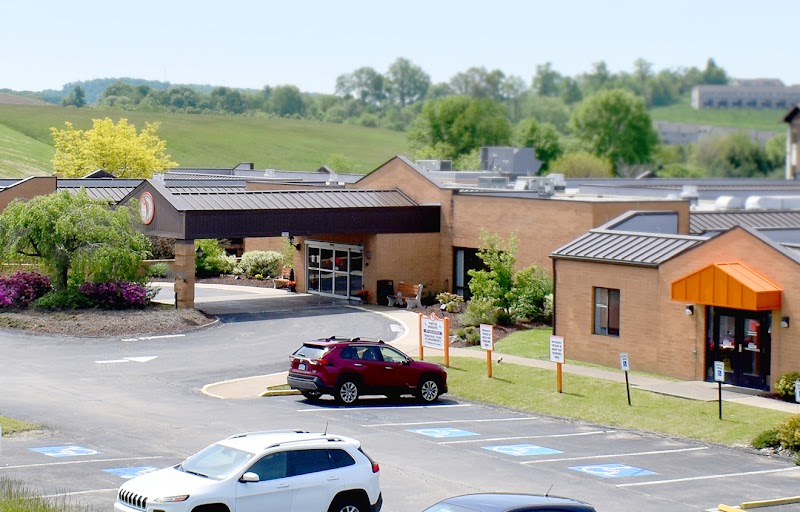
How is William Penn Staffed?

CMS rates WILLIAM PENN CARE CENTER's staffing level at 4 out of 5 stars, which is above average compared to other nursing homes. Staff turnover is 53%, compared to the Pennsylvania average of 46%.

What Have Inspectors Found at William Penn?

State health inspectors documented 41 deficiencies at WILLIAM PENN CARE CENTER during 2023 to 2025. These included: 1 that caused actual resident harm and 40 with potential for harm. Deficiencies causing actual harm indicate documented cases where residents experienced negative health consequences.
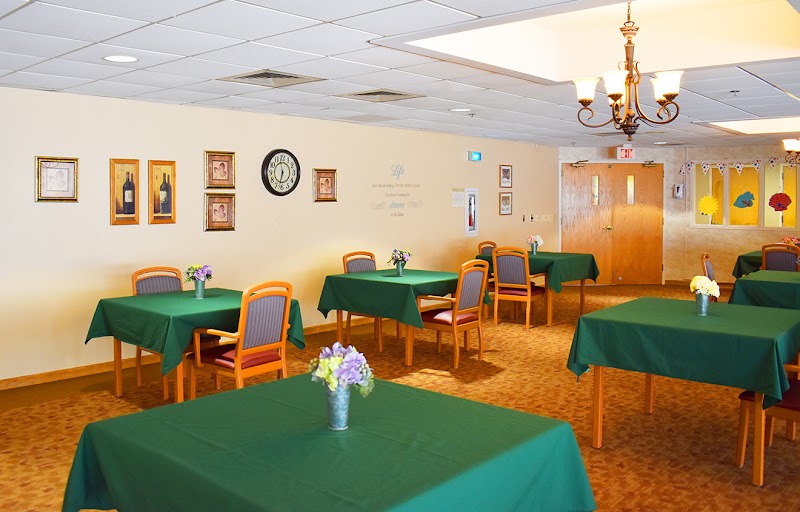
Who Owns and Operates William Penn?

WILLIAM PENN CARE CENTER is owned by a for-profit company. For-profit facilities operate as businesses with obligations to shareholders or private owners. The facility operates independently rather than as part of a larger chain. With 145 certified beds and approximately 76 residents (about 52% occupancy), it is a mid-sized facility located in JEANNETTE, Pennsylvania.

How Does William Penn Compare to Other Pennsylvania Nursing Homes?

Compared to the 100 nursing homes in Pennsylvania, WILLIAM PENN CARE CENTER's overall rating (2 stars) is below the state average of 3.0, staff turnover (53%) is near the state average of 46%, and health inspection rating (2 stars) is below the national benchmark.

What Should Families Ask When Visiting William Penn?

Based on this facility's data, families visiting should ask: "Can I visit during a mealtime to observe dining assistance and food quality?" "How do you handle medical emergencies, and what is your hospital transfer rate?" "Can I speak with family members of current residents about their experience?"

Is William Penn Safe?

Based on CMS inspection data, WILLIAM PENN CARE CENTER has a clean safety record: no substantiated abuse findings (meaning no confirmed cases of resident harm), no Immediate Jeopardy citations (the most serious violation level indicating risk of serious injury or death), and is not on the Special Focus Facility watch list (a federal program monitoring the lowest-performing 1% of nursing homes). The facility has a 2-star overall rating and ranks #100 of 100 nursing homes in Pennsylvania. While no facility is perfect, families should still ask about staff-to-resident ratios and recent inspection results during their visit.

Do Nurses at William Penn Stick Around?

WILLIAM PENN CARE CENTER has a staff turnover rate of 53%, which is 7 percentage points above the Pennsylvania average of 46%. Moderate turnover is common in nursing homes, but families should still ask about staff tenure and how the facility maintains care continuity when employees leave.

Was William Penn Ever Fined?

WILLIAM PENN CARE CENTER has been fined $13,637 across 1 penalty action. This is below the Pennsylvania average of $33,215. While any fine indicates a compliance issue, fines under $50,000 are relatively common and typically reflect isolated problems that were subsequently corrected. Families should ask what specific issues led to these fines and confirm they've been resolved.

Is William Penn on Any Federal Watch List?

WILLIAM PENN CARE CENTER is not on any federal watch list. The most significant is the Special Focus Facility (SFF) program, which identifies the bottom 1% of nursing homes nationally based on persistent, serious quality problems. Not being on this list means the facility has avoided the pattern of deficiencies that triggers enhanced federal oversight. This is a positive indicator, though families should still review the facility's inspection history directly.