REHABILITATION CENTER AT JEFFERSON HILLS, THE
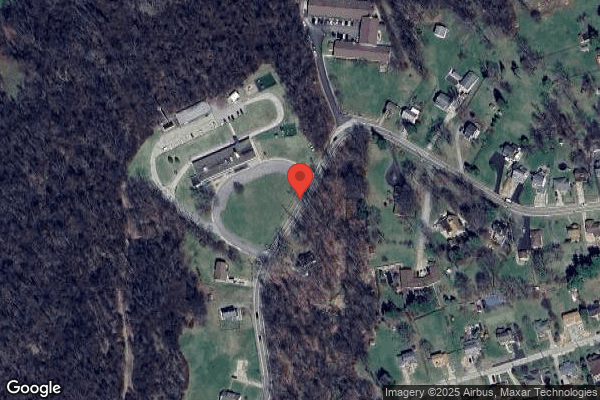

540 COAL VALLEY ROAD, JEFFERSON HILLS, PA 15025 (412) 466-1125
For profit - Corporation 50 Beds Independent Data: November 2025 1 Immediate Jeopardy citation
Trust Grade
36/100
#482 of 653 in PA
Last Inspection: March 2025

Within standard 12-15 month inspection cycle. Federal law requires annual inspections.

Overview

The Rehabilitation Center at Jefferson Hills has a Trust Grade of F, indicating a poor rating with significant concerns about its operations. It ranks #482 out of 653 in Pennsylvania, placing it in the bottom half of nursing homes in the state, and #29 out of 52 in Allegheny County, meaning there are only 28 local options that are better. While the facility is improving, having reduced its issues from 11 in 2024 to 4 in 2025, it still has serious shortcomings. Staffing is a positive aspect, receiving 4 out of 5 stars with 0% turnover, which is much better than the state average; this means staff are likely experienced and familiar with the residents. However, the facility has faced critical incidents, such as failing to provide adequate supervision for a resident, which risked elopement, and issues related to not having a proper water management program, which could lead to health risks like Legionnaires' disease. Overall, while there are strengths in staffing, the facility's poor trust grade and the presence of serious issues make it a concerning option for families.

Trust Score
F
36/100
In Pennsylvania
#482/653
Bottom 27%
Safety Record
High Risk
Review needed
Inspections
Getting Better
11 → 4 violations
Staff Stability
○ Average
Turnover data not reported for this facility.
Penalties
⚠ Watch
$8,281 in fines. Higher than 84% of Pennsylvania facilities, suggesting repeated compliance issues.
Skilled Nurses
✓ Good
Each resident gets 69 minutes of Registered Nurse (RN) attention daily — more than 97% of Pennsylvania nursing homes. RNs are the most trained staff who catch health problems before they become serious.
Violations
⚠ Watch
26 deficiencies on record. Higher than average. Multiple issues found across inspections.
★★☆☆☆
2.0
Overall Rating
★★★★☆
4.0
Staff Levels
★★★★☆
4.0
Care Quality
★★☆☆☆
2.0
Inspection Score
Stable
2024: 11 issues
2025: 4 issues

The Good

  • 4-Star Staffing Rating · Above-average nurse staffing levels
  • 4-Star Quality Measures · Strong clinical quality outcomes
  • Full Sprinkler Coverage · Fire safety systems throughout facility
  • No fines on record

Facility shows strength in staffing levels, quality measures, fire safety.

The Bad

2-Star Overall Rating

Below Pennsylvania average (3.0)

Below average - review inspection findings carefully

Federal Fines: $8,281

Below median ($33,413)

Minor penalties assessed

The Ugly 26 deficiencies on record

1 life-threatening
May 2025 1 deficiency 1 IJ
CRITICAL (J) 📢 Someone Reported This

A family member, employee, or ombudsman was alarmed enough to file a formal complaint

Immediate Jeopardy (IJ) - the most serious Medicare violation

Accident Prevention (Tag F0689)

Someone could have died · This affected 1 resident

**NOTE- TERMS IN BRACKETS HAVE BEEN EDITED TO PROTECT CONFIDENTIALITY** Based on review of facility policy, clinical and facility record review, facility submitted documents, and staff interviews, it ...

Read full inspector narrative →
**NOTE- TERMS IN BRACKETS HAVE BEEN EDITED TO PROTECT CONFIDENTIALITY** Based on review of facility policy, clinical and facility record review, facility submitted documents, and staff interviews, it was determined that the facility failed to provide adequate supervision to prevent elopement for one of three residents (Resident R1). This failure created an immediate jeopardy situation for 1 of 42 residents. Review of the facility policy Resident Rights dated 12/20/24, indicated the facility will promote the exercise of rights for each resident, including any who face barriers (such as communication problems, hearing problems and cognition limits) in the exercise of these rights. Review of the clinical record revealed Resident R1 was initially admitted to the facility on [DATE] and readmitted on [DATE]. Review of the facility medical diagnosis list dated 4/28/25, included diagnoses of hemothorax (condition where blood collects in the space between the chest wall and lung), Atrial Fibrillation (condition where the upper chambers of the heart beat out of rhythm causing an irregular and rapid heart rate), hypertension (condition where the force of blood against the artery wall is too high), anxiety and depression. Review of an Elopement Risk Assessment completed on 4/29/25, indicated Resident R1 was cognitively impaired, had poor decision-making skills, demonstrated exit seeking behavior, and wandered oblivious to safety needs. Review of the physician's orders reviewed on 5/5/25, indicated Resident R1 was not ordered any interventions to prevent elopement. Review of Resident R1's plan of care dated 4/29/25, did not indicate risk for elopement nor did it have interventions to prevent elopement. Review of the Police report dated 5/1/25, by Police Officer E1 indicated that on 5/1/25, at 8:18 p.m., RN Supervisor (RNS) Employee E2 stated Resident R1 was placed in a recliner in the community room then later found in another resident's room. Resident R1 was then placed in a wheelchair and taken back to his room around 7:30 p.m. Further review of the police report indicated that Resident R1 was unsupervised from approximately 7:30 p.m. to 7:55 p.m., when the police arrived on site. Further review of progress notes failed to indicate Resident R1 had any wandering behaviors documented as mentioned in the police report. Review of the facility provided incident report dated 5/1/25, at 8:00 p.m. indicated, Received a call from the 911 Center asking if we had a resident with this man's name. Answered that we did and told them last time I rounded he was sitting at the nursing station for visual rounding. Was told by the dispatcher that the police and EMS were out with a man of this name. They stated he was not hurt or injured; however he stated that he had to get away from someone wash trying to shoot at me. He was located at [address provided]. EMS took the resident to the hospital for an eval and treat. Spoke with [registered nurse] a the hospital in reference to resident baseline and medication list. Head count was immediately performed throughout the building and we found at that time the resident was indeed missing, and he was our resident Resident was last seen around 1930 hours (7:30 p.m.) when he was taken back to his room in his wheelchair. Call placed to the sister-in-law who was listed as his emergency contact. She was explained the situation, and she advised, I'm not surprised, I hate to say that; however, he has done this at every facility he has been in with the exception of one and that was following a surgery.' Spoke with nurse at [hospital] approx 2200 hours (10:00 p.m.), stating they were running some test, blood work, and a CT scan, he as acting his baseline. Hospital stated the were waiting on results of UA C&S and if those were clear they would be sending resident back to the facility. Information passed along to all involved in house. Waiting resident return at this time. Further review of the incindent report failed to include the time that EMS service contacted the facility. Review of a progress note dated for 5/1/25, at 11:05 p.m. indicated that the facility received a call from the 911 call center inquiring if Resident R1 was a resident of the facility. An immediate head count was completed, and it was confirmed that Resident R1 was not in the facility. The facility was made aware that Resident R1 was currently at the Emergency Department. The progress note indicated that Resident R1 was last seen by facility staff around 7:30 p.m. Also indicated that MD and family were made aware at that time. The time of the call from the 911 Call Center was not documented within the note. Review of an employee statement dated 5/1/25, at 10:08 p.m., by Nursing Aide (NA) Employee E3 indicated, On 5/1/25 I, [NA Employee E3], was working South Hall on the 3:00-11:00 [p.m.] shift. I last observed patient [Resident R1] sitting in the recliner in the lounge area of the unit around 7:10 p.m. At that time, I started a round on my assignment. When coming out of a patient's room after doing care, I was notified that he was found by the police at 7:50 p.m. Review of an employee statement dated 5/1/25, at 10:26 p.m., by NA Employee E4 indicated, Last time I remember seeing resident was around 19:15 [7:15 p.m.]. I remember leaving a resident's room after attending to a call light on the 200 hall. I witnessed two residents standing by the side double doors to the right of the nurse's station. I then directed the resident in question to sit down in the black recliner chair and continue to watch TV. After a few minutes of completing some small random task, I then went in room [ROOM NUMBER] around 7:20-7:30ish (new admit) to check on and prepare to bed completed full bed change, emptied cath [urinary catheter], changed clothes, and completed person inventory check list with resident. While with the new admit resident about 20 min[utes] in, the nursing supervisor walked down the hall asking us to count the residents. I advised I will do count soon as soon as I finish the inventory check list I was working on. The count (comment) did not sound or feel urgent or immediate. Few moments later approximately 20:00 [8:00 p.m.] I finished with [resident in room] 201 and that's when I was told that the resident in question was gone/ had left and was found by the police. I still then walk out the front door to still check and look. And I was told that it was confirmed that resident had been picked up by police. Review of RNS Employee E2's statement written on 5/1/25, at 10:45 p.m., by the Acting-Nursing Home Administrator (NHA) indicated, I was outside in my car when I saw the resident walk outside. He had told staff he wanted to go to the ER to visit a friend. Staff reported they offered him a ride and he refused and wanted to walk. Police called and stated they took him to the ER. He returned from the ER a few hours later. During a follow-up interview on 5/5/25, at 9:38 a.m. Acting-NHA and Director of Nursing (DON) indicated that RNS Employee E2 statement was proved to be inaccurate per video footage. Acting-NHA and DON stated that RNS Employee E2 left front desk, which then left the front door unsupervised and Resident R1 left through the front door. During an interview on 5/5/25, at 10:10 a.m., the Police Officer indicated that a passer-by saw Resident R1 with no shoes on and called the police. The Police Officer stated that facility never called the local precinct or 911 call center. The Police Officer found resident one street over (approximately four blocks) in residential back yard with no shoes on and no memory of how he arrived there. Resident R1 was taken to the Emergency Department by police. The Police Officer stated while Resident R1 was in the emergency room that a complaint was filed with The Department of Aging related to a bruise on his upper left arm that appeared to be older. The NHA and the DON were made aware that an Immediate Jeopardy situation existed on 5/5/25, at 1:39 p.m. and a corrective action plan was requested. The Immediate Jeopardy template was provided to the facility administration at 2:00 p.m. On 5/5/25, at 7:29 p.m. an acceptable Corrective Action Plan was received which included the following interventions: 1. Immediate action(s) taken for the resident(s) found to have been affected include: -On 5/1/2025 at approximately 7:30 PM the facility was in formed a resident was taken by police to the local Emergency Room. -On 5/1/2025 a root cause analysis was completed, and it validated the resident walked out the front door because there was no one monitoring the lobby area. -On 5/1 2025 a head count was completed all residents were accounted for. -On 5/1/2025 resident returned from the hospital at approx. 10:30PM were re assessed, no skin issues, no negative outcomes, no issues noted. The residents put on q 30 min checks. -On 5/1 2025 all elopement books were audited, and no issues were found. -All residents will be reviewed and assessed for elopement risk, wondering, and care plans and orders reviewed to include appropriate interventions. completed -Head counts completed. 2. Identification of other residents having the potential to be affected was accomplished by: -All residents in house will be assessed for elopement risk by the Director of Nursing or designee by 5/2/25. -All care plans for residents identified with elopement risks will be reviewed and updated with elopement risks will be reviewed and updated with interventions to prevent elopement by the Director of Nursing or designee by 5/2/25. -All residents identified to be elopement risk will be added to Elopement Binder per protocol by 5/2/25. -House audit on all doors and exit points will be conducted by Maintenance to ensure that facility is secure and alarms are functional by 5/2/25. 3. Actions taken/systems put into place to reduce the risk of future occurrence include: -Facility Director of Nursing or designee will conduct education to all facility staff regarding dementia/behavior in LTC residents, Elopement risk and mitigation, and Elopement Policy and Procedures to include keeping doors secure prior to the start of the next shift. -All staff will be educated on elopement interventions such as responding to alarms, reorient wandering patients, encourage activities, monitoring the front lobby and sign in sheet, and code 10 this is the facility overhead announcement code for an elopement and safety checks. Staff will be educated that all residents assessed as an elopement risk will have their picture and face sheet in the elopement book prior to the start of the next shift. -Elopement Books with identified resident photos will be placed on all nurses' stations in addition to the current one at the receptionist's desk by the Administrator or designee, which has been completed. - Newly admitted residents were screened for elopement risk on admission quarterly and as needed and care plans will be updated appropriately. New admission and any resident that is assessed as an elopement risk will be placed in the elopement book that includes photograph and face sheets. Book is available for staff to review and monitor 24 hours a day 7 days a week. 4. How the corrective action(s) will be monitored to ensure the practice will not recur: -The DON or designee will investigate all incidents perform root cause analysis and follow up with appropriate interventions. -The QAPI team will review the elopement interventions and update as required. -The RN supervisor is responsible for ensuring the front door is monitored 24 hours 7 days a week until the wander guard system is installed. -The lobby monitoring sign in sheet will be reviewed daily for 1 week then 2 times a week times 2 weeks then monthly times 2. -Door alarms will be audited daily by maintenance daily. -Elopement drills will be conducted monthly for 2 months on all shifts. -The plan of correction will be monitored by QAPI for 3 months including all door audits, elopement book, elopement drills and all new admissions will be audited for elopement risk. This plan of correction will be monitored at the Quality Assurance and Process Improvement meeting until such time consistent substantial compliance has been met. During staff interviews on 5/6/25, between 9:00 a.m. and 11:00 a.m. LPN Employees E23, E24, and E32, RN Employee E7, NA Employees E3, E4, E9, E10, E11, E12, E13, and E14, Occupational Therapy Employee E26, Dietary Employees E15, E16, E17, and E19, Environmental Services Employees E20, E21, E22, and E25, Business Office Manager E8, Physical Therapy Employees E27, E28, And E29, Social Work Director Employee E30, Speech Therapy Employee E31 and Activities Director E6 were provided scenarios to test their knowledge on and confirmed they received education on the elopement policy, elopement prevention and actions to take in the instance of elopement. During an observation on 5/6/25, at approximately 10:00 a.m. Resident R1's and Resident R2's pictures and information were present in the elopement book at the entrance/exit of the building. Further review of the elopement book with resident charts revealed all residents identified as elopement risks were included in the elopement book. The Immediate Jeopardy was removed on 5/6/25, at 2:30 p.m. when the action plan implementation was verified. During an interview on 5/5/25, at approximately 3:00 p.m. the Nursing Home Administrator and the Director of Nursing confirmed that the facility failed to provide adequate supervision to prevent elopement for one of three residents. This failure created an immediate jeopardy situation for 1 of 42 residents. 28 Pa. Code 201.14(a) Responsibility of licensee. 28 Pa. Code 201.18(b)(e)(1) Management. 28 Pa. Code 211.10(c)(d) Resident care policies. 28 Pa Code 211.12(d)(1)(2)(5) Nursing services.
Mar 2025 3 deficiencies
CONCERN (D)

Potential for Harm - no one hurt, but risky conditions existed

ADL Care (Tag F0677)

Could have caused harm · This affected 1 resident

**NOTE- TERMS IN BRACKETS HAVE BEEN EDITED TO PROTECT CONFIDENTIALITY** Based on review of facility policy, clinical record review, observations, and resident and staff interviews it was determined th...

Read full inspector narrative →
**NOTE- TERMS IN BRACKETS HAVE BEEN EDITED TO PROTECT CONFIDENTIALITY** Based on review of facility policy, clinical record review, observations, and resident and staff interviews it was determined that the facility failed to make certain that showers and baths were provided for one of three residents (Resident R37). Findings include: Review of facility policy Resident Rights reviewed 12/20/24, indicated the resident has a right to a dignified existence, self-determination, and communication with and access to persons and services inside and outside the facility. Review of facility policy Flow of Care reviewed 12/20/24, indicated care will be provided to residents, as needed 24-hour a day to attain and maintain the highest level of functioning. Residents are to have two bath/showers/week unless the resident states otherwise. Review of the clinical record indicated Resident R37 was admitted to the facility on [DATE], with diagnoses that included repeated falls, diabetes, and low blood pressure. Review of Resident R37' s Minimum Data Set (MDS - a mandated assessment of a resident's abilities and care needs) dated 2/10/25, indicated the diagnoses remain current. Review of the MDS dated [DATE], Section F - Preferences for Customary Routine and Activities; Question F0400 Interview for Daily Preferences Question C. How important is it to you to choose between a tub bath, shower, bed bath, or sponge bath? Indicated to Resident R37 this choice was somewhat important while in the facility. Further review of the MDS Section GG - Functional Abilities and Goals Question GG0130 Self-Care E. Shower/bathe self, indicated Resident R37 needed partial/moderate assistance. Review of the ACT - Activities Evaluation completed 8/27/24, revealed Resident R37 answered it was somewhat important to choose between a tub bath, shower, bed bath, or sponge bath. During an interview on 3/12/25, at 10:40 a.m. Resident R37 stated he prefers showers and was unable to recall when he last had one. A review of the clinical record indicated Resident R37 received a shower on the following dates: August 2024 - no documented showers; 19 documented bed baths September 2024 - 9/4/24, 9/7/24, 9/9/24, 9/12/24, 9/22/24; 35 documented bed baths October 2024 - 10/5/24, 10/10/24, 10/19/24, 10/25/24; 38 documented bed baths November 2024 - 11/11/24; 40 documented bed baths December 2024 - 12/5/24, 12/27/24, 12/30/24; 34 documented bed baths January 2025 - no documented showers; 34 documented bed baths February 2025 - 2/6/25; 42 documented bed baths March 2025 - 3/10/25; 17 documented bed baths Review of the care plan dated 8/21/24, indicated to keep skin clean and dry, monitor and report reddened areas to MD (doctor), assist x 1 with transfers During an interview on 3/13/25, at 10:00 a.m. the Director of Nursing confirmed the facility failed to consistently provide showers and/or baths for Resident R37. 28 Pa. Code: 211.12(1) Nursing services. 28 Pa. Code: 211.10(d) Resident care policies. 28 Pa. Code: 211.12 (2)(5) Nursing services.
CONCERN (D)

Potential for Harm - no one hurt, but risky conditions existed

Quality of Care (Tag F0684)

Could have caused harm · This affected 1 resident

**NOTE- TERMS IN BRACKETS HAVE BEEN EDITED TO PROTECT CONFIDENTIALITY** Based on review of facility policy, clinical records, and staff interviews, it was determined that the facility failed to assess...

Read full inspector narrative →
**NOTE- TERMS IN BRACKETS HAVE BEEN EDITED TO PROTECT CONFIDENTIALITY** Based on review of facility policy, clinical records, and staff interviews, it was determined that the facility failed to assess, document, and notify physicians of increased and decreased Capillary Blood Glucose (CBG) levels for two of five residents reviewed (Residents R20 and R24). Findings include: The Centers for Disease Control defines diabetes as: Diabetes Mellitus is a chronic (long-lasting) health condition that affects how your body turns food into energy. Most of the food you eat is broken down into sugar (also called glucose) and released into your bloodstream. When your blood sugar goes up, it signals your pancreas to release insulin. Insulin acts like a key to let the blood sugar into your body's cells for use as energy. If you have diabetes, your body either doesn't make enough insulin or can't use the insulin it makes as well as it should. When there isn't enough insulin or cells stop responding to insulin, too much blood sugar stays in your bloodstream. Over time, that can cause serious health problems, such as heart disease, vision loss, and kidney disease. Hypoglycemia is a condition that occurs when blood glucose is lower than normal, usually below 70 milligrams per deciliter (mg/dl). If left untreated, hypoglycemia may lead to weakness, confusion, unconsciousness, arrhythmias and even death. People with Diabetes Mellitus may be prescribed injectable insulin to assist in maintaining acceptable levels of CBG's. Hyperglycemia, or high blood glucose, occurs when there is too much sugar in the blood. This happens when your body has too little insulin. Hyperglycemia is blood glucose greater than 125 mg/dL while fasting (not eating for at least eight hours, or a blood glucose greater than 180 mg/dL one to two hours after eating. If you have hyperglycemia and it ' s untreated for long periods of time, you can damage your nerves, blood vessels, tissues and organs. Damage to blood vessels can increase your risk of heart attack and stroke, and nerve damage may also lead to eye damage, kidney damage and non-healing wounds. Review of facility policy Nursing Care of the Diabetic Resident reviewed 12/20/24, indicated the facility will recognize, assist, and document the treatment of complications commonly associated with diabetes. Documentation should reflect the carefully assessed diabetic resident and include vital signs, level of consciousness, assessment of the skin, emotional/mood changes, and pain/discomfort. Document results of any fingerstick blood glucose monitoring, interventions to stabilize blood glucose levels, and notification to physician. Review of facility policy Notification of Condition Change: Physician reviewed 12/20/24, indicated licensed professional nurses are responsible to provide timely and complete communication to physicians when there is a change in a resident ' s condition. Document assessment data, attempted or actual correspondence with physician, and physician ' s response in the medical record. Review of facility Hypoglycemic Protocol reviewed 12/20/24, indicated if resident ' s blood glucose is less than 70 administer rapidly absorbed simple carbohydrate such as four ounces (oz) of juice, five or six oz of regular soda, or tube of glucose gel. Repeat blood glucose in 10-15 minutes and repeat protocol if still less than 70. If resident is symptomatic, notify physician. Review of the clinical record indicated Resident R20 was re-admitted to the facility on [DATE], with diagnoses that included diabetes, dementia (group of symptoms affecting memory, thinking and social abilities), and high blood pressure. Review of Resident R20' s Minimum Data Set (MDS - a mandated assessment of a resident's abilities and care needs) dated 2/1/25, indicated the diagnoses remain current. Review of Resident R20 physician ' s order revealed the following orders: - On 6/10/24, Glucagon (raises blood glucose level) one milligram, inject one dose as needed - On 6/18/24, inject Novolog (begins to work about 15 minutes after injection, peaks in about one or two hours after injection, and last between two to four hours) per sliding scale, if over 401 call provider - On 9/2/24, insulin Glargine (long-acting type of insulin that works slowly, over about 24 hours) inject 38 units at bedtime Review of the clinical record, and electronic Medication Administration Record (eMAR) revealed that the resident's CBG's were as follows: - On 10/2/24, at 6:05 a.m. glucagon one milligram was administered to Resident R20. - On 10/2/24, at 6:34 a.m. the CBG was noted to be 50. - On 12/7/25, at 6:14 a.m. the CBG was noted to be 52. Review of the care plan dated 10/11/22, indicated the following interventions: diabetes medication as ordered by doctor, monitor/document for side effects and effectiveness, and monitor/document/report to doctor as needed signs and symptoms of hypoglycemia. Review of Resident's eMAR and clinical progress notes indicated the resident was not assessed for hypoglycemia, the blood glucose was not monitored for effectiveness of treatment, staff failed to follow interventions of the care plan, and the physician was not notified of abnormal results on the above listed dates. Review of a clinical record indicated Resident R24 was admitted to the facility on [DATE], with diagnoses that included diabetes, high blood pressure, and depression. Review of the MDS dated [DATE], indicated the diagnoses remain current. Review of Resident R24 physician ' s orders revealed the following orders: - On 11/3/22, Accucheck/CBG as needed. - On 8/14/23, CBG/Accuchecks one time daily, call provider if greater than 400. - On 1/13/24, insulin Lantus (glargine) inject 30 units at bedtime. Review of Resident 24's eMAR revealed that the resident's CBG's were as follows: - On 8/6/24, at 8:04 p.m. the CBG was noted to be 438. Review of the care plan dated 11/3/22 and 4/14/23, indicated the following interventions: Monitor/document/report to doctor as needed signs and symptoms of hyperglycemia, and follow facility protocol for hypo/hyperglycemia. Review of Resident R24's eMAR and clinical progress notes indicated the resident was not assessed for hyperglycemia, failed to follow interventions of the care plan, blood sugar was not rechecked, and the physician was not notified of abnormal results. During an interview on 3/12/24, at 10:35 a.m. Licensed Practical Nurse (LPN) Employee E1 stated with no blood glucose parameters she would call the doctor is CBG was under 70 or over 400, she would notify the doctor. If the blood glucose was under 70, she would assess the resident, provide the resident with a snack, recheck the blood glucose in 15 minutes, notify the supervisor, and doctor. If the blood glucose was over 400, she would assess the resident, give the ordered insulin, notify the doctor, and recheck the blood glucose in 15 minutes. She would document in the eMAR and progress notes. During an interview on 3/12/25, at 1045 a.m. LPN Employee E2 stated with no blood glucose parameters she would call the doctor is CBG was under 70 or over 400-500 depending on the resident. If the blood glucose was under 70, she would follow the hypoglycemia protocol, give the resident a snack, notify the doctor, and recheck the blood glucose in 15 minutes. If the glucose was over 400, she would give the maximum amount of insulin ordered and call the doctor. She would document in the eMAR and progress notes. During an interview on 3/13/25, at 10:00 a.m. the Director of Nursing confirmed the facility failed to notify the doctor of a change in condition, failed to document an assessment or interventions used related to blood glucose, and failed to follow physicians orders for Residents R20 and R24. 28 Pa. Code 201.18 (b)(1) Management. 28 Pa. Code 201.29(d) Resident rights. 28 Pa. Code 211.10 (c)(d) Resident care policies. 28 Pa. Code 211.12 (d)(1)(2)(3)(5) Nursing services.
CONCERN (D)

Potential for Harm - no one hurt, but risky conditions existed

Medical Records (Tag F0842)

Could have caused harm · This affected 1 resident

**NOTE- TERMS IN BRACKETS HAVE BEEN EDITED TO PROTECT CONFIDENTIALITY** Based on review of clinical records and staff interviews, it was determined that the facility failed to ensure that residents' c...

Read full inspector narrative →
**NOTE- TERMS IN BRACKETS HAVE BEEN EDITED TO PROTECT CONFIDENTIALITY** Based on review of clinical records and staff interviews, it was determined that the facility failed to ensure that residents' clinical records were complete and accurately documented for one of six residents reviewed (Resident R37). Findings: The Long-Term Care Facility Resident Assessment Instrument (RAI) User's Manual, which provides instructions and guidelines for completing required Minimum Data Set (MDS) assessments (mandated assessments of a resident's abilities and care needs), dated October 2019, indicated that a BIMS (Brief Interview of Mental Status) is a brief screener that aids in detecting cognitive impairment. Scores from a BIMS assessment suggests the following distributions: 13 - 15: cognitively intact 8 - 12: moderately impaired 0 - 7: severe impairment Review of the clinical record indicated Resident R37 was admitted to the facility on [DATE], with diagnoses that included repeated falls, diabetes, and low blood pressure. Review of Resident R37' s Minimum Data Set (MDS - a mandated assessment of a resident's abilities and care needs) dated 2/10/25, indicated the diagnoses remain current. Review of the MDS dated [DATE], Section C - Cognitive Patterns, Question C0500 BIMS Summary Score indicated Resident R37 BIMS score was 15. Review of the MDS dated [DATE], Question C0500 BIMS Summary Score indicated Resident R37 BIMS score was 12. Review of the MDS dated [DATE], Question C0500 BIMS Summary Score indicated Resident R37 BIMS score was 10. Review of the clinical record progress notes revealed documentation of the following: On 11/19/24, Palliative Care Note - Follow-Up note indicated Resident R37 ' s BIMS Score was 15. On 12/10/24, Palliative Care Note - Follow-Up note indicated Resident 37 ' s BIMS Score was 15. On 1/4/25, Palliative Care Note - Follow-Up note indicated Resident R37 ' s BIMS Score was 15. On 2/18/25, Palliative Care Note - Follow-Up note indicated Resident R37 ' s BIMS Score was 15. On 3/11/25, Palliative Care Note - Follow- Up note indicated Resident R37 ' s BIMS Score was 15. During an interview on 3/13/25, at 10:00 a.m. the Director of Nursing (DON) confirmed the facility failed to ensure documentation was accurate and complete for Resident R37. The DON stated the facility did not have a policy specific for documentation in the clinical records. 28 Pa. Code 211.5(f) Clinical records. 28 Pa. Code 211.12(d)(5) Nursing services.
Aug 2024 2 deficiencies
CONCERN (D) 📢 Someone Reported This

A family member, employee, or ombudsman was alarmed enough to file a formal complaint

Potential for Harm - no one hurt, but risky conditions existed

Notification of Changes (Tag F0580)

Could have caused harm · This affected 1 resident

**NOTE- TERMS IN BRACKETS HAVE BEEN EDITED TO PROTECT CONFIDENTIALITY** Based on review of facility policy, clinical records and staff interview, it was determined that the facility failed to notify t...

Read full inspector narrative →
**NOTE- TERMS IN BRACKETS HAVE BEEN EDITED TO PROTECT CONFIDENTIALITY** Based on review of facility policy, clinical records and staff interview, it was determined that the facility failed to notify the family of a change in condition in a timely manner for one of four residents (Resident R1). Findings include: Review of the facility policy Notification of Change Condition: Responsible Party/Guardian dated 5/1/24, indicated the responsible party or guardian is to be notified when there has been any break in the resident's skin integrity. Review of the clinical record indicated that Resident R1 was admitted to the facility on [DATE], with diagnoses that included dementia and a fractured left leg. Review of the Minimum Data Set (MDS - a periodic assessment of care needs) dated 7/4/24, indicated the diagnoses remain current. Review of Resident R1's admission assessment dated [DATE], indicated the resident had a skin alteration to the coccyx (lower back) 0-0.3 cm (centimeters) with light exudate (abrasion) and granulated (healing) tissue. Review of Resident R1's nurse progress note dated 7/8/24, indicated possible Kennedy Wound (pressure ulcer that has a sudden onset and rapid progression) to coccyx 6.5 cm X 7 cm, dressing applied and wound care CRNP (certified registered nurse practitioner) sent to assist in treatment plan. There was no evidence in the clinical record that the resident's family was notified of this change in condition. During an interview on 8/22/24, at 3:0 p.m. the Director of Nursing confirmed that the facility failed to notify the family of a change in condition in a timely manner for one of four residents (Resident R1). 28 Pa. Code: 201.29(a)(b)(c)(d)(j)(m) Resident rights. 28 Pa. Code: 201.14(a)(c)(d)(e) Responsibility of licensee. 28 Pa. Code: 211.12(d)(1)(2)(3)(5) Nursing services. 28. Pa. Code: 211.10(a)(c)(d) Resident care policies.
CONCERN (D) 📢 Someone Reported This

A family member, employee, or ombudsman was alarmed enough to file a formal complaint

Potential for Harm - no one hurt, but risky conditions existed

Medical Records (Tag F0842)

Could have caused harm · This affected 1 resident

**NOTE- TERMS IN BRACKETS HAVE BEEN EDITED TO PROTECT CONFIDENTIALITY** Based on review of facility policies and clinical records and staff interview, it was determined that the facility failed to mak...

Read full inspector narrative →
**NOTE- TERMS IN BRACKETS HAVE BEEN EDITED TO PROTECT CONFIDENTIALITY** Based on review of facility policies and clinical records and staff interview, it was determined that the facility failed to make certain that medical records on each resident are complete and accurately documented for one of four residents (Resident R1) Review of the clinical record indicated that Resident R1 was admitted to the facility on [DATE], with diagnoses that included dementia, and a left leg fracture. Review of the Minimum Data Set (MDS-periodic assessment of care needs) dated 7/4/24, indicated the diagnoses remain current. Review of a physician order dated 7/15/24, indicated to cleanse the top of both feet with NSS (normal saline solution), apply Xeroform (a moisture dressing) to open areas, apply 4X4 gauze, and wrap with gauze daily for wound care. Review of Resident R1's Treatment Administration Record (TAR), dated July 2024, indicated the treatment was applied on 7/16, and 7/17/2024. Resident R1 was discharged to home on 7/17/24. Review of weekly skin check documentation dated, 06/28/24, 7/3/24, and 7/10/24, indicated that Resident R1 did not have open areas to the top of both feet. During an interview on 8/22/24 at 1:30 p.m., Licensed Practical Nurse (LPN) Employee E1 revealed Resident R1 did not have wounds to the feet while a resident at the facility. During a telephone interview on 8/22/24 at 2:25 p.m., LPN Employee E2 revealed the documentation on Resident R1's TAR was incorrect. During an interview on 8/22/24 at 2:15 p.m., The Director of Nursing (DON) confirmed the above findings and revealed the physician order and TAR documentation for wound care to both feet was entered on the wrong resident's chart, and the facility failed to make certain that medical records were complete and accurately documented for Resident R1. 28 Pa. Code: 211.5(f) Clinical records. 28 Pa. Code: 211.5(g)(h) Clinical records.
Mar 2024 9 deficiencies
CONCERN (D)

Potential for Harm - no one hurt, but risky conditions existed

Deficiency F0658 (Tag F0658)

Could have caused harm · This affected 1 resident

**NOTE- TERMS IN BRACKETS HAVE BEEN EDITED TO PROTECT CONFIDENTIALITY** Based on clinical record review and staff interview, it was determined that the facility failed to make certain that each reside...

Read full inspector narrative →
**NOTE- TERMS IN BRACKETS HAVE BEEN EDITED TO PROTECT CONFIDENTIALITY** Based on clinical record review and staff interview, it was determined that the facility failed to make certain that each resident's drug regimen was free from unnecessary drugs used without adequate indications and failed to provide medications in accordance with manufacturer's instructions for use for one of five residents (Resident R37). Findings include: Review of the U.S. Food and Drug Administration (FDA) prescribing information for Ziprasidone (anti-psychotic medication) revised 01/2020, indicated that Ziprasidone is used for the treatment of schizophrenia (a mental disorder characterized by delusions, hallucinations, disorganized speech and behavior) and bipolar disease (a mental condition marked by alternating periods of elation and depression). Further review of this documented indicated this medication is to be given with food. Review of the U.S. National Library of Medicine The Impact of Calories and Fat Content of Meals on Oral Ziprasidone Absorption dated 10/21/08, indicated that Ziprasidone should be taken with food and that a meal equal to or greater than 500 calories is required for optimal bioavailability of the administered dose. During a resident group interview on 3/5/24, at 2:00 p.m. the residents stated that snacks at night are usually potato chips or snack puddings. Review of the clinical record indicated Resident R37 was admitted to the facility on [DATE]. Review of the Minimum Data Set (MDS - periodic assessment of care needs) dated 12/3/23, included the diagnoses of chronic obstructive pulmonary disease (COPD, a group of progressive lung disorders characterized by increasing breathlessness) and depressions. Further review of the MDS failed to include any diagnosis of a psychotic disorder, such as schizophrenia or bipolar disorder. Review of the facility diagnosis list failed to include any diagnosis of a psychotic disorder. Review of hospital discharge paperwork dated 7/11/23, included Ziprasidone 20 milligrams (mg), once daily. Review of a physician's order dated 11/13/23, indicated for R37 to receive Ziprasidone HCL 20 mg, twice daily, as a mood stabilizer. Review of the order scheduling details indicated that this medication was ordered to be given at 9:00 a.m. and 9:00 p.m. Review of a physician's order dated 10/26/23, indicated for Resident R37 to receive a psychology consult. Review of Resident R37's clinical record failed to include a consultation completed with a psychological provider. Review of Resident R37's plan of care for the use of psychotropic medications related to risk for negative mood/behavior related to a history of depression dated initiated 3/5/24, failed to include any goals or interventions related to behavior monitoring. Review of behavior charting from October 2023, through February 2024, revealed the following: October - Resident R37 documented as having no behaviors. November - Behaviors not assessed. December - Resident R37 documented as having no behaviors. January - Resident R37 documented as having no behaviors. February - Resident R37 documented as having no behaviors. During an interview on 3/7/24, at approximately 2:00 p.m. the Nursing Home Administrator confirmed that the facility failed to make certain that each resident's drug regimen was free from unnecessary drugs used without adequate indications and failed to provide medications in accordance with manufacturer's instructions for use for one of five residents. 28 Pa. Code: 211.12(d)(1)(3)(5) Nursing services.
CONCERN (D)

Potential for Harm - no one hurt, but risky conditions existed

Pressure Ulcer Prevention (Tag F0686)

Could have caused harm · This affected 1 resident

**NOTE- TERMS IN BRACKETS HAVE BEEN EDITED TO PROTECT CONFIDENTIALITY** Based on review of facility policy, clinical record review, and staff interview, it was determined that the facility failed to p...

Read full inspector narrative →
**NOTE- TERMS IN BRACKETS HAVE BEEN EDITED TO PROTECT CONFIDENTIALITY** Based on review of facility policy, clinical record review, and staff interview, it was determined that the facility failed to provide prescribed treatment and services related to the care of pressure ulcers for one of five residents (Resident R35). Findings include: Review of the facility policy Pressure Ulcer Review dated 12/11/23, previously reviewed 7/1/23, indicated that a resident with a pressure ulcer receives the necessary treatment and services to promote healing, prevent infections, and prevent new development. Review of the clinical record indicated Resident R35 was admitted to the facility on [DATE]. Review of the Minimum Data Set (MDS - periodic assessment of care needs) dated 1/31/24, included the diagnoses of diabetes (a metabolic disorder in which the body has high sugar levels for prolonged periods of time) and Down syndrome (a genetic disorder causing developmental and intellectual delays). Review of a physician's order dated 1/3/24, to start on 1/4/24, indicated for staff to cleanse coccyx (area at the base of the spinal column) with normal saline, pat dry, apply collagen cover with calcium alginate (absorptive wound dressing ), cover with bordered gauze every day and as needed. Review Resident R35's care plan dated for actual/potential for skin integrity impairment initiated 12/21/22, indicated for staff to administer treatments as ordered and monitor for effectiveness. Review of Resident R35's Treatment Administration Record for January 2024 revealed that no documentation for completion of Resident R35's coccyx wound treatment completed from 1/4/24, through 1/15/24. Review of a wound nurse nurse practitioner's progress note dated 1/17/24, at 6:51 p.m. indicated Wound has deteriorated since last evaluation. Over the last few evaluations, the wound bed has been very clean with beefy red tissue. The wounds have converted to two separate areas; left and right buttock. They both have new foul drainage & slough (dead tissue that needs to be removed for wound to heal); as well as deeper depth. Concern for abscess pocket on the left buttock at the 5 o'clock location, when probed there is increased yellow drainage. Wound culture was sent due to abrupt change in wound appearance. Review of a progress note dated 1/20/24, at 3:47 a.m. indicated This nurse was called to residents room to look at wound on coccyx (right/left top buttock). Foul smell is present with gross amounts of foul smelling yellow/brown purulent (containing or producing pus) drainage. Left open area is 1 centimeter (cm) in diameter with tunneling (a wound that's progressed to form passageways underneath the surface of the skin) at 3 o'clock, 1cm tunneling six o'clock. Right open area slough is present with gross amounts or yellow foul smelling purulent drainage and tunnels at 3 o'clock of 1cm. Review of a progress note dated 1/21/24, at 3:49 a.m. indicated This nurse was called to room by staff due to dressing being saturated with foul copious amounts of purulent drainage. While performing wound care it was discovered that resident now has an open area in gluteal fold (horizontal crease of the buttock) midline to anus that tunnels to the original wound that measured 5 x 5 cm. As a nursing measure I cleaned entire area with normal saline and packed with 1/4 packing and Dakins (antiseptic solution) as calcium alginate and Santyl (ointment to remove dead skin) are futile at this time. Review of a progress note dated 1/22/24, at 6:42 p.m. indicated Wound Care Nurse was sent pictures of wound to coccyx and wanted the resident sent to the hospital for intravenous antibiotics. Resident was sent to [the hospital]. Review of a progress note dated 1/26/24, at 1:26 p.m. indicated Resident R35 returned to the facility. Review of a nurse practitioner follow-up dated 1/30/24, indicated that Resident R35 was hospitalized last week for a worsening wound. During an interview on 3/7/24, at approximately 2:00 p.m. the Nursing Home Administrator confirmed the facility failed to provide prescribed treatment and services related to the care of pressure ulcers for one of five residents. 28 Pa. Code: 211.12(d)(1)(5) Nursing services.
CONCERN (E)

Potential for Harm - no one hurt, but risky conditions existed

Deficiency F0809 (Tag F0809)

Could have caused harm · This affected multiple residents

**NOTE- TERMS IN BRACKETS HAVE BEEN EDITED TO PROTECT CONFIDENTIALITY** Based on a review of facility documentation and staff and resident interviews, it was determined the facility failed to ensure t...

Read full inspector narrative →
**NOTE- TERMS IN BRACKETS HAVE BEEN EDITED TO PROTECT CONFIDENTIALITY** Based on a review of facility documentation and staff and resident interviews, it was determined the facility failed to ensure the provision of a substantial evening snack to the residents when up to 16 hours elapsed from the supper meal to breakfast the next day, and failed to [NAME] resident group acceptance of a meal span of greater than 14 hours. Findings include: Review of facility's scheduled meal times revealed meal times revealed greater than 14 hours between dinner and breakfast. Breakfast: North Unit 9:00 a.m.; South Unit 9:10 a.m. Lunch: North Unit 1:00 p.m.; South Unit 1:10 p.m.; Dining Hall 1:15 p.m. Dinner: North Unit 5:00 p.m.; South Unit 5:10 p.m. During a resident group interview on 3/5/24, at 2:00 p.m. the residents stated that snacks at night are usually potato chips or snack puddings. On 3/7/24, at approximately 10:30 a.m. documentation was requested from Activities Director Employee E3 that the resident group agreed to this meal span. During an interview on 3/7/24, at approximately 2:00 p.m. the Nursing Home Administrator confirmed the facility failed to ensure the provision of a substantial evening snack to the residents when up to 16 hours elapsed from the supper meal to breakfast the next day, and failed to [NAME] resident group acceptance of a meal span of greater than 14 hours. 28 Pa. Code 211.6(a)(b) Dietary services
CONCERN (E)

Potential for Harm - no one hurt, but risky conditions existed

Deficiency F0848 (Tag F0848)

Could have caused harm · This affected multiple residents

Based on review of the facility's admission agreement and staff interviews, it was determined that the facility failed to ensure a neutral and fair arbitration process by ensuring both the resident or...

Read full inspector narrative →
Based on review of the facility's admission agreement and staff interviews, it was determined that the facility failed to ensure a neutral and fair arbitration process by ensuring both the resident or his or her representative, and the facility agree on the selection of a neutral arbitrator for 44 of 44 residents admitted . Findings include: Review of facility's admission Agreement packet, which contained the document Voluntary Arbitration Agreement indicated that Accordingly, any dispute arising out of relating to the provision of services by the Facility to the Resident, Resident's admission to the Facility, Resident's contracts with the Facility or the subject matter thereof, any breach of contract, including any dispute regarding the execution, validity or scope of this Arbitration Agreement or any of its clauses, will be resolved through arbitration administered by [name of arbitrator services company which the facility utilized] and conducted pursuant to the [arbitrator] Rules of Procedure for Arbitration. The facility's arbitration agreement failed to provide for the selection of a neutral arbitrator agreed upon by both parties as one is designated in the facility arbitration agreement, in accordance with §483.70(n)(2)(iii). (Regulatory guidance defined a neutral Arbitrator as an impartial, or unbiased third-party decision maker, contracted with, and agreed to by both parties to resolve their dispute. To ensure a neutral arbitrator is selected, the facility should avoid even the appearance of bias, partiality, or a conflict of interest, and should promptly disclose to the resident or his or her representative the extent of any relationship which exists with an arbitrator or arbitration services company, including how often the facility has contracted with the arbitrator or arbitration service, and when the arbitrator or arbitration service has ruled for or against the facility). During an interview on 3/7/24, at 11:14 p.m. the Nursing Home Administrator confirmed the language of the arbitration agreement may appear not to afford the selection of a neutral arbitrator as it indicated that all arbitration are administered by the facility's contracted arbitration service. 28 Pa. Code 201.14(a) Responsibility of licensee. 28 Pa. Code 201.18(b)(2) Management. 28 Pa. Code 201.29(a)(j) Resident rights.
CONCERN (E)

Potential for Harm - no one hurt, but risky conditions existed

Deficiency F0947 (Tag F0947)

Could have caused harm · This affected multiple residents

Based on review of facility policy, staff education records, and staff interviews, it was determined that the facility failed to conduct at least 12 hours of in-service education, within 12 months of ...

Read full inspector narrative →
Based on review of facility policy, staff education records, and staff interviews, it was determined that the facility failed to conduct at least 12 hours of in-service education, within 12 months of their hire date anniversary, for nurse aides as required for three of three nurse aides (Employees E4, E5, and E6). Finding include: Review of the policy Staff Development dated 12/11/23, previously reviewed 7/1/23, indicated Nursing assistants shall receive at least 12 hours of in-service per year. Review of Nurse Aide (NA) Employees E4, E5, and E6 education records revealed that each NA had documentation of eight hours of in-service training, and additional plan of correction training on abuse and neglect, visitation, and transfer status. During an interview on 3/7/24, at approximately 2:00 p.m. the Nursing Home Administrator confirmed that the facility failed to provide documentation of the required 12 hours annual in-service education within 12 months of their hire date anniversary for three of three nurse aides. 28 Pa. Code: 201.14(a) Responsibility of licensee. 28 Pa. Code: 201.20(c) Staff development.
CONCERN (F)

Potential for Harm - no one hurt, but risky conditions existed

Deficiency F0847 (Tag F0847)

Could have caused harm · This affected most or all residents

Based on review of facility documents, resident and staff interviews it was determined that the facility failed to ensure the residents' right to not enter into a binding arbitration agreement as a co...

Read full inspector narrative →
Based on review of facility documents, resident and staff interviews it was determined that the facility failed to ensure the residents' right to not enter into a binding arbitration agreement as a condition of admission for 44 of 44 admitted residents. Findings include: Review of the admission Packet list attachments as Attachment P Voluntary Arbitration Agreement. Review of the Arbitration Agreement indicated that the agreement is voluntary. The agreement has been explained to the Resident and his or her Representative in a form and manner that he or she understands. The signature section at the end of the agreement stated THE EXECUTION PAGE MUST BE SIGNED BY EITHER THE RESIDENT OR THE RESIDENT'S REPRESENTATIVE. This section did not include options to agree or disagree to enter into the binding arbitration agreement, or a refusal to sign. Review of facility census information indicated 44 residents were admitted to the facility from 1/1/24, through 3/7/24. During an interview on 3/7/24, at 11:00 a.m. Business Office Manager (BOM) Employee E2 confirmed that all residents sign the arbitration agreement. BOM Employee E2 stated that when she was trained on admissions procedures she was told that all residents needed to sign. BOM Employee E2 confirmed that the arbitration agreement forms did not provide the option of refusing to enter into the agreement, and that the signature of the resident or the resident's representative conveyed acceptance of the arbitration agreement. During an interview on 3/7/24, at 11:14 a.m. the Nursing Home Administrator confirmed that the facility failed to ensure the residents' right to not enter into a binding arbitration agreement as a condition of admission. 28 Pa. Code 201.14(a)Responsibility of Licensee.
CONCERN (F)

Potential for Harm - no one hurt, but risky conditions existed

Infection Control (Tag F0880)

Could have caused harm · This affected most or all residents

Based on review of facility policy, water testing logs and staff interview, it was determined that the facility failed to implement an effective Water Management Program for the prevention and control...

Read full inspector narrative →
Based on review of facility policy, water testing logs and staff interview, it was determined that the facility failed to implement an effective Water Management Program for the prevention and control of water-borne contaminants, such as Legionella (a bacteria that may cause Legionnaires' Disease, a serious type of pneumonia) for eleven of eleven months (April 2023 through February 2024). Findings include: A review of the facility policy Legionnaires' Disease Infection Control and Monitoring Policy dated 2/12/24, did not include a water management program based on framework outlined in ASHRAE and CDC Standards identified as per the Maintenance Director Employee E1 and confirmed with the Nursing Home Administrator to minimize risk for Legionella associated with the building water systems at The Rehabilitation Center at [NAME] Hills. During an interview on 3/7/24, at 1:00 p.m., Maintenance Director Employee E1 and the Nursing Home Administrator confirmed that the facility did not implement and effective water management program for the prevention and control of water-borne contaminants, such as Legionella since 2023. 28 Pa. Code: 201.14(a) Responsibility of licensee. 28 Pa. Code:201.18(b)(1)(e)(1) Management. 28 Pa. Code: 201.20(c) Staff development. 28 Pa. Code: 211.10(d) Resident care policies.
MINOR (C)

Minor Issue - procedural, no safety impact

Deficiency F0941 (Tag F0941)

Minor procedural issue · This affected most or all residents

Based on review of facility policy and staff interviews, it was determined that the facility failed to provide training on effective communication to facility staff. Findings include Review of the pol...

Read full inspector narrative →
Based on review of facility policy and staff interviews, it was determined that the facility failed to provide training on effective communication to facility staff. Findings include Review of the policy Staff Development dated 12/11/23, previously reviewed 7/1/23, indicated the facility will provide all active employees with required training and education to include mandatory and corporately recommended staff training programs. Review of faciltiy provided education documents failed to include that provision of training the facility staff on Effective Communication. During an interview on 3/7/24, at approximately 2:00 p.m. the Nursing Home Administrator confirmed the facility failed to provide training on effective communication to facility staff. 28 Pa. Code 201.20(a)(b)(c)(d) Staff Development.
MINOR (C)

Minor Issue - procedural, no safety impact

Deficiency F0944 (Tag F0944)

Minor procedural issue · This affected most or all residents

Based on review of facility policy and staff interviews, it was determined that the facility failed to provide training on the Quality Assurance and Performance Improvement (QAPI) program to facility ...

Read full inspector narrative →
Based on review of facility policy and staff interviews, it was determined that the facility failed to provide training on the Quality Assurance and Performance Improvement (QAPI) program to facility staff. Findings include Review of the policy Staff Development dated 12/11/23, previously reviewed 7/1/23, indicated the facility will provide all active employees with required training and education to include mandatory and corporately recommended staff training programs. Review of faciltiy provided education documents failed to include that provision of training the facility staff on the QAPI program. During an interview on 3/7/24, at approximately 2:00 p.m. the Nursing Home Administrator confirmed the facility failed to provide training on the QAPI program to facility staff. 28 Pa. Code 201.20(a)(b)(c)(d) Staff Development.
Dec 2023 4 deficiencies
CONCERN (D) 📢 Someone Reported This

A family member, employee, or ombudsman was alarmed enough to file a formal complaint

Potential for Harm - no one hurt, but risky conditions existed

Deficiency F0563 (Tag F0563)

Could have caused harm · This affected 1 resident

Based on a review of facility documents and staff interviews, it was determined that the facility failed to ensure that the residents were aware of unrestricted visitation for one of five residents (R...

Read full inspector narrative →
Based on a review of facility documents and staff interviews, it was determined that the facility failed to ensure that the residents were aware of unrestricted visitation for one of five residents (Resident R1). Findings include: During an observation on 12/1/23, at 9:00 a.m. signage was posted on the entry door which indicated visiting hours were restricted to 9:00 a.m. to 9:00 p.m. daily. During an observation on 12/1/23, at 9:01 a.m. signage was posted at the visitor sign in table which indicated visiting hours were restricted to 9:00 a.m. to 9:00 p.m. daily. Review of an employee statement dated 10/3/23, at 10:55 p.m. indicated The gentleman (spouse of Resident R1) was returning the bathroom key when I addressed him by name and introduced myself and my position as night shift supervisor. I pleasantly informed him that we have visiting hours and we ask visitors to adhere to them. The statement further indicated, People live here and for their safety, healing, and care we ask people to abide by the visiting hours; especially if they have a roommate. Only family members of people who are actively dying are permitted after hours. During an interview on 12/1/23, at approximately 2:30 p.m. the Nursing Home Administrator confirmed that the facility failed to ensure that the residents were aware of unrestricted visitation for one of five residents. 28 Pa. Code 201.29(a) Resident Rights
CONCERN (E) 📢 Someone Reported This

A family member, employee, or ombudsman was alarmed enough to file a formal complaint

Potential for Harm - no one hurt, but risky conditions existed

Accident Prevention (Tag F0689)

Could have caused harm · This affected multiple residents

**NOTE- TERMS IN BRACKETS HAVE BEEN EDITED TO PROTECT CONFIDENTIALITY** Based on a review of clinical records, facility documents, and resident and staff interviews, it was determined that the facilit...

Read full inspector narrative →
**NOTE- TERMS IN BRACKETS HAVE BEEN EDITED TO PROTECT CONFIDENTIALITY** Based on a review of clinical records, facility documents, and resident and staff interviews, it was determined that the facility failed to provide appropriate assistance to prevent avoidable falls for one of five residents reviewed (Resident R7), and failed to document the appropriate assistance level for seven of eighteen residents (R8, R9, R10, R11, R12, R13, and R14) Findings include: Review of the clinical record indicated Resident R7 was admitted to the facility on [DATE]. Review of the Minimum Data Set (MDS - periodic assessment of resident care needs) dated 8/29/23, revealed diagnoses of high blood pressure, and syncope and collapse (loss of consciousness with subsequent fall). Review of Section G: Functional Status indicated Resident R7 required extensive assistance of two or more persons for bed mobility, transfers, dressing, toilet use, and personal hygiene. Review of Resident R7's physician orders dated 10/8/22, indicated Transfers with assist x2. Review of Resident R7's [NAME] (document that outlines the patients' ADLs, continence levels, and behaviors, as well as physician, advanced directives, diet, and allergies. utilized by nurse aide staff) as of 11/24/23, indicated Provide two persons guidance and physical assist. Review of a progress note for Resident R7 dated 11/25/23, at 2:58 p.m. indicated Resident witnessed slide on floor during transfer to bed. No Injuries. Review of facility provided documentation dated 11/25/23, indicated Call to unit due to staff report that resident had witnessed fall while transferring from W/C (wheelchair) to bed. Review of a facility provided witness statement dated 11/25/23, indicated, This CNA (NA, nurse aide) attempted to transfer (Resident R7) into bed. Resident then threw herself to ground on her butt. RN (registered nurse) notified. Charge nurse notified. During an interview and observation on 12/1/23, at 1:32 p.m. NA Employee E3 was asked how she knows what level of staff assistance for transfers is appropriate for a resident. NA Employee E3 demonstrated entering the electronic point of care charting portal, and opening the resident's [NAME] to see the assistance level. During an interview and observation on 12/1/23, at 1:35 p.m. NA Employee E4 was asked how she knows what level of staff assistance for transfers is appropriate for a resident. NA Employee E4 stated that she utilizes paper resident lists with the transfer level printed on the sheets. NA Employee E4 further stated that this resident list was updated yesterday. Review of the resident list, containing 18 residents, indicated the following: -Resident R8's physician's order dated 7/14/22, indicated transfers with assist of a Hoyer lift (mechanical device to lift patients), the facility transfer sheet indicated assist of two without including the need of a Hoyer lift. -Resident R9's physician's order dated 9/8/23, indicated transfers with assist of one, the facility transfer sheet did not provide an assistance level. -Resident R10's physician's order dated 10/18/22, indicated transfers with assist of two, the facility transfer sheet indicated transfers with assist of one. -Resident R11's physician's order dated 11/29/23, indicated transfers with assist of one, the facility transfer sheet did not provide an assistance level. -Resident R12's physician's order dated 11/17/23, indicated transfers with assist of two, the facility transfer sheet indicated transfers with assist of one. -Resident R13's physician's order dated 10/12/23, indicated transfers with assist of two, the facility transfer sheet indicated transfers with assist of one or two. -Resident R14's physician's order dated 11/3/23, indicated transfers with assist of two, the facility transfer sheet indicated assist of one. During an interview on 12/1/23, at approximately 2:30 p.m. the Nursing Home Administrator confirmed that the facility failed to provide appropriate assistance to prevent avoidable falls for one of five residents reviewed, and failed to document the appropriate assistance level for seven of eighteen residents. 28 Pa. Code 201.18(e)(1) Management. 28 Pa. Code 201.20(a)(b) Staff development. 28 Pa. Code 201.29(a)(c)(d) Resident rights.
CONCERN (E) 📢 Someone Reported This

A family member, employee, or ombudsman was alarmed enough to file a formal complaint

Potential for Harm - no one hurt, but risky conditions existed

Incontinence Care (Tag F0690)

Could have caused harm · This affected multiple residents

**NOTE- TERMS IN BRACKETS HAVE BEEN EDITED TO PROTECT CONFIDENTIALITY** Based on review of facility policy, resident clinical record and staff interviews it was determined that the facility failed to ...

Read full inspector narrative →
**NOTE- TERMS IN BRACKETS HAVE BEEN EDITED TO PROTECT CONFIDENTIALITY** Based on review of facility policy, resident clinical record and staff interviews it was determined that the facility failed to make certain that appropriate treatment and services were provided for three of six residents with a urinary catheter (Resident R4, R5, and R6). Findings include: Review of the Centers for Disease Control guidance Guideline for Prevention of Catheter-Associated Urinary Tract Infections updated 6/6/19, indicated to not rest the collecting bag on the floor. The facility policy Catheter Care dated 7/1/23, indicated catheter care is provided to prevent infection and reduce irritation. Review of admission record indicated that Resident R4 was admitted on [DATE]. Review of Resident R4's Minimum Data Set (MDS, periodic assessment of resident care needs) dated 9/26/23, included diagnoses of diabetes (a metabolic disorder in which the body has high sugar levels for prolonged periods of time) and history of a stroke. Review of a physician's order dated 9/29/23, indicated the insertion of an indwelling urinary catheter. During an observation on 12/1/23, at 11:49 a.m. Resident R4 was in bed, with her urinary drainage bag, laying uncovered on its side on the floor, with no privacy cover. Review of admission record indicated that Resident R5 was admitted on [DATE]. Review of Resident R5's MDS dated [DATE], included diagnoses of Parkinson's disease (neuromuscular disorder causing tremors and difficulty walking) and diabetes. Section H - Bladder and Bowel indicated the utilization of an indwelling catheter. During an observation on 12/1/23, at 1:52 p.m. Resident R5 was in her room, with the catheter bag on the door side of her bed, visible from the door. Resident R5's catheter bag did not have a privacy cover. Review of admission record indicated that Resident R6 was admitted on [DATE]. Review of Resident R6's MDS dated [DATE], included diagnoses of chronic obstructive pulmonary disease (COPD, a group of progressive lung disorders characterized by increasing breathlessness) and obstructive uropathy (condition where the flow of urine is blocked). Section H - Bladder and Bowel indicated the utilization of an indwelling catheter. During an observation on 12/1/23, at 1:59 p.m. Resident R6 was in his room, with the catheter bag on the door side of his bed, visible from the door. Resident R6's catheter bag did not have a privacy cover. During an interview on 12/1/23, at 2:30 p.m. the Nursing Home Administrator and the Director of Nursing confirmed the facility failed to make certain that appropriate treatment and services were provided for three of six residents with a urinary catheter. 28 Pa Code: 201.14 (a) Responsibility of licensee 28 Pa code: 211.10 (c)(d) Resident care policies 28 Pa. Code 211.12(d)(1)(3)(5) Nursing services
CONCERN (E) 📢 Someone Reported This

A family member, employee, or ombudsman was alarmed enough to file a formal complaint

Potential for Harm - no one hurt, but risky conditions existed

Pharmacy Services (Tag F0755)

Could have caused harm · This affected multiple residents

**NOTE- TERMS IN BRACKETS HAVE BEEN EDITED TO PROTECT CONFIDENTIALITY** Based on review of clinical records, and staff interview, it was determined that the facility failed to implement procedures to ...

Read full inspector narrative →
**NOTE- TERMS IN BRACKETS HAVE BEEN EDITED TO PROTECT CONFIDENTIALITY** Based on review of clinical records, and staff interview, it was determined that the facility failed to implement procedures to ensure availability of prescribed medications for three of four residents (Residents R1, R2, and R3). Findings include: Review of the facility census information indicated Resident R1 was admitted to the facility on [DATE]. Review of the facility diagnosis list included rheumatoid arthritis (chronic, painful inflammatory disorder affecting many joints, including those in the hands and feet) and aftercare following joint replacement surgery. Review of a physician's order dated 9/29/23, written at 12:52 p.m. indicated Resident R1 was to receive gabapentin (medication that can be used to treat pain) 100 mg (milligrams) by mouth every 24 hours as needed pain. Review of a physician's order dated 9/29/23, written at 1:37 p.m. indicated Resident R1 was to receive oxycodone (opioid medication to relieve pain) 10 mg by mouth every six hours as needed for severe pain. Review of a physician's order dated 9/29/23, written at 1:40 p.m. indicated Resident R1 was to receive oxycodone 5 mg by mouth every six hours as needed for moderate pain. Review of a physician's order dated 9/29/23, written at 9:19 p.m. indicated Resident R1 was to receive acetaminophen (Tylenol, medication used to treat pain) 650 mg by mouth every six hours as needed for pain. Review of a physician's order dated 9/30/23, written at 12:29 p.m. indicated Resident R1 was to receive daptomycin (intravenous antibiotic medication) 500 mg one time per day. Review of a progress note written by Licensed Practical Nurse (LPN) Employee E1 on 9/29/23, at 10:39 p.m. indicated that Resident R1 arrived at the facility, and complained of eight out of ten level of pain upon admission. Review of a progress note dated 9/30/23, at 8:35 a.m. indicated Resident R1 arrival time at the facility was 9/29/23, at 9:30 p.m. Review of the facility provided inventory for the Omnicell (automated medication dispensing machine) included gabapentin 100 mg capsules, oxycodone 5 and 10 mg tablets. During an observation of the South Unit medication cart on 12/1/23, at 11:36 a.m. revealed that acetaminophen is available as a stock medication. Review of Resident R1's Medication Administration Record (MAR) for September 2023, failed to reveal documentation that Resident R1 was provided gabapentin, oxycodone, or Tylenol for her documented pain on 9/29/23. Review of Resident R1's Medication Administration Record (MAR) for October 2023, failed to reveal documentation that Resident R1 was provided daptomycin on 10/1/23. Review of a progress note dated 10/1/23, at 10:32 a.m. indicated, for the daptomycin order, Waiting for pharmacy delivery of medication. Review of the clinical record indicated Resident R2 was admitted to the facility on Tuesday, 11/21/23. Review of the facility diagnosis list included chronic obstructive pulmonary disease (COPD, a group of progressive lung disorders characterized by increasing breathlessness) and hypothyroidism (condition in which the thyroid gland doesn't produce enough hormone, affecting heart rate, temperature, and metabolism). Review of a physician's orders dated 11/22/23, at 1:56 p.m. indicated Resident R2 was to receive Cholecalciferol (Vitamin D3) 10 mcg (micrograms) once daily. Review of a physician's orders dated 11/22/23, at 2:07 p.m. indicated Resident R2 was to receive levothyroxine (medication to treat hypothyroidism) 50 mcg once daily. Review of Resident R2's Medication Administration Record (MAR) for November 2023, indicated: 11/22/23 Levothyroxine (6:00 a.m.) and Cholecalciferol (9:00 a.m.) were documented as 9 (9 is code for order Other/See Nurse Notes). Review of a progress note dated 11/22/23, at 5:16 a.m. indicated, for the levothyroxine order, Medication has not arrived. Review of a progress note dated 11/22/23, at 10:18 a.m. indicated, for the Cholecalciferol order, On order from pharmacy. RN (registered nurse) supervisor aware. Review of the facility provided inventory for the Omnicell included Levothyroxine 50 mcg tablets. Review of the clinical record indicated Resident R3 was admitted to the facility on [DATE]. Review of the facility diagnosis list included heart failure (a progressive heart disease that affects pumping action of the heart muscles) and high blood pressure. Review of a physician's order dated 11/28/23, at 4:50 p.m. indicated Resident R3 was to receive dorzolamide 2% (a medication to treat high eye pressure) 1 drop at bedtime. Review of a physician's order dated 11/28/23, at 4:54 p.m. indicated Resident R3 was to receive gabapentin 300 mg at bedtime, for nerve pain. Review of a physician's order dated 11/28/23, at 5:01 p.m. indicated Resident R3 was to receive Metoprolol (a medication to treat high blood pressure) 50 mg twice daily. Review of Resident R2's Medication Administration Record (MAR) for November 2023, indicated: 11/28/23, at 9:00 p.m.: Gabapentin, dorzolamide, and metoprolol were documented as 16 (16 is code for order Hold/See Nurse Notes). Review of progress notes for Resident R3 dated 11/14/23 at 9:07 a.m. and 9:08 a.m., revealed that the above medications were documented as on order. Review of the facility provided inventory for the Omnicell included gabapentin 300 mg capsules and metoprolol 50 mg tablets. During an interview on 12/1/23, at approximately 2:30 p.m. the Nursing Home Administrator and the Director of Nursing confirmed that the facility failed to implement procedures to ensure availability of prescribed medications for three of four residents. 28 Pa. Code 211.12(d)(1)(3)(5) Nursing services.
Mar 2023 7 deficiencies
CONCERN (D)

Potential for Harm - no one hurt, but risky conditions existed

Deficiency F0658 (Tag F0658)

Could have caused harm · This affected 1 resident

**NOTE- TERMS IN BRACKETS HAVE BEEN EDITED TO PROTECT CONFIDENTIALITY** Based on review of facility policy, observation and interviews it was determined that the facility failed to provide care and se...

Read full inspector narrative →
**NOTE- TERMS IN BRACKETS HAVE BEEN EDITED TO PROTECT CONFIDENTIALITY** Based on review of facility policy, observation and interviews it was determined that the facility failed to provide care and services to meet the accepted standards of clinical practice for one of two residents (Resident R35). Findings include: Review of the facility admission agreement indicated the facility is a non smoking facility. Review of the facility policy Smoking Policy and Procedure review date 2/28/23, indicates that smoking in not permitted anywhere inside the building at any time by family members, visitors, staff, or residents. Policy also states that E-cigarettes are not to be used in the building by the residents, staff, visitors, or family members. Review of facility provided documents during the Full Health Survey preparation indicated that a staff member was alleged to giving a resident a vape pen, starting in December, to use during the staff members shift. Review of admission Record indicated Resident R35 was admitted to the facility on [DATE]. Review of Resident R35's Minimum Data Set (MDS - a periodic assessment of care needs) dated 12/6/22, indicated Resident had a BIMS score of 14 and diagnoses of hemiplegia (paralysis of one side of the body), atherosclerotic heart disease (plaque build up in the arteries that supply blood to the heart), and ileus (intolerance of oral intake due to inhibition of the gastrointestinal propulsion). During an interview 3/5/23, at 11:00 a.m. Resident R35 indicated that the staff member RN Employee E13 gave him the vape pen starting in December and would give it to him to use while RN Employee E13 was on shift and return the vape pen at the end of the shift. Interview with Resident R35 stated RN Employee E13 would come in the room and use the vape pen herself. Interview with the DON on 3/6/22 at 10:00 a.m., indicated the DON stated that an investigation started immediately, and a call was made to RN Employee R13. Review of the investigation on 3/6/23 at 2:30 p.m., shows the facility did notify the next of kin for the resident, the local police department, and the medical director. Two statements were taken from staff indicating that on 2/26/23 the issue was not reported to the DON or the administration. During a phone interview with RN Employee E13 on 3/7/23 at 3:10 p.m., indicated that RN Employee E13 own a vape pen that she does use and carry on her person. RN Employee E13 also stated that it does come onto the facility property but the vape pen stays in the car. During an interview 3/7/23, at 3:25 a.m. the Director of Nursing confirmed that Resident R35 had been given a vape pen by a staff member and failed to meet accepted standards of clinical practice for one of two residents (Resident R35) 28 Pa. Code: 201.14(a) Responsibility of licensee. 28 Pa. Code 211.12(d)(1)(2)(5) Nursing services 28 Pa. Code: 211.12(d)(3) Nursing services.
CONCERN (D)

Potential for Harm - no one hurt, but risky conditions existed

Quality of Care (Tag F0684)

Could have caused harm · This affected 1 resident

**NOTE- TERMS IN BRACKETS HAVE BEEN EDITED TO PROTECT CONFIDENTIALITY** Based on observation, clinical record review, staff interview, and facility policy it was determined that the facility failed to...

Read full inspector narrative →
**NOTE- TERMS IN BRACKETS HAVE BEEN EDITED TO PROTECT CONFIDENTIALITY** Based on observation, clinical record review, staff interview, and facility policy it was determined that the facility failed to notify a physician of abnormal glucose readings via a Capillary Blood Glucose (CBG) level as per physician's order for one out of three sampled residents (Resident R16). Findings Include: The Centers for Disease Control defines diabetes as: Diabetes Mellitus is a chronic (long-lasting) health condition that affects how your body turns food into energy. Most of the food you eat is broken down into sugar (also called glucose) and released into your bloodstream. When your blood sugar goes up, it signals your pancreas to release insulin. Insulin acts like a key to let the blood sugar into your body's cells for use as energy. If you have diabetes, your body either doesn't make enough insulin or can't use the insulin it makes as well as it should. When there isn't enough insulin or cells stop responding to insulin, too much blood sugar stays in your bloodstream. Over time, that can cause serious health problems, such as heart disease, vision loss, and kidney disease. Hypoglycemia is a condition that occurs when blood glucose is lower than normal, usually below 70 milligrams per deciliter (mg/dl). If left untreated, hypoglycemia may lead to weakness, confusion, unconsciousness, arrhythmias and even death. People with Diabetes Mellitus may be prescribed injectable insulin to assist in maintaining acceptable levels of CBG's. Hyperglycemia, or high blood glucose, occurs when there is too much sugar in the blood. This happens when your body has too little insulin. Hyperglycemia is blood glucose greater than 125 mg/dL while fasting (not eating for at least eight hours, or a blood glucose greater than 180 mg/dL one to two hours after eating. The facility Glucose monitoring policy dated 8/16 and last reviewed on 1/11/22, indicated if the blood glucose level is above or below parameter range, document the time the physician was notified. The facility Medication Administration policy dated 8/16 and last reviewed on 1/11/22, indicated that medications are administered as prescribed in accordance with good nursing principles. Medications shall be administered under written orders of the attending physician. Review of Resident R16's admission record indicated he was originally admitted on [DATE], with diagnoses that included diabetes (metabolic disorder impacting organ function related to glucose levels in the human body), hypertension (high pressure in arteries impacting blood flow), chronic obstructive pulmonary disease (a disease characterized by persistent respiratory symptoms involving breathlessness, coughing, and obstructed airflow to the lungs) and dementia. Review of Resident R16's MDS assessment (MDS-Minimum Data Set assessment: periodic assessment of resident care needs) dated 11/2/22, indicated that the diagnoses were current upon review Review of Resident R16's care plan dated 7/30/21, indicated to provide insulin coverage as per order. Review of Resident R16. physician order dated 11/10/22, indicated the standing order was to administer 10 units of insulin subcutaneously via insulin pen with meals and 34 units of Lantus one time a day for diabetes. Review of Resident R16. physician order dated 11/10/22, indicated to administer insulin subcutaneously via insulin pen three times a day using blood glucose monitoring and the following protocol: 0-300=0 units 301-400=4 units If less than 70, follow hypoglycemic protocol and call doctor If greater than 400= standing orders (10 units plus 4 per sliding scale) and call the doctor Review of Resident R16's Medication Administration Record (MAR) for November 2022 and January 2023 revealed that the Resident R16 Capillary Blood Glucose (CBG) were as follows: On 11/23/22, at 7:04 a.m., CBG was noted to be 425 On 1/10/23, at 8:36 a.m., CBG was noted to be 426 On 1/10/23, at 12:47 p.m., CBG was noted to be 445 Review of Resident R16's nurse progress notes, physician notes, and change of condition assessments did not include a notifications to the physician for the high glucose level on 11/23/22 and 1/10/23. During an interview on 3/06/23, at 12:39 p.m. Licensed Practical Nurse (LPN) Employee E6 confirmed that the facility failed to notify a physician of abnormal glucose readings as per physician's order for Resident R16 as required. 28 Pa. Code: 211.10(c)(d)Resident care policies. 28 Pa. Code: 211.12(d)(1)(2)(3)(5) Nursing services.
CONCERN (D)

Potential for Harm - no one hurt, but risky conditions existed

Deficiency F0761 (Tag F0761)

Could have caused harm · This affected 1 resident

Based on review of facility policy, observations and staff interviews it was determined that the facility failed to store all drugs and biologicals in a safe, secure and orderly manner for one of two ...

Read full inspector narrative →
Based on review of facility policy, observations and staff interviews it was determined that the facility failed to store all drugs and biologicals in a safe, secure and orderly manner for one of two units (South). Findings include: A review of facility policy Storage of Medications last review on 2/28/2023, indicated compartments containing medications are locked when not in use. During an observation on 3/5/23, at 11:00 a.m. the south unit medication treatment cart was left unsecured in a community area. During an interview on 3/5/23, at 11:10 a.m. the NHA (Nursing Home Administrator) confirmed that the South Hall medication cart was left unsecure and in a community area. During an observation on 3/6/23, at 1:00 p.m. the south unit medication treatment cart was left unsecured in a community area. During an interview on 3/6/23, at 1:10 p.m. the DON (Director of Nursing) confirmed that the South Hall medication cart was left unsecure and in a community area. 28 PA Code 211.9: (a)(1)(h) Pharmacy services 28 PA Code 211.12: (1)(2) Nursing services.
CONCERN (D)

Potential for Harm - no one hurt, but risky conditions existed

Deficiency F0809 (Tag F0809)

Could have caused harm · This affected 1 resident

Based on review of facility policy, meal delivery observations, resident and staff interviews it was determined that the facility failed to ensure that meals were served at regularly scheduled times f...

Read full inspector narrative →
Based on review of facility policy, meal delivery observations, resident and staff interviews it was determined that the facility failed to ensure that meals were served at regularly scheduled times for one out three days (3/5/23). Findings include: The facility Meal delivery times policy dated 2/28/23, indicated that Breakfast would start at the following times Cart 1 (North hall) 8:00 a.m. Cart 2 (South hall) 8:10 a.m. Cart 3 (North hall ) 8:20 a.m. Cart 4 (South hall) 8:30 a.m. Cart 5 (North hall) 8:40 a.m. During meal observations on 3/5/23, at 8:48 AM observations on the North Hall found tray cart time meals posted on the wall, During an interview on 3/5/23 8:53 a.m. Licensed Practical Nurse (LPN) Employee E7 stated that breakfast had not arrived for the North hall During meal observations on 3/5/23, at 8:55 a.m. observation of North hall found the first breakfast trays cart arrived for the North hall at 8:55 a.m. During meal observations on 3/5/23, at 9:05 a.m. observation of the South hall found that breakfast trays cart arrived for the South hall at 9:05 a.m. During an interview on 3/5/23 9:30 a.m. Resident R4 stated that breakfast was late today. 28 Pa. Code: 201.14(a) Responsibility of license
CONCERN (D)

Potential for Harm - no one hurt, but risky conditions existed

Deficiency F0943 (Tag F0943)

Could have caused harm · This affected 1 resident

Based on staff interviews and a review of employee records it was determined that the facility failed to provide resident abuse training to one out of five sampled personnel records (Agency Nurse aide...

Read full inspector narrative →
Based on staff interviews and a review of employee records it was determined that the facility failed to provide resident abuse training to one out of five sampled personnel records (Agency Nurse aide Employee E8). Findings include: The facility Abuse protection policy dated 1/11/22, indicated that abuse is the infliction of injury, unreasonable confinement, intimidation or punishment with resulting physical harm, pain or mental anguish. Comprehensive policies and procedures have been developed to aide our facility in preventing abuse, neglect or mistreatment of residents. Mandated staff training/orientation programs include such topics as abuse prevention, identification and reporting abuse. Training is provided at time of hire, annually and as needed. The facility New hire orientation document dated, indicated to complete abuse education for facility staff. Review of Agency Nurse aide Employee E8 personnel record indicated she was hired at the facility on 3/3/23. Review of Agency Nurse aide Employee E8 personnel record did not include resident abuse training. Review of Agency Nurse aide Employee E8 shift report document dated 3/3/23, indicated that she worked on 11/4/22. During an interview on 3/06/23, at 2:05 p.m. the Director of Nursing (DON) and the Director of Human Resources Employee E9 confirmed that the facility failed to provide resident abuse training to Agency Nurse Aide Employee E8 as required. 28 Pa. Code 201.20(b) Staff development 28 Pa Code 201.18 (e)(1) Management 28 Pa. Code 201.29(a)(c) Resident rights
CONCERN (E)

Potential for Harm - no one hurt, but risky conditions existed

Deficiency F0801 (Tag F0801)

Could have caused harm · This affected multiple residents

Based on a review of facility documents, and staff interviews, it was determined that the facility failed to employ staff with the required skills and competencies to carry out the daily functions of ...

Read full inspector narrative →
Based on a review of facility documents, and staff interviews, it was determined that the facility failed to employ staff with the required skills and competencies to carry out the daily functions of the Dietary Department (Kitchen Manager Employee E10). Findings include: During an interview on 3/5/23, at 3:30 p.m. Kitchen Manager Employee E10 stated that she had started the position in July 2022 after having been a Dietary Aide and other positions for years and did not possess a Certified Dietary Manager certificate. Review of Kitchen Manager Employee E10's Personnel File revealed that Kitchen Manager Employee E1 did not possess a Certified Dietary Manager/Certified Food Protection Professional Certificate from the certifying board for dietary managers. During an interview on 3/6/23, at 3:00 p.m. Nursing Home Administrator (NHA) confirmed that Kitchen Manager Employee E1 failed to meet the state agency requirements for a food service manager. 28Pa. Code: 211.6(c)(d) Dietary services.
CONCERN (F)

Potential for Harm - no one hurt, but risky conditions existed

Food Safety (Tag F0812)

Could have caused harm · This affected most or all residents

Based on observations, facility policy, and staff interview, it was determined that the facility failed to properly restrain hair to prevent the potential for cross contamination in the Main Kitchen, ...

Read full inspector narrative →
Based on observations, facility policy, and staff interview, it was determined that the facility failed to properly restrain hair to prevent the potential for cross contamination in the Main Kitchen, and failed to store products in a manner to prevent foodborne illness in the main kitchen. Findings include: Review of facility policy Personal Standards last reviewed 2/28/23, indicated that hair nets or caps covering all of the hair, must be worn at all times while on duty, and that the dining services personel must follow these sanitary standards. Review of the facility policy titled Food Storage last reviewed 2/28/23, indicated food storage areas shall be maintained in a clean, safe, and sanitary manner. During an observation on 3/5/23, at 9:15 a.m. [NAME] Employee E12 was observed in the main kitchen without hair restraints preparing food on the tray line. During an observation of the food prep area/ storage area on 3/5/23 at 9:30 a.m., two bags of hotdog buns and five bags of hamburger buns was on the shelves with the date of Febrary 28. During an interview on 3/5/23, at 9:30 a.m. the Kitchen Aide E11 confirmed the kitchen staff should have been wearing hair restraints, failed to store products in a manner to prevent foodborne illness in the main kitchen. 28 Pa. Code: 211.6(c)(d)(f) Dietary services.
Understanding Severity Codes (click to expand)
Life-Threatening (Immediate Jeopardy)
J - Isolated K - Pattern L - Widespread
Actual Harm
G - Isolated H - Pattern I - Widespread
Potential for Harm
D - Isolated E - Pattern F - Widespread
No Harm (Minor)
A - Isolated B - Pattern C - Widespread

Questions to Ask on Your Visit

  • "What changes have you made since the serious inspection findings?"
  • "Can I speak with families of current residents?"
  • "What's your RN coverage like on weekends and overnight?"

Our Honest Assessment

Strengths
  • • Licensed and certified facility. Meets minimum state requirements.
Concerns
  • • Multiple safety concerns identified: 1 life-threatening violation(s). Review inspection reports carefully.
  • • 26 deficiencies on record, including 1 critical (life-threatening) violation. These warrant careful review before choosing this facility.
  • • Grade F (36/100). Below average facility with significant concerns.
Bottom line: Trust Score of 36/100 indicates significant concerns. Thoroughly evaluate alternatives.

About This Facility

What is Rehabilitation Center At Jefferson Hills, The's CMS Rating?

CMS assigns REHABILITATION CENTER AT JEFFERSON HILLS, THE an overall rating of 2 out of 5 stars, which is considered below average nationally. Within Pennsylvania, this rating places the facility higher than 0% of the state's 100 nursing homes. A rating at this level reflects concerns identified through health inspections, staffing assessments, or quality measures that families should carefully consider.

How is Rehabilitation Center At Jefferson Hills, The Staffed?

CMS rates REHABILITATION CENTER AT JEFFERSON HILLS, THE's staffing level at 4 out of 5 stars, which is above average compared to other nursing homes.

What Have Inspectors Found at Rehabilitation Center At Jefferson Hills, The?

State health inspectors documented 26 deficiencies at REHABILITATION CENTER AT JEFFERSON HILLS, THE during 2023 to 2025. These included: 1 Immediate Jeopardy (the most serious level, indicating potential for serious harm or death), 23 with potential for harm, and 2 minor or isolated issues. Immediate Jeopardy findings are rare and represent the most serious regulatory concerns. They require immediate corrective action.

Who Owns and Operates Rehabilitation Center At Jefferson Hills, The?

REHABILITATION CENTER AT JEFFERSON HILLS, THE is owned by a for-profit company. For-profit facilities operate as businesses with obligations to shareholders or private owners. The facility operates independently rather than as part of a larger chain. With 50 certified beds and approximately 42 residents (about 84% occupancy), it is a smaller facility located in JEFFERSON HILLS, Pennsylvania.

How Does Rehabilitation Center At Jefferson Hills, The Compare to Other Pennsylvania Nursing Homes?

Compared to the 100 nursing homes in Pennsylvania, REHABILITATION CENTER AT JEFFERSON HILLS, THE's overall rating (2 stars) is below the state average of 3.0 and health inspection rating (2 stars) is below the national benchmark.

What Should Families Ask When Visiting Rehabilitation Center At Jefferson Hills, The?

Based on this facility's data, families visiting should ask: "What changes have been made since the serious inspection findings, and how are you preventing similar issues?" "Can I visit during a mealtime to observe dining assistance and food quality?" "How do you handle medical emergencies, and what is your hospital transfer rate?" "Can I speak with family members of current residents about their experience?" These questions are particularly relevant given the facility's Immediate Jeopardy citations.

Is Rehabilitation Center At Jefferson Hills, The Safe?

Based on CMS inspection data, REHABILITATION CENTER AT JEFFERSON HILLS, THE has documented safety concerns. Inspectors have issued 1 Immediate Jeopardy citation (the most serious violation level indicating risk of serious injury or death). The facility has a 2-star overall rating and ranks #100 of 100 nursing homes in Pennsylvania. Families considering this facility should ask detailed questions about what corrective actions have been taken since these incidents.

Do Nurses at Rehabilitation Center At Jefferson Hills, The Stick Around?

REHABILITATION CENTER AT JEFFERSON HILLS, THE has not reported staff turnover data to CMS. Staff turnover matters because consistent caregivers learn residents' individual needs, medications, and preferences. When staff frequently change, this institutional knowledge is lost. Families should ask the facility directly about their staff retention rates and average employee tenure.

Was Rehabilitation Center At Jefferson Hills, The Ever Fined?

REHABILITATION CENTER AT JEFFERSON HILLS, THE has been fined $8,281 across 1 penalty action. This is below the Pennsylvania average of $33,162. While any fine indicates a compliance issue, fines under $50,000 are relatively common and typically reflect isolated problems that were subsequently corrected. Families should ask what specific issues led to these fines and confirm they've been resolved.

Is Rehabilitation Center At Jefferson Hills, The on Any Federal Watch List?

REHABILITATION CENTER AT JEFFERSON HILLS, THE is not on any federal watch list. The most significant is the Special Focus Facility (SFF) program, which identifies the bottom 1% of nursing homes nationally based on persistent, serious quality problems. Not being on this list means the facility has avoided the pattern of deficiencies that triggers enhanced federal oversight. This is a positive indicator, though families should still review the facility's inspection history directly.