KITTANNING HEALTH & REHAB CENTER


120 KITTANNING CARE DRIVE, KITTANNING, PA 16201 (724) 545-2273
For profit - Corporation 119 Beds SABER HEALTHCARE GROUP Data: November 2025 2 Immediate Jeopardy citations
Trust Grade
0/100
#593 of 653 in PA
Last Inspection: January 2025

Within standard 12-15 month inspection cycle. Federal law requires annual inspections.

Overview

Kittanning Health & Rehab Center has received a Trust Grade of F, indicating significant concerns about their care quality and operations. They rank #593 out of 653 nursing homes in Pennsylvania, placing them in the bottom half of facilities statewide, and #4 out of 4 in Armstrong County, meaning there are no better local options available. The facility is reportedly improving, with issues decreasing from 34 in 2024 to 27 in 2025, but they still face high fines totaling $85,548, which is more than 89% of facilities in the state and suggests ongoing compliance problems. Staffing is a weakness, with a rating of just 2 out of 5 stars and a turnover rate of 55%, which is around the state average. Additionally, there have been critical incidents, including failures to properly implement COVID-19 monitoring and infection control measures, which placed residents at significant risk, highlighting serious gaps in care.

Trust Score
F
0/100
In Pennsylvania
#593/653
Bottom 10%
Safety Record
High Risk
Review needed
Inspections
Getting Better
34 → 27 violations
Staff Stability
⚠ Watch
55% turnover. Above average. Higher turnover means staff may not know residents' routines.
Penalties
⚠ Watch
$85,548 in fines. Higher than 87% of Pennsylvania facilities, suggesting repeated compliance issues.
Skilled Nurses
⚠ Watch
Each resident gets only 26 minutes of Registered Nurse (RN) attention daily — below average for Pennsylvania. Fewer RN minutes means fewer trained eyes watching for problems.
Violations
⚠ Watch
69 deficiencies on record. Higher than average. Multiple issues found across inspections.
★☆☆☆☆
1.0
Overall Rating
★★☆☆☆
2.0
Staff Levels
★☆☆☆☆
1.0
Care Quality
★☆☆☆☆
1.0
Inspection Score
Stable
2024: 34 issues
2025: 27 issues

The Good

  • Full Sprinkler Coverage · Fire safety systems throughout facility
  • No fines on record

Facility shows strength in fire safety.

The Bad

1-Star Overall Rating

Below Pennsylvania average (3.0)

Significant quality concerns identified by CMS

Staff Turnover: 55%

Near Pennsylvania avg (46%)

Frequent staff changes - ask about care continuity

Federal Fines: $85,548

Well above median ($33,413)

Moderate penalties - review what triggered them

Chain: SABER HEALTHCARE GROUP

Part of a multi-facility chain

Ask about local staffing decisions and management

Staff turnover is elevated (55%)

7 points above Pennsylvania average of 48%

The Ugly 69 deficiencies on record

2 life-threatening
Apr 2025 3 deficiencies
CONCERN (D) 📢 Someone Reported This

A family member, employee, or ombudsman was alarmed enough to file a formal complaint

Potential for Harm - no one hurt, but risky conditions existed

Notification of Changes (Tag F0580)

Could have caused harm · This affected 1 resident

**NOTE- TERMS IN BRACKETS HAVE BEEN EDITED TO PROTECT CONFIDENTIALITY** Based on review of facility policy, clinical record review, and staff interviews, it was determined that the facility failed to ...

Read full inspector narrative →
**NOTE- TERMS IN BRACKETS HAVE BEEN EDITED TO PROTECT CONFIDENTIALITY** Based on review of facility policy, clinical record review, and staff interviews, it was determined that the facility failed to ensure the physician was appropriately notified of missed medication doses for one of five residents reviewed (Resident R1). Findings include: Review of facility policy Medication Shortages/Unavailable Medications dated 1/12/25, indicated upon discovery that facility has an inadequate supply of a medication to administer to a resident, facility staff should immediately initiate action to obtain the medication from pharmacy. If the medication is unavailable from pharmacy or a third-party pharmacy, and cannot be supplied from the manufacturer, facility should obtain alternate physician/prescriber orders, as necessary. Review of facility policy Resident Change in Condition dated 1/12/25, indicated the physician/provider and resident/family/responsible party will be notified when there has been a need to alter the resident's medical treatment, including a change in provider orders. Review of the clinical record indicated Resident R1 was admitted to the facility on [DATE]. Review of Resident R1's Minimum Data Set (MDS - a periodic assessment of care needs) dated 2/19/25, indicated diagnoses of high blood pressure, depression, and personal history of malignant neoplasm of prostate (prostate cancer). Review of a physician order dated 3/11/25, indicated to administer Nubeqa (a medication given to decrease growth and spread of prostate cancer) 600 milligrams by mouth twice a day. Review of Resident R1's April 2025 Medication Administration Record revealed the scheduled medication was not administered on the following: - 4/21/25 PM Med Pass, the documented reason was Drug/Item Unavailable: medication was reordered has not arrived - 4/22/25 AM Med Pass, the documented reason was Not Administered: Refused - 4/22/25 PM Med Pass, the documented reason was Drug/Item Unavailable: family is to provide - 4/23/25 AM Med Pass, the documented reason was Drug/Item Unavailable - 4/23/25 PM Med Pass, the documented reason was Drug/Item Unavailable - 4/24/25 AM Med Pass, the documented reason was Drug/Item Unavailable - 4/24/25 PM Med Pass, the documented reason was Drug/Item Unavailable: family to supply - 4/25/25 AM Med Pass, the documented reason was Drug/Item Unavailable - 4/25/25 PM Med Pass, the documented reason was Drug/Item Unavailable - 4/26/25 AM Med Pass, the documented reason was Drug/Item Unavailable - 4/26/25 PM Med Pass, the documented reason was Drug/Item Unavailable - 4/27/25 AM Med Pass, the documented reason was Drug/Item Unavailable - 4/27/25 PM Med Pass, the documented reason was Drug/Item Unavailable - 4/28/25 AM Med Pass, the documented reason was Drug/Item Unavailable - 4/28/25 PM Med Pass, the documented reason was Drug/Item Unavailable - 4/29/25 AM Med Pass, the documented reason was Drug/Item Unavailable: supplied by family; awaiting arrival During an interview on 4/29/25, at 9:56 a.m. the Director of Nursing (DON) stated, Resident R1 was admitted in 2023 on this cancer medication. He's his own person, but he has a brother involved. This cancer medication is $1500 a month, his brother pays out of pocket for it. We recently found out that this brother is now unable to order and provide the medication. He got it from a pharmacy in Delaware. He has another brother who is willing to take over and supply the medication, however since Resident R1 is his own person and responsible party, we can't give the other brother any of his medication information without his permission and Resident R1 has stated he doesn't want us to talk to his brother. During an interview on 4/29/25, at 10:41 a.m. the DON stated the facility was unable to provide documentation that the physician was made aware of Resident R1's medication being unavailable and that the facility failed to ensure the physician was appropriately notified of missed medication doses for Resident R1. 28 Pa. Code: 201.14(a) Responsibility of licensee. 28 Pa. Code: 201.18 (b)(1) Management. 28 Pa. Code: 211.10 (c)(d) Resident Care policies. 28 Pa. Code: 211.12 (d)(1)(2)(3)(5) Nursing services.
CONCERN (D) 📢 Someone Reported This

A family member, employee, or ombudsman was alarmed enough to file a formal complaint

Potential for Harm - no one hurt, but risky conditions existed

Quality of Care (Tag F0684)

Could have caused harm · This affected 1 resident

**NOTE- TERMS IN BRACKETS HAVE BEEN EDITED TO PROTECT CONFIDENTIALITY** Based on a review of facility policy, clinical record, and staff interview, it was determined that the facility failed to provid...

Read full inspector narrative →
**NOTE- TERMS IN BRACKETS HAVE BEEN EDITED TO PROTECT CONFIDENTIALITY** Based on a review of facility policy, clinical record, and staff interview, it was determined that the facility failed to provide medications as ordered by the physician for one of five residents (Resident R1). Findings include: Review of facility policy Medication Shortages/Unavailable Medications dated 1/12/25, indicated upon discovery that facility has an inadequate supply of a medication to administer to a resident, facility staff should immediately initiate action to obtain the medication from pharmacy. If the medication is unavailable from pharmacy or a third-party pharmacy, and cannot be supplied from the manufacturer, facility should obtain alternate physician/prescriber orders, as necessary. Review of the clinical record indicated Resident R1 was admitted to the facility on [DATE]. Review of Resident R1's Minimum Data Set (MDS - a periodic assessment of care needs) dated 2/19/25, indicated diagnoses of high blood pressure, depression, and personal history of malignant neoplasm of prostate (prostate cancer). Review of a physician order dated 3/11/25, indicated to administer Nubeqa (a medication given to decrease growth and spread of prostate cancer) 600 milligrams by mouth twice a day. Review of Resident R1's April 2025 Medication Administration Record revealed the scheduled medication was not administered on the following: - 4/21/25 PM Med Pass, the documented reason was Drug/Item Unavailable: medication was reordered has not arrived - 4/22/25 AM Med Pass, the documented reason was Not Administered: Refused - 4/22/25 PM Med Pass, the documented reason was Drug/Item Unavailable: family is to provide - 4/23/25 AM Med Pass, the documented reason was Drug/Item Unavailable - 4/23/25 PM Med Pass, the documented reason was Drug/Item Unavailable - 4/24/25 AM Med Pass, the documented reason was Drug/Item Unavailable - 4/24/25 PM Med Pass, the documented reason was Drug/Item Unavailable: family to supply - 4/25/25 AM Med Pass, the documented reason was Drug/Item Unavailable - 4/25/25 PM Med Pass, the documented reason was Drug/Item Unavailable - 4/26/25 AM Med Pass, the documented reason was Drug/Item Unavailable - 4/26/25 PM Med Pass, the documented reason was Drug/Item Unavailable - 4/27/25 AM Med Pass, the documented reason was Drug/Item Unavailable - 4/27/25 PM Med Pass, the documented reason was Drug/Item Unavailable - 4/28/25 AM Med Pass, the documented reason was Drug/Item Unavailable - 4/28/25 PM Med Pass, the documented reason was Drug/Item Unavailable - 4/29/25 AM Med Pass, the documented reason was Drug/Item Unavailable: supplied by family; awaiting arrival During an interview on 4/29/25, at 9:56 a.m. the Director of Nursing (DON) stated, Resident R1 was admitted in 2023 on this cancer medication. He's his own person, but he has a brother involved. This cancer medication is $1500 a month, his brother pays out of pocket for it. There was an agreement with previous management and the brother when Resident R1 was admitted . We recently found out that this brother is now unable to order and provide the medication. He got it from a pharmacy in Delaware. He has another brother who is willing to take over and supply the medication, however since Resident R1 is his own person and responsible party, we can't give the other brother any of his medication information without his permission and Resident R1 has stated he doesn't want us to talk to his brother. During an interview on 4/29/25, at 11:19 a.m. the DON stated, We just had another meeting with Resident R1 and he is refusing to allow us to speak to his brother regarding his care. We can get his medication through our pharmacy, however he refused to give us an answer regarding how he wants the facility to proceed with obtaining his medication, he just screams at staff. During an interview on 4/29/25, at 2:43 p.m. the DON confirmed that the facility failed to provide medications as ordered by the physician for Resident R1. 28 Pa. Code: 201.14(a) Responsibility of licensee. 28 Pa. Code: 201.18 (b)(1) Management. 28 Pa. Code: 211.10 (c)(d) Resident Care policies. 28 Pa. Code: 211.12 (d)(1)(2)(3)(5) Nursing services.
CONCERN (D) 📢 Someone Reported This

A family member, employee, or ombudsman was alarmed enough to file a formal complaint

Potential for Harm - no one hurt, but risky conditions existed

Deficiency F0760 (Tag F0760)

Could have caused harm · This affected 1 resident

**NOTE- TERMS IN BRACKETS HAVE BEEN EDITED TO PROTECT CONFIDENTIALITY** Based on review of facility policy, clinical record review, and interviews with staff, it was determined that the facility faile...

Read full inspector narrative →
**NOTE- TERMS IN BRACKETS HAVE BEEN EDITED TO PROTECT CONFIDENTIALITY** Based on review of facility policy, clinical record review, and interviews with staff, it was determined that the facility failed to ensure that residents are free of significant medication errors for one of five residents reviewed (Resident R1). Findings include: Review of facility policy Medication Shortages/Unavailable Medications dated 1/12/25, indicated upon discovery that facility has an inadequate supply of a medication to administer to a resident, facility staff should immediately initiate action to obtain the medication from pharmacy. If the medication is unavailable from pharmacy or a third-party pharmacy, and cannot be supplied from the manufacturer, facility should obtain alternate physician/prescriber orders, as necessary. Review of the clinical record indicated Resident R1 was admitted to the facility on [DATE]. Review of Resident R1's Minimum Data Set (MDS - a periodic assessment of care needs) dated 2/19/25, indicated diagnoses of high blood pressure, depression, and personal history of malignant neoplasm of prostate (prostate cancer). Review of a physician order dated 3/11/25, indicated to administer Nubeqa (a medication given to decrease growth and spread of prostate cancer) 600 milligrams by mouth twice a day. Review of Resident R1's April 2025 Medication Administration Record revealed the scheduled medication was not administered on the following: - 4/21/25 PM Med Pass, the documented reason was Drug/Item Unavailable: medication was reordered has not arrived - 4/22/25 AM Med Pass, the documented reason was Not Administered: Refused - 4/22/25 PM Med Pass, the documented reason was Drug/Item Unavailable: family is to provide - 4/23/25 AM Med Pass, the documented reason was Drug/Item Unavailable - 4/23/25 PM Med Pass, the documented reason was Drug/Item Unavailable - 4/24/25 AM Med Pass, the documented reason was Drug/Item Unavailable - 4/24/25 PM Med Pass, the documented reason was Drug/Item Unavailable: family to supply - 4/25/25 AM Med Pass, the documented reason was Drug/Item Unavailable - 4/25/25 PM Med Pass, the documented reason was Drug/Item Unavailable - 4/26/25 AM Med Pass, the documented reason was Drug/Item Unavailable - 4/26/25 PM Med Pass, the documented reason was Drug/Item Unavailable - 4/27/25 AM Med Pass, the documented reason was Drug/Item Unavailable - 4/27/25 PM Med Pass, the documented reason was Drug/Item Unavailable - 4/28/25 AM Med Pass, the documented reason was Drug/Item Unavailable - 4/28/25 PM Med Pass, the documented reason was Drug/Item Unavailable - 4/29/25 AM Med Pass, the documented reason was Drug/Item Unavailable: supplied by family; awaiting arrival During an interview on 4/29/25, at 9:56 a.m. the Director of Nursing (DON) stated, Resident R1 was admitted in 2023 on this cancer medication. He's his own person, but he has a brother involved. This cancer medication is $1500 a month, his brother pays out of pocket for it. We recently found out that this brother is now unable to order and provide the medication. He got it from a pharmacy in Delaware. He has another brother who is willing to take over and supply the medication, however since Resident R1 is his own person and responsible party, we can't give the other brother any of his medication information without his permission and Resident R1 has stated he doesn't want us to talk to his brother. During an interview on 4/29/25, at 11:19 a.m. the DON stated, We just had another meeting with Resident R1 and he is refusing to allow us to speak to his brother regarding his care. We can get his medication through our pharmacy, however he refused to give us an answer regarding how he wants the facility to proceed with obtaining his medication, he just screams at staff. During an interview on 4/29/25, at 2:43 p.m. the DON confirmed that the facility failed to ensure that residents are free of significant medication errors for one of five residents reviewed (Resident R1) as required. 28 Pa. Code: 201.14(a) Responsibility of licensee. 28 Pa. Code: 201.18 (b)(1) Management. 28 Pa. Code: 211.10 (c)(d) Resident Care policies. 28 Pa. Code: 211.12 (d)(1)(2)(3)(5) Nursing services.
Jan 2025 24 deficiencies 1 IJ (1 facility-wide)
CRITICAL (L)

Immediate Jeopardy (IJ) - the most serious Medicare violation

Infection Control (Tag F0880)

Someone could have died · This affected most or all residents

⚠️ Facility-wide issue

**NOTE- TERMS IN BRACKETS HAVE BEEN EDITED TO PROTECT CONFIDENTIALITY** Based on review of facility policies, documentation, observations, resident and staff interviews and state and federal guidance ...

Read full inspector narrative →
**NOTE- TERMS IN BRACKETS HAVE BEEN EDITED TO PROTECT CONFIDENTIALITY** Based on review of facility policies, documentation, observations, resident and staff interviews and state and federal guidance it was determined that the facility failed to implement COVID and Influenza monitoring, tracking, and testing in accordance with state and federal guidance for 95-101 residents from 11/29/24, through 1/15/25. The facility failed to adhere to state return to work guidance for staff. These failures placed all residents in the facility in an Immediate Jeopardy situation. Review of the facility Infection Prevention and Control Program Policy dated 4/16/18, last revised 9/11/23, indicated it is the facility's policy to maintain an organized, effective facility-wide program designed to systemically prevent, identify, control and reduce the risk of acquiring and transmitting infections among employees, volunteers, visitors, and contract healthcare workers, to conduct surveillance of communicable disease and infectious outbreaks, and to monitor employee health. It was indicated employees must follow return to work guidance. Review of the Pennsylvania Department of Health Influenza Outbreaks in Long-Term Care Facilities: Toolkit for Facilities dated 2023-2024, and expanded from infection prevention and control guidance from the Centers for Disease Control and Prevention (CDC) for nursing homes and Long-Term Care Facilities revealed the following: -As soon as a respiratory outbreak is suspected, the response should include laboratory testing (i.e., rapid antigen testing, PCR, and/or viral isolation) to evaluate residents and staff and determining the etiology of the outbreak. Specimens should be collected within the first 24-72 hours after symptoms onset and no later than 5 days after symptom onset. -Upon identification of an outbreak, a line listing (designed to collect information about all ill cases for residents and staff during an outbreak of influenza in a long-term care facility) should be utilized to collect and organize information. Information should be updated periodically during the outbreak for all cases. -During an outbreak, conduct daily active surveillance for ILI (influenza-like illness-fever greater than 100F plus cough or sore throat) among residents, staff and visitors to the facility until at least one week after the last confirmed influenza case occurred. -All residents and staff with ILI should receive antiviral treatment immediately; treatment should NOT be delayed while waiting for laboratory confirmation. Review of the Pennsylvania Department of Health COVID-19 Infection Control and Outbreak Response Toolkit for Long-Term Care Version 1.1 dated February 2024, and expanded from infection prevention and control guidance from the Centers for Disease Control and Prevention (CDC) for nursing homes and Long-Term Care Facilities revealed the following: During the Outbreak: COVID-19 Outbreak Management and Control Measures included: -Identify and Isolate First Case. -Identify Additional Cases and Exposures. -Exposed asymptomatic residents and HCP (health care professional) should be tested with a series of up to three viral tests. -Determine approach (contact-tracing, unit-based, facility-based). -Identify exposures because of close contact. -Test exposures immediately (but not within 24 hours of exposure) and if negative, another test at 48 hours, and if negative another test 48 hours later. -Returning to Routine Operations -The facility can return to routine operations when the outbreak has been deemed as complete, which occurs after 14 days without new cases. -Evaluation and Monitoring of Residents -It is important to assess for the following symptoms and implement prompt isolation and further evaluation for COVID · Fever or chills · Cough · Shortness of breathe · Fatigue · Muscle or body aches · Headache · New loss of taste or smell · Sore throat · Congestion or runny nose · Nausea or vomiting · Diarrhea -Return to Work Criteria for Healthcare Personnel (HCP) who are NOT moderately to severely immunocompromised · At least seven days have passed since symptoms first appeared; AND a negative antigen (test used to determine current or recent infection) or Nucleic Acid Amplification Test (NAAT-detects one or more RNA sequences of SARS-CoV-2 and is considered the gold standard for clinical testing. If someone with prior COVID infection within 90 days, antigen testing is recommended) ) is obtained within 48 hours prior to returning to work OR 10 days have passed if testing is not performed or the HCP tests positive at day 5-7; · At least 24 hours have passed since last fever without the use of fever-reducing medications; AND · Symptoms (e.g., cough, shortness of breath) have improved. Review of resident clinical records and facility documents revealed: Review of Resident R11's clinical record indicated an admission date of 12/13/19, and readmitted [DATE], with diagnoses of heart failure (occurs when the heart muscle doesn't pump blood as well as it should), myopathy (disorders of the muscles that cause them to function less effectively), and chronic kidney disease (disease that involves a gradual loss of kidney function). Review of a report submitted to the Department of Health dated 11/30/24, indicated Resident R11 tested positive for COVID on 11/29/24, while at the hospital. It was indicated as a follow-up action, the facility tested staff prior to the start of their shifts. The COVID Tool Kit will be followed, and a line listing will be developed for tracking purpose. We will also assess any resident, staff, visitors that would be symptomatic during our COVID testing. Review of the facility's COVID tracking log indicated Resident R11 tested positive at the hospital on [DATE]. The facility failed to accurately track when the COVID outbreak started. Review of Resident R9's clinical record indicated an admission date of 9/20/23, and readmitted [DATE], with diagnoses of Chronic obstructive pulmonary disease (an ongoing lung condition caused by damage to the lungs), high blood pressure, and bipolar disorder (a mental health condition that causes extreme mood swings). Review of the facility's COVID tracking log revealed Resident R9 tested positive at the hospital on [DATE]. Review of the facility documents and resident's clinical records revealed residents tested negative on Day 1, Day 3, and Day 5. The facility failed to provide evidence that all residents were monitored for signs and symptoms of COVID after Day 5 (12/15/24) of testing. Review of the facility documents revealed Nurse Aide, Employee E8 tested positive for COVID on 12/25/24. Review of the facility document titled COVID Dec/[DATE] Contact Tracing indicated contact tracing was completed for Nurse Aide, Employee E8 and Residents (R5, R6, R8, R9, R12, R13, R21, R26, R27, R33, R38,R43, R44, R47, R52, R53, R57, R62, R68, R70, R73, R87, R92, R94 R199, R201, R248, R249) were tested on Days 0, 3, and 5 and they were all negative. Review of the facility testing log revealed the facility failed to test residents on Day 1, 12/26/24. Review of the facility documents revealed Infection Preventionist, Employee E1 tested positive for COVID on 1/8/25. During an observation on 1/14/25, at 11:30 a.m. the signage posted at the facility's entrance stated if staff test positive for a respiratory illness (COVID, Flu, RSV) in the last 10 days, do not enter resident care areas. It was indicated to wait 10 days after the date of the positive test, symptom onset, or exposure to return work. During an interview on 1/14/25, at 12:52 p.m. Infection Preventionist, Employee E1 stated during a COVID outbreak residents are tested on Day 0, 1, 3, and 5. IP, Employee E1 stated if staff members are positive for COVID, they can return to work on the 5th day if they test negative. IP, Employee E1 confirmed she tested positive for COVID on 1/8/25, and returned to work on 1/13/25. IP, Employee E1 confirmed she failed to wait at least seven days since symptoms first appeared and test negative 48 hours prior to returning to work or wait at least 10 days since she tested positive to return to work. During an interview on 1/14/25, at 1:26 p.m. the NHA and Regional Director of Clinical Services, Employee E5 confirmed Infection Preventionist, Employee E1 failed adhere to return to work guidelines. During an interview on 1/15/25, at 10:54 a.m. IP, Employee E1, NHA, and RDCS, Employee E5 confirmed the facility failed to accurately track, test, and monitor resident's during the COVID outbreak. Review of Resident R9's clinical record indicated on 1/3/25, Resident R9 was ordered Guaifenesin (medication used for cough) for a cough. Review of clinical record failed to indicate he was monitored for ILI symptoms or tested for Influenza. Review of Resident R9's progress note dated 1/5/25, indicated Resident R9 requested Robitussin (medication used for cough) for his cough. Review of Resident R9's progress note dated 1/10/25, at 5:15 p.m. indicated Resident R9 was demanding to have an ambulance called to be taken to the emergency room for cold symptoms. The facility staff informed him that the ER is for life-threatening emergencies and that his cold could be treated in house. Resident R9 then requested a breathing treatment. Review of Resident R9's progress note dated 1/11/25, indicated he was sent out to the hospital for behaviors. The resident tested positive for Influenza A at the hospital. Review of Resident R27's clinical record indicated an admission date of 11/27/24, with diagnoses of heart failure, intellectual disabilities (a condition that limits intelligence and disrupts abilities necessary for living independently), and pneumonia (infection that affects the lungs). Review of Resident R27's progress note dated 1/6/25, indicated the resident complained of stomach pain and hyperemesis (severe nausea and vomiting) that was dark green in color. Resident R27 was sent to the hospital for further evaluation. The facility failed to assess the resident for ILI symptoms and test for Influenza. Review of Resident R27's progress note dated 1/7/25, indicated on 1/6/25, the resident returned to the facility and was diagnosed with Influenza A. Review of Resident R52's clinical record indicated an admission date of 3/13/21, and readmitted [DATE], with diagnoses of depression, anemia (a problem of not having enough healthy red blood cells or hemoglobin to carry oxygen to the body's tissues), and dorsalgia (back pain). Review of Resident R52's progress note dated 1/7/25, indicated the resident went to the hospital for a CT scan. RN, Employee E3 received a call from the emergency room that indicated while the resident was at her appointment she became short of breath and had a cough. She was taken to emergency room and tested positive for Influenza A. During an interview on 1/15/25, at 10:48 a.m. Resident R52 stated I was sick for a couple of days before the hospital with nausea and coughing, I don't think they gave me anything for it. I told the nurses I didn't feel well, I had an appointment out of the building and the doctor sent me to ER and that's when they tested me for flu. Review of Resident R52's clinical record failed to indicate the facility assessed the resident for ILI symptoms and test for influenza. Review of Resident R42's clinical record indicated an admission date of 1/10/22, and readmitted [DATE], with diagnoses of heart failure, hypoxemia (low levels of oxygen in your blood, and anemia. Review of Resident R42's progress note dated 1/11/25, at 9:45 a.m. indicated the resident had fever of 102.5 Fahrenheit, audible wheezing, and oxygen saturation was 78% on room air. The facility failed to conduct Influenza testing. Review of Resident R42's progress note dated 1/11/25, at 2:15 p.m. indicated the resident was transferred to the hospital and tested positive for Influenza. Review of facility's Flu [DATE] line listing report for Influenza, revealed Resident R27 tested positive for Influenza A on 1/6/25. Resident R52 tested positive on 1/7/25. The last reported positive cases were on 1/11/25 (Resident R9, R42, and Housekeeper, Employee E9.) The facility was in an Influenza outbreak as of 1/11/25. During an observation on 1/14/25, at 11:30 a.m. the signage posted at the facility's entrance failed to indicate the facility was in an Influenza outbreak. During an interview on 1/14/25, at 11:32 a.m. the Nursing Home Administrator confirmed the signage posted at the entrance of the facility failed to indicate the facility was in an Influenza outbreak. During an interview on 1/14/25, at 12:58 p.m. IP, Employee E1 stated Resident R27 was sent to the hospital and tested positive for Influenza on 1/6/24. IP, Employee E1 confirmed Resident R52 was sent out for routine visit and was transferred to hospital for a change in condition and tested positive for Influenza. IP, Employee E1 stated we didn't know she had flu until we sent her and stated she was aware she had respiratory symptoms the whole week prior to sending her out to her appointment. IP, Employee E1 stated she would only test for Influenza if the physician was notified, and it was ordered. IP, Employee E1 confirmed the facility failed to monitor residents for ILI symptoms during an Influenza outbreak and test 4 of 4 Residents who had signs and symptoms of Influenza (Resident R9, R27, R42, and R52). During an interview on 1/15/25, at 11:07 a.m. the NHA and RDCS, Employee E5 confirmed the facility failed to test four of four residents for Influenza who had symptoms (Resident R9, R27, R42, and R52). The NHA confirmed no residents were tested for Influenza in the facility. During an interview on 1/15/25, at 2:49 p.m. the Nursing Home Administrator (NHA), Director of Nursing (DON), and RCDS Employee E5 were made aware that an Immediate Jeopardy (IJ) existed. The NHA was provided the IJ Template and at that time a corrective action plan was requested. On 1/15/25, at 5:47 p.m. an acceptable Corrective Action Plan was received, which included the following interventions: Issue #1 -Facility immediately initiated monitoring signs and symptoms for residents with COVID. IP/Designee will conduct house audit of residents with signs and symptoms of COVID by EOD 1/16/25. -Regional Director of Clinical Services will conduct in-service regarding Infection Control and Outbreak Response to facility Infection Preventionist and Director of Nursing by 1/16/25. -IP/Designee will conduct education to all staff regarding infection control measures and monitoring at their start of shift beginning 1/15/25 and before next shift by EOD 1/16/25. -To prevent reoccurrence, DON/Designee will conduct audits to monitor for resident's signs and symptoms for COVID, daily x5 days for 14 days , then weekly for 4 weeks then monthly x2. -Negative findings will be addressed. Policies and Procedures to be reviewed and updated as needed. Ad hoc education will be provided as needed. The results of the audits will be forwarded to the facility Quality Assurance Performance Improvement (QAPI) committee for further review and recommendations. Issue #2 -Effective 1/15/25, facility will ensure that COVID testing occurs on Day 1 following a positive result in accordance with PA DOH COVID 19 Infection Control Outbreak Response Toolkit for Long Term Care. -IP/Designees will conduct house audit of all COVID testing to ensure Day 1 testing complete upon positive result by EOD 1/16/25. -Regional Director of Clinical Services will conduct in-service regarding Infection Control and Outbreak Response testing procedures to facility Infection Preventionist and Director of Nursing by 1/16/25. -IP/Designee will conduct education to all staff regarding Infection Control and Outbreak Response testing procedures at their start of beginning 1/15/2025 and before next shift by EOD 1/16/25. -To prevent reoccurrence, DON/Designee will conduct audits to monitor for completion of Day 1 testing for positive COVID results, daily x5 days for 14 days , then weekly for 4 weeks then monthly x2. -Negative findings will be addressed. Policies and Procedures to be reviewed and updated as needed. Ad Hoc education will be provided as needed. The results of the audits will be forwarded to the facility Quality Assurance Performance Improvement (QAPI) committee for further review and recommendations. Issue #3 -Effective 1/15/25, facility will ensure that return to work guidance for a staff member who tested Outbreak Response Toolkit for Long Term Care. -IP/Designee will monitor for any COVID positive staff weekly x4 weeks, monthly x2 months, and ongoing with occurrence, to ensure that return to work guidance for a staff member who tested positive for COVID is followed. -IP/Designee will conduct education regarding return to work guidance for a staff member who tested positive for COVID is followed in accordance with PA DOH COVID 19 Infection Control and Outbreak Response Toolkit for Long Term Care beginning 1/15/2025 and before next shift by EOD 1/16/25. -To prevent reoccurrence, DON/Designee will conduct ongoing monitoring for COVID positive staff and monitor return to work status, weekly with outbreak occurrence in accordance with PA DOH COVID 19 Infection Control and Outbreak Response Toolkit for Long Term Care by 1/16/25. -Negative findings will be addressed. Policies and Procedures to be reviewed and updated as needed. Ad Hoc education will be provided as needed. The results of the audits will be forwarded to the facility Quality Assurance Performance Improvement (QAPI) committee for further review and recommendations. Issue #4 -Effective 1/15/2025, IP/Designee to ensure that residents exhibiting signs and symptoms of Influenza are monitored in accordance with the PA DOH Influenza Outbreak Response Toolkit for Long Term Care. -IP/Designee will monitor all residents weekly x 4 weeks, monthly x 2 months and ongoing with occurrence for any sign and symptoms of Influenza in accordance with the PA DOH Influenza Outbreak Response Toolkit for Long Term Care. -Regional Director of Clinical Services will conduct Inservice regarding identification of Influenza signs and symptoms and testing in accordance with the PA DOH Influenza Outbreak Response Toolkit for Long Term Care by 1/16/25. -IP/Designee will conduct education to all staff regarding identification of Influenza signs and symptoms and testing in accordance with the PA DOH Influenza Outbreak Response Toolkit for Long Term Care beginning 1/15/2025 and before next shift by EOD 1/16/25. -To prevent reoccurrence, DON/Designee will conduct ongoing monitoring for Influenza signs and symptoms and testing, weekly with occurrence in accordance with the PA DOH Influenza Outbreak Response Toolkit for Long Term Care by 1/16/25. -Negative findings will be addressed. Policies and Procedures to be reviewed and updated as needed. Ad Hoc education will be provided as needed. The results of the audits will be forwarded to the facility Quality Assurance Performance Improvement (QAPI) committee for further review and recommendations. Issue #5 -Effective 1/15/2025, IP/Designee will conduct an initial audit of all residents ' temperatures to ensure that residents exhibiting signs and symptoms of Influenza are monitored in accordance with the PA DOH Influenza Outbreak Response Toolkit for Long Term Care. -IP/Designee will monitor all residents ' temperatures weekly x 4 weeks, monthly x 2 months and ongoing with occurrence for any sign and symptoms of Influenza in accordance with the PA DOH Influenza Outbreak Response Toolkit for Long Term Care. -Regional Director of Clinical Services will conduct Inservice regarding identification of Influenza signs and symptoms and monitoring in accordance with the PA DOH Influenza Outbreak Response Toolkit for Long Term Care by 1/16/25. -IP/Designee will conduct education to all staff regarding identification of Influenza signs and symptoms and monitoring in accordance with the PA DOH Influenza Outbreak Response Toolkit for Long Term Care beginning 1/15/25 and before next shift by EOD 1/16/25. -To prevent reoccurrence, DON/Designee will conduct ongoing monitoring for Influenza signs and symptoms, weekly with occurrence in accordance with the PA DOH Influenza Outbreak Response Toolkit for Long Term Care by 1/16/2025. -Negative findings will be addressed. Policies and Procedures to be reviewed and updated as needed. Ad Hoc education will be provided as needed. The results of the audits will be forwarded to the facility Quality Assurance Performance Improvement (QAPI) committee for further review and recommendations. Review of medical records and facility documents on 1/16/25, revealed 98 of 98 residents were assessed for signs and symptoms of Influenza and COVID. No residents exhibited IFI symptoms and required Influenza testing. The facility obtained Influenza tests from hospital and were available for staff to use if needed. Facility wide testing was conducted on all residents and staff prior to the start of their shift for COVID. The DON completed an audit of tests and no positive COVID results were identified. The facility will conduct COVID testing until Day 5, then monitor residents and staff for signs and symptoms of COVID, and test as needed, until Day 14. Review of facility documents revealed the policy for Managing respiratory Illnesses and Outbreaks and Investigating Communicable Outbreaks was created 1/16/25. During an observation on 1/16/25, at 9:02 a.m. the signage posted at the entrance of the facility indicated the facility was currently in an influenza and COVID outbreak. Review of facility documents on 1/16/25, revealed the Regional Director of Clinical Services, Employee E5 conducted an in-service with the Infection Preventionist, Employee E1, and the Director of Nursing on 1/15/25. Review of facility documents on 1/16/25, revealed that the facility had 104 employees and 100% had received education on the facility's COVID-19 and Influenza infection control practices and outbreak response. 48 of these employees received formal education on the facility's COVID-19 infection control practices. 56 of these employees had received this education via telephone as they had not been working in the building. Staff are to sign that they received this education when they are in the building before the start of their next shift. During staff interviews conducted on 1/16/25, between 2:45 p.m. and 3:02 p.m. 28 employees confirmed that they received education on the facility's COVID-19 and Influenza infection control practices and outbreak response. 21 of these employees had received education in person and seven of these employees had received education over the telephone and signed the training sheet prior to the start of their shift. The Immediate Jeopardy was lifted on 1/16/25, at 5:49 p.m. when the action plan implementation was verified. During an interview on 1/16/25, at 6:39 p.m. the Nursing Home Administrator confirmed that the facility failed to implement COVID and Influenza monitoring, tracking, and testing in accordance with state and federal guidance for 95-101 residents from 11/29/24, through 1/15/25. The facility failed to adhere to state return to work guidance for staff. These failures placed all residents in the facility in an Immediate Jeopardy situation. 28 Pa. Code 201.14(a) Responsibility of licensee. 28 Pa. Code 201.18(b)(1)(3)(d)(e)(1) Management. 28 Pa. Code 211.10(d) Resident care policies. 28 Pa. Code 211.12(d)(1)(5) Nursing services.
CONCERN (D)

Potential for Harm - no one hurt, but risky conditions existed

Deficiency F0558 (Tag F0558)

Could have caused harm · This affected 1 resident

**NOTE- TERMS IN BRACKETS HAVE BEEN EDITED TO PROTECT CONFIDENTIALITY** Based on review of facility policy, clinical records, and staff interviews, it was determined that the facility failed to make c...

Read full inspector narrative →
**NOTE- TERMS IN BRACKETS HAVE BEEN EDITED TO PROTECT CONFIDENTIALITY** Based on review of facility policy, clinical records, and staff interviews, it was determined that the facility failed to make certain call bells were in reach for one of six residents as required (Resident R4). Findings include: The facility policy Call Lights dated 2/24/23, last reviewed 1/2/24, indicated it is the policy of the facility to provide residents with a means of communicating with staff. A call system is installed in each resident room. The facility responds to residents needs and requests. Review of Resident R4's clinical record indicated admission to the facility on [DATE]. Review of Resident R4's Minimum Data Set (MDS - a periodic assessment of care needs) dated 12/28/24, indicated diagnoses of hypertension (high blood pressure) polyneuropathy (disease that affects many nerves in the body) and depression. Review of Resident R4's care plan dated 1/17/24, indicated the resident was at risk for falling due to poor safety awareness. It was indicated to keep the call light in reach at all times. During an interview and observation on 1/12/25, at 9:40 a.m. Resident R4 was sitting in her wheelchair in her room. The resident was observed slouched down in her wheelchair, yelling My back. Resident was in obvious distress, crying out. Interview on 1/12/25 at 9:47 a.m. Nurse Aide, Employee E11 confirmed the call bell was not in reach of Resident R4. Interview on 1/12/25, at 1:50 p.m. the Nursing Home Administrator confirmed facility failed to make certain call bells were in reach for one of six residents as required. (Resident R4). 28 Pa. Code: 211.10(c)(d) Resident care policies. 28 Pa. Code: 211.12(d)(1)(2)(3)(5) Nursing services. 28 Pa Code: 201.29 (I)(o) Resident rights.
CONCERN (D)

Potential for Harm - no one hurt, but risky conditions existed

Deficiency F0578 (Tag F0578)

Could have caused harm · This affected 1 resident

Based on review of facility policy, clinical records, and staff interview, it was determined that the facility failed to provide the opportunity to formulate an advance directive (a written instructio...

Read full inspector narrative →
Based on review of facility policy, clinical records, and staff interview, it was determined that the facility failed to provide the opportunity to formulate an advance directive (a written instruction such as a living will or durable power of attorney for health care for when the individual is incapacitated) for one of two residents (Resident R87). Findings include: A review of the facility Resident Rights Regarding Treatment and Advance Directives dated 1/12/25, and previously dated 1/2/24, indicated that Advance Directives will be discussed with resident or their representative to determine if any Advance Directives have been chosen or of the resident has any questions. Review of Resident R87's admission record indicated the resident was admitted to the facility 11/15/24. A review of Resident R87's Minimum Data Set (MDS - periodic assessment of care needs) dated 11/21/24, included diagnoses of high blood pressure, diabetes (a metabolic disorder in which the body has high sugar levels for prolonged periods of time), and morbid obesity due to excess calories. A review of the clinical record failed to reveal an Advanced Directive or documentation that Resident R87 was given the opportunity to formulate an Advanced Directive. During an interview on 1/15/25, at 12:23 p.m. Social Services Director Employee E6 confirmed that the clinical record did not include documentation that Resident R87 was afforded the opportunity to formulate Advanced Directives. 28 Pa. Code: 201.29(b)(d)(j) Resident rights.
CONCERN (D)

Potential for Harm - no one hurt, but risky conditions existed

Safe Environment (Tag F0584)

Could have caused harm · This affected 1 resident

Based on facility policy review, observations, and resident and staff interviews, it was determined that the facility failed to maintain a safe, clean, and home-like environment for one of three sampl...

Read full inspector narrative →
Based on facility policy review, observations, and resident and staff interviews, it was determined that the facility failed to maintain a safe, clean, and home-like environment for one of three sampled residents (Resident R47). Findings include: During observations on 1/14/25, at 9:54 a.m. Resident R47's bed was found with red substance on his sheets and red substance on the floor next to his bed. During an interview on 1/14/25, at 9:55 a.m. Licensed Practical Nurse (LPN) Employee E4 confirmed that the facility failed to maintain a safe, clean, and home-like environment for Resident R47 as required. 28 Pa. Code 201.14(a) Responsibility of licensee 28 Pa. Code 201.18(b)(1)(3) Management
CONCERN (D)

Potential for Harm - no one hurt, but risky conditions existed

Report Alleged Abuse (Tag F0609)

Could have caused harm · This affected 1 resident

**NOTE- TERMS IN BRACKETS HAVE BEEN EDITED TO PROTECT CONFIDENTIALITY** Based on review of facility policy, clinical record review, reports submitted to the State, and staff interview, it was determin...

Read full inspector narrative →
**NOTE- TERMS IN BRACKETS HAVE BEEN EDITED TO PROTECT CONFIDENTIALITY** Based on review of facility policy, clinical record review, reports submitted to the State, and staff interview, it was determined that the facility failed to report an allegation of abuse in the required timeframe one of four residents (Resident R80). Findings include: Review of facility policy Review of facility policy Abuse, Neglect, and Exploitation dated 1/2/24, last reviewed 1/12/25, indicated all allegations of abuse, neglect, involuntary seclusion, injuries of unknown source, and misappropriation of resident property must be reported immediately to the Administrator, Director of Nursing, and to the applicable State Agency. All serious incidents involving a resident will be reported to the Department of Health (State Agency) field office within 24 hours. Review of the clinical record indicated Resident R80 was admitted to the facility on [DATE]. Review of Resident R80's Minimum Data Set (MDS - a periodic assessment of care needs) dated 10/22/24, indicated diagnoses of anemia (too little iron in the blood), dementia (a group of symptoms that affects memory, thinking and interferes with daily life), and depression (a constant feeling of sadness and loss of interest). Review of a progress note dated 12/31/24, at 3:46 a.m. stated, According to Nurse Aide on unit, Resident R80 was walking in the hallway with Resident R66 when Resident R66 hit Resident R80's face with her hand and her left side with a cane. Staff separated the two and Resident R80 didn't say what precipitated the violence but expressed fear of it happening again. No obvious signs of trauma on Resident R80. MD (physician) and Social Services notified and family to be notified on 7 a.m. - 3 p.m. shift. Review of incidents submitted to the State Agency on 1/16/25, at 8:50 a.m. did not include the resident-to-resident abuse allegation on 12/31/24. During an interview on 1/16/25, at 5:46 p.m. the Nursing Home Administrator (NHA) stated that the Director of Nursing confirmed that he did not report the resident-to-resident abuse allegation that occurred on 12/31/24. During an interview on 1/16/25, at 5:46 p.m. the NHA confirmed that the facility failed to report an allegation of abuse in the required timeframe one of four residents (Resident R80). 28 Pa. Code 201.14(a)(c.)(e.) Responsibility of licensee. 28 Pa. Code 201.18(b)(1)(3)(e)(1) Management. 28 Pa. Code 201.20(b) Staff development. 28 Pa. Code 211.10(c.)(d) Resident care policies.
CONCERN (D)

Potential for Harm - no one hurt, but risky conditions existed

Assessment Accuracy (Tag F0641)

Could have caused harm · This affected 1 resident

**NOTE- TERMS IN BRACKETS HAVE BEEN EDITED TO PROTECT CONFIDENTIALITY** Based on a review of Resident Assessment Instrument (RAI) User's Manual, clinical records, and staff interviews, it was determin...

Read full inspector narrative →
**NOTE- TERMS IN BRACKETS HAVE BEEN EDITED TO PROTECT CONFIDENTIALITY** Based on a review of Resident Assessment Instrument (RAI) User's Manual, clinical records, and staff interviews, it was determined that the facility failed to ensure that MDS assessments accurately reflected the resident's status for one of three residents (Resident R30). Findings include: The Resident Assessment Instrument (RAI) User's Manual, which gives instructions for completing Minimum Data Set (MDS) assessments (mandated assessments of a resident's abilities and care needs), dated October 2024, indicated the following instructions: - O0110K1, Hospice care: code residents identified as being in a hospice program for terminally ill persons where an array of services is provided for the palliation and management of terminal illness and related conditions. Review of the clinical record indicated Resident R30 was admitted to the facility on [DATE]. Review of Resident R30's MDS dated [DATE], indicated diagnoses of Alzheimer's Disease (a progressive disease that destroys memory and other important mental functions), dementia (a group of symptoms that affects memory, thinking and interferes with daily life), and senile degeneration of the brain. Review of a physician order dated 3/23/24, indicated to admit Resident R30 to hospice services, effective 3/23/24. Review of Resident R30's Significant Change MDS dated [DATE], revealed that Section O0110K1 (Hospice care) was coded no, indicating that the resident did not receive any hospice care during the 14-day assessment period. During an interview on 1/15/25, at 3:00 p.m. Registered Nurse Assessment Coordinator Employee E2 confirmed that the facility failed to make certain that resident assessments were accurate as required. 28 Pa. Code 211.5(f) Clinical records. 28 Pa. Code 211.12(d)(5) Nursing services.
CONCERN (D)

Potential for Harm - no one hurt, but risky conditions existed

Deficiency F0657 (Tag F0657)

Could have caused harm · This affected 1 resident

**NOTE- TERMS IN BRACKETS HAVE BEEN EDITED TO PROTECT CONFIDENTIALITY** Based on review of facility documents, facility policy, clinical records, and staff interviews, it was determined that the facil...

Read full inspector narrative →
**NOTE- TERMS IN BRACKETS HAVE BEEN EDITED TO PROTECT CONFIDENTIALITY** Based on review of facility documents, facility policy, clinical records, and staff interviews, it was determined that the facility failed to ensure that a resident's care plan was updated and revised to reflect the resident's specific care needs for one of four residents (Resident R4). Findings include: Review of facility policy Comprehensive Care Planning dated 1/2/24 indicated the resident care conference meets as scheduled to discuss each resident, review the previous care plan and to finalize the development of the current care plan. Adjustments are made by the interdisciplinary team to ensure that all programs and identified category of needs are addressed and that the plan is oriented toward preventing a decline in functioning. Review of the clinical record indicated Resident R4 was admitted to the facility on [DATE]. Review of Resident R4's Minimum Data Set (MDS - a periodic assessment of care needs) dated 10/29/24, indicated diagnoses of high blood pressure, Bipolar Disorder (a mental condition marked by alternating periods of elation and depression), and dementia (a group of symptoms that affects memory, thinking and interferes with daily life). Review of a progress note dated 4/21/24, stated, Resident (Resident R4) has been exit seeking all shift. Constantly at desk and asking staff how to get out. This writer explained to resident that he cannot leave. Resident walked away from this writer and went down the hall saying F**k you then. Educated Resident that his language was not appropriate and Resident stated too bad. Approached desk again and stated to this writer that he needed to leave because I just came to visit. Educated again that Resident cannot leave the unit. Resident stated I need to get the f**k out of here. Educated Resident again that his language was not appropriate. Resident walked away from the desk. Review of a progress note dated 7/31/24, stated, The D.O.N. (Director of Nursing) was advised by the L.P.N. (Licensed Practical Nurse) on the MIU (Memory Impaired Unit) that the resident (Resident R4) was requesting sexual favors from a female resident. The resident requested fellatio and will be monitored by staff to ensure the safety of other residents who dwell on the MIU. It will be reported to the direct care staff shift to shift of this incident, so all staff have knowledge to monitor this resident's inappropriate behavior. Review of a progress note dated /12/24, stated, I observed a female resident wheeling her w/c (wheelchair) into this residents (Resident R4) room and when I went to get her the male resident had his hand in his pants. I asked him what he was doing with his hand and he showed me his other hand. I asked him what he had in his other hand and he said his dick, which I knew because he was masturbating with it. I removed the female resident to the dining room and closed his curtain for privacy. Review of a progress note dated 12/4/24, stated, Resident (Resident R4) was being extremely disruptive during the afternoon bingo activity. Staff stated he was upset he ate all of his popcorn quickly and wanted the other residents. When staff said no he said F*** you, suck my dick and was calling her a B****, which upset the group playing bingo at the time. Review of a progress note dated 1/2/25, stated, Resident (Resident R4) was verbally threatening and raising his fists as if to hit another male resident that wandered in to his room. He was not easily redirected. He is also verbally abusive towards staff calling us obscene names. I was able to get the other male resident away from him without incident. Review of a progress note dated 1/2/25, stated, Resident (Resident R4) tried to push a female resident to the floor this afternoon. She had got too close to him and pulled on his pant leg. I told him he cannot be pushing other residents and he told me to suck his dick and called me a f***ing whore and a F***ing C***. I asked him to please not call staff names and being disrespectful and he continued. I just kept the other resident safe and walked away from him. Review of Resident R4's care plan dated 1/12/25, indicated Resident has verbal and physical behavioral symptoms directed toward others (e.g., threatening others, screaming at others, cursing at others, pushing and combativeness). Review of Resident R4's care plan on 1/13/25, failed to include goals and interventions regarding the resident's verbal and physical behavioral symptoms prior to the care plan developed on 1/12/25. During an interview on 1/16/25, at 5:46 p.m. the Nursing Home Administrator confirmed that the facility failed to ensure a resident's care plan was updated and revised to reflect the resident's specific care needs as required. 28 Pa. Code 211.5(f) Clinical records. 28 Pa. Code 211.11(a) Resident care plan. 28 Pa. Code 211.12(d)(1)(3)(5) Nursing services.
CONCERN (D)

Potential for Harm - no one hurt, but risky conditions existed

Deficiency F0679 (Tag F0679)

Could have caused harm · This affected 1 resident

Based on a review of facility policy and documents, resident interviews, and staff interviews, it was determined that the facility failed to provide an ongoing program of activities to meet the intere...

Read full inspector narrative →
Based on a review of facility policy and documents, resident interviews, and staff interviews, it was determined that the facility failed to provide an ongoing program of activities to meet the interests of and support the physical, mental, and psychosocial well-being of each resident for four of five weeks (12/10/24 through 12/21/24, and 12/26/24 through 1/16/25). Findings include: Review of facility policy Activities dated 1/12/25, and previously dated 1/2/24, indicated the facility is to provide an ongoing resident-centered Life Enrichment Program, based on comprehensive assessments and care plans will be provided. The program will be designed to meet the interests (including hobbies and cultural preferences) and the abilities of each resident including as their physical; mental; emotional; social; spiritual; psychosocial and leisure needs. The program will create opportunities for each resident to have a meaningful life by supporting his/her domains of wellness (security, autonomy, growth, connectedness, identity, joy, and meaning). The choices, previous positive lifestyles, and daily schedules of each resident will be incorporated. Programs, equipment, and materials will be adapted as necessary. Review of document COVID-19 (an infectious respiratory disease) Infection Control and Outbreak Response Toolkit for Long-Term-Care, dated February 2024, stated to arrange seating in common areas, treatment areas, and during group activities so that residents are at least six feet apart. Consider scheduling appointments to limit the number of residents in common areas or participating in group activities at one time. During an interview on 1/12/25, at 11:02 a.m. Resident R52 stated We don't have any activities right now. Everyone is closed up in their rooms. During an interview on 1/12/25, at 11:08 a.m. Resident R5 stated that there are no group activities at this time due to COVID, and added It's boring. During an interview on 1/15/25, at 10:54 a.m. Infection Preventionist (IP) Employee E1 stated that the facility had a COVID outbreak that began on 11/29/24, and that it had not been lifted. During an interview on 1/16/25, at 10:46 a.m. Activities Director (AD) Employee E7 confirmed that all group activities have been cancelled. I was told to suspend them with COVID. They closed the Dining Room which limits some activities. AD Employee E7 stated that she was told by the Director of Nursing (DON), and IP Employee E1 to stop group activities on 12/10/25, and to resume them on 12/21/24, and to stop them again on 12/26/24. Group activities currently remain suspended. AD Employee E7 stated that she did not modify any group activities with social distancing or by limiting any group size during this time frame. AD Employee E7 confirmed that the facility failed to provide an ongoing program of activities to meet the interests of and support the physical, mental, and psychosocial well-being of each resident for four of five weeks. 28 Pa. Code: 201. 18(b)(3) Management. 28 Pa. Code: 207.2(a) Administrators Responsibility.
CONCERN (D)

Potential for Harm - no one hurt, but risky conditions existed

Quality of Care (Tag F0684)

Could have caused harm · This affected 1 resident

**NOTE- TERMS IN BRACKETS HAVE BEEN EDITED TO PROTECT CONFIDENTIALITY** Based on review of facility policy, clinical record review, observations, and staff interviews, it was determined that the facil...

Read full inspector narrative →
**NOTE- TERMS IN BRACKETS HAVE BEEN EDITED TO PROTECT CONFIDENTIALITY** Based on review of facility policy, clinical record review, observations, and staff interviews, it was determined that the facility failed to monitor and ensure proper treatment of resident wounds and complete weekly skin assessments for two of four (Resident R4, and Resident R199). Findings include: Review of facility policy Skin and Wound Care Best Practices dated 1/2/24, and last reviewed 1/12/25, indicated the licensed nurses will complete a Weekly Skin Check. This review is in addition to the nursing assistant's shower sheet skin reviews. Review of the clinical record indicated Resident R4 was admitted to the facility on [DATE]. Review of Resident R4's Minimum Data Set (MDS - a periodic assessment of care needs) dated 10/29/24, indicated diagnoses of high blood pressure, Bipolar Disorder (a mental condition marked by alternating periods of elation and depression), and dementia (a group of symptoms that affects memory, thinking and interferes with daily life). Review of a progress note dated 4/11/24, indicated Resident R4 was admitted to the facility with a chronic abdominal wound measuring 9 cm (centimeters) x 5 cm. Review of Resident R4's clinical record failed to reveal documentation of the resident's abdominal wound for the week of 9/1/24. Review of Resident R4's clinical record revealed the resident's abdominal wound received a status of healed on 9/19/24. Review of a progress note dated 9/24/24, stated, Resident seen at request of nurse due to concern for abdominal wound opening back up. Resident alert and agreeable to treatment. The two areas that were healed have now opened back up. Each area measures approximately 2 cm x 2 cm. Pink and moist. Cleaned and dressed with Promogran (a type of dressing that maintains a moist environment and promotes healing) per wound care centers last order. Covered with a dry dressing. Review of Resident R4's clinical record failed to reveal documentation of the resident's abdominal wound for the weeks of 12/22/24, and 12/29/24. During an interview on 1/16/25, at 5:46 p.m. the Nursing Home Administrator confirmed that the facility failed to monitor resident wounds and complete weekly skin assessments as required. Review of Resident R199's admission record indicated the resident was admitted to the facility 11/15/24. A review of Resident R199's MDS dated [DATE], included diagnoses of high blood pressure, infection due to cardiac, and vascular device implants, and pressure ulcer of the right buttock, stage 2 (pressure injury with a partial thickness loss of skin presenting as a shallow open injury with a red/pink wound bed or an intact or open/ruptured serum filled blister). Section M210 stated that Resident R199 had an unhealed pressure injury, and section M1040 stated that he also had a surgical wound. Review of Resident R199's physician order dated 1/8/25, to clean wound bed with wound cleaner, pat dry, apply thin piece of MediHoney alginate (a topical antimicrobial medication for wounds) to wound bed cover with foam dressing. Review of the above order does not indicate what area of the body, or what wound to apply this medication. Review of Resident R199's physician order dated 12/25/24, for Wound VAC (vacuum assisted closure- a device that uses suction to help wounds heal) dressing three times per week. Review of the above order does not indicate what area of the body, or what wound to apply this treatment. During an interview on 1/15/25 at 4:00 p.m. Registered Nurse Assessment Coordinator (RNAC) Employee E2 confirmed that Resident R199 has two different wounds, but that the facility failed to indicate which treatment should be applied to the surgical wound to ensure proper treatment. 28 Pa. Code 201.18 (b)(1) Management 28 Pa. Code 201.29(d) Resident Rights 28 Pa. Code 211.10 (c)(d) Resident Care policies 28 Pa. Code 211.12 (d)(1)(2)(3)(5) Nursing services
CONCERN (D)

Potential for Harm - no one hurt, but risky conditions existed

Pressure Ulcer Prevention (Tag F0686)

Could have caused harm · This affected 1 resident

**NOTE- TERMS IN BRACKETS HAVE BEEN EDITED TO PROTECT CONFIDENTIALITY** Based on review of facility policy, clinical records, and staff interview, it was determined that the facility failed to make ce...

Read full inspector narrative →
**NOTE- TERMS IN BRACKETS HAVE BEEN EDITED TO PROTECT CONFIDENTIALITY** Based on review of facility policy, clinical records, and staff interview, it was determined that the facility failed to make certain that residents received proper treatment and monitoring for pressure ulcers for two of three sampled residents (Residents R1 and R199). The facility Pressure injury prevention and treatment policy dated 1/2/24, and last reviewed 1/12/25, indicated that residents will be assessed for pressure injury risk on admission. Monitoring will be at least weekly, and an evaluation of the pressure ulcer/pressure injury will be documented. All assessments will include location/stage, size, pain, wound bed and appearance. Review of Resident R1's admission record indicated she was admitted on [DATE]. Review of Resident R1's MDS assessment (Minimum Data Set assessment: MDS -a periodic assessment of resident care needs) dated 11/7/24, indicated that she had diagnoses that included Peripheral vascular disease (PVD-a progressive narrowing of the blood vessels impacting blood flow to the limbs), diabetes (metabolic disorder impacting organ function related to glucose levels in the human body), pressure ulcers (an injury to the skin and underlying tissue, primarily caused by prolonged pressure on the skin), and anxiety disorder (a medical condition creating a sense of acute fear, restlessness, and worry). The diagnoses were current upon review. The MDS Section M0300B-Unhealed pressure ulcer injury section indicated the number of pressure areas as a 1. Review of Resident R1's care plans dated 10/3/24, indicated to assess the pressure ulcer for stage, size (length, width, and depth), and condition of surrounding skin weekly. Review of Resident R1's physician orders dated 12/24/24, indicated to cleanse left buttock wound. Review of Resident R1's wound assessment dated [DATE], indicated that the wound measured 3.0 cm x 2.8 cm x 0.2 cm. Review of Resident R1's wound assessments, nurse progress notes and physician notes did not include wound assessments for the weeks of 12/25/24 and 1/1/25. During an interview on 1/14/25, at 9:35 a.m. Registered Nurse Employee E3 confirmed that the facility failed to make certain that Resident R1 was monitored and assessed for her pressure ulcers/wounds as required. Review of Resident R199's admission record indicated the resident was admitted to the facility 11/15/24. A review of Resident R199's MDS dated [DATE], included diagnoses of high blood pressure, infection due to cardiac, and vascular device implants, and pressure ulcer of the right buttock, stage 2 (pressure injury with a partial thickness loss of skin presenting as a shallow open injury with a red/pink wound bed or an intact or open/ruptured serum filled blister). Section M210 stated that Resident R199 had an unhealed pressure injury, and section M1040 stated that he also had a surgical wound. Review of Resident R199's physician order dated 1/8/25, to clean wound bed with wound cleaner, pat dry, apply thin piece of MediHoney alginate (a topical antimicrobial medication for wounds) to wound bed cover with foam dressing. Review of the above order does not indicate what area of the body, or what wound to apply this medication. Review of Resident R199's physician order dated 12/25/24, for Wound VAC (vacuum assisted closure- a device that uses suction to help wounds heal) dressing three times per week. Review of the above order does not indicate what area of the body, or what wound to apply this treatment. During an interview on 1/15/25 at 4:00 p.m. Registered Nurse Assessment Coordinator (RNAC) Employee E2 confirmed that Resident R199 has two different wounds, but that the facility failed to indicate which treatment should be applied to the pressure ulcer to ensure proper treatment. 28 Pa. Code 201.18 (b)(1) Management. 28 Pa. Code 211.10 (c)(d) Resident care policies. 28 Pa. Code 211.12 (d)(1)(2)(3)(5) Nursing services.
CONCERN (D)

Potential for Harm - no one hurt, but risky conditions existed

Accident Prevention (Tag F0689)

Could have caused harm · This affected 1 resident

**NOTE- TERMS IN BRACKETS HAVE BEEN EDITED TO PROTECT CONFIDENTIALITY** Based on review of facility policy, review of facility documentation, resident interview, review of clinical records and staff i...

Read full inspector narrative →
**NOTE- TERMS IN BRACKETS HAVE BEEN EDITED TO PROTECT CONFIDENTIALITY** Based on review of facility policy, review of facility documentation, resident interview, review of clinical records and staff interview, it was determined that the facility failed to assess residents for smoking safety for one of two residents (Resident R52). Findings include: Review of the facility policy Resident Smoking dated 1/12/25, and previously dated 1/2/24, indicated that during the admission process, nursing will ask residents if they smoke or have a desire/intent to smoke while in the facility. Anyone answering yes is further assessed for smoking safety awareness and the need for reasonable physical or safety accommodations. The assessment is completed thereafter on readmission, quarterly, and with any significant change in the resident's condition. Review of the facility Smoking List, provided on 1/12/25, indicated that Resident R52 was a current smoker. Review of clinical record revealed that Resident R52 was originally admitted to the facility on [DATE]. Review of Resident R52's clinical record indicated that a Smoking Risk form was completed on 10/8/24, that stated that Resident R52 does not smoke and intends to remain non-smoking. Review of Resident R52's MDS (Minimum Data Set, periodic assessment of resident care needs) dated 10/9/25, indicated diagnoses of low potassium in the blood, depression, and nicotine dependence. Section J1300 stated yes to current tobacco use. During an interview on 1/14/25 at 10:32 a.m. Resident R52 confirmed that she is a smoker and stated that she goes out to smoke three times a day. During an interview on 1/15/25 at 3:06 p.m. Registered Nurse Assessment Coordinator (RNAC) Employee E2 confirmed that Resident R52 is a smoker, and that the facility failed to properly assess Resident R52's smoking risk on 10/8/24. 28 Pa. Code 201.14(a) Responsibility of licensee. 28 Pa. Code 201.18(b)(1)(e)(1) Management. 28 Pa. Code 211.11(d) Resident care policies. 28 Pa. Code 211.12(d)(1)(5) Nursing services.
CONCERN (D)

Potential for Harm - no one hurt, but risky conditions existed

Deficiency F0698 (Tag F0698)

Could have caused harm · This affected 1 resident

**NOTE- TERMS IN BRACKETS HAVE BEEN EDITED TO PROTECT CONFIDENTIALITY** Based on review of resident clinical records, facility policy and staff interview, it was determined the facility failed ensure ...

Read full inspector narrative →
**NOTE- TERMS IN BRACKETS HAVE BEEN EDITED TO PROTECT CONFIDENTIALITY** Based on review of resident clinical records, facility policy and staff interview, it was determined the facility failed ensure that residents who require dialysis receive such services, consistent with professional standards of practice, the comprehensive person-centered care plan, and the residents' goals and preferences for one of one resident receiving hemodialysis (Resident R45). Findings include: A review of the facility Hemodialysis Care Policy dated 8/24/23, reviewed 1/12/25, indicated medications will be administered as ordered by the provider. A review of the facility Resident Change in Condition Policy dated 6/27/24, indicated the licensed nurse will recognize and intervene in the event of a change in resident condition. The physician will be notified as soon as the nurse identified the change in condition and the resident is stable. The physician must be notified when there is a significant change in the resident's physician condition. A review of Resident R45's clinical record indicated the resident was admitted on [DATE], and readmitted on [DATE]. A review of Resident R45's Minimum Data Set (MDS - a periodic assessment of care needs) dated 10/15/24, with the diagnosis of hypertension (high blood pressure) end stage renal disease (last stage of kidney failure) and diabetes (high sugar in the blood). A review of Resident R45's care plan dated 7/17/23, indicated the resident requires Dialysis (a medical procedure that removes waste products of metabolism from the bloodstream when the kidneys are unable to perform that function) and is at risk for fluid volume deficit. Interventions included to follow up with Dialysis book, chart, and record information as noted. Monitor for signs and symptoms of hypovolemia (not enough fluid in body) or hypervolemia (too much fluid in the body). It was indicated the resident will maintain fluid balance as evidenced by state/appropriate weight and vital signs. A review of Resident R45's physician orders dated 12/5/23, indicate dialysis Monday, Wednesday, and Friday. Review of Resident R45's clinical record revealed the following: -1/3/24, at 7:45 a.m. 267.3 lbs. entered by Registered Dietary technician, Employee E12 -1/6/24, at 7:44 a.m. 268.8 lbs. entered by Registered Dietary technician, Employee E12 -1/8/25, at 7:43 a.m. 267.9 lbs. entered by Registered Dietary technician, Employee E12 -1/8/25, at 10:21 a.m. 285 lbs. (17.1 lb. weight gain) entered by LPN, Employee E13 -1/10/25, at 9:02 a.m. 285 lbs. entered by LPN, Employee E13 -1/13/25, at 9:08 a.m. 285 lbs. entered by LPN, Employee E13 A review of Resident R45's progress note dated 1/10/25, entered by Registered Dietary technician, Employee E12 indicated the post dialysis weights obtained from dialysis center from 1/3/25, 1/6/25, and 1/8/25, were entered accordingly. A review of Resident R45's clinical record from 1/8/25, through 1/13/25, failed to include evidence a doctor was notified of Resident R45's 17.1 pound weight gain. During an interview on 1/13/25, at 12:22 p.m. LPN, Employee E13 stated if a resident has a weight gain of greater than five pounds then a doctor must be notified. It was indicated the dietician tracks weight gain and if there is a discrepancy the resident must be reweighed. It was indicated the Registered Nurse is responsible for notifying the physician. LPN, Employee E13 stated the dietician should notify the RN, then the RN contacts the doctor. LPN, Employee E13 confirmed Resident R45's physician was not made aware of Resident R45's change in condition. A review of Resident R45's Dialysis communication binder revealed a physician order dated 1/12/25, to administer cinacalcet 120mg on non-dialysis days. A review of Resident R45's physician orders dated 1/13/25, indicated to administer 30 mg cinacalcet with 90 mg cinacalcet on Monday, Wednesday, and Friday after dialysis. The facility failed to enter Resident R45's order for the correct days. During an interview on 1/14/25, at 10:58 a.m. the Director of Nursing confirmed the facility failed to enter Resident R45's medication order from dialysis correctly. The DON confirmed the failed ensure residents who require dialysis receive such services, consistent with professional standards of practice, the comprehensive person-centered care plan, and the residents' goals and preferences for one of one resident receiving hemodialysis (Resident R45). 28 Pa. Code: §211.5(g)(h) Clinical records. 28 Pa. Code: §201.14(a)(b)(e)(1)(3) Management. 28 Pa. Code: §211.10(c) Resident care policies. 28 Pa. Code: §211.12(c)(d)(1)(3)(5) Nursing services.
CONCERN (D)

Potential for Harm - no one hurt, but risky conditions existed

Deficiency F0712 (Tag F0712)

Could have caused harm · This affected 1 resident

**NOTE- TERMS IN BRACKETS HAVE BEEN EDITED TO PROTECT CONFIDENTIALITY** Based on review of clinical records, as well as staff interviews, it was determined that the facility failed to ensure that phys...

Read full inspector narrative →
**NOTE- TERMS IN BRACKETS HAVE BEEN EDITED TO PROTECT CONFIDENTIALITY** Based on review of clinical records, as well as staff interviews, it was determined that the facility failed to ensure that physician visits were conducted at least every 60 days after the first 90 days of admission for one of nine residents reviewed (Residents R86) and failed to ensure a physician completed the initial visit for one of nine residents (Resident R201). Findings include: Review of Resident R86's clinical record indicated admission to the facility on 2/7/24. Review of Resident R86's Minimum Data Set (MDS - a periodic assessment of care needs) dated 2/13/24, indicated diagnoses of stroke (occurs when the supply of blood to the brain is reduced or blocked completely, which prevents brain tissue from getting oxygen and nutrients.) hypertension (high blood pressure) and dysphagia (difficulty swallowing). Review of Resident 86's clinical record revealed there was no documented evidence that Resident R86 was seen by a physician or physician delegate for 232 days between 2/7/24, and 9/25/24. Review of Resident R201's clinical record indicated admission to the facility on [DATE]. Review of Resident R201's Minimum Data Set (MDS - a periodic assessment of care needs) dated 12/24/24, indicated diagnoses of anxiety, depression, and bipolar disorder (a chronic mood disorder that causes intense shifts in mood, energy levels and behavior). Review of Resident R201's clinical record revealed a new patient visit was completed by Certified Registered Nurse Practitioner, Employee E14 on 12/17/24. The facility failed to ensure the resident's initial visit was conducted by a physician. During an interview on 1/16/25, at 5:36 p.m. the Nursing Home Administrator confirmed the facility failed to ensure that physician visits were conducted at least every 60 days after the first 90 days of admission for one of nine residents reviewed (Residents R86) and failed to ensure a physician completed the initial visit for one of nine residents (Resident R201). 28 Pa. Code 211.2(a) Physician Services.
CONCERN (D)

Potential for Harm - no one hurt, but risky conditions existed

Pharmacy Services (Tag F0755)

Could have caused harm · This affected 1 resident

**NOTE- TERMS IN BRACKETS HAVE BEEN EDITED TO PROTECT CONFIDENTIALITY** Based on review of facility policy, controlled drug shift count record, and staff interview, it was determined that the facility...

Read full inspector narrative →
**NOTE- TERMS IN BRACKETS HAVE BEEN EDITED TO PROTECT CONFIDENTIALITY** Based on review of facility policy, controlled drug shift count record, and staff interview, it was determined that the facility failed to implement pharmacy procedures for the reconciliation of controlled drugs for one of three closed record residents reviewed (Closed Record (CR) Resident R96). Findings include: Review of facility policy Disposal/Destruction of Expired or Discontinued Medication dated [DATE], last reviewed [DATE], indicated destruction of controlled mediations should be documented on the controlled medication count sheet and signed by the registered nurse and witnessing licensed professional. Discontinued and unused medications of discharged or deceased residents shall be immediately removed from the medication cart and brought to nursing supervisory staff. Review of the clinical record indicated CR Resident R96 was admitted to the facility on [DATE]. Review of CR Resident R6's Minimum Data Set (MDS - a periodic assessment of care needs) dated [DATE], indicated diagnoses of Alzheimer's Disease (a progressive disease that destroys memory and other important mental functions), dementia (a group of symptoms that affects memory, thinking and interferes with daily life), and depression (a constant feeling of sadness and loss of interest). Review of a physician order dated [DATE], indicated to administer morphine solution 5 mg (milligrams) every four hours as needed for shortness of breath. Review of a progress note dated [DATE], stated, CR Resident R96 CTB (ceased to breathe) at 10:36 a.m. Certified Registered Nurse Practitioner pronounced. Resident Representative notified and is to return call with funeral arrangements. Review of the Controlled Medication Utilization Record for CR Resident R96's morphine revealed the documented Date of Disposition was [DATE], three days after CR Resident R96 had ceased to breathe in the facility. During an interview on [DATE], at 12:01 p.m. Regional Director of Clinical Services Employee E5 confirmed that the facility failed to implement pharmacy procedures for the reconciliation of controlled drugs as required. 28 Pa. Code 211.12 (d)(3)(5) Nursing services 28 Pa. Code 211.19(a)(1)(k) Pharmacy services
CONCERN (D)

Potential for Harm - no one hurt, but risky conditions existed

Medication Errors (Tag F0758)

Could have caused harm · This affected 1 resident

**NOTE- TERMS IN BRACKETS HAVE BEEN EDITED TO PROTECT CONFIDENTIALITY** Based on facility policies, clinical record review, and staff interview, it was determined that the facility failed to make cert...

Read full inspector narrative →
**NOTE- TERMS IN BRACKETS HAVE BEEN EDITED TO PROTECT CONFIDENTIALITY** Based on facility policies, clinical record review, and staff interview, it was determined that the facility failed to make certain resident medication regimens were free from potentially unnecessary medications for two of four residents (Residents R4 and R78) and failed to identify a diagnosed specific condition for treatment for one of four residents receiving psychotropic medications (Resident R78). Findings include: Review of facility policy Psychotropic Medication Use dated 1/2/24, last reviewed 1/12/25, indicated psychotropic medications are drugs that affect mood, perception, or behavior, and include but are not limited to antipsychotics, anxiolytics, antidepressants, mood stabilizers or hypnotics. Psychotropic medications should only be prescribed to treat specific conditions as diagnosed and documented in the medical record. Review of facility policy Medication Regimen Review dated 1/2/24, last reviewed 1/12/25, indicated the consultant pharmacist will provide the resident's MRRs to facility identified personnel who will ensure that the attending physician, medical director, director of nursing and other necessary facility staff receive the recommendations. The attending physician should document in the residents' health record that the identified irregularity has been reviewed and what, if any, action has been taken to address it. The facility should maintain readily available copies of the consultant pharmacists reports on file in the facility, and as part of the resident's permanent health record. Review of the clinical record indicated Resident R4 was admitted to the facility on [DATE]. Review of Resident R4's Minimum Data Set (MDS - a periodic assessment of care needs) dated 10/29/24, indicated diagnoses of high blood pressure, Bipolar Disorder (a mental condition marked by alternating periods of elation and depression), and dementia (a group of symptoms that affects memory, thinking and interferes with daily life). Review of Resident R4's physician orders indicated he was prescribed the following medications: - Ordered on 4/10/24, Trazodone (an antidepressant) 100 mg (milligrams) at bedtime for insomnia - Ordered 4/10/24, Ziprasidone (an antipsychotic) 40 mg at bedtime for Bipolar Disorder Review of a pharmacist progress note dated 12/11/24, stated, Irregularities/Recommendations noted. See report for any noted irregularities and/or recommendations. Review of a pharmacist progress note dated 9/25/24, stated, Irregularities/Recommendations noted. See report for any noted irregularities and/or recommendations. Review of Resident R4's clinical record on 1/15/25, failed to reveal the consultant pharmacist report for 9/25/24, and 12/11/24. Review of the clinical record indicated Resident R78 was admitted to the facility on [DATE]. Review of Resident R78's MDS dated [DATE], indicated diagnoses of Alzheimer's Disease (a progressive disease that destroys memory and other important mental functions), dementia (a group of symptoms that affects memory, thinking and interferes with daily life) and malnutrition (lack of sufficient nutrients to the body). Review of Resident R78's physician orders indicated she was prescribed the following medications: - Ordered 12/5/24, Escitalopram (an antidepressant) 10 mg daily. The physician order failed to identify a specific condition for treatment. - Ordered 12/5/24, Divalproex (an anticonvulsant) 125 mg, give four capsules twice a day. The physician order failed to identify a specific condition for treatment. - Ordered 12/6/24, Mirtazapine (an antidepressant) 15 mg at bedtime. The physician order failed to identify a specific condition for treatment. - Ordered 12/5/24, Trazodone 100 mg at bedtime. The physician order failed to identify a specific condition for treatment. Review of a pharmacist progress note dated 12/6/24, stated, Irregularities/Recommendations noted. See report for any noted irregularities and/or recommendations. Review of Resident R78's clinical record on 1/15/25, failed to reveal the consultant pharmacist report for 12/6/24. During an interview on 1/16/25, at 8:50 a.m. the Nursing Home Administrator confirmed that the facility failed to identify a diagnosed specific condition for treatment for psychotropic medication usage for Resident R78 as required. During an interview on 1/16/25, at 11:37 a.m. the Director of Nursing confirmed that the facility was unable to locate and provide documentation that medication regimen reviews were completed and that the facility failed to make certain resident medication regimens were free from potentially unnecessary medications as required. 28 Pa Code 211.5(f) Medical records 28 Pa code 211.10(c) Resident care policies 28 Pa. 211.12(c)(d)(1)(3)(5) Nursing services
CONCERN (D)

Potential for Harm - no one hurt, but risky conditions existed

Unnecessary Medications (Tag F0759)

Could have caused harm · This affected 1 resident

Based on observation, clinical record review, and staff interview, it was determined that the facility failed to ensure a medication error rate below five percent for two of five residents (Resident R...

Read full inspector narrative →
Based on observation, clinical record review, and staff interview, it was determined that the facility failed to ensure a medication error rate below five percent for two of five residents (Resident R24, and R47). Findings include: The facility's medication error rate was 6.67% (percent) based on 30 medication opportunities with two medication errors. Observation of a medication administration pass on 1/14/25, at 9:40 a.m. revealed Registered Nurse (LPN), Employee E4, failed to administer Resident R47's 305-700mg Potassium phosphate (medication used to make the urine more acidic, preventing kidney stones, as well as odor and rash) timely. Resident R47's medication was scheduled to be administered at 8:00 a.m. LPN, Employee E4 confirmed Resident R47's medication was late. Observation of a medication administration pass on 1/16/25, at 9:26 a.m. revealed LPN, Employee E1, failed to administer Resident R24's Adult 50 Plus 300mcg-250mcg multivitamin. LPN, Employee E15 confirmed the medication was not in stock and not administered as ordered. Interview with the Nursing Home Administrator on 1/16/25, at 6:27 p.m. confirmed the facility failed to ensure a medication error rate below five percent for two of five residents (Resident R24 and R47). 28 Pa. Code 211.10(a) Resident care policies 28 Pa. Code 211.12(d)(1)(5) Nursing services
CONCERN (D)

Potential for Harm - no one hurt, but risky conditions existed

Deficiency F0849 (Tag F0849)

Could have caused harm · This affected 1 resident

**NOTE- TERMS IN BRACKETS HAVE BEEN EDITED TO PROTECT CONFIDENTIALITY** Based on a review of facility policy, resident clinical records, and staff interview, it was determined the facility failed to o...

Read full inspector narrative →
**NOTE- TERMS IN BRACKETS HAVE BEEN EDITED TO PROTECT CONFIDENTIALITY** Based on a review of facility policy, resident clinical records, and staff interview, it was determined the facility failed to obtain a diagnosis, and order for hospice services and to ensure the coordination of hospice services with facility services to meet the needs of each resident for end-of-life care for one of three residents (Resident R46). Findings include: Review of the facility Hospice Care Policy dated 5/24/23, and last reviewed 1/12/25, indicated the community provides hospice services through collaboration with a Medicare certified hospice agency when ordered by the resident's physician. Such services will be provided to meet professional standards and be provided timely. The facility will ensure the resident's written plan of care includes both the most recent hospice plan of care and description of the services furnished by the facility to attain and maintain the resident's highest practicable physical, mental, and psychosocial wellbeing. The physician certification and recertification of the terminal illness specific to each resident must be obtained from the hospice agency. Review of the clinical record revealed that Resident R46 was admitted to the facility on [DATE]. Review of Resident 46's MDS (Minimum Data Set- periodic assessment of resident care needs) dated 12/20/24, indicated diagnoses of dementia (the loss of cognitive functioning that interferes with daily life and activities), depression, and anxiety. Section O - Special Treatments, Procedures, and Programs indicated hospice care while a resident. Review of Resident R46's clinical record revealed a physician order dated 12/17/24, indicated to admit to hospice, but did not include a diagnosis related to the need of hospice services, or to admit the resident to hospice services. Review of Resident R46's current comprehensive care plan on 1/14/24, at 1:15 p.m. failed to indicate a plan of care by the facility that displayed the coordination of hospice services by failing to include contact information for the hospice agency and how to access the hospice's 24 hour on-call system. During an interview on 1/15/25, at 2:27 p.m. Registered Nurse Assessment Coordinator Employee E2 confirmed that the facility failed to ensure the coordination of hospice services with facility services to meet the needs of each resident for end-of-life care for Resident R46. Review of Resident R46's hospice communication binder revealed a hospice admission order form dated 12/11/24, that failed to include a physician signature. It was indicated Medicare regulations require that this form be signed and dated by the physician as soon as possible. During an interview on 1/15/25, at 2:51 p.m. the Nursing Home Administrator and Director of Nursing confirmed the facility failed to obtain a diagnosis, and order for hospice services and to ensure the coordination of hospice services with facility services to meet the needs of each resident for end-of-life care for one of three residents (Resident R46). 28 Pa. Code 211.2(a) Physician services 28 Pa. Code 211.11(d) Resident care plan
CONCERN (D)

Potential for Harm - no one hurt, but risky conditions existed

Deficiency F0868 (Tag F0868)

Could have caused harm · This affected 1 resident

Based on review of facility policy, Quality Assurance attendance records, and staff interview, it was determined that the facility failed to conduct Quality Assessment and Assurance (QAA) meetings at ...

Read full inspector narrative →
Based on review of facility policy, Quality Assurance attendance records, and staff interview, it was determined that the facility failed to conduct Quality Assessment and Assurance (QAA) meetings at least quarterly with all the required committee members for one of four quarters (January 2024 through March 2024). Findings include: Review of facility policy Quality Assurance and Performance Improvement (QAPI) Program Policy dated 1/2/24, last reviewed 1/12/25, indicated the facility will maintain a QAPI Committee consisting, at a minimum of, the Administrator, the Director of Nursing Services, the Medical Director or his/her designee, the designated Infection Preventionist, Direct Care staff on a rotating basis, staff from ancillary departments on a rotating basis, and at least two other members of facility staff. A review of the QAPI Committee meeting sign-in sheets from the period of January 2024 through March 2024, did not reveal that the Nursing Home Administrator was in attendance. During an interview on 1/16/25 at 2:08 p.m. the Nursing Home Administrator confirmed that the facility failed to conduct QAA meetings at least quarterly with all the required committee members as required. 28 Pa Code: 201.18(e )(1)(2)(3)(4) Management.
CONCERN (E)

Potential for Harm - no one hurt, but risky conditions existed

Transfer Requirements (Tag F0622)

Could have caused harm · This affected multiple residents

**NOTE- TERMS IN BRACKETS HAVE BEEN EDITED TO PROTECT CONFIDENTIALITY** Based on clinical record review, and staff interview, it was determined that the facility failed to make certain that the necess...

Read full inspector narrative →
**NOTE- TERMS IN BRACKETS HAVE BEEN EDITED TO PROTECT CONFIDENTIALITY** Based on clinical record review, and staff interview, it was determined that the facility failed to make certain that the necessary resident information was communicated to the receiving health care provider for three of three residents with facility-initiated transfers (Resident R21, R30, and R78). The findings include: Review of the clinical record indicated Resident R21 was admitted to the facility on [DATE]. Review of Resident R21's Minimum Data Set (MDS - a periodic assessment of care needs) dated 11/6/24, indicated diagnoses of high blood pressure, hip fracture, and malnutrition (lack of sufficient nutrients to the body). Review of Resident 21's clinical record revealed that the resident was transferred to the hospital on [DATE]. Review of Resident R21's clinical record revealed no documented evidence that the facility had communicated specific information to the receiving health care provider for the residents transferred and expected to return, which included the resident's care plan goals, advanced directive information, specific instructions for ongoing care, resident representative information, and all information necessary to meet the resident's specific needs at the receiving facility. Review of the clinical record indicated Resident R30 was admitted to the facility on [DATE]. Review of Resident R30's MDS dated [DATE], indicated diagnoses of Alzheimer's Disease (a progressive disease that destroys memory and other important mental functions), dementia (a group of symptoms that affects memory, thinking and interferes with daily life), and senile degeneration of the brain. Review of Resident R30's clinical record revealed that the resident was transferred to the hospital on 2/21/24. Review of Resident R30's clinical record revealed no documented evidence that the facility had communicated specific information to the receiving health care provider for the residents transferred and expected to return, which included the resident's care plan goals, advanced directive information, specific instructions for ongoing care, resident representative information, and all information necessary to meet the resident's specific needs at the receiving facility. Review of the clinical record indicated Resident R78 was admitted to the facility on [DATE]. Review of Resident R78's MDS dated [DATE], indicated diagnoses of Alzheimer's Disease, dementia, and malnutrition. Review of Resident R78's clinical record revealed that the resident was transferred to the hospital on [DATE]. Review of Resident R78's clinical record revealed no documented evidence that the facility had communicated specific information to the receiving health care provider for the residents transferred and expected to return, which included the resident's care plan goals, advanced directive information, specific instructions for ongoing care, resident representative information, and all information necessary to meet the resident's specific needs at the receiving facility. During an interview on 1/15/25, at 1:05 p.m. the Director of Nursing confirmed that there was no evidence that the necessary information was communicated to the receiving health care institution or provider upon transfer for three out of three residents sampled with facility-initiated transfers (Residents R21, R30, and R78). 28 Pa. Code 201.29 (a)(c.3)(2) Resident rights.
CONCERN (E)

Potential for Harm - no one hurt, but risky conditions existed

Deficiency F0625 (Tag F0625)

Could have caused harm · This affected multiple residents

**NOTE- TERMS IN BRACKETS HAVE BEEN EDITED TO PROTECT CONFIDENTIALITY** Based on review of facility policy, clinical records, and staff interviews, it was determined that the facility failed to notify...

Read full inspector narrative →
**NOTE- TERMS IN BRACKETS HAVE BEEN EDITED TO PROTECT CONFIDENTIALITY** Based on review of facility policy, clinical records, and staff interviews, it was determined that the facility failed to notify the resident or resident's representative of the facility bed-hold policy (an agreement for the facility to hold a bed for an agreed upon rate during a hospitalization) for three of three resident hospital transfers or therapeutic leave of absence (Resident R21, R30 and R78). Findings Include: Review of the facility policy Bed Hold Notice dated 1/12/25, and previously dated 1/2/24, indicated that the bed hold policy will be provided to residents at the time of transfer. In the case of an emergency, the paperwork should be provided within 24 hours. Review of the clinical record indicated Resident R21 was admitted to the facility on [DATE]. Review of Resident R21's Minimum Data Set (MDS - a periodic assessment of care needs) dated 11/6/24, indicated diagnoses of high blood pressure, hip fracture, and malnutrition (lack of sufficient nutrients to the body). Review of Resident 21's clinical record revealed that the resident was transferred to the hospital on [DATE], and returned to the facility on [DATE]. Review of Resident R21's clinical record failed to include documented evidence that the resident or the resident's representative were provided with written information about the facility's bed hold policy at the time of the transfer to the hospital on [DATE]. Review of the clinical record indicated Resident R30 was admitted to the facility on [DATE]. Review of Resident R30's MDS dated [DATE], indicated diagnoses of Alzheimer's Disease (a progressive disease that destroys memory and other important mental functions), dementia (a group of symptoms that affects memory, thinking and interferes with daily life), and senile degeneration of the brain. Review of Resident R30's clinical record revealed that the resident was transferred to the hospital on 2/21/24, and returned to the facility on 2/27/24. Review of Resident R30's clinical record failed to include documented evidence that the resident or the resident's representative were provided with written information about the facility's bed hold policy at the time of the transfer to the hospital on 2/21/24. Review of the clinical record indicated Resident R78 was admitted to the facility on [DATE]. Review of Resident R78's MDS dated [DATE], indicated diagnoses of Alzheimer's Disease, dementia, and malnutrition. Review of Resident R78's clinical record revealed that the resident was transferred to the hospital on [DATE], and returned to the facility on [DATE]. Review of Resident R78's clinical record failed to include documented evidence that the resident or the resident's representative were provided with written information about the facility's bed hold policy at the time of the transfer to the hospital on [DATE]. During an interview on 1/15/25, at 1:05 p.m. the Director of Nursing confirmed that the facility failed to notify the resident or resident's representative of the facility bed-hold policy for Resident R21, R30, and R78. 28 Pa. Code: 201.29(b)(d)(j) Resident rights.
CONCERN (E)

Potential for Harm - no one hurt, but risky conditions existed

Drug Regimen Review (Tag F0756)

Could have caused harm · This affected multiple residents

**NOTE- TERMS IN BRACKETS HAVE BEEN EDITED TO PROTECT CONFIDENTIALITY** Based on review of the clinical records and staff interview, it was determined that the facility failed to provide documentation...

Read full inspector narrative →
**NOTE- TERMS IN BRACKETS HAVE BEEN EDITED TO PROTECT CONFIDENTIALITY** Based on review of the clinical records and staff interview, it was determined that the facility failed to provide documentation that medication regimen reviews (MRR) were completed for three of three residents reviewed (Resident R4, R26, and R78). Findings include: Review of facility policy Medication Regimen Review dated 1/2/24, last reviewed 1/12/25, indicated the consultant pharmacist will provide the resident's MRRs to facility identified personnel who will ensure that the attending physician, medical director, director of nursing and other necessary facility staff receive the recommendations. The attending physician should document in the residents' health record that the identified irregularity has been reviewed and what, if any, action has been taken to address it. The facility should maintain readily available copies of the consultant pharmacists reports on file in the facility, and as part of the resident's permanent health record. Review of the clinical record indicated Resident R4 was admitted to the facility on [DATE]. Review of Resident R4's Minimum Data Set (MDS - a periodic assessment of care needs) dated 10/29/24, indicated diagnoses of high blood pressure, Bipolar Disorder (a mental condition marked by alternating periods of elation and depression), and dementia (a group of symptoms that affects memory, thinking and interferes with daily life). Review of Resident R4's physician orders indicated he was prescribed the following medications: - Ordered on 4/10/24, Trazodone (an antidepressant) 100 mg (milligrams) at bedtime for insomnia - Ordered 4/10/24, Ziprasidone (an antipsychotic) 40 mg at bedtime for Bipolar Disorder Review of a pharmacist progress note dated 12/11/24, stated, Irregularities/Recommendations noted. See report for any noted irregularities and/or recommendations. Review of a pharmacist progress note dated 9/25/24, stated, Irregularities/Recommendations noted. See report for any noted irregularities and/or recommendations. Review of Resident R4's clinical record on 1/15/25, failed to reveal the consultant pharmacist report for 9/25/24, and 12/11/24. Review of the clinical record indicated Resident R26 was admitted to the facility on [DATE]. Review of Resident R26's MDS dated [DATE], indicated diagnoses of difficulty swallowing, dementia (a group of symptoms that affects memory, thinking and interferes with daily life), and malnutrition (lack of sufficient nutrients to the body). Review of a pharmacist progress note dated 12/12/24, stated, Irregularities/Recommendations noted. See report for any noted irregularities and/or recommendations. Review of Resident R26's physician orders indicated he was prescribed the following medications: -Quetiapine (an antipsychotic) 25 mg twice a day for psychosis Review of Resident R26's clinical record on 1/16/25, failed to reveal the consultant pharmacist report for 12/12/24. Review of the clinical record indicated Resident R78 was admitted to the facility on [DATE]. Review of Resident R78's MDS dated [DATE], indicated diagnoses of Alzheimer's Disease (a progressive disease that destroys memory and other important mental functions), dementia (a group of symptoms that affects memory, thinking and interferes with daily life) and malnutrition (lack of sufficient nutrients to the body). Review of Resident R78's physician orders indicated she was prescribed the following medications: - Ordered 12/5/24, Escitalopram (an antidepressant) 10 mg daily - Ordered 12/5/24, Divalproex (an anticonvulsant) 125 mg, give four capsules twice a day - Ordered 12/6/24, Mirtazapine (an antidepressant) 15 mg at bedtime - Ordered 12/5/24, Trazodone 100 mg at bedtime Review of a pharmacist progress note dated 12/6/24, stated, Irregularities/Recommendations noted. See report for any noted irregularities and/or recommendations. Review of Resident R78's clinical record on 1/15/25, failed to reveal the consultant pharmacist report for 12/6/24. During an interview on 1/16/25, at 11:37 a.m. the Director of Nursing confirmed that the facility was unable to locate and provide documentation that medication regimen reviews were completed as required for Resident R4, R26, and R78. 28 Pa Code: 201.14 (a ) Responsibility of licensee. 28 Pa. Code 211.5(f) Clinical records. 28 Pa. Code 211.12(c) Nursing services. 28 Pa. Code 211.12(d)(1)(2)(5) Nursing services.
CONCERN (E)

Potential for Harm - no one hurt, but risky conditions existed

Deficiency F0761 (Tag F0761)

Could have caused harm · This affected multiple residents

**NOTE- TERMS IN BRACKETS HAVE BEEN EDITED TO PROTECT CONFIDENTIALITY** Based on observations, and staff interviews, it was determined that the facility failed to properly store medications in two out...

Read full inspector narrative →
**NOTE- TERMS IN BRACKETS HAVE BEEN EDITED TO PROTECT CONFIDENTIALITY** Based on observations, and staff interviews, it was determined that the facility failed to properly store medications in two out of two medications carts (2B and Unit 1 Medication Carts) and failed to properly store a medication on one of two medication rooms (Unit Medication Room). Findings include: During an observation on [DATE], at 10:16 a.m. of the 2B Medication Cart the following insulin pens failed to be stored correctly: -Resident R1's Insulin Glargine pen (prefilled pen used to help control blood sugar, insulin levels, and digestion) was not stored in a bag. -Resident R54's Insulin Glargine pen was not stored in a bag. -Resident R81's Insulin Glargine pen was not stored in a bag. During an interview on [DATE], at 10:22 a.m. Licensed Practical Nurse (LPN) Employee E15 confirmed the facility failed store Resident R1, R54, and R81's insulin pen correctly. During an observation on [DATE], at 10:23 a.m. Unit one medication cart was observed unlocked and one bottle of 81 milligram (mg) of aspirin and one bottle on Vitamin D3 25 micrograms (mcg) was observed on top of the cart, left unattended. During an observation of Unit 2 Medication Room indicated the following medications and supplies were expired: -(38) Hemoccult (a test is used to check for blood in your bowel movement) Single Slides-Expired [DATE] -(1) Box COVID-19 Antigen Home Tests-Expired [DATE] -(2) Boxes 30 units/milliliter(ml) Heparin Lock Flushes Expired [DATE] -(1) Ace connector with Legacy Connection Expired [DATE] During an interview on [DATE], at 10:44 a.m. Registered Nurse, Employee E3 confirmed the above findings. During an interview on [DATE], at 10:50 a.m. the Director of Nursing and Nursing Home Administrator confirmed the facility failed to properly store medications in two out of two medications carts (2B and Unit 1 Medication Carts) and failed to properly store a medication on one of two medications room (Unit Medication Room). 28 Pa. Code: 211.9(a)(1)(h)(k)(l)(1) Pharmacy services. 28 Pa. Code:211.12(d)(1)(2)(3)(5) Nursing services.
CONCERN (E)

Potential for Harm - no one hurt, but risky conditions existed

Medical Records (Tag F0842)

Could have caused harm · This affected multiple residents

**NOTE- TERMS IN BRACKETS HAVE BEEN EDITED TO PROTECT CONFIDENTIALITY** Based on review of facility policies and clinical records and staff interview, it was determined that the facility failed to mak...

Read full inspector narrative →
**NOTE- TERMS IN BRACKETS HAVE BEEN EDITED TO PROTECT CONFIDENTIALITY** Based on review of facility policies and clinical records and staff interview, it was determined that the facility failed to make certain that medical records on each resident are complete and accurately documented for three of four residents (Resident R21, R87, and R199) Findings include: Review of the clinical record indicated Resident R21 was admitted to the facility on [DATE]. Review of Resident R21's Minimum Data Set (MDS - a periodic assessment of care needs) dated 11/6/24, indicated diagnoses of high blood pressure, hip fracture, and malnutrition (lack of sufficient nutrients to the body). Review of Resident R21's clinical record revealed a physician's order dated 10/31/24, for nifedipine (a drug used to treat high blood pressure or chest pain). Review of this order for Resident R21 did not include a diagnosis for use of this drug. Review of Resident R87's admission record indicated the resident was admitted to the facility 11/15/24. A review of Resident R87's MDS dated [DATE], included diagnoses of high blood pressure, diabetes (a metabolic disorder in which the body has high sugar levels for prolonged periods of time), and morbid obesity due to excess calories. Review of Resident R87's clinical record revealed a physician's order dated 11/15/24, for gabapentin (a drug used to treat seizures or nerve pain). Review of this order for Resident R87 did not include a diagnosis for use of this drug. Review of Resident R199's admission record indicated the resident was admitted to the facility 8/29/24. A review of Resident R199's MDS dated [DATE], included diagnoses of high blood pressure, malnutrition, and pressure ulcer of the right buttock, stage 2 (pressure injury with a partial thickness loss of skin presenting as a shallow open injury with a red/pink wound bed or an intact or open/ruptured serum filled blister). Review of Resident R199's clinical record revealed a physician's order dated 12/24/24, for cefazolin (a drug that used to treat various types of infections). Review of this order for Resident R199 did not include a diagnosis for use of this drug. During an interview on 1/15/25 at 3:08 p.m. Registered Nurse Assessment Coordinator (RNAC) Employee E2 confirmed that the facility often fails to select an appropriate diagnosis when entering orders for medications and treatments, which Can be confusing because some drugs do more than one thing. RNAC Employee E2 confirmed that the facility failed to make certain that medical records were complete and accurately documented for Resident R21, R87, and R199. 28 Pa. Code: 211.5(f)(g)(h) Clinical records.
CONCERN (F)

Potential for Harm - no one hurt, but risky conditions existed

Food Safety (Tag F0812)

Could have caused harm · This affected most or all residents

Based on a review of facility policies, observations and staff interviews it was determined that the facility failed to properly store, label and date food products in the Main Kitchen which created t...

Read full inspector narrative →
Based on a review of facility policies, observations and staff interviews it was determined that the facility failed to properly store, label and date food products in the Main Kitchen which created the potential for food borne illness. Findings Include: Review of the facility policy Storge of Refrigerated Foods last reviewed 1/12/25, and previously reviewed 1/2/24, indicated that employee lunches shall not be stored in dietary refrigerators. During an observation in the Main Kitchen Back Reach-in Cooler, on 1/12/25, at 9:35 a.m. an opened bottle of Pepsi, and an opened bottle of Dr. Pepper were observed with no name, or date. During an observation in the Main Kitchen Walk-in Freezer, on 1/12/25, at 9:37 a.m. an opened bag of mixed vegetables and an opened package of sausage patties had no date or label. During an observation in the Main Kitchen Dry Storage, on 1/12/25, at 9:45 a.m. an opened bag of corn flake cereal, had no label or date. During an interview completed on 1/12/24, at 9:55 a.m. Food Service Director Employee E10 confirmed the above observations and that the facility failed to properly store, label, and date food in the Main Kitchen which created the potential for food borne illness. 28 Pa. Code 201.14(a)Responsibility of licensee. 28 Pa. Code 201.18(b)(1) Management. 28 Pa. Code 211.6c Dietary services.
Oct 2024 6 deficiencies
CONCERN (D) 📢 Someone Reported This

A family member, employee, or ombudsman was alarmed enough to file a formal complaint

Potential for Harm - no one hurt, but risky conditions existed

Safe Environment (Tag F0584)

Could have caused harm · This affected 1 resident

Based on review of facility policy, resident interviews, resident representative concern, and facility documents, it was determined that the facility failed to provide a clean and homelike environment...

Read full inspector narrative →
Based on review of facility policy, resident interviews, resident representative concern, and facility documents, it was determined that the facility failed to provide a clean and homelike environment on two of three nursing units (Unit 1 and Unit 2). Findings include: Review of the facility policy Occupied Resident Room Cleaning Procedure dated 1/2/24, indicated that proper cleaning and disinfecting of environmental surfaces is necessary to break the chain of infection. Cleaning refers to the removal of visible soil from surfaces through the physical action of scrubbing with detergents/surfactants and rinsing with water. This step is to reduce the volume of organisms on a surface and remove foreign material that could interfere with disinfection. Occupied resident rooms will be cleaned daily to maintain a sanitary environment. Review of facility document Concern Form, dated 10/9/24, indicated that Resident R5 stated that her Room is filthy and needs cleaned. Review of facility document Concern Form, dated 10/11/2, indicated that Resident R1 stated that no one from housekeeping has been in to change her garbage or clean her room all week. Review of a Resident Representative Concern dated 10/17/24, indicated the following: There is filth on the floor, tissues, needle caps, food, peas, and a week later it's still there. Furniture that we sit on is dirty. I found feces on the TV remote. It wasn't chocolate pudding, it smelled. During an interview on 10/24/24, at 10:42 a.m. Resident R6 stated that housekeeping does not come in daily to clean his room. During an interview on 10/24/24, at 1:55 p.m. Resident R1 confirmed that she had complained about her room not being cleaned and that staff does not come into her room to clean daily. During an interview on 10/24/24, at 2:30 p.m. the Housekeeping Director confirmed that the facility failed to maintain a clean, homelike environment on Unit 1 and Unit 2. 28 Pa. code: 207.2 (a) Administrator's Responsibility. 28 Pa. Code: 201.18 (b)(3) Management. 28 Pa. Code: 201.29(j) Resident Rights.
CONCERN (D) 📢 Someone Reported This

A family member, employee, or ombudsman was alarmed enough to file a formal complaint

Potential for Harm - no one hurt, but risky conditions existed

Grievances (Tag F0585)

Could have caused harm · This affected 1 resident

Based on review of facility policy, resident grievances for 90 days, and resident and staff interviews, it was determined that the facility failed to effectively resolve and provide responses to resid...

Read full inspector narrative →
Based on review of facility policy, resident grievances for 90 days, and resident and staff interviews, it was determined that the facility failed to effectively resolve and provide responses to residents and/or their responsible parties in a timely manner in relation to concerns documented via Grievance procedure and complete the reports in their entirety for four of seven grievances reviewed. Findings include: Review of facility policy Resident Grievances and Concerns Policy dated 1/2/24, indicated upon receipt of an oral, written, or anonymous grievance submitted by a resident, the Grievance Official will take immediate action to prevent further potential violations of any resident right while the alleged violation is being investigated, if indicated. The grievance review will be completed in a reasonable timeframe consistent with the type of grievance (e.g., a concern regarding resident conduct will be addressed more quickly than a concern that involves activity programming or meals), but in no event will the review exceed thirty (30) days. If the Grievance Committee/Grievance Official determines that a resident rights violation has occurred, the violation must be corrected within ten (10) days. Review of the facility's Grievance/Complaint Logs for August, September, and October of 2024 indicated the following grievances that had not been responded to in a timely manner: - 8/18/24: Resident R2 filed a grievance stating he had received burnt ham on his lunch tray, ham was black and tough. The Documentation of Facility Follow-Up section stated, Licensed Nursing Home Administrator met with resident and informed him that he can always order something else should he not like what he was given. Nothing in room to snack on and dated 8/20. The Resolution of Concern section of the Concern Form was blank. The facility failed to provide documented evidence that they made prompt efforts to resolve Resident R2's grievance. - 10/2/24: Resident R4's wife filed a grievance via telephone interview in relation to care concerns during the resident's admission to the facility and missing personal items. The Documentation of Facility Follow-Up and Resolution of Concern sections of the Concern Form were blank. The facility failed to provide documented evidence that they made prompt efforts to resolve Resident R4's wife's grievance. - 10/2/24: Resident R1 filed a grievance stating that she waited over an hour for someone to answer her call bell the previous night, and that the staff reported to her that they are not appropriately staffed to take care of so many residents. The Documentation of Facility Follow-Up and Resolution of Concern sections of the Concern For were blank. The facility failed to provide documented evidence that they made prompt efforts to resolve Resident R1's grievance. - 10/3/24: Resident R1 filed a grievance stating that she is still waiting long periods of time for a call bell response, specifically that sometimes she rings the bell and light is not on, so she thinks it must be broken. The Documentation of Facility Follow-Up and Resolution of Concern sections of the Concern For were blank. The facility failed to provide documented evidence that they made prompt efforts to resolve Resident R1's grievance. During an interview on 10/24/24, at 1:37 p.m. Food Service Director Employee E1 stated that she was never made aware of Resident R2's grievance concerning burnt food on 8/18/24. During an interview on 10/24/24, at 1:53 p.m. Maintenance Director Employee E2 stated that he was aware of Resident R1's concern regarding the functioning of her call bell and he addressed it that day and verified that her call bell was working. He also stated, I did receive that Concern Form, but I can't remember if I filled out the resolution or not. Those forms are really bogging me down right now. During an interview on 10/24/24, at 2:42 p.m. the Nursing Home Administrator confirmed that the facility failed to effectively resolve and provide responses to residents and/or their responsible parties in a timely manner in relation to concerns documented via Grievance procedure and complete the reports in their entirety for four of seven grievances reviewed. 28 Pa. Code 201.14(a) Responsibility of licensee. 28 Pa. Code 201.18(b)(e)(1) Management. 28 Pa. Code 211.10(c)(d) Resident care policies. 28 PA Code: 201.29(j) Resident rights.
CONCERN (D) 📢 Someone Reported This

A family member, employee, or ombudsman was alarmed enough to file a formal complaint

Potential for Harm - no one hurt, but risky conditions existed

Abuse Prevention Policies (Tag F0607)

Could have caused harm · This affected 1 resident

**NOTE- TERMS IN BRACKETS HAVE BEEN EDITED TO PROTECT CONFIDENTIALITY** Based on review of facility documents, facility policy, clinical records, and staff interviews, it was determined that the facil...

Read full inspector narrative →
**NOTE- TERMS IN BRACKETS HAVE BEEN EDITED TO PROTECT CONFIDENTIALITY** Based on review of facility documents, facility policy, clinical records, and staff interviews, it was determined that the facility failed to implement written policies and procedures to ensure a complete and thorough investigation of an allegation of neglect for one of four residents (Resident R1). Findings include: Review of facility policy Abuse, Neglect, and Exploitation dated 1/2/24, indicated it is the facility's policy to investigate all allegations, suspicions and incidents of abuse, neglect, involuntary seclusion, intimidation, exploitation or residents, misappropriation of resident property and injuries of unknown source. If a staff member is accused or suspected of abuse the facility immediately remove staff member from resident care area and request a written statement from accused staff member. The person investigating the incident should interview the resident, the accused, and all witnesses and obtain written statements from the resident, if possible, the accused, and each witness. Evidence of the investigation should be documented. Review of the clinical record indicated Resident R1 was admitted to the facility on [DATE]. Review of Resident R1's Minimum Data Set (MDS - a periodic assessment of care needs) dated 10/4/24, indicated diagnoses of high blood pressure, need for assistance with personal care, and reduced mobility. Review of a Concern Form dated 10/2/24, indicated Resident R1 filed a grievance with the facility stating she waited over an hour for someone to answer her call bell the previous night, and that staff reported to her that they are not appropriately staffed to take care of so many residents. During an interview on 10/24/24, at 2:38 p.m. the Nursing Home Administrator (NHA) indicated that she was unaware of Resident's R2 allegation of neglect and would look for an investigation regarding the allegation. The facility failed to provide documentation of an investigating regarding Resident R1's allegation of neglect on 10/2/24. During an interview on 10/24/24, at 2:42 p.m. the NHA confirmed that the facility failed to implement written policies and procedures to ensure a complete and thorough investigation of an allegation of neglect for one of four residents (Resident R1). 28 Pa. Code 201.14(a) Responsibility of licensee. 28 Pa. Code 201.18(e)(1) Management.
CONCERN (D) 📢 Someone Reported This

A family member, employee, or ombudsman was alarmed enough to file a formal complaint

Potential for Harm - no one hurt, but risky conditions existed

Report Alleged Abuse (Tag F0609)

Could have caused harm · This affected 1 resident

**NOTE- TERMS IN BRACKETS HAVE BEEN EDITED TO PROTECT CONFIDENTIALITY** Based on review of facility policy, clinical record review, reports submitted to the State, and staff interview, it was determin...

Read full inspector narrative →
**NOTE- TERMS IN BRACKETS HAVE BEEN EDITED TO PROTECT CONFIDENTIALITY** Based on review of facility policy, clinical record review, reports submitted to the State, and staff interview, it was determined that the facility failed to report an allegation of neglect in the required timeframe one of four residents (Resident R1). Findings include: Review of facility policy Abuse, Neglect, and Exploitation dated 1/2/24, indicated neglect is the failure of the facility, its employees or service providers to provide goods and services to a resident that are necessary to avoid physical harm, pain, mental anguish or emotional distress. All allegations of abuse, neglect, involuntary seclusion, injuries of unknown source, and misappropriation of resident property must be reported immediately to the Administrator, Director of Nursing, and to the applicable State Agency. All serious incidents involving a resident will be reported to the Department of Health (State Agency) field office within 24 hours. Review of the clinical record indicated Resident R1 was admitted to the facility on [DATE]. Review of Resident R1's Minimum Data Set (MDS - a periodic assessment of care needs) dated 10/4/24, indicated diagnoses of high blood pressure, need for assistance with personal care, and reduced mobility. Review of a Concern Form dated 10/2/24, indicated Resident R1 filed a grievance with the facility stating she waited over an hour for someone to answer her call bell the previous night, and that staff reported to her that they are not appropriately staffed to take care of so many residents. Review of incidents submitted to the State Agency of 10/24/24, at 2:30 p.m. did not include the neglect allegation involving Resident R1. During an interview on 10/24/24, at 2:42 p.m. the Nursing Home Administrator confirmed that the facility failed to report an allegation of neglect in the required timeframe one of four residents (Resident R1). 28 Pa. Code 201.14(a)(c.)(e.) Responsibility of licensee. 28 Pa. Code 201.18(b)(1)(3)(e)(1) Management. 28 Pa. Code 201.20(b) Staff development. 28 Pa. Code 211.10(c.)(d) Resident care policies.
CONCERN (D) 📢 Someone Reported This

A family member, employee, or ombudsman was alarmed enough to file a formal complaint

Potential for Harm - no one hurt, but risky conditions existed

Investigate Abuse (Tag F0610)

Could have caused harm · This affected 1 resident

**NOTE- TERMS IN BRACKETS HAVE BEEN EDITED TO PROTECT CONFIDENTIALITY** Based on review of facility documents, facility policy, clinical records, and staff interview, it was determined that the facili...

Read full inspector narrative →
**NOTE- TERMS IN BRACKETS HAVE BEEN EDITED TO PROTECT CONFIDENTIALITY** Based on review of facility documents, facility policy, clinical records, and staff interview, it was determined that the facility failed to conduct a thorough investigation of an allegation of neglect for one of four residents (Resident R1). Findings include: Review of facility policy Abuse, Neglect, and Exploitation dated 1/2/24, indicated it is the facility's policy to investigate all allegations, suspicions and incidents of abuse, neglect, involuntary seclusion, intimidation, exploitation or residents, misappropriation of resident property and injuries of unknown source. If a staff member is accused or suspected of abuse the facility immediately remove staff member from resident care area and request a written statement from accused staff member. The person investigating the incident should interview the resident, the accused, and all witnesses and obtain written statements from the resident, if possible, the accused, and each witness. Evidence of the investigation should be documented. Review of the clinical record indicated Resident R1 was admitted to the facility on [DATE]. Review of Resident R1's Minimum Data Set (MDS - a periodic assessment of care needs) dated 10/4/24, indicated diagnoses of high blood pressure, need for assistance with personal care, and reduced mobility. Review of a Concern Form dated 10/2/24, indicated Resident R1 filed a grievance with the facility stating she waited over an hour for someone to answer her call bell the previous night, and that staff reported to her that they are not appropriately staffed to take care of so many residents. During an interview on 10/24/24, at 2:38 p.m. the Nursing Home Administrator (NHA) indicated that she was unaware of Resident's R2 allegation of neglect and would look for an investigation regarding the allegation. The facility failed to provide documentation of an investigating regarding Resident R1's allegation of neglect on 10/2/24. During an interview on 10/24/24, at 2:42 p.m. the NHA confirmed that the facility failed to conduct a thorough investigation of an allegation of neglect for one of four residents (Resident R1). 28 Pa Code: 201.18 (e)(1)(2) Management. 28 Pa Code: 201.29 (a )(c)(d) Resident Rights. 28 Pa Code: 211.12 (a)(c)(d)(1)(3)(5) Nursing services.
CONCERN (D) 📢 Someone Reported This

A family member, employee, or ombudsman was alarmed enough to file a formal complaint

Potential for Harm - no one hurt, but risky conditions existed

Deficiency F0804 (Tag F0804)

Could have caused harm · This affected 1 resident

Based on a review of facility policy, facility documents, a resident interview, resident representative concern, and staff interview, it was determined that the facility failed to serve food products ...

Read full inspector narrative →
Based on a review of facility policy, facility documents, a resident interview, resident representative concern, and staff interview, it was determined that the facility failed to serve food products that appeared palatable for two meals. (Lunch 8/18/24, and Breakfast 10/1/24) Findings include: Review of facility policy Dining Experience at Mealtimes, dated 1/2/24, indicated that the facility will provide attractive, nourishing, and palatable meals. Review of facility document Concern Form, dated 8/18/24, indicated that Resident R2 had received burnt ham on lunch tray on 8/18/24, and Ham was black and tough. Review of a Resident Representative Concern dated 10/17/24, stated They served him burnt ham. It was ground up with black chunks in it and the lady across the hall was yelling about her food being burnt too. Review of facility document Concern Form, dated 10/1/24, indicated that Resident R3 stated that sausage on her breakfast tray on 10/1/24, was burnt. During an interview on 10/24/24, at 12:55 p.m. Resident R3 confirmed that she had made a complaint regarding burnt sausage and added They over-cook all their food. I won't even touch it when it is burnt. During an interview on 10/24/24, at 1:37 p.m. Food Service Director (FSD) Employee E1 stated that although she had not been made aware of the residents receiving burnt food on 8/18/24, and 10/1/24, that serving burnt food is not acceptable and confirmed that the facility failed to provide attractive and palatable meals when burnt food was served. Pa Code 211.6(b)(c)(d) Dietary Services.
Sept 2024 9 deficiencies 1 IJ (1 facility-wide)
CRITICAL (L) 📢 Someone Reported This

A family member, employee, or ombudsman was alarmed enough to file a formal complaint

Immediate Jeopardy (IJ) - the most serious Medicare violation

Infection Control (Tag F0880)

Someone could have died · This affected most or all residents

⚠️ Facility-wide issue

**NOTE- TERMS IN BRACKETS HAVE BEEN EDITED TO PROTECT CONFIDENTIALITY** Based on review of facility policies and documentation, observations, and staff interviews, it was determined that the facility ...

Read full inspector narrative →
**NOTE- TERMS IN BRACKETS HAVE BEEN EDITED TO PROTECT CONFIDENTIALITY** Based on review of facility policies and documentation, observations, and staff interviews, it was determined that the facility failed to maintain an infection prevention and control program by failing to follow infection control guidelines from the Centers for Disease Control (CDC) and the Pennsylvania Department of Health (PA DOH) to reduce the spread of infections and prevent cross-contamination during a COVID-19 outbreak. The facility failed to perform contact tracing and testing per PA DOH guidelines and cohorted (an infection prevention and control strategy of grouping residents together who are identified with the same organism to confine their care to one area and prevent contact and spread to other residents) residents who were positive for COVID-19 with residents who were not tested and did not have symptoms of COVID-19. This failure placed the facility in an Immediate Jeopardy situation for 35 of 47 residents reviewed (Residents R1, R2, R3, R4, R5, R6, R7, R8, R9, R10, R11, R12, R13, R14, R15, R16, R17, R18, R19, R20, R21, R22, R23, R24, R25, R26, R27, R28, R29, R30, R31, R32, R33, R34, and R35). Review of the Pennsylvania Department of Health COVID-19 Infection Control and Outbreak Response Toolkit for Long-Term Care Version 1.1 dated February 2024, and expanded from infection prevention and control guidance from the Centers for Disease Control and Prevention (CDC) for nursing homes and Long-Term Care Facilities revealed the following: During the Outbreak: COVID-19 Outbreak Management and Control Measures included: 1. Identify and Isolate First Case. a. Isolate with transmission-based precautions (TBP) on COVID-19 Care Unit in accordance with most up-to-date isolation guidance or provide source control to positive resident and isolate in room (ideally residents should be placed in a single-person room). b. Place TBP signs on the door to indicate to those entering the COVID-19 Care Unit/room of the personal protective equipment (PPE) requirements when providing care to residents with COVID-19. c. Ensure all required PPE is available including N95 or higher-level respirator, gowns, gloves, and eye protection and is worn. d. Reinforce core infection prevention practices among residents, visitors, and healthcare personnel (HCP) including hand hygiene, appropriate use of PPE, environmental cleaning, and disinfection. 2. Identify Additional Cases and Exposures. a. Exposed asymptomatic residents and HCP (health care professional) should be tested with a series of up to three viral tests. b. Determine approach (contact-tracing, unit-based, facility-based). c. Identify exposures because of close contact. d. Test exposures immediately (but not within 24 hours of exposure) and if negative, another test at 48 hours, and if negative another test 48 hours later. 5. Returning to Routine Operations a. The facility can return to routine operations when the outbreak has been deemed as complete, which occurs after 14 days without new cases. Evaluation and Monitoring of Residents included: Early detection of signs and symptoms of COVID-19 is key to minimize transmission throughout the facility, as It enables HCP to implement mitigation strategies early. Older adults with COVID-19 may not show common symptoms such as fever or respiratory symptoms, and it is important to assess for other symptoms such as: 1. Fever or chills 2. Cough 3. Shortness of breath 4. Fatigue 5. Muscle or body aches 6. Headache 7. New loss of taste or smell 8. Sore throat 9. Congestion or runny nose 10. Nausea or vomiting 11. Diarrhea With identification of any COVID-19 symptoms, implement prompt isolation and further evaluation for COVID-19 infection. Identify a COVID-19 Care Unit Dedicated to Monitor and Care for Residents with Confirmed COVID-10 included: Dedicating an area within the facility to cohort residents on isolation for confirmed COVID-19 during their infectious period is best practice for decreasing the likelihood of transmission. Components of a COVID-19 Care Unit ideally include the following: 1. Physical separation from other rooms and spaces where residents are not confirmed with COVID-19 2. Single-person room(s) with designated bathroom(s); a. Place a resident with suspected COVID-19 in a single-person room. The door should be kept closed, if safe to do so. The resident should have a dedicated bathroom. b. If limited single rooms are available, or if numerous residents are simultaneously identified to have symptoms concerning for COVID-19, residents may remain in their current location until cause of symptoms is determined. c. If cohorting, only residents with the same pathogens should be housed in the same room. Resident Cohorting Guide included: 1. Resident positive for COVID-19 should not be cohorted with a resident with no respiratory symptoms and not in isolation. 2. Resident positive for COVID-19 should only be cohorted with another resident positive for COVID-19. Review of facility policy Guidelines in Managing Respiratory Illness & Outbreaks dated 1/2/24, indicated one case of COVID-19 is considered an outbreak. The facility is to isolate symptomatic residents as appropriate. Only cohort symptomatic residents with same pathogen confirmed via testing. Conduct contact tracing to determine high risk exposures, perform testing and symptom monitoring as required. Conduct daily symptom surveillance until all cases resolved. The facility must follow mandated testing requirements for COVID, test ALL residents with respiratory symptoms and identified high risk exposures for COVID-19 on days 1, 3, and 5. During an interview on 9/11/24, at 12:38 p.m. when asked how she determines how to handle a communicable disease outbreak, Infection Preventionist Employee E1 stated, I go by what the CDC guidelines are, that's pretty much how I handled the situation, whatever the CDC guidelines say. I do reference the PA HAN as well. When asked if roommates of confirmed positive COVID-19 residents were tested, Infection Preventionist Employee E1 stated, The roommate stayed in the room with the positive resident, we treated them as if they were exposed, but all the residents still had the right to come out of their room, we just encouraged masking. I did not perform contact tracing or testing. I think they did before, but the regulations have changed since the beginning of COVID. We only tested residents if they showed symptoms of COVID or if they requested to be tested. During an interview on 9/11/24, at 12:42 p.m. when asked if the facility cohorted COVID-19 positive residents with residents who had not been tested or displaying symptoms, Infection Preventionist Employee E1 stated, No, we did not split the residents, in the past we did. What I observed is that it [COVID-19] would spread when we would move residents room to room. Review of resident clinical records and facility documents revealed: Resident R1 had symptoms of a sore throat and decreased appetite on 8/5/24, and tested positive for COVID-19 on 8/6/24. Resident R1 remained in the same room with Resident R2, who was not tested. Resident R3 tested positive on 8/7/24, and had symptoms of not feeling well, sweating, and congestion, and remained with roommate Resident R4, who was not tested. Resident R5 tested positive on 8/8/24, and had symptoms of dry cough, and remained with roommate Resident R6, who was not tested. Resident R7 tested positive on 8/10/24, and had symptoms of cough and congestion, and remained with roommate Resident R8, who was not tested. Resident R9 tested positive on 8/13/24, and had symptoms of a fever, sore throat, congestion, and sweating, and remained with roommate Resident R10, who was not tested. Review of a nursing progress note dated 8/13/24, stated, Resident R10 was notified that his roommate has COVID-19. Resident R10 denied having any symptoms. It was explained to Resident R10 that because he has already been exposed to the virus he would need to wash his hands and wear a mask when outside his room. Resident R10 states he understands this but is refusing to re-enter the room. Resident R10 states he hasn't been exposed and spent the night on the dayroom couch. Review of Resident R10's clinical record indicated he was moved to a different room on 8/13/24, upon his request. Resident R11 tested positive on 8/17/24, and had symptoms of congestion and a head cold, and remained with roommate Resident R12, who was not tested. Resident R13 tested positive on 8/17/24, and had no symptoms documented, and remained with roommate Resident R14, who was not tested. Resident R15 tested positive on 8/21/24, and had symptoms of an elevated temperature, and remained with roommate Resident R16, who tested positive on 8/28/24, and had symptoms of a low-grade temperature and feeling flushed. Resident R17 tested positive on 8/24/24, and had symptoms of not feeling well and a low grade temperature, and remained with roommate Resident R18, who was not tested. Resident R19 tested positive on 8/24/24, and had no documented symptoms, and remained with roommate Resident R20, who tested positive on 8/25/24, and had no documented symptoms. Resident R21 tested positive on 8/25/24, and had symptoms of hypoxia (not enough oxygen in the blood). Resident R21 ceased to breathe on 8/26/24. Resident R21 remained with roommate Resident R22, who tested positive on 8/26/24, and had symptoms of hypoxia, altered mental status, and hypoxia. Resident R23 tested positive on 8/27/24, and had flu-like symptoms, and remained with roommate Resident R24, who was not tested. Resident R25 tested positive on 8/27/24, and had symptoms of being flushed, sweaty, emesis, and liquid stools, and remained with roommate Resident R26, who was not tested. Resident R27 tested positive on 8/28/24, and had symptoms of coughing, congestion, sneezing, and malaise (feeling tired), and remained with roommate Resident R28, who was not tested. Resident R29 tested positive on 8/28/24, and had symptoms of coughing, congestion, sneezing, and malaise, and remained with roommate Resident R10, who was not tested. Resident R30 tested positive on 8/29/24, and had symptoms of wheezing and rhonchi (coarse lung sounds caused by constricted airways), and remained with roommate Resident R31, who was not tested. Resident R32 tested positive on 8/30/24, and had symptoms of a fever, and remained with roommate Resident R33, who tested positive on 8/31/24, and had no documented symptoms. Resident R34 tested positive on 9/1/24, and had symptoms of not feeling well, and a low-grade temperature, and remained with roommate Resident R35, who was not tested. During an interview on 9/11/24, at 3:32 p.m. the Nursing Home Administrator (NHA) and Director of Nursing (DON) were made aware that an Immediate Jeopardy (IJ) existed. The NHA was provided the IJ Template and at that time a corrective action plan was requested. On 9/11/24, at 6:11 p.m. an acceptable Corrective Action Plan was received, which included the following interventions: - Per PA Department of Health COVID Response Tool Kit, the facility will perform COVID testing for all residents and healthcare providers identified as exposed regardless of vaccination status. - If negative, the facility will test again in 48 hours, after the second negative test (typically day 1, 3, and 5) if additional cases are identified testing should continue on affected units or facility-wide every 3 - 7 days until there are no new cases for 14 days. - The facility is with limited rooms available, residents will remain in their current location until cause of symptoms are determined. - The Medical Director was notified and resident care plans were updated. - All staff will be in-serviced on COVID-19 infection control practices. If any identified COVID infections are noted, the responsible party will be notified. - Education will be completed in person, if staff are not working, phone calls will be made. - To monitor and ongoing compliance, the DON/designee will complete COVID testing. - If COVID positive resident is confirmed, we will shelter in place and pull privacy curtains between both residents, masks will be worn by both residents. - To monitor ongoing compliance, the DON/designee will complete COVID testing according to the PA DOH COVID infection control outbreak response weekly x 4 weeks, then monthly x 2 months. - Results of the audits will be forwarded to the facility Quality Assurance Performance Improvement Committee for review upon completion and recommendations. Review of medical records on 9/12/24, indicated that 101 residents that were not previously tested for COVID-19 were tested on [DATE], all with negative results. 84 staff members who had not previously tested positive for COVID-19 were tested, all with negative results. Review of facility documents on 9/12/24 and 9/13/24, revealed that the facility had 105 employees and 100% had received education on the facility's COVID-19 infection control practices. 57 of these employees received formal education on the facility's COVID-19 infection control practices. 48 of these employees had received this education via telephone as they had not been working in the building. Staff are to sign that they received this education when they are in the building before the start of their next shift. During staff interviews conducted on 9/12/24, between 10:15 a.m. and 2:00 p.m. 22 employees confirmed that they received education on the facility's COVID-19 infection control practices. 13 of these employees had received education in person and nine of these employees had received education over the telephone and signed the training sheet prior to the start of their shift. During an interview on 9/12/24, at 10:07 p.m. Nurse Aide Employee E3 stated, I was told we were cited for not doing the right thing. I figured that was coming. They [administration] don't put too much thought and effort into things. We have been telling them they need to do something. The Immediate Jeopardy was lifted on 9/13/24, at 10:54 a.m. when the action plan implementation was verified. During an interview on 9/13/24, at 11:00 a.m. the DON confirmed that the facility failed to maintain an infection prevention and control program by failing to follow infection control guidelines from the Centers for Disease Control (CDC) and the Pennsylvania Department of Health (PA DOH) to reduce the spread of infections and prevent cross-contamination during a COVID-19 outbreak. This failure placed the facility in an Immediate Jeopardy situation for 35 of 47 residents reviewed. 28 Pa. Code 201.14(a) Responsibility of licensee. 28 Pa. Code 201.18(b)(1)(3)(d)(e)(1) Management. 28 Pa. Code 211.10(d) Resident care policies. 28 Pa. Code 211.12(d)(1)(5) Nursing services.
CONCERN (D) 📢 Someone Reported This

A family member, employee, or ombudsman was alarmed enough to file a formal complaint

Potential for Harm - no one hurt, but risky conditions existed

Deficiency F0558 (Tag F0558)

Could have caused harm · This affected 1 resident

**NOTE- TERMS IN BRACKETS HAVE BEEN EDITED TO PROTECT CONFIDENTIALITY** Based on review of facility policy, observations, and staff interview, it was determined that the facility failed to accommodate...

Read full inspector narrative →
**NOTE- TERMS IN BRACKETS HAVE BEEN EDITED TO PROTECT CONFIDENTIALITY** Based on review of facility policy, observations, and staff interview, it was determined that the facility failed to accommodate the call bell needs for one of five residents (Resident R2). Findings include: Review of facility policy Resident Communication System and Call Light Policy dated 1/2/24, indicated when the resident is in bed or confined to a chair, be sure the call light is within easy reach. Review of the clinical record indicated Resident R2 was admitted to the facility on [DATE]/24. Review of Resident R2's Minimum Data Set (MDS - a periodic assessment of care needs) dated 8/6/24, indicated diagnoses of high blood pressure, anemia (too little iron in the blood), and Parkinson's disease (neuromuscular disorder causing tremors and difficulty walking). During an observation on 9/11/24, at 11:14 a.m. Resident R2 was observed sitting on the edge of her bed. During this observation, Resident R2 stated, I'm not supposed to get up on my own, but how do they expect me to call for help when my call bell is on the floor? At this time, Resident R2's call bell was noted to be on the floor between her bed and her recliner. During an interview on 9/11/24, at 11:16 p.m. Nurse Aide Employee E2 confirmed that Resident R2's call bell was not accessible and unavailable for use to the resident. During an interview on 9/13/24, at 11:20 a.m. the Director of Nursing confirmed that the facility failed to accommodate the call bell needs for one of five residents as required. 28 Pa. Code: 201.29(j) Resident rights. 28 Pa. Code: 211.10(d) Resident care policies. 28 Pa. Code: 211.12(d)(3)(5) Nursing services.
CONCERN (D) 📢 Someone Reported This

A family member, employee, or ombudsman was alarmed enough to file a formal complaint

Potential for Harm - no one hurt, but risky conditions existed

Notification of Changes (Tag F0580)

Could have caused harm · This affected 1 resident

**NOTE- TERMS IN BRACKETS HAVE BEEN EDITED TO PROTECT CONFIDENTIALITY** Based on review of clinical records and staff interview, it was determined that the facility failed to notify the family of a ch...

Read full inspector narrative →
**NOTE- TERMS IN BRACKETS HAVE BEEN EDITED TO PROTECT CONFIDENTIALITY** Based on review of clinical records and staff interview, it was determined that the facility failed to notify the family of a change in condition in a timely manner for one of three residents (Resident R37). Findings include: Review of facility policy Resident Change in Condition, dated 1/2/24, indicated that the physician and Resident/Family/ Responsible Party will be notified when there has been a significant change in the resident's physical/emotional/mental conditions, and a need to alter the resident's medical treatment, including a change in provider orders. Review of the clinical record revealed that Resident 37 was admitted to the facility on [DATE]. Review of Resident 37's MDS (Minimum Data Set, periodic assessment of resident care needs) dated 8/27/24, indicated diagnoses of high blood pressure, dysphagia (difficulty swallowing), and chronic pain syndrome. Review of a Resident Representative concern dated 9/4/24, indicated that the Resident Representative was granted guardianship of Resident R37. Resident R37 had informed her Resident Representative that she was going out for a scope, but that no one from the facility had informed the Resident Representative why this was occurring, and when it was to occur, and that she had not given consent for the procedure. During an interview on 9/10/24, at 11:53 a.m. Nursing Home Administrator confirmed that he was aware that the Resident Representative was made legal guardian of Resident R37 as he had attended the court proceeding that granted the Resident Representative guardianship. During an interview on 9/10/24, at 2:35 p.m. Scheduler Employee E4 stated that she had made the appointment for Resident R37 at the Gastroenterologist (a doctor that specializes in the treatment of all organs involved in the digestive system), after she was informed by Speech Therapist Employee E5, that Resident R37 had a change in her swallowing condition. During an interview on 9/10/24, at 2:41 p.m. Scheduler Employee E4 confirmed that the facility failed to document that the Resident Representative was made aware of the need for the appointment or that it was scheduled. During an interview on 9/12/24, at 9:33 a.m. Speech Therapist Employee E5 confirmed that the Resident R37 had a history of difficulty swallowing and that she required her esophagus (a muscular tube that moves food from the mouth to the stomach) to be stretched occasionally to allow ease in swallowing. Speech Therapist Employee E5 stated that Resident R37 had recent complaints of her ability to swallow comfortably. During an interview on 9/12/24, at 2;12 p.m. Director of Nursing confirmed that the facility failed to notify Resident R37's Resident Representative of the change in Resident R37's swallowing condition and that Resident R37 was to go out of the facility for a procedure. 28 Pa. Code: 201.29(a)(b)(c)(d)(j)(m) Resident rights. 28 Pa. Code: 201.14(a)(c)(d)(e) Responsibility of licensee. 28 Pa. Code: 211.12(d)(1)(2)(3)(5) Nursing services. 28. Pa. Code: 211.10(a)(c)(d) Resident care policies.
CONCERN (D) 📢 Someone Reported This

A family member, employee, or ombudsman was alarmed enough to file a formal complaint

Potential for Harm - no one hurt, but risky conditions existed

Comprehensive Care Plan (Tag F0656)

Could have caused harm · This affected 1 resident

**NOTE- TERMS IN BRACKETS HAVE BEEN EDITED TO PROTECT CONFIDENTIALITY** Based on review of facility policies, clinical records, and staff interviews, it was determined that the facility failed to deve...

Read full inspector narrative →
**NOTE- TERMS IN BRACKETS HAVE BEEN EDITED TO PROTECT CONFIDENTIALITY** Based on review of facility policies, clinical records, and staff interviews, it was determined that the facility failed to develop comprehensive care plans to meet resident care needs for one of three residents (Resident R38). Findings include: Review of facility policy Comprehensive Care Planning dated 1/2/24, indicated that the facility must develop a comprehensive Person-Centered Care Plan for each resident that includes measurable objectives and timetables to meet the resident's medical, nursing, and mental and psychosocial needs that are identified in the comprehensive assessment. Review of Resident R38's admission record indicated he was admitted to the facility on [DATE]. Review of the Minimum Data Set (MDS - periodic assessment of resident care needs) dated 8/7/24, included diagnoses of bipolar disorder (a mental condition marked by alternating periods of elation and depression), schizophrenia (a mental disorder characterized by delusions, hallucinations, disorganized speech and behavior), and unspecified intellectual disability (an intellectual disability given to people over the age of five that cannot be assessed using standardized testing). Review of the clinical record revealed a diagnoses list that indicated that Resident R38 had a history of suicidal ideations (thinking about or planning suicide). Review of Resident R38's plan of care conducted on 9/11/24, failed to include goals and interventions related to suicidal ideations. During an interview on 9/12/24, at 9:53 a.m. Director of Nursing confirmed that the facility failed to develop and implement comprehensive care plans to meet resident care needs for one of three residents. 28 Pa. Code 211.11(d) Resident care plan.
CONCERN (D) 📢 Someone Reported This

A family member, employee, or ombudsman was alarmed enough to file a formal complaint

Potential for Harm - no one hurt, but risky conditions existed

Accident Prevention (Tag F0689)

Could have caused harm · This affected 1 resident

**NOTE- TERMS IN BRACKETS HAVE BEEN EDITED TO PROTECT CONFIDENTIALITY** Based on review of facility documents, facility policy, clinical records, facility tour, resident interview, and staff interview...

Read full inspector narrative →
**NOTE- TERMS IN BRACKETS HAVE BEEN EDITED TO PROTECT CONFIDENTIALITY** Based on review of facility documents, facility policy, clinical records, facility tour, resident interview, and staff interviews, it was determined that the facility failed to make certain each resident received adequate supervision that resulted in an elopement (leaving an area without permission) for one of 11 residents (Resident R38). Findings include: Review of facility policy Elopement/Unauthorized Absence last reviewed 8/2/24, indicated that the facility will identify residents with potential and/or actual risk factors for elopement and protect the resident through development and implementation of safety interventions. In the event of a resident elopement the facility will implement its policies and procedures promptly to locate the resident in a timely manner. All residents will be assessed for the risk of elopement using the Elopement Observation on admission, quarterly, and as needed. Residents identified at risk will have interventions promptly implemented to reduce the risk of elopement. Resident elopement/unauthorized absence procedure includes but is not limited to the following: Actions when resident is located: Initiate prompt interventions to prevent further exit seeking. Review of Resident R38's admission record indicated he was admitted to the facility on [DATE]. Review of the Minimum Data Set (MDS - periodic assessment of resident care needs) dated 8/7/24, included diagnoses of bipolar disorder (a mental condition marked by alternating periods of elation and depression), schizophrenia (a mental disorder characterized by delusions, hallucinations, disorganized speech and behavior), and unspecified intellectual disability (an intellectual disability given to people over the age of five that cannot be assessed using standardized testing). Review of clinical record revealed that on 9/27/23, Resident R38's care plan included interventions of Resident will be monitored to minimize risk of wandering/and or elopement. Review of clinical record revealed that on 9/29/23, a physician's order was written for Resident R38 to receive a Wanderguard (a device applied to the resident that alerts staff when they leave a safe area). Review of clinical record revealed a psychiatric diagnostic evaluation dated 8/9/24, that stated Resident R38 Always states he wants to go to the psych unit which is his usual. Lately he expresses suicidal ideations (thinking about or planning suicide) to go to inpatient psych but then denies a plan once there and is happy to be given a cheeseburger and fries. Staff report this is a behavior which is rewarded by getting food, so he continues to ask to go to the psych unit. Review of the facility document Magna Locks/Wanderguard dated 8/30/24, indicated that the Wanderguard system was evaluated and found to be in working condition. Review of documentation provided by the facility on 8/31/24 included the following: Resident R38 was located outside the facility at around 7:15a.m and brought back in the facility without incident. The resident was sitting in his wheelchair under the facility canopy next to the building. The resident was not injured and had on moccasins a t-shirt and sweat pants and it was 72 degrees for this location. He was only outside for a few minutes. Resident R38 was located outside at 8:05am being seen by staff and another resident and was brought back into the facility without incident. The resident was in moccasins a t-shirt and sweat pants and it was 72 degrees for this location. The resident did have another wander guard module applied and disguised with black tape to his w/c, so it is out of mind so he would not cut if off and a Wander Guard was applied to his left wrist at 10am when he allowed a staff member to apply it. The resident was assessed by the RN (registered nurse) head-to-toes after each occurrence. The investigation on how the resident was outside is on-going and once the root cause is determined we will mitigate these causative factors to keep this resident as well as all residents safe. The resident was assessed for each occurrence and found to be at his baseline. The resident was assessed to be an elopement risk, the magnetic door lock was not engaged, and the resident wheeled his self out at 8:05 am after pushing the button for the automatic doors. The second occasion the resident was sitting at the main entrance and a family member decoded the door and Resident R38 was in his wheelchair and went out the main entrance door as the visitor watched him wheel by to the sidewalk under the canopy and sit in his wheelchair. The facility will place signs to all who enter to not let residents/anyone out when entering/exiting the facility Main Entrance doors. The resident cut off his wander guard off his wheelchair with a butter knife. Review of clinical record revealed a progress note dated 8/31/24, at 7:40 a.m. from RN Supervisor Employee E11 that stated the following: RN Supervisor was alerted by 11-7 staff at 7:30 a.m. who were going home that Resident R38 was sitting on the front sidewalk in his wheelchair and was refusing to come back inside the building. RN supervisor approached Resident R38 and he yelled that he wanted to go to the psych ward. RN stated that at this time he needed to come back inside, and he stated that if anyone came near him, he would punch them. RN stated importance of coming inside to get cleaned up as he was wet with urine and Resident R38 stated that he didn't care. An aide and RN cautiously unlocked the wheelchair brakes and attempted to move wheelchair forward but Resident R38 planted his feet so RN could not propel the wheelchair. RN pulled wheelchair backwards into the building and continued our conversation in the courtyard as he wanted fresh air and sunshine. Then escorted to his room for provision of incontinence care and to eat his breakfast. There were no signs of injuries. An aide retrieved the cut off wander guard from the floor of his room and gave it to RN. RN asked Resident R38 if he took the Wanderguard off of his wheelchair and he confirmed, then asked how he got the Wanderguard off, and Resident R38 stated that he took a butter knife off of the breakfast cart and cut the band off . Threatened the RN to never place another Wanderguard on his wheelchair ever again. He was wearing a t-shirt, red sweat pants, socks, and brown moccasin type slippers. RN ensured the front doors were securely locked in prevention of future elopement. Review of clinical record revealed a progress note dated 8/31/24, at 9:00 a.m. from RN Supervisor Employee E11 that stated the following: Nurse aide (NA) came running to nurse's station to alert RN that Resident R38 was climbing up the bank across from room [ROOM NUMBER]. Resident of 223 said to NA, 'Who is that man climbing up the bank?' NA looked out the window, recognized the resident, and alerted RN. We ran outside and found Resident R38 sitting between two American Arborvitaes (a type of tree) at the top of a 45 degree bank/hill where the mulch met the grass. His appearance was somber. Asked him how he got outside, and he said a delivery man let him out and then pointed to a visitor's truck. The Wanderguard had been reapplied to the w/c since the previous elopement and was tested to confirm functionality. We guided him down the bank as he scootched along to the bottom and we assisted him to a standing position. Another aide came outside to see how we were doing and brought us a wheelchair upon request. His legs appeared to be shaky as he stood mere seconds waiting to be seated. No injuries were noted although there was dirt on the seat and left knee/shin area of his sweatpants. He was wearing a t-shirt, sweatpants, socks, and moccasin slippers. Wheelchair was noted to be sitting on the sidewalk outside an office window next to the wall. We escorted Resident R38 into the facility to the shower room where the aide provided him with a shower. Again, no injuries were noted. Stated he wants sent to the psych ward and to 'keep that fuckin' nurse away from' him. He was designated a 1:1 (one-on-one) sitter without further incident. Review of clinical record revealed a progress note dated 8/31/24, at 7:41 p.m. that stated, No orders per doctor to transfer Resident R38 to hospital. During an observation and interview on 9/11/24, at 12:20 p.m. Resident R38 was noted to be in room with one-on-one supervision from staff. Resident stated that he was In a good mood because I have pop, chips and candy. During an interview on 9/11/24, at 12:20 p.m. Central Supply Employee E10 stated that staff have been accommodating with Resident R38's snack requests as this appears to make Resident R38 content. During an interview on 9/11/24, at 1:28 p.m. DON stated after the first elopement on 8/31/24, and prior to second elopement on 8/31/24, staff reapplied the Wanderguard onto Resident R38's wheelchair and attempted to camouflage it with black tape so that he Resident R38 would not notice it., and also immediately started educating staff on proper elopement procedures. During an interview on 9/11/24, at 2:25 p.m. RN Employee E12 stated that One-on-one (supervision) started on the day of elopement. I came in at noon and he had one on one at the desk. During an interview on 9/12/24, at 1:41 p.m. RN Supervisor Employee E11 confirmed that she was the supervisor at the time of Resident R38's elopements on 8/31/24, and worked the 7:00 a.m. to 3:00 p.m. shift. RN Supervisor Employee E11 stated that night shift was leaving when they noticed him outside on the sidewalk. One staff member stayed with Resident R38 and an additional employee came into the building requesting help from RN Supervisor Employee E11 to assist in bringing Resident R38 back into the building. She was unaware of how long he had been out of building. RN Supervisor Employee E11 stated after the first elopement I made sure the doors were secured and locked, and brought him into building. He (Resident R38) told me he wanted to sit outside in the sunshine and talk, so I took him out into the courtyard (an enclosed area) and sat and talked with him for about five or ten minutes, until I got him to agree to go in and eat breakfast. RN Supervisor Employee E11 stated that she then went to another unit to work until she was alerted by staff that Resident R38 was seen outside again. RN Supervisor Employee E11 stated that when she went outside, Resident R38's wheelchair was on the sidewalk, and Resident R38 was on the hillside as he is able to walk unassisted. When asked if the Wanderguard was on the wheelchair, RN Supervisor stated that she Wasn't sure and He keeps taking it off. He (Resident R38) used to have it on his wrist or ankle, but he kept taking them off. When asked how Resident R38 was able to get out of the building a second time, RN Supervisor Employee E11 stated that Resident R38 got a visitor to hold the door for him. RN Supervisor Employee E11 stated that Resident R38 now receives one on one supervision as a result of his repeated elopements. During a tour of the facility grounds on 9/13/24, at 10:30 a.m. the location of where Resident R38 was located after his second elopement was found to be approximately 20-30 yards from the front entrance, and the hillside was approximately at a 45-degree angle and approximately ten feet long. It was also noted that a sign is posted on the door alerting visitors to let residents out of the door without permission. During an observation on 9/13/24, at 11:00 a.m. Resident R38 was seen in his room with one-on-one supervision, as staff was ordering him a pizza for lunch. Resident R38 was noted to have Wanderguard applied to his left wrist, which he enthusiastically displayed as staff had put his initials on it with a smiley face. During an interview on 9/13/24, at 12:05 p.m. Licensed Practical Nurse (LPN) Employee E13 stated that she was present on 8/31/24, when Resident R38 eloped and that no Wanderguard alarm went off during either elopement. I would have been able to hear it because I was in the Front Hall (by the Main Entrance), and it is very loud. LPN Employee E13 also added that Resident R38 appears to be Much more content with one on one (supervision). During an interview on 9/13/24, at 12:29 p.m. Maintenance Director Employee E14 confirmed that the Wanderguard system is tested by his department daily to ensure that it is working properly, and that the Door Company has come in to ensure that the doors are latching properly. During an interview on 9/13/24, at 2:02 p.m. Nursing Home Administrator confirmed that the facility failed to provide adequate supervision which resulted in two elopements for Resident R38. 28 Pa. Code 201.14(a) Responsibility of licensee. 28 Pa. Code 201.18(b)(1)(3) Management. 28 Pa. Code 211.12(d)(1)(3)(5) Nursing services.
CONCERN (D) 📢 Someone Reported This

A family member, employee, or ombudsman was alarmed enough to file a formal complaint

Potential for Harm - no one hurt, but risky conditions existed

Deficiency F0883 (Tag F0883)

Could have caused harm · This affected 1 resident

**NOTE- TERMS IN BRACKETS HAVE BEEN EDITED TO PROTECT CONFIDENTIALITY** Based on review of facility policy, clinical record review, and staff interview, it was determined that the facility failed to p...

Read full inspector narrative →
**NOTE- TERMS IN BRACKETS HAVE BEEN EDITED TO PROTECT CONFIDENTIALITY** Based on review of facility policy, clinical record review, and staff interview, it was determined that the facility failed to provide accurate and timely documentation related to offering the influenza vaccination for one of five residents (Resident R36). Findings include: Review of facility policy Resident Vaccination Policy dated 1/2/24, indicated influenza, pneumococcal, and COVID vaccination will be administered per provided orders. Consents/refusals/medical ineligibility will be documented in the electronic health record. Review of the clinical record indicated Resident R36 was admitted to the facility on [DATE]. Review of Resident R36's Minimum Data Set (MDS - a periodic assessment of care needs) dated 7/25/24, indicated active diagnoses of anemia (too little iron in the body), pneumonia (lung inflammation caused by bacteria or a viral infection), and schizophrenia (a mental disorder characterized by delusions, hallucinations, disorganized speech and behavior). Section O0250 Influenza Vaccine indicated Resident R36 did not receive the influenza vaccine in the facility during this year's influenza vaccination season, the reason documented as the influenza vaccine was not offered. Review of Resident R36's clinical record failed to include documentation that the influenza vaccination was offered and administered or declined. During an interview on 9/13/24, at 1:08 p.m. Infection Preventionist Employee E1 stated, Resident R36 and his family refused the influenza vaccine. I will have to check his progress notes to find documentation that it was offered and refused. During an interview on 9/13/24, at 1:30 p.m. Infection Preventionist Employee E1 stated, I was unable to find a progress note that the influenza vaccination was offered and refused. During an interview on 9/13/24, at 1:30 p.m. Infection Preventionist Employee E1 confirmed that the facility failed to provide accurate and timely documentation related to offering the influenza vaccination as required. 28 Pa. Code 211.5(f) Clinical records
CONCERN (D) 📢 Someone Reported This

A family member, employee, or ombudsman was alarmed enough to file a formal complaint

Potential for Harm - no one hurt, but risky conditions existed

Deficiency F0885 (Tag F0885)

Could have caused harm · This affected 1 resident

**NOTE- TERMS IN BRACKETS HAVE BEEN EDITED TO PROTECT CONFIDENTIALITY** Based on review of facility policy, clinical record, and staff interview it was determined that the facility failed to notify fa...

Read full inspector narrative →
**NOTE- TERMS IN BRACKETS HAVE BEEN EDITED TO PROTECT CONFIDENTIALITY** Based on review of facility policy, clinical record, and staff interview it was determined that the facility failed to notify families of residents with positive COVID-19 (a contagious disease caused by a virus) test results in a timely manner for two of five COVID-19 positive residents (Residents R3, and R37.) Findings include: Review of the facility policy Guidance in Managing Respiratory Illnesses and Outbreaks dated 1/2/24, indicated that that upon identifying that residents have developed COVID-19, that the facility should notify residents and families. Review of the clinical record revealed that Resident R3 was admitted to the facility on [DATE]. Review of Resident R3 Minimum Data Set (MDS - periodic assessment of resident's care needs) dated 6/19/24, revealed diagnoses of high blood pressure, dysphagia (difficulty swallowing), and iron deficiency anemia (when blood does not have enough healthy red blood cells to carry oxygen throughout the body as a result of not enough iron). Review of Resident R3's clinical record revealed a nursing progress note dated 8/7/24, that indicated that Resident R3 was tested for COVID-19 after complaining of not feeling well, and that she tested positive for COVID-19. Review of Resident R3's progress notes failed to include documentation that Resident R3's representative was notified of COVID-19 status. Review of the clinical record revealed that Resident 37 was admitted to the facility on [DATE]. Review of Resident 37's MDS dated [DATE], indicated diagnoses of high blood pressure, dysphagia (difficulty swallowing), and chronic pain syndrome. Review of COVID-19 Surveillance Form indicated that Resident R37 complained of flu-like symptoms on 8/26/24, and that she tested positive for COVID-19. Review of Resident R37's progress notes failed to include documentation that Resident R37's representative was notified of COVID-19 status. During an interview on 9/13/24, at 10:15a.m. Director of Nursing Confirmed that the facility failed to notify the families for two of five residents (Resident R3, and R37) with positive COVID-19 results as required. 28 Pa Code: 201.29 (a) Resident Rights. 28 Pa Code: 201.14 (a ) Responsibility of Licensee 28 Pa Code 201.18 (e)(1)(2)(3) Management.
CONCERN (D) 📢 Someone Reported This

A family member, employee, or ombudsman was alarmed enough to file a formal complaint

Potential for Harm - no one hurt, but risky conditions existed

Deficiency F0887 (Tag F0887)

Could have caused harm · This affected 1 resident

**NOTE- TERMS IN BRACKETS HAVE BEEN EDITED TO PROTECT CONFIDENTIALITY** Based on review of facility policy, clinical record review, and staff interview, it was determined that the facility failed to p...

Read full inspector narrative →
**NOTE- TERMS IN BRACKETS HAVE BEEN EDITED TO PROTECT CONFIDENTIALITY** Based on review of facility policy, clinical record review, and staff interview, it was determined that the facility failed to provide accurate and timely documentation related to offering the COVID-19 vaccination for one of five residents (Resident R36). Findings include: Review of facility policy Resident Vaccination Policy dated 1/2/24, indicated influenza, pneumococcal, and COVID vaccination will be administered per provided orders. Consents/refusals/medical ineligibility will be documented in the electronic health record. Review of the clinical record indicated Resident R36 was admitted to the facility on [DATE]. Review of Resident R36's Minimum Data Set (MDS - a periodic assessment of care needs) dated 7/25/24, indicated active diagnoses of anemia (too little iron in the body), pneumonia (lung inflammation caused by bacteria or a viral infection), and schizophrenia (a mental disorder characterized by delusions, hallucinations, disorganized speech and behavior). Review of Resident R36's clinical record indicated the resident last received a COVID-19 vaccination on 11/2/22. Review of Resident R36's clinical record failed to include documentation that the COVID-19 vaccination was offered and administered or declined since 11/2/22. During an interview on 9/13/24, at 1:08 p.m. Infection Preventionist Employee E1 stated, Resident R36 and his family refused the COVID-19 vaccine. I will have to check his progress notes to find documentation that it was offered and refused. During an interview on 9/13/24, at 1:30 p.m. Infection Preventionist Employee E1 stated, I was unable to find a progress note that the COVID-19 vaccination was offered and refused. During an interview on 9/13/24, at 1:30 p.m. Infection Preventionist Employee E1 confirmed that the facility failed to provide accurate and timely documentation related to offering the COVID-19 vaccination as required. 28 Pa. Code 211.5(f) Clinical records
CONCERN (F) 📢 Someone Reported This

A family member, employee, or ombudsman was alarmed enough to file a formal complaint

Potential for Harm - no one hurt, but risky conditions existed

Administration (Tag F0835)

Could have caused harm · This affected most or all residents

Based on review of job descriptions, clinical records and staff interviews, it was determined that the Nursing Home Administrator (NHA) and the Director of Nursing (DON) failed effectively manage the ...

Read full inspector narrative →
Based on review of job descriptions, clinical records and staff interviews, it was determined that the Nursing Home Administrator (NHA) and the Director of Nursing (DON) failed effectively manage the facility to prevent the development and transmission of a communicable infection. Findings include: The job description for the Nursing Home Administrator specified the primary purpose of the job is to lead, direct, and manage the overall operations of the community in accordance with policies and procedures and current federal, state and local standards, guidelines and regulations that govern the community and to ensure the highest degree of quality care is maintained for each resident at all times. The job description for the Director of Nursing specified it is the responsibility of the DON to organize, develop, manage, and direct the overall operations of the Nursing Service Department in accordance with current federal, state and local standards, guidelines and regulations that govern the community. The DON is to work directly with the NHA and the Medical Director to ensure the highest degree of quality of care is maintained for each resident at all times. Based on findings identified in this report, the facility failed to prevent the transmission of COVID-19 for 34 residents, which placed the residents in an Immediate Jeopardy. The NHA and the DON failed to fulfill their essential job duties to ensure the federal and state guidelines and regulations were followed. During an interview on 9/13/24, at 11:00 a.m. the NHA and DON confirmed that they failed to effectively manage the facility to prevent the development and transmission of a communicable infection. 28 Pa. Code 201.14(a) Responsibility of licensee. 28 Pa. Code 201.18(b)(1)(3)(e)(1) Management. 28 Pa. Code 207.2 (a) Administrator's responsibility. 28 Pa. Code 211.12(d)(1)(2)(3)(5) Nursing services.
Jul 2024 4 deficiencies
CONCERN (D) 📢 Someone Reported This

A family member, employee, or ombudsman was alarmed enough to file a formal complaint

Potential for Harm - no one hurt, but risky conditions existed

Deficiency F0657 (Tag F0657)

Could have caused harm · This affected 1 resident

**NOTE- TERMS IN BRACKETS HAVE BEEN EDITED TO PROTECT CONFIDENTIALITY** Based on review of facility documents, facility policy, clinical records, and staff interviews, it was determined that the facil...

Read full inspector narrative →
**NOTE- TERMS IN BRACKETS HAVE BEEN EDITED TO PROTECT CONFIDENTIALITY** Based on review of facility documents, facility policy, clinical records, and staff interviews, it was determined that the facility failed to ensure that a resident's care plan was updated and revised to reflect the resident's specific care needs for one of five residents (Resident R1). Findings include: Review of facility policy Comprehensive Care Planning dated 1/2/24 indicated the resident care conference meets as scheduled to discuss each resident, review the previous care plan and to finalize the development of the current care plan. Adjustments are made by the interdisciplinary team to ensure that all programs and identified category of needs are addressed and that the plan is oriented toward preventing a decline in functioning. Review of the clinical record indicated Resident R1 was admitted to the facility on [DATE]. Review of Resident R1's Minimum Data Set (MDS - a periodic assessment of care needs) dated 5/13/24, indicated diagnoses of Cerebrovascular Accident (CVA - damage to the brain from interruption of its blood supply), quadriplegia (paralysis of all four limbs), and muscle spasm. During an interview on 7/17/24, at 12:13 p.m. the Director of Nursing (DON) stated, Resident R1 has voiced fire and safety concerns before. We approached him about that, we told him he could stay in his bed and be evacuated in his bed, or put on a blanket and evacuated that way, put in a wheelchair or his power wheelchair. We've spoken to him about it multiple times. We can put together an education to give to the staff so everyone knows what to do. I don't think his safety concerns are addressed in the care plan. During an interview on 7/17/24, at 1:38 p.m. Resident R1 Family Member stated, I had a meeting with the Nursing Home Administrator (NHA), DON, and Assistant Director of Nursing (ADON) about a month ago, expressing concerns Resident R1 has in regards to the staff not being properly trained on how to evacuate him from the facility in the event of an emergency. Resident R1 had set them a letter expressing his concerns and at that point, they stated they were going to come up with a plan, which they have not yet. They told me the same thing they told you today. Resident R1 has had an ongoing issue and asked me if I would meet with them because I am able to more easily express his concerns. As of now, they have not discussed his concerns with him and come up with an evacuation plan that all parties agree upon. Review of Resident R1's current care plan failed to reveal goals and interventions related to Resident R1's fire and safety concerns. During an interview on 7/17/24, at 3:39 p.m. the NHA and DON confirmed that the facility failed to ensure a resident's care plan was updated and revised to reflect the resident's specific care needs for one of five residents (Resident R1). 28 Pa. Code 211.5(f) Clinical records. 28 Pa. Code 211.11(a) Resident care plan. 28 Pa. Code 211.12(d)(1)(3)(5) Nursing services.
CONCERN (D) 📢 Someone Reported This

A family member, employee, or ombudsman was alarmed enough to file a formal complaint

Potential for Harm - no one hurt, but risky conditions existed

Tube Feeding (Tag F0693)

Could have caused harm · This affected 1 resident

**NOTE- TERMS IN BRACKETS HAVE BEEN EDITED TO PROTECT CONFIDENTIALITY** Based on review of facility policy, clinical record review, and staff interview, it was determined that the facility failed to e...

Read full inspector narrative →
**NOTE- TERMS IN BRACKETS HAVE BEEN EDITED TO PROTECT CONFIDENTIALITY** Based on review of facility policy, clinical record review, and staff interview, it was determined that the facility failed to ensure that a resident with an enteral feeding tube (a tube inserted in the stomach through the abdomen) received appropriate treatment and services to prevent potential complications for one of four residents (Resident R1). Findings include: Review of American Society for Parental and Enteral Nutrition's (ASPEN) Nutrition Support Dietetics indicated confirmation of proper placement of tube should be performed via abdominal and chest x-ray. The placement of enteral devices should be performed or supervised by a physician proficient in such placement. Percutaneous enterostomy (gastrostomy or jejunostomy) tubes must be placed by a physician or under the guidance of a physician; subsequent replacement may be done by a health care professional or patient/caregiver proficient in such placement, as designated by the physician. Review of facility policy Enteral Nutrition dated 1/2/24, indicated licensed clinicians with demonstrated competence may administer enteral feedings and provide tube/site care. Do not use the tube if there is any doubt about its correct placement: contact the physician/provider for guidance. Review of the clinical record indicated Resident R1 was admitted to the facility on [DATE]. Review of Resident R1's Minimum Data Set (MDS - a periodic assessment of care needs) dated 5/13/24, indicated diagnoses of Cerebrovascular Accident (CVA - damage to the brain from interruption of its blood supply), quadriplegia (paralysis of all four limbs), and muscle spasm. Section K - Swallowing/Nutritional Status indicated the resident had a feeding tube. Review of a physician order dated 6/30/23, indicated to flush G-tube (gastrostomy tube, also known as PEG) with 60 mL (milliliters) before and after bolus feedings and med passes. Flush G-tube with 10 mL between medications. Review of a physician order dated 6/15/24, indicated may reinsert PEG tube, send to emergency room for replacement if unable to reinsert at facility. Review of a facility grievance form dated 6/18/24 submitted by Resident R1's Family Member stated, Weekend staffing are agency and they are not skilled to place a tube (feeding) that came out during care of Resident R1. Facility response stated, We will need to call Resident R1's Family Member to review status of staffing, PPD ratios, skill level of nurses is not always the same for each specific nurse. Review of a progress note dated 6/15/24, completed by Registered Nurse (RN) Employee E4 stated, Called to resident's room by nurse aide, resident's PEG tube became dislodged during morning care, tube visualized laying on pad bedside resident in bed bulb intact, resident denies pain or discomfort, stoma without redness or swelling, resident is adamant that he does not want to be sent out to have tube replaced, physician notified and orders received to replace PEG tube and if unable to replace may send to emergency room for replacement. 18 French PEG tube reinserted with ease, resident tolerated well, placement verified via air bolus, resident resting comfortably in bed with no complaints. Review of Resident R1's clinical record on 7/17/24, failed to indicate that a physician assessed Resident R1 after his PEG tube became dislodged on 6/15/24. During an interview on 7/17/24, at 11:13 a.m. RN Employee E5 stated, If a resident's PEG tube fell out during care, I would cleanse the area and contact the physician, see if they want something like a foley placed in the tract to keep it open, or if they want it covered. I would notify the hospital and family. I would never reinsert the old PEG tube. During an interview on 7/17/24, at 11:21 a.m. Licensed Practical Nurse (LPN) Employee E6 stated, As an LPN, I would make my RN aware if a resident's PEG tube came out and the RN would have to follow up with calling the doctor and getting the resident out to have it replaced. I would never reinsert the old PEG tube. During an interview on 7/17/24, at 11:33 a.m. LPN Employee E7 stated, If a PEG tube came out, I would contact the supervisor, it's up to them to contact the doctor. I would never reinsert the old PEG tube, I'm not a doctor. During an interview on 7/17/24, at 12:11 p.m. the Director of Nursing (DON) stated, I'm not sure if Resident R1 has a new PEG currently. When it came out, I thought they put a foley in to keep it dilated. Resident R1 refused to go out to the hospital, he still refuses to go to the hospital to have a new tube inserted. He only gets water flushes, he's not getting feedings. I'm not sure if they're flushing through a PEG or a foley currently. We will have to investigate if he has the same tube that fell out or not, I'll send the Assistant Director of Nursing (ADON) to check now. During an interview on 7/17/24, at 1:25 p.m. the DON stated, The ADON wasn't able to figure out if he has the old PEG tube or a foley in right now, Resident R1 threw her out of his room. I'm not sure what you would do in that situation, the gut isn't sterile. During an interview on 7/17/24, at 1:46 p.m. Resident R1 stated, They reinserted the same tube back in because they didn't have any. They were supposed to order some, but I'm not sure if that happened. During an interview on 7/17/24, at 2:59 p.m. the DON was informed by the State Agency that Resident R1 stated the same PEG was reinserted on 6/15/24 after it had become displaced. During an interview on 7/17/24, at 2:59 p.m. the DON stated, I don't think that replacing a PEG tube is one of the competencies that the nurses complete. During an interview on 7/17/24, at 2:59 p.m. the DON confirmed that the facility failed to ensure that a resident with an enteral feeding tube received appropriate treatment and services to prevent potential complications for one of four residents (Resident R1). 28 Pa. Code: 201.18(b)(1) Management. 28 Pa. Code: 211.12(d)(1) Nursing services.
CONCERN (E) 📢 Someone Reported This

A family member, employee, or ombudsman was alarmed enough to file a formal complaint

Potential for Harm - no one hurt, but risky conditions existed

Abuse Prevention Policies (Tag F0607)

Could have caused harm · This affected multiple residents

**NOTE- TERMS IN BRACKETS HAVE BEEN EDITED TO PROTECT CONFIDENTIALITY** Based on review of facility documents, facility policy, clinical records, and staff interviews, it was determined that the facil...

Read full inspector narrative →
**NOTE- TERMS IN BRACKETS HAVE BEEN EDITED TO PROTECT CONFIDENTIALITY** Based on review of facility documents, facility policy, clinical records, and staff interviews, it was determined that the facility failed to implement written policies and procedures to ensure a complete and thorough investigation of an allegation of verbal abuse for four of four residents (Residents R2, R3, R4, and R5). Findings include: Review of facility policy Abuse, Neglect, and Exploitation dated 1/2/24, indicated it is the facility's policy to investigate all allegations, suspicions and incidents of abuse, neglect, involuntary seclusion, intimidation, exploitation or residents, misappropriation of resident property and injuries of unknown source. If a staff member is accused or suspected of abuse the facility immediately remove staff member from resident care area and request a written statement from accused staff member. The person investigating the incident should interview the resident, the accused, and all witnesses and obtain written statements from the resident, if possible, the accused, and each witness. Review of the clinical record indicated Resident R2 was admitted to the facility on [DATE]. Review of Resident R1's Minimum Data Set (MDS - a periodic assessment of care needs) dated 5/22/24, indicated diagnoses of anxiety (a feeling of worry, nervousness, or unease), anemia (too little iron in the blood causing fatigue), and presence of left artificial hip joint. Review of the clinical record indicated Resident R3 was admitted to the facility on [DATE]. Review of Resident R3's MDS dated [DATE], indicated diagnoses of high blood pressure, anxiety, and hyperlipidemia (high levels of fat in the blood). Review of a facility submitted event dated 6/23/24, stated, Registered Nurse (RN) supervisor on 3 p.m. to 11 p.m. reported to the RN supervisor that Resident R2 stated that Nurse Aide (NA) Employee E1 told Resident R3 to shut up and she can't stand her voice. Resident R2 also reported that NA Employee E2 called her a liar. Review of a facility grievance form dated 6/22/24, stated, Resident R2 was talking with Resident R3 about what a nice time she had at a different facility and NA Employee E2 called her a liar. Facility response stated, NA Employee E2 reports she never called resident a liar. She may have responded with the remark that statement is a lie, that's not true. Review of facility investigation documentation failed to indicate that a written witness statement was obtained from NA Employee E1 and NA Employee E2. The facility provided a screenshot of a text message from NA Employee E2. Review of the clinical record indicated Resident R4 was admitted to the facility on [DATE]. Review of Resident R4's MDS dated [DATE], indicated diagnoses of Cerebral Palsy (a group of disorders that affects a person's ability to move and maintain balance and posture), hemiplegia (paralysis on one side of the body), and anxiety. Review of a facility submitted event dated 6/23/24, stated, RN supervisor on 3 p.m. to 11 p.m. reported to the RN supervisor on 7 a.m. to 3 p.m. that Resident R4 reported to them that the 11 p.m. to 7 a.m. NA during care on 6/23/24 when she was rolled over swore at her. Review of facility investigation documentation indicated that the alleged perpetrator was identified as NA Employee E3. Review of a facility grievance form dated 6/23/24, stated Resident R4 reports the 11 p.m. to 7 a.m. NA hurt her during care when she was rolled and NA Employee E3 called Resident R4 a bitch. Resident R4 was tearful and said it happened once before. Facility response stated, Nursing Home Administrator (NHA) and Assistant Director of Nursing (ADON) met with resident and could not substantiate any form of abuse, neglect. Review of facility investigation documentation failed to indicate that a written witness statement was obtained from NA Employee E3. The facility provided a screenshot of a text message from NA Employee E3. Review of the clinical record indicated Resident R5 was admitted to the facility on [DATE]. Review of Resident R5's MDS dated [DATE], indicated diagnoses of anxiety, low back pain, and dysphagia (difficulty swallowing). Review of a facility submitted event dated 6/22/24, stated, RN supervisor on 3 p.m. to 11 p.m. reported to the daylight RN supervisor 7 a.m. to 3 p.m. that Resident R5's roommate reported to her that NA Employee E2 told Resident R5 to shut up and that she has major physiological issues. Review of a facility grievance form dated 6/22/24, stated, Resident R5's roommate told 3 p.m. to 11 p.m. RN that 7 a.m. to 3 p.m. NA (NA Employee E2) told Resident R55 to shut up. Facility response stated, NHA and ADON met with resident and resident reports that she has not been mistreated or spoken to abusively. Resident reports that she talks back and forth, but nothing abusive. Review of facility investigation documentation failed to indicate that a written witness statement was obtained from NA Employee E2. During an interview on 7/17/24, at 2:24 p.m. the ADON stated, These allegations came from an employee that was terminated and spiteful. She emailed the allegations to a supervisor who wasn't even working at the time. We failed to see the legitimacy of her claims because she was disgruntled. The NHA and I interviewed the residents involved in the accusations. During an interview on 7/17/24, at 3:43 p.m. the NHA stated, We texted employees because they weren't working at the time we received the allegations and we wanted to figure out what was going on. During an interview on 7/17/24, at 3:43 p.m. the NHA confirmed that the facility failed to implement written policies and procedures to ensure a complete and thorough investigation of an allegation of verbal abuse for four of four residents (Residents R2, R3, R4, and R5). 28 Pa. Code 201.14(a) Responsibility of licensee. 28 Pa. Code 201.18(e)(1) Management.
CONCERN (E) 📢 Someone Reported This

A family member, employee, or ombudsman was alarmed enough to file a formal complaint

Potential for Harm - no one hurt, but risky conditions existed

Investigate Abuse (Tag F0610)

Could have caused harm · This affected multiple residents

**NOTE- TERMS IN BRACKETS HAVE BEEN EDITED TO PROTECT CONFIDENTIALITY** Based on review of facility documents, facility policy, clinical records, and staff interview, it was determined that the facili...

Read full inspector narrative →
**NOTE- TERMS IN BRACKETS HAVE BEEN EDITED TO PROTECT CONFIDENTIALITY** Based on review of facility documents, facility policy, clinical records, and staff interview, it was determined that the facility failed to conduct a thorough investigation of an allegation of verbal abuse for four of four residents (Residents R2, R3, R4, and R5). Findings include: Review of facility policy Abuse, Neglect, and Exploitation dated 1/2/24, indicated it is the facility's policy to investigate all allegations, suspicions and incidents of abuse, neglect, involuntary seclusion, intimidation, exploitation or residents, misappropriation of resident property and injuries of unknown source. If a staff member is accused or suspected of abuse the facility immediately remove staff member from resident care area and request a written statement from accused staff member. The person investigating the incident should interview the resident, the accused, and all witnesses and obtain written statements from the resident, if possible, the accused, and each witness. Review of the clinical record indicated Resident R2 was admitted to the facility on [DATE]. Review of Resident R1's Minimum Data Set (MDS - a periodic assessment of care needs) dated 5/22/24, indicated diagnoses of anxiety (a feeling of worry, nervousness, or unease), anemia (too little iron in the blood causing fatigue), and presence of left artificial hip joint. Review of the clinical record indicated Resident R3 was admitted to the facility on [DATE]. Review of Resident R3's MDS dated [DATE], indicated diagnoses of high blood pressure, anxiety, and hyperlipidemia (high levels of fat in the blood). Review of a facility submitted event dated 6/23/24, stated, Registered Nurse (RN) supervisor on 3 p.m. to 11 p.m. reported to the RN supervisor that Resident R2 stated that Nurse Aide (NA) Employee E1 told Resident R3 to shut up and she can't stand her voice. Resident R2 also reported that NA Employee E2 called her a liar. Review of a facility grievance form dated 6/22/24, stated, Resident R2 was talking with Resident R3 about what a nice time she had at a different facility and NA Employee E2 called her a liar. Facility response stated, NA Employee E2 reports she never called resident a liar. She may have responded with the remark that statement is a lie, that's not true. Review of facility investigation documentation failed to indicate that a written witness statement was obtained from NA Employee E1 and NA Employee E2. The facility provided a screenshot of a text message from NA Employee E2. Review of the clinical record indicated Resident R4 was admitted to the facility on [DATE]. Review of Resident R4's MDS dated [DATE], indicated diagnoses of Cerebral Palsy (a group of disorders that affects a person's ability to move and maintain balance and posture), hemiplegia (paralysis on one side of the body), and anxiety. Review of a facility submitted event dated 6/23/24, stated, RN supervisor on 3 p.m. to 11 p.m. reported to the RN supervisor on 7 a.m. to 3 p.m. that Resident R4 reported to them that the 11 p.m. to 7 a.m. NA during care on 6/23/24 when she was rolled over swore at her. Review of facility investigation documentation indicated that the alleged perpetrator was identified as NA Employee E3. Review of a facility grievance form dated 6/23/24, stated Resident R4 reports the 11 p.m. to 7 a.m. NA hurt her during care when she was rolled and NA Employee E3 called Resident R4 a bitch. Resident R4 was tearful and said it happened once before. Facility response stated, Nursing Home Administrator (NHA) and Assistant Director of Nursing (ADON) met with resident and could not substantiate any form of abuse, neglect. Review of facility investigation documentation failed to indicate that a written witness statement was obtained from NA Employee E3. The facility provided a screenshot of a text message from NA Employee E3. Review of the clinical record indicated Resident R5 was admitted to the facility on [DATE]. Review of Resident R5's MDS dated [DATE], indicated diagnoses of anxiety, low back pain, and dysphagia (difficulty swallowing). Review of a facility submitted event dated 6/22/24, stated, RN supervisor on 3 p.m. to 11 p.m. reported to the daylight RN supervisor 7 a.m. to 3 p.m. that Resident R5's roommate reported to her that NA Employee E2 told Resident R5 to shut up and that she has major physiological issues. Review of a facility grievance form dated 6/22/24, stated, Resident R5's roommate told 3 p.m. to 11 p.m. RN that 7 a.m. to 3 p.m. NA (NA Employee E2) told Resident R55 to shut up. Facility response stated, NHA and ADON met with resident and resident reports that she has not been mistreated or spoken to abusively. Resident reports that she talks back and forth, but nothing abusive. Review of facility investigation documentation failed to indicate that a written witness statement was obtained from NA Employee E2. During an interview on 7/17/24, at 2:24 p.m. the ADON stated, These allegations came from an employee that was terminated and spiteful. She emailed the allegations to a supervisor who wasn't even working at the time. We failed to see the legitimacy of her claims because she was disgruntled. The NHA and I interviewed the residents involved in the accusations. During an interview on 7/17/24, at 3:43 p.m. the NHA stated, We texted employees because they weren't working at the time we received the allegations and we wanted to figure out what was going on. During an interview on 7/17/24, at 3:43 p.m. the NHA confirmed that the facility failed to conduct a thorough investigation of an allegation of verbal abuse for four of four residents (Residents R2, R3, R4, and R5). 28 Pa Code: 201.18 (e)(1)(2) Management 28 Pa Code: 201.29 (a )(c)(d) Resident Rights 28 Pa Code: 211.12 (a)(c)(d)(1)(3)(5) Nursing services
Feb 2024 15 deficiencies
CONCERN (D)

Potential for Harm - no one hurt, but risky conditions existed

Deficiency F0582 (Tag F0582)

Could have caused harm · This affected 1 resident

**NOTE- TERMS IN BRACKETS HAVE BEEN EDITED TO PROTECT CONFIDENTIALITY** Based on facility policy, clinical records, facility documents, and staff interviews, it was determined that the facility failed...

Read full inspector narrative →
**NOTE- TERMS IN BRACKETS HAVE BEEN EDITED TO PROTECT CONFIDENTIALITY** Based on facility policy, clinical records, facility documents, and staff interviews, it was determined that the facility failed to provide the Notice of Medicare Non-Coverage (NOMNC) for one of three sampled resident records (Closed Resident Record CR7) Findings include: The facility Medicare cut-letter policy dated 8/24/23, indicated that the facility will assure all residents receive timely and appropriate notification of Medicare Non-Coverage (NOMNC) for services in accordance with State and Federal guidelines. Review of Closed Resident Record CR7's admission record indicated she was admitted on [DATE], with diagnoses that included dementia (a group of symptoms that affects memory, thinking, and interferes with daily life), hypertension (a condition impacting blood circulation through the heart related to poor pressure), and hyperlipidemia (elevated lipid levels within the blood). Review of Closed Resident Record CR7's Minimum Data Set (MDS - a periodic assessment of care needs) dated 12/1/23, indicated the diagnoses were the most recent upon review. Review of Closed Resident Record CR7's physical therapy Discharge summary dated [DATE], indicated that the resident received therapy services from 1/4/24 through 1/17/24. Documents provided by the facility indicated that Closed Resident Record CR7 was discharged from skilled therapy services on 1/18/24. Review of Closed Resident Record CR7's record did not indicate that a NOMNC was provided for the physical therapy skilled services ending on 1/17/24. During an interview on 2/7/24, at 10:25 a.m. Registered Nurse Assessment Coordinator (RNAC) Employee E12 confirmed that the facility failed to provide Closed Resident Record CR7 representative the Notice of Medicare Non-Coverage as required. 28 Pa. Code 201.29(a): Resident rights.
CONCERN (D)

Potential for Harm - no one hurt, but risky conditions existed

Deficiency F0679 (Tag F0679)

Could have caused harm · This affected 1 resident

Based on review of facility policy, observations, resident council interview, and staff interview, it was determine that the facility failed to provide scheduled activities on one of three nursing uni...

Read full inspector narrative →
Based on review of facility policy, observations, resident council interview, and staff interview, it was determine that the facility failed to provide scheduled activities on one of three nursing units (Memory impaired unit-MIU). Findings include: The facility Life Enrichment program policy dated 5/4/23, last reviewed 1/2/24, indicated that an ongoing, resident-centered life enrichment program will be provided. The program will be designed to meet the interest and the abilities of each resident. Review of the February 2024 Activity calendar indicated a scheduled activity (balloon toss) for the residents on the locked dementia unit scheduled for 2/5/24, at 1:30 p.m. The scheduled activity for 2/6/24 at 1:30 p.m. was bowling. During an interview on 2/5/24, at 10:48 a.m. Activity assistant Employee E9 stated that there is no Activities Director and she is the only activity staff in the facility since October 2023. During observations on 2/5/24, at 1:40 p.m. the locked dementia unit was found with five residents (Residents R60, R23, R52, R63; and Resident R14) sitting in the common area and no scheduled activity was taking place. During a resident council group interview on 2/6/24, at 10:28 a.m. three out of six residents stated that the facility did not have enough activity staff. During observations on 2/6/24, at 1:43 p.m. the locked dementia unit was found with five residents (Residents R60, R23, R52, R63; and Resident R14) sitting in the common area and no schedule activity was taking place. During an interview on 2/6/24, at 2:14 p.m. the Director of Nursing (DON) confirmed that the facility failed to provide scheduled activities for residents on the MIU nursing unit as required. 28 Pa. Code: 201.18(b)(3) Management. 28 Pa. Code 201.29(j)Resident rights. 28 Pa. Code 211.10(d) Resident care policies.
CONCERN (D)

Potential for Harm - no one hurt, but risky conditions existed

Quality of Care (Tag F0684)

Could have caused harm · This affected 1 resident

**NOTE- TERMS IN BRACKETS HAVE BEEN EDITED TO PROTECT CONFIDENTIALITY** Based on review of facility policy, clinical record review, and staff interview, it was determined that the facility failed to n...

Read full inspector narrative →
**NOTE- TERMS IN BRACKETS HAVE BEEN EDITED TO PROTECT CONFIDENTIALITY** Based on review of facility policy, clinical record review, and staff interview, it was determined that the facility failed to notify the physician of increased and decreased Capillary Blood Glucose (CBG) levels and failed to assess residents for hyperglycemia (high blood glucose) and hypoglycemia (low blood glucose) for one of three residents (Resident R13). Findings include: Review of facility policy Hypoglycemia Policy dated 1/2/24, indicated nursing personnel are responsible for recognizing signs and symptoms of hypoglycemia and responding accordingly. A blood glucose of 60 milligrams (mg) or less indicates the need for intervention. Give glucose gel (a medication used to raise blood sugar levels) if resident can tolerate oral intake. Repeat blood sugar every 15 minutes. Notify provider as soon as practicably possible. Document in medical record as appropriate. The Centers for Disease Control defines diabetes as: Diabetes Mellitus is a chronic (long-lasting) health condition that affects how your body turns food into energy. Most of the food you eat is broken down into sugar (also called glucose) and released into your bloodstream. When your blood sugar goes up, it signals your pancreas to release insulin. Insulin acts like a key to let the blood sugar into your body's cells for use as energy. If you have diabetes, your body either doesn't make enough insulin or can't use the insulin it makes as well as it should. When there isn't enough insulin or cells stop responding to insulin, too much blood sugar stays in your bloodstream. Over time, that can cause serious health problems, such as heart disease, vision loss, and kidney disease. Hypoglycemia is a condition that occurs when blood glucose is lower than normal, usually below 70 milligrams per deciliter (mg/dl). If left untreated, hypoglycemia may lead to weakness, confusion, unconsciousness, arrhythmias and even death. People with Diabetes Mellitus may be prescribed injectable insulin to assist in maintaining acceptable levels of CBG's. Hyperglycemia, or high blood glucose, occurs when there is too much sugar in the blood. This happens when your body has too little insulin. Hyperglycemia is blood glucose greater than 125 mg/dL while fasting (not eating for at least eight hours, or a blood glucose greater than 180 mg/dL one to two hours after eating. If you have hyperglycemia and it's untreated for long periods of time, you can damage your nerves, blood vessels, tissues and organs. Damage to blood vessels can increase your risk of heart attack and stroke, and nerve damage may also lead to eye damage, kidney damage and non-healing wounds. Review of the clinical record indicated Resident R13 was admitted to the facility on [DATE]. Review of Resident R13's Minimum Data Set (MDS - a periodic assessment of care needs) dated 12/22/23, indicated diagnoses of high blood pressure, diabetes, and depression (a constant feeling of sadness and loss of interest). Review of a physician's order dated 9/7/23, indicated to inject 18 units of insulin aspart (a rapid acting insulin) once a day at lunch time and hold for blood glucose less than 100. This order was discontinued on 11/24/23. Review of a physician's order dated 12/6/23, indicated to inject 18 units of Novolog (a rapid acting insulin) once a day at lunch and hold for blood glucose less than 100. Review of a physician's order dated 12/15/23, indicated to inject 35 units of Novolog once a day at dinner and hold for blood glucose less than 100. Review of the clinical record electronic Medication Administration Record (eMAR) revealed Resident R13's CBG's were as follows: On 11/6/23, at 12:05 p.m. CBG was noted to be 488. On 12/17/23, at 10:50 a.m. CBG was noted to be 453. On 2/3/24, at 4:45 p.m. CBG was noted to be 57. Review of Resident R13's clinical progress notes indicated the resident was not assessed for hyper-/hypoglycemia, facility policy was not implemented, and the physician was not notified of abnormal results on the above listed dates. During an interview on 2/8/24, at 10:32 a.m. the Director of Nursing confirmed that the facility failed to notify the physician of increased and decreased Capillary Blood Glucose levels and failed to assess residents for hyperglycemia and hypoglycemia for one of three residents (Resident R13). 28 Pa. Code 201.18 (b)(1) Management 28 Pa. Code 201.29(d) Resident Rights 28 Pa. Code 211.10 (c)(d) Resident Care policies 28 Pa. Code 211.12 (d)(1)(2)(3)(5) Nursing services
CONCERN (D)

Potential for Harm - no one hurt, but risky conditions existed

Incontinence Care (Tag F0690)

Could have caused harm · This affected 1 resident

**NOTE- TERMS IN BRACKETS HAVE BEEN EDITED TO PROTECT CONFIDENTIALITY** Based on review of facility policy, clinical record review, observations, and staff interview, it was determined that the facili...

Read full inspector narrative →
**NOTE- TERMS IN BRACKETS HAVE BEEN EDITED TO PROTECT CONFIDENTIALITY** Based on review of facility policy, clinical record review, observations, and staff interview, it was determined that the facility failed to ensure that appropriate treatment and services were provided for one of three residents with a urinary catheter (Resident R71). Findings include: Review of facility policy Indwelling Urinary Catheter Care Procedure dated 1/2/24, indicated clinical staff with demonstrated competence may provide urinary catheter care. Such care will help to prevent catheter association urinary tract infections (CAUTIs) and prolong the life of the catheter system. Staff will check drainage tubing and bag to ensure that the catheter is draining properly, and no kinks are present. The urinary drainage bag must be placed below the bladder level but not on the floor. Ensure drainage bag is covered with privacy/dignity cover. Review of the clinical record indicated Resident R71 was admitted to the facility on [DATE]. Review of Resident R71's Minimum Data Set (MDS - a periodic assessment of care needs) dated 11/10/23, indicated diagnoses of dysphagia (difficulty swallowing), dementia (a group of symptoms that affects memory, thinking, an interferes with daily life), and anemia (too little iron in the body causing fatigue). Section H - Bladder and Bowel indicated the utilization of an indwelling catheter. Review of a physician order dated 11/4/23, indicated to provide a privacy cover for the urinary catheter drainage bag. During an observation on 2/5/24, at 10:00 a.m. Resident R71 was in bed with her urinary drainage bag uncovered and touching the floor, with the privacy cover anchored to the bed frame next to the drainage bag. During an observation on 2/5/24, at 12:45 p.m. Resident R71 was again observed with her urinary drainage bag uncovered and touching the floor, with the privacy cover anchored to the bed frame next to the drainage bag. During an interview on 2/5/24, at 12:48 p.m. Licensed Practical Nurse (LPN) Employee E1 confirmed that Resident R71's urinary drainage bag was uncovered and touching the floor and the privacy cover was not being utilized. During an interview on 2/5/24, at 2:14 p.m. the Director of Nursing confirmed that the facility failed to ensure that appropriate treatment and services were provided for one of three residents with a urinary catheter (Resident R71). 28 Pa Code: 201.14 (a) Responsibility of licensee. 28 Pa code: 211.10 (c)(d) Resident care policies. 28 Pa. Code 211.12(d)(1)(3)(5) Nursing services.
CONCERN (D)

Potential for Harm - no one hurt, but risky conditions existed

Deficiency F0692 (Tag F0692)

Could have caused harm · This affected 1 resident

**NOTE- TERMS IN BRACKETS HAVE BEEN EDITED TO PROTECT CONFIDENTIALITY** Based on review of facility policies, clinical records, and staff interviews, it was determined that the facility failed to make...

Read full inspector narrative →
**NOTE- TERMS IN BRACKETS HAVE BEEN EDITED TO PROTECT CONFIDENTIALITY** Based on review of facility policies, clinical records, and staff interviews, it was determined that the facility failed to make certain that weights were monitored, and that weight loss was identified and addressed in a timely manner for two of five residents (Resident R21, and R38). Findings include: Review of facility policy Resident Weight, dated May 2015 and last reviewed 1/2/24, indicated that weights will be obtained routinely in order to monitor nutritional health over time. Each resident's weight will be determined upon admission/readmission to the facility, weekly for the first four weeks after admission/readmission, and monthly or more often if risk is identified, or as ordered. Review of the facility policy Nutritionally High Risk resident Documentation, dated 7/20/21, and last reviewed 1/2/24, indicated that dietitians will review resident nutritional status and document monthly for nutritionally high risk residents. High risk residents include those with significant weight loss, pressure injury, and those using enteral nutrition (nutrition provided via a tube inserted into the intestines- used for people who cannot take food by mouth). Significant weight loss is defined as: 5% or greater in one month 7.5% or greater in three months 10% or greater in six months. Review of the clinical record revealed that Resident R21 was admitted to the facility on [DATE]. Review of Resident R21's Minimum Data Set (MDS- periodic assessment of resident care needs) dated 11/27/23, indicated diagnoses of Parkinson's Disease (neuromuscular disorder causing tremors and difficulty walking), Barrett's esophagus (damage to the lower portion of the tube that connects the mouth and stomach), and dysphagia (difficulty swallowing). Section K0300 indicated that Resident R21 has had weight loss of 5% or more in the last month or 10% or more in last six months. Section K0520 indicated that Resident R21 received tube feeding while a resident. Review of Resident R21's physician's order dated 7/2/23, indicated that Resident R21 was to be NPO (receive nothing by mouth). Review of Resident R21's physician's order dated 8/9/23, indicated that Resident R21 was to receive Peptamen 1.5 (a specialized nutritional formula for people who have difficulty digesting) via a G tube (a tube inserted into the stomach used to feed people who cannot take food in my mouth) of 300 milliliters six times per day. A review of Resident R21's weight record indicated the following weights: 4/6/23 134 pounds 5/5/23 134 pounds 6/1/23 128.8 pounds 7/5/23 122.8 pounds, a loss of 8.4% in three months 8/3/23 121 pounds, a loss of 9.7% in three months 9/5/23 125.2 pounds 10/5/23 121.8 pounds 11/1/23 120.0 pounds, a loss of 10.4% in six months 12/6/23 115.2 pounds, a loss of 8% in three months, and 10.6% in six months 1/3/24 115.4 pounds Review of Resident R21's clinical record revealed a Dietary Progress note from Diet Technician (DT) Employee E10 dated 10/31/23, indicated that resident is NPO and had a weight loss of 3.4 pounds in one month and will continue to follow with November weight and further Registered Dietitian recommendations. Review of Resident R21's clinical record revealed a Dietary Progress note from Registered Dietitian (RD) Employee E11 dated 11/30/23, indicated that Resident R21 had a weight loss of 10.4% in six months and that Resident R21 is due for his monthly weight check in the beginning of December. Will await his new weight and review prior to making any additional feeding recommendations. Review of Resident R21's clinical record revealed a Dietary Progress note from DT Employee E10 dated 12/28/23, indicated that Resident 21's current weight was 115.2 pounds showing a loss of 4.8 pounds in one month and will have RD review for recommendations. Review of Resident R21's Dietary Progress note from DT Employee E10 dated 12/28/23, failed to reveal that a significant weight loss of 8% in three months and a significant weight loss of 10.6% in six months had occurred. Review of Resident R21's clinical record failed to reveal any documentation from dietary in the month of January 2024, regarding the above weight changes or any nutritional recommendations. During a review of Resident R21's clinical record conducted on 2/8/24, at 9:00 a.m., no documentation or suggestions from RD Employee E11 had been conducted to address the significant weight loss of 10.4% in six months that occurred in November 2023, or the significant weight loss of 8% in 3 months and 10.6% in six months that occurred in December 2023. Review of the clinical record revealed that Resident R38 was admitted to the facility on [DATE]. Review of Resident R38's MDS dated [DATE], indicated diagnoses of dementia ( a group of symptoms that affects memory, thinking, and interferes with daily life), diabetes, and high blood pressure. A review of resident R38's weight record indicated the following weights: 11/20/23 180 pounds 11/29/23 182.4 pounds 12/13/23 175.0 pounds 12/20/23 174.8 pounds 12/27/23 173.2%, a loss of 5.1% in one month (from 11/29/23 weight) Review of Resident R38's clinical record revealed a Dietary Progress note from DT Employee E10 in 12/15/23. During a review of Resident R38's clinical record conducted on 2/8/24, at 9:02 a.m., no documentation from dietary was present to identify the significant weight loss of 5.1% in month, and no weight had been obtained or recorded since 12/27/23. During an interview on 2/8/24, at 10:50 a.m. DT Employee E10 confirmed that significant weight loss had not been addressed for Resident R21, and that the last documentation for Resident R21 from RD Employee E11 was conducted 11/30/23. DT Employee E10 also confirmed that no weights had been obtained for Resident R38 since 12/27/23 and that the facility failed to monitor weights for both Resident R21 and R38. 28 Pa. Code: 201.18(b)(1)(e)(1) Management. 28 Pa. Code: 211.12(d)(1) Nursing services. 28 Pa. Code: 211.12(d)(3) Nursing services. 28 Pa. Code: 211.12(d)(5) Nursing services.
CONCERN (D)

Potential for Harm - no one hurt, but risky conditions existed

Tube Feeding (Tag F0693)

Could have caused harm · This affected 1 resident

**NOTE- TERMS IN BRACKETS HAVE BEEN EDITED TO PROTECT CONFIDENTIALITY** Based on review of facility policy, clinical record review, and staff interview, it was determined that the facility failed to e...

Read full inspector narrative →
**NOTE- TERMS IN BRACKETS HAVE BEEN EDITED TO PROTECT CONFIDENTIALITY** Based on review of facility policy, clinical record review, and staff interview, it was determined that the facility failed to ensure that residents who were receiving enteral feedings (nutrition through a tube) received appropriate treatment and services to prevent potential complications for one of three residents (Resident R71). Findings include: Review of facility policy Enteral Nutrition last reviewed 1/2/24, indicated licensed clinicians with demonstrated competence may administer enteral feedings and provide tube/site care. Review of Title 42 Code of Federal Regulations (CFR) §483.25(g) indicated an enteral feeding tube may be associated with significant complications, including aspiration (when food or liquid goes into the airway instead of stomach). Aspiration risk may potentially be affected by factors such as diminished level of consciousness and improper positioning of the resident during administration of the feeding. Review of the clinical record indicated Resident R71 was admitted to the facility on [DATE]. Review of Resident R71's Minimum Data Set (MDS - a periodic assessment of care needs) dated 11/10/23, indicated diagnoses of dysphagia (difficulty swallowing), dementia (a group of symptoms that affects memory, thinking, an interferes with daily life), and anemia (too little iron in the body causing fatigue). Review of a physician order dated 11/4/23, indicated to maintain Resident R71's head of bed at 30 to 45 degrees at all times if tolerated unless contraindicated. During an observation on 2/5/24, at 10:01 a.m. Resident R71 was observed lying in bed with the head of the bed flat while receiving tube feeding. During an observation on 2/5/23, at 12:40 p.m. Resident R71 was again observe lying in bed with the head of the bed flat while receiving tube feeding. During an interview on 2/5/24, at 12:45 p.m. Licensed Practical Nurse (LPN) Employee E1 confirmed that Resident R71 was lying flat in bed while receiving tube feeding. LPN Employee E1 stated, her family likes her head elevated a little but I guess I can raise it more. During an interview on 2/5/23, at 2:14 p.m. the Director of Nursing confirmed that the facility failed to ensure that residents who were receiving enteral feedings received appropriate treatment and services to prevent potential complications for one of three residents (Resident R71). 28 Pa. Code: 201.18(b)(1) Management. 28 Pa. Code: 211.12(d)(1) Nursing services. 28 Pa. Code: 211.10(c) Resident care policies.
CONCERN (D)

Potential for Harm - no one hurt, but risky conditions existed

Deficiency F0698 (Tag F0698)

Could have caused harm · This affected 1 resident

**NOTE- TERMS IN BRACKETS HAVE BEEN EDITED TO PROTECT CONFIDENTIALITY** Based on review of facility policy, clinical record review, and staff interviews, it was determined that the facility failed to ...

Read full inspector narrative →
**NOTE- TERMS IN BRACKETS HAVE BEEN EDITED TO PROTECT CONFIDENTIALITY** Based on review of facility policy, clinical record review, and staff interviews, it was determined that the facility failed to maintain ongoing communication with the dialysis (a machine filters wastes, salts, and fluid from your blood when your kidneys are no longer healthy enough to do this work adequately) center for one of one residents receiving dialysis (Resident R39). Findings include: Review of facility policy Hemodialysis Care dated 1/5/23, last reviewed 1/2/24, indicated communication between the dialysis provider and the facility staff will occur before and after each hemodialysis treatment and as needed. Document assessment in the Dialysis Communication Tool. Assessment includes vital signs, pre-treatment weight, medications administered before treatment, time of last meal, fluid intake, and any additional alerts or information. Review of the clinical record indicated Resident R39 was admitted to the facility on [DATE]. Review of Resident R39's Minimum Data Set (MDS - a periodic assessment of care needs) dated 12/13/23, indicated diagnoses of high blood pressure, end-stage renal disease (ESRD - an inability of the kidneys to filter the blood), and dependence on renal dialysis. Review of a physician's order dated 12/5/23, indicated Resident R39 received dialysis treatment three times a week on Monday, Wednesday, and Friday. Review of a physician's order dated 12/5/23, indicated a Dialysis Communication Tool was to be completed and sent to dialysis with Resident R39 every Monday, Wednesday, and Friday. Review of Resident R39's Dialysis Communication Forms failed to reveal facility staff provided communication to the dialysis facility for 10 of 10 days on 12/1/23, 12/4/23, 12/6/23, 12/8/23, 1/5/24, 1/8/24, 1/10/24, 1/5/24, 1/17/24, and one form that failed to contain a date. Review of Resident R39's Dialysis Communication Forms failed to reveal any completed forms dated 12/9/23, through 1/4/24, and 1/18/24, through 2/8/24. During an interview on 2/8/24, at 10:32 a.m. the Director of Nursing confirmed that the facility failed to maintain ongoing communication with the dialysis center for one of one residents receiving dialysis (Resident R39). 28 Pa. Code 211.10(c)(d) Resident Care Policies 28 Pa. Code 211.12 (d)(2) Nursing Services 28 Pa. Code 211.12(d)(1)(5) Nursing Services 28 Pa. Code: 201.14(a) Responsibility of licensee. 28 Pa. Code: 201.18(b)(1) Management.
CONCERN (E)

Potential for Harm - no one hurt, but risky conditions existed

Deficiency F0680 (Tag F0680)

Could have caused harm · This affected multiple residents

Based on review of facility policy, observations, resident council interview, and staff interview, it was determine that the facility failed to provide an active director for the Activities department...

Read full inspector narrative →
Based on review of facility policy, observations, resident council interview, and staff interview, it was determine that the facility failed to provide an active director for the Activities department for three out of 12 months (November 2023, December 2023, and January 2023). Findings include: The facility Life Enrichment program policy dated 5/4/23, last reviewed 1/2/24, indicated that an ongoing, resident-centered life enrichment program will be provided. The program will be designed to meet the interest and the abilities of each resident. The life enrichment director will involve residents in all aspects of program delivery and incorporate the resident's express interest. Review of Department staff listing on 2/5/24, indicated no assigned Activity Director personnel. Review of the February 2024 Activity calendar indicated a scheduled activity (balloon toss) for the residents on the locked dementia unit scheduled for 2/5/24, at 1:30 p.m. During an interview on 2/5/24, at 10:48 a.m. Activity assistant Employee E9 stated that there was not an Activities Director and she was the only activity staff in the facility since October 2023. During observations on 2/5/24, at 1:40 p.m. the locked dementia unit was found with five residents (Residents R60, R23, R52, R63; and Resident R14) sitting in the common area and no scheduled activity was taking place. During a resident council group interview on 2/6/24, at 10:28 a.m. three out of six residents stated that the facility did not have enough activity staff. During an interview on 2/6/24, at 2:26 p.m. the Director of Nursing confirmed that the facility failed to provide an active director for the Activities Department for three months. 28 Pa Code: 201.3 (i)(ii) Resident activities coordinator. 28 Pa. Code: 201.18(b)(3) Management.
CONCERN (E)

Potential for Harm - no one hurt, but risky conditions existed

Deficiency F0761 (Tag F0761)

Could have caused harm · This affected multiple residents

Based on review of facility policy, observations and staff interview it was determined that the facility failed to label/date opened medications on three of three medication carts (Medication Cart A, ...

Read full inspector narrative →
Based on review of facility policy, observations and staff interview it was determined that the facility failed to label/date opened medications on three of three medication carts (Medication Cart A, Medication Cart B, and the Memory Impaired Unit (MIU) Medication Cart). The facility failed to make certain that out-of-date medications were disposed of on one of three medication carts (Medication Cart B). The facility failed to secure controlled substances stored in the refrigerator utilizing double locks in one of two medication rooms (Unit 2A/2B Medication Room). Findings include: Review of facility policy Storage and Expiration Dating of Medications, Biologicals reviewed on 1/2/24, indicate that Facility staff should record the date opened on the primary medication container (vial, bottle, inhaler) when the medication has a shortened expiration date once opened. If a multi-dose vial of an injectable medication has been opened or accessed the vial should be dated and discarded within 28 days unless the manufacture specifies a different date for that opened vial. When an ophthalmic solution or suspension has a manufacture shortened beyond use date once opened, facility should record the date opened and the date to expire on the container. Facility should ensure that medications and biologicals are stored in an orderly manner. Controlled substances stored in the refrigerator must be in a separate container and double locked. Facility should monitor refrigerated storage for evidence of moisture and condensation (humidity)and may consult with the pharmacy regarding medication integrity. When moisture is observed in the refrigerator, facility should evaluate how often the refrigerator door is opened, and consider a faulty door, broken thermostat or blocked vent. Facility should monitor the temperature of medication storage areas at least once a day. Refrigeration temperature 36 - 46 degrees Fahrenheit. During an observation on 2/5/24, at 10:00 a.m. Medication Cart A indicated the following medications not labeled with name/dated upon opening: -Resident R1's Trilogy (inhaler for breathing) no date opened. -Resident R12's Flonase (manages allergy symptoms) no date opened. -Resident R13's Serevent (inhaler for breathing) no name, no date opened. -Resident R16's Timolol eye drop (lowers high pressure in the eyes) two bottles, no date opened. -Resident R28's Calcitonin (helps treat bone loss) no date opened. -Resident R28's Carafate (anti-stomach ulcer medication) no date opened. -Resident R28's Flonase (manages allergy symptoms) no date opened. -Resident R39's Prednisone Acetate (treats eye inflammation) four bottles, no date opened. -Resident R58's Breyna (inhaler for breathing) no name, no date opened. -Resident R66's Refresh (lubricant eye drops) no date opened. -Resident R66's Refresh PM (lubricant eye ointment) no date opened. -Stock bottle Milk of Magnesia (laxative) no date opened. During an interview on 2/5/24, at 10:06 a.m. Licensed Practical Nurse (LPN) Employee E1 confirmed the facility failed to label medications with name/date on Medication Cart A. During an observation on 2/5/24, at 10:15 a.m. Medication Cart B indicated the following medications not labeled with name/dated upon opening: -Resident R10's Albuterol (inhaler for breathing) no name, no date opened. -Resident R100's Combivent (inhaler for breathing) no name, no date opened. -Resident R11's Symbicort (inhaler for breathing) no name, no date opened. -Resident R239's Wixela (inhaler for breathing) no name, no date opened. -Resident R12's Systane (eye drops that relieve dry eye symptoms) no name, no date opened. -Resident R12's Fluticasone (nasal spray for allergy symptom relief) no name, no date opened. -Resident R41's Amantadine liquid (improves muscle control) no date opened. -Resident R41's Dilantin liquid (used to control seizures) two bottles no name, no date opened. -Resident R74's Lispro (insulin used to lower blood sugar) two vials no name, no date opened. -Resident R101's Lispro (insulin used to lower blood sugar) no date opened. -Resident R238's Lispro (insulin used to lower blood sugar) no date opened. -Resident R2's Lispro (insulin used to lower blood sugar) no date opened. During an interview on 2/5/24, at 10:31 a.m. LPN Employee E2 confirmed the facility failed to label/date medications on Medication Cart B. During an observation on 2/5/24, 10:15 a.m. Medication Cart B indicated the following medication not discarded within 28 days unless the manufacture specifies a different date for that opened vial. -Resident R74's Lispro (insulin used to lower blood sugar) open date 11/19/23. During an interview on 2/5/24, at 10:31 a.m. LPN Employee E2 confirmed the facility failed to remove/discard outdated medications. During an observation on 2/6/24, at 8:30 a.m. Medication Cart MIU revealed the top drawer contained an unlabeled and undated clear plastic cup that contained two white oval pills, one round yellow pill, and one round salmon pink pill. During an interview on 2/6/24, at 8:46 a.m. LPN Employee E4 confirmed that Medication Cart MIU contained improperly stored containers of medication or biologicals. During an observation 2/5/24, at 11:12 a.m. Medication Room Unit 2 A/B revealed a small refrigerator with a padlock that was not secured containing a black locked box inside. The freezer section contained ice packs that were thawed/thawing During an interview on 2/5/24, at 11:12 a.m. LPN Employee E1 stated, the ice packs might be in there to keep the refrigerator cold, it does not sound like it is running. Observation of temperature log revealed a temperature last recorded 2/5/24, 12:00 a.m. 40 degrees Fahrenheit. Observation on thermometer placed on door directly across from ice packs revealed a temperature of 45 degrees Fahrenheit. Further observation of Medication Room Unit 2 A/B refrigerator revealed clear liquid throughout. LPN Employee E1 removed a clear box containing insulin storage that had visible liquid in bottom. LPN Employee E1 poured the liquid out into sink. LPN Employee E1 also produced a large plastic storage bag that contained six individual intravenous bags containing Zosyn (antibiotic) and also noted that it contained liquid and poured liquid into sink. LPN Employee E1 used paper towels to remove liquid on refrigerator bottom shelf. LPN Employee E1 indicated the black locked box contained narcotics. During an interview 2/5/24, 11:26 a.m. LPN Employee E1 confirmed the facility failed to secure controlled substances stored in the refrigerator utilizing double locks. During an interview 2/5/24, 12:33 p.m. Registered Nurse Employee E3 stated the refrigerator should be under 42 degrees. Confirmed refrigerator was not locked and not functioning. During an interview 2/5/24, at 2:08 p.m. the Nursing Home Administrator confirmed the refrigerator was not working and the facility failed to monitor refrigerated storage for evidence of moisture, condensation, faulty operation. 28 Pa. Code 211.9(a)(1) Pharmacy services. 28 Pa. Code 211.12(d)(1)(5) Nursing services.
CONCERN (E)

Potential for Harm - no one hurt, but risky conditions existed

Deficiency F0868 (Tag F0868)

Could have caused harm · This affected multiple residents

Based on review of facility policy, Quality Assurance attendance records, and staff interview, it was determined that the facility failed to conduct Quality Assessment and Assurance (QAA) meetings at ...

Read full inspector narrative →
Based on review of facility policy, Quality Assurance attendance records, and staff interview, it was determined that the facility failed to conduct Quality Assessment and Assurance (QAA) meetings at least quarterly with all of the required committee members for one of four quarterly meeting (October 2023 through December 2023). Findings Include: The facility Quality Assurance and performance improvement program policy dated 3/17/23, and last reviewed on 1/2/24, indicated that the facility will maintain a QAPI committee consisting of the administrator, Director of nursing, Medical director, infection preventionist. The committee will meet on a regular basis, at least quarterly, to coordinate and evluate activities. Review of Quality assurance and performance improvement sign in sheets and attendance records from January 2023 through January 2024 did not include sign in documentation for meetings from October 2023 through December 2023. Additional review of documentation did not show evidence of the last quarterly meeting taking place. During an interview on 2/8/24, at 11:38 a.m. the Assistant Director of Nursing (ADON) confirmed that the facility failed to conduct Quality Assessment and Assurance (QAA) meetings at least quarterly with all of the required committee members as required. 28 Pa Code: 201.18(e )(1)(2)(3)(4) Management.
CONCERN (E)

Potential for Harm - no one hurt, but risky conditions existed

Infection Control (Tag F0880)

Could have caused harm · This affected multiple residents

**NOTE- TERMS IN BRACKETS HAVE BEEN EDITED TO PROTECT CONFIDENTIALITY** Based on facility policy, clinical record review, observation, and staff interview, it was determined the facility failed to imp...

Read full inspector narrative →
**NOTE- TERMS IN BRACKETS HAVE BEEN EDITED TO PROTECT CONFIDENTIALITY** Based on facility policy, clinical record review, observation, and staff interview, it was determined the facility failed to implement measures to prevent the potential for cross contamination during a dressing change for one of three residents (Resident R238) and the facility failed to implement an infection control program that included a system of surveillance to identify possible communicable diseases or infections for five of 12 months (May 2023, June 2023, August 2023, September 2023, and October 2023). Findings include: Review of facility policy Infection Prevention and Control Program dated 1/2/24, indicated the particular focus of the program will be on conducting risk assessment, surveillance, reducing healthcare associated infections, limiting transmission of disease, immunization, promoting antibiotic stewardship, and reporting as necessary. It is our policy to maintain an organized, effective facility-wide program to systematically prevent, identify, control, and reduce the risk of acquiring and transmitting infections among employees, volunteers, visitors, and contracted health workers. Review of facility clean dressing competency steps indicate: 1. Explain the reason for the procedure to the resident and pull curtain or close door to provide privacy. 2. Prepare clean surface area/field for dressing supplies. 3. Perform hand hygiene and put on gloves. 4. Remove the soiled dressing. Discard in plastic bag or according to facility policy. Avoid crossing over clean supplies with soiled items. 5. Cleanse the wound with the solution ordered. Clean the area from the center out or from the cleanest to the least clean area. 6. Remove and discard gloves. Perform hand hygiene. Apply new gloves. 7. Apply the new dressing. Date dressing 8. Remove your gloves. Perform hand hygiene. 9. Discard soiled items according to facility policy. 10. Clean surface area/field used for supplies. 11. Document changes in wound size, redness, pain, swelling, or drainage. Review of the clinical record indicated that Resident R238 was admitted to the facility on [DATE]. Review of the Resident R238's clinical record indicated active diagnoses of diabetes (high blood sugar), osteomyelitis (infection in a bone), chronic kidney disease (kidneys can't filter blood). Review of Resident R 238's physician order dated 1/30/24, indicated to cleanse left heel ulcer with wound cleanser, apply silver alginate, cover with abdominal pad dressing (ABD), wrap with kling. Once A Day. During a dressing change observation on 2/6/24, at 10:30 a.m the Licensed Practical Nurse (LPN) Employee E5 performed hand hygiene at Resident R238's sink and cleansed bedside table with sani-wipes then covered with blue chux. LPN Employee E5 then donned a clean pair of gloves and placed one bottle wound cleanser, one single package silver alginate, one single package (ABD), one single package of kling wrap, one multipack of 4x4 sponges. LPN Employee E5 removed scissors from scrub top pocket placed on blue chux, picked up scissors and cleansed with alcohol and placed back down on blue chux. LPN Employee E5 removed 4x4 sponges out of package to contain applied wound cleanser, completed dressing as ordered, discarded soiled items in trash bag that was placed at foot of bed, removed gloves performed hand hygiene tied bag and disposed at central location utility room. LPN Employee E5 returned to room, washed hands, placed on new gloves, placed sock back on Resident R238's left foot, did not remove her gloves, picked up tape that was on blue chux and placed into her scrub top pocket. Employee LPN E5 removed gloves, performed hand hygiene placed on new gloves, removed wound cleanser, cleansed container with the sani-wipes and placed on top of treatment cart to allow to dry,LPN Employee E5 then proceeded to pick up the multipack of 4x4 sponges and placed back into treatment cart. During an interview on 2/6/24,10:30 a.m. Licensed Practical Nurse (LPN) Employee E5 confirmed the above observations during the dressing change for Resident R238 and that the facility failed to implement measures to prevent the potential for cross contamination during a dressing change. Review of the facility's Infection Control documentation for the previous 12 months (February 2023 - January 2024), failed to reveal surveillance for tracking infections for residents for five of 12 months (May 2023, June 2023, August 2023, September 2023, and October 2023). During an interview on 2/8/24, at 10:30 a.m. the Infection Preventionist Employee E6 and Director of Nursing confirmed that the facility was unable to locate and provide documentation to indicate that surveillance for tracking infections was performed during May 2023, June 2023, August 2023, September 2023, and October 2023. 28 Pa. code: 201.14 (a) Responsibility of licensee. 28 Pa. Code: 201.18 (b) (1) (e) (1) Management. 28 Pa. Code: 211.10 (d) Resident care policies. 28 Pa. Code: 211.12 (d) (1) (2) (5) Nursing services.
CONCERN (E)

Potential for Harm - no one hurt, but risky conditions existed

Antibiotic Stewardship (Tag F0881)

Could have caused harm · This affected multiple residents

Based on review of the facility's infection control policies and procedures and staff interview, it was determined that the facility failed to implement an antibiotic stewardship program for five of t...

Read full inspector narrative →
Based on review of the facility's infection control policies and procedures and staff interview, it was determined that the facility failed to implement an antibiotic stewardship program for five of twelve months (May 2023, June 2023, August 2023, September 2023, and October 2023). Findings include: Review of facility policy Antibiotic Stewardship Program dated 1/2/24, indicated as a component of the monthly Infection Prevention and Control Committee (IPCC) meeting the facility's use of antibiotics will be reviewed to include: monitoring/tracking of antibiotic prescribing, use, and resistance in order to promote a culture of optimal antibiotic use within the facility. The facility will review antibiotic utilization reports monthly from the Pharmacy that include type of drug prescribed (antibiotic name), number of days of treatment, and number of new starts of antibiotics. Review of the facility's Infection Control surveillance for February 2023, through January 2024, failed to include documentation to indicate that antibiotic monitoring was completed for May 2023, June 2023, August 2023, September 2023, and October 2023. During an interview on 2/8/24, at 10:30 a.m. the Infection Preventionist Employee E6 and Director of Nursing (DON) confirmed that the facility was unable to locate and provide documentation to indicate that antibiotic monitoring was completed for May 2023, June 2023, August 2023, September 2023, and October 2023. During an interview on 2/8/24, at 10:30 a.m. the Infection Preventionist Employee E6 and DON confirmed that the facility failed to implement an antibiotic stewardship program for five of twelve months (May 2023, June 2023, August 2023, September 2023, and October 2023). 28 Pa. Code: 211.10(c)(d) Resident care policies. 28 Pa. Code: 211.12(d)(1)(2)(3)(5) Nursing services.
CONCERN (F)

Potential for Harm - no one hurt, but risky conditions existed

Grievances (Tag F0585)

Could have caused harm · This affected most or all residents

Based on review of facility policy, observations of resident areas and nursing units, resident council interview and staff interviews it was determined that the facility failed to make certain anonymo...

Read full inspector narrative →
Based on review of facility policy, observations of resident areas and nursing units, resident council interview and staff interviews it was determined that the facility failed to make certain anonymous grievance forms were readily accessible for residents use throughout the facility for three out of three nursing units (100 unit, 200 unit, the Memory Impaired Unit). Findings include: The facility Resident grievance and concern policy dated 8/2018, and last reviewed 1/2/24, indicated that the facility recognizes that the residents have the right to voice grievances. Residents have the right to file a grievance anonymously. During a resident council group interview interview on 2/6/24, at 10:28 a.m. five out of six residents stated that they did not know how to complete an anonymous grievance form or where the forms would be located. During a tour with Maintenance Director Employee E8 on 2/6/24, at 11:19 a.m. the 100 unit common areas were observed without anonymous grievance forms available. During a tour with Maintenance Director Employee E8 on 2/6/24, at 11:21 a.m. the Memory Impaired Unit (MIU) common areas were observed without anonymous grievance forms available. During a tour with Maintenance Director Employee E8 on 2/6/24, at 11:25 a.m. the 200 unit common areas were observed without anonymous grievance forms available. During an interview on 2/6/24, at 11:32 a.m. the Maintenance Director Employee E8 stated: the grievance box was outside for about a week. The T.V. lounge was being cleaned and it was placed outside. During an interview on 2/6/24, at 11:37 a.m. the Director of social services Employee E7 confirmed that the facility failed to make certain anonymous grievance forms are readily accessible for resident use throughout the facility as required. 28 Pa Code: 201.29(l) Resident rights 28 Pa Code: 201.18 (e )(4) Management
CONCERN (F)

Potential for Harm - no one hurt, but risky conditions existed

Deficiency F0802 (Tag F0802)

Could have caused harm · This affected most or all residents

**NOTE- TERMS IN BRACKETS HAVE BEEN EDITED TO PROTECT CONFIDENTIALITY** Based on review of clinical records, facility policies, facility documents, and staff interviews, it was determined that the fac...

Read full inspector narrative →
**NOTE- TERMS IN BRACKETS HAVE BEEN EDITED TO PROTECT CONFIDENTIALITY** Based on review of clinical records, facility policies, facility documents, and staff interviews, it was determined that the facility failed to have sufficient dietary staff to perform essential clinical duties for three out of 12 months. Findings include: Review of the facility policy Nutritionally High Risk resident Documentation, dated 7/20/21, and last reviewed 1/2/24, indicated that dietitians will review resident nutritional status and document monthly for nutritionally high risk residents. High risk residents include those with significant weight loss, pressure injury, and those using enteral nutrition (nutrition provided via a tube inserted into the intestines- used for people who cannot take food by mouth). Review of Dietitian's job description revealed that the dietitian will: · Monitor nutritional status of residents through the RAI assessment process (a means of ensuring that residents receive the highest quality of care and can maintain the highest quality of life) as assigned. · Assess resident nutritional status according to facility and regulatory agency standards to determine appropriate nutrition care plan. · Maintain resident charting, including assessment/reassessment, in a timely manner per regulations. · Follow up on nutritional care recommendations. Significant weight loss is defined as: 5% or greater in one month 7.5% or greater in three months 10% or greater in six months. Review of the clinical record revealed that Resident R21 was admitted to the facility on [DATE]. Review of Resident R21's Minimum Data Set (MDS- periodic assessment of resident care needs) dated 11/27/23, indicated diagnoses of Parkinson's Disease (neuromuscular disorder causing tremors and difficulty walking), Barrett's esophagus ( damage to the lower portion of the tube that connects the mouth and stomach), and dysphagia (difficulty swallowing). Section K0300 indicated that Resident R21 has had weight loss of 5% or more in the last month or 10% or more in last six months. Section K0520 indicated that Resident R21 received tube feeding while a resident. Review of Resident R21's physician's order dated 7/2/23, indicated that Resident R21 was to be NPO (receive nothing by mouth). Review of Resident R21's physician's order dated 8/9/23, indicated that Resident R21 was to receive Peptamen 1.5 ( a specialized nutritional formula for people who have difficulty digesting) via a G tube (a tube inserted into the stomach used to feed people who cannot take food in my mouth) of 300 milliliters six times per day. A review of Resident R21's weight record indicated the following weights: 4/6/23 134 pounds 5/5/23 134 pounds 6/1/23 128.8 pounds 7/5/23 122.8 pounds, a loss of 8.4% in three months 8/3/23 121 pounds, a loss of 9.7% in three months 9/5/23 125.2 pounds 10/5/23 121.8 pounds 11/1/23 120.0 pounds, a loss of 10.4% in six months 12/6/23 115.2 pounds, a loss of 8% in three months, and 10.6% in six months 1/3/24 115.4 pounds Review of Resident R21's clinical record revealed a Dietary Progress note from Diet Technician (DT) Employee E10 dated 10/31/23, indicated that resident is NPO and had a weight loss of 3.4 pounds in one month and will continue to follow with November weight and further Registered Dietitian recommendations. Review of Resident R21's clinical record revealed a Dietary Progress note from Registered Dietitian (RD) Employee E11 dated 11/30/23, indicated that Resident R21 had a weight loss of 10.4% in six months and that Resident R21 is due for his monthly weight check in the beginning of December. Will await his new weight and review prior to making any additional feeding recommendations. Review of Resident R21's clinical record revealed a Dietary Progress note from DT Employee E10 dated 12/28/23, indicated that Resident 21's current weight was 115.2 pounds showing a loss of 4.8 pounds in one month and will have RD review for recommendations. Review of Resident R21's Dietary Progress note from DT Employee E10 dated 12/28/23, failed to reveal that a significant weight loss of 8% in three months and a significant weight loss of 10.6% in six months had occurred. Review of Resident R21's clinical record failed to reveal any documentation from dietary in the month of January 2024, regarding the above weight changes or any nutritional recommendations. During a review of Resident R21's clinical record conducted on 2/8/24, at 9:00 a.m., no documentation or suggestions from RD Employee E11 had been conducted to address the significant weight loss of 10.4% in six months that occurred in November 2023, or the significant weight loss of 8% in 3 months and 10.6% in six months that occurred in December 2023. Review of the clinical record revealed that Resident R38 was admitted to the facility on [DATE]. Review of Resident R38's MDS dated [DATE], indicated diagnoses of dementia ( a group of symptoms that affects memory, thinking, and interferes with daily life), diabetes, and high blood pressure. A review of resident R38's weight record indicated the following weights: 11/20/23 180 pounds 11/29/23 182.4 pounds 12/13/23 175.0 pounds 12/20/23 174.8 pounds 12/27/23 173.2%, a loss of 5.1% in one month (from 11/29/23 weight) Review of Resident R38's clinical record revealed a Dietary Progress note from DT Employee E10 in 12/15/23. During a review of Resident R38's clinical record conducted on 2/8/24, at 9:02 a.m., no documentation from dietary was present to identify the significant weight loss of 5.1% in month, and no weight had been obtained or recorded since 12/27/23. During an interview on 2/8/24, at 10:50 a.m. DT Employee E10 confirmed that significant weight loss had not been addressed for Resident R21, and that the last documentation for Resident R21 from RD Employee E11 was conducted 11/30/23. DT Employee E10 also confirmed that no weights had been obtained for Resident R38 since 12/27/23 and that the facility failed to monitor weights for both Resident R21 and R38. DT Employee E10 also stated that the facility used to employ a full time DT employee who worked five days per week, however the position was reduced to a part-time position. DT Employee E10 stated that she started working at this facility in October 2023 and is in the building two days per week and works in another facility three days per week. DT Employee E10 clarified that both facilities have approximately 90 residents and that it is a struggle to keep up with the documentation at two days per week. DT Employee E10 also stated that RD Employee E11 has seven buildings for which she is responsible and that it is a lot. DT Employee E10 confirmed that current clinical nutriton staff have been unable to address residents' nutriton concerns with current staffing and scheduling. During an interview on 2/8/24, at 12:14 p.m. Regional Director of Clinical Services Employee E13 confirmed that the facility reduced hours for clinical nutrition and that the facility failed to address weight loss and monitor weights. 28 Pa. Code: 211.6 (c) Dietary services.
CONCERN (F)

Potential for Harm - no one hurt, but risky conditions existed

QAPI Program (Tag F0867)

Could have caused harm · This affected most or all residents

Based on a review of facility policy, plans of correction, and the results of the current and former surveys, it was determined that the facility's Quality Assurance Performance Improvement (QAPI) com...

Read full inspector narrative →
Based on a review of facility policy, plans of correction, and the results of the current and former surveys, it was determined that the facility's Quality Assurance Performance Improvement (QAPI) committee failed to correct quality deficiencies and make certain that plans to improve the delivery of care and services effectively addressed recurring deficiencies. Findings include: Review of the facility policy QAPI (quality Assessment/Performance Improvement) Plan, dated 1/2/24, indicated that the facility's vision is to focus on our goals and aspirations. It is the framework for our efforts to improve processes and care. A data review will be performed annually. Data may include, but is not limited to grievance logs, medical record review, skilled care claims, fall/incident and accident log, pressure ulcer lists, staffing trends, medication error reports and quality measures, survey outcomes. The facility's deficiencies and plans of correction for State Survey and Certification (Department of Health) survey ending 1/20/23, revealed that the facility would maintain compliance with cited nursing home regulations. The facility's deficiencies and plans of correction for State Survey and Certification (Department of Health) survey ending 1/20/23, identified a deficiency related to failing to provide an ongoing program of activities based on the preferences and interests of residents, related to Activity Aides not being available to conduct the scheduled activities. The facility's plan of correction for the survey ending 1/20/23, indicated that it would provide scheduled and self-directed activities. In the event that an Activity Aide is not available, another staff person will provide the scheduled activity. Audits that scheduled activities were completed will be done every day for two weeks, then weekly for two weeks and, then monthly for two months. Negative findings of audits will be reviewed during facility Quality Assurance meetings for further recommendations. The facility's deficiencies and plans of correction for State Survey and Certification (Department of Health) survey ending 12/5/23, identified a deficiency related to not meeting nurse aide (NA) to resident ratios, and not meeting licensed practical nurse (LPN) to resident ratios. The facility's deficiencies and plans of correction for State Survey and Certification (Department of Health) survey ending 12/5/23, revealed that the facility would maintain compliance with cited nursing home regulations. The facility's plan of correction for the survey ending 12/5/23, indicated that the Director of Nursing (DON) will educate the staffing coordinator on the importance of staffing in the facility according to regulations and policy and continue recruiting efforts. The facility will utilize on call rotations, and staffing agencies to assist in meeting mandated requirements. To prevent this from reoccurring the Regional Director of Clinical Services reeducated the Nursing Home Administrator (NHA) and DON on the updated staffing regulations regarding staffing ratios. To monitor ongoing compliance, the NHA or designee will hold staff meetings to ensure ratios are met. The NHA or designee will audit the staffing ratios weekly for four weeks, then monthly for two months to ensure regulatory compliance. The audit outcomes will be presented to the Quality Assurance Performance Review for review and recommendations. The results of the current survey ending 2/8/24, identified repeated deficiency related to not providing scheduled activities to residents, not meeting NA to resident ratios, and not meeting LPN to resident ratios. During an interview on 2/8/24, at 2:00 p.m. the Nursing Home Administrator confirmed the facility failed to correct quality deficiencies and make certain that plans to improve the delivery of care and services effectively addressed recurring deficiencies 28 Pa. Code: 201.14(a) Responsibility of licensee. 28 Pa. Code 201.18(e)(1) Management.
Dec 2023 1 deficiency
CONCERN (D) 📢 Someone Reported This

A family member, employee, or ombudsman was alarmed enough to file a formal complaint

Potential for Harm - no one hurt, but risky conditions existed

Free from Abuse/Neglect (Tag F0600)

Could have caused harm · This affected 1 resident

**NOTE- TERMS IN BRACKETS HAVE BEEN EDITED TO PROTECT CONFIDENTIALITY** Based on facility policy, clinical records, facility documents, and staff interviews, it was determined that the facility failed...

Read full inspector narrative →
**NOTE- TERMS IN BRACKETS HAVE BEEN EDITED TO PROTECT CONFIDENTIALITY** Based on facility policy, clinical records, facility documents, and staff interviews, it was determined that the facility failed to protect one of five residents (Resident R1) from neglect who was left unassessed after identification of a change in condition. Findings include: Review of the facility policy Abuse, Neglect and Exploitation dated 8/30/23, indicated that neglect is the failure of the facility, its employees or service providers, to provide goods and services to a resident to avoid physical harm, pain, mental anguish, or emotional distress. Review of the facility policy Resident Change in Condition, reviewed 12/6/23, and previously reviewed 1/6/23, indicated that the licensed nurse will recognize and intervene in the event of a change in resident condition. The nurse will address any emergency care required given the situation and then gather information prior to contacting the physician. The following should be included: current vital signs (blood pressure, temperature, pulse, respirations, and blood oxygen saturation). Review of Resident R1's admission record indicated she was admitted to the facility on [DATE]. Review of Resident R1's Minimum Data Set (MDS) assessment (mandated assessment of a resident's abilities and care needs) dated 11/14/23, indicated diagnoses of dementia (a group of symptoms that affects memory, thinking and interferes with daily life), aphasia (language disorder that affects communication), and encephalopathy (a disturbance of brain function). Review of Resident R1's clinical record revealed a physical therapy progress note dated 11/24/23, that Resident R1 ambulated 75 feet with front wheeled walker and contact guard assist (caregiver places one or two hands on the resident ' s body to help with balance but does not provide any other assistance) of one person. Review of Resident R1's clinical record revealed a nursing progress note dated 11/27/23, at 1:23 a.m., that stated that Resident (R1) is alert and with confusion. Pleasant with staff. Resident is able to make needs known. No voiced complaints of pain or discomfort. Respirations even and unlabored. Review of facility document dated 11/27/23, at 11:33 a.m., indicated that Resident R1 fell out of bed on 11/27/23, at 10:30 a.m. and was lying in the fetal position on her right side between the outside wall and the bed. Her head was under an armchair that is positioned in the corner of the room. No response to ' How did you fall? ' . Review of Resident R1's clinical record dated 11/27/23, indicated that some vital signs were obtained at the following times: pulse and respirations were obtained at 10:30 a.m., pulse and blood pressure were obtained at 12:13 p.m., blood pressure obtained at 12:14 p.m., temperature, pulse, respirations, blood pressure and oxygen saturation obtained at 12:19 p.m. Review of Resident R1's clinical record revealed a physical therapy (PT) note, documented by PT Employee E1, dated 11/27/23, at 4:53 p.m., that stated the following: Resident (R1) was in bed supine (on back) and exhibiting irregular breathing and occasional aggressive twitching and involuntary movements of her lower and upper extremities. She was not responsive to tactile (touch) or verbal stimulation for the most part but did show a weak attempt to open her eyes once. PT provided sternal rubbing (a technique used to test an unconscious person ' s responsiveness that involves a firm, often painful rub on the sternum (flat bone in the middle of the chest) to see if there is a reaction), and other stimulation techniques to promote responsiveness. Without success. LPN (licensed practical nurse) Employee E2 in room with PT and aware of resident ' s status. PT session was conducted from 3:36 p.m. to 3:53 p.m. Review of Resident R1's clinical record revealed that the next nursing progress note was documented on 11/27/23, at 8:00 p.m. by Registered Nurse (RN) Employee E3 that indicated that Resident R1 is not verbally responding or opening eyes to stimuli and does not follow commands. Doctor and daughter were notified and agreeable to transfer to emergency room. Review of Resident R1's clinical record dated 11/27/23, indicated that temperature, pulse, respirations, blood pressure and oxygen were obtained at 8:00 p.m. Review of Resident R1s clinical record revealed nursing progress note on 11/27/23, at 8:28 p.m. that emergency medical services transferred Resident R1 to emergency room. Review of Resident R1' s clinical record revealed no nursing documentation or vital signs were obtained from time that PT noted Resident R1 was unresponsive at approximately 3:53 p.m., until RN documentation at 8:00 p.m. During an interview on 12/5/23, at 12:58 p.m. Director of Nursing (DON) confirmed that the facility failed to conduct neuro checks (an exam typically conducted following any trauma or falls, to assess an individual's nervous system's functions, motor and sensory response, and level of consciousness) after Resident R1's fall at 10:30 a.m. During an interview on 12/5/23, at 5:35 p.m., DON, and Nursing Home administrator (NHA), confirmed that the facility failed to respond timely to a resident's change of condition. During an interview on 12/7/23, at 11:58 a.m. PT Employee E1 confirmed the above findings in PT note and stated that although Resident R1 has had fluctuations in her mentation status, that this was the worst that she had seen her and that she never had to resort to a sternal rub for Resident R1 prior to this incident. 28 Pa. Code 201.14(a) Responsibility of licensee. 28 Pa. Code 201.18(b)(1) Management. 28 Pa. Code 201.20(b)(1) Staff Development
Jan 2023 6 deficiencies
CONCERN (D)

Potential for Harm - no one hurt, but risky conditions existed

Deficiency F0583 (Tag F0583)

Could have caused harm · This affected 1 resident

Based on review of facility policy, observations, and staff interview it was determined that the facility failed to maintain the confidentiality of residents' medical information on one of four medica...

Read full inspector narrative →
Based on review of facility policy, observations, and staff interview it was determined that the facility failed to maintain the confidentiality of residents' medical information on one of four medication carts (Unit II Long Hall medication cart). Findings include: Review of the facility policy Computer Usage Guidelines, last reviewed on 11/5/22, indicated that the facility staff will preserve information technology and information will be used with strict security and confidentiality. Included in the policy was all resident information. During an observation on 1/18/23, at 8:28 a.m.the medication cart for Unit II back hall revealed the computer screen open with resident information exposed and papers with resident personal information lying on top for any passerby to see. During an interview on 1/18/23, at 8:30 a.m. Licensed Practical Nurse (LPN) Employee E1 confirmed the medication cart had confidential resident information accessible to any passerby. 28 Pa. Code: 201.29(j) Resident rights. 28 Pa. Code: 211.5(b) Clinical records.
CONCERN (D)

Potential for Harm - no one hurt, but risky conditions existed

Safe Environment (Tag F0584)

Could have caused harm · This affected 1 resident

Based on observations, staff interviews and resident group meeting, it was determined that the facility failed to maintain a homelike environment on two of three nursing units (Unit I and the MIU nurs...

Read full inspector narrative →
Based on observations, staff interviews and resident group meeting, it was determined that the facility failed to maintain a homelike environment on two of three nursing units (Unit I and the MIU nursing units). Findings include: During an observation on 1/17/23, at 10:06 a.m., the Unit I shower room had three housekeeping carts, boxes of garbage bags on the floor and on a large cart, cleaning supplies, buckets, and cleaning machines stored in the center area. The toilet area had two two-compartment linen carts, leaving the toilet inaccessible for resident use, and the area with three shower stalls had privacy curtains loose, the floor had moldy and broken tile areas, and the drain was broken with sharp edges exposed. The sink towel dispenser was broken and unusable. During an interview on 1/17/23, at 10:08 a.m. the Director of Nursing confirmed that the shower room was not a homelike environment for residents of the Unit I nursing unit. During an observation on 1/18/23, at 9:00 a.m., Residents R51's and R59's ceiling tiles by the window had large brown marks and were sagging. During an interview on 1/18/23, at 9:25 a.m., Maintenance Director Employee E2 confirmed that the ceiling tiles needed replaced and was not a homelike environment for Residents R51 and R59. During the resident group meeting, on 1/18/23, at 10:00 a.m. it was the consensus that the shower room on Unit I was an ongoing issue, with item storage and privacy curtain and flooring issues. 28 Pa. Code: 207.2(a) Administrator's responsibility. 28 Pa. Code: 201.29(k) Resident rights
CONCERN (D)

Potential for Harm - no one hurt, but risky conditions existed

Comprehensive Care Plan (Tag F0656)

Could have caused harm · This affected 1 resident

**NOTE- TERMS IN BRACKETS HAVE BEEN EDITED TO PROTECT CONFIDENTIALITY** Based on review of facility policy, clinical record review and staff interviews, it was determined that the facility failed to d...

Read full inspector narrative →
**NOTE- TERMS IN BRACKETS HAVE BEEN EDITED TO PROTECT CONFIDENTIALITY** Based on review of facility policy, clinical record review and staff interviews, it was determined that the facility failed to develop and implement an individualized plan of care to address the resident's physical needs for two of eight residents (Resident R24 and R64). Findings include: Review of the facility policy, Care Plan dated 11/5/22, indicated the facility will develop and implement an individualized comprehensive person-centered plan of care based on preferences, goals, needs, and strengths of the resident. Review of Resident R24's admission record indicated the resident was admitted to the facility on [DATE]. A review of the Minimum Data Set (MDS, periodic assessment of care needs) dated 11/14/22, included diagnoses of dementia (a group of symptoms that affects memory, thinking and interferes with daily life) and psychotic disorder. Review of a physician's order dated 12/1/22, stated Resident R24 is to receive risperidone (an anti-psychotic medication) one milligram, at bedtime. Review of Resident R24's plan of care failed to reveal goals and interventions related to the of anti-psychotic medications. Review of the admission record indicated Resident R64 was admitted to the facility on [DATE]. Review of the MDS dated [DATE], indicated diagnoses of heart failure (a progressive heart disease that affects pumping action of the heart muscles) and atrial fibrillation (disease of the heart characterized by irregular and often faster heartbeat). Review of Resident R64's clinical record included kidney failure on the diagnosis list. Review of a progress note dated 10/20/22, at 11:43 a.m. indicated Resident R64 had a final diagnosis of acute renal failure (kidney failure) and chronic heart failure. Review of Resident R64's plan of care failed to reveal goals and interventions related to the diagnoses of kidney failure and heart failure. During an interview on 1/19/23, at 1:30 p.m. the Nursing Home Administrator and the Director of Nursing confirmed that the facility failed to develop and implement individualized plans of care to address the resident's needs for two of eight residents. 28 Pa. Code 211.11(d) Resident care plan.
CONCERN (D)

Potential for Harm - no one hurt, but risky conditions existed

Deficiency F0847 (Tag F0847)

Could have caused harm · This affected 1 resident

**NOTE- TERMS IN BRACKETS HAVE BEEN EDITED TO PROTECT CONFIDENTIALITY** Based on a review of facility admission documents and staff interview, it was determined that the facility failed to ensure resi...

Read full inspector narrative →
**NOTE- TERMS IN BRACKETS HAVE BEEN EDITED TO PROTECT CONFIDENTIALITY** Based on a review of facility admission documents and staff interview, it was determined that the facility failed to ensure resident rights to make informed decisions and choices in the residents 'welfare by making certain residents understand the conditions of a binding arbitration agreement and failed to ensure the agreement is explained to the resident and his or her representative in a form and manner that he or she understands, including in a language the resident and his or her representative understands for one of eight residents (Resident R217). Findings include: A review of the Resident Assessment Instrument 3.0 User ' s Manual effective October 2019 indicated that a Brief Interview for Mental Status (BIMS, a screening test that aides in detecting cognitive impairment). The BIMS total score suggests the following distributions: 13-15: cognitively intact 8-12: moderately impaired 0-7: severe impairment Review of the facility's admission packet contained the document Agreement to Arbitrate Disputes, indicated Please read carefully, you are giving up your right to sue the Center in Court and further indicated The parties understand that as a result of this arbitration agreement, any claims that the parties may have against the other cannot be brought as a lawsuit in a court before a judge or jury, and agree that all such claims will be resolved as described in this agreement. Review of Resident R217's admission record indicated the resident was admitted to the facility on [DATE]. Review Resident R217's admission assessment dated [DATE], indicated that Resident R217 was alert and oriented to person and place only. Review of Resident R217's baseline care plan dated 1/5/23, indicated that Resident R217 was documented as being confused and speaks nonsensically, and has delirium, A review of the Minimum Data Set (MDS, periodic assessment of care needs) dated 1/12/23, included diagnoses of aphasia (language disorder that affects communication), dementia (a group of symptoms that affects memory, thinking and interferes with daily life), hemiplegia (paralysis on one side of the body), disorientation, alcohol abuse, and history of a stroke. Review of Section C: Cognitive Patterns, Questions C0500 BIMS Summary Score revealed Resident R1 ' s score to be 5, severe impairment. Review of Resident R217's admission paperwork indicated all sections, including the Agreement to Arbitrate Disputes, was signed by Resident R217. During an interview on 1/19/23, at 9:57 a.m. Registered Nurse (RN) Employee E8 stated that Resident R217 was alert only to who he is, and has confusion. When asked, if in her professional opinion, if Resident R217 was capable of signing legal paperwork, her response was absolutely not. During an interaction on 1/19/23, at 12:15 p.m. an interview was attempted with Resident R217, who appeared to be unable to understand the questions asked regarding the binding arbitration agreement, and only provided answers not relevant to the questions. During an interview on 1/19/23, at 1:00 p.m. the Nursing Home Administrator and the Director of Nursing confirmed Resident R217 lacked the ability to have the arbitration agreement clearly explained to him, and confirmed the facility failed to ensure the agreement is explained to the resident and his or her representative in a form and manner that he or she understands, including in a language the resident and his or her representative understands for one of eight residents. 28 Pa. Code 201.24 (b) admission Policy 28 Pa. Code 201.14(a) Responsibility of Licensee 28 Pa. Code 201.18(b)(2) Management 28 Pa. Code 201.29(a)(j) Resident Rights
CONCERN (E)

Potential for Harm - no one hurt, but risky conditions existed

Deficiency F0679 (Tag F0679)

Could have caused harm · This affected multiple residents

Based on facility policy, observation,resident group interview, and staff interviews, it was determined that the facility failed to provide an ongoing program of activities based on the identified pre...

Read full inspector narrative →
Based on facility policy, observation,resident group interview, and staff interviews, it was determined that the facility failed to provide an ongoing program of activities based on the identified preferences/interests for three of three nursing units to enhance the resident's quality of life (Nursing Units I, II and MIU). Findings include: Review of the facility policy Activities last reviewed on 11/5/22, indicated that the facility will provide residents with scheduled activity programming to meet their individual needs and preferences in both group and individual settings. During an observation on 1/18/23, at 8:57 a.m. Activity Aide Employee E3 was seated at a table with four residents near her, reading the daily chronicle. Two of the residents were sleeping in their chairs and the other two were staring out the window, not engaged. During an interview on 1/18/23, at 8:57 a.m. Licensed Practical Nurse Employee E4 confirmed that the activity did not appear to be interesting for the four residents near Activity Aide Employee E3. During the resident group meeting on 1/18/23, at 10:00 a.m., the group consensus identified that there are not activities on some weekends and evenings because the facility pulls the activity staff to be nurse aides on the floor when call offs occur. During a review of Activity staffing from December 2022, through January 2023, the following was identified: On 12/1/22, the staff person was pulled, leaving no Activity person. On 12/4/22, one of the two activity staff was pulled, leaving one from 4 pm to 8 pm, no activities during the day. On 12/8/22, two activity staff were pulled, leaving one staff from 4 pm to 8 pm, no day time activities. On 12/11/22, the activity aide was pulled leaving no activity staff. On 12/31/22, the activity aide was pulled, leaving no activity staff. On 1/7/23, one activity aide was pulled leaving no activity staff for the day. On 1/15/23, the activity aide was pulled leaving no activity staff for Activites. During an interview on 1/18/23, at 12:20 p.m. the Activity Director Employee E5 confirmed staff are pulled and activities are not done. During an interview on 1/18/23, at 12:26 p.m. the Staff Scheduler Employee E6 confirmed that she pulls activity staff to replace call offs or no call no show staff and this has been going on for months. 28 Pa. Code: 211.10(d) Resident care policies.
CONCERN (E)

Potential for Harm - no one hurt, but risky conditions existed

Deficiency F0761 (Tag F0761)

Could have caused harm · This affected multiple residents

Based on facility policy, observation and staff interview, it was determined that the facility failed to make certain medications were properly secured for one of four medication carts (Unit II long h...

Read full inspector narrative →
Based on facility policy, observation and staff interview, it was determined that the facility failed to make certain medications were properly secured for one of four medication carts (Unit II long hall medication cart) and one of two medication room (Unit I medication room). Findings include: Review of the facility policy Medication Storage last reviewed on 11/5/22, indicated that medications are stored safely, securely and properly according to manufacturer's guidelines and accessible only to licensed personnel. During an observation on 1/18/23, at 8:28 a.m., Medication cart Unit II back hall was left unlocked and unattended, accessible to any passerby. During an interview on 1/18/23, at 8:30 a.m. Licensed Practical Nurse Employee E1 confirmed that the facility failed to make certain medications were secure. During an observation on 1/18/23, at 6:00 p.m., the Unit I medication room was left unlocked and unattended, accessible to any passerby. During an interview on 1/18/23, at 6:10 p.m. Registered Nurse Employee E7 confirmed that the facility failed to make certain the medication room was secure. 28 Pa. Code: 211.9(a)(1)(h)(k)(l)(1) Pharmacy services. 28 Pa. Code: 211.12(d)(1)(3)(5) Nursing services. 28 Pa. Code: 211.12(d)(2) Nursing services.
Dec 2022 1 deficiency
CONCERN (D) 📢 Someone Reported This

A family member, employee, or ombudsman was alarmed enough to file a formal complaint

Potential for Harm - no one hurt, but risky conditions existed

Accident Prevention (Tag F0689)

Could have caused harm · This affected 1 resident

**NOTE- TERMS IN BRACKETS HAVE BEEN EDITED TO PROTECT CONFIDENTIALITY** Based on review of facility documents, facility policy, clinical records, and staff interviews, it was determined that the facil...

Read full inspector narrative →
**NOTE- TERMS IN BRACKETS HAVE BEEN EDITED TO PROTECT CONFIDENTIALITY** Based on review of facility documents, facility policy, clinical records, and staff interviews, it was determined that the facility failed to make certain each resident received adequate supervision that resulted in an elopement for one of 16 residents (Resident R1). Findings include: Review of facility policy Elopement last reviewed November 2021, indicated the facility will complete an elopement risk assessment on admission, readmission, quarterly, and with significant change. If identified as an elopement risk, the facility will utilize a Wanderguard (a monitoring device worn on the wrist that alerts staff when the resident leaves a safe area) and be placed in a secured unit. Review of clinical record indicated Resident R1 was admitted to the facility on [DATE], with diagnoses that included Alzheimer's Disease (a progressive disease that destroys memory and other important functions), depression, and anxiety. A review of the MDS dated [DATE], indicated that the above diagnoses remain current. Review of clinical record indicated that Resident R1 had an Elopement Evaluation completed on admission,quarterly, and annually, all of which placed resident to be at risk for elopment The most recent Elopement Evaluation was completed on 9/15/22, and interventions included, but are not limited to the following: Wanderguard, frequent monitoring, placement in a secure unit (MIU- Memory Impairment Unit), and staff aware of the resident's wander risk. Review of facility documents indicated that Resident R1 was found to be outside of the facility at approximately 1:30 p.m. by three dietary staff, (Dietary Employee E1, E2, and E3),who were outside on a break. A review of facility documents also revealed that a staff member, Activites Employee E4, had recently exited a door on the MIU unit and failed to ensure that the door was secured and locked behind her. During an interview with Director of Nursing (DON), on 12/15/22, at 10:05 a.m., it was revealed that there are two exit doors off of the Dayroom in the MIU, and that neither are equipped with a Wanderguard alarm system. These two doors are equipped with a keypad that must have a code entered into them to allow the door to open and an alarm at the top of the door that will sound when the door is opened. The alarm is to sound anytime the door is opened, regardless of a Wanderguard being in the vicinity. It was revealed that the alarm is powered by batteries, however the batteries were dead which caused the alarm to not function when the door was left ajar. During an interview with Dietary Employee E1 and E2 on 12/15/22, at 10:50 am., it was confirmed that they had found Resident R1 outside. When they approached Resident R1 he stated that he was outside looking for his car. Dietary Employee E1 and E2 stated that they then escorted resident back into the building. During an interview with Activites Employee E4 on 12/15/22, at 1:30 p.m., it was revealed that she did not hear the alarm go off when she opened the door. During an interview on 12/15/22, at 1:36 p.m. Director or Nursing confirmed that the facility failed to provide adequate supervision that resulted in an elopement. 28 Pa. Code 201.14(a) Responsibility of licensee. 28 Pa. Code 201.18(b)(1)(3) Management. 28 Pa. Code 211.12(d)(1)(3)(5) Nursing services.
Understanding Severity Codes (click to expand)
Life-Threatening (Immediate Jeopardy)
J - Isolated K - Pattern L - Widespread
Actual Harm
G - Isolated H - Pattern I - Widespread
Potential for Harm
D - Isolated E - Pattern F - Widespread
No Harm (Minor)
A - Isolated B - Pattern C - Widespread

Questions to Ask on Your Visit

  • "What changes have you made since the serious inspection findings?"
  • "Why is there high staff turnover? How do you retain staff?"
  • "Can I speak with families of current residents?"
  • "What's your RN coverage like on weekends and overnight?"

Our Honest Assessment

Strengths
  • • Licensed and certified facility. Meets minimum state requirements.
Concerns
  • • Multiple safety concerns identified: 2 life-threatening violation(s), Special Focus Facility, $85,548 in fines, Payment denial on record. Review inspection reports carefully.
  • • 69 deficiencies on record, including 2 critical (life-threatening) violations. These warrant careful review before choosing this facility.
  • • $85,548 in fines. Extremely high, among the most fined facilities in Pennsylvania. Major compliance failures.
  • • Grade F (0/100). Below average facility with significant concerns.
Bottom line: This facility is on CMS's Special Focus list for poor performance. Consider alternatives strongly.

About This Facility

What is Kittanning Health & Rehab Center's CMS Rating?

CMS assigns KITTANNING HEALTH & REHAB CENTER an overall rating of 1 out of 5 stars, which is considered much below average nationally. Within Pennsylvania, this rating places the facility higher than 0% of the state's 100 nursing homes. A rating at this level reflects concerns identified through health inspections, staffing assessments, or quality measures that families should carefully consider.
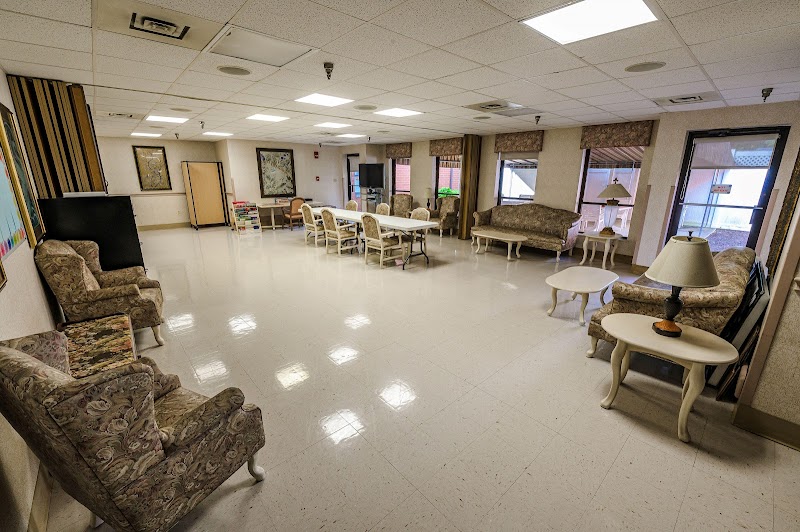
How is Kittanning Health & Rehab Center Staffed?

CMS rates KITTANNING HEALTH & REHAB CENTER's staffing level at 2 out of 5 stars, which is below average compared to other nursing homes. Staff turnover is 55%, which is 9 percentage points above the Pennsylvania average of 46%. High turnover can affect care consistency as new staff learn residents' individual needs.

What Have Inspectors Found at Kittanning Health & Rehab Center?

State health inspectors documented 69 deficiencies at KITTANNING HEALTH & REHAB CENTER during 2022 to 2025. These included: 2 Immediate Jeopardy (the most serious level, indicating potential for serious harm or death) and 67 with potential for harm. Immediate Jeopardy findings are rare and represent the most serious regulatory concerns. They require immediate corrective action.
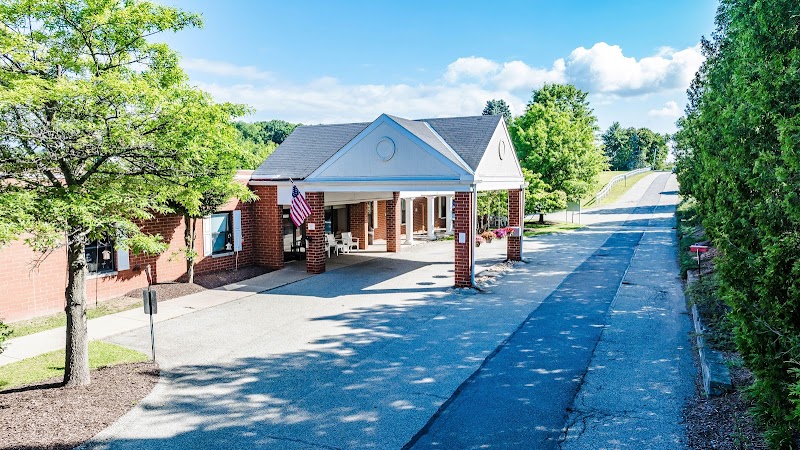
Who Owns and Operates Kittanning Health & Rehab Center?

KITTANNING HEALTH & REHAB CENTER is owned by a for-profit company. For-profit facilities operate as businesses with obligations to shareholders or private owners. The facility is operated by SABER HEALTHCARE GROUP, a chain that manages multiple nursing homes. With 119 certified beds and approximately 100 residents (about 84% occupancy), it is a mid-sized facility located in KITTANNING, Pennsylvania.
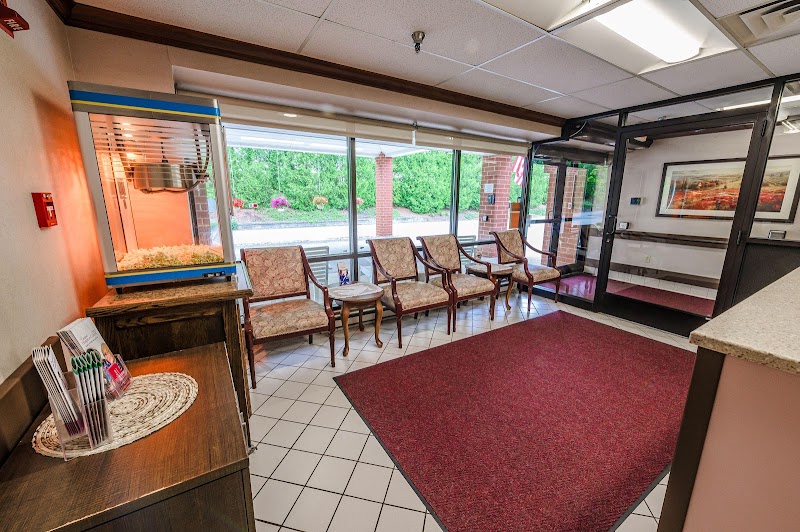
How Does Kittanning Health & Rehab Center Compare to Other Pennsylvania Nursing Homes?

Compared to the 100 nursing homes in Pennsylvania, KITTANNING HEALTH & REHAB CENTER's overall rating (1 stars) is below the state average of 3.0, staff turnover (55%) is near the state average of 46%, and health inspection rating (1 stars) is much below the national benchmark.

What Should Families Ask When Visiting Kittanning Health & Rehab Center?

Based on this facility's data, families visiting should ask: "What changes have been made since the serious inspection findings, and how are you preventing similar issues?" "How do you ensure continuity of care given staff turnover, and what is your staff retention strategy?" "Can you walk me through typical staffing levels on day, evening, and night shifts?" "Can I visit during a mealtime to observe dining assistance and food quality?" These questions are particularly relevant given the facility's Immediate Jeopardy citations, the facility's high staff turnover rate, and the below-average staffing rating.

Is Kittanning Health & Rehab Center Safe?

Based on CMS inspection data, KITTANNING HEALTH & REHAB CENTER has documented safety concerns. Inspectors have issued 2 Immediate Jeopardy citations (the most serious violation level indicating risk of serious injury or death). The facility is currently on the Special Focus Facility watch list (a federal program monitoring the lowest-performing 1% of nursing homes nationwide). The facility has a 1-star overall rating and ranks #100 of 100 nursing homes in Pennsylvania. Families considering this facility should ask detailed questions about what corrective actions have been taken since these incidents.

Do Nurses at Kittanning Health & Rehab Center Stick Around?

Staff turnover at KITTANNING HEALTH & REHAB CENTER is high. At 55%, the facility is 9 percentage points above the Pennsylvania average of 46%. High turnover means new staff may not know residents' individual needs, medications, or preferences. It can also be disorienting for residents, especially those with dementia who rely on familiar faces. Families should ask: What is causing the turnover? What retention programs are in place? How do you ensure care continuity during staff transitions?

Was Kittanning Health & Rehab Center Ever Fined?

KITTANNING HEALTH & REHAB CENTER has been fined $85,548 across 2 penalty actions. This is above the Pennsylvania average of $33,934. Fines in this range indicate compliance issues significant enough for CMS to impose meaningful financial consequences. Common causes include delayed correction of deficiencies, repeat violations, or care failures affecting resident safety. Families should ask facility leadership what changes have been made since these penalties.

Is Kittanning Health & Rehab Center on Any Federal Watch List?

KITTANNING HEALTH & REHAB CENTER is currently an SFF Candidate, meaning CMS has identified it as potentially qualifying for the Special Focus Facility watch list. SFF Candidates have a history of serious deficiencies but haven't yet reached the threshold for full SFF designation. The facility is being monitored more closely — if problems continue, it may be added to the official watch list. Families should ask what the facility is doing to address the issues that led to this status.