SNU ARMSTRONG CO MEMORIAL HOSP
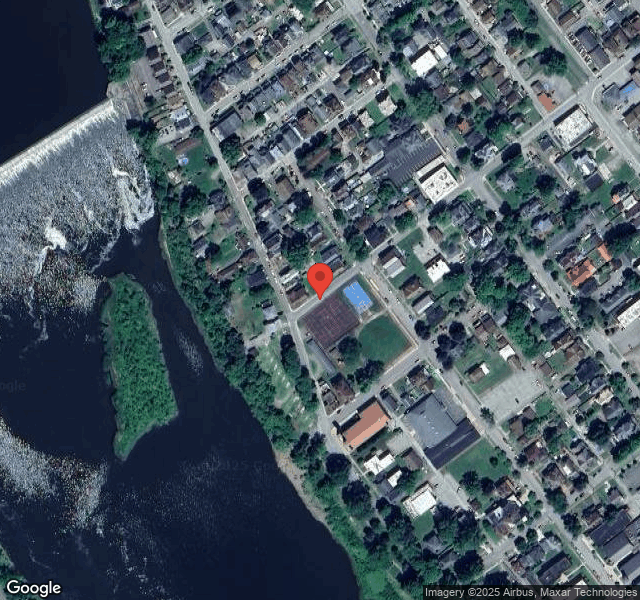
ONE NOLTE DRIVE, KITTANNING, PA 16201 (724) 543-8458
Non profit - Corporation 17 Beds Independent Data: November 2025
Trust Grade
70/100
#231 of 653 in PA
Last Inspection: July 2025

Inspected within the last 6 months. Data reflects current conditions.

Overview

SNU Armstrong Co Memorial Hosp has a Trust Grade of B, indicating it is a good option for families looking for care. It ranks #231 out of 653 nursing homes in Pennsylvania, placing it in the top half of facilities in the state, and is the best choice among four options in Armstrong County. The facility is improving, reducing issues from 13 in 2024 to just 2 in 2025. Staffing is a notable strength, with a perfect rating of 5/5 stars and a turnover rate of 46%, which is on par with the state average. While there have been no fines, there are concerns regarding infection control practices that could lead to potential cross-contamination, and the facility has not ensured that residents can file complaints anonymously, highlighting areas that need attention despite its overall good standing.

Trust Score
B
70/100
In Pennsylvania
#231/653
Top 35%
Safety Record
Low Risk
No red flags
Inspections
Getting Better
13 → 2 violations
Staff Stability
⚠ Watch
46% turnover. Above average. Higher turnover means staff may not know residents' routines.
Penalties
✓ Good
No fines on record. Clean compliance history, better than most Pennsylvania facilities.
Skilled Nurses
✓ Good
Each resident gets 153 minutes of Registered Nurse (RN) attention daily — more than 97% of Pennsylvania nursing homes. RNs are the most trained staff who catch health problems before they become serious.
Violations
⚠ Watch
21 deficiencies on record. Higher than average. Multiple issues found across inspections.
★★★★☆
4.0
Overall Rating
★★★★★
5.0
Staff Levels
★★★☆☆
3.0
Care Quality
★★★☆☆
3.0
Inspection Score
Stable
2024: 13 issues
2025: 2 issues

The Good

  • 5-Star Staffing Rating · Excellent nurse staffing levels
  • Full Sprinkler Coverage · Fire safety systems throughout facility
  • No fines on record

Facility shows strength in staffing levels, fire safety.

The Bad

Staff Turnover: 46%

Near Pennsylvania avg (46%)

Higher turnover may affect care consistency

The Ugly 21 deficiencies on record

Jul 2025 2 deficiencies
CONCERN (D)

Potential for Harm - no one hurt, but risky conditions existed

Incontinence Care (Tag F0690)

Could have caused harm · This affected 1 resident

**NOTE- TERMS IN BRACKETS HAVE BEEN EDITED TO PROTECT CONFIDENTIALITY** Based on review facility polices, observations, clinical records, and staff interviews it was determined that the facility faile...

Read full inspector narrative →
**NOTE- TERMS IN BRACKETS HAVE BEEN EDITED TO PROTECT CONFIDENTIALITY** Based on review facility polices, observations, clinical records, and staff interviews it was determined that the facility failed to make certain that appropriate treatments and services were provided for the use of a foley catheter required for two of three residents (Resident R112 and R114). Findings include: Review of the facility Catheters Indwelling (Foley) last reviewed 6/3/25, stated an indwelling catheter is only to be used when there is a valid medical justification. The resident should be assessed for and provided cared and treatment needed to reach his or her highest level of continence possible. Review of the clinical record indicated Resident R112 was admitted to the facility on [DATE], with diagnoses of right below the knee amputation, high blood pressure, and weakness of both legs. During an observation on 7/7/25, at 10:28 a.m. Resident R112 was observed with a foley catheter intact. Review of Resident R112 physician orders on 7/7/25, at 11:40 a.m. failed to include and order or care plan for Resident R112's foley catheter. Review of the clinical record indicated Resident R114 was admitted to the facility on [DATE], with diagnoses of urinary tract infection, delirium, and dementia. Review of Resident R114's physician order dated 6/26/25, indicated to insert foley now. The order failed to include the size of the foley catheter. During an observation on 7/7/25, at 11:40 a.m. Resident R114 was observed with a foley catheter intact. Review of Resident R114 physician orders on 7/7/25, at 11:43 a.m. failed to include an order or care plan for Resident R114's foley catheter. During an interview on 7/7/25, at 11:47 a.m. Registered Nurse, E1 confirmed the facility failed to ensure Resident R112 and R114 had a physician order and care plan for their foley catheter. During an interview on 7/7/25, at 2:40 p.m. the Nursing Home Administrator confirmed the facility failed to make certain appropriate treatments and services were provided for the use of a foley catheter required for two of three residents (Resident R112 and R114). 28 Pa. Code: 201.14(a) Responsibility of licensee. 28 Pa. Code: 211.10(c)(d) Resident care policies. 28 Pa. Code: 211.12(d)(1)(2)(3)(5) Nursing services.
CONCERN (F)

Potential for Harm - no one hurt, but risky conditions existed

Infection Control (Tag F0880)

Could have caused harm · This affected most or all residents

**NOTE- TERMS IN BRACKETS HAVE BEEN EDITED TO PROTECT CONFIDENTIALITY** Based on review of facility policy, resident records, a facility tour, and staff interview it was determined that the facility f...

Read full inspector narrative →
**NOTE- TERMS IN BRACKETS HAVE BEEN EDITED TO PROTECT CONFIDENTIALITY** Based on review of facility policy, resident records, a facility tour, and staff interview it was determined that the facility failed to ensure enhanced barrier precautions (EBP) were ordered and implemented creating the potential for cross contamination for four out of four sampled residents (Residents R111, R112, R113, and R114). Findings include: The facility Infection Control Plan for SNU policy dated 8/18 and last reviewed 12/24, indicated that enhanced barrier precautions are an infection control intervention designed to reduce transmission of multi-drug resistance organisms that employs targeted gown and glove use during high contact resident care activities used on conjunction with standard precautions. The facility Care Plan policy dated 7/25, indicated each resident will have an individualized care plan that is developed by the interdisciplinary team with input from the resident, family, friends, and/or significant other. The team will refer to the care plan when providing care. Develop a care plan identifying problems, nursing diagnoses, and intervention. Review of the clinical record indicated Resident R111 was admitted to the facility on [DATE], with diagnoses of dizziness, mild dehydration, and status post right hemicolectomy (surgery to remove one side of colon). During an observation on 7/7/25, at 10:26 a.m. Resident R111 was observed with a midline. Review of Resident R111 physician orders on 7/7/25, at 11:25 a.m. failed to include an order for enhanced barrier precautions. Review of the clinical record indicated Resident R112 was admitted to the facility on [DATE], with diagnoses of right below the knee amputation, high blood pressure, and weakness of both legs. During an observation on 7/7/25, at 10:28 a.m. Resident R112 was observed with a foley catheter intact. Review of Resident R112 physician orders on 7/7/25, failed to include an order for enhanced barrier precautions. Review of the clinical record indicated Resident R113 was admitted to the facility on [DATE], with diagnoses of urinary tract infection, delirium, and dementia. During an observation on 7/7/25, at 11:40 a.m. Resident R113 was observed with a PICC (peripherally inserted central catheter) line. A review of Resident R113 physician orders failed to include an order for enhanced barrier precautions. Review of the clinical record indicated Resident R114 was admitted to the facility on [DATE], with diagnoses of urinary tract infection, delirium, and dementia. Review of Resident R114's physician order dated 6/26/25, indicated to insert foley now. A further review failed to include an order for enhanced barrier precautions. During an observation on 7/7/25, at 11:40 a.m. Resident R114 was observed with a foley catheter intact. During an interview on 7/7/25, at 11:47 a.m. Registered Nurse, E1 confirmed the facility failed to ensure Resident R111, R112, R113, and R114 had a physician order for enhanced barrier precautions. During an interview on 7/9/25, at 11:30 a.m. information was disseminated to the Nursing Home Administrator (NHA) that the facility failed to follow transmission based precautions and utilize enhanced barrier precautions (EBP) creating the potential for cross contamination for four out of four sampled residents (Residents R111, R112, R113, and R114). 28 Pa Code: 201.14 (a) Responsibility of licensee. 28 Pa Code: 201.28 (b)(1)(e )(1) Management. 28 Pa Code: 211.10 (d ) Resident care policies.
Sept 2024 13 deficiencies
CONCERN (D)

Potential for Harm - no one hurt, but risky conditions existed

Deficiency F0583 (Tag F0583)

Could have caused harm · This affected 1 resident

Based on review of facility policy, observation, and staff interviews it was determined that the facility failed to maintain the confidentiality of residents' medical information on one of two medicat...

Read full inspector narrative →
Based on review of facility policy, observation, and staff interviews it was determined that the facility failed to maintain the confidentiality of residents' medical information on one of two medication carts (Cart on wheels One). Findings include: Review of the facility policy Security Codes/Passwords/Confidentiality Compliance last reviewed on 9/1/24, indicated that all persons who access computerized data are reminded that any breach of this policy may be a serious violation of patient privacy. During an observation on 9/18/24, at 7:48 a.m. the medication cart outside of resident room, in the corridor, was left unattended with the computer screen open with identifiable information so any passerby could see resident personal and confidential information. During an interview on 9/18/24, at 10:04 a.m. Registered Nurse Employee E1 stated, I ran to the medication room and didn't close the screen prior to leaving the medication cart. During an interview on 9/18/24, at 2:30 p.m. Nursing Home Administrator confirmed that the facility failed to maintain the confidentiality of residents' medical information on one of two medication carts (Cart on wheels One). 28 Pa. code: 211.5(b) Clinical records 28 Pa. Code: 201.29(i) Resident Rights 28 Pa. Code: 211.12(d)(3) Nursing Services
CONCERN (D)

Potential for Harm - no one hurt, but risky conditions existed

Safe Environment (Tag F0584)

Could have caused harm · This affected 1 resident

Based on observations and staff interview, it was determined that the facility failed to maintain a safe, homelike environment for one of two elevators (Elevator 1). Findings include: An observation o...

Read full inspector narrative →
Based on observations and staff interview, it was determined that the facility failed to maintain a safe, homelike environment for one of two elevators (Elevator 1). Findings include: An observation on 9/18/24, at 2:46 p.m. revealed a broken number one button in Elevator 1, where the center of the button was missing with exposed sharp edges. An observation on 9/19/24, at 8:37 a.m. revealed that the number one button on Elevator 1 remained broken with sharp edges exposed. During an interview on 9/19/24, at 11:46 a.m. the Nursing Home Administrator confirmed that the number one button on Elevator 1 was broken with exposed sharp edges, and that the facility failed to maintain a safe, homelike environment for one of two elevators as required. 28 Pa. Code 201.18 (b)(1)(3) Management
CONCERN (D)

Potential for Harm - no one hurt, but risky conditions existed

Abuse Prevention Policies (Tag F0607)

Could have caused harm · This affected 1 resident

Based on review of facility policy, newly hired personnel records, and staff interviews it was determined that the facility failed to properly screen an employment by completing a state background che...

Read full inspector narrative →
Based on review of facility policy, newly hired personnel records, and staff interviews it was determined that the facility failed to properly screen an employment by completing a state background check prior to hire for two of five personnel records reviewed (Nursing Assistant (NA) Employee E2 and Registered Nurse (RN) Employee E3). Findings include: The facility Abuse policy dated 10/1/24, indicated that the resident has the right to be free from verbal, sexual, physical, and mental abuse, corporal punishment, involuntary seclusion. The Skilled Nursing Unit (SNU) hereby recognizes these rights and establishes the following policies and procedures to protect the rights of the resident. At the time of application, all individuals will be asked to certify that they have not been discharged from any facility. The appropriate licensing boards and registries will be checked for information related to the applicant. Review of Nursing Assistant (NA) Employee E2's personal record indicated she was hired on 7/8/24. Review of NA Employee E2's personnel record did not include a state criminal background check prior to her date of hire. During an interview on 9/17/24, at 11:45 a.m. Employment Coordinator Employee E4 confirmed that the background check was completed after Employee E2's hire date. Review of Registered Nurse (RN) Employee E3's personal record indicated she was hired on 12/11/23. Review of RN Employee E3's personal record indicated a criminal background check was completed on 12/10/23, however the criminal background check failed to indicate if RN Employee E3 had a record or no criminal record on the report. During an interview on 9/17/24, at 11:50 a.m. Employment Coordinator Employee E4 stated, I don't see the results on the criminal background check. During an interview on 9/17/24, at 2:15 p.m. Nursing Home Administrator confirmed that the facility failed to properly screen an employment by completing a state background check prior to hire for two out of five personnel records reviewed (Nursing Assistant Employee E2 and Registered Nurse Employee E3). 28 Pa Code: 201.14(a) (c)(d)(e) Responsibility of licensee 28 Pa Code: 201.19 Personnel policies and procedures 28 Pa Code: 201.20 (a)(b)(c)(d) Staff development 28 Pa Code: 201.29 (d) Resident Rights
CONCERN (D)

Potential for Harm - no one hurt, but risky conditions existed

Transfer Requirements (Tag F0622)

Could have caused harm · This affected 1 resident

**NOTE- TERMS IN BRACKETS HAVE BEEN EDITED TO PROTECT CONFIDENTIALITY** Based on review of clinical records and staff interviews, it was determined that the facility failed to make certain that the ne...

Read full inspector narrative →
**NOTE- TERMS IN BRACKETS HAVE BEEN EDITED TO PROTECT CONFIDENTIALITY** Based on review of clinical records and staff interviews, it was determined that the facility failed to make certain that the necessary resident information was communicated to the receiving health care provider for one out of three residents sampled with facility-initiated transfers (Closed record (CR) Resident R12). Findings include: Review of the clinical record indicated CR Resident R12 was admitted to the facility on [DATE]. Review of CR Resident R12's MDS (Minimum Data Set, periodic assessment of resident care needs) dated 7/17/24, indicated diagnoses of peripheral vascular disease (PVD, circulatory condition in which narrowed blood vessels reduce blood flow to the limbs), and diabetes (a metabolic disorder in which the body has high sugar levels for prolonged periods of time. Review of the clinical record indicated CR Resident R12 was transferred to the hospital on 7/17/24 and did not return to the facility. Review of CR Resident R12's clinical record revealed no documented evidence that the facility had communicated specific information to the receiving health care provider for the residents transferred and expected to return, which included the resident's care plan goals, advanced directive information, specific instructions for ongoing care, resident representative information, and all information necessary to meet the resident's specific needs at the receiving facility. During an interview on 9/19/24, at 12:40 p.m. the Director of Nursing (DON) stated We send paperwork with the resident but as far as documentation we don't have. During an interview on 9/19/24, at 12:44 p.m. the DON confirmed that the facility failed to make certain that the necessary resident information was communicated to the receiving health care provider for one out of three residents sampled with facility-initiated transfers (CR Resident R12). 28 Pa. Code 201.29 (a) (c.3) (2) Resident rights.
CONCERN (D)

Potential for Harm - no one hurt, but risky conditions existed

Transfer Notice (Tag F0623)

Could have caused harm · This affected 1 resident

**NOTE- TERMS IN BRACKETS HAVE BEEN EDITED TO PROTECT CONFIDENTIALITY** Based on review of clinical records, and staff interviews, it was determined that the facility failed to provide a transfer noti...

Read full inspector narrative →
**NOTE- TERMS IN BRACKETS HAVE BEEN EDITED TO PROTECT CONFIDENTIALITY** Based on review of clinical records, and staff interviews, it was determined that the facility failed to provide a transfer notice to a representative of the Office of the Long-Term Care Ombudsman Division for two of two residents (Closed Record (CR) Residents R7 and R12). Findings include: Review of the clinical record indicated CR Resident R7 was admitted to the facility on [DATE]. Review of CR Resident R7/'s MDS (Minimum Data Set, periodic assessment of resident care needs) dated 9/16/24, indicated coronary artery disease (damage or disease in the heart's major blood vessels), high blood pressure, and seizures. Review of the clinical record indicated CR Resident R7 was discharged to home on 9/16/24. Review of CR Resident R7's clinical record indicated the facility failed to include documented evidence that the facility provided a written transportation notification to the Office of Long-Term Care Ombudsman for the discharge to home on 9/16/24. Review of the clinical record indicated CR Resident R12 was admitted to the facility on [DATE]. Review of CR Resident R12's MDS (Minimum Data Set, periodic assessment of resident care needs) dated 7/17/24, indicated diagnoses of peripheral vascular disease (PVD, circulatory condition in which narrowed blood vessels reduce blood flow to the limbs), and diabetes (a metabolic disorder in which the body has high sugar levels for prolonged periods of time. Review of the clinical record indicated CR Resident R12 was transferred to the hospital on 7/17/24 and did not return to facility. Review of CR Resident R12's clinical record indicated the facility failed to include documented evidence that the facility provided a written transportation notification to the Office of Long-Term Care Ombudsman for the hospitalization on 7/17/24. During an interview on 9/19/24, at 12:44 p.m. Nursing Home Administrator (NHA) stated, We don't send anything to the Ombudsman. I haven't sent anything since before the COVID pandemic started. During an interview on 9/19/24, at 2:10 p.m. the NHA confirmed that the facility failed to provide a transfer notice to a representative of the Office of the Long-Term Care Ombudsman Division for two of two residents (CR Residents R7 and R12). 28 Pa. Code 201.29 (a) (c.3) (2) Resident rights.
CONCERN (D)

Potential for Harm - no one hurt, but risky conditions existed

Deficiency F0625 (Tag F0625)

Could have caused harm · This affected 1 resident

**NOTE- TERMS IN BRACKETS HAVE BEEN EDITED TO PROTECT CONFIDENTIALITY** Based on review of clinical records and staff interviews, it was determined that the facility failed to notify the resident or r...

Read full inspector narrative →
**NOTE- TERMS IN BRACKETS HAVE BEEN EDITED TO PROTECT CONFIDENTIALITY** Based on review of clinical records and staff interviews, it was determined that the facility failed to notify the resident or resident's representative of the facility bed-hold policy (an agreement for the facility to hold a bed for an agreed upon rate during a hospitalization) for one of two resident hospital transfers (Closed Record (CR) Resident R12). Findings Include: Review of the clinical record indicated Resident 12 was admitted to the facility on [DATE]. Review of CR Resident R12's MDS (Minimum Data Set, periodic assessment of resident care needs) dated 7/17/24, indicated diagnoses of peripheral vascular disease (PVD, circulatory condition in which narrowed blood vessels reduce blood flow to the limbs), and diabetes (a metabolic disorder in which the body has high sugar levels for prolonged periods of time. Review of the clinical record indicated CR Resident R12 was transferred to the hospital on 7/17/24 and did not return to the facility. Review of CR Resident R12's clinical record failed to include documented evidence that the resident or the resident's representative were provided with written information about the facility's bed hold policy at the time of the transfer to the hospital on 7/17/24. During an interview on 9/19/24, at 2:15 p.m. Nursing Home Administrator (NHA) stated, We don't have a policy on bed holds because we don't do bed holds here. During an interview on 9/19/24, at 2:20 p.m. the NHA confirmed that the facility failed to notify the resident or resident's representative of the facility bed-hold policy for one of two resident hospital transfers (CR Resident R12). 28 Pa. Code: 201.29(b)(d)(j) Resident rights.
CONCERN (D)

Potential for Harm - no one hurt, but risky conditions existed

Deficiency F0698 (Tag F0698)

Could have caused harm · This affected 1 resident

**NOTE- TERMS IN BRACKETS HAVE BEEN EDITED TO PROTECT CONFIDENTIALITY** Based on review of facility documents, clinical record review, and staff interviews, it was determined that the facility failed ...

Read full inspector narrative →
**NOTE- TERMS IN BRACKETS HAVE BEEN EDITED TO PROTECT CONFIDENTIALITY** Based on review of facility documents, clinical record review, and staff interviews, it was determined that the facility failed to ensure residents who require dialysis (a machine filters wastes, salts and fluid from your blood when your kidneys are no longer healthy enough to do this work adequately) service receive such services consistent with professional standards of practice by failing to obtain a contract with a dialysis facility for one of three residents reviewed (Resident R68). Finding include: Review of the clinical record indicated Resident R68 was admitted to the facility on [DATE], with active diagnoses of dependence on renal dialysis, unspecified fall, and gastroesophageal reflux disease (GERD - a condition that occurs when stomach contents leak into the esophagus and cause irritation). Review of a physician order dated 9/8/24, indicated Resident R68 received dialysis every Monday, Wednesday, and Friday. During an interview on 9/18/24, at 12:30 p.m. the Nursing Home Administrator (NHA) stated that the facility did not have a contract with the dialysis facility for Resident R68 to receive dialysis services. During an interview on 9/18/24, at 12:30 p.m. the NHA confirmed that the facility failed to ensure residents who require dialysis service receive such services consistent with professional standards of practice by failing to obtain a contract with a dialysis facility as required. 28 Pa. Code: 201.14(a) Responsibility of licensee. 28 Pa. Code:201.18(b)(1) Management. 28 Pa. Code:211.12(d)(1)(3)(5) Nursing services.
CONCERN (D)

Potential for Harm - no one hurt, but risky conditions existed

Medication Errors (Tag F0758)

Could have caused harm · This affected 1 resident

**NOTE- TERMS IN BRACKETS HAVE BEEN EDITED TO PROTECT CONFIDENTIALITY** Based on clinical record review and staff interview, it was determined that the facility failed to ensure a medication regime wa...

Read full inspector narrative →
**NOTE- TERMS IN BRACKETS HAVE BEEN EDITED TO PROTECT CONFIDENTIALITY** Based on clinical record review and staff interview, it was determined that the facility failed to ensure a medication regime was free from potentially unnecessary medication for two of four residents reviewed (Residents R71 and R74). Findings include: Review of facility policy Psychopharmacologic Drugs dated 11/23, indicated in accordance with Federal regulations, Unit) will ensure that residents who have not used psychopharmacologic drugs are not given these drugs unless such therapy is necessary to treat a specifically diagnosed condition and is clearly documented in the clinical record. The resident's physician provides a justification for the continued use of the drug and the dose of drug is clinically appropriate. Review of the clinical record indicated Resident R71 was admitted to the facility on [DATE], with diagnoses of hyperlipidemia (high levels of fat in the blood), weakness, and atrial fibrillation (a disease of the heart characterized by irregular and often faster heartbeat). Review of Resident R71's physician order's dated 9/11/24, indicated he was prescribed the following medications: - Duloxetine 60 milligrams (mg) daily (an antidepressant medication) - Zolpidem 5 mg at bedtime (a sedative/hypnotic medication) Review of Resident R71's clinical record failed to reveal documented evidence from the physician of the clinical necessity for the administration of Duloxetine and Zolpidem. Review of the clinical record indicated Resident R74 was admitted to the facility on [DATE], with diagnoses of atrial fibrillation, diabetes (too much sugar in the blood), and cirrhosis of the liver (chronic damage leading to scarring and liver failure). Review of Resident R74's physician order's dated 9/13/24, indicated he was prescribed the following medications: - Trazodone 50 mg at bedtime (an antidepressant medication) Review of Resident R74's clinical record failed to reveal documented evidence from the physician of the clinical necessity for the administration of Trazodone. During an interview on 9/19/24, at 12:05 p.m. the Director of Nursing (DON) confirmed that Residents R71 and R74 did not have documented evidence from the physician of the clinical necessity for the administration of psychotropic medications and stated, I guess the coders need to catch up. During an interview on 9/19/24, at 12:05 p.m. the DON confirmed that the facility failed to ensure a medication regime was free from potentially unnecessary medication for two of four residents as required. 28 Pa. Code 211.9(a)(1) Pharmacy services. 28 Pa. Code 211.12(d)(1)(5) Nursing services.
CONCERN (D)

Potential for Harm - no one hurt, but risky conditions existed

Staffing Data (Tag F0851)

Could have caused harm · This affected 1 resident

Based on review of facility documents and staff interview, it was determined that the facility failed to submit direct care staffing information in the Payroll-Based Journal (PBJ) system for one of th...

Read full inspector narrative →
Based on review of facility documents and staff interview, it was determined that the facility failed to submit direct care staffing information in the Payroll-Based Journal (PBJ) system for one of three quarters reviewed (Quarter 1). Findings include: Review of the PBJ staffing data reports revealed that the facility did not submit data for Quarter 1 (October 1, 2023, through December 31, 2023). During an interview on 9/19/24, at 11:19 a.m. the Nursing Home Administrator confirmed that the facility failed to submit direct care staffing information in the Payroll-Based Journal system as required. 28 Pa. Code 201.14(a) Responsibility of licensee.
CONCERN (D)

Potential for Harm - no one hurt, but risky conditions existed

QAPI Program (Tag F0867)

Could have caused harm · This affected 1 resident

Based on a review of facility policy, plans of correction, and the results of the current and former surveys, it was determined that the facility's Quality Assurance Performance Improvement (QAPI) com...

Read full inspector narrative →
Based on a review of facility policy, plans of correction, and the results of the current and former surveys, it was determined that the facility's Quality Assurance Performance Improvement (QAPI) committee failed to correct quality deficiencies and make certain that plans to improve the delivery of care and services effectively addressed recurring deficiencies. Findings include: Review of facility policy Quality Assurance and Performance Improvement Program dated 9/24, indicated the methodology for achieving outcomes includes monitoring, tracking, identifying and measuring, prioritizing performances and deficiencies, developing and implementing corrective action of performance improvement activities, monitoring/revaluating the effectiveness of the corrective action/performance activities and revising if needed. Data is collected from multiple sources and comparative data is reviewed and analyzed to determine the need for further evaluation. The data collected is reviewed by the Quality Assurance Team as well as the Administrator, Director of Nursing (DON), and Medical Director. The Administrator, Medical Director, and DON are accountable for identifying any indicators for opportunity or concern. The facility's deficiencies and plans of correction for State Survey and Certification (Department of Health) survey ending 10/19/23, revealed that the facility would maintain compliance with cited nursing home regulations. The facility's deficiencies and plans of correction for State Survey and Certification (Department of Health) survey ending 10/19/23, identified a deficiency related to failing to maintain a safe, homelike environment, related to Elevator 1 having a broken number one button with sharp exposed edges. The facility's plan of correction for the survey ending 10/19/23, indicated a work order would be placed with maintenance to repair the broken number one button on Elevator 1. The Administrator will monitor that the button is intact twice a week for 30 days and weekly for another 30 days. The facility safety officer will continue to monitor once a month on safety rounds. All audit findings will be reported at the quarterly QAPI meeting. The facility's deficiencies and plans of correction for State Survey and Certification (Department of Health) survey ending 10/19/23, revealed a deficiency related to failing to make certain a grievance official is posted with contact information and that he facility had a policy and procedure for grievances that met federal guidelines. The facility's plan of correction for the survey ending 10/19/23, indicated a notice was posted in the Activity/Dining room and at the nurse's station stating the name of the grievance officer including contact information. The complaint/grievance policy has been revised to meet and address federal regulation §483.10(j)(4). Staff will be educated with a read and sign. The Administrator will monitor weekly for four weeks and once a month for three months to ensure that the grievance information is posted. All audits will be reported at the quarterly QAPI meeting. The facility's deficiencies and plans of correction for State Survey and Certification (Department of Health) survey ending 10/19/23, identified a deficiency related to failing to implement required infection control measures during a dressing change observation. The facility's plan of correction for the survey ending 10/19/23, indicated all appropriate staff will be re-educated via a read and sign of the correct procedure for Infection Control processes during dressing changes including hand hygiene, changing of gloves, prevention of cross contamination, appropriate use of PPE (protective personal equipment) and decontamination of equipment. Based on availability of dressing changes, the DON or designee will observe a dressing change three times a week for two weeks, then weekly for four weeks, then monthly for 3 months to assure proper infection control techniques are followed. Results of the observations will be reported at the quarterly QAPI meeting. During an interview on 9/19/24, at 3:00 p.m. the Nursing Home Administrator confirmed the facility failed to correct quality deficiencies and make certain that plans to improve the delivery of care and services effectively addressed recurring deficiencies. 28 Pa. Code: 201.14(a) Responsibility of licensee. 28 Pa. Code 201.18(e)(1) Management.
CONCERN (D)

Potential for Harm - no one hurt, but risky conditions existed

Deficiency F0868 (Tag F0868)

Could have caused harm · This affected 1 resident

Based on facility policy review, review of Quality Assurance attendance records, and staff interview, it was determined that the facility failed to conduct Quality Assessment and Assurance (QAA) meeti...

Read full inspector narrative →
Based on facility policy review, review of Quality Assurance attendance records, and staff interview, it was determined that the facility failed to conduct Quality Assessment and Assurance (QAA) meetings at least quarterly with all of the required committee members for one of three quarterly meeting (October 2023 thru December 2023). Findings Include: The facility Quality Assurance and Performance Improvement (QAPI) Program policy dated 9/1/24, indicated that the facility is committed to maintaining an effective and comprehensive QAPI program that is data driven and focuses on outcomes of care and quality of life. The QAPI program is a multidisciplinary team approach. Review of Quality assurance and performance improvement sign in sheets and attendance records from meeting held on 1/15/24, QAPI quarterly meeting did not indicate that the facilities Medical Director and Director of Nursing attended a quarterly meeting. During an interview on 9/19/24, at 1:52 p.m. the Nursing Home Administrator (NHA) confirmed that the facility failed to conduct Quality Assessment and Assurance (QAA) meetings at least quarterly with all the required committee members as required. 28 Pa Code: 201.18(e)(1)(2)(3)(4) Management.
CONCERN (D)

Potential for Harm - no one hurt, but risky conditions existed

Infection Control (Tag F0880)

Could have caused harm · This affected 1 resident

**NOTE- TERMS IN BRACKETS HAVE BEEN EDITED TO PROTECT CONFIDENTIALITY** Based on facility policies, clinical record review, observation, and staff interviews, it was determined the facility failed to ...

Read full inspector narrative →
**NOTE- TERMS IN BRACKETS HAVE BEEN EDITED TO PROTECT CONFIDENTIALITY** Based on facility policies, clinical record review, observation, and staff interviews, it was determined the facility failed to follow proper use of personal protective equipment (PPE) for one of five residents (Resident R65). Findings include: Review of facility policy Infection Control Plan dated 11/1/23, indicated the goal of the facility is to maintain a comprehensive infection control program to ensure that the facility has a functioning coordinated process in place to reduce the risks of infections in residents. Review of Center for Disease (CDC) definition for Enhanced Barrier Precautions (EBP, a type of special isolation when providing direct care to a resident): The use of isolation gown and gloves during high-contact resident care activities including wound care. Review of the clinical record indicated that Resident R65 was admitted to the facility on [DATE]. Review of Resident R65's clinical record indicated diagnoses of cellulitis (bacterial skin infection), weakness, and urinary tract infection (infection in any part of the kidneys, bladder or urethra). Review of a physician order dated 9/13/24, indicated surgical wound to left shin, left lower leg wound, wash daily with hibiclens (a skin cleanser to help reduce bacteria that potentially can cause disease), pat dry, apply mupirocin (an antibiotic cream) to edges of wound, dress with xeroform (a fine mesh gauze that maintains a moist wound environment), wrap with kerlix(a gauze bandage roll), and secure with tape. Review of Resident R65's clinical record indicated resident was on EBP for surgical wound. During an observation of a dressing change on 9/18/24, at 1:47 p.m. Licensed Practical Nurse (LPN) Employee E5 entered Resident R65's room without donning (putting on) isolation equipment prior to entering room. LPN Employee E5 performed a dressing change and failed to wear a gown, as indicated. During an interview on 9/18/24, at 2:30 p.m. the Nursing Home Administrator confirmed that the facility failed to follow proper use of PPE for one of five residents (Resident R65). 28 Pa. code: 201.14 (a) Responsibility of licensee. 28 Pa. Code: 201.18 (b) (1) (e) (1) Management. 28 Pa. Code: 211.10 (d) Resident care policies. 28 Pa. Code: 211.12 (d) (1) (2) (5) Nursing services. 28 Pa. Code: 211.11(a) Resident care plan.
CONCERN (F)

Potential for Harm - no one hurt, but risky conditions existed

Grievances (Tag F0585)

Could have caused harm · This affected most or all residents

Based on observation and staff interview, the facility failed to make certain that a complaint/grievance could be filed anonymously for 13 of 13 residents. Findings include: Review of the facility po...

Read full inspector narrative →
Based on observation and staff interview, the facility failed to make certain that a complaint/grievance could be filed anonymously for 13 of 13 residents. Findings include: Review of the facility policy Grievances/Complaints Skilled Nursing Unit dated 12/1/24, indicated that any resident, family member, friend, or staff person has the right to file a complaint or grievance alleging a violation of applicable laws/regulations by the unit orally or in writing. The person filing has the right to file anonymously. During a tour of nursing unit on 9/17/24, at 9:53 a.m. a wall hanger with Resident/Family Concern Forms, was noted to be in the Activity/Dining Room, as well as at the Nurses Station. During an observation on 9/17/24, at 10:01 a.m. failed to identify a secure location for residents, family member, friend, or staff member to put a complaint or grievance anonymously. During an interview on 9/17/24, at 10:15 a.m. Nursing Home Administrator (NHA) stated, I tell them to give the form to one of my staff when they are done. When asked, If you have them give the form to your staff, is that anonymous? NHA stated, I never really thought of it that way. During an interview on 9/17/24, at 10:35 a.m. NHA confirmed that the facility to make certain that a complaint or grievance could be filed anonymously for 13 of 13 residents. 28 Pa. Code 201.29(1) Resident rights 28 Pa. Code 201.18 e (4) Management
Oct 2023 6 deficiencies
CONCERN (D)

Potential for Harm - no one hurt, but risky conditions existed

Deficiency F0582 (Tag F0582)

Could have caused harm · This affected 1 resident

**NOTE- TERMS IN BRACKETS HAVE BEEN EDITED TO PROTECT CONFIDENTIALITY** Based on review of facility documentation and staff interview, it was determined that the facility failed to timely issue a Noti...

Read full inspector narrative →
**NOTE- TERMS IN BRACKETS HAVE BEEN EDITED TO PROTECT CONFIDENTIALITY** Based on review of facility documentation and staff interview, it was determined that the facility failed to timely issue a Notice of Medicare Non-Coverage form published by the Centers for Medicare and Medicaid Services (NOMNC CMS-10123), for one of three residents (Resident R88). Findings include: Review of the clinical record indicated that Resident R88 was admitted to the facility on [DATE], and remained in the facility. Review of the Notice of Medicare and Medicaid Non-Coverage form published by the Centers for Medicare and Medicaid Services (NOMNC CMS-10123), which provides residents/resident representatives an opportunity to appeal the decision of Medicare Part A non-coverage, indicated Resident R88's last date of coverage was 5/4/23. Review of Resident R88's NOMNC CMS-10123 form indicated the resident/resident representative was not notified of the last day of Medicare Part A coverage until 5/3/23. During an interview on 10/18/23, at 2:46 p.m. the Director of Nursing (DON) stated, the last covered date should have said 5/6/23 because that is when the resident discharged , I'm not sure why someone wrote 5/4/23. During an interview on 10/18/23, at 2:46 p.m. the DON confirmed the facility failed to timely issue the Notice of Medicare Non-Coverage form (NOMNC CMS-10123). 28 Pa. Code 201.18(e)(1) Management.
CONCERN (D)

Potential for Harm - no one hurt, but risky conditions existed

Safe Environment (Tag F0584)

Could have caused harm · This affected 1 resident

Based on observations, and staff interviews, it was determined that the facility failed to maintain a safe, homelike environment for one of two elevators (Elevator 1). Findings include: Observation on...

Read full inspector narrative →
Based on observations, and staff interviews, it was determined that the facility failed to maintain a safe, homelike environment for one of two elevators (Elevator 1). Findings include: Observation on 10/17/23, at 9:05 a.m., revealed a broken number one button in Elevator 1, where the center of the button was missing, which exposed sharp edges. Observation on 10/18/23, at 9:00 a.m. revealed that the number one button on Elevator 1 remained broken. Observation on 10/19/23, at 10:30 a.m. revealed that the number one button on Elevator 1 remained broken. During an interview on 10/19/23, at 1:23 p.m. the Director of Nursing confirmed that the number one button on Elevator 1 was not appropriate and required repair. 28 Pa. Code 201.18 (b)(1)(3) Management
CONCERN (D)

Potential for Harm - no one hurt, but risky conditions existed

Assessment Accuracy (Tag F0641)

Could have caused harm · This affected 1 resident

**NOTE- TERMS IN BRACKETS HAVE BEEN EDITED TO PROTECT CONFIDENTIALITY** Based on a review of Resident Assessment Instrument (RAI) User's Manual, clinical records, and staff interviews, it was determin...

Read full inspector narrative →
**NOTE- TERMS IN BRACKETS HAVE BEEN EDITED TO PROTECT CONFIDENTIALITY** Based on a review of Resident Assessment Instrument (RAI) User's Manual, clinical records, and staff interviews, it was determined that the facility failed to ensure that MDS assessments accurately reflected the resident's status for one five residents (Resident R80). Findings include: The Resident Assessment Instrument (RAI) User's Manual, which gives instructions for completing Minimum Data Set (MDS) assessments (mandated assessments of a resident's abilities and care needs), dated October 2023, indicated the following instructions: -Section I: Active Diagnoses, that a diagnosis should be checked if they had had an active diagnosis for a disease or condition in the last seven days. Review of the clinical record revealed that Resident R80 was admitted to the facility on [DATE]. Review of Resident R80's Manage Patent Problems list indicated that Resident R80 had an Active Problem of post-traumatic stress disorder (PTSD- a disorder in which a person has difficulty recovering after experiencing or witnessing a terrifying event and may have triggers that can bring back memories of trauma accompanied by intense emotional and physical reactions). Review of Resident R80 ' s MDS dated [DATE], did not include diagnosis of PTSD. During an interview on 10/20/23, at 1:20 pm. Director of Nursing confirmed that the facility failed to ensure that MDS assessments accurately reflected the resident's status for one of five residents. 28 Pa. Code: 211.12(d)(1)(2)(3)(5) Nursing Services.
CONCERN (D)

Potential for Harm - no one hurt, but risky conditions existed

Comprehensive Care Plan (Tag F0656)

Could have caused harm · This affected 1 resident

**NOTE- TERMS IN BRACKETS HAVE BEEN EDITED TO PROTECT CONFIDENTIALITY** Based on a review of facility policy, clinical records, and staff interviews, it was determined that the facility failed to ensu...

Read full inspector narrative →
**NOTE- TERMS IN BRACKETS HAVE BEEN EDITED TO PROTECT CONFIDENTIALITY** Based on a review of facility policy, clinical records, and staff interviews, it was determined that the facility failed to ensure that a comprehensive resident care plan was implemented related to post traumatic stress disorder status for one of five residents (Residents R80). Findings include: Review of facility policy Care Plan last reviewed October 2022, indicated that an interdisciplinary plan of care for the resident will be developed which includes measurable objectives to meet the resident ' s medical, nursing, and psychological needs. Review of the clinical record revealed that Resident R80 was admitted to the facility on [DATE]. Review of Resident R80 ' s Manage Patient Problems list indicated that Resident R80 had an Active Problem of post-traumatic stress disorder (PTSD- a disorder in which a person has difficulty recovering after experiencing or witnessing a terrifying event and may have triggers that can bring back memories of trauma accompanied by intense emotional and physical reactions). Review of Resident R4's plan of care revealed no care plan was developed to address Resident R80's post-traumatic stress disorder. During an interview on 10/19/23, at 12:49 p.m. the Director of Nursing confirmed that the facility failed to implement a comprehensive care plan for Resident R80 to address post-traumatic stress disorder. 28 Pa. Code: 211.11(a) Resident care plan.
CONCERN (D)

Potential for Harm - no one hurt, but risky conditions existed

Infection Control (Tag F0880)

Could have caused harm · This affected 1 resident

**NOTE- TERMS IN BRACKETS HAVE BEEN EDITED TO PROTECT CONFIDENTIALITY** Based on facility policy, clinical record review, observation, and staff interview, it was determined the facility failed to imp...

Read full inspector narrative →
**NOTE- TERMS IN BRACKETS HAVE BEEN EDITED TO PROTECT CONFIDENTIALITY** Based on facility policy, clinical record review, observation, and staff interview, it was determined the facility failed to implement measures to prevent the potential for cross contamination during a dressing change for one of three residents (Resident R77). Findings include: During an interview on 10/19/23, at 11:50 a.m. the Director of Nursing (DON) stated the facility references the textbook Clinical Nursing Skills and Techniques copyrighted 2022, by [NAME], [NAME], [NAME], and [NAME] for guidance as to how to properly perform dressing changes. Review of Title 42 Code of Federal Regulations (CFR) §483.80 - Infection Control defines hand hygiene as hand washing with soap and water and/or alcohol-based hand rub (ABHR). Staff involved in direct resident contact must perform hand hygiene (even if gloves are used): - Before and after contact with the resident - Before performing an aseptic (preventing infection) task - After contact with blood, body fluids, visibly contaminated surfaces or after contact with objects in the resident's room - After removing personal protective equipment (PPE - e.g., gloves, gown, facemask) Appropriate use of PPE includes, but is not limited to, the following: - Gloves worn before and removed after contact with blood or body fluid, mucous membranes, or non-intact skin - Gloves changed and hand hygiene performed before moving from a contaminated-body site to a clean-body site during resident care The facility must prevent infections through indirect contact transmission. This requires the decontamination (i.e., cleaning and/or disinfecting an object to render it safe for handling) of resident equipment, medical devices, and the environment. Equipment or items in the resident environment likely to have been contaminated with infectious fluids or other potentially infectious matter must be handled in a manner so as to prevent transmission of infectious agents (e.g., wear gloves for handling soiled equipment and properly clean and disinfect or sterilize reusable equipment before use on another resident). Review of the clinical record indicated that Resident R77 was admitted to the facility on [DATE]. Review of the Resident R77's clinical record indicated active diagnoses of hypertension (high blood pressure), diabetes (too much sugar in the blood), and cellulitis (a skin infection caused by bacteria). Review of a physician order dated 10/10/23, indicated to remove old dressings from bilateral (both sides) legs, wash the wounds and legs (as needed as it can be painful for her) gently with baby shampoo, rinse well, and pat intact skin dry. Apply Aquaphor (ointment that protects skin and promotes hydration) to the feet and heels. Apply nickel thick Santyl (ointment that removes dead tissue from wound to promote healing) to the open areas with 1-2 layers of Xeroform (a dressing that keeps air out and decreases the risk of infection), then abdominal pads (ABDs - an extra thick gauze dressing that absorbs fluid), Kerlix (a gauze bandage roll), tape. Change daily and as needed. During an observation of a dressing change on 10/19/23, at 10:30 a.m. Licensed Practical Nurse (LPN) Employee E1 had already prepared the dressing supplies field on a chair in Resident R77's room prior to surveyor arrival. Observation of the chair included a Chux (an absorbent pad intended to catch fluids and allow for easy cleanup) open on the chair surface with a basin of dressing supplies inside of the basin. Observation of Resident R77 revealed the resident to be sitting in bed with a Chux placed under the resident's right leg. LPN Employee E1 performed hand hygiene at Resident R77's sink and donned a clean pair of gloves from a box located next to the sink. LPN Employee E1 removed a pair of scissors from her right front pocket of her uniform and cut off the dressing that was located on Resident R77's right leg. Once cut complete, LPN Employee E1 placed the scissors back in the right front pocket of her uniform. LPN Employee E1 removed her gloves and performed hand hygiene at the sink and stated, I better put a handful of these in my pocket before removing a handful of gloves from the box and placing them in the front right pocket of her uniform. LPN Employee E1 donned new gloves and proceeded to open dressing supplies from the basin on the chair. LPN Employee E1 asked Resident R77 if she should would like the wound to be cleansed with baby shampoo and Resident R77 stated, not today, they used it yesterday, let's use saline today and the shampoo tomorrow. LPN Employee E1 then fully removed the dressing from Resident R77's right leg and proceeded to cleanse the open areas of the wound with saline soak gauze. LPN Employee E1 then disposed of the old dressing in the garbage can, removed her gloves, performed hand hygiene at the sink, and donned a new pair of gloves form the box located next to the sink. During this observation, LPN Employee E2 entered Resident R77's room to assist with the dressing change. LPN Employee E2 performed hand hygiene at the sink and donned gloves from the box located next to the sink. LPN Employee E2 opened a pack of cotton tip applicators and Santyl ointment. LPN Employee E2 applied Santyl to the cotton tip applicator and handed it to LPN Employee E1, who applied the Santyl to the open wound areas. LPN Employee E1 was holding Resident R77's bare right heel with her left hand while applying the Santyl with her right hand. LPN Employee E2 opened packages of Xeroform and handed them to LPN Employee E1 who applied the Xeroform to the open wound areas with both hands. LPN Employee E2 opened packages of ABDs and Kerlix and then proceeded to hold Resident R77's right leg up while LPN Employee E1 placed the ABDs on top of the Xeroform. LPN Employee E1 then proceeded to wrap Resident R77's right leg with Kerlix using both hands. LPN Employee E1 removed the scissors from her front right uniform pocket and cut the Kerlix before placing the scissors back in the front right pocket of her uniform. LPN Employee E2 lowered Resident R77's leg and then proceeded to pick up a roll of tape and cut a piece before securing the Kerlix with the tape. LPN Employee E1 removed her gloves, threw them in the garbage can, and performed hand hygiene at the sink before removing a pair of gloves from her front right uniform pocket and put the gloves on. LPN Employee E2 removed the Chux and all of the dressing supplies and placed them in the garbage can before removing her gloves and performing hand hygiene at the sink. LPN Employee E2 donned a new pair of gloves from the box located next to the sink. LPN Employee E1 opened a new Chux and place it under Resident R77's left leg. LPN Employee E1 removed the scissors from her right front uniform pocket and cut off the dressing from Resident R77's left leg. LPN Employee E1 then placed the scissors on the Chux located on the chair with the basin of dressing supplies. LPN Employee E1 placed the old dressing supplies in the garbage can, removed her gloves, and performed hand hygiene at the sink. LPN Employee E1 then donned new gloves from the box located next to the sink. LPN Employee E2 opened packages of Xeroform while LPN Employee E1 cleansed the open areas of the wound on Resident R77's left leg with saline soaked gauze. LPN Employee E2 opened a pack of cotton tip applicators and Santyl ointment. LPN Employee E2 applied Santyl to the cotton tip applicator and handed it to LPN Employee E1, who applied the Santyl to the open wound areas. LPN Employee E1 picked up the scissors that were on the Chux next to the basin full of dressing supplies and proceeded to cut the Xeroform. LPN Employee E1 applied the Xeroform to the open areas of the wound and then opened packages of ABDs while Employee E2 removed her gloves and left the room to get more Kerlix. LPN Employee E1 placed the scissors on the Chux located under Resident R77's left leg. LPN Employee E2 returned to the room and donned new gloves with hand hygiene not observed. LPN Employee E2 opened the package of Kerlix and LPN Employee E1 picked it up with her right hand and proceeded to wrap the Kerlix around Resident R77's left leg. LPN Employee E1 picked up the scissors from the Chux field and cut the Kerlix. LPN Employee E1 then picked up a roll of tape and ripped off a piece before securing the wrapped Kerlix. LPN Employee E2 removed the Chux from under Resident R77's left leg and placed it in the garbage can while LPN Employee E1 removed her gloves and performed hand hygiene at the sink. LPN Employee E1 donned new gloves from the box next to the sink and picked up the basin and dressing supplies and placed them on the window seal in Resident R77's room. LPN Employee E1 then picked up the Chux from the chair, disposed of it in the garbage can, removed her gloves, and performed hand hygiene at the sink. LPN Employee E1 then used the paper towel she had used to dry her hands and proceeded to wipe off the blades of her scissors with it. LPN Employee E1 then picked up the basin of dressing supplies and placed it on a shelf in Resident R77's closet. During an interview on 10/19/23, at 11:17 a.m. LPN Employee E1 confirmed the above observations during the dressing change for Resident R77 and that the facility failed to implement measures to prevent the potential for cross contamination during a dressing change. 28 Pa. code: 201.14 (a) Responsibility of licensee. 28 Pa. Code: 201.18 (b) (1) (e) (1) Management. 28 Pa. Code: 211.10 (d) Resident care policies. 28 Pa. Code: 211.12 (d) (1) (2) (5) Nursing services.
CONCERN (F)

Potential for Harm - no one hurt, but risky conditions existed

Grievances (Tag F0585)

Could have caused harm · This affected most or all residents

Based on observation and review of facility policy the facility failed to make certain that a grievance official is posted with contact information and that the facility had a policy and procedure tha...

Read full inspector narrative →
Based on observation and review of facility policy the facility failed to make certain that a grievance official is posted with contact information and that the facility had a policy and procedure that met federal guidelines for 15 of 15 residents. Findings include: Review of the facility policy Complaints, dated October 2022, stated that any resident, family, friend, or staff person may register a complaint alleging a violation of applicable laws/regulations by the unit. The individual receiving the complaint shall make every effort to resolve the problem. However, whether resolved or not, complaints of a serious nature, whether verbal or in writing, shall be directed to the administrator/director of nursing. Each employee shall be instructed in the proper handling of complaints about resident care and/or services. The administrator/director of nursing shall be responsible for maintaining the Complaint Log. During an observation on 10/19/23, at 10:58 a.m., a box with Resident/Family Compliment/Concern Forms, was noted to be in the Activity/Dining Room, as well as at the Nurses Station, however no information was present regarding the Grievance Official ' s name, address (mailing and email), and business phone number. Review of the facility policy failed to include the following: §483.10(j)(4) The facility must establish a grievance policy to ensure the prompt resolution of all grievances regarding the residents' rights contained in this paragraph. Upon request, the provider must give a copy of the grievance policy to the resident. The grievance policy must include: (i) Notifying resident individually or through postings in prominent locations throughout the facility of the right to file grievances orally (meaning spoken) or in writing; the right to file grievances anonymously; the contact information of the grievance official with whom a grievance can be filed, that is, his or her name, business address (mailing and email) and business phone number; a reasonable expected time frame for completing the review of the grievance; the right to obtain a written decision regarding his or her grievance; and the contact information of independent entities with whom grievances may be filed, that is, the pertinent State agency, Quality Improvement Organization, State Survey Agency and State Long-Term Care Ombudsman program or protection and advocacy system; (ii) Identifying a Grievance Official who is responsible for overseeing the grievance process, receiving and tracking grievances through to their conclusions; leading any necessary investigations by the facility; maintaining the confidentiality of all information associated with grievances, for example, the identity of the resident for those grievances submitted anonymously, issuing written grievance decisions to the resident; and coordinating with state and federal agencies as necessary in light of specific allegations; (iii) As necessary, taking immediate action to prevent further potential violations of any resident right while the alleged violation is being investigated. During an interview on 10/19/23, at 11:32 p.m. with Director of Nursing confirmed that the facility failed to post information regarding the grievance official with contact information and that the facility had a grievance policy that included all the required components of the federal regulation. 28 Pa. Code 201.29(1) Resident rights 28 Pa. Code 201.18 e(4) Management
Understanding Severity Codes (click to expand)
Life-Threatening (Immediate Jeopardy)
J - Isolated K - Pattern L - Widespread
Actual Harm
G - Isolated H - Pattern I - Widespread
Potential for Harm
D - Isolated E - Pattern F - Widespread
No Harm (Minor)
A - Isolated B - Pattern C - Widespread

Questions to Ask on Your Visit

  • "Can I speak with families of current residents?"
  • "What's your RN coverage like on weekends and overnight?"

Our Honest Assessment

Strengths
  • • No major safety red flags. No abuse findings, life-threatening violations, or SFF status.
  • • No fines on record. Clean compliance history, better than most Pennsylvania facilities.
Concerns
  • • 21 deficiencies on record. Higher than average. Multiple issues found across inspections.
Bottom line: Mixed indicators with Trust Score of 70/100. Visit in person and ask pointed questions.

About This Facility

What is Snu Armstrong Co Memorial Hosp's CMS Rating?

CMS assigns SNU ARMSTRONG CO MEMORIAL HOSP an overall rating of 4 out of 5 stars, which is considered above average nationally. Within Pennsylvania, this rating places the facility higher than 99% of the state's 100 nursing homes. This rating reflects solid performance across the metrics CMS uses to evaluate nursing home quality.

How is Snu Armstrong Co Memorial Hosp Staffed?

CMS rates SNU ARMSTRONG CO MEMORIAL HOSP's staffing level at 5 out of 5 stars, which is much above average compared to other nursing homes. Staff turnover is 46%, compared to the Pennsylvania average of 46%.

What Have Inspectors Found at Snu Armstrong Co Memorial Hosp?

State health inspectors documented 21 deficiencies at SNU ARMSTRONG CO MEMORIAL HOSP during 2023 to 2025. These included: 21 with potential for harm.

Who Owns and Operates Snu Armstrong Co Memorial Hosp?

SNU ARMSTRONG CO MEMORIAL HOSP is owned by a non-profit organization. Non-profit facilities reinvest revenue into operations rather than distributing to shareholders. The facility operates independently rather than as part of a larger chain. With 17 certified beds and approximately 11 residents (about 65% occupancy), it is a smaller facility located in KITTANNING, Pennsylvania.

How Does Snu Armstrong Co Memorial Hosp Compare to Other Pennsylvania Nursing Homes?

Compared to the 100 nursing homes in Pennsylvania, SNU ARMSTRONG CO MEMORIAL HOSP's overall rating (4 stars) is above the state average of 3.0, staff turnover (46%) is near the state average of 46%, and health inspection rating (3 stars) is at the national benchmark.

What Should Families Ask When Visiting Snu Armstrong Co Memorial Hosp?

Based on this facility's data, families visiting should ask: "Can I visit during a mealtime to observe dining assistance and food quality?" "How do you handle medical emergencies, and what is your hospital transfer rate?" "Can I speak with family members of current residents about their experience?"

Is Snu Armstrong Co Memorial Hosp Safe?

Based on CMS inspection data, SNU ARMSTRONG CO MEMORIAL HOSP has a clean safety record: no substantiated abuse findings (meaning no confirmed cases of resident harm), no Immediate Jeopardy citations (the most serious violation level indicating risk of serious injury or death), and is not on the Special Focus Facility watch list (a federal program monitoring the lowest-performing 1% of nursing homes). The facility has a 4-star overall rating and ranks #1 of 100 nursing homes in Pennsylvania. While no facility is perfect, families should still ask about staff-to-resident ratios and recent inspection results during their visit.

Do Nurses at Snu Armstrong Co Memorial Hosp Stick Around?

SNU ARMSTRONG CO MEMORIAL HOSP has a staff turnover rate of 46%, which is about average for Pennsylvania nursing homes (state average: 46%). Moderate turnover is common in nursing homes, but families should still ask about staff tenure and how the facility maintains care continuity when employees leave.

Was Snu Armstrong Co Memorial Hosp Ever Fined?

SNU ARMSTRONG CO MEMORIAL HOSP has no federal fines on record. CMS issues fines when nursing homes fail to meet care standards or don't correct problems found during inspections. The absence of fines suggests the facility has either maintained compliance or corrected any issues before penalties were assessed. This is a positive indicator, though families should still review recent inspection reports for the full picture.

Is Snu Armstrong Co Memorial Hosp on Any Federal Watch List?

SNU ARMSTRONG CO MEMORIAL HOSP is not on any federal watch list. The most significant is the Special Focus Facility (SFF) program, which identifies the bottom 1% of nursing homes nationally based on persistent, serious quality problems. Not being on this list means the facility has avoided the pattern of deficiencies that triggers enhanced federal oversight. This is a positive indicator, though families should still review the facility's inspection history directly.