WILLOW BROOK REHABILITATION AND HEALTHCARE CENTER
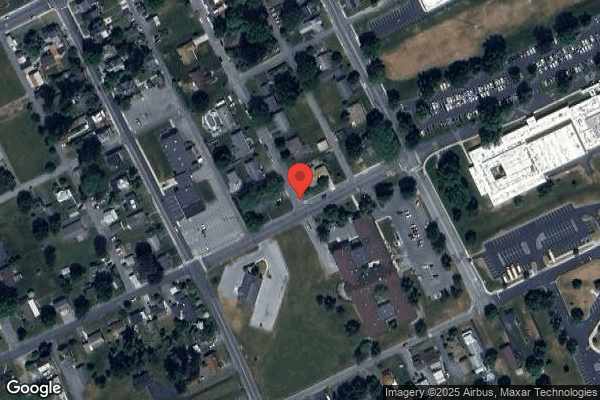

120 TREXLER AVENUE, KUTZTOWN, PA 19530 (610) 683-6220
For profit - Corporation 140 Beds PRESTIGE HEALTHCARE ADMINISTRATIVE SERVICES Data: November 2025
Trust Grade
73/100
#251 of 653 in PA
Last Inspection: March 2024

Within standard 12-15 month inspection cycle. Federal law requires annual inspections.

Overview

Willow Brook Rehabilitation and Healthcare Center has received a Trust Grade of B, which indicates that it is a good facility and a solid choice for care. It ranks #251 out of 653 facilities in Pennsylvania, placing it in the top half of the state, and #9 out of 15 in Berks County, meaning only a few local options are better. The facility is improving, as it has reduced its number of issues from 4 in 2023 to 2 in 2024. While staffing is average with a 3/5 star rating and a turnover rate of 50%, which is typical for Pennsylvania, the RN coverage is concerning, being lower than 80% of state facilities. Families should be aware of some specific incidents, such as unsanitary kitchen conditions, including dirty microwaves and improperly stored food, as well as complaints from residents about consistently cold meals, which may affect their overall dining experience.

Trust Score
B
73/100
In Pennsylvania
#251/653
Top 38%
Safety Record
Low Risk
No red flags
Inspections
Getting Better
4 → 2 violations
Staff Stability
⚠ Watch
50% turnover. Above average. Higher turnover means staff may not know residents' routines.
Penalties
○ Average
$3,496 in fines. Higher than 58% of Pennsylvania facilities. Some compliance issues.
Skilled Nurses
⚠ Watch
Each resident gets only 27 minutes of Registered Nurse (RN) attention daily — below average for Pennsylvania. Fewer RN minutes means fewer trained eyes watching for problems.
Violations
⚠ Watch
19 deficiencies on record. Higher than average. Multiple issues found across inspections.
★★★★☆
4.0
Overall Rating
★★★☆☆
3.0
Staff Levels
★★★★☆
4.0
Care Quality
★★★★☆
4.0
Inspection Score
Stable
2023: 4 issues
2024: 2 issues

The Good

  • 4-Star Quality Measures · Strong clinical quality outcomes
  • Full Sprinkler Coverage · Fire safety systems throughout facility
  • No fines on record

Facility shows strength in quality measures, fire safety.

The Bad

Staff Turnover: 50%

Near Pennsylvania avg (46%)

Higher turnover may affect care consistency

Federal Fines: $3,496

Below median ($33,413)

Minor penalties assessed

Chain: PRESTIGE HEALTHCARE ADMINISTRATIVE

Part of a multi-facility chain

Ask about local staffing decisions and management

The Ugly 19 deficiencies on record

Mar 2024 2 deficiencies
CONCERN (F)

Potential for Harm - no one hurt, but risky conditions existed

Food Safety (Tag F0812)

Could have caused harm · This affected most or all residents

Based on observation and staff interview, it was determined that the facility failed to maintain sanitary conditions in the kitchen. Findings include: Observation during a tour of the kitchen on Mar...

Read full inspector narrative →
Based on observation and staff interview, it was determined that the facility failed to maintain sanitary conditions in the kitchen. Findings include: Observation during a tour of the kitchen on March 12, 2024, at 9:47 a.m., revealed the following: The inside of the microwave was dirty and splattered with dried food. In the food preparation area, there were two uncovered garbage cans that contained garbage. There was a dirty plastic bag that covered tubing for the juice machine. There was an accumulation of dirt and grease on the side of the grill, underneath the flat top, and surrounding the stove top controls. There was a puddle of water under the steamer. There was debris under the shelves in dry storage. In dry storage, there was a box of chocolate chips with a use by date of February 1, 2024. Observation of multiple cycles of the dish machine while the machine was in use following the breakfast meal service revealed that the final rinse cycle did not maintain a temperature of 180 degrees Fahrenheit for heat sanitization. Following observations of four cycles, the dish machine began to shut off before reaching the final rinse cycle. Dietary Aide 1 (DA 1) attempted to restart the machine three times; the machine shut off before the final rinse cycle on each attempt. DA 1 stated that the dish machine has occasionally shut off before the wash and rinse cycle were complete and the machine occasionally does not achieve the proper temperatures. In an interview on March 12, 2024, at 1:00 p.m., the Registered Dietitian confirmed that the dish machine was not in working order and did not maintain an adequate temperature for heat sanitization. 28 Pa. Code 201.18(b)(3) Management. 28 Pa. Code 207.2(a) Administrator's responsibility.
MINOR (C)

Minor Issue - procedural, no safety impact

Transfer Notice (Tag F0623)

Minor procedural issue · This affected most or all residents

**NOTE- TERMS IN BRACKETS HAVE BEEN EDITED TO PROTECT CONFIDENTIALITY** Based on clinical record review and staff interview, it was determined that the facility failed to notify the resident and the r...

Read full inspector narrative →
**NOTE- TERMS IN BRACKETS HAVE BEEN EDITED TO PROTECT CONFIDENTIALITY** Based on clinical record review and staff interview, it was determined that the facility failed to notify the resident and the resident's representative(s) of transfer(s), including the reasons for the moves, and Ombudsman information, in writing upon transfer from the facility for seven of seven sampled residents who were transferred to the hospital. (Residents 18, 50, 76, 83, 95, 102, and 109) Findings include: Clinical record review revealed that Resident 18 was transferred to the hospital on December 22, 2023, after a change in condition. There was no documentation to support that the resident and/or the resident's responsible party or legal representative was provided written information regarding the transfer to the hospital. Clinical record review revealed that Resident 50 was transferred and admitted to the hospital on [DATE], after a change in condition. There was no documentation to support that the resident and/or the resident's responsible party or legal representative was provided written information regarding the transfer to the hospital. Clinical record review revealed that Resident 76 was transferred to the hospital on December 12, 2023, after a change in condition. There was no documentation to support that the resident and/or the resident's responsible party or legal representative was provided written information regarding the transfer to the hospital. Clinical record review revealed that Resident 83 was transferred to the hospital on December 14, 2023, after a change in condition. There was no documentation to support that the resident and/or the resident's responsible party or legal representative was provided written information regarding the transfer to the hospital. Clinical record review revealed that Resident 95 was transferred to the hospital on February 18, 2024, after a change in condition. There was no documentation to support that the resident and/or the resident's responsible party or legal representative was provided written information regarding the transfer to the hospital. Clinical record review revealed that Resident 102 was transferred to the hospital on October 12 and 24, 2023, after changes in condition. There was no documentation to support that the resident and/or the resident's responsible party or legal representative was provided written information regarding the transfer to the hospital. Clinical record review revealed that Resident 109 was transferred to the hospital on March 3, 2024, after a change in condition. There was no documentation to support that the resident and/or the resident's responsible party or legal representative was provided written information regarding the transfer to the hospital. In an interview on March 15, 2024, at 9:00 a.m., the Administrator confirmed that residents and/or resident representatives were not given written notice regarding transfers from the facility.
Mar 2023 3 deficiencies
CONCERN (D)

Potential for Harm - no one hurt, but risky conditions existed

Comprehensive Care Plan (Tag F0656)

Could have caused harm · This affected 1 resident

**NOTE- TERMS IN BRACKETS HAVE BEEN EDITED TO PROTECT CONFIDENTIALITY** Based on clinical record review and staff interview, it was determined the facility failed to develop a comprehensive care plan ...

Read full inspector narrative →
**NOTE- TERMS IN BRACKETS HAVE BEEN EDITED TO PROTECT CONFIDENTIALITY** Based on clinical record review and staff interview, it was determined the facility failed to develop a comprehensive care plan that addressed individual resident needs identified on the comprehensive assessment for one of 24 sampled residents. (Resident 69) Findings include: Clinical record review revealed that Resident 69 had diagnoses that included major depressive disorder. Review of the Minimum Data Set assessment dated [DATE], identified that the resident received psychotropic medications. According to the Care Area Assessment the facility identified the resident's psychotropic medication use was a problem and should have been included on the resident's care plan. Review of the care plan revealed that there were no interventions to address the need for psychotropic medications. In an interview on March 16, 2023, at 9:50 a.m., the Director of Nursing confirmed that there was no care plan with interventions developed to address the use of psychotropic medications for Resident 69. 28 Pa. Code 211.11(d) Resident care plan.
CONCERN (D)

Potential for Harm - no one hurt, but risky conditions existed

Accident Prevention (Tag F0689)

Could have caused harm · This affected 1 resident

**NOTE- TERMS IN BRACKETS HAVE BEEN EDITED TO PROTECT CONFIDENTIALITY** Based on clinical record review, observation, and staff interview, it was determined the facility failed to implement safety int...

Read full inspector narrative →
**NOTE- TERMS IN BRACKETS HAVE BEEN EDITED TO PROTECT CONFIDENTIALITY** Based on clinical record review, observation, and staff interview, it was determined the facility failed to implement safety interventions for one of three sampled residents at risk for falls. (Resident 35) Findings include: Clinical record review revealed that Resident 35 had diagnoses that included dementia, muscle weakness, and difficulty in walking. The Minimum Data Set assessment dated [DATE], revealed that Resident 35 required staff assistance for bed mobility and transfers. Review of the care plan identified that the resident was at risk for falls related to adjustment to a new environment. Review of an incident report dated February 3, 2023, revealed the resident was found on the floor after rolling out of bed. As an intervention staff was instructed to place a fall mat on the door side of the bed. Observations on March 14, 2023, at 11:20 a.m., and at 12:42 p.m., and March 15, 2023, at 9:15 a.m., revealed that Resident 35 was in bed and there was no fall mat placed on the door side of the bed. In an interview on March 16, 2023, at 9:50 a.m., the Director of Nursing confirmed that the floor mat should have been in place. CFR 483.25(d)(2) Free of Accident/Hazards/Supervision Previously cited 4/15/22 28 Pa. Code 211.12(d)(1)(5) Nursing services.
CONCERN (D)

Potential for Harm - no one hurt, but risky conditions existed

Incontinence Care (Tag F0690)

Could have caused harm · This affected 1 resident

**NOTE- TERMS IN BRACKETS HAVE BEEN EDITED TO PROTECT CONFIDENTIALITY** Based on clinical record review, policy review, and staff interview, it was determined that the facility inserted an indwelling ...

Read full inspector narrative →
**NOTE- TERMS IN BRACKETS HAVE BEEN EDITED TO PROTECT CONFIDENTIALITY** Based on clinical record review, policy review, and staff interview, it was determined that the facility inserted an indwelling urinary catheter without clinical justification for one resident (Resident 15) and failed to assess two residents who were incontinent of bladder to determine if normal bladder function could be restored out of 24 sampled residents. (Residents 10, 15) Findings include: Review of the facility policy entitled, Continence Management Program, last reviewed February 20, 2023, revealed that facility staff was to assess residents who were incontinent to determine which program was most appropriate. Nursing staff was to monitor each resident for three days to determine if there was a pattern to the incontinence, and choose an appropriate program based on that assessment. Review of the facility policy entitled, Indwelling Catheter, last reviewed on February 20, 2023, revealed that residents were not to be catheterized unless the resident's condition demonstrated that catheterization was necessary. Clinical record review revealed that Resident 15 was admitted to the facility on [DATE], with diagnoses that included chronic pain and colitis. At the time of admission he was using an external catheter to urinate. Shortly after admission, his external catheter fell off, and staff inserted an indwelling urinary catheter. On February 16, 2023, a nurse practitioner noted that staff was not sure why the catheter was in place. There was no documentation of a clinical reason for the indwelling urinary catheter. On February 17, 2023, staff removed the indwelling urinary catheter. According to the Minimum Data Set (MDS) assessment, dated February 20, 2023, he was frequently incontinent of bladder and was not on a retraining program. After removal of the catheter, there was no documented assess of the resident's continence to determine if normal function could be restored. According to nurse aide records, the resident was often incontinent of bladder since the removal of the catheter. Clinical record review revealed that Resident 10 was admitted to the facility on [DATE]. According to the MDS assessment, dated February 23, 2023, the resident was frequently incontinent of bladder and required extensive assistance from staff to use the toilet. There was no documented evidence of a 3-day bladder diary to determine a pattern of incontinence, nor was there evidence that the facility assessed the resident's incontinence to determine the type of incontinence or if normal bladder function could be restored. According to nurse aide records, the resident had been frequently incontinent since admission to the facility. In an interview on March 16, 2023, at 9:30 a.m., the Director of Nursing confirmed that neither Resident 10 nor Resident 15 was assessed for their incontinence in accordance with facility policy, including a voiding diary and evaluation for a possible retraining program. 28 Pa. Code 211.12(d)(1)(5) Nursing services.
Jan 2023 1 deficiency
CONCERN (E) 📢 Someone Reported This

A family member, employee, or ombudsman was alarmed enough to file a formal complaint

Potential for Harm - no one hurt, but risky conditions existed

Deficiency F0804 (Tag F0804)

Could have caused harm · This affected multiple residents

Based on observation, resident interview, and results of a test tray audit, it was determined that the facility failed to provide food that was palatable and at acceptable temperatures on one of two n...

Read full inspector narrative →
Based on observation, resident interview, and results of a test tray audit, it was determined that the facility failed to provide food that was palatable and at acceptable temperatures on one of two nursing units. (Unit One) Findings include: On January 14, 2023, from 11:40 a.m. through 12:15 p.m., Residents 1, 2, 5, and 6 stated that their meals are consistently cold. Review of facility documentation entitled, Resident Tray Assessment Report, revealed that a score of one point indicated the temperature quality needs improvement and a score of zero points indicated unacceptable quality. A temperature between 120 and 124 degrees Fahrenheit (F) for the hot entree, starch, and vegetable resulted in a score of one. A temperature below 120 degrees F for the hot entree, starch, and vegetable resulted in a score of zero. Results of a test tray audit conducted on January 14, 2023, at 12:30 p.m., revealed a sloppy joe sandwich at a temperature of 122 degrees F, french fries at a temperature of 111.0 degrees F, and mixed vegetables at a temperature of 111 degrees F. The temperatures resulted in a score of one for the sloppy joe sandwich and zero for the french fries and mixed vegetables. On January 14, 2023, from 12:45 p.m. through 1:00 p.m., Residents 7 and 8 were in their rooms with their lunch trays in front of them. In an interview at that time Resident 7 stated that her meal was cold, she did not want to finish it, and that the meals are consistently cold. Resident 8 stated that her lunch was cold and that usually the meals are cold.
Apr 2022 13 deficiencies
CONCERN (D)

Potential for Harm - no one hurt, but risky conditions existed

Deficiency F0558 (Tag F0558)

Could have caused harm · This affected 1 resident

Based on observation and interview, it was determined that the facility failed to ensure that a call bell was accessible for one of 23 sampled residents. (Resident 5) Findings include: Clinical recor...

Read full inspector narrative →
Based on observation and interview, it was determined that the facility failed to ensure that a call bell was accessible for one of 23 sampled residents. (Resident 5) Findings include: Clinical record review revealed that Resident 5 had diagnoses that included dementia, age related macular degeneration, and blindness in right and left eye. Review of the care plan revealed that the resident was legally blind, had a potential for falls, and had a self-care deficit with interventions for the call bell to be in reach, on the door side of the bed and encourage the resident to call for assistance. On April 12, 2022, at 12:00 p.m., the resident was observed out of bed, sitting in her bedside chair on the door side of the bed. The call bell was observed behind the resident under her bed cover. There was a sign above her bed that indicated the call bell was to be placed on the door side of the bed within reach of the resident. In an interview during the observation, the resident stated, I do not know where my call bell is, it is supposed to be on the side of me. On April 12, 2022, at 12:28 p.m., the resident was again observed out of bed in her bedside chair, the call bell remained behind the resident, under her bed cover. In a subsequent observation on April 12, 2022, at 12:36 p.m., the resident was observed sitting on the door side of her bed in her bedside chair, eating her lunch. The call bell remained behind the resident, under her bed cover, out of reach. 28 Pa. Code 211.12(d)(1)(5) Nursing services.
CONCERN (D)

Potential for Harm - no one hurt, but risky conditions existed

Deficiency F0578 (Tag F0578)

Could have caused harm · This affected 1 resident

**NOTE- TERMS IN BRACKETS HAVE BEEN EDITED TO PROTECT CONFIDENTIALITY** Based on clinical record review, staff interview, resident interview, and review of facility policy, it was determined that the ...

Read full inspector narrative →
**NOTE- TERMS IN BRACKETS HAVE BEEN EDITED TO PROTECT CONFIDENTIALITY** Based on clinical record review, staff interview, resident interview, and review of facility policy, it was determined that the facility failed to ensure that each resident was provided the opportunity to formulate an advance directive to determine wishes for care and treatment for two of 23 sampled residents. (Residents 59, 157) Findings include: Review of the facility policy entitled, Resident Rights Regarding Treatment and Advanced Directives, last reviewed February 22, 2022, revealed that the facility would provide the resident or representative information, in a manner, that is easy to understand, about the right to refuse medical or surgical treatment and formulate an advanced directive. Decisions regarding advanced directives and treatment would be periodically reviewed as part of the comprehensive care planning process, the existing care instructions, and whether the resident wished to change or continue these instructions. Clinical record review revealed that Resident 59 was admitted to the facility on [DATE]. Further review of Resident 59's clinical record revealed there was no code status listed in the electronic medical record. The Resident's living will was dated 2001. There was a lack of documentation to support Resident 59's wishes regarding care were reviewed and to determine whether the resident wished to change or continue the instructions, per facility policy. In an interview on April 15, 2022, at 12:52 p.m., the Director of Nursing stated that there was no code status listed in the electronic or physical clinical record and Resident 59's wishes regarding care were not reviewed prior to April 15, 2022. Clinical record review revealed that Resident 157 was admitted to the faciity on April 6, 2022. During an interview on April 12, 2022, at 12:04 p.m., the resident reported that the facility had not met with him to discuss his wishes regarding care. There was a lack of documentation to support that the resident was provided with information regarding formulation of an advance directive for care. During an interview on April 15, 2022, at 12:53 p.m., the Director of Nursing confirmed that there was no evidence that Resident 157 was provided with information regarding advance directives. 28 Pa. Code 201.29(j) Resident rights. 28 Pa. Code 211.12(d)(5) Nursing services.
CONCERN (D)

Potential for Harm - no one hurt, but risky conditions existed

Notification of Changes (Tag F0580)

Could have caused harm · This affected 1 resident

**NOTE- TERMS IN BRACKETS HAVE BEEN EDITED TO PROTECT CONFIDENTIALITY** Based on clinical record review and staff interview, it was determined that the facility failed to notify the physician regardin...

Read full inspector narrative →
**NOTE- TERMS IN BRACKETS HAVE BEEN EDITED TO PROTECT CONFIDENTIALITY** Based on clinical record review and staff interview, it was determined that the facility failed to notify the physician regarding a change in condition for one of 23 sampled residents. (Resident 81) Findings include: Clinical record review revealed that Resident 8 was admitted to the facility on [DATE], and had diagnoses that included encephalopathy (brain condition affecting brain structure or function), diabetes, chronic kidney disease, and iron deficiency anemia secondary to blood loss (chronic). A nurse's note dated April 7, 2022, indicated that the resident went unresponsive during shower activity. There was a lack of documentation to support that the physician was notified of the resident's change in condition. During an interview on April 15, 2022, at 12:56 p.m., the Director of Nursing confirmed that there was a lack of evidence to indicate the physician was notified of Resident 8's change in condition. 28 Pa. Code 211.12(d)(1)(5) Nursing services.
CONCERN (D)

Potential for Harm - no one hurt, but risky conditions existed

Safe Environment (Tag F0584)

Could have caused harm · This affected 1 resident

**NOTE- TERMS IN BRACKETS HAVE BEEN EDITED TO PROTECT CONFIDENTIALITY** Based on observation, review of facility documentation, and staff interview, it was determined that the facility failed to ensur...

Read full inspector narrative →
**NOTE- TERMS IN BRACKETS HAVE BEEN EDITED TO PROTECT CONFIDENTIALITY** Based on observation, review of facility documentation, and staff interview, it was determined that the facility failed to ensure a safe, clean, and comfortable environment was maintained in resident rooms on two of two nursing units. (Unit one and two) Findings include: Observation in resident room [ROOM NUMBER] on April 13, 2022, at 11:05 a.m., revealed a large accumulation of small black insects on the heating and air conditioning unit, in the window sill, in the tracks of the window, on the floor under the window, and along the base of the wall. Observation in resident room [ROOM NUMBER] on April 13, 2022, at 10:47 a.m., revealed a large accumulation of small black insects on the window sill, on the wall connected to the window, on the floor under the window, and along the base of the wall. In an interview on April 15, 2022, at 10:44 a.m., the Regional Director of Plant Operations confirmed that termites were present in the resident rooms on April 13, 2022. Observation in resident room [ROOM NUMBER] on April 15, 2022, at 12:10 p.m., revealed a collection of chips, used tissues, and white stains on Resident 13's recliner chair. 28 Pa. Code 207.2(a) Administrator responsibility.
CONCERN (D)

Potential for Harm - no one hurt, but risky conditions existed

ADL Care (Tag F0677)

Could have caused harm · This affected 1 resident

**NOTE- TERMS IN BRACKETS HAVE BEEN EDITED TO PROTECT CONFIDENTIALITY** Based on clinical record review, staff interview, and resident and family interview, it was determined that the facility failed ...

Read full inspector narrative →
**NOTE- TERMS IN BRACKETS HAVE BEEN EDITED TO PROTECT CONFIDENTIALITY** Based on clinical record review, staff interview, and resident and family interview, it was determined that the facility failed to provide assistance with oral hygiene or showers/tub baths for six of 23 sampled residents. (Residents 13, 58, 70, 87, 95, 107) Findings include: Clinical record review revealed that Resident 13 had diagnoses that included dementia, depression, and anxiety disorder. The Minimum Data Set (MDS) assessment dated [DATE], indicated that the resident was cognitively impaired and required extensive assistance from staff for personal hygiene. In an interview on April 14, 2022, at 12:15 p.m. Resident 13's family member stated that the resident's teeth are not always cleaned. Review of the current care plan indicated that Resident 13 was dependent on staff for oral care twice a day. Review of facility documentation for March 2022 and April 1 through 14, 2022, revealed that Resident 13 did not receive oral care on 18 occasions. There was a lack of documentation to support that the resident was provided with regular mouth care. During an interview on April 15, 2022, at 1:00 p.m., the Director of Nursing confirmed that there was no documentation to support that oral care was consistently provided to Resident 13. During the resident group interview on April 13, 2022, at 11:00 a.m., five of five residents (Residents 58, 70, 87, 95, and 107) complained that they were not offered the opportunity to take a shower or tub bath twice a week, as scheduled. Clinical record review revealed that residents were to receive showers twice a week according to nurse aide documentation. Review of February and March 2022, bath/shower documentation for a period of eight weeks, revealed a lack of documentation to support that showers/tub baths were offered as scheduled, twice per week (for 16 opportunities), as follows: Resident 58 - four times, Resident 70 - five times, Resident 87 - five times, Resident 95 - six times, and Resident 107 - eight times. 28 Pa. Code 211.12(d)(1)(5) Nursing services.
CONCERN (D)

Potential for Harm - no one hurt, but risky conditions existed

Deficiency F0688 (Tag F0688)

Could have caused harm · This affected 1 resident

**NOTE- TERMS IN BRACKETS HAVE BEEN EDITED TO PROTECT CONFIDENTIALITY** Based on clinical record review, observation, and staff and resident interviews, it was determined that the facility failed to p...

Read full inspector narrative →
**NOTE- TERMS IN BRACKETS HAVE BEEN EDITED TO PROTECT CONFIDENTIALITY** Based on clinical record review, observation, and staff and resident interviews, it was determined that the facility failed to provide services to prevent a decrease in range of motion for two of 23 sampled residents. (Resident 72, 99) Findings include: Clinical record review revealed that Resident 72 had diagnoses that included cerebral infarction (stroke), dementia, hemiparesis and hemiplegia on the left side. Review of the Minimum Data Set (MDS) assessment dated [DATE], revealed that the resident had a limitation in range of motion to both upper (shoulder, elbow, wrist, hand) and lower (hip, knee ankle, foot) extremities, on one side. Review of the care plan revealed Resident 72 had a self-care deficit and was to be on a restorative splinting program. On June 27, 2021, the physician wrote an order for a hand-wrist-finger orthosis splint on left hand at all times except for morining and evening care. Observation on April 13, 2022, at 11:25 a.m., revealed the resident in bed and the splint was on a drawer stand next to the resident's television stand. During a subsequent observation on April 14, 2022, at 10:47 a.m., the resident was in bed, the hand splint was next to the resident on her bedside recliner. In an interview at 10:50 a.m., NA 2 confirmed the resident was not wearing the comfy splint on her left hand. Clinical record review revealed that Resident 99 had diagnoses that included cerebral infarction and hemiparesis and hemiplegia on the left side. Review of the MDS assessment dated [DATE], revealed that Resident 99 was not cognitively impaired and had a limitation in range of motion to both upper and lower extremities, on one side. Review of the care plan revealed that Resident 99 had a self care deficit and the intervention was for a left resting hand splint to be applied in the morning after care and removed with evening care. On March 23, 2022, the physician ordered for a left soft wrist splint to be placed on the resident every morning after care and removed with evening care. On April 13, 2022, from 12:10 p.m. through 1:00 p.m. Resident 99 was observed in bed without his left resting hand splint. In an interview at that time, Resident 99 stated that he had not seen the splint in a while and he would like to wear it. On April 14, 2022, at 10:00 a.m. Resident 99 was observed in bed without his left resting hand splint. 483.25(c)(1) Increase/prevent decrease in ROM/mobility Previously cited 5/6/2021 28 Pa. Code. 211.12(d)(1)(5) Nursing services.
CONCERN (D)

Potential for Harm - no one hurt, but risky conditions existed

Accident Prevention (Tag F0689)

Could have caused harm · This affected 1 resident

**NOTE- TERMS IN BRACKETS HAVE BEEN EDITED TO PROTECT CONFIDENTIALITY** Based on clinical record review, policy review, review of incident investigations and staff interview, it was determined that th...

Read full inspector narrative →
**NOTE- TERMS IN BRACKETS HAVE BEEN EDITED TO PROTECT CONFIDENTIALITY** Based on clinical record review, policy review, review of incident investigations and staff interview, it was determined that the facility failed to adequately assess and supervise a resident who was at a risk for elopement for one of 23 sampled residents. (Resident 56) Findings include: Review of the facility policy entitled, Elopement, dated February 2022, revealed that all residents are assessed if identified as an elopement risk and any resident identified as an elopement risk will not leave their unit unless attended by a staff member or family. In an interview on April 15, 2022, at 12:45 p.m., the Director of Nursing stated that it was the responsibility of the receptionist to set the front door alarm when they left for the night per facility protocol. Clinical record review revealed that Resident 56 had diagnoses that included dementia and depression. The Minimum Data Set assessment dated [DATE], indicated that the resident had memory impairment, was independent with transfers, required extensive assistance from staff with walking on the nursing unit, and had wandering behaviors one to three days a week. On May 13, 2021, the physician ordered for the resident to have a Wanderguard (a security apparatus worn by an at risk resident that prevents doors from opening to prevent elopement when the resident is nearby) on at all times. Review of the nursing notes indicated that on August 2, 2021, Resident 56 was observed as confused and exit-seeking. She verbally insisted that she had to go home. On August 5, 2021, Resident 56 was noted with confusion and she went to the elevator to check if she left her dog outside. On August 5, 2021, the physician ordered for staff to provide safety checks every 15 minutes to the resident. Later that day, Resident 56 was found in another resident's room sitting on the floor. On August 12, 2021, Resident 56 was noted to be wandering the hallway looking for her husband. On August 19, 2021, Resident 56's Wanderguard was discontinued. An elopement assessment completed on August 20, 2021, indicated that the resident did not express plans to elope. On August 29, 2021, Resident 56 was found in another residents room sleeping. On August 30, 2021, the resident was found wandering into another resident's bathroom. An elopement assessment completed on September 15, 2021, indicated that the resident had expressed plans to elope and a Wanderguard was to be applied. On October 4, 2021, Resident 56 was noted to be wandering in the hallway. Review of nursing documentation dated October 10, 2021, at 5:01 a.m., revealed that the resident had been found at 4:50 a.m. outside sitting in the grass near the facility generator. Review of the incident investigation revealed that Resident 56 was last seen by staff at 3:40 a.m. sleeping in her bed and was found approximately 20 feet from the side of the building near the facility generator by staff at 4:50 a.m. coming in for their shift. Further review of the facility incident investigation revealed that Resident 56 was not wearing a Wanderguard and that the front door alarm had not been set by facility staff as per protocol. There was no evidence to support that a Wanderguard was applied to Resident 56 as indicated by the elopement assessment completed on September 15, 2021. There was also no evidence to support that Resident 56's 15 minute safety checks were completed on October 10, 2021, between 3:40 a.m. and 4:50 a.m. The facility failed to adequately supervise a resident who was exhibiting elopement seeking behaviors in order to prevent her from elopement from the building without the knowledge of staff. CFR. 483.25(d)(2) Free of Accident/Hazards/Supervision. Previously cited 5/6/2021 28 Pa. Code 211.12(d)(1)(5) Nursing services.
CONCERN (D)

Potential for Harm - no one hurt, but risky conditions existed

Deficiency F0692 (Tag F0692)

Could have caused harm · This affected 1 resident

**NOTE- TERMS IN BRACKETS HAVE BEEN EDITED TO PROTECT CONFIDENTIALITY** Based on clinical record review, observation, staff interview, and review of facility policy, it was determined that the facilit...

Read full inspector narrative →
**NOTE- TERMS IN BRACKETS HAVE BEEN EDITED TO PROTECT CONFIDENTIALITY** Based on clinical record review, observation, staff interview, and review of facility policy, it was determined that the facility failed to timely assess nutritional status for three of 23 sampled residents. (Residents 34, 59, 81) Findings include: Review of the facility policy entitled, Nutritional Management, dated February 22, 2022, revealed the dietary manager or a designee would obtain the resident's food and beverage preferences upon admission, significant change in condition, and periodically throughout his or her stay, A comprehensive nutritional assessment would be completed by a dietitian on admission, annually, and upon significant change in condition. Clinical record review revealed that resident 34 had diagnoses that included dementia, major depressive disorder, and schizophrenia. Review of Resident 34's weight record revealed she weighed 106.6 pounds (lbs.) on December 14, 2021, and 101.0 lbs. on December 21, 2021, reflecting a significant weight loss of 5.6 lbs., (5.3%) in seven days. On December 23, 2021, the registered dietitian wrote a note that indicated there were no significant changes. On December 30, 2021, nine days after Resident 34 experienced a significant weight loss, the registered dietitian recommended an intervention of an enhanced foods diet. In an interview on April 15, 2022, at 10:39 a.m., the Registered Dietitian stated a significant weight loss should be addressed within one week, and confirmed Resident 34's weight loss was not addressed and an intervention was not implemented until December 30, 2021. Clinical record review revealed that Resident 59 had diagnoses that included anemia, dysphagia, and muscle weakness. Review of Resident 59's weight record revealed that on February 23, 2022 he weighed 138.2 pounds and the next weight was obtained on March 2, 2022, at which time he weighed 129.7 lbs. This reflected a significant weight loss of 8.5 lbs. (6.15%) from February 23, 2022. On March 4, 2022, and March 11, 2022, the registered dietitian wrote progress notes that did not address a weight change. There was no documented evidence that Resident 59's weight loss was addressed until March 25, 2022. In an interview on April 15, 2022, at 10:39 a.m., the registered dietitian confirmed that Resident 59's weight loss was not addressed until March 25, 2022, 23 days after he experienced a significant weight loss. Clinical record review revealed that Resident 81 was admitted to the facility on [DATE], and had diagnoses that included dementia, anemia, and mild protein-calorie malnutrition. The resident's initial nutritional assessment completed on March 23, 2022, indicated that the resident weighed 111.4 lbs. on March 19, 2022, required no assistance with meals, and was not at risk for unintended weight loss. The resident's weight was recorded as 105.7 lbs. on March 24, 2022, and enhanced foods were ordered on March 30, 2022. On March 31, 2022, significant weight loss was identified with a measurement of 102.7 lbs. On that date, nursing noted that the physician was notified of the resident's sad mood, weight loss, and poor appetite and medication and twice daily health shakes were ordered. Documentation by the registered dietician on April 1, 2022, noted the resident's weight loss and physician's orders and stated, no nutrition interventions at this time. The resident experienced further weight loss on April 7, 2022, when her weight was 97.9 pounds. On April 8, 2022, the registered dietician again noted the physician's orders and stated, no nutrition interventions at this time. Observation of Resident 81 during the lunch on April 12, 2022, revealed that the resident was sleeping in bed with a full tray of food on the over bed table that was uneaten. During lunch on April 13, 2022, from 12:15 p.m. to 12:30 p.m., the resident was observed with her hand shaking while making multiple attempts to retrieve food on the fork, placing it in her mouth with nothing on it. During an interview on April 13, 2022, at 12:30 p.m., the nurse aide (NA 1) assigned to Resident 81 reported that the resident's status for eating continued to be independent after set-up for meals. There was a lack of documentation to support that Resident 81 had a nutritional assessment completed following the March 31, 2022, significant weight loss and/or that the physician was notified of the April 8, 2022, additional weight loss. 28 Pa. Code 211.12(d)(1)(3)(5) Nursing services.
CONCERN (D)

Potential for Harm - no one hurt, but risky conditions existed

Deficiency F0697 (Tag F0697)

Could have caused harm · This affected 1 resident

**NOTE- TERMS IN BRACKETS HAVE BEEN EDITED TO PROTECT CONFIDENTIALITY** Based on clinical record review and staff interview, it was determined that the facility failed to ensure pain management includ...

Read full inspector narrative →
**NOTE- TERMS IN BRACKETS HAVE BEEN EDITED TO PROTECT CONFIDENTIALITY** Based on clinical record review and staff interview, it was determined that the facility failed to ensure pain management included the attempt to provide non-pharmacological interventions to alleviate pain prior to the administration of pain mediation prescribed on an as needed basis for one of 23 sampled residents. (Resident 106) Findings include: Clinical record review revealed that Resident 106 was admitted on [DATE], with diagnoses that included chronic obstructive pulmonary disease, peripheral vascular disease, and restless leg syndrome. Physician's orders for the resident included two narcotic pain medications, oxycodone five milligrams (mg) to be administered every six hours as needed for moderate pain, and oxycodone 10 mg to be administered every six hours as needed for severe pain. Review of the March 2022, and April 2022 Medication Administration Records revealed that the resident received the as needed five mg oxycodone seven times in March 2022, and three times in April 2022, and the 10 mg oxycodone 37 times in March 2022, and 13 times in April 2022 without evidence to support that non-pharmacological interventions were offered to address the pain prior to the administration of the as needed narcotic pain medications. In an interview on April 15, 2022, at 12:52 p.m., the Director of Nursing confirmed there was no evidence to support that non-pharmacological interventions were offered to address the pain prior to the administration of the as needed narcotic pain medications. 28 Pa. Code 211.12(d)(1)(5) Nursing services.
CONCERN (D)

Potential for Harm - no one hurt, but risky conditions existed

Deficiency F0806 (Tag F0806)

Could have caused harm · This affected 1 resident

**NOTE- TERMS IN BRACKETS HAVE BEEN EDITED TO PROTECT CONFIDENTIALITY** Based on clinical record review, observation, and resident interview, it was determined that the facility failed to provide food...

Read full inspector narrative →
**NOTE- TERMS IN BRACKETS HAVE BEEN EDITED TO PROTECT CONFIDENTIALITY** Based on clinical record review, observation, and resident interview, it was determined that the facility failed to provide food according to resident preferences for one of 23 sampled residents. (Resident 31) Findings include: Clinical record review revealed that Resident 31 had diagnoses that included spinal stenosis, hyperlipidemia, and constipation. Review of the Minimum Data Set assessment dated [DATE], revealed that resident was alert and oriented and required staff supervision with eating. Review of the current care plan revealed the resident was at nutritional risk with an intervention for staff to honor food and beverage preferences. Observations on April 13, 2022, at 12:18 p.m., revealed that the resident was eating in his room and staff had served his meal which included beef, roasted potatoes, and carrots. Review of his lunch tray card indicated he was to get mashed potatoes with his lunch meal. In an interview at that time, Resident 31 stated he did not receive mashed potatoes and that he often does not receive his ordered menu items on his meal trays. 28 Pa. Code 211.6 (a) Dietary Service
CONCERN (E)

Potential for Harm - no one hurt, but risky conditions existed

Deficiency F0565 (Tag F0565)

Could have caused harm · This affected multiple residents

Based on the resident group interview, review of Resident Council meeting minutes, and meal tray temperature observation, it was determined that the facility failed to act promptly to address grievanc...

Read full inspector narrative →
Based on the resident group interview, review of Resident Council meeting minutes, and meal tray temperature observation, it was determined that the facility failed to act promptly to address grievances voiced by the resident group. (Residents 58, 70, 87, 95, 107) Findings include: During an interview conducted with the resident group on April 13, 2022, at 11:00 a.m., five of five residents in attendance complained that food and hot beverages were served cold and that the facility did not act promptly in response to complaints voiced at the resident council meetings regarding dietary services. Review of resident council meeting minutes dated October 5, 2021, November 19, 2021, and March 1, 2022, contained resident complaints, including that food and/or beverage temperatures were too cold. There was a lack of evidence to support that the facility addressed the resident complaints regarding meal temperatures. Food temperatures taken during the lunch meal on April 14, 2022, revealed that hot food/beverage items were not served at adequate temperatures. 28 Pa. Code 201.29(i) Resident rights.
CONCERN (E)

Potential for Harm - no one hurt, but risky conditions existed

Deficiency F0804 (Tag F0804)

Could have caused harm · This affected multiple residents

Based on observation, resident interview, review of facility temperature logs, and results of a test tray audit, it was determined that the facility failed to provide food that was palatable and at ac...

Read full inspector narrative →
Based on observation, resident interview, review of facility temperature logs, and results of a test tray audit, it was determined that the facility failed to provide food that was palatable and at acceptable temperatures on one of two nursing units. (Unit One) 33xz Findings include: During the resident group interview conducted on April 13. 2022, at 11:00 a.m., revealed five of five residents complained that food and beverage temperatures were always cold. Review of facility documentation entitled, Resident Tray Assessment Report, revealed that a score of one indicated the temperature quality needs improvement, a score of zero points indicated unacceptable quality. A temperature below 120 degrees Fahrenheit (F) for the hot entree, starch, and vegetable resulted in a score of zero and temperatures below 140 degrees F for hot beverages resulted in a score of zero points. In an interview on April 14, 2022, at 12:13 p.m., the District Manager of Food and Nutrition Services stated that test trays were expected to be conducted two to three times per week, and confirmed test tray audits were not completed as expected for over one month. Results of test tray audit conducted on April 14, 2022, at 12:35 p.m., revealed potato tots at a temperature of 114.0 degrees F, mixed vegetables at a temperature of 111.5 degrees F, and coffee at a temperature of 132.9 degrees F. The temperatures resulted in a score of zero. Review of facility documentation entitled, Service Line Checklist, for the date range of March 1, 2022, through April 14, 2022, revealed no documented evidence that holding temperatures were obtained prior to meal service for the breakfast meal on eight of 45 days reviewed and the lunch meal on 12 of the 45 days reviewed. 28 Pa. Code 201.29(i)(j) Resident rights.
CONCERN (F)

Potential for Harm - no one hurt, but risky conditions existed

Food Safety (Tag F0812)

Could have caused harm · This affected most or all residents

Based on observation, staff interview, and review of facility records it was determined that the facility failed to store food under sanitary conditions in the kitchen and on two of two nursing units....

Read full inspector narrative →
Based on observation, staff interview, and review of facility records it was determined that the facility failed to store food under sanitary conditions in the kitchen and on two of two nursing units. (Units one and two) Findings include: Observation of the kitchen on April 12, 2022, at 10:22 a.m., revealed a bag of potatoes stored on the same shelf as raw meat in the walk in refrigerator, and a bag of shredded lettuce with a best by date of March 22, 2022. There was a reddish brown substance on the deflector in the ice machine. In an interview during the observation, the regional director of food service stated the facility maintenance department is responsible for cleaning the inside of the ice machine in the kitchen. Review of the facility ice machine cleaning schedule indicated the ice machines were to be cleaned on the last week of the month, on a monthly basis. Further review of the cleaning schedule revealed no documented evidence that the ice machine in the kitchen was cleaned since March 8, 2022. The dry storage closet had an accumulation of dust and debris and a small remnant of a cigarette on the floor under the shelves. In an interview during the observation, the Regional Director of Food Service confirmed the dietary department was responsible for maintaining the cleanliness of the storage closet. In a reach in refrigerator, there was an open carton of liquid eggs that was not dated and stored on the top shelf of the refrigerator, above ready to eat food items. Observation of the refrigerator on nursing unit one on April 15, 2022, at 10:10 a.m., revealed an open carton of thickened dairy drink and an open carton of thickened water, the containers were not dated. There was a brown stain on the bottom shelf of the refrigerator, there were two slices of bread wrapped in plastic wrap that were not labeled or dated. Observation of the refrigerator on nursing unit two on April 15, 2022, at 10:16 a.m., revealed a red stain on the bottom shelf on the door of the refrigerator. In an interview on April 15, 2022, at 12:57 p.m., the Regional Clinical Support Specialist stated opened cartons of thickened liquids should be dated and used within three days. 28. Pa. Code 201.18(b)(3) Management.
Understanding Severity Codes (click to expand)
Life-Threatening (Immediate Jeopardy)
J - Isolated K - Pattern L - Widespread
Actual Harm
G - Isolated H - Pattern I - Widespread
Potential for Harm
D - Isolated E - Pattern F - Widespread
No Harm (Minor)
A - Isolated B - Pattern C - Widespread

Questions to Ask on Your Visit

  • "Can I speak with families of current residents?"
  • "What's your RN coverage like on weekends and overnight?"

Our Honest Assessment

Strengths
  • • No major safety red flags. No abuse findings, life-threatening violations, or SFF status.
  • • $3,496 in fines. Lower than most Pennsylvania facilities. Relatively clean record.
Concerns
  • • 19 deficiencies on record. Higher than average. Multiple issues found across inspections.
Bottom line: Mixed indicators with Trust Score of 73/100. Visit in person and ask pointed questions.

About This Facility

What is Willow Brook Rehabilitation And Healthcare Center's CMS Rating?

CMS assigns WILLOW BROOK REHABILITATION AND HEALTHCARE CENTER an overall rating of 4 out of 5 stars, which is considered above average nationally. Within Pennsylvania, this rating places the facility higher than 99% of the state's 100 nursing homes. This rating reflects solid performance across the metrics CMS uses to evaluate nursing home quality.
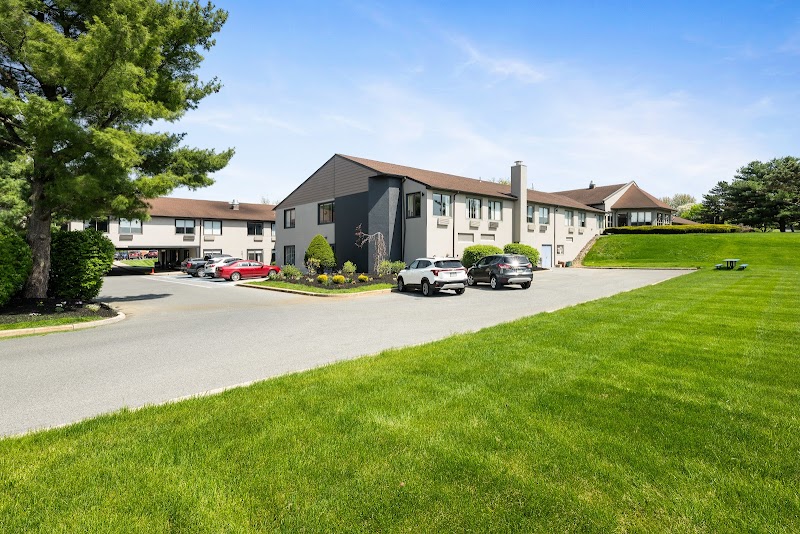
How is Willow Brook Rehabilitation And Healthcare Center Staffed?

CMS rates WILLOW BROOK REHABILITATION AND HEALTHCARE CENTER's staffing level at 3 out of 5 stars, which is average compared to other nursing homes. Staff turnover is 50%, compared to the Pennsylvania average of 46%.

What Have Inspectors Found at Willow Brook Rehabilitation And Healthcare Center?

State health inspectors documented 19 deficiencies at WILLOW BROOK REHABILITATION AND HEALTHCARE CENTER during 2022 to 2024. These included: 18 with potential for harm and 1 minor or isolated issues.

Who Owns and Operates Willow Brook Rehabilitation And Healthcare Center?

WILLOW BROOK REHABILITATION AND HEALTHCARE CENTER is owned by a for-profit company. For-profit facilities operate as businesses with obligations to shareholders or private owners. The facility is operated by PRESTIGE HEALTHCARE ADMINISTRATIVE SERVICES, a chain that manages multiple nursing homes. With 140 certified beds and approximately 133 residents (about 95% occupancy), it is a mid-sized facility located in KUTZTOWN, Pennsylvania.

How Does Willow Brook Rehabilitation And Healthcare Center Compare to Other Pennsylvania Nursing Homes?

Compared to the 100 nursing homes in Pennsylvania, WILLOW BROOK REHABILITATION AND HEALTHCARE CENTER's overall rating (4 stars) is above the state average of 3.0, staff turnover (50%) is near the state average of 46%, and health inspection rating (4 stars) is above the national benchmark.

What Should Families Ask When Visiting Willow Brook Rehabilitation And Healthcare Center?

Based on this facility's data, families visiting should ask: "Can I visit during a mealtime to observe dining assistance and food quality?" "How do you handle medical emergencies, and what is your hospital transfer rate?" "Can I speak with family members of current residents about their experience?"

Is Willow Brook Rehabilitation And Healthcare Center Safe?

Based on CMS inspection data, WILLOW BROOK REHABILITATION AND HEALTHCARE CENTER has a clean safety record: no substantiated abuse findings (meaning no confirmed cases of resident harm), no Immediate Jeopardy citations (the most serious violation level indicating risk of serious injury or death), and is not on the Special Focus Facility watch list (a federal program monitoring the lowest-performing 1% of nursing homes). The facility has a 4-star overall rating and ranks #1 of 100 nursing homes in Pennsylvania. While no facility is perfect, families should still ask about staff-to-resident ratios and recent inspection results during their visit.

Do Nurses at Willow Brook Rehabilitation And Healthcare Center Stick Around?

WILLOW BROOK REHABILITATION AND HEALTHCARE CENTER has a staff turnover rate of 50%, which is about average for Pennsylvania nursing homes (state average: 46%). Moderate turnover is common in nursing homes, but families should still ask about staff tenure and how the facility maintains care continuity when employees leave.

Was Willow Brook Rehabilitation And Healthcare Center Ever Fined?

WILLOW BROOK REHABILITATION AND HEALTHCARE CENTER has been fined $3,496 across 1 penalty action. This is below the Pennsylvania average of $33,114. While any fine indicates a compliance issue, fines under $50,000 are relatively common and typically reflect isolated problems that were subsequently corrected. Families should ask what specific issues led to these fines and confirm they've been resolved.

Is Willow Brook Rehabilitation And Healthcare Center on Any Federal Watch List?

WILLOW BROOK REHABILITATION AND HEALTHCARE CENTER is not on any federal watch list. The most significant is the Special Focus Facility (SFF) program, which identifies the bottom 1% of nursing homes nationally based on persistent, serious quality problems. Not being on this list means the facility has avoided the pattern of deficiencies that triggers enhanced federal oversight. This is a positive indicator, though families should still review the facility's inspection history directly.