ABBEYVILLE SKILLED NURSING AND REHABILITATION CENT
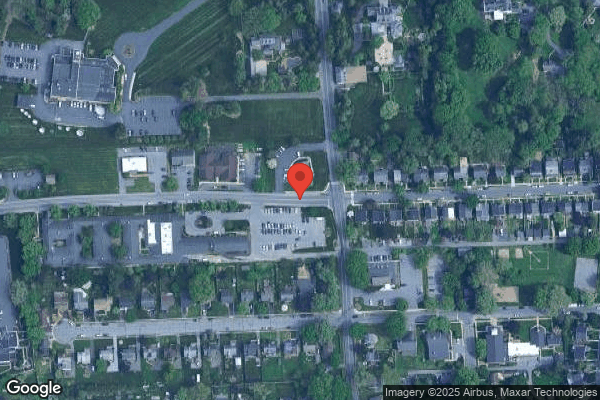
100 ABBEYVILLE ROAD, LANCASTER, PA 17603 (717) 397-4261
For profit - Corporation 172 Beds GENESIS HEALTHCARE Data: November 2025
Trust Grade
45/100
#381 of 653 in PA
Last Inspection: February 2025

Within standard 12-15 month inspection cycle. Federal law requires annual inspections.

Overview

Abbeyville Skilled Nursing and Rehabilitation Center has received a Trust Grade of D, indicating below-average performance with some concerns about care quality. It ranks #381 out of 653 nursing homes in Pennsylvania, placing it in the bottom half, and #20 out of 31 facilities in Lancaster County, suggesting that there are better options available locally. The facility is showing improvement, reducing issues from 16 in 2024 to 6 in 2025. However, staffing remains a concern, with a rating of 2 out of 5 stars and a 61% turnover rate, which is higher than the state average, indicating instability among staff. Specific incidents include failures to notify the state ombudsman about hospital transfers for several residents, inadequate infection control measures, and a significant pest problem, with reports of mice in the dementia unit. Despite these weaknesses, the absence of fines is a positive aspect to note.

Trust Score
D
45/100
In Pennsylvania
#381/653
Bottom 42%
Safety Record
Low Risk
No red flags
Inspections
Getting Better
16 → 6 violations
Staff Stability
⚠ Watch
61% turnover. Above average. Higher turnover means staff may not know residents' routines.
Penalties
✓ Good
No fines on record. Clean compliance history, better than most Pennsylvania facilities.
Skilled Nurses
⚠ Watch
Each resident gets only 28 minutes of Registered Nurse (RN) attention daily — below average for Pennsylvania. Fewer RN minutes means fewer trained eyes watching for problems.
Violations
⚠ Watch
26 deficiencies on record. Higher than average. Multiple issues found across inspections.
★★☆☆☆
2.0
Overall Rating
★★☆☆☆
2.0
Staff Levels
★★★☆☆
3.0
Care Quality
★★☆☆☆
2.0
Inspection Score
Stable
2024: 16 issues
2025: 6 issues

The Good

  • Full Sprinkler Coverage · Fire safety systems throughout facility
  • No fines on record

Facility shows strength in fire safety.

The Bad

2-Star Overall Rating

Below Pennsylvania average (3.0)

Below average - review inspection findings carefully

Staff Turnover: 61%

15pts above Pennsylvania avg (46%)

Frequent staff changes - ask about care continuity

Chain: GENESIS HEALTHCARE

Part of a multi-facility chain

Ask about local staffing decisions and management

Staff turnover is elevated (61%)

13 points above Pennsylvania average of 48%

The Ugly 26 deficiencies on record

Feb 2025 5 deficiencies
CONCERN (D)

Potential for Harm - no one hurt, but risky conditions existed

Notification of Changes (Tag F0580)

Could have caused harm · This affected 1 resident

Based upon review of facility policy and procedure, clinical record review, and staff interview it was determined the facility failed to ensure the physician was notified of a weight gain for two of 3...

Read full inspector narrative →
Based upon review of facility policy and procedure, clinical record review, and staff interview it was determined the facility failed to ensure the physician was notified of a weight gain for two of 32 residents reviewed (Resident 76 and Resident 147). Findings include: Review of facility policy and procedure titled Weights and Heights, revised 2023, revealed the facility is to notify the physician and dietitian of significant weight changes; document notification of physician and dietitian in the Weight Change Progress Note and the licensed nurse will notify the physician of the dietitian recommendations. Review of Resident 76's physician orders revealed an order stating weigh - daily. Notify MD with weight gain of 1 pound in 1 day or 3 pounds in one week. Review of Resident 76's Weight Summary revealed on January 21, 2025 Resident 76 weighed 226.5 pounds. Further review of Resident 76's Weight Summary revealed on January 22, 2025 Resident 76 weighed 230 pounds indicating a 3.5 pound weight gain in one day. Review of Resident 76's clinical record failed to reveal evidence that Resident 76's physician was notified of Resident 76's weight gain as stated in the physician's order. Interview with the Nursing Home Administrator on February 6, 2025 at 11:27 a.m. confirmed that the physician was not notified of Resident 76's weight gain. Review of Resident 147's clinical record revealed an order for weights to be obtained on Monday, Wednesday and Friday for monitoring. Review of Resident 147's Weight Summary revealed on November 18, 2024 Resident 147 weighed 132 pounds. Further review of Resident 147's Weight Summary revealed on November 20, 2024 Resident 147 weighed 152 pounds indicating a 20 pound weight gain in two days. Review of Resident 147's clinical record failed to reveal documented evidence of notification to the physician of Resident 147's weight gain. Interview with the Director of Nursing on February 6, 2025 at 3:00 p.m. confirmed that Resident 147's physician was not notified of Resident 147's significant weight gain. 28 Pa. Code 211.12(d)(5) Nursing Services 28 Pa. Code 211.5(f) Clinical Records
CONCERN (D)

Potential for Harm - no one hurt, but risky conditions existed

Report Alleged Abuse (Tag F0609)

Could have caused harm · This affected 1 resident

Based on review of facility documentation, clinical record review, and staff interview, it was determined that the facility failed to ensure a complete and thorough investigation of an incident involv...

Read full inspector narrative →
Based on review of facility documentation, clinical record review, and staff interview, it was determined that the facility failed to ensure a complete and thorough investigation of an incident involving suspected abuse for one of 31 residents reviewed (Resident 78). Findings include: Review of facilities Abuse Prohibition policy, revision date October 24, 2022, states employees are designated as mandated reports and are obligated to immediately report any reasonable suspicion of a crime against a patient. Review of minimum data set (MDS, standardized assessment tool to evaluate residents) dated October 1, 2024, revealed Resident 78 possessed a brief interview for mental status (BIMS) of 14 out of 15 (cognition intact). Clinical record review for Resident 78 revealed nursing documentation dated October 6, 2024, at 8:21 PM that indicated that staff were notified by Resident 78 that she/he was hit multiple times by a staff member during the evening shift (3pm-11pm) on October 6, 2024. Further review of nursing documentation revealed the following [Resident 78] made false accusations of staff hitting her/him during care. But when asked by writer unable to confirm the same. Educated resident on not making false accusations of staff and if she has any concerns or problems about staff to tell the nurse. Will continue to monitor. Review of Resident 78's care plan revealed the resident was not care planed for false accusations. Further review of Resident 78's clinical record failed to find any other documentation of Resident 78 making false accusations. Review of Resident 78's skin assessments for the month of October 2024 reported no new wounds or skin conditions (bruises, lacerations, or rashes). An interview conducted with Resident 78 on February 4, 2025, at 10:07 a.m. reported the incident was nothing and I don't remember saying that. Incident report was requested of the above on February 5, 2025, at 11:12 a.m. during an interview with the Nursing Home Administrator (NHA). Interview conducted with the Director of Nursing (DON) via email on February 6, 2025, at 8:13 a.m. confirmed the facility did not conduct an investigation to the above incident. 28 Pa. Code 201.14(a)(c) Responsibility of licensee 28 Pa. Code 201.18(b)(2)(e)(1) Management
CONCERN (D)

Potential for Harm - no one hurt, but risky conditions existed

Deficiency F0645 (Tag F0645)

Could have caused harm · This affected 1 resident

Based on clinical record review and staff interview, it was determined that the PASRR (Preadmission Screening and Resident Review) was not appropriately completed for two of 31 residents reviewed (Res...

Read full inspector narrative →
Based on clinical record review and staff interview, it was determined that the PASRR (Preadmission Screening and Resident Review) was not appropriately completed for two of 31 residents reviewed (Resident 60 and Resident 92). Findings include: The PASRR (Preadmission Screening Resident Review) was created in 1987 through language in the Omnibus Budget Reconciliation Act (OBRA) and it has three goals: to identify individuals with mental illness and/or intellectual disability, to ensure they are placed appropriately, whether in the community or in a nursing facility, and to ensure they receive the services they require for their mental illness or intellectual disability. The PASRR Level 1 must be completed on all persons who are considering admission to a Medicaid certified nursing facility. Review of Resident 60's clinical record revealed the resident was readmitted to the facility on August, 2025. Subsequent review of Resident 60's clinical record failed to produce a copy of a completed PASRR. A request for a copy of a completed PASRR was request from the Nursing Home Administrator (NHA) on February 5, 2025, at 11:15 a.m. An interview conducted with the NHA via email on February 6, 2025, at 8:34 a.m. confirmed the facility did not complete a PASRR for the above. 28 Pa Code 211.5(f) Clinical records 28 Pa Code 211.16(a) Social services
CONCERN (D)

Potential for Harm - no one hurt, but risky conditions existed

Deficiency F0655 (Tag F0655)

Could have caused harm · This affected 1 resident

Based upon clinical record review, it was determined the facility failed to ensure a baseline care plan was in place for a Foley catheter (rubber tube placed into bladder to drain urine out of the bod...

Read full inspector narrative →
Based upon clinical record review, it was determined the facility failed to ensure a baseline care plan was in place for a Foley catheter (rubber tube placed into bladder to drain urine out of the body) upon admission for one of 32 residents reviewed (Resident 84). Findings include: Review of Resident 84's clinical record revealed Resident 84 was admitted to the facility with a Foley catheter on January 14, 2025. Review of Resident 84's care plan failed to reveal evidence of a care plan for Resident 84's Foley catheter. Interview with the Nursing Home Administrator on February 6, 2025 at 11:07 a.m. confirmed that there was no baseline care plan completed from admission regarding Resident 84's Foley catheter. 28 Pa. Code 211.12(d)(5) Nursing Services 28 Pa. Code 211.5(f) Clinical Records
MINOR (B)

Minor Issue - procedural, no safety impact

Transfer Notice (Tag F0623)

Minor procedural issue · This affected multiple residents

**NOTE- TERMS IN BRACKETS HAVE BEEN EDITED TO PROTECT CONFIDENTIALITY** Based on clinical record reviews and staff interviews, it was determined that the facility failed to ensure that a written notic...

Read full inspector narrative →
**NOTE- TERMS IN BRACKETS HAVE BEEN EDITED TO PROTECT CONFIDENTIALITY** Based on clinical record reviews and staff interviews, it was determined that the facility failed to ensure that a written notice regarding emergency transfer to the hospital was provided to the Office of the State Long-Term Care Ombudsman for four of five residents reviewed (Residents 12, 29, 78, 130). Findings include: Review of Resident 29's progress note of October 20, 2024, revealed resident tested positive for pneumonia and an order was received to send the resident to the hospital. A quarterly Minimum Data Set (MDS) assessment (a mandated assessment of a resident's abilities and care needs) for Resident 78, dated October 1, 2024, revealed that the resident was cognitively intact, was usually understood, and could usually understand others. A nursing note for Resident 78, dated October 31, 2024, at 1:27 p.m., indicated that Resident 78 was transferred to [NAME] General Hospital for abnormal other lab value or study. Further review revealed Resident 78 was admitted to the hospital due to critical potassium levels. Review of Resident 130's progress note of October 26, 2024, revealed resident was transferred to the hospital for shortness of breath. A quarterly Minimum Data Set (MDS) assessment (a mandated assessment of a resident's abilities and care needs) for Resident 12, dated November 12, 2024, revealed that the resident was cognitively intact, was usually understood, and could usually understand others. A nursing note for resident 12 dated January 3, 2025, at 7:26 p.m. indicated that Resident 12 was transferred to [NAME] State hospital with an admitting diagnosis of acute kidney injury. A request for documented evidence that the state Long-Term Care Ombudsman office was notified of the above hospital transfers was made on February 5. 2025, at 11:15 a.m. with the Nursing Home Administrator (NHA). An interview conducted with the Nursing Home Administrator via email on February 6, 2025, at 9:07 a.m. confirmed the facility has not notified the Office of State Long-Term Care Ombudsman of residents transferred to the hospital since September 2024. Notice Requirements Before Transfer/Discharge Previously cited 3/8/24 28 Pa. Code 201.14(a) Responsibility of licensee. Previously cited 12/26/24, 6/11/24, 4/10/24, 3/8/24
Jan 2025 1 deficiency
CONCERN (D) 📢 Someone Reported This

A family member, employee, or ombudsman was alarmed enough to file a formal complaint

Potential for Harm - no one hurt, but risky conditions existed

Pressure Ulcer Prevention (Tag F0686)

Could have caused harm · This affected 1 resident

**NOTE- TERMS IN BRACKETS HAVE BEEN EDITED TO PROTECT CONFIDENTIALITY** Based on facility policy review, clinical records review, and staff interview, it was determined the facility failed to ensure i...

Read full inspector narrative →
**NOTE- TERMS IN BRACKETS HAVE BEEN EDITED TO PROTECT CONFIDENTIALITY** Based on facility policy review, clinical records review, and staff interview, it was determined the facility failed to ensure interventions were provided timely for a resident at risk for developing a pressure ulcer and that wound monitoring was done timely for one of three residents reviewed. (Resident CL1). Findings include: A review of the facility's policy titled Skin Integrity and Wound Management, revised on October 15, 2024, revealed, that the plan of care for the patient will reflect assessment findings from the comprehensive patient assessment and wound evaluation. Staff will continually observe and monitor patients for changes and implement revisions to the plan as needed. The same policy revealed the identification of the patient's skin integrity status and the need for prevention or treatment intervention through a review of all appropriate assessments and information. Implement pressure injury prevention for identified modifiable risk factors. A review of Resident CL1's admission assessment dated [DATE], revealed that the resident was newly admitted with a diagnosis of Acute Respiratory Failure (a life-threatening condition where the lungs cannot adequately exchange oxygen and carbopn dioxide), presence of Tracheostomy (A procedure to help air and oxygen reach the lungs by creating an opening into the trachea from outside the neck), and mouth cancer. A review of Resident CL1's admission skin assessment revealed resident had a redness blanchable (Area of redness disappears on applied pressure- skin is intact) to the sacrum (The triangular bone just below the lumbar vertebrae). A review of Resident CL1's admission Braden Scale (A scale used for predicting pressure sore risk) completed on December 20, 2024, revealed resident was At Risk for developing a pressure ulcer. A review of Resident CL1's admission Minimum Data Set (MDS- A standardized assessment tool that measures health status in long-term care residents), dated December 27, 2025, revealed maximal assistance with turning the body from side to side. The same MDS also revealed that the resident was occasionally incontinent of bowel and bladder. A review of the skin assessment dated [DATE], revealed a stage two pressure ulcer (Partial-thickness skin loss with exposed dermis) to Resident CL1's sacrum measuring 0.9 x 0.4 x 0.1 cm. A wound treatment was ordered. A review of Resident CL1's care plan revealed At risk for skin breakdown related to decreased activity, was not developed until December 23, 2024, three days after Resident CL1 was assessed to be at risk for developing a pressure ulcer. Interventions include the following: Pressure redistribution surface to bed and chair; Providing wound treatment as ordered; and Weekly skin check by a licensed nurse. Clinical records review failed to reveal skin check follow-up after Resident CL1 was identified with a stage two to sacrum. An interview conducted with the Director of Nursing on January 23, 2025, revealed Resident CL1's wound rounds were scheduled on Friday (December 27, 2024). The DON was unable to explain as to why it was not done. The DON also confirmed that the plan of care with interventions was not developed and implemented until December 23, 2024, after Resident CL1 was identified with stage two to the sacrum. The facility failed to ensure Resident CL1 was provided with interventions timely to prevent pressure ulcers and timely follow-up to determine wound progress. 28 Pa Code 211.12(a)(c)(d)(1)(3)(5) Nursing Services.
Dec 2024 2 deficiencies
CONCERN (D) 📢 Someone Reported This

A family member, employee, or ombudsman was alarmed enough to file a formal complaint

Potential for Harm - no one hurt, but risky conditions existed

Quality of Care (Tag F0684)

Could have caused harm · This affected 1 resident

Based on review of clinical records, pharmacy delivery report, and staff interview, it was determined the facility failed to ensure the physician's medication order was followed for one of the three r...

Read full inspector narrative →
Based on review of clinical records, pharmacy delivery report, and staff interview, it was determined the facility failed to ensure the physician's medication order was followed for one of the three residents reviewed (Resident CL1). Findings include: Review of Resident CL1's physician order dated November 23, 2024, revealed an order for Rytary Oral Capsule Extended Release 23.75-95 MG (Carbidopa-Levodopa) Give 3 capsules by mouth three times a day for Parkinson's (A disorder of the central nervous system that affects movement, often include tremors). Review of the November 2024 Medication Administration Record (MAR) revealed that from November 24, 2024, until November 30, 2024, Resident CL1 was not administered with medication Rytary nine times. Nursing progress notes review dated November 24, 2024, at 9:23 a.m., 11:56 a.m., and 7:00 p.m., November 28, 2024, at 9:17 p.m., November 29, 2024, at 10:22 p.m., November 30, 2024, at 1:12 p.m., all indicated that medication was not administered pending/awaiting delivery from the pharmacy. Review of the pharmacy medication delivery report revealed that medication Rytary (27 capsules) was delivered to the facility on November 23, 2024, and was received by a licensed nurse. Review of Resident CL1's clinical records failed to reveal the physician was notified of the missed medication for Resident CL1's Parkinsons. Interview with the Director of Nursing was conducted on December 26, 2024, at 3:00 p.m. The DON was unable to provide an answer as to why Rytary medication was not administered. The DON confirmed that the physician was not notified of the missed medication. The facility failed to ensure that Cl1's medication order for Parkinson's was followed. 28 Pa. Code 211.12(a)(c)(d)(1)(3)(5) Nursing services
CONCERN (E) 📢 Someone Reported This

A family member, employee, or ombudsman was alarmed enough to file a formal complaint

Potential for Harm - no one hurt, but risky conditions existed

Infection Control (Tag F0880)

Could have caused harm · This affected multiple residents

**NOTE- TERMS IN BRACKETS HAVE BEEN EDITED TO PROTECT CONFIDENTIALITY** Based on review of the facility's policy, Pennsylvania Department of Health (DOH) 2023-PAHAN-694 review, clinical records review...

Read full inspector narrative →
**NOTE- TERMS IN BRACKETS HAVE BEEN EDITED TO PROTECT CONFIDENTIALITY** Based on review of the facility's policy, Pennsylvania Department of Health (DOH) 2023-PAHAN-694 review, clinical records review, observations, and staff interviews, it was determined the facility failed to ensure that infection control prevention and management were implemented on two of four units observed ([NAME] and [NAME]) as well as within reception and Rehab department. Findings include: Review of the Pennsylvania Department of Health 2023-PA HAN-694-5-11- UPD (updated) titled Interim Infection Prevention and Control Recommendation for COVID-19 in Healthcare Settings, updated on May 11, 2023, revealed Department of Health (DOH) recommends using the following additional infection control prevention and control practices related to COVID-19 (An infectious respiratory illness caused by the SARS-CoV-2 virus), along with standard practice recommended as a part of routine healthcare delivery to patients. The same PA HAN revealed source control options for HCP (healthcare personnel): A NIOSH-approved particulate respirator with an N-95 filter or higher; A barrier face covering that meets ASTM requirements; or a well-fitting facemask. Source control is recommended in healthcare settings for individuals who have suspected or confirmed SARS-CoV-2 infection or other respiratory infection and who had close contact with someone with SARS-CoV-2 infection, for 10 days after their exposure. HCPs who enter the room of a patient with suspected or confirmed SARS-CoV-2 infection should adhere to Standard Precautions and use of NIOSH (National Institute for Occupational Safety and Health)-approved N95 respirator, gown, gloves, and eye protector. Review of the facility's policy titled COVID-19, with a review date of July 1, 2024, revealed that in addition to standard precautions, special contact and droplet precautions will be implemented for patients/residents suspected or confirmed to have COVID-19. Special Contact and Droplet Precautions require wearing a N95 respirator upon entry into that patient's room. In addition to the recommended personal protective equipment (PPE), keep the door to the patient's room closed, when safe to do so. The same policy also revealed that any HCP who reports symptoms that meet the criteria will be tested before entry. For transmission-based precautions, the facility will perform contact tracing for both suspected and confirmed cases and document it on the Contact Tracing Log. An outbreak investigation will be organized by the Infection Preventionist or designee when a disease outbreak is suspected. Inteview was conducted upon entrance with the Director of Nursing (DON) on December 26, 2024. The DON reported that there were currently two COVID-19-positive residents in the facility, one in the [NAME] Unit (Resident 1) and the other one in the [NAME] Unit (Resident 2). The DON reported that all staff and visitors must wear a surgical mask while in the building. The DON reported that an N95, a gown, and an eye protector should be worn when entering a room with a COVID-positive resident. Upon entering the facility at 9:15 a.m., Employee E3 was observed sitting in the reception area with no facemask on. Employee E1 grabbed a yellow surgical mask and put it on after the surveyor introduced herself. At 9:27 a.m., Employee E3 was observed at the front desk singing with a face mask on the chin. Observation on the [NAME] Unit conducted on December 26, 2024, revealed the following: at 9:29 a.m., licensed nurse Employee E4 was observed in the hallway giving medications with a surgical facemask on the chin; At 9:29 a.m., licensed employee E5 was observed on Resident 3's room providing treatment wearing a surgical facemask placed on her/his chin, Employee E5 immediately pulled up her/his mask after surveyor introduce self; At 9:35 a.m., licensed nurse Employee E6 was observed on the hallway doing rounds wearing a surgical facemask covering only the mouth at 9:41 a.m. Observation on the Rehab Unit on December 26, 2024, at 9:46 a.m., revealed that licensed Employee E7 was observed wearing a surgical facemask placed on his/her chin while providing treatment to three residents. Observation on the [NAME] Unit conducted on December 26, 2024, revealed the following: At 9:49 a.m., licensed nurse Employee E8 was observed giving medications in the hallway wearing a surgical mask covering only her/his mouth; At 9:51 a.m., licensed nurse Employee E9 was observed providing care to Resident 4 wearing a surgical facemask. Resident 4's room had signage indicating that Resident was on contact and droplet precaution requiring staff to wear an N95 mask, a gown, and an eye shield when entering the room. Employee E9 reported that the precautions were put in place because Resident 4 goes to Dialysis -Hemodialysis (process of purifying the blood of a person whose kidneys are not working normally). Observation conducted on the [NAME] Unit on December 26, 2024, at 1:30 p.m., revealed Employee E6 providing an aerosol treatment to a positive COVID-19 (Resident 1) wearing a surgical facemask. Resident 1's room had signage indicating that the resident was on a contact and droplet precaution, requiring anyone who enters the room to wear an N95 mask, a gown, and an eye protector. Employee E6 reported that she/he initially had all the appropriate PPE worn but had to come back to re-check the resident. Employee E6 confirmed that appropriate PPE should be worn when entering a positive COVID resident. Review of Resident 5 and Resident 6's clinical records revealed Resident 5 and Resident 6, both reside on the Arcadia Unit (secured dementia unit) were sent to the hospital on November 17, 2024, for change in mental condition and respiratory symptoms, both tested positive for COVID in the hospital. All residents and staff that worked in the unit were tested for COVID-19 with 17 resident and six staff (nursing and activities) initially with positive results. The entire unit was placed on droplet and contact precautions with residents placed on isolation. Review of the facility's documentation revealed non licensed staff Employee E10 had a positive COVID test on November 15, 2024. Interview conducted with Employee E10's on December 26, 2024, at 10:00 a.m., revealed, Employee E10 did a self-COVID test after work on November 15, 2024 due to a headache and knee pain, Employee E10 reported that the symptom occurred after work and the test result was positive but did not inform anyone in the facility. Employee E10 reported that she/he did another self-Covid test on November 17, 2024, with a negative result. Employee E10 further reported that she/he came to work on November 18, 2024, served breakfast to the residents on the Arcadia unit, and informed the unit manager of her/his positive/negative test over the weekend. The employee was immediately tested resulted in a positive for COVID reading and was sent home. Interview with the Infection Preventionist, Employee E11, conducted on December 26, 2024, at 10:30 a.m., revealed that after being notified of two positive residents from the hospital, all residents in the unit (Arcadia-Dementia Unit) and staff that worked in the unit were all tested. Positive residents were placed on precautions and isolations and positive staff were sent home and returned following CDC guidelines. However, Employee E11 reported that the facility did not conduct contact tracing to determine possible contact of staff that tested positive as some of the staff members were float nursing staff and activities staff who also traveled to other nursing units. The Infection Preventionist was unable to provide an answer as to why contact tracing was not conducted. The above informatoin was conveyed to the Director of Nursing on December 26, 2024, at 4:00 p.m. The facility failed to ensure infection control and prevention were implemented in the facility. 28 Pa. Code 201.18(a)(b)(1)(2)(3) Management 28 Pa. Code 201.14(a) Responsibility of Licensee 28 Pa. Code 211.12(a)(c)(d)(1)(3)(5) Nursing services 28 Pa. Code 211.10(c) Resident care policies
Aug 2024 3 deficiencies
CONCERN (D) 📢 Someone Reported This

A family member, employee, or ombudsman was alarmed enough to file a formal complaint

Potential for Harm - no one hurt, but risky conditions existed

Deficiency F0655 (Tag F0655)

Could have caused harm · This affected 1 resident

**NOTE- TERMS IN BRACKETS HAVE BEEN EDITED TO PROTECT CONFIDENTIALITY** Based upon clinical record review and interview, it was determined the facility failed to establish a baseline care plan upon ad...

Read full inspector narrative →
**NOTE- TERMS IN BRACKETS HAVE BEEN EDITED TO PROTECT CONFIDENTIALITY** Based upon clinical record review and interview, it was determined the facility failed to establish a baseline care plan upon admission for a surgical wound for one of one resident reviewed (Resident 1). Findings include: Resident 1's clinical record review revealed Resident 1 was admitted to the facility on [DATE], for short term rehabilitation from surgery. Review of Resident 1's care plan failed to reveal evidence that a baseline care plan was established upon admission for the presence and care of a surgical wound. Interview with Licensed Employee E1 on August 13, 2024, at 10:24 a.m. confirmed Resident 1 did not have a baseline care plan established upon admission for the presence and care of a surgical wound. Interview with the Interim Director of Nursing on August 13, 2024, at 12:30 p.m. confirmed Resident 1 did not have a baseline care plan established upon admission for the presence and care of a surgical wound. 28 Pa. Code 211.11(c)(d) Resident Care Plan
CONCERN (D) 📢 Someone Reported This

A family member, employee, or ombudsman was alarmed enough to file a formal complaint

Potential for Harm - no one hurt, but risky conditions existed

ADL Care (Tag F0677)

Could have caused harm · This affected 1 resident

**NOTE- TERMS IN BRACKETS HAVE BEEN EDITED TO PROTECT CONFIDENTIALITY** Based upon clinical record review and interview, it was determined the facility failed to provide bathing/showering services for...

Read full inspector narrative →
**NOTE- TERMS IN BRACKETS HAVE BEEN EDITED TO PROTECT CONFIDENTIALITY** Based upon clinical record review and interview, it was determined the facility failed to provide bathing/showering services for one of one resident reviewed (Resident 1). Findings include: Resident 1's clinical record review revealed Resident 1 was admitted to the facility on [DATE], for short term rehabilitation from surgery. Review of Resident 1's clinical record failed to reveal evidence that Resident 1 received a shower from admission through August 13, 2024. Interview with Licensed Employee E1 on August 13, 2024, at 10:24 a.m. confirmed Resident 1 had not had a shower since admission on [DATE]. This interview further confirmed that there was no clinical reason for Resident 1 not to have received a shower. Interview with the Interim Director of Nursing on August 13, 2024 at 12:30 p.m. confirmed Resident 1 had not received a shower since admission. 28 Pa. Code 211.12(c)(d)(1)(5) Nursing Services Previously cited 8/16/2023, 3/8/2024, 4/30/2024, 6/11/2024
CONCERN (D) 📢 Someone Reported This

A family member, employee, or ombudsman was alarmed enough to file a formal complaint

Potential for Harm - no one hurt, but risky conditions existed

Quality of Care (Tag F0684)

Could have caused harm · This affected 1 resident

**NOTE- TERMS IN BRACKETS HAVE BEEN EDITED TO PROTECT CONFIDENTIALITY** Based upon clinical record review and interview, it was determined the facility failed to assess a surgical wound for signs and ...

Read full inspector narrative →
**NOTE- TERMS IN BRACKETS HAVE BEEN EDITED TO PROTECT CONFIDENTIALITY** Based upon clinical record review and interview, it was determined the facility failed to assess a surgical wound for signs and symptoms of infection for one of one resident reviewed (Resident 1). Findings include: Resident 1's clinical record review revealed Resident 1 was admitted to the facility on [DATE], for short term rehabilitation from surgery. Further review of Resident 1's clinical record revealed Resident 1 had a surgical wound located mid-back. Review of Resident 1's physician orders upon admission revealed an order indicating, Surgical incision on back - cleanse incision with NSS [normal saline], dry well and leave OTA [open to air] every day shift for incision care. Review of Resident 1's June 2024 Treatment Administration Record revealed the above-mentioned treatment did not occur on June 22, 2024, and June 23, 2024. Review of Resident 1's progress notes dated July 1, 2024, revealed Pt [patient] seen for c/o [complaints of] infection to surgical back incision. [resident] has reported an increase in pain within the last day. [resident] thought it may have been from TLSO brace rubbing [resident's] back. Further review of Resident 1's progress notes dated July 1, 2024, revealed res [resident] seen by NP [nurse practitioner] and incisional infection - new order noted for Cephalexin 500 mg [milligrams] every 12 hours x 5 days and cleanse incision with NSS and cover with abd [thick absorbent dressing] pads over incision to pad from TLSO daily. Review of Resident 1's clinical record failed to reveal any documented evidence that Resident 1's surgical wound was observed or assessed from admission on [DATE], until identification of the wound infection on July 1, 2024. Interview with the Interim Director of Nursing on August 13, 2024, at 12:30 p.m. confirmed that no skin or surgical wound assessments were conducted on Resident 1's surgical wound from June 18, 2024, through July 1, 2024, when the surgical wound infection was identified. 28 Pa. Code 211.12(c)(d)(1)(5) Nursing Services Previously cited 8/16/2023, 3/8/2024, 4/30/2024, 6/11/2024
Jun 2024 2 deficiencies
CONCERN (D) 📢 Someone Reported This

A family member, employee, or ombudsman was alarmed enough to file a formal complaint

Potential for Harm - no one hurt, but risky conditions existed

Investigate Abuse (Tag F0610)

Could have caused harm · This affected 1 resident

**NOTE- TERMS IN BRACKETS HAVE BEEN EDITED TO PROTECT CONFIDENTIALITY** Based review of the facility's policy, clinical records facility documentation review, and staff interview, it was determined th...

Read full inspector narrative →
**NOTE- TERMS IN BRACKETS HAVE BEEN EDITED TO PROTECT CONFIDENTIALITY** Based review of the facility's policy, clinical records facility documentation review, and staff interview, it was determined that the facility failed to thoroughly and timely investigate an allegation of being mishandled with roughness by a resident who verbalized feeling of not being safe in the facility for one of two residents reviewed (Resident CL1). Findings include: Review of the facility's policy titled Abuse Prohibition, review date October 24, 2022, revealed that immediately upon receiving information concerning a report of suspected or alleged abuse, mistreatment, or neglect, initiate an investigation within 24 hours of an alleged of abuse that focuses on whether abuse or neglect occurred and to what extent; clinical examination for signs of injuries if indicated; causative factor; and interventions to prevent further injury. The investigation will be thoroughly documented within the Risk Management Portal. Ensure that documentation of witnessed interviews is located. Review of Resident CL1's clinical records revealed Resident CL1 was admitted to the facility on [DATE], to receive therapy post-abdominal surgery. Review of Resident CL1's admission Minimum Data Set (MDS- standardized assessment tool that measures health status in long-term care residents) dated April 27, 2024, revealed resident was cognitively intact. The same MDS revealed that the resident required substantial/maximal assistance with toileting. Review of Resident CL1's nursing progress notes dated April 27, 2024, at 6:19 p.m., revealed that at 3:00 p.m., the resident was in the hall in front of the nurses' station very upset unable to verbalize the issue except that she had to wait to go to the bathroom on day shift. The resident called her daughter who came in within 10 minutes. The resident informed the daughter that she does not feel safe in the facility and thus requested to leave. The physician was notified, and the resident was discharged against medical advice. The resident left the facility at 5:02 p.m., and the Director of Nursing (DON) was informed of the issue at 6:51 p.m. Review of facility's documentation revealed on April 28, 2024, the Resident's daughter sent an email to the facility's compliance department and reported observed care concerns from a male nurse during the Resident's stay in the facility which included leaving the bathroom door open while being assisted with toileting and not providing appropriate assistance with transfers. The daughter wrote in the email that she reported it to the charge nurse and requested not to let the male nurse assist her mother. The charge nurse informed her that the male nurse had spoken to them and that the incident would be reported to the supervisor. An hour later, she received a call from her mother, crying for help, and reported that the male nurse came back and mishandled the resident with roughness. Interview with the Nursing Home Administrator (NHA) was conducted on June 11, 2024. The NHA reported the email sent to the compliance department was not forwarded to her until May 2, 2024. The NHA reported that the alleged perpetrator was an agency staff and was no longer allowed in the facility. The facility was unable to provide documented evidence that the alleged report of being roughly mishandled was investigated by the facility. The facility failed to ensure Resident CL1's allegation of being roughly mishandled was thoroughly and timely investigated by the facility. 28 Pa. Code 201.14(a) Responsibility of licensee 28 Pa. Code 201.18(a) Management 28 Pa. Code 201.18(b)(3) Management 28 Pa. Code 211.12(c) Nursing services 28 Pa. Code 211.12(d)(1)(5) Nursing services
CONCERN (D) 📢 Someone Reported This

A family member, employee, or ombudsman was alarmed enough to file a formal complaint

Potential for Harm - no one hurt, but risky conditions existed

Safe Environment (Tag F0921)

Could have caused harm · This affected 1 resident

**NOTE- TERMS IN BRACKETS HAVE BEEN EDITED TO PROTECT CONFIDENTIALITY** Based on observations and staff interviews it was determined that the facility failed to ensure a safe and sanitary environment ...

Read full inspector narrative →
**NOTE- TERMS IN BRACKETS HAVE BEEN EDITED TO PROTECT CONFIDENTIALITY** Based on observations and staff interviews it was determined that the facility failed to ensure a safe and sanitary environment for one of the two units observed ([NAME]) Findings include: Observation in Resident R1's room conducted on June 11, 2024, at 10:45 a.m., revealed a multiple black pellet-looking object approximately 20 plus on the bottom wall vent and approximately 50 on the floor below the resident ' s television. Observation of room [ROOM NUMBER] bathroom conducted on June 12, 2024, at 10:50 a.m., revealed three tiles were broken exposing a hole in the bottom wall of the bathroom. Interview with licensed nurse, Employee E3 was conducted with the above observations on June 11, 2024, at 11:00 a.m. Employee E3 confirmed that the multiple black pellets-looking objects in resident 1's room were mouse droppings. Observation conducted on June 11, 2024, at 1:30 p.m., revealed the mouse droppings observed earlier were still present in the resident's room. Interview conducted with the maintenance director on June 11, 2024, revealed that he/she was not notified of the broken tiles/holes in room [ROOM NUMBER]-bathroom bottom wall. The above information was conveyed to the Nursing Home Administrator on June 11, 2024, at 2:00 p.m. The facility failed to ensure a safe and sanitary environment in the [NAME] Unit. Unit 28 Pa. Code 201.18(b)(1) Management
Apr 2024 1 deficiency
CONCERN (D) 📢 Someone Reported This

A family member, employee, or ombudsman was alarmed enough to file a formal complaint

Potential for Harm - no one hurt, but risky conditions existed

Quality of Care (Tag F0684)

Could have caused harm · This affected 1 resident

**NOTE- TERMS IN BRACKETS HAVE BEEN EDITED TO PROTECT CONFIDENTIALITY** Based on clinical record review, resident interview and staff interviews, it was determined that the facility failed to ensure t...

Read full inspector narrative →
**NOTE- TERMS IN BRACKETS HAVE BEEN EDITED TO PROTECT CONFIDENTIALITY** Based on clinical record review, resident interview and staff interviews, it was determined that the facility failed to ensure that residents receive treatment and care in accordance with professional standards of practice for one of two residents reviewed (Resident R1). Findings include: Review of Resident R1's admission progress note of April 3, 2024, revealed that the resident was admitted with a surgical wound to the right lower leg with a wound VAC (vacuum assisted closure - therapeutic technique using a suction pump, tubing, and a dressing to remove excess exudate [fluid] and promote healing in acute or chronic wounds) in place. Review of a physician's order dated April 3, 2024, indicated wound vac - do not change dressing - monitor dressing and machine - res [resident] sees trauma and acute care for wound vac changes - notify trauma and acute changes if any issues every shift for wound care. Review of Resident R1's progress note of April 24, 2024, revealed that resident tested positive for Flu A and Flu A Hi2009 and was placed on isolation. Additional note on that date revealed a call was placed to trauma and acute care and a message left secondary to res [resident] has a f/u [follow-up] appointment [NAME] [tomorrow] and wanted to notify of + flu. Review of progress note of April 25, 2024 at 11:21 a.m., revealed call placed to trauma and acute care and resident's appointment was changed to Tuesday secondary to positive for flu. Note also indicated to cont [continue] with wound vac at this time. Review of eMAR (electronic Medication Administration Record) note of April 25, at 1:02 p.m. revealed wound vac off and trauma will be seeing [resident] on Tues [Tuesday] for wound vac change. Review of Resident R1's progress note of April 26, 2024, at 4:43 a.m. revealed, wound vac off at this time due to supply depletion of canisters for wound vac, supply clerk aware of need for canisters. Review of Resident R1's eMAR note of April 26, 2024, at 11:50 p.m. revealed wound vac off at this time d/t [due to] depletion of our supply of canisters for wound vac. Review of eMAR note of April 27, 2024, at 1:30 p.m. revealed wound vac off at this time d/t depletion of our supply of canisters for wound vac. Review of Resident R1's eMAR note dated April 28, 2024, at 2:03 p.m. revealed reinforced wound vac dx [dressing] and wound vac is now functioning at ordered negative pressure. Review of eMAR note dated April 28, 2024, at 9:21 p.m. revealed wound vac is not functioning d/t canister being full and no other canister available. Additional eMAR note at 11:51 p.m. revealed wound vac off at this time d/t canister being full and our supply is depleted at this time. Supply clerk is aware of need. Review of Resident R1's progress note dated April 29, 2024 at 11:34 a.m., revealed call placed to trauma and acute care regarding wound vac issues - awaiting return call at this time. Interview with Resident R1 on April 30, 2024, at 11:30 a.m. confirmed that the wound vac had not been operational for close to a week. Interview on April 30, 2024, at 11:45 a.m. with licensed staff, Employee E3 revealed the resident went out weekly to have the dressing changed, but did not go last week due to being positive for the flu. Employee E3 confirmed that the wound vac has not been used due to a shortage of canisters and central supply was aware. Employee E3 also confirmed that a call was placed to trauma and acute care on April 29, 2024, but no returned call received. Interview with the Director of Nursing (DON) on April 30, 2024, at 12:00 p.m. indicated that the resident went out to trauma and acute care weekly for dressing changes and the facility staff were only to monitor the wound vac. The DON confirmed that the canisters were not available for Resident R1. The DON attempted to call other facilities to obtain the canisters, but was not able to obtain any canisters. The facility was able to locate one canister among the supplies which was used, however; the DON confirmed that the wound vac was not consistently operational since April 25, 2024, due to unavailability of the wound vac canisters. Interview with Employee E4 on April 30, 2024, at 12:50 p.m. revealed that he/she was notified of the need for the wound vac canisters last week, but facility is in the process of switching vendors and the canisters were unable to be obtained from the vendor. 483.25 Quality of Care Previously cited 3/8/24 28 Pa. Code 211.5(f) Clinical records Previously cited 3/8/24 28 Pa. Code 211.12(c) Nursing services Previously cited 3/8/24 28 Pa. Code 211.12(d)(1)(5) Nursing services Previously cited 3/8/24
Apr 2024 1 deficiency
CONCERN (E) 📢 Someone Reported This

A family member, employee, or ombudsman was alarmed enough to file a formal complaint

Potential for Harm - no one hurt, but risky conditions existed

Deficiency F0925 (Tag F0925)

Could have caused harm · This affected multiple residents

Based on observation and interview, it was determined that the facility failed to have an effective pest control system on the facility's dementia unit (Arcadia). Findings include: Interview with Empl...

Read full inspector narrative →
Based on observation and interview, it was determined that the facility failed to have an effective pest control system on the facility's dementia unit (Arcadia). Findings include: Interview with Employee E4 on April 10, 2024, at 12:00 p.m. revealed mice were a big issue on the dementia unit, and that seeing mice running around day and night was a common occurrence. Tour of the Arcadia unit on April 10, 2024, at 12:00 p.m. revealed mouse droppings on the nightstand next to Resident 1's bed. Interview with Resident 2 on April 10, 2024, at approximately 12:15 p.m. revealed that the resident frequently sees mice running around the unit and the room, and the last time the resident saw a mouse was the prior night running around the resident's room. Review of pest control logs revealed the facility's pest control company last came to the facility on March 29, 2024. Interview with the Nursing Home Administrator on April 10, 2024, at approximately 2:30 p.m. confirmed the facility was aware of an ongoing mice problem. 28 Pa. Code 201.14(a) Responsibility of licensee 28 Pa. Code 201.18(a) Management 28 Pa. Code 201.18(b)(3) Management
Mar 2024 7 deficiencies
CONCERN (D)

Potential for Harm - no one hurt, but risky conditions existed

Assessment Accuracy (Tag F0641)

Could have caused harm · This affected 1 resident

Based on a review of clinical records and staff interview, it was determined that the facility failed to ensure that assessments accurately reflected the resident's status for one of 32 residents revi...

Read full inspector narrative →
Based on a review of clinical records and staff interview, it was determined that the facility failed to ensure that assessments accurately reflected the resident's status for one of 32 residents reviewed (Resident 79). Findings include: Review of Resident 79's clinical record revealed a quarterly Minimmal Data Set (MDS- a tool used to identify plan of care) dated December 1, 2023, identified a new pressure ulcer. Further review of Resident 79's clinical record revealed no further documentation of the pressure ulcer. An interview with the licensed employee E3, on March 8, 2024, at 9:49 a.m., revealed that the resident did not have a pressure ulcer during the review for the MDS, and it was incorrectly coded. 28 Pa. Code 211.5(f) Clinical records 28 Pa. Code 211.12(c) Nursing services 28 Pa. Code 211.12(d)(1)(5) Nursing services
CONCERN (D)

Potential for Harm - no one hurt, but risky conditions existed

Quality of Care (Tag F0684)

Could have caused harm · This affected 1 resident

Based on observations, clinical records review, and staff interviews, it was determined that the facility failed to ensure residents with an order for fluids restrictions were monitored for their flui...

Read full inspector narrative →
Based on observations, clinical records review, and staff interviews, it was determined that the facility failed to ensure residents with an order for fluids restrictions were monitored for their fluid intake for three of the 32 residents reviewed (Residents 76, 108, and 124). Findings include: Review of Resident 76's physician orders revealed an order for Fluid restriction 1800 ml daily [milliliters] Further review of Resident 76's clinical records failed to reveal documented evidence that Resident 76's fluid restrictions were monitored according to physician's orders. Clinical records review revealed Resident 108 was readmitted from the hospital on January 16, 2024, with a diagnosis of Hyponatremia (low sodium level). Review of the physician order dated January 18, 2024, revealed an order for Fluid restriction 1800/24 hrs. Review of Resident 108's clinical records failed to reveal Resident 108's fluid intake was monitored from January 18, 2024, until February 1, 2024. Review of Resident 124's physician orders revealed an order for Fluid restriction 2000 ml [milliliters] daily. Further review of Resident 124's clinical records failed to reveal any documented evidence that Resident 124's fluid restrictions were monitored according to physician's orders. Review of the progress notes dated January 17, 2024, revealed blood works were reviewed by NP (nurse practitioner), a new order for fluid restriction of 1800 ml/24 hr., and repeat blood work was ordered. Interview with the NHA conducted on March 8, 2024, at 11:30 a.m., confirmed that there was no documentation indicating Residents fluid intake was monitored. 28 Pa. Code 211.5(f) Clinical records 28 Pa. Code 211.12(c) Nursing services 28 Pa. Code 211.12(d)(1)(5) Nursing services
CONCERN (D)

Potential for Harm - no one hurt, but risky conditions existed

Respiratory Care (Tag F0695)

Could have caused harm · This affected 1 resident

**NOTE- TERMS IN BRACKETS HAVE BEEN EDITED TO PROTECT CONFIDENTIALITY** Based on observation, clinical records review and staff interview it was determined that the facility failed to provide respirat...

Read full inspector narrative →
**NOTE- TERMS IN BRACKETS HAVE BEEN EDITED TO PROTECT CONFIDENTIALITY** Based on observation, clinical records review and staff interview it was determined that the facility failed to provide respiratory service and treatment for one of the 32 residents reviewed (Resident 42). Findings include: Review of Resident 42's diagnosis list includes Obstructive sleep apnea (Which means breathing stops for short periods during sleep due to a blocked/partially blocked airway). Observation conducted on March 6, 2024, revealed a CPAP (Continuous positive airway pressure - A machine that uses mild air pressure to keep breathing airways open while you sleep) machine on Resident 42's bedside table. Review of Resident 42's physician's order sheet dated November 21, 2022, revealed an order for CPAP @ pressure 15cm H2O every night shift for Sleep Apnea. Review of Resident 42's clinical records revealed Resident 42 was hospitalized on [DATE], due to Acute Encephalopathy (An acute/subacute functional alteration of mental status due to systemic factors) and returned to the facility on January 4, 2024. Review of Resident 42's hospital Discharge summary dated [DATE], revealed an order for CPAP pressure of 15 cm H2O. Review of Resident 42's admission physician order failed to reveal an order for the CPAP. An interview with the Director of Nursing on March 8, 2024, at 10:30 a.m., was conducted. The DON confirmed Resident 42 had an order for the CPAP before the hospitalization but nursing staff failed to place the CPAP order when the resident was readmitted to the facility on [DATE]. The physician was not notified of the missed CPAP order from readmission to the facility until questioned by the surveyor. The above information was conveyed to the Nursing Home Director on March 8, 2024, at 11:19 a.m. The facility failed to ensure CPAP order for Resident 42 was followed. 28 Pa. Code 211.5(f) Clinical records 28 Pa. Code 211.12(c) Nursing services 28 Pa. Code 211.12(d)(1)(5) Nursing services
CONCERN (D)

Potential for Harm - no one hurt, but risky conditions existed

Pharmacy Services (Tag F0755)

Could have caused harm · This affected 1 resident

Based on clinical record review, pharmacy record review, and staff interview it was determined the facility failed to ensure medications were available for residents for two of the 32 residents review...

Read full inspector narrative →
Based on clinical record review, pharmacy record review, and staff interview it was determined the facility failed to ensure medications were available for residents for two of the 32 residents reviewed (Resident 42, and 85). Findings include: Review of Resident 42's physician order dated September 3, 2023, revealed an order for Linezolid Oral Tablet (antibiotic) 600mg one tablet by mouth every 12 hours for UTI (Urinary Tract Infection). Review of Resident 42's September 2023 Medication Administration Record (MAR) revealed Linezolid ordered on September 3, 2023, was not administered to the resident until the evening of September 5, 2023. Review of the pharmacy delivery report revealed Resident 42's Linezolid medication ordered on September 3, 2023, was not delivered to the facility until September 5, 2023. Review of Resident 85's nursing progress notes dated January 19, 2024, revealed resident was observed with redness and swelling to the left eye, the NP (nurse practitioner) was notified and ordered Erythromycin ointment (eye antibiotic) to the left eye and Prednisone tablet. Review of Resident 85's physician order dated January 19, 2024, revealed an order for Erythromycin Ophthalmic Ointment 5 mg/gm. Instill 5 mg in the left eye two times daily for red rash around the left eye for five days. Review of Resident 85's January 2024 MAR revealed Erythromycin eye ointment ordered on January 19, 2024, was not administered to the resident until January 23, 2024. Review of the nursing progress notes dated January 20, 2024, at 8:51 p.m., revealed waiting for delivery from the pharmacy (for Erythromycin eye ointment). Review of the nursing progress notes dated January 22, 2024, at 8:56 a.m., revealed awaiting (Erythromycin eye ointment medication) arrival from a pharmacy, call was placed to the pharmacy. Review of the pharmacy delivery record revealed Erythromycin eye ointment ordered on January 19, 2024, was delivered to the facility on January 22, 2024. Interview with the Director of Nursing conducted on March 8, 2024, at 10:30 a.m., confirmed that the above medications were not timely administered to the residents due to the unavailability of the medications from the pharmacy. The facility failed to ensure medications ordered for Residents 42 and 85 were available. 28 Pa. Code 211.5(f) Clinical records 28 Pa. Code 211.12(c) Nursing services 28 Pa. Code 211.12(d)(1)(5) Nursing services
CONCERN (D)

Potential for Harm - no one hurt, but risky conditions existed

Deficiency F0761 (Tag F0761)

Could have caused harm · This affected 1 resident

**NOTE- TERMS IN BRACKETS HAVE BEEN EDITED TO PROTECT CONFIDENTIALITY** Based on observations, a review of medication manufacturer's guidelines, and staff interviews, it was determined that the facili...

Read full inspector narrative →
**NOTE- TERMS IN BRACKETS HAVE BEEN EDITED TO PROTECT CONFIDENTIALITY** Based on observations, a review of medication manufacturer's guidelines, and staff interviews, it was determined that the facility failed to ensure medications were properly stored and labeled for two of the three units observed ([NAME] and [NAME]). Findings include: Review of the facility's policy titled Storage and Expiration Dating of Medications, Biologicals, dated January 2022, revealed that once a medication or biological package is opened, the facility should follow manufacturer/supplier guidelines concerning the expiration date for opened medication. Facility staff should record the date opened on the primary medication container when the medication has a shortened expiration date once opened. The same policy also revealed that the facility should ensure that the medications are stored in the containers in which they were originally received. Review of the manufacturer's storage guidelines for Insulin Lispro (Humalog-fast-acting insulin), revealed that the medication must be stored at room temperature and must be discarded within 28 days after opening. Review of manufacturers' storage guidelines for Lantus Insulin Pen (long-acting insulin) revealed that the medication may be stored at room temperature and must be discarded within 28 days after opening. Review of the manufacturer's guidelines for Latanoprost (used to treat high pressure in the eye), revealed that once a bottle is opened for use it may be stored at room temperature for six weeks. Review of the Olopatadine manufacturer's storage guidelines revealed to discard each bottle four weeks after it has been opened. Review of the Tobramycin Eye Solution (A medication to treat eye infection) manufacturer's guidelines revealed not to use the medication stored at room temperature for more than 28 days. Review of same guidelines indicated Loteprednol Etabonate Ophthalmic Solution (used to treat eye inflammation). Discard any unused contents 28 days after first opening the bottle. Observation on [NAME] Nursing unit, front medication cart was conducted on March 6, 2024, at 8:57 a.m., in the presence of licensed nurse Employee E5. The following were observed: One Insulin Lispro pen, opened and undated; One Lantus vial opened and undated; One bottle of Latanoprost eye drop, opened and undated; One bottle of Olopatadine eye drop, opened and undated; One bottle of Tobramycin eye drops, opened and undated; and One bottle of Loteprednol Etabonate eye drops, opened and undated. Interview with Employee E5 on March 6, 2024, at 9:00 a.m., was conducted. Employee E5 was unable to determine when the medications listed above were opened. Employee E5 confirmed that the medications listed should have been dated once opened. Observation of the [NAME] front medication cart conducted on March 6, 2024, at 9:05 a.m., revealed 12 Omeprazole (medication that treats certain conditions where there is too much acid in the stomach) lying on the top-drawer cart without its original container. Interview with Employee E6 was conducted on March 6, 2024, at 9:07 a.m. Employee E6 was unable to say who the medication belonged to. Employee E6 confirmed that medications should be in their original container. Observation of the [NAME] back medication cart conducted on March 6, 2024, at 9:15 a.m., revealed 18 scattered medications of different sizes, shapes, and colors. The above information was conveyed to the Director of Nursing on March 8, 2024, at 1:30 p.m. The facility failed to ensure medications on [NAME] and [NAME] Units were property stored and labeled. 28 Pa. Code 211.5(f) Clinical records 28 Pa. Code 211.12(c) Nursing services 28 Pa. Code 211.12(d)(1)(5) Nursing services
CONCERN (E)

Potential for Harm - no one hurt, but risky conditions existed

Infection Control (Tag F0880)

Could have caused harm · This affected multiple residents

**NOTE- TERMS IN BRACKETS HAVE BEEN EDITED TO PROTECT CONFIDENTIALITY** Based on observations, and staff interview, it was determined that the facility failed to follow acceptable infection control pr...

Read full inspector narrative →
**NOTE- TERMS IN BRACKETS HAVE BEEN EDITED TO PROTECT CONFIDENTIALITY** Based on observations, and staff interview, it was determined that the facility failed to follow acceptable infection control practices related to proper ice handling on 3 of 4 units ([NAME], [NAME], and Roosevelt). Findings include: Observation on March 5, 2024, at 11:25 a.m. on [NAME] unit revealed that the ice scoop was in a covered plastic container. The container had a washcloth placed in the bottom with the ice scoop resting directly on the washcloth which was wet. Observations on March 8, 2024 between 10:05 a.m. and 10:07 a.m on the [NAME] unit and Roosevelt unit, respectively, revealed that the ice scoops were in covered plastic containers. The containers had a washcloth in the bottom with the ice scoop resting directly on the washcloth in approximately one inch of water. Interview with the DON and Employee E4, Infection Preventionist, on March 8, 2024, at 1:30 p.m., confirmed that the washcloth should not be in the container with the ice scoop. 28 Pa Code 201.18(b)(3) Management 28 Pa. Code 211.12 (d)(1)(3)(5) Nursing services
CONCERN (F)

Potential for Harm - no one hurt, but risky conditions existed

Transfer Notice (Tag F0623)

Could have caused harm · This affected most or all residents

**NOTE- TERMS IN BRACKETS HAVE BEEN EDITED TO PROTECT CONFIDENTIALITY** Based on clinical record review and staff interview, it was determined that the facility failed to ensure that written notices o...

Read full inspector narrative →
**NOTE- TERMS IN BRACKETS HAVE BEEN EDITED TO PROTECT CONFIDENTIALITY** Based on clinical record review and staff interview, it was determined that the facility failed to ensure that written notices of emergency transfers to the hospital were provided to the Office of the State Long Term Care Ombudsman for 6 of 24 residents reviewed (Resident 78, 111, 112, 119, 126 and 146). Findings include: Review of Resident 78's clinical record revealed Resident 78 was hospitalized on [DATE] and was readmitted to the facility on [DATE]. No documentation was provided indicating the Office of the State Long Term Care Ombudsman was notified. Review of Resident 111's clinical record revealed Resident 111 was hospitalized on [DATE] and was readmitted to the facility on [DATE]. No documentation was provided indicating the Office of the State Long Term Care Ombudsman was notified. Review of Resident 112's progress note of October 28, 2023, revealed that the resident wanted to go to the hospital. The on-call physician was notified and ordered that the resident be sent to the hospital. Review of Resident 119's progress note of January 8, 2024, revealed that the CRNP ordered the resident to be sent to the hospital secondary to wound/drainage and elevated temperature. Resident was admitted with early stage osteomyelitis (bone infection). Review of Resident 126's clinical record revealed a progress note indicating that the resident was sent to the hospital on January 20, 2024, for seizure like activity. No further documentation stating that the Office of the State Long Term Care Ombudsmans was notified. Review of Resident 146's progress note of January 13, 2024, revealed resident was unresponsive and was transported to the hospital. Interview with Nursing Home Administrator on March 3, 2024, at 1:00 p.m. confirmed that the facility did not send notifications to the Office of the State Long Term Care Ombudsman's office when residents were transferred to the hospital. 28 Pa. Code 201.14(a) Responsibility of Licensee 28 Pa. Code 201.18(e)(1) Management
Aug 2023 1 deficiency
CONCERN (D) 📢 Someone Reported This

A family member, employee, or ombudsman was alarmed enough to file a formal complaint

Potential for Harm - no one hurt, but risky conditions existed

ADL Care (Tag F0677)

Could have caused harm · This affected 1 resident

Based on resident interviews, clinical record review, review of facility documentation, and staff interview, it was determined that the facility failed to provide the necessary services to maintain pe...

Read full inspector narrative →
Based on resident interviews, clinical record review, review of facility documentation, and staff interview, it was determined that the facility failed to provide the necessary services to maintain personal hygiene for residents unable to carry out activities of daily living for one of three residents reviewed (Resident 1). Findings include: Interview with Resident 1 on August 14, 2023, at 1:20 p.m. revealed that resident does not receive a bed bath as scheduled. Review of Resident 6's quarterly MDS (Minimum Data Set - periodic assessment of resident needs) dated June 21, 2023, indicated that the resident was cognitively intact and resident is totally dependent on one person for assistance with bathing. Review of facility documentation revealed that resident is to receive a shower/bath on Wednesdays and Saturdays. Review of documentation from July 14, 2023, to July 14, 2023, revealed that the resident did not receive a shower/bath. Interview with the Director of Nursing (DON) on August 15, 2023, at 2:00 p.m. indicated that the resident had received bed baths, but sometimes refuses. The DON confirmed that there was no documentation to support that information. 28 Pa. Code: 211.5(f) Clinical records 28 Pa. Code: 211.12(d)(1)(5) Nursing services Previously cited 6/28/23
Jun 2023 1 deficiency
CONCERN (D) 📢 Someone Reported This

A family member, employee, or ombudsman was alarmed enough to file a formal complaint

Potential for Harm - no one hurt, but risky conditions existed

Quality of Care (Tag F0684)

Could have caused harm · This affected 1 resident

**NOTE- TERMS IN BRACKETS HAVE BEEN EDITED TO PROTECT CONFIDENTIALITY** Based on clinical record review, and resident and staff interviews, it was determined that the facility did not follow physician...

Read full inspector narrative →
**NOTE- TERMS IN BRACKETS HAVE BEEN EDITED TO PROTECT CONFIDENTIALITY** Based on clinical record review, and resident and staff interviews, it was determined that the facility did not follow physician's orders for one of three residents reviewed (Resident R1). Findings include: Review of the clinical record revealed that Resident R1 was admitted to the facility on [DATE], with the diagnoses of rib fractures and paroxysmal atrial fibrillation (rapid, erratic heart rate begins suddenly and then stops on its own within seven days). Further review of Resident R1's clinical record revealed that the social worker received an update from the resident's daughter regarding a follow-up appointment and the information was given to the scheduler on May 22, 2023. An interview with Resident R1 on June 28, 2023, at 11:00 a.m. revealed that the resident had a fall at home and while in the hospital, the medical staff discovered the rapid heart rate. Resident R1 stated the appointments were presented to the social worker so that arrangements would be made to hold the aspirin and to make the resident NPO (nothing by mouth) prior to the pacemaker procedure per physician's orders. An interview with Director of Nursing on June 28, 2023, at 10:00 a.m. confirmed that the facility failed to hold the resident's aspirin and make her NPO 12 hours prior to the procedure because the order was not put into the system. The Director of Nursing also confirmed that the procedure was cancelled. The facility failed to follow physician orders for Resident R1, which prevented the resident from receiving a pacemaker as scheduled. 28 Pa. Code 211.12(c) Nursing services. 28 Pa. Code 211.12(d)(1)(5) Nursing services. 28 Pa. Code 211.12(d)(3) Nursing services.
Jun 2023 1 deficiency
CONCERN (D) 📢 Someone Reported This

A family member, employee, or ombudsman was alarmed enough to file a formal complaint

Potential for Harm - no one hurt, but risky conditions existed

Safe Environment (Tag F0921)

Could have caused harm · This affected 1 resident

**NOTE- TERMS IN BRACKETS HAVE BEEN EDITED TO PROTECT CONFIDENTIALITY** Based on observation and interviews, it was determined that the facility failed to maintain an environment that was safe and san...

Read full inspector narrative →
**NOTE- TERMS IN BRACKETS HAVE BEEN EDITED TO PROTECT CONFIDENTIALITY** Based on observation and interviews, it was determined that the facility failed to maintain an environment that was safe and sanitary for residents in two of the three units observed (Arcadia, and [NAME] Unit). Findings include: Observation of a resident room in the [NAME] Unit in the presence of licensed employee E3 was conducted on June 6, 2023, at 11:00 a.m. The observation revealed black dirt on the bottom of the room entry door and a cobweb at the side of the door. The locked door by the window side was also observed with visible black dirt and a cobweb on the side of the door. Employee E3 confirmed that the resident's room should have been free from black dirt and cobwebs. Observation of the Arcadia Unit in the presence of the Nursing Home Administrator (NHA) was conducted on June 6, 2023, at 1:30 p.m. The observation revealed the following: room [ROOM NUMBER] was observed with a sprinkler system hanging out of the ceiling, and a hole on the wall with exposed wires; room [ROOM NUMBER] was observed with a hole on the wall with exposed wires; and room [ROOM NUMBER] was observed with a ripped wallpaper with a black discoloration on the wall behind the resident's bed, and a hole in the wall with exposed wires. The above informatino was conveyed to the NHA on June 6, 2023, at 2:00 p.m. The facility failed to ensure residents of Arcadia and [NAME] Unit were provided with a safe and sanitary environment. Unit 28 Pa. Code 201.18(b)(1) Management
May 2023 1 deficiency
CONCERN (E)

Potential for Harm - no one hurt, but risky conditions existed

Accident Prevention (Tag F0689)

Could have caused harm · This affected multiple residents

Based upon review of facility policies and procedures, observation, interview and clinical record review, it was determined the facility failed to assess residents for elopement for one of 32 resident...

Read full inspector narrative →
Based upon review of facility policies and procedures, observation, interview and clinical record review, it was determined the facility failed to assess residents for elopement for one of 32 residents reviewed (Resident 30) and failed ensure the safety of residents involving resident smoking, use of an electric wheelchair and medications for one of 32 residents reviewed (Resident 119). Findings include: Review of facility policy titled Elopement of Patient with a revision date of October 24, 2024, states Identify patient's elopement risk upon admission, re-admission, quarterly, or with a significant change in condition. Further review of the facilities elopement policy revealed Social Services should also evaluate a residents elopement risk when conducting a social service assessment. Review of facility policy and procedure titled Smoking, revised October 24, 2022, revealed Those Centers that wish to become smoke-free must receive approval from the Market President For Centers that choose to have a smoke-free building or campus: smoking in any form through the use of tobacco products (pipes, cigars and cigarettes) or 'vaping' with electronic cigarettes is prohibited; the policy is applicable to all persons including staff, volunteers, contractors, patients and visitors; a smoke-free campus includes all Center property and premises including inside and outside of Center buildings, grounds, and parking areas including Center and personal vehicles in the parking area. Further review of this policy revealed For Centers that allow smoking, smoking (including the use of e-cigarettes) will be permitted in designated areas only. Patients/Residents (hereinafter 'patient') will be assessed on admission, quarterly and with change in condition for the ability to smoke safely and, if necessary, will be supervised. Further review of this policy revealed Supervised smoking is defined as The observer must be in the direct area of the smoker, within eye contact and able to respond to emergency situations. Further review of this policy revealed The patient/patient representative will sign the Smoke-Free Center Acknowledgement Form. Failure to comply with this policy may result in: disciplinary action up to and including termination for employees; initiation of a discharge plan for patients; request to leave the premises for volunteers, contractors and visitors. Further review of this policy revealed For centers that allow smoking: safety equipment such as a fire blanket and portable fire extinguishers will be available within or near the designated smoking area(s). Further review of this policy revealed Smoking supplies (including, but not limited to, tobacco, matches, lighters, lighter fluid, batteries, refill cartridges, etc.) will be labeled with the patient's name, room number and bed number, maintained by staff, and stored in a suitable cabinet kept at the nursing station. Patients will not be allowed to maintain their own lighter, lighter fluid or matches. Further review of this policy revealed If there is a 'willful' disregard for safety to others or the Center is jeopardized by a patient's disregard for the smoking policy, termination of smoking privileges or initiation of a discharge plan may occur. Review of facility policy and procedure titled Medication Administration Oral, revised June 1, 2021, revealed Stay with patient until the drug has been swallowed. Ask patient to open mouth if uncertain whether medication has been swallowed. Review of Resident 30's clinical record revealed the following diagnosis: bipolar disorder, unspecified (A major affective disorder marked by severe mood swings), Vascular dementia (A degenerative vascular disorder affecting the brain), anxiety disorder (A mental health disorder characterized by feelings of worry), Psychotic disorder with delusions (disorder in which a person can't tell what's real from what's imagined). Observations conducted on May 1, 2023, at approximately 10:15 a.m. in the Arcadia unit (a locked memory care unit) observed Resident 30 with exit seeking behavior, Resident R30 attempted to open two locked door which led to the Roosevelt unit. Review of Resident 30's MDS (Minimum Data Set, used for standardized assessments) revealed the Resident had a BIMs (Brief interview for Mental Status) of 99, which means Resident R30 was unable to complete the interview due to cognitive impairment. Review of Resident 30's clinical record revealed the facility did not complete an elopement assessment (assessment used to determine a resident's risk for elopement). Review of Resident 30's care plan failed to find any care areas or interventions related to mitigating or preventing Resident 30's exit seeking behaviors. Interview conducted with the social services department confirmed that the facility did not complete an elopement assessment for Resident 30. Social services also confirmed they did not evaluate Resident 30 for elopement. At the time of the survey, this facility was a non-smoking facility. Smoking privileges were extended to Resident 119 due to Resident 119's outrageous behaviors. Review of Resident 119's diagnosis list revealed diagnoses including prostate cancer, thoracic spine fracture and paraplegia. Observation of Resident 119 on May 1, 2023, at 8:30 a.m. revealed Resident 119 outside the facility on the sidewalk, unattended, putting a coat over the head and lighting a cigarette. Observation of Resident 119 on May 1, 2023, at 11:49 a.m. revealed Resident 119 smoking outside the facility on the sidewalk unattended. Interview with Employee E3 on May 1, 2023, at 11:51 a.m. revealed Resident 119 is to be attended while outside smoking and is to obtain all smoking materials at the front desk from the receptionist prior to exiting the facility to smoke and is to return the materials when smoking is complete. The interview further revealed Resident 119 did not stop at the receptionist desk to obtain smoking materials and Resident 119's lighter was missing from the closet where it was supposed to be kept. The interview further revealed Resident 119 frequently does not stop at the reception desk prior to or returning from smoking and frequently refuses to relinquish smoking materials when requested. Observation of Resident 119 on all days of the survey revealed Resident 119 outside of facility smoking unattended. Review of Resident 119's clinical record failed to reveal evidence of a smoking evaluation and failed to reveal evidence of a care plan for smoking. Multiple interviews with the Nursing Home Administrator and Director of Nursing on all days of the survey revealed Resident 119 was granted permission to smoke after conversation with Resident 119 and a representative from the county Ombudsman's office. Smoking rules and regulations were explained to Resident 119 as well as the county Ombudsman. Resident 119 used blatant disregard for all rules set forth by the facility. Resident 119's smoking privileges were rescinded on day three of the survey. The facility failed to ensure the safety of residents in the facility by allowing Resident 119 to continue to smoke despite blatant disregard for the rules and regulations, continued to maintain smoking materials on his person or in his room, and allowing Resident 119 to smoke ad lib without supervision. Observation of Resident 119 on three days of the survey revealed Resident 119 utilizing a motorized wheelchair in an unsafe manner throughout the facility. Observation of Resident 119 revealed Resident 119 utilizing the motorized wheelchair at unsafe speeds and continually pushing the horn while speeding throughout the facility causing other residents to rush out of the way of Resident 119 and the motorized wheelchair. Review of Power-Mobility Indoor Driving Assessment Score Sheet dated August 26, 2022, revealed Resident 119 was able to operate the motorized wheelchair in a safe manner. Review of nurse practitioner progress note dated April 21, 2023, revealed Observed patient riding with his legs elevated at 90 degrees angle. Staff expressed concern as patient speeds in the hallway with motorized wheelchair, bump into people and walls, discussed motorized wheelchair safety with patient encouraging slow speed, avoiding running into other staff or residents and refraining from riding with legs at 90-degree angle or in an elevated position. Patient advised safety infractions persist, due to safety concerns for him and others, he may benefit from a standard wheelchair rather than a motorized wheelchair. Advised patient due to the safety concerns listed above, unsupervised LOA would not be medically suitable at this time. Interview with residents at a group meeting on May 2, 2023, at 10:00 a.m. revealed Resident A stated [Resident 119] drives too fast and is reckless. I am afraid I might get hit leaving my room. There's going to be a bad accident and he comes up behind people, beeping the horn. Further interview with residents at the group meeting revealed Resident B stated, I feel threatened by him, and he honks the horn. Interview with the Nursing Home Administrator and the Director of Nursing on May 3, 2023, revealed that one safety evaluation was completed for the use of the motorized wheelchair and no further safety assessments were completed. However, many discussions were held with Resident 119 along with Resident 119's Ombudsman regarding Resident 119's disregard for the safety of other residents while Resident 119 utilized the motorized wheelchair. The interview further revealed Resident 119 is non-compliant with safety requirements set forth for the use of the motorized wheelchair. The facility failed to ensure the safety of residents in the facility by allowing Resident 119 the continued unsafe use of the motorized wheelchair. Observation on May 2, 2023, at 11:30 a.m. revealed Resident 119 approach surveyor with a medication cup containing seven pills. Resident 119 stated this was left on my table beside my bed and I am taking it to the Director of Nursing right now. They always do this, and I never get them on time. Surveyor accompanied Resident 119 to the Director of Nursing's office to report medications left on bedside table. Upon completion of investigation, it was determined that medications were left on the bedside table by Licensed Employee E4 on the 11-7 shift between May 1, 2023, and May 2, 2023. Review of Licensed Employee E4's statement revealed Nurse reports that he did leave the medications at bedside, and further stated [resident] asked months ago to have his medications delivered at 5:00 a.m. and he asked specifically to have them placed on his nightstand. [resident] refuses to take his medications otherwise. This became an issue when his cancer meds were to be given 2 hours prior to meals and he expressed concerns that he wasn't getting his meds early enough, so I changed the time of administration to 5:00 a.m. At that time, he began to request his meds be left at bedside and he would take them upon waking. He refuses to take his medications otherwise. He is usually awake until night staff comes in to make rounds around the building and count staffing. He makes a few laps around then he goes to bed. He's never awake for the 5:00 a.m. med pass, but he continues to request his meds be administered that early. Interview with the Director of Nursing on May 2, 2023, at 1:00 p.m. revealed that Licensed Employee E4 did, in fact, leave the meds at the bedside per resident's request. Resident 119 had not been assessed for self-administration of medications and the medications should not have been left at the bedside. The facility failed to ensure medications were administered safely according to facility policy and procedure. 28 Pa. Code 201.18(a)(b)(1)(2)(3) Management 28 Pa. Code 211.12(c). Nursing services 28 Pa. Code 211.10(c) Resident care policies
Understanding Severity Codes (click to expand)
Life-Threatening (Immediate Jeopardy)
J - Isolated K - Pattern L - Widespread
Actual Harm
G - Isolated H - Pattern I - Widespread
Potential for Harm
D - Isolated E - Pattern F - Widespread
No Harm (Minor)
A - Isolated B - Pattern C - Widespread

Questions to Ask on Your Visit

  • "Why is there high staff turnover? How do you retain staff?"
  • "Can I speak with families of current residents?"
  • "What's your RN coverage like on weekends and overnight?"

Our Honest Assessment

Strengths
  • • No major safety red flags. No abuse findings, life-threatening violations, or SFF status.
  • • No fines on record. Clean compliance history, better than most Pennsylvania facilities.
Concerns
  • • 26 deficiencies on record. Higher than average. Multiple issues found across inspections.
  • • Grade D (45/100). Below average facility with significant concerns.
  • • 61% turnover. Above average. Higher turnover means staff may not know residents' routines.
Bottom line: Trust Score of 45/100 indicates significant concerns. Thoroughly evaluate alternatives.

About This Facility

What is Abbeyville Skilled Nursing And Rehabilitation Cent's CMS Rating?

CMS assigns ABBEYVILLE SKILLED NURSING AND REHABILITATION CENT an overall rating of 2 out of 5 stars, which is considered below average nationally. Within Pennsylvania, this rating places the facility higher than 0% of the state's 100 nursing homes. A rating at this level reflects concerns identified through health inspections, staffing assessments, or quality measures that families should carefully consider.
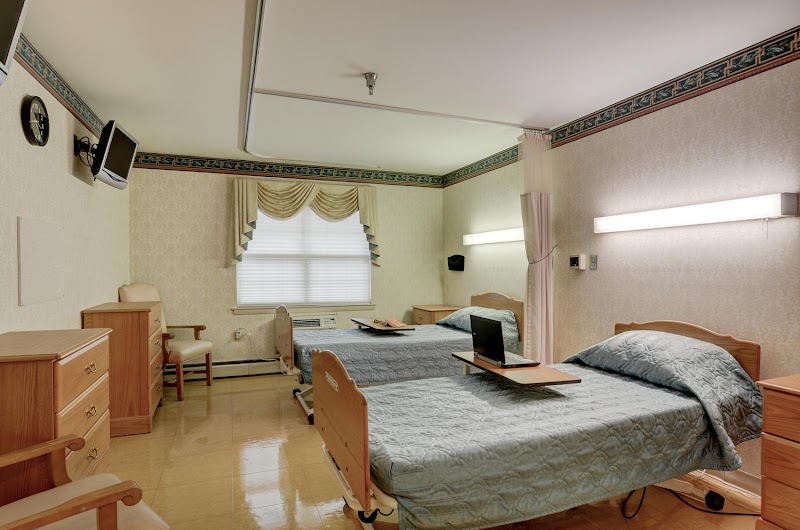
How is Abbeyville Skilled Nursing And Rehabilitation Cent Staffed?

CMS rates ABBEYVILLE SKILLED NURSING AND REHABILITATION CENT's staffing level at 2 out of 5 stars, which is below average compared to other nursing homes. Staff turnover is 61%, which is 15 percentage points above the Pennsylvania average of 46%. High turnover can affect care consistency as new staff learn residents' individual needs.

What Have Inspectors Found at Abbeyville Skilled Nursing And Rehabilitation Cent?

State health inspectors documented 26 deficiencies at ABBEYVILLE SKILLED NURSING AND REHABILITATION CENT during 2023 to 2025. These included: 25 with potential for harm and 1 minor or isolated issues.

Who Owns and Operates Abbeyville Skilled Nursing And Rehabilitation Cent?

ABBEYVILLE SKILLED NURSING AND REHABILITATION CENT is owned by a for-profit company. For-profit facilities operate as businesses with obligations to shareholders or private owners. The facility is operated by GENESIS HEALTHCARE, a chain that manages multiple nursing homes. With 172 certified beds and approximately 157 residents (about 91% occupancy), it is a mid-sized facility located in LANCASTER, Pennsylvania.

How Does Abbeyville Skilled Nursing And Rehabilitation Cent Compare to Other Pennsylvania Nursing Homes?

Compared to the 100 nursing homes in Pennsylvania, ABBEYVILLE SKILLED NURSING AND REHABILITATION CENT's overall rating (2 stars) is below the state average of 3.0, staff turnover (61%) is significantly higher than the state average of 46%, and health inspection rating (2 stars) is below the national benchmark.

What Should Families Ask When Visiting Abbeyville Skilled Nursing And Rehabilitation Cent?

Based on this facility's data, families visiting should ask: "How do you ensure continuity of care given staff turnover, and what is your staff retention strategy?" "Can you walk me through typical staffing levels on day, evening, and night shifts?" "Can I visit during a mealtime to observe dining assistance and food quality?" "How do you handle medical emergencies, and what is your hospital transfer rate?" These questions are particularly relevant given the facility's high staff turnover rate and the below-average staffing rating.

Is Abbeyville Skilled Nursing And Rehabilitation Cent Safe?

Based on CMS inspection data, ABBEYVILLE SKILLED NURSING AND REHABILITATION CENT has a clean safety record: no substantiated abuse findings (meaning no confirmed cases of resident harm), no Immediate Jeopardy citations (the most serious violation level indicating risk of serious injury or death), and is not on the Special Focus Facility watch list (a federal program monitoring the lowest-performing 1% of nursing homes). The facility has a 2-star overall rating and ranks #100 of 100 nursing homes in Pennsylvania. While no facility is perfect, families should still ask about staff-to-resident ratios and recent inspection results during their visit.

Do Nurses at Abbeyville Skilled Nursing And Rehabilitation Cent Stick Around?

Staff turnover at ABBEYVILLE SKILLED NURSING AND REHABILITATION CENT is high. At 61%, the facility is 15 percentage points above the Pennsylvania average of 46%. High turnover means new staff may not know residents' individual needs, medications, or preferences. It can also be disorienting for residents, especially those with dementia who rely on familiar faces. Families should ask: What is causing the turnover? What retention programs are in place? How do you ensure care continuity during staff transitions?

Was Abbeyville Skilled Nursing And Rehabilitation Cent Ever Fined?

ABBEYVILLE SKILLED NURSING AND REHABILITATION CENT has no federal fines on record. CMS issues fines when nursing homes fail to meet care standards or don't correct problems found during inspections. The absence of fines suggests the facility has either maintained compliance or corrected any issues before penalties were assessed. This is a positive indicator, though families should still review recent inspection reports for the full picture.

Is Abbeyville Skilled Nursing And Rehabilitation Cent on Any Federal Watch List?

ABBEYVILLE SKILLED NURSING AND REHABILITATION CENT is not on any federal watch list. The most significant is the Special Focus Facility (SFF) program, which identifies the bottom 1% of nursing homes nationally based on persistent, serious quality problems. Not being on this list means the facility has avoided the pattern of deficiencies that triggers enhanced federal oversight. This is a positive indicator, though families should still review the facility's inspection history directly.