NEFFSVILLE NURSING AND REHABILITATION
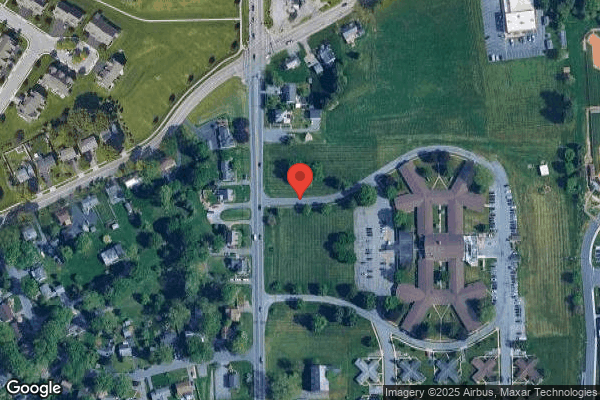

2829 LITITZ PIKE, LANCASTER, PA 17601 (717) 569-3211
For profit - Corporation 240 Beds Independent Data: November 2025
Trust Grade
43/100
#466 of 653 in PA
Last Inspection: November 2024

Within standard 12-15 month inspection cycle. Federal law requires annual inspections.

Overview

Neffsville Nursing and Rehabilitation has a Trust Grade of D, indicating below-average care with some concerns. Ranked #466 out of 653 facilities in Pennsylvania and #25 out of 31 in Lancaster County, they are in the bottom half of both state and county rankings. The facility is improving, with issues decreasing from 7 in 2024 to 4 in 2025. Staffing is a strength, rated at 4 out of 5 stars, with a turnover rate of 45%, which is slightly below the state average. However, there are notable weaknesses, including a serious incident where a resident suffered a femur fracture due to inadequate supervision, as well as a failure to maintain sanitation in the kitchen, raising concerns about infection control practices. Overall, while there are some strengths in staffing, families should be aware of the facility's significant issues.

Trust Score
D
43/100
In Pennsylvania
#466/653
Bottom 29%
Safety Record
Moderate
Needs review
Inspections
Getting Better
7 → 4 violations
Staff Stability
⚠ Watch
45% turnover. Above average. Higher turnover means staff may not know residents' routines.
Penalties
✓ Good
$3,250 in fines. Lower than most Pennsylvania facilities. Relatively clean record.
Skilled Nurses
○ Average
Each resident gets 32 minutes of Registered Nurse (RN) attention daily — about average for Pennsylvania. RNs are the most trained staff who monitor for health changes.
Violations
⚠ Watch
30 deficiencies on record. Higher than average. Multiple issues found across inspections.
★★☆☆☆
2.0
Overall Rating
★★★★☆
4.0
Staff Levels
★★☆☆☆
2.0
Care Quality
★★☆☆☆
2.0
Inspection Score
Stable
2024: 7 issues
2025: 4 issues

The Good

  • 4-Star Staffing Rating · Above-average nurse staffing levels
  • Full Sprinkler Coverage · Fire safety systems throughout facility
  • No fines on record

Facility shows strength in staffing levels, fire safety.

The Bad

2-Star Overall Rating

Below Pennsylvania average (3.0)

Below average - review inspection findings carefully

Staff Turnover: 45%

Near Pennsylvania avg (46%)

Higher turnover may affect care consistency

Federal Fines: $3,250

Below median ($33,413)

Minor penalties assessed

The Ugly 30 deficiencies on record

1 actual harm
Sept 2025 2 deficiencies 1 Harm
SERIOUS (G) 📢 Someone Reported This

A family member, employee, or ombudsman was alarmed enough to file a formal complaint

Actual Harm - a resident was hurt due to facility failures

Accident Prevention (Tag F0689)

A resident was harmed · This affected 1 resident

Based on facility policy and procedure review, staff interview, clinical record review, and facility documentation review it was determine the facility failed to ensure that one of three residents rev...

Read full inspector narrative →
Based on facility policy and procedure review, staff interview, clinical record review, and facility documentation review it was determine the facility failed to ensure that one of three residents reviewed was free from free from accidents and provided adequate supervision resulting in actual harm of a distal femur fracture of Resident 1. Findings include: Review of Resident 1's diagnosis list revealed a diagnosis of Obesity, history of falling, hip fracture, Muscle Weakness, CVA (Cerebral Vascular Accident- Stroke) and Dementia (group of conditions that cause a decline in cognitive function, including memory, thinking, reasoning, and problem-solving, severe enough to interfere with daily life). Review of Resident 1's Minimum Data Set (MDS-periodic assessment of resident needs) dated May 5, 2025, revealed the resident was cognitively intact. Review of Resident 1's Care Plan revealed a care plan for ADL (Activities of Daily Living- basic self-care tasks that individuals perform on a regular basis to maintain their health and independence) self-care performance deficit r/t (related/to) impaired mobility and CVA revealed an intervention initiated on October 22, 2024 indicating the resident requires extensive assistance of 2 staff participation to reposition in bed. Review of Resident 1's Care Cardex for bed mobility revealed the resident required extensive assistance of 2 staff participation to reposition and turn in bed. Resident 1's cardex was located in the room on the door of the closet. Review of Resident 1's Progress Notes revealed an Incident Note date September 1, 2025, at 7:47 a.m. indicating CNA (Certified Nursing Assistant) notified this nurse that the resident was on the floor around 0450 (4:50 a.m.). the resident was noted sitting on the floor besides (his/her) bed with (his/her) back towards the wheelchair. CNA provided care to the resident and left (him/her) in a lateral (side laying) position to look for a drop sheet 10 minutes before. The resident complained of pain in (his/her) right knee. The resident said: I slipped out of bed and hit my knee, and I can't reposition it.the resident was transferred to (his/her) bed with three assistants by mechanical lift. Further review of Resident 1's progress notes revealed an entry dated September 2, 2025 at 9:35 a.m. indicating IDT (Interdisciplinary Team - group of diverse professionals with different areas of expertise who collaborate to achieve a common goal, often to provide coordinated, holistic care for complex needs, particularly in healthcare) reviewed residents fall from bed on 9/1/25. Resident reported (he/she) had moved (his/her) leg too far off of the bed when (his/her) was lying on (his/her) side and the slid out of bed onto the floor. Resident c/o (complained of) pain in right knee and had limited mobility, noted to be externally rotated (indicative of a fracture of the femur) Resident admitted to the hospital with distal femur fracture (knee). Review of facility documentation into the investigation of the cause of the fall revealed a statement from Nursing Assistant Employee E3, dated September 1, 2025. I went into the residents room about 0435 to clean and wash and dress resident. After washing and dressing (him/her), (he/she) began to have a bowel movement. Resident was on (his/her) side in the middle facing the window and I asked if (he/she) was ok while I went to grab more towels. I lowered the bed and went to grab the linen off the cart in the hallway I could hear (him/her) yelling help. I went into the resident's room, and (he/she) was on the floor in the sitting position. I asked (him/her) what happened, and (he/she) stated (his/her) leg went too far over (the edge of the mattress) and (he/she) slipped out of bed. Interview with the Nursing Home Administrator and the Director of Nursing on September 10, 2025, at 2:00 p.m. confirmed Resident 1 was not provided appropriate staff supervision during care while Employee E3 left the bedside to get more towels while providing incontinence care which resulted in actual harm to Resident 1 who was admitted to the hospital for a fractured femur. 28 Pa. Code 201.14(a) Responsibility of licensee 28 Pa. Code 201.18(b)(1)(3)(e)(1) Management 28 Pa. Code 211.10(d) Resident care policies 28 Pa. Code 211.12(c)(d)(1)(5) Nursing services
CONCERN (D) 📢 Someone Reported This

A family member, employee, or ombudsman was alarmed enough to file a formal complaint

Potential for Harm - no one hurt, but risky conditions existed

Quality of Care (Tag F0684)

Could have caused harm · This affected 1 resident

Based on facility documentation, clinical records review and staff interview, it was determined that the facility failed to provide care and services in accordance with professional standards when the...

Read full inspector narrative →
Based on facility documentation, clinical records review and staff interview, it was determined that the facility failed to provide care and services in accordance with professional standards when the facility failed to notify the physician of recommendations following a specialist consultation for one out of 1 resident reviewed (Resident 2). Review of Resident 2's clinical records reveal medical diagnoses that include: Spina bifida (a birth defect that mainly affects the spine), hydrocephalus (a complication that can be associated with spina bifida causing the abnormal buildup of the fluid that surrounds the brain), neurogenic bladder (a problem with the brain, nerves, or spinal column that causes loss of control of the bladder that can be associated with spina bifida), and neurogenic bowel (difficulty moving or controlling the bowels because of nerve damage that can be associated with spina bifida).Review of Resident 2's clinical record revealed an after-visit summary dated January 3, 2025 from a Spina bifida specialist to the attention of the Nursing Supervisor stating: Please see attached order for daily SS enema (soap suds enema: a medical procedure that involves administering fluid with soap or mild detergent into the rectum to flush out the contents of the bowel.)Review of Resident 2's clinical record revealed the following order recommendation from the provider at Spina Bifida Specialist: Perform a rectal soap suds enema daily with 300-500mL warm, soapy water, with a diagnosis of Neurogenic bowel to be started on 1/24/25.Review of Resident 2's facility record reveals no progress note reflecting Resident 2's consultation with the Spina Bifida clinic.Review of Resident 2's facility record reveals no contact with Resident 2's primary care provider communicating these new orders.Review of Resident 2's physician's history and physical note dated 2/26/2025 does not reflect being informed of any consultation recommendations.Review of resident 2's medication administration record (MAR) reveal that no order was entered for a soap suds enema to be started on January 24, 2025.During an interview on September 10, 2025 at approximately 2:00 p.m. with the DON, it was confirmed that there is no evidence that the consultation recommendations were addressed with the primary care provider for Resident 2.28 Pa Code 211.12(d)(5) Nursing Services
Mar 2025 1 deficiency
CONCERN (F) 📢 Someone Reported This

A family member, employee, or ombudsman was alarmed enough to file a formal complaint

Potential for Harm - no one hurt, but risky conditions existed

Food Safety (Tag F0812)

Could have caused harm · This affected most or all residents

Based on facility policy and procedure review, observations, and staff interview it was determined the facility failed to maintain a sanitary environment in the kitchen. Findings Include: Review of fa...

Read full inspector narrative →
Based on facility policy and procedure review, observations, and staff interview it was determined the facility failed to maintain a sanitary environment in the kitchen. Findings Include: Review of facility policy and procedure titled Cleaning and Sanitation of Food Service Area, last revised July 2023 revealed the food service staff will maintain the sanitation of the dining and food service areas through compliance with a written, comprehensive cleaning schedule. Observation of the dishwashing area on March 25, 2025 at 2:45 p.m. revealed a large brown colored substance covering the wall behind the dishwashing machine. Interview with Dietary Employee E3 on March 25, 2025 at 3:10 p.m. confirmed that the walls were dirty and that there had been a buildup of debris behind the dish washing machine. 28 Pa. Code: 201.18(b)(3) Management 28 Pa. Code 211.6(f) Dietary services
Jan 2025 1 deficiency
CONCERN (D) 📢 Someone Reported This

A family member, employee, or ombudsman was alarmed enough to file a formal complaint

Potential for Harm - no one hurt, but risky conditions existed

Pressure Ulcer Prevention (Tag F0686)

Could have caused harm · This affected 1 resident

Based on a clinical records review and staff interview, it was determined that the facility failed to ensure that the wound care order was consistently followed for one of the three residents reviewed...

Read full inspector narrative →
Based on a clinical records review and staff interview, it was determined that the facility failed to ensure that the wound care order was consistently followed for one of the three residents reviewed (Resident CL1). Findings include: A review of Resident CL1's diagnosis list includes Cerebrovascular Disease (an interruption in the flow of blood to cells in the brain) and Dementia (a term used to describe a group of symptoms affecting memory, thinking, and social abilities severely enough to interfere with daily life). A review of the physician's wound consult dated November 11, 2024, revealed Resident CL1 had a worsening Unstageable Pressure Ulcer (Obscured full-thickness skin and tissue loss) to the right gluteus (buttock) measuring 10.0 x 9.0 x 0.3 cm. with 40% slough (A non-viable yellow, tan, gray, green or brown tissue; usually moist, can be soft, stringy and mucinous in texture that may be adherent to the base of the wound or present in clumps throughout the wound bed) and 50% eschar ( Is dead or devitalized tissue that is hard or soft in texture; usually black, brown, or tan, and may appear scab-like). A review of the physician's order dated November 17, 2024, revealed a wound care order to cleanse the wound with normal saline solution, apply Santyl (a topical medication used to remove damaged or burned skin to allow for wound healing and growth of healthy skin), and cover with bordered gauze two times a day and as needed. A review of the November 2024, Treatment Administration Record revealed that from November 18, 2024, until November 22, 2024, wound treatment was not provided in the morning of the following dates: November 19, 20, and 22, 2024. An interview with the Director of Nursing on January 2, 2024, at 11:00 a.m., revealed no explanation as to why ordered wound treatment were not provided on the above dates. The facility failed to consistently follow the physician's wound care treatment for a worsening wound of Resident CL1. 28 Pa. Code 211.5(f) Clinical Records 28 Pa. Code 211.10(c) Resident Care Policies 28 Pa. Code 211.12(d)(1)(3)(5) Nursing Services
Nov 2024 7 deficiencies
CONCERN (D)

Potential for Harm - no one hurt, but risky conditions existed

Assessment Accuracy (Tag F0641)

Could have caused harm · This affected 1 resident

**NOTE- TERMS IN BRACKETS HAVE BEEN EDITED TO PROTECT CONFIDENTIALITY** Based on observation, review of clinical records, and staff interviews, it was determined that the facility failed to ensure ass...

Read full inspector narrative →
**NOTE- TERMS IN BRACKETS HAVE BEEN EDITED TO PROTECT CONFIDENTIALITY** Based on observation, review of clinical records, and staff interviews, it was determined that the facility failed to ensure assessments accurately reflected the resident's status for three of the 35 residents reviewed (Residents 2, 67, and 123). Findings include: Review of Resident 2's Quarterly Minimum Data Set (MDS - A standardized assessment tool that measures health status in long-term care residents) dated September 10, 2024 revealed Resident 2 had an indwelling urinary catheter (a thin, flexible tube that drains urine from the bladder into a bag outside the body). Review of Resident 2's clinical record failed to reveal evidence of an indwelling urinary catheter. Interview with Licensed Employee E7 on November 15, 2024 at 11:00 confirmed Resident 2 did not have a urinary catheter and also confirmed Resident 2's Quarterly MDS dated [DATE] did not accurately reflect Resident 2's status and was completed incorrectly. A review of Resident 67's Quarterly Minimum Data Set, dated [DATE], revealed resident was on Dialysis (A process of purifying the blood of a person whose kidneys are not working normally) while a resident (in the facility). A review of Resident 67's clinical records failed to reveal documentation that resident was on Dialysis. An interview with licensed nurse Employee E7 was conducted on November 14, 2024, at 1:48 p.m. Employee E7 confirmed Resident 67 was not on dialysis and that MDS was coded in error. A review of Resident 123's Quarterly MDS dated [DATE], revealed that the resident had other restraints. An observation conducted on November 12, 2024, at 12:30 p.m., revealed Resident 123 did not have any form of restraints. An interview with Employee E7 conducted on November 14, 2024, at 1:50 p.m., confirmed Resident 123 was not on any kind of restraints and that MDS was coded in error. The above was conveyed to the Director of Nursing on November 15, 2024, at 10:00 a.m. The facility failed to ensure residents' assessments were completed accurately. 28 Pa. Code 211.5(f) Clinical Records 28 Pa. Code 211.12(d)(1)(5) Nursing Services
CONCERN (D)

Potential for Harm - no one hurt, but risky conditions existed

Deficiency F0655 (Tag F0655)

Could have caused harm · This affected 1 resident

**NOTE- TERMS IN BRACKETS HAVE BEEN EDITED TO PROTECT CONFIDENTIALITY** Based on clinical record review and staff interview, it was determined that the facility failed to ensure a baseline care plan f...

Read full inspector narrative →
**NOTE- TERMS IN BRACKETS HAVE BEEN EDITED TO PROTECT CONFIDENTIALITY** Based on clinical record review and staff interview, it was determined that the facility failed to ensure a baseline care plan for pressure ulcers was developed timely for one of seven residents reviewed (Resident 85). Findings include: A review of Resident 85's clinical records revealed resident was admitted to the facility on [DATE], with a right heel Unstageable Pressure Ulcer (Obscured full-thickness skin and tissue loss) measuring 3.8 x 3.2 x 0.2 cm. Clinical records review revealed Resident 85's pressure ulcer baseline care plan was not developed until July 2, 2024, a week after a resident was admitted and assessed with the presence of an unstageable pressure ulcer to the right heel. An interview conducted with the Director of Nursing (DON) on November 15, 2024, at 11:00 a.m., confirmed that Resident 85's baseline care plan for unstageable pressure ulcers was not developed until a week after it was identified. The facility failed to ensure Resident 85's unstageable pressure ulcer baseline care plan was developed timely. 28 Pa. Code 211.5(f) Clinical records 28 Pa. Code 211.12(d)(1)(3)(5) Nursing services
CONCERN (D)

Potential for Harm - no one hurt, but risky conditions existed

Comprehensive Care Plan (Tag F0656)

Could have caused harm · This affected 1 resident

Based upon clinical record review, it was determined the facility failed to develop comprehensive care plans for a foley catheter and a wound vac for two of eighteen residents reviewed (Resident 78 an...

Read full inspector narrative →
Based upon clinical record review, it was determined the facility failed to develop comprehensive care plans for a foley catheter and a wound vac for two of eighteen residents reviewed (Resident 78 and Resident 123) . Findings include: Review of Resident 78's diagnosis list revealed diagnoses including a history of prostate cancer and an enlarged prostate (gland in men encompasing the urethra when enlarged can restrict the flow of urine from the bladder out of the body). Review of Resident 78's clinical record revealed Resident 78 had a urinary catheter (a thin, flexible tube that drains urine from the bladder into a bag outside the body). Further review of Resident 78's clinical record failed to reveal evidence of a care plan for the urinary catheter. Interview with the Nursing Home Administrator on November 15, 2024 at 10:00 a.m. confirmed that Resident 78 did not have a comprehensive care plan for the foley catheter. A review of Resident 123's physician order dated October 3, 2024, revealed an order for a Wound vac (A device that uses negative pressure to help wounds heal) to the right AKA (above the knee amputation) stump. An observation conducted on December 12, 2024, at 10:58 a.m., revealed the presence of a wound vac machine attached to Resident 123's right AKA stump. Clinical records review failed to reveal that a comprehensive care plan was developed for the resident's wound vac treatment to the right AKA stump surgical wound. An interview with the Director of Nursing (DON) conducted on November 15, 2024, at 11:00 a.m., confirmed that a comprehensive care plan for Resident 123's wound vac treatment was not developed until November 14, 2024, after the surveyor had asked for it. The facility failed to ensure Resident 123's wound vac treatment for the right AKA stump surgical wound care plan was developed timely. 28 Pa. Code 211.5(f) Clinical Records 28 Pa. Code 211.12(d)(1)(5) Nursing Services 28 Pa. Code 211.11(c)(d) Resident care plans
CONCERN (D)

Potential for Harm - no one hurt, but risky conditions existed

Quality of Care (Tag F0684)

Could have caused harm · This affected 1 resident

Based on a review of the facility's policy, observation, clinical records review, and staff interview, it was determined that the facility failed to timely notify the physician of a change in conditio...

Read full inspector narrative →
Based on a review of the facility's policy, observation, clinical records review, and staff interview, it was determined that the facility failed to timely notify the physician of a change in condition and follow a medication order for two of 35 residents reviewed (Residents 67 and 345). Findings include: A review of the facility's policy titled Weight Assessment and Intervention, dated March 2019, revealed any weight change of five pounds or more since the last weight assessment will be retaken for confirmation. Nurses will notify the Physician and dietitian. A review of Resident 67's diagnosis list includes Cerebral Vascular Accident (CVA- An interruption in the flow of blood to cells in the brain) and Congestive Heart Failure (CHF-A weakened heart condition that causes fluid buildup in the feet, arms, lungs, and other organs). An observation conducted on November 12, 2024, at 1:50 p.m., revealed Resident 67 was lying in bed, the left arm was observed swollen from the hands to the upper arm. An interview conducted with Resident 67 revealed left arm had been swollen but was unsure when it started. The resident denied pain. A review of weights and vitals revealed a weight of 165.8 pounds on October 6, 2024, and 184.4 pounds on November 6, 2024, an 18.5 pounds (11.22%) significant weight gain in a month period. A review of the dietitian's progress notes dated November 7, 2024, at 6:39 p.m., revealed + 5 changes over 30 days, reweight requested. Clinical records review failed to reveal that Resident 67 was reweighed despite the dietitian's request for a reweight to confirm the significant weight change. Clinical records also failed to reveal that the physician was notified of the significant weight change. A review of the Dietitian's progress notes dated November 13, 2024, at 7:15 p.m., revealed the weight was obtained, 184 pounds showing significant weight gain. Will notify nursing of the significant weight gain. A review of the nursing progress notes dated November 14, 2024, at 11:45 a.m., revealed Nurse Practitioner (NP) was aware and gave new verbal orders: Lymphedema (A swelling most often in an arm or leg, caused by a lymphatic system blockage) clinic appointment; Ultrasound of the left arm due to increased edema; Chest x-ray 2 views. An interview conducted with the Director of Nursing on November 15, 2024, at 10:20 a.m., revealed that the resident's significant weight change should have been rechecked within 48 hours for confirmation. The DON also reported that nursing should have notified the physician of the significant weight change identified on November 6, 2024. Clinical records review revealed Resident 67's change in condition was not addressed until November 14, 2024, eight days after a significant weight change was identified on November 6, 2024. A review of Resident 345's diagnosis list includes Osteomyelitis (Bone infection) of the left foot. A review of Resident 345's physician order dated November 2, 2024, revealed an order for Meropenem Intravenous Solution (Antibiotic) 1 gram intravenously (Administer into the vein) every 12 hours for Bacteremia (Infections of blood caused by blood-borne pathogens) until November 29, 2024. Start date: November 2, 2024, 8:00 p.m. A review of November 2024, Medication Administration Record (MAR) revealed Meropenem medication was not administered on the following dates: November 2, 2024, at 8:00 p.m., November 3, 2024, at 8:00 a.m., and November 3, 2024, at 8:00 p.m. A review of the nursing progress notes dated November 2, 2024, at 9:02 p.m., revealed Meropenem medication was not available yet. A review of the pharmacy documentation, and emergency medication list, revealed Meropenem medication was available in the facility. An interview with the Director of Nursing (DON) conducted on November 15, 2024, confirmed that Meropenem medication was available in the facility but the agency nurse working at that time reported not seeing it since the medication was not premixed (In-stock medication comes in a vial that needed to be mixed with an IV solution). Clinical records review revealed physician was not notified of the missed Meropenem medication until November 4, 2024. On November 7, 2024, at 8:00 p.m., Meropenem medication was not administered. The nursing progress notes dated November 7, 2024, at 8:45 p.m., revealed that medication was unavailable, awaiting pharmacy delivery. An interview with the DON conducted on November 15, 2024, confirmed Meropenem was available as an In-stock facility medication. The DON confirmed physician should have been notified of the missed medications timely. The facility failed to ensure Resident 67's change in condition was timely addressed and Resident 345's medication order was followed. 28 Pa. Code 211.5(f) Clinical Records 28 Pa. Code 211.12(d)(1)(5) Nursing Services
CONCERN (E)

Potential for Harm - no one hurt, but risky conditions existed

Deficiency F0692 (Tag F0692)

Could have caused harm · This affected multiple residents

Based on facility policy, clinical record review, and staff interview, it was determined the facility failed to monitor weights and notify the physician of significant weight changes for six of 10 res...

Read full inspector narrative →
Based on facility policy, clinical record review, and staff interview, it was determined the facility failed to monitor weights and notify the physician of significant weight changes for six of 10 residents reviewed for nutrition (Residents 2, 6, 43, 161, 173, and 174). Findings include: Review of facility policy, Weight Assessment and Intervention, dated March 2019, indicated that any weight change of 5 pounds or more since the last weight assessment will be retaken for confirmation, if the weight is verified, nursing will notify the Physician and Dietitian. Further review of the policy indicated that The Dietitian and /or Certified Dietary Manager will review the individual weight records to follow individual weight trends over time, making recommendations as appropriate. Negative trends will be evaluated for whether or not the criteria for significant weight change has been met. Review of Resident 2's Weight Summary revealed Resident 2 weighed 217 pounds on October 5, 2024. Further review of Resident 2's Weight Summary revealed Resident 2 weighed 184 pounds on November 4, 2024. Review of Resident 2's dietitian progress notes dated November 6, 2024, revealed the dietitian requested Resident 2 be re-weighed to verify weight changes. Review of Resident 2's clinical record revealed Resident 2 was reweighed on November 8, 2024, four days after the original weight loss was noted. Further review of Resident 2's clinical record failed to reveal evidence that interventions were put into place to correct Resident 2's weight loss. Review of Resident 6's Weight Summary revealed on August 23, 2024, Resident 6 weighed 110.7 pounds. Further review of Resident 6's Weight Summary revealed on August 30, 2024, Resident 6 weighed 94.4 pounds which represented a 14.72 percent weight loss in one week. Review of Resident 6's dietitian progress notes on August 30, 2024, revealed a reweight was requested to confirm the 16-pound weight loss in 7 days. Review of Resident 6's Weight Summary revealed a reweight was not completed until September 3, 2024. Review of Resident 6's dietitian progress notes dated September 6, 2024, revealed Resident 6's weight loss was confirmed. Interventions were not put into placed until September 6, 2024, two weeks after Resident 6's original weight loss was noted. Interview with the Director of Nursing (DON) on November 15, 2024, at 11:00 a.m. confirmed the above-mentioned weight losses and the lack of timely reweights and interventions. Review of Resident 43's weight summary revealed a weight of 121.6 pounds on July 10, 2024. Resident's weight was 114.4 pounds on August 1. 2024 (loss of 7.2 pounds or 5.9%). Weight loss was confirmed on August 4, 2024, at 114.0 pounds. Review of the clinical record revealed that the weight loss was not addressed until August 25, 2024 (21 days after the confirmed weight loss). Interview with the DON on November 15, 2024, at 11:45 a.m. confirmed that Resident 43's significant weight loss was not addressed in a timely manner. A review of Resident 161's weights and vitals dated October 21, 2024, revealed a weight of 285 pounds and 252.5 pounds on November 11, 2024, a 32.5 (11.40 %) significant weight loss in three weeks. The clinical records review failed to reveal that Resident 161 was re-weighed to confirm a significant weight change. The clinical records review failed to reveal dietitian and physician were notified of Resident 161's significant weight change. Clinical records failed to reveal that significant weight loss was addressed. Review of Resident 173's clinical record revealed an admission weight on September 5, 2024, of 206.4 pounds. Resident's weight was recorded as 227.5 pounds on October 4, 2024, a gain of 21.1 pounds or 10.22%. Further review of the clinical record revealed that a re-weight was obtained on October 11, 2024, with a weight of 227.5 pounds. Resident's weight was recorded as 232.8 pounds on November 4, 2024. Further review of the clinical record revealed that there was no documentation of the Resident 173's physician being notified of the resident's weight gain. Interview with the DON on November 15, 2024, at 10:30 a.m. revealed that Resident 173's physician should have been notified of the weight gain and the Dietitian should have made recommendations to prevent further weight gain. A review of Resident 174's weights and vitals dated October 21, 2024, revealed a weight of 101.2 pounds and 94.2 pounds on October 31, 2024, a seven-pound (6.92%) significant weight loss in ten days. Clinical records review failed to reveal Resident 174 was reweighed to confirm the significant weight loss identified on October 31, 2024. A review of the Dietitian's notes dated November 3, 2024, revealed weight change, re weight requested. Clinical records review failed to reveal resident was reweighed despite the Dietitian's request for a reweight. Clinical records also failed to reveal that the physician was notified of the significant weight loss. 28 Pa. Code 211.5(f) Clinical Records 28 Pa. Code 211.10(c) Resident Care Policies 28 Pa. Code 211.12(d)(1)(3)(5) Nursing Services
CONCERN (E) 📢 Someone Reported This

A family member, employee, or ombudsman was alarmed enough to file a formal complaint

Potential for Harm - no one hurt, but risky conditions existed

Food Safety (Tag F0812)

Could have caused harm · This affected multiple residents

Based on observations, and staff interviews, it was determined that the facility failed to properly store frozen food in the main kitchen, and properly serve meals on one of five units observed (Rehab...

Read full inspector narrative →
Based on observations, and staff interviews, it was determined that the facility failed to properly store frozen food in the main kitchen, and properly serve meals on one of five units observed (Rehab unit). Findings include: An observation of the walk-in freezer in the main kitchen was conducted on November 12, 2025, at 9:38 a.m., in the presence of the Assistant Food Service Director Employee E3. The observation revealed the following: Three boxes of frozen cookie dough in plastic bags, all were opened and unsealed; Unsealed frozen potatoes in a plastic bag; Unsealed frozen hamburger patties in a plastic bag; Unsealed frozen carrots in a plastic bag; and two plastic bags of chopped frozen chicken meat, both were opened and unsealed. An interview with Employee E3 conducted on November 12, 2024, confirmed that frozen food in a plastic bag should have been re-sealed after use. An observation of the meal pass was conducted on November 12, 2024, at 12:56 p.m., in the front hall Rehab Unit. The meal tray observation revealed peaches placed on a small bowl were uncovered. Apple juice poured on small Styrofoam cups were also uncovered. The observation revealed food cart was stationed at the end of the hallway, the staff took each resident's meal tray from the cart and then delivered it to residents' rooms with uncovered dessert and juice drinks. A meal observation was conducted on November 13, 2024, at 12:50 p.m., at the front hall Rehab Unit. The coleslaw and apple juice in the meal tray were uncovered. Observation revealed that while the food cart was stationed at the end of the hallway, staff took residents' meal trays from the cart and delivered them to their rooms with uncovered coleslaw and apple juice. An interview with Nursing Assistant, Employee E6 conducted on November 13, 2024, confirmed that the food served to the residents should have been covered. The above was discussed with the Nursing Home Administrator on November 15, 2024, at 11:00 a.m. 28 Pa. Code: 201.18(b)(3) Management 28 Pa. Code 211.6(d) Dietary services
CONCERN (F)

Potential for Harm - no one hurt, but risky conditions existed

Infection Control (Tag F0880)

Could have caused harm · This affected most or all residents

**NOTE- TERMS IN BRACKETS HAVE BEEN EDITED TO PROTECT CONFIDENTIALITY** Based on a review of the facility's policy, observations, clinical record reviews, and staff interviews, it was determined the f...

Read full inspector narrative →
**NOTE- TERMS IN BRACKETS HAVE BEEN EDITED TO PROTECT CONFIDENTIALITY** Based on a review of the facility's policy, observations, clinical record reviews, and staff interviews, it was determined the facility failed to ensure Enhanced Barrier Precautions (EBP-infection control prevention designed to reduce transmission of multidrug-resistant organisms that employs targeted gown and glove use during high contact resident care activities) were in place for residents requiring enhanced barrier precautions for ten of ten residents reviewed (Residents 2, 21, 24, 28, 66, 70, 78, 123, 161, 170). Findings include: A review of the facility's policy titled Enhanced Barrier Precautions (EBP), dated August 2022, revealed EBP's employees targeted gown and gloves use during high contact resident care activities when contact precautions do not otherwise apply. EBP's are indicated for residents with wounds and indwelling medical devices regardless of MDRO (Multi Resistance Drug Organisms) colonization. Communication related to EBP precautions will be via signage, [NAME], or assignment sheets. PPE (Personal Protective equipment) is available in the resident's room for use. Review of Resident 2's clinical record revealed Resident 2 has a cholecystostomy tube (tube inserted into gallbladder to drain fluid) in place. Observation of Resident 2's room failed to reveal evidence of Personal Protective Equipment (PPE) or any evidence that Enhanced Barrier Precautions were in place for staff during direct care and emptying of the cholecystostomy drainage. Review of Resident 21's quarterly MDS (Minimum Data Set - periodic assessment of resident needs) dated August 29, 2024, revealed that the resident had an in-dwelling catheter (a flexible tube inserted into the bladder for removing fluid). Observations on all days of the survey of Resident 21's room failed to reveal evidence of EBP signage/communication or PPE. Review of Resident 24's clinical record revealed Resident 24 with a diagnosis of Retention of Urine (accumulation of urine within the bladder because of the inability to urinate). Review of MDS-significant change in status assessment dated [DATE], revealed that the resident had an in-dwelling catheter. Observation of Resident 24 and 28's room revealed indwelling catheters draining to gravity and failed to reveal evidence of PPE or EBP signage/communication for staff providing direct care. A review of Resident 66's clinical records revealed a surgical wound to the left foot. An observation on November 13, 2024, at 12:26 p.m., revealed that licensed Employee E4 was performing wound care on Resident 66's left foot. Further observation revealed Employee E4 was only wearing gloves on both hands without wearing a gown while performing a wound care. The room does not have an EBP sign/communication and no PPE is available in the room. An interview with Employee E4 was conducted on November 13, 2024, at 12:30 p.m. Employee E4 reported that she/he was not told what PPE to use (during wound care) and that there was no PPE available so she/he just used the gloves. Review of Resident 78's clinical record revealed Resident 78 had a foley catheter in place for urinary drainage. Observation of Resident 78's room failed to reveal evidence of PPE or any evidence that EBP were in place for staff during direct care of the foley catheter and emptying of the foley catheter drainage bag. Review of Resident 70's clinical record revealed Resident 70 has a pressure wound in the right gluteal area. Observation of Resident 70's room during interview failed to reveal evidence of PPE or any evidence that EBP were in place for staff during wound dressing changes. A review of Resident 123's clinical records revealed resident had a right above-knee amputation with the presence of a surgical wound. An observation conducted on November 12, 2024, at 11:00 a.m., revealed Resident 123 had a wound vacuum machine (A device that uses negative pressure to help wounds heal) on the right thigh stump. Further observation failed to reveal the presence of EBP signs/communication and PPEs in the room. A review of Resident 161's clinical records revealed resident had a PICC line (Peripherally Inserted Central Catheter- a thin, flexible tube inserted into a vein in the vein near the arm and threaded into a large near the heart) and a surgical wound to the left foot. An observation conducted on November 13, 2024, at noon, revealed a PICC line on Resident 161's left upper arm and a wound dressing to the left foot. Further observation failed to reveal the presence of EBP sign/communication and PPEs in Resident 161's room. Review of Resident 170's clinical record revealed Resident 170 had a Percutaneous Endoscopic Gastrostomy tube (feeding tube that is inserted through the abdomen wall and into the stomach). Resident 170 required EBP due to tube feedings. Observation of Resident 170 revealed a PEG tube and foley catheter. Resident 170's room failed to reveal evidence of PPE or EBP were in place for staff providing direct care to PEG tube or foley catheter. An interview with the Infection Preventionist, licensed Employee E5 conducted on November 13, 2024, at 12:35 p.m., revealed that for residents requiring an EBP, signage/communication are placed by the door and assignment sheets and PPEs are placed by the door. Employee E5 reported that none of the residents on the Rehab unit required EBP's. The above was discussed with the Director of Nursing on November 15, 2024, at 10:00 a.m. 28 Pa. Code 201.18(b)(1) Management 28 Pa. Code 211.5(f) Clinical records 28 Pa. Code 211.12(d)(1)(3)(5) Nursing services
Dec 2023 11 deficiencies
CONCERN (D)

Potential for Harm - no one hurt, but risky conditions existed

Notification of Changes (Tag F0580)

Could have caused harm · This affected 1 resident

Based on clinical record review and staff interview, it was determined that the facility failed to notify the provider of a resident change in condition in a timely manner for two of 35 residents revi...

Read full inspector narrative →
Based on clinical record review and staff interview, it was determined that the facility failed to notify the provider of a resident change in condition in a timely manner for two of 35 residents reviewed (Residents 28 and 45). Findings include: Review of Resident 28's clinical record revealed a diagnosis of Type 1 Diabetes (insulin dependent). Review of Resident 28's November 2023 physician's orders revealed an order dated April 3, 2023, for Glucagon HCl Injection Solution Reconstituted 1 MG subcutaneously every 15 minutes as needed for as need it related to blood sugar bellow 70 and patient unresponsive turn on side, administer injection. Check BS every 15 minutes until BS reaches 70, offer a protein snack if PT responsive, call DR if nonresponsive. Review of the clinical record revealed a nursing note dated November 26, 2023, at 6:00 p.m. Resident 28 was found not responding and snoring heavily. Blood Sugar 42. IM Glucagon given. After 15 minutes, BS 62 but resident continues to not respond. Second dose of IM Glucagon given. After 15 minutes, BS 94, Resident w/ opened eyes but continues to sleep. Will continue to check BS & monitor level of consciousness. There is no further documentation that the physician was called until 8:00p.m. when staff gave a third dose of Glucagon due to BS of 43. Resident 28's blood sugar then was 84. When staff returned the residents blood sugar was 503. Resident remained lethargic with snoring respirations. On call provider called. Interview with the Nursing Home Administrator on December 21, 2023, at 11:00 a.m. revealed that there was no further documentation of the physician being called until 8:00 p.m. Review of facility policy Weight Assessment and Intervention, last revised March 2019, revealed: Any weight change of 5 pounds or more since the last weight assessment will be retaken for confirmation. If weight is verified, nursing will notify the Physician and Dietitian. Review of Resident 45's clinical record revealed diagnoses including liver cancer with metastasis to the lungs (cancer that has spread to the lungs) and malignant ascites (condition where fluid with cancer cells accumulates in the abdomen). Review of Resident 45's weights revealed on November 10, 2023, the resident was recorded as weighing 127 pounds (lbs.) On December 5, 2023, the resident was recorded as weighing 147.6 lbs., a 20.6 lb. weight gain in less than a month. Review of Resident 45's progress notes revealed the dietitian was made aware of the resident's weight gain and requested a reweight. Further review of Resident 45's weights revealed the resident was documented as weighing 147.6 lbs. on December 6, 2023, and December 10, 2023. Further review of Resident 45's progress notes failed to reveal evidence that the physician or provider were notified of Resident 45's weight gain. Review of Resident 45's Hospice notes revealed a nurse s note on December 12, 2023, which stated that the resident had increased dyspnea (difficulty breathing), moist nonproductive cough, wheezing, pain all over, and edema (swelling) up to the resident s hips and thighs. Further review of Resident 45's progress notes revealed a nurse s note on December 12, 2023, which stated: Hospice recommendation to begin Lasix [(water pill used to reduce fluid build up in body)] 40mg Po QD x 3 days [(by mouth daily for three days)] approved by [provider.] The delay in notifying the provider and addressing Resident 45's weight gain was discussed with the Nursing Home Administrator and Director of Nursing on December 21, 2023, at approximately 10:50 a.m. 28 Pa Code 211.12(d)(1)(5) Nursing services
CONCERN (D)

Potential for Harm - no one hurt, but risky conditions existed

Report Alleged Abuse (Tag F0609)

Could have caused harm · This affected 1 resident

Based on a review of facility policy, interviews with residents, review of facility documentation, and staff interview, it was determined that the facility failed to report an allegation of misappropr...

Read full inspector narrative →
Based on a review of facility policy, interviews with residents, review of facility documentation, and staff interview, it was determined that the facility failed to report an allegation of misappropriation of resident property to the appropriate State agency for one of 35 residents reviewed (Resident 91). Findings include: Review of facility policy, Abuse Policy, revised January 2020 revealed that all reports of resident abuse, neglect, exploitation, misappropriation of resident property, mistreatment and/or injuries of unknown source (abuse) shall be promptly reported to local, state and federal agencies (as defined by current regulations) and thoroughly investigated by the administrator and or designee. Interview with Resident 91 on December 19, 2023, at 9:03 a.m. revealed that she had reported $300 dollars missing approximately six months ago. Review of facility concern form completed June 9, 2023, revealed that Resident 91 had reported missing money and an investigation had been completed. Interview with the Nursing Home Administrator on December 21, 2023, at 12:30 p.m. confirmed that the allegation of misappropriation had not been reported to the appropriate state agency. 483.13 - Resident Behavior and Facility Practices, 10-1-1998 edition Pa. Chapter 51: Code 51.3(g)(6) Notification 28 Pa. Code: 201.14(a) Responsibility of licensee 28 Pa. Code: 201.18(b)(1) Management 28 Pa. Code: 201.29(d) Resident rights 28 Pa Code 211.10(a)(d) Resident Care Policies
CONCERN (D)

Potential for Harm - no one hurt, but risky conditions existed

Comprehensive Care Plan (Tag F0656)

Could have caused harm · This affected 1 resident

Based on a review of clinical records and staff interview, it was determined that the facility failed to develop a comprehensive care plan for one of 28 residents reviewed (Resident 73). Findings incl...

Read full inspector narrative →
Based on a review of clinical records and staff interview, it was determined that the facility failed to develop a comprehensive care plan for one of 28 residents reviewed (Resident 73). Findings include: Review of Resident 73's admission orders of September 12, 2023, included an order for hemodialysis (process to filter wastes, salts and fluid from the blood when the kidneys are no longer healthy enough to do this work) every Tuesday, Thursday, and Saturday. Further review of the clinical record revealed no care plan regarding dialysis. Interview with the Nursing Home Administrator on December 21, 2023, at 10:30 a.m. confirmed that there was no care plan in place to address the hemodialysis. 28 Pa. Code 211.5(f) Clinical records Previously cited 3/3/23 28 Pa. Code 211.11(a) Resident care plan 28 Pa. Code 211.11(d) Resident care plan 28 Pa. Code 211.12(d)(1)(5) Nursing services Previously cited 3/3/23
CONCERN (D)

Potential for Harm - no one hurt, but risky conditions existed

Incontinence Care (Tag F0690)

Could have caused harm · This affected 1 resident

Based on interview and clinical record review, it was determined that the facility failed to ensure that residents were provided with consistent, adequate catheter care for one of five residents revie...

Read full inspector narrative →
Based on interview and clinical record review, it was determined that the facility failed to ensure that residents were provided with consistent, adequate catheter care for one of five residents reviewed for catheters (Resident 79). Interview with Resident 79 on December 19, 2023, at approximately 12:50 p.m. revealed the resident had an indwelling foley catheter (a thin, flexible tube placed in the bladder through the urethra to drain urine). Resident 79 revealed staff were not routinely providing care to the catheter to prevent urinary tract infections (UTIs). Review of Resident 79's clinical record failed to review physician orders or nursing interventions on the care plan addressing the resident's catheter care. Interview with the Nursing Home Administrator on December 21, 2023, at approximately 12:35 p.m. confirmed there was no documented evidence that Resident 79 was receiving catheter care. 28 Pa Code 211.12(d)(5) Nursing services
CONCERN (D) 📢 Someone Reported This

A family member, employee, or ombudsman was alarmed enough to file a formal complaint

Potential for Harm - no one hurt, but risky conditions existed

Pharmacy Services (Tag F0755)

Could have caused harm · This affected 1 resident

Based on clinical record review and staff interview it was determined the facility failed to provide pharmacy services for one of 40 residents reviewed. (Resident 82) Findings Include: Review of Resid...

Read full inspector narrative →
Based on clinical record review and staff interview it was determined the facility failed to provide pharmacy services for one of 40 residents reviewed. (Resident 82) Findings Include: Review of Resident 82's physician orders revealed an order for Oxycodone-acetaminophen (combination Narcotic pain reliever and Tylenol) oral tablet 7.5-325 give every six hours for pain dated August 21, 2023. Review of Resident 82's Medication Administration Record (MAR) for October 2023 revealed the resident did not receive all four doses on October 14, 2023, the midnight dose of October 15, 2023 or three doses on October 18, 2023 for a total of eight doses. Review of Resident 82's progress notes revealed a nursing entry dated October 14, 2023 at 4:44 a.m. revealed Resident ran out of his Percocet 7.5-325 mg po tab and missed last evening's 1800 (6 p.m.) dose and midnight 0000 dose. Supervisor notified. Medication dose is not available in facility's emergency kit but have Percocet 5-325 mg dose available. PRN Tylenol given this shift while waiting for Pharmacy to deliver med but med did not arrive upon routine delivery time. Interview with the Nursing Home Administrator and the Director of Nursing on December 21, 2023 at 11:15 a.m. confirmed Resident 82 did not receive medication as ordered by the physician due to unavailability from pharmacy. 28 Pa. Code 211.9(j) Pharmacy services. 28 Pa. Code 211.12(d)(1)(5) Nursing services.
CONCERN (D)

Potential for Harm - no one hurt, but risky conditions existed

Medication Errors (Tag F0758)

Could have caused harm · This affected 1 resident

Based on clinical record review and staff interview it was determined the facility failed to monitor side effects for resident on antipsychotic medications for one of 5 residents reviewed. (Resident 6...

Read full inspector narrative →
Based on clinical record review and staff interview it was determined the facility failed to monitor side effects for resident on antipsychotic medications for one of 5 residents reviewed. (Resident 6). Findings Include: Review of facility policy and procedure titled Antipsychotic Medication Use, revised on January 2016, revealed Nursing staff shall monitor for and report any of the following side effects and adverse consequences of antipsychotic medications to the attending physician: General/anticholinergic: constipation, blurred vision, dry mouth, urinary retention, sedation Cardiovascular: orthostatic hypotension, arrythmias (abnormal heart beats) Metabolic: increase in total cholesterol/triglycerides, unstable or poorly controlled blood sugar, weight gain; or Neurologic: akathisia (uneasiness), dystonia (muscle contraction), extrapyramidal effects (involuntary movements), akinesia (inability to move); or traditive dyskinesia, (muscle movements cause by medications), stroke, or TIA. Review of Resident 6 care plan revealed a care plan with a focus on Hazel uses psychotropic medications r/t (related to) depression, anxiety and mood disorder d/t (due to) know physiological condition with mixed features with an intervention of Monitor/record/report to MD prn side effects and adverse reactions of psychoactive medications: unsteady gait, tardive dyskinesia, EPS (shuffling gait, rigid muscles, shaking), frequent falls, refusal to eat, difficulty swallowing, dry mouth, depression, suicidal ideations, social isolation, blurred vision, diarrhea, fatigue, insomnia, loss of appetite, weight loss, muscle cramps nausea, vomiting, behavior symptoms not usual to the person initiated on November 2, 2022. Review of Resident 6 clinical record revealed there was no documented evidence the facility was monitoring for potential side effects related to the administration of antipsychotic medications. Interview with the Nursing Home Administrator and Director of Nursing on December 21, 2023 at 11:15 a.m. confirmed the facility failed to monitor Resident 6 for side effects related to antipsychotics per facility policy. 28 Pa Code 211.5 (f) Clinical records 28 Pa code 211.10 (c) Resident care policies 28 Pa. 211.12(c)(d)(1)(3)(5) Nursing services
CONCERN (D)

Potential for Harm - no one hurt, but risky conditions existed

Deficiency F0760 (Tag F0760)

Could have caused harm · This affected 1 resident

**NOTE- TERMS IN BRACKETS HAVE BEEN EDITED TO PROTECT CONFIDENTIALITY** Based on a review of the facility's policy, clinical records pharmacy documentation review, and staff interviews, it was determi...

Read full inspector narrative →
**NOTE- TERMS IN BRACKETS HAVE BEEN EDITED TO PROTECT CONFIDENTIALITY** Based on a review of the facility's policy, clinical records pharmacy documentation review, and staff interviews, it was determined that the facility failed to ensure anti-seizure medication was administered as ordered by the physician for one of 35 residents reviewed (Resident 109). Findings include: Rview of the facility's policy titled Medication Administration-General Guideline; undated revealed medications are administered by written orders of the attending physician. Clinical records review revealed Resident 109 was admitted to the facility on [DATE], with a diagnosis of Cerebral Infarction (A condition caused by a lack of blood flow to part of your brain), Traumatic Brain Injury (TBI- An injury that affects how the brain works), and Epilepsy (A disorder in which nerve cell activity in the brain is disturbed, causing seizures). Nursing progress notes revealed resident arrived in the facility on September 14, 2023, around 10:00 a.m., and orders were verified with the Nurse Practitioner (NP), Employee E4 at 11:00 a.m. Review of the physician's order dated September 14, 2023, revealed the following anti-seizure medication orders: Lacosamide oral solution 10mg/ml give 20mg via peg tube two time a day, Phenobarbital elixir 20mg/5ml give 15ml via peg tube two times a day, Valproate Sodium Solution 250mg/5ml give 5 ml via peg tube every 8 hours, and Oxcarbazepine 600mg via peg tube every 3 times a day. Review of the September 2023, Medication Administration Record (MAR) revealed that on September 14, 2023, Resident 109 was not administered Valproate medication at 4:00 p.m., Oxcarbazepine was not administered at 2:00 p.m. and 9:00 p.m., Lacosamide and Phenobarbital was not administered at 9:00 p.m. Clinical records review failed to reveal that the physician was notified on September 14, 2023, that the above anti-seizure medication was not administered to Resident 109. Interview with the NP on December 21, 2023, at 9:00 a.m., confirmed that she /he was notified that Resident 109's missed the scheduled September 14, 2023, anti-seizure medications on the morning of September 15, 2023. The NP reported that nursing staff informed her/him that the medications were not administered on September 14, 2023, because the medications were not available (awaiting pharmacy delivery). Review of the pharmacy documentation, Inventory in Hand revealed that Valproate, Lacosamide, Oxcarbazepine, and Phenobarbital medications were all available in the facility's emergency medication supply. Interview with the Nursing Home Administrator, and Director of Nursing on December 21, 2023, at 10:00 a.m., confirmed that the above medications were available in the facility on September 14, 2023, but were not administered. The NHA confirmed that the physician was not notified of the missed anti-seizure medication of Resident 109 on September 14, 2023, until the next day. The facility failed to ensure Resident 109 was free from a significant medication error by not following the physician's order for anti-seizure medications. 28 Pa Code 211.5 (f) Clinical records 28 Pa code 211.10 (c) Resident care policies 28 Pa. 211.12(c)(d)(1)(3)(5) Nursing services
CONCERN (E) 📢 Someone Reported This

A family member, employee, or ombudsman was alarmed enough to file a formal complaint

Potential for Harm - no one hurt, but risky conditions existed

Deficiency F0552 (Tag F0552)

Could have caused harm · This affected multiple residents

**NOTE- TERMS IN BRACKETS HAVE BEEN EDITED TO PROTECT CONFIDENTIALITY** Based on clinical record review and staff and resident interview it was determined the facility failed to obtain informed consen...

Read full inspector narrative →
**NOTE- TERMS IN BRACKETS HAVE BEEN EDITED TO PROTECT CONFIDENTIALITY** Based on clinical record review and staff and resident interview it was determined the facility failed to obtain informed consent prior to laboratory studies for five of 40 residents reviewed (Residents 6, 79, 90, 100, and 107). Findings include: Review of Resident 6's Quarterly Minimum Data Set (MDS- periodic assessment of resident needs) revealed a Brief Interview for Mental Status (BIMS) score of 3 indicating the resident is severely cognitively impaired. Review of Resident 6's clinical record revealed an informed consent for pharmacogenomics testing. There was a stamp by the signature line stating patient incapable of signing , gave verbal consent to be screened for pharmacogenomic testing through gene ID lab for medication management with a date written of September 20, 2023 and a signature. Review of Resident 79's Significant Change MDS dated [DATE], revealed a BIMS of 15, indicating the resident has no cognitive impairment. Interview with Resident 79 on December 19, 2023, at approximately 12:40 p.m. revealed the resident recalled getting a cheek swab for laboratory studies in September 2023, but did not understand why the test was done or what the results of the test were. Review of Resident 79's clinical record revealed an informed consent for pharmacogenomics testing. There was a stamp by the signature line stating patient incapable of signing , gave verbal consent to be screened for pharmacogenomic testing through gene ID lab for medication management with a date written of September 20, 2023 and a signature. Review of Resident 90's Quarterly MDS dated [DATE], revealed a BIMS of 15, indicating the resident had no cognitive impairment at the time of the assessment. Review of Resident 90's clinical record revealed an informed consent for pharmacogenomics testing. There was a stamp by the signature line stating patient incapable of signing, obtained verbal consent from next of kin/responsible party for patient to be screened for pharmacogenomic testing through gene ID lab for medication management, with a date written of September 20, 2023 and a signature. Review of resident 100's admission MDS dated [DATE] revealed a BIMS of 8 indicating the resident is moderately cognitively impaired. Review of Resident 100's clinical record revealed an informed consent for pharmacogenomics testing. There was a stamp by the signature line stating patient incapable of signing, gave verbal consent to be screened for pharmacogenomic testing through gene ID lab for medication management with a date written of September 20, 2023 and a signature. Review of Resident 107's Significant Change MDS, dated [DATE] revealed a BIMS of 5 indicating the resident is severely cognitively impaired. Review of Resident 107's clinical record revealed an informed consent for pharmacogenomics testing. There was a stamp by the signature line stating patient incapable of signing, gave verbal consent to be screened for pharmacogenomic testing through gene ID lab for medication management with a date written of September 20, 2023 and a signature. Interview with the Nursing Home administrator and the Director of Nursing on December 21, 2023 at 11:45 a.m. confirmed Residents 6, 100, and 107 were unable to give verbal consent and the designated responsible parties should have been contacted and given consent for the testing and provided no explanation as to why Residents 79 and 90 were not given informed consent. 28 Pa. Code 201.29(j) Resident Rights 28 Pa. Code 211.12(c)(d)(1)(5) Nursing Services
CONCERN (E)

Potential for Harm - no one hurt, but risky conditions existed

Pressure Ulcer Prevention (Tag F0686)

Could have caused harm · This affected multiple residents

**NOTE- TERMS IN BRACKETS HAVE BEEN EDITED TO PROTECT CONFIDENTIALITY** Based on review of facility's policy, clinical record review and staff interview it was determined the facility failed to assess...

Read full inspector narrative →
**NOTE- TERMS IN BRACKETS HAVE BEEN EDITED TO PROTECT CONFIDENTIALITY** Based on review of facility's policy, clinical record review and staff interview it was determined the facility failed to assess, monitor and treat pressure ulcers for two of eight residents reviewed. (Residents 82 and 106) Findings Include: Review of the facility's policy titled Skin and Wound Management System, undated, revealed Residents identified with skin impairments will have appropriate interventions, treatment, and services implemented to promote healing and impede infection. Wound location, characteristics, and a physician's order for treatment are documented in the medical record. Review of Resident 82's weekly skin review dated August 21, 2023 revealed the resident had a wound on the right heel that was pending treatment. Further review of the clinical record revealed there was no other documentation of this wound or notification to the physician of this new wound. Review of Resident 82's progress notes revealed a skin and wound note by the wound CRNP, dated September 7, 2023 at 8:53 a.m. which documents two wounds to Resident 82's right foot. Right lateral (outside) mid foot pressure ulcer, 1.8cm (centimeters) x 4.4cm x 0.3 cm and a right heel pressure ulcer 1.6cm x 1.3cm x 0.2 cm. Further review of the clinical record revealed these areas were not documented and assessed or treated until found by the wound CRNP on September 7, 2023. Interview with the Director of Nursing on December 20, 2023 at 1:30 p.m. confirmed the documentation of Resident 82's wound on the weekly skin reviews were inaccurate and incomplete and there should have been documentation and treatment of a wound prior to being accessed by the wound CRNP on September 9, 2023. Clinical records review revealed Resident 106 was admitted to the facility on [DATE], with diagnosis of Respiratory Failure. Review of Resident 106's skin admission assessment revealed resident had a wound on the coccyx (tailbone). Clinical records review revealed that the coccyx wound identified upon admission on [DATE], was not assessed. Clinical records review failed to reveal that a wound treatment for Resident 106 ' s coccyx was initiated. Review of a wound consult assessment dated [DATE], revealed an unstageable wound (Obscured full-thickness skin and tissue loss) to sacrum/coccyx measuring 3.2 x 0.8 x 0.2 cm., with 100% slough (A non-viable yellow, tan, gray, green or brown tissue; usually moist, can be soft, stringy and mucinous in texture. Slough may be adherent to the base of the wound or present in clumps throughout the wound bed). Review of the physician order dated October 12, 2023, revealed a wound treatment order to cleanse the coccyx wound with normal saline, apply Medi honey (A dressing that aids and supports debridement and a moist wound healing environment in acute and chronic wounds and burns), apply border gauze daily every evening shift. Review of the October 2023, Treatment Administration Record (TAR) revealed that the wound treatment ordered on October 12, 2023, was not done until October 15, 2023, three days after the physician's order was made. Interview with the Director of Nursing (DON) on December 21, 2023, at 11:00 a.m., was conducted. The DON confirmed that Resident 106 ' s identified coccyx/sacrum wound was not assessed upon admission on [DATE]. The DON reported that the wound treatment order made by the physician on October 12, 2023, was improperly transcribed to the Electronic Medical Records until corrected on October 15, 2023. The facility failed to ensure Resident 106's identified wound was assessed and treated timely. 28 Pa. Code 201.14(a) Responsibility of licensee 28 Pa. Code 201.18(b)(1)(3)(e)(1) Management 28 Pa. Code 211.5(f) Clinical records 28 Pa. Code 211.10(d) Resident Care Policies 28 Pa. Code 211.12(c)(d)(1)(3)(5) Nursing services
CONCERN (E)

Potential for Harm - no one hurt, but risky conditions existed

Accident Prevention (Tag F0689)

Could have caused harm · This affected multiple residents

Based on facility policy, observation, interview, and clinical record review, it was determined that the facility failed to ensure residents were free of accident hazards for three of 35 residents rev...

Read full inspector narrative →
Based on facility policy, observation, interview, and clinical record review, it was determined that the facility failed to ensure residents were free of accident hazards for three of 35 residents reviewed (Residents 12, 77, and 98) and failed to ensure residents had appropriate interventions in place to prevent falls for one of 35 residents reviewed (Resident 90). Findings include: Review of facility policy, Medication Administration - General Guidelines, undated, revealed that the resident is always observed after administration to ensure that the dose was completely ingested. Additionally, residents are allowed to self-administer medications when specifically authorized by the attending physician and in accordance with procedures for self-administration of medications. Review of Resident 12's nursing progress note of May 14, 2023, revealed that When this nurse went in to give morning meds[medications] she found cup full of pills in garbage at residents bedside. When resident was asked when were they from she responded from last night. I reinforced with resident the need to take medications that Physician has prescribed to her. Review of Resident 12's psychiatry progress note of December 8, 2023, revealed Pt [patient] is agitated about how many pills she takes as she is looking at a cup of pills they brought her-says it used to be 10 pills and now its 20 (of note it looks more like 10 or less). Review of Resident 12's clinical record revealed no physician's order or assessment for self administration of medications. Observation on December 18, 2023, at 1:50 p.m. revealed licensed staff, E6, bring medication to Resident 77 and leave room. Resident 77 then observed sitting on the bed with pill cup containing three pills on seat of rolling walker. Resident 77 indicated that he/she had to take medicine before going to the facility store. Review of Resident 77's clinical record revealed no physician's order or assessment for self administration of medications. Observation on December 19, 2023, at 9:01 a.m during interview with Resident 98, revealed licensed staff, E7, placing pill cup containing multiple pills and Spiriva inhaler (relaxes muscles in the airways and increases air flow to the lungs) on the resident's overbed table. Interview with the resident revealed that staff do not usually leave medications. Resident then proceeded to use inhaler. Review of Resident 98's clinical record revealed no physician's order or assessment for self administration of medications, except for voltaren gel (topical medication for joint pain). Interview with the Nursing Home Administrator (NHA) on December 21, 2023, at 10:30 a.m. confirmed that the above residents do not have orders or assessments to self administer medications. The NHA also confirmed that medications should not be left at the bedside. Review of Resident 90's clinical record revealed a nursing progress note on November 29, 2023, which stated that the resident was found on the floor next to the bed at approximately 3:30 a.m. Further review of Resident 90's progress notes revealed an interdisciplinary team note on November 29, 2023, which stated: reviewed resident's fall from this AM at 0330. Resident tends to sleep close to the edge of the bed. [Social services] to reach out to [Hospice company] to request a full scoop mattress for resident's bed. Further review of Resident 90's progress notes revealed a nurse's note on December 14, 2023, which stated that the resident was found on the floor next to the bed and sustained a small skin tear to the left elbow. Observation of Resident 90 on December 19, 2023, at 10:30 a.m. revealed the resident was lying in bed on a regular mattress. Interview with the Nursing Home Administrator on December 20, 2023, at approximately 2:00 p.m. revealed the resident would be receiving a scoop mattress the following day. Interview with the Social Services Director, Employee E3, on December 21, 2023, at 10:20 a.m. revealed the employee did not contact Hospice regarding getting Resident 90 getting a scoop mattress until the day before on December 20, 2023. The above findings were discussed with the Nursing Home Administrator and Director of Nursing on December 21, 2023, at approximately 10:50 a.m. 28 Pa. Code 211.11(d) Resident care plan 28 Pa. Code 211.12 (c)(d)(1)(5) Nursing services
MINOR (B)

Minor Issue - procedural, no safety impact

Assessment Accuracy (Tag F0641)

Minor procedural issue · This affected multiple residents

**NOTE- TERMS IN BRACKETS HAVE BEEN EDITED TO PROTECT CONFIDENTIALITY** Based on clinical record review and staff interview, it was determined that the facility failed to ensure that assessments accur...

Read full inspector narrative →
**NOTE- TERMS IN BRACKETS HAVE BEEN EDITED TO PROTECT CONFIDENTIALITY** Based on clinical record review and staff interview, it was determined that the facility failed to ensure that assessments accurately reflected the resident's status for three of 40 residents reviewed (Residents 56, 73, and 174). Findings include: Review of Resident 56's quarterly MDS (Minimum Data Set - periodic assessment of resident needs) assessment of November 16, 2023, section H0100, bowel and bladder appliance, indicated that the resident had an indwelling catheter (tube that drains urine from the bladder into a bag outside the body). Further review of the clinical record revealed no indication that the resident had a catheter. Interview with licensed staff, E5, on December 20, 2023, at 1:00 p.m. confirmed that Resident 56 did not have a catheter and the MDS was coded incorrectly. Review of Resident 73's admission orders of September 12, 2023, included an order for hemodialysis (process to filter wastes, salts and fluid from the blood when the kidneys are no longer healthy enough to do this work) every Tuesday, Thursday, and Saturday. Review of progress notes revealed resident was out for dialysis on September 16, 2023. Review of Resident 73's admission MDS of September 18, 2023, section O - Special Treatment and Programs indicated that resident did not receive dialysis while a resident. Interview with licensed staff, E5, on December 21, 2023, at 11:55 a.m. confirmed that Resident 73's assessment was coded inaccurately. Review of Resident 174's discharge MDS assessment dated [DATE], revealed that the resident was discharged to home/community. Review of Resident 174's nursing progress notes dated October 9, 2023, revealed Physician was notified of the resident's increased confusion, and change in mental status, MD ordered to send resident to the hospital for evaluation. Interview with licensed employee E5 was conducted on December 21, 2023, at 12:45 p.m. Employee E5 reported that the resident was sent and admitted to the hospital and then went home. Employee E5 confirmed that Resident 174's MDS was coded inaccurately. 28 Pa. Code 211.5(f) Clinical records Previously cited 3/3/23 28 Pa. Code 211.12(c) Nursing services Previously cited 3/3/23 28 Pa. Code 211.12(d)(1)(5) Nursing services Previously cited 3/2/23
Mar 2023 8 deficiencies
CONCERN (D)

Potential for Harm - no one hurt, but risky conditions existed

Deficiency F0553 (Tag F0553)

Could have caused harm · This affected 1 resident

**NOTE- TERMS IN BRACKETS HAVE BEEN EDITED TO PROTECT CONFIDENTIALITY** Based upon interview and clinical record review, it was determined the facility failed to have resident participation in care pl...

Read full inspector narrative →
**NOTE- TERMS IN BRACKETS HAVE BEEN EDITED TO PROTECT CONFIDENTIALITY** Based upon interview and clinical record review, it was determined the facility failed to have resident participation in care plan meeting or develop a plan of care for one of 32 residents reviewed (Resident 2). Findings include: Review of Resident 2's clinical record revealed Resident 2 was admitted to the facility on [DATE]. Interview conducted with Resident 2 on February 28, 2023 at 10:00 a.m. revealed Resident 2 indicating displeasure being a resident in the facility and unaware of her plan of care. Resident 2 indicated she had not spoken to a social worker or had not been advised of current status or plan for discharge. Review of Resident 2's Multidisciplinary Care Conference note dated February 7, 2023 revealed Resident 2 was in attendance at the care plan meeting. Interview with Employee E5 on March 1, 2023 at 11:00 a.m. indicated that Employee E5 was unsure if Resident 2 attended the care conference meeting on February 7, 2023 and the attendance sheet for the meeting did not contain Resident 2's signature. This interview further revealed Employee E5 had not spoken with Resident 2 since admission and was unaware of Resident 2's concern regarding discharge planning and continued care. The above information was conveyed to the Nursing Home Administrator and Director of Nursing on March 2, 2023 at 11:00 a.m. The facility failed to include Resident 2 in discharge planning and/or care planning while a resident at the facility. 28 Pa. Code 211.11(a)(e) Resident care plans
CONCERN (D)

Potential for Harm - no one hurt, but risky conditions existed

Deficiency F0578 (Tag F0578)

Could have caused harm · This affected 1 resident

**NOTE- TERMS IN BRACKETS HAVE BEEN EDITED TO PROTECT CONFIDENTIALITY** Based upon review of facility policy and procedure, interviews and clinical record review, it was determined the facility failed...

Read full inspector narrative →
**NOTE- TERMS IN BRACKETS HAVE BEEN EDITED TO PROTECT CONFIDENTIALITY** Based upon review of facility policy and procedure, interviews and clinical record review, it was determined the facility failed to have resident designate their own code status and failed to allow resident to participate in their own care treatment and discharge planning and failed to obtain appropriate signatures for POLST (Physician Orders for Life Sustaining Treatment) for one of 32 residents reviewed (Resident 2). Findings include: Review of facility policy and procedure titled Advance Directives revealed Upon admission, the resident will be provided with written information concerning the right to refuse or accept medical or surgical treatment and to formulate an advance directive if he or she chooses to do so. Further review of this policy and procedure revealed prior to or upon admission of a resident, the Social Services Director or designee will inquire of the resident, his/her family members and/or his or her legal representative, about the existence of any written advance directives. Further review of this policy and procedure revealed if the resident indicates that he or she has not established advance directives, the facility staff will offer assistance in establishing advance directives; the resident will be given the option to accept or decline the assistance, and care will not be contingent on either decision; nursing staff will document in the medical record the offer to assist and the resident's decision to accept or decline assistance. Further review of this policy and procedure revealed the resident has the right to refuse treatment, whether or not he or she has an advance directive. A resident will not be treated against his or her own wishes. Residents who refuse treatment will not be transferred to another facility unless all other criteria for transfer are met. Review of Resident 2's clinical record revealed Resident 2 was admitted to the facility on [DATE]. Review of Resident 2's admission Minimum Data Set (MDS - periodic assessment of resident needs) dated February 1, 2023, revealed a Brief Interview for Mental Status (BIMS) score of 14 indicating Resident 2 is cognitively intact and able to make decisions. Interview with Resident 2 on February 28, 2023, at 10:00 a.m. revealed Resident 2 was not happy with placement at the facility; could not understand why the resident was at the facility and concerned resident's daughter had placed resident there and terminated lease on apartment. This interview further revealed no one from the social services department of the facility talked to the resident about the admission and/or care at the facility or resident's code status. Review of Resident 2's clinical record failed to reveal evidence of a health care power of attorney. Review of Resident 2's clinical record failed to reveal evidence Resident 2 was asked/consulted as to a code status. Review of Resident 2's clinical record revealed a CPR (cardio-pulmonary resuscitation) Consent dated [DATE] and signed by Resident 2's daughter. The consent indicated I do want CPR. Review of Resident 2's clinical record revealed a Physicians Order for Life Sustaining Treatment (POLST) dated February 10, 2023 and signed by Resident 2's daughter. The POLST indicated Resident 2 is to be designated a DNR (Do not resuscitate). Review of Resident 2's physician orders dated [DATE], revealed an order for DNR status which was against Resident 2's wishes. Interview with Employee E4 on [DATE], at 11:00 a.m. revealed Resident 2's daughter and son were in conflict with Resident 2's admission into the facility. This interview further revealed the facility was unaware Resident 2 had not designated a health care power of attorney and was competent to make decisions according to the admission BIMs score. This interview further revealed that no one from the facility had engaged in any conversation with Resident 2 as to code status nor was Resident 2 educated on code status or given the opportunity to express their wishes on the POLST, nor was Resident 2 provided an opportunity to sign the POLST. 28 Pa. Code 201.29(a)(d)(e)(j) Resident Rights Previously cited [DATE]
CONCERN (D)

Potential for Harm - no one hurt, but risky conditions existed

Quality of Care (Tag F0684)

Could have caused harm · This affected 1 resident

Based on clinical record reviews, resident and staff interviews, it was determined the facility failed to ensure physician orders were followed for three of 32 residents reviewed (Resident 12, 82, and...

Read full inspector narrative →
Based on clinical record reviews, resident and staff interviews, it was determined the facility failed to ensure physician orders were followed for three of 32 residents reviewed (Resident 12, 82, and 356) and failed to adequately and timely assess complete wound assessments for one of 32 residents reviewed (Resident 107). Findings include: Review of Resident 12's diagnosis list revealed left ankle and foot Osteomyelitis (Infection to the bone), and Diabetes (group of metabolic disorders characterized by a high blood sugar level over a prolonged period). Interview with Resident 12 conducted on March 2, 2023, at 11:00 a.m., revealed that her/his blood sugar had been unstable, sometimes very high and sometimes low. Review of Resident 12's February 2023 Medication Administration Record (MAR) revealed Resident 12's blood sugar result ranges from a result of 80-508 mg/dl. Review of Resident 12's physician order dated February 17, 2023, revealed Insulin Glargine (long-acting insulin) 100 unit/ml. Inject 24 units subcutaneously (insertion of medications beneath the skin either by injection or infusion) in the morning for diabetes, hold if blood sugar is below 110 mg/dl. Review of Resident 12's February 2023 MAR revealed that from February 17, 2023, until February 28, 2023, the ordered Glargine insulin was administered out of parameters four times to Resident 12. Interview with the Director of Nursing on March 3, 2023, at 11:00 a.m., was conducted and confirmed that the Glargine insulin was administered out of parameters to Resident 12 four times. The facility failed to follow the physician's order to administer Glargine insulin to Resident 12 within the blood sugar result parameters. Review of Resident 82's clinical record revealed a readmission date of October 12, 2022, with a diagnosis of congestive heart failure (CHF- excessive body/lung fluid caused by a weakened heart muscle). Review of the treatment administer record (TAR) revealed, on October 15, 2022, the physician ordered daily morning and evening weights. The TAR, however, only had evening weights and did not require morning weights. Further review of the TAR for October revealed that weights were not taken on the following days: October 15, 18, 19, 20, and 23. On October 17 the TAR states to see not of why weight was not taken, but there was no further documentation. On October 22, 2022, Resident 82's weight was noted 328.6 pounds and the next weight was taken on October 26, 2022, 346.1 and a reweigh 346.1 a weight gain of 15.8 pounds. Their was no documentation of the facility educating the resident about why the weights were being taken and the consequences of the refusals. The resident was sent to the hospital on October 26, 2022, and was admitted with Congestive Heart Failure (CHF). An interview with the NHA on March 2, 2023, at 2:15 p.m. revealed that there was no further documentation why the weights were missing on the October 15, 17, 18, 19, 20, and 23. Confirmation by the NHA, also at this time, that staff did not educate Resident 82 of the consequences of refusing weights. The facility did not follow physician orders. Review of Resident 107's diagnosis list revealed diagnoses including diabetes mellitus (failure of the body to produce insulin to enable sugar to pass from the blood stream to cells for nourishment), vascular dementia (irreversible, progressive degenerative disease of the brain, resulting in loss of reality contact and functioning ability), and congestive heart failure (excessive body/lung fluid caused by a weakened heart muscle). Review of Resident 107's clinical record revealed Resident 107 sustained a fall on August 25, 2022. As a result of the fall Resident 107 sustained a skin tear to the left great toe. Review of Resident 107's August Treatment Administration Record (TAR) revealed treatments were initiated on August 26, 2022 including cleaning the wound with saline, applying antibiotic ointment and a Band-Aid to the toe. Review of Resident 107's clinical record failed to reveal wound assessments for the toe wound for the following week. Review of Resident 107's clinical progress notes dated September 7, 2022 revealed resident's spouse reported to this RN that she noted a black area on [resident's] left great toe. Assessment completed with NP [nurse practitioner]. New order for podiatry consult to evaluate and treat left toe callous with black eschar. Review of Resident 107's physician orders revealed an order dated September 7, 2022 refer to podiatry to eval and treat left great toe callus/eschar [blackened dead tissue]. Review of Resident 107's clinical record failed to reveal evidence of a podiatry consult during the month of September, 2022. Review of Resident 107's clinical record failed to reveal evidence of wound assessments during the month of September, 2022 until September 29, 2022. A Weekly Skin Review sheet completed September 29, 2022 revealed left great toe open area noted to not be declining. [NAME] center, foul odor, yellow hardened callous and peeling surrounding tissue. MD [physician] made aware. Wound consult pending. Review of Resident 107's clinical record failed to reveal evidence of any other Weekly Skin Review sheets being completed during the month of September, 2022. Review of Resident 107's nurse practitioner consult dated September 30, 2022 revealed Diabetic wound left great toe, infected. Pt [patient] seen for follow up of left great toe plantar [bottom] wound. Staff reports wound is not improving despite daily wound care and dressing changes, Noted quarter size open area with macerated wound edges. Dressing has small amount of yellowish discharge which is foul-smelling. Left foot swelling noted. Pt. denies pain or discomfort due to peripheral neuropathy. Will send pt to ED [emergency department] for evaluation and treatment. He likely needs wound debridement and IV [intravenous] antibiotics. Pt's wife present at this visit and in agreement with plan. Review of Resident 107's clinical record revealed Resident 107 was sent to an acute care facility and received a left great toe amputation and had a diagnosis of osteomyelitis of the left toe. Interview with the Nursing Home Administrator and the Director of Nursing on March 3, 2023 at 10:00 a,m, confirmed that weekly skin assessments and daily wound assessments were not completed for Resident 107's left great toe wound. The facility failed to accurately and timely assess Resident 107's left toe wound during the month of September, 2022 requiring Resident 107 to be hospitalized with osteomyelitis of the left great toe and to subsequently receive a great left toe amputation. A review of Resident 356's diagnosis list revealed chronic Congestive Heart Failure (CHF-A chronic condition in which the heart doesn't pump blood as well as it should). A review of the physician's order record dated February 22, 2023, revealed an order for a daily weight every night shift, if weight gain of two pounds or more notify the physician. A review of the vitals and weight records revealed Resident 356 weighted 221 pounds on February 23, 2023, and weight 225.2 pounds on February 24, 2023, a 4.2 pounds weight gain in one day. The records review failed to reveal that the weight gain of more than two pounds was communicated with the physician. An interview with the DON on March 3, 2023, at 11:00 a.m., confirmed that there was no documented evidence that the physician was notified of the weight gain of more than two pounds. The facility failed to follow the physicians order to get notified if Resident 356's had a weight gain of more than two pounds. 28 Pa Code 211.12(d)(1)(5) Nursing Services Previously cited 6/8/22, 1/28/2022
CONCERN (D)

Potential for Harm - no one hurt, but risky conditions existed

Pressure Ulcer Prevention (Tag F0686)

Could have caused harm · This affected 1 resident

**NOTE- TERMS IN BRACKETS HAVE BEEN EDITED TO PROTECT CONFIDENTIALITY** Based on a review of the facility's policy, observation, clinical records review, and staff interviews, it was determined that t...

Read full inspector narrative →
**NOTE- TERMS IN BRACKETS HAVE BEEN EDITED TO PROTECT CONFIDENTIALITY** Based on a review of the facility's policy, observation, clinical records review, and staff interviews, it was determined that the facility failed to follow the recommended treatment of the wound care doctor for one of the five residents reviewed (Resident 150). Findings include: Review of Resident 150's clinical record and admission assessment dated [DATE], revealed the resident was admitted with multiple wounds including an opened left hip wound measuring 7.5 x 4.5 x 0.1 cm [centimeter]in size. Review of Resident 150's Treatment Administration Record (TAR) revealed that the left hip wound was treated with skin prep wipes two times daily. Review of wound care consult dated February 7, 2023, revealed Resident 150's multiple wounds were present upon admission, the left hip wound was identified as an unstageable pressure ulcer (Full-thickness skin and tissue loss in which the extent of tissue damage within the ulcer cannot be confirmed because the wound bed is obscured by slough or eschar) with a measurement of 6.0 x 3.0 x 0.2 cm with 100% soft eschar (dead or devitalized tissue that is hard or soft in texture; usually black, brown, or tan, and may appear scab-like). A wound treatment to cleanse the wound with a normal saline solution (NSS), apply Betadine, and cover with dry dressing was recommended by the wound doctor. Further review of Resident 150's clinical records failed to reveal the recommended Betadine treatment for Resident 150's wound was followed. Review of the wound care consult dated February 14, 2023, revealed Resident 150's left hip ulcer remained unstageable stage, measuring 5.5 x 3.0 x 1.5 cm., with 100% soft eschar. The wound consult physician recommended discontinuing the Betadine treatment and starting Medihoney (dressing that aids and supports debridement and a moist wound healing environment in acute and chronic wounds and burns) treatment daily. Review of Resident 150's clinical records failed to reveal the recommended Medihoney treatment for Resident 150's left hip was followed. Interview conducted with licensed nurse Employee E7 on March 2, 2023, at 11:35 a.m. revealed that weekly wound rounds are conducted every Tuesday with the wound doctor and herself/himself. Employee E7 reported that it was her/his responsibility to review the wound doctor's recommendations, put them in order, and transcribed the orders/recommendations to the TAR for the staff to implement. Employee E7 confirmed that the Betadine and the Medihoney treatment were entered in as physician's order but unable to determine why the order was not reflected on the TAR. Interview conducted with the Director of Nursing (DON) on March 2, 2023, at 11:45 a.m. revealed that after reviewing the resident's clinical record, confirmed the wound treatment order was entered but was not transcribed into the TAR (Treatment Administration Record) and therefore was not completed. The facility failed to ensure recommended treatment from the wound doctor to Resident 150's unstageable left hip was followed. 28 Pa Code 211.12(d)(1)(5) Nursing Services Previously cited 6/8/22
CONCERN (D)

Potential for Harm - no one hurt, but risky conditions existed

Deficiency F0692 (Tag F0692)

Could have caused harm · This affected 1 resident

**NOTE- TERMS IN BRACKETS HAVE BEEN EDITED TO PROTECT CONFIDENTIALITY** Based on review of clinical record and staff interview, it was determined that the facility failed to appropriately monitor and ...

Read full inspector narrative →
**NOTE- TERMS IN BRACKETS HAVE BEEN EDITED TO PROTECT CONFIDENTIALITY** Based on review of clinical record and staff interview, it was determined that the facility failed to appropriately monitor and assess a resident weight status for two of six residents reviewed (Resident 127, and 150). Findings include: Review of Resident 127's clinical record revealed the following weights: 2/17/2023- 138.8 lbs, 1/12/2023-151.8 lbs, 12/1/2022-165.6 lbs. Between December 1, 2022, and February 17, 2023, Resident 127 lost 16.18% of his body weight. Review of Facilities weight loss policy indicated a 10% weight loss within 6 months is considered significant. Review of Resident 127's clinical record revealed Resident 127 was diagnosed with Covid-19 on December 26, 2022. Further review of Resident 127's clinical record revealed a Dietary Note dated January 13, 2023, stating Resident 127 has experienced significant weight loss, PO (by mouth) intake expected to return to normal post-covid. No new nutrition recommendations at this time. Additional review of clinical record revealed a Dietary note dated January 19, 2023, states PO (by mouth) intake have returned to usual baseline, No new nutrition recommendations at this time. On February 16, 2023, a Dietary note states Sig wt loss experienced do to decreased PO (by mouth) intake resulting from COVID, pneumonia and infection. Further review of Resident 127's clinical record revealed that during the time frame of December 1, 2022, and February 17, 2023, revealed no interventions were set in place to prevent Resident 127's from having significant weight loss. Interview conducted with the facility's Registered Dietitian (RD) on March 3, 2023, revealed that she was given inaccurate information from nursing staff regarding Resident 127's PO intake. RD reported that Resident 127's PO intake had not returned to baseline. RD confirmed she should have monitored Resident 127 more closely and should have implemented interventions to prevent Resident 127 from experiencing significant weight loss. The above-mentioned information was conveyed to the Director of Nursing March 3, 2023, at approximately 11:25 a.m. Clinical records review revealed Resident 150 was admitted to the facility on [DATE], with an admission weight of 147.2 pounds. Another weight was taken the next day, January 31, 2023, and revealed a weight of 147 pounds. Review of Resident 150's weight and vitals records revealed a weight of 160 pounds on February 1, 2023, then a weight of 142 pounds on February 3, 2023. Further review of the weight and vitals record revealed that all weights taken from the admission until February 3, were identified as incorrect documentation written by the registered dietitian, Employee E8 with no further documented explanation. Review of the weight and vitals revealed a weight of 138 pounds on February 9, 2023, a 6.25% weight loss in 10 days. Review of the dietitian's progress notes dated February 14, 2023, at 4:06 p.m., revealed that the significant weight fluctuations were discussed with the resident and the daughter-in-law and confirmed that the admission weights and the second-week weights were incorrect. The same note revealed that the 138 pounds weight taken on February 9, 2023, was the accurate weight, and therefore no weight loss was experienced since admission. Interview with Employee E8 was conducted on March 3, 2023, at 10:00 a.m. Employee E8 reported that to investigate the weight discrepancies, she/he decided to talk to the resident and the daughter-in-law and was told that 138 pounds was the right weight for the resident. However, upon further enquiry, employee E8 was unable to state the resident's usual body weight and confirmed that the resident and the daughter-in-law also do not know the resident's usual body weight. Employee E8 confirmed that she/he should have requested a re-weight and ensured that it was done correctly to determine weight accuracy. The facility failed to ensure resident's weight was appropriately assessed and monitored. 28 Pa. Code 211.5(f) Clinical Records Previously cited 1/28/2022 28 Pa. Code 211.12(d)(1)(5) Nursing Services Previously cited 6/8/2022, 1/28/2022
CONCERN (D)

Potential for Harm - no one hurt, but risky conditions existed

Infection Control (Tag F0880)

Could have caused harm · This affected 1 resident

Based on observation, and staff interviews, it was determined that the facility failed to ensure infection control and prevention were maintained during wound care treatment for one of two residents o...

Read full inspector narrative →
Based on observation, and staff interviews, it was determined that the facility failed to ensure infection control and prevention were maintained during wound care treatment for one of two residents observed (Resident 150). Findings include: Obsevation of wound treatment of Resident 150 was conducted on March 2, 2023, at 11:08 a.m., with licensed nurse Employee E7. The wound care supplies were observed on the resident's tray table, with personal belongings on the same table. After washing their hands with soap and water, Employee E7 put on a pair of clean gloves, took the medication ointment tube then squeezed the content into the medication cup. Wearing the same gloves, Employee E7 opened a sterile package of Calcium Alginate, took a scissor from her/his pocket then placed it on the tray table without cleaning it, pulled the light string to open the overhead light, opened the resident's incontinent brief, then repositioned the resident on his/her side. The nurse removed the resident's old dressing from the left hip, then threw it in the garbage. Without performing hand hygiene and changing gloves, Employee E7 picked up a clean gauze and used it to clean the wound with a normal saline solution, placing the used gauze on the resident's draw sheet/pad. After cleaning the wound, the nurse took all the used gauze and then threw it into the garbage can. The nurse removed her/his gloves and then put on a new pair of clean gloves without performing hand hygiene. The nurse picked up the Calcium Alginate, cut it with the scissor that was not cleaned, scooped the medication ointment with her/his finger, applied the ointment in the Calcium Alginate then placed it on the resident's left hip wound then covered it with a bordered gauze. Employee E7 removed his/her gloves, repositioned the resident, took the scissors and placed it back in her/his pocket, took the box of gloves from the table then left the room without washing his/her hands. The above observation was discussed with Employee E7 and the Director of Nursing on March 2, 2023, at 11:45 a.m. The facility failed to ensure infection control and prevention were maintained during Resident 150 ' s wound care treatment. 28 Pa Code 211.12(d)(1)(5) Nursing Services Previously cited 6/8/22
CONCERN (E)

Potential for Harm - no one hurt, but risky conditions existed

Drug Regimen Review (Tag F0756)

Could have caused harm · This affected multiple residents

Based upon a review of facility policy, clinical record review and staff interview, it was determined that the facility failed to ensure that any irregularities were acted upon by a physician for thre...

Read full inspector narrative →
Based upon a review of facility policy, clinical record review and staff interview, it was determined that the facility failed to ensure that any irregularities were acted upon by a physician for three of five residents reviewed (Residents 65, 66, and 110). Findings include: Review of facility policy Consultant Pharmacist Report revealed that the consultant pharmacist's observations and recommendations regarding residents' medication therapy are communicated to those with authority and/or responsibility to implement the recommendations, and responded to in an appropriate and timely fashion. Review of Resident 65's clinical record revealed that Medication Record Reviews (MRRs) completed on December 28, 2022 and January 10, 2023 indicated recommendations were made and to review the report. Review of Resident 65's Note to Attending Physician/Prescriber dated December 28, 2022 and January 10, 2023 revealed the consultant pharmacist was recommending gradual dose reductions and to review a list of unnecessary medications for elimination. Further review of Resident 65's pharmacist recommendations failed to reveal evidence Resident 65's physician reviewed, addressed or signed the pharmacist recommendations. Review of Resident 66's clinical record revealed that MRRs completed on March 15, 2022, September 1, 2022, and December 8, 2022, indicated that recommendations were made and to review the report. Further review of the clinical record revealed no evidence of what those recommendations were or that the recommendations were acted upon. Review of Resident 110's clinical record revealed that MRRs completed on September 2, 2022, November 5, 2022, and December 8, 2022, indicated that recommendations were made and to see the report. Further review of the clinical record revealed no evidence of what those recommendations were or that those recommendations were acted upon. An interview with the Nursing Home Administrator on March 3, 2023, at 12:25 p.m. confirmed that there was no evidence that the recommendations were addressed. 483.45 Drug Regimen Review, Report Irregular, Act on Previously cited 1/28/22 28 Pa. Code 211.5(f) Clinical records Previously cited 1/28/22 28 Pa. Code 211.12(c) Nursing services Previously cited 6/8/22 28 Pa. Code 211.12(d)(3) Nursing services Previously cited 1/28/22 28 Pa. Code 211.12(d)(1)(5) Nursing services Previously cited 6/8/222, 1/28/22
CONCERN (F)

Potential for Harm - no one hurt, but risky conditions existed

Food Safety (Tag F0812)

Could have caused harm · This affected most or all residents

Based on review of facility documentation, observations and interview with staff, it was determined that the facility failed to maintain appropriate temperatures during dishwashing. Findings include:...

Read full inspector narrative →
Based on review of facility documentation, observations and interview with staff, it was determined that the facility failed to maintain appropriate temperatures during dishwashing. Findings include: Review of facility's Dish Machine Temperature Log for February 2023 revealed the wash temperature must be at least 150 degrees and the final rinse temperature at least 180 degrees. Observation of the dish machine on February 28, 2023, at 9:53 a.m. with Employee E6 revealed a rinse temperature of 152 degrees. Additional observation on March 1, 2023, at 9:39 a.m. revealed a rinse temperature of 171 degrees. Interview with Employee E6 at the time of the observation confirmed that the temperatures were not reaching acceptable temperatures. Employee E6 indicated that the service company had been in and indicated that a part had to be ordered. Review of the Dish Machine Temperature Log for February 2023 revealed that the recorded final rinse temperature did not reach 180 degrees on 76 of 78 occasions. 483.60(i)(2) Food Procurement, Store/Prepare/Serve - Sanitary Previously cited 1/28/22 28 Pa. Code: 201.18(b)(3) Management Previously cited 1/28/22 28 Pa. Code 211.6(d) Dietary services Previously cited 1/28/22
Understanding Severity Codes (click to expand)
Life-Threatening (Immediate Jeopardy)
J - Isolated K - Pattern L - Widespread
Actual Harm
G - Isolated H - Pattern I - Widespread
Potential for Harm
D - Isolated E - Pattern F - Widespread
No Harm (Minor)
A - Isolated B - Pattern C - Widespread

Questions to Ask on Your Visit

  • "Can I speak with families of current residents?"
  • "What's your RN coverage like on weekends and overnight?"

Our Honest Assessment

Strengths
  • • $3,250 in fines. Lower than most Pennsylvania facilities. Relatively clean record.
Concerns
  • • 30 deficiencies on record, including 1 serious (caused harm) violation. Ask about corrective actions taken.
  • • Grade D (43/100). Below average facility with significant concerns.
Bottom line: Trust Score of 43/100 indicates significant concerns. Thoroughly evaluate alternatives.

About This Facility

What is Neffsville Nursing And Rehabilitation's CMS Rating?

CMS assigns NEFFSVILLE NURSING AND REHABILITATION an overall rating of 2 out of 5 stars, which is considered below average nationally. Within Pennsylvania, this rating places the facility higher than 0% of the state's 100 nursing homes. A rating at this level reflects concerns identified through health inspections, staffing assessments, or quality measures that families should carefully consider.
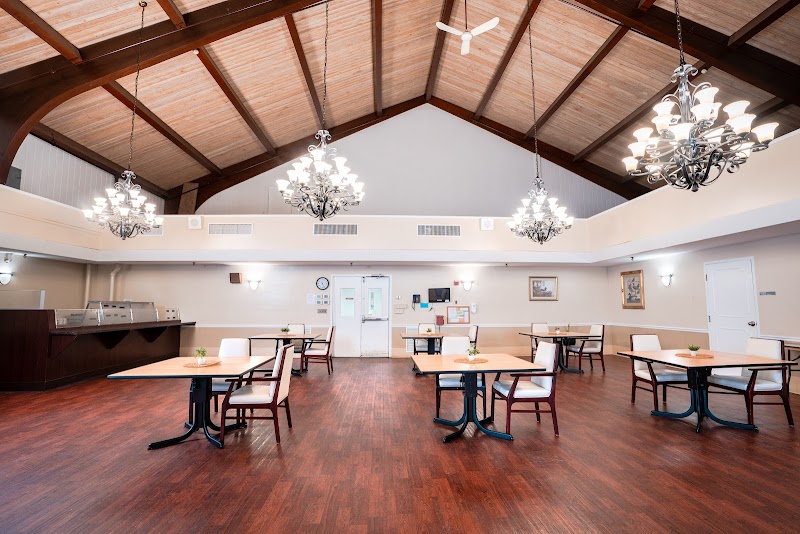
How is Neffsville Nursing And Rehabilitation Staffed?

CMS rates NEFFSVILLE NURSING AND REHABILITATION's staffing level at 4 out of 5 stars, which is above average compared to other nursing homes. Staff turnover is 45%, compared to the Pennsylvania average of 46%. This relatively stable workforce can support continuity of care.

What Have Inspectors Found at Neffsville Nursing And Rehabilitation?

State health inspectors documented 30 deficiencies at NEFFSVILLE NURSING AND REHABILITATION during 2023 to 2025. These included: 1 that caused actual resident harm, 28 with potential for harm, and 1 minor or isolated issues. Deficiencies causing actual harm indicate documented cases where residents experienced negative health consequences.

Who Owns and Operates Neffsville Nursing And Rehabilitation?

NEFFSVILLE NURSING AND REHABILITATION is owned by a for-profit company. For-profit facilities operate as businesses with obligations to shareholders or private owners. The facility operates independently rather than as part of a larger chain. With 240 certified beds and approximately 180 residents (about 75% occupancy), it is a large facility located in LANCASTER, Pennsylvania.
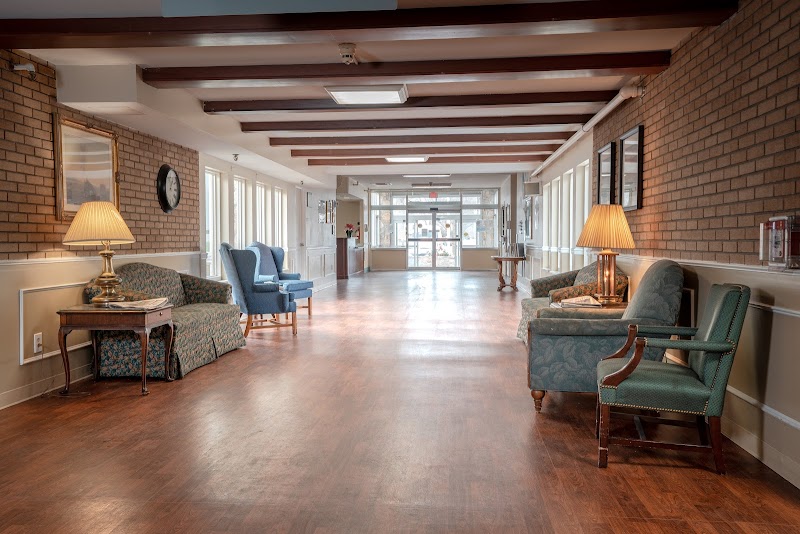
How Does Neffsville Nursing And Rehabilitation Compare to Other Pennsylvania Nursing Homes?

Compared to the 100 nursing homes in Pennsylvania, NEFFSVILLE NURSING AND REHABILITATION's overall rating (2 stars) is below the state average of 3.0, staff turnover (45%) is near the state average of 46%, and health inspection rating (2 stars) is below the national benchmark.

What Should Families Ask When Visiting Neffsville Nursing And Rehabilitation?

Based on this facility's data, families visiting should ask: "Can I visit during a mealtime to observe dining assistance and food quality?" "How do you handle medical emergencies, and what is your hospital transfer rate?" "Can I speak with family members of current residents about their experience?"

Is Neffsville Nursing And Rehabilitation Safe?

Based on CMS inspection data, NEFFSVILLE NURSING AND REHABILITATION has a clean safety record: no substantiated abuse findings (meaning no confirmed cases of resident harm), no Immediate Jeopardy citations (the most serious violation level indicating risk of serious injury or death), and is not on the Special Focus Facility watch list (a federal program monitoring the lowest-performing 1% of nursing homes). The facility has a 2-star overall rating and ranks #100 of 100 nursing homes in Pennsylvania. While no facility is perfect, families should still ask about staff-to-resident ratios and recent inspection results during their visit.

Do Nurses at Neffsville Nursing And Rehabilitation Stick Around?

NEFFSVILLE NURSING AND REHABILITATION has a staff turnover rate of 45%, which is about average for Pennsylvania nursing homes (state average: 46%). Moderate turnover is common in nursing homes, but families should still ask about staff tenure and how the facility maintains care continuity when employees leave.

Was Neffsville Nursing And Rehabilitation Ever Fined?

NEFFSVILLE NURSING AND REHABILITATION has been fined $3,250 across 1 penalty action. This is below the Pennsylvania average of $33,111. While any fine indicates a compliance issue, fines under $50,000 are relatively common and typically reflect isolated problems that were subsequently corrected. Families should ask what specific issues led to these fines and confirm they've been resolved.

Is Neffsville Nursing And Rehabilitation on Any Federal Watch List?

NEFFSVILLE NURSING AND REHABILITATION is not on any federal watch list. The most significant is the Special Focus Facility (SFF) program, which identifies the bottom 1% of nursing homes nationally based on persistent, serious quality problems. Not being on this list means the facility has avoided the pattern of deficiencies that triggers enhanced federal oversight. This is a positive indicator, though families should still review the facility's inspection history directly.