OXFORD REHABILITATION AND HEALTHCARE CENTER
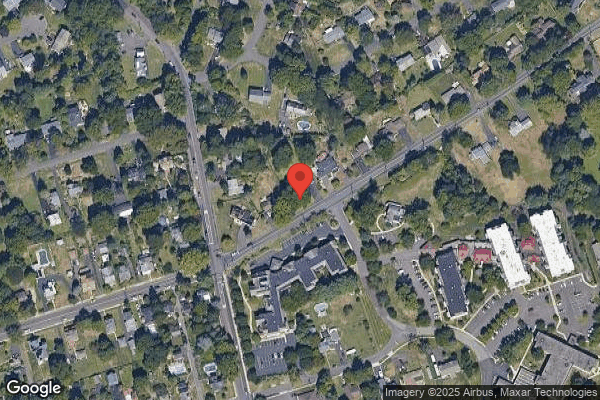

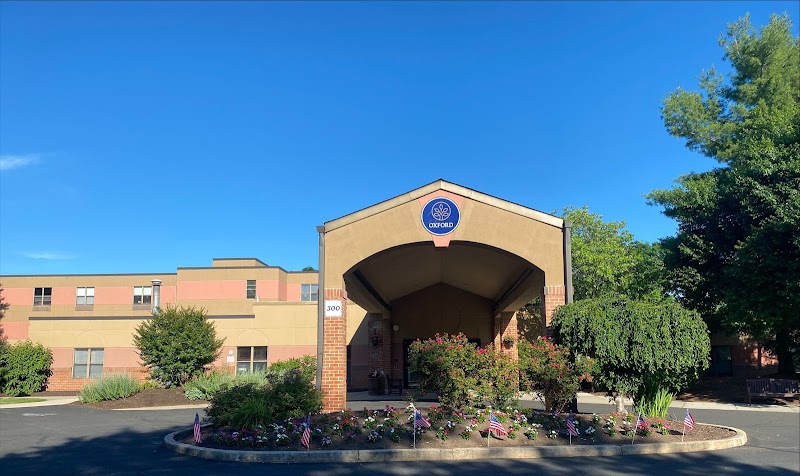
300 EAST WINCHESTER AVE, LANGHORNE, PA 19047 (215) 757-3739
For profit - Corporation 179 Beds MARQUIS HEALTH SERVICES Data: November 2025
Trust Grade
60/100
#328 of 653 in PA
Last Inspection: November 2024

Within standard 12-15 month inspection cycle. Federal law requires annual inspections.

Overview

Oxford Rehabilitation and Healthcare Center has a Trust Grade of C+, indicating it is slightly above average but not exceptional. It ranks #328 out of 653 facilities in Pennsylvania, placing it in the bottom half, and #26 out of 29 in Bucks County, meaning only a few options are better locally. The facility is improving, with the number of issues decreasing from 7 in 2024 to just 2 in 2025. Staffing is rated average, with a turnover rate of 45%, which is slightly below the state average, suggesting that staff tends to stay longer, providing some continuity of care. While there have been no fines, there are concerns about food safety practices, as staff were observed without required beard restraints in the kitchen and cleanliness issues were noted, such as stained equipment and debris on the floors. Additionally, there were instances where staff failed to properly implement physician orders for residents' care.

Trust Score
C+
60/100
In Pennsylvania
#328/653
Top 50%
Safety Record
Low Risk
No red flags
Inspections
Getting Better
7 → 2 violations
Staff Stability
○ Average
45% turnover. Near Pennsylvania's 48% average. Typical for the industry.
Penalties
✓ Good
No fines on record. Clean compliance history, better than most Pennsylvania facilities.
Skilled Nurses
○ Average
Each resident gets 39 minutes of Registered Nurse (RN) attention daily — about average for Pennsylvania. RNs are the most trained staff who monitor for health changes.
Violations
⚠ Watch
26 deficiencies on record. Higher than average. Multiple issues found across inspections.
★★★☆☆
3.0
Overall Rating
★★★☆☆
3.0
Staff Levels
★★★★☆
4.0
Care Quality
★★★☆☆
3.0
Inspection Score
Stable
2024: 7 issues
2025: 2 issues

The Good

  • 4-Star Quality Measures · Strong clinical quality outcomes
  • Full Sprinkler Coverage · Fire safety systems throughout facility
  • No fines on record
  • Staff turnover below average (45%)

    3 points below Pennsylvania average of 48%

Facility shows strength in quality measures, fire safety.

The Bad

3-Star Overall Rating

Near Pennsylvania average (3.0)

Meets federal standards, typical of most facilities

Staff Turnover: 45%

Near Pennsylvania avg (46%)

Typical for the industry

Chain: MARQUIS HEALTH SERVICES

Part of a multi-facility chain

Ask about local staffing decisions and management

The Ugly 26 deficiencies on record

Aug 2025 1 deficiency
CONCERN (D) 📢 Someone Reported This

A family member, employee, or ombudsman was alarmed enough to file a formal complaint

Potential for Harm - no one hurt, but risky conditions existed

Safe Environment (Tag F0584)

Could have caused harm · This affected 1 resident

**NOTE- TERMS IN BRACKETS HAVE BEEN EDITED TO PROTECT CONFIDENTIALITY** Based on observation and interview, it was determined that the facility failed to provide a safe, clean, and comfortable environ...

Read full inspector narrative →
**NOTE- TERMS IN BRACKETS HAVE BEEN EDITED TO PROTECT CONFIDENTIALITY** Based on observation and interview, it was determined that the facility failed to provide a safe, clean, and comfortable environment for one of five sampled residents. (Resident 3) Findings include:Observation on August 1, 2025, at 12:30 p.m., revealed the following in room [ROOM NUMBER]:Resident 3 was in bed and had several small black flying insects around her head and face. On top of the mattress, there were four ants.On each side of the window there were large cobwebs, and three ants were observed on the dresser.The floor near the air conditioning unit was observed with a dried yellow substance and the dresser drawer did not close properly.In an interview at that time, a family member stated that small insects were always present, the floor in front of the air conditioning unit had a permanent yellow dried substance, and the dresser drawer did not close properly.28 Pa. Code 201.14(a) Responsibility of licensee.28 Pa. Code 201.18(b)(1)(e)(2.1) Management.
Feb 2025 1 deficiency
CONCERN (D) 📢 Someone Reported This

A family member, employee, or ombudsman was alarmed enough to file a formal complaint

Potential for Harm - no one hurt, but risky conditions existed

Medical Records (Tag F0842)

Could have caused harm · This affected 1 resident

Based on clinical record review and staff and resident interview, it was determined that the facility failed to maintain clinical records that were accurate and complete for two of three sampled resid...

Read full inspector narrative →
Based on clinical record review and staff and resident interview, it was determined that the facility failed to maintain clinical records that were accurate and complete for two of three sampled residents. (Residents 2 and 3) Findings include: Clinical record review revealed that Resident 2 had diagnoses that included muscle wasting and anemia. Physician's orders dated January 28, 2025, and February 4, 2025, directed staff to cleanse the resident's sacrum with medihoney and cover with border gauze every day shift and as needed and to apply skin prep (a protective barrier for skin) to both heels every shift. In an interview on February 11, 2025, at 12:52 p.m., the resident stated that staff applied the treatment to the sacrum every day shift as ordered. Review of the treatment administration record (TAR) for February 2025, revealed a lack of evidence that staff documented the administration of the treatment to the sacrum on February 5, 7, 9, and 10, or the administration of the skin prep to both heels on the day shift (7:00 a.m. to 3:00 p.m.) on February 8, 9, and 10. Clinical record review revealed that Resident 3 had diagnoses that included muscle wasting and anemia. Physician's orders dated January 31, 2025, and February 3, 2025, directed staff to apply skin prep to both heels on the day and evening (3:00 p.m. to 11:00 p.m.) shifts and to a blister on the resident's abdomen every shift. In an interview on February 11, 2025, at 12:15 p.m. the resident stated that staff applied the skin prep to his abdomen and heels as ordered. Review of the TAR for February 2025, revealed a lack of evidence that staff documented the administration of the skin prep to the resident's abdomen on the day shift on February 9 and 10, or the administration of the skin prep to both heels on the day shift on February 7, 9, and 10. In an interview on February 11, 2025, at 2:24 p.m., the Director of Nursing confirmed that staff did not properly document that the treatments were administered. 28 Pa. Code 211.5(f) Medical records.
Nov 2024 5 deficiencies
CONCERN (D)

Potential for Harm - no one hurt, but risky conditions existed

Comprehensive Care Plan (Tag F0656)

Could have caused harm · This affected 1 resident

**NOTE- TERMS IN BRACKETS HAVE BEEN EDITED TO PROTECT CONFIDENTIALITY** Based on clinical record review and staff interview, it was determined that the facility failed to develop a comprehensive care ...

Read full inspector narrative →
**NOTE- TERMS IN BRACKETS HAVE BEEN EDITED TO PROTECT CONFIDENTIALITY** Based on clinical record review and staff interview, it was determined that the facility failed to develop a comprehensive care plan to meet each resident's needs identified in the comprehensive assessment for two of 36 sampled residents. (Residents 61 and 65) Findings include: Clinical record review revealed that Resident 61 was admitted to the facility on [DATE], and had a diagnoses that included dementia. The Minimum Data Set Care Area Assessment summary dated July 21, 2024, noted that the resident's cognitive decline/dementia was to be addressed in the care plan. There was no evidence that interventions to address Resident 61's cognitive decline/dementia were included in the current care plan. Clinical record review revealed that Resident 65 was admitted to the facility on [DATE], and had a diagnoses that included dementia. The Minimum Data Set Care Area Assessment summary dated October 11, 2024, noted that the resident's cognitive decline/dementia was to be addressed in the care plan. There was no evidence that interventions to address Resident 65's cognitive decline/dementia were included in the current care plan. In an interview on November 15, 2024, at 10:45 a.m., the Director of Nursing confirmed there was no documented evidence that the identified care area was addressed in Residents 61 and 65's current care plans. 28 Pa. Code 211.12(d)(1)(5)Nursing services.
CONCERN (D)

Potential for Harm - no one hurt, but risky conditions existed

ADL Care (Tag F0677)

Could have caused harm · This affected 1 resident

Based on facility policy review, clinical record review, observation, and resident, staff, and family interview, it was determined that the facility failed to provide services to maintain adequate gro...

Read full inspector narrative →
Based on facility policy review, clinical record review, observation, and resident, staff, and family interview, it was determined that the facility failed to provide services to maintain adequate grooming and hygiene for four of five sampled residents who required assistance with activities of daily living (ADLs). (Residents 5, 27, 28, and 81) Findings include: Review of the facility policy entitled, Activities of Daily Living, last reviewed, April 3, 2024, revealed that residents who were unable to carry out ADLs independently would receive the services necessary to maintain good grooming and personal hygiene. Clinical record review revealed that Resident 5 had diagnoses that included depression, osteoarthritis, and muscle wasting. Review of the care plan revealed that the resident required assistance from staff for ADLs. On November 13, 2024, at 12:18 p.m., the resident was observed in bed. Her fingernails were long and dirty with a substance underneath the nails. She stated that she preferred her nails to be kept short, her nails needed to be cut, staff had not offered to cut her nails, and she had not refused. There were no documented refusals. Clinical record review revealed that Resident 27 had diagnoses that included adult failure to thrive and muscle wasting. Review of the care plan revealed that the resident required assistance from staff with ADLs. The intervention was for staff to check nail length; clean and trim as needed on bath days. On November 13, 2024, at 12:26 p.m., the resident was observed out of bed to her wheelchair. Her nails were observed to be long and discolored. The resident stated she preferred her nails to be kept short. On November 14, 2024, at 12:00 p.m., the resident was again observed out of bed to her wheelchair; her nails remained long and discolored. In a phone interview on November 14, 2024, at 9:48 a.m., the resident's representative stated the resident's nails were not being cut regularly. There were no documented refusals. Clinical record review revealed that Resident 81 had diagnoses of hemiplegia to the right side, and vertical strabismus (a condition in which the eyes are not aligned). Review of the care plan revealed that the resident required assistance from staff for ADLs. The intervention was for staff to check nail length; clean and trim on bath days. On November 13, 2024, at 12:35 p.m., the resident was observed out of bed to his wheelchair. The nails on his right hand were long and discolored. He stated that he preferred his nails to be short, staff had not offered to cut his nails on that hand, and he had not refused. In an interview on November 15, 2024, at 9:03 a.m., the Director of Nursing (DON) stated that the residents' nails required care and nail care should have been provided with bathing and as needed. Clinical record review revealed that Resident 28 had diagnoses that included depression and anxiety. Review of the care plan revealed that the resident required assistance from staff for ADLs. On November 12, 2024, at 12:52 p.m., the resident was observed in bed. Her hair appeared disheveled and unkempt. She stated that her hair needed to be washed and combed, staff did not offer assistance to comb or wash her hair when she was bathed, and she had a large knot of hair on the back of her head. On November 13, 2024, at 10:23 a.m., the resident was again observed in bed. Her hair remained disheveled and unkempt; there was a large matted area of hair on the back of her head. She stated that staff had still not offered assistance with combing her hair. There was no evidence of refusals. In an interview on November 15, 2024, at 9:03 a.m., the DON stated that the resident's hair required combing and staff should have offered assistance to wash or comb her hair. 28 Pa. Code 211.12(d)(1)(5) Nursing services.
CONCERN (D)

Potential for Harm - no one hurt, but risky conditions existed

Deficiency F0809 (Tag F0809)

Could have caused harm · This affected 1 resident

Based on review of the facility meal schedule, observation, and resident interview, it was determined that the facility failed to ensure that meals were served at regularly scheduled times in accordan...

Read full inspector narrative →
Based on review of the facility meal schedule, observation, and resident interview, it was determined that the facility failed to ensure that meals were served at regularly scheduled times in accordance with resident needs on one of three nursing units. (Third floor) Findings include: Review of the facility's meal schedule revealed that the second and final meal cart delivery for the third-floor nursing unit was for 12:45 p.m. During a group interview on November 13, 2024, at 10:37 a.m., Resident 51 stated that the meals were often served late. Observation on November 13, 2024, revealed the second meal cart arrived to the third-floor nursing unit at 1:10 p.m., and tray pass began at 1:20 p.m., 35 minutes after the scheduled meal time. Observation of the meal cart at 1:28 p.m., revealed that the cart was empty and all trays had been delivered. At that time, Residents 33, 37, 74, 107, 119, and 139, had not received a meal tray. At 1:35 p.m., Resident 119 stated he did not yet receive a meal tray. At 1:37 p.m., Resident 37 stated that his meal tray was frequently missing from the meal cart. In an interview at 1:30 p.m., Nurse Aide 1 confirmed that the residents' meal trays did not arrive on the meal cart as scheduled. Observation at 1:47 p.m., revealed that meal trays were delivered to Residents 37, 107, 119, and 139, over one hour after the scheduled meal time. Residents 33 and 74 had not yet received a meal tray. In an interview at 1:55 p.m., Licensed Practical Nurse 1 confirmed that Resident's 33 and 74 had not yet received a meal tray. Observation at 2:06 p.m., revealed that meal trays were delivered to Residents 33 and 74, over 80 minutes after the scheduled meal time. 28 Pa. Code 201.14(a) Responsibility of licensee.
CONCERN (E)

Potential for Harm - no one hurt, but risky conditions existed

Quality of Care (Tag F0684)

Could have caused harm · This affected multiple residents

Based on facility policy review, clinical record review, and staff interview, it was determined that the facility failed to ensure physician's orders were implemented for five of 36 sampled residents....

Read full inspector narrative →
Based on facility policy review, clinical record review, and staff interview, it was determined that the facility failed to ensure physician's orders were implemented for five of 36 sampled residents. (Residents 24, 34, 65, 95, and 145) Findings include: Review of the policy entitled, Administering Medications, last reviewed April 3, 2024, revealed that staff were to obtain vital signs if necessary, and document physician indicated medication administration information. Clinical record review revealed that Resident 24 had diagnoses that included heart failure and chronic obstructive pulmonary disease. On November 8, 2024, the physician ordered for staff to obtain a daily weight for the resident. A review of Resident 24's weights revealed that there was no documented evidence that a weight was obtained on November 8, 9, and 10, 2024. Clinical record review revealed that Resident 34 had diagnoses that included dysphagia (difficulty swallowing) and chronic obstructive pulmonary disease. On September 28, 2022, the physician ordered for staff to obtain a weekly weight for the resident. A review of Resident 34's October and November 2024 weights revealed there was a lack of documentation to support that weekly weights were completed five of seven times. Clinical record review revealed that Resident 65 had diagnoses that included hypertension (high blood pressure). On June 1, 2024, the physician ordered staff to administer a blood pressure medicine (lisinopril) once a day. Staff were not to administer the medication if the resident's systolic blood pressure (the first measurement of blood pressure when the heart beats and the pressure is at its highest) was less than 110 millimeters of mercury (mm Hg). Review of Resident 65's October and November 2024 Medication Administration Records (MAR) revealed that staff administered the medication 45 times with no documentation that the blood pressure was assessed prior to medication administration per physician's order. Clinical record review revealed that Resident 95 had diagnoses that included heart failure and diabetes. On October 10 and 11, 2024, the physician ordered staff to administer a blood pressure medicine (carvedilol) twice a day. Staff were not to administer the medication if the resident's systolic blood pressure was less than 100 mm Hg or if the resident's heart rate was below 60 beats per minute. Review of Resident 95's October and November 2024 MARs revealed that staff administered the medication 42 times with no documentation that the blood pressure and heart rate were assessed prior to medication administration per physician's order. Clinical record review revealed Resident 145 had diagnoses that included dependent edema. On November 1, 2024, the physician ordered that staff obtain a daily weight for the resident. A review of Resident 145's weights revealed that there was no documented evidence to support a weight was obtained on November 2, 3, and 5 through 13, 2024. In an interview on November 15, 2024, at 12:15 p.m., the Administrator confirmed there was no documentation to support that weights were obtained by staff or refused by the residents on the previously mentioned dates for Residents 24, 34, and 145. In interviews on November 15, 2024, at 10:30 a.m. and 12:53 p.m., the Director of Nursing and Administrator confirmed there was no documented evidence that the blood pressure and heart rate were taken prior to medication administration per physician's order for Residents 65 and 95. CFR 483.25 Quality of Care Previously cited 12/12/23 28 Pa. Code 211.12(d)(1)(5) Nursing services.
MINOR (B)

Minor Issue - procedural, no safety impact

Transfer Notice (Tag F0623)

Minor procedural issue · This affected multiple residents

Based on clinical record review and staff interview, it was determined that the facility failed to notify the resident and the resident's representative(s) of transfer(s), including the reasons for th...

Read full inspector narrative →
Based on clinical record review and staff interview, it was determined that the facility failed to notify the resident and the resident's representative(s) of transfer(s), including the reasons for the moves and Ombudsman information, in writing upon transfer from the facility for three of five sampled residents who were transferred to the hospital. (Residents 123, 139, and 142) Findings include: Clinical record review revealed that Resident 123 was transferred to the hospital on July 30, 2024, and on September 9, 2024 after a change in condition. There was no documentation to support that the resident and/or the resident's responsible party or legal representative were provided written information regarding the transfers to the hospital. Clinical record review revealed that Resident 139 was transferred to the hospital on October 21, 2024, after a change in condition. There was no documentation to support that the resident and/or the resident's responsible party or legal representative were provided written information regarding the transfer to the hospital. Clinical record review revealed that Resident 142 was transferred to the hospital on October 10, 2024, after a change in condition. There was no documentation to support that the resident and/or the resident's responsible party or legal representative were provided written information regarding the transfer to the hospital. In an interview on November 15, 2024, at 2:00 p.m., the Administrator confirmed that written notifications of transfers were not provided for these residents.
Oct 2024 1 deficiency
CONCERN (D) 📢 Someone Reported This

A family member, employee, or ombudsman was alarmed enough to file a formal complaint

Potential for Harm - no one hurt, but risky conditions existed

Deficiency F0804 (Tag F0804)

Could have caused harm · This affected 1 resident

Based on resident interviews, review of facility documentation, observation, and results of a test tray evaluation, it was determined that the facility failed to provide food that was palatable and at...

Read full inspector narrative →
Based on resident interviews, review of facility documentation, observation, and results of a test tray evaluation, it was determined that the facility failed to provide food that was palatable and at acceptable temperatures on one of three nursing unit. (Third floor) Findings include: In interviews on October 1, 2024, at 12:20 p.m. through 1:00 p.m., Residents 3 and 5 stated that food was often served cold. Review of the facility's Test Tray, form revealed that the temperature for the hot entree, starch, and vegetable should be between 115 135 degrees Fahrenheit when served. A test tray conducted on Ocotber 1, 2024, at 12:58 p.m., on the Third floor nursing unit, revealed chicken at a service temperature of 114.5 degrees Fahrenheit, potato wedges at 113.5 degrees Fahrenheit, and zucchini at 119.1 degrees Fahrenheit. All food items were cool to taste.
Apr 2024 1 deficiency
CONCERN (F) 📢 Someone Reported This

A family member, employee, or ombudsman was alarmed enough to file a formal complaint

Potential for Harm - no one hurt, but risky conditions existed

Food Safety (Tag F0812)

Could have caused harm · This affected most or all residents

Based on a review of facility policy, observation, and staff interview, it was determined that the facility failed to maintain sanitary conditions in the kitchen. Findings include: Review of the facil...

Read full inspector narrative →
Based on a review of facility policy, observation, and staff interview, it was determined that the facility failed to maintain sanitary conditions in the kitchen. Findings include: Review of the facility policy entitled, Preventing Foodborne Illness-Employee Hygiene and Sanitary Practices, dated April 3, 2024, revealed that a beard restraint was to be worn when cooking, preparing, or assembling food to keep hair from contacting exposed food, clean equipment, utensils, and linens. Observations made during a tour of the kitchen on April 10, 2024, at 11:55 a.m., with the Food Service Director, revealed two male dietary aides assisting on the tray line preparing resident lunch trays for delivery to the nursing units. DA1 and DA2 were observed with facial hair and no beard restraints in place. In an interview on April 10, 2024, at 12:20 p.m., the Food Service Director confirmed that the male dietary aides should have had beard restraints in place as per facility policy. 28 Pa. Code 201.18(b)(3) Management. 28 Pa. Code 211.6(f) Dietary services.
Dec 2023 10 deficiencies
CONCERN (D)

Potential for Harm - no one hurt, but risky conditions existed

Resident Rights (Tag F0550)

Could have caused harm · This affected 1 resident

Based on observation and resident interview, it was determined that the facility failed to ensure that meals were served in a manner that maintained each resident's dignity for one of 39 sampled resid...

Read full inspector narrative →
Based on observation and resident interview, it was determined that the facility failed to ensure that meals were served in a manner that maintained each resident's dignity for one of 39 sampled residents. (Resident 166) Findings include: Observations of the lunch meal on the 2nd floor nursing unit on December 11, 2023, at 11:55 a.m., revealed Residents 13, 156, and 166 seated at a table together in the dining room. Residents 13 and 156 were served and were eating their meals. Resident 166 was observed without a meal, throwing her hands in the air, and making comments, including, What do you have to do to get food around here? At 12:12 p.m., Resident 166 walked out of the dining room stating, I didn't get any food, I might as well starve. Resident 166 was not served her lunch tray until 12:16 p.m. 28 Pa. Code 201.29(a) Resident rights.
CONCERN (D)

Potential for Harm - no one hurt, but risky conditions existed

Safe Environment (Tag F0584)

Could have caused harm · This affected 1 resident

**NOTE- TERMS IN BRACKETS HAVE BEEN EDITED TO PROTECT CONFIDENTIALITY** Based on observation, it was determined that the facility failed to ensure that a safe, clean, and comfortable environment was m...

Read full inspector narrative →
**NOTE- TERMS IN BRACKETS HAVE BEEN EDITED TO PROTECT CONFIDENTIALITY** Based on observation, it was determined that the facility failed to ensure that a safe, clean, and comfortable environment was maintained on two of three nursing units. (2nd floor, 3rd floor) Findings include: Observation of the 2nd floor nursing unit on December 10, 2023, from 11:10 a.m. through 12:00 p.m., revealed garbage bags on the floor in the 223-231 hallway, a hole in the hallway wall covered with tape between rooms [ROOM NUMBERS], and the hallway light over room [ROOM NUMBER] was flickering. The privacy curtain in room [ROOM NUMBER]B was ripped. In room [ROOM NUMBER], the wall was marred and scratched in the bathroom and behind the B bed. room [ROOM NUMBER]A was missing a closet door and the wall was marred and scratched behind the bed. room [ROOM NUMBER] was missing a bottom dresser drawer. The wall behind the bed in room [ROOM NUMBER]A was marred and scratched. The shower room across from room [ROOM NUMBER] had cracked tiles and dirty grout lines. The vital sign machine on the unit had a dried substance splattered on the thermometer and legs. Observations on the 3rd floor nursing unit on December 10, 2023, from 12:06 p.m. through 1:13 p.m., revealed tiles missing in front of the bed by the window in room [ROOM NUMBER]. In room [ROOM NUMBER], the wall was marred and scratched by the door and behind bed B. 28 Pa. Code 201.18(e)(2.1) Management.
CONCERN (D)

Potential for Harm - no one hurt, but risky conditions existed

MDS Data Transmission (Tag F0640)

Could have caused harm · This affected 1 resident

**NOTE- TERMS IN BRACKETS HAVE BEEN EDITED TO PROTECT CONFIDENTIALITY** Based on review of the Resident Assessment Instrument (RAI) User's Manual, clinical record review, and staff interview, it was d...

Read full inspector narrative →
**NOTE- TERMS IN BRACKETS HAVE BEEN EDITED TO PROTECT CONFIDENTIALITY** Based on review of the Resident Assessment Instrument (RAI) User's Manual, clinical record review, and staff interview, it was determined that the facility failed to complete Minimum Data Set (MDS) assessments in a timely manner for five of 39 sampled residents. (Residents 2, 10, 149, 266, 267) Findings include: Review of the Long-Term Care Facility RAI (federally mandated assessment tool), dated October 2019, User's Manual which provided instructions and guidelines for completing required MDS assessments, revealed that significant change in status assessments, quarterly assessments, and admission assessments were to be completed no later than 14 days after the Assessment Reference Date (ARD) which refers to the last day of the assessment observation period. Clinical record review revealed on December 12, 2023, revealed that Resident 2 had a Quarterly MDS assessment dated [DATE], that was still in progress and had not yet been completed as per the time requirements. Clinical record review revealed on December 12, 2023, revealed that Resident 10 had a Quarterly MDS assessment dated [DATE], that was still in progress and had not yet been completed as per the time requirements. Clinical record review revealed that Resident 149 had a death in the facility on November 9, 2023. A Death in Facility MDS assessment was noted as still in progress on December 12, 2023, and had not yet been completed as per the time requirements. Clinical record review revealed on December 12, 2023, revealed that Resident 266 had an admission MDS assessment dated [DATE], that was still in progress and had not yet been completed as per the time requirements. Clinical record review revealed on December 12, 2023, revealed Resident 267 had an admission MDS assessment dated [DATE], that was still in progress and had not yet been completed as per the time requirements. In an interview on December 12, 2023, at 10:05 a.m., the Director of Nursing confirmed that the MDS assessments had not been completed within the required time frame.
CONCERN (D)

Potential for Harm - no one hurt, but risky conditions existed

Deficiency F0676 (Tag F0676)

Could have caused harm · This affected 1 resident

**NOTE- TERMS IN BRACKETS HAVE BEEN EDITED TO PROTECT CONFIDENTIALITY** Based on clinical record review, observation, and resident interview, it was determined that the facility failed to provide serv...

Read full inspector narrative →
**NOTE- TERMS IN BRACKETS HAVE BEEN EDITED TO PROTECT CONFIDENTIALITY** Based on clinical record review, observation, and resident interview, it was determined that the facility failed to provide services to maintain adequate grooming and personal hygiene for two of six sampled residents who needed assistance with activities of daily living. (Residents 98, 159) Findings include: Clinical record review revealed that Resident 98 had diagnoses that included depression, history of a stroke, and right sided dominant upper and lower extremity weakness. The Minimum Data Set (MDS) assessment dated [DATE], indicated that the resident was cognitively impaired and was dependent on two staff members for personal hygiene and needed extensive assistance with dressing. The care plan identified that Resident 98 had difficulty caring for himself and interventions included that staff assist with activities of daily living. Observation on December 10, 2023, at 11:15 a.m., and 2:37 p.m., revealed that Resident 98 was unshaven with a beard, his hair appeared unwashed and greasy, his fingernails on both hands were long with dirt underneath, and there were crumbs on his light blue shirt. On December 11, 2023, at 10:27 a.m., Resident 98 was observed unshaven, with long dirty nails, wearing the same light blue shirt as the day before. In an interview on December 10, 2023, at 2:37 p.m., Resident 98 stated that his nails were longer than he would like, that they needed to be trimmed, and that he preferred to be shaven and to have clean hair. Clinical record review revealed that Resident 159 had diagnoses that included a history of left femur fracture, a thoracic spine vertebrae compression fracture, and presence of artificial left hip joint. The MDS assessment dated [DATE], indicated that the resident was cognitively impaired and required extensive staff assistance for activities of daily living. The care plan identified that Resident 159 had difficulty caring for himself due to activity intolerance, cognitive impairment, and interventions included that staff assist with activities of daily living. Observations on December 10, 2023, at 10:44 a.m., December 11, 2023, at 9:30 a.m. and 11:02 a.m., and December 12, 2023, at 11:05 a.m., revealed that Resident 159's fingernails on both hands were long, jagged, and had dirt underneath. In an interview on December 22, 2030, at 9:30 a.m., Resident 159 stated that his nails were long and that he preferred them to be short. 28 Pa. Code 211.12(d)(1)(5) Nursing services.
CONCERN (D)

Potential for Harm - no one hurt, but risky conditions existed

Quality of Care (Tag F0684)

Could have caused harm · This affected 1 resident

**NOTE- TERMS IN BRACKETS HAVE BEEN EDITED TO PROTECT CONFIDENTIALITY** Based on clinical record review and staff interview, it was determined that the facility failed to ensure that staff implemented...

Read full inspector narrative →
**NOTE- TERMS IN BRACKETS HAVE BEEN EDITED TO PROTECT CONFIDENTIALITY** Based on clinical record review and staff interview, it was determined that the facility failed to ensure that staff implemented physician's orders for one of 39 sampled residents. (Resident 266) In addition, the facility failed to ensure that a recommendation from a psychiatric consult was implemented in a timely manner for one of four sampled residents who had a diagnosis of depression. (Resident 130) Findings include: Clinical record review revealed that Resident 266 had diagnoses that included peripheral vascular disease (slow and progressive circulation disorder) and heart failure. On November 9, 2023, a physician's order directed staff to administer a medication (midodrine hydrochloride) three times a day to treat the resident's hypotension (low blood pressure). Staff was not to give the medication if the resident had a systolic blood pressure (the first measurement of blood pressure when the heart beats, and the pressure is at its highest) of 120 millimeters of mercury (mm/Hg) or more. A review of the November and December 2023, Medication Administration Records, revealed that staff administered the medication when the resident's systolic blood pressure was over the established parameter three times in November, and once in December. During an interview on December 12, 2023, at 10:20 a.m., the Director of Nursing confirmed that the documentation indicated that Resident 266 received the midodrine hydrochloride when her systolic blood pressure was above 120 mm/Hg. Clinical record review revealed that Resident 130 had diagnoses that included stroke with hemiplegia, adjustment disorder with mixed anxiety and depressed mood, dementia, insomnia and blindness. Review of the Minimum Data Set assessment dated [DATE], indicated that the resident had some memory impairment. In addition, the assessment indicated that she exhibited mood indicators for several days of feeling down and having little interest or pleasure in doing things. A review of the care plan revealed that she was taking anti-depressants related to an adjustment disorder with anxiety and depressed mood. On May 8, 2023, a physician ordered for staff to administer an anti-depressant medication (Trazadone) 25 milligrams at night. Review of a psychiatric evaluation on November 16. 2023, revealed that the resident had expressed that she was feeling a bit more depressed since the last assessment. She also expressed that she had trouble sleeping, specifically she had trouble with falling asleep. At that time, the psychiatrist recommended to increase the anti-depressant medication (Trazadone) to 50 milligrams at night. Review of the current physician orders and the Medication Administration Record for November and December 2023, revealed that the resident was still receiving the same dose of the Trazadone since May 2023. There was no documented evidence that the recommendation to increase the anti-depressant (Trazadone) was implemented until December 11, 2023. In an interview on December 12, 2023, at 10:50 a.m., the Administrator confirmed that the recommendation from the psychiatrist to increase the anti-depressant medication had not been implemented in a timely manner. 28 Pa. Code 211.12(d)(1)(5) Nursing services.
CONCERN (D)

Potential for Harm - no one hurt, but risky conditions existed

Deficiency F0688 (Tag F0688)

Could have caused harm · This affected 1 resident

**NOTE- TERMS IN BRACKETS HAVE BEEN EDITED TO PROTECT CONFIDENTIALITY** Based on clinical record review, observation and staff interview, it was determined that the facility failed to provide appropri...

Read full inspector narrative →
**NOTE- TERMS IN BRACKETS HAVE BEEN EDITED TO PROTECT CONFIDENTIALITY** Based on clinical record review, observation and staff interview, it was determined that the facility failed to provide appropriate treatment and services to prevent contractures and a decrease in range of motion for one of nine sampled residents with limited range of motion. (Resident 130) Findings include: Clinical record review revealed that Resident 130 had diagnoses that included paralysis of the left non-dominant side after a stroke, dementia, blindness and osteoarthritis. The Minimum Data Set assessment dated [DATE], indicated that the resident had some memory impairment and had limited range of motion on one side of her upper and lower extremities. A review of the care plan revealed that the resident had a self care deficit and there was an intervention for staff to apply a left hand splint in the morning and remove the splint for evening care. Review of the current physician's orders revealed that staff was to apply a left orthotic hand splint in the morning and remove in the evening to prevent contracture. On December 10, 2023, the resident was observed in bed at 10:30 a.m., 12:30 p.m., and 1:36 p.m., without the left orthotic splint in place. On December 11, 2023, the resident was again observed in bed at 10:20 a.m., 11:06 p.m., and 12:16 p.m., without the left orthotic splint in place. In an interview on December 12, 2023, at 12:21 p.m., the Administrator confirmed that the staff was to apply the splint as ordered by the physician. CFR 483.25(c)(1)-(3) Increase/Prevent Decrease in ROM/Mobility. Previously cited 1/10/23 28 Pa. Code 211.12(d)(1)(5) Nursing services.
CONCERN (D)

Potential for Harm - no one hurt, but risky conditions existed

Deficiency F0697 (Tag F0697)

Could have caused harm · This affected 1 resident

**NOTE- TERMS IN BRACKETS HAVE BEEN EDITED TO PROTECT CONFIDENTIALITY** Based on clinical record review and staff interview, it was determined that the facility failed to ensure non-pharmacological in...

Read full inspector narrative →
**NOTE- TERMS IN BRACKETS HAVE BEEN EDITED TO PROTECT CONFIDENTIALITY** Based on clinical record review and staff interview, it was determined that the facility failed to ensure non-pharmacological interventions to alleviate pain were attempted prior to the administration of pain medication prescribed on an as needed basis for one of three sampled residents with physician ordered pain medications. (Resident 159) Findings include: Clinical record review revealed that Resident 159 had diagnoses that included a history of left femur fracture, a thoracic spine vertebrae compression fracture, and presence of artificial left hip joint. The Minimum Data Set assessment dated [DATE], indicated that the resident was cognitively impaired. Review of Resident 159's care plan revealed the resident had pain due to right hip surgery with an intervention for staff to encourage non-pharmacological interventions for pain relief, monitor and treat pain as needed. Physician's orders dated October 11, and December 1, 2023, directed staff to administer the narcotic pain medication oxycodone-acetaminophen every six hours as needed for pain. Review of Medication Administration Records (MARs) revealed the resident received the as needed oxycodone-acetaminophen 23 times in November 2023, and 15 times in December 2023. There was a lack of documentation to support that non-pharmacological interventions were attempted prior to the administration of as needed pain medication. During an interview on December 12, 2023, at 12:44 p.m., the Director of Nursing confirmed that there was a lack of documentation to support that non-pharmacological interventions for pain had been provided prior to the administration of as needed pain medication. 28 Pa. Code 211.9(a)(1) Pharmacy services. 28 Pa. Code 211.12(d)(1)(5) Nursing services.
CONCERN (D)

Potential for Harm - no one hurt, but risky conditions existed

Drug Regimen Review (Tag F0756)

Could have caused harm · This affected 1 resident

Based on clinical record review, and staff interview, it was determined that the facility failed to ensure that pharmacy recommendations were acted upon in a timely manner for one of 39 sampled reside...

Read full inspector narrative →
Based on clinical record review, and staff interview, it was determined that the facility failed to ensure that pharmacy recommendations were acted upon in a timely manner for one of 39 sampled residents. (Resident 17) Findings include: Clinical record review revealed that Resident 17 had diagnoses that included atrial fibrillation, diabetes, and chronic kidney disease. Review of the monthly medication review revealed that the pharmacist made recommendations regarding Resident 17's medications on August 24, and October 25, 2023. On August 24, 2023, the pharmacist recommended an alternative to diphenhydramine (Benadryl, an antihistamine medication). On September 6, 2023, the physician accepted the recommendation and ordered staff to discontinue the diphenhydramine. On October 25, 2023, the pharmacist again recommended that diphenhydramine be discontinued. The physician accepted the recommendation on October 31, 2023. The diphenhydramine (Benadryl) order was not discontinued until November 10, 2023. In an interview on December 12, 2023, at 11:00 a.m., the Director of Nursing confirmed that the recommendation was not acted upon in a timely manner. 28 Pa. Code 211.12(d)(1)(3)(5) Nursing services.
CONCERN (D)

Potential for Harm - no one hurt, but risky conditions existed

Deficiency F0808 (Tag F0808)

Could have caused harm · This affected 1 resident

**NOTE- TERMS IN BRACKETS HAVE BEEN EDITED TO PROTECT CONFIDENTIALITY** Based on clinical record review, observation, and staff interview, it was determined that the facility failed to provide a thera...

Read full inspector narrative →
**NOTE- TERMS IN BRACKETS HAVE BEEN EDITED TO PROTECT CONFIDENTIALITY** Based on clinical record review, observation, and staff interview, it was determined that the facility failed to provide a therapeutic diet as ordered by the physician for one of six sampled residents who were on a therapeutic diet. (Resident 98) Findings include: Clinical record review revealed that Resident 98 had diagnoses that included stroke and oropharyngeal dysphagia (difficulty swallowing). Physician orders dated December 8, 2023, reflected that the resident was to receive a therapeutic diet that included mechanical soft texture food that was moist or had extra gravy. The Minimum Data Set assessment dated [DATE], indicated that the resident had some memory impairment, required assistance with eating and was on a therapeutic diet. Review of the current care plan identified the resident was at risk for nutritional problems due to history of stroke. There was an intervention for staff to provide the resident with a diet as ordered by the physician. Observation during lunch on December 10, 2023, at 1:01 p.m., revealed that the resident received uncut broccoli (with flowering heads and stems intact), a baked potato with skin intact and no dressing, and mashed potatoes on the plate. Review of the resident's meal tray ticket revealed that he was to receive soft, chopped, sauteed broccoli spears and mashed potatoes. In an interview on December 10, 2023, at 1:07 p.m., LPN1 confirmed the items on the tray did not match the items on the tray ticket. 28 Pa. Code 211.12(d)(1)(3)(5) Nursing services
CONCERN (F)

Potential for Harm - no one hurt, but risky conditions existed

Food Safety (Tag F0812)

Could have caused harm · This affected most or all residents

Based on review of facility policy and observation, it was determined that the facility failed to store, prepare and serve foods in a sanitary manner in the food service department to prevent the pote...

Read full inspector narrative →
Based on review of facility policy and observation, it was determined that the facility failed to store, prepare and serve foods in a sanitary manner in the food service department to prevent the potential for foodborne illness. Findings include: A review of the facility policy entitled Food Preperation and Service, last reviewed August 10, 2023, revealed that food and nutrition services employees were to prepare, distribute and prepare food in a manner that complied with safe food handling practices. Appropriate measures were to be taken to prevent cross contamination which included cleaning and sanitizing work surfaces and food contact equipment between uses. Observation during the initial kitchen tour on December 10, 2023, at 9:45 a.m., revealed the following: The bottom shelf of the table that contained the large coffee urns was heavily stained with a black film. There were two coffee carts in this same area that were heavily stained with a brown film. There was crumbs and debris on the floor throughout the entire kitchen, underneath and in between equipment that included paper towels, cups, and straw wrappers. The small refrigerator that contained creamers, juice cups, butter packets and cartons of a thickened dairy beverage was soiled with spillage on the top and bottom of the vents. There was also a malfunctioning light in this refrigerator that was flickering on and off. There was a food preperation table that had containers of spices on it that was soiled with crumbs and spillage. There was also a bottle of cooking wine on the table that had been opened and it was not labeled or dated. The drain under the two compartment sink was soiled and covered with a brown film. There was debris on the floor of the main walk in refrigerator. In this refrigerator, there pieces of flooring were missing and lifting up from the floor in the entrance of the refrigerator. There were two trays of pound cake slices on individual plates that were not covered, labeled or dated. There was a re-sealed turkey breast that was not labeled or dated. There were two bottles of apple juice that had been opened but were not labeled or dated. There were ice chunks on the floor of the walk in freezer. There was also ice build up on the right side wall of the walk in freezer. There was debris and garbage on the floor underneath the three compartment sink. There was garbage on top of the drain in the floor in this same area. There was an accumulation of water on the floor near the three compartment sink, upon entering the dishwashing room and inside of the dishwashing room. There was a desert refrigerator that contained four trays of desert pears that were not covered, labeled or dated. There was a heavy accumulation of crumbs underneath the main stove, cooking ovens and in between the ovens. The sides and front of the main stove were heavily soiled with spillage. The back splash of the main oven had a large area of splattered/burnt substance on it. The top of the convection oven was soiled with food spillage and crumbs. There was a black substance on five of the ceiling tiles that were surrounding a ceiling vent in the main cooking area near the three compartment sink. There was debris on the floor throughout the dry storage area. In the dry storage area, there were several gallon bottles of water that were stored directly on the floor.
May 2023 1 deficiency
CONCERN (E) 📢 Someone Reported This

A family member, employee, or ombudsman was alarmed enough to file a formal complaint

Potential for Harm - no one hurt, but risky conditions existed

Resident Rights (Tag F0550)

Could have caused harm · This affected multiple residents

**NOTE- TERMS IN BRACKETS HAVE BEEN EDITED TO PROTECT CONFIDENTIALITY** Based on clinical record review and resident interview, it was determined that the facility failed to provide services to enhanc...

Read full inspector narrative →
**NOTE- TERMS IN BRACKETS HAVE BEEN EDITED TO PROTECT CONFIDENTIALITY** Based on clinical record review and resident interview, it was determined that the facility failed to provide services to enhance each resident's quality of life by offering showers as scheduled to four of nine sampled residents. (Residents 1, 2,3, 7) Findings include: Clinical record review revealed that Resident 1 had diagnoses that included dementia and depression. The Minimum Data Set (MDS) assessment dated [DATE], indicated that the resident was oriented and was totally dependent on staff assistance for bathing. According to the unit shower schedule, staff was to offer the resident a shower twice per week on Wednesday and Friday. During an interview on May 18, 2023, at 12:00 p.m., Resident 1 stated that she preferred to take a shower twice a week and was not offered the opportunity to do so. Review of documentation in the clinical record revealed that the resident was not offered a shower three of nine scheduled times in the past 30 days. There was a lack of documentation to support that Resident 1 was consistently provided the opportunity to have a shower as scheduled. Clinical record review revealed that Resident 2 had diagnoses that included osteoarthritis and depression. The MDS assessment dated [DATE], indicated that the resident was oriented and totally dependent on staff for bathing. According to the unit shower schedule, staff was to offer the resident a shower twice per week on Monday and Friday. On May 18, 2023, at 11:30 a.m. Resident 2 was observed in the hallway on the nursing unit yelling that she had not received a shower in 10 days. In an interview Resident 2 stated that that she preferred to take a shower twice a week, was not consistently offered the opportunity to do so, and that she felt unclean. Review of documentation in the clinical record revealed that the resident was not offered a shower three of eight scheduled times in the past 30 days. There was a lack of documentation to support that Resident 2 was consistently provided the opportunity to have a shower as scheduled. Clinical record review revealed that Resident 3 had diagnoses that included lymphedema and chronic obstructive pulmonary disease. The MDS assessment dated [DATE], indicated that the resident was oriented and totally dependent on staff for bathing. According to the unit shower schedule, staff was to offer the resident a shower twice per week on Monday and Thursday. During an interview on May 18, 2023, at 12:10 p.m. Resident 3 stated that that she preferred to take a shower twice a week and was not consistently offered the opportunity to do so. Review of documentation in the clinical record revealed that the resident was not offered a shower four of seven scheduled times in the past 30 days. There was a lack of documentation to support that Resident 3 was consistently provided the opportunity to have a shower as scheduled. Clinical record review revealed that Resident 7 had diagnoses that included osteoarthritis and depression. The MDS assessment dated [DATE], indicated that the resident was oriented and totally dependent on staff for bathing. According to the unit shower schedule, staff was to offer the resident a shower twice per week on Wednesday and Saturday. During an interview on May 18, 2023, at 12:30 p.m. Resident 7 stated that that she preferred to take a shower twice a week and was not consistently offered the opportunity to do so. Review of documentation in the clinical record revealed that the resident was not offered a shower two of seven scheduled times in the past 30 days. There was a lack of documentation to support that Resident 7 was consistently provided the opportunity to have a shower as scheduled. 28 Pa. Code 201.29(j) Resident rights. 28 Pa. Code 211.12(d)(5) Nursing services.
May 2023 2 deficiencies
CONCERN (D) 📢 Someone Reported This

A family member, employee, or ombudsman was alarmed enough to file a formal complaint

Potential for Harm - no one hurt, but risky conditions existed

Quality of Care (Tag F0684)

Could have caused harm · This affected 1 resident

**NOTE- TERMS IN BRACKETS HAVE BEEN EDITED TO PROTECT CONFIDENTIALITY** Based on clinical record review, facility policy review, resident interview, and staff interview, it was determined that the fac...

Read full inspector narrative →
**NOTE- TERMS IN BRACKETS HAVE BEEN EDITED TO PROTECT CONFIDENTIALITY** Based on clinical record review, facility policy review, resident interview, and staff interview, it was determined that the facility failed to ensure that a physician's order was followed for one of five residents. (Resident 1) Findings include: Review of the facility policy entitled, Administering Medications, dated March 8, 2023, revealed that medications are to be administered in a safe and timely manner, and as prescribed. Further, medications are administered in accordance with prescriber orders, including any time frame. Clinical record review revealed that Resident 1 was admitted on [DATE], with diagnoses that included diabetes (insufficient production of insulin, causing high blood sugar). Review of the Minimum Data Set assessment dated [DATE], revealed the resident had no memory impairment and received a medication to treat diabetes. Review of a physician order dated April 27, 2023, directed staff to administer a medication to treat diabetes (Trulicity injection) once a week on a Friday. Review of the Medication Administration Record for May 2023, revealed that staff had administered the Trulicity medication on Wednesday, May 3, 2023, two days prior to the next scheduled dose. Resident 1 notified administration that she received the injection on Wednesday, May 3, 2023, and Friday, May 5, 2023. During an interview on May 9, 2023, at 11:35 a.m., the Resident stated that the injection was adminstered twice last week. In an interview on May 9, 2023, at 2:30 p.m., the Director of Nursing confirmed that staff failed to follow the physician's order. 28 Pa. Code 211.12(d)(1)(5) Nursing services.
CONCERN (D) 📢 Someone Reported This

A family member, employee, or ombudsman was alarmed enough to file a formal complaint

Potential for Harm - no one hurt, but risky conditions existed

Pharmacy Services (Tag F0755)

Could have caused harm · This affected 1 resident

**NOTE- TERMS IN BRACKETS HAVE BEEN EDITED TO PROTECT CONFIDENTIALITY** Based on clinical record review, policy review, and staff interview, it was determined that the facility failed to ensure that e...

Read full inspector narrative →
**NOTE- TERMS IN BRACKETS HAVE BEEN EDITED TO PROTECT CONFIDENTIALITY** Based on clinical record review, policy review, and staff interview, it was determined that the facility failed to ensure that each resident was offered medication as prescribed by the physician for one of five residents. (Resident 2) Findings include: Review of the facility policy entitled, Unavailable Medications Policy, dated March 8, 2023, revealed that staff was to notify the physician of an unavailable medication, report the date of expected availability, and obtain a hold order for the unavailable medication if the physician wanted the medication administered when received from the pharmacy. Clinical record review revealed that Resident 2 had diagnoses that included diabetes (insufficient production of insulin, causing high blood sugar). Review of the Minimum Data Set assessment dated [DATE], revealed the resident had no memory impairment and received medication to treat diabetes. A physician order dated April 27, 2023, directed staff to administer a medication to treat diabetes (dulaglutide injection) once weekly on Mondays. Review of the Medication Administration Record (MAR) for May 8, 2023, revealed the resident did not receive the medication on May 8, 2023 as it was not available form the pharmacy. There was no documentation to support that the physician was notified that the medication was unavailable for administration. In an interview on May 9, 2023, at 2:30 p.m., the Director of Nursing stated the medication was not available from the pharmacy to be administered and the physician should have been notified per facility policy. 28 Pa. Code 211.10(c) Resident care policies. 28 Pa. Code 211.12(d)(1)(3)(5) Nursing services.
Jan 2023 4 deficiencies
CONCERN (D) 📢 Someone Reported This

A family member, employee, or ombudsman was alarmed enough to file a formal complaint

Potential for Harm - no one hurt, but risky conditions existed

Deficiency F0558 (Tag F0558)

Could have caused harm · This affected 1 resident

**NOTE- TERMS IN BRACKETS HAVE BEEN EDITED TO PROTECT CONFIDENTIALITY** Based on clinical record review, observation, and resident interview it was determined that the facility failed to ensure that a...

Read full inspector narrative →
**NOTE- TERMS IN BRACKETS HAVE BEEN EDITED TO PROTECT CONFIDENTIALITY** Based on clinical record review, observation, and resident interview it was determined that the facility failed to ensure that a call bell was accessible for one of 30 sampled residents. (Resident 135) Findings include: Clinical record review revealed that Resident 135 had diagnoses that included hemiplegia and hemiparesis (one sided muscle paralysis or weakness), chronic obstructive pulmonary disease, and dysphagia (difficulty swallowing). Review of the Minimum Data Set assessment dated [DATE], revealed that the resident had no cognitive impairment and required extensive assistance from staff for activities of daily living. Review of Resident 135's current care plan, revealed that she was at risk for falls with an intervention to keep a call light within reach and encourage the resident to use the call light for assistance. On January 8, 2023, from 11:58 a.m. until 1:15 p.m., the resident was observed in bed with the call bell clipped to a cord on the wall behind the bed, out of her reach. In an interview on January 8, 2023 at 11:58 a.m., Resident 135 stated she could not find her call bell. On January 9, 2023, from 11:38 a.m., until 12:40 p.m., Resident 135 was observed in bed with her call bell on the floor, out of her reach. CFR 483.10(e)(3) Reasonable Accommodation of Needs and Preferences. Previously cited 1/21/2022 28 Pa. Code 211.12(d)(1)(5) Nursing services.
CONCERN (D)

Potential for Harm - no one hurt, but risky conditions existed

Assessment Accuracy (Tag F0641)

Could have caused harm · This affected 1 resident

**NOTE- TERMS IN BRACKETS HAVE BEEN EDITED TO PROTECT CONFIDENTIALITY** Based on clinical record review and staff interview, it was determined that the facility failed to ensure that the Minimum Data ...

Read full inspector narrative →
**NOTE- TERMS IN BRACKETS HAVE BEEN EDITED TO PROTECT CONFIDENTIALITY** Based on clinical record review and staff interview, it was determined that the facility failed to ensure that the Minimum Data Set (MDS) assessment was completed to accurately reflect the resident's current status for one of 30 sampled residents. (Resident 116) Findings include: Clinical record review revealed that Resident 116 had diagnoses that included chronic kidney disease and diabetes. The MDS assessment dated [DATE], indicated that the resident utilized a physical restraint on a less than daily basis. There was no documented evidence that the resident utilized any kind of restraint. In an interview on January 9, 2023, at 1:30 p.m., the Administrator stated that there were no residents that utilized restraints. 28 Pa. Code 211.5(f) Clinical records.
CONCERN (D)

Potential for Harm - no one hurt, but risky conditions existed

Deficiency F0688 (Tag F0688)

Could have caused harm · This affected 1 resident

**NOTE- TERMS IN BRACKETS HAVE BEEN EDITED TO PROTECT CONFIDENTIALITY** Based on clinical record review, observation, and resident interview, it was determined that the facility failed to provide serv...

Read full inspector narrative →
**NOTE- TERMS IN BRACKETS HAVE BEEN EDITED TO PROTECT CONFIDENTIALITY** Based on clinical record review, observation, and resident interview, it was determined that the facility failed to provide services and treatment to prevent further limitations in range of motion for two of 12 sampled residents with limitations in range of motion. (Residents 81, 135) Findings include: Clinical record review revealed that Resident 81 had diagnoses of a stroke, hemiplegia (paralysis) affecting the left non-dominant side and muscle weakness. The Minimum Data Set (MDS) assessment dated [DATE], indicated that the resident was alert and oriented, was totally dependent on staff for most activities of daily living, required extensive assistance from staff for dressing and had impairment in range of motion on one side of both her upper and lower extremities. On April 12, 2022, a physician ordered for staff to apply a left upper extremity resting hand splint one time a day and to take off the splint after four hours. Review of the occupational therapy Discharge summary dated [DATE], indicated that the resident was able to tolerate the left upper extremity hand splint for at least three hours without pain. The discharge recommendation was for staff to apply the left resting hand orthotic splint for four hours with skin checks each shift. Observation on January 8, 2023, at 10:00 a.m,. and 12:00 p.m., revealed that the resident was dressed and was in her bed without the left hand splint on her left hand. The resident was again observed on January 9, 2023, at 10:00 a.m,. and 12:00 p.m., dressed and in bed without the left splint on her hand. In an interview on January 10, 2023, at 10:45 a.m., the Resident stated that she does have a splint for her left hand but that the staff does not apply the splint consistently. Further observation revealed that the resident had received her morning care and the left hand splint had not been applied by staff and was on the floor beside her bed. Clinical record review revealed that Resident 135 was admitted to the facility on [DATE], with diagnoses that included hemiplegia and hemiparesis, chronic obstructive pulmonary disease, and dysphagia (difficulty swallowing). The MDS assessment dated [DATE] revealed the resident had no cognitive impairments and required extensive assistance from staff for dressing and personal hygeine. On July 18, 2022, a physician ordered that staff apply a left resting hand orthotic (splint) in the morning and remove at bedtime. Review of Resident 135's care plan revealed she had a self care performance deficit with an intervention for staff to apply a left resting hand orthotic in the morning and remove at bedtime. Observations on January 9, 2023, from 11:38 a.m. through 12:40 p.m., revealed Resident 135 in bed, with no left hand orthotic. In an interview on January 8, 2023, at 11:58 a.m., Resident 135 stated staff did not assist her to apply her left hand orthotic. 28 Pa. Code 211.12 (d)(1)(5) Nursing services.
CONCERN (D) 📢 Someone Reported This

A family member, employee, or ombudsman was alarmed enough to file a formal complaint

Potential for Harm - no one hurt, but risky conditions existed

Medical Records (Tag F0842)

Could have caused harm · This affected 1 resident

Based on facility policy review, clinical record review, and staff interview it was determine the facility failed to maintain clinical records that were complete and accurate for two of 30 sampled res...

Read full inspector narrative →
Based on facility policy review, clinical record review, and staff interview it was determine the facility failed to maintain clinical records that were complete and accurate for two of 30 sampled residents. (Residents 44 and 147) Findings include: Review of the facility policy entitled COVID-19 Testing Requirements - CMS, last reviwed September 24, 2022, revealed that the facility was to document COVID testing results in the resident's clinical record. In an interview on January 10, 2023 at 11:21 a.m., the Director of Nursing and the Infection Preventionist stated that every resident was tested for COVID-19 on January 6, 2023. Clinical record review revealed that there was no documention related to the COVID testing or results for Resident 44 or 147 on January 6, 2023, in the clinical record. In an interview on January 10, 2023, at 11:56 a.m., the Infection Preventionist confirmed that test results were only kept on a piece of paper and that there was no documentation to reflect the COVID testing results from January 6, 2023, in the clinical record in accordance with facility policy. 28 Pa. Code 211.5(f) Clinical records.
Understanding Severity Codes (click to expand)
Life-Threatening (Immediate Jeopardy)
J - Isolated K - Pattern L - Widespread
Actual Harm
G - Isolated H - Pattern I - Widespread
Potential for Harm
D - Isolated E - Pattern F - Widespread
No Harm (Minor)
A - Isolated B - Pattern C - Widespread

Questions to Ask on Your Visit

  • "Can I speak with families of current residents?"
  • "What's your RN coverage like on weekends and overnight?"

Our Honest Assessment

Strengths
  • • No major safety red flags. No abuse findings, life-threatening violations, or SFF status.
  • • No fines on record. Clean compliance history, better than most Pennsylvania facilities.
  • • 45% turnover. Below Pennsylvania's 48% average. Good staff retention means consistent care.
Concerns
  • • 26 deficiencies on record. Higher than average. Multiple issues found across inspections.
Bottom line: Mixed indicators with Trust Score of 60/100. Visit in person and ask pointed questions.

About This Facility

What is Oxford Rehabilitation And Healthcare Center's CMS Rating?

CMS assigns OXFORD REHABILITATION AND HEALTHCARE CENTER an overall rating of 3 out of 5 stars, which is considered average nationally. Within Pennsylvania, this rating places the facility higher than 0% of the state's 100 nursing homes. This mid-range rating indicates the facility meets federal standards but may have areas for improvement.
How is Oxford Rehabilitation And Healthcare Center Staffed?

CMS rates OXFORD REHABILITATION AND HEALTHCARE CENTER's staffing level at 3 out of 5 stars, which is average compared to other nursing homes. Staff turnover is 45%, compared to the Pennsylvania average of 46%. This relatively stable workforce can support continuity of care.

What Have Inspectors Found at Oxford Rehabilitation And Healthcare Center?

State health inspectors documented 26 deficiencies at OXFORD REHABILITATION AND HEALTHCARE CENTER during 2023 to 2025. These included: 25 with potential for harm and 1 minor or isolated issues.
Who Owns and Operates Oxford Rehabilitation And Healthcare Center?

OXFORD REHABILITATION AND HEALTHCARE CENTER is owned by a for-profit company. For-profit facilities operate as businesses with obligations to shareholders or private owners. The facility is operated by MARQUIS HEALTH SERVICES, a chain that manages multiple nursing homes. With 179 certified beds and approximately 162 residents (about 91% occupancy), it is a mid-sized facility located in LANGHORNE, Pennsylvania.
How Does Oxford Rehabilitation And Healthcare Center Compare to Other Pennsylvania Nursing Homes?

Compared to the 100 nursing homes in Pennsylvania, OXFORD REHABILITATION AND HEALTHCARE CENTER's overall rating (3 stars) matches the state average, staff turnover (45%) is near the state average of 46%, and health inspection rating (3 stars) is at the national benchmark.

What Should Families Ask When Visiting Oxford Rehabilitation And Healthcare Center?

Based on this facility's data, families visiting should ask: "Can I visit during a mealtime to observe dining assistance and food quality?" "How do you handle medical emergencies, and what is your hospital transfer rate?" "Can I speak with family members of current residents about their experience?"

Is Oxford Rehabilitation And Healthcare Center Safe?

Based on CMS inspection data, OXFORD REHABILITATION AND HEALTHCARE CENTER has a clean safety record: no substantiated abuse findings (meaning no confirmed cases of resident harm), no Immediate Jeopardy citations (the most serious violation level indicating risk of serious injury or death), and is not on the Special Focus Facility watch list (a federal program monitoring the lowest-performing 1% of nursing homes). The facility has a 3-star overall rating and ranks #1 of 100 nursing homes in Pennsylvania. While no facility is perfect, families should still ask about staff-to-resident ratios and recent inspection results during their visit.

Do Nurses at Oxford Rehabilitation And Healthcare Center Stick Around?

OXFORD REHABILITATION AND HEALTHCARE CENTER has a staff turnover rate of 45%, which is about average for Pennsylvania nursing homes (state average: 46%). Moderate turnover is common in nursing homes, but families should still ask about staff tenure and how the facility maintains care continuity when employees leave.

Was Oxford Rehabilitation And Healthcare Center Ever Fined?

OXFORD REHABILITATION AND HEALTHCARE CENTER has no federal fines on record. CMS issues fines when nursing homes fail to meet care standards or don't correct problems found during inspections. The absence of fines suggests the facility has either maintained compliance or corrected any issues before penalties were assessed. This is a positive indicator, though families should still review recent inspection reports for the full picture.

Is Oxford Rehabilitation And Healthcare Center on Any Federal Watch List?

OXFORD REHABILITATION AND HEALTHCARE CENTER is not on any federal watch list. The most significant is the Special Focus Facility (SFF) program, which identifies the bottom 1% of nursing homes nationally based on persistent, serious quality problems. Not being on this list means the facility has avoided the pattern of deficiencies that triggers enhanced federal oversight. This is a positive indicator, though families should still review the facility's inspection history directly.