KADIMA REHABILITATION & NURSING AT LATROBE
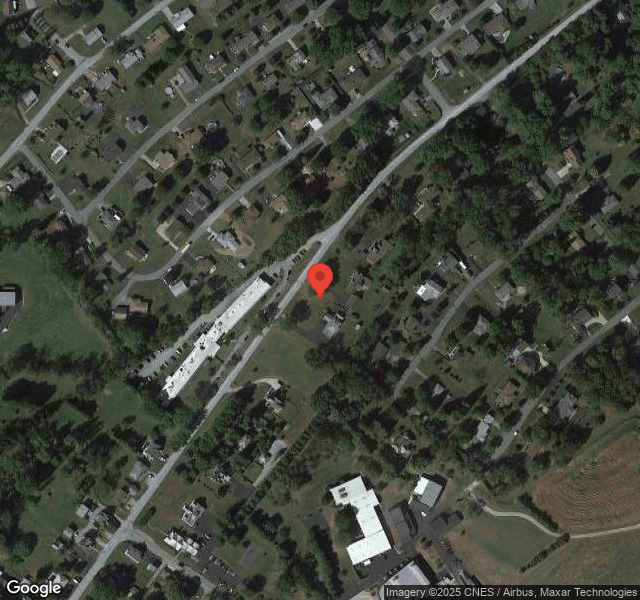
576 FRED ROGERS DRIVE, LATROBE, PA 15650 (724) 537-4441
For profit - Limited Liability company 107 Beds PRIORITY HEALTHCARE GROUP Data: November 2025
Trust Grade
0/100
Last Inspection: May 2025

Inspected within the last 6 months. Data reflects current conditions.

Overview

Kadima Rehabilitation & Nursing at Latrobe has received a Trust Grade of F, indicating poor quality and significant concerns regarding care standards. They rank last in both Pennsylvania and Westmoreland County, which means there are no other facilities in the state or county with a poorer rating. While the trend shows improvement from 69 issues in 2024 to 17 in 2025, this still reflects a serious need for better oversight. Staffing is a major concern with a high turnover rate of 72%, much worse than the Pennsylvania average, and they have incurred $47,312 in fines, which is higher than 84% of facilities in the state, hinting at ongoing compliance issues. Specific incidents noted include a resident sustaining a fracture due to neglect during transportation for dialysis and another resident not receiving adequate supervision, leading to multiple falls and injuries. Despite these challenges, the facility does have average RN coverage, which is crucial for monitoring the health of residents effectively.

Trust Score
F
0/100
In Pennsylvania
#112/223
Top 50%
Safety Record
High Risk
Review needed
Inspections
Getting Better
69 → 17 violations
Staff Stability
⚠ Watch
72% turnover. Very high, 24 points above average. Constant new faces learning your loved one's needs.
Penalties
⚠ Watch
$47,312 in fines. Higher than 80% of Pennsylvania facilities, suggesting repeated compliance issues.
Skilled Nurses
○ Average
Each resident gets 37 minutes of Registered Nurse (RN) attention daily — about average for Pennsylvania. RNs are the most trained staff who monitor for health changes.
Violations
⚠ Watch
128 deficiencies on record. Higher than average. Multiple issues found across inspections.
☆☆☆☆☆
0.0
Overall Rating
☆☆☆☆☆
0.0
Staff Levels
☆☆☆☆☆
0.0
Care Quality
☆☆☆☆☆
0.0
Inspection Score
Stable
2024: 69 issues
2025: 17 issues

The Good

  • Full Sprinkler Coverage · Fire safety systems throughout facility
  • No fines on record

Facility shows strength in fire safety.

The Bad

Staff Turnover: 72%

26pts above Pennsylvania avg (46%)

Frequent staff changes - ask about care continuity

Federal Fines: $47,312

Above median ($33,413)

Moderate penalties - review what triggered them

Chain: PRIORITY HEALTHCARE GROUP

Part of a multi-facility chain

Ask about local staffing decisions and management

Staff turnover is very high (72%)

24 points above Pennsylvania average of 48%

The Ugly 128 deficiencies on record

3 actual harm
Jul 2025 1 deficiency
CONCERN (D) 📢 Someone Reported This

A family member, employee, or ombudsman was alarmed enough to file a formal complaint

Potential for Harm - no one hurt, but risky conditions existed

Quality of Care (Tag F0684)

Could have caused harm · This affected 1 resident

Based on clinical record reviews, as well as staff interviews, it was determined that the facility failed to follow physician's orders for one of three residents reviewed (Resident 2).An admission Min...

Read full inspector narrative →
Based on clinical record reviews, as well as staff interviews, it was determined that the facility failed to follow physician's orders for one of three residents reviewed (Resident 2).An admission Minimum Data Set (MDS) assessment (a mandatory assessment of a resident's abilities and care needs) for Resident 2, dated July 3, 2025, revealed that the resident was cognitively intact, needed assistance from staff for daily care needs, and had medical diagnoses that included infection of joint prothesis and diabetes mellitus. Physician's orders for Resident 2 dated, June 28, 2025, included an order for the resident to receive 15 units of Glargine (insulin for diabetes mellitus) subcutaneously (injected into the skin) at bedtime, and take as needed when blood sugar is greater than 300 mg/dl, however, a review of Resident 2's June and July 2025 Medication Administration Record revealed no documented evidence that the residents blood sugar was being monitored per physician orders. Interview with the Director of Nursing on July 30, 2025 at 1:12 p.m. confirmed that there was no documented evidence that Resident 2's blood sugar was being monitored per physician orders. 28 Pa. Code 211.12(d)(1)(5) Nursing Services.
May 2025 12 deficiencies
CONCERN (D) 📢 Someone Reported This

A family member, employee, or ombudsman was alarmed enough to file a formal complaint

Potential for Harm - no one hurt, but risky conditions existed

Deficiency F0552 (Tag F0552)

Could have caused harm · This affected 1 resident

Based on clinical record reviews and resident and staff interviews, it was determined that the facility failed to honor the resident's right to make informed choices and participate in his/her treatme...

Read full inspector narrative →
Based on clinical record reviews and resident and staff interviews, it was determined that the facility failed to honor the resident's right to make informed choices and participate in his/her treatment for one of 36 residents reviewed (Resident 52). Findings include: A quarterly Minimum Data Set (MDS) assessment (a mandated assessment of a resident's abilities and care needs) for Resident 52, dated January 31, 2025, indicated that the resident was always understood, could always understand others, and was cognitively intact. A nursing note for Resident 52, dated April 29, 2025, revealed that the resident was to be discharged into the care of his brother on May 9, 2025. An interview with Resident 52 on May 17, 2025, at 10:15 a.m. revealed that the resident was looking for answers regarding his discharge plans. He stated that he thought he was supposed to go home a couple weeks ago, but that no one has talked to him to explain anything to him. He stated that his mother told him that the staff were dragging their feet about his discharge. Interview with the Nursing Home Administrator on May 18, 2025, at 11:03 a.m. revealed that the Social Worker had been in touch with the resident's brother, and he had the flu and they wanted to get a ramp installed prior to his discharge. She stated that the Social Worker should have communicated this to the resident and should have charted it in his medical record as well. 28 Pa. Code 201.29(a)(j) Resident Rights.
CONCERN (D) 📢 Someone Reported This

A family member, employee, or ombudsman was alarmed enough to file a formal complaint

Potential for Harm - no one hurt, but risky conditions existed

Abuse Prevention Policies (Tag F0607)

Could have caused harm · This affected 1 resident

Based on review of policies and employee files, as well as staff interviews, it was determined that the facility failed to ensure that license checks were obtained prior to hire for one of one registe...

Read full inspector narrative →
Based on review of policies and employee files, as well as staff interviews, it was determined that the facility failed to ensure that license checks were obtained prior to hire for one of one registered nurse reviewed (RN 1). Findings include: The facility's policy regarding protection from abuse, dated November 1, 2024, indicated that policies and procedures were developed to aid in preventing abuse, neglect, or mistreatment of residents, and protocols for conducting employment background checks and screening of employees. The personnel file for Registered Nurse 1 revealed a start date of March 9, 2025, with a license check done on March 10, 2025. There was no documented evidence that a license check was obtained prior to the staff's start date of March 9, 2025. Interview on May 19, 2025, at 12:50 p.m. with Regional Human Resources Director revealed that Registered Nurse 1's license check should have been completed prior to her start date and it was not. 28 Pa. Code 201.14(a) Responsibility of Licensee 28 Pa. Code 201.18(e)(1) Management.
CONCERN (D) 📢 Someone Reported This

A family member, employee, or ombudsman was alarmed enough to file a formal complaint

Potential for Harm - no one hurt, but risky conditions existed

Assessment Accuracy (Tag F0641)

Could have caused harm · This affected 1 resident

Based on a review of the Resident Assessment Instrument User's Manual and clinical records, as well as staff interviews, it was determined that the facility failed to complete accurate Minimum Data Se...

Read full inspector narrative →
Based on a review of the Resident Assessment Instrument User's Manual and clinical records, as well as staff interviews, it was determined that the facility failed to complete accurate Minimum Data Set assessments for five of 36 residents reviewed (Residents 17, 20, 21, 25, 61). Findings include: The Long-Term Care Facility Resident Assessment Instrument (RAI) User's Manual, which provides guidance and instructions for the completion of Minimum Data Set (MDS) assessments (mandated assessments of a resident's abilities and care needs), dated October 2024, indicated that the intent of Section N was to record the number of days, during the seven days of the assessment period, that any type of injection, insulin, and/or select medications were received by the resident. Section N0410F1 (Antibiotic Medications) was to be coded if an antibiotic medication was taken by the resident at any time during the seven-day look-back period; Section N0415B was to be coded yes if the resident received an anti-anxiety medication; and Section N0415I1 (Antiplatelet Medications - medications used to reduce the risk of blood clots) was to be checked if the resident received an anti-platelet medication during the seven-day assessment period. Physician's orders for Resident 17, dated January 12, 2025, included an order for the resident to receive 81 milligrams (mg) of aspirin daily. The resident's Medication Administration Record (MAR) for January and February 2025 revealed that the resident received aspirin daily during the seven-day look-back period. However, a quarterly MDS assessment for Resident 17, dated February 3, 2025, revealed that Section N0415I1 was coded zero (0), indicating that the resident did not receive an anti-platelet during the last seven days. Interview with the Director of Nursing on May 20, 2025, at 12:50 p.m. confirmed that Resident 17's MDS assessment was not coded accurately. Physician's orders for Resident 20, dated July 10, 2024, included an order for the resident to receive Clobazam (an anti-anxiety medication) daily for seizures. The resident's Medication Administration Record (MAR) for May 2025 revealed that the resident received Clobazam daily. However, a quarterly MDS assessment for Resident 20, dated May 12, 2025, revealed that Section N0415B indicated that the resident did not receive an anti-anxiety medication during the assessment period. Interview with Director of Nursing on May 20, 2025, at 1:18 p.m. confirmed that Resident 20's MDS assessment was not coded accurately. Physician's orders for Resident 21, dated September 11, 2020, included an order for the resident to receive 81 mg of aspirin daily. The resident's MAR, dated March 2025, revealed that the resident received aspirin daily during the seven-day look-back period. However, an annual MDS assessment for Resident 21, dated March 14, 2025, revealed that Section N0415I1 was coded zero (0), indicating that the resident did not receive an anti-platelet during the last seven days. Interview with the Director of Nursing on May 20, 2025, at 12:20 p.m. confirmed that Resident 21's MDS assessment was not coded accurately. Physician's orders for Resident 25, dated February 6, 2025, included an order for the resident to have the first finger on his left hand cleansed with normal saline solution (salt water solution) and triple antibiotic ointment applied to the wound bed and covered with a dry dressing every evening shift. The resident's Treatment Administration Records (TAR's) for February 2025 revealed that the resident received triple antibiotic ointment every evening from February 6 through 28, 2025. However, a quarterly MDS assessment for Resident 25, dated February 26, 2025, revealed that Section N0410F1 was not checked, indicating that the resident did not receive any antibiotic medications during the seven-day look-back period. Interview with the Nursing Home Administrator on May 20, 2025, at 10:27 a.m. confirmed that Resident 25's MDS assessment was not coded accurately. Physician's orders for Resident 61, dated December 1, 2023, and discontinued April 9, 2025, included an order for the resident to receive 81 mg of aspirin daily. The resident's MAR, dated April 2025, revealed that the resident received aspirin on April 7, which was within the seven-day look-back period. However, a significant change MDS assessment for Resident 61, dated April 13, 2025, revealed that Section N0415I1 was coded zero (0), indicating that the resident did not receive an anti-platelet during the last seven days. Interview with the Director of Nursing on May 20, 2025, at 12:20 p.m. confirmed that Resident 61's MDS assessment was not coded accurately. 28 Pa. Code 211.5(f) Clinical Records.
CONCERN (D) 📢 Someone Reported This

A family member, employee, or ombudsman was alarmed enough to file a formal complaint

Potential for Harm - no one hurt, but risky conditions existed

Accident Prevention (Tag F0689)

Could have caused harm · This affected 1 resident

Based on review of policies and clinical records, as well as staff interviews, it was determined that the facility failed to complete safety assessments for one of 36 residents reviewed who used sider...

Read full inspector narrative →
Based on review of policies and clinical records, as well as staff interviews, it was determined that the facility failed to complete safety assessments for one of 36 residents reviewed who used siderails (Resident 3) and two of 36 residents reviewed (Residents 9, 25) who used an air mattress. Findings include: A facility policy for siderails dated May 14, 2025, indicated that an assessment will be made to determine the resident's symptoms or reason for using siderails. The use of siderails will be evaluated in terms of risk and benefit for each individual resident. A quarterly Minimum Data Set (MDS) assessment (a mandated assessment of a resident's abilities and care needs) for Resident 3, dated February 21, 2025, indicated that the resident was cognitively intact, required assistance from staff for daily care needs, and had diagnoses that included infection of a right knee prosthesis (artificial replacement). A side rail/assist bar evaluation/assessment for Resident 3, dated March 21, 2025, indicated that the resident was being assessed for an assist bar. Section D was not completed to identify if side rails/assist bars were indicated or not indicated. However, observations of Resident 3 on May 17, 2025, at 10:30 a.m., on May 18, 2025, at 10:17 a.m., and on May 18, 2025, at 9:17 a.m. revealed that the resident was lying in bed with bilateral upper siderails up on her bed. Interview with the Director of Nursing on May 20, 2025, at 1:20 p.m. confirmed that the last two siderail assessments for Resident 3 were not fully completed to identify whether siderails were indicated or not. A quarterly MDS assessment for Resident 9, dated February 2, 2025, revealed that the resident was cognitively intact, was dependent on staff for personal care needs, and had diagnoses that included chronic deep vein thrombosis (blood clot in a deep vein that has lasted for at least a month). Physician's orders for Resident 9, dated February 21, 2025, indicated that the resident was to have an air mattress that was checked for function every shift. A care plan for Resident 9, dated May 24, 2025, indicated that the resident had potential for impaired skin integrity and that he should have an air mattress that was checked for function every shift. Observations of Resident 9 on May 17, 2025, at 10:40 a.m. revealed that the resident was lying in bed, and the bed was equipped with an air mattress; however, there was no documented evidence that the use of an air mattress was assessed for potential safety hazards prior to being placed on the resident's bed. A quarterly MDS assessment for Resident 25, dated February 26, 2025, revealed that the resident was cognitively impaired, was dependent on staff for personal care needs, was at risk for developing pressure sores, and had diagnoses that included cerebral palsy (a group of lifelong conditions that affect movement and coordination, caused by brain damage that occurs before, during, or shortly after birth). Physician's orders for Resident 25, dated May 6, 2025, indicated that the resident was to have an air mattress for every shift. A care plan for Resident 25, dated May 8, 2025, indicated that the resident had potential for impaired skin integrity and should have an air mattress every shift. Observations of Resident 25 on May 18, 2025, at 1:54 p.m. and May 19, 2025, at 1:23 p.m. revealed that the resident was lying in bed, and the bed was equipped with an air mattress; however, there was no documented evidence that the use of an air mattress was assessed for potential safety hazards prior to being placed on the resident's bed. Interview with the Director of Nursing on May 20, 2025, at 1:38 p.m. revealed that the facility did not have air mattress safety assessments completed on residents who used air mattresses at the time of the survey. 28 Pa. Code 201.14(a) Responsibility of Licensee. 28 Pa. Code 201.18(b)(1)(e)(1) Management. 28 Pa. Code 211.12(d)(1)(3)(5) Nursing Services.
CONCERN (D)

Potential for Harm - no one hurt, but risky conditions existed

Incontinence Care (Tag F0690)

Could have caused harm · This affected 1 resident

Based on clinical record reviews and observations, as well as staff interviews, it was determined that the facility failed to ensure urinary output was monitored for two of 36 residents reviewed (Resi...

Read full inspector narrative →
Based on clinical record reviews and observations, as well as staff interviews, it was determined that the facility failed to ensure urinary output was monitored for two of 36 residents reviewed (Residents 33, 78) who had an indwelling urinary catheter. Findings include: A quarterly Minimum Data Set (MDS) assessment (a federally-mandated assessment of the resident's abilities and care needs) for Resident 33, dated February 4, 2025, revealed that the resident was cognitively impaired and had an indwelling urinary catheter (a flexible tube inserted and held in the bladder to drain urine). A care plan for Resident 33, dated November 1, 2024, revealed that the resident had an indwelling catheter related to a diagnosis of benign prostatic hyperplasia (a condition where the prostate gland becomes enlarged, which can cause urinary problems) and staff was to measure the urinary output as ordered. Physician's orders for Resident 33, dated February 19, 2025, included an order for staff to document the indwelling urinary catheter output every shift. Observation of Resident 33 on May 19, 2025, at 8:31 a.m. revealed that the resident had an indwelling urinary catheter. Review of Resident 33's clinical record including the Medication Administration Records (MARs), Treatment Administration Records (TARs), and nurse aide documentation revealed no documented evidence that the resident's indwelling urinary catheter output was documented during the day shift on April 6; during the evening shift on March 17, April 21, and May 11 and 14; and during the night shift on March 12, 26, 29, and 31, April 3, 5, and 15, and May 14, 2025. Interview with the Director of Nursing on May 20, 2025, at 1059: a.m. confirmed that there was no documented evidence that Resident 33's indwelling urinary catheter output was documented on the dates and times listed above. A quarterly MDS assessment for Resident 78, dated February 17, 2025, revealed that the resident was understood, could understand others, and had an indwelling urinary catheter. A care plan for the resident, dated November 26, 2024, revealed that the resident had an indwelling catheter related to a diagnosis of a neurogenic bladder (a condition where the nerves that control the bladder do not function properly, leading to difficulties with urination) and staff was to measure the urinary output as ordered. Physician's orders for Resident 78, dated February 19, 2025, included an order for staff to document the indwelling urinary catheter output every shift. Review of Resident 78's clinical record including the MARs, TARs, and nurse aide documentation revealed no documented evidence that the resident's indwelling urinary catheter output was documented during the evening shift on April 16 and 24, 2025, and during the night shift on May 5, 2025. Interview with the Director of Nursing on May 20, 2025, at 11:00 a.m. confirmed that there was no documented evidence that Resident 78's indwelling urinary catheter output was documented during the evening shift on April 16 and 24, 2025, and during the night shift on May 5, 2025. 28 Pa. Code 211.12(d)(5) Nursing Services.
CONCERN (D)

Potential for Harm - no one hurt, but risky conditions existed

Staffing Information (Tag F0732)

Could have caused harm · This affected 1 resident

Based on observations and staff interviews, it was determined that the facility failed to ensure that the posting of their nurse staffing was current. Findings include: Observations on May 17, 2025, ...

Read full inspector narrative →
Based on observations and staff interviews, it was determined that the facility failed to ensure that the posting of their nurse staffing was current. Findings include: Observations on May 17, 2025, at 9:00 a.m. revealed that the nurse staffing information that was posted at the main entrance of the facility was dated May 15, 2025, and was not current. Interview with the Nursing Home Administrator on May 17, 2025, at 9:55 a.m. confirmed that the nurse staffing information that was posted was dated May 15, 2025, and was not the current staffing information as required. 28 Pa. Code 201.14(a) Responsibility of Licensee.
CONCERN (D)

Potential for Harm - no one hurt, but risky conditions existed

Deficiency F0761 (Tag F0761)

Could have caused harm · This affected 1 resident

Based on review of policies, as well as observations and staff interviews, it was determined that the facility failed to ensure that a controlled drug was properly stored in one of two medication room...

Read full inspector narrative →
Based on review of policies, as well as observations and staff interviews, it was determined that the facility failed to ensure that a controlled drug was properly stored in one of two medication rooms reviewed (East Side Medication Room). Findings include: The facility's policy regarding storing controlled medications, dated November 1, 2024, indicated that Ativan (a controlled substance used to treat anxiety) was to be under double-lock security. The access key to controlled medications is not the same key that allows access to other medications. Observations of the East Side medication room on May 17, 2025, at 12:10 p.m. revealed one opened vial of Ativan that was not stored in a separately locked, permanently affixed container. Interview with Licensed Practical Nurse 2 on May 17, 2025, at 12:10 p.m. confirmed that there was no separately locked, permanently affixed container for the Ativan, and that it was just stored in the medication refrigerator with other non-controlled medications. Interview with Director of Nursing on May 18, 2025, at 9:58 a.m. confirmed that the vial of Ativan should have been in a separately locked, permanently affixed container and it was not. 28 Pa. Code 211.9(a)(1) Pharmacy Services.
CONCERN (D)

Potential for Harm - no one hurt, but risky conditions existed

Medical Records (Tag F0842)

Could have caused harm · This affected 1 resident

Based on review of policies and clinical records, as well as staff interviews, it was determined that the facility failed to maintain clinical records that were accurately documented for two of three ...

Read full inspector narrative →
Based on review of policies and clinical records, as well as staff interviews, it was determined that the facility failed to maintain clinical records that were accurately documented for two of three residents reviewed (Residents 2, 3). Findings include: A quarterly Minimum Data Set (MDS) assessment (a mandated assessment of a resident's abilities and care needs) for Resident 32, dated May 2, 2025, revealed that the resident was confused. A nursing note for Resident 32, dated May 30, 2025, revealed that the resident was missing a part of her front tooth and a piece of the tooth next to it. She was crying, asking for a dentist, and stating that her tooth hurt. There was no indication in the Resident 32's clinical record that her pain was assessed by the nurse or that the resident was referred to the dentist. Interview with the Director of Nursing on May 20, 2025, at 1:02 p.m. revealed that the resident did see the dentist on March 31, 2025, and she provided his consult report. She stated that it should have been a part of Resident 32's clinical record. A quarterly MDS assessments for Resident 38, dated February 7, 2025, revealed that the resident was cognitively intact and had diagnoses that included paranoid schizophrenia with outbursts. Psychiatric note for Resident 38, dated March 19, 2025, revealed that the resident was paranoid, delusional, and required another psychiatric visit in two to eight weeks, depending on her need. Observations of Resident 38, dated May 17, 2025, revealed that the resident was screaming loudly and talking to herself in different voices, and interacting with invisible things/people. There was no indication that the psychiatrist was made aware of Resident 38's continued hallucinations and paranoia, or that the psychiatrist saw her again since March 19, 2025. Interview with the Nursing Home Administrator on May 20, 2025, at 9:51 a.m. revealed that Resident 38 was seen by psychiatric services on April 23, 2025, and again on May 13, 2025; however, there was nothing in the resident's medical record to indicate that she had been seen and there should have been. A quarterly MDS assessment for Resident 52, dated January 31, 2025, indicated that the resident was always understood, could always understand others, and was cognitively intact. A nursing note for Resident 52, dated April 29, 2025, revealed that the resident was to be discharged into the care of his brother on May 9, 2025. An interview with Resident 52 on May 17, 2025, at 10:15 a.m. revealed that the resident was looking for answers regarding his discharge plans. He stated that he thought he was supposed to go home a couple weeks ago, but that no one has talked to him to explain anything to him. He stated that his mother told him that the staff were dragging their feet about his discharge. Interview with the Nursing Home Administrator on May 18, 2025, at 11:03 a.m. revealed that the Social Worker had been in touch with the resident's brother and should have charted it in Resident 52's clinical record. 28 Pa. Code 211.5(f) Clinical Records.
CONCERN (D)

Potential for Harm - no one hurt, but risky conditions existed

QAPI Program (Tag F0867)

Could have caused harm · This affected 1 resident

Based on review of the facility's plans of correction for previous surveys, and the results of the current survey, it was determined that the facility's Quality Assurance Performance Improvement (QAPI...

Read full inspector narrative →
Based on review of the facility's plans of correction for previous surveys, and the results of the current survey, it was determined that the facility's Quality Assurance Performance Improvement (QAPI) committee failed to correct quality deficiencies and ensure that plans to improve the delivery of care and services effectively addressed recurring deficiencies. Findings include: The facility's deficiencies and plans of corrections for an annual survey ending December 4, 2024, and a complaint survey ending January 6, 2025, revealed that the facility developed a plan of correction that included quality assurance systems to ensure that the facility maintained compliance with cited nursing home regulations. The results of the current survey, ending May 20, 2025, identified a repeated deficiency related to pharmaceutical services/accountability of narcotics. The facility's plan of correction for a deficiency regarding inaccurate MDS assessments, cited during the survey ending December 4, 2024, revealed that the facility would complete audits and report the results of the audits to the QAPI committee for review. The results of the current survey, cited under F641, revealed that the facility's QAPI committee failed to successfully implement their plan regarding completing accurate MDS assessments. The facility's plan of correction for a deficiency regarding care plan timing and revision, cited during the survey ending December 4, 2024, revealed that the facility would complete audits and report the results of the audits to the QAPI committee for review. The results of the current survey, cited under F657, revealed that the facility's QAPI committee failed to successfully implement their plan regarding care plan timing and revision. The facility's plan of correction for a deficiency regarding quality of care, cited during the survey ending December 4, 2024, revealed that the facility would complete audits and report the results of the audits to the QAPI committee for review. The results of the current survey, cited under F684, revealed that the facility's QAPI committee failed to successfully implement their plan regarding quality of care. The facility's plan of correction for a deficiency regarding safety/accident hazards, cited during the surveys ending December 4, 2024, and January 6, 2025, revealed that the facility would complete audits and report the results of the audits to the QAPI committee for review. The results of the current survey, cited under F689, revealed that the facility's QAPI committee failed to successfully implement their plan regarding safety/accident hazards. The facility's plan of correction for a deficiency regarding medication storage, cited during the survey ending December 4, 2024, revealed that the facility would complete audits and report the results of the audits to the QAPI committee for review. The results of the current survey, cited under F761, revealed that the facility's QAPI committee failed to successfully implement their plan regarding medication storage. The facility's plan of correction for a deficiency regarding complete and accurate medical records, cited during the survey ending December 4, 2024, revealed that the facility would complete audits and report the results of the audits to the QAPI committee for review. The results of the current survey, cited under F842, revealed that the facility's QAPI committee failed to successfully implement their plan regarding complete and accurate medical records. Refer to F641, F657, F684, F689, F761, F842. 28 Pa. Code 201.14(a) Responsibility of Licensee. 28 Pa. Code 201.18(e)(1) Management.
CONCERN (E)

Potential for Harm - no one hurt, but risky conditions existed

Deficiency F0657 (Tag F0657)

Could have caused harm · This affected multiple residents

Based on review of policies and clinical records, as well as staff interviews, it was determined that the facility failed to ensure that care plans were updated to reflect changes in residents' care n...

Read full inspector narrative →
Based on review of policies and clinical records, as well as staff interviews, it was determined that the facility failed to ensure that care plans were updated to reflect changes in residents' care needs for five of 36 residents reviewed (Residents 3, 17, 33, 58, 61). Findings include: The facility's policy regarding care plans, dated May 14, 2025, indicated that the resident will be reassessed at least quarterly, and the care plan will be reviewed by the interdisciplinary team. A quarterly Minimum Data Set (MDS) assessment (a mandated assessment of a resident's care needs and abilities) for Resident 3, dated February 21, 2025, indicated that the resident was cognitively intact and required assistance from staff for daily care needs. A care plan for Resident 3, dated June 14, 2024, indicated that the resident had a foley catheter (thin flexible tube inserted into the bladder to drain urine). A nurse's note for Resident 3, dated January 22, 2025, indicated that the resident's foley catheter came out and orders were received to not re-insert the foley catheter. There was no documented evidence to indicate the care plan was updated to reflect the discontinuation of the foley catheter. Interview with the Director of Nursing on May 20, 2025, at 1:01 p.m. confirmed that Resident 3's care plan was not updated when her foley catheter was discontinued and should have been. A quarterly MDS assessment for Resident 17, dated February 3, 2025, revealed that the resident was understood, could understand others, and received an anticoagulant (medications that prevent blood from clotting) during the review period. A care plan for the resident, dated January 27, 2025, revealed that the resident was on anticoagulant therapy. Physician's orders for Resident 17, dated January 12, 2025, included an order for staff to administer one five milligrams (mg) of Apixaban (a medication used to prevent and treat blood clots) two times a day. The Apixaban was discontinued on February 17, 2025. However, as of May 20, 2025, there was no documented evidence that Resident 17's care plan was revised/updated to indicate that the resident was no longer receiving anticoagulant therapy. Interview with the Director of Nursing on May 20, 2025, at 12:50 p.m. confirmed that there was no documented evidence that Resident 17's care plan was revised/updated to indicate that the resident was no longer receiving anticoagulant therapy. A quarterly MDS assessment for Resident 33, dated February 4, 2025, indicated that the resident was cognitively impaired, required assistance from staff for daily care needs, and had diagnoses that included pneumonia (infection of the lungs). The current care plan for Resident 33 indicated that the resident was receiving an antibiotic for cellulitis (skin infection) of the left hip. Physician's orders for Resident 33, dated March 8, 2025, included an order for the resident to receive 875-125 mg of Amoxicillin-Pot Clavulanate twice a day for a wound infection for seven days, and physician's orders, dated March 19, 2025, included orders for the resident to receive 800-160 mg of Bactrim DS twice a day for a wound infection for 10 days. However, as of May 20, 2025, there was no documented evidence that Resident 33's care plan was revised/updated to indicate that the resident was no longer receiving an antibiotic Interview with the Director of Nursing on May 20, 2025, at 10:27 a.m. confirmed that Resident 33's care plan was not revised to indicate that he was no longer receiving an antibiotic. A significant change MDS assessment for Resident 58, dated March 27, 2025, indicated that the resident was severely cognitively impaired, was dependent on staff for daily care needs, and had diagnoses that included pneumonia (infection of the lungs). A care plan for Resident 58, dated April 15, 2025, indicated that the resident was on an anticoagulant and that staff were to administer the medication as ordered by the physician. However, a review of the Medication Administration Record (MAR) for Resident 3, dated May 2025, revealed no documented evidence that the resident was receiving an anticoagulant medication. Interview with the Director of Nursing on May 19, 2025, at 11:40 a.m. confirmed that Resident 58's care plan was not revised to indicate that she was not on an anticoagulant medication, and it should have been. A significant change MDS assessment for Resident 61, dated April 13, 2025, indicated that the resident was cognitively intact, required assistance from staff for daily care needs, and had diagnosis that included pneumonia (infection of the lungs). A care plan for Resident 61, dated March 14, 2024, indicated that the resident was on an anticoagulant and that staff were to refer to the Resident's MAR for the dose and frequency of medication. However, review of the MAR for Resident 61, dated May 2025, revealed no documented evidence that the resident was receiving an anticoagulant medication. Interview with the Director of Nursing on May 19, 2025, at 11:40 a.m. confirmed that Resident 61's care plan was not revised to indicate that she was not on an anticoagulant medication, and it should have been. 28 Pa. Code 211.12(d)(5) Nursing Services.
CONCERN (E) 📢 Someone Reported This

A family member, employee, or ombudsman was alarmed enough to file a formal complaint

Potential for Harm - no one hurt, but risky conditions existed

Quality of Care (Tag F0684)

Could have caused harm · This affected multiple residents

Based on review of clinical records, as well as staff interviews, it was determined that the facility failed to ensure that residents received care and treatment in accordance with professional standa...

Read full inspector narrative →
Based on review of clinical records, as well as staff interviews, it was determined that the facility failed to ensure that residents received care and treatment in accordance with professional standards of practice, by failing to ensure that physician's orders were followed for two of 36 residents reviewed (Residents 17, 78). Findings include: An admission Minimum Data Set (MDS) assessment (a mandated assessment of a resident's abilities and care needs) for Resident 17, dated February 3, 2025, revealed that the resident was understood, could understand others, and had a diagnosis of included hypertension (high blood pressure). Physician's orders for Resident 17, dated March 6, 2025, included an order for staff to administer one 25 milligram (mg) tablet of Metoprolol (used alone or in combination with other medications to treat high blood pressure) two times a day, and staff was to hold the medication if the systolic blood pressure (the top number of a blood pressure reading) was less than 90 millimeters of mercury (mmHg) or if the heart rate was less than 60 beats per minute. Review of the Medication Administration Record (MARs) for Resident 17, dated April 2025, revealed that staff administered the one 25 mg tablet of Metoprolol to the resident twice a day on April 11 through 21, 2025: however, there was no documented evidence that staff obtained the resident's blood pressure and heart rate prior to the administration to determine if the medication should have been held. A quarterly MDS assessment for Resident 78, dated February 17, 2025, revealed that the resident was understood and could understand others. A care plan for the resident, dated December 18, 2024, revealed that the resident has hypertension, and staff was to give anti-hypertensive medications and obtain blood pressure readings as ordered. Physician's orders for Resident 78, dated March 6, 2025, included an order for staff to administer one 25 mg tablet of Metoprolol two times a day, and staff was to hold the medication if the systolic blood pressure was less than 90 mmHg or if the heart rate was less than 60 beats per minute. Review of the MARs for Resident 78, dated April 2025, revealed that staff administered the one 25 mg tablet of Metoprolol to the resident twice a day on April 11 through 21, 2025; however, there was no documented evidence that staff obtained the resident's blood pressure and heart rate prior to the administration to determine if the medication should have been held. Interview with the Director of Nursing on May 20, 2025, at 10:26 a.m. confirmed that there was no documented evidence that staff obtained Resident 17 and Resident 78's blood pressure and heart rate prior to the administration of the one 25 mg tablet of Metoprolol on the above dates. 28 Pa. Code 211.12(d)(1)(3)(5) Nursing Services.
CONCERN (E)

Potential for Harm - no one hurt, but risky conditions existed

Food Safety (Tag F0812)

Could have caused harm · This affected multiple residents

Based on a review of manufacturer's instructions, observations, and staff interviews, it was determined that the facility failed to ensure that ice was stored under sanitary conditions for the ice mac...

Read full inspector narrative →
Based on a review of manufacturer's instructions, observations, and staff interviews, it was determined that the facility failed to ensure that ice was stored under sanitary conditions for the ice machine next to the kitchen. Findings include: The manufacturer's instructions, undated, for the use of the ice machine in the main dining room, stated that the drain line must have a 1.5-inch drop per 5 feet of run and must not create traps and that the floor drain must be large enough to accommodate drainage from all drains. Observations of the ice machine in the main dining room on May 17, 2025, at 9:17 a.m. revealed that the ice machine drain was draining into a bath basin and that the drain pipe was lying in the stagnant water in the basin. There was a small pump pumping some of the water into the nearby sink. There was no air gap between the drain pipe and the basin. Interview with Nursing Home Administrator on May 18, 2025, at 9:52 a.m. revealed that the ice machine was removed from service until the proper drainage system with air gap could be installed. 28 Pa. Code 211.6(f) Dietary Services. 28 Pa. Code 207.4 Ice Containers and Storage.
Feb 2025 1 deficiency
CONCERN (E) 📢 Someone Reported This

A family member, employee, or ombudsman was alarmed enough to file a formal complaint

Potential for Harm - no one hurt, but risky conditions existed

Infection Control (Tag F0880)

Could have caused harm · This affected multiple residents

Based on review of facility policy, observations, and staff interviews, it was determined that the facility failed to provide a safe and sanitary environment in three of three soiled utility rooms. Fi...

Read full inspector narrative →
Based on review of facility policy, observations, and staff interviews, it was determined that the facility failed to provide a safe and sanitary environment in three of three soiled utility rooms. Findings include: The facility's policy for Infection Control, dated January 2, 2024, indicated that the facility is committed to preventing adverse outcomes such as health care associated infections and their related events, improving resident care by supporting the staff in all areas of the facility, minimizing occupational hazards associated with the delivery of healthcare, and fostering evidence-based decision making. The goal of the program is to provide a safe and sanitary environment. The facility's policy for the laundry process, dated January 2, 2024, indicated that proper laundry processing is done to ensure resident and facility linen items are correctly cleaned and stored. Observations of the facility's three separate utility rooms revealed that the rooms were full of soiled linen bags thrown on the floor. Interview with Laundry Attendant 1 on February 24, 2024, at 9:38 a.m. confirmed that all three laundry rooms were filled with soiled linen and resident personal laundry. She stated that the facility's washer and dryer have not been working and that the laundry was behind. Interview with the Regional Clinical Consultant on February 24, 2025, at 1:52 p.m. confirmed that resident laundry should be returned to the residents timely and revealed that there were negotiations at this time to have facility laundry sent out to be laundered. She confirmed that all three soiled utility rooms were filled with dirty linens and residents' personal laundry and that it was not sanitary. 28 Pa. Code 201.14(a) Responsibility of Licensee. 28 Pa. Code 201.18(e)(1) Management. 28 Pa. Code 211.12(d)(1)(5) Nursing Services.
Jan 2025 3 deficiencies 2 Harm
SERIOUS (G) 📢 Someone Reported This

A family member, employee, or ombudsman was alarmed enough to file a formal complaint

Actual Harm - a resident was hurt due to facility failures

Free from Abuse/Neglect (Tag F0600)

A resident was harmed · This affected 1 resident

Based on review of facility policies, job descriptions, staff education records, clinical records, and investigation reports, as well as staff interviews, it was determined that the facility failed to...

Read full inspector narrative →
Based on review of facility policies, job descriptions, staff education records, clinical records, and investigation reports, as well as staff interviews, it was determined that the facility failed to ensure that residents were free from neglect while being transported to dialysis for one of 12 residents reviewed (Resident 1), resulting in harm to Resident 1 due to a fall that resulted in a fracture. Findings include: The facility's policy regarding abuse and neglect, dated November 24, 2024, indicated that the resident had the right to be free from verbal, sexual, physical, and mental abuse, corporal punishment, involuntary seclusion, neglect, and misappropriation of property. Neglect was defined as the failure to provide goods and services necessary to avoid physical harm, mental anguish, or mental illness. Neglect referred to failure through inattentiveness, carelessness, or omission to provide timely, consistent, safety adequate, and appropriate services, treatment of care, including but not limited to: nutrition, medications, therapies, and activities of daily living. The facility's transportation policy, dated November 24, 2024, revealed that all employees who operate a vehicle would receive, upon hire, training in bus/van policies, procedures, and operations. Additionally training was to be provided on a regular basis. Both staff and clients were to wear a seatbelt at all times when the vehicle was in operation and clients in wheelchairs were to be secured with the use of wheelchair locks, as well as either a lap belt or shoulder safety belt. The job description for the transportation driver, undated, revealed that the driver was to perform all assigned tasks in accordance with established policies and procedures, and as instructed by their supervisor, and was to ensure a safe environment. Education records for Van Driver 3, dated October 4, 2024, revealed that he received training on the transportation policy and procedures. An admission Minimum Data Set (MDS) assessment (a mandated assessment of a resident's abilities and care needs) for Resident 1, dated November 29, 2024, revealed that the resident was cognitively intact, had limited range of motion to her upper and lower extremities, used a wheelchair, received dialysis services, and had diagnoses that included renal failure. The resident's care plan, dated November 26, 2024, revealed that she required dialysis on Mondays, Wednesdays, and Fridays. A nursing note, dated December 24, 2024, at 9:20 a.m. revealed that Resident 1's wheelchair tipped over backwards while in the facility's van. On assessment by the Director of Nursing and the Registered Nurse Supervisor, Resident 1 was already returned to the upright position and being secured to the van. Resident 1 stated that her chest hurt and that her knees hit her in the chest when she tipped over backwards. She refused any further assessment and requested to go ahead to dialysis. At 11:31 a.m., dialysis sent the resident to the local hospital for further evaluation and treatment. Hospital records, dated December 24, 2024, revealed that Resident 1 reported that she was on her way to dialysis via a wheelchair van and when they attempted to start moving, her wheelchair was not locked into place, and she was ejected from her wheelchair. Her knees subsequently struck her chest, specifically her sternal (bone located in center of the chest) area. She admitted to a marked amount of sternal pain since then. A CT scan (diagnostic test) report revealed that the resident had an age indeterminate, possibly chronic, sternal fracture deformity. This was to be correlated clinically at the point of tenderness in this location. Hospital records revealed that the resident was made aware of the concerning CT scan findings for a sternal fracture, and she was agreeable to transfer. Given the traumatic findings found on the scan as well as the need for emergent dialysis, she required a transfer. Resident 1 was transferred as a Level 2 trauma (a patient with a traumatic injury that is considered potentially life-threatening, meaning they have significant injuries but are currently stable with vital signs within normal ranges, requiring immediate specialized care at a Level 2 trauma center) to a hospital in Pittsburgh. A review of hospital records from Pittsburgh, dated December 24, 2024, through January 2, 2025, revealed that Resident 1 was admitted to ICU for acute respiratory insufficiency requiring significant respiratory support, treatment for a sternal fracture, and dialysis. Information submitted by the facility, dated December 24, 2024, revealed that Resident 1 was being transported to her dialysis appointment in the facility van and when the van was pulling out of the driveway, which had a slight upward grade, Resident 1's wheelchair tipped backwards causing the resident to hit her head. She reported that her chest hurt from her knees coming up and hitting her chest. Resident 1 stated that she was okay and was transported to dialysis. The facility received a call from dialysis that they were sending Resident 1 to the hospital for evaluation and treatment and that the resident sustained a sternal fracture. The facility's investigation, dated December 24, 2024, revealed that the straps to hold Resident 1's wheelchair in place in the van were not secured properly. A statement from Nurse Aide 2, dated December 24, 2024, revealed that when the transport van went to pull out of the parking lot she heard a loud noise, and when she looked back she saw that Resident 1's wheelchair tipped backwards. The resident stated that her chest hurt from her knees hitting her chest. A statement from Van Driver 3, dated December 24, 2024, revealed that when he was hooking up Resident 1's wheelchair to the back chair locks, he got distracted when someone asked about hooking up their seat belt, and he did not lock the front of Resident 1's wheelchair to the chair holders. An interview with the Director of Nursing on December 30, 2024, at 12:29 p.m. confirmed that Van Driver 3 did not lock Resident 1's wheelchair properly, which resulted in her falling backwards. 28 Pa. Code 211.10(c)(d) Resident Care Policies. 28 Pa. Code 211.12(d)(1)(5) Nursing Services.
SERIOUS (G) 📢 Someone Reported This

A family member, employee, or ombudsman was alarmed enough to file a formal complaint

Actual Harm - a resident was hurt due to facility failures

Accident Prevention (Tag F0689)

A resident was harmed · This affected 1 resident

Based on review of facility policies, clinical records, and facility investigation documents, as well as staff interviews, it was determined that the facility failed to ensure that the residents' envi...

Read full inspector narrative →
Based on review of facility policies, clinical records, and facility investigation documents, as well as staff interviews, it was determined that the facility failed to ensure that the residents' environment remained as free from accident hazards as possible for one of 12 residents reviewed (Resident 1) who used a wheelchair, resulting in a fracture. Findings include: The facility's transportation policy, dated November 24, 2024, revealed that all employees who operate a vehicle would receive, upon hire, training in bus/van policies, procedures, and operations. Additionally training was to be provided on a regular basis. Both staff clients were to wear a seatbelt at all times when the vehicle was in operation and clients in wheelchairs were to be secured with the use of wheelchair locks, as well as either a lap belt or shoulder safety belt. An admission Minimum Data Set (MDS) assessment (a mandated assessment of a resident's abilities and care needs) for Resident 1, dated November 29, 2024, revealed that the resident was cognitively intact, had limited range of motion to her upper and lower extremities, used a wheelchair, received dialysis services, and had diagnoses that included renal failure. The resident's care plan, dated November 26, 2024, revealed that she required dialysis on Mondays, Wednesdays, and Fridays. A nursing note, dated December 24, 2024, at 9:20 a.m. revealed that Resident 1's wheelchair tipped over backwards while in the facility's van. On assessment by the Director of Nursing and the Registered Nurse Supervisor, Resident 1 was already returned to the upright position and being secured to the van. Resident 1 stated that her chest hurt and that her knees hit her in the chest when she tipped over backwards. She refused any further assessment and requested to go ahead to dialysis. At 11:31 a.m., dialysis sent the resident to the local hospital for further evaluation and treatment. Hospital records, dated December 24, 2024, revealed Resident 1 reported that she was on her way to dialysis via a wheelchair van and when they attempted to start moving, her wheelchair was not locked into place and she was ejected from her wheelchair. Her knees subsequently struck her chest, specifically her sternal (bone located in center of the chest) area. She admitted to a marked amount of sternal pain since then. A CT scan (diagnostic test) report revealed that the resident had an age indeterminate, possibly chronic, sternal fracture deformity. This was to be correlated clinically at the point of tenderness in this location. Hospital records revealed that the resident was made aware of the concerning CT scan findings for a sternal fracture and she was agreeable to transfer. Given the traumatic findings found on the scan as well as the need for emergent dialysis, she required a transfer. Resident 1 was transferred as a Level 2 trauma (a patient with a traumatic injury that is considered potentially life-threatening, meaning they have significant injuries but are currently stable with vital signs within normal ranges, requiring immediate specialized care at a Level 2 trauma center) to a hospital in Pittsburgh. A review of hospital records from Pittsburgh, dated December 24, 2024 through January 2, 2025, revealed that Resident 1 was admitted to ICU for acute respiratory insufficiency requiring significant respiratory support, treatment for a sternal fracture, and dialysis. Information submitted by the facility, dated December 24, 2024, revealed that Resident 1 was being transported to her dialysis appointment in the facility van and when the van was pulling out of the driveway, which had a slight upward grade, Resident 1's wheelchair tipped backwards causing the resident to hit her head. She reported that her chest hurt from her knees coming up and hitting her chest. Resident 1 stated that she was okay and was transported to dialysis. The facility received a call from dialysis that they were sending Resident 1 to the hospital for evaluation and treatment and that the resident sustained a sternal fracture. The facility's investigation dated December 24, 2024, revealed that the straps to hold Resident 1's wheelchair in place were not secured properly. A statement from Nurse Aide 2, dated December 24, 2024, revealed that when the transport van went to pull out of the parking lot she heard a loud noise, and when she looked back she saw that Resident 1's wheelchair tipped backwards. The resident stated that her chest hurt from her knees hitting her chest. A statement from Van Driver 3, dated December 24, 2024, revealed that when he was hooking up Resident 1's wheelchair to the back chair locks, he got distracted when someone asked about hooking up their seat belt, and he did not lock the front of Resident 1's wheelchair to the chair holders. An interview with the Director of Nursing on December 30, 2024, at 12:29 p.m. confirmed that Van Driver 3 did not lock Resident 1's wheelchair properly, which resulted in her falling backwards. 28 Pa. Code 211.10(c)(d) Resident Care Policies. 28 Pa. Code 211.12(d)(1)(5) Nursing Services.
CONCERN (D) 📢 Someone Reported This

A family member, employee, or ombudsman was alarmed enough to file a formal complaint

Potential for Harm - no one hurt, but risky conditions existed

Safe Environment (Tag F0584)

Could have caused harm · This affected 1 resident

Based on observations, staff and family interviews, and review of cleaning schedules, it was determined that the facility failed to provide a clean and homelike environment in residents' rooms for fiv...

Read full inspector narrative →
Based on observations, staff and family interviews, and review of cleaning schedules, it was determined that the facility failed to provide a clean and homelike environment in residents' rooms for five of 12 residents reviewed (Residents 6, 8, 9, 10, 11) Findings included: Observations of Resident 6's room on December 30, 2024, at 12:45 p.m. and 2:30 p.m. revealed that the resident's privacy curtain was pulled around the foot of the resident's bed. The resident's privacy curtain had multiple colored stains that extended from the bottom of the curtain and upward approximately one-quarter the way up on the privacy curtain. The privacy curtain between the resident and her roommate had a reddish-colored stain to the bottom corner of the privacy curtain. Interview with the resident at 12:45 p.m. revealed that she could not recall when her room was cleaned last. Observations of Residents 8 and 9's room on December 30, 2024, at 12:41 p.m. and 2:30 p.m. revealed multiple food debris on the floor between the residents' beds. Observations of Residents 10 and 11's room on December 30, 2024, at 12:35 p.m. and 2:30 p.m. revealed that there was multiple food debris on the floor between the resident's beds and an area under the foot of the bed by the door that had dried fluid from a spill. Interview with Housekeeper 1 on December 30, 2024, at 1:29 p.m. revealed that the privacy curtains get washed monthly or when the room gets deep cleaned when a resident changes rooms or is discharged . Interview with the Nursing Home Administrator on December 30, 2024, at 2:30 p.m. confirmed that Resident 6's privacy curtains needed cleaning and that they should have been should have been changed over the weekend and also confirmed that the rooms of Residents 8, 9, 10, and 11 needed to be cleaned. 28 Pa. Code 207.2(a) Administrator's Responsibility.
Dec 2024 23 deficiencies
CONCERN (D)

Potential for Harm - no one hurt, but risky conditions existed

Resident Rights (Tag F0550)

Could have caused harm · This affected 1 resident

Based on clinical record reviews, observations, and staff interviews, it was determined that the facility failed to provide dignity for the use of an indwelling urinary catheter for one of 56 resident...

Read full inspector narrative →
Based on clinical record reviews, observations, and staff interviews, it was determined that the facility failed to provide dignity for the use of an indwelling urinary catheter for one of 56 residents reviewed (Resident 19). Findings include: A quarterly Minimum Data Set (MDS) assessment (a mandated assessment of a resident's abilities and care needs) for Resident 19, dated October 31, 2024, revealed that the resident had impaired cognition, required staff assistance with daily care tasks, and had an indwelling urinary catheter (a tube inserted and held in the bladder to drain urine). Observations on December 2, 2024, at 11:24 a.m. revealed that Resident 19 was lying in his bed with his urinary drainage bag hooked to the side of his bed visible from the door. It was not covered, and yellow urine was visible in the bag. Interview with Nurse Aide 1 on December 2, 2024, at 11:24 a.m. confirmed that Resident 19 did not have a privacy cover on his urinary drainage bag. Interview with the Director of Nursing on December 4, 2024, at 4:09 p.m. confirmed that Resident 19 should have had a privacy cover on his urinary drainage bag. 28 Pa. Code 201.29(j) Resident Rights. 28 Pa. Code 211.12(d)(5) Nursing Services.
CONCERN (D)

Potential for Harm - no one hurt, but risky conditions existed

Comprehensive Assessments (Tag F0636)

Could have caused harm · This affected 1 resident

Based on review of the Resident Assessment Instrument User's Manual and clinical records, as well as staff interviews, it was determined that the facility failed to ensure that comprehensive annual Mi...

Read full inspector narrative →
Based on review of the Resident Assessment Instrument User's Manual and clinical records, as well as staff interviews, it was determined that the facility failed to ensure that comprehensive annual Minimum Data Set assessments were completed in the required time frame for three of 56 residents reviewed (Residents 25, 84, 92). Findings include: The Long-Term Care Facility Resident Assessment Instrument (RAI) User's Manual, which provides instructions and guidelines for completing required Minimum Data Set (MDS) assessments (mandated assessments of a resident's abilities and care needs), dated October 2024, indicated that an annual MDS assessment was to be completed no later than the assessment reference date (ARD - the last day of the assessment's look-back period) plus 14 calendar days. An annual comprehensive MDS assessment for Resident 25, with an ARD of October 2, 2024, was due to be completed by October 15, 2024, but was not signed as completed until October 17, 2024, which was 16 days from the ARD until completion. An admission comprehensive MDS assessment for Resident 84, with an ARD of October 31, 2024, was due to be completed by November 13, 2024, but was not signed as completed until November 18, 2024, which was 19 days from the ARD until completion. An admission comprehensive MDS assessment for Resident 92, with an ARD of October 31, 2024, was due to be completed by November 14, 2024, but was not signed as completed until November 14, 2024, which was 15 days from ARD until completion. An interview with the Director of Nursing on December 4, 2024, at 3:05 p.m. confirmed that Residents 25, 84, and 92's comprehensive MDS assessments were not completed within the required timeframe. 28 Pa. Code 211.5(f) Clinical Records.
CONCERN (D)

Potential for Harm - no one hurt, but risky conditions existed

Deficiency F0638 (Tag F0638)

Could have caused harm · This affected 1 resident

Based on review of the Resident Assessment Instrument User's Manual and clinical records, as well as staff interviews, it was determined that the facility failed to ensure that Quarterly Minimum Data ...

Read full inspector narrative →
Based on review of the Resident Assessment Instrument User's Manual and clinical records, as well as staff interviews, it was determined that the facility failed to ensure that Quarterly Minimum Data Set assessments were completed within the required timeframe for 17 of 56 residents reviewed (Residents 9, 13, 16, 19, 20, 26, 35, 37, 41, 44, 48, 51, 52, 63, 71, 77, 81). Findings include: The Long-Term Care Facility Resident Assessment Instrument (RAI) User's Manual, which provides instructions and guidelines for completing required Minimum Data Set (MDS) assessments (mandated assessments of residents' abilities and care needs), dated October 2024, indicated that the completion date for a quarterly assessment is the Assessment Reference Date (ARD - the last day of an assessment's look-back period) plus 14 days. A quarterly assessment is due every 92 days (ARD of most recent assessment + 92 days). A quarterly MDS assessment for Resident 9, with an ARD of November 8, 2024, was completed on November 23, 2024, which was two days late. A quarterly MDS assessment for Resident 13, with an ARD of November 8, 2024, was completed on November 23, 2024, which was two days late. A quarterly MDS assessment for Resident 16, with an ARD of August 27, 2024, was completed on September 11, 2024, which was two days late. A quarterly MDS assessment for Resident 19, with an ARD of October 31, 2024, was completed on November 20, 2024, which was seven days late. A quarterly MDS assessment for Resident 20, with an ARD of October 1, 2024, was completed on November 20, 2024, which was 51 days late. A quarterly MDS assessment for Resident 26, with an ARD of November 8, 2024, was completed on November 23, 2024, which was two days late. A quarterly MDS assessment for Resident 35, with an ARD of November 1, 2024, was completed on November 20, 2024, which was six days late. A quarterly MDS assessment for Resident 37, with an ARD of October 11, 2024, was completed on November 20, 2024, which was 27 days late. A quarterly MDS assessment for Resident 41, with an ARD of October 15, 2024, was completed on November 19, 2024, which was 22 days late. A quarterly MDS assessment for Resident 44, with an ARD of October 28, 2024, was completed on November 12, 2024, which was two days late. A quarterly MDS assessment for Resident 48, with an ARD of November 8, 2024, was completed on November 23, 2024, which was two days late. A quarterly MDS assessment for Resident 51, with an ARD of November 8, 2024, was completed on November 23, 2024, which was two days late. A quarterly MDS assessment for Resident 52, with an ARD of November 8, 2024, was completed on November 23, 2024, which was two days late. A quarterly MDS assessment for Resident 63, with an ARD of November 8, 2024, was completed on November 23, 2024, which was two days late. A quarterly MDS assessment for Resident 71, with an ARD of November 8, 2024, was completed on November 23, 2024, which was two days late. A quarterly MDS assessment for Resident 77, with an ARD of November 8, 2024, was completed on November 23, 2024, which was two days late. A quarterly MDS assessment for Resident 81, with an ARD of October 30, 2024, was completed on November 20, 2024, which was six days late. An interview with Director of Nursing on December 4, 2024 at 3:18 p.m. confirmed that the quarterly MDS assessments listed above were not completed within the required time frames. 28 Pa. Code 211.5(f) Clinical Records. 28 Pa. Code 211.12(d)(5) Nursing Services.
CONCERN (D)

Potential for Harm - no one hurt, but risky conditions existed

MDS Data Transmission (Tag F0640)

Could have caused harm · This affected 1 resident

Based on clinical record reviews and staff interviews, it was determined that the facility failed to transmit Minimum Data Set (MDS) assessments to the required electronic system, the Centers for Medi...

Read full inspector narrative →
Based on clinical record reviews and staff interviews, it was determined that the facility failed to transmit Minimum Data Set (MDS) assessments to the required electronic system, the Centers for Medicare and Medicaid Services (CMS) Quality Improvement and Evaluation System (QIES) Assessment Submission and Processing (ASAP) System, within 14 days of completion for nine of 56 residents reviewed (Residents 18, 23, 43, 44, 49, 58, 64, 65, 245). Findings include: The Long-Term Care Facility Resident Assessment Instrument (RAI) User's Manual, which provides instructions and guidelines for completing required Minimum Data Set (MDS) assessments (federally-mandated assessments of a resident's abilities and care needs), dated October 2024, indicated that comprehensive MDS assessments must be transmitted electronically within 14 days of the Care Plan Completion Date (V0200C2 + 14 days). All other MDS assessments must be submitted within 14 days of the MDS Completion Date (Z0500B + 14 days). Section Z0500B of a quarterly MDS assessment for Resident 18 revealed that the MDS assessment was completed on August 30, 2024, and was due to be submitted on or before September 12, 2024. However, the assessment was not submitted until October 1, 2024. Section Z0500B of a comprehensive MDS assessment for Resident 23 revealed that the MDS assessment was completed on September 13, 2024, and was due to be submitted on or before September 26, 2024. However, the assessment was not submitted until October 1, 2024. Section Z0500B of an entry tracking MDS assessment for Resident 43 was September 5, 2024, and was due to be submitted on or before September 18, 2024. However, the assessment was not submitted until October 1, 2024. Section Z0500B of a quarterly MDS assessment for Resident 44 revealed that the MDS assessment was completed on September 2, 2024, and was due to be submitted on or before September 15, 2024. However, the assessment was not submitted until October 1, 2024. Section Z0500B of a comprehensive MDS assessment for Resident 49 revealed that the MDS assessment was completed on August 30, 2024, and was due to be submitted on or before September 12, 2024. However, the assessment was not submitted until October 1, 2024. Section Z0500B of an entry tracking MDS assessment for Resident 64 was September 9, 2024, and was due to be submitted on or before September 22, 2024. However, the assessment was not submitted until October 1, 2024. Section Z0500B of a comprehensive MDS assessment for Resident 64 revealed that the MDS assessment was completed September 16, 2024, and was due to be submitted on or before September 29, 2024. However, the assessment was not submitted until October 1, 2024. Section Z0500B of an entry tracking MDS assessment for Resident 65 was July 23, 2024, and was due to be submitted on or before August 5, 2024. However, the assessment was not submitted until October 1, 2024. Section Z0500B of a discharge tracking MDS assessment for Resident 245 revealed that the MDS assessment was completed on September 1, 2024, and was due to be submitted on or before September 14, 2024. However, the assessment was not submitted until October 1, 2024. An interview with the Director of Nursing on December 4, 2024, at 3:16 p.m. confirmed that the above MDS assessments were not electronically transmitted to the QIES ASAP system within the required time frames.
CONCERN (D)

Potential for Harm - no one hurt, but risky conditions existed

Assessment Accuracy (Tag F0641)

Could have caused harm · This affected 1 resident

Based on review of the Resident Assessment Instrument User's Manual and clinical records, as well as staff interviews, it was determined that the facility failed to complete accurate Minimum Data Set ...

Read full inspector narrative →
Based on review of the Resident Assessment Instrument User's Manual and clinical records, as well as staff interviews, it was determined that the facility failed to complete accurate Minimum Data Set assessments for two of 56 residents reviewed (Residents 27, 46). Findings include: The Long-Term Care Resident Assessment Instrument (RAI) Manual, which gives instructions for completing Minimum Data Set (MDS) assessments (mandated assessments of a resident's abilities and care needs), dated October 2024, revealed that if the resident received hospice (end-of-life) services during the assessment period, then Section O0100K2 was to be checked. A care plan for Resident 27, dated May 31, 2024, revealed that the resident was receiving hospice services. Review of Resident 27's clinical record revealed that the resident was receiving hospice services since admission to hospice on May 24, 2024. A quarterly MDS assessment for Resident 27, dated August 26, 2024, revealed that Section O0100K2 was not checked, indicating that the resident did not receive hospice services during the assessment period. Interview with the Director of Nursing on December 4, 2024, at 4:03 p.m. confirmed that Section O0100K2 of the quarterly MDS assessment for Resident 27, dated August 26, 2024, was coded inaccurately and should have been checked indicating that the resident received hospice services. The Long-Term Care Facility RAI User's Manual, which provides guidance and instructions for the completion of MDS assessments, dated October 2024, indicated that the intent of Section N was to record the number of days, during the seven days of the look-back period, that any type of injection, insulin, and/or select medications, were received by the resident. Section N0300 was to be coded to record the number of days that injections of any type were received during the look-back period. Section N0350 was to be coded to record the number of days that insulin injections were received during the look-back period. Physician's orders for Resident 46, dated September 28, 2024, included an order for the resident to receive 0.1 milliliters (ml) of Tuberculin purified protein derivative solution (used to help diagnosis tuberculosis-an infectious disease) intradermally (injection into the surface layer of the skin) for infection control. Physician's orders, dated September 28, 2024, included an order for the resident to receive one milligram (mg) of Semaglutide (medication used to treat diabetes) subcutaneously every Monday for diabetes. Physician's orders, dated September 28, 2024, included orders for the resident to receive Aspart insulin (a fast-acting insulin) subcutaneously (injection under the skin) per sliding scale (dose varies based on blood sugar levels) orders four times daily. Review of the Medication Administration Record (MAR) for Resident 46, dated September and October 2024, revealed that the resident was administered a Tuberculin injection on September 28, 2024, at 10:36 p.m.; was administered a Semaglutide injection on September 30, 2024, at 9:00 a.m.; and was administered Aspart insulin on September 29, 2024, at 9:00 p.m., on October 2, 2024, at 9:00 p.m. and on October 3, 2024, at 9:00 p.m. An admission MDS assessment for Resident 46, dated October 4, 2024, revealed that the resident was cognitively impaired, required supervision with care needs, and had diagnoses that included diabetes. Section N0300 was coded (7) indicating that the resident received injections on all seven days of the look-back period, and Section N0350 was coded (7), indicating that the resident received insulin injections on all seven days of the look-back period. Interview with the Director of Nursing on December 4, 2024, at 5:31 p.m. confirmed that the MDS was coded incorrectly and confirmed that the resident received injections (of all types) on five days of the look-back period, and insulin injections on three days of the look-back period. 28 Pa. Code 211.5(f) Clinical Records.
CONCERN (D)

Potential for Harm - no one hurt, but risky conditions existed

Comprehensive Care Plan (Tag F0656)

Could have caused harm · This affected 1 resident

Based on clinical record reviews and staff interviews, it was determined that the facility failed to ensure that resident-centered care plans were developed and implemented for three of 56 residents r...

Read full inspector narrative →
Based on clinical record reviews and staff interviews, it was determined that the facility failed to ensure that resident-centered care plans were developed and implemented for three of 56 residents reviewed (Residents 36, 84, 85). Findings include: The facility's policy regarding care plans, dated November 4, 2024, indicated that resident's will have a comprehensive assessment completed by day 14 of stay, and a comprehensive care plan completed and reviewed within seven days of the completion date of the Minimum Data Set (MDS) assessment (a mandated assessment of a resident's abilities and care needs). The interdisciplinary team develops a plan of care individualized for each resident, which identifies his/her strengths, problems and needs through an assessment process. An admission Minimum Data Set (MDS) assessment (a mandated assessment of a resident's abilities and care needs) for Resident 36, dated November 5, 2024, revealed that the resident was cognitively impaired, required assistance from staff with care needs, and had a diagnosis of high blood pressure. Physician's orders for Resident 36, dated October 29, 2024, included an order for the resident to receive 100 milligrams (mg) of Lopressor (a medication used to treat high blood pressure) twice daily and to hold the medication if the resident's blood pressure was less than 120 systolic (top number) over 80 diastolic (bottom number). There was no documented evidence that a care plan was developed to address Resident 36's individual care and medication needs related to his high blood pressure. Interview with the Director of Nursing on December 4, 2024, at 4:03 p.m. confirmed that there was no care plan developed to address Resident 36's individual care and medication needs related to his high blood pressure. An admission MDS assessment for Resident 84, dated November 8, 2024, revealed that the resident was cognitively intact, required assistance from staff for his daily care needs, required oxygen therapy and had diagnoses that included heart failure, high blood pressure, and respiratory failure. Physician's orders for Resident 84, dated October 31, 2024, included an order for oxygen 2 liters per minute via nasal cannula. There was no documented evidence that a care plan was developed to address Resident 84's individual care and treatment needs related to his use of oxygen. Interview with the Director of Nursing on December 3, 2024, at 3:07 p.m. confirmed that there was no care plan developed for Resident 84's care and treatment needs related to his use of oxygen. An admission MDS assessment for Resident 85, dated November 14, 2024, revealed that the resident was cognitively impaired, required assistance from staff for her daily care needs, and had a diagnosis that included Post Traumatic Stress Disorder (PTSD) (a mental and behavioral disorder that develops related to a terrifying event). Physician's progress notes for Resident from 85, dated November 8, 2024, at 11:59 p.m. indicated that the resident had a diagnosis of PTSD due to childhood trauma of physical abuse. There was no documented evidence that a care plan was developed to address Resident 85's PTSD related to her childhood trauma of physical abuse. Interview with the Director of Nursing on December 4, 2024, at 8:28 a.m. confirmed that there was no care plan developed to address Resident 85's PTSD related to her childhood trauma of physical abuse. 28 Pa. Code 211.12(d)(5) Nursing Services.
CONCERN (D)

Potential for Harm - no one hurt, but risky conditions existed

Deficiency F0657 (Tag F0657)

Could have caused harm · This affected 1 resident

Based on review of policies and clinical records, as well as staff interviews, it was determined that the facility failed to ensure that care plans were updated to reflect changes in residents' care n...

Read full inspector narrative →
Based on review of policies and clinical records, as well as staff interviews, it was determined that the facility failed to ensure that care plans were updated to reflect changes in residents' care needs for one of 56 residents reviewed (Resident 27). Findings include: The facility's policy regarding care plans, dated November 4, 2024, indicated that the resident will be reassessed at least quarterly, and the care plan will be reviewed by the interdisciplinary team. A quarterly Minimum Data Set (MDS) assessment (a mandated assessment of a resident's abilities and care needs) for Resident 27, dated August 26, 2024, revealed that the resident was sometimes understood, could sometimes understand others, and had a feeding tube (a medical device that provides nutrition, fluids, and sometimes medicine to people who cannot eat or drink safely by mouth). The resident's care plan, dated January 17, 2024, indicated that the resident had a feeding tube. Staff was to check the tube placement and gastric residual volume (the volume of fluid remaining in the stomach at a point in time during the tube feeding) per the facility's protocol and record. They were to hold the resident's feeding if greater than 30 milliliters (ml) of residual. A care plan, dated January 18, 2024, revealed that staff was to check the feeding tube placement prior to each use. Give five ml of water via the feeding tube between each medication. Give 30 ml of water via the feeding tube before and after each medication pass. Check residual every four hours. If the residual is greater than 100 ml hold the tube feeding for one hour and then recheck. Physician's orders for Resident 27, dated January 10, 2024, included an order for staff to check the residual of the resident's feeding tube every shift. Physician's orders for Resident 27, dated December 2, 2024, included an order for staff to administer a 25 ml water flush before and after each medication. However, as of December 4, 2024, there was no documented evidence that Resident 27's care plan was revised/updated to include the physician's orders for checking the residual and the amount of water to be flushed before and after each medication. Interview with the Director of Nursing on December 4, 2024, at 4:03 p.m. confirmed that Resident 27's care plan did not include the current physician's orders for checking the residual and the amount of water to be flushed before and after each medication. 28 Pa. Code 211.12(d)(5) Nursing Services.
CONCERN (D)

Potential for Harm - no one hurt, but risky conditions existed

Deficiency F0658 (Tag F0658)

Could have caused harm · This affected 1 resident

Based on review of Pennsylvania's Nurse Practice Act and clinical records, as well as staff interviews, it was determined that the facility failed to clarify a questionable physician's order for one o...

Read full inspector narrative →
Based on review of Pennsylvania's Nurse Practice Act and clinical records, as well as staff interviews, it was determined that the facility failed to clarify a questionable physician's order for one of 56 residents reviewed (Resident 9). Findings include: The Pennsylvania Code, Title 49, Professional and Vocational Standards, State Board of Nursing, 21.11 (a)(1)(2)(4) indicated that the registered nurse was to collect complete and ongoing data to determine nursing care needs, analyze the health status of individuals and compare the data with the norm when determining nursing care needs, and carry out nursing care actions that promote, maintain and restore the well-being of individuals. Physician's orders for Resident 9, dated August 27, 2024, included an order for staff to stop the Osmolite 1.5 at 6:00 a.m. Physician's orders for Resident 9, dated October 12, 2024, included an order for staff to administer Osmolite 1.5 at 60 milliliters (ml) an hour for 18 hours and was to be started at 12:00 p.m. Physician's orders for Resident 9, dated October 12, 2024, included an order for staff to administer Osmolite 1.5 at 56 ml per hour continuous very evening shift. Review of Resident 9's Medication Administration Records (MARs) for October, November, and December 2024 revealed that staff were documenting as administering the Osmolite 1.5 at 60 ml per hour for 18 hours, administering the Osmoite 1.5 at 56 ml per hour continuously, and stopping the Osmolite 1.5 at 6:00 a.m. However, there was no documented evidence that Resident 9's physician was contacted to clarify which Osmolite 1.5 feeing was to be administered to the resident Interview with Registered Nurse 2 on December 4, 2024, at 1:00 p.m. confirmed that Resident 9's Osmolite 1.5 order should have been clarified to determine which amount the resident was to receive. Interview with the Director of Nursing on December 4, 2024, at 1:20 p.m. confirmed that Resident 9's Osmolite 1.5 order should have been clarified to determine which amount the resident was to receive with the physician. 28 Pa. Code 211.12(d)(1)(3)(5) Nursing Services.
CONCERN (D)

Potential for Harm - no one hurt, but risky conditions existed

Deficiency F0676 (Tag F0676)

Could have caused harm · This affected 1 resident

Based on review of facility policy, clinical record reviews, and staff interviews, it was determined that the facility failed to ensure that residents received programs to maintain or improve their mo...

Read full inspector narrative →
Based on review of facility policy, clinical record reviews, and staff interviews, it was determined that the facility failed to ensure that residents received programs to maintain or improve their mobility and ambulation, including walking for one of 56 residents reviewed (Resident 45). Findings include: A facility policy for restorative nursing program, dated November 4, 2024, revealed that residents will be assessed to determine, at least quarterly, for an appropriate restorative nursing program to attain, maintain and prevent decline in activities of daily living. A quarterly Minimum Data Set (MDS) assessments (a mandated assessment of a resident's abilities and care needs) for Resident 45, dated August 15, 2024, indicated that the resident was cognitively intact, required assistance with walking, and had diagnoses that included high blood pressure, diabetes mellitus, and an acquired absence of left leg below knee. During an interview with Resident 45 on December 2, 2024, the resident stated that he would like to be walked by staff in order to be discharged home once he is able but was told that they do not have enough time to walk him. Physician's orders for Resident 45, dated November 27, 2024, revealed that the resident's physical therapy was discontinued, and a physical therapy discharge summary revealed that the resident was a one assist with wheeled walker for walking. Interview with the Physical Therapist 3 on December 4, 2024, at 10:20 a.m. revealed that the resident was discharged from therapy as an assist of one with walking with a wheeled walker. She stated the facility does not have a restorative nursing program. As of December 4, 2024, there was no documented evidence that Resident 45 received a program of any type to maintain or improve his ability to walk. Interview with the Director of Nursing on December 4, 2024, at 11:48 a.m. confirmed that there were no restorative nursing programs in the facility, and no programs in place to maintain Resident 45's ability to walk. 28 Pa. Code 211.12(d)(3)(5) Nursing Services.
CONCERN (D)

Potential for Harm - no one hurt, but risky conditions existed

Pressure Ulcer Prevention (Tag F0686)

Could have caused harm · This affected 1 resident

Based on a review of clinical records and observations, as well as staff interviews, it was determined that the facility failed to ensure that pressure ulcer treatments were provided as ordered for on...

Read full inspector narrative →
Based on a review of clinical records and observations, as well as staff interviews, it was determined that the facility failed to ensure that pressure ulcer treatments were provided as ordered for one of 56 residents reviewed (Resident 56). Findings include: An admission Minimum Data Set (MDS) assessment (a mandated assessment of a resident's abilities and care needs) for Resident 56, dated October 8, 2024, indicated that the resident was cognitively intact, required assistance from staff for daily care needs, had diagnoses that included kidney failure, and required dialysis treatments. A wound consultant note for Resident 56, dated November 12, 2024, revealed that the resident had an unstageable pressure injury (wound that is covered by dead tissue that cannot be staged) to the left abdomen and measurements were 2.2 centimeters (cm) by 1.1 cm. Physician's orders for Resident 56, dated November 12, 2024, included an order to cleanse the left lower abdomen with normal saline, apply medihoney (a wound gel with antibacterial and bacterial resistant properties) to wound, and cover with dry dressing daily. Review of the TARs for Resident 56, dated November and December 2024, revealed that the staff did not document that the resident received wound care treatment to the left abdomen per physician orders on November 15, 17, 23, and 25, 2024, and on December 1, 2024. Interview with the Infection Control/Wound Care Registered Nurse 5 on December 4, 2024, at 3:18 p.m. confirmed that there was no documented evidence to indicate that wound care was completed per physician's orders for Resident 56. 28 Pa. Code 211.12(d)(5) Nursing Services.
CONCERN (D)

Potential for Harm - no one hurt, but risky conditions existed

Accident Prevention (Tag F0689)

Could have caused harm · This affected 1 resident

Based on clinical record reviews, observations, and staff interviews, it was determined that the facility failed to ensure that fall prevention interventions were in place as care planned for one of 5...

Read full inspector narrative →
Based on clinical record reviews, observations, and staff interviews, it was determined that the facility failed to ensure that fall prevention interventions were in place as care planned for one of 56 residents reviewed (Resident 39). Findings include: The facility's policy regarding fall management, dated November 4, 2024, indicated that the purpose was to reduce the risk of falls and prevent injury. A quarterly Minimum Data Set (MDS) assessment (a mandated assessment of a resident's abilities and care needs) for Resident 39, dated October 7, 2024, revealed that the resident was severely cognitively impaired, required extensive assistance from staff for bed mobility and transfers, and had physician orders dated November 13, 2023, that indicated the resident was to have a perimeter mattress in place on his bed. The resident's care plan, revised on June 9, 2024, indicated that he had impaired memory, a history of falls, and was to have a perimeter mattress on his bed. Observations of Resident 39, from December 2, 2024, at 11:00 a.m. through December 4, 2024, at 6:00 p.m. revealed that at no time during the facility survey did the resident have a perimeter mattress on his bed. Interview with Nurse Aide 4 on December 4, 2024, at 12:46 p.m. confirmed that at one point she did recall the resident having a perimeter mattress; however, at this time, there is no such mattress on Resident 39's bed. Interview with the Director of Nursing on December 4, 2023, at 1:22 p.m. confirmed that there was no perimeter mattress on Resident 39's bed, and there should have been. 28 Pa. Code 211.12(d)(5) Nursing Services.
CONCERN (D)

Potential for Harm - no one hurt, but risky conditions existed

Respiratory Care (Tag F0695)

Could have caused harm · This affected 1 resident

Based on review of policies and clinical records, as well as observations and staff interviews, it was determined that the facility failed to ensure that oxygen therapy was provided as ordered by the ...

Read full inspector narrative →
Based on review of policies and clinical records, as well as observations and staff interviews, it was determined that the facility failed to ensure that oxygen therapy was provided as ordered by the physician for one of 56 residents reviewed (Resident 84). Findings include: The facility's policy regarding oxygen therapy, dated November 4, 2024, indicated that staff were to check physician's orders for liter flow and method of administration. An admission Minimum Data Set (MDS) assessment (a mandated assessment of a resident's abilities and care needs) for Resident 84, dated November 8, 2024, revealed that the resident was cognitively intact, required assistance from staff for his daily care needs, required oxygen therapy, and had diagnoses that included heart failure, high blood pressure, and respiratory failure. Physician's orders for Resident 84, dated October 31, 2024, included an order for the resident to receive oxygen at 2 liters per minute via nasal cannula. Observations on December 2, 2024, at 11:28 a.m. revealed that Resident 84 was in his room with a nasal cannula in place and connected to an oxygen concentrator; however, the oxygen concentrator was set on 5 liters. Interview with Registered Nurse 5 on December 2, 2024, confirmed that Resident 84 was ordered oxygen at 2 liters per minute but was receiving 5 liters per minute. An interview with the Director of Nursing on December 3, 2024, at 3:07 a.m. confirmed that Resident 84 should not have been receiving oxygen at 5 liters per minute and that it should have been set at 2 liters per minute as ordered by the physician. 28 Pa. Code 211.12(d)(3)(5) Nursing Services.
CONCERN (D)

Potential for Harm - no one hurt, but risky conditions existed

Deficiency F0698 (Tag F0698)

Could have caused harm · This affected 1 resident

Based on review of policies and clinical records, as well as observations and resident and staff interviews, it was determined that the facility failed to obtain physician's orders for the care and mo...

Read full inspector narrative →
Based on review of policies and clinical records, as well as observations and resident and staff interviews, it was determined that the facility failed to obtain physician's orders for the care and monitoring of dialysis sites and failed to ensure communication between dialysis provider and the nursing staff for one of 56 residents reviewed (Resident 56). Findings include: The facility's policy regarding care for residents who receive dialysis (mechanical process that cleanses the blood when the kidneys are not functioning properly), dated November 4, 2024, indicated that the resident's surgical dialysis site (a surgically-created access site used for dialysis treatments) was to be assessed for signs of infection. Medical information/record received from the dialysis provider shall be maintained as part of the facility's medical record for the resident. Should such information not be received from the dialysis provider upon the residents return, the facility shall contact the dialysis provider to obtain such medical information. An admission Minimum Data Set (MDS) assessment (a mandated assessment of a resident's abilities and care needs) for Resident 56, dated October 8, 2024, indicated that the resident was cognitively intact, required assistance from staff for daily care needs, had diagnoses that included kidney failure, and required dialysis treatments. The resident's care plan, dated October 14 2024, indicated that she required dialysis related to renal failure and to monitor, document, report to physician of any signs or symptoms of infection to access site. Observations of Resident 56 on December 4, 2024, at 8:36 a.m. revealed that she had a dry gauze dressing on her right chest. An interview with the resident at that time revealed that she had a dialysis port to her chest wall. She stated she does not take any communication binder or papers to dialysis and the dialysis center does not send any communication back to the nursing facility. There was no documented evidence in Resident 56's clinical record to indicate that staff monitored the dialysis site to her right chest wall in accordance with the facility's policy, and there was no documented evidence that physician's orders were obtained for the care and treatment or monitoring of the access site. Additionally, there was no documented evidence of routine collaboration of care and communication between the long-term care facility and the dialysis center on the days when Resident 56 received dialysis services. Interview with the Director of Nursing on December 4, 2024, at 4:03 p.m. confirmed that there was no documented evidence that physician's orders were obtained for the care, treatment and monitoring of Resident 56's dialysis access sites, and no documented evidence that the dialysis sites were being monitored per the facility's policy. She also confirmed that there was no documented evidence to indicate that routine collaboration of care and communication between the long-term care facility and the dialysis center was being obtained. 28 Pa. Code 211.12(d)(1)(3)(5) Nursing Services.
CONCERN (D)

Potential for Harm - no one hurt, but risky conditions existed

Medication Errors (Tag F0758)

Could have caused harm · This affected 1 resident

Based on facility policies and clinical record reviews, as well as staff interviews, it was determined that the facility failed to ensure that residents were free from unnecessary psychotropic medicat...

Read full inspector narrative →
Based on facility policies and clinical record reviews, as well as staff interviews, it was determined that the facility failed to ensure that residents were free from unnecessary psychotropic medications, by failing to ensure that non-pharmacological (non-medication) behavioral interventions (individualized, non-pharmacological approaches to care), were attempted prior to the administration of as needed antipsychotic medications (medications used to treat mental health disorders) for one of 56 residents reviewed (Resident 46). Findings include: The facility's policy regarding psychotropic medications (any medication that affects brain activities associated with mental processes and behavior), dated November 4, 2024, indicated that antipsychotics should not should not be used if one or more of the following is/are the only indication: wandering, poor self-care, restlessness, impaired memory, anxiety, depression, insomnia, unsociability, indifference to surroundings, fidgeting, nervousness, uncooperativeness, agitated behaviors that do not represent a danger to the resident or others. Residents who use antipsychotic drugs receive gradual dose reductions and behavioral interventions, unless clinically contraindicated, in an effort to discontinue these drugs. An admission MDS assessment for Resident 46, dated November 4, 2024, revealed that the resident was cognitively impaired, required assistance from staff with care needs, received antipsychotic medications that were ordered on a routine and as needed basis, and had diagnoses that included Alzheimer's, dementia, bipolar disorder (mood disorder) and depression. Physician's orders for Resident 46, dated September 28, 2024, included an order for the resident to receive 25 milligrams (mg) of quetiapine fumarate (an antipsychotic medication) every eight hours as needed for restlessness. Review of the Medication Administration Record (MAR) for Resident 46 for September and October 2024 revealed that the resident was administered 25 mg of quetiapine fumarate on September 28 at 6:18 p.m.; September 29 at 4:31 a.m. and 8:13 p.m.; October 1 at 8:33 p.m.; October 3 at 9:00 a.m. and 8:23 p.m.; and October 4 at 8:36 p.m. There was no documented evidence that non-pharmacological behavioral interventions were attempted prior to administering the quetiapine fumarate on the above-mentioned dates and times. Interview with the Director of Nursing on December 4, 2024, at 5:18 p.m. confirmed that non-pharmacological interventions should have been attempted prior to the administration of quetiapine fumarate to Resident 46 on the above-mentioned dates and times. 28 Pa. Code 211.12(d)(5) Nursing Services.
CONCERN (D)

Potential for Harm - no one hurt, but risky conditions existed

Deficiency F0761 (Tag F0761)

Could have caused harm · This affected 1 resident

Based on review of manufacturer's instructions, facility policies, and clinical records, as well as observations and staff interviews, it was determined that the facility failed to label multi-dose co...

Read full inspector narrative →
Based on review of manufacturer's instructions, facility policies, and clinical records, as well as observations and staff interviews, it was determined that the facility failed to label multi-dose containers of insulin with the date they were opened in one of three medication carts reviewed (East 1 Front Medication Cart) and failed to label multi-dose Tuberculin vials for two of three medication refrigerators reviewed (East 1 and [NAME] refrigerators). Findings include: The facility's policy regarding labeling of medications, dated November 4, 2024, indicated that multi-dose vial medications must be dated when opened for determination of discard date based on manufacturer's instructions. Manufacturer's directions for the use of Lantus insulin (a long-acting insulin used to lower blood sugar levels), dated June 2022, revealed that unused Lantus should be stored in a refrigerator between 36 degrees F to 46 degrees F. After initial use it may be kept at temperatures below 86 degrees F for up to 28 days. During this time it can be safely kept at room temperature up to 86 degrees F. Do not use it after this time. Physician's orders for Resident 19, dated July 9, 2024, included an order for the resident to receive 45 units of Lantus daily. Observations of the East 1 front medication cart on December 4, 2024, at 2:44 p.m. revealed that a Lantus insulin vial was opened and undated for Resident 19. Manufacturer's directions for the use of Humalog insulin (a fast-acting insulin used to lower blood sugar levels), dated July 2023, revealed that unused Lispro should be stored in a refrigerator between 36 degrees F to 46 degrees F. After initial use it may be kept at temperatures below 86 degrees F for up to 28 days. Throw away all opened vials after 28 days of use, even if there is insulin left in the vial. Physician's orders for Resident 45, dated October 12, 2024, included an order for the resident to receive 22 units along with sliding scale of Humalog before meals and at bedtime. Observations of the East 1 front medication cart on December 4, 2024, at 2:44 p.m. revealed that a Humalog insulin vial was opened and undated for Resident 45. Manufacturer's instructions for Tubersol, dated November 1, 2021, indicated that a multi-dose vial of Tubersol solution should be discarded 30 days after it is opened. Observations in the facility's East 1 medication room refrigerator on December 4, 2024, at 2:44 p.m. revealed three opened and undated vials of Tubersol Tuberculin injection for Mantoux TB skin test (to test for tuberculosis). Interview with Registered Nurse 8 on December 4, 2024, at 2:44 p.m. confirmed that Resident 19 Lantus and Resident 45 Humalog and three Tubersol vials were opened and undated and should have been dated when opened. Observations in the facility's west medication room refrigerator on December 4, 2024, at 4:13 p.m. revealed one opened and undated vial of Tubersol Tuberculin injection for Mantoux TB skin test (to test for tuberculosis). Interview with Registered Nurse 2 on December 4, 2024, at 4:13 p.m. confirmed that the Tubersol vial was opened and undated and should have been dated when opened. Interview with the Director of Nursing on December 4, 2024, at 4:57 p.m. confirmed the multi-dose insulin vials and Tubersol vials should have been dated when opened. 28 Pa. Code 211.9(a)(1) Pharmacy Services. 28 Pa. Code 211.12(d)(1) Nursing Services.
CONCERN (D)

Potential for Harm - no one hurt, but risky conditions existed

Deficiency F0849 (Tag F0849)

Could have caused harm · This affected 1 resident

Based on review of hospice contracts and clinical records, as well as staff interviews, it was determined that the facility failed to ensure that the designated interdisciplinary team member obtained ...

Read full inspector narrative →
Based on review of hospice contracts and clinical records, as well as staff interviews, it was determined that the facility failed to ensure that the designated interdisciplinary team member obtained the required information from the contracted hospice provider for one of 56 residents reviewed (Resident 28) who received hospice services. Findings include: An agreement between the facility and a hospice provider (provider of end-of-life services), dated June 19, 2024, indicated that the hospice provider (Bridges Hospice) would be responsible for the provision of information from the hospice provider to the facility, which included the physician's certification of terminal illness (a form signed by the resident's hospice physician and specific to each patient). Physician's orders for Resident 28, dated September 28, 2024, revealed that the resident was to be admitted to the facility's contracted hospice provider. However, as of December 4, 2024, there was no documented evidence in the resident's clinical record, or in the hospice provider's clinical record, that the facility obtained the hospice provider's physician's certification of terminal illness. Interview with the Director of Nursing on December 3, 2024, at 10:25 a.m. confirmed that there was no documented evidence that Resident 28's clinical record and/or the hospice clinical record contained the physician's certification of terminal illness. 28 Pa. Code 211.12(d)(3) Nursing Services.
CONCERN (D)

Potential for Harm - no one hurt, but risky conditions existed

QAPI Program (Tag F0867)

Could have caused harm · This affected 1 resident

Based on review of the facility's plans of correction for previous surveys, and the results of the current survey, it was determined that the facility's Quality Assurance Performance Improvement (QAPI...

Read full inspector narrative →
Based on review of the facility's plans of correction for previous surveys, and the results of the current survey, it was determined that the facility's Quality Assurance Performance Improvement (QAPI) committee failed to correct and/or maintain compliance with quality deficiencies and ensure that plans to improve the delivery of care and services effectively addressed recurring deficiencies. Findings include: The facility's deficiencies and plans of corrections for State Survey and Certification (Department of Health) for the surveys ending January 25, 2024; March 19, 2024; August 8, 2024; and October 22, 2024, revealed that the facility developed plans of correction that included quality assurance systems to ensure that the facility maintained compliance with cited nursing home regulations. The results of the current survey, ending December 4, 2024, identified repeated deficiencies related to inaccurate Minimum Data Sets (MDS), care plan development and implementation, care plan timing and revision, professional services, quality of care, respiratory care, infection control, incomplete medical records, safe operating condition of essential equipment. The facility's plans of correction for deficiencies regarding inaccurate MDS, cited during the survey ending January 25, 2024, revealed that the facility would complete audits and report the results of the audits to the QAPI committee for review. The results of the current survey, cited under F641, revealed that the facility's QAPI committee failed to maintain ongoing compliance with these regulations. The facility's plans of correction for deficiencies regarding care plan creation and implementation, cited during the survey ending January 25, 2024, revealed that the facility would complete audits and report the results of the audits to the QAPI committee for review. The results of the current survey, cited under F656, revealed that the facility's QAPI committee failed to maintain ongoing compliance with these regulations. The facility's plans of correction for deficiencies regarding care plan timing and revision, cited during the survey ending January 25, 2024, revealed that the facility would complete audits and report the results of the audits to the QAPI committee for review. The results of the current survey, cited under F657, revealed that the facility's QAPI committee failed to maintain ongoing compliance with these regulations. The facility's plans of correction for deficiencies regarding professional standards, cited during the survey ending January 25, 2024, revealed that the facility would complete audits and report the results of the audits to the QAPI committee for review. The results of the current survey, cited under F658, revealed that the facility's QAPI committee failed to maintain ongoing compliance with these regulations. The facility's plans of correction for deficiencies regarding quality of care, cited during the surveys ending January 25, 2024, August 8, 2024, and October 22, 2024, revealed that the facility would complete audits and report the results of the audits to the QAPI committee for review. The results of the current survey, cited under F684, revealed that the facility's QAPI committee failed to maintain ongoing compliance with these regulations. The facility's plans of correction for deficiencies regarding respiratory care, cited during the survey ending January 25, 2024, revealed that the facility would complete audits and report the results of the audits to the QAPI committee for review. The results of the current survey, cited under F695, revealed that the facility's QAPI committee failed to maintain ongoing compliance with these regulations. The facility's plans of correction for deficiencies regarding pharmacy services, cited during the survey ending January 25, 2024, revealed that the facility would complete audits and report the results of the audits to the QAPI committee for review. The results of the current survey, cited under F755, revealed that the facility's QAPI committee failed to maintain ongoing compliance with these regulations. The facility's plans of correction for deficiencies regarding incomplete medical records, cited during the survey ending August 8, 2024, revealed that the facility would complete audits and report the results of the audits to the QAPI committee for review. The results of the current survey, cited under F842, revealed that the facility's QAPI committee failed to maintain ongoing compliance with these regulations. The facility's plans of correction for deficiencies regarding infection control, cited during the surveys ending January 25, 2024; March 19, 2024; and October 22, 2024, revealed that the facility would complete audits and report the results of the audits to the QAPI committee for review. The results of the current survey, cited under F880, revealed that the facility's QAPI committee failed to maintain ongoing compliance with these regulations. The facility's plans of correction for deficiencies regarding safe operating condition of essential equipment, cited during the survey ending March 19, 2024, revealed that the facility would complete audits and report the results of the audits to the QAPI committee for review. The results of the current survey, cited under F908, revealed that the facility's QAPI committee failed to maintain ongoing compliance with these regulations. Refer to F641, F656, F657, F658, F684, F695, F755, F867, F842, F880, F908. 28 Pa. Code 201.14(a) Responsibility of Licensee. 28 Pa. Code 201.18(e)(1) Management.
CONCERN (D)

Potential for Harm - no one hurt, but risky conditions existed

Room Equipment (Tag F0908)

Could have caused harm · This affected 1 resident

Based on observations and staff interviews, it was determined that the facility failed to ensure that medication refrigerators were maintained in good condition for one of two medication refrigerators...

Read full inspector narrative →
Based on observations and staff interviews, it was determined that the facility failed to ensure that medication refrigerators were maintained in good condition for one of two medication refrigerators reviewed (west medication room). Findings include: Observations of the refrigerator in the medication room on the west unit on December 4, 2024, at 4:24 p.m. revealed that there was a moderate accumulation of ice on the bottom surface of the freezer compartment within the refrigerator. The ice was dripping water onto the medication boxes on the shelves below, saturating them and making them soft. The entire inside of the refrigerator was very wet requiring the nurses to remove all medications from the refrigerator at that time. Interview with Registered Nurse 2 on December 4, 2024, at 4:24 p.m. revealed that the night shift nurse documented the refrigerator temperature as 40 degrees Fahrenheit. She stated that she does not get into the refrigerator very much and that it should not be soaked with water inside. She confirmed that the refrigerator needed to be defrosted. Interview with the Director of Nursing on December 4, 2024, at 4:57 p.m. confirmed that the medication refrigerator needed defrosted and was not properly maintained. 28 Pa. Code 207.2(a) Administrator's Responsibility.
CONCERN (E)

Potential for Harm - no one hurt, but risky conditions existed

Quality of Care (Tag F0684)

Could have caused harm · This affected multiple residents

Based on review of clinical records, as well as staff interviews, it was determined that the facility failed to ensure that physician's orders for medications and treatments were followed for five of ...

Read full inspector narrative →
Based on review of clinical records, as well as staff interviews, it was determined that the facility failed to ensure that physician's orders for medications and treatments were followed for five of 56 residents reviewed (Residents 10, 36, 46, 60, 87). Findings include: A quarterly Minimum Data Set (MDS) assessment (a mandated assessment of a resident's abilities and care needs) for Resident 10, dated November 6, 2024, revealed that the resident was cognitively impaired, required assistance with care needs, and had diagnoses that included benign prostatic hyperplasia (BPH-enlarged prostate) and obstructive uropathy (blockage of the urinary tract). Observations during the initial facility tour on December 2, 2024, revealed that Resident 10 was lying in bed and grabbing at his groin. He indicated with gestures that he had pain to that area. Interview with the licensed practical nurse indicated that he was being treated with a cream to his groin. A physician's note for Resident 10, dated September 24, 2024, indicated that the resident was seen for follow up on testicular pain and a palpable lump on the right testicle. During this visit, it was noted that he was laying in his bed and jumping up intermittently seeking comfort. A nursing note, dated September 24, 2024, indicated that the resident's ultrasound results of his testicle showed a hydrocele (a collection of fluid in the scrotum) in the right testicle and the Certified Registered Nurse Practitioner (CRNP) ordered to consult urology. The resident's guardian services were notified and agreeable. Physician's orders for Resident 10, dated September 24, 2024, indicated that the resident was ordered to consult urology related to a mild hydrocele in the right testicle. There was no documented evidence in Resident 10's clinical record to indicate that the urology consult was scheduled as ordered. Interview with the Director of Nursing on December 4, 2024, at 5:25 p.m. confirmed that there was no documented evidence in Resident 10's clinical record that the urology consult was scheduled as ordered. An admission MDS assessment for Resident 36, dated November 5, 2024, revealed that the resident was cognitively impaired, required assistance from staff with care needs, and had a diagnosis of hypertension (high blood pressure). Physician's orders for Resident 36, dated October 29, 2024, included an order for the resident to receive 100 milligrams (mg) of Lopressor (a medication used to treat hypertension) twice daily and to hold the medication if the resident's blood pressure was less than 120 systolic (top number) over 80 diastolic (bottom number). A review of Resident 36's Medication Administration Record (MAR) for October and November 2024 revealed that the resident received Lopressor on October 30, 2024, at 10:00 a.m. for a blood pressure of 119/72; November 1, 2024, at 10:00 a.m. for a blood pressure of 119/72; November 12, 2024, at 10:00 p.m. for a blood pressure of 107/67; November 15, 2024, at 10:00 a.m. for a blood pressure of 112/64 and at 10:00 p.m. for a blood pressure of 96/61; November 20, 2024, at 10:00 a.m. with no blood pressure recorded; November 24, 2024, at 10:00 p.m. for a blood pressure of 105/62; November 26, 2024, at 10:00 a.m. for a blood pressure of 110/72 and at 10:00 p.m. for a blood pressure of 118/76; and November 29, 2024, at 10:00 a.m. for a blood pressure of 110/73. A physician's note for Resident 36, dated December 3, 2024, revealed that staff requested an evaluation of the resident due to his blood pressures running on the lower end at times with the systolic blood pressure in the 100's. Orders were received to reduce the Lopressor to 50 mg twice daily. There was no documented evidence in Resident 36's clinical record that the Lopressor was held as ordered on the above-mentioned dates and times for a blood pressure less than 120 systolic (top number) over 80 diastolic (bottom number). Interview with the Director of Nursing on December 4, 2024, at 4:03 p.m. confirmed that there was no documented evidence in Resident 36's clinical record that the Lopressor was held as ordered on the above-mentioned dates and times and it should have been. An admission MDS assessment for Resident 46, dated November 4, 2024, revealed that the resident was cognitively impaired, required assistance from staff with care needs, and had a diagnosis of hypertension (high blood pressure). Physician's orders for Resident 46, dated October 31, 2024, included an order for the resident to have her blood pressure recorded three times daily for five days related to hypertension. A review of Resident 46's clinical record revealed no documented evidence that a blood pressure was obtained and recorded as ordered on October 31, 2024, on the night shift; November 1, 2024, on day and evening shift; November 2, 2024, on night, day and evening shifts; November 3, 2024, on day shift; November 4, 2024, on day and evening shift and November 5, 2024, on day shift. Interview with the Director of Nursing on December 4, 2024, at 5:17 p.m. confirmed that there was no documented evidence in Resident 46's clinical record that a blood pressure was obtained and recorded as ordered on the above-mentioned dates and shifts, and it should have been. A admission MDS assessment for Resident 60, dated September 12, 2024, revealed that the resident was cognitively impaired, required assistance with personal care needs, had an infection of the foot, received application of dressings to the feet with or without topical medications, received an antibiotic and had diagnoses that included peripheral vascular disease (disease reducing blood flow to the legs) and non-pressure chronic ulcer of the left foot. Physician's orders for Resident 60, dated September 7, 2024, included orders to cleanse the left fourth toe with normal saline solution (NSS-a sterile solution used for the moistening of wound dressings and wound debridement), apply aquacel alginate (AG) (antimicrobial dressing used to prevent infection and absorb drainage), a 2 inch x 2 inch dressing and wrap with kling (used to hold dressings in place) daily and as needed for soilage or displacement. A review of Resident 60's Treatment Administration Record (TAR) for September 2024 revealed no documented evidence that the treatment for aquacel alginate to the resident's left fourth toe was administered as ordered from September 8, 2024, through September 17, 2024. Interview with the wound nurse on December 4, 2024, at 3:42 p.m. confirmed that there was an order, dated September 7, 2024, to apply aquacel alginate to Resident 60's left fourth toe and confirmed that there was no documented evidence in the resident's clinical record that the treatment was administered as ordered from September 8, 2024, through September 17, 2024. Physician's orders for Resident 60, dated September 17, 2024, included orders to cleanse the left fourth toe with with NSS or soap and water, pat dry, paint the toe with betadine, and leave open to air every shift. A review of Resident 60's TAR for September, October, and November 2024 revealed no documented evidence that the treatment for betadine to the resident's left fourth toe was administered as ordered on September 28, October 3, October 4, October 29, November 2, and November 28, 2024. Interview with the wound nurse on December 4, 2024, at 3:42 p.m. confirmed that there was no documented evidence that the treatment for betadine to Resident 60's left fourth toe was administered as ordered on the above-mentioned dates. An admission Minimum Data Set (MDS) assessment (a mandated assessment of a resident's abilities and care needs) for Resident 87, dated November 13, 2024, indicated that the resident was cognitively intact, required minimal assistance from staff for daily care needs, had diagnoses that included hidradenitis suppurativa (a chronic progressive skin condition causing painful lumps on the body, especially in places such as the armpits or groin). A care plan for Resident 87, dated November 26, 2024, revealed that the resident had wound care treatments to the left upper thigh related to hidradenitis suppurativa. Physician's orders for Resident 87, dated November 11, 2024, included an order to cleanse the lateral aspect of the left upper thigh with acetic acid, pat dry and cover with a foam dressing, and secure with tape. This wound care was to be completed every evening shift starting November 11, 2024, through November 20, 2024. Review of the TARs for Resident 87, dated November 2024, revealed that the staff did not document that the resident received wound care treatment to the left upper thigh per physician orders on November 11, 13, 15, 17 and 20, 2024. Interview with the Infection Control/Wound Care Registered Nurse on December 4, 2024, at 3:18 p.m. confirmed that there was no documentation that wound care was completed per physician's orders for Resident 87. 28 Pa. Code 211.12(d)(1)(5) Nursing Services.
CONCERN (E)

Potential for Harm - no one hurt, but risky conditions existed

Pharmacy Services (Tag F0755)

Could have caused harm · This affected multiple residents

**NOTE- TERMS IN BRACKETS HAVE BEEN EDITED TO PROTECT CONFIDENTIALITY** Based on review of policies and clinical records, as well as staff interviews, it was determined that the facility failed to mai...

Read full inspector narrative →
**NOTE- TERMS IN BRACKETS HAVE BEEN EDITED TO PROTECT CONFIDENTIALITY** Based on review of policies and clinical records, as well as staff interviews, it was determined that the facility failed to maintain accountability for controlled medications (drugs with the potential to be abused) for three of 56 residents reviewed (Residents 56, 71, 93). Findings include: The facility's policy regarding the administration of oral medications, dated [DATE], indicated that the resident's Medication Administration Record (MAR) is initialed by the person administering the medication, in the space provided under the date, and on the line for that specific medication dose administration. An admission Minimum Data Set (MDS) assessment (a mandated assessment of a resident's abilities and care needs) for Resident 56, dated [DATE], indicated that the resident was cognitively intact, required assistance from staff for daily care needs, had diagnoses that included kidney failure, and required dialysis treatments. Physician's orders for Resident 56, dated [DATE], included an order for the resident to receive 10 milligrams (mg) of Oxycodone (a controlled pain medication) every six hours as needed for moderate pain. A review of the controlled drug accountability record (a form that accounts for each tablet/pill/dose of a controlled drug) for Resident 56, dated [DATE] and [DATE], that one 10 mg tablet of Oxycodone was signed-out for administration to the resident on [DATE], at 11:00 p.m.; [DATE], at 5:00 a.m.; [DATE], at 4:29 p.m.; [DATE], at 2:15 a.m.; and [DATE], at 12:15 a.m. However, the resident's clinical record contained no documented evidence that the signed-out tablets of Oxycodone were administered to the resident on these dates and times. An interview with the Director of Nursing on [DATE], at 4:08 p.m. confirmed that there was no documented evidence that staff administered the controlled drugs to Resident 56 on the dates and times mentioned above. The facility's policy regarding medication storage, dated [DATE], revealed that controlled substance accountability records are prepared by the pharmacy. At each shift change, or when keys are transferred, a physical inventory of all controlled substances is conducted by two licensed nurses and is documented. A quarterly MDS assessment for Resident 71, dated [DATE], revealed that the resident was alert and oriented, and that he had pain almost constantly. Physician's order for Resident 71, dated [DATE], included an order for the resident to receive 10 mg Oxycodone every six hours as needed for pain. A facility investigation for Resident 71, dated [DATE], revealed that on [DATE], Licensed Practical Nurse 6 identified that an entire card of Oxycodone pills were missing for Resident 71. She stated that the card of pills was present on her last worked shift of [DATE], but that the entire card was missing when she went to medicate the resident on [DATE]. Licensed Practical Nurse 6 called the pharmacy and verified that they had sent an entire card of Oxycodone the week prior. She informed the Director of Nursing of the missing narcotics. The investigation determined that the entire card and controlled drug record were missing; however, they were unable to determine who had taken the narcotic medication. Interview with the Director of Nursing on [DATE], at 3:51 p.m. revealed that she was unable to determine who took the card of narcotics. She stated that she believed it was an agency nurse and therefore they prevented the nurse from returning to the facility for work. The facility's policy regarding disposal of medications, dated [DATE], indicated that when a controlled drug is destroyed it will be done in the presence of two nurses. A nursing note for Resident 93, dated [DATE], revealed that the resident died. The current physician's orders for Resident 93 included orders for the resident to receive Lorazepam 2 mg per Milliliter (ml) take 0.5 ml every four hours; Morphine 20 mg/ml give 0.5 ml every hour for pain; an order, dated [DATE], for the resident to receive Morphine 20 mg/ml 0.5 ml every hour as needed for pain; and an order, dated [DATE], for Tramadol 50 mg tablet, give 1/2 tablet twice per day. A controlled drug accountability record for Resident 93's lorazepam revealed that at the time of the resident's death on [DATE], there were seven pre-filled syringes of Lorazepam, 12 pre-filled syringes of Morphine, and 60 tablets of Tramadol. On [DATE], Licensed Practical Nurse 7 destroyed 7 pre-filled Lorazepam syringes, 12 pre-filled syringes of Morphine, and 60 tablets of Tramadol. However, there was no signature by a second nurse to verify that the medications mentioned were destroyed per the facility's policy. Interview with the Director of Nursing on [DATE], at 4:39 p.m. revealed that there should have been two nurses present when destroying narcotics. 28 Pa. Code 211.9(h) Pharmacy Services. 28 Pa. Code 211.12(d)(1)(5) Nursing Services.
CONCERN (E)

Potential for Harm - no one hurt, but risky conditions existed

Medical Records (Tag F0842)

Could have caused harm · This affected multiple residents

Based on review of clinical records and facility investigation reports, as well as staff interviews, it was determined that the facility failed to ensure that residents' clinical records were complete...

Read full inspector narrative →
Based on review of clinical records and facility investigation reports, as well as staff interviews, it was determined that the facility failed to ensure that residents' clinical records were complete and accurately documented for two of 56 residents reviewed (Residents 3, 19). Findings include: Physician's orders for Resident 3, dated June 14, 2024, included an order for staff to perform foley catheter (a thin, flexible tube that drains urine from the bladder into a bag outside the body) care every shift with soap and water. Review of the Treatment Administration Record (TARs) for Resident 3, dated September, October, and November 2024, revealed that staff did not document completing the foley catheter care during the day shift on September 10, 11, 15, and 24, 2024; on October 2, 3, and 4, 2024; and on November 2, 2024, and during the evening shift on September 1 and 23, 2024, and on October 30, 2024. However, review of nurse aide documentation for Resident 3, dated September, October, and November 2024, revealed that the nurse aides documented as completing the foley catheter care on the above dates. Physician's orders for Resident 3, dated June 17, 2024, included an order for staff to record the foley output every shift. Review of the TARs for Resident 3, dated September, October, and November 2024, revealed that staff did not record the foley output during the daylight shift on September 10, 11, 15, and 24, 2024; on October 2, 3, 4, 7, and 26, 2024; and on November 2, 4, 5, 2024; during the evening shift on September 1, 9, 11, 23, and 24, 2024; on October 12, 13, 19 through 22, and 30, 2024; and on November 12, 2024; and during the night shift on September 6, and 15, 2024; on October 30, 2024; and on November 5, 8, and 28, 2024. However, review of nurse aide documentation for Resident 3, dated September, October, and November 2024, revealed that the nurse aides record the foley output on the above dates. Interview with the Director of Nursing on December 4, 2024, at 11:20 a.m. revealed that they have licensed staff document on the TARs and the nurse aides document to ensure that the tasks are being completed. She confirmed that there was no documented evidence that the licensed staff documented on Resident 3's TARs that the foley catheter care and the foley output were completed on the above dates. A quarterly Minimum Data Set (MDS) assessment (a mandated assessment of a resident's abilities and care needs) for Resident 19, dated October 31, 2024, revealed that the resident had impaired cognition, required staff assistance with daily care tasks, and had a Stage 4 pressure ulcer (wounds that extend below the subcutaneous fat into the deep tissues, such as muscle, tendons, and ligaments, and which may expose bone). Physician's orders for Resident 19, dated October 16, 2024, included an order an order to treat the pressure ulcer on the sacrum (buttocks) daily and as needed by applying Dakin's solution (half strength) 0.25 percent (a wound care solution to promote healing) for 1 to 2 minutes then remove, then apply collagen to wound bed, cover with calcium alginate, and cover with bordered foam. Review of the TAR for October 2024 for Resident 19 revealed that staff did not document wound care was completed per physician's orders on October 25, 27, 29, and 30, 2024. Physician's order for Resident 19, dated November 20, 2024, included an order to cleanse sacral wound with Dakin's, fill the wound with collagen and apply calcium alginate, and cover with dry dressing. Review of the TAR for November 2024 for Resident 19 revealed that staff did not document wound care was completed per physician's orders on November 23 and 25, 2025. Interview with the Infection Control/Wound Care Registered Nurse 5 on December 4, 2024, at 3:18 p.m. confirmed that there was an error in documentation and that the wound care for Resident 19 was completed as ordered on the above dates. 28 Pa Code 211.5(f) Clinical Records.
CONCERN (E)

Potential for Harm - no one hurt, but risky conditions existed

Infection Control (Tag F0880)

Could have caused harm · This affected multiple residents

Based on review of established infection control guidelines, policies, and clinical records, as well as observations and staff interviews, it was determined that the facility failed to ensure the bloo...

Read full inspector narrative →
Based on review of established infection control guidelines, policies, and clinical records, as well as observations and staff interviews, it was determined that the facility failed to ensure the blood sugar testing device (glucometer) was appropriately cleaned between residents, failed to ensure that proper hand hygiene was performed during wound care for one of 56 residents reviewed (Resident 19), failed to follow infection control guidelines from the Centers for Medicare/Medicaid Services (CMS) and the Centers for Disease Control (CDC) to reduce the spread of infections and prevent cross-contamination for one of 56 residents reviewed (Resident 36), and failed to ensure that proper infection control practices were followed while providing care for one of 56 residents reviewed (Resident 48). Findings include: Observations during medication administration on December 3, 2024, at 8:49 a.m. revealed that Registered Nurse 8 donned gloves and performed a fingerstick blood sugar check for Resident 97 utilizing a glucometer. After obtaining the blood sample and completing the check, the nurse placed the glucometer on top of the medication cart without disinfecting it, and then washed her hands. She then went to Resident 3's room and obtained the glucometer from on top of the medication cart (without cleaning it) and entered Resident 3's room. Registered Nurse 8 donned gloves and performed a blood sugar check for Resident 3 utilizing the glucometer. After obtaining the blood sample and completing the check, the nurse placed the glucometer on top of the medication cart without disinfecting it, and then washed her hands. Interview with Registered Nurse 8 on December 3, 2024, at 9:11 a.m. confirmed that the glucometer was to be cleaned between residents. Interview with the Director of Nursing on December 4, 2024, at 11:20 a.m. revealed that the glucometer should have been cleaned after each resident use with a sanitizing cloth. The facility's policy regarding hand hygiene, dated November 4, 2024, revealed that hand hygiene was to be performed whether or not gloves were worn when/after touching inanimate objects that were likely to be contaminated with microorganisms, and after contact with blood, body fluids, mucous membranes, secretions, or excretions. A quarterly Minimum Data Set (MDS) assessment (a mandated assessment of a resident's abilities and care needs) for Resident 19, dated October 31, 2024, indicated that the resident was cognitively intact, needed assistance from staff for daily care needs, and had a Stage 4 pressure ulcer (wounds that extend below the subcutaneous fat into the deep tissues, such as muscle, tendons, and ligaments, and which may expose bone). Physician's orders, dated December 3, 2024, included an order an order to treat the pressure ulcer on the sacrum (buttocks) daily and as needed by applying Dakin's solution (half strength) 0.25 percent (a wound care solution to promote healing), cleaning the area with Dakin's, apply collagen to wound bed, and apply calcium alginate to wound and cover with dry dressing. Observations during wound care on December 4, 2024, at 3:42 p.m. revealed that Registered Nurse 5 gathered supplies for wound care, put them on Resident 19's bedside dresser, and placed a garbage bag to collect soiled materials. She did not use enhanced barrier precautions per policy. Resident 19 was lying on his side and Registered Nurse 5 donned gloves, removed the resident's brief, and removed the old dressing. S he then removed her gloves and threw the old dressing and gloves into the garbage bag, then reached into her pocket and donned new gloves. She then used normal saline to cleanse the wound bed (Dakin's was not in from the pharmacy). then applied the collagen and covered the dressing. Registered Nurse 5 cleaned up her supplies and dirty garbage and washed her hands. Interview with Registered Nurse 5 on December 4, 2024, at 3:56 p.m. confirmed that she should have used hand sanitizer prior to putting on new gloves, but she did not, and that she did not use enhanced barrier precautions during wound care. Interview with the Director of Nursing on December 4, 2024, at 4:12 p.m. confirmed that the Registered Nurse 5 should have washed her hands with soap and water or used a hand sanitizer after removing her gloves and prior to donning new gloves. She also confirmed that enhanced barrier precautions were not followed per policy. CDC guidance on isolation precautions and Implementation of Personal Protective Equipment (PPE) use in Nursing Homes to Prevent Spread of Multidrug-Resistant Organisms (MDRO's - bacteria that have become resistant to certain antibiotics, and these antibiotics can no longer be used to control or kill the bacteria), dated July 12, 2022, indicates that MDRO transmission is common in skilled nursing facilities, contributing to substantial resident morbidity and mortality and increased healthcare costs. Enhanced Barrier Precautions (EBP) are an infection control intervention designed to reduce transmission of resistant organisms that employs targeted gown and glove use during high contact resident care activities. CMS updated its infection prevention and control guidance effective April 1, 2024. The recommendations now include the use of EBP during high-contact care activities for residents with chronic wounds or indwelling medical devices, regardless of their MDRO status, in addition to residents who have an infection or colonization with a CDC-targeted or other epidemiologically important MDRO when contact precautions do not apply. The facility's policy regarding EBP, dated November 4, 2024, indicated that EBP's are to be implemented for residents with an infection or colonization with a CDC targeted MDROs when contact precautions do not apply or wounds and/or indwelling medical devices even if the resident is not known to be infected or colonized with an MDRO. Indwelling medical devices include central lines, urinary catheters, feeding tubes and tracheostomies. An admission Minimum Data Set (MDS) assessment (a mandated assessment of a resident's abilities and care needs) for Resident 36, dated November 5, 2024, revealed that the resident was cognitively impaired, required assistance from staff with care needs, had an indwelling catheter (a thin, flexible tube inserted into the bladder to drain urine from the bladder), and had a diagnosis of Benign prostatic hyperplasia (BPH-enlarged prostate). A care plan for Resident 36, dated November 1, 2024, indicated that the resident had an indwelling catheter and was on Enhanced Barrier Precautions (EBP). Observations during a facility tour on December 2, 2024, at 1:27 p.m. revealed Resident 36 lying in bed with an indwelling catheter hanging on the left side of his bed covered by a dignity bag and resting in a basin off the floor. There was no signage on the door, on the wall outside of the resident's room or in the resident's room to indicate that EBP were in place, and there was no isolation bin or station near or in the room with the appropriate PPE. Interview with Nurse Aide 10 at this time indicated that she was not aware of any specific precautions in place for Resident 36. Observations on December 3, 2024, at 9:30 a.m. and on December 4, 2024, at 9:15 a.m. revealed Resident 36 lying in bed with an indwelling catheter hanging on the left side of his bed covered by a dignity bag and resting in a basin off the floor. There was no signage on the door, on the wall outside of the resident's room, or in the resident's room to indicate that EBP were in place, and there was no isolation bin or station near or in the room with the appropriate PPE. Interview with the Infection Preventionist on December 4, 2024, at 3:42 p.m. confirmed that EBP should have been in place related to Resident 36's indwelling catheter and it was not. The facility's policy regarding infection control, dated November 4, 2024, indicated that the goal is to provide a safe and sanitary environment to decrease the risk of infection. A quarterly Minimum Data Set (MDS) assessment for Resident 48, dated November 8, 2024, revealed that the resident was moderately cognitively impaired and had diagnoses that included acute respiratory failure (a condition where the lungs and blood are unable to maintain oxygen levels) and a history of pneumonia. The resident's care plan, dated November 5, 2024, indicated the use of oxygen at 2-3 liters per nasal cannula. Observations on December 4, 2024, at 7:38 a.m. revealed that Resident 48 was lying in bed with the oxygen concentrator running. This surveyor and Registered Nurse 9 were conversing with the resident when the oxygen tubing was noted to be on the floor at the right side of the residents bed. Registered Nurse 9 picked up the oxygen tubing and placed the canula directly into Resident 48's nostrils. Interview with Registered Nurse 9 on December 4, 2024, at 7:42 a.m. confirmed that she should have replaced the dirty oxygen tubing with new tubing prior to placing the canula back into the resident's nostrils. Interview with the Infection Preventionist on December 4, 2024, at 9:32 a.m. confirmed that Resident 48's oxygen tubing should have replaced and dated prior to placing it back on the resident. Interview with the Director of Nursing on December 4, 2024, at 9:38 a.m. confirmed that Resident 48's oxygen tubing should have been replaced prior to inserting the canula back into her nostrils, and it was not. 28 Pa Code 211.12(d)(1)(5) Nursing Services.
MINOR (B)

Minor Issue - procedural, no safety impact

Deficiency F0582 (Tag F0582)

Minor procedural issue · This affected multiple residents

Based on clinical record reviews and staff interviews, it was determined that the facility failed to provide the required notice to the resident or the resident's representative following the end of t...

Read full inspector narrative →
Based on clinical record reviews and staff interviews, it was determined that the facility failed to provide the required notice to the resident or the resident's representative following the end of their Medicare coverage for one of three residents reviewed (Residents 1, 32, 52) who remained in the facility for long-term care. Findings include: A Skilled Nursing Facility (SNF) Beneficiary Protection Notification Review form, completed by the facility, revealed that Medicare coverage for Resident 1 started on September 18, 2024, and that her last covered day was September 27, 2024. The form indicated that the facility initiated discontinuation from Medicare Part A coverage and that the resident's benefit days were not exhausted. Resident 1 remained the facility for long-term care. There was no documented evidence that Residents 1 was provided with an Advance Beneficiary Notice of Non-coverage (ABN - a notice given to Medicare beneficiaries to convey that Medicare is not likely to provide coverage in a specific case). A Skilled Nursing Facility (SNF) Beneficiary Protection Notification Review form, completed by the facility, revealed that Medicare coverage for Resident 32 started on October 17, 2024, and that his last covered day was November 14, 2024. The form indicated that the facility initiated discontinuation from Medicare Part A coverage and that the resident's benefit days were not exhausted. Resident 32 remained the facility for long term care. There was no documented evidence that Residents 32 was provided with an ABN of Non-coverage. A Skilled Nursing Facility (SNF) Beneficiary Protection Notification Review form, completed by the facility, revealed that Medicare coverage for Resident 52 started on June 3, 2024, and that her last covered day was June 14, 2024. The form indicated that the facility initiated discontinuation from Medicare Part A coverage and that the resident's benefit days were not exhausted. Resident 52 remained the facility for long term care. There was no documented evidence that Residents 52 was provided with an ABN of Non-coverage. Interview with the Director of Social Services on December 3, 2024, at 2:48 p.m. revealed that no ABN notices were administered to Residents 1, 32, or 52. Interview with the Director of Nursing on December 3, 2024, at 3:18 p.m. confirmed that an ABN notice was not provided to Residents 1, 32, or 52 as required. 28 Pa. Code 201.18(e)(1) Management.
Oct 2024 5 deficiencies
CONCERN (D) 📢 Someone Reported This

A family member, employee, or ombudsman was alarmed enough to file a formal complaint

Potential for Harm - no one hurt, but risky conditions existed

Deficiency F0583 (Tag F0583)

Could have caused harm · This affected 1 resident

Based on review of facility policies, observations, and staff interviews, it was determined that the facility failed to ensure that each resident's personal privacy was maintained. Findings include: ...

Read full inspector narrative →
Based on review of facility policies, observations, and staff interviews, it was determined that the facility failed to ensure that each resident's personal privacy was maintained. Findings include: The facility policy related to the Health Insurance Portability and Accountability Act (HIPAA- a federal law that protects the privacy and security of sensitive health information), dated January 2, 2024, included in part, that the facility will keep information regarding a resident's health private and confidential, any paper containing information will not be disposed of in a trash container that is open and easily accessible, and staff will not allow any papers, documents, or any other format with resident information unattended. Observations of the outdoor trash receptacle on October 22, 2024, at 8:30 a.m. revealed a piece of plastic on the ground beside the rear dumpster, which appeared to be a lid for a bowl or cup, that included a resident's last name and the diet orders for a pureed diet with nectar thick liquids. Interview with the Registered Dietician on October 22, 2024, at 8:50 a.m. confirmed that there was garbage on the ground beside the rear outdoor dumpster that contained a resident's personal medical information and that it should not have been there. An interview with the Director of Nursing on October 22, 2024, at 10:40 a.m. confirmed that resident information should be kept private, and information related to a resident in the facility should not have been visible near the garbage dumpster. 28 Pa. Code 201.14(a) Responsibility of Licensee. 28 Pa. Code 201.18(b)(1)(e)(1) Management.
CONCERN (D) 📢 Someone Reported This

A family member, employee, or ombudsman was alarmed enough to file a formal complaint

Potential for Harm - no one hurt, but risky conditions existed

Quality of Care (Tag F0684)

Could have caused harm · This affected 1 resident

Based on review of clinical records, as well as staff interviews, it was determined that the facility failed to ensure that physician's orders for medications and treatments were followed for three of...

Read full inspector narrative →
Based on review of clinical records, as well as staff interviews, it was determined that the facility failed to ensure that physician's orders for medications and treatments were followed for three of seven residents reviewed (Residents 1, 2, 3). Findings include: A quarterly Minimum Data Set (MDS) assessment (a mandated assessment of a resident's abilities and care needs) for Resident 1, dated September 2, 2024, revealed that the resident was cognitively impaired, required assistance with personal care needs, and had diagnosis that included high blood pressure and seizures. Physician's orders for Resident 1, dated October 10, 2024, included orders to cleanse right shin wounds with normal saline and apply Medihoney (a wound and burn gel with antibacterial and bacterial resistant properties) and dry dressing every dayshift. A review of the Treatment Administration Record (TAR) for Resident 1, dated October 2024, revealed that there was no documented evidence that the resident received treatment to his right shin wounds per physician's orders on October 11, 2024, and October 20, 2024. A quarterly MDS assessment for Resident 2, dated August 20, 2024, indicated that the resident was cognitively intact, required assistance from staff for daily care needs, and had diagnoses that included hemiplegia (severe or complete loss of strength on one side of the body) following a stroke. Physician's orders for Resident 2, dated August 13, 2024, included an order for the resident to receive Nystatin (used to treat fungal infections) powder to her folds/groin every day for fungal irritation. Physician's orders, dated September 4, 2024, included an order for the resident to have her right shoulder wound cleansed with normal saline, pat dry, a honey-coated dressing applied to the wound base, and then covered with a border gauze daily and as needed. Physician's orders, dated October 10, 2024, included for the resident to have her right shoulder wound cleansed with normal saline, pat dry, Medihoney applied to the wound base, skin prep (barrier film that protects the skin from adhesives and bodily fluids) applied the area around the wound, and then covered with a border gauze daily and as needed. Review of the TAR for Resident 2, dated September 2024 and October 2024, revealed that there was no documented evidence that Nystatin was applied to the resident's folds/groin on September 10, 11, 15, and 24, and October 2 and 4 as ordered by the physician. There was no documented evidence that the treatment to the resident's right shoulder was completed on September 10, 15, and 20, and October 2, 4, 5, 7, 14, and 16 as ordered by the physician. An annual MDS assessment for Resident 3, dated August 2, 2024, indicated that the resident was cognitively impaired, required assistance from staff for daily care needs, and had diagnoses that included epilepsy (a brain disorder that causes seizures). Physician's orders for Resident 3, dated July 10, 2024, included an order for the resident to receive 5 milligrams (mg) of Clobazam (a controlled drug that is used to treat seizures) one time a day for epilepsy. Review of the Medication Administration Record (MAR) for Resident 3, dated September 2024, revealed that a dose of 5 mg of Clobazam was administered on September 28, 2024; however, a review of the controlled drug record (a form that accounts for each tablet/pill/dose of a controlled drug) for Resident 3 revealed no documented evidence that a 5 mg dose of Clobazam was signed out on September 28, 2024. Interview with the Director of Nursing on October 22, 2024, at 2:39 p.m. confirmed that Resident 1 did not receive treatment to his right shin wound and Resident 2 did not receive Nystatin to folds/groin or treatment to the right shoulder as ordered by the physician. The Director of Nursing confirmed that the dose of Clobazam for Residnet 3 on September 28 was not signed out on the resident's controlled drug record, and therefore, the medication could not have been administered. 28 Pa. Code 211.12(d)(1)(5) Nursing Services.
CONCERN (D) 📢 Someone Reported This

A family member, employee, or ombudsman was alarmed enough to file a formal complaint

Potential for Harm - no one hurt, but risky conditions existed

Garbage Disposal (Tag F0814)

Could have caused harm · This affected 1 resident

Based on review of facility policy, observations, and staff interviews, it was determined that the facility failed to properly contain and dispose of garbage in one of two outside dumpsters. Findings ...

Read full inspector narrative →
Based on review of facility policy, observations, and staff interviews, it was determined that the facility failed to properly contain and dispose of garbage in one of two outside dumpsters. Findings include: Review of facility policy for garbage and rubbish disposal, dated January 2, 2024, indicated that outside dumpsters provided by the garbage pick-up services must be kept closed and free of litter around the dumpster area. Observation of the facility's outdoor trash receptacle on October 22, 2024, at 8:30 a.m. revealed that the rear dumpster was uncovered, and there was garbage on the ground around the dumpster that included two plastic bags with garbage, white plastic gloves, washcloths, paper trash, and cardboard. An interview with the Registered Dietician on October 22, 2024, at 8:50 a.m. confirmed that the lid on the rear dumpster was open and should have been closed, and that there was garbage on the ground around the dumpster. An interview with the Director of Nursing on October 22, 2024, at 10:40 a.m. confirmed that the facility failed to properly contain and dispose of garbage in the outside trash receptacles. 28 Pa. Code 201.18(b)(3) Management.
CONCERN (D) 📢 Someone Reported This

A family member, employee, or ombudsman was alarmed enough to file a formal complaint

Potential for Harm - no one hurt, but risky conditions existed

Safe Environment (Tag F0921)

Could have caused harm · This affected 1 resident

Based on observations and interviews with staff, it was determined that the facility failed to provide a safe, comfortable, and functional environment related to laundry services. Findings include: In...

Read full inspector narrative →
Based on observations and interviews with staff, it was determined that the facility failed to provide a safe, comfortable, and functional environment related to laundry services. Findings include: Interview with Laundry Worker 1 on October 22, 2024, at 9:38 a.m. revealed that she was behind on completing the laundry because one washer and one dryer was broken, and that the facility was taking clothing to the laundromat to try to keep up. A new dryer was installed three weeks ago, and a new washer was installed last week. She was unsure how long they were without one washer and one dryer. Interview with Nurse Aide 2 on October 22, 2024, at 11:34 a.m. revealed that the facility's clothes washer had been broken recently and that she has observed some residents' clothing being returned to the residents appearing moldy and stained. Interview with Resident 7 on October 22, 2024, at 1:20 p.m. revealed that sometimes the facility is without clean washcloths and that on one occasion, when she was incontinent of bowel, staff provided incontinent care using paper towels, because she was told there were no clean washcloths available, and the facility does not use disposable wipes. Interview with Maintenance Worker 3 on October 22, 2024, at 10:15 a.m. revealed that one of the facility's clothes washers and one of the facility's clothes dryers was broken at the same time recently, and that the facility was using their transportation van to take the facility's laundry to local laundromats. He reported that a new washer was installed and was functional on October 18, 2024, and a new dryer was installed prior to that. He revealed that he had no maintenance work orders and was unable to identify exact dates when the washer broke. A review of a purchase order for a new washer revealed that a new washer was ordered on September 5, 2024. Interview with the Director of Nursing on October 22, 2024, at 10:15 a.m. revealed that she was not aware of any concerns in the facility of not having clean linens or washcloths available or of the residents not getting their clothes washed appropriately or timely. Further interview with the Director of Nursing revealed that both washing machines were functional until September 30, 2024, when one broke, and that a new washer was ordered prior to the old washer completely malfunctioning and was delivered on October 17, 2024. 28 Pa. Code 207.2(a) Administrator's Responsibility. 28 Pa. Code 211.12(d)(5) Nursing Services.
CONCERN (E) 📢 Someone Reported This

A family member, employee, or ombudsman was alarmed enough to file a formal complaint

Potential for Harm - no one hurt, but risky conditions existed

Infection Control (Tag F0880)

Could have caused harm · This affected multiple residents

Based on review of facility policy, observations, and staff interviews, it was determined that the facility failed to provide a safe and sanitary environment in three of three soiled utility rooms. Fi...

Read full inspector narrative →
Based on review of facility policy, observations, and staff interviews, it was determined that the facility failed to provide a safe and sanitary environment in three of three soiled utility rooms. Findings include: The facility's policy for Infection Control, dated January 2, 2024, indicated that the facility is committed to preventing adverse outcomes such as health care associated infections and their related events, improving resident care by supporting the staff in all areas of the facility, minimizing occupational hazards associated with the delivery of healthcare, and fostering evidence-based decision making. The goal of the program is to provide a safe and sanitary environment. The facility's policy for the laundry process, dated January 2, 2024, indicated that proper laundry processing is done to ensure resident and facility linen items are correctly cleaned and stored. Observations of the facility's three separate utility rooms revealed that the rooms were full of soiled linen bags thrown on the floor. Interview with Laundry Attendant 1 on October 22, 2024, at 9:38 a.m. confirmed that all three laundry rooms were filled with soiled linen and resident personal laundry. She stated that the facility's washer and dryer have not been working and that the laundry was behind. Interview with the Director of Nursing on October 22, 2024, at 12:30 p.m. confirmed that all three soiled utility rooms were filled with dirty linen and residents' personal laundry and that was not sanitary. 28 Pa. Code 201.14(a) Responsibility of Licensee. 28 Pa. Code 201.18(e)(1) Management. 28 Pa. Code 211.12(d)(1)(5) Nursing Services.
Aug 2024 4 deficiencies
CONCERN (D) 📢 Someone Reported This

A family member, employee, or ombudsman was alarmed enough to file a formal complaint

Potential for Harm - no one hurt, but risky conditions existed

Transfer Notice (Tag F0623)

Could have caused harm · This affected 1 resident

Based on clinical record reviews and staff interviews, it was determined that the facility failed to notify the resident and legal guardian in writing regarding hospitalizations for three of nine resi...

Read full inspector narrative →
Based on clinical record reviews and staff interviews, it was determined that the facility failed to notify the resident and legal guardian in writing regarding hospitalizations for three of nine residents reviewed (Residents 1, 5, 9). Findings include: A quarterly Minimum Data Set (MDS) assessment (a mandated assessment of a resident's abilities and care needs) for Resident 1, dated May 28, 2024, revealed that the resident was cognitively intact, received insulin (used to lower blood sugar levels), and had diagnoses that included diabetes (a disease that interferes with blood sugar control). Review of Resident 1's clinical record indicated that Family Member 1 was her Power of Attorney. A nursing note, dated June 22, 2024, at 11:17 p.m., revealed that Licensed Practical Nurse 1 erroneously administered 25 units of insulin aspart instead of 25 units of Levemir. The resident was given eight ounces of apple juice and two cups of pudding. The resident's blood glucose was 63 milligrams per deciliter (mg/dL) and glucagon and glucose gel were ordered and administered. The resident's blood sugar at 10:50 p.m. was 70 mg/dL and at 11:10 p.m. it was 98 mg/dL. The physician was updated and ordered the resident be sent to the hospital for further evaluation. There was no documented evidence in Resident 1's clinical record to indicate that the resident and/or legal guardian were notified in writing of the purpose for the resident's transfer to the hospital on June 22, 2024. A quarterly MDS assessment for Resident 5, dated June 3, 2024, revealed that the resident was cognitively impaired, required assistance with care needs, and had a diagnosis that included anemia (low red blood cells). A nursing note for Resident 5, dated May 25, 2024, at 10:10 p.m., revealed that the resident complained of rectal pain. There was a large mass noted on left buttock. Resident 5 reported pain, tenderness and throbbing. The physician provided a new order to send the resident out to the emergency room for evaluation and treatment. There was no documented evidence in Resident 5's clinical record to indicate that the resident and/or legal guardian were notified in writing of the purpose for the resident's transfer to the hospital on May 25, 2024. An admission MDS assessment for Resident 9, dated July 1, 2024, revealed that the resident was cognitively intact, required assistance with care needs, and had a diagnosis that included infection and inflammation to right knee prosthesis (infection and inflammation of the knee joint after the placement of an artificial knee joint). A nursing note for Resident 9, dated June 17, 2024, at 10:46 a.m., revealed that the resident's right knee was raised and draining pus. The area was hot to the touch, and the resident had complaints of pain and discomfort in the area. The Certified Registered Nurse Practitioner was notified and gave orders for the resident to be sent to the hospital. There was no documented evidence in Resident 9's clinical record to indicate that the resident and/or legal guardian were notified in writing of the purpose for the resident's transfer to the hospital on June 17, 2024. Interview with the Director of Nursing on August 8, 2024, at 3:14 p.m. confirmed that there was no documentation that the residents and/or legal guardians were notified in writing of Resident 1's, 5's, and 9's transfers to the hospital. 28 Pa. Code 201.25 Discharge Policy. 28 Pa. Code 201.29(f)(g) Resident Rights.
CONCERN (D) 📢 Someone Reported This

A family member, employee, or ombudsman was alarmed enough to file a formal complaint

Potential for Harm - no one hurt, but risky conditions existed

Deficiency F0760 (Tag F0760)

Could have caused harm · This affected 1 resident

Based on review of policies and clinical records, as well as staff interviews, it was determined that the facility failed to ensure that medications were administered as ordered by the physician for o...

Read full inspector narrative →
Based on review of policies and clinical records, as well as staff interviews, it was determined that the facility failed to ensure that medications were administered as ordered by the physician for one of nine residents reviewed (Resident 1), resulting in significant medication errors for the resident. Findings include: The facility's medication administration policy, dated January 3, 2024, indicated that medications were to be administered in accordance with written orders of the attending physicians. A quarterly Minimum Data Set (MDS) assessment (a mandated assessment of a resident's abilities and care needs) for Resident 1, dated May 28, 2024, revealed that the resident was cognitively intact, received insulin (used to lower blood sugar levels), and had diagnoses that included diabetes (a disease that interferes with blood sugar control). Physician's orders for Resident 1, dated April 17, 2024, included an order for the resident to receive 12 units of Novolog (fast acting insulin) subcutaneously (injected just under the skin into the fatty layer) twice a day with lunch and dinner related to diabetes, and 25 units of Levemir (a long acting insulin) subcutaneously at bedtime related to diabetes. A nursing note, dated June 22, 2024, at 11:17 p.m., revealed that Licensed Practical Nurse 1 erroneously administered 25 units of insulin aspart instead of 25 units of Levemir. The resident was given eight ounces of apple juice and two cups of pudding. The resident's blood glucose was 63 mg/dL and Glucagon and glucose gel were ordered and administered. The resident's blood sugar at 10:50 p.m. was 70 mg/dL and at 11:10 p.m. it was 98 mg/dL. The physician was updated and ordered the resident to be sent to the hospital for further evaluation. Hospital records, dated June 23, 2024, at 12:19 a.m., revealed that the resident was given 25 units of Novolog (a fast acting insulin) by mistake. Interview with the Director of Nursing on August 8, 2024, at 4:26 p.m. confirmed that staff grabbed the wrong bottle of insulin and administered it to Resident 1. 28 Pa. Code 211.12(d)(1)(5) Nursing Services.
CONCERN (D) 📢 Someone Reported This

A family member, employee, or ombudsman was alarmed enough to file a formal complaint

Potential for Harm - no one hurt, but risky conditions existed

Medical Records (Tag F0842)

Could have caused harm · This affected 1 resident

**NOTE- TERMS IN BRACKETS HAVE BEEN EDITED TO PROTECT CONFIDENTIALITY** Based on review of clinical records, as well as resident and staff interviews, it was determined that the facility failed to mai...

Read full inspector narrative →
**NOTE- TERMS IN BRACKETS HAVE BEEN EDITED TO PROTECT CONFIDENTIALITY** Based on review of clinical records, as well as resident and staff interviews, it was determined that the facility failed to maintain clinical records that were complete and accurately documented for two of nine residents reviewed (Residents 5, 6). Findings include: A quarterly Minimum Data Set (MDS) assessment (a mandated assessment of a resident's abilities and care needs) for Resident 5, dated June 3, 2024, revealed that the resident was understood, could usually understand, was cognitively impaired, and required assistance with care needs. Interview and observations of Resident 5 on August 8, 2024, at 2:35 p.m. revealed that he was self propelling in his wheelchair back to his room and he stated that he would like to transfer to another facility to be closer to his sister. Interview with Director of Social Services on August 8, 2024, at 12:31 p.m. confirmed that one facility would not accept him because he was a positive Preadmission Screening and Resident Review (PASSAR - identified as having a serious mental health concern) and another facility was currently not taking any referrals. She speaks weekly with Resident 5's Family Member 2. Family Member 2 had recently called the ombudsman and reported issues about transferring out of the facility. There was no documented evidence in Resident 5's clinical record to indicate that the Director of Social Services had weekly conversations with Family Member 2 or ongoing documentation of referrals to other facilities for transfer. Interview with the Director of Nursing on August 8, 2024, at 4:24 p.m. confirmed that there was no documentation in Resident 5's clinical record that supported their attempt to find him placement elsewhere per the resident and family's request. A quarterly MDS assessment for Resident 6, dated June 12, 2024, revealed that the resident was cognitively intact, required assistance from staff for care needs, received opioid medications, and had complaints of pain rated a 10 on a scale of 0-10. A provider note for Resident 6, dated March 12, 2024, revealed that the resident was involved in an auto versus pedestrian injury on January 15, 2024. He suffered multiple fractures of the thoracic spine, sternal fracture, and a closed fracture of the seventh cervical vertebrae as well as a malleolus fracture of left lower extremity status post open reduction internal fixation (surgery to re-align and stabilize serious fractures). He was treated at the hospital for these injuries, then sent to a nursing facility. Resident 6 opted for a transfer to another hospital on February 5, 2024, after claiming the nursing home was not treating his pain adequately. After this hospital stay, the nursing home refused to take him back so he remained at the hospital until another skilled placement was found. On March 7, 2024, he was transferred to this facility. Interview with Resident 6 on August 8, 2024, at 12:57 p.m. indicated that he wanted to leave the facility and find a place near home, but the facility will not find him a place. He stated the hospital sent him to this facility because there was no place else for him to go. He stated that the doctors who did his surgeries are in [NAME] Virginia and he wanted to continue seeing them for his follow up appointments. He stated that his sister set up transportation between some transport companies that would meet to transport him to his appointments in [NAME] Virginia, but one of the transport companies could not get him there due to low staffing. He stated he did not want to find a doctor in the surrounding area because the doctors who did his surgery know what they did and he did not want another doctor to screw it up. Interview with the Social Service Director on August 8, 2024, at 2:14 p.m. revealed that it has been difficult to get Resident 6 to his appointments in [NAME] Virginia because the transport agencies that were supposed to take him refused due to his yelling at them and using colorful language. She also stated that she had been working with a community health transitions program to get him in with them. She stated that two representatives from the program were at the facility to talk with Resident 6 about the transitions program, and he was not nice to them and kicked them out. She stated she was in the process of calling some places in [NAME] County so the resident can be transferred closer to home. Interview with the Director of Nursing on August 8, 2024, at 4:55 p.m. revealed that Resident 6 refused to allow the facility to find another doctor in the area to follow with his orthopedic needs. She stated the facility had transport set up between two transport companies that would meet him and transport him to [NAME] Virginia, but they refused to transport the resident after he called them and yelled at them. Interview with the Social Service Director and the Director of Nursing on August 8, 2024, at 5:44 p.m. confirmed that there was no documentation in Resident 6's clinical record that supported their attempts to find him placement elsewhere per the resident's request and no documentation to reflect their efforts to facilitate transportation to his appointments. 28 Pa Code 211.5(f) Clinical Records. 28 Pa. Code 211.12(d)(5) Nursing Services.
CONCERN (E) 📢 Someone Reported This

A family member, employee, or ombudsman was alarmed enough to file a formal complaint

Potential for Harm - no one hurt, but risky conditions existed

Quality of Care (Tag F0684)

Could have caused harm · This affected multiple residents

Based on review of policies and clinical records, as well as staff interviews, it was determined that the facility failed to ensure that the hypoglycemic protocol was followed for one of nine resident...

Read full inspector narrative →
Based on review of policies and clinical records, as well as staff interviews, it was determined that the facility failed to ensure that the hypoglycemic protocol was followed for one of nine residents reviewed (Resident 1), failed to ensure that physician's orders for medications were followed for one of nine residents reviewed (Resident 4), failed to schedule appointments as ordered for two of nine residents reviewed (Residents 5, 9), and failed to ensure that residents were taken to scheduled appointments for one of nine residents reviewed (Resident 9). Findings include: The facility's medication administration policy, dated January 3, 2024, indicated that medications were to be administered in accordance with written orders of the attending physicians. A quarterly Minimum Data Set (MDS) assessment (a mandated assessment of a resident's abilities and care needs) for Resident 1, dated May 28, 2024, revealed that the resident was cognitively intact, received insulin (used to lower blood sugar levels), and had diagnoses that included diabetes (a disease that interferes with blood sugar control) and hypoglycemia (low blood sugar). Physician's orders for Resident 1, dated December 15, 2023, included orders for the resident to receive one applicator of 40 percent glucose oral gel (used to increase blood sugars) as needed for a blood sugar result equal or less than 70 milligrams/deciliter (mg/dL), with or without symptoms, and able to swallow. The insulin was to be held and the blood sugar was to be re-checked in 10 to 15 minutes after receiving the glucose gel. The resident was to receive 1 mg of Glucagon (used to increase blood sugars) intramuscularly (injection into muscle) as needed for a blood sugar result of 70 mg/dL and if unresponsive or could not swallow. The blood sugar was to be re-checked in 10 to 15 minutes after receiving the Glucagon. The physician was to be notified if the resident's blood sugar did not increase to normal range. Resident 1's Medication Administration Record (MAR) for June 2024 revealed that the resident's blood sugar on June 21, 2024, at 5:00 p.m. was 60 mg/dL. However, there was no documented evidence that the physician's orders for low blood sugar were followed. Interview with the Director of Nursing on August 8, 2024, at 3:14 p.m. confirmed that there was no documented evidence that staff followed the physician-ordered hypoglycemic protocol for Resident on June 21, 2024, at 5:00 p.m. as ordered by the physician. A quarterly Minimum Data Set (MDS) assessment (a mandated assessment of a resident's abilities and care needs) for Resident 4, dated June 18, 2024, indicated that the resident was moderately cognitively impaired and had diagnoses that included hypertension (high blood pressure). Current physician's orders for Resident 4 included an order for the resident to receive 10 mg of enalapril maleate (treats high blood pressure) twice a day for hypertension. The medication was to be held if the resident's systolic blood pressure (the top number of a blood pressure reading) was less then 125 millimeters of mercury (mmHg). Resident 4's MAR's for June 2024 revealed that enalapril maleate was administered twice a day; however, there was no documented evidence that the resident's blood pressure was obtained immediately prior to the administration at 10:00 a.m. Resident 4's MAR for June 2024 revealed that the resident's systolic blood pressure was less than 125 mmHg during the evening on June 3, 12, 13, 14-16, 19, 20, 27-30, 2024; however, there was no documented evidence that the enalapril maleate was held as ordered by the physician. Interview with the Director of Nursing on August 8, 2024, at 4:16 p.m. confirmed that Resident 4's blood pressure was not obtained prior to the morning dose of enalapril maleate and should have been obtained, and that the enalapril maleate was not held on the above dates and times, and should have been held according to the physician ordered parameters. A quarterly MDS assessment for Resident 5, dated June 3, 2024, revealed that the resident was cognitively impaired, required assistance with care needs, and had a diagnosis that included anemia (low red blood cells). A nursing note for Resident 5, dated May 25, 2024, at 10:10 p.m., revealed that the resident complained of rectal pain. There was a large rectal mass noted. Resident 5 reported pain, tenderness and throbbing. The physician provided a new order to send the resident out to the emergency room for evaluation and treatment. A nursing note for Resident 5, dated May 26, 2024, at 8:10 a.m., revealed that Resident 5 returned to the facility with a discharge diagnosis of a thrombosed hemorrhoid (a blood clot formed in a hemorrhoid). The emergency room physician noted he had concern related to bleeding complications with bedside thrombectomy. The emergency room physician recommended general surgery follow-up if no improvement. Physician's orders for Resident 5, dated May 28, 2024, included an order for a referral to general surgery for thrombosed hemorrhoid at the first available appointment. There was no documented evidence in Resident 5's clinical record to indicate that the referral was made for general surgery. Interview with Nurse Aide 2, who was also the scheduler and van driver, on August 8, 2024, at 2:23 p.m. confirmed that she was not informed of the order until August 8, 2024. Usually the nursing staff would inform her of the order and it would then be scheduled. Interview with Director of Nursing on August 8, 2024, at 4:24 p.m. confirmed that the facility failed to schedule a referral for general surgery for Resident 5 as ordered by the physician. An admission MDS assessment for Resident 9, dated July 1, 2024, revealed that the resident was cognitively intact, required assistance with care needs, and had a diagnosis that included infection and inflammation to right knee prosthesis (infection and inflammation of the knee joint after the placement of an artificial knee joint). Physician's orders for Resident 9, dated June 14, 2024, indicated that the resident was to have a follow up appointment with urology on July 31, 2024. There was no documented evidence that an appointment was scheduled as ordered for Resident 9 to be seen by urology as ordered. Physician's orders for Resident 9, dated June 14, 2024, indicated that the resident was to have an appointment follow up with Vascular Surgery on August 6, 2024. There was no documented evidence that an appointment was scheduled for Resident 9 to be seen by Vascular Surgery as ordered. Physician's orders for Resident 9, dated June 26, 2024, indicated that the resident was to have an appointment on July 24, 2024, at 9:45 a.m. at the Center for Spine and Pain Management. There was no documented evidence that Resident 9 was transported to that appointment as ordered. Physician's orders for Resident 9, dated July 5, 2024, indicated that the resident was to have a referral appointment scheduled in 30 days with the orthopedic doctor for a status post right knee antibiotic spacer implantation related to recurrent infection. There was no documented evidence that an appointment was scheduled as ordered for Resident 9 to be seen by the orthopedic doctor. Interview with Resident 9 on August 8, 2024, at 1:12 p.m. indicated that she had issues with appointments being missed or scheduled. She stated that she schedules some of her own appointments and gives them to the nurse. Interview with the Director of Nursing on August 8, 2024, at 5:47 p.m. confirmed that the above-mentioned appointments for Resident 9 were missed due to the appointments not being scheduled or due to lack of transportation being scheduled. She confirmed that the resident schedules some of her own appointments and the nurses enter the appointments into the orders. The person scheduling appointments was not aware of the appointments and did not schedule transportation. 28 Pa. Code 211.12(d)(1)(3)(5) Nursing Services.
May 2024 3 deficiencies
CONCERN (D) 📢 Someone Reported This

A family member, employee, or ombudsman was alarmed enough to file a formal complaint

Potential for Harm - no one hurt, but risky conditions existed

Investigate Abuse (Tag F0610)

Could have caused harm · This affected 1 resident

Based on review of policies and clinical records, as well as staff interviews, it was determined that the facility failed to complete thorough investigations to rule out abuse or neglect following two...

Read full inspector narrative →
Based on review of policies and clinical records, as well as staff interviews, it was determined that the facility failed to complete thorough investigations to rule out abuse or neglect following two falls for one of 12 residents reviewed (Resident 3). Findings include: A facility policy for incident and accident reports, dated January 2, 2024, revealed that the facility will document all unusual occurrences and events, and falls warrant an incident report. An admission Minimum Data Set (MDS) assessment (a mandated assessment of a resident's abilities and care needs) for Resident 3, dated April 29, 2024, revealed that the resident was understood and could usually understand, required substantial to maximum assistance for person hygiene needs, and had a diagnosis that included alcohol dependence. Nursing notes for Resident 3, dated April 26, 2024, at 6:51 p.m. and again on April 27, 2024, at 9:15 a.m. revealed that staff entered the resident's room and observed the resident out of bed lying on the floor. There was no documented evidence that an incident report or investigation was completed for these two identified falls to rule out the possibility of abuse or neglect. Interview with the Nursing Home Administrator on May 8, 2024, at 4:00 p.m. confirmed that an investigation was not conducted and an incident report was not completed for Resident 3's falls on April 26 or April 27 and should have been. An agency nurse was working at the time of the falls and did not complete the correct incident report or investigation report. 28 Pa. Code 201.18(e)(1) Management. 28 Pa. Code 211.10(d) Resident Care Policies. 28 Pa. Code 211.12(d)(5) Nursing Services.
CONCERN (D) 📢 Someone Reported This

A family member, employee, or ombudsman was alarmed enough to file a formal complaint

Potential for Harm - no one hurt, but risky conditions existed

Incontinence Care (Tag F0690)

Could have caused harm · This affected 1 resident

Based on review of clinical records, as well as staff interviews, it was determined that the facility failed to follow physician's orders for two of 12 residents reviewed (Residents 11, 12) who had an...

Read full inspector narrative →
Based on review of clinical records, as well as staff interviews, it was determined that the facility failed to follow physician's orders for two of 12 residents reviewed (Residents 11, 12) who had an indwelling urinary catheter. Findings include: The facility's policy regarding catheter care, dated January 2, 2024, indicated that catheter care will be performed with morning and evening care and as needed after incontinence or bowel movements. A quarterly Minimum Data Set (MDS) assessment (a mandated assessment of a resident's abilities and care needs) for Resident 11, dated February 1, 2024, revealed that the resident understood others and was understood, was cognitively intact, required assistance from staff for personal care needs, and had in indwelling urinary catheter (a thin flexible tube that is inserted into the bladder to drain urine). A care plan for Resident 11, dated August 15, 2022, indicated that the resident had an alteration in elimination related to use of an indwelling urinary catheter. Staff were to change the catheter per the physician's order. Current physician's orders for Resident 11 included an order for the indwelling urinary catheter to be changed on the 20th of every month. Obervations and interview with Resident 11 on May 9, 2024, at 4:08 p.m. revealed that the resident was lying in bed. His catheter bag had a privacy bag on the side of the bed draining cloudy urine. Resident 12 said that staff just emptied the urine collection bag. Review of Resident 11's Treatment Administration Record (TAR) for April 2024 revealed that the catheter change for April 20, 2024, was not documented as completed. Furthermore, there was no documentation in the clinical record that the catheter was changed according to physician's orders. Interview with the Director of Nursing on May 9, 2024, at 4:47 p.m. confirmed that there was no documented evidence that Resident 11's catheter was changed as ordered. An annual MDS assessment for Resident 12, dated April 3, 2024, revealed that the resident was cognitively impaired, required extensive assistance with daily care needs, and had an indwelling urinary catheter. A care plan for Resident 12, dated December 3, 2023, indicated that she had an indwelling urinary catheter. Current physician's orders for Resident 12 included an order for the resident to have a 18 Fr, 10 cc balloon catheter, changed every day shift on the 28th of the month. Observations of Resident 12 on May 9, 2024, at 3:42 p.m. revealed that resident had an 18 Fr 5 cc balloon catheter in use instead of the 10 cc balloon as ordered. Interview with the Director of Nursing on May 9, 2024, at 3:45 p.m. confirmed that Resident 12 should have an 18 Fr, 10 cc balloon catheter in use per the physician's orders. 28 Pa. Code 211.12(d)(1)(3)(5) Nursing Services.
CONCERN (E) 📢 Someone Reported This

A family member, employee, or ombudsman was alarmed enough to file a formal complaint

Potential for Harm - no one hurt, but risky conditions existed

Safe Environment (Tag F0921)

Could have caused harm · This affected multiple residents

Based on interviews with family and staff, it was determined that the facility failed to provide a safe, comfortable and functional environment related to laundry services. Findings include: Interview...

Read full inspector narrative →
Based on interviews with family and staff, it was determined that the facility failed to provide a safe, comfortable and functional environment related to laundry services. Findings include: Interview with Nurse Aide 1 on May 8, 2024, at 9:20 a.m. revealed that the facility's clothes dryer has been broken for at least two weeks causing a lack of available linens. The dryer was working on this day and staff were going to laundry to get washcloths as soon as they were done being laundered; however, there have been multiple times when washcloths were not available, and pillowcases were used as washcloths. Interview with Nurse Aide 2 on May 8, 2024, at 9:35 a.m. revealed that she believed the facility clothes dryer had been broken for about a month, and there were times that pillowcases were used as washcloths because clean, dry washcloths were not available for use. Nurse Aide 2 also indicated that clean and dry linens, including bed sheets, were not always available. Interview with Maintenance Worker 3 on May 8, 2024, at 12:06 p.m. revealed that the facility clothes dryer was broken for two or more weeks, and that the facility was taking the clothes to a laundromat to dry. Some of the staff were pitching in money to assist with getting the clothes dried at the laundromat. He was unable to fix the dryer himself, so administration called someone to fix it. Review of the work order from the service repair company revealed that the dryer was repaired on May 6, 2024. Interview with Licensed Practical Nurse 4 on May 9, 2024, at 8:58 a.m. revealed that the clothes dryer was working today but was broken last week. She was unsure of how long it was not working. Staff were spending their own money to assist in getting clothes dried at the laundromat. There were several occasions when washcloths and linens were not available for resident care needs. Interview with Licensed Practical Nurse 5 on May 9, 2024, at 9:07 p.m. revealed that the clothes dryer was broken for an extended period of time recently and that the whole facility felt the pain. Family members were aware and it was embarrassing. Interview with a resident's family member on May 9, 2024, at 11:49 a.m. revealed that she was aware of the facility's dryer being broken and was unaware that it had been fixed. She indicated that she preferred the facility to do her brother's laundry, but since the dryer had been broken, she had been doing his laundry for at least a month. She planned on waiting another week or to two before giving the laundry task back to the facility to make sure everything was working properly. Interview with the Nursing Home Administrator on May 8, 2024, at 12:34 p.m. revealed that she was unaware that there were times that washcloths were unavailable. Washcloths had low availability because staff were hoarding washcloths and linens in resident rooms. New washcloths were ordered and delivered. She reported that she thought there was not a shortage of linens because the facility census was low, causing a decreased use of linens. New sheets were recently ordered and fitted sheets were delivered on May 7, and new fitted and flat sheets were delivered on May 6. The Nursing Home Administrator was unsure of the exact date that the dryer broke. When she called the company to come to the facility and repair the dryer, they refused to come until an outstanding balance was paid and the check was cleared by the bank. 28 Pa. Code 207.2(a) Administrator's Responsibility. 28 Pa. Code 211.12(d)(5) Nursing Services.
Mar 2024 7 deficiencies
CONCERN (D) 📢 Someone Reported This

A family member, employee, or ombudsman was alarmed enough to file a formal complaint

Potential for Harm - no one hurt, but risky conditions existed

Free from Abuse/Neglect (Tag F0600)

Could have caused harm · This affected 1 resident

Based on review of policies, clinical records, and investigation reports, as well as staff interviews, it was determined that the facility failed to ensure that one of 14 residents reviewed (Resident ...

Read full inspector narrative →
Based on review of policies, clinical records, and investigation reports, as well as staff interviews, it was determined that the facility failed to ensure that one of 14 residents reviewed (Resident 4) was free from physical and verbal abuse. Findings include: The facility's abuse policy, dated January 3, 2024, revealed that each resident has the right to be free from abuse and neglect and are not to be subjected to abuse by anyone, including other residents. A quarterly Minimum Data Set (MDS) assessment (a mandated assessment of a resident's abilities and care needs) for Resident 4, dated November 4, 2023, revealed that the resident was confused, did not have behaviors that put himself or others at risk for injury during the seven-day look-back period, and had diagnoses that included non-traumatic brain dysfunction, Alzheimer's, dementia, and violent behavior. The current behavior care plan for Resident 4 revealed that staff were to supervise the resident while in the hallways and redirect as needed, be direct with intrusive behavior, establish appropriate boundaries, and educate Resident 4 on maintaining an appropriate distance during socialization to respect others personal space. Review of an investigation report for Resident 5, dated March 10, 2024, revealed that Resident 5 was touched inappropriately by Resident 4, and as a result, all nurse aides were to ensure that Resident 4 stayed in the men's hall. There was no documented evidence in Resident 4's clinical record to indicate that prior to or at the time of the incident that his care-planned interventions, such as supervising the resident, were implemented, and no documented evidence that following the incident of March 10, 2024, Resident 4's behaviors were assessed or that new interventions were implemented to prevent further incidents. An interview with Resident 5's son on March 19, 2024, at 1:28 p.m. revealed that he was not made aware that Resident 4 had touched his mother inappropriately. He revealed that during a visit with his mother on March 10, 2024, Resident 4 had entered her room but was able to be re-directed at that time. An interview with the Assistant Director of Nursing on March 19, 2024, at 12:21 p.m. confirmed that care-planned interventions for Resident 4's behaviors should have been implemented prior to the incident with Resident 5. 28 Pa. Code 211.12(d)(5) Nursing Services.
CONCERN (D) 📢 Someone Reported This

A family member, employee, or ombudsman was alarmed enough to file a formal complaint

Potential for Harm - no one hurt, but risky conditions existed

Room Equipment (Tag F0908)

Could have caused harm · This affected 1 resident

**NOTE- TERMS IN BRACKETS HAVE BEEN EDITED TO PROTECT CONFIDENTIALITY** Based on observations and staff interviews, it was determined that the facility failed to ensure essential equipment was in safe...

Read full inspector narrative →
**NOTE- TERMS IN BRACKETS HAVE BEEN EDITED TO PROTECT CONFIDENTIALITY** Based on observations and staff interviews, it was determined that the facility failed to ensure essential equipment was in safe operating condition in resident bathrooms. Findings include: Observations on March 19, 2024, at 10:36 a.m. and 2:56 p.m. revealed that the shared bathroom between rooms [ROOM NUMBERS] did not have a sink and the wall and plumbing were exposed. Observations on March 19, 2024, at 2:56 p.m. revealed that the shared bathroom between rooms [ROOM NUMBERS] did not have a functioning toilet. The toilet was wrapped in a black garbage bag. Interview with the Nursing Home Administrator on March 19, 2024, at 2:56 p.m. confirmed that the bathroom between rooms [ROOM NUMBERS] did not have a sink and that it was removed sometime last week, and a new counter was ordered. She also confirmed that the bathroom between rooms [ROOM NUMBERS] did not have a functioning toilet and that the pipes needed to be fixed. The Nursing Home Administrator revealed that the Maintenance Director was on leave, and that she did not have access to any records or repair documents. 28 Pa. Code 201.18(e)(6) Management.
CONCERN (D) 📢 Someone Reported This

A family member, employee, or ombudsman was alarmed enough to file a formal complaint

Potential for Harm - no one hurt, but risky conditions existed

Deficiency F0925 (Tag F0925)

Could have caused harm · This affected 1 resident

**NOTE- TERMS IN BRACKETS HAVE BEEN EDITED TO PROTECT CONFIDENTIALITY** Based on observations, a review of clinical records, as well as staff and resident interviews, it was determined that the facili...

Read full inspector narrative →
**NOTE- TERMS IN BRACKETS HAVE BEEN EDITED TO PROTECT CONFIDENTIALITY** Based on observations, a review of clinical records, as well as staff and resident interviews, it was determined that the facility failed to maintain an effective pest control program. Findings include: Resident Council Meeting Minutes, dated December 28, 2023, revealed that the residents voiced concerns about continued gnats in the building. Observations on March 19, 2024, at 2:56 p.m. around the doorway of room [ROOM NUMBER] revealed small flying insects in the hallway. Interview with the Nursing Home Administrator on March 19, 2024, at 2:56 p.m. revealed that the pest control company has been providing services every two months; however, the only pest control records for the facility revealed service dates of February 7, 2024, and March 13, 2024. The facility was inspected and treated for pest activity by servicing fly lights and traps. There was no evidence of pest service before February 7, 2024. There was no evidence that the pest control treatments in February and March 2024 were effective in keeping the facility free from gnats. Interview with the Nursing Home Administrator on March 19, 2024, at 2:56 p.m. confirmed that the pest control documents were the only documentation that she had. 28 Pa. Code 201.18(e)(2)(3) Management.
CONCERN (E) 📢 Someone Reported This

A family member, employee, or ombudsman was alarmed enough to file a formal complaint

Potential for Harm - no one hurt, but risky conditions existed

Safe Environment (Tag F0584)

Could have caused harm · This affected multiple residents

Based on clinical record reviews, as well as observations and staff interviews, it was determined that the facility failed to provide a safe, clean and homelike environment in residents' shared shower...

Read full inspector narrative →
Based on clinical record reviews, as well as observations and staff interviews, it was determined that the facility failed to provide a safe, clean and homelike environment in residents' shared shower rooms (East and West). Findings include: The facility's policy regarding Resident Environment, dated January 3, 2024, revealed that the facility will provide an environment that is safe, clean, comfortable and homelike, while allowing the residents to use their personal belongings to the extent possible. The facility's infection control policy concerning cleaning and disinfecting, dated January 3, 2024, revealed that cleaning and disinfecting of resident care items and environment will be conducted based on risk of infection involved. Staff were to clean all foreign materials such as blood, feces, dust, or dirt from a surface before disinfecting. Cleaning environmental surfaces such as floors, walls, and furniture should be done according to the schedule and as needed. Observations on March 19, 2024, at 10:17 a.m. and 2:48 p.m. in the East Hall shared shower room revealed a large area of a black, removable substance on the tile grout in the shower from the floor to approximately one and one-half feet up the wall. Observations on March 19, 2024, at 10:21 a.m. and 2:52 p.m. of the [NAME] Hall revealed a strong odor of sewage in the [NAME] Hall shower room (near room one). Interview with Nurse Aide 1 on March 19, 2024, at 10:44 a.m. confirmed that there was a sewage odor in the [NAME] shower room and that it has been there for a very long time. The [NAME] shower drain has had plumbing issues and back ups. Interview with the Nursing Home Administrator on March 19, 2024, at 2:48, 2:52 and 4:02 p.m. during a tour of the shower rooms confirmed that there was an area of a black, removable substance on the tile grout in a shower in the East Hall shower room that should have been cleaned, and confirmed that there was an odor of sewage in the [NAME] Hall shower room. The Nursing Home Administrator also stated that the facility has contacted plumbing services, but they have not yet been in the building. There was no documented evidence of any communications to contract plumbing services provided to the survey team. 28 Pa. Code 201.18(e) Management. 28 Pa. Code 201.24(e)(4) admission Policy.
CONCERN (E) 📢 Someone Reported This

A family member, employee, or ombudsman was alarmed enough to file a formal complaint

Potential for Harm - no one hurt, but risky conditions existed

Infection Control (Tag F0880)

Could have caused harm · This affected multiple residents

**NOTE- TERMS IN BRACKETS HAVE BEEN EDITED TO PROTECT CONFIDENTIALITY** Based on review of facility policies and clinical records, as well as observations and staff interviews, it was determined that ...

Read full inspector narrative →
**NOTE- TERMS IN BRACKETS HAVE BEEN EDITED TO PROTECT CONFIDENTIALITY** Based on review of facility policies and clinical records, as well as observations and staff interviews, it was determined that the facility failed to develop and implement an ongoing infection prevention and control program in two shower rooms (East and [NAME] Hall) that are shared by residents. Findings include: The facility's infection control policy regarding cleaning and disinfecting, dated January 3, 2024, revealed that cleaning and disinfecting of resident care items and the environment will be conducted based on risk of infection involved. Staff were to remove all foreign materials such as blood, feces, dust, or dirt from surfaces before disinfecting. The cleaning of environmental surfaces, such as floors, walls, and furniture, should be done according to the schedule and as needed. Observations on March 19, 2024, at 10:17 a.m. and 2:48 p.m. in the East Hall shower room revealed a black substance on the wall above the showers near the ceiling and crown molding. Observations on March 19, 2024, at 10:21 a.m. and 2:52 p.m. revealed that the shower room on the [NAME] Hall near room [ROOM NUMBER] had a brown, removable substance of the shower floor. Interview with Nurse Aide 1 on March 19, 2024, at 10:44 a.m. confirmed that there was a brown, removable substance on the floor of the shower and the shower should be cleaned after every use. The log next to the shower indicated that the last shower was provided on March 16, 2024, at 7:00 a.m. Interview with the Nursing Home Administrator on March 19, 2024, 4:02 p.m. confirmed that there was an unknown black substance on the crown molding in the East Hall shower room, and confirmed that there was a brown substance on the floor in the [NAME] Hall shower that appeared to be feces, and that the shower rooms on East and [NAME] Halls needed to be cleaned. There was no documented evidence that the facility had conducted mold testing, and there was no evidence of cleaning schedules or of when the shower rooms were last cleaned. 28 Pa. Code 211.12(d)(1)(5) Nursing Services.
CONCERN (F) 📢 Someone Reported This

A family member, employee, or ombudsman was alarmed enough to file a formal complaint

Potential for Harm - no one hurt, but risky conditions existed

Deficiency F0802 (Tag F0802)

Could have caused harm · This affected most or all residents

Based on resident and staff interviews and dietary schedules, it was determined that the facility failed to have sufficient dietary staff to perform essential kitchen duties. Findings include: An admi...

Read full inspector narrative →
Based on resident and staff interviews and dietary schedules, it was determined that the facility failed to have sufficient dietary staff to perform essential kitchen duties. Findings include: An admission Minimum Data Set (MDS) assessment (a mandated assessment of a resident's abilities and care needs) for Resident 9, dated February 15, 2024, revealed that the resident was cognitively intact, was understood, could understand, and was independent with eating after set up. Interview with Resident 9 on March 19, 2024, at 10:52 a.m. revealed that the meals are served on styrofoam, mainly on the weekends, and he prefers to eat in his room. A dietary schedule indicated that meals were served on styrofoam on February 25, 2024, with management's permission. Interview with Dietary Staff 2 on March 19, 2024, at 12:07 p.m. revealed that meals are served on styrofoam when there is approval from management. Interview with the Dietitian on March 19, 2024, at 12:07 and 12:39 p.m. confirmed that the main entrees were served on styrofoam plates due to low staffing in the kitchen; there was not enough time to wash all of the dishes. The Dietitian indicated that the facility did not have a dietary manager at this time and that she has been overseeing the kitchen until the position is filled. 28 Pa. Code 211.6(c) Dietary Services.
CONCERN (F) 📢 Someone Reported This

A family member, employee, or ombudsman was alarmed enough to file a formal complaint

Potential for Harm - no one hurt, but risky conditions existed

Deficiency F0804 (Tag F0804)

Could have caused harm · This affected most or all residents

Based on review of facility policies and observations, as well as resident and staff interviews, it was determined that the facility failed to serve food items at palatable temperatures. Findings incl...

Read full inspector narrative →
Based on review of facility policies and observations, as well as resident and staff interviews, it was determined that the facility failed to serve food items at palatable temperatures. Findings include: A facility policy regarding food temperature recordings, dated January 3, 2024, indicated that all hot food will be held at 135 Fahrenheit (F) and cold foods will be held at 41 F or below. Food will be served at a preferable temperature for the resident, as hot foods were to be served hot and cold food were served cold and in accordance with the resident preference. Observations of the lunch meal service in the main kitchen on March 19, 2024, revealed that the [NAME] Wing cart containing a test tray left the main kitchen at 12:19 p.m. and arrived on [NAME] Wing at 12:21 p.m. Trays were passed to the residents that were in their rooms. The last resident was served at 12:32 p.m. The test tray was removed from the cart at 12:33 p.m. and the temperature of the iced tea was 46 degrees F, the mixed fruit was 47 degrees F, the coffee was 144 degrees F, the peas and carrots were 131 degrees F, the mashed potatoes and gravy was 114 degrees F, and the meatloaf with gravy was 125 degrees F. The mashed potatoes with gravy and the meatloaf with gravy were lukewarm and not at a palatable or appetizing temperature. Interview with the Dietitian on March 19, 2024, at 12:39 p.m. confirmed that the food should have been served at the required temperatures and in accordance with the resident preferences. 28 Pa. Code 211.6(b) Dietary Services.
Jan 2024 27 deficiencies
CONCERN (D)

Potential for Harm - no one hurt, but risky conditions existed

Notification of Changes (Tag F0580)

Could have caused harm · This affected 1 resident

Based on review of policies and clinical records, as well as staff interviews, it was determined that the facility failed to ensure that a resident's responsible party was notified timely about suicid...

Read full inspector narrative →
Based on review of policies and clinical records, as well as staff interviews, it was determined that the facility failed to ensure that a resident's responsible party was notified timely about suicidal ideations (thinking about or planning suicide) for one of 33 residents reviewed (Resident 69). Findings include: The facility's policy regarding notification, dated January 2, 2024, revealed that the facility would immediately inform the resident's physician and family/legal representative whenever an occurrence takes place and pertinent information is documented. A nursing note for Resident 69, dated February 23, 2023, revealed that the resident made a statement that he would hurt himself if he was unable to go home. The social worker, nursing staff, and physician were notified. There was no documented evidence that the legal guardian was notified about the resident's suicidal statement. An interview with the Director of Nursing on January 24, 2024, at 11:18 a.m. confirmed that staff failed to contact Resident 69's legal guardian after the suicidal statement. 28 Pa. Code 211.12(d)(5) Nursing Services.
CONCERN (D)

Potential for Harm - no one hurt, but risky conditions existed

Deficiency F0583 (Tag F0583)

Could have caused harm · This affected 1 resident

Based on observations and staff interviews, it was determined that the facility failed to maintain personal privacy for one of 33 residents reviewed (Resident 69). Findings include: Observations of Re...

Read full inspector narrative →
Based on observations and staff interviews, it was determined that the facility failed to maintain personal privacy for one of 33 residents reviewed (Resident 69). Findings include: Observations of Resident 69's room on January 24, 2024, at 11:35 a.m. revealed that the resident's window blind would not close properly. Licensed Practical Nurse 1 was providing care and there were residents smoking outside the window. Interview with Licensed Practical Nurse 1 on January 24, 2024, at 11:40 a.m. confirmed that the window blind in Resident 69's room would not close properly and that there should be privacy while performing care. Interview with the Director of Nursing on January 24, 2024, at 11:55 a.m. confirmed that Resident 69 should have had privacy during care. 28 Pa. Code 201.29(j) Resident Rights.
CONCERN (D)

Potential for Harm - no one hurt, but risky conditions existed

Safe Environment (Tag F0584)

Could have caused harm · This affected 1 resident

Based on observations and staff interviews, it was determined that the facility failed to provide a clean and homelike environment in residents' rooms for one of 33 residents reviewed (Resident 69). F...

Read full inspector narrative →
Based on observations and staff interviews, it was determined that the facility failed to provide a clean and homelike environment in residents' rooms for one of 33 residents reviewed (Resident 69). Findings include: Observations of Resident 69's room on January 24, 2024, at 11:35 a.m. revealed that the resident's window blind would not close properly. Licensed Practical Nurse 1 was providing care and there were residents smoking outside the window. Interview with Licensed Practical Nurse 1 on January 24, 2024, at 11:40 a.m. confirmed that the window blind in Resident 69's room would not close properly and that there should be privacy while performing care. Interview with the Director of Nursing on January 24, 2024, at 11:55 a.m. confirmed that Resident 69's window blind would not close and was being replaced immediately. 28 Pa. Code 201.29(j) Resident Rights. 28 Pa. Code 207.2(a) Administrator's Responsibility.
CONCERN (D)

Potential for Harm - no one hurt, but risky conditions existed

Transfer Requirements (Tag F0622)

Could have caused harm · This affected 1 resident

Based on review of policies and clinical records, as well as staff interviews, it was determined that the facility failed to notify the legal guardian of a transfer to the hospital and failed to updat...

Read full inspector narrative →
Based on review of policies and clinical records, as well as staff interviews, it was determined that the facility failed to notify the legal guardian of a transfer to the hospital and failed to update the hospital with information about the resident on three occasions for one of 33 residents reviewed (Resident 8). Findings include: The facility's current policy for Admission, Transfer and Discharge Notification indicated that upon transfer the resident and resident's family or legal representative will be notified, and a treatment/care summary of the resident will be sent to the hospital. A quarterly Minimum Data Set (MDS) assessment (a mandated assessment of a resident's abilities and care needs) for Resident 8, dated December 5, 2023, indicated that the resident was cognitively intact, usually understood and could sometimes understand, required assistance from staff for his daily care needs, and had diagnoses that included pneumonia and acute respiratory failure with hypoxia (infection of the lungs leading to low oxygen in the tissues). Review of Resident 8's clinical record indicated that he had no family, and that staff from a Professional Eldercare company were his legal guardians. There was no documented evidence in Resident 8's clinical record that the legal guardian was notified of the purpose for Resident 8's transfer to the hospital on September 9, 2023; October 21, 2023; and November 8, 2023, and there was no documented evidence that the hospital was updated by the facility with a summary of treatment given at the nursing home for those same hospitalizations. Interview with the Director of Nursing on January 24, 2024, at 11:23 a.m. confirmed that there was no documented evidence that Resident 8's legal guardian was notified of transfers to the hospital on September 9, 2023; October 21, 2023; and November 8, 2023, or that the facility updated the hospital with information about the resident for those same hospitalizations, and there should have been. 28 Pa. Code 201.25 Discharge Policy. 28 Pa. Code 201.29(f)(g) Resident Rights.
CONCERN (D)

Potential for Harm - no one hurt, but risky conditions existed

Transfer Notice (Tag F0623)

Could have caused harm · This affected 1 resident

Based on review of policies and clinical records, as well as staff interviews, it was determined that the facility failed to notify the resident and legal guardian in writing regarding the reason for ...

Read full inspector narrative →
Based on review of policies and clinical records, as well as staff interviews, it was determined that the facility failed to notify the resident and legal guardian in writing regarding the reason for hospitalizations, and failed to notify the ombudsman about hospitalizations in September, October and November 2023 for one of 33 residents reviewed (Resident 8). Findings include: The facility current policy for Admission, Transfer and Discharge Notification indicated that upon transfer to the hospital the resident and legal guardian will be notified in writing, and the ombudsman will be notified. A quarterly Minimum Data Set (MDS) assessment (a mandated assessment of a resident's abilities and care needs) for Resident 8, dated December 5, 2023, indicated that the resident was cognitively intact, usually understood and could sometimes understand, required assistance from staff for his daily care needs, and had diagnoses that included pneumonia and acute respiratory failure with hypoxia (infection of the lungs leading to low oxygen in the tissues). Review of Resident 8's clinical record indicated that he had no family, and that staff from a Professional Eldercare company were his legal guardians. There was no documented evidence in Resident 8's clinical record to indicate that the resident and/or legal guardian was notified in writing of the purpose for the resident's transfer, or that the ombudsman was notified about the hospitalizations in September, October and November 2023. Interview with the Director of Nursing on January 24, 2024, at 11:23 a.m. confirmed that there was no documentation that the resident and/or legal guardian were notified in writing of Resident 8's transfer to the hospital, or that the ombudsman was notified regarding the residents hospitalizations in September, October and November 2023, and there should have been. 28 Pa. Code 201.25 Discharge Policy. 28 Pa. Code 201.29(f)(g) Resident Rights.
CONCERN (D)

Potential for Harm - no one hurt, but risky conditions existed

Deficiency F0625 (Tag F0625)

Could have caused harm · This affected 1 resident

Based on review of policies and clinical records, as well as staff interviews, it was determined that the facility failed to notify the resident's legal guardian regarding the facility's bed hold poli...

Read full inspector narrative →
Based on review of policies and clinical records, as well as staff interviews, it was determined that the facility failed to notify the resident's legal guardian regarding the facility's bed hold policy for hospitalizations in September, October, and November 2023 for one of 33 residents reviewed (Resident 8). Findings include: The facily's bed hold policy and procedure, dated January 2, 2024, indicated that upon transfer to the hospital, the resident's legal guardian will be notified of the facility's bed hold policy. A quarterly Minimum Data Set (MDS) assessment (a mandated assessment of a resident's abilities and care needs) for Resident 8, dated December 5, 2023, indicated that the resident was cognitively intact, usually understood, could sometimes understand, required assistance from staff for his daily care needs, and had diagnoses that included pneumonia and acute respiratory failure with hypoxia (infection of the lungs leading to low oxygen in the tissues). Review of Resident 8's clinical record indicated that he had no family, and staff from a professional eldercare company were his legal guardians. There was no documented evidence that Resident 8's legal guardian was notified about the facility's bed hold policy for hospitalizations in September, October, and November 2023. Interview with the Director of Nursing on January 24, 2024, at 11:23 a.m. confirmed that there was no documented evidence that Resident 8's legal guardian was notified about the facility's bed hold policy for hospitalizations in September, October and November 2023. 28 Pa. Code 201.25 Discharge Policy. 28 Pa. Code 201.29(f)(g) Resident Rights.
CONCERN (D)

Potential for Harm - no one hurt, but risky conditions existed

Assessment Accuracy (Tag F0641)

Could have caused harm · This affected 1 resident

Based on a review of the Resident Assessment Instrument User's Manual and clinical records, as well as staff interviews, it was determined that the facility failed to complete accurate Minimum Data Se...

Read full inspector narrative →
Based on a review of the Resident Assessment Instrument User's Manual and clinical records, as well as staff interviews, it was determined that the facility failed to complete accurate Minimum Data Set assessments for two of 33 residents reviewed (Residents 9, 46). Findings include: The Resident Assessment Instrument (RAI) User's Manual, which gives instructions for completing Minimum Data Set (MDS) assessments (required assessments of a resident's abilities and care needs), dated October 2023, revealed that Section N0415A Antipsychotic (medication used for behaviors) was to be coded if the resident took the medication during the seven-day look-back period. Physician's orders for Resident 9, dated June 13, 2023, included an order for the resident to receive 3 milligrams of Risperidone (an antipsychotic medication) every day. The resident's Medication Administration Record (MAR) for November 2023 revealed that the resident received Risperidone daily during the assessment's seven-day look-back period. A quarterly MDS assessment for Resident 9, dated November 17, 2023, revealed that Section N0401A was not coded, indicating that the resident did not receive an antipsychotic medication during the seven-day look-back period. The RAI User's Manual, dated October 2023, indicated that Section J0200 (pain assessment interview) should be attempted with all residents and coded (yes) if the resident is at least sometimes understood. Section J0200 should be coded (no) if the resident is rarely/never understood. Section J0800 (staff assessment for pain) should be completed if coded (no). A quarterly MDS for Resident 46, dated December 7, 2023, revealed that the resident was usually understood, could usually understand, was able to complete the cognitive and mood interviews, and received as needed pain medication for pain. Section J0200 was coded (no) indicating that the resident was rarely/never understood. Section J0800 was completed indicating the pain assessment interview could not be attempted. An interview with the Director of Nursing on January 25, 2024, at 11:23 a.m. confirmed that the assessments for Residents 9 and 46 were coded incorrectly. 28 Pa. Code 211.5(f) Clinical Records.
CONCERN (D)

Potential for Harm - no one hurt, but risky conditions existed

Deficiency F0658 (Tag F0658)

Could have caused harm · This affected 1 resident

Based on clinical record reviews, observations, and staff interviews, it was determined that the facility failed to clarify questionable physician's orders for one of 33 residents reviewed (Resident 2...

Read full inspector narrative →
Based on clinical record reviews, observations, and staff interviews, it was determined that the facility failed to clarify questionable physician's orders for one of 33 residents reviewed (Resident 277). Findings include: An admission Minimum Data Set (MDS) assessment (a mandated assessment of a resident's abilities and care needs) for Resident 277, dated January 23, 2024, revealed that the resident was cognitively impaired, was dependent on staff for all care, was incontinent, received all nutrition through a feeding tube (a flexible plastic tube placed into the stomach in order to receive nutrition when a person is unable to eat), and had diagnoses that included cerebral palsy (a group of conditions that affect movement and posture that is caused by damage to the developing brain), Physician's orders for Resident 277, dated January 9, 2024, included an order for the resident to receive 30 mL of magnesium hydroxide suspension (an oral laxative to help promote bowel movement) 400 mg/5 mL by mouth as needed for constipation. Physician's orders for Resident 277, dated January 10, 2024, included an order to give 640 mg (20 mL) of acetaminophen liquid, 160 mg/5 mL (for pain and for temperature 2 degrees above normal) by mouth every six hours as needed not to exceed 3000 mg daily. Physician's orders for Resident 277, dated January 17, 2024, included an order for the resident to receive nothing by mouth. There was no documented evidence in the clinical record to indicate that the facility attempted to clarify the physician's orders for Resident 277 to receive medications by mouth when he was ordered to have nothing by mouth. Interview with Licensed Practical Nurse 2 on January 23, 2024, confirmed that the medications for Resident 277 were ordered by mouth and the resident was to receive nothing by mouth. Interview with the Director of Nursing on January 24, 2024, at 3:17 p.m. confirmed that the physician should have been called to clarify the orders for magnesium hydroxide suspension and acetaminophen liquid for Resident 277. 28 Pa. Code 211.12(d)(1) Nursing Services.
CONCERN (D)

Potential for Harm - no one hurt, but risky conditions existed

Incontinence Care (Tag F0690)

Could have caused harm · This affected 1 resident

Based on a review of policies and clinical records, observations, and staff interviews, it was determined that the facility failed to ensure that residents received proper care for indwelling urinary ...

Read full inspector narrative →
Based on a review of policies and clinical records, observations, and staff interviews, it was determined that the facility failed to ensure that residents received proper care for indwelling urinary catheters for one of 33 residents reviewed (Resident 69). Findings include: The facility's policy regarding catheter care, dated January 2, 2024, indicated that catheter care will be performed with morning and evening care and as needed after incontinence or bowel movements. A quarterly Minimum Data Set (MDS) assessment (a mandated assessment of a resident's abilities and care needs) for Resident 69, dated December 8, 2023, revealed that the resident was cognitively impaired and required extensive assistance from staff for all care. A nurse's note for Resident 69, dated January 4, 2024, revealed that the resident returned from the hospital on January 4, 2024, with an indwelling foley 18 French, 10 cc balloon catheter (a thin flexible tube inserted into the bladder to drain urine). There was documented evidence in Resident 69's clinical record to indicate that physician's orders were obtained to continue with the indwelling urinary catheter or for catheter care. Observations of Resident 69 on January 24, 2024, at 11:35 a.m. revealed that the resident was in bed and the indwelling foley that was in place was a 14 French, 10 cc balloon catheter. There was no documented evidence in Resident 69's clinical record that staff provided care for the resident's indwelling urinary catheter from January 4, 2024, until January 24, 2024. Interview with the Director of Nursing on January 24, 2024, at 11:55 a.m. confirmed that Resident 69 did not have physician's orders for the catheter or for catheter care, and that there was no documented evidence that staff provided care for the resident's indwelling urinary catheter from January 4, 2024, until January 24, 2024. 28 Pa. Code 211.12(d)(3)(5) Nursing services.
CONCERN (D)

Potential for Harm - no one hurt, but risky conditions existed

Deficiency F0691 (Tag F0691)

Could have caused harm · This affected 1 resident

Based on review of clinical records, as well as staff interviews, it was determined that the facility failed to ensure that residents who require colostomy, urostomy, or ileostomy services receive suc...

Read full inspector narrative →
Based on review of clinical records, as well as staff interviews, it was determined that the facility failed to ensure that residents who require colostomy, urostomy, or ileostomy services receive such care consistent with professional standards of practice for one of 33 residents reviewed (Resident 46). Findings include: A quarterly Minimum Data Set (MDS) assessment (a mandated assessment of a resident's abilities and care needs) for Resident 46, dated December 7, 2023, revealed that the resident was moderately cognitively impaired, required substantial assistance from staff with daily care needs, and had an ostomy (a hole/stoma in the abdominal wall which allows waste to leave the body). A care plan for Resident 46, revised on May 23, 2023, indicated that the resident had an ileostomy and staff were to observe for signs and symptoms of infection at the stoma site and to notify the physician. A review of the clinical record revealed no documented evidence that physician's orders were obtained for the care and assessment of Resident 46's ileostomy. A nurse's note for Resident 46, dated January 15, 2024, at 6:39 a.m. indicated that his ileostomy bag was changed due to it no longer adhering. A nurse's note on January 22, 2024, at 5:07 p.m. indicated that the resident's abdominal skin was red from the ostomy appliance leaking and that staff would monitor. Interview with the Director of Nursing on January 25, 2024, at 9:11 a.m. confirmed that Resident 46 had no orders in place to address assessment or care of the ileostomy. 28 Pa. Code 211.12(d)(3)(5) Nursing services.
CONCERN (D)

Potential for Harm - no one hurt, but risky conditions existed

Pharmacy Services (Tag F0755)

Could have caused harm · This affected 1 resident

Based on review of policies and clinical records, as well as staff interviews, it was determined that the facility failed to maintain accountability for controlled medications (drugs with the potentia...

Read full inspector narrative →
Based on review of policies and clinical records, as well as staff interviews, it was determined that the facility failed to maintain accountability for controlled medications (drugs with the potential to be abused) for one of 33 residents reviewed (Resident 2). Findings include: The facility's policy regarding medication administration, dated January 2, 2024, indicated that the resident's Medication Administration Record (MAR) is initialed by the person administering the medication, in the space provided under the date, and on the line for that specific medication dose administration. A quarterly Minimum Data Set (MDS) assessment (a mandated assessment of a resident's abilities and care needs) for Resident 2, dated November 15, 2023, revealed that the resident was cognitively intact, required substantial assistance with care needs, had pain frequently, and was receiving controlled pain medication. Physician's order for Resident 2, dated March 15, 2023, included an order for the resident to receive 50 milligrams (mg) of Tramadol every six hours as needed for severe breakthrough pain. Review of the controlled drug record (a form that accounts for each tablet/pill/dose of a controlled drug) for Resident 2 for December 2023 indicated that a dose of Tramadol was signed out on December 5, 2023, at 9:00 p.m. and December 16, 2023, at 4:14 p.m. Review of Resident 2's Medication Administration Record (MAR) and nursing notes revealed no documented evidence that the signed-out doses of Tramadol were administered to the resident on these dates and times. Interview with the Director of Nursing on January 24, 2024, at 1:30 p.m. confirmed that there was no documented evidence in Resident 2's clinical records to indicate that the signed-out doses of Tramadol were administered to the resident on the above-mentioned dates and times. 28 Pa. Code 211.9(a)(h) Pharmacy Services. 28 Pa. Code 211.12(d)(1)(5) Nursing Services.
CONCERN (D)

Potential for Harm - no one hurt, but risky conditions existed

Deficiency F0773 (Tag F0773)

Could have caused harm · This affected 1 resident

Based on clinical record reviews and staff interviews, it was determined that the facility failed to obtain laboratory studies as ordered by the physician for one of 33 residents reviewed (Resident 9)...

Read full inspector narrative →
Based on clinical record reviews and staff interviews, it was determined that the facility failed to obtain laboratory studies as ordered by the physician for one of 33 residents reviewed (Resident 9). Findings include: A quarterly Minimum Data Set (MDS) assessment (a mandated assessment of a resident's abilities and care needs) for Resident 9, dated November 17, 2023, indicated that the resident was cognitively intact, required assistance from staff for daily care needs, and had diagnoses that included depression, anxiety, bipolar disorder, schizophrenia, and Post Traumatic Stress Disorder (PTSD). Physician's orders for Resident 9, dated September 10, 2023, included an order for staff to obtain bloodwork that included Hemoglobin A1C (measures your average blood sugar levels over the past three months), Thyroid Stimulating Hormone (measurement to determine if the thyroid is not producing hormones), Free T4 (measurement of thyroid hormone), Vitamin D (measurement for vitamin d deficiency), Lipid (measurement of cholesterol levels), Liver Function test (test to monitor for liver problems), Lithium Level (test to determine side effects of antipsychotropic use), Valproic Acid Level (measurement used to monitor seizure medication), and Basal Metabolic Panel (monitor electrolytes and kidney function) every six months (March 10, 2023, and September 11, 2023). There was no documented evidence that staff obtained the bloodwork on September 11, 2023, as ordered by the physician. Interview with the Director of Nursing on January 25, 2024, at 12:35 p.m. confirmed that there was no documented evidence that staff obtained the bloodwork on September 11, 2023, for Resident 9 as ordered by the physician. 28 Pa. Code 211.12(d)(1)(3)(5) Nursing Services.
CONCERN (D)

Potential for Harm - no one hurt, but risky conditions existed

Deficiency F0838 (Tag F0838)

Could have caused harm · This affected 1 resident

Based on review of facility documentation and staff interviews, it was determined that the facility failed to ensure that the Facility Assessment included required information related to ethnic, cultu...

Read full inspector narrative →
Based on review of facility documentation and staff interviews, it was determined that the facility failed to ensure that the Facility Assessment included required information related to ethnic, cultural, or religious factors that may potentially affect the care provided by the facility and staff competencies that are necessary to provide the level and types of care needed for the resident population. Findings include: Review of the Facility Assessment, dated January 2, 2024, revealed that it did not contain required information related to ethnic, cultural, or religious factors that may potentially affect the care provided by the facility and staff competencies that are necessary to provide the level and types of care needed for the resident population. Interview with the Nursing Home Administrator on January 25, 2024, at 12:10 p.m. confirmed that the Facility Assessment did not contain the required information related to ethnic, cultural, or religious factors that may potentially affect the care provided by the facility and staff competencies that are necessary to provide the level and types of care needed for the resident population. 28 Pa. Code 201.18(e) Management.
CONCERN (D)

Potential for Harm - no one hurt, but risky conditions existed

QAPI Program (Tag F0867)

Could have caused harm · This affected 1 resident

Based on review of the facility's plans of correction for previous surveys, and the results of the current survey, it was determined that the facility's Quality Assurance Performance Improvement (QAPI...

Read full inspector narrative →
Based on review of the facility's plans of correction for previous surveys, and the results of the current survey, it was determined that the facility's Quality Assurance Performance Improvement (QAPI) committee failed to correct quality deficiencies and ensure that plans to improve the delivery of care and services effectively addressed recurring deficiencies. Findings include: The facility's deficiencies and plans of corrections for a State Survey and Certification (Department of Health) survey ending February 24, 2023, revealed that the facility developed plans of correction that included quality assurance systems to ensure that the facility maintained compliance with cited nursing home regulations. The results of the current survey, ending January 25, 2024, identified repeated deficiencies related to a homelike enviornment, activities to meet the needs of each resident, quality of care services, bowel and bladder incontinence, QAPI improvement activities. The facility's plan of correction for a deficiency regarding a homelike environment, cited during the survey ending February 24, 2023, revealed that the facility would complete audits and report the results of the audits to the QAPI committee for review. The results of the current survey, cited under F584, revealed that the facility's QAPI committee failed to successfully implement their plan to ensure ongoing compliance with regulations regarding a homelike enviornment. The facility's plan of correction for a deficiency regarding activities to meet the needs of each resident, cited during the survey ending February 24, 2023, revealed that the facility would complete audits and report the results of the audits to the QAPI committee for review. The results of the current survey, cited under F679, revealed that the facility's QAPI committee failed to successfully implement their plan to ensure ongoing compliance with regulations regarding activities to meet the needs of each resident. The facility's plan of correction for a deficiency regarding quality of care, cited during the survey ending February 24, 2023, revealed that the facility would complete audits and report the results of the audits to the QAPI committee for review. The results of the current survey, cited under F684, revealed that the facility's QAPI committee failed to successfully implement their plan to ensure ongoing compliance with regulations regarding quality of care services. The facility's plan of correction for a deficiency regarding bowel and bladder incontinence, cited during the survey ending February 24, 2023, revealed that the facility would complete audits and report the results of the audits to the QAPI committee for review. The results of the current survey, cited under F690, revealed that the facility's QAPI committee failed to successfully implement their plan to ensure ongoing compliance with regulations regarding bowel and bladder incontinence. The facility's plan of correction for a deficiency regarding QAPI improvement plan, cited during the survey ending February 24, 2023, revealed that the facility would complete audits and report the results of the audits to the QAPI committee for review. The results of the current survey, cited under F867, revealed that the facility's QAPI committee failed to successfully implement their plan to ensure ongoing compliance with regulations regarding QAPI improvement plan. Refer to F584, F679, F684, F690, F867. 28 Pa. Code 201.14(a) Responsibility of licensee. 28 Pa. Code 201.18(e)(1) Management.
CONCERN (E)

Potential for Harm - no one hurt, but risky conditions existed

Comprehensive Care Plan (Tag F0656)

Could have caused harm · This affected multiple residents

Based on clinical record reviews and staff interviews, it was determined that the facility failed to ensure that resident-centered care plans were developed and implemented for three of 33 residents r...

Read full inspector narrative →
Based on clinical record reviews and staff interviews, it was determined that the facility failed to ensure that resident-centered care plans were developed and implemented for three of 33 residents reviewed (Residents 9, 37, 46). Findings include: A quarterly Minimum Data Set (MDS) assessment (a mandated assessment of a resident's abilities and care needs) for Resident 9, dated November 17, 2023, indicated that the resident was cognitively intact, required assistance from staff for daily care needs, and had diagnoses that included depression, anxiety, bipolar disorder, schizophrenia, and Post Traumatic Stress Disorder (PTSD) (a mental and behavioral disorder that develops related to a terrifying event). A review of Resident 9's plan of care revealed that there was no documented evidence that a care plan was developed to address Resident 9's triggers related to PTSD. Interview with the Director of Nursing on January 25, 2024, at 10:35 a.m. confirmed that Resident 9's care plan should have included her triggers related to PTSD. A quarterly Minimum Data Set (MDS) assessment (a mandated assessment of a resident's abilities and care needs) for Resident 37, dated November 16, 2023, indicated that the resident was cognitively intact, required extensive assistance from staff for daily care needs, and had diagnoses that included depression and PTSD. A review of Resident 37's plan of care revealed that there was no documented evidence that a care plan was developed to address Resident 37's triggers related to PTSD. Interview with the Director of Nursing on January 25, 2024, at 10:35 a.m. confirmed that Resident 37's care plan should have included her triggers related to PTSD. A quarterly MDS assessment for Resident 46, dated December 7, 2023, indicated that the resident was cognitively impaired, required substantial assistance from staff for his daily care needs, and had a diagnosis of depression, anxiety and PTSD. Review of Resident 46's clinical records revealed that he was receiving routine psychological services by Psych 360 for his diagnoses of depression, anxiety and PTSD. There was no documented evidence that a care plan was developed to address Resident 46's PTSD and his triggers. An interview with the Director of Nursing on January 25, 2024, at 9:11 a.m. confirmed that Resident 46 did not have a care plan for PTSD and his triggers.
CONCERN (E)

Potential for Harm - no one hurt, but risky conditions existed

Deficiency F0657 (Tag F0657)

Could have caused harm · This affected multiple residents

Based on review of policies and clinical records, as well as observations and staff interviews, it was determined that the facility failed to revise/update care plans for five of 33 residents reviewed...

Read full inspector narrative →
Based on review of policies and clinical records, as well as observations and staff interviews, it was determined that the facility failed to revise/update care plans for five of 33 residents reviewed (Residents 8, 9, 39, 53, 62). Findings include: The facility's policy regarding care plans, dated January 2, 2024, indicated that nurses and interdisciplinary team members were responsible for updating the resident's care plan to reflect changes in the resident's status. A quarterly Minimum Data Set (MDS) assessment (a mandated assessment of a resident's abilities and care needs) for Resident 8, dated December 5, 2023, indicated that the resident was cognitively intact, usually understood, could sometimes understand, required assistance from staff for his daily care needs, and had diagnoses that included pneumonia and acute respiratory failure with hypoxia (infection of the lungs leading to low oxygen in the tissues). A physician's order for Resident 8, dated November 20, 2023, included an order for supplemental oxygen 2-4 liters via nasal cannula; and on November 21, 2023, the oxygen was ordered to be increased to 4-5 liters per minute. Clinical records, dated November 28, 2023, and December 6 and 7, 2023, indicated that Resident 8 was frequently noncompliant and refused to wear his oxygen. Staff were routinely encouraging the resident to keep the oxygen in place. However, the resident's current care plan, dated May 24, 2023, did not include the oxygen order or address that the resident was refusing to wear his oxygen. Observations of Resident 8 on January 22-25, 2024, revealed that at no time during the survey did the resident have his oxygen on. Interview with the Registered Nurse Assessment Coordinator (RNAC) on January 25, 2024, at 9:25 p.m. confirmed that Resident 8's care plan should have been updated to reflect the current oxygen order and that the resident frequently refuses to wear the oxygen. Interview with the Director of Nursing on January 25, 2024, at 9:39 p.m. confirmed that Resident 8's care plan should have been updated to reflect the current oxygen order and that the resident frequently refuses to wear the oxygen, and it was not. A quarterly MDS assessment for Resident 9, dated November 17, 2023, indicated that the resident was cognitively intact, required assistance from staff for daily care needs, and had diagnoses that included depression, anxiety, bipolar disorder, schizophrenia, and Post Traumatic Stress Disorder (a mental and behavioral disorder that develops related to a terrifying event). A Psych 360 consult note for Resident 9, dated October 26, 2023, revealed that the resident's current stressor was the 33rd anniversary of putting her son up for adoption. A review of Resident 9's plan of care revealed that there was no documented evidence that a care plan was revised to address Resident 9's triggers related to PTSD. Interview with the Director of Nursing on January 25, 2024, at 10:35 a.m. confirmed that Resident 9's care plan should have included her triggers related to PTSD. A quarterly MDS assessment for Resident 39, dated December 12, 2023, indicated that the resident was cognitively intact, required assistance from staff for daily care needs, and had diagnosis that included end-stage renal disease and was dependent on dialysis. Nursing communication notes from the nursing home to Resident 39's dialysis center revealed that the center was using a dialysis port in the residents left chest wall. A care plan for Resident 39, dated September 6, 2023, indicated that the resident had an AV fistula (a connection made between an artery and a vein in the arm for dialysis connection). Interview with Resident 39 on January 22, 2024, at 1:05 p.m. revealed that he did not have an AV fistula and had a dialysis port in his left chest wall. Interview with the Director of Nursing on January 25, 2024, at 2:15 p.m. confirmed that Resident 39's care plan was not revised to indicate the resident had a dialysis port in his left chest wall. An annual MDS assessment for Resident 53, dated December 13, 2023, revealed that the resident was cognitively impaired, required substantial assistance with care needs, was using supplemental oxygen, and had diagnoses that included cardiomyopathy (a disease that affects the heart muscle that makes it harder for the heart to pump blood) and edema. A nurse's note, dated January 8, 2024, at 3:44 a.m., indicated that Resident 53's oxygen saturation (blood oxygen level) was ranging from mid-80's to 92 on 2 liters of oxygen and she was having difficulty breathing. She was sent to the hospital and returned on January 8, 2024, at 1:30 p.m. with a physician's order for oxygen at 5 liters via nasal cannula every shift for hypoxia (low levels of oxygen in body tissues). Observations of Resident 53 on January 23, 2024, at 8:57 a.m.; January 24, 2024, at 1:09 p.m.; and January 25, 2024, at 11:10 a.m. revealed that the resident was receiving supplemental oxygen continuously. A respiratory care plan for Resident 53, revised on January 13, 2024, indicated that the resident was assessed for oxygen saturation, but the care plan was not revised to reflect her need for oxygen. Interview with the Director of Nursing on January 24, 2024, at 11:54 a.m. confirmed that Resident 53's care plan should have been revised to reflect her need for oxygen. A quarterly MDS assessment for Resident 62, dated November 3, 2023, indicated that the resident was cognitively intact, required assistance from staff for daily care needs, and had diagnosis that included high blood pressure, end-stage renal disease, and was dependent on dialysis. A nursing note for Resident 62, dated October 30, 2023, at 10:58 a.m. revealed that the resident was seen today for a PEG tube removal (a tube inserted into the abdomen for feeding). A care plan for Resident 62, dated August 23, 2023, included to provide PEG tube maintenance as ordered. Physician's orders for Resident 62, dated January 5, 2024, included an order that physical and occupational therapy could assist with ambulation weight bearing as tolerated. A care plan for Resident 62, dated December 15, 2023, indicated that the resident was non-weight bearing to the right lower extremity. An interview with the Director of Nursing on January 25, 2024, at 11:23 a.m. confirmed that Resident 62's care plan was not revised for the PEG tube removal and weight bearing status change and should have been updated to reflect the resident's current care needs.
CONCERN (E)

Potential for Harm - no one hurt, but risky conditions existed

Quality of Care (Tag F0684)

Could have caused harm · This affected multiple residents

Based on review of facility policies and clinical record reviews, as well as staff interviews, it was determined that the facility failed to provide care and treatment in accordance with professional ...

Read full inspector narrative →
Based on review of facility policies and clinical record reviews, as well as staff interviews, it was determined that the facility failed to provide care and treatment in accordance with professional standards of practice by failing to follow physician's orders for three of 33 residents reviewed (Residents 29, 36, 70). Findings include The facility's policy regarding medication administration, dated January 2, 2024, revealed that medications were to be administered in accordance with written orders of the attending physician. A annual Minimum Data Set (MDS) assessment (a mandated assessment of a resident's abilities and care needs) for Resident 29, dated November 6, 2023, revealed that the resident was moderately cognitively impaired, usually understood and could understand, and had diagnoses that included chronic leg pain due to previous traumatic injuries. Physician's orders for Resident 29, dated March 15, 2023, included an order for the resident to receive one 600 milligram (mg) tablet of ibuprofen (a medicine used to treat moderate pain) every 8 hours as needed for moderate leg pain rated 4-6, and one 15 mg tablet of morphine sulfate (a medicine used to treat severe pain ) every 12 hours as needed for severe leg pain rated 7-10. Resident 29's Medication Administration Record (MAR) for January 2024 revealed that staff administered one 15 mg tablet of morphine sulfate on January 2, 2024, for a pain level rating of 6; on January 7, 2024, for a pain level rating of 5; and on January 14, 2024, for a pain level rating of 3. There was no documented evidence in Resident 29's clinical record to indicate that the nurses were instructed to give him morphine sulfate despite the lower pain levels. Interview with Licensed Practical Nurse 3 and Registered Nurse Supervisor 4 on January 25, 2024, at 8:43 a.m. confirmed that Resident 29 should not have been given 15 mg of morphine for pain ratings of 3, 5 and 6 (mild to moderate pain). Interview with the Director of Nursing on January 25, 2024, at 9:39 a.m. confirmed that Resident 29 was administered morphine 15 mg for pain ratings of 3, 5 and 6 (mild to moderate pain) and he should not have. A quarterly Minimum Data Set (MDS) assessment (a mandated assessment of a resident's abilities and care needs) for Resident 36, dated December 29, 2023, revealed that the resident was cognitively impaired and required extensive assistance with daily care needs. Physician's orders for Resident 36, dated December 13, 2023, included an order for the resident's right elbow to be cleansed with soap and water, a small amount of triple antibiotic ointment applied to it, and then a dry dressing applied daily. Physician's orders for Resident 36, dated December 13, 2023, included an order to cleanse the bridge of the resident's nose with soap and water, apply a small amount of triple antibiotic ointment, and the leave open to air daily. Review of Resident 36's Treatment Administration Record (TAR) for December 2023 revealed no documented evidence that the resident received the ordered treatment to his right elbow on December 25, 27, 28 and 29, 2023, and no documented evidence that he received the ordered treatment to the bridge of his nose on December 25, 27, and 28, 2023. Interview with the Director of nursing on January 24, 2024, at 3:19 p.m. confirmed that there was no documented evidence that the treatments were done to Resident 36's right elbow and the bridge of his nose on the dates and times listed. A quarterly MDS assessment for Resident 70, dated November 11, 2023, revealed that the resident was cognitively intact, required assistance from staff for all his care needs, and was incontinent of bowel. Physician's orders for Resident 70, dated August 25, 2023, included orders for the resident to receive 4 ounces of prune juice as needed if there was no bowel movement by the second day (48 hours), 30 milliliters (ml) of magnesium hydroxide suspension (an oral laxative to promote bowel movements) if no bowel movement in 3 days, one Bisacodyl suppository (a laxative inserted rectally) if there was no bowel movement in 4 days, and one Fleet's enema (a liquid inserted rectally to stimulate a bowel movement) if there was no bowel movement after 12 hours of administration of the Bisacodyl suppository. Resident 70's bowel records revealed that he did not have a bowel movement on December 1 and 2, 2023 (2 Days); December 15-18, 2023 (4 Days); December 26 and 27, 2023 (2 Days); December 31 and January 1, 2024 (2 Days); and January 3-6, 2024 (4 Days). The resident's Medication Administration Record (MAR) revealed that staff did not administer the prune juice, magnesium hydroxide suspension, Bisacodyl or Fleet's Enema in accordance with the physician's orders. Interview with the Director of Nursing on January 24, 2024, at 3:13 p.m. confirmed that staff should have followed the physician's orders for Resident 70's bowel protocol, and they did not. 28 Pa. Code 211.12(d)(1)(3)(5) Nursing Services.
CONCERN (E)

Potential for Harm - no one hurt, but risky conditions existed

Respiratory Care (Tag F0695)

Could have caused harm · This affected multiple residents

Based on review of policies and clinical records, as well as observations and staff interviews, it was determined that the facility failed to ensure that oxygen therapy was provided as ordered by the ...

Read full inspector narrative →
Based on review of policies and clinical records, as well as observations and staff interviews, it was determined that the facility failed to ensure that oxygen therapy was provided as ordered by the physician for one of 33 residents reviewed (Resident 53), and that the facility failed to obtain a physician's order for oxygen therapy for two of 33 residents reviewed (Residents 70, 277). Findings include: The facility's policy regarding oxygen administration, dated January 2, 2024, indicated that a physician's order for oxygen was to include the liter flow and method of administration. An annual Minimum Data Set (MDS) assessment (a mandated assessment of a resident's abilities and care needs) for Resident 53, dated December 13, 2023, revealed that the resident was cognitively impaired, required substantial assistance with care needs, was using supplemental oxygen, and had diagnoses that included cardiomyopathy (a disease that affects the heart muscle that makes it harder for the heart to pump blood) and edema. Physician's orders for Resident 53, dated January 9, 2024, included an order for the resident to receive continuous oxygen at a flow rate of 5 liters per minute via nasal canula (tubes that deliver oxygen into the nostrils) for hypoxia (low levels of oxygen in body tissues). Observations of Resident 53 in her room on January 23, 2024, at 8:57 a.m.; January 24, 2024, at 1:09 p.m.; and January 25, 2024, at 11:10 a.m. revealed that the resident was receiving supplemental oxygen continuously at a flow rate of 3 liters per minute via nasal canula. Interview with Licensed Practical Nurse 5 on January 23, 2024, at 2:44 p.m. confirmed that Resident 53's oxygen was set at a flow rate of 3 liters per minute via nasal canula and the physician's order was for a flow rate of 5 liters per minute via nasal canula. Interview with the Director of Nursing on January 23, 2024, at 2:58 p.m. confirmed that Resident 53's oxygen was not being administered at the correct flow rate. A quarterly MDS assessment for Resident 70, dated November 17, 2023, revealed that the resident required moderate assistance with activities of daily living and used oxygen. A care plan for Resident 70, dated August 25, 2023, indicated to instruct the resident in oxygen safety and use. There was no documented evidence that a physician's order was obtained for Resident 70's use of oxygen. Observations on January 23, 2024, at 9:22 a.m. revealed that Resident 70 was receiving 4 liters per minute of oxygen via nasal cannula (device that provides oxygen through your nose) Interview with Licensed Practical Nurse 1 on January 24, 2024, at 11:43 a.m. confirmed that Resident 70 did not have an order for oxygen. Interview with Director of Nursing on January 23, 2024, at 11:43 a.m. confirmed that there was no documented evidence that a physician's order was obtained for Resident 70 to use oxygen. An admission Minimum Data Set (MDS) assessment (a mandated assessment of a resident's abilities and care needs) for Resident 277, dated January 23, 2024, revealed that the resident was cognitively impaired, was dependent on staff for all care, was incontinent, received all nutrition through a feeding tube (a flexible plastic tube placed into the stomach in order to receive nutrition when a person is unable to eat), and had diagnoses that included cerebral palsy (a group of conditions that affect movement and posture that is caused by damage to the developing brain). Observations of Resident 277 on January 23, 2024 at 9:59 a.m. revealed that the resident was receiving oxygen at 4 liters per minute via nasal cannula (device that provides oxygen through nose). There was no documented evidence that a physician's order was obtained for Resident 277's use of oxygen. Interview with Licensed Practical Nurse 1 on January 24, 2024, at 11:41 a.m. confirmed that Resident 277 did not have an order for oxygen. Interview with Director of Nursing on January 24, 2024, at 11:57 a.m. confirmed that there was no documented evidence that a physician's order was obtained for Resident 277 to use oxygen. 28 Pa. Code 211.12(d)(3)(5) Nursing Services.
CONCERN (E)

Potential for Harm - no one hurt, but risky conditions existed

Deficiency F0699 (Tag F0699)

Could have caused harm · This affected multiple residents

Based on review of facility policies and clinical records, and staff interview, it was determined that the facility failed to ensure that residents were assessed and received trauma-informed care to e...

Read full inspector narrative →
Based on review of facility policies and clinical records, and staff interview, it was determined that the facility failed to ensure that residents were assessed and received trauma-informed care to eliminate or mitigate triggers for residents with the diagnosis of Post Traumatic Stress Disorder (PTSD) (a mental and behavioral disorder that develops related to a terrifying event) for three of 33 residents reviewed (Residents 9, 37, 46). Findings include: The facility's policy regarding Trauma Informed Care, dated January 2, 2024, revealed that upon admission, screening for trauma will occur by the social worker. This information will be provided to the interdisciplinary team as needed for diagnosis, treatment and care. When information about past trauma becomes available the interdisciplinary team will incorporate this information into the residents care. Attention will be given to the importance of understanding that trauma is different from person to person to ensure that resident-centered care is provided. A quarterly Minimum Data Set (MDS) assessment (a mandated assessment of a resident's abilities and care needs) for Resident 9, dated November 17, 2023, indicated that the resident was cognitively intact, required assistance from staff for daily care needs, and had diagnoses that included depression, anxiety, bipolar disorder, schizophrenia, and PTSD. There was no documented evidence the facility identified Resident 9's specific triggers that could re-traumatize the resident or implement measures as to how facility staff could prevent or minimize triggers from occurring. A quarterly MDS assessment for Resident 37, dated November 16, 2023, indicated that the resident was cognitively intact, required extensive assistance from staff for daily care needs, and had diagnoses that included depression and PTSD. There was no documented evidence that the facility identified Resident 37's specific triggers that could re-traumatize the resident or implement measures as to how facility staff could prevent or minimize triggers from occurring. Interview with the Nursing Home Administrator on January 24, 2024, at 12:30 p.m. confirmed that the facility did not complete trauma informed care assessments for Residents 9 and 37 and that they should have. A quarterly MDS assessment for Resident 46, dated December 7, 2023, indicated that the resident was cognitively impaired, required substantial assistance from staff for his daily care needs, and had a diagnosis of depression, anxiety and PTSD. Psychological consults for Resident 46, dated October 26, 2023; December 7, 2023; and January 17, 2024, revealed that the resident had a diagnosis of PTSD. There was no documented evidence the facility identified Resident 46's specific triggers that could re-traumatize the resident or implement measures as to how facility staff could prevent or minimize triggers from occurring. Interview with the Director of Nursing on January 25, 2024, at 9:11 a.m. confirmed that the facility did not complete a trauma informed care assessment for Resident 46, and they should have. 28 Pa. Code 211.12(a)(d)(3)(5) Nursing Services. 28 Pa. Code 211.16(a) Social Services.
CONCERN (E)

Potential for Harm - no one hurt, but risky conditions existed

Deficiency F0730 (Tag F0730)

Could have caused harm · This affected multiple residents

Based on review of personnel files, as well as staff interviews, it was determined that the facility failed to ensure that nurse aide performance evaluations were completed at least annually for five ...

Read full inspector narrative →
Based on review of personnel files, as well as staff interviews, it was determined that the facility failed to ensure that nurse aide performance evaluations were completed at least annually for five of five nurse aides reviewed (Nurse Aide 6, Nurse Aide 7, Nurse Aide 8, Nurse Aide 9, Nurse Aide 10). Findings include: Review of Nurse Aide 6's personnel file revealed that she was hired August 30, 2013. There was no evidence that Nurse Aide 6 had a performance evaluation completed until November 30, 2023. Review of Nurse Aide 7's personnel file revealed that she was hired February 10, 2016. There was no evidence that Nurse Aide 7 had a performance evaluation completed until November 30, 2023. Review of Nurse Aide 8's personnel file revealed that she was hired June 18, 2015. There was no evidence that Nurse Aide 8 had a performance evaluation completed until November 30, 2023. Review of Nurse Aide 9's personnel file revealed that she was hired May 10, 2012. There was no evidence that Nurse Aide 10 had a performance evaluation completed until November 28, 2023. Review of Nurse Aide 10's personnel file revealed that she was hired January 3, 2019. There was no evidence that Nurse Aide 10 had a performance evaluation completed until November 28, 2023. Interview with the Nursing Home Administrator on January 24, 2024, at 12:30 p.m. confirmed that performance evaluations were not completed since 2022 for five of five Nurse Aides reviewed and that they should have been done annually. 28 Pa. Code 201.14(a) Responsibility of Licensee. 28 Pa. Code 201.18(b)(1)(3)(e)(1) Management.
CONCERN (E)

Potential for Harm - no one hurt, but risky conditions existed

Medication Errors (Tag F0758)

Could have caused harm · This affected multiple residents

Based on review of facility policy and clinical records, and staff interviews, it was determined that the facility failed to ensure that residents were free from unnecessary psychotropic medications b...

Read full inspector narrative →
Based on review of facility policy and clinical records, and staff interviews, it was determined that the facility failed to ensure that residents were free from unnecessary psychotropic medications by failing to ensure that non-pharmacological (non-medication) behavioral interventions were attempted prior to the administration of as needed antianxiety medications for one of 33 residents reviewed (Resident 2) and failed to ensure that residents were assessed for adverse consequences and Extrapyramidal symptoms (EPS) (neurological side effects) from use of antipsychotic medications for one of 33 resident's reviewed (Resident 9). Findings include: The facility's policy regarding antipsychotic medication (any medication that affects brain activities associated with mental processes and behavior), dated January 2, 2024, indicated that residents who used antipsychotic medications would receive behavioral interventions (individualized, non-pharmacological approaches to care) and that residents would be monitored for adverse consequences or complications of drug therapy. A quarterly Minimum Data Set (MDS) assessment (a mandated assessment of a resident's abilities and care needs) for Resident 2, dated November 15, 2023, revealed that the resident was cognitively intact, required substantial assistance with daily care needs, and had diagnoses that included dementia, psychosis, anxiety and depression. Physician's orders for Resident 2, dated December 14, 2023, included an order for the resident to receive 0.5 milligrams (mg) of Ativan (a psychotropic medication to treat anxiety) every 12 hours as needed for anxiety. Review of the Medication Administration Records (MAR) for Resident 2 for October, November, and December 2023 and January 2024 revealed that the resident was administered 0.5 mg of Ativan on October 1, 2023, at 6:44 p.m.; October 4, 2023, at 12:41 a.m.; October 8, 2023, at 8:44 p.m.; November 7, 2023, at 10:30 p.m.; November 8, 2023, at 9:37 p.m.; December 8, 2023, at 9:15 p.m.; January 10, 2024, at 7:42 p.m.; January 17, 2024, at 4:11 p.m.; and January 20, 2024, at 9:35 p.m. There was no documented evidence that non-pharmacological behavioral interventions were attempted prior to administering Ativan on these dates and times. An interview with the Director of Nursing on January 24, 2024, at 1:30 p.m. confirmed that there were no non-pharmacological interventions attempted prior to the administration of Ativan on the above mentioned dates and times. A quarterly MDS assessment for Resident 9, dated November 17, 2023, indicated that the resident was cognitively intact, required assistance from staff for daily care needs, and had diagnoses that included depression, anxiety, bipolar disorder, schizophrenia, and PTSD. Physician's orders for Resident 9, dated June 13, 2023, included an order for the resident to receive 3 milligrams of Risperidone (an antipsychotic medication) every day. A review of Resident 9's clinical record revealed no documented evidence that the facility was monitoring for potential side effects of receiving antipsychotic medication. The last documented AIMS (abnormal involuntary movement scale) test (a test used to detect side effects from antipsychotic use) was completed on May 16, 2022. Interview with the Director of Nursing on January 25, 2024, at 8:16 a.m. confirmed that there was no documentation in Resident 9's electronic health record to monitor for potential side effects of antipsychotic use. 28 Pa. Code 211.12(d)(5) Nursing Services.
CONCERN (F)

Potential for Harm - no one hurt, but risky conditions existed

Deficiency F0679 (Tag F0679)

Could have caused harm · This affected most or all residents

Based on clinical record reviews, observations, and resident and staff interviews, it was determined that the facility failed to provide adequate, ongoing activities designed to meet the needs of resi...

Read full inspector narrative →
Based on clinical record reviews, observations, and resident and staff interviews, it was determined that the facility failed to provide adequate, ongoing activities designed to meet the needs of residents for four of 33 residents reviewed (Residents 1, 14, 54, 58). Findings include: An annual Minimum Data Set (MDS) assessment (a mandated assessment of a resident's abilities and care needs) for Resident 1, dated November 2, 2023, indicated that the resident was cognitively intact and required assistance from staff for daily care needs. A quarterly MDS assessment for Resident 14, dated November 2, 2023, revealed that the resident was cognitively intact and required staff assistance for her daily care needs. A quarterly MDS assessment for Resident 54, dated November 6, 2023, revealed that the resident was cognitively intact and required assistance from staff for daily care needs. A quarterly MDS assessment for Resident 58, dated November 21, 2023, revealed that the resident was cognitively intact and required assistance for his daily care needs. An interview with a group of residents on January 23, 2024, at 11:00 a.m. revealed that there are not enough activities for them, and they would like more. They stated that there is usually only one before lunch if the activity worker has time for it, then one after lunch. There are no activities on the weekend, and they would like some. Interview with the Activity Director on January 24, 2024, at 12:57 p.m. revealed that she is the only staff member in her department. She stated she is not able to get the activities on the calendar completed because she does not have enough time but that she knows the residents would like more activities. She further stated that she does not work seven days a week, and therefore there are only activities on the days that she is able to work. Interview with the Nursing Home Administrator on January 24, 2024, at 3:09 p.m. confirmed that the activities department only has one staff member and that she is not able to do as much as the residents would like her to do. 28 Pa. Code 211.12(d)(3)(5) Nursing Services.
CONCERN (F)

Potential for Harm - no one hurt, but risky conditions existed

Deficiency F0680 (Tag F0680)

Could have caused harm · This affected most or all residents

Based on review of facility policy and personnel records, and staff interviews, it was determined that the facility failed to ensure that the Activities Department had a qualified director to oversee ...

Read full inspector narrative →
Based on review of facility policy and personnel records, and staff interviews, it was determined that the facility failed to ensure that the Activities Department had a qualified director to oversee the activities program. Findings include: A review of the Activities Director job description revealed that the primary purpose of the job position was to plan, organize, implement, evaluate, and direct the Activity Program in accordance with current federal, state, and local standards governing the facility, and as directed by the Nursing Home Administrator, to ensure that emotional, recreational, and social needs of the residents were met and maintained on an individual basis. Interview with the Activities Director on January 24, 2024, at 12:57 p.m. revealed that she did not have the required qualifications for the position and that she was looking into the courses to become certified but currently was not enrolled in the program. Interview with the Director of Nursing on January 24, 2024, at 3:09 p.m. confirmed that the Activity Director did not have the regulatory qualifications that were required for the position. 28 Pa. Code 201.14(a) Responsibility of Licensee. 28 Pa. Code 201.18(b)(3)(e)(6) Management. 28 Pa. Code 201.21(b) Management.
CONCERN (F)

Potential for Harm - no one hurt, but risky conditions existed

Food Safety (Tag F0812)

Could have caused harm · This affected most or all residents

Based on the review of the facility policies, as well as observations and staff interviews, it was determined that the facility failed to ensure that food stored in the residents' refrigerators/freeze...

Read full inspector narrative →
Based on the review of the facility policies, as well as observations and staff interviews, it was determined that the facility failed to ensure that food stored in the residents' refrigerators/freezers were properly dated and labeled and that food storage areas were clean. Findings include: The facility's policy for food storage, dated January 2, 2024, indicated that all food brought in for residents will be dated and labeled, and that food storage areas will be clean at all times. Observations of the residents' refrigerator/freezer in the west nursing station pantry on January 23, 2024, at 12:13 p.m. revealed undated and/or unlabeled items, including two slider sandwiches and a frozen dinner. In addition, there was a large amount of a brown, sticky substance inside and outside the refrigerator/freezer. Observations on January 23, 2024, at 12:23 p.m. of the residents' refrigerator/freezer in the east-two pantry revealed undated and/or unlabeled items including two frozen beef pot pies, a breakfast sandwich, a chicken Florentine frozen dinner, and a 16 ounce container of caramel syrup. Observations of the residents' refrigerator/freezer in the east-one pantry on January 23, 2024, at 12:34 p.m. revealed undated and/or unlabeled items, including two containers of yogurt, a Chobani flip cookies and cream snack, and a 4 oz. container of butterscotch pudding. Interview with the Dietician on January 23, 2024, at 12:40 p.m. confirmed that all items in the resident refrigerators/freezers should be dated and labeled with the resident's name, and that the resident food storage areas should be clean, and they were not. 28 Pa. Code 211.6(f) Dietary services.
CONCERN (F)

Potential for Harm - no one hurt, but risky conditions existed

Deficiency F0868 (Tag F0868)

Could have caused harm · This affected most or all residents

Based on review of attendance records for the facility's Quality Assurance Committee, as well as staff interviews, it was determined that the facility failed to ensure that Quality Assurance meetings ...

Read full inspector narrative →
Based on review of attendance records for the facility's Quality Assurance Committee, as well as staff interviews, it was determined that the facility failed to ensure that Quality Assurance meetings were held at least quarterly. Findings include: Review of the attendance records for the facility's Quality Assurance Committee meetings revealed that there were no records of a meeting held during the first quarter of 2023 (January, February and March 2023). Interview with the Nursing Home Administrator on January 24, 2024, at 12:45 p.m. confirmed that there were no records of any Quality Assurance meetings held during the first quarter in 2023. 28 Pa. Code 201.18(e)(1)(2)(3) Management.
CONCERN (F)

Potential for Harm - no one hurt, but risky conditions existed

Deficiency F0947 (Tag F0947)

Could have caused harm · This affected most or all residents

Based on a review of employee education records, as well as staff interviews, it was determined that the facility failed to ensure that nurse aides completed the required annual education for one of f...

Read full inspector narrative →
Based on a review of employee education records, as well as staff interviews, it was determined that the facility failed to ensure that nurse aides completed the required annual education for one of five nurse aides reviewed (Nurse Aide 9). Findings include: The facility's policy for abuse prevention, dated January 2, 2024, indicated that staff were required to have annual trainings. Review of the employee education file for Nurse Aide 9 revealed that there was no documented evidence of annual abuse, customer service, residents rights, fall/accident, restorative, ethics and QAPI training. Interview with the Nursing Home Administrator on January 24, 2024, at 12:45 p.m. confirmed that there was no documented evidence that Nurse Aide 9 completed the annual training as required. 28 Pa. Code 201.18 (b)(3)(e)(1) Management. 28 Pa. Code 201.19 Personnel policies and procedures.
MINOR (C)

Minor Issue - procedural, no safety impact

Staffing Information (Tag F0732)

Minor procedural issue · This affected most or all residents

Based on observations and staff interviews, it was determined that the facility failed to ensure that the required nursing staffing information was posted daily. Findings include: Observations on Janu...

Read full inspector narrative →
Based on observations and staff interviews, it was determined that the facility failed to ensure that the required nursing staffing information was posted daily. Findings include: Observations on January 24, 2024, at 12:29 p.m. revealed that the posted nursing staffing information was dated for Wednesday, November 23, 2023. Interview with the Nursing Home Administrator on January 24, 2024, at 12:30 p.m. confirmed that the posting was old and that staffing hours were to be posted daily. 28 Pa. Code 201.18(b)(1)(3) Management.
Nov 2023 2 deficiencies
CONCERN (D) 📢 Someone Reported This

A family member, employee, or ombudsman was alarmed enough to file a formal complaint

Potential for Harm - no one hurt, but risky conditions existed

ADL Care (Tag F0677)

Could have caused harm · This affected 1 resident

Based on clinical record reviews and interviews with residents and staff, it was determined that the facility failed to ensure that residents were provided with showers as scheduled for one of four re...

Read full inspector narrative →
Based on clinical record reviews and interviews with residents and staff, it was determined that the facility failed to ensure that residents were provided with showers as scheduled for one of four residents reviewed (Resident 1). Findings include: A quarterly Minimum Data Set (MDS) assessment (a mandated assessment of a resident's abilities and care needs) for Resident R1, dated July 16, 2023, indicated that the resident was alert and oriented, was independent with ADL's, and required supervision for bathing. Resident 1 was scheduled to have showers on Tuesdays and Fridays during the afternoon shift. A medication administration note for behaviors, dated October 4, 2023, revealed that Resident 1 refused a shower and stated that he would get one later on his own. Resident 1 frequently said he would get a shower later and then he did not. Resident 1 was noted with an odor due to refusing to bath or change his clothes, his hair and clothes were dirty, and his fingernails were long and dirty as he continued to refuse to perform any hygiene tasks or allow staff to assist. Review of the resident's bathing records for October 2023 revealed that on October 5, 2023, the resident refused a shower and on October 24, 2023, he did receive a shower. There was no documented evidence that the resident received showers for the remaining days of the month. A care plan for Resident 1, dated March 1, 2023 revealed that Resident 1 required assistance with ADL's and staff was to ensure that he was well groomed and appropriately dressed, and were to honor the preferred shower schedule on Tuesday and Friday afternoon shifts. The resident has the right to refuse showers. Staff are to provide education/encouragement regarding hygiene, offer bed baths as needed, and staff was to document care being resisted in the progress notes and the behavior book. Medication administration notes for behaviors, dated October 4, 2023, indicated that the resident refused a shower. There was no documented evidence that the resident refused scheduled showers for the remaining days of the month. Interview with the Nursing Home Administrator on November 8, 2023, at 2:30 p.m. confirmed that Resident 1 should have received showers on his scheduled shower days and that if he refused a shower there should have been documented evidence of the refusal. 28 Pa. Code 211.12(d)(5) Nursing services.
CONCERN (D) 📢 Someone Reported This

A family member, employee, or ombudsman was alarmed enough to file a formal complaint

Potential for Harm - no one hurt, but risky conditions existed

Infection Control (Tag F0880)

Could have caused harm · This affected 1 resident

Based on review facility policies and clinical records, as well as observations and staff interviews, it was determined that the facility failed to use proper infection control practices for handling ...

Read full inspector narrative →
Based on review facility policies and clinical records, as well as observations and staff interviews, it was determined that the facility failed to use proper infection control practices for handling linen while providing care for two of six residents reviewed (Residents 5, 6). Findings include: The facility's infection control policy concerning handling of linen, dated October 26, 2023, revealed that staff is to handle soiled linen using standard precautions, such as wearing gloves, and to not place soiled linen on floor or furniture. An annual Minimum Data Set (MDS) assessment (a mandated assessment of a resident's abilities and care needs) for Resident 5, dated July 12, 2023, revealed that the resident was cognitively intact and required extensive assistance for daily care needs. Observations on November 8, 2023, at 9:09 a.m. revealed that Nurse Aide 1 exited the room of Resident 5 carrying soiled laundry with her bare hands and placed them in the dirty linen bin in the hallway. Interview with Nurse Aide 1 on November 8, 2023, at 9:10 a.m. confirmed that she should wear gloves while handling soiled laundry. A quarterly MDS assessment for Resident 6, dated August 31, 2023, revealed that the resident was cognitively impaired and required extensive assistance of staff for daily care needs. Observations on November 8, 2023, at 9:20 a.m. revealed that Nurse Aide 2 was providing a bed bath to Resident 6 and threw a soiled gown and bed linen on the floor while providing the care. Interview with Nurse Aide 2 on November 8, 2023, at 9:24 a.m. confirmed that she should not throw soiled gowns and bed linen on the floor while providing care and that the soiled items should be placed in bags and taken to the dirty utility room. Interview with the Nursing Home Administrator on November 8, 2023, at 2:30 p.m. confirmed that soiled gowns and bed linen should not be thrown on the floor and that staff should place all laundry in bags and it should be taken to the dirty utility room. 28 Pa. Code 211.12(d)(1)(5) Nursing services.
Oct 2023 4 deficiencies
CONCERN (D) 📢 Someone Reported This

A family member, employee, or ombudsman was alarmed enough to file a formal complaint

Potential for Harm - no one hurt, but risky conditions existed

Deficiency F0558 (Tag F0558)

Could have caused harm · This affected 1 resident

Based on a review of clinical records, as well as staff interviews, it was determined that the facility failed to accommodate a resident's preference for a shower for one of nine residents reviewed (R...

Read full inspector narrative →
Based on a review of clinical records, as well as staff interviews, it was determined that the facility failed to accommodate a resident's preference for a shower for one of nine residents reviewed (Resident 1). Findings include: A quarterly admission Minimum Data Set (MDS) assessment (a mandated assessment of a resident's abilities and care needs) for Resident 1, dated August 29, 2023, revealed that the resident was cognitively intact and required extensive assistance for daily care needs. The facility's current shower schedule revealed that Resident 1 was to receive showers on the 2:00 p.m. to 10:00 p.m. shift every Monday and Thursday. Review of Resident 1 's bathing records for July, August and September 2023 revealed that the resident preferred to receive a shower and was scheduled to receive her shower on Mondays and Thursdays during the evening (2:00 p.m. to 10:00 p.m.) shift. Documentation for Monday, July 17, 2023; Monday, July 24, 2023; Thursday, July 27, 2023; Monday, July 31, 2023; Thursday, August 3, 2023; Monday, August 14, 2023; Monday, August 28, 2023; Thursday, August 31, 2023; and Thursday, September 14, 2023, revealed that the resident received a bed bath and did not receive a shower as he preferred. A care plan, dated October 30, 2018, revealed that staff will follow resident's preferred shower schedule Monday and Thursday afternoon. Interview with the Assistant Director of Nursing on September 25, 2023, at 4:21 p.m. confirmed that there was no documented evidence of why Resident 1 was provided bed baths instead of showers, as preferred. 28 Pa. Code 211.12(d)(5) Nursing services.
CONCERN (D) 📢 Someone Reported This

A family member, employee, or ombudsman was alarmed enough to file a formal complaint

Potential for Harm - no one hurt, but risky conditions existed

Abuse Prevention Policies (Tag F0607)

Could have caused harm · This affected 1 resident

Based on review of policies and agency employee files, as well as staff interviews, it was determined that the facility failed to ensure that licensure checks were obtained prior to hire for one of th...

Read full inspector narrative →
Based on review of policies and agency employee files, as well as staff interviews, it was determined that the facility failed to ensure that licensure checks were obtained prior to hire for one of three agency employee files reviewed (Licensed Practical Nurse 1). Findings include: The facility policy for License and Registration of Nursing Personnel, dated April 21, 2023, indicated that the licensure/certification will be verified with the state Board of Nursing or Nurse Aide Registry. The employee file for Licensed Practical Nurse 1 indicated that she had an orientation checklist dated August 14, 2023. The facility indicated that her first scheduled work day was October 28, 2022. There was no documented evidence that the facily had a licensure check completed until September 25, 2023. Interview with Facility Scheduler 2 on September 25, 2023, at 4:04 p.m. confirmed there was no record of a licensure check prior to Licensed Practical Nurse 1's first day of work at the facility. 28 Pa. Code 201.14(a) Responsibility of licensee. 28 Pa. Code 201.18(e)(1) Management.
CONCERN (E) 📢 Someone Reported This

A family member, employee, or ombudsman was alarmed enough to file a formal complaint

Potential for Harm - no one hurt, but risky conditions existed

Deficiency F0679 (Tag F0679)

Could have caused harm · This affected multiple residents

Based on clinical record reviews and resident and staff interviews, it was determined that the facility failed to provide adequate, ongoing activities designed to meet the needs of residents for three...

Read full inspector narrative →
Based on clinical record reviews and resident and staff interviews, it was determined that the facility failed to provide adequate, ongoing activities designed to meet the needs of residents for three of nine residents reviewed (Residents 7, 8, 9). Findings include: An admission Minimum Data Set (MDS) assessment (a mandated assessment of a resident's abilities and care needs) for Resident 7, dated May 17, 2023, indicated that he was alert and oriented and that it was very important to him to do things with groups of people and to do his favorite activites. Interview with Resident 7 on September 25, 2023, at 12:08 p.m. indicated that he really enjoyed activites, but they no longer have them every day and that he likes doing things instead of staring at the four walls every day. A quarterly MDS assessment for Resident 8, dated August 16, 2023, indicated that she was alert and oriented and required supervison for her care needs. The plan of care for Resident 8, dated June 22, 2023, indicated that she had a need for socialization and that she was to safely assist activity staff with tasks during activites to prevent boredom. Interview with Resident 8 on September 25, 2023, at 12:10 p.m. revealed that she really enjoyed activites, does not have an activity schedule, and that they hardly have anything to do anymore. An annual MDS assessment for Resident 9, dated May 22, 2023, indicated that the resident was cognitively intact and required staff assistance for daily care needs. Interview with Resident 9 on September 25, 2023, at 11:56 a.m. revealed that the resident would like more activities. She stated that they do not have activities and she would like more things to do because she is bored sitting in her room. Interview with the Nursing Home Administrator on September 25, 2023, at 10:08 a.m. confirmed that they currently only have one activity employee for the building, who also has other job responsibilities, and that there are two open positions. 28 Pa. Code 211.11(d) Resident care plan. 28 Pa. Code 211.12(d)(3)(5) Nursing services.
CONCERN (E) 📢 Someone Reported This

A family member, employee, or ombudsman was alarmed enough to file a formal complaint

Potential for Harm - no one hurt, but risky conditions existed

Deficiency F0692 (Tag F0692)

Could have caused harm · This affected multiple residents

Based on review of policies and clinical records, as well as observations and staff interviews, it was determined that the facility failed to monitor and record a resident's fluid intake for one of ni...

Read full inspector narrative →
Based on review of policies and clinical records, as well as observations and staff interviews, it was determined that the facility failed to monitor and record a resident's fluid intake for one of nine residents reviewed (Resident 4). Findings include: The facility's policy regarding measuring and recording intake, dated April 21, 2023, revealed that staff were to ensure that residents receive sufficient intake to maintain hydration and health, identify risk factors and/or clinical conditions in a resident that could lead to dehydration, and develop a plan of care to prevent dehydration from occurring. Physician's orders for Resident 4, dated February 6, 2023, included an order to offer 120 milliliters (ml) of fluids per shift. A quarterly MDS assessment for Resident 4, dated August 23, 2023, indicated that the resident had cognitive impairment, required extensive assistance from staff for daily care needs, and required extensive assist for eating. Resident 4's care plan, dated January 26, 2023, indicated that staff were to encourage greater than 50 percent fluid and food consumption and to monitor for signs and symptoms of dehydration. A review of Resident 4's clinical record revealed that licensed practical nurses were responsible for recording the amount of liquid offered every shift. There was no documented evidence in Resident 4's clinical record to indicate that the fluid was offered or consumed each shift from February 6, 2023, until September 8, 2023. Interview with the Assistant Director of Nursing on September 25, 2023, at 3:38 p.m. confirmed that there was no documented evidence to indicate that Resident 4 was offered or consumed the 120 ml of fluid each shift per physician's orders 28 Pa. Code 211.12(d)(5) Nursing services.
Jun 2023 1 deficiency
CONCERN (D) 📢 Someone Reported This

A family member, employee, or ombudsman was alarmed enough to file a formal complaint

Potential for Harm - no one hurt, but risky conditions existed

Report Alleged Abuse (Tag F0609)

Could have caused harm · This affected 1 resident

Based on review of policies, clinical records, and investigation documents, as well as staff interviews, it was determined that the facility failed to ensure that staff reported an allegation of verba...

Read full inspector narrative →
Based on review of policies, clinical records, and investigation documents, as well as staff interviews, it was determined that the facility failed to ensure that staff reported an allegation of verbal abuse in a timely manner for one of four residents reviewed (Resident 1). Findings include: The facility's abuse policy, dated April 21, 2023, indicated that staff would report any incidents of suspected abuse immediately to administration. A quarterly Minimum Data Set (MDS) assessment (a mandated assessment of a resident's abilities and care needs) for Resident 1, dated March 22, 2023, indicated that the resident was usually understood and could always understand others, was cognitively impaired, had verbal behaviors, required minimal assistance of staff with daily care tasks, and had diagnoses that included dementia (decline in mental ability severe enough to interfere with daily life), and schizophrenia (disturbing thought disorder). Facility investigation documents, dated May 13, 2023, revealed that Housekeeper 1 was standing outside Resident 1's room on May 12, 2023, around 7:00 p.m. when he heard Licensed Practical Nurse 2 and Nurse Aide 3 yelling loudly at Resident 1. He overheard them telling the resident to shut the f*ck up and shut the f*ck up or I will send you back to Thailand. A written statement from Nurse Aide 3, dated May 13, 2023, revealed that on May 12, 2023, she was in Resident 1's room with Licensed Practical Nurse 2 when Licensed Practical Nurse 2 began yelling at the resident and telling Resident 1 to shut the f*ck up and shut the f*ck up or I will send you back to Thailand. Interview with the Director of Nursing on June 26, 2023, at 3:00 p.m. confirmed that Housekeeper 1 and Nurse Aide 3 did not immediately report the allegation of abuse on May 12, 2023. She stated that she was notified by the State Police when they called her on May 13, 2023, to let her know that Housekeeper 1 had informed them the previous night of the incident; however, he did not notify anyone in the building or administration of the incident and that he should have. 42 CFR 483.13 - Resident Behavior and Facility Practices, 10-1-1998 edition. 28 Pa. Code 201.18(e)(1) Management. 28 Pa. Code 211.12(d)(5) Nursing services.
May 2023 7 deficiencies
CONCERN (D) 📢 Someone Reported This

A family member, employee, or ombudsman was alarmed enough to file a formal complaint

Potential for Harm - no one hurt, but risky conditions existed

Free from Abuse/Neglect (Tag F0600)

Could have caused harm · This affected 1 resident

**NOTE- TERMS IN BRACKETS HAVE BEEN EDITED TO PROTECT CONFIDENTIALITY** Based on review of policies, investigative reports, and residents' clinical records, as well as staff interviews, it was determi...

Read full inspector narrative →
**NOTE- TERMS IN BRACKETS HAVE BEEN EDITED TO PROTECT CONFIDENTIALITY** Based on review of policies, investigative reports, and residents' clinical records, as well as staff interviews, it was determined that the facility failed to ensure that residents were free from neglect caused by a failure to follow the resident's physician orders and care plan for one of 21 residents reviewed (Resident 2), resulting in a fall. Findings include: The facility's policy regarding abuse prevention, dated April 21, 2023, revealed that each resident has the right to be free from abuse, corporal punishment, involuntary seclusion, neglect, and misappropriation of property. Residents must not be subjected to abuse by anyone, including, but not limited to, facility staff, other residents, consultants or volunteers, staff from other agencies serving the residents, family members or legal guardians, friends, or other individuals. Neglect is defined as the failure to provide goods and services necessary to avoid physical harm, mental anguish, or mental illness. Neglect refers to the failure through inattentiveness, carelessness, or omission to provide timely, consistent, safety adequate, and appropriate services, treatment of care, including but not limited to: nutrition, medication, therapies, and activities of daily living. The absence of reasonable accommodations of individual needs and preferences may result in resident neglect. A quarterly Minimum Data Set (MDS) assessment (a mandated assessment of a resident's abilities and care needs) for Resident 2, dated April 2, 2023, revealed that the resident was usually understood, sometimes understands, and required extensive assistance from two staff for her bed mobility, dressing, and with her personal hygiene. The resident was totally dependent on two staff for her transfers, toileting, and bathing. The resident had an impairment to both sides of her upper and lower extremities. The resident had a diagnosis that included cerebral palsy (a group of disorders that affect a person's ability to move and maintain balance and posture) and intellectual disabilities. A care plan for the resident, dated June 9, 2018, revealed that the resident required assistance with dressing, personal hygiene, walking, transferring, toileting, changing position in bed, eating, and was a two assist for her bed mobility. Physician's orders for Resident 2, dated June 9, 2018, included an order for the resident to be a two assist with her bed mobility. A [NAME] (a desktop file system that gives a brief overview of each patient and is updated every shift) for Resident 2, dated April 24, 2023, revealed that the resident was a two assist for her bed mobility. A nursing note for Resident 2, dated April 24, 2023, at 5:52 a.m. revealed that the writer was notified by the nurse aide at 5:20 a.m. that the resident had rolled out of bed onto floor. The resident's bed was raised to approximately 3.5 feet from the ground at the time of the fall. Upon the registered nurse assessment, the resident was lying face down on floor. The resident reported pain, but was unable to specify if her neck/back hurt. Bruising was noted to the resident's left arm, as well as redness to her forehead. The Certified Registered Nurse Practitioner (CRNP - is a registered nurse (RN) who has advanced education and clinical training in a health care specialty area) was notified of the fall and orders were received to send the resident to the emergency room for further evaluation. A nursing note at 8:58 a.m. revealed that the writer received a return phone call from the resident's sister and she was updated on the incident of the resident rolling out of bed on the 11:00 p.m. to 7:00 p.m. shift. The resident's sister questioned how the resident rolled herself out of bed when she was not capable of doing so. The resident's sister was informed that the nurse aide was changing the resident and accidentally rolled her out of bed onto floor. An incident statement completed by Nurse Aide 1, dated April 24, 2023, revealed that she was washing Resident 2 up and changing her bed when she rolled out of bed on to the floor. A typed incident statement completed by Nurse Aide 1, undated, revealed that she was changing Resident 2's bed because the resident had diarrhea and the whole bed was soiled. She had the resident on her side and was washing her up when the resident rolled out of bed. The resident landed face down on the floor. She then ran and got help from the nurse. An incident statement completed by Licensed Practical Nurse 2, dated April 24, 2023, revealed that she was called to Resident 2's room due to the resident rolling onto the floor. The nurse aide did not ask for any help from any staff with any care or turning and repositioning Resident 2. The nurse aide indicated that she had rolled the resident by herself. An incident statement completed by Nurse Aide 3, dated April 24, 2023, revealed that before the shift began he gave both nurse aides report and told Nurse Aide 1 that Resident 2 was a two assist. Interview with the Nursing Home Administrator and Director of Nursing on May 9, 2023, at 4:00 p.m. confirmed that Resident 2 was ordered and care planned as a two-person assist and that Nurse Aide 1 should not have moved the resident by herself. 42 CFR 483.13 - Resident Behavior and Facility Practices, 10-1-1998 edition. 28 Pa. Code 201.14(a) Responsibility of licensee. 28 Pa. Code 201.18(b)(1)(e)(1) Management. 28 Pa. Code 211.10(c)(d) Resident care policies. 28 Pa. Code 211.12(d)(1)(5) Nursing services.
CONCERN (D) 📢 Someone Reported This

A family member, employee, or ombudsman was alarmed enough to file a formal complaint

Potential for Harm - no one hurt, but risky conditions existed

Comprehensive Care Plan (Tag F0656)

Could have caused harm · This affected 1 resident

Based on review of facility policy, clinical records, as well as observations and staff interviews, it was determined that the facility failed to develop comprehensive care plans that included specifi...

Read full inspector narrative →
Based on review of facility policy, clinical records, as well as observations and staff interviews, it was determined that the facility failed to develop comprehensive care plans that included specific and individualized interventions to address the care needs for one of 21 residents reviewed (Resident 5). Findings include: The facility's policy for care planning, dated April 21, 2023, indicated that the facility develops and implemented a comprehensive, person-centered care plan for each resident. The interdiscilinary team would develop a plan of care to meet the resident's needs. A quarterly Minimum Data Set (MDS) assessment (a mandated assessment of a resident's abilities and care needs) for Resident 5, dated March 6, 2023, indicated that the resident was severely cognitively impaired, required extensive assistance from staff with her daily care needs, and was at risk for developing pressure ulcers (injury that breaks down the skin and underlying tissue caused by pressure). A nursing note for Resident 5, dated April 30, 2023, indicated that after being transferred into bed, a fluid-filled blister was discovered on her left lateral buttock. A wound consult for Resident 5, dated May 2, 2023, revealed that the resident had two wounds. A Stage III full thickness pressure wound to the left buttocks that measured 1.0 centimeters (cm) by 0.7 cm by 0.2 cm and a Stage II partial thickness wound to the left hip area that measured 0.7 cm by 0.5 cm by 0.1 cm. Physician's orders for Resident 5, dated May 4, 2023, included orders to have the open areas on the left buttock and left hip cleansed with saline and a hydrocolloid sheet dressing applied every Tuesday, Thursday, and Sunday. Resident 5's care plan, initiated January 20, 2023, revealed that it did not include any information or interventions related to the care needs for the pressure ulcers. An interview with the Assistant Director of Nursing on May 9, 2023, at 1:35 p.m. confirmed that Resident 5's care plan did not include anything regarding the care and treatment of the pressure ulcers. 28 Pa. Code 211.11(d) Resident care plan. 28 Pa. Code 211.12(d)(5) Nursing services.
CONCERN (D) 📢 Someone Reported This

A family member, employee, or ombudsman was alarmed enough to file a formal complaint

Potential for Harm - no one hurt, but risky conditions existed

Accident Prevention (Tag F0689)

Could have caused harm · This affected 1 resident

**NOTE- TERMS IN BRACKETS HAVE BEEN EDITED TO PROTECT CONFIDENTIALITY** Based on review of clinical records, and facility investigation reports, as well as staff interviews, it was determined that the...

Read full inspector narrative →
**NOTE- TERMS IN BRACKETS HAVE BEEN EDITED TO PROTECT CONFIDENTIALITY** Based on review of clinical records, and facility investigation reports, as well as staff interviews, it was determined that the facility failed to provide an environment that was free of accident hazards for residents who were at risk for falls by failing to follow physician-ordered and care-planned interventions for one of 21 residents reviewed (Resident 2), resulting in a fall. Findings include: A quarterly Minimum Data Set (MDS) assessment (a mandated assessment of a resident's abilities and care needs) for Resident 2, dated April 2, 2023, revealed that the resident was usually understood, sometimes understands, and required extensive assistance from two staff for her bed mobility, dressing, and with her personal hygiene. The resident was totally dependent on two staff for her transfers, toileting, and bathing. The resident had an impairment to both sides to her upper and lower extremities. The resident had a diagnosis that included cerebral palsy (a group of disorders that affect a person's ability to move and maintain balance and posture) and intellectual disabilities. A care plan for the resident, dated June 9, 2018, revealed that the resident required assistance with dressing, personal hygiene, walking, transferring, toileting, changing position in bed, eating, and was a two assist for her bed mobility. Physician's orders for Resident 2, dated June 9, 2018, included an order for the resident to be a two assist with her bed mobility. A [NAME] (a desktop file system that gives a brief overview of each patient and is updated every shift) for Resident 2, dated April 24, 2023, revealed that the resident was a two assist for her bed mobility. A nursing note for Resident 2, dated April 24, 2023, at 5:52 a.m. revealed that the writer was notified by the nurse aide at 5:20 a.m. that the resident had rolled out of bed onto floor. The resident's bed was raised to approximately 3.5 feet from the ground at the time of the fall. Upon registered nurse assessment, the resident was lying face down on floor. The resident reported pain, but was unable to specify if her neck/back hurt. Bruising was noted to the resident's left arm, as well as redness to her forehead. The Certified Registered Nurse Practitioner (CRNP - is a registered nurse (RN) who has advanced education and clinical training in a health care specialty area) was notified of the fall and orders were received to send the resident to the emergency room for further evaluation. A nursing note at 8:58 a.m. revealed that the writer received a return phone call from the resident's sister and she was updated on the incident of the resident rolling out of bed on the 11:00 p.m. to 7:00 p.m. shift. The resident's sister questioned how the resident rolled herself out of bed when she was not capable of doing so. The resident's sister was informed that the nurse aide was changing the resident and accidentally rolled her out of bed onto floor. A incident statement completed by Nurse Aide 1, dated April 24, 2023, revealed that she was washing Resident 2 up and changing her bed when she rolled out of bed on to the floor. A typed incident statement completed by Nurse Aide 1, undated, revealed that she was changing Resident 2's bed because the resident had diarrhea and the whole bed was soiled. She had the resident on her side and was washing her up when the resident rolled out of bed. The resident landed face down on the floor. She then ran and got help from the nurse. An incident statement completed by Licensed Practical Nurse 2, dated April 24, 2023, revealed that she was called to Resident 2's room due to the nurse aide rolling the resident onto the floor. The nurse aide did not ask for any help from any staff with caring and/or rolling Resident 2. The nurse aide indicated that she rolled the resident by herself. An incident statement completed by Nurse Aide 3, dated April 24, 2023, revealed that before the shift began he gave both nurse aides report and told Nurse Aide 1 that Resident 2 was a two assist. Interview with the Nursing Home Administrator and Director of Nursing on May 9, 2023, at 4:00 p.m. confirmed that Resident 2 was ordered and care planned as a two-person assist and that Nurse Aide 1 should not have moved the resident by herself. 28 Pa. Code 201.14(a) Responsibility of licensee. 28 Pa. Code 201.18(b)(1) Management. 28 Pa. Code 201.18(e)(1) Management. 28 Pa. Code 211.11(d) Resident care plan. 28 Pa. Code 211.12(d)(1)(5) Nursing services.
CONCERN (E) 📢 Someone Reported This

A family member, employee, or ombudsman was alarmed enough to file a formal complaint

Potential for Harm - no one hurt, but risky conditions existed

Deficiency F0558 (Tag F0558)

Could have caused harm · This affected multiple residents

Based on a review of clinical records as well as staff interviews, it was determined that the facility failed to accommodate a resident's preference for a shower for three of 21 residents reviewed (Re...

Read full inspector narrative →
Based on a review of clinical records as well as staff interviews, it was determined that the facility failed to accommodate a resident's preference for a shower for three of 21 residents reviewed (Residents 3, 4, 6). Findings include: A quarterly admission Minimum Data Set (MDS) assessment (a mandated assessment of a resident's abilities and care needs) for Resident 3, dated February 11, 2023, revealed that the resident was cognitively intact and required extensive assistance for daily care needs. A care plan for the resident, dated October 30, 2018, revealed that staff will follow resident's preferred shower schedule. The facility's current shower schedule revealed that Resident 3 was to receive showers on the 2:00 p.m. to 10:00 p.m. shift every Monday and Thursday. Review of Resident 3's bathing records for April and May 2023 revealed that the resident preferred to receive a shower and was scheduled to receive his shower on Mondays and Thursdays during the evening (2:00 p.m. to 10:00 p.m.) shift. Documentation for Thursday, April 20 and 27, 2023, and May 1, 4, and 8, 2023, revealed that the resident received a bed bath and did not receive a shower as he preferred. Interview with the Assistant Director of Nursing on May 9, 2023, at 1:15 p.m. confirmed that there was no documented evidence of why Resident 3 was provided a bed bath instead of a shower, as preferred. A quarterly MDS assessment for Resident 4, dated April 17, 2023, revealed that the resident was understood, usually understands, and required extensive assistance from staff for his daily care tasks. A care plan for the resident, dated June 27, 2019, revealed that the resident required assistance with his personal hygiene and staff will follow the resident's preferred shower schedule. The facility's current shower schedule revealed that Resident 4 was to receive showers on the 2:00 p.m. to 10:00 p.m. shift every Tuesday and Friday. Review of Resident 4's bathing records for April and May 2023 revealed that the resident preferred to receive a shower and was scheduled to receive his shower on Tuesday and Friday during the evening shift (2:00 p.m. to 10:00 p.m.). Documentation for April 21, 2023, and May 2, and 5, 2023, revealed that the resident received a bed bath and did not receive a shower as he preferred. Interview with the Director of Nursing on May 9, 2023, at 12:55 p.m. confirmed that there was no documented evidence of why Resident 4 was provided a bed bath instead of a shower, as preferred. A quarterly MDS assessment for Resident 6, dated March 10, 2023, revealed that the resident was cognitively impaired and required extensive assistance with daily care needs. A care plan for the resident, dated July 30, 2015, revealed that the resident required assistance with dressing, personal hygiene, walking, transferring, toileting, changing position in bed, and eating, and that staff will follow the resident's preferred shower schedule. The facility's shower schedule revealed that Resident 6 was to receive showers on the 6:00 a.m. to 2:00 p.m. shift every Wednesday and Saturday. Review of Resident 6's bathing records for April and May 2023 revealed that the resident preferred to receive a shower and was scheduled to receive his shower on Wednesday and Saturday during the morning shift (6:00 a.m. to 2:00 p.m.). Documentation for April 22 and 26, 2023, and May 6, 2023, revealed that the resident received a bed bath and did not receive a shower as he preferred. Interview with the Assistant Director of Nursing on May 9, 2023, at 1:15 p.m. confirmed that there was no documented evidence of why Resident 6 was provided a bed bath instead of a shower, as preferred. 28 Pa. Code 211.12(d)(5) Nursing services.
CONCERN (E) 📢 Someone Reported This

A family member, employee, or ombudsman was alarmed enough to file a formal complaint

Potential for Harm - no one hurt, but risky conditions existed

Deficiency F0676 (Tag F0676)

Could have caused harm · This affected multiple residents

Based on a review of facility policies and clinical records, as well as resident and staff interviews, it was determined that the facility failed to ensure that restorative nursing programs to maintai...

Read full inspector narrative →
Based on a review of facility policies and clinical records, as well as resident and staff interviews, it was determined that the facility failed to ensure that restorative nursing programs to maintain or improve physical abilities were provided as ordered and/or care planned for one of 21 residents reviewed (Resident 1). Findings include: The facility's policy regarding the restorative program, dated April 21, 2023, indicated that the facility would provide restorative services to residents that were deemed appropriate upon referral from the rehabilitation department. A licensed nurse would be responsible for developing and supervising the nurse aide and restorative aide in providing education and supervision, assessing the need for continuation or change in the program, assuring the restorative nursing program was documented in the medical record, and the development and expansion of the program in conjunction with the Director of Nursing and the rehabilitation team. A quarterly Minimum Data Set (MDS) assessment (a mandated assessment of a resident's abilities and care needs) for Resident 1, dated April 19, 2023, indicated that the resident was cognitively impaired, required extensive assistance from staff with her daily care needs, required supervision with eating, and had a history of a stroke. A care plan for Resident 1, initiated October 31, 2022, indicated that he was at risk for functional decline in activities of daily living related to a neurocognitive disorder (decreased mental function due to a disease). Resident 1 was to be encouraged to get out of bed daily and to attend group activities and for nursing staff to encourage the resident to come to the therapy gym for bilateral upper extremity exercise program. A physical therapy discharge evaluation for Resident 1, dated February 22, 2023, indicated that he was to be provided a functional maintenance program with bilateral lower extremity active assistive range of motion (assistance from staff with the range of motion) and encouragement for the resident to participate in out-of-bed activity. The nurse aide daily task charting for Resident 1 included two tasks. Resident 1 was to have staff encouragement to participate in bilateral lower extremity active and assisted range of motion (2 sets of 10) and to participate in out-of-bed activities. Also, the nursing staff were to encourage Resident 1 to participate in the bilateral upper extremity exercise program in the therapy gym and to complete activities of daily living with supervision and assist as needed. An interview with Nurse Aide 5 on May 9, 2023, at 2:35 p.m. indicated that Resident 1 has always used a hoyer mechanical lift, is rarely out of bed, and does not have restorative services. An interview with the Assistant Director of Nursing on May 9, 2023, at 1:35 p.m. confirmed that Resident 1's functional maintenance program ordered by the rehabilitation program was not assigned as a task in the medical record, and as a result, there was no documented evidence that the program was ever offered or encouraged, and should have been. 28 Pa. Code 211.12(d)(3)(5) Nursing services.
CONCERN (E) 📢 Someone Reported This

A family member, employee, or ombudsman was alarmed enough to file a formal complaint

Potential for Harm - no one hurt, but risky conditions existed

ADL Care (Tag F0677)

Could have caused harm · This affected multiple residents

Based on review clinical records, as well as observations and staff interviews, it was determined that the facility failed to provide appropriate services to maintain personal hygiene, by failing to p...

Read full inspector narrative →
Based on review clinical records, as well as observations and staff interviews, it was determined that the facility failed to provide appropriate services to maintain personal hygiene, by failing to provide showers for three of 21 resident's reviewed (Residents 3, 6, 8). Findings include: A quarterly admission Minimum Data Set (MDS) assessment (a mandated assessment of a resident's abilities and care needs) for Resident 3, dated February 11, 2023, revealed that the resident was cognitively intact and required extensive assistance for daily care needs. Interview with Resident 3 on May 9, 2023, at 9:00 a.m. revealed that she did not receive showers and that she was provided with bed baths. The facility's current shower schedule revealed that Resident 3 was to receive showers on the 2:00 p.m. to 10:00 p.m. shift every Monday and Thursday. However, the resident's bathing records for April 2023 and May 2023 revealed that staff did not provide showers as scheduled on April 27, 2023, and May 4, 2023. There was no documented evidence that Resident 3 was offered and refused a shower on any of these days. A quarterly MDS assessment for Resident 6, dated March 10, 2023, revealed that the resident was cognitively impaired and required extensive assistance with daily care needs. The facility's current shower schedule revealed that Resident 6 was to receive showers on the 6:00 a.m. to 2:00 p.m. shift every Wednesday and Saturday. However, the resident's bathing records for April 2023 and May 2023 revealed that staff did not provide showers on Wednesday and Saturday on April 22 and 26, 2023, and May 6, 2023. There was no documented evidence that Resident 6 was offered and refused a shower on any of these days. Interview with the Assistant Director of Nursing on May 9, 2023, at 1:15 p.m. confirmed that there was no documented evidence that Residents 3 and 6 received their showers as scheduled on the above dates. A quarterly MDS assessment for Resident 8, dated February 24, 2023, revealed that the resident was understood, understands, and required extensive assistance from staff for his daily care tasks. A care plan for the resident, dated August 15, 2022, revealed that the resident required assistance with his personal hygiene. The facility's current shower schedule revealed that Resident 8 was to receive showers on the evening shift (2:00 p.m. to 10:00 p.m.) every Wednesday and Saturday. However, shower records for the resident, dated April and May 2023, revealed that the resident was not provided with a shower on Wednesday, April 26, 2023, and May 3, 2023, and on Saturday April 22 and 29, 2023, and May 6, 2023. There was no documented evidence that Resident 8 was offered and refused a shower on any of these days. Interview with the Director of Nursing on May 9, 2023, at 12:55 p.m. confirmed that there was no documented evidence that Resident 8 received his showers as scheduled on the above dates. 28 Pa. Code 211.12(d)(5) Nursing services.
CONCERN (E) 📢 Someone Reported This

A family member, employee, or ombudsman was alarmed enough to file a formal complaint

Potential for Harm - no one hurt, but risky conditions existed

Deficiency F0725 (Tag F0725)

Could have caused harm · This affected multiple residents

Based on observations, as well as resident and staff interviews, it was determined that the facility failed to ensure that there was sufficient nursing staff available to provide dining services in th...

Read full inspector narrative →
Based on observations, as well as resident and staff interviews, it was determined that the facility failed to ensure that there was sufficient nursing staff available to provide dining services in the facility's main and restorative dining areas for the lunch meals. Findings include: Review of the facility's current dietary delivery times revealed that for breakfast the meals are delivered to the units from 7:00 a.m. to 7:20 a.m. The lunch meals are delivered to the units 12:00 p.m. to 12:20 p.m. The dinner meals are delivered to the units 5:00 p.m. to 5:20 p.m. Interview with the Resident Council on May 9, 2023, at 9:30 a.m. revealed that the residents prefer to eat in the dining room but stated that they cannot due to a staffing shortage. Interview with Licensed Practical Nurse 4 on May 9, 2023, at 12:27 p.m. confirmed that no residents were in the dining room for lunch due to a staffing shortage. Observations on May 9, 2023, at 12:30 p.m. revealed that no residents were in the main dining room for lunch. Interview with the Dietary Manager on May 9, 2023, at 12:30 p.m. confirmed that the residents are not eating in the dining room due to nursing staff shortage. 28 Pa. Code 201.18(e)(1) Management. 28 Pa. Code 211.12(d)(5) Nursing services.
Mar 2023 4 deficiencies
CONCERN (D) 📢 Someone Reported This

A family member, employee, or ombudsman was alarmed enough to file a formal complaint

Potential for Harm - no one hurt, but risky conditions existed

Comprehensive Care Plan (Tag F0656)

Could have caused harm · This affected 1 resident

Based on review of facility policies and clinical records, as well as staff interviews, it was determined that the facility did not develop individualized care plans relating to visitation for one of ...

Read full inspector narrative →
Based on review of facility policies and clinical records, as well as staff interviews, it was determined that the facility did not develop individualized care plans relating to visitation for one of four residents reviewed (Resident 2). Findings include: The facility's policy for care planning, dated November 28, 2022, indicated that the facility was to develop a written plan of care, individualized for each resident, which identifies through an assessment process his/her strengths, problems and needs. A diagnosis record for Resident 2, dated January 18, 2023, included metabolic encephalopathy (problem in the brain caused by a chemical imbalance in the blood), anxiety, and major depressive disorder. A quarterly Minimum Data Set (MDS) assessment (a mandated assessment of a resident's abilities and care needs) for Resident 2, dated February 1, 2023, indicated that she was cognitively impaired. A nursing note for Resident 2, dated February 12, 2023, revealed that her daughter called the facility to speak to the resident. Resident 2's husband does not want contact between this individual and the resident. Interview with admission Employee 1 and Social Service Worker 2 on March 8, 2023, at 8:15 a.m. confirmed that staff are not to forward phone calls to Resident 2 from her daughter, they are to check with the resident first. They also indicated that adult protective services is involved in her case and Resident 2's husband (who is her Power of Attorney) does not want the daughter to visit at the facility. There was no documented evidence that a care plan was developed regarding Resident 2's visitation and/or phone call process that was to be followed, per the Power of Attorney's guidance and resident rights. An interview with the Director of Nursing on March 8, 2023, at 11:54 a.m. confirmed that there was no care plan in place regarding the resident's visitation and/or contacts. 28 Pa. Code 211.11(d) Resident care plan. 28 Pa. Code 211.12(d)(5) Nursing services.
CONCERN (D) 📢 Someone Reported This

A family member, employee, or ombudsman was alarmed enough to file a formal complaint

Potential for Harm - no one hurt, but risky conditions existed

Deficiency F0692 (Tag F0692)

Could have caused harm · This affected 1 resident

**NOTE- TERMS IN BRACKETS HAVE BEEN EDITED TO PROTECT CONFIDENTIALITY** Based on a review of facility policies and clinical records, as well as staff interviews, it was determined that the facility fa...

Read full inspector narrative →
**NOTE- TERMS IN BRACKETS HAVE BEEN EDITED TO PROTECT CONFIDENTIALITY** Based on a review of facility policies and clinical records, as well as staff interviews, it was determined that the facility failed to ensure that a resident's weight was monitored and failed to ensure that physician's orders were followed regarding weights for two of four residents reviewed (Residents 1, 2). Findings include: The facility's policy for weight monitoring and weight loss intervention, dated November 28, 2022, indicated that all residents will be weighed on admission, readmission, and at least monthly. Weight loss interventions will be planned for residents experiencing significant unplanned wight loss. Residents with a five percent weight loss in 30 days, seven and a half percent weight loss in 90 days, or a ten percent weight loss in 180 days will be weighed weekly. A quarterly Minimum Data Set (MDS) assessment (a mandated assessment of a resident's abilities and care needs) for Resident 1, dated February 1, 2023, indicated that the resident was cognitively impaired, required extensive assistance with daily care needs, and had an unplanned, significant weight loss. A review of Resident 1's weight record revealed no documented evidence that a weight was obtained after readmissions to the facility on November 22, 2022, and January 25, 2023. The weight record also revealed that the resident had a 13 percent weight loss between October 13, 2022, and December 16, 2022, and there was no documentation of weekly weights being obtained after the weight loss, as per the facility policy. The hospital record for Resident 2, dated January 11, 2023, indicated that her weight was 119.2 pounds. The resident's weight upon admission to the facility on January 24, 2023, was 99.6 pounds. The resident's weight on February 1, 2023, was 104 pounds. A quarterly MDS assessment for Resident 2, dated February 1, 2023, indicated that the resident was cognitively impaired and required extensive assistance with daily care needs, including eating. The plan of care for Resident 2, dated January 26, 2023, indicated that staff were to record and monitor her weights. Nursing notes for Resident 2 indicated that she was admitted to the hospital on [DATE], and readmitted on [DATE]. There was no documented evidence that Resident 2 had a weight obtained upon return to the facility on February 28, 2023, as per the facility policy. A readmission nutrition assessment for Resident 2, dated March 2, 2023, indicated that she was ordered a gluten free, mechanical soft diet and that her intake was 25 to 100 percent since readmission. She was also ordered Ensure (a liquid nutritonal supplement) to help meet her nutritional needs. There was no comparison body weight on readmission to assess for any changes; her previous weight was 104 pounds on Febraury 1, 2023. An interview with the Nursing Home Administrator on March 8, 2023, at 4:30 p.m. confirmed that there was no documented evidence that weights were obtained on Resident 1 and Resident 2 after readmission to the facility and no documented evidence that weekly weights were being obtained on Resident 1 between December 16, 2022, and March 8, 2023. 28 Pa. Code 211.12(d)(3) Nursing services.
CONCERN (D) 📢 Someone Reported This

A family member, employee, or ombudsman was alarmed enough to file a formal complaint

Potential for Harm - no one hurt, but risky conditions existed

Deficiency F0742 (Tag F0742)

Could have caused harm · This affected 1 resident

Based on a review of clinical records and staff interviews, it was determined that the facility failed to address medication needs for a resident with anxiety and depression for one of four residents ...

Read full inspector narrative →
Based on a review of clinical records and staff interviews, it was determined that the facility failed to address medication needs for a resident with anxiety and depression for one of four residents reviewed (Resident 2). Findings include: A diagnosis record for Resident 2, dated February 28, 2023, included anxiety and major depressive disorder. A quarterly Minimum Data Set (MDS) assessment (a mandated assessment of a resident's abilities and care needs) for Resident 2, dated February 1, 2023, revealed that she was cognitively impaired and required extensive assistance for her activities of daily living. A hospital discharge summary for Resident 2, dated January 18, 2023, indicated that she was to receive 30 milligrams (mg) of Duloxetine, extended release capsule (used to treat depression and anxiety) every evening at bedtime and 50 mg of sertraline (used to treat depression) daily. These two medications were not to be resumed until January 28, 2023. There was no documented evidence in Resident 2's clinical record to indicate that the physician was notified regarding the order for Duloxetine or Sertraline upon readmission to the facility on January 18, 2023. Interview with the Director of Nursing on March 8, 2023, at 2:24 p.m. confirmed that the physician should have been contacted regarding the orders for Duloxetine and Sertraline that was noted on Resident 2's hospital discharge medication summary. 28 Pa. Code 211.12(d)(3)(5)Nursing services.
CONCERN (D) 📢 Someone Reported This

A family member, employee, or ombudsman was alarmed enough to file a formal complaint

Potential for Harm - no one hurt, but risky conditions existed

Infection Control (Tag F0880)

Could have caused harm · This affected 1 resident

Based on review of guidance from the Centers for Disease Control (CDC - the national health protection agency) and clinical records, as well as observations and staff interviews, it was determined tha...

Read full inspector narrative →
Based on review of guidance from the Centers for Disease Control (CDC - the national health protection agency) and clinical records, as well as observations and staff interviews, it was determined that the facility failed to follow CDC guidelines to reduce the spread of infections and prevent cross-contamination related to Clostridioides difficile (C-diff-a bacteria that can cause severe diarrhea and inflammation of the colon) infection for one of four residents reviewed (Resident 2). Findings include: Guidance from the CDC regarding C-diff, dated October 25, 2022, revealed that residents with infection exhibit clinical symptoms and test positive for C-diff organisms or its toxins. Clinical symptoms include watery diarrhea, fever, loss of appetite, nausea, and/or abdominal pain or tenderness. Residents in a healthcare setting with known or suspected C-diff infection should be placed in contact isolation precautions at least until diarrhea ceases. A hospital discharge summary for Resident 2, dated February 28, 2023, indicated that the resident was on antibiotics since February 11, 2023; developed diarrhea; and had a positive stool culture for C-diff. Stool studies were not done because they would be positive, so she was treated empirically since the patient was symptomatic. A nutrition note for Resident 2, dated March 2, 2023, at 7:11 a.m. indicated that the resident was readmitted with a diagnosis of C-diff. Review of a Student Nurse Practitioner's (an advanced practice nurse) note for Resident 2, dated March 7, 2023, indicated that the resident complained of not being able to eat because she did not feel well. Vancomycin (an antibiotic used to treat bacterial infections) was ordered through March 31, 2023, due to the use of other antibiotics and testing positive for C-diff when the resident was in the hospital. Review of Resident 2's bowel records for March 2023 revealed that she had symptoms of C-diff infection, which included loose diarrhea bowel movements, on March 2, 4, 6, 7, and 8, 2023. There was no documented evidence that Resident 2 was placed into contact isolation when clinical symptoms of C-diff were exhibited, per CDC guidance. Interview with the Director of Nursing on March 8, 2023, at 2:25 p.m. revealed that she was told by Resident 2's physician the resident did not have a C-diff infection in the hospital despite being symptomatic and being treated for it. It was written on her discharge summary in error; therefore, the resident did not require isolation precautions. Telephone interview with CRNP 1 on March 8, 2023, at 2:45 p.m. confirmed that Resident 2 was not tested for C-diff infection during her hospital stay and that she was being treated for it because of a history of having C-diff in the past. She also revealed that physicians are not responsible for how a facility determines when a resident requires isolation precautions and that it is up to the facility to make that determination. 28 Pa. Code 211.12(d)(1)(5) Nursing services.
Feb 2023 16 deficiencies 1 Harm
SERIOUS (G) 📢 Someone Reported This

A family member, employee, or ombudsman was alarmed enough to file a formal complaint

Actual Harm - a resident was hurt due to facility failures

Accident Prevention (Tag F0689)

A resident was harmed · This affected 1 resident

Based on a review of facility policies, facility reports, and clinical records, as well as staff interviews, it was determined that the facility failed to ensure that a resident's environment remained...

Read full inspector narrative →
Based on a review of facility policies, facility reports, and clinical records, as well as staff interviews, it was determined that the facility failed to ensure that a resident's environment remained as free of accident hazards as possible by failing to provide assistance and supervision during an outdoor activity for one of 48 residents reviewed (Resident 13), which resulted in a fracture; failed to provide ongoing supervision in the bathroom for one of 48 residents reviewed who was identified as a fall risk, which resulted in a fall with a fracture for the resident (Resident 74); failed to ensure that a safe environment was provided by failing to secure syringes and lancets for two of 48 residents reviewed (Residents 6, 76) who had wandering behaviors; failed to ensure that a safe environment was provided by not following the facility's policy/protocol for elopements for one of 48 residents reviewed (Resident 24); and failed to complete thorough investigations into incidents for two of 48 residents reviewed (Residents 38, 74). Findings include: A quarterly Minimum Data Set (MDS) assessment (a mandated assessment of a resident's abilities and care needs) for Resident 13, dated May 10, 2022, revealed that the resident was cognitively impaired, did not walk, used a wheelchair, required supervision with locomotion (how resident moves between locations in wheelchair), and had diagnoses that included intellectual disabilities and schizophrenia (a serious mental disorder in which people interpret reality abnormally). A Certified Registered Nurse Practitioner (CRNP) note for Resident 13, dated May 12, 2022, at 10:27 a.m. revealed that the resident was seen for pain to his left middle finger that had swelling and bruising. He said his finger got caught in his wheelchair yesterday. The plan was to x-ray his left middle finger. A nursing note, dated May 12, 2022, at 10:48 a.m. revealed that while was passing medications to Resident 13 the resident showed the nurse a bruise on his left third finger and indicated that he did it on his wheelchair. He complained of pain and was unable to bend his finger. Staff witnessed the resident outside at a picnic yesterday and he started rolling down an embankment and therapy staff stopped him. X-ray results, dated May 12, 2022, revealed that Resident 13 had a fracture of the left third distal phalanx (tip of the finger). The facility's investigation report, dated May 12, 2022, revealed that Resident 13 had a dark purple bruise measuring 5.0 x 4.0 centimeters (cm) on his left third finger. A witness statement from Occupational Therapist 11, dated May 12, 2022, revealed that on May 11, 2022, during a picnic, Resident 13 had been cued to wheel himself to the picnic. The resident made his way out the door and proceeded to lose control as he rolled down the hillside. The other therapist yelled and everyone was alerted to the situation. Occupational Therapist 11 ran to the resident; however, by the time she got to him the wheelchair brakes were on. She grabbed the back handles of his wheelchair to prevent him from advancing further down the hill. The resident had no indication of injury after the incident. A statement from Resident 13, dated May 13, 2022, revealed that during an interview with the Director of Nursing on May 12, 2022, he revealed that he injured his finger at the picnic while propelling in his wheelchair. Interview with the Rehabilitation Director on February 23, 2023, at 3:42 p.m. revealed that during an outside picnic an activity staff assisted Resident 13 from inside the building to outside. The activity staff did not assist the resident while outside and he was going down the hill. He should have been assisted due to not being safe to go down the hill by himself. He put the break of his wheelchair on and hurt his finger. Interview from Occupational Therapist 11 on February 24, 2023, at 3:00 p.m. revealed that during an outside picnic staff left Resident 13 at the top of the hill and he lost control of his wheelchair and started to go down the hill unassisted. She indicated that the parking lot has a downhill dip and then continues to an embankment, which he could have gone over. The resident had his hands in the wheels of the wheelchair and put his brakes on half way down. She indicated that the resident could propel himself in his wheelchair but was not safe to propel himself down the hill of the parking lot. The facility's policy regarding falls, dated November 28, 2022, indicated that residents who experienced an actual fall (after one fall) would have an investigation completed to determine the root cause of the fall and/or if the event was isolated in nature. Immediate preventative measures would be implemented, and the fall would be reviewed to ensure the interventions were appropriate and evaluate the need for further interventions. The resident's care plan was to be updated with the new fall interventions. A quarterly Minimum Data Set (MDS) assessment (a mandated assessment of a resident's abilities and care needs) for Resident 74, dated June 13, 2022, revealed that the resident was alert and oriented and required extensive assistance from staff for bed mobility and transfers. He required extensive assistance of one staff for personal hygiene and total dependence for bathing and showers. Resident 74's care plan, dated March 21, 2022, included that he was at risk for falls, he was to be assisted with transfers, his bed was to be in a low position, and his call bell was to be always within reach. A nursing note for Resident 74, dated March 25, 2022, at 03:20 a.m. revealed that the resident was lying on his back on the bathroom floor. The resident indicated that he was attempting to take himself to the bathroom. The resident was assisted to a standing position and back to bed. X-rays were ordered of his right hip, shoulder and knee. He had no injuries from the fall, his bed was in low position, and he was reminded to use the call bell for assistance. There was no documented evidence that this fall was thoroughly investigated or that the resident's fall prevention care plan was updated with new and/or revised fall prevention interventions following this fall. A nursing note for Resident 74, dated April 5, 2022, at 10:00 a.m. indicated that the resident was found on the floor of his room in front of his wheelchair. The resident stated that he slid out of his wheelchair after using the bathroom. The resident complained of right hip pain and an x-ray was ordered with negative results. The resident was reminded to ask for assistance when needed. There was no documented evidence that this fall was thoroughly investigated or that the resident's fall prevention care plan was updated with new and/or revised fall prevention interventions following this fall. A nursing note for Resident 74, dated April 10, 2022, at 17:23 p.m. indicated that the resident was attempting to self-transfer from his wheelchair to bed and slipped at the side of the bed landing on his knees facing the bed with his arms on the bed. The bed was not in its lowest position. The resident was assisted back to bed. The resident complained of knee pain and x-rays were ordered with negative results. There was no documented evidence that this fall was thoroughly investigated or that the resident's fall prevention care plan was updated with new and/or revised fall prevention interventions following this fall. A nursing note for Resident 74, dated May 7, 2022, at 14:20 p.m. indicated that the resident was found on the floor of his bathroom after attempting to self-transfer from his wheelchair to the toilet. The resident denied pain or injury, and he was assisted back to his wheelchair. There was no documented evidence that this fall was thoroughly investigated or that the resident's fall prevention care plan was updated with new and/or revised fall prevention interventions following this fall. A nursing note for Resident 74, dated June 15, 2022, at 10:47 a.m. indicated that the resident had reported that he had a fall in the shower on June 14, 2022, in the afternoon. He was self-transferring from a shower chair to his wheelchair after waiting for 45 minutes for assistance. The resident was placed back in bed with no registered nurse assessment completed. The resident complained of hip pain and was immediately assessed on June 15, 2022, at 10:47 a.m. and x-rays of right hip were obtained. Results indicated that resident had a right femoral neck fracture. He was sent to the emergency room and was admitted . He had surgery to repair the right femoral neck fracture. There was no documented evidence that this fall was thoroughly investigated or that the resident's fall prevention care plan was updated with new and/or revised fall prevention interventions following this fall. Interview with the Director of Nursing on February 23, 2023, at 2:45 p.m. confirmed that Resident 74's fall incidents were not thoroughly investigated and there were no new or revised interventions attempted after each of Resident 74's falls to try to prevent further falls and/or injury. The facility's policy regarding medication storage, dated November 28, 2022, indicated that medications and medical products would be stored safely. A quarterly MDS assessment for Resident 6, dated January 30, 2023, revealed that the resident was cognitively impaired, required staff assistance with care, and was able to self propel around the unit in his wheelchair. A quarterly MDS assessment for Resident 76, dated February 1, 2023, revealed that the resident was cognitively impaired and could ambulate independently. Observations in the second dining room on the second floor on February 21, 2023, at 12:50 p.m. revealed that there were four boxes of insulin syringes, nine boxes of lancets (contains small needle to prick the finger), oxygen tubing, nasal cannulas, and wound care supplies in the room. The door to the room was propped open and the supplies were sitting inside the room in boxes. They were not secured or locked up. At that time, Resident 6 was sitting outside the room near the window and Resident 76 was observed walking around in the hallway and wandering in and out of various rooms. Interview with Licensed Practical Nurse 4 on February 21, 2023, at 12:55 p.m. revealed that they have been using the room as a store room because the storage room is full and the supply person recently quit so the new person does not know where to put the stuff. She then left the room and did not pull the door shut or secure the supplies. At 1:02 p.m. the Director of Nursing and Nursing Home Administrator arrived on the unit. Interview with the Nursing Home Administrator and Director of Nursing on February 21, 2023, at 1:02 p.m. confirmed that medical supplies should not have been in the dining room and that they should have been secured. The facility's policy for resident elopement, dated November 28, 2022, revealed that cognitively impaired residents at risk for elopement would be appropriately monitored to reduce the potential for injury. Elopement was defined as a resident leaving the physical structure of the facility without the knowledge of facility staff. Cognitively impaired residents with the physical ability to leave the facility without assistance, and who have demonstrated or vocalized a desire to leave the facility, will be placed on a unit with an electronic monitoring system or similarly secured unit. In the event that a resident was identified as missing, the following steps were to be taken: The charge nurse would initiate a search on the unit to determine if the resident was in another location. The charge nurse would notify the nursing supervisor or designee that they have been unable to locate a resident during a routine check. The nursing supervisor was to notify the other units. Each unit would conduct a search for the resident. The nursing supervisor was to assign staff members to search non-resident areas and the facility perimeter. If the resident was not located within ten minutes the Director of Nursing and Nursing Home Administrator would be notified of the possible elopement. A quarterly MDS assessment for Resident 24, dated November 2, 2022, indicated that the resident was cognitively impaired, required supervision from staff for ambulation, and had diagnoses that included anxiety and depression. A physician's order and nursing note, dated June 14, 2022, indicated that Resident 24's wanderguard (alarm system that alerts when too close to exit doors) was discontinued due to no attempts to elope. An elopement risk assessment, dated September 26, 2022 revealed Resident 24 was not an elopement risk. A nursing note, dated December 4, 2022, at 3:57 p.m. revealed that therapy staff informed the registered nurse that Resident 24 was witnessed walking outside of the building and past the therapy room at approximately 2:15 p.m. The breezeway door alarm was heard shortly beforehand but was then silenced. Therapy staff and the nurse aide went outside and redirected and escorted the resident back into the building with no incident. The resident was wearing socks and shoes, long pants, and a t-shirt, and the temperature outside was 38 degrees Fahrenheit. The facility's investigation report, dated December 4, 2022, revealed that an employee reported a resident being observed outside of the physical therapy room along the side of the building. The resident was walking along side the building on the pavement. A witness statement from Nurse Aide 12, dated December 4, 2022, revealed that at approximately 2:15 p.m. the therapist went to the nurse's station and said that a resident from upstairs was outside. When they went outside they found Resident 24 outside at the side of the building. A witness statement from Physical Therapy Assistant 13, dated December 24, 2022, reveled that while he was completing his documentation in the rehabilitation office, he noticed Resident 24 walking alone outside of the building. A witness statement from Nurse Aide 14, dated December 24, 2022, revealed that while in the nurse's station around 2:15 p.m. she heard the buzzing of the breezeway door and about one minute or so afterwards Physical Therapy 13 notified her that he just saw a resident from upstairs walking outside. A witness statement from [NAME] 15, dated December 4, 2022, revealed that she was in the cooler and when she heard the alarm sound, she went over and turned the alarm off and then stepped out as far as she could without letting the door close. After looking in both directions and not seeing anyone, she went back into the building and shut the door behind her. Interview with [NAME] 15 on February 24, 2023, at 1:23 p.m. revealed that she heard the door alarm sound, opened the door and looked up and down, and did not see anybody. She indicated that she did not do a thorough search for the resident and did not notify a supervisor that the alarm had sounded and that no resident was seen. She indicated that she did not recall receiving any training regarding resident elopements and that the alarm to the breezeway door was sounding. Interviews with the Nursing Home Administrator on February 22, 2023, at 3:33 p.m. and February 23, 2023, at 12:14 p.m. confirmed that Resident 24 did elope outside and the staff member who responded to the alarm and shut it off went outside to look but did not do a thorough search for the resident or notify the supervisor that the alarm to the outside door had sounded and that no resident had been found. He indicated that Resident 24 was confused, resided upstairs, and must have gotten on the elevator to come downstairs. He confirmed that he could find no completed elopement training for [NAME] 4. The facility's policy regarding accidents, incidents, investigating and recording, dated November 28, 2022, revealed that an investigation is implemented and witness statements obtained. An annual MDS assessment for Resident 38, dated November 5, 2022, revealed that the resident was usually understood, could usually understand, required assistance from staff for his daily care tasks, had a diagnosis of dementia and used a Wander/Elopement alarm daily. A care plan for the resident, dated December 28, 2018, revealed that the resident was an elopment risk. A quarterly elopement risk assessment for Resident 38, dated November 4, 2022, revealed that the resident was at risk for elopement. A progress note for Resident 38, dated November 6, 2022, at 8:39 a.m. revealed that the resident eloped from the building via the breezeway door. The resident stated that he was going home. The resident was redirected back into his room in the facility and 15-minute safety checks were initiated. A progress note for the resident on November 6, 2022, at 2:29 p.m. revealed that the registered nurse supervisor had notified the nurse that the resident was observed sitting outside in his wheelchair near the breezeway door at approximately 8:45 a.m. The nurse administered his morning medications around 8:10 a.m. At that time, the resident was sitting in his room in his wheelchair wearing sweatpants, a zip-up hoodie, boots, and a hat. The resident was compliant with the medication administration and was not agitated. He was last observed eating breakfast in his room. A facility investigation report for Resident 38, dated November 6, 2022, revealed that the resident eloped from the facility around 8:49 a.m. through the breezeway door that had been propped open by dietary staff. Resident 38 was wearing a grey sweatshirt, sweatpants, boots, and a hat. He was sitting in his wheelchair directly outside of the building. The resident was easily directed back into his room in the facility and was placed on 15-minute checks for elopement prevention. A witness statement completed by Licensed Practical Nurse 16, dated November 6, 2022, revealed that she was administering morning medications to Resident 38 around 8:10 a.m. The resident was sitting in a wheelchair in his room wearing sweat pants, a zip-up hoodie, boots, and a hat. The resident was compliant with medication administration, was not agitated, and was last observed eating breakfast in his room. Registered Nurse Supervisor 17 notified the nurse that the resident was observed outside the breezeway door around 8:45 a.m. A witness statement completed by Registered Nurse Supervisor 17, dated November 6, 2022, revealed that Resident 38 eloped from the building at 8:39 a.m. She was escorting Emergency Medical Services (EMS) through the hallway when the breezeway door alarmed. [NAME] 15 saw the resident going through the door and into the parking lot. She assisted with getting the resident back into the facility. He stated, I was going home. The resident was easily able to be redirected back into his room in the facility. She last saw the resident in his room at 7:00 a.m. eating breakfast. A corrective action form, dated November 8, 2022, was provided to Dietary Worker 18 for failure to follow instructions. The entryway door was propped open while Dietary Worker 18 removed garbage. She accidently left the door propped open. Corrective action included keeping the door securely closed at all times when deliveries are received and the door will remain closed upon completion. Interview with [NAME] 15 on February 24, 2023, at 1:05 p.m. revealed that she was in the freezer and heard the door alarm, so she came out to investigate. When she looked outside she saw Resident 38 outside. She went out to get the resident and convinced him to come back in by offering him some food. She indicated that the door was closed when she went to see why the alarm was sounding. She indicated that there are two alarms to that door. One door alarm, which she said was the one that was sounding, and another one that is louder and you need to use the keypad to deactivate it. She indicated that she had asked about providing a statement, but they told her that they would take care of it. Interview with Dietary Worker 18 on February 24, 2023, at 1:45 p.m. revealed that she was working alone that weekend and placed a rag in the door so that she could get back into the facility. She indicated that she did not complete a statement and that she received re-education from the registered nurse supervisor and then received a disciplinary action from the dietary manager. There was no documented evidence that witness statements were obtained from [NAME] 15 and Dietary Worker 18 when the incident occurred. Interview with the Director of Nursing on February 24, 2023, 2:05 p.m. confirmed that statements were not obtained from [NAME] 15 and Dietary Worker 18 and should have been. 28 Pa. Code 201.18(e)(1) Management. 28 Pa. Code 201.14(a) Responsibility of the licensee. 28 Pa. Code 211.12(d)(1)(5) Nursing services.
CONCERN (D) 📢 Someone Reported This

A family member, employee, or ombudsman was alarmed enough to file a formal complaint

Potential for Harm - no one hurt, but risky conditions existed

Comprehensive Assessments (Tag F0636)

Could have caused harm · This affected 1 resident

Based on review of the Resident Assessment Instrument User's Manual and clinical records, as well as staff interviews, it was determined that the facility failed to ensure that comprehensive annual Mi...

Read full inspector narrative →
Based on review of the Resident Assessment Instrument User's Manual and clinical records, as well as staff interviews, it was determined that the facility failed to ensure that comprehensive annual Minimum Data Set assessments were completed in the required time frame for one of 48 residents reviewed (Resident 49). Findings include: The Long-Term Care Facility Resident Assessment Instrument (RAI) User's Manual, which provides instructions and guidelines for completing required Minimum Data Set (MDS) assessments (mandated assessments of a resident's abilities and care needs), dated October 2019, indicated that an annual MDS assessment was to be completed no later than the assessment reference date (ARD - the last day of the assessment's look-back period) plus 14 calendar days. An admission comprehensive MDS assessment for Resident 49, with an ARD of January 25, 2023, was due to be completed by January 31, 2023, but was not signed as completed until February 3, 2023, which was three days from the ARD until completion. An interview with the Registered Nurse Assessment Coordinator (RNAC- a registered nurse responsible for the completion of MDS assessments) on February 22, 2023, at 3:52 p.m. confirmed the MDS assessment was not completed within the required timeframe. 28 Pa. Code 211.5(f) Clinical records.
CONCERN (D) 📢 Someone Reported This

A family member, employee, or ombudsman was alarmed enough to file a formal complaint

Potential for Harm - no one hurt, but risky conditions existed

Deficiency F0638 (Tag F0638)

Could have caused harm · This affected 1 resident

Based on review of the Resident Assessment Instrument User's Manual and clinical records, as well as staff interviews, it was determined that the facility failed to ensure that quarterly Minimum Data ...

Read full inspector narrative →
Based on review of the Resident Assessment Instrument User's Manual and clinical records, as well as staff interviews, it was determined that the facility failed to ensure that quarterly Minimum Data Set assessments, Medicare 5-day assessments, and End of PPS assessments were completed within the required timeframe for six of 48 residents reviewed (Residents 2, 3, 4, 7, 39, 342). Findings include: The Long-Term Care Facility Resident Assessment Instrument (RAI) User's Manual, which provides instructions and guidelines for completing required Minimum Data Set (MDS) assessments (mandated assessments of residents' abilities and care needs), dated October 2019, indicated that the completion date for a quarterly assessment is the Assessment Reference Date (ARD - the last day of an assessment's look-back period) plus 14 days. A quarterly assessment is due every 92 days (ARD of most recent assessment + 92 days). An End of PPS assessment for Resident 2, with an ARD of January 14, 2023, was completed on January 29, 2023, which was two days late. A quarterly MDS assessment for Resident 3, with an ARD of November 19, 2022, was completed 98 days after the last MDS, which was six days late. A quarterly MDS assessment for Resident 4, with an ARD of December 22, 2022, was completed on February 7, 2023, which was 34 days late. A quarterly MDS assessment for Resident 7, with an ARD of January 21, 2023, was completed on February 15, 2023, which was 13 days late. A end of PPS MDS assessment for Resident 39, with an ARD of January 18, 2023, was completed on February 15,2023, which was 15 days late. A Medicare 5-day MDS assessment for Resident 342, with an ARD of January 13, 2023, was completed on January 31, 2023, which was five days late. An interview with the Registered Nurse Assessment Coordinator (RNAC- a registered nurse responsible for the completion of MDS assessments) on February 22, 2023, at 3:52 p.m. confirmed that the MDS assessments referenced above were not completed within the required timeframe. 28 Pa. Code 211.5(f) Clinical records.
CONCERN (E) 📢 Someone Reported This

A family member, employee, or ombudsman was alarmed enough to file a formal complaint

Potential for Harm - no one hurt, but risky conditions existed

Deficiency F0558 (Tag F0558)

Could have caused harm · This affected multiple residents

Based on a review of clinical records as well as staff interviews, it was determined that the facility failed to accommodate a resident's preference for a shower for one of 48 residents reviewed (Resi...

Read full inspector narrative →
Based on a review of clinical records as well as staff interviews, it was determined that the facility failed to accommodate a resident's preference for a shower for one of 48 residents reviewed (Resident 38). Findings include: A quarterly Minimum Data Set (MDS) assessment (a mandated assessment of a resident's abilities and care needs) for Resident 38, dated February 8, 2023, revealed that the resident was understood, could understand, and required extensive assistance from staff for his daily care tasks, including with personal hygiene. A care plan for the resident, dated June 27, 2019, revealed that the resident required assistance with dressing, personal hygiene, walking, transferring, toileting, changing position in bed, and eating and that staff would follow the resident's preferred shower schedule. Review of Resident 38's bathing records for January and February 2023 revealed that the resident preferred to receive a shower and was scheduled to receive his shower on Tuesdays and Fridays during the evening (2:00 p.m. to 10:00 p.m.) shift. Documentation for Tuesday, January 3, 10, and 24, 2023, revealed that the resident received a bed bath and did not receive a shower as he preferred. Documentation for Tuesday, January 17 and 31, 2023, and February 14, 2023, revealed that staff documented N/A meaning non-applicable. Documentation for Friday, January 6, 13, 20, and 27, 2023, revealed that the resident received a bed bath and did not receive a shower as he preferred. Documentation for Friday, February 17, 2023, revealed that staff documented N/A meaning non-applicable. Interview with the Director of Nursing on February 24, 2023, at 3:45 p.m. confirmed that there was no documented evidence of why Resident 38 was provided bed baths instead of showers, as preferred. She indicated that they would have to provide education to the staff because they should not be documenting N/A. 28 Pa. Code 211.12(d)(5) Nursing services.
CONCERN (E) 📢 Someone Reported This

A family member, employee, or ombudsman was alarmed enough to file a formal complaint

Potential for Harm - no one hurt, but risky conditions existed

Safe Environment (Tag F0584)

Could have caused harm · This affected multiple residents

Based on observations and staff interviews, it was determined that the facility failed to provide a clean and homelike environment in residents' rooms for 15 of 48 residents reviewed (Residents 12, 14...

Read full inspector narrative →
Based on observations and staff interviews, it was determined that the facility failed to provide a clean and homelike environment in residents' rooms for 15 of 48 residents reviewed (Residents 12, 14, 22, 23, 28, 32, 43, 49, 52, 57, 58, 70, 73, 78, 142). Findings include: Observations in Residents 12 and 28's room on February 22, 2023, at 3:06 p.m. revealed that the bathroom door had multiple scratches, cuts and nicks in it, the trim was missing behind the toilet, and the trim was missing on the wall by the entry to the room. Observations in Residents 14 and 73's room on February 22, 2023, at 3:05 p.m. revealed that the flooring was loose and there was a piece of the flooring buckled up under the resident's bed and there was missing trim on the wall under the window. Observations in Residents 22 and 57's room on February 22, 2023, at 3:05 p.m. revealed that the bathroom door had multiple scratches on it and a hole in it, there was erosion on the bottom corners, and the trim around the bathroom door had multiple scratches on it. Observations in Residents 23 and 32's room on February 22, 2023, at 3:13 p.m. revealed that the bathroom sink was rusty, the heater was rusty, and the paper towel dispenser was cracked and broken. Observations in Resident 43 and 49's room on February 22, 2023, at 2:57 p.m. revealed that there was a section of trim around the bathroom sink missing and the dressers had multiple scratches on them. Observations in Residents 52's room on February 22, 2023, at 3:11 p.m. revealed that there was a hole in the wall behind her bed. Observations in Resident 58 and 78's room on February 22, 2023, at 3:02 p.m. revealed that the privacy curtain for Resident 58 was stained and had holes in it and the trim was missing from the wall under the window. Observations in Resident 70's room on February 22, 2023, at 3:00 p.m. revealed that the trim was loose around the wall in the room, the wall in the bathroom was stained and had multiple cuts in it, and the trim around the bathroom door had multiple scratches on it. Observations in Resident 142's room on February 22, 2023, at 3:14 p.m. revealed that the trim around the sink was rotted, peeling, and had sharp edges, and the wall trim was loose and peeling away. Observations in the west hall on February 22, 2023, at 2:59 p.m. and 3:09 p.m. revealed a foul pungent smell and the wall heater was rusty. Observations of the west hall emergency exit doors revealed that there was a large collection of dust and dead insects lying between the double doors. There was a hole the size of a softball in the wall near the floor next the double doors. The hole exposed the inside of the wall, which included dirt and debris. Interview with the Maintenance Director on February 22, 2023, at 3:18 p.m. confirmed that the above residents' rooms needed repaired and painted. He stated the odor was coming from the visitor's bathroom and that the grinder was clogged and he had worked on it earlier that morning. He further stated that there was no active plan to fix any of the rooms or bathrooms, or to replace any of the furniture that was in ill repair. 28 Pa. Code 207.2(a) Administrator's responsibility.
CONCERN (E) 📢 Someone Reported This

A family member, employee, or ombudsman was alarmed enough to file a formal complaint

Potential for Harm - no one hurt, but risky conditions existed

Grievances (Tag F0585)

Could have caused harm · This affected multiple residents

Based on review of clinical records, Resident Council meeting minutes, and grievance records, as well as staff interviews, it was determined that the facility failed to make ongoing efforts to resolve...

Read full inspector narrative →
Based on review of clinical records, Resident Council meeting minutes, and grievance records, as well as staff interviews, it was determined that the facility failed to make ongoing efforts to resolve grievances for the residents. Findings include: The facility's policy regarding grievances, dated November 28, 2022, indicated that the facility will support each resident's right to voice grievances and to ensure that after receiving a complaint/grievance, the facility actively seeks a resolution and keeps the resident appropriately apprised of its progress toward resolution. The facility will acknowledge complaint/grievances and actively work toward resolution of that complaint/grievance. Resident Council meeting minutes, dated November 30, 2022, and December 28, 2022, revealed that the residents wanted fresh ice water each shift. Observations on February 21, 2023, at 11:33 a.m. and February 22, 2023, at 4:15 p.m. revealed that residents did not have fresh ice water in their rooms. Interview with a group of residents on February 23, 2023, at 10:01 a.m. revealed that the residents stated they were not getting fresh ice water on a regular basis. Interview with the Nursing Home Administrator on February 24, 2023, at 12:12 p.m. confirmed that grievances were not resolved to the residents' satisfaction and they should have been. Resident Council meeting minutes, dated December 28, 2022, and January 27, 2023, revealed that the residents complained that the floor scrubber being run at night time was too loud while they were trying to sleep. Interview with a group of residents on February 23, 2023, at 10:01 a.m. revealed that the floor scrubber was still being run at night and was still loud and waking them up. Interview with the Maintenance Director on February 22, 2023, at 3:19 p.m. indicated that they are still running the floor scrubber at night. He stated the the machine is loud. Interview with Nursing Home Administrator on February 24, 2023, at 12:13 a.m. confirmed that the residents' grievance regarding the floor scrubber was not resolved to their satisfaction and it should have been. 28 Pa. Code 201.29(i)Resident rights. 28 Pa. Code 211.12(d)(5)Nursing services.
CONCERN (E) 📢 Someone Reported This

A family member, employee, or ombudsman was alarmed enough to file a formal complaint

Potential for Harm - no one hurt, but risky conditions existed

Deficiency F0658 (Tag F0658)

Could have caused harm · This affected multiple residents

Based on review of the Pennsylvania Nurse Practice Act, facility policies, and residents' clinical records, as well as staff interviews, it was determined that the facility failed to ensure that physi...

Read full inspector narrative →
Based on review of the Pennsylvania Nurse Practice Act, facility policies, and residents' clinical records, as well as staff interviews, it was determined that the facility failed to ensure that physician's orders were clarified for two of 48 residents reviewed (Residents 3, 142). Findings include: The Pennsylvania Code, Title 49, Professional and Vocational Standards, State Board of Nursing, 21.11 (a)(1)(2)(4) indicated that the registered nurse was to collect complete and ongoing data to determine nursing care needs, analyze the health status of individuals and compare the data with the norm when determining nursing care needs, and carry out nursing care actions that promote, maintain and restore the well-being of individuals. The facility's policy regarding pain management guidelines, dated November 28, 2022, revealed that the policy was to provide guidance for consistent assessment, management, and documentation of pain in order to provide maximum comfort and enhanced quality of life, in concert with the resident's plan of care and goals for pain management. The resident identifies pain on a 0 (zero) to 10 scale. 0 (zero) equals no pain and 10 equals the worst pain imaginable (very severe or horrible). A quarterly Minimum Data Set (MDS) assessment (a federally-mandated assessment of a resident's abilities and care needs) for Resident 3, dated December 29, 2022, revealed that the resident was understood, could understand, and required extensive assistance from staff for her daily care tasks. A care plan for the resident, dated August 9, 2022, revealed that the resident had pain related to Rheumatoid Arthritis (a autoimmune disease that causes joint inflammation and pain) and that staff were to administer her as needed medications for breakthrough pain per the physician's orders, as well as note the effectiveness. Physician's orders for Resident 3, dated August 8, 2022, included orders for the resident to receive two 325 milligram (mg) tablets of Tylenol (an over-the-counter pain medication) every six hours as needed for pain. Physician's orders for Resident 3, dated August 30, 2022, included orders for the resident to receive one 50 mg tablet of Tramadol (used to relieve moderate to moderately severe pain) every six hours as needed for breakthrough pain. Resident 3's pain medication orders did not include parameters for what pain intensity ratings were to be considered mild, moderate and severe pain, so that nurses could determine which medication to administer. Resident 3's Medication Administration Records (MAR's) for January and February 2023 revealed that staff administered a dose of Tylenol for pain that was rated as a 2 on February 1, 12, and 18, 2023; for pain that was rated as a 3 on January 23, and 30, 2023, and February 6, 9, 15, and 22, 2023; for pain that was rated as a 4 on January 27, 2023, and February 1, and 4, 2023; for pain that was rated as a 5 on February 2, and 17, 2023; for pain that was rated as a 6 on January 1, 5, 6, 12, 16, 18, 26, 28, 29, and 31, 2023, and February 14, 2023; for pain that was rated as a 7 on January 9, 2023; for pain that was rated as an 8 on January 10, 2023, and for pain that was rated as a 10 on January 25, 2023. Resident 3's MAR's for January and February 2023 revealed that staff administered a dose of Tramadol for pain that was rated as 3 on January 5, 2023, and February 1, and 15, 2023; for pain that was rated as 4 on January 19 and 24, 2023, and February 4, 2023; for pain that was rated as 5 on January 11, 20, 21, 23, 27, 28, 29, 30, and 31, 2023, and February 3, 6, 10, 12, 15, 18, 19, 20, and 22, 2023; for pain that was rated as 6 on January 1, 13, 15, 16, and 29, 2023, and February 6, 7, 8, 11, 17, and 19, 2023; for pain that was rated as 7 on January 4, 18, 22, 25, and 29, 2023, and February 1, 4, and 10, 2023; for pain that was rated as 8 on January 2, 9, and 12, 2023, and February 1, 13, and 21, 2023; and for pain that was rated as 10 on January 22, and 26, 2023. There was no documented evidence that Resident 3's physician's orders for Tylenol and Tramadol were clarified with the physician to include parameters for what was considered mild, moderate and severe pain. Interview with the Director of Nursing on February 24, 2023, at 3:56 p.m. revealed that they should have obtained orders from Resident 3's physician to include the intensity of pain, so that the proper medication could be administered consistently. An admission MDS assessment for Resident 142, dated February 5, 2023, revealed that the resident was understood and could understand. A care plan for the resident, dated February 16, 2023, revealed that the resident had an actual/potential for skin integrity impairment related to a surgical wound to the resident's abdomen. A progress note for Resident 142, dated February 16, 2023, revealed that the resident returned to the facility from the hospital and was in minimal pain to her abdomen after having surgery. An admission/re-admission assessment for Resident 142, dated February 16, 2023, revealed that the resident had a 13 centimeter (cm) by 0.1 cm surgical incision to her abdomen. As of February 23, 2023, there was no documented evidence that the resident's physician was contacted to obtain orders regarding the care to the resident's abdominal surgical incision. Interview with Licensed Practical Nurse 1 on February 23, 2023, at 2:59 p.m confirmed that there were no orders regarding the care of Resident 142's abdominal surgical incision. Observations of Resident 142 on February 23, 2023, at 3:03 p.m. revealed that the resident had an undated dry dressing covering her abdominal surgical incision. Interview with Resident 142 at the time of observation revealed that she would prefer to have her abdominal surgical incision covered with a dry dressing. Interview with the Director of Nursing on February 23, 2023, at 4:40 p.m. revealed that this particular physician usually leaves his surgical incisions open to air and that she was notified today that Resident 142 was requesting her abdominal surgical incision to be covered. She indicated that they were contacting the resident's physician today to clarify what treatment was to be completed. 28 Pa. Code 211.12(d)(1)(3)(5) Nursing services. 28 Pa. Code 211.12(d)(1)(3)(5) Nursing services.
CONCERN (E) 📢 Someone Reported This

A family member, employee, or ombudsman was alarmed enough to file a formal complaint

Potential for Harm - no one hurt, but risky conditions existed

ADL Care (Tag F0677)

Could have caused harm · This affected multiple residents

Based on review clinical records, as well as observations and staff interviews, it was determined that the facility failed to provide appropriate services to maintain personal hygiene, by failing to p...

Read full inspector narrative →
Based on review clinical records, as well as observations and staff interviews, it was determined that the facility failed to provide appropriate services to maintain personal hygiene, by failing to provide showers as scheduled for two of 48 residents reviewed (Residents 23, 55), and failing to provide nail care for one of 48 residents reviewed (Resident 23) Findings include: A quarterly admission Minimum Data Set (MDS) assessment (a mandated assessment of a resident's abilities and care needs) for Resident 23, dated December 10, 2022, revealed that the resident was cognitively intact and required extensive assistance of two staff for all care needs. The facility's current shower schedule revealed that Resident 23 was to receive showers on the 2:00 p.m. to 10:00 p.m. shift every Wednesday and Saturday. However, the resident's bathing records for December 2022, January 2023, and February 2023, revealed that staff did not provide showers as scheduled. Observation during a resident interview on February 22, 2023, at 2:34 p.m. revealed that all of Resident 23's fingernails were long and had a brown, crusty substance under each nail. Interview with Resident 23 on February 22, 2023, at 2:34 p.m. revealed that he did not receive showers and that he was provided with bed baths. Resident 23 stated that he would like to have showers once in a while instead of a bed bath all of the time. He also stated that he would like to have his fingernails cleaned and trimmed. Interview with Director of Nursing on February 22, 2023, at 4:50 p.m. confirmed that there was no documented evidence that Resident 23 received showers as scheduled and that his fingernails should be clean and trimmed as a part of daily care. A quarterly MDS assessment for Resident 55, dated November 23, 2022, revealed that the resident was cognitively intact and required physical help from staff with part of her bathing. The resident's current care plan revealed that she required assistance with showers. Interview with Resident 55 on February 23, 2023, at 10:01 a.m. revealed that she was not receiving her showers as scheduled and staff were telling her that they did not have enough staff to get showers done. The facility's current shower schedule revealed that Resident 55 was to receive showers on the 6:00 a.m. to 2:00 p.m. shift every Monday and Thursday. However, the resident's bathing records for December 2022, as well as January and February 2023, revealed that staff did not provide showers on Mondays and/or Thursdays on December 1, 5, 15, 19, 29, 2022, and January 2, 5, 9, 16, 23, and February 2, 13, 16, 20, 2023. The shower temperature logs for December 2022 and January and February 2023 revealed that there was no shower provided to the resident on the mentioned dates. There was no documented evidence that Resident 55 was offered and refused a shower on any of these days. Interview with Nurse Aide 2 on February 24, 2023, at 1:46 p.m. confirmed that residents were to be showered twice a week and the water temperature was to be taken and recorded prior to each resident's shower. Interview with the Director of Nursing on February 24, 2023, at 1:06 p.m. confirmed that there was no documented evidence that Resident 55 received showers as scheduled. 28 Pa. Code 211.12(d)(5) Nursing services.
CONCERN (E) 📢 Someone Reported This

A family member, employee, or ombudsman was alarmed enough to file a formal complaint

Potential for Harm - no one hurt, but risky conditions existed

Deficiency F0679 (Tag F0679)

Could have caused harm · This affected multiple residents

Based on clinical record reviews, observations, and resident and staff interviews, it was determined that the facility failed to provide adequate, ongoing activities designed to meet the needs of resi...

Read full inspector narrative →
Based on clinical record reviews, observations, and resident and staff interviews, it was determined that the facility failed to provide adequate, ongoing activities designed to meet the needs of residents for seven of 48 residents reviewed (Residents 5, 21, 39, 44, 55, 67, 74). Findings include: A quarterly Minimum Data Set (MDS) assessment (a mandated assessment of a resident's abilities and care needs) for Resident 5, dated February 14, 2023, indicated that the resident was cognitively intact and required supervision from staff for daily care needs. Resident 5's care plan, dated Feburary 17, 2014, indicated that he enjoyed activities such as conversing about current events with others in the facility and that the daily activity menu should be read to him. A quarterly MDS assessment for Resident 21, dated January 29, 2023, revealed that the resident was cognitively intact and required staff assistance for her daily care needs. Resident 21's care plan, dated August 19, 2021, indicated that she enjoyed activities such as bingo, movies, special events, talking about children/family, life events and music and that she should be provided with an activity calendar. A comprehensive MDS assessment for Resident 39, dated January 13, 2023, revealed that the resident was cognitively intact, and was independent with his daily care needs. Resident 39's care plan, dated March 6, 2019, indicated that the resident enjoyed activities such as card games, sports, outdoor programs, movies, gardening, seasonal parties/events, and should be provided an activity calendar. A quarterly MDS assessment for Resident 44, dated December 21, 2022, revealed that the resident was cognitively intact and required supervision for her daily care needs. Resident 44's care plan, dated May 7, 2022, revealed that she enjoyed activities such as bingo, movies, special events, talking about her husband and dog, life events, and that she should be provided an activity calendar. A quarterly MDS assessment for Resident 55, dated November 23, 2022, revealed that the resident was cognitively intact and required supervision from staff for her daily care needs. Resident 55's care plan, dated May 4, 2022, revealed that she enjoyed activities such as bingo, movies, special events, talking about current events and specific life events, arts and crafts and books, and that she should be provided with an activity calendar. A quarterly MDS assessment for Resident 67, dated August 1, 2022, revealed that the resident was cognitively intact and required supervision from staff for her daily care needs. Resident 67's care plan, dated August 1, 2022, revealed that the resident enjoyed activities such as games, food and drink socials, crafts, and that she should be provided an activity calendar. A comprehensive MDS assessment for Resident 74, dated February 17, 2023, revealed that the resident was cognitively intact and that he required physical assistance from staff for his daily care needs. Resident 74's care plan, dated March 24, 2022, revealed that he enjoyed activities such as bingo, movies, special events, talking about life events and family, sports, foods, and that he should be provided an activity calendar. An interview with a group of residents on Feburary 23, 2023, at 10:00 a.m. revealed that there are not enough activities for them and they would like more. They stated that there is usually only one before lunch if the activity worker has time for it, then one after lunch. There are no activities on the weekend and they would like some. Interview with the Activity Director on February 24, 2023, at 3:28 p.m. revealed that she is the only staff member in her department and that she is not able to transport residents from all three units to the activity by herself and then hold the activity. She stated that after she gets residents into the activity she is not able to leave the room because the residents from the upstairs unit wander out and she must stay with them. After the activity starts if a resident wants to leave, she has to leave to take them back to their room, which interrupts or stops the activity. She stated she is not able to get the activities on the calendar completed because she does not have enough time but that she knows the residents would like more activities. She further stated that she does not work seven days a week and therefore there are only activities on the days that she is able to work. Interview with the Nursing Home Administrator on February 24, 2023, at 3:45 p.m. confirmed that the activities department only has one staff member and that she is not able to do as much as the residents would like her to do. 28 Pa. Code 211.11(d) Resident care plan. 28 Pa. Code 211.12(d)(3) Nursing services. 28 Pa. Code 211.12(d)(5) Nursing services.
CONCERN (E) 📢 Someone Reported This

A family member, employee, or ombudsman was alarmed enough to file a formal complaint

Potential for Harm - no one hurt, but risky conditions existed

Quality of Care (Tag F0684)

Could have caused harm · This affected multiple residents

Based on review of clinical records, as well as staff interviews, it was determined that the facility failed to ensure that residents received care and treatment in accordance with professional standa...

Read full inspector narrative →
Based on review of clinical records, as well as staff interviews, it was determined that the facility failed to ensure that residents received care and treatment in accordance with professional standards of practice, by failing to ensure that physician's orders were followed for eight of 48 residents reviewed (Residents 21, 27, 30, 49, 60, 67, 242, 243) and failed to ensure that the attending physician was notified timely about hospital discharge recommendations for follow-up appointments for one of 48 residents reviewed (Resident 49). Findings include: An admission Minimum Data Set (MDS) assessment (a mandated assessment of a resident's abilities and care needs) for Resident 49, dated January 25, 2023, revealed that the resident was understood, usually understands, and required extensive assistance from staff for her daily care tasks. Physician's orders for Resident 49, dated January 18, 2023, included an order for staff to apply skin prep (a liquid film-forming dressing that, upon application to intact skin, forms a protective film to help reduce friction) to medial (toward the middle or center) aspect of her left great toe and bunion area every shift, and an order for staff to apply Calmoseptine (helps to protect and heal skin irritations) to her buttocks every shift. Review of Treatment Administration Records (TARs) for Resident 49, dated January and February 2023 revealed no documented evidence that staff completed the treatments as ordered to her left great toe and bunion area or to her buttocks during the evening shift on January 20, 2023, during the night shift on January 24 and 28, 2023, and February 3, 2023. Interview with the Director of Nursing on February 23, 2023, at 4:40 p.m. confirmed that there was no documented evidence that Resident 49's skin prep and Calmoseptine treatments were completed as ordered by the physician on the above dates. Hospital discharge instructions for Resident 49, dated January 18, 2023, revealed that the resident was to follow up with orthopedics (medical specialty that focuses on injuries and diseases of your body's musculoskeletal system) within one to two weeks and with the cancer center within two to five weeks after discharge from the hospital. A physician's note for Resident 49, dated January 20, 2023, revealed that the resident has a chronic left hip prosthetic (an artificial device that replaces a missing body part) dislocation. The resident saw orthopedics in the hospital, who said the issue was stable and the resident could be followed as an outpatient. A physician's note for Resident 49, dated February 6, 2023, revealed that the resident has a chronic left prosthetic hip dislocation. Will follow up with orthopedics. A physician's note for Resident 49, dated February 22, 2023, revealed that the resident has a chronic left prosthetic hip dislocation. Will follow up with orthopedics as indicated. There was no documented evidence as of February 23, 2023, that Resident 49 had appointments scheduled to see orthopedics or the cancer center and/or went to see orthopedics or the cancer center as recommended by the hospital discharge instructions. Interview with Medical Records/Scheduler 7 on February 23, 2023, at 9:50 a.m. revealed that she will receive appointment papers from nursing and she will then schedule the appointments. She indicated that she received Resident 49's appointment papers from nursing within the past week and has not gotten to scheduling the appointments yet because she has been working the floor. Interview with the Director of Nursing on February 24, 2023, at 2:40 p.m. revealed that Resident 49 does not wish to follow up with orthopedics, and that she was trying to find the documentation supporting the resident's request. She also revealed that there was no documented evidence until February 24, 2023, that arrangements for the cancer center appointment was made. An annual MDS assessment for Resident 67, dated November 2, 2022, revealed that the resident was understood, could understand, and had a diagnosis of diabetes. A care plan for the resident, dated January 15, 2021, revealed that the resident had diabetes and that staff were to provide the resident's insulin coverage per the resident's individual physician's order. Physician's orders for Resident 67, dated August 20, 2022, included an order for the resident to receive Novolog Insulin (rapid-acting insulin) per a sliding scale (the amount of insulin given is determined by the blood sugar level). Staff was to call the physician with a blood sugar level of 451 milligram/deciliter (mg/dL) and higher. MARs for Resident 67 for February, 2023, revealed that the resident had a blood sugar level of 457 mg/dL on February 1, 2023, at 4:30 p.m. and a blood sugar level of 597 mg/dL on February 19, 2023, at 8:00 p.m. There was no documented evidence that Resident 67's physician was contacted regarding the elevated blood sugars on the above dates. Interview with the Director of Nursing on February 23, 2023, at 4:40 p.m. confirmed that there was no documented evidence that Resident 67's physician was contacted regarding the elevated blood sugars on the above dates. The facility's policy regarding medication administration, dated November 28, 2022, indicated that medications were to be administered as ordered by the physician. A quarterly MDS assessment for Resident 21, dated December 2, 2022, revealed that the resident was cognitively intact and required supervision with daily care needs. Current physician's orders for the resident included orders for 10 milligrams (mg) Aripiprazole (anti-psychotic), 8.6 mg (2 tablets) senna (stool softener), 50 mg trazodone (antidepressant), 1000 micrograms (mcg) vitamin B12, 100 mg vitamin B6, 5000 international units (iu) vitamin D3; 5000 mcg biotin (vitamin), 100 mg colace (stool softener), 10 mg baclofen (muscle relaxer), 500 mg Tylenol (2 tablets), 1 percent Voltaren gel (pain gel). A quarterly MDS assessment for Resident 27, dated December 19, 2022, revealed that the resident was cognitively intact and required assistance from staff for her daily care needs. Current physician's orders included orders for the resident to receive 81 mg aspirin, 10 mg lisinopril (blood pressure), 187.5 mg Effexor (antidepressant), 100 mg colace, 0.5 mg lorazepam (antianxiety), 10 mg memantine (memory loss), 500 mg Metformin (diabetes), 17 gm miralax (stool softener), 3 mg risperdal (antipsychotic), and 50 mg Trazodone (antidepressant). A quarterly MDS assessment for Resident 30, dated December 22, 2022, indicated that the resident was cognitively intact and required staff assistance for daily care needs. Current physician's orders included orders for the resident to receive 900 mg gabapentin (neuropathy medication), 2.5 mg lisinopril (blood pressure), 1 capsule probiotic (vitamin), 18 mcg Spiriva one puff (asthma), 250 mg calcium citrate, 20 mg famotidine (indigestion), 12 units Humalog (diabetes), and sliding scale Humalog insulin coverage. A quarterly MDS assessment for Resident 60, dated December 18, 2022, indicated that the resident was cognitively intact and required assistance from staff for her daily care needs. Current physician's orders included orders for the resident to receive 50 mg Aldactone (blood pressure), 10 mg amlodipine (blood pressure), 81 mg aspirin, 325 mg iron, 20 mg Fluoxetine (antidepressant), 1 multi-vitamin tablet, and 10 mg baclofen (anti-spasmodic). A quarterly MDS assessment for Resident 242, dated October 23, 2022, indicated that the resident was cognitively intact and required assistance from staff for transfers. Current physician's orders included orders for the resident to receive 200 mg Amiodarone (heart medication), 5 mg amlodipine (blood pressure), 500 mg ascorbic acid (supplement), 10 mg atorvastatin (high cholesterol), 1 mg bumetanide (water pill), iron 325 mg, 1 mg folic acid (supplement), 1 mg Miralax, 40 mg pantoprazole, 100-62.5-25 mg 1 inhalation Trelegy Ellipta (for breathing), 10000 units Vitamin A, 220 mg zinc (vitamin), and 12.5 mg Metoprolol (blood pressure). A comprehensive MDS assessment for Resident 243, dated October 17, 2022, indicated that she was cognitively intact and required assistance from staff for daily care needs. Current physician's orders included an order for the resident receive 10 mg Lexapro (antidepressant), Fluoxetine (antidepressant) 20 mg, 200 mg methadone (pain management), 10 mg oxybutynin, (overactive bladder), 40 mg pantoprazole (indigestion). A review of the facility's investigation report, dated November 18, 2022, revealed that Licensed Practical Nurse 3 failed to medicate Residents 21, 27, 30, 60, 242, 243 during her shift on November 12, 2022. The Assistant Director of Nursing was called and told that Licensed Practical Nurse 3 did not medicate her residents on the daylight shift. Housekeeper 6 indicated in her statement, dated November 13, 2022, that she observed Licensed Practical Nurse 3 standing at the medication cart and playing with her fingernails but not going in and out of resident rooms. Registered Nurse 5 indicated in her statement, dated November 12, 2022, that she asked Licensed Practical Nurse 3 if she had medicated her residents and she stated that she had, but that she was behind. She stated that when she went to interview Licensed Practical 3 again that she was in the bathroom for over 20 minutes and would not come out. The investigation determined that Residents 21, 27, 30, 60, 242, and 243 did not received their medications as ordered by the physician on November 12, 2022. Interview with the Nursing Home Administrator and Director of Nursing on February 22, 2023 at 10:05 a.m. revealed that Licensed Practical Nurse 3 was not permitted to return to the building and that she should have medicated her residents per the physician's orders. 28 Pa. Code 211.12(d)(1)(3)(5) Nursing services.
CONCERN (E) 📢 Someone Reported This

A family member, employee, or ombudsman was alarmed enough to file a formal complaint

Potential for Harm - no one hurt, but risky conditions existed

Pressure Ulcer Prevention (Tag F0686)

Could have caused harm · This affected multiple residents

Based on clinical record reviews and staff interviews, it was determined that physician-ordered treatments for pressure ulcers were not completed as ordered for two of 48 residents reviewed (Residents...

Read full inspector narrative →
Based on clinical record reviews and staff interviews, it was determined that physician-ordered treatments for pressure ulcers were not completed as ordered for two of 48 residents reviewed (Residents 23, 58). Findings include: The facility's policy on pressure ulcers, dated November 28, 2022, revealed that a resident with existing pressure ulcers receives necessary treatment and services to promote healing, prevent infection, and prevent new sores from developing. A quarterly Minimum Data Set (MDS) assessment (a mandated assessment of a resident's abilities and care needs) for Resident 23, dated December 10, 2022, revealed that the resident was understood, could understand, and required extensive assistance from staff for his daily care tasks. Physician's orders for Resident 23, dated December 22, 2022, included an order to cleanse the Stage 4 sacral ulcer (a visible deep tissue wound) with Vasche solution (a wound cleansing solution) and apply calcium nitrate with silver (an antibiotic cream) and a superabsorbant pad every evening shift. A review of Resident 23's Treatment Administration Record (TAR) for February 2023 revealed that there was no documented evidence that Resident 23's wound treatment was done on February 9, 10, 21 and 22, 2023. Physician's orders for Resident 23, dated August 12, 2022, included an order to apply skin prep wipes (a liquid film-forming dressing that, upon application to intact skin, forms a protective film to help reduce friction) topically to both heels of feet every day and evening shift for preventative skin care. A review of Resident 23's TAR for January 2023 and February 2023 revealed that there was no documented evidence that Resident 23's wound treatment was done on January 3, 5, 9, 12, 13, 26 and 30, 2023, or February 9, 10, 21 and 22, 2023. An interview with the Director of Nursing on February 23, 2023, at 2:45 p.m. confirmed that there was no documented evidence that Resident 23's wound treatments were done on January 3, 5, 9, 12, 13, 26 and 30, 2023, or February 9, 10, 21 and 22, 2023. A quarterly MDS assessment for Resident 58, dated February 1, 2023, revealed that the resident was understood, could usually understand, and required extensive assistance from staff for his daily care tasks. Physician's orders for Resident 58, dated December 22, 2022, included an order to cleanse the buttocks/coccyx (sacral area) with soap and water and apply zinc-based barrier cream (protective cream) every shift for preventative skin care. A review of Resident 58's TAR for January 2023 revealed that there was no documented evidence that Resident 58's preventative treatment was done on January 8, 19, 20, 22, 24, and 28, 2023, or February 9, 10, 21 and 22, 2023. An interview with the Director of Nursing on February 23, 2023, at 2:45 p.m., confirmed that there was no documented evidence that Resident 58's preventative treatments were done on January 8, 19, 20, 22, 24, and 28, 2023, or February 9, 10, 21 and 22, 2023. 28 Pa. Code 211.12(d)(5) Nursing services.
CONCERN (E) 📢 Someone Reported This

A family member, employee, or ombudsman was alarmed enough to file a formal complaint

Potential for Harm - no one hurt, but risky conditions existed

Deficiency F0687 (Tag F0687)

Could have caused harm · This affected multiple residents

**NOTE- TERMS IN BRACKETS HAVE BEEN EDITED TO PROTECT CONFIDENTIALITY** Based on review of policies and clinical records, as well as observations and resident and staff interviews, it was determined t...

Read full inspector narrative →
**NOTE- TERMS IN BRACKETS HAVE BEEN EDITED TO PROTECT CONFIDENTIALITY** Based on review of policies and clinical records, as well as observations and resident and staff interviews, it was determined that the facility failed to ensure that foot care needs were provided timely for one of 48 residents reviewed (Resident 23). Findings include: The facility's policy regarding podiatry services (specialized foot care), dated November 28, 2022, indicated that the facility would assist residents in obtaining needed podiatry services, including routine services. This requirement makes the facility directly responsible for the podiatry needs of the residents. The facility will make provisions to ensure that the resident receives medically-necessary services associated with disease process to include diabetic care, including nail care as appropriate. A quarterly Minimum Data Set (MDS) assessment (a mandated assessment of a resident's abilities and care needs) for Resident 23, dated December 10, 2022, indicated that the resident was alert and oriented and required extensive assistance for bed mobility, dressing and hygiene. A diagnosis record, dated August 11, 2022, revealed that the resident had diabetes (disease that interferes with blood sugar control). Observations on February 21, 2022, at 12:56 p.m.; February 22, 2022, at 3:45 p.m.; and February 23, 2023, at 11:35 a.m. revealed that all of Resident 23's toenails were thick, elongated and curved with a length that varied from approximately one-half inch to one inch over the ends of his toes. Interview with Resident 23 on February 21, 2023, at 12:56 p.m. revealed that since admission on [DATE], the facility had not offered to cut his toenails or provide podiatry care. Interview with Director of Nursing on February 22, 2023, at 4:50 p.m. confirmed that podiatry services were available to the residents in the facility and that Resident 23 had not received any since his admission but should have. 28 Pa. Code 211.12(d)(3)(5) Nursing services.
CONCERN (E) 📢 Someone Reported This

A family member, employee, or ombudsman was alarmed enough to file a formal complaint

Potential for Harm - no one hurt, but risky conditions existed

Incontinence Care (Tag F0690)

Could have caused harm · This affected multiple residents

Based on review of clinical records, as well as staff interviews, it was determined that the facility failed to ensure that residents received care and treatment in accordance with professional standa...

Read full inspector narrative →
Based on review of clinical records, as well as staff interviews, it was determined that the facility failed to ensure that residents received care and treatment in accordance with professional standards of practice by failing to ensure that the attending physician was notified timely about hospital discharge recommendations for follow-up appointments for one of 48 residents reviewed (Resident 49) and failed to change an indwelling urinary catheter as ordered by the physician for one of 48 residents reviewed (Resident 92). Findings include: An admission Minimum Data Set (MDS) assessment (a mandated assessment of a resident's abilities and care needs) for Resident 49, dated January 25, 2023, revealed that the resident was understood, usually understands, and required extensive assistance from staff for her daily care tasks. A care plan for the resident, dated January 20, 2023, revealed that the resident had an indwelling catheter related to hydroureternephrosis (a blockage of flow of urine due to an anatomical or functional cause) Hospital discharge instructions for Resident 49, dated January 18, 2023, revealed that the resident was to follow up with the urologist (a medical doctor specializing in conditions that affect the urinary tract) within one to two weeks after discharge from the hospital. However, as of February 23, 2023, there was no documented evidence that Resident 49 had an appointment scheduled to see the urologist as recommended by the hospital discharge instructions. Interview with Medial Records/Scheduler 7 on February 23, 2023, at 9:50 a.m. revealed that she will receive appointment papers from nursing and she will then schedule the appointments. She indicated that she received Resident 49's appointment papers from nursing within the past week and has not gotten to scheduling the appointments yet because she has been working the floor. Interview with the Director of Nursing on February 24, 2023, at 2:40 p.m. confirmed that there was no documented evidence as of February 24, 2023, that Resident 49 had an appointment scheduled with the urologist. A quarterly MDS assessment for Resident 92, dated November 28, 2022, indicated that the resident was cognitively impaired, required extensive assistance with daily care tasks, had an indwelling urinary catheter, and had diagnoses that included neurogenic bladder (a lack of bladder control due to a brain, spinal cord, or nerve condition) and dementia. Physician's orders for Resident 92, dated August 25, 2023, included an order for the resident to have an indwelling urinary catheter and it was to be changed every month. A care plan, dated September 6, 2020, indicated that the resident was to receive urinary catheter care every shift and as needed for soilage. A urology consult, dated August 25, 2022, revealed that Resident 92 was seen for recurrent urinary tract infections and incomplete bladder emptying. The plan was to continue the urinary catheter, have nursing staff change the catheter every thirty days, and return in six months. Treatment Administration Records (TAR's) for September through December 2022 and January 2023 revealed that Resident 92's urinary catheter was not changed every month. Interview with the Director of Nursing on February 24, 2023, at 2:45 p.m. confirmed that there was no documented evidence that Resident 92's urinary catheter was changed every month and should have been. 28 Pa. Code 211.12(d)(3)(5) Nursing services.
CONCERN (E) 📢 Someone Reported This

A family member, employee, or ombudsman was alarmed enough to file a formal complaint

Potential for Harm - no one hurt, but risky conditions existed

Deficiency F0725 (Tag F0725)

Could have caused harm · This affected multiple residents

Based on observations, as well as resident and staff interviews, it was determined that the facility failed to ensure that there was sufficient nursing staff available to provide dining services in th...

Read full inspector narrative →
Based on observations, as well as resident and staff interviews, it was determined that the facility failed to ensure that there was sufficient nursing staff available to provide dining services in the facility's main and restorative dining areas for the lunch and dinner meals. Findings include: Review of the facility's dietary delivery times, undated, revealed that breakfast meals were to be delivered to the units from 7:00 a.m. to 7:15 a.m., lunch meals were to be delivered to the units from 12:00 p.m. to 12:15 p.m., and dinner meals were to be delivered to the units from 5:00 p.m. to 5:15 p.m. Interview with the Dietary Manager on February 21, 2023, at 9:14 a.m. revealed that the residents were not eating in the dining room due to a nursing staff shortage. Observations on February 21, 2023, at 12:20 p.m. revealed that no residents were in the main dining room for lunch. Interview with Dietary Manager on February 21, 2023, at 12:20 p.m. confirmed that no residents were in the dining room for lunch and stated that there is not enough nursing staff to get the residents into the dining room for the meals. Interview with a group of residents on February 23, 2023, at 10:00 a.m. revealed that they preferred to eat their meals in the dining room. They stated they were told that the dining room was closed because of COVID and because of staffing. Interview with Nurse Aide 8 on February 23, 2023, at 12:15 p.m. revealed that no residents were in the dining room for lunch and that she thought it was because of staffing. Interview with Licensed Practical Nurse 9 on February 24, 2023, at 1:02 p.m. revealed that the staff do not use the dining room because it is easier for them to serve the residents in their rooms rather than get them all to the dining room. Interview with Director of Nursing on February 23, 2023, confirmed that the dining room should be open for the residents and that she was not sure why the residents were not using it. 28 Pa. Code 201.18(e)(1) Management. 28 Pa. Code 211.12(d)(5) Nursing services.
CONCERN (E) 📢 Someone Reported This

A family member, employee, or ombudsman was alarmed enough to file a formal complaint

Potential for Harm - no one hurt, but risky conditions existed

Deficiency F0761 (Tag F0761)

Could have caused harm · This affected multiple residents

Based on a review of manufacturer's instructions, as well as observations and staff interviews, it was determined that the facility failed to label medications with the date they were opened for one o...

Read full inspector narrative →
Based on a review of manufacturer's instructions, as well as observations and staff interviews, it was determined that the facility failed to label medications with the date they were opened for one of one bottles in the medication refrigerator, and failed to provide a separately-locked, permanently-affixed compartment in the refrigerator for the storage of controlled drugs in the main medication room. Findings include: Tubersol Manufacturer's Instructions, dated November 1, 2021, indicated that a multi-dose vial of Tubersol solution should be discarded 30 days after it is opened. Observations in the facility's medication room, east second floor refrigerator on February 23, 2023, at 8:45 a.m. revealed one opened and undated bottle of Tubersol Tuberculin injection for Mantoux TB skin test (to test for tuberculosis). Interview with Licensed Practical Nurse 9 on February 23, 2023, at 8:45 a.m. confirmed that the bottle of Tubersol was not properly labeled, and that it should have been dated when opened. Interview with the Director of Nursing on February 23, 2023, at 3:01 p.m. confirmed that the opened vial of Tubersol should have been properly dated when opened. Observations of the Main Medication room between first and west halls on February 24, 2023, at 1:02 p.m. revealed that the refrigerator was not locked and did not have a lock on it. Inside the refrigerator was a locked box that was not secured to the refrigerator. Inside the locked box were two single-dose vials of Ativan (controlled medication) and two multi-dose bottles of Ativan. Interview with Registered Nurse 10 on February 24, 2023, at 1:02 p.m. revealed that she was not aware that there was no lock on the refrigerator and that the locked box within the refrigerator should have been affixed to the refrigerator and it was not. Interview with the Director of Nursing on February 24, 2023, at 1:11 p.m. confirmed that the locked box with the controlled substance should have been secured to the refrigerator and the refrigerator should have been locked. 28 Pa. Code 211.9(a)(1) Pharmacy services.
CONCERN (E) 📢 Someone Reported This

A family member, employee, or ombudsman was alarmed enough to file a formal complaint

Potential for Harm - no one hurt, but risky conditions existed

QAPI Program (Tag F0867)

Could have caused harm · This affected multiple residents

Based on review of the facility's plans of correction for previous surveys, and the results of the current survey, it was determined that the facility's Quality Assurance Performance Improvement (QAPI...

Read full inspector narrative →
Based on review of the facility's plans of correction for previous surveys, and the results of the current survey, it was determined that the facility's Quality Assurance Performance Improvement (QAPI) committee failed to correct quality deficiencies and ensure that plans to improve the delivery of care and services effectively addressed recurring deficiencies. Findings include: The facility's deficiencies and plan of correction for the State Survey and Certification (Department of Health) surveys ending December 20, 2022; September 8, 2022; July 25, 2022; June 13, 2022; and March 31, 2022, revealed that the facility developed plans of corrections that included quality assurance systems to ensure that the facility maintained compliance with cited nursing home regulations. The results of these audits were to be reported to the QAPI committee for review. The results of the current survey, ending February 24, 2023, identified repeated deficiencies related to clean/homelike environment, resolving grievances, timing of minimum data sets, activities of daily living, quality of care, pressure ulcer development/prevention, safety/accidents, and profession standards. The facility's plan of correction for a deficiency regarding clean/homelike environment, cited during the survey ending March 31, 2022, revealed that the facility developed a plan of correction that included completing audits and reporting the results of the audits to the QAPI committee for review. The results of the current survey, cited under F584, revealed that the QAPI committee was ineffective in correcting deficient practices related to the clean/homelike environment. The facility's plan of correction for a deficiency regarding resolving grievances, cited during the survey ending December 20, 2022, revealed that the facility developed a plan of correction that included completing audits and reporting the results of the audits to the QAPI committee for review. The results of the current survey, cited under F585, revealed that the QAPI committee was ineffective in correcting deficient practices related to resolving grievances. The facility's plan of correction for a deficiency regarding timing of Minimum Data Sets, cited during the survey ending March 31, 2022, revealed that the facility developed a plan of correction that included completing audits and reporting the results of the audits to the QAPI committee for review. The results of the current survey, cited under F636, revealed that the QAPI committee was ineffective in correcting deficient practices related to timeliness of minimum data sets. The facility's plan of correction for a deficiency regarding professional standards, cited during the survey ending July 25, 2022, revealed that the facility developed a plan of correction that included completing audits and reporting the results of the audits to the QAPI committee for review. The results of the current survey, cited under F658, revealed that the QAPI committee was ineffective in correcting deficient practices related to professional standards. The facility's plan of correction for a deficiency regarding activities of daily living, cited during the surveys ending March 31, 2022, and September 8, 2022, revealed that the facility developed a plan of correction that included completing audits and reporting the results of the audits to the QAPI committee for review. The results of the current survey, cited under F677, revealed that the QAPI committee was ineffective in correcting deficient practices related to activities of daily living. The facility's plan of correction for a deficiency regarding quality of care, cited during the surveys ending March 31, 2022, and June 13, 2022, revealed that the facility developed a plan of correction that included completing audits and reporting the results of the audits to the QAPI committee for review. The results of the current survey, cited under F684, revealed that the QAPI committee was ineffective in correcting deficient practices related to quality of care. The facility's plan of correction for a deficiency regarding development of pressure sores, cited during the survey ending March 31, 2022, revealed that the facility developed a plan of correction that included completing audits and reporting the results of the audits to the QAPI committee for review. The results of the current survey, cited under F686, revealed that the QAPI committee was ineffective in correcting deficient practices related to pressure sores. The facility's plan of correction for a deficiency regarding safety/accidents, cited during the survey ending March 31, 2022, revealed that the facility developed a plan of correction that included completing audits and reporting the results of the audits to the QAPI committee for review. The results of the current survey, cited under F689, revealed that the QAPI committee was ineffective in correcting deficient practices related to safety/accidents. Refer to F584, F585, F636, F658, F677, F684, F686, F689. 28 Pa. Code 201.14(a) Responsibility of licensee. 28 Pa. Code 201.18(e)(1) Management.
Dec 2022 8 deficiencies
CONCERN (D) 📢 Someone Reported This

A family member, employee, or ombudsman was alarmed enough to file a formal complaint

Potential for Harm - no one hurt, but risky conditions existed

Notification of Changes (Tag F0580)

Could have caused harm · This affected 1 resident

Based on review of facility policies and clinical records, as well as staff interviews, it was determined that the facility failed to ensure that the resident's representative was informed about chang...

Read full inspector narrative →
Based on review of facility policies and clinical records, as well as staff interviews, it was determined that the facility failed to ensure that the resident's representative was informed about changes in a resident's behavior and the need to alter treatment/new physician's orders for one of 15 residents reviewed (Resident 2). Findings include: The facility's policy regarding notification, dated November 28, 2022, indicated that the resident's responsible party or guardian was to be notified about significant changes in a resident's physical status, mental or psychosocial status, weight loss, and the need to alter therapy (medications, treatments, diet, plan of care, etc.). The nurse was to document in the nurse's notes the name of the person notified, the date and time, and any pertinent comments made by the person. A quarterly Minimum Data Set (MDS) assessment (a mandated assessment of a resident's abilities and care needs) for Resident 2, dated November 27, 2022, revealed that the resident was alert and oriented, refused care, was independent or required supervision with his daily care tasks, and had diagnoses that included depression, dementia, and non-traumatic brain dysfunction (injuries to the brain that are not caused by an external physical force to the head). A nursing note, dated November 5, 2022, at 8:20 p.m. revealed that staff reported Resident 2 went into Resident 5's room and started masturbating in front of Resident 5. The staff member made Resident 2 leave the room and reported it to the in house supervisor. A nursing note, dated November 6, 2022, at 8:47 p.m. revealed that Resident 2 gave the nurse aide a piece of paper saying, Will you suck my c**k?. The in-house supervisor was notified. A nursing note, dated November 7, 2022, at 1:45 p.m. revealed that staff spoke with Resident Family Member 1 and made her aware that Resident 2 wandered into Resident 5's room and exposed and started to fondle himself and she was also notified of the note that he passed to the nurse aide. She stated Resident 2 had never acted this way in the past and it was very alarming to know he did this. Resident Family Member 1 asked the facility to please reach out to her with any future behaviors as well. A nursing note, dated November 18, 2022, at 2:07 p.m. revealed that Resident 2 blew the nurse aide a kiss and was moving his tongue up and down in a sexual motion. The nurse aide told the resident that it was inappropriate. There was no documented evidence that the resident's responsible party was notified of the behavior as requested. A Certified Registered Nurse Practitioner note, dated December 12, 2022, at 12:41 p.m. revealed that Resident 2 was seen after nursing staff found him standing in his doorway beginning to masturbate and was instructed to go back into his room. There was no documented evidence that the resident's responsible party was notified of the behavior as requested. A physician's order for Resident 2, dated November 18, 2022, included an order for the resident to receive 7.5 milligrams (mg) of mirtazapine at bedtime for depression. A psychiatry note, dated November 23, 2022, revealed that Resident 2 had sexually inappropriate behaviors and the plan was to increase Resident 2's mirtazapine to 15 mg. A physician's order, dated November 23, 2022, included an order for Resident 2's mirtazapine to be increased to 15 milligrams (mg) at bedtime. There was no documented evidence that the resident's responsible party was notified of the increase in mirtazapine. Interview with the Director of Nursing on December 20, 2022, at 7:02 p.m. confirmed that the resident's responsible party was not notified of the resident's changes in behavior or increase in mirtazapine dose. 28 Pa. Code 211.12(d)(3)(5) Nursing services.
CONCERN (D) 📢 Someone Reported This

A family member, employee, or ombudsman was alarmed enough to file a formal complaint

Potential for Harm - no one hurt, but risky conditions existed

Grievances (Tag F0585)

Could have caused harm · This affected 1 resident

Based on review of facility policies, residents' clinical records, and grievance records, as well as staff interviews, it was determined that the facility failed to make ongoing efforts to resolve a g...

Read full inspector narrative →
Based on review of facility policies, residents' clinical records, and grievance records, as well as staff interviews, it was determined that the facility failed to make ongoing efforts to resolve a grievance for one of 15 residents reviewed (Resident 2). Findings include: The facility's grievance procedure, dated November 28, 2022, revealed that the facility would support each resident's right to voice grievances (those about treatment, care, management of funds, lost clothing, or violation of rights) and to ensure that after receiving a complaint/grievance, the facility actively seeks a resolution and keeps the resident appropriately appraised of its progress towards resolution. Grievances could include a formal, written grievance or a resident's verbalized complaint to facility staff. The facility would acknowledge complaint/grievances and actively work toward resolution. A quarterly Minimum Data Set (MDS) assessment (a mandated assessment of a resident's abilities and care needs) for Resident 2, dated November 27, 2022, revealed that the resident was alert and oriented, refused care, was independent or required supervision with his daily care tasks, and had diagnoses that included dementia and non-traumatic brain dysfunction (injuries to the brain that are not caused by an external physical force to the head). A nursing note, dated October 26, 2022, at 6:56 p.m. revealed that Resident Family Member 1 was in to visit and was very upset with the facility and environment. She stated that Resident 2 does not belong here and this type of unit will make him worse. She stated that she wanted him transferred to another facility closer to her and could not continue to travel the distance to visit. She stated that she was misinformed about the facility and unit, and was very dissatisfied. Staff instructed her to call the facility in the morning when administration was there and discuss transferring him elsewhere. However, there was no documented evidence that Resident 2's family's complaints/grievances were thoroughly investigated and addressed. Interview with the Nursing Home Administrator on December 20, 2022, at 7:02 p.m. confirmed that the concerns brought to the staff's attention by Resident 2's family were not investigated. 28 Pa. Code 201.29(i) Resident rights. 28 Pa. Code 211.12(d)(5) Nursing services.
CONCERN (D) 📢 Someone Reported This

A family member, employee, or ombudsman was alarmed enough to file a formal complaint

Potential for Harm - no one hurt, but risky conditions existed

Report Alleged Abuse (Tag F0609)

Could have caused harm · This affected 1 resident

Based on review policies and clinical records, as well as staff interviews, it was determined that the facility failed to report an allegation of sexual abuse to the Pennsylvania Department of Health ...

Read full inspector narrative →
Based on review policies and clinical records, as well as staff interviews, it was determined that the facility failed to report an allegation of sexual abuse to the Pennsylvania Department of Health or other agencies for one of 15 residents reviewed (Resident 2). Findings include:. The facility's abuse policy, dated November 28, 2022, indicated that all reports of alleged or suspected abuse must be reported to the Nursing Home Administrator immediately, and the Department of Health would be notified per regulation. If the incident involved sexual abuse, serious physical injury, serious bodily injury or suspicious death, then state authorities, including local law enforcement, would be notified immediately. A quarterly Minimum Data Set (MDS) assessment (a mandated assessment of a resident's abilities and care needs) for Resident 2, dated November 27, 2022, revealed that the resident was alert and oriented, refused care, was independent or required supervision with his daily care tasks, and had diagnoses that included dementia and non- traumatic brain dysfunction (injuries to the brain that are not caused by an external physical force to the head). A nursing note, dated December 14, 2022, at 5:10 p.m. revealed that Resident 2 was standing in his bedroom doorway and had his penis exposed and shaking it, and two female residents were sitting in their wheelchairs in the hall. Staff redirected Resident 2 to pull his pants over his penis and go back into his room. A review of the resident's clinical record revealed that there was no documented evidence that the facility reported the allegation of sexual abuse regarding Resident 2 to the Department of Health or other agencies. Interview with the Nursing Home Administrator and Director of Nursing on December 20, 2022, at 7:02 p.m. confirmed that they did not report the allegation of sexual abuse regarding Resident 2 to all required agencies. 28 Pa. Code 201.14(a) Responsibility of licensee. 28 Pa. Code 201.18(e)(1) Management.
CONCERN (D) 📢 Someone Reported This

A family member, employee, or ombudsman was alarmed enough to file a formal complaint

Potential for Harm - no one hurt, but risky conditions existed

Assessment Accuracy (Tag F0641)

Could have caused harm · This affected 1 resident

Based on review of the Resident Assessment Instrument User's Manual and clinical records, as well as staff interviews, it was determined that the facility failed to complete accurate comprehensive Min...

Read full inspector narrative →
Based on review of the Resident Assessment Instrument User's Manual and clinical records, as well as staff interviews, it was determined that the facility failed to complete accurate comprehensive Minimum Data Set assessments for three of 15 residents reviewed (Residents 1, 8, 10). Findings include: The Resident Assessment Instrument (RAI) User's Manual, which gives instructions for completing Minimum Data Set (MDS) assessments (mandated assessments of a resident's abilities and care needs), dated October 2019, revealed that Section O0250A (influenza vaccine), asked if the resident receive the influenza (flu) vaccine in this facility for this year's influenza vaccination season. Section O0250A was to be coded with a zero (0), if the resident did NOT receive the influenza vaccine. If the influenza vaccine was not received, state the reason (O0250C). Code one (1), if the resident did receive the influenza vaccine in this facility during this year's influenza season. Section O0250B (influenza vaccine) was to have the date that the influenza vaccine was received. If the influenza vaccine was not received, Section O0250C (influenza vaccine) was to be coded with the reason the flu vaccine was not received. The section was to be coded with a one (1) if the resident was not in the facility during this year's influenza vaccination season; two (2) if the resident received the vaccination outside of the facility; three (3) if the resident was not eligible for the vaccine due to a medical contraindication; four (4) if the vaccine was offered and declined; or (5) if the vaccine was not offered. A quarterly MDS assessment for Resident 1, dated November 7, 2022, revealed that Section O0250A was coded with a zero (0), indicating that the influenza vaccine was not given to the resident. Section O0250C was coded with a one (1) indicating that the resident was not in the facility during this year's influenza vaccination season. However, there was no documented evidence in the resident's clinical record to indicate that the resident was not in the facility during this year's influenza vaccination season. A quarterly MDS assessment for Resident 8, dated October 25, 2022, revealed that Section O0250A was coded with a one (1), indicating that the resident did receive the influenza vaccine in this facility during this year's influenza season. Section O0250B had a date entered that the resident received the influenza vaccination on October 28, 2020. An annual MDS assessment for Resident 10, dated November 6, 2022, revealed that Section O0250A was coded with a one (1), indicating that the resident did receive the influenza vaccine in this facility during this year's influenza season. Section O0250B had a date entered that the resident received the influenza vaccination on October 27, 2020. Interview with the Registered Nurse Assessment Coordinator (RNAC - a registered nurse who is responsible for the completion of MDS assessments) on December 20, 2022, at 5:26 p.m. confirmed that Resident 1 was not out of the facility and that Section O0250C should have been coded with a four (4) indicating that the vaccine was offered and declined and that Section O0250B of Resident 8's and 10's MDS's had the incorrect dates entered. 28 Pa. Code 211.5(f) Clinical records.
CONCERN (D) 📢 Someone Reported This

A family member, employee, or ombudsman was alarmed enough to file a formal complaint

Potential for Harm - no one hurt, but risky conditions existed

Comprehensive Care Plan (Tag F0656)

Could have caused harm · This affected 1 resident

Based on clinical record reviews and staff interviews, it was determined that the facility failed to develop individualized care plans that included resident-centered interventions for one of 15 resid...

Read full inspector narrative →
Based on clinical record reviews and staff interviews, it was determined that the facility failed to develop individualized care plans that included resident-centered interventions for one of 15 residents reviewed (Resident 2). Findings include: A quarterly Minimum Data Set (MDS) assessment (a mandated assessment of a resident's abilities and care needs) for Resident 2, dated November 27, 2022, revealed that the resident was alert and oriented and used anti-coagulant (blood thinning medication) and anti-depressant medications. Physician's orders for Resident 2, dated October 25, 2022, included an order for the resident to receive 5 mg of apixaban (blood thinner) twice a day, and November 23, 2022, included an order for the resident to receive 15 milligrams (mg) of mirtazapine (used to treat depression) daily at bedtime. Resident 2's Medication Administration Record (MAR) for November and December 2022 revealed that the resident received apixaban and mirtazapine as ordered. However, the resident's clinical record did not include a care plan regarding Resident 2's use of anti-coagulant and anti-depressant medications. Interview with Licensed Practical Nurse 3, who was responsible for developing care plans, on December 20, 2022, at 4:45 p.m. confirmed that Resident 2 did not have a care plan in place regarding the use of apixaban and mirtazapine. 28 Pa. Code 211.5(f) Clinical records. 28 Pa. Code 211.11(d) Resident care plan. 28 Pa. Code 211.12(d)(5) Nursing services.
CONCERN (D) 📢 Someone Reported This

A family member, employee, or ombudsman was alarmed enough to file a formal complaint

Potential for Harm - no one hurt, but risky conditions existed

Medical Records (Tag F0842)

Could have caused harm · This affected 1 resident

Based on review of policies and clinical records, as well as staff interviews, it was determined that the facility failed to ensure that clinical records were complete and accurately documented for on...

Read full inspector narrative →
Based on review of policies and clinical records, as well as staff interviews, it was determined that the facility failed to ensure that clinical records were complete and accurately documented for one of 15 residents reviewed (Resident 2). Findings include: A quarterly Minimum Data Set (MDS) assessment (a mandated assessment of a resident's abilities and care needs) for Resident 2, dated November 27, 2022, revealed that the resident was alert and oriented, refused care, was independent or required supervision with his daily care tasks, and had diagnoses that included depression, dementia and non-traumatic brain dysfunction (injuries to the brain that are not caused by an external physical force to the head). A psychiatry note, dated November 23, 2022, revealed that Resident 2 had sexually inappropriate behaviors and the plan was to increase Resident 2's mirtazapine to 15 mg. A physician's order, dated November 23, 2022, included an order for Resident 2's mirtazapine to be increased to 15 milligrams (mg) at bedtime, check the resident's ALT and AST (used to check liver function) and if within normal limits start Oxcarbazepine (medication to treat seizures). A physician's note for Resident 2, dated December 20, 2022, at 3:35 p.m. revealed that Resident Family Member 1 had left messages that Resident 2 was not acting like himself and was not talking to her. She requested a call to her home phone and cell phone, but she did not answer. A physician's note, dated December 20, 2022, at 4:55 p.m. revealed that Resident Family Member 1 called and she agreed with the plan to not add Oxcarbazepine, as it could cause sedation. However, there was no documented evidence in the clinical record that the physician attempted to call Resident Family Member 1 to discuss the start of Oxcarbazepine or the psychiatry visit on November 23, 2022. An interview with the Director of Nursing on December 20, 2022, at 3:30 p.m. revealed that the physician wanted to talk with the family before starting Oxcarbazepine; however, there was no documented evidence in Resident 2's clinical record that the physician attempted to call resident's responsible party regarding the plan to start Oxcarbazepine until December 20, 2022. 28 Pa. Code 211.5(f) Clinical records. 28 Pa. Code 211.12(d)(5) Nursing services.
CONCERN (D) 📢 Someone Reported This

A family member, employee, or ombudsman was alarmed enough to file a formal complaint

Potential for Harm - no one hurt, but risky conditions existed

Infection Control (Tag F0880)

Could have caused harm · This affected 1 resident

Based on review of guidance from the Centers for Disease Control (CDC), facility documents, and policies, as well as observations and staff interviews, it was determined that the facility failed to fo...

Read full inspector narrative →
Based on review of guidance from the Centers for Disease Control (CDC), facility documents, and policies, as well as observations and staff interviews, it was determined that the facility failed to follow CDC guidelines to reduce the spread of infections and prevent cross-contamination during the COVID-19 pandemic for two of three employees reviewed (Employees 1, 2). Findings include: Guidance from the CDC (the national health protection agency) regarding Evaluating and Managing Healthcare Personnel (HCP), dated September 23, 2022, revealed to establish a process to identify and manage individuals with suspected or confirmed SARS-CoV-2 Infection. Ensure everyone is aware of recommended Infection Prevention Control (IPC) practices in the facility. Post visual alerts (e.g., signs, posters) at the entrance and in strategic places (e.g., waiting areas, elevators, cafeterias). These alerts should include instructions about current IPC recommendations (e.g., when to use source control and perform hand hygiene). Dating these alerts can help ensure people know that they reflect current recommendations. Establish a process to make everyone entering the facility aware of recommended actions to prevent transmission to others if they have any of the following three criteria: (1) a positive viral test for SARS-CoV-2; (2) symptoms of COVID-19, or (3) close contact with someone with SARS-CoV-2 infection (for patients and visitors) or a higher-risk exposure (for healthcare personnel (HCP)). For example: Instruct HCP to report any of the three above criteria to occupational health or another point of contact designated by the facility so these HCP can be properly managed. Pennsylvania Health Alert Network (PA-HAN) - 663 - regarding Interim Infection Prevention and Control Recommendations for Healthcare Settings during the COVID-19 Pandemic, dated October 4, 2022, revealed that the Department of Health (DOH) recommends using the following additional infection prevention and control practices during the COVID-19 pandemic, along with standard practices recommended as a part of routine healthcare delivery to all patients. Ensure everyone is aware of recommended ICP practices in the facility. Post visual alerts (e.g., signs, posters) at the entrance and in strategic places (e.g., waiting areas, elevators, cafeterias) with instructions about current IPC recommendations (e.g., when to use source control and perform hand hygiene). Dating these alerts can help ensure people know that they reflect current recommendations. Establish a process to make everyone entering the facility, regardless of their vaccination status, aware of recommended actions to prevent transmission to others if they have any of the following three criteria: (1) A positive viral test for SARS-CoV-2; (2) Symptoms of COVID-19; or (3) Close contact with someone with SARS-CoV-2 infection (for patients and visitors) or a higher-risk exposure (for health care personnel (HCP). For example: a. Instruct HCP to report any of the three above criteria to occupational health or another point of contact designated by the facility so these HCP can be properly managed. The facility's policy regarding COVID-19 Infection Prevention and Control, dated November 28, 2022, revealed that staff will be subjected to all applicable screening, guidance, and restriction criteria per CDC guidance and/or Centers for Medicare and Medicaid Services (CMS)/Pennsylvania DOH guidance. Information provided by the facility revealed that Employee 1 tested positive for COVID on November 28, 2022. Facility Timesheets/Time Card for Employee 1, dated November 28, 2022, revealed that Employee 1 punched in at 5:25 a.m. and punched out at 6:06 a.m. There was no documented evidence that Employee 1 completed the facility's screening process prior to the start of their shift on November 28, 2022. Information provided by the facility revealed that Employee 2 tested positive for COVID on November 29, 2022. Facility Timesheets/Time Card for Employee 2, dated November 29, 2022, revealed that Employee 2 punched in at 9:56 p.m. and punched out at 11:44 p.m. There was no documented evidence that Employee 2 completed the facility's screening process prior to the start of their shift November 29, 2022. Interview with the Nursing Home Administrator on December 20, 2022, at 6:50 p.m. confirmed that there was no documented evidence that Employees 1 and 2 performed the facility's screening process on the dates listed above and that they should have been screened in prior to their shift. 28 Pa. Code 211.12(d)(1)(5) Nursing services.
CONCERN (E) 📢 Someone Reported This

A family member, employee, or ombudsman was alarmed enough to file a formal complaint

Potential for Harm - no one hurt, but risky conditions existed

Deficiency F0883 (Tag F0883)

Could have caused harm · This affected multiple residents

**NOTE- TERMS IN BRACKETS HAVE BEEN EDITED TO PROTECT CONFIDENTIALITY** Based on review of facility policies and residents' clinical records, as well as staff interviews, it was determined that the fa...

Read full inspector narrative →
**NOTE- TERMS IN BRACKETS HAVE BEEN EDITED TO PROTECT CONFIDENTIALITY** Based on review of facility policies and residents' clinical records, as well as staff interviews, it was determined that the facility failed to ensure that each resident received the influenza and/or the pneumococcal immunization for six of 15 residents who were reviewed related to immunization concerns (Residents 1, 2, 8, 9, 12, 14). Findings include: The facility's policy regarding resident Influenza/Pneumococcal Immunization Guidelines, dated November 28, 2022, indicated that residents who have not received a pneumococcal vaccine (helps prevent infections caused by certain types of bacteria) and who have no medical contraindications to the vaccine would be offered the vaccine upon admission and thereafter. Residents admitted after the influenza season has begun and who have not already received an influenza vaccine would be offered the influenza vaccine on admission. Vaccinations will be documented in the electronic health record immunization portal. A quarterly Minimum Data Set (MDS) assessment (a mandated assessment of a resident's abilities and care needs) for Resident 1, dated November 7, 2022, revealed that the resident was admitted to the facility on [DATE], and was not up to date with his pneumococcal vaccination; however, as of December 20, 2022, there was no documented evidence that the resident was offered the pneumococcal vaccination. A quarterly MDS for Resident 2, dated November 27, 2022, revealed that the resident was admitted to the facility on [DATE], and did not receive an influenza vaccine this influenza season; however, as of December 20, 2022, there was no documented evidence that the resident was offered the influenza vaccine. A quarterly MDS assessment for Resident 8, dated October 25, 2022, revealed that the resident was admitted to the facility on [DATE], and was not up to date with her pneumococcal vaccination; however, as of December 20, 2022, there was no documented evidence that the resident was offered the pneumococcal vaccination. An admission MDS assessment for Resident 9, dated November 15, 2022, revealed that the resident was admitted to the facility on [DATE], and did not receive an influenza vaccine in the facility this influenza season and was not up to date with his pneumococcal vaccination. There was no documented evidence as of December 20, 2022, that the resident was offered the influenza vaccine or pneumococcal vaccination. A quarterly MDS for Resident 12, dated October 21, 2022, revealed that the resident was admitted to the facility on [DATE], and was not up to date on his pneumococcal vaccine. There was no documented evidence as of December 20, 2022, that the resident was offered the pneumococcal vaccination. A quarterly MDS for Resident 14, dated November 14, 2022, revealed that the resident was admitted to the facility on [DATE], was not up to date on her pneumococcal vaccine. There was no documented evidence as of December 20, 2022, that the resident was offered the pneumococcal vaccination. Interview with the Director of Nursing on December 20, 2022, at 7:00 p.m. confirmed that there was no documented evidence that the influenza and/or pneumococcal vaccinations were offered, refused, and/or administered to the above residents prior to her checking with the residents and/or the resident representatives on December 20, 2022. 28 Pa. Code 201.14(a) Responsibility of licensee. 28 Pa. Code 201.18(b)(1) Management. 28 Pa. Code 211.12(d)(1)(5) Nursing services.
Understanding Severity Codes (click to expand)
Life-Threatening (Immediate Jeopardy)
J - Isolated K - Pattern L - Widespread
Actual Harm
G - Isolated H - Pattern I - Widespread
Potential for Harm
D - Isolated E - Pattern F - Widespread
No Harm (Minor)
A - Isolated B - Pattern C - Widespread

Questions to Ask on Your Visit

  • "What safeguards are in place to prevent abuse and neglect?"
  • "Why is there high staff turnover? How do you retain staff?"
  • "Can I speak with families of current residents?"
  • "What's your RN coverage like on weekends and overnight?"

Our Honest Assessment

Strengths
  • • Licensed and certified facility. Meets minimum state requirements.
Concerns
  • • Multiple safety concerns identified: Federal abuse finding, Special Focus Facility, 3 harm violation(s), $47,312 in fines, Payment denial on record. Review inspection reports carefully.
  • • 128 deficiencies on record, including 3 serious (caused harm) violations. Ask about corrective actions taken.
  • • $47,312 in fines. Higher than 94% of Pennsylvania facilities, suggesting repeated compliance issues.
  • • Grade F (0/100). Below average facility with significant concerns.
Bottom line: This facility has a substantiated abuse finding. Extreme caution advised. Explore alternatives.

About This Facility

What is Kadima Rehabilitation & Nursing At Latrobe's CMS Rating?

KADIMA REHABILITATION & NURSING AT LATROBE does not currently have a CMS star rating on record.

How is Kadima Rehabilitation & Nursing At Latrobe Staffed?

Staff turnover is 72%, which is 26 percentage points above the Pennsylvania average of 46%. High turnover can affect care consistency as new staff learn residents' individual needs. RN turnover specifically is 81%, which is notably high. RNs provide skilled clinical oversight, so turnover in this role can affect medical care quality.

What Have Inspectors Found at Kadima Rehabilitation & Nursing At Latrobe?

State health inspectors documented 128 deficiencies at KADIMA REHABILITATION & NURSING AT LATROBE during 2022 to 2025. These included: 3 that caused actual resident harm, 123 with potential for harm, and 2 minor or isolated issues. Deficiencies causing actual harm indicate documented cases where residents experienced negative health consequences.

Who Owns and Operates Kadima Rehabilitation & Nursing At Latrobe?

KADIMA REHABILITATION & NURSING AT LATROBE is owned by a for-profit company. For-profit facilities operate as businesses with obligations to shareholders or private owners. The facility is operated by PRIORITY HEALTHCARE GROUP, a chain that manages multiple nursing homes. With 107 certified beds and approximately 83 residents (about 78% occupancy), it is a mid-sized facility located in LATROBE, Pennsylvania.

How Does Kadima Rehabilitation & Nursing At Latrobe Compare to Other Pennsylvania Nursing Homes?

Compared to the 100 nursing homes in Pennsylvania, KADIMA REHABILITATION & NURSING AT LATROBE's staff turnover (72%) is significantly higher than the state average of 46%.

What Should Families Ask When Visiting Kadima Rehabilitation & Nursing At Latrobe?

Based on this facility's data, families visiting should ask: "What safeguards and monitoring systems are in place to protect residents from abuse or neglect?" "How do you ensure continuity of care given staff turnover, and what is your staff retention strategy?" "Can I visit during a mealtime to observe dining assistance and food quality?" "How do you handle medical emergencies, and what is your hospital transfer rate?" These questions are particularly relevant given the substantiated abuse finding on record and the facility's high staff turnover rate.

Is Kadima Rehabilitation & Nursing At Latrobe Safe?

Based on CMS inspection data, KADIMA REHABILITATION & NURSING AT LATROBE has documented safety concerns. The facility has 1 substantiated abuse finding (meaning confirmed case of resident harm by staff or other residents). The facility is currently on the Special Focus Facility watch list (a federal program monitoring the lowest-performing 1% of nursing homes nationwide). The facility has a 0-star overall rating and ranks #100 of 100 nursing homes in Pennsylvania. Families considering this facility should ask detailed questions about what corrective actions have been taken since these incidents.

Do Nurses at Kadima Rehabilitation & Nursing At Latrobe Stick Around?

Staff turnover at KADIMA REHABILITATION & NURSING AT LATROBE is high. At 72%, the facility is 26 percentage points above the Pennsylvania average of 46%. Registered Nurse turnover is particularly concerning at 81%. RNs handle complex medical decisions and coordinate care — frequent RN changes can directly impact care quality. High turnover means new staff may not know residents' individual needs, medications, or preferences. It can also be disorienting for residents, especially those with dementia who rely on familiar faces. Families should ask: What is causing the turnover? What retention programs are in place? How do you ensure care continuity during staff transitions?

Was Kadima Rehabilitation & Nursing At Latrobe Ever Fined?

KADIMA REHABILITATION & NURSING AT LATROBE has been fined $47,312 across 6 penalty actions. The Pennsylvania average is $33,552. While any fine indicates a compliance issue, fines under $50,000 are relatively common and typically reflect isolated problems that were subsequently corrected. Families should ask what specific issues led to these fines and confirm they've been resolved.

Is Kadima Rehabilitation & Nursing At Latrobe on Any Federal Watch List?

KADIMA REHABILITATION & NURSING AT LATROBE is currently on the Special Focus Facility (SFF) watch list. This federal program identifies the roughly 1% of nursing homes nationally with the most serious and persistent quality problems. SFF facilities receive inspections roughly twice as often as typical nursing homes. Factors in this facility's record include a substantiated abuse finding. Facilities that fail to improve face escalating consequences, potentially including termination from Medicare and Medicaid. Families considering this facility should ask for documentation of recent improvements and what specific changes have been made since the designation.