LOYALHANNA CARE CENTER
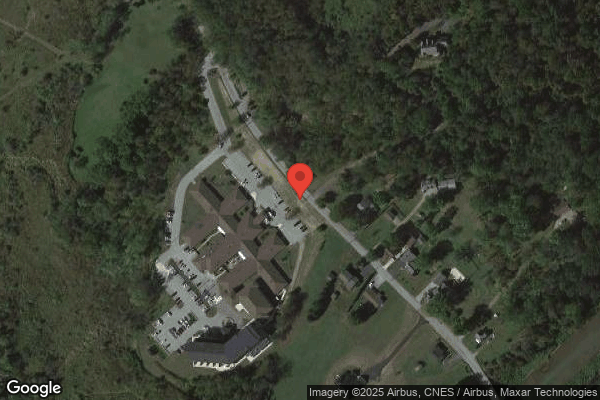

535 MCFARLAND ROAD, LATROBE, PA 15650 (724) 537-5500
For profit - Partnership 143 Beds Independent Data: November 2025
Trust Grade
43/100
#456 of 653 in PA
Last Inspection: March 2025

Within standard 12-15 month inspection cycle. Federal law requires annual inspections.

Overview

Loyalhanna Care Center has a Trust Grade of D, indicating below-average care with some concerns. They rank #456 out of 653 facilities in Pennsylvania, placing them in the bottom half, and #6 out of 18 in Westmoreland County, meaning only five local options are better. The facility's trend is stable, with 21 issues noted in both 2024 and 2025, suggesting ongoing challenges rather than improvement. Staffing is a relative strength, with a 3/5 star rating and a turnover rate of 0%, significantly below the state average, while RN coverage is better than 87% of Pennsylvania facilities, which should help in catching potential problems. However, there are some serious issues, including a resident who fell and suffered multiple fractures due to a failure to use the necessary assistance devices, as well as concerns about food being served at unsafe temperatures and medication orders not being followed for several residents. Overall, while there are strengths in staffing and RN coverage, families should be aware of the concerning incidents and the facility's below-average standing.

Trust Score
D
43/100
In Pennsylvania
#456/653
Bottom 31%
Safety Record
Moderate
Needs review
Inspections
Holding Steady
21 → 21 violations
Staff Stability
○ Average
Turnover data not reported for this facility.
Penalties
⚠ Watch
$8,190 in fines. Higher than 77% of Pennsylvania facilities, suggesting repeated compliance issues.
Skilled Nurses
✓ Good
Each resident gets 61 minutes of Registered Nurse (RN) attention daily — more than 97% of Pennsylvania nursing homes. RNs are the most trained staff who catch health problems before they become serious.
Violations
⚠ Watch
67 deficiencies on record. Higher than average. Multiple issues found across inspections.
★★☆☆☆
2.0
Overall Rating
★★★☆☆
3.0
Staff Levels
★★★☆☆
3.0
Care Quality
★★☆☆☆
2.0
Inspection Score
Stable
2024: 21 issues
2025: 21 issues

The Good

  • Full Sprinkler Coverage · Fire safety systems throughout facility
  • No fines on record

Facility shows strength in fire safety.

The Bad

2-Star Overall Rating

Below Pennsylvania average (3.0)

Below average - review inspection findings carefully

Federal Fines: $8,190

Below median ($33,413)

Minor penalties assessed

The Ugly 67 deficiencies on record

1 actual harm
Mar 2025 16 deficiencies
CONCERN (D)

Potential for Harm - no one hurt, but risky conditions existed

Deficiency F0561 (Tag F0561)

Could have caused harm · This affected 1 resident

Based on review of facility policies and clinical records, as well as staff and resident interviews, it was determined that the facility failed to honor a resident's right regarding diet consistency f...

Read full inspector narrative →
Based on review of facility policies and clinical records, as well as staff and resident interviews, it was determined that the facility failed to honor a resident's right regarding diet consistency for one of 36 residents reviewed (Resident 8). Findings include: A facility policy regarding Promoting/Maintaining Resident Self-Determination/Resident Right to Refuse, dated January 13, 2025, indicated that it is the practice of the facility to protect and promote resident rights by facilitating resident self-determination through support of resident choice. The facility will ensure that each resident has the opportunity to exercise his/her autonomy regarding those things that are important in his/her life such as interests and preferences. Each resident has the right to make choices about aspects of his or her life in the facility that are significant to the resident. A quarterly Minimum Data Set (MDS) assessment (a mandated assessment of a resident's abilities and care needs) for Resident 8, dated February 5, 2025, revealed that the resident was cognitively intact, was understood and able to understand others, received a therapeutic diet, and had a diagnosis of Multiple sclerosis (MS) (a chronic, autoimmune disease that affects the central nervous system-brain and spinal cord). An interview with Resident 8 on March 17, 2025, at 10:27 a.m. revealed that she was concerned with her diet. She stated that she hated the mechanical diet and fights with speech therapy about it. She indicated that she had no teeth and could not wear dentures due to bone loss but could eat regular food with no issues. Physician's orders for Resident 8, dated December 6, 2023, indicated that she was to receive a mechanical soft, ground meat texture diet. A speech therapy note for Resident 8, dated August 8, 2024, indicated that the resident was referred to therapy due to a recent report of the resident disliking her food/diet textures spanning over the last 10 months. The resident was consuming mechanically soft, ground meat textures without complaints but was open to side-by-side trials to further assess her level of function at that time. Speech therapy had reached out to the medical director to express safety concerns about liberalizing her diet textures to regular per her request, however, that it may be a medical exception he could make for her quality of life per her choice, as she wishes to consume those textures. The medical director had stated that he wanted her to sign a waiver form and/or obtain a modified barium swallow (MBS) study (a test to evaluate swallowing function and identify any abnormalities) before he would consider it. The resident had an MBS scheduled for October 29, 2024, and it was documented that waiver forms were no longer in use. Interview with the Therapy Director on March 20, 2025, at 8:12 a.m. revealed that speech therapy had worked with the resident and had felt it was not appropriate for her to have a regular diet. She indicated that speech therapy had referred back to the Medical Director as she would not recommend the regular diet since it was not safe. The resident had a MBS scheduled for October 29, 2024, and it was rescheduled to December 19, 2024. The results of the MBS indicated that the resident was likely appropriate for a soft diet with thin liquids. There was no documented evidence that the resident was presented the option to sign a waiver. Interview with the Director of Nursing on March 20, 2025, at 12:39 p.m. indicated that she was aware of Resident 8 wanting to eat regular foods and indicated that the Medical Director would not write the order. She was going to check with the Nursing Home Administrator related to this and indicated that she believed she should be able to get the diet she wanted. Interview with the Director of Nursing on March 20, 2025, at 1:26 p.m. indicated that she spoke to the Nursing Home Administrator and that he indicated the new ownership did not do waivers. However, she did indicate that if Resident 8 wanted a diet change, she should be able to have what she wanted and she would be speaking with the Medical Director. 28 Pa. Code 201.29(j) Resident Rights.
CONCERN (D)

Potential for Harm - no one hurt, but risky conditions existed

Comprehensive Care Plan (Tag F0656)

Could have caused harm · This affected 1 resident

Based on review of policies and clinical records, as well as staff interviews, it was determined that the facility failed to develop and implement an individualized care plan for three of 36 residents...

Read full inspector narrative →
Based on review of policies and clinical records, as well as staff interviews, it was determined that the facility failed to develop and implement an individualized care plan for three of 36 residents reviewed (Resident's 12, 21, 75). Findings include: The facility's policy regarding care plans, dated January 13, 2025, indicated that the facility will develop and implement a comprehensive person-centered care plan for each resident, consistent with resident rights, that includes measurable objectives and timeframes to meet a resident's medical, nursing, and mental and psychosocial needs and all services that are identified in the resident's comprehensive assessment and meet professional standards of quality. A quarterly Minimum Data Set (MDS) assessment (a mandated assessment of a resident's abilities and care needs) for Resident 12, dated February 26, 2025, revealed that the resident was cognitively intact, required assistance with care needs, received an anticoagulant (blood thinner), and had a diagnoses that included a history of thrombosis (formation of a blood clot inside a blood vessel) and embolism (obstruction or blockage in a blood vessel). Physician's orders for Resident 12, dated May 25, 2024, included orders for the resident to receive 2.5 milligrams (mg) of Eliquis (an anticoagulant) twice daily. There was no documented evidence that a care plan was developed to address Resident 12's history of thrombosis and embolism and his need for an anticoagulant. Interview with the Director of Nursing on March 20, 2025, at 11:12 a.m. confirmed that there was no documented evidence that a care plan was developed to address Resident 12's history of thrombosis and embolism and his need for an anticoagulant. A quarterly MDS assessment for Resident 21, dated January 10, 2025, revealed that the resident was cognitively impaired, required assistance with care needs, had a history of falls without injury since the prior MDS assessment, and had a diagnosis of dementia. A fall care plan for Resident 21, dated June 20, 2024, included an intervention for a perimeter mattress to prevent the resident from falling out of bed. Observations of Resident 21's bed on March 20, 2025, at 2:10 p.m. revealed that the resident did not have a perimeter mattress on her bed. Interview with the Director of Nursing on March 20, 2025, at 2:16 p.m. confirmed that Resident 21 did not have a perimeter mattress on her bed as per the resident's plan of care. A significant change MDS assessment for Resident 75, dated January 20, 2025, revealed that the resident was cognitively intact, required assistance from staff for daily care needs, had an indwelling foley catheter (a soft, flexible plastic tube inserted in the bladder), and had diagnosis that included heart failure, obstructive uropathy, and diabetes mellitus. Physician's orders for Resident 75, dated October 8, 2024, included orders for the resident to have an indwelling foley catheter (a tube inserted directly into the bladder). There was no documented evidence that a care plan was developed to address Resident 75's care needs related to the indwelling foley catheter. The facility's policy for smokeless tobacco, dated January 12, 2025, indicated that all safe smokeless tobacco measures will be documented on each resident's care plan and communicated to all staff, visitors, and volunteers who will be responsible for supervising residents while using smokeless tobacco, if indicated. Supervision will be provided as per the resident's care plan. If a resident is capable of independent smokeless tobacco use, this will be indicated in the plan of care. Observations during the facility tour on March 17, 2025, at 10:50 a.m. revealed that Resident 75 was lying in bed and had two cans of smokeless tobacco on his bedside table. Interview with Licensed Practical Nurse 1 on March 19, 2025, at 11:17 a.m. confirmed that Resident 75 had smokeless tobacco on his bedside. Interview with the Director of Nursing on March 19, 2025, at 1:32 p.m. confirmed that Resident 75 did not have a care plan that addressed the care and services needed for an indwelling foley catheter or the use of smokeless tobacco. 28 Pa. Code 201.24(e)(4) admission Policy. 28 Pa. Code 211.12(d)(5) Nursing Services.
CONCERN (D)

Potential for Harm - no one hurt, but risky conditions existed

Deficiency F0657 (Tag F0657)

Could have caused harm · This affected 1 resident

Based on review of facility policies and clinical records, a well as staff interviews, it was determined that the facility failed to ensure that a resident's care plan was updated/revised to reflect t...

Read full inspector narrative →
Based on review of facility policies and clinical records, a well as staff interviews, it was determined that the facility failed to ensure that a resident's care plan was updated/revised to reflect the resident's specific care needs for one of 36 residents reviewed (Resident 46). Findings include: The facility's policy regarding care plans, dated January 13, 2025, indicated that the comprehensive care plan would be reviewed and revised by the interdisciplinary team after each comprehensive and quarterly MDS assessment. A quarterly Minimum Data Set (MDS) assessment (a mandated assessment of a resident's abilities and care needs) for Resident 46, dated February 26, 2025, indicated that the resident was moderately cognitively impaired, required staff assistance with care, and had a colostomy (an artificial opening in the bowel). Physician's orders, dated January 28, 2025, included orders for the resident to have a colostomy bag and wafer every shift. The resident's current care plan indicated that the resident had a colostomy and also had a history of placing silverware into her vagina and rectum. A nursing note for Resident 46, dated February 8, 2025, at 9:16 p.m. revealed that the resident had an open area on the end of her colostomy/stoma (an opening in the abdomen that allows waste to exit the body). The note indicated that the resident did dig at her stoma with silverware and had been witnessed by staff doing this. The area had a bright red center and a small amount of bright red, bloody drainage. There was no documented evidence that the resident's care plan was updated to include interventions to prevent Resident 46 from digging at her colostomy/stoma with silverware. Interview with the Director of Nursing on March 20, 2025, at 11:15 a.m. confirmed that Resident 46's care plan was not updated following the incident on February 8, 2025. 28 Pa. Code 211.12(d)(5) Nursing Services.
CONCERN (D)

Potential for Harm - no one hurt, but risky conditions existed

Deficiency F0658 (Tag F0658)

Could have caused harm · This affected 1 resident

Based on review of Pennsylvania's Nursing Practice Act, facility policies, clinical records, and facility investigation documents, as well as staff interviews, it was determined that the facility fail...

Read full inspector narrative →
Based on review of Pennsylvania's Nursing Practice Act, facility policies, clinical records, and facility investigation documents, as well as staff interviews, it was determined that the facility failed to clarify physician's orders for one of 36 residents reviewed (Resident 17) and failed to ensure that a licensed registered nurse followed professional standards regarding the administration of medications for one of 36 residents reviewed (Resident 75). Findings include: The Pennsylvania Code, Title 49, Professional and Vocational Standards, State Board of Nursing 21.11 (a)(1)(2)(4) indicated that the registered nurse was responsible for assessing human responses and plans, implementing nursing care, analyzing/comparing data with the norm in determining care needs, and carrying out nursing care actions that promote, maintain and restore the well-being of individuals. The facility's medication administration policy, dated January 13, 2025, revealed that medications are administered by licensed nurses, or other staff who are legally authorized to do so in this state, as ordered by the physician and in accordance with professional standards of practice, in a manner to prevent contamination or infection. They will ensure the six rights of medication administration are followed: right resident, right drug, right dosage, right route, right time, and right documentation. A quarterly minimum data set (MDS) assessment (mandated to assess the resident abilities and care needs) for Resident 17, dated December 12, 2024, revealed that the resident was cognitively impaired, required assistance from staff for personal care needs, had diagnoses that included anoxic brain injury (due to a lack of oxygen to the brain), and had a gastrostomy (feeding tube). Physician's orders for Resident 17, dated June 10, 2024, included an order for the resident to be NPO (nothing by mouth). The resident also had physician's orders to receive 2 milligrams (mg) of Doxazosin mesylate (medication used for heart disease) 1 tablet by mouth at bedtime, 0.4 mg of Flomax (medication used for difficulty with urination) by mouth at bedtime, 50 mg of metoprolol tartrate (medication used for heart disease) by mouth two times a day, and 50 mg of sertraline (medication used for mood) by mouth one time a day. Interview with the Director of Nursing on March 18, 2025, at 1:44 p.m. confirmed that Resident 17's medications were transcribed incorrectly and that they should have been written to be administered through the feeding tube. A significant change MDS assessment for Resident 75, dated January 20, 2025, revealed that the resident was cognitively intact, required assistance from staff for daily care needs, had an indwelling foley catheter (a soft, flexible plastic tube inserted in the bladder), and had diagnoses that included heart failure, obstructive uropathy, and diabetes mellitus. A nursing note for Resident 75, dated August 20, 2024, at 9:08 a.m., revealed that Registered Nurse 2 reported that the resident received another resident's medications in error. Registered Nurse 2 reported that she went into the wrong room and administered the resident the wrong medications. Resident 75 was given 1 capsule of Vitamin B, 125 milligrams (mg) of cholecalciferol (vitamin for calcium), 800 mg pf sevelamer (medication used for kidney disease), 10 mg of amlodipine (medication for blood pressure), 0.4 mg of tamsulosin (medication used for difficulty with urination), 1 capsule of lactobacillus (medication used to help prevent diarrhea), 2 mg of bumetanide (medication used to excrete excess water), 100 mg bupropion (medication used for mood stabilization), 12.5 mg of carvedilol (medication for blood pressure), 75 mg of Plavix (medication for heart disease), 5 mg of finasteride (medication used for difficulty with urination), 300 mg of gabapentin (medication used for pain), 40 mg of lisinopril (medication for blood pressure), 50 mg of sertraline (medication used for mood stabilization), and 1 mg of Prograf (medication used for preventing organ rejection). The resident was assessed immediately. A nursing note at 9:28 a.m. revealed that the resident stated he felt lightheaded, and blood pressure was taken and was 108/58 mmHg. The physician ordered for the resident to be transferred to the local emergency room. A nursing note, dated August 20, 2024, at 3:57 p.m., revealed that Resident 75 returned to the nursing home from the emergency room with no new orders. Interview with the Director of Nursing on March 19, 2025, at 1:32 p.m. confirmed that the Registered Nurse 2 did not follow the facility's policy when administering medications to a resident. 28 Pa. Code 211.12(d)(1)(3)(5) Nursing Services.
CONCERN (D)

Potential for Harm - no one hurt, but risky conditions existed

Tube Feeding (Tag F0693)

Could have caused harm · This affected 1 resident

Based on facility policies, clinical record reviews, and staff interviews, it was determined that the facility failed to ensure that gastrostomy tube care was provided as ordered by the physician for ...

Read full inspector narrative →
Based on facility policies, clinical record reviews, and staff interviews, it was determined that the facility failed to ensure that gastrostomy tube care was provided as ordered by the physician for one of 36 residents reviewed (Resident 17). The facility's policy regarding gastrostomy tubes (a tube inserted through the belly that delivers nutrition directly to the stomach), dated January 13, 2025, revealed that the facility would ensure that gastrostomy flushes were provided as ordered by the physician. A quarterly Minimum Data Set (MDS) assessment (a mandated assessment of a resident's abilities and care needs) for Resident 17, dated December 12, 2024, indicated that the resident was cognitively impaired, did not speak, was totally dependent on staff for daily care needs, had a gastrostomy tube, and had diagnoses that included anoxic brain injury (due to a lack of oxygen to the brain). Physician's orders for Resident 17, dated June 21, 2024, included orders for the resident to have her gastrostomy tube flushed every four hours with 130 mL (milliliters) of free water. Review of Resident 17's clinical record, including the Treatment Administration Record and progress notes for February and March 2025, revealed that on February 1, 2025, at 1:00 a.m. and 5:00 a.m. the gastrostomy was flushed with 60 ml of free water; March 4, 2025, at 1:00 a.m. the gastrostomy tube was not flushed; March 9, 2025, at 1:00 a.m. and 5:00 a.m. was flushed with 180 ml of free water; March 10, 2025, at 1:00 a.m. was not flushed and at 5:00 a.m. was flushed with 150 ml of free water; March 14 at 1:00 a.m. and 5:00 a.m. was flushed with 120 ml and at 5:00 p.m. was flushed with 60 ml of free water; March 18, 2025, at 1:00 a.m. was not flushed and at 5:00 a.m. was flushed with 180 ml of free water. Interview with the Director of Nursing on March 18, 2025, at 1:44 p.m. confirmed that the gastrostomy tube was not flushed every four hours with 130 mL (milliliters) of free water as ordered by the physician on the dates and times listed above. 28 Pa. Code 211.12(d)(5) Nursing Services.
CONCERN (D)

Potential for Harm - no one hurt, but risky conditions existed

Respiratory Care (Tag F0695)

Could have caused harm · This affected 1 resident

Based on review of facility policies and clinical records, as well as observations and staff interviews, it was determined that the facility failed to clarify a resident's continuous oxygen order when...

Read full inspector narrative →
Based on review of facility policies and clinical records, as well as observations and staff interviews, it was determined that the facility failed to clarify a resident's continuous oxygen order when not in use for one of 36 residents reviewed (Resident 1). Findings include: The facility's policy regarding oxygen therapy, dated January 13, 2025, indicated that oxygen is administered to residents who need it, consistent with professional standards of practice, the comprehensive person-centered care plans, and the resident's goals and preferences. Staff shall document the initial and ongoing assessment of the resident's condition warranting oxygen and the response to oxygen therapy. A quarterly Minimum Data Set (MDS) assessment (a mandated assessment of a resident's abilities and care needs) for Resident 1, dated February 18, 2025, revealed that the resident was cognitively intact, required substantial assistance with care needs, received oxygen therapy, and had a diagnosis of congestive heart failure (the heart can not pump blood well enough to meet the body's needs). Physician's orders for Resident 1, dated November 21, 2024, included an order for the resident to receive continuous oxygen at a flow rate of 0-4 liters per minute via nasal cannula (tubes that deliver oxygen into the nostrils) to maintain pulse oximetry (measures blood oxygen levels) greater than 89 percent. Observations of Resident 1 on March 17, 2025, at 10:53 a.m. revealed that she had an oxygen concentrator (electrical machine that concentrates oxygen from the air) in her room that was turned off and the resident was not receiving oxygen. Interview with Resident 1 at that time indicated that she had stopped using the oxygen after she got back from the hospital. A nursing note for Resident 1, dated March 17, 2025, at 10:02 a.m. indicated that the resident's respirations were even and unlabored at rest and while on supplemental oxygen at 2 liters/minute via nasal cannula. Review of Resident 1's Medication administration record (MAR) for March 2025 revealed documentation that she received oxygen on March 17, 2025, at a flow rate of 3 liters/minute on the day, evening and night shifts. Observations of Resident 1 on March 18, 2025, at 2:38 p.m. revealed that her oxygen concentrator remained off and she was not receiving oxygen at that time. Interview with the Director of Nursing on March 19, 2025, at 1:07 p.m. confirmed that Resident 1's oxygen was ordered continuous, and that she was not receiving it. She also confirmed that the order for continuous oxygen should have been clarified. 28 Pa. Code 211.12(d)(1)(3)(5) Nursing Services.
CONCERN (D)

Potential for Harm - no one hurt, but risky conditions existed

Pharmacy Services (Tag F0755)

Could have caused harm · This affected 1 resident

Based on review of facility policies and clinical records, as well as staff interviews, it was determined that the facility failed to maintain accountability for controlled medications (drugs with the...

Read full inspector narrative →
Based on review of facility policies and clinical records, as well as staff interviews, it was determined that the facility failed to maintain accountability for controlled medications (drugs with the potential to be abused) for one of 36 residents reviewed (Resident 6). Findings include: The facility's policy regarding medication administration, dated January 13, 2025, indicated that staff were to sign the Medication Administration Record (MAR) after administering medications to residents. An admission Minimum Data Set (MDS) assessment (a mandated assessment of a resident's abilities and care needs) for Resident 6, dated January 27, 2025, revealed that the resident had moderate cognitive impairment, had frequent pain, received pain medication as needed, and received an opioid (a controlled pain medication). Physician's orders, dated February 17, 2025, included an order for the resident to receive 50 milligrams (mg) of Tramadol (narcotic pain reliever) every six hours as needed for moderate pain. A controlled drug accountability record for February and March 2025 revealed that 50 mg of Tramadol was signed out on February 24 at 11:54 a.m.; February 28 at 10:00 p.m.; March 7 at 7:56 a.m.; and March 14, 2025, at 8:30 p.m.; however, there was no documented evidence in the MAR that the Tramadol was actually given to the resident. Interview with the Director of Nursing on March 19, 2025, at 1:28 p.m. confirmed that there was no evidence of the Tramadol being administered to Resident 6 and that the nurse was to document on the MAR when the medication was given. 28 Pa. Code 211.9(a)(h) Pharmacy Services. 28 Pa. Code 211.12(d)(3)(5) Nursing Services.
CONCERN (D)

Potential for Harm - no one hurt, but risky conditions existed

Drug Regimen Review (Tag F0756)

Could have caused harm · This affected 1 resident

Based on review of facility policies and clinical records, as well as staff interviews, it was determined that the facility failed to ensure that the physician responded timely to a pharmacy recommend...

Read full inspector narrative →
Based on review of facility policies and clinical records, as well as staff interviews, it was determined that the facility failed to ensure that the physician responded timely to a pharmacy recommendation for four of 36 residents reviewed (Residents 2, 23, 66, 68). Findings include: The facility's policy regarding medication regimen review, dated January 13, 2025, revealed that the consultant pharmacist was to perform a comprehensive review of each resident's medication regimen and clinical record at least monthly. The medication regimen review (MRR) included evaluating the resident's response to medication therapy to determine that the resident maintains the highest practical level of functioning and preventing or minimizing adverse consequences related to medication therapy. Recommendations were to be acted upon and documented by the facility staff and/or the prescriber. The prescriber was to accept and act upon suggestions or rejected and provided an explanation for disagreeing. A quarterly Minimum Data Set (MDS) assessment (a mandated assessment of a resident's abilities and care needs) for Resident 2, dated December 13, 2024, revealed that the resident was cognitively impaired, received an antidepressant and antipsychotic medication, and had diagnoses that included dementia and depression. Physician's orders for Resident 2, dated May 2, 2024, and June 12, 2024, included orders for the resident to receive 10 milligrams (mg) of Lexapro (antidepressant medication) daily for depression and 2 mg of Quetiapine Fumarate (Seroquel- antipsychotic medication) twice a day for dementia with behavioral disturbances. A monthly pharmacy medication regimen review for Resident 2, dated October 18, 2024, indicated that the resident was receiving Lexapro and Seroquel, had no psychosis or behavioral disturbances, and it was recommended to document the continued necessity/benefit at the current dose or consider reduction, if appropriate, or note that a reduction was clinically contraindicated. There was no documented evidence that the physician responded to the pharmacist's recommendation. An interview with the Director of Nursing on March 19, 2025, at 2:57 p.m. confirmed that there was no documented evidence that the physician responded to the pharmacist's recommendation of Resident 2's medications in October 2024. A quarterly MDS assessment for Resident 23, dated February 4, 2025, revealed that the resident was cognitively intact, required assistance with care needs, and had a diagnosis of congestive heart failure (the heart can not pump blood well enough to meet the body's needs). A monthly pharmacy medication regimen review for Resident 23, dated October 18, 2024, revealed recommendations to discontinue as needed Zofran (medication used to treat nausea and vomiting) due to nonuse greater than 90 days. There was no documented evidence that the physician responded to the pharmacist's recommendation. A quarterly MDS assessment for Resident 66, dated January 21, 2025, revealed that the resident was cognitively impaired, required assistance with care needs, and had a diagnosis of cancer. A monthly pharmacy medication regimen review for Resident 66, dated October 18, 2024, revealed recommendations to discontinue the as needed loperamide (medication used to treat diarrhea) due to nonuse greater than 90 days. There was no documented evidence that the physician responded to the pharmacist's recommendation. A quarterly MDS assessment for Resident 68, dated February 7, 2025, revealed that the resident was cognitively impaired, required assistance with care needs, and had a diagnosis of chronic obstructive pulmonary disease. A monthly pharmacy medication regimen review for Resident 68, dated October 18, 2024, revealed recommendations to document the continued necessity/benefit for fluoxetine (medication used to treat depression) or attempt a dosage reduction. There was no documented evidence that the physician responded to the pharmacist's recommendation. An interview with the Director of Nursing on March 20, 2025, at 10:30 a.m. confirmed that there was no documented evidence that the physician responded to the pharmacist's October 2024 recommendations for Residents 23, 66, and 68. 28 Pa. Code 211.12(d)(3) Nursing Services.
CONCERN (D)

Potential for Harm - no one hurt, but risky conditions existed

Medication Errors (Tag F0758)

Could have caused harm · This affected 1 resident

Based on review of facility policies and clinical records, as well as staff interviews, it was determined that the facility failed to ensure that residents were free from unnecessary psychotropic medi...

Read full inspector narrative →
Based on review of facility policies and clinical records, as well as staff interviews, it was determined that the facility failed to ensure that residents were free from unnecessary psychotropic medications, by failing to ensure that non-pharmacological (non-medication) behavioral interventions (individualized, non-pharmacological approaches to care), were attempted prior to the administration of as needed antianxiety medications for one of 36 residents reviewed (Resident 66). Findings include: The facility's policy regarding psychotropic medications (any medication that affects brain activities associated with mental processes and behavior), dated January 13, 2025, indicated that non-pharmacological approaches must be attempted, unless clinically contraindicated, to minimize the need for psychotropic medications, use the lowest possible dose, or discontinue the medications. A quarterly Minimum Data Set (MDS) assessment (a mandated assessment of a resident's abilities and care needs) for Resident 66, dated January 21, 2025, revealed that the resident was cognitively impaired, required assistance with care needs, was administered antipsychotic (used to treat mental health disorders) and antidepressant (used to treat depression) medications and had diagnoses including Schizophrenia (a serious mental disorder that affects how people interpret reality) and depression. Physician's orders for Resident 66, dated February 13, 2025, included an order for the resident to receive 0.25 milligrams (mg) of Xanax (a controlled antianxiety medication) every eight hours as needed for anxiety. Physician's orders for Resident 66, dated March 10, 2025, included an order for the resident to receive 0.25 mg of Xanax every eight hours as needed for anxiety. Review of the Medication Administration Record (MAR) for Resident 66 for February and March 2025 revealed that the resident was administered 0.25 mg of Xanax on February 14 at 11:19 a.m.; February 17 at 11:45 a.m.; February 21 at 6:46 p.m.; February 24 at 7:05 p.m.; February 26 at 11:41 a.m.; and March 11 at 9:25 a.m. There was no documented evidence that non-pharmacological behavioral interventions were attempted prior to administering Xanax on the above-mentioned dates and times. Interview with the Director of Nursing on March 20, 2025, at 11:18 a.m. confirmed that non-pharmacological interventions should have been attempted prior to the administration of as needed Xanax to Resident 66 on the above-mentioned dates and times. 28 Pa. Code 211.12(d)(5) Nursing Services.
CONCERN (D)

Potential for Harm - no one hurt, but risky conditions existed

Deficiency F0773 (Tag F0773)

Could have caused harm · This affected 1 resident

Based on review of policies and clinical records, as well as staff interviews, it was determined that the facility failed to obtain laboratory studies as ordered by the physician for one of 36 residen...

Read full inspector narrative →
Based on review of policies and clinical records, as well as staff interviews, it was determined that the facility failed to obtain laboratory studies as ordered by the physician for one of 36 residents reviewed (Resident 53). Findings include: The facility's policy regarding laboratory specimens, dated January 13, 2025, revealed that the facility would provide or obtain laboratory services when ordered by a physician, physician assistant, nurse practitioner, or clinical nurse specialist in accordance with state law. The facility would provide or obtain laboratory services to meet the needs of its residents. A quarterly Minimum Data Set (MDS) assessment (a mandated assessment of a resident's abilities and care needs) for Resident 53, dated December 18, 2024, revealed that the resident was cognitively intact, received dialysis services, received an anticonvulsant medication, and had diagnoses that included seizures and kidney failure. Physician's orders for Resident 53, dated September 5, 2021, included an order for staff to obtain a complete blood count with differential (CBC with diff - blood test that measures various components of the blood), complete metabolic panel (CMP - blood test that provides information about your body's chemical balance), Hemaglobin A1C (Hgb A1C- blood test that measures blood sugar over the past 2-3 months), lipid panel (blood test that measures the amount of fats in the blood), and levetiracetam level every three months. A physician's order, dated August 31, 2021, included an order for the resident to receive 500 milligrams (mg) of levetiracetam (anticonvulsant medication used to prevent seizures) daily on Monday, Tuesday, Wednesday, Thursday, Friday and Saturday. There was no documented evidence that staff obtained Resident 53's ordered laboratory tests after August 2024. Interview with Director of Nursing on March 19, 2025, at 1:28 p.m. confirmed that there was no evidence that Resident 53's laboratory studies were obtained as ordered every three months after August 2024. 28 Pa. Code 211.12(d)(1)(3)(5) Nursing Services.
CONCERN (D)

Potential for Harm - no one hurt, but risky conditions existed

QAPI Program (Tag F0867)

Could have caused harm · This affected 1 resident

Based on review of the facility's plans of correction for previous surveys, and the results of the current survey, it was determined that the facility's Quality Assurance Performance Improvement (QAPI...

Read full inspector narrative →
Based on review of the facility's plans of correction for previous surveys, and the results of the current survey, it was determined that the facility's Quality Assurance Performance Improvement (QAPI) committee failed to correct quality deficiencies and ensure that plans to improve the delivery of care and services effectively addressed recurring deficiencies. Findings include: The facility's deficiencies and plans of corrections for a State Survey and Certification (Department of Health) survey ending April 11, 2024, as well as a complaint visit on May 22, 2024, revealed that the facility developed plans of correction that included quality assurance systems to ensure that the facility maintained compliance with cited nursing home regulations. The results of the current survey, ending March 20, 2025, identified repeated deficiencies related to a failure to develop care plans, care plan timing and revision, services provided to meet professional standards, to follow physician's orders, gastrostomy tube maintenance, oxygen therapy, preventing issues with the accountability of controlled medications (drugs with the potential to be abused), label/store drugs and biologicals, and to ensure proper infection control practices were followed. The facility's plan of correction for a deficiency regarding the development of a comprehensive person-centered care plan, cited during a survey ending April 11, 2024, revealed that audits would be completed. The results of the current survey, cited under F656, revealed that the QAPI committee was ineffective in correcting deficient practices related to the development of a comprehensive person-centered care plan. The facility's plan of correction for a deficiency regarding care plan timing and revision, cited during the survey ending April 11, 2024, revealed that the facility would complete audits and report the results of the audits to the QAPI committee for review. The results of the current survey, cited under F657, revealed that the facility's QAPI committee failed to successfully implement their plan to ensure ongoing compliance with regulations regarding care plan timing and revision. The facility's plan of correction for a deficiency regarding services provided meet professional standards, cited during the surveys ending April 11, 2024, and May 22, 2024, revealed that the facility would complete audits and report the results of the audits to the QAPI committee for review. The results of the current survey, cited under F658, revealed that the facility's QAPI committee failed to successfully implement their plan to ensure ongoing compliance with regulations regarding services provided meet professional standards. The facility's plan of correction for a deficiency regarding following physician's orders, cited during the survey ending April 11, 2024, revealed that the facility developed a plan of correction that included completing audits and reporting the results of the audits to the QAPI committee for review. The results of the current survey, cited under F684, revealed that the QAPI committee was ineffective in correcting deficient practices related to following physician's orders. The facility's plan of correction for a deficiency regarding tube feeding management, cited during the survey ending April 11, 2024, revealed that the facility would complete audits and report the results of the audits to the QAPI committee for review. The results of the current survey, cited under F693, revealed that the facility's QAPI committee failed to successfully implement their plan to ensure ongoing compliance with regulations regarding tube feeding management. The facility's plan of correction for a deficiency regarding a failure to provide oxygen therapy as ordered by the physician, cited during the survey ending April 11, 2024, revealed that the facility would complete audits and the results would be reviewed as part of quality assurance. The results of the current survey, cited under F695, revealed that the facility's QAPI committee was ineffective in maintaining compliance with the regulation regarding providing oxygen therapy as ordered by the physician. The facility's plans of correction for deficiencies regarding the failure to account for controlled medications, cited during the survey ending April 11, 2024, revealed that the facility would complete audits and the results would be reviewed as part of quality assurance. The results of the current survey, cited under F755, revealed that the facility's QAPI committee was ineffective in correcting deficient practices related to the accountability of controlled medications. The facility's plan of correction for a deficiency regarding label/store drugs and biologicals, cited during the survey ending April 11, 2024, revealed that the facility developed a plan of correction that included completing audits and reporting the results of the audits to the QAPI committee for review. The results of the current survey, cited under F761, revealed that the facility's QAPI committee failed to successfully implement their plan to ensure ongoing compliance with regulations regarding label/store drugs and biologicals. The facility's plans of correction for deficiencies regarding infection control practices, cited during the survey ending April 11, 2024, revealed that the facility would complete audits and the results would be reviewed as part of quality assurance. The results of the current survey, cited under F880, revealed that the facility's QAPI committee was ineffective in correcting deficient practices related to infection control. Refer to F656, F657, F658, F684, F693, F695, F755, F761, F880. 28 Pa. Code 201.14(a) Responsibility of Licensee. 28 Pa. Code 201.18(e)(1) Management.
CONCERN (D)

Potential for Harm - no one hurt, but risky conditions existed

Infection Control (Tag F0880)

Could have caused harm · This affected 1 resident

Based on review of established infection control guidelines, facility policy, and residents' clinical records, as well as observations and staff interviews, it was determined that the facility failed ...

Read full inspector narrative →
Based on review of established infection control guidelines, facility policy, and residents' clinical records, as well as observations and staff interviews, it was determined that the facility failed to follow infection control guidelines from the Centers for Medicare/Medicaid Services (CMS) and the Centers for Disease Control (CDC) to reduce the spread of infections and prevent cross-contamination for three of 36 residents reviewed (Residents 6, 75, 283). Findings include: CDC guidance on isolation precautions and Implementation of Personal Protective Equipment (PPE) use in Nursing Homes to Prevent Spread of Multidrug-Resistant Organisms (MDRO's - bacteria that have become resistant to certain antibiotics, and these antibiotics can no longer be used to control or kill the bacteria), dated July 12, 2022, indicates that MDRO transmission is common in skilled nursing facilities, contributing to substantial resident morbidity and mortality and increased healthcare costs. Enhanced Barrier Precautions (EBP) are an infection control intervention designed to reduce transmission of resistant organisms that employs targeted gown and glove use during high contact resident care activities. CMS updated its infection prevention and control guidance effective April 1, 2024. The recommendations now include the use of EBP during high-contact care activities for residents with chronic wounds or indwelling medical devices, regardless of their MDRO status, in addition to residents who have an infection or colonization with a CDC-targeted or other epidemiologically important MDRO when contact precautions do not apply. The facility's policy regarding EBP, dated January 13, 2025, indicated that the facility will have the discretion in using EBP for residents who do not have a chronic wound or indwelling medical device and are infected or colonized with an MDRO that is currently targeted by CDC may be considered epidemiologically important. An order for enhanced barrier precautions will be obtained for residents with any of the following: Wounds (e.g. chronic wounds such as pressure ulcers, diabetic foot ulcers, unhealed surgical wounds, and chronic venous stasis ulcers) and/or indwelling medical devices (e.g. central lines, urinary catheters, feeding tubes, tracheostomy/ventilator tubes, hemodialysis catheters, PICC lines, midline catheters) even if the resident is not known to be infected or colonized with a MDRO. An admission Minimum Data Set (MDS) assessment (a mandated assessment of a resident's abilities and care needs) for Resident 6, dated January 27, 2025, revealed that the resident had moderate cognitive impairment, had a urinary tract infection, and received an antibiotic. Physician's orders for Resident 6, dated February 17, 2025, included orders for the resident to have an indwelling urinary catheter (a tube inserted and held in the bladder to drain urine). Observations of Resident 6 on July 18, 2025, at 12:14 p.m. revealed that the resident was in his room, and there was no signage or notification of the resident being on EBP posted at the resident's room, and there was no PPE observed in or around the resident's room. Interview with Registered Nurse 4 on March 18, 2025, revealed that a sign was usually put up when a resident was on EBP but she was not sure if the resident was on EBP. Interview with the Director of Nursing on March 18, 2024, at 2:14 p.m. confirmed that the resident should have been on EBP due to having an indwelling urinary catheter. A significant change MDS assessment for Resident 75, dated January 20, 2025, revealed that the resident was cognitively intact, required assistance from staff for daily care needs, had an indwelling foley catheter (a soft, flexible plastic tube inserted in the bladder), and had diagnosis that included heart failure, obstructive uropathy, and diabetes mellitus. Observations during the facility tour on March 17 2025, at 10:50 a.m. revealed that Resident 75 was lying in bed. There was no signage or notification of the resident being on EBP posted at the resident's room, and there was no PPE observed in or around the resident's room. Interview with Licensed Practical Nurse 5 on March 17, 2025, at 11:07 a.m. confirmed that Resident 75 had an indwelling Foley catheter and should have had an EBP sign on his door. Interview with the Director of Nursing on March 19, 2025, at 2:55 p.m. confirmed that Resident 75 should have had an EBP sign on his door. An admission MDS assessment for Resident 283, dated March 16, 2025, revealed that the resident was cognitively intact, was independent with her daily care needs, had a midline catheter (flexible tube inserted into a vein in the upper arm for administering fluids and medication), and had a diagnosis that included sepsis due to pseudomonas (a life threatening condition that occurs when the immune system overreacts to an infection caused by bacteria). Observations during the facility tour on March 17, 2025, at 12:40 p.m. revealed that Resident 283 was sitting on the side of her bed. There was no signage or notification of the resident being on EBP posted at the resident's room, and there was no PPE observed in or around the resident's room. Interview with the Director of Nursing on March 19, 2025, at 1:52 p.m. confirmed that Resident 283 should have an EBP sign on her door as well as PPE for staff to utilize. 28 Pa. Code 201.14(a) Responsibility of Licensee. 28 Pa. Code 201.18(e)(1) Management. 28 Pa. Code 211.12(d)(1)(5) Nursing Services.
CONCERN (E)

Potential for Harm - no one hurt, but risky conditions existed

Quality of Care (Tag F0684)

Could have caused harm · This affected multiple residents

Based on review of facility policies and clinical records, as well as staff interviews, it was determined that the facility failed to ensure that physician's orders for medications were followed for t...

Read full inspector narrative →
Based on review of facility policies and clinical records, as well as staff interviews, it was determined that the facility failed to ensure that physician's orders for medications were followed for three of 36 residents reviewed (Residents 1, 21, 75). Findings include: The facility's policy regarding medication administration, dated January 13, 2025, revealed that medications shall be administered in a safe and timely manner, and as prescribed. Vital signs must be checked/verified for each resident prior to administering medications. A quarterly Minimum Data Set (MDS) assessment (a mandated assessment of a resident's abilities and care needs) for Resident 1, dated February 18, 2025, revealed that the resident was cognitively intact, required substantial assistance to dependent with care needs, received insulin, and had a diagnosis of diabetes. Physician's order for Resident 1, dated December 20, 2024, included an order for the resident to receive 16 units of Humalog insulin subcutaneously (medication administered into the subcutaneous fat under the skin) one time a day at 11:30 a.m. if the resident ate greater than 50 percent of her meal. Review of Resident 1's meal intakes from December 20, 2024, through March 18, 2025, revealed that her lunch meal intakes were as follows: 0-25 percent on December 20, January 23, March 9 and 12; and 26-50 percent on December 28, 29, January 1, 13, 14, 16, 19, February 1, 2, 3, 7, 9, 10, 13, 15, 17, 27 and March 15 and 18. Review of Resident 1's Medication Administration Record (MAR) for December 20, 2024, through March 18, 2025, revealed that the resident received 16 units of Humalog insulin subcutaneously on the above-mentioned dates. Interview with the Director of Nursing on March 20, 2025, at 11:18 a.m. confirmed that Resident 1's insulin was administered on the above-mentioned dates and not held per the physician's order. A quarterly MDS assessment for Resident 21, dated January 10, 2025, revealed that the resident was cognitively impaired, required assistance with care needs, had a history of falls without injury since the prior MDS assessment, and had diagnoses that included hypertension (high blood pressure). Physician's order for Resident 21, dated September 27, 2024, included an order for the resident to receive 50 milligrams (mg) of Metoprolol Succinate (a medication for high blood pressure) daily and to hold the medication if her systolic blood pressure was equal to or less than 90 mmHg or if her heart rate was equal to or less than 60 beats per minute. A review of Residents 21's MARs for September 27, 2024, through March 18, 2025, revealed that there was no documented evidence that the resident's blood pressure or heart rate was obtained prior to the administration of Metoprolol Succinate since the medication was ordered on September 27, 2024, through March 18, 2025. An interview with the Director of Nursing on March 20, 2025, at 11:18 a.m. confirmed that there was no documented evidence that Resident 21's blood pressure or heart rate was obtained per physician's orders prior to the administration of Metoprolol Succinate from September 27, 2024, through March 18, 2025. A significant change MDS assessment for Resident 75, dated January 20, 2025, revealed that the resident was cognitively intact, required assistance from staff for daily care needs, had an indwelling foley catheter (a soft, flexible plastic tube inserted in the bladder), and had diagnosis that included heart failure, obstructive uropathy, and diabetes mellitus. Physician's order for Resident 75, dated January 12, 2025, included an order for the resident to receive 50 milligrams of Metoprolol Succinate (a medication for high blood pressure) daily and to hold medication if blood pressure systolic is less than 110 mmHg and heart rate is less than 60 beats per minute. A review of Residents 75's January and February 2025 Medication Administration Record revealed that on January 25 the resident's blood pressure was 98/70 mmHg; on January 27 it was 106/65 mmHg; on January 31 it was 102/55 mmHg; on February 2 it was 106/68 mmHg; on February 10 it was 102/62 mmHg; and on February 18, 2025, it was 101/67 mmHg. An interview with the Director of Nursing on March 20, 2025, at 12:31 p.m. confirmed that physician's orders for Resident 75 were not followed and that the medication should have been held. 28 Pa. Code 211.12(d)(1)(5) Nursing Services.
CONCERN (E)

Potential for Harm - no one hurt, but risky conditions existed

Deficiency F0694 (Tag F0694)

Could have caused harm · This affected multiple residents

Based on review of facility policies and clinical records, as well as staff interviews, it was determined that the facility failed to flush a peripherally-inserted central catheter (PICC- catheter ins...

Read full inspector narrative →
Based on review of facility policies and clinical records, as well as staff interviews, it was determined that the facility failed to flush a peripherally-inserted central catheter (PICC- catheter inserted in a vein used to deliver fluids and/or medications) and a midline catheter (a type of peripheral catheter inserted into a large vein in the upper arm used to deliver fluids and/or medications) prior to and/or after medication administration for two of 36 residents reviewed (Residents 1, 283). Findings include: The facility's policy regarding intravenous therapy (administration of fluids and/or medications directly into a person's vein), dated January 13, 2025, included to attach a 5 milliliter (ml) syringe of normal saline and confirm patency of vascular access device as per protocol prior to medication administration. A quarterly Minimum Data Set (MDS) assessment (a mandated assessment of a resident's abilities and care needs) for Resident 1, dated February 18, 2025, revealed that the resident was cognitively intact, required substantial assistance to dependent with care needs, had an indwelling/suprapubic catheter (a flexible tube that drains urine from the bladder through the abdomen), and had a diagnosis of neurogenic bladder (bladder lacks control due to nerve or muscle problems). Physician's orders for Resident 1, dated March 15, 2025, included an order for the resident to receive one gram (gm) of Vancomycin (an antibiotic) intravenously (administration of fluids and/or medications directly into a person's vein) every evening. There was no documented evidence that Resident 1's physician was contacted for orders to flush the resident's PICC/midline with a saline solution prior to and/or after medication administration. Review of Resident 1's Medication Administration Record (MAR), dated March 2025, revealed that staff administered the one gm of Vancomycin intravenously on March 15, 16, 17 and 18, 2025, at 12:00 a.m. There was no documented evidence that Resident 1's PICC/midline was flushed with a saline solution prior to and/or after administration of the Vancomycin. Interview with the Director of Nursing on March 20, 2025, at 11:18 a.m. confirmed that there was no documented evidence that Resident 1's PICC/midline was flushed with a saline solution prior to and/or after the Vancomycin administration on the above-mentioned dates. An admission MDS assessment for Resident 283, dated March 16, 2025, revealed that the resident was cognitively intact, was independent with her daily care needs, had a PICC/midline catheter (flexible tube inserted into a vein in the upper arm for administering fluids and medication), and had a diagnosis that included sepsis due to pseudomonas (a life threatening condition that occurs when the immune system overreacts to an infection caused by bacteria). Physician's orders for Resident 283, dated March 11, 2025, included an order for the resident to receive two grams (gm) of Cefepime (an antibiotic) intravenously two times a day. There was no documented evidence that Resident 283's physician was contacted for orders to flush the resident's PICC/midline with saline solution prior to and/or after medication administration. Review of Resident 283's Medication Administration Record (MAR), dated March 2025, revealed that staff administered two gm of Cefepime intravenously on March 11 thru 19, 2025, at 8:00 a.m. and 8:00 p.m. There was no documented evidence that Resident 283's PICC/midline catheter was flushed with a saline solution prior to and/or after administration of the Cefepime. Interview with the Director of Nursing on March 19, 2025, at 1:54 p.m. confirmed that there was no documented evidence that Resident 283's PICC/midline was flushed with saline solution prior to and/or after the Cefepime administration on the above-mentioned dates. 28 Pa. Code 211.12(d)(1)(5) Nursing Services.
CONCERN (E)

Potential for Harm - no one hurt, but risky conditions existed

Deficiency F0761 (Tag F0761)

Could have caused harm · This affected multiple residents

Based on review of facility policies, as well as observations and staff interviews, it was determined that the facility failed to label insulin with the date it was opened, failed to discard an expire...

Read full inspector narrative →
Based on review of facility policies, as well as observations and staff interviews, it was determined that the facility failed to label insulin with the date it was opened, failed to discard an expired insulin pen in one of two medication carts reviewed (North Hall), and failed to provide a separately-locked, permanently-affixed compartment in the refrigerator for the storage of controlled drugs (medications that can be abused). Findings include: The facility's policy regarding medication labeling and storage, dated January 13, 2025, indicated that when the original seal of a manufacturer's container or vial are initially broken, the container or vial will be dated. The nurse shall place a date opened sticker on the medication and enter the date opened and the new expiration date. The expiration date of the vial or container will be 30 days unless the manufacturer recommends another date or regulations/guidelines require different dating. The nurse will check the expiration date of each medication before administering it. All expired medications will be removed from the active supply and destroyed in the facility, regardless of the amount remaining. Controlled substances (medications with the potential to be abused) that require refrigeration are stored within a locked box with the refrigerator. The box must be attached to the inside of the refrigerator. Manufacturer's instructions for Humalog insulin Kwik pens (injectable medication to lower blood sugar levels), dated March 2013, revealed that any unused part of the Humalog insulin pen was to be discarded after 28 days of being opened and manufacturer's instructions for Novolin 70/30 insulin Kwik pens (injectable medication to lower blood sugar levels), dated August 24, 2023, revealed that any unused part of the Novolin 70/30 insulin pen was to be discarded after 28 days of being opened. Observations of the medication cart on North hall on March 19, 2025, at 2:46 p.m. revealed that an opened Humalog insulin Kwik pen for Resident 63 was labeled as being opened on February 3, 2025, and a Novolin 70/30 insulin Kwik pen for Resident 71 was opened and not dated. Interview with Licensed Practical Nurse 3 at that time confirmed that the Humalog Kwik pen for Resident 63 should have been discarded and the Novolin 70/30 Kwik pen for Resident 71 should have been dated when it was opened, and it was not. Observations in the facility's North Hall medication room refrigerator on March 19, 2025, at 2:46 p.m. revealed an unlocked box containing two unopened stock bottles of Ativan (a controlled medication for anxiety). Licensed Practical Nurse 3 attempted to lock the box containing the Ativan but was not able to, indicating it was broken. Interview with Licensed Practical Nurse 3 at that time confirmed that the box was not locked and should have been. Interview with Director of Nursing on March 20, 2025, at 10:25 a.m. confirmed that the Humalog Kwik pen for Resident 63 should have been discarded, the Novolin 70/30 Kwik pen for Resident 71 should have been dated when it was opened, and also confirmed that the box in the North hall refrigerator containing the Ativan should have been locked and it was not. She indicated that she knew it was faulty and had instructed the nurses to use the other box in the refrigerator for controlled medications. 28 Pa. Code 211.9(a)(1) Pharmacy Services. 28 Pa. Code 211.12(d)(5) Nursing Services.
MINOR (B)

Minor Issue - procedural, no safety impact

Transfer Notice (Tag F0623)

Minor procedural issue · This affected multiple residents

Based on clinical record reviews and staff interviews, it was determined that the facility failed to ensure that a written notice regarding emergency transfer to the hospital was provided to the Offic...

Read full inspector narrative →
Based on clinical record reviews and staff interviews, it was determined that the facility failed to ensure that a written notice regarding emergency transfer to the hospital was provided to the Office of the State Long-Term Care Ombudsman, and failed to ensure that a written notice was provided to the resident and the resident's representative regarding the reason for transfer to the hospital for eight of 36 residents reviewed (Residents 1, 6, 12, 15, 20, 23, 32, 33). Findings include: A quarterly Minimum Data Set (MDS) assessment (a mandated assessment of a resident's abilities and care needs) for Resident 1, dated February 18, 2025, revealed that the resident was cognitively intact, required substantial assistance to dependent with care needs, had an indwelling/suprapubic catheter (a flexible tube that drains urine from the bladder through the abdomen), and had a diagnosis of neurogenic bladder (bladder lacks control due to nerve or muscle problems). A nursing note for Resident 1, dated February 27, 2025, at 6:10 p.m., revealed that the resident had an elevated temperature, confusion, and continued to have emesis and nausea. The physician was notified, and the resident was transferred to the hospital for further evaluation. There was no documented evidence that a written notice of Resident 1's transfer to the hospital was provided to the resident and/or resident representative and the ombudsman regarding the reason for the transfer. An admission MDS assessment for Resident 6, dated January 27, 2025, revealed that the resident was moderately cognitively impaired, required staff assistance with care needs, had an indwelling urinary catheter, and had diagnoses that included urinary tract infections and renal (kidney) disease. A nursing note for Resident 6, dated January 30, 2025, at 5:20 p.m., revealed that the resident had an elevated white blood cells and bacteremia (bacteria in the blood). The physician was notified, and the resident was transferred to the hospital for further evaluation. There was no documented evidence that a written notice of Resident 6's transfer to the hospital was provided to the State Long-Term Care Ombudsman and that a written notice was provided to the resident and the resident's representative regarding the reason for transfer to the hospital. A quarterly MDS assessment for Resident 12, dated February 26, 2025, revealed that the resident was cognitively intact, required assistance with care needs, received dialysis (treatment to remove extra fluid and waste from the blood when the kidneys are not able to), and had a diagnosis of end-stage renal disease (kidneys no longer work as they should to meet the body's needs requiring dialysis or kidney transplant). A nursing note for Resident 12, dated December 27, 2024, at 7:33 a.m. revealed that the dialysis center called the facility with concerns that his fistula (a connection between an artery and a vein for dialysis access) appeared to be infected and was unable to be accessed. The dialysis center transferred the resident to the hospital for further evaluation. A nursing note for Resident 12, dated January 17, 2025, at 7:18 a.m., revealed that the dialysis center called the facility with concerns for a possible infected incision with a dehiscence (partial or complete separation of a surgical wound edges) to his right fistula. The dialysis center transferred the resident to the hospital for further evaluation. There was no documented evidence that a written notice of Resident 12's transfers to the hospital was provided to the resident and/or resident representative and the ombudsman regarding the reason for the transfers. A significant change MDS assessment for Resident 15, dated March 10, 2025, revealed that the resident was cognitively impaired, required extensive assistance with care needs, received dialysis (treatment to remove extra fluid and waste from the blood when the kidneys are not able to), and had a diagnosis of end-stage renal disease (kidneys no longer work as they should to meet the body's needs requiring dialysis or kidney transplant). A nursing note for Resident 15, dated February 16, 2025, at 8:30 p.m., revealed that Resident 15 was having uncontrolled bouts of diarrhea every 5 to 10 minutes since February 15. Resident 15's bowel medications were withheld and fluids were encouraged. Resident 15 began having bleeding with bowel movements. The physician was contacted and gave instructions to send her to the emergency room for evaluation and treatment. There was no documented evidence that a written notice of Resident 15's transfer to the hospital was provided to the resident and/or resident representative and the ombudsman regarding the reason for the transfers. A quarterly MDS assessment for Resident 20, dated January 15, 2025, revealed that the resident was cognitively impaired, required assistance with care needs, had a history of falls without injury, and had a diagnosis of seizure disorder. A nursing note for Resident 20, dated February 21, 2025, at 7:15 a.m., revealed that the resident had a fall in his room and was observed lying on his left hip. He denied pain at the time of the fall. A nursing note, dated February 21, 2025, at 11:33 a.m., revealed that he was ordered and x-ray for his right leg, ankle, and knee due to complaints of pain. A nursing note, dated February 21, 2025, at 6:45 p.m. revealed that he was admitted to the hospital with a right hip fracture. A nursing note for Resident 20, dated February 26, 2025, at 7:31 a.m. revealed that the resident's right lower extremity was internally rotated, reddened, and warm to the touch. He had increased pain and discomfort and was unable to move his right lower extremity. The physician was notified and ordered an x-ray to the right hip. A nursing note, dated February 26, 2025, at 11:04 a.m., revealed an abnormal placement of the hip, and he was transferred to the hospital for further evaluation. There was no documented evidence that a written notice of Resident 20's transfers to the hospital was provided to the resident and/or resident representative and the ombudsman regarding the reason for the transfers. A quarterly MDS assessment for Resident 23, dated February 4, 2025, revealed that the resident was cognitively intact, required assistance with care needs, and had a diagnosis of congestive heart failure (the heart can ' t pump blood well enough to meet the body ' s needs). A nursing note for Resident 23, dated January 23, 2025, at 3:01 p.m. revealed that the resident had complained of abdominal pain and had nausea, vomiting, and diarrhea for the previous 72 hours. The physician was notified, and the resident was transferred to the hospital for further evaluation. There was no documented evidence that a written notice of Resident 23's transfer to the hospital was provided to the resident and/or resident representative and the ombudsman regarding the reason for the transfer. An annual MDS assessment for Resident 32, dated November 2, 2024, revealed that the resident was cognitively impaired, required assistance from staff for daily care needs, and had diagnosis that included dementia, high blood pressure, and heart failure. Nursing note for Resident 32, dated May 26, 2024, at 7:20 p.m., revealed that the nurse was called to resident's room, assessed the resident, and noted a large amount of bright and dark red blood clots in the toilet. She notified the physician and received orders to send her to the local emergency room. The resident was admitted with a gastrointestinal bleed. There was no documented evidence that a written notice of Resident 32's transfer to the hospital was provided to the resident and/or the resident's responsible party regarding the reason for transfer or that the ombudsman was notified of the resident's transfer. A quarterly MDS assessment for Resident 33, dated February 24, 2025, revealed that the resident was moderately cognitively impaired and had a diagnosis of seizure disorder. A nursing note for Resident 33, dated November 14, 2024, at 9:34 a.m., revealed that the resident had multiple seizures in the past two weeks and her seizure medication was increased twice. The physician was notified, and the resident was transferred to the hospital for further evaluation. There was no documented evidence that a written notice of Resident 33's transfer to the hospital was provided to the State Long-Term Care Ombudsman and that a written notice was provided to the resident and the resident's representative regarding the reason for transfer to the hospital. Interview with the Director of Nursing on March 18, 2025, at 1:15 p.m. confirmed that there was no documented evidence that written notices were given as required. 28 Pa. Code 201.14(a) Responsibility of Licensee. 28 Pa. Code 201.25 Discharge Policy. 28 Pa. Code 201.29(f)(g) Resident Rights.
Mar 2025 2 deficiencies
CONCERN (D) 📢 Someone Reported This

A family member, employee, or ombudsman was alarmed enough to file a formal complaint

Potential for Harm - no one hurt, but risky conditions existed

Quality of Care (Tag F0684)

Could have caused harm · This affected 1 resident

Based on clinical records reviews and staff interviews, it was determined that the facility failed to follow physician's orders related to bowel medications for one of six residents reviewed (Resident...

Read full inspector narrative →
Based on clinical records reviews and staff interviews, it was determined that the facility failed to follow physician's orders related to bowel medications for one of six residents reviewed (Resident 2). Findings include: An admission Minimum Data Set (MDS) assessment (a mandated assessment of a resident's abilities and care needs) for Resident 2, dated December 23, 2025, revealed that the resident was understood, could understand others, was cognitively intact, and was occasionally incontinent of bowel. Physician's orders for Resident 2, dated December 19, 2024, included orders for the resident to receive 30 milliliters (mL) of Milk of Magnesia (an oral laxative) as needed for constipation if no bowel movement by the third day. If the Milk of Magnesia (MOM) was not effective then one Bisacodyl suppository (a laxative inserted rectally) was to be administered as needed for constipation. If there were no results from the MOM or suppository, then one Fleets enema (a liquid inserted rectally to stimulate a bowel movement) was to be administered as needed for constipation. Resident 2's bowel records revealed that she did not have a bowel movement from December 30, 2024, through January 5, 2025 (seven days). The resident's Medication Administration Record (MAR) for January 2025 revealed that staff administered 30 mL of MOM on January 5, 2025, at 1:03 p.m. and a Bisacodyl suppository at 10:08 p.m. Resident 2's bowel records revealed that she did not have a bowel movement from January 17 through 27, 2025 (11 days). The resident's MAR for January 2025 revealed that staff administered 30 mL of MOM on January 26, 2025, at 8:26 a.m. and a Bisacodyl suppository at 7:23 p.m. Interview with the Nursing Home Administrator on March 4, 2025, at 3:44 p.m. confirmed that Resident 2's physician orders for bowel medications were not followed. 28 Pa. Code 211.12(d)(3)(5) Nursing Services.
CONCERN (D) 📢 Someone Reported This

A family member, employee, or ombudsman was alarmed enough to file a formal complaint

Potential for Harm - no one hurt, but risky conditions existed

Deficiency F0692 (Tag F0692)

Could have caused harm · This affected 1 resident

Based on review of facility policies and residents' clinical records, as well as staff interviews, it was determined that the facility failed to ensure that the residents maintained acceptable paramet...

Read full inspector narrative →
Based on review of facility policies and residents' clinical records, as well as staff interviews, it was determined that the facility failed to ensure that the residents maintained acceptable parameters for nutritional status by failing to ensure timely notification of the dietician and physician about significant weight losses for two of six residents reviewed (Residents 1, 2), resulting in a delay in treatment for Resident 2, and failing to ensure timely notification of the physician about a decline in hydration consumption for one of six residents reviewed (Resident 2). Findings include: The facility's policy regarding weight assessment and intervention, dated January 13, 2025, indicated that if any resident had a weight change of five percent or more since the last weight, they would have the weight re-taken the next day for confirmation. If the weight was verified, nursing would immediately notify the dietitian/designee. The physician and the multidisciplinary team will identify conditions and medications that may be causing anorexia (an eating disorder that involves severe calorie restriction and often a low body weight), weight loss, or increasing the risk of weight loss. An admission Minimum Data Set (MDS) assessment (a mandated assessment of a resident's abilities and care needs) for Resident 1, dated January 28, 2025, revealed that the resident was understood and could understand others, weighed 150 pounds, and was on a therapeutic diet (e.g., low salt, diabetic, low cholesterol). A care plan for the resident, dated January 24, 2025, revealed that the resident has a potential to have a nutritional problem related to requiring a therapeutic diet. Staff was to monitor the resident's weights as ordered and notify the physician with any significant changes. Staff was also to monitor/record/report to the physician any significant weight loss of three pounds in one week, greater than five percent weight loss in one month, greater than 7.5 percent weight loss in three months, and greater than 10 percent weight loss in six months. A dietary note for Resident 1, dated February 11, 2025, revealed that the resident had a significant weight loss of 6.9 percent (10.5 pounds) in one month. The resident's reweigh on February 4, 2025, was 142 pounds, confirming the weight loss. There was no documented evidence that the physician was notified about Resident 1's significant weight loss of 6.9 percent (10.5 pounds) in one month. Interview with the Director of Nursing on March 4, 2025, at 2:53 p.m. confirmed that there was no documented evidence that the physician was notified of Resident 1's significant weight loss of 6.9 percent (10.5 pounds) times one month as per the resident's care plan. An admission MDS assessment for Resident 2, dated December 23, 2025, revealed that the resident was understood, could understand others, was cognitively intact, weighed 161 pounds, had no weight loss, had coughing or choking during meals or when swallowing medications, had difficulty or pain when swallowing, and was receiving a diuretic (water pill). A care plan, dated December 20, 2024, and January 3, 2025, indicated that the resident had a potential for fluid volume deficit related to the use of a diuretic. Staff were to monitor for signs and symptoms of fluid volume deficit. The resident was at risk for nutrition problems and weights were to be monitored. The physician was to be notified of any significant changes. A physician's order, dated December 19, 2024, included orders for the resident to receive 20 milligrams(mg) of Furosemide (diuretic) one time a day. A nutritional assessment, dated December 26, 2024, indicated that the resident's daily fluid intake needs were 1500-1700 milliliters (mL) and was consuming 240-420 mL of fluids per meal. Laboratory test results, dated December 31, 2024, revealed that the resident had an elevated blood urea nitrogen of 30 (7-25 milligrams/deciliter), a low sodium of 131 (136-145 milli-equivalents), and glomerular filtration rate of 57 (greater than 90). Daily fluid intake records for January 2025 revealed that the resident's daily fluid intake was 480 mL on January 27, 600 mL on January 28, 240 mL on January 29, 360 mL on January 30, 480 mL on January 31, 360 mL on February 1, 240 mL on February 2, and 180 mL on February 2, 2025. A care plan, dated January 29, 2025, indicated that staff were to encourage fluid intake; however there was no documented evidence that the care plan for dehydration was updated to include any new interventions to increase the resident's fluid intake and no documented evidence that the physician was notified of the low fluid intake. Laboratory test results, dated February 3, 2025, revealed that the resident had an elevated blood urea nitrogen of 48 (7-25 milligrams/deciliter), a low sodium of 123 (136-145 milli-equivalents) and potassium of 2.4 (3.5-5.1), and glomerular filtration rate of 51 (greater than 90). A weight record, dated January 1, 2025, revealed that Resident 2 weighed 149.6 pounds (11.4 pound loss) and on January 10, 2025, weighed 147 pounds. There was no documented evidence that the physician and/or dietitian were notified about the resident's weight loss, and there was no evidence that new interventions were implemented to improve the resident's meal intake. A weight record, dated February 2, 2025, revealed Resident 2 weighed 144.6 pounds. A dietitian note for Resident 2, dated February 4, 2025, revealed that the resident had a 9.6 percent weight loss over the past two months and poor intake, and 90 milliliters (mL) of med pass 2.0 (supplement) would be added twice day. An interview with the Director of Nursing on March 4, 2025, at 2:55 p.m. and 3:44 p.m. confirmed that Resident 2's decreased fluid intake and weight loss were not reported to the physician or dietitian until February 4, 2025, when a supplement was ordered. 28 Pa. Code 211.12(d)(3)(5) Nursing Services.
Feb 2025 1 deficiency
CONCERN (D) 📢 Someone Reported This

A family member, employee, or ombudsman was alarmed enough to file a formal complaint

Potential for Harm - no one hurt, but risky conditions existed

Accident Prevention (Tag F0689)

Could have caused harm · This affected 1 resident

**NOTE- TERMS IN BRACKETS HAVE BEEN EDITED TO PROTECT CONFIDENTIALITY** Based on review of facility policies, as well observations and staff interviews, it was determined that the facility failed to m...

Read full inspector narrative →
**NOTE- TERMS IN BRACKETS HAVE BEEN EDITED TO PROTECT CONFIDENTIALITY** Based on review of facility policies, as well observations and staff interviews, it was determined that the facility failed to maintain an environment free of potential safety hazards related to the facility's hot water temperatures and failed to monitor temperatures weekly as per policy. Findings include: A facility policy for safe water temperatures, dated January 13, 2025, indicated that water temperatures will be set to a temperature of no more than 110 degrees Fahrenheit (F) or the state's allowable maximum water temperature. Maintenance staff will check water heater temperature controls and temperatures of tap water in all hot water circuits weekly and as needed. Documentation of testing will be maintained for three years and kept in the maintenance office. Observations of Maintenance Worker 1 checking water temperatures in the sink in resident room [ROOM NUMBER] on February 12, 2025, at 11:11 a.m. revealed that the water temperature was 125 degrees F. Observations of Maintenance Worker 1 checking water temperatures in the sink in resident room [ROOM NUMBER] on February 12, 2025, at 11:14 a.m. revealed that the water temperature was 121.6 degrees F. Observations of Maintenance Worker 1 checking water temperatures in the sink in resident room [ROOM NUMBER] on February 12, 2025, at 11:17 a.m. revealed that the water temperature was 119.4 degrees F. Interview with Maintenance Worker 1 on February 12, 2025, at 11:25 a.m. revealed that he likes the water temperatures to be between 100 to 110 degrees F. He thought that there were water temperature logs in the maintenance shop but indicated that he has not completed any in the past week. However, the facility was not able to provide any documented evidence that the facility was completing water temperature checks of the tap water in all hot water circuits on a weekly basis. Interview with the Nursing Home Administrator on February 12, 2025, at 2:55 p.m. confirmed that the water temperatures in the residents' room should not have been that high and that he had no documented evidence that maintenance was completing water temperature checks of the tap water in all hot water circuits on a weekly basis. 28 Pa. Code 201.14(a) Responsibility of Licensee. 28 Pa. Code 201.18(b)(1)(e)(1) Management. 28 Pa. Code 211.12(d)(1)(5) Nursing Services.
Jan 2025 2 deficiencies
CONCERN (D) 📢 Someone Reported This

A family member, employee, or ombudsman was alarmed enough to file a formal complaint

Potential for Harm - no one hurt, but risky conditions existed

Safe Environment (Tag F0584)

Could have caused harm · This affected 1 resident

**NOTE- TERMS IN BRACKETS HAVE BEEN EDITED TO PROTECT CONFIDENTIALITY** Based on observations and staff interviews, it was determined that the facility failed to ensure that residents had a clean and ...

Read full inspector narrative →
**NOTE- TERMS IN BRACKETS HAVE BEEN EDITED TO PROTECT CONFIDENTIALITY** Based on observations and staff interviews, it was determined that the facility failed to ensure that residents had a clean and homelike environment on the South and North halls of the facility. Findings include: Observations on January 22, 2024, at 9:11 a.m. revealed that the floors in the hallway on the south side of the building contained what appeared to be scattered dirt/debris and three moderate size clumps of brown dust entering into Corridor B, and black marking, reported to be floor glue, in various locations on the vinyl flooring in the hallway. Varying amounts of dust and debris were noted on the carpeting in corridor A. Wallpaper on Corridor A on the South hall was noted to be peeling from the wall and had tape attempting to hold it in place, as well as peeling wallpaper above the kiosk in the hallway that had a brown, clumpy substance noted on the wall. rooms [ROOM NUMBER] had transition strips in the doorways that had pieces missing from them. The shower in the North hall had a pink substance noted in and around the grout in the bottom of the shower stall where the wall and floor meet. Interview with the Environmental Services Director on January 22, 2025, at 1:31 p.m. confirmed that housekeeping staff is responsible for cleaning resident rooms and common areas in the facility daily. He confirmed that there was a presence of varying amounts of dirt and debris on the floor in the hallways on the South halls of the building; there was glue on the vinyl flooring in the hallway that they were having difficulty removing; there was a brown, unknown substance was on the wall; the South side halls appeared dirty and not homelike; and the pink substance in the shower should not be there and does get removed weekly with bleach. Interview with the Maintenance Director on January 22, 2025, at 1:40 p.m. confirmed that the identified rooms had transition strips that were broken, the vinyl flooring had floor glue on it that they were having difficulty removing, and the wallpaper was peeling, making the facility appear dirty and unkempt. 28 Pa. Code 201.29(j) Resident Rights. 28 Pa. Code 207.2(a) Administrator's Responsibility.
CONCERN (D) 📢 Someone Reported This

A family member, employee, or ombudsman was alarmed enough to file a formal complaint

Potential for Harm - no one hurt, but risky conditions existed

ADL Care (Tag F0677)

Could have caused harm · This affected 1 resident

Based on clinical record reviews, as well as staff and resident interviews, it was determined that the facility failed to ensure that residents were provided with showers/baths as scheduled for one of...

Read full inspector narrative →
Based on clinical record reviews, as well as staff and resident interviews, it was determined that the facility failed to ensure that residents were provided with showers/baths as scheduled for one of four residents reviewed (Resident 2). Findings include: A quarterly Minimum Data Set (MDS) assessment (a mandated assessment of a resident's abilities and care needs) for Resident 2, dated November 5, 2024, revealed that the resident was cognitively intact, required assistance from staff for showers, and had diagnoses that included dementia. Resident 2's bathing record, dated December 2024 and January 2025, revealed that the resident was to receive a shower every Sunday and Wednesday evening; however, there was no documented evidence that the resident was offered or refused a shower during the six days between December 4, 2024, and December 11, 2024; the 11 days between December 11, 2024, and December 23, 2024; the eight days between December 23, 2024, and January 1, 2025; the six days between January 1, 2025, and January 8, 2025; the six days between January 8, 2025 and January 15, 2025; and the five days between January 15, 2025, and January 21, 2025. Interview with the Nursing Home Administrator on January 22, 2025, at 3:10 p.m. confirmed that there was no documented evidence that showers were being offered to Resident 2 twice a week per her preference. 28 Pa. Code 211.12(d)(5) Nursing Services.
Dec 2024 2 deficiencies
CONCERN (D) 📢 Someone Reported This

A family member, employee, or ombudsman was alarmed enough to file a formal complaint

Potential for Harm - no one hurt, but risky conditions existed

Deficiency F0804 (Tag F0804)

Could have caused harm · This affected 1 resident

Based on review of facility policies and information provided by the facility, as well as observations and staff interviews, it was determined that the facility failed to serve food items at appetizin...

Read full inspector narrative →
Based on review of facility policies and information provided by the facility, as well as observations and staff interviews, it was determined that the facility failed to serve food items at appetizing temperatures. Findings include: The facility's policy regarding taste and temperature control, dated October 28, 2024, revealed that the temperatures of all food items will be taken and properly recorded prior to service of each meal. All hot food items must be cooked to appropriate internal temperatures, held and served at a temperature of at least 135 degrees Fahrenheit (F). All cold food items must be stored and served at a temperature of 41 degrees F or below. Observations of the lunch meal service in the main kitchen on December 6, 2024, revealed that the second North unit cart containing a test tray left the main kitchen at 12:19 p.m. and arrived on North unit at 12:20 p.m. Trays were passed to the residents that were in their rooms 12:21 p.m. and the last resident was served at 12:29 p.m. The test tray was removed from the cart at 12:30 p.m. and the temperature of the iced tea was 60 degrees F. The Madarin oranges were 50 degrees F, the bratwurst on a bun was 134.6 degrees F, the green beans were 145.5 degrees F, and the steak fries were 55 degrees F. The steak fries were cold and not at a palatable or appetizing temperature. Interview with the Dietary Director at the time of observation confirmed that the steak fries on the test tray were not at an appetizing temperature. 28 Pa. Code 201.18(b)(1)(2)(e) Management. 28 Pa. Code 211.6(c) Dietary Services.
CONCERN (E) 📢 Someone Reported This

A family member, employee, or ombudsman was alarmed enough to file a formal complaint

Potential for Harm - no one hurt, but risky conditions existed

Grievances (Tag F0585)

Could have caused harm · This affected multiple residents

Based on review of clinical records, Resident Council meeting minutes, and grievance records, as well as staff interviews, it was determined that the facility failed to make ongoing efforts to resolve...

Read full inspector narrative →
Based on review of clinical records, Resident Council meeting minutes, and grievance records, as well as staff interviews, it was determined that the facility failed to make ongoing efforts to resolve grievances for the residents. The deficiency is being cited as past non-compliance. Findings include: The facility's policy regarding grievances, dated October 28, 2024, indicated that the facility would support each resident's right to voice grievances; to ensure that after receiving a complaint/grievance, the facility would take any immediate actions needed to prevent further potential violations of any resident rights; and would make prompt efforts to resolve grievances. The Grievance Official would take steps to resolve the grievance, and record information about the grievance, and those actions, on the grievance form, and would keep the resident appropriately apprised of the progress towards resolution of the grievances. Resident Council meeting minutes, dated September 11, October 16, and November 5, 2024, revealed that the residents reported staff were slow with answering call bells. Interview with the Director of Nursing on December 6, 2024, at 11:11 a.m. confirmed that there was no documented evidence that prompt efforts were made to resolve the resident's grievances following the Resident Council meetings on September 11 and October 16, 2024. Interview with the Clinical Coordinator on December 6, 2024, at 12:13 a.m. confirmed that there were no prompt efforts to resolve the residents' grievance regarding the response to call bells to their satisfaction until November 5, 2024, and should have been. Following the identification that resident grievances were not resolved, the facility's corrective actions included: Nursing staff were provided education regarding the policy and procedures for responding to and resolving grievances, and answering call bells in a timely manner. Audits were completed to ensure that prompt efforts were made to resolve grievances and call bells were answered in a timely manner. Grievances and concerns would be added to the clinical worksheet and stay there until completely resolved. The Social Service Director would update and review daily in stand up and stand down meetings. The findings would be reviewed with the quality assurance performance improvement committee. A review of the facility's corrective actions revealed that they were in compliance with F585 on November 16, 2024. 28 Pa. Code 201.29(i) Resident Rights. 28 Pa. Code 211.12(d)(5) Nursing Services.
Oct 2024 1 deficiency
CONCERN (D) 📢 Someone Reported This

A family member, employee, or ombudsman was alarmed enough to file a formal complaint

Potential for Harm - no one hurt, but risky conditions existed

Safe Environment (Tag F0584)

Could have caused harm · This affected 1 resident

Based on observations and staff interviews, it was determined that the facility failed to provide a clean, comfortable, and homelike environment for three of four residents reviewed (Residents 1, 2, 3...

Read full inspector narrative →
Based on observations and staff interviews, it was determined that the facility failed to provide a clean, comfortable, and homelike environment for three of four residents reviewed (Residents 1, 2, 3). Findings include: The facility's safe and homelike policy, dated April 10, 2024, revealed that the facility will provide a safe, clean, comfortable and homelike environment including comfortable and safe temperature level meaning that the ambient temperature should be in a relatively narrow range that minimizes residents' susceptibility to loss of body heat and risk of hypothermia/hyperthermia and is comfortable for the residents. A quarterly Minimum Data Set (MDS) assessment (a mandated assessment of a resident's abilities and care needs) for Resident 1, dated August 21, 2024, revealed that the resident was cognitively intact and required assistance with daily care needs. Interview with Resident 1 on October 23, 2024, at 10:30 a.m. revealed that her shower days are Monday and Friday afternoons. Resident 1 stated that during her showers the water temperature decreases to an uncomfortable level that is not even warm. She stated that she would like to have a warm shower like she did when she was at home. An annual MDS assessment for Resident 2, dated August 29, 2024, revealed that the resident was cognitively intact and required assistance with daily care needs. Interview with Resident 2 on October 23, 2024, at 10:33 a.m. revealed that her shower days are Monday and Thursday mornings. Resident 2 stated that temperature of the water during her shower constantly fluctuates and is not a comfortable water temperature for her. A quarterly MDS assessment for Resident 3, dated August 27, 2024, revealed that the resident was cognitively intact and required assistance with daily care needs. Interview with Resident 3 on October 23, 2024, at 10:45 a.m. revealed that she would like the water temperature for her showers to be warmer than it is. Interview with Nurse Aide 1 and Nurse Aide 2 on October 23, 2024, at 10:12 a.m. revealed that they have to check the water temperature prior to providing showers to the residents and that the water temperature is often cooler than the residents like, so bed baths are offered but refused because they want their scheduled showers and want them to be a comfortable temperature. Observations in the North side shower room on October 23, 2024, at 10:15 a.m. revealed that the temperature gauge on the shower wall did not register higher that 80 Fahrenheit (F) during the five minutes that the water was being monitored. Interview with Maintenance Director on October 23, 2024, at 11:45 a.m. revealed that he monitors the water temperature in both shower rooms. There is a valve that when adjusted regulates the amount of hot and cold water that is mixed to reach a temperature that is higher than 100 F and lower than 110 F. He stated that if the hot water is not hot enough when it is mixed, then a temperature of 100 F is not reached. Interview with Nursing Home Administrator October 23, 2024, at 1:20 p.m. confirmed that residents should have a temperature within their normal limits of 100-110 degrees F during their showers to provide a comfortable, homelike environment. 28 Pa. Code 201.29(j) Resident Rights. 28 Pa. Code 207.2(a) Administrator's Responsibility.
Jul 2024 2 deficiencies
CONCERN (D) 📢 Someone Reported This

A family member, employee, or ombudsman was alarmed enough to file a formal complaint

Potential for Harm - no one hurt, but risky conditions existed

ADL Care (Tag F0677)

Could have caused harm · This affected 1 resident

Based on review of facility policies and clinical records, as well as interviews with staff, it was determined that the facility failed to ensure that residents were provided with showers as scheduled...

Read full inspector narrative →
Based on review of facility policies and clinical records, as well as interviews with staff, it was determined that the facility failed to ensure that residents were provided with showers as scheduled for two of 14 residents reviewed (Residents 2, 5). Findings include: A facility policy for resident showers, dated April 10, 2024, indicated that residents will be provided showers as per request or as per facility schedule protocols and based on resident safety. An admission Minimum Data Set (MDS) assessment (a mandated assessment of a resident's abilities and care needs) for Resident 2, dated June 20, 2024, revealed that the resident was understood and able to understand others, required set up and clean up assistance from staff for showering, and had diagnoses that included dementia. Review of Resident 2's care plan, dated June 15, 2023, indicated that the resident had a self-care performance deficit and required assistance with care from staff as needed and that the resident preferred showers in the morning. Resident 2's bathing record revealed that the resident was to get a shower every Monday and Thursday during the am shift. However, review of Resident 2's shower record, dated June 26, 2024, through July 25, 2024, revealed that the resident received only three showers in that 30-day period. There was no documented evidence that showers were offered and refused. A quarterly MDS assessment for Resident 5, dated June 18, 2024, revealed that the resident was understood, could understand others, and had a diagnosis which included an artificial left shoulder. A care plan for the resident, dated March 14, 2024, revealed that the resident has an activities of daily living self-care performance deficit related to fatigue/weakness and limited range of motion. Staff was to assist the resident with care as needed. Resident 5's bathing records for June and July 2024 revealed that the resident was to receive a shower every Tuesday and Friday during the p.m. shift. However, there was no documented evidence that she received showers, or was offered and refused a shower, on Tuesday, July 9 and 23, 2024, and on Friday June 28 and July 5, 12, and 19, 2024. Interview with the Director of Nursing on July 25, 2024, at 1:27 p.m. confirmed that there was no documented evidence regarding why showers were not provided as scheduled for Residents 2 and 5. 28 Pa. Code 211.12(d)(5) Nursing Services.
CONCERN (E) 📢 Someone Reported This

A family member, employee, or ombudsman was alarmed enough to file a formal complaint

Potential for Harm - no one hurt, but risky conditions existed

Safe Environment (Tag F0584)

Could have caused harm · This affected multiple residents

Based on review of facility policies, as well as observations and staff interviews, it was determined that the facility failed to provide a clean and homelike environment in residents' rooms for 10 of...

Read full inspector narrative →
Based on review of facility policies, as well as observations and staff interviews, it was determined that the facility failed to provide a clean and homelike environment in residents' rooms for 10 of 14 residents reviewed (Residents 4, 5, 7, 8, 9, 10, 11, 12, 13, 14). Findings include: The facility's policy regarding daily room cleaning of resident rooms, dated April 10, 2024, indicated that the purpose was to provide a safe, clean, and sanitary living environment for the residents. Dust mopping must be completed daily to reduce the amount of dust built-up in corners and along the edges of the room. Use a metal scraper to remove any build-up on the floors, with a focus on the corners/edges and front transition. Each housekeeper is responsible for inspecting their rooms at a minimum of three times each day. During the inspection the housekeeper is looking for overflowing trash, spills, and trash on the floor. Anything identified during the inspections must be addressed immediately. Observations of Resident 7's room on July 25, 2024, at 9:26 a.m., 11:17 a.m., and 1:55 p.m. revealed that there was an accumulation of dust and other debris, such as empty plastic cracker wrappers, under the resident's bed. Observations of Resident 8's room on July 25, 2024, at 9:29 a.m., 11:19 a.m., and 1:52 p.m. revealed that there were multiple white crumbs at the entry to the resident's room by the doorway and extending to the foot of the door bed. Observations of Resident 9's room on July 25, 2024, at 9:32 a.m., 11:20 a.m., and 1:53 p.m. revealed multiple crumbs and an accumulation of dust under his bed, as well as a small piece of white paper under the left side of the foot of his bed. Observations of Resident 10's room on July 25, 2024, at 9:35 a.m., 11:23 a.m., and 1:51 p.m. revealed multiple crumbs and an accumulation of dust under her bed. Observations of Resident 11's room on July 25, 2024, at 9:36 a.m., 11:25 a.m., and 1:50 p.m. revealed an accumulation of dust and paper debris under the foot of her bed. Observations of Resident 12's room on July 25, 2024, at 9:38 a.m., 11:25 a.m., and 1:49 p.m. revealed that the window bed was empty and unmade with an accumulation of dust under the bed, as well as an empty denture cup lying on the floor under the head of the bed. An interview with the nurse aide during the initial observation revealed that Resident 12's roommate was transferred to another room and that housekeeping needed to clean the room. Review of the facility's census revealed that Resident 12's roommate was transferred to another room in the facility on July 22, 2024. Observations of Resident 4 and Resident 13's room on July 25, 2024, at 9:41 a.m., 11:24 a.m., and 1:48 p.m. revealed that there were multiple crumbs on the floor from the foot of the door bed and extended to the foot of the window bed. There was also a dried substance from doorway to the foot the door bed. Observations of Resident 5 and Resident 14's room on July 25, 2024, at 9:45 a.m., 11:26 a.m., and 1:52 p.m. revealed that there were multiple crumbs on the floor from the foot of the door bed to the foot of the window bed. Interview with the Director of Environmental Services on July 25, 2024, at 2:00 p.m. revealed that the rooms were cleaned daily and deep cleaned on a monthly basis. He confirmed that the above residents' rooms needed cleaning and indicated that staff should advise him if they see that the room needs additional cleaning. He indicated that it was late in the day when Resident 12's roommate was transferred to another room, so he told the housekeeper that he would deep clean the room yesterday; however, he had to work laundry instead. 28 Pa. Code 207.2(a) Administrator's Responsibility.
Apr 2024 11 deficiencies
CONCERN (D)

Potential for Harm - no one hurt, but risky conditions existed

Comprehensive Care Plan (Tag F0656)

Could have caused harm · This affected 1 resident

Based on review of facility policies and clinical records, as well as staff interviews, it was determined that the facility failed to develop and implement comprehensive care plans that included speci...

Read full inspector narrative →
Based on review of facility policies and clinical records, as well as staff interviews, it was determined that the facility failed to develop and implement comprehensive care plans that included specific and individualized interventions to address specific care needs for one of 29 residents reviewed (Resident 61). Findings include: The facility's policy regarding care plans, dated January 1, 2024, indicated that resident care plans were to be developed, reviewed and revised, as necessary, when residents experience a status change. A quarterly Minimum Data Set (MDS) assessment (a mandated assessment of a resident's abilities and care needs) for Resident 61, dated February 2, 2024, revealed that the resident was understood, could usually understand, was cognitively intact, was dependent on staff for care needs, and was administered opioid medication. Physician's orders for Resident 61, dated March 29, 2023, included orders for the resident to receive an x-ray of the left knee due to increased pain. The findings of that x-ray concluded that the resident had moderate to severe tricompartmental osteoporosis (bone disease of the knee). Physician's orders for Resident 61, dated October 27, 2023, included orders for the resident to receive 25 milligrams (mg) of Tramadol (a controlled medication used to treat pain) every six hours as needed for moderate to severe pain. Interview with the Registered Nurse Assessment Coordinator (RNAC - responsible for completing the MDS assessments) on April 11, 2024, at 10:52 a.m. confirmed that a care plan to address Resident 61's specialized care needs related to pain was not created and that it should have been. 28 Pa. Code 211.12(d)(5) Nursing Services.
CONCERN (D)

Potential for Harm - no one hurt, but risky conditions existed

Deficiency F0657 (Tag F0657)

Could have caused harm · This affected 1 resident

Based on review of facility policy and clinical records, as well as staff interviews, it was determined that the facility failed to ensure that a resident's care plan was updated/revised to reflect th...

Read full inspector narrative →
Based on review of facility policy and clinical records, as well as staff interviews, it was determined that the facility failed to ensure that a resident's care plan was updated/revised to reflect the resident's specific care needs for one of 29 residents reviewed (Resident 11). Findings include: The facility's policy regarding care plan development and revision, dated January 1, 2024, indicated that resident care plans are reviewed and revised, as necessary, when residents experience a status change. A quarterly Minimum Data Set (MDS) assessment (a mandated assessment of a resident's abilities and care needs) for Resident 11, dated February 2, 2024, indicated that the resident was cognitively intact, was independent with most care needs, and was occasionally incontinent of urine. Physician's orders for Resident 11, dated March 19, 2024, revealed that the resident was to receive Keflex (an antibiotic) 500 milligrams (mg) two times a day for a urinary tract infection (infection involving any part of the urinary system including the kidney, ureters, bladder, and urethra). Nurse's notes for Resident 11, dated March 23, 2024, at 10:20 a.m. indicated that the resident was started on Keflex from an emergency department evaluation on March 19, 2024, and the final culture results were obtained and the antibiotic was changed to Cipro 500 mg daily for five days. Physician's orders for Resident 11, dated March 24, 2024, revealed that the resident was to receive Cipro (an antibiotic) 500 (mg) daily for five days for a urinary tract infection (UTI). Review of Resident 11's Medication Administration Record for March 2024 revealed that the course of Cipro was completed on March 28, 2024. Resident 11's care plan, dated March 20, 2024, included a focus for UTI, which included an intervention for antibiotic therapy. As of April 11, 2024, the care plan was not updated to reflect that the UTI was resolved and the antibiotic was completed. An interview with the Registered Nurse Assessment Coordinator on April 11, 2024, at 11:10 a.m. confirmed that the UTI was resolved and the antibiotic was completed, and the care plan for the UTI with antibiotic therapy should have been resolved and it was not. 28 Pa. Code 201.24(e)(4) admission Policy.
CONCERN (D)

Potential for Harm - no one hurt, but risky conditions existed

Deficiency F0658 (Tag F0658)

Could have caused harm · This affected 1 resident

Based on review of facility policies, Pennsylvania's Nursing Practice Act, and clinical records, as well as staff interviews, it was determined that the facility failed to clarify a physician's order ...

Read full inspector narrative →
Based on review of facility policies, Pennsylvania's Nursing Practice Act, and clinical records, as well as staff interviews, it was determined that the facility failed to clarify a physician's order for one of 29 residents reviewed (Resident 51). Findings include: The facility's policy for hemodialysis (treatment to remove extra fluid and waste from the blood when the kidneys are not able to), dated January 1, 2024, revealed that the facility will ensure that each resident receives care and services for the provision of hemodialysis consistent with professional standards of practice. The Pennsylvania Code, Title 49, Professional and Vocational Standards, State Board of Nursing, 21.11 (a)(1)(2)(4) indicated that the registered nurse was to collect complete and ongoing data to determine nursing care needs, analyze the health status of individuals and compare the data with the norm when determining nursing care needs, and carry out nursing care actions that promote, maintain and restore the well-being of individuals. An admission Minimum Data Set (MDS) assessment (a mandated assessment of a resident's abilities and care needs) for Resident 51, dated February 4, 2024, indicated that the resident was cognitively intact, required assistance from staff with daily care needs, received hemodialysis and had a diagnosis of End-Stage Renal Disease (ESRD) (kidneys no longer work as they should to meet the body's needs requiring dialysis or kidney transplant to stay alive), kidney transplant failure (transplanted donor kidney fails to work), and cardiomyopathy (a disease that affects the heart muscle that makes it harder for the heart to pump blood potentially causing fluid buildup). Physician's orders for Resident 51, dated March 5, 2024, revealed that the resident was to receive Bumetanide (a medication that removes excess fluid from the body) two milligrams (mg) at bedtime every Tuesday, Thursday, Saturday, and Sunday. The Bumetanide was scheduled to be given on non-dialysis days. Physician's orders for Resident 51, dated March 11, 2024, revealed that the resident was to receive dialysis at Fresenius Dialysis every Monday, Wednesday, and Friday. Physician's orders for Resident 51, dated April 2, 2024, revealed that the resident's dialysis days changed and he was to receive dialysis at Fresenius Dialysis in Latrobe every Tuesday, Thursday, and Saturday. The Bumetanide continued to be given every Tuesday, Thursday, Saturday, and Sunday. There was no documented evidence that the physician was notified to clarify the order for Bumetanide when the resident's dialysis days changed. An interview with the Director of Nursing on April 11, 2024, at 12:17 p.m. confirmed that Resident 51's order for Bumetanide should have been clarified when his dialysis days were changed, and it was not. 28 Pa. Code 211.12(d)(3)(5) Nursing Services.
CONCERN (D)

Potential for Harm - no one hurt, but risky conditions existed

Incontinence Care (Tag F0690)

Could have caused harm · This affected 1 resident

Based on a review of clinical records, as well as staff interviews, it was determined that the facility failed to provide suprapubic urinary catheter care as ordered by the physician for one of 29 res...

Read full inspector narrative →
Based on a review of clinical records, as well as staff interviews, it was determined that the facility failed to provide suprapubic urinary catheter care as ordered by the physician for one of 29 residents reviewed (Resident 1). Findings include: The facility's policy regarding indwelling urinary catheters, dated January 1, 2024, revealed that physician orders would be followed regarding the size, need for and frequency of catheter changes. A quarterly Minimum Data Set (MDS) assessment (a mandated assessment of a resident's abilities and care needs) for Resident 1, dated February 13, 2024, revealed that the resident was cognitively intact, required extensive assistance with most daily care needs, had an indwelling supra pubic catheter (a thin tube inserted into the bladder to allow urine drainage), received hospice services, and had diagnosis of multiple sclerosis. Physician's orders for Resident 1, dated February 10, 2024, included orders for the resident to have a 16 French catheter with a 30 ml (milliliter) balloon (an inflatable balloon that helps keep the catheter inside the bladder). A care plan for Resident 1's indwelling catheter, revised on April 8, 2024, indicated that the catheter size was a 16 French with a 30 ml balloon. Nursing notes for Resident 1 indicated that the catheter was changed using a size 16 French, 30 ml balloon catheter on February 10, March 2, and March 23, 2024. Observations on April 11, 2024, at 10:05 a.m. revealed that Resident 1 was lying in bed with the catheter drainage bag hanging off the side of the bed. The surveyor and Licensed Practical Nurse 1 were unable to visualize the size of the catheter. No where on the catheter did it say what size it was. The resident stated that she has had a catheter for 12 years, and she insisted that the size that she currently has in place is an 18 French with a 30 ml balloon. Resident 1 went on to show the surveyor and Licensed Practical Nurse 1 the box of 18 French catheters that was open and sitting on her dresser. Interview with Licensed Practical Nurse 1 on April 11, 2024, at 10:07 a.m. indicated that Resident 1 is alert and oriented and fully involved in her care, and from all indications the resident had an 18 French catheter in place instead of the ordered 16 French catheter. Interview with the Nursing Home Administrator on April 11, 2024, at 10:35 a.m. confirmed that the size of the supra pubic catheter in Resident 1 should match the current physician order and resident care plan. 28 Pa. Code 211.12(d)(3)(5) Nursing Services.
CONCERN (D)

Potential for Harm - no one hurt, but risky conditions existed

Tube Feeding (Tag F0693)

Could have caused harm · This affected 1 resident

Based on facility policies, clinical record reviews, and staff interviews, it was determined that the facility failed to ensure that gastrostomy tube care was provided as ordered by the physician for ...

Read full inspector narrative →
Based on facility policies, clinical record reviews, and staff interviews, it was determined that the facility failed to ensure that gastrostomy tube care was provided as ordered by the physician for one of 29 residents reviewed (Resident 60). The facility's policy regarding gastrostomy tubes (a tube inserted through the belly that delivers nutrition directly to the stomach), dated January 1, 2024, revealed that the facility would ensure that gastrostomy flushes were provided as ordered by the physician. A quarterly Minimum Data Set (MDS) assessment (a mandated assessment of a resident's abilities and care needs) for Resident 60, dated March 2, 2024, indicated that the resident was cognitively impaired, does not speak, was totally dependent on two staff for daily care needs, had a gastrostomy tube, and had diagnoses that included anoxic brain injury (due to a lack of oxygen to the brain). Physician's orders for Resident 60, dated January 15, 2024, included orders for the resident to have her gastrostomy tube flushed every four hours with 190 mL (milliliters) of free water. Review of Resident 60's clinical record, including the Treatment Administration Record and progress notes for February, March and April 2024, revealed no documented evidence that the gastrostomy tube was flushed as ordered on February 18, 2024, at 5:00 a.m.; March 8, 2024 at 1:00 a.m. and 5:00 a.m.; and April 5, 2024 at 1:00 p.m. Interview with the Director of Nursing on April 9, 2024, at 1:41 p.m. confirmed that there was no documented evidence that the gastrostomy tube was flushed every four hours with 190 mL (milliliters) of free water as ordered by the physician on the dates and times listed. 28 Pa. Code 211.12(d)(5) Nursing Services.
CONCERN (D)

Potential for Harm - no one hurt, but risky conditions existed

Respiratory Care (Tag F0695)

Could have caused harm · This affected 1 resident

Based on review of facility policies and clinical records, as well as observations and staff interviews, it was determined that the facility failed to provide oxygen therapy as ordered for one of 29 r...

Read full inspector narrative →
Based on review of facility policies and clinical records, as well as observations and staff interviews, it was determined that the facility failed to provide oxygen therapy as ordered for one of 29 residents reviewed (Resident 51). Findings include: The facility's policy for oxygen administration, dated January 1, 2024, revealed that oxygen therapy will be administered under orders of a physician and staff will document the initial and ongoing assessment of the resident's condition warranting oxygen and the response to oxygen therapy. Staff shall notify the physician of any changes in the resident's condition, including changes in vital signs, oxygen concentrations, or any complications related to use of oxygen. An admission Minimum Data Set (MDS) assessment (a mandated assessment of a resident's abilities and care needs) for Resident 51, dated February 4, 2024, indicated that the resident was cognitively intact, required assistance from staff with daily care needs, used supplemental oxygen, and had diagnoses including cardiomyopathy (a disease that affects the heart muscle that makes it harder for the heart to pump blood) and non-ST-elevation myocardial infarction (type of heart attack that occurs when the heart's need for oxygen cannot be met). A care plan for Resident 51, dated January 30, 2024, indicated that he was to receive supplemental oxygen as ordered. Physician's orders for Resident 51, dated January 29, 2024, included an order for the resident to receive supplemental oxygen at a flow rate of 2-6 liters (L) via nasal cannula (a small tube that delivers oxygen through the nasal passages) continuously every shift to maintain pulse oximetry reading (measures blood oxygen levels) greater than 89 percent. Review of Resident 51's Treatment Administration Record for April 2024 revealed that the resident did not have his supplemental oxygen on as ordered on April 1, 2024, for the day, evening and night shifts; April 2, 2024, for the day and evening shifts; April 3, 2024, for the evening shift; April 6, 2024, for the day shift; and April 9, 2024 for the day and evening shifts. Observations of Resident 51 on April 8, 2024, at 11:10 a.m. and April 9, 2024, at 3:34 p.m. revealed that the resident was in bed without the supplemental oxygen in place as ordered. Interview with Resident 51 on April 9, 2024, at 3:34 p.m. revealed that he does not use the supplemental oxygen all the time. He stated that he has not used it in the last five days except for today when he went to dialysis. Interview with Registered Nurse Supervisor 2 on April 9, 2024, at 3:36 p.m. confirmed that Resident 51 had an order for continuous oxygen but only used it as needed. Interview with the Director of Nursing on April 10, 2024, at 11:10 a.m. confirmed that the oxygen for Resident 51 should have been applied as ordered and it was not. 28 Pa. Code 211.12(d)(3)(5) Nursing Services.
CONCERN (D)

Potential for Harm - no one hurt, but risky conditions existed

Deficiency F0729 (Tag F0729)

Could have caused harm · This affected 1 resident

Based on review of facility policy and personnel files, as well as staff interviews, it was determined that the facility failed to verify registry verification prior to allowing individuals to work as...

Read full inspector narrative →
Based on review of facility policy and personnel files, as well as staff interviews, it was determined that the facility failed to verify registry verification prior to allowing individuals to work as a nurse aide for two of three newly hired nurse aides reviewed (Nurse Aides 3, 4). Findings include: The facility's abuse policy, dated January 1, 2024, revealed that the facility would verify registry with the Pennsylvania Nurse Aide Registry prior to hire for all nurse aides. The personnel file for Nurse Aide 3 revealed that she was hired by the facility on February 14, 2024. However, there was no documented evidence that the facility verified the nurse aide's standing with the state nurse aide registry until April 10, 2024. The personnel file for Nurse Aide 4 revealed that she was hired by the facility on January 18, 2024. However, there was no documented evidence that the facility verified the nurse aide's standing with the state nurse aide registry until April 10, 2024. Interview with the Nursing Home Administrator on April 11, 2024, at 1:04 p.m. confirmed that Nurse Aides 3 and 4 did not have a nurse aide registry check completed prior to their start date and that they should have. 28 Pa. Code 201.29 Personnel Policies and Procedures.
CONCERN (D)

Potential for Harm - no one hurt, but risky conditions existed

Pharmacy Services (Tag F0755)

Could have caused harm · This affected 1 resident

Based on review of facility policies and clinical records, as well as staff interviews, it was determined that the facility failed to maintain accountability for controlled medications (drugs with the...

Read full inspector narrative →
Based on review of facility policies and clinical records, as well as staff interviews, it was determined that the facility failed to maintain accountability for controlled medications (drugs with the potential to be abused) for two of 29 residents reviewed (Residents 51, 61). Findings include: The facility's policy regarding medication administration, dated January 1, 2024, indicated that the nurse would sign the Medication Administration Record (MAR) after the medications are administered. An admission Minimum Data Set (MDS) assessment (a mandated assessment of a resident's abilities and care needs) for Resident 51, dated February 4, 2024, indicated that the resident was cognitively intact, required assistance from staff with daily care needs, had pain that was rated 8 on a pain scale of 0-10 (a common measurement of pain intensity with 0 being no pain and 10 being the worst pain possible), and received opioid pain medication on a routine and as needed basis for pain management. Physician's order for Resident 51, dated January 29, 2024, included an order for the resident to receive one-half tablet of 5-325 milligrams (mg) Percocet every six hours as needed for moderate pain. Review of the controlled drug record (a form that accounts for each tablet/pill/dose of a controlled drug) for Resident 51 for February and March 2024 indicated that a dose of Percocet was signed out on February 19, 2024, at 10:37 a.m.; February 23, 2024, at 10:58 a.m.; and March 29, 2024, at 11:30 p.m. Review of Resident 51's MAR and nursing notes revealed no documented evidence that the signed-out doses of Percocet were administered to the resident on the above-mentioned dates and times. Interview with the Director of Nursing and the Nursing Home Administrator on April 11, 2024, at 12:17 p.m. confirmed that there was no documented evidence in Resident 51's clinical records to indicate that the signed-out doses of Percocet were administered to the resident on the above-mentioned dates and times. A quarterly MDS assessment for Resident 61, dated February 2, 2024, revealed that the resident was understood, and could usually understand, was cognitively intact, required partial assistance with eating, was dependent on staff for all other care needs, and received opioid medication. Physician's orders for Resident 61, dated October 27, 2023, included orders for the resident to receive 25 mg of Tramadol (a controlled medication used to treat pain) every six hours as needed for moderate to severe pain. Review of the controlled drug record for Resident 61 for January and February 2024 indicated that a dose of Tramadol was signed out on January 12, 2024, at 4:30 a.m. and February 15, 2024, at 10:00 p.m. Review of Resident 61's MAR and nursing notes revealed no documented evidence that the signed-out doses of Tramadol were administered to the resident on the above-mentioned dates and times. Interview with the Director of Nursing on April 11, 2024, at 12:31 p.m. confirmed that there was no documented evidence in Resident 61's clinical records to indicate that the signed-out doses of Tramadol were administered to the resident on the above-mentioned dates and times. 28 Pa. Code 211.9(a)(h) Pharmacy Services. 28 Pa. Code 211.12(d)(1)(5) Nursing Services.
CONCERN (D)

Potential for Harm - no one hurt, but risky conditions existed

Deficiency F0761 (Tag F0761)

Could have caused harm · This affected 1 resident

**NOTE- TERMS IN BRACKETS HAVE BEEN EDITED TO PROTECT CONFIDENTIALITY** Based on review of facility policies, as well as observations and staff interviews, it was determined that the facility failed t...

Read full inspector narrative →
**NOTE- TERMS IN BRACKETS HAVE BEEN EDITED TO PROTECT CONFIDENTIALITY** Based on review of facility policies, as well as observations and staff interviews, it was determined that the facility failed to properly maintain the freezers in two of two medication rooms (North and South), and failed to discard expired medical supplies in one of two medication rooms (South). Findings include: The facility's policy regarding medication storage, dated [DATE], revealed that the facility would ensure that all medications and equipment stored in the medication rooms would be maintained and stored to ensure proper sanitation, temperature, moisture control, and function. Observations in the North medication room refrigerator/freezer on [DATE], at 9:03 am. revealed that there was a large build up of ice on the roof of the freezer that was dripping water onto the bags containing medications that were stored in the refrigerator. An interview with Registered Nurse Supervisor 2 and the Assistant Director of Nursing on [DATE], at 9:36 a.m. confirmed that the freezer should not have a large build up of ice with water dripping onto the medications stored in the refrigerator. Observations in the South medication room on [DATE], at 9:45 a.m. revealed a large build up of ice on the roof of the freezer, and three intravenous catheters (medical supplies used in the vein to provide fluids or medication) that expired on [DATE]. Interview with Registered Nurse 5 on [DATE], at 9:48 a.m. confirmed that the freezer needed defrosted, and the medical supplies were expired and should not have been in circulation to be used on residents. Interviews with the Director of Nursing and Nursing Home Administrator on [DATE], at 10:35 a.m. confirmed that the North and South medication storage refrigerator/freezers should not have a large buildup of ice on the roof of the freezer, and that the North freezer should not have water dripping onto stored medications below. In addition, the expired intravenous catheters should have been discarded. 28 Pa. Code 211.9(a)(1) Pharmacy Services.
CONCERN (D)

Potential for Harm - no one hurt, but risky conditions existed

QAPI Program (Tag F0867)

Could have caused harm · This affected 1 resident

Based on review of the facility's plans of correction for previous surveys, and the results of the current survey, it was determined that the facility's Quality Assurance Performance Improvement (QAPI...

Read full inspector narrative →
Based on review of the facility's plans of correction for previous surveys, and the results of the current survey, it was determined that the facility's Quality Assurance Performance Improvement (QAPI) committee failed to correct quality deficiencies and ensure that plans to improve the delivery of care and services effectively addressed recurring deficiencies. Findings include: The facility's deficiencies and plans of corrections for a State Survey and Certification (Department of Health) survey ending May 3, 2023, as well as complaint visits on July 14, 2023, and January 26, 2024, revealed that the facility developed plans of correction that included quality assurance systems to ensure that the facility maintained compliance with cited nursing home regulations. The results of the current survey, ending April 12, 2024, identified repeated deficiencies related to a failure to care plan timing and revision, services provided to meet professional standards, gastrostomy tube maintenance, and label/store drugs and biologicals. The facility's plan of correction for a deficiency regarding care plan timing and revision, cited during the survey ending May 3, 2023, revealed that the facility would complete audits and report the results of the audits to the QAPI committee for review. The results of the current survey, cited under F657, revealed that the facility's QAPI committee failed to successfully implement their plan to ensure ongoing compliance with regulations regarding care plan timing and revision. The facility's plan of correction for a deficiency regarding services provided meet professional standards, cited during the surveys ending May 3, 2023; July 14, 2023; and January 26, 2024, revealed that the facility would complete audits and report the results of the audits to the QAPI committee for review. The results of the current survey, cited under F658, revealed that the facility's QAPI committee failed to successfully implement their plan to ensure ongoing compliance with regulations regarding services provided meet professional standards. The facility's plan of correction for a deficiency regarding tube feeding management, cited during the survey ending May 3, 2023, revealed that the facility would complete audits and report the results of the audits to the QAPI committee for review. The results of the current survey, cited under F693, revealed that the facility's QAPI committee failed to successfully implement their plan to ensure ongoing compliance with regulations regarding tube feeding management. The facility's plan of correction for a deficiency regarding label/store drugs and biologicals, cited during the survey ending May 3, 2023, revealed that the facility developed a plan of correction that included completing audits and reporting the results of the audits to the QAPI committee for review. The results of the current survey, cited under F761, revealed that the facility's QAPI committee failed to successfully implement their plan to ensure ongoing compliance with regulations regarding label/store drugs and biologicals. Refer to F657, F658, F693, F761. 28 Pa. Code 201.14(a) Responsibility of Licensee. 28 Pa. Code 201.18(e)(1) Management.
CONCERN (D)

Potential for Harm - no one hurt, but risky conditions existed

Infection Control (Tag F0880)

Could have caused harm · This affected 1 resident

Based on review of policies and clinical records, as well as observations and staff interviews, it was determined that the facility failed to ensure that staff followed proper infection control practi...

Read full inspector narrative →
Based on review of policies and clinical records, as well as observations and staff interviews, it was determined that the facility failed to ensure that staff followed proper infection control practices during wound care for one of 29 residents reviewed (Resident 22). Findings include: The facility's policy regarding hand washing and hand hygiene, dated January 1, 2024, indicated to use alcohol-based hand rub containing at least 60 to 95 percent alcohol or soap and water when indicated with accepted standards of practice. The use of gloves does not replace hand hygiene. A quarterly Minimum Data Set (MDS) assessment (a mandated assessment of a resident's abilities and care needs) for Resident 22, dated January 25, 2024, revealed that the resident was cognitively impaired, was dependent on staff for all daily care, and had a pressure ulcer (wound caused by pressure) that was present on admission to the facility. The resident's current care plan indicated that she was at risk for skin break down related to immobility and had a Stage III (full thickness wound) pressure ulcer to the right buttocks. Staff were to administer treatments as ordered. Physician's orders for Resident 22, dated February 28, 2024, included an order for the right buttocks to be cleansed with normal saline, then apply Medihoney (wound healing oinment) to the wound base, cover with calcium alginate, and apply an abdominal pad daily and as need every day shift for wound care. Observations of Resident 22's wound care on April 11, 2024, at 10:54 a.m. revealed that there was one distinct open area on her right buttocks. Licenced Practical Nurse (LPN) 6, wearing gloves, a gown, a N-95 mask, and eye protection, positioned the resident to roll facing the window, then folded over the dirty dressing and removed it. Without removing her gloves and performing hand hygiene, she used a saline-soaked gauze to cleanse the wound then used a cotton-tipped applicator to apply Medihoney, followed by calcium alginate and an abdominal pad. Finally, LPN 6 repositioned the resident back on the bed, removed her gown and gloves, and exited the room. Interview with LPN 6 on April 11, 2024, at 11:10 a.m. confirmed that she did not remove her gloves and perform hand hygiene between dirty to clean tasks, as it was an all inclusive dressing change. Interview with the Staff Development and Infection Preventionist Registered Nurse on April 11, 2024, at 1:51 p.m. confirmed that staff should have performed hand hygiene during wound care between dirty to clean tasks with accepted standards of practice. 28 Pa. Code 211.12(d)(1)(5) Nursing Services.
Mar 2024 1 deficiency
CONCERN (F) 📢 Someone Reported This

A family member, employee, or ombudsman was alarmed enough to file a formal complaint

Potential for Harm - no one hurt, but risky conditions existed

Deficiency F0804 (Tag F0804)

Could have caused harm · This affected most or all residents

Based on review of facility policies and observations, as well as resident and staff interviews, it was determined that the facility failed to serve food items at palatable temperatures. Findings incl...

Read full inspector narrative →
Based on review of facility policies and observations, as well as resident and staff interviews, it was determined that the facility failed to serve food items at palatable temperatures. Findings include: A facility policy regarding food safety for your loved one, dated January 1, 2024, indicated that foods should be stored at appropriate temperatures to maintain safety. Cold foods should be kept at 41 degrees Fahrenheit (F) or less and hot foods should be held at 135 degrees F or higher. Observations of the lunch meal service in the main kitchen on March 21, 2024, revealed that the South 200 Hall cart containing a test tray left the main kitchen at 12:06 p.m. and arrived on South 200 Hall at 12:07 p.m. Trays were passed to the residents that were in their rooms. The last resident was served at 12:22 p.m. The test tray was removed from the cart at 12:23 p.m. and the temperature of the chocolate milk was 48.1 degrees F, the ice cream was 17 degrees F, the hot tea was 102 degrees F, the mixed vegetables were 121 degrees F, beef and noodles with Stroganoff gravy were 113 degrees F. The beef, noodles, Stroganoff gravy, and mixed vegetables were lukewarm and not at a palatable or appetizing temperature. Interview with the Dietary Supervisor on March 21, 2024, at 12:31 p.m. confirmed that the food should be served at temperatures of 140 or higher. 28 Pa. Code 201.18(b)(1)(2)(e) Management. 28 Pa. Code 211.6(c) Dietary Services.
Feb 2024 1 deficiency
CONCERN (D) 📢 Someone Reported This

A family member, employee, or ombudsman was alarmed enough to file a formal complaint

Potential for Harm - no one hurt, but risky conditions existed

Accident Prevention (Tag F0689)

Could have caused harm · This affected 1 resident

Based on review of policies, clinical records, and the facility's investigation documents, as well as staff interviews, it was determined that the facility failed to ensure that the residents' environ...

Read full inspector narrative →
Based on review of policies, clinical records, and the facility's investigation documents, as well as staff interviews, it was determined that the facility failed to ensure that the residents' environment remained as free from accident hazards as possible and failed to develop and implement interventions to prevent falls for one of five residents reviewed (Resident 1). Findings include: The facility's policy for managing falls and fall risk, dated January 1, 2024, indicated that nursing staff in conjunction with the attending physician, consultant pharmacist, therapy staff, and others will seek to identify and document risk factors for falls and establish a resident-centered falls prevention plan based on relevant assessment information. An admission Minimum Data Set (MDS) assessment (a federally-mandated assessment of the resident's abilities and care needs) for Resident 1, dated January 29, 2024, indicated that the resident was cognitively intact, required assistance from staff with daily care tasks, including transfers and ambulation, had a history of falls, and had diagnosis that included a left humerus fracture, alcohol dependence, and high blood pressure. A care plan for Resident 1, dated January 24, 2024, revealed that the resident was at risk for falls due to impaired vision, hypomagnesemia, and alcohol dependence. A review of nursing notes for Resident 1, dated January 24, 2024, at 10:16 a.m., revealed that the resident sustained an unwitnessed fall in his room. Facility investigation documents, dated January 24, 2024, indicated that the care-planned interventions were to educate and remind the resident to use the pull cord in the bathroom to call for assistance and to wait for help before attempting to transfer off the toilet, remind and educate the resident to use the call light to request assistance with bathing and dressing, and to not attempt to stand at the side of the bed without staff assistance. A review of nursing notes for Resident 1, dated January 30, 2024, at 6:58 a.m., revealed that the resident sustained an unwitnessed fall in his room and was found on right side of the bed. Facility investigation documents, dated January 30, 2024, indicated that the care-planned intervention was to be sure the resident's call light is within reach and encourage the resident to use it for assistance as needed. Staff were to promptly respond to all requests for assistance, remind and redirect the resident if he is noted to be lying on edge of bed, remind and assist the resident with bed mobility and repositioning to ensure that while in bed he is lying towards center to avoid rolling out of bed, and remind and encourage the resident to use his call light to alert staff of need for assistance with bed mobility and repositioning. A review of nursing notes for Resident 1, dated February 10, 2024, at 2:09 a.m., revealed that the resident sustained an unwitnessed fall in his room. Facility investigation documents, dated February 10, 2024, indicated that the care-planned intervention was to remind and reinforce with the resident the need to use the call bell, request assistance for transfers, and wait for help before transferring and ambulating. A review of nursing notes for Resident 1, dated February 11, 2024, at 9:40 a.m. revealed that the resident sustained an unwitnessed fall in his room. Facility investigation documents, dated February 11, 2024, indicated that the care-planned intervention was to remind the resident to utilize call system for assistance with standing. The resident was non-compliant with utilization of call system. Staff were frequently rounding on the resident to address needs and prevent falls. A review of nursing notes for Resident 1, dated February 15, 2024, at 11:31 a.m., revealed that the resident sustained an unwitnessed fall in his room. Facility investigation documents, dated February 15, 2024, indicated that the care-planned intervention was to encourage the resident to ask for help prior to attempting to get out of bed or chair. An interview with the Registered Nurse Assessment Coordinator (RNAC - a registered nurse who is responsible for the completion of MDS assessments) on February 21, 2024, at 3:09 p.m. confirmed that the interventions were repeated, and the resident should have been care planned for new individualized care plans to prevent recurrent falls. An interview with the Registered Nurse Clinical Consultant on February 21, 2024, confirmed that the resident should have had new individualized interventions to prevent recurrent falls. 28 Pa. Code 201.14(a) Responsibility of Licensee. 28 Pa. Code 201.18(b)(1)(e)(1) Management. 28 Pa. Code 211.12(d)(1)(3)(5) Nursing Services.
Jan 2024 3 deficiencies
CONCERN (D) 📢 Someone Reported This

A family member, employee, or ombudsman was alarmed enough to file a formal complaint

Potential for Harm - no one hurt, but risky conditions existed

Deficiency F0658 (Tag F0658)

Could have caused harm · This affected 1 resident

Based on review of Pennsylvania's Nursing Practice Act, facility policies, and residents' clinical records, as well as staff interviews, it was determined that the facility failed to ensure that treat...

Read full inspector narrative →
Based on review of Pennsylvania's Nursing Practice Act, facility policies, and residents' clinical records, as well as staff interviews, it was determined that the facility failed to ensure that treatments performed were documented by the nurse who performed the treatment for one of six residents reviewed (Resident 4). Findings include: The Pennsylvania Code, Title 49, Professional and Vocational Standards, State Board of Nursing, 21.18. Standards of nursing conduct (a)(5)(8) indicated that the registered nurse was to document and maintain accurate records. Not to falsify or knowingly make incorrect entries into the patient's record or other related documents. The Pennsylvania Code, Title 49, Professional and Vocational Standards, State Board of Nursing, 21.148. Standards of nursing conduct (a)(5)(8) indicated that the licensed practical nurse was to document and maintain accurate records. Not to falsify or knowingly make incorrect entries into the patient's record or other related documents. The facility's policy regarding charting and documentation, dated January 1, 2023, indicated that documentation of procedures and treatments will include care-specific details, including the name and title of the individual(s) who provided the care. Physician's orders for Resident 4, dated January 15, 2024, included an order for the staff to drain the resident's pigtail catheter (a tube inserted through the chest wall to drain pleural fluid which lubricates the surfaces of the pleura - this is the thin tissue that lines the chest cavity and surrounds the lungs) once daily and record the amount. If the drainage is less than 50 milliliters (ml) for several days, the pigtail catheter may be removed if the attending physician deems it appropriate to be removed. A nursing note for Resident 4, dated January 20, 2024, completed by Registered Nurse 1 revealed that the resident's PleurX (pigtail catheter) was drained by sterile procedure and 190 milliliters (ml) of yellow fluid was removed. The resident tolerated the procedure well. The dressing was changed with no signs or symptoms of infection. However, the resident's Medication Administration Record (MAR), dated January 20, 2024, was signed by Licensed Practical Nurse 2 as the person draining Resident 4's pigtail catheter. A nursing note for Resident 4, dated January 21, 2024, completed by Registered Nurse 1 revealed that the resident's PleurX was drained by sterile procedure and 100 ml of yellow fluid was removed. The resident tolerated the procedure well. The dressing was changed with no signs or symptoms of infection. However, the resident's MAR, dated January 21, 2024, was signed by Licensed Practical Nurse 2 as the person draining the resident's pigtail catheter. A nursing note for Resident 4, dated January 22, 2024, completed by Registered Nurse 3 revealed that the resident's PleurX was drained by sterile procedure and 200 ml of yellow fluid was removed. The resident tolerated the procedure well. The dressing was changed with no signs or symptoms of infection. However, the resident's MAR, dated January 22, 2024, was signed by Licensed Practical Nurse 4 as the person draining the resident's pigtail catheter. Interview with Registered Nurse 1 on January 24, 2024, at 11:35 a.m. revealed that the registered nurses are the only staff that perform any care to Resident 4's pigtail catheter. Interview with the Director of Nursing on January 24, 2024, at 2:40 p.m. confirmed that staff performing/completing a resident's treatment should be the one documenting in the resident's clinical record. She indicated that the registered nurses were educated on Resident 4's pigtail catheter and that registered nurses are the only ones to be providing care to Resident 4's pigtail catheter. She indicated that if the licensed practical nurses were signing Resident 4's MARs, then they were signing it off for the registered nurse completing the treatment. Interview with Licensed Practical Nurse 2 on January 24, 2024, at 2:47 p.m. revealed that only the registered nurses are to do any care to Resident 4's pigtail catheter, and that if she was signing the MAR, it was because the registered nurse told her to do so. Interview with the Director of Nursing on January 24, 2024, at 2:53 p.m. confirmed that Licensed Practical Nurses 2 and 4 signed Resident 4's MAR on the above dates. 28 Pa. Code 211.12(d)(1)(5) Nursing Services.
CONCERN (D) 📢 Someone Reported This

A family member, employee, or ombudsman was alarmed enough to file a formal complaint

Potential for Harm - no one hurt, but risky conditions existed

Medical Records (Tag F0842)

Could have caused harm · This affected 1 resident

**NOTE- TERMS IN BRACKETS HAVE BEEN EDITED TO PROTECT CONFIDENTIALITY** Based on review of facility policies and clinical records, as well as staff interviews, it was determined that the facility fail...

Read full inspector narrative →
**NOTE- TERMS IN BRACKETS HAVE BEEN EDITED TO PROTECT CONFIDENTIALITY** Based on review of facility policies and clinical records, as well as staff interviews, it was determined that the facility failed to ensure that residents' clinical records were complete and accurately documented for one of six residents reviewed (Resident 2). Findings include: The facility's policy regarding charting and documentation, dated January 1, 2023, indicated that the following information was to be documented in the resident medical record: Objective observations, changes in a resident's condition, treatments and services performed, and events, incidents, or accidents involving the resident. An admission summary note, dated January 15, 2024, indicated that Resident 2 was admitted on [DATE]. The resident was alert and oriented to person, place and time. A social service note for Resident 2, dated January 18, 2024, indicated that the facility received a call late at night regarding the resident sitting on a bed pan for four hours. Resident 2 told staff she was put on the bed pan but was not removed from it for four hours. Resident 2 stated she did not use her call light to get help, and she yelled for an employee. The resident was educated on importance of using her call light in time of need. Information reported to the Department of Health on January 18, 2024, indicated that Resident 2's family member called the facility and reported that she was left on a bed pan. There was no documented evidence in the medical record that Resident 2 was assessed by a registered nurse or that a skin assessment was completed by staff. Interview with the Assistant Director of Nursing on January 24, 2024, at 12:50 p.m. revealed that she assessed Resident 2 with the supervisor on duty; however, the assessment was not documented in the medical record. 28 Pa. Code 211.5(f) Clinical Records. 28 Pa. Code 211.12(d)(5) Nursing Services.
CONCERN (E) 📢 Someone Reported This

A family member, employee, or ombudsman was alarmed enough to file a formal complaint

Potential for Harm - no one hurt, but risky conditions existed

Comprehensive Care Plan (Tag F0656)

Could have caused harm · This affected multiple residents

Based on review of policies and clinical records, as well as observations and staff interviews, it was determined that the facility failed to ensure that care-planned interventions for advanced direct...

Read full inspector narrative →
Based on review of policies and clinical records, as well as observations and staff interviews, it was determined that the facility failed to ensure that care-planned interventions for advanced directives were consistently implemented for one of six residents reviewed (Resident 3). Findings include: The facility's policy regarding Do Not Resuscitate orders, dated January 1, 2024, indicated that the interdisciplinary care planning team would review advance directives with the resident during quarterly care planning sessions to determine if the resident wishes to make changes. A quarterly Minimum Data Set (MDS) assessment (a mandated assessment of a resident's abilities and care needs) for Resident 3, dated November 13, 2023, indicated that the resident was usually understood, could sometimes understand, was severely cognitively impaired, required extensive assistance with bathing, and was dependent on staff for transfers and toileting. An advance directive care plan for Resident 3, dated December 28, 2021, indicated that the resident had a code status of do not resuscitate (DNR) and had a physician's order for life sustaining treatment (POLST) reviewed with the facility. An intervention indicated that the POLST would be reviewed upon readmission, quarterly, and with significant changes. Resident 3's POLST, dated December 29, 2021, indicated that he was a DNR with limited interventions. The POLST was reviewed on the phone with the resident's representative and signed by two nurse signatures. The directions for healthcare professionals indicated that the form should be reviewed periodically and a new form completed if necessary when there is a substantial change in the person's health status, a change in treatment preferences, or transfer from one care setting or care level. A nursing note for Resident 3, dated September 19, 2023, indicated that the resident had been discharged from hospice services and would continue to be a resident in long-term care. There was no documented evidence that the POLST was reviewed quarterly or upon a significant change per Resident 3's care plan. Interview with the Registered Nurse Assessment Coordinator on January 24, 2024, at 4:17 p.m. indicated that she attended the care conferences, and confirmed that Resident 3's POLST was not reviewed and should have been reviewed as care planned due to the resident's recent medical history. 28 Pa. Code 211.12(d)(5) Nursing Services.
Jul 2023 5 deficiencies
CONCERN (E) 📢 Someone Reported This

A family member, employee, or ombudsman was alarmed enough to file a formal complaint

Potential for Harm - no one hurt, but risky conditions existed

Free from Abuse/Neglect (Tag F0600)

Could have caused harm · This affected multiple residents

Based on review of facility policies, facility investigation reports, and clinical records, as well as staff interviews, it was determined that the facility failed to ensure that residents were free f...

Read full inspector narrative →
Based on review of facility policies, facility investigation reports, and clinical records, as well as staff interviews, it was determined that the facility failed to ensure that residents were free from neglect caused by a failure to administer medications as ordered by the physician for nine of 12 residents reviewed (Residents 2, 3, 4, 5, 6, 7, 8, 9, 10). Findings include: The facility's policy regarding abuse and neglect, dated January 1, 2023, indicated that the facility would develop and implement written policies and procedures that prohibited and prevented abuse, neglect, and exploitation of residents and misappropriation of resident property. Neglect was defined as the failure of the facility, its employees, or service providers to provide goods and services to a resident that were necessary to avoid physical harm, pain, mental anguish, or emotional distress. A witness statement from Licensed Practical Nurse 1, dated July 9, 2023, revealed that a resident complained of not receiving evening medications and several other residents had also requested to speak with her regarding the same concerns. She indicated that when she was changing the bag to the garbage can she saw a tied bag with medication packets that contained packaged medications. When she lifted the bag out she saw numerous pills at the bottom, torn empty packets, and whole packets unopened with medications in them. The medication cart garbage bag from the 2:00 p.m. to 10:00 p.m. shift was removed and opened, and there were more medications seen in the bag, some of them unopened. The registered nurse supervisor was then notified. Physician's orders for Resident 2, dated March 14, 2023, included orders for the resident to receive 50 milligrams (mg) of metoprolol three times a day for hypertension (high blood pressure). The Medication Administration Record (MAR) for July 2023 revealed that Registered Nurse 2 signed that the metoprolol was administered for the 9:00 p.m. dose; however, a packet of medications that contained 50 mg of metoprolol, dated for July 8, 2023, for 10:00 p.m., was found in the trash unopened and not administered to the resident. Physician's orders for Resident 3, dated March 23 and April 23, 2023, included orders for the resident to receive 667 mg of calcium acetate before meals on Tuesday, Thursday, Saturday and Sunday for end-stage renal disease; three tablets of 800 mg of sevelamier carbonate before meals on Tuesday, Thursday, Saturday and Sunday for end-stage renal disease; 5 mg of metoclopramide HCl at bedtime for gastroparesis (a condition that affects the stomach muscles and prevents proper stomach emptying); 10 mg of rosuvastatin at bedtime for hyperlipidemia (a condition in which there are high levels of fat particles (lipids) in the blood); 8.6 mg of Senna at bedtime for constipation; one drop of 0.01 percent of bimatoprost solution in both eyes at bedtime for glaucoma (a group of eye conditions that can cause blindness); one drop of 02-0.5 percent of Combigan solution in both eyes twice a day every Tuesday, Thursday, Saturday and Sunday for glaucoma; one drop of 2 percent of dorzolamide HCl solution in both eyes twice a day for glaucoma; and 8 units of Novolog (fast acting insulin) before meals every Tuesday, Thursday, Saturday and Sunday for diabetes. The MAR for July 2023 revealed that Registered Nurse 2 signed that calcium acetate, sevelamier carbonate, metoclopramide HCl, rosuvastatin, Senna, bimatoprost, Combigan, dorzolamide HCl, and Novolog were administered for the 11:30 a.m. and 9:00 p.m. doses; however, packets of medications, dated July 8, 2023, that contained 667 mg of calcium acetate for 11:30 a.m., 800 mg of sevelamier carbonate for 11:30 a.m., 5 mg of metoclopramide HCl for 9:00 p.m., 10 mg of rosuvastatin for 9:00 p.m., and 8.6 mg of Senna for 9:00 p.m., were found in the trash unopened and not administered to the resident. A witness statement, dated July 9, 2023, revealed that Resident 3 stated that she did not receive her afternoon/bedtime medications, her eye drops all day, and her insulin at lunch time. Current physician's orders for Resident 4 included orders for the resident to receive two tablets of 2.5 mg of amlodipine besylak twice a day for hypertension, two capsules of 100 mg of gabapentin twice a day for leg pain, 5 mg of Eliquis twice a day for spastic hemiplegia (muscle stiffness on one side of the body), 40 mg of rosuvastatin at bedtime for hyperlipidemia, and 100 mg of topiramate twice a day for spastic hemiplegia. The MAR for July 2023 revealed that Registered Nurse 2 signed that amlodipine, gabapentin, Eliquis, rosuvastatin, and topiramate were administered for the 8:00 and 9:00 p.m. doses; however, packets of medications dated July 8, 2023, that contained two tablets of 2.5 mg of amlodipine besylak, two capsules of 100 mg of gabapentin, 5 mg of Eliquis, 40 mg of rosuvastatin and 100 mg of topiramate, were found in the trash unopened and not administered to the resident. A witness statement, dated July 9, 2023, revealed that Resident 4 stated that she did not receive her bedtime medications on July 8, 2023. Physician's orders for Resident 5, dated March 24 and 25, and May 25, 2023, included orders for the resident to receive 20 mg of pantoprazole twice a day for gastroesophageal reflux disease (when stomach acid repeatedly flows back into the tube connecting your mouth and stomach), 81 mg of aspirin daily for rheumatoid arthritis inflammatory disorder affecting many joints), and 25 mg of Movantik daily for constipation. The MAR for July 2023 revealed that Registered Nurse 2 signed that pantaprazole, aspirin, and Movantik were administered for the 7:00 and 8:00 a.m. doses and the 5:00 p.m. dose; however, packets of medications, dated July 8, 2023, that contained 20 mg of pantoprazole for 7:00 a.m. and 5:00 p.m., 81 mg of aspirin for 8:00 a.m., and 25 mg of Movantik for 8:00 a.m., were found in the trash unopened and not administered to the resident. Physician's orders for Resident 6, dated January 11 and 18, 2023, included orders for the resident to receive 125 mg of divalproex twice a day for mood disturbance, 30 mg of duloxetine at bedtime for anxiety and 1.5 mg of rivastigmine twice a day for dementia. The MAR for July 2023 revealed that Registered Nurse 2 signed that divalproex, duloxetine and ravastigmine were administered for the 9:00 p.m. dose; however, a packet of medications dated July 8, 2023 that contained 125 mg of divalproex for 9:00 p.m., 30 mg of duloxetine for 9:00 p.m. and 1.5 mg of rivastigmine, were found in the trash unopened and not administered to the resident. Current physician's orders for Resident 7 included orders for the resident to receive 325 mg of Ferosul two times a day for a anemia (blood does not have enough red blood cells), 20 milliequivalents (meq) of potassium chloride twice a day for hypokalemia (low potassium levels), 50 micrograms (mcg) of Vitamin D3 daily for Vitamin D deficiency, Certavite Senior daily for supplement, 10 mg of escitalopram daily for depression, 100 mg of metoprolol daily for hypertension, 20 mg of Xarelto daily for chronic embolism and thrombosis (blood clots), 25 mg of quetiapine fumerate at bedtime for bipolar disorder (episodes of mood swings ranging from depressive lows to manic highs), and 20 mg of simvastatin at bedtime for hyperlipidemia. The MAR for July 2023 revealed that Registered Nurse 2 signed that Ferosul, potassium chloride, Vitamin D3, Certavite Senior, escitalopram, and metoprolol were administered for the 8:00 and 9:00 a.m. doses and Xarelto, Ferosul, potassium chloride, quetiapine fumerate, and simvastatin were administered for the 7:00, 8:00 and 9:00 p.m. doses; however, packets of medications, dated July 8, 2023, that contained 325 mg of Ferosul for 8:00 a.m. and 8:00 p.m., 20 meq of potassium chloride for 9:00 a.m. and 9:00 p.m., 50 mcg of Vitamin D3 for 9:00 a.m., Certavite Senior for 9:00 a.m., 10 mg of escitalopram 9:00 a.m., 100 mg of metoprolol for 9:00 a.m., 20 mg of Xarelto for 7:00 p.m., 25 mg of quetiapine fumerate for 9:00 p.m., and 20 mg of simvastatin for 9:00 p.m. were found in the trash unopened and not administered to the resident. Physician's orders for Resident 8, dated March 24, 2023, included orders for the resident to receive 1000 units of Vitamin D3 for a supplement and 600 mg of mucus relief for congestion. The MAR for July 2023 revealed that Registered Nurse 2 signed that Vitamin D3 and mucus relief were administered for the 5:00 and 9:00 p.m. doses; however, packets of medications, dated July 8, 2023, that contained 1000 units of Vitamin D for 5:00 p.m. and 600 mg of mucus relief for 9:00 p.m. were found in the trash unopened and not administered to the resident. Physician's orders for Resident 9, dated June 13, 2023, included orders for the resident to receive 5 mg of Baclofen twice a day for Huntingdon's disease (progressive brain disorder that causes uncontrolled movements). The MAR for July 2023 revealed that Registered Nurse 2 signed that Baclofen was administered for the 9:00 a.m. and 9:00 p.m. doses; however, packets of medications, dated July 8, 2023, that contained 5 mg of Baclofen for 9:00 a.m. and 9:00 p.m. were found in the trash unopened and not administered to the resident. Physician's orders for Resident 10, dated May 25, 26, and 31, 2023, included orders for the resident to receive 1200 mg of fish oil twice a day for a supplement, 400 mcg of folic acid daily for anemia, 100 mg of gabapentin twice a day for neuropathy (weakness, numbness, and pain from nerve damage, usually in the hands and feet), 25 mg of hydralazine four times a day for hypertension, 10 mg of memantine twice a day for dementia, 50 mg of metoprolol twice a day for hypertension, 0.4 mg of tamsulosin daily for urine retention, Vitamin B complex daily for a supplement, and 1000 units of Vitamin D3 daily for a supplement. The MAR for July 2023 revealed that Registered Nurse 2 signed that fish oil, folic acid, gabapentin, hydralazine, memantine, metoprolol, tamsulosin, Vitamin B complex, and Vitamin D3 were administered for the 9:00 a.m., 1:00 p.m., 5:00 p.m. and 9:00 p.m. doses. However, packets of medications, dated July 8, 2023, that contained 1200 mg of fish oil for 9:00 a.m. and 9:00 p.m.; 400 mcg of folic acid for 9:00 a.m.; 100 mg of gabapentin for 9:00 a.m. and 9:00 p.m.; 25 mg of hydralazine for 9:00 a.m., 1:00 p.m., 5:00 p.m. and 9:00 p.m.; 10 mg of memantine for 9:00 a.m. and 9:00 p.m.; 50 mg of metoprolol for 9:00 a.m. and 9:00 p.m.; 0.4 mg of tamsulosin for 9:00 a.m.; Vitamin B complex for 9:00 a.m.; and 1000 units of Vitamin D3 for 9:00 a.m. were found in the trash unopened and not administered to the resident. A statement from Registered Nurse 2, dated July 8, 2023, revealed that some residents were not in their rooms and she marked the medications off as being given, so she put the medications aside hoping that she would be able to administer them when they returned to their rooms. She indicated that some residents refused their medications and those medications were not given and some were not alert enough to safely take medications (as they were sleeping, lethargic, disoriented, etc.). There was no documented evidence that any of the residents listed above refused their medications or were too lethargic or disoriented at the time to take their medications. Interview with the Director of Nursing on July 14, 2023, at 9:31 a.m. confirmed that Registered Nurse 2 signed that the medications were administered to the nine residents but did not administer them to the residents as ordered by the physician. 28 Pa. Code 201.14(a) Responsibility of licensee. 28 Pa. Code 201.18(b)(1)(e)(1) Management. 28 Pa. Code 211.10(c)(d) Resident care policies. 28 Pa. Code 211.12(d)(1)(5) Nursing services.
CONCERN (E) 📢 Someone Reported This

A family member, employee, or ombudsman was alarmed enough to file a formal complaint

Potential for Harm - no one hurt, but risky conditions existed

Deficiency F0658 (Tag F0658)

Could have caused harm · This affected multiple residents

Based on review of Pennsylvania's Nursing Practice Act, policies, and clinical records, as well as staff interviews, it was determined that the facility failed to ensure that physician's orders for wo...

Read full inspector narrative →
Based on review of Pennsylvania's Nursing Practice Act, policies, and clinical records, as well as staff interviews, it was determined that the facility failed to ensure that physician's orders for wound care were transcribed correctly by a professional (registered) nurse for two of 12 residents reviewed (Residents 1, 11) and failed to ensure that a registered nurse administered medications as ordered by the physician for nine of 12 residents reviewed (Residents 2, 3, 4, 5, 6, 7, 8, 9, 10). Findings include: The Pennsylvania Code, Title 49, Professional and Vocational Standards, State Board of Nursing, 21.11 (a)(1)(2)(4) indicated that the registered nurse was to collect complete and ongoing data to determine nursing care needs, analyze the health status of individuals and compare the data with the norm when determining nursing care needs, and carry out nursing care actions that promote, maintain and restore the well-being of individuals. A comprehensive admission Minimum Data Set (MDS) assessment (mandated assessments of a resident's abilities and care needs) for Resident 1, dated May 7, 2023, revealed that the resident was cognitively intact, required assistance from staff for her daily care needs, and had a Stage 2 pressure ulcer (pressure wound with skin loss) and a deep tissue injury (pressure injury under the skin). The resident's care plan, dated May 4, 2023, revealed that staff were to administer treatments as ordered and to monitor for effectiveness. Physician's orders for Resident 1, dated May 10, 2023, included an order for staff to wash the resident's coccyx with normal saline, apply Medi-honey to wound bed, cover with foam every Monday, Wednesday and Friday and as needed. However, a review of Resident 1's Treatment Administration Record (TAR), dated May, June and July 2023, revealed that staff were cleansing the resident's coccyx with soap and water, patting dry, and applying Z-Guard (cream) three times per day. Resident 1's TAR, dated May 2023, revealed that the resident was receiving care to her buttocks fold that included cleansing the area with soap and water, applying Medi-honey, and covering with foam gauze daily. However, there was no documented evidence that the facility's wound nurse was treating this area, had ever assessed this area, or that the resident had a wound on the buttock fold. Physician's orders for Resident 1, dated May 17, 2023, included an order for the staff to cleanse the coccyx with normal saline, apply Medi-honey to wound bed, and cover with border gauze daily. A review of the resident's TAR revealed that this order was not on the TAR and therefore the resident did not receive coccyx wound care as ordered on May 17, 2023. Physician's orders for Resident 1, dated May 17, 2023, included an order for the staff to apply betadine to the resident's left second toe and leave open to air daily. However, Resident 1's TAR, dated May 2023, revealed that staff were cleansing the left second toe with normal saline, applying betadine, then covering the area with small foam on Monday, Wednesday and Friday. A physician's order for Resident 1, dated May 24, 2023, included an order for the staff to cleanse the resident's coccyx with warm soap and water, and apply Z-guard every shift. However, there was no documented evidence that the resident received this treatment. A physician's order for Resident 1, dated May 31, 2023, included an order for the staff to cleanse the resident's right heel and right lateral ankle with normal saline, apply santyl (wound debridement treatment) to wound bed, and cover with an absorbent pad and kerlix (gauze) daily. A review of Resident 1's TAR, dated May 2023, revealed that the resident was receiving treatment to the right heel and right lateral ankle that included cleansing the areas with normal saline, applying santyl, then cover with foam daily. Physician's orders for Resident 1 included an order, dated May 31, 2023, for the staff to cleanse the coccyx with warm soapy water and apply Z-guard every shift. There was no documented evidence that the resident received this wound care as ordered. Physician's order for Resident 1, dated June 7, 2023, included an order for the staff to cleanse the resident's right heel and right lateral ankle with 0.125 percent Dakin's solution, apply santyl to wound bed followed by calcium alginate, and cover with ABD pad and kerlix daily. A review of Resident 1's TAR, dated June 2023, revealed that the resident did not receive this wound treatment as ordered. Physician's order for Resident 1, dated June 7, 2023, included an order for the resident's coccyx to be cleansed with warm soap and water and Z-guard be applied every shift. A review of the resident's TAR, dated June 2023, indicated that the resident was not receiving this treatment every shift as ordered. A nursing note for Resident 1, dated June 14, 2023, indicated that the resident was not seen by the wound nurse because her dialysis schedule had changed. The wound nurse discussed having the resident see a wound care provider with the Assistant Director of Nursing. A nursing note for Resident 1, dated June 20, 2023, revealed that the resident was being referred to another wound care provider because she was unable to see the previous provider. She was not seen for her weekly wound care with the provider on June 14 or June 20, 2023. A nursing note for Resident 1, dated July 6, 2023, revealed that the resident was referred to the wound clinic on June 14; however, the resident had not been seen as of July 6. The wound nurse instructed staff to get resident in at the wound clinic. A nursing note for Resident 1, dated July 12, 2023, revealed that the resident was admitted to the hospital with gangrene of the foot. Interview with the Assistant Director of Nursing on July 14, 2023, revealed that after the wound nurse writes her notes and orders she then emailed the Assistant Director of Nursing who then puts the orders into the chart. The Assistant Director of Nursing stated that the CRNP must email her different orders from what she puts in her notes and she never compared the emails to the orders that the CRNP wrote in the chart and that is why the orders for treatments do not match. She stated that she did not know why the wound nurse did not look at Resident 1's buttock fold wounds and she did not bring it to her attention. She stated that the staff were applying a piece of foam on Resident 1's left second toe when the order said to leave open to air because the resident preferred foam. She said that she did not notify the provider that the staff were not following the order for the treatment to the toe and that the staff were covering the wound instead of leaving it open to air. She stated that the facility did not have Dakin's solution and that is why the treatment was not done as ordered; however, she did not notify the provider that it was not available. She was unable to explain why the treatment to the coccyx was not done as ordered, she thought the other wound doctor may have discontinued, but she was unable to produce any documentation from the wound doctor. A comprehensive MDS assessment for Resident 11, dated June 6, 2023, revealed that the resident was cognitively intact and required assistance from staff for her daily care needs. Physician's order for Resident 11, dated May 18, 2023, included an order for staff to cleanse her right and left gluteal folds (where the thigh and buttock meet) and coccyx with normal saline, apply Medi-honey, cover with foam, and for the staff to not use a border gauze because of skin sensitivity. A review of Resident 11's TAR, dated May 2023, revealed that the staff were applying a border gauze to Resident 11's right and left gluteal folds as well as to her coccyx wound. Physician's orders for Resident 11, dated June 8, 2023, included an order for the resident's coccyx to be cleansed with normal saline, Medi-honey to be applied to open areas, and cover with foam. Resident 11's TAR, dated June 2023, revealed that the resident did not receive this wound treatment. Physician's orders for Resident 11, dated June 7, 2023 included an order for the resident's right gluteal fold to be cleansed with normal saline and Medi-honey to be applied to open areas, then covered with foam. Resident 11's TAR, dated June 2023, revealed that the resident did not receive this wound treatment. Physician's orders for Resident 11, dated June 14, 2023, included an order for the resident's left gluteal fold to be cleansed with normal saline and a compound cream to be applied, then leave open to air. Review of Resident 11's TAR, dated June 2023, revealed that staff applied Medi-honey to the open areas and then covered with a foam dressing. Physician's orders for Resident 11, dated June 14, 2023, included an order for the resident's coccyx to be cleansed with normal saline and Medi-honey to be applied to the open areas and covered with foam daily. A review of the resident's TAR, dated June 2023, revealed that the resident received a compound cream and not the Medi-honey as ordered. A physician's order for Resident 11, dated June 21 and June 28, 2023, included orders for the resident's left and right gluteal folds and coccyx to be cleansed with warm soap and water, and a thin layer of triple paste to be applied and left open to air every shift. A review of Resident 11's TAR revealed that she was not getting this treatment as ordered. Physician's order for Resident 11, dated July 5, 2023, included an order for the resident's left gluteal fold to be cleansed with warm soap and water, then apply a thin layer of triple paste and leave open to air three times per day. A review of the resident's TAR, dated July 2023, revealed that the resident did not receive this treatment as ordered. Interview with the Assistant Director of Nursing on July 14, 2023, at 3:50 p.m. revealed that Resident 11's wound care orders that she entered into the electronic charting system did not match the orders that the CRNP wrote and they should have. She stated that she did not use the CRNP's notes or orders, she just entered what was sent to her in an email because that was the process that was in place before her and she did not want to change anything. She did not know why the CRNP would send her an email with orders that did not match what the CRNP wrote for the resident's wound care. Interview with the Director of Nursing on July 14, 2023 at 3:50 p.m. confirmed that the Assistant Director of Nursing should compare the emails with the orders to make sure that the correct orders are entered into the electronic orders for the resident's to receive wound care. The facility's policy regarding the administration of oral medications, dated January 1, 2023, indicated that the nurse would document on the Medication Administration Record (MAR) with their initials, at the appropriate date and time for the medication administered, after witnessing the ingestion of the medication. The current registered nurse (RN) job description indicated that the RN was to supervise the day-to-day nursing activities of the facility during the tour of duty. The supervision was to be in accordance with the current federal, state, and local standards, guidelines and regulations that govern the facility, and as may be required by the Director of Nursing, to ensure that the highest degree of quality care was maintained at all times. They were to monitor medication passes and treatment schedules and ensure that medications were being administered as ordered and that treatments were provided as scheduled. A witness statement from Licensed Practical Nurse 1, dated July 9, 2023, revealed that a resident complained of not receiving their evening medications and several other residents had also requested to speak with her regarding the same concerns. She indicated that when she was changing the bag to the garbage can she saw a tied bag with medication packets that contained packaged medications. When she lifted the bag out she saw numerous pills at the bottom, torn empty packets, and whole packets unopened with medications in them. The medication cart garbage bag from the 2:00 p.m. to 10:00 p.m. shift was removed and opened, and there were more medications seen in the bag, some of them unopened. The registered nurse supervisor was then notified. Physician's orders for Resident 2, dated March 14, 2023, included orders for the resident to receive 50 milligrams (mg) of metoprolol three times a day for hypertension (high blood pressure). The Medication Administration Record (MAR) for July 2023 revealed that Registered Nurse 2 signed that the metoprolol was administered for the 9:00 p.m. dose; however, a packet of medications that contained 50 mg of metoprolol, dated for July 8, 2023, for 10:00 p.m. was found in the trash unopened and not administered to the resident. Physician's orders for Resident 3, dated March 23 and April 23, 2023, included orders for the resident to receive 667 mg of calcium acetate before meals on Tuesday, Thursday, Saturday and Sunday for end-stage renal disease; three tablets of 800 mg of sevelamier carbonate before meals on Tuesday, Thursday, Saturday and Sunday for end stage renal disease; 5 mg of metoclopramide HCl at bedtime for gastroparesis (a condition that affects the stomach muscles and prevents proper stomach emptying); 10 mg of rosuvastatin at bedtime for hyperlipidemia (a condition in which there are high levels of fat particles (lipids) in the blood); 8.6 mg of Senna at bedtime for constipation; one drop of 0.01 percent of bimatoprost Solution in both eyes at bedtime for glaucoma (a group of eye conditions that can cause blindness); one drop of 02-0.5 percent of Combigan solution in both eyes twice a day every Tuesday, Thursday, Saturday and Sunday for glaucoma; one drop of 2 percent of dorzolamide HCl Solution in both eyes twice a day for glaucoma; and 8 units of Novolog (fast acting insulin) before meals every Tuesday, Thursday, Saturday and Sunday for diabetes. The MAR for July 2023 revealed that Registered Nurse 2 signed that calcium acetate, sevelamier carbonate, metoclopramide HCl, rosuvastatin, Senna, bimatoprost, Combigan, dorzolamide HCl, and Novolog were administered for the 11:30 a.m. and 9:00 p.m. doses; however, packets of medications, dated July 8, 2023, that contained 667 mg of calcium acetate for 11:30 a.m., 800 mg of sevelamier carbonate for 11:30 a.m., 5 mg of metoclopramide HCl for 9:00 p.m., 10 mg of rosuvastatin for 9:00 p.m., and 8.6 mg of Senna for 9:00 p.m. were found in the trash unopened and not administered to the resident. A witness statement, dated July 9, 2023, revealed that Resident 3 stated that she did not receive her afternoon/bedtime medications, her eye drops all day, and her insulin at lunch time. Current physician's orders for Resident 4 included orders for the resident to receive two tablets of 2.5 mg of amlodipine besylak twice a day for hypertension, two capsules of 100 mg of gabapentin twice a day for leg pain, 5 mg of Eliquis twice a day for spastic hemiplegia (muscle stiffness on one side of the body), 40 mg of rosuvastatin at bedtime for hyperlipidemia, and 100 mg of topiramate twice a day for spastic hemiplegia. The MAR for July 2023 revealed that Registered Nurse 2 signed that amlodipine, gabapentin, Eliquis, rosuvastatin, and topiramate were administered for the 8:00 and 9:00 p.m. doses; however, packets of medications, dated July 8, 2023, that contained two tablets of 2.5 mg of amlodipine besylak, two capsules of 100 mg of gabapentin, 5 mg of Eliquis, 40 mg of rosuvastatin, and 100 mg of topiramate were found in the trash unopened and not administered to the resident. A witness statement, dated July 9, 2023, revealed that Resident 4 stated that she did not receive her bedtime medications on July 8, 2023. Physician's orders for Resident 5, dated March 24 and 25, and May 25, 2023, included orders for the resident to receive 20 mg of pantoprazole twice a day for gastroesophageal reflux disease (when stomach acid repeatedly flows back into the tube connecting your mouth and stomach ), 81 mg of aspirin daily for rheumatoid arthritis inflammatory disorder affecting many joints), and 25 mg of Movantik daily for constipation. The MAR for July 2023 revealed that Registered Nurse 2 signed that pantaprazole, aspirin, and Movantik were administered for the 7:00 and 8:00 a.m. doses and the 5:00 p.m. dose; however, packets of medications, dated July 8, 2023, that contained 20 mg of pantoprazole for 7:00 a.m. and 5:00 p.m., 81 mg of aspirin for 8:00 a.m., and 25 mg of Movantik for 8:00 a.m. were found in the trash unopened and not administered to the resident. Physician's orders for Resident 6, dated January 11 and 18, 2023, included orders for the resident to receive 125 mg of divalproex twice a day for mood disturbance, 30 mg of duloxetine at bedtime for anxiety, and 1.5 mg of rivastigmine twice a day for dementia. The MAR for July 2023 revealed that Registered Nurse 2 signed that divalproex, duloxetine, and ravastigmine were administered for the 9:00 p.m. dose; however, a packet of medications, dated July 8, 2023, that contained 125 mg of divalproex for 9:00 p.m., 30 mg of duloxetine for 9:00 p.m., and 1.5 mg of rivastigmine were found in the trash unopened and not administered to the resident. Current physician's orders for Resident 7 included orders for the resident to receive 325 mg of Ferosul two times a day for a anemia (blood does not have enough red blood cells), 20 milliequivalents (meq) of potassium chloride twice a day for hypokalemia (low potassium levels), 50 micrograms (mcg) of Vitamin D3 daily for Vitamin D deficiency, Certavite Senior daily for supplement, 10 mg of escitalopram daily for depression, 100 mg of metoprolol daily for hypertension, 20 mg of Xarelto daily for chronic embolism and thrombosis (blood clots), 25 mg of quetiapine fumerate at bedtime for bipolar disorder (episodes of mood swings ranging from depressive lows to manic highs), and 20 mg of simvastatin at bedtime for hyperlipidemia. The MAR for July 2023 revealed that Registered Nurse 2 signed that Ferosul, potassium chloride, Vitamin D3, Certavite Senior, escitalopram and metoprolol were administered for the 8:00 and 9:00 a.m. doses and Xarelto, Ferosul, potassium chloride, quetiapine fumerate and simvastatin were administered for the 7:00, 8:00 and 9:00 p.m. doses; however, packets of medications, dated July 8, 2023, that contained 325 mg of Ferosul for 8:00 a.m. and 8:00 p.m., 20 meq of potassium chloride for 9:00 a.m. and 9:00 p.m., 50 mcg of Vitamin D3 for 9:00 a.m., Certavite Senior for 9:00 a.m., 10 mg of escitalopram 9:00 a.m., 100 mg of metoprolol for 9:00 a.m., 20 mg of Xarelto for 7:00 p.m., 25 mg of quetiapine fumerate for 9:00 p.m., and 20 mg of simvastatin for 9:00 p.m. were found in the trash unopened and not administered to the resident. Physician's orders for Resident 8, dated March 24, 2023, included orders for the resident to receive 1000 units of Vitamin D3 for a supplement and 600 mg of mucus relief for congestion. The MAR for July 2023 revealed that Registered Nurse 2 signed that Vitamin D3 and mucus relief were administered for the 5:00 and 9:00 p.m. doses; however, packets of medications, dated July 8, 2023, that contained 1000 units of Vitamin D for 5:00 p.m. and 600 mg of mucus relief for 9:00 p.m. were found in the trash unopened and not administered to the resident. Physician's orders for Resident 9, dated June 13, 2023, included orders for the resident to receive 5 mg of Baclofen twice a day for Huntingdon's disease (progressive brain disorder that causes uncontrolled movements). The MAR for July 2023 revealed that Registered Nurse 2 signed that Baclofen was administered for the 9:00 a.m. and 9:00 p.m. doses; however, packets of medications, dated July 8, 2023, that contained 5 mg of Baclofen for 9:00 a.m. and 9:00 p.m. were found in the trash unopened and not administered to the resident. Physician's orders for Resident 10, dated May 25, 26 and 31, 2023, included orders for the resident to receive 1200 mg of fish oil twice a day for a supplement, 400 mcg of folic acid daily for anemia, 100 mg of gabapentin twice a day for neuropathy (weakness, numbness, and pain from nerve damage, usually in the hands and feet), 25 mg of hydralazine four times a day for hypertension, 10 mg of memantine twice a day for dementia, 50 mg of metoprolol twice a day for hypertension, 0.4 mg of tamsulosin daily for urine retention, Vitamin B complex daily for a supplement, and 1000 units of Vitamin D3 daily for a supplement. The MAR for July 2023 revealed that Registered Nurse 2 signed that fish oil, folic acid, gabapentin, hydralazine, memantine, metoprolol, tamsulosin, Vitamin B complex, and Vitamin D3 were administered for the 9:00 a.m., 1:00 p.m., 5:00 p.m. and 9:00 p.m. doses; however, packets of medications, dated July 8, 2023, that contained 1200 mg of fish oil for 9:00 a.m. and 9:00 p.m.; 400 mcg of folic acid for 9:00 a.m.; 100 mg of gabapentin for 9:00 a.m. and 9:00 p.m.; 25 mg of hydralazine for 9:00 a.m., 1:00 p.m., 5:00 p.m. and 9:00 p.m.; 10 mg of memantine for 9:00 a.m. and 9:00 p.m.; 50 mg of metoprolol for 9:00 a.m. and 9:00 p.m.; 0.4 mg of tamsulosin for 9:00 a.m.; Vitamin B complex for 9:00 a.m.; and 1000 units of Vitamin D3 for 9:00 a.m. were found in the trash unopened and not administered to the resident. A statement from Registered Nurse 2, dated July 8, 2023, revealed that some residents were not in their rooms and she marked the medications off as being given, so she put the medications aside hoping that she would be able to administer them when they returned to their rooms. She indicated that some residents refused their medications and those medications were not given, and some were not alert enough to safely take medications (as they were sleeping, lethargic, disoriented, etc.). There was no documented evidence that any of the residents listed above refused their medications or were too lethargic or disoriented at the time to take their medications. Interview with the Director of Nursing on July 14, 2023, at 9:31 a.m. confirmed that Registered Nurse 2 signed that the medications were administered to the nine residents but did not administer them to the residents as ordered by the physician. 28 Pa. Code 211.12(d)(1)(5) Nursing services.
CONCERN (E) 📢 Someone Reported This

A family member, employee, or ombudsman was alarmed enough to file a formal complaint

Potential for Harm - no one hurt, but risky conditions existed

Quality of Care (Tag F0684)

Could have caused harm · This affected multiple residents

Based on review of facility policies, facility investigations, and clinical records, as well as staff interviews, it was determined that the facility failed to administer medications as ordered by the...

Read full inspector narrative →
Based on review of facility policies, facility investigations, and clinical records, as well as staff interviews, it was determined that the facility failed to administer medications as ordered by the physician for nine of 12 residents reviewed (Residents 2, 3, 4, 5, 6, 7, 8, 9, 10) and failed to provided treatments as ordered by the physician for four of 12 residents reviewed (Residents 4, 5, 7, 10). Findings include: The facility's policy regarding the administration of oral medications, dated January 1, 2023, indicated that the nurse would document on the Medication Administration Record (MAR) with their initials, at the appropriate date and time for the medication administered, after witnessing the ingestion of the medication. A witness statement from Licensed Practical Nurse 1, dated July 9, 2023, revealed that a resident complained of not receiving evening medications and several other residents had also requested to speak with her regarding the same concerns. She indicated that when she was changing the bag to the garbage can she saw a tied bag with medication packets that contained packaged medications. When she lifted the bag out she saw numerous pills at the bottom, torn empty packets, and whole packets unopened with medications in them. The medication cart garbage bag from the 2:00 p.m. to 10:00 p.m. shift was removed and opened, and there were more medications seen in the bag, some of them unopened. The registered nurse supervisor was then notified. Physician's orders for Resident 2, dated March 14, 2023, included orders for the resident to receive 50 milligrams (mg) of metoprolol three times a day for hypertension (high blood pressure). The Medication Administration Record (MAR) for July 2023 revealed that Registered Nurse 2 signed that the metoprolol was administered for the 9:00 p.m. dose; however, a packet of medications that contained 50 mg of metoprolol, dated for July 8, 2023, for 10:00 p.m. was found in the trash unopened and not administered to the resident. Physician's orders for Resident 3, dated March 23 and April 23, 2023, included orders for the resident to receive 667 mg of calcium acetate before meals on Tuesday, Thursday, Saturday and Sunday for end stage renal disease; three tablets of 800 mg of sevelamier carbonate before meals on Tuesday, Thursday, Saturday and Sunday for end stage renal disease; 5 mg of metoclopramide HCl at bedtime for gastroparesis (a condition that affects the stomach muscles and prevents proper stomach emptying); 10 mg of rosuvastatin at bedtime for hyperlipidemia (a condition in which there are high levels of fat particles (lipids) in the blood); 8.6 mg of Senna at bedtime for constipation; one drop of 0.01 percent of bimatoprost Solution in both eyes at bedtime for glaucoma (a group of eye conditions that can cause blindness); one drop of 02-0.5 percent of Combigan solution in both eyes twice a day every Tuesday, Thursday, Saturday and Sunday for glaucoma; one drop of 2 percent of dorzolamide HCl solution in both eyes twice a day for glaucoma; and 8 units of Novolog (fast acting insulin) before meals every Tuesday, Thursday, Saturday and Sunday for diabetes. The MAR for July 2023 revealed that Registered Nurse 2 signed that calcium acetate, sevelamier carbonate, metoclopramide HCl, rosuvastatin, Senna, bimatoprost, Combigan, dorzolamide HCl and Novolog were administered for the 11:30 a.m. and 9:00 p.m. doses; however, packets of medications, dated July 8, 2023 that contained 667 mg of calcium acetate for 11:30 a.m., 800 mg of sevelamier carbonate for 11:30 a.m., 5 mg of metoclopramide HCl for 9:00 p.m., 10 mg of rosuvastatin for 9:00 p.m., and 8.6 mg of Senna for 9:00 p.m. were found in the trash unopened and not administered to the resident. A witness statement, dated July 9, 2023, revealed that Resident 3 stated that she did not receive her afternoon/bedtime medications, her eye drops all day, and her insulin at lunch time. Current physician's orders for Resident 4 included orders for the resident to receive two tablets of 2.5 mg of amlodipine besylak twice a day for hypertension, two capsules of 100 mg of gabapentin twice a day for leg pain, 5 mg of Eliquis twice a day for spastic hemiplegia (muscle stiffness on one side of the body), 40 mg of rosuvastatin at bedtime for hyperlipidemia, and 100 mg of topiramate twice a day for spastic hemiplegia. The MAR for July 2023 revealed that Registered Nurse 2 signed that amlodipine, gabapentin, Eliquis, rosuvastatin, and topiramate were administered for the 8:00 and 9:00 p.m. doses; however, packets of medications, dated July 8, 2023, that contained two tablets of 2.5 mg of amlodipine besylak, two capsules of 100 mg of gabapentin, 5 mg of Eliquis, 40 mg of rosuvastatin and 100 mg of topiramate were found in the trash unopened and not administered to the resident. A witness statement, dated July 9, 2023, revealed that Resident 4 stated that she did not receive her bedtime medications on July 8, 2023. Physician's orders for Resident 5, dated March 24 and 25, and May 25, 2023, included orders for the resident to receive 20 mg of pantoprazole twice a day for gastroesophageal reflux disease (when stomach acid repeatedly flows back into the tube connecting your mouth and stomach ), 81 mg of aspirin daily for rheumatoid arthritis inflammatory disorder affecting many joints), and 25 mg of Movantik daily for constipation. The MAR for July 2023 revealed that Registered Nurse 2 signed that pantaprazole, aspirin and Movantik were administered for the 7:00 and 8:00 a.m. doses and the 5:00 p.m. dose; however, packets of medications dated July 8, 2023, that contained 20 mg of pantoprazole for 7:00 a.m. and 5:00 p.m., 81 mg of aspirin for 8:00 a.m., and 25 mg of Movantik for 8:00 a.m. were found in the trash unopened and not administered to the resident. Physician's orders for Resident 6, dated January 11 and 18, 2023, included orders for the resident to receive 125 mg of divalproex twice a day for mood disturbance, 30 mg of duloxetine at bedtime for anxiety, and 1.5 mg of rivastigmine twice a day for dementia. The MAR for July 2023 revealed that Registered Nurse 2 signed that divalproex, duloxetine and ravastigmine were administered for the 9:00 p.m. dose; however, a packet of medications, dated July 8, 2023, that contained 125 mg of divalproex for 9:00 p.m., 30 mg of duloxetine for 9:00 p.m., and 1.5 mg of rivastigmine were found in the trash unopened and not administered to the resident. Current physician's orders for Resident 7 included orders for the resident to receive 325 mg of Ferosul two times a day for a anemia (blood does not have enough red blood cells), 20 milliequivalents (meq) of potassium chloride twice a day for hypokalemia (low potassium levels), 50 micrograms (mcg) of Vitamin D3 daily for Vitamin D deficiency, Certavite Senior daily for supplement, 10 mg of escitalopram daily for depression, 100 mg of metoprolol daily for hypertension, 20 mg of Xarelto daily for chronic embolism and thrombosis (blood clots), 25 mg of quetiapine fumerate at bedtime for bipolar disorder (episodes of mood swings ranging from depressive lows to manic highs), and 20 mg of simvastatin at bedtime for hyperlipidemia. The MAR for July 2023 revealed that Registered Nurse 2 signed that Ferosul, potassium chloride, Vitamin D3, Certavite Senior, escitalopram, and metoprolol were administered for the 8:00 and 9:00 a.m. doses and Xarelto, Ferosul, potassium chloride, quetiapine fumerate, and simvastatin were administered for the 7:00, 8:00 and 9:00 p.m. doses; however, packets of medications, dated July 8, 2023, that contained 325 mg of Ferosul for 8:00 a.m. and 8:00 p.m., 20 meq of potassium chloride for 9:00 a.m. and 9:00 p.m., 50 mcg of Vitamin D3 for 9:00 a.m., Certavite Senior for 9:00 a.m., 10 mg of escitalopram 9:00 a.m., 100 mg of metoprolol for 9:00 a.m., 20 mg of Xarelto for 7:00 p.m., 25 mg of quetiapine fumerate for 9:00 p.m., and 20 mg of simvastatin for 9:00 p.m. were found in the trash unopened and not administered to the resident. Physician's orders for Resident 8, dated March 24, 2023, included orders for the resident to receive 1000 units of Vitamin D3 for a supplement and 600 mg of mucus relief for congestion. The MAR for July 2023 revealed that Registered Nurse 2 signed that Vitamin D3 and mucus relief were administered for the 5:00 and 9:00 p.m. doses; however, packets of medications, dated July 8, 2023, that contained 1000 units of Vitamin D for 5:00 p.m. and 600 mg of mucus relief for 9:00 p.m. were found in the trash unopened and not administered to the resident. Physician's orders for Resident 9, dated June 13, 2023, included orders for the resident to receive 5 mg of Baclofen twice a day for Huntingdon's disease (progressive brain disorder that causes uncontrolled movements). The MAR for July 2023 revealed that Registered Nurse 2 signed that Baclofen was administered for the 9:00 a.m. and 9:00 p.m. doses; however, packets of medications, dated July 8, 2023, that contained 5 mg of Baclofen for 9:00 a.m. and 9:00 p.m. were found in the trash unopened and not administered to the resident. Physician's orders for Resident 10, dated May 25, 26 and 31, 2023, included orders for the resident to receive 1200 mg of fish oil twice a day for a supplement, 400 mcg of folic acid daily for anemia, 100 mg of gabapentin twice a day for neuropathy (weakness, numbness, and pain from nerve damage, usually in the hands and feet), 25 mg of hydralazine four times a day for hypertension, 10 mg of memantine twice a day for dementia, 50 mg of metoprolol twice a day for hypertension, 0.4 mg of tamsulosin daily for urine retention, Vitamin B complex daily for a supplement, and 1000 units of Vitamin D3 daily for a supplement. The MAR for July 2023 revealed that Registered Nurse 2 signed that fish oil, folic acid, gabapentin, hydralazine, memantine, metoprolol, tamsulosin, Vitamin B complex, and Vitamin D3 were administered for the 9:00 a.m., 1:00 p.m., 5:00 p.m. and 9:00 p.m. doses; however, packets of medications, dated July 8, 2023, that contained 1200 mg of fish oil for 9:00 a.m. and 9:00 p.m.; 400 mcg of folic acid for 9:00 a.m.; 100 mg of gabapentin for 9:00 a.m. and 9:00 p.m.; 25 mg of hydralazine for 9:00 a.m., 1:00 p.m., 5:00 p.m. and 9:00 p.m.; 10 mg of memantine for 9:00 a.m. and 9:00 p.m.; 50 mg of metoprolol for 9:00 a.m. and 9:00 p.m.; 0.4 mg of tamsulosin for 9:00 a.m.; Vitamin B complex for 9:00 a.m.; and 1000 units of Vitamin D3 for 9:00 a.m. were found in the trash unopened and not administered to the resident. Interview with the Director of Nursing on July 14, 2023, at 9:31 a.m. confirmed that Registered Nurse 2 signed that the medications were administered to the nine residents but did not administer them to the residents as ordered by the physician. Physician's orders for Resident 4, dated March 7 and December 28, 2022, included orders for the resident to receive Cetaphil moisturizing lotion to her arms and chest topically every day and evening shift for dry skin and skin prep (protective film) to the lumbar area daily for skin integrity. The Treatment Administration Record (TAR) for July 2023 revealed that on July 8, 2023, Resident 4's Cetaphil moisturizing lotion and skin prep were not applied during the day shift as ordered. Physician's orders for Resident 5, dated May 2 and July 3, 2023, included orders for the resident to receive 13 percent Desitin cream to both buttocks topically every day and evening shift for moisture-associated skin damage, Triple paste to her buttocks daily for skin integrity, and miconazole powder under both breasts topically every day and evening shift for excoriation for 14 days. The TAR for July 2023 revealed that on July 8, 2023, Resident 5's Desitin cream, Triple paste, and miconzaole powder were not applied during the day shift as ordered. Physician's orders for Resident 7, dated November 22, 2022, and March 10, 2023, included orders for the resident to receive 4 percent Biofreeze external gel topically to both knees topically two times a day for pain and 13 percent Desitin cream topically to the buttocks every day and evening shift for excoriation. The TAR for July 2023 revealed that on July 8, 2023, Resident 7's Desitin cream, Triple paste, and miconzaole powder were not applied during the day shift as ordered. Physician's orders for Resident 10, dated May 25 and 26, 2023, included orders for the resident to receive skin prep topically to both heels every shift to maintain skin integrity and 2 percent Desenex external powder topically two times a day for skin redness. The TAR for July 2023 revealed that on July 8, 2023, Resident 10's skin prep and Desenex external powder were not applied during the day shift as ordered. Interview with the Director of Nursing on July 14, 2023, at 4:45 p.m. confirmed that there was no documented evidence that the treatments for Residents 4, 5, 7, and 10 were completed as ordered. 28 Pa. Code 211.12(d)(1)(5) Nursing services.
CONCERN (E) 📢 Someone Reported This

A family member, employee, or ombudsman was alarmed enough to file a formal complaint

Potential for Harm - no one hurt, but risky conditions existed

Pressure Ulcer Prevention (Tag F0686)

Could have caused harm · This affected multiple residents

Based on review of facility policies and clinical records, as well as staff interviews, it was determined that the facility failed to ensure that treatments for pressure ulcers were provided as ordere...

Read full inspector narrative →
Based on review of facility policies and clinical records, as well as staff interviews, it was determined that the facility failed to ensure that treatments for pressure ulcers were provided as ordered by the physician for two of 12 residents reviewed (Residents 1, 11), and that the facility failed to prevent the development of a pressure ulcer by failing to remove a brace for one of 12 residents reviewed (Resident 1). Findings include: The facility's policy regarding treatments, dated January 1, 2023, indicated that all treatments were to be properly administered and documented on appropriate treatment records to ensure that all treatments were administered as ordered by the physician. A comprehensive admission Minimum Data Set (MDS) assessment for Resident 1, dated May 7, 2023, revealed that the resident was cognitively intact, required assistance from staff for her daily care needs, and had a Stage 2 pressure ulcer (pressure wound with skin loss) and a deep tissue injury (pressure injury under the skin). The resident's care plan, dated May 4, 2023, revealed that staff were to administer treatments as ordered and to monitor for effectiveness. Physician's orders for Resident 1, dated May 10, 2023, included an order for staff to wash the resident's coccyx with normal saline, apply medi-honey (a specific wound gel) to wound bed, cover with foam every Monday, Wednesday and Friday and as needed. However, a review of Resident 1's Treatment Administration Record (TAR), dated May, June and July 2023, revealed that the resident did not get the wound care as ordered. Physician's orders for Resident 1, dated May 17, 2023, included an order for the staff to cleanse the coccyx with normal saline, apply medi-honey to wound bed, and cover with border gauze daily. A review of the resident's TAR, dated May 2023, revealed that the resident did not receive this treatment as ordered. Physician's orders for Resident 1, dated May 17, 2023, included an order for the staff to apply betadine to the resident's left second toe and leave open to air daily. A review of the resident's TAR, dated May 2023, revealed that the resident did not receive this treatment as ordered. Physician's order for Resident 1, dated May 24, 2023, included an order for the staff to cleanse the resident's coccyx with warm soap and water, and apply z-guard (wound paste) every shift. However, there was no documented evidence that the resident received this treatment. Physician's order for Resident 1, dated May 31, 2023, included an order for the staff to cleanse the resident's right heel and right lateral ankle with normal saline, apply santyl (wound debridement treatment) to wound bed, cover with an absorbent pad and kerlix (gauze) daily. A review of Resident 1's TAR, dated May 2023, revealed that the resident did not receive this treatment as ordered. Physician's orders for Resident 1 included an order, dated May 31, 2023, for the staff to cleanse the coccyx with warm soapy water, and apply z-guard every shift. There was no documented evidence that the resident received this wound care as ordered. Physician's order for Resident 1, dated June 7, 2023, included an order for the staff to cleanse the resident's right heel and right lateral ankle with 0.125 percent Dakin's solution, apply santyl to wound bed followed by calcium alginate, and cover with ABD pad and kerlix daily. A review of the resident's TAR, dated June 2023, revealed that the resident did not receive this treatment as ordered. Physician's order for Resident 1, dated June 7, 2023, included an order for the resident's coccyx to be cleansed with warm soap and water and z-guard be applied every shift. A review of the resident's TAR, dated June 2023, revealed that the resident did not receive this treatment as ordered. A nursing note for Resident 1, dated June 14, 2023, indicated that the resident was not seen by the wound nurse because her dialysis schedule had changed. The wound nurse discussed having the resident see a wound care provider with the Assistant Director of Nursing at that time in order for her to continue to receive wound care. A nursing note for Resident 1, dated June 20, 2023, revealed that the resident was being referred to another wound care provider because she was unable to see the previous provider. She was not seen for her weekly wound care with the provider on June 14 or June 20, 2023. A nursing note for Resident 1, dated July 6, 2023, revealed that the resident was referred to the wound clinic on June 14; however, the resident had not been seen as of July 6. The wound nurse instructed staff to get the resident seen at the wound clinic. A nursing note for Resident 1, dated July 12, 2023, revealed that the resident was admitted to the hospital with gangrene of the foot. A comprehensive MDS assessment for Resident 11, dated June 6, 2023, revealed that the resident was cognitively intact and required assistance from staff for her daily care needs. Physician's order for Resident 11, dated May 18, 2023, included an order for staff to cleanse her right and left gluteal folds (where the thigh and buttock meet) and coccyx with normal saline, apply medi-honey, cover with foam, and for the staff to not use a border gauze because of skin sensitivity. A review of the resident's TAR, dated May 2023, revealed that the resident did not receive this treatment as ordered. Physician's orders for Resident 11, dated June 8, 2023, included an order for the resident's coccyx to be cleansed with normal saline, medi-honey to be applied to open areas, and cover with foam. A review of the resident's TAR, dated June 2023, revealed that the resident did not receive this treatment as ordered. Physician's orders for Resident 11, dated June 7, 2023, included an order for the resident's right gluteal fold to be cleansed with normal saline and medi-honey to be applied to open areas, then covered with foam. A review of the resident's TAR, dated June 2023, revealed that the resident did not receive this treatment as ordered. Physician's orders for Resident 11, dated June 14, 2023, included an order for the resident's left gluteal fold to be cleansed with normal saline and a compound cream to be applied, then leave open to air. A review of the resident's TAR, dated June 2023, revealed that the resident did not receive this treatment as ordered. Physician's orders for Resident 11, dated June 14, 2023, included an order for the resident's coccyx to be cleansed with normal saline and medi-honey to be applied to the open areas and covered with foam daily. A review of the resident's TAR, dated June 2023, revealed that the resident did not receive this treatment as ordered. A physician's order for Resident 11, dated June 21, 2023, and June 28, 2023, included orders for the resident's left and right gluteal folds and coccyx to be cleansed with warm soap and water, and a thin layer of triple paste to be applied and left open to air every shift. A review of the resident's TAR, dated June 2023, revealed that the resident did not receive this treatment as ordered. Physician's order for Resident 11, dated July 5, 2023, included an order for the resident's left gluteal fold to be cleansed with warm soap and water, then a thin layer of triple paste applied and left open to air three times per day. A review of the resident's TAR, dated July 2023, revealed that the resident did not receive this treatment as ordered. Interview with the Assistant Director of Nursing on July 14, 2023, at 2:10 p.m. revealed that she did not transcribe the orders correctly regarding the resident's wound care orders. She stated that she used an email from the Certified Registered Nurse Practioner (CRNP) Wound Nurse and not the orders that the CRNP wrote in the residents' clinical records. She stated that Residents 1 and 11 should have received wound care per the orders. Interview with the Director of Nursing on July 14, 2023, at 3:50 p.m. confirmed that Resident 1 and 11 should have had wound care per the orders. A nursing note for Resident 1, dated May 4, 2023, revealed that the resident was admitted with a right fibular fracture (right lower leg) and that she wore a leg brace. A nursing note for Resident 1, dated May 6, 2023, revealed that the resident's leg brace was too tight and needed loosened. A nursing note for Resident 1, dated May 9, 2023, revealed that the resident was sent to the hospital for increased complaints of pain in her right leg. A hospital emergency department report for Resident 1, dated May 9, 2023, revealed that she presented to the hospital with pain in the right leg. The physician noted that the brace on her fractured leg was significantly tight and was acting like a tourniquet on her leg. When the brace was removed in the emergency room the physician identified a Stage 2 pressure ulcer on the right lateral ankle from the very tight and poorly fitting hinged brace immobilizer. A review of Resident 1's medical record revealed that there was no documented evidence that at any time the resident's leg brace was removed from her leg in order for staff to check the skin integrity and that she developed a pressure sore under the brace on her right ankle. An interview with the Assistant Director of Nursing on July 14, 2023, at 3:00 p.m. revealed that the staff were not removing the brace to check Resident 1's skin integrity and they should have been. She stated that she believed the resident's physician did not want the brace removed; however, she could not find an order from him stating so. 28 Pa. Code 211.12(d)(1)(5) Nursing services.
CONCERN (E) 📢 Someone Reported This

A family member, employee, or ombudsman was alarmed enough to file a formal complaint

Potential for Harm - no one hurt, but risky conditions existed

Medical Records (Tag F0842)

Could have caused harm · This affected multiple residents

Based on review of policies and clinical records, as well as staff interviews, it was determined that the facility failed to ensure that clinical records were complete and accurately documented for 10...

Read full inspector narrative →
Based on review of policies and clinical records, as well as staff interviews, it was determined that the facility failed to ensure that clinical records were complete and accurately documented for 10 of 12 residents reviewed (Residents 1, 2, 3, 4, 5, 6, 7, 8, 9, 10). Findings include: A nurse's note for Resident 1, dated June 7, 2023, revealed that the resident had an unstageable pressure injury on her right heel, an unstageable pressure injury on her right ankle, a Stage 2 pressure injury on her coccyx, and a trauma wound on her left second toe. A nurse's note for Resident 1, dated June 14, 2023, revealed that the resident was not able to be seen by the wound nurse because she was out of the building. The wound nurse discussed with the Assistant Director of Nursing that the resident needed to see a wound care provider. A nurse's note, dated July 6, 2023, revealed that the resident was referred to the wound clinic on June 14, 2023; however, the resident had not been seen as of July 6 and that staff were instructed to have the resident seen at the wound clinic. Interview with Assistant Director of Nursing on July 14, 2023, at 2:10 p.m. revealed that Resident 1 was not seen by the wound nurse from June 14 through July 7 because she attended dialysis and was not at the facility on the days that the wound nurse rounded. She stated that she was not able to get transportation to the wound clinic. She stated that the doctor from the wound clinic saw the resident on June 21, June 28, and July 5 but that he did not have any documentation from his visits. She said that the wound doctor that saw Resident 1 did not measure the resident's wounds or assess them weekly. Interview with Assistant Director of Nursing on July 14, 2023, at 4:15 p.m. revealed that she forgot that she assessed Resident 1's wounds weekly and she forgot to document the wound assessment in the resident's clinical record. She stated that the weekly wound assessments should have been documented in the resident's clinical record. The facility's policy regarding the administration of oral medications, dated January 1, 2023, indicated that the nurse would document on the Medication Administration Record (MAR) with their initials, at the appropriate date and time for the medication administered, after witnessing the ingestion of the medication. A witness statement from Licensed Practical Nurse 1, dated July 9, 2023, revealed that a resident complained of not receiving their evening medications and several other residents had also requested to speak with her regarding the same concerns. She indicated that when she was changing the bag to the garbage can she saw a tied bag with medication packets that contained packaged medications. When she lifted the bag out she saw numerous pills at the bottom, torn empty packets, and whole packets unopened with medications in them. The medication cart garbage bag from the 2:00 p.m. to 10:00 p.m. shift was removed and opened, and there were more medications seen in the bag, some of them unopened. The registered nurse supervisor was then notified. Physician's orders for Resident 2, dated March 14, 2023, included orders for the resident to receive 50 milligrams (mg) of metoprolol three times a day for hypertension (high blood pressure). The Medication Administration Record (MAR) for July 2023 revealed that Registered Nurse 2 signed that the metoprolol was administered for the 9:00 p.m. dose; however, a packet of medications that contained 50 mg of metoprolol, dated for July 8, 2023, for 10:00 p.m. was found in the trash unopened and not administered to the resident. Physician's orders for Resident 3, dated March 23 and April 23, 2023, included orders for the resident to receive 667 mg of calcium acetate before meals on Tuesday, Thursday, Saturday and Sunday for end stage renal disease; three tablets of 800 mg of sevelamier carbonate before meals on Tuesday, Thursday, Saturday and Sunday for end stage renal disease; 5 mg of metoclopramide HCl at bedtime for gastroparesis (a condition that affects the stomach muscles and prevents proper stomach emptying); 10 mg of rosuvastatin at bedtime for hyperlipidemia (a condition in which there are high levels of fat particles (lipids) in the blood); 8.6 mg of Senna at bedtime for constipation; one drop of 0.01 percent of bimatoprost solution in both eyes at bedtime for glaucoma (a group of eye conditions that can cause blindness); one drop of 02-0.5 percent of Combigan solution in both eyes twice a day every Tuesday, Thursday, Saturday and Sunday for glaucoma; one drop of 2 percent of dorzolamide HCl solution in both eyes twice a day for glaucoma; and 8 units of Novolog (fast acting insulin) before meals every Tuesday, Thursday, Saturday and Sunday for diabetes. The MAR for July 2023 revealed that Registered Nurse 2 signed that calcium acetate, sevelamier carbonate, metoclopramide HCl, rosuvastatin, Senna, bimatoprost, Combigan, dorzolamide HCl, and Novolog were administered for the 11:30 a.m. and 9:00 p.m. doses; however, packets of medications, dated July 8, 2023, that contained 667 mg of calcium acetate for 11:30 a.m., 800 mg of sevelamier carbonate for 11:30 a.m., 5 mg of metoclopramide HCl for 9:00 p.m., 10 mg of rosuvastatin for 9:00 p.m., and 8.6 mg of Senna for 9:00 p.m. were found in the trash unopened and not administered to the resident. A witness statement, dated July 9, 2023, revealed that Resident 3 stated that she did not receive her afternoon/bedtime medications, her eye drops all day, and her insulin at lunch time. Current physician's orders for Resident 4 included orders for the resident to receive two tablets of 2.5 mg of amlodipine besylak twice a day for hypertension, two capsules of 100 mg of gabapentin twice a day for leg pain, 5 mg of Eliquis twice a day for spastic hemiplegia (muscle stiffness on one side of the body), 40 mg of rosuvastatin at bedtime for hyperlipidemia, and 100 mg of topiramate twice a day for spastic hemiplegia. The MAR for July 2023 revealed that Registered Nurse 2 signed that amlodipine, gabapentin, Eliquis, rosuvastatin, and topiramate were administered for the 8:00 and 9:00 p.m. doses; however, packets of medications, dated July 8, 2023, that contained two tablets of 2.5 mg of amlodipine besylak, two capsules of 100 mg of gabapentin, 5 mg of Eliquis, 40 mg of rosuvastatin and 100 mg of topiramate, were found in the trash unopened and not administered to the resident. A witness statement, dated July 9, 2023, revealed that Resident 4 stated that she did not receive her bedtime medications on July 8, 2023. Physician's orders for Resident 5, dated March 24 and 25, and May 25, 2023, included orders for the resident to receive 20 mg of pantoprazole twice a day for gastroesophageal reflux disease (when stomach acid repeatedly flows back into the tube connecting your mouth and stomach), 81 mg of aspirin daily for rheumatoid arthritis inflammatory disorder affecting many joints), and 25 mg of Movantik daily for constipation. The MAR for July 2023 revealed that Registered Nurse 2 signed that pantaprazole, aspirin and Movantik were administered for the 7:00 and 8:00 a.m. doses and the 5:00 p.m. dose; however, packets of medications, dated July 8, 2023, that contained 20 mg of pantoprazole for 7:00 a.m. and 5:00 p.m., 81 mg of aspirin for 8:00 a.m., and 25 mg of Movantik for 8:00 a.m. were found in the trash unopened and not administered to the resident. Physician's orders for Resident 6, dated January 11 and 18, 2023, included orders for the resident to receive 125 mg of divalproex twice a day for mood disturbance, 30 mg of duloxetine at bedtime for anxiety, and 1.5 mg of rivastigmine twice a day for dementia. The MAR for July 2023 revealed that Registered Nurse 2 signed that divalproex, duloxetine, and ravastigmine were administered for the 9:00 p.m. dose; however, a packet of medications, dated July 8, 2023, that contained 125 mg of divalproex for 9:00 p.m., 30 mg of duloxetine for 9:00 p.m. and 1.5 mg of rivastigmine were found in the trash unopened and not administered to the resident. Current physician's orders for Resident 7 included orders for the resident to receive 325 mg of Ferosul two times a day for a anemia (blood does not have enough red blood cells), 20 milliequivalents (meq) of potassium chloride twice a day for hypokalemia (low potassium levels), 50 micrograms (mcg) of Vitamin D3 daily for Vitamin D deficiency, Certavite Senior daily for supplement, 10 mg of escitalopram daily for depression, 100 mg of metoprolol daily for hypertension, 20 mg of Xarelto daily for chronic embolism and thrombosis (blood clots), 25 mg of quetiapine fumerate at bedtime for bipolar disorder (episodes of mood swings ranging from depressive lows to manic highs), and 20 mg of simvastatin at bedtime for hyperlipidemia. The MAR for July 2023 revealed that Registered Nurse 2 signed that Ferosul, potassium chloride, Vitamin D3, Certavite Senior, escitalopram and metoprolol were administered for the 8:00 and 9:00 a.m. doses and Xarelto, Ferosul, potassium chloride, quetiapine fumerate and simvastatin were administered for the 7:00, 8:00 and 9:00 p.m. doses; however, packets of medications, dated July 8, 2023, that contained 325 mg of Ferosul for 8:00 a.m. and 8:00 p.m., 20 meq of potassium chloride for 9:00 a.m. and 9:00 p.m., 50 mcg of Vitamin D3 for 9:00 a.m., Certavite Senior for 9:00 a.m., 10 mg of escitalopram 9:00 a.m., 100 mg of metoprolol for 9:00 a.m., 20 mg of Xarelto for 7:00 p.m., 25 mg of quetiapine fumerate for 9:00 p.m., and 20 mg of simvastatin for 9:00 p.m. were found in the trash unopened and not administered to the resident. Physician's orders for Resident 8, dated March 24, 2023, included orders for the resident to receive 1000 units of Vitamin D3 for a supplement and 600 mg of mucus relief for congestion. The MAR for July 2023 revealed that Registered Nurse 2 signed that Vitamin D3 and mucus relief were administered for the 5:00 and 9:00 p.m. doses; however, packets of medications, dated July 8, 2023, that contained 1000 units of Vitamin D for 5:00 p.m. and 600 mg of mucus relief for 9:00 p.m. were found in the trash unopened and not administered to the resident. Physician's orders for Resident 9, dated June 13, 2023, included orders for the resident to receive 5 mg of Baclofen twice a day for Huntingdon's disease (progressive brain disorder that causes uncontrolled movements). The MAR for July 2023 revealed that Registered Nurse 2 signed that Baclofen was administered for the 9:00 a.m. and 9:00 p.m. doses; however, packets of medications, dated July 8, 2023, that contained 5 mg of Baclofen for 9:00 a.m. and 9:00 p.m. were found in the trash unopened and not administered to the resident. Physician's orders for Resident 10, dated May 25, 26 and 31, 2023, included orders for the resident to receive 1200 mg of fish oil twice a day for a supplement, 400 mcg of folic acid daily for anemia, 100 mg of gabapentin twice a day for neuropathy (weakness, numbness, and pain from nerve damage, usually in the hands and feet), 25 mg of hydralazine four times a day for hypertension, 10 mg of memantine twice a day for dementia, 50 mg of metoprolol twice a day for hypertension, 0.4 mg of tamsulosin daily for urine retention, Vitamin B complex daily for a supplement, and 1000 units of Vitamin D3 daily for a supplement. The MAR for July 2023 revealed that Registered Nurse 2 signed that fish oil, folic acid, gabapentin, hydralazine, memantine, metoprolol, tamsulosin, Vitamin B complex, and Vitamin D3 were administered for the 9:00 a.m., 1:00 p.m., 5:00 p.m. and 9:00 p.m. doses; however, packets of medications, dated July 8, 2023, that contained 1200 mg of fish oil for 9:00 a.m. and 9:00 p.m.; 400 mcg of folic acid for 9:00 a.m.; 100 mg of gabapentin for 9:00 a.m. and 9:00 p.m.; 25 mg of hydralazine for 9:00 a.m., 1:00 p.m., 5:00 p.m. and 9:00 p.m.; 10 mg of memantine for 9:00 a.m. and 9:00 p.m.; 50 mg of metoprolol for 9:00 a.m. and 9:00 p.m.; 0.4 mg of tamsulosin for 9:00 a.m.; Vitamin B complex for 9:00 a.m.; and 1000 units of Vitamin D3 for 9:00 a.m. were found in the trash unopened and not administered to the resident. Interview with the Director of Nursing on July 14, 2023, at 9:31 a.m. confirmed that Registered Nurse 2 signed that the medications were administered to the nine residents but did not administer them to the residents as ordered by the physician. She confirmed that she should have not signed the medications as being given. 28 Pa. Code 211.5(f) Clinical records. 28 Pa. Code 211.12(d)(5) Nursing services.
Jul 2023 2 deficiencies 1 Harm
SERIOUS (G) 📢 Someone Reported This

A family member, employee, or ombudsman was alarmed enough to file a formal complaint

Actual Harm - a resident was hurt due to facility failures

Accident Prevention (Tag F0689)

A resident was harmed · This affected 1 resident

Based on review of clinical records and facility investigation reports, as well as staff interviews, it was determined that the facility failed to ensure that assistance devices to prevent accidents o...

Read full inspector narrative →
Based on review of clinical records and facility investigation reports, as well as staff interviews, it was determined that the facility failed to ensure that assistance devices to prevent accidents or injury were in place as care planned for one of three residents reviewed (Resident 2) who was at risk for falls, resulting in a fall with multiple fractures. Findings include: A significant Change Minimum Data Set (MDS) assessment (a mandated assessment of a resident's abilities and care needs) for Resident 2, dated May 5, 2023, revealed that the resident was cognitively impaired, required extensive assistance from staff for activities of daily care needs including transfers, and had diagnoses that included dementia and osteoporosis (a condition which causes the bones to become weak and fragile). The resident's current fall risk care plan indicated that she was to wear non-skid socks for ambulation and transfers. An incident note for Resident 2, dated June 12, 2023, at 7:30 a.m. revealed that Hospice Nurse Aide 1 was getting the resident ready for breakfast and she slid out of her wheelchair and landed on her knees. Hospice Nurse Aide 1 heard a pop but assisted her back into her wheelchair. A nursing note for Resident 2, dated June 13, 2023, revealed that she was sent to the emergency room and returned with diagnoses of right and left femur fractures (thigh bone near the knee) and a right femoral neck fracture (hip bone). An interview with Hospice Nurse Aide 1 on July 3, 2023, at 1:35 p.m. regarding Resident's 2 fall revealed that he had transferred the resident to her wheelchair without the resident having footwear on. He stated that he turned to get non-skid socks for the resident and when he turned around, she was sliding out of her wheelchair onto the floor. He tried to catch her but was unable to. He stated that he heard a pop but was unable to call for help because the facility was short staffed and no one would have heard him, so he assisted the resident back into her wheelchair and wheeled her to the nurse's station without first having her assessed by a registered nurse. An interview with Registered Nurse 2 on July 3, 2023, at 11:11 a.m. revealed that she was notified by the licensed practical nurse of Resident's 2 fall and was on her way to assess her. Resident 2 was at the nurse's station on her way to the dining room. She stated when she assessed her, she felt a deformity on her right leg and notified the physician for orders. An interview with the Assistant Director of Nursing on July 3, 2023, at 1: 25 p.m. confirmed that Hospice Nurse Aide 1 failed to follow Resident's 2 care plan for non-skid socks for ambulation/transfers. 28 Pa. Code 211.11(d) Resident care plan. 28 Pa. Code 211.12(d)(1) Nursing services. 28 Pa. Code 211.12(d)(3) Nursing services. 28 Pa. Code 211.12(d)(5) Nursing services.
CONCERN (D) 📢 Someone Reported This

A family member, employee, or ombudsman was alarmed enough to file a formal complaint

Potential for Harm - no one hurt, but risky conditions existed

Free from Abuse/Neglect (Tag F0600)

Could have caused harm · This affected 1 resident

Based on review of policies, investigation reports, and clinical records, as well as staff interviews, it was determined that the facility failed to ensure that residents were free from neglect for on...

Read full inspector narrative →
Based on review of policies, investigation reports, and clinical records, as well as staff interviews, it was determined that the facility failed to ensure that residents were free from neglect for one of three residents reviewed (Resident 2), resulting in a fall with multiple fractures. Findings include: The facility's policy regarding abuse and neglect, dated January 1, 2023, indicated that the residents would not be physically, verbally, mentally, or sexually abused, or neglected. A significant Change Minimum Data Set (MDS) assessment (a mandated assessment of a resident's abilities and care needs) for Resident 2, dated May 5, 2023, revealed that the resident was cognitively impaired, required extensive assistance from staff for activities of daily care needs including transfers, and had diagnoses that included dementia and osteoporosis (a condition which causes the bones to become weak and fragile). An incident note for Resident 2, dated June 12, 2023, at 7:30 a.m. revealed that Hospice Nurse Aide 1 was getting the resident ready for breakfast and she slid out of her wheelchair and landed on her knees. Hospice Nurse Aide 1 heard a pop but assisted her back into her wheelchair. There was no documented evidence that a registered nurse assessed the resident prior to her being assisted back into her wheelchair. A nursing note for Resident 2, dated June 13, 2023, revealed that she was sent to the emergency room and returned with diagnoses of right and left femur fractures (thigh bone near the knee) and a right femoral neck fracture (hip bone). An interview with Hospice Nurse Aide 1 on July 3, 2023, at 1:35 p.m. regarding Resident's 2 fall revealed that he had transferred the resident to her wheelchair without the resident having footwear on. He stated that he turned to get non-skid socks for the resident and when he turned around, she was sliding out of her wheelchair onto the floor. He tried to catch her but was unable to. He stated that he heard a pop but was unable to call for help because the facility was short staffed and no one would have heard him, so he assisted the resident back into her wheelchair and wheeled her to the nurse's station without first having her assessed by a registered nurse. An interview with Registered Nurse 2 on July 3, 2023, at 11:11 a.m. revealed that she was notified by the licensed practical nurse of Resident's 2 fall and was on her way to assess her. Resident 2 was at the nurse's station on her way to the dining room. She stated when she assessed her, she felt a deformity on her right leg and notified the physician for orders. An interview with the Assistant Director of Nursing on July 3, 2023, at 1: 25 p.m. confirmed that Hospice Nurse Aide 1 failed to follow Resident's 2 care plan for non-skid socks for ambulation/transfers and that he should not have moved the resident until a registered nurse assessed the resident for injuries. 28 Pa. Code 211.10(c)(d) Resident care policies. 28 Pa. Code 211.11(d) Resident care plan. 28 Pa. Code 211.12(d)(1) Nursing services. 28 Pa. Code 211.12(d)(5) Nursing services.
May 2023 16 deficiencies
CONCERN (D)

Potential for Harm - no one hurt, but risky conditions existed

Deficiency F0582 (Tag F0582)

Could have caused harm · This affected 1 resident

Based on clinical record reviews and staff interviews, it was determined that the facility failed to provide a completed Advance Beneficiary Notice of Non-Coverage (ABN) to two of 38 residents reviewe...

Read full inspector narrative →
Based on clinical record reviews and staff interviews, it was determined that the facility failed to provide a completed Advance Beneficiary Notice of Non-Coverage (ABN) to two of 38 residents reviewed (Residents 28, 47) who remained in the facility after their Medicare coverage ended. Findings include: A Skilled Nursing Facility (SNF) Beneficiary Protection Notification Review form completed by the facility revealed that Resident 28's last covered day of Medicare coverage was April 13, 2023. The SNF ABN form indicated that Medicare would probably not pay for therapy services; however, there was no documented evidence that Resident 28 was provided with the estimated cost on the ABN to continue therapy services. A Skilled Nursing Facility (SNF) Beneficiary Protection Notification Review form completed by the facility revealed that Resident 47's last covered day of Medicare coverage was November 2, 2022. The SNF ABN form indicated that Medicare would probably not pay for therapy services; however, there was no documented evidence that Resident 47 was provided with the estimated cost on the ABN to continue therapy services. Interview with the Social Worker and Therapy Director on May 2, 2023, at 11:48 a.m. confirmed that Residents 28 and 47 were not provided with estimated cost to continue therapy services on their ABN notices. 28 Pa. Code 201.18(e)(1) Management.
CONCERN (D)

Potential for Harm - no one hurt, but risky conditions existed

Report Alleged Abuse (Tag F0609)

Could have caused harm · This affected 1 resident

Based on review of policies, clinical records, and investigation documents, as well as staff interviews, it was determined that the facility failed to ensure that staff reported an allegation of verba...

Read full inspector narrative →
Based on review of policies, clinical records, and investigation documents, as well as staff interviews, it was determined that the facility failed to ensure that staff reported an allegation of verbal abuse in a timely manner for one of 38 residents reviewed (Resident 68). Findings include: The facility's policy regarding abuse, dated April 6, 2023, indicated that it was the policy of the facility to provide protection for the health, welfare, and rights of each resident by developing and implementing written policies and procedures that prohibit and prevent abuse, neglect, exploitation, and misappropriation of resident property. The definition of verbal abuse meant the use of oral, written or gestured communication or sounds that willfully includes disparaging and derogatory terms to residents or their families or within hearing distance regardless of their age, ability to comprehend, or disability. All alleged violations regarding abuse were to be reported to the Nursing Home Administrator, state agency, adult protective services, and to all other required agencies with the specified time frames: a) Immediately, but no later than two hours after the allegation was made, if the events that cause the allegation involved abuse or result in serious bodily injury, or b) no later than 24 hours if the events that cause the allegation did not involve abuse and do not result in serious bodily injury. An admission Minimum Data Set (MDS) assessment (a mandated assessment of a resident's abilities and care needs) for Resident 68, dated February 15, 2023, indicated that the resident was moderately cognitively impaired, required extensive assistance from staff for daily care needs, including transfers and walking, and had a recent fall. A nursing note, dated April 2, 2023, at 6:34 p.m. revealed that Resident 68 was found on the ground lying on her right side and Family Member 1 had just left the room less than five minutes prior to the fall. The resident reported that she hit her head and complained the top of her head was hurting. The physician and Family Member 1 were notified of the fall. Family Member 1 walked back in to the resident's room with two dogs and started to yell at Resident 68 saying it's your f*****g fault, you caused this for yourself, and Resident 68 began to cry. The nurse stated it was an accident and calmed the resident. Family Member 1 continued to say you do this stuff to yourself, I told you I would be back in ten f*****g minutes. This isn't the nurses fault, it's yours, you are stupid and don't listen. The resident again began to cry and the nurse re-directed the conversation. As of May 3, 2023, there was no documented evidence that the facility reported the allegation of verbal abuse to the Department of Health. Interview with the Director of Nursing on May 3, 2023, at 12:40 p.m. confirmed that the facility did not report the allegation of verbal abuse regarding Resident 68 and Family Member 1 to the Department of Health. She indicated that the family talked like this to each other all of the time and that the Area Agency on Aging was notified but did not want to open a case. 42 CFR 483.13 - Resident Behavior and Facility Practices, 10-1-1998 edition. 28 Pa. Code 201.18(e)(1) Management. 28 Pa. Code 211.12(d)(5) Nursing services.
CONCERN (D)

Potential for Harm - no one hurt, but risky conditions existed

Deficiency F0625 (Tag F0625)

Could have caused harm · This affected 1 resident

Based on review of clinical records, as well as staff interviews, it was determined that the facility failed to ensure that the resident and/or responsible party was notified about the facility's bed-...

Read full inspector narrative →
Based on review of clinical records, as well as staff interviews, it was determined that the facility failed to ensure that the resident and/or responsible party was notified about the facility's bed-hold policy upon transfer to the hospital for one of 38 residents reviewed (Resident 40). This deficiency was cited as past non-compliance. Findings include: A Quarterly Minimum Data Set (MDS) assessment (a mandated assessment of a resident's abilities and care needs) for Resident 40, dated February 2, 2023, revealed that the resident was cognitively intact, required supervision with daily care needs, and had diagnosis that included chronic kidney disease. Nurses' notes for Resident 40 dated November 25, 2022, at 8:26 p.m. and February 1, 2023, revealed that the resident was admitted to the hospital for a change in condition. There was no documented evidence that the resident and/or the responsible party was notified about the facility's bed-hold policy at the time of the above transfers to the hospital for Resident 40. Interview with the Director of Nursing on May 3, 2023, at 12:15 p.m. confirmed that there was no documented evidence that a bed hold notice was issued to Resident 40 or her responsible party and that it should have been. The facility identified the missing Bed Hold Notification form on March 30, 2023. The facility's Quality Assurance Performance Improvement (QAPI) plan was to review the bed hold notification policy, update the emergency room transfer forms to reflect that the bed hold policy was sent with the resident, and to monitor for compliance of all emergency room transfers weekly for four weeks or unit no further concerns were identified. The date of compliance was completed on April 27, 2023. 28 Pa. Code 201.29(d) Resident rights. 28 Pa. Code 211.5(f) Clinical records.
CONCERN (D)

Potential for Harm - no one hurt, but risky conditions existed

Deficiency F0637 (Tag F0637)

Could have caused harm · This affected 1 resident

Based on review of the Resident Assessment Instrument User's Manual and clinical records, as well as staff interviews, it was determined that the facility failed to complete a significant change Minim...

Read full inspector narrative →
Based on review of the Resident Assessment Instrument User's Manual and clinical records, as well as staff interviews, it was determined that the facility failed to complete a significant change Minimum Data Set assessment for one of 38 residents reviewed (Resident 25). Findings include: Review of the Long-Term Care Facility Resident Assessment Instrument (RAI) User's Manual, which provides guidance and instructions for the completion of Minimum Data Set (MDS) assessments (mandated assessments of a resident's abilities and care needs) revealed that the facility must conduct a comprehensive assessment of a resident within 14 days after the facility determines, or should have determined, that there has been a significant change in the resident's physical or mental condition. The RAI Manual revealed that staff should complete a significant change MDS when a resident has a decline that will not normally resolve itself without interventions by staff, impacts more than one area of the resident's health status, and requires interdisciplinary review and/or revision of the resident's care plan. The RAI Manual revealed that staff should complete a significant change MDS when a terminally ill resident enrolls in a hospice program (Medicare-certified or state-licensed hospice provider) or changes hospice providers and remains a resident at the nursing home. An annual MDS assessment, dated February 16, 2023, revealed that Resident 25 had a diagnosis of dementia, was cognitively impaired, required extensive assistance from staff for daily care needs, and was receiving hospice services. A care plan for Resident 25, dated February 21, 2023, revealed that the resident switched hospice providers on April 4, 2023. Physician's orders, dated April 4, 2023, revealed that the resident was admitted to the new hospice provider with a diagnosis of unspecified dementia. There was no documented evidence in Resident 25's clinical record to indicate that a significant change MDS was completed per the RAI manual. An interview with the Registered Nurse Assessment Coordinator on May 3, 2023, at 3:01 p.m. confirmed that a significant change MDS should have been completed for Resident 25 per the RAI Manual and was not completed. 28 Pa. Code 211.12(d)(5) Nursing services.
CONCERN (D)

Potential for Harm - no one hurt, but risky conditions existed

Assessment Accuracy (Tag F0641)

Could have caused harm · This affected 1 resident

Based on a review of the Resident Assessment Instrument User's Manual and clinical records, as well as staff interviews, it was determined that the facility failed to complete accurate Minimum Data Se...

Read full inspector narrative →
Based on a review of the Resident Assessment Instrument User's Manual and clinical records, as well as staff interviews, it was determined that the facility failed to complete accurate Minimum Data Set assessments for two of 47 residents reviewed (Residents 31, 46). Findings include: The Long-Term Care Facility Resident Assessment Instrument (RAI) User's Manual, which provides guidance and instructions for the completion of Minimum Data Set (MDS) assessments (mandated assessments of a resident's abilities and care needs), dated October 2019, indicated that the intent of Section N was to record the number of days, during the seven days of the assessment period, that any type of injection, insulin, and/or select medications were received by the resident. Section N0410G was to be coded with the number of days the resident received a diuretic pill (a medication used to help the body get rid of extra fluid and salt). Physician's orders for Resident 31, dated October 14, 2022, included an order for the resident to receive Furosemide (a diuretic) every day for edema (swelling). The resident's Medication Administration Record (MAR) for April, 2023 revealed that the resident received Furosemide every day during the seven-day look-back period. However, an annual MDS assessment for Resident 31, dated October 14, 2022, revealed that Section N0410G was coded zero (0), indicating that the resident did not receive a diuretic during the last seven days. Physician's orders for Resident 46, dated August 30, 2021, included an order for the resident to receive Furosemide every Tuesday, Thursday, Friday and Sunday. The resident's Medication Administration Record (MAR) for February 2023 revealed that the resident received Furosemide on February 23, 24, 26, and 28, 2023, during the assessment reference dates. A quarterly MDS assessment for Resident 46, dated February 28, 2023, revealed that Section N0410G indicated that the resident did not receive a diuretic medication during the assessment period. An interview with the Registered Nurse Assessment Coordinator on May 3, 2023, at 3:18 p.m. confirmed that the MDS assessments for Resident 31 and 46 were coded inaccurately. 28 Pa. Code 211.5(f) Clinical records.
CONCERN (D)

Potential for Harm - no one hurt, but risky conditions existed

Deficiency F0657 (Tag F0657)

Could have caused harm · This affected 1 resident

Based on review of facility policies, as well as clinical records and staff interviews, it was determined that the facility failed to ensure that a resident's care plan was updated/revised to reflect ...

Read full inspector narrative →
Based on review of facility policies, as well as clinical records and staff interviews, it was determined that the facility failed to ensure that a resident's care plan was updated/revised to reflect the resident's specific care needs for two of 38 residents reviewed (Residents 7, 10). Findings include: A quarterly Minimum Data Set (MDS) assessment (a mandated assessment of a resident's abilities and care needs) for Resident 7, dated February 22, 2023, revealed diagnoses that included anxiety, was cognitively impaired, and received an anti-anxiety medication. Physician's orders for Resident 7, dated January 11, 2023, included an order for the resident to receive 0.5 milliliters (mL) of 2 mg/ mL of Lorazepam Intensol (an antianxiety medication) every two hours as needed for restlessness and anxiety. A care plan, dated June 29, 2022, indicated that the resident used an anti-anxiety medication; however, there was no documented evidence that the care plan included non-pharmacological (non-medication) interventions that were to be attempted prior to the administration of as needed Lorazepam. Interview with the Director of Nursing on May 3, 2023, at 3:56 p.m. confirmed that Resident 7's care plan did not include non-pharmacological (non-medication) interventions that were to be attempted prior to the administration of as needed Lorazepam. A facility policy for hemodialysis (the process of removing excess water, solutes, and toxins from the blood in people whose kidneys can no longer perform these functions naturally) care, dated January 1, 2023, included to not use the dialysis access arm to take blood pressures. A quarterly MDS for Resident 10, dated February 2, 2023, revealed diagnoses that included end stage renal disease (kidney failure), was cognitively intact, required supervision with daily care needs, and was receiving hemodialysis. Physician orders for Resident 10, dated March 23, 2023, included a limb alert to not use the right arm for blood pressures. A dialysis care plan for Resident 10, dated October 20, 2021, included that no blood pressures be taken in the right arm. A hypertension care plan, dated July 14, 2020, included that blood pressure should be taken in the right arm per physician orders or the facility policy. Interview with the Director of Nursing on May 3, 2023, at 12:15 p.m. confirmed that Resident 10's care plan had conflicting information and was not updated to contain only current orders regarding what arm to avoid taking blood pressures in. 28 Pa. Code 211.11(d) Resident care plan. 28 Pa. Code 211.12(d)(5) Nursing services.
CONCERN (D)

Potential for Harm - no one hurt, but risky conditions existed

Accident Prevention (Tag F0689)

Could have caused harm · This affected 1 resident

**NOTE- TERMS IN BRACKETS HAVE BEEN EDITED TO PROTECT CONFIDENTIALITY** Based on review of clinical records and facility investigation documents, as well as staff interviews, it was determined that th...

Read full inspector narrative →
**NOTE- TERMS IN BRACKETS HAVE BEEN EDITED TO PROTECT CONFIDENTIALITY** Based on review of clinical records and facility investigation documents, as well as staff interviews, it was determined that the facility failed to ensure that a safe environment was provided during transfers for one of 38 residents reviewed (Resident 49). This deficiency was cited as past non-compliance. Findings include: A quarterly Minimum Data Set (MDS) assessment (a mandated assessment of a resident's abilities and care needs) for Resident 49, dated February 1, 2023, revealed that the resident was usually understood, could usually understand, and required extensive assistance of two staff for his bed mobility, transfers, and toileting. Physician's orders for the resident, dated November 29, 2022, included an order for the resident to be transferred with the assistance of two staff. A fall risk assessment for Resident 49, dated January 25, 2023, revealed that the resident was unable to independently come to a standing position, exhibited a loss of balance while standing, exhibited jerking or instability when making turns, and had decreased muscle coordination indicating that he was a high risk for falls. A nursing note for Resident 49, dated February 3, 2023, revealed that while the resident was being transferred into the shower chair when his right knee gave out and he was lowered to the floor by the nurse aide. No injuries were noted. An incident statement by Nurse Aide 1, dated February 3, 2023, revealed that she was transferring Resident 49 into the shower chair. He stood up, and as he was turning he said that the back of his right knee hurt. His right leg gave out and he went down. The nurse aide lowered him to the ground when she felt him going down. Interview with the Director of Nursing on May 3, 2023, at 2:15 p.m. revealed that their investigation identified a problem with Resident 49's transfer status getting on to the nurse aide task list, so Nurse Aide 1 thought that the resident was an assist of one with his transfers. Following the incident on February 3, 2023, the facility's corrective actions included: On February 3, 2023, a full facility audit of all resident transfer statuses was completed and daily audits were started. Education was initiated with department heads and unit managers, as well as the Registered Nurse Assessment Coordinator (RNAC - a registered nurse who is responsible for the completion of MDS assessments) regarding ensuring that the proper transfer status information was placed on the residents' [NAME]/Plan of Care. The results of the audits were to be discussed during the monthly QA meeting. The date of compliance was March 13, 2023. 28 Pa. Code 211.12(d)(1)(5) Nursing services.
CONCERN (D)

Potential for Harm - no one hurt, but risky conditions existed

Deficiency F0761 (Tag F0761)

Could have caused harm · This affected 1 resident

Based on review of manufacturer's instructions, facility policies, and clinical records, as well as observations and staff interviews, it was determined that the facility failed to label multi-dose co...

Read full inspector narrative →
Based on review of manufacturer's instructions, facility policies, and clinical records, as well as observations and staff interviews, it was determined that the facility failed to label multi-dose containers of insulin with the date they were opened for one resident (Resident 10) in one of two medication carts reviewed (North Side Front Medication Cart), failed to ensure that medications were properly labeled for one of 38 residents reviewed (Resident 11), and failed to ensure that medications were properly secured for one of 38 residents reviewed (Resident 13). Findings include: Manufacturer's directions for the use of Novolog insulin (a fast-acting insulin used to lower blood sugar levels), dated March 2008, revealed that unused Novolog should be stored in a refrigerator between 36 degrees Fahrenheit (F) to 46 degrees F. After initial use it may be kept at temperatures below 86 degrees F for up to 28 days. The facility's policy regarding storage of medications, dated January 1, 2023, revealed that the facility shall store all drugs and biologicals in a safe, secure, and orderly manner. The expiration/beyond use date on the medication label must be checked prior to administering. The facility's policy regarding labeling of medication containers, dated January 1, 2023, revealed that all medication maintained in the facility shall be properly labeled in accordance with current state and federal regulations. Any medication packaging or containers that are inadequately or improperly labeled shall be returned to the issuing pharmacy. The nursing staff must inform the pharmacy of any changes in physician's orders for medication. A medication change/refer to medication administration record (MAR) sticker may be utilized to alert nurse of dosage or medication change as applicable. Observations of the North Side Front Medication cart on May 3, 2023, at 7:59 a.m. revealed a Novolog flex pen for Resident 10 that was opened and undated. Interview with Registered Nurse 2 on May 3, 2023, at 8:11 a.m. confirmed that Resident 10's Novolog flex pen was open and not dated with the date that it was opened. Interview with the Director of Nursing on May 5, 2023, at 2:15 p.m. confirmed that Resident 10's Novolog flex pen should have been dated with the date that it was opened. Physician's orders for Resident 11, dated January 3, 2023, included an order for staff to apply a 5 percent Lidocaine Patch (a topical pain medication) to her lower back one time a day. Staff was to apply the patch at 8:00 a.m. and remove the patch at 7:59 a.m. Observations during medication administration on May 3, 2023, at 7:53 a.m. revealed that Licensed Practical Nurse 3 obtained Resident 11's Lidocaine 5 percent patch from the medication cart and the label on the package was for staff to remove the patch every evening. Interview with Licensed Practical Nurse 3 on May 3, 2023, at 7:56 a.m. confirmed that the label indicated that the Lidocaine 5 percent patch was to be removed every evening and that her order was for staff to remove the patch at 7:59 a.m. Interview with the Director of Nursing on May 5, 2023, at 2:15 p.m. confirmed that there should have been a change in direction label applied to Resident 11's Lidocaine 5 percent patch container. A quarterly MDS for Resident 13, dated February 2, 2023, revealed that the resident was cognitively intact, had severely impaired vision, required supervision for daily care needs, and had active diagnoses of heart failure, high blood pressure, end stage renal disease, diabetes mellitus, and blindness. Observations on May 1, 2023, at 10:30 a.m. revealed that a blue and white capsule was lying on Resident 13's bed. Interview with Registered Nurse 2 confirmed that there was medication on the residents' bed and the nurse did not know why medication was there but it should not be. Interview with the Director of Nursing on May 3, 2023, at 8:15 a.m. confirmed that the medication should not have been lying on Resident 13's bed. 28 Pa. Code 211.9(a)(1) Pharmacy services. 28 Pa. Code 211.12(d)(1) Nursing services.
CONCERN (D)

Potential for Harm - no one hurt, but risky conditions existed

Medical Records (Tag F0842)

Could have caused harm · This affected 1 resident

Based on review of policies and clinical records, as well as staff interviews, it was determined that the facility failed to ensure that clinical records were complete and accurately documented for tw...

Read full inspector narrative →
Based on review of policies and clinical records, as well as staff interviews, it was determined that the facility failed to ensure that clinical records were complete and accurately documented for two of 38 residents reviewed (Residents 10, 46). Findings Include: The facility's policy regarding documentation, dated January 1, 2023, indicated that a medical record was to be maintained on all residents, and it would have documentation that was complete and accurate. A quarterly Minimum Data Set (MDS) assessment (a mandated assessment of a resident's abilities and care needs) for Resident 10, dated February 2, 2023, revealed that the resident was cognitively intact, required supervision with daily care needs, and had diagnosis that included diabetes. Physician's orders for Resident 10, dated April 21, 2023, included an order to check the resident's blood sugar two times a day and notify the physician if the result was below 70 milligrams per deciliter (mg/dl) or greater than 250 mg/dl. A nurse's note for Resident 10, dated April 21, 2023, indicated that physician's orders were to continue checking the resident's blood sugar and call the physician if the results were below 70 mg/dl or greater than 250 mg/dl. A review of the Medication Administration Record (MAR) for Resident 10, dated April, 2023, revealed that on April 21, 2023, at 9:40 p.m. the resident's blood sugar was 269 mg/dl; on April 22, 2023, at 8:52 p.m. the resident's blood sugar was 320 mg/dl; on April 23, 2023, at 8:02 p.m. the resident's blood sugar was 305 mg/dl; and on April 30, 2023, at 9:01 p.m. the resident's blood sugar was 254 mg/dl. There was no documented evidence that the physician was notified of the elevated blood sugars as ordered. Interview with the Director of Nursing on May 3, 2023, at 12:15 p.m. revealed that she conducted an interview with the physician and he confirmed that he was notified of the elevated blood sugars for Resident 10 at the time of the occurrences; however, there was no documentation that he was notified and there should have been. A quarterly MDS for Resident 46, dated February 28, 2023, revealed that the resident was cognitively intact, required supervision with daily care needs, and had diagnoses that included high blood pressure, end stage renal disease, and diabetes mellitus. Physician's orders for Resident 46, dated December 4, 2022, included an order for the resident to receive Insulin Aspart (medication use to lower blood sugar) to be injected before meals and at bedtime per the sliding scale. If the glucose is over 425 mg/dl, call the medical director. A nursing note, dated February 17, 2023, at 5:26 p.m., revealed that Resident's 46 blood sugar was 481 mg/dl and an additional 6 units of insulin was ordered. There was no documented evidence that the order obtained from the physician was in the resident's clinical record. A nursing note, dated March 17, 2023, at 5:50 p.m., revealed that Resident's 46's blood sugar was 481 mg/dl and an additional 4 units of insulin was ordered. There was no documented evidence that the order obtained from the physician was in the resident's clinical record. Interview with Director of Nursing on May 3, 2023, at 12:15 p.m. confirmed that there was no documented evidence in Resident 46's clinical record to indicate that the physician ordered additional insulin on February 17 and March 17, 2023. 28 Pa. Code 211.5(f) Clinical Records.
CONCERN (D)

Potential for Harm - no one hurt, but risky conditions existed

Deficiency F0849 (Tag F0849)

Could have caused harm · This affected 1 resident

Based on review of hospice contracts and clinical records, as well as staff interviews, it was determined that the facility failed to ensure that the designated interdisciplinary team member obtained ...

Read full inspector narrative →
Based on review of hospice contracts and clinical records, as well as staff interviews, it was determined that the facility failed to ensure that the designated interdisciplinary team member obtained the required information from the contracted hospice provider for three of 38 residents reviewed (Residents 7, 8, 30) who were receiving hospice services. Findings include: An agreement between the facility and a hospice provider (provider of end-of-life services) indicated that the hospice provider would provide information to the facility to facilitate coordination of care that included the most recent hospice plan of care specific to each patient, and a hospice benefit of elections form (a form signed to indicate that the individual waives all rights to traditional Medicare Part A payments for treatment related to the terminal illness). Physician's orders for Resident 7, dated May 17, 2022, revealed that the resident was to receive hospice services from the facility's contracted hospice provider. As of May 3, 2023, there was no documented evidence in the resident's clinical record, or in the hospice provider's clinical record, that the facility obtained the physician's initial election of benefits form from the hospice provider. Physician's orders for Resident 8, dated April 4, 2023, revealed that the resident was to receive hospice services from the facility's contracted hospice provider. As of May 3, 2023, there was no documented evidence in the resident's clinical record, or in the hospice provider's clinical record, that the facility obtained the physician's initial election of benefits form from the hospice provider. Interview with the Director of Nursing on May 3, 2023, at 4:45 p.m. confirmed the election of benefits form was not on Resident 8's hospice chart and that it should have been. Physician's orders for Resident 30, dated April 19, 2022, revealed that the resident was to receive hospice services from the facility's contracted hospice provider. As of May 3, 2023, there was no documented evidence in the resident's clinical record, or in the hospice provider's clinical record, that the facility obtained the physician's initial election of benefits form from the hospice provider. Interview with the Social Worker on May 3, 2023, at 12:54 p.m. confirmed that the physician's initial election of benefits form was not on Resident 7's, 8's, and 30's hospice chart and that it should have been. 28 Pa. Code 211.12(d)(3) Nursing services. 28 Pa. Code 211.12(d)(5) Nursing services.
CONCERN (E)

Potential for Harm - no one hurt, but risky conditions existed

Deficiency F0658 (Tag F0658)

Could have caused harm · This affected multiple residents

Based on review of the Pennsylvania Nurse Practice Act, facility policies, and clinical records, as well as staff interviews, it was determined that the facility failed to ensure that physician's orde...

Read full inspector narrative →
Based on review of the Pennsylvania Nurse Practice Act, facility policies, and clinical records, as well as staff interviews, it was determined that the facility failed to ensure that physician's orders were clarified when needed for one of 38 residents reviewed (Resident 268). Findings include: The Pennsylvania Code, Title 49, Professional and Vocational Standards, State Board of Nursing, 21.11 (a)(1)(2)(4) indicated that the registered nurse was to collect complete and ongoing data to determine nursing care needs, analyze the health status of individuals and compare the data with the norm when determining nursing care needs, and carry out nursing care actions that promote, maintain and restore the well-being of individuals. The facility's policy regarding pain assessment and management, dated January 1, 2023, revealed that the purpose of the procedure was to provide guidelines for assessing the resident's level of pain prior to administering analgesic pain medication. Physician's orders for Resident 268, dated April 29, 2023, included an order for the resident to receive two 325 milligram (mg) tablets of Tylenol (an over-the-counter pain medication) every four hours as needed for pain. Physician's orders for Resident 268, dated April 29, 2023, included an order for the resident to receive one five mg tablet of Oxycodone (a narcotic pain medication) every six hours as needed for pain. There was no documented evidence that Resident 268's physician's orders for Tylenol and Oxycodone were clarified with the physician to include parameters for what pain intensity the medications were to be administered, so that nurses could determine which medication to administer. Resident 268's Medication Administration Records (MAR's) for May 2023 revealed that staff administered a dose of Tylenol for pain that was rated 8 (on a scale of 0 to 10, where 10 is the worst pain possible) on May 1, 2023 at 1:30 a.m.; for pain that was rated 6 on May 1, 2023, at 8:12 a.m.; for pain that was rated 8 on May 1, 2023, at 10:34 p.m.; for pain that was rated 8 on May 2, 2023, at 5:13 a.m.; for pain that was rated 5 on May 2, 2023, at 10:15 a.m.; and for pain that was rated 6 on May 3, 2023, at 12:15 a.m. Resident 268's MAR's for May 2023 revealed that staff also administered a dose of Oxycodone for pain that was rated 8 on May 1, 2023, at 1:30 a.m.; for pain that was rated 6 on May 1, 2023, at 8:12 a.m.; for pain that was rated 8 on May 1, 2023, at 2:31 p.m.; for pain that was rated 8 on May 1, 2023, at 10:33 p.m.; for pain that was rated 7 on May 2, 2023, at 5:12 a.m.; for pain that was rated 5 on May 2, 2023, at 10:15 a.m.; and for pain that was rated 7 on May 3, 2023, at 12:04 a.m. Interview with the Director of Nursing on May 3, 2023, at 2:25 p.m. confirmed that staff should have clarified the physician's orders for Resident 268's pain medications to include parameters for what pain intensity the medications were to be administered, so that the proper medication could be administered consistently. She confirmed that staff were administering the Tylenol and Oxycodone at the same time. 28 Pa. Code 211.12(d)(1)(3)(5) Nursing services.
CONCERN (E)

Potential for Harm - no one hurt, but risky conditions existed

Quality of Care (Tag F0684)

Could have caused harm · This affected multiple residents

Based on review of clinical records, as well as staff interviews, it was determined that the facility failed to ensure that physician's orders for medications were followed for three of 38 residents r...

Read full inspector narrative →
Based on review of clinical records, as well as staff interviews, it was determined that the facility failed to ensure that physician's orders for medications were followed for three of 38 residents reviewed (Residents 1, 43, 51). Findings include: The facility's policy regarding medication administration, dated January 1, 2023, revealed that medications shall be administered in a safe and timely manner, and as prescribed. Vital signs must be checked/verified for each resident prior to administering medications. A quarterly Minimum Data Set (MDS) assessment (a mandated assessment of a resident's abilities and care needs) for Resident 1, dated February 14, 2023, revealed diagnoses that included multiple sclerosis (a nervous system disease that affects the brain and spinal cord), was cognitively intact, required extensive assist with daily care needs, and received pain medication as needed. Physician's orders for Resident 1, dated October 25, 2022, included an order to administer 5 milligrams (mg) of Oxycodone (pain medication) every six hours as needed for pain that was rated four to six on the pain scale. A review of the Medication Administration Record (MAR) for Resident 1, for April 2023 revealed that 5 mg of Oxycodone was administered for a pain level greater than 6 on April 2, 7, 8-16, 21-23, 25, 27, 29 and 30, 2023. Interview with the Director of Nursing on May 3, 2023, at 12:16 p.m. confirmed that the doses of Oxycodone administered on the above dates were given outside of the physician-ordered parameters for pain. A quarterly MDS assessment for Resident 43, dated March 14, 2023, revealed that the resident was cognitively intact, required extensive assistance for daily care needs, and had diagnoses that included high blood pressure. Physician's orders for Resident 43, dated March 23, 2023, included an order for the resident to receive 20 milligrams of Lisinopril (a medication for high blood pressure) one time a day and to hold the medication if the resident's systolic blood pressure was less than 100 mmHg. A review of Resident 43's MARs for March, April and May 2023 revealed no documented evidence that the resident's blood pressure was being monitored per the physician's order. An interview with the Director of Nursing on May 3, 2023, at 8:15 a.m. confirmed that there was no documented evidence that Resident 43's blood pressure was being monitored per the physician's order. The facility's policy/protocol for bowel management, dated January 1, 2023, indicated that an alert for no bowel movements in the last three days would be run in the morning and distributed to each medication nurse on all units. Each nurse will medicate their residents according to which day they are at without a bowel movement. When there is no bowel movement for three days, 30 cubic centimeters (cc) of Milk of Magnesia should be administered. When there is no bowel movement for four days, a Dulcolax suppository should be administered. And when there is no bowel movement for five days, a fleets enema should be administered A quarterly MDS for Resident 51, dated February 2, 2023, revealed that the resident was able to understand others and make herself understood, required extensive assist with daily care needs, and had diagnoses that included hypertension (high blood pressure) and diabetes. A review of Resident 51's bowel record for April 2023 revealed no documented bowel movements from April 3-11, 2023, and from April 16-21, 2023. A review of Resident 51's MAR and nursing notes for April 2023 revealed no documented evidence that the bowel medications were given as ordered per the bowel protocol. Interview with the Director of Nursing on May 3, 2023, at 8:14 a.m. confirmed that the bowel protocol was not followed for Resident 51 on the above-mentioned dates and should have been. 28 Pa. Code 211.12(d)(1)(3)(5) Nursing services.
CONCERN (E)

Potential for Harm - no one hurt, but risky conditions existed

Tube Feeding (Tag F0693)

Could have caused harm · This affected multiple residents

Based on review of clinical records, as well as staff interviews, it was determined that the facility failed to ensure that physician's orders for enteral feedings (feeding through a tube inserted dir...

Read full inspector narrative →
Based on review of clinical records, as well as staff interviews, it was determined that the facility failed to ensure that physician's orders for enteral feedings (feeding through a tube inserted directly into the stomach) were followed for one of 38 residents reviewed (Resident 69). Findings include: A care plan for Resident 69, dated April 25, 2023, revealed that the resident required an enteral (tube) feeding related to severe calorie malnutrition and was dependent on staff for feedings and water flushes. Staff were to check for tube placement and gastric contents/residual volume per the facility's protocol and record. If there was a residual greater than 250 milliliters (mL), the tube feedings were to be held. Staff were to see the physician's orders for current feeding orders. Physician's orders for Resident 69, dated April 25, 2023, included orders for the resident to receive 240 milliliters (mL) of Osmolite 1.5 (a type of tube feeding) five times a day, check the tube feeding residual volume five times a day. If the tube feeding residual was more than 250 mL, staff was to withhold the tube feeding, recheck the residual in one hour and notify the physician if the residual was 250 mL or more on the second check. If the residual is greater than 500 mL, withhold the feeding and notify the physician. Physician's orders for Resident 69, dated April 25, 2023, included an order for staff to flush the feeding tube with 30 mL of water before medication administration, flush the feeding tube with 5 mL of water between each medication, and then flush the feeding tube with 30 mL of water after all medications were administered. Medication Administration Records (MARs) for Resident 69, dated April 2023, revealed that staff administered the 240 mL of Osmolite 1.5 on April 25, 2023, at 5:00 p.m. and 9:00 p.m. and April 26, 2023 through April 30, 2023, at 6:00 a.m., 10:00 a.m., 2:00 p.m., 5:00 p.m., and 9:00 p.m. However, there was no documented evidence that staff obtained and/or documented the amount of any tube feeding residual. Review of the MARs for Resident 69 for April 2023 revealed that the resident received three medications daily at 5:00 a.m., one medication daily at 8:00 a.m., one medication daily at 2:00 p.m., and two medications daily at 8:00 p.m. However, there was no documented evidence of the total amount of water that was given during the medication administrations. Interview with the Director of Nursing on May 3, 2023, at 2:30 p.m. confirmed that there was no documented evidence that staff obtained Resident 69's tube feeding residuals and no documented evidence of the total amount of water that was given with each medication administration. 28 Pa. Code 211.12(d)(1)(5) Nursing services.
CONCERN (E)

Potential for Harm - no one hurt, but risky conditions existed

Deficiency F0694 (Tag F0694)

Could have caused harm · This affected multiple residents

Based on review of clinical records, as well as staff interviews, it was determined that the facility failed to ensure that long-term intravenous catheters were flushed according to physician's orders...

Read full inspector narrative →
Based on review of clinical records, as well as staff interviews, it was determined that the facility failed to ensure that long-term intravenous catheters were flushed according to physician's orders for one of 38 residents reviewed (Resident 268). Findings include: Physician's orders for Resident 268, dated April 29, 2023, included an order for the resident to receive three grams (gm) of Unasyn (an antibiotic) intravenously (IV - given directly into the vein) every eight hours for infection until May 17, 2023. Physician's orders for Resident 268, dated April 29, 2023, included an order for staff to flush the resident's peripherally inserted central catheter (PICC-a thin, flexible tube that is inserted into a vein in the upper arm and guided (threaded) into a large vein above the right side of the heart) via the Saline-Antibiotic-Saline (SAS) method using three milliliters (ml) of 0.9 percent Normal Saline Solution (NSS) before and after each IV medication administration every shift until May 17, 2023. Resident 268's Medication Administration Records (MAR's) for April and May 2023 revealed that staff administered the IV Unasyn on April 26, 2023, at 2:00 p.m. and 8:00 p.m.; April 30, 2023, at 12:00 a.m., 8:00 a.m., and 4:00 p.m.; May 1, 2023, at 12:00 a.m. and 8:00 a.m.; and on May 2, 2023, at 12:00 a.m., 8:00 a.m., and 4:00 p.m. However, there was no documented evidence that Resident 268's PICC was flushed with a saline solution before and after the administration of the Unasyn. Interview with the Director of Nursing on May 3, 2023, at 2:25 p.m. confirmed that there was no documented evidence that Resident 268's PICC was flushed with NSS before and after the Unasyn administration. 28 Pa. Code 211.12(d)(1)(5) Nursing services.
CONCERN (E)

Potential for Harm - no one hurt, but risky conditions existed

Medication Errors (Tag F0758)

Could have caused harm · This affected multiple residents

Based on review of policies and clinical records, as well as staff interviews, it was determined that the facility failed to ensure that non-pharmacological (non-medication) interventions were attempt...

Read full inspector narrative →
Based on review of policies and clinical records, as well as staff interviews, it was determined that the facility failed to ensure that non-pharmacological (non-medication) interventions were attempted prior to the administration of anti-anxiety medications for one of 38 residents reviewed (Resident 7). Findings include: The facility's policy regarding psychotropic medications (medications prescribed to stabilize mood, manage behaviors, and/or treat psychiatric disorders by altering mental processes, mood and behaviors), dated April 30, 2018, indicated that residents would not receive as needed doses of psychotropic medications unless the medication was necessary to treat a specific condition that was documented in the clinical record. A quarterly Minimum Data Set (MDS) assessment (a mandated assessment of a resident's abilities and care needs) for Resident 7, dated February 22, 2023, indicated that the resident was cognitively impaired, received an anti-anxiety medication, and had diagnoses that included anxiety. Physician's orders for Resident 7, dated January 11, 2023, included an order for the resident to receive 0.5 milliliters (mL) of 2 mg/ mL of Lorazepam Intensol (an antianxiety medication) every two hours as needed for restlessness and anxiety. A care plan, dated June 29, 2022, indicated that the resident used an anti-anxiety medication. Resident 7's Medication Administration Records (MAR's) for March and April 2023 revealed that staff administered 0.5 mL of Lorazepam for anxiety on March 1 at 1:55 p.m., March 3 at 3:00 p.m., and March 31 at 4:05 p.m.; and on April 4 at 12:49 p.m., April 7 at 5:34 p.m., April 8 at 1:04 p.m., April 9 at 7:31 p.m., April 12 at 12:34 p.m., April 13 at 12:34 p.m., April 14 at 5:41 p.m., April 16 at 5:23 p.m., April 17 at 12:56 p.m., April 18 at 5:08 p.m., April 22 at 5:29 p.m., April 24 at 5:08 p.m., April 26 at 7:49 p.m., April 29 at 11:25 a.m., and April 30, 2023, at 10:26 a.m. There was no corresponding documentation on the MAR or in the nursing notes regarding any non-medication interventions that were attempted, prior to the administration of Lorazepam, or documented evidence that other interventions were attempted when one intervention was ineffective. Interview with the Director of Nursing on May 3, 2023, at 3:56 p.m. confirmed that there was no documented evidence that staff attempted non-medication interventions prior to administering as needed Lorazepam to Resident 7. 28 Pa. Code 211.12(d)(5) Nursing services.
CONCERN (E)

Potential for Harm - no one hurt, but risky conditions existed

Food Safety (Tag F0812)

Could have caused harm · This affected multiple residents

Based on review of policies and manufacturer's directions for use, as well as observations and staff interviews, it was determined that the facility failed to ensure that food was served under sanitar...

Read full inspector narrative →
Based on review of policies and manufacturer's directions for use, as well as observations and staff interviews, it was determined that the facility failed to ensure that food was served under sanitary conditions, failed to ensure that dietary staff wore appropriate hair coverings, and failed to ensure that ice was made and stored in sanitary ice machines for one of one ice machines (Main Kitchen Ice Machine). Findings include: The facility's policy regarding maintaining a sanitary tray line, dated January 1, 2023, revealed that during tray assembly, staff shall wear hair restraints when hair is below the nape of the neck. Observations in the main kitchen during the lunch meal tray preparations on May 2, 2023, at 11:31 a.m. revealed that Dietary Worker 4 was taking the residents' prepared plates from the cook and placing them into the cart to be delivered to the residents. Dietary Worker 4 had hair above his forehead and to the sides of his head that was not covered. Interview with the Dietary Manager on May 2, 2023, at 12:25 p.m. confirmed that Dietary Worker 4 should have had his hair covered when working around food in the kitchen. Observations in the main kitchen during the lunch meal tray preparations on May 2, 2023, at 11:31 a.m. revealed that staff were plating food for the lunch meal from the steam table. There was a fire sprinkler in the ceiling above the steam table with an accumulation of dust, and there was a spider web on the sprinkler head. There was also an accumulation of dust on the ceiling and the lights above the steam table that extended down a pole at the end of the steam table. Interview with the Dietary Manager on May 2, 2023, at 12:25 p.m. confirmed that there was an accumulation of dust on the fire sprinkler and on the light above the steam table, as well as an accumulation of dust on the ceiling that extended down a pole at the end of the steam table. The manufacturer's directions for use for the Scotsman Prodigy ice machine, dated December 2014, revealed that all drain lines must be installed per local codes. Observations of the Scotsman Prodigy ice machine in the main kitchen on May 1, 2023, at 9:34 a.m. and on May 2, 2023, at 11:25 p.m. revealed that the drain line coming from the ice machine had a clear hose attached to the white drain pipe from the ice machine. The clear hose then extended down into and past the rim of a metal ring that was sitting on top of the floor drain. There was no air gap between the end of the ice machine's drain pipe and the floor drain (for backflow prevention). Interview with the Director of Maintenance on May 2, 2023, at 2:00 p.m. confirmed that the ice machine in the main kitchen did not have an air gap between the drainage pipe and the floor drain for back-flow prevention. 28 Pa. Code 211.6(f) Dietary services. 28 Pa. Code 207.4 Ice containers and storage.
Mar 2023 2 deficiencies
CONCERN (D) 📢 Someone Reported This

A family member, employee, or ombudsman was alarmed enough to file a formal complaint

Potential for Harm - no one hurt, but risky conditions existed

Deficiency F0711 (Tag F0711)

Could have caused harm · This affected 1 resident

Based on review of policies and clinical records, as well as staff interviews, it was determined that the facility failed to ensure that the physician wrote progress notes with each visit for one of e...

Read full inspector narrative →
Based on review of policies and clinical records, as well as staff interviews, it was determined that the facility failed to ensure that the physician wrote progress notes with each visit for one of eight residents reviewed (Resident 1). Findings include: The facility policy for physician visits, dated January 1, 2023, indicated that the physician was to date, write and sign a progress note for each visit. A list of residents seen by the physician, dated March 11, 2023, revealed that Resident 1 was seen by the physician on this date. There was no documented evidence in Resident 1's clinical record that he was seen by the physcian on March 11, 2023. Interview with the Director of Nursing and Nursing Home Administrator on March 30, 2023, at 2:20 p.m. indicated Resident 1 was seen by the physician on March 11, 2023; however, there was no documented progress note for the visit. 28 Pa. Code 211.5(f) Clinical records.
CONCERN (E) 📢 Someone Reported This

A family member, employee, or ombudsman was alarmed enough to file a formal complaint

Potential for Harm - no one hurt, but risky conditions existed

Deficiency F0712 (Tag F0712)

Could have caused harm · This affected multiple residents

**NOTE- TERMS IN BRACKETS HAVE BEEN EDITED TO PROTECT CONFIDENTIALITY** Based on review of facility policy and clinical records, as well as staff interviews, it was determined that the facility failed...

Read full inspector narrative →
**NOTE- TERMS IN BRACKETS HAVE BEEN EDITED TO PROTECT CONFIDENTIALITY** Based on review of facility policy and clinical records, as well as staff interviews, it was determined that the facility failed to ensure that a physician performed the initial comprehensive visit with the resident for one of eight residents reviewed (Resident 7) and to ensure that physician visits were conducted at least every sixty days after the first ninety days of admission for one of eight residents reviewed (Residents 8). Findings include: The facility's policy for physician visits and physician delegations, dated January 1, 2023, revealed that the physician was to see a resident within 30 days of the initial admission to the facility. The resident was to be seen at least once every 30 days for the first 90 calendar days after admission and at least every 60 days thereafter by the physician or physician delegate as appropriate by state law. A comprehensive Minimum Data Set (MDS) assessment (a mandated assessment of a resident's abilities and care needs) for Resident 7, dated December 23, 2022, revealed that the resident was admitted on [DATE], with diagnoses that included sepsis (blood infection), hypertension (high blood pressure), acute kidney failure, arthritis, acute respiratory failure, chronic obstructive pulmonary disease (lung disease). A progress note for Resident 7, dated December 8, 2022, revealed that the resident's initial physician visit was completed by the Certified Registered Nurse Practitioner (CRNP, a registered nurse who has advanced education and clinical training in a health care specialty area) and not by the attending physician. Interview with the Director of Nursing on March 30, 2023, at 2:11 p.m. revealed that the physician did not complete the initial physician visits for Residents 7. An annual MDS assessment for Resident 8, dated January 7, 2023, revealed that the resident was cognitively impaired, required supervision from staff for personal care needs, and had diagnosis that included non-Alzheimer's dementia. Clinical record reviews for Resident 8 revealed that the resident was seen by a CRNP on November 9, 2022, and March 2, 2023. There is no documented evidence that Resident 8 was seen by a physician or physician delegate for 112 days between November 9, 2022, and March 2, 2023. Interview with the Nursing Home Administrator and Director of Nursing on March 30, 2023, at 2:20 p.m. revealed that there was no documented evidence the resident was seen by a physician or physician delegate between November 9, 2022, and March 2, 2023, as he should have been. 28 Pa. Code 211.2 (a) Physician services.
Understanding Severity Codes (click to expand)
Life-Threatening (Immediate Jeopardy)
J - Isolated K - Pattern L - Widespread
Actual Harm
G - Isolated H - Pattern I - Widespread
Potential for Harm
D - Isolated E - Pattern F - Widespread
No Harm (Minor)
A - Isolated B - Pattern C - Widespread

Questions to Ask on Your Visit

  • "Can I speak with families of current residents?"
  • "What's your RN coverage like on weekends and overnight?"

Our Honest Assessment

Strengths
  • • Licensed and certified facility. Meets minimum state requirements.
Concerns
  • • 67 deficiencies on record, including 1 serious (caused harm) violation. Ask about corrective actions taken.
  • • Grade D (43/100). Below average facility with significant concerns.
Bottom line: Trust Score of 43/100 indicates significant concerns. Thoroughly evaluate alternatives.

About This Facility

What is Loyalhanna's CMS Rating?

CMS assigns LOYALHANNA CARE CENTER an overall rating of 2 out of 5 stars, which is considered below average nationally. Within Pennsylvania, this rating places the facility higher than 0% of the state's 100 nursing homes. A rating at this level reflects concerns identified through health inspections, staffing assessments, or quality measures that families should carefully consider.
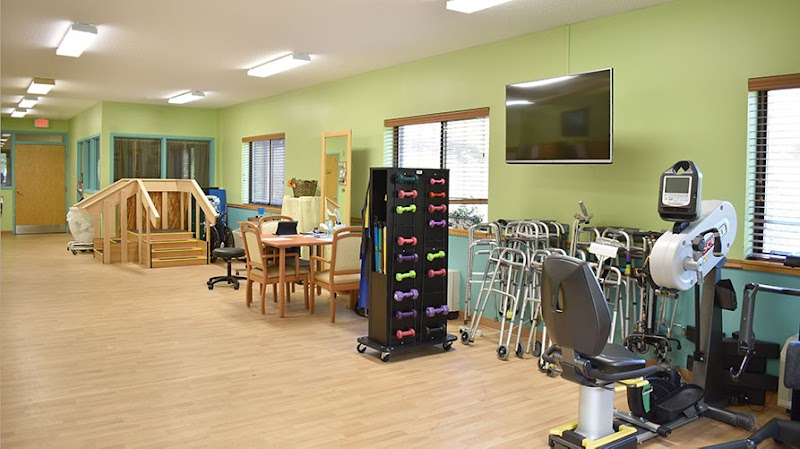
How is Loyalhanna Staffed?

CMS rates LOYALHANNA CARE CENTER's staffing level at 3 out of 5 stars, which is average compared to other nursing homes.

What Have Inspectors Found at Loyalhanna?

State health inspectors documented 67 deficiencies at LOYALHANNA CARE CENTER during 2023 to 2025. These included: 1 that caused actual resident harm, 65 with potential for harm, and 1 minor or isolated issues. Deficiencies causing actual harm indicate documented cases where residents experienced negative health consequences.

Who Owns and Operates Loyalhanna?

LOYALHANNA CARE CENTER is owned by a for-profit company. For-profit facilities operate as businesses with obligations to shareholders or private owners. The facility operates independently rather than as part of a larger chain. With 143 certified beds and approximately 75 residents (about 52% occupancy), it is a mid-sized facility located in LATROBE, Pennsylvania.

How Does Loyalhanna Compare to Other Pennsylvania Nursing Homes?

Compared to the 100 nursing homes in Pennsylvania, LOYALHANNA CARE CENTER's overall rating (2 stars) is below the state average of 3.0 and health inspection rating (2 stars) is below the national benchmark.

What Should Families Ask When Visiting Loyalhanna?

Based on this facility's data, families visiting should ask: "Can I visit during a mealtime to observe dining assistance and food quality?" "How do you handle medical emergencies, and what is your hospital transfer rate?" "Can I speak with family members of current residents about their experience?"

Is Loyalhanna Safe?

Based on CMS inspection data, LOYALHANNA CARE CENTER has a clean safety record: no substantiated abuse findings (meaning no confirmed cases of resident harm), no Immediate Jeopardy citations (the most serious violation level indicating risk of serious injury or death), and is not on the Special Focus Facility watch list (a federal program monitoring the lowest-performing 1% of nursing homes). The facility has a 2-star overall rating and ranks #100 of 100 nursing homes in Pennsylvania. While no facility is perfect, families should still ask about staff-to-resident ratios and recent inspection results during their visit.

Do Nurses at Loyalhanna Stick Around?

LOYALHANNA CARE CENTER has not reported staff turnover data to CMS. Staff turnover matters because consistent caregivers learn residents' individual needs, medications, and preferences. When staff frequently change, this institutional knowledge is lost. Families should ask the facility directly about their staff retention rates and average employee tenure.

Was Loyalhanna Ever Fined?

LOYALHANNA CARE CENTER has been fined $8,190 across 1 penalty action. This is below the Pennsylvania average of $33,161. While any fine indicates a compliance issue, fines under $50,000 are relatively common and typically reflect isolated problems that were subsequently corrected. Families should ask what specific issues led to these fines and confirm they've been resolved.

Is Loyalhanna on Any Federal Watch List?

LOYALHANNA CARE CENTER is not on any federal watch list. The most significant is the Special Focus Facility (SFF) program, which identifies the bottom 1% of nursing homes nationally based on persistent, serious quality problems. Not being on this list means the facility has avoided the pattern of deficiencies that triggers enhanced federal oversight. This is a positive indicator, though families should still review the facility's inspection history directly.