LAURELDALE SKILLED NURSING AND REHABILITATION CENT
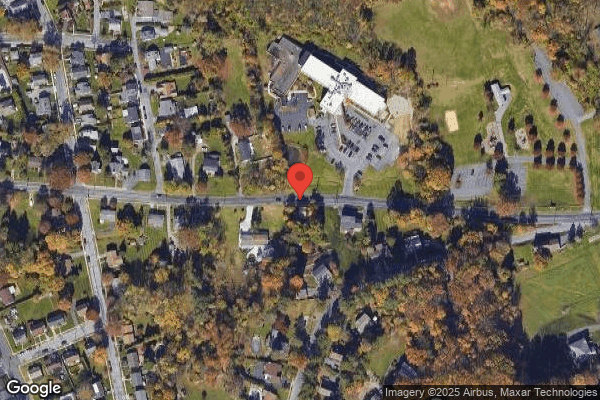
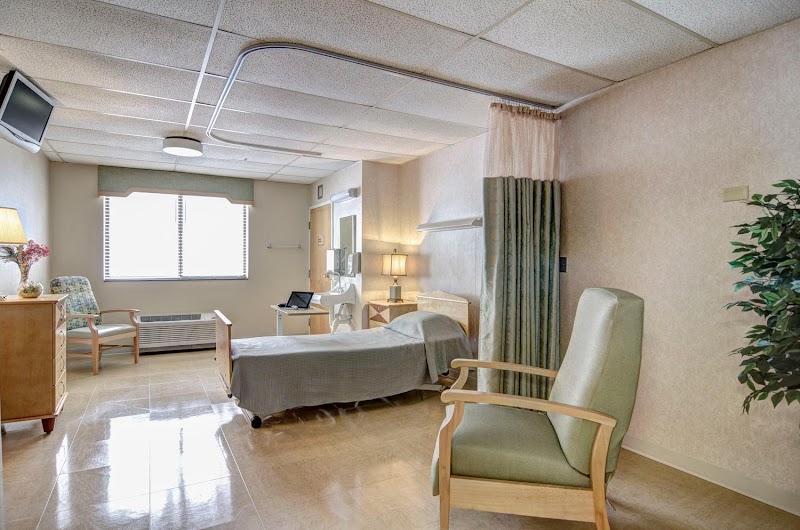
2125 ELIZABETH AVENUE, LAURELDALE, PA 19605 (610) 921-9292
For profit - Corporation 198 Beds GENESIS HEALTHCARE Data: November 2025
Trust Grade
23/100
#452 of 653 in PA
Last Inspection: July 2025

Inspected within the last 6 months. Data reflects current conditions.

Overview

Laureldale Skilled Nursing and Rehabilitation Center has received a Trust Grade of F, indicating significant concerns about the quality of care provided. Ranked #452 out of 653 facilities in Pennsylvania, they are in the bottom half, and #13 out of 15 in Berks County, suggesting that there are better local options available. The facility is improving, having reduced issues from 13 in 2024 to 6 in 2025, but it still reported serious incidents, including a failure to prevent a resident from falling, resulting in a head injury, and a case of sexual abuse between residents due to inadequate supervision. Staffing is a relative strength with a turnover rate of 37%, which is lower than the state average, indicating that many staff members stay long-term, but the facility has a below-average overall rating of 2 out of 5 stars. Additionally, the fines of $16,036 are concerning, as they indicate potential compliance problems, and the RN coverage is average, which may not catch all the critical issues that arise.

Trust Score
F
23/100
In Pennsylvania
#452/653
Bottom 31%
Safety Record
High Risk
Review needed
Inspections
Getting Better
13 → 6 violations
Staff Stability
○ Average
37% turnover. Near Pennsylvania's 48% average. Typical for the industry.
Penalties
✓ Good
$16,036 in fines. Lower than most Pennsylvania facilities. Relatively clean record.
Skilled Nurses
⚠ Watch
Each resident gets only 29 minutes of Registered Nurse (RN) attention daily — below average for Pennsylvania. Fewer RN minutes means fewer trained eyes watching for problems.
Violations
⚠ Watch
24 deficiencies on record. Higher than average. Multiple issues found across inspections.
★★☆☆☆
2.0
Overall Rating
★★★☆☆
3.0
Staff Levels
★★★☆☆
3.0
Care Quality
★★☆☆☆
2.0
Inspection Score
Stable
2024: 13 issues
2025: 6 issues

The Good

  • Full Sprinkler Coverage · Fire safety systems throughout facility
  • No fines on record
  • Staff turnover below average (37%)

    11 points below Pennsylvania average of 48%

Facility shows strength in fire safety.

The Bad

2-Star Overall Rating

Below Pennsylvania average (3.0)

Below average - review inspection findings carefully

Staff Turnover: 37%

Near Pennsylvania avg (46%)

Typical for the industry

Federal Fines: $16,036

Below median ($33,413)

Minor penalties assessed

Chain: GENESIS HEALTHCARE

Part of a multi-facility chain

Ask about local staffing decisions and management

The Ugly 24 deficiencies on record

2 actual harm
Jul 2025 3 deficiencies
CONCERN (D)

Potential for Harm - no one hurt, but risky conditions existed

Safe Environment (Tag F0584)

Could have caused harm · This affected 1 resident

**NOTE- TERMS IN BRACKETS HAVE BEEN EDITED TO PROTECT CONFIDENTIALITY** Based on observation, it was determined that the facility failed to provide a safe, clean, and comfortable environment on two of...

Read full inspector narrative →
**NOTE- TERMS IN BRACKETS HAVE BEEN EDITED TO PROTECT CONFIDENTIALITY** Based on observation, it was determined that the facility failed to provide a safe, clean, and comfortable environment on two of three nursing units. (Second and Third floors)Findings include: Observations on July 15, 2025, from 7:30 a.m. through 2:30 p.m. revealed the following environmental issues: Roof shingles were missing over the Heritage Wing of the first floor. Ceiling tiles and wallpaper were peeling in bathroom of room [ROOM NUMBER]. Ceiling tiles were peeling in bathroom of room [ROOM NUMBER]. The wallpaper below the sink and above the window was damaged in room [ROOM NUMBER]. A wall was damaged in the bathroom of room [ROOM NUMBER]. Wallpaper was peeling behind the bed in room [ROOM NUMBER]. The wall near the door of the second floor lounge was damaged. Ceiling tiles in the second floor dining room near the storage door were damaged. Wallpaper was peeling in the activity room by the office door. Ceiling tiles in the second floor in the lounge with the vending machines were damaged. The vent hose for the second floor resident dryer was badly crushed. Ceiling tiles were peeling in the second floor resident laundry room. On the right (window) side of room [ROOM NUMBER], two separate ceiling tiles each had brown stains. room [ROOM NUMBER]-A, had peeling wallpaper in several spots: on the right side of the room, under the window; in the bathroom and the wall outside of bathroom. Below the corner molding trim was dark and discolored. 28 Pa. Code 201.14(a) Responsibility of licensee. 28 Pa. Code 201.18(b)(1) Management.
CONCERN (D)

Potential for Harm - no one hurt, but risky conditions existed

ADL Care (Tag F0677)

Could have caused harm · This affected 1 resident

Based on observation, clinical record review, and staff and resident interviews, it was determined that the facility failed to provide services to maintain adequate grooming and hygiene for four of 33...

Read full inspector narrative →
Based on observation, clinical record review, and staff and resident interviews, it was determined that the facility failed to provide services to maintain adequate grooming and hygiene for four of 33 sampled residents. (Residents 14, 15, 55, and 62)Findings include: Clinical record review revealed that Resident 14 had diagnoses that included: paraplegia and congestive heart failure. Review of the care plan dated May 30, 2025, revealed that the resident required assistance with activities of daily living (ADLs) including grooming and bathing. On July 15, 2025, at 9:09 a.m., the resident was observed in bed. His fingernails were long and dirty. He was unshaven. The resident stated that his fingernails needed to be cut, and he would like a shave. On July 16, 2025, at 11:23 a.m., and on July 17, 2025, at 10:47 a.m. the resident was observed in bed. His fingernails remained long and dirty. He was unshaven.Clinical record review revealed that Resident 15 had diagnoses that included: dementia and polyneuropathy (nerve damage resulting in numbness in his extremities). Review of the care plan dated June 6, 2025, revealed that the resident required assistance with ADLs including grooming and bathing. On July 15, 2025, at 10:53 a.m., the resident was observed in bed. His fingernails were long and dirty. The resident was non-verbal but nodded when asked if his fingernails needed to be trimmed. On July 17, 2025, at 11:39 a.m. the resident was observed in bed. His fingernails remained long and dirty.Clinical record review revealed that Resident 55 had diagnoses that included: dementia, muscle wasting and atrophy, and heart failure. Review of the care plan dated May 23, 2025, revealed that the resident required assistance with ADLs including grooming and bathing. On July 15, 2025, at 11:43 a.m., the resident was observed in his wheelchair, visiting another resident. His fingernails were long and dirty. The resident stated that his fingernails needed to be trimmed, and he needed assistance. On July 17, 2025, at 1:43 p.m. the resident was observed in his wheelchair in his room. His fingernails remained long and dirty.Clinical record review revealed that Resident 62 had diagnoses that included: diabetes with neuropathy (nerve damage resulting in numbness), hemiplegia and hemiparesis (paralysis and weakness) due to a stroke. Review of the care plan dated June 30, 2025, revealed that the resident required assistance with ADLs including grooming and bathing. On July 15, 2025, at 10:55 a.m., the resident was observed in his room. His fingernails were long and dirty. The resident nodded when asked if his fingernails needed to be trimmed. On July 17, 2025, at 11:41 a.m. the resident was observed in his room. His fingernails remained long and dirty.In an interview on July 18, 2025, at 9:00 a.m., the Administrator confirmed that the residents' fingernails should have been trimmed, and shaving offered when residents are bathed and as needed. 28 Pa. Code 211.12(d)(1)(5) Nursing services.
CONCERN (D)

Potential for Harm - no one hurt, but risky conditions existed

Quality of Care (Tag F0684)

Could have caused harm · This affected 1 resident

Based on clinical record review and staff interview, it was determined that the facility failed to implement physicians' orders for two of 33 sampled residents. (Residents 47 and 103)Findings include:...

Read full inspector narrative →
Based on clinical record review and staff interview, it was determined that the facility failed to implement physicians' orders for two of 33 sampled residents. (Residents 47 and 103)Findings include: Clinical record review revealed that Resident 47 had diagnoses that included Alzheimer's disease and hypertension (high blood pressure). A physician's order dated July 20, 2024, directed staff to administer a medication (Bisoprolol Fumarate) three times a day for hypotension. The medication was to be held if the resident's systolic blood pressure (SBP) was lower than 90 millimeters of mercury (mm/Hg) or if the resident's heart rate was less than 60 beats per minute. Review of Resident 47's medication administration records (MARs) revealed that staff administered the medication three times in April 2025, twice in May 2025, four times in June 2025, and three times in July 2025 when the resident's heart rate was less than 60 beats per minute.Clinical record review revealed that Resident 103 had diagnoses that included epilepsy, dementia, and hypertension (high blood pressure). A physician's order dated April 9, 2025, directed staff to administer a medication (Hydralazine) every 8 hours as needed if the resident's systolic blood pressure (SBP) was greater than 140 millimeters of mercury (mm/Hg). Review of Resident 103's medication administration records (MARs) revealed that staff failed to administer the medication as ordered three times in April 2025, three times in May 2025, and once in June 2025, when the resident's SBP was greater than 140.In an interview on July 18, 2025, at 9:00 a.m., the Administrator confirmed that medication for Resident 47 was administered outside of the established parameters and Resident 103's medication was not given per the physician's order.28 Pa. Code 211.12(d)(1)(5) Nursing services.
Apr 2025 1 deficiency
CONCERN (D) 📢 Someone Reported This

A family member, employee, or ombudsman was alarmed enough to file a formal complaint

Potential for Harm - no one hurt, but risky conditions existed

Report Alleged Abuse (Tag F0609)

Could have caused harm · This affected 1 resident

**NOTE- TERMS IN BRACKETS HAVE BEEN EDITED TO PROTECT CONFIDENTIALITY** Based on facility policy review, facility documentation, clinical record review, and staff interview, it was determined that the...

Read full inspector narrative →
**NOTE- TERMS IN BRACKETS HAVE BEEN EDITED TO PROTECT CONFIDENTIALITY** Based on facility policy review, facility documentation, clinical record review, and staff interview, it was determined that the facility failed to immediately report an allegation of abuse or injury of unknown origin to the Administrator/Abuse Prevention Coordinator of the facility for one of six sampled residents. (Resident 1) Findings include: Review of the facility policy entitled, Abuse Prohibition, last reviewed March 26, 2025, revealed that all incidents and allegations of abuse, including injuries of unknown origin, were to be reported immediately to the administrator or designee. Clinical record review revealed that Resident 1 had diagnoses that included dementia and ventricular tachycardia (abnormal heart rhythm that occurs when the lower chamber of the heart beats too fast). The Minimum Data Set (MDS) assessment dated [DATE], indicated that the resident was cognitively impaired, required staff assistance with personal hygiene, and was dependent on staff for transfers. Review of facility witness statements revealed that a nurse aide (NA 3) saw multiple bruises on the resident's left arm, breast, and axilla (armpit) during the evening shift (3:00 p.m. to 11:00 p.m.) on April 8, 2025. Documentation by the licensed practical nurse (LPN 1) on April 8, 2025, at 7:20 p.m. indicated that the resident was observed with three large bruises located on the resident's left breast, left axilla, and left arm of unknown cause or onset. Facility documentation dated April 8, 2025, at 6:30 p.m., indicated that the injury was identified by LPN 1. There was a lack of evidence to support that the facility Administrator (Abuse Prevention Coordinator) was notified within two hours regarding the injury of unknown origin or that an investigation had been started until April 10, 2025, at 2:45 p.m. Documentation reflected that the Administrator was not notified until April 10, 2025, at 2:00 p.m. During an interview on April 11, 2025, at 2:54 p.m., the Administrator confirmed that he was not notified until April 10, 2025, at 2:00 p.m. In an interview on April 11, 2025, at 2:37 p.m., the Administrator confirmed that staff did not immediately notify him of the injury of unkown origin per facility policy. 28 Pa. Code 201.18(e)(1) Management. 28 Pa. Code 211.10(d) Resident care policies. 28 Pa. Code 211.12(d)(1)(5) Nursing services.
Feb 2025 2 deficiencies
CONCERN (D) 📢 Someone Reported This

A family member, employee, or ombudsman was alarmed enough to file a formal complaint

Potential for Harm - no one hurt, but risky conditions existed

Transfer Requirements (Tag F0622)

Could have caused harm · This affected 1 resident

Based on clinical record review and staff interview, it was determined that the facility failed to readmit a resident after a transfer to the hospital for one of eight sampled residents. (Resident 1) ...

Read full inspector narrative →
Based on clinical record review and staff interview, it was determined that the facility failed to readmit a resident after a transfer to the hospital for one of eight sampled residents. (Resident 1) Findings include: Clinical record review revealed that Resident 1 had diagnoses that included cancer and dementia. On February 9, 2025, at 10:34 p.m., a nurse noted that the resident was observed groping another resident and that he became combative with staff. On February 10, 2025, at 2:37 p.m., a nurse noted that the resident was sent to the hospital for an evaluation from a psychiatrist. In an interview on February 19, 2025, at 1:22 p.m., SW 1 (the hospital social worker) stated that the resident received the psychiatric evaluation and was deemed safe to return to the facility. She further stated that the resident remained in the facility and that the facility instructed the hospital that they would not be accepting the resident back. In an interview on February 19, 2025, at 9:30 a.m., the Administrator confirmed that the resident was discharged to the hospital and was not permitted to return. 28 Pa. Code 201.14(a) Responsibility of licensee.
CONCERN (E) 📢 Someone Reported This

A family member, employee, or ombudsman was alarmed enough to file a formal complaint

Potential for Harm - no one hurt, but risky conditions existed

Free from Abuse/Neglect (Tag F0600)

Could have caused harm · This affected multiple residents

Based on clinical record review, facility documentation review, and staff interview, it was determined that the facility failed to protect one of eight sampled residents (Resident 2) from sexual abuse...

Read full inspector narrative →
Based on clinical record review, facility documentation review, and staff interview, it was determined that the facility failed to protect one of eight sampled residents (Resident 2) from sexual abuse by another resident (Resident 1). Findings include: Clinical record review revealed that Resident 2 had diagnoses that included dementia and depression. According to her Minimum Data Set (MDS) assessment, dated February 3, 2025, she was cognitively impaired, had difficulty communicating, and was dependent on staff for mobility. Clinical record review revealed that Resident 1 had diagnoses that included cancer and dementia. According to the MDS assessment, dated August 12, 2024, the resident had periods of depressed mood and was able to move about the facility independently. In an interview on February 19, 2025, at 11:53 a.m., the nurse practitioner (NP 1) stated that Resident 1's room was changed on June 7, 2023, due to sexually inappropriate behavior with a cognitively impaired female resident, and as a result he was monitored by the psychiatrist for concerns including sexually inappropriate behavior. On July 10, 2024, the psychiatrist noted that the resident had begun to have behaviors towards a specific female peer (not identified in the note). Further review of progress notes dated August 4 and October 2, 2024, revealed that the resident was wandering into a specific female resident's room without consent and would become aggressive towards staff who discovered him unsupervised with the female without their consent. On December 4, 2024, the psychiatrist noted that Resident 1's room was again changed again due to interactions with a female resident of a sexual nature. There was no documentation in the clinical record that the facility took any action to protect residents from abuse. There was no evidence that the resident's sexually inappropriate behavior was included in the plan of care. On January 6, 2025, at 10:35 a.m., a nurse noted that a nurse aide observed that the resident exposed himself to another resident. There was no documentation in the clinical record that the facility took any action to protect residents from abuse despite Resident 1's continued sexually inappropriate behavior towards female peers. On February 9, 2025, at 10:34 p.m., a nurse noted that Resident 1 was discovered groping a female peer (Resident 2) while unsupervised in her room. Review of the facility investigation into the incident revealed that staff observed him in the resident room fondling both of her breasts outside her gown. In an interview on February 19, 2025, the Administrator confirmed that the facility did not increase supervision or include sexually inappropriate behavior on the resident's care plan despite a previous pattern of this behavior. CFR 483.12 Freedom from Abuse, Neglect, and Exploitation Previously cited 8/16/24 28 Pa. Code 201.14(a) Responsibility of licensee. 28 Pa. Code 201.18(b)(1) Management. 28 Pa. Code 211.12(d)(1)(5) Nursing Services.
Aug 2024 3 deficiencies 2 Harm
SERIOUS (G) 📢 Someone Reported This

A family member, employee, or ombudsman was alarmed enough to file a formal complaint

Actual Harm - a resident was hurt due to facility failures

Free from Abuse/Neglect (Tag F0600)

A resident was harmed · This affected 1 resident

**NOTE- TERMS IN BRACKETS HAVE BEEN EDITED TO PROTECT CONFIDENTIALITY** Based on clinical record review, facility documentation review, and staff interview, it was determined that the facility failed ...

Read full inspector narrative →
**NOTE- TERMS IN BRACKETS HAVE BEEN EDITED TO PROTECT CONFIDENTIALITY** Based on clinical record review, facility documentation review, and staff interview, it was determined that the facility failed to keep one of three sampled residents free from neglect, which resulted in actual harm of a head injury. (Resident 1) Findings include. Clinical record review revealed that Resident 1 had diagnoses that included muscle wasting, hypertension (high blood pressure), history of transient ischemic attacks (temporary interruptions of blood supply to the brain), atherosclerotic cardiovascular disease (a condition of increased plaque in the arteries of the heart, potentially causing heart attacks), and chronic respiratory failure. The Minimum Data Set (MDS) assessment (a periodic evaluation of resident care needs) dated [DATE], indicated that the resident had a history of falls and required maximum assistance to use the toilet. The care plan identified that Resident 1 was at risk for falls and required assistance with activities of daily living (basic self-care tasks such as personal hygiene and using the toilet), and that staff was to use two people to assist the resident to walk and transfer from one surface to another. On [DATE], a nurse noted that the resident fell in the bathroom while a nurse aide was attempting to assist him onto the toilet. On [DATE], the resident was evaluated by a physical therapist. The therapist noted that the resident was having more difficulty with transferring from one surface to another (such as getting on and off the toilet) and that staff was to use two or more helpers. On [DATE], a nurse noted that the resident was having difficulty standing and needed additional help. On [DATE], a nurse noted that the resident fell at 10:28 a.m., while being assisted with toileting. According to the facility incident investigation, only one nurse aide was assisting the resident at the time. While transferring off the toilet, the resident's knees buckled and he fell, striking his head on the floor. The nurse practioner noted that the resident suffered a hematoma (a collection of blood under the skin) and bleeding on his head. At the time, the nurse practioner also noted that the resident was dazed and was having difficulty breathing. The resident was monitored by staff but refused to be transported to a hospital for further evaluation. At 11:30 a.m., the resident stopped breathing and staff was unable to revive him. According to the facility investigation into the fall, the nurse aide who provided the assistance was aware of the need for two staff members and assisted the resident off the toilet alone despite the need for two people. In an interview on [DATE], at 1:00 p.m., the Director of Nursing stated that at the time of the fall, two staff should have assisted the resident instead of one. 28 Pa. Code 201.14(a) Responsibility of licensee. 28 Pa. Code 201.18(b)(1) Management. 28 Pa. Code 211.12(d)(1)(5) Nursing Services.
SERIOUS (G) 📢 Someone Reported This

A family member, employee, or ombudsman was alarmed enough to file a formal complaint

Actual Harm - a resident was hurt due to facility failures

Accident Prevention (Tag F0689)

A resident was harmed · This affected 1 resident

**NOTE- TERMS IN BRACKETS HAVE BEEN EDITED TO PROTECT CONFIDENTIALITY** Based on clinical record review, facility documentation review, and staff interview, it was determined that the facility failed ...

Read full inspector narrative →
**NOTE- TERMS IN BRACKETS HAVE BEEN EDITED TO PROTECT CONFIDENTIALITY** Based on clinical record review, facility documentation review, and staff interview, it was determined that the facility failed to provide adequate supervision and interventions to prevent accidents related to falls for one of three sampled residents which resulted in actual harm of a head injury. (Resident 1) Findings include. Clinical record review revealed that Resident 1 had diagnoses that included muscle wasting, hypertension (high blood pressure), history of transient ischemic attacks (temporary interruptions of blood supply to the brain), atherosclerotic cardiovascular disease (a condition of increased plaque in the arteries of the heart, potentially causing heart attacks), and chronic respiratory failure. The Minimum Data Set (MDS) assessment (a periodic evaluation of resident care needs) dated [DATE], indicated that the resident had a history of falls and required maximum assistance to use the toilet. The care plan identified that Resident 1 was at risk for falls and required assistance with activities of daily living (basic self-care tasks such as personal hygiene and using the toilet), and that staff was to use two people to assist the resident to walk and transfer from one surface to another. On [DATE], a nurse noted that the resident fell in the bathroom while a nurse aide was attempting to assist him onto the toilet. On [DATE], the resident was evaluated by a physical therapist. The therapist noted that the resident was having more difficulty with transferring from one surface to another (such as getting on and off the toilet) and that staff was to use two or more helpers. On [DATE], a nurse noted that the resident was having difficulty standing and needed additional help. On [DATE], a nurse noted that the resident fell at 10:28 a.m., while being assisted with toileting. According to the facility incident investigation, only one nurse aide was assisting the resident at the time. While transferring off the toilet, the resident's knees buckled and he fell, striking his head on the floor. The nurse practioner noted that the resident suffered a hematoma (a collection of blood under the skin) and bleeding on his head. At the time, the nurse practioner also noted that the resident was dazed and was having difficulty breathing. The resident was monitored by staff but refused to be transported to a hospital for further evaluation. At 11:30 a.m., the resident stopped breathing and staff was unable to revive him. In an interview on [DATE], at 1:00 p.m., the Director of Nursing stated that at the time of the fall, two staff should have assisted the resident instead of one. CFR: 483.25(d) Accidents Previously cited [DATE] 28 Pa. Code 201.14(a) Responsibility of licensee. 28 Pa. Code 201.18(b)(1) Management. 28 Pa. Code 211.12(d)(1)(5) Nursing Services.
CONCERN (D) 📢 Someone Reported This

A family member, employee, or ombudsman was alarmed enough to file a formal complaint

Potential for Harm - no one hurt, but risky conditions existed

Notification of Changes (Tag F0580)

Could have caused harm · This affected 1 resident

Based on clinical record review, facility documentation reivew, and staff interview, it was determined that the facility failed to ensure that the responsible party was notified of a change in conditi...

Read full inspector narrative →
Based on clinical record review, facility documentation reivew, and staff interview, it was determined that the facility failed to ensure that the responsible party was notified of a change in condition and a fall for one of three sampled residents. (Resident 1) Findings include: Clinical record review revealed that Resident 1 had diagnoses that included muscle wasting, hypertension, history of transient ischemic attacks, atherosclerotic cardiovascular disease, and chronic respiratory failure. On August 6, 2024, at 3:15 p.m., a nurse noted that the resident fell after using the toilet. According to the facility investigation into the fall, the resident's responsible party was not notified of the fall until the following day at 3:30 p.m. In an interview on August 16, 2024, the Director of Nursing stated that staff was to notify the responsible immediately after a fall. 28 Pa. Code 211.12(d)(1)(5) Nursing services.
Jun 2024 6 deficiencies
CONCERN (D)

Potential for Harm - no one hurt, but risky conditions existed

Quality of Care (Tag F0684)

Could have caused harm · This affected 1 resident

Based on clinical record review and staff interview, it was determined that the facility failed to ensure that physician's orders were implemented for two of 35 sampled residents. (Residents 135, 151)...

Read full inspector narrative →
Based on clinical record review and staff interview, it was determined that the facility failed to ensure that physician's orders were implemented for two of 35 sampled residents. (Residents 135, 151) Findings include: Clinical record review revealed that Resident 135 had diagnoses that included history of a stroke and high blood pressure. On June 1, 2024, a physician's order directed staff to administer a medication (metoprolol tartrate) two times a day to treat the resident's high blood pressure and heart rate. Staff was not to give the medication if the resident had a systolic (top number of a blood pressure reading) blood pressure below 110 millimeters of mercury (mmHg) or if the heart rate was less than 50 beats per minute. A review of the June 2024, Medication Administration Record (MAR) revealed that staff administered the medication over 43 times without checking that the blood pressure and heart rate were above the hold parameters. Clinical record review revealed that Resident 151 had diagnoses that included sepsis, kidney failure, and heart failure. On May 31, 2024, a physician's order directed staff to administer a medication (furosemide) one time a day on Mondays, Wednesdays, and Fridays, and to hold the medication if the blood pressure readings were below 90/60 mmHg. A review of the resident's June 2024, MAR revealed that staff administered the medication ten times in June 2024, without confirming that the blood pressure was above the established parameter. In an interview on June 27, 2024, at 12:00 p.m., the Director of Nursing confirmed the parameters were not checked prior to the administration of the medications for Residents 135 and 151. 28 Pa. Code 211.12(d)(1)(5) Nursing services.
CONCERN (D)

Potential for Harm - no one hurt, but risky conditions existed

Deficiency F0688 (Tag F0688)

Could have caused harm · This affected 1 resident

**NOTE- TERMS IN BRACKETS HAVE BEEN EDITED TO PROTECT CONFIDENTIALITY** Based on clinical record review and resident and staff interview, it was determined that the facility failed to provide restorat...

Read full inspector narrative →
**NOTE- TERMS IN BRACKETS HAVE BEEN EDITED TO PROTECT CONFIDENTIALITY** Based on clinical record review and resident and staff interview, it was determined that the facility failed to provide restorative nursing services to prevent a reduction in range of motion and/or to improve or maintain mobility on a consistent basis for three of 35 sampled residents. (Residents 4, 31, 83) Findings include: Clinical record review revealed that Resident 4 had diagnoses that included dementia, congestive heart failure, and hemiplegia (one sided paralysis or weakness). The Minimum Data Set (MDS) assessment dated [DATE], indicated that the resident was cognitively impaired and required staff assistance for activities of daily living. Review of Resident 4's current care plan revealed that she was at risk for loss of range of motion due to her physical limitations and that staff was to provide a restorative nursing program for passive range of motion exercises to her legs with morning and evening care. There was no documented evidence to support that staff was completing passive range of motion exercises to Resident 4's legs. Clinical record review revealed that Resident 31 had diagnoses that included dementia and pain in the left and right knee. The MDS assessment dated [DATE], indicated the resident was cognitively impaired and required staff assistance for activities of daily living. Review of Resident 31's care plan revealed that he was at risk for loss of range of motion with an intervention for staff to provide restorative passive range of motion exercises to his legs with morning and evening care. There was no documented evidence that staff was completing the passive range of motion exercises for Resident 31. Clinical record review revealed that Resident 83 had diagnoses that included chronic obstructive pulmonary disease and anxiety. The MDS assessment dated [DATE], indicated that the resident required staff assistance for activities of daily living. Review of Resident 83's current care plan revealed that she was at risk for loss of range of motion due to physical limitations and that that staff was to provide a restorative nursing program for passive range of motion to her right arm with morning and evening care. In an interview on June 26, 2024, at 10:30 a.m., Resident 83 stated that staff do not complete exercises to her right arm. There was no documented evidence to support that staff was completing passive range of motion exercises to Resident 83's right arm. In an interview on June 27, 2024, at 11:57 a.m. the Director of Nursing confirmed that there was no documented evidence that the restorative nursing programs were completed. 28 Pa. Code 211.12(d)(1)(5) Nursing services.
CONCERN (D)

Potential for Harm - no one hurt, but risky conditions existed

Accident Prevention (Tag F0689)

Could have caused harm · This affected 1 resident

**NOTE- TERMS IN BRACKETS HAVE BEEN EDITED TO PROTECT CONFIDENTIALITY** Based on clinical record review, review of facility documentation, observation, and staff interview, it was determined that the ...

Read full inspector narrative →
**NOTE- TERMS IN BRACKETS HAVE BEEN EDITED TO PROTECT CONFIDENTIALITY** Based on clinical record review, review of facility documentation, observation, and staff interview, it was determined that the facility failed to provide adequate supervision to prevent accidents/hazards on two of four nursing units. (Second Floor Unit and Third Floor Unit) In addition, it was determined that the facility failed to thoroughly investigate a fall and provide appropriate interventions for one of six sampled residents identified at risk for falls. (Resident 56) Findings include: Clinical record review revealed that Resident 9 had diagnoses that included gastro-esophageal reflux disease, dementia, and spinal stenosis. Review of the Minimum Data Set (MDS) assessment dated [DATE], revealed the resident had cognitive impairment. On January 18, 2024, the physician ordered a dysphagia mechanically altered texture diet. Review of Resident 9's care plan revealed she had a self-care deficit with an intervention for staff to provide meal support. Observations on June 26, 2024, from 12:38 p.m. through 12:50 p.m., revealed Resident 9 in bed in room [ROOM NUMBER] with Resident 28 assisting to feed Resident 9 her lunch. At no time did staff intervene. Observations on June 27, 2024, from 11:30 a.m. to 11:45 a.m., revealed that the third floor unit treatment cart was opened and unlocked. The cart contained tubes of medications, including three tubes of steroid creams, two tubes of antibiotic creams, two bottles of antifungal medications, one tube of hemorrhoid relief cream, and one tube of pain relief cream. Cognitively impaired residents, including Residents 56 and 88, were observed walking around the unit and self-propelling around the unit without supervision at this time. In an interview on June 27, 2024, at 11:45 a.m., the third floor unit manager confirmed the drawer on the treatment cart should have been locked. Clinical record review revealed that Resident 56 was admitted to the facility with diagnoses that included dementia, anxiety, and diabetes mellitus. Review of the MDS assessment dated [DATE], indicated that the resident had multiple falls and used an indwelling urinary catheter (a device used to drain urine when you cannot urinate on your own). Review of the current care plan revealed that Resident 56 was at risk to fall due to unsteady walking and behaviors and an intervention was for the resident's bed to be kept in a low position. After a fall on April 9, 2024, documentation on the facility incident report and care plan revealed that the intervention added to prevent further falls was to toilet the resident for urinary incontinence, even though the resident had a urinary catheter in place. On April 24, 2024, Resident 56 was again found on the floor next to his bed. Review of the nursing notes and the facility incident report did not indicate if Resident 56's bed was in a low position when he fell. Review of the facility incident report and an interdisciplinary team note dated April 24, 2024, revealed that the intervention was to educate nursing staff on maintaining the resident's bed in a low position. In an interview on June 27, 2024, at 1:00 p.m. the Director of Nursing confirmed that Resident 56 used an indwelling urinary catheter and would not be appropriate for a toileting program to prevent falls. The Director of Nursing also stated that there was no documentation to support that Resident 56's bed was in the low position when he fell out of bed on April 24, 2024. CFR. 483.25(d)(1)(2) Accidents. Previously cited 8/24/23 28 Pa. Code 211.12(d)(5) Nursing services.
CONCERN (D)

Potential for Harm - no one hurt, but risky conditions existed

Deficiency F0806 (Tag F0806)

Could have caused harm · This affected 1 resident

**NOTE- TERMS IN BRACKETS HAVE BEEN EDITED TO PROTECT CONFIDENTIALITY** Based on clinical record review, observation, and resident interview, it was determined that the facility failed to accomodate e...

Read full inspector narrative →
**NOTE- TERMS IN BRACKETS HAVE BEEN EDITED TO PROTECT CONFIDENTIALITY** Based on clinical record review, observation, and resident interview, it was determined that the facility failed to accomodate each resident's preference at meal times for two of 35 sampled residents. (Residents 21, 130) Findings include: Clinical record review revealed that Resident 21 had diagnoses that included diabetes, gastro-esophageal reflux disease (GERD), and problems with the intestines. Review of the Minimum Data Set (MDS) assessment dated [DATE], revealed the resident was alert and oriented. Review of Resident 21's care plan revealed she had potential for a nutritional problem related to diabetes, GERD, and intestinal issues. Observation on June 26, 2024, from 12:40 p.m. through 12:55 p.m., revealed Resident 21 with her lunch tray. Resident 21's meal ticket stated she was not to have gravy on any part of her meal. Resident 21 was observed with three ounces of roast pork that was heavily coated with a dark brown gravy. In an interview on June 26, 2024, at 12:45 p.m., Resident 21 stated she did not like gravy. Clinical record review revealed that Resident 130 had diagnoses that included dementia, underweight, and malnutrition. Review of the MDS assessment dated [DATE], revealed the resident had cognitive impairment. Review of Resident 130's care plan revealed she had potential for a nutritional problem related to poor appetite. Observation on June 26, 2024, from 12:17 p.m. through 12:40 p.m., revealed Resident 130 with her lunch tray. Resident 130's meal ticket stated she would receive carrots. The menu for the day included broccoli. Resident 130 was observed with broccoli on her plate. 28 Pa. Code 201.14(a) Responsibility of licensee. 28 Pa. Code 201.18(b) Management.
CONCERN (E)

Potential for Harm - no one hurt, but risky conditions existed

Food Safety (Tag F0812)

Could have caused harm · This affected multiple residents

Based on observation, it was determined that the facility failed to maintain sanitary conditions in the kitchen. Findings include: Observation during the environmental tour on June 25, 2024, at 8:30 a...

Read full inspector narrative →
Based on observation, it was determined that the facility failed to maintain sanitary conditions in the kitchen. Findings include: Observation during the environmental tour on June 25, 2024, at 8:30 a.m., revealed three pipes covered in dust lying on the floor near the ice machine. There were two dirty bowls behind the ice machine, and water was observed draining from the ice machine onto the floor underneath and around the ice machine, creating areas of standing water. In the dish room, there was a vent with various areas of peeling paint. 28 Pa. Code 201.18(e)(2.1) Management.
MINOR (B)

Minor Issue - procedural, no safety impact

Transfer Notice (Tag F0623)

Minor procedural issue · This affected multiple residents

**NOTE- TERMS IN BRACKETS HAVE BEEN EDITED TO PROTECT CONFIDENTIALITY** Based on clinical record review and staff interview, it was determined that the facility failed to notify the resident's represe...

Read full inspector narrative →
**NOTE- TERMS IN BRACKETS HAVE BEEN EDITED TO PROTECT CONFIDENTIALITY** Based on clinical record review and staff interview, it was determined that the facility failed to notify the resident's representative(s) of transfer and the reasons for the move in writing for nine of 12 sampled residents who were transferred to the hospital. (Residents 2, 4, 13, 14, 15, 18, 83, 130, 155) Findings include: Clinical record review revealed that Resident 2 was transferred and admitted to the hospital on [DATE], after a change in condition. There was no evidence that the resident's responsible party was provided with written information regarding the resident's transfer to the hospital. Clinical record review revealed that Resident 4 was transferred and admitted to the hospital on [DATE], after a change in condition. There was no evidence that the resident's responsible party was provided with written information regarding the resident's transfer to the hospital. Clinical record review revealed that Resident 13 was transferred and admitted to the hospital on [DATE], after a change in condition. There was no evidence that the resident's responsible party was provided with written information regarding the resident's transfer to the hospital. Clinical record review revealed that Resident 14 was transferred and admitted to the hospital on [DATE], after a change in condition. There was no evidence that the resident's responsible party was provided with written information regarding the resident's transfer to the hospital. Clinical record review revealed that Resident 15 was transferred and admitted to the hospital on [DATE], after a change in condition. There was no evidence that the resident's responsible party was provided with written information regarding the resident's transfer to the hospital. Clinical record review revealed that Resident 18 was transferred and admitted to the hospital on [DATE], after a change in condition. There was no evidence that the resident's responsible party was provided with written information regarding the resident's transfer to the hospital. Clinical record review revealed that Resident 83 was transferred and admitted to the hospital on [DATE], after a change in condition. There was no evidence that the resident's responsible party was provided with written information regarding the resident's transfer to the hospital. Clinical record review revealed that Resident 130 was transferred and admitted to the hospital on [DATE], and June 5, 2024, after changes in condition. There was no evidence that the resident's responsible party was provided with written information regarding the resident's transfers to the hospital. Clinical record review revealed that Resident 155 was transferred and admitted to the hospital on [DATE], after a change in condition. There was no evidence that the resident's responsible party was provided with written information regarding the resident's transfer to the hospital. In an interview on June 27, 2024, at 1:07 p.m., the Director of Nursing confirmed that written transfer information, including the reasons for the move, was not provided to residents' representatives.
Mar 2024 2 deficiencies
CONCERN (D) 📢 Someone Reported This

A family member, employee, or ombudsman was alarmed enough to file a formal complaint

Potential for Harm - no one hurt, but risky conditions existed

Comprehensive Care Plan (Tag F0656)

Could have caused harm · This affected 1 resident

**NOTE- TERMS IN BRACKETS HAVE BEEN EDITED TO PROTECT CONFIDENTIALITY** Based on clinical record review and staff interview, it was determined that the facility failed to develop a comprehensive care ...

Read full inspector narrative →
**NOTE- TERMS IN BRACKETS HAVE BEEN EDITED TO PROTECT CONFIDENTIALITY** Based on clinical record review and staff interview, it was determined that the facility failed to develop a comprehensive care plan to meet a resident's needs identified in the comprehensive assessment for one of seven residents. (Resident 1) Findings include: Clinical record review revealed that Resident 1 was admitted to the facility on [DATE], and had diagnoses that included diabetes and an altered mental state. The Minimum Data Set Care Area Assessment summary dated January 20, 2024, noted that the resident was at risk for impaired nutrition and that it was to be addressed in the care plan. There was no evidence that interventions to address Resident 1's nutritional needs were included in the current care plan. In an interview on March 13, 2024, at 2:21 p.m., the Nursing Home Administrator confirmed that the identified care area was not addressed in the resident's care plan. 28 Pa. Code 211.12(d)(1)(5) Nursing services.
CONCERN (D) 📢 Someone Reported This

A family member, employee, or ombudsman was alarmed enough to file a formal complaint

Potential for Harm - no one hurt, but risky conditions existed

Deficiency F0692 (Tag F0692)

Could have caused harm · This affected 1 resident

**NOTE- TERMS IN BRACKETS HAVE BEEN EDITED TO PROTECT CONFIDENTIALITY** Based on facility policy review, clinical record review, and staff interview, it was determined that the facility failed to time...

Read full inspector narrative →
**NOTE- TERMS IN BRACKETS HAVE BEEN EDITED TO PROTECT CONFIDENTIALITY** Based on facility policy review, clinical record review, and staff interview, it was determined that the facility failed to timely assess nutritional status for two of seven sampled residents. (Residents 1, 6) Findings include: Review of the facility policy entitled, Weights and Heights, dated August 1, 2023, revealed that residents were to be weighed upon admission and then weekly for four weeks and monthly thereafter. Additional weights may be obtained at the discretion of the interdisciplinary care team. Review of the facility policy entitled, Change in Condition dated August 1, 2023, revealed that a facility must immediately inform the resident, the physician, and responsible party (RP) of a significant change in the resident's physical status (deterioration in health). Clinical record review revealed that Resident 1 was admitted to the facility on [DATE], and had diagnoses that included diabetes and altered mental state. Review of the Minimum Data Set (MDS) assessment, dated February 7, 2024, revealed the resident had cognitive impairment. Review of the weight record revealed that the resident weighed 147 pounds on January 12, 2024. There was no further weights recorded until March 5, 2024, when he weighed 128.65 pounds, a significant (12.5 percent) loss of 18.35 pounds. Documentation revealed that the resident was only eating about 25 percent of his meals from February 27, to March 8, 2024. There was no evidence to support that the facility had assessed or addressed the significant weight loss and/or had immediately notified the physician and responsible party of Resident 1's change in condition. Clinical record review revealed that Resident 6 had diagnoses that included spastic paraplegia and anemia. Review of the MDS assessment, dated February 2, 2024, revealed the resident had no memory impairment. Review of the weight record revealed the resident weighed 122.4 pounds on January 5, 2024. There was no further weights recorded until March 8, 2024, when the resident weighed 110 pounds, a significant (10.13 percent) loss of 12.4 pounds. There was no evidence to support that the facility had assessed or addressed the significant weight loss and/or had immediately notified the physician and responsible party of Resident 6's change in condition. In an interview on March 13, 2024, at 2:21 p.m., the Nursing Home Administrator stated there was no documented evidence that staff obtained the weights according to the facility policy or that staff immediately notified the physician and RP of the significant weight losses. 28 Pa. Code 211.12(d)(1)(3)(5) Nursing services.
Jan 2024 2 deficiencies
CONCERN (D) 📢 Someone Reported This

A family member, employee, or ombudsman was alarmed enough to file a formal complaint

Potential for Harm - no one hurt, but risky conditions existed

Quality of Care (Tag F0684)

Could have caused harm · This affected 1 resident

Based on clinical record review and staff interview, it was determined that the facility failed to failed to ensure that physician's orders were implemented for two of eight sampled residents. (Reside...

Read full inspector narrative →
Based on clinical record review and staff interview, it was determined that the facility failed to failed to ensure that physician's orders were implemented for two of eight sampled residents. (Residents CL2, 7) Findings include: Clinical record review revealed that Resident CL2 had diagnoses that included venous insufficiency and diabetes. Review of Resident CL2's care plan revealed that he was at risk for alteration in skin integrity related to pressure. On December 14, 2023, the wound certified registered nurse practitioner documented that Resident CL2 had a deep tissue pressure injury to his left heel and ordered for staff to apply Betadine (antiseptic used to treat wounds) daily. There was no documented evidence that this treatment was implemented. In an interview on January 3, 2024, at 12:31 p.m., the Director of Nursing confirmed that the Betadine treatment was not provided to Resident CL2. Clinical record review revealed that Resident 7 had diagnoses that included sleep apnea and depression. Review of Resident 7's care plan revealed he was at risk for altered respiratory status/difficulty breathing related to sleep apnea with an intervention for staff to administer continuous positive airway pressure (CPAP) per physician's order. On March 28, 2023, the physician ordered for staff to apply a CPAP machine at bedtime. Review of Resident 7's treatment administration records revealed a lack of documentation to support that the CPAP was applied on November 6, 20, 24, 27, 28, and 30, 2023, December 5, 12, 13, 14, 18, 25, and 30, 2023, and January 1 and 2, 2024. In an interview on January 3, 2024, at 12:32 p.m., the Director of Nursing confirmed that there was no documentation to support that Resident 7's CPAP was applied on the above dates. 28 Pa. Code 211.12(d)(1)(3)(5) Nursing services.
CONCERN (D) 📢 Someone Reported This

A family member, employee, or ombudsman was alarmed enough to file a formal complaint

Potential for Harm - no one hurt, but risky conditions existed

Accident Prevention (Tag F0689)

Could have caused harm · This affected 1 resident

**NOTE- TERMS IN BRACKETS HAVE BEEN EDITED TO PROTECT CONFIDENTIALITY** Based on clinical record review, facility docmentation review, and staff interview, it was determined that the facility failed t...

Read full inspector narrative →
**NOTE- TERMS IN BRACKETS HAVE BEEN EDITED TO PROTECT CONFIDENTIALITY** Based on clinical record review, facility docmentation review, and staff interview, it was determined that the facility failed to ensure that safety interventions were in place to prevent falls for one of eight sampled residents. (Resident 1) Findings include: Clinical record review revealed that Resident 1 had diagnoses that included dementia, congestive heart failure, and muscle weakness. Review of the Minimum Data Set assessment dated [DATE], revealed that the resident had cognitive impairment and was dependent on staff assistance to roll left and right in bed. Review of the care plan revealed that two staff were to assist with all care. Review of facility documentation dated December 28, 2023, revealed that Resident 1 rolled out of bed during incontinence care while being assisted by one staff member. In an interview on January 3, 2024, at 1:16 p.m., the Administrator confirmed that the required number of two staff members was not used to provide incontinence care to the resident. 28 Pa. Code 211.12(d)(1)(5) Nursing services.
Dec 2023 1 deficiency
CONCERN (D) 📢 Someone Reported This

A family member, employee, or ombudsman was alarmed enough to file a formal complaint

Potential for Harm - no one hurt, but risky conditions existed

Resident Rights (Tag F0550)

Could have caused harm · This affected 1 resident

**NOTE- TERMS IN BRACKETS HAVE BEEN EDITED TO PROTECT CONFIDENTIALITY** Based on clinical record review and staff interview, it was determined that the facility failed to ensure that residents were as...

Read full inspector narrative →
**NOTE- TERMS IN BRACKETS HAVE BEEN EDITED TO PROTECT CONFIDENTIALITY** Based on clinical record review and staff interview, it was determined that the facility failed to ensure that residents were assisted with bathing in accordance with individual preferences for two of six sampled residents. (Resident 1, 2) Findings include: Clinical record review revealed that Resident 1 had diagnoses that included a fractured rib, heart disease, dementia and anxiety. The Minimum Data Set (MDS) assessment dated [DATE], indicated that the resident had minimal memory impairment and required assistance from staff with showering. A review of the care plan revealed that the resident had a deficit in Activities of Daily Living (ADL's) due to physicial limitations. There was an intervention for staff to assist him with showering and bathing as needed. Review of the nurse aide documentation for the last 30 days revealed that Resident 1 was scheduled to receive assistance with a shower/bathing on Mondays and Thursdays on the evening shift. There was no documented evidence that the resident had been offered assistance and had received a shower as preferred on Monday November 13, 20, 27 and December 4, 2023. In addition, there was no documented evidence that the resident had been offered assistance and had received a shower as preferred on Thursday November 16 and 23, 2023. Clinical record review revealed that Resident 2 had diagnoses that included a stroke, paralysis of the left side, and above the knee amputation. The MDS assessment dated [DATE], indicated that the resident had no memory impairment and required assistance from staff with showering. A review of the care plan revealed that the resident had an ADL care deficit due to physical limitations. There was an intervention for staff to assist him with transfers and to assist with daily hygiene and grooming as needed. Review of the nurse aide documentation for the last 30 days revealed that Resident 2 was scheduled to receive assistance with a shower/bathing on Mondays and Thursdays on the day shift. There was no documented evidence that the resident was offered assistance and had received a shower as preferred on November 6, 20 and 27, 2023. In addition, there was no documented evidence that the resident had been offered assistance and had received a shower as preferred on Thursday November 2, 2023. . In an interview on December 7, 2023, at 12:33 p.m, the Director of Nursing confirmed that there was no documented evidence that Resident 1 and 2 had been offered assistance with a shower or bed bath on the scheduled days. 28 Pa. Code 211.12 (d)(1)(5) Nursing services. .
Aug 2023 3 deficiencies
CONCERN (D)

Potential for Harm - no one hurt, but risky conditions existed

Assessment Accuracy (Tag F0641)

Could have caused harm · This affected 1 resident

**NOTE- TERMS IN BRACKETS HAVE BEEN EDITED TO PROTECT CONFIDENTIALITY** Based on clinical record review and staff interview, it was determined that the facility failed to ensure that the Minimum Data ...

Read full inspector narrative →
**NOTE- TERMS IN BRACKETS HAVE BEEN EDITED TO PROTECT CONFIDENTIALITY** Based on clinical record review and staff interview, it was determined that the facility failed to ensure that the Minimum Data Set (MDS) assessment was completed to accurately reflect the resident's status for one of 32 sampled residents. (Resident 126) Findings include: Clinical record review revealed that Resident 126 had diagnoses that included a history of falling and repeated falls. A significant change MDS assessment dated [DATE], failed to indicate in section J, Health Conditions, that the resident had experienced falls during the MDS assessment period. Review of nursing documentation revealed that the resident had fallen during the MDS assessment period. In an interview on August 24, 2023, at 9:15 a.m., RN1 stated that the MDS assessment dated [DATE], was incorrect as the resident had two or more falls with minor injuries during the MDS assessment period.
CONCERN (D)

Potential for Harm - no one hurt, but risky conditions existed

Accident Prevention (Tag F0689)

Could have caused harm · This affected 1 resident

**NOTE- TERMS IN BRACKETS HAVE BEEN EDITED TO PROTECT CONFIDENTIALITY** Based on clinical record review, review of incident reports and staff interview, it was determined that the facility failed to p...

Read full inspector narrative →
**NOTE- TERMS IN BRACKETS HAVE BEEN EDITED TO PROTECT CONFIDENTIALITY** Based on clinical record review, review of incident reports and staff interview, it was determined that the facility failed to provide adequate supervision and interventions in a timely manner in order to prevent falls for one of six sampled residents who were at risk for falls. (Resident 126) Findings include: Clinical record review revealed that Resident 126 was admitted to the facility on [DATE], and had diagnoses of Parkinson's disease, repeated falls, unsteadiness on his feet and a history of falling. The Minimum Data Set assessments dated May 25, 2023, and August 16, 2023, indicated that the resident required limited to extensive assistance for activities of daily living and had a history of falls. A review of the care plan revealed the resident was at risk for falls due to a history of falls, impaired balance, poor coordination, an unsteady gait and non-compliance with asking for assistance from staff. Review of incident reports revealed that on June 1, 4, 7, 11, and 22, 2023, the resident had been found on the floor in his room at various times during the 3:00 p.m., to 11:00 p.m., shift. On July 6, 2023, and July 11, 2023, facility incident reports indicated that he had slid off of his wheelchair between 6:00 p.m., and 7:00 p.m On July 19, 2023, at 9:45 p.m., he again had fallen out of his wheelchair and was found on the floor in his room. On July 25, 26 and 27, 2023, the resident was found on the floor in his room between 9:00 p.m., and 11:00 p.m On July 28, 2023 and July 29, 2023, the resident had falls on the 11:00 p.m., to 7:00 a.m., shift. Further review of incident reports revealed that the resident was found on the floor in his room on August 1, 5, 6, 8, 14, 21, 22 and 23, 2023, again all during the evening shifts. On August 1 and 22, 2023, the resident had been transferred out to the hospital for evaluation and treatment after he had fallen. Review of the facility incident report for August 23, 2023, revealed that a new intervention was to place the resident on one to one observation on the evening shift. In an interview on August 24, 2023, at 9:15 a.m., RN1 confirmed that the new intervention was to place the resident on one to one observation on the evening shift due to his multiple falls since he was admitted to the facility. Review of incident reports from May 31, 2023, through August 23, 2023, revealed that the resident had experienced 16 falls on the 3:00 p.m.,- 11:00 p.m., shift, three falls on the 11:00 p.m., - 7:00 a.m., shift and six falls on the 7:00 a.m., to 3:00 p.m., shift for a total of 25 falls in three months. The facility failed to provide adequate supervision in a timely manner in order to prevent multiple falls since he had been admitted to the facility. 28 Pa. Code 211.12(d)(1)(5) Nursing services.
CONCERN (D)

Potential for Harm - no one hurt, but risky conditions existed

Incontinence Care (Tag F0690)

Could have caused harm · This affected 1 resident

**NOTE- TERMS IN BRACKETS HAVE BEEN EDITED TO PROTECT CONFIDENTIALITY** Based on policy review, clinical record review, and staff interview, it was determined that the facility failed to adequately as...

Read full inspector narrative →
**NOTE- TERMS IN BRACKETS HAVE BEEN EDITED TO PROTECT CONFIDENTIALITY** Based on policy review, clinical record review, and staff interview, it was determined that the facility failed to adequately assess bladder incontinence and failed to provide care and services to restore bladder continence for one of 32 sampled residents. (Resident 116) Findings include: Review of the facility policy entitled, Continence Management, dated August 1, 2023, revealed that facility staff was to complete a urinary incontinence assessment upon admission or re-admission and with a change in condition or change in continence status. Clinical record review revealed that Resident 116 was admitted to the facility on [DATE], with diagnoses that included dependence on dialysis, muscle wasting, and chronic obstructive pulmonary disease. According to the Minimum Data Set (MDS) assessment, dated August 7, 2023, the resident was usually understood and needed extensive assistance from staff for toileting. The assessment further indicated that the resident was frequently incontinent of urine and was not on a toileting program. There was no documentation in the clinical record to support that the resident's urinary incontinence was assessed by the facility to determine if normal bladder function could be restored. According to nurse aide documentation, the resident had been frequently incontinent since admission to the facility. In an interview conducted on August 24, 2023, at 9:18 a.m., Registered Nurse 1 (RN1) confirmed Resident 116's urinary incontinence had not been assessed per facility policy. 28 Pa Code 211.12(d)(1)(5) Nursing services.
Mar 2023 1 deficiency
CONCERN (D) 📢 Someone Reported This

A family member, employee, or ombudsman was alarmed enough to file a formal complaint

Potential for Harm - no one hurt, but risky conditions existed

Notification of Changes (Tag F0580)

Could have caused harm · This affected 1 resident

**NOTE- TERMS IN BRACKETS HAVE BEEN EDITED TO PROTECT CONFIDENTIALITY** Based on clinical record review and staff interview, it was determined that the facility failed to ensure that a resident's resp...

Read full inspector narrative →
**NOTE- TERMS IN BRACKETS HAVE BEEN EDITED TO PROTECT CONFIDENTIALITY** Based on clinical record review and staff interview, it was determined that the facility failed to ensure that a resident's responsible party was notified of a change in condition and treatment for one of three sampled residents who experienced a change in condition. (Resident 1) Findings Include: Clinical record review revealed that Resident 1 had diagnoses that included heart failure, orthostatic hypertension, aortic valve disorder, and heart block. Review of Resident 1's admission documents dated February 20, 2023, revealed that the resident designated a representative. Review of a physician's assistant (PA) progress note dated March 14, 2023, revealed that the resident experienced nausea and weakness. The PA ordered Pepcid (a medication for reflux) 20 milligrams (mg) once a day and Zofran (a medication for nausea) four mg every eight hours as needed. There was no evidence that the resident's responsible party was notified of the change to the resident's medication regimen. In an interview on March 24, 2023, at 1:17 p.m., the Director of Nursing (DON) confirmed there was no evidence that the resident's representative was notified of the change to the medication regimen. Review of an occupational therapy progress note dated March 15, 2023, revealed that Resident 1's progress has been limited due to periods of dizziness and fatigue. Review of an occupational therapy Discharge summary dated [DATE], revealed that Resident 1 had shown a decline in function during the week of March 12, 2023 thru March 18, 2023, and on March 21, 2023, the therapist informed the PA that the resident had experienced balance impairment and decreased level of endurance. In an interview on March 24, 2023, at 9:13 a.m., the DON stated that staff had noted the resident's decline in therapy and scheduled an outpatient cardiology appointment due to the resident's change in condition. In an interview on March 24, 2023, at 12:31 p.m., the DON stated that the cardiology appointment was scheduled during the week of March 12, 2023. Review of the record revealed that on March 21, 2023, at 12:20 p.m., the resident was transported to a cardiology appointment. There was no evidence that the residen's responsible party was notified of the cardiology appointment. In an interview on March 24, 2023, at 2:23 p.m., the Administrator stated that there was no evidence that the resident's representative was notified of the cardiology appointment on March 21, 2023. 28 Pa. Code 211.12(d)(1)(5) Nursing services.
Understanding Severity Codes (click to expand)
Life-Threatening (Immediate Jeopardy)
J - Isolated K - Pattern L - Widespread
Actual Harm
G - Isolated H - Pattern I - Widespread
Potential for Harm
D - Isolated E - Pattern F - Widespread
No Harm (Minor)
A - Isolated B - Pattern C - Widespread

Questions to Ask on Your Visit

  • "What safeguards are in place to prevent abuse and neglect?"
  • "Can I speak with families of current residents?"
  • "What's your RN coverage like on weekends and overnight?"

Our Honest Assessment

Strengths
  • • 37% turnover. Below Pennsylvania's 48% average. Good staff retention means consistent care.
Concerns
  • • Multiple safety concerns identified: Federal abuse finding, 2 harm violation(s). Review inspection reports carefully.
  • • 24 deficiencies on record, including 2 serious (caused harm) violations. Ask about corrective actions taken.
  • • $16,036 in fines. Above average for Pennsylvania. Some compliance problems on record.
  • • Grade F (23/100). Below average facility with significant concerns.
Bottom line: This facility has a substantiated abuse finding. Extreme caution advised. Explore alternatives.

About This Facility

What is Laureldale Skilled Nursing And Rehabilitation Cent's CMS Rating?

CMS assigns LAURELDALE SKILLED NURSING AND REHABILITATION CENT an overall rating of 2 out of 5 stars, which is considered below average nationally. Within Pennsylvania, this rating places the facility higher than 0% of the state's 100 nursing homes. A rating at this level reflects concerns identified through health inspections, staffing assessments, or quality measures that families should carefully consider.
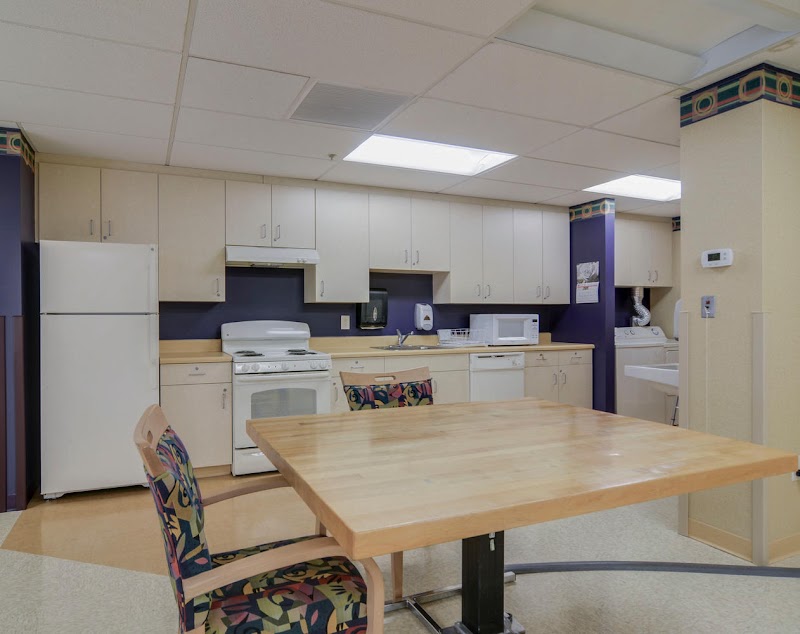
How is Laureldale Skilled Nursing And Rehabilitation Cent Staffed?

CMS rates LAURELDALE SKILLED NURSING AND REHABILITATION CENT's staffing level at 3 out of 5 stars, which is average compared to other nursing homes. Staff turnover is 37%, compared to the Pennsylvania average of 46%. This relatively stable workforce can support continuity of care.

What Have Inspectors Found at Laureldale Skilled Nursing And Rehabilitation Cent?

State health inspectors documented 24 deficiencies at LAURELDALE SKILLED NURSING AND REHABILITATION CENT during 2023 to 2025. These included: 2 that caused actual resident harm, 21 with potential for harm, and 1 minor or isolated issues. Deficiencies causing actual harm indicate documented cases where residents experienced negative health consequences.
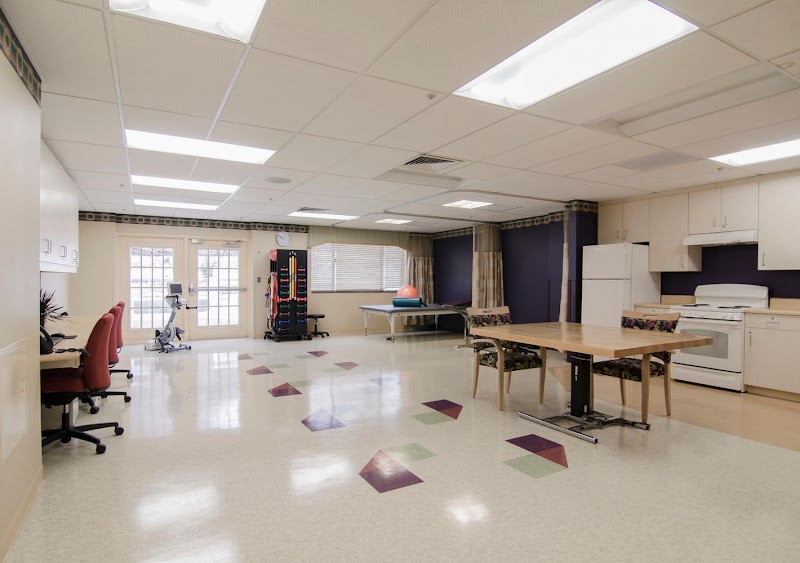
Who Owns and Operates Laureldale Skilled Nursing And Rehabilitation Cent?

LAURELDALE SKILLED NURSING AND REHABILITATION CENT is owned by a for-profit company. For-profit facilities operate as businesses with obligations to shareholders or private owners. The facility is operated by GENESIS HEALTHCARE, a chain that manages multiple nursing homes. With 198 certified beds and approximately 168 residents (about 85% occupancy), it is a mid-sized facility located in LAURELDALE, Pennsylvania.
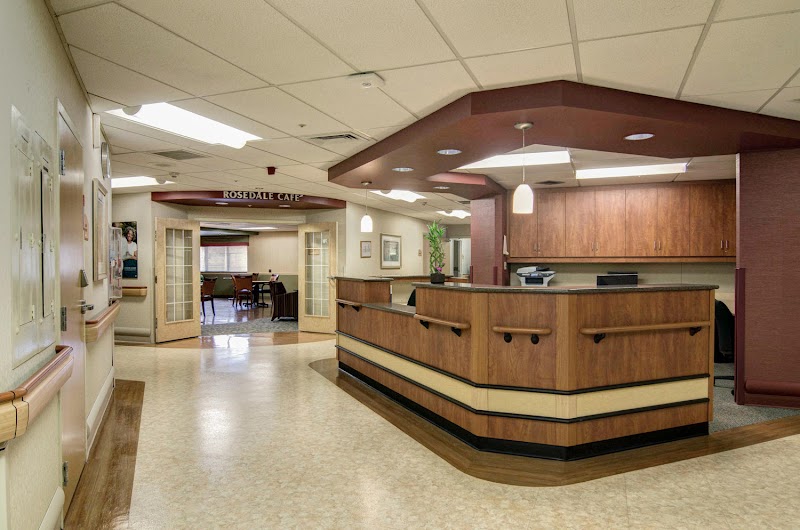
How Does Laureldale Skilled Nursing And Rehabilitation Cent Compare to Other Pennsylvania Nursing Homes?

Compared to the 100 nursing homes in Pennsylvania, LAURELDALE SKILLED NURSING AND REHABILITATION CENT's overall rating (2 stars) is below the state average of 3.0, staff turnover (37%) is near the state average of 46%, and health inspection rating (2 stars) is below the national benchmark.

What Should Families Ask When Visiting Laureldale Skilled Nursing And Rehabilitation Cent?

Based on this facility's data, families visiting should ask: "What safeguards and monitoring systems are in place to protect residents from abuse or neglect?" "Can I visit during a mealtime to observe dining assistance and food quality?" "How do you handle medical emergencies, and what is your hospital transfer rate?" "Can I speak with family members of current residents about their experience?" These questions are particularly relevant given the substantiated abuse finding on record.

Is Laureldale Skilled Nursing And Rehabilitation Cent Safe?

Based on CMS inspection data, LAURELDALE SKILLED NURSING AND REHABILITATION CENT has documented safety concerns. The facility has 1 substantiated abuse finding (meaning confirmed case of resident harm by staff or other residents). The facility has a 2-star overall rating and ranks #100 of 100 nursing homes in Pennsylvania. Families considering this facility should ask detailed questions about what corrective actions have been taken since these incidents.

Do Nurses at Laureldale Skilled Nursing And Rehabilitation Cent Stick Around?

LAURELDALE SKILLED NURSING AND REHABILITATION CENT has a staff turnover rate of 37%, which is about average for Pennsylvania nursing homes (state average: 46%). Moderate turnover is common in nursing homes, but families should still ask about staff tenure and how the facility maintains care continuity when employees leave.

Was Laureldale Skilled Nursing And Rehabilitation Cent Ever Fined?

LAURELDALE SKILLED NURSING AND REHABILITATION CENT has been fined $16,036 across 2 penalty actions. This is below the Pennsylvania average of $33,239. While any fine indicates a compliance issue, fines under $50,000 are relatively common and typically reflect isolated problems that were subsequently corrected. Families should ask what specific issues led to these fines and confirm they've been resolved.

Is Laureldale Skilled Nursing And Rehabilitation Cent on Any Federal Watch List?

LAURELDALE SKILLED NURSING AND REHABILITATION CENT is not on any federal watch list. The most significant is the Special Focus Facility (SFF) program, which identifies the bottom 1% of nursing homes nationally based on persistent, serious quality problems. Not being on this list means the facility has avoided the pattern of deficiencies that triggers enhanced federal oversight. This is a positive indicator, though families should still review the facility's inspection history directly.