CEDAR HAVEN HEALTHCARE CENTER
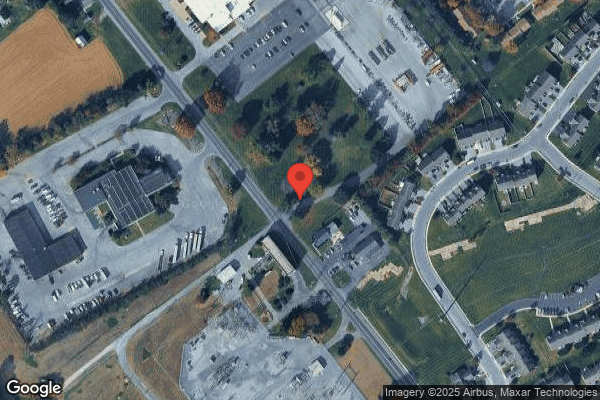
590 SOUTH FIFTH AVENUE, LEBANON, PA 17042 (717) 274-0421
For profit - Partnership 324 Beds Independent Data: November 2025
Trust Grade
35/100
#396 of 653 in PA
Last Inspection: November 2024

Within standard 12-15 month inspection cycle. Federal law requires annual inspections.

Overview

Cedar Haven Healthcare Center has received a Trust Grade of F, indicating significant concerns about the facility's quality of care. It ranks #396 out of 653 nursing homes in Pennsylvania, placing it in the bottom half of all facilities in the state, and #7 out of 10 in Lebanon County, meaning there are only three local options that are worse. Although there were 20 issues identified, the facility is showing improvement as the number of problems decreased from six in 2024 to just one in 2025. Staffing is a relative strength with a 3 out of 5 rating and a turnover rate of 41%, which is below the state average, but the facility has concerningly low RN coverage, being worse than 99% of state facilities. Specific incidents include the failure to prevent verbal abuse that caused psychosocial harm to two residents, along with unsanitary food storage practices and inadequate monthly medication reviews by a licensed pharmacist for several residents, indicating areas that need significant attention despite some positive aspects.

Trust Score
F
35/100
In Pennsylvania
#396/653
Bottom 40%
Safety Record
High Risk
Review needed
Inspections
Getting Better
6 → 1 violations
Staff Stability
○ Average
41% turnover. Near Pennsylvania's 48% average. Typical for the industry.
Penalties
✓ Good
No fines on record. Clean compliance history, better than most Pennsylvania facilities.
Skilled Nurses
⚠ Watch
Each resident gets only 17 minutes of Registered Nurse (RN) attention daily — below average for Pennsylvania. Fewer RN minutes means fewer trained eyes watching for problems.
Violations
⚠ Watch
20 deficiencies on record. Higher than average. Multiple issues found across inspections.
★★☆☆☆
2.0
Overall Rating
★★★☆☆
3.0
Staff Levels
★★☆☆☆
2.0
Care Quality
★★☆☆☆
2.0
Inspection Score
Stable
2024: 6 issues
2025: 1 issues

The Good

  • Full Sprinkler Coverage · Fire safety systems throughout facility
  • No fines on record
  • Staff turnover below average (41%)

    7 points below Pennsylvania average of 48%

Facility shows strength in fire safety.

The Bad

2-Star Overall Rating

Below Pennsylvania average (3.0)

Below average - review inspection findings carefully

Staff Turnover: 41%

Near Pennsylvania avg (46%)

Typical for the industry

The Ugly 20 deficiencies on record

1 actual harm
Feb 2025 1 deficiency
CONCERN (D) 📢 Someone Reported This

A family member, employee, or ombudsman was alarmed enough to file a formal complaint

Potential for Harm - no one hurt, but risky conditions existed

Notification of Changes (Tag F0580)

Could have caused harm · This affected 1 resident

Based on clinical record review, facility documentation review, and staff interview, it was determined that the facility failed to notify resident's physician and responsible party of change in condit...

Read full inspector narrative →
Based on clinical record review, facility documentation review, and staff interview, it was determined that the facility failed to notify resident's physician and responsible party of change in condition for one of eight sampled residents. (Resident 1) Findings include: Clinical record review revealed that Resident 1 had diagnoses that included Parkinson's disease and dementia. On February 1, 2025, at 1:48 p.m., a nurse noted that Resident 1 was not acting herself, she had dropped a cup off her table in the morning, had trouble grasping the cup and did not respond to when asked how she was feeling. At 5:03 p.m., the nurse noted that Resident 1 continued to seem off for the shift. At 6:34 p.m., the nurse documented that Resident 1 was unable to eat supper, was unable to chew and needed encouragement to swallow. The nurse placed an order for a speech therapy screen. On February 2, 2025, at 6:17 a.m., the nurse documented that Resident 1 continued to have weakness and was still not talking. At 11:52 a.m., Resident 1's family alerted the nurse that the resident had a change in mental status and requested the resident be sent to the emergency room to be evaluated At 12:13 p.m., the nurse documented that Resident 1 was alert but unresponsive, unable to move her arms or legs, unable to perform hand grasps, and nonverbal. There was no evidence to support that the physician or responsible party were notified of the resident's change in condition until 12:13 p.m. on February 2, 2025. The physician instructed staff to send the resident to the hospital to be evaluated. The resident was transferred to the hospital at approximately 12:35 p.m. In an interview on February 11, 2025, at 2:25 p.m., the Director of Nursing confirmed that the resident's responsible party and physician should have been notified of the resident's change in condition. 28 Pa. Code 211.12(d)(1)(5) Nursing services.
Nov 2024 6 deficiencies 1 Harm
SERIOUS (G) 📢 Someone Reported This

A family member, employee, or ombudsman was alarmed enough to file a formal complaint

Actual Harm - a resident was hurt due to facility failures

Free from Abuse/Neglect (Tag F0600)

A resident was harmed · This affected 1 resident

**NOTE- TERMS IN BRACKETS HAVE BEEN EDITED TO PROTECT CONFIDENTIALITY** Based on facility policy review, clinical record review, review of documentation submitted by the facility, and staff interview,...

Read full inspector narrative →
**NOTE- TERMS IN BRACKETS HAVE BEEN EDITED TO PROTECT CONFIDENTIALITY** Based on facility policy review, clinical record review, review of documentation submitted by the facility, and staff interview, it was determined that the facility failed to ensure that residents were free from mental abuse, which resulted in psychosocial harm for two of 36 residents reviewed. (Residents 65, 227) Findings include: Review of the facility policy entitled, Abuse definitions, prevention and reporting, last reviewed October 2024, revealed that instances of abuse of all residents, irrespective of any mental or physical condition, cause physical harm, pain or mental anguish. This included verbal abuse, sexual abuse, physical abuse, and mental abuse, including abuse facilitated or enabled through the use of technology. Review of documentation entitled, Use of Social Media, in the facility's, Employee Handbook, dated December 2023, revealed that use of personal cell phones and other personal devices for other than work-related purposed while on duty was expressly prohibited. Clinical record review revealed that Resident 65 was admitted to the facility on [DATE], and had diagnoses that included cognitive communication deficit and insomnia (difficulty sleeping). Review of the Minimum Data Set (MDS) assessment (a periodic assessment of resident care needs) dated October 4, 2024, revealed that the resident had no cognitive impairment. Clinical record review revealed that Resident 227 was admitted to the facility on [DATE], and had diagnoses that included dementia, anxiety and depression. Review of the MDS assessment dated [DATE], revealed that the resident was cognitively impaired. Review of information submitted by the facility dated October 31, 2024, revealed that Witness 1 received a video text message from Employee 1, a nurse aide, where Employee 1 was visible exposing her breasts in a resident room with Residents 65 and 227 present and observing the incident. In a written statement dated October 31, 2024, the Nursing Home Administrator noted that the video showed Employee 1 in scrubs in a resident room with music playing. Employee 1 held the video at chest level and above, revealing her face, one breast, sticking her tongue out, and spinning around the room for a full 360-degree view, with two residents visible in the room. These residents were identified as Residents 65 and 227. In a telephone statement dated November 1, 2024, Employee 1 admitted to filming the video and that she knew it was wrong. Review of facility documentation reflected that Employee 1 had initially received training on abuse prevention and reporting on November 19, 2018. Review of the facility documentation entitled Personal device usage/social media acknowledgment, dated March 22, 2019, revealed that Employee 1 had received training that under no circumstances would employees be allowed to photograph, or video/audio record any resident without prior permission of the Executive Director and express written permission from the resident or the responsible party for the resident. In a written statement dated October 31, 2024, the Nursing Home Administrator noted that Resident 65 refused to talk about the incident. Review of the clinical record, revealed that Resident 65 was examined by the Certified Physician's Assistant following the incident. Resident 227 was examined by the Certified Physican's Assistant and psychology following the incident. Review of the information dated November 7, 2024, submitted by the facility reflected that the facility had substantiated the allegation of mental abuse of Residents 65 and 227 by Employee 1. Employee 1 was terminated by the facility. Based on these findings, the facility failed to ensure that Residents 65 and 227 were free from mental abuse and psychosocial harm. 28 Pa. Code 201.14(a) Responsibility of licensee. 28 Pa. Code 201.18(b)(1) Management. 28 Pa. Code 201.29(a) Resident rights. 28 Pa. Code 211.12(d)(1)(5) Nursing services.
CONCERN (D)

Potential for Harm - no one hurt, but risky conditions existed

Assessment Accuracy (Tag F0641)

Could have caused harm · This affected 1 resident

Based on clinical record review and staff interview, it was determined that the facility failed to ensure that the Minimum Data Set (MDS) assessment was completed to accurately reflect the current sta...

Read full inspector narrative →
Based on clinical record review and staff interview, it was determined that the facility failed to ensure that the Minimum Data Set (MDS) assessment was completed to accurately reflect the current status of two of 36 sampled residents. (Residents 57 and 178) Findings include: Clinical record review revealed that Resident 57 had diagnoses that included end stage renal disease. Review of Resident 57's care plan revealed she required hemodialysis. On July 3, 2024, the physician ordered for the resident to receive dialysis on Mondays, Wednesdays, and Fridays. The MDS assessment, dated October 17, 2024, did not indicate that Resident 57 received dialysis. Clinical record review revealed that Resident 178 had diagnoses that included a urinary tract infection and bladder cancer. Review of Resident 178's care plan revealed he had a nephrostomy. On November 1, 2024, the physician ordered staff to provide nephrostomy care. The MDS assessment, dated November 6, 2024, did not indicate that Resident 178 had a nephrostomy. In an interview on November 20, 2024, at 9:40 a.m., the Registered Nurse Assessment Coordinator (RNAC1) confirmed that Residents 57's and 178's MDS assessments were inaccurate.
CONCERN (D)

Potential for Harm - no one hurt, but risky conditions existed

Comprehensive Care Plan (Tag F0656)

Could have caused harm · This affected 1 resident

**NOTE- TERMS IN BRACKETS HAVE BEEN EDITED TO PROTECT CONFIDENTIALITY** Based on clinical record review and staff interview, it was determined that the facility failed to develop a comprehensive care ...

Read full inspector narrative →
**NOTE- TERMS IN BRACKETS HAVE BEEN EDITED TO PROTECT CONFIDENTIALITY** Based on clinical record review and staff interview, it was determined that the facility failed to develop a comprehensive care plan that addressed individual resident needs as identified in the comprehensive assessment for four of 36 sampled residents. (Residents 49, 62, 133, 242) Findings include: Clinical record review revealed that Resident 49 was admitted to the facility on [DATE], and had diagnoses that included diabetes, kidney disease, and heart failure. The Minimum Data Set (MDS) Care Area Assessment (CAA) summary dated August 29, 2024, noted that the resident's psychotropic drug use and urinary incontinence was to be addressed in the care plan. Review of the medication administration records revealed the resident was receiving an antidepressant at the time of the MDS CAA summary. There was no evidence that interventions to address Resident's 49's psychotropic drug use and urinary incontinence were included in the current care plan. Clinical record review revealed that Resident 62 was admitted to the facility on [DATE], and had diagnoses that included dementia and hypertension (high blood pressure). The MDS CAA summary dated June 4, 2024, noted that the resident's urinary incontinence was to be addressed in the care plan. There was no evidence that interventions to address Resident's 62's urinary incontinence were included in the current care plan. Clinical record review revealed that Resident 133 was admitted to the facility on [DATE], and had diagnoses that included hypertension and anxiety. The MDS CAA summary dated October 22, 2024, noted that the resident's psychotropic drug use was to be addressed in the care plan. Review of the medication administration records revealed the resident was receiving both an antipsychotic and antidepressant at the time of the MDS CAA summary. There was no evidence that interventions to address Resident's 133's psychotropic drug use was included in the current care plan. Clinical record review revealed that Resident 242 was admitted to the facility on [DATE], and had a diagnoses that included fracture of lower end of right femur (broken leg), pain, and dementia. The MDS CAA summary dated September 30, 2024, noted that the resident's pain was to be addressed in the the care plan. Review of the medication administration records revealed the resident was receiving pain medications the time of the MDS CAA summary. There was no evidence that interventions to address Resident's 242's pain were included in the current care plan. In an interview on November 21, 2024, at 9:45 a.m., the Director of Nursing confirmed there was no documented evidence that the identified care areas were addressed in the care plan. 28 Pa. Code 211.12(d)(1)(5) Nursing services
CONCERN (D)

Potential for Harm - no one hurt, but risky conditions existed

Quality of Care (Tag F0684)

Could have caused harm · This affected 1 resident

Based on facility policy review, clinical record review, and staff interview, it was determined that the facility failed to ensure physician's orders were implemented for one of 36 sampled residents. ...

Read full inspector narrative →
Based on facility policy review, clinical record review, and staff interview, it was determined that the facility failed to ensure physician's orders were implemented for one of 36 sampled residents. (Resident 224) Findings include: Review of the policy entitled, Medication Administration, last reviewed October 2024, revealed that staff were to administer medications in accordance with the written orders of the physician. Vital signs were to be entered into the Medication Administration Record as indicated. Clinical record review revealed that Resident 224 had diagnoses that included hypertension (high blood pressure). On June 27, 2024, the physician ordered staff to administer a blood pressure medicine (lisinopril) once a day. Staff were not to administer the medication if the resident's systolic blood pressure (the first measurement of blood pressure when the heart beats and the pressure is at its highest) was less than 110 millimeters of mercury (mm Hg). Review of Resident 224's October and November 2024 Medication Administration Records revealed that staff administered the medication 49 times with no documentation that the blood pressure was assessed prior to medication administration per physician's order. In an interview on November 21, 2024, at 9:30 a.m., the Director of Nursing confirmed there was no documented evidence that the blood pressure was taken prior to medication administration per physician's order for Resident 224. CFR 483.25 Quality of Care Previously cited 12/1/23 28 Pa. Code 211.12(d)(1)(5) Nursing services.
CONCERN (D)

Potential for Harm - no one hurt, but risky conditions existed

Incontinence Care (Tag F0690)

Could have caused harm · This affected 1 resident

Based on clinical record review, policy review, and staff interview, it was determined that the facility failed to assess bladder incontinence and provide services to restore bladder function as much ...

Read full inspector narrative →
Based on clinical record review, policy review, and staff interview, it was determined that the facility failed to assess bladder incontinence and provide services to restore bladder function as much as possible for one of 36 sampled residents. (Resident 133) Findings include: Review of the facility policy entitled, Bowel and Bladder Management, last reviewed October 20, 2024, revealed that facility staff was to complete a urinary incontinence assessment upon admission and whenever there was a change in a resident's urinary tract function. Staff would review the pre-admission history, assess the resident's current bladder elimination problem, and identify causes of incontinence. If there was a change in incontinence staff would implement a toileting diary to determine a resident's voiding pattern for assistance in decision making and development of a toileting program. The type of urinary incontinence was to be identified in the care plan with specific interventions. Clinical record review revealed that Resident 133 was admitted to the facility with diagnoses that included hypertension (high blood pressure) and anxiety. A Bowel and Bladder Program Screener was completed on October 19, 2024, and indicated that the resident was a candidate for a scheduled toileting program. According to the Minimum Data Set assessment, dated October 22, 2024, the resident needed assistance from staff for toileting, was always incontinent of urine, and was not on a toileting program. Review of the current care plan revealed that Resident 133's type of urinary incontinence was not identified and there was no indication that the resident was on a scheduled toileting program. There was no documented evidence that a scheduled toileting program had been implemented. In an interview on November 21, 2024, at 11:20 a.m., the Nursing Home Administrator confirmed that there was no documented evidence that a toileting program was implemented for Resident 133. 28 Pa. Code 211.12(d)(1)(5) Nursing services.
MINOR (C)

Minor Issue - procedural, no safety impact

Garbage Disposal (Tag F0814)

Minor procedural issue · This affected most or all residents

Based on observation, it was determined that the facility failed to dispose of trash and refuse properly. Findings include: Observation of the trash compactor area on November 19, 2024, at 10:30 a.m.,...

Read full inspector narrative →
Based on observation, it was determined that the facility failed to dispose of trash and refuse properly. Findings include: Observation of the trash compactor area on November 19, 2024, at 10:30 a.m., revealed various items on the ground next to the dumpster, including two used briefs, four used gloves, and a large opened plastic bag. 28 Pa Code 201.18(b)(3) Management.
Dec 2023 7 deficiencies
CONCERN (D)

Potential for Harm - no one hurt, but risky conditions existed

ADL Care (Tag F0677)

Could have caused harm · This affected 1 resident

**NOTE- TERMS IN BRACKETS HAVE BEEN EDITED TO PROTECT CONFIDENTIALITY** Based on facility policy review, clinical record review, observation, and resident interview, it was determined that the facilit...

Read full inspector narrative →
**NOTE- TERMS IN BRACKETS HAVE BEEN EDITED TO PROTECT CONFIDENTIALITY** Based on facility policy review, clinical record review, observation, and resident interview, it was determined that the facility failed to provide services to maintain adequate grooming and personal hygiene for two of four sampled residents who required assistance with activities of daily living. (Residents 61, 78) Findings include: Review of the facility policy entitled, Nail Care, last reviewed August 14, 2023, revealed that nail care was to be provided so that residents could maintain a neat, clean appearance. Staff were to provide nail care during bathing and as needed. Clinical record review revealed that Resident 61 had diagnoses that included muscle weakness and dementia. Review of the Minimum Data Set (MDS) assessment dated [DATE], revealed that the resident required extensive assistance from staff for personal hygiene. On November 28, 2023, at 12:44 p.m., Resident 61 was observed in bed and his fingernails were long and discolored. The resident stated that he preferred his nails to be short and had requested nail care within the past week, but it had not been provided. On November 29, 2023, at 11:50 a.m., the resident was again observed in bed and his nails remained long and discolored. Clinical record review revealed that Resident 78 had diagnoses that included motor and sensory neuropathy, muscle weakness, and cataract. Review of the MDS assessment dated [DATE], revealed that the resident required assistance from staff for activities of daily living. Review of the care plan revealed the potential for skin breakdown and interventions included that staff were to always keep the resident's fingernails short. On November 28, 2023, at 12:49 p.m., the resident was observed with elongated, discolored fingernails with sharp edges. There was debris under the right thumb nail. The resident stated that he preferred his nails to be short and that staff had not offered to provide nail care. On November 30, 2023, at 11:45 a.m., the resident's nails remained in the same condition. 28 Pa. Code 211.12(d)(1)(5) Nursing services.
CONCERN (D)

Potential for Harm - no one hurt, but risky conditions existed

Quality of Care (Tag F0684)

Could have caused harm · This affected 1 resident

**NOTE- TERMS IN BRACKETS HAVE BEEN EDITED TO PROTECT CONFIDENTIALITY** Based on clinical record review and observation, it was determined that the facility failed to ensure that physicians' orders or...

Read full inspector narrative →
**NOTE- TERMS IN BRACKETS HAVE BEEN EDITED TO PROTECT CONFIDENTIALITY** Based on clinical record review and observation, it was determined that the facility failed to ensure that physicians' orders or care plan interventions were implemented for four of 39 sampled residents. (Residents 1, 61, 117, 188) Findings include: Clinical record review revealed that Resident 1 had diagnoses that included anoxic brain damage, aphasia, and lack of coordination. Review of the Minimum Data Set (MDS) assessment dated [DATE], revealed that Resident 1 was cognitively impaired and required total assistance from staff for dressing. Review of the current care plan revealed Resident 1 was at risk for skin breakdown with an intervention for staff to apply derma savers (padded arm sleeves) to arms. On November 28, 2023, from 11:19 a.m. through 12:30 p.m., and November 29, 2023, at 10:22 a.m., Resident 1 was observed without derma savers on her arms. Clinical record review revealed that Resident 61 had diagnoses that included dysphagia and dementia. Review of the MDS assessment dated [DATE], revealed that the resident required supervision from staff for eating. On August 23, 2023, the physician ordered staff to provide the resident with a puree diet with nectar thick liquids and the resident was to be under constant supervision and out of bed for all meals. On November 29, 2023, at 11:50 a.m., the resident was observed in bed. A cup of milk remained on the bedside table. The resident proceeded to drink the milk. There was no staff present providing supervision at this time. The resident stated that he was in bed for the entire meal. On November 30, 2023, the resident was again observed in bed eating his lunch from the tray on the overbed table. Clinical record review revealed that Resident 117 had diagnoses that included dementia and heart failure. Review of the MDS assessment dated [DATE], revealed that Resident 117 was cognitively impaired. On November 1, 2023, the physician ordered staff to apply geri sleeves (arm protectors) to bilateral (both) arms at all times except for bathing. On November 28, 2023, from 11:20 a.m. through 1:40 p.m., and November 29, 2023, from 11:14 a.m. through 12:19 p.m., Resident 117 was observed without geri sleeves on her arms. Clinical record review revealed that Resident 188 had diagnoses that included localized edema, Parkinson's disease, and hypertension (high blood pressure). Review of the MDS assessment dated [DATE], revealed the resident had no cognitive impairment and required extensive assistance from staff for dressing. On April 7, 2023, the physician ordered for staff to apply TED (anti-embolism compression) stockings in the morning and remove at bedtime. On November 28, 2023, from 11:40 a.m. through 1:30 p.m., and November 29, 2023, from 11:17 a.m. through 1:25 p.m., Resident 188 was observed without TED stockings. 28 Pa. Code 211.12(d)(1)(5) Nursing services.
CONCERN (D)

Potential for Harm - no one hurt, but risky conditions existed

Accident Prevention (Tag F0689)

Could have caused harm · This affected 1 resident

**NOTE- TERMS IN BRACKETS HAVE BEEN EDITED TO PROTECT CONFIDENTIALITY** Based on clinical record review and staff interview, it was determined that the facility failed to provide adequate supervision ...

Read full inspector narrative →
**NOTE- TERMS IN BRACKETS HAVE BEEN EDITED TO PROTECT CONFIDENTIALITY** Based on clinical record review and staff interview, it was determined that the facility failed to provide adequate supervision and interventions in a timely manner in order to address behaviors for one of seven sampled residents with a potential for behaviors. (Resident 188) Findings include: Clinical record review revealed that Resident 188 was admitted to the facility on [DATE], and had diagnoses that included Parkinson's disease, dementia, psychosis, and depression. Review of the Minimum Data Set assessment dated [DATE], revealed that the resident had no cognitive impairment and required supervision for locomotion on the unit. Review of the nurses' notes revealed that on November 25, 2023, Resident 188 was observed making threatening statements to her roommate. On November 26, 2023, the resident was pinching staff and grabbing staff at various times. On November 27, 2023, Resident 188 was attempting to kick, punch, and push staff. On November 30, 2023, at 9:51 a.m., the resident was pinching, hitting, and kicking staff, and pulling down wall decorations and throwing them. On November 30, 2023, at 2:12 p.m., Resident 188 pushed her roommate's side table causing her items to fall, was attempting to pull down the curtain, and attempted to spray soda on the staff. At 2:19 p.m., Resident 188 threw a soda bottle at her roommate. At this time, the social worker documented that the resident would be on one to one observation. The facility failed to evaluate the need for increased supervision until after the multipe behavioral episodes documented above. In an interview on December 1, 2023, at 12:23 p.m., the Administrator confirmed that the new intervention to place the resident on one to one observation was not implemented in a timely manner. 28 Pa. Code 211.12(d)(1)(5) Nursing services.
CONCERN (D)

Potential for Harm - no one hurt, but risky conditions existed

Deficiency F0697 (Tag F0697)

Could have caused harm · This affected 1 resident

**NOTE- TERMS IN BRACKETS HAVE BEEN EDITED TO PROTECT CONFIDENTIALITY** Based on review of facility policy, clinical record review, and staff interview, it was determined that the facility failed to e...

Read full inspector narrative →
**NOTE- TERMS IN BRACKETS HAVE BEEN EDITED TO PROTECT CONFIDENTIALITY** Based on review of facility policy, clinical record review, and staff interview, it was determined that the facility failed to ensure that non-pharmacological interventions were attempted prior to the administration of as needed pain medication for two of six sampled residents on pain management. (Residents 162, 198) Findings include: Review of the facility policy entitled, Pain Management, last reviewed August 14, 2023, revealed that the facility was to provide adequate pain control for the residents. Pain was to be managed through non-pharmacological and pharmacological interventions. Clinical record review revealed that Resident 168 had diagnoses that included dorsalgia (back pain) and osteoporosis. The Minimum Data Set (MDS) assessment dated [DATE], indicated that the resident was alert and oriented, had frequent pain on a pain scale of seven out of ten, and had been administered pain medication in the last seven days. A review of the care plan revealed that the resident had chronic pain related to dorsalgia. There was an intervention for staff to utilize non-invasive pain relieving methods as an alternate to pain medication. There was a current physician's order for staff to administer pain medication (tramadol) every six hours as needed for moderate and severe pain. Review of the Medication Administration Records (MAR)'s revealed that staff had administered the tramadol 83 times in September 2023, and 66 times in both October and November 2023. There was no documented evidence that staff had offered non-pharmacological interventions prior to the administration of the as needed pain medication. Clinical record review revealed that Resident 198 had diagnoses of spinal stenosis and dementia. The MDS assessment dated [DATE], indicated that the resident had some memory impairment, had severe, frequent pain, and had been administered pain medication in the last seven days. A review of the care plan revealed that the resident had an alteration in musculoskeletal status related to cervical stenosis (narrowing at the spinal canal of the neck). There was a current physician's order for staff to administer pain medication (tramadol) every two hours as needed for pain. Review of the October 2023, MAR revealed that staff had administered the tramadol 15 times. Review of the November 2023, MAR revealed that staff had administered the tramadol 28 times. There was no documented evidence that staff had offered non-pharmacological interventions prior to the administration of the as needed pain medication. In an interview on December 1, 2023, at 11:05 a.m., the Administrator stated that there was no documented evidence that non-pharmacological interventions were offered prior to the administration of the as needed pain medication. 28 Pa. Code 211.12(d)(1)(5) Nursing services. .
CONCERN (D)

Potential for Harm - no one hurt, but risky conditions existed

Deficiency F0699 (Tag F0699)

Could have caused harm · This affected 1 resident

Based on clinical record review and staff interview, it was determined that the facility failed to develop and implement an individualized person-centered plan to render trauma informed care to a resi...

Read full inspector narrative →
Based on clinical record review and staff interview, it was determined that the facility failed to develop and implement an individualized person-centered plan to render trauma informed care to a resident with a diagnosis of Post Traumatic Stress Disorder for one of 39 sampled residents. (Resident 160) Findings include: Clinical record review revealed that Resident 160 had diagnoses that included Post Traumatic Stress Disorder (PTSD), multiple sclerosis, and major depressive disorder. There was a lack of documentation to support that the resident's PTSD diagnosis was assessed for symptoms and triggers or that interventions were developed and implemented to minimize re-traumatization. In an interview on December 1, 2023, at 9:20 a.m., the Administrator confirmed that there was no assessment completed or care plan developed to address Resident 160's PTSD diagnosis, symptoms, or triggers. 28 Pa. Code 211.12(d)(1)(5) Nursing services.
CONCERN (D)

Potential for Harm - no one hurt, but risky conditions existed

Deficiency F0761 (Tag F0761)

Could have caused harm · This affected 1 resident

Based on observation and interview, it was determined that the facility failed to ensure that medications/biologicals were securely stored in a medication storage room on one of nine nursing units. (U...

Read full inspector narrative →
Based on observation and interview, it was determined that the facility failed to ensure that medications/biologicals were securely stored in a medication storage room on one of nine nursing units. (Unit 4F) Findings include: Observation on December 1, 2023, at 11:10 a.m., revealed the medication room on the 4F nursing unit had controlled substances that were stored in an unlocked box inside an unlocked refrigerator and were not double locked. The unlocked medication box contained 40 vials of of Ativan, Benadryl, and Haldol (ABH) gel, which was composed of a controlled substance. In an interview on December 1, 2023 at 11:10 a.m., the Licensed Practical Nurse (LPN) 1 stated that the medication box should have been locked. 28 Pa. Code 211.12(d)(1)(5) Nursing services.
CONCERN (D)

Potential for Harm - no one hurt, but risky conditions existed

Deficiency F0806 (Tag F0806)

Could have caused harm · This affected 1 resident

Based on a review of resident council minutes, individual and group resident interviews, staff interviews, observations, and review of facility documentation, it was determined that the facility faile...

Read full inspector narrative →
Based on a review of resident council minutes, individual and group resident interviews, staff interviews, observations, and review of facility documentation, it was determined that the facility failed to ensure that residents were served preferred food items on their meal trays on three of nine nursing units, and included four of 39 sampled residents. (Nursing units 2C, 2D, and 3D, Residents 69, 90, 199 and 212) Findings include: Review of the resident council minutes dated September 11, 2023, revealed that the residents had expressed a concern that at meals there were often preferred food items missing from their trays. In a confidential group interview on November 28, 2023, at 10:30 a.m., the residents again stated that their meal trays did not include certain items such as, ketchup packets, sweeteners, creamers, cups, and butter. In addition, the residents also stated that often there was not enough coffee available at mealtimes. The residents stated that there were not enough coffee carafes provided when the carts were delivered to the units to fill or refill coffee mugs. On November 28, 2023, at 11:38 a.m., Resident 199 had received her lunch in her room. She was served a mug of hot water but had not been provided with a tea bag or sweetener packets on her tray. Review of her meal tray ticket revealed that she preferred to receive hot tea at lunch time. In an interview at this time, the resident stated that she preferred to have hot tea with sweetener at her meals. Clinical record review revealed that Resident 90 had diagnoses that included gout, major depressive disorder, and diabetes. Review of the Minimum Data Set assessment, dated October 4, 2023, revealed Resident 90 had no cognitive impairment. Observation of lunch on November 30, 2023, at 12:48 p.m., revealed that Resident 90 was served chicken, potato wedges, and peas. The meal ticket indicated that the resident was to be provided with chicken, potato wedges, and asparagus. At this time, the resident stated he did not want peas and would rather have had asparagus. In an interview on December 1, 2023, the Administrator stated that the dietary department ran out of asparagus during meal service and staff substituted the item with peas. There was no evidence that the staff or residents were notified of the substitution. Review of a list of coffee par levels for the breakfast and lunch meals dated November 2, 2023, and November 30, 2023, revealed that nursing unit 2C was to receive four carafes of coffee. Observation on the 2C nursing unit on November 29, 2023, at 1:08 p.m., Resident 212 had requested staff provide her with more coffee. Nurse Aide (NA) 1, stated that the carafes were empty, and there was no more coffee. Resident 212 stated that she desired more coffee and that the facility occasionally does not have enough coffee on the nursing units when additional is requested. During the same time, there was a total of three carafes of coffee observed on the meal trucks. In an interview at 1:10 p.m., NA 1 stated that the kitchen had been made aware that the unit required four carafes of coffee with lunch as residents requested additional cups of coffee. At this time, NA 2 stated that the kitchen did not routinely send at least four carafes of coffee with meals. Observation on the 2C nursing unit November 30, 2023, at 12:51 p.m., revealed that NA 1 called the main kitchen and requested additional coffee and a bowl of gravy for Resident 69. In an interview at 1:19 p.m., NA 1 stated that the additional coffee and side of gravy had not yet been delivered to the nursing unit. At 1:20 p.m. Resident 69 was observed in her room with her lunch tray that contained mashed potatoes. The resident stated that she had not yet received extra gravy, as requested, and was waiting for it to arrive to to eat the mashed potatoes. 28 Pa. Code 201.29(a) Resident rights.
Dec 2022 6 deficiencies
CONCERN (D)

Potential for Harm - no one hurt, but risky conditions existed

Report Alleged Abuse (Tag F0609)

Could have caused harm · This affected 1 resident

Based on facility policy review, clinical record review, and staff interview, it was determined that the facility failed to report an allegation of abuse to the local Area Agency of Aging and the Stat...

Read full inspector narrative →
Based on facility policy review, clinical record review, and staff interview, it was determined that the facility failed to report an allegation of abuse to the local Area Agency of Aging and the State Survey Agency for of one of 36 sampled residents. (Resident 50) Findings include: Review of the facility policy entitled, Abuse Definitions, Prevention, and Reporting, last reviewed September 30, 2022, revealed that the Administrator or their designee would report all allegations of abuse immediately to the Department of Health Field Office and to the Area Agency on Aging. Clinical record review revealed that on August 26, 2022, Resident 50 stated that Resident 99 hit her and was found covering her left eye. The area above her left eye was noted to be reddened and Resident 50 stated that it hurt. On August 31, 2022, staff heard Resident 50 screaming and found Resident 99 in her bathroom. Resident 50 stated that Resident 99 hit her four times in the head. According to the nurse's note Resident 50's pain level seemed to be 10 out of 10 based on a 1-10 scale. In an interview on December 9, 2022, at 1:15 p.m., RN 1 said there was no documentation to support that the State Department of Aging and the State Survey Agency were notified of the allegation of abuse. 28 Pa. Code 201.18(e)(1) Management.
CONCERN (D)

Potential for Harm - no one hurt, but risky conditions existed

Deficiency F0688 (Tag F0688)

Could have caused harm · This affected 1 resident

**NOTE- TERMS IN BRACKETS HAVE BEEN EDITED TO PROTECT CONFIDENTIALITY** Based on clinical record review and observation, it was determined that the facility failed to implement interventions to preven...

Read full inspector narrative →
**NOTE- TERMS IN BRACKETS HAVE BEEN EDITED TO PROTECT CONFIDENTIALITY** Based on clinical record review and observation, it was determined that the facility failed to implement interventions to prevent contractures for one of 36 sampled residents. (Resident 113) Findings include: Clinical record review revealed that Resident 113 had diagnoses that included dementia, diabetes, and muscle weakness. Review of the Minimum Data Set assessment dated [DATE], revealed that Resident 113 had cognitive impairments and required extensive assistance from staff with personal hygiene and dressing. On May 23, 2022, a physician ordered that staff apply bilateral palm guards to the resident's hands with morning care and remove at bedtime. Observations on December 6, 2022, from 12:22 p.m. through 2:00 p.m., and December 7, 2022, from 11:11 a.m. through 1:17 p.m., revealed that Resident 113 was in bed with no bilateral palm guards. The palm guards were observed in a basket next to the sink during these times. 28 Pa. Code 211.12(d)(1)(3)(5) Nursing services.
CONCERN (D)

Potential for Harm - no one hurt, but risky conditions existed

Accident Prevention (Tag F0689)

Could have caused harm · This affected 1 resident

**NOTE- TERMS IN BRACKETS HAVE BEEN EDITED TO PROTECT CONFIDENTIALITY** Based on clinical record review, observation and staff interview, it was determined that the facility failed to ensure that safe...

Read full inspector narrative →
**NOTE- TERMS IN BRACKETS HAVE BEEN EDITED TO PROTECT CONFIDENTIALITY** Based on clinical record review, observation and staff interview, it was determined that the facility failed to ensure that safety interventions for skin tears and falls were in place for one of 36 sampled residents. (Resident 10) Findings include: Clinical record review revealed that Resident 10 was admitted to the facility on [DATE], with diagnoses that included Parkinson's Disease, malnutrition, and hypertension (high blood pressure). Review of the Minimum Data Set assessment dated [DATE], revealed that the resident required extensive assistance from staff with personal hygiene and dressing. On November 18, 2022, the physician ordered that staff apply Geri sleeves (sleeves to protect the arms from shearing) to the resident's arms at all times except for when bathing. On December 6, 2022, from 12:00 p.m. through 1:55 p.m., and on December 7, 2022, at 1:10 p.m., Resident 10 was observed in bed without Geri sleeves. Review of facility incident report dated December 2, 2022, revealed that Resident 10 had a fall from her wheelchair reaching for a soda can. The intervention was to provide the resident a grabber. Observation on December 6, 2022, from 12:00 p.m. through 1:55 p.m., and on December 7, 2022, at 1:10 p.m., revealed Resident 10 in her room with no grabber. In an interview on December 9, 2022, at 12:09 p.m., Registered Nurse 1 confirmed that Resident 10 had not been provided a grabber and no other interventions were put in place after her fall. 28 Pa. Code 211.12(d)(1)(5) Nursing services.
CONCERN (E)

Potential for Harm - no one hurt, but risky conditions existed

Drug Regimen Review (Tag F0756)

Could have caused harm · This affected multiple residents

Based on clinical record review and staff interview, it was determined that the facility failed to ensure that a licensed pharmacist conducted medication regimen reviews at least monthly for five of 3...

Read full inspector narrative →
Based on clinical record review and staff interview, it was determined that the facility failed to ensure that a licensed pharmacist conducted medication regimen reviews at least monthly for five of 36 sampled residents. (Residents 47, 76, 118, 145, 155) Findings include: Clinical record review revealed that between September and December 2022, the pharmacist reviewed Residents 47, 76, 118, 145, and 155's medication regimen only once. There was no documented evidence that Residents 47, 76, 118, 145, and 155's medication regimens were reviewed monthly. In an interview on December 9, 2022, at 1:20 p.m., RN1 confirmed that there was no documented evidence that a licensed pharmacist reviewed Residents 47, 76, 118, 145, and 155's monthly medication regimens in September and October 2022. 28 Pa. Code 201.18(e)(1)(3)(6) Management. 28 Pa. Code 211.9 (k) Pharmacy services. 28 Pa. Code 211.12(d)(3)(5) Nursing services.
CONCERN (F)

Potential for Harm - no one hurt, but risky conditions existed

Food Safety (Tag F0812)

Could have caused harm · This affected most or all residents

Based on policy review, observation, and staff interview, it was determined that the facility failed to store food under sanitary conditions in the dietary department. Findings include: Review of the...

Read full inspector narrative →
Based on policy review, observation, and staff interview, it was determined that the facility failed to store food under sanitary conditions in the dietary department. Findings include: Review of the facility policy entitled, Dietary Services, last reviewed September 30, 2022, revealed that sanitary conditions were to be maintained in the storage and preparation of food. Observations during the initial tour of the kitchen on December 6, 2022, at 10:33 a.m., revealed various particles of food and liquid on the shelves in coolers one and four. In coolers three and four, there was various particles of debris on the floor. In cooler three there were four beef patties in a plain bag that was not labeled or dated. There were multiple spots of dried food debris on the lids of the bulk flour and sugar containers. There was a container of white powder that was not labeled or dated, a scoop was stored inside of the container. In an interview at the time of the observation the Dietary Director stated the substance was thickener. In an interview conducted on December 6, 2022, at 11:15 a.m., the Dietary Director confirmed that the previously mentioned kitchen equipment items needed to be cleaned and the food items should have been labeled and dated. 28 Pa. Code 201.18(b)(3) Management. 28 Pa. Code 211.6(c) Dietary services.
MINOR (C) 📢 Someone Reported This

A family member, employee, or ombudsman was alarmed enough to file a formal complaint

Minor Issue - procedural, no safety impact

Social Worker (Tag F0850)

Minor procedural issue · This affected most or all residents

Based on staff interview and a review of facility documentation, it was determined that the facility failed to provide a qualified full-time social worker for a facility with more than 120 beds. Findi...

Read full inspector narrative →
Based on staff interview and a review of facility documentation, it was determined that the facility failed to provide a qualified full-time social worker for a facility with more than 120 beds. Findings include: During an interview on December 7, 2022, at 12:50 p.m., the Director of Quality Assurance reported that the facility did not have a social worker for the 324 bed facility since November 15, 2022. At the time of the survey, the in-house census was 195 residents. Review of the time records for the staff member filling in for the social worker revealed that she worked an average of 2.74 hours a day (excluding weekends and holidays) between November 15 and December 9, 2022, and was not full-time. 211.16(a) Social services.
Understanding Severity Codes (click to expand)
Life-Threatening (Immediate Jeopardy)
J - Isolated K - Pattern L - Widespread
Actual Harm
G - Isolated H - Pattern I - Widespread
Potential for Harm
D - Isolated E - Pattern F - Widespread
No Harm (Minor)
A - Isolated B - Pattern C - Widespread

Questions to Ask on Your Visit

  • "What safeguards are in place to prevent abuse and neglect?"
  • "Can I speak with families of current residents?"
  • "What's your RN coverage like on weekends and overnight?"

Our Honest Assessment

Strengths
  • • No fines on record. Clean compliance history, better than most Pennsylvania facilities.
  • • 41% turnover. Below Pennsylvania's 48% average. Good staff retention means consistent care.
Concerns
  • • Multiple safety concerns identified: Federal abuse finding, 1 harm violation(s). Review inspection reports carefully.
  • • 20 deficiencies on record, including 1 serious (caused harm) violation. Ask about corrective actions taken.
  • • Grade F (35/100). Below average facility with significant concerns.
Bottom line: This facility has a substantiated abuse finding. Extreme caution advised. Explore alternatives.

About This Facility

What is Cedar Haven Healthcare Center's CMS Rating?

CMS assigns CEDAR HAVEN HEALTHCARE CENTER an overall rating of 2 out of 5 stars, which is considered below average nationally. Within Pennsylvania, this rating places the facility higher than 0% of the state's 100 nursing homes. A rating at this level reflects concerns identified through health inspections, staffing assessments, or quality measures that families should carefully consider.

How is Cedar Haven Healthcare Center Staffed?

CMS rates CEDAR HAVEN HEALTHCARE CENTER's staffing level at 3 out of 5 stars, which is average compared to other nursing homes. Staff turnover is 41%, compared to the Pennsylvania average of 46%. This relatively stable workforce can support continuity of care.

What Have Inspectors Found at Cedar Haven Healthcare Center?

State health inspectors documented 20 deficiencies at CEDAR HAVEN HEALTHCARE CENTER during 2022 to 2025. These included: 1 that caused actual resident harm, 17 with potential for harm, and 2 minor or isolated issues. Deficiencies causing actual harm indicate documented cases where residents experienced negative health consequences.

Who Owns and Operates Cedar Haven Healthcare Center?

CEDAR HAVEN HEALTHCARE CENTER is owned by a for-profit company. For-profit facilities operate as businesses with obligations to shareholders or private owners. The facility operates independently rather than as part of a larger chain. With 324 certified beds and approximately 261 residents (about 81% occupancy), it is a large facility located in LEBANON, Pennsylvania.

How Does Cedar Haven Healthcare Center Compare to Other Pennsylvania Nursing Homes?

Compared to the 100 nursing homes in Pennsylvania, CEDAR HAVEN HEALTHCARE CENTER's overall rating (2 stars) is below the state average of 3.0, staff turnover (41%) is near the state average of 46%, and health inspection rating (2 stars) is below the national benchmark.

What Should Families Ask When Visiting Cedar Haven Healthcare Center?

Based on this facility's data, families visiting should ask: "What safeguards and monitoring systems are in place to protect residents from abuse or neglect?" "Can I visit during a mealtime to observe dining assistance and food quality?" "How do you handle medical emergencies, and what is your hospital transfer rate?" "Can I speak with family members of current residents about their experience?" These questions are particularly relevant given the substantiated abuse finding on record.

Is Cedar Haven Healthcare Center Safe?

Based on CMS inspection data, CEDAR HAVEN HEALTHCARE CENTER has documented safety concerns. The facility has 1 substantiated abuse finding (meaning confirmed case of resident harm by staff or other residents). The facility has a 2-star overall rating and ranks #100 of 100 nursing homes in Pennsylvania. Families considering this facility should ask detailed questions about what corrective actions have been taken since these incidents.

Do Nurses at Cedar Haven Healthcare Center Stick Around?

CEDAR HAVEN HEALTHCARE CENTER has a staff turnover rate of 41%, which is about average for Pennsylvania nursing homes (state average: 46%). Moderate turnover is common in nursing homes, but families should still ask about staff tenure and how the facility maintains care continuity when employees leave.

Was Cedar Haven Healthcare Center Ever Fined?

CEDAR HAVEN HEALTHCARE CENTER has no federal fines on record. CMS issues fines when nursing homes fail to meet care standards or don't correct problems found during inspections. The absence of fines suggests the facility has either maintained compliance or corrected any issues before penalties were assessed. This is a positive indicator, though families should still review recent inspection reports for the full picture.

Is Cedar Haven Healthcare Center on Any Federal Watch List?

CEDAR HAVEN HEALTHCARE CENTER is not on any federal watch list. The most significant is the Special Focus Facility (SFF) program, which identifies the bottom 1% of nursing homes nationally based on persistent, serious quality problems. Not being on this list means the facility has avoided the pattern of deficiencies that triggers enhanced federal oversight. This is a positive indicator, though families should still review the facility's inspection history directly.