LEBANON SKILLED NURSING AND REHABILITATION CENTER
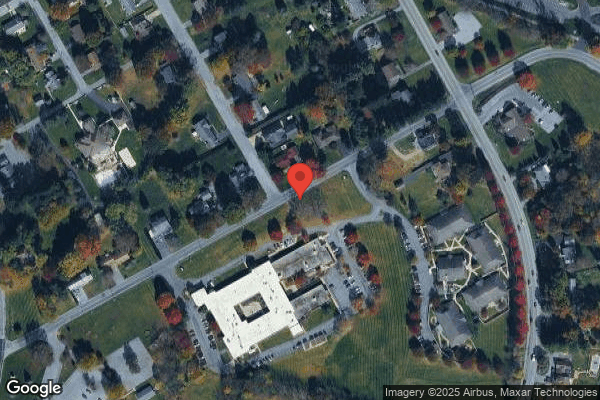
900 TUCK STREET, LEBANON, PA 17042 (717) 273-8595
For profit - Corporation 159 Beds GENESIS HEALTHCARE Data: November 2025
Trust Grade
35/100
#597 of 653 in PA
Last Inspection: March 2025

Within standard 12-15 month inspection cycle. Federal law requires annual inspections.

Overview

Lebanon Skilled Nursing and Rehabilitation Center has received a Trust Grade of F, which indicates significant concerns regarding the quality of care provided. Ranking #597 out of 653 facilities in Pennsylvania puts them in the bottom half, and they are last among the ten nursing homes in Lebanon County. Although the facility's trend is improving, with issues decreasing from 17 to 16 over the past year, it still faces serious challenges, including a staffing rating of only 1 out of 5 stars and a high turnover rate of 58%. While there have been no fines reported, which is a positive aspect, the lack of adequate RN coverage, being less than 91% of other facilities in the state, is concerning. Specific incidents include unsanitary food storage practices, failure to conduct regular infection surveillance, and not employing a full-time qualified dietary services manager, all of which highlight areas for improvement. Overall, while there are some strengths, the facility's weaknesses and issues are significant and should be carefully considered by families.

Trust Score
F
35/100
In Pennsylvania
#597/653
Bottom 9%
Safety Record
Low Risk
No red flags
Inspections
Getting Better
17 → 16 violations
Staff Stability
⚠ Watch
58% turnover. Above average. Higher turnover means staff may not know residents' routines.
Penalties
✓ Good
No fines on record. Clean compliance history, better than most Pennsylvania facilities.
Skilled Nurses
⚠ Watch
Each resident gets only 22 minutes of Registered Nurse (RN) attention daily — below average for Pennsylvania. Fewer RN minutes means fewer trained eyes watching for problems.
Violations
⚠ Watch
36 deficiencies on record. Higher than average. Multiple issues found across inspections.
★☆☆☆☆
1.0
Overall Rating
★☆☆☆☆
1.0
Staff Levels
★★☆☆☆
2.0
Care Quality
★★☆☆☆
2.0
Inspection Score
Stable
2024: 17 issues
2025: 16 issues

The Good

  • Full Sprinkler Coverage · Fire safety systems throughout facility
  • No fines on record

Facility shows strength in fire safety.

The Bad

1-Star Overall Rating

Below Pennsylvania average (3.0)

Significant quality concerns identified by CMS

Staff Turnover: 58%

12pts above Pennsylvania avg (46%)

Frequent staff changes - ask about care continuity

Chain: GENESIS HEALTHCARE

Part of a multi-facility chain

Ask about local staffing decisions and management

Staff turnover is elevated (58%)

10 points above Pennsylvania average of 48%

The Ugly 36 deficiencies on record

May 2025 1 deficiency
CONCERN (D) 📢 Someone Reported This

A family member, employee, or ombudsman was alarmed enough to file a formal complaint

Potential for Harm - no one hurt, but risky conditions existed

Deficiency F0804 (Tag F0804)

Could have caused harm · This affected 1 resident

**NOTE- TERMS IN BRACKETS HAVE BEEN EDITED TO PROTECT CONFIDENTIALITY** Based on resident interview, review of facility documentation, and results of a test tray audit, it was determined that the faci...

Read full inspector narrative →
**NOTE- TERMS IN BRACKETS HAVE BEEN EDITED TO PROTECT CONFIDENTIALITY** Based on resident interview, review of facility documentation, and results of a test tray audit, it was determined that the facility failed to provide food and beverages that were at an appetizing temperature on one of five nursing units. ([NAME] unit) Findings include: In an interview on May 27, 2028, at 10:43 a.m., Resident 1 stated that he had a hard time getting coffee that was not cold. Review of facility documentation entitled, Food and Nutrition Services Test Tray Evaluation, revealed that the coffee should be greater than 140 degrees Fahrenheit (F) at point of service to the resident. Results of a test tray audit conducted on May 27, 2025, at 12:27 p.m., after the last resident meal tray was served from the dining cart, revealed the coffee at a temperature of 128 degrees F. The previously mentioned beverage was noted to be below 140 degrees F. 28 Pa. Code 201.14(a) Responsibility of licensee.
Mar 2025 15 deficiencies
CONCERN (D) 📢 Someone Reported This

A family member, employee, or ombudsman was alarmed enough to file a formal complaint

Potential for Harm - no one hurt, but risky conditions existed

Resident Rights (Tag F0550)

Could have caused harm · This affected 1 resident

**NOTE- TERMS IN BRACKETS HAVE BEEN EDITED TO PROTECT CONFIDENTIALITY** Based on clinical record review, observation, and resident and staff interviews, it was determined that the facility failed to e...

Read full inspector narrative →
**NOTE- TERMS IN BRACKETS HAVE BEEN EDITED TO PROTECT CONFIDENTIALITY** Based on clinical record review, observation, and resident and staff interviews, it was determined that the facility failed to ensure that a call bell was answered in a timely manner for one of 29 sampled residents. (Resident 16) In addition, the facility failed to provide services to enhance each resident's quality of life by offering showers as scheduled to one of 29 sampled residents. (Resident 47) Findings include: Clinical record review revealed that Resident 16 had diagnoses that included chronic obstructive pulmonary disease, diabetes mellitus, and chronic pain. The Minimum Data Set (MDS) assessment dated [DATE], revealed that the resident had no cognitive impairment, required assistance from staff with transfers and mobility, and was able to make his needs known. Review of Resident 16's care plan revealed that staff were to provide assistance with transfers and toileting. Observation on March 24, 2025, at 10:23 a.m., revealed the resident was observed out of bed sitting in the wheelchair with the call bell activated. In an interview at 10:48 a.m., Resident 16 stated he had been waiting to get his urinal emptied and no one answered his call bell. Resident 16 also stated at that time, that he often waits extended periods of time for someone to answer the call bell. In an interview on March 25, 2025, at 10:50 a.m., the Nursing Home Administrator stated that call bells were expected to be answered within 15 minutes. Clinical record review revealed that Resident 47 had diagnoses that included Parkinson's disease, depression, and anxiety. Review of the MDS assessment, dated December 29, 2024, revealed the Resident had no cognitive impairment. Review of Resident 47's care plan revealed it was important for him to choose how he preferred to bath, and that staff were to assist him with showering as needed. Review of the nurse aide task documentation, revealed that Resident 47 was scheduled for showers on Mondays and Thursdays. In an interview on March 24, 2025, at 10:35 a.m., Resident 47 stated he did not receive a shower per his preference on March 17, 2025. There was no documented evidence that Resident 47 received his shower per preference on March 17, 2025. CFR 483.10(a)(1) Resident Rights Previously Cited 8/21/2024, 4/12/2024 28 Pa. Code 211.12(d)(1)(5) Nursing services.
CONCERN (D)

Potential for Harm - no one hurt, but risky conditions existed

Deficiency F0561 (Tag F0561)

Could have caused harm · This affected 1 resident

**NOTE- TERMS IN BRACKETS HAVE BEEN EDITED TO PROTECT CONFIDENTIALITY** Based on clinical record review, and resident and staff interview, it was determined that the facility failed to ensure that a r...

Read full inspector narrative →
**NOTE- TERMS IN BRACKETS HAVE BEEN EDITED TO PROTECT CONFIDENTIALITY** Based on clinical record review, and resident and staff interview, it was determined that the facility failed to ensure that a resident received care from staff as she preferred in order to attend activities of her choice for one of 29 sampled residents. (Resident 4) Findings include: In an interview on March 24, 2025, at 10:40 a.m., Resident 4 expressed a concern that she was not able to attend her preferred morning group activites last Monday and Tuesday due to the staff not getting her up and ready in time to go to the activities held in the morning. She was concerned because staff had not helped her to get up and ready until after 11:00 a.m She further stated that she had told staff that she preferred to be up out of bed and dressed for breakfast and morning activites by 7:00 a.m She stated that did not like to miss the activities and interacting with her peers. Clinical record review revealed that Resident 4 had diagnoses that included congestive heart failure and osteoarthritis of the knee. The Minimum Data Set assessment dated [DATE], indicated that the resident was alert and oriented. The assessment also indicated that it was very important for her to choose her own bedtime, listen to preferred music, have contact with animals/pets, keep up with the news and do things with groups of people. It was also important for her to do favored activites. The resident utilized a wheelchair and was dependent on staff for care. Review of a recreation assessment dated [DATE], revealed that she enjoyed and attended many group activities such as games, musical entertainment and scheduled activities. The goal was for her to maintain her current level of participation in preferred leisure interests. A review of the care plan revealed an area for activities with an intervention for staff to encourage her participation in group activities. A nursing note dated March 24, 2025, revealed that she was alert, had clear speech and vision, and was understood and understands. The note further indicated that she utilized a wheelchair for mobility. Review of the March 2025, activities calendar revealed that on Monday March 17, 2024, the morning group activity scheduled was at 10:00 a.m., and was Movin and Groovin. On Tuesday March 18, 2025, the morning group activity scheduled was at 10:00 a.m., and was Sing Fit with Tiara, In an interview on March 24, 2024, at 12:45 p.m., the Director of Activities stated that those two morning group activites were held on those two days as scheduled. 28 Pa. Code 211.29(a) Resident rights. 28 Pa. Code 211.12(d)(3) Nursing services.
CONCERN (D)

Potential for Harm - no one hurt, but risky conditions existed

Comprehensive Care Plan (Tag F0656)

Could have caused harm · This affected 1 resident

**NOTE- TERMS IN BRACKETS HAVE BEEN EDITED TO PROTECT CONFIDENTIALITY** Based on clinical record review and staff interview, it was determined that the facility failed to develop a comprehensive care ...

Read full inspector narrative →
**NOTE- TERMS IN BRACKETS HAVE BEEN EDITED TO PROTECT CONFIDENTIALITY** Based on clinical record review and staff interview, it was determined that the facility failed to develop a comprehensive care plan that addressed individual resident needs as identified in the comprehensive assessment for two of 29 sampled residents. (Residents 51 and 141) Findings include: Clinical record review revealed that Resident 51 was admitted to the facility on [DATE], and had diagnoses that included dementia. The Minimum Data Set (MDS) Care Area Assessment summary dated December 11, 2024, noted that the resident's cognitive decline/dementia was to be addressed in the care plan. There was no evidence that interventions to address Resident 51's cognitive decline/dementia were included in the current care plan. Clinical record review revealed that Resident 141 had diagnoses that included a deep tissue injury on her right heel. Review of the MDS assessment dated [DATE], indicated that the resident had an injury on her foot. The MDS Care Assessment Area dated March 6, 2025, noted that the resident's pressure ulcer/injury was to be addressed in the care plan. There was no evidence that interventions to address Resident 141's pressure area/injury were included in the current care plan. In an interview on March 26, 2024, at 9:25 a.m., the Director of Nursing confirmed there was no documented evidence that the identified care areas were addressed in Residents 51's and 141's current care plans. CFR 483.21(b)(1) Develop/Implement Comprehensive Care Plan Previously cited 4/12/24 28 Pa.Code 211.12(d)(1)(5) Nursing services.
CONCERN (D)

Potential for Harm - no one hurt, but risky conditions existed

Deficiency F0676 (Tag F0676)

Could have caused harm · This affected 1 resident

**NOTE- TERMS IN BRACKETS HAVE BEEN EDITED TO PROTECT CONFIDENTIALITY** Based on clinical record review and resident and staff interview, it was determined that the facility failed to provide a restor...

Read full inspector narrative →
**NOTE- TERMS IN BRACKETS HAVE BEEN EDITED TO PROTECT CONFIDENTIALITY** Based on clinical record review and resident and staff interview, it was determined that the facility failed to provide a restorative ambulation program as recommended by physical therapy for one of one sampled resident who was recommended for a restorative ambulation program. (Resident 94) Findings include: Clinical record review revealed that Resident 94 had diagnoses that included chronic obstructive pulmonary disease, stroke, and abnormal gait and mobility. The Minimum Data Set assessment dated [DATE], indicated that the resident was alert and oriented and had limited range of motion on one side of her upper and lower extremities. A review of the care plan revealed that the resident required assistance with activities of daily living related to having impaired balance. On February 19, 2025, there was an intervention for staff to implement and deliver restorative nursing programs as indicated which included ambulation with a walker. Review of an physical therapy Discharge summary dated [DATE], revealed that upon discharge the resident was walking 25 feet with the walker and caregiver assistance/supervision. At this time, therapy recommended for staff to provide assistance with a restorative ambulation program. In an interview on March 23, 2025, at 12:30 p.m., the resident stated, that she did not receive assistance from staff with walking as much as she would like to. She further stated that she wanted to walk more often then she had been doing with staff. Review of nursing documentation for the last 30 days, revealed that there was no consistent documented evidence that staff were providing the restorative ambulation program and assisting resident to walk on a regular basis as recommended by physical therapy. In an interview on March 26, 2025, at 9:55 a.m., the Director of Nursing stated that there had been no actual restorative ambulation program implemented as recommended by physical therapy. 28 Pa. Code 211.12(d)(1)(5) Nursing services.
CONCERN (D)

Potential for Harm - no one hurt, but risky conditions existed

Quality of Care (Tag F0684)

Could have caused harm · This affected 1 resident

**NOTE- TERMS IN BRACKETS HAVE BEEN EDITED TO PROTECT CONFIDENTIALITY** Based on facility policy review, clinical record review, observation, and resident and staff interviews, it was determined that ...

Read full inspector narrative →
**NOTE- TERMS IN BRACKETS HAVE BEEN EDITED TO PROTECT CONFIDENTIALITY** Based on facility policy review, clinical record review, observation, and resident and staff interviews, it was determined that the facility failed to implement physician's orders for five of 29 sampled residents. (Residents 37, 51, 119, 141, 355) In addition, the facility failed to obtain a physician order for a compression stocking and a compression wrap for one of one sampled resident. (Resident 355) Findings include: Review of the policy entitled, Medication Administration, last reviewed February 24, 2025, revealed that staff were to administer medications in accordance with the written orders of the physician. Vital signs were to be entered into the Medication Administration Record (MAR) as indicated. Clinical record review revealed that Resident 37 was admitted on [DATE], and had diagnoses that included heart failure. On February 2, 2025, a physician ordered that staff obtain a daily weight for the resident. A review of Resident 37's record revealed that there was no documented evidence to support a weight was obtained on February 19, 21, 23, 28, 2025, and on March 6, 9, 15, 18, 19, and 24, 2025. Clinical record review revealed that Resident 51 had diagnoses that included hypertension (high blood pressure). On December 29, 2024, the physician ordered staff to administer a blood pressure medication (isosorbide dinitrate) three times a day. Staff were not to administer the medication if the resident's systolic blood pressure (the first measurement of blood pressure when the heart beats and the pressure is at its highest) was less than 100 millimeters of mercury (mm Hg). Review of Resident 51's March 2025 MAR revealed that staff administered the medication 11 times with no documentation that the blood pressure was assessed prior to medication administration per physician's order. Clinical record review revealed that Resident 119 was admitted on [DATE], and had diagnoses that included chronic kidney disease and heart failure. On November 26, 2024, a physician ordered that staff obtain a daily weight for the resident. A review of Resident 119's record revealed that there was no documented evidence to support a weight was obtained on February 22 and 23, 2025, and March 12 and 22, 2025. In an interview on March 26, 2025, at 9:50 a.m., the Director of Nursing confirmed there was no documented evidence that the blood pressure was taken prior to medication administration per physician's order for Resident 51, and confirmed there was no documentation to support that weights were obtained by staff or refused by the residents on the previously mentioned dates for Residents 37 and 119. Clinical record review revealed that Resident 141 had diagnoses that included sepsis (infection), osteoarthritis, a deep tissue injury on her right heel and weakness. Review of the Minimum Data Set (MDS) assessment dated [DATE], indicated that the resident had an injury on her foot and had applications of dressings with or without topical medications. Review of a skin assessment dated [DATE], revealed that the resident had a deep tissue injury on her right heel. On March 6, 2025, a physician had ordered for staff to provide a treatment to the right heel on a daily basis. Review of the Treatment Assessment Record (TAR) for March 2025, revealed that there were blanks for the treatment to her right heel on March 7, 11, 14, and 21, 2025. There was no documented evidence that the treatment had been done by staff on those dates as ordered by the physician. In an interview on March 26, 2025, at 10:15 a.m., the Director of Nursing stated that the resident continued to receive wound care on her right heel and that there was no documented evidence that the treatments had been done to her right heel on the aforementioned dates. Clinical record review revealed that Resident 355 was admitted to the facility on [DATE], with diagnoses that included myocardial infarction (a condition where the blood flow to the heart is reduced or stopped), congestive heart failure (a condition in which the heart doesn't pump blood as well as it should), and cellulitis (bacterial skin infection). Review of the MDS assessment dated [DATE], indicated that Resident 355 had no cognitive impairment and was able to make his needs known. A physician's order dated March 11, 2025, directed staff to weigh the resident daily. A review of the Medication Administration Record (MAR) for March 2025, revealed that there was no documented evidence that staff weighed Resident 355 as ordered on March 16 and 17, 2025. On March 23, 2025, at 10:18 a.m., Resident 355 was observed sitting in the wheelchair with a compression stocking covered by a compression wrap on the left leg. On March 24, 2025, at 10:58 a.m., Resident 355 was observed sitting in the wheelchair with a compression stocking covered by a compression wrap on the left leg. In an interview at that time, Resident 355 stated that no one had taken off the compression stocking or the compression wrap since his admission to the facility. Review of the March physician's orders revealed no order for the compression stocking, or the compression wrap to the left leg. In an interview on March 26, 2025, at 9:50 a.m., the Director of Nursing confirmed there was no documented evidence that the weights were done as ordered and there was no physician's order for the compression stocking or compression wrap. CFR Quality of Care Previously cited 1/29/25, 4/12/24 28 Pa. Code 211.12(d)(1)(5) Nursing services.
CONCERN (D)

Potential for Harm - no one hurt, but risky conditions existed

Deficiency F0688 (Tag F0688)

Could have caused harm · This affected 1 resident

**NOTE- TERMS IN BRACKETS HAVE BEEN EDITED TO PROTECT CONFIDENTIALITY** Based on clinical record review and observation, it was determined that the facility failed to implement interventions to preven...

Read full inspector narrative →
**NOTE- TERMS IN BRACKETS HAVE BEEN EDITED TO PROTECT CONFIDENTIALITY** Based on clinical record review and observation, it was determined that the facility failed to implement interventions to prevent further decline and/or improve range of motion for one of five sampled residents at risk for limited range of motion. (Resident 101) Findings include: Clinical record review revealed that Resident 101 had diagnoses that included dementia, a right knee contracture, and muscle weakness. Review of the Minimum Data Set assessment dated [DATE], revealed that the resident had cognitive impairment and was dependent on staff for personal hygiene and dressing. On June 1, 2023, the physician ordered for staff to apply a splint to Resident 101's right lower extremity in the morning. Review of the care plan revealed that the resident was at risk for loss of range of motion related to contractures with an intervention for staff to apply the right lower extremity splint in the morning. Observations on March 23, 2025, at 11:50 a.m., and 1:50 p.m., March 24, 2025, at 9:09 a.m., and 10:49 a.m., and March 25, 2025, at 8:38 a.m., and 9:44 a.m., revealed that the resident was in bed with no right lower extremity splint applied. 28 Pa. Code 211.12(d)(1)(5) Nursing services.
CONCERN (D)

Potential for Harm - no one hurt, but risky conditions existed

Incontinence Care (Tag F0690)

Could have caused harm · This affected 1 resident

**NOTE- TERMS IN BRACKETS HAVE BEEN EDITED TO PROTECT CONFIDENTIALITY** Based on facility policy review, clinical record review, and staff interview, it was determined that the facility failed to ensu...

Read full inspector narrative →
**NOTE- TERMS IN BRACKETS HAVE BEEN EDITED TO PROTECT CONFIDENTIALITY** Based on facility policy review, clinical record review, and staff interview, it was determined that the facility failed to ensure that adequate catheter care was provided for one of two sampled residents with an indwelling urinary catheter. (Resident 44) In addition, the facility failed to assess bladder incontinence and provide services to restore bladder function as much as possible for one of two sampled residents at risk for bladder function loss. (Resident 144) Findings include: Review of the facility policy entitled, Catheter: Indwelling Urinary - Care of, last reviewed February 24, 2025, revealed that staff would perform catheter care twice a day and as needed and document the care provided. Clinical record review revealed that Resident 44 had diagnoses that included dementia and urinary retention. On September 5, 2024, the physician ordered for the resident to have an indwelling catheter every shift. Observations on March 23, 2025, revealed Resident 44 in his wheelchair with his indwelling catheter in place. There was no documented evidence that staff provided catheter care twice a day per facility policy. Review of the facility policy entitled, Continence Management, last reviewed February 24, 2025, revealed that facility staff was to complete an incontinence assessment as part of the admission process by conducting a nursing assessment, address transient causes for incontinence, and review a three day bowel/bladder pattern record. After completion of the bladder/bowel incontinence assessment and the three day bowel/bladder pattern record, if urinary and/or fecal incontinence was not resolved, individualized interventions and plan of care were developed and documented on the care plan. Clinical record review revealed that Resident 144 was admitted to the facility on [DATE], with diagnoses that included benign prostatic hyperplasia (prostate gland enlargement that can cause difficulty with urination) and spinal stenosis (narrowing of one or more spaces within the spinal canal). According to the MDS assessment, dated February 18, 2025, the resident needed assistance from staff for toileting. The assessment further indicated that the resident was frequently incontinent of urine and was not on a toileting program. Review of the current care plan revealed that Resident 144's type of urinary incontinence was not identified and there were no specific interventions developed to address 144's urinary incontinence. There was no documented evidence that an incontinence risk assessment, an assessment to determine the type of incontinence, and an appropriate incontinence program were ever completed. In an interview on March 26, 2025, at 9:51 a.m., the Director of Nursing confirmed that there was no documented evidence that Resident 144's urinary incontinence had been assessed per facility policy. 28 Pa. Code 211.12(d)(1)(5) Nursing services.
CONCERN (D)

Potential for Harm - no one hurt, but risky conditions existed

Deficiency F0761 (Tag F0761)

Could have caused harm · This affected 1 resident

**NOTE- TERMS IN BRACKETS HAVE BEEN EDITED TO PROTECT CONFIDENTIALITY** Based on a review of facility policy and observation, it was determined that the facility failed to ensure that medications/biol...

Read full inspector narrative →
**NOTE- TERMS IN BRACKETS HAVE BEEN EDITED TO PROTECT CONFIDENTIALITY** Based on a review of facility policy and observation, it was determined that the facility failed to ensure that medications/biologicals were securely stored in a medication or treatment cart on one of six nursing units. ([NAME] nursing unit) Findings include: Review of the facility policy entitled Medication Storage, last reviewed February 24, 2025, revealed that the medication supply shall be accessible only to licensed nursing personnel, pharmacy personnel, or staff members lawfully authorized to administer medication and that medication rooms, cabinets and supplies should remain locked when not in use or attended by persons with authorized access. Observations on March 24, 2025, on the [NAME] nursing unit, from 10:30 a.m. through 11:35 a.m., revealed the medication cart in the hallway with two tubes of medicated creams (Permetherin) on top, unattended and accessible to anyone in the vicinity. Observations from 11:55 a.m. through 12:28 p.m., revealed the treatment cart, with medicated creams (lidocaine), wound wash cleansers, and nail clippers inside, in the hallway unlocked, unattended and accessible to anyone in the vicinity. Observations on March 25, 2025, on the [NAME] nursing unit, from 8:30 a.m. through 8:38 a.m., revealed the treatment cart, with medicated creams (lidocaine), wound wash cleansers, and nail clippers inside, in the hallway unlocked, unattended and accessible to anyone in the vicinity. 28 Pa. Code 211.12(d)(1)(5) Nursing services.
CONCERN (D)

Potential for Harm - no one hurt, but risky conditions existed

Deficiency F0806 (Tag F0806)

Could have caused harm · This affected 1 resident

**NOTE- TERMS IN BRACKETS HAVE BEEN EDITED TO PROTECT CONFIDENTIALITY** Based on clinical record review and observation, it was determined that the facility failed to ensure that residents were served...

Read full inspector narrative →
**NOTE- TERMS IN BRACKETS HAVE BEEN EDITED TO PROTECT CONFIDENTIALITY** Based on clinical record review and observation, it was determined that the facility failed to ensure that residents were served preferred food items on their meal trays for three of 29 residents. (Residents 94, 96 and 118) Findings include: Clinical record review revealed that Resident 94 had diagnoses that included diabetes and depression. The Minimum Data Set (MDS) assessment dated [DATE], indicated that the resident was alert and oriented. A review of a care plan revealed that the resident was at risk for altered nutrition due to her medical diagnoses. There was an intervention for staff to honor her food preferences within her meal plan. In an interview on March 23, 2025, at 12:25 p.m., Resident 94 stated that she often did not get certain preferred food and drink items that were listed on her tray card. At that time, she was served her lunch in her room. Review of the tray card revealed that she was to receive pickles with her sandwich. She did not receive pickles as listed on her tray card. Observation on March 24, 2025, at 12:15 p.m., revealed the resident had received her lunch in her room. Review of the tray card revealed that she was to receive diet gelatin. She did not receive the diet gelatin as listed on her tray card. Clinical record review revealed that Resident 96 had diagnoses that included diabetes, anxiety, and iron deficiency anemia. Review of the MDS assessment, dated February 11, 2025, revealed the resident had no cognitive impairment. Review of Resident 96's care plan revealed she was at risk of altered nutritional status with an intervention for staff to honor food preferences as able. In an interview on March 23, 2025, at 11:36 a.m., Resident 96 stated she never received the food items she preferred or what was on the menu. Observations on March 23, 2025, at 12:10 p.m., revealed Resident 96's lunch meal ticket included a pickle. No pickle was observed on Resident 96's lunch tray. At that time, Resident 96 stated she would have liked to receive the pickle that was stated on her meal ticket. Clinical record review revealed that Resident 118 had diagnosis of diabetes. The MDS assessment dated [DATE], indicated that the resident was alert and oriented. A review of the care plan revealed that the resident was at risk for altered nutrition due to diabetes. There was an intervention for staff to honor her food preferences within her meal plan. In an interview on March 23, 2025, at 12:29 p.m., the resident stated that she often did not get certain preferred food and drink items that were listed on her tray card. At this time, she was served her lunch in her room. Review of the tray card revealed that she was to receive pickles with her sandwich. She did not receive pickles as listed on her tray card. Observation on March 24, 2025, at 12:15 p.m., revealed the resident had been served her lunch in her room. Review of the tray card revealed that she was to receive Lactaid milk. She did not receive the Lactaid milk as listed on her tray card. 28 Pa. Code 201.14(a) Responsibility of licensee. 28 Pa. Code 201.18(b) Management.
CONCERN (D)

Potential for Harm - no one hurt, but risky conditions existed

Antibiotic Stewardship (Tag F0881)

Could have caused harm · This affected 1 resident

**NOTE- TERMS IN BRACKETS HAVE BEEN EDITED TO PROTECT CONFIDENTIALITY** Based on facility policy review, clinical record review, and staff interview, it was determined that the facility failed to cons...

Read full inspector narrative →
**NOTE- TERMS IN BRACKETS HAVE BEEN EDITED TO PROTECT CONFIDENTIALITY** Based on facility policy review, clinical record review, and staff interview, it was determined that the facility failed to consistently implement an antibiotic stewardship program and maintain a system to effectively monitor antibiotic usage for one of two residents receiving antibiotics. (Resident 355) Findings include: Review of the facility policy entitled, Antibiotic Stewardship, last reviewed February 24, 2025, revealed that medical providers were to document antibiotic orders containing dose, duration, and indication for use. Front-line nursing staff (RNs and LPNs) were to perform a time-out on all antibiotics when a resident was admitted to the center. The Consultant Pharmacist during the monthly medication regimen review would review antibiotic courses for appropriateness of administration and/or indication and monitor provider compliance with proper documentation of antibiotic orders-dose, duration, and indication. The Infection Preventionist would track antibiotic starts through the use of line listings and pharmacy reports. Clinical record review revealed that Resident 355 was admitted to the facility on [DATE], with diagnoses that included myocardial infarction (a condition where the blood flow to the heart is reduced or stopped), congestive heart failure (a condition in which the heart doesn't pump blood as well as it should), and cellulitis (bacterial skin infection). A physician's order dated March 11, 2025, directed staff to administer an antibiotic (doxycycline) two times a day for infection. On March 13, 2025, the pharmacist made a recommendation for the provider to include a stop date and to indicate the type of infection being treated. Review of Resident 355's March 2025 Medication Administration Record revealed the resident received 27 doses of the antibiotic without a stop date and the type of infection was not identified. In an interview on March 26, 2025, at 10:46 a.m., the Director of Nursing confirmed that the resident was receiving the antibiotic without a stop date or indication for use and the antibiotic stewardship policy was not being followed.
CONCERN (D)

Potential for Harm - no one hurt, but risky conditions existed

Deficiency F0883 (Tag F0883)

Could have caused harm · This affected 1 resident

**NOTE- TERMS IN BRACKETS HAVE BEEN EDITED TO PROTECT CONFIDENTIALITY** Based on facility policy review, clinical record review, and staff interview, it was determined that the facility failed to offe...

Read full inspector narrative →
**NOTE- TERMS IN BRACKETS HAVE BEEN EDITED TO PROTECT CONFIDENTIALITY** Based on facility policy review, clinical record review, and staff interview, it was determined that the facility failed to offer pneumococcal disease vaccines in accordance with facility policy to five of 29 residents whose vaccines were reviewed. (Residents 41, 51, 56, 80, 137) Findings include: Review of the facility policy entitled, Pneumococcal Vaccination, last reviewed February 24, 2025, revealed that upon admission, the facility would assess each resident to determine if they had been previously vaccinated for pneumococcal disease and offer the vaccine if the resident had not received it. Staff were to document education, including benefit of vaccination, and whether resident received the vaccination or declined in the electronic medical record. Clinical record review revealed that Resident 41 was admitted to the facility on [DATE]. There was no documented evidence that the facility offered a pneumococcal disease vaccine or determined if the resident had received it prior to admission. Clinical record review revealed that Resident 51 was admitted to the facility on [DATE]. There was no documented evidence that the facility offered a pneumococcal disease vaccine or determined if the resident had received it prior to admission. Clinical record review revealed that Resident 56 was admitted to the facility on [DATE]. There was no documented evidence that the facility offered a pneumococcal disease vaccine or determined if the resident had received it prior to admission. Clinical record review revealed that Resident 80 was admitted to the facility on [DATE]. There was no documented evidence that the facility offered a pneumococcal disease vaccine or determined if the resident had received it prior to admission. Clinical record review revealed that Resident 137 was admitted to the facility on [DATE]. There was no documented evidence that the facility offered a pneumococcal disease vaccine or determined if the resident had received it prior to admission. In an interview on March 26, 2025, at 11:05 a.m., the Director of Nursing confirmed that there was no documentation related to pneumococcal disease vaccines for these residents according to the policy. 28 Pa. Code 211.10(d) Resident care policies. 28 Pa. Code 211.12(d)(1)(5) Nursing services.
CONCERN (E)

Potential for Harm - no one hurt, but risky conditions existed

Deficiency F0801 (Tag F0801)

Could have caused harm · This affected multiple residents

Based on staff interview, it was determined that the facility failed to employ a full-time qualified dietary services manager in the absence of a full-time qualified dietitian. Findings include: Duri...

Read full inspector narrative →
Based on staff interview, it was determined that the facility failed to employ a full-time qualified dietary services manager in the absence of a full-time qualified dietitian. Findings include: During an interview on March 23, 2025, at 10:30 a.m., the Dietary Manager stated the facility did not employ a certified dietary manager. In an interview conducted on March 25, 2025, at 12:05 p.m., the Administrator confirmed that there was not a full-time dietitian employed onsite at the facility and that the facility did not employ a qualified certified dietary manager in the absence of a full-time dietitian. 28 Pa. Code 201.18(b)(3) Management.
CONCERN (F)

Potential for Harm - no one hurt, but risky conditions existed

Food Safety (Tag F0812)

Could have caused harm · This affected most or all residents

Based on facility policy review, observation, and staff interview, it was determined that the facility failed to store food in a sanitary manner in the dietary department. Findings include: Review of ...

Read full inspector narrative →
Based on facility policy review, observation, and staff interview, it was determined that the facility failed to store food in a sanitary manner in the dietary department. Findings include: Review of the facility policy entitled, Food Handling, dated February 24, 2025, revealed that staff were to label food items with the date prepared or opened and then discard after seven days after opening an item or three days after a food was prepared. Observations during the kitchen tour on March 23, 2025, at 9:30 a.m., revealed the following: In the walk-in cooler, there was an opened bag of shredded mozzarella that was dated March 10, 2025, and a pan of ham salad that was dated March 9, 2025. There was a pan of egg salad, a bag of lettuce, and a pan of raw pork cubes that were not dated. In the freezer, there was an opened bag of 20 sausage patties that was not dated. In an interview on March 23, 2025, at 11:00 a.m., the Dietary Manager confirmed that the previously mentioned items should have been dated and were not and the expired items should have been removed. CFR 483.60(i) Food Safety Requirement Previously cited 4/12/24 28 Pa. Code 201.14(a) Responsibility of licensee.
CONCERN (F)

Potential for Harm - no one hurt, but risky conditions existed

Infection Control (Tag F0880)

Could have caused harm · This affected most or all residents

Based on a review of facility policy, review of facility documentation, and staff interview, it was determined that the facility failed to perform infection surveillance in accordance with facility po...

Read full inspector narrative →
Based on a review of facility policy, review of facility documentation, and staff interview, it was determined that the facility failed to perform infection surveillance in accordance with facility policy. Findings include: Review of the facility policy entitled, Infection Control Outcome and Process Surveillance and Reporting, last reviewed February 24, 2025, revealed that the Infection Preventionist would conduct regular surveillance related to infections. During the review of the facility infection control program on March 26, 2025, there was no documented evidence of any infection surveillance since January 2025. In an interview on March 26, 2025, at 10:54 a.m., the Director of Nursing confirmed that infection surveillance should be done monthly and was not done per facility policy since January 2025. 28 Pa. Code 211.12(d)(1)(5) Nursing services.
MINOR (B)

Minor Issue - procedural, no safety impact

Deficiency F0804 (Tag F0804)

Minor procedural issue · This affected multiple residents

**NOTE- TERMS IN BRACKETS HAVE BEEN EDITED TO PROTECT CONFIDENTIALITY** Based on facility documentation, resident interview, results of a test tray audit, and staff interview, it was determined that t...

Read full inspector narrative →
**NOTE- TERMS IN BRACKETS HAVE BEEN EDITED TO PROTECT CONFIDENTIALITY** Based on facility documentation, resident interview, results of a test tray audit, and staff interview, it was determined that the facility failed to provide food that was palatable and at an appetizing temperature on one of five nursing units. ([NAME] unit) Findings include: Review of Resident Council Minutes from October 17, 2024, November 14, , 2024, January 9, 2025, and February 13, 2025, revealed that residents had stated that their food was served cold and was not palatable. In a group interview on March 24, 2025, at 10:30 a.m., Residents 4, 47, 54, 55, and 100 reported that it was an ongoing problem that hot food was frequently served cold and food was not palatable. Review of facility documentation entitled, Food and Nutrition Services Test Tray Evaluation, the vegetable, starch, and coffee should be greater than 140 degrees Fahrenheit (F) at point of service to the resident. Results of a test tray audit conducted on March 24, 2025, at 12:06 p.m., after the last resident meal tray was served from the dining cart, revealed broccoli was served at a temperature of 131.6 degrees F, the hashbrown was served at a temperature of 132 degrees F, and the coffee at a temperature of 120 degrees F. The previously mentioned foods were noted to be below 140 degrees F and were not palatable to taste. On March 24, 2025, from 12:05 p.m. through 12:35 p.m., Residents 22, 94, and 118, were observed eating lunch in their rooms and stated that the hot foods were served cold and not palatable. In an interview on March 26, 2025, at 10:30 a.m, the Administrator confirmed the previously mentioned items did not meet the policy guidelines for hot foods to be served at 140 degrees F and should have been. 28 Pa. Code 201.14(a) Responsibility of licensee.
Dec 2024 3 deficiencies
CONCERN (D) 📢 Someone Reported This

A family member, employee, or ombudsman was alarmed enough to file a formal complaint

Potential for Harm - no one hurt, but risky conditions existed

Deficiency F0655 (Tag F0655)

Could have caused harm · This affected 1 resident

**NOTE- TERMS IN BRACKETS HAVE BEEN EDITED TO PROTECT CONFIDENTIALITY** Based on clinical record review and policy review, it was determined that the facility failed to ensure that the baseline care p...

Read full inspector narrative →
**NOTE- TERMS IN BRACKETS HAVE BEEN EDITED TO PROTECT CONFIDENTIALITY** Based on clinical record review and policy review, it was determined that the facility failed to ensure that the baseline care plan summary was provided to the resident or representative for three of six sampled residents. (Residents 2, 3, 4) Findings include: Review of the facility's policy entitled, Person-Centered Care Plan, dated January 25, 2024, revealed that a baseline plan of care was to be developed within 48 hours of admission. The baseline care plan was to include healthcare information necessary to properly care for a resident and must include initial goals based on admission orders, physician orders, dietary orders, therapy orders, social services, and pre-admission screening resident review, if applicable. The baseline care plan was to be updated as needed to meet the resident's needs until the comprehensive care plan was developed. The resident and/or representative were to be provided a written summary of the baseline care plan. Clinical record review revealed that Resident 2 was admitted to the facility on [DATE]. The baseline care plan was developed on November 20, 2024. There was a lack of evidence to support that the facility provided the resident and/or representative with a summary of the baseline care plan that included all the required components. Clinical record review revealed that Resident 3 was admitted to the facility on [DATE]. The baseline care plan was developed on December 18, 2024. There was a lack of evidence to support that the facility provided the resident and/or representative with a summary of the baseline care plan that included all the required components. Clinical record review revealed that Resident 4 was admitted to the facility on [DATE]. The baseline care plan was developed on December 4, 2024. There was a lack of evidence to support that the facility provided the resident and/or representative with a summary of the baseline care plan that included all the required components. In an interview conducted on December 20, 2024, at 2:00 p.m., the Administrator confirmed there were no evidence the baseline care plan summary was provided to the residents and/or representatives. 28 Pa. Code 201.18 (b)(1) Management.
CONCERN (D) 📢 Someone Reported This

A family member, employee, or ombudsman was alarmed enough to file a formal complaint

Potential for Harm - no one hurt, but risky conditions existed

Deficiency F0657 (Tag F0657)

Could have caused harm · This affected 1 resident

**NOTE- TERMS IN BRACKETS HAVE BEEN EDITED TO PROTECT CONFIDENTIALITY** Based on clinical record review and staff interview, it was determined that the facility failed to review the care plan within s...

Read full inspector narrative →
**NOTE- TERMS IN BRACKETS HAVE BEEN EDITED TO PROTECT CONFIDENTIALITY** Based on clinical record review and staff interview, it was determined that the facility failed to review the care plan within seven days after the completion of the comprehensive assessment for three of six sampled residents. (Residents 1, 5, 6) Findings include: Clinical record review revealed that Resident 1 was admitted on [DATE], and had diagnoses that included spinal stenosis (abnormal narrowing of the spinal canal), heart failure, and diabetes. The Quarterly Minimum Data Set (MDS) assessment was completed on November 3, 2024. There was a lack of documentation to support that the facility had conducted an interdisciplinary care plan meeting to review the care plan. Clinical record review revealed that Resident 5 was admitted on [DATE], and had diagnoses that included heart failure and diabetes. The Quarterly MDS assessment was completed on November 20, 2024. There was a lack of documentation to support that the facility had conducted an interdisciplinary care plan meeting to review the care plan. Clinical record review revealed that Resident 6 was admitted on [DATE], and had diagnoses that included hemiplegia and hemiparesis (weakness on one side of the body). The Quarterly MDS assessment was completed on November 20, 2024. There was a lack of documentation to support that the facility had conducted an interdisciplinary care plan meeting to review the care plan. In an interview on December 20, 2024, at 2:00 p.m., the Administrator confirmed that there was no documentation that interdisciplinary care conferences were conducted to review the care plans for Residents 1, 5, and 6. 28 Pa. Code 201.18 (b)(3) Management.
CONCERN (D) 📢 Someone Reported This

A family member, employee, or ombudsman was alarmed enough to file a formal complaint

Potential for Harm - no one hurt, but risky conditions existed

Quality of Care (Tag F0684)

Could have caused harm · This affected 1 resident

**NOTE- TERMS IN BRACKETS HAVE BEEN EDITED TO PROTECT CONFIDENTIALITY** Based on clinical record review and staff interview, it was determined that the facility failed to ensure that physician's order...

Read full inspector narrative →
**NOTE- TERMS IN BRACKETS HAVE BEEN EDITED TO PROTECT CONFIDENTIALITY** Based on clinical record review and staff interview, it was determined that the facility failed to ensure that physician's order were implemented for one of six sampled residents. (Resident 1) Findings include: Clinical record review revealed that Resident 1 had diagnoses that included spinal stenosis (abnormal narrowing of the spinal canal), heart failure, and diabetes. A physician's order dated December 4, 2024, directed staff to administer morphine ER (pain medication) twice a day. Nursing documentation dated December 5, 2024, revealed the pharmacy did not have morphine available. On December 9, 2024, the physician ordered oxycodone HCl ER (a medication for severe pain) every 12 hours-discontinue when morphine ER arrives, as a temporary replacement for morphine. Review of Resident 1's Medication Administration Record revealed that staff did not administer the oxycodone HCl ER on [DATE], at 9:00 p.m. In addition, upon receiving the morphine ER on [DATE], staff did not discontinue the oxycodone HCl ER. In an interview on December 20, 2024, at 2:00 p.m., the Administrator confirmed the pain medication was not administered on December 9, 2024, and the resident continued to receive the oxycodone HCl ER while receiving the morphine. 28 Pa. Code 211.12(d)(1)(5) Nursing services.
Aug 2024 2 deficiencies
CONCERN (D) 📢 Someone Reported This

A family member, employee, or ombudsman was alarmed enough to file a formal complaint

Potential for Harm - no one hurt, but risky conditions existed

Resident Rights (Tag F0550)

Could have caused harm · This affected 1 resident

**NOTE- TERMS IN BRACKETS HAVE BEEN EDITED TO PROTECT CONFIDENTIALITY** Based on facility policy review, clinical record review, observation and interview, it was determined that the facility failed t...

Read full inspector narrative →
**NOTE- TERMS IN BRACKETS HAVE BEEN EDITED TO PROTECT CONFIDENTIALITY** Based on facility policy review, clinical record review, observation and interview, it was determined that the facility failed to provide care and services in a manner respectful of each resident's dignity and preferences to promote the quality of life for one of five sampled residents. (Resident 1) Findings include: Review of the facility policy entitled, Safe Resident Handling Program, last reviewed July 25, 2024, revealed that the facility was to maintain a safe care environment for residents. Clinical record review revealed that Resident 1 was admitted to the facility with diagnoses that included congestive heart failure. On November 14, 2023, Resident 1 was admitted to hospice care. Review of the Minimum Data Set assessment dated [DATE], revealed that the resident was not cognitively impaired and required staff assistance for bed mobility. Review of the nursing notes revealed that on July 30, 2024, the hospice nurse and the resident requested a draw sheet placed beneath her for repositioning in bed due to discomfort when staff repositioned her. On July 31, 2024, the physician ordered for a draw sheet to be kept under the resident at all times. Observation on August 21, 2024, at 11:00 a.m. revealed Resident 1 in her bed without a draw sheet beneath her. In an interview at that time Resident 1 stated that she preferred the draw sheet under her because it was more comfortable when staff repositioned her in bed. She stated that staff had used a draw sheet for repositioning her in the facility since the fall of 2023. She further stated that on August 16, 2024, she was told by staff she could no longer use a draw sheet due to facility policy and it was removed from her bed. Resident 1 stated that since the removal of the draw sheet she had experienced increased discomfort when staff repositioned her in bed. In an interview on August 21, 2024, at 1:30 p.m. the Administrator confirmed that there was no policy stating that staff could not use draw sheets when repositioning residents in bed and that staff had removed the draw sheet from Resident 1's bed. 28 Pa. Code 211.12(d)(5) Nursing services.
CONCERN (D) 📢 Someone Reported This

A family member, employee, or ombudsman was alarmed enough to file a formal complaint

Potential for Harm - no one hurt, but risky conditions existed

Investigate Abuse (Tag F0610)

Could have caused harm · This affected 1 resident

**NOTE- TERMS IN BRACKETS HAVE BEEN EDITED TO PROTECT CONFIDENTIALITY** Based on facility policy review, clinical record review, and staff interview, it was determined that the facility failed to thor...

Read full inspector narrative →
**NOTE- TERMS IN BRACKETS HAVE BEEN EDITED TO PROTECT CONFIDENTIALITY** Based on facility policy review, clinical record review, and staff interview, it was determined that the facility failed to thoroughly investigate injuries of unknown origin for one of five sampled residents. (Resident 1) Findings include: Review of the facility policy entitled, Abuse Prohibition, last reviewed July 25, 2024, revealed that injuries of unknown origin would be investigated to determine if abuse or neglect was suspected. Clinical record review revealed that Resident 1 had diagnoses that included congestive heart failure and depression. The Minimum Data Set assessment dated [DATE], indicated that the resident was not cognitively impaired and needed staff assistance for bed mobility. On August 16, 2024, a nurse noted that the resident had a bruise on top of her right forearm that measured 5 centimeters (cm) long by 5 cm wide. Review of the facility incident investigation revealed that a 5 cm by 5 cm bruise was observed on top of the resident's right forearm just above her wrist. Further review of the incident report revealed that there was no documented evidence that the facility obtained staff witness statements until August 21, 2024, and there was no evidence that the facility ever interviewed Resident 1 regarding the bruise. There was no documented evidence that the facility completed a thorough investigation of Resident 1's injury of unknown origin in an effort to prevent further incidents. In an interview on August 21, 2024, at 12:50 p.m., the Administrator confirmed that there was no evidence that Resident 1 was interviewed regarding her injury. 28 Pa. Code 211.10(d) Resident care policies. 28 Pa. Code 211.12(d)(1)(5) Nursing services.
Apr 2024 11 deficiencies
CONCERN (D)

Potential for Harm - no one hurt, but risky conditions existed

Assessment Accuracy (Tag F0641)

Could have caused harm · This affected 1 resident

**NOTE- TERMS IN BRACKETS HAVE BEEN EDITED TO PROTECT CONFIDENTIALITY** Based on clinical record review and staff interview, it was determined that the facility failed to complete an accurate Minimum ...

Read full inspector narrative →
**NOTE- TERMS IN BRACKETS HAVE BEEN EDITED TO PROTECT CONFIDENTIALITY** Based on clinical record review and staff interview, it was determined that the facility failed to complete an accurate Minimum Data Set (MDS) assessment for three of 29 sampled residents. (Residents 28, 63, 90) Findings include: Clinical record review revealed that section P of the MDS assessment dated [DATE], indicated that Resident 28 used a chair that prevents rising less than daily during the seven-day review period. Review of Resident 28's clinical record revealed that Resident 28 was not ordered and did not use a chair that prevents rising during the seven-day review period, as inaccurately identified on the MDS assessment. Clinical record review revealed that Resident 63 had fallen in her room on December 31, 2023. The MDS assessment dated [DATE], inaccurately reflected that Resident 63 did not fall since the prior assessment dated [DATE]. Clinical record review revealed that Resident 90 had diagnoses that included Alzheimer's, dysphagia, and protein-calorie malnutrition. On June 6, 2022, the physician directed nursing to administer enteral nutrition via a feeding tube. The MDS assessment dated [DATE], indicated that the resident was receiving Parenteral/IV feeding and not a Feeding tube during the seven-day review period. The MDS inaccurately reflected that Resident 90 did not have a feeding tube and was not receiving any enteral nutrition through it during the seven-day review period. In an interview on April 12, 2024, at 9:42 a.m., the Director of Nursing confirmed that the MDS assessments had not accurately reflected the residents' status and had to be modified by the facility.
CONCERN (D)

Potential for Harm - no one hurt, but risky conditions existed

Comprehensive Care Plan (Tag F0656)

Could have caused harm · This affected 1 resident

**NOTE- TERMS IN BRACKETS HAVE BEEN EDITED TO PROTECT CONFIDENTIALITY** Based on clinical record review and staff interview, it was determined that the facility failed to develop a care plan and inter...

Read full inspector narrative →
**NOTE- TERMS IN BRACKETS HAVE BEEN EDITED TO PROTECT CONFIDENTIALITY** Based on clinical record review and staff interview, it was determined that the facility failed to develop a care plan and interventions to meet each residents' needs as identified in the comprehensive assessment for one of 29 sampled residents. (Resident 1) Findings include: Clinical record review revealed that Resident 1 had diagnoses that included stroke, seizures, and kidney failure. Review of the Minimum Data Set (MDS) assessment dated [DATE], revealed that the resident required assistance with activities of daily living for self-care and/or mobility activities and was on an antidepressant medication (citalopram). The Care Area Assessment for this MDS triggered functional ability and psychotropic drug use as problem areas requiring a care plan. Resident 1's current care plan did not include interventions to address functional ability and psychotropic drug use. In an interview on April 12, 2024, at 12:10 p.m., the Director of Nursing confirmed that there was no care plan developed to address Resident 1's functional ability and psychotropic drug use. 28 Pa. Code 211.12(d)(5) Nursing services.
CONCERN (D)

Potential for Harm - no one hurt, but risky conditions existed

Deficiency F0658 (Tag F0658)

Could have caused harm · This affected 1 resident

Based on a review of facility policy observation, and resident and staff interviews, it was determined that the facility failed to provide nursing services consistent with professional standards of qu...

Read full inspector narrative →
Based on a review of facility policy observation, and resident and staff interviews, it was determined that the facility failed to provide nursing services consistent with professional standards of quality as defined by the PA Code Title 49, Professional and Vocational Standards for one of 29 sampled residents. (Resident 145) Findings include: Review of the facility policy entitled, Central Vascular Access Device Dressing Change, dated March 28, 2024, revealed that staff was to perform sterile dressing changes using standard aseptic non-touch technique (ANTT) at least weekly. Clinical record review revealed that Resident 145 had diagnoses of anemia, osteomyelitis (bone infection), and post-traumatic stress disorder (PTSD). In an interview on April 9, 2024, Resident 145 stated that staff had not changed the peripherally inserted central catheter (PICC) dressing in almost two weeks. Observations on April 9, 2024, at 1:36 p.m., through April 11, 2024, at 9:45 a.m., revealed Resident 145 with a right upper arm PICC with the dressing dated March 29, 2024. Title 49, Professional and Vocational Standards, Department of State, Chapter 21.11 Functions of the Registered Nurse (a)(4) states that the registered nurse carries out nursing care actions which promote, maintain, and restore the well-being of individuals. In an interview on April 11, 2024, at 2:21 p.m., the Director of Nursing confirmed that the PICC line dressing should have been changed every seven days.
CONCERN (D) 📢 Someone Reported This

A family member, employee, or ombudsman was alarmed enough to file a formal complaint

Potential for Harm - no one hurt, but risky conditions existed

Pressure Ulcer Prevention (Tag F0686)

Could have caused harm · This affected 1 resident

**NOTE- TERMS IN BRACKETS HAVE BEEN EDITED TO PROTECT CONFIDENTIALITY** Based on facility policy review, clinical record review, and staff interview, it was determined that the facility failed to asse...

Read full inspector narrative →
**NOTE- TERMS IN BRACKETS HAVE BEEN EDITED TO PROTECT CONFIDENTIALITY** Based on facility policy review, clinical record review, and staff interview, it was determined that the facility failed to assess and document the status of wounds for three of seven sampled residents with wounds. (Residents 17, 46, 145) Findings include: Review of the facility policy entitled, Skin Integrity and Wound Management, last reviewed March 28, 2024, revealed that staff was to evaluate and document wound status weekly. Clinical record review revealed that Resident 17 was admitted to the facility on [DATE], with diagnoses that included chronic kidney disease. Review of the nursing notes and current care plan revealed that the resident was being treated for multiple wounds of the pubis and right lower quadrant (abdomen). Review of Resident 17's skin and wound evaluation records revealed that there was no documented evidence that staff assessed the resident's wounds after March 6, 2024. Clinical record review revealed that Resident 46 was admitted to the facility on [DATE], with diagnoses that included diabetes mellitus and heart failure. Review of the nursing notes revealed that on January 7, 2024, the resident was noted to have a new wound on the left heel and a treatment was ordered. Review of Resident 46's skin and wound evaluation records revealed that there was no documented evidence that staff assessed the resident's left heel wound from February 27, 2024, through March 10, 2024, and from March 12, 2024, through March 28, 2024. Clinical record review revealed that Resident 145 was admitted to the facility on [DATE], with diagnoses that included anemia, osteomyelitis, and post-traumatic stress disorder (PTSD). Review of the nursing notes and current care plan revealed that the resident was being treated for a sacral wound. Review of Resident 145's skin and wound evaluation records revealed that there was no documented evidence that staff assessed the resident's wounds after March 21, 2024. In an interview on April 12, 2024, at 10:04 a.m., the Nursing Home Administrator confirmed that there was no documented evidence that the residents' wounds were assessed weekly per facility policy. 28 Pa Code 211.10(a)(d) Resident care policies. 28 Pa Code 211.12 (d)(1)(3)(5) Nursing services.
CONCERN (D)

Potential for Harm - no one hurt, but risky conditions existed

Deficiency F0699 (Tag F0699)

Could have caused harm · This affected 1 resident

Based on clinical record review, observation, and resident and staff interview, it was determined that the facility failed to develop and implement an individualized person-centered plan to render tra...

Read full inspector narrative →
Based on clinical record review, observation, and resident and staff interview, it was determined that the facility failed to develop and implement an individualized person-centered plan to render trauma-informed care to a resident with a diagnosis of post-traumatic stress disorder (PTSD) for one of 29 sampled residents. (Resident 145) Findings include: Clinical record review revealed that Resident 145 had diagnoses that included anemia, osteomyelitis, and PTSD. On March 21, 2024, a physician noted that the resident had a diagnosis of PTSD, was recommended for an increase in sertraline (an antidepressant that can be used to treat PTSD), and was seen by a psychiatrist at the VA (Veterans Affairs). In an interview on April 9, 2024, at 1:07 p.m., Resident 145 reported daily thoughts about traumatic experiences in Vietnam, which had a continued negative affect. Observation on April 10, 2024, at 10:50 a.m., revealed that Resident 145 was physically shaking, hearing noises, and hallucinating. Resident 145 stated it was a flashback from Vietnam. There was no assessment completed or care plan that identified symptoms or triggers related to the PTSD diagnosis and there were no resident specific interventions to meet the resident's needs for minimizing triggers and/or re-traumatization. In an interview on April 12, 2024, at 9:50 a.m., the Nursing Home Administrator confirmed that there was no assessment or care plan developed to address Resident 145's PTSD symptoms or triggers. CFR 483.25(m) Trauma-informed care Previously cited 5/19/2023 28 Pa. Code 211.12(d)(1)(3)(5) Nursing services.
CONCERN (D)

Potential for Harm - no one hurt, but risky conditions existed

Drug Regimen Review (Tag F0756)

Could have caused harm · This affected 1 resident

Based on clinical record review and staff interview, it was determined that the facility failed to ensure that the physician acknowledged the pharmacist's recommendations for two of 29 sampled residen...

Read full inspector narrative →
Based on clinical record review and staff interview, it was determined that the facility failed to ensure that the physician acknowledged the pharmacist's recommendations for two of 29 sampled residents. (Residents 63, 115) Findings include: Clinical record review revealed that on March 4, 2024, the consultant pharmacist made recommendations regarding Resident 63's medication regimen. There was no documented evidence regarding the recommendations or that the attending physician had acknowledged or acted upon these recommendations. Clinical record review revealed that on December 20, 2023, and March 5, 2024, the consultant pharmacist recommended that the physician consider decreasing Resident 115's psychotropic medications. There was no documentation that the attending physician had acknowledged or acted upon these recommendations. In an interview on April 12, 2024, at 12:15 p.m., the Administrator confirmed that the medication review recommendations were not addressed by the physician. 28 Pa. Code 201.18(e)(1)(3)(4) Management. 28 Pa. Code 211.12(d)(3)(5) Nursing services.
CONCERN (E)

Potential for Harm - no one hurt, but risky conditions existed

MDS Data Transmission (Tag F0640)

Could have caused harm · This affected multiple residents

**NOTE- TERMS IN BRACKETS HAVE BEEN EDITED TO PROTECT CONFIDENTIALITY** Based on review of the Resident Assessment Instrument (RAI) User's Manual, clinical record review, and staff interview, it was d...

Read full inspector narrative →
**NOTE- TERMS IN BRACKETS HAVE BEEN EDITED TO PROTECT CONFIDENTIALITY** Based on review of the Resident Assessment Instrument (RAI) User's Manual, clinical record review, and staff interview, it was determined that the facility failed to complete Minimum Data Set (MDS) assessments in a timely manner for seven of 29 sampled residents. (Residents 5, 27, 46, 90, 105, 115, and 135) Findings include: Review of the Long-Term Care Facility RAI (federally mandated assessment tool), dated October 2023, User's Manual which provided instructions and guidelines for completing required MDS assessments, revealed that significant change in status assessments, quarterly assessments, and admission assessments were to be completed no later than 14 days after the Assessment Reference Date (ARD) which refers to the last day of the assessment observation period. Clinical record review on April 10, 2024, revealed that Resident 5 had a Quarterly MDS assessment dated [DATE], that was still in progress and had not yet been completed as per the time requirements. Clinical record review on April 10, 2024, revealed that Resident 27 had a Quarterly MDS assessment dated [DATE], that was still in progress and had not yet been completed as per the time requirements. Clinical record review on April 10, 2024, revealed that Resident 46 had a Quarterly MDS assessment dated [DATE], that was still in progress and had not yet been completed as per the time requirements. Clinical record review on April 10, 2024, revealed that Resident 90, had quarterly MDS assessments noted as still in progress and had not yet been completed as per the time requirements. Clinical record review on April 10, 2024, revealed that Resident 105 had a Quarterly MDS assessment dated [DATE], that was still in progress and had not yet been completed as per the time requirements. Clinical record review on April 10, 2024, revealed that Resident 115, had quarterly MDS assessments noted as still in progress and had not yet been completed as per the time requirements. Clinical record review revealed that Resident 135 was discharged from the facility on March 14, 2024. On April 10, 2024, a Discharge, return not anticipated, MDS dated [DATE], was still in progress and had not yet been completed as per the time requirements. In an interview on April 12, 2024, at 9:50 a.m., the Administrator confirmed that the MDS assessments had not been completed within the required time frames.
CONCERN (E) 📢 Someone Reported This

A family member, employee, or ombudsman was alarmed enough to file a formal complaint

Potential for Harm - no one hurt, but risky conditions existed

Quality of Care (Tag F0684)

Could have caused harm · This affected multiple residents

Based on facility policy review, clinical record review, and staff interview, it was determined that the facility failed to ensure physician's orders were implemented for five of 29 sampled residents....

Read full inspector narrative →
Based on facility policy review, clinical record review, and staff interview, it was determined that the facility failed to ensure physician's orders were implemented for five of 29 sampled residents. (Residents 27, 34, 44, 63, 76) Findings include: Review of the facility policy entitled, General Dose Preparation and Medication Administration, last reviewed March 28, 2024, revealed staff were to obtain vital signs if necessary, and document necessary medication administration information. Clinical record review revealed that Resident 27 had diagnoses that included hypertension and congestive heart failure. On July 15, 2023, a physician ordered staff to administer medication (amlodipine besylate) one time a day for hypertension (high blood pressure). Staff were not to administer the medication if the residents's systolic blood pressure (SBP, the measurement of blood pressure when the heart beats and the pressure is at its highest) was less than 100 millimeters of mercury (mm Hg). Review of Resident 27's March and April 2024 medication administration records (MARs) revealed that staff administered the medication 36 times with no documentation that the blood pressure was assessed prior to medication administration per the physician's order. Further review of the clinical record revealed that on July 15, 2023, the physician ordered staff to administer a medication (metoprolol succinate) one time a day for hypertension. Staff were not to administer the medication if the resident's heart rate (the number of times a heart beats in one minute) was less than 60. Review of Resident 27's March and April 2024 MARs revealed that staff administered the medication 36 times with no documentation that the heart rate was assessed prior to medication administration per the physician's orders. Further review of the clinical record revealed on February 2, 2024, the physician ordered staff to administer medication (furosemide) two times a day for congestive heart failure. Staff were not to administer the medication if the resident's SBP was less than 100 mm Hg. Review of Resident 27's March and April 2024 MARs revealed staff administered the medication 59 times with no documentation that the blood pressure was assessed prior to the medication administration per the physician's order. Clinical record review revealed that Resident 34 had diagnoses that included hypertension. A physician's order dated October 21, 2023, directed staff to administer a medication (lisinopril) one time a day for hypertension. Staff were not to administer the medication if the resident's SBP was less than 100 mm Hg. Review of Resident 34's March and April 2024 MARs revealed staff administered the medication 37 times with no documentation that the blood pressure was assessed prior to the medication administration per the physician's order. Clinical record review revealed that Resident 44 had diagnoses that included congestive heart failure and cardiomyopathy. A physician's order dated November 14, 2023, directed staff to administer a medication (metoprolol succinate) once a day for hypertension. Staff were not to administer the medication if the resident's heart rate was less than 60. Review of Resident 44's MAR revealed that staff administered the medication three times in March 2024 and one time in April 2024 when the resident's heart rate was less than 60. Clinical record review revealed that Resident 63 had diagnoses that included hypertension and congestive heart failure. A physician's order dated January 6, 2023, directed staff to administer a medication (hydralazine) twice a day for hypertension. Staff were not to administer the medication if the resident's SBP was less than 110 mm Hg or if the resident's diastolic blood pressure (DBP, the pressure during the resting phase between heart beats) was less than 60 mm Hg. Review of Resident 63's MARs from February 2024 through April 2024 revealed that staff administered the medication 16 times when Resident 63's SBP or DBP was less than the ordered parameters for the morning dose. There was no documented evidence that staff measured Resident 63's blood pressure before administering the evening dose of the medication on 70 of 70 days reviewed. Clinical record review revealed that Resident 76 had diagnoses that included hypertension. A physician's order dated December 6, 2023, directed staff to administer a medication (amlodipine besylate) one time a day for hypertension. Staff were not to administer the medication if the resident's SBP was less than 110 mm Hg. Review of Resident 76's April 2024 MAR revealed that staff administered the medication one time in April when the resident's SBP was less than 110 mm Hg. Further review of the clinical record revealed that there was a physician's order dated December 6, 2023, that directed staff to administer a medication (lisinopril) one time a day for hypertension. Staff were not to administer the medication if the resident's SBP was less than 110 mm Hg. Review of Resident 76's March and April 2024 MARs revealed staff administered the medication one time in March and one time in April when the resident's SBP was less than 110 mm Hg. In an interview on April 12, 2024, at 10:05 a.m., the Director of Nursing confirmed that the medications were administered outside the ordered parameters and that there was no documented evidence that the blood pressure and heart rate were taken prior to the medication administration per physician's orders for the previously mentioned residents. 28 Pa. Code 211.12(d)(1)(5) Nursing services.
CONCERN (E)

Potential for Harm - no one hurt, but risky conditions existed

Food Safety (Tag F0812)

Could have caused harm · This affected multiple residents

**NOTE- TERMS IN BRACKETS HAVE BEEN EDITED TO PROTECT CONFIDENTIALITY** Based on observation, facility policy review, and staff interview, it was determined that the facility failed to store food in a...

Read full inspector narrative →
**NOTE- TERMS IN BRACKETS HAVE BEEN EDITED TO PROTECT CONFIDENTIALITY** Based on observation, facility policy review, and staff interview, it was determined that the facility failed to store food in a sanitary manner on two of three resident nourishment rooms. ([NAME] and [NAME]) Findings include: Review of the facility policy entitled, Food Brought in for Residents, dated March 28, 2024, revealed that foods stored in the refrigerator must be labeled with the resident's name and date the food was brought in and were to be discarded by staff after three days. Observation of the [NAME] resident nourishment room on April 11, 2024, at 10:55 a.m., revealed, in the freezer, there were three napkins and an opened gelato container not labeled or dated. In the refrigerator drawer, there was a container of opened sour cream with a use-by date of May 2, 2023. There was a package of opened cheese slices, a soda cup, an opened water bottle, a sandwich, a container of soup, a container of pasta, and an opened package of red grapes that were not labeled or dated. There were two containers of rice and curry dated February 18, 2024, one container of homemade food dated November 2023, two containers of homemade food items dated March 30, 2024, one container of homemade food dated April 4, 2024, and a small pizza dated March 26, 2024. Observation of the [NAME] resident nourishment room on April 11, 2024, at 11:17 a.m., revealed, in the freezer, a water bottle that was not labeled or dated. In the refrigerator, a dish of gelatin and two containers of vegetables and meat were not labeled or dated. The inside of the refrigerator door shelf was sticky. There was an opened container of chicken salad with a use-by date of February 2, 2024, three containers of corn and mashed potatoes dated March 31, 2024, a container of swiss cheese dated February 22, 2024, two containers of pickled eggs and pasta salad dated April 5, 2024, and a sandwich dated March 17, 2024. In an interview on April 12, 2024 at 10:00 a.m., the Nursing Home Administrator confirmed the previously mentioned food items should have been removed from the resident nourishment room refrigerators. 28 Pa. Code 201.14(a) Responsibility of licensee. 28 Pa. Code 201.18(e)(2.1) Management.
MINOR (B)

Minor Issue - procedural, no safety impact

Deficiency F0625 (Tag F0625)

Minor procedural issue · This affected multiple residents

**NOTE- TERMS IN BRACKETS HAVE BEEN EDITED TO PROTECT CONFIDENTIALITY** Based on clinical record review and staff interview, it was determined that the facility failed to provide a written notice of t...

Read full inspector narrative →
**NOTE- TERMS IN BRACKETS HAVE BEEN EDITED TO PROTECT CONFIDENTIALITY** Based on clinical record review and staff interview, it was determined that the facility failed to provide a written notice of the facility's bed-hold policy to the resident, responsible party, or legal representative at the time of transfer for six of seven sampled residents who were transferred to the hospital. (Residents 1, 15, 17, 46, 87, 115) Findings include: Clinical record review revealed that Resident 1 was transferred and admitted to the hospital on [DATE], and March 4, 2024, after changes in condition. There was no documented evidence that the resident, resident's responsible party, or legal representatives were provided written information about the facility's bed-hold policy at the time of transfer. Clinical record review revealed that Resident 15 was transferred and admitted to the hospital on [DATE], after a change in condition. There was no documented evidence that the resident, resident's responsible party, or legal representatives were provided written information about the facility's bed-hold policy at the time of transfer. Clinical record review revealed that Resident 17 was transferred and admitted to the hospital on [DATE], after a change in condition. There was no documented evidence that the resident, resident's responsible party, or legal representatives were provided written information about the facility's bed-hold policy at the time of transfer. Clinical record review revealed that Resident 46 was transferred and admitted to the hospital on [DATE], after a change in condition. There was no documented evidence that the resident, resident's responsible party, or legal representatives were provided written information about the facility's bed-hold policy at the time of transfer. Clinical record review revealed that Resident 87 was transferred and admitted to the hospital on [DATE], after a change in condition. There was no documented evidence that the resident, resident's responsible party, or legal representatives were provided written information about the facility's bed-hold policy at the time of transfer. Clinical record review revealed that Resident 115 was transferred and admitted to the hospital on [DATE], after a change in condition. There was no documented evidence that the resident, resident's responsible party, or legal representatives were provided written information about the facility's bed-hold policy at the time of transfer. In an interview on April 12, 2024, at 10:05 a.m., the Administrator confirmed that no written notice of the bed-hold policy was given to the resident or residents' representatives upon transfer out of the facility.
MINOR (C)

Minor Issue - procedural, no safety impact

Transfer Notice (Tag F0623)

Minor procedural issue · This affected most or all residents

**NOTE- TERMS IN BRACKETS HAVE BEEN EDITED TO PROTECT CONFIDENTIALITY** Based on clinical record review and staff interview, it was determined that the facility failed to notify the resident's represe...

Read full inspector narrative →
**NOTE- TERMS IN BRACKETS HAVE BEEN EDITED TO PROTECT CONFIDENTIALITY** Based on clinical record review and staff interview, it was determined that the facility failed to notify the resident's representative(s) of transfer and the reasons for the move in writing for seven of seven sampled residents who were transferred to the hospital. (Residents 1, 15, 17, 44, 46, 87, 115 ) Findings include: Clinical record review revealed that Resident 1 was transferred and admitted to the hospital on [DATE], and March 4, 2024, after changes in condition. There was no evidence that the resident's responsible party was provided with written information regarding the resident's transfer to the hospital. Clinical record review revealed that Resident 15 was transferred and admitted to the hospital on [DATE], after a change in condition. There was no evidence that the resident's responsible party was provided with written information regarding the resident's transfer to the hospital. Clinical record review revealed that Resident 17 was transferred and admitted to the hospital on [DATE], after a change in condition. There was no evidence that the resident's responsible party was provided with written information regarding the resident's transfer to the hospital. Clinical record review revealed that Resident 44 was transferred and admitted to the hospital on [DATE], after a change in condition. There was no evidence that the resident's responsible party was provided with written information regarding the resident's transfer to the hospital. Clinical record review revealed that Resident 46 was transferred and admitted to the hospital on [DATE], after a change in condition. There was no evidence that the resident's responsible party was provided with written information regarding the resident's transfer to the hospital. Clinical record review revealed that Resident 87 was transferred and admitted to the hospital on [DATE], after a change in condition. There was no evidence that the resident's responsible party was provided with written information regarding the resident's transfer to the hospital. Clinical record review revealed that Resident 115 was transferred and admitted to the hospital on [DATE], after a change in condition. There was no evidence that the resident's responsible party was provided with written information regarding the resident's transfer to the hospital. In an interview on April 12, 2024, at 10:05 a.m., the Administrator confirmed that written transfer information, including the reasons for the move, was not provided to residents' representatives.
Feb 2024 1 deficiency
CONCERN (D) 📢 Someone Reported This

A family member, employee, or ombudsman was alarmed enough to file a formal complaint

Potential for Harm - no one hurt, but risky conditions existed

Pharmacy Services (Tag F0755)

Could have caused harm · This affected 1 resident

Based on clinical record review and staff interview, it was determined that the facility failed to ensure that each resident was offered medication as prescribed by the physician for three of six samp...

Read full inspector narrative →
Based on clinical record review and staff interview, it was determined that the facility failed to ensure that each resident was offered medication as prescribed by the physician for three of six sampled residents. (Residents 1, 2, 4) Findings include: Clinical record review revealed that Resident 1 had diagnoses that included major depressive disorder, enlarged prostate, and stroke. On December 8, 2023, the physician ordered staff to administer amitriptyline, clopidogrel bisulfate, pravastatin sodium, tamsulosin, famotidine, and sodium bicarbonate daily. Review of the Medication Administration Record (MAR) for December 2023, revealed that the medications were not administered to the resident on December 9, 2023. Review of the MAR for January and February 2024, revealed that amitriptyline was not administered on January 10 and 27, 2024, and February 13, 2024. The tamsulosin was not administered on January 27, 2024. Review of nursing documentation revealed that the medications had not been delivered from the pharmacy. Clinical record review revealed that Resident 2 had diagnoses that included dementia, Parkinson's disease, and atrial fibrillation. On January 31, 2023, the physician ordered staff to administer apixaban, rivastigmine, tamsulosin daily, and on February 3, 2024, to administer pantoprazole daily. Review of the MAR for January 2024, revealed that the tamsulosin and apixaban were not administered on January 25 and the rivastigmine was not administered on January 19, 2024. Review of the MAR for February 2024, revealed that the resident was not administered pantoprazole on February 9, 2024. Review of nursing documentation revealed that the medications had not been delivered from the pharmacy. Clinical record review revealed that Resident 4 had diagnoses that included Parkinson's disease and related psychosis, seizures, secretions, and dementia. On February 15, 2023, the physician ordered staff to administer Nuplazid daily, and on May 17, 2023, to apply a scopolamine patch every three days. Review of the MAR for January and February 2024, revealed that the resident was not administered the scopolamine patch on January 29, and February 13 and 19, 2024, and the Nuplazid on February 17, 2024. Review of nursing documentation revealed that the medications had not been delivered from the pharmacy. In an interview on February 20, 2024, at 3:00 p.m., the Director of Nursing confirmed there was no documented evidence that the residents received the medications as ordered. 28 Pa. Code 211.12(1)(3)(5) Nursing services.
May 2023 3 deficiencies
CONCERN (D)

Potential for Harm - no one hurt, but risky conditions existed

Deficiency F0688 (Tag F0688)

Could have caused harm · This affected 1 resident

**NOTE- TERMS IN BRACKETS HAVE BEEN EDITED TO PROTECT CONFIDENTIALITY** Based on clinical record review, observation, staff interview, and resident interview, it was determined that the facility faile...

Read full inspector narrative →
**NOTE- TERMS IN BRACKETS HAVE BEEN EDITED TO PROTECT CONFIDENTIALITY** Based on clinical record review, observation, staff interview, and resident interview, it was determined that the facility failed to provide treatment and services to prevent a further decrease in range of motion for one of three sampled residents with limited range of motion. (Resident 29) Findings include: Clinical record review revealed that Resident 29 had diagnoses that included hemiplegia (paralysis) and hemiparesis (weakness) following a cerebral infarction (stroke) affecting the right dominant side. The Minimum Data Set assessment dated [DATE], indicated that the resident was cognitively intact, required staff assistance for care, and had functional limitations in range of motion of one leg. A physician's order dated September 28, 2022, directed staff to apply a right leg splint during morning care, to be worn by the resident six hours on day shift. The care plan directed that the splint was to be applied during morning care and removed at 3:00 p.m. Observation on May 18, 2023, at 12:13 p.m., 1:57 p.m., and 2:10 p.m., revealed that Resident 29 was in bed and the right leg splint was not in place. During an interview at the time of the initial observation, Resident 29 reported that staff had not attempted to apply the splint and that he did not refuse to wear it. In an interview on May 18, 2023, at 1:57 p.m., the nurse aide (NA 1) assigned to care for Resident 29, was not aware of the schedule for the resident's splint and stated that it was only applied when the resident was out of bed. In addition, Resident 29 was observed in bed and not wearing the right leg splint on May 19, 2023, at 10:07 a.m. The resident reported that he had not refused the application of the splint. 28 Pa. Code 211.12(d)(1)(5) Nursing services.
CONCERN (D)

Potential for Harm - no one hurt, but risky conditions existed

Incontinence Care (Tag F0690)

Could have caused harm · This affected 1 resident

Based on facility policy review, clinical record review, and observation, it was determined that the facility failed to provide proper catheter care to prevent the risk of infection for one of four sa...

Read full inspector narrative →
Based on facility policy review, clinical record review, and observation, it was determined that the facility failed to provide proper catheter care to prevent the risk of infection for one of four sampled residents who utilized an indwelling urinary catheter. (Resident 47) Findings include: Review of the facility policy entitled, Catheter: Indwelling Urinary - Care of, last reviewed February 2023, revealed that a urinary catheter should be positioned for straight drainage and catheter and tubing be kept free from kinks. Clinical record review revealed that Resident 47 had diagnoses that included benign prostatic hyperplasia (prostate gland enlargement), essential hypertension (high blood pressure that is not the result of a medical condition), and a history of urinary tract infections. According to the Minimum Data Set assessment, dated May 23, 2023, the resident had an indwelling urinary catheter in place. Physician's orders dated March 8, 2023, directed that staff maintain the foley catheter every shift and change the catheter, as needed, for blockage, leaks, and damage. On May 16, 2023, at 11:20 a.m, Resident 47 was observed in bed with a foley catheter in place and bag hanging from the bed. The catheter had a kink in the tubing adjacent to the bag. Urine was observed in the tubing, blocked by the kink and not draining into the bag. Additional observations on May 16, 2023, at 12:15 p.m., and 13:53 p.m., revealed the kink remained and urine had backed-up further in the tubing, closer to the resident's bladder. 28 Pa. Code 211.10(d) Resident care policies. 28 Pa. Code 211.12(d)(1)(5) Nusing services.
CONCERN (D)

Potential for Harm - no one hurt, but risky conditions existed

Deficiency F0699 (Tag F0699)

Could have caused harm · This affected 1 resident

Based on clinical record review and staff interview, it was determined that the facility failed to ensure that residents who were trauma survivors were assessed in order to eliminate or mitigate trigg...

Read full inspector narrative →
Based on clinical record review and staff interview, it was determined that the facility failed to ensure that residents who were trauma survivors were assessed in order to eliminate or mitigate triggers that may cause re-traumatization for one of 24 sampled residents. (Resident 66) Findings include: Clinical record review revealed that Resident 66 had diagnoses that included muscle wasting and difficulty in walking. A Social Services Evaluation dated November 28, 2022, identified that the resident, at times, had anxiety and sadness. Nursing documentation dated April 10, 2023, at 6:27 p.m., indicated that Resident 66 had a difficult day and woke up tearful that morning due to having nightmares related to her childhood memories of World War II. There was no evidence that the resident had been assessed for past trauma and/or that interventions had been developed to eliminate or mitigate triggers that may cause re-traumatization. During an interview on May 18, 2023, at 1:30 p.m., the Administrator confirmed that Resident 66 had not been assessed for past trauma and that interventions were not developed for trauma informed care. 28 Pa. Code 201.29(j) Resident rights. 28 Pa. Code 211.12(d)(5) Nursing services. 28 Pa. Code 211.16(a) Social services.
Understanding Severity Codes (click to expand)
Life-Threatening (Immediate Jeopardy)
J - Isolated K - Pattern L - Widespread
Actual Harm
G - Isolated H - Pattern I - Widespread
Potential for Harm
D - Isolated E - Pattern F - Widespread
No Harm (Minor)
A - Isolated B - Pattern C - Widespread

Questions to Ask on Your Visit

  • "Why is there high staff turnover? How do you retain staff?"
  • "Can I speak with families of current residents?"
  • "What's your RN coverage like on weekends and overnight?"

Our Honest Assessment

Strengths
  • • No major safety red flags. No abuse findings, life-threatening violations, or SFF status.
  • • No fines on record. Clean compliance history, better than most Pennsylvania facilities.
Concerns
  • • 36 deficiencies on record. Higher than average. Multiple issues found across inspections.
  • • Grade F (35/100). Below average facility with significant concerns.
  • • 58% turnover. Above average. Higher turnover means staff may not know residents' routines.
Bottom line: Trust Score of 35/100 indicates significant concerns. Thoroughly evaluate alternatives.

About This Facility

What is Lebanon Skilled's CMS Rating?

CMS assigns LEBANON SKILLED NURSING AND REHABILITATION CENTER an overall rating of 1 out of 5 stars, which is considered much below average nationally. Within Pennsylvania, this rating places the facility higher than 0% of the state's 100 nursing homes. A rating at this level reflects concerns identified through health inspections, staffing assessments, or quality measures that families should carefully consider.
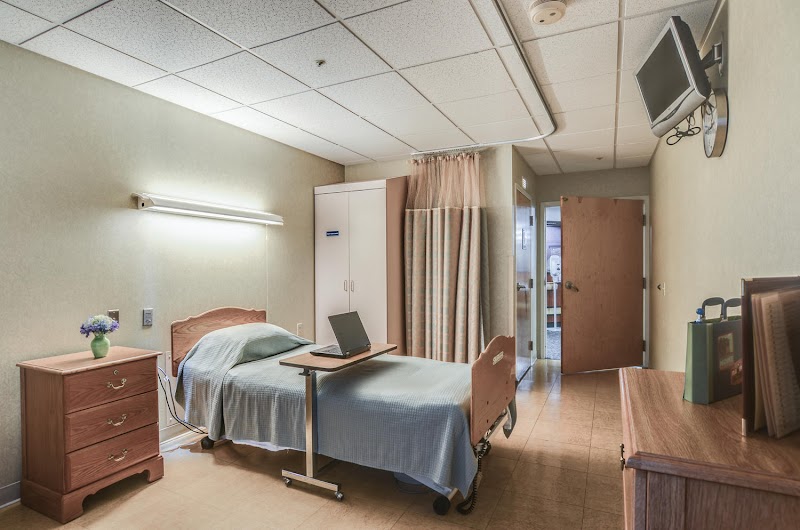
How is Lebanon Skilled Staffed?

CMS rates LEBANON SKILLED NURSING AND REHABILITATION CENTER's staffing level at 1 out of 5 stars, which is much below average compared to other nursing homes. Staff turnover is 58%, which is 12 percentage points above the Pennsylvania average of 46%. High turnover can affect care consistency as new staff learn residents' individual needs. RN turnover specifically is 78%, which is notably high. RNs provide skilled clinical oversight, so turnover in this role can affect medical care quality.

What Have Inspectors Found at Lebanon Skilled?

State health inspectors documented 36 deficiencies at LEBANON SKILLED NURSING AND REHABILITATION CENTER during 2023 to 2025. These included: 33 with potential for harm and 3 minor or isolated issues.
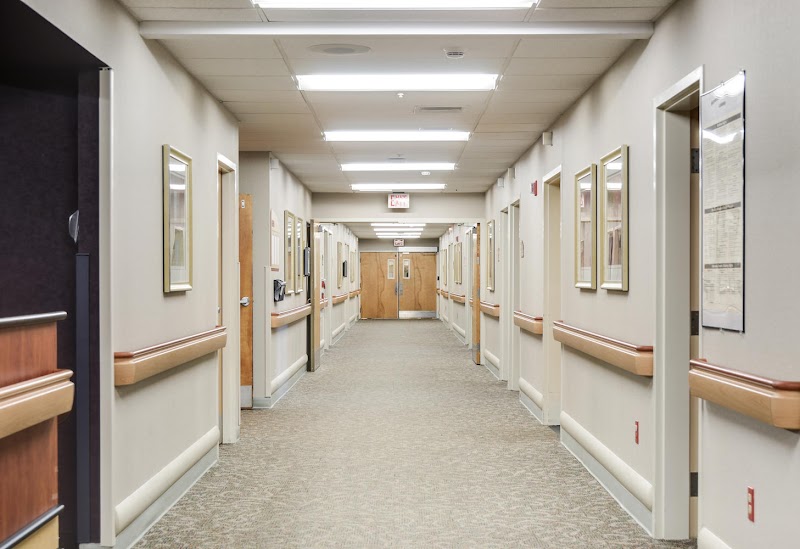
Who Owns and Operates Lebanon Skilled?

LEBANON SKILLED NURSING AND REHABILITATION CENTER is owned by a for-profit company. For-profit facilities operate as businesses with obligations to shareholders or private owners. The facility is operated by GENESIS HEALTHCARE, a chain that manages multiple nursing homes. With 159 certified beds and approximately 136 residents (about 86% occupancy), it is a mid-sized facility located in LEBANON, Pennsylvania.
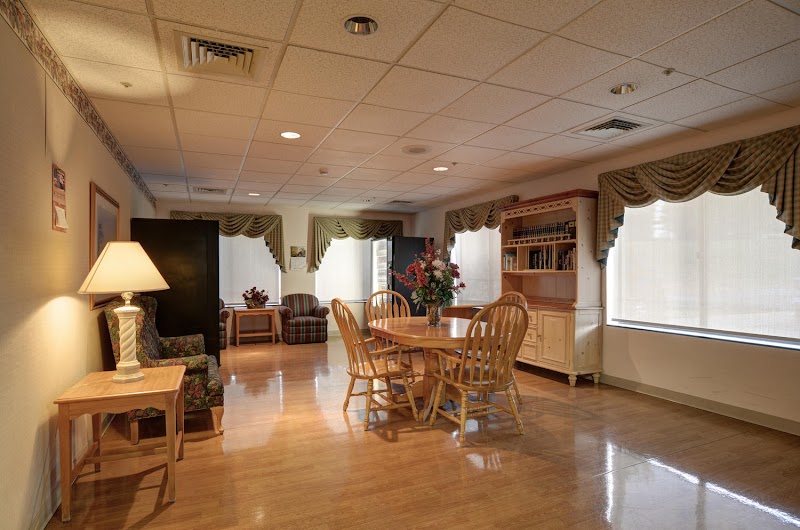
How Does Lebanon Skilled Compare to Other Pennsylvania Nursing Homes?

Compared to the 100 nursing homes in Pennsylvania, LEBANON SKILLED NURSING AND REHABILITATION CENTER's overall rating (1 stars) is below the state average of 3.0, staff turnover (58%) is significantly higher than the state average of 46%, and health inspection rating (2 stars) is below the national benchmark.

What Should Families Ask When Visiting Lebanon Skilled?

Based on this facility's data, families visiting should ask: "How do you ensure continuity of care given staff turnover, and what is your staff retention strategy?" "Can you walk me through typical staffing levels on day, evening, and night shifts?" "Can I visit during a mealtime to observe dining assistance and food quality?" "How do you handle medical emergencies, and what is your hospital transfer rate?" These questions are particularly relevant given the facility's high staff turnover rate and the below-average staffing rating.

Is Lebanon Skilled Safe?

Based on CMS inspection data, LEBANON SKILLED NURSING AND REHABILITATION CENTER has a clean safety record: no substantiated abuse findings (meaning no confirmed cases of resident harm), no Immediate Jeopardy citations (the most serious violation level indicating risk of serious injury or death), and is not on the Special Focus Facility watch list (a federal program monitoring the lowest-performing 1% of nursing homes). The facility has a 1-star overall rating and ranks #100 of 100 nursing homes in Pennsylvania. While no facility is perfect, families should still ask about staff-to-resident ratios and recent inspection results during their visit.

Do Nurses at Lebanon Skilled Stick Around?

Staff turnover at LEBANON SKILLED NURSING AND REHABILITATION CENTER is high. At 58%, the facility is 12 percentage points above the Pennsylvania average of 46%. Registered Nurse turnover is particularly concerning at 78%. RNs handle complex medical decisions and coordinate care — frequent RN changes can directly impact care quality. High turnover means new staff may not know residents' individual needs, medications, or preferences. It can also be disorienting for residents, especially those with dementia who rely on familiar faces. Families should ask: What is causing the turnover? What retention programs are in place? How do you ensure care continuity during staff transitions?

Was Lebanon Skilled Ever Fined?

LEBANON SKILLED NURSING AND REHABILITATION CENTER has no federal fines on record. CMS issues fines when nursing homes fail to meet care standards or don't correct problems found during inspections. The absence of fines suggests the facility has either maintained compliance or corrected any issues before penalties were assessed. This is a positive indicator, though families should still review recent inspection reports for the full picture.

Is Lebanon Skilled on Any Federal Watch List?

LEBANON SKILLED NURSING AND REHABILITATION CENTER is not on any federal watch list. The most significant is the Special Focus Facility (SFF) program, which identifies the bottom 1% of nursing homes nationally based on persistent, serious quality problems. Not being on this list means the facility has avoided the pattern of deficiencies that triggers enhanced federal oversight. This is a positive indicator, though families should still review the facility's inspection history directly.