HILLCREST REHABILITATION & HEALTHCARE CENTER
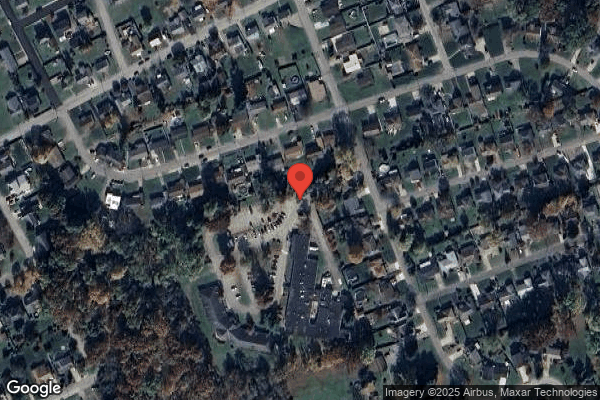
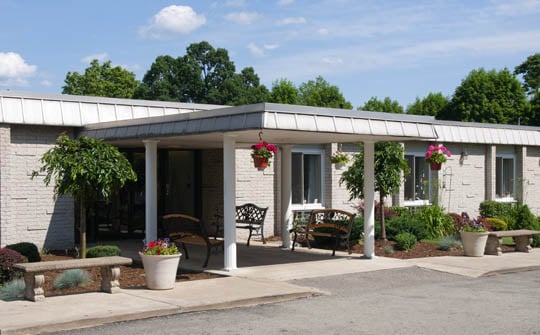
100 LITTLE DRIVE, LOWER BURRELL, PA 15068 (724) 339-1071
For profit - Corporation 103 Beds Independent Data: November 2025
Trust Grade
23/100
#574 of 653 in PA
Last Inspection: March 2025

Within standard 12-15 month inspection cycle. Federal law requires annual inspections.

Overview

Hillcrest Rehabilitation & Healthcare Center has received a Trust Grade of F, indicating significant concerns about the quality of care provided. Ranking #574 out of 653 facilities in Pennsylvania places it in the bottom half, and #13 out of 18 in Westmoreland County means there are only a few local options that perform better. While the facility is showing some improvement, with issues decreasing from 27 in 2024 to 24 in 2025, it still has a long way to go. Staffing is rated average with a 3 out of 5 stars and a turnover rate of 50%, which is close to the state average. However, there were alarming incidents, including improper food storage that could lead to foodborne illnesses and hiring a food service director without the necessary qualifications, raising serious questions about the overall management and safety at this facility.

Trust Score
F
23/100
In Pennsylvania
#574/653
Bottom 13%
Safety Record
High Risk
Review needed
Inspections
Getting Better
27 → 24 violations
Staff Stability
⚠ Watch
50% turnover. Above average. Higher turnover means staff may not know residents' routines.
Penalties
✓ Good
$3,145 in fines. Lower than most Pennsylvania facilities. Relatively clean record.
Skilled Nurses
✓ Good
Each resident gets 48 minutes of Registered Nurse (RN) attention daily — more than average for Pennsylvania. RNs are trained to catch health problems early.
Violations
⚠ Watch
62 deficiencies on record. Higher than average. Multiple issues found across inspections.
★☆☆☆☆
1.0
Overall Rating
★★★☆☆
3.0
Staff Levels
★★★☆☆
3.0
Care Quality
★☆☆☆☆
1.0
Inspection Score
Stable
2024: 27 issues
2025: 24 issues

The Good

  • Full Sprinkler Coverage · Fire safety systems throughout facility
  • No fines on record

Facility shows strength in fire safety.

The Bad

1-Star Overall Rating

Below Pennsylvania average (3.0)

Significant quality concerns identified by CMS

Staff Turnover: 50%

Near Pennsylvania avg (46%)

Higher turnover may affect care consistency

Federal Fines: $3,145

Below median ($33,413)

Minor penalties assessed

The Ugly 62 deficiencies on record

Jul 2025 1 deficiency
CONCERN (E) 📢 Someone Reported This

A family member, employee, or ombudsman was alarmed enough to file a formal complaint

Potential for Harm - no one hurt, but risky conditions existed

ADL Care (Tag F0677)

Could have caused harm · This affected multiple residents

**NOTE- TERMS IN BRACKETS HAVE BEEN EDITED TO PROTECT CONFIDENTIALITY** Based on review of facility policy, clinical record review, and staff interview, it was determined that the facility failed to p...

Read full inspector narrative →
**NOTE- TERMS IN BRACKETS HAVE BEEN EDITED TO PROTECT CONFIDENTIALITY** Based on review of facility policy, clinical record review, and staff interview, it was determined that the facility failed to provide Activity of Daily Living (ADL) assistance for three of five residents (Residents R1, R2, and R3).Findings include: Based on review of facility policy Activities of Daily Living (ADLs), Supporting dated 2/20/25, indicated residents will be provided with care, treatment, and services as appropriate to maintain or improve their ability to carry out activities of daily living. Residents who are unable to carry out activities of daily living independently will receive the services necessary to maintain good nutrition, grooming and personal and oral hygiene. Review of the clinical record indicated Resident R1 was admitted to the facility on [DATE]. Review of Resident R1's Minimum Data Set (MDS - a periodic assessment of care needs) dated 5/19/25, indicted diagnoses of Cerebral Palsy (group of disorders that affect a person's ability to move and maintain balance and posture), anxiety, and depression. Section GG - Functional Abilities, Question GG0130E indicated the resident was coded 4 supervision or touching assistance for shower/bathe self: the ability to bathe self, including washing, rinsing, and drying (excludes washing of back and hair). Review of Resident R1's Kardex (a snapshot of resident care needs) indicated Resident R1 is scheduled for a bath/shower every Wednesday and Saturday evening shift with limited assistance of one. Review of Resident R1's July 2025 shower documentation indicated no shower or bath was provided on: 7/2/25, 7/5/25, 7/9/25, 7/16/25, 7/19/25, 7/23/25, 7/26/25, and 7/30/25. Review of a Nursing Progress Note dated 7/2/25, at 9:58 p.m. stated, Resident refused her shower then at 9:30 wanted it, we told her they didn't have time. Review of the clinical record indicated Resident R2 was admitted to the facility on [DATE]. Review of Resident R2's MDS dated [DATE], indicated diagnoses of high blood pressure, dementia (a group of symptoms that affects memory, thinking and interferes with daily life), and hemiplegia (paralysis on one side of the body). Section GG - Functional Abilities, Question GG0130E indicated the resident was coded 1 dependent for shower/bathe self: the ability to bathe self, including washing, rinsing, and drying (excludes washing of back and hair). Review of Resident R2's Kardex indicated Resident R2 is scheduled for a bath/shower every Wednesday and Saturday evening shift with extensive assistance of one. Review of Resident R2's July 2025 shower documentation indicated no shower or bath was provided on: 7/2/25, 7/9/25, 7/19/25, 7/23/25, 7/26/25, and 7/30/25. Review of the clinical record indicated Resident R3 was admitted to the facility on [DATE]. Review of Resident R3's MDS dated [DATE], indicated diagnoses of high blood pressure, hemiplegia, and muscle weakness. Section GG - Functional Abilities, Question GG0130E indicated the resident was coded 4 supervision or touching assistance for shower/bathe self: the ability to bathe self, including washing, rinsing, and drying (excludes washing of back and hair). Review of Resident R3's Kardex indicated Resident R3 is scheduled for a bath/shower every Wednesday and Saturday evening with limited assistance of one. Review of Resident R3's July 2025 shower documentation indicated no shower or bath was provided on: 7/5/25, 7/9/25, 7/16/25, 7/19/25, 7/23/25, 7/26/25, and 7/30/25. During an interview on 7/31/25, at 11:53 a.m. the Director of Nursing was unable to locate additional documentation to indicate Residents R1, R2, and R3 were offered and/or refused baths/showers on the dates listed above and that the facility failed to provide activities of daily living assistance for Residents R1, R2, and R3. 28 Pa. Code: 211.10(d) Resident care policies.28 Pa. Code: 211.12(c)(d)(1)(3)(5) Nursing services.
May 2025 3 deficiencies
CONCERN (D) 📢 Someone Reported This

A family member, employee, or ombudsman was alarmed enough to file a formal complaint

Potential for Harm - no one hurt, but risky conditions existed

Grievances (Tag F0585)

Could have caused harm · This affected 1 resident

Based on a review of facility policy, facility documents and staff interviews, it was determined that the facility failed to document the date the grievance was received, a summary statement of the re...

Read full inspector narrative →
Based on a review of facility policy, facility documents and staff interviews, it was determined that the facility failed to document the date the grievance was received, a summary statement of the resident's grievance, steps taken to investigate the grievance, a summary of findings/conclusions regarding the resident's grievance, whether the grievance was confirmed or not confirmed, corrective actions implemented, and the date of written decision issued for one of one resident's (Resident R1) allegation of neglect. (Resident R1) Findings include: A review of facility Grievance/Complaints, Filing policy dated 2/20/25. revealed upon receiving a resident grievance or complaint the facility Grievance Officer will submit a written report of the findings of the Administrator. A review of a facility reported document dated 4/5/25, to the State Agency contained an allegation of neglect by Resident R1. The report contained evidence that Resident R1 made an allegation that facility staff allowed her to lay on the floor for an hour after a fall. A review of facility Grievance Log for the month of April failed to provide documented evidence that the facility documented a summary of the resident's allegation, investigate the allegation, document a summary of findings/conclusions, if the allegation was substantiated or unsubstantiated, corrective actions implemented by the facility, and the date the decision was issued. During an interview on 5/7/25, at 10:56 am the Administrator in Training Employee E2 confirmed that the facility's April 2025 Grievance Log failed to provide documented evidence that the facility implemented and completed the grievance process which inclued properly documenting the resident's allegation, investigate the allegation, complete a summary of findings, draw a conclusion of substantiated or unsubstantiated and provide a date when a decision was issued. Pa Code:201.29 (a) Resident Rights
CONCERN (D) 📢 Someone Reported This

A family member, employee, or ombudsman was alarmed enough to file a formal complaint

Potential for Harm - no one hurt, but risky conditions existed

Abuse Prevention Policies (Tag F0607)

Could have caused harm · This affected 1 resident

Based on a review of facility policies, documents, resident and staff interviews, it was determined that the facility failed to implement an abuse/neglect policy that thoroughly investigated allegatio...

Read full inspector narrative →
Based on a review of facility policies, documents, resident and staff interviews, it was determined that the facility failed to implement an abuse/neglect policy that thoroughly investigated allegations for one of one event with allegations of neglect. (4/5/25). Findings include: A review of facility Abuse Investigation and Reporting policy dated 2/20/25, indicated all parties will be interviewed to obtain information regarding the allegation, all witness statements will be obtained in writing with signature and date of the witness, at the completion documents will be completed and reviewed with the Administrator. A review of facility documents dated 4/5/25, submitted to the State Agency revealed that Resident R1 voiced a concern that staff allowed her to remain on the floor for an hour after sustaining a fall. A review of facility witness statements failed to provide a written document of witness statements obtained of the resident and her roommate which created an incomplete investigation. A review of facility documents revealed that the facility failure to follow the guidance and procedures of the Abuse Investigation and Reporting policy created the potential for an improper thorough investigation which failed to identify alleged perpetrators related to Resident R1's allegation of neglect. During an interview with the Chief Nursing Officer Employee E1 and a state surveyor on 5/5/25, at approximately 1:45 pm Resident R1 identified the staff members that allowed her to lay on the floor as the Director of Nursing and two Nurse Assistants. During an interview on 5/7/25, at 10:57 am the information of the facility's failure to implement the facility's Abuse, Investigation and Reporting policy which provided guidance and procedures on conducting a through investigation was reviewed with the Chief Nursing Officer Employee E1 and the Administrator in Training Employee E2. Pa Code 201.14(a) Responsibility of Licensee
CONCERN (D) 📢 Someone Reported This

A family member, employee, or ombudsman was alarmed enough to file a formal complaint

Potential for Harm - no one hurt, but risky conditions existed

Investigate Abuse (Tag F0610)

Could have caused harm · This affected 1 resident

Based on a review of facility policies, documents and resident and staff interviews, it was determined that the facility failed to provide evidence that an alleged allegation of neglect for one of one...

Read full inspector narrative →
Based on a review of facility policies, documents and resident and staff interviews, it was determined that the facility failed to provide evidence that an alleged allegation of neglect for one of one event (4/5/25), was thoroughly investigated as required. Findings include: A review of facility Abuse, Investigation, and Reporting' policy dated 2/20/25, indicated that all allegations of abuse/neglect will be thoroughly investigated by Administration. A review of facility documents dated 4/5/25, submitted to the State Agency revealed that Resident R1 voiced a concern that staff allowed her to remain on the floor for an hour after sustaining a fall. A review of the facility's investigation of Resident R1's allegation of neglect revealed the following: * The facility failed to complete documentation of the resident's grievance. * The facility failed to interview the resident and her roommate which created an incomplete and inaccurate conclusion of the facility not identifying alleged perpetrators. * The facility failed to properly investigate the resident's allegation of neglect which resulted in the facility's failure to identify alleged perpetrators and submit PB22 documents to the state agency as required. * The facility failed to implement their plan of correction for a citation (F600) regarding making certain that the resident's are free from abuse/neglect issued on the completion of a survey ending on 3/7/25. * The facility's lack of a thorough investigation created the potential for improper implementation of corrective action including the prevention of further alleged abuse/neglect. During an interview with the Chief Nursing Officer Employee E1 and a state surveyor on 5/5/25, at approximately 1:45 pm Resident R1 identified the staff members that allowed her to lay on the floor as the Director of Nursing and two Nurse Assistants. During an interview on 5/7/25, at 10:57 am the information of the facility's failure to properly investigate, prevent and correct allegations of abuse/neglect by the facility's failure to conduct a through investigation was reviewed with the Chief Nursing Officer Employee E1 and the Administrator in Training Employee E2. Pa Code 201.18(b)(1) Management
Mar 2025 19 deficiencies
CONCERN (D)

Potential for Harm - no one hurt, but risky conditions existed

Free from Abuse/Neglect (Tag F0600)

Could have caused harm · This affected 1 resident

**NOTE- TERMS IN BRACKETS HAVE BEEN EDITED TO PROTECT CONFIDENTIALITY** Based on review of facility policy, clinical record review and staff interview it was determined that the facility failed to inv...

Read full inspector narrative →
**NOTE- TERMS IN BRACKETS HAVE BEEN EDITED TO PROTECT CONFIDENTIALITY** Based on review of facility policy, clinical record review and staff interview it was determined that the facility failed to investigate, and report an allegation of abuse and or neglect for one of three residents reviewed (Resident R24). Findings include: Faiclity policy Identifying Types of Abuse dated 2/20/25, indicated Neglect/Deprivation of Goods and services by Staff - Neglect ids the failure of the facility, its employees or service providers to provide goods and services to a resident that are necessary to avoid physical harm,pain,mental anguish, or emotional distress. Review of Resident R24 clinical record indicate the were admitted on [DATE]. Review of Resident R24 MDS (minimum data set - a periodic assessment of resident needs) dated 2/2/25, indicated diagnosis of atrial fibration ( irregular and often very rapid heart rhythm), chf (heart failure occurs when the heart muscle doesn't pump blood as well as it should) Review of Resident R24 clinical record progress notes indicated 3/1/2025, nursing note Note Text : This writer helped Nurse Aide with Am care and changing coccyx dsg (dressing). Upon doing dsg writer noted a 7 x 5 cm bump on residents right shin. Resident is unable to describe what happens but states that he/she was scared when he/she was in the hoyer. Review of facility records failed to include an investigation or a report into the state survey agency of a potential neglect incident. During an interview on 3/7/25, at 11:09 a.m. Director of Nursing confirmed that the facility failed to investigate and report an allegation of neglect for Resident R24. 28 Pa. Code Pa. 201.14 (a) Responsibility of licensee.
CONCERN (D)

Potential for Harm - no one hurt, but risky conditions existed

Deficiency F0655 (Tag F0655)

Could have caused harm · This affected 1 resident

**NOTE- TERMS IN BRACKETS HAVE BEEN EDITED TO PROTECT CONFIDENTIALITY** Based on a review of facility policy, clinical records, and staff interview, it was determined that the facility failed to devel...

Read full inspector narrative →
**NOTE- TERMS IN BRACKETS HAVE BEEN EDITED TO PROTECT CONFIDENTIALITY** Based on a review of facility policy, clinical records, and staff interview, it was determined that the facility failed to develop a baseline care plan for pain management one of three residents (Resident R223). Findings include: Review of facility policy Baseline Care Plans dated 2/20/25, indicated a baseline plan of care to meet the residents immediate needs and provide instruction needed to provide effective and person-centered care shall be developed for each resident within forty-eight hours of admission. Review of the clinical record revealed Resident R223 was admitted to the facility on [DATE], with diagnoses of fracture of shaft of right tibia and fibula, pain in right ankle and joints of right foot, and idiopathic progressive neuropathy (nerve damage that interferes with the function of the peripheral nervous system (PNS) when the cause can't be determined.) During an interview on 3/3/25, at 12:36 p.m. Resident R223 stated he has pain and receives medication for pain management. It was indicated he has 7 out of 10 pain in his back, groin, and hip. Review of Resident R223's physician orders dated 2/28/25, indicated to administer two 500mg Acetaminophen (Tylenol) tablets by mouth every eight hours for pain for 10 days. Review of Resident R223's physician orders dated 2/28/25, indicated to administer two tablets of 325mg Acetaminophen, every six hours as needed for pain mild (1-3). Review of Resident R223's physician orders dated 2/28/25, indicated to administer one tablet of 5 mg Oxycodone, every four hours as needed for pain or two tablets by mouth every four hours as needed. Review of Resident R223's physician orders dated 2/28/25, indicated to record the resident's pain score every shift. Review of Resident R223's care plan on 3/5/25, at 11:02 a.m. failed to include a baseline care plan for pain management. During an interview on 3/6/25, at 11:57 a.m. the Nursing Home Administrator confirmed Resident R223's baseline care plan did not include interventions for the pain management, and that the facility failed to develop a baseline care plan for one of three residents (Resident R223). 28 Pa. Code: 211.11 (a)(c)(d) Resident care plan. 28 Pa. Code: 211.12(d)(1)(5) Nursing services.
CONCERN (D)

Potential for Harm - no one hurt, but risky conditions existed

Deficiency F0658 (Tag F0658)

Could have caused harm · This affected 1 resident

Based on review of facility policies, job descriptions, clinical records, and staff interviews, it was determined that the facility failed to adhere to acceptable standards of practice related to moni...

Read full inspector narrative →
Based on review of facility policies, job descriptions, clinical records, and staff interviews, it was determined that the facility failed to adhere to acceptable standards of practice related to monitoring of Food Service operations, resident interviews, and participation in care plan meetings by the Registered Dietitian for six out of six months ( October 2024, November 2024, December 2024, January 2025, February 2025, and March 2025). Findings include: The Pennsylvania Code, Title 49, Chapter 21, Professional and Vocational Standards: Responsibilities of the Licensed Dietitian/ Nutritionist Section 21.711 Professional Conduct indicated that the Licensed Dietitian/ Nutritionist shall provide information which will enable patients to make their own informed decisions regarding nutrition and dietetic therapy, including the reasonable expectations of the professional relationship. The facility Nutritional assesment policy dated 2/20/25, indicated that as a part of the comprehensive assesment, the nutritional assessment shall be conducted for each resident. The dietitian will conduct a nutritional assessment for each resident upon admission within current baseline assessment time frames. Review of the Clinical Dietitian position description indicated that the the Clinical Dietitian works in conjunction with the Food Service Director, Physician and DON to meet resident's nutritional needs. The dietitian plans modified diets, as requested by attending physician. Provides nutritional assessments for every resident in accordance with all state and federal regulations. Assists in producing and providing quality nutritional service outcomes and quality care. Working conditions includes working throughout facility (i.e., dining room, resident rooms, kitchen), works with temperature changes due to kitchen and storage areas, involved with residents, associates, visitors, government agencies/personnel, works beyond normal working hours, on weekends, and in other positions temporarily, as necessary. Must be able to consult with resident and family members related to nutritional needs and goals and must be able to check menu plans and ensure they meet nutritional needs of residents while ensuring exceptional quality food. During an interview on 3/4/25, at 1:59 p.m. the Registered Dietitian Employee E11 stated the following: been working here probably since October or November of 2024. I do not belive the facility had a dietitian for some time. Not sure how long they were without one. I belive that the dining manager reviews resident preferences. I work eight hours a week remotely. I did not go to the building. I did not sign off any substitute menus. I live outside of Philadelphia. Im not at the care plan meetings unless there is a concern. If there is a signifcant change , I run a report every week so I can see if there is any changes, gain or losses. I would just assess them, look at medications, intakes, supplements, and kind of go from there. During an interview on 3/4/25, at 2:07 p.m. Dietary Manager Employee E7 was asked about resident meal preferences and stated: when a resident is newly admitted , the residents get a preference sheet from Activities and its completed. I input it in the system and keep this all on file. During an interview on 3/5/25, at 12:35 p.m. the Registered Nurse Assessment Coordinator (RNAC) Employee E10 stated: I am an interim per diem employee, and I have been there for about a month. I work at the facility on weekends and in the morning. We like the dietitian assessment before the assessment reference (ARD) date. I am not sure if the dietitian is in the building every day of the week. During an interview on 3/5/25, at 1:59 p.m. information was disseminated to the Nursing Home Administrator (NHA) that the facility failed to have a Registered Dietitian on premises that participated in interdisciplinary meetings, monitor Food Service operations, or completed any in-person actions as per the Registered Dietitian Job Description. 28 Pa. Code: 201.14(a) Responsibility of Licensee. 28 Pa. Code: 211.12(d)(1) Nursing Services.
CONCERN (D)

Potential for Harm - no one hurt, but risky conditions existed

ADL Care (Tag F0677)

Could have caused harm · This affected 1 resident

**NOTE- TERMS IN BRACKETS HAVE BEEN EDITED TO PROTECT CONFIDENTIALITY** Based on review of clinical records, staff, and resident interviews, it was determined that the facility failed to provide Activ...

Read full inspector narrative →
**NOTE- TERMS IN BRACKETS HAVE BEEN EDITED TO PROTECT CONFIDENTIALITY** Based on review of clinical records, staff, and resident interviews, it was determined that the facility failed to provide Activity of Daily Living (ADL) assistance for one of six residents (Resident R33). Findings include: The facility Activity of Daily Living (ADLs), Supporting policy dated 2/20/25, indicated residents will be provided with care, treatment, and services as appropriate to maintain or improve their ability to carry out ADLS. Residents who are unable to carry out activities of daily living independently will receive the service necessary to maintain good personal hygiene. The facility Bed Bath, Shower/Tub policy dated 2/20/25, indicated the purpose of this policy is to promote cleanliness, provide comfort to the resident. Review of Resident R33's admission record indicated resident was admitted to facility on 4/24/24. Review of Resident R33's MDS assessment (MDS-Minimum Data Set assessment: periodic assessment of resident care needs) dated 1/15/25, indicated diagnoses of high blood pressure, heart failure (occurs when the heart muscle doesn't pump blood as well as it should), and dementia (he loss of cognitive functioning that interferes with daily life and activities). Review of Resident R33's MDS assessment dated [DATE], indicated that Section GG0130-Self-care indicated the resident was dependent for toileting and required substantial/maximal assistance for showering. Review of Resident R33's February 2025 shower documentation indicated there was no shower provided on 2/18/25, and 2/21/25. Review of Resident R33's clinical record indicated he is scheduled showers on Tuesday and Friday evening shift and requires extensive assistance with bathing. Review of Resident R33's February 2025 toilet use documentation failed to reveal the resident was changed at least every shift for 12 of 28 days. During a phone interview on 3/6/25, at 3:19 p.m. Resident R33's family representative indicated a concern with the facility not bathing Resident R33 at least twice a week. It was indicated staff have been notified multiple times that he should be changed and shouldn't sit in feces or a soiled brief. During an interview on 3/7/25, at 11:15 a.m. Nursing Home Administrator confirmed that the facility failed to provide Activity of Daily Living (ADL) assistance for one of six residents (Resident R33). 28 Pa. Code: 201.14(a) Responsibility of licensee. 28 Pa. Code: 201.18(e)(6) Management.
CONCERN (D)

Potential for Harm - no one hurt, but risky conditions existed

Pressure Ulcer Prevention (Tag F0686)

Could have caused harm · This affected 1 resident

**NOTE- TERMS IN BRACKETS HAVE BEEN EDITED TO PROTECT CONFIDENTIALITY** Based on review of facility policy, clinical records, and staff interviews, it was determined that the facility failed to make c...

Read full inspector narrative →
**NOTE- TERMS IN BRACKETS HAVE BEEN EDITED TO PROTECT CONFIDENTIALITY** Based on review of facility policy, clinical records, and staff interviews, it was determined that the facility failed to make certain that residents received the necessary services, consistent with professional standards of practice to promote healing and prevent infection for one of four residents (Residents R27). Findings include: Review of the admission record indicated Resident R27 was admitted to the facility on [DATE], with diagnoses of dementia (the loss of cognitive functioning to such an extent that it interferes with a person's daily life and activities), morbid obesity, and muscle weakness. Review of Resident R27's skin evaluation dated 12/27/24, indicated the resident had an unstageable (a type of pressure ulcer that is covered by necrotic tissue or eschar, making it hard to stage and treat) 3cm x 1.5 cm coccyx (tailbone) pressure ulcer. A 5 cm x 9 cm sacrum (a single bone located at the base of the spine)pressure ulcer that was not staged. Two left rear thigh pressure ulcers measuring 0.3cm x 1cm and 0.2 cm x 5.5 cm that were not staged. The facility failed to document the stage of the resident's sacrum and left rear thigh pressure ulcers. Review of Resident R27's care plan dated 12/27/24, indicated the resident had a stage three pressure ulcer extending to the buttocks that was present upon admission. It was indicated the wound care team was following. Interventions included to administer treatment per physician orders, encourage and assist as needed to turn and reposition, use assistive devices as needed. It was indicated to complete a wound clinic referral and follow up as ordered. Review of Resident R27's MDS assessment (MDS-Minimum Data Set assessment: periodic assessment of resident care needs) dated 1/2/25, indicated the diagnoses were current. Review of Resident R27's clinical record revealed the facility's wound care provider assessed the resident on 1/22/25, for a subsequent encounter for skin and wound care. It was indicated the resident had an unstageable sacrum extending to bilateral glutes (buttocks) pressure ulcer that measured 10cm x 6 cm x 0 cm. Treatment orders included to cleanse the wound with 0.125% Dakin's solution (antiseptic solution wound cleanser), apply Santyl (used to treat pressure ulcers and helps remove dead skin tissue and aids in wound healing) then Dakin's moistened packing to the base of wound, secure with bordered gauzed and change daily and as needed. It was also indicated to order a wedge to aid in repositioning. Review of Resident R27's physician order dated 1/22/25, until 2/19/25, indicated to cleanse coccyx and buttock wounds with Dakin's 0.125% solution, apply thick layer of Medihoney (antibacterial and bacterial resistant wound gel) to wound base, pack coccyx wound with Dakin's soaked gauze, cover with alginate (highly absorbent wound care product to manage moderate to heavy exudate) then dry dressing daily. The physician order failed to include the Santyl as ordered by wound care provider. The facility failed to provide wound care treatment as ordered. Review of Resident R27's physician order dated 2/20/25, indicated to cleanse the wound with 0.125% Dakin's solution, apply Santyl then Dakin's moistened packing to the base of wound, secure with bordered gauzed and change daily and as needed. A total of 29 days after the wound care provider ordered the above treatment. The facility failed to timely implement wound care treatment as ordered. Review of Resident R27's physician orders from 1/22/25, through 3/5/25, failed to include an order for a wedge to assist with turning and repositioning as ordered by wound care provider. The facility failed to follow the wound care provider's recommendations as ordered. During an interview on 3/6/25, at 10:10 a.m. the Director of Nursing and confirmed the facility failed to make certain that residents were received the necessary services, consistent with professional standards of practice, to promote healing and prevent infection for one of four residents (Residents R27). 28 Pa. Code: 201.29(i) Resident Rights. 28 Pa. Code 211.10(c)(d) Resident Care Policies. 28 Pa. Code 211.12(d)(1)(3)(5) Nursing services.
CONCERN (D)

Potential for Harm - no one hurt, but risky conditions existed

Deficiency F0688 (Tag F0688)

Could have caused harm · This affected 1 resident

**NOTE- TERMS IN BRACKETS HAVE BEEN EDITED TO PROTECT CONFIDENTIALITY** Based on review of clinical records, as well as observations and staff interviews, it was determined that the facility failed to...

Read full inspector narrative →
**NOTE- TERMS IN BRACKETS HAVE BEEN EDITED TO PROTECT CONFIDENTIALITY** Based on review of clinical records, as well as observations and staff interviews, it was determined that the facility failed to ensure a resident with limited mobility receives appropriate services, equipment, and assistance to maintain or improve mobility for one of three residents (Resident R223). Findings include: Review of Resident R223's admission record indicated he was admitted on [DATE], with diagnoses of fracture of shaft of right tibia and fibula, pain in right ankle and joints of right foot, and idiopathic progressive neuropathy (nerve damage that interferes with the function of the peripheral nervous system (PNS) when the cause can't be determined.) Review of Resident R223's Hospital Discharge summary dated [DATE], indicated the resident was ordered to wear a TLSO brace (brace that limits movement in your spine from the thoracic area (mid back) to your sacrum (low back)) when upright or out of bed. Review of Resident R223's physical therapy notes dated 3/1/25, indicated the resident will 100% return demonstrate visual and verbal understanding of putting on and taking off his TLSO brace. During an interview on 3/3/25, at 9:47 a.m. Resident R223 indicated he needs his back brace. It was indicated the facility had one and it disappeared, and it had been missing for a couple of days. During an interview on 3/6/25, at 10:50 a.m. Licensed Practical Nurse, Employee E12 confirmed there was not a TLSO brace available for Resident R223 to use. Review of Resident R223's clinical record failed to reveal an order or care plan for Resident R223's TLSO brace. During an interview on 3/6/25, at 11:35 a.m. the Director of Nursing (DON) confirmed Resident R223 did not have an order or care plan for his TLSO brace. The DON confirmed the facility failed to ensure a resident with limited mobility receives appropriate services, equipment, and assistance to maintain or improve mobility for one of three residents (Resident R223). 28 Pa. Code 211.12(d)(5) Nursing Services.
CONCERN (D)

Potential for Harm - no one hurt, but risky conditions existed

Deficiency F0692 (Tag F0692)

Could have caused harm · This affected 1 resident

**NOTE- TERMS IN BRACKETS HAVE BEEN EDITED TO PROTECT CONFIDENTIALITY** Based on review of facility policy, clinical records, and staff interviews, it was determined that the facility failed to timely...

Read full inspector narrative →
**NOTE- TERMS IN BRACKETS HAVE BEEN EDITED TO PROTECT CONFIDENTIALITY** Based on review of facility policy, clinical records, and staff interviews, it was determined that the facility failed to timely assess the nutritional status for one of two residents (Resident R23). Findings include: The facility Nutritional assesment policy dated 2/20/25, indicated that as a part of the comprehensive assesment, the nutritional assessment shall be conducted for each resident. The dietitian will conduct a nutritional assessment for each resident upon admission within current baseline assessment time frames. Review of Resident R23's admission record indicated he was originally admitted on [DATE]. Review of Resident R23's MDS assessment (Minimum Data Set assessment: MDS -a periodic assessment of resident care needs) dated 7/18/24, indicated he had diagnoses that included epilepsy (a long-term disease that causes repeated seizures due to abnormal electrical signals produced by damaged brain cells), dysphagia (difficulty swallowing), hypertension (a condition impacting blood circulation through the heart related to poor pressure), and hyperlipidemia (elevated lipid levels within the blood), Review of Resident R23's MDS assessment section Z0400 (Signatures of persons completing the MDS assessment) dated 7/18/24, did not include a signature from a registered dietitian. Review of Resident R23's hospital nutrition assessment Discharge summary dated [DATE], indicated that nutrition will follow due to increased nutritional demands and to monitor diet, oral intake, lab results and weights. Review of Resident R23's care plans dated 7/15/24, indicated that he will not experience a significant change in weight. Review of Resident R23's vitals and weigh records indicated the following: 7/13/24-- 242.2 lbs 7/30/24--213.4 lbs 8/9/24--211.3 lbs Review of Resident R23's weight documentation from 7/13/24 to 7/30/24 indicated a decline of 11.8 percent loss in weight. Review of Resident R23's dietitian notes and assessments did not include a dietitian assessment 14 days after his initial admission. The first dietitian assessment was dated 8/22/24; 40 days after his initial admission. Further review of dietitian notes did not include an assessment related to Resident R23 weight loss that occurred in July 2024 until 8/22/24. During an interview on 3/5/25, at 11:24 a.m. Registered Nurse (RN) supervisor Employee E3 stated: there is a dietitian assessment for Resident R23 on 8/22/24 and another on 9/17/24 created by Dietitian Employee E11. During an interview on 3/5/25, at 12:35 p.m. the Registered Nurse Assessment Coordinator (RNAC) Employee E10 stated: I am an interim per diem employee, and I have been there for about a month. I work at the facility on weekends and in the morning. We like the dietitian assessment before the assessment reference (ARD) date. I am not sure if the dietitian is in the building every day of the week. ARD date is generally set on day 7 or day 8 and it (dietitian assessment) has to be completed within 14 days. I am not in the building. I do not run the care plan meetings. During an interview on 3/5/25, at 1:59 p.m. information was disseminated to the Nursing Home Administrator (NHA) that the facility failed to timely assess the nutritional status for Resident R23 as required. 28 Pa. Code: 201.18(b)(1)(e)(1) Management. 28 Pa. Code: 211.12(d)(1)(3)(5) Nursing services.
CONCERN (D)

Potential for Harm - no one hurt, but risky conditions existed

Respiratory Care (Tag F0695)

Could have caused harm · This affected 1 resident

Based on review of facility policy, observations, staff interviews, and clinical record review, it was determined that the facility failed to provide appropriate respiratory care related to oxygen man...

Read full inspector narrative →
Based on review of facility policy, observations, staff interviews, and clinical record review, it was determined that the facility failed to provide appropriate respiratory care related to oxygen management for two of four residents (Resident R41 and R274). Findings include: A review of the facility policy Oxygen Administration last reviewed on 2/20/25, indicates to provide safe oxygen administration. A review of Resident R41's clinical record indicates an admission date of 7/27/24. A review of R41's Minimum Data Set (MDS-periodic assessment of care needs) dated 12/20/24, indicate the diagnosis of hypertension (high blood pressure), respiratory failure (blood doesn't have enough oxygen), and coronary artery disease (CAD - buildup of plaque in the arteries that reduces the blood flow to the heart). During an observation completed on 3/3/25, at 10: 29 a.m. Resident R41 was in bed, her oxygen was on via nasal canula (thin flexible tube used to deliver oxygen). The oxygen tubing failed to be labeled with a date. Review of Resident 41's physician orders dated 12/15/24, indicate oxygen at 4 liters per minute via nasal canula. Review of Resident R41's physician orders dated 12/21/24, indicate to change oxygen tubing and canister night shift every Saturday. During an interview completed on 3/3/25, at 10:30 a.m. Registered Nurse (RN) Employee E2 confirmed the oxygen tubing failed to be labeled with a date. A review of Resident R274's clinical record indicates an admission date of 2/21/25, with the diagnosis of diabetes (high sugar in the blood), heart failure (heart can't pump blood the way it should), and hypertension (high blood pressure). A review of Resident R274's physician orders dated 2/27/24, indicate Ipratropium-Albuterol Inhalation Solution 0.5-2.5 (3) milligram (MG0/3 milliliter (ML) (medication used to open airways) inhale every 6 hours. During an observation completed on 3/3/25, at 11:00 a.m. resident R274 was in bed her nebulizer (medication delivery device) was sitting on top of dresser, the nebulizer failed to be labeled with a date or stored in a bag. During an interview completed on 3/3/15, at 11:11 a.m. RN Employee E1 confirmed the nebulizer was not labeled with a date or stored in a bag and that the facility failed to provide appropriate respiratory care related to oxygen management for two of four residents (Resident R41 and R274). 28 Pa. Code: 211.10(c)(d) Resident care policies. 28 Pa. Code: 211.12(d)(1)(2)(3)(5) Nursing services.
CONCERN (D)

Potential for Harm - no one hurt, but risky conditions existed

Deficiency F0698 (Tag F0698)

Could have caused harm · This affected 1 resident

**NOTE- TERMS IN BRACKETS HAVE BEEN EDITED TO PROTECT CONFIDENTIALITY** Based on review of facility policy and clinical record and staff interview it was determined that the facility failed to make ce...

Read full inspector narrative →
**NOTE- TERMS IN BRACKETS HAVE BEEN EDITED TO PROTECT CONFIDENTIALITY** Based on review of facility policy and clinical record and staff interview it was determined that the facility failed to make certain consistent dialysis communication was maintained for one of two residents (Resident R12). Findings include: Review of Resident R12's admission record indicated she was originally admitted on [DATE]. Review of Resident R12's MDS assessment (Minimum Data Set assessment: MDS -a periodic assessment of resident care needs) dated 8/26/24, indicated diagnoses of depression, renal insufficiency (kidneys are functioning poorly), and diabetes (a group of diseases that affect how the body uses blood sugar (glucose). Review of physician orders dated 2/14/25, indicated Resident R12 attends dialysis on Monday, Wednesday, and Friday each week. Review of Resident R12's clinical record on 3/4/25, failed to include a care plan for dialysis. A review of the clinical record did not include complete communication forms for the month of February and March 2025. There were seven incomplete communication sheets (Portion Completed by Nursing Home was incomplete) for the following dates: 2/5/25, 2/24.25, 2/26/25, 2/28/25, 3/3/25, and 3/5/25. Interview on 3/6/25, at 11:09 a.m. Licensed Practical Nurse, Employee E12 confirmed the above dates did not include complete communication forms as required for Resident R12 and the facility failed to implement a care plan for dialysis. Interview on 3/6/25, at 11:35 a.m. the Director of Nursing confirmed the facility failed to make certain consistent dialysis communication was maintained for one of two residents (Resident R12). 28 Pa. Code: 201.14(a) Responsibility of licensee. 28 Pa. Code: 211.10(d) Resident care policies. 28 Pa. Code: 201.18 (b) (1) (e) (1) Management. 28 Pa. Code: 211.12 (d) (1) (2) (5) Nursing services.
CONCERN (D)

Potential for Harm - no one hurt, but risky conditions existed

Drug Regimen Review (Tag F0756)

Could have caused harm · This affected 1 resident

**NOTE- TERMS IN BRACKETS HAVE BEEN EDITED TO PROTECT CONFIDENTIALITY** Based upon clinical record review, and staff interview, it was determined that the facility failed to ensure that any irregulari...

Read full inspector narrative →
**NOTE- TERMS IN BRACKETS HAVE BEEN EDITED TO PROTECT CONFIDENTIALITY** Based upon clinical record review, and staff interview, it was determined that the facility failed to ensure that any irregularities submitted in the medication regiment reviews (MRR) by pharmacy were reviewed by a physician for one out of four residents (Resident R12). Findings include: Review of the facility Medication Regimen Review (Monthly Report) policy last review 2/20/25, indicated the consultant pharmacist performs a comprehensive medication regimen review (MRR) at least monthly. The MRR includes evaluating the resident's response to medication therapy to determine that the resident maintains the highest practicable level of functioning and precents or minimizes adverse consequences related to medication therapy. The physician accepts and acts upon suggestion or rejects and provides explanation for disagreeing. Review of Resident R12's admission record indicated she was originally admitted on [DATE]. Review of Resident R12's MDS assessment (Minimum Data Set assessment: MDS -a periodic assessment of resident care needs) dated 8/26/24, indicated diagnoses of depression, renal insufficiency (kidneys are functioning poorly), and diabetes (a group of diseases that affect how the body uses blood sugar (glucose). Review of Resident R12's pharmacy regimen review dated 8/21/24, indicated Resident R12 had an duplicate orders for Lidocaine 3% (topical anesthetic used to stop pain from skin irritations) gel to rectum twice a day and every 12 hours as needed for excoriation and Lidocaine 4% gel to rectum twice a day. It was indicated to consider discontinuing one of these orders to prevent duplicate administration. The Director of Nursing signed for the prescriber response. The facility failed to ensure a physician responded to pharmacy recommendations. Review of Resident R12's pharmacy regimen review dated 11/23/24, indicated Resident R12 was ordered 5 mg oxycodone every four hours as needed for moderate pain without any non-pharmacological interventions (NPIs) listed with the order. It was indicated NPIs should be attempted before as needed medication administration. It was indicated to please consider adding NPIs to the order. Registered Nurse, Employee E1 signed the pharmacy recommendation and indicated the order was discontinued. The facility failed to ensure a physician responded to a pharmacy recommendation. During an interview on 3/7/25, at 11:46 p.m. Nursing Home Administrator confirmed the facility failed to ensure that any irregularities submitted in the MRR by pharmacy were reviewed by a physician for one out of four residents (Resident R12). 28 Pa Code: 201.14 (a) Responsibility of licensee. 28 Pa. Code 211.5(f) Clinical records. 28 Pa. Code 211.9 (k) Pharmacy services.
CONCERN (D)

Potential for Harm - no one hurt, but risky conditions existed

Deficiency F0760 (Tag F0760)

Could have caused harm · This affected 1 resident

**NOTE- TERMS IN BRACKETS HAVE BEEN EDITED TO PROTECT CONFIDENTIALITY** Based on review of facility policy, clinical record review, and staff interview it was determined that the facility failed to ma...

Read full inspector narrative →
**NOTE- TERMS IN BRACKETS HAVE BEEN EDITED TO PROTECT CONFIDENTIALITY** Based on review of facility policy, clinical record review, and staff interview it was determined that the facility failed to make certain that residents are free from significant medication errors for one of five residents (Resident R27). Findings include: Review of the facility Administering Medications last reviewed 2/20/25, indicated medications are administered in a safe manner. If a dosage is believed to be inappropriate or excessive for a resident, or a medication has been identified as having potential adverse consequences for the resident or is suspected of being associated with adverse consequences, the person preparing or administering the medication will contact the prescriber, the resident's attending physician or the facility's medical director to discuss the concerns. Review of manufactures guidelines for Divalproex Sodium (also known as Depakote, medication used to treat seizures and mental/mood disorders) indicated: the maximum recommended dosage is 60 milligram/kilogram/day. It was indicated overdosage with valproate may result in somnolence, heart block, and deep coma. Fatalities have been reported. Review of manufactures guidelines for Levetiracetam (also known as Keppra, medication used to treat seizures) indicated: the maximum recommended daily dose is 3000 mg. It was indicated signs and symptoms of overdosage include somnolence, agitation, aggression, dressed level of consciousness, respiratory depression and coma. Review of the admission record indicated Resident R27 was admitted to the facility on [DATE]. Review of Resident R27's clinical record indicated she weighed 250 pounds equivalent to 113.40 kilograms (kg) upon admission on [DATE]. Review of Resident R27's MDS assessment (MDS-Minimum Data Set assessment: periodic assessment of resident care needs) dated 1/2/25, indicated diagnoses of dementia (the loss of cognitive functioning to such an extent that it interferes with a person's daily life and activities), morbid obesity, and muscle weakness. Review of Resident R27's physician orders dated 12/27/24, indicated to administer the following: -Give 3 capsules, 125 mg Divalproex Sodium Oral Delayed Release by mouth three times a day for seizure. -Give 4 capsules, 125 mg Divalproex Sodium Oral Delayed Release by mouth three times a day for seizure. -Give 1 tablet, 1000 mg Levetiracetam by mouth two times a day for seizures -Give 1 tablet, 750 mg Levetiracetam by mouth two times a day for seizures Review of Resident R27's December Treatment Administration Record indicated the resident received the following: -A total of 875 mg of Divalproex on 12/27/25, at 4:00 p.m. and 8:00 p.m. and 12/28/24, at 8:00 a.m. -A total of 1750 mg of Levetiracetam on 12/27/25, at 5:00 p.m. and 12/28/25, at 8:00 a.m. Review of a progress note dated 12/28/24, stated the family notified the nurse of the resident's baseline condition. Resident is tired and more lethargic than previous days in the hospital. After reviewing medications with family it was noted that changes were made in the hospital that were not transferred to facility. After calling the pharmacy orders were clarified and Keppra is to be 750 mg twice a day and Depakote is to be 500 mg three times a day. PCMA on call notified of this change of medication and approved order to follow what the hospital was giving. Medication changed in the computer to follow hospital orders. Review of a progress note dated 12/28/24, entered at 3:47 p.m. indicated the nurse practitioner was notified of medication error and stated to just keep an eye on her, and to be sure to attempt to have her respond to staff every shift and document it. Review of progress note dated 12/28/24, at 11:04 p.m. indicated the resident's night time medications were held due to lethargy following incident with wrong medication doses. It was indicated the resident awakens and responds but quickly falls back to sleep. It was unsafe to administer medications at that time. During an interview on 3/4/25, at 11:07 a.m. the Director of Nursing indicated for residents who are newly admitted , the nurses are responsible for entering medication orders and the providers signs off on them. During an interview on 3/4/25, at 11:21 a.m. RN Supervisor, Employee E2 stated if two medications were ordered with different doses and no explanation, then she would look at the paperwork they were sent with to see if something is in there. If not, then she would call the discharging facility first to clarify the order. It was indicated the order would be put on hold until clarified since you figure after you give it it's a little too late. During an interview on 3/4/25, at 12:08 p.m. Licensed Practical Nurse, Employee E6 stated she questioned Resident R27's order for Depakote and Keppra. She stated the Director of Nursing entered the medication orders for Resident R27. LPN, Employee E6 stated I questioned it from the start, it was a lot of medications. It was indicated Resident R27's family notified LPN, Employee E6 and stated she was not her baseline, more lethargic. It was indicated Resident R27 had a lot more medications added than what was needed. During an interview on 3/4/25, at 12:12 p.m. RN Supervisor, Employee E2 indicated the physician was notified of Resident R27's medication error and the Keppra and Depakote were placed on hold and labs were obtained. RN, Supervisor, Employee E2 confirmed the facility failed to make certain that Resident R27 was free from significant medication errors. During an interview on 3/4/24,at 2:58 p.m. the Nursing Home Administrator and Director of Nursing confirmed that the facility failed to make certain one of four residents were free from significant medication errors (Resident R27). During a phone interview on 3/7/25, at 1:03 p.m. Pharmacy Consultant Manager, Employee E13 indicated the total max daily dosage for Keppra was three grams per day. It was indicated the dosage for Depakote is based on weight. It was indicated if a resident had multiple orders for the same medication with different doses, then clarification would be needed to see if one of the orders needed to be discontinued. 28 Pa. Code 201.14(a) Responsibility of Licensee 28 Pa. Code 201.18(b)(1)(e)(1) Management 28 Pa. Code 211.12 (d) (5) Nursing Services
CONCERN (D)

Potential for Harm - no one hurt, but risky conditions existed

Deficiency F0761 (Tag F0761)

Could have caused harm · This affected 1 resident

Based on review of facility policy, observations and staff interview it was determined that the facility failed to date opened medications and properly store medications in one of five medication cart...

Read full inspector narrative →
Based on review of facility policy, observations and staff interview it was determined that the facility failed to date opened medications and properly store medications in one of five medication carts observed (two East Hall) and properly store/label medication in one of two medication rooms (two East) and medications found unsecured at resident's bedside for one of six residents (Residents R31). Findings include: Review of facility policy Storage of Medications dated 2/20/25, indicated the facility shall store all drugs and biologicals in a safe, secure, and orderly manner. Drugs for external use, as well as poisons, shall be clearly marked as such, and shall be stored separately from other medications. Drugs shall be stored in an orderly manner in cabinets, drawers, carts, or automatic dispensing systems. Each resident ' s medications shall be assigned to an individual cubicle, drawer, or other holding area to prevent the possibility of mixing medications of several residents. Review of the facility policy Administering Medications dated 2/20/25, indicates the expiration/beyond use date on the medication label is checked prior to administering. When opening a multi-dose container, the date opened is recorded on the container. During an observation on 3/4/25, at 9:16 a.m. of two east hall medication cart the following medications were observed opened and undated: -Resident R46's Trelegy Ellipta (improves breathing). -Resident R56's Trelegy Ellipta inhaler. -Resident R35's Breo Ellipta (used to treat asthma or chronic obstructive pulmonary disease. that causes difficulty breathing). -Resident R11's two Ventolin inhalers (relaxes airway muscles). -Resident R27's bottle of valpuric acid. Continued observation on 3/4/25, also revealed the following treatments inside the cart: -Three unopened merguard ointments (skin protectant). -One tube Voltaren gel (reduces pain and inflammation in joints) opened, partially used no name or date opened. -One tube muscle and joint cream opened, partially used no name or date opened. -One container triad paste (absorbs drainage) opened, partially used no name or date opened. -Two tubes of Medi honey (promotes wound healing) one opened and partially used. -Five tubes of zinc oxide unopened (treats skin irritation.) Further observation on 3/4/25, of the two east medication cart also revealed: -Two drain sponges, one Kerlix wrap (wound care supplies). -Two packages triple blade razors. -Resident R17's cell phone and change purse. During an interview completed on 3/4/25, at 9:40 a.m. Licensed Practical Nurse (LPN) Employee E6 confirmed the above findings and stated, the zinc oxide and razors are kept on the cart because the nurse aides aren't to have free access to them, they have to ask for all supplies. During an observation on 3/4/25, at 9:54 a.m. of the two east medication room revealed items being stored under the sink: -One large ceramic snowman. -One clear plastic container. -Three empty sharp containers. -One partially filled sharp container. -One red coffee cup. -One glass vase. -Two feeding pumps. -One urinal. -One bed pan. Further observation on 3/4/25, of the two east medication room refrigerator revealed: -One open vial of tubersol solution undated. During an interview completed on 3/4/25, at 10:00 a.m. LPN Employee E6 confirmed the above observations and that the facility failed to date opened medications and properly store medications in one of five medication carts observed (two East Hall) and properly store/label medication in one of two medication rooms (two east). During an observation and interview completed on 3/3/25, at 10:37 a.m. Resident R31 was in her bed sitting on top of her tray table was a basket that contained five bottles of vitamins/supplements: -grape seed extract -turmeric -banaba extract, -cinnamon -Vitamin D3 Upon asking Resident R31 about the vitamins/supplements she stated, my daughter gave them to me the week before Christmas to give to a friend. During an interview completed on 3/3/25, at 10:58 a.m. Registered Nurse Employee E2 confirmed the medications were found unsecured at bedside and that the facility failed to secure medications observed at a resident's bedside for one of six residents (Residents R31). 28 Pa. Code 211.9(a)(1) Pharmacy services. 28 Pa. Code 211.12(d)(1)(5) Nursing services.
CONCERN (D)

Potential for Harm - no one hurt, but risky conditions existed

Deficiency F0825 (Tag F0825)

Could have caused harm · This affected 1 resident

**NOTE- TERMS IN BRACKETS HAVE BEEN EDITED TO PROTECT CONFIDENTIALITY** Based on review of clinical record, and staff interviews it was determined that the facility failed to identify and or review a ...

Read full inspector narrative →
**NOTE- TERMS IN BRACKETS HAVE BEEN EDITED TO PROTECT CONFIDENTIALITY** Based on review of clinical record, and staff interviews it was determined that the facility failed to identify and or review a change in dietary recommendations for one of three residents (Resident R17). Findings include: Review of facility policy Therapy Evaluation dated 2/20/25, indicated An initial evaluation of a resident's past and current medical and functional status is required prior to the initiation of treatment. Information regarding a resident's level of function must be documented. Review of clinical record indicated Resident R17 was admitted on [DATE]. Review of clinical record MDS (minimum data set - a periodic assessment of resident needs) dated 12/31/24, indicated diagnosis of COPD ( an ongoing lung condition caused by damages to the lungs) and unspecified dementia (a condition in which person loses the ability to think, remember,learn, make decisions, and solve problems). Review of Resident R17 clinical record indicated progress notes: 1/27/2025 12:03 *Nursing Note Note Text: Resident c/o abdominal tenderness and discomfort to left upper quadrant. Colostomy bag no output observed thus far this shift. VS: 134/78-82-97.6-20-pox 92% on room air. Resting quietly in bed with eyes closed. Able to verbalize and answer question without difficulty. Confusion noted at times. Incontinent of large amount of urine. BS hyperactive in left upper quadrant. Diminished bs in right abdominal quadrant. PCMA called at this time. 1/28/2025 23:45 *Nursing Note Note Text: Staff reports that resident having increased confusion. Resident seeing snakes. VSS at this time. T-97.8, P-76, B/P 118/68, Resident denies any pain or discomfort. Resident doesn't appear confused at this time. Provider will be notified of increased confusion and any other changes noted. 1/30/2025 22:57 *Nursing Note Note Text: Resident c/o sob and a heavy feeling in chest, denies cardiac symptoms but stated it felt like someone was sitting on her chest. Family was at bedside visiting and resident requested to be sent to the ER. POX on O2 at 6lpm was 79% was placed on Bi-Pap and went up tp 83%. Resident was alert and verbal entire time was having obvious confusion and hallucinating snakes pouring out of walls. Lungs diminished with rales at bases no cough or tracheal secretions. Call placed to PCMA and was transported via ambulance escorted by both daughters at 9:00 PM Review of clinical record indicated the hospital record with the following instructions: Discharge Diet: and Supplement Diet Type Dysphagia , Texture Dysphagia III (Soft Advanced ) IDDSI6, Fluid consistency : Nectar Thick Liq (mildly Thick) IDDSI2 Other Instructions: Discharge Instructions: Follow up with PCP office in 1 week for discharge follow up, Complete antibiotics, Follow up with speech therapy weekly at nursing home, and Continue dysphagia level 3 diet, nectar thick liquids. Review of Resident R17 clinical record physician orders, clinical notes and speech therapy notes failed to include address hospital instructions. During an interview on 3/5/25, at 12:55 p.m. Employee E14 Director of Rehabilitation indicated that Resident R17 was not seen by speech therapy after they returned to the facility as indicated by the hospital. Resident R17 was seen by speech due to an incident with the resident choking on carrots, and nursing requesting a consult. Therapy was unaware of the hospital instructions for Resident R17 so they did not address any of the instructions. During an interview on 3/5/25, at 12:57 p.m. Employee E14 Director of Rehabilitation confirmed that the facility failed to address, or implement hospital instructions for Resident R17. 28 Pa. Code 201.18 (e ) Management 28 Pa. Code 211.10(c )(d) Resident care policies.
CONCERN (D)

Potential for Harm - no one hurt, but risky conditions existed

Deficiency F0868 (Tag F0868)

Could have caused harm · This affected 1 resident

Based on facility policy review, review of Quality Assurance attendance records, and staff interview, it was determined that the facility failed to conduct Quality Assessment and Assurance (QAA) meeti...

Read full inspector narrative →
Based on facility policy review, review of Quality Assurance attendance records, and staff interview, it was determined that the facility failed to conduct Quality Assessment and Assurance (QAA) meetings at least quarterly for one of four quarterly meeting (June 2024 thru September 2024). Findings Include: The facility Quality Assurance Performance improvement plan last reviewed 2/20/25, indicated that the facility staff practice is to schedule monthly QAPI meetings to ensure regulatory compliance for quarterly meetings. Review of Quality Assurance attendance records dated 2024, did not include quarterly sign in documents from 5/13/24 to 10/24/24. During an interview on 3/7/25, at 12:05 p.m. the Nursing Home Administrator (NHA) confirmed that the facility failed to conduct Quality Assessment and Assurance (QAA) meetings at least quarterly with all of the required committee members as required. 28 Pa Code: 201.18(e )(1)(2)(3)(4) Management.
CONCERN (D)

Potential for Harm - no one hurt, but risky conditions existed

Infection Control (Tag F0880)

Could have caused harm · This affected 1 resident

**NOTE- TERMS IN BRACKETS HAVE BEEN EDITED TO PROTECT CONFIDENTIALITY** Based on review of facility policy, resident clinical records, observation, and staff interviews, it was determined that the fac...

Read full inspector narrative →
**NOTE- TERMS IN BRACKETS HAVE BEEN EDITED TO PROTECT CONFIDENTIALITY** Based on review of facility policy, resident clinical records, observation, and staff interviews, it was determined that the facility failed to implement infection control monitoring and management during a COVID-19 outbreak for three of three residents (Resident R12, R33, and R36), and the facility failed to ensure that proper infection control practices were followed during medication administration for one of three residents reviewed (Resident R274). Finding include: The facility policy Administering Medications last reviewed 2/20/25, indicates staff follows established facility infection control procedures (e.g., handwashing, antiseptic technique, gloves, isolation precautions, etc.) for the administration of medications, as applicable. Review of facility policy SARS-CoV-2 Management last reviewed 2/20/25, indicated the facility follows current guidelines and recommendations for managing COVID-19 in the facility. Anyone with even mild symptoms of COVID-19 (fatigue, headache, sore throat, fever, chills, etc.), regardless of vaccination status, should receive a viral test as soon as possible. It was indicated testing is recommended immediately (but not earlier than 24 hours after the exposure) and, if negative, again 48 hours after the first negative and, if negative, again 48 hours after the second negative test. This will typically be at Day 1, (where day of exposure is day 0), day 3, and day 5. Review of the facility Respiratory Virus Outbreak Toolkit dated 11/14/24, indicated a case-line listing is designed to collect information about all ill cases (residents and staff) during an outbreak in a long-term care facility. It was indicated upon identification of an outbreak, use this template to collect and organize information on cases. Review of the facility's COVID Outbreaks in Long-Term Care Facilities Outbreak Case-Patient Line Listing report dated 10/10/24, indicated the COVID outbreak began on 10/10/24. The facility failed to list residents who were tested and were negative. Review of Resident R12's admission record indicated she was originally admitted on [DATE]. Review of Resident R12's MDS assessment (Minimum Data Set assessment: MDS -a periodic assessment of resident care needs) dated 8/26/24, indicated diagnoses of depression, renal insufficiency (kidneys are functioning poorly), and diabetes (a group of diseases that affect how the body uses blood sugar (glucose). Review of Resident R12's clinical record indicated she was tested for COVID during an outbreak on 1/6/25, 1/9/25, and 1/13/25. The facility failed to test on Days 3, and 5, after exposure and track Resident R12's results on the line listing report. Review of Resident R33's admission record indicated resident was admitted to facility on 4/24/24. Review of Resident R33's MDS assessment dated [DATE], indicated diagnoses of high blood pressure, heart failure (occurs when the heart muscle doesn't pump blood as well as it should), and dementia (he loss of cognitive functioning that interferes with daily life and activities). Review of Resident R33's clinical record indicated she was tested for COVID during an outbreak on 1/13/25, 1/16/25, and 1/20/25. The facility failed to test on Days 3, and 5, after exposure and track Resident R33's results on the line listing report. Review of Resident R36's admission record indicated she was originally admitted on [DATE]. Review of Resident R36's MDS assessment dated [DATE], indicated diagnoses of high blood pressure, anxiety, and depression. Review of Resident R36's clinical record indicated she was tested for COVID during an outbreak on 1/13/25, 1/16/25, and 1/20/25. The facility failed to test on Days 3, and 5, after exposure and track Resident R36's results on the line listing report. During an interview on 3/5/25, at 12:12 p.m. the Infection Preventionist, Employee E1 confirmed the facility does not test residents on Days 1, 3, and 5 after exposure. IP, Employee E1 confirmed the facility failed to include residents who tested negative for COVID on the facility's line listing report. During an interview on 3/5/25, at 12:24 p.m. the Director of Nursing confirmed the facility failed to implement infection control monitoring and management during a COVID-19 outbreak for three of three residents (Resident R12, R33, and R36. During an observation completed on 3/5/25, at 8:57 a.m. Registered Nurse (RN) Employee E4 was preparing Resident R274's medications. Employee RN E4 remove a lancet (device used to check blood glucose levels) from the medication cart, the lancet dropped to the floor. RN Employee E4 picked the lancet off the floor and continued into the room and completed the glucometer check. During an interview completed on 3/5/25, at 9:45 A.m. RN Employee E4 confirmed picking the lancet off the floor not disposing the dropped lancet, not completing hand hygiene after picking item off the floor and that the facility failed to ensure that proper infection control practices were followed during medication administration for one of three residents reviewed (Resident R274). 28 Pa. Code 211.12(d)(1)(5) Nursing Services.
CONCERN (E)

Potential for Harm - no one hurt, but risky conditions existed

Deficiency F0553 (Tag F0553)

Could have caused harm · This affected multiple residents

**NOTE- TERMS IN BRACKETS HAVE BEEN EDITED TO PROTECT CONFIDENTIALITY** Based on review of facility policy, clinical records and staff interviews, it was determined that the facility failed to conduct...

Read full inspector narrative →
**NOTE- TERMS IN BRACKETS HAVE BEEN EDITED TO PROTECT CONFIDENTIALITY** Based on review of facility policy, clinical records and staff interviews, it was determined that the facility failed to conduct care plan conferences and failed to ensure a resident or resident representative was notified in advance of care conference meetings for four of four residents (Resident R12, R36, and R39). Findings include: The facility Resident participation-assessments and care plans policy dated 2/20/25, indicated that the resident and his or her representative are encouraged to participate in the resident's assessment and in the development of the resident's care plan. A seven day notice of the care plan conference is provided to the resident and his or her representative. The Social Services director is responsible for notifying the resident or representative and for maintaining records of such notices. Review of Resident R12's admission record indicated she was originally admitted on [DATE]. Review of Resident R12's MDS assessment (Minimum Data Set assessment: MDS -a periodic assessment of resident care needs) dated 8/26/24,indicated diagnoses of depression, renal insufficiency (kidneys are functioning poorly), and diabetes (a group of diseases that affect how the body uses blood sugar (glucose). Review of Resident R12's care plans indicated they were last revised on 2/14/25. During an interview on 3/5/25, at 1:46 p.m. Resident R12 stated: I don't know what that is. when asked if she has participated in a care plan meeting. It was indicated she was not participated in a care plan meeting. Review of Resident R36's admission record indicated she was originally admitted on [DATE]. Review of Resident R36's MDS assessment dated [DATE], indicated diagnoses of high blood pressure, anxiety, and depression. Review of Resident R36's care plans indicated they were last revised on 12/10/24. Review of Resident R36's clinical record on 3/5/25, at 12:00 p.m. failed to include evidence a care conference was completed. During an interview on 3/5/25, Resident R36 stated: I don't know what that is, I never attended a care conference meeting. when asked if she had participated in a care plan meeting. Review of Resident R39's admission record indicated he was originally admitted on [DATE]. Review of Resident R39's MDS assessment dated [DATE], indicated he had diagnoses that included hyperlipidemia (elevated lipid levels within the blood), chronic obstructive pulmonary disease (COPD: a disease characterized by persistent respiratory symptoms involving breathlessness, coughing, and obstructed airflow to the lungs), and Major depressive disorder (a state of consistent sadness and loss of interest interfering in daily life activities). Review of Resident R39's care plans indicated that they were last revised on 12/26/24. Review of Resident R39's clinical nurse and social services notes dated from October 2024 to March 2025 did not indicate that a care conference meeting had taken place and that Resident R39 was invited to his care conference meeting. During an interview on 3/5/25, at 12:35 p.m. the Registered Nurse Assessment Coordinator (RNAC) Employee E10 stated: I am an interim per diem employee, and I have been for about a month. I work at the facility on weekends and in the morning. I am not in the building. I do not run the care plan meetings. During an interview on 3/5/25, at 1:12 p.m. Resident R39 stated: I have not heard of a care plan meeting. No. The only meeting I have gone to is for resident council. I have never heard of a care plan meeting. During an interview on 3/5/25, at 1:59 p.m. information was disseminated to the Nursing Home Administrator (NHA) that the facility failed to conduct care plan conferences and failed to ensure a resident or resident representative was notified in advance of care conference meetings for Resident R39. 28 Pa. Code 201.29 (a) Resident rights. 28 Pa. Code 211.11 (e) Resident care plan.
CONCERN (E)

Potential for Harm - no one hurt, but risky conditions existed

Deficiency F0565 (Tag F0565)

Could have caused harm · This affected multiple residents

Review of facility policy and documentation, resident and staff interviews revealed that the facility failed to to document and include followup from four of four months and resident council meeting f...

Read full inspector narrative →
Review of facility policy and documentation, resident and staff interviews revealed that the facility failed to to document and include followup from four of four months and resident council meeting for four of four months and failed to have/offer resident council meetings for two of four months. Findings include: Review of facility policy Grievances/Complaints, Filing dated 2/20/25, indicated: All grievances, complaints, or recommendations stemming from resident or family groups concerning issues of resident care in the facilities will be considered. Actions on such issues will be responded ot in writing, including a rationale for the response. Review of resident council minutes for October and November 2024 indicated that staff went room to room instead of having a resident group. During an interview on 3/4/25, at 10:15 a.m. Residents indicated that they did not have a resident group for two months in October and November 2024. Residents indicated that they do not get feedback or response to concerns from resident group. During an interview on 3/7/25, at 11:19 a.m Nursing Home Administrator confirmed that the facility did not have resident council meeting monthly and that the facility failed to document and include follow up from resident concerns for four of four months. 28 Pa. Code 201.18 (e ) Managment.
CONCERN (E)

Potential for Harm - no one hurt, but risky conditions existed

Deficiency F0700 (Tag F0700)

Could have caused harm · This affected multiple residents

**NOTE- TERMS IN BRACKETS HAVE BEEN EDITED TO PROTECT CONFIDENTIALITY** Based on observations, review of facility policy, clinical record review, and staff interview, it was determined that the facili...

Read full inspector narrative →
**NOTE- TERMS IN BRACKETS HAVE BEEN EDITED TO PROTECT CONFIDENTIALITY** Based on observations, review of facility policy, clinical record review, and staff interview, it was determined that the facility failed to conduct an initial Enabler/Assist Rail/ Device Evaluation assessment for one of three residents (Resident R30), and failed to compete ongoing accurate assessments to ensure that enabler/side rail assist bars were used to meet residents' needs and the risks associated with enabler bar/side rail assist bar usage for three of three residents (R7, R8, and R30). Findings include: Review of the facility Proper Use of Bed Rails dated 2/20/25, indicated an assessment will be made to determine the resident ' s symptoms, risk of entrapment and reason for using side rails. When used for mobility or transfer, an assessment will include a review of the resident ' s: a. Bed mobility. b. Ability to change positions, transfer to and from bed or chair, and to stand and toilet. c. Risk of entrapment from the use of side rails; and d. That the bed ' s dimensions are appropriate for the resident ' s size and weight. Review of the clinical record indicated Resident R7 was admitted to the facility on [DATE]. Review of Resident R7's Minimum Data Set (MDS - a periodic assessment of care needs) dated 1/31/25, indicated diagnoses of anemia (low iron in the blood), hypertension (high blood pressure), and hemiplegia (one sided paralysis or weakness). During an observation on 03/03/25, at 10:16 a.m. bilateral enabler bars were present on Resident R7's bed. Review of R7's physician order dated 5/5/24, indicated bilateral enabler bars for positioning. Review of Resident R7's care plan with revision on 9/24/24, indicated activity of daily living (ADL) self-care deficit related to physical limitations with intervention that included but not inclusive to bilateral enabler/helper bars. Review of Resident R7's clinical record revealed the last Enabler/Assist Rail/ Device Evaluation was completed on 5/5/24. Review of the clinical record indicated Resident R8 was admitted to the facility on [DATE]. Review of Resident R8's MDS dated [DATE], indicated diagnoses of heart failure (heart can't pump blood the way it should), hypertension (high blood pressure), and diabetes (high sugar in the blood). During an observation on 03/03/25, at 10:17 a.m. bilateral enabler bars were present on Resident R8's bed. Review of R8's physician order dated 2/20/24, indicated bilateral enabler rails to aide in positioning. Review of Resident R8's care plan with revision on 7/29/24, indicated ADL self-care deficit related to physical limitations with intervention that included but not inclusive to bilateral bars to assist with mobility. Review of Resident R8's clinical record revealed the last Enabler/Assist Rail/ Device Evaluation was completed on 2/20/24. Review of the clinical record indicated Resident R30 was admitted to the facility on [DATE]. Review of Resident R30's MDS dated [DATE], indicated diagnoses of hypertension (high blood pressure), hyperlipidemia (high fat in the blood), and hemiplegia (one sided paralysis or weakness). During an observation on 03/03/25, at 10:17 a.m. a right enabler bar was present on Resident R30's bed. Review of R30's physician order dated 8/1/24, indicated right enabler bar to assist with care. Review of Resident R30's care plan with revision on 9/24/24, indicated ADL self-care deficit related to physical limitations with intervention that included but not inclusive to right enabler bar to aid for mobility. Review of Resident R30's clinical record failed to reveal an Enabler/Assist Rail/ Device Evaluation. During an interview completed on 3/7/25, at 11:10 a.m. Registered Nurse (RN) Employee E3 confirmed that the facility failed to conduct an initial Enabler/Assist Rail/ Device Evaluation assessment for one of three residents (Resident R30), and failed to complete ongoing accurate assessments to ensure that enabler/side rail assist bars were used to meet residents' needs and the risks associated with enabler bar/side rail assist bar usage for three of three residents (R7, R8, and R30). 28 Pa. Code: 201.14 (a) Responsibility of licensee. 28 Pa. Code: 211.12 (d) (1)(3)(5) Nursing services. 28 Pa. Code 211.10(c)(d) Resident care policies.
CONCERN (F)

Potential for Harm - no one hurt, but risky conditions existed

Food Safety (Tag F0812)

Could have caused harm · This affected most or all residents

Based on review of facility policies, observations and staff interview, it was determined the facility failed to properly date and store food products in a manner to prevent foodborne illness in the m...

Read full inspector narrative →
Based on review of facility policies, observations and staff interview, it was determined the facility failed to properly date and store food products in a manner to prevent foodborne illness in the main kitchen (Main Kitchen). Findings include: The facility Food Receiving and Storage policy last reviewed 2/20/25, indicated that foods shall be received and stored in a manner that complies with safe food handling practices. During observations on 3/3/25, at 9:12 a.m. the dry storage room was found with two opened packages of dried pasta open and not dated. During observation on 3/3/25, at 9:14 a.m. the walk-in-cooler was found with a meal cart holding a metal tray. Observed on top of the tray was cooked ground meat. Next to the cooked ground meat was an open and undated bag of raw chicken. During an interview on 3/3/25, at 1:48 p.m. Dietary Manager Employee E7 confirmed that the facility failed to properly date and store food products in a manner to prevent foodborne illness in the main kitchen. 28 Pa. Code: 201.14(a) Responsibility of licensee 28 Pa. Code: 201.18(b)(1) Management. 28 Pa. Code: 211.6(c) Dietary services.
Feb 2025 1 deficiency
CONCERN (D) 📢 Someone Reported This

A family member, employee, or ombudsman was alarmed enough to file a formal complaint

Potential for Harm - no one hurt, but risky conditions existed

Quality of Care (Tag F0684)

Could have caused harm · This affected 1 resident

**NOTE- TERMS IN BRACKETS HAVE BEEN EDITED TO PROTECT CONFIDENTIALITY** Based on review of facility policy, clinical record review, and staff interviews, it was determined that the facility failed to ...

Read full inspector narrative →
**NOTE- TERMS IN BRACKETS HAVE BEEN EDITED TO PROTECT CONFIDENTIALITY** Based on review of facility policy, clinical record review, and staff interviews, it was determined that the facility failed to make certain that residents were provided appropriate treatment and care for one of three residents (Residents R1). Findings include: Review of facility policy Resident Rights, indicated basic rights to all residents of this facility. Resident to be notified of his or her medical condition and of any changes in his or her condition. Be informed of, and participate in, his or her care planning and treatment. Review of facility policy Medication and Treatment Orders, indicated orders for treatments will be consistent with principles of safe and effective order writing. Review of Resident R1's clinical record indicated the resident was admitted to the facility on [DATE]. Review of Resident R1's MDS dated [DATE], indicated diagnoses of high blood pressure, arthritis, and coronary artery disease (damage or disease in the heart's major blood vessels). Review of Resident R1's physician orders dated 12/25/24, indicated a follow up appointment to be made with cardiology one month after stent placement (a medical procedure used to open up narrowed or blocked blood vessels). Review of Resident R1's clinical record on 2/5/25, at 11:33 a.m. failed to have cardiology follow up appointment records to review. During an interview on 2/5/25, at 12:05 p.m. Scheduler Employee E1 stated, I was not aware of that appointment, and it has not been made. She has not gone to that appointment. During an interview on 2/5/25, at 2:01 p.m. Director of Nursing confirmed that the facility failed to make an appointment per physician order for Resident R1. 28 Pa. Code 201.18 (b)(1) Management 28 Pa. Code 201.29(a) Resident Rights 28 Pa. Code 211.10 (c)(d) Resident Care policies 28 Pa. Code 211.12 (d)(1)(2)(3)(5) Nursing services
Nov 2024 2 deficiencies
CONCERN (D) 📢 Someone Reported This

A family member, employee, or ombudsman was alarmed enough to file a formal complaint

Potential for Harm - no one hurt, but risky conditions existed

Deficiency F0552 (Tag F0552)

Could have caused harm · This affected 1 resident

Based on review of clinical records and staff interview, it was determined that the facility failed to inform a resident's representative in advance of the proposed care, including the risk and benefi...

Read full inspector narrative →
Based on review of clinical records and staff interview, it was determined that the facility failed to inform a resident's representative in advance of the proposed care, including the risk and benefits of the prescribed medication for one of three sampled residents (Resident R1). Findings include: Review of Resident R1's MDS assessment (MDS-Minimum Data Set assessment: periodic assessment of resident care needs), dated 9/24/24, indicated she had diagnoses included chronic kidney disease, dementia (chronic condition that causes a decline in mental abilities, such as thinking, remembering, and reasoning, that interferes with daily life. It's not a normal part of aging, but it's more common) and diabetes mellitus. Further review of the MDS indicated the resident's BIMS (Brief Interview for Mental Status assessment was 4 indicating severe impairment. Review of the Resident Assessment Instrument 3.0 User's Manual effective October 2019, indicated that a Brief Interview for Mental Status (BIMS) is a screening test that aides in detecting cognitive impairment. The BIMS total score suggests the following distributions: 13-15: cognitively intact 8-12: moderately impaired 0-7: severe impairment Review of physician orders dated 10/22/24 Haloperidol Oral Tablet 2 MG (Haloperidol), Give 1 tablet by mouth every 2 hours as needed for agitation. Review of Resident R1's nurse progress notes August 2024-October 2024, revealed no indication of new medication ordered for agitation. Further review of the progress notes revealed no evidence that the resident's daughter or other representatives was notified of the new order, discussed the advantage and disadvantage of medication and alternative options. Interview with Director of Nursing (DON) on 11/26/24, at 12:30 p.m., DON confirmed that the facility did not inform a resident's representative in advance of the proposed care, including the risk and benefits of the prescribed medication for Resident R1 as required. 28 Pa Code 201.29(j) Resident rights. 28 Pa. Code 211.12(d)(1) Nursing services.
CONCERN (D) 📢 Someone Reported This

A family member, employee, or ombudsman was alarmed enough to file a formal complaint

Potential for Harm - no one hurt, but risky conditions existed

Deficiency F0620 (Tag F0620)

Could have caused harm · This affected 1 resident

Based on review of resident records, admission documentation and staff interview, it was determined that the facility failed to maintain admission documentation for one of six residents (Resident R1)....

Read full inspector narrative →
Based on review of resident records, admission documentation and staff interview, it was determined that the facility failed to maintain admission documentation for one of six residents (Resident R1). Findings include: Review of Resident R1's MDS assessment (MDS-Minimum Data Set assessment: periodic assessment of resident care needs), dated 9/24/24, indicated she had diagnoses included chronic kidney disease, dementia (chronic condition that causes a decline in mental abilities, such as thinking, remembering, and reasoning, that interferes with daily life. It's not a normal part of aging, but it's more common) and diabetes mellitus. Review of the Resident Assessment Instrument 3.0 User's Manual effective October 2019, indicated that a Brief Interview for Mental Status (BIMS) is a screening test that aides in detecting cognitive impairment. The BIMS total score suggests the following distributions: 13-15: cognitively intact 8-12: moderately impaired 0-7: severe impairment Review of Resident R1's admission MDS assessment (Minimum Data Set assessment MDS- a periodic assessment of resident care needs) dated 9/24/24 indicated the resident was assessed as having a BIMS score of 4 which indicates severe impairment. Review of Resident R1's clinical record revealed no admission packet. During an interview with Director of Nursing (DON) on 11/26/24 at 12:30 p.m. confirmed Resident R1 did not have her admission paper work was not completed as required. 28 Pa Code: 201.18(b)(2) Management 28 Pa Code: 201.24(a) admission policy 28 Pa Code: 201.19(i) Residents rights
May 2024 24 deficiencies
CONCERN (D)

Potential for Harm - no one hurt, but risky conditions existed

Deficiency F0582 (Tag F0582)

Could have caused harm · This affected 1 resident

**NOTE- TERMS IN BRACKETS HAVE BEEN EDITED TO PROTECT CONFIDENTIALITY** Based on a review of facility provided documentation and staff interview, it was determined the facility failed to issue an accu...

Read full inspector narrative →
**NOTE- TERMS IN BRACKETS HAVE BEEN EDITED TO PROTECT CONFIDENTIALITY** Based on a review of facility provided documentation and staff interview, it was determined the facility failed to issue an accurate Skilled Nursing Facility Advanced Beneficiary Notice form (SNF ABN CMS-10055) for one of three residents (Resident R163). Findings include: Review of the Skilled Nursing Facility Advanced Beneficiary Notice (SNF ABN CMS-10055) form provides information to residents/resident representatives that skilled nursing services may not be paid by Medicare and so that the resident/resident representative can decide if they wish to continue receiving skilled nursing services and assume financial responsibility. Review of Resident R163's clinical record documented the resident was admitted to the facility on [DATE], and readmitted [DATE], and remained in the facility until 3/14/24. Review of the facility provided Beneficiary Notice list, which includes residents who were discharged from Medicare Part A with benefit days remaining, and remained in the facility indicated Resident R163's last covered day was 2/29/24. Review of Resident R163's record revealed a SNF ABN CMS-10055 form signed on 2/27/24, failed to include the accurate cost for Skilled Nursing Services. It was indicated it was $361.00 per day not including ancillary charges. Review of Resident R163's statement dated 3/1/24, indicated the total amount due for the month of March was $11,815.00. It was indicated room and board charged were $379.00 per day. During an interview with Social Worker, Employee E2 confirmed the costs listed on the SNF ABN CMS-10055 were incorrect. During an interview on 5/15/24, at 10:22 a.m. the Nursing Home Administrator confirmed the facility failed to issue an accurate Skilled Nursing Facility Advanced Beneficiary Notice form (SNF ABN CMS-10055) for one of three residents (Resident R163). 28 Pa. Code 201.18(e)(1) Management.
CONCERN (D)

Potential for Harm - no one hurt, but risky conditions existed

Free from Abuse/Neglect (Tag F0600)

Could have caused harm · This affected 1 resident

**NOTE- TERMS IN BRACKETS HAVE BEEN EDITED TO PROTECT CONFIDENTIALITY** Based on review of facility policies, facility documents, clinical records, and resident and staff interviews, it was determined...

Read full inspector narrative →
**NOTE- TERMS IN BRACKETS HAVE BEEN EDITED TO PROTECT CONFIDENTIALITY** Based on review of facility policies, facility documents, clinical records, and resident and staff interviews, it was determined that the facility failed to make certain residents were free from neglect for one of eight residents (Resident R49). Findings include: Review of facility policy Identifying Types of Abuse dated 3/4/24, indicated neglect is the failure of the facility, its employees or service providers to provide goods and services to a resident that are necessary. It was indicated neglect occurs when the facility is aware of, or should have been aware of goods and services that a resident requires, but the facility fails to provide them. Review of the facility policy Resident Rights dated 3/4/24, stated residents will be free from neglect. Review of admission record indicated Resident R49 was admitted to the facility on [DATE]. Resident R49's care plan initiated 10/2/22, indicated the resident is at risk for alteration in skin integrity. Interventions indicated to observe for changes in skin condition and report abnormalities and administer treatment per physician orders. Review of Resident R49's Minimum Data Set (MDS- periodic assessment of care needs), dated 4/29/24, indicated the diagnoses of dementia (a group of symptoms that affects memory, thinking and interferes with daily life), high blood pressure, and anxiety. Review of Resident R49's physician order dated 5/12/24, indicated to cleanse right hand with normal saline (wound cleanser), pat dry, apply TAO (Triple Antibiotic Ointment) and cover with bordered gauze every shift for skin tear. Review of Resident R49's May 2024 Treatment Administration Record (TAR) indicated the dressing was changed on 5/12/24, for day and night shift. During an observation and interview on 5/13/24, at 12:06 p.m. Licensed Practical Nurse (LPN), Employee E6 confirmed Resident R49's right hand dressing was dated 5/11/24. During an interview on 5/13/24 12:12 p.m. the Director of Nursing confirmed the facility failed to protect Resident R49 from neglect. During an interview on 5/15/24, at 11:05 a.m. LPN, Employee E6 stated a treatment is not signed off in the TAR until it is completed. 28 Pa Code 211.12(c)(d)(1)(2)(5) Nursing services 28 Pa. Code: 211.10 (c)(d) Resident Care Policies 28 Pa Code 201.14(a) Responsibility of licensee. 28 Pa Code 201.18(a)(b)(1)(e)(1) Management. 28 Pa Code 201.29(a)(j) Resident rights.
CONCERN (D)

Potential for Harm - no one hurt, but risky conditions existed

Deficiency F0602 (Tag F0602)

Could have caused harm · This affected 1 resident

**NOTE- TERMS IN BRACKETS HAVE BEEN EDITED TO PROTECT CONFIDENTIALITY** Based on a review of facility policies, resident record review, observation, and staff interviews it was determined the facility...

Read full inspector narrative →
**NOTE- TERMS IN BRACKETS HAVE BEEN EDITED TO PROTECT CONFIDENTIALITY** Based on a review of facility policies, resident record review, observation, and staff interviews it was determined the facility failed to prevent the misappropriation of resident medications for one of three residents (Resident R112). Findings include: Review of the facility policy Resident Rights dated 3/4/24, stated residents will be free from abuse, neglect, misappropriation of property, and exploitation. Review of facility policy titled Controlled Substances last reviewed 3/4/24, informed the facility complies with all laws, regulations, and other requirements related to handling, storage, disposal, and documentation of controlled medications (listed as Scheduled II-IV of the Comprehensive Drug Abuse Prevention Program and Control Act of 1976.) Controlled substances are counted upon delivery. If the count is correct, an individual resident controlled substance record is made for each resident who will be receiving a controlled substance. This record contains the name of the resident, quantity received, number on hand, time of administration, and signature of nurse administering the medication. Controlled substance inventory is monitored and reconciled to identify potential loss or diversion. The system of reconciling the receipt, dispensing and disposition of controlled substances includes the following: records of personal access and usage and medication usage records. Nursing staff count controlled medication inventory at the end of each shift, using these records to reconcile the inventory count. Review of Resident R112's record indicated the resident was admitted to the facility on [DATE]. Diagnoses included depression, anxiety, anorexia ( a serious and potentially life-threatening - but treatable - eating disorder. It's characterized by extreme food restriction and an intense fear of gaining weight.), hypertension (high blood pressure), and Alzheimer's Disease (a brain disorder that gets worse over time. It's characterized by changes in the brain that lead to deposits of certain proteins.) Review of Resident R112's Minimum Data Set (MDS - a periodic assessment of needs) dated 12/5/23, indicated the diagnoses remained current. Review of Resident R112's physician orders dated 11/29/23, included Morphine Sulfate (Concentrate) Oral Solution (opioid used to treat pain) 20MG/ML give 0.50 ml by mouth every hour as needed for shortness of breath), and Morphine Sulfate (Concentrate) Oral Solution 20MG/ML give (0. 50ml by mouth every hour as needed for moderate pain. Review of Resident R112's physician orders dated 11/29/23, included Acetaminophen Suppository (medication administered rectally) 650 mg, insert one suppository rectally every four hours as needed for pain, and Acetaminophen Suppository 650 mg, insert one suppository rectally every four hours as needed for temperature greater than 100.4. Review of Resident R112's physician orders dated 11/29/23, included Atropine Sulfate Ophthalmic Solution 1% (used to help reduce saliva, mucus, or other secretions in your airway), give two drops by mouth every four hours as needed for secretions. Review of Resident R112's physician orders dated 11/29/23, included Lasix ( used to reduce extra fluid in the body (edema) caused by conditions such as heart failure, liver disease, and kidney disease) 40 mg, give one tablet every 24 hours for congestion. Review of Resident R112's physician orders dated 11/29/23, included Lorazepam Concentrate 2mg/ml, give 0.5 ml by mouth every four hours as needed for terminal agitation, and Lorazepam Concentrate 2mg/ml, give 0.5 ml by mouth every four hours as needed for anxiety. Review of Resident R11's physician orders dated 11/29/24, included Zofran (anti-nausea medication) 4mg, one tablet by mouth every six hours as needed for nausea. Review of Resident R112's investigation revealed the resident's was delivered a comfort kit on 11/29/23, that contained the resident's Acetaminophen suppository, atropine, Lasix, Zofran, morphine, and Ativan. Registered Nurse (RN), Employee E16 signed the medication in and RN, Employee E17 placed it in the fridge in the East Wing Medication Room at 7:22 p.m. Review of RN, Employee E18's witness statement dated 12/7/23, indicated RN, Employee E18 stated I always check hospice residents medication. When RN, Employee E18 checked for the medications, there was an empty bag without any medications in it. RN, Employee E18 looked in the cart and the medications weren't in there. Review of Resident R112's Investigation failed to include the Controlled Drug Receipt/Record/Disposition form for the resident's comfort kit. During an interview on 5/17/24, at 11:38 a.m. RN, Employee E16 indicated the Hospice Kits must be signed in by two nurses and upon change of shift both nurses should complete a controlled substance count, and signed off by both nurses. RN, Employee E16 confirmed Resident R112's Hospice Kit medications went missing on the evening shift on 12/7/23. It was indicated RN, Employee E18 was the alleged perpetrator and was not allowed back into the facility. During an interview on 5/17/24, at 11:46 a.m. Assistant Director of Nursing, Employee E11 confirmed the facility failed to prevent the misappropriation of resident medications. 28 Pa. Code 201.18(b)(1)(2) Management. 28 Pa. Code 201.29(a)(c)(d)(j)(m) Resident Rights.
CONCERN (D)

Potential for Harm - no one hurt, but risky conditions existed

Abuse Prevention Policies (Tag F0607)

Could have caused harm · This affected 1 resident

Based on review of facility policy, newly hired personnel records and staff interviews it was determined that the facility failed to conduct a current FBI (Federal Bureau of Investigation) background ...

Read full inspector narrative →
Based on review of facility policy, newly hired personnel records and staff interviews it was determined that the facility failed to conduct a current FBI (Federal Bureau of Investigation) background check on an employee prior to her date of hire for one out of five personnel records (Licensed Practical Nurse Employee E3). Findings include: The facility Abuse Prevention Program policy dated 3/4/24, indicated that the resident has the right to be free from abuse, neglect, misappropriation of resident property and exploitation. This includes but is not limited to freedom from corporal punishment, involuntary seclusion, verbal, mental, sexual or physical abuse, and physical or chemical restraint not required to treat the resident's symptoms. The facility Background Check Procedures policy dated 3/4/24, indicated that facility conducts employment background screening checks on all applicants, to include current employees as needed, in compliance with Federal and State requirements and regulations. All offers of employment are contingent upon clear results of a thorough criminal background check. All background checks must be completed; results received; reviewed and determination made before beginning employment. Review of Licensed Practical Nurse Employee E3's personnel record indicated she was hired on 5/3/24. Review of Licensed Practical Nurse Employee E3's personnel record revealed resident has not lived in Pennsylvania for 2 consecutive years and indicated a home address that was out of the state. Review of Licensed Practical Nurse Employee E3's personnel record did not reveal that a current FBI background check was completed prior to her start date of employment. During an interview on 5/15/24, at 8:50 a.m. Human Resource Employee E4 stated, It was an oversight on my part. During an interview on 5/15/24, at 1:06 p.m. the Director of Nursing confirmed that the facility failed to conduct a current FBI background check on an employee prior to her date of hire for one out of five personnel records (Licensed Practical Nurse Employee E3) as required. 28 Pa Code: 201.14(a) (c)(d)(e) Responsibility of licensee 28 Pa Code: 201.19 Personnel policies and procedures 28 Pa Code: 201.20 (a)(b)(c)(d) Staff development 28 Pa Code: 201.29 (d) Resident Rights 28 Pa Code 201.18(b)(1)(2)(e)(1) Management
CONCERN (D)

Potential for Harm - no one hurt, but risky conditions existed

Assessment Accuracy (Tag F0641)

Could have caused harm · This affected 1 resident

**NOTE- TERMS IN BRACKETS HAVE BEEN EDITED TO PROTECT CONFIDENTIALITY** Based on a review of Resident Assessment Instrument (RAI) User's Manual, clinical records, and staff interviews, it was determin...

Read full inspector narrative →
**NOTE- TERMS IN BRACKETS HAVE BEEN EDITED TO PROTECT CONFIDENTIALITY** Based on a review of Resident Assessment Instrument (RAI) User's Manual, clinical records, and staff interviews, it was determined that the facility failed to ensure that MDS assessments accurately reflected the resident's status for one of six residents (Resident R25). Findings include: The Resident Assessment Instrument (RAI) User's Manual, which gives instructions for completing Minimum Data Set (MDS) assessments (mandated assessments of a resident's abilities and care needs), dated October 2023, indicated the following instructions: -Observation (Look-Back, Assessment) Period is the time period over which the resident's condition or status is captured by the MDS assessment. Most MDS items themselves require an observation period, such as 7 or 14 days, depending on the item. Since a day begins at 12:00 a.m. and ends at 11:59 p.m., the observation period must also cover this time period. A standard 7-day look-back period counts back from and includes the Assessment Reference Date (ARD+6 previous days). Review of the admission record indicated Resident R25 was admitted to the facility on [DATE]. Review of Resident R25's progress note dated 4/24/24, indicated the resident was very combative with care. It was indicated the resident tries to physically swing at the nurse aides during care. Review of Resident R25's progress note dated 4/25/24, indicated the resident is still a little combative with aides when doing care. Review of Resident R25's MDS dated [DATE], included diagnoses of high blood pressure, altered mental status, and urinary tract infection. Review of Section E-Behavior, Question E0200 indicated that Resident R25 did not exhibit physical behavioral symptoms directed toward others. During an interview on 5/17/24, at 9:58 a.m. the Director of Nursing confirmed the facility failed to ensure that MDS assessments accurately reflected the resident's status for one of six residents (Resident R25). 28 Pa. Code: 211.12(d)(1)(2)(3)(5) Nursing Services.
CONCERN (D)

Potential for Harm - no one hurt, but risky conditions existed

Deficiency F0655 (Tag F0655)

Could have caused harm · This affected 1 resident

**NOTE- TERMS IN BRACKETS HAVE BEEN EDITED TO PROTECT CONFIDENTIALITY** Based on review of facility policy, clinical record review, and staff interview, it was determined that the facility failed to e...

Read full inspector narrative →
**NOTE- TERMS IN BRACKETS HAVE BEEN EDITED TO PROTECT CONFIDENTIALITY** Based on review of facility policy, clinical record review, and staff interview, it was determined that the facility failed to ensure that a resident and a resident's representative was provided a summary of their completed baseline care plan for two of six residents (Resident R21 and R33). Findings include: Review of the facility policy Careplans-Baseline, last reviewed 4/3/24, indicated that a baseline plan of care to meet the resident's immediate needs shall be developed for each resident within forty-eight hours of admission. The resident and their representative will be provided a summary of the baseline care plan. Review of Resident R21's clinical record indicated the resident was admitted to the facility on [DATE]. Review of Resident R21's MDS (Minimum Data Set, periodic assessment of resident care needs) dated 4/18/24, indicated diagnoses of depression, dysphasia (difficulty swallowing), and schizoaffective disorder (a mental disorder in which a person experiences a combination of schizophrenia and mood disorder symptoms). Review of Resident R21's clinical record failed to produce documentation that a resident and resident representative was provided with a summary of the baseline care plan. Review of Resident R33's clinical record indicated the resident was admitted to the facility on [DATE]. Review of Resident R33's MDS dated [DATE], indicated diagnoses of heart failure (a progressive heart disease that affects pumping action of the heart muscles, hypertension, and diabetes (a metabolic disorder in which the body has high sugar levels for prolonged periods of time). Review of Resident R 33's clinical record failed to produce documentation that a resident and resident representative was provided with a summary of the baseline care plan. During an interview on 5/16/24, at 1:48 p.m. the Nursing Home Administrator confirmed that the facility failed to ensure that a resident and a resident representitive was provided a summary of their completed baseline care plan for two of six residents (Resident R21 and R33). 28 Pa. Code: 211.11 (a)(c)(d) Resident care plan 28 Pa. Code: 211.12(d)(1)(5) Nursing services
CONCERN (D)

Potential for Harm - no one hurt, but risky conditions existed

Quality of Care (Tag F0684)

Could have caused harm · This affected 1 resident

**NOTE- TERMS IN BRACKETS HAVE BEEN EDITED TO PROTECT CONFIDENTIALITY** Based on review of clinical records, observation, and staff interviews, it was determined that the facility failed to follow phy...

Read full inspector narrative →
**NOTE- TERMS IN BRACKETS HAVE BEEN EDITED TO PROTECT CONFIDENTIALITY** Based on review of clinical records, observation, and staff interviews, it was determined that the facility failed to follow physician orders for one of eight residents (Resident R49). Findings include: Review of admission record indicated Resident R49 was admitted to the facility on [DATE]. Resident R49's care plan initiated 10/2/22, indicated the resident is at risk for alteration in skin integrity. Interventions indicated to observe for changes in skin condition and report abnormalities and administer treatment per physician orders. Review of Resident R49's Minimum Data Set (MDS- periodic assessment of care needs), dated 4/29/24, indicated the diagnoses of dementia (a group of symptoms that affects memory, thinking and interferes with daily life), high blood pressure, and anxiety. Review of Resident R49's physician order dated 5/12/24, indicated to cleanse right hand with normal saline (wound cleanser), pat dry, apply TAO (Triple Antibiotic Ointment) and cover with bordered gauze every shift for skin tear. During an observation and interview on 5/13/24, at 12:06 p.m. Licensed Practical Nurse, Employee E5 confirmed Resident R49's right hand dressing was dated 5/11/24. The dressing was not completed as ordered on 5/12/24, or 5/13/24, day shift. During an interview on 5/13/24 12:12 p.m. the Director of Nursing confirmed the facility failed to follow physician orders for one of eight residents (Resident R49). 28 Pa. Code 201.14(a) Responsibility of Licensee. 28 Pa. Code 201.29(a) Resident rights. 28 Pa. Code 211.10(c)(d) Resident care policies 28 Pa Code 211.12(d)(1)(5) Nursing services.
CONCERN (D)

Potential for Harm - no one hurt, but risky conditions existed

Incontinence Care (Tag F0690)

Could have caused harm · This affected 1 resident

**NOTE- TERMS IN BRACKETS HAVE BEEN EDITED TO PROTECT CONFIDENTIALITY** Based on review of clinical records and staff interviews, it was determined that the facility failed to change an indwelling cat...

Read full inspector narrative →
**NOTE- TERMS IN BRACKETS HAVE BEEN EDITED TO PROTECT CONFIDENTIALITY** Based on review of clinical records and staff interviews, it was determined that the facility failed to change an indwelling catheter (insertion of a tube into the bladder to drain urine) as ordered for one of three residents (Resident R14), and failed to obtain a valid medical diagnosis for an indwelling urinary catheter and develop and implement a comprehensive plan of care related to urinary catheter usage for one of three residents (Resident R52). Findings include: Review of Title 42 Code of Federal Regulations (CFR) §483.25(e) Incontinence indicated if the facility provides care for a resident with an indwelling catheter, in collaboration with the medical director and director of nurses, and based upon current professional standards of practice, resident care policies and procedures must be developed and implemented that address catheter care and services, including but not limited to: timely and appropriate assessments related to the indication for use of an indwelling catheter; identification and documentation of clinical indications for the use of a catheter; as well as criteria for the discontinuance of the catheter when the indication for use is no longer present; insertion, ongoing care and catheter removal protocols that adhere to professional standards of practice and infection prevention and control procedures; response of the resident during the use of the catheter; and ongoing monitoring for changes in condition related to potential CAUTI's (catheter-associated infections) and recognizing, reporting and addressing such changes. Review of the clinical record indicated that Resident R14 was admitted to the facility on [DATE]. Review of Resident R14's Minimum Data Set (MDS - a periodic assessment of care needs) dated 5/2/24, indicated diagnoses of high blood pressure, paraplegia (paralysis on lower half of the body), and obstructive uropathy (occurs when urine can't flow either partially or completely, resulting in swelling and damage to kidneys). Section H-Bowel Bladder and Bowel indicated the resident had an indwelling catheter. Review of Resident R14's physician order dated 2/19/24, indicated foley catheter 20 French with 30 cc (milliliter) balloon to be changed every thirty days and as needed for dislodgement for obstructive uropathy. Review of Resident R14's care plan dated 6/24/21, indicated the resident required the use of indwelling urinary catheter. Interventions indicated to change the catheter as per physician order. Review of Resident R14's March 2024 Treatment Administration Record (TAR) revealed the order to change the foley catheter every thirty days was left blank and not signed off for completion. Review of Resident R14's April 2024 TAR revealed the order to change the foley catheter every thirty days was left blank and not signed off for completion. Review of Resident R14's clinical record from 3/1/24, through 4/31/24, failed to indicate the resident's catheter was changed as ordered. During an interview on 5/15/24, at 2:19 p.m. the Director of Nursing confirmed the facility failed to change a foley catheter as ordered for one of three residents (Resident R14). Review of the clinical record indicated that Resident R52 was admitted to the facility on [DATE]. Review of Resident R52's MDS dated [DATE], indicated diagnoses of high blood pressure, hemiplegia (paralysis on one side of the body), and muscle weakness. Review of a physician order dated 5/6/24, indicated foley catheter 16 French with 10 cc (milliliter) balloon to straight bag gravity drainage. Review of Resident R52's care plan failed to reveal goals and interventions related to use of an indwelling urinary catheter. During an interview on 5/17/24, at 10:22 a.m. the Director of Nursing confirmed that the facility failed to obtain a valid medical diagnosis for an indwelling urinary catheter and failed to develop and implement a comprehensive plan of care related to urinary catheter usage for Resident R52. 28 Pa. Code 201.14(a) Responsibility of licensee. 28 Pa. Code 201.18(b)(1)(e)(1) Management. 28 Pa. Code 211.11(d) Resident care policies.
CONCERN (D)

Potential for Harm - no one hurt, but risky conditions existed

Respiratory Care (Tag F0695)

Could have caused harm · This affected 1 resident

**NOTE- TERMS IN BRACKETS HAVE BEEN EDITED TO PROTECT CONFIDENTIALITY** Based on review of facility policy, observations, interviews, and clinical record review, it was determined that the facility fa...

Read full inspector narrative →
**NOTE- TERMS IN BRACKETS HAVE BEEN EDITED TO PROTECT CONFIDENTIALITY** Based on review of facility policy, observations, interviews, and clinical record review, it was determined that the facility failed to provide appropriate respiratory care for one of four residents (Residents R16). Findings include: Review of facility policy Oxygen Administration dated 3/4/24, indicated to check the mask, tank, and humidifying jar to be sure they are in good working order. Be sure there is water in the humidifying jar and that the water level is high enough that the water bubbles as oxygen flows through. Periodically re-check the water level in humidifying jar. Review of the clinical record indicated that Resident R16 was admitted to the facility on [DATE], with diagnosis of COPD, (chronic obstructive pulmonary disease- a group of progressive lung disorders characterized by increasing breathlessness), high blood pressure, and heart failure (a progressive heart disease that affects pumping action of the heart muscles. This causes fatigue, shortness of breath.) Review of Resident R16's physician's order dated 10/14/23, indicated to administer oxygen at 4 lpm (liter per minute) via nasal cannula continuously. Review of Resident R16's physician's order dated 10/14/23, indicated to change oxygen tubing and canister every night shift every Saturday. Review of Resident R16's care plan revised 4/26/24, indicated to administer oxygen at 4 l/m and to administer treatment and medications per order. During an observation on 5/13/24, at 1:21 p.m. Resident R16 was receiving 4 l/m of oxygen via nasal cannula. The resident's humidification canister was observed to be empty. During an interview on 5/13/24, at 11:20 a.m. Licensed Practical Nurse Employee E8 confirmed Resident R16's humidification canister was empty, and confirmed the facility failed to provide appropriate respiratory care for one of four residents (Residents R16). 28 Pa. Code: 201.14(a) Responsibility of licensee. 28 Pa. Code 211.12(d)(1)(2)(3)(5) Nursing services.
CONCERN (D)

Potential for Harm - no one hurt, but risky conditions existed

Deficiency F0699 (Tag F0699)

Could have caused harm · This affected 1 resident

**NOTE- TERMS IN BRACKETS HAVE BEEN EDITED TO PROTECT CONFIDENTIALITY** Based on review of facility policy, resident record review, and staff interviews, it was determined that the facility failed to ...

Read full inspector narrative →
**NOTE- TERMS IN BRACKETS HAVE BEEN EDITED TO PROTECT CONFIDENTIALITY** Based on review of facility policy, resident record review, and staff interviews, it was determined that the facility failed to provide a trauma survivor with trauma informed care to eliminate or mitigate triggers that may cause re-traumatization of the resident for one of two residents (Resident R34). Findings include: Review of facility policy Trauma Informed Care dated 3/4/24, indicated the facility will deliver care and services which, in addition to meeting professional standards, are delivered using approaches which are culturally-competent and account for experiences and preferences, and address the needs of trauma survivors by minimizing triggers and/or re-traumatization. Facilities should use a multi-pronged approach to identifying a resident's history of trauma, this would include asking the resident about triggers that may be stressors or may prompt recall of a previous traumatic event. Facilities must identify triggers which may re-traumatize residents with a history of trauma. The facility should collaborate with resident trauma survivors, and as appropriate, resident's family, friends, and any other health care professionals to develop and implement individualized interventions. Review of the clinical record indicated Resident R34 was admitted to the facility on [DATE]. Review of Resident R34's Minimum Data Set (MDS - a periodic assessment of care needs) dated 3/19/24, indicated diagnoses of high blood pressure, anxiety (a feeling of worry, nervousness, or unease), and Post Traumatic Stress Disorder (PTSD - a disorder in which a person has difficulty recovering after experiencing or witnessing a terrifying event and may have triggers that can bring back memories of trauma accompanied by intense emotional and physical reactions). Review of Resident R34's care plan dated 10/11/23, indicated the resident was a survivor of abuse and that the facility should encourage discussing individual triggers, but failed to identify what the triggers were and how to avoid them. During an interview on 5/17/24, at 10:57 a.m. Social Worker Employee E2 confirmed that the facility failed to identify PTSD triggers for Resident R34 in order to eliminate or mitigate any triggers that may cause re-traumatization for Resident R34. 28 Pa. Code: 201.14(a) Responsibility of licensee. 28 Pa. Code: 201.18(b)(1) Management.
CONCERN (D)

Potential for Harm - no one hurt, but risky conditions existed

Deficiency F0744 (Tag F0744)

Could have caused harm · This affected 1 resident

**NOTE- TERMS IN BRACKETS HAVE BEEN EDITED TO PROTECT CONFIDENTIALITY** Based on clinical record reviews, observations, and staff interviews, the facility failed to ensure residents with dementia rece...

Read full inspector narrative →
**NOTE- TERMS IN BRACKETS HAVE BEEN EDITED TO PROTECT CONFIDENTIALITY** Based on clinical record reviews, observations, and staff interviews, the facility failed to ensure residents with dementia receive the appropriate treatment and services to attain or maintain their highest practicable physical, mental, and psychosocial well-being for two of four residents reviewed (Resident R1 and R49). Findings include: Review of federal guidance §483.40(b)(3) a resident who displays or is diagnosed with dementia, receives the appropriate treatment and services to attain or maintain his or her highest practicable physical, mental, and psychosocial well-being. The regulations associated with medication management include consideration of: o Indication and clinical need for medication; o Dose (including duplicate therapy); o Duration; o Adequate monitoring for efficacy and adverse consequences; and o Preventing, identifying, and responding to adverse consequences. Review of the facility Dementia-Clinical Protocol reviewed 3/4/24, indicated the interdisciplinary [NAME] will identify and document the resident's condition and level of support needed during care planning and review changes as they arise. Review of the admission record indicated Resident R1 was admitted to the facility on [DATE]. Review of Resident R1's Minimum Data Set (MDS- a periodic assessment of care needs) dated 3/18/24, indicated the diagnoses of dementia, bipolar (a mental illness that causes unusual shifts in a person ' s mood, energy, activity levels, and concentration), anxiety, and depression. Review of Resident R1's physician order dated 12/7/23, indicated to administer 0.25 mg Risperidone (antipsychotic medication), one tablet by mouth, two times a day. Review of Resident R1's care plan dated 12/2/20, last revised 12/26/23, indicated the resident was at risk for adverse effects related to use of antipsychotic medication. Interventions indicated to evaluate for effectiveness and side effects of medications for possible decrease/elimination of psychotropic drugs (i.e. AIMS-Abnormal Involuntary Movement Scale). Review of Resident R1's clinical record on 5/15/24, failed to reveal the facility completed an ongoing assessment to evaluate for the effectiveness and side effects for the resident's prescribed Risperidone. Review of the admission record indicated Resident R49 was admitted to the facility on [DATE]. Review of Resident R49's 4/29/24, indicated the diagnoses of dementia, high blood pressure, and anxiety. Review of Resident R49's physician order dated 10/20/23, indicated to administer Seroquel (antipsychotic medication) 12.5 mg by mouth at bedtime for dementia with psychosis. Review of Resident R49's physician order dated 4/26/24, indicated to administer Seroquel 12.5 mg by mouth at bedtime for dementia. Review of Resident R49's care plan revised on 5/2/24, indicated the resident was at risk for behavior symptoms related to dementia. The care plan failed identify Resident R49's behaviors and non-pharmacological interventions to address the behaviors. Resident R49's care plan failed to include interventions to address the resident's risk for developing adverse effects related to use of antipsychotic medication. Review of Resident R49's clinical record on 5/15/24, failed to indicate an AIMS test was performed. During an interview on 5/16/24, at 1:18 p.m. the Director of Nursing confirmed the facility failed to ensure residents with dementia receive the appropriate treatment and services to attain or maintain their highest practicable physical, mental, and psychosocial well-being for two of four residents reviewed (Resident R1 and R49). 28 Pa. Code 211.12(d)(1)(5) Nursing services.
CONCERN (D)

Potential for Harm - no one hurt, but risky conditions existed

Drug Regimen Review (Tag F0756)

Could have caused harm · This affected 1 resident

**NOTE- TERMS IN BRACKETS HAVE BEEN EDITED TO PROTECT CONFIDENTIALITY** Based on review of policies and clinical records, as well as staff interviews, it was determined that the facility failed to ens...

Read full inspector narrative →
**NOTE- TERMS IN BRACKETS HAVE BEEN EDITED TO PROTECT CONFIDENTIALITY** Based on review of policies and clinical records, as well as staff interviews, it was determined that the facility failed to ensure that the physician responded timely pharmacy medication recommendations for one out of five sampled residents (Resident R49). Findings include: The facility Medication Regimen Review policy dated 8/17/23, indicated the consultant pharmacist will conduct Medication Regimen Review (MRR) and will make recommendations based on the information available in the resident's health record. If an irregularity does not require urgent action, it should be addressed before the consultant pharmacist's next monthly MRR. The facility should alert the Medical Director when MRR's are not addressed by the attending physician in a timely manner. Review of admission record indicated Resident R49 was admitted to the facility on [DATE]. Review of Resident R49's Minimum Data Set (MDS- periodic assessment of care needs), dated 4/29/24, indicated the diagnoses of dementia (a group of symptoms that affects memory, thinking and interferes with daily life), high blood pressure, and anxiety. Review Resident R49's Medication Regimen Review Recommendations dated 3/7/24, indicated the resident was on Risperdal (antipsychotic medication used to treat certain mental/mood disorders) and recommended that due to the potential for antipsychotic to cause extrapyramidal (involuntary and uncontrollable movement disorders caused by certain drugs) side effects, it is important to monitor for potential of involuntary muscle movements to assess for the presence or worsening of these symptoms. It was recommended that nursing perform an AIMS (Abnormal Involuntary Movement Scale) test now and then every six months and report to the physician immediately if any signs or symptoms are noted or worsening. It was indicated a note was written to the physician. Review of Resident R49's clinical record on 5/15/24, failed to indicate an AIMS test was performed as recommended. During an interview on 5/16/24, at 1:19 p.m. the Director of Nursing confirmed the facility failed to ensure that the physician responded timely pharmacy medication recommendations for one out of five sampled residents (Resident R49). 28 Pa Code: 201.14 (a ) Responsibility of licensee. 28 Pa. Code 211.5(f) Clinical records. 28 Pa. Code 211.12(c)(d)(1)(2)(5) Nursing services.
CONCERN (D)

Potential for Harm - no one hurt, but risky conditions existed

Medication Errors (Tag F0758)

Could have caused harm · This affected 1 resident

**NOTE- TERMS IN BRACKETS HAVE BEEN EDITED TO PROTECT CONFIDENTIALITY** Based on clinical record review and staff interview, it was determined that the facility failed to ensure a medication regime wa...

Read full inspector narrative →
**NOTE- TERMS IN BRACKETS HAVE BEEN EDITED TO PROTECT CONFIDENTIALITY** Based on clinical record review and staff interview, it was determined that the facility failed to ensure a medication regime was free from potentially unnecessary medication for two of five residents (Resident R21 and R25). Findings include: Review of the facility policy Psychotropic Medication Use dated 3/4/24, indicated residents will not receive medications that are not clinically indicated to treat a specific condition. Review of Resident R21's clinical record indicated the resident was admitted to the facility on [DATE]. Review of Resident R21's MDS (Minimum Data Set - assessment of a resident's abilities and care needs) dated 4/18/24, indicated diagnoses of depression, dysphasia (difficulty swallowing), and schizoaffective disorder (a mental disorder in which a person experiences a combination of schizophrenia and mood disorder symptoms). Review of Resident R21's care plan dated 4/15/24, indicated to evaluate effectiveness and side effects of medication for possible decrease/elimination of psychotropic drugs. Review of Resident R21 ' s physician orders dated 4/14/24, indicated she was prescribed the following medications: · Seroquel 500 milligrams(mg) at bedtime for schizoaffective disorder · Seroquel 75 mg twice a day for bipolar (a manic depression) · Lithium 450 mg daily for depression · Buspirone 20 mg three times a day for anxiety · Trazodone 150 mg at bed time for insomnia (difficulty falling asleep) · Paroxetine 40 mg daily for depression · Clonazepam 1mg three times a day for schizoaffective disorder Review of Resident R21' s clinical record failed to reveal documentation that the facility was monitoring medication side effects of psychotropic medications ordered by physician. Review of Resident R21's clinical record failed to reveal documentation of monitoring resident behaviors while using psychotropic medications. Review of the admission record indicated Resident R25 was admitted to the facility on [DATE], with diagnoses that included high blood pressure, altered mental status, and urinary tract infection. Review of Resident R25's MDS dated [DATE], indicated the diagnoses were current. Review of a physician order dated 5/3/24, through 5/15/24, indicated to give 10 mg of Aripiprazole (an anti-psychotic medication used to for the short-term treatment of agitation that occurs with certain mental/mood disorders) in the evening for altered mental status. Review of Resident R25's Psychiatric Evaluation & Consultation dated 5/6/24, indicated a recommendation to discontinue aripiprazole. Review of Resident R25's physician order for 10 mg of aripiprazole revealed it was discontinued on 5/15/24, 11 days after the psychiatric consult recommendations. The facility failed to address the psychiatric evaluations recommendations in a timely manner. During an interview on 5/17/24 at 9:58 a.m., the Director of Nursing confirmed the facility failed to ensure a medication regime was free from potentially unnecessary medication for two of five residents (Resident R21 and R25). 28 Pa. Code 211.9(a)(1) Pharmacy services. 28 Pa. Code 211.12(d)(1)(5) Nursing services.
CONCERN (D)

Potential for Harm - no one hurt, but risky conditions existed

Deficiency F0761 (Tag F0761)

Could have caused harm · This affected 1 resident

Based on review of facility policy, observation, and staff interviews, it was determined that the facility failed to date opened medications and properly store medications in one of two medication car...

Read full inspector narrative →
Based on review of facility policy, observation, and staff interviews, it was determined that the facility failed to date opened medications and properly store medications in one of two medication carts (West Assignment). Findings include: Review of facility policy Storage of Medications dated 3/4/24, indicated medications are stored safely, securely, and properly, following manufacture's recommendations or those of the supplier. Review of Title 42 Code of Federal Regulations (CFR) §483.45(g) Labeling of Drugs and Biologicals indicated if a multi-dose vial has been opened of accessed (e.g., needle-punctured), the vial should be dated and discarded within 28 days unless the manufacturer specifies a different (shorter or longer) date for that opened vial. During an observation on 5/15/24, at 9:16 a.m. of the [NAME] Assignment medication cart indicated the following medications stored in one compartment without individual packaging or separation from other residents medications: - Resident R10's Lantus (prefilled pen to inject long acting insulin under the skin) pen not in a box or individual bag - Two of Resident R10's Lantus pens not in a box or individual bag - R46's Lantus pen not in a box or individual bag - R213's Lantus pen not in a box or individual bag Continued observation indicated the following medications not dated upon opening: - Resident R10's Lantus pen, no date opened. - Two of Resident R30's Lantus pens, no date opened. - Resident R46's Lantus pen, no date opened. - Resident R46's atropine (a medication used to treat swelling in the eyes) drops, no date opened. - Resident R213's Lantus pen, no date opened. - Two of Resident R213's Admelog (a rapid-acting insulin) vials, no date opened. During an interview on 5/15/24, at 9:23 a.m. Licensed Practical Nurse Employee E1 confirmed the findings noted above. During an interview on 5/15/24, at 1:48 p.m. the Director of Nursing confirmed that the facility failed to date opened medications and properly store medications in one of two medication carts (West Assignment). 28 Pa. Code: 201.14 (a) Responsibility of licensee. 28 Pa. Code: 201.18 (b)(1)(e)(1) Management. 28 Pa. Code: 211.9 (a)(1) Pharmacy services. 28 Pa. Code: 211.12 (d)(1)(3)(5) Nursing services.
CONCERN (D)

Potential for Harm - no one hurt, but risky conditions existed

Deficiency F0790 (Tag F0790)

Could have caused harm · This affected 1 resident

**NOTE- TERMS IN BRACKETS HAVE BEEN EDITED TO PROTECT CONFIDENTIALITY** Based on a review of facility policy, clinical records, and resident and staff interviews it was determined that the facility fa...

Read full inspector narrative →
**NOTE- TERMS IN BRACKETS HAVE BEEN EDITED TO PROTECT CONFIDENTIALITY** Based on a review of facility policy, clinical records, and resident and staff interviews it was determined that the facility failed to ensure that emergency dental care was provided for one of two residents (Resident R19). Findings include: Review of facility policy Dental Services, dated 3/4/24, indicated that routine and emergency dental services are available to meet the resident's oral health services in accordance with the resident's assessment and plan of care. Social Services representatives will assist residents with appointments, transportation arrangements, and reimbursement of dental services under the state plan, if eligible. Review of the clinical record revealed that Resident R19 was admitted to the facility on [DATE]. Review of Resident 19's MDS (Minimum Data Set, periodic assessment of resident care needs) dated 4/8/24, indicated diagnoses of high blood pressure, dementia (neuro-cognitive disorder impacting reasoning, judgment, and memory), and mild intellectual disabilities. Review of Resident R19's clinical record revealed a physician's order dated 5/1/23 for dental consult as needed. During an interview on 5/14/24, at 9:52 a.m. Resident R19 stated, My tooth hurts. It needs fixed. Review of Resident R19's clinical record revealed documentation on 5/3/24, that Resident R19 was seen by the Nurse Practitioner for a toothache. The note stated Seen today per staff request, patient complains of toothache. He reports left lower molar pain. Tooth is grey in color without redness or swelling noted to gum line. Staff reports on list to get appointment for outpatient dentist. Dental consult for possible extraction. Ibuprofen (a medication used to treat pain) 400 mg (milligrams) twice a day for five days was ordered, as well as Orajel (an ointment that is applied to the mouth to help relieve pain) as needed. Review of Resident R19's clinical record revealed documentation on 5/6/24, that Resident R19 was seen again by Nurse Practitioner for toothache and facial swelling. The note stated Tooth is grey in color without redness now with facial swelling. Staff reports on list to get appointment for outpatient dentist. He states he is able to eat/chew on other side. Dental consult for possible extraction. Amoxicillin (an antibiotic medication used to treat infection) 500 mg twice a day for seven days, Orajel, and a soft diet were ordered. Review of Resident R19's clinical record revealed documentation on 5/10/24, that Resident R19 was seen again by Nurse Practitioner for monthly review of acute and chronic conditions. The note stated Patient acutely seen for toothache, waiting for dentist appointment. Eating and drinking without difficulty. Dental consult for possible extraction. During an interview on 5/15/24, at 12:40 p.m. Social Worker Employee E2 stated that she did not make a dentist appointment for Resident R19, but that Central Supply Employee E7 schedules those particular types of appointments. During an interview on 5/15/24, at 12:45 p.m. Central Supply Employee E7 stated I don't believe I did. In regards to making Resident R19 a dentist appointment. Central Supply Employee E7 then looked at her calendar and confirmed that she had not received notification to make Resident R19 a dentist appointment. Central Supply Employee E7 stated that typically staff would place a paper in her mailbox that an appointment needed to be made, but stated that she had not received any such notification. During an interview on 5/15/24, at 1:02 p.m. Resident R19 stated that his tooth only hurts when he chews on that side, but can chew on the other side without difficult. Resident R19 confirmed that he has not yet been notified about any upcoming dentists appointments. During an interview on 5/15/24, at 1:40 p.m. Director of Nursing confirmed that the facility failed to provide emergency dental care and stated that Central Supply Employee E7 is calling around now. It's hard to find a dentist that accepts MA (medical assistance) . 28 Pa. Code 201.18(b)(1) Management 28 Pa. Code 211.12(d)(3)(5) Nursing services 28 Pa. Code 211.15(a) Dental services
CONCERN (D)

Potential for Harm - no one hurt, but risky conditions existed

Deficiency F0941 (Tag F0941)

Could have caused harm · This affected 1 resident

Based on review of facility documents, employee education records, and staff interview, it was determined that the facility failed to provide training on effective communication for one of five direct...

Read full inspector narrative →
Based on review of facility documents, employee education records, and staff interview, it was determined that the facility failed to provide training on effective communication for one of five direct care staff members (Nurse Aide Employee E10). Findings include: Review of the Nurse Aide Job Description, indicated that nurse aide employees shall participate in required trainings and complete all related clinical competencies. Review of Nurse Aide (NA) Employee E10's facility provided staff list indicated she was hired on 3/9/81. Review of NA Employee E10's training record for 3/9/23, through 3/9/24, did not include training on effective communication. During an interview on 5/16/24, at 2:42 p.m. Assistant Director of Nursing (ADON)Employee E11 confirmed that the facility failed to provide training on effective communication for one of five staff members. 28 Pa Code: 201.14 (a) Responsibility of licensee. 28 Pa Code: 201.18 (b)(1) Management. 28 Pa Code: 201.20 (a)(c) Staff development.
CONCERN (D)

Potential for Harm - no one hurt, but risky conditions existed

Deficiency F0944 (Tag F0944)

Could have caused harm · This affected 1 resident

Based on review of facility documents, employee education records, and staff interview, it was determined that the facility failed to provide training on QAPI (Quality Assurance and Performance Improv...

Read full inspector narrative →
Based on review of facility documents, employee education records, and staff interview, it was determined that the facility failed to provide training on QAPI (Quality Assurance and Performance Improvement) for five of five staff members (Employees E10, E12, E13, E14. E15). Findings include: Review of the Nursing Home Administrator (NHA) Job Description dated 9/1/23, indicated that the NHA will ensure all compliance with required trainings and in-services. Review of Nurse Aide (NA) Employee E10's facility provided staff list indicated she was hired on 3/9/81. Review of NA Employee E10's training record for 3/9/23, through 3/9/24, did not include training on QAPI. Review of Licensed Practical Nurse (LPN) Employee E12's facility provided staff list indicated she was hired on 2/4/02. Review of LPN Employee E12's training record for 2/4/23, through 2/4/24, did not include training on QAPI. Review of NA Employee E13's facility provided staff list indicated she was hired on 5/3/17. Review of NA Employee E13's training record for 5/3/23, through 5/3/24, did not include training on QAPI. Review of NA Employee E14's facility provided staff list indicated she was hired on 5/6/14. Review of NA Employee E14's training record for 5/6/23, through 5/6/24, did not include training on QAPI. Review of the NA Employee E15's facility provided staff list indicated she was hired on 6/23/94. Review of NA Employee E15's training record for 6/23/22, through 6/23/23, did not include training on QAPI. During an interview on 5/16/24, at 2:42 p.m. Assistant Director of Nursing Employee E11 confirmed that the facility failed to provide training on QAPI for five of five staff members. 28 Pa Code: 201.14 (a) Responsibility of licensee. 28 Pa Code: 201.18 (b)(1) Management. 28 Pa Code: 201.20 (a)(c) Staff development.
CONCERN (D)

Potential for Harm - no one hurt, but risky conditions existed

Deficiency F0949 (Tag F0949)

Could have caused harm · This affected 1 resident

Based on review of facility documents, employee education records, and staff interview, it was determined that the facility failed to provide training on behavioral health for one of five staff member...

Read full inspector narrative →
Based on review of facility documents, employee education records, and staff interview, it was determined that the facility failed to provide training on behavioral health for one of five staff members (Nurse Aide Employee E10). Findings include: Review of the Facility Assessment dated 3/4/24, indicated staff training/education and competencies will be completed during general orientation upon hire, and annually. Education listed included, but not limited to: -Alzheimer's disease and related disorders -Dementia Care Review of Nurse Aide (NA) Employee E10's facility provided staff list indicated she was hired on 3/9/81. Review of NA Employee E10's training record for 3/9/23, through 3/9/24, did not include training on behavioral health. During an interview on 5/16/24, at 2:42 p.m. Assistant Director of Nursing Employee E11 confirmed that the facility failed to provide training on behavioral health for one of five staff members. 28 Pa Code: 201.14 (a) Responsibility of licensee. 28 Pa Code: 201.18 (b)(1) Management. 28 Pa Code: 201.20 (a)(c) Staff development.
CONCERN (E)

Potential for Harm - no one hurt, but risky conditions existed

Transfer Requirements (Tag F0622)

Could have caused harm · This affected multiple residents

**NOTE- TERMS IN BRACKETS HAVE BEEN EDITED TO PROTECT CONFIDENTIALITY** Based on clinical record review and staff interview, it was determined that the facility failed to make certain that the necessa...

Read full inspector narrative →
**NOTE- TERMS IN BRACKETS HAVE BEEN EDITED TO PROTECT CONFIDENTIALITY** Based on clinical record review and staff interview, it was determined that the facility failed to make certain that the necessary resident information was communicated to the receiving health care provider for three out of five residents sampled with facility-initiated transfers (Residents R16, R24, and, R212). The findings include: Review of Resident R16's clinical record indicated the resident was admitted to the facility on [DATE], and readmitted on [DATE], with diagnoses of COPD, (chronic obstructive pulmonary disease- a group of progressive lung disorders characterized by increasing breathlessness), high blood pressure, and heart failure (a progressive heart disease that affects pumping action of the heart muscles. This causes fatigue, shortness of breath.) Review of Resident R16's clinical record revealed that the resident was transferred to the hospital on [DATE], and returned to the facility on [DATE]. Review of Resident R16's clinical record revealed no documented evidence that the facility had communicated specific information to the receiving health care provider for the residents transferred and expected to return, which included the resident's care plan goals, advanced directive information, specific instructions for ongoing care, resident representative information, and all information necessary to meet the resident's specific needs at the receiving facility. Review of Resident R24's clinical record indicated the resident was admitted to the facility on [DATE]. Review of Resident R24's MDS (Minimum Data Set, periodic assessment of resident care needs) dated 4/1/24, indicated diagnoses heart failure (a progressive heart disease that affects pumping action of the heart muscles), diabetes (a metabolic disorder in which the body has high sugar levels for prolonged periods of time) and, multiple sclerosis (a disease that affects central nervous system). Review of Resident R24's clinical record revealed that the resident was transferred to the hospital on 3/22/24 and returned to the facility on 3/25/24. Review of Resident R24's clinical record revealed no documented evidence that the facility had communicated specific information to the receiving health care provider for the residents transferred and expected to return, which included the resident's care plan goals, advanced directive information, specific instructions for ongoing care, resident representative information, and all information necessary to meet the resident's specific needs at the receiving facility. Review of the clinical record indicated Resident R212 was admitted to the facility on [DATE]. Review of Resident R212's MDS dated [DATE], indicated diagnoses of high blood pressure, seizure disorder, and pneumonia (lung inflammation caused by bacteria or viral infection). Review of Resident R212's clinical record indicated the resident was transferred to the hospital on 4/22/24, and returned to the facility on 5/7/24. Review of Resident R212's clinical record failed to reveal a physician order to transfer the resident to the hospital on 4/22/24. During an interview on 5/17/24, at 10:22 a.m. the Director of Nursing (DON) confirmed that the facility failed to obtain and document a physician order to send Resident R212 to the hospital on 4/22/24. Review of Resident R212's clinical record revealed no documented evidence that the facility had communicated specific information to the receiving health care provider for the residents transferred and expected to return, which included the resident's care plan goals, advanced directive information, specific instructions for ongoing care, resident representative information, and all information necessary to meet the resident's specific needs at the receiving facility. During an interview on 5/15/24, at 11:13 a.m. the DON stated, We send the information with them but we do not have it documented. During an interview on 5/15/24, at 11:15 a.m. the DON confirmed that the facility failed to make certain that the necessary resident information was communicated to the receiving health care provider for three out of five residents sampled with facility-initiated transfers (Residents R16, R24, and, 212). 28 Pa. Code 201.29 (a)(c.3)(2) Resident rights.
CONCERN (E)

Potential for Harm - no one hurt, but risky conditions existed

Transfer Notice (Tag F0623)

Could have caused harm · This affected multiple residents

**NOTE- TERMS IN BRACKETS HAVE BEEN EDITED TO PROTECT CONFIDENTIALITY** Based on review of resident clinical records, and staff interviews, it was determined that the facility failed to provide a tran...

Read full inspector narrative →
**NOTE- TERMS IN BRACKETS HAVE BEEN EDITED TO PROTECT CONFIDENTIALITY** Based on review of resident clinical records, and staff interviews, it was determined that the facility failed to provide a transfer notice to a representative of the Office of the Long-Term Care Ombudsman Division for three of four residents (Resident R16, R24, and R212). Findings Include: A review of the facility policy Transfer and Discharge-30 day reviewed 3/4/24, indicated that the a copy of the transfer and discharge notice will be sent to the Office of the State Long-Term Care Ombudsman. Review of Resident R16's clinical record indicated the resident was admitted to the facility on [DATE], and readmitted on [DATE], with diagnoses of COPD, (chronic obstructive pulmonary disease- a group of progressive lung disorders characterized by increasing breathlessness), high blood pressure, and heart failure (a progressive heart disease that affects pumping action of the heart muscles. This causes fatigue, shortness of breath.) Review of Resident R16's clinical record revealed that the resident was transferred to the hospital on [DATE], and returned to the facility on [DATE]. Review of Resident R16's clinical record indicated the facility failed to include documented evidence that the facility provided a written transportation notification to the Office of Long-Term Care Ombudsman for the hospitalization on 10/11/23. Review of Resident R24's clinical record indicated the resident was admitted to the facility on [DATE]. Review of Resident R24's MDS (Minimum Data Set, periodic assessment of resident care needs) dated 4/1/24, indicated diagnoses heart failure (a progressive heart disease that affects pumping action of the heart muscles), diabetes (a metabolic disorder in which the body has high sugar levels for prolonged periods of time) and, multiple sclerosis (a disease that affects central nervous system). Review of Resident R24's clinical record revealed that the resident was transferred to the hospital on 3/22/24, and returned to the facility on 3/25/24. Review of Resident R24's clinical record indicated the facility failed to include documented evidence that the facility provided a written transportation notification to the Office of Long-Term Care Ombudsman for the hospitalization on 3/22/24. Review of the clinical record indicated Resident R212 was admitted to the facility on [DATE]. Review of Resident R212's MDS dated [DATE], indicated diagnoses of high blood pressure, seizure disorder, and pneumonia (lung inflammation caused by bacteria or viral infection). Review of Resident R212's clinical record indicated the resident was transferred to the hospital on 4/22/24, and returned to the facility on 5/7/24. Review of Resident R212's clinical record indicated the facility failed to include documented evidence that the facility provided a written transportation notification to the Office of Long-Term Care Ombudsman for the hospitalization on 4/22/24. During an interview on 5/15/24, at 11:50 a.m. the Director of Nursing (DON) stated, We do not send anything to the Ombudsman's Office. During an interview on 5/15/24, at 11:54 a.m. the DON confirmed that the facility failed to provide a transfer notice to a representative of the Office of the Long-Term Care Ombudsman Division for three of four residents (Resident R16, R24, and R212). 28 Pa. Code 201.29 (a) (c.3) (2) Resident rights.
CONCERN (E)

Potential for Harm - no one hurt, but risky conditions existed

Deficiency F0625 (Tag F0625)

Could have caused harm · This affected multiple residents

**NOTE- TERMS IN BRACKETS HAVE BEEN EDITED TO PROTECT CONFIDENTIALITY** Based on review of facility policy, clinical records, and staff interviews, it was determined that the facility failed to notify...

Read full inspector narrative →
**NOTE- TERMS IN BRACKETS HAVE BEEN EDITED TO PROTECT CONFIDENTIALITY** Based on review of facility policy, clinical records, and staff interviews, it was determined that the facility failed to notify the resident or resident's representative of the facility bed-hold policy (an agreement for the facility to hold a bed for an agreed upon rate during a hospitalization) for three of four resident hospital transfers (Residents R16, R24, and R212). Findings Include: Review of the facility policy Leave Day-Bed Hold Policy dated 3/4/24, indicated that the facility establish procedures that ensure residents and/or responsible parties are properly informed of bed hold options, potential financial obligations, and processes to be followed in order to guarantee a bed upon the resident's return to the facility should a resident need to be absent from the facility for a period of time for hospitalization or other medical or therapeutic leave. Notification of bed hold options is required each time a resident will be absent from the facility for hospitalizations. Review of Resident R16's clinical record indicated the resident was admitted to the facility on [DATE], and readmitted on [DATE], with diagnoses of COPD, (chronic obstructive pulmonary disease- a group of progressive lung disorders characterized by increasing breathlessness), high blood pressure, and heart failure (a progressive heart disease that affects pumping action of the heart muscles. This causes fatigue, shortness of breath.) Review of Resident R16's clinical record revealed that the resident was transferred to the hospital on [DATE], and returned to the facility on [DATE]. Review of Resident R16's clinical record failed to include documented evidence that the resident or the resident's representative were provided with written information about the facility's bed hold policy at the time of the transfer to the hospital on [DATE]. Review of Resident R24's clinical record indicated the resident was admitted to the facility on [DATE]. Review of Resident R24's MDS (Minimum Data Set, periodic assessment of resident care needs) dated 4/1/24, indicated diagnoses heart failure (a progressive heart disease that affects pumping action of the heart muscles), diabetes (a metabolic disorder in which the body has high sugar levels for prolonged periods of time) and, multiple sclerosis (a disease that affects central nervous system). Review of Resident R24's clinical record revealed that the resident was transferred to the hospital on 3/22/24 and returned to the facility on 3/25/24. Review of Resident R24's clinical record failed to include documented evidence that the resident or the resident's representative were provided with written information about the facility's bed hold policy at the time of the transfer to the hospital on 3/22/24. Review of the clinical record indicated Resident R212 was admitted to the facility on [DATE]. Review of Resident R212's MDS dated [DATE], indicated diagnoses of high blood pressure, seizure disorder, and pneumonia (lung inflammation caused by bacteria or viral infection). Review of Resident R212's clinical record indicated the resident was transferred to the hospital on 4/22/24, and returned to the facility on 5/7/24. Review of Resident R212's clinical record failed to include documented evidence that the resident or the resident's representative were provided with written information about the facility's bed hold policy at the time of the transfer to the hospital on 4/22/24. During an interview on 5/15/24, at 11:54 a.m. the Director of Nursing confirmed that the facility failed to notify the resident or resident's representative of the facility bed-hold policy for three of four resident hospital transfers (Residents R16, R24, and R212). 28 Pa. Code: 201.29(b)(d)(j) Resident rights.
CONCERN (E)

Potential for Harm - no one hurt, but risky conditions existed

Comprehensive Care Plan (Tag F0656)

Could have caused harm · This affected multiple residents

**NOTE- TERMS IN BRACKETS HAVE BEEN EDITED TO PROTECT CONFIDENTIALITY** Based on review of facility policy, clinical record review, and staff interviews, it was determined that the facility failed to ...

Read full inspector narrative →
**NOTE- TERMS IN BRACKETS HAVE BEEN EDITED TO PROTECT CONFIDENTIALITY** Based on review of facility policy, clinical record review, and staff interviews, it was determined that the facility failed to develop and implement comprehensive care plans to meet care needs for three of ten residents (Residents R21, R25, R34). Findings include: Review of facility policy Care Planning - Interdisciplinary Team dated 3/4/24, indicated the facility's care planning/interdisciplinary team is responsible for the development of an individualized comprehensive care plan for each resident. The care plan is based on the resident's comprehensive assessment. Review of Title 42 Code of Federal Regulations (CFR) §483.21 - Comprehensive Care Plans, the facility must develop and implement a comprehensive care plan for each resident that includes measurable objectives, and timeframes to meet a resident's medical, nursing, and mental and psychosocial needs that are identified in the comprehensive assessment, and must be culturally competent and trauma informed. Review of the clinical record indicated Resident R21 was admitted to the facility on [DATE]. Review of Resident R21's MDS (Minimum Data Set, periodic assessment of resident care needs) dated 4/18/24, indicated diagnoses of depression, dysphasia (difficulty swallowing), and thyroid disorder (a dysfunction of the thyroid gland of the base of the neck). Review of Resident R21's care plan dated 4/15/24, indicated to evaluate the effectiveness and side effects of medication for possible decrease or elimination of psychotropic (a medication that affects behavior, mood, thoughts or perception) drugs. Review of Resident R21's clinical record indicate the facility failed to monitor medication side effects and resident behaviors. Review of the admission record indicated Resident R25 was admitted to the facility on [DATE]. Review of Resident R25's progress note dated 4/24/24, indicated the resident was very combative with care. It was indicated the resident tries to physically swing at the nurse aides during care. Review of Resident R25's progress note dated 4/25/24, indicated the resident is still a little combative with aides when doing care. Review of Resident R25's care plan revised 5/2/24, failed to include interventions to address Resident R25's behaviors. Review of the clinical record indicated Resident R34 was admitted to the facility on [DATE]. Review of Resident R34's MDS dated [DATE], indicated diagnoses of high blood pressure, anxiety (a feeling of worry, nervousness, or unease), and Post Traumatic Stress Disorder (PTSD - a disorder in which a person has difficulty recovering after experiencing or witnessing a terrifying event and may have triggers that can bring back memories of trauma accompanied by intense emotional and physical reactions). Review of Resident R34's care plan dated 10/11/23, indicated the resident was a survivor of abuse and that the facility should assist with appropriate coping methods as needed and encourage discussing individual triggers, but failed to identify what the triggers were and how to avoid them. During an interview on 5/17/24, at 10:57 a.m. Social Worker Employee E2 confirmed that the facility failed to implement Resident R34's care plan for PTSD by failing to assist Resident R34 with identifying triggers for PTSD and appropriate coping methods. During an interview on 5/17/24, at 2:30 p.m. the Director of Nursing confirmed that the facility failed to develop and implement comprehensive care plans to meet care needs for four of ten residents (Residents R21, R25, R34, and R49). 28 Pa. Code: 211.10(c) Resident care policies 28 Pa. Code: 201.18(b)(1)(e)(1) Management. 28 Pa. Code: 211.11(a) Resident care plan.
CONCERN (F)

Potential for Harm - no one hurt, but risky conditions existed

Deficiency F0801 (Tag F0801)

Could have caused harm · This affected most or all residents

Based on a review of facility documents, and staff interviews, it was determined that the facility failed to employ staff with the required skills and competencies to carry out the daily functions of ...

Read full inspector narrative →
Based on a review of facility documents, and staff interviews, it was determined that the facility failed to employ staff with the required skills and competencies to carry out the daily functions of the Dietary Department (Food Service Director Employee E9) for six of twelve months. Findings include: A review of facility document Dietary Supervisor Job Description indicated that a qualified candidate must have successful completion of a reputable course in food service operation, or a college degree in culinary arts management. During an interview on 5/13/24, at 9:45 a.m. Food Service Director Employee E9 stated that he started at the facility in November 2023, and did not possess qualifications of a certified dietary manger or have any related degrees. During an interview on 5/13/23, at 3:00 p.m. Nursing Home Administrator (NHA) confirmed that Food Service Director Employee E9 failed to meet the state agency requirements for a food service director. 28Pa. Code: 211.6(c)(d) Dietary services.
CONCERN (F)

Potential for Harm - no one hurt, but risky conditions existed

Food Safety (Tag F0812)

Could have caused harm · This affected most or all residents

Based on review of facility policies, observations and staff interview, it was determined the facility failed to properly date and store food products, and maintain clean equipment in a manner to prev...

Read full inspector narrative →
Based on review of facility policies, observations and staff interview, it was determined the facility failed to properly date and store food products, and maintain clean equipment in a manner to prevent foodborne illness in the main kitchen. Findings include: Review of facility policy Food Receiving and Storage dated 3/4/24, indicated foods shall be received and stored in a manner that complies with safe food handling practices. Review of facility policy Sanitization, dated 3/4/24, indicated that the food service area is maintained in a clean and sanitary manner. During observation and interview in the dry storage room on 5/13/24, at 9:58 a.m. opened packages of macaroni, spaghetti, and egg noodles were noted to have not been dated. Food Service Director (FSD) Employee E9 confirmed that the facility failed to properly label and date opened food packages to prevent foodborne illness. During observation on 5/14/24, at 11:17 a.m. a fan that was pointed towards the tray line, was covered in a gray, fuzzy substance. During an interview on 5/14/24, at 11:20 a.m. FSD Employee E9 confirmed that the facility failed to maintain clean equipment to prevent foodborne illness. 28 Pa. Code: 201.14(a) Responsibility of licensee 28 Pa. Code: 201.18(b)(1) Management. 28 Pa. Code: 211.6(c) Dietary services.
Apr 2024 1 deficiency
CONCERN (D) 📢 Someone Reported This

A family member, employee, or ombudsman was alarmed enough to file a formal complaint

Potential for Harm - no one hurt, but risky conditions existed

Accident Prevention (Tag F0689)

Could have caused harm · This affected 1 resident

**NOTE- TERMS IN BRACKETS HAVE BEEN EDITED TO PROTECT CONFIDENTIALITY** Based on review of facility policy, clinical record review, and staff interview, it was determined that the facility failed to p...

Read full inspector narrative →
**NOTE- TERMS IN BRACKETS HAVE BEEN EDITED TO PROTECT CONFIDENTIALITY** Based on review of facility policy, clinical record review, and staff interview, it was determined that the facility failed to perform accurate post-fall documentation for two of five residents (Resident R2 and R3) and failed to ensure that a resident received neurological assessments after an incident involving a fall for one of five residents (Resident R1). Findings include: Review of facility policy Assessing Falls and Their Causes dated 3/4/24, indicated if a resident has just fallen, or is found on the floor without a witness to the event, evaluate for possible injuries to the head, neck, spine, and extremities. Observe for delayed complications of a fall for approximately 48 hours after an observed or suspected fall, and document findings in the medical record. When a resident falls, the following information should be recorded in the resident's medical record: the condition in which the resident was found, assessment data, including vital signs and any obvious injuries, interventions, notification of the physician and family, and completion of a falls risk assessment. Review of the clinical record indicated resident R1 was admitted to the facility on [DATE]. Review of Resident R1's Minimum Data Set (MDS - a periodic assessment of care needs) dated 1/13/24, indicated diagnoses of history of falling, unsteadiness on feet, and dementia (a group of symptoms that affects memory, thinking, and interferes with daily life). Review of an incident report dated 1/8/24, indicated that Resident R1 was found sitting on her buttocks on her bathroom floor at 9:10 a.m. Review of a Neurological Check Flowsheet indicated neurological assessments should be performed every 15 minutes for one hour, every one hour for two hours, and every four hours for 16 hours. Review of Resident R1's Neurological Check Flowsheet dated 1/8/24, indicated only eight neurological checks were completed out of 10 opportunities. Review of a progress note dated 1/9/24, stated, 7:00 p.m. nurse aide alerted nurse that resident was sitting on the bathroom floor. Resident was observed on the bathroom floor on her buttocks with her back against the wall on the opposite side of the sink. During an interview on 4/17/24, at 2:14 p.m. the Director of Nursing (DON) confirmed that the facility was unable to locate documentation to indicate that neurological assessments were performed following Resident R1's fall on 1/9/24, at 7:00 p.m. Review of the clinical record indicated Resident R2 was admitted to the facility on [DATE]. Review of Resident R2's MDS dated [DATE], indicated diagnoses of dementia, age-related physical debility, and anxiety (a feeling of worry, nervousness, or unease). Review of a progress note dated 3/15/24, stated, Found resident sitting on the floor between the bed. Review of Resident R2's clinical record failed to reveal that a Fall Risk Assessment was completed after Resident R2's fall on 3/15/24. During an interview on 4/17/24, at 1:43 p.m. the DON confirmed that the facility did not complete a Fall Risk Assessment after Resident R2's fall on 3/15/24. Review of the clinical record indicated Resident R3 was admitted to the facility on [DATE]. Review of Resident R3's MDS dated [DATE], indicated diagnoses of high blood pressure, dementia, and anxiety. Review of the facility's incident log indicated Resident R3 sustained a fall on 4/12/24. Review of Resident R3's clinical record failed to reveal any documentation related to the fall on 4/12/24, and failed to reveal that a Fall Risk Assessment was completed after the fall. During an interview on 4/17/24, at 1:43 p.m. the DON confirmed that the facility failed to accurately document the details of Resident R3's fall on 4/12/24, and failed to complete a Fall Risk Assessment. During an interview on 4/17/24, at 2:30 p.m. the DON confirmed that the facility failed to perform accurate post-fall documentation for two of five residents (Resident R2 and R3) and failed to ensure that a resident received neurological assessments after an incident involving a fall for one of five residents (Resident R1). 28 Pa. Code: 201.14(a) Responsibility of licensee. 28 Pa. Code: 201.18(e)(1) Management. 28 Pa. Code: 207.2(a) Administrator's responsibility. 28 Pa. Code: 211.10(d) Resident care policies.
Dec 2023 2 deficiencies
CONCERN (D) 📢 Someone Reported This

A family member, employee, or ombudsman was alarmed enough to file a formal complaint

Potential for Harm - no one hurt, but risky conditions existed

Quality of Care (Tag F0684)

Could have caused harm · This affected 1 resident

**NOTE- TERMS IN BRACKETS HAVE BEEN EDITED TO PROTECT CONFIDENTIALITY** Based on review of facility policy, clinical record review, and staff interviews, it was determined that the facility failed to ...

Read full inspector narrative →
**NOTE- TERMS IN BRACKETS HAVE BEEN EDITED TO PROTECT CONFIDENTIALITY** Based on review of facility policy, clinical record review, and staff interviews, it was determined that the facility failed to make certain that residents were provided appropriate post-fall care for one of five residents (Resident R1). Findings include: Review of facility policy Assessing Falls and Their Causes dated 2/1/23, indicated that if a resident has just fallen, or is found on the floor without a witness to the event, evaluate for possible injuries to the head, neck, spine, and extremities. If there is evidence of an injury, provide appropriate first aid and/or obtain medical treatment immediately. If an assessment rules out significant injury, help the resident to a comfortable sitting, lying, or standing position, and then document relevant details. Review of the clinical record indicated that Resident R1 was admitted to the facility on [DATE]. Review of Resident R1's Minimum Data Set (MDS - periodic assessment of care needs) dated 9/25/23, indicated diagnoses of hypertension (high blood pressure), hypokalemia (low potassium levels in the blood), and depression (a constant feeling of sadness and loss of interest). Section G: Functional Status, Question G0110 indicated that Resident R1 required extensive assistance with one person physical assist to complete bed mobility, such as turning side to side. Review of a nursing progress note dated 12/3/23 at 4:26 a.m. stated, At 9:20 the aide came and got me to check the patient out. Patient rolled out of bed while being changed. Patient was placed back in bed prior to notification of RN. Upon assessment patient's right leg was shortened and rotated. Patient had a good pedal pulse. Patient's daughter was notified, PCMA (Personal Care Medical Associates) was notified and spoke with Nurse Practitioner. 911 was called and paramedics took resident to AVH ER (Allegheny Valley Hospital Emergency Room). Nurse at AVH ER was given report. Review of a witness statement completed by Nurse Aide (NA) Employee E6 dated 12/2/23, stated, I was changing the resident and had her holding on to the side rail on her left side. I went to reach for clean linen and I heard the resident make noise. When I turned I found that she had rolled out of bed. Review of a witness stated completed by the Director of Nursing (DON) dated 12/2/23, stated, ADON interviewed roommate. Roommate stated at approximately 9:30 NA was caring for Resident R1. NA had resident roll towards him and hold on to the rail and the next thing she knew resident was on the floor. Review of a telephonic interview statement with NA Employee E6 on 12/14/23, at 2:25 p.m. stated, NA Employee E6 stated he had put the bed up to waist height and was assisting Resident R1 with care. He stated he put the clean linens and fresh brief at the bottom of the bed. He then proceeded to have her roll over to her left side. He stated that he had to hold onto the side rail on the left side of her bed. He reached to the bottom of the bed to grab the clean items and upon doing so the resident fell out of the bed. He immediately asked the resident if she was okay and if she was hurt. He asked the resident what happened, and she stated she did not know. She stated no and he opened the door to the room. He stated there was a staff member in the hallway and so he asked that staff member to come help as the resident had fallen. This statement was obtained by Human Resources Employee E1 and was not signed by NA Employee E6. Review of a witness statement completed by the Interim Nursing Home Administrator (NHA) dated 12/19/23, stated, Per resident witness roommate re-interview on afternoon of 12/19/23, once Resident R1 had fallen out of bed, the care aide picked her back up, placed in her bed, finished changing/caring for her then went to look for a nurse. During an interview on 12/20/23, at 1:50 p.m. NA Employee E2 stated, If I'm unsure of someone's mobility status, I look in the [NAME]. I would never move a resident who has fallen if the nurse did not assess them yet. During an interview on 12/20/23, at 1:53 p.m. NA Employee E3 stated, Resident R1 could roll in bed ok with one person before she fell, I'm not sure about now. If I didn't know how someone rolls, I would look in the [NAME] to make sure. If someone fell, I would get the nurse before I moved them. During an interview on 12/20/23, at 2:07 p.m. NA Employee E4 and NA Employee E5 both stated that they would look in the [NAME] to verify a resident's bed mobility status. NA Employee E4 and NA Employee E6 both stated that they would not move a resident who has fallen prior to a nurse assessing the resident. During an interview on 12/20/23, at 2:19 p.m. the Interim NHA stated, I saw that the Nurse Supervisor had conflicting documentation with the witness statements. NA Employee E6 did put Resident R1 back into bed after falling and prior to a nurse assessing her. He's agency, so I'm not sure what education his agency provided regarding not moving someone. We sent education over to his agency for him to sign prior to him returning here. I assumed he would have learned not to move someone before a nurse assesses them when he became a Certified Nurse Aide. During an interview on 12/20/23, at 3:22 p.m. the Interim NHA handed this surveyor a piece of paper and stated that the facility is going to have NA Employee E6 sign this education the next time he comes in. The piece of paper stated, Staff member educated on Fall Procedure. Any time a Resident has a fall, the RN must be notified immediately for assessment prior to moving the Resident. During a telephonic interview on 12/20/23, at 3:38 p.m. NA Employee E6 stated, I put Resident R1 back into bed after she fell because I couldn't find the nurse. I'm not sure if the facility educated me about not moving someone, there is so much paperwork to sign when you get hired. Some facilities are different regarding their policy. I have been doing agency for over five years now, I didn't know that you aren't supposed to move someone at this specific facility. I was supposed to come in today to sign education but I haven't been in yet, I plan to come tomorrow. During an interview on 12/20/23, at 5:58 p.m. the DON confirmed that the facility failed to make certain that residents were provided appropriate post-fall care for one of five residents (Resident R1). 28 Pa. Code: 201.14(a) Responsibility of licensee. 28 Pa. Code: 201.18(a)(b)(3) Management. 28 Pa. Code: 211.12 (d)(1)(3)(5) Nursing services.
CONCERN (D) 📢 Someone Reported This

A family member, employee, or ombudsman was alarmed enough to file a formal complaint

Potential for Harm - no one hurt, but risky conditions existed

Accident Prevention (Tag F0689)

Could have caused harm · This affected 1 resident

**NOTE- TERMS IN BRACKETS HAVE BEEN EDITED TO PROTECT CONFIDENTIALITY** Based on review of facility policy, clinical record review, and staff interview, it was determined that the facility failed to p...

Read full inspector narrative →
**NOTE- TERMS IN BRACKETS HAVE BEEN EDITED TO PROTECT CONFIDENTIALITY** Based on review of facility policy, clinical record review, and staff interview, it was determined that the facility failed to prevent injury during bed mobility, resulting in a fall that required transfer to the hospital for one of five residents (Resident R1). Findings include: Review of facility policy Accidents and Incidents - Investigating and Reporting dated 2/1/23, indicated the Nurse Supervisor/Charge Nurse and/or the department director or supervisor shall promptly initiate and document investigation of the accident or incident. Review of facility policy Assessing Falls and Their Causes dated 2/1/23, indicated that if a resident has just fallen, or is found on the floor without a witness to the event, evaluate for possible injuries to the head, neck, spine, and extremities. If there is evidence of an injury, provide appropriate first aid and/or obtain medical treatment immediately. If an assessment rules out significant injury, help the resident to a comfortable sitting, lying, or standing position, and then document relevant details. Review of the clinical record indicated that Resident R1 was admitted to the facility on [DATE]. Review of Resident R1's Minimum Data Set (MDS - periodic assessment of care needs) dated 9/25/23, indicated diagnoses of hypertension (high blood pressure), hypokalemia (low potassium levels in the blood), and depression (a constant feeling of sadness and loss of interest). Section G: Functional Status, Question G0110 indicated that Resident R1 required extensive assistance with one person physical assist to complete bed mobility, such as turning side to side. Review of a nursing progress note dated 12/3/23 at 4:26 a.m. stated, At 9:20 the aide came and got me to check the patient out. Patient rolled out of bed while being changed. Patient was placed back in bed prior to notification of RN. Upon assessment patient's right leg was shortened and rotated. Patient had a good pedal pulse. Patient's daughter was notified, PCMA (Personal Care Medical Associates) was notified and spoke with Nurse Practitioner. 911 was called and paramedics took resident to AVH ER (Allegheny Valley Hospital Emergency Room). Nurse at AVH ER was given report. Review of a witness statement completed by Nurse Aide (NA) Employee E6 dated 12/2/23, stated, I was changing the resident and had her holding on to the side rail on her left side. I went to reach for clean linen and I heard the resident make noise. When I turned I found that she had rolled out of bed. Review of a witness stated completed by the Director of Nursing (DON) dated 12/2/23, stated, ADON interviewed roommate. Roommate stated at approximately 9:30 NA was caring for Resident R1. NA had resident roll towards him and hold on to the rail and the next thing she knew resident was on the floor. During a telephonic interview on 12/20/23, at 3:38 p.m. NA Employee E6 stated, I put Resident R1 back into bed after she fell because I couldn't find the nurse. I'm not sure if the facility educated me about not moving someone, there is so much paperwork to sign when you get hired. Some facilities are different regarding their policy. I have been doing agency for over five years now, I didn't know that you aren't supposed to move someone at this specific facility. I was supposed to come in today to sign education but I haven't been in yet, I plan to come tomorrow. During an interview on 12/20/23, at 5:58 p.m. the DON confirmed that the facility failed to prevent injury during bed mobility, resulting in a fall that required transfer to the hospital for one of five residents (Resident R1). 28 Pa. Code 201.14(a) Responsibility of licensee. 28 Pa. Code 201.18(b)(1)(e)(1) Management. 28 Pa. Code 211.11(d) Resident care policies. 28 Pa. Code 211.12(d)(1)(5) Nursing services.
Jun 2023 9 deficiencies
CONCERN (D)

Potential for Harm - no one hurt, but risky conditions existed

Free from Abuse/Neglect (Tag F0600)

Could have caused harm · This affected 1 resident

**NOTE- TERMS IN BRACKETS HAVE BEEN EDITED TO PROTECT CONFIDENTIALITY** Based on a review of facility policy, facility provided documents, resident clinical record and staff interviews, it was determi...

Read full inspector narrative →
**NOTE- TERMS IN BRACKETS HAVE BEEN EDITED TO PROTECT CONFIDENTIALITY** Based on a review of facility policy, facility provided documents, resident clinical record and staff interviews, it was determined the facility failed to protect the resident's right to be free from verbal abuse for one of two residents (Resident R1). Findings include: Review of facility policy titled Abuse Prevention Program last reviewed 2/1/23, informed our residents have a right to be free from abuse, neglect, misappropriation of resident property and exploitation. This includes but is not limited to freedom from corporal punishment, involuntary seclusion, verbal, mental, sexual, or physical abuse. Review of facility policy titled Identifying Types of Abuse last reviewed 2/1/23, informed abuse of any kind against residents is strictly prohibited. Verbal abuse includes the use of verbal, written or gestured communication. Review of Resident R1's clinical record indicated the resident was admitted to the facility on [DATE], and discharged on 11/18/22. Diagnoses included fracture of the upper end of the left humerus (bone of the upper arm), atrial fibrillation (irregular heartbeat), hypertension (high blood pressure), chronic kidney disease (kidney damage that prevents the filtering of excess fluid and waste from the blood), and chronic pulmonary disease (COPD- an inflammatory lung disease that causes obstructed airflow from the lungs). Review of Resident R1's Minimum Data Set (MDS - a periodic assessment of needs) dated 11/14/22, indicated the diagnoses remained current. The MDS also recorded a Brief Interview for Mental Status score of 12, indicating the resident had moderate cognitive impairment. Review of Resident R1's physician orders dated 11/30/22, revealed the resident was ordered a sling for the left upper extremity, non-weight bearing for the left upper extremity, occupational therapy, and physical therapy. Review of Resident R1's care plan dated 8/9/22, included the resident was at risk for falls with intervention to provide assistance to transfer and ambulate, in need of transfer assistance with the intervention of assistance of 1 staff, impaired vision, and assistance with toileting with the goal to ask [staff] for toileting assistance. Review of facility provided documents dated 10/5/22, revealed on 10/4/22, Nursing Assistant Employee E8 was helping Resident R1 get up from the toilet used degrading and derogatory verbiage to try to get Resident R1 to stand up from the toilet on his/her own. Resident R1 expressed being upset and felt forced to do things and didn't feel comfortable in doing. Review of witness statement dated 10/4/23, Maintenance Director Employee E9 reported letting Nursing Assistant Employee E8 know that Resident R1 needed to use the restroom. The Nursing Assistant exploded in a derogatory sense and continued to carry on as he/she was addressing Resident R1's needs. I spoke with Resident R1 after the Nursing Assistant exited the room. Resident R1 said that Nursing Assistant Employee E8 always treats me that way. The Maintenance Director Employee E9 reported the incident to the Nursing Home Administrator. Review of witness statement dated 10/4/22, Resident R1 reported Nursing Assistant Employee E8 was helping me get up, but feels he/she is too pushy. The resident remembers him/her saying c'mon, c'mon, you can do it. Resident R1 thought he/she being forced to do something he/she doesn't want to do. Review of facility provided documentation dated 10/20/22, revealed the facility investigation substantiated verbal abuse had occurred against Resident R1. During an interview on 6/8/23, at 11:15 a.m. the Nursing Home Administrator confirmed the facility failed to protect the resident's right to be free from verbal abuse. 28 Pa. Code: 201.18(b))1)(2) Management. 28 Pa. Code: 201. 29(a)(j) Resident rights.
CONCERN (D)

Potential for Harm - no one hurt, but risky conditions existed

Deficiency F0692 (Tag F0692)

Could have caused harm · This affected 1 resident

**NOTE- TERMS IN BRACKETS HAVE BEEN EDITED TO PROTECT CONFIDENTIALITY** Based on clinical records and staff interviews, it was determined that the facility failed to monitor a resident's weight for on...

Read full inspector narrative →
**NOTE- TERMS IN BRACKETS HAVE BEEN EDITED TO PROTECT CONFIDENTIALITY** Based on clinical records and staff interviews, it was determined that the facility failed to monitor a resident's weight for one out eight residents (Resident R30) Findings include: Review of the facility policy titled Weight Assessment and Intervention last reviewed 2/1/23, indicated that residents will be weighed by the nursing staff monthly and weights will be recorded in the resident ' s electronic medical record. Review of the clinical record revealed that Resident R30 was admitted to the facility on [DATE]. Review of Resident R30's MDS (Minimum Data Set, periodic assessment of resident care needs) dated 3/21/23, indicated diagnoses of adult failure to thrive (adult weight loss from poor nutrition), malnutrition (lack of sufficient nutrients to the body), and hypertension (a condition in which the force of blood against the artery walls is too high). Review of the clinical record revealed a nutrition evaluation dated 3/27/23, that indicated that resident had a BMI (body mass index - a measure that uses height and weight to determine if weight is healthy) of 13.8, which indicated that Resident R30 is underweight. Review of the clinical record revealed that the last weight obtained for Resident R30 was on 3/9/23, at 70.4 pounds, and that no weight was recorded in April, or May of 2023. During an interview on 6/9/23, at 12:15 p.m., Licensed Practical Nurse (LPN) Employee E4, confirmed that the facility failed to monitor resident's weight for one out of eight residents. 28 Pa. Code: 211.10(c) Resident care policies 28 Pa. Code: 211.12(d)(1) Nursing services. 28 Pa. Code: 211.12(d)(5) Nursing services.
CONCERN (D)

Potential for Harm - no one hurt, but risky conditions existed

Infection Control (Tag F0880)

Could have caused harm · This affected 1 resident

**NOTE- TERMS IN BRACKETS HAVE BEEN EDITED TO PROTECT CONFIDENTIALITY** Based on facility policy, clinical record review, observation, and staff interview, it was determined that the facility failed t...

Read full inspector narrative →
**NOTE- TERMS IN BRACKETS HAVE BEEN EDITED TO PROTECT CONFIDENTIALITY** Based on facility policy, clinical record review, observation, and staff interview, it was determined that the facility failed to implement measures to prevent the potential for cross contamination during a dressing change for one of three Residents (Resident R265). Findings include: Review of facility policy Dressings, Dry/Clean dated 2/1/23, indicated to clean the bedside table stand to establish a clean field, place clean equipment and supplies on the clean field, and arrange them so that they can be easily reached. Tape a biohazard or plastic bag on the bedside stand or use a waste basket below the clean field. Wash and dry hands thoroughly. Put on clean gloves, loosen tape and remove soiled dressing. Pull glove over dressing and discard into plastic or biohazard bag. Wash and dry hands thoroughly. Open dry, clean dressing by pulling corners of the exterior wrapping outward, touching only the exterior surface. Using a clean technique, open other products. Wash and dry hands thoroughly and don clean gloves. Cleanse the wound with ordered cleanser, cleaning from the least contaminated area to the most contaminated area. Use gauze to pat the wound dry. Apply the ordered dressing and secure with tape or ordered dressing per order. Discard disposable items into the designated container. Remove disposable gloves and discard into designated container. Wash and dry hands thoroughly. Clean the bedside stand. Wash and dry hands thoroughly. Review of the clinical record indicated Resident R265 was admitted to the facility on [DATE]. Review of the Minimum Data Set (MDS - a periodic assessment of care needs) dated 6/1/23, indicated diagnoses of sepsis (the body's extreme response to an infection that can be life threatening), diabetes (a metabolic disorder in which the body has high sugar levels for prolonged periods of time), and hypertension (high blood pressure). Review of a physician's order dated 5/30/23, indicated to cleanse right heel with normal saline, pat dry, apply Betadine (a medication used to prevent infection), cover with a non-stick pad, and wrap with gauze every shift. Review of a physician's order dated 5/30/23, indicated to apply Skin Prep (a liquid film-forming skin protectant) to left heel every shift. During an observation of a dressing change on 6/7/23, at 10:00 a.m. Registered Nurse (RN) Employee E1 placed dressing supplies on the bedside stand without cleansing the bedside stand surface. RN Employee E1 washed her hands, donned clean gloves, removed the soiled dressing from the right heel, and discarded it into the trash can at the foot of the bed. Gloves were then removed and discarded in the trash can. RN Employee E1 washed and dried her hands before donning new gloves. Gauze and saline were opened over the bedside table. The right heel was cleansed with saline and gauze and painted with Betadine. RN Employee E1 returned to the bedside stand and opened an ABD pad (a gauze pad) and Kerlix (a gauze bandage roll) packaging with gloves that were visibly soiled with Betadine. The gloves were then removed, balled up, and placed on the bedside stand. Without performing hand washing, new gloves were donned. The right heel was covered with an ABD pad, wrapped with Kerlix, and secured with tape. Without changing gloves and performing hand hygiene, RN Employee E1 cleansed the left heel with saline and applied skin prep as ordered. Gloves were removed and discarded in the trash can, dressing supplies were thrown in the trash can, and hands were washed. The bedside stand was not cleansed. During an interview on 6/7/23, at 10:23 a.m. RN Employee E1 confirmed the above observations during the dressing change for Resident R265 and that the facility failed to implement measures to prevent the potential for cross contamination during a dressing change for one of three Residents (Resident R265). 28 Pa. code: 201.14 (a) Responsibility of licensee. 28 Pa. Code: 201.18 (b) (1) (e) (1) Management. 28 Pa. Code: 211.10 (d) Resident care policies. 28 Pa. Code: 211.12 (d) (1) (2) (5) Nursing services.
CONCERN (E)

Potential for Harm - no one hurt, but risky conditions existed

Deficiency F0558 (Tag F0558)

Could have caused harm · This affected multiple residents

Based on facility policy, observations, resident, and staff interviews, it was determined that the facility failed to make certain that residents had access to turn the over-the-bed lights on/off for ...

Read full inspector narrative →
Based on facility policy, observations, resident, and staff interviews, it was determined that the facility failed to make certain that residents had access to turn the over-the-bed lights on/off for 19 of 20 residents (Resident R4, R14, R20, R21, R23, R29 R30, R32, R34 R37, R42, R43, R45, R49, R51, R54, R55, R57, and R263). Findings include: The facility policy titled Quality of Life- Homelike Environment last reviewed on 2/1/23, indicated that residents shall have comfortable and adequate lighting in all areas of the facility to promote a safe, comfortable, and homelike environment. The lighting design emphasizes sufficient general lighting in resident-use areas, and task lighting as needed. During an observation on 6/9/23, at 9:45 a.m., the following residents were observed to have over- the- bed lighting fixtures, however the pull cord to activate the lights was approximately two inches long. (Resident R4, R14, R20, R21, R23, R29 R30, R32, R34 R37, R42, R43, R45, R49, R51, R54, R55, R57, and R263). During an observation on 6/9/23, at 9:50 a.m. the light over the bed was on above Resident R20's bed. During an interview on 6/9/23, at 9:50 a.m., Resident R20 was asked if she was able to turn on her light independently, and Resident R20 replied No, I had to ask the girls turn it on. During an interview on 6/9/23, at 9:55 a.m., Nursing Home Administrator confirmed that the facility failed to provide access to turn the over the bed lights on/off for 19 out of 20 residents. 28 Pa. Code:201.14(a) Responsibility of licensee. 28 Pa. Code: 201.18(b)(1)(e)(1) Management. 28 Pa. Code: 201.20(a)(b)(c)(d) Staff development. 28 Pa. Code: 201.29(j) resident rights. 28 Pa. Code: 211.10(c)(d) Resident care policies. 28 Pa. Code: 211.12(d)(1)(2)(3)(5) Nursing services.
CONCERN (E)

Potential for Harm - no one hurt, but risky conditions existed

Grievances (Tag F0585)

Could have caused harm · This affected multiple residents

Based on a review of facility policy, observations, resident interviews and staff interviews, it was determined the facility failed to provide information on filing grievances (Resident Bulletin Board...

Read full inspector narrative →
Based on a review of facility policy, observations, resident interviews and staff interviews, it was determined the facility failed to provide information on filing grievances (Resident Bulletin Board), and grievance forms on three of three units (Main Hall, [NAME] Hall, and East Hall). Findings include: Review of facility policy titled Grievances/Complaints, Filing last reviewed 2/1/23, indicated residents and the representatives have the right to file grievances, either orally or in writing, to the facility staff or the agency designated to hear grievances. A copy of our grievance/complaint procedure is posted on the resident bulletin board. Grievances and/or complaints may be submitted orally or in writing, and may be filed anonymously. During an observation on 6/5/23, at 10:05 a.m. the grievance boxes in the Main Hall and the [NAME] Hall did not have forms available for residents and/or resident representatives to file a grievance. During an interview on 6/5/23, at 10:10 a.m. Social Service Director Employee E5 confirmed grievance forms were not available at the grievance boxes in the Main Hall and [NAME] Hall. During an observation on 6/5/23, at 10:20 a.m. the grievance box in the East Hall did not have forms available for residents and/or resident representatives to file a grievance. During an interview on 6/5/23, at 10:20 a.m. Social Service Assistant Employee E6 confirmed grievance forms were not available at the grievance boxes in the East Hall. During a resident group meeting conducted on 6/6/23, at 1:00 p.m. three of seven resident council members were unaware of how to file a grievance. During an observation on 6/9/23, at 9:00 a.m. the Resident Bulletin Board did not have posted procedures regarding filing grievances. During an interview 6/9/23, at 9:50 a.m. the Director of Nursing confirmed the facility failed to make certain grievance procedures and grievance forms were available to residents and/or resident representatives. 28 Pa. Code: 201.18(e)(4) Management. 28 Pa. Code: 201.29(i) Resident Rights.
CONCERN (E)

Potential for Harm - no one hurt, but risky conditions existed

Comprehensive Care Plan (Tag F0656)

Could have caused harm · This affected multiple residents

**NOTE- TERMS IN BRACKETS HAVE BEEN EDITED TO PROTECT CONFIDENTIALITY** Based on review of facility policies, clinical records, and staff interviews, it was determined that the facility failed to deve...

Read full inspector narrative →
**NOTE- TERMS IN BRACKETS HAVE BEEN EDITED TO PROTECT CONFIDENTIALITY** Based on review of facility policies, clinical records, and staff interviews, it was determined that the facility failed to develop and implement comprehensive care plans to meet care needs for three of 24 Residents (Residents R9, R40, and R58). Findings include: Review of facility policy Care Plans, Comprehensive Person-Centered dated 2/1/23, indicated a comprehensive, person-centered care plan that includes measurable objectives and timetables to meet the resident's physical, psychosocial and functional needs is developed and implemented for each resident. The care plan interventions are derived from a thorough analysis of the information gathered as part of the comprehensive assessment. Review of the clinical record indicated Resident R58 was admitted to the facility on [DATE]. Review of Resident R58's MDS (Minimum Data Set, periodic assessment of resident care needs) dated 5/7/23, indicated the diagnoses of anemia (the blood doesn't have enough healthy red blood cells), End Stage Renal Disease (kidneys cease to function on a permanent basis leading to the need for a regular course of long-term dialysis or a kidney transplant to maintain life), and diabetes (a metabolic disorder in which the body has high sugar levels for prolonged periods of time). Review of Resident 58's physician orders indicated the following: -5/3/23 Type and cross (a process of determining the blood type and rH factor of a sample of blood) every Wednesday with Complete blood count (blood test). -5/24/23 Send to infusion center for two units PRBC's (packed red blood cells) per standing order if hemoglobin (a protein in red blood cells that carries oxygen) is less than seven. -6/4/23 Schedule paracentesis (a needle inserted into the abdomen to remove excess fluid). Review of Resident R58's current care plan failed to reveal goals and interventions related to blood testing, blood transfusions, and monitoring care of abdominal swelling requiring paracentesis. Interview on 6/7/23, at 11:15 a.m. the Director of Nursing confirmed the facility failed to develop and implement an individualized plan of care to reflect blood testing, blood transfusions, and monitoring care of abdominal swelling requiring paracentesis. Review of the clinical record indicated Resident R9 was admitted to the facility on [DATE]. Review of Resident R9's MDS dated [DATE], indicated diagnoses of lymphedema (swelling in an arm or leg caused by a lymphatic system blockage), diabetes, and hypertension (high blood pressure). Review of a physician's order dated 4/24/23, indicated to apply lymphedema pumps (a device that treats swelling with the use of forced air into a sleeve or garment) for one hour every Monday, Wednesday, and Friday evening. Review of Resident R9's current care plan failed to reveal goals and interventions related to the use of lymphedema pumps. Review of the clinical record revealed Resident R40 was admitted to the facility on [DATE]. Review of Resident R40's MDS dated [DATE], indicated diagnoses of obstructive sleep apnea (intermittent airflow blockage during sleep), muscle weakness, and difficulty in walking. Review of a physician's order dated 5/23/23, indicated to utilize BiPAP (bilevel positive airway pressure, a machine that helps people to breathe while they sleep) at bedtime and when in bed napping. Review of Resident R40's current care plan failed to reveal goals and interventions related to the use of BiPAP machine. During an interview on 6/8/23, at 12:36 p.m. Director of Nursing (DON) confirmed that the facility failed to develop and implement an individualized plan of care to address the needs for Resident R58, Resident R9 and Resident R40. 28 Pa. Code: 211.11(a) Resident care plan.
CONCERN (E)

Potential for Harm - no one hurt, but risky conditions existed

Deficiency F0691 (Tag F0691)

Could have caused harm · This affected multiple residents

**NOTE- TERMS IN BRACKETS HAVE BEEN EDITED TO PROTECT CONFIDENTIALITY** Based on facility policy review, clinical record review, resident, and staff interviews, it was determined that the facility fai...

Read full inspector narrative →
**NOTE- TERMS IN BRACKETS HAVE BEEN EDITED TO PROTECT CONFIDENTIALITY** Based on facility policy review, clinical record review, resident, and staff interviews, it was determined that the facility failed to provide colostomy care and services consistent with professional standards of practice for two of two residents reviewed (Resident R13 and R20). Findings include: Review of facility policy Colostomy Care dated 2/1/23, indicated to assemble equipment and supplies as needed. Review of admission record indicated Resident R13 was admitted to the facility on [DATE]. Review of Resident R13's Minimum Data Set (MDS- a periodic assessment of care needs) dated 5/24/23, indicated the diagnoses of End Stage Renal Disease (kidneys cease to function on a permanent basis leading to the need for a regular course of long-term dialysis {removes waste from the blood}or a kidney transplant to maintain life), heart failure (heart doesn ' t pump blood as well as it should), and high blood pressure. Section H indicated a colostomy (a surgical process that diverts bowel through an artificial opening in the abdomen wall) was present. Review of Resident R13's physician orders dated 5/20/23, indicated to change colostomy bag and wafer every three days. The type of appliance, size of the appliance or wafer, and type of collection bag were not included. Review of Resident R13's care plan dated 3/8/23, indicated to change ostomy appliance as needed, wears product. The type of appliance, size of the appliance or wafer, and type of collection bag were not included. Interview on 6/7/23, at 11:15 a.m. the Director of Nursing confirmed the type of appliance, size of the appliance or wafer, and type of collection bag were not included in Resident R13's physician orders or care plan. Review of admission record indicated Resident R20 was admitted to the facility on [DATE]. Review of Resident R20's MDS dated [DATE], indicated the diagnoses of anemia (the blood doesn't have enough healthy red blood cells), coronary artery disease (narrow arteries decreasing blood flow to heart), and high blood pressure. Section H indicated a colostomy was present. Review of Resident R20's physician orders dated 2/16/22, indicated to change colostomy bag and wafer every seven days. The type of appliance, size of the appliance or wafer, and type of collection bag were not included. Review of Resident R20's care plan dated 5/24/23, indicated change ostomy appliance as needed, wears product. The type of appliance, size, collection bag and how often to change the appliance were not included in the care plan. Interview on 6/9/23, at 1:15 p.m. the Director of Nursing confirmed the facility failed provide colostomy care and services consistent with professional standards of practice for two of two residents reviewed (Resident R13 and R20). 28 Pa. Code: 211.10(c) Resident care policies. 28 Pa. Code:211.12(d)(1) Nursing services. 28 Pa. Code:211.12(d)(5) Nursing services.
CONCERN (E)

Potential for Harm - no one hurt, but risky conditions existed

Deficiency F0698 (Tag F0698)

Could have caused harm · This affected multiple residents

**NOTE- TERMS IN BRACKETS HAVE BEEN EDITED TO PROTECT CONFIDENTIALITY** Based on clinical record, facility policy and staff interview it was determined that the facility failed to provide ordered care...

Read full inspector narrative →
**NOTE- TERMS IN BRACKETS HAVE BEEN EDITED TO PROTECT CONFIDENTIALITY** Based on clinical record, facility policy and staff interview it was determined that the facility failed to provide ordered care and treatments related to dialysis care for two of two residents (Resident R13 and R58). Findings include: Review of the facility policy Hemodialysis Catheters - Access and Care of dated 2/1/23, indicated the AV fistula (arteriovenous fistula - a connection made by a surgeon of an artery to a vein for vascular access for dialysis) to prevent infection and clotting, keep the access site clean at all times, do not use the access arm to take blood pressure, do not use the access site arm to take blood samples, administer IV fluid or give injections, check for signs of infection at the access site while providing routine care and at regular intervals, and palpate the site to feel the thrill (a vibration caused by blood flowing through the fistula), or use a stethoscope (an instrument used to hear sounds produced within the body) to hear the whoosh or bruit (a whooshing sound that can be heard in the fistula) of blood flow through the access. The facility policy Care of Central Dialysis Catheters dated 2/1/23, indicated the central catheter site must be kept clean and dry at all times. Bathing and showering are not permitted with this device. Catheter lumens (the tubes that come out of the skin) should be capped and clamped when not in use. The nurse should document every shift the following: location of the catheter, condition of dressing (interventions if needed), any part of report from dialysis nurse post dialysis being given and observations post dialysis. Review of the clinical record indicated Resident R13 was admitted to the facility on [DATE]. Review of Resident R13's Minimum Data set (MDS - a periodic assessment of care needs) dated 5/24/23, indicated the diagnoses of End Stage Renal Disease (kidneys cease to function on a permanent basis leading to the need for a regular course of long-term dialysis or a kidney transplant to maintain life), heart failure (heart doesn ' t pump blood as well as it should), and high blood pressure. Section O-0100 J indicated dialysis while a resident. Review of Resident R13's physician orders on 6/6/23, at 9:42 a.m. failed to indicate orders for the care and monitoring of the AV fistula. Review of Resident R13's current care plan failed to indicate goals and interventions related to the care and monitoring of the AV fistula. Observation of Resident R13's right upper arm on 6/5/23, at 9:30 a.m. indicated the presence of an AV fistula. Interview with Resident R13 on 6/5/23, at 9:30 a.m. indicated the device was used for dialysis treatments. Review of the clinical record indicated Resident R58 was admitted to the facility on [DATE]. Review of Resident R58's MDS dated [DATE], indicated the diagnoses of anemia (the blood doesn ' t have enough healthy red blood cells), End Stage Renal Disease, and diabetes (too much sugar in the blood). Section O-0100 J indicated dialysis while a resident. Review of Resident R58's physician orders on 6/6/23, at 11:49 a.m. failed to indicate orders for the care and monitoring of the central catheter site (a twin-line single lumen central venous catheter). Review of Resident R58's current care plan failed to indicate goals and interventions related to the care and monitoring of the central catheter site. Interview on 6/7/23, at 11:15 a.m. the Director of Nursing indicated Resident R58m had the presence of a central catheter site for dialysis access. Interview on 6/7/23, at 11:15 a.m. the Director of Nursing confirmed the facility failed to provide care and treatments related to dialysis care for two of two residents (Resident R13 and R58). 28 Pa. Code: 211.10(c) Resident care policies. 28 Pa. Code:211.12(d)(1) Nursing services. 28 Pa. Code:211.12(d)(5) Nursing services.
CONCERN (E)

Potential for Harm - no one hurt, but risky conditions existed

QAPI Program (Tag F0867)

Could have caused harm · This affected multiple residents

Based on a review of the facility's policies, plans of corrections and the results of the current and former surveys, it was determined that the facility's Quality Assurance Performance Improvement (Q...

Read full inspector narrative →
Based on a review of the facility's policies, plans of corrections and the results of the current and former surveys, it was determined that the facility's Quality Assurance Performance Improvement (QAPI) committee failed to correct quality deficiencies and make certain that plans to improve the delivery of care and services effectively addressed recurring deficiencies. Findings include: Review of the facility's Quality Assurance and Performance Improvement Plan indicated that purpose of the Quality Assurance Performance Improvement (QAPI) plan is to promote high quality and regulatory performance that is data-driven and focused on quality of care, quality of life, person-centered care, prevention of adverse events and resident transitions. The QAPI Committee develops and supports a culture of performance improvement by identifying improvement opportunities, develops action plans, implements interventions and corrective actions and monitors correction of quality deficiencies as part of the on-going, multi-level and center wide QAPI process. Responsibilities of the Committee include reviewing progress with quality improvement/action plans currently in place, reviewing and analyzing monthly data and submitted reports, reviewing investigations of unusual occurrences/trigger events, monitoring resident satisfaction and customer service scores, analyzing and identifying trends and clinical outcomes, identifying education/training needs, and recommending additional or alternative interventions to address performance issues. The facility's deficiencies and plans of correction for State Survey and Certification (Department of Health) survey ending 6/10/22, revealed that the facility would maintain compliance with cited nursing home regulations. The facility's deficiencies and plans of correction for State Survey and Certification (Department of Health) survey ending 6/10/22, identified a deficiency related to not monitoring residents' weights, and not developing a comprehensive care plan for residents. The facility's plan of correction for the survey ending 6/10/22, indicated that it would conduct audits to ensure that residents are weighed, provide education to staff on obtaining weighs, and will review results during QAPI Committee meetings. The facility's plan of correction for the survey ending 6/10/22, indicated that it would conduct audits to monitor care plan interventions, and educate staff in incorporating information into the care plan and will review results during QAPI Committee meetings. The results of the current survey ending 6/9/23, identified repeated deficiencies related to failure to monitor residents' weights, and not developing a comprehensive care plan. During an interview on 6/9/23, at 1:15 p.m. the Nursing Home Administrator confirmed the facility failed to correct quality deficiencies and make certain that plans to improve the delivery of care and services effectively addressed recurring deficiencies 28 Pa. Code: 201.14(a) Responsibility of licensee. 28 Pa. Code 201.18(e)(1) Management
Understanding Severity Codes (click to expand)
Life-Threatening (Immediate Jeopardy)
J - Isolated K - Pattern L - Widespread
Actual Harm
G - Isolated H - Pattern I - Widespread
Potential for Harm
D - Isolated E - Pattern F - Widespread
No Harm (Minor)
A - Isolated B - Pattern C - Widespread

Questions to Ask on Your Visit

  • "What safeguards are in place to prevent abuse and neglect?"
  • "Can I speak with families of current residents?"
  • "What's your RN coverage like on weekends and overnight?"

Our Honest Assessment

Strengths
  • • $3,145 in fines. Lower than most Pennsylvania facilities. Relatively clean record.
Concerns
  • • Multiple safety concerns identified: Federal abuse finding. Review inspection reports carefully.
  • • 62 deficiencies on record. Higher than average. Multiple issues found across inspections.
  • • Grade F (23/100). Below average facility with significant concerns.
Bottom line: This facility has a substantiated abuse finding. Extreme caution advised. Explore alternatives.

About This Facility

What is Hillcrest Rehabilitation & Healthcare Center's CMS Rating?

CMS assigns HILLCREST REHABILITATION & HEALTHCARE CENTER an overall rating of 1 out of 5 stars, which is considered much below average nationally. Within Pennsylvania, this rating places the facility higher than 0% of the state's 100 nursing homes. A rating at this level reflects concerns identified through health inspections, staffing assessments, or quality measures that families should carefully consider.

How is Hillcrest Rehabilitation & Healthcare Center Staffed?

CMS rates HILLCREST REHABILITATION & HEALTHCARE CENTER's staffing level at 3 out of 5 stars, which is average compared to other nursing homes. Staff turnover is 50%, compared to the Pennsylvania average of 46%. RN turnover specifically is 56%, which is notably high. RNs provide skilled clinical oversight, so turnover in this role can affect medical care quality.

What Have Inspectors Found at Hillcrest Rehabilitation & Healthcare Center?

State health inspectors documented 62 deficiencies at HILLCREST REHABILITATION & HEALTHCARE CENTER during 2023 to 2025. These included: 62 with potential for harm. While no single deficiency reached the most serious levels, the total volume warrants attention from prospective families.

Who Owns and Operates Hillcrest Rehabilitation & Healthcare Center?

HILLCREST REHABILITATION & HEALTHCARE CENTER is owned by a for-profit company. For-profit facilities operate as businesses with obligations to shareholders or private owners. The facility operates independently rather than as part of a larger chain. With 103 certified beds and approximately 61 residents (about 59% occupancy), it is a mid-sized facility located in LOWER BURRELL, Pennsylvania.
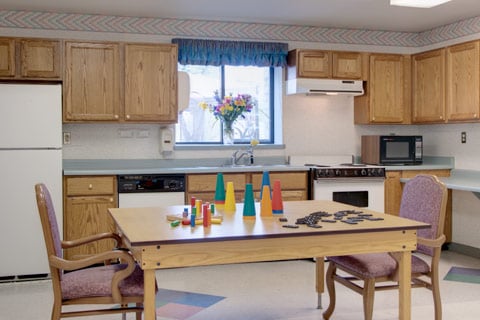
How Does Hillcrest Rehabilitation & Healthcare Center Compare to Other Pennsylvania Nursing Homes?

Compared to the 100 nursing homes in Pennsylvania, HILLCREST REHABILITATION & HEALTHCARE CENTER's overall rating (1 stars) is below the state average of 3.0, staff turnover (50%) is near the state average of 46%, and health inspection rating (1 stars) is much below the national benchmark.

What Should Families Ask When Visiting Hillcrest Rehabilitation & Healthcare Center?

Based on this facility's data, families visiting should ask: "What safeguards and monitoring systems are in place to protect residents from abuse or neglect?" "Can I visit during a mealtime to observe dining assistance and food quality?" "How do you handle medical emergencies, and what is your hospital transfer rate?" "Can I speak with family members of current residents about their experience?" These questions are particularly relevant given the substantiated abuse finding on record.

Is Hillcrest Rehabilitation & Healthcare Center Safe?

Based on CMS inspection data, HILLCREST REHABILITATION & HEALTHCARE CENTER has documented safety concerns. The facility has 1 substantiated abuse finding (meaning confirmed case of resident harm by staff or other residents). The facility has a 1-star overall rating and ranks #100 of 100 nursing homes in Pennsylvania. Families considering this facility should ask detailed questions about what corrective actions have been taken since these incidents.

Do Nurses at Hillcrest Rehabilitation & Healthcare Center Stick Around?

HILLCREST REHABILITATION & HEALTHCARE CENTER has a staff turnover rate of 50%, which is about average for Pennsylvania nursing homes (state average: 46%). Moderate turnover is common in nursing homes, but families should still ask about staff tenure and how the facility maintains care continuity when employees leave.

Was Hillcrest Rehabilitation & Healthcare Center Ever Fined?

HILLCREST REHABILITATION & HEALTHCARE CENTER has been fined $3,145 across 1 penalty action. This is below the Pennsylvania average of $33,110. While any fine indicates a compliance issue, fines under $50,000 are relatively common and typically reflect isolated problems that were subsequently corrected. Families should ask what specific issues led to these fines and confirm they've been resolved.

Is Hillcrest Rehabilitation & Healthcare Center on Any Federal Watch List?

HILLCREST REHABILITATION & HEALTHCARE CENTER is not on any federal watch list. The most significant is the Special Focus Facility (SFF) program, which identifies the bottom 1% of nursing homes nationally based on persistent, serious quality problems. Not being on this list means the facility has avoided the pattern of deficiencies that triggers enhanced federal oversight. This is a positive indicator, though families should still review the facility's inspection history directly.