COMPLETE CARE AT LEHIGH LLC
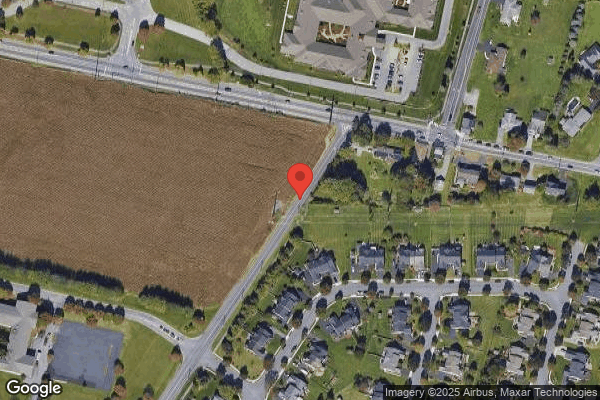
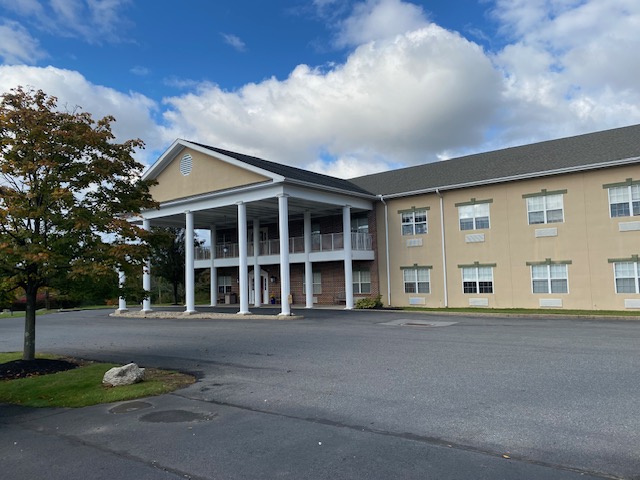
1718 SPRING CREEK ROAD, MACUNGIE, PA 18062 (610) 366-0500
For profit - Corporation 128 Beds COMPLETE CARE Data: November 2025
Trust Grade
80/100
#163 of 653 in PA
Last Inspection: August 2025

Inspected within the last 6 months. Data reflects current conditions.

Overview

Complete Care at Lehigh LLC in Macungie, Pennsylvania, has received a Trust Grade of B+, indicating that it is above average and recommended for families considering care options. It ranks #163 out of 653 facilities in the state, placing it in the top half of Pennsylvania nursing homes, and #9 out of 16 in Lehigh County, meaning only a few local facilities rank higher. The facility is improving, as the number of identified issues decreased from 6 in 2024 to 5 in 2025. While staffing is average with a turnover rate of 34%, which is better than the state average, they maintain a solid RN coverage, ensuring that residents receive appropriate attention. However, there have been concerns, such as failures to maintain sanitary conditions in the kitchen, with inadequate sanitizer levels and cleanliness issues, as well as lapses in assessing residents' capability to self-administer medications and inaccuracies in resident assessments. Overall, while there are definite strengths in staffing and care, families should be aware of these concerns.

Trust Score
B+
80/100
In Pennsylvania
#163/653
Top 24%
Safety Record
Low Risk
No red flags
Inspections
Getting Better
6 → 5 violations
Staff Stability
○ Average
34% turnover. Near Pennsylvania's 48% average. Typical for the industry.
Penalties
✓ Good
No fines on record. Clean compliance history, better than most Pennsylvania facilities.
Skilled Nurses
○ Average
Each resident gets 37 minutes of Registered Nurse (RN) attention daily — about average for Pennsylvania. RNs are the most trained staff who monitor for health changes.
Violations
⚠ Watch
11 deficiencies on record. Higher than average. Multiple issues found across inspections.
★★★★☆
4.0
Overall Rating
★★★☆☆
3.0
Staff Levels
★★★★☆
4.0
Care Quality
★★★★☆
4.0
Inspection Score
Stable
2024: 6 issues
2025: 5 issues

The Good

  • 4-Star Quality Measures · Strong clinical quality outcomes
  • Full Sprinkler Coverage · Fire safety systems throughout facility
  • No fines on record
  • Staff turnover below average (34%)

    14 points below Pennsylvania average of 48%

Facility shows strength in quality measures, fire safety.

The Bad

Staff Turnover: 34%

12pts below Pennsylvania avg (46%)

Typical for the industry

Chain: COMPLETE CARE

Part of a multi-facility chain

Ask about local staffing decisions and management

The Ugly 11 deficiencies on record

Aug 2025 5 deficiencies
CONCERN (D)

Potential for Harm - no one hurt, but risky conditions existed

Deficiency F0554 (Tag F0554)

Could have caused harm · This affected 1 resident

Based on facility policy review, observation, clinical record review, and resident and staff interview, it was determined that the facility failed to assess a resident's capability to self-administer ...

Read full inspector narrative →
Based on facility policy review, observation, clinical record review, and resident and staff interview, it was determined that the facility failed to assess a resident's capability to self-administer medications for two of 24 sampled residents. (Residents 63 and 76)Findings include: Review of facility policy entitled, Resident Self-Administration of Medication, last reviewed June 1, 2025, revealed that a resident may only self-administer medications after the facility's interdisciplinary team had determined which medications may be self-administered safely. The resident's preference would be documented in the clinical record. The results of the interdisciplinary team assessment would be recorded in the Self Administration of Medication Assessment. Bedside storage would be permitted only when it did not present a risk to confused residents who wandered into other residents' rooms or to confused roommates of the resident who self-administered medication and the manner of storage prevented access by other residents. Clinical record review revealed that Resident 63 had diagnoses that included heart failure, diabetes, depression, and mild cognitive impairment. Review of the Minimum Data Set (MDS) assessment, dated May 19, 2025, revealed that Resident 63's cognitive ability was intact. Observation on August 19, 2025, between 10:36 a.m. and 11:15 a.m., revealed a medicine cup containing 11 unidentified pills and a bottle of Fluticasone nasal spray (a medication used to treat symptoms caused by allergies) unsecured on the bedside table in Resident 63's room. An interview with RN1 on August 19, 2025, at 11:30 a.m., revealed that when RN1 brought Resident 63 his morning medications he was eating breakfast, and he preferred to take them after breakfast. RN1 confirmed she left the medications on the resident's bedside table for him to take later. Observation on August 20, 2025, at 9:40 a.m. revealed a bottle of Fluticasone nasal spray and a bottle of multivitamin gummies unsecured on the bedside table in Resident 63's room. In an interview on August 20, 2025, at 9:40 a.m., Resident 63 stated that he self-administered the Fluticasone as needed and the multivitamin gummies daily. There was no documentation to indicate that the facility had assessed Resident 63 for the ability to self-administer the Fluticasone nasal spray and multivitamin gummies. The medications were not secured in his room. Clinical record review revealed that Resident 76 had diagnoses that included high blood pressure and high levels of fat in the blood. Review of the MDS assessment, dated July 31, 2025, revealed that Resident 76's cognitive ability was intact. Observations on August 19, 2025, at 12:45 p.m. and August 20, 2025, at 12:00 p.m. revealed one bottle of Tylenol 650 mg tablets and a bottle of cannabidiol (CBD) gummies unsecured in the third drawer of the dresser in Resident 76's room. In an interview on August 20, 2025, at 12:00 p.m., Resident 76 stated that he self-administered two Tylenol tablets daily and he does not use the CBD gummies. There was no documentation to indicate that the facility had assessed Resident 76 for the ability to self-administer the Fluticasone nasal spray and gummy vitamins. The medications were not secured in his room. In an interview on August 21, 2025, at 9:00 a.m., the Nursing Home Administrator confirmed that Residents 63 and 76 were not assessed to self-administer the medications as per the facility policy. 28 Pa. Code 211.12(d)(1)(3)(5) Nursing Services.
CONCERN (D)

Potential for Harm - no one hurt, but risky conditions existed

Assessment Accuracy (Tag F0641)

Could have caused harm · This affected 1 resident

**NOTE- TERMS IN BRACKETS HAVE BEEN EDITED TO PROTECT CONFIDENTIALITY** Based on clinical record review and staff interview, it was determined that the facility failed to complete an accurate Minimum ...

Read full inspector narrative →
**NOTE- TERMS IN BRACKETS HAVE BEEN EDITED TO PROTECT CONFIDENTIALITY** Based on clinical record review and staff interview, it was determined that the facility failed to complete an accurate Minimum Data Set (MDS) assessment for one of 24 sampled residents. (Resident 118)Findings include:Clinical record review revealed that Resident 118 had diagnoses that included multiple sclerosis (a disease that affects the brain and spinal cord) and diabetes. Review of Resident 118's MDS assessment dated [DATE], indicated Resident 118 was on dialysis. There was no documentation in the clinical record that indicated Resident 118 was on dialysis.In an interview on August 21, 2025, at 9:07 a.m., the Director of Nursing confirmed that the MDS assessment had been inaccurately coded, and that Resident 118 was not on dialysis at that time. CFR: 483.25 Accuracy of AssessmentsPreviously cited 7/12/2024.28 Pa. Code 211.12(d)(1)(5) Nursing services.
CONCERN (D)

Potential for Harm - no one hurt, but risky conditions existed

ADL Care (Tag F0677)

Could have caused harm · This affected 1 resident

**NOTE- TERMS IN BRACKETS HAVE BEEN EDITED TO PROTECT CONFIDENTIALITY** Based on clinical record review, observation, and staff interview, it was determined that the facility failed to ensure that app...

Read full inspector narrative →
**NOTE- TERMS IN BRACKETS HAVE BEEN EDITED TO PROTECT CONFIDENTIALITY** Based on clinical record review, observation, and staff interview, it was determined that the facility failed to ensure that appropriate assistance with grooming and personal hygiene was provided to one of two sampled residents who required assistance from staff to complete activities of daily living(ADL's). (Resident 10)Findings include:Clinical record review revealed that Resident 10 had diagnoses that included acute respiratory failure, chronic obstructive pulmonary disease and disorder of the brain. The Minimum Data Set assessment dated [DATE], indicated that the resident was alert and dependent on staff for ADL's. A review of the care plan revealed that he had an ADL self care deficit. Observation on August 19, 2025, at 11:30 a.m., 12:00 p.m., 12:30 p.m., and 1:30 p.m., revealed that the resident was lying in bed and his finger nails were dirty. He was not dressed and had not received assistance from staff with his ADL care. Observation on August 20, 2025, at 8:37 a.m., 9:14 a.m., 10:05 a.m., 11:00 a.m., and 12:30 p.m., revealed that the resident was lying in bed and his nails were still dirty. In an interview on August 21, 2025, at 12:05 p.m., the Director of Nursing stated that the resident was dependent on staff for all of his ADL care. 211.12(d)(1)(5) Nursing services.
CONCERN (D)

Potential for Harm - no one hurt, but risky conditions existed

Quality of Care (Tag F0684)

Could have caused harm · This affected 1 resident

Based on clinical record review and staff interview, it was determined that the facility failed to ensure physician's orders were implemented for one of 24 sampled residents. (Resident 11)Findings inc...

Read full inspector narrative →
Based on clinical record review and staff interview, it was determined that the facility failed to ensure physician's orders were implemented for one of 24 sampled residents. (Resident 11)Findings include: Clinical record review revealed that Resident11 had diagnoses that included hypertension (high blood pressure) and heart failure. On June 20, 2025, a physician ordered that staff administer a medication (Propranolol HCI) twice a day to treat the resident's hypertension. Staff was not to give the medication if the resident had a systolic blood pressure (the first measurement of blood pressure when the heart beats, and the pressure is at its highest) of less than 110 millimeters of mercury (mm/Hg) and a heart rate less than 55. A review of Resident 11's Medication Administration Record revealed that staff administered the medication when the resident's systolic blood pressure was under 110 mm/Hg on three occasions in July 2025, and three occasions in August 2025. In an interview conducted on August 21, 2025, at 11:45 a.m., the Director of Nursing confirmed that the medication was administered outside of established parameters for Resident 11. CFR: 483.25 Quality of CarePreviously cited 7/12/2024. 28 Pa. Code 211.12(d)(1)(5) Nursing services.
CONCERN (D)

Potential for Harm - no one hurt, but risky conditions existed

Pressure Ulcer Prevention (Tag F0686)

Could have caused harm · This affected 1 resident

**NOTE- TERMS IN BRACKETS HAVE BEEN EDITED TO PROTECT CONFIDENTIALITY** Based on clinical record review, observation, and staff interview, it was determined that the facility failed to provide necessa...

Read full inspector narrative →
**NOTE- TERMS IN BRACKETS HAVE BEEN EDITED TO PROTECT CONFIDENTIALITY** Based on clinical record review, observation, and staff interview, it was determined that the facility failed to provide necessary treatment and services to promote healing and to prevent new pressure sores from developing for one of two sampled residents who had pressure sores. (Resident 10) Findings include:Clinical record review revealed that Resident 10 had diagnoses that included acute respiratory failure, chronic obstructive pulmonary disease and disorder of the brain. The Minimum Data Set assessment dated [DATE], indicated that the resident was alert, dependent on staff for activities of daily living (ADL's), and was at risk for developing pressure sores. A review of the care plan revealed that the resident had a potential for impairment to skin due to incontinence. On June 7, 2025, an intervention was added to the care plan for staff to elevate both of his heels off of the bed with pillows. On July 21, 2025, an intervention was added for staff to apply Medix boots (pressure relieving boots) at all times. There was also a current physician order for staff to apply the Medix boots at all times. Review of a nursing skin and wound note dated August 19, 2025, indicated that the resident had a pressure sore on his right heel. The recommended preventative measure was for staff to float his heels off of the bed with the use of the heel boots. Observations on August 19, 2025, at 11:30 a.m., 12:00 p.m., 1:30 p.m., and 2:22 p.m., revealed that the resident was observed lying in bed without the Medix boots in place. He had one sock on and one sock off and both of his heels were lying directly on the bed. Observations on August 20, 2025, at 8:37 a.m., 9:14 a.m., 10:05 a.m., 11:00 a.m., and 12:30 p.m., the resident was again observed lying in bed without the Medix boots in place. He had socks on and both of his heels were lying directly on the bed. On both days, during all of the observations, the Medix boots were observed on the floor against the wall in the corner of his room. In an interview on August 21, 2025, at 11:15 a.m., the Director of Nursing confirmed that the Medix boots were a pressure relieving device and that the Medix boots were to be applied to the resident's feet at all times. 28 Pa. Code 211.12(d)(1)(5) Nursing services.
Oct 2024 1 deficiency
CONCERN (D) 📢 Someone Reported This

A family member, employee, or ombudsman was alarmed enough to file a formal complaint

Potential for Harm - no one hurt, but risky conditions existed

Notification of Changes (Tag F0580)

Could have caused harm · This affected 1 resident

Based on clinical record review, facility documentation review, and staff interview, it was determined that the facility failed to ensure that the responsible party was notified of a change in conditi...

Read full inspector narrative →
Based on clinical record review, facility documentation review, and staff interview, it was determined that the facility failed to ensure that the responsible party was notified of a change in condition for one of six sampled residents. (Resident 1) Findings include: Clinical record review revealed that Resident 1 had diagnoses that included diabetes, polyneuropathy, and muscle weakness. Review of the Minimum Data Set assessment, dated October 11, 2024, revealed the resident had cognitive impairment. On October 10, 2024, at 7:25 a.m., a nurse noted that the resident fell going back to bed after using the toilet. Review of a nurse's note dated October 10, 2024, at 11:05 a.m. revealed new orders from the physician for x-rays of the right hip, pelvis, and thoracic and lumbar spine. According to the facility investigation into the fall, the resident's responsible party was not notified of the fall and x-rays until the following day at 3:15 p.m. In an interview on October 28, 2024, at 2:15 p.m., the Director of Nursing stated that staff was to notify the responsible party immediately after a fall. 28 Pa. Code 211.12(d)(1)(5) Nursing services.
Jul 2024 5 deficiencies
CONCERN (D)

Potential for Harm - no one hurt, but risky conditions existed

Safe Environment (Tag F0584)

Could have caused harm · This affected 1 resident

Based on observation, it was determined that the facility failed to ensure that a safe, clean, and comfortable environment was maintained in two of two shower rooms. (first-floor central bath and seco...

Read full inspector narrative →
Based on observation, it was determined that the facility failed to ensure that a safe, clean, and comfortable environment was maintained in two of two shower rooms. (first-floor central bath and second-floor central bath) Findings include: Observations in the first-floor central bath on July 10, 2024, at 1:15 p.m., and July 11, 2024, at 12:20 p.m., revealed the following: There was a shower chair that had a black substance at the base. A second shower chair had smudges of a brown substance on the seat and a black substance at the base. A bariatric shower chair had hair on the seat and at the bottom of the front base. The wheels on two of the lifts (equipment used to assist residents to a standing position) were dirty. Observations in the second-floor central bath on July 9, 2024, at 1:30 p.m., and July 11, 2024, at 12:00 p.m., revealed the following: The seat of a shower chair was cracked. In the left shower stall, the shower head was leaking. The wheels on three of the lifts were dirty. There was a shower chair that had a black substance under the seat. 28 Pa. Code 201.18 (e)(2.1) Management.
CONCERN (D)

Potential for Harm - no one hurt, but risky conditions existed

Assessment Accuracy (Tag F0641)

Could have caused harm · This affected 1 resident

**NOTE- TERMS IN BRACKETS HAVE BEEN EDITED TO PROTECT CONFIDENTIALITY** Based on clinical record review and staff interview, it was determined that the facility failed to ensure that the Minimum Data ...

Read full inspector narrative →
**NOTE- TERMS IN BRACKETS HAVE BEEN EDITED TO PROTECT CONFIDENTIALITY** Based on clinical record review and staff interview, it was determined that the facility failed to ensure that the Minimum Data Set (MDS) assessment was completed to accurately reflect the resident's current status for one of 24 sampled residents. (Resident 26) Findings include: Clinical record review revealed that on March 11, 2024, a physician ordered for Resident 26 to be provided with hospice services. Review of the MDS assessment dated [DATE], revealed that staff did not indicate that the resident had hospice services in place during the review period. The MDS inaccurately reflected that the resident was not receiving hospice services. In an interview on July 12, 2024, at 9:45 a.m., the Director of Nursing confirmed that the MDS assessment did not identify that Resident 26 received hospice services.
CONCERN (D)

Potential for Harm - no one hurt, but risky conditions existed

Quality of Care (Tag F0684)

Could have caused harm · This affected 1 resident

Based on clinical record review and staff interview, it was determined that the facility failed to implement physician's orders for one of 24 sampled residents. (Resident 109) Findings Include: Clini...

Read full inspector narrative →
Based on clinical record review and staff interview, it was determined that the facility failed to implement physician's orders for one of 24 sampled residents. (Resident 109) Findings Include: Clinical record review revealed that Resident 109 had diagnoses that included congestive heart failure. A physician's order dated May 30, 2024, directed staff to obtain a daily weight and to notify the provider for a weight gain of greater than or equal to two pounds (lbs.) in one day. There was no evidence that staff obtained the resident's weight or that the resident refused to be weighed on June 3, 7, 8, 29, 2024, or July 8, 2024. Further review of the clinical record revealed that on June 24, 2024, the resident weighed 130.1 lbs. and on June 25, 2024, the resident weighed 133.8 lbs., which reflected a 3.7 lb. gain in 24 hours. There was no evidence that staff notified the physician of the weight change of greater than two pounds in one day. In an interview on July 12, 2024, at 9:30 a.m., the Director of Nursing confirmed that there was no evidence that staff offered to weigh the resident on those dates or that the physician was notified of the weight change. 28 Pa. Code 211.12(d)(1)(5) Nursing services.
CONCERN (D)

Potential for Harm - no one hurt, but risky conditions existed

Deficiency F0688 (Tag F0688)

Could have caused harm · This affected 1 resident

**NOTE- TERMS IN BRACKETS HAVE BEEN EDITED TO PROTECT CONFIDENTIALITY** Based on clinical record review, observation, and staff interview, it was determined that the facility failed to implement inter...

Read full inspector narrative →
**NOTE- TERMS IN BRACKETS HAVE BEEN EDITED TO PROTECT CONFIDENTIALITY** Based on clinical record review, observation, and staff interview, it was determined that the facility failed to implement interventions to prevent further decline and/or improve range of motion for two of 24 sampled residents. (Residents 35, 54) Findings include: Clinical record review revealed that Resident 35 had diagnoses that included muscle weakness. Review of an occupational therapy discharge assessment dated [DATE], revealed that staff recommended a daily restorative nursing program (RNP) for active range of motion to both arms. There was no evidence that the program was implemented. In an interview on July 12, 2024, at 9:48 a.m., the Director of Rehabilitation Services confirmed that the RNP for active range of motion for Resident 35 was not implemented. Clinical record review revealed that Resident 54 had diagnoses that included dementia, hemiplegia (weakness or paralysis of one side of the body), and a right hand contracture. Review of the MDS assessment dated [DATE], revealed that the resident had cognitive impairment and was dependent on staff for personal hygiene and dressing. On March 27, 2023, the physician ordered for staff to apply a carrot splint to Resident 54's right hand at all times. Review of the care plan revealed that the resident had a risk of limitation in movement and the intervention was for staff to apply the splint on her right hand at all times except when care was being provided. Observations on July 9, 2024, at 9:40 a.m., July 10, 2024, at 10:16 a.m. and 2:35 p.m., and July 11, 2024, at 10:15 a.m. and 11:30 a.m., revealed that the resident was in her chair and the right hand carrot splint was not in place. 28 Pa. Code 211.12(d)(1)(5) Nursing services.
CONCERN (F)

Potential for Harm - no one hurt, but risky conditions existed

Food Safety (Tag F0812)

Could have caused harm · This affected most or all residents

Based on observation and interview, it was determined that the facility failed to maintain sanitary conditions in the kitchen. Findings include: Observation in the kitchen on July 9, 2024, at 10:48 ...

Read full inspector narrative →
Based on observation and interview, it was determined that the facility failed to maintain sanitary conditions in the kitchen. Findings include: Observation in the kitchen on July 9, 2024, at 10:48 a.m., revealed the following: The dish machine failed to achieve the appropriate concentration of sanitizer solution (50-100 parts per million) for three full cycles. There was a black substance on the walls that surrounded the dish machine. There was a back flow of water from a drain on the dish room floor. There was debris on a windowsill in the food preparation area. In an interview, dietary employee 1 stated that she did not check the concentration of the sanitizer solution during operation that morning. In an interview on July 10, 2024, at 11:45 a.m., the Director of Dietary confirmed that staff were to check the concentration of the sanitizer solution of the dish machine while it was operating and accurately record the value on the paper log. 28 Pa. Code 201.18(b)(3) Management.
Understanding Severity Codes (click to expand)
Life-Threatening (Immediate Jeopardy)
J - Isolated K - Pattern L - Widespread
Actual Harm
G - Isolated H - Pattern I - Widespread
Potential for Harm
D - Isolated E - Pattern F - Widespread
No Harm (Minor)
A - Isolated B - Pattern C - Widespread

Questions to Ask on Your Visit

  • "Can I speak with families of current residents?"
  • "What's your RN coverage like on weekends and overnight?"

Our Honest Assessment

Strengths
  • • Grade B+ (80/100). Above average facility, better than most options in Pennsylvania.
  • • No major safety red flags. No abuse findings, life-threatening violations, or SFF status.
  • • No fines on record. Clean compliance history, better than most Pennsylvania facilities.
  • • 34% turnover. Below Pennsylvania's 48% average. Good staff retention means consistent care.
Concerns
  • • 11 deficiencies on record. Higher than average. Multiple issues found across inspections.
Bottom line: Generally positive indicators. Standard due diligence and a personal visit recommended.

About This Facility

What is Complete Care At Lehigh Llc's CMS Rating?

CMS assigns COMPLETE CARE AT LEHIGH LLC an overall rating of 4 out of 5 stars, which is considered above average nationally. Within Pennsylvania, this rating places the facility higher than 99% of the state's 100 nursing homes. This rating reflects solid performance across the metrics CMS uses to evaluate nursing home quality.
How is Complete Care At Lehigh Llc Staffed?

CMS rates COMPLETE CARE AT LEHIGH LLC's staffing level at 3 out of 5 stars, which is average compared to other nursing homes. Staff turnover is 34%, compared to the Pennsylvania average of 46%. This relatively stable workforce can support continuity of care.

What Have Inspectors Found at Complete Care At Lehigh Llc?

State health inspectors documented 11 deficiencies at COMPLETE CARE AT LEHIGH LLC during 2024 to 2025. These included: 11 with potential for harm.
Who Owns and Operates Complete Care At Lehigh Llc?

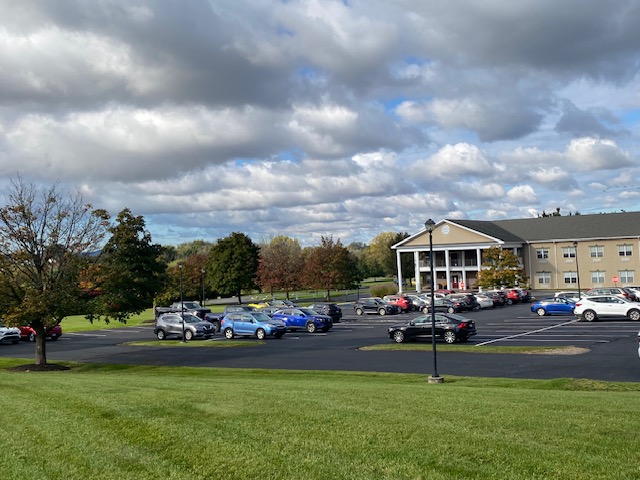
COMPLETE CARE AT LEHIGH LLC is owned by a for-profit company. For-profit facilities operate as businesses with obligations to shareholders or private owners. The facility is operated by COMPLETE CARE, a chain that manages multiple nursing homes. With 128 certified beds and approximately 121 residents (about 95% occupancy), it is a mid-sized facility located in MACUNGIE, Pennsylvania.
How Does Complete Care At Lehigh Llc Compare to Other Pennsylvania Nursing Homes?

Compared to the 100 nursing homes in Pennsylvania, COMPLETE CARE AT LEHIGH LLC's overall rating (4 stars) is above the state average of 3.0, staff turnover (34%) is significantly lower than the state average of 46%, and health inspection rating (4 stars) is above the national benchmark.

What Should Families Ask When Visiting Complete Care At Lehigh Llc?

Based on this facility's data, families visiting should ask: "Can I visit during a mealtime to observe dining assistance and food quality?" "How do you handle medical emergencies, and what is your hospital transfer rate?" "Can I speak with family members of current residents about their experience?"

Is Complete Care At Lehigh Llc Safe?

Based on CMS inspection data, COMPLETE CARE AT LEHIGH LLC has a clean safety record: no substantiated abuse findings (meaning no confirmed cases of resident harm), no Immediate Jeopardy citations (the most serious violation level indicating risk of serious injury or death), and is not on the Special Focus Facility watch list (a federal program monitoring the lowest-performing 1% of nursing homes). The facility has a 4-star overall rating and ranks #1 of 100 nursing homes in Pennsylvania. While no facility is perfect, families should still ask about staff-to-resident ratios and recent inspection results during their visit.

Do Nurses at Complete Care At Lehigh Llc Stick Around?

COMPLETE CARE AT LEHIGH LLC has a staff turnover rate of 34%, which is about average for Pennsylvania nursing homes (state average: 46%). Moderate turnover is common in nursing homes, but families should still ask about staff tenure and how the facility maintains care continuity when employees leave.

Was Complete Care At Lehigh Llc Ever Fined?

COMPLETE CARE AT LEHIGH LLC has no federal fines on record. CMS issues fines when nursing homes fail to meet care standards or don't correct problems found during inspections. The absence of fines suggests the facility has either maintained compliance or corrected any issues before penalties were assessed. This is a positive indicator, though families should still review recent inspection reports for the full picture.

Is Complete Care At Lehigh Llc on Any Federal Watch List?

COMPLETE CARE AT LEHIGH LLC is not on any federal watch list. The most significant is the Special Focus Facility (SFF) program, which identifies the bottom 1% of nursing homes nationally based on persistent, serious quality problems. Not being on this list means the facility has avoided the pattern of deficiencies that triggers enhanced federal oversight. This is a positive indicator, though families should still review the facility's inspection history directly.