DELAWARE VALLEY SKILLED NURSING & REHABILITATION C
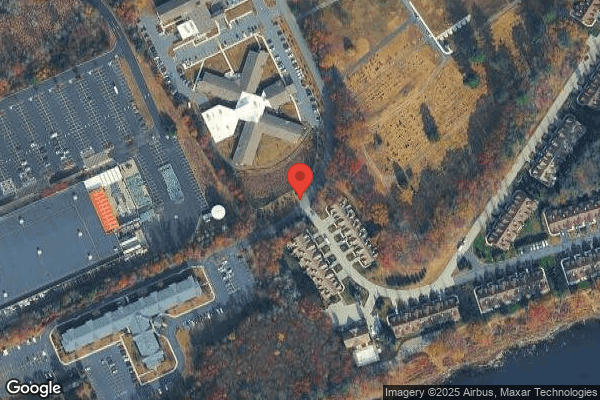
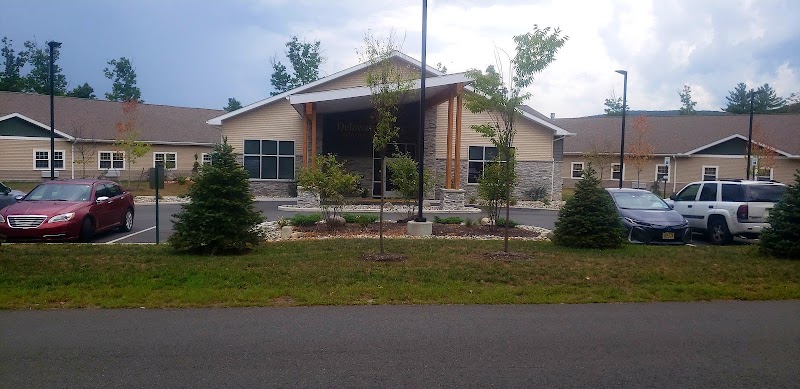
111 RIVERS EDGE DRIVE, MATAMORAS, PA 18336 (570) 491-1010
For profit - Corporation 70 Beds Independent Data: November 2025
Trust Grade
53/100
#277 of 653 in PA
Last Inspection: May 2025

Inspected within the last 6 months. Data reflects current conditions.

Overview

Delaware Valley Skilled Nursing & Rehabilitation Center has a Trust Grade of C, meaning it is considered average-neither outstanding nor particularly concerning. It ranks #277 out of 653 facilities in Pennsylvania, placing it in the top half, and #1 out of 2 facilities in Pike County, indicating it is the best local option. The facility is showing improvement, having reduced its issues from 11 in 2024 to just 3 in 2025. Staffing appears to be a strong point, with a turnover rate of 0%, which is significantly lower than the Pennsylvania average, and it has average RN coverage, ensuring some oversight of care. However, there are concerning incidents, including a resident suffering multiple injuries due to inadequate supervision during daily activities and issues with food safety practices that could lead to contamination and illness. Overall, while there are strengths in staffing, there are also notable weaknesses regarding supervision and food management that families should consider.

Trust Score
C
53/100
In Pennsylvania
#277/653
Top 42%
Safety Record
Moderate
Needs review
Inspections
Getting Better
11 → 3 violations
Staff Stability
○ Average
Turnover data not reported for this facility.
Penalties
⚠ Watch
$8,190 in fines. Higher than 99% of Pennsylvania facilities. Major compliance failures.
Skilled Nurses
✓ Good
Each resident gets 47 minutes of Registered Nurse (RN) attention daily — more than average for Pennsylvania. RNs are trained to catch health problems early.
Violations
⚠ Watch
29 deficiencies on record. Higher than average. Multiple issues found across inspections.
★★★☆☆
3.0
Overall Rating
★★★☆☆
3.0
Staff Levels
★★☆☆☆
2.0
Care Quality
★★★☆☆
3.0
Inspection Score
Stable
2024: 11 issues
2025: 3 issues

The Good

  • Full Sprinkler Coverage · Fire safety systems throughout facility
  • No fines on record

Facility shows strength in fire safety.

The Bad

3-Star Overall Rating

Near Pennsylvania average (3.0)

Meets federal standards, typical of most facilities

Federal Fines: $8,190

Below median ($33,413)

Minor penalties assessed

The Ugly 29 deficiencies on record

1 actual harm
May 2025 3 deficiencies
CONCERN (D)

Potential for Harm - no one hurt, but risky conditions existed

Comprehensive Care Plan (Tag F0656)

Could have caused harm · This affected 1 resident

**NOTE- TERMS IN BRACKETS HAVE BEEN EDITED TO PROTECT CONFIDENTIALITY** Based on clinical record review, staff interview, and facility documentation, it was determined the facility failed to develop a...

Read full inspector narrative →
**NOTE- TERMS IN BRACKETS HAVE BEEN EDITED TO PROTECT CONFIDENTIALITY** Based on clinical record review, staff interview, and facility documentation, it was determined the facility failed to develop a comprehensive, person-centered care plan that included measurable objectives and timetables to meet the resident's physical, mental, and psychosocial needs for one of 25 sampled residents (Resident 37), who expressed suicidal ideations. Findings include: A review of the clinical record revealed that Resident 37 was admitted to the facility on [DATE], with diagnoses that included dementia (a group of symptoms affecting memory, thinking, and social abilities that interfere with daily functioning). A progress note dated April 2, 2025, at 11:45 a.m., documented that the resident expressed suicidal ideation, stating to a staff member that she wanted to kill herself. Following this, the resident was evaluated by the facility's social services department and placed on every 15-minute checks. However, a review of the resident's comprehensive care plan, in effect as of the survey ending May 1, 2025, revealed no evidence that the facility updated the plan of care to reflect the resident's expressed suicidal ideations or implemented new interventions to address the risk of self-harm. The care plan did not include the resident's psychosocial need related to mental health risk or outline strategies to monitor, support, and ensure the resident's safety. In an interview conducted on May 1, 2025, at 11:00 a.m., the Nursing Home Administrator confirmed the facility had not developed or updated a person-centered care plan to address the resident's suicidal ideation. 28 Pa. Code 211.11(d) Resident care plan. 28 Pa. Code 211.12(d)(5) Nursing services.
CONCERN (D)

Potential for Harm - no one hurt, but risky conditions existed

Deficiency F0657 (Tag F0657)

Could have caused harm · This affected 1 resident

**NOTE- TERMS IN BRACKETS HAVE BEEN EDITED TO PROTECT CONFIDENTIALITY** Based on review of clinical records and staff interviews, it was determined that the facility failed to review and revise the co...

Read full inspector narrative →
**NOTE- TERMS IN BRACKETS HAVE BEEN EDITED TO PROTECT CONFIDENTIALITY** Based on review of clinical records and staff interviews, it was determined that the facility failed to review and revise the comprehensive care plan to reflect a significant change in condition related to weight loss for one of 16 residents sampled (Resident 2). Findings include: A review of the clinical record revealed that Resident 2 was admitted to the facility on [DATE], with diagnoses that included dementia (a group of symptoms affecting memory, thinking, and social abilities that interfere with daily functioning). A review of the resident's documented weights revealed the following: On November 4, 2024, Resident 2 weighed 203.3 pounds. On December 4, 2024, the resident weighed 189.5 pounds, which represented a 6.8% loss of body weight in 30 days. A nutrition progress note dated December 6, 2024, indicated the registered dietitian (RD) assessed Resident 2 due to the identified weight loss and continued to recommend interventions. However, the resident's current care plan, which was originally developed on August 11, 2024, identified the resident as being at nutritional risk related to dementia and a mechanically altered diet, with interventions in place at that time. Upon review of the care plan during the survey conducted April 28 through May 1, 2025, there was no documented evidence the care plan had been reviewed or revised to reflect the resident's significant weight loss identified in December 2024. There were no new interventions added or existing interventions updated to reflect the change in nutritional status or to address the resident's ongoing weight trends. An interview was conducted with the Nursing Home Administrator on May 1, 2025, at 2:30 PM. The Administrator confirmed the facility failed to update Resident 2's care plan following the significant weight loss noted in December 2024 and acknowledged the resident's plan of care should have been reviewed and revised to reflect the change in condition and the resident's current needs. 28 Pa. Code 211.11(d) Resident care plan. 28 Pa. Code 211.12(d)(5) Nursing services.
CONCERN (E)

Potential for Harm - no one hurt, but risky conditions existed

Pharmacy Services (Tag F0755)

Could have caused harm · This affected multiple residents

Based on a review of clinical records, facility policy, controlled drug shift count records, and staff interviews, it was determined the facility failed to implement procedures to ensure the timely ac...

Read full inspector narrative →
Based on a review of clinical records, facility policy, controlled drug shift count records, and staff interviews, it was determined the facility failed to implement procedures to ensure the timely acquisition and administration of a prescribed intravenous (IV) antibiotic for one of 16 sampled residents (Resident 34), and maintain accurate controlled drug shift count documentation on one of two medication carts reviewed, thereby failing to promote accountability and medication safety. Finding included: A review of a facility policy entitled Medication Availability last reviewed by the facility May 2024, indicated a procedure if a medication is not available the facility's procedure required staff to check the Cubex (is an automated medication dispensing machine system used for healthcare management that helps deter delayed medication administration and improve inventory management for healthcare facilities). If the prescribed medication was not available, staff were to contact the pharmacy for delivery status and request STAT (immediate) delivery and place a call into the satellite pharmacy (decentralized pharmacy program) and if the medication is unavailable notify the physician and obtain an order to hold until available or alternative medication is ordered, notify the RR (resident representative), and document outcomes in the nurses' notes. A clinical record review revealed Resident 34 was readmitted from the hospital to the facility on March 19, 2025, at approximately 2:29 PM, with diagnosis that included, sepsis (an infection of the blood stream resulting in a cluster of symptoms such as drop in a blood pressure, increase in heart rate and fever) and UTI (urinary tract infection is a general term for infectious diseases in which bacteria enter the urethra, the passage through which urine passes, and propagate inside the body). Additionally, the resident returned to the facility with a PICC line (a peripherally inserted central catheter a long catheter introduced through a vein in the arm and passed through to the larger veins into the heart) for medication administration. A physician's order dated March 19, 2025, directed administration of Meropenem (antibiotic)1 gram IV via PICC line every 12 hours for five days. A review of nurses' administration note dated March 19, 2025, at 9:28 PM, revealed that Meropenem was not available for administration to the resident. Further review of a nurses' administration note dated March 24, 2025, at 10:09 PM, revealed that Meropenem was not on unit for administration. Review of the Medication Administration Record (MAR) for March 2025 revealed missed doses of Meropenem on March 19, 2025, at 9:00 PM, and again on March 24, 2025, at 9:00 PM. Nursing notes documented that the medication was not available on both dates. The clinical record lacked documentation that the physician or resident representative was notified of the missed doses. As a result, the resident did not receive the full course of the prescribed antibiotic therapy. During an interview with the Nursing Home Administrator (NHA) on May 1, 2025, at 10:30 AM, the NHA acknowledged the facility could not provide documentation confirming that the missed antibiotic doses were administered or that the physician had been notified. The NHA further confirmed the facility had backup pharmacy resources in place that should have been contacted to prevent a missed dose. A review of the facility policy titled Controlled Narcotic Sign-off Sheet, last reviewed in May 2024, indicated that Schedule II medications were to be counted and verified at each shift change by both oncoming and outgoing nurses, with signatures required on the shift count sheet to verify accuracy and completion. A review of the controlled medication shift change log for the 100-unit medication cart revealed missing signatures as follows: April 25, 2025: Third shift outgoing nurse failed to sign indicating the count was completed and accurate. April 26, 2025: Day shift oncoming nurse and outgoing nurse both failed to sign indicating the count was completed and accurate. An interview with Employee 1 Licensed Practical Nurse (LPN) on April 30,2025 at 8:35 AM confirmed the narcotic sheet was not signed off by the off going and oncoming nurses on the above dates. During an interview with Employee #1, Licensed Practical Nurse (LPN), on April 30, 2025, at 8:35 AM, it was confirmed that the shift count sheet had not been signed by the responsible nurses on the noted dates. In a separate interview conducted with the NHA on April 30, 2025, at 11:45 AM, the NHA confirmed that the facility failed to demonstrate consistent adherence to procedures for verifying and documenting controlled substance counts. 28 Pa. Code 211.9 (f)(2) Pharmacy services 28 Pa. Code 211.12 (d)(1)(3)(5) Nursing services 28 Pa Code 211.5(f)(x) Clinical records
Aug 2024 7 deficiencies
CONCERN (D) 📢 Someone Reported This

A family member, employee, or ombudsman was alarmed enough to file a formal complaint

Potential for Harm - no one hurt, but risky conditions existed

Pressure Ulcer Prevention (Tag F0686)

Could have caused harm · This affected 1 resident

**NOTE- TERMS IN BRACKETS HAVE BEEN EDITED TO PROTECT CONFIDENTIALITY** Based on review of clinical records and select facility reports, observations and staff and resident interviews it was determine...

Read full inspector narrative →
**NOTE- TERMS IN BRACKETS HAVE BEEN EDITED TO PROTECT CONFIDENTIALITY** Based on review of clinical records and select facility reports, observations and staff and resident interviews it was determined the facility failed to consistently implement measures planned to promote healing, prevent worsening and the development of pressure sores for one resident out of 16 residents sampled (Resident 43). Findings include: According to the US Department of Health and Human Services, Agency for Healthcare Research & Quality, the pressure ulcer best practice bundle incorporates three critical components in preventing pressure ulcers: Comprehensive skin assessment, Standardized pressure ulcer risk assessment and care planning and implementation to address the areas of risk. The American College of Physicians (ACP) is a national organization of internists, who specialize in the diagnosis, treatment, and care of adults. The largest medical-specialty organization and second-largest physician group in the United States) Clinical Practice Guidelines indicate that the treatment of pressure ulcers should involve multiple tactics aimed at alleviating the conditions contributing to ulcer development (i.e. support surfaces, repositioning and nutritional support); protecting the wound from contamination and creating and maintaining a clean wound environment; promoting tissue healing via local wound applications, debridement and wound cleansing; using adjunctive therapies; and considering possible surgical repair. Review of facility policy entitled New admission or New Skin Impairment Protocol, last reviewed May 23, 2024, indicated that residents admitted or whom develop skin impairment issues will receive treatment as indicated based on location, condition, and drainage. According to policy, the registered nurse will complete an incident/accident report as per policy for residents with new identified skin impairments. Each area identified will be documented on a Wound Evaluation Flow Sheet, and documentation will include measurement, exudate (drainage), wound bed, peri-wound (area around the wound), and current treatment. A review of the clinical record revealed that Resident 43 was admitted to the facility on [DATE], with diagnoses that included Parkinson's disease, heart disease, and diabetes. A Quarterly Minimum Data Set assessment (MDS- a federally mandated standardized assessment process conducted at specific intervals to plan resident care) dated May 2, 2024, revealed the resident was moderately cognitively impaired and required substantial/maximum assistance from staff for transfers, dressing, personal hygiene, and toilet use and was at risk for pressure sore development. A review of the weight record in Resident 43's clinical record revealed the following record weights: March 7, 2024, at 2:32 p.m. - 127 lbs. April 1, 2024, at 9:17 a.m. - 118.6 lbs. (no re-weight recorded) April 12, 2024, at 3:02 p.m. - 110.9 lbs. May 1, 2024, at 1:48 p.m. - 110.8 lbs. June 7, 2024, at 11:30 a.m. - 101.2 lbs. June 16, 2024, 2:20 a.m. - 97.6 lbs A review of Resident 43's care plan initiated March 31, 2023, revealed the resident was at risk for skin breakdown related to immobility and bowel incontinence, with interventions also dated March 31, 2023, for an air mattress-and check function every shift, apply treatment per MD orders, monitor weight and notify physician of any significant weight loss, provide routine position change through weight shifting, transfer to bed/toilet, stand at intervals with assist, routine skin care during personal hygiene with application of emollient, and weekly skin assessment. A nurse's note dated June 28, 2024, at 10:50 PM, indicated that during morning care to Resident 43, a new wound was noted on the resident's sacrum area. The wound is beefy red with 25% of slough (dead tissue), minimal bleeding, and not painful. According to the documentation, the resident was not able to explain when and how the area developed. The note indicated that wound care is provided, the resident requires every two hours repositioning and the resident is scheduled for wound care consultant rounds. A review of the facility's investigation dated June 28, 2024, at 10:35 AM, revealed that prior to June 28, 2024, the skin concern was not identified by staff who were providing care to the resident. According to the investigation, a treatment order was obtained from the physician on June 28, 2024 to cleanse the resident's sacral wound with normal saline, and apply medihoney every day shift for Stage 3 pressure ulcer (pressure sores that have progressed to the third stage have broken completely through the top two layers of the skin and into the fatty tissue below). There was no evidence that during the facility investigation the wound was evaluated for size, drainage, or condition of surrounding tissue. Review of Resident 43's clinical record revealed that on July 1, 2024, the resident was sent to the emergency room due to a change in condition. Hospital documentation dated July 1, 2024, at 4:13 PM indicated that due to the resident being sent to the hospital, consideration for air mattress upon return was recommended. However, according to the current plan of care, an air mattress had been implemented since March 2023. Although the resident was identified with a significant weight loss and risk factors which increased the resident's risk of pressure ulcers the facility did not implement additional measure to prevent the development of a pressure ulcer. Interview with the interim Director of Nursing on August 8, 2024, at approximately 2:10 PM, confirmed that the facility failed to evaluate Resident 43's pressure area and implement the facility's Skin Impairment Protocol by failing evaluate the sacral area. Refer F692 28 Pa. Code 211.12 (d)(3)(5) Nursing services.
CONCERN (D)

Potential for Harm - no one hurt, but risky conditions existed

Deficiency F0698 (Tag F0698)

Could have caused harm · This affected 1 resident

**NOTE- TERMS IN BRACKETS HAVE BEEN EDITED TO PROTECT CONFIDENTIALITY** Based on observation, a review of clinical records, and resident and staff interview, it was determined that the facility failed...

Read full inspector narrative →
**NOTE- TERMS IN BRACKETS HAVE BEEN EDITED TO PROTECT CONFIDENTIALITY** Based on observation, a review of clinical records, and resident and staff interview, it was determined that the facility failed to ensure the ready availability of necessary emergency supplies for one resident out of one sampled receiving hemodialysis (Resident 218). Findings include: According to the National Kidney Foundation, patients receiving hemodialysis( a life saving treament for kidney failure that removes waste and extra fluids from the blood and regulates blood pressure) should keep emergency care supplies on hand. A review of the resident's clinical record revealed that Resident 218 was admitted to the facility on [DATE], with diagnoses to include end stage renal disease, and dependence on renal dialysis (process of removing waste products and excess fluid from the body when the kidneys are not able to adequately filter the blood). Resident 218's clinical record indicated he was receiving hemodialysis through an Ash Cath(type of vascular access hemodialysis catheter) in his left arm (dialysis access site) for dialysis access every Monday, Wednesday, and Friday. Resident 218's clinical record revealed a physician order dated July 29, 2024, for an emergency kit at bedside for the dialysis access site . The resident's plan of care, dated July 30, 2024, indicated that Resident 218 required dialysis due to end stage renal disease. The care plan did not include interventions planned for emergency care of the Ash Cath to include an emergency dialysis kit at bedside despite the physician's order. Observation conducted on August 6, 2024, 12:45 PM revealed no emergency kit or supplies available at the resident's bedside. Interview with Resident 218 in his room on August 6, 2024, at 12:45 PM indicated that the resident never saw or was informed of an emergency kit for his dialysis site in his room since admission on [DATE]. Interview with the Director of Nursing (DON) on August 6, 2024, at 2:07 PM revealed that each resident in the facility receiving dialysis should have emergency supplies at bedside. The DON confirmed that there were no emergency supplies available at Resident 218's bedside and that facility failed to assure an emergency kit was readily available in the event of an emergency with the resident's dialysis access site. 28 Pa. Code 211.12 (d)(3)(5) Nursing services
CONCERN (D)

Potential for Harm - no one hurt, but risky conditions existed

Dental Services (Tag F0791)

Could have caused harm · This affected 1 resident

**NOTE- TERMS IN BRACKETS HAVE BEEN EDITED TO PROTECT CONFIDENTIALITY** Based on clinical record review, payor source data, and staff interview, it was determined that the facility failed to promptly ...

Read full inspector narrative →
**NOTE- TERMS IN BRACKETS HAVE BEEN EDITED TO PROTECT CONFIDENTIALITY** Based on clinical record review, payor source data, and staff interview, it was determined that the facility failed to promptly refer a resident with a broken bridge for dental services for one Medicaid payor source resident (Resident 4) and failed to provide dental services for a resident with poor dentition and high-risk diagnosis (heart valve) with Medicaid as payor source (Resident 24). Findings included: Review of the clinical record indicated Resident 4 was admitted to the facility on [DATE], with diagnoses to include diverticulitis (inflammation or infection in one or more small pouches in the digestive tract), and hypertension (high blood pressure-force of blood against the artery walls is too high). Review of a Quarterly Minimum Data Set assessment (MDS-standardized assessment completed at specific intervals to identify specific resident care needs) dated May 19, 2024, revealed that Resident 4 was moderately cognitively impaired with a BIMS score of 7 (Brief Interview for Mental Status, which assesses cognition, a tool to assess the resident's attention, orientation, and ability to register and recall new information, a score of 7-12 equates to being moderately cognitively impaired). Review of a nurses note dated July 1, 2024, at 7:12 AM revealed that the resident's upper bridge( fixed or removable dental restoration used to replace one or more missing teeth by joining an artificial tooth definitively to adjacent teeth or dental implaints) broke off. It was documented that Resident 4's representative was notified. A speech therapy note dated July 3, 2024, at 3:18 PM revealed that the resident was screened for two noon meals due to the broken dentaql appliance. The Speech Therapist determined that the resident was able to safely manage a regular texture diet and was scheduled to see a dentist on July 17, 2024. The speech therapy plan was to follow-up with the resident after the dental consult. There was no further documentation in the resident's clinical record regarding the completion outcome of the appointment or the reason why the appointment had not been completed as scheduled. A review of the resident's clinical record, revealed there was no indiction the Speech Therapist had followed-up after the intended July 17, 2024 appointment to review Resident 4 for meal texture tolerance or to identify the resident did not have a repaired dental appliance. There was no documented evidence that a repair or replacement of Resident 4's upper bridge had been completed at the time of the survey ending August 8, 2024. During an interview on August 8, 2024, at approximately 1:15 PM the Director of Nursing (DON) was unable to provide documented evidence that the facility had provided timely and necessary assistance to obtain dental services needed by the resident to repair or obtain a new/replacement bridge. A review of Resident 24's clinical record revealed that the resident was admitted to the facility on [DATE], with diagnoses that included atherosclerotic heart disease (is a condition where plaque builds up in your arteries and can cause heart attacks, strokes, and other complications) with presence of xenogeneic heart valve (replaces a damaged valve in the heart and made from tissue sourced from animals such as pigs or cows). Further review of Resident 24's clinical record admission assessment section D. Oral/Nutritional dated March 14, 2024, at 4:47 p.m., revealed that had broken/carious teeth and broken bottom dentures. Review of a Quarterly Minimum Data Set assessment (MDS-standardized assessment completed at specific intervals to identify specific resident care needs) dated March 21, 2024, revealed that Resident 24 was cognitively intact with a BIMS score of 13. A review of Resident 24's clinical record revealed that the resident was admitted to the hospital on [DATE], and diagnosed with endocarditis (is an inflammation of the inner lining of the heart chambers and valves that is usually caused by bacterial infection. Further review of Resident 24's cardiology consults included in the hospital records dated May 8, 2024, revealed cardiologist findings that the resident had poor dentition and her heart valve had large amounts of mobile vegetation (growths on the heart valves that produces toxins and enzymes that kill and break down the tissue to cause holes in the valve, and spreads outside of the heart and blood vessels present). Resident 24's clinical record failed to reveal that the facility arranged/provided dental services to address the resident's poor dental condition which had been identified on Resident 24's MDS and during hospitalization. During an interview with the facility's Director of Nursing (DON) on August 8, 2024, at 11:30 a.m., confirmed that dental services were not provided to Resident 24 to prevent hospitalization with infection related to poor dental condition. 28 Pa Code 211.12 (c)(d)(3)(5) Nursing service
CONCERN (D)

Potential for Harm - no one hurt, but risky conditions existed

Deficiency F0865 (Tag F0865)

Could have caused harm · This affected 1 resident

**NOTE- TERMS IN BRACKETS HAVE BEEN EDITED TO PROTECT CONFIDENTIALITY** Based on review of select facility policy and reports, clinical records and resident and staff interviews, it was determined tha...

Read full inspector narrative →
**NOTE- TERMS IN BRACKETS HAVE BEEN EDITED TO PROTECT CONFIDENTIALITY** Based on review of select facility policy and reports, clinical records and resident and staff interviews, it was determined that the facility failed to demonstrate the implementation of ongoing QAPI programs, to include the use of systems for investigating and analyzing the root cause of adverse events as evidenced by one resident out of 16 sampled (Resident 41). Findings include: Review of the facility policy entitled Quality Assurance and Performance Improvement Plan last reviewed by the facility on May 23, 2024, revealed that the facility will put in place systems to monitor care and services, drawing from data from multiple sources. Feedback systems will actively incorporate input from staff, residents, families, and others as appropriate. It will include using performance indicators to monitor a wide range of care processes and outcomes and reviewing findings against benchmarks and/or goals the facility has established for performance. It also will include tracking, investigating, and monitoring adverse events every time they occur, and action plans implemented through the plan. Goals of the QAPI plan include: 1. The facility will place proper infection control prevention to prevent or decrease the number of COVID-19 positive residents. 2. The facility will create a QAPI team and a QAPI program to address needs, concerns, and tracking and trending events. 3. The facility will continue to train staff to include competencies, in person education, mentoring, and written education. The QAPI approach/plan will also be communicated to consultants, contractors, and collaborating agencies, to ensure they understand that they each have a role in the QAPI plan. Clinical record review revealed that Resident 41 was admitted to the facility on [DATE], with diagnoses which included hemiplegia and hemiparesis following stroke affecting left non-dominant side, aphasia (language disorder that affects a person's ability to communicate) following stroke, and dementia (the loss of cognitive functioning like thinking, remembering, and reasoning, to such an extent that it interferes with a person's daily life and activities). A review of an Annual Minimum Data Set assessment (MDS - a federally mandated standardized assessment conducted at specific intervals to plan resident care) dated March 30, 2024, revealed that the resident was moderately cognitively impaired with a BIMS (brief interview to assess cognitive status) score of 10 (score of 8-12 indicated that the resident was moderately cognitively impaired), and required extensive assistance to perform toileting and bed mobility tasks. Review of the resident's care plan, dated June 6, 2023, revealed that she required the assist of one person for toileting and commode over toilet, the assist of one person with med mobility, and the assist of one person to move between surfaces using a rollator walker. A nurses note dated June 9, 2024, at 9:07 AM indicated that Employee 13, registered nurse (RN), was called to the resident's room by Employee 1, licensed practical nurse (LPN). According to the note, while Employee 1 performed the resident's morning blood sugar check, the resident was grimacing in pain. The resident was then noted to be guarding her left arm and shoulder and refused an assessment of the left arm and shoulder. When asked to lift her left arm, the resident yelled in pain. The physician ordered an x-ray of the left shoulder. Results of x-ray determined that Resident 41 had dislocation of left proximal humerus, and orders were received to send the resident to the emergency room for an evaluation. A nursing progress note dated June 10, 2024, at 12:34 AM, indicated that the hospital performed a closed reduction of the left shoulder and that the resident would be returning to the facility from the hospital with an immobilizing sling to remain in place until seen by orthopedic doctor. Review of the facility incident report dated June 9, 2024, at 2:39 PM revealed that Resident 41 had shown evidence of pain when the nurse performed morning blood sugar check. The resident was found to be guarding her left arm and shoulder with x-ray results identifying a dislocation of the left proximal humerus. Review of the witness statement from Employee 1 (LPN) dated June 9, 2024 (no time indicated) revealed that on June 7, 2024, there were no concerns identified with Resident 41.It was indicated the resident was out of bed in her wheelchair throughout the shift and participated in activities. On June 8, 2024, according to Employee 1, Resident 14 was behavioral during a.m. care and blood sugar checks, resident shouting when being touched and did not want to get OOB [out of bed], shouting 'no, no, no'. The resident had recently begun an antibiotic for a urinary tract infection and remained in bed during shift resting and sleeping intermittently. Additionally, Employee 1 stated that on June 9, 2024, during morning care, Resident 41 was shouting and would not remove right hand off left arm and left shoulder, guarding area and grimacing. Employee 1 further stated that the resident was unable to answer appropriately. Review of the witness statement from Employee 12, nurse aide (NA), indicated that on June 6, 2024, she went into Resident 41's room to change her (no time indicated) and when she rolled the resident to the left, the resident made a sound. When asked if she was ok, the resident placed her hand on left shoulder. According to Employee 12, the resident stated she was ok, and that Employee 12 told the nurse on that hall (no nurse was named). Review of additional witness statements failed to provide evidence that any nurse was notified that Resident 41 had complained of pain or Employee 12's impression she heard an odd sound when rendering care on June 6, 2024. There was no evidence that any nursing staff recalled the resident complaining of pain prior to the concern identified on June 9, 2024. Review of witness statement obtained by Resident 41 by the Director of Nursing on June 10, 2024, at 2:30 PM, indicated that the resident could not recall what led to the injury, she shook her head no. The resident stated no when asked whether anyone hurt her or had been rough with her. Review of significant change MDS dated [DATE], revealed that Resident 41 had a decline in cognitive ability. The resident was identified as having a BIMS of 1, which indicated severe cognitive impairment. Surveyor attempted to interview Resident 41 on July 8, 2024, at approximately 9:30 AM, but was unable to obtain any information related to her previous shoulder injury. The resident response was unintelligable when she was interviewed. Review of investigation results completed by the facility, revealed that on June 13, 2024, education was provided to Employee 12 related to bed mobility training with repeat/return demonstration. There was no evidence that during the facility investigation, concerns were identified with how Employee 12 provided care to Resident 41. Further review of facility findings during the investigation, the facility determined that the nurse aides caring for resident explained how they assist the resident with transfers, toileting, and bed mobility. When toileting the resident used the upper grab bar with her left hand and her arm to pull up and the lower grab bar to assist with pushing up from her wheelchair and assisted in standing to pivot and place herself on the toilet. There were no statements or evidence available at time of survey ending August 9, 2024, that observations and/or demonstrations were performed to identify or rule out this technique, as a root cause or potential cause for the injury sustained by Resident 41. There was no evidence available at time of survey ending August 9, 2024, that the facility identified that Employee 12 failed to perform bed mobility in a safe manner or what concerns were identified that led to the required education. The facility was unable to show any corrective actions developed as a result of the QAPI review of this event, as the investigation was incomplete. There was no evidence that the facility had fully investigated the circumstances surrounding the resident's injury to fully ascertain the underlying cause or contributing factors to this incident and to demonstrate the facility's good faith efforts to prevent injury to residents. There was no evidence at the time of the survey that the facility demonstrated an effective QAPI program to include outcomes of quality of care and quality of life by investigating resident incidents and maintaining thorough documentation to support their analysis of the data collected and any corrective actions developed and implemented. 28 Pa. Code 201.18 (b)(1)(3)(e)(1)(4) Management 28 Pa. Code 211.12(c) Nursing Services
CONCERN (E) 📢 Someone Reported This

A family member, employee, or ombudsman was alarmed enough to file a formal complaint

Potential for Harm - no one hurt, but risky conditions existed

Quality of Care (Tag F0684)

Could have caused harm · This affected multiple residents

**NOTE- TERMS IN BRACKETS HAVE BEEN EDITED TO PROTECT CONFIDENTIALITY** Based on a review of select facility policy, clinical records and staff interview it was determined the facility failed to provi...

Read full inspector narrative →
**NOTE- TERMS IN BRACKETS HAVE BEEN EDITED TO PROTECT CONFIDENTIALITY** Based on a review of select facility policy, clinical records and staff interview it was determined the facility failed to provide nursing services consistent with professional standards of practice by failing to follow physician orders for bowel protocol to promote normal bowel activity for one resident (Resident 42), failed to provide consistent application of prescribed therapeutic devices and preventative measures, skin sleeves, TED stockings, and heel floats for three residents (Residents 42, 46, and 48, and failed to constantly document food/fluid intakes to accurately monitor and timely identify changes in a resident's condition for one resident out of 16 sampled (Resident 24). Findings include: According to the American Academy of Family Physicians {The American Academy of Family Physicians is one of the largest medical organizations in the US founded to promote the science and art of family medicine}the primary goal of constipation management should be symptom improvement, and the secondary goal should be the passage of soft, formed stool without straining at least three times per week. A review of the clinical record revealed that Resident 42 was admitted to the facility on [DATE], with diagnoses to include Alzheimer's Disease (a progressive brain disease that destroys memory and other important mental functions), and chronic kidney disease stage 3 (moderate to severe loss of kidney function). The resident had physician orders dated March 28, 2024, for the following bowel regimen: - Milk of Magnesia Suspension (MOM) 400 mg/5ml (Magnesium Hydroxide). Give 30 ml by mouth as needed for no BM (bowel movement) in 3 days on the 7-3 shift (dayshift). - Bisacodyl Oral Tablet Delayed Release 5 mg (Bisacodyl). Give 2 tablets by mouth as needed for 24 hours after MOM if no BM. - Fleet Enema 7-19 gm/118 ml (Sodium Phosphates). Insert 1 application rectally as needed for 12hrs after Bisacodyl if no BM. A review of Resident 42's report of bowel activity from the Documentation Survey Report for May 2024, revealed the resident did not have bowel movements on May 10, 11, 12, 13, 14, 15, 2024. (6 consecutive days). Review of Resident 42's Medication Administration Record (MAR) for May 2024, revealed no documented evidence that nursing administered the prescribed bowel protocol during the time period without a bowel movement to promote bowel activity. Review of Resident 42's report of bowel activity from the Documentation Survey Report for July 2024, revealed the resident did not have bowel movements on July 4, 5, 6, 7, 8, 2024 (5 consecutive days) and July 23, 24, 25, 26, 2024 (four consecutive days). Review of Resident 42's Medication Administration Record (MAR) for July 2024, revealed no documented evidence that nursing administered the prescribed bowel protocol during the time period without a bowel movement to promote bowel activity. During an interview with the Director of Nursing (DON) on August 8, 2024, at 12:05 PM, the DON confirmed the facility failed to provide nursing services consistent with professional standards and was unable to provide evidence that physician ordered bowel protocol was followed for Resident 42. Further review of Resident 42's clinical record revealed a physician's order dated March 26, 2024, for Geri-sleeves (fabric material, often lightly padded, to protect thin/fragile skin from skin tears, abrasions and light bruising) to BUE [bilateral upper extremities (arms)] at all times except for hygiene, and to check skin integrity every shift. An additional physician's order dated May 2, 2024, revealed an order for the application of TED stockings (Thrombo-Embolic Deterrent - anti-embolism stockings for the legs to help prevent blood clots) to BLE [bilateral lower extremities (legs)] one time a day for bilateral edema edema and remove per schedule. A review of Resident 42's care plan, in effect at the time of the survey ending August 8, 2024, indicated the resident was to wear Geri-sleeves on her arms at all times, and to apply TED stockings to her legs and to check skin integrity with application and removal of the devices. An observation of Resident 42 on August 7, 2024 , at 1:55 PM revealed that Resident 42 was sitting in her wheelchair in the activity room and did not have the ordered Geri-sleeves on her arms to protect her skin nor did she have the TED stockings to her legs for edema as ordered. A review of Resident 46's clinical record revealed the resident was admitted to the facility on [DATE], with diagnosis to include chronic obstructive pulmonary disease (COPD), pulmonary embolism (blood clot in one or more arteries in the lungs), and diabetes (failure of the body to produce insulin). A review of a physician's order dated May 29, 2024, revealed an order for TED stockings to be applied in the AM and remove at hours of sleep; check skin integrity with application and removal two times a day. Observation of Resident 46 on August 6, 2024, at 1:45 PM and August 7, 2024 , at 11:00 AM revealed that the resident was not wearing TED stockings on his legs as ordered at the time of each observation. A review of Resident 48's clinical record revealed that the resident was most recently admitted to the facility on [DATE], with diagnosis to include presence of a left artificial hip joint (hip replacement), and a wedge compression fracture of the first and second lumbar vertebra (fracture occurring at the front of the spinal vertebra of the low back). A review of physician's order dated July 24, 2024, revealed an order to maintain left hip precautions every shift status post ORIF (Open reduction and internal fixation-type of surgery used to stabilize and heal a broken bone). Hip precautions are ordered following a hip replacement to prevent dislocation. General hip precautions include: - Do not cross legs or ankles when sitting, standing or lying down. Keep feet about 6 inches apart and do not bring them all the way together. - Avoid hip flexion (forward bending) greater than 90 degrees. - Do not twist the upper body when standing or when rolling in bed (use log roll method) A review of a physician's order dated July 23, 2024, revealed an order to float heels (elevate heels above bed) every shift for prevention (prevent pressure ulcers from occurring on the heels). A review of a physician's order dated August 3, 2024, revealed an order to utilize an abductor pillow (specialty pillow used to restrict hip movement and keep hip in proper alignment as a precautionary measure to help prevent hip dislocation) between her legs at all times. A review of Resident 48's care plan, in effect at the time of the survey ending August 8, 2024, indicated that staff was to offload her heels when in bed and to utilize an abductor pillow between her legs at all times to maintain hip precautions. Observation of Resident 48 while lying in bed on August 6, 2024, at 1:00 PM revealed the resident's heels were in direct contact with the mattress and were not off loaded as ordered. The resident's left toes were pressed up against the hook of the air mattress motor which was hung over the bed footboard. Further observation revealed the resident had one bed pillow between her legs. Her knees were close together and her feet were approximately 4-inches apart, not adhering to the ordered hip precautions. No abductor pillow was positioned between her legs as ordered at the time of observation. The abductor pillow and an abductor wedge were located on the resident's floor next to the dresser drawers. Interview with Employee 1 licensed practical nurse (LPN) on August 6, 2024, at 1:10 PM confirmed the resident's heels were in direct contact with the mattress and were not off loaded. Employee 1 confirmed the resident's left lower extremity was not positioned properly and was not in adherence to the physician ordered hip precautions. A review of a facility policy entitled Measuring Resident Oral Intake last reviewed by the facility on May 23, 2024, indicated that each resident's oral intake at mealtimes and in-between meals shall be recorded and entered into the electronic medical record (eMAR - is an alternative to paper-based medical charts that serves as a legal documents collector for medical clinics and it creates and saves a record of every medicine administered to a patient over the treatment cycle). The purpose of this procedure is to accurately record the amount of food and fluids ingested by the resident after each shift. Staff will enter the amount of food and fluids into the eMAR before the end of shift by nurse aide (NA), Licensed Practical Nurse (LPN), or Registered Nurse (RN). If the resident is noted with decreased oral intake for three (3) meals or more, it is the responsibility of the nurse to report the resident's decreased oral intake to the MD/NP/PA, the registered dietitian (RD), and the resident representative (RR). A review of Resident 24's clinical record revealed that the resident was admitted to the facility on [DATE], with diagnoses that included atherosclerotic heart disease ( condition where plaque builds up in the arteries and can cause heart attacks, strokes, and other complications) with presence of xenogeneic heart valve (replaces a damaged valve in the heart and made from tissue sourced from animals such as pigs or cows), chronic heart failure (is an ongoing inability of the heart to pump enough blood through the body to ensure a sufficient supply of oxygen). A review of a Quarterly Minimum Data Set assessment (MDS-standardized assessment completed at specific intervals to identify specific resident care needs) dated March 21, 2024, revealed that Resident 24 was cognitively intact with a BIMS (Brief Interview for Mental Status, which assesses cognition, a tool to assess the resident's attention, orientation, and ability to register and recall new information, a score of 7-12 equates to being moderately cognitively impaired) score of 13. A nursing progress note completed by Employee 5, a RN, dated April 24, 2024, at 9:12 p.m., revealed the resident was assessed secondary to 14.4 - pound (lb.) or 5.4% weight loss in 30 days. It was noted the resident's mucous membranes were moist, skin turgor was adequate, and the resident's appetite was fair. There were no signs or symptoms of dehydration. A fluid restriction was in place and the physician was made aware. There were no new order at the tie of the progress note. The note indicated the Dietitian was monitoring the resident. The resident is her own responsible representative and is aware of the information noted . A review of Resident 24's fluid intake report revealed that the following recorded fluids that were consume: April 25, 2024 - 810 ml, April 26, 2024 - 1290 ml recorded, April 27, 2024 - 1,930 ml recorded, April 28, 2024 - 1,410 ml recorded, April 29, 2024 - 1,320 ml, April 30, 2024 - 1,590 ml, May 1, 2024 - 390 ml, May 2, 2024 - 2,040 ml, May 3, 2024 - 600 ml, May 4, 2024 - 1,020 ml, May 5, 2024 - 1,200 ml, May 6, 2024 - 1080 ml, and May 7, 2024 - 600 ml. Additionally, a review of Resident 24's meal intake report revealed from April 25, 2024, through May 7, 2024, or thirty-nine (39) meals served there were twenty (20) missed entries or 48.7% of meal intakes were not recorded or assessed by staff. Documentation that the resident refused (RR) or not applicable (NA) was recorded by for three meal entries or 7.69%. Recorded meal percentages averaged approximately 20.65%. However, this documentation could not accurately assess the resident's actual meal intakes due to missed entries and not applicable documentation. A progress note completed by Employee 6, a RN, dated May 2, 2024, at 6:44 p.m., revealed Resident 24 offered complaints of feeling tired all the time. The note indicated the resident requires assistance of two persons for transfers and with activities of daily living. The resident previously required one person for assistance, The note indicated the resident's appetite was poor and the resident reports not being able to eat and did not attend therapy in the day of this note. A progress note written by Employee 2, the facility's registered dietitian (RD), completed on May 3, 2024, at 12:38 p.m.,revealed that Resident 24's weights were reviewed, and the resident's current weight was at 240.8 pounds and triggered for significant weight loss of 21.2 pounds within t 30 days or 8.1% weight loss. The resident's weight has been decreasing since admission. The resident's oral intakes were approximately 25-50% and the resident was ordered on diuretics (or water pill is a medication that removes extra salt and water built up in the body to improve cardiac function by increasing the need to urinate) and placed on a fluid restriction. A diet supplemented with liquid protein was ordered and the RD recommended offering the resident a 1/2 of a soft sandwich with lunch and dinner due to poor meal intake. The RD noted the resident to have lower leg edema (swelling) upon admission. The weight loss can be attributed to poor oral intakes and a decrease in edema. Nursing progress notes dated from May 2, 2024, through May 6, 2024, revealed that Resident 24 continued to have poor appetite with a need for staff to encourage fluids and that the resident's transfer status declined from an assist of one staff member to an assist of two staff members with transfers and ADLs (activities of daily living). Additionally, the nursing progress notes noted that the resident had increased urinary and bowel incontinence related to diuretics. Employee 7, a RN, completed a nursing progress note dated May 7, 2024, which identified abnormal laboratory results and indicated that Resident 24's attending physician ordered to initiate IV fluids (are specially formulated liquids that are injected into a vein to prevent or treat dehydration) of normal saline (also known as 0.9% sodium chloride solution, is a commonly used intravenous fluid in medical settings and is a sterile solution containing sodium chloride in a concentration similar to that of human blood) at 80 ml per hour and an order to redraw labs and obtain a chest x-ray on May 8, 2024. The resident agreed with the orders. A note written by Employee 8, an RN, dated May 7, 2024, at 2:23 p.m., indicated she was unable to obtain IV access (IV fluids could not be started) and the resident appeared lethargic (an unusual decrease in consciousness). The MD was made aware of the inability to administer fluids and the resident was encouraged to drink more fluids. Further review of nursing progress notes revealed that on May 8, 2024, at 3:40 a.m., Employee 9, an RN, attempted again, twice, to place the IV and was unsuccessful. The resident was encouraged to drink more fluids. Additionally, on May 8, 2024, at 10:17 a.m., Employee 10, an RN, noted that Resident 24 stated she felt awful with complaints of nausea, and vomiting. Due to the abnormal labs, increasing weakness, and change in mental status, and overall condition and the inability for the facility to provide IV fluids, the MD advised the resident to be transferred to the hospital for an evaluation. An interview with Employee 11, a RD, on August 8, 2024, at 10:56 a.m., indicated he was not employed by the facility during the time of Resident 24's changes in condition. Employee 11 confirmed that meal intake monitoring for Resident 24 was not accurate due to several missed entries and not applicable documentation. A review of the resident's hospital records revealed that Resident 24 was admitted to the hospital on [DATE], with a critically high potassium at 6.6 mmol/L (reference range 3.5 - 5.1 mmol/L -A potassium blood test measures the amount of potassium in the blood that reflects the function of the body's cells, nerves, heart, and muscles), acute renal failure (AKI is a condition when an abrupt reduction in kidneys' ability to filter waste products occurs within a few hours or a few days with symptoms that include legs swelling and fatigue), dehydration (occurs as a result of abnormal water loss from the body), and endocarditis (is a life-threatening inflammation of the inner lining of the heart's chambers and valves that is usually caused by an infection). The facility failed to consistently and accurately record Resident 24's food/fluid intakes and failed to timely act on changes in condition to prevent critical lab values resulting in hospitalization. An interview with the Director of Nursing (DON) on August 8, 2024, at 11:00 a.m., confirmed that Resident 24's fluid intakes were not consistently and accurately recorded, and that staff were unsuccessful with implementing IV fluids as ordered by the physician. Additionally, the DON confirmed that staff failed to timely act on Resident 24's changes in condition that resulted in critical labs and hospitalization. 28 Pa. Code 211.12 (d)(1)(3)(5) Nursing services 28 Pa. Code 211.5(f)(ii) Medical records
CONCERN (E)

Potential for Harm - no one hurt, but risky conditions existed

Deficiency F0692 (Tag F0692)

Could have caused harm · This affected multiple residents

**NOTE- TERMS IN BRACKETS HAVE BEEN EDITED TO PROTECT CONFIDENTIALITY** Based on a review of clinical records and select facility policies, and staff interviews, it was determined that the facility fa...

Read full inspector narrative →
**NOTE- TERMS IN BRACKETS HAVE BEEN EDITED TO PROTECT CONFIDENTIALITY** Based on a review of clinical records and select facility policies, and staff interviews, it was determined that the facility failed to monitor resident weights consistently and accurately to timely identify changes in nutritional parameters and failed to develop/revise and implement effective nutrition management interventions to prevent further significant weight loss and dehydration for one resident out of six residents sampled with weight loss (Residents 43). Findings included: A review of facility policy titled Resident Heights and Weights, last reviewed by the facility on May 24, 2024, indicated that the facility would utilize a consistent procedure for monitoring weights and prevent unnecessary weight loss in residents. Resident weights were recorded in the electronic health record and a reweight was obtained for any residents whose weight fluctuated by plus (+) or minus (-) five pounds (lbs.) for those over 100 lbs. and plus or minus three pounds for those weighing less than 100 lbs. Any resident being tracked as at nutritional risk for significant weight loss or sudden poor intake, shall be weighed weekly or as specified by the registered dietitian. A review of Resident 43's clinical record revealed that the resident was admitted to the facility on [DATE], with diagnoses that included metabolic encephalopathy (a brain dysfunction caused by problems with metabolism, such as low glucose or high toxins), muscle weakness, and Parkinson's disease (is a progressive disorder that affects the nervous system and the parts of the body controlled by the nerves). A review of Resident 43's comprehensive person-centered plan of care that was initiated on October 3, 2023, and revised on February 6, 2024, identified that the resident had a nutritional problem related to need for a therapeutic diet, diagnoses of hypertension and diabetes, and resident goal to maintain adequate nutritional status as evidenced by maintaining weight within +/-5# and no signs or symptoms of malnutrition. Planned interventions included to monitor/record/report to MD as needed (PRN) signs and/or symptoms of malnutrition such as emaciation(abnormally thin) or Cachexia (weakness and wasting of the body due to severe chronic illness,) muscle wasting, significant weight loss: 3-pounds in 1 week, greater than (>) 5% in 1 month, greater than (>) 7.5% in 3 months, greater than (>) 10% in 6 months, and RD to evaluate and make diet changes and recommendations PRN. A review of a quarterly Minimum Data Set assessment (MDS - a federally mandated standardized assessment process conducted periodically to plan resident care) dated March 28, 2024, revealed that Resident 43 was cognitively intact with a BIMS score of 13 (Brief Interview for Mental Status- a tool within the Cognitive Section of the MDS that is used to assess the resident's attention, orientation, and ability to register and recall new information; a score of 13-15 indicates cognition is intact). A review of the weight record in Resident 43's clinical record revealed the following record weights: March 7, 2024, at 2:32 p.m. - 127 lbs. April 1, 2024, at 9:17 a.m. - 118.6 lbs. (no re-weight recorded) April 12, 2024, at 3:02 p.m. - 110.9 lbs. May 1, 2024, at 1:48 p.m. - 110.8 lbs. June 7, 2024, at 11:30 a.m. - 101.2 lbs. June 16, 2024, 2:20 a.m. - 97.6 lbs. A review of a progress note completed by Employee 2, Registered Dietitian (RD), dated April 10, 2024, at 1:36 p.m., revealed weight was at 118.6-pounds and triggered for significant weight loss of 8.4-pounds in 30 days. The RD documented that a re-weight was needed. Further review of Resident 43's weight record revealed that on April 12, 2024, at 3:02 p.m., a new weight was obtained and the resident now weighed 110.9 lbs.This signified a further weight loss of 7.7-pounds or 6.4% in 2-weeks and a loss of 16.1-pounds or 12.7% in greater than 30-days. A review of a nutritional assessment initiated by Employee 2 on April 3, 2024, and signed by Employee 2 on April 12, 2024, at 1:08 p.m., revealed that Resident 43 was receiving a NAS (no added salt), CCHO (consistent carbohydrate) diet, regular texture, and thin liquids with fortified shakes (high calorie high protein supplement) twice (BID) per day with good acceptance. Employee 2 noted that the resident's current appetite was fair and historically good appetite. Weight: 118.7-pounds (April 1, 2024, at 9:17 a.m.) and usual body weight 115 - 120 pounds. Employee 2 indicated a weight loss of 8-pounds in 30 days. Further review of Resident 43's nutrition progress notes in the clinical record completed by Employee 2, dated April 17, 2024, at 11:20 a.m., revealed that a re-weight was obtained, and additional weight loss noted. The RD documented the residents current weight was110.9-pounds and oral intakes were inconsistent at 0-100%. zTHe RD documented that Remeron (appetite stimulant medication) was discontinued in March and weight loss was most likely attributed to decreased oral intakes related to the discontinuation of Remeron (appetite stimulant). The plan was to discuss the implementation of an appetite stimulant with the IDT (interdisciplinary team). A review of Resident 43's physician's orders dated April 19, 2024, at 2:13 p.m., revealed an order for Mighty Shake (high calorie/high protein oral supplement) twice per day was ordered related to weight loss. Further review of physician's orders dated April 21, 2024, at 12:26 p.m., revealed an order for Megace ES (an appetite stimulate medication) oral suspension 625 milligrams per 5 milliliters (ml), give 5 ml by mouth two times a day for appetite stimulant was also included. A review of a nutrition/dietary note completed by Employee 2 on May 3, 2024, at 8:36 a.m. revealed that weights were reviewed and current weight at 110.8-pounds with significant weight loss of 7.8-pounds (6.6%) in 30 days. BMI (body mass index) within normal limits at 20.3. Resident has a history of weight fluctuations. Oral intakes 50-100% and diet supplemented with mighty shakes twice per day and consumes 100%. Employee 2 recommend increasing shakes to three times per day. Megace was started on April 22, 2024 and the plan was to continue to monitor. Resident 43's weight record revealed that on June 7, 2024, at 11:30 a.m., the resident's weight had deceased to 101.2-pounds., and on June 16, 2024, at 2:20 a.m., the resident weighed 97.6-pounds. A review of a nutrition/dietary note completed by Employee 2 on June 17, 2024, at 3:16 p.m., revealed that Resident 43 had weight loss of 26-pounds (20.9%) within five months. BMI low at 17.8. Current weight 97.6-pounds and oral intakes poor. Seen by speech therapy and needs assistance during meals to promote increased intakes. Diet supplemented with mighty shakes with meals and recommend Boost Glucose (diabetic oral nutritional supplement) Control twice per day. A nursing progress notes in Resident 43's clinical record completed by Employee 3, a Licensed Practical Nurse (LPN), on June 30, 2024, at 1:56 p.m., revealed that the resident was very sleepy during lunch time and when attempting to feed the resident, food would come back out of mouth, resident was also having difficulty drawing up liquids through a straw. Employee 3 sent communication to speech therapy for re-evaluation. Further review of nursing progress notes completed by Employee 4, a RN, dated July 1, 2024, at 12:34 p.m., revealed that orders were obtained from the attending physician to send the Resident 43 to the emergency department for evaluation. A review of Resident 43's hospital records dated July 1, 2024, at 12:54 p.m., revealed that the resident was admitted to the hospital with diagnoses of urinary tract infection, AKI (acute kidney injury - a condition when an abrupt reduction in kidneys' ability to filter waste products occurs within a few hours or a few days and symptoms include legs swelling and fatigue) secondary to dehydration (occurs when the body loses more fluid than consumed, and does not have enough water and other fluids to carry out normal functions), hypotension (low blood pressure), and insertion of a feeding tube (is a flexible plastic tube placed into the stomach or bowel to help with getting nutrition when unable to eat as well as needed to improve or maintain nutritional status) to meet nutrition and hydration needs. Resident 43's clinical record failed to reveal that weights and re-weights were timely obtained, assessed, and monitored to timely develop/revise and implement effective nutrition management interventions to prevent further significant weight loss and dehydration. Additionally, the RD failed to evaluate the continued effectiveness of nutritional interventions and demonstrate that alternative methods and approaches for delivery of nutrition and hydration were presented and discussed with the resident whose cognition was intact, the resident representative with the resident's permission, interdisciplinary team (IDT), and attending physician, to deter progressive significant weight loss and dehydration. During an interview with the facility's Director of Nursing (DON) on August 8, 2024, it was confirmed that weights and re-weights were not timely obtained as indicated in the facility's height and weight policy and that the facility failed develop/revise and implement effective nutrition management interventions to prevent further significant weight loss and dehydration. Also, the DON confirmed that the facility failed to timely identify and address Resident 43's declining oral intakes that resulted in progressive significant weight losses with need for hospitalization and placement of a feeding tube. 28 Pa Code 211.10 (c) Resident care policies. 28 Pa Code 211.12 (d)(3)(5) Nursing services.
CONCERN (E)

Potential for Harm - no one hurt, but risky conditions existed

Deficiency F0809 (Tag F0809)

Could have caused harm · This affected multiple residents

Based on review of select facility policy, meal delivery times, snack listing and resident and staff interviews, it was determined that the facility failed to routinely offer evening snacks to four of...

Read full inspector narrative →
Based on review of select facility policy, meal delivery times, snack listing and resident and staff interviews, it was determined that the facility failed to routinely offer evening snacks to four of four residents interviewed (Residents 4, 3, 40, and 27) and failed to offer a nourishing snack to all residents when the dinner meal is greater than 14 hours before breakfast is served. Findings include: Review of the facility policy titled HS Snack Policy last reviewed by the facility on May 23, 2024, indicated that all residents, unless medically contraindicated, will be provided a nourishing snack at bedtime daily. A nourishing snack means items from the basic food groups, whether singly or in combination with each other. During a group meeting with residents conducted on August 7, 2024, at 10:00 a.m. four out of four residents (Residents 4, 3, 40, and 27) in attendance, stated that they are not offered snacks during the evening hours before bed as desired. Resident 40 stated I've been here for several months, and they haven't offered snacks. Resident 27 stated that the facility staff used to come around with a cart after supper and ask what you wanted. That was so nice, but they don't do that anymore. All other residents in attendance agreed that no one ever offers them an evening snack. Review of meal tray delivery times revealed: Hallways: Dinner delivery finish time is 5:00 PM and breakfast delivery finish time is 7:45 AM (14 hours 45 minutes). Dining room: Dinner delivery finish time is 5:15 PM and breakfast delivery finish time is 8:00 AM (14 hours 45 minutes). The dinner meal is greater than 14 hours before breakfast is served, therefore a nourishing snack must be provided. A nourishing snack means items from the basic food groups (carbohydrate, protein and fat), either singly or in combination with each other. Review of the HS snacks sent to the nursing unit revealed the following snacks delivered: 8- Magic cups 8- ice cream 8- lactose free ice cream 15 - milk 15 - chocolate milk 8 - yogurts 20 - sandwiches 1 - Gluten free sandwich 15 - juices 2 - bottles of honey thicken liquids (if applicable) 2 - bottles of nectar thicken liquids 2 - bottles of nectar thicken liquids 2 - honey milk 20 - assorted crackers 20 - assorted cookies/chips 5 - fruit Observation on August 8, 2024 at 11:45 AM of the snack bins behind the nursing station revealed one rice crispy treat and 15 peanut butter crackers. Observation of the locked refrigerator/freezer revealed 4 sandwiches, 3 juices, and 4 milks. There was no evidence that each resident on the nursing unit was offered a nourishing snack because the mealtimes were greater than 14 hours. During an interview with the Registered Dietítian on August 8, 2024, at approximately 10:30 AM, he was unable to explain why the residents are not consistently offered a nourishing snack at bedtime due to the interval of more than 14 hours between dinner and breakfast. 28 Pa. Code 211.12 (d)(3)(5) Nursing Services
Mar 2024 4 deficiencies
CONCERN (D) 📢 Someone Reported This

A family member, employee, or ombudsman was alarmed enough to file a formal complaint

Potential for Harm - no one hurt, but risky conditions existed

Free from Abuse/Neglect (Tag F0600)

Could have caused harm · This affected 1 resident

**NOTE- TERMS IN BRACKETS HAVE BEEN EDITED TO PROTECT CONFIDENTIALITY** Based on review of clinical records, select facility policy and investigative reports, and staff interview, it was determined th...

Read full inspector narrative →
**NOTE- TERMS IN BRACKETS HAVE BEEN EDITED TO PROTECT CONFIDENTIALITY** Based on review of clinical records, select facility policy and investigative reports, and staff interview, it was determined that the facility neglected to provide one resident with the necessary care and services to prevent injury and maintain physical health out of 16 sampled. (Resident 4). Findings include: A review of the facility's abuse prohibition policy provided on March 27, 2024, revealed that it the policy of the facility to protect their residents from abuse, neglect, misappropriation of property, corporal punishment and involuntary seclusion. A review of Resident 4's clinical record revealed admission to the facility on June 14, 2022, with diagnoses of dementia (a chronic or persistent disorder of the mental processes caused by brain disease or injury and marked by memory disorders, personality changes, and impaired reasoning), osteoarthritis, and heart disease. Resident 4's plan of care, last revised by the facility October 30, 2022, indicated that the resident has an ADL (activity of daily living) self-care performance deficit related to activity intolerance related to CHF (congestive heart failure). Planned interventions were to provide the assistance of two staff members to turn and reposition the resident in bed as necessary and that the resident requires a full mechanical lift and assist of two staff members for transfers. A review of a facility investigation report dated February 5, 2024, at 3:30 PM revealed that Employee 3, a nurse aide, rolled the resident in bed, to put a new brief under him. Resident 4 then shifted his hips and rolled off the bed. Employee 3 tried to stop the resident from falling out of bed but was unable to prevent the resident's fall. Resident 4 sustained a large skin tear and abrasion to his head. The physician ordered the resident to be transported to the emergency room for evaluation. The resident returned to the facility with sutures to the right parietal (side) region of his head and right forearm. A review of Employee 3's witness statement dated February 5, 2024, revealed that the employee was assigned to Resident 4 to provide care and services on the day of the fall. According to Employee 3's statement, when he was putting a new brief under the resident, the resident rolled his hip and fell off the bed. He fell onto the floor. Employee 3's statement did not indicate the presence of another staff member while repositioning the resident in bed to provide ADL care. There was no evidence that another staff member was assisting with the resident's turning and repositioning in bed at the time of the resident's fall. The facility failed to ensure that two staff members were present while repositioning and turning the resident in bed, as care planned, and the resident rolled out of the bed onto the floor and sustained minor injuries. A review of a Report Form for Investigation of Alleged Abuse, Neglect, or Misappropriation of Property (PB-22) submitted by the facility to the Pennsylvania Department of Health on February 5, 2024, revealed the facility completed their investigation and concluded that neglect was substantiated due to Employee 3's failure to follow the resident's plan of care which indicated that another staff member was required when assisting in the resident's bed repositioning. An interview with the Nursing Home Administrator and Director of Nursing on March 27, 2024, at approximately 1:00 PM confirmed that the facility failed to ensure that Resident 4 was free from neglect. This deficiency is cited as past non-compliance. The facility's corrective action plan included the following: 1. Resident 4 was sent to emergency room post fall and returned to the facility in stable condition. Employee 3 was immediately suspended and after conclusion of the investigation was terminated. 2. The Director of Nursing or designee completed an audit of bed mobility status and transfers assist of two to ensure it was in place on the plan of care and [NAME] for all residents. 3. The Director of Nursing or designee educated the nursing staff to follow plan of care and [NAME] for resident's bed mobility status and transfers assist of two. Physician's orders will be put in place for residents with transfer and bed mobility assist of two. 4. The Director of Nursing or designee will complete random observational audits to ensure staff are following the plan of care and [NAME] for resident's bed mobility status and transfers assist of two. Random audits will be completed daily times 5 days, weekly times 3 weeks and monthly times 2 months. Findings of audits will be summarized and reported to the Quality Assurance Performance Improvement Committee The committee will determine the need for further audit and/or recommendations. The facility's completion date for the above corrections was February 9, 2024, which was verified during the survey completed March 27, 2024. 28 Pa. Code 201.18 (e)(1) Management 28 Pa. Code 201.29 (a) Resident Rights 28 Pa. Code 211.12 (d)(5) Nursing Services
CONCERN (D) 📢 Someone Reported This

A family member, employee, or ombudsman was alarmed enough to file a formal complaint

Potential for Harm - no one hurt, but risky conditions existed

Deficiency F0602 (Tag F0602)

Could have caused harm · This affected 1 resident

**NOTE- TERMS IN BRACKETS HAVE BEEN EDITED TO PROTECT CONFIDENTIALITY** Based on a review of select facility policy, select investigative reports, and clinical records, and staff interview, it was det...

Read full inspector narrative →
**NOTE- TERMS IN BRACKETS HAVE BEEN EDITED TO PROTECT CONFIDENTIALITY** Based on a review of select facility policy, select investigative reports, and clinical records, and staff interview, it was determined that the facility failed to ensure that one resident was free from misappropriation of resident property, narcotic opioid medications, for two residents out of 17 residents sampled (Resident 16 and 17). Findings included: A review of the facility's abuse prohibition policy provided on March 27, 2024, revealed that it the policy of the facility to protect their residents from abuse, neglect, misappropriation of property, corporal punishment and involuntary seclusion. Misappropriation is the deliberate misplacement, exploitation, or wrongful, (temporary or permanent) use of a residents' belongings or funds without the resident's consent. A review of the clinical record revealed that Resident 16 was admitted to the facility on [DATE], with diagnoses of hypertension and diabetes. The resident had a physician order initially dated January 26, 2024, for Oxycodone (a narcotic opioid pain medication) 5 mg, two tablets by mouth two times a day for chronic pain. A review of the clinical record revealed that Resident CR2 was admitted to the facility on [DATE], with diagnoses which included a fracture of her right humerus (upper arm) and was admitted for surgical aftercare. The resident had a physician order for Tylenol 325 mg, two tablets every 6 hours as needed for mild pain, Tylenol extra strength 500 mg, two tablets every 8 hours as needed for moderate pain, and Oxycodone 5 mg every 4 hours as needed for moderate pain. According to a facility investigative report, on February 21, 2024, at approximately 6 PM the Nursing Home Administrator (NHA) was notified that a narcotic medication was taken from Resident 16 to administer to Resident CR2 during the 3 PM to 11 PM shift on February 8, 2024. According to the facility's investigation, Resident CR2's Oxycodone 5 mg had not been delivered from the pharmacy. The licensed nursing staff on duty were unable to obtain the medication from the facility's emergency supply (Cubix) because two nurses were not duty during the shift that had access to the system. The facility requires two nurses for verification to withdraw narcotic medication from the emergency supply. Review of an employee witness statement dated February 19, 2024, received by the NHA on February 21, 2024, completed by Employee 1, registered nurse, indicated that on February 8, 2024, Resident CR2's Oxycodone 5 mg was not available from pharmacy and the resident requested the medication for pain. Employee 1 stated that she was not given access to the emergency pharmacy supply, therefore, the narcotic medication could not be obtained for administration to the resident while awaiting delivery from pharmacy. According to Employee 1, she was told by Employee 2, registered nurse, that she was instructed by the Director of Nursing to take the medication from another resident to administer to Resident CR2, to document the medication as wasted so that the medication count would remain correct. Review of the control substance record for Resident 16 revealed that on February 8, 2024, at 6 PM, the resident received his scheduled dose of Oxycodone 5 mg and at 9 PM, a dose of Oxycodone 5 mg was signed out as wasted by Employee 2, RN. Review of Resident CR2's Medication Administration Record dated February 2024, revealed that Oxycodone 5 mg was administered at 10:54 PM on February 8, 2024 Review of Resident 17's control substance record revealed that on February 9, 2024, at 2:30 AM, one Oxycodone 5 mg tablet was also wasted by Employee 1. Review of Resident CR2's MAR revealed that she received Oxycodone 5 mg at 3:03 AM for complaints of pain on February 9, 2024. Review of Resident CR2's control substance record revealed that Oxycodone 5 mg for Resident CR2 was not delivered from pharmacy until dayshift on February 9, 2024. According to the record, 24 tablets were delivered to the facility. The facility's report noted that the pharmacy, physician, and the resident were made aware. The local police and the Area Agency on Aging were notified. The facility reimbursed the residents for the borrowed medication. A review of a Report Form for Investigation of Alleged Abuse, Neglect, or Misappropriation of Property (PB-22) submitted by the facility to the Pennsylvania Department of Health on February 21, 2024, revealed the facility completed their investigation on February 26, 2024, and concluded that misappropriation of resident property was substantiated. An interview with the Nursing Home Administrator and Director of Nursing on March 27, 2024, at approximately 1:00 PM confirmed the facility failed to ensure that Residents 16 and 17 were free from misappropriation of property. The NHA confirmed the roles the former Director of Nursing, Employee 1, and Employee 2's played in the misappropriation. The DON subsequently confessed to instructing licensed staff to waste narcotic medication dispensed for other residents to Resident CR2. The NHA stated during the survey the DON no longer works at the facility. This deficiency is cited as past non-compliance. The facility's corrective action plan included the following: 1. Resident 16 representative was notified regarding the misappropriate of one oxycodone. Resident 16 was reimbursed the cost of the medication. Employees 1 & 2 were suspended immediately on February 21, 2024, pending the outcome of the investigation. Internal investigation identified concern related to the Director of Nursing providing direction on obtaining unavailable medication. The DON subsequently resigned. Employees 1 and 2 were provided education prior to returning to work. Employees 1 and 2 were compensated for missed time during suspension. Employee 1 was provided access to the Cubex (emergency pharmacy supply). 2. The DON/designee completed an audit of narcotic sheets of all current narcotics to ensure there are no noted concerns. DON/designee completed an audit to ensure nursing staff have access to Cubex. 3. The DON/designee completed education to nursing staff on the procedure for unavailable medication, controlled substance prescriptions, emergency pharmacy services, and emergency kits, receiving controlled substances. All licensed staff will be provided access to Cubex on orientation. 4. The DON/designee will complete a random audit of residents with narcotics to ensure there are no discrepancies on sheet. Narcotic sheets will be audited daily times 5 days, weekly times 3 weeks and monthly times 2 months. Nursing staff access to Cubex will be audited weekly times 3 weeks and monthly times 2 months. Findings of audits will be summarized and reported to the Quality Assurance Performance Improvement Committee. The committee will determine the need for further audit and/or recommendations. This plan was completed by February 26, 2024, and verified as completed during survey ending March 27, 2024. 28 Pa Code 211.12 (c)(d)(1)(3)(5) Nursing services 28 Pa. Code 201.18 (e)(1) Management 28 Pa. Code 201.29 (a)(c) Resident rights
CONCERN (D) 📢 Someone Reported This

A family member, employee, or ombudsman was alarmed enough to file a formal complaint

Potential for Harm - no one hurt, but risky conditions existed

Quality of Care (Tag F0684)

Could have caused harm · This affected 1 resident

**NOTE- TERMS IN BRACKETS HAVE BEEN EDITED TO PROTECT CONFIDENTIALITY** Based on review of select facility policy and clinical records, and staff interviews it was determined that the facility failed ...

Read full inspector narrative →
**NOTE- TERMS IN BRACKETS HAVE BEEN EDITED TO PROTECT CONFIDENTIALITY** Based on review of select facility policy and clinical records, and staff interviews it was determined that the facility failed to provide nursing services consistent with professional standards of quality by failing to demonstrate that licensed nurses fully evaluated a resident's status after an unwitnessed fall for one resident (Resident CR1) out of 14 residents reviewed. Findings included: According to the Title 49, Professional and Vocational Standards, Department of State, Chapter 21 State Board of Nursing Subsection 21.11 (a) The register nurse assesses human responses and plans, implements and evaluates nursing care for individuals or families for whom the nurse is responsible. In carrying out this responsibility, the nurse performs all of following functions: (4) Carries out nursing care actions which promote, maintain, and restore the well-being of individuals (6)(b) The registered nurse is fully responsible for all actions as a licensed nurse and is accountable to clients for the quality of care delivered and Subsection 21.18. (a)(5) document and maintain accurate records. The Pennsylvania Code, Title 49, Professional and Vocational Standards, State Board of Nursing, 21.145 Functions of the Licensed Practical Nurse (LPN) (a) The LPN is prepared to function as a member of the health-care team by exercising sound judgement based on preparation, knowledge, skills, understandings and past experiences in nursing situations. The LPN participates in the planning, implementation and evaluation of nursing care in settings where nursing takes place. 21.148 Standards of nursing conduct (a) A licensed practical nurse shall: (5) Document and maintain accurate records. A review of facility policy entitled Neurological Checks Policy last reviewed April 2023 indicated neurological checks are indicated to monitor for potential irregularities in neurological status in the event of known or unknown head trauma as a result of a resident event, change in resident condition, or physician's order. A review of Resident CR1's clinical record revealed that the resident was admitted to the facility on [DATE], with diagnoses that included seizures and abnormal gait and mobility. A progress note dated November 27, 2023, at 12:06 AM revealed that the resident was found lying on the floor by his bed. A large puddle of blood was observed by his wheelchair outside the bathroom in his room. A moderate amount of blood was coming from the resident's right temple area. The resident was transferred to the hospital. Further review of the resident's clinical record, conducted during the survey ending March 27, 2024, revealed no documented evidence the facility nursing staff conducted a neurological assessment of the resident after the unwitnessed fall with visible injury to the resident's temple area. During an interview on March 27, 2024, at approximately 1:45 PM, the Nursing Home Administrator verified that the facility's licensed and professional nursing failed to conduct neurological assessments after unwitnessed fall consistent with professional standards of practice. 28 Pa. Code 211.12 (c)(d)(1)(5) Nursing Services 28 Pa. Code 211.5 (f) Medical records
CONCERN (E) 📢 Someone Reported This

A family member, employee, or ombudsman was alarmed enough to file a formal complaint

Potential for Harm - no one hurt, but risky conditions existed

Pharmacy Services (Tag F0755)

Could have caused harm · This affected multiple residents

**NOTE- TERMS IN BRACKETS HAVE BEEN EDITED TO PROTECT CONFIDENTIALITY** Based on a review of clinical records and medication records, and resident and staff interview it was determined that the facili...

Read full inspector narrative →
**NOTE- TERMS IN BRACKETS HAVE BEEN EDITED TO PROTECT CONFIDENTIALITY** Based on a review of clinical records and medication records, and resident and staff interview it was determined that the facility failed to provide pharmacy services, routine drugs and pharmaceuticals, to ensure timely medication administration as prescribed for one resident out of 16 residents sampled (Resident 14). Findings included: A review of the clinical record revealed that Resident 14 was admitted to the facility on [DATE], with diagnoses, of diabetes, hypertension, and H. pylori infection (Helicobacter pylori, bacteria that infects the stomach). A review of the resident's March 2024 Medication Administration Record (MAR) revealed that on March 23, 2024, the resident was prescribed Bismuth Subsalicylate (an over-the-counter medication to treat diarrhea, heartburn, nausea, and upset stomach) 525 mg, two tablets every 6 hours for treatment of H. pylori for 14 days. The medication was scheduled for administration at 6 AM, 12 PM, 6 PM, and 12 AM. There was no evidence that the medication was administered to the resident on March 23, 2024, at 12 AM or 6 AM, on March 25, 2024, at 12 PM or 6 PM, or on March 26, 2024, at 12 PM. According to documentation in the resident's March 2024 MAR, the medication was not available from pharmacy for administration to the resident. A list of over-the-counter medications supplied by the facility was provided during the survey of on March 27, 2024, which revealed that Bismuth Subsalicylate 525 mg liquid was included on the list of available OTC medications. There was no evidence that the resident's physician was consulted to ascertain if an alternate form of the medication, the liquid, may be adminstered to the resident instead of the tablets. Interview with the Nursing Home Administrator on March 27, 2024, at 1 PM, confirmed that the licensed staff failed to administer the prescribed medication to Resident 14. The NHA further confirmed that the facility should have contacted the physician regarding the alternate form of the medication readily available in the facility for administration to the resident. 28 Pa. Code 211.12 (d)(3)(5) Nursing Services 28 Pa. Code 211.9 (d)(j.1)(1)(2)(3)(5) Pharmacy services
Sept 2023 10 deficiencies
CONCERN (D)

Potential for Harm - no one hurt, but risky conditions existed

Deficiency F0658 (Tag F0658)

Could have caused harm · This affected 1 resident

**NOTE- TERMS IN BRACKETS HAVE BEEN EDITED TO PROTECT CONFIDENTIALITY** Based on review of clinical records and staff interview it was determined that the facility failed to provide care and services ...

Read full inspector narrative →
**NOTE- TERMS IN BRACKETS HAVE BEEN EDITED TO PROTECT CONFIDENTIALITY** Based on review of clinical records and staff interview it was determined that the facility failed to provide care and services according to accepted standards of clinical practice in the identification of a resident's diagnosis of schizoaffective disorder (schizophrenia accompanied with a mood disorder) for one resident (Resident 35) out of 15 residents sampled. Findings include: According to the American Psychiatric Association, Diagnostic and Statistical Manual of Mental Disorders (DSM-5), Fifth Edition, Schizophrenia, Diagnostic Criteria includes, but is not limited to: A. Two (or more) of the following, each present for a significant portion of time during a 1- month period (or less is successfully treated). At least one of these must be (1), (2), or (3): 1. Delusions 2. Hallucinations 3. Disorganized Speech ( e.g., Frequent derailment or incoherence) 4. Grossly disorganized or catatonic behavior. 5. Negative symptoms (i.e., diminished emotional expression or avolition) Someone with schizoaffective disorder meets the primary criteria for schizophrenia (listed above) and the following DSM-5 criteria: 1. A major mood episode (either major depression or mania) that lasts for an uninterrupted period of time 2. Delusions or hallucinations for two or more consecutive weeks without mood symptoms sometime during the life of the illness 3. Mood symptoms are present for the majority of the illness 4. The symptoms are not caused by substance abuse. A review of the Resident 35's clinical record revealed that the resident was admitted to the facility on [DATE], with one psychiatric/mood disorders: major depressive disorder. A review of consult from the facility's Psychological Service provider dated March 6, 2023, revealed that the resident had a psychiatric history of Major depressive disorder, and dementia with behavioral disturbance. Further review of consult from the facility's Psychological Service provider dated March 6, 2023, revealed that the resident now had a new diagnosis of schizoaffective disorder. A review of Resident 3's resident's medical diagnosis list revealed a diagnosis of Schizoaffective disorder was added on June 2, 2023. A review of Resident 3's comprehensive plan of care from the time of the resident's admission through the survey ending September 8, 2023, revealed that the diagnosis of Schizoaffective Disorder was not addressed on the resident's plan of care. There was no documented evidence in the resident's clinical record to demonstrate that a clinical practitioner had diagnosed the resident with schizoaffective disorder with documented supporting clinical findings in the resident's clinical record from the time of the resident's admission to the facility on May 18, 2022, through the current survey which ended on September 8, 2023 Interview with the Director of Nursing on July 21, 2023, at approximately 2:00 PM, confirmed the facility did not have documented evidence of a practitioner diagnosing the resident with schizoaffective disorder according to professional standards. 28 Pa. Code 211.2 (d)(3) Physician services 28 Pa. Code 211.5 (f)(iv)(v)Clinical records
CONCERN (D)

Potential for Harm - no one hurt, but risky conditions existed

Deficiency F0660 (Tag F0660)

Could have caused harm · This affected 1 resident

**NOTE- TERMS IN BRACKETS HAVE BEEN EDITED TO PROTECT CONFIDENTIALITY** Based on a review of clinical records and staff interviews it was determined that the facility failed to develop and implement a...

Read full inspector narrative →
**NOTE- TERMS IN BRACKETS HAVE BEEN EDITED TO PROTECT CONFIDENTIALITY** Based on a review of clinical records and staff interviews it was determined that the facility failed to develop and implement an individualized discharge plan for one of 15 residents reviewed (Resident 52) to reflect the resident's discharge goals. Findings Include: Clinical record review revealed that Resident 52 was admitted to the facility on [DATE], with diagnoses to include kidney disease. Review of an admission Minimum Data Set Assessment (MDS- a federally mandated standardized assessment process completed at specific intervals to plan resident care) dated August 13, 2023, indicated that the resident was mildly cognitively impaired with a BIMS (brief interview mental screener that aids in detecting cognitive impairment) score of 11 (a score of 7-12 indicated that the resident was mildly cognitively impaired). A review of the resident's care plan initially dated August 11, 2023, and reviewed during the survey ending September 8, 2023, revealed no documented evidence that an individualized discharge plan was developed, and revised, as needed to reflect the resident's current desire for discharge or long-term placement at the facility. Review of social service progress notes beginning August 10, 2023, revealed that the resident told social services staff that she was interested in planning a discharge to home. As of review on September 8, 2023, there was no further documentation regarding the resident's interest for a potential discharge to home. During an interview with the Nursing Home Administrator on September 7, 2023, at 12:00 PM confirmed that there was no documented evidence of a current discharge goal and plan for this resident.
CONCERN (D)

Potential for Harm - no one hurt, but risky conditions existed

Accident Prevention (Tag F0689)

Could have caused harm · This affected 1 resident

**NOTE- TERMS IN BRACKETS HAVE BEEN EDITED TO PROTECT CONFIDENTIALITY** Based on review of clinical records, select facility policy and personnel records and staff interviews it was determined that th...

Read full inspector narrative →
**NOTE- TERMS IN BRACKETS HAVE BEEN EDITED TO PROTECT CONFIDENTIALITY** Based on review of clinical records, select facility policy and personnel records and staff interviews it was determined that the facility failed to assure the consistent implementation of safety measures designed to prevent elopement for one resident out of four sampled residents (Resident 10). Findings include: Review of a facility policy entitled Wandering and Elopements that was last reviewed by the facility June 2023, indicated that the facility will identify residents who are at risk for unsafe wandering which includes leaving the premises or a safe area without authorization, knowledge, and supervision. If an employee observes a resident leaving, he/she should attempt to prevent the resident from leaving in a courteous manner. A review of Resident 10's clinical record revealed that she was admitted to the facility on [DATE], with diagnoses that included schizoaffective disorder [is a mental disorder in which a person experiences a combination of symptoms of schizophrenia and mood disorder], cognitive communication deficit [may occur after a stroke, tumor, brain injury, progressive degenerative brain disorder, or other neurological damage, which may result in difficulty with thinking and how someone uses language], and major recurrent depressive disorder [is a mood disorder that causes a persistent feeling of sadness and loss of interest and affects how one feels, thinks and behaves and can lead to a variety of emotional and physical problems]. A review of a quarterly Minimum Data Set assessment (MDS- a federally mandated standardized assessment process conducted periodically to plan resident care) dated August 18, 2023, revealed that the resident is moderately cognitively impaired with a BIMS score (brief interview for mental status -section of MDS that assesses cognition) of 08 (a score of 8-12 indicates moderately impaired cognition) and able to walk in the corridor on the unit with supervision and setup help only with use of a walker. Additionally, section E0900. Wandering - Presence & Frequency - has the resident wandered was coded that the behavior of this type occurred 1 to 3 days during the look back period prior to the assessment date. A review of Resident 10's plan of care that was initiated on August 5, 2023, identified that the resident was an elopement risk/wanderer and had auditory and visual hallucinations related to the disease process of dementia with and behavioral disturbance, and a history of attempts to leave facility unattended with impaired safety awareness. The goal was that the resident's safety will be maintained and that the resident would not leave the facility unattended. Planned interventions were to identify pattern of wandering such as wandering purposeful, aimless, or escapist, the resident looking for something, indicate that the need for more exercise, and intervene as appropriate related to Resident 10's attempt to climb out her window. Additional planned interventions to address wandering behaviors were to re-direct and re-orient the resident when experiencing auditory and visual hallucinations and a window alarm was placed on the right side of the wall window frame/ mid window area and the actual window {alarm would sound when the window was pushed upwards to open, check for function and placement at 7:00 AM and 7:00 PM every day and prn (as needed)}. A review of a facility investigation report dated September 6, 2023, at 9:30 AM, revealed that Resident 10 was standing in the café area with her rolling walker and some personal items. She walked up to the door and Employee 1, a laundry aid/housekeeping staff, was using the code pad to enter access code to enter the front area and Resident 10 told Employee 1 that she was waiting for her ride and Employee 1 allowed the resident to go through the door to the front lobby. The Nursing Home Administrator redirected Resident 10 from the front door lobby door with assistance of the Social Service Worker. The Social Service Worker brought the resident back into the nursing unit safely. Review of Employee 1's witness statement dated September 6, 2023, indicated that at roughly 10:00 AM this morning, I went to go to grab my personal sheet from the main desk printer to start my objective in the laundry room. When I approached the doors, I noticed that there was a resident coming in. I went to inform someone at the front desk that she was attempting to come in. After grabbing my sheet, I noticed that she was in the lobby but being assisted from the people that I attempted to inform. After I assumed she was being helped, so I left. A review of Employee 1's personnel file revealed no documented evidence that the employee was trained and educated on the facility's elopement policy and procedures in effort to prevent a wandering resident from entering an area without staff supervisor. Interview with the Nursing Home Administration (NHA) on September 7, 2023, at approximately 1:30 PM, indicated that Employee 1 should not have opened the key padded locked door that led to the facility's lobby area allowing an identified wandering resident to pass through the door to an unauthorized area for a wandering area. The NHA confirmed that there was no documented evidence that Employee 1 received training on the facility's elopement policy to protect wandering and exit seeking residents. CFR 483.25 (d)(1)(2) Accidents Continuing deficiency 6/6/23, 8/16/23 28 Pa. Code 201.20 (a)(1)(b)(d) Staff development
CONCERN (D)

Potential for Harm - no one hurt, but risky conditions existed

Deficiency F0773 (Tag F0773)

Could have caused harm · This affected 1 resident

**NOTE- TERMS IN BRACKETS HAVE BEEN EDITED TO PROTECT CONFIDENTIALITY** Based on a review of clinical records and staff interview, it was revealed that the facility failed to timely notify the physici...

Read full inspector narrative →
**NOTE- TERMS IN BRACKETS HAVE BEEN EDITED TO PROTECT CONFIDENTIALITY** Based on a review of clinical records and staff interview, it was revealed that the facility failed to timely notify the physician of abnormal lab results to prevent delays in treatment of one resident out of 15 sampled (Resident 14). Findings include: A review of clinical records revealed Resident 14 was admitted to the facility on [DATE], with diagnoses which included heart failure, dementia, and repeated falls. Nursing documentation dated [DATE], at 11:24 a.m., revealed that Resident 14 presented with increased agitation and confusion, and asking for his brother and wife who were deceased . The physician ordered laboratory studies, a urinalysis with culture and sensitivity (identifies infectious organism and most effective medication for treatment). Nursing documentation dated [DATE], at 3:00 p.m., revealed that Resident 14 had experienced increased episodes of incontinence and a urine sample for a urinalysis with culture and sensitivity had been collected. The clinical record revealed that the results of the urinalysis returned with 100,000 CFU/mL E. Coli and that the sensitivity (report that identifies most effective antibiotic to treat identified organism) remained pending. Review of culture and sensitivity final results dated [DATE], indicated that the resident's urine was positive for >100,000 CFU/mL Escherichia Coli organism and 50,000 to 100,000 col/mL Methicillin Resistant Staphylococcus Aureus (MRSA). There was no documented evidence that the physician was notified of the urine culture and sensitivity results or that the resident's identified urinary tract infection was treated. Interview with the Director of Nursing on [DATE], at approximately 1:30 p.m. confirmed that the facility failed to notify the physician of the urine results and obtain orders for treatment of the resident's urinary tract infection. 28 Pa. Code 211.10 (d) Resident care policies 28 Pa. Code 211.12 (c)(d)(1)(3)(5) Nursing services
CONCERN (D)

Potential for Harm - no one hurt, but risky conditions existed

Deficiency F0849 (Tag F0849)

Could have caused harm · This affected 1 resident

**NOTE- TERMS IN BRACKETS HAVE BEEN EDITED TO PROTECT CONFIDENTIALITY** Based on the review of clinical records and staff interviews it was determined that the facility failed to demonstrate coordinat...

Read full inspector narrative →
**NOTE- TERMS IN BRACKETS HAVE BEEN EDITED TO PROTECT CONFIDENTIALITY** Based on the review of clinical records and staff interviews it was determined that the facility failed to demonstrate coordination of services in the development of the comprehensive plan of care between the facility and a Hospice agency for one resident out of one sampled receiving hospice care (Resident 48). Findings include: Review of Resident 48's clinical record revealed that she was admitted to the facility on [DATE], with diagnoses that included chronic obstructive pulmonary disease [(COPD) is a chronic inflammatory lung disease that causes obstructed airflow from the lungs with symptoms that include breathing difficulty, cough, mucus (sputum) production and wheezing. It's typically caused by long-term exposure to irritating gases or particulate matter, most often from cigarette smoke], fracture of the left femur, and anxiety. A nurse progress Skilled Documentation dated July 13, 2023, at 1:13 PM, revealed that the Resident 48 had increased complaints of anxiety, SOB (shortness of breath), and pain of her ribs post a previous fall in her room. Medication administered as ordered. Morphine [belongs to the group of medicines called narcotic analgesics (pain medicines) used to treat pain severe enough to require daily, around-the-clock, long-term opioid treatment and when other pain medicines did not work well enough or cannot be tolerated]. Due to continued anxiousness, nursing staff notified the physician and hospice [care designed to give supportive care to people in the final phase of a terminal illness and focus on comfort and quality of life, rather than cure. The goal is to enable patients to be comfortable and free of pain] and with new orders to increase her antianxiety medication. Additionally, the progress note indicated that the hospice nurse would be in to see the resident on July 10, 2023. A review of Resident 48's physician's orders conducted during the survey ending September 8, 2023, revealed that there was no documented evidence that the facility obtained a physician's orders for hospice services. A review of Resident 48's plan of care conducted during the survey ending September 8, 2023, revealed hospice services was not integrated into the resident's care plan to coordinate the delivery of daily care between hospice and facility staff to meet the resident's needs. There was no evidence that the hospice and the nursing home developed a coordinated plan of care for the resident receiving hospice services to identify the provider responsible for performing each or any specific services/functions that have been agreed upon and the location of the necessary plans for delivery of resident care. During an interview with the Director of Nursing (DON) on September 8, 2023, at 9:25 AM, confirmed that the facility failed to obtain physician's orders for hospice services and that the facility failed to develop and integrate a hospice plan of care for Resident 48. 28 Pa. Code 211.12 (d)(3)(5) Nursing services
CONCERN (D)

Potential for Harm - no one hurt, but risky conditions existed

QAPI Program (Tag F0867)

Could have caused harm · This affected 1 resident

**NOTE- TERMS IN BRACKETS HAVE BEEN EDITED TO PROTECT CONFIDENTIALITY** Based on observations, review of the statement of deficiencies from the survey ending August 16, 2023, and the activities of fac...

Read full inspector narrative →
**NOTE- TERMS IN BRACKETS HAVE BEEN EDITED TO PROTECT CONFIDENTIALITY** Based on observations, review of the statement of deficiencies from the survey ending August 16, 2023, and the activities of facility's quality assurance committee and staff interviews it was determined that the facility failed to implement plans to correct a quality deficiency related to accidents, accident hazards and supervision and to ensure that corrective action plans designed to improve the delivery of care and services were consistently implemented to effectively deter future quality deficiencies. Findings included: During a revisit survey completed at the facility on August 16, 2023, deficient facility practice was identified under the requirement for maintaining an environment free of potential accident hazards related to providing potential means of egress to allow residents to elope from the facility. In response to that quality deficiency the facility developed a plan of correction, to include a quality assurance monitoring component to ensure that solutions to the deficiency were sustained. This plan was to be completed by August 27, 2023. According to the facility's plan of correction for the deficiency cited under accidents during the survey of August 16, 2023, the patio gate door was checked by the maintenance staff and adjustments needed were completed. The lounge door to the outside patio will always remain closed. If residents, family members, or visitors need to access the lounge door to the outside patio the facility staff will assist. Facility staff have been in-serviced on the procedure for all exit doors, patio door, and patio gate in the event of power outage. Facility staff have been in-serviced on the importance of the lounge door to the outside patio always remaining closed and not propped open. When a power outage occurs maintenance/designee will complete a check of all exit doors, outside patio lounge door, and the patio to ensure they are functioning properly. The NHA/designee will complete a daily audit x 4 weeks to ensure that the lounge door to the outside patio is not propped open and remains closed unless assisted by staff. However, at the time of this revisit survey ending September 8, 2023, there was no evidence that the facility had implemented an effective corrective action plan to prevent resident elopement as evidenced by continued deficient facility practice under this same quality of care requirement. Review of a facility policy entitled Wandering and Elopements that was last reviewed by the facility June 2023, indicated that the facility will identify residents who are at risk for unsafe wandering which includes leaving the premises or a safe area without authorization, knowledge, and supervision. If an employee observes a resident leaving, he/she should attempt to prevent the resident from leaving in a courteous manner. A review of Resident 10's clinical record revealed that she was admitted to the facility on [DATE], with diagnoses that included schizoaffective disorder [is a mental disorder in which a person experiences a combination of symptoms of schizophrenia and mood disorder], cognitive communication deficit [may occur after a stroke, tumor, brain injury, progressive degenerative brain disorder, or other neurological damage, which may result in difficulty with thinking and how someone uses language], and major recurrent depressive disorder [is a mood disorder that causes a persistent feeling of sadness and loss of interest and affects how one feels, thinks and behaves and can lead to a variety of emotional and physical problems]. A review of a quarterly Minimum Data Set assessment (MDS- a federally mandated standardized assessment process conducted periodically to plan resident care) dated August 18, 2023, revealed that the resident is moderately cognitively impaired with a BIMS score (brief interview for mental status -section of MDS that assesses cognition) of 08 (a score of 8-12 indicates moderately impaired cognition) and able to walk in the corridor on the unit with supervision and setup help only with use of a walker. Additionally, section E0900. Wandering - Presence & Frequency - has the resident wandered was coded that the behavior of this type occurred 1 to 3 days during the look back period prior to the assessment date. A review of Resident 10's plan of care that was initiated on August 5, 2023, identified that the resident was an elopement risk/wanderer and had auditory and visual hallucinations related to the disease process of dementia with and behavioral disturbance, and a history of attempts to leave facility unattended with impaired safety awareness. The goal was that the resident's safety will be maintained and that the resident would not leave the facility unattended. Planned interventions were to identify pattern of wandering such as wandering purposeful, aimless, or escapist, the resident looking for something, indicate that the need for more exercise, and intervene as appropriate related to Resident 10's attempt to climb out her window. Additional planned interventions to address wandering behaviors were to re-direct and re-orient the resident when experiencing auditory and visual hallucinations and a window alarm was placed on the right side of the wall window frame/ mid window area and the actual window {alarm would sound when the window was pushed upwards to open, check for function and placement at 7:00 AM and 7:00 PM every day and prn (as needed)}. A review of a facility investigation report dated September 6, 2023, at 9:30 AM, revealed that Resident 10 was standing in the café area with her rolling walker and some personal items. She walked up to the door and Employee 1, a laundry aid/housekeeping staff, was using the code pad to enter access code to enter the front area and Resident 10 told Employee 1 that she was waiting for her ride and Employee 1 allowed the resident to go through the door to the front lobby. The Nursing Home Administrator redirected Resident 10 from the front door lobby door with assistance of the Social Service Worker. The Social Service Worker brought the resident back into the nursing unit safely. Review of Employee 1's witness statement dated September 6, 2023, indicated that at roughly 10:00 AM this morning, I went to go to grab my personal sheet from the main desk printer to start my objective in the laundry room. When I approached the doors, I noticed that there was a resident coming in. I went to inform someone at the front desk that she was attempting to come in. After grabbing my sheet, I noticed that she was in the lobby but being assisted from the people that I attempted to inform. After I assumed she was being helped, so I left. A review of Employee 1's personnel file revealed no documented evidence that the employee was trained and educated on the facility's elopement policy and procedures in effort to prevent a wandering resident from entering an area without staff supervisor. Interview with the Nursing Home Administration (NHA) on September 7, 2023, at approximately 1:30 PM, indicated that Employee 1 should not have opened the key padded locked door that led to the facility's lobby area allowing an identified wandering resident to pass through the door to an unauthorized area for a wandering area. The NHA confirmed that there was no documented evidence that Employee 1 received training on the facility's elopement policy to protect wandering and exit seeking residents. During an interview on September 8, 2023, at 2:00 p.m. the administrator confirmed that there was no evidence that the facility implemented an effective plan to prevent residents at risk for elopement from exiting the facility unaccompanied by staff and/or family. The facility's quality assurance monitoring plan failed to identify this ongoing deficient practice in accident prevention and continued quality deficiency. The facility's QAPI committee failed to identify that the facility had failed to implement their plan of correction, in a manner consistent with the regulatory guidelines for the deficiency cited, to ensure that solutions to the problem were sustained. Refer F689 28 Pa. Code 211.12 (c) Nursing services 28 Pa. Code 201.18 (b)(1)(e)(2)(3) Management.
CONCERN (E)

Potential for Harm - no one hurt, but risky conditions existed

Pressure Ulcer Prevention (Tag F0686)

Could have caused harm · This affected multiple residents

**NOTE- TERMS IN BRACKETS HAVE BEEN EDITED TO PROTECT CONFIDENTIALITY** Based on a review of clinical records, observations and staff and resident interviews it was determined that the facility failed...

Read full inspector narrative →
**NOTE- TERMS IN BRACKETS HAVE BEEN EDITED TO PROTECT CONFIDENTIALITY** Based on a review of clinical records, observations and staff and resident interviews it was determined that the facility failed to consistently monitor the resident's skin integrity related to the use of a therapeutic device to prevent pressure sore development for one out of 10 residents sampled with pressure injuries (Resident 27). Findings included: Review of Resident 27's clinical record readmission to the facility on May 24, 2023, with diagnoses that included a recent intracapsular fracture to the right femur [the ball on the top of the femur has broken off at its junction with the neck of the upper thigh bone, within the hip joint], and fracture of the orbital floor [occurs when an injury pushes the eye socket backward that can also affect the eye's muscles and nerves] right side, dementia without behavior disturbance, and muscle wasting with atrophy [is the loss of muscle leading to its shrinking and weakening]. A review of Resident 27's plan of care dated initially September 13, 2021, revealed resident had the potential for impaired skin integrity related to a history of pressure ulcers, incontinence, and history of cellulitis with a goal for the resident to not experience any pressure ulcers or other skin issues with planned interventions to apply treatments as per physician orders, provide routine position change through weight shifting, transfer to bed/toilet, and to stand at intervals with assist. A review of a physical therapy (PT) evaluation and plan of treatment dated May 25, 2023, revealed that the resident declined PT services due to the severity of her pain. PT recommended a soft right splint, pillows for proper positioning for comfort, and heel protectors. A review of a significant change Minimum Data Set Assessment (MDS- a federally mandated standardized assessment process conducted periodically to plan resident care) assessment dated [DATE], revealed that the resident had mild cognitive impairment, required extensive assistance of two plus persons physical assist for toileting, dressing, bed mobility, and totally dependent for transfers with two plus persons assistance and not steady during surface-to-surface transfers. A new pressure incident investigation report, completed by Employee 2, a licensed practical nurse (LPN), dated June 30, 2023, at 10:59 PM, revealed that the resident had complaints of pain to her right hand. The resident's right fingers were red and edematous (swollen). Nursing removed ace wrap and splint to the resident's right arm and discovered 3 new open areas. The first wound was on the back of her right hand and measured a 1.5-inch length x 2.0 inches wide x 0.5 cm deep circular wound with odor, white slough, and whitish green drainage. Second wound was 3.0 inch x 2.0 inch x 0.5 cm deep at the top x 1.0 cm deep at the bottom along the thumb of the right palm hand with odor, greenish drainage, surrounding skin is black in color. The third wound, along pinky of the right hand 2.0-inch red area, dry in nature, no drainage noted. The physician and responsible party were notified. The MD ordered Keflex [is used to treat infections caused by bacteria, including upper respiratory infections, ear infections, skin infections, urinary tract infections and bone infections] three times per day for 7-days, cleaned with wound wash and applied sliver alginate with gauze [collects excess fluids leaking out of a wound and can also help keep the wound from getting infected and is best intended for moderate to highly exuding wounds], and abd pads and wrapped with cling wrap. Dressing dated, timed, and signed. A Pain Assessment in Advanced Dementia [PAINAD is used to assess pain in older adults who have dementia or other cognitive impairment and are unable to reliably communicate their pain] completed following the identification of the skin breakdown upon removal of the splint, revealed that the resident exhibited an occasional moan or groan, low level of speech with negative quality, had facial grimacing, was rigid with fists clenched and knees pulled up and pulling or pushing away. The facility was unable to provide evidence of a physician order for the use for the splint to the resident's right hand. Additionally, there was no documented evidence that a wearing schedule was established for staff to apply and remove the splint to render care such as cleansing and monitoring the skin integrity under the splint to prevent skin breakdown, infection, and pain. During an interview with the Director of Nursing (DON) on September 8, 2023, at 12:35 PM, confirmed that the facility was unable to provide evidence of a wearing schedule for the right-hand splint and that preventative measures to deter skin breakdown and infection were being consistently performed to monitor the skin integrity under and surrounding the splint. Further review of a new pressure incident investigation report that was completed by Employee 3, a LPN, and dated July 3, 2023, at 9:15 AM, revealed that during morning care that an area of concern was noted. A Left hip discoloration with a purple center and surrounded by a reddened area. The resident was unable to give a description. Identified predisposing physiological factors included confusion, impaired memory, and incontinence. It was noted that Resident 27 had an air mattress was in place and that the resident recently sustained a right hip fracture and tended to lean on her left side while in bed due to fracture. Immediate action was to notify the MD and responsible party and every one hour turn and reposition while in bed implemented. A review of Resident 27's wound evaluation flow sheet that was completed by the DON on July 3, 2023, no time noted, revealed that the resident developed a facility acquired area to her left hip that was assessed as a DTI [a deep tissue injury is an injury to a underlying tissue below the skin's surface that results from prolonged pressure in an area of the body that is similar to a pressure sore, a deep tissue injury restricts blood flow in the tissue causing the tissue to die] {noted on the wound evaluation flow sheet as a stage 3 pressure ulcer} that measured 4.0 cm in length by 4.0 cm in width by 0.0 cm in depth, red blanchable {when pressed on the skin the area the redness resolves and then returns and indicates blood flow} with red 2.0 cm in length by 2.0 cm in width by 0.0 cm in depth and non-blanchable {when pressed the skin remains red and indicates that there is little or no blood flow going to that area}, no exudate {a mass of cells and fluid that has seeped out of blood vessels or an organ, especially in inflammation}, no drainage, no odor, with 100% epithelial tissue. Current treatment was skin prep and turning and repositioning every one hour and nutritional supplements. A review of Resident 27's task survey documentation report for June 2023 (prior to the identification of new facility pressure ulcer) revealed that nursing were to complete turning and repositioning every shift. The report revealed no documented evidence that the task was being performed on 70 occasions out of 90 scheduled tasks for staff to provide turning and repositioning. The survey documentation report for July 2023 revealed that the planned preventative measures to maintain the resident's skin integrity, for skin observations every shift and to turn and reposition each shift, was not completed during all shifts on July 1, 2023, and July 2, 2023. The resident subsequently developed a DTI to Resident 27's that was found during day shift July 3, 2023. The resident's care plan was not revised with individualized interventions to prevent the development of skin impairments after a significant change in condition and movement occurred after the resident's hip fracture. During an interview with the DON on September 8, 2023, at 12:40 PM, confirmed that the facility was unable to provide documented evidence that planned preventative measures to deter skin breakdown, to include consistent timely turning and repositioning and skin observations each shift, were consistently performed for Resident 27. The DON confirmed that the resident's care plan for skin integrity was not revised after the resident's hip fracture. 28 Pa. Code: 211.12 (c)(d)(1)(3)(5) Nursing Services
CONCERN (E)

Potential for Harm - no one hurt, but risky conditions existed

Deficiency F0697 (Tag F0697)

Could have caused harm · This affected multiple residents

**NOTE- TERMS IN BRACKETS HAVE BEEN EDITED TO PROTECT CONFIDENTIALITY** Based on a review of select facility policy and clinical records and staff interview, it was determined that the facility failed...

Read full inspector narrative →
**NOTE- TERMS IN BRACKETS HAVE BEEN EDITED TO PROTECT CONFIDENTIALITY** Based on a review of select facility policy and clinical records and staff interview, it was determined that the facility failed to administer pain medication as prescribed by the physician and attempt non-pharmacological interventions to alleviate pain prior to the administration of pain medication prescribed on an as needed basis for one of 15 residents sampled (Resident 14). Findings include: A review of the facility policy entitled Pain - Clinical Protocol, last reviewed June 2023 indicated that the nursing staff will assess each individual for pain upon admission to the facility, at the quarterly review, whenever there is a significant change in condition, and when there is onset of new pain or worsening of existing pain. The staff and physician will identify the characteristics of pain such as location, intensity, frequency, pattern, and severity. Additionally, it is noted staff will use a consistent approach and a standardized pain assessment instrument appropriate to the resident's cognitive level. Treatment and Management of pain includes that the physician will order appropriate non-pharmacologic and medication interventions to address the individual's pain. A review of the clinical record revealed that Resident 14 was admitted to the facility on [DATE], with diagnoses of heart failure, dementia, and repeated falls. Review of an admission MDS assessment dated [DATE], revealed that the resident received PRN pain medications and did not receive non-medication intervention for pain in the last 5 days. The resident stated that he occasionally experienced pain or hurting in the last 5 days and rated this pain on a scale of 0-10 (zero being no pain and ten as the worst pain you can imagine), as a 1 according to the MDS. Review of Resident 14's initial care plan, dated August 25, 2023, revealed a focus of left elbow cellulitis with a desired outcome to show no signs or symptoms of infection and a planned intervention to evaluate pain. A physician order dated August 15, 2023, was noted for Acetaminophen 325 mg, give two tablets every 6 hours as needed for pain - mild (rated 1 - 5), an order dated August 18, 2023 for Tylenol extra strength 500 mg, give two tablets every 6 hours as needed for pain - moderate (rated 5-7), and an order dated August 25, 2023 for Tramadol HCL (opioid pain medication) 50 mg, give one tablet every 6 hours as needed for moderate pain (no pain rating noted with physician order). The resident had an order for both Tylenol ES 500 mg for moderate pain and the opioid pain medication, Tramadol for moderate pain. There was no delineation as to when the resident should receive prn Tylenol ES for moderate pain or Tramadol 50 mg for moderate pain noted on the MARs. Review of Resident 14's August 2023 Medication Administration Record (MAR) revealed that on August 17, 2023, the resident verbalized a pain level of 6 during the night shift, on August 18, 2023, the resident verbalized a pain level of 6 on the day shift and a pain level of 5 on the evening shift, on August 22, 2023, the resident verbalized a pain level of 6 on the day shift, on August 23, 2023, the resident verbalized a pain level of 4 on the day shift and a pain level of 2 on the evening shift, on August 28, 2023, the resident verbalized a pain level of 2 on the day shift and a pain level of 5 on the evening shift, and on August 29, 2023, the resident verbalized a pain level of 6 on the evening shift. There was no evidence that the staff attempted non-pharmacological and/or administration of as needed pain medication to alleviate his verbalizations of pain. Further review of Resident 14's August MAR revealed that on August 23, 2023, the resident received Tylenol extra strength for complaints of pain at a pain level of 8. On August 27, 29, and 31, 2023, the resident received Tramadol for complaints of a pain level of 8. The Tylenol ES was administered outside the physician paramaters of moderate pain rated 5-7 and Tramadol was administered for moderate pain, based on the same rating of 5-7, although resident's pain was rated at an 8. There was no evidence that the nursing staff attempted non-pharmacological interventions prior to the administration of as needed pain medication. Review of Resident 14's September 2023 MAR revealed that on September 2, 2023, the resident verbalized a pain level of 4 on the day shift, and on September 5, 2023, the resident complained of a pain level of 5 on the day shift. There was no evidence that the nursing staff attempted non-pharmacological and/or administration of as needed pain medication in response to the resident's verbalizations of pain. Further review of Resident 14's September MAR revealed that on September 3, 2023, the resident received Tylenol extra strength for complaints of a pain level of 4 (mild pain), and on September 6, 2023, the resident received Tramadol for complaints of a pain level of 8. Each of these administrations were not administered according to physician orders. Additionally, there was no evidence that the nursing staff attempted non-pharmacological interventions prior to the administration of as needed pain medication. Interview with the Nursing Home Administrator on September 8, 2023 at approximately 2:00 PM confirmed facility failed to provide effective pain management and administer pain medication as per physician order or attempt non-pharmacological interventions. 28 Pa. Code 211.12 (c)(d)(1)(5) Nursing Services 28 Pa. Code 211.5 (f) Medical records
CONCERN (F)

Potential for Harm - no one hurt, but risky conditions existed

Deficiency F0801 (Tag F0801)

Could have caused harm · This affected most or all residents

Based on staff interview and a review of employee credentials, it was determined that the facility failed to employ a full-time qualified dietary services manager in the absence of a full-time qualifi...

Read full inspector narrative →
Based on staff interview and a review of employee credentials, it was determined that the facility failed to employ a full-time qualified dietary services manager in the absence of a full-time qualified dietitian. Findings include: An interview with the facility's Dietary Manager on September 6, 2023, at 9:26 AM, revealed that she was previously a cook at the facility and became the dietary manager after the resignation of the CDM (Certified Dietary Manager) resigned, but confirmed that she had no experience as a manager in food service. She reported that she did not possess a CDM certificate but intended on enrolling and completing the program. Further interview with the Dietary Manager revealed that the facility used the services of two registered dietitians (RD), Employees 4 and 5, that provided part-time coverage by a registered dietitian. However, both Employee 4 and Employee 5 only performed clinical nutrition duties and provided no oversight in the dietary department. During an interview with the Nursing Home Administrator (NHA) on September 6, 2023, at approximately 10:00 AM, it was revealed that a newly hired CDM began working at the facility on June 5, 2023, but abruptly resigned on June 9, 2023. The NHA stated that the facility employed two RDs that covered provided approximately forty hours during a two-week pay cycle. A review of the facility provided Employee Time Report dated June 18, 2023, through August 26, 2023, revealed that Employee 4 worked an average of 26.2 hours per pay period. A Review of Employee 5's Employee Time Report dated June 18, 2023, through August 26, 2023, revealed that the employee worked an average of 6.8 hours per pay period. Further review of the facility's dietitian time reports revealed that they worked a combined total average of 33 hours in a two week pay period and did not work full-time hours weekly. Interview with the NHA on September 8, 2023, at 10:15 AM, confirmed that the facility's the current dietary manager does not possess all the regulatory requirements for a qualified dietary services manager and should have oversight from full-time registered dietitian(s) for oversight of the food and nutrition services department. Refer F812 28 Pa Code 201.18 (e)(1)(6) Management.
CONCERN (F)

Potential for Harm - no one hurt, but risky conditions existed

Food Safety (Tag F0812)

Could have caused harm · This affected most or all residents

Based on observation and staff interview, it was determined that the facility failed to maintain acceptable practices for the storage and service of food to prevent the potential for contamination and...

Read full inspector narrative →
Based on observation and staff interview, it was determined that the facility failed to maintain acceptable practices for the storage and service of food to prevent the potential for contamination and microbial growth in food, which increased the risk of food-borne illness in the food and nutrition services department and two of three resident pantries. Findings include: Food safety and inspection standards for safe food handling indicate that everything that comes in contact with food must be kept clean and food that is mishandled can lead to foodborne illness. Safe steps in food handling, cooking, and storage are essential in preventing foodborne illness. You cannot always see, smell, or taste harmful bacteria that may cause illness according to the USDA (The United States Department of Agriculture, also known as the Agriculture Department, is the U.S. federal executive department responsible for developing and executing federal laws related to food). Review of a facility policy entitled Food/Chemical Storage that was last reviewed by the facility June 2023, indicated that all food storage areas will be maintained in a clean, safe, and sanitary manner. Food storage areas such as, walk-in cooler, walk-in freezer, dry storage/spices shall be clean at all times, foods stored shall be stored six inches above the floor, all items taken out of the original package will be dated with month/date/year (ex 8/30/10), all food items will be closed securely or covered, and bulk items removed from its original packaging must be identified with the month/date/year. Opened spices/condiments are dated with the month/date/year and if greater than 6 months old from the open date will be discarded. Mops and brooms shall be hung on hooks and chemicals and cleaning equipment must be stored six inches above the floor, on shelves, and dollies. The initial tour of the kitchen was conducted with the facility's dietary manager on September 6, 2023, at 9:26 AM, revealed unsanitary practices with the potential to introduce contaminants into food and increase the potential for food-borne illness. The following dietary concerns were identified during tours of the facility's kitchen area: Upon entering the walk-in refrigerator/produce cooler there were two cases of thawed orange juice cups stored directly on the floor and an open rack of uncovered portioned brownies on metal trays Observations in the walk-in refrigerator revealed foods stored beyond their use by date to include: a metal pan of chicken parmesan dated August 30, 2023 (should have been discarded Sept. 2, 2023), a large plastic container of fruit salad was dated as opened August 9, 2023 (should have been discarded 26-days ago), 2 - 2 gallon jar of pickles dated February 27, 2023, a one-gallon jar of maraschino cherries that were opened on December 5, 2022, a one-gallon plastic container of mayonnaise that was opened on June 12, 2023, a Ziplock bag with English muffins dated August 25, 2023, a plastic bag of sliced cheese dated August 23, 2023, and a Ziplock bag with a sliced tomatoes dated August 23, 2023. The following items were opened and not dated: 32-ounce container of almond milk, a Zip-lock bag of hot dogs, a Zip-lock bag of sausage links, a Zip-lock bag of roast beef, a Zip-lock bag of hard-boiled eggs, and a one-gallon container of BBQ sauce was opened and not dated. The dietary manager confirmed that all opened food items should have an open date listed and discarded after 3-days per facility policy and confirmed that the above items were beyond their use by/discard date or were not dated to determine acceptable storage time or use by dates. In the walk-in freezer there were several cases of food items placed directly on the freezer floor. An orange substance was observed frozen to the floor. The vents on the right side of the ice machine were coated with an accumulation of dust and debris. Observations of the preparation/beverage station revealed that inside of the microwave there were two plastic thermal cups with a hot dog in each. The dietary manager stated the hot dogs were from dinner last night and confirmed that staff forgot to discard and clean the microwave. Observations of the preparation/beverage station revealed a large plastic storage bin containing an open bag of dry lentils that was not dated. The plastic bin lid was observed to be ajar and the top of the lid was stained and coated with an accumulation of debris. Another plastic bin contained an open sleeve of plastic cup lids that were not covered. Observations of the cook's spice and dry ingredients rack revealed that there were two open containers of chicken and beef base that were opened and undated, and also not refrigerated as indicated by the manufacturer's label. The dietary manager confirmed that bases should be refrigerated after being opened and wasn't sure when the bases were opened as containers were undated. Further observations of the cook's spice/dry ingredients rack revealed that there was an open plastic squeeze bottle of grape jelly and an open plastic squeeze bottle of chocolate syrup that were not dated and not refrigerated after opening as per the manufacturer's directions. 21 spices/dry ingredient containers were opened and not dated to assure maintenance of flavors. The dietary manager confirmed that these items were opened and that each container should have been dated as per facility policy. Observations of the janitor's closet revealed that there was a mop bucket with dirty water and the dirty mop left in the bucket. There were several mops and brooms on the floor, leaning against the wall, and not hanging. Several cases of chemicals and cleaning supplies were stored on the floor. The dietary manager confirmed that these items stored in the janitor's closet were not stored properly. Observations of the dry storage area revealed that the lid to the plastic bin used to store flour was ajar and not secured and dated when filled. Further observations of the dry storage area revealed three cases of hot/cold Styrofoam bowls and cases of straws and cups stored directly on the floor. The dietary manager confirmed that these items in the dry storage area were not stored properly. Observations of the lunch meal conducted on September 6, 2023, at 12:10 PM, revealed that on top of the meal carts there were thawed 4-ounce vanilla shakes that did not have a thaw or discard date noted on the containers. The manufacturer's label noted the nutritional shakes and drinks were to be used within 14 days of thawing. During an interview with the Nursing Home Administrator (NHA) on September 6, 2023, revealed that the dietary department had recent personnel changes. The NHA confirmed that the dietary department and resident pantry area were to be maintained in a sanitary manner to prevent potential contamination of food and storage items. 28 Pa. Code 201.18 (e)(2.1) Management 28 Pa. Code 211.6 (f) Dietary Services
Jun 2023 3 deficiencies 1 Harm
SERIOUS (G) 📢 Someone Reported This

A family member, employee, or ombudsman was alarmed enough to file a formal complaint

Actual Harm - a resident was hurt due to facility failures

Accident Prevention (Tag F0689)

A resident was harmed · This affected 1 resident

**NOTE- TERMS IN BRACKETS HAVE BEEN EDITED TO PROTECT CONFIDENTIALITY** Based on review of clinical records, select resident incident/accident reports and information submitted by the facility and sta...

Read full inspector narrative →
**NOTE- TERMS IN BRACKETS HAVE BEEN EDITED TO PROTECT CONFIDENTIALITY** Based on review of clinical records, select resident incident/accident reports and information submitted by the facility and staff interview, it was determined that the facility failed to provide safe and adequate staff supervision with activities of daily living to a resident, with identified positioning difficulties, resulting in an avoidable fall during which the resident sustained multiple traumatic injuries for one resident out of seven sampled (Resident 1). Findings include: A review of the clinical record revealed that Resident 1 was admitted to the facility on [DATE], with a diagnosis of dementia (a chronic or persistent disorder of the mental processes caused by brain disease or injury and marked by memory disorders, personality changes, and impaired reasoning). A Quarterly Minimum Data Set Assessment (MDS - a federally mandated standardized assessment completed at specific times to identify resident care needs) dated February 20, 2022, revealed that the resident required extensive assistance of two staff for bed mobility, transferring, and dressing, and required supervision of one staff member when moving about on the nursing unit. The clinical record revealed that the resident was receiving occupational therapy services beginning March 2, 2023. A review of this occupational therapy evaluation and progress notes revealed that the resident had poor sitting balance. It was noted that the resident had poor positioning issues when sitting, such as sliding forward from her wheelchair seat, and not having proper head support. The resident was identified to have limited trunk flexion (returns the trunk to the anatomical position from trunk extension or produces a forward movement of the spine). A review of an occupational therapy Discharge summary dated [DATE], revealed that the resident was discharged from occupational therapy services on March 17, 2023, and at the time of discharge, the resident could tolerate sitting in her wheelchair with positioning devices in place. A nursing progress note dated May 15, 2023, at 6:39 AM, but written and entered into the clinical record on May 18, 2023, at 7:52 AM, revealed that nursing found the resident on the floor of the resident's room, lying on her stomach with the right side of her face on the floor and her right arm underneath her. It was noted that the resident was unresponsive for 10 to 15 seconds. The resident's right cheek and right eye were swollen, and she complained of right arm pain. According to the late entry nurse's note, Employee 1, a nurse aide, was attempting to dress and then transfer the resident from bed, without the assistance of a second staff member. Employee 1 reported that the aide sat the resident on the side of the resident's bed to pull the resident's shirt down and to place a lift pad under her. Employee 1 indicated that Resident 1 fell forward and the employee was unable to stop the resident's fall. The resident fell to the floor, hitting the right side of her face. The physician was notified, and an order was obtained to transfer the resident to the hospital. A review of a corresponding incident report dated May 15, 2023, at 6:30 AM revealed that the resident was found on the floor in her room on her stomach. The resident was noted to lose consciousness after the fall for 10 to 15 seconds. Resident 1 had swelling to her right cheek and right eye and complained of pain in her right arm. The report noted that resident was supposed to be an assist of two staff member with a full mechanical lift for all transfers. Employee 1's witness statement indicated that the employee was trying to get the resident up (from bed). The employee stated that she sat the resident on the side of the bed to pull her shirt down and the resident started to fall forward. Employee 1 stated that she tried to catch her, but it was too late. The facility's investigation revealed that there was a sit to stand lift present in the resident's room when Resident 1 fell. However, at the time of the incident, the resident was to be transferred with the use of full mechanical lift, as a sit to stand lift was determined to be unsafe for the resident. The facility conducted a telephone interview on May 15, 2023, with Employee 1 during which the employee stated that she did not bring the sit to stand lift into the resident's room at the time of the resident's fall, but that it was already in the resident's room located near the closet. However, when the facility informed Employee 1 that they were going to review the video footage to validate her story, Employee 1 admitted to bringing the sit to stand lift into the room intending to use the lift to transfer the resident out of bed. Employee 1 stated that she just sat the resident on the side of the bed to pull her shirt down and the resident fell forward. An undated witness statement from Employee 2, a nurse aide, revealed that Employee 3, LPN (license practical nurse) approached Employee 2 at 5:15 AM (on May 15, 2023) for help with Resident 1 since the resident is hard to manage. At that time Employee 2 and Employee 3 provided bowel and bladder toileting, washed the resident, completely dressed the resident, and changed her sheets. Employee 2 indicated that the resident's shirt, at that time, was all the way down. Employee 2 stated that there were no lift machines in the resident's room at that time. Employee 3's witness undated statement indicated that the employee assisted Employee 2 with providing care to the resident on the day of the resident's fall. When she entered the room later at 6:15 AM she saw the resident face down on the floor. The employee further indicated she did see Employee 1 go to the 400 hall of the nursing unit to get the sit to stand lift before the fall had occurred. A review of the resident's hospital records dated May 15, 2023, revealed that the resident was being moved and was dropped and landed flat and hit her head on the floor with a loss on consciousness for 15 seconds. The resident sustained a right orbital floor fracture (trauma to the orbital rim pushes the bones back, causing the bones of the eye socket floor buckle to downward), multiple maxillary sinus fractures (a break to the area under the eye next to the nose usually caused by blunt force trauma), right middle finger proximal phalanx fracture (a break, of a small bone in the finger), right ulna fracture (a break in the forearm), and right femoral fracture (a break in the thigh bone). The resident also had multicompartment intracranial hemorrhage (brain bleed) including bilateral subarachnoid (a bleed in the area that surrounds the brain), intraparenchymal (bleeding in the functional part of the brain) and subdural (bleeding in the area between the brain and the skull) with intraventricular extension (bleeding extended into the ventricles{ a communicating network of cavities within the brain}). An interview with Employee 4, Director of Rehab, on June 6, 2023, at approximately 11:00 AM reveled that the resident had been re-evaluated in October 2022 for the use of a full mechanical lift as the resident was no longer safe using a sit to stand lift. Employee 4 stated that the resident was not safe to sit upright alone and had poor sitting posture. Employee 4 stated that the resident needed assistive interventions to be seated in a reclined wheelchair to sit safely. Employee 4 confirmed that the resident would not need to sit on the side of the bed for a transfer using the full mechanical lift, nor would the resident need to sit on the side of the bed for staff to pull her shirt down. While dressing the resident, the resident's shirt could have been pulled down while the resident was still lying in the bed. According to information dated May 17, 2023, submitted by the facility, Employee 1 maintained that she was only providing assistance with dressing and she did not intend to use the device (sit to stand lift). However, Resident 1 required the assistance of two staff with dressing and had poor upper body trunk control. Employee 1 was attempting to dress, and preparing to transfer the resident out of bed, without the assistance of another staff member. Employee 1 was terminated on May 16, 2023. An interview with the Nursing Home Administrator on June 6, 2023, at approximately 2:15 PM confirmed that Employee 1 failed to provide care, consistent with Resident 1's assessed needs and planned care for dressing and transfers, resulting in Resident 1's fall from bed and multiple traumatic injuries. 28 Pa Code 211.12 (a)(c)(d)(3)(5) Nursing services 28 Pa. Code 211.11 (d) Resident care plan
CONCERN (D) 📢 Someone Reported This

A family member, employee, or ombudsman was alarmed enough to file a formal complaint

Potential for Harm - no one hurt, but risky conditions existed

Deficiency F0805 (Tag F0805)

Could have caused harm · This affected 1 resident

**NOTE- TERMS IN BRACKETS HAVE BEEN EDITED TO PROTECT CONFIDENTIALITY** Based on review of clinical records, the facility's diet manual and select facility investigative reports, and staff interviews,...

Read full inspector narrative →
**NOTE- TERMS IN BRACKETS HAVE BEEN EDITED TO PROTECT CONFIDENTIALITY** Based on review of clinical records, the facility's diet manual and select facility investigative reports, and staff interviews, it was determined that the facility failed to ensure that a resident identified with swallowing difficulties was consistently served food in a form to meet the resident's individual needs for one resident out of seven sampled (Resident 3). Findings Include: Review of the clinical record revealed that Resident 3 was admitted to the facility on [DATE], with diagnoses that included dementia (a condition characterized by progressive or persistent loss of cognitive functioning). Resident 3 had a current physician order for a regular Puree 3 texture diet with nectar thickened consistency liquids (liquids thickened to the consistency similar to apricot nectar) initially dated February 28, 2023 (pureed diet is a type of diet that consists of foods with a smooth pudding-like consistency). Resident 3's quarterly Minimum Data Set assessment (MDS-a federally mandated standardized assessment process conducted at specific intervals to plan resident care) dated March 9, 2023, indicated that the resident was provided a mechanically altered diet (a diet that required a change in texture of food) daily. A review of the facility Diet Manual dated March 2021, revealed that a pureed consistency diet should be reserved for individuals with severe choking or swallowing problems. Foods are modified to a blended consistency to require little or no chewing for digestion. Procedures for thickened liquids noted that the liquids should be thickened to the consistency as ordered. A review of a facility incident report dated March 14, 2023, at 5:30 p.m. indicated that Employee 5, a nurse aide, served Resident 3 a bowl of soup that was not mechanically altered (neither pureed nor thickened to nectar consistency). Resident 3 began consuming the soup and began to cough and vomit. The report noted that Employee 5 did not read Resident 3's diet tray ticket (specifying the resident's prescribed diet and food/beverages to be served at that meal) before serving the resident soup. The type of soup on which the resident choked was not noted on the incident report. At the time of the survey ending June 6, 2023, the facility was unable to identify what type of soup the resident had been served, only that the soup was not pureed nor thickened to the nectar consistency the resident required. A review of facility planned menu for the evening meal on March 14, 2023, revealed that soup was not on the planned menu for that evening meal. A nursing progress note dated March 14, 2023, at 11:20 p.m., indicated that Resident 3 ate a few spoons of soup intended for those on regular consistency diets. Resident 3 had some vomiting of a foamy like texture. The resident had some complaints of chest pain or feeling like something was sitting on chest. The physician notified and requested that the resident be sent to the emergency department (ED) for evaluation of chest pain. Hospital documentation dated March 15, 2023, indicated that Resident 3 had significant esophagitis (inflammation of the esophagus) and erythema (redness of the skin or mucus membranes). A nursing progress note dated March 16, 2023, at 8:36 p.m., noted that Resident 3 returned from hospital and was prescribed amoxicillin clavulanate 875-125 mg 1 tab two times daily for aspiration pneumonia x 6 doses and pantoprazole 40 mg 1 tab two times daily for hiatal hernia with mild inflammation. Interviews with the director of nursing (DON) and nursing home administrator (NHA) on June 6, 2023, at approximately 11:00 a.m. revealed that the facility had soup available in the dining room at the evening meal on March 14, 2023. Employee 5 reportedly grabbed a serving of regular consistency soup that was not thickened or pureed and served it to the resident. The DON and NHA confirmed that the facility failed to serve food to Resident 3 to meet the resident's individual needs and current prescribed pureed diet with nectar thick liquids resulting in a choking episode. 28 Pa. Code 211.6 (c)(d) Dietary services 28 Pa. Code 211.12 (a)(c)(d)(3)(5) Nursing services.
MINOR (B) 📢 Someone Reported This

A family member, employee, or ombudsman was alarmed enough to file a formal complaint

Minor Issue - procedural, no safety impact

Transfer Notice (Tag F0623)

Minor procedural issue · This affected multiple residents

**NOTE- TERMS IN BRACKETS HAVE BEEN EDITED TO PROTECT CONFIDENTIALITY** Based on clinical record review and staff interview, it was determined that the facility failed to send copies of the notices of...

Read full inspector narrative →
**NOTE- TERMS IN BRACKETS HAVE BEEN EDITED TO PROTECT CONFIDENTIALITY** Based on clinical record review and staff interview, it was determined that the facility failed to send copies of the notices of facility-initiated resident transfers to the hospital to a representative of the Office of the State Long Term-Care Ombudsman. Findings include: Review of residents transferred to the hospital from [DATE], through the end of the survey on June 6, 2023, revealed the facility initiated 44 resident transfers to the hospital during that time frame. There was no documented evidence that the facility sent copies of the residents' transfer notices to a representative of the Office of the State Long-Term Care Ombudsman over that six month period of time. Interview with the Nursing Home Administrator on June 6, 2023, at approximately 2:15 PM, confirmed the facility had not sent copies of the written notifications of facility - initiated transfers to the hospital to the Office of the State Long-Term Care Ombudsman. 28 Pa. Code 201.29(h) Resident rights 28 Pa. Code 201.14(a) Responsibility of Licensee
Feb 2023 2 deficiencies
CONCERN (D) 📢 Someone Reported This

A family member, employee, or ombudsman was alarmed enough to file a formal complaint

Potential for Harm - no one hurt, but risky conditions existed

Comprehensive Care Plan (Tag F0656)

Could have caused harm · This affected 1 resident

**NOTE- TERMS IN BRACKETS HAVE BEEN EDITED TO PROTECT CONFIDENTIALITY** Based on observation, clinical record review and staff interview, it was determined that the facility failed to timely develop a...

Read full inspector narrative →
**NOTE- TERMS IN BRACKETS HAVE BEEN EDITED TO PROTECT CONFIDENTIALITY** Based on observation, clinical record review and staff interview, it was determined that the facility failed to timely develop and implement a person-centered care plan to meet one resident's current needs related to non-compliance with care and management of lower extremity edema and safety and falls for one resident out of eight sampled residents (Resident 30). Findings including: Clinical record review revealed that Resident 30 was admitted to the facility on [DATE], with diagnoses to include chronic congestive heart failure (condition in which the heart doesn't pump blood as well as it should. Symptoms include shortness of breath, fatigue, swollen legs, and rapid heartbeat), Alzheimer's disease, and hypertension. Review of admission Minimum Data Set Assessment (Minimum Data Set - a federally mandated standardized assessment conducted at specific intervals to plan resident care) dated December 9, 2022, revealed that Resident 30 was severely cognitively impaired required extensive assistance from staff for activities of daily living, including bed mobility, transfers, toilet use, and dressing. A review of the resident's current plan of care, initially dated December 5, 2022, revealed a problem/need that the resident was at risk for impaired skin integrity related to incontinence and had current MASD (moisture associated skin damage) on the buttocks. The desired outcome for Resident 30 was for the skin issues to improve and/or heal, and not experience any pressure ulcers or other skin issues with a target date to meet this goal of March 2, 2023. Care planned interventions to meet this goal were to apply treatment as ordered by the physician, conduct Braden Assessment every 90 days and upon significant change in condition, monitor weight and notify physician of any significant weight loss, pressure relieving cushion to chair and pressure relieving mattress, provide routine position change through weight shifting, transfer to bed/toilet, stand at intervals with assist, routine skin care during personal hygiene with application of emollient lotions/creams, serve diet as ordered and monitor oral intakes, skin sleeves to be worn which may be removed for hygiene and/or skin checks, and weekly skin assessment. Review of Resident 30's clinical record revealed no documented evidence that weekly skin checks were performed after admission on [DATE], as care planned. Resident 30's care plan also identified an altered cardiovascular status related to atrial fibrillation and hypertension. The desired outcome for Resident 30 was to be free from complications of cardiac problems with a target date of March 2, 2023. Interventions planned were to assess the resident for chest pain and enforce the need to call for assistance if pain starts. Additional interventions included assessing for shortness of breath and cyanosis, monitor vital signs and notify physician of significant abnormalities, monitor/document/report any changes in lung sounds on auscultation, edema, and changes in weight, monitor/document/report any signs and symptoms of CAD (coronary artery disease): chest pain or pressure, heartburn, nausea and vomiting, shortness of breath, excessive sweating, dependent edema, changes in capillary refill, color/warmth of extremities. Further review of Resident 30's care plan identified that the resident had a need for care interventions related to congestive heart failure with a desired outcome to have clear lung sounds, heart rate and rhythm within normal limits through review date. Interventions included administration of medications as ordered, monitor blood work as ordered, monitor vital signs and notify physician of significant abnormalities, monitor/document/report any signs or symptoms of congestive heart failure: dependent edema of legs and feet, periorbital edema, shortness of breath upon exertion, cool skin, dry cough, distended neck veins, weakness, weight gain unrelated to oral intake, crackles and wheezes upon auscultation of the lungs, orthopnea, weakness and/or fatigue, increased heart rate, lethargy and disorientation, oxygen as needed, and weight monitoring as ordered. Review of Resident 30's clinical record revealed that nursing staff attempted to encourage the resident to elevate his legs. However, according to the nursing documentation, the resident was non-compliant with elevating his legs. An additional intervention utilized by nursing staff was to place the resident in his reclining chair to help with the swelling of his legs and encourage rest periods out of the wheelchair. However, the resident's care plan, did not include the intervention of using the reclining geri chair to decrease the swelling of his legs or the resident's non-compliance with the elevating his legs and approaches planned to promote compliance. Interview with Employee 1, nurse aide, on February 15, 2023, at 12:50 PM, revealed that there were no instructions for staff related to the resident's refusal of care or elevating his legs for the nurse aides. Employee 1 stated she places the resident in his recliner after lunch because that is just what she does. Review of Resident 30's care plan also identified a risk for falls related to confusion, deconditioning, and gait/balance problems. The desired outcome was for the resident not to sustain serious injury through the review date, with a target date of March 2, 2023. Actions/tasks included anticipate and meet the resident's needs, ensure resident call bell is within reach and encourage the resident to use it for assistance as needed, resident needs prompt response to all requests for assistance, ensure resident is wearing appropriate footwear when ambulating of mobilizing in wheelchair, floor mat left side of bed, and bed and chair electronic alarm, ensure alarm device(s) in place as needed. Review of the resident's clinical record revealed that he experienced falls without injuries on December 2, 2022, at 11:50 PM, on December 7, 2022, at 1:16 PM, and December 21, 2022, at 11:30 PM. The resident was attempting to get out of bed without assistance at the time of these falls. The resident was unable to provide specifics due to chronic confusion/ Alzheimer's disease. Review of documentation in the clinical record revealed that nursing noted on multiple occasions that Resident 30 was received up in wheelchair at nurse's station. Confusion noted. Staff placed the resident at the nurse's station for better observation due to his confusion. The resident's care plan failed this approach used to address his confusion to prevent falls with/without injury. During an interview on February 15, 2023, at 2:30 PM, the Director of nursing confirmed that that Resident 30's care plan did not include current interventions to promote resident compliance with care, prevent falls due to confusion, and the specific interventions used to prevent further complications related to his congestive heart failure. 28 Pa Code 211.12 (c)(d)(1)(3)(5) Nursing Services 28 Pa. Code 211.11 (d)(e) Resident care plan
CONCERN (D) 📢 Someone Reported This

A family member, employee, or ombudsman was alarmed enough to file a formal complaint

Potential for Harm - no one hurt, but risky conditions existed

Deficiency F0777 (Tag F0777)

Could have caused harm · This affected 1 resident

**NOTE- TERMS IN BRACKETS HAVE BEEN EDITED TO PROTECT CONFIDENTIALITY** Based on review of clinical records and staff interviews, it was determined that the facility failed to demonstrate that an x-ra...

Read full inspector narrative →
**NOTE- TERMS IN BRACKETS HAVE BEEN EDITED TO PROTECT CONFIDENTIALITY** Based on review of clinical records and staff interviews, it was determined that the facility failed to demonstrate that an x-ray was performed only after the physician was notified of a resident change in condition and ordered the x-ray to rule out injury to one resident out of eight residents sampled. (Resident 30). Findings include: The Pennsylvania Code, Title 49, Professional and Vocational Standards, State Board of Nursing, 21.11 (a)(1)(2)(4) indicates that the registered nurse was to collect complete ongoing data to determine nursing care needs, analyze the health status of individuals and compare the data with the norm when determining nursing care needs, and carry out nursing care actions that promote, maintain, and restore the well-being of individuals. Clinical record review revealed that Resident 30 was admitted to the facility on [DATE], with diagnoses to include chronic congestive heart failure (condition in which the heart doesn't pump blood as well as it should. Symptoms include shortness of breath, fatigue, swollen legs, and rapid heartbeat), Alzheimer's disease, and hypertension. A review of interdisciplinary progress notes dated February 12, 2023, at 6:30 PM revealed that the resident reported to his assigned nurse that he had pain in his left shoulder. According to the documentation, Employee 2, registered nurse, assessed the resident, resident removed his pullover sweatshirt with both hands. A lump appears under the left scapula at the intersection of the head of the left humerus. Patient complained of pain with palpation (touch). Patient has full independent range of motions of both arms without complaint. The lump appears to be a swollen tendon. At first glance the lump looks like the head of the humerus. With palpation it is obvious it is not the head of the humerus. Patient denies trauma, patient did not have physical therapy today. Patient has full ROM (range of motion) and great radial (wrist) pulses. Nurse {name} medicated patient with Tylenol. Will order a shoulder x-ray. Ice pack applied. There was no evidence that Employee 2 contacted the resident's physician with nursing assessment data and obtained the order from the physician for an x-ray of the shoulder to be performed. Interview with the Director of Nursing on February 15, 2023, at 11:15 AM revealed that the facility's expectation is that the licensed and professional nursing staff notify a physician immediately with a change in condition and to obtain further orders for treatment and/or evaluation. The Director of Nursing confirmed that Employee 2 had communicated Resident 30's complaints of shoulder pain to the physician and obtained the orders from the physician for an x-ray to be performed. 28 Pa. Code 211.12 (a)(d)(1)(3)(5) Nursing services 28 Pa. Code 211.5(f)(g)(h) Clinical records 28 Pa. Code 211.2 (a) Physician services
Understanding Severity Codes (click to expand)
Life-Threatening (Immediate Jeopardy)
J - Isolated K - Pattern L - Widespread
Actual Harm
G - Isolated H - Pattern I - Widespread
Potential for Harm
D - Isolated E - Pattern F - Widespread
No Harm (Minor)
A - Isolated B - Pattern C - Widespread

Questions to Ask on Your Visit

  • "Can I speak with families of current residents?"
  • "What's your RN coverage like on weekends and overnight?"

Our Honest Assessment

Strengths
  • • Licensed and certified facility. Meets minimum state requirements.
Concerns
  • • 29 deficiencies on record, including 1 serious (caused harm) violation. Ask about corrective actions taken.
  • • Grade C (53/100). Below average facility with significant concerns.
Bottom line: Mixed indicators with Trust Score of 53/100. Visit in person and ask pointed questions.

About This Facility

What is Delaware Valley Skilled Nursing & Rehabilitation C's CMS Rating?

CMS assigns DELAWARE VALLEY SKILLED NURSING & REHABILITATION C an overall rating of 3 out of 5 stars, which is considered average nationally. Within Pennsylvania, this rating places the facility higher than 0% of the state's 100 nursing homes. This mid-range rating indicates the facility meets federal standards but may have areas for improvement.

How is Delaware Valley Skilled Nursing & Rehabilitation C Staffed?

CMS rates DELAWARE VALLEY SKILLED NURSING & REHABILITATION C's staffing level at 3 out of 5 stars, which is average compared to other nursing homes.

What Have Inspectors Found at Delaware Valley Skilled Nursing & Rehabilitation C?

State health inspectors documented 29 deficiencies at DELAWARE VALLEY SKILLED NURSING & REHABILITATION C during 2023 to 2025. These included: 1 that caused actual resident harm, 27 with potential for harm, and 1 minor or isolated issues. Deficiencies causing actual harm indicate documented cases where residents experienced negative health consequences.

Who Owns and Operates Delaware Valley Skilled Nursing & Rehabilitation C?

DELAWARE VALLEY SKILLED NURSING & REHABILITATION C is owned by a for-profit company. For-profit facilities operate as businesses with obligations to shareholders or private owners. The facility operates independently rather than as part of a larger chain. With 70 certified beds and approximately 61 residents (about 87% occupancy), it is a smaller facility located in MATAMORAS, Pennsylvania.

How Does Delaware Valley Skilled Nursing & Rehabilitation C Compare to Other Pennsylvania Nursing Homes?

Compared to the 100 nursing homes in Pennsylvania, DELAWARE VALLEY SKILLED NURSING & REHABILITATION C's overall rating (3 stars) matches the state average and health inspection rating (3 stars) is at the national benchmark.

What Should Families Ask When Visiting Delaware Valley Skilled Nursing & Rehabilitation C?

Based on this facility's data, families visiting should ask: "Can I visit during a mealtime to observe dining assistance and food quality?" "How do you handle medical emergencies, and what is your hospital transfer rate?" "Can I speak with family members of current residents about their experience?"

Is Delaware Valley Skilled Nursing & Rehabilitation C Safe?

Based on CMS inspection data, DELAWARE VALLEY SKILLED NURSING & REHABILITATION C has a clean safety record: no substantiated abuse findings (meaning no confirmed cases of resident harm), no Immediate Jeopardy citations (the most serious violation level indicating risk of serious injury or death), and is not on the Special Focus Facility watch list (a federal program monitoring the lowest-performing 1% of nursing homes). The facility has a 3-star overall rating and ranks #1 of 100 nursing homes in Pennsylvania. While no facility is perfect, families should still ask about staff-to-resident ratios and recent inspection results during their visit.

Do Nurses at Delaware Valley Skilled Nursing & Rehabilitation C Stick Around?

DELAWARE VALLEY SKILLED NURSING & REHABILITATION C has not reported staff turnover data to CMS. Staff turnover matters because consistent caregivers learn residents' individual needs, medications, and preferences. When staff frequently change, this institutional knowledge is lost. Families should ask the facility directly about their staff retention rates and average employee tenure.

Was Delaware Valley Skilled Nursing & Rehabilitation C Ever Fined?

DELAWARE VALLEY SKILLED NURSING & REHABILITATION C has been fined $8,190 across 1 penalty action. This is below the Pennsylvania average of $33,161. While any fine indicates a compliance issue, fines under $50,000 are relatively common and typically reflect isolated problems that were subsequently corrected. Families should ask what specific issues led to these fines and confirm they've been resolved.

Is Delaware Valley Skilled Nursing & Rehabilitation C on Any Federal Watch List?

DELAWARE VALLEY SKILLED NURSING & REHABILITATION C is not on any federal watch list. The most significant is the Special Focus Facility (SFF) program, which identifies the bottom 1% of nursing homes nationally based on persistent, serious quality problems. Not being on this list means the facility has avoided the pattern of deficiencies that triggers enhanced federal oversight. This is a positive indicator, though families should still review the facility's inspection history directly.