JOHN J KANE REGIONAL CENTER-MC
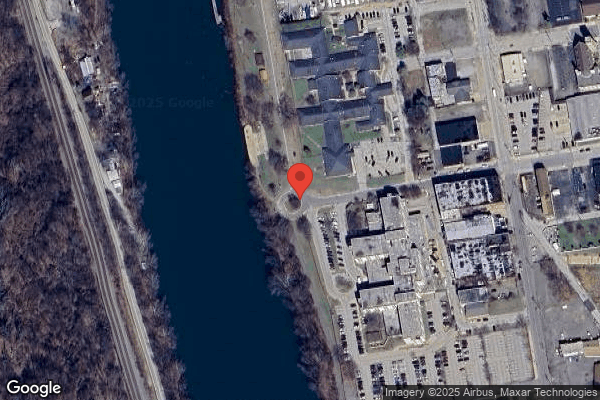
100 NINTH STREET, MCKEESPORT, PA 15132 (412) 675-8620
Government - County 360 Beds Independent Data: November 2025 1 Immediate Jeopardy citation
Trust Grade
51/100
#188 of 653 in PA
Last Inspection: November 2024

Within standard 12-15 month inspection cycle. Federal law requires annual inspections.

Overview

The John J Kane Regional Center in McKeesport, Pennsylvania has a Trust Grade of C, which means it is average and in the middle of the pack among nursing homes. It ranks #188 out of 653 facilities in the state, placing it in the top half, and #8 out of 52 in Allegheny County, indicating that only seven local options are better. Unfortunately, the facility's trend is worsening, with reported issues increasing from 5 in 2023 to 9 in 2024. Staffing is a strong point here, with a 5/5 rating and a turnover rate of 41%, which is below the state average, meaning staff are likely to be familiar with residents. However, there are concerning incidents, including a critical failure to supervise a resident, resulting in an unauthorized exit from the facility, and serious neglect that led to a resident suffering a leg fracture and requiring sutures. While the nursing home has its strengths, these weaknesses warrant careful consideration.

Trust Score
C
51/100
In Pennsylvania
#188/653
Top 28%
Safety Record
High Risk
Review needed
Inspections
Getting Worse
5 → 9 violations
Staff Stability
○ Average
41% turnover. Near Pennsylvania's 48% average. Typical for the industry.
Penalties
○ Average
$7,446 in fines. Higher than 55% of Pennsylvania facilities. Some compliance issues.
Skilled Nurses
✓ Good
Each resident gets 56 minutes of Registered Nurse (RN) attention daily — more than average for Pennsylvania. RNs are trained to catch health problems early.
Violations
⚠ Watch
17 deficiencies on record. Higher than average. Multiple issues found across inspections.
★★★★☆
4.0
Overall Rating
★★★★★
5.0
Staff Levels
★★★★☆
4.0
Care Quality
★★★☆☆
3.0
Inspection Score
Stable
2023: 5 issues
2024: 9 issues

The Good

  • 5-Star Staffing Rating · Excellent nurse staffing levels
  • 4-Star Quality Measures · Strong clinical quality outcomes
  • Full Sprinkler Coverage · Fire safety systems throughout facility
  • No fines on record
  • Staff turnover below average (41%)

    7 points below Pennsylvania average of 48%

Facility shows strength in staffing levels, quality measures, fire safety.

The Bad

Staff Turnover: 41%

Near Pennsylvania avg (46%)

Typical for the industry

Federal Fines: $7,446

Below median ($33,413)

Minor penalties assessed

The Ugly 17 deficiencies on record

1 life-threatening 2 actual harm
Dec 2024 1 deficiency
CONCERN (D) 📢 Someone Reported This

A family member, employee, or ombudsman was alarmed enough to file a formal complaint

Potential for Harm - no one hurt, but risky conditions existed

Accident Prevention (Tag F0689)

Could have caused harm · This affected 1 resident

**NOTE- TERMS IN BRACKETS HAVE BEEN EDITED TO PROTECT CONFIDENTIALITY** Based on facility policy review, clinical and facility record review, facility submitted documents, and staff interviews, it was...

Read full inspector narrative →
**NOTE- TERMS IN BRACKETS HAVE BEEN EDITED TO PROTECT CONFIDENTIALITY** Based on facility policy review, clinical and facility record review, facility submitted documents, and staff interviews, it was determined that the facility failed to provide adequate supervision to prevent elopement for one of four residents (Resident R1). This was identified as past non-compliance. Findings include: Review of the facility policy Wanderguard and Elopement Prevention dated 1/6/24, most recently reviewed 11/6/24, indicated it is the policy of the facility to implement safety measures for residents who wander and/or are at risk for elopement to attempt to prevent elopement. Review of the clinical record revealed Resident R1 was originally admitted to the facility on [DATE], at 6:14 p.m. with diagnoses of high blood pressure and alcohol abuse disorder. Review of facility submitted information dated 12/7/24, indicated. On 12/7/24, at approximately 5:30 AM during resident accountability checks it was determined that resident [Resident R1] was not in his room. Supervisors and security notified, and facility check was done. CCTV (closed-circuit television) camera reviewed, resident observed leaving 3A unit at 10:00 p.m. on 12/6/24 ambulating independently, fully dressed in pants, hat, winter coat, and surgical mask. Resident viewed on CCTV entering the main lobby. Resident asked security how to exit the building. Resident stated, How do I get out of here? Security guard did ask will you be returning [Resident R1] stated I ' m finished for the day and leaving. Security had no idea [Resident R1] was a newly admitted resident to the facility and was under the impression he was a visitor. [Resident R1] exited the facility at 10:04 p.m. Resident ' s sister notified. Sister stated he might be at a friend ' s house located near the facility. Sister provided staff with a name, address, [Resident R1 ' s] cell phone number. Police notified and given all information provided by sister. [Local] police reported resident was not found at address provided and no answer to resident ' s cell phone. Sister was updated. UPDATE: Several attempts were made to contact [Resident R1]. A message was left on his personal cell phone requesting a call back. At 9:26 p.m. on 12/8/24, [Resident R1] returned a call to the center stating he would like to enter a program and requested a call back. Call was returned and message left for [Resident R1] to call the DON (Director of Nursing) on per person cell phone or to the facility. On 12/9/24 at 11:00 a.m., Police reported that [Resident R1 ' s] cell phone was pinged at his home. At 11:15 a.m. Police arrived at his home and spoke with [Resident R1]. Police reported that he was alert and orient X3 (alert to person, place, and time), clean, neat, and the home was in good order. [Resident R1] stated to the officers that he was at [facility] for a few hours, but they did not have the program he wanted so he left the facility. [Resident R1] called a jitney (vehicle carrying passengers for a low fare) for transportation. At 11:25 a.m. police called and stated that the paramedics visited and evaluated [Resident R1]. Assessment was that he is alert and oriented and refused to go to the hospital for evaluation and did not want to return to the facility. Review of a Safety Check Record dated 12/7/24, indicated for a newly admitted resident, with no name indicated, that the resident was coded as B (Safe in Bed) at 12:00 a.m., 1:00 a.m., 2:00 a.m., 3:00 a.m., 4:00 a.m., 5:00 a.m., 6:00 a.m., and 7:00 a.m. Each of these entries was initialed with the initials of Registered Nurse (RN) Employee E2, and each of the entries was had circular marks written over the initials, partly obscuring them. The initials remained legible. Review of an employee statement written by Nurse Aide (NA) Employee E1 on 12/7/24, at 5:30 a.m. indicated, I came on shift around 10:45. Aides on unit + nurse gave me report saying the resident was new admit and that he was continent and selfcare and that he stayed in his room. I notices his door was shut so I did not go into his room to physically check on him. I signed off accountability on their word. I also charted before completing care because it is a very busy unit and I don ' t always have the time at the end of shift to complete it. So I charted what report I was given and was going to complete the rest after my morning rounds. The nurse made it down to the room before I got there to do his vitals and noticed he was not in his room. We then proceeded to check the entire unit for resident ' s whereabouts. When we could not locate him, we made supervisors aware. Review of facility provided human resource documents indicated NA Employee E1 failed to do accountability and safety checks every two hours on a newly admitted resident and further documented ADL (activities of daily living) care in the electronic medical record. Review of an employee statement written by RN Employee E2 on 12/7/24, indicated, When I took the cart at 11pm I saw the CNA (nurse aide) walking down the hall. I assumed he was in the room I was given the accountability sheet and placed it in the census book. It was taken down to the supervisor office. I was stopped in another patient ' s room who had thrown up. After cleaning him up I did not continue finishing my round At approximately 5-5:30 a.m. I went to the patient ' s room to take his vitals that when realized he was not in his room. When I asked the CNA if she had seen him she did not know if she checked him. Review of facility provided human resource documents indicated RN Employee E2 failed inform the doctor of an admission and did not conduct safety checks. Review of an employee statement written by Security Employee E3 on 12/7/24, indicated, On 12/9/24, at approximately 10:02 p.m. resident [Resident R1] approached the security desk and inquired about how to leave. I asked [Resident R1] was he coming back in and he stated that he was leaving. [Resident R1] was dressed in regular clothes as I mistakenly assume that he was a visitor because there were visitors coming in and out of the building after hours because hospice care was also in the building for a family for a potential demise and I assume that he was a visitor and I unlocked the door for him. On 12/7/24, the facility initiated a plan of correction that included: -County police and county managers notified by the facility administrator. -Medical Director and QAPI (Quality Assurance and Performance Improvement) Director notified. -All facility residents reassessed for elopement risk. -Assigned nurse ' s agency was notified, and nurse requested not to return to the facility. -Assigned nurse aide ' s agency was notified, and aide requested not to return to the facility. -Facility staff nurse aide suspended pending investigation. -All staff reeducated on new admission safety checks, accountability checks, elopement policy, and Wanderguard (electronic monitoring bracelet) system and protocol. -ADON (Assistant Director of Nursing)/designee will monitor and audit compliance of safety checks and Wanderguard system and follow-up with appropriate disciplinary action for non-compliance. -All incidents and accidents are forwarded to quality assurance committee for review and follow-up. Review of reeducation literature and sign-in sheets revealed all facility staff received reeducation on new admission safety checks, shift accountability, and the elopement policy. During six interviews on 12/23/24, ten staff members confirmed they received education on elopement prevention and procedures if an elopement occurs. During an interview on 12/23/24, at approximately 2:00 p.m. the Director of Nursing confirmed that the facility failed to provide adequate supervision to prevent elopement for one of four residents. 28 Pa. Code 201.14(a) Responsibility of licensee. 28 Pa. Code 201.18(b)(e)(1) Management. 28 Pa. Code 201.20(b)(1) Staff Development. 28 Pa. Code 201.29(a) Resident rights. 28 Pa. Code 211.10(c)(d) Resident care policies. 28 Pa. Code 211.11(d) Resident care plan. 28 Pa Code 211.12(d)(1)(2)(5) Nursing services.
Nov 2024 4 deficiencies
CONCERN (D)

Potential for Harm - no one hurt, but risky conditions existed

Deficiency F0582 (Tag F0582)

Could have caused harm · This affected 1 resident

**NOTE- TERMS IN BRACKETS HAVE BEEN EDITED TO PROTECT CONFIDENTIALITY** Based on a review of facility admission documents and staff interview, it was determined that the facility failed to ensure resi...

Read full inspector narrative →
**NOTE- TERMS IN BRACKETS HAVE BEEN EDITED TO PROTECT CONFIDENTIALITY** Based on a review of facility admission documents and staff interview, it was determined that the facility failed to ensure resident rights to make informed decisions and choices about important aspects of residents' health, safety and welfare by making certain residents understand the Notice of Medicare Non-Coverage (NOMNC - a form that providers must deliver to a patient covered under a Medicare when services are terminating. The NOMNC informs beneficiaries of their right to request a review of the discharge) form and failed to ensure the agreement is explained to the resident and his or her representative in a form and manner that he or she understands for one of three residents (Resident R203). Findings include: Review of the Resident Assessment Instrument 3.0 User's Manual effective October 2019 indicated that a Brief Interview for Mental Status (BIMS), is a screening test that aides in detecting cognitive impairment. The BIMS total score suggests the following distributions: 13-15: cognitively intact 8-12: moderately impaired 0-7: severe impairment Review of Resident R203's admission records indicated the resident was admitted to the facility on [DATE]. Review of Resident R203's demographic information available in the electronic medical record indicated that Resident R203's spouse was designated as the emergency contact. Review of the Minimum Data Set (MDS - periodic assessment of care needs) dated 8/14/24, included diagnoses of Parkinson's disease (progressive movement disorder of the nervous system) and insomnia (a sleep disorder characterized by difficulty falling asleep, staying asleep, or both). Review of Section C: Cognitive Patterns, Questions C0500 BIMS Summary Score revealed Resident R203's score to be 15, intact cognition. Review of the NOMNC dated 9/06/24, as a last covered day and it was never signed or received by Resident R203 or his contact. During an interview on 11/06/24, at 11:10 a.m. the Director of Nursing Registered Nurse Assessment Coordinator (RNAC) Employee E1 confirmed Resident R203 did not receive the arbitration agreement, and confirmed the facility failed to ensure the NOMNC is explained to the resident and his or her representative in a form and manner that he or she understands for one of three residents. 28 Pa. Code 201.14(a) Responsibility of Licensee. 28 Pa. Code 201.18(b)(2) Management. 28 Pa. Code 201.29(a)(j) Resident Rights.
CONCERN (D)

Potential for Harm - no one hurt, but risky conditions existed

Deficiency F0637 (Tag F0637)

Could have caused harm · This affected 1 resident

**NOTE- TERMS IN BRACKETS HAVE BEEN EDITED TO PROTECT CONFIDENTIALITY** Based on clinical record review and staff interview, it was determined that the facility failed to complete a significant change...

Read full inspector narrative →
**NOTE- TERMS IN BRACKETS HAVE BEEN EDITED TO PROTECT CONFIDENTIALITY** Based on clinical record review and staff interview, it was determined that the facility failed to complete a significant change Minimum Data Set (MDS- assessments completed indicating a change in condition of a resident requiring change in care) assessment for one of four residents reviewed (Residents R40). Findings include: Review of the Resident Assessment Instrument 3.0 User's Manual (reference used to complete an MDS) effective October 2023, indicated that the facility must conduct a comprehensive assessment of a resident within 14 days after the facility determines, or should have determined, that there has been a significant change in the resident's physical or mental condition. Review of the clinical record indicated that Resident R40 was admitted to the facility on [DATE]. Review of the Minimum Data Set (MDS, periodic assessment of resident care needs) dated 9/25/24, included diagnoses of Alzheimer ' s disease (a type of brain disorder that causes problems with memory, thinking and behavior) and neuropathy (nerve problem that causes pain, numbness, tingling, swelling, or muscle weakness in different parts of the body). Review of a physician order dated 10/7/24, indicated Resident R40 was admitted to hospice care (a special model of care for patients who are in the late phase of an incurable illness and wish to receive end-of-life care). Review of Resident R40's MDS assessments revealed a MDS significant change was not completed to include hospice services. During an interview on 11/8/24, at 11:18 a.m. Registered Nurse Assessment Coordinator Employee E1 confirmed that a Significant Change MDS was not completed for Resident R40. During an interview on 11/8/24, at approximately 2:30 p.m. the Nursing Home Administrator confirmed the facility failed to complete a Significant Change Minimum Data Set (MDS- assessments completed indicating a change in condition of a resident requiring change in care) assessment for one of four residents. 28 Pa. Code: 211.5(f) Clinical records.
CONCERN (E)

Potential for Harm - no one hurt, but risky conditions existed

Assessment Accuracy (Tag F0641)

Could have caused harm · This affected multiple residents

**NOTE- TERMS IN BRACKETS HAVE BEEN EDITED TO PROTECT CONFIDENTIALITY** Based on review of the Resident Assessment Instrument User's Manual, clinical records, and staff interview, it was determined th...

Read full inspector narrative →
**NOTE- TERMS IN BRACKETS HAVE BEEN EDITED TO PROTECT CONFIDENTIALITY** Based on review of the Resident Assessment Instrument User's Manual, clinical records, and staff interview, it was determined that the facility failed to make certain that comprehensive Minimum Data Set assessments were completed accurately for two of 18 residents (Resident R41 and R45) and failed to make certain that BIMS and/or PHQ-9 assessments were completed accurately for six of 12 residents (R13, R35, R41, R169, R174, and R190). Findings include: The Long-Term Care Facility Resident Assessment Instrument (RAI) User's Manual, which gives instructions for completing Minimum Data Set Assessments (MDS - periodic assessment of care needs) dated October 2023 indicated: -Section C, C0100, Brief Interview for Mental Status: Resident interview should be conducted because the resident is at least sometimes understood verbally, in writing, or using another method, and if an interpreter is needed, one is available. -Section D, D0100, Resident Mood Interview: Resident interview should be conducted because the resident is at least sometimes understood verbally, in writing, or using another method, and if an interpreter is needed, one is available. Review of the admission record indicated Resident R41 was admitted to the facility on [DATE]. Review of Resident R41's MDS dated [DATE], Section I: Active Diagnoses, Question 16100, included diagnoses of heart failure (a progressive heart disease that affects pumping action of the heart muscles) and hemiplegia (paralysis on one side of the body). Review of the facility provided list of residents who receive hospice services included Resident R41. Review of Resident R41's MDS dated [DATE], Section O: Special Treatments, Procedures, and Programs, Question O100K, indicated that Resident R39 did not receive hospice services while a resident at the facility. During an interview on 11/8/24, at 11:18 a.m. the Registered Nurse Assessment Coordinator (RNAC) Employee E1 confirmed that the facility failed to make certain that MDS assessments were completed accurately for two of 18 residents. -Resident R13 had an MDS completion date of 8/14/24. Review of Section B: Hearing, Speech, and Vision, Question B0700 indicated that Resident R13 is sometimes understood. Review of Section C: Cognitive Patterns, Question C0100 indicated that Resident R13 is rarely understood, and the BIMS assessment was not completed. Review of Section D: Mood, Question D0100 indicated that Resident R13 is rarely understood, and the Resident Mood Interview was not completed. -Resident R35 had an MDS completion date of 10/16/24. Review of Section B: Hearing, Speech, and Vision, Question B0700 indicated that Resident R35 is sometimes understood. Review of Section C: Cognitive Patterns, Question C0100 indicated that the BIMS assessment should be completed; No further questions on the assessment were completed. Review of Section D: Mood, Question D0100 indicated that the BIMS assessment should be completed; No further questions on the assessment were completed. -Resident R41 had an MDS completion date of 7/31/24. Review of Section B: Hearing, Speech, and Vision, Question B0700 indicated that Resident R41 is sometimes understood. Review of Section C: Cognitive Patterns, Question C0100 indicated that the BIMS assessment should be completed; No further questions on the assessment were completed. Review of Section D: Mood, Question D0100 indicated that the BIMS assessment should be completed; No further questions on the assessment were completed. -Resident R53 had an MDS completion date of 8/7/24. Review of Section B: Hearing, Speech, and Vision, Question B0700 indicated that Resident R53 is sometimes understood. Review of Section C: Cognitive Patterns, Question C0100 indicated that the BIMS assessment should be completed; No further questions on the assessment were completed. -Resident R169 had an MDS completion date of 10/11/24. Review of Section B: Hearing, Speech, and Vision, Question B0700 indicated that Resident R169 is understood. Review of Section C: Cognitive Patterns, Question C0100 indicated that Resident R169 is rarely understood, and the BIMS assessment was not completed. -Resident R174 had an MDS completion date of 8/26/24. Review of Section B: Hearing, Speech, and Vision, Question B0700 indicated that Resident R174 is usually understood. Review of Section C: Cognitive Patterns, Question C0100 indicated that Resident R76 is rarely understood, and the BIMS assessment was not completed. Review of Section D: Mood, Question D0100 indicated that Resident R174 is rarely understood, and the Resident Mood Interview was not completed. -Resident R190 had an MDS completion date of 8/17/24. Review of Section B: Hearing, Speech, and Vision, Question B0700 indicated that Resident R105 is understood. Review of Section C: Cognitive Patterns, Question C0100 indicated that Resident R190 is rarely understood, and the BIMS assessment was not completed. Review of Section D: Mood, Question D0100 indicated that Resident R190 is rarely understood, and the Resident Mood Interview was not completed. During an interview on 11/8/24, at 11:40 a.m. the Social Services Director Employee E2 confirmed that the facility failed to make certain that BIMS and/or PHQ-9 assessments were completed accurately for six of 12 residents. During an interview on 11/8/24, at approximately 2:30 p.m. the Nursing Home Administrator confirmed the facility failed to make certain that comprehensive MDS assessments were completed accurately for two of 18 and failed to make certain that BIMS and/or PHQ-9 assessments were completed accurately for six of 12 residents. 28 Pa. Code: 211.5(f) Clinical records.
MINOR (B)

Minor Issue - procedural, no safety impact

Transfer Notice (Tag F0623)

Minor procedural issue · This affected multiple residents

Based on a review of facility policy, federal regulation and staff interview, it was determined that the facility failed to provide transfer notices to representatives of the Office of the Long-Term C...

Read full inspector narrative →
Based on a review of facility policy, federal regulation and staff interview, it was determined that the facility failed to provide transfer notices to representatives of the Office of the Long-Term Care Ombudsman Division for eight of 10 months (December 2023 and January, February, March, April, May, June, July, and August 2024). Findings include: Review of the facility policy Discharge and Transfer dated 1/6/24, indicated a monthly list will be sent to the Ombudsman of residents who were facility-initiated transfer or discharged . Review of Title 42 Code of Federal Regulations §483.15(c)(3) Notice Before Transfer: indicates, before a facility transfers or discharges a resident, the facility must (i) Notify the resident and the resident's representative(s) of the transfer or discharge and the reasons for the move in writing and in a language and manner they understand. The facility must send a copy of the notice to a representative of the Office of the State Long-Term Care Ombudsman. Federal Regulations further define emergency transfers as, When a resident is temporarily transferred on an emergency basis to an acute care facility, this type of transfer is considered to be a facility-initiated transfer. During an interview on 11/7/24, at 2:30 p.m., the Director of Nursing confirmed the facility failed to provide transfer notices to representatives of the Office of the Long-Term Care Ombudsman Division since 12/31/23. 28 Pa. Code 201.18(b)(3)(e)(2) Management.
Sept 2024 3 deficiencies 2 Harm
SERIOUS (G) 📢 Someone Reported This

A family member, employee, or ombudsman was alarmed enough to file a formal complaint

Actual Harm - a resident was hurt due to facility failures

Free from Abuse/Neglect (Tag F0600)

A resident was harmed · This affected 1 resident

**NOTE- TERMS IN BRACKETS HAVE BEEN EDITED TO PROTECT CONFIDENTIALITY** Based on review of facility policies and documents, clinical record review, and staff interview, it was determined that the faci...

Read full inspector narrative →
**NOTE- TERMS IN BRACKETS HAVE BEEN EDITED TO PROTECT CONFIDENTIALITY** Based on review of facility policies and documents, clinical record review, and staff interview, it was determined that the facility failed to protect residents from neglect that resulted in the actual harm of a leg fracture and a skin tear that required sutures for one of three residents (Resident R1). Findings include: Review of the facility policy, Abuse - Resident and Reasonable Suspicion of a Crime dated 1/16/24, defined neglect as the failure of the facility, the staff, or service providers to provide goods and services to a resident that are necessary to avoid or may result in physical harm, pain, mental anguish, or emotional distress. Review of the clinical record indicated Resident R1 was originally admitted to the facility on [DATE], and readmitted on [DATE]. Review of the Minimum Data Set (MDS, periodic assessment of resident care needs) dated 7/11/24, included diagnoses of morbid obesity (chronic disease in which a person has a body mass index (BMI) of 40 or higher or a BMI of 35 or higher and is experiencing obesity-related health conditions) and osteoarthritis (degeneration of the joint causing pain and stiffness). Review of Section G: indicated that Resident R1 required substantial/maximal assistance to roll left and right. Review of a physician order dated 10/18/23, indicated Resident R1 required an assist of three staff members for bed mobility. Review of Resident R1's plan of care for Morbid obesity - impaired mobility intervention dated 12/5/23, indicated to provide Assist of 3 for turning and repositioning. Review of Resident R1's plan of care for Risk for falls intervention dated 7/31/24, indicated to Provide individualized toileting interventions based on needs/patterns. Review of a progress note dated 9/3/24, at 10:32 a.m. indicated, CNA (nurse aide) reports that while rolling patient to put her own the bedpan. Resident assisted with rolling by grabbing onto the headboard. Resident then stated she was starting to fall. CNA reports that resident fell face down hitting her legs first causing a laceration to her left lower leg and decrease in ROM (range of motion) to left knee as resident states it hurts to move. Was able to leave resident on the floor until EMS (emergency services) arrived. Pressure dressing applied to left lower leg, bleeding did stop prior to dressing being applied. During this time resident stated pain to right knee and she thinks her left knee is broke. MD (doctor of medicine) and son notified. Review of facility submitted information dated 9/4/24, indicated, On 9/3/2024 at approximately 10:05 AM alert x 3 resident [Resident R1] fell from the bed. During AM care resident assisted CNA (nurse aide) to roll by grabbing the headboard and rolling to the left side of bed. The CNA then reached for the bedpan and resident pulled to far causing body weight (338 pounds) to carry the resident over the side of the bed. CNA attempted to prevent resident from rolling too far but lower body exited the bed. Upper body was lowered to the floor by CNA. Resident assessed by RN (registered nurse). Laceration noted to left knee. Area cleansed with normal saline, and dressing applied. Resident complaint of right knee pain. MD notified and ordered out to hospital for evaluation. Review of emergency room documentation dated 9/3/24, at 3:30 p.m. indicated Resident R1 was treated for a 7 cm (centimeter) laceration that required 13 sutures and a comminuted fracture of the distal femur (a fracture of the lower end of the thigh bone, that resulted in the bone breaking into multiple pieces). Resident R1 was transferred to a higher-level hospital for additional evaluation. Review of an employee statement written by NA Employee E1 dated 9/3/24, indicated, Before proceeding to do care on [Resident R1] I asked the nurses how she is with transfer and bed mobility. The nurses at the nursing station said [Resident R1] would be fine with care and to get her up if she wants to. So then I proceeded to do my care. When I went in [Resident R1] room the plan was to wash her up and change her. Before washing she wanted to get on bed pan so I proceeded to put her on the bed pan. [Resident R1] grabs the left side of the headboard with her right hand to pull herself over. She did well with pulling herself over so I didn't have to struggle. She was turned on her left side positioned well before slowly starting to fall over the bed. When she fell she fell to her knees first then we were able to lay her down on her side slowly. Review of a facility document dated 9/9/24, stated, During an investigation of a resident incident on 9/3/24, it was determined that the staff member did not follow the plan of care / orders while caring for a resident. [NA Employee E1] failed to identify the bed mobility order prior to care. Resident requires 3 staff for bed mobility. [NA Employee E1] rolled the resident by herself, and resident fell out of the bed resulting in two fractures. [NA Employee E1] is placed on the do not return list for failure to follow physician orders and verify bed mobility prior to care. Review of a facility submitted Report Form for Investigation of Alleged Abuse, Neglect, Misappropriation of Property dated 9/10/24, included the information, CNA failed to ensure resident orders or plan of care for bed mobility prior to performing care. Allegation of neglect substantiated. During an interview on 9/19/24, at approximately 2:00 p.m. the Director of Nursing confirmed the facility failed to protect residents from neglect that resulted in the actual harm of a leg fracture and a skin tear that required sutures for one of three residents (Resident R1). 28 Pa. Code 201.14(a) Responsibility of Licensee. 28 Pa. Code 201.18(b)(1)(3) Management. 28 Pa. Code 201.29(a)(c)(d)(j) Resident Rights 28 Pa. Code 211.10(c)(d) Resident Care Policies. 28 Pa. Code 211.12(d)(1)(3) Nursing services.
SERIOUS (G) 📢 Someone Reported This

A family member, employee, or ombudsman was alarmed enough to file a formal complaint

Actual Harm - a resident was hurt due to facility failures

Accident Prevention (Tag F0689)

A resident was harmed · This affected 1 resident

**NOTE- TERMS IN BRACKETS HAVE BEEN EDITED TO PROTECT CONFIDENTIALITY** Based on review of facility policies and documents, clinical record review, and staff interview, it was determined that the faci...

Read full inspector narrative →
**NOTE- TERMS IN BRACKETS HAVE BEEN EDITED TO PROTECT CONFIDENTIALITY** Based on review of facility policies and documents, clinical record review, and staff interview, it was determined that the facility failed to provide adequate supervision to prevent falls that resulted in the actual harm of a leg fracture and a skin tear that required sutures for one of three residents (Resident R1). Findings include: Review of the facility policy, General Guidelines dated 1/16/24, indicated All care and services must be delivered as prescribed by the practitioner, and according to thre resident's person-centered plan of care. Review of the American Congress of Rehabilitation Medicine - Caregiver Guide and Instructions for Safe Bed Mobility published 4/28/17, indicated bed mobility refers to activities such as scooting in bed, rolling, side-lying to sitting, and sitting to lying down. Review of the clinical record indicated Resident R1 was originally admitted to the facility on [DATE], and readmitted on [DATE]. Review of the Minimum Data Set (MDS, periodic assessment of resident care needs) dated 7/11/24, included diagnoses of morbid obesity (chronic disease in which a person has a body mass index (BMI) of 40 or higher or a BMI of 35 or higher and is experiencing obesity-related health conditions) and osteoarthritis (degeneration of the joint causing pain and stiffness). Review of Section G: indicated that Resident R1 required substantial/maximal assistance to roll left and right. Review of a physician order dated 10/18/23, indicated Resident R1 required an assist of three staff members for bed mobility. Review of Resident R1's plan of care for Morbid obesity - impaired mobility intervention dated 12/5/23, indicated to provide Assist of 3 for turning and repositioning. Review of Resident R1's plan of care for Risk for falls intervention dated 7/31/24, indicated to Provide individualized toileting interventions based on needs/patterns. Review of a progress note dated 9/3/24, at 10:32 a.m. indicated, CNA (nurse aide) reports that while rolling patient to put her own the bedpan. Resident assisted with rolling by grabbing onto the headboard. Resident then stated she was starting to fall. CNA reports that resident fell face down hitting her legs first causing a laceration to her left lower leg and decrease in ROM (range of motion) to left knee as resident states it hurts to move. Was able to leave resident on the floor until EMS (emergency services) arrived. Pressure dressing applied to left lower leg, bleeding did stop prior to dressing being applied. During this time resident stated pain to right knee and she thinks her left knee is broke. MD (doctor of medicine) and son notified. Review of facility submitted information dated 9/4/24, indicated, On 9/3/2024 at approximately 10:05 AM alert x 3 resident [Resident R1] fell from the bed. During AM care resident assisted CNA (nurse aide) to roll by grabbing the headboard and rolling to the left side of bed. The CNA then reached for the bedpan and resident pulled to far causing body weight (338 pounds) to carry the resident over the side of the bed. CNA attempted to prevent resident from rolling too far but lower body exited the bed. Upper body was lowered to the floor by CNA. Resident assessed by RN (registered nurse). Laceration noted to left knee. Area cleansed with normal saline, and dressing applied. Resident complaint of right knee pain. MD notified and ordered out to hospital for evaluation. Review of emergency room documentation dated 9/3/24, at 3:30 p.m. indicated Resident R1 was treated for a 7 cm (centimeter) laceration that required 13 sutures and a comminuted fracture of the distal femur (a fracture of the lower end of the thigh bone, that resulted in the bone breaking into multiple pieces). Resident R1 was transferred to a higher-level hospital for additional evaluation. Review of an employee statement written by NA Employee E1 dated 9/3/24, indicated, Before proceeding to do care on [Resident R1] I asked the nurses how she is with transfer and bed mobility. The nurses at the nursing station said [Resident R1] would be fine with care and to get her up if she wants to. So then I proceeded to do my care. When I went in [Resident R1] room the plan was to wash her up and change her. Before washing she wanted to get on bed pan so I proceeded to put her on the bed pan. [Resident R1] grabs the left side of the headboard with her right hand to pull herself over. She did well with pulling herself over so I didn't have to struggle. She was turned on her left side positioned well before slowly starting to fall over the bed. When she fell she fell to her knees first then we were able to lay her down on her side slowly. Review of a facility document dated 9/9/24, stated, During an investigation of a resident incident on 9/3/24, it was determined that the staff member did not follow the plan of care / orders while caring for a resident. [NA Employee E1] failed to identify the bed mobility order prior to care. Resident requires 3 staff for bed mobility. [NA Employee E1] rolled the resident by herself, and resident fell out of the bed resulting in two fractures. [NA Employee E1] is placed on the do not return list for failure to follow physician orders and verify bed mobility prior to care. Review of a facility submitted Report Form for Investigation of Alleged Abuse, Neglect, Misappropriation of Property dated 9/10/24, included the information, CNA failed to ensure resident orders or plan of care for bed mobility prior to performing care. Allegation of neglect substantiated. During an interview on 9/19/24, at approximately 2:00 p.m. the Director of Nursing confirmed the facility failed to provide adequate supervision to prevent falls that resulted in the actual harm of a leg fracture and a skin tear that required sutures for one of three residents (Resident R1). 28 Pa. Code 201.14(a) Responsibility of licensee. 28 Pa. Code 201.18(b)(e)(1) Management. 28 Pa. Code 201.20(b)(1) Staff Development. 28 Pa. Code 201.29(a) Resident rights. 28 Pa. Code 211.10(c)(d) Resident care policies. 28 Pa Code 211.12(d)(1)(2)(5) Nursing services.
CONCERN (D) 📢 Someone Reported This

A family member, employee, or ombudsman was alarmed enough to file a formal complaint

Potential for Harm - no one hurt, but risky conditions existed

Pharmacy Services (Tag F0755)

Could have caused harm · This affected 1 resident

**NOTE- TERMS IN BRACKETS HAVE BEEN EDITED TO PROTECT CONFIDENTIALITY** Based on review of facility policy, clinical records, and staff interviews it was determined that the facility failed to impleme...

Read full inspector narrative →
**NOTE- TERMS IN BRACKETS HAVE BEEN EDITED TO PROTECT CONFIDENTIALITY** Based on review of facility policy, clinical records, and staff interviews it was determined that the facility failed to implement pharmaceutical services to ensure accurate provision of medications for one of four residents (Residents R2). Findings include: Review of the facility policy, General Pharmacy Standards dated 1/16/24, indicated the contracted pharmacy will include Accurately dispensing prescriptions based on authorized prescriber orders. Review of Residents R2's admission record indicated she was admitted to the facility on [DATE]. Review of Residents R2's Minimum Data Set (MDS - periodic assessment of resident care needs) dated 8/7/24, indicated that she had diagnoses that included dementia (a group of symptoms that affects memory, thinking and interferes with daily life) and aftercare following surgery. Review of Residents R2's care plan for pain dated 8/4/24, indicated to medicate as ordered. Review of a psychiatric evaluation dated 8/8/24, indicated a new order for gabapentin (medication used to treat seizures, nerve pain, and an off-label use for depression) 100 mg (milligrams) twice per day. Review of a progress note dated 8/9/24, at 8:15 a.m. indicated a new order for gabapentin 100 mg twice daily for anxiety. Review of Residents R2's medication administration record (MAR) for September 2024, indicated: -8/09/24, morning, gabapentin 100 mg provided. -8/09/24, afternoon, gabapentin 800 mg provided. -8/10/24, morning, gabapentin 800 mg provided. -8/10/24, afternoon, gabapentin 800 mg provided. -8/11/24, morning, gabapentin 800 mg provided. -8/11/24, afternoon, gabapentin 800 mg provided. -8/12/24, morning, gabapentin 800 mg provided. -8/12/24, afternoon, gabapentin 800 mg refused. -8/13/24, morning, gabapentin 800 mg provided. -8/13/24, afternoon, gabapentin 800 mg refused by family. -8/14/24, morning, gabapentin 800 mg provided. During an interview on 9/19/24, at approximately 2:00 p.m. Director of Nursing confirmed that there was a pharmacy error, and the gabapentin 100 mg, twice daily order was inadvertently changed to a gabapentin 800 mg, twice daily, and further confirmed that Resident R2 received the incorrect dose from 8/9/24, through 8/14/24. During an interview on 8/7/24, at 11:42 a.m. the Director of Nursing (DON) confirmed that the facility failed to implement pharmaceutical services to ensure accurate provision of medications for one of four residents. 28 Pa. Code 201.14 (a) Responsibility of licensee. 28 Pa. Code 211.9 (a)(1)(k)(l)(1)(2)(3)(4) Pharmacy services 28 Pa. Code 211.10 (c) Resident care policies. 28 Pa. Code 211.12 (d)(1)(5) Nursing services.
Mar 2024 1 deficiency
CONCERN (D) 📢 Someone Reported This

A family member, employee, or ombudsman was alarmed enough to file a formal complaint

Potential for Harm - no one hurt, but risky conditions existed

Deficiency F0604 (Tag F0604)

Could have caused harm · This affected 1 resident

Based on review of facility policy, clinical records, facility documents and staff interview, it was determined that the facility failed to make certain a resident was free from a physical restraint f...

Read full inspector narrative →
Based on review of facility policy, clinical records, facility documents and staff interview, it was determined that the facility failed to make certain a resident was free from a physical restraint for one of five residents reviewed (Resident R1). This was identified as past non-compliance. Findings include: A review of the facility policy, Restraint, Physical last reviewd, 2/07/23, defined a restraint as anything that restricted freedom from movement, and limited one's sense of control and independence. Review of the clinical record indicated that Resident R1 was admitted to the facility 10/6/23. The Minimum Data Set (MDS - periodic assessment of care needs) dated 3/7/24, included diagnoses of unspecified dementia, muscle wasting, diabetes and adult failure to thrive. The Brief Interview of Mental Status (BIMS - a screening too to determine cognition) recorded a score of 5, indicating the resident is cognitively impaired. Review of facility provided documents dated 3/13/24, indicated Resident R1 was found by the 7-3 shift with the sheet tied behind the lower back and corners of the lower gown tied behind the resident's thighs. Review of facility provided documents dated 3/13/24, revealed that Nurse Aide (NA) Employee E1, was identied as the individual that tied the sheet behind the resident and the gown behind the thighs. Review of a written statement from NA Employee E1 dated 3/13/24, indicated, Resident was very active all night, could not rest, kept tying her gown herself, I changed her and had a gown on her the right way, I cleaned BM (feces) off her hands and face. Review of a written state from NA Employee E2 dated 3/13/24 (worked the on-coming 7 a.m. shift) indicated, When I went in to see Resident R1, I tried to pull down her sheet to pull her up in bed but it wouldn't come out so I turned her over to see why and found the sheet was tied under her, I reported this, when we went in to pull up in bed, we seen her gown was was tied around her legs as well. Review of NA Employee E1's employee file indicated that on 4/4/23 she had a previous verbal warning for abuse and neglect and was re-educated at that time. Further review indicated that NA Employee E1 was suspended on 3/13/24 and employment was terminated on 3/20/24. Review of Resident R1's clinical record indicated a physician note dated 3/16/24, that the facility made him aware of the incident on the date it occurred. On 3/18/24, the facility initiated education on physical restraints. This education included: 1) defining restraints 2) identifying physical risks and psychosocial impacts of restraint use 3) determining if the use of position change alarms are restraints 4) denitrifying key elements of non-compliance During interviews on 3/26/24 from 11:00-11:30, seven direct care staff indicated they had received education on physical restraints. The facility has demonstrated compliance with the regulation since 3/20/24. During an interview on 3/26/24 at 1:00 p.m., the Nursing Home Administrator, and a review of of the QAPI monitoring process to sustain solutions, it was verified that the facility had implemented a plan of correction and achieved compliance to make certain ensuring residents are free from physical restraints. 28 Pa. Code: 201.14(a) Responsibility of licensee. 28 Pa. Code: 201.18(b)(1) Management. 28 Pa. Code: 201.29(a) Resident rights. 28 Pa. Code: 211.12 (d)(1)(3)(5) Nursing services.
Nov 2023 3 deficiencies
CONCERN (D)

Potential for Harm - no one hurt, but risky conditions existed

Report Alleged Abuse (Tag F0609)

Could have caused harm · This affected 1 resident

**NOTE- TERMS IN BRACKETS HAVE BEEN EDITED TO PROTECT CONFIDENTIALITY** Based on review of facility policy, resident clinical record, investigation documentations and staff interview, it was determine...

Read full inspector narrative →
**NOTE- TERMS IN BRACKETS HAVE BEEN EDITED TO PROTECT CONFIDENTIALITY** Based on review of facility policy, resident clinical record, investigation documentations and staff interview, it was determined that the facility failed to report an injury of unknown source which caused severe bruising and required xrays for one of three residents (Resident R148). Findings include: Review of the facility policy Abuse, last reviewed on 1/9/23, indicated that every complaint or allegation of resident abuse shall be promptly reported and an investigation initiated. The resident will be protected and definition of abuse can include injuries of unknown source and can be suspicious due to the extent of the injury. Failure to report abuse, cooperate with the investigation can result in disciplinary action. During an interview on 11/1/23, at 2:08 p.m., the Director of Nursing(DON) stated that the facility does not have a resident transfer policy. Review of the clinical record indicated that Resident R148 was admitted to the facility on [DATE], with diagnoses which included Myopathy(a disease that affects the muscles that control voluntary movement in the body), malnutrition, contracture of both knees(inability to straighten legs completely), difficulty walking, dementia, and anxiety during transfers. A Minimum Data Set (MDS- a periodic assessment of resident care needs) dated 9/13/23, indicated the diagnoses remained current with additional diagnoses of right shoulder pain added on 9/1/23. Review of an Annual Assessment progress note dated 8/3/23, indicated Resident R148 screams when touched and is fearful, Resident R148 has a right leg contracture requiring a pillow between the knees and a six inch foam mattress and express comfort cushion while in the wheelchair. The documentation indicated that Resident R148 is an assistance of one for transfers with pivoting. Review of a progress note dated 8/3/23, indicated that Resident R148 developed a bruise under her right upper arm 8 centimeters (cm) x 7 cm. The documentation indicated the Nurse Aide believed it was the result of lifting Resident R148 under the arms. An incident report dated 8/3/23, indicated bruising from unknown etiology requiring xrays of right forearm , right humerus(upper arm) and right hand being completed; the xray of her right humerus indicated a possible fracture. A MRI and/or CT scan was recommended, however, the facility Medical Director stated Resident R148 would not be able to tolerate a MRI and she was to be evaluated by Ortho specialist. Review of a progress note dated 8/11/23, indicated the bruising worsened and now had covered the whole right side of Resident R148's body including the right arm and shoulder right side and torso, and Resident R148 grimaced in pain when touched. Xrays of the right humerus, right forearm, right hand, and thoracic spine were completed on 8/12/23, indicating no fractures. Hoyer lift transfers were now ordered. An Orthopedic specialist saw Resident R148 and declined to perform MRI or CT scan and reordered xray of Resident R148 shoulder and stated no fracture and put Resident R148 in a sling. During an interview on 11/1/23, at 2:08 p.m., the Director of Nursing confirmed that the facility failed to report the injury of unknown source causing severe bruising to Resident R148 had not been identified as potential abuse/neglect and and reported to the State agency as required. 28 Pa. Code: 201.14(a)(b)(c)(d) Responsibility of licensee. 28 Pa. Code: 201.18(e)(1) Management. 28 Pa. Code: 201.20(b) Staff Development.
CONCERN (D)

Potential for Harm - no one hurt, but risky conditions existed

Infection Control (Tag F0880)

Could have caused harm · This affected 1 resident

**NOTE- TERMS IN BRACKETS HAVE BEEN EDITED TO PROTECT CONFIDENTIALITY** Based on review of facility policies, water testing logs and staff interview, it was determined that the facility failed to impl...

Read full inspector narrative →
**NOTE- TERMS IN BRACKETS HAVE BEEN EDITED TO PROTECT CONFIDENTIALITY** Based on review of facility policies, water testing logs and staff interview, it was determined that the facility failed to implement an effective Water Management Program for the prevention and control of water-borne contaminants, such as Legionella (a bacteria that may cause Legionnaires' Disease, a serious type of pneumonia). Findings include: The facility Water Management Program last reviewed on 1/9/23, indicated that the plan is to minimize risk for Legionella associated with the building water systems at [NAME] McKeesport. Based on framework outlined in ASHRAE Standards. During a review of the annual testing dated 7/31/23, of the facility water systems indicated that Resident room [ROOM NUMBER] sink had a positive result for Legionella requiring treatment and re-testing which occurred on 9/2/23,. This result indicated Resident room [ROOM NUMBER] sink had no detection of Legionella. During review of Resident room [ROOM NUMBER] did not indicate the facility protected residents as the residents were not removed from the room once positive until a negative result was obtained. During an interview on 11/2/23, at 11:17 a.m., Maintenance Director Employee E4 and the Nursing Home Administrator confirmed that the facility did not remove residents from the positive room [ROOM NUMBER] and did not report the positive result to the appropriate agencies as required. 28 Pa. Code: 201.14(a) Responsibility of licensee. 28 Pa. Code:201.18(b)(1)(e)(1) Management. 28 Pa. Code: 201.20(c) Staff development. 28 Pa. Code: 211.10(d) Resident care policies. 28 Pa. Code: 211.12(d)(1)(2)(3)(5) Nursing services.
MINOR (C)

Minor Issue - procedural, no safety impact

Grievances (Tag F0585)

Minor procedural issue · This affected most or all residents

**NOTE- TERMS IN BRACKETS HAVE BEEN EDITED TO PROTECT CONFIDENTIALITY** Based on a review of facility policy, observations, resident and staff interviews, it was determined the facility failed to prov...

Read full inspector narrative →
**NOTE- TERMS IN BRACKETS HAVE BEEN EDITED TO PROTECT CONFIDENTIALITY** Based on a review of facility policy, observations, resident and staff interviews, it was determined the facility failed to provide grievance forms for filing anonymous grievances on three of three units (second floor unit, third floor unit and fourth floor unit). Findings include: Review of facility policy titled Concerns-Complaints-Grievances last reviewed on 1/9/23, informed it is the policy of the [NAME] Community Living Centers to assist residents and/or Resident Representatives in resolving issues of concerns in a prompt and timely fashion. The social service department reviews with the resident and/or resident representative how to file a grievance or complaint, including anonymously. During an observation on 10/31/23, at 10:10 a.m. the fourth floor unit did not have grievance forms available for residents/resident representatives to file anonymous grievances. During an interview on 10/31/23, at 10:15 a.m. the Social Service Director and Grievance Official Employee E1 informed grievance forms are placed in resident bedside tables and/or dressers. Families and visitors can request grievance forms from the administrative staff. The Social Service Director and Grievance Offical Employee E1 also informed this practice is in use on all three units. During a Resident Group meeting held on 11-1-23, at 10:30 a.m. 16 of the 16 attendees reported not receiving grievance forms in their bedside tables and/or dressers and did not know how to file an anonymous grievance. During an observation on 11/3/23, at 1:15 p.m. the second floor unit did not have grievance forms available to file anonymous grievances. During an observation on 11/3/23, at 1:20 p.m. the third floor unit did not have grievance forms available to file anonymous grievances. During an interview on 10/31/23, at 10:15 a.m. the Social Service Director and Grievance Official Employee E1 confirmed the facility failed to provide grievance forms for filing anonymous grievances. 28 Pa. Code: 201.18(e)(4) Management. 28 Pa. Code: 201.29(i) Resident Rights.
Oct 2023 2 deficiencies 1 IJ
CRITICAL (J) 📢 Someone Reported This

A family member, employee, or ombudsman was alarmed enough to file a formal complaint

Immediate Jeopardy (IJ) - the most serious Medicare violation

Accident Prevention (Tag F0689)

Someone could have died · This affected 1 resident

**NOTE- TERMS IN BRACKETS HAVE BEEN EDITED TO PROTECT CONFIDENTIALITY** Based on review of facility policy, clinical records, facility documents, resident interview, and staff interview, it was determ...

Read full inspector narrative →
**NOTE- TERMS IN BRACKETS HAVE BEEN EDITED TO PROTECT CONFIDENTIALITY** Based on review of facility policy, clinical records, facility documents, resident interview, and staff interview, it was determined that the facility failed to provide adequate supervision resulting in an elopement (resident exits to an unsupervised or unauthorized area without the facility's knowledge). This failure created an immediate jeopardy situation for one out of 195 residents (Resident R1). Findings include: The facility Wanderer management program policy last reviewed on 1/9/23, indicated that the facility will provide safety measures for all residents who are deemed to be in need of additional safety measures including wander management. Elopement occurs when a resident who needs supervision leaves a safe area without supervision. The resident should have interventions in their comprehensive care plan to address elopement, residents should be assessed for safety, and physician orders written directing what level of access within the facility for which a resident is determined to be safe without direct supervision. Nurse aide staff will account for all monitored residents at the beginning of each shift, every two hours during the shift, and at the end of the shift. Review of Resident R1's admission record indicated he was admitted on [DATE], with diagnoses that included diabetes (metabolic disorder impacting organ function related to glucose levels in the human body), hypertension (a condition impacting blood circulation through the heart related to poor pressure), chronic obstructive pulmonary disease (COPD-a disease characterized by persistent respiratory symptoms involving breathlessness, coughing, and obstructed airflow to the lungs), cerebral infarction (a blockage to the brain resulting loss of blood and oxygen), chronic kidney disease (a loss of kidney function resulting in the swelling of feet, fatigue, high blood pressure and changes in urination), and Strabismus (a vision disorder in which the eye does not properly align). A review of the Resident Assessment Instrument 3.0 User's Manual effective October 2019, indicated that a Brief Interview for Mental Status (BIMS, a screening test that aides in detecting cognitive impairment). The BIMS total score suggests the following distributions: 13-15: cognitively intact 8-12: moderately impaired 0-7: severe impairment Review of Resident R1's MDS assessment dated [DATE], Section C0500-BIMS screening indicated a score of 13 revealing that Resident R1 was alert and oriented to person, place and situation. Review of Resident R1's physician orders dated 7/6/23, resident may move about units without supervision; supervision for off campus. Review of Resident R1's admissions documentation indicated that his home address was 1.2 miles from the nursing facility. Review of Resident R1's clinical nurse notes dated 8/7/23, indicated he exited the building via the front door, wander guard applied to right wrist and Resident R1 was educated. Thorough review of Resident R1's clinical record indicated no additional information related to this elopement. Review of Resident R1's care plan dated 8/8/23, indicated that he will not elope from the unit or building. Provide routine monitoring, wander guard at all times, checks every shift and as needed. Review of Resident R1's elopement evaluation on 8/30/23, indicated that Resident R1 attempted to go outside to leave without alerting staff on 8/7/23. The Elopement evaluation indicated Resident R1 displayed behaviors indicating an attempt to leave, he made statements questioning the need to be at the nursing home. Review of Resident R1's clinical nurse note dated 10/1/23, indicated Nurse aide (NA) doing wander guard checks found that Resident R1 was not in his room and could not be found on the nurse unit. These documents were not part of the clinical record. Review of Resident R1's safety event/elopement incident note dated 10/2/23, indicted that on 9/30/23 at 2:38 a.m. it was discovered that Resident R1 was not in his room. Security notified and facility check was done. Security camera reviewed and observed Resident R1 leave the 4B nurse unit fully dressed, exited through the ambulance door and walked through the parking lot. Family was called. Police were notified and provided address as Resident R1 expressed desire to return home. Facility staff continued search for Resident R1. Police contacted facility and reported that Resident R1 was located at his home address. Resident R1 returned at 4:28 a.m. and was assessed with no injuries found. The wander guard was found with the resident, did not indicate if the wanderguard was on the original placement area of Resident R1's body. The National Weather Service records indicated that the overnight temperature on 9/30/23 into 10/1/23 was 56 degrees Farenheit. Review of facility submitted documents dated 10/2/23, indicated that Resident R1 was discovered not present in his room at 2:38 a.m. on 10/1/23. Nursing staff and security will be re-educated on wander guard system and safety checks. Review of Facility meeting minutes dated 10/3/23, indicated that the facility implemented accountability checks on 10/3/23 as a part of corrective actions. However, the corrective actions did not include whole house re-training for all nursing staff and retraining for security staff. Review of facility investigation documents dated 10/3/23, indicated that Nurse Aide (NA) Employee E8 documented that she provided care to Resident R1 on 10/1/23, at 12:05 a.m., however, Resident R 1 exited the facility at 8:52 p.m., on 9/30/23, three hours and 13 minutes prior. Security Guard Employee E7 provided a statement that he silenced the alarm on 9/30/23, and did not see a resident walk out of the ambulance exit. Review of all facility documentation revealed that there was no additional information available in the clinical record or in the facility investigation surrounding the elopement of Resident R1. During a review of security footage with Maintenance Supervisor Employee E1 and Security Chief Officer Employee E2 on 10/10/23, at 10:20 a.m. the following was observed: Footage starts at 9/30/23, at 8:23 p.m. Resident R1 observed fully clothed, with a jacket and a hat, getting on elevator at 8:23 p.m. At 8:24 p.m. Resident R1 exits the elevator to the first floor. Resident R1 went outside to the smoking area at 8:25 p.m. Resident R1 was observed without a walker or cane. Resident R1 spoke to staff in smoking area. At 8:40 p.m. Resident R1 gets up and wandered the smoking area. At 8:45 p.m. Resident R1 re-entered the facility. At 8:46 p.m. Resident R1 walks to ambulance exit and goes through the ambulance exit area. At 8:47 p.m. Resident R1 was observed via security footage in the parking lot leaving the area. At 8:52 p.m. Resident R1 left the facility campus. During an interview on 10/10/23, at 10:20 a.m. Maintenance Supervisor Employee E1 stated: the alarm would go off to the ambulance door exit only if Resident R1 was wearing a wander guard. The alarm on 9/30/23 did go off. Security Guard Employee E7 was the security guard that evening and did not respond to the alarm. Security Guard Employee E7 reset the alarm at 8:46 p.m. and he did not recheck the cameras. The alarm can be reset at the security station. During an interview on 10/10/23, at 10:39 a.m. Security Chief Officer Employee E2 stated: we had two security officers working on 9/30/23. Security Guard Employee E7 and Security Guard Employee E9. Security Guard Employee E9 was walking the floor at the time of the incident and Security Guard Employee E7 was at the security desk. During an interview on 10/10/23, at 11:32 a.m. Resident R1 stated that he cannot see as well as he used to out of his left eye. He has a place that is local. That is where he lived before, I got sick. Been here for 5 months and he is ready to get out of the nursing home. During an interview on 10/10/23, at 11:53 a.m. the Director of Nursing (DON) stated: Resident R1 returned on 10/1/23 at 4:33 a.m. We do not have statements from all the staff working the evening of 9/30/23. We completed accountability sheets. The sheets are done by nursing staff. Nursing staff coming on the shift and leaving the shift, do a head count of the residents and sign the sheets. This is a part of our corrective action. During a phone interview on 10/10/23, at 1:54 p.m. Nurse Aide (NA) Employee E4 stated: been working at the facility a couple of months. Resident R1 was not my resident that evening. I just know that a staff member said that Resident R1 was not there. That staff person went to the supervisor. I don' t recall name of the staff person; I think she was agency staff as well. No re-education was done with me. During a phone interview on 10/10/23, at 2:08 p.m. with Agency Registered Nurse (RN) Employee E5 stated: I came to the work, around 11:30 p.m. The supervisor gave me the keys for my assignment. As I went through my chart, someone was checking on people. We realized Resident R1 was missing. The aides said they did not see him. I called and told the supervisor he was not here. I went and started looking for him. I think the RN supervisor went to look for him. The aides also were looking for him. I cannot recall the time, the RN Supervisor said he was located, and his family brought him back. The RN Supervisor stated he thought he eloped. The family never called to say he was gone. The RN supervisor was (Proper name) something. Or another name. It was an aide that figured out he was missing. The resident is fully alert and oriented. He did not come with any medicine or paperwork. I was told he cut his wander guard off. I was just going down and the aide came and told me he was missing. The resident was fully dressed, like he was going to church, like a visitor. During a interview on 10/10/23, at 2:57 p.m. Registered Nurse (RN) Supervisor Employee E6 stated the following: I did not provide a statement to the Director of Nursing. On 9/30/23, in the middle of the night, a nurse aide that does the wander guard checks said Resident R1 was not here. Camera checks found Resident R1 left the facility around 8:45 p.m. I contacted the Director of Nursing and attempted to call Resident R1's family and was unsuccessful in doing so. We called the police, and they were able to locate Resident R1. I did assess Resident R1 upon his return. No issues found. I'm not familiar with this guy. The Nurse aide that found he was missing was Nurse Aide (NA) Employee E11. We task one individual to the tasks to check the wander guards. Nurse Aide (NA) Employee E 11 was tasked with other things that evening. And I was not provided re-education about elopement. On 10/10/23, at 3:01 p.m. Nurse Aide (NA) Employee E11 was called for her statement and did not answer. During a phone interview on 10/10/23, at 3:21 p.m. Security Guard Employee E7 stated the following: I was working with another senior guard. I was new. This individual that eloped saw the guard and figured there was no one at the front desk and walked out. When Resident R1 hit the door, I was under the assumption that if the door alarm was going off, it would lock. I did not recognize Resident R1 as a patient. Normal patients are in wheelchairs. I did not know this guy. Resident R1 looked quite normal, like a worker. Like someone going out the wrong door. When the chief told me someone eloped, then we looked at the tape. I was told I should have looked at the tape sooner. Since I was new, I did not. I just assumed someone walked by the door and thought someone would go to where they were assigned. I thought it was a false alarm and I shut off the alarm. It was a complete failure. There was a 6-hour difference between the time Resident R1 walked out and the time he left. We had a lot going on that night on 9/30/23. I thought the doors locked when the alarm goes off, and they do not. I should have done more. Security Guard Employee E7's personnel record indicated he started working at the facility on 9/12/23 and he was trained on emergency preparedness procedures and the routine tasks involved in his job description. On 10/10/23, at 4:13 p.m. Nurse Aide (NA) Employee E8 was called for her statement and did not answer. Nurse Aide (NA) Employee E8 personnel record indicated that her first start date at the facility was 6/25/23. Her record indicated that she received orientation on abuse and elopement procedures on 7/27/23. On 10/10/23, Immediate Jeopardy (IJ) was called and a template was provided to the facility at 2:24 p.m., and a corrective action plan was requested. On 10/10/23, at 7:20 p.m. an immediate action plan was received and accepted which included the following interventions: 1. Resident R1 was evaluated for injuries and none were found, Resident R1 was re-evaluated for safety, Resident R1 doctor was notified, 1-hour checks were put in place, his careplan was updated to include self-removal of wander guard, and a photo was placed at the front desk. 2. All residents were immediately re-evaluated using the elopement risk assessment to ensure wandering behaviors were identified, care plans updated, and ensure monitoring of wandering residents via Q1-hour safety checks completed 10/11/23 at 11:00 a.m. 3. Whole house audit of elopement risk assessments was completed by 10/11/23 at 11:00 a.m. 4. Updated care plans for residents with elopement risk, residents identified as elopement risk have a wander guard, security notified by 10/11/23. 5. Accountability checks forms completed at shift change every shift to ensure monitoring of all residents by 10/11/23, end of the 7 a.m. to 3 p.m. shift. 6. Residents identified as exhibiting wandering/elopement behavior will be identified on the 24-hour report by 10/11/23 at 11:00 a.m. 7. Residents identified as elopement risk will have wander guard placed and have Q1-hour checks for wandering residents for 72 hours by 10/11/23 at 11:00 a.m. 8. Nursing Staff Inservice beginning immediately on 10/10/23 and continuing at the start of each shift about elopement policy, accountability sheets, and Wander guard system. The training will be completed by 10/11/23, at 3:00 p.m. Nursing staff was identified via facility signature log to ensure full attendance. 9. Security staff was in-serviced the beginning of the shift about the elopement policy, exit-seeking behaviors, and the Wander guard system. All security staff completed the in-service by 10/11/23 at 3:00 p.m. Security staff was identified via facility signature log to ensure full attendance. 10. Quality Manager notified of the elopement and plan of correction on 10/10/23. Elopement policy reviewed and revised on 10/10/23. Review of updated Elopement policy on 10/11/23 during QAPI meeting. 11. The ADON/designee will monitor daily the accountability sheets daily for 4-weeks starting 10/10/23; weekly for 4-weeks, bi-weekly for 4-weeks, then monthly for 4-weeks. On 10/11/23, at 7:42 a m. the facility provided an updated Elopement policy. On 10/11/23, at 9:00 a.m. facility QAPI meeting took place and included the review of the new Elopement policy. During observations on 10/11/23 starting at 10:00 a.m. each nursing units (Nursing units 2A, 2B, 3B, 4A, and 4B) were found with a binder containing accountability sheets used to verify resident whereabouts. On 10/11/23, at 11:32 a m. the facility provided a report used for auditing elopement assessments. The Report indicated all residents were re-assessed for elopement risk. During observations on 10/11/23, at 11:44 a.m. Security binder with wandering risk residents was observed. Review of 12 resident clinical records on 10/11/23 indicated that the facility staff completed elopement assessments, updated care plans, and put accountability sheets in place. During interviews on 10/11/23, from 12:58 p.m. through 1:39 p.m. 16 employees confirmed they had received education on the new facility elopement policy and procedures, exit-seeking behaviors and interventions, and use of the Accountability sheets. On 10/11/23, at 1:47 p.m. the Director of Nursing provided audit documentation verifying appropriate use of Accountability sheets. Verification of the facility's Corrective Action Plan revealed all elements of plan were substantially completed and the Immediate Jeopardy was lifted on 10/11/23, at 2:32 p.m. During an interview on 10/11/23, at 3:02 p.m. the Director of Nursing (DON) confirmed that the facility failed to provide adequate supervision resulting in an elopement for Resident R1. This failure created an immediate jeopardy situation for one of 195 residents. 28 Pa. Code 201.18 (e)(1)(3) Management. 28 Pa. Code 207.2(a)Administrators Responsibility 28 Pa. Code 211.12(a)(c)(d)(3)(5) Nursing services.
CONCERN (F) 📢 Someone Reported This

A family member, employee, or ombudsman was alarmed enough to file a formal complaint

Potential for Harm - no one hurt, but risky conditions existed

Garbage Disposal (Tag F0814)

Could have caused harm · This affected most or all residents

Based on facility policy, observations, staff interviews it was determined that the facility failed to ensure that garbage and refuse was disposed of properly in the Food Service Department's refuse a...

Read full inspector narrative →
Based on facility policy, observations, staff interviews it was determined that the facility failed to ensure that garbage and refuse was disposed of properly in the Food Service Department's refuse area (Main trash compactor). Findings include: During observations on 10/11/23, at 9:18 a.m. the alley behind facility was observed with Dietary Manager Employee E10 and found the following: a clear opaque fluid flowed down the street from the green compactor/blue trash dumpster area. The fluid runs 50 feet down the street into the sewer drain. During an interview on 10/11/23, at 9:20 a.m. Dietary Manager Employee E10 stated: the trash is emptied every Tuesday morning. The area does not smell. The fluid running down the street has been like that as long as I ' ve worked here. During an interview on 10/11/23, at 10:54 a.m. Maintenance Supervisor Employee E1, stated the following about the leakage at trash compactor: that is not leakage. That is water from the push-cart/trash carts being sprayed out. Carts are about six foot long. That would be housekeeping department. The cart is tilted, and the water goes on the ground. Anywhere else would be in the middle of the parking lot. During an interview on 10/12/23, at 9:30 a.m. the Nursing Home Administrator (NHA) confirmed that the facility failed to ensure that garbage and refuse was disposed of properly the Food Service Department's refuse area. 28 Pa. Code 201.18(b)(3) Management. 28 Pa. Code 207.2(a) Administrator's responsibility.
Dec 2022 3 deficiencies
CONCERN (D) 📢 Someone Reported This

A family member, employee, or ombudsman was alarmed enough to file a formal complaint

Potential for Harm - no one hurt, but risky conditions existed

Comprehensive Care Plan (Tag F0656)

Could have caused harm · This affected 1 resident

**NOTE- TERMS IN BRACKETS HAVE BEEN EDITED TO PROTECT CONFIDENTIALITY** Based on review of facility policy, clinical record review and staff interview it was determined that the facility failed to imp...

Read full inspector narrative →
**NOTE- TERMS IN BRACKETS HAVE BEEN EDITED TO PROTECT CONFIDENTIALITY** Based on review of facility policy, clinical record review and staff interview it was determined that the facility failed to implement a care plan for to monitor for signs and symptoms of hypo/hyperglycemia (high/low blood sugars) for one of three residents (Resident R251). Findings include: Review of facility policy Assessment-Comprehensive Person-Centered Care Planning dated 3/22/22, indicated that to assure documentation, development and implementation of a comprehensive, person-centered care plan for all residents to attain or maintain the highest practicable physical, mental, and psychosocial well - being. Develops, reviews, revises, and implements a comprehensive person-centered care plan for each resident, . Services to attain or maintain the resident's highest practicable physical, mental and psychosocial needs. Services to attain or maintain the resident's highest practicable physical, mental and psychosocial well-being. The admission record indicated that Resident R251 was admitted to the facility on [DATE], with the following diagnosis diabetes mellitus (refers to a group of diseases that affect how the body uses blood sugar) and Alzheimer's Disease( a progressive disease that destroys memory and other important mental functions). Review of Resident R251's care plans, indicated a problem start date of 10/17/22, for alteration in blood glucose levels, the long term goal target date of 1/31/23, indicated will not experience prolonged periods of hyper/hypoglycemia everyday for three months; will not sustain other system complications from diabetes for the next three months. Approach start date: 10/17/22, monitor blood sugars as per MD order or as needed. monitor for signs and/or symptoms of hypoglycemia, and provide diet as per MD order. Report and document at any abnormalities and notify MD. Review of resident progress notes indicated the following: 11/3/22, 5:02 p.m.: Outside program called and wanted an update on Resident R251, informed them of residents behavior this am of ripping gown and oxygen off, very angry when staff attempted to put it back on, stated that resident had no intake for breakfast. 11/3/22, 10:45 p.m.: resident was difficult to arouse, first attempt at giving meds was unsuccessful. During dinner Nurse Aide alerted that resident needed to be assessed. Upon arrival resident was resting in bed, not wanting to eat or feed self. Unable to get a pulse ox resident would not keep pulse ox on fingers. Resident was able to talk meds and fluids. Resident was fed but only had two bites of dinner. 11/4/22, 10:52 a.m.: resident had an overall general malaise , generalized weakness, and decrease oral intake. 11/4/22, 3:05 p.m.: daughter requested resident blood sugar be checked, blood sugar was 23, order obtained for Glucagon injection. 11/4/22, 3:40 p.m.: family requesting out to hospital due to low blood sugar. Review of the clinical record from ED (emergency department hospital) dated 11/4/22, indicated that chief complaint was hypoglycemia and diffuse swelling. Review of hospital admission records indicated that Resident R251 was admitted to the hospital with hypoglycemia. During an interview on 12/8/22, at 3:00 p.m. Director of Nursing confirmed that the facility failed to follow Resident R251's care plan for hypoglycemia. 28. Pa. Code: 211.11 (a)(b)(c)(d) Resident care policies.
CONCERN (D)

Potential for Harm - no one hurt, but risky conditions existed

Quality of Care (Tag F0684)

Could have caused harm · This affected 1 resident

**NOTE- TERMS IN BRACKETS HAVE BEEN EDITED TO PROTECT CONFIDENTIALITY** Based on review of literature from Poison Control, clinical record review, and staff interview, it was determined that the facil...

Read full inspector narrative →
**NOTE- TERMS IN BRACKETS HAVE BEEN EDITED TO PROTECT CONFIDENTIALITY** Based on review of literature from Poison Control, clinical record review, and staff interview, it was determined that the facility failed to assess a resident for signs and symptoms of toxicity and provide appropriate follow up care after a resident ingested a non-food substance for one of four dementia residents (Resident R151) and failed to asses and provide care for one of three resident experiencing hypoglycemia. Findings include: A review of literature from Poison Control Center reveals that if someone licks or eats deodorants, that Poison Control Center should be contacted for further guidance. Review of Resident R151's medical records reveals that he was admitted to the facility on [DATE], with diagnosis that include dementia (neuro-cognitive disorder impacting reasoning, judgment, and memory), End-Stage Renal disease (ESRD- a medical condition when a person's kidneys cease functioning on a permanent basis leading to the need for a regular course of long-term dialysis to maintain life), and depression. Review of Minimum Data Set (MDS, periodic assessment of resident care needs) dated 11/16/22, reveal that diagnosis remain current. Review of Resident R151's nursing progress notes dated 11/22/22, revealed that resident was witnessed consuming gel deodorant. No GI (gastrointestinal) distress noted. Mouth care provided. Review of nursing progress notes revealed no other documentation or follow-up care regarding this incident. During an interview on 12/9/22, at 8:26 a.m., Registered Nurse (RN) Employee E1, recalled the incident, and stated that it occurred at the end of my shift, therefore did not perform any other follow up care after the incident. When asked if Poison Control Center was contacted, RN Employee E1 replied no. When asked of a supervisor was made aware, RN employee E1 replied I think I told someone, but I don't remember who. During an interview on 12/9/22, at 10:58 p.m., the Director of Nursing confirmed that the facility failed to conduct appropriate follow up care by contacting Poison Control Center and to assess a resident for signs and symptoms of toxicity after a resident consumed a potentially hazardous non-food substance. 28 Pa. Code 201.14(a) Responsibility of Licensee. 28 Pa. Code 201.29(a) Resident rights. 28 Pa. Code 211.10(c)(d) Resident care policies. 28 Pa. Code:211.12(d)(1)(5)Nursing services.
MINOR (B)

Minor Issue - procedural, no safety impact

Deficiency F0565 (Tag F0565)

Minor procedural issue · This affected multiple residents

Based on review of facility documentation and resident interviews it was determined that the facility failed to assist the residents to meet or organize for three of 11 Months (May 2022, August 2022, ...

Read full inspector narrative →
Based on review of facility documentation and resident interviews it was determined that the facility failed to assist the residents to meet or organize for three of 11 Months (May 2022, August 2022, and November 2022). Findings include: During review of resident council meeting minutes it was revealed that three of eleven months failed to have resident council meetings. During a group interview on 12/6/22, at 10:45 am residents indicated that they would like to have resident group monthly and if they can't meet together physically (due to COVID restrictions) they would like the opportunity to find a substitution to meeting physically where they could be updated. During an interview on 12/9/22, at 1:21 pm Director of Social Services Employee E3 confirmed that the facility failed to have resident council monthly and did not offer any type of substitutions for resident group when they could not physically get together. 29 Pa. Code 201.29 (j) Resident rights.
Understanding Severity Codes (click to expand)
Life-Threatening (Immediate Jeopardy)
J - Isolated K - Pattern L - Widespread
Actual Harm
G - Isolated H - Pattern I - Widespread
Potential for Harm
D - Isolated E - Pattern F - Widespread
No Harm (Minor)
A - Isolated B - Pattern C - Widespread

Questions to Ask on Your Visit

  • "What changes have you made since the serious inspection findings?"
  • "Can I speak with families of current residents?"
  • "What's your RN coverage like on weekends and overnight?"

Our Honest Assessment

Strengths
  • • 41% turnover. Below Pennsylvania's 48% average. Good staff retention means consistent care.
Concerns
  • • Multiple safety concerns identified: 1 life-threatening violation(s), 2 harm violation(s). Review inspection reports carefully.
  • • 17 deficiencies on record, including 1 critical (life-threatening) violation. These warrant careful review before choosing this facility.
  • • Grade C (51/100). Below average facility with significant concerns.
Bottom line: Mixed indicators with Trust Score of 51/100. Visit in person and ask pointed questions.

About This Facility

What is John J Kane Regional Center-Mc's CMS Rating?

CMS assigns JOHN J KANE REGIONAL CENTER-MC an overall rating of 4 out of 5 stars, which is considered above average nationally. Within Pennsylvania, this rating places the facility higher than 99% of the state's 100 nursing homes. This rating reflects solid performance across the metrics CMS uses to evaluate nursing home quality.

How is John J Kane Regional Center-Mc Staffed?

CMS rates JOHN J KANE REGIONAL CENTER-MC's staffing level at 5 out of 5 stars, which is much above average compared to other nursing homes. Staff turnover is 41%, compared to the Pennsylvania average of 46%. This relatively stable workforce can support continuity of care.

What Have Inspectors Found at John J Kane Regional Center-Mc?

State health inspectors documented 17 deficiencies at JOHN J KANE REGIONAL CENTER-MC during 2022 to 2024. These included: 1 Immediate Jeopardy (the most serious level, indicating potential for serious harm or death), 2 that caused actual resident harm, 11 with potential for harm, and 3 minor or isolated issues. Immediate Jeopardy findings are rare and represent the most serious regulatory concerns. They require immediate corrective action.

Who Owns and Operates John J Kane Regional Center-Mc?

JOHN J KANE REGIONAL CENTER-MC is owned by a government entity. Government-operated facilities are typically run by state, county, or municipal agencies. The facility operates independently rather than as part of a larger chain. With 360 certified beds and approximately 207 residents (about 57% occupancy), it is a large facility located in MCKEESPORT, Pennsylvania.

How Does John J Kane Regional Center-Mc Compare to Other Pennsylvania Nursing Homes?

Compared to the 100 nursing homes in Pennsylvania, JOHN J KANE REGIONAL CENTER-MC's overall rating (4 stars) is above the state average of 3.0, staff turnover (41%) is near the state average of 46%, and health inspection rating (3 stars) is at the national benchmark.

What Should Families Ask When Visiting John J Kane Regional Center-Mc?

Based on this facility's data, families visiting should ask: "What changes have been made since the serious inspection findings, and how are you preventing similar issues?" "Can I visit during a mealtime to observe dining assistance and food quality?" "How do you handle medical emergencies, and what is your hospital transfer rate?" "Can I speak with family members of current residents about their experience?" These questions are particularly relevant given the facility's Immediate Jeopardy citations.

Is John J Kane Regional Center-Mc Safe?

Based on CMS inspection data, JOHN J KANE REGIONAL CENTER-MC has documented safety concerns. Inspectors have issued 1 Immediate Jeopardy citation (the most serious violation level indicating risk of serious injury or death). The facility has a 4-star overall rating and ranks #1 of 100 nursing homes in Pennsylvania. Families considering this facility should ask detailed questions about what corrective actions have been taken since these incidents.

Do Nurses at John J Kane Regional Center-Mc Stick Around?

JOHN J KANE REGIONAL CENTER-MC has a staff turnover rate of 41%, which is about average for Pennsylvania nursing homes (state average: 46%). Moderate turnover is common in nursing homes, but families should still ask about staff tenure and how the facility maintains care continuity when employees leave.

Was John J Kane Regional Center-Mc Ever Fined?

JOHN J KANE REGIONAL CENTER-MC has been fined $7,446 across 1 penalty action. This is below the Pennsylvania average of $33,153. While any fine indicates a compliance issue, fines under $50,000 are relatively common and typically reflect isolated problems that were subsequently corrected. Families should ask what specific issues led to these fines and confirm they've been resolved.

Is John J Kane Regional Center-Mc on Any Federal Watch List?

JOHN J KANE REGIONAL CENTER-MC is not on any federal watch list. The most significant is the Special Focus Facility (SFF) program, which identifies the bottom 1% of nursing homes nationally based on persistent, serious quality problems. Not being on this list means the facility has avoided the pattern of deficiencies that triggers enhanced federal oversight. This is a positive indicator, though families should still review the facility's inspection history directly.