RIVERSIDE HEALTH & REHAB CENTER
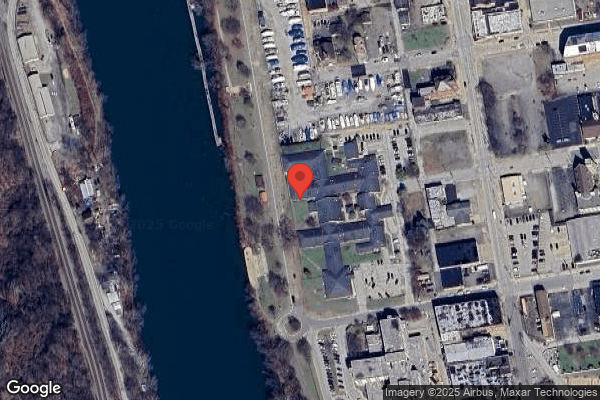
100 8TH STREET, MCKEESPORT, PA 15132 (412) 664-8860
For profit - Corporation 119 Beds SABER HEALTHCARE GROUP Data: November 2025 1 Immediate Jeopardy citation
Trust Grade
18/100
#626 of 653 in PA
Last Inspection: January 2025

Within standard 12-15 month inspection cycle. Federal law requires annual inspections.

Overview

Riverside Health & Rehab Center has a Trust Grade of F, indicating significant concerns regarding its operations and care quality. Ranking #626 out of 653 facilities in Pennsylvania places it in the bottom half, and #44 out of 52 in Allegheny County suggests only a few local options are better. The facility's situation is worsening, with reported issues increasing from 11 in 2024 to 16 in 2025. While staffing has a 3/5 rating, the turnover rate is concerning at 64%, much higher than the state average, which may lead to inconsistent care. Additionally, the center has accumulated $35,138 in fines, higher than 80% of facilities in Pennsylvania, indicating repeated compliance problems. Specific incidents include failing to monitor residents' blood sugar levels, which put 14 residents at immediate risk, and having an inoperable dishwashing machine, leading to the use of Styrofoam containers for meals. Overall, while there is some strength in RN coverage, the facility faces significant weaknesses that families should consider carefully.

Trust Score
F
18/100
In Pennsylvania
#626/653
Bottom 5%
Safety Record
High Risk
Review needed
Inspections
Getting Worse
11 → 16 violations
Staff Stability
⚠ Watch
64% turnover. Above average. Higher turnover means staff may not know residents' routines.
Penalties
○ Average
$35,138 in fines. Higher than 63% of Pennsylvania facilities. Some compliance issues.
Skilled Nurses
✓ Good
Each resident gets 49 minutes of Registered Nurse (RN) attention daily — more than average for Pennsylvania. RNs are trained to catch health problems early.
Violations
⚠ Watch
35 deficiencies on record. Higher than average. Multiple issues found across inspections.
★☆☆☆☆
1.0
Overall Rating
★★★☆☆
3.0
Staff Levels
★★★☆☆
3.0
Care Quality
★☆☆☆☆
1.0
Inspection Score
Stable
2024: 11 issues
2025: 16 issues

The Good

  • Full Sprinkler Coverage · Fire safety systems throughout facility
  • No fines on record

Facility shows strength in fire safety.

The Bad

1-Star Overall Rating

Below Pennsylvania average (3.0)

Significant quality concerns identified by CMS

Staff Turnover: 64%

17pts above Pennsylvania avg (46%)

Frequent staff changes - ask about care continuity

Federal Fines: $35,138

Above median ($33,413)

Moderate penalties - review what triggered them

Chain: SABER HEALTHCARE GROUP

Part of a multi-facility chain

Ask about local staffing decisions and management

Staff turnover is elevated (64%)

16 points above Pennsylvania average of 48%

The Ugly 35 deficiencies on record

1 life-threatening
Sept 2025 2 deficiencies
CONCERN (D) 📢 Someone Reported This

A family member, employee, or ombudsman was alarmed enough to file a formal complaint

Potential for Harm - no one hurt, but risky conditions existed

Deficiency F0655 (Tag F0655)

Could have caused harm · This affected 1 resident

**NOTE- TERMS IN BRACKETS HAVE BEEN EDITED TO PROTECT CONFIDENTIALITY** Based on review of clinical records, facility policy, and staff interviews, it was determined that the facility failed to develo...

Read full inspector narrative →
**NOTE- TERMS IN BRACKETS HAVE BEEN EDITED TO PROTECT CONFIDENTIALITY** Based on review of clinical records, facility policy, and staff interviews, it was determined that the facility failed to develop a baseline care plan that included dialysis care and interventions needed to provide effective and person-centered care for three of seven residents (Resident R1, R2, and R3).Based on review of clinical records, facility policy, and staff interviews, it was determined that the facility failed to develop a baseline care plan that included dialysis care and interventions needed to provide effective and person-centered care for three of seven residents (Resident R1, R2, and R3). Findings include: The facility policy Interim/Baseline-Care Plans reviewed 1/13/25, indicated a baseline care plan to meet the resident's immediate needs shall be developed within forty-eight hours of the resident's admission. Review of the admission record indicated Resident R1 was originally admitted to the facility on [DATE], with the diagnosis of chronic kidney disease, stage 4 (severe kidney damage requiring dialysis). Review of Resident R1's orders dated 8/15/25, included dialysis at [dialysis center] three times a week. Review of Resident R1's baseline care plan completed on 8/7/25 with most recent revision date of 8/25/25, indicated the resident has not been care planned for dialysis services. Review of the admission record indicated Resident R2 was originally admitted to the facility on [DATE], with the diagnosis of end stage renal disease (kidney failure requiring dialysis). Review of Resident R2's orders dated 2/3/25, included dialysis at [Dialysis Center] three times a week. Review of Resident R2's baseline care plan completed on 2/4/25, indicated the resident has not been care planned for dialysis services. Review of the admission record indicated Resident R3 was originally admitted to the facility on [DATE], with the diagnosis of end stage renal disease (kidney failure requiring dialysis). Review of Resident R3's orders dated 9/9/25, included dialysis at [Dialysis Center] three times a week. Review of Resident R3's baseline care plan completed on 11/12/24 with most recent revision date of 8/20/25, indicated the resident has not been care planned for dialysis services. During an interview on 9/9/25, at approximately 9:00 a.m. the Director of Nursing confirmed that the baseline care plan for Residents (R1, R2, and R3) did not accurately include their immediate care needs. 28 Pa. Code: 211.11 (a)(c)(d) Resident care plan. 28 Pa. Code 211.12 (d)(1)(5) Nursing services.
CONCERN (D) 📢 Someone Reported This

A family member, employee, or ombudsman was alarmed enough to file a formal complaint

Potential for Harm - no one hurt, but risky conditions existed

Deficiency F0698 (Tag F0698)

Could have caused harm · This affected 1 resident

**NOTE- TERMS IN BRACKETS HAVE BEEN EDITED TO PROTECT CONFIDENTIALITY** Based on review of facility policy, clinical records, and staff interviews it was determined that the facility failed to make ce...

Read full inspector narrative →
**NOTE- TERMS IN BRACKETS HAVE BEEN EDITED TO PROTECT CONFIDENTIALITY** Based on review of facility policy, clinical records, and staff interviews it was determined that the facility failed to make certain consistent dialysis communication was maintained for three of six residents (Residents R1, R3, and R4).Findings include: Review of the facility policy Hemodialysis Care Policy dated 1/13/25, indicates pre -dialysis process includes document assessment in the dialysis communication tool. Post-dialysis process includes receive report from dialysis provider and/or review dialysis communication tool documentation by dialysis provider.Review of the admission record indicated Resident R1 was originally admitted to the facility on [DATE].Review of Resident R1's Minimum Data Set (MDS - periodic assessment of resident care needs) dated 8/8/25, diagnosis of chronic kidney disease, stage 4 (severe kidney damage requiring dialysis), hypertension, and heart failure. Review of Resident R1's physician orders dated 8/15/25, indicated dialysis: at [Dialysis Center], Monday, Wednesday, and Friday. Chair time scheduled for 10:30 a.m .Review of Resident R1's baseline care plan completed on 8/7/25 with most recent revision date of 8/25/25, indicated the resident has not been care planned for dialysis services.Review of Resident R1's dialysis communication forms indicated the following: 8/29/25, and 9/2/25 dialysis communication forms were incomplete, absent of any information from the dialysis center. Review of the admission record indicated Resident R3 was originally admitted to the facility on [DATE]. Resident R3 has been receiving dialysis since admission to the facility. Review of Resident R3's Minimum Data Set (MDS - periodic assessment of resident care needs) dated 8/7/25, diagnosis of end stage renal disease (kidney failure requiring dialysis), hypertension, and diabetes (too much sugar in the blood). Review of Resident R3's physician orders dated 9/9/25, indicated dialysis: at [Dialysis Center], Monday, Wednesday, and Friday. Chair time scheduled for 6:15 a.m .Review of Resident R3's baseline care plan completed on 11/12/24 with most recent revision date of 8/20/25, indicated the resident has not been care planned for dialysis services. Review of Resident R3's dialysis communication forms indicated the following: 8/6/25, 8/8/25, 8/11/25, 8/13/25, 8/15/25, 8/18/25, 8/22/25, 8/25/25, 8/27/25, 8/29/25, 9/1/25, 9/3/25, 9/5/25, and 9/8/25 dialysis communication forms were incomplete, absent of any information from the dialysis center. Review of the admission record indicated Resident R4 was originally admitted to the facility on [DATE].Review of Resident R4's Minimum Data Set (MDS - periodic assessment of resident care needs) dated 8/20/25, diagnosis of chronic kidney disease, stage 4 (severe kidney damage requiring dialysis), hypertension, and dementia. Review of Resident R4's physician orders dated 8/15/25, indicated dialysis: at [Dialysis Center], Tuesday, Thursday, and Saturday. Chair time scheduled for 6:45 a.m .Review of Resident R4's baseline care plan of 3/24/25 with a revision date of 6/13/25, indicated the resident requires dialysis services.Review of Resident R4's dialysis communication forms indicated the following: 8/26/25 dialysis communication form was incomplete, absent of any information from the dialysis center. On an undocumented/unknown date the dialysis communication from was incomplete, absent of any information from the facility. During an interview on 9/9/25, at 2:00 p.m. the Director of Nursing confirmed the facility failed to make certain consistent dialysis communication was maintained for three of six residents (Residents R1, R3, and R4). 28 Pa. Code: 211.5(f) Clinical records28 Pa. Code: 211.12(d)(2)(3) Nursing services
Jul 2025 5 deficiencies
CONCERN (D) 📢 Someone Reported This

A family member, employee, or ombudsman was alarmed enough to file a formal complaint

Potential for Harm - no one hurt, but risky conditions existed

Notification of Changes (Tag F0580)

Could have caused harm · This affected 1 resident

**NOTE- TERMS IN BRACKETS HAVE BEEN EDITED TO PROTECT CONFIDENTIALITY** Based on a review of facility policy, clinical record review, and staff interviews, it was determined that the facility failed t...

Read full inspector narrative →
**NOTE- TERMS IN BRACKETS HAVE BEEN EDITED TO PROTECT CONFIDENTIALITY** Based on a review of facility policy, clinical record review, and staff interviews, it was determined that the facility failed to notify the resident representative of changes in condition for one of four residents (Resident R1). Findings include: Review of the facility, Resident Change in Condition Policy dated 1/2/24, indicated The physician/provider and resident/family/responsible party will be notified when there has been an accident or incident involving the resident. Review of the clinical record indicated Resident R1 was admitted to the facility on [DATE]. Review of the Minimum Data Set (MDS - periodic assessment of resident care needs) dated 4/10/25, included diagnoses of atrial fibrillation (disease of the heart characterized by irregular and often faster heartbeat) and dementia (a group of symptoms that affects memory, thinking and interferes with daily life). Review of Section C: Cognitive Patterns indicated Resident R1 had severe cognitive impairment. Review of an incident report dated 6/14/25, indicated Resident R1 had a fall from his wheelchair. Review of the Notifications section of this report indicated that Resident R1's resident representative was not notified of the incident. Review of a progress note dated 6/14/25, at 5:33 p.m. indicated, CNA (nurse aide) stated she was pushing resident back to his room and slammed his feed down grabbed the railing on the wall causing him to fall fwd (forward) to the floor. CNA came to alert LPN (licensed practical nurse) who was in another resident's room assisting CNA with care. I approached resident and he was lying on his back with a small injury to his forehead. Review of a progress note dated 6/16/25, at 1:24 p.m. indicated, I contacted the wife to notify her of the resident's fall. Wife at the facility and she notified the bruise on her husband's face, so she already figured he had a fall. During an interview on 7/8/25, at approximately 2:15 p.m., the Nursing Home Administrator confirmed the facility failed to notify the resident representative of changes in condition for one of four residents.
CONCERN (E) 📢 Someone Reported This

A family member, employee, or ombudsman was alarmed enough to file a formal complaint

Potential for Harm - no one hurt, but risky conditions existed

Investigate Abuse (Tag F0610)

Could have caused harm · This affected multiple residents

**NOTE- TERMS IN BRACKETS HAVE BEEN EDITED TO PROTECT CONFIDENTIALITY** Based on review of facility policy, clinical records, facility documents, and staff interview, it was determined that the facili...

Read full inspector narrative →
**NOTE- TERMS IN BRACKETS HAVE BEEN EDITED TO PROTECT CONFIDENTIALITY** Based on review of facility policy, clinical records, facility documents, and staff interview, it was determined that the facility failed to fully investigate injuries during care for and an injury of unknown origin possible neglect for three of four residents (Resident R1, R2, and R3). Findings include: Review of facility policy Abuse, Neglect and Exploitation dated 1/2/24, indicated it is that facility's policy to investigate all allegations, suspicions and incidents of abuse, neglect, involuntary seclusion, intimidation, exploitation of residents, misappropriation of resident property and injuries of unknown source. Review of the clinical record indicated Resident R1 was admitted to the facility on [DATE]. Review of the Minimum Data Set (MDS - periodic assessment of resident care needs) dated 4/10/25, included diagnoses of atrial fibrillation and dementia. Review of Section C: Cognitive Patterns indicated Resident R1 had severe cognitive impairment. Review of Section GG: Functional Abilities indicated Resident R1 utilized a walker and a manual wheelchair. Review of Resident R1's plan of care for Risk for falling related to weakness dated 11/22/24, indicated to Out of bed to standard wheelchair with pressure redistribution cushion, bilateral elevating leg rests, rear anti-tippers, and anti-roll back system. Review of a progress note dated 6/14/25, at 5:33 p.m. indicated, CNA (nurse aide) stated she was pushing resident back to his room and slammed his feed down grabbed the railing on the wall causing him to fall fwd (forward) to the floor. CNA came to alert LPN (licensed practical nurse) who was in another resident's room assisting CNA with care. I approached resident and he was lying on his back with a small injury to his forehead. Review of a progress note dated 6/14/25, at 9:44 p.m. indicated, RNS (Registered Nurse Supervisor) called back to unit after resident had fallen from his wheelchair. Small laceration to mid forehead. Does not need sutures. MD notified. Review of a progress note dated 6/15/25, at 9:30 p.m. indicated, RN assessed head injury from fall on 6/14. Abrasion noted on mid forehead with small bum. Bump is tender to touch. Review of an employee statement dated 6/14/25, written by Nurse Aide (NA) Employee E3) stated, [Resident R1] asked staff me (NA Employee E3) to push him down the hall. As I was pushing him he abruptly slammed his feet down and leaned forward grabbing the rail yelling about him and roommate having their meals brought to room. [Resident R1] was still demanding staff bring a meal to his room while on floor. [Resident R1] has small abrasion in middle forehead. Staff assisted nurse with getting resident up. Review of an IDT (Inter-disciplinary team) note dated 6/16/25, at 9:42 a.m. indicated, Root Cause: Poor safety awareness related to dementia diagnosis. The preventative action/interventions were listed: OT (Occupational therapy) screen on 6/17. Fall Prevention program. Leg rests to wheelchair if resident does not self-propel. Review of the clinical record indicated Resident R2 was readmitted to the facility on [DATE]. Review of the MDS dated [DATE], included diagnoses of debility, syncope (fainting or passing out) and collapse, and sequela (consequence of a previous disease or injury) of a fall. Review of Section GG: Functional Abilities indicated Resident R2 was not assessed by facility staff for Chair/bed-to-chair performance - the ability to transfer to and from a bed to a chair (or wheelchair). Review of the Section GG Supportive Documentation Tool dated 6/19/25, indicated Chair/bed-to-chair performance was not assessed due to Not attempted due to medical condition or safety concerns. Review of a physician's order dated 6/17/25, discontinued 6/18/25, indicated Resident R2 required a mechanical lift for transfers. No further orders were present after 6/18/25, to indicate appropriate transfer status. As of 7/8/25, Resident R2 does not have a physician's order for transfer status. Review of a progress note dated 6/24/25, at 5:00 a.m. indicated, Assigned CNA notified this nurse that resident requested to sit in his wheelchair, and he slid out of the wheelchair as CNA was assisting him. Upon observation, resident was sitting next to his bed on this buttocks with both legs extended out in front of him Resident was leaning against the locked wheelchair with a towel in the seat. Resident states he in fact did slide out of the wheelchair while CNA was assisting him, denies experienced any pain related to fall or hitting his head. Review of an employee statement dated 6/24/25, written by NA Employee E5 indicated, At 5:00 a.m. the resident wanted to sit in the wheelchair from the upon sitting in the wheelchair he slip from the chair and I lower him on the floor. I immediately called the Nurse on the sceam (scene). Review of a progress note dated 6/24/25, at 11:31 a.m. indicated, Root Cause: Towel on wheelchair causing resident to slide. The preventative action/interventions were listed: Continue with therapy as ordered Fall prevention program. Review of the clinical record indicated Resident R3 was readmitted to the facility on [DATE]. Review of the MDS dated [DATE], included diagnoses of macular degeneration (vision loss in the center of the field of vision) and dementia. Review of Section C: Cognitive Patterns indicated Resident R3 had severe cognitive impairment. Review of a progress note dated 6/26/25, at 3:41 p.m. indicated, This nurse found a dressing on residents right arm this nurse removed it and found a 2x2 skin tear this did not happen this shift and no documentation as to when. MD notified son called and protocol followed. minor pain when dressing (the wound). On 7/5/25, at 12:22 p.m. the facility was requested to provide the investigation into Resident R3's injury of unknown origin. On 7/8/25, the facility was only able to provide the incident report, with no investigation into when the skin tear occurred, what staff member placed a dressing on the wound, or employee statements. During an interview on 7/9/25, at approximately 1:20 p.m. the Director of Nursing confirmed the facility failed to fully investigate injuries during care for and an injury of unknown origin possible neglect for three of four residents. 28 Pa. Code: 201.14(a) Responsibility of licensee. 28 Pa. Code: 211.10(d) Resident care policies. 28 Pa. Code: 201.18 (b) (1) (e) (1) Management. 28 Pa. Code: 211.12 (d) (1) (2) (5) Nursing services.
CONCERN (E) 📢 Someone Reported This

A family member, employee, or ombudsman was alarmed enough to file a formal complaint

Potential for Harm - no one hurt, but risky conditions existed

ADL Care (Tag F0677)

Could have caused harm · This affected multiple residents

**NOTE- TERMS IN BRACKETS HAVE BEEN EDITED TO PROTECT CONFIDENTIALITY** Based on review of observations and resident and staff interviews it was determined that the facility failed to provide Activity...

Read full inspector narrative →
**NOTE- TERMS IN BRACKETS HAVE BEEN EDITED TO PROTECT CONFIDENTIALITY** Based on review of observations and resident and staff interviews it was determined that the facility failed to provide Activity of Daily Living (ADL) assistance for three of five of residents (R4, R5, and R6). The Long-Term Care Facility Resident Assessment Instrument (RAI) User's Manual, which provides instructions and guidelines for completing required Minimum Data Set (MDS) assessments (mandated assessments of a resident's abilities and care needs), dated October 2023, indicated that a BIMS (Brief Interview of Mental Status) is a brief screener that aids in detecting cognitive impairment. Scores from a BIMS assessment suggests the following distributions: 13 - 15: cognitively intact 8 - 12: moderately impaired 0 - 7: severe impairment Review of the clinical record indicated Resident R4 was admitted to the facility on [DATE]. Review of the Minimum Data Set (MDS, periodic assessment of resident care needs) dated 5/13/25, included diagnoses of diabetes (a metabolic disorder in which the body has high sugar levels for prolonged periods of time), muscle wasting, and aftercare after surgical amputation. Review of Section C: Cognitive Patterns revealed Resident R4 to have a BIMS score of 00. Review of previous assessments in the prior year revealed the following: 04/01/25: BIMS of 15 03/20/25: BIMS of 15 12/05/24: BIMS of 15 09/04/24: BIMS of 15 06/04/24: BIMS of 15 During an interview on 7/8/25, at 1:40 p.m. Resident R4 stated that the aides do not help her, that she needs a mechanical lift due to amputations of both legs, and she waits hours to get help. Resident R4 stated she regularly waits 1-2 hours for assistance. The other day, I had moved my bowels and told her (nurse aide), and she just left out. Review of the clinical record indicated Resident R5 was admitted to the facility on [DATE]. Review of the MDS dated [DATE], included diagnoses of diabetes, peripheral vascular disease (PVD, circulatory condition in which narrowed blood vessels reduce blood flow to the limbs), and acquired absence of leg above the knee. Review of Section C: Cognitive Patterns revealed Resident R5 to have a BIMS score of 12. During an interview on 7/8/25, at 1:52 p.m. Resident R5 stated that call lights are not always answered timely, and that she has waited 2-3 hours. Resident R5 confirmed that she has had to wait an extended amount of time in a soiled brief for incontinence care. Review of the clinical record indicated Resident R6 was admitted to the facility on [DATE]. Review of the facility diagnosis list included chronic obstructive pulmonary disease (COPD, a group of progressive lung disorders characterized by increasing breathlessness), osteomyelitis (inflammation of bone or bone marrow, usually due to infection), and muscle weakness. Review of a BIMS assessment completed on 7/3/25, revealed Resident R6 to have a BIMS score of 14. During an interview on 7/8/25, at 1:59 p.m. Resident R6 stated, There is never enough people. They left me to sit in my own shit for five hours. I kept asking for help, they kept saying they would come back. Nobody comes when you put on the light for hours. During an interview on 7/9/25, at approximately 1:20 p.m. the Director of Nursing confirmed the facility failed to provide ADL assistance for three of five of residents.
CONCERN (E) 📢 Someone Reported This

A family member, employee, or ombudsman was alarmed enough to file a formal complaint

Potential for Harm - no one hurt, but risky conditions existed

Accident Prevention (Tag F0689)

Could have caused harm · This affected multiple residents

**NOTE- TERMS IN BRACKETS HAVE BEEN EDITED TO PROTECT CONFIDENTIALITY** Based on review of facility policies and documents, clinical record review, and staff interview, it was determined that the faci...

Read full inspector narrative →
**NOTE- TERMS IN BRACKETS HAVE BEEN EDITED TO PROTECT CONFIDENTIALITY** Based on review of facility policies and documents, clinical record review, and staff interview, it was determined that the facility failed to provide adequate supervision to prevent falls for two of four residents (Resident R1 and R2). Review of the facility policy, Fall Management dated 1/2/24, indicated if risks are identifed, preventative measures will be put in place and care planned. All falls will be reviewed and investigated. Review of the clinical record indicated Resident R1 was admitted to the facility on [DATE]. Review of the Minimum Data Set (MDS, periodic assessment of resident care needs) dated 4/10/25, included diagnoses of atrial fibrillation (disease of the heart characterized by irregular and often faster heartbeat) and dementia (a group of symptoms that affects memory, thinking and interferes with daily life). Review of Section C: Cognitive Patterns indicated Resident R1 had severe cognitive impairment. Review of Section GG: Functional Abilities indicated Resident R1 utilized a walker and a manual wheelchair. Review of Resident R1's plan of care for Risk for falling related to weakness dated 11/22/24, indicated to Out of bed to standard wheelchair with pressure redistribution cushion, bilateral elevating leg rests, rear anti-tippers, and anti-roll back system. Review of a progress note dated 6/14/25, at 5:33 p.m. indicated, CNA (nurse aide) stated she was pushing resident back to his room and slammed his feed down grabbed the railing on the wall causing him to fall fwd (forward) to the floor. CNA came to alert LPN (licensed practical nurse) who was in another resident's room assisting CNA with care. I approached resident and he was lying on his back with a small injury to his forehead. Review of a progress note dated 6/14/25, at 9:44 p.m. indicated, RNS (Registered Nurse Supervisor) called back to unit after resident had fallen from his wheelchair. Small laceration to mid forehead. Does not need sutures. MD notified. Review of a progress note dated 6/15/25, at 9:30 p.m. indicated, RN assessed head injury from fall on 6/14. Abrasion noted on mid forehead with small bum. Bump is tender to touch. Review of an employee statement dated 6/14/25, written by Nurse Aide (NA) Employee E3) stated, [Resident R1] asked staff me (NA Employee E3) to push him down the hall. As I was pushing him he abruptly slammed his feet down and leaned forward grabbing the rail yelling about him and roommate having their meals brought to room. [Resident R1] was still demanding staff bring a meal to his room while on floor. [Resident R1] has small abrasion in middle forehead. Staff assisted nurse with getting resident up. Review of an IDT (Inter-disciplinary team) note dated 6/16/25, at 9:42 a.m. indicated, Root Cause: Poor safety awareness related to dementia diagnosis. The preventative action/interventions were listed: OT (Occupational therapy) screen on 6/17. Fall Prevention program. Leg rests to wheelchair if resident does not self-propel. During an interview on 7/8/25, at approximately 2:15 p.m. the Nursing Home Administrator (NHA) confirmed that leg rests are always to be used when a resident is being pushed in a wheelchair and confirmed that the root cause was the failure of the facility staff to utilize leg rests. Review of the clinical record indicated Resident R2 was readmitted to the facility on [DATE]. Review of the MDS dated [DATE], included diagnoses of debility, syncope (fainting or passing out) and collapse, and sequela (consequence of a previous disease or injury) of a fall. Review of Section GG: Functional Abilities indicated Resident R2 was not assessed by facility staff for Chair/bed-to-chair performance - the ability to transfer to and from a bed to a chair (or wheelchair). Review of the Section GG Supportive Documentation Tool dated 6/19/25, indicated Chair/bed-to-chair performance was not assessed due to Not attempted due to medical condition or safety concerns. During an interview on 7/8/25, at 12:32 p.m. Occupational Therapy Employee E4 stated that Resident R2 was not assessed for a chair to bed transfer due to Resident R2's requiring a mechanical lift to be safely transferred, which disallows the assessment and disallows staff from transferring without the use of a mechanical lift until the resident has been fully assessed by therapy services. Review of Resident R2's baseline plan of care for developed on 6/17/25, included the approaches of: -Minimize potential risk factors to falls/injury. -Assist with transfers as needed. -Resident will receive necessary assistance for activities of daily living. Further review of Resident R2's baseline care plan failed to include information related to the need for a mechanical lift for transfers. Review of a physician's order dated 6/17/25, discontinued 6/18/25, indicated Resident R2 required a mechanical lift for transfers. No further orders were present after 6/18/25, to indicate appropriate transfer status. As of 7/8/25, Resident R2 does not have a physician's order for transfer status. Review of a progress note dated 6/24/25, at 5:00 a.m. indicated, Assigned CNA notified this nurse that resident requested to sit in his wheelchair, and he slid out of the wheelchair as CNA was assisting him. Upon observation, resident was sitting next to his bed on this buttocks with both legs extended out in front of him Resident was leaning against the locked wheelchair with a towel in the seat. Resident states he in fact did slide out of the wheelchair while CNA was assisting him, denies experienced any pain related to fall or hitting his head. Review of an employee statement dated 6/24/25, written by NA Employee E5 indicated, At 5:00 a.m. the resident wanted to sit in the wheelchair from the upon sitting in the wheelchair he slip from the chair and I lower him on the floor. I immediately called the Nurse on the sceam (scene). Review of a progress note dated 6/24/25, at 11:31 a.m. indicated, Root Cause: Towel on wheelchair causing resident to slide. The preventative action/interventions were listed: Continue with therapy as ordered Fall prevention program. During an interview on 7/8/25, at approximately 2:15 p.m. the NHA the nurse aide should not have transferred Resident R2 without a mechanical lift and confirmed that the root cause was the failure of the facility staff to a mechanical lift. During an interview on 7/9/25, at approximately 1:20 p.m. the Director of Nursing confirmed the facility failed to provide adequate supervision to prevent falls for two of four residents.
CONCERN (F) 📢 Someone Reported This

A family member, employee, or ombudsman was alarmed enough to file a formal complaint

Potential for Harm - no one hurt, but risky conditions existed

Room Equipment (Tag F0908)

Could have caused harm · This affected most or all residents

Based on a review of observations and staff interviews, it was determined that the facility failed to ensure the dish machine was in proper working order in the Main Kitchen. Findings include: Durin...

Read full inspector narrative →
Based on a review of observations and staff interviews, it was determined that the facility failed to ensure the dish machine was in proper working order in the Main Kitchen. Findings include: During an observation on 7/8/25, of the noon meal, it was noted that all the residents received their meals in Styrofoam containers and cups. During an observation on 7/8/25, of the Main Kitchen it was noted that the drainage sink of the dishwasher had standing water in it. During an interview on 7/8/25, at 1:10 p.m. Dietary Employee E1 confirmed that the dishwasher had been inoperable since Saturday morning (7/5/25), and that on Saturday and Sunday (7/5/25, 7/6/25), dietary employees had been washing dishes by hand. During an interview on 7/8/25, at 1:12 p.m. Dietary Manager confirmed she was not aware that the dishwasher was inoperable until the morning of 7/7/25, and she directed staff to use Styrofoam containers and cups. At this time, Dietary Manager Employee E2 confirmed that the facility administration was aware of the dishwasher was not working. Dietary Manager Employee E2 confirmed the sink portion of the dish machine was not draining and also displayed a loose piece under the sink that connected to the disposal, that she stated was also not operable. During an interview on 7/8/25, at 1:19 p.m. the Nursing Home Administrator was asked about the status of the inoperable dish machine, and he stated that he was unaware it was broken again, as it had been recently fixed. During an interview on 7/8/25, at 1:37 p.m. the Nursing Home Administrator confirmed that he educated staff on how to clean and maintain the disposal portion of the dish machine, and it was operable again. During an interview on 7/8/25, at approximately 2:15 p.m. the Nursing Home Administrator confirmed the facility failed to ensure the dish machine was in proper working order in the Main Kitchen.
Jun 2025 1 deficiency
CONCERN (D) 📢 Someone Reported This

A family member, employee, or ombudsman was alarmed enough to file a formal complaint

Potential for Harm - no one hurt, but risky conditions existed

Quality of Care (Tag F0684)

Could have caused harm · This affected 1 resident

**NOTE- TERMS IN BRACKETS HAVE BEEN EDITED TO PROTECT CONFIDENTIALITY** Based on clinical record review, and staff interviews, it was determined that the facility failed to implement a physician order...

Read full inspector narrative →
**NOTE- TERMS IN BRACKETS HAVE BEEN EDITED TO PROTECT CONFIDENTIALITY** Based on clinical record review, and staff interviews, it was determined that the facility failed to implement a physician ordered follow-up MRI Scan for one of three residents reviewed with brain cancer (Resident R1). Findings include: Review of the clinical record indicated that Resident R1 was admitted to the facility on [DATE], with diagnoses which included a Glioblastoma removal with a craniotomy from a traumatic brain injury. Resident R1 had developed behaviors s/p the craniotomy and required constant monitoring, he was placed on the MIU(Memory care unit) of the facility as the resident also been exit seeking. Review of the clinical record indicated that on 4/30/25, Resident R1 had been sent to the hospital due to increased unsteadiness on his feet and a change in condition. Review of the clinical record indicated that on 5/7/25, Resident R1 returned to the facility with and order for a MRI on May 9, 2025. Resident R1's wife gave the paperwork and information to Licensed Practical Nurse (LPN) Employee E1. Review of a progress note dated 5/7/25, at 1:54 p.m., by LPN Employee E1 indicating the appointment being placed in the appointment book, the notification of the Staff Scheduler Employee E2 and the notification of the physician for the Ativan medication necessary for Resident R1 to tolerate the MRI scan. Review of the physician orders dated 4/4/25, through current indicated the Ativan order to be given on 5/9/25, prior to the MRI scan. Review of the Appointment Book provided by the facility identified Resident R1 being scheduled on 5/9/25, for pick up at 5:30 p.m., for the MRI scan and a note identifying his need for an escort. The appointment had been crossed out without explanation. During an interview on 6/10/25, at 10:39 a.m., Staff Scheduler Employee E2 stated that she writes escort under the area where the resident is to notify staff of the need for their resident to be escorted for an appointment. This was identified on the deployment sheet provided for 5/9/25. During an interview on 6/10/25, at 11:36 a.m., the Interim Director of Nursing(DON) stated that she was on duty that evening and remembered the previous DON having cancelled the appointment with no explanation. During an interview on 6/10/25, at 11:56 a.m., the Nursing Home Administrator confirmed that the facility failed to implement a physician ordered follow up MRI Scan for one of three residents reviewed with brain cancer (Resident R1). 28 Pa. Code 211.12(d)(1)(5) Nursing services
Jan 2025 8 deficiencies 1 IJ (1 affecting multiple)
CRITICAL (K)

Immediate Jeopardy (IJ) - the most serious Medicare violation

Quality of Care (Tag F0684)

Someone could have died · This affected multiple residents

**NOTE- TERMS IN BRACKETS HAVE BEEN EDITED TO PROTECT CONFIDENTIALITY** Based on facility review of policy, manufacturer's instructions, clinical records and staff interviews, the facility failed to n...

Read full inspector narrative →
**NOTE- TERMS IN BRACKETS HAVE BEEN EDITED TO PROTECT CONFIDENTIALITY** Based on facility review of policy, manufacturer's instructions, clinical records and staff interviews, the facility failed to notify physicians of elevated or decreased Capillary Blood Glucose (CBG) levels, failed to assess residents for hyperglycemia (high blood glucose) and hypoglycemia (low blood sugar) resulting in immediate jeopardy for 14 of 22 residents (R6, R8, R22, R32, R38, R39, R44, R56, R57, R59, R65, R79, R150, R195). Findings Include: Review of facility policy Diabetic Protocol dated 1/2/24, indicated provider and staff will work together to give appropriate treatment to manage diabetes. The provider will follow up on any acute episodes associated with significant blood glucose level changes and deterioration of previous glucose control and document resident status at subsequent visits until the acute situation is resolved. The staff will identify and report complications such as hypoglycemia. Review of the facility Hypoglycemia Policy dated 1/2/24, indicated nursing personnel are responsible for recognizing signs and symptoms of hypoglycemia and responding accordingly. When acute hypoglycemia is suspected, assess mental status (alert, drowsy, uncooperative, or unconscious) and use glucometer to determine the resident's blood sugar level. A blood glucose of 70 mg/dL or less may indicate the need for intervention. If there are no provider orders for specific treatment do the following: -If the resident is conscious and treatment is indicated, give 1 tube of dextrose gel (15 grams). -After 15 minutes, repeat blood sugar and if still under 70 mg/dL, repeat glucose gel. -After 15 minutes repeat blood sugar. If above 70 mg/dL, give a snack of protein and a carbohydrate (ex. ½ sandwich with bread and a protein or crackers and a protein.) Monitor until stable. -If the resident is drowsy or unconscious or is unable or unwilling to consume anything orally, administer glucagon 1 mg subcutaneously. Monitor the resident for 15 minutes after treatment. -If, after 15 minutes, the resident is conscious and able to consume orally, give a snack of a protein and a carbohydrate (ex. ½ a sandwich with bread and a protein or crackers and a protein). Monitor until stable; -If, after 15 minutes the resident still cannot consume anything orally, repeat glucagon 1 mg subcutaneously and call 911. Further review of the policy failed to reveal procedures in the event of a resident experiencing hyperglycemia. Review of the Facility assessment dated [DATE], indicated the facility will provide care for residents diagnosed with diabetes. Review of the glucometer manufacturer's instructions indicated Low refers to less than 20 mg/dl, and High refers to greater than 600 mg/dl. Review of the clinical record indicated that Resident R150 was admitted to the facility on [DATE]. Review of the Minimum Data Set (MDS - periodic assessment of resident care needs) dated 12/4/24, included diagnoses of diabetes (a metabolic disorder in which the body has high sugar levels for prolonged periods of time) with hyperglycemia and severe chronic kidney disease (gradual loss of kidney function). Review of physician orders dated 11/30/24, 12/5/24, and 1/6/25, indicated to check blood sugar before meals, and call MD (Doctor of Medicine) for BS (blood sugar) <70 and >340. Review of Resident R150's plan of care failed to reveal goals and interventions related to diabetes and blood sugar level maintenance. Review of Resident R150's blood sugar record indicated that on 1/8/24, at 12:25 p.m. Resident R150's blood sugar was 509, documented by Licensed Practical Nurse (LPN) Employee E1. During an interview on 1/8/25, at approximately 2:30 p.m. LPN Employee E1 stated she had advised the Registered Nurse Supervisor (RNS) Employee E2 but had not had a response from her or the provider, and that no additional interventions or blood sugar rechecks had been completed on Resident R150. LPN Employee E1 further confirmed that the facility process is to notify the RNS, who then notifies the provider. During an interview on 1/8/25, at approximately 2:40 p.m. RNS Employee E2 stated she was not informed until 1:21 p.m. but she had not notified the provider stating, It is on my list. RNS Employee E2 confirmed no additional interventions or blood sugar rechecks had been completed on Resident R150. During an interview on 1/8/25, at approximately 2:45 p.m. the Director of Nursing (DON) confirmed that out of range blood sugar levels need to be addressed at the time of occurrence, and that a delay of greater than two hours was not appropriate. Further review of Resident R150's blood sugar record failed to reveal documentation of notification or follow-up for the following: 12/6: Result high 12/4: 448 Review of the clinical record indicated that Resident R195 was admitted to the facility on [DATE] and then readmitted [DATE]. Review of the MDS dated [DATE], included diagnoses of diabetes with hyperosmolarity (life threatening metabolic complication with severe high blood sugar) and lung cancer. Review of physician orders dated 12/21/24, indicated to check blood sugar twice a day (before breakfast and dinner), and call MD for BS <60 and >350. Review of Resident R195's plan of care failed to reveal goals and interventions related to diabetes and blood sugar level maintenance. During an interview on 1/8/25, at approximately 2:48 p.m. the Director of Nursing (DON) confirmed that out of range blood sugar levels need to be addressed at the time of occurrence, and that a delay of greater than two hours was not appropriate or documenting 24-48 hours later is not acceptable. Further review of Resident R195's blood sugar record failed to reveal documentation of notification or follow-up for the following: 12/1: Went out to the hospital for change in condition and no BS done per protocol 11/9: Result 59-Note placed 48 hrs later 11/7: Result High-No note showing notification or follow-up 9/25: Result 473-No note documented until 24 hrs later Review of the clinical record indicated that Resident R32 was admitted to the facility on [DATE]. Review of the MDS dated [DATE], included diagnoses of diabetes and end stage renal disease (ESRD - an inability of the kidneys to filter the blood). Review of a physician order dated 11/9/24, indicated for Resident 32 to receive Glipizide extended release (oral medication to treat diabetes) once daily. Review of physician's orders for November 2024, failed to reveal an order to check Resident R32's blood sugar level. Review of Resident R32's plan of care failed to reveal goals and interventions related to diabetes. Review of a progress note dated, at 11/17/24, at 9:00 a.m. indicated, Notified by RN assigned to resident that resident was observed on floor. Resident assessed no injuries at time of incident. Resident states he hit head neuro-checks initiated at time of incident and noted with some confusion but resident baseline. Resident able to state place and time and current needs at time of incident. Review of a progress note written by RNS Employee E8 dated 11/17/24, at 6:47 p.m. indicated, Notified by nurse assigned to resident that resident has become more confused throughout the day. Assessed resident and resident noted with increased confusion and speaking in incoherent sentences. Resident speech noted slurred, noted unable to hold self-up in wheelchair. Resident skin noted pale in color, pupils unequal but reactive to light. Resident able to state name but unable to state where he was. Obtained order from doctor and resident sent out to [hospital] via ambulance. Review of Resident R32's dietary intake indicated he did not eat breakfast or lunch, and there was no documentation of dinner. Review of Resident R32's blood sugar record failed to reveal that his blood glucose level was checked at the time of the fall as a possible reason for the fall, and failed to reveal that his blood sugar was checked at his change in mental status as a possible reason. Review of a progress note dated 11/18/24, at 3:02 a.m. indicated Resident R32 was admitted to the hospital with a diagnosis of hypoglycemia. Review of a hospital note dated 11/18/24, at 3:31 p.m. indicated, Blood glucose monitoring found severe hypoglycemia and further stated, EMS (emergency medical services) checked BG (blood glucose) at nursing home and was noted to be 27. During an interview on 1/11/25, at 3:21 p.m. RNS Employee E8 confirmed she wrote the above note about Resident R32's change in condition, and stated the LPN who was assigned to Resident R32 stated she had checked Resident R32's blood sugar. Review of the clinical record indicated that Resident R44 was admitted to the facility on [DATE]. Review of the MDS dated [DATE], included diagnoses of diabetes with hyperglycemia, right leg-below knee amputation, high blood pressure and heart failure (heart doesn ' t pump blood as well as it should). Review of a physician orders dated 8/3/24, and remained current, indicated to check blood sugar before meals and to call MD for BS <70 and >340. Review of Resident R44's plan of care for diabetes diagnosis; Interventions do not include instructions for staff on actions to take for hyper/hypoglycemia. Further review of Resident R44's blood sugar record failed to reveal documentation of notification or follow-up for the following: 9/2: Result High-No note showing notification, Result 4:46 p.m. 368-no documentation of notification. 9/1: Result 445-No note showing notification or follow-up. 8/31: Results 5:39 a.m.: 405, 11:23 a.m.: 415 (insulin given, recheck-470 with no further notes for further instruction), 4:29 p.m.: 404-No documentation of notification or follow-up. 8/29: Result 4:59 p.m.: 526, 6:00 p.m.:557-instructed to give insulin but no order to repeat or if more insulin should be given after repeated. Result 8:27 p.m.: 478-no documentation. Review of the clinical record indicated that Resident R65 was admitted to the facility on [DATE]. Review of the MDS dated [DATE], included diagnoses of diabetes with hyperglycemia and dementia (group of thinking and social symptoms that interferes with daily functioning). Review of a physician orders dated 11/9/23, and remained current, indicated to check blood sugar before meals and at bedtime, to call MD for BS >420. Review of Resident R65's plan of care included a diabetes diagnosis. No further documentation or interventions regarding this was noted. Further review of Resident R65's blood sugar record failed to reveal documentation of notification or follow-up for the following: 12/22: Result 487-Note documented 12/23 (the next day) 12/5: Result 422-Note documented 12/6 (the next day) 7/13: Result High-Note documented 7/15 (Notes from 7/13 discuss resident receiving long-acting insulin at 7:29 p.m. and then the nurse attempting to give 6 Units of coverage but resident was screaming and punching people, so insulin not administered). 7/7: Result High-Note documented 7/8 (the next day) During an interview on 1/11/25, at 3:02 p.m. LPN Employee E3 reviewed with the surveyor the blood sugar level of 487 for Resident R65 on 12/22/24. LPN Employee E3 stated she usually puts in a note and is unsure why she did not that day. Review of the clinical record indicated that Resident R22 was admitted to the facility on [DATE]. Review of the MDS dated [DATE], included diagnoses of diabetes and dementia. Review of a physician orders dated 5/29/24, and remained current, indicated to check blood sugar twice daily at breakfast and dinner and to call MD for BS <70 and >400. Review of Resident R22's plan of care failed to reveal goals and interventions related to diabetes. Review of Resident R22's blood sugar record failed to reveal documentation of notification or follow-up for the following: 1/3: 412 12/11: 478 12/5: 411 11/14: 443 11/08: 400 10/27: 439 During an interview on 1/11/25, at 3:32 p.m. RN Employee E7 reviewed with the surveyor the blood sugar level of 478 on 12/11/24. RN Employee E3 stated she would have informed the RNS but was not able to provide a reason why it was not documented. Review of the clinical record indicated that Resident R38 was admitted to the facility on [DATE]. Review of the MDS dated [DATE], included diagnoses of diabetes with hyperglycemia and chronic kidney disease. Review of a physician orders dated 11/9/23, and remained current, indicated to check blood twice a day and to call MD for BS <70 and >420. Resident R38 is care planned for diabetes diagnosis. Further review of Resident R38's blood sugar record failed to reveal documentation of notification or follow-up for the following: 12/31: Result 441-No note showing notification or follow-up. 12/29: Result 401-No note showing notification or follow-up. 12/28: Result 470-No note showing notification or follow-up. 12/25: Result 415-No note showing notification or follow-up. 12/21: Result 499-No note showing notification or follow-up. 12/20: Result 470-No note showing notification or follow-up. 12/19: Result 484-No note showing notification or follow-up. 12/17: Result 524-No note showing notification or follow- up Review of the clinical record indicated that Resident R39 was admitted to the facility on [DATE]. Review of the MDS dated [DATE], included diagnoses of diabetes with hyperglycemia. Review of a physician orders dated 8/14/24, and remained current, indicated to check blood sugar before meals and at bedtime and to call MD for BS <70 and >450. Resident R39 is care planned for diabetes diagnosis. Further review of Resident R39's blood sugar record failed to reveal documentation of notification or follow-up for the following: 11/14: Result 574-Note documented 11/15 (the next day). 10/2: Result HIGH-No note showing notification or follow-up. Review of the clinical record indicated that Resident R8 was admitted to the facility on [DATE]. Review of the MDS dated [DATE], included diagnoses of diabetes. Review of a physician orders dated 12/28/23, and remained current, indicated to check blood sugar twice a day and to call MD for BS <60 and >500. Resident R8 is care planned for diabetes diagnosis. Further review of Resident R8's blood sugar record failed to reveal documentation of notification or follow-up for the following: 12/27: Result HIGH-No note showing notification or follow-up. 12/13: Result HIGH-No note showing notification or follow-up. 12/1: Result HIGH-No note showing notification or follow-up. 11/19: Result HIGH-Note documented 11/20 (the next day). During an interview on 1/11/25, at 3:11 p.m. LPN Employee E5 reviewed with the surveyor the blood sugar levels of HIGH on 12/13/24, and 12/27/24. LPN Employee E5 stated always does a recheck but is unsure why it is not showing up in the electronic charting system. Review of the clinical record indicated that Resident R6 was admitted to the facility on [DATE]. Review of the MDS dated [DATE], included diagnoses of diabetes. Review of a physician orders dated 12/28/23, and remained current, indicated to check blood sugar before meals and bedtime and to call MD for BS <60 and >500. Resident R6 is care planned for diabetes diagnosis. Further review of Resident R6's blood sugar record failed to reveal documentation of notification or follow-up for the following: 12/13: Result HIGH-No note showing notification or follow-up. 8/14: Result HIGH-No note showing notification or follow-up. During an interview on 1/11/25, at 3:11 p.m. LPN Employee E5 reviewed with the surveyor the blood sugar levels of HIGH on 12/13/24. LPN Employee E5 stated always does a recheck but is unsure why it is not showing up in the electronic charting system. Review of the clinical record indicated that Resident R57 was admitted to the facility on [DATE]. Review of the MDS dated [DATE], included diagnoses of diabetes and chronic kidney disease. Review of a physician orders dated 6/12/24, and remained current, indicated to check blood sugar twice a day and to call MD for BS <70 and >340. Resident R57 is care planned for diabetes diagnosis. Further review of Resident R57's blood sugar record failed to reveal documentation of notification or follow-up for the following: 11/28: Result 390-No note showing notification or follow-up. 11/14: Result 407-Note documented 11/15 (the next day). 9/6: Result 529-No note showing notification or follow-up. Review of the clinical record indicated that Resident R56 was admitted to the facility on [DATE]. Review of the MDS dated [DATE], included diagnoses of diabetes. Review of a physician orders dated 10/24/24, and remained current, indicated to check blood sugar before meals and at bedtime and to call MD for BS <70 and >400. Resident R56 is care planned for diabetes diagnosis. Further review of Resident R56's blood sugar record failed to reveal documentation of notification or follow-up for the following: 11/8: Result HIGH-No note showing notification or follow-up. Review of the clinical record indicated that Resident R79 was admitted to the facility on [DATE]. Review of the MDS dated [DATE], included diagnoses of diabetes mellitus and dementia. Review of a physician order dated 3/8/24,and remained current, indicated to check blood sugar twice a day on Sunday, Monday, Wednesday, and Friday before breakfast and before dinner, check blood sugar twice a day on Tuesday, Thursday and Saturday between 11:00 a.m. and 2:00 p.m., 8:00 p.m. and 11:00 p.m., all without a sliding scale. Resident R79 is care planned for diabetes diagnosis only related to skin integrity. No information provided on hyper/hypoglycemia. Further review of Resident R79's blood sugar record failed to reveal documentation of notification or follow-up for the following: 11/18: Result Low-No documentation of notification or follow-up. Review of the clinical record indicated that Resident R59 was admitted to the facility on [DATE]. Review of the MDS dated [DATE], included diagnoses of diabetes mellitus and ESRD. Review of Resident R59's plan of care on 1/8/24, revealed that the care plan for diabetes did not include instructions for staff on actions to take for hyper/hypoglycemia. Review of a physician order dated 7/25/24, and remained current, indicated to check blood sugar before meals and to call MD for BS <70 and >340. Review of Resident R59's blood sugar record failed to reveal documentation of notification or follow-up for the following: 11/5/24: 49 During an interview on 1/8/25, at approximately 2:50 p.m. LPN Employee E3 was able to describe where to find parameters for notification on physician's order. Stated that she would notify RNS if blood sugar was out of range and document a nursing note in the medical record. During an interview on 1/8/25, at approximately 2:55 p.m. LPN Employee E4 stated low is below 70, and the high can be dependent on parameters in the physician's orders. Stated that if blood sugar was out of range she would notify the RNS, and if no response from RNS, she would text the provider directly. During an interview on 1/8/25, at approximately 3:00 p.m. LPN Employee E5 stated parameters are on the MD order, and she stated she would call the MD if outside the parameters. After prompting from the surveyor, stated she would document symptoms and follow-up in the medical record. During an interview on 1/8/25, at approximately 3:00 p.m. RN Employee E6 stated the parameters for blood sugar are on the sliding scale order. Stated for out of range blood sugars, she would recheck the blood sugar. Stated for high, she would call the doctor, and for low she would initially provide a snack and recheck. Stated she is often RNS, and staff report high and low blood sugars to her, and she notifies the provider. The Nursing Home Administrator (NHA) and the DON were made aware that an Immediate Jeopardy situation existed for residents on 1/9/24, at 1:34 p.m. and a corrective action plan was requested. The Immediate Jeopardy template was provided to the facility administration at this time. On 1/9/24, at 6:29 p.m. an acceptable Corrective Action Plan was received which included the following interventions: After record review, it was determined that [the facility] failed to notify the physician of blood sugars out of range timely for 14 residents and care plans were absent or did not include approaches for diabetic emergency management. Immediate Actions: -Resident R150 was assessed by the Assistant Director of Nursing on 1/8/25 at 3:30 p.m. Resident had no s/s (signs or symptoms) of hyperglycemia at that time. -RNS Employee E2 spoke with the physician at 3:46 p.m. and reported the blood sugar of 509. The physician did not give any further orders. -Education was initiated on 1/8/25, with facility RNs and LPNs on the Diabetic Protocol, the Hypoglycemia policy, and the Resident Change in Condition policy to include hyperglycemia is a change in condition, and notifications to the physician of blood sugars out of range. -On 1/9/25, Residents R150, R195, R8, R6, R57, R56, R79, R32, R44, R65, R22, R38, R39, and R59's blood sugars were reviewed from the past 24 hours to ensure none were out of range without physician notification. -On 1/9/25, an ad hoc QAPI (Quality Assurance and Performance Improvement) committee meeting was held, and the medical director was made aware of the findings. -On 1/9/25, the RN assessment coordinator is reviewing the care plans for residents R150, R195, R8, R6, R57, R56, R79, R32, R44, R65, R22, R38, R39, and R59 to ensure the care plan reflects diabetes and there are approaches for diabetic emergency management. This will be completed by 1/9/25, at 10:00 p.m. Like Residents: -Current residents with diabetes have the potential to be affected. Current residents with diabetes were reviewed on 1/8/25 by the ADON (Assistant Director of Nursing) to determine if blood sugars were out of range and none were noted out of range. -Current residents with diabetes are being reviewed by the RN assessment coordinator on 1/9/25, to ensure the care plan reflects diabetes and there are approaches for diabetic emergency management and will be completed by 1/9/25 at 10:00 p.m. Correction of System: -Root cause analysis completed by the center QAPI committee on 1/9/25, and determined failure to follow the Resident Change in Condition policy led to the allegation. -To prevent recurrence, the Director of Nursing initiated education with facility RNs and LPNs including agency staff on 1/8/25, on the Diabetic Protocol, the Hypoglycemia policy, and the Resident Change in Condition policy to include hyperglycemia is a change in condition and notification of the physician of blood sugars out of range. RNs and LPNs that were not on duty received education via phone and will receive in person education on their next scheduled shift. -Newly hired RNs and LPNs will be educated on the Resident Change of Condition policy, the Diabetic Protocol, and the Hypoglycemia policy in orientation by the Director of Nursing/ designee. Monitoring: -To monitor and maintain compliance, the Director of Nursing/ designee will review blood sugars daily x 2 weeks, 3x a week x 2 week and then weekly x 2 weeks to determine if any blood sugars were out of range and notifications made. If notification not documented, the physician will be contacted at the time of discovery and notified, and new orders implemented as needed. -To monitor and maintain compliance, new admissions/ readmissions with diabetes will be reviewed by the DON/ designee to ensure a care plan is implemented for diabetes including approaches for diabetic emergency management 5 x a week for 2 weeks, then weekly x 3 weeks. -Results of the audits will be forwarded to the center QAPI committee for review and recommendations. On 1/10/24, care plans for affected residents were reviewed, and confirmed they were corrected to show goals and interventions related to diabetes and blood glucose monitoring. On 1/10/24, the whole house audit was reviewed by surveyors, revealing its completion and accuracy. During interviews beginning at approximately 9:00 a.m. on 1/10/24, five LPNs and RNs were able to describe the correct procedure for documenting, monitoring, and needs of notification for blood sugars outside of the ordered parameters. During interviews beginning at approximately 1:30 p.m. on 1/10/24, three additional LPNs and RNs were able to describe the correct procedure for documenting, monitoring, and needs of notification for blood sugars outside of the ordered parameters. The Immediate Jeopardy was removed on 1/10/24, at 2:13 p.m. when the action plan implementation was verified. During an interview on 1/13/24, at approximately 3:00 p.m. the Nursing Home Administrator and the Director of Nursing confirmed the facility failed to notify physicians of elevated or decreased Capillary Blood Glucose (CBG) levels, failed to assess residents for hyperglycemia (high blood glucose) and hypoglycemia (low blood sugar) resulting in immediate jeopardy for 14 of 22 residents. 28 Pa. Code: 211.12(d)(1)(3)(5) Nursing services.
CONCERN (D)

Potential for Harm - no one hurt, but risky conditions existed

Deficiency F0655 (Tag F0655)

Could have caused harm · This affected 1 resident

**NOTE- TERMS IN BRACKETS HAVE BEEN EDITED TO PROTECT CONFIDENTIALITY** Based on review of clinical record, facility policy, and staff interview, it was determined that the facility failed to develop ...

Read full inspector narrative →
**NOTE- TERMS IN BRACKETS HAVE BEEN EDITED TO PROTECT CONFIDENTIALITY** Based on review of clinical record, facility policy, and staff interview, it was determined that the facility failed to develop a baseline care plan that included diabetes care and interventions needed to provide effective and person-centered care for four of fourteen residents (Resident R22, R32, R44, R150, and R195) . Finding include: The facility policy Baseline-Care Plans reviewed 1/2/24, indicated a baseline care plan to meet the resident's immediate needs shall be developed within forty-eight hours of the resident's admission. Review of the admission record indicated Resident R22 was admitted to the facility on [DATE], with the diagnosis of diabetes mellitus (too much sugar in the blood). Review of Resident R22's baseline care plan completed on 1/11/25, indicated the resident has not been care planned for diabetes. Review of the admission record indicated Resident R32 was admitted to the facility on [DATE], with the diagnosis of diabetes mellitus. Review of Resident R32's baseline care plan completed on 11/9/24, indicated the resident has not been care planned for diabetes. Review of the admission record indicated Resident 150 was admitted to the facility on [DATE], and readmitted on [DATE], with the diagnosis of diabetes mellitus. Review of Resident R150's baseline care plan completed 11/30/24, indicated the resident has not been care planned for diabetes. Review of the admission record indicated Resident R195 was admitted to the facility on [DATE], and readmitted [DATE], with the diagnosis of diabetes mellitus. Review of Resident R195's baseline care plan completed 9/2/24, indicated the resident was not care planned within 48 hours and has not been care planned for diabetes. During an interview on 1/8/25, at approximately 11:30 a.m. the Director of Nursing and Assistant Director of Nursing confirmed that the baseline care plan for Residents R22, R32, R44, R150, and R195 did not accurately include their immediate care needs. 28 Pa. Code: 211.11 (a)(c)(d) Resident care plan. 28 Pa. Code 211.12 (d)(1)(5) Nursing services.
CONCERN (D)

Potential for Harm - no one hurt, but risky conditions existed

Comprehensive Care Plan (Tag F0656)

Could have caused harm · This affected 1 resident

**NOTE- TERMS IN BRACKETS HAVE BEEN EDITED TO PROTECT CONFIDENTIALITY** Based on review of Resident Assessment Instrument (RAI) User's Manual, facility policies, clinical records, and staff interviews...

Read full inspector narrative →
**NOTE- TERMS IN BRACKETS HAVE BEEN EDITED TO PROTECT CONFIDENTIALITY** Based on review of Resident Assessment Instrument (RAI) User's Manual, facility policies, clinical records, and staff interviews, it was determined that the facility failed to develop comprehensive care plans to meet resident care needs for five of fourteen residents (R22, R32, R44, R150, R195). Finding include: The Resident Assessment Instrument (RAI) User's Manual, which gives instructions or completing Minimum Data Set (MDS) assessments (mandated assessments of a resident's abilities and care needs), dated October 2023, indicated the following instructions for Section V Care Area Assessment (CAA) Summary, Questions V0200: For each triggered Care Area, indicate whether a new care plan, care plan revision, or continuation of current care plan is necessary to address the problem(s) identified in your assessment of the care area. The Care Planning Decision column must be completed within 7 days of completing the RAI (MDS and CAA(s)). Check column B if the triggered care area is addressed in the care plan. Review of the facility Comprehensive Care Planning Policy dated 1/13/25, previously reviewed 1/2/24, indicated the facility must develop a comprehensive, person-centered care plan for each resident that includes measurable objectives and timetables to meet the resident's medical, nursing, and mental and psychosocial needs that are identified in the comprehensive assessments. Review of Resident R22's admission record indicated she was admitted to the facility on [DATE]. Review of the MDS dated [DATE], included diagnoses of diabetes mellitus (too much sugar in the blood)and chronic kidney disease (kidneys have trouble filtering waste out of the blood). Review of the MDS dated [DATE], Section V Care Area Assessment (CAA) Summary, Question V0200 was not completed. Review of Resident R22's care plan dated 1/9/25, failed to include goals and interventions related to diabetes mellitus. Review of Resident R32's admission record indicated he was admitted to the facility on [DATE]. Review of the MDS dated [DATE], included diagnoses of diabetes mellitus (too much sugar in the blood)and end-stage renal disease (severe loss of kidney function). Review of the MDS dated [DATE], Section V Care Area Assessment (CAA) Summary, Question V0200 was not completed. Review of Resident R32's care plan dated 1/9/25, failed to include goals and interventions related to diabetes mellitus. Review of Resident R44's admission record indicated he was admitted to the facility on [DATE]. Review of the MDS dated [DATE], included diagnoses of diabetes mellitus,and heart failure (heart doesn't pump blood as well as it should). Review of the MDS dated [DATE], Section V Care Area Assessment (CAA) Summary, Question V0200 was not completed. Review of Resident R44's care plan dated 1/9/25, failed to include goals and interventions related to diabetes mellitus. Review of Resident R150's admission record indicated she was admitted to the facility on [DATE] and readmitted [DATE]. Review of the MDS dated [DATE], included diagnoses of diabetes mellitus and dementia (thinking and social symptoms that interferes with daily functioning). Review of the MDS dated [DATE], Section V Care Area Assessment (CAA) Summary, Question V0200 was not completed. Review of Resident R150's care plan dated 1/9/25, failed to include goals and interventions related to diabetes mellitus. Review of Resident R195's admission record indicated he was admitted to the facility on [DATE] and readmitted [DATE]. Review of the MDS dated [DATE], included diagnoses of diabetes mellitus and lung cancer. Review of the MDS dated [DATE], Section V Care Area Assessment (CAA) Summary, Question V0200 was not completed. Review of Resident R195's care plan dated 1/9/25, failed to include goals and interventions related to diabetes mellitus. During an interview on 1/8/25, at approximately 11:30 a.m. the Nursing Home Administrator and Director of Nursing confirmed the facility failed to develop and implement comprehensive care plans to meet residents care needs for five of fourteen residents. 28 Pa. Code 211.11(d) Resident care plan.
CONCERN (D)

Potential for Harm - no one hurt, but risky conditions existed

Infection Control (Tag F0880)

Could have caused harm · This affected 1 resident

Based on policy review, documentation and review of Centers for Disease Control (CDC) guidelines for Legionella (bacteria that causes disease found in contaminated water) control, and staff interviews...

Read full inspector narrative →
Based on policy review, documentation and review of Centers for Disease Control (CDC) guidelines for Legionella (bacteria that causes disease found in contaminated water) control, and staff interviews it was determined that the facility failed to maintain a comprehensive program for water management to monitor the potential development and spread of Legionella and failed to implement control measures for Legionella within the facility for ten of twelve months (April 2024 through January 2025). Finding include: Review of the facility policy Legionella Assessment and Prevention Program dated 1/13/25, previously dated 1/2/24, indicated the facility will utilize water management practices to reduce the risk of growth and spread of Legionella and other opportunistic pathogens in building water systems. Core Elements of the Water Management Plan are: 1. Establish Water Management Plan team. 2. Describe Center's water system using text and flow diagram. 3. Risk assessment with control methods and corrective actions. 4. Monitoring control measures. 5. Corrective actions. 6. Verification and validation. 7. Documentation and communication. Review of Department of Health and Human services, Centers for Medicare and Medicaid services (CMS) memo, Requirement to Reduce Legionella Risk in Healthcare Facility Water Systems to Prevent Cases and Outbreaks of Legionnaires' Disease (LD) dated 7/6/18, revealed, Facilities must develop and adhere to policies and procedures that inhibit microbial growth in building water systems that reduce the risk of growth and spread Legionella and other opportunistic pathogens in water. This policy memorandum applies to Hospitals, Critical Access Hospitals (CAHs) and Long-Term Care (LTC). However, this policy memorandum is also intended to provide general awareness for all healthcare organizations. Facilities must have water management plans and documentation that, at minimum, ensure each facility: -Conducts a facility risk assessment to identify where Legionella and other opportunistic waterborne pathogens (e.g. Pseudomonas, Acinetobacter, Nontuberculous Mycobacteria, Burkholderia, Stenotrophomonas, and fungi) could grow and spread in the facility water system. -Develops and implements a water management program that considers the ASHRAE (American Society of Heating, Refrigerating, and Air Conditioning Engineers) industry standard and the CDC toolkit. -Specifies testing protocols and acceptable ranges for control measures and document the results of testing and corrective actions taken when control limits are not maintained. -Maintains compliance with other applicable Federal, State and local requirements. Review of the ASHRAE guidance Managing the Risk of Legionellosis Associated with Building Water Systems dated December 2020, indicated the most commonly used supplemental disinfection methods are treatment with chlorine, chlorine-dioxide, copper-silver ions, and monochloramine. The guidance further indicated the recommended levels of residual chlorine are 0.50-3.00 ppm (part per million). Review of the facility provided water management information failed to include specific testing protocols and acceptable ranges for control measures along with a description of the facility's water system using a flow diagram. Review of the Water Management Program Control Measures did not contain a log for Point of Use Disinfectant (the level of chlorine concentration in the water) indicated to measure and record hot water and cold water chlorine concentration as point of use, and to note that chlorine concentration below 0.5 ppm and above 4.0 ppm as outside the control limits. During an interview on 1/8/25, at approximately 11:30 a.m. the Nursing Home Administrator confirmed that they do not have a Maintenance Director and that the facility failed to maintain a comprehensive program for water management to monitor the potential development and spread of Legionella and failed to implement control measures for Legionella within the facility. 28 Pa. Code: 201.14(a) Responsibility of licensee. 28 Pa. Code: 201.18(b)(1)(e)(1) Management.
CONCERN (E)

Potential for Harm - no one hurt, but risky conditions existed

Comprehensive Assessments (Tag F0636)

Could have caused harm · This affected multiple residents

Based on review of the Resident Assessment Instrument User's Manual, clinical records, and staff interview, it was determined that the facility failed to make certain that comprehensive Minimum Data S...

Read full inspector narrative →
Based on review of the Resident Assessment Instrument User's Manual, clinical records, and staff interview, it was determined that the facility failed to make certain that comprehensive Minimum Data Set assessments were completed in the required time frame for six of 24 residents (Resident R67, R147, R148, R153, R248, and R249). Findings include: The Long-Term Care Facility Resident Assessment Instrument (RAI) User's Manual, which provides instructions and guidelines for completing required Minimum Data Set (MDS) assessments (mandated assessments of a resident's abilities and care needs), dated October 2023, indicated that an admission MDS assessment was to be completed no later than 14 days following admission. Resident R67 had an admission date of 12/4/24, with an MDS completion date of 1/8/25. Resident R147 had an admission date of 12/2/24, with an MDS completion date of 1/11/25. Resident R148 had an admission date of 12/20/24, with an MDS not completed as of 1/13/25. Resident R153 had an admission date of 11/29/24, with an MDS completion date of 1/5/25. Resident R248 had an admission date of 12/21/24, with an MDS completion date of 1/13/25. Resident R249 had an admission date of 12/21/24, with an MDS not completed as of 1/13/25. During an interview on 1/8/24, at 1:35 p.m. the Registered Nurse Assessment Coordinator (RNAC) Employee E9 confirmed that the facility failed to make certain that MDS assessments were completed in the required time frame for six of 24 residents. 28 Pa. Code: 211.5(f) Clinical records.
CONCERN (E)

Potential for Harm - no one hurt, but risky conditions existed

Deficiency F0638 (Tag F0638)

Could have caused harm · This affected multiple residents

Based on review of the Resident Assessment Instrument User's Manual, clinical records, and staff interview, it was determined that the facility failed to make certain that that quarterly Minimum Data ...

Read full inspector narrative →
Based on review of the Resident Assessment Instrument User's Manual, clinical records, and staff interview, it was determined that the facility failed to make certain that that quarterly Minimum Data Set (MDS- periodic review of resident care needs) assessments were completed within the required time frame for three of eight residents reviewed (Resident R44, R52, and R76). Findings include: The Long-Term Care Facility Resident Assessment Instrument (RAI) User's Manual, which provides instructions and guidelines for completing required MDS assessments, dated October 2023, indicated that quarterly MDS assessments were to be completed no later than 14 days after the Assessment Reference Date (ARD). Resident R44 had an ARD of 12/5/24, with an MDS completion date of 1/7/25. Resident R52 had an ARD of 12/18/24, with the MDS not completed as of 1/13/25. Resident R76 had an ARD of 12/5/24, with an MDS completion date of 1/7/25. During an interview on 1/8/24, at 1:35 p.m. the Registered Nurse Assessment Coordinator (RNAC) Employee E9 confirmed that the facility failed to make certain that MDS assessments were completed in the required time frame for three of eight residents residents. 28 Pa. Code: 211.5(f) Clinical records.
CONCERN (E)

Potential for Harm - no one hurt, but risky conditions existed

Deficiency F0657 (Tag F0657)

Could have caused harm · This affected multiple residents

**NOTE- TERMS IN BRACKETS HAVE BEEN EDITED TO PROTECT CONFIDENTIALITY** Based on review of facility policy, clinical records, and staff interview, it was determined that the facility failed to revise/...

Read full inspector narrative →
**NOTE- TERMS IN BRACKETS HAVE BEEN EDITED TO PROTECT CONFIDENTIALITY** Based on review of facility policy, clinical records, and staff interview, it was determined that the facility failed to revise/update care plans for two of eight residents to accurately reflect the current status of the resident (Residents R5 and R195). Findings include: Review of facility Comprehensive Care Planning Policy dated 1/13/25, previously reviewed 1/2/24, indicated that in cases of significant changes in the resident's condition, the care plan must be updated within seven days of the new MDS. Review of the admission record indicated Resident R5 was admitted to the facility on [DATE]. Review of Resident R5's Minimum Data Set (MDS- a periodic assessment of care needs) dated 11/4/24, indicated the diagnoses of Alzheimer ' s disease (a type of brain disorder that causes problems with memory, thinking and behavior), anemia (too little iron in the body causing fatigue), and chronic kidney disease (gradual loss of kidney function). Review of Resident R5's physician order dated 6/11/24, indicated to that Resident R5 began receiving hospice services. Review of Resident R5 ' s Significant Change MDS dated [DATE], indicated Resident R5 began receiving hospice care while a resident. Review of Resident R5's current care plan on 1/9/25, failed to include goals and interventions related to Resident R5 receiving hospice services. Review of the admission record indicated Resident R195 was admitted to the facility on [DATE]. Review of Resident R195's MDS dated [DATE], indicated the diagnoses of chronic obstructive pulmonary disease (COPD, a group of progressive lung disorders characterized by increasing breathlessness), respiratory failure with hypoxia (condition where the body doesn't have enough oxygen in the tissues), and lung cancer. Review of Resident R195's physician order dated 12/22/24, indicated to that Resident R195 was to receive continuous oxygen therapy. During an observation on 1/8/25, at approximately 1:30 p.m. Resident R195 was noted to be wearing a nasal canula (flexible tube that gives additional oxygen through the nose). Review of Resident R195's current care plan on 1/8/25, failed to include goals and interventions related to Resident R195 receiving oxygen therapy. During an interview on 1/13/25, at approximately 3:00 p.m. the Director of Nursing confirmed the facility failed to revise/update care plans for two of eight residents to accurately reflect the current status of the resident. 28 Pa. Code 211.12(d)(1)(3)(5) Nursing services 28 Pa. Code 211.11(e) Resident care plan.
CONCERN (E)

Potential for Harm - no one hurt, but risky conditions existed

Deficiency F0865 (Tag F0865)

Could have caused harm · This affected multiple residents

Based on a review of facility documentation, cited deficiencies from previous surveys, review of plan of correction documentation, and staff interview, it was determined that the facility's Quality As...

Read full inspector narrative →
Based on a review of facility documentation, cited deficiencies from previous surveys, review of plan of correction documentation, and staff interview, it was determined that the facility's Quality Assurance and Performance Improvement (QAPI) program failed to correct previously cited deficiencies. This has the potential to affect 26 of 84 residents. Finding include: Review of the facility policy Quality Assurance and Performance Improvement (QAPI) Program Policy dated 1/13/2025, indicated objectives of the QAPI program include providing a means to establish and implement performance improvement projects to correct identified negative or problematic indicators and to establish systems through which to monitor and evaluate corrective actions involving all levels of the organization. The facility's deficiencies and plan of correction for the State Survey and Certification (Department of Health) survey ending 1/5/24, revealed the facility developed a plan of correction that included quality assurance systems to ensure the facility maintained compliance with cited nursing home regulations. Review of the plan of correction for the survey ending 1/5/24, revealed the following: - To identify other residents that have the potential to be affected, the Director of Nursing/designee will conduct a 14 day look back by 1/29/24, of current residents who receive glucometers to ensure blood glucose results outside of ordered parameters have been called to the physician. -To prevent recurrence, licensed nursing staff will be reeducated by the Director of Nursing/designee by 1/26/24 on calling the physician for blood glucose results outside of ordered parameters. -To monitor and maintain ongoing compliance, the Director of Nursing/designee will conduct audits weekly x 4 and monthly x2 of 7 residents who receive glucometers to ensure blood glucose results outside of ordered parameters have been called to the physician. -Results of the audits will be forwarded to the center QAPI committee for review and recommendations. The results of the current survey, ending 1/13/24, identified a repeated deficiency related to documentation of hypo/hyperglycemia, plan of care, and notification to the medical director in a timely manner. During the survey process the following was revealed: Resident R195- Order: if blood sugar (BS) <60 or >350 notify Medical Director (MD) -12/1: went out to the hospital for a change in condition and no blood sugar obtained as per protocol -11/9: Result 59 -note placed 48 hrs later -9/25: Result 473-note documented 24 hrs later Resident R150- Order: if BS <70 or >340 notify MD -12/6: Result High- No documentation or notification -12/4: Result 448- No documentation or notification Resident R32-Order: if BS <70 or >350 notify MD -11/18: admitted to the hospital with severe hypoglycemia, result obtained by EMS was 27, staff did not follow the protocol for change in condition. Resident R44: Order-If BS <70 or >340 notify MD -9/2: Result High-No documentation -9/2: Result 368-No documentation of notification -9/1: Result 445-No documentation of notification -8/31: Results- 539 am-405 (no documentation), 1123 am-415 (insulin given recheck 470 with no documentation of what to do next), 429 pm-404 (no documentation or follow-up) -8/29: Results- 459 pm-526 (no documentation), 600 pm-557 (instructed to give insulin but no order to repeat or if more insulin should be given after repeated), 827 pm-478 (no documentation) Resident R65: Order-If BS >420 notify MD -12/5: Result 422-Note placed on 12/6 -7/13: Result High-Note documented 7/15 (Note on 7/13 received long acting insulin at 729 pm and nurse attempting to give 6 Units of coverage but resident screaming and punching people, so no insulin administered). -7/7: Result High- documented on 7/8 Resident R22: Order-If BS <70 or >400 notify MD -1/3: Result 412-No documentation or notification -12/11: Result 478-No documentation or notification -12/5: Result 411- No documentation or notification -11/14: Result 443-No documentation or notification -11/8: Result 400- No documentation or notification -10/27: Result 439-No documentation or notification Resident R38: Order-If BS <70 or >400 notify MD -12/31: Result 441- Note does not match BS result -12/29: Result 401-No documentation or notification -12/28: Result 470-No documentation or notification -12/25: Result 415-No documentation or notification -12/21: Result 499-No documentation or notification -12/20: Result 470-No documentation or notification -12/19: Result 484-No documentation or notification -12/17: Result 524-No documentation or notification Resident R39: Order- If BS <70 or >340 notify MD -12/14: Result 445-No documentation or notification -12/13: Result 357-No documentation or notification -11/14: Result 574-Documentation 24 hrs later by ADON -11/3: Result 441-No documentation or notification -10/17: Result 371-No documentation or notification -10/2: Result High-No documentation or notification -8/4: Result 375-No documentation or notification -8/3: Result 560- Note placed 48 hrs later by ADON Resident R8: Order- If BS <60 or >500 notify MD -12/27: Result High- No documentation or notification -12/13: Result High- No documentation or notification -12/1: Result High- No documentation or notification -11/19: Result High-No documentation or notification Resident R6: Order- If BS <60 or >500 notify MD -12/13: Result High-No documentation or notification -8/14: Result High-No documentation or notification Resident R57: Order-If BS <70 or >340 notify MD -11/28: Result 390-No documentation or notification -11/14: Result 407- Note placed 24 hrs later by ADON -9/6: Result 529-No documentation or notification Resident R56: Order-If BS <70 or >400 notify MD -11/8: Result High-No documentation or notification Resident R79: Order-No order for low or high levels, policy states if <70 notify MD -11/18: Result Low-No documentation or notification Resident R59: Order- If BS < 70 or >340 notify MD -11/5: Result 49- No documentation or notification During an interview on 1/8/25, at approximately 2:38 p.m. the Nursing Home Administrator and Director of Nursing confirmed that the facility failed to maintain an effective Quality Assurance Committee to ensure that the concerns related to documentation and notification of hypo/hyperglycemic events, with the potential to affect 26 of 84 residents. 42CFR 483.75(a)(2)(h)(i) QAPI Program/Plan, Disclosure/Good Faith Attempt. 28 Pa. Code 201.18(e)(1) Management. 28 Pa. Code 201.18 (e)(2)(3)(4) Management.
Apr 2024 2 deficiencies
CONCERN (E) 📢 Someone Reported This

A family member, employee, or ombudsman was alarmed enough to file a formal complaint

Potential for Harm - no one hurt, but risky conditions existed

Investigate Abuse (Tag F0610)

Could have caused harm · This affected multiple residents

Based on review of facility policy, facility documents, clinical records, and staff interview, it was determined that the facility failed to identify and investigate incidents of possible neglect and ...

Read full inspector narrative →
Based on review of facility policy, facility documents, clinical records, and staff interview, it was determined that the facility failed to identify and investigate incidents of possible neglect and abuse for two of three residents (Residents R1 and R2). Findings include: Review of the facility policy Abuse/ Neglect, last reviewed on 1/2/24, with a previous review date of 4/21/23, indicated that it is the facility's policy to investigate all allegations, suspicions and incidents of abuse, neglect, exploitation, etc. Facility staff must immediately report all such allegations to the Administrator. The Administrator will immediately begin an investigation and notify the applicable local and state agencies in accordance with the procedures in this policy. Review of the facility Event Summary Report, dated from 1/1/24 through 3/31/24, indicated Resident R1 had a fall while receiving care when Resident R1 rolled out of bed with no injuries identified on 2/21/24. Review of the incident report dated 2/21/24, indicated Resident R1 kept rolling during incontinence care and slid onto the fall mat. Review of the Minimum Data Set (MDS- periodic assessment of care needs) dated 2/13/24 indicated Resident R1 , indicated that Resident R1 had diagnoses that included a bacterial intestinal infection, arthritis, anxiety disorder, post traumatic stress disorder, muscle wasting. Section G0110 indicated Resident R1 required assistance of two for bed mobility and transfers. Section GG 0170 indicated dependent for rolling left and right while in bed. During an interview on 4/4/24, at 1:15 p.m., the Director of Nursing (DON) stated that she was notified of the allegations made by Resident R1 but did not complete an investigation and/or report the incident as neglect as required. Review of a facility Concern Form dated 1/19/24, indicated Resident R2 had alleged neglect when he stated he had sat in his own urine for four hours on 1/18/24. Resident R2 stated he yelled out for staff and had the call bell on for two and a half hours. The form had been filled out by the Social Worker and the DON had documented that she had spoken to Resident R2. During an interview on 4/4/24, at 1:15 p.m., the DON stated that she had spoken to Resident R2 and did not identify the incident as neglect and did not complete an investigation and /or report the incident as required. 28 Pa.Code: 201.14 (a) (c) (e) Responsibility of licensee. 28 Pa. Code: 201.18 (e) (1) Management.
CONCERN (E) 📢 Someone Reported This

A family member, employee, or ombudsman was alarmed enough to file a formal complaint

Potential for Harm - no one hurt, but risky conditions existed

Deficiency F0760 (Tag F0760)

Could have caused harm · This affected multiple residents

**NOTE- TERMS IN BRACKETS HAVE BEEN EDITED TO PROTECT CONFIDENTIALITY** Based on review of facility policy and clinical records, and staff interview, it was determined that the facility failed to make...

Read full inspector narrative →
**NOTE- TERMS IN BRACKETS HAVE BEEN EDITED TO PROTECT CONFIDENTIALITY** Based on review of facility policy and clinical records, and staff interview, it was determined that the facility failed to make certain significant medications are administered as ordered by the physician for one of four residents (Resident R3). Findings include: A review of the facility policy Medication Administration last reviewed on 1/2/24, with a previous review date of 4/21/23, indicated to administer medications as prescribed by the provider. A review of the clinical record indicated that Resident R3 was admitted to the facility on [DATE], with diagnoses that included syncope, muscle weakness and rheumatoid arthritis (the body's immune system attacks its own tissue, mainly in the hands and feet). A review of the MDS(Minimum Data Set - periodic assessment of resident care needs) dated 2/15/2024, indicated the diagnoses remain current. A review of a physician order dated 2/14/2024, indicated to give Hydroxychloroquine (immunosuppressive) oral tablet 200 mg (milligrams) one tablet by mouth every twelve hours at 07:00 (7:00 a.m.) and 21:00 (9:00 p.m.). A review of the Medication Administration Record (MAR) log dated 2/8/2024, through 2/19/2024, indicated the Hydroxychloroquine was not given to resident R3 for the dates 2/14/2024, through 2/19/2024. Review of a progress note dated 2/14/2024, indicated that the order had been sent to the pharmacy via fax after the order was obtained. Review of a progress note dated 2/17/2024 indicated that the medication continued to not be available and that the Nursing Supervisor had been made aware. During an interview on 4/4/2024, at 1:40 p.m., the Assistant Director of Nursing (ADON) Employee E1 confirmed that the facility failed to make certain Resident R3 was provided medications per a physician order which caused a significant medication error as the medication was for Resident R3's immunosuppressive disorder. 28 Pa. Code: 201.14(a) Responsibility of licensee. 28 Pa. Code:211.9(e)(f)(g)(h) Pharmacy services. 28 Pa. Code: 211.10(c) Resident care policies.
Feb 2024 1 deficiency
CONCERN (E) 📢 Someone Reported This

A family member, employee, or ombudsman was alarmed enough to file a formal complaint

Potential for Harm - no one hurt, but risky conditions existed

Deficiency F0725 (Tag F0725)

Could have caused harm · This affected multiple residents

Based on facility documents, resident observations, resident and staff interviews, and grievance review, it was determined that the facility failed to have sufficient nursing staff to provide nursing ...

Read full inspector narrative →
Based on facility documents, resident observations, resident and staff interviews, and grievance review, it was determined that the facility failed to have sufficient nursing staff to provide nursing and related services to attain or maintain the highest practicable physical, mental, and psychosocial well-being of 16 of 25 residents (Resident R1, R2, R3, R4, R5, R6, R7, R8, R9, R10, R11, R12, R13, R14, R15, and R16). Findings Include: Review of the Facility Assessment dated 1/2/24, indicated the facility will provide necessary person-centered care and services. During an observation on 2/17/24, at 12:13 p.m., Resident R1 had unkempt, greasy appearing hair. Resident R1 was eating lunch, still wearing a gown. During an interview and observation on 2/17/24, at 12:16 p.m., when asked if there were enough nursing staff to care for the residents, Resident R2 stated that she had no concerns. Observation at this time revealed Resident R2 to be still wearing a gown while eating lunch, slumped to her left side, leaning against her enabler bar. Resident R2's meal cover was still on her food, and she appeared to be struggling to open her food containers. During an observation on 2/17/24, at 12:18 p.m., Resident R3 was wearing a brief with a gown only around her neck, hanging off the side of the bed. During an interview on 2/17/24, at 12:21 p.m., Resident R4 was observed with her tray on the overbed table, not being assisted to eat. Review of this residents Minimum Data Set (MDS - periodic assessment of resident care needs) dated 12/20/23, indicated Resident R4 is dependent on staff for eating assistance. During an observation on 2/17/24, at 12:24 p.m., Resident R5 was observed to be eating lunch in a gown. During an observation on 2/17/24, at 1:15 p.m., Resident R6 and Resident R7 were observed in their room, both in gowns, eating lunch. During an observation on 2/17/24, at 1:16 p.m., Resident R8 was observed with unkempt hair. During an interview on 2/17/24, at 1:18 p.m., when asked if there were enough nursing staff to care for the residents, Resident R9 stated, No, not enough aides. Resident R9 stated her biggest concern with the facility was not having enough people. During an interview on 2/17/24, at 1:26 p.m., when asked if there were enough nursing staff to care for the residents Resident R10 stated, There isn't enough of them. Sometimes they put my pills on the table and leave. They try to avoid work. I would never send anyone here. During a group interview of Resident R11, Resident R12, and Resident R13 on 2/17/24, at 1:30 p.m., when asked if there were enough nursing staff to care for the residents, Resident R11 stated, There aren't enough here. Resident R12 stated, There isn't. It always takes a long time (in reference to call light response). There isn't enough. Resident R13 stated These poor girls who work here. When asked about showers, Resident R13 stated, It depends on how much help there is. I would love to have my hair washed more often. Confidential staff interviews conducted during the survey about sufficient facility staffing indicated the following: Employee E1 stated, Staffing is always a problem. They bring in people to have them in the building (staff member utilized finger quotations), but they actually don't help. Employee E2 stated, I have more than the state ratio today. Employee E3 stated, For me, it's the mandations. I don't want mandated. Employee E4 stated, It's bad. We have to share nurses and nurse aides with the MIU (Memory-impaired unit). Sometimes the MIU only has one aide, and no nurse if she's passing meds on another hall. It's not safe to have 19 residents with dementia and only one person. Employee E5 stated, Staff don't show up. We have to call the DON (Director of Nursing) to ask if the on-call nurse can be called in. But they don't always bring them in. We get told, It is what it is. A review of grievances from January 2024, through February 2024, revealed the following: 1/19/24: Resident R14 reported that he sat in his own urine for four hours on 1/18/24. Resident stated that he yelled out for staff and had the call bell on. Resident reported that he was unable to get staff for 2.5 hours. 1/29/24: Resident R15 stated he was left in a soiled brief (exact dates unknown) with a delayed response to his call bell light. 1/30/24: Family member for Resident R16 reported that on 1/29/24, her father was already out of bed and did not receive morning care. Staff need to provide him with a drink throughout the day. During an interview on 2/17/24, at 3:15 p.m. the Director of Nursing was made aware that the facility failed to have sufficient nursing staff to provide nursing and related services to 16 of 25 residents. 28 Pa. Code: 201.14(a) Responsibility of licensee. 28 Pa. Code: 201.18(e)(6) Management. 28 Pa. Code: 201.20(a) Staff development. 28 Pa. Code: 211.12(a) (c)(d)(1)(2)(3)(4)(5) Nursing services.
Jan 2024 8 deficiencies
CONCERN (D) 📢 Someone Reported This

A family member, employee, or ombudsman was alarmed enough to file a formal complaint

Potential for Harm - no one hurt, but risky conditions existed

Deficiency F0557 (Tag F0557)

Could have caused harm · This affected 1 resident

**NOTE- TERMS IN BRACKETS HAVE BEEN EDITED TO PROTECT CONFIDENTIALITY** Based on observation, clinical record review, observation, resident and staff interview, it was determined that the facility fai...

Read full inspector narrative →
**NOTE- TERMS IN BRACKETS HAVE BEEN EDITED TO PROTECT CONFIDENTIALITY** Based on observation, clinical record review, observation, resident and staff interview, it was determined that the facility failed to respect residents' rights in the handling and protection of their personal property and clothing for one of three residents reviewed. (Residents R188). Findings include: Review of the facility policy Resident Rights and Facility Responsibilities reviewed January 2023 and 1/2/24, indicated it is the facility's policy to comply with all Resident Rights, and to communicate these rights to residents. The Nursing Home Reform Act established the following rights for nursing home residents: -The right to freedom from abuse, mistreatment, and neglect; -The right to freedom from physical restraints; -The right to privacy; -The right to accommodation of medical, physical, psychological, and social needs; -The right to participate in resident and family groups; -The right to be treated with dignity; -The right to exercise self-determination; -The right to communicate freely; -The right to participate in the review of one's care plan, and to be fully informed in advance about any changes in care, treatment, or change of status in the facility; and -The right to voice grievances without discrimination or reprisal. Review of the facility policy Personal Belongings Policy reviewed January 2023 and 1/2/24, indicated the facility will ensure each resident has the right to retain and use personal possessions while residing in the faciliy. Staff will inventory items and document in the clinical record upon admission and when alerted to new items Review of the clinical record indicated Resident R188 was admitted to the facility on [DATE], with diagnoses that included acidosis (condition in which acids build up in your body fluids), high blood pressure, anxiety. During an interview on 1/3/24, at 10:17 a.m. Resident R188 stated the facility attempted to 302 (involuntary psychiatric evaluation) him at the local emergency room due to a misunderstanding at the facility. While he was at the hospital, facility staff went through his property and removed items without his knowledge or permission. He did not receive a receipt for the items taken. He stated that four cell phones, money, and his cards were all missing. He was at the hospital for approximately eight hours before being released back to the facility. Review of a progress note dated 12/7/23, at 3:13 p.m. indicated Resident R188 was admitted to the facility with a few bags of belongings. Resident R188 is homeless and carries all his belongings with him. Review of the clinical record failed to reveal an inventory sheet completed on admission. Review of a progress note dated 12/7/23, at 3:13 p.m. indicated Resident R188 was admitted to the facility with a few bags of belongings. A progress noted dated 1/3/24, at 1:55 p.m. indicated it was a late entry made for 1/2/24, indicating while resident was out of the facility, a Licensed Practical Nurse (LPN) removed Resident R188's money, ID, credit cards, and gift cards from his personal belongings and gave them to the administrator to lock up. A progress note dated 1/2/24, at 9:26 p.m. indicated on Resident R188's return to the facility he was upset regarding the missing items. During an interview on 1/5/24, at 11:15 a.m. the Nursing Home Administrator (NHA) confirmed she had some of Resident R188's belongings locked up and did not receive a receipt or inventory sheet for the items removed from Resident R188's personal belongings. These items included: -T mobile empty [NAME] card -two [NAME] Donuts gift cards -Current Pennsylvania driver's license -Protective Services Investigator business card -Key Bank debit card, valid thru 09/27 -two stickers from GlitterBox PGH -Pittsburgh Mercy business card -Housing solutions business card -Allegheny Health Network (AHN) business card for Homeless Services Team Lead -UPMC business card for Behavioral Therapist -Temple [NAME], Pittsburgh, PA business card -UFC Gym, Pittsburgh, PA business card -Three [NAME] Youth, D&A Intervention Specialist business card -Citizen Bank debit card -two [NAME] Library of Pittsburgh library cards -$148.40 During an interview 1/5/23, at 11:15 a.m. the NHA confirmed that the facility failed to respect Resident R188 in the handling and protection of their personal property and clothing. During a telephone interview on 1/9/24, at 1:00 p.m. LPN Employee E9 stated the Director of Nursing told her you need to go clean out his room, and she took that to mean go through his personal belongings. She found the items in Resident R188's backpack that was inside of Resident R188's closet cabinet. She stated she took the above listed items, four cellphones, a screwdriver, and pair of scissors. 28 Pa Code 201.18(e)(1)(h) Management 28 Pa Code 201.29 (a)(c)(j)(k) Resident rights
CONCERN (D) 📢 Someone Reported This

A family member, employee, or ombudsman was alarmed enough to file a formal complaint

Potential for Harm - no one hurt, but risky conditions existed

Deficiency F0602 (Tag F0602)

Could have caused harm · This affected 1 resident

**NOTE- TERMS IN BRACKETS HAVE BEEN EDITED TO PROTECT CONFIDENTIALITY** Based on a review of the facility's abuse prohibition policy, clinical records and staff interviews it was determined that the f...

Read full inspector narrative →
**NOTE- TERMS IN BRACKETS HAVE BEEN EDITED TO PROTECT CONFIDENTIALITY** Based on a review of the facility's abuse prohibition policy, clinical records and staff interviews it was determined that the facility failed to ensure that one of three residents reviewed was free from misappropriation (Resident R188) Findings included: Review of the facility policy Pennsylvania Resident Abuse reviewed January 2023 and 1/2/24, indicated the facility will not tolerate abuse, neglect, mistreatment, exploitation of residents, and misappropriation of resident property by anyone. Misappropriation is defined as the deliberate misplacement, exploitation, or wrongful, temporary, or permanent use of resident's belongings or money without the resident's consent. The facility will contact the police for any allegation of misappropriation of resident property. Review of the facility policy Personal Belongings Policy reviewed January 2023 and 1/2/24, indicated the facility will ensure each resident has the right to retain and to use personal possessions while residing in facility. Staff will inventory items and document in the clinical record upon admission and when new items are acquired during their stay at the facility. The Long-Term Care Facility Resident Assessment Instrument (RAI) User's Manual, which provides instructions and guidelines for completing required Minimum Data Set (MDS) assessments (mandated assessments of a resident's abilities and care needs), dated October 2019, indicated that a BIMS (Brief Interview of Mental Status) is a brief screener that aids in detecting cognitive impairment. Scores from a BIMS assessment suggests the following distributions: 13 - 15: cognitively intact 8 - 12: moderately impaired 0 - 7: severe impairment Review of the clinical record indicated Resident R188 was admitted to the facility on [DATE], with diagnoses that included acidosis (condition in which acids build up in your body fluids), high blood pressure, anxiety. Review of Resident R188 MDS dated [DATE], Section C Cognitive Patterns; Question C0500 indicated a BIMS score of 15, indicating no cognitive impairment. During an interview on 1/3/24, at 10:17 a.m. Resident R188 stated the facility attempted to 302 (involuntary psychiatric admission) him at the local emergency room due to a misunderstanding at the facility. While he was at the hospital, facility staff went through his property and removed items without his knowledge or permission. He did not receive a receipt for the items taken. He stated that four cell phones, money, and his cards were all missing. He was at the hospital for approximately eight hours before being released back to the facility. Review of a progress note dated 12/7/23, at 3:13 p.m. indicated Resident R188 was admitted to the facility with a few bags of belongings. Resident R188 is homeless and carries all his belongings with him. Review of the clinical record failed to reveal an inventory sheet completed on admission. Review of a progress note dated 12/7/23, at 3:13 p.m. indicated Resident R188 was admitted to the facility with a few bags of belongings. A progress noted dated 1/3/24, at 1:55 p.m. indicated it was a late entry made for 1/2/24, indicating while resident was out of the facility, a Licensed Practical Nurse (LPN) Employee E9 removed Resident R188's money, ID, credit cards, and gift cards from his personal belongings and gave them to the administrator to lock up. A progress note dated 1/2/24, at 9:26 p.m. indicated on Resident R188's return to the facility he was upset regarding the missing items. During an interview on 1/5/24, at 11:15 a.m. the Nursing Home Administrator (NHA) confirmed she had some of Resident R188's belongings locked up and did not receive a receipt or inventory sheet for the items removed from Resident R188's personal belongings. These items included: -T mobile empty [NAME] card -two [NAME] Donuts gift cards -Current Pennsylvania driver ' s license -Protective Services Investigator business card -Key Bank debit card, valid thru 09/27 -two stickers from Glitter box PGH -Pittsburgh Mercy business card -Housing solutions business card -Allegheny Health Network (AHN) business card for Homeless Services Team Lead -UPMC business card for Behavioral Therapist -Temple [NAME], Pittsburgh, PA business card -UFC Gym, Pittsburgh, PA business card -Three [NAME] Youth, D&A Intervention Specialist business card -Citizen Bank debit card -two [NAME] Library of Pittsburgh library cards -$148.40 During an interview 1/5/23, at 11:15 a.m. the NHA confirmed the facility failed to ensure that residents are free from misappropriation of property, for one of three residents. During a telephone interview on 1/9/24, at 1:00 p.m. LPN Employee E9 stated the Director of Nursing told her You need to go clean out his room, and she took that to mean go through his personal belongings. She found the items in Resident R188's backpack that was inside of Resident R188's closet cabinet. She stated she took the above listed items without resident permission, plus four cellphones, a screwdriver, and pair of scissors. She denied filling out an inventory sheet for the items removed. During a telephone interview on 1/9/24, at 1:15 p.m. Nurse Aide (NA) Employee E13 stated LPN Employee E9 instructed her to go into Resident R188's room with her to help clean up old food and Styrofoam containers. She stated they went through Resident R188's backpack without resident permission and confirmed four cellphones were removed from his property and given to the NHA. She was unsure if anything was written down, she was just instructed to clean. She was not at the facility when Resident R188 returned from the hospital. Resident R188 was discharged on 1/5/23, at approximately 1:00 p.m. without four cellphones, a screwdriver, and scissors in his possession. 28 Pa Code 201.18(e)(1)(h) Management 28 Pa Code 201.29 (a)(c)(j)(k) Resident rights
CONCERN (D)

Potential for Harm - no one hurt, but risky conditions existed

Comprehensive Care Plan (Tag F0656)

Could have caused harm · This affected 1 resident

**NOTE- TERMS IN BRACKETS HAVE BEEN EDITED TO PROTECT CONFIDENTIALITY** Based on review of facility policies, clinical records, and staff interviews, it was determined that the facility failed to deve...

Read full inspector narrative →
**NOTE- TERMS IN BRACKETS HAVE BEEN EDITED TO PROTECT CONFIDENTIALITY** Based on review of facility policies, clinical records, and staff interviews, it was determined that the facility failed to develop and implement a comprehensive care plan to meet care needs for two of 24 residents (Residents R10 and R12). Findings include: Review of facility policy Comprehensive Care Planning dated January 2023, indicated an interdisciplinary care plan will be established for every resident and updated in accordance with state and federal regulatory requirements. Review of facility policy Psychotropic Gradual Dose Reduction dated January 2023, indicated once the inter-disciplinary team has completed the Psychopharmacologic Review Form, a plan of care will be developed to include specific non-pharmacological interventions. Review of the clinical record indicated Resident R10 was admitted to the facility on [DATE]. Review of the MDS (Minimum Data Set-Resident Assessment and Care Screening) dated 8/3/23, indicated diagnoses of dementia and heart failure. A review of Section O, Special Treatments, Procedures, and Programs indicated the resident receives hospice services. Review of a physician order dated 7/7/23, indicated to admit to hospice services. Review of a progress note dated 1/3/24, indicated Resident R10 receives hospice services. Review of Resident R10's care plan dated 12/12/23, failed to include a plan of care related to hospice services. Review of the clinical record indicated Resident R12 was admitted to the facility on [DATE], with diagnoses that included high blood pressure, dementia (group of symptoms that affects memory, thinking and interferes with daily life), and depression. Review of a physician order dated 7/1/23, indicated to give Quetiapine (anti-psychotic medication used to treat bipolar disorder, schizophrenia, and depression) 50 milligrams (mg) at bedtime. Review of Resident R12's care plan failed to include a plan of care for anti-psychotic medication. During an interview on 1/5/24, at 9:00 a.m. the Registered Nurse Assessment Coordinator (RNAC) Employee E10 confirmed the facility failed to develop and implement a comprehensive care plans to meet care needs for Residents R10 and R12. 28 Pa. Code 211.11 (a)(c) Resident care plans.
CONCERN (D) 📢 Someone Reported This

A family member, employee, or ombudsman was alarmed enough to file a formal complaint

Potential for Harm - no one hurt, but risky conditions existed

ADL Care (Tag F0677)

Could have caused harm · This affected 1 resident

**NOTE- TERMS IN BRACKETS HAVE BEEN EDITED TO PROTECT CONFIDENTIALITY** Based on review of facility policy and clinical record review and resident and staff interviews, it was determined that the faci...

Read full inspector narrative →
**NOTE- TERMS IN BRACKETS HAVE BEEN EDITED TO PROTECT CONFIDENTIALITY** Based on review of facility policy and clinical record review and resident and staff interviews, it was determined that the facility failed to make certain that showers were consistently provided for two of six residents (Resident R31, and R65). Findings include: Review of the facility Resident Bath/Showering/Scheduling Policy dated January 2023, indicated each resident will be asked about their bathing preference and will be scheduled to receive bathing a minimum of two times per week unless they prefer less frequent baths. The facility will maintain a bathing/showering schedule for each unit. Review of Resident R31's admission record indicated that Resident R31 was admitted to the facility on [DATE], with diagnoses that included neurocognitive disorder (decreased mental function and loss of ability to do daily tasks), diabetes, and obesity. Review of Resident R31's MDS assessment (MDS-Minimum Data Set assessment: periodic assessment of resident care needs) dated 8/22/23, indicated that diagnoses remain current. Resident R31 is alert and oriented and able to make needs known. Resident R31 is dependent on staff for bathing and showering. During an interview on 1/4/24 at 1:20 p.m., Resident R31 stated I haven't had a shower in over a month. I want to get one every week. A review of the facility Skilled showers List updated on 11/29/21, indicated Resident R31's shower is to be given every Monday. Review of Resident R31's shower sheets dated December 2023 and January 2024, indicated that Resident R31 did not receive a shower on four out of four opportunities in December. The January record indicated Resident R31 did not receive a shower on one of one opportunity in January. The clinical record did not indicate a reason for the missed opportunities. Review of Resident R65's admission record indicated that Resident R65 was admitted to the facility on [DATE], with diagnoses that included diabetes, abd obesity. Review of Resident R65's MDS dated [DATE], indicated the diagnoses remain current. Resident R65 is alert and oriented and able to make needs known. Resident R65 is independent for bathing and showering. During an observation and interview on 1/3/23, at 1:30 p.m. Resident R65 stated I would really like to take a shower. I haven't had one in over a month. I've been doing bird baths in the bathroom sink but I cant wash my hair in there. I was supposed to get a shower yesterday (Tuesday) but I was told it wasn't my day. They only have to turn the water on, I don't require assistance. Resident R65's hair was noted to be greasy and dirty. A reivew of the facility showers schedule indicated Resident R65's shower is scheduled for every Tuesday on dayshift. Review of Resident R65's Point of Care from 12/4/23 to 1/3/24, indicated Resident R65 did not receive a shower on four of four opportunities. During an interview on 1/5/24 at 10:45 a.m., the Nursing Home Administrator (NHA) confirmed the facility failed to consistently provide showers for Residents R31 and R65. 28 Pa. Code: 211.11(d) Resident care plan. 28 Pa. Code: 211.12(d)(1) Nursing services. 28 Pa. Code: 211.12(d)(3) Nursing services. 28 Pa. Code: 211.12(d)(5) Nursing services.
CONCERN (E)

Potential for Harm - no one hurt, but risky conditions existed

Deficiency F0578 (Tag F0578)

Could have caused harm · This affected multiple residents

**NOTE- TERMS IN BRACKETS HAVE BEEN EDITED TO PROTECT CONFIDENTIALITY** Based on review of facility policy and clinical records and staff interview, it was determined that the facility failed to provi...

Read full inspector narrative →
**NOTE- TERMS IN BRACKETS HAVE BEEN EDITED TO PROTECT CONFIDENTIALITY** Based on review of facility policy and clinical records and staff interview, it was determined that the facility failed to provide the opportunity to formulate an advance directive (a written instruction such as a living will or durable power of attorney for health care for when the individual is incapacitated) for eight of eight residents reviewed (Resident R5, R6, R44, R57, R65, R70, R76, R188). Findings include: A review of the facility Advance Directives Protocol reviewed January 2023 and 1/2/24, indicated upon admission advance directives will be discussed with the resident and/or resident representative to determine is any advance directives have been chosen. Advance directives will be reviewed at minimum annually according to MDS (Minimum Data Set - mandated assessments of a resident's abilities and care needs) schedule. A review of the medical record indicated Resident R5 was re-admitted to the facility on [DATE], with diagnoses that included Alzheimer's disease (gradual and progressive brain disorder that causes problems with memory, thinking and behavior), and high blood pressure. A review of the clinical record failed to reveal an advanced directive or documentation that Resident R5 was given the opportunity to formulate an Advanced Directive. A review of the clinical record indicated Resident R6 was re-admitted to the facility on [DATE], with diagnoses that included diabetes, depression, and high blood pressure. A review of the clinical record failed to reveal an advanced directive or documentation that Resident R6 was given the opportunity to formulate an Advanced Directive. A review of the clinical record indicated Resident R44 was re-admitted to the facility on [DATE], with diagnoses that included diabetes, high blood pressure, and depression. A review of the clinical record failed to reveal an advance directive or documentation that Resident R44 was given the opportunity to formulate an Advance Directive. A review of the clinical record indicated Resident R57 was re-admitted to the facility on [DATE], with diagnoses that included high blood pressure, diabetes, and depression. A review of the clinical record failed to reveal an advance directive or documentation that Resident R57 was given the opportunity to formulate an Advance Directive. A review of the clinical record indicated Resident R65 was admitted to the facility on [DATE], with diagnoses that included high blood pressure, diabetes, and obesity. A review of the clinical record failed to reveal an advance directive or documentation that Resident R65 was given the opportunity to formulate an Advance Directive. A review of the clinical record indicated Resident R70 was admitted to the facility on [DATE], with diagnoses that included high blood pressure, and Parkinson's Disease (a progressive disorder that affects the nervous system and the parts of the body controlled by the nerves). A review of the clinical record failed to reveal an advance directive or documentation that Resident R70 was given the opportunity to formulate an Advance Directive. A review of the clinical record indicated Resident R76 was admitted to the facility on [DATE], with diagnoses that included atrial fibrillation (an irregular and often very rapid heart rhythm), depression, and acute respiratory disease (the air sacs of the lungs cannot release enough oxygen into the blood). A review of the clinical record failed to reveal an advance directive or documentation that Resident R76 was given the opportunity to formulate an Advance Directive. A review of the clinical record indicated Resident R188 was admitted to the facility on [DATE], with diagnoses that included acidosis (condition in which there is too much acid in the body fluids), anxiety, and high blood pressure. A review of the clinical record failed to reveal an advance directive or documentation that Resident R188 was given the opportunity to formulate an Advance Directive. During an interview on 1/4/24, at 9:35 a.m. Admissions Employee E14 confirmed the clinical record for Resident R5, R6, R44, R57, R65, R70, R76, R188 did not include documentation of the opportunity to formulate an advance directive. During an interview on 1/4/23, at 11:00 a.m. the Nursing Home Administrator confirmed that the clinical record did not include documentation that Resident R5, R6, R44, R57, R65, R70, R76, R188 were afforded the opportunity to formulate Advanced Directives. 28 Pa. Code: 201.29(b)(d)(j) Resident rights.
CONCERN (E)

Potential for Harm - no one hurt, but risky conditions existed

Grievances (Tag F0585)

Could have caused harm · This affected multiple residents

Based on review of facility documentation, resident and staff interviews, it was determined the facility failed to make certain residents were notified of the procedure for filing a grievance, failed ...

Read full inspector narrative →
Based on review of facility documentation, resident and staff interviews, it was determined the facility failed to make certain residents were notified of the procedure for filing a grievance, failed to have grievance boxes and forms labeled for resident use on one of three nursing units (200/300/400 hall), and failed to make certain the current grievance official's name and contact information was posted. Findings include: Review of the facility policy Resident Grievances and Concerns Policy reviewed January 2023 and 1/2/24, indicated the facility recognizes that residents have the right to voice grievances without discrimination or reprisal. The facility will make available to all residents via posting in a prominent location in the facility contact information for the grievance official. During a resident group interview conducted on 1/4/24, at 1:00 p.m., seven residents were asked if they knew how to file a grievance or a concern and how they would file anonymously, five of seven residents were unclear on how to file a grievance, and they did not know who the current grievance official was. During observations on 1/4/24, at 2:15 p.m. failed to reveal a grievance box located on 200/300/400 nursing units, and the grievance official information was not updated with the current officials information. During an interview on 1/5/24, at 9:28 a.m. Social Worker Employee E11 confirmed the facility failed to have a grievance box accessible on all nursing units (200/300/400 nursing units) and failed to update the contact information for the grievance official. 28 Pa. Code 201.14(a) Responsibility of licensee. 28 Pa. Code 201.29(i) Resident rights. 28 Pa. Code 201.18(b)(3) Management.
CONCERN (E)

Potential for Harm - no one hurt, but risky conditions existed

Quality of Care (Tag F0684)

Could have caused harm · This affected multiple residents

**NOTE- TERMS IN BRACKETS HAVE BEEN EDITED TO PROTECT CONFIDENTIALITY** Based on review of facility policy, clinical records, and staff interviews, it was determined that the facility failed to notify...

Read full inspector narrative →
**NOTE- TERMS IN BRACKETS HAVE BEEN EDITED TO PROTECT CONFIDENTIALITY** Based on review of facility policy, clinical records, and staff interviews, it was determined that the facility failed to notify physicians of increased and decreased Capillary Blood Glucose (CBG) levels and failed to assess residents for hyperglycemia (high blood glucose) and hypoglycemia (low blood glucose), for five of seven Residents (Residents R6, R44, R57, R65, and R236). Findings include: The Centers for Disease Control defines diabetes as: Diabetes Mellitus is a chronic (long-lasting) health condition that affects how your body turns food into energy. Most of the food you eat is broken down into sugar (also called glucose) and released into your bloodstream. When your blood sugar goes up, it signals your pancreas to release insulin. Insulin acts like a key to let the blood sugar into your body's cells for use as energy. If you have diabetes, your body either doesn't make enough insulin or can't use the insulin it makes as well as it should. When there isn't enough insulin or cells stop responding to insulin, too much blood sugar stays in your bloodstream. Over time, that can cause serious health problems, such as heart disease, vision loss, and kidney disease. Hypoglycemia is a condition that occurs when blood glucose is lower than normal, usually below 70 milligrams per deciliter (mg/dl). If left untreated, hypoglycemia may lead to weakness, confusion, unconsciousness, arrhythmias and even death. People with Diabetes Mellitus may be prescribed injectable insulin to assist in maintaining acceptable levels of CBG's. Hyperglycemia, or high blood glucose, occurs when there is too much sugar in the blood. This happens when your body has too little insulin. Hyperglycemia is blood glucose greater than 125 mg/dL while fasting (not eating for at least eight hours, or a blood glucose greater than 180 mg/dL one to two hours after eating. If you have hyperglycemia and it's untreated for long periods of time, you can damage your nerves, blood vessels, tissues and organs. Damage to blood vessels can increase your risk of heart attack and stroke, and nerve damage may also lead to eye damage, kidney damage and non-healing wounds. Review of the facility policy Diabetic Protocol reviewed January 2023, and 1/2/24, indicated the provider and staff will work together to give appropriate treatment to manage diabetes. The nurse shall assess, document/report unusual patterns of blood sugars. The staff will identify and report complications such as hypoglycemia. Review of the facility Hypoglycemia Protocol reviewed January 2023, and 1/2/24, indicated nursing personnel are responsible for recognizing signs and symptoms of hypoglycemia and responding accordingly. Insulin-dependent diabetics will be monitored for symptoms of hypoglycemia. A blood glucose of 60 or less indicates the need for intervention. Repeat blood sugar every 15 minutes and repeat until greater than 60. Notify doctor as soon as possible. Continue to observe resident until stabilized. Document in medical record as appropriate. Review of the facility policy Resident Change in Condition Policy last reviewed January 2023, and 1/2/24, indicated the licensed nurse will recognize and intervene in the event of a change in resident condition. The provider and family/responsible party will be notified as soon as the nurse has identified a change in condition and the resident is stable. The nurse will record the information related to the change in condition and subsequent events and notifications in the resident's health record. Review of the Glucocard Vital Blood Glucose Monitoring System user instruction manual indicated if blood glucose is above 600 you will receive a Hi result. If blood glucose is below 20 you will receive a Lo result. Review of the clinical record indicated Resident R6 was re-admitted to the facility on [DATE], with diagnoses that included diabetes, high blood pressure, and anxiety. Review of Resident R6's Minimum Data Set (MDS - a mandated assessment of a resident's abilities and care needs) dated 11/22/23, indicated the diagnoses remain current. Review of a physician order dated 6/23/23, indicated to give Glucose gel 40% by mouth if blood sugar less than 60 if alert. Give Glucagon 1 mg intramuscularly if blood sugar less than 60 and unable to swallow. An order dated 11/15/23, indicated to give insulin Lispro (fast-acting insulin that starts to work about 15 minutes after injection, peaks in about 1 hour, and keeps working for 2 to 4 hours) per sliding scale. If blood sugar is less than 60, call MD. If blood sugar is greater than 340, call MD. Review of the clinical record electronic Medication Administration Record (eMAR) revealed that the resident's CBG's were as follows: On 12/23/23, at 10:20 p.m. CBG was noted to be LOW. On 12/25/23, at 11:11 a.m. CBG was noted to be HIGH. Review of Resident R6's eMAR and clinical progress notes indicated the resident was not assessed for hyper-/hypoglycemia, the blood glucose was not monitored for effectiveness of treatment, failed to follow interventions of the care plan, failed to follow facility protocol, and the physician was not notified of abnormal results on the above listed dates. Review of the care plan revised 12/1/23, indicated to administer medications as ordered by physician. Evaluate/record/report effectiveness. Monitor blood glucose as ordered. Monitor for signs of hyperglycemia and hypoglycemia. Review of a clinical record indicated Resident R44 was re-admitted to the facility on [DATE], with diagnoses that included diabetes, depression, and history of falls. Review of the MDS dated [DATE], indicated the diagnoses remain current. Review of a physician order dated 8/10/23, indicated to check glucose before meals. Review of Resident R44's eMAR revealed that the resident's CBG's were as follows: On 12/5/23, at 11:09 a.m. CBG was noted to be 502. A review of Resident R44's eMAR and clinical progress notes indicated the resident was not assessed for hyperglycemia, failed to follow interventions of the care plan, blood sugar was not rechecked, and the physician was not notified of abnormal results. A review of Resident R44's care plan dated 11/12/23, indicated to teach signs of hyper-/hypoglycemia and steps to follow if either occur. Review of the clinical record indicated Resident R57 was readmitted to the facility on [DATE], with diagnoses that included diabetes, depression, and high cholesterol. Review of Resident R57's MDS dated [DATE], indicated the diagnoses remain current. Review of physician orders dated 8/22/23, indicated to inject Trulicity (an injectable diabetes medicine that helps control blood sugar levels) once a day on Sundays. An order dated 9/11/23, indicated to inject insulin glargine (long-acting type of insulin that works slowly, over about 24 hours) 12 units at bedtime. Review of the clinical record electronic Medication Administration Record (eMAR) revealed that the resident's CBG's were as follows: On 12/17/23, at 8:53 p.m. CBG was noted to be HIGH. Review of Resident R57's eMAR and clinical progress notes indicated the resident was not assessed for hypoglycemia, the blood glucose was not monitored for effectiveness of treatment, failed to follow interventions of the care plan, and the physician was not notified of abnormal results on the above listed dates. Review of the care plan dated 11/24/23, indicated teach signs of hyper-/hypoglycemia. Review of the clinical record indicated Resident R65 was admitted to the facility on [DATE], with diagnoses that included diabetes, obesity, and high blood pressure. Review of Resident R65's MDS dated [DATE], indicated the diagnoses remain current. Review of physician orders dated 8/28/23, indicated blood sugar monitoring before meals and at bedtime. Review of the clinical record electronic Medication Administration Record (eMAR) revealed that the resident's CBG's were as follows: On 12/27/23, at 8:18 p.m. CBG was noted to be HIGH. Review of Resident R65's eMAR and clinical progress notes indicated the resident was not assessed for hyperglycemia, the blood glucose was not monitored for effectiveness of treatment, and the physician was not notified of abnormal results on the above listed dates. Review of the care plan dated 12/13/21, indicated to teach signs of hyper-/hypoglycemia. Review of the clinical record indicated Resident R236 was admitted to the facility on [DATE], with diagnoses that included diabetes, and high blood pressure. Review of physician orders dated 12/29/23, indicated to inject insulin lispro per sliding scale. If blood sugar is greater than 340, give 6 units and call the doctor. Review of the clinical record electronic Medication Administration Record (eMAR) revealed that the resident's CBG's were as follows: On 1/2/24, at 2:02 p.m. CBG was noted to be 411. Review of Resident R236's eMAR and clinical progress notes indicated the resident was not assessed for hypoglycemia, the blood glucose was not monitored for effectiveness of treatment, failed to follow physician's order, and the physician was not notified of abnormal results on the above listed dates. During an interview on 1/4/24, at 9:45 a.m. Registered Nurse (RN) Employee E4 stated she would call the doctor for blood glucose less than 60 or greater than 400. If CBG was less than 60 she would give a snack, and recheck in 15 minutes, if the blood sugar was still low she would notify the doctor. If CBG was greater than 400 she would give the prescribed insulin order, and call the doctor. She would document in progress notes. During an interview on 1/4/24, at 9:48 a.m. Licensed Practical Nurse (LPN) Employee E stated for blood glucose levels less than 60 she would start hypoglycemic protocol, give orange juice, re-check in 30 minutes, and call the doctor. For glucose over 450 she would administer the ordered insulin, recheck the blood glucose in 30 minutes. If the blood sugar was coming down, she would not notify the doctor, if it was not, she call the doctor, recheck blood glucose in 30 minutes, monitor them and document as it happens in the progress notes. During an interview on 1/4/24, at 9:50 a.m. RN Employee E6 stated she would notify the doctor of blood glucose less than 60-65, or greater than 400. For low glucose she would follow the protocol and give orange juice, recheck in 10-15 minutes, and call the doctor. For glucose over 400 she would check the orders, give the prescribed insulin, call the doctor, and document in the progress notes, she would also complete an assessment. During an interview on 1/4/24, at 10:00 a.m. LPN Employee E7 stated it would depend on the resident and how their blood sugars have been running. If it was extremely high (between 399 and 600) she would recheck to confirm the reading, notify the supervisor, and document in the progress notes. During an interview on 1/4/24, at 10:17 a.m. LPN Employee E8 stated for blood sugars under 70 she would give juice, recheck in 10-15 minutes, call the doctor, document, and continue to recheck until blood sugar was over 90. For residents with no ordered sliding scale, she would check the orders, give the ordered insulin, recheck in 15 minutes, and call the doctor if the blood sugar was still high. During an interview on 1/4/24, at 10:20 a.m. LPN Employee E9 stated they would notify the doctor for blood glucose less than 60, and greater than 400. If less than 60, they would notify the supervisor, give glucose gel if ordered, and recheck in 30 minutes. If greater than 400, notify supervisor, recheck in 30 minutes. They would document in the progress notes. During an interview on 1/4/24, at 12:45 p.m. the Director of Nursing (DON) stated a staff education in-service was held on 12/22/23 and 12/28/23, to re-educate staff on documentation guidelines and requirements for blood sugars. The DON confirmed the facility failed to notify the doctor of a change in condition related to blood glucose for Residents R6, R44, R57, R65, and R236. 28 Pa. Code 201.18 (b)(1) Management 28 Pa. Code 201.29(d) Resident Rights 28 Pa. Code 211.10 (c)(d) Resident Care policies 28 Pa. Code 211.12 (d)(1)(2)(3)(5) Nursing services
CONCERN (E)

Potential for Harm - no one hurt, but risky conditions existed

Deficiency F0698 (Tag F0698)

Could have caused harm · This affected multiple residents

**NOTE- TERMS IN BRACKETS HAVE BEEN EDITED TO PROTECT CONFIDENTIALITY** Based on review of facility policy, clinical records and staff interviews, it was determined that facility staff failed to maint...

Read full inspector narrative →
**NOTE- TERMS IN BRACKETS HAVE BEEN EDITED TO PROTECT CONFIDENTIALITY** Based on review of facility policy, clinical records and staff interviews, it was determined that facility staff failed to maintain ongoing communication with the dialysis (a machine filters wastes, salts and fluid from your blood when your kidneys are no longer healthy enough to do this work adequately) center for two of three residents reviewed (Resident R57, and R239). Findings include: Review of the facility policy Hemodialysis Care Policy last reviewed on January 2023 and 1/2/24, indicated communication between the hemodialysis provider and facility staff will occur before and after each hemodialysis treatment and as needed. Post-dialysis information will include: vital signs, post-treatment weight, lab draws and/or results, medications administered during or after treatment, any new orders, and any additional alerts or information. A review of the clinical record indicated that Resident R57 was re-admitted to the facility on [DATE], with diagnoses that included end stage kidney disease (the kidneys permanently fail to work), diabetes, and high blood pressure. A review of the Minimum Data Set (MDS - periodic assessment of care needs) date 11/17/23, indicated the diagnoses remain current. A review of a physician's order dated 6/29/23, indicated Resident R57 was to receive dialysis three days a week on Tuesday, Thursday, and Saturday, and as needed. Review of a care plan dated 11/24/23, indicated resident is scheduled for dialysis on Tuesday, Thursday, and Saturdays. Monitor bruit and thrill to left arm dialysis shunt daily. Review of the dialysis communication sheets from 10/17/23 through 1/4/24, indicated nine of 29 communication sheets not completed post-dialysis treatment. A review of the clinical record indicated that Resident R239 was admitted to the facility on [DATE], with diagnoses that included end stage renal disease, depression, and high blood pressure. A review of the MDS date 12/24/23, indicated the diagnoses remain current. A review of a physician's orders dated 12/18/23, indicated Resident R239 was to receive dialysis three days a week on Tuesday, Thursday, and Saturday, and Dialysis communication tool is to be completed and sent to dialysis with resident once a day on Tuesday-Thursday-Saturday. Review of care plan dated 12/27/23, indicated resident requires dialysis, monitor lab work, if lab work is performed at dialysis clinic request copies for facility medical records, and assure medications are administered before and after dialysis as ordered by physician to ensure medication effectiveness and to avoid adverse effects of medications. Review of the dialysis communication sheets from 12/19/23 through 1/4/24, indicated one of five communication sheets were not completed post-dialysis treatment. During an interview on 1/5/23, at 12:10 p.m. the Assistant Director of Nursing Employee E12 confirmed the facility failed to ensure the dialysis communication forms for Resident R57 were completed following each dialysis treatment day. 28 Pa. Code: 211.12(d)(1)(3)(5) Nursing services.
Nov 2023 3 deficiencies
CONCERN (D) 📢 Someone Reported This

A family member, employee, or ombudsman was alarmed enough to file a formal complaint

Potential for Harm - no one hurt, but risky conditions existed

Report Alleged Abuse (Tag F0609)

Could have caused harm · This affected 1 resident

**NOTE- TERMS IN BRACKETS HAVE BEEN EDITED TO PROTECT CONFIDENTIALITY** Based on a review of facility policy, facility provided documents and staff interview it was determined the facility failed to r...

Read full inspector narrative →
**NOTE- TERMS IN BRACKETS HAVE BEEN EDITED TO PROTECT CONFIDENTIALITY** Based on a review of facility policy, facility provided documents and staff interview it was determined the facility failed to report an incident of an elopement to the State Survey Agency within five working days for one of four residents (Resident R1). Findings include: Review of facility policy titled Incident/Accident Policy last reviewed on 6/21/22, informed an incident/accident is any occurrence which is not consistent with the routine care of a particular resident. Any required regulatory reporting will be completed. Review of Resident R1's clinical record revealed the resident was admitted to the facility on [DATE]. Diagnoses included schizophrenia (a chronic brain disorder to include delusions, hallucinations, disorganized speech and lack of motivation), diabetes, intellectual disabilities (a problem with mental ability that affects learning, problem solving, judgement, communication, and independent living), and pressure ulcers of the right and left heels. Review of Resident R1's Minimum Data Set (MDS - a periodic assessment of care needs) dated 10-4-23 indicated the diagnoses remained current. Review of Resident R1's progress note dated 8/25/23, revealed the resident eloped from the facility and was found 2 blocks from the facility. Review of facility provided documents revealed the facility did not report the incident of an elopement to the State Survey Agency until 9/2/23, eight days later. During an interview on 11/13/23, at 1:55 p.m. the Director of Nursing confirmed the facility to report an incident of an elopement to the State Survey Agency within five working days. 28 Pa. Code: 201.14(a)(c)(d) Responsibility of Licensee. 28 Pa. Code: 201.18(b)(1)(3)(e)(1) Management.
CONCERN (D) 📢 Someone Reported This

A family member, employee, or ombudsman was alarmed enough to file a formal complaint

Potential for Harm - no one hurt, but risky conditions existed

Deficiency F0655 (Tag F0655)

Could have caused harm · This affected 1 resident

**NOTE- TERMS IN BRACKETS HAVE BEEN EDITED TO PROTECT CONFIDENTIALITY** Based on a review of facility policy, resident clinical records, and staff interviews, it was determined the facility failed dev...

Read full inspector narrative →
**NOTE- TERMS IN BRACKETS HAVE BEEN EDITED TO PROTECT CONFIDENTIALITY** Based on a review of facility policy, resident clinical records, and staff interviews, it was determined the facility failed develop and implement a base line care plan within 48 hours of the resident's admission that includes instructions needed to provide effective and person-centered care of the resident that meet professional standards of quality of care. Findings include: Review of facility policy titled Comprehensive Care Planning last reviewed 6/21/22, informed an interim care plan must be developed within 48 hours of admission to ensure that the resident's needs are met appropriately until the comprehensive care plan is completed. A comprehensive care plan must be developed by the Interdisciplinary Care Planning Team within seven days after the completion of the comprehensive assessment (Minimum Data Set (MDS) - a federally mandated process for clinical assessment of all residents in Medicare and Medicaid certified nursing homes that helps to identify a resident's functional capabilities and health problems). Review of Resident R1's clinical record revealed the resident was admitted to the facility on [DATE]. Diagnoses included schizophrenia (a chronic brain disorder to include delusions, hallucinations, disorganized speech and lack of motivation), diabetes, intellectual disabilities (problem with mental ability that affects learning, problem solving, judgement, communication, and independent living), and pressure ulcers of the right and left heels. Review of Resident R1's Minimum Data Set (MDS) dated [DATE] indicated the diagnoses remained current. Review of Resident R1's clinical record revealed the initial MDS was created on 8/17/23. Review of Resident R1's clinical record revealed the care plan was developed on 10/5/23. During an interview on 11/13/23, at 1:57 p.m. Registered Nurse Assessment Coordinator (RNAC) confirmed Resident R1's care plan was not developed timely. Review of Resident R2's clinical record revealed the resident was admitted to the facility on [DATE]. Diagnoses included dementia, anxiety, heart disease, atrial fibrillation (an irregular heartbeat), and cerebral ischemic attack (a temporary blockage of blood flow to the brain). Review of Resident R2's MDS dated [DATE], indicated the diagnoses remained current. Review of Resident R2's clinical record revealed the initial MDS was created on 8/3/23. Review of Resident R2's clinical record revealed the care plan was developed on 11/8/23. During an interview on 11/13/23, at 4:40 p.m. the Director of Nursing confirmed the facility failed develop and implement a base line care plan within 48 hours of the resident's admission that includes instructions needed to provide effective and person-centered care of the resident that meet professional standards of quality of care. 28 Pa. Code 201.14(a) Responsibility of licensee. 28 Pa. Code 201.18(a)(b)(1)(3)(e)(1) Management. 28 Pa. Code 211.11(a)(b)(c)(d) Resident care plan.
CONCERN (D) 📢 Someone Reported This

A family member, employee, or ombudsman was alarmed enough to file a formal complaint

Potential for Harm - no one hurt, but risky conditions existed

Accident Prevention (Tag F0689)

Could have caused harm · This affected 1 resident

**NOTE- TERMS IN BRACKETS HAVE BEEN EDITED TO PROTECT CONFIDENTIALITY** Based on review of facility policy, facility provided documents, resident clinical record, alarm contractor documentation, staff...

Read full inspector narrative →
**NOTE- TERMS IN BRACKETS HAVE BEEN EDITED TO PROTECT CONFIDENTIALITY** Based on review of facility policy, facility provided documents, resident clinical record, alarm contractor documentation, staff interviews, and staff witness statements, it was determined the facility failed to provide a safe environment and adequate supervision to an elopement risk resident, and to maintain mechanical and electrical equipment in a safe operating condition creating the opportunity for the elopement of a one of four residents (Resident R1). Findings include: Review of facility policy titled Elopement/Unauthorized Absence Policy last reviewed 6/21/22, informed the facility will identify residents with potential and/or actual risk factors for elopement and protect the resident through development and implementation of safety interventions. Elopement occurs when a resident leaves the premises or a safe area without authorization and/or any necessary supervision to do so. All residents will be assessed for the risk of elopement using the [NAME] Elopement Assesment on admission, quarterly, and as needed. Review of Resident R1's clinical record revealed the resident was admitted to the facility on [DATE]. Diagnoses included schizophrenia (a chronic brain disorder to include delusions, hallucinations, disorganized speech and lack of motivation), diabetes, intellectual disabilities (problem with mental ability that affects learning, problem solving, judgement, communication, and independent living), and pressure ulcers of the right and left heels. Review of Resident R1's Minimum Data Set (MDS - a periodic assessment of care needs) dated 10-4-23 indicated the diagnoses remained current. Review of the Resident Assessment Instrument 3.0 User's Manual effective October 2019, indicated that a Brief Interview for Mental Status (BIMS) is a screening test that aids in detecting cognitive impairment. The BIMS total score suggests the following distributions: 13-15: cognitively intact 8-12: moderately impaired 0-7: severe impairment Review of Resident R1's BIMS screening dated 8/18/23, recorded a score of 04, indicating severe cognitive impairment. Review of Resident R1's current physician orders dated 11/13/23, revealed an electronic/Wander Guard bracelet (an electronic monitoring device that triggers alarm(s) to prevent elopements) for safety with special instructions to check for placement each shift and for function daily was ordered on 9/2/23. Review of Resident R1's assessment history revealed the resident was not assessed on admission for elopement risk. Elopement risk assessments dated 9/1/23, 9/22/23, and 9/27/23, indicated the resident was at risk for elopement. Review of Resident R1's initial care plan dated 10/5/23, addressed a problem of elopement risk and impaired safety awareness and the utilization of a [NAME] Roam Alert bracelet, an electronic monitoring device to prevent elopements. Review of Resident R1's progress note dated 8/25/23, revealed the resident was outside, at the front entrance, smoking. Initiated quarterly checks for safety. The designated smoking area is in an internal courtyard. Review of facility provided documents witness statement, Director of Admissions Employee E4 documented on August 25, 2023, at approximately 4:50 p.m. they heard someone banging on the outside door. A housekeeping staff reported seeing a resident going up the street. The Director of Admissions Employee E4 found Resident R1 two blocks away trying to wheel [resident] chair across the street. The resident reported going to find [resident's] mom and didn't want to be here anymore. Review of Resident R1's progress note dated 9/4/23, entered by the Nursing Home Administrator (NHA) revealed the resident exited the front of the building was observed by a housekeeping staff to be slowly moving toward the city. The resident was found in the facility parking lot. The resident reported to the NHA to be headed to the YMCA to see a family member. The resident reported not wanting to live in a nursing home and agreed to wear a Wander Guard bracelet. Review of facility provided documents witness statement dated 9/5/23, the Nursing Home Administrator (NHA) documented Resident R1 was found leaving the building through the front door and found at the corner of the parking lot wheeling toward downtown. Review of Resident R1's progress note dated 9/3/23, revealed a Wander Guard was placed on the left wrist by Licensed Practical Nurse (LPN) Employee E3 and was functioning. Review of facility provided documents of an internal investigation regarding the elopement on 8/25/23, revealed the NHA provided Receptionist Employee E5 written education regarding the Wander Guard system. Receptionist Employee E5 will not disarm the Wander guard System at any time. [Receptionist Employee E5] will utilize the keypads and keep residents safe. Also included was a notice from the NHA that Riverside Health and Rehabilitation Center utilizes a Wander Guard System to ensure the safety of some of our residents. The success of the system is predicated on making sure the doors are closed, and the system remains on. The system can never be disabled in an unscheduled manner. Never Interfere with the alarming of the doors in any way. If you need to open a door you may use the key pad on the wall. Please keep the code confidential. Review of Resident R1's progress note dated 12:15 p.m. and 12:40 p.m. indicated the Wander Guard was in place and functional. Review of Resident R1's progress note dated 9/22/23, revealed at 6:02 p.m. Physical Therapist (PT) Employee E6 observed Resident R1 wheeling down the sidewalk. The resident was brought back into the facility where the electronic monitoring device/Wander Guard bracelet sounded. The resident reported going out the front door as it was not locked. Review of facility provided witness statement dated 9/22/23, PT Employee E6 documented at 6:00 p.m. they were walking to their car and noticed a familiar person in a wheelchair in the street. This writer recognized the resident in the wheelchair and I secured [resident] towards the side of the street and called the Registered Nurse (RN) supervisor. Review of facility provided witness statement dated 9/22/23, RN Employee E7 documented at 6:02 p.m. they received a call from PT Employee E6 that Resident R1 was in their wheelchair on the street outside of the building. The resident was brought directly to the Director of Nursing's (DON) office. When asked how they got out of the building, the resident reported they went out the front door. Review of Facility provided witness statement dated 9/22/23, LPN Employee E3 documented at 5:20 p.m. the resident called their mom and was causing a scene talking on the phone yelling loudly. Review of facility provided document dated 9/28/23, Alta Protection Services service invoice revealed all doors were tested due to elopement and were found to be functional and operating. A note in the comment section documented video footage as well as footage of door during testing uploaded. It seems patient was not wearing bracelet at the time of elopement. During an interview on 11/13/23, at 5:10 p.m. the Director of Nursing confirmed the facility failed to provide a safe environment and adequate supervision to an elopement risk resident, and to maintain mechanical and electrical equipment in a safe operating condition creating the opportunity for the elopement. 28 Pa. Code: 201.14(a) Responsibility of licensee. 28 Pa. Code: 201.18(a)(b)(1)(3)(e)(1) Management. 28 Pa. Code 211.11(a) Resident care plan. 28 Pa, Code 211.12(c)(d)(1)(2)(3)(5) Nursing services.
Sept 2023 1 deficiency
CONCERN (E) 📢 Someone Reported This

A family member, employee, or ombudsman was alarmed enough to file a formal complaint

Potential for Harm - no one hurt, but risky conditions existed

Transfer Requirements (Tag F0622)

Could have caused harm · This affected multiple residents

Based on review of facility policy, clinical records and staff interview, it was determined that the facility failed to obtain and document a physician's discharge order for four of five residents dis...

Read full inspector narrative →
Based on review of facility policy, clinical records and staff interview, it was determined that the facility failed to obtain and document a physician's discharge order for four of five residents discharged (Residents R1, R2, R3, and R4). Finding include: Review of the facility Discharge/Transfer Documentation Check List Guide for Nursing and Social Services policy dated 7/1/23, indicated transfers to the ER/ED (emergency room/emergency department) must include an order to transfer, and for routine discharges to home, another facility or assisted living, a discharge order is obtained from the physician. Discharges must be documented in the progress notes. Review of Resident R1's face sheet indicated an admission date of 6/23/23, with diagnoses that included dementia and heart disease. Review of Resident R1's Discharge Summary indicated the resident was discharged to another facility on 7/19/23. Review of Resident R1's clinical record did not include a physician order, or a progress note to discharge from the facility on 7/19/23. Review of Resident R2's face sheet indicated an admission date of 7/10/23, with diagnoses that included dementia and kidney failure. Review of a progress note dated 8/2/23, indicated Resident R2 was transferred out to the hospital. Review of R2's clinical record did not include a physician order to transfer from the facility on 8/2/23. Review of Resident R3's face sheet indicated an admission date of 7/18/23, with diagnoses that included left tibia (lower leg) fracture and diabetes. Review of progress note dated 8/11/23, indicated Resident R3 was discharged to home. Review of Resident R3's clinical record did not include a physician order to discharge from the facility on 8/11/23. Review of Resident R4's face sheet indicated an admission date of 7/26/23, with diagnoses that included spinal surgery, and heart disease. Review of a progress note dated 8/14/23, indicated Resident R4 was discharged from the facility. Review of Resident R4's clinical record did not include a physician order to discharge from the facility on 8/14/23. During an interview on 9/5/23 at 3:30 p.m., the Director of Nursing confirmed the above findings and that the facility failed to obtain and document a physician discharge order for Residents R1, R2, R3, and R4 as required. 28 Pa Code: 201.29 (f) Resident rights. 28 Pa Code: 201.29 (g) Resident rights.
Jul 2023 1 deficiency
CONCERN (D) 📢 Someone Reported This

A family member, employee, or ombudsman was alarmed enough to file a formal complaint

Potential for Harm - no one hurt, but risky conditions existed

Deficiency F0836 (Tag F0836)

Could have caused harm · This affected 1 resident

Based on observations and staff interview, it was determined the facility failed to provide the State Agency (SA) timely access to resident information in the electronic health record, causing a delay...

Read full inspector narrative →
Based on observations and staff interview, it was determined the facility failed to provide the State Agency (SA) timely access to resident information in the electronic health record, causing a delay in the survey process. Findings include: Review of the job description titled Administrator informed a required ability for the Nursing Home Administrator (NHA) is to communicate policies, procedures, regulations, reports, etc. to staff, residents, family members, visitors, medical staff and government agencies and personnel. The administrator is responsible for controlling the activities of the facility in accordance with the policies and procedures and current Federal, State, and local guidelines and regulations that govern long term care facilities. During the entrance conference for an abbreviated complaint survey on 7/19/23, at 8:45 a.m., the NHA and the Director of Nursing (DON) were asked to provide the SA access to resident information in the electronic health record (EHR). During an observation on 7/19/23, at 10:48 a.m. the SA continued to not have access to resident information in the MatrixCare (computer software program to document in the resident's clinical record) EHR. During an observation on 7/19/23, at 11:16 a.m. the NHA was unable to access resident information in the MatrixCare EHR. During an interview on 7/19/23, at 1:50 p.m. the NHA confirmed the facility failed to provide the State Agency (SA) timely access to resident information in the electronic health record, causing a delay in the survey process. 28 Pa. Code: 201.13(b)(e) Issuance of license. 28 Pa. Code: 201.14(a) Responsibility of licensee. 28 Pa. Code: 201.18(d)(e)(1) Management.
Feb 2023 3 deficiencies
CONCERN (D)

Potential for Harm - no one hurt, but risky conditions existed

Deficiency F0582 (Tag F0582)

Could have caused harm · This affected 1 resident

**NOTE- TERMS IN BRACKETS HAVE BEEN EDITED TO PROTECT CONFIDENTIALITY** Based on a review of facility documentation and staff interview, it was determined the facility failed to issue a Notice of Medi...

Read full inspector narrative →
**NOTE- TERMS IN BRACKETS HAVE BEEN EDITED TO PROTECT CONFIDENTIALITY** Based on a review of facility documentation and staff interview, it was determined the facility failed to issue a Notice of Medicare Non-Coverage form (NOMNC CMS-10123) published by the Centers for Medicare and Medicaid Services which provides residents/resident representatives an opportunity to appeal the denial or termination of Medicare Part A (skilled nursing care) services for two of three residents (Resident CR1 and Resident CR2). Findings include: Review of Resident CR1's clinical record documented the resident was admitted to the facility on [DATE]. A review of the Skilled Nursing Facility Advanced Beneficiary Notification Review form (SNF ABN CMS 20052 published by the Centers for Medicare and Medicaid Services and used to determine if nursing care facilities are in compliance with notifying residents/resident representatives of a termination or denial from Medicare Part A services) documented Resident CR1 had a Medicare Part A discharge date of 1/13/23. The facility failed to provide Resident CR1 with a Notice of Medicare Non-Coverage form (NOMNC CMS-10123) which provides residents/resident representatives an opportunity to appeal the denial or termination of Medicare Part A. A review of Resident CR2's clinical record documented the resident was admitted to the facility on [DATE]. A review of the Skilled Nursing Facility Beneficiary Protection Notification Review form SNF ABN CMS-20052 documented Resident CR2 had a Medicare Part A discharge date of 10/26/22. The facility failed to provide Resident CR2 with a Notice of Medicare Non-Coverage form (NOMNC CMS-10123) which provides residents/resident representatives an opportunity to appeal the denial or termination of Medicare Part A. During an interview on 2/3/23, at 1:50 p.m. the Nursing Home Administrator confirmed Resident CR1 and Resident CR2 were not issued a Notice of Medicare Non-Coverage form (NOMNC CMS-10123) allowing for an opportunity to appeal the decision. 28 Pa. Code 201.18(e)(1) Management.
CONCERN (D)

Potential for Harm - no one hurt, but risky conditions existed

ADL Care (Tag F0677)

Could have caused harm · This affected 1 resident

**NOTE- TERMS IN BRACKETS HAVE BEEN EDITED TO PROTECT CONFIDENTIALITY** Based on review of facility policies, observations and resident and staff interviews it was determined that the facility failed ...

Read full inspector narrative →
**NOTE- TERMS IN BRACKETS HAVE BEEN EDITED TO PROTECT CONFIDENTIALITY** Based on review of facility policies, observations and resident and staff interviews it was determined that the facility failed to make certain that nail care was provided for two of eight residents (Resident R51, and R60). Findings include: Review of the facility policy Fingernails last reviewed on 1/13/ 22, indicated that residents' fingernails will be trimmed on shower days. Resident R51 was admitted to the facility on [DATE], with diagnosis that include Parkinson's disease, (progressive nervous system disorder that affects movement), dementia (a chronic or persistent disorder of the mental processes caused by brain disease or injury and marked by memory disorders, personality changes, and impaired reasoning), and hypertension (a condition impacting blood circulation through the heart related to poor pressure). Review of the Minimum Data Set (MDS - periodic assessment of care needs) dated 12/7/22, indicated that the above diagnoses remain current. During an observation on 1/31/23, and 2/3/23, Resident R51 was noted to have long fingernails with a dark brown substance underneath. Resident R60 was admitted to the facility on [DATE], with diagnosis that include Alzheimer ' s disease (a progressive disease that destroys memory and other important mental functions), dysphagia (difficulty swallowing), and hypertension (a condition impacting blood circulation through the heart related to poor pressure). Review of the MDS dated [DATE], indicated that the above diagnoses remain current. During an observation on 2/2/23, and 2/3/23, Resident R60 was noted to have long fingernails, that were chipped and jagged. During an interview on 2/2/23, at 10:30 a.m., Resident R60 stated that his nails are too long as he cannot cut them himself. During an interview on 2/3/23, a t 11:42 a.m., the Director of Nursing confirmed that the facility failed to assist with activities of daily living and make certain that nail care was provided for two of eight residents. 28 Pa. Code:201.14(a) Responsibility of licensee. 28 Pa. Code: 201.18(b)(1)(e)(1) Management. 28 Pa. Code: 201.29(j) Resident rights. 28 Pa. Code: 211.10(c)(d) Resident care policies. 28 Pa. Code: 211.12(d)(1)(2)(3)(5) Nursing services.
CONCERN (F)

Potential for Harm - no one hurt, but risky conditions existed

Deficiency F0801 (Tag F0801)

Could have caused harm · This affected most or all residents

Based on a review of facility documents, and staff interviews, it was determined that the facility failed to employ staff with the required skills and competencies to carry out the daily functions of ...

Read full inspector narrative →
Based on a review of facility documents, and staff interviews, it was determined that the facility failed to employ staff with the required skills and competencies to carry out the daily functions of the Dietary Department (Kitchen Manager Employee E1). Findings include: A review of facility document Kitchen Manager Job Description indicated that a qualified candidate will be a graduate of an approved food service program. During an interview on 1/31/23, at 11:30 a.m. Kitchen Manager Employee E1 stated that she had started the position in July 2022 after having been a Dietary Aide for 23 years and did not possess a Certified Dietary Manager certificate. A review of Kitchen Manager Employee E1's Personnel File revealed that Kitchen Manager Employee E1 did not possess a Certified Dietary Manager/Certified Food Protection Professional Certificate from the certifying board for dietary managers. During an interview on 2/3/23, at 11:38 a.m. Nursing Home Administrator (NHA) confirmed that Kitchen Manager Employee E1 failed to meet the state agency requirements for a food service manager. 28Pa. Code: 211.6(c)(d) Dietary services.
Understanding Severity Codes (click to expand)
Life-Threatening (Immediate Jeopardy)
J - Isolated K - Pattern L - Widespread
Actual Harm
G - Isolated H - Pattern I - Widespread
Potential for Harm
D - Isolated E - Pattern F - Widespread
No Harm (Minor)
A - Isolated B - Pattern C - Widespread

Questions to Ask on Your Visit

  • "What changes have you made since the serious inspection findings?"
  • "Why is there high staff turnover? How do you retain staff?"
  • "Can I speak with families of current residents?"
  • "What's your RN coverage like on weekends and overnight?"

Our Honest Assessment

Strengths
  • • Licensed and certified facility. Meets minimum state requirements.
Concerns
  • • Multiple safety concerns identified: 1 life-threatening violation(s), $35,138 in fines. Review inspection reports carefully.
  • • 35 deficiencies on record, including 1 critical (life-threatening) violation. These warrant careful review before choosing this facility.
  • • $35,138 in fines. Higher than 94% of Pennsylvania facilities, suggesting repeated compliance issues.
  • • Grade F (18/100). Below average facility with significant concerns.
Bottom line: Trust Score of 18/100 indicates significant concerns. Thoroughly evaluate alternatives.

About This Facility

What is Riverside Health & Rehab Center's CMS Rating?

CMS assigns RIVERSIDE HEALTH & REHAB CENTER an overall rating of 1 out of 5 stars, which is considered much below average nationally. Within Pennsylvania, this rating places the facility higher than 0% of the state's 100 nursing homes. A rating at this level reflects concerns identified through health inspections, staffing assessments, or quality measures that families should carefully consider.
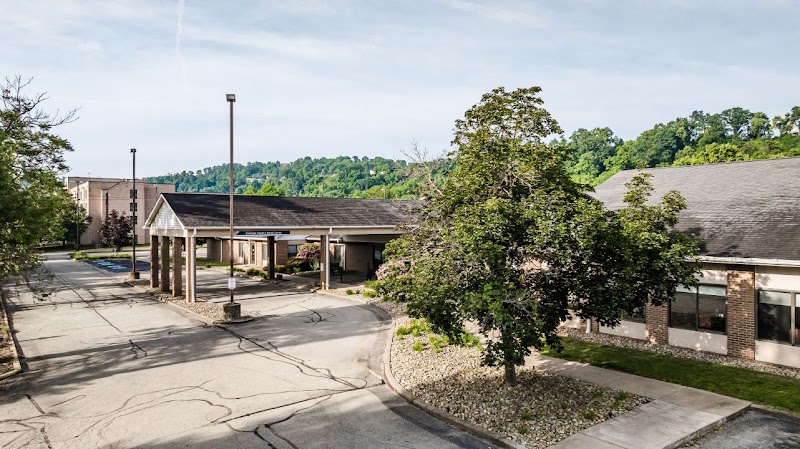
How is Riverside Health & Rehab Center Staffed?

CMS rates RIVERSIDE HEALTH & REHAB CENTER's staffing level at 3 out of 5 stars, which is average compared to other nursing homes. Staff turnover is 64%, which is 17 percentage points above the Pennsylvania average of 46%. High turnover can affect care consistency as new staff learn residents' individual needs. RN turnover specifically is 68%, which is notably high. RNs provide skilled clinical oversight, so turnover in this role can affect medical care quality.

What Have Inspectors Found at Riverside Health & Rehab Center?

State health inspectors documented 35 deficiencies at RIVERSIDE HEALTH & REHAB CENTER during 2023 to 2025. These included: 1 Immediate Jeopardy (the most serious level, indicating potential for serious harm or death) and 34 with potential for harm. Immediate Jeopardy findings are rare and represent the most serious regulatory concerns. They require immediate corrective action.
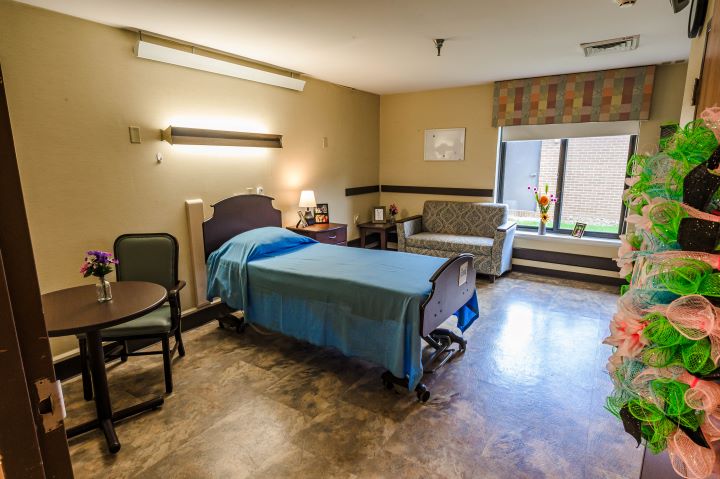
Who Owns and Operates Riverside Health & Rehab Center?

RIVERSIDE HEALTH & REHAB CENTER is owned by a for-profit company. For-profit facilities operate as businesses with obligations to shareholders or private owners. The facility is operated by SABER HEALTHCARE GROUP, a chain that manages multiple nursing homes. With 119 certified beds and approximately 103 residents (about 87% occupancy), it is a mid-sized facility located in MCKEESPORT, Pennsylvania.
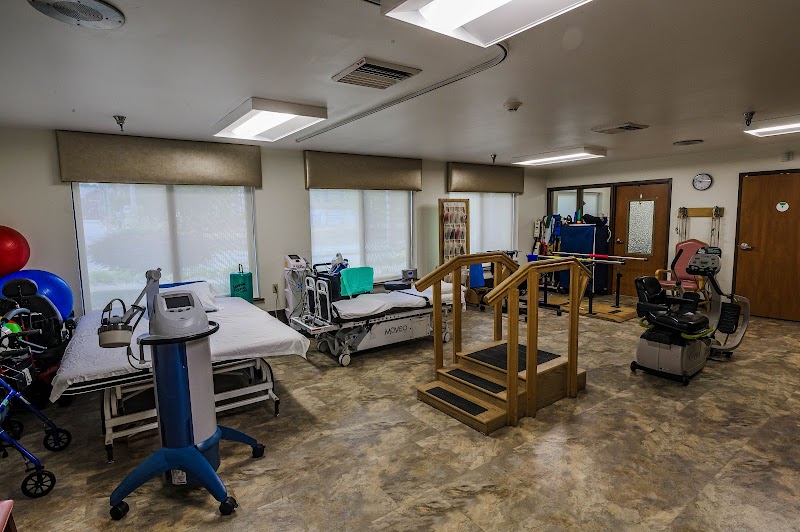
How Does Riverside Health & Rehab Center Compare to Other Pennsylvania Nursing Homes?

Compared to the 100 nursing homes in Pennsylvania, RIVERSIDE HEALTH & REHAB CENTER's overall rating (1 stars) is below the state average of 3.0, staff turnover (64%) is significantly higher than the state average of 46%, and health inspection rating (1 stars) is much below the national benchmark.

What Should Families Ask When Visiting Riverside Health & Rehab Center?

Based on this facility's data, families visiting should ask: "What changes have been made since the serious inspection findings, and how are you preventing similar issues?" "How do you ensure continuity of care given staff turnover, and what is your staff retention strategy?" "Can I visit during a mealtime to observe dining assistance and food quality?" "How do you handle medical emergencies, and what is your hospital transfer rate?" These questions are particularly relevant given the facility's Immediate Jeopardy citations and the facility's high staff turnover rate.

Is Riverside Health & Rehab Center Safe?

Based on CMS inspection data, RIVERSIDE HEALTH & REHAB CENTER has documented safety concerns. Inspectors have issued 1 Immediate Jeopardy citation (the most serious violation level indicating risk of serious injury or death). The facility has a 1-star overall rating and ranks #100 of 100 nursing homes in Pennsylvania. Families considering this facility should ask detailed questions about what corrective actions have been taken since these incidents.

Do Nurses at Riverside Health & Rehab Center Stick Around?

Staff turnover at RIVERSIDE HEALTH & REHAB CENTER is high. At 64%, the facility is 17 percentage points above the Pennsylvania average of 46%. Registered Nurse turnover is particularly concerning at 68%. RNs handle complex medical decisions and coordinate care — frequent RN changes can directly impact care quality. High turnover means new staff may not know residents' individual needs, medications, or preferences. It can also be disorienting for residents, especially those with dementia who rely on familiar faces. Families should ask: What is causing the turnover? What retention programs are in place? How do you ensure care continuity during staff transitions?

Was Riverside Health & Rehab Center Ever Fined?

RIVERSIDE HEALTH & REHAB CENTER has been fined $35,138 across 2 penalty actions. The Pennsylvania average is $33,430. While any fine indicates a compliance issue, fines under $50,000 are relatively common and typically reflect isolated problems that were subsequently corrected. Families should ask what specific issues led to these fines and confirm they've been resolved.

Is Riverside Health & Rehab Center on Any Federal Watch List?

RIVERSIDE HEALTH & REHAB CENTER is not on any federal watch list. The most significant is the Special Focus Facility (SFF) program, which identifies the bottom 1% of nursing homes nationally based on persistent, serious quality problems. Not being on this list means the facility has avoided the pattern of deficiencies that triggers enhanced federal oversight. This is a positive indicator, though families should still review the facility's inspection history directly.