QUALITY LIFE SERVICES - MERCER


8221 LAMOR ROAD, MERCER, PA 16137 (724) 662-5860
For profit - Partnership 48 Beds QUALITY LIFE SERVICES Data: November 2025
Trust Grade
58/100
#339 of 653 in PA
Last Inspection: June 2025

Inspected within the last 6 months. Data reflects current conditions.

Overview

Quality Life Services in Mercer, Pennsylvania, has a Trust Grade of C, indicating it is average compared to other nursing homes. It ranks #339 out of 653 facilities in Pennsylvania, placing it in the bottom half, and #9 out of 10 in Mercer County, suggesting limited local options. The facility is currently facing a worsening trend, with issues increasing from 2 in 2023 to 5 in 2025. Staffing is a concern, with a low rating of 2 out of 5 stars and a high turnover rate of 71%, much higher than the state average of 46%. The facility has incurred $7,443 in fines, which is considered average but still indicates some compliance issues. RN coverage is average, meaning that registered nurses are present, but not in higher numbers compared to other facilities. Specific incidents include not having a qualified Infection Preventionist on staff, which puts residents at risk for infections, and failing to properly assess and document pressure ulcers for multiple residents, potentially leading to inadequate care. While the facility has some strengths, such as average overall and health inspection ratings, these serious concerns about staffing and care practices may be significant factors for families to consider.

Trust Score
C
58/100
In Pennsylvania
#339/653
Bottom 49%
Safety Record
Low Risk
No red flags
Inspections
Getting Worse
2 → 5 violations
Staff Stability
⚠ Watch
71% turnover. Very high, 23 points above average. Constant new faces learning your loved one's needs.
Penalties
⚠ Watch
$7,443 in fines. Higher than 79% of Pennsylvania facilities, suggesting repeated compliance issues.
Skilled Nurses
✓ Good
Each resident gets 46 minutes of Registered Nurse (RN) attention daily — more than average for Pennsylvania. RNs are trained to catch health problems early.
Violations
○ Average
7 deficiencies on record. Average for a facility this size. Mostly minor or procedural issues.
★★★☆☆
3.0
Overall Rating
★★☆☆☆
2.0
Staff Levels
★★★☆☆
3.0
Care Quality
★★★☆☆
3.0
Inspection Score
Stable
2023: 2 issues
2025: 5 issues

The Good

  • Full Sprinkler Coverage · Fire safety systems throughout facility
  • No fines on record

Facility shows strength in fire safety.

The Bad

3-Star Overall Rating

Near Pennsylvania average (3.0)

Meets federal standards, typical of most facilities

Staff Turnover: 71%

25pts above Pennsylvania avg (46%)

Frequent staff changes - ask about care continuity

Federal Fines: $7,443

Below median ($33,413)

Minor penalties assessed

Chain: QUALITY LIFE SERVICES

Part of a multi-facility chain

Ask about local staffing decisions and management

Staff turnover is very high (71%)

23 points above Pennsylvania average of 48%

The Ugly 7 deficiencies on record

Jul 2025 2 deficiencies
CONCERN (D) 📢 Someone Reported This

A family member, employee, or ombudsman was alarmed enough to file a formal complaint

Potential for Harm - no one hurt, but risky conditions existed

Quality of Care (Tag F0684)

Could have caused harm · This affected 1 resident

Based on review of facility policy, clinical records, and staff interviews, it was determined that the facility failed to follow physician orders for one of two residents reviewed (Closed Record Resid...

Read full inspector narrative →
Based on review of facility policy, clinical records, and staff interviews, it was determined that the facility failed to follow physician orders for one of two residents reviewed (Closed Record Resident CR2). Findings include: A facility policy entitled, Physician Orders, dated 4/16/25, revealed Policy - Physician orders are followed in accordance with good nursing principles and practices and are transcribed and carried out by persons legally authorized to do so. Purpose - to ensure that the residents receive all medications and treatments that are ordered by the physician in a timely manner. Resident CR2's clinical record revealed an admission date of 6/11/25, with diagnoses that included femur fracture of right leg (fracture of the largest leg bone), metabolic encephalopathy (a condition where brain function is disrupted due to chemical imbalances in the body such as illnesses), diabetes mellitus type two (a chronic health condition when blood sugar is uncontrolled and high), and atrial fibrillation (an irregular and often rapid heart rate that causes poor blood flow). Review of Resident CR2's Medication Administration Record (MAR) revealed a physician's order with start date of 6/11/25, for Xultophy Subcutaneous Solution Pen-Injector 100-3.6 Unit-MG/ML [milligrams/milliliter] (Insulin Degludec Llraglutide)- Inject 5 unit subcutaneously at bedtime for diabetes mellitus type two. Hold date from 6/11/25 to 6/12/25, D/C [discontinue] date 6/17/25. Resident CR2's MAR further revealed for the month of June 2025 that his/her Xultophy insulin was not administered per physician's order on 6/13/25, 6/14/25, 6/15/25, and 6/16/25. During an interview on 7/31/25, at 11:20 a.m. the Director of Nursing confirmed the Xultophy insulin noted above was not administered per physician's order for Resident CR2 during the month of June 2025, due to pharmacy not providing medication. 28 Pa. Code 211.9(d)(f)(1) Pharmacy services 28 Pa. Code 211.12(d)(1) Nursing services 28 Pa. Code 211.12(d)(5) Nursing services
CONCERN (D) 📢 Someone Reported This

A family member, employee, or ombudsman was alarmed enough to file a formal complaint

Potential for Harm - no one hurt, but risky conditions existed

Infection Control (Tag F0880)

Could have caused harm · This affected 1 resident

Based on review of facility policy, clinical records, observations, and staff interview, it was determined that the facility failed to prevent the potential for cross contamination during a dressing c...

Read full inspector narrative →
Based on review of facility policy, clinical records, observations, and staff interview, it was determined that the facility failed to prevent the potential for cross contamination during a dressing change for one of one residents observed with pressure ulcers (Resident R1). Findings include:A facility policy entitled, Wound Dressing Change, dated 7/08/25, revealed the purpose is to prevent contamination of the wound bed. Procedure steps indicated #10 Explain the procedure and provide privacy. Position the area to be treated while maintaining privacy #11 Cleanse your hands #12 Open dressings to be used without touching the dressing. Keep the dressing and/or gauze within the open packet and place it directly on top of the barrier. Open as many gauze packets as necessary to perform the treatment #13 Open the syringe (for cleaning) and keep it within the open packet. Place it directly on top of the barrier. #14 Open the sterile container #15 Place a plastic bag for soiled dressing supplies within easy reach #16 Open the solution to be used and pour it into an individual container. Do not contaminate the dressings with bottle or tubs in anyway. #17 Apply the ordered medication/ointment to the open dressing #18 Expose the area to be treated and protect privacy. 18.1 Apply clean gloves and remove the soiled dressing 18.2 Place the dressing and gloves into a plastic bag and seal #19 Cleanse your hands. Apply clean gloves #20 Cleanse wound using commercial wound cleanser #21 If using NSS, carefully flush the wound with NSS by projecting over the wound. #22 Wipe any excess fluid from the surrounding skin using a dry gauze wipe #23 Measure wound using disposable wound measuring guide, if indicated #24 Dispose of used supplies in the plastic bag. Remove the soiled gloves and place them in a plastic bag #25 Cleanse your hands. Apply clean gloves #25 Apply treatment medication as ordered using a cotton tipped applicator, sterile tongue blade or gauze pad onto which the medication has been applied. Do not touch the exposed area in any way. #27 Apply clean dressing, touching only the edges of the dressing #28 Secure the dressing with tape. Press edges in place #29 Write the date, time and nurse's initials on the tape and then apply it to the top of the dressing. #30 Remove gloves and place them in a plastic bag #31 Cleanse your hands. Resident R1's clinical record revealed an admission date of 5/20/25, with diagnoses including cellulitis of left lower limb (a bacterial infection that causes redness, pain, and warmth), anxiety, osteoarthritis of knee (occurs when flexible tissue at the ends of the bones wear down in the knee), and diabetes mellitus (a chronic health condition where there is not enough insulin produced to control blood sugar levels). During an observation of wound care on 7/29/25, at 1:00 p.m. Licensed Practical Nurse (LPN) Employee E1 proceeded with gloved hands to cleanse Resident R1's coccyx wound area and apply a new dressing without the benefit of washing hands after the removal of the old dressing. During an interview on 7/29/25, at 1:10 pm. LPN Employee E1 confirmed that he/she did not wash hands during the wound dressing change of R1's coccyx pressure ulcer, potentially cross contaminating the new dressing and the wound. During an interview with the Director of Nursing on 7/29/25, at 1:20 p.m. he/she confirmed that hand hygiene should be performed numerous times with a wound dressing change, including before and after the removal of the old dressing, and application of the new dressing to ensure proper infection control measures are taken to prevent cross contamination and infection. 28 Pa. Code 211.10 (d) Resident care policies 28 Pa. Code 211.12(d)(1)(2)(5) Nursing services
Jun 2025 1 deficiency
CONCERN (F)

Potential for Harm - no one hurt, but risky conditions existed

Deficiency F0882 (Tag F0882)

Could have caused harm · This affected most or all residents

Based on review of facility infection control program and staff interview, it was determined that the facility failed to ensure the designated Infection Preventionist (IP) was qualified with specializ...

Read full inspector narrative →
Based on review of facility infection control program and staff interview, it was determined that the facility failed to ensure the designated Infection Preventionist (IP) was qualified with specialized training in infection prevention and control. Findings include: Review of the facility infection control program revealed there was no evidence of staff with specialized training to function as the IP and fulfill the responsibility for the Infection Prevention and Control Program. During an interview on 6/18/25, at approximately 10:00 a.m the Director of Nursing (DON) disclosed that as of 6/02/25, the IP no longer worked at the facility and that the DON had been covering the position since the IP left and as of 6/18/25, had not successfully completed the required specialized IP training. During an interview on 6/18/25, at approximately 11:25 a.m. the DON confirmed that there were no staff overseeing the infection control program who worked at least part time at the facility. 28 Pa. Code 201.18(b)(1)(3) Management
Jan 2025 2 deficiencies
CONCERN (D) 📢 Someone Reported This

A family member, employee, or ombudsman was alarmed enough to file a formal complaint

Potential for Harm - no one hurt, but risky conditions existed

ADL Care (Tag F0677)

Could have caused harm · This affected 1 resident

**NOTE- TERMS IN BRACKETS HAVE BEEN EDITED TO PROTECT CONFIDENTIALITY** Based on review of facility policy and clinical records and facility documentation, and resident and staff interviews, it was de...

Read full inspector narrative →
**NOTE- TERMS IN BRACKETS HAVE BEEN EDITED TO PROTECT CONFIDENTIALITY** Based on review of facility policy and clinical records and facility documentation, and resident and staff interviews, it was determined that the facility failed to provide assistance with personal hygiene and showers for three of four residents reviewed (Residents R3, R4, and R5). Findings include: Review of facility policy entitled Showers with a revision date of March of 2020, revealed, A shower is provided for residents who are able to participate. Showers are given according to a pre-determined schedule and as needed. Observation of skin for redness, irritation, or irregularities is conducted during shower. Assist resident into shower and onto shower chair (resident may stand to shower if able). Remain with the resident. Assist resident with showering as needed. Document bath and personal care in Point Click Care. Resident R3's Minimum Data Set (MDS-periodic assessment of resident care needs) dated 12/27/24, indicated that Resident R3 required substantial/maximal assistance from staff for bathing. During an interview on 1/22/25, at 1:30 p.m. Resident R3 stated that he/she is not getting bathed and hasn't had a shower in 2-3 weeks. Review of Resident R3's physician orders revealed that he/she was to get a shower every Monday and Thursday afternoon and as needed. Shower/bath documentation under tasks section of the clinical record, for the last 30 days, revealed that Resident R3 only received one bed bath, and zero showers in the shower room over 30 days. During an interview on 1/22/25, at 1:40 p.m. Resident R4 reported that he/she does not get showered/ bathed routinely and that he/she has not received a shower/bath in two weeks. Review of Resident R4's physician orders revealed that he/she was to get a shower every Wednesday and Saturday afternoon and as needed. Resident R4's most recent quarterly MDS dated [DATE], indicated that he/she required dependent assistance from staff for bathing. Shower/bath sheets revealed that Resident R4 hadn't received a shower in the past 30 days. Resident R5's MDS dated [DATE], indicated that Resident R5 required substantial/maximal assistance from staff for bathing. During an interview on 1/22/25, at 1:50 p.m. Resident R5 stated that he/she has not received a shower regularly and cannot remember when his/her last shower was. Review of Resident R5's physician orders revealed that he/she was to get a shower every Wednesday and Saturday on day shift and as needed. Shower/bath documentation in tasks for the last 30 days, revealed that Resident R5 only received one shower on 1/05/25, in the shower room and had been given Bed baths documented five times over 30 days. During an interview on 1/22/25, at 3:30 p.m. the Nursing Home Administrator and Regional Nurse confirmed that there was no evidence to determine that Residents R3, R4, and R5 were given a shower per their shower schedule on scheduled shower/bath days and the residents should be assisted by staff into the shower room unless he/she refuses. 28 Pa. Code 211.12(d)(1)(3)(5) Nursing Services
CONCERN (E) 📢 Someone Reported This

A family member, employee, or ombudsman was alarmed enough to file a formal complaint

Potential for Harm - no one hurt, but risky conditions existed

Pressure Ulcer Prevention (Tag F0686)

Could have caused harm · This affected multiple residents

Based on review of clinical records and facility policy, and staff interview, it was determined that the facility failed to ensure evidence for provision of documentation of pressure ulcers for two of...

Read full inspector narrative →
Based on review of clinical records and facility policy, and staff interview, it was determined that the facility failed to ensure evidence for provision of documentation of pressure ulcers for two of eight residents identified for pressure ulcers (Residents R1 and R2). Findings include: A facility policy entitled, Skin integrity and wound management with a policy and procedure review date of September 2, 2021, revealed, Perform skin inspection on admission and weekly by a licensed nurse. Document in PCC [Point Click Care]. Perform wound assessment and complete proper forms upon initial identification of altered skin integrity, weekly, and with any deterioration of wound. Review of Resident R1's clinical record revealed an admission date of 10/31/23, with diagnoses that included obesity, reduced mobility, weakness, abnormalities of gait and mobility, and radiculopathy of the lumbar region (compressed nerve root of the lower back causing pain and numbness). Review of Resident R1's progress notes revealed that Resident R1 had developed a facility acquired Stage 2 (partial-thickness loss of skin) pressure ulcer on coccyx from 3/02/24. During an interview on 1/22/25, at approximately 1:15 p.m., Resident R1 stated that the facility does not regularly measure the pressure wound on his/her coccyx but does perform treatments. Review of Resident R1's progress notes revealed that documentation of weekly skin assessments for description and measurements were documented weekly until 5/22/24, then were documented 8/08/24, 12/18/24, 1/23/25, and 1/24/25. Review of Resident R1's clinical record revealed no evidence of weekly pressure ulcer documentation. Review of Resident R2's clinical record revealed an admission date of 1/11/25, with diagnoses that included urinary tract infection, pressure ulcer of the sacral region, type 2 diabetes (long term condition in which the pancreas does not make enough insulin and the body cannot control blood sugar), and underweight. Review of Resident R2's progress notes revealed that Resident R2 was admitted to the facility with a Stage 4 (full thickness loss of skin and bone exposure) pressure ulcer on right sacrum. Review of Resident R2's progress notes revealed that an initial skin assessment and documentation of weekly skin assessments for description and measurements were not documented until 1/23/25. Review of Resident R2's clinical record revealed no evidence of weekly pressure ulcer documentation/assessments. During an interview on 1/24/25, at 2:30 p.m. the Regional Nurse confirmed that there was no evidence of documentation of weekly pressure ulcer assessments completed in Resident R1 and R2's clinical records. 28 Pa. Code 211.5(f)(iv)(ix) Medical records 28 Pa. Code 211.12(d)(1)(3)(5) Nursing Services
Jan 2023 2 deficiencies
CONCERN (E) 📢 Someone Reported This

A family member, employee, or ombudsman was alarmed enough to file a formal complaint

Potential for Harm - no one hurt, but risky conditions existed

Pressure Ulcer Prevention (Tag F0686)

Could have caused harm · This affected multiple residents

Based on review of facility policies and clinical records and staff interviews, it was determined that the facility failed to comprehensively assess and monitor pressure ulcers within required timefra...

Read full inspector narrative →
Based on review of facility policies and clinical records and staff interviews, it was determined that the facility failed to comprehensively assess and monitor pressure ulcers within required timeframes for three of three residents with pressure ulcers reviewed (Residents R1, R2, and Closed Record CR3). Findings include: Review of current facility policy entitled, Skin Integrity and Wound Management dated 2/9/22, indicated Perform wound assessment and complete proper forms upon initial identification of altered skin integrity, weekly, and with any deterioration of wound. Review of Resident R1's clinical record revealed an admission date of 4/30/18, with diagnoses that included high blood pressure, Alzheimer's disease, and dysphagia (difficulty swallowing). Review of Resident R1's clinical record revealed a progress note dated 11/8/22, that indicated wound care for coccyx to be done daily. A clinical record assessment entitled Pressure Ulcer Wound Tool dated 11/16/22, revealed a wound to the coccyx was first found / occurred on 11/8/22, wound to the left buttocks that was first found / occurred on 11/8/22, and a wound to the right buttocks that was first found / occurred on 11/8/22. The clinical record lacked an initial assessment of the coccyx, left buttocks, and right buttocks wound on 11/8/22, when found by staff. During an interview on 12/29/22, at 1:24 p.m. the Assistant Director of Nursing (ADON) confirmed that Resident R1's wounds and pressure ulcer measurements / assessments were not completed upon initial finding of the areas. Review of Resident R2's clinical record revealed an admission date of 8/2/18, with diagnoses that included high blood pressure, diabetes, and dementia. Review of Resident R2's clinical record revealed a blister to the right buttocks developed on 8/30/22, with the first measurements / assessments being completed on 9/2/22. Further review revealed a Pressure Ulcer Wound Tool being completed for a right buttocks wound on 10/7/22, and then not again until 10/27/22, a period of 20 days and then not again until 11/17/22, a period of 21 days. During an interview on 12/29/22, at 1:27 p.m. the ADON confirmed that Resident R2's wounds and pressure ulcer measurements / assessments were not completed upon initial findings of the area or as frequently as required from 10/7/22, through 11/17/22. Review of Resident CR3's clinical record revealed an admission date of 10/21/20, with diagnoses that included dementia, dysphagia, and high blood pressure. Review of Resident CR3's clinical record revealed a pressure area to the left buttocks developed on 9/9/22. A Pressure Ulcer Wound Tool was completed on 10/7/22, and then not again until 10/27/22, a period of 20 days and then not again until 11/16/22, a period of 20 days. During an interview on 12/29/22, at 1:32 p.m. the ADON confirmed that Resident CR3's wounds and pressure ulcer measurements / assessments were not completed as frequently as required from 10/7/22, through 11/17/22. 28 Pa. Code 211.12(d)(1)(5) Nursing services 28 Pa. Code 211.10(d) Resident care policies 28 Pa. Code 211.5(f) Clinical records
CONCERN (E) 📢 Someone Reported This

A family member, employee, or ombudsman was alarmed enough to file a formal complaint

Potential for Harm - no one hurt, but risky conditions existed

Medical Records (Tag F0842)

Could have caused harm · This affected multiple residents

Based on review of clinical records and staff interviews, it was determined that the facility failed to maintain accurate and complete documentation for three of three residents reviewed (Residents R1...

Read full inspector narrative →
Based on review of clinical records and staff interviews, it was determined that the facility failed to maintain accurate and complete documentation for three of three residents reviewed (Residents R1, R2, and Closed Record CR3). Findings include: Review of Resident R1's clinical record revealed an admission date of 4/30/18, with diagnoses that included high blood pressure, Alzheimer's disease, and dysphagia (difficulty swallowing). Review of Resident R1's clinical record revealed a Pressure Ulcer Wound Tool dated 11/16/22, indicated wound to the right hip that was first found / occurred on 11/14/22. The Pressure Ulcer Wound Tool dated 11/23/22, revealed wound to the right buttocks that was first found / occurred on 11/8/22. The clinical record lacked documentation of the right hip area before or after 11/16/22, and of the right buttocks area before 11/23/22. During an interview on 12/29/22, at 1:24 p.m. the Assistant Director of Nursing (ADON) confirmed that Resident R1 never had an area to his / her right hip and the 11/16/22 Pressure Ulcer Wound Tool should have reflected right buttocks with found / occurred date as 11/8/22. ADON confirmed staff were not accurately documenting the location or first date found / occurred for Resident R1. Review of Resident R2's clinical record revealed an admission date of 8/2/18, with diagnoses that included high blood pressure, diabetes, and dementia. Review of Resident R2's clinical record revealed a Non-Pressure Wound Tool dated 9/2/22, and 9/9/22, indicated a blister to the right buttocks and lacked a first found / occurred date. A Pressure Ulcer Wound Tool dated 9/15/22, and 9/22/22, indicated an area to the right buttocks and lacked a first found / occurred date. A Pressure Ulcer Wound Tool dated 9/30/22, indicated wound to the left buttocks that was first found / occurred on 8/30/22. A Pressure Ulcer Wound Tool dated 11/17/22, indicated a wound to the right hip that was first found / occurred on 8/30/22. The clinical record lacked documentation of the left hip wound before or after 9/30/22, and of the right hip before or after 11/17/22. During an interview on 12/29/22, at 1:27 p.m. the ADON confirmed that Resident R2 had a wound develop to his/her right buttocks on 8/30/22, and all Non-Pressure Wound Tool and Pressure Ulcer Wound Tool assessments completed should have reflected the found / occurred date as being 8/30/22. ADON also confirmed that Resident R2 never had an area to his/her left buttocks or right hip. ADON confirmed staff were not accurately documenting the location or first found / occurred for Resident R2. Review of Resident CR3's clinical record revealed an admission date of 10/21/20, with diagnoses that included dementia, dysphagia, and high blood pressure. Review of Resident CR3's clinical record revealed a Pressure Ulcer Wound Tool dated 9/9/22, indicated a wound to the left upper and left lower left buttocks with a first found / occurred on 9/9/22. A Pressure Ulcer Wound Tool dated 9/15/22, and 9/22/22, indicated a wound to the left upper and left lower buttocks and lacked a first found / occurred date. A Pressure Ulcer Wound Tool dated 9/30/22, indicated a wound to the left upper buttocks with a first found / occurred on 9/21/22, and the left lower buttocks with a first found / occurred on 10/21/22. A Pressure Ulcer Wound Tool dated 10/7/22, 10/27/22, and 11/16/22, indicated a wound to the left upper buttocks and left lower buttocks with a first found / occurred of 9/11/22. A Pressure Ulcer Wound Tool dated 11/23/22, indicated a wound to the left hip with a first found / occurred on 9/11/22. A Pressure Ulcer Wound Tool dated 11/30/22, and 12/7/22, indicated a wound to the right buttocks with a first found /occurred on 9/11/22. A Pressure Ulcer Wound Tool dated 12/16/22, indicate a wound to the sacrum with a first found / occurred on 9/14/22. The clinical record lacked documentation of the left hip wound before or after 11/23/22, of the right buttocks before 11/30/22, and of the sacrum before 12/16/22. Review of Resident CR3's treatment record indicated that from 11/9/22, through 12/18/22, wound care was ordered and completed for a left hip wound. The Pressure Ulcer Wound Tool only mentions the left hip on 11/23/22, and not before or after this date. During an interview on 12/29/22, at 1:32 p.m. the ADON confirmed the following: Resident CR3 had wounds develop to his/her left upper and lower buttocks on 9/9/22, that merged to one larger area on 11/16/22 and all Pressure Ulcer Wound Tool assessments for the left buttocks should have reflected found / occurred date as being 9/9/22, Resident CR3 never had an area to his/her left hip or sacrum and those areas should have been documented as the left buttocks, on 11/30/22, and 12/7/22, the right buttocks should have been documented as the left buttocks, and the physician orders for treatment to the left hip, should have indicated the left buttocks instead. The ADON confirmed staff were not accurately documenting the location or first found / occurred for Resident CR3. 28 Pa. Code 211.5(f)(g)(h) Clinical records 28 Pa. Code 211.12(d)(1)(5) Nursing services
Understanding Severity Codes (click to expand)
Life-Threatening (Immediate Jeopardy)
J - Isolated K - Pattern L - Widespread
Actual Harm
G - Isolated H - Pattern I - Widespread
Potential for Harm
D - Isolated E - Pattern F - Widespread
No Harm (Minor)
A - Isolated B - Pattern C - Widespread

Questions to Ask on Your Visit

  • "Why is there high staff turnover? How do you retain staff?"
  • "Can I speak with families of current residents?"
  • "What's your RN coverage like on weekends and overnight?"

Our Honest Assessment

Strengths
  • • No major safety red flags. No abuse findings, life-threatening violations, or SFF status.
Concerns
  • • Grade C (58/100). Below average facility with significant concerns.
  • • 71% turnover. Very high, 23 points above average. Constant new faces learning your loved one's needs.
Bottom line: Mixed indicators with Trust Score of 58/100. Visit in person and ask pointed questions.

About This Facility

What is Quality Life Services - Mercer's CMS Rating?

CMS assigns QUALITY LIFE SERVICES - MERCER an overall rating of 3 out of 5 stars, which is considered average nationally. Within Pennsylvania, this rating places the facility higher than 0% of the state's 100 nursing homes. This mid-range rating indicates the facility meets federal standards but may have areas for improvement.
How is Quality Life Services - Mercer Staffed?

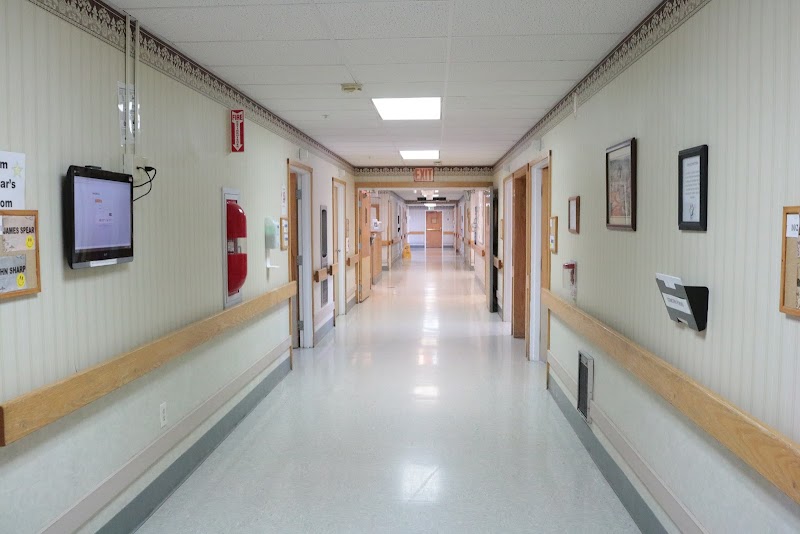
CMS rates QUALITY LIFE SERVICES - MERCER's staffing level at 2 out of 5 stars, which is below average compared to other nursing homes. Staff turnover is 71%, which is 25 percentage points above the Pennsylvania average of 46%. High turnover can affect care consistency as new staff learn residents' individual needs. RN turnover specifically is 75%, which is notably high. RNs provide skilled clinical oversight, so turnover in this role can affect medical care quality.

What Have Inspectors Found at Quality Life Services - Mercer?

State health inspectors documented 7 deficiencies at QUALITY LIFE SERVICES - MERCER during 2023 to 2025. These included: 7 with potential for harm.

Who Owns and Operates Quality Life Services - Mercer?

QUALITY LIFE SERVICES - MERCER is owned by a for-profit company. For-profit facilities operate as businesses with obligations to shareholders or private owners. The facility is operated by QUALITY LIFE SERVICES, a chain that manages multiple nursing homes. With 48 certified beds and approximately 43 residents (about 90% occupancy), it is a smaller facility located in MERCER, Pennsylvania.
How Does Quality Life Services - Mercer Compare to Other Pennsylvania Nursing Homes?

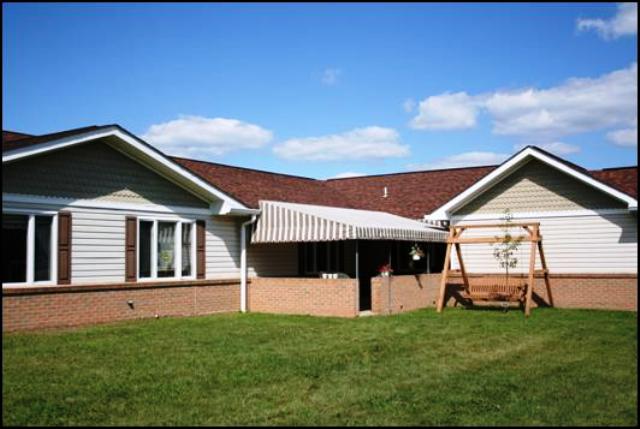
Compared to the 100 nursing homes in Pennsylvania, QUALITY LIFE SERVICES - MERCER's overall rating (3 stars) matches the state average, staff turnover (71%) is significantly higher than the state average of 46%, and health inspection rating (3 stars) is at the national benchmark.

What Should Families Ask When Visiting Quality Life Services - Mercer?

Based on this facility's data, families visiting should ask: "How do you ensure continuity of care given staff turnover, and what is your staff retention strategy?" "Can you walk me through typical staffing levels on day, evening, and night shifts?" "Can I visit during a mealtime to observe dining assistance and food quality?" "How do you handle medical emergencies, and what is your hospital transfer rate?" These questions are particularly relevant given the facility's high staff turnover rate and the below-average staffing rating.

Is Quality Life Services - Mercer Safe?

Based on CMS inspection data, QUALITY LIFE SERVICES - MERCER has a clean safety record: no substantiated abuse findings (meaning no confirmed cases of resident harm), no Immediate Jeopardy citations (the most serious violation level indicating risk of serious injury or death), and is not on the Special Focus Facility watch list (a federal program monitoring the lowest-performing 1% of nursing homes). The facility has a 3-star overall rating and ranks #1 of 100 nursing homes in Pennsylvania. While no facility is perfect, families should still ask about staff-to-resident ratios and recent inspection results during their visit.

Do Nurses at Quality Life Services - Mercer Stick Around?

Staff turnover at QUALITY LIFE SERVICES - MERCER is high. At 71%, the facility is 25 percentage points above the Pennsylvania average of 46%. Registered Nurse turnover is particularly concerning at 75%. RNs handle complex medical decisions and coordinate care — frequent RN changes can directly impact care quality. High turnover means new staff may not know residents' individual needs, medications, or preferences. It can also be disorienting for residents, especially those with dementia who rely on familiar faces. Families should ask: What is causing the turnover? What retention programs are in place? How do you ensure care continuity during staff transitions?

Was Quality Life Services - Mercer Ever Fined?

QUALITY LIFE SERVICES - MERCER has been fined $7,443 across 1 penalty action. This is below the Pennsylvania average of $33,153. While any fine indicates a compliance issue, fines under $50,000 are relatively common and typically reflect isolated problems that were subsequently corrected. Families should ask what specific issues led to these fines and confirm they've been resolved.

Is Quality Life Services - Mercer on Any Federal Watch List?

QUALITY LIFE SERVICES - MERCER is not on any federal watch list. The most significant is the Special Focus Facility (SFF) program, which identifies the bottom 1% of nursing homes nationally based on persistent, serious quality problems. Not being on this list means the facility has avoided the pattern of deficiencies that triggers enhanced federal oversight. This is a positive indicator, though families should still review the facility's inspection history directly.