OAK HILL CENTER FOR REHABILITATION AND NURSING
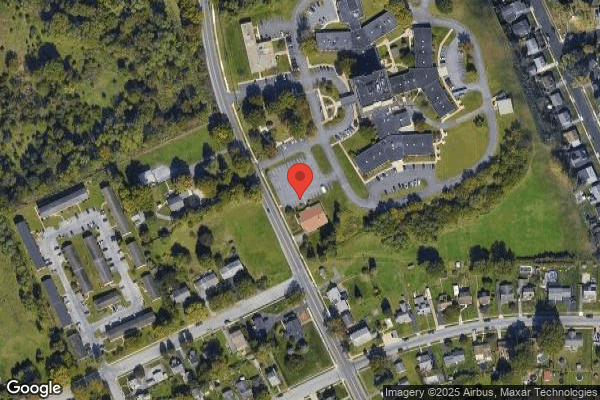

1020 NORTH UNION STREET, MIDDLETOWN, PA 17057 (717) 944-0451
For profit - Corporation 136 Beds MORDECHAI WEISZ Data: November 2025
Trust Grade
0/100
#615 of 653 in PA
Last Inspection: November 2024

Within standard 12-15 month inspection cycle. Federal law requires annual inspections.

Overview

Oak Hill Center for Rehabilitation and Nursing has received a Trust Grade of F, indicating significant concerns about the facility's quality and care. Ranking #615 out of 653 in Pennsylvania places it in the bottom half of all facilities in the state, and it is the lowest-ranked option in Dauphin County. Although the facility's trend is improving, with a decrease in issues from 42 to 5 over the past year, the current staffing rating is below average at 2 out of 5 stars, and staff turnover is around 47%, which is typical for Pennsylvania. The facility has incurred $97,605 in fines, suggesting ongoing compliance issues. While there are serious incidents of neglect, such as delays in hospital transfers for residents with injuries and failures in providing necessary nutritional support, the quality measures rating of 4 out of 5 stars indicates some strengths in this area. Families should weigh both the facility's serious shortcomings and its potential for improvement before making a decision.

Trust Score
F
0/100
In Pennsylvania
#615/653
Bottom 6%
Safety Record
High Risk
Review needed
Inspections
Getting Better
42 → 5 violations
Staff Stability
⚠ Watch
47% turnover. Above average. Higher turnover means staff may not know residents' routines.
Penalties
✓ Good
$97,605 in fines. Lower than most Pennsylvania facilities. Relatively clean record.
Skilled Nurses
⚠ Watch
Each resident gets only 27 minutes of Registered Nurse (RN) attention daily — below average for Pennsylvania. Fewer RN minutes means fewer trained eyes watching for problems.
Violations
⚠ Watch
74 deficiencies on record. Higher than average. Multiple issues found across inspections.
★☆☆☆☆
1.0
Overall Rating
★★☆☆☆
2.0
Staff Levels
★★★★☆
4.0
Care Quality
★☆☆☆☆
1.0
Inspection Score
Stable
2024: 42 issues
2025: 5 issues

The Good

  • 4-Star Quality Measures · Strong clinical quality outcomes
  • Full Sprinkler Coverage · Fire safety systems throughout facility
  • No fines on record

Facility shows strength in quality measures, fire safety.

The Bad

1-Star Overall Rating

Below Pennsylvania average (3.0)

Significant quality concerns identified by CMS

Staff Turnover: 47%

Near Pennsylvania avg (46%)

Higher turnover may affect care consistency

Federal Fines: $97,605

Well above median ($33,413)

Moderate penalties - review what triggered them

Chain: MORDECHAI WEISZ

Part of a multi-facility chain

Ask about local staffing decisions and management

The Ugly 74 deficiencies on record

7 actual harm
Sept 2025 1 deficiency 1 Harm
SERIOUS (G) 📢 Someone Reported This

A family member, employee, or ombudsman was alarmed enough to file a formal complaint

Actual Harm - a resident was hurt due to facility failures

Quality of Care (Tag F0684)

A resident was harmed · This affected 1 resident

**NOTE- TERMS IN BRACKETS HAVE BEEN EDITED TO PROTECT CONFIDENTIALITY** Based on clinical record review and staff interviews, it was determined that the facility failed to provide services consistent ...

Read full inspector narrative →
**NOTE- TERMS IN BRACKETS HAVE BEEN EDITED TO PROTECT CONFIDENTIALITY** Based on clinical record review and staff interviews, it was determined that the facility failed to provide services consistent with professional standards of practice to ensure the resident's highest level of well-being, which resulted in harm as evidenced by a delay in sending the resident to the hospital following confirmation of a femur fracture, and by failure to provide appropriate pain assessment and management for the fracture, for one of three residents reviewed (Resident 1). Findings include:Review of Resident 1's clinical record revealed diagnoses that included Alzheimer's Disease and Dementia (a progressive cognitive and mental decline that is severe enough to interfere with daily life, affecting memory, thinking, language, and judgment). Resident 1 resided on the locked memory care unit at the facility. Review of the clinical record revealed Resident 1 had a fall on August 26, 2025, at 4:45 PM. Resident 1 complained of pain in her right thigh and had an x-ray (an imaging test that uses a small amount of radiation to create images of internal body structures, such as bones, organs, and soft tissues) completed that same day on Resident 1's right hip, which came back negative for a fracture. Resident 1 was ordered Oxycodone hcl oral tablet (narcotic pain medication) 5 milligrams (mg) by mouth every 4 hours as needed for pain.Review of Resident 1's comprehensive care plan revealed a focus area for falls indicating the Resident is at risk for falls related to confusion, is unaware of safety needs, with an initiation and revision date of September 12, 2024, and an intervention to anticipate and meet the Resident's needs, initiated on September 12, 2024. Review of Resident 1's care plan also revealed a focus area that indicated the Resident has a communication problem related to impaired cognitive status, with an intervention to anticipate and meet needs, initiated and revised on August 21, 2025.Review of Resident 1's August 2025 Medication Administration Record (MAR) revealed an order to monitor for pain from a scale of 0-10, every shift. On August 26, 2025, during the night shift, it was documented that Resident 1 had a pain level of 8. On August 27, 2025, at 6:30 AM, Resident 1 was documented as having a pain level of 5. On August 27, 2025, during the night shift, Resident 1 was documented as having a pain level of 4. On August 28, 2025, at 6:30 AM, Resident 1 was documented as having a pain level of 4. From August 1 to August 25, the resident's pain score was zero. Further review of Resident 1's August 2025 MAR revealed an order for oxycodone hcl oral tablet 5 mg - give 5 mg by mouth every 4 hours as needed for pain. On August 27, 2025, at 2:08 AM, the Resident was documented as having a pain level of 8 and was administered the medication as ordered. On August 27, 2025, at 6:58 AM, the Resident was documented as having a pain level of 5 and was administered the medication as ordered. At 12:35PM, the Resident was documented as having a pain level of 6, and was administered the medication. Further review of Resident 1's August 2025 MAR revealed an order for oxycodone hcl oral tablet 5 mg - give 2.5 mg by mouth every 6 hours as needed for pain. On August 27, 2025, at 4:12 PM, the Resident was documented as having a level 8 pain, and was administered the medication as ordered. Review of Resident 1's clinical record revealed a nursing progress note on August 27, 2025, at 2:08 AM, that Resident 1 was yelling and moaning in pain on right hip area, and was administered 5 milligrams of oxycodone oral tablet. Further review of Resident 1's nursing progress notes revealed a note on August 27, 2025, at 6:58 AM, that the Resident was calling out, can't state her pain level, and was administered 5 milligrams of oxycodone oral tablet for pain. Further review of Resident 1's nursing progress notes revealed a note on August 27, 2025, at 12:35 PM, that the Resident was moaning and unable to walk, and received 5 milligrams of oxycodone oral tablet for pain.Review of Resident 1's clinical record revealed a physician note on August 27, 2025, at 4:06 PM, that read, in part, due to ongoing pain and difficulty ambulating, another x-ray will be ordered to check both right and left hip/femur/knee.On August 27, 2025, at 4:12 PM, there was a nursing progress note that Resident 1 was moaning in pain and was administered 5 milligrams of oxycodone oral tablet. At 7:11 PM, on August 27, 2025, a follow up nursing progress note was documented that the Resident still had a pain level of 4. There was no further documentation in Resident 1's clinical record to indicate any pain intervention or assessment was completed.Review of Resident 1's x-ray patient report dated August 27, 2025, at 11:26 PM, revealed the Resident had an acute fracture of the right sub capital femur.Review of Resident 1's clinical record revealed no documentation of the physician being notified of the Resident's fracture.Review of Resident 1's clinical record revealed no physician or nursing progress note after the notification of the fracture. There was no additional PRN (as needed) Oxycodone administered after the dose on August 27, 2025, at 4:12 PM.An interview conducted with the Director of Nursing (DON) on September 8, 2025, at approximately 1:30 PM, revealed x-ray results usually get faxed to the facility, unless it is an unusual finding then they will usually call to confirm it was received by the facility timely. The DON was unable to confirm if a call was received. The DON revealed she would have expected it to be documented on Resident 1's clinical record when the physician was notified of the positive fracture.Review of a written timeline provided by the DON on September 9, 2025, at 3:32 AM, revealed the provider was made aware of the x-ray results on August 28, 2025, at approximately 8:30 AM, assessed the Resident, and gave orders for the Resident to be sent to the hospital, which occurred at approximately 9:00 AM (Approximately 9.5 hours after the X-ray results came back positive for fracture).Review of Resident 1's clinical record failed to reveal any documentation of a time that EMS (Emergency Medical Services) was called or a time that the Resident was sent to the hospital. There was also no progress notes documented showing that Resident 1 was assessed for pain or discomfort throughout the evening and night shift.Review of the hospital records revealed Resident 1 was admitted to the hospital and required surgical intervention for the fracture. Resident 1 was administered IV (intravenous line) morphine for pain management until surgery. Review of the clinical record revealed Resident 1 was readmitted to the facility on [DATE], after having right hemiarthroplasty surgery (partial hip replacement surgery), with no postop complications.During an interview conducted with the Nursing Home Administrator (NHA) and DON on September 11, 2025, at 12:30 PM, revealed that he would have expected staff to monitor Resident 1 for pain and documenting if any pain assessments were completed prior to the Resident being transferred to the hospital. The facility failed to provide timely transfer to the hospital following confirmation of a femur fracture for Resident 1. The facility also failed to monitor and assess Resident 1 for pain and provide as needed pain medication prior to transfer to the hospital. 42 CFR 483.25 Quality of care28 Pa. Code 211.12(d)(1)(3)(5)Nursing services.
Aug 2025 1 deficiency
CONCERN (D) 📢 Someone Reported This

A family member, employee, or ombudsman was alarmed enough to file a formal complaint

Potential for Harm - no one hurt, but risky conditions existed

Pharmacy Services (Tag F0755)

Could have caused harm · This affected 1 resident

Based on clinical record review and staff interviews, it was determined that the facility failed to provide pharmaceutical services to meet the needs of each resident for one of three residents review...

Read full inspector narrative →
Based on clinical record review and staff interviews, it was determined that the facility failed to provide pharmaceutical services to meet the needs of each resident for one of three residents reviewed (Resident 1).Findings Include:Review of Resident 1's clinical record revealed diagnoses that included type II diabetes mellitus (condition characterized by high blood sugar levels due to insulin resistance and relative lack of insulin production) and muscle weakness (muscles aren't as strong as they should be).Review of Resident 1's June 2025 MAR (Medication Administration Records - forms used to document physician orders as well as when and how medications are administered to a resident) revealed an order for Ozempic subcutaneous solution (medication that mimics a hormone that lowers blood sugar) every Sunday for diabetes mellitus.Further review of the MAR revealed that nursing staff documented 9 other/see note on Sunday June 22, 2025, and Sunday June 29, 2025. Review of Resident 1's progress notes failed to reveal further documentation for the aforementioned dates. Further review of the clinical record revealed no evidence that the Ozempic was administered. An interview with the Director of Nursing on August 4, 2025, at approximately 2:00 PM, revealed that she had called the pharmacy on August 4, 2025, and the Ozempic had never been dispensed to the facility. The DON was unable to provide any additional information. Further review of Resident 1's clinical record failed to reveal documentation that any follow up regarding the facility not receiving the ordered medication had been done or that the physician had been notified the medication was not available.An interview with the Nursing Home Administrator on August 4, 2025, at approximately 2:15 PM, revealed he would expect staff to follow up with the pharmacy and physician when medications are not available. 28 Pa. Code 211.9(a)(1) Pharmacy services 28 Pa. Code 211.12(d)(1)(3)(5) Nursing services
Jun 2025 2 deficiencies 2 Harm
SERIOUS (G) 📢 Someone Reported This

A family member, employee, or ombudsman was alarmed enough to file a formal complaint

Actual Harm - a resident was hurt due to facility failures

Free from Abuse/Neglect (Tag F0600)

A resident was harmed · This affected 1 resident

Based on facility policy review, clinical record review, review of facility investigation documentation, and staff interviews, it was determined that the facility failed to ensure that residents were ...

Read full inspector narrative →
Based on facility policy review, clinical record review, review of facility investigation documentation, and staff interviews, it was determined that the facility failed to ensure that residents were free from neglect, which resulted in actual harm as evidenced by bilateral lobe pneumonia with small left-sided effusion (a collection of fluid around the lungs) for one of 10 residents reviewed (Resident 1). Findings include: Review of the current facility policy, titled Pre-Thickened Liquids Policy, read in part, Pre-thickened liquids will be provided at bedside in individual packaged containers per physician orders. Pre-thickened liquids will be offered between meals per physician orders. Review of facility's Guidelines for Volunteers, revealed instructions that the facility volunteers Do not give a resident food or drink, whether or not they ask for something specific, without asking the resident's nurse first. Review of facility policy, titled Abuse and Neglect-Clinical Protocol, dated July 2017, revealed 'Neglect', as defined at §483.5, means 'the failure of the facility, its employees or service providers to provide goods and services to a resident that are necessary to avoid physical harm, pain, mental anguish or emotional distress.' Review of Resident 1's clinical record revealed diagnoses that included dysphagia (difficulty swallowing), dementia (a chronic disorder of the mental processes caused by brain disease, marked by memory disorders, personality changes, and impaired reasoning), and muscle weakness. Review of Resident 1's physician orders revealed an order for Regular diet, Mechanical Soft texture, Nectar Thickened Fluids consistency, with a start date of February 9, 2024. Review of Resident 1's clinical record revealed a nursing note on May 22, 2025, at 2:35 PM, that read [Resident 1] was in activity room and received thin liquids, began coughing. Diet order for nectar thick [liquids]. Nurse Practitioner notified. Activities aware not to let [Resident 1] have thin liquids now. Further review of Resident 1's clinical record revealed that a chest X-ray (CXR) was done on May 23, 2025. Review of Resident 1's CXR results revealed bilateral lobe atypical pneumonia (a type of lung infection caused by bacteria that are not typically associated with typical pneumonia) with small left-sided effusion. Review of Resident 1's physician orders revealed an order dated May 23, 2025, for Amoxicillin (antibiotic) 500 mg (milligrams), give one capsule three times a day for infection, for 10 days. Review of facility incident report revealed that On May 22, 2025, at approximately 2:30 PM, while in activities, a volunteer [Employee 1] was offering drinks and [Resident 1] was given a thin liquid drink. [Resident 1] took a sip and began coughing. It was noted the drink was thin liquids and [Resident 1] is nectar thick. The drink was removed, and Registered Nurse and provider were notified. Chest x-ray was ordered. X-ray performed on May 23, 2025, and results received on May 23, 2025, at 12:08 PM and showed bilateral lobe pneumonia with small left-sided effusion. Provider notified at 12:34 PM, and order given for [antibiotic] three times a day for 10 days. Description of follow-up action: Resident placed on alert charting and activities volunteer program suspended pending review. Volunteer no longer allowed in facility due to substantiated neglect. Review of facility investigation revealed that the Nursing Home Administrator (NHA) spoke with Employee 1 on May 23, 2025. Review of the interview revealed [Employee 1] stated that she holds cook club on a monthly basis- She failed to check with the activities team/staff regarding [Resident 1's] liquid status. States she knows he is on thickened liquids and had forgotten to have staff thicken the liquid that was provided to him. Apologized for the error. NHA reiterating that her as well as the entire volunteer program is currently suspended pending review. [Employee 1] understood. Further review of the facility investigation revealed an email correspondence from Employee 1 to the NHA on May 27, 2025, at 4:37 PM that read, in part, On May 22, 2025, at 2:00 PM, I was hosting a cook club. Sometimes I give drinks, and that day I did. I was asked if I gave a drink to [Resident 1] from nursing staff, or physical therapy without thickening it first, I said I did. I said yes, I did that and apologized 15 times. During an interview with the NHA on June 4, 2025, at 9:11 AM, he revealed Employee 1 should not have been handing out beverages to residents, and that the volunteer program is suspended at this time as a result of the substantiated neglect. During a follow-up interview with the NHA on June 4, 2025, at 1:23 PM, he revealed his expectation that volunteers should not pass drinks to residents, physician orders are followed, and diets and fluids are provided at the proper consistency. The facility failed to ensure that Resident 1 was free from neglect when Employee 1 provided a drink to Resident 1, without first asking Resident 1's nurse. Employee 1 provided Resident 1 with the wrong liquid consistency, resulting in Resident 1 experiencing bilateral lobe pneumonia with small left-sided effusion. 28 Pa. Code 201.14(a) Responsibility of licensee 28 Pa. Code 201.18(b)(1)(e)(1) Management 28 Pa. Code 201.29(c) Resident rights
SERIOUS (G) 📢 Someone Reported This

A family member, employee, or ombudsman was alarmed enough to file a formal complaint

Actual Harm - a resident was hurt due to facility failures

Deficiency F0805 (Tag F0805)

A resident was harmed · This affected 1 resident

Based on facility policy review, clinical record review, review of facility incident report, observations, and staff interviews, it was determined that the facility failed to ensure each resident rece...

Read full inspector narrative →
Based on facility policy review, clinical record review, review of facility incident report, observations, and staff interviews, it was determined that the facility failed to ensure each resident receives, and the facility provides, drinks prepared in a form designed to meet individual needs for two of 10 residents reviewed (Residents 1 and 2), which resulted in actual harm to Resident 1, experiencing bilateral lobe pneumonia (an infection that inflames the lungs' air sacs) with small left-sided effusion (a collection of fluid around the lungs). Findings include: Review of facility policy, titled Pre-Thickened Liquids Policy, read in part, Pre-thickened liquids will be provided at bedside in individual packaged containers per physician orders. Pre-thickened liquids will be offered between meals per physician orders. Review of facility's Guidelines for Volunteers, revealed instructions that the facility volunteers Do not give a resident food or drink, whether or not they ask for something specific, without asking the resident's nurse first. Review of Resident 1's clinical record revealed diagnoses that included dysphagia (difficulty swallowing), dementia (a chronic disorder of the mental processes caused by brain disease, marked by memory disorders, personality changes, and impaired reasoning), and muscle weakness. Review of Resident 1's current physician orders revealed an order for Regular diet Pureed texture, Nectar Thickened Fluids consistency, pureed diet with added gravy, with a start date of June 3, 2025. Further review of Resident 1's physician orders revealed an order for Regular diet, Mechanical Soft texture, Nectar Thickened Fluids consistency, with a start date of February 9, 2024, and an end date of June 3, 2025. Review of Resident 1's clinical record revealed a nursing note on May 22, 2025, at 2:35 PM, that read [Resident 1] was in activity room and received thin liquids, began coughing. Diet order for nectar thick [liquids]. Nurse Practitioner notified. Activities aware not to let [Resident 1] have thin liquids now. Review of select facility incident report provided revealed an email correspondence from Employee 1 (Volunteer) to the Nursing Home Administrator (NHA) on May 27, 2025, at 4:37 PM that read, in part, On May 22, 2025, at 2:00 PM, I was hosting a cook club. Sometimes I give drinks, and that day I did. I was asked if I gave a drink to [Resident 1] from nursing staff, or physical therapy without thickening it first, I said I did. I said yes, I did that and apologized 15 times. Further review of select facility incident report provided, revealed Factual Description: On May 22, 2025, at approximately 2:30 PM, while in activities, a volunteer was offering drinks and [Resident 1] was given a thin liquid drink. [Resident 1] took a sip and began coughing. It was noted the drink was thin liquids and [Resident 1] is nectar thick. The drink was removed, and Registered Nurse and provider were notified. Chest x-ray was ordered. X-ray performed on May 23, 2025, and results received on May 23, 2025, at 12:08 PM and showed bilateral lobe pneumonia with small left-sided effusion. Provider notified at 12:34 PM, and order given for [antibiotic] three times a day for 10 days. Description of follow-up action: Resident placed on alert charting and activities volunteer program suspended pending review. Volunteer no longer allowed in facility due to substantiated neglect. During an interview with the NHA on June 4, 2025, at 1:23 PM, he revealed his expectation that volunteers should not pass drinks to residents, physician orders are followed, and diets and fluids are provided at the proper consistency. The facility failed to ensure a proper drink texture was provided, resulting in Resident 1 experiencing bilateral lobe pneumonia with small left-sided effusion. Review of Resident 2's clinical record revealed diagnoses that included dysphagia, dementia, and muscle weakness. Review of Resident 2's physician orders revealed a diet order for Regular diet, Pureed texture, Nectar Thickened Fluids consistency, no straws, with a start date of May 28, 2025. Further review of Resident 2's physician orders revealed the fluid texture of her diet order changed from thin liquids to nectar thickened liquids on May 28, 2025. Review of Resident 2's care plan revealed a focus area at risk for nutrition/hydration problems related to dysphagia with interventions for honor food/fluid preferences within diet regimen, and provide, serve diet as ordered. Review of Resident 2's nurse aide tasks revealed a task for fluids offered and that Resident 2 is dependent on staff for eating and drinking. Observation in Resident 2's room on June 4, 2025, at 11:18 AM, revealed she was sleeping in her bed, and she had a Styrofoam cup at her bedside with a straw in the lid. Observation of the Styrofoam cup from Resident 2's bedside, revealed it contained clear thin liquid consistent with plain water. Interview with Employee 4 (Nurse Aide) on June 4, 2025, at 11:18 AM, revealed she passed the water on Resident 2's bedside earlier that day. She further revealed she was unaware that Resident 2 was ordered thickened liquids, as she normally works at night. It was confirmed that Resident 2 is dependent on staff for drinking. Interview with Employee 6 (Speech Language Pathologist) on June 4, 2025, at 11:32 AM, revealed Resident 2 is currently receiving speech therapy services for dysphagia, and she should be receiving nectar thickened liquids per her physician order. Interview with the NHA on June 4, 2025, at 1:19 PM, revealed his expectation that physician orders are followed, and diets and fluids are provided to residents at the proper consistency. 28 Pa. Code 201.14(a) Responsibility of licensee 28 Pa. Code 201.18(b)(1) Management 28 Pa. Code 211.10(c) Resident care policies 28 Pa. Code 211.12(c)(d)(1)(3)(5) Nursing services
Apr 2025 1 deficiency
CONCERN (D) 📢 Someone Reported This

A family member, employee, or ombudsman was alarmed enough to file a formal complaint

Potential for Harm - no one hurt, but risky conditions existed

Deficiency F0805 (Tag F0805)

Could have caused harm · This affected 1 resident

Based on clinical record review, facility dietary manual review, observations, and staff interviews, it was determined that the facility failed to provide a meal that was designed to meet the needs of...

Read full inspector narrative →
Based on clinical record review, facility dietary manual review, observations, and staff interviews, it was determined that the facility failed to provide a meal that was designed to meet the needs of residents requiring a mechanical soft meal, and failed to provide a pureed meal for one of three residents reviewed (Resident 1). Findings include: Review of the facility's dietary manual, section titled, Menus, revealed the facility's policy stated, .Menus are implemented by the Dietary Manager in conjunction with the Dietician . Further, review of subsection titled, Mechanical Soft Diet, stated, Purpose: The mechanical diet is modified in consistency to reduce the amount of chewing required to consume food. Review of the planned menu for April 22, 2025, lunch meal, revealed the mechanical soft lunch was to include ground chicken enchilada casserole and ground black beans. Review of the recipe for the chicken enchilada casserole revealed it included the instructions of, Mechanical Soft Steps: Remove desired number of servings to chop for the mechanical soft diets. Use a knife/fork or processor to chop foods to the desired consistency. Observation of the lunch meal service on April 22, 2025, revealed mechanical soft meals were served a chicken enchilada with chopped meat inside of a flour tortilla. The flour tortilla was served whole; not cut or chopped. Observations of the black beans served revealed they were served whole, not ground. During a staff interview on April 24, 2025, at approximately 2:30 PM, the Nursing Home Administrator (NHA) confirmed that the planned menu textures should have been followed as identified on the menu. Review of Resident 1's clinical record revealed diagnoses that included diabetes type II (decreased ability of the body to produce and utilize insulin) and essential hypertension (elevated/high blood pressure). Review of Resident 1's interdisciplinary progress notes revealed a note dated April 22, 2025, at 1:01 PM, by Employee 1 (Social Services), that stated, .[Resident 1] has been downgraded to puree texture [sic] [due to] difficulty swallowing pills . Review of Resident 1's physician orders revealed a diet order entered by Employee 4 (Registered Nurse) on April 22, 2025 at 8:01, for Liberalized Renal diet, Puree texture, Thin Liquids consistency. Review of meal tickets (paper utilized by dietary staff to identify a residents' dietary needs, ordered texture, likes, dislikes, and other dietary requests) provided by Employee 2 (Director of Food Services) revealed the meal tickets were printed on April 22, 2025. Review of Resident 1's meal ticket revealed it identified Resident 1's diet as Pureed, Liberalized Renal. Observation of lunch meal tray-line service on April 22, 2025, at approximately 11:30 AM, revealed the dietary slip for Resident 1 was dated (printed) on April 19, 2025. Observation of the dietary slip revealed it had Resident 1's diet listed as Regular, which was crossed out with, MS (mechanical soft) written above. Subsequent observation of tray-line service revealed that the tray prepared for Resident 1 was a mechanical-soft texture diet. Observation of meal tray delivery on April 22, 2025, at approximately 12:00 PM, revealed Resident 1 was served the mechanical soft diet in the presence of Employee 3 (Speech Therapist). During a staff interview at approximately 12:05 PM, Employee 3 revealed that Resident 1 was being observed by Employee 3 for the lunch meal to observe how Resident 1 tolerated consuming the puree diet. During the interview, Employee 3 revealed she was the staff that initiated the change to Resident 1's diet texture due to Resident 1 having difficulty swallowing food and Resident 1 not fully clearing food from her mouth as she was eating. Employee 3 stated that Resident 1 should have received a puree diet. At approximately 12:20 PM, Resident 1's meal tray was replaced with a puree texture meal tray. During a staff interview at that time, Employee 3 stated that, based on her professional judgement, Resident 1 was not able to safely consume the mechanical-soft texture meal. During the staff interview, Employee 3 stated that once the change to Resident 1's dietary order was made, a Dietary Communication Form, was completed and copies were provided to the unit licensed nurse, the dietary department, and the Director of Rehabilitation. During a staff interview on April 22, 2025, at approximately 1:15 PM, Employee 2 stated that the meal tickets are typically printed at the beginning of the week and used for duration of the week. During the interview, Employee 2 stated that changes to diets are typically made on the meal tickets as they are received by dietary. During a staff interview on April 22, 2025, at approximately 2:30 PM, the NHA confirmed that Resident 1 should have received a puree textured. 28 Pa code 201.18(b)(1)(3) Management 28 Pa code 211.6(a) Dietary services
Nov 2024 15 deficiencies
CONCERN (D)

Potential for Harm - no one hurt, but risky conditions existed

Deficiency F0658 (Tag F0658)

Could have caused harm · This affected 1 resident

Based on observation, state regulation, resident and staff interviews, record review, policy review, and the facility's licensed staff scope of practice, it was determined that the facility failed to ...

Read full inspector narrative →
Based on observation, state regulation, resident and staff interviews, record review, policy review, and the facility's licensed staff scope of practice, it was determined that the facility failed to follow professional standards of practice when providing medication administration for 2 of 32 residents reviewed (Residents 31 and 84). Findings include: Review of the Pennsylvania Nursing Practice Act for Licensed Practical Nurses (LPN), Chapter 21.145. revealed Functions of the LPN. (a) The LPN is prepared to function as a member of the health-care team by exercising sound nursing judgement based on preparation, knowledge, experience in nursing and competency. The LPN participates in the planning, implementation and evaluation of nursing care using focused assessment in settings where nursing takes place. (1) An LPN shall communicate with a licensed professional nurse and patient's healthcare team members to seek guidance when the patient's care needs exceed the licensed practical nursing scope of practice. A review of the facility's policy, titled Administering Medications, revised December 2012, read, Medications shall be administered in a safe and timely manner, and as prescribed. A review of Resident 31's clinical record revealed diagnoses that included dry eye syndrome (a common eye condition that occurs when the eyes don't produce enough tears, or the tears aren't working properly. This can lead to discomfort, burning, stinging, or a feeling of a foreign object in the eye. If left untreated, dry eye can cause lasting damage to the cornea and vision problems) and pain. A review of Resident 31's most recent eye consultation dated October 7, 2024, revealed the Resident reported continued dry eye in both eyes. A review of the plan section of the consult form read New Medication Order Systane oph [ophthalmic] solution, apply 2 drops, Both eyes, four times daily for indefinitely. An interview with Resident 31 on November 18, 2024, at 9:47 AM, revealed a concern she was not receiving her ordered eye drops from the eye consult, dated October 7, 2024. A review of Resident 31's current medication orders revealed no physician-ordered eye drops for nursing staff the administer. An interview with the Director of Nursing (DON) on November 20, 2024, at 12:10 PM, confirmed the eye drops were not added to Resident 31's physician orders and were added on November 19, 2024. Review of Resident 84's clinical record revealed diagnoses that included paraplegia (paralysis that affects all or parts of the trunk, legs, and pelvic organs) and sacral (base of spine) pressure ulcer stage 4, recurring (ulcer involving loss of skin layers, exposing muscle and bone). Physician order dated November 20, 2024, at 9:49 AM, NPWT (negative pressure wound therapy- a common treatment that helps wounds heal by reducing air pressure over the wound) stated cleanse area with normal saline solution or wound cleanser and pat dry, skin prep to peri wound, cut sponge to fit into wound bed and all undermining areas, then complete wound vac application, ensure that wound vac is suctioning at 125 mm/hg (millimeters/mercury). Observation of wound care on Resident 84 on November 20, 2024, at 10:20 AM, revealed the following: Collagen with silver (a wound care product that contains collagen, silver chloride, and other ingredients that help wounds heal) was placed in the wound bed prior to wound vac sponge placement and there was no order for the collagen with silver. Wound care was observed by Employee 11 (Licensed Practical Nurse, Wound Nurse). Employee 11 was observed utilizing the collagen with silver for an area that was bleeding below the wound that required the NPWT. Employee 11 stated, as a certified wound nurse she can apply Collagen Ag as needed. The surveyor verified that Employee 11 had a certificate earned for wound care training. Wound Care Certification requires a Registered Nurse status and additional criteria to be met. A review of the wound care specialty team's last visit and assessment was on November 15, 2024. The wound specialist wrote a new order in their notes to start the NPWT on Monday, November 18, 2024. The facility was questioned as to why the NPWT wasn't started until November 20, 2024. No one could provide an answer. During an interview with the Nursing Home Administrator (NHA) on November 20, 2024, at 1:45 PM, the NHA confirmed there should be physician orders for the Collagen with silver. 28 Pa. Code 211.12(d)(1)(3)(5) Nursing services
CONCERN (D)

Potential for Harm - no one hurt, but risky conditions existed

Respiratory Care (Tag F0695)

Could have caused harm · This affected 1 resident

Based on facility policy review, observations, clinical record review, and resident and staff interviews, it was determined the facility failed to provide respiratory care consistent with professional...

Read full inspector narrative →
Based on facility policy review, observations, clinical record review, and resident and staff interviews, it was determined the facility failed to provide respiratory care consistent with professional standards of practice for one of two residents reviewed for respiratory care (Resident 22). Findings include: Review of facility policy, titled Oxygen Administration, last reviewed September 2024, read, in part, Verify that there is a physician's order for this procedure. Review the physician's orders or facility protocol for oxygen administration. Review of Resident 22's clinical record revealed diagnoses that included bipolar disorder (a serious mental illness that causes extreme mood shifts, including periods of mania and depression) and hypertension (high blood pressure). Observation of Resident 22 on November 18, 2024, at 10:38 AM, revealed the Resident was sitting in their room, using oxygen running at 4 liters per minute. Observation of Resident 22 on November 20, 2024, at 12:23 PM, revealed the Resident was sitting in their room, using oxygen running at 4 liters per minute. During an interview with Resident 22 on November 18, 2024, at 10:40 AM, revealed that the Resident has been using oxygen daily since being admitted in October 2024. Review of Resident 22's care plan revealed a focus area of, Resident 22 has altered respiratory status/difficulty breathing related to chronic obstructive pulmonary disorder, interstitial lung disease, chronic respiratory failure, as well as an intervention of, oxygen settings: oxygen via nasal prongs at 2 liters as ordered, with an initiation date of November 4, 2024. Review of Resident 22's clinical record revealed a physician's order for oxygen at 2 liters, with an active date of October 26, 2024. Further review of Resident 22's current physician's orders revealed a new order to change humidifier bottle once weekly on Tuesday during the Night shift and as needed, with a start date of November 18, 2024; clean oxygen concentrator filter once weekly on Tuesday during the Night shift and as needed, with a start date of November 18, 2024; and change oxygen tubing/extension tubing/canister with tubing/with drain bag, with a start date of November 18, 2024. Review of Resident 22's October 2024 Treatment Administration Record and November 2024 Treatment Administration Record failed to reveal documentation indicating that Resident 22 has had their oxygen humidifier bottle changed prior to November 19, 2024, as well as had their oxygen concentrator filter cleaned or their oxygen tubing changed prior to November 19, 2024. During an interview with the Director of Nursing on November 21, 2024, at 10:14 AM, revealed Resident 22 should have a titrate oxygen order and that their baseline is 2 liters per minute, but if the Resident was doing an activity, it gets bumped up to 4 liters per minute. 28 Pa. Code 211.12(d)(5) Nursing services
CONCERN (D)

Potential for Harm - no one hurt, but risky conditions existed

Deficiency F0698 (Tag F0698)

Could have caused harm · This affected 1 resident

**NOTE- TERMS IN BRACKETS HAVE BEEN EDITED TO PROTECT CONFIDENTIALITY** Based on facility policy review, clinical record review, and resident and staff interviews, it was determined that the facility ...

Read full inspector narrative →
**NOTE- TERMS IN BRACKETS HAVE BEEN EDITED TO PROTECT CONFIDENTIALITY** Based on facility policy review, clinical record review, and resident and staff interviews, it was determined that the facility failed to ensure that residents who require dialysis receive such services consistent with professional standards, and failed to maintain complete and accurate records related to dialysis communication for one of one resident reviewed for dialysis (Resident 326). Findings include: Review of facility policy, titled Hemodialysis Access Care, last reviewed September 2024, read, in part, Do not use the access site arm to take blood pressure. Review of Resident 326's clinical record revealed diagnoses that included ESRD (End Stage Renal Disease - failure of kidney function to remove toxins from blood), hypertension (elevated/high blood pressure), and diabetes mellitus (a form of diabetes that is characterized by high blood sugar, insulin resistance, and relative lack of insulin). Review of Resident 326's care plan revealed a focus area of Resident needs dialysis with an intervention for do not draw blood or take blood pressure in arm with graft, initiated on November 06, 2024. Review of Resident 326's current active physician orders on November 19, 2024, at 10:48 AM, revealed no active order for dialysis. Review of Resident 326's blood pressure measures revealed blood pressures were documented in his arm with his dialysis access (left arm) on November 8, 9, 12, 13, 16, 18, and 19, 2024. Review of Resident 326's dialysis communication sheets provided revealed a missing communication sheet on November 6, 2024. During an interview with Resident 326 on November 19, 2024, at approximately 9:35 AM, revealed the Resident attends dialysis on Mondays, Wednesdays, and Fridays since the Resident was admitted to the facility on [DATE]. Review of Resident 326's current active physician orders on November 20, 2024, at 1:32 PM, revealed an order for dialysis on Monday, Wednesday, Friday; and weigh Resident prior to going to dialysis every day shift every Monday, Wednesday, Friday related to End Stage Renal Disease, with an active date of November 20, 2024. Review of Resident 326's clinical record revealed the facility failed to weigh the Resident prior to going to dialysis on November 6, 8, 11, 13, 15, and 18, 2024. Review of Resident 326's clinical record revealed he was started on dialysis on November 6, 2024, however did not have a dialysis order until November 20, 2024. During an interview with the Nursing Home Administrator on November 20, 2024, at 11:23 AM, confirmed that Resident 326's dialysis order was not in timely, and he would have expected it to have been put in when Resident 326 was admitted to the facility, as well as had a communication form from November 6, 2024. During an interview with the Director of Nursing on November 21, 2024, at 10:13 AM, revealed that the staff recording Resident 326's blood pressure documented incorrectly and would have expected them to document the correct arm blood pressure is taken in. 28 Pa code 211.5(f) Medical records 28 Pa Code 211.12(c)(d)(1)(3)(5) Nursing services
CONCERN (D)

Potential for Harm - no one hurt, but risky conditions existed

Dental Services (Tag F0791)

Could have caused harm · This affected 1 resident

Based on clinical record review and resident and staff interviews, it was determined that the facility failed to provide or obtain dental services to meet the needs of each resident for one of one res...

Read full inspector narrative →
Based on clinical record review and resident and staff interviews, it was determined that the facility failed to provide or obtain dental services to meet the needs of each resident for one of one residents reviewed for dental concerns (Resident 80). Findings include: Review of Resident 80's clinical record revealed diagnoses that included congestive heart failure (CHF - weakness of the heart that leads to buildup of fluid in the lungs and surrounding body tissues) and vitamin deficiency. During an interview with Resident 80 on November 18, 2024, at 10:17 AM, she revealed that she was concerned that the facility did not do routine dental care. She also revealed that she has her own teeth and is used to taking good care of them. Review of dental consult form dated December 1, 2023, revealed that recommended treatment included dental prophy (prophylaxis - dental cleaning and checkup) in six months. Further review of Resident 80's clinical record failed to reveal evidence that any additional dental services were received since her visit on December 1, 2023. During an interview with the Nursing Home Administrator on November 20, 2024, at 1:43 PM, he revealed that the dental provider is supposed to track and schedule follow-up appointments, but that the facility needs to put a system in place to track these appointments as well. 28 Pa. Code 211.12(d)(1)(3)(5) Nursing services
CONCERN (E)

Potential for Harm - no one hurt, but risky conditions existed

Deficiency F0553 (Tag F0553)

Could have caused harm · This affected multiple residents

Based on resident and staff interviews, clinical record review, and document review, it was determined that the facility failed to ensure each resident is included and provided the right to participat...

Read full inspector narrative →
Based on resident and staff interviews, clinical record review, and document review, it was determined that the facility failed to ensure each resident is included and provided the right to participate in the person-centered care planning process for two of 32 residents reviewed (Residents 25 and 31). Findings Include: Review of the facility's New admission Introduction & Handbook, provided to each resident and/or his representative at admission read, in part, Care plans are created for each resident on admission, reviewed quarterly . You should expect to be invited to participate in Care Plan Meetings routinely. A review of Resident 25's physician's orders revealed diagnoses that included muscle weakness and chronic kidney disease (a long-term condition that occurs when the kidneys are damaged and can't filter blood properly). An interview with Resident 25, on November 18, 2024, at 11:02 AM, revealed he did not recall being invited to his recent quarterly care plan meeting. A review of Resident 25's clinical record failed to reveal any documentation of the Resident's recent invitation and participation in his care plan meetings. A review of Resident 31's physician's orders revealed diagnoses that included anemia (a condition in which the body doesn't have enough healthy red blood cells or the red blood cells don't function properly) and pain. An interview with Resident 31, on November 18, 2024, at 9:47 AM, revealed she did not recall being invited to her recent quarterly care plan meeting. A review of Resident 31's clinical record failed to reveal any documentation of the Resident's recent invitation to and participation in her care plan meetings. An interview with the Director of Social Services (Employee 2) on November 20, 2024, at 9:54 AM, revealed she had no process in place to ensure the invitation of residents to participate in their care plan meetings and confirmed all residents, who can participate, should be invited to attend their care plan meetings. 28 Pa. Code 201.24 Responsibility of licensee
CONCERN (E)

Potential for Harm - no one hurt, but risky conditions existed

Deficiency F0582 (Tag F0582)

Could have caused harm · This affected multiple residents

Based on document review, clinical record review, and staff interview, it was determined that the facility failed to provide the Skilled Nursing Facility Advanced Beneficiary Notice of non-coverage (S...

Read full inspector narrative →
Based on document review, clinical record review, and staff interview, it was determined that the facility failed to provide the Skilled Nursing Facility Advanced Beneficiary Notice of non-coverage (SNF-ABN) form to two of three residents to inform those residents of items and services no longer deemed eligible for coverage under Medicare A (Residents 2 and 108). Findings Include: A review of Resident 2's clinical record revealed the last covered day of Medicare A services dated September 1, 2024. Review of the facility's provided notice, revealed the facility did not offer the Resident the SNF-ABN form as Resident 2 was planning to remain in the skilled nursing facility and receive skilled services. A review of Resident 108's clinical record revealed the last covered day of Medicare A services dated August 9, 2024. Review of the facility's provided notice, revealed the facility did not offer the Resident the SNF-ABN form as Resident 108 planned to remain in the skilled nursing facility and receive skilled services. An interview with the Nursing Home Administrator on November 19, 2024, at 1:52 PM, revealed an acknowledgment of the facility providing the incorrect document, which will be corrected going forward. 28 Pa. Code 201.14 (a) Responsibility of licensee
CONCERN (E)

Potential for Harm - no one hurt, but risky conditions existed

Assessment Accuracy (Tag F0641)

Could have caused harm · This affected multiple residents

Based on clinical record review and staff interviews, it was determined that the facility failed to ensure that the resident assessment accurately reflected the resident's status for four of 32 reside...

Read full inspector narrative →
Based on clinical record review and staff interviews, it was determined that the facility failed to ensure that the resident assessment accurately reflected the resident's status for four of 32 residents reviewed (Residents 33, 37, 46 and 67). Findings include: Review of Resident 33's clinical record revealed diagnoses that included Parkinson's Disease (long-term movement disorder where the brain cells that control movement start to die and cause changes in how one moves, feels, and acts) and moderate protein-calorie malnutrition (insufficient protein intake or protein deficiency). Review of Resident 33's recorded weights revealed that she weighed 100.8 pounds on February 13, 2024, and 89.4 pounds on August 18, 2024, which represented a significant weight loss of 11.31% in this approximately six month period. Review of Resident 33's August 24, 2024, 5 day MDS (Minimum Data Set - an assessment tool to review all care areas specific to the resident such as a resident's physical, mental or psychosocial needs) revealed that a weight of 89 pounds was recorded on this assessment. Further review revealed that the assessment was not coded to indicate that Resident 33 experienced a significant weight loss of greater than 10% in the preceding 6 months. Review of Resident 33's recorded weights revealed that she weighed 84.2 pounds on October 2, 2024, and 79.2 pounds on October 24, 2024, which represented a 5.94% weight loss in this period of time. Review of Resident 33's November 8, 2024, quarterly MDS assessment revealed that a weight of 79 pounds was recorded on this assessment. Further review revealed that the assessment was not coded to indicate that Resident 33 experienced a significant weight loss of greater than 5% in the preceding month. During an interview with Employee 8 (Registered Dietician) on November 21, 2024, at 11:25 AM, she confirmed that Resident 33's August 24, 2024, and November 8, 2024, MDS assessments should have been coded for significant weight loss. During an interview with the Nursing Home Administrator (NHA) on November 21, 2024, at 12:07 PM, he acknowledged that the aforementioned MDS assessments were coded incorrectly. Review of Resident 37's clinical record revealed diagnoses that included dementia (a chronic disorder of the mental processes caused by brain disease, marked by memory disorders), major depressive disorder (a mood disorder that causes a persistent feeling of sadness and loss of interest in things), and anxiety disorder (a persistent of feeling of worry, nervousness, or unease). Review of Resident 37's clinical record revealed a nursing progress note on November 1, 2024, at 1:49 PM, that stated, Resident seen by Vital Health Solution Services on October 17, 2024. GDR (Gradual dose reduction- tapering of psychotropic medication) clinically advisable. Recommend discontinuing Quetiapine 12.5mg PO daily. After visit summary reviewed by Employee 9 (Nurse Practitioner). No GDR. Recently started and has been stable, reassess next month. Review of Resident 37's MDS with assessment reference date (ARD- last day of the assessment period) of November 2, 2024, it was marked no for Physician documented GDR as clinically contraindicated. During an interview with the NHA on November 21, 2024, at 10:08 AM, he revealed that the Registered Nurse Assessment Coordinator coded the MDS assessment inaccurately as the consult was scanned into the electronic health record later in the month of November 2024. The surveyor discussed the aforementioned notation in the electronic medical record from November 1, 2024, that was available for the assessment. No further information was provided. Review of Resident 46's clinical record revealed diagnoses that included dementia (a chronic disorder of the mental processes caused by brain disease, marked by memory disorders) and anxiety disorder (a persistent of feeling of worry, nervousness, or unease). Review of Resident 46's physician orders revealed an order for Seroquel 25 milligrams (mg) at bedtime for dementia. Review of Resident 46's monthly medication regimen reviews revealed a consultant pharmacist recommendation to Resident 46's physician dated July 26, 2024, that recommended a GDR of Seroquel. Resident 46's physician agreed and signed the form August 5, 2024, with an order to decrease Seroquel to 12.5 mg at bedtime. Review of Resident 46's quarterly minimum data set (MDS - assessment tool utilized to identify a residents' physical, mental, and psychosocial needs) dated October 8, 2024, failed to reveal a GDR had been attempted. During an interview with the NHA on November 20, 2024, at 11:10 AM, it was revealed that the MDS assessment was incorrect and would be corrected. The NHA stated it was the facility's expectation that MDS assessments be coded correctly. Review of Resident 67's clinical record revealed diagnoses that included dementia, hypertension (elevated/high blood pressure), and dysphagia (difficulty swallowing). Review of Resident 67's clinical record revealed a nutrition note from August 6, 2024, that detailed Resident 67 qualified for severe protein calorie malnutrition (PCM) based on weight loss and muscle/fat loss. Review of Resident 67's MDS with ARD of September 23, 2024, it was marked no for Malnutrition (protein, calorie), risk of malnutrition. Review of Resident 67's care plan revealed a focus area Resident 67 is at risk for malnutrition and dehydration, last revised on November 8, 2024. During an interview with Employee 1 (Regional Director of Clinical Services) on November 20, 2024, at 11:08 AM, revealed at the point of the MDS assessment with ARD of September 23, 2024, Resident 67 was assessed to be at risk of PCM. The surveyor revealed the concern that the question should also be marked yes if a resident were at risk of malnutrition. Follow-up interview with the NHA on November 21, 2024, at 10:06 AM, he revealed the aforementioned MDS assessment should have been marked yes to indicate Resident 67 was at risk of malnutrition. 28 Pa. Code 211.5(f) Medical records 28 Pa Code 211.12(d)(3)(5) Nursing services
CONCERN (E)

Potential for Harm - no one hurt, but risky conditions existed

Pressure Ulcer Prevention (Tag F0686)

Could have caused harm · This affected multiple residents

Based on facility policy review, observations, clinical record review, and staff interviews, it was determined that the facility failed to ensure a resident with pressure ulcers receives necessary tre...

Read full inspector narrative →
Based on facility policy review, observations, clinical record review, and staff interviews, it was determined that the facility failed to ensure a resident with pressure ulcers receives necessary treatment and services consistent with professional standards of practice to promote healing, prevent infection, and prevent new ulcers from developing for two of three residents reviewed for pressure ulcers (Resident 64 and 84). Findings include: Review of facility policy, titled Wound Care, last reviewed September 25, 2024, read, in part, The purpose of this procedure is to provide guidelines for the care of wounds to promote healing, Verify that there is a physician's order for this procedure. The policy also states to wash and dry your hands thoroughly prior to the start of the procedure, after removing the soiled dressing, and at the end of the procedure. [NAME] tape with initials, time, date and apply to dressing. Review of Resident 64's clinical record revealed diagnoses that included unspecified severe protein calorie malnutrition (an imbalance between the nutrients your body needs to function and the nutrients it gets) and pressure ulcer stage 4, reoccurring (wound that occurs when the skin and tissue are damaged by prolonged pressure). Review of Resident 64's clinical record revealed the following physician orders: Wound Care: Sacrum 1) Cleanse w/ wound cleanser or normal saline 2) Pat dry & skin prep peri wound 3) place collagen sheet inside wound 4) Apply TRIAD paste then cover w/ optifoam daily every day shift for Wound Care and as needed for Wound Care if soiled or dislodged, with a start date of September 27, 2024, and discontinued on October 18, 2024. Wound Care: Sacrum 1) Cleanse w/ wound cleanser or normal saline 2) Pat dry & skin prep peri wound 3) place moisten collagen sheet over wound bed & cover w/ optifoam daily every day shift for wound care and as needed for wound care if soiled or dislodged, with a start date of October 18, 2024. Review of Resident 64's wound care consult from October 11, 2024, revealed under new order yes with cleanser of normal saline, primary treatment of collagen +Ag (silver), and secondary treatment of bordered foam dressing. Review of Resident 64's wound care consult from October 18, 2024, revealed the same aforementioned recommendation for a new order. During an interview with the Director of Nursing (DON) on November 21, 2024, at 12:19 PM, she revealed the new order recommendation from October 11, 2024, should have been updated no later than the morning of October 12, 2024, and that when the order was transcribed, the nurse forgot to add the +Ag to the order. No further information was provided. Review of Resident 84's clinical record revealed diagnoses that included paraplegia (paralysis that affects all or parts of the trunk, legs, and pelvic organs) and sacral (base of spine) pressure ulcer stage 4, recurring (ulcer involving loss of skin layers, exposing muscle and bone). A review of the Resident 84's physician orders on November 20, 2024, at 9:30 AM, revealed orders to cleanse wound with normal saline solution then lightly pack wound with 1/2 strength Dakin's solution soaked gauze BID, cover with ABD pad every day and evening shift. On November 20, 2024, at 10:00 AM, the surveyor followed wound nurse to Resident 84's room, the wound nurse informed the surveyor that orders were changed and a wound vac would be applied today. Physician order dated November 20, 2024, at 9:49 AM, NPWT (negative pressure wound therapy- a common treatment that helps wounds heal by reducing air pressure over the wound) stated cleanse area with normal saline solution or wound cleanser and pat dry, skin prep to periwound, cut sponge to fit into wound bed and all undermining areas, then complete wound vac application, ensure that wound vac is suctioning at 125 mm/hg (millimeters/mercury). Observation of wound care on Resident 84 on November 20, 2024, at 10:20 AM, revealed the following: No hand hygiene was performed before, during, or after the procedure. Resident was on enhanced barrier precautions and no gown was worn during the procedure. The soiled dressing that was removed was not dated. Collagen with silver (a wound care product that contains collagen, silver chloride, and other ingredients that help wounds heal) was placed in the wound bed prior to wound vac sponge placement and there was no order for the collagen with silver. During an interview with the Nursing Home Administrator (NHA) on November 20, 2024, at 1:45 PM, the NHA confirmed that hand hygiene should have been performed, a gown should have been utilized during the procedure, and the soiled dressing that was removed should have been initialed, timed, and dated. 28 Pa. Code 211.12(d)(1)(3)(5) Nursing services
CONCERN (E)

Potential for Harm - no one hurt, but risky conditions existed

Deficiency F0688 (Tag F0688)

Could have caused harm · This affected multiple residents

**NOTE- TERMS IN BRACKETS HAVE BEEN EDITED TO PROTECT CONFIDENTIALITY** Based on facility policy review, clinical record review, and resident and staff interviews, it was determined that the facility ...

Read full inspector narrative →
**NOTE- TERMS IN BRACKETS HAVE BEEN EDITED TO PROTECT CONFIDENTIALITY** Based on facility policy review, clinical record review, and resident and staff interviews, it was determined that the facility failed to ensure that residents with limited mobility received appropriate services, equipment, and assistance to maintain or improve mobility for two of five residents reviewed for mobility (Residents 37 and 55). Findings Include: Review of facility policy, titled Restorative Nursing Services, last reviewed September 25, 2024, read, in part, Residents will receive restorative nursing care as needed to help promote optimal safety and independence. Restorative nursing care consists of nursing interventions that may or may not be accompanied by formalized rehabilitative services (e.g., physical, occupational or speech therapies). Restorative goals and objectives are individualized and resident-centered, and are outlined in the resident's plan of care. Review of Resident 37's clinical record revealed diagnoses that included contracture of left hand (a permanent tightening of the muscles, tendons, skin, and surrounding tissues that causes the joints to shorten and stiffen) and dependence on wheelchair. Review of Resident 37's physician orders revealed an order for Splint- patient to have palm guard/carrot in left hand donned during first shift, one time a day for contractures, with a start date of March 8, 2024. Review of Resident 37's nurse aid tasks revealed the following: Maintenance Nursing: Active ROM (range of motion) Left hand staff to assist, last revised April 12, 2022. Maintenance Nursing: Assistance with Splint/Brace Left hand. Wear 4-6 hours a day, last revised April 12, 2022. Review of Resident 37's June 2024 nurse aid task documentation revealed her Active ROM maintenance nursing program was marked not applicable or left blank 25 of 30 days. Further review of Resident 37's June 2024 nurse aid task documentation revealed her splint assistance maintenance nursing program was marked not applicable or left blank 26 of 30 days. Review of Resident 37's July 2024 nurse aid task documentation revealed her Active ROM maintenance nursing program was marked not applicable or left blank 25 of 31 days. Further review of Resident 37's July 2024 nurse aid task documentation revealed her splint assistance maintenance nursing program was marked not applicable or left blank 29 of 31 days. Review of Resident 37's August 2024 nurse aid task documentation revealed her Active ROM maintenance nursing program was marked not applicable or left blank 29 of 31 days. Further review of Resident 37's August 2024 nurse aid task documentation revealed her splint assistance maintenance nursing program was marked not applicable or left blank 30 of 31 days. Review of Resident 37's September 2024 nurse aid task documentation revealed her Active ROM maintenance nursing program was marked not applicable or left blank 30 of 30 days. Further review of Resident 37's September 2024 nurse aid task documentation revealed her splint assistance maintenance nursing program was marked not applicable or left blank 30 of 30 days. Review of Resident 37's October 2024 nurse aid task documentation revealed her Active ROM maintenance nursing program was marked not applicable or left blank 25 of 31 days. Further review of Resident 37's October 2024 nurse aid task documentation revealed her splint assistance maintenance nursing program was marked not applicable or left blank 25 of 31 days. Review of Resident 37's November 2024 nurse aid task documentation revealed her Active ROM maintenance nursing program was marked not applicable or left blank November 1-14 and 16, 2024. Further review of Resident 37's September 2024 nurse aid task documentation revealed her splint assistance maintenance nursing program was marked not applicable or left blank November 1-14 and 16, 2024. During an interview with the Nursing Home Administrator (NHA) on November 21, 2024, revealed he would expect nurses to be documenting that the Resident refused rather than marking not applicable for the program if the Resident refused, and consistent refusals should be evaluated for lack of tolerance to the program to determine if it continues to be indicated. Review of Resident 55's clinical record revealed diagnoses that included hemiplegia and hemiparesis following cerebral infarction (inability to move, severe weakness, or rigid movement on either the right or left side of the body due to stroke) and lack of coordination. During an interview with Resident 55 on November 19, 2024, at 11:00 AM, she revealed that she is supposed to walk with her walker daily with the assistance of nursing staff, but that she has trouble getting anyone to help her with this. Review of Resident 55's [NAME] (care guide for use by nursing staff) revealed Ambulation: The resident is to walk to and from dining room [ROOM NUMBER]x/day with walker and WC [wheelchair] follow. This was last revised September 27, 2024. Further review of Resident 55's clinical record failed to reveal any documented evidence that this ambulation program was occurring daily. During an interview with the NHA on November 20, 2024, at 11:33 AM, he revealed that when the task was entered it appeared on Resident 55's [NAME], but it was not entered so that it could be documented on. He revealed the expectation that nursing staff should be documenting when they are assisting Resident 55 with ambulation. 28 Pa. Code 211.12(d)(1)(3)(5) Nursing services
CONCERN (E)

Potential for Harm - no one hurt, but risky conditions existed

Tube Feeding (Tag F0693)

Could have caused harm · This affected multiple residents

Based on facility policy review, clinical record review, and staff interviews, it was determined that the facility failed to ensure a resident who is fed by enteral means receives the appropriate trea...

Read full inspector narrative →
Based on facility policy review, clinical record review, and staff interviews, it was determined that the facility failed to ensure a resident who is fed by enteral means receives the appropriate treatment and services to prevent complications of enteral feeding, including but not limited to aspiration pneumonia, diarrhea, vomiting, dehydration, metabolic abnormalities, and nasal-pharyngeal ulcers, for two of three residents reviewed for tube feeding (Resident 53 and 67). Findings include: Review of facility policy, titled Enteral Nutrition, last reviewed September 25, 2024, read, in part, Adequate nutrition support through enteral nutrition will be provided to residents as ordered. Review of Resident 53's clinical record revealed diagnoses of hemiplegia and hemiparesis following cerebral infraction (weakness or the inability to move one side of the body due to blocked or reduced blood flow to the brain) and dysphagia (difficulty swallowing). Review of Resident 53's physician orders revealed an order for bolus feeding via gastrostomy tube (G-tube - a small flexible tube that is surgically placed into the stomach to deliver nutrition, fluids, and medicine) five times daily. Further of Resident 53's physician orders failed to revealed orders for g-tube site monitoring and care and syringe changes. During an interview on November 21, 2024 at 10:13 AM, with the Nursing Home Administrator (NHA), Director of Nursing (DON), and Employee 1, it was revealed that Resident 53 should have had orders in place for G-tube site monitoring and care and syringe changes. The NHA stated it was the facility's expectation that orders be in place to provide appropriate care. Review of Resident 67's clinical record revealed diagnoses that included gastrostomy with PEG tube (G-tube), dementia (a chronic disorder of the mental processes caused by brain disease, marked by memory disorders, personality changes, and impaired reasoning), and dysphagia. Review of Resident 67's physician orders revealed an order for Peg tube syringe to be changed 1 time weekly on Sundays, every night shift every Sunday, with a start date of March 31, 2024. Further review of Resident 67's physician orders revealed she gets bolus enteral feedings (a set amount of enteral formula without use of a continuous pump) five times a day. During an interview with the DON on November 20, 2024, at 11:18 AM, she revealed Resident 67 gets set feeding throughout the day via an open system where individual cartons are poured into open bags and administered via her PEG tube. Follow up interview with the DON on November 21, 2024, at 10:06 AM, she revealed that Resident 67 should have orders for the PEG tube syringe to be changed daily and not weekly, and the order had been updated to reflect the same. 28 Pa. Code 211.12(c)(d)(1)(3)(5) Nursing services
CONCERN (E)

Potential for Harm - no one hurt, but risky conditions existed

Deficiency F0699 (Tag F0699)

Could have caused harm · This affected multiple residents

**NOTE- TERMS IN BRACKETS HAVE BEEN EDITED TO PROTECT CONFIDENTIALITY** Based on policy review, clinical record review, and resident and staff interviews, it was determined that the facility failed to...

Read full inspector narrative →
**NOTE- TERMS IN BRACKETS HAVE BEEN EDITED TO PROTECT CONFIDENTIALITY** Based on policy review, clinical record review, and resident and staff interviews, it was determined that the facility failed to complete a timely assessment for trauma and then develop and implement an individualized person-centered care plan to render trauma-informed care to a resident with a diagnosis of Post-Traumatic Stress Disorder (PTSD) for two of 32 residents reviewed (Residents 10 and 105). Findings include: Review of facility policy, titled Trauma-Informed Care, last revised September 25, 2024, read, in part, Policy Statement .Care will be provided in a manner that prevent re-traumatization and promotes healing and empowerment. Procedures 2. Resident Assessment and Care Planning: Incorporate trauma screening into resident assessments to identify potential trauma histories. Develop individualized care plans that account for trauma-related needs, preferences, and triggers. Review of Resident 10's clinical record revealed diagnoses that included Post Traumatic Stress Disorder (PTSD - a disorder in which a person has difficulty recovering after experiencing or witnessing a terrifying event. The condition may last months or years, with triggers that can bring back memories of the trauma, accompanied by intense emotional and physical reactions) and diffuse traumatic brain injury (occurs when the brain rapidly shifts in the skull causing tissue damage). Further review of Resident 10's clinical record revealed an admission date of March 9, 2018. Additional review of Resident 10's clinical record failed to reveal any trauma informed care assessments or follow-up care relating to Resident 10's PTSD diagnosis. Review of Resident 10's comprehensive plan of care revealed a focus area for PTSD. Further review of Resident 10's care plan failed to indicate the source of Resident 10's PTSD or any known triggers. During an interview on November 20, 2024 at 11:04 AM, with the Nursing Home Administrator (NHA), Director of Nursing (DON), and Employee 1, it was revealed that no trauma assessment had been completed and no additional information could be provided. The NHA stated it was the facility's expectation that trauma informed care be provided. Review of Resident 105's clinical record revealed diagnoses that included chronic obstructive pulmonary disease (COPD - chronic inflammatory lung disease that causes obstructed airflow from the lungs) and congestive heart failure (CHF - weakness of the heart that leads to buildup of fluid in the lungs and surrounding body tissues). Further review of Resident 105's clinical record revealed she was admitted to the facility on [DATE]. Review of Resident 105's nursing progress notes dated November 6, 2024, revealed, Resident requests to continue therapy session with her VA [Veterans Affairs] counselor for her PTSD. Notified Social services. Review of Resident 105's nursing progress notes dated November 15, 2024, revealed in part, res [resident] then stated, When I'm this upset it triggers my PTSD and raise her fist also stating, and its not pretty when its triggered. During an interview with Resident 105 on November 21, 2024, at 9:37 AM, she confirmed that she has experienced traumatic events in the past and that some of the things that trigger her include the sounds of gun fire and fighting, and when someone comes up behind her. She also revealed that she wishes to continue VA counseling and has an upcoming appointment. Review of Patient Health Questionnaire completed by social services on September 25, 2024, revealed a hand-written note sensitive to light - PTSD. Review of Resident 105's diagnosis list and care plan failed to indicate any evidence of a PTSD diagnosis, information regarding her triggers, or any personalized interventions to prevent re-traumatization. During an interview with the DON on November 20, 2024, at 10:05 AM, she revealed that she was not able to locate any information regarding a PTSD diagnosis in Resident 105's clinical records, including those that accompanied her upon admission; however, when she contacted the VA, they confirmed that Resident 105 received services in the past for PTSD. During an interview with the NHA on November 21, 2024, at 12:08 PM, he revealed that social services should be doing an initial assessment for past trauma and making sure that information is included in the Resident's plan of care. 28 Pa Code 201.14 (a) Responsibility of licensee 28 Pa Code 201.18 (b)(1) Management 28 Pa Code 211.12 (d)(1)(3)(5) Nursing services
CONCERN (E)

Potential for Harm - no one hurt, but risky conditions existed

Deficiency F0700 (Tag F0700)

Could have caused harm · This affected multiple residents

Based on observations, facility policy review, clinical record review, and staff interview, it was determined that the facility failed to assess residents utilizing enabler bars/side rails for risk of...

Read full inspector narrative →
Based on observations, facility policy review, clinical record review, and staff interview, it was determined that the facility failed to assess residents utilizing enabler bars/side rails for risk of entrapment, review the risks and benefits of the use of enabler bars/side rails with residents or their representatives, and obtain informed consent for enablers bars/side rails prior to use for two of three residents reviewed for use of enablers (Residents 84 and 105). Findings Include: A review of facility policy, Proper Use of Side Rails, undated, revealed, An assessment will be made to determine the resident's symptoms, risk of entrapment and reason for using side rails .The use of side rails as an assistive device will be addressed in the resident care plan .Consent for side rail use will be obtained from the resident or legal representative, after presenting potential benefits and risks. A review of Resident 84's physician's orders revealed diagnoses that included paraplegia (paraplegia is the loss of muscle function in the lower half of the body, including both legs, and morbid obesity) and morbid obesity (A disorder that involves having too much body fat, which increases the risk of health problems). An observation of Resident 84's bed, on November 18, 2024, at 11:09 AM, revealed bilateral side rails attached to his bed. A review of Resident 84's clinical record revealed no documentation of a signed consent or a review of the risks and benefits of the use of the side rails with the Resident and/or his Representative. A review of Bed Rail Safety and Informed Consent Form revealed that it was not signed by Resident 84 until November 19, 2024. A review of Resident 105's clinical record revealed diagnoses that included chronic obstructive pulmonary disease (COPD - chronic inflammatory lung disease that causes obstructed airflow from the lungs) and congestive heart failure (CHF - weakness of the heart that leads to buildup of fluid in the lungs and surrounding body tissues). Observation of Resident 105's bed on November 18, 2024, at 10:42 AM, revealed an enabler rail on the left side of the bed. A review of Resident 105's Side Rail/Entrapment Risk Evaluation portion of the Nursing Admission/readmission Evaluation Packet, completed on September 26, 2024, revealed that side rails were not necessary at that time. A review of Resident 105's physician orders revealed an order for side rail to left side, effective September 26, 2024. Further review of Resident 105's clinical record revealed no additional evidence that she was evaluated as appropriate and/or safe for the use of enabler/rails on her bed. A review of Bed Rail Safety and Informed Consent Form revealed that it was not signed by Resident 105 until November 19, 2024. During an interview with the Nursing Home Administrator on November 20, 2024, at 1:37 PM, he confirmed that they were unable to locate any additional assessment that had been completed to evaluate Resident 105 for use of an enabler/rail. He also revealed the expectation that consent for use of the enabler/rail should have been timely for both Residents 84 and 105, and that an assessment should have been completed to determine that the enabler/rail was appropriate for use on Resident 105's bed. 28 Pa. Code 201.18(b)(1)(3) Management 28 Pa. Code 211.12(d)(1)(3)(5) Nursing services
CONCERN (E)

Potential for Harm - no one hurt, but risky conditions existed

Deficiency F0761 (Tag F0761)

Could have caused harm · This affected multiple residents

Based on observation, policy review, and resident and staff interviews, it was determined that the facility failed to ensure that prescription medications and treatments were stored in locked compartm...

Read full inspector narrative →
Based on observation, policy review, and resident and staff interviews, it was determined that the facility failed to ensure that prescription medications and treatments were stored in locked compartments and only accessible by authorized personnel for three of 32 residents reviewed (Residents 2, 80, and 84). Findings Include: A review of facility policy, Self-Administration of Medications, revised December 2016, revealed, Staff shall identify and give to the Charge Nurse any medications found at the bedside that are not authorized for self-administration. A review of Resident 2's clinical record revealed diagnoses that included pain and rash. An observation in Resident 2's room on November 18, 2024, at 10:42 AM, revealed a medication cup with a powder substance at the Resident's bedside. When an inquiry was made, Resident 2 stated staff leave the powder there in order to have it available for use for the rash under her breasts. An interview with the Assistant Director of Nursing (Employee 3), at 10:45 AM, revealed the powder is used during resident care and should not be stored at the Resident's bedside. The powder was immediately removed from Resident 2's room. An additional interview with the Director of Nursing (DON) on November 20, 2024, at 11:45 AM, revealed the powder should not have been left at the Resident's bedside for staff convenience and Resident 2 has no orders for self-administration of medications and/or treatments. Review of Resident 80's clinical record revealed diagnoses that included congestive heart failure (CHF - weakness of the heart that leads to buildup of fluid in the lungs and surrounding body tissues), rash, and other nonspecific skin eruption. Observation on November 18, 2024, at 10:17 AM, revealed a tube of Nystatin-Triamcinolone cream (antifungal cream) and a bottle of Nystatin powder (antifungal) in a wash basin on Resident 80's bed. During an immediate interview with Resident 80, she revealed that she did not apply these medications herself but that the nurse applies them and leaves them in her room for convenience. Review of Resident 80's orders revealed that the order for Nystatin-Triamcinolone cream was discontinued on November 6, 2024. During an interview with the DON on November 20, 2024, at 1:41 PM, she confirmed that Resident 80 does not self-administer her medications, and that she would expect the Nystatin cream and powder to have been stored in the treatment or medication cart. Review of Resident 84's clinical record revealed diagnoses that included paraplegia (paralysis that affects all or parts of the trunk, legs, and pelvic organs) and sacral (base of spine) pressure ulcer stage 4, recurring (ulcer involving loss of skin layers, exposing muscle and bone). An observation in the Resident's room on November 18, 2024, at 11:12 AM, revealed a medication cup with a cream at the Resident's bedside. It was later determined the cream to be Triad (a sterile coating that can be used on broken skin). An interview with Resident 84 revealed staff leaves the cream there at his bed in anticipation of providing care to his wounds. An interview with the DON revealed the cream should not have been left at the Resident's bedside for staff use or convenience. Also, the Resident has no self-administration of medication and/or treatment orders. 28 Pa. Code 201.18(b)(1) Management 28 Pa. Code 211.9(a)(1) Pharmacy services
CONCERN (E)

Potential for Harm - no one hurt, but risky conditions existed

Infection Control (Tag F0880)

Could have caused harm · This affected multiple residents

Based on observation, policy review, and staff interviews, it was determined that the facility failed to ensure enhanced barrier precautions were implemented appropriately to maintain a safe and sanit...

Read full inspector narrative →
Based on observation, policy review, and staff interviews, it was determined that the facility failed to ensure enhanced barrier precautions were implemented appropriately to maintain a safe and sanitary environment that supports infection prevention and control for one of 20 residents on enhanced barrier precautions (Resident 102) and residents not on enhanced barrier precautions (Residents 41 and 66). Findings include: Review of the facility policy. titled Enhanced Barrier Precautions (EBP). effective April 1, 2024, stated, Enhanced Barrier Precautions (EBP) are an infection control intervention designed to reduce transmission of resistant organisms that employs targeted gown and glove use during high contact resident care activities. EBP are indicated for residents with any of the following: Wounds or indwelling medical devices, regardless of MDRO colonization status. Effective implementation of EBP requires staff training on the proper use of personal protective equipment (PPE) and the availability of PPE and hand hygiene supplies at the point of care. Observation during tour of the nursing units on November 18, 2024, at 10:00 AM, revealed EBP signage on Resident 41, Resident 66, and Resident 102's door. There was no personal protection equipment (PPE) storage bin located outside of the room or on a door hanger. Employee 14 (Nurse Aide) was observed at Resident 102's bedside bagging soiled linen and not wearing a gown. Employee 14 and Employee 13 (Licensed Practical Nurse) were asked the reason for the EBP on all three Residents, and could only provide a reason for Resident 102 who had open wounds. During an interview with Employee 12 (Infection Control Professional ICP) on November 18, 2024, at 10:17 AM, she confirmed that a PPE bin should have been present for staff, and gowns and gloves should be utilized during any direct care provided to the Resident. The ICP removed signage from both Resident 41 and Resident 66's door because EBP did not apply to those Residents. During an interview with the Nursing Home Administrator and Director of Nursing on November 20, 2024, at 1:45 PM, both agreed that only residents on EBP should have signage on their doors, all staff should be aware of the reason for EBP, and appropriate PPE should always be utilized with EBP. 28 Pa. Code 211.12(d)(1)(3)(5) Nursing services
CONCERN (E)

Potential for Harm - no one hurt, but risky conditions existed

Deficiency F0909 (Tag F0909)

Could have caused harm · This affected multiple residents

Based on observations, policy review, clinical record review, and staff interviews, it was determined that the facility failed to conduct regular inspections of side rails/enabler bars to identify are...

Read full inspector narrative →
Based on observations, policy review, clinical record review, and staff interviews, it was determined that the facility failed to conduct regular inspections of side rails/enabler bars to identify areas of possible entrapment for two of three residents reviewed for side rails/enabler bars (Residents 43 and 105). Findings include: A review of facility policy, Proper Use of Side Rails, undated, revealed, When side rail usage is appropriate, the facility will assess the space between the mattress and side rails to reduce the risk for entrapment (the amount of safe space may vary, depending on the type of bed and mattress being used). A review of Resident 43's clinical record revealed diagnoses that included abnormalities of gait (the manner of a person's walking) and mobility (the ability to move freely) and hypertension (elevated blood pressure). An observation of Resident 43's bed, on November 18, 2024, at 10:59 AM, revealed bilateral enabler bars attached to the Resident's bed. An interview with the Nursing Home Administrator (NHA) on November 21, 2024, at 9:51 AM, revealed the bilateral rails were installed on November 15, 2024, and measurements for the safety of the rails were not documented until November 20, 2024. A review of Resident 105's clinical record revealed diagnoses that included chronic obstructive pulmonary disease (COPD - chronic inflammatory lung disease that causes obstructed airflow from the lungs) and congestive heart failure (CHF - weakness of the heart that leads to buildup of fluid in the lungs and surrounding body tissues). Observation on November 18, 2024, at 10:42 AM, revealed a side rail/enabler installed on the left side of Resident 105's bed. A review of Resident 105's orders revealed an order for a side rail to the left side of the bed, effective September 26, 2024. A review of Resident 105's clinical record and other available facility documentation failed to reveal any inspection or measurement of the side rail/enabler to identify possible areas of entrapment. During an interview with the NHA on November 21, 2024, at 12:06 PM, he confirmed that he was unable to locate any evidence that Resident 105's enablers/ side rails had been measured or inspected to identify possible entrapment concerns. 28 PA Code 201.18(b)(1) Management
Oct 2024 1 deficiency 1 Harm
SERIOUS (G) 📢 Someone Reported This

A family member, employee, or ombudsman was alarmed enough to file a formal complaint

Actual Harm - a resident was hurt due to facility failures

Quality of Care (Tag F0684)

A resident was harmed · This affected 1 resident

Based on clinical record and hospital record review, policy review, and staff interviews, it was determined that the facility failed to implement treatment and care in accordance with professional sta...

Read full inspector narrative →
Based on clinical record and hospital record review, policy review, and staff interviews, it was determined that the facility failed to implement treatment and care in accordance with professional standards of practice, which resulted in actual harm, evidenced by a urinary tract infection and septic shock for one of three residents reviewed (Resident 1), and failed to follow physician orders for one of three residents reviewed (Resident 1). Findings include: Review of the facility policy, titled Collecting a Urine Specimen from a Closed Drainage System, read, in part, The purpose of this procedure is to obtain an uncontaminated urine specimen from a resident with a catheter. The policy included steps in the specimen collection procedure to prevent specimen contamination. These steps included Wash your hands thoroughly before beginning the procedure, cleanse the speci-port with the alcohol swab, do not touch the inside of the specimen container, place the lid on the specimen container, do not touch the inside of the lid. Review of facility policy, titled Catheter Care, Urinary, last revised September 2014, read, in part, The purpose of this procedure is to prevent catheter-associated urinary tract infections. The following information should be recorded in the resident's medical record: The date and time that the catheter care was given. The signature and title of the person recording the data. Review of Resident 1's clinical records revealed diagnoses that included history of urinary tract infections (UTI), pressure ulcer of sacral region, stage 4 (wound that occurs when the skin and tissue are damaged by prolonged pressure), hypertension (high blood pressure) and need for assistance with personal care. Resident 1 had an order for a foley catheter (a tube inserted into the bladder to drain urine). Resident 1 also had an order for foley catheter care every shift, with a start date of September 26, 2024. Review of Resident 1's September 2024 and October 2024 TAR (Treatment Administration Record- documentation for treatments/medication administered or monitored), failed to reveal catheter care was completed on September 28, 2024, in the AM; October 3, 2024, in the AM; and October 17, 2024, in the PM. Further review of the clinical record revealed lab results from October 14, 2024, which noted an elevated white blood cell (WBC - blood cells that fight infection) of 18.1 (normal is 4.5-11) Review of Physician orders revealed an order dated October 14, 2024, for Doxycycline Hyclate Tablet (antibiotic) 100 MG. Give one tablet by mouth two times a day for infection for 7 Days, with a start date of October 14, 2024, and discontinued on October 21, 2024. Resident 1's physician orders revealed an order dated October 14, 2024, for a Urinalysis culture and sensitivity (lab test that checks for bacteria in urine and determines what kind of antibiotic can treat it) ordered stat (immediately) related to fever unspecified. Resident 1's clinical record revealed no evidence of a fever. During an interview with the Director of Nursing (DON) on October 29, 2024, at 1:34 PM, she stated that the urine culture was ordered due to the elevated WBC's. Review of the Urinalysis report revealed that the urine specimen wasn't obtained until the following day, despite being ordered stat. Review of Resident 1's October 2024 MAR (Medication Administration Record) revealed her doxycycline antibiotic medication failed to be administered as ordered on October 14, 2024. Review of Resident 1's clinical record revealed a progress note on October 14, 2024, at 8:35 PM, stating the doxycycline was not given because it was not at the facility and unable to be pulled from their back up supply. Interview with the DON on October 29, 2024, at 1:37 PM, revealed their back up stock was out of the doxycycline so they had to wait until it came from pharmacy, and that it should be documented that the provider was notified of the missed dose of the antibiotic. She further revealed that the lab was likely not obtained that afternoon of the 14th because the provider ordered the urinalysis around 2:30 PM, and the last lab pick up of the day is at 3:00 PM and it was about to be nursing shift change. Review of Resident 1's urinalysis lab report revealed the results were available on October 15, 2024, at 9:57 AM, and were positive for bacterial species (infection) but indicated that the sample was likely contaminated, so it was not cultured. The urinalysis was not signed by the physician until October 17, 2024. Review of the clinical record revealed that no additional directions or orders were noted and no new urine sample was obtained. Interview with the DON on October 29, 2024, at 2:01 PM, revealed she would expect a response from the physician regarding the contaminated urine sample as to any new orders or new plan of care. She further revealed the physicians have access to lab reports as soon as they are resulted, and she would expect a timely physician response the same day. Review of a nursing progress note written by Employee 1 (Registered Nurse) on October 18, 2024 at 5:57 AM, stated that Employee 1 was called to Resident 1's room by the LPN for a change in condition. Upon assessment at 5:30 AM, Resident 1 would not turn head to look at the nurse and would not follow commands to assess neurological status. When her bilateral upper extremities were lifted, they fell to the bed before 5 seconds. Her lower extremities fell immediately. Her blood pressure was 111/64 (normal is 120/80) and her respiratory rate was 30 (normal 12-20). Per LPN, Resident 1 was responding appropriately at 4:15-4:30 AM. Further review of the clinical record revealed that LPN documented that Resident 1 would not take her medication at 1:34 AM. Further review of the nursing progress note dated October 18, 2024 at 5:47 AM, revealed a call was put in to on call provider, waiting to hear back. Nursing progress note written by Employee 1 on October 18, 2024, at 6:01 AM, revealed resident also has had decreased urine output. A follow up nursing progress note written by Employee 1 at 6:17 AM, stated MD called back will be sending resident out to hospital, family notified. Review of Resident 1's hospital records revealed that when she arrived to the ER her blood pressure was 93/63 (normal is 120/80), and heart rate was 110 (normal is 60-11). She was unable to complete words or follow commands. Upon assessment she was noted to appear unwell and toxic, and she was extremely dry. Her Glasgow Coma Scale (GCS) was a 7, which indicated that a severe brain injury and immediate medical attention is required. For this reason, the Resident was intubated (when a tube is inserted into the airway to allow air to flow into their lungs, the tube is connected to a machine that provides oxygen). The ER note stated that IV (intravenous) placement was unsuccessful because the Resident was very dry and her veins were very collapsible. A central line (a long tube inserted into a large vein near the heart) was placed. She was given IV fluids and IV Cefepime (antibiotic) and Vancomycin (antibiotic). The physician ordered labs and a urine analysis and urine cultures. The Resident 1's bloodwork showed a WBC count of 47.9 (counts above 11 are considered to be high and 50 is critical). The Resident had no urine output while in the ER. Her foley catheter was replaced and she had large volume of cloudy urine. Another ER note described her urine as frothy and concentrated. The Resident was admitted to the intensive care unit for septic shock (a widespread infection causing organ failure and dangerously low blood pressure). Further review of hospital records revealed Resident 1's blood cultures and urine culture were positive for Proteus mirabilis bacteremia from a UTI. The Resident was started on cefazolin (antibiotic used to treat serious infections), and was later switched to Zosyn and then to Bactrim (antibiotics). Review of the facility policy, titled Wound Care, read, in part, The purpose of this procedure is to provide guidelines for the care of wounds to promote healing. The following information should be recorded in the resident's medical record: The type of wound care given. The signature and title of the person recording the data. Review of Resident 1's physician orders revealed the orders for wet to dry dressings two times a day. Review of Resident 1's October 2024 TAR (Treatment Administration Record- documentation for treatments/medication administered or monitored), failed to reveal her wound treatments were completed on October 3, 2024, in AM, and October 17, 2024, in PM. Further review of Resident 1's orders revealed an order for Weight on admission and weekly x 4 weeks, every evening shift every Saturday, with a start date of September 26, 2024, and discontinued on October 21, 2024. Review of Resident 1's clinical record failed to reveal weekly weight measures were obtained during the weeks ending October 5 and 12, 2024. Interview with the Nursing Home Administrator (NHA) on October 29, 2024, at 1:07 PM, revealed the facility has identified an issue with weights being obtained per physician order and they are working on this process as an interdisciplinary team. During an interview with the NHA and DON on October 29, 2024, at 2:49 PM, the surveyor revealed the concern with Resident 1's overall quality of care regarding the missing documentation for wound treatments, catheter care, and weights; missed medication without documentation of physician notification; and delay in the physician's response to the urinalysis report. The NHA revealed he is aware of what processes the facility will need to fix in response to the concern. The facility failed to provide care and services to identify and treat a urinary tract infection for Resident 1. This failure resulted in further decline and hospitalization for septic shock. 28 Pa. Code 201.4(a) Responsibility of Licensee 28 Pa. Code 201.18(b)(1) Management 28 Pa. Code 211.9(d) Pharmacy services 28 Pa. Code 211.12(c)(d)(1)(3)(5) Nursing services
May 2024 1 deficiency
CONCERN (D) 📢 Someone Reported This

A family member, employee, or ombudsman was alarmed enough to file a formal complaint

Potential for Harm - no one hurt, but risky conditions existed

Quality of Care (Tag F0684)

Could have caused harm · This affected 1 resident

**NOTE- TERMS IN BRACKETS HAVE BEEN EDITED TO PROTECT CONFIDENTIALITY** Based on review of the clinical record and staff interview it was determined that the facility failed to ensure care and service...

Read full inspector narrative →
**NOTE- TERMS IN BRACKETS HAVE BEEN EDITED TO PROTECT CONFIDENTIALITY** Based on review of the clinical record and staff interview it was determined that the facility failed to ensure care and services are provided in accordance with professional standards of practice that will meet each resident's physical, mental, and psychosocial needs for two of 10 residents reviewed (Resident 3 and 10). Findings include: Review of Resident 3's clinical record revealed diagnosis to include heart failure (a condition that develops when your heart doesn't pump enough blood for your body's needs) and hypertension (high blood pressure). Review of Resident 3's clinical record revealed they were admitted to the facility on [DATE], and discharged home on March 16, 2024. Review of Resident 3's physician orders revealed an order for bath/shower twice weekly every Tuesday/Friday 7:00 AM-3:00 PM shift, with an active date of March 6, 2024. Review of Resident 3's March 2024 Treatment Administration Record revealed the resident received a shower on March 12, 2024. Review of the facility's policy titled, Weight Protocol - Garden and Northwood Healthcare, with an effective date of January 10, 2023, revealed 'Those to be automatic weekly weights - those on tube feed, those with pressure ulcers, new admits for four weeks, and those less than 100 pounds.' Review of Resident 3's discontinued physician orders revealed an order for weekly weights for four weeks then monthly, with a start date of March 6, 2024. Review of Resident 3's clinical record revealed they were weighed on March 6, 2024, weighing 169.0 pounds. During an interview with the Director of Nursing (DON) on May 1, 2024, at 1:12 PM, she confirmed Resident 3 was only weighed on March 6, 2024, and revealed Resident 3 should have been weighed on March 13, 2024, as ordered. During an interview with the DON on May 1, 2024, at 1:15 PM, revealed Resident 3's bath/shower order was entered incorrectly, therefore Resident 3 did not receive a shower on March 8, 2024, or March 15, 2024. During an interview with the Nursing Home Administrator on May 1, 2024, at 3:05 PM, revealed she would have expected Resident 3 to have received a shower as ordered, and to have been weighed as ordered. Review of Resident 10's clinical record revealed diagnosis to include heart failure (a condition that develops when your heart doesn't pump enough blood for your body's needs) and dementia (impaired ability to remember, think, or make decisions that interferes with doing everyday activities). Review of Resident 10's clinical record revealed they were admitted to the facility on [DATE]. Review of Resident 10's current physician orders revealed an order for weekly weights for four weeks then monthly, with an active date of April 12, 2024. Review of Resident 10's clinical record revealed they were weighed on April 12, 2024, weighing 112.0 pounds, and again on May 1, 2024, weighing 110.6 pounds. During an interview with the Director of Nursing on May 1, 2024, at 1:15 PM, she revealed residents normally get weighed on the date of their admission, and again the day after their admission, and then once a week for four weeks. During an interview with the Nursing Home Administrator on May 1, 2024, at 3:05 PM, she revealed she would have expected Resident 10 to have been weighed as ordered.
Apr 2024 2 deficiencies 2 Harm
SERIOUS (G) 📢 Someone Reported This

A family member, employee, or ombudsman was alarmed enough to file a formal complaint

Actual Harm - a resident was hurt due to facility failures

Free from Abuse/Neglect (Tag F0600)

A resident was harmed · This affected 1 resident

Based on facility policy review, nurse aide job description review, clinical record review, review of facility investigation documentation, and staff interview, it was determined that the facility fai...

Read full inspector narrative →
Based on facility policy review, nurse aide job description review, clinical record review, review of facility investigation documentation, and staff interview, it was determined that the facility failed to ensure that residents were free from neglect, which resulted in actual harm as evidenced by a right femur fracture, for one of five residents reviewed (Resident 1). Findings include: Review of facility policy, titled Abuse Prevention Program, dated January 1, 2022, revealed Our residents have the right to be free from abuse, neglect, misappropriation of resident property and exploitation .'Neglect' is defined as failure to provide goods and services as necessary to avoid physical harm, mental anguish, or mental illness Signs of Actual Physical Neglect: 6. Inadequate provision of care. Review of facility's nurse aide job description revealed, Purpose of Your Job Position- To provide each of your assigned residents with routine daily nursing care and services in accordance with the resident's assessment and care plan . Review of Employee 1's education revealed Employee 1 was most recently provided abuse training on November 15, 2023. Review of Resident 1's clinical record revealed diagnoses that included gastro-esophageal reflux disease (GERD-occurs when stomach acid repeatedly flows back into the tube connecting your mouth and stomach), hypertension (elevated blood pressure), and depression. Review of Resident 1's care plan revealed an intervention initiated on November 29, 2023, for BED MOBILITY: The resident requires (max assistance) by (2) staff to turn and reposition in bed. Review of Resident 1's nursing progress note dated March 31, 2024, revealed that at 3:50 PM, the Nurse was notified that Resident 1 rolled out of bed onto the floor. The note stated that Resident 1 was observed laying on the floor on her left side, parallel to her bed. Resident 1 was complaining of right knee and right ankle pain, and was not able to move her right leg due to pain. A hematoma (a collection of blood outside of blood vessels) was also noted on the left side of Resident 1's head. Resident 1 was assisted back to bed via a hoyer lift with the assist of five staff members. A new order was received to send Resident 1 to the emergency department for evaluation and treatment. Resident 1 left the facility for the hospital at 4:20 PM. Review of Resident 1's nursing progress note dated April 1, 2024, revealed that Resident 1 returned to the facility from the hospital at 2:30 PM, with an immobilizer in place to the right leg. Review of Resident 1's hospital discharge instructions dated April 1, 2024, revealed that Resident 1 was diagnosed with a right femur fracture after falling out of bed. Resident 1 was evaluated by orthopedic surgery, who recommended non-operative management and to follow-up as outpatient. Review of facility's investigation dated March 31, 2024, revealed that Employee 1 was providing Resident 1 with care. Resident 1 was on her left side in bed and, as Employee 1 was attempting to change Resident 1's sheets, Resident 1 rolled out of bed. Review of Employee 1's witness statement dated March 31, 2024, revealed that Employee 1 was providing care to Resident 1, as her bed, sheets, and clothes were wet. Employee 1 stated that as she turned Resident 1 to the other side and started fixing her sheets, Resident 1 fell onto the floor. Review of facility's investigation revealed that there were no additional witness statements obtained and no evidence that any other staff member was present when Resident 1 rolled out of bed. Review of the facility reported incident for the fall on March 31, 2024, revealed that Employee 1 was changing the bed linen and rolled Resident 1 away from her, slightly beyond the perimeter of the mattress, resulting in Resident 1 falling out of bed. Review of the facility reported incident revealed that Employee 1 was suspended, pending investigation, and Employee 1 was immediately educated regarding ensuring that Resident care plans are followed when providing care. Review of the facility's investigation revealed that a written warning was given to Employee 1 dated April 1, 2024, stating, On 3/31/2024 while providing care on a Resident she rolled out of the bed and sustained injury. Resident is care planned for 2 [person] assist for bed mobility. It is important to follow the care plan and to seek clarification if you are unsure. This is for the safety of the Residents. When rolling Residents they should be rolled toward you to prevent falls. During an interview with the Nursing Home Administrator on April 8, 2024, at 12:10 PM, she confirmed that Employee 1 rolled Resident 1 away from her in the bed and did not follow the care plan of two-person assist when Resident 1 rolled out of bed. The facility failed to ensure that Resident 1 was free from neglect when Employee 1 did not follow Resident 1's care planned interventions for two-person assist with bed mobility, resulting in Resident 1 rolling out of bed and sustaining a right femur fracture. 28 Pa. Code 201.14(a) Responsibility of licensee 28 Pa. Code 201.18(b)(1) Management 28 Pa. Code 211.12(d)(1)(2)(5) Nursing services
SERIOUS (G) 📢 Someone Reported This

A family member, employee, or ombudsman was alarmed enough to file a formal complaint

Actual Harm - a resident was hurt due to facility failures

Accident Prevention (Tag F0689)

A resident was harmed · This affected 1 resident

Based on facility policy review, nurse aide job description review, clinical record review, review of facility investigation documentation, and staff interview, it was determined that the facility fai...

Read full inspector narrative →
Based on facility policy review, nurse aide job description review, clinical record review, review of facility investigation documentation, and staff interview, it was determined that the facility failed to ensure that each resident received adequate supervision and assistance to prevent accidents, which resulted in a fall and actual harm as evidenced by a right femur fracture, for one of five residents reviewed (Resident 1). Findings Include: Review of facility policy, titled Activities of Daily Living (ADLs), Supporting, undated, revealed Appropriate care and services will be provided for residents who are unable to carry out ADLs independently, with the consent of the resident and in accordance with the plan of care, including appropriate support and assistance with: .b. Mobility (transfer and ambulation, including walking) . Review of facility's nurse aide job description revealed, Purpose of Your Job Position- To provide each of your assigned residents with routine daily nursing care and services in accordance with the resident's assessment and care plan . Review of Resident 1's clinical record revealed diagnoses that included gastro-esophageal reflux disease (GERD-occurs when stomach acid repeatedly flows back into the tube connecting your mouth and stomach), hypertension (elevated blood pressure), and depression. Review of Resident 1's care plan revealed an intervention initiated on November 29, 2023, for BED MOBILITY: The resident requires (max assistance) by (2) staff to turn and reposition in bed. Review of Resident 1's nursing progress note dated March 31, 2024, revealed that at 3:50 PM, the nurse was notified that Resident 1 rolled out of bed onto the floor. The note stated that Resident 1 was observed laying on the floor on her left side, parallel to her bed. Resident 1 was complaining of right knee and right ankle pain, and was not able to move her right leg due to pain. A hematoma (a collection of blood outside of blood vessels) was also noted on the left side of Resident 1's head. Resident 1 was assisted back to bed via a hoyer lift with the assist of five staff members. A new order was received to send Resident 1 to the emergency department for evaluation and treatment. Resident 1 left the facility for the hospital at 4:20 PM. Review of Resident 1's nursing progress note dated April 1, 2024, revealed that Resident 1 returned to the facility from the hospital at 2:30 PM, with an immobilizer in place to the right leg. Review of Resident 1's hospital discharge instructions dated April 1, 2024, revealed that Resident 1 was diagnosed with a right femur fracture after falling out of bed. Resident 1 was evaluated by orthopedic surgery, who recommended non-operative management and to follow-up as outpatient. Review of facility's investigation dated March 31, 2024, revealed that Employee 1 (Nurse Aide) was assisting Resident 1 with care independently. Resident 1 was on her left side in bed and, as Employee 1 was attempting to change Resident 1's sheets, Resident 1 rolled out of bed. Review of Employee 1's witness statement dated March 31, 2024, revealed that Employee 1 was providing care to Resident 1, as her bed, sheets, and clothes were wet. Employee 1 stated that, as she turned Resident 1 to the other side and started fixing her sheets, Resident 1 fell onto the floor. Review of the facility reported incident for the fall on March 31, 2024, revealed that Employee 1 was changing the bed linen and rolled Resident 1 away from her and outside of the perimeter of the mattress. This resulted in Resident 1 falling off the side of the bed. Review of facility's investigation revealed that there were no additional witness statements obtained and no evidence that any other staff member was present when Resident 1 rolled out of bed. Further review of the facility's investigation revealed a written warning given to Employee 1 dated April 1, 2024, stating, On 3/31/2024 while providing care on a Resident she rolled out of the bed and sustained injury. Resident is care planned for 2 assist for bed mobility. It is important to follow the care plan and to seek clarification if you are unsure. This is for the safety of the Residents. When rolling Residents they should be rolled toward you to prevent falls. During an interview with the Nursing Home Administrator on April 8, 2024, at 12:10 PM, she confirmed that Employee 1 rolled Resident 1 away from her in the bed and did not follow the two-person assist when Resident 1 rolled out of bed. Employee 1 failed to provide the appropriate assistance and technique with bed mobility for Resident 1, resulting in Resident 1 falling out of bed and sustaining a right femur fracture. 28 Pa. Code 201.14(a) Responsibility of licensee 28 Pa. Code 201.18(b)(1) Management 28 Pa. Code 211.10(c)(d) Resident care policies 28 Pa. Code 211.12(d)(1)(3)(5) Nursing services
Jan 2024 23 deficiencies
CONCERN (D)

Potential for Harm - no one hurt, but risky conditions existed

Resident Rights (Tag F0550)

Could have caused harm · This affected 1 resident

Based on observations and staff interview, it was determined that the facility failed to ensure that residents have the right to a dignified existence for two of 34 resident's reviewed (Resident 2 and...

Read full inspector narrative →
Based on observations and staff interview, it was determined that the facility failed to ensure that residents have the right to a dignified existence for two of 34 resident's reviewed (Resident 2 and 80). Findings include: Observation on January 22, 2024, at 12:11 PM, the surveyor overheard Employee 2 (Housekeeper) say to Employee 3 (Licensed Practical Nurse), If the door is open, I am not going to knock. Observation of Employee 2 on January 22, 2024, at 12:13 PM, the surveyor observed her entering Resident 2 and 80's room without knocking or notifying of entry. During an interview with the Director of Nursing on January 23, 2024, at 1:43 PM, she revealed she would expect employees to knock prior to entering Residents' rooms. 28 Pa Code 201.29(d) Resident Rights
CONCERN (D) 📢 Someone Reported This

A family member, employee, or ombudsman was alarmed enough to file a formal complaint

Potential for Harm - no one hurt, but risky conditions existed

Deficiency F0558 (Tag F0558)

Could have caused harm · This affected 1 resident

Based on record review, observations, and resident and staff interviews, it was determined that the facility failed to ensure that resident needs were accommodated regarding call bell accessibility fo...

Read full inspector narrative →
Based on record review, observations, and resident and staff interviews, it was determined that the facility failed to ensure that resident needs were accommodated regarding call bell accessibility for two of 34 residents reviewed (Residents 18 and 34). Findings include: Review of Resident 18's clinical record revealed diagnoses that included dementia (a chronic disorder of the mental processes caused by brain disease, marked by memory disorders, personality changes, and impaired reasoning), anxiety (a feeling of worry, nervousness, or unease), and hypertension (high blood pressure). Review of Resident 18's care plan revealed a focus area: The resident is at moderate risk for falls related to confusion, gait/balance problems related to non-weight bearing right leg, last revised March 10, 2023, with an intervention for be sure the resident's call light is within reach and encourage the resident to use it for assistance as needed. The resident needs prompt response to all requests for assistance, last revised March 10, 2023. Observation in Resident 18's room on January 22, 2023, at 9:27 AM, revealed her call bell was on the floor behind her bed. During an interview with Employee 3 (Licensed Practical Nurse) on January 22, 2023, at 9:28 AM, the surveyor brought to her attention that Resident 18's call bell was out of reach. Observation of Employee 3 on January 22, 2023, at 9:29 AM, revealed she placed the call bell back in reach and clipped it to her bed. Interview with the Nursing Home Administrator (NHA) on January 23, 2023, at 1:44 PM, revealed she would expect Resident 18's call bell to be in reach. Review of Resident 34's clinical record revealed diagnoses that included depression (a mood disorder that causes a persistent feeling of sadness and loss of interest in things), anxiety, and hypertension. Review of Resident 34's care plan revealed a focus area: [Resident 34] at risk for falls related to incontinence, pain, decreased mobility . dementia, poor safety awareness, and antidepressants, initiated March 21, 2022, with an intervention for Place call bell/light within easy reach, initiated March 21, 2022. During an interview with Resident 34 on January 22, 2023, at 9:42 AM, she revealed she could not locate her call bell. During an interview with Employee 3 on January 22, 2023, at 9:43 AM, the surveyor brought to her attention that Resident 34 could not find her call bell. Observation of Employee 3 on January 22, 2023, at 9:44 AM, revealed she found the call bell under the left side of Resident's bed, out of reach, and then placed it on Resident 34's bed. Interview with the NHA on January 23, 2023, at 1:44 PM, revealed she would expect Resident 34's call bell to be in reach. 28 Pa code 201.29(d) - Resident Rights 28 Pa Code 211.12(d)(1) Nursing Services
CONCERN (D)

Potential for Harm - no one hurt, but risky conditions existed

Comprehensive Care Plan (Tag F0656)

Could have caused harm · This affected 1 resident

**NOTE- TERMS IN BRACKETS HAVE BEEN EDITED TO PROTECT CONFIDENTIALITY** Based on clinical record review and resident and staff interviews, it was determined that the facility failed to develop a compr...

Read full inspector narrative →
**NOTE- TERMS IN BRACKETS HAVE BEEN EDITED TO PROTECT CONFIDENTIALITY** Based on clinical record review and resident and staff interviews, it was determined that the facility failed to develop a comprehensive plan of care for three of 26 residents reviewed (Residents 26, 37, and 51). Findings include: Review of Resident 26's clinical record on January 23, 2024, at approximately 10:00 AM, revealed diagnoses that included hypertension (elevated/high blood pressure) and congestive heart failure (CHF - decreased ability of the heart to pump blood throughout the body, resulting in excess fluid buildup throughout the body). Review of Resident 26's clinical record revealed Resident 26 had a Foley catheter (tube placed in the urinary bladder through the urethra to facilitate draining of urine into an external collection bag). Review of Resident 26's comprehensive plan of care on January 24, 2024, at approximately 12:30 PM, revealed that Resident 26 did not have a care plan that addressed the use of a Foley catheter. During a staff interview on January 25, 2024, at approximately 12:00 PM, Director of Nursing (DON) revealed it was the facility's expectation that Resident 26 would have a care plan developed for the use of a Foley catheter. Review of Resident 37's clinical record revealed diagnoses that included diabetes mellitus (the body's ability to produce or respond to the hormone insulin is impaired, resulting in abnormal metabolism of carbohydrates and elevated levels of glucose in the blood and urine), anxiety (a feeling of worry, nervousness, or unease), age related macular degeneration (a degenerative condition affecting the central part of the retina and resulting in distortion or loss of central vision), glaucoma (a condition of increased pressure within the eyeball causing general loss of sight), dysphagia (difficulty swallowing), and heart failure (the heart doesn't pump blood as well as it should). During an interview with Resident 37 on January 22, 2024, at 12:58 PM, she stated that she is hard of hearing and would like to have her hearing evaluated. It was noted that previously she had her ears cleaned/flushed out, that she hears better out of her left ear, and that she would wear hearing aids if needed. Resident 37 had minimal difficulty hearing surveyor, who utilized slower speech and spoke loudly. Resident was observed to read lips in an effort to communicate. Review of Resident 37's care plan and [NAME] (a nursing worksheet that includes a summary of patient information and care needs) failed to document hearing difficulty or use of SuperEar (head phones that amplifies all ambient sound) head phones. Interview with DON on January 25, 2024, at 10:40 AM, revealed hearing difficulty should've been documented on Resident 37's care plan. Review of Resident 51's clinical record on January 23, 2024, at approximately 10:45 AM, revealed diagnoses that included diabetes mellitus type II (decreased ability of the body to utilize insulin for the transport of glucose from the blood stream into the cells for nourishment) and hypertension. Review of Resident 51's physician's orders revealed Resident 51 was ordered Seroquel (an antipsychotic medication used to treat psychiatric conditions) 25 milligrams once at bedtime and 12.5 milligrams every six hours as needed for anxiety/agitation. Review of Resident 51's comprehensive plan of care revealed no care plan for the use of an antipsychotic medication. During a staff interview on January 25, 2024, at approximately, 12:00 PM, DON revealed it was the facility's expectation that Resident 51 would have a care plan developed for the use of an antipsychotic for Resident 51. 28 Pa code 211.12(d)(1)(3)(5) Nursing services
CONCERN (D) 📢 Someone Reported This

A family member, employee, or ombudsman was alarmed enough to file a formal complaint

Potential for Harm - no one hurt, but risky conditions existed

ADL Care (Tag F0677)

Could have caused harm · This affected 1 resident

Based on clinical record review, facility policy review, and resident and staff interviews, it was determined that the facility failed to provide care and services regarding facial shaving for two of ...

Read full inspector narrative →
Based on clinical record review, facility policy review, and resident and staff interviews, it was determined that the facility failed to provide care and services regarding facial shaving for two of thirty-two residents reviewed (Resident 41 and 122). Findings include: Review of facility policy, titled Activities of Daily Living (ADLs), Supporting, without revision date, revealed, Residents who ae unable to carry out activities of daily living (ADL's) independently will receive the services necessary to maintain good nutrition, grooming and personal and oral hygiene. Review of Resident 41's clinical record revealed diagnoses that included diabetes (a chronic disease that occurs either when the pancreas does not produce enough insulin or when the body cannot effectively use the insulin it produces) and lack of coordination (Uncoordinated movement is due to a muscle control problem that causes an inability to coordinate movements). Observation of Resident 41 on January 22, 2024, at 11:17 AM, revealed that she had long and thick facial hair. Observation of Resident 41 on January 23, 2024, at 9:42 AM, revealed that she had long and thick facial hair. Review of Resident 41's current care plan dated January 22, 2024, revealed a focus area of, The resident has an ADL self-care performance deficit R/T (related to) impaired balance, limited mobility, with a revision date of November 28, 2023. Review of Resident 122's clinical record revealed diagnoses that included need for assistance with personal care (Problems related to: Need for assistance with personal care) and lack of coordination (Uncoordinated movement is due to a muscle control problem that causes an inability to coordinate movements). Observation of Resident 122 on January 22, 2024, at 11:14 AM, revealed that she had long and thick facial hair. Interview with the Resident at that time revealed that she would prefer if the facility staff would help her shave the facial hair and that she could not do it by herself. Review of Resident 122's current care plan dated January 22, 2024, revealed a focus area of, The resident has an ADL self-care performance deficit R/T (related to) impaired balance, limited mobility, with a revision date of January 5, 2024. Interview with the Director of Nursing on January 24, 2024, at 2:19 PM, revealed that Residents 41 and 122 require help shaving and cannot complete the task alone. Her expectation is that staff would have offered to shave Residents 41 and 122. 28 Pa code 211.12(d)(1)(5) Nursing services
CONCERN (D)

Potential for Harm - no one hurt, but risky conditions existed

Deficiency F0685 (Tag F0685)

Could have caused harm · This affected 1 resident

**NOTE- TERMS IN BRACKETS HAVE BEEN EDITED TO PROTECT CONFIDENTIALITY** Based on clinical record review and resident and staff interviews, it was determined that the facility failed to ensure each res...

Read full inspector narrative →
**NOTE- TERMS IN BRACKETS HAVE BEEN EDITED TO PROTECT CONFIDENTIALITY** Based on clinical record review and resident and staff interviews, it was determined that the facility failed to ensure each resident receives proper treatment and assistive devices to maintain hearing abilities for one of 26 residents reviewed (Resident 37). Findings include: Review of Resident 37's clinical record revealed diagnoses that included diabetes mellitus (the body's ability to produce or respond to the hormone insulin is impaired, resulting in abnormal metabolism of carbohydrates and elevated levels of glucose in the blood and urine), anxiety (a feeling of worry, nervousness, or unease), age related macular degeneration (a degenerative condition affecting the central part of the retina, resulting in distortion or loss of central vision), glaucoma (a condition of increased pressure within the eyeball causing general loss of sight), dysphagia (difficulty swallowing), and heart failure (the heart doesn't pump blood as well as it should). During an interview with Resident 37 on January 22, 2024, at 12:58 PM, she stated that she is hard of hearing and would like to have her hearing evaluated. It was observed during the interview with Resident 37, that Resident 37 had difficulty hearing the surveyor, who utilized slower speech and spoke loudly. The Resident was observed to read lips in an effort to communicate. Review of Resident 37's care plan and [NAME] (a nursing worksheet that includes a summary of patient information and care needs) failed to documented hearing difficulty or use of SuperEar headphones. During an interview with Resident 37 on January 25, 2024, at 10:11 AM, it was revealed that she was provided SuperEar headphones that morning. Resident 37 confirmed that she didn't previously have SuperEar headphones, they were provided to her that day. Interview with Employee 11 (Nurse Aide) on January 25, 2024, at 10:15 AM, it was revealed that Resident 37 had headphones that were linked to her television that were hanging on the right side of her over-bed table. Employee 11 wasn't aware of other headphones that Resident 37 utilized, including the SuperEar headphones. During an interview with Employee 1 on January 25, 2024, at 10:40 AM, in the presence of the Director Of Nursing, revealed Resident 37 hadn't been seen by the consultant hearing aide company. On December 8, 2023 the facility sent Resident 37's insurance information (UPMC CHC LTC) to the consultant hearing aid company and was informed that hearing services weren't covered by her insurance. The facility then assisted the Resident to sign up for Optum-United Healthcare Nursing Home Plan on December 13, 2023, and the policy would be in effect February 2024. At that time, the facility would assist Resident 37 with scheduling an audiology appointment. 28 Pa code 211.12(d)(5) Nursing Services
CONCERN (D)

Potential for Harm - no one hurt, but risky conditions existed

Deficiency F0688 (Tag F0688)

Could have caused harm · This affected 1 resident

Based on review of clinical records and staff interview, it was determined that the facility failed to provide restorative nursing care for range of motion exercises for one of 34 residents reviewed (...

Read full inspector narrative →
Based on review of clinical records and staff interview, it was determined that the facility failed to provide restorative nursing care for range of motion exercises for one of 34 residents reviewed (Resident 100). Findings include: Review of Resident 100's clinical record revealed diagnoses that included essential hypertension (high blood pressure) and bipolar disorder (a disorder associated with episodes of mood swings ranging from depressive lows to manic highs). Review of a fall incident report completed on Resident 100 on December 7, 2023, revealed an intervention for Resident 100 to be screened by therapy post-fall. Review of a Physical Therapy evaluation and plan of treatment completed on Resident 100 on December 8, 2023, under the assessment summary, revealed recommendations that Resident 100 would benefit from a restorative nursing program with nursing staff for ambulation with rolling walker to maintain functional mobility. Review of a Rehabilitation Service Restorative Nursing/Functional Maintenance Referral completed on Resident 100 on January 5, 2024, revealed a range of motion and ambulation program, which included goals for Resident 100 to be able to walk up to 90 feet with caregiver assistance and for Resident 100 to participate in range of motion for lower body for three sets of 10 repetitions in sitting position in order to avoid risk of contracture and stiffness. Resident 100's exercise program included straight leg raise in bed, hip abduction in bed, geriatric seated marches, geriatric seated clams with an elastic band, geriatric knee extension, and ankle pumps. During an interview with the Director of Nursing on January 25, 2024, at 12:11 PM, she was unable to find any documentation showing that Resident 100's restorative nursing program is being completed and revealed she would expect it to be document in Point Click Care if it was being done. 28 Pa. Code 211.12(d)(1)(5) Nursing services 28 Pa. Code 211.12(d)(3) Nursing services
CONCERN (D)

Potential for Harm - no one hurt, but risky conditions existed

Incontinence Care (Tag F0690)

Could have caused harm · This affected 1 resident

Based on policy review, clinical record review, observations, and staff interview, it was determined that the facility failed to ensure residents receive appropriate treatment and services to prevent ...

Read full inspector narrative →
Based on policy review, clinical record review, observations, and staff interview, it was determined that the facility failed to ensure residents receive appropriate treatment and services to prevent urinary tract infections and to restore continence to the extent possible for one of 32 residents reviewed (Resident 327). Findings include: Review of facility provided policy, titled Catheter Care, Urinary, revised September 2014, revealed, Be sure to catheter tubing and drainage bag are kept off the floor. Review of Resident 327's clinical record revealed diagnoses that included urinary tract infection (an infection in any part of the urinary system, the kidneys, bladder, or urethra) and malignant neoplasm of cervix (malignant tumor of the cervix, the lowermost part of the uterus). Observation of Resident 327 on January 22, 2024, at 9:50 AM, revealed the Resident lying in bed and their catheter was lying on the floor. Observation of Resident 327 on January 22, 2024, at 11:26 AM, revealed the Resident lying in bed and their catheter was lying on the floor. Observation of Resident 327 on January 23, 2024, at 1:20 PM, revealed the Resident lying in bed and their catheter was lying on the floor. During an interview with the Director of Nursing on January 24, 2022, at 10:40 AM, revealed that she would expect that the Resident's catheters should not be lying on the floor. 28 Pa Code 211.12(d)(1)(5) Nursing Services
CONCERN (D)

Potential for Harm - no one hurt, but risky conditions existed

Deficiency F0761 (Tag F0761)

Could have caused harm · This affected 1 resident

**NOTE- TERMS IN BRACKETS HAVE BEEN EDITED TO PROTECT CONFIDENTIALITY** Based on observation, manufacturer information, facility policy review, and staff interview, it was determined that the facility...

Read full inspector narrative →
**NOTE- TERMS IN BRACKETS HAVE BEEN EDITED TO PROTECT CONFIDENTIALITY** Based on observation, manufacturer information, facility policy review, and staff interview, it was determined that the facility failed to ensure adherence to medication expiration dates (use by dates) and failed to ensure appropriate labeling of medication when opened for one of one medication storage rooms observed ([NAME] Hall). Findings include: Review of facility policy, titled Storage of Medications, last revised August 16, 2023, stated discontinued, outdated, or deteriorated drugs or biologicals are returned to the dispensing pharmacy or destroyed. Observation of the [NAME] Hall medication storage room refrigerator on January 23, 2024, at 10:33 AM, revealed one box of Tuberculin purified protein (Tubersol) (substance that's used to detect exposure to tuberculosis) containing a multi-use vial that was open and partially used. No open date was documented on the box or vial. Further, observation revealed a second box of Tuberculin purified protein (Tubersol) containing a multi-use vial that was open and partially used, with an open date of December 12, 2023. Review of the product package insert for Tuberculin Purified Protein indicated a vial of Tubersol which has been entered and in use for 30 days should be discarded. An interview with the Director of Nursing on January 24, 2024, at 1:39 PM, revealed that she would expect open medications to be dated when opened and expired medications to be discarded. 28 Pa. Code 201.18(b)(1) Management 28 Pa. Code 211.9(a)(1) Pharmacy services 28 Pa. Code 211.12 (d)(2)(5) Nursing services
CONCERN (D)

Potential for Harm - no one hurt, but risky conditions existed

Deficiency F0810 (Tag F0810)

Could have caused harm · This affected 1 resident

Based on observations, policy review, clinical record review, and staff interviews, it was determined that the facility failed to provide adaptive feeding devices for one of 26 residents reviewed (Res...

Read full inspector narrative →
Based on observations, policy review, clinical record review, and staff interviews, it was determined that the facility failed to provide adaptive feeding devices for one of 26 residents reviewed (Resident 37). Findings include: Review of facility policy, titled Adaptive Self-Feeding Devices, not dated, read, in part, dietary department will be responsible for placing the devices on resident's tray as needed. Review of Resident 37's clinical record revealed diagnoses that included diabetes mellitus (the body's ability to produce or respond to the hormone insulin is impaired, resulting in abnormal metabolism of carbohydrates and elevated levels of glucose in the blood and urine), anxiety (a feeling of worry, nervousness, or unease), age related macular degeneration (a degenerative condition affecting the central part of the retina and resulting in distortion or loss of central vision), glaucoma (a condition of increased pressure within the eyeball causing general loss of sight), dysphagia (difficulty swallowing), chronic ulcer of left foot (open area), osteoarthritis (degeneration of joint cartilage and he bone causing pain and stiffness), and heart failure (the heart doesn't pump blood as well as it should). Review of Resident 37's January 2024 physician orders included: fortified foods, order date May 9, 2022; Kennedy cup at all meals, order date May 9, 2022; scoop plate or plate guard at all meals, order date July 12, 2022. Review of resident 37's care plan included a focus area for nutrition/hydration risk, initiated date March 8, 2022, and revised November 7, 2023; with focus areas that included scoop plate or plate guard and Kennedy cups at meals, initiated date July 12, 2022; and fortified food at lunch, initiated date March 8, 2022. Observation on January 24, 2024, at 12:40 PM, with Employee 3 (Licensed Practical Nurse) and Employee 15 (Nurse Aid), revealed Resident 37's lunch tray was delivered and didn't contain a scoop plate or plate guard, nor a Kennedy cup or fortified food. During an interview with Employee 3 on January 24, 2024, at 12:40 PM, it was revealed that the fortified food during lunch is usually mashed potato or pudding; it was confirmed that neither were on Resident 37's meal tray. During an interview Employee 12 (Food Service Director) on January 24, 2024, at 1:06 PM, it was confirmed that Resident 37 did have physician orders for a scoop plate or plate guard and Kennedy cup and fortified food. During an interview with the Employee 13 on January 24, 2024, at 1:06 PM, it was revealed that they ran out of scoop plates and Kennedy cups on the tray line for the last food cart. Observation in the supply storage room in the kitchen with Employee 12 on January 24, 2024, at 1:06 PM, there were lidded cups, divided plates, lipped plates, plate guards, and scoop bowls. During an interview with Director of Nursing on January 24, 2024, at 2:00 PM, it was revealed that Resident 37 should've received the Kennedy cup, scoop plate, and fortified food at lunch on January 24, 2024. 28 Pa code 211.6(a) - Dietary Services
CONCERN (E) 📢 Someone Reported This

A family member, employee, or ombudsman was alarmed enough to file a formal complaint

Potential for Harm - no one hurt, but risky conditions existed

Safe Environment (Tag F0584)

Could have caused harm · This affected multiple residents

Based on observations and staff interviews, it was determined that the facility failed to maintain a safe, clean, and comfortable home-like environment for three of 34 resident's reviewed (Resident 2,...

Read full inspector narrative →
Based on observations and staff interviews, it was determined that the facility failed to maintain a safe, clean, and comfortable home-like environment for three of 34 resident's reviewed (Resident 2, 18, and 34). Findings include: Observation in Resident 2's room on January 22, 2024, at 9:43 AM, revealed the wall behind her bed was damaged. Additional observation in Resident 2's room on January 23, 2024, at 9:00 AM, revealed the wall behind her bed was damaged. Observation in Resident 18's room on January 22, 2024, at 9:26 AM, revealed her floor was dirty surrounding her bed and behind her bed, and a table across from her bed had a dusty shelf underneath. Additional observation in Resident 18's room on January 23, 2024, at 8:56 AM, revealed her floor was dirty surrounding her bed and behind her bed, and a table across from her bed had a dusty shelf underneath. Observation in Resident 34's room on January 22, 2024, at 9:43 AM, revealed her floor was dirty surrounding her bed and behind her bed, and her privacy curtain was soiled with a brown substance. Additional observation in Resident 34's room on January 23, 2024, at 8:54 AM, revealed her floor was dirty surrounding her bed and behind her bed, and her privacy curtain was soiled with a brown substance. During an interview with the Nursing Home Administrator on January 23, 2024, at 1:43 PM, the environmental concerns were brought to the attention of the facility staff. Follow-up interview with Employee 1 (Regional Director of Clinical Services), in the presence of the Director of Nursing, on January 24, 2024, at 1:47 PM, it was revealed the floors have been cleaned, the privacy curtain was changed, and the wall was fixed. 28 Pa. Code 201.18(e)(2.1) Management
CONCERN (E) 📢 Someone Reported This

A family member, employee, or ombudsman was alarmed enough to file a formal complaint

Potential for Harm - no one hurt, but risky conditions existed

Grievances (Tag F0585)

Could have caused harm · This affected multiple residents

Based on observations, review of facility policy, and resident and staff interviews, it was determined that the facility failed to provide residents access to grievance forms within reach for resident...

Read full inspector narrative →
Based on observations, review of facility policy, and resident and staff interviews, it was determined that the facility failed to provide residents access to grievance forms within reach for residents who are wheelchair-bound for one of two areas identified (Roosevelt Hall); and failed to post the required information of the Grievance Official for two of two areas identified (Jefferson Hall and Roosevelt Hall). Findings include: Review of facility policy, titled Grievances/Complaints, Filing, last reviewed August 16, 2023, revealed section titled, Policy Interpretation and Implementation stated, .The Administrator has delegated the responsibility of grievance and/or complaint investigation to the Grievance Officer who is (blank) and can be contacted by (blank). Observations of all resident areas conducted on January 22, 23, and 24, 2024, revealed the facility failed to post written information that identified the facility's Grievance Official, the Grievance Official's business mailing and email address, and phone number. Observations of the nursing station on Roosevelt Hall on January 22, 23, and 24, 2024, revealed grievance/concern forms were located in a bin out of reach for residents who are wheelchair-bound. During Group held with Resident Council on January 23, 2024, at 10:00 AM, six out of six residents present revealed they do not know how to file a grievance or know where the grievance forms are located. During a staff interview on January 25, 2024, at approximately 10:50 AM, which included the Director of Nursing and Regional Director of Clinical Services, it was confirmed that the required information of the Grievance Official was not posted. During the interview, the Regional Director of Clinical Services revealed it was the facility's expectation that grievance forms would be available within reach of every resident and that required Grievance Official information would be posted. 28 Pa code 201.18(b)(2)(3) Management 28 Pa code 201.29(a) Resident rights
CONCERN (E) 📢 Someone Reported This

A family member, employee, or ombudsman was alarmed enough to file a formal complaint

Potential for Harm - no one hurt, but risky conditions existed

Employment Screening (Tag F0606)

Could have caused harm · This affected multiple residents

Based on facility policy review, employee record review, and staff interview, it was determined that the facility failed to perform criminal background checks prior to or upon hire for three of five e...

Read full inspector narrative →
Based on facility policy review, employee record review, and staff interview, it was determined that the facility failed to perform criminal background checks prior to or upon hire for three of five employees reviewed (Employee 6, 7, and 8). Findings include: Review of facility policy, titled Background Screening Investigations, last reviewed August 16, 2023, revealed section 1 stated, The Personnel/Human Resources Director, or other designee, will conducted background checks, reference checks and criminal conviction checks [sic] on all potential employees and contract personnel who meet the criteria for direct access employee [sic]. Such investigations will be initiated within two days of an offer of employment or contract agreement. Review of Employee 6's personnel record revealed that Employee 6 was hired by the facility on October 3, 2023, for the position of Nurse Aide. Continued review of Employee 6's personnel record revealed no Pennsylvania criminal conviction check. On January 25, 2024, the facility submitted a Pennsylvania criminal conviction check for Employee 6 that was conducted on January 24, 2024. Review of Employee 7's personnel record revealed that Employee 7 was hired by the facility on October 16, 2023, for the position of housekeeper. Continued review of Employee 7's personnel record revealed no Pennsylvania criminal conviction check. On January 25, 2024, the facility submitted a Pennsylvania criminal conviction check for Employee 7 that was conducted on January 12, 2024. Review of Employee 8's personnel record revealed that Employee 8 was hired by the facility on September 19, 2023, for the position of Nurse Aide. Continued review of Employee 8's personnel record revealed no Pennsylvania criminal conviction check. On January 25, 2024, the facility submitted a Pennsylvania criminal conviction check for Employee 8 that was conducted on January 12, 2024. During a staff interview on January 25, 2024, at approximately 10:50 AM, with Director of Nursing and Regional Director of Clinical Services, the facility revealed that criminal conviction checks should be performed prior to or upon hiring an employee. 28 Pa code 201.18(b)(1)(2)(3) Management 28 Pa code 201.19(8) Personnel policies and procedures
CONCERN (E)

Potential for Harm - no one hurt, but risky conditions existed

Assessment Accuracy (Tag F0641)

Could have caused harm · This affected multiple residents

**NOTE- TERMS IN BRACKETS HAVE BEEN EDITED TO PROTECT CONFIDENTIALITY** Based on clinical record review and staff interviews, it was determined that the facility failed to ensure the resident assessme...

Read full inspector narrative →
**NOTE- TERMS IN BRACKETS HAVE BEEN EDITED TO PROTECT CONFIDENTIALITY** Based on clinical record review and staff interviews, it was determined that the facility failed to ensure the resident assessment was accurate for five of 29 residents reviewed (Residents 18, 22, 37, 76, and 125). Findings include: Review of Resident 18's clinical record revealed diagnoses that included Chronic obstructive pulmonary disease (COPD- a group of lung disease that block airflow and make it difficult to breathe), Alzheimer's Disease (a chronic disorder of the mental processes caused by brain disease, marked by memory disorders, personality changes, and impaired reasoning), and acute cough. Review of Resident 18's clinical record revealed a physician note dated September 22, 2023, that stated, Resident seen and examined today for a monthly follow up and review of chronic medical conditions including but not limited to COPD .COPD stable at this time .Treat exacerbations with scheduled duonebs (breathing treatments), prednisone burst and antibiotics if indicated. Review of Resident 18's Quarterly Minimum Data Set (MDS - assessment tool utilized to identify residents' physical, mental, and psychosocial needs) with an assessment reference date (ARD- last day of assessment period) of October 6, 2023, revealed that Section I: Active Diagnoses, subsection I6200. Asthma (COPD) or chronic lung disease, Resident 18 was marked No to indicate she does not have that condition. Review of Resident 18's Quarterly MDS with ARD of November 8, 2023, revealed that Section I: Active Diagnoses, subsection I6200. Asthma (COPD) or chronic lung disease, Resident 18 was marked No to indicate she does not have that condition. During an interview with the Director of Nursing (DON) on January 24, 2023, at 1:45 PM, the surveyor inquired about Resident 18's diagnosis of COPD not captured on the aforementioned MDS assessments. During a follow-up interview with Employee 1 (Regional Director of Clinical Services) on January 25, 2024, at 12:05 PM, she revealed Resident 18's MDS assessments have been modified to reflect her diagnosis of COPD. Interview with the DON on January 25, 2024, at 12:06 PM, revealed she would expect Resident 18's MDS to be coded accurately. Review of Resident 22's clinical record on January 25, 2024, at 9:17 AM, revealed diagnoses that included type two diabetes mellitus (body's inability to effectively use insulin causing high blood sugar levels) with diabetic chronic kidney disease (damage to the kidney's blood vessels due to diabetes) and long term (current) use of insulin (the need to take insulin to prevent high blood sugar). Review of Resident 22's physician orders revealed an order for insulin glargine (long-acting synthetic form of human insulin) 17 units one time per day and insulin lispro (short-acting synthetic form of human insulin) based on sliding scale coverage, before meals and at bedtime. Review of Resident 22's annual Minimum Data Set, dated [DATE], revealed section N0300 - Injections coded as zero during the last seven days. Review of Resident 22's Medication Administration Record (MAR) for December 2023 revealed Resident 22 received injections of insulin daily during the MDS look back period of December 17 through 23, 2023. During an interview on January 25, 2024, at 12:27 PM, the DON confirmed that Resident 22's MDS should have been coded to reflect the injections received. Review of Resident 37's clinical record revealed diagnoses that included diabetes mellitus (the body's ability to produce or respond to the hormone insulin is impaired, resulting in abnormal metabolism of carbohydrates and elevated levels of glucose in the blood and urine), anxiety (a feeling of worry, nervousness, or unease), age related macular degeneration (a degenerative condition affecting the central part of the retina and resulting in distortion or loss of central vision), glaucoma (a condition of increased pressure within the eyeball causing general loss of sight), dysphagia (difficulty swallowing), and heart failure (the heart doesn't pump blood as well as it should). Review of Resident 37's January 2024 physician orders included hospice services for diagnosis of heart failure, effective date of July 12, 2022. Review of Resident 37's annual MDS assessment dated [DATE], failed to documented Resident 37 received hospice services. Interview with DON on January 25, 2024, at 10:40 AM, revealed hospice services should've been documented on Resident 37' annual MDS dated [DATE]. Review of Resident 76's clinical record revealed diagnoses that included Delusional disorder (a psychotic disorder characterized by the presence of delusions), dementia (a chronic disorder of the mental processes caused by brain disease, marked by memory disorders, personality changes, and impaired reasoning), and anxiety. Review of Resident 76's physician orders revealed an order for Seroquel Oral Tablet 25 MG (Quetiapine Fumarate) Give 1 tablet by mouth two times a day, with a start date of September 4, 2023. Review of Resident 76's clinical record revealed a PsychoGeriatric Services note dated August 11, 2023, that stated His delusions and aggression continue and are intermittent .Secondary Diagnosis: Delusional Disorder. Review of Resident 76's clinical record revealed a physician note dated September 4, 2023, that stated Resident has been threatening staff and shaking his fists at them. Order placed to increase seroquel to 25mg BID. Review of Resident 76's Quarterly MDS with ARD of September 8, 2023, revealed that Section I: Active Diagnoses, subsection I5950. Psychotic Disorder Resident 76 was marked No to indicate he does not have that condition. Review of Resident 76's Annual MDS with ARD of November 9, 2023, revealed that Section I: Active Diagnoses, subsection I5950. Psychotic Disorder Resident 76 was marked No to indicate he does not have that condition. During an interview with the Employee 1 in the presence of the DON on January 25, 2023, at 10:43 AM, revealed it is her understanding that Resident 76 is actively being treated for delusional disorder with Seroquel, and that it should have been coded on his aforementioned MDS assessments. Review of Resident 125's clinical record on January 25, 2024, at approximately 9:30 AM, revealed diagnoses that included hypertension (elevated/high blood pressure) and hypothyroidism (decrease production of hormones by the thyroid gland). Review of Resident 125's clinical record revealed that on December 6, 2023, Resident 125 was discharged to home with home health services. Review of Resident 125's Discharge - Return Not Anticipated MDS dated [DATE], revealed section A215 - Discharge Status, revealed Resident 125 was coded as being discharged to, Short-Term General Hospital . During an electronic communication on January 25, 2024, at 11:30 AM, with Employee 1 in the presence of the facility's DON, confirmed that Resident 125's MDS should have been coded to reflect Resident 125 was being discharged to home. 28 Pa. Code 211.5(f) Clinical records 28 Pa. Code 211.12(d)(5) Nursing services
CONCERN (E)

Potential for Harm - no one hurt, but risky conditions existed

Deficiency F0657 (Tag F0657)

Could have caused harm · This affected multiple residents

Based on observations, clinical record review, policy review, and staff interviews, it was determined that the facility failed to ensure the care plan was reviewed and revised for four of 34 residents...

Read full inspector narrative →
Based on observations, clinical record review, policy review, and staff interviews, it was determined that the facility failed to ensure the care plan was reviewed and revised for four of 34 residents reviewed (Resident 18, 74, 99, and 100) Findings Include: Review of the facility policy, titled Care Plans, Comprehensive Person-Centered, last reviewed on August 16, 2023, revealed that assessments of resident are ongoing and care plans are revised as information about the residents and the residents' conditions change. Review of Resident 18's clinical record revealed diagnoses that included Chronic obstructive pulmonary disease (COPD - a group of lung disease that block airflow and make it difficult to breathe), Alzheimer's Disease (a chronic disorder of the mental processes caused by brain disease, marked by memory disorders, personality changes, and impaired reasoning), and acute cough. Observation in Resident 18's room on January 22, 2024, at 9:27 AM, revealed a nebulizer machine (a medical device that delivers liquid medicine into the lungs for people with certain lung disorders) on her bedside table. Review of Resident 18's physician orders revealed an order for, Albuterol Sulfate Nebulization Solution (2.5 MG/3ML- unit of measure) 0.083% 1 vial inhale orally via nebulizer every 6 hours as needed for cough, with a start date of June 12, 2023. Review of Resident 18's clinical record revealed a physician note dated September 22, 2023, that stated, Resident seen and examined today for a monthly follow up and review of chronic medical conditions including but not limited to COPD .COPD stable at this time .Treat exacerbations with scheduled duonebs (breathing treatments), prednisone burst and antibiotics if indicated. Review of Resident 18's clinical record on January 23, 2023, failed to reveal a respiratory care plan. During an interview with the Director of Nursing (DON) on January 24, 2023, at 1:45 PM, the surveyor inquired about a respiratory care plan for Resident 18. Review of Resident 18's clinical record revealed a care plan focus area The resident has altered respiratory status/difficulty breathing r/t COPD, with a start date of January 24, 2024. Follow-up interview with the DON on January 25, 2024, at 10:47 AM, revealed she would expect Resident 18 to have a respiratory care plan. Review of Resident 74's clinical record revealed diagnoses that included cellulitis (a common bacterial skin infection that causes redness, swelling, and pain in the infected area of the skin) and polyneuropathy (a condition in which a person's peripheral nerves are damaged). Review of Resident 74's clinical record revealed a hospice document with Hospice of Central PA that Resident 74 was admitted to hospice on August 7, 2023. Review of Resident 74's comprehensive person-centered care plan on January 22, 2024, at 10:36 AM, failed to include a hospice care plan for Resident 74. Review of Resident 74's comprehensive person-centered care plan on January 24, 2024, at 9:25 AM, revealed a care plan for hospice with a focus area to include, resident will benefit from hospice care for pain management and psychosocial support, with an initiation date of January 23, 2024. During an interview with the Regional Director of Clinical Services in the presence of the facility DON, on January 24, 2024, at 1:43 PM, she confirmed that she would have expected hospice to have been added to Resident 74's comprehensive person-centered care plan prior to January 23, 2024. Review of Resident 99's clinical record on January 23, 2024, revealed diagnoses that included paraplegia (paralysis of the lower half of the body) and post traumatic stress disorder (PTSD-difficulty recovering after experiencing or witnessing a terrifying event). Review of Resident 99's comprehensive person-centered care plan dated January 2024, failed to include a PTSD care plan. During an interview with the Regional Director of Clinical Services and DON on January 25, 2024, at 2:18 PM, the Regional Director confirmed the expectation for a PTSD care plan to be developed and added to Resident 99's comprehensive person-centered care plan prior to January 23, 2024. Review of Resident 100's clinical record revealed diagnoses that included essential hypertension (high blood pressure) and bipolar disorder (a disorder associated with episodes of mood swings ranging from depressive lows to manic highs). Observation of Resident 100 on January 22, 2024, at 9:41 AM, revealed an observation of bilateral fall mats beside Resident 100's bed. Observation of Resident 100 on January 23, 2024, at 9:45 AM, revealed an observation of Resident 100 laying in bed with bilateral fall mats beside Resident 100's bed. Review of Resident 100's comprehensive person-centered care plan on January 23, 2024, at 1:46 PM, revealed a fall care plan with an initiation date of June 28, 2022, however, failed to include bilateral fall mats as an intervention. Review of Resident 100's comprehensive person-centered care plan on January 25, 2024, at 9:25 AM, revealed bilateral fall mats have been added to the Resident's fall care plan, with an initiation date of January 25, 2024. During an interview with the Regional Director of Clinical Services along with the DON on January 25, 2024, at 10:40 AM, she revealed that she would have expected bilateral fall mats to have been added to Resident 100's comprehensive person-centered care plan prior to January 25, 2024. 42 CFR 483.21(b) Comprehensive Care Plans 28 Pa. Code 211.11(d)(e) Resident care plan 28 Pa. Code 211.12(d)(5) Nursing services
CONCERN (E) 📢 Someone Reported This

A family member, employee, or ombudsman was alarmed enough to file a formal complaint

Potential for Harm - no one hurt, but risky conditions existed

Pressure Ulcer Prevention (Tag F0686)

Could have caused harm · This affected multiple residents

Based on observation, policy review, staff interviews, and record review, it was determined that the facility failed to ensure that a resident with a pressure ulcer received care consistent with profe...

Read full inspector narrative →
Based on observation, policy review, staff interviews, and record review, it was determined that the facility failed to ensure that a resident with a pressure ulcer received care consistent with professional standards of practice for two of two Residents reviewed (Residents 45 and 80). Findings include: Review of Resident 45's clinical record revealed diagnoses that included hypokalemia (low potassium) and atrial fibrillation (an irregular, often rapid heart rate that commonly causes poor blood flow). Review of a [NAME] Wound Evaluation and Management Summary completed on June 15, 2023, revealed Resident 45 had a post-surgical back wound measuring 4.0 x 0.5 x 1.0 centimeters (length x width x depth), with a treatment plan for Santyl to be applied once daily for 30 days, mupirocin ointment to be applied once daily for 30 days, alginate calcium to be applied once daily for 30 days, and gauze island with boarder to be applied once daily for 30 days. Review of Resident 45's June 2023 TAR (treatment administration record) revealed Resident 45 did not receive wound care as ordered for their back on June 18, 25, and 26, 2023. Review of Resident 45's clinical record revealed a progress note written on June 26, 2023, at 3:07 PM, that wound care was unable to be addressed this shift and was passed off to second shift to do. There were no further progress notes written to indicate that wound care was completed as ordered on that day. Review of Resident 45's July 2023 TAR revealed the Resident did not receive wound care as ordered for their back on July 6, 2023. Review of Resident 45's August 2023 TAR revealed Resident 45 did not receive wound care as ordered for their back on August 13 and 14, 2023. Review of Resident 45's clinical record revealed a progress note written August 13, 2023, at 3:28 PM, stating that wound care for Resident 45's back was not done. Review of a [NAME] Wound Evaluation and Management Summary completed on October 18, 2023, revealed Resident 45's post-surgical back wound measured 6.3 x 3.0 x 2.0 centimeters, with a treatment plan for Sodium hypochlorite solution (dakins) to be applied twice daily for 16 days, gauze roll (kerlix) 4.5 inches to be applied twice daily for 16 days, and a foam silicone border to be applied twice daily for 16 days. Review of Resident 45's October 2023 TAR revealed Resident 45 did not receive wound treatment as ordered for their back on October 28, 2023, during the evening shift. Review of a [NAME] Wound Evaluation and Management Summary completed on November 1, 2023, revealed Resident 45's post-surgical back wound measured 7.0 x 3.0 x 2.0 centimeters, with a treatment plan for Sodium hypochlorite solution (dakins) to be applied twice daily for 30 days, gauze roll (kerlix) 4.5 inches to be applied twice daily for 30 days, and a foam silicone border to be applied twice daily for 30 days. Review of Resident 45's November 2023 TAR revealed Resident 45 did not receive wound treatment as ordered for their back on November 21, 2023, during the evening shift, and on November 30, 2023, during day shift. Review of Resident 45's clinical record revealed a progress note entered on November 21, 2023, at 10:39 PM, that stated there were no patches available, wound care was not completed for Resident 45's back. Review of progress note written on November 30, 2023, at 2:43 PM, revealed Resident 45's wound treatment for their back was passed on to the next shift in report. Review of a [NAME] Wound Evaluation and Management Summary completed on December 6, 2023, revealed Resident 45's post-surgical back wound measured 7.5 x 3.0 x 0.5 centimeters, with a treatment plan for Sodium hypochlorite solution (dakins) to be applied twice daily for 23 days, gauze roll (kerlix) 4.5 inches to be applied twice daily for 23 days, and a foam silicone border to be applied twice daily for 23 days. Review of Resident 45's December 2023 TAR revealed Resident 45 did not receive wound treatment for their back as ordered on December 27 and 29, 2023, during evening shift, and December 30, 2023, during evening shift. Review of Resident 45's clinical records revealed a progress note written on December 27, 2023, at 3:11 PM, that there was no supply on hand to complete wound care for Resident 45's back as ordered. Review of a [NAME] Wound Evaluation and Management Summary completed on January 10, 2024, revealed Resident 45's post-surgical back wound measured 7.5 x 1.4 x 0.5 centimeters, with a treatment plan for Sodium hypochlorite solution (dakins) to be applied twice daily for 21 days, gauze roll (kerlix) 4.5 inches to be applied twice daily for 21 days, and a foam silicone border to be applied twice daily for 21 days. Review of Resident 45's January 2024 TAR revealed Resident 45 did not receive wound treatment for their back as ordered on January 15, 2024, during evening shift. During a staff interview with the Regional Director of Clinical Services in the presence of the Director of Nursing (DON), on January 25, 2024, at 10:52 AM, revealed that she reviewed the TARs for Resident 45 from June 2023 to present, and acknowledged the missing documentation to indicate wound care was not completed on the above dates listed as ordered. The Regional Director of Clinical Services revealed it would be their expectation for wound care to be completed as ordered. A review of the facility wound care policy, titled Dressings, Clean/Dry, stated that staff should date, time, and initial the dressing per policy. A review of the clinical record for Resident 80 on January 24,2024, revealed clinical diagnoses that included a stage IV sacral pressure ulcer (ulcer involving loss of skin layers, exposing muscle and bone of the large, triangular bone at the base of the spine and at the upper and back part of the pelvic cavity) and Type II Diabetes Mellitus (a form of diabetes that is characterized by high blood sugar, insulin resistance, and relative lack of insulin). A review of Resident 80's physician orders dated January 2024, included an order for wound vac care (a wound VAC [vacuum assisted closure] is a device which allows people to conduct negative pressure wound therapy [NPWT]) to the sacrum every Monday, Wednesday, and Friday. Observation of wound care on January 24, 2024, at 12:46 PM, revealed the wound vac dressing that was removed from the sacral wound was not dated, timed, or initialed. The wound care physician verified that the dressing removed was not dated, timed, or initialed as required per policy. During an interview with the DON on January 24, 2024, at 2:00 PM, the DON's expectations are to have the staff follow policy, and that Resident 80's dressing should be dated, timed, and initialed as stated in the policy. 28 Pa. Code 211.10(c)(d)Resident care policies 28 Pa. Code 211.12(d)(1)(2)(5) Nursing services
CONCERN (E)

Potential for Harm - no one hurt, but risky conditions existed

Deficiency F0692 (Tag F0692)

Could have caused harm · This affected multiple residents

Based on observations, policy review, staff interviews, and clinical record review, it was determined the facility failed to provide oversight and monitoring of parameters of nutritional status and im...

Read full inspector narrative →
Based on observations, policy review, staff interviews, and clinical record review, it was determined the facility failed to provide oversight and monitoring of parameters of nutritional status and implementation of nutrition interventions for three of 26 residents reviewed (Residents 37, 76, and 80). Findings include: Review of facility policy, titled Fortified Foods, not dated, read, in part, the purpose of utilizing fortified foods is to add additional calories/protein to the diet in efforts to address weight loss, skin status, or nutritional concerns. Fortified foods to be added to the resident diet includes super cereal and super potatoes. These items should be prepared using the recipes within the policy. When fortified foods are provided, intake percentages need to be monitored closely to assure positive outcomes. Review of Resident 37's clinical record revealed diagnoses that included diabetes mellitus (the body's ability to produce or respond to the hormone insulin is impaired, resulting in abnormal metabolism of carbohydrates and elevated levels of glucose in the blood and urine), anxiety (a feeling of worry, nervousness, or unease), age related macular degeneration (a degenerative condition affecting the central part of the retina and resulting in distortion or loss of central vision), glaucoma (a condition of increased pressure within the eyeball causing general loss of sight), dysphagia (difficulty swallowing), chronic ulcer of left foot (open area), osteoarthritis (degeneration of joint cartilage and he bone causing pain and stiffness), and heart failure (the heart doesn't pump blood as well as it should). Review of Resident 37's January 2024 physician orders included: fortified foods, with an order date May 9, 2022. Review of resident 37's care plan included a focus area for nutrition/hydration risk, with an initiated date March 8, 2022, and revised November 7, 2023; with focus area for fortified food at lunch, initiated March 8, 2022. Observation on January 24, 2024, at 12:40 PM, with Employee 3 (Licensed Practical Nurse) and Employee 15 (Nurse Aide), revealed Resident 37's lunch tray was delivered to the Resident that contained beef tips with gravy over rice, scalloped corn, and fruit; mashed potatoes or pudding weren't provided on the meal tray. During an interview with Employee 3, it was revealed that the fortified food during lunch is usually mashed potato or pudding; it was confirmed that neither were on Resident 37's meal tray. During an interview Employee 12 (Food Service Director) on January 24, 2024, at 1:06 PM, it was revealed that the fortified food served for lunch that day was mashed potatoes; and that mashed potatoes are always available. It was also confirmed that Resident 37 did have physician orders for fortified food. During an interview with Director of Nursing (DON) on January 24, 2024, at 2:00 PM, it was revealed that the Resident 37 should've received a fortified food at lunch January 24, 2024. Review of facility policy, titled Weight Assessment and Intervention, not dated, revealed, The nursing staff will measure resident weights on admission, the next day, and weekly for two weeks thereafter. If no weight concerns are noted at this point, weights will be measured monthly thereafter .Any weight change of 5 percent or more since the last weight assessment will be retaken for confirmation. If the weight is verified, nursing will immediately notify the Dietitian in writing. The Dietitian will respond within 24 hours of receipt of the written notification. The Dietitian will review the unit weight record by the 15th of the month to follow individual weight trends over time. Negative trends will be evaluated by the treatment team whether or not the criteria for 'significant' weight change has been met. Review of Resident 76's clinical record revealed diagnoses that included Vitamin deficiency, dementia (a chronic disorder of the mental processes caused by brain disease, marked by memory disorders, personality changes, and impaired reasoning), and dysphagia (difficulty swallowing). Review of Resident 76's medical record revealed weight loss of 8.2 pounds (4.5%) from May 4, 2023, to June 1, 2023, confirmed by a reweigh. Further review of Resident 76's weight measures revealed his June 1, 2023, weight measure was triggering for a significant weight loss of 10.8% in six months. Review of Resident 76's physician orders revealed an order for Med pass (nutritional supplement) two times a day @ 120 mL (unit of measure) related to weight loss, with a start date of June 30, 2023. Further review of Resident 76's physician orders revealed an order for Three times a day large portions with Breakfast, Lunch & Dinner, with a start date of June 30, 2023. During an email correspondence with the Nursing Home Administrator (NHA) and the Regional Director of Clinical Services on January 23, 2023, at 12:15 PM, the surveyor inquired about Resident 76's weight loss and dietitian intervention. Review of select facility information provided revealed the interventions for the weight loss on June 1, 2023, were ordered on June 30, 2023, and a comprehensive nutrition assessment after the June 2023 weight loss was not completed for Resident 76 until November 9, 2023. Interview with the DON on January 25, 2024, at 1:46 PM, revealed she would expect the dietitian to conduct a comprehensive assessment in response to significant weight loss, and interventions should be placed timely and sooner than 29 days after the weight loss. Review of Resident 80's clinical record revealed diagnoses that included Vitamin deficiency, dysphagia, and pressure ulcer of sacral region (injury to skin and underlying tissue resulting from prolonged pressure on the skin) Review of Resident 80's physician orders revealed an order for Obtain monthly weight, with a start date of May 5, 2022, and discontinued December 10, 2023. Further review of Resident 80's physician orders revealed an order for Obtain monthly weight, with a start date of December 11, 2023. Review of Resident's weight measures failed to reveal a monthly weight measure in the months of April, June, September, October, and December, 2023. Email correspondence with the Regional Director of Clinical Services on January 24, 2024, at 9:09 AM, revealed the only weight measures they have are what are in the clinical record. Review of Resident 80's clinical record revealed she had a weight gain of 7.6 lbs (5.9%) within three months from August 3, 2023, to November 1, 2023. Further review of Resident 80's clinical record revealed a Dietary Review on December 13, 2023, that stated Continues on a regular diet. Diet and supplements are appropriate and meet nutritional needs. Continue to monitor for significant changes and trends. The Dietary Review note failed to comment on the weight gain trend. Interview with the DON on January 24, 2024, at 1:47 PM, revealed she would expect the monthly weights to be obtained per physician order, and weight gain trends to be evaluated per facility policy. 28 Pa. Code 211.12(d)(3) Nursing services
CONCERN (E)

Potential for Harm - no one hurt, but risky conditions existed

Respiratory Care (Tag F0695)

Could have caused harm · This affected multiple residents

Based on review observations, policy review, clinical record review, and staff interviews, it was determined that the facility failed to provide respiratory services for three of 32 residents reviewed...

Read full inspector narrative →
Based on review observations, policy review, clinical record review, and staff interviews, it was determined that the facility failed to provide respiratory services for three of 32 residents reviewed (Resident 18, 37, and 328). Findings include: Review of facility policy, titled Administering Medications Through a Small Volume Nebulizer, revised October 2010, read, in part, when equipment is completely dry store in a plastic bag with the Resident's name and date on it, change equipment and tubing every seven days. Review of facility provided policy, titled Oxygen Administration, Revised October 2010, revealed that, to prepare for oxygen administration, employees should verify that there is a physician's order for the procedure and review the resident's care plan to assess for any special needs of the resident. The same policy failed to reveal whether oxygen tubing should be labeled. Review of Resident 18's clinical record revealed diagnoses that included Chronic obstructive pulmonary disease (COPD - a group of lung disease that block airflow and make it difficult to breathe), Alzheimer's Disease (a chronic disorder of the mental processes caused by brain disease, marked by memory disorders, personality changes, and impaired reasoning), and acute cough. Observation in Resident 18's room on January 22, 2024, at 9:27 AM, revealed a nebulizer machine (a medical device that delivers liquid medicine into the lungs for people with certain lung disorders) on her bedside table. Further observation of the nebulizer machine on January 22, 2024, at 9:28 AM, revealed the tubing was not dated, and the tubing and mouthpiece were laying out on the bedside table. During an interview with Employee 3 (Licensed Practical Nurse) on January 22, 2024, at 9:28 AM, Employee 3 picked up the tubing and mouthpiece and stated that should go in the trash. Review of Resident 18's physician orders revealed an order for, Albuterol Sulfate Nebulization Solution (2.5 MG/3ML- unit of measure) 0.083% 1 vial inhale orally via nebulizer every 6 hours as needed for cough, with a start date of June 12, 2023. Review of Resident 18's January 2024 MAR (Medication Administration Record- documentation for medication/treatment administered or monitored), revealed she was last administered albuterol via the nebulizer machine on January 11, 2024. During an interview with the Director of Nursing (DON) on January 24, 2024, at 1:49 PM, the surveyor revealed the concern with the nebulizer. The DON revealed tubing is changed weekly and, when tubing and nebulizer are not in use, they should be bagged and labeled with the Resident's name and date. Review of Resident 37's clinical record revealed diagnoses that included shortness of breath, anxiety (a feeling of worry, nervousness, or unease), wheezing, and allergic rhinitis (seasonal allergies). Review of Resident 37's January 2024 physician orders included albuterol sulfate (medication used to prevent and treat wheezing, difficulty breathing or chest tightness) inhalation nebulization solution 3 milliliters (unit of measure) inhale orally via nebulizer (a device for producing a fine spray of liquid used for inhaling a medicinal drug) every four hours as needed for wheezing, with an order date of July 13, 2023. Review of Resident 37's January 2024 MAR documented as needed albuterol sulfate was administered January 14, 2024, at 12:00 PM and 4:14 PM, and the 17th at 9:12 PM. Observation on January 24, 2024, at 12:40 PM, with Employee 3, revealed the nebulizer mask, medicine compartment, and tubing were connected to the nebulizer machine, not covered and were on a metal stand to the right of Resident 37's dresser. During an interview on January 24, 2024, at 12:40 PM, with Employee 3, it was revealed that the mask and tubing should be stored in a bag, the bag should contain a date, and the mask and tubing should be changed weekly and as needed. During an interview with DON on January 24, 2024, at 2:00 PM, it was revealed that the nebulizer mask and tubing should be stored in a bag, the bag should be date marked, and the mask and tubing should be changed weekly. Review of Resident 328's clinical record revealed diagnoses that include diabetes mellitus (a group of diseases that result in too much sugar in the blood [high blood glucose]) and respiratory failure (when the lungs can't release enough oxygen into your blood). Observation of Resident 328 on January 22, 2024, at 10:22 AM, revealed the Resident sitting in their wheelchair. On the opposite side of the bed was an oxygen concentrator and the oxygen concentrator tubing that was not dated with the date put into use. Review of Resident 328's current care plan on January 23, 2024, failed to reveal a care plan for supplemental oxygen use. Review of Resident 328's current physician orders on January 23, 2024, failed to reveal a current physician's order for supplemental oxygen use. Interview with the DON on January 24, 2024, at 10:35 AM, revealed that Resident 328 required supplemental oxygen since they arrived at the facility from the hospital, and that Resident 328 should have had a care plan for supplemental oxygen use and a physician's order. 28 Pa. Code 211.12(d)(3) Nursing services 28 Pa. Code 211.12(d)(5) Nursing services
CONCERN (E)

Potential for Harm - no one hurt, but risky conditions existed

Drug Regimen Review (Tag F0756)

Could have caused harm · This affected multiple residents

Based on facility policy review, clinical record review, and staff interviews, it was determined that the facility failed to ensure that the licensed pharmacist's report of a medication irregularity w...

Read full inspector narrative →
Based on facility policy review, clinical record review, and staff interviews, it was determined that the facility failed to ensure that the licensed pharmacist's report of a medication irregularity was reviewed and acted upon for five of 26 residents reviewed for unnecessary medications (Residents 4, 22, 63, 76, and 81). Findings include: Review of facility policy, titled Medication Regimen Reviews, revised April 2007, read, in part, the Consultant Pharmacist will document his/her finding and recommendations on the monthly drug/medication regimen review report. The Consultant Pharmacist will provide a written report to physicians for each resident with an identified irregularity . If the physician doesn't provide a pertinent response, or the Consultant Pharmacist identified that no action has been taken, he/she will then contact the Medical Director or the Administrator. The Consultant Pharmacist will provide the Director of Nursing (DON) and Medical Director with a written signed and dated copy of the report listing the irregularities found and recommendations for their solutions. Copies of the medication regimen review reports, including physician responses, will be maintained as part of the permanent medical record. Review of Resident 4's clinical record on January 25, 2024, at 11:17 AM, revealed diagnoses that include major depressive disorder, recurrent, severe with psychotic symptoms (a distinct type of depressive illness in which mood disturbance is accompanied by either delusions, hallucinations, or both); dementia (progressive or persistent loss of intellectual functioning) in other diseases classified elsewhere, moderate, with other behavioral disturbance (agitation, restlessness, and aggression); and generalized anxiety (excessive worry about everyday issues and situations). Further review of Resident 4's clinical record revealed a progress note that a pharmacist had reviewed Resident 4's medication regimen. A progress note entered by the consultant pharmacist on June 14, 2023, stated, medication regimen reviewed - see report for details. As of January 25, 2024, at 1:00 PM, the facility failed to provide documentation of the pharmacist's recommendation for June 14, 2023, nor evidence the physician reviewed the recommendation. During an interview with the Director of Nursing (DON) on January 25, 2024, at 12:09 PM, she revealed it was the facility's expectation that pharmacy recommendations would be reviewed by the physician monthly. Review of Resident 22's clinical record on January 22, 2024, at 1:27 PM, revealed diagnoses that included type two diabetes mellitus (the body's ability to produce or respond to the hormone insulin is impaired, resulting in abnormal metabolism of carbohydrates and elevated levels of glucose in the blood and urine), and hypertensive chronic kidney disease (high blood pressure caused by damage to the kidneys) with stage five chronic kidney disease (kidneys are close to or have already failed). Further review of Resident 22's clinical record revealed a progress note that a pharmacist had reviewed Resident 22's medication regimen. A progress note entered by the consultant pharmacist on April 25, 2023, stated, medication regimen reviewed - see report for details. As of January 25, 2024, at 1:00 PM, the facility failed to provide documentation of the pharmacist's recommendation for April 25, 2023, nor evidence the physician reviewed the recommendation. During an interview with the DON on January 25, 2024, at 12:09 PM, she revealed it was the facility's expectation that pharmacy recommendations would be reviewed by the physician monthly. A review of the monthly medication regimen reviews by pharmacy for Resident 63, revealed a recommendation dated November 29, 2023, for the Lidocaine 4% patch (over-the-counter patch applied to numb the nerves and relieve minor pain) be applied for 12 hours daily and off 12 hours daily, to prevent tachyphylaxis (decrease in response to lidocaine effects due to repetitive administration). At the time of the pharmacy review, the facility was administering the Lidocaine 4 % patch twice a day (removing the previous after 12 hours and immediately applying another for the next 12 hours). On December 4, 2023, the CRNP (certified registered nurse practitioner) agreed to act on the recommendation and signed off on the form. A review of the physician orders dated December 2023, and the current physician orders dated January 2024, revealed the Lidocaine 4% was never changed and continues to be applied every 12 hours. During an interview with the Regional Director of Clinical Services in the presence of the DON on January 25, 2024, at 2:18 PM, the Regional Director agreed the recommendation should have been responded to within 30 days and should have been acted on reflecting the recommended administration time. Review of Resident 76's clinical record revealed diagnoses that included Delusional disorder (a psychotic disorder characterized by the presence of delusions), dementia (a chronic disorder of the mental processes caused by brain disease, marked by memory disorders, personality changes, and impaired reasoning), and anxiety. Review of Resident 76's clinical record revealed Consult Pharmacist progress notes on March 14, 2023; June 12, 2023; July 5, 2023; August 18, 2023; and September 8, 2023, that stated Medication Regimen Reviewed- see report for details. Review of the medication regimen review completed on August 18, 2023, revealed it was reviewed and signed by the physician on October 9, 2023. Review of the medication regimen review completed on September 8, 2023, revealed it was reviewed and signed by the physician on January 19, 2024. During an interview with the Regional Director of Clinical Services in the presence of the DON on January 25, 2024, at 12:11 PM, it was revealed the facility is unable to provide the medication regimen review reports from the pharmacist for March 14, 2023; June 12, 2023; and July 5, 2023, nor evidence the physician reviewed the recommendation. Interview with the DON on January 25, 2024, at 12:12 PM, revealed she would expect pharmacy medication regimen reviews to be completed monthly and recommendations to be reviewed by the physician timely. Review of Resident 81's clinical record revealed diagnoses that included anxiety (a feeling of worry, nervousness, or unease), depression (feelings of severe despondency and dejection), polyneuropathy (the simultaneous malfunction of many peripheral nerves throughout the body), and borderline personality disorder (a personality disorder characterized by severe mood swings and impulsive behavior). Review of facility provided consultant pharmacist admission medication regimen review dated August 17, 2023, read, in part, add pain scale to as needed acetaminophen (medication used to treat pain) order; buspirone (medication used to treat anxiety disorder) in combination with Duloxetine (medication used to treat depression and anxiety) and tramadol (medication used to treat pain) may increase risk for serotonin syndrome (a potentially life threatening drug reaction that results from having too much serotonin in your body) monitor for symptoms (signs and symptoms include, anxiety, agitation, disorientation, nausea, muscle rigidity); if using valacyclovir (medication used to treat herpes virus infections) to treat current outbreak, add duration otherwise state for prophylaxis; add daily maximum of 32 milligrams to Diclofenac gel order. The aforementioned medication regimen review was signed by Certified Registered Nurse Practitioner on January 25, 2024. Review of facility provided consultant pharmacist admission medication regimen review dated November 29, 2023, read, in part, provide a stop date for valacyclovir or noted no stop date; signed by Certified Registered Nurse Practitioner on January 25, 2024; with response of no stop date. This was the second recommendation for the valacyclovir. During an interview with the DON on January 25, 2024, at 12:09 PM, it was revealed that the pharmacy was sending the recommendations to the DON, and she thought the pharmacy was also sending the recommendations to the unit managers, but they weren't. It was also revealed that pharmacy recommendations should be reviewed by the physician at least monthly. 28 Pa. Code 211.2(a) Physician services 28 Pa. Code 211.10(a)(c) Resident care policies 28 Pa. Code 211.12(d)(1)(3)(5) Nursing services
CONCERN (E)

Potential for Harm - no one hurt, but risky conditions existed

Medication Errors (Tag F0758)

Could have caused harm · This affected multiple residents

Based on clinical record review, policy review, and staff interviews, it was determined that the facility failed to ensure one of four residents reviewed were free of unnecessary psychotropic medicati...

Read full inspector narrative →
Based on clinical record review, policy review, and staff interviews, it was determined that the facility failed to ensure one of four residents reviewed were free of unnecessary psychotropic medications (Resident 42). Findings include: Review of facility policy, titled Antipsychotic Medication Use, revised December 2016, read, in part, the attending physician will evaluate and document with input from other disciplines and consults as needed. Nursing staff will monitor for and report any side effects to the attending physician. Review of Resident 42's clinical record contained diagnoses that included dementia (a condition characterized by progressive loss of intellectual functioning, impairment of memory and abstract thinking), history of alcohol abuse, anxiety (a feeling of worry, nervousness, or unease), depression (feelings of severe despondency and dejection), and bipolar (a mental health condition alternating periods of elation and depression). Review of Resident 42's physician orders included: Wellbutrin 300 milligrams (mg) once daily for depression, started June 28, 2023; duloxetine (Cymbalta) 60 mg once daily for depression, started June 28, 2023; aripiprazole (Abilify - antipsychotic used to treat bipolar disorder) 7 mg (5 mg tab plus 2 mg tab to equal 7 mg) once daily, started June 28, 2023, and discontinued January 21, 2024; aripiprazole (abilify) 5 mg daily, started January 22, 2024. Review of Resident 42's January 2024 medication administration and treatment administration record failed to include documentation for side effect monitoring of aripiprazole (abilify). Review of Resident 42's psychology consults revealed the following: December 22, 2023, recommended a gradual dose reduction (GDR) of aripiprazole (abilify) from 7 mg to 5 mg daily due to jaw clenching and mouth movements; December 29, 2023, previously recommended GDR aripiprazole not sure if primary care physician (PCP) reviewed or differed and recommend GDR from 7 mg to 5 mg; January 5, 2024, previously recommended GDR aripiprazole not sure if primary care physician reviewed or differed and recommend GDR from 7 mg to 5 mg; January 12, 2024, previously recommended three times GDR due to mouth movements and stable moods, not ordered, assumed PCP differed. Facility provided documentation on January 25, 2024, revealed that the psychology consult dated December 22, 2023, was initial by the PCP on January 12, 2024, noting agreement with the GDR. Per physician orders, the GDR didn't occur until January 22, 2024. Further review of Resident 42's psychology consults revealed the following: November 3, 2023, recommended GDR duloxetine (Cymbalta) from 60 mg BID to 60 mg in AM and 30 mg at bedtime; November 17, 2023, previously recommended GDR of duloxetine (Cymbalta) not sure if PCP reviewed or differed and recommend GDR again; November 24, 2023, previously recommended GDR of duloxetine (Cymbalta) three times, not ordered, assumed PCP differed. Review of Resident 42's Nurse Practitioner notes dated November 13, 2023, and January 22, 2023, failed to mention use of psychotropic and antipsychotic medications, as well as the psychology consult recommendations or responses to them. Review of Resident 42's PCP notes dated November 17th, November 29th, December 20th, January 9th, 2023, and January 10th, 2024, failed to mention use of psychotropic and antipsychotic medications, as well as the psychology consult recommendations or responses to them. During an interview with Employee 9 (Registered Nurse Unit Manager) on January 25, 2024, at 12:17 PM, it was revealed that psychology consults are scheduled through Social Services, and the consult notes are sent to Social Services. Employee 9 wasn't aware of what the process was regarding psychology recommendations and how they are communicated to the PCP. During an interview with the Director of Nursing on January 25, 2024, at 12:17 PM, it was revealed that there should've been side effect monitoring for the aripiprazole (abilify), and that it has been added. During an interview with Employee 14 (Social Worker) on January 25, 2024, at 12:54 PM, it was revealed that she receives the psychology consult notes electronically and provides them to medical records to be printed and disseminated to the nursing units, who in turn provide the consults to the providers for review. It was further revealed what actually occurred is that medical records uploaded the consults to the electronic record and didn't forward the consults to the nursing units for review and dissemination to the PCPs. During an interview with Employee 9 on January 25, 2024, at 12:54 PM, it was revealed that the aforementioned process would be reviewed and revised. 28 Pa Code 211.12(d)(1)(3)(5) Nursing services
CONCERN (E)

Potential for Harm - no one hurt, but risky conditions existed

Deficiency F0790 (Tag F0790)

Could have caused harm · This affected multiple residents

Based on observations, resident and staff interviews, policy review, and record review, it was determined that the facility failed to provide routine and emergency dental services for one of 29 reside...

Read full inspector narrative →
Based on observations, resident and staff interviews, policy review, and record review, it was determined that the facility failed to provide routine and emergency dental services for one of 29 residents reviewed (Resident 22). Findings include: Review of the facility policy, titled Dental Services, with a review date of August 16, 2023, revealed a policy statement of routine and emergency dental services are available to meet the resident's oral health services in accordance with the resident's assessment and plan of care. Review of Resident 22's clinical record revealed diagnoses that included type two diabetes mellitus (the body's ability to produce or respond to the hormone insulin is impaired, resulting in abnormal metabolism of carbohydrates and elevated levels of glucose in the blood and urine) and hypertensive chronic kidney disease (high blood pressure caused by damage to the kidneys) with stage five chronic kidney disease (kidneys are close to or have already failed). During an interview with Resident 22 on January 22, 2024, at 1:15 PM, an observation was made of Resident 22's teeth. Several teeth appeared to be broken and have dark areas. Resident 22 denied dental pain, and could not remember when he received dental care. Further review of Resident 22's clinical record failed to reveal documentation of dental services. During an interview with the Director of Nursing (DON) on January 25, 2024, at 10:50 AM, it was revealed that Resident 22 had been out of the building receiving dialysis treatments when he was scheduled for dental services. A copy of Resident 22's last dental visit was requested for review. Review of documents provided by the facility revealed Resident 22's last dental exam was January 13, 2022. Review of treatment notes from the visit stated, .will continue to watch asymptomatic non-rest, teeth number 13 and number 30. Will continue to see for perio follow-up . Further review of facility provided documentation revealed Resident 22 was scheduled for dental services and marked as unavailable on the following dates: January 20, 2023; February 24, 2023; April 6, 2023; May 5, 2023; June 31, 2023; September 1 and 25, 2023; October 16, 2023; November 13, 2023; and December 14, 2023. During an additional interview with the DON on January 25, 2024, at 12:19 PM, she revealed it is the facility's expectation Resident 22 should have been rescheduled for dental service on the dates that he missed due to dialysis treatments. 28 Pa Code 211.15(a) Dental services
CONCERN (E)

Potential for Harm - no one hurt, but risky conditions existed

Food Safety (Tag F0812)

Could have caused harm · This affected multiple residents

**NOTE- TERMS IN BRACKETS HAVE BEEN EDITED TO PROTECT CONFIDENTIALITY** Based on observations and staff interviews, it was determined that the facility failed to store and serve food/beverages in acco...

Read full inspector narrative →
**NOTE- TERMS IN BRACKETS HAVE BEEN EDITED TO PROTECT CONFIDENTIALITY** Based on observations and staff interviews, it was determined that the facility failed to store and serve food/beverages in accordance with professional standards for food safety for two of three pantry refrigerators ([NAME] and Phoenix pantries). Findings include: Observation in the [NAME] unit pantry on January 22, 2024, at 9:36 AM, with Employee 12 (Food Service Director) revealed one container on high calorie liquid nutritional supplement was opened with contents partially removed and was not date marked with an open or use by date. During an interview with Employee 12 on January 22, 2024, at 9:36 AM, it was revealed that she checks the pantries daily and if anything is not date marked with an open date, it is disposed of. Observation in the Phoenix refrigerator on January 22, 2024, at 10:03 AM, there was one 45 ounce applesauce that was opened with contents partially removed and not date marked with an open or use by date. During an interview with Employee 9 (Unit Manager) on January 24, 2024, at 1:53 PM, it was revealed that, when items are opened, they should be date marked with the date it was opened and should be discarded within three days. During an interview with Director of Nursing (DON) on January 24, 2024, at 1:53 PM, the surveyor informed the DON of the concerns regarding open items in the nourishment pantries, and no further information was provided. 28 Pa code 211.6(f) - Dietary Services
CONCERN (E)

Potential for Harm - no one hurt, but risky conditions existed

Deficiency F0868 (Tag F0868)

Could have caused harm · This affected multiple residents

Based on facility document review and staff interviews, it was determined that the facility failed to hold Quality Assurance Committee meetings at least quarterly for two of four quarters reviewed (Fi...

Read full inspector narrative →
Based on facility document review and staff interviews, it was determined that the facility failed to hold Quality Assurance Committee meetings at least quarterly for two of four quarters reviewed (First Quarter of 2023 and Second Quarter of 2023). Findings include: Review of the facility's Quality Assurance and Performance Improvement Plan (QAPI), for 2023-2024, revealed it stated, QAPI Committee meetings will be conducted monthly .QAPI Leadership will assure that minimal committee membership is met and will periodically monitor that resources are available to support QAPI activities .A quarterly QAPI activities summary will be reviewed and approved by the QAPI Committee. Quarterly updates will be communicated to organizational leadership, staff, residents and families. Review of all available documentation submitted by the facility revealed no evidence that the facility conducted a Quality Assurance Committee meeting during the first quarter (January, February, March) and the second quarter (April, May, June) of 2023. During a staff interview on January 25, 2024, at approximately 11:30 AM, with the Regional Director of Clinical Services along with the Director of Nursing, it was confirmed that the facility did not have any record of a Quality Assurance Committee meeting being conducted during the first and second quarter of 2023. As of January 25, 2024, at 1:00 PM, the facility had no further information to provide. 28 Pa code 201.18(b)(3) Management
CONCERN (E) 📢 Someone Reported This

A family member, employee, or ombudsman was alarmed enough to file a formal complaint

Potential for Harm - no one hurt, but risky conditions existed

Infection Control (Tag F0880)

Could have caused harm · This affected multiple residents

Based on facility policy review, observations, and staff interviews, it was determined that the facility failed to ensure implementation of an effective infection control program and ensure staff impl...

Read full inspector narrative →
Based on facility policy review, observations, and staff interviews, it was determined that the facility failed to ensure implementation of an effective infection control program and ensure staff implemented infection control policies to prevent the spread of infection by wearing required PPE (personal protective equipment) and hanging correct signage for one of two residents observed (Resident 326). Findings Include: Review of facility policy, titled Monitoring Compliance with Infection Control, last revised September 2017, revealed The infection preventionist or designee shall monitor the effectiveness of our infection prevention and control work practices and protective equipment. This includes but is not necessarily limited to .effective implementation of hand hygiene practices by all departments to prevent the spread of infections .effective use of disposable gloves and other personal protective equipment to prevent spread of infection. Review of facility policy, titled Handwashing/Hand Hygiene, last revised December 2012, revealed hand hygiene should be performed before applying nonsterile gloves and after they are removed. Review of facility policy, titled Administering medications, last revised December 2012, revealed, Medications shall be administered in a safe and timely manner, and as prescribed .staff shall follow established facility infection control procedures (e.g. handwashing, antiseptic technique, gloves, isolation precautions, etc.) for the administration of medications, as applicable. Review of the facility policy, titled Infection Prevention and Control Program, stated that the infection preventionist collects data for analysis that includes the the type of infection, site of infection, and if they are facility or community acquired infections. A review of January 2024's facility infection control log revealed it was blank. The December 2023 monthly infection control log revealed 18 residents with infections, all receiving antibiotics, without a date of onset, no symptoms documented, no test date, not marked for facility or community acquired. The November 2023 monthly infection control log revealed 18 residents with health-care associated infections, all receiving antibiotics, without a date of onset, no symptoms documented, and no test date. The October 2023 monthly infection control log revealed 10 residents with health-care associated infections, all receiving antibiotics, no symptoms documented, no test date, not marked for facility or community acquired. Further review of the monthly infection control logs from February 2023 through September 2023 revealed missing data that is utilized to oversee infection control and spot trends. The facility was unable to provide their monthly antibiotic usage reports for the past year until requested from the pharmacy on January 22, 2024. During an interview with the Director of Nursing (DON) on January 23, 2024, the DON confirmed the expectation that the infection control logs should be maintained and antibiotic usage reports should be provided by pharmacy so that practioners are provided feedback on reviews. Review of Resident 76's clinical record revealed diagnoses that included dementia (a chronic disorder of the mental processes caused by brain disease, marked by memory disorders, personality changes, and impaired reasoning), anxiety (a feeling of worry, nervousness, or unease), and hypertension (high blood pressure). Review of Resident 76's physician orders revealed an order for Gabapentin capsule 100 MG (milligrams- unit of measure), give two capsule by mouth three times a day related to pain, with a start date of January 11, 2024. Observation of Employee 4 (Licensed Practical Nurse) on January 23, 2024, at 1:18 PM, revealed she was putting on gloves, and one fell on the floor when being pulled from the box. Employee 4 picked the glove up off the floor, set it on the medication cart, and then proceeded to put on a different glove; no hand hygiene was performed. Observation of Employee 4 on January 23, 2024, at 1:24 PM, revealed she was popping the gabapentin medication into a pill cup from a blister package, and the pill fell into the medication cart. Further observation of Employee 4 on January 23, 2024, at 1:24 PM, revealed she put on a glove, reached into the medication cart, grabbed the medication from the bottom of the cart, and then placed it into the pill cup with the Resident's other medications. Employee 4 then removed the glove and discarded it, and then grabbed the medication cup to go into the Resident's room and administer them; no hand hygiene was performed. Observation in Resident 76's room on January 23, 2024, at 1:26 PM, revealed he was administered the medication that fell into the medication cart. Interview with the DON on January 23, 2024, at 1:47 PM, revealed she would expect hand hygiene to be performed between glove use, the glove should have been discarded and not placed on top of the medication cart, and the medication that fell into the medication cart should not have been administered. Observation of Resident 326's room door on January 21, 2024, at 10: 14 AM, revealed a sign that said, Red Zone, with no explanation of what that meant or what PPE was required to be worn inside the room. Observation of Employee 5 on January 21, 2024, at 12:11 PM, revealed him walk into resident 326's room to serve him lunch wearing only an N95 mask for PPE. Observation of Resident 326's room door on January 22, 2024, at 9:51 AM, revealed a new sign hanging that stated the Resident was on Contact Precautions, and that entrance to the room required the use of gloves and a gown. Review of facility policy, titled Isolation- Categories of Transmission-Based Precautions, Revised January 2012, revealed that entering the room of a Resident on contact precautions requires an employee to don gloves and a gown. Review of Resident 326's clinical record revealed diagnoses that include COVID-19 (Respiratory virus). Review of Resident 326's clinical record revealed a COVID-19 test that indicated that Resident 326 tested positive for COVID-19 on January 16, 2024, at 2:02 AM. Review of Resident 326's care plan on January 22, 2024, at 12:30 PM, failed to reveal a care plan relating to COVID-19 or how to care for Resident 326 in regard to his COVID-19 status. Interview with the DON on January 24, 2024, at 10:38 AM, revealed that the Center for Disease Control recommends wearing gloves, gown, N95 mask, and eye protection when caring for a person with COVID-19, and it is her expectation that the facility would follow that recommendation. 28 Pa. Code 211.12(d)(1)(3)(5) Nursing services 28 Pa. Code 201.8(1)Management
Nov 2023 2 deficiencies
CONCERN (D) 📢 Someone Reported This

A family member, employee, or ombudsman was alarmed enough to file a formal complaint

Potential for Harm - no one hurt, but risky conditions existed

Deficiency F0559 (Tag F0559)

Could have caused harm · This affected 1 resident

Based on review of facility policy, facility provided information, clinical records, and resident and staff interviews, it was determined that the facility failed to ensure that, in preparation for ro...

Read full inspector narrative →
Based on review of facility policy, facility provided information, clinical records, and resident and staff interviews, it was determined that the facility failed to ensure that, in preparation for room changes, each resident received written notice, including the reason for the change, before the resident's room was changed for one of one residents reviewed (Resident 1). Findings include: Review of facility policy, titled Transfer or Discharge Notice, with a revised date of December 2016, revealed the following: 2. Under the following circumstances, the notice will be given as soon as it is practicable but before the transfer or discharge .; 2f. An immediate transfer or discharge is required by the resident's urgent medical needs .; 3. The resident and/or representative will be notified in writing of the of the following information: a) the reason for the transfer or discharge, b) the effective date of the transfer or discharge, c) the location to which the resident is being transferred or discharged ; and 10. At time of notification, the facility will provide each resident and responsible party with the following information: a) the plan for the transfer and adequate relocation of the resident b) the date by which the transfer/relocation will be completed; and c) assurances that the resident will be transferred to the most appropriate facility or setting to meet the his or her needs, in terms of quality, service, and location. Review of facility document, titled 7. Resident Rights in Long Term Care, (undated) indicated A resident has the right to receive written notice, including the reason for the change, before the resident's room or roommate in the facility is changed and A resident has the right to refuse transfer to another room in the facility, of the purpose of the transfer is (2) solely for the convenience of the staff. Review of Resident 1's clinical revealed diagnoses that included borderline personality disorder (a mental health disorder characterized by unstable moods, behavior, and relationships), generalized anxiety disorder (mental health disorder characterized by feelings of worry, anxiety, or fear that are strong enough to interfere with one's daily activities), and major depressive disorder (a mood disorder that causes a persistent feeling of sadness and loss of interest in things). During an interview with the Resident 1 on November 27, 2023, at approximately 12:25 PM, she voiced that she was frustrated that her room was changed without her knowing about it while she was at the Emergency Room. Review of Resident 1's progress notes revealed a noted dated August 29, 2023, at 11:41 AM, that indicated the Resident were sent to the Emergency Department because of their inability to use their legs or ambulate following multiple falls. The note further indicated that Resident 1 was in agreement to go to the emergency department, that copies of pertinent paperwork was sent with Emergency medical Services, and that Resident 1 left at approximately 11:00 AM. Further review of Resident 1's clinical record progress notes revealed a noted dated August 29, 2023, at 8:00 PM, that indicated that the Resident arrived back at the facility at 6:30 PM and that they were screaming profanity while going into a different room. In addition, there was another note dated August 29, 2023, at 10:08 PM, that indicated Resident 1 was unhappy, that they were continuing to yell and complain about being in a different room, and was unhappy that they did not have a phone or a television in the room they were moved into. The note did indicate that a phone was provided for Resident 1 to make a phone call and that privacy was provided. Review of Resident 1's clinical record revealed no written notice of the room change or the reason for the room change. Review of Resident 1's clinical record census information confirmed that they were moved to a different room upon their transfer back into the facility from the emergency room on August 29, 2023. During an interview with the Nursing Home Administrator (NHA), Administrator in Training, and the Director of Nursing on November 27, 2023, at approximately 1:45 PM, the NHA confirmed that Resident 1 was moved to another room while they were out at the hospital. The NHA further indicated that Resident 1's skilled services had ended and that the transfer to the hospital was a discharge as they had expected the hospital to assist in getting Resident 1 some mental health assistance. NHA confirmed that facility staff packed up Resident 1's belongings while they were out at the hospital emergency room. The facility policy regarding room changes/moves was requested at this time. Follow-up email communication received from the NHA on November 27, 2023, at 4:13 PM, indicated policy on Room Changes does not exist outside of the transfer notice. I [NHA] can confirm that when she went to the ER after her skilled care came to an end, she was cut from insurance for her stay, we did not expect her back, she returned to a room setup for long-term care residents and has been there ever since. It was a different admission for sure, I don't see a transfer notice for that date, but we had discharged and re-admitted basically under a different stay so to speak. 28 Pa. Code 201.14(a) Responsibility of licensee 28 Pa. Code 201.29(j) Resident rights
CONCERN (D) 📢 Someone Reported This

A family member, employee, or ombudsman was alarmed enough to file a formal complaint

Potential for Harm - no one hurt, but risky conditions existed

Free from Abuse/Neglect (Tag F0600)

Could have caused harm · This affected 1 resident

Based on facility policy review, facility documentation review, clinical record review, and resident and staff interviews, it was determined the facility failed to ensure each resident is free from me...

Read full inspector narrative →
Based on facility policy review, facility documentation review, clinical record review, and resident and staff interviews, it was determined the facility failed to ensure each resident is free from mental abuse for one of four residents reviewed (Resident 1). Findings Include: Review of facility policy, titled Abuse Prevention Program, with a last revised date of December 2016, revealed, in part: As part of the resident abuse prevention, the administration will: 1) Protect our residents from abuse by anyone including, but not necessarily limited to: facility staff, other residents, consultants, volunteers, staff from other agencies, family members, legal representatives, friends, visitors, or any other individual; and 5. Implement measures to address factors that may lead to abusive situations, for example: a. Provide staff with opportunities to express challenges related to their job and work environment without reprimand or retaliation; and b. Instruct staff regarding appropriate ways to address interpersonal conflicts. Mental abuse is defined as the use of verbal or nonverbal conduct which causes or has the potential to cause the resident to experience humiliation, intimidation, fear, shame, agitation, or degradation. Examples of mental and verbal abuse include, but are not limited to: Harassing a resident; Mocking, insulting, ridiculing; Yelling or hovering over a resident, with the intent to intimidate; Threatening residents, including but limited to, depriving a resident of care or withholding a resident from contact with family and friends; and Isolating a resident from social interaction or activities. Review of Resident 1's clinical revealed diagnoses that included borderline personality disorder (a mental health disorder characterized by unstable moods, behavior, and relationships), generalized anxiety disorder (mental health disorder characterized by feelings of worry, anxiety, or fear that are strong enough to interfere with one's daily activities), and major depressive disorder (a mood disorder that causes a persistent feeling of sadness and loss of interest in things). During an interview with Resident 1 on November 27, 2023, at 12:25 PM, Resident 1 revealed that on November 11, 2023, Employee 2 made picket signs with her (the Resident) picture on them, and that this same team member got a couple of other staff members to join her in carrying the picket signs in the hallway by her room. Resident 1 further revealed that when she asked Employee 2 about the picket signs, that Employee 2 said that they wanted her (the Resident) to know what it was like to be filmed against your will or without permission to do so. During an interview with the Nursing Home Administrator (NHA), Administrator in Training (AIT), and the Director of Nursing on November 27, 2023, at approximately 1:45 PM, the NHA confirmed that the incident with the picket signs did occur. She said that Employee 2 found Resident 1's picture on Facebook and felt that this was a public picture so she printed it and made the signs. NHA said that the Employees involved were tired of the Resident recording/videoing them without their permission and putting it on social media. She said that the Employees' intent was to hold up the picket sign of the Resident's picture when she was videoing them so she would know what it felt like to be videoed against your will or without permission since she would be videoing a picture of herself. The NHA indicated that she intervened immediately when she heard of the situation, and directed Employee 2 to retrieve all the signs that she had made or distributed. The NHA said that, when she first heard about the situation, she thought that they were just talking about doing it, but when she intervened she learned that a few Employees, including Employee 2, had actually been carrying the signs in the hallway. The NHA indicated that she told Employee 2 that this action posed a concern for Resident 1's rights and dignity. She also shared that the team was verbally reminded that they have an obligation no matter what to respect Resident Rights. During a final interview with the NHA and AIT on November 29, 2023, at 9:05 AM, the NHA confirmed that she had an issue with the Employees' actions in making and carrying the picket signs and that it should not have occurred. 28 Pa. Code 201.14 (a) Responsibility of licensee 28 Pa. Code 201.18 (b)(1)(2) Management 28 Pa. Code 201.18(e)(1) Management 28 Pa. Code 201.29 (j) Resident Rights
Aug 2023 1 deficiency
CONCERN (D) 📢 Someone Reported This

A family member, employee, or ombudsman was alarmed enough to file a formal complaint

Potential for Harm - no one hurt, but risky conditions existed

Deficiency F0804 (Tag F0804)

Could have caused harm · This affected 1 resident

**NOTE- TERMS IN BRACKETS HAVE BEEN EDITED TO PROTECT CONFIDENTIALITY** Based on observation, facility policy review, as well as resident and staff interviews, it was determined that the facility fail...

Read full inspector narrative →
**NOTE- TERMS IN BRACKETS HAVE BEEN EDITED TO PROTECT CONFIDENTIALITY** Based on observation, facility policy review, as well as resident and staff interviews, it was determined that the facility failed to provide food that was palatable and at a safe and appetizing temperature for one of one meal observed on the [NAME] Hallway. Findings include: Review of facility policy, titled Food Temperatures revealed, The point of service temperature to residents will be within the range of 120-140 degrees based on the resident's preference. During an interview with Resident 5 on August 24, 2023, at 10:42 AM, they revealed that they didn't consider the food to be appetizing. During an interview with Resident 2 on August 24, 2023, at 11:39 AM, they stated that the food is always cold. During an interview with Resident 6 on August 24, 2023, at 12:45 PM, they stated that they do not like the food. During an interview with Resident 7 on August 24, 2023, at 1:05 PM, they stated that the food is always cold. During an interview Resident 8 on August 24, 2023, at 1:30 PM, they stated that their lunch was cold. A test tray was completed on August 24, 2023, off the [NAME] Hallway food service cart at approximately 1:20 PM. Test tray temperatures were taken by Employee 1 (Dietary Manager) and revealed the following: pureed ham - 116.4 degrees, not palatable for temperature; mashed potatoes - 121.1 degrees, not palatable for temperature; mashed sweet potato/brussel sprouts mixture - 113.5 degrees, not palatable for temperature. During an immediate interview with Employee 1, he revealed that hot foods should ideally be served at 135 degrees. The Nursing Home Administrator was informed of the test tray results on August 24, 2023, at approximately 2:20 PM. 28 Pa. Code 201.14(a) Responsibility of licensee
May 2023 1 deficiency
CONCERN (D) 📢 Someone Reported This

A family member, employee, or ombudsman was alarmed enough to file a formal complaint

Potential for Harm - no one hurt, but risky conditions existed

Notification of Changes (Tag F0580)

Could have caused harm · This affected 1 resident

**NOTE- TERMS IN BRACKETS HAVE BEEN EDITED TO PROTECT CONFIDENTIALITY** Based on a review of select facility policy and clinical records, as well as staff interview, it was determined that the facilit...

Read full inspector narrative →
**NOTE- TERMS IN BRACKETS HAVE BEEN EDITED TO PROTECT CONFIDENTIALITY** Based on a review of select facility policy and clinical records, as well as staff interview, it was determined that the facility to notify the resident's representative of a significant change in condition, death, for one resident out of four sampled residents (Resident 1). Findings include: A review of the facility policy, titled Documenting Death of a Resident, last revised December 2009, states the Nurse Supervisor/Charge Nurse will inform the resident's family of the resident's death. A review of the closed clinical record revealed that Resident 1 was admitted to the facility on [DATE], with diagnoses that include peripheral vascular disease (poor circulation of the extremities) and chronic congestive heart failure (excessive body/lung fluid caused by a weakened heart). A quarterly Minimum Data Set assessment (MDS-standardized assessment completed at specific intervals to identify specific resident care needs) dated January 17, 2023, revealed that the Resident was cognitively intact with a Brief Interview for Mental Status (BIMS section of the MDS which assesses cognition) score of 15. Further review of the closed clinical record revealed that Resident 1 was on hospice status since July 21, 2022. Resident 1 passed away at the facility on April 15, 2023. A review of the progress notes dated April 15, 2023, at 10:05 AM, states staff reported suspected death. Upon entry, the resident ceased to breathe .hospice staff notified responsible party (RP). RP communicated with hospice staff that RP will come into the facility for belongings. The facility failed to make any calls to the RP to inform RP of Resident 1's death at the facility. During an interview with the Nursing Home Administrator (NHA) on May 9, 2023, at approximately 11:00 AM, the NHA provided documentation that revealed education was provided to the Registered Nurse, stating the expectation that family is notified by the facility when a resident passes, regardless if hospice is involved 28 Pa. Code 211.4(b) Procedure in event of death 28 Pa Code 211.12 (a)(c)(d)(3)(5) Nursing services 28 Pa Code 201.29(a)(l)(2) Resident rights
Mar 2023 2 deficiencies 1 Harm
SERIOUS (G) 📢 Someone Reported This

A family member, employee, or ombudsman was alarmed enough to file a formal complaint

Actual Harm - a resident was hurt due to facility failures

Accident Prevention (Tag F0689)

A resident was harmed · This affected 1 resident

Based on clinical record review, review of select facility documentation, and staff interviews, it was determined that the facility failed to implement interventions to ensure resident safety during t...

Read full inspector narrative →
Based on clinical record review, review of select facility documentation, and staff interviews, it was determined that the facility failed to implement interventions to ensure resident safety during transport, which resulted in actual harm, evidenced by a fracture of the patella for one of three residents reviewed (Resident 1). Findings include: Review of Resident 1's clinical record revealed diagnoses including Alzheimer's dementia (irreversible, progressive degenerative disease of the brain that results in decreased contact with reality and decreased ability to perform activities of daily living) and stage 3 chronic kidney disease (decreased ability of the kidneys to filter toxins from the blood). Review of Resident 1's pre-admission hospital paperwork revealed medical history of right knee replacement. Review of the physical therapy assessment on February 20, 2023, by Employee 1 (Physical Therapist) documented the following: Despite max encouragement, practice and verbal/tactile cueing, [Resident 1] avoided bending her [right] knee with all mobility and demonstrates little carryover with patient education to increase use of hands with transfer to improve safety as well as avoiding knee bending with transfers and gait. Further review of Resident 1's physical therapy notes revealed that Resident 1 attended physical therapy on February 21, 2023, again with Employee 1. Employee 1 documented in the physical therapy Summary of Skills comment section on February 21, 2023, at 11:47 AM, Patient perseverating over [right knee], inability to bed it, use it and pain, limiting her ability to correctly and safely stand with therapist this session. Required Max [assistance] for standing, but patient was unable to maintain [weight-bearing] in [right lower extremity] for attempts at gait this session. Review of Resident 1's interdisciplinary progress notes revealed that on February 21, 2023, at 6:12 PM, Employee 2 (Registered Nurse) documented a progress note that stated, Writer evaluated resident who seemed to be experiencing a lot of pain in the right knee and lower leg. There is bruising as noted earlier today. Resident is unable to stand even [with] assistance due to pain . A new order was entered for a STAT (immediate) X-ray. As a result of Resident 1's right knee injury identified on February 21, 2023, the facility initiated an investigation. Review of the investigation revealed a statement was obtained by the facility from Employee 2 in regards to Employee 2's interactions with Resident 1 on February 21, 2023. In a statement provided by Employee 2, dated February 24, 2023, Employee 2 stated, Writer called to assist resident from toilet. Resident stated she is unable to stand, her leg won't hold her. He [Employee 1 (Physical Therapist)] hurt my leg. It just dropped and then caught it under the chair. I yelled. Then he really pulled and bent it. Said I needed to get moving it more. We used gait belt with assistance of therapy tech [sic] and CNA [Certified Nursing Assistant]. We stood resident to pivot to [wheelchair]. Resident resisted putting weight on the right leg and very little on the left. She said she was unable to put weight on it before or only a little. Now so painful can't do it at all. [Right] knee appears more swollen and there is bruising in the shin area. We had placed the lift pad in the wheelchair and used hoyer to place resident in the bed. Review of interdisciplinary progress notes revealed Employee 3 (Licensed Practical Nurse) entered a note on February 21, 2023, at 10:01 PM, regarding Resident 1's scheduled shower. Employee 3 documented, No shower resident yelling out with slightest touch of leg. Performed bed bath as tolerated. As a result of Resident 1's right knee injury identified on February 21, 2023, a statement was obtained by the facility from Employee 3 in regards to Employee 3's interactions with Resident 1 on February 21, 2023. In a written witness statement provided by Employee 3, dated February 23, 2023, Employee 3 stated, Resident hollering more than usual upon transferring. Co[m]plaints of [right] knee/leg pain. Assessed leg. New bruising and swelling forming. Resident screams out in pain at slightest touch. RN supervisor notified and assessed. Notified MD. Obtained orders for x-ray and labs in [morning]. Review of Employee 1's witness statement dated February 22, 2023, revealed Employee 1 stated, I was rolling the patient back to her room following a [physical therapy] session. The patient was holding her [right] leg out straight because she refuses to bend it at the knee joint. This has been a consistent behavior of the patient that has been observed repeatedly by several staff members. While transferring her down the hallway, the patient relaxed her knee enough that her shoe caught the floor and caused her knee to bend beyond 90 [degree] angle. The patient immediately yelled, i corrected the position of her leg and returned the patient to her room. A leg rest was applied [to the wheelchair] and [right] leg was placed in a position of comfort. Ice was offered but patient declined, fearing pain. One final observation, I found [Resident 1] in the living room area at the start of our session without leg rests on her chair, seeing this, I assumed she had propelled herself out there. Review of the X-ray report revealed Resident 1 had sustained a fracture of the interior/anterior one third of the patella. On February 23, 2023, Resident 1 was seen by consultant orthopedic physician. Review of consultation report revealed the orthopedic physician's findings, Acute exacerbation quadriceps (muscle that extends from the front of the hip to the top of the knee) rupture. Recommendations for a specialized brace, weight bearing as tolerated, DVT prophylaxis, and no physical therapy to the right knee range of motion were made by the orthopedic physician. Review of the facility investigation revealed the result of an interview with Resident 1's orthopedic physician, the orthopedic physician concluded that the patellar fracture was the result of Resident 1's leg getting caught under her wheelchair during the transport by Employee 1. During an interview on March 8, 2023, at 12:15 PM, with the Nursing Home Administrator (NHA), she stated that it was the facility's expectation that footrests are applied to wheelchairs when facility employees are transporting residents in wheelchairs. During the interview, NHA revealed that, at the time of the aforementioned incident, the facility did not have a policy or protocol in place that stated resident wheelchairs should have footrests applied when being transported. On March 8, 2023, NHA provided a document titled No Pedal No Push. The document was distributed facility wide as a result of the incident with Resident 1. The document stated, If a resident's foot touches the ground, it could get stuck (stumped) and they could project forward causing injury (possibly bad head injury or death). We encourage our team members to operate by best practice- transport residents in wheelchairs safely by ensuring their feet are securely on foot pedals/rests before ambulation. THANK YOU! The facility failed to develop or implement policy or procedure for the use of footrests while transporting Residents in a wheelchair. During transportation, Resident 1's foot getting caught under the wheelchair, resulting in a fractured patella. 28 Pa. Code 201.18(b)(1)(e)(1) Management 28 Pa. Code 211.10(c)(d) Resident care policies 28 Pa. Code 211.12(d)(1)(3)(5) Nursing services
CONCERN (D) 📢 Someone Reported This

A family member, employee, or ombudsman was alarmed enough to file a formal complaint

Potential for Harm - no one hurt, but risky conditions existed

Comprehensive Care Plan (Tag F0656)

Could have caused harm · This affected 1 resident

Based on clinical record review, facility document review, and staff interview, it was determined that the facility failed to develop and implement a comprehensive plan of care for one of three reside...

Read full inspector narrative →
Based on clinical record review, facility document review, and staff interview, it was determined that the facility failed to develop and implement a comprehensive plan of care for one of three residents reviewed (Resident 1). Findings include: Review of Resident 1's clinical record on March 8, 2023, at approximately 10:00 AM, revealed diagnoses including Alzheimer's dementia (irreversible, progressive degenerative disease of the brain that results in decreased contact with reality and decreased ability to perform activities of daily living) and stage 3 chronic kidney disease (decreased ability of the kidneys to filter toxins from the blood). Review of Resident 1's admission Minimum Data Set (MDS - Assessment tool utilized to identify a resident's physical, emotional, and psychosocial needs), with an assessment reference date of February 16, 2023, revealed that Resident 1 utilized a walker for ambulation. Review of Resident 1's clinical record and Facility investigation report revealed that on February 21, 2023, Resident 1 suffered an incident which resulted in a fractured right patella. As a result, Resident 1 was ordered to wear a brace on the right leg and to have weight-bearing as tolerated. Review of Resident 1's comprehensive plan of care revealed Resident 1 had a care plan for physical mobility, which was initated February 10, 2023. Review of the care plan revealed the Focus of the care plan was incomplete and stated, The resident has limited physical mobility [related to], but did not include limitations. Review of the goal of the care plan revealed that the goal stated, The resident will demonstrate the appropriate use of (SPECIFY adaptive device(s) to increase mobility through the review date. Further, the care plan interventions were incomplete and stated, Locomotion: The resident requires (SPECIFY assistance) by (X) staff for locomotion using (SPECIFY). During a staff interview on March 8, 2023, at approximately 12:15 PM, Director of Nursing (DON) revealed that, prior to February 21, 2023, Resident 1's ambulation status was to use a rolling walker with assistance; after February 21, Resident's ambulation status was changed to wheelchair. During the interview, DON confirmed that Resident 1's care plan was not complete to include the ambulation device and level of assistance required. 28 Pa. Code 211.11(a) Resident care plan 28 Pa. Code 211.12(d)(3)(5) Nursing services
Feb 2023 2 deficiencies
CONCERN (D) 📢 Someone Reported This

A family member, employee, or ombudsman was alarmed enough to file a formal complaint

Potential for Harm - no one hurt, but risky conditions existed

Accident Prevention (Tag F0689)

Could have caused harm · This affected 1 resident

Based on review of select facility documentation and facility policy, as well as staff interview, it was determined that the facility failed to ensure that residents received adequate supervision and ...

Read full inspector narrative →
Based on review of select facility documentation and facility policy, as well as staff interview, it was determined that the facility failed to ensure that residents received adequate supervision and assistance to prevent an accident during transport for one of five residents reviewed (Resident 1). Findings include: Review of facility policy, titled Staff Vehicle Safety Policy and Procedure, dated 2020, revealed that drivers are to use a resident securement checklist to ensure that the resident is properly secured in the vehicle. Further review of policy also revealed that, in the event of an incident, the driver is to call the administrator and await further instruction. Review of facility incident submission report, dated February 3, 2023, revealed that on February 2, 2023, Resident 1 was being transported back to the facility from an appointment in the facility van. When pulling onto the roadway, Resident 1's chair tipped backwards due to the transport driver failing to place the front securement straps on the wheelchair. When Resident 1 tipped backwards, he hit his head. The driver did not alert the staff to the incident until he returned to the facility. Upon return to the facility, Resident 1 was assessed by a registered nurse and the nurse practitioner. Resident 1 was noted to have an abrasion and raised area on the back of his head. Due to anticoagulant use and complaints of a headache, Resident 1 was transferred to the hospital for evaluation. Further review of the report revealed that, after the incident, the transportation driver received education on proper securement of wheelchairs while in the transportation van as well as education on calling the facility as soon as an incident occurs for immediate direction or emergency services if warranted. Additionally, a safety checklist was created to be completed prior to each transport. During an interview with Employee 1 on February 8, 2023, at 1:45 PM, he revealed he received supervised hands-on education on safe transport prior to independently transporting residents. He stated that he was educated on, and knew, how to properly secure a resident in the transport van. Employee 1 revealed that on February 2, 2023, he transported Resident 1 to an appointment. At the end of the appointment he loaded Resident 1 into the van. As he was pulled out from a stop, Resident 1's wheelchair fell over backwards. At that time Employee 1 stated he pulled over, lifted the Resident up, attached the front securement straps, and proceeded back to the facility. Employee 1 stated that Resident 1 did not did not seem to be in distress after the incident, and stated he was ok when asked. Employee 1 stated that when he arrived back at the facility, he informed the nurse about what had happened. Employee 1 stated that he was aware that he was to secure Resident 1's chair in the front and back, but that Resident 1 was a tall man, he got focused on loading him in, had a mental lapse and forgot to secure the front straps. Employee 1 confirmed that, after the incident, he received education on safe transport and notifying the facility in the event of an incident. Employee 1 also revealed that he must now complete a safety checklist before transporting a resident and give it to the Nursing Home Administrator. During an interview with the Nursing Home Administrator on February 8, 2023, at 1:40 PM, she confirmed that, following the incident, education was provided on safe transport and the procedure to notify the facility immediately in the event of an incident. Additionally, a pre-transport safety checklist was developed, and these forms are being audited for completion. 28 Pa. Code 201.14(a) Responsibility of licensee 28 Pa. Code 201.18(b)(1)(e)(1) Management
CONCERN (D) 📢 Someone Reported This

A family member, employee, or ombudsman was alarmed enough to file a formal complaint

Potential for Harm - no one hurt, but risky conditions existed

Deficiency F0800 (Tag F0800)

Could have caused harm · This affected 1 resident

Based on observation as well as resident and staff interviews, it was determined that the facility failed to provide each resident with a nourishing, well-balanced diet that met the resident's daily n...

Read full inspector narrative →
Based on observation as well as resident and staff interviews, it was determined that the facility failed to provide each resident with a nourishing, well-balanced diet that met the resident's daily nutritional needs for one of four residents reviewed for therapeutic diets (Resident 2). Findings include: Review of Resident 2's clinical record revealed diagnoses that included congestive heart failure (weakness of the heart that leads to buildup of fluid in the lungs and surrounding body tissues) and diabetes mellitus (impairment in the way the body regulates and uses sugar [glucose] as a fuel, resulting in too much sugar circulating in the bloodstream). Review Resident 2's hospital after visit summary, dated January 10, 2023, revealed diet instructions indicating a consistent carb, decaf cardiac (2 gram sodium, low-fat, low-cholesterol) diet. Further review of the summary revealed that the diet instructions were reviewed, initialed, and dated January 10, 2023 (Resident 2's date of admission to the facility). During an interview with the Director of Nursing (DON) on February 8, 2023, at 3:58 PM, she revealed that she believed the initials written on the after visit summary belonged to MD 1 (Doctor of Medicine), Resident 2's attending physician. Review of Resident 2's orders revealed that, upon admission, an order was placed in the electronic health record for a regular diet. During the interview with the DON, as noted above, she was not able to confirm why the incorrect diet order was entered for Resident 2 upon admission, but speculated that it was missed as a result of nursing staff processing multiple new admissions at the same time. 28 Pa code 211.5(f) Clinical records 28 Pa. Code 211.12(d)(1)(3)(5) Nursing services
Jan 2023 18 deficiencies
CONCERN (D)

Potential for Harm - no one hurt, but risky conditions existed

Resident Rights (Tag F0550)

Could have caused harm · This affected 1 resident

Based on review of facility policy, clinical record review, observations, and interviews with staff, it was determined that the facility failed to ensure that care and services were provided in a mann...

Read full inspector narrative →
Based on review of facility policy, clinical record review, observations, and interviews with staff, it was determined that the facility failed to ensure that care and services were provided in a manner that enhanced resident dignity for one of 30 residents observed (resident 91). Findings include: Review of facility policy, titled Quality of Life-Dignity last revised August 2009, revealed, demeaning practices and standards of care that compromise dignity are prohibited. Staff shall promote dignity and assist residents as needed by: a. Helping the resident to keep urinary catheter bags covered. Review of Resident 91's medical record revealed diagnosis of malignant neoplasm of bladder (a disease in which malignant (cancer) cells form in the tissues of the bladder) and diabetes (a chronic health condition that affects the way the body regulates blood sugar). Review of Resident 91's care plan revealed a care plan with a focus of Resident has indwelling Catheter, and an intervention of: the Resident has a catheter, position the catheter bag below the level of the bladder and away from the entrance room door, last initiated and revised on March 18, 2022. Observation of Resident 91 on January 23, 2023, at 9:31 AM, revealed Resident 91 lying in bed with her catheter bag hanging on her bed rails (visible from the door) and not in a privacy bag. Observation of Resident 91 on January 24, 2023, at 9:27 AM, revealed resident 91 lying in bed with her catheter bag hanging on her bed rails (visible from the door) and not in a privacy bag. During an interview on January 24, 2023, at 11:19 AM, with the Nursing Home Administrator, revealed that the privacy bag was removed at some point when the Resident's catheter bag was switched out for a leg bag but not put back in place when the regular catheter bag was put back in place. 28 Pa. Code 201.29(j) Resident rights 28 Pa. Code 211.12(d)(1)(5) Nursing services
CONCERN (D) 📢 Someone Reported This

A family member, employee, or ombudsman was alarmed enough to file a formal complaint

Potential for Harm - no one hurt, but risky conditions existed

Safe Environment (Tag F0584)

Could have caused harm · This affected 1 resident

Based on observations, clinical record review, and resident and staff interview, it was determined that the facility failed to maintain a safe, clean, and home-like environment for three of 67 residen...

Read full inspector narrative →
Based on observations, clinical record review, and resident and staff interview, it was determined that the facility failed to maintain a safe, clean, and home-like environment for three of 67 resident rooms observed (Residents 28, 73, and 80). Findings include: Review of Resident 28's clinical record on January 23, 2023, at approximately 11:00 AM, revealed diagnoses including diabetes mellitus type II (decreased ability of the body to utilize insulin for the transport of glucose from the blood stream into the cells for nourishment) and hypertension (elevated/high blood pressure). Observations of Resident 28's room on January 23, 2023 at approximately 1:00 PM, revealed a large, dark brown spot on the ceiling, which was approximately one to two feet in diameter at its widest. It was observed that the spot was easily visible from the hall when the Resident's room door was open. During an electronic communication on January 23, 2023, at 3:34 PM, Nursing Home Administrator (NHA) revealed that facility administration was not aware of the area observed in Resident 28's room, nor did the facility maintenance department have a work order to address the area. During a staff interview on January 24, 2023, at approximately 12:00 PM, NHA and Director of Nursing revealed that it was believed that the room above Resident 28's room was leaking and the facility was having the area of concern addressed. Review of Resident 73's clinical record revealed diagnoses that included multiple sclerosis (a chronic, progressive disease involving damage to sheaths of nerve cells in the brain and spinal cord with symptoms of numbness, impairment of speech, and of muscular coordination), Crohn's disease (a chronic inflammatory disease of the intestines, associated with ulcers) of small intestine, osteoarthritis (degeneration of joint cartilage and underlying bone causing pain and stiffness), and pain. Observation in Resident 73's room on January 23, 2023, at 1:24 PM, there was a six inch by one inch hole in the wall at the head of the bed, just above the chair rail. Interview with Resident 73 on January 23, 2023, at 1:24 PM, revealed the wall has had a hole in it since she moved into the room five to six months ago, and she is embarrassed when she gets company. Review of Resident 80's clinical record revealed diagnoses that included hemiplagia left nondominant side (paralysis of one side of the body) and amyotrophic lateral sclerosis (a nervous system disease that weakens muscles and impacts physical function). Observations in Resident 80's room on January 23, 2023, at 10:28 AM, there was a square shaped hole in the wall, approximately 11 inches by 8 inches below the window to the right of the wall heater. It was noted that the hole in the wall was visible from the hallway, as it was directly in line with the doorway. Interview with Resident 80 on January 23, 2023, at 10:28 AM, revealed that the hole in the wall has been that way for as long as he can remember, he thought his electric wheelchair caused the hole. Electronic mail communication with the NHA on January 24, 2023, at 3:47 PM, read, in part, in Resident 73's room the bed apparently was stuck under chair rail, which displaced chair rail; however, it wasn't reported to the Maintenance department. In Resident 80's room there was previously a cabinet in front of the hole in the wall; however, it wasn't reported to the Maintenance department. It was also revealed that work orders were submitted for Resident 73's and Resident 80's rooms on January 24, 2023. During an interview with the NHA on January 25, 2023, at 11:00 AM, NHA revealed that work orders should have been submitted for Residents 73's and 80's rooms. It was also confirmed that any staff member can submit a work order or inform maintenance of needed repairs. 28 Pa. Code 207.2(a) Administration responsibility
CONCERN (D)

Potential for Harm - no one hurt, but risky conditions existed

Transfer Notice (Tag F0623)

Could have caused harm · This affected 1 resident

Based on clinical record review, facility policy review, and staff interview, it was determined that the facility failed to ensure the resident and/or resident representative is notified at transfer o...

Read full inspector narrative →
Based on clinical record review, facility policy review, and staff interview, it was determined that the facility failed to ensure the resident and/or resident representative is notified at transfer of appeal rights, including the name, address (mailing and email), and the telephone number of the entity which receives such requests; and information on how to obtain an appeal form and assistance in completing the form for three of 27 resident records reviewed (Residents 27, 44, and 53). Findings Include: Review of the facility's policy, titled Transfer or Discharge Notice revised December 2016, reads, in part, The resident and/or representative (sponsor) will be notified in writing of the following information: The reason for the transfer or discharge; the effective date of the transfer or discharge . A statement of the resident's rights to appeal the transfer or discharge. Review of Resident 27's clinical record revealed diagnoses that included pain and difficulty in walking. Continued review of Resident 27's clinical record revealed transfers to the hospital on September 20, 2022 and October 3, 2022. Final review of Resident 27's clinical record revealed no evidence of the Resident or the Resident's Representative to be informed and/or provided a statement of the Resident's right to appeal the transfer and information on initiating any appeal at the time of the transfers. Review of Resident 44's clinical record revealed diagnoses that included respiratory failure (a serious condition that makes it difficult to breathe on your own where the lungs can't get enough oxygen) and sepsis (a blood infection). Continued review of Resident 44's clinical record revealed transfers to the hospital on November 9, 2022, and December 16, 2022. Final review of Resident 44's clinical record revealed no evidence of the Resident or the Resident's Representative to be informed and/or provided a statement of the Resident's right to appeal the transfer and information on initiating any appeal at the time of the transfers. Review of Resident 53's clinical record revealed diagnoses that included pneumonia (lung inflammation and infection of the lungs). Continued review of Resident 53 's clinical record revealed transfer to the hospital on December 20, 2022 Final review of Resident 53's clinical record revealed no evidence of the Resident or the Resident's Representative to be informed and/or provided a statement of the Resident's right to appeal the transfer and information on initiating any appeal at the time of the transfers. Electronic mail correspondence, with the Nursing Home Administator, on January 25, 2023, at 8:33 AM, revealed the facility's social workers have confirmed they were not sending written bed hold or transfer notices to residents or representatives. Also, Education in progress. 28 Pa. Code 201.14 (a) Responsibility of licensee 28 Pa. Code 211.5 (f) Clinical records
CONCERN (D)

Potential for Harm - no one hurt, but risky conditions existed

Deficiency F0625 (Tag F0625)

Could have caused harm · This affected 1 resident

Based on clinical record review, policy review, and staff interview, it was determined that the facility failed to ensure each resident and/or resident representative is notified upon transfer to the ...

Read full inspector narrative →
Based on clinical record review, policy review, and staff interview, it was determined that the facility failed to ensure each resident and/or resident representative is notified upon transfer to the hospital of the facility's bed-hold policy for three of 27 residents reviewed (Residents 27, 44, and 53). Findings Include: Review of the facility's policy, titled Bed Holds and Returns revised March 2017, reads, in part, Prior to transfers and therapeutic leaves, residents or resident representatives will be informed in writing of the bed-hold and return policy. Review of Resident 27's clinical record revealed diagnoses that included pain and difficulty in walking. Continued review of Resident 27's clinical record revealed transfers to the hospital on September 20, 2022, and October 3, 2022. Final review of Resident 27's clinical record revealed no evidence of the Resident or the Resident's Representative to be informed of the facility's bed-hold and return policy at the time of those transfers to the hospital. Review of Resident 44's clinical record revealed diagnoses that included respiratory failure (a serious condition that makes it difficult to breathe on your own where the lungs can't get enough oxygen) and sepsis (a blood infection). Continued review of Resident 44's clinical record revealed transfers to the hospital on November 9, 2022, and December 16, 2022. Final review of Resident 44's clinical record revealed no evidence of the Resident or the Resident's Representative to be informed of the facility's bed-hold and return policy at the time of those transfers to the hospital. Review of Resident 53's clinical record revealed diagnoses that included pneumonia (lung inflammation and infection of the lungs). Continued review of Resident 53 's clinical record revealed transfer to the hospital on December 20, 2022 Final review of Resident 53's clinical record revealed no evidence of the Resident or the Resident's Representative to be informed of the facility's bed-hold and return policy at the time of those transfers to the hospital. Electronic mail correspondence, with the Nursing Home Administator, on January 25, 2023, at 8:33 AM, revealed the facility's social workers have confirmed they were not sending written bed hold or transfer notices to residents or representatives. Also, Education in progress. 28 Pa. Code 201.14 (a) Responsibility of licensee 28 Pa. Code 211.5 (f) Clinical records
CONCERN (D)

Potential for Harm - no one hurt, but risky conditions existed

Assessment Accuracy (Tag F0641)

Could have caused harm · This affected 1 resident

**NOTE- TERMS IN BRACKETS HAVE BEEN EDITED TO PROTECT CONFIDENTIALITY** Based on clinical record review and staff interview, it was determined that the facility failed to ensure that the resident asse...

Read full inspector narrative →
**NOTE- TERMS IN BRACKETS HAVE BEEN EDITED TO PROTECT CONFIDENTIALITY** Based on clinical record review and staff interview, it was determined that the facility failed to ensure that the resident assessment accurately reflected the resident's status for one of 30 residents reviewed (Resident 93). Findings Include: Review of Resident 93's clinical record revealed diagnoses that included gastroesophageal reflux disease ((GERD) occurs when stomach acid repeatedly flows back into the tube connecting your mouth and stomach (esophagus)) and hypertension (high blood sugar). Review of Resident 93's Quarterly MDS (Minimum Data Set is part of the federally mandated process for clinical assessment of all Medicare and Medicaid certified nursing homes) dated June 29, 2022, revealed that Section O0100k, Hospice was marked yes, signifying that Resident 93 received Hospice care during the 14-day look-back period. Review of Resident 93's Quarterly MDS dated [DATE], revealed that Section O0100k, Hospice was marked yes, signifying that Resident 93 received Hospice care during the 14-day look-back period. Review of progress note from February 24, 2022, for Resident 93 revealed that hospice was in to visit the Resident, determined that the Resident no longer meets criteria for their services, and the Resident would stop receiving hospice services on March 18, 2022. Interview with the Director of Nursing on January 25, 2023, at 11:42 AM, revealed that the MDSs were marked in error and will be corrected. 28 Pa. Code 211.5(f) Clinical records 28 Pa Code 211.12 (d)(3)(5) Nursing Services
CONCERN (D)

Potential for Harm - no one hurt, but risky conditions existed

Deficiency F0655 (Tag F0655)

Could have caused harm · This affected 1 resident

Based on clinical record review and staff interview, it was determined that the facility failed to develop and implement a baseline care plan for each resident within 48 hours of resident's admission ...

Read full inspector narrative →
Based on clinical record review and staff interview, it was determined that the facility failed to develop and implement a baseline care plan for each resident within 48 hours of resident's admission for three of 30 residents reviewed (Residents 20, 116, and 282). Findings include: Review of Resident 20's clinical record revealed diagnoses that included pressure ulcer of sacral region (localized injury to the skin and/or underlying tissue usually over a bony prominence, as a result of pressure or pressure in combination with shear and/or friction) and adult failure to thrive (term used to indicate insufficient weight gain or inappropriate weight loss). Further review of Resident 20's clinical record revealed an admission date of December 7, 2022. Review of Resident 20's care plan revealed that it was not initiated within 48 hours of admission. During an interview with the Director of Nursing (DON) on January 26, 2023 at 9:57 AM, she confirmed that she was unable to locate a timely baseline care plan for Resident 20. Review of Resident 116's clinical record revealed diagnoses that included type 2 diabetes mellitus (impairment in the way the body regulates and uses sugar (glucose) as a fuel, resulting in too much sugar circulating in the bloodstream) and atrial fibrillation (irregular heart beat). Further review of Resident 116's clinical record revealed an admission date of October 21, 2022. Review of Resident 116's care plan revealed it was initiated on October 26, 2022. During an interview with the Nursing Home Administrator on January 26, 2023 at 9:54 AM, she confirmed that Resident 116's baseline care plan was not timely. Review of Resident 282's clinical record revealed diagnoses that included vascular dementia (condition caused by the lack of blood that carries oxygen and nutrient to a part of the brain that causes problems with reasoning, planning, judgment, and memory) and type 2 diabetes mellitus. Further review of Resident 282's clinical record revealed an admission date of January 20, 2023. Review of Resident's clinical record on January 24, 2023, at 2:00 PM, revealed that no care plan had yet been initiated. During an interview with the DON on January 25, 2023, at 12:23 PM, she revealed the expectation that a baseline care plan should have been developed within 48 hours of admission. 28 Pa. Code 211.5(f) Clinical records 28 Pa. Code 211.12(d)(1)(3)(5) Nursing services
CONCERN (D)

Potential for Harm - no one hurt, but risky conditions existed

Respiratory Care (Tag F0695)

Could have caused harm · This affected 1 resident

Based on observation, clinical record review, and staff interviews, it was determined that the facility failed to ensure that respiratory care and services provided were consistent with professional s...

Read full inspector narrative →
Based on observation, clinical record review, and staff interviews, it was determined that the facility failed to ensure that respiratory care and services provided were consistent with professional standards of care for two of 27 residents reviewed (Residents 37 and 282). Findings include: Review of Resident 37's clinical record on January 24, 2023, at approximately 11:00 AM, revealed diagnoses including dementia (irreversible, progressive degenerative brain disease that results in decreased contact with reality and decreased ability to perform activities of daily living) and congestive heart failure (decreased ability of the heart to efficiently pump blood to the body). Observation made on January 24, 2023, at approximately 9:40 AM, revealed Resident 37 was receiving supplemental oxygen via nasal canula at 2 liters (of oxygen) per minute. Obseration of an oxygen tubing storage bag attached to the oxygen concentrator revealed it was dated January 23, 2023. Review of Resident 37's physician orders on January 24, 2023, at approximately 10:30 AM, revealed Resident 37 had no physician order for supplemental oxygen. In an electronic communication from the Nursing Home Administrator (NHA) on January 26, 2023, the NHA revealed that the oxygen concentrator in Resident 37's room belonged to the facility and that Resident 37's attending physician was contacted and an as-needed order for supplemental oxygen was provided for Resident 37. As of January 26, 2023, at 1:00 PM, the facility provided no further information regarding Resident 37 having supplemental oxygen without a physician order. Review of Resident 282's clinical record revealed diagnoses that included dementia and congestive heart failure. Observations on January 23, 2023, at 10:50 AM and 2:31 PM, revealed Resident 282 was receiving supplemental oxygen via nasal canula at 1.5 liters per minute. Review of Resident 282's physician orders on January 24, 2023, at approximately 10:30 AM, revealed Resident had no physician orders for supplemental oxygen. During an interview with the Director of Nursing (DON) on January 25, 2023, at 12:23 PM, she confirmed that, after investigation, it was discovered that when Resident 282 arrived via EMS she was utilizing oxygen at 1 liter per minute as a comfort measure during transport. Resident informed nursing staff that she did not use supplemental oxygen at baseline, so an oxygen saturation study was done. DON revealed that the Resident passed the study, so oxygen was discontinued. DON revealed the expectation that Resident 282 should have had orders for oxygen usage if it was being used. 28 Pa. Code 211.5(f) Clinical records 28 Pa. Code 211.12(d)(1)(3)(5) Nursing services
CONCERN (D)

Potential for Harm - no one hurt, but risky conditions existed

Deficiency F0710 (Tag F0710)

Could have caused harm · This affected 1 resident

Based on clinical record review, facility document review, and staff interview, it was determined that the facility failed to ensure that recommendations made for resident plan of care were reviewed ...

Read full inspector narrative →
Based on clinical record review, facility document review, and staff interview, it was determined that the facility failed to ensure that recommendations made for resident plan of care were reviewed and acted upon by the attending physician for one of three residents reviewed for nutrition status (Resident 92). Findings include: Review of Resident 92's clinical record on January 23, 2023, at approximately 12:00 PM, revealed diagnoses including dementia (irreversible, progressive degenerative brain disease that results in decreased contact with reality and decreased ability to perform activities of daily living) and pressure ulcer stage 4 (injury of the skin as a result of pressure over a bony prominence that extends to connective tissue and/or bone). Review of Resident 92's recorded weights revealed that between April 5, 2022, and October 3, 2022, Resident 92 sustained a significant weight loss (greater than 10% loss of weight in six months). Review of Resident 92's interdisciplinary progress notes revealed that on October 6, 2022 Registered Dietician 1 documented, [Resident 92] is on [regular] thin liquid diet. PO [by mouth] intake avg [average]. 50-75%. Snacks PRN [as needed]. Encourage fluids. Honor meal preference. [Body weight] 115.4 [pounds] (10/3/22). BMI: 192. There has been a (-12.5%) wt [weight] loss x 90 days. Mighty shake ordered to attenuate any further wt. reduction .Recommendations: 1). Add to weekly weights x 4 weeks to monitor wt. trend. 2). Add fortified foods TID [three times a day] with [breakfast/lunch/dinner] r/t wt. loss. Review of Resident clinical record revealed a document, dated October 3, 2022, that was electronically signed by Registered Dietician 1 on October 6, 2022, that included the recommendations to weigh Resident 92 weekly for four weeks, and to add fortified foods for breakfast, lunch, and dinner. Below the the signature of Registered Dietician 1, was a section with heading titled MD Diagnosis with a table of weight loss diagnoses, and a space provided for the reviewing physician to sign and date. Review of the document revealed no physician signature. Review of Resident 92's clinical record revealed that the recommendations made by Registered Dietician 1 were not reviewed by the attending physician nor were the recommendations implemented in Resident 92's plan of care. In an electronic communication on January 26, 2023, at 7:17 AM, Nursing Home Administrator revealed that the recommendations for weekly weights for four weeks and fortified foods for breakfast, lunch, and dinner were made during a Standards Of Care meeting, and that the unit manager responsible for relaying the recommendations to the attending physician failed to provide the recommendations to the physician. Review of Resident 92's clinical record revealed Resident 92 did not suffer any further significant weight loss since October 2022. 28 Pa code 211.2(a) Physician services 28 Pa code 211.12(d)(1)(3)(5) Nursing services
CONCERN (D)

Potential for Harm - no one hurt, but risky conditions existed

Drug Regimen Review (Tag F0756)

Could have caused harm · This affected 1 resident

Based on clinical record review and staff interview, it was determined that the facility failed to ensure irregularities identified by the consultant pharmacist is acted upon by the attending physicia...

Read full inspector narrative →
Based on clinical record review and staff interview, it was determined that the facility failed to ensure irregularities identified by the consultant pharmacist is acted upon by the attending physician for one of five residents reviewed for unnecessary medications (Resident 85). Findings include: Review of Resident 85's clinical record on January 24, 2023, at approximately 10:00 AM, revealed diagnoses including dementia and hypothyroidism (disorder that causes decrease production and/or release of thyroid hormones). Review of Resident 85's physician orders revealed an active order, dated April 26, 2022 for levothyroxine 75 micrograms (mcg - metric unit of measure), give 0.5 tablets by mouth every morning for hypothyroidism. Review of pharmacy recommendation dated March 30, 2022, revealed a recommendation by the consultant pharmacy that stated, In hypothyroidism, the thyroid does not create and release enough thyroid hormone into the blood stream. Elevated TSH [Thyroid Stimulating Hormone] levels is a classic sign of hypothyroidism. Low T3 and T4 levels are also seen in hypothyroidism .TSH levels are usually checked every 6 to 12 months .Recommend assessing the need for ordering TSH level to be drawn periodically. Review of the aformentioned pharmacy recommendation revealed it was signed by Certified Registered Nurse Practitioner on April 1, 2022. However, review of Resident 85's clinical record revealed that, as of January 24, 2023, no order for a TSH level had been ordered. In an electronic communication on January 26, 2023, at 1:01 PM, Nursing Home Administrator revealed that the addition of TSH level laboratory study was not implemented and that the attending physician was notified to follow-up and address. 28 Pa code 211.2(a) Physician services 28 Pa code 211.12(d)(1)(3)(5) Nursing services
CONCERN (D)

Potential for Harm - no one hurt, but risky conditions existed

Deficiency F0761 (Tag F0761)

Could have caused harm · This affected 1 resident

**NOTE- TERMS IN BRACKETS HAVE BEEN EDITED TO PROTECT CONFIDENTIALITY** Based on observation, policy review, manufacturer information, and staff interview, it was determined that the facility failed t...

Read full inspector narrative →
**NOTE- TERMS IN BRACKETS HAVE BEEN EDITED TO PROTECT CONFIDENTIALITY** Based on observation, policy review, manufacturer information, and staff interview, it was determined that the facility failed to store and label medications, drugs, and biologicals in accordance with currently accepted professional principles on one of one medication carts reviewed ([NAME] hallway medication cart). Findings Include: Review of facility provided policy, Labeling of Medication Containers revised April 2007, failed to reveal any expectation or standard for labeling medications when entered into use, opened, or removed from refrigeration. Observation of the [NAME] hallway medication cart on January 26, 2023, at 10:18 AM, revealed four Lispro Kwikpens (Humalog insulin delivery device) with no open dates; one Basaglar pen (insulin delivery device) with no open date; one Lantus pen (insulin delivery device) with no open date; one Levemir insulin vial with an open date of December 1, 2022; and one Novolog insulin vial with an open date of November 25, 2022. Review of product packaging for Lantus Solostar pens, revised February 2016, revealed, Once you take your SoloSTAR out of cool storage, for use or as a spare, you can use it for up to 28 days. During this time, it should be kept at room temperature (15 - 30°C) and must not be stored in the refrigerator. If there is any remaining insulin after 28 days, discard it. Do not use SoloSTAR after the expiration date printed on the label of the pen or if it is cloudy, colored or if you see particles. Review of product packaging for Humalog, dated 2017, revealed that a Humalog Kwikpen should be discarded 28 days after opening or removal from refrigeration. Review of product packaging for Basaglar, dated November 2019, revealed that Basaglar should be thrown away after 28 days, even if there is insulin left in it. Review of product packaging for Lantus, revised February 23, 2016, revealed that, once removed from refrigerated storage, Lantus can be used for 28 days and then it should be discarded, even if there is medication left. Review of product packaging for Levemir, revised March 2015, revealed that Levemir should be discarded 42 days after it first kept out of the refrigerator. Review of product packaging for Novolog, revised November 2019, revealed that Novolog pens should be discarded 28 days after opening or removing from refrigeration, even if it has insulin left in it. Interview with Director of Nursing on January 26, 2023, at 10:35 PM, revealed she would expect facility employees to label insulin products when removed from refrigeration and dispose of them after the length of time advised by the manufacturer. 28 Pa. Code 201.18(b)(1) Management 28 Pa. Code 211.9(a)(1)(i) Pharmacy services 28 Pa. Code 211.12(d)(1)(2)(5) Nursing services
CONCERN (D)

Potential for Harm - no one hurt, but risky conditions existed

Deficiency F0868 (Tag F0868)

Could have caused harm · This affected 1 resident

Based on review of facility documents and staff interview, it was determined that the facility failed to ensure that all required staff persons were in attendance at quarterly Quality Assurance Proces...

Read full inspector narrative →
Based on review of facility documents and staff interview, it was determined that the facility failed to ensure that all required staff persons were in attendance at quarterly Quality Assurance Process Improvement (QAPI) Committee meetings for one of four quarters reviewed (fourth quarter 2022). Findings include: A review of Quality Assurance/Performance Improvement (QAPI) Committee meeting sign-in sheets for the period of January 2022 through December 2022, indicated that the Nursing Home Administrator (NHA), or another individual in a leadership role, as well as the Director of Nursing were not in attendance at any meeting held during the fourth quarter of 2022. During an interview with the NHA on January 26, 2023, at 11:51 AM, she confirmed that she had no other QAPI meeting sign-in sheets to provide for the fourth quarter of 2022. 28 Pa. Code §201.18(e)(1)(2)(3) Management
CONCERN (E)

Potential for Harm - no one hurt, but risky conditions existed

Comprehensive Care Plan (Tag F0656)

Could have caused harm · This affected multiple residents

Based on observation, clinical record review, and staff interviews, it was determined that the facility failed to ensure that a comprehensive, person-centered care plan was developed for two of 30 res...

Read full inspector narrative →
Based on observation, clinical record review, and staff interviews, it was determined that the facility failed to ensure that a comprehensive, person-centered care plan was developed for two of 30 residents reviewed (Residents 20 and 115). Findings include: Review of Resident 20's clinical record revealed diagnoses that included pressure ulcer of sacral region (localized injury to the skin and/or underlying tissue usually over a bony prominence, as a result of pressure or pressure in combination with shear and/or friction) and adult failure to thrive (term used to indicate insufficient weight gain or inappropriate weight loss). Further review revealed an admission date of December 7, 2022. Review of nursing progress note dated December 7, 2022, revealed that Resident 20 was admitted this date with a large wound on his sacrum. Review of consultant physician wound evaluation and management summary dated January 19, 2023, revealed the presence of an unhealed stage 4 pressure injury of least 79 days duration. Review of Resident 20's care plan on January 23, 2023, at 12:43 PM, failed to reveal that the presence or care of Resident's pressure ulcer was noted in his plan of care. During an interview with the Director of Nursing on January 26, 2023, at 11:50 AM, she confirmed that the care plan was being updated with information pertaining to Resident 20's pressure ulcer. Review of Resident 115's clinical record revealed diagnoses that included diabetes (a chronic health condition that affects the way the body regulates blood sugar) and morbid obesity (a disorder involving excessive body fat that increases the risk of health problems). Observation of Resident 115's MAR (Medication Administration Record) for January 2023 revealed that Resident 115 received 25 units of Glargine insulin two times daily. Review of Resident 115's care plan on January 24, 2023, failed to reveal any care planning for the Resident's use of insulin to help control her blood glucose levels. During a staff interview with the Nursing Home Administrator on January 25, 2022, at 11:36 AM, revealed that Resident 115 did not have a care plan for her insulin use, but one would be added. Review of Resident 115's care plan on January 26, 2023, revealed a care plan with a focus area of at risk for hypoglycemia (low blood glucose), and an intervention of diabetes medication as ordered by doctor. 28 Pa. Code 211.5(f) Clinical records 28 Pa. Code 211.11(d) Resident care plan 28 Pa. Code 211.12(d)(5) Nursing services
CONCERN (E)

Potential for Harm - no one hurt, but risky conditions existed

Deficiency F0657 (Tag F0657)

Could have caused harm · This affected multiple residents

Based on observation, clinical record review, policy review, as well as staff and resident interviews, it was determined that the facility failed to ensure that the resident care plan was updated to r...

Read full inspector narrative →
Based on observation, clinical record review, policy review, as well as staff and resident interviews, it was determined that the facility failed to ensure that the resident care plan was updated to reflect the resident's current status for two of 30 residents reviewed (Residents 20 and 80), that the resident was invited to participate in the care planning process for one of 30 residents reviewed (Resident 73), that the facility failed to update care planned goals for two of 30 residents reviewed (Resident 72 and 85), and failed to conduct a care plan meeting for one of 30 residents reviewed (Resident 85). Findings include: Review of facility policy, titled Care Planning - Interdisciplinary Team, last reviewed on September 28, 2022, revealed it stated, A comprehensive care plan for each resident is developed within seven (7) days of completion of the resident assessment (MDS). During a staff interview on January 26, 2023, Nursing Home Administrator (NHA) revealed that care plans are reviewed, revised, and updated after each Minimum Data Set assessment (MDS - assessment tool utilized to identify a residents physical, mental, and psychosocial needs). Review of Resident 20's clinical record revealed diagnoses that included COVID-19 (respiratory condition caused by a coronavirus) and osteomyelitis (infection in the bone caused by bacteria or fungi). Review of nursing progress note dated January 19, 2023, revealed that Resident 20 tested positive for COVID-19 on that date. Observation on January 23, 2023, at 12:50 PM, revealed infection precaution signs posted outside of Resident 20's door. Review of Resident 20's care plan on January 24, 2023, at 1:30 PM, failed to reveal any information regarding Resident's active COVID-19 infection. During an interview with the Director of Nursing on January 26, 2023, at 11:50 AM, she confirmed that Resident 20's care plan was being updated with this information. Review of Resident 72's clinical record on January 23, 2023, at approximately 10:30 AM, revealed diagnoses including dementia (progressive, irreversible, degenerative brain disease that results in decreased contact with reality and decreased ability to perform activities of daily living) and atrial fibrillation (irregular heart beat). Review of Resident 72's comprehensive plan of care on January 25, 2023, revealed that Resident 72 had a total of 13 separate care plans. Review of the care plans revealed 12 of the 13 care plans had a goal date of September 25, 2022. Review of Resident 72's MDS assessment history revealed Resident 72 had a comprehensive Significant Change MDS with an assessment reference date of October 31, 2022, and a Quarterly MDS with an assessment reference date of November 29, 2022. Review of Resident 73's clinical record revealed diagnoses that included multiple sclerosis (a chronic progressive disease involving damage to sheaths of nerve cells in the brain and spinal cord with symptoms of numbness, impairment of speech, and of muscular coordination), Crohn's disease (a chronic inflammatory disease of the intestines, associated with ulcers) of small intestine, osteoarthritis (degeneration of joint cartilage and underlying bone causing pain and stiffness), and pain. Interview with Resident 73 on January 23, 2023, at 1:23 PM, revealed that she was aware that care plan meetings were held every three months. It was also revealed her last care plan meeting was canceled and, to her knowledge, was not rescheduled and/or she was not invited to attend the meeting. Per Resident 73, she usually chooses to attend her care plan meetings. Review of Resident 73's MDS assessments history revealed: November 18, 2022, quarterly assessment; August 20, 2022, annual assessment; July 30, 2022; quarterly assessment; and June 22, 2022; quarterly assessment. Further review of Resident 73's clinical record revealed that the last documented care plan meeting was held July 8, 2022. Per electronic communication with the NHA on January 24, 2023, at 5:03 PM, read, in part, residents were verbally invited to their care plan meeting, and their attendance was recorded in progress notes. There wasn't a written invitation provided to the resident or resident representative. Per electronic communication with the NHA on January 26, 2023, at 10:56 AM, it was revealed that Resident 73's last care plan meeting was held November 22, 2022, at 11:00 AM; however, a progress note was not recorded in the electronic medical record. Review of Resident 80's clinical record revealed diagnoses that included hemiplegia left nondominant side (paralysis of one side of the body) and amyotrophic lateral sclerosis (a nervous system disease that weakens muscles and impacts physical function). Review of Resident 80's care plan read, in part, difficulty swallowing pills and meats, at risk for aspiration, date initiated March 7, 2022; with an intervention for Resident to be out of bed for meals and sitting upright, date initiated March 7, 2022. Interview with Resident 80 on January 23, 2023, at 10:17 AM, revealed he received a new electric wheelchair a month ago through the Veterans Administration (VA), and now it doesn't work, there is an error code. Resident 80 requested the use of his old electric wheelchair until the new chair could be fixed. Resident also stated that he hasn't been out of bed since his electric wheelchair hasn't been functioning. Electronic communication with the NHA on January 26, 2023, at 8:34 AM, revealed Resident 80 received a new electric wheelchair in October 2022. On January 18, 2023, Social Services notified Occupational Therapist that Resident 80's wheelchair was flashing an error code and would not function. Therapy attempted to find out what was wrong with his wheel chair, spent time back and forth with the tech support for the chair, and discovered the code was a break issue that they could not repair. On January 24th, therapy notified the Veterans Administration (VA), who stated they would send someone out to evaluate and/or repair the wheelchair. The VA acknowledged this request on the 25th of January, 2023. It was also revealed that Resident 80 has use of a Broda chair (a wheelchair with a tilt/recline function and leg rest adjustments), however, Resident 80 doesn't like to use it, he prefers to eat meals in bed. It was also revealed that Resident 80 had a note in his care plan from 2019, that states he should be out of bed for meals. The aforementioned note was transcribed without question into the new electronic medical record by an agency partner, and was not updated with the Resident's developments. Interview with NHA on January 26, 2023 at 9:55 AM, revealed that Resident 80's care plan should've been updated. It was also revealed that the electric wheelchair currently is working. Occupational Therapist looked at the wheelchair again and found that the switch was flipped from automatic to manual. When switched to the manual mode, the wheelchair will not operate by power. The chair has been switched to automatic mode, and is functional. Interview with Employee 8 (Occupational Therapist) on January 26, 2023, at 10:40 PM, revealed that Resident 80 received a new electric wheelchair due to requiring a chair that provided increased torso support. Resident 80 wasn't able to utilize his old wheelchair while his newer wheelchair was being repaired due to safety concerns. Review of Resident 85's clinical record on January 24, 2023, at approximately 10:00 AM, revealed diagnoses including dementia and hypothyroidism (disorder that causes decrease production and/or release of thyroid hormones). Review of Resident 85's comprehensive plan of care on January 25, 2023, revealed that Resident 85 had a total of 10 separate care plans. Review of the care plans revealed that eight care plans had a goal date of September 13, 2022, and one care plan had a goal date of January 4, 2023. Review of Resident 85's MDS assessment history revealed Resident 85 had a comprehensive Annual MDS with an assessment reference date of November 2, 2022. Further, Review of Resident 85's clinical record revealed that the facility did not hold a care plan meeting for Resident 85 since June 22, 2022. During a staff interview on January 26, 2023 at approximately 11:55 AM, NHA revealed that care plan meetings are expected to be held at the time of Quarterly MDS assessments. Review of Resident 85's MDS assessment history revealed Resident 85 had a Quarterly MDS completed with an assessment reference date of September 14, 2022; however, no care plan meeting was held for Resident 85. During a staff interview on January 26, 2023, at approximately 11:55 AM, NHA confirmed that no care plan meeting had been held for Resident 85 since the June 22, 2022 care plan meeting. 28 Pa. Code 211.5(f) Clinical records 28 Pa. Code 211.11(d) Resident care plan 28 Pa. Code 211.12(d)(1)(5) Nursing services
CONCERN (E) 📢 Someone Reported This

A family member, employee, or ombudsman was alarmed enough to file a formal complaint

Potential for Harm - no one hurt, but risky conditions existed

ADL Care (Tag F0677)

Could have caused harm · This affected multiple residents

Based on clinical record review, policy review, observation, and resident and staff interview, it was determined that the facility failed to ensure each resident unable to carry out activities of dail...

Read full inspector narrative →
Based on clinical record review, policy review, observation, and resident and staff interview, it was determined that the facility failed to ensure each resident unable to carry out activities of daily living receives the necessary services to maintain grooming and personal hygiene for two of 27 residents reviewed (Residents 28 and 104). Findings Include: Review of the facility's policy, titled Shower/Tub Bath revised October 2010, reads, in part, The purposes of this procedure are to promote cleanliness, provide comfort to the resident and to observe the condition of the resident's skin. The policy continues, The following information should be recorded on the resident's ADL record and/or in the resident's medical record: The date and time the shower/tub bath was performed. Activities of Daily Living- ADL's are defined as fundamental skills required to independently care for oneself. They include bathing or showering, dressing, getting in and out of bed or a chair, walking, using the toilet, and eating. Review of Resident 28's clinical record on January 23, 2023, at approximately 11:00 AM, revealed diagnoses including diabetes mellitus type II (decreased ability of the body to utilize insulin for the transport of glucose from the blood stream into the cells for nourishment) and hypertension (elevated/high blood pressure). During a Resident interview on January 23, 2023, at approximately 10:00 AM, Resident 28 reported that facility staff do not provide showers or baths to the Resident. Further, when Resident 28 has asked staff for a bath or shower, Resident 28 stated that staff state they did not have enough time or enough staff to provide a shower or bath when requested. Review of Resident 28's clinical record also revealed the Resident to require total dependence on staff for bathing/showering activities. Review of Resident 28's interdisciplinary plan of care revealed the facility scheduled the Resident's bath/shower days on Monday and Thursday evenings. Review of the facility's bath/shower documentation revealed staff documented Resident 28 refused shower or bath on the following January 2022 dates: 2, 5, 9, 12, 16, and 23. During a Resident interview on January 24, 2023, at approximately 9:30 AM, Resident 28 denied refusing showers stating, [The staff] never offer [to provide a shower or bath]. Review of Resident 104's physician orders revealed diagnoses that included dementia (a group of conditions characterized by impairment of at least two brain functions, such as memory loss and judgment. Symptoms include forgetfulness, limited social skills, and thinking abilities so impaired that it interferes with daily functioning) and hypertension (elevated blood pressure). An observation of Resident 104, on January 23, 2023, at 11:40 AM, revealed disheveled hair with the appearance of white flakes throughout. Review of Resident 104's clinical record also revealed the Resident to require total dependence on staff for bathing/showering activities. Review of Resident 104's interdisciplinary plan of care revealed the facility scheduled the Resident's bath/shower days on Tuesday and Friday evenings. Review of the facility's bath/shower documentation revealed none documented for Resident 104 on December 27, 2022; January 10, 2023; and January 24, 2023. An interview with the Nursing Home Administrator, on January 26, 2023, at 1:11 PM, revealed the facility had no information regarding the missing documentation for the Resident's shower/bath days. 28 Pa. Code 211.10 (d) Resident care policies 28 Pa. Code 211.12 (d) (5) Nursing services
CONCERN (E)

Potential for Harm - no one hurt, but risky conditions existed

Quality of Care (Tag F0684)

Could have caused harm · This affected multiple residents

Based on policy review, clinical record review, as well as resident and staff interviews, it was determined that the facility failed to ensure that care and services were provided to attain or maintai...

Read full inspector narrative →
Based on policy review, clinical record review, as well as resident and staff interviews, it was determined that the facility failed to ensure that care and services were provided to attain or maintain the resident's highest practicable level of well-being for two of 27 residents reviewed (Residents 73 and 76). Findings include: Review of facility policy, Administering Medications revised December 2012, read, in part, medication shall be administered in a safe and timely manner, and as prescribed. Medications must be administered within one hour of their prescribed time. The individual administering the medication will record in the resident's medical record the date and time te medication was administered. Review of Resident 73's clinical record revealed diagnoses that included multiple sclerosis (a chronic progressive disease involving damage to sheaths of nerve cells in the brain and spinal cord with symptoms of numbness, impairment of speech and of muscular coordination), Crohn's disease (a chronic inflammatory disease of the intestines, associated with ulcers) of small intestine, osteoarthritis (degeneration of joint cartilage and underlying bone causing pain and stiffness), and pain. Interview with Resident 73 on January 23, 2023, at 1:27 PM, revealed that she has chronic pain, is ordered routine and as needed pain medications, but often has to wait for her pain medication to be administered. The Resident felt that medications weren't administered timely, or weren't documented when they were administered. It was also revealed that Resident 73 had mentioned this concern to nursing staff. Review of Resident 73's clinical record documented physician orders to administer the following medications at 9:00 AM: aspirin 81 milligrams (mg - unit of measure) one time a day related to atrial fibrillation (irregular, often rapid heart rate); cetirizine 5 mg one time a day related to seasonal allergies; ferrous sulfate 325 mg one time a day related to anemia (blood doesn't have enough healthy red blood cells); furosemide 10 mg one time a day related to edema (swelling caused by excess fluid trapped in the body's tissues); lisinopril 20 mg one time a day related to hypertension (high blood pressure); morphine sulfate (a strong opiate used for pain) 15 mg extended release one time a day related to pain; calcium/vitamin D600 mg/400 international units two times a day related to osteoarthritis; Eliquis 5 mg every 12 hours related to atrial fibrillation; fluticasone 50 micrograms (unit of measure) one spray in nostril two times a day related to seasonal allergies; metoprolol tartrate 25 mg two times a day related to hypertension; stimulant laxative two tablets two times a day related to constipation. Further review of Resident 73's clinical record documented that on the following days medications that were ordered to be administered at 9:00 AM were documented as administered 10:30 AM or later (documented administration time): December 24, 2022 (12:3PM); December 25, 2022 (11:06 AM); December 28, 2022 (10:35 AM); December 29, 2022 (10:50 AM); December 30, 2022 (10:50 AM); January 1, 2023 (at 11:15 AM); January 4, 2023 (12:15 PM); January 6, 2023 (12:10 PM); January 17, 2023 ( 1135 AM); January 18, 2023 (11:30 AM); January 19, 2023 (11:39 AM); and January 20, 2023 (12:02 PM). During an interview with the Director Of Nursing (DON) on January 26, 2023, at 11:30 AM, it was revealed that the facility was unable to be determined if Resident 73's medications were administered prior to the documented time. It was also revealed that medication should be administered timely. Review of Resident 76's clinical record revealed diagnoses that included dementia (loss of memory, language, problem-solving, and other thinking abilities that are severe enough to interfere with daily life) and vitamin deficiency. Review of provider progress note dated January 4, 2023, revealed that the provider reviewed Resident 76's weights, noted weight loss of 10 pounds over two months, and requested daily weights for five days. Further review of Resident 76's clinical record revealed no evidence that daily weights were obtained after this date. During an interview with the DON on January 26, 2023 at 12:00 PM, she confirmed that the Nurse Practitioner had entered the electronic order to obtain daily weights on January 4, 2023, but had not coded the order in such a way that it would alert nursing staff to take and record the weights. She revealed the expectation that the Practitioner should have communicated this order to the nursing department to ensure that the weights were obtained. 28 Pa. Code 211.12(d)(1)(3)(5) Nursing services
CONCERN (E)

Potential for Harm - no one hurt, but risky conditions existed

Deficiency F0730 (Tag F0730)

Could have caused harm · This affected multiple residents

Based on review of select facility documentation and staff interview, it was determined that the facility failed to ensure that nurse aide performance evaluations were completed at least annually and ...

Read full inspector narrative →
Based on review of select facility documentation and staff interview, it was determined that the facility failed to ensure that nurse aide performance evaluations were completed at least annually and that in-service education was provided based on the outcome of these reviews for five of five nurse aides reviewed (Employees 2, 3, 4, 5, and 6). Findings Include: Review of select facility documentation revealed that Employees 2, 3, 4, 5, and 6 were hired on December 7, 2021. During an interview with the Nursing Home Administrator on January 26, 2023, at 10:33 AM, she confirmed that no annual performance evaluations were completed for the aforementioned Employees. 28 Pa. Code 201.14(a) Responsibility of licensee 28 Pa. Code 201.18(b)(1) Management
CONCERN (E)

Potential for Harm - no one hurt, but risky conditions existed

Food Safety (Tag F0812)

Could have caused harm · This affected multiple residents

Based on observation, review of facility policy, and interview, it was determined that the facility failed to store and serve food/beverages in accordance with professional standards for food safety f...

Read full inspector narrative →
Based on observation, review of facility policy, and interview, it was determined that the facility failed to store and serve food/beverages in accordance with professional standards for food safety for two of two nourishment pantries observed (North unit and Phoenix unit). Findings include: Review of facility policy, Food Brought In From Outside, revised February 2014, read, in part, perishable foods must be stored in tightly fitting containers in the refrigerator labeled with the resident's name, the item, and the use by date. Observation in the North nourishment pantry on January 23, 2023, at 9:27 AM, in the bottom of the refrigerator and on the second door shelf were dried on red and clear liquids. The following items in the refrigerator were not marked with a date or use by date: one plastic bowl containing sliced hot dog and sauerkraut without a name or identifier; one 32 ounce (unit of measure) carton honey thickened water, open with contents partially removed. Observation on January 23, 2023, at 9:34 AM, in the second refrigerator, the following items were not marked with a date or use by date: one plastic container of a portion of a baked potato topped with chili; one plastic container of spaghetti and meat balls labeled with Resident 43's name; one styro-foam container with a half hamburger hoagie marked 109 W (on January 23rd, 2023, bed 109W wasn't occupied); one store brand plastic container of Amish potato salad, opened with contents partially removed without a name or identifier; one store brand plastic container of pasta salad open with contents partially removed without a name or identifier; one plastic container of cauliflower, broccoli, ham and cheese marked with Resident 23's name; and one box of thawed pot pie without a resident name, identifier, or a date pulled from the freezer. Observation in the microwave revealed a dried brown liquid and dried red flecks. Interview with Employee 1 (Food Service Director) on January 23, 2023, at 9:30 AM, it was revealed that the refrigerators and the microwave should be cleaned, that food/beverages should be marked with a date when opened, and resident food should contain a resident identifier and should be dated. Observation in the nourishment area on the Phoenix unit on January 23, 2023, at 9:53 AM, inside the refrigerator, there was a dried red liquid on the bottom under the bins, and the microwave had a dried brown substance. Interview with Employee 1 on January 23, 2023, at 9:54 AM, it was revealed that the refrigerators and the microwave should be cleaned. 28 Pa code 211.6(b)(d) - Dietary Service
CONCERN (E)

Potential for Harm - no one hurt, but risky conditions existed

Deficiency F0947 (Tag F0947)

Could have caused harm · This affected multiple residents

Based on personnel file review and staff interview, it was determined that the facility failed to ensure each nurse aide was provided required in-service training consisting of no less than 12 hours p...

Read full inspector narrative →
Based on personnel file review and staff interview, it was determined that the facility failed to ensure each nurse aide was provided required in-service training consisting of no less than 12 hours per year, which included dementia management and resident abuse prevention, for five of five nurse aide employee records reviewed (Employees 2, 3, 4, 5, and 6). Findings Include: Review of select facility documentation revealed that Employees 2, 3, 4, 5, and 6 (Nurse Aides) were hired on December 7, 2021. During an interview with the Director of Nursing on January 26, 2023, at 10:15 AM, she revealed that all staff attended a three-day in-service training last year that included abuse and dementia training; however, they were unable to locate the nursing staff sign-in sheets for this training. 28 Pa. Code 201.14(a) Responsibility of licensee 28 Pa. Code 201.18(b)(1) Management 28 Pa. Code 201.20(a)(c) Staff development 28 Pa. Code 201.29 (d) Resident rights
Nov 2022 1 deficiency
CONCERN (D) 📢 Someone Reported This

A family member, employee, or ombudsman was alarmed enough to file a formal complaint

Potential for Harm - no one hurt, but risky conditions existed

Deficiency F0660 (Tag F0660)

Could have caused harm · This affected 1 resident

Based on clinical record review, policy review, and staff interview, it was determined that the facility failed to develop and implement an effective discharge planning process that focuses on the res...

Read full inspector narrative →
Based on clinical record review, policy review, and staff interview, it was determined that the facility failed to develop and implement an effective discharge planning process that focuses on the resident's discharge goals, preparation of the resident, effectively transition them to post-discharge care, and the reduction of factors leading to preventable readmission for two of seven residents reviewed (Residents 4 and 5). Findings Include: Review of the facility's policy, titled Discharge Summary and Plan revised December 2016, reads in part, When the facility anticipates a resident's discharge to a private residence .a discharge summary and a post-discharge plan will be developed which will assist the resident to adjust to his or her new environment. The policy continues The post-discharge plan will be developed by the Care Planning/Interdisciplinary Team [IDT] with the assistance of the resident and his or her family and will include: Where the individual plans to reside; Arrangements that have been made for follow-up care and services; A description of the resident's stated discharge goals; The degree of caregiver/support person availability, capacity and capability to perform required care; How the IDT will support the resident or representative in the transition to post-discharge care; What factors may make the resident vulnerable to preventable readmission; and how those factors will be addressed. Review of Resident 4's clinical record revealed diagnoses that included hypertension (elevated blood pressure) and chronic respiratory failure (a condition that occurs when the lungs cannot get enough oxygen into the blood or eliminate enough carbon dioxide from the body). Review of Resident 4's admission Record form revealed an admission date of July 28, 2022. Review of the facility's document, titled Discharge Instruction Form dated November 5, 2022, revealed Resident 4's discharge plan developed on behalf of the Resident by the facility. Continued review of the Discharge Instruction Form revealed that all of the sections to be blank and without any documentation of information, to include medical equipment arrangements, housing arrangements, medication education, prevention and disease management education, and family and staff signatures. An interview with Employee 1 on November 21, 2022, at 11:18 AM, revealed Resident 4 to be setup with home healthcare in the community to include nursing services, physical therapy services, occupation therapy services, and wound care services. Review of Resident 5's clinical record revealed diagnoses that included chronic kidney disease (a gradual loss of kidney function) and anxiety disorder (a mental health disorder characterized by feelings of worry or fear that are strong enough to interfere with one's daily activities). Review of Resident 5's admission Record revealed an admission date of November 1, 2022. Review of the facility's document, titled Discharge Instruction Form dated November 9, 2022, revealed Resident 5's discharge plan developed on behalf of the Resident by the facility. Continued review of the Discharge Instruction Form revealed all of the sections to be blank and without any documentation of information, to include medical equipment arrangements, housing arrangements, medication education, prevention and disease management education, and family and staff signatures. Review of Resident 5's interdisciplinary progress note, dated November 7, 2022, revealed a discharge plan to the Resident's home, independently, post-home evaluation to be perform by the facility's therapy department. The progress note revealed Employee 1 to follow-up with continued discharge planning with and on behalf of Resident 5. A continued interview with Employee 1 on November 21, 2022, at 11:30 AM, revealed the Discharge Instruction Plans for Residents 4 and 5 were signed by the Residents, at the time of discharge; however, Employee 1 may have forgotten to add after-care information on the post-discharge plans. The interview also revealed that the Discharge Instruction Plan should have been completed with post-discharge information for Residents 4 and 5 for use in the community post-discharge. Interview with the Director of Nursing on November 22, 2022, at 9:30 AM, revealed that she would have expected the discharge instruction forms for Resident 4 and Resident 5 to have been completed and filled in with the correct information regarding the care they would require after their discharge. 28 Pa. Code 201.14 Responsibility of licensee 28 Pa. Code 201.25 Discharge policy 28 Pa. Code 211.5 (f) Clinical records
Understanding Severity Codes (click to expand)
Life-Threatening (Immediate Jeopardy)
J - Isolated K - Pattern L - Widespread
Actual Harm
G - Isolated H - Pattern I - Widespread
Potential for Harm
D - Isolated E - Pattern F - Widespread
No Harm (Minor)
A - Isolated B - Pattern C - Widespread

Questions to Ask on Your Visit

  • "What safeguards are in place to prevent abuse and neglect?"
  • "Can I speak with families of current residents?"
  • "What's your RN coverage like on weekends and overnight?"

Our Honest Assessment

Strengths
  • • Licensed and certified facility. Meets minimum state requirements.
Concerns
  • • Multiple safety concerns identified: Federal abuse finding, 7 harm violation(s), $97,605 in fines. Review inspection reports carefully.
  • • 74 deficiencies on record, including 7 serious (caused harm) violations. Ask about corrective actions taken.
  • • $97,605 in fines. Extremely high, among the most fined facilities in Pennsylvania. Major compliance failures.
  • • Grade F (0/100). Below average facility with significant concerns.
Bottom line: This facility has a substantiated abuse finding. Extreme caution advised. Explore alternatives.

About This Facility

What is Oak Hill Center For Rehabilitation And Nursing's CMS Rating?

CMS assigns OAK HILL CENTER FOR REHABILITATION AND NURSING an overall rating of 1 out of 5 stars, which is considered much below average nationally. Within Pennsylvania, this rating places the facility higher than 0% of the state's 100 nursing homes. A rating at this level reflects concerns identified through health inspections, staffing assessments, or quality measures that families should carefully consider.

How is Oak Hill Center For Rehabilitation And Nursing Staffed?

CMS rates OAK HILL CENTER FOR REHABILITATION AND NURSING's staffing level at 2 out of 5 stars, which is below average compared to other nursing homes. Staff turnover is 47%, compared to the Pennsylvania average of 46%. RN turnover specifically is 57%, which is notably high. RNs provide skilled clinical oversight, so turnover in this role can affect medical care quality.

What Have Inspectors Found at Oak Hill Center For Rehabilitation And Nursing?

State health inspectors documented 74 deficiencies at OAK HILL CENTER FOR REHABILITATION AND NURSING during 2022 to 2025. These included: 7 that caused actual resident harm and 67 with potential for harm. Deficiencies causing actual harm indicate documented cases where residents experienced negative health consequences.
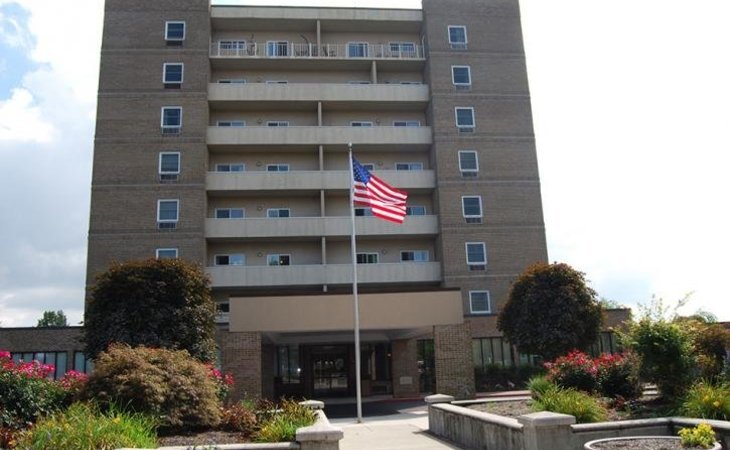
Who Owns and Operates Oak Hill Center For Rehabilitation And Nursing?

OAK HILL CENTER FOR REHABILITATION AND NURSING is owned by a for-profit company. For-profit facilities operate as businesses with obligations to shareholders or private owners. The facility is operated by MORDECHAI WEISZ, a chain that manages multiple nursing homes. With 136 certified beds and approximately 125 residents (about 92% occupancy), it is a mid-sized facility located in MIDDLETOWN, Pennsylvania.
How Does Oak Hill Center For Rehabilitation And Nursing Compare to Other Pennsylvania Nursing Homes?

Compared to the 100 nursing homes in Pennsylvania, OAK HILL CENTER FOR REHABILITATION AND NURSING's overall rating (1 stars) is below the state average of 3.0, staff turnover (47%) is near the state average of 46%, and health inspection rating (1 stars) is much below the national benchmark.

What Should Families Ask When Visiting Oak Hill Center For Rehabilitation And Nursing?

Based on this facility's data, families visiting should ask: "What safeguards and monitoring systems are in place to protect residents from abuse or neglect?" "Can you walk me through typical staffing levels on day, evening, and night shifts?" "Can I visit during a mealtime to observe dining assistance and food quality?" "How do you handle medical emergencies, and what is your hospital transfer rate?" These questions are particularly relevant given the substantiated abuse finding on record and the below-average staffing rating.

Is Oak Hill Center For Rehabilitation And Nursing Safe?

Based on CMS inspection data, OAK HILL CENTER FOR REHABILITATION AND NURSING has documented safety concerns. The facility has 1 substantiated abuse finding (meaning confirmed case of resident harm by staff or other residents). The facility has a 1-star overall rating and ranks #100 of 100 nursing homes in Pennsylvania. Families considering this facility should ask detailed questions about what corrective actions have been taken since these incidents.

Do Nurses at Oak Hill Center For Rehabilitation And Nursing Stick Around?

OAK HILL CENTER FOR REHABILITATION AND NURSING has a staff turnover rate of 47%, which is about average for Pennsylvania nursing homes (state average: 46%). Moderate turnover is common in nursing homes, but families should still ask about staff tenure and how the facility maintains care continuity when employees leave.

Was Oak Hill Center For Rehabilitation And Nursing Ever Fined?

OAK HILL CENTER FOR REHABILITATION AND NURSING has been fined $97,605 across 4 penalty actions. This is above the Pennsylvania average of $34,055. Fines in this range indicate compliance issues significant enough for CMS to impose meaningful financial consequences. Common causes include delayed correction of deficiencies, repeat violations, or care failures affecting resident safety. Families should ask facility leadership what changes have been made since these penalties.

Is Oak Hill Center For Rehabilitation And Nursing on Any Federal Watch List?

OAK HILL CENTER FOR REHABILITATION AND NURSING is not on any federal watch list. The most significant is the Special Focus Facility (SFF) program, which identifies the bottom 1% of nursing homes nationally based on persistent, serious quality problems. Not being on this list means the facility has avoided the pattern of deficiencies that triggers enhanced federal oversight. This is a positive indicator, though families should still review the facility's inspection history directly.