LOCUST GROVE RETIREMENT VILLAGE

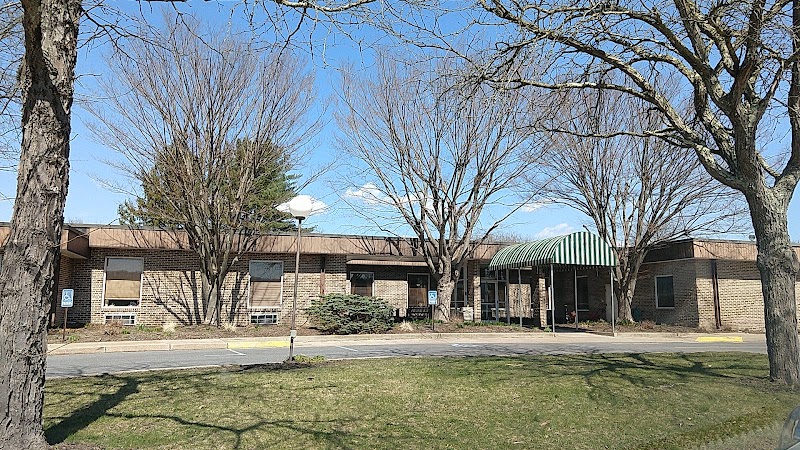
69 COTTAGE ROAD, MIFFLIN, PA 17058 (717) 436-8921
For profit - Corporation 104 Beds CONSULATE HEALTH CARE/INDEPENDENCE LIVING CENTERS/NSPIRE HEALTHCARE/RAYDIANT HEALTH CARE Data: November 2025
Trust Grade
53/100
#306 of 653 in PA
Last Inspection: June 2025

Inspected within the last 6 months. Data reflects current conditions.

Overview

Locust Grove Retirement Village has received a Trust Grade of C, which means it is average and sits in the middle of the pack regarding quality. It ranks #306 out of 653 nursing homes in Pennsylvania, placing it in the top half, but it's #3 out of 3 in Juniata County, indicating only one local option is better. The facility is showing improvement, with issues decreasing from 20 in 2024 to 8 in 2025; however, there are still notable concerns. Staffing is a strength, with a 35% turnover rate, which is lower than the state average, suggesting that staff members tend to stay longer and become familiar with residents' needs. However, the home has faced some serious incidents, such as a resident suffering fractures due to improper transfer methods, which raises questions about the adherence to care plans, as well as a lack of adequate pain management and skin assessments for other residents, indicating areas that need significant improvement.

Trust Score
C
53/100
In Pennsylvania
#306/653
Top 46%
Safety Record
Moderate
Needs review
Inspections
Getting Better
20 → 8 violations
Staff Stability
○ Average
35% turnover. Near Pennsylvania's 48% average. Typical for the industry.
Penalties
✓ Good
$12,831 in fines. Lower than most Pennsylvania facilities. Relatively clean record.
Skilled Nurses
○ Average
Each resident gets 36 minutes of Registered Nurse (RN) attention daily — about average for Pennsylvania. RNs are the most trained staff who monitor for health changes.
Violations
⚠ Watch
39 deficiencies on record. Higher than average. Multiple issues found across inspections.
★★★☆☆
3.0
Overall Rating
★★★☆☆
3.0
Staff Levels
★★☆☆☆
2.0
Care Quality
★★★☆☆
3.0
Inspection Score
Stable
2024: 20 issues
2025: 8 issues

The Good

  • Full Sprinkler Coverage · Fire safety systems throughout facility
  • No fines on record
  • Staff turnover below average (35%)

    13 points below Pennsylvania average of 48%

Facility shows strength in fire safety.

The Bad

3-Star Overall Rating

Near Pennsylvania average (3.0)

Meets federal standards, typical of most facilities

Staff Turnover: 35%

11pts below Pennsylvania avg (46%)

Typical for the industry

Federal Fines: $12,831

Below median ($33,413)

Minor penalties assessed

Chain: CONSULATE HEALTH CARE/INDEPENDENCE

Part of a multi-facility chain

Ask about local staffing decisions and management

The Ugly 39 deficiencies on record

1 actual harm
Jun 2025 8 deficiencies
CONCERN (D)

Potential for Harm - no one hurt, but risky conditions existed

Comprehensive Care Plan (Tag F0656)

Could have caused harm · This affected 1 resident

Based on clinical record review and staff interview, it was determined that the facility failed to implement a comprehensive person-centered care plan regarding behaviors for one out of three resident...

Read full inspector narrative →
Based on clinical record review and staff interview, it was determined that the facility failed to implement a comprehensive person-centered care plan regarding behaviors for one out of three residents reviewed for behaviors (Resident 54). Findings Include: Review of Resident 54's clinical record revealed that the facility admitted her on March 14, 2023. A Minimum Data Set Assessment (MDS, an assessment completed at specific intervals to determine care needs) dated March 20, 2023, indicated that the facility assessed her as having behaviors, such as refusal of care and agitation. The facility implemented a plan of care to address Resident 54's behaviors on March 17, 2023. There was no documented evidence in Resident 54's plan of care regarding interventions for staff to utilize if Resident 54 exhibits those behaviors during care. Review of Resident 54's plan of care for behaviors dated June 1, 2023, revealed that the facility added additional exhibited behaviors such as slapping and being combative with staff. There was no documented evidence in Resident 54's plan of care regarding interventions for staff to utilize if Resident 54 exhibits those behaviors during care. Nursing documentation on January 28, 2025, at 12:08 PM revealed that Resident 54 bit a staff member during care, leaving bite marks. Nursing documentation dated March 13, 2025, at 9:21 PM revealed that Resident 54 was combative with staff during a shower. Nursing documentation dated April 1, 2025, at 12:44 AM revealed that it took four staff members to provide incontinence care to Resident 54. Resident 54 was kicking, spitting, and biting at staff. There was no documented evidence in Resident 54's plan of care to indicate that the facility implemented individualized interventions regarding her behaviors, since its inception upon admission. The findings for Resident 54 were reviewed during an interview with the Administrator and Director of Nursing on June 25, 2025, at 2:00 PM. 28 Pa. Code 211.10 (a)(c)(d) Resident care policies 28 Pa. Code 211.12(d)(1)(3)(5) Nursing services
CONCERN (D)

Potential for Harm - no one hurt, but risky conditions existed

Pressure Ulcer Prevention (Tag F0686)

Could have caused harm · This affected 1 resident

Based on clinical record review, observations, and staff interview, it was determined that the facility failed to implement preventative measures to prevent pressure ulcers for one of three residents ...

Read full inspector narrative →
Based on clinical record review, observations, and staff interview, it was determined that the facility failed to implement preventative measures to prevent pressure ulcers for one of three residents reviewed for pressure ulcer concerns (Resident 67). Findings include: Clinical record review revealed the facility admitted Resident 67 on November 19, 2024. Review of Resident 67's admission assessment noted that she had no open areas on her feet. A nursing progress note date January 4, 2025, at 6:26 AM revealed that Resident 67's left heel had bleeding and bruising noted. New orders were received for skin prep (applied to the skin to create a film to protect the skin) to bilateral heels, and to elevate heels while in bed. Further clinical record review revealed a wound clinic note dated February 3, 2025, that indicated Resident 67 had a new left heel deep tissue injury (DTI, skin injury that occurs beneath the surface of the skin due to sustained pressure) with current measurements of 5.5 cm (centimeter) x 6.5 cm, 100% eschar. The note indicated to cleanse with Dakin's (an antimicrobial cleanser) 1.25%, then apply Dakin's-soaked fluffed gauze to the wound, cover with an ABD (abdominal gauze pads used to absorb discharges from draining wounds) pad, and change twice a day and as needed. Clinical record review of Resident 67's Braden scale (a scale used to predict pressure sore risk) dated December 3, 2024, revealed Resident 67 was assessed at a Braden score of 19 indicating that she was not at risk for pressure ulcer development. Further review revealed a Braden scale dated December 10, 2024, that indicated Resident 67 was assessed at a Braden score of 17, indicating she was at risk for pressure ulcer development. Review of Resident 67's care plan revealed a care plan entitled at risk for skin break down and pressure ulcer development, initiated on November 20, 2024, and last revised on November 24, 2024, revealed current interventions of a preventative mattress and turn and reposition as needed. Interview with the Nursing Home Administrator on June 27, 2025, at 10:10 AM revealed that the preventative mattress on Resident 67's bed was not a specialty mattress. Further review of Resident 67's care plan revealed that there were no new preventative pressure interventions initiated after her Braden scale assessment on December 10, 2024, that indicated her at-risk score decreased and she was at risk for pressure ulcer development. The facility failed to initiate preventative pressure ulcer interventions for Resident 67, after her Braden score assessment on December 10, 2024, determined she was as risk for pressure ulcer development, and she developed a DTI to her left heel on January 4, 2025. The Nursing Home Administrator and Director of Nursing were made aware of the above noted findings related to Resident 67's pressure ulcer on June 26, 2025, at 2:30 PM. 83.25(b)(1)(i)(ii) Treatment/svcs to Prevent/heal Pressure Ulcer Previously cited deficiency 5/3/24 28 Pa. Code 211.10(a)(d) Resident care policies 28 Pa. Code 211.12(d)(1)(5) Nursing services
CONCERN (D)

Potential for Harm - no one hurt, but risky conditions existed

Deficiency F0688 (Tag F0688)

Could have caused harm · This affected 1 resident

Based on observation, clinical record review, and staff and resident interview, it was determined that the facility failed to implement a physician ordered device utilized to prevent further decline i...

Read full inspector narrative →
Based on observation, clinical record review, and staff and resident interview, it was determined that the facility failed to implement a physician ordered device utilized to prevent further decline in range of motion for one of five residents reviewed (Residents 5). Findings include: Clinical record review for Resident 5 revealed a current physician's order for Restorative passive range of motion (PROM) to her left upper extremity and to place a carrot in the left hand after passive range of motion was complete. Observation of Resident 5 on June 24, 2025, at 12:20 PM revealed she was in bed. She acknowledged that she has limited motion on her left side to include her left hand. She did not have a carrot device in her left hand during this interaction. Review of documentation revealed that PROM was completed on this date. Observation of Resident 5 on June 26, 2025, at 11:40 AM revealed she was out of bed in her chair, and she did not have a carrot device in her left hand. Review of documentation revealed that PROM was completed on this date. Concurrent interview with Resident 5 revealed that the staff had not been putting anything in her left hand for about a week or so. Interview of the Nursing Home Administrator on June 27, 2025, at 10:35 AM revealed that the order for the carrot device for Resident 5's left hand did not get carried through in the clinical record for the nurse aides to complete. 483.25(c) Mobility Previously cited 5/3/24 28 Pa. Code 211.12(d)(1)(5) Nursing services
CONCERN (D)

Potential for Harm - no one hurt, but risky conditions existed

Accident Prevention (Tag F0689)

Could have caused harm · This affected 1 resident

Based on clinical record review, review of facility documentation, and staff interview, it was determined that the facility failed to thoroughly investigation a resident's accident in an attempt to pr...

Read full inspector narrative →
Based on clinical record review, review of facility documentation, and staff interview, it was determined that the facility failed to thoroughly investigation a resident's accident in an attempt to prevent future incidents and implement interventions to prevent falls injuries for one of five residents reviewed for falls (Resident 3). Findings include: Clinical record review for Resident 3 revealed a physician's order dated February 25, 2025, for staff to implement a tab alarm (alarm that sounds when a person moves too far away from the alarm, releasing the magnetic catch, and causing the alarm to sound) when in bed or chair and to check for function and placement every shift for safety. Review of facility and nursing documentation revealed that Resident 3 fell on May 1, 2025, at 4:00 PM. Resident 3 was found in his room on his knees beside the bed. The fall was unwitnessed. Resident 3 was assisted back to bed with alarms on (after the fall occurred). Review of a staff witness statement dated May 1, 2025, revealed that staff heard Resident 3 shouting while walking past the resident's room. They saw Resident 3 on the floor, on the ground, while holding onto the corner of the bed to keep himself upright. Staff called for the licensed practical nurse who came to Resident 3's room and requested additional help to assist with Resident 3. The witness statement did not indicate that a tab alarm was placed on Resident 3, nor did the statement indicate that any alarms were sounding at the time of the fall. Review of Resident 3's task documentation revealed that on May 1, 2025, the day shift (6:00 AM to 2:00 PM) staff indicated that Resident 3's tab alarm was placed and functioning at 1:44 PM. On May 1, 2025, evening shift (2:00 PM to 10:00 PM) did not assess that Resident 3's tab alarm was placed and functioning until 9:58 PM, almost six hours after Resident 3's fall. There was no documentation at the time of the fall that Resident 3's tab alarm was on and functioning (sounding) and no documentation that evening staff checked for function and or placement until after Resident 3's fall. The surveyor reviewed this information during an interview with the Director of Nursing home on June 26, 2025, at 1:57 PM 28 Pa. Code 201.18(e)(1) Management 28 Pa. Code 211.10(d) Resident care policies 28 Pa. Code 211.12(d)(1)(3)(5) Nursing services
CONCERN (D)

Potential for Harm - no one hurt, but risky conditions existed

Deficiency F0742 (Tag F0742)

Could have caused harm · This affected 1 resident

Based on review of select facility policies, clinical record review, observation, and staff interview, it was determined that the facility failed to implement physician ordered interventions for a res...

Read full inspector narrative →
Based on review of select facility policies, clinical record review, observation, and staff interview, it was determined that the facility failed to implement physician ordered interventions for a resident's suicidal ideations for one of one resident reviewed (Resident 31). Findings include: Review of the facility policy entitled Resident Expressing Suicidal Ideations, last reviewed on January 23, 2025, revealed it is the policy of the facility to ensure the safety of any resident that expresses the desire to harm themself. Clinical record review revealed that the facility admitted Resident 31 on May 30, 2025, with diagnosis of anxiety (feeling of worry, nervousness, or unease), major depressive disorder (a disorder characterized by a depressed mood, loss of interest in activities causing significant disruption in daily life), and dementia with behavioral disturbances (confusion with other symptoms such as depression, anxiety, agitation, and aggression). Clinical record review revealed a physician's order dated June 25, 2025, that indicated Resident 31 was to be on suicide precautions for 48 hours. Staff were to remove sharp objects from her room, and she was to have a cordless call bell. Resident 31 indicated to staff that she was going to kill herself by ripping her veins out and then she started pinching at the veins in her arms. Observation of Resident 31 during a medication administration pass on June 26, 2025, at 9:07 AM revealed she had a corded call bell attached to her bed, while she was in bed. Observation of Resident 31 on June 26, 2025, at 11:15 AM revealed she was in bed with a corded call bell attached to her sheet next to her in bed. Interview with Employee 5, nurse aide, who was exiting Resident 31's room on June 26, 2025, at 11:20 AM revealed that Resident 31 had thrown her call bell on the floor several times and she had to keep putting it back on the bed. Interview with Employee 4, LPN (Licensed Practical Nurse) and 5, at 11:22 AM revealed that they both were aware that Resident 31 was on suicidal precautions and that she should not have a corded call bell. The Nursing Home Administrator and Director of Nursing were made aware of the concerns noted above related to Resident 31's suicide precautions. 28 Pa. Code 211.12(d)(3)(5) Nursing services
CONCERN (D)

Potential for Harm - no one hurt, but risky conditions existed

Deficiency F0744 (Tag F0744)

Could have caused harm · This affected 1 resident

Based on clinical record review and staff interview, it was determined that the facility failed to develop and implement an individualized person-centered care plan to address dementia and cognitive l...

Read full inspector narrative →
Based on clinical record review and staff interview, it was determined that the facility failed to develop and implement an individualized person-centered care plan to address dementia and cognitive loss displayed by one of 3 residents reviewed (Resident 67). Findings include: Clinical record review for Resident 67 revealed the facility admitted her on November 19, 2024, with a diagnosis including Dementia (loss of memory, language, problem-solving, and other thinking abilities that interfere with daily life). A review of Resident 67's current care plan entitled, Impaired cognitive function or impaired though processes related to dementia revealed that there was no indication that the facility had implemented an individualized person-centered care plan to address the resident's dementia and cognitive loss needs. The findings were reviewed with the Nursing Home Administrator and Director of Nursing on June 27, 2025, at 12:10 PM. 483.40(b)(3) Dementia Treatment and Services Previously cited 05/03/24 28 Pa Code 211.12 (d)(1)(3)(5) Nursing services
CONCERN (E)

Potential for Harm - no one hurt, but risky conditions existed

Quality of Care (Tag F0684)

Could have caused harm · This affected multiple residents

Based on clinical record review and staff interview, it was determined that the facility failed to provide the highest practicable care regarding physician ordered medication parameters for two of 17 ...

Read full inspector narrative →
Based on clinical record review and staff interview, it was determined that the facility failed to provide the highest practicable care regarding physician ordered medication parameters for two of 17 residents reviewed (Residents 32 and 51) and failed to provide comprehensive skin assessments that are consistent with professional standards of practice, to promptly identify skin changes and to promote healing for one of three residents reviewed for skin condition concerns (Resident 1). Findings include: Clinical record review for Resident 51 revealed a diagnosis list that included essential hypertension (high blood pressure). Review of Resident 51's current care plan revealed the resident has hypertension and an intervention included to give anti-hypertensive medications as ordered and monitor for side effects such as orthostatic hypotension (a sudden drop in blood pressure when a person stands up) and increased heart rate, and effectiveness. Resident 51's care plan also noted the resident has a potential for an altered cardiovascular status related to the medical history. A review of the current physician orders for Resident 51 revealed an order dated August 13, 2024, for Metoprolol Succinate ER Extended Release (a medication that is used to treat high blood pressure and/or heart rate) 25 milligrams (mg) give one tablet by mouth one time a day for essential hypertension. Hold for a systolic blood pressure (SBP, the top number of a blood pressure reading where the heart contracts) less than 100 and/or a heartrate less than 60. A review of the Medication Administration Record (MAR) for Resident 51 revealed that the Metoprolol was marked as administered outside of the physician specified parameters for the following: April 4, 2025: the resident's blood pressure was documented as 97/55. April 12, 2025: the blood pressure was documented as 97/61. April 14, 2025: the pulse was documented as 59. April 27, 2025: the blood pressure was documented as 93/51. May 7, 2025: the blood pressure was documented as 88/59. May 30, 2025: the blood pressure was documented as 82/47. June 10, 2025: the blood pressure was documented as 98/60. The above information for Resident 51 was reviewed in a meeting with the Nursing Home Administrator (NHA) and Director of Nursing (DON) on June 26, 2025, at 11:00 AM. The NHA confirmed on June 27, 2025, at 9:35 AM that there was no documented evidence why the medication was administered outside of the physician ordered parameters. Clinical record review for Resident 32 revealed the following physician orders: On April 17, 2024, for staff to notify the physician if the blood sugar was less than 60 mg/dL (milligrams/deciliter) or greater than 400 mg/dL. On April 27, 2024, for staff to monitor their blood sugar before meals and at bedtime for diabetes (high blood sugar). Review of Resident 32's clinical documentation revealed the following: On May 3, 2025, at 8:00 PM 415 mg/dL. On May 6, 2025, at 5:00 PM 507 mg/dL. On May 6, 2025, at 8:00 PM 444 mg/dL. On May 8, 2025, at 12:30 PM 601 mg/dL. On May 8, 2025, at 5:00 PM 601 mg/dL. On May 8, 2025, at 5:00 PM staff documented NA (not applicable). On May 8, 2025, at 8:00 PM staff documented NA. On May 12, 2025, at 5:00 PM staff documented NA. On May 14, 2025, at 5:00 PM staff documented NA. On May 14, 2025, at 9:00 PM staff documented NA. On May 15, 2025, at 12:30 PM 539 mg/dL. On May 17, 2025, at 12:30 PM 586 mg/dL. On May 17, 2025, at 5:00 PM 541 mg/dL. On May 20, 2025, at 12:30 PM 493 mg/dL. On May 22, 2025, at 5:00 PM staff documented NA. On May 22, 2025, at 9:00 PM staff documented NA. On May 24, 2025, at 12:30 PM 439 mg/dL. On May 24, 2025, at 5:00 PM 400 mg/dL. On May 25, 2025, at 7:30 AM 405 mg/dL. On May 26, 2025, at 5:00 PM staff documented NA. On May 26, 2025, at 9:00 PM staff documented NA. On May 27, 2025, at 12:30 PM 485 mg/dL. On May 29, 2025, at 12:30 PM 500 mg/dL. On May 31, 2025, at 12:30 PM 537 mg/dL. On May 31, 2025, at 5:00 PM 592 mg/dL/. On May 31, 2025, at 8:00 PM 472 mg/dL. On June 1, 2025, at 11:30 AM 447 mg/dL. On June 3, 2025, at 12:30 PM 488 mg/dL. On June 5, 2025, at 5:00 AM 420 mg/dL. On June 5, 2025, at 12:30 PM 508 mg/dL. On June 7, 2025, at 12:30 PM 479 mg/dL. On June 12, 2025, at 12:30 PM 540 mg/dL. On June 14, 2025, at 12:30 PM 580 mg/dL. On June 14, 2025, at 5:00 PM 473 mg/dL. On June 15, 2025, at 11:30 AM 413 mg/dL. On June 17, 2025, at 12:30 PM 412 mg/dL. On June 19, 2025, at 12:30 PM 434 mg/dL. On June 19, 2025, at 5:00 PM 426 mg/dL. On June 20, 2025, 7:30 AM 559 mg/dL. On June 21, 2025, at 5:00 PM 406 mg/dL. On June 23, 2025, at 7:30 AM 525 mg/dL. On June 24, 2025, at 12:30 PM 478 mg/dL. The above information was reviewed during an interview on June 26, 2025, at 10:45 AM with the Nursing Home Administrator and Director of Nursing. There was no evidence that the facility notified the physician of the elevated blood sugars. Review of Resident 1's clinical record revealed a current physician's order initiated May 10, 2025, that indicated nursing staff were to use Medihoney (a wound gel that promotes healing and removes necrotic tissue) and border gauze to Resident 1's right glute (buttock) open area every day. There was no documented evidence to indicate that the facility completed a skin assessment to determine the status or measurement of Resident 1's open buttock area on May 10, 2025 or after. There was no documented evidence on Resident 1's Medication Administration Record (MAR, a form used to document the administration of medications) or Treatment Administration Record (TAR, a form used to document the administration of treatments) to indicate that the treatment ordered to her right buttock on May 10, 2025, was completed as ordered. The above findings for Resident 1 were reviewed during an interview with the Administrator of June 26, 2025, at 2:00 PM. 483.25 Quality of Care Previously Cited 5/3/2024 28 Pa. Code 211.12(d)(1)(3)(5) Nursing services
CONCERN (E)

Potential for Harm - no one hurt, but risky conditions existed

Deficiency F0697 (Tag F0697)

Could have caused harm · This affected multiple residents

Based on clinical record review and staff interview, it was determined that the facility failed to provide the highest practicable care regarding physician ordered pain medications for one of three re...

Read full inspector narrative →
Based on clinical record review and staff interview, it was determined that the facility failed to provide the highest practicable care regarding physician ordered pain medications for one of three residents reviewed (Resident 32) Findings include: Review of Physiopedia's and Wikipedia's definition of the numeric pain rating scale (parameters) from zero to 10 indicated that no pain was identified as zero, mild pain was identified as one to three, moderate pain was identified as four to six, and severe pain was identified as seven to 10. Clinical record review for Resident 32 revealed physician's orders for the following pain medications: Ordered on May 3, 2025, and discontinued on May 6, 2025, Acetaminophen (Tylenol, for mild pain) 325 milligrams (mg) 2 tablets by mouth (PO) every 6 hours as needed (PRN) for pain (1-5). Ordered on May 5, 2025, and discontinued on May 12, 2025, Acetaminophen 325 mg 2 tablets PO every 4 hours PRN for pain (1-5). Ordered on May 12, 2025, Acetaminophen 325 mg 2 tablets PO every 6 hours PRN for mild pain. Review of Resident 32's MARs (medication administration record, a form to document medication administration) revealed the following: Staff administered the following PRN pain medications: Acetaminophen 325 mg 2 tablets PO every 6 hours PRN for pain (1-5). May 5, 2025, at 9:15 AM for a pain level of 9. Acetaminophen 325 mg 2 tablets PO every 4 hours PRN for pain (1-5). May 7, 2025, at 2:30 PM for a pain level of 8. May 8, 2025, at 4:33 AM for a pain level of 8. Acetaminophen 325 mg 2 tablets PO every 6 hours PRN for mild pain. May 22, 2025, at 4:32 AM for a pain level of 9. May 22, 2025, at 1:30 PM for a pain level of 8. May 25, 2025, at 12:10 PM for a pain level of 5. May 29, 2025, at 4:23 AM for a pain level of 7. May 31, 2025, at 4:38 AM for a pain level of 8. June 4, 2025, at 11:30 AM for a pain level of 8. June 8, 2025, at 11:30 AM for a pain level of 5. June 12, 2025, at 4:29 AM for a pain level of 8. June 18, 2025, at 1:50 PM for a pain level of 7. The surveyor reviewed the above information during an interview with the Nursing Home Administrator and Director of Nursing on June 26, 2025, at 10:45 AM. 28 Pa. Code 211.12(c)(d)(1)(3)(5) Nursing services
Oct 2024 1 deficiency
CONCERN (D) 📢 Someone Reported This

A family member, employee, or ombudsman was alarmed enough to file a formal complaint

Potential for Harm - no one hurt, but risky conditions existed

Quality of Care (Tag F0684)

Could have caused harm · This affected 1 resident

Based on clinical record review, observation, and resident and staff interview, it was determined that the facility failed to provide the highest practicable care regarding physician ordered medicatio...

Read full inspector narrative →
Based on clinical record review, observation, and resident and staff interview, it was determined that the facility failed to provide the highest practicable care regarding physician ordered medications for five of five residents (Residents 1, 2, 3, 4, and 5) and provide incontinence care for one of five residents reviewed (Resident 1). Findings include: Clinical record review for Resident 1 revealed physician orders for staff to administer the following medications: Metoprolol Tartrate 25 mg (milligrams) by mouth (PO) twice daily (BID) for hypertension (high blood pressure) Gabapentin 100 mg PO three times daily (TID) for venous insufficiency Hydralazine 25 mg PO TID for hypertension Lasix 60 mg PO in the morning for edema Escitalopram Oxalate 10 mg PO daily (QD) for major depression Aspirin EC Delayed Release 325 mg PO QD for cerebral infarction (stroke) Allopurinol 300 mg PO QD for gout Pramipexole Dihydrochloride 0.25 mg PO QD for restless legs Vitamin D3 25 mcg 5 tablets in the morning for vitamin deficiency Alphagan P Ophthalmic Solution 0.15% 1 drop bilateral (b/l) eyes BID for glaucoma Fluticasone Propionate 50 mcg/act 1 spray both nostrils (nose) BID Review of Resident 1's September 2024 MAR (medication administration record, a form to document medication administration) revealed that there was no documentation that staff administered their medications on September 8, 2024, for the 6:00 AM and 8:00 AM administration times. Clinical record review for Resident 2 revealed physician orders for staff to administer the following medications: Clearlax powder 17 grams/scoop 17 grams PO in the morning for constipation Cranberry tablet 450 mg PO in the morning related to urinary incontinence Divalproax Sodium delayed release 500 mg 3 tablets in the morning for mood disorder Loratidine 10 mg PO QD for allergic rhinitis Omeprazole 20 mg PO QD for indigestion Metformin HCL 1000 mg BID for Diabetes with meals Acetaminophen 325 mg 4 tablets PO TID for compression vertebra fracture Repaglinide 1 mg PO before meals for Diabetes Artificial Tears 1% 1 drop in right eye four times daily (QID) for severe dry eyes Barrier cream to groin TID and as needed (PRN) with brief changes for irritation to groin Review of Resident 2's September 2024 MAR revealed that there was no documentation that staff administered their medications on September 8, 2024, for the 6:00 AM. 7:30 AM, and 8:00 AM administration times. Clinical record review for Resident 3 revealed physician orders for staff to administer the following medications: Finasteride 5 mg Po QD related to benign prostate hyperplasia (BPH, prostate enlargement) Omeprazole 20 mg PO QD related to reflux Prozac 10 mg PO QD for major depression Tamsulosin HCL 0.4 mg PO QD for BPH Zonisamide 100 mg 4 capsules PO QD for epilepsy (seizures) Keppra 100 mg/ml 15 mg PO BID for epilepsy Miralax 17 grams PO BID for constipation Phenobarbital 97.2 mg 0.5 tablet PO BID for epilepsy Senna S 8.6-50 mg 2 tablets PO BID for constipation Ursodiol 300 mg PO BID for retained cholelithiasis (gallstones in the abdomen after surgery) Review of Resident 3's September 2024 MAR revealed that there was no documentation that staff administered their medications on September 8, 2024, for the 10:00 AM administration time. Clinical record review for Resident 4 revealed physician orders for staff to administer the following medications: Aspirin 81 mg PO QD for peripheral vascular disease (PVD) Calcium and Vitamin D3 600-100 mg-mcg PO in the morning as a supplement Clopidogrel 75 mg PO QD for PVD Multivitamin 1 tablet PO QD as a supplement Polyethylene powder 17 gram PO in the morning for constipation Potassium Chloride ER 10 mEq (milliequivalent) PO in the morning for low potassium Senna-S 8.6-50 mg PO QD for constipation House supplement 4 ounces TID between meals as a supplement Review of Resident 4's September 2024 MAR revealed that there was no documentation that staff administered their medications on September 8, 2024, for the 10:00 AM administration time. Clinical record review for Resident 5 revealed physician orders for staff to administer the following medications: Cholestyramine Light powder 4 grams PO BID with meals Levetiracetam 100 mg/ml (milliliter) 5 ml PO BID for encephalopathy (brain disfunction) Lorazepam 0.5 mg BID for anxiety Omeprazole 20 mg 2 capsule PO BID for reflux Prednisone 5 mg PO BID for encephalopathy Pyridostigmine Bromide 60 mg PO TID for myasthenia gravis (autoimmune muscle weakness) Sucralfate 1 gram PO QID for gastrointestinal bleed Review of Resident 5's September 2024 MAR revealed that there was no documentation that staff administered their medications on September 8, 2024, for the 6:00 AM, 8:00 AM, and 10:00 AM administration times. Clinical record review for Resident 1 revealed that staff completed an MDS (Minimum Data Set, an assessment tool completed at specific intervals to determine resident care needs) on August 3, 2024. Staff indicated that Resident 1 was cognitively intact, frequently incontinent of bladder, was able to transfer to and from the toilet with supervision/touch assistance but required substantial/maximum assistance with toileting abilities to maintain perineal (groin) hygiene and adjust clothes before and after voiding. Review of Resident 1's September and October 2024, task intervention documentation (an action intended to improve the resident's health and comfort) regarding toileting revealed that staff were to provide toileting every two hours. Staff documented that Resident 1 usually accepted toileting utilizing limited assistance of one staff person. Review of October 5, 2024, and October 6, 2024, toileting documentation revealed that staff documented the following: Toileting refusals- October 5, 2024, at 2:00 AM, 12:00 PM, 2:00 PM, and 6:00 PM October 6, 2024, at 2:00 AM, 6:00 AM, 08:00 AM, 10:00 AM, 12:00 PM, 2:00 PM, and 6:00 PM Staff documented that toileting Resident 1 was not applicable on October 5, 2024, at 6:00 AM and 8:00 AM. There was no documentation that indicated nurse aide staff notified their charge nurses regarding Resident 1's frequent toileting refusals. Interview with Resident 1 on October 9, 2024, at 10:50 AM revealed that they did not have any concerns with staff or the care that they provided, however, she indicated that when staff call off it takes longer for staff to respond to her call bell and care needs. Review of facility staff scheduling revealed that on October 5, 2024, only three nurse aides worked during day shift and only 2.88 nurse aides worked during the evening shift for a census of 64 residents. The facility provided an average of 2.73 hours of direct nursing care to residents on October 5, 2024. On October 6, 2024, only 3.63 nurse aides worked during the day shift, 2.5 nurse aide worked during the evening shift, and three nurse aides during the overnight shift for a census of 64 residents. The facility provided an average of 2.45 hours of direct nursing care to residents on October 6, 2024. The facility did not provide sufficient staff to provide direct nursing care and services to residents. The surveyor reviewed the above information during an interview on October 9, 2024, at 2:15 PM with the Nursing Home Administrator. 483.25 Quality of Care Previously cited 5/3/24 28 Pa. Code 211.10(c) Resident care policies 28 Pa. Code 211.12(c)(d)(1)(3)(5) Nursing Services
Jun 2024 1 deficiency
CONCERN (D) 📢 Someone Reported This

A family member, employee, or ombudsman was alarmed enough to file a formal complaint

Potential for Harm - no one hurt, but risky conditions existed

Deficiency F0790 (Tag F0790)

Could have caused harm · This affected 1 resident

**NOTE- TERMS IN BRACKETS HAVE BEEN EDITED TO PROTECT CONFIDENTIALITY** Based on clinical record review and staff interview it was determined that the facility failed to obtain dental care for one of ...

Read full inspector narrative →
**NOTE- TERMS IN BRACKETS HAVE BEEN EDITED TO PROTECT CONFIDENTIALITY** Based on clinical record review and staff interview it was determined that the facility failed to obtain dental care for one of six residents reviewed for dental concerns (Resident 1). Findings include: Clinical record review revealed that Resident 1 was admitted to the facility on [DATE]. A review of the diagnoses list for Resident 1 included the following: severe intellectual disabilities, a mixed receptive-expressive language disorder, and the need for assistance with personal care. Review of the current physician orders for Resident 1 included the following: Dental as needed and nothing by mouth, both dated February 26, 2024. Review of the current Minimum Data Set Assessment (MDS, an assessment completed at specific intervals to determine care needs) for Resident 1 dated April 6, 2024, revealed that the resident is rarely/never understood and is dependent on staff for personal hygiene. An admission MDS for Resident 1 dated March 4, 2024, revealed that the staff assessed the resident has having obvious or likely cavity or broken natural teeth. Nursing documentation for Resident 1 dated March 4, 2024, at 9:15 AM revealed the resident has her own teeth with some missing and some cavity like areas. Nursing documentation for Resident 1 dated June 4, 2024, at 6:42 AM revealed the resident has natural teeth with some missing and some cavity like areas. Observation of Resident 1 on June 18, 2024, at 11:30 AM with the Director of Nursing (DON) revealed that the resident had natural teeth. There were some teeth missing. The gums appeared erythematous (reddened) in a thin line just above the front teeth on at least two of the teeth in the upper jaw. The teeth were discolored. The exam was limited based on resident movement. Further clinical record review for Resident 1 revealed no evidence that the facility offered the resident's responsible party routine dental services since admission or addressed the concerns related to the nursing documentation and MDS that assessed the resident's teeth as some missing and some cavity like areas. An interview with the DON on June 18, 2024, at 1:03 PM revealed that the resident is on the dental list for an upcoming appointment in July 2024. However, the facility had no further documentation to indicate the resident's responsible party was offered or refused dental services. The DON further noted the dental provider comes to the facility every three months and was last here in March 2024. The resident was not seen at that time per the DON. A review of the facility documentation for upcoming appointments revealed that the resident was added by the facility to the July 2024 appointment list on June 18, 2024, after being discussed with the surveyor. An interview with the Nursing Home Administrator (NHA) on June 18, 2024, at 3:01 PM confirmed that there was no evidence to indicate the Resident 10's responsible party was offered any routine or emergency dental services or refused the services. The NHA further noted at the time of the interview that there was no evidence in Resident 10's admission packet to indicate any dental services were discussed, offered, or refused by Resident 10's responsible party. The facility failed to offer, provide, or obtain routine dental services to meet the needs of Resident 10. The above information was reviewed in a meeting with the NHA and DON on June 18, 2024, at 3:36 PM. 28 Pa. Code 211.12(d)(3) Nursing services
May 2024 18 deficiencies 1 Harm
SERIOUS (G) 📢 Someone Reported This

A family member, employee, or ombudsman was alarmed enough to file a formal complaint

Actual Harm - a resident was hurt due to facility failures

Free from Abuse/Neglect (Tag F0600)

A resident was harmed · This affected 1 resident

Based on observation, clinical record review, review of facility documents, and resident and staff interview, it was determined that the facility failed to protect the rights of a resident to be free ...

Read full inspector narrative →
Based on observation, clinical record review, review of facility documents, and resident and staff interview, it was determined that the facility failed to protect the rights of a resident to be free from neglect by not providing the services necessary to avoid physical harm related to a sustained fracture on one of two nursing units, (Unit 100-300, Resident 33). This deficiency is cited as past noncompliance Findings include: Observation and interview with Resident 33 on May 1, 2024, at 9:49 AM revealed the resident was in bed. Resident 33 stated one person gave her a couple fractures and stated, She tried to get me into bed, she didn't use the lift. Resident 33 stated she hurt after that, and it was her fault, referencing the staff member. Resident 33 said her knee was broken. Clinical review for Resident 33 revealed an active physician's order dated November 8, 2023, for the resident to use a full mechanical lift as her transfer status. Review of Resident 33's plan of care revealed the resident requires a mechanical lift with two staff assistance for transfers initiated on the plan of care on October 13, 2022. A nursing note dated March 24, 2024, at 2:24 PM noted the resident began complaining of left knee pain that hurt after being bumped during transfer the day before. The note indicated there was no concern or swelling noted of the knee. An x-ray of Resident 33's left knee completed on March 25, 2024, revealed the resident had an acute fracture of the left lateral tibial plateau. The facility initiated an investigation on March 26, 2024, into Resident 33's acute knee fracture and upon resident interview dated March 26, 2024, the resident stated a staff member got her out of bed by herself and twisted her knee while lifting her. Review of staff statements obtained by the facility revealed the resident had mentioned several different staff members as individuals who transferred her independently. Based on a staff statement from Employee 15 (resident assistant) dated March 26, 2024, revealed that Employee 16 (nurse aide) was witnessed getting Resident 33 out of bed by just picking her up and putting her in the wheelchair to got to the dining area on March 23, 2024. Review of a telephone interview documented by facility staff dated March 26, 2024, with Employee 16 indicated the nurse aide indicated she did get Resident 33 out of bed, but indicated she used the Hoyer lift by herself to get the resident out of bed and indicated she knew two people were to be used with the lift. Employee 16 stated the resident did not express pain during the transfer but did hear a pop when she rolled her in bed when lunch was over. A review information submitted by the facility on March 28, 2024, indicated the facility had completed an investigation into Resident 33's reported knee pain and allegation of only being transferred with one person, and sustaining a fracture. The facility interviewed all staff working in the time frame surrounding the incident and determined Employee 16 did not follow Resident 33's plan of care regarding the mechanical lift for transfers with two people, and Employee 16 admitted there was not a second person present. Employee 16 was terminated from the facility on March 26, 2024. The facility provided staff education on using the correct transfer status when providing residents with care and transfers on March 26, 2024. Review of a facility implemented plan of correction, signed by facility administration during an Ad Hoc quality assurance (QA) meeting on March 26, 2024, revealed that the facility implemented the following: Random audits of transfers will be completed by the director of clinical services or their designee. The results will be reported at the April 18, 2024, QAPI meeting. Review of the audits dated March 26 and 27, 2024, revealed that staff were appropriately transferring residents utilizing the required staff. Review of the QAPI meeting dated April 25, 2024, revealed that the transfer audits were reviewed with no trends noted. Random audits on each shift will continue for another month. These results will be reviewed at the May QAPI meeting for further recommendation. The Ad Hoc meeting also indicated that staff continue to be educated on proper transfer status at orientation and as needed. The above findings were confirmed with the Nursing Home Administrator and Director of Nursing on May 3, 2024, at 11:30 AM. 28 Pa. Code 201.18(e)(1) Management 28 Pa. Code 201.29(a) Resident rights
CONCERN (D)

Potential for Harm - no one hurt, but risky conditions existed

Deficiency F0578 (Tag F0578)

Could have caused harm · This affected 1 resident

**NOTE- TERMS IN BRACKETS HAVE BEEN EDITED TO PROTECT CONFIDENTIALITY** Based on clinical record review and staff interview, it was determined that the facility failed to establish clear and consisten...

Read full inspector narrative →
**NOTE- TERMS IN BRACKETS HAVE BEEN EDITED TO PROTECT CONFIDENTIALITY** Based on clinical record review and staff interview, it was determined that the facility failed to establish clear and consistent resident's wishes regarding advance directives (written instruction, such as a living will or durable power of attorney, relating to the provision of healthcare, for a time when a resident may be incapacitated and not able to make decisions) for one of one resident reviewed (Resident 16). Findings include: Review of Resident 16's clinical record revealed that the facility admitted her on February 26, 2024. A physician's order dated February 26, 2024, indicated that Resident 16 was to be a full code, which would include CPR (cardiopulmonary resuscitation). Review of a POLST (Physician Orders for Life Sustaining Treatment, a document for specific medical orders to be honored by health care workers during a medical crisis) form signed by Resident 16's responsible party on [DATE], indicated that she wished for Resident 16 to be a DNR (Do Not Resuscitate, not to perform cardiopulmonary resuscitation if breathing stops). Resident 16 continued to have both a full code physician order and a DNR on her paper POLST until [DATE], when the surveyor brought it to the attention of the facility. Interview with the Administrator and Director of Nursing on [DATE], at 2:00 PM confirmed the above findings for Resident 16. 28 Pa. Code 201.18(b)(1) Management 28 Pa. Code 201.29(a) Resident rights
CONCERN (D)

Potential for Harm - no one hurt, but risky conditions existed

Safe Environment (Tag F0584)

Could have caused harm · This affected 1 resident

Based on review of select facility policies and procedures, clinical record review, and family and staff interview, it was determined that the facility failed to ensure reasonable care for the protect...

Read full inspector narrative →
Based on review of select facility policies and procedures, clinical record review, and family and staff interview, it was determined that the facility failed to ensure reasonable care for the protection of the resident's property for one of 18 residents reviewed (Resident 228). Findings include: The facility policy entitled, Personal Items Inventory, last reviewed without changes on March 29, 2024, revealed that the facility's procedure included: Enter the resident's name, room number, medical record number, and the date of inventory on the Inventory of Personal Effects Identify articles as listed, indicating quantity and presence with a check (x) Describe items of specific value. Describe color and size. Do not indicate type of metal or stone Sign Inventory of Personal Effects sheet: signature of resident or responsible party/date; signature of nurse/date; If resident or responsible party is unable to sign, two facility personnel (one being a nurse) are to sign the inventory on admission Telephone interview with Resident 228's husband on April 30, 2024, at 12:13 PM revealed that he could not find Resident 228's wedding band or diamond ring. Resident 228's husband stated that he could not say if she was wearing the jewelry upon her admission to the hospital or to the facility. Clinical record review for Resident 228 revealed the facility admitted her on April 17, 2024. An Inventory of Personal Effects form (document the facility utilizes to account for resident's personal property on admission and upon discharge) had no property listed and had no signatures of either staff or the resident/resident's responsible party. Interview with Employee 10 (nurse aide) and Employee 11 (licensed practical nurse) on May 1, 2024, at 11:14 AM confirmed that Resident 228's Inventory of Personal Effects form was not completed since her admission to the facility. The surveyor reviewed the above findings with the Nursing Home Administrator and the Director of Nursing on May 1, 2024, at 2:00 PM. 28 Pa. Code 201.18(b)(2) Management 28 Pa. Code 201.29(a) Resident rights 28 Pa. Code 211.12(d)(1) Nursing services
CONCERN (D)

Potential for Harm - no one hurt, but risky conditions existed

Abuse Prevention Policies (Tag F0607)

Could have caused harm · This affected 1 resident

Based on a review of select facility policies and procedures, employee personnel record review, and staff interview, it was determined that the facility failed to obtain attestation of Pennsylvania re...

Read full inspector narrative →
Based on a review of select facility policies and procedures, employee personnel record review, and staff interview, it was determined that the facility failed to obtain attestation of Pennsylvania residency as required for one of five personnel records reviewed (Employee 3). Findings include: In accordance with Act 13 Elder Abuse Mandatory Reporting and Act 169 Criminal Background Checks, nursing facilities are required to obtain a criminal background check on all newly hired employees. Facilities are required to obtain the Pennsylvania State Police (PSP) background check within 30 days of hire on all prospective employees. If the applicant has not been a Pennsylvania resident for the two years before application, they will need to have a PSP criminal history background check completed and an FBI Background Check. The facility policy entitled, Abuse, Neglect, Exploitation, and Misappropriation, last reviewed without changes on March 29, 2024, revealed that persons applying for employment will be screened for a history of abuse, neglect, exploitation, or misappropriation of resident property. This includes, but is not limited to, criminal background checks. The policy did not include how the facility will have an employee attest to two consecutive years of Pennsylvania residency before application for employment. Review of Employee 3's (nurse aide) personnel file revealed that the facility hired her on January 7, 2024. Employee 3's personnel file included a document entitled, Statement of Two Year PA State Residency, signed and dated by Employee 3 on January 7, 2024, that did not include a response by Employee 3 for the questions if she was a resident of the State of Pennsylvania for the past two years or if she was a citizen of the United States. Interview with the Nursing Home Administrator and Employee 9 (human resources coordinator) on May 1, 2024, at 3:53 PM confirmed the above findings regarding Employee 3. 483.12(b)(1)-(3) Develop/implement Abuse/neglect Policies Previously cited deficiency 8/4/2023 28 Pa. Code 201.14(a) Responsibility of licensee 28 Pa Code 201.18(b)(1)(3)(e)(1) Management 28 Pa Code 201.19(8) Personnel policies and procedures
CONCERN (D)

Potential for Harm - no one hurt, but risky conditions existed

Deficiency F0655 (Tag F0655)

Could have caused harm · This affected 1 resident

Based on clinical record review and staff, resident, and family interview, it was determined that the facility failed to provide the resident and their representative a summary of the baseline care pl...

Read full inspector narrative →
Based on clinical record review and staff, resident, and family interview, it was determined that the facility failed to provide the resident and their representative a summary of the baseline care plan for two of 24 residents reviewed (Residents 228 and 231). Findings include: Interview with Resident 228's husband on April 30, 2024, at 12:27 PM revealed that he believed the facility's contracted hospice provider staff were organizing his wife's care. Resident 228's husband was not aware of the frequency of visits completed by hospice staff. Review of the facility's CMS-802 (form used to list all current residents and pertinent care categories) revealed that Resident 228 received hospice services. Clinical record review for Resident 228 revealed that the facility admitted her on April 17, 2024. Review of active physician orders for Resident 228 revealed no evidence that she was to receive services from a hospice provider. Interview with Employee 11 (licensed practical nurse) on May 1, 2024, at 11:14 AM revealed that a baseline care plan form in Resident 228's clinical record included her name, date of birth , and physician's name; however, otherwise, was completely blank. Employee 11 confirmed that the facility had not developed Resident 228's comprehensive plan of care as of this date. The facility failed to develop a baseline plan of care that included the minimum healthcare information necessary (e.g., hospice services) to care for Resident 228. The surveyor reviewed the above concerns regarding Resident 228 during an interview with the Director of Nursing and the Nursing Home Administrator on May 1, 2024, at 2:00 PM. The interview confirmed that the facility did not obtain a physician's order for Resident 228's hospice services until following the surveyor's review of her medical record on April 30, 2024. Interview with Resident 231 on April 30, 2024, at 3:40 PM revealed that she denied receiving a written summary of a care plan. Review of Resident 231's Baseline Care Plan and Summary available in her physical clinical record on the nursing unit revealed no signatures of staff, Resident 231, or Resident 231's representative. The document included a section on the last page labeled, Below are completion signatures and dates of those participating in the initial baseline care plan development and summary. The surveyor reviewed the above concerns regarding Resident 231 during an interview with the Director of Nursing and the Nursing Home Administrator on May 1, 2024, at 2:00 PM. Information provided by the facility on May 2, 2024, revealed that Resident 231 signed the Baseline Care Plan and Summary on May 1, 2024 (following the surveyor's questioning). 28 Pa. Code 211.12(d)(1)(3)(5) Nursing services
CONCERN (D)

Potential for Harm - no one hurt, but risky conditions existed

Quality of Care (Tag F0684)

Could have caused harm · This affected 1 resident

Based on clinical record review and resident and staff interview, it was determined that the facility failed to provide the highest practicable care related to intravenous access and medication admini...

Read full inspector narrative →
Based on clinical record review and resident and staff interview, it was determined that the facility failed to provide the highest practicable care related to intravenous access and medication administration for one of two residents reviewed for intravenous access concerns (Resident 74); implementation of interventions for one of four residents reviewed for skin conditions (Resident 231); and bowel protocol medications for one of one resident reviewed for constipation concerns (Resident 231). Findings include: Clinical record review for Resident 74 revealed a plan of care initiated by the facility on April 25, 2024, to address antibiotic therapy related to an endocarditis infection (inflammation of the inner lining of the heart chambers and valves; usually caused by a bacterial infection). Interventions listed in the plan of care included: PICC line (PICC, long, thin, tube that is inserted through a vein in the arm and passed through to a larger vein near the heart. The line requires careful care and monitoring for complications including bleeding, infection, and blood clots) and flushes as ordered E-kit (emergency kit) at bedside No BP (blood pressure) in left arm Observation of Resident 74 on April 30, 2024, at 1:40 PM revealed a PICC line access site on the back of his left bicep. Observation of Resident 74 and Resident 74's room revealed no indication of any restrictions preventing use of his left arm for blood pressures or venipuncture (blood draws). There was no emergency equipment readily visible in Resident 74's room in the event of complications from the PICC line access (such as clamps or compression dressing kit in the event of bleeding). Interview with Employee 6 (registered nurse) on April 30, 2024, at 1:54 PM confirmed the above findings for Resident 74. Clinical record review for Resident 74 revealed active physician orders dated April 3, 2024, for the following: Cefazolin Sodium (antibiotic medication) 2000 mg (milligrams) intravenously every eight hours for endocarditis PICC or midline, measure upper arm circumference in centimeters and external catheter length in inches on admission, with each dressing change, and as needed. Flush PICC with 10 milliliters (ml) of normal sterile saline every shift and as needed Review of Resident 74's MAR (Medication Administration Record, electronic documentation of the administration of medications) and TAR (Treatment Administration Record, electronic documentation of the completion of treatments) dated April 2024 revealed the following: No staff documented a measurement of Resident 74's left upper arm as scheduled on April 21, 2024 No staff documented the administration of the Cefazolin Sodium intravenous medication on April 9, 18, and 26, 2024, at 6:00 AM. No staff documented the normal sterile saline flush as scheduled on April 18 and 26, 2024, at 6:00 AM. The surveyor reviewed the above concerns pertaining to Resident 74 during an interview with the Director of Nursing and the Nursing Home Administrator on May 1, 2024, at 2:00 PM. Clinical record review for Resident 231 revealed a physician's order dated April 23, 2024, for Resident 231 to wear a heel lift boot on her left foot when in bed. Observation and interview with Resident 231 on April 30, 2024, at 3:46 PM revealed she was in bed with her foot wrapped in white gauze. Observation of the gauze revealed two small circular areas of orange discoloration. Resident 231 stated that she was not sure if the areas were indicative of wound drainage or the color of the betadine (liquid antiseptic and disinfectant used for the treatment and prevention of infections in wounds and cuts) treatment used on her wounds. Resident 231 was not wearing a heel lift boot at the time of the observation. Interview with Resident 231 revealed that she had a doctor's appointment earlier that day; and that the doctor indicated that she would be starting an antibiotic. Clinical record review for Resident 231 revealed no evidence that a physician prescribed an antibiotic for Resident 231. The surveyor requested the progress note from the consulting surgical provider Resident 231 visited on April 30, 2024, during an interview with the Director of Nursing and the Nursing Home Administrator on May 1, 2024, at 2:00 PM, and May 2, 2024, at 10:50 AM. Nursing documentation dated May 1, 2024, at 11:35 PM revealed that the provider was in the facility that evening, reviewed wound care notes, and approved a physician's order for Clindamycin (antibiotic) and ciprofloxacin (Cipro, an antibiotic) based on recommendation from the clinic. Staff faxed the orders to the pharmacy at that time (at least 32 hours after Resident 231 returned from the wound clinic). Interview with the Nursing Home Administrator and the Director of Nursing on May 2, 2024, at 10:50 AM revealed that the facility could not provide the progress note documentation from the consulting wound care provider that evaluated Resident 231 on April 30, 2024. The surveyor called the wound and hyperbaric (oxygen therapy to strengthen natural wound healing) center provider on May 2, 2024, at 11:17 AM and left a voicemail message requesting a return call at the facility to discuss a resident's care that occurred on April 30, 2024. The Nursing Home Administrator provided three of five pages of a progress note from the wound care provider dated April 30, 2024, on May 2, 2024, at 11:36 AM. Following the surveyor's request for page four and five of the document, the facility provided the fourth and fifth pages of the document that indicated medication changes to start the antibiotic, Cipro, 500 milligrams (mg) in the morning and at bedtime for 14 days; Clindamycin HCL 300 mg in the morning, noon and before bedtime for 14 days; and Florastor (probiotic, meant to maintain the normal bacteria in the gut to prevent secondary infections) in the morning and at bedtime for 14 days. A physician's order entered May 1, 2024, at 11:26 PM instructed staff to administer Clindamycin HCL 300 mg TID for cellulitis of amputation site for 14 days; Ciprofloxacin HCL 500 mg two times a day for cellulitis of amputation site for 14 days; and started Acidophilus (Lactobacillus) two times a day for14 days. Facility staff failed to refer wound center recommendations to Resident 231's physician timely, which delayed the implementation of the antibiotic and probiotic therapy. The facility failed to ensure the receipt and availability of wound consultant documentation following the treatment by outside resources. During an interview with Resident 231 on April 30, 2024, at 3:50 PM she stated, I keep thinking I should go (have a bowel movement), feels like I should soon go. Resident 231 denied that she is having a bowel movement at least every two to three days. Clinical record review of a physician's order dated April 20, 2024, revealed staff were instructed to administer 30 ml of MOM (Milk of Magnesia, liquid laxative) as needed for constipation or no bowel movement in three days. A Bowel and Bladder Report (electronic documentation used by the facility to record resident bowel movements) for Resident 231 revealed that she did not have a bowel movement on April 28, 29, and 30, 2024. Staff recorded a bowel movement for Resident 231 on May 1, 2024, at 11:53 AM. Review of Resident 231's MAR dated April 2024 revealed that staff did not administer the MOM medication when Resident 231 did not have a bowel movement in three days. The surveyor reviewed the findings regarding Resident 231's constipation during an interview with the Director of Nursing and the Nursing Home Administrator on May 2, 2024, at 10:50 AM. 483.25 Quality of Care Previously cited deficiency 8/4/23 28 Pa. Code 211.12(d)(1)(3)(5) Nursing services
CONCERN (D)

Potential for Harm - no one hurt, but risky conditions existed

Pressure Ulcer Prevention (Tag F0686)

Could have caused harm · This affected 1 resident

Based on clinical record review, observation, and staff interview, it was determined that the facility failed to assess a blister for one of three residents reviewed (Resident 10). Findings include: ...

Read full inspector narrative →
Based on clinical record review, observation, and staff interview, it was determined that the facility failed to assess a blister for one of three residents reviewed (Resident 10). Findings include: Clinical record review for Resident 10 revealed a progress note dated April 10, 2024, at 10:57 AM noting the resident had a blister that opened on his left great lateral toe and the resident had stated he rubbed it on his footboard. It was also noted a longer bed was needed and bacitracin (antibacterial ointment) and a Band-Aid were applied. A follow up progress note dated April 10, 2024, at 3:27 PM noted the resident had a 0.5 cm (centimeter) x 0.5 cm blister that opened on his left great lateral toe and Vaseline and a band aid were applied. A maintenance work order dated April 11, 2024, indicated a longer bed was provided for the resident, and a review of physician orders revealed a treatment order for the resident's toe on April 10, 2024, and changed on April 11, 2024, to apply Vaseline to the area and cover with a band aid. The order was discontinued on April 19, 2024. As of May 1, 2024, at 2:30 PM as confirmed with the Nursing Home Administrator and Director of Nursing, there was no evidence a weekly assessment to include measurements and wound status or any updated assessment of Resident 10's area to his left great toe since the nursing note dated April 10, 2024. Review of a nursing note dated May 1, 2024, at 6:52 PM after the above notification indicated Resident 10's area was healed. An observation of Resident 10's left lateral great toe on May 2, 2024, at 11:30 AM revealed a scabbed area. In an interview with the Nursing Home Administrator and Director of Nursing on May 2, 2024, at 2:15 PM it was confirmed there was no follow up assessment of Resident 10's blister area since April 10, 2024, until brought to the attention by the surveyor on May 1, 2024. 28 Pa. Code 211.10(d) Resident care policies 28 Pa. Code 211.12 (d)(1)(3)(5) Nursing services
CONCERN (D)

Potential for Harm - no one hurt, but risky conditions existed

Deficiency F0688 (Tag F0688)

Could have caused harm · This affected 1 resident

**NOTE- TERMS IN BRACKETS HAVE BEEN EDITED TO PROTECT CONFIDENTIALITY** Based on clinical record review and staff interview, it was determined that the facility failed to provide services to maintain ...

Read full inspector narrative →
**NOTE- TERMS IN BRACKETS HAVE BEEN EDITED TO PROTECT CONFIDENTIALITY** Based on clinical record review and staff interview, it was determined that the facility failed to provide services to maintain a resident's range of motion for one of three residents reviewed (Residents 39). Findings include: Clinical record review revealed a quarterly MDS (Minimum Data Set, an assessment completed at specific intervals to determine resident care needs) dated September 6, 2023, noting staff assessed Resident 39 as having no upper or lower extremity impairments. Further review of Resident 39's clinical record revealed a significant change MDS assessment dated [DATE], noting nursing staff assessed Resident 39 as having a limited range of motion (ROM, movement of the body to maintain a resident's ability) to his lower extremity. Nursing staff again assessed Resident 39 as having a limited range of motion to his lower extremity on his most recent quarterly MDS assessment dated [DATE]. Review of occupational therapy documentation revealed Resident 39 was discharged from occupational therapy on December 18, 2023. A review of Resident 39's occupational therapy discharge summary revealed his prognosis to maintain his current level of function would be good with consistent staff follow-through and a restorative nursing program. The occupational therapy discharge summary noted that skilled occupational therapy services were medically necessary to promote lower and upper extremity strength, range of motion, participation in activities of daily living, and to establish a restorative nursing program. Review of Resident 39's clinical record revealed staff did not initiate a restorative nursing program for Resident 39's lower extremity. A review of task documentation for Resident 39 from December 2023 to May 2024, confirmed these findings. The facility failed to ensure Resident 39 received appropriate treatment and services to maintain his range of motion or prevent further decline in his range of motion. The findings for Resident 39 were reviewed with the Director of Nursing on May 3, 2024, at 11:58 AM. 28 Pa. Code 211.12(d)(1)(5) Nursing services
CONCERN (D)

Potential for Harm - no one hurt, but risky conditions existed

Deficiency F0692 (Tag F0692)

Could have caused harm · This affected 1 resident

**NOTE- TERMS IN BRACKETS HAVE BEEN EDITED TO PROTECT CONFIDENTIALITY** Based on clinical record review and staff interview, it was determined that the facility failed to implement interventions to ma...

Read full inspector narrative →
**NOTE- TERMS IN BRACKETS HAVE BEEN EDITED TO PROTECT CONFIDENTIALITY** Based on clinical record review and staff interview, it was determined that the facility failed to implement interventions to maintain acceptable parameters of nutritional status for one of six residents reviewed for nutritional concerns (Resident 233). Findings include: Clinical record review for Resident 233 revealed nursing documentation dated April 23, 2024, at 3:00 PM that indicated the facility admitted him from the hospital after multiple intensive care unit assignments, a history of necrotizing pancreatitis (severe inflammation that causes tissue death in the pancreas organ), and with treatment that had included TPN (total parenteral nutrition, medical intervention that provides all the nutrients and calories a person needs through a vein) since March 8, 2024. The documentation stipulated that Resident 233 was to have TPN from 6:00 PM to 6:00 AM. Nursing documentation dated April 23, 2024, at 7:32 PM, and April 24, 2024, at 8:13 PM revealed that the TPN was not available from the pharmacy for administration. Nursing documentation dated April 25, 2024, at 4:19 AM revealed that the TPN was on order and awaiting pharmacy delivery. Nursing documentation dated April 25, 2024, at 9:32 AM revealed that the physician was in to see Resident 233. The physician recommended a no fat, no dairy, diet and to consult the dietician. Staff sent an email to the dietician. The physician also recommended clear ensure (dietary supplement given by mouth) to be given; and to discontinue the house supplement. The documentation also indicated that the Vitamin A supplement ordered for Resident 233 was not available in the facility's pharmacy. Nursing staff made the physician aware of the missed Vitamin A dose and the physician requested that the facility obtain it from a second pharmacy to supply it at the facility. The documentation stipulated that the TPN did not arrive from the pharmacy. The physician indicated that if the facility did not have the TPN by noon, that staff were to transfer Resident 233 to the hospital. The writer indicated that the Director of Nursing was aware and was working on, getting it. Review of Resident 233's MAR and TAR (medication administration record and treatment administration record, electronic documentation of the administration of medications and treatments) dated April 2024, revealed that Resident 233 did not receive the TPN/electrolytes intravenous concentrate that was to start nightly at 6:00 PM on April 23, 24, and 25, 2024. A review of weight assessments obtained by staff for Resident 233 revealed the following weight assessments: April 24, 2024, 165 pounds April 25, 2024, 160.4 pounds A Mini Nutritional assessment dated [DATE], at 10:15 AM indicated that Resident 233 was in the malnourished category and had a severe decrease in food intake. The assessment indicated that the writer did not know if Resident 233 had a weight loss in the last three months (although Resident 233 reflected a 4.6 weight loss since his admission to the facility). The assessment stipulated that due to an assessed score of seven, Resident 233 was malnourished. An initial Nutritional Evaluation dated April 25, 2024, at 10:16 AM confirmed that the writer knew that Resident 233's most recent weight was 160.4 pounds (4.6 pounds less than his original weight assessment). The assessment reviewed the nutrients provided by the physician ordered TPN, and that Resident 233 was ordered a Vitamin A supplement; however, the assessment failed to include that Resident 233 had not received one administration of the TPN or Vitamin A supplement since his admission to the facility. The nutritional assessments failed to identify that Resident 233 reflected a 4.6-pound weight loss between the April 24, 2024, and April 25, 2024, assessments. The nutritional assessments failed to identify that Resident 233 had not received any TPN nutrition or Vitamin A supplements due to unavailability from the facility pharmacy. Nursing documentation dated April 25, 2024, at 11:30 AM revealed that the facility's physician was waiting for a prescription from the pharmacy for a signature, and the documentation indicated that the TPN would be in the evening delivery to the facility. The first indication that Resident 233 received any parenteral nutrition was nursing documentation dated April 26, 2024, at 12:31 PM that TPN would be infusing until 11:00 AM (indicative that the TPN would have been started on April 25, 2024, at 11:00 PM; more than two days after Resident 233's admission to the facility). Review of Resident 233's MAR and TAR dated May 2024, revealed that Resident 233 had not received one dose of his physician ordered Vitamin A supplement since residing in the facility. The surveyor reviewed the above concerns regarding Resident 233 during an interview with the Director of Nursing and the Nursing Home Administrator on May 1, 2024, at 2:00 PM, and May 2, 2024, at 10:50 AM. The interview confirmed that the facility had not obtained a supply of Vitamin A for Resident 233. 28 Pa. Code 211.2(d)(3) Medical director 28 Pa. Code 211.9(f)(4)(k) Pharmacy services 28 Pa. Code 211.12(d)(1)(3)(5) Nursing services
CONCERN (D)

Potential for Harm - no one hurt, but risky conditions existed

Deficiency F0699 (Tag F0699)

Could have caused harm · This affected 1 resident

Based on clinical record review and staff and resident interview, it was determined that the facility failed to identify triggers related to a resident's diagnosis of Post-Traumatic Stress Disorder, t...

Read full inspector narrative →
Based on clinical record review and staff and resident interview, it was determined that the facility failed to identify triggers related to a resident's diagnosis of Post-Traumatic Stress Disorder, to provide culturally, competent, trauma-informed care, and to eliminate or mitigate re-traumatization for one of five residents reviewed for mood/behavior (Resident 3). Findings include: Clinical record review for Resident 3 revealed a diagnosis of Chronic Post Traumatic Stress Disorder (PTSD, a mental and behavioral disorder that develops related to a terrifying event) since October 27, 2023. Review of a social service progress note dated April 7, 2023, 12:22 PM revealed Employee 13 (social worker) reviewed recent behaviors of increased agitation and yelling out, including some verbal abuse towards others. Documentation revealed Resident 3 continues to be significantly confused at baseline and continues medication management for mood and behavior concerns. Employee 13's documentation noted Resident 3 has expressed at times that he has just returned from the war and that he has a gunshot wound. Employee 13 noted that it is understood that Resident 3 is a veteran. She noted that it is possible that Resident 3 is recalling some memories from his military years and is unable to orient himself to the current reality due to dementia and confusion. Employee 13 noted to refrain from crowding or overstimulation of Resident 3 during efforts to de-escalate. She also noted to speak in a calm manner, level voice, and do not engage in an argumentative narrative with Resident 3. Employee 13 noted Resident 3's care plan was reviewed. Review of Resident 3's care plan revealed the facility did not label his diagnosis of PTSD. There were no identified triggers (everyday situations that cause a person to re-experience the traumatic event as if it was reoccurring). Interview with Employee 13 on May 2, 2024, at 11:10 AM confirmed these findings. She confirmed that the facility added Resident 3's PTSD diagnosis in October 2023, and did not identify triggers until April 2024. The identified triggers were never added to Resident 3's plan of care to help staff understand, recognize, and respond to the effects of Resident 3's previous trauma. These findings were reviewed with the Nursing Home Administrator and Director of Nursing on May 2, 2024, at 2:38 PM. 28 Pa Code 211.12 (d)(3)(5) Nursing services
CONCERN (D) 📢 Someone Reported This

A family member, employee, or ombudsman was alarmed enough to file a formal complaint

Potential for Harm - no one hurt, but risky conditions existed

Deficiency F0726 (Tag F0726)

Could have caused harm · This affected 1 resident

Based on review of select facility policies and procedures, observation, and review of personnel records, it was determined that the facility failed to ensure specific competencies necessary to care f...

Read full inspector narrative →
Based on review of select facility policies and procedures, observation, and review of personnel records, it was determined that the facility failed to ensure specific competencies necessary to care for resident needs for one of two residents reviewed for intravenous access concerns (400 hall nursing unit, Resident 74, Employee 7). Findings include: The facility policy entitled, Peripheral Intravenous Catheter Flushing, last reviewed without changes on March 29, 2024, revealed that infusion therapy in the post-acute care facility is performed by licensed nurses according to state law and facility policy. The nurse is responsible and accountable for obtaining and maintaining competence with infusion therapy within his or her scope of practice. Competency validation is documented in accordance with organizational policy. According to, Pennsylvania Code, Title 49, Chapter 21, Functions of the LPN, an LPN (licensed practical nurse) may perform only the IV (intravenous) therapy functions for which the LPN possesses the knowledge, skill, and ability to perform in a safe manner. Observation of the 400-hall nursing unit on May 1, 2024, at 1:37 PM revealed Employee 7 (licensed practical nurse) preparing an intravenous solution of Cefazolin Sodium (liquid antibiotic), 2000 milligrams, for administration via Resident 74's PICC line (PICC, long, thin, tube that is inserted through a vein in the arm and passed through to a larger vein near the heart. The line requires careful care and monitoring for complications including bleeding, infection, and blood clots.). Continued observation of Employee 7 on May 1, 2024, at 1:43 PM revealed she administered 10 milliliters of normal sterile saline flush solution via Resident 74's PICC site before connecting the intravenous Cefazolin Sodium medication, which infused via an electrical pump. Employee 7 entered settings on the electrical pump to prompt administration of the medication over a one-hour period. The surveyor requested any intravenous or PICC line competencies or specialized trainings completed with Employee 7 during an interview with the Nursing Home Administrator and Director of Nursing on May 1, 2024, at 2:00 PM, and May 2, 2024, at 2:00 PM. Interview with the Director of Nursing and the Nursing Home Administrator on May 3, 2024, at 10:50 AM revealed that the facility had no evidence of any competencies or specialized trainings completed with Employee 7 pertaining to intravenous medication administration via a PICC line. 28 Pa. Code 201.19(7) Personnel policies and procedures 28 Pa. Code 201.20(a)(6)(d) Staff development 28 Pa. Code 211.12(d)(1) Nursing services
CONCERN (D)

Potential for Harm - no one hurt, but risky conditions existed

Deficiency F0744 (Tag F0744)

Could have caused harm · This affected 1 resident

Based on clinical record review and staff interview, it was determined that the facility failed to develop and implement individualized person-centered care plans to address dementia and cognitive los...

Read full inspector narrative →
Based on clinical record review and staff interview, it was determined that the facility failed to develop and implement individualized person-centered care plans to address dementia and cognitive loss displayed by one of two residents reviewed (Resident 3). Findings include: Clinical record review for Resident 3 revealed the facility admitted him on September 17, 2021. A diagnosis of dementia (loss of memory, language, problem-solving, and other thinking abilities that interfere with daily life) was added on November 29, 2022. A review of Resident 3's most recent annual Minimum Data Set Assessment (MDS, a form completed at specific intervals to determine care needs) dated August 15, 2023, indicated that the facility assessed Resident 3 as having a diagnosis of dementia. The facility determined that a care plan for dementia and cognitive loss would be developed. A review of Resident 3's care plan revealed that there was no indication that the facility had developed and implemented a person-centered care plan to address the resident's dementia and cognitive loss. Interview with Employee 13 (social worker) on May 3, 2024, at 10:02 AM confirmed the facility had no further documentation that the facility developed and implemented an individualized person-centered care plan to address Resident 3's dementia and cognitive loss. 28 Pa Code 211.12 (d)(1)(3)(5) Nursing services
CONCERN (D)

Potential for Harm - no one hurt, but risky conditions existed

Medication Errors (Tag F0758)

Could have caused harm · This affected 1 resident

Based on clinical record review and staff interview, it was determined that the facility failed to ensure a resident's medication regime was free from potentially unnecessary medications for one of fi...

Read full inspector narrative →
Based on clinical record review and staff interview, it was determined that the facility failed to ensure a resident's medication regime was free from potentially unnecessary medications for one of five residents reviewed for medication regime review (Resident 3). Findings include: Clinical record review revealed that the facility admitted Resident 3 on September 17, 2021. Resident 3's clinical record revealed a physician's order for Seroquel (an antipsychotic medication) 25 milligrams (mg) every 24 hours as needed (PRN) for agitation on September 20, 2023. Review of the consultant pharmacist's recommendation dated September 22, 2023, revealed Resident 3 has a PRN order for Seroquel without a stop date. The consultant pharmacist requested the facility discontinue Resident 3's PRN Seroquel or add a stop date that does not exceed 14 days from initiation. If the PRN antipsychotic cannot be discontinued at this time, the prescriber should directly examine the resident to determine if the antipsychotic is still needed and document the specific condition being treated before issuing a new PRN order. The prescribing physician's response on September 28, 2023, was Seroquel indefinite per psych. Review of the consultant pharmacist recommendation dated January 29, 2024, revealed Resident 3 has a PRN order for Seroquel 25 mg every four hours as needed for agitation, with no stop date since November 10, 2023. Nursing staff only administered it one time in December 2023 and not at all in January 2024. The consultant pharmacist requested the facility discontinue Resident 3's PRN Seroquel or add a stop date that does not exceed 14 days from initiation. If the PRN antipsychotic cannot be discontinued at this time, the prescriber should directly examine the resident to determine if the antipsychotic is still needed and document the specific condition being treated before issuing a new PRN order. The prescribing physician's response on February 2, 2024, was Resident is finally stable, no change indicated. Review of the consultant pharmacist recommendation dated March 28, 2024, revealed Resident 3 has a PRN order for Seroquel without a stop date. The consultant pharmacist requested the facility discontinue Resident 3's PRN Seroquel or add a stop date that does not exceed 14 days from initiation. If the PRN antipsychotic cannot be discontinued at this time, the prescriber should directly examine the resident to determine if the antipsychotic is still needed and document the specific condition being treated before issuing a new PRN order. The prescribing physician's response on April 4, 2023, was stable on current regimen. An interview with the Nursing Home Administrator and Director of Nursing on May 3, 2024, at 11:02 AM confirmed these findings. The facility was unable to provide any documentation by the attending physician, or prescribing practitioner that showed Resident 3's PRN Seroquel was appropriate to be extended beyond 14 days. There was no documented rationale in Resident 3's clinical record or any indication of the duration of Resident 3's PRN Seroquel. 28 Pa. Code 211.12(d)(1)(3)(5) Nursing services
CONCERN (D)

Potential for Harm - no one hurt, but risky conditions existed

Unnecessary Medications (Tag F0759)

Could have caused harm · This affected 1 resident

Based on review of select facility policies and procedures, observation, and staff interview, it was determined that the facility failed to ensure a medication error rate below five percent (100/200/3...

Read full inspector narrative →
Based on review of select facility policies and procedures, observation, and staff interview, it was determined that the facility failed to ensure a medication error rate below five percent (100/200/300 hall nursing unit, Residents 62 and 15). Findings include: The facility's medication error rate was 6.67 percent based on 30 medication opportunities with two medication errors. The facility policy entitled, Medication - Oral Administration Of, last reviewed without changes on March 29, 2024, revealed that staff should compare the medication unit/dose label against the MAR prior to returning the medication container or card to the medication cart or disposing of the empty container; and prior to supporting the resident to accept and ingest the medication. The policy did not include the expectation of nursing staff when there are specific instructions printed on the pharmacy label such as, give with food, or give with a meal. Review of the facility's mealtimes revealed that the 100 Hall receives the breakfast meal at 7:15 AM. Observation of a medication administration pass on the 100 Hall nursing unit on April 30, 2024, at 10:29 AM revealed Employee 8 (licensed practical nurse) prepared Metformin HCL (medication used to lower blood sugar) 1000 mg (milligrams) for administration to Resident 62. The pharmacy label on the medication instructed staff to administer the medication with a meal. Employee 8 did not provide any food to Resident 62 when she administered the medication to Resident 62 on April 30, 2024, at 10:35 AM. Interview with Employee 8 on April 30, 2024, at 10:35 AM revealed that Resident 62 likely finished her breakfast at approximately 7:45 AM. Employee 8 stated that Resident 62 may have received a snack during the morning activity that she was involved in at the time of the medication administration. Interview with Employee 4 (activities aide) on April 30, 2024, at 10:53 AM revealed that there was no food provided at the morning activity. The residents were given a beverage of either coffee or hot chocolate. Continued observation of a medication administration pass on the 100 Hall nursing unit on April 30, 2024, at 10:39 AM revealed Employee 8 prepared Celecoxib (a nonsteroidal anti-inflammatory drug that reduces hormones that cause inflammation and pain in the body) 100 mg for administration to Resident 15. The pharmacy label on the medication instructed staff to administer the medication with food. Employee 8 did not provide any food to Resident 15 when she administered the medication. Interview with Employee 8 on April 30, 2024, at 10:50 AM confirmed that she did not provide any food to either Residents 62 or 15 despite medications administered included instructions from the pharmacy to do so. The surveyor reviewed the above concerns regarding medication administration during an interview with the Nursing Home Administrator and the Director of Nursing on May 1, 2024, at 2:00 PM. The interview indicated that the facility was unable to provide a policy or procedure provided to staff who administer medications relating to the expectation to administer medications with food when the label on the medication or manufacturer's instructions stipulates to do so. 28 Pa. Code 211.9(a)(1) Pharmacy services 28 Pa. Code 211.10(a)(c) Resident care policies 28 Pa. Code 211.12(d)(1)(5) Nursing services
CONCERN (E) 📢 Someone Reported This

A family member, employee, or ombudsman was alarmed enough to file a formal complaint

Potential for Harm - no one hurt, but risky conditions existed

ADL Care (Tag F0677)

Could have caused harm · This affected multiple residents

**NOTE- TERMS IN BRACKETS HAVE BEEN EDITED TO PROTECT CONFIDENTIALITY** Based on clinical record review and resident and staff interview, it was determined that the facility failed to provide bathing ...

Read full inspector narrative →
**NOTE- TERMS IN BRACKETS HAVE BEEN EDITED TO PROTECT CONFIDENTIALITY** Based on clinical record review and resident and staff interview, it was determined that the facility failed to provide bathing assistance for a resident dependent on staff assistance for five of seven residents reviewed for activities of daily living (Residents 33, 39, 47, 52, and 63). Findings include: Interview with Resident 33 on May 1, 2024, at 9:52 AM revealed she is to get showered on Tuesdays and Fridays, during the day, and she doesn't refuse them, but stated she had a fracture and maybe that's why she wasn't getting them. Clinical record review for Resident 33 did reveal the resident had sustained a fracture in her leg in March 2024, and was scheduled to receive showers on Tuesdays and Fridays on the 2-10:00 PM shift and as needed. A review of Resident 33's bathing records for April 2024, revealed the resident was totally dependent on staff for bathing, and did receive a shower on April 2 and April 9, 2024, on her scheduled shower days after her fracture, but had only received a bed bath on April 5, 23, and 26; a partial bed bath on April 19 and 30; and April 16 was noted as response not required. There was no evidence Resident 33 could not receive a shower due to her fracture nor any documented showers on an as needed basis outside of her scheduled shower days. In a follow up interview with Resident 33 on May 3, 2024, at 10:45 AM regarding only receiving a partial bed bath on April 30, 2024, the resident stated she could not get a shower because there was only one. When the resident was asked one what? the resident stated, one girl, referencing the staff. Resident 33 again stated she would not refuse to be showered per her preference. There was no evidence Resident 33 received a shower since April 9, 2024. The above concerns regarding Resident 33's bathing being completed per the resident's bathing preference were reviewed with the Nursing Home Administrator and Director of Nursing on May 3, 2024, at 11:38 AM. Review of Resident 47's clinical record revealed a Minimum Data Set Assessment (MDS, an assessment tool completed at specific intervals to determine care needs) dated October 12, 2023, that the facility assessed her as being dependent on staff assistance for bathing. An MDS dated [DATE], determined that it was very important for Resident 47 to be able to decide on whether she gets a bed bath or shower. Review of Resident 47's bathing documentation dated April 2024, revealed that she has not received a shower since April 9, 2024. There was no documented evidence in Resident 47's clinical record to indicate that the facility determined her preferences for bathing. Review of Resident 52's clinical record revealed an MDS dated [DATE], that indicated the facility determined she was dependent on staff assistance for bathing. An MDS dated [DATE], determined that it was very important for Resident 52 to be able to decide on whether she gets a bed bath or shower. Interview with Resident 52 on April 30, 2024, at 12:00 PM revealed that she is not getting her showers like she is supposed to. Resident 52 indicated that she is supposed to get a shower two times a week. Review of Resident 52's bathing documentation dated April 2024, revealed that she has not received a shower since April 18, 2024. Review of Resident 63's clinical record revealed an MDS assessment dated [DATE], that indicated the facility assessed him as being dependent on staff assistance for bathing. Review of Resident 63's bathing documentation dated April 2024, revealed that he has not received a shower since April 9, 2024. Resident 63 has only received partial bathing since April 16, 2024. There was no documented evidence in Resident 63's clinical record to indicate his preferences regarding receiving a bed bath or a shower. Interview with the Administrator and Director of Nursing on May 2, 2024, at 1:45 PM acknowledged the above findings for Residents 47, 52, and 63, and confirmed that the facility has not obtained any resident preferences for bathing. Review of Resident 39's clinical record revealed his most recent quarterly MDS dated [DATE], revealed that the facility assessed him as being dependent on staff assistance for bathing. Resident 39 was unable to be interviewed due to his current cognitive status. A review of Resident 39's task documentation (ADL, activities of daily living charting) revealed he preferred to receive a shower/bath/bed bath two times a week on the second shift. A review of Resident 39's task documentation revealed that he only received one shower in the last month, he received eight partial, or bed baths. There was no documented evidence in Resident 39's clinical record to indicate his preferences regarding the type of shower, tub bath, or bed bath he preferred to receive. Interview with the Administrator and Director of Nursing on May 2, 2024, at 1:45 PM acknowledged the above findings for Resident 39 and confirmed that the facility has not obtained any resident preferences for bathing. Refer to F725. 28 Pa. Code 211.12 (d)(1)(2)(3)(5) Nursing services
CONCERN (E) 📢 Someone Reported This

A family member, employee, or ombudsman was alarmed enough to file a formal complaint

Potential for Harm - no one hurt, but risky conditions existed

Deficiency F0725 (Tag F0725)

Could have caused harm · This affected multiple residents

**NOTE- TERMS IN BRACKETS HAVE BEEN EDITED TO PROTECT CONFIDENTIALITY** Based on clinical record review, review of facility documents, and resident, family member, and staff interview, it was determin...

Read full inspector narrative →
**NOTE- TERMS IN BRACKETS HAVE BEEN EDITED TO PROTECT CONFIDENTIALITY** Based on clinical record review, review of facility documents, and resident, family member, and staff interview, it was determined that the facility failed to have sufficient nursing staff to meet resident's needs for four of 24 residents reviewed (Resident 28, 33, 52, and 64). Findings include: A review of a facility complaint/grievance form dated March 6, 2024, noted a resident concern regarding call bell response times. The investigation to the concern was noted as completed on March 25, 2024, by a registered nurse, and indicated, Call bell response times have increased due to staffing shortages, response times are monitored and while it is found to have increased response time, it is not because staff are choosing to not respond it is simply because that are extremely busy. The concern form had not yet been noted as resolved as of May 3, 2024. Facility nurse staffing was reviewed for the week of March 22 - March 28, 2024, which included the March 25, 2024, date the grievance investigation was completed and reflected the facility had an average staffing of 2.66 hours per patient day, below the state minimum of 2.87. The facility only met the minimum one day during the week and fell below on the dates indicated below: March 22, 2024, 2.48 March 23, 2024, 2.64 March 24, 2024, 2.74 March 25, 2024, 2.53 March 26, 2024, 2.78 March 28, 2024, 2.38 In an interview with Resident 13, on April 30, 2024, at 11:40 AM the resident indicated she will often wait when she rings her call bell for care to be completed but was patient and understood because the facility was short staffed, and the staff are really busy. Resident 13 did not wish to provide specifics on call bell wait times. In an interview with Resident 33 on May 1, 2024, at 9:52 AM the resident stated she is to get showered on Tuesdays and Fridays, during the day, and doesn't refuse them, but stated she had a fracture and, that's maybe why she wasn't getting them. Clinical record review for Resident 33 did reveal the resident had sustained a fracture in her leg in March 2024, and was scheduled to receive showers on Tuesdays and Fridays on the 2-10:00 PM shift and as needed. A review of Resident 33's bathing records for April 2024, revealed the resident was totally dependent on staff for bathing, and did receive a shower on April 2 and April 9, 2024, on her scheduled shower days after her fracture, but had only received a bed bath on April 5, 23, and 26; a partial bed bath on April 19 and 30; and April 16 was noted as response not required. There was no evidence Resident 33 could not receive a shower due to her fracture nor any documented showers on an as needed basis outside of her scheduled shower days. In a follow up interview with Resident 33 on May 3, 2024, at 10:45 AM regarding only receiving a partial bed bath on April 30, 2024, the resident stated she could not get a shower because there was only one. When the resident was asked one what? the resident stated, one girl, referencing the staff. Interview with Resident 28 on April 30, 2024, at 11:34 AM revealed that the facility is short-staffed. He stated it could take a long time for staff to respond to his call bell due to not having enough staff. Resident 28 stated that he has waited for 30 to 45 minutes for the staff to take him to the bathroom. A review of facility staffing for the resident's scheduled shower day of April 30, 2024, revealed the facility did not meet state minimum requirement for nurse staffing for the day as follows: Dayshift: 5.0 nurse aides, required 6.58. 2.0 licensed practical nurses, required 3.16. Evening shift: 1.5 nurse aides, required 6.58. The facility's nursing hours per patient day for April 30, 2024, was 2.13 below the state minimum of 2.87. Interview with Resident 52 on April 30, 2024, at 12:06 PM revealed that she is not getting her showers. Resident 52 indicated it might be because the facility never has enough staff. Interview with Resident 64's responsible part on April 30, 2024, at 12:45 PM revealed that his mother has to wait a long time for call bells because they don't have enough staff. Interview with the Director of Nursing on May 2, 2024, at 10:50 AM revealed that the facility accepted a new admission on [DATE], despite not being able to meet the minimum number of staff required for the current census. The above concerns regarding grievance response and resident care completion with staffing was reviewed with the Nursing Home Administrator and Director of Nursing on May 3, 2024, at 11:38 AM. Refer to 677 28 Pa. Code 201.18(e)(1)(6) Management 28 Pa. Code 211.12(d)(1)(3)(4)(5) (f)(f.1)(2)(3)(4) (i)(1) Nursing services
CONCERN (E)

Potential for Harm - no one hurt, but risky conditions existed

Deficiency F0761 (Tag F0761)

Could have caused harm · This affected multiple residents

Based on observation, review of select policies and procedures, and staff interview, it was determined that the facility failed to secure medications and biologicals on one of two nursing units (One, ...

Read full inspector narrative →
Based on observation, review of select policies and procedures, and staff interview, it was determined that the facility failed to secure medications and biologicals on one of two nursing units (One, Two, Three Hall nursing unit). Findings include: Review of the policy entitled Storage and Expiration of Medications, Biologicals, Syringes, and Needles, last reviewed on March 29, 2024, indicates that the facility should ensure that all medications and biologicals, including treatment items, are securely stored in a locked cabinet/cart or in a medication room that is inaccessible by residents and visitors. The policy indicates that the facility should ensure that medications and biologicals are stored at appropriate recommended temperatures. Observation of the One, Two, Three hall nursing unit on April 30, 2024, at 9:45 AM revealed medications laying on the counter to include Zofran (anti-nausea medication), Celexa (treats major depression), Buspar (treats anxiety), Incruse Ellipta inhaler (used to treat chronic lung conditions), and a bottle of liquid Keppra (used to treat seizures). The medications were available to non-licensed staff, visitors, and residents. Interview with the Director of Nursing on April 30, 2024, at 9:50 AM confirmed the above observations. Observation of the One, Two, Three hall nursing unit on May 2, 2024, at 12:45 PM revealed an unlocked room containing an unlocked treatment cart. Medications available to non-licensed staff, residents, and visitors included Lidocaine cream (used for pain), Diclofenac Sodium (used for pain), Hydrocortisone cream (topical steroid), Nystatin powder (used to treat fungal infections), Triamcinolone (treats skin conditions), Ketoconazole shampoo (an anti-fungal), and a combination cream containing Silvadene, Zinc, and Nystatin (used to treat skin conditions). Two of the creams had labels that indicated the facility should be storing them in the refrigerator. Interview with Employee 8, Licensed Practical Nurse, on May 2, 2024, at 12:50 PM confirmed the above findings and indicated that the treatment cart should have been locked, and that medications requiring refrigeration should have been in the refrigerator. 28 Pa. Code 211.9 (k) Pharmacy services 28 Pa. Code 211.12 (c)(d)(1)(5) Nursing services
CONCERN (E)

Potential for Harm - no one hurt, but risky conditions existed

Infection Control (Tag F0880)

Could have caused harm · This affected multiple residents

Based on review of select facility policies and procedures, observation, clinical record review, and resident and staff interview, it was determined that the facility failed to implement appropriate e...

Read full inspector narrative →
Based on review of select facility policies and procedures, observation, clinical record review, and resident and staff interview, it was determined that the facility failed to implement appropriate enhanced barrier transmission-based precautions on two of two nursing units (400, and 100/200/300 nursing unit; Residents 65, 74, 231, and 232). Findings include: Review of the memo entitled Enhanced Barrier Precautions (EBP, gown and glove use) in Nursing Homes to Prevent the Spread of Multi-drug Resistant Organisms released by the Center for Medicaid and Medicare Services (CMS) on March 20, 2024, with an implementation date of April 1, 2024, revealed that nursing care facilities are to use EBP for residents with chronic wounds or indwelling medical devices (i.e., indwelling urinary catheters) during high-contact resident care activities regardless of their multidrug-resistant organism status. High-contact activity would include things like dressing, transferring, changing linens, providing hygiene, changing briefs, wound care, or device care. Review of the CDC (Centers for Disease Control) informational poster entitled, Enhanced Barrier Precautions (EBP) Steps, revealed that the last step is to dispose of the gown and gloves in the room. An observation of Resident 65 on April 30, 2024, at 12:20 PM revealed the resident was in his room sitting in a wheelchair with a catheter in place. There was no evidence of any enhanced barrier precautions sign prior to or upon entering the resident room or additional personal protective equipment (PPE) such as gowns, in or around the room to care for the resident. Clinical record review for Resident 65 revealed a physician's order for the resident to have a foley catheter since the resident's admission to the facility on December 6, 2023. In a follow up observation and interview with Resident 65 on April 30, 2024, at 1:18 PM Resident 65 stated he has had a catheter since January, and the staff do not wear gowns when caring for him, just normal clothes. Further observation on May 1, 2024, at 9:22 AM and May 2, 2024, at 11:40 AM of Resident 65 revealed the resident still did not have any evidence of EBP in place (signage or additional PPE available in or near the room). In a concurrent interview on May 2, 2024, of a nurse aide (Employee 14) working in Resident 65's hallway, the nurse aide stated other than gloves, no additional PPE was needed to care for Resident 65. When asked if anything extra was needed besides the gloves due to the resident having a catheter, the nurse aide stated, she was not sure as some residents with catheters have signs and PPE bins in their room, but others do not. The nurse aide then stated when there is a sign for additional precautions, she follows the precautions listed, and since Resident 65 did not have a sign, she would not need to utilize additional PPE other than the gloves. The nurse aide confirmed Resident 65 has had a catheter and no EBP were implemented for the resident. The above findings were reviewed with the Nursing Home Administrator and Director of Nursing on May 2, 2024, at 2:30 PM. The facility policy entitled, Enhanced Barrier Precautions, last reviewed without changes on March 29, 2024, revealed that signs are posted in the door or wall outside the resident room indicating the type of precautions and PPE required. PPE is available outside of the resident rooms. Observation of Resident 231 on April 30, 2024, at 3:48 PM revealed she was in bed with her foot wrapped in white gauze. Observation of the gauze revealed two small circular areas of orange discoloration. Resident 231 stated that she was not sure if the areas were indicative of wound drainage or the color of the betadine (liquid antiseptic and disinfectant used for the treatment and prevention of infections in wounds and cuts) treatment used on her wounds. Observation of Resident 231's room revealed no evidence that the facility implemented EBP for her. Observation Resident 231's room on May 2, 2024, at 11:50 AM revealed no evidence of EBP measures. Interview with Resident 232 on April 30, 2024, at 2:23 PM revealed that she recently had brain surgery and had wounds on her head. Resident 232 removed a crocheted cap, which resulted in a gauze wrap falling from her head and exposing gauze stuck to an area of the right side of her head. Observation of Resident 232's room revealed no evidence that the facility implemented EBP for her. Observation of Resident 232's room on May 2, 2024, at 11:50 AM revealed no evidence of EBP measures. Interview with Employee 7 (licensed practical nurse, LPN) on May 2, 2024, at 11:55 AM confirmed that Residents 231 and 232 have wounds; however, neither resident have EBP measures in place. Observation of Resident 74's room on April 30, 2024, at 1:35 PM revealed an enhanced barrier precautions sign on the door and a plastic bin of PPE outside the door. Clinical record review for Resident 74 revealed a physician's order dated April 9, 2024, for staff to implement enhanced barrier precautions. Observation of Resident 74's room on May 1, 2024, at 1:40 PM revealed a sign indicating that EBP were required to enter and/or provide care to Resident 74. Observation of an administration of an intravenous medication for Resident 74 on May 1, 2024, at 1:40 PM revealed Employee 7 used hand sanitizer and donned an isolation gown and gloves to begin the medication administration via Resident 74's PICC line (PICC, long, thin, tube that is inserted through a vein in the arm and passed through to a larger vein near the heart. The line requires careful care and monitoring for complications including bleeding, infection, and blood clots.). Continued observation of Resident 74's treatment on May 1, 2024, at 1:46 PM revealed Employee 7 left Resident 74's room to the hallway outside his door to remove her isolation gown and gloves. Employee 7 held the isolation gown as a ball in her hands, walked to the other hallway on the nursing unit to the soiled utility room, used her hands to open the secured soiled utility room door, and discarded the isolation gown. Employee 7 confirmed that there were no receptacles in Resident 74's room or in the hallway to put the reusable isolation gown when removed. Employee 7 performed hand hygiene after disposing of the gown. The surveyor reviewed the above findings regarding Residents 231, 232, and 74 during an interview with the Nursing Home Administrator and the Director of Nursing on May 2, 2024, at 1:45 PM. 28 Pa. Code 201.18(b)(3)(d)(e)(1) Management 28 Pa. Code 211.12(d)(1)(5) Nursing services
Aug 2023 11 deficiencies
CONCERN (D)

Potential for Harm - no one hurt, but risky conditions existed

Free from Abuse/Neglect (Tag F0600)

Could have caused harm · This affected 1 resident

Based on clinical record review, review of facility documents, and staff and resident interview, it was determined that the facility failed to protect the rights of a resident to be free from neglect ...

Read full inspector narrative →
Based on clinical record review, review of facility documents, and staff and resident interview, it was determined that the facility failed to protect the rights of a resident to be free from neglect by not providing the services necessary to avoid a fall out of bed resulting in injury for one of one resident reviewed for neglect related to a fall (Resident 60). Findings include: Clinical record review for Resident 60 revealed a nursing progress note dated July 13, 2023, at 9:53 PM that indicated he was witnessed by staff to roll out of bed onto the floor. The note indicated that he landed on the floor face first and that he denied pain other than his knees. His knees were red from laying on the floor and he had an abrasion on his left elbow. Further clinical record review for Resident 60 revealed a nursing progress note date July 13, 2023, at 10:09 PM that revealed a nurse aide was performing incontinence care on him and had him propped on his left side holding himself up with his right hand. The nurse aide turned his head for a second and the resident rolled onto the floor. The resident was assessed by the registered nurse, and it was noted that he had a small skin tear on his left elbow and an abrasion on his left knee with redness to his right knee. Resident 60 stated that his knees were slightly sore, but he was ok. Review of Resident 60's care plan for activities of daily living that was last revised on September 8, 2021, indicated that he required two staff for bed mobility (moving to and from lying position, turns side to side, and positions body while in bed) and assist of two staff for toilet use (how resident cleanses self after elimination, changes pad, adjusts clothing). Review of the facility investigation into Resident 60's fall dated July 13, 2023, at 10:02 PM revealed that there was no witness statement from the nurse aide that was present in the room during the fall. There was no evidence that the facility investigated the fall to rule out neglect. Interview with the Director of Nursing, (DON) and Employee 5, corporate nurse consultant, on August 3, 2023, at 11:23 AM revealed that when the fall occurred, there was only one nurse aide providing incontinence care to Resident 60. They indicated that Resident 60 only required one nurse aide for personal hygiene, according to his plan of care. The Surveyor reviewed the definition of personal hygiene (how a resident maintains personal hygiene, including combing hair, brushing teeth, shaving, applying makeup, washing/drying face, and hands) as defined by the minimum data set (MDS, and assessment completed by the facility at intervals, to determine care needs of the resident) assessment, with the DON and Employee 5. The Surveyor also revealed that to provide incontinence care on Resident 60, who was in bed, that he would need to be turned and repositioned (bed mobility), which requires the assistance of two. The facility failed to protect the rights of a resident to be free from neglect by not providing the services necessary to prevent a fall out of bed resulting in minor injuries. 28 Pa. Code 201.18(e)(1) Management 28 Pa. Code 201.29(a) Resident rights
CONCERN (D)

Potential for Harm - no one hurt, but risky conditions existed

Abuse Prevention Policies (Tag F0607)

Could have caused harm · This affected 1 resident

Based on review of select facility policies and procedures, employee personnel records, and staff interview, it was determined that the facility failed to implement its established abuse prohibition p...

Read full inspector narrative →
Based on review of select facility policies and procedures, employee personnel records, and staff interview, it was determined that the facility failed to implement its established abuse prohibition policy regarding criminal background checks and abuse training for two of five newly hired employees reviewed (Employees 1 and 3). Findings include: The facility policy entitled, Abuse, Neglect, Exploitation, and Misappropriation, last reviewed without changes on March 16, 2023, revealed that screening procedures included persons applying for employment with the facility would be screened, which would include, but not be limited to, criminal background checks. Training procedures included that employees of the facility would receive education and training on resident rights, resident abuse, and abuse reporting during orientation and annually thereafter. Review of the list provided by the facility of newly hired employees for the past four months revealed that the facility hired Employee 1 (licensed practical nurse) on May 17, 2023. A review of Employee 1's personnel file revealed no evidence of a criminal background check. The information available in Employee 1's personnel file also indicated that she did not receive the facility's training regarding Abuse, Neglect, and Exploitation or Elder Abuse: The Elder Justice Act until June 2, 2023 (her 17th day of employment). A review of Employee 1's payroll accounting indicated that she worked paid hours on May 17 and 23, 2023. Review of the list provided by the facility of newly hired employees for the past four months revealed that the facility hired Employee 3 (registered nurse) on June 26, 2023. A review of Employee 3's personnel file revealed no evidence of a criminal background check. Interview with the Nursing Home Administrator and Employee 5 (corporate nursing consultant) on August 4, 2023, at 9:00 AM reviewed the above findings for Employees 1 and 3. 28 Pa. Code 201.18(e)(1) Management 28 Pa. Code 201.19(6)(8) Personnel policies and procedures
CONCERN (D)

Potential for Harm - no one hurt, but risky conditions existed

Assessment Accuracy (Tag F0641)

Could have caused harm · This affected 1 resident

**NOTE- TERMS IN BRACKETS HAVE BEEN EDITED TO PROTECT CONFIDENTIALITY** Based on clinical record review, observation, and family, resident, and staff interview, it was determined that the facility fai...

Read full inspector narrative →
**NOTE- TERMS IN BRACKETS HAVE BEEN EDITED TO PROTECT CONFIDENTIALITY** Based on clinical record review, observation, and family, resident, and staff interview, it was determined that the facility failed to ensure assessments accurately reflected residents' status for three of 18 residents reviewed (Residents 17, 39, and 33). Findings include: Clinical record review for Resident 17 revealed a quarterly MDS assessment (MDS, Minimum Data Set, an assessment tool completed at specific intervals to determine resident care needs) dated February 8, 2023, that assessed her as the following: Independent after setup help for bed mobility Independent for transfers between surfaces Supervision after setup help for toileting An annual MDS dated [DATE], assessed that Resident 17 declined to the following status: The physical assistance of one person and supervision for bed mobility The physical assistance of one person and supervision for transfers between surfaces The physical assistance of one person and supervision for toileting Interview with Employee 4 (registered nurse assessment coordinator) on August 3, 2023, at 12:18 PM revealed that the facility did not refer Resident 17 for any therapy treatment or services because the May 11, 2023, MDS did not reflect the resident's true status. Employee 4 stated that the documented levels of care were coding errors that indicated Resident 17 needed more assistance than she truly needed. Employee 4 stated that she would submit a modified MDS for the May 11, 2023, date. Interview with Resident 39's son on August 1, 2023, at 3:56 PM revealed that his mother was diagnosed with a urinary tract infection during her most recent admission to the hospital. Clinical record review for Resident 39 revealed a hospital Discharge summary dated [DATE], that stipulated problems identified during her hospitalization included a complicated urinary tract infection. A quarterly MDS assessment dated [DATE], assessed Resident 39 without any urinary tract infections for the previous 30 days. Interview with Employee 4 on August 3, 2023, at 1:01 PM confirmed that Resident 39's July 1, 2023, MDS did not capture a diagnosed urinary tract infection within 30 days of the assessment. The surveyor reviewed the above findings regarding Residents 17 and 39's MDS inaccuracies during an interview with the Nursing Home Administrator and the Director of Nursing on August 3, 2023, at 2:00 PM. Interview with Resident 33 on August 2, 2023, at 10:31 AM revealed that both her feet turn inward. Observation of her bilateral feet at this time confirmed that both feet turn inward. She said her doctor and therapy indicated that she had footdrop (when you have difficulty lifting the front part of your foot due to weakness or paralysis). She also indicated that she had footdrop prior to her admission to the facility on October 11, 2022. Review of Resident 33's admission MDS dated [DATE], revealed that she had a limitation of one side of her lower extremities. Review of Resident 33's Quarterly MDS assessments dated January 18, 2023, March 16, 2023, and June 15, 2023, all indicated that she only had a limitation on one side of her lower extremities. Interview with Employee 4, on August 3, 2023, at 10:02 AM revealed that Resident 33 was only coded as having a limitation on one side because she had fractures on her right side. She indicated that resident's impairment on her left side did not interfere with her daily functioning. The Surveyor indicated to Employee 4, that the MDS definition indicated to code a limitation if the resident has an impairment that interferes with daily functioning or places the resident at risk for injury. Resident 33 is at risk for pressure ulcer injury to her heels related to her impaired mobility of her bilateral lower extremities. The surveyor reviewed the above findings regarding Residents 33's MDS coding during an interview with the Nursing Home Administrator and the Director of Nursing on August 3, 2023, at 1:45 PM. The facility failed to ensure assessments accurately reflected residents' status for Residents 17, 39, and 33. 28 Pa. Code 211.5(f)(ix) Medical records 28 Pa. Code 211.12(d)(1)(5) Nursing services
CONCERN (D)

Potential for Harm - no one hurt, but risky conditions existed

Quality of Care (Tag F0684)

Could have caused harm · This affected 1 resident

Based on clinical record review and staff interview, it was determined that the facility failed to provide the highest practicable care regarding physician ordered vital signs for one of 24 residents ...

Read full inspector narrative →
Based on clinical record review and staff interview, it was determined that the facility failed to provide the highest practicable care regarding physician ordered vital signs for one of 24 residents reviewed (Resident 78). Findings include: Clinical record review for Resident 78 revealed a physician's order dated July 17, 2023, that staff were to complete vital signs (blood pressure, pulse, respirations, and temperature) every shift. Review of Resident 78's clinical documentation revealed that staff did not complete Resident 78's vital signs on the following dates and shifts: July 31, 2023, day shift July 29, 30, and 31, 2023, evening shift July 26, 27, 29, 30, and 31, 2023, night shift August 1 and 2, 2023, night shift The surveyor reviewed the above information during an interview on August 3, 2023, at 2:30 PM with the Nursing Home Administrator and Director of Nursing. 483.25 Quality of Care Previously cited 8/12/22 28 Pa. Code 211.10(d) Resident care policies 28 Pa. Code 211.12(c)(d)(1)(3)(5) Nursing services
CONCERN (D)

Potential for Harm - no one hurt, but risky conditions existed

Pressure Ulcer Prevention (Tag F0686)

Could have caused harm · This affected 1 resident

**NOTE- TERMS IN BRACKETS HAVE BEEN EDITED TO PROTECT CONFIDENTIALITY** Based on review of select facility policies and procedures, clinical record review, observation, and resident and staff intervie...

Read full inspector narrative →
**NOTE- TERMS IN BRACKETS HAVE BEEN EDITED TO PROTECT CONFIDENTIALITY** Based on review of select facility policies and procedures, clinical record review, observation, and resident and staff interview, it was determined that the facility failed to implement treatment and services to prevent development and promote healing of pressure ulcers for two of two residents reviewed for pressure ulcer concerns (Residents 2 and 54). Findings include: The facility policy entitled, Pressure Injury Record, last reviewed without changes on March 16, 2023, revealed that it is the facility's policy to document the presence of skin impairment/new skin impairment related to pressure when first observed and weekly thereafter until the site is resolved. The procedure included to enter the size of the pressure injury, the tissue type and color, and a description of the wound edges, drainage, and surrounding area. The facility policy entitled, Skin and Wound, last reviewed without changes on March 16, 2023, revealed that it is the facility's policy to provide a system for identifying risk, and implementing resident-centered interventions to promote skin health, and the prevention and healing of pressure injuries. The process included a nurse to complete skin evaluation weekly and document in the medical record. Mitigation strategies included to develop resident-centered interventions based on resident risk factors and update the resident's care plan and nurse aide [NAME] with interventions. Staff are to document the presence of skin impairments/new skin impairments when observed and weekly until resolved. The National Pressure Ulcer Advisory Panels (NPUAP-serves as an authoritative voice regarding pressure injury prevention and treatment) quick reference guide entitled Prevention and Treatment of Pressure Ulcers, published in 2014, page 35, indicated that pressure ulcers should be re-assessed at least weekly and that assessments should be documented. Clinical record review for Resident 2 revealed Weekly Skin Integrity documentation dated June 1, 2023, that noted an open area on Resident 2's sacrum (tailbone) for which a treatment was in place. The documentation did not include the wound's measurements or the characteristics of any drainage (presence, amount, odor, color, etc.). A Non-Pressure Skin Condition assessment completed on June 5, 2023, documented, chronic reopened pressure ulcer - treatment in place, wound base granular (beefy red healing) tissue. The assessment did not include measurements. Weekly Skin Integrity Review documentation completed weekly from June 9, 2023, through June 23, 2023, continued to document an area on Resident 2's sacrum, that the skin was not intact, and that there were treatments in place; however, the documentation did not include an assessment of the wound's appearance to include color, size, or drainage characteristics. Skin/Wound progress note documentation dated June 26, 2023, at 10:45 AM revealed Resident 2 had a new alteration of skin on his left heel. Resident 2 had a suspected deep tissue injury (SDTI, pressure injury likely with damage deeper than what is visible on the discolored surface) to his left heel measuring four centimeters (cm) by three cm, which was purple and non-blanchable (coloration did not decrease or increase when skin was pressed or released). Nursing documentation dated June 26, 2023, at 9:42 PM revealed that Resident 2 had bleeding from his sacral divot. Skin/Wound progress note documentation dated June 28, 2023, at 1:01 PM revealed that staff assessed bleeding from Resident 2's sacral divot. The assessment revealed an open area on the inner fold of the divot measuring two cm by 1 cm by 0.1 cm. Treatment included a calcium alginate (natural dressing that forms a gel within the wound that helps to speed up healing and remove unhealthy tissue) dressing, gauze packing, and foam dressing over top. Pressure Ulcer Wound Rounds documentation dated July 3, 2023, did not include an assessment of a sacral wound for Resident 2. Skin/Wound progress note documentation dated July 5, 2023, at 12:45 PM noted that Resident 2 had a reopening of a healed pressure wound on his sacrum with little change noted. Weekly Skin Integrity Review documentation dated July 10, 2023, continued to document an area on Resident 2's sacrum, that the skin was not intact, and that there were treatments in place; however, the documentation did not include an assessment of the wound's appearance to include color, size, or drainage characteristics. Pressure Ulcer Wound Rounds documentation dated July 13, 2023, did not include an assessment of a sacral wound for Resident 2. Skin/Wound progress note documentation dated July 18, 2023, at 1:35 PM noted that the reopened pressure wound on Resident 2's sacrum had little change noted but measured 1.6 cm by 1 cm by 0.1 cm. Resident 2's clinical record had no evidence that the facility completed an assessment of Resident 2's sacral pressure ulcer for the 13 days from July 5, 2023, to July 18, 2023. Pressure Ulcer Wound Rounds documentation dated July 24, 2023, assessed an increase in the size of the sacral wound to 3 cm by 1 cm by 0.1 cm. Pressure Ulcer Wound Rounds documentation dated July 31, 2023, indicated that there would be a change in treatment to the left heel to nickel-thick Santyl (enzymatic ointment used in wounds to remove dead skin tissue; may create redness/irritation to the surrounding skin when not confined to the wound) to the wound base, cover with calcium alginate, and cover with a dry sterile dressing. Interview with Resident 2 on August 1, 2023, at 1:08 PM revealed that he had an open wound on his left foot. Observation of Resident 2 on the date and time of the interview revealed he was in his wheelchair, and he wore a blue cushioned boot to his left foot; however, he wore a shoe on his right foot. Clinical record review for Resident 2 revealed an active physician's order dated July 14, 2023, that instructed Resident 2 was to wear heel boots bilaterally while in his bed or in his chair. Active physician orders for Resident 2's wound treatments included the following: June 28, 2023, cleanse sacral divot with wound cleanser, pat dry, place calcium alginate to wound base, fill with dry gauze, skin prep (liquid applied to the skin to protect against friction and shear) to surrounding tissue, and cover with foam dressing. August 1, 2023, Santyl external ointment to left heel topically every day shift for pressure injury; cleanse left heel with, NSS ONLY (normal sterile saline only typed all in capital letters), pat dry, apply nickel-thick layer of Santyl to wound base, cover with calcium alginate and dry sterile dressing A plan of care developed by the facility to address Resident 2's history of pressure areas to his sacrum reflected an inaccurate wound treatment. The interventions instructed staff to use iodoform (yellow colored antiseptic) treatment to the wound since March 28, 2023. The same plan of care noted, weekly treatment documentation to include measurement of each area of skin breakdown's width, length, depth, type of tissue, and exudate (drainage). A plan of care to address Resident 2's left heel pressure injury listed interventions that included pressure relieving heel boots on his left heel at all times. It did not reflect the July 14, 2023, physician's order for Resident 2 to wear bilateral heel boots while in bed and in wheelchair. Observation of Resident 2 before his wound care treatment on August 2, 2023, at 10:11 AM revealed he was in bed with a blue cushioned boot on his left foot. He did not have a pressure relieving boot on his right foot. In an interview with Resident 2 on August 2, 2023, at 10:34 AM Resident 2 stated that he was not wearing a boot on his right foot because, they (staff) didn't put it on me. Observation of Resident 2's pressure ulcer treatments on August 2, 2023, at 10:22 AM revealed Employee 7 (registered nurse) placed the calcium alginate packing into the sacral wound followed by dry gauze packing, and a foam adhesive bordered dressing; however, Employee 7 did not apply skin prep to the surrounding tissue as per the physician's order. Continued observations of Resident 2's pressure ulcer treatments on August 2, 2023, at 10:35 AM revealed that Employee 7 sprayed wound cleanser to clean his left heel ulceration. Employee 7 did not utilize the NSS as ordered by Resident 2's physician. The wound treatment observation continued August 2, 2023, at 10:41 AM, when Employee 7 applied an unmeasured dollop of Santyl ointment in the center of the calcium alginate square dressing, placed the calcium alginate dressing within the square adhesive bordered dressing, and secured the dressing over Resident 2's left heel wound. Employee 7 did not attempt to spread the Santyl ointment to ensure nickel-thick application within the wound bed. Interview with Employee 7 on August 2, 2023, at 10:46 AM confirmed that she could not ensure the Santyl was not thicker or thinner than the approximate thickness of a nickel because she did not spread the ointment before applying the other dressings. Employee 7 also confirmed that she did not use skin prep around Resident 2's sacral wound during the observed procedures. Review of Resident 2's physician orders with Employees 7 and 8 (nurse aide) on August 2, 2023, at 10:52 AM confirmed active physician orders required the application of cushioned boots on both feet when he is in his chair or in his bed. Employee 8 revealed that electronic instructions used by nurse aide staff who dress Resident 2 included only the application of boots while he was in bed. The surveyor reviewed the concerns regarding the pressure ulcer treatments during an interview with the Nursing Home Administrator and the Director of Nursing on August 2, 2023, at 2:00 PM. Interview with the Director of Nursing on August 3, 2023, at 11:13 AM confirmed that the licensed practical nurse initialed that Resident 2 wore bilateral heel boots while in his bed and in his chair on August 1, 2023; however, observations made of the resident indicated that he wore a regular shoe on his right foot. The interview also communicated concerns that the information available to nurse aide staff who dress the resident only instruct the nurse aide to ensure heel boots are worn while Resident 2 is in bed. The surveyor reviewed the available wound assessment documentation noted above during an interview with Employee 6 (registered nurse/wound care nurse) on August 3, 2023, at 11:23 AM. The interview confirmed that the facility had no evidence of consistent, weekly, assessments of Resident 2's sacral wound from June 1 to 28, 2023. Interview with the Director of Nursing on August 3, 2023, at 12:52 PM, confirmed that the licensed practical nursing staff were documenting an open area on Resident 2's sacrum weekly from at least June 1, 2023; however, there was no measurement or complete assessment (e.g., color, drainage, odor, etc.) of the site until the first entry by Employee 6 on June 28, 2023. Clinical record review for Resident 54 revealed that the facility re-admitted her on June 22, 2023. The hospital discharge documentation indicated that she had a pressure injury to her coccyx/sacrum area. Review of facility admission documentation dated June 22, 2023, revealed that the facility identified a Stage II pressure ulcer (shallow open area in the skin) measuring 2.8 cm long by 1.0 cm wide, and both of her heels were noted as dark mushy (soft purple or maroon localized area of discolored intact skin due to damage of underlying soft tissue from pressure and/or shear). The facility implemented the following treatments on June 23, 2023: Cleanse coccyx wound with wound cleanser, apply zinc, and cover with protective foam boarder dressing (for healing) daily and as needed (PRN), discontinued on June 29, 2023. Protective foam bordered dressing to bilateral heels change every three days and PRN for heel protection, discontinued on July 31, 2023. The facility could not provide any further skin documentation, which indicated that they monitored, further assessed, or indicated that Resident 54's coccyx pressure ulcer had healed. There was no further facility documentation for Resident 54's bilateral heels until July 25, 2023. The facility identified that her right heel had a non-pressure area of hard black eschar measuring 5 cm by 3 cm and her left heel had a non-pressure area of hard black eschar measuring 5 cm by 4.5 cm. On July 28, 2023, the facility indicated on the weekly skin integrity review that Resident 54's right heel had a desquamating (skin is shedding) rash with black eschar and her left heel had black eschar. There were no size measurements for either heel's black eschar (dead tissue). On July 31, 2023, the facility's contracted wound provider completed an initial consultation and assessment. The nurse practitioner identified that Resident 54 had an unstageable pressure ulcer injury of the left and right heel secondary to eschar. The left heel wounds both measured 5.0 cm by 5.0 cm by 0.1 cm. The right heel wound measured 5.0 cm by 5.5 cm cy 0.1 cm. On August 1, 2023, the facility again assessed Resident 54's bilateral heels as non-pressure areas, noting the left heel measured 5.0 cm by 5.0 cm by 0.1 cm of soft black eschar with slough around the edges and the right heel measured 5 cm by 5.5 cm by 0.1 cm of soft black eschar with slough around the edges. This surveyor reviewed the above information with the Nursing Home Administrator (NHA) on August 3, 2023, at 12:21 PM and August 4, 2023, at 10:03 AM with the NHA and Employee 5 regional director of clinical services. The NHA confirmed the above information and indicated that Resident 54's areas of eschar should be assessed as pressure ulcers as per the wound clinic documentation. 483.25(b)(1)(i)(ii) Treatment/svcs to Prevent/heal Pressure Ulcer Previously cited deficiency 8/12/22 28 Pa. Code 201.18(b)(1)(3) Management 28 Pa. Code 211.5(f)(ii)(iv)(ix) Medical records 28 Pa. Code 211.10(a)(d) Resident care policies 28 Pa. Code 211.12(d)(1)(5) Nursing services
CONCERN (D)

Potential for Harm - no one hurt, but risky conditions existed

Deficiency F0729 (Tag F0729)

Could have caused harm · This affected 1 resident

Based on review of select facility policies and procedures, review of personnel files, and staff interview, it was determined that the facility failed to ensure an individual completed required retrai...

Read full inspector narrative →
Based on review of select facility policies and procedures, review of personnel files, and staff interview, it was determined that the facility failed to ensure an individual completed required retraining for one of five personnel records reviewed (Employee 2). Findings include: The facility policy entitled, Abuse, Neglect, Exploitation, and Misappropriation, last reviewed without changes on March 16, 2023, revealed that persons applying for employment with the facility will be screened which includes, but is not limited to, employment history. Department of Health, Nurse Aide Enrolling and Testing, stipulates that a Pennsylvania nurse aide registry will lapse if an individual does not work providing nursing related services for 24 months or more. Review of Employee 2's (nurse aide) personnel file revealed the facility hired her on June 6, 2023. The personnel file included a work history that ended, 2021. The information did not include a month or specific date. Review of reference checks obtained by the facility revealed that staff failed to complete the dates of employment or job(s) held data fields (Section Two) on the form. There was no evidence in Employee 2's personnel file that she provided nursing related services for monetary compensation over a 24-month period. There was no evidence that Employee 2 completed a new training and competency evaluation program. The surveyor requested evidence of Employee 2's nursing related employment history or evidence of retraining during an interview with Employee 5 (corporate nursing consultant) on August 4, 2023, at 10:10 AM. Interview with the Nursing Home Administrator and Employee 5 on August 4, 2023, at 11:51 AM confirmed that the facility could not provide specific dates of Employee 2's work history and had no evidence of any training or testing (beyond that given to all newly hired nurse aide employees) for Employee 2. 28 Pa. Code 201.18(e)(1) Management 28 Pa. Code 201.19(1) Personnel policies and procedures 28 Pa. Code 211.12(c) Nursing services
CONCERN (D)

Potential for Harm - no one hurt, but risky conditions existed

Dental Services (Tag F0791)

Could have caused harm · This affected 1 resident

**NOTE- TERMS IN BRACKETS HAVE BEEN EDITED TO PROTECT CONFIDENTIALITY** Based on review of select facility policies and procedures, clinical record review, and resident and staff interview, it was det...

Read full inspector narrative →
**NOTE- TERMS IN BRACKETS HAVE BEEN EDITED TO PROTECT CONFIDENTIALITY** Based on review of select facility policies and procedures, clinical record review, and resident and staff interview, it was determined that the facility failed to assist a resident to obtain routine dental services for one of four residents reviewed for dental concerns (Resident 75). Findings include: The facility policy entitled, Dentist, last reviewed without changes on March 16, 2023, revealed that the facility will assist a resident in obtaining routine and emergency dental care. The facility will provide Medicaid residents services and routine services covered under the State plan at no charge. If any resident of the facility is unable to pay for needed dental services, the facility will attempt to find alternative funding sources or alternative service delivery systems to ensure the resident maintains his/her highest practicable level of well-being. Interview with Resident 75 on August 2, 2023, at 9:45 AM revealed that she was edentulous (without natural teeth) but was not wearing her dentures that she has had since she was [AGE] years old because they did not fit correctly since her cerebral vascular accident (stroke, brain injury) that she experienced in December 2022. Resident 75 stated that her facial droop secondary to her stroke affected the way the dentures fit. Resident 75 stated that she would like to have new dentures, and she was unaware of any benefits of the state Medicaid plan that could help her pay for her dentures. Clinical record review for Resident 75 revealed that the facility admitted her on December 16, 2022, with payment sources that included the state Medicaid benefit. The surveyor requested evidence that the facility explained and offered dental benefits through the state plan to Resident 75 during interviews on August 2, 2023, at 2:00 PM; August 3, 2023, at 2:11 PM; August 4, 2023, at 9:45 AM; and August 4, 2023, at 12:35 PM. The facility failed to provide evidence that Resident 75 received routine dental services (to the extent covered under the State plan); or was assisted to apply for reimbursement of dental services as an incurred medical expense under the State plan. 28 Pa. Code 211.12(d)(1)(3)(5) Nursing services 28 Pa. Code 211.15. Dental services
CONCERN (D)

Potential for Harm - no one hurt, but risky conditions existed

Medical Records (Tag F0842)

Could have caused harm · This affected 1 resident

Based on clinical record review and resident and staff interview, it was determined that the facility failed to ensure accurate clinical record documentation for one of 18 residents reviewed (Resident...

Read full inspector narrative →
Based on clinical record review and resident and staff interview, it was determined that the facility failed to ensure accurate clinical record documentation for one of 18 residents reviewed (Resident 13). Findings include: Interview with Resident 13 on August 1, 2023, at 12:41 PM revealed that he had natural teeth; however, he believed that he had not been evaluated by a dentist this year. Resident 13 could not remember the last time that a dental professional evaluated the condition of his teeth. Clinical record review for Resident 13 revealed documentation by the facility's consulting dentist dated January 31, 2023, that indicated Resident 13 had decay, was missing several teeth, and had several retained roots. The documentation indicated that x-rays were taken and that any treatment needs were noted. The same document noted that the extractions of six teeth were, Planned. There was no evidence in Resident 13's clinical record of any further professional dental services in the six months since the January 31, 2023, appointment. The surveyor requested evidence of any professional dental services provided for Resident 13 in the past year during interviews with the Nursing Home Administrator and the Director of Nursing on August 2, 2023, at 2:00 PM; August 3, 2023, at 2:11 PM; and August 4, 2023, at 9:45 AM. A conference telephone interview with Employee 9 (facility's consulting dental provider's care coordinator) in the presence of the Director of Nursing on August 4, 2023, at 12:15 PM revealed that the clinical documentation contained in Resident 13's medical record was incorrect; that there is a, glitch, in the system that documented a plan of care for planned extractions when it was never a plan to complete the work. 28 Pa. Code 211.5(f)(ii)(iv) Medical records 28 Pa. Code 211.12(d)(1)(3)(5) Nursing services
CONCERN (E)

Potential for Harm - no one hurt, but risky conditions existed

Deficiency F0697 (Tag F0697)

Could have caused harm · This affected multiple residents

Based on clinical record review and staff interview, it was determined that the facility failed to provide the highest practicable care regarding physician ordered pain medications for one of five res...

Read full inspector narrative →
Based on clinical record review and staff interview, it was determined that the facility failed to provide the highest practicable care regarding physician ordered pain medications for one of five residents reviewed (Resident 53). Findings include: Review of Physiopedia's and Wikipedia's definition of the numeric pain rating scale (parameters) from zero to 10 indicated that no pain was identified as zero, mild pain was identified as one to three, moderate pain was identified as four to six, and severe pain was identified as seven to 10. Clinical record review for Resident 53 revealed physician's orders for the following pain medications: Ordered on June 17, 2023, Tylenol (for mild pain) 325 milligrams (mg) 2 tablets by mouth (PO) every 6 hours as needed (PRN) for mild pain. Ordered on June 19, 2023, and discontinued on June 27, 2023, Tramadol (for moderate pain) 50 mg PO every 8 hours PRN for moderate pain. Review of Resident 53's June, July, and August 2023 MAR (medication administration record, a form to document medication administration) revealed the following: Staff administered the following PRN pain medications: Tylenol 325 mg 2 tablets PO every 6 hours PRN for mild pain June 18, 2023, at 10:33 AM for a pain level of 8. June 19, 2023, at 6:26 AM for a pain level of 4. June 19, 2023, at 3:20 PM for a pain level of 5. June 19, 2023, at 9:20 PM for a pain level of 5. June 20, 2023, at 4:15 PM for a pain level of 4. June 27, 2023, at 1:09 PM for a pain level of 6. June 28, 2023, at 5:25 PM for a pain level of 4. June 29, 2023, at 12:00 PM for a pain level of 4. June 30, 2023, at 12:30 AM for a pain level of 4. June 30, 2023, at 1:30 PM for a pain level of 4. June 30, 2023, at 10:50 PM for a pain level of 4. July 2, 2023, at 2:21 PM for a pain level of 5. July 4, 2023, at 2:49 PM for a pain level of 5. July 5, 2023, at 12:30 AM for a pain level of 4. July 5, 2023, at 4:00 PM for a pain level of 4. July 7, 2023, at 5:30 PM for a pain level of 0. July 7, 2023, at 11:25 PM for a pain level of 4. July 8, 2023, at 3:20 PM for a pain level of 4. July 8, 2023, at 10:20 PM for a pain level of 5. July 10, 2023, at 8:55 PM for a pain level of 4. July 11, 2023, at 9:11 PM for a pain level of 4. July 12, 2023, at 3:47 AM for a pain level of 4. July 12, 2023, at 3:30 PM for a pain level of 4. July 13, 2023, at 9:30 PM for a pain level of 4. July 15, 2023, at 5:35 PM for a pain level of 6. July 16, 2023, at 9:47 PM for a pain level of 4. July 17, 2023, at 9:45 PM for a pain level of 4. July 18, 2023, at 12:04 PM for a pain level of 5. July 18, 2023, at 10:00 PM for a pain level of 4. July 21, 2023, at 12:54 PM for a pain level of 4. July 21, 2023, at 9:49 PM for a pain level of 4. July 23, 2023, at 2:04 AM for a pain level of 4. July 24, 2023, at 3:30 PM for a pain level of 5. July 25, 2023, at 7:28 PM for a pain level of 4. July 26, 2023, at 3:10 PM for a pain level of 5. July 31, 2023, at 6:10 PM for a pain level of 5. August 1, 2023, at 4:30 PM for a pain level of 5. August 2, 2023, at 12:28 AM for a pain level of 4. August 2, 2023, at 10:54 AM for a pain level of 5. Tramadol 50 mg every 8 hours PRN for moderate pain June 21, 2023, at 3:30 PM for a pain level of 8. June 22, 2023, at 5:55 AM for a pain level of 7. June 22, 2023, at 6:50 PM for a pain level of 8. June 23, 2023, at 9:10 AM for a pain level of 8. June 24, 2023, at 8:19 AM for a pain level of 7. June 25, 2023, at 8:00 AM for a pain level of 8. June 25, 2023, at 4:05 PM for a pain level of 8. June 26, 2023, at 3:50 PM for a pain level of 8. June 27, 2023, at 7:29 AM for a pain level of 7. Staff did not administer Resident 53's pain medications according to the physician ordered pain scale level(s). The surveyor reviewed Resident 53's pain information during an interview with the Nursing Home Administrator and Director of Nursing on August 3, 2023, at 2:30 PM. 28 Pa. Code 211.12(c)(d)(1)(3)(5) Nursing services
CONCERN (E)

Potential for Harm - no one hurt, but risky conditions existed

Deficiency F0730 (Tag F0730)

Could have caused harm · This affected multiple residents

Based on staff interviews and review of facility documentation, it was determined that the facility failed to ensure that nurse aides received an annual performance evaluation for three of five employ...

Read full inspector narrative →
Based on staff interviews and review of facility documentation, it was determined that the facility failed to ensure that nurse aides received an annual performance evaluation for three of five employees reviewed (Employees 13, 14, and 15). The findings include: On August 4, 2023, at 9:00 AM the surveyor requested from the Nursing Home Administrator the most recent annual performance evaluations for Employees 13, 14, and 15. Three of the five annual performance evaluations were not provided. Interview with the Director of nursing on August 4, 2023, at 10:05 AM confirmed that the facility did not have completed evaluations for Employees 13, 14, or 15 in their personnel file. Interview with the Nursing Home Administrator on August 4, 2023, at 11:45 AM confirmed that Employees 13, 14 and 15 were employed by the facility for the past 12 months and should have had a performance evaluation completed. 28 Pa. Code 201.19 Personnel policies and procedures
CONCERN (E)

Potential for Harm - no one hurt, but risky conditions existed

Food Safety (Tag F0812)

Could have caused harm · This affected multiple residents

Based on observation and staff interview, it was determined that the facility failed to maintain equipment in a safe and sanitary condition in the facility's main kitchen and store food items in a saf...

Read full inspector narrative →
Based on observation and staff interview, it was determined that the facility failed to maintain equipment in a safe and sanitary condition in the facility's main kitchen and store food items in a safe and sanitary manner in a facility dining room located between the 200 and 300 Nursing Units. Findings included: Initial tour of the facility's main kitchen on August 1, 2023, between 9:50 AM and 10:30 AM with Employee 12, Dietary Manager, revealed the following: The entire length of the water drainage pipe from the ice machine to the floor drain was covered in a black colored mold-like substance. Observation of a facility dining room located between the 200 and 300 Nursing Units on August 2, 2023, at 12:00 PM and August 4, 2023, at 9:25 AM revealed the following: A pantry area in the dining room contained multiple plastic spoons unsecured in a drawer. They were stored on top of an open pack of personal cleaning cloths. The cloths had a large dried, brown colored stain on the top of the package. There was an accumulation of debris and crumbs in the bottom of the drawer. A second drawer contained an accumulation of debris in the bottom of the drawer. An unknown sticky substance was noted on the inside bottom of the drawer. The eight inch by six inch piece of wallpaper was missing from the wall of the pantry area. Areas of the remaining wallpaper were peeling. The top cupboards of the pantry contained two plastic storage totes. One tote labeled sorting silverware had plastic knives and forks and contained an accumulation of a salt-like substance spilled in the bottom. A second tote labeled sorting packets held plasticware that contained a black colored, pepper-like substance in the bottom. The cupboard area under the sink revealed a significant accumulation of various debris and dust on the shelving. A storage island/area in the dining room contained the following: a discarded and used clear plastic cup, a used band aid, a plastic tote that contained an unidentified and unlabeled food item, a significant accumulation of crumbs and debris, and a build-up of various stains. The above information for the main kitchen was reviewed with the Nursing Home Administrator and Director of Nursing on August 2, 2023, at 2:00 PM. The above information regarding the pantry and dining area was reviewed with the Nursing Home Administrator on August 4, 2023, at 9:45 AM. 28 Pa. Code 201.14(a) Responsibility of licensee
Understanding Severity Codes (click to expand)
Life-Threatening (Immediate Jeopardy)
J - Isolated K - Pattern L - Widespread
Actual Harm
G - Isolated H - Pattern I - Widespread
Potential for Harm
D - Isolated E - Pattern F - Widespread
No Harm (Minor)
A - Isolated B - Pattern C - Widespread

Questions to Ask on Your Visit

  • "Can I speak with families of current residents?"
  • "What's your RN coverage like on weekends and overnight?"

Our Honest Assessment

Strengths
  • • 35% turnover. Below Pennsylvania's 48% average. Good staff retention means consistent care.
Concerns
  • • 39 deficiencies on record, including 1 serious (caused harm) violation. Ask about corrective actions taken.
  • • $12,831 in fines. Above average for Pennsylvania. Some compliance problems on record.
  • • Grade C (53/100). Below average facility with significant concerns.
Bottom line: Mixed indicators with Trust Score of 53/100. Visit in person and ask pointed questions.

About This Facility

What is Locust Grove Retirement Village's CMS Rating?

CMS assigns LOCUST GROVE RETIREMENT VILLAGE an overall rating of 3 out of 5 stars, which is considered average nationally. Within Pennsylvania, this rating places the facility higher than 0% of the state's 100 nursing homes. This mid-range rating indicates the facility meets federal standards but may have areas for improvement.
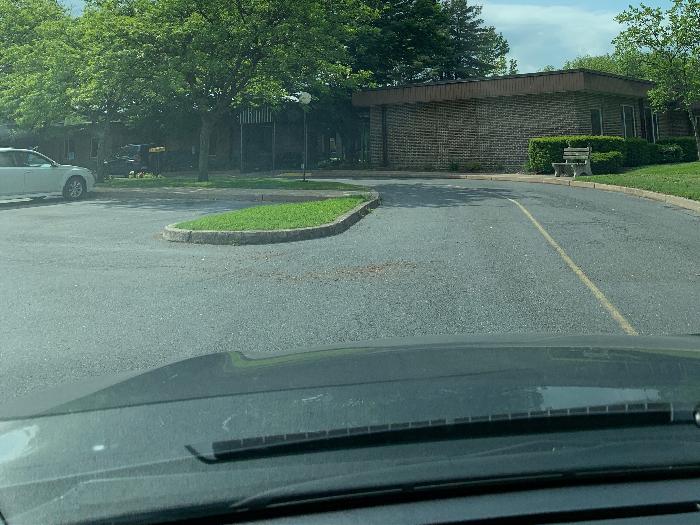
How is Locust Grove Retirement Village Staffed?

CMS rates LOCUST GROVE RETIREMENT VILLAGE's staffing level at 3 out of 5 stars, which is average compared to other nursing homes. Staff turnover is 35%, compared to the Pennsylvania average of 46%. This relatively stable workforce can support continuity of care.

What Have Inspectors Found at Locust Grove Retirement Village?

State health inspectors documented 39 deficiencies at LOCUST GROVE RETIREMENT VILLAGE during 2023 to 2025. These included: 1 that caused actual resident harm and 38 with potential for harm. Deficiencies causing actual harm indicate documented cases where residents experienced negative health consequences.

Who Owns and Operates Locust Grove Retirement Village?

LOCUST GROVE RETIREMENT VILLAGE is owned by a for-profit company. For-profit facilities operate as businesses with obligations to shareholders or private owners. The facility is operated by CONSULATE HEALTH CARE/INDEPENDENCE LIVING CENTERS/NSPIRE HEALTHCARE/RAYDIANT HEALTH CARE, a chain that manages multiple nursing homes. With 104 certified beds and approximately 67 residents (about 64% occupancy), it is a mid-sized facility located in MIFFLIN, Pennsylvania.

How Does Locust Grove Retirement Village Compare to Other Pennsylvania Nursing Homes?

Compared to the 100 nursing homes in Pennsylvania, LOCUST GROVE RETIREMENT VILLAGE's overall rating (3 stars) matches the state average, staff turnover (35%) is significantly lower than the state average of 46%, and health inspection rating (3 stars) is at the national benchmark.

What Should Families Ask When Visiting Locust Grove Retirement Village?

Based on this facility's data, families visiting should ask: "Can I visit during a mealtime to observe dining assistance and food quality?" "How do you handle medical emergencies, and what is your hospital transfer rate?" "Can I speak with family members of current residents about their experience?"

Is Locust Grove Retirement Village Safe?

Based on CMS inspection data, LOCUST GROVE RETIREMENT VILLAGE has a clean safety record: no substantiated abuse findings (meaning no confirmed cases of resident harm), no Immediate Jeopardy citations (the most serious violation level indicating risk of serious injury or death), and is not on the Special Focus Facility watch list (a federal program monitoring the lowest-performing 1% of nursing homes). The facility has a 3-star overall rating and ranks #1 of 100 nursing homes in Pennsylvania. While no facility is perfect, families should still ask about staff-to-resident ratios and recent inspection results during their visit.

Do Nurses at Locust Grove Retirement Village Stick Around?

LOCUST GROVE RETIREMENT VILLAGE has a staff turnover rate of 35%, which is about average for Pennsylvania nursing homes (state average: 46%). Moderate turnover is common in nursing homes, but families should still ask about staff tenure and how the facility maintains care continuity when employees leave.

Was Locust Grove Retirement Village Ever Fined?

LOCUST GROVE RETIREMENT VILLAGE has been fined $12,831 across 1 penalty action. This is below the Pennsylvania average of $33,207. While any fine indicates a compliance issue, fines under $50,000 are relatively common and typically reflect isolated problems that were subsequently corrected. Families should ask what specific issues led to these fines and confirm they've been resolved.

Is Locust Grove Retirement Village on Any Federal Watch List?

LOCUST GROVE RETIREMENT VILLAGE is not on any federal watch list. The most significant is the Special Focus Facility (SFF) program, which identifies the bottom 1% of nursing homes nationally based on persistent, serious quality problems. Not being on this list means the facility has avoided the pattern of deficiencies that triggers enhanced federal oversight. This is a positive indicator, though families should still review the facility's inspection history directly.