RICHFIELD HEALTHCARE AND REHABILITATION CENTER

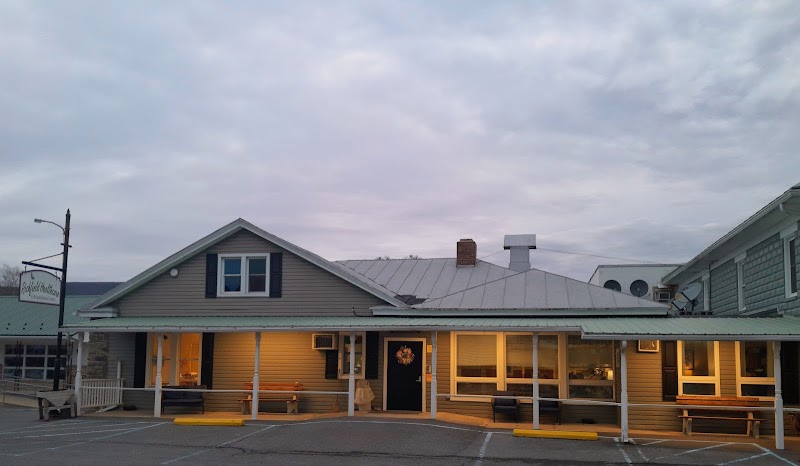
631 MAIN STREET, RICHFIELD, PA 17086 (717) 694-3434
For profit - Corporation 40 Beds AKIKO IKE Data: November 2025
Trust Grade
80/100
#111 of 653 in PA
Last Inspection: February 2025

Within standard 12-15 month inspection cycle. Federal law requires annual inspections.

Overview

Richfield Healthcare and Rehabilitation Center has a Trust Grade of B+, which indicates it is above average and recommended for families considering care options. It ranks #111 out of 653 facilities in Pennsylvania, placing it in the top half, and is the best option among the three nursing homes in Juniata County. However, the facility is experiencing a worsening trend, with issues increasing from 8 in 2024 to 11 in 2025. Staffing is a clear strength, rated 5 out of 5 stars with a turnover rate of 36%, significantly lower than the state average, meaning staff are familiar with the residents. Despite having no fines, there are concerns related to food safety and personal fund management; for example, food was found improperly stored, and residents were not receiving clear statements about their personal funds. Overall, while the staffing and overall rating are strong, families should be aware of the existing food safety issues.

Trust Score
B+
80/100
In Pennsylvania
#111/653
Top 16%
Safety Record
Low Risk
No red flags
Inspections
Getting Worse
8 → 11 violations
Staff Stability
○ Average
36% turnover. Near Pennsylvania's 48% average. Typical for the industry.
Penalties
✓ Good
No fines on record. Clean compliance history, better than most Pennsylvania facilities.
Skilled Nurses
✓ Good
Each resident gets 71 minutes of Registered Nurse (RN) attention daily — more than 97% of Pennsylvania nursing homes. RNs are the most trained staff who catch health problems before they become serious.
Violations
⚠ Watch
22 deficiencies on record. Higher than average. Multiple issues found across inspections.
★★★★★
5.0
Overall Rating
★★★★★
5.0
Staff Levels
★★★★★
5.0
Care Quality
★★★☆☆
3.0
Inspection Score
Stable
2024: 8 issues
2025: 11 issues

The Good

  • 5-Star Staffing Rating · Excellent nurse staffing levels
  • 5-Star Quality Measures · Strong clinical quality outcomes
  • Full Sprinkler Coverage · Fire safety systems throughout facility
  • No fines on record
  • Staff turnover below average (36%)

    12 points below Pennsylvania average of 48%

Facility shows strength in staffing levels, quality measures, fire safety.

The Bad

Staff Turnover: 36%

Near Pennsylvania avg (46%)

Typical for the industry

Chain: AKIKO IKE

Part of a multi-facility chain

Ask about local staffing decisions and management

The Ugly 22 deficiencies on record

Feb 2025 11 deficiencies
CONCERN (D)

Potential for Harm - no one hurt, but risky conditions existed

Transfer Notice (Tag F0623)

Could have caused harm · This affected 1 resident

**NOTE- TERMS IN BRACKETS HAVE BEEN EDITED TO PROTECT CONFIDENTIALITY** Based on clinical record review and staff interview, it was determined that the facility failed to notify a resident and/or thei...

Read full inspector narrative →
**NOTE- TERMS IN BRACKETS HAVE BEEN EDITED TO PROTECT CONFIDENTIALITY** Based on clinical record review and staff interview, it was determined that the facility failed to notify a resident and/or their responsible party in writing of a transfer to the hospital with the required information for two of three residents reviewed (Residents 4 and 13). Findings include: Clinical record review for Resident 4 revealed that he was transferred to the hospital from [DATE] to 9, 2024, after a change in his condition. There was no documentation that the facility provided written notification to the resident's responsible party regarding the transfer that included the required contents: reason for the transfer, effective date of the transfer, location to which the resident was transferred, a statement of the resident's right to appeal, including the name, contact, email, and address, how to obtain and appeal form, assistance completing and submitting the appeal form and hearing request, contact, email, and address information for the Office of the State Long-Term Care Ombudsman, and information for the agency responsible for the protection and advocacy of individuals with developmental disabilities. Interview with Employee 4 (registered nurse supervisor) on February 5, 2025, at 11:49 AM confirmed the above findings for Resident 4. Interview with Resident 13 and her husband on February 4, 2025, at 12:51 PM indicated that she was admitted to the hospital within the past month. Resident 13's husband could not recall if he received a written notice that included the required contents (e.g., reasons for Resident 13's transfer). Resident 13's husband indicated that he is in the facility four days a week on the days that Resident 13 is not out of the facility for hemodialysis (treatment for kidney failure; a machine filters extra fluid and waste products from the blood). Clinical record review for Resident 13 revealed census information that documented Resident 13 began a hospitalization leave of absence on January 22, 2025. Nursing documentation dated January 29, 2025, at 3:57 PM revealed that Resident 13 returned to the facility from the hospital. A Notice of Transfer or discharge date d January 23, 2025, indicated that the contracted dialysis provider sent Resident 13 to the hospital due to a low blood pressure and confusion on January 22, 2025. There was no evidence that the facility provided Resident 13's husband this notice. The signature line designated for the resident's or resident's representative's acknowledgement of the notice was blank. The surveyor reviewed the above findings regarding Resident 13 during an interview with the Nursing Home Administrator and the Director of Nursing on February 5, 2025, at 12:31 PM. 28 Pa. Code 201.14 (a) Responsibility of license 28 Pa. Code 201.29(a) Resident rights
CONCERN (D)

Potential for Harm - no one hurt, but risky conditions existed

Deficiency F0625 (Tag F0625)

Could have caused harm · This affected 1 resident

**NOTE- TERMS IN BRACKETS HAVE BEEN EDITED TO PROTECT CONFIDENTIALITY** Based on clinical record review and staff interview, it was determined that the facility failed to provide a written notice of t...

Read full inspector narrative →
**NOTE- TERMS IN BRACKETS HAVE BEEN EDITED TO PROTECT CONFIDENTIALITY** Based on clinical record review and staff interview, it was determined that the facility failed to provide a written notice of the facility's bed-hold policy to residents or the residents' responsible parties for one of three residents reviewed for hospitalization concerns (Resident 4). Findings include: Clinical record review revealed that Resident 4 was transferred to the hospital from [DATE] to 9, 2024, after he had a change in condition. There was no documentation available that the facility provided written notice regarding a bed hold to the resident and the resident's responsible party upon transfer out to the hospital. Interview with Employee 4 (registered nurse supervisor) on February 5, 2025, at 11:49 AM confirmed the above findings for Resident 4. 28 Pa. Code 201.14(a) Responsibility of licensee
CONCERN (D)

Potential for Harm - no one hurt, but risky conditions existed

Assessment Accuracy (Tag F0641)

Could have caused harm · This affected 1 resident

Based on clinical record review and staff interview, it was determined that the facility failed to ensure complete and accurate Minimum Data Set (MDS) assessments for one of 12 residents reviewed (Res...

Read full inspector narrative →
Based on clinical record review and staff interview, it was determined that the facility failed to ensure complete and accurate Minimum Data Set (MDS) assessments for one of 12 residents reviewed (Resident 1). Findings include: Review of Resident 1's clinical record revealed a nursing note dated December 22, 2023, indicating that the facility readmitted her from a hospital stay where she was diagnosed with aspiration pneumonia (infection in the lungs) and sepsis (a bloodstream infection). A Minimum Data Set Assessment (MDS, a form completed at specific intervals to determine care needs) dated May 30, 2024, indicated the facility assessed her as having pneumonia, septicemia (a bloodstream infection), and a multidrug resistant organism (MDRO, an infection susceptible to certain antibiotics). There was no documented evidence in Resident 1's clinical record to indicate that she had a current pneumonia infection, septicemia, or an MDRO. MDS Assessments dated August 1, 2024, August 30, 2024, and November 27, 2024, indicate that the facility continued to assess Resident 1's as having pneumonia, septicemia, and an MDRO. There was no documented evidence in Resident 1's clinical record to indicate that she had a current pneumonia infection, septicemia, or an MDRO since December of 2023. Interview with the Administrator on February 5, 2025, at 12:50 PM confirmed that Resident 1's MDS's dated May 30, 2024, August 1, 2024, August 30, 2024, and November 27, 2024, were coded in error regarding having pneumonia, septicemia, and an MDRO. 28 Pa. Code 211.5(f)(ix) Medical records 28 Pa. Code 211.12(d)(1)(5) Nursing services
CONCERN (D)

Potential for Harm - no one hurt, but risky conditions existed

Accident Prevention (Tag F0689)

Could have caused harm · This affected 1 resident

Based on clinical record review and staff interview, it was determined that the facility failed to implement interventions to prevent future falls or accidents for one of three residents reviewed for ...

Read full inspector narrative →
Based on clinical record review and staff interview, it was determined that the facility failed to implement interventions to prevent future falls or accidents for one of three residents reviewed for falls (Resident 5). Findings include: Clinical record review revealed the facility admitted Resident 5 on November 9, 2017. The facility initiated a care plan noting Resident 5 was at risk for falls on November 27, 2020, due to decreased safety awareness. Nursing documentation dated October 10, 2024, at 5:40 PM noted Resident 5 had an unwitnessed fall. Review of the facility investigation into Resident 5's fall noted he fell out of bed. Resident 5 was found on his right side with his blanket wrapped around him and a 1.8 centimeter (cm) by 0.6 cm abrasion above his ear. The investigation noted no new interventions and indicated staff will discuss at interdisciplinary team meeting (IDT). Nursing documentation dated October 17, 2024, at 2:35 AM noted Resident 5 was found on floor on the left side of his bed, between his bed and closet. Review of the facility investigation into Resident 5's fall revealed the immediate action the facility took was for staff to place a pillow behind Resident 5's upper body while he was in bed to prevent further falls. Nursing documentation dated December 20, 2024, at 1:59 AM revealed Resident 5 was observed laying on his backside on the floor beside his bed. Documentation noted Resident 5 was assisted back to bed and blanket rolls were placed on bilateral sides of his mattress to remind him of the edges of the mattress. Nursing documentation noted Resident 5's care plan was updated. Further review of Resident 5's care plan revealed the nursing staff never updated his care plan with the intervention of placing a pillow behind Resident 5's upper body while in bed, or the blanket rolls on the bilateral sides of Resident 5's mattress while in bed. The only documentation the facility was able to provide related to the IDT meeting regarding Resident 5's fall was noted January 8, 2025, after three falls from his bed occurred. Interview with the Director of Nursing on February 6, 2025, at 11:19 AM confirmed the above findings for Resident 5, and was unable to provide any further documentation that Resident 5's care plan was updated to prevent further falls. 28 Pa. Code 211.12(d)(1)(5) Nursing services
CONCERN (D)

Potential for Harm - no one hurt, but risky conditions existed

Drug Regimen Review (Tag F0756)

Could have caused harm · This affected 1 resident

Based on clinical record review and staff interview, it was determined that the facility failed to ensure the consultant pharmacist reported irregularities to the attending physician, and that these r...

Read full inspector narrative →
Based on clinical record review and staff interview, it was determined that the facility failed to ensure the consultant pharmacist reported irregularities to the attending physician, and that these reports were acted upon, for one of five residents reviewed for medication concerns (Resident 13). Findings include: Consultant pharmacist reports dated July 2, 2024, and October 4, 2024, listed numerous residents who were reviewed during the visits but did not require any recommendations. Resident 13 was not listed in either report. Resident 13's clinical record did not include evidence that a consultant pharmacist reviewed her medication regimen in July 2024, or October 2024. Resident 13's clinical record did not contain a report from the consultant pharmacist for July 2024, or October 2024. Interview with the Nursing Home Administrator and the Director of Nursing on February 5, 2025, at 3:16 PM revealed that the facility did not have a report of the consultant pharmacist's recommendations for July 2, 2024, or October 4, 2024. The interview confirmed that since Resident 13's name was not listed among the residents on the available July 2024, or October 2024 reports, she should have had a recommendation forwarded to her physician for those months. The facility failed to ensure that the consultant pharmacist documented on a separate, written report that was sent to the attending physician, and that the physician documented in Resident 13's medical record that the identified irregularity was reviewed, and what, if any, action was taken to address it, for the months of July 2024, and October 2024. 28 Pa. Code 211.9(k) Pharmacy services 28 Pa. Code 211.12(d)(1)(3)(5) Nursing services
CONCERN (D)

Potential for Harm - no one hurt, but risky conditions existed

Unnecessary Medications (Tag F0759)

Could have caused harm · This affected 1 resident

Based on a review of select facility policies and procedures, clinical record review, observation, and staff interview, it was determined that the facility failed to ensure a medication error rate bel...

Read full inspector narrative →
Based on a review of select facility policies and procedures, clinical record review, observation, and staff interview, it was determined that the facility failed to ensure a medication error rate below five percent (Residents 2 and 14). Findings include: The facility's medication error rate was eight percent based on 25 medication opportunities with two medication errors. The facility policy entitled, Administering Medications, last reviewed without changes on December 31, 2024, indicated that medications are administered in accordance with prescriber orders. Each nurses' station has a current Physician's Desk Reference (PDR) and/or other medication reference, as well as a copy of the surveyor guidance for pharmacy services available. Manufacturer's instructions or users' manuals related to any medication administration devices are kept with the devices or at the nurses' station. The facility policy entitled, Insulin Administration, last reviewed without changes on December 31, 2024, revealed the nursing staff would have access to specific instructions (from the manufacturer if appropriate) on all forms of insulin delivery systems prior to their use. There was no reference to the administration of insulin via single-patient-use prefilled pens that would include the appropriate technique for priming the disposable needle before use. Clinical record review for Resident 2 revealed an active physician's order for staff to administer two units of Insulin Aspart with Niacinamide (Fiasp FlexTouch, a disposable single-patient-use prefilled pen containing insulin, an injectable hormone used to lower blood sugar) before meals when the blood glucose assessment (small sample of blood obtained via a finger prick is placed on a test strip and read by a glucose meter device) is within the range of 151 to 200 mg/dL (milligrams per deciliter). Manufacturer's instructions for the Fiasp FlexTouch pen stipulate that the user is to prime the pen before each injection. After application of a disposable needle, step seven of the instructions notes to turn the dose selector to select two units. Step eight instructs to hold the pen with the needle pointing up and tap the top of the pen gently a few times to let any air bubbles rise to the top. Step nine instructs to hold the pen with the needle pointing up and press and hold in the dose button until the dose counter shows zero. Step ten, dose selection, instructs to check to make sure the dose selector is set at zero and turn the dose selector to select the number of units you need to inject. Observation of a medication administration pass on February 4, 2025, at 11:57 AM revealed Employee 1 (licensed practical nurse, LPN) prepared medications for administration for Resident 2. Employee 1 obtained a blood glucose assessment of 199 mg/dL. Employee 1 obtained a Fiasp Flextouch insulin pen and a disposable needle from the medication cart. Employee 1 applied the needle to the tip of the Fiasp Flextouch pen and dialed one unit to prime the needle (returning the reading on the window of the pen to zero). Employee 1, then, dialed two units for administration to Resident 2. Employee 1 did not prime the needle with two units of insulin before preparing the physician ordered dose of two units. Employee 1 entered Resident 2's room and administered the insulin medication into Resident 2's right upper arm. Clinical record review for Resident 14 revealed an active physician's order for staff to administer Polyethylene Glycol (laxative to stimulate bowel movements), 3350 oral powder, 17 grams per scoop; give one scoop by mouth in the afternoon for constipation, mix in four to eight ounces of fluid. Instructions on the Polyethylene Glycol container inform the user to use the cap of the container, fill powder to the top of the cap, to obtain a dose of 17 grams. Continued observation of the medication administration pass on February 4, 2025, at 1:10 PM, revealed Employee 1 prepared Polyethylene Glycol for Resident 14. Employee 1 used a plastic medication cup to determine how much of the medication powder to administer. Employee 1 stated that her goal was to fill the medication cup to just over 15 milliliters. Employee 1 did not use the cap of the Polyethylene Glycol container to measure the dose. Employee 1 mixed the powder in water, entered Resident 14's room, and administered the medication to Resident 14. Interview with Employee 1 on February 4, 2025, at 2:25 PM confirmed that she primed Resident 2's insulin needle with only one unit of insulin. Employee 1 did not have a Fiasp FlexTouch pen package insert or the manufacturer's instructions to know that the proper priming technique required two units. Observation of Resident 14's Polyethylene Glycol container instructions with Employee 1 confirmed that the user is to use the container cap to measure 17 grams of the medication. Employee 1 verified that if she used the medication container cap versus a plastic medication cup, Resident 14 would have received more of the medication powder. The surveyor reviewed the concerns regarding the above medication pass observations during an interview with the Nursing Home Administrator and the Director of Nursing on February 5, 2025, at 12:31 PM. 28 Pa. Code 211.9(a)(1) Pharmacy services 28 Pa. Code 211.10(a)(c) Resident care policies 28 Pa. Code 211.12(d)(1)(5) Nursing services
CONCERN (D)

Potential for Harm - no one hurt, but risky conditions existed

Deficiency F0761 (Tag F0761)

Could have caused harm · This affected 1 resident

Based on a review of select facility policies and procedures, clinical record review, observation, and staff interview, it was determined that the facility failed to ensure medication was labeled in a...

Read full inspector narrative →
Based on a review of select facility policies and procedures, clinical record review, observation, and staff interview, it was determined that the facility failed to ensure medication was labeled in accordance with accepted professional standards for one of 16 residents reviewed for medication administration (Resident 14). Findings include: The facility policy entitled, Administering Medications, last reviewed without changes on December 31, 2024, indicated that medications are administered in accordance with prescriber orders. The individual administering the medication checks the label three times to verify the right resident, right medication, right dosage, right time, and right method (route) of administration before giving the medication. Clinical record review for Resident 14 revealed an active physician's order for staff to administer Clonazepam (used to control and prevent seizures) oral disintegrating tablet 0.5 milligrams (mg), one tablet by mouth two times a day and two tablets by mouth in the afternoon. Observation of the medication administration pass on February 4, 2025, at 1:10 PM revealed Employee 1 (licensed practical nurse) prepared the Clonazepam 0.5 mg medication for Resident 14. Employee 1 poured two tablets of the Clonazepam medication for administration. The label on the medication instructed staff to administer one tablet by mouth twice daily; and two tablets by mouth at bedtime. Interview with Employee 1 on February 4, 2025, at 2:25 PM confirmed that the Clonazepam label instructed staff to administer one tablet twice a day and two tablets at bedtime; however, that did not agree with the active physician's order for Resident 14. Employee 1 confirmed that the label indicated that the pharmacy filled 30 tablets of this medication on January 24, 2025, and there were 23 tablets available on the date and time of the observation (seven tablets had been administered from this medication supply before Employee 1 removed two additional tablets). The surveyor reviewed the concerns regarding the above medication labeling during an interview with the Nursing Home Administrator and the Director of Nursing on February 5, 2025, at 12:31 PM. 28 Pa. Code 211.9(a)(1) Pharmacy services 28 Pa. Code 211.10(a)(c) Resident care policies 28 Pa. Code 211.12(d)(1)(5) Nursing services
CONCERN (D)

Potential for Harm - no one hurt, but risky conditions existed

Dental Services (Tag F0791)

Could have caused harm · This affected 1 resident

**NOTE- TERMS IN BRACKETS HAVE BEEN EDITED TO PROTECT CONFIDENTIALITY** Based on clinical record review, observation, and staff interview, it was determined that the facility failed to assist resident...

Read full inspector narrative →
**NOTE- TERMS IN BRACKETS HAVE BEEN EDITED TO PROTECT CONFIDENTIALITY** Based on clinical record review, observation, and staff interview, it was determined that the facility failed to assist residents to obtain routine dental care for two of two residents reviewed (Residents 4 and 3). Findings include: Observation of Resident 4 on February 4, 2025, at 11:42 AM revealed he had several broken and missing teeth. Resident 4 was unable to be interviewed due to his cognitive status. Clinical record review revealed the facility admitted him on February 23, 2024. Review of Resident 4's admission MDS (Minimum Data Set, an assessment completed at specific intervals to determine care needs) dated February 29, 2024, revealed staff assessed Resident 4 as having no obvious or likely cavity or broken natural teeth. Further review of Resident 4's clinical record revealed nursing documentation dated January 26, 2025, at 1:54 PM noting Resident 4 reports that he broke a tooth today in the right upper front of his mouth. A tooth was noted to be broken in the front side of Resident 4's mouth. Nursing documentation dated January 27, 2025, at 7:15 AM revealed the Director of Nursing assessed Resident 4's mouth due to the broken tooth. The Director of Nursing noted Resident 4's teeth were obviously decayed. Nursing documentation dated January 30, 2025, at 9:47 PM revealed the registered nurse spoke to Resident 4's wife about his broken tooth. Resident 4's wife stated it was in Resident 4's upper left side of his mouth. His wife stated he does have a tooth on the right side that is broken off, but his wife stated that wasn't new. Further review of Resident 4's clinical record revealed he saw the dentist for a comprehensive assessment on October 7, 2024. There was no documentation that Resident 4 received any prophylactic cleanings of his teeth by a dental hygienist since admission. The facility provided no evidence that Resident 4 received routine prophylactic dental cleanings in the past year as covered under the State plan. Interview with the Director of Nursing on February 6, 2025, at 12:45 PM confirmed these findings. Observation of Resident 3 on February 4, 2025, at 1:51 PM revealed that she had discolored, possibly broken, and missing teeth. Interview with Resident 3 on the date and time of the observation revealed that she believed that she had a tooth that needed pulled (extracted). Clinical record review for Resident 3 revealed progress note documentation by the facility's consultant dentist dated July 29, 2024, that indicated Resident 3 had two non-restorable teeth that was recommended for extraction as needed, and Resident 3 had partial dentition. Progress note documentation by the facility's consultant dental hygienist dated September 4, 2024, indicated that Resident 3 received adult prophylaxis (professional dental cleaning). An annual MDS dated [DATE], identified that Resident 3 had obvious, or likely, cavities or broken natural teeth, and the assessment triggered the need for a care plan. A plan of care initiated by the facility on March 24, 2020, to address Resident 3's dental or oral cavity health problem related to possible carious/broken teeth listed interventions that included refer to the dentist/hygienist annually and as needed. Resident 3's clinical record did not provide evidence that the facility provided routine dental services to the extent covered under the State plan (e.g., every six months). The surveyor reviewed the above findings regarding Resident 3 with the Director of Nursing on February 5, 2025, at 2:15 PM. 28 Pa. Code 211.12(d)(1)(3)(5) Nursing services
CONCERN (E) 📢 Someone Reported This

A family member, employee, or ombudsman was alarmed enough to file a formal complaint

Potential for Harm - no one hurt, but risky conditions existed

Deficiency F0568 (Tag F0568)

Could have caused harm · This affected multiple residents

Based on a review of resident personal fund accounting, clinical record review, and resident, family, and staff interview, it was determined that the facility failed to provide a personal fund quarter...

Read full inspector narrative →
Based on a review of resident personal fund accounting, clinical record review, and resident, family, and staff interview, it was determined that the facility failed to provide a personal fund quarterly statement for two of two residents reviewed for personal funds concerns (Residents 3 and 13). Findings include: Interview with Resident 3's sister on February 4, 2025, at 11:00 AM indicated that the facility automatically receives Resident 3's social security check monthly. Resident 3's sister stated that she did not know what is done with the personal allowance (now 60 dollars) that Resident 3 is permitted to keep each month. Resident 3's sister stated that she does not receive a statement accounting for Resident 3's money. Interview with Resident 3 on February 4, 2025, at 1:50 PM revealed that Resident 3 could not answer if she had a personal fund, where the accounting statement goes, or how much money she had in the account to spend. Review of an accounting statement dated April 1, 2024, to February 13, 2025, revealed that Resident 3 had no debits (withdrawals) from the account with a resulting balance of $1,772.28. Clinical record review for Resident 13 revealed a, Resident Fund Management Service, authorization (form the facility utilized to document a resident's desire to establish a resident fund account and have social security payments forwarded directly to the facility) signed by Resident 13 on September 11, 2024. The authorization stipulated that Resident 13 would receive a statement of her account at least quarterly. Interview with Resident 13 and her husband on February 4, 2025, at 12:32 PM revealed that Resident 13's social security payment is forwarded to the facility automatically. The interview confirmed that Resident 13 and her husband understood that Resident 13 is allowed to have an amount monthly for a personal allowance and her husband is afforded a spousal support payment each month. Neither Resident 13 nor her husband recalled receiving an accounting statement at least quarterly. Resident 13's husband named Employee 2 (business office manager/human resources director) as the person he would contact for any issues regarding finances. Interview with Employee 2 on February 5, 2025, at 1:26 PM revealed that she did not provide residents with quarterly statements; however, she would have that person speak to the survey team. No facility staff indicated to the survey team that they provided residents their quarterly personal fund statements. Interview with the Nursing Home Administrator on February 5, 2025, at 2:38 PM confirmed that the facility did not have evidence of providing Residents 13 or 3, or their responsible parties, personal fund statements at least quarterly. 28 Pa. Code 201.14(a) Responsibility of licensee 28 Pa. Code 201.29(a) Resident rights
CONCERN (E)

Potential for Harm - no one hurt, but risky conditions existed

Food Safety (Tag F0812)

Could have caused harm · This affected multiple residents

Based on review of facility policies and procedures, observation, and staff interview, it was determined that the facility failed to store food in a manner to prevent potential food borne illness in t...

Read full inspector narrative →
Based on review of facility policies and procedures, observation, and staff interview, it was determined that the facility failed to store food in a manner to prevent potential food borne illness in the facility's main kitchen. Findings include: The facility policy entitled, Food Storage, last reviewed without changes on December 31, 2024, revealed that scoops must be provided for flour, sugar, cereals, dried vegetables, and spices. Scoops are not to be stored in the food containers but are kept covered in a protected area near the containers. The Guidelines for Storage, instructed staff to, Date your products with Use by Dates. Observation of the facility's kitchen on February 4, 2025, at 9:50 AM with Employee 3, dietary manager, revealed the following observations: A reach-in refrigerator with the following items: A 46-ounce carton of orange juice labeled as opened on January 4, 2025, and a use by date of January 11, 2025. A portioned serving of applesauce labeled with a use by date of February 1, 2025 A portioned serving of mixed fruit with a use by date of February 2, 2025 A shelf below a food preparation table contained a 25-pound bin with a white substance identified by Employee 3 as sugar. The scooping utensil used by staff to obtain the food item was stored within the bin in contact with the food product. Interview with Employee 3 on February 4, 2025, at 9:54 AM confirmed that staff are not to store the scooping utensils with food products after use. A food preparation area stored a 20-pound bin of a white substance labeled, thickener. The scoop used by staff to obtain the food product was stored inside the bin in contact with the food product. Observation of a reach-in refrigerator on February 4, 2025, at 10:00 AM revealed a one-gallon container of pickle relish dated December 15, 2024. Interview with Employee 3 at the time of the observation revealed that the date would indicate staff opened the container on that date, and that the item did not have a use by date indicated; however, the item should have been discarded in one month. Kitchen staff referred to the Guidelines for Storage document, which indicated that pickles stored in the refrigerator were good for one month. The surveyor reviewed the above facility kitchen concerns during an interview with the Nursing Home Administrator and the Director of Nursing on February 5, 2025, at 11:00 AM. 483.60(i) Food safety requirements Previously cited 3/1/24 28 Pa. Code 201.14 (a) Responsibility of Licensee
CONCERN (E)

Potential for Harm - no one hurt, but risky conditions existed

Infection Control (Tag F0880)

Could have caused harm · This affected multiple residents

Based on a review of select facility policies and procedures, observation, and staff interview, it was determined that the facility failed to ensure an environment free from the potential spread of in...

Read full inspector narrative →
Based on a review of select facility policies and procedures, observation, and staff interview, it was determined that the facility failed to ensure an environment free from the potential spread of infection on one of two nursing units (first floor; Residents 13, 18, 2, 14, 20, and 16). Findings include: The facility policy entitled, Handwashing Policy, last reviewed without changes on December 31, 2024, indicated that the purpose of the policy was to reduce the risk of infection and ensure a safe and hygienic environment throughout the facility. Staff are to use a disposable towel to turn off the faucet as the last step of the handwashing technique. Observation of a medication administration pass on February 4, 2025, at 11:35 AM revealed Employee 1 (licensed practical nurse, LPN) administered medications to Resident 13. Employee 1 washed her hands at a sink in Resident 13's room but used the back of her arm to turn off the faucet. Continued observation of the medication administration pass on February 4, 2025, at 11:44 AM revealed Employee 1 began to prepare medications for administration to Resident 18. Employee 1 stated that she was going to choose to wear a mask, gown, and gloves to enter Resident 18's room because he was experiencing symptoms of potential gastrointestinal infection. After administering Resident 18's medications, Employee 1 removed her mask, gown, and gloves, and washed her hands at a sink in the hallway. Employee 1 used the back of her arm to turn off the faucet after washing her hands. Continued observation of the medication administration pass for Resident 2 on February 4, 2025, at 11:57 AM revealed that Employee 1 donned gloves to obtain a blood glucose assessment (small sample of blood obtained via a finger prick is placed on a test strip and read by a glucose meter device). Employee 1 removed her gloves and washed her hands at a sink in the hallway. Employee 1 used the back of her arm to turn off the faucet after washing her hands. Employee 1 prepared Resident 2's medications, donned gloves, and administered an insulin (injectable hormone used to lower blood sugar) injection into Resident 2's right arm. Employee 1 removed her gloves and washed her hands at a sink in the hallway. Employee 1 used the back of her arm to turn off the faucet after washing her hands. Observation of the medication administration pass on February 4, 2025, at 1:17 PM revealed Employee 1 administered medications to Resident 14. Employee 1 washed her hands in Resident 14's room sink but used the back of her arm to turn off the faucet. Observation of a medication administration pass on February 4, 2025, at 1:31 PM revealed Employee 1 administered medications to Resident 20. Employee 1 washed her hands at a sink in Resident 20's room but used the back of her arm to turn off the faucet. Observation of a medication administration pass on February 4, 2025, at 1:39 PM revealed Employee 1 administered medications to Resident 16. Employee 1 washed her hands at a sink in Resident 16's room but used the back of her arm to turn off the faucet. Interview with Employee 1 on February 4, 2025, at 2:25 PM confirmed that she did not use a disposable towel to turn off the faucet after washing her hands multiple times during the medication administration passes. The surveyor reviewed the concerns regarding handwashing observations during an interview with the Nursing Home Administrator and the Director of Nursing on February 5, 2025, at 12:31 PM. 28 Pa. Code 211.10(a)(c) Resident care policies 28 Pa. Code 211.12(d)(1)(5) Nursing services
Mar 2024 8 deficiencies
CONCERN (D)

Potential for Harm - no one hurt, but risky conditions existed

Resident Rights (Tag F0550)

Could have caused harm · This affected 1 resident

Based on observation, it was determined that the facility failed to promote resident dignity during a dressing change for one of one resident observed (Resident 15). Findings include: Clinical record...

Read full inspector narrative →
Based on observation, it was determined that the facility failed to promote resident dignity during a dressing change for one of one resident observed (Resident 15). Findings include: Clinical record review for Resident 15 revealed a skin/wound note dated February 21, 2024, at 10:01 AM that noted the resident had a sacral (an area overlying the sacrum located at the base of the back) pressure sore. Current physician orders revealed that Resident 15 is to have wound care and a dressing change daily. Observation of Resident 15's wound care on February 29, 2024, at 10:30 AM revealed that Employee 5, registered nurse, proceeded to provide wound care and a dressing change on Resident 15's sacral wound without pulling the privacy curtain and in full view of Resident 15's unidentified roommate who was sitting on the other side of the room in a wheelchair in full view of the wound care. The above information for Resident 15 was reviewed in a meeting with the Nursing Home Administrator and Director of Nursing on February 29, 2024, at 2:00 PM. 28 Pa. Code 201.29(a) Resident rights
CONCERN (D)

Potential for Harm - no one hurt, but risky conditions existed

Deficiency F0559 (Tag F0559)

Could have caused harm · This affected 1 resident

**NOTE- TERMS IN BRACKETS HAVE BEEN EDITED TO PROTECT CONFIDENTIALITY** Based on clinical record review, and resident and staff interviews, it was determined that the facility failed to provide writte...

Read full inspector narrative →
**NOTE- TERMS IN BRACKETS HAVE BEEN EDITED TO PROTECT CONFIDENTIALITY** Based on clinical record review, and resident and staff interviews, it was determined that the facility failed to provide written notice, including the reason for the change, prior to moving a resident to another room, for one of 14 residents reviewed (Resident 19). Findings include: Interview with Resident 19 on February 27, 2024, at 11:57 AM revealed that he moved into his current room in the last few weeks. He stated he was in his old room for a long time. Resident 19 indicated he did not receive a written notice. Resident 19 stated that the staff did not give him a choice about changing rooms, he stated that he was informed that he had to move. Clinical record review revealed the facility admitted Resident 19 on October 18, 2022. Review of Resident 19's census information revealed that on February 14, 2024, the resident was moved from room [ROOM NUMBER] (private) to room [ROOM NUMBER] (three-bedroom). Further review of Resident 19's census information revealed that Resident 19 had resided in room [ROOM NUMBER] since February 28, 2023. Nursing documentation dated February 14, 2024, at 10:00 AM, revealed that Employee 7 (social worker) met with Resident 19 to discuss his room change. She noted per administrative staff and the Department of Health's expectation of having an isolation room, as well as a short-term skilled room for therapy of potential skilled care residents. Employee 7 documented that Resident 19 acknowledged understanding, but stated he liked where he was. Nursing documentation dated February 14, 2024, at 10:21 PM, revealed Resident 19 expressed anger at being moved when he was at activities in the afternoon. Resident 19 stated if my blood pressure is up, you know why. Reviewed findings with the Nursing Home Administrator and Director of Nursing on March 1, 2024, at 10:52 AM. 28 Pa. Code 201.14(a) Responsibility of licensee 28 Pa. Code 211.12(d)(5) Nursing services
CONCERN (D)

Potential for Harm - no one hurt, but risky conditions existed

Deficiency F0582 (Tag F0582)

Could have caused harm · This affected 1 resident

Based on clinical record review and staff interview, it was determined that the facility failed to provide the required Notice of Medicare Provider Non-Coverage timely, in advance of changes for Medic...

Read full inspector narrative →
Based on clinical record review and staff interview, it was determined that the facility failed to provide the required Notice of Medicare Provider Non-Coverage timely, in advance of changes for Medicare covered services to one of three residents reviewed whose Medicare coverage was discontinued (Resident 2). Findings include: The form Notice of Medicare Non-Coverage (NOMNC) CMS-10123, is a notice that informs the recipient when care received from the skilled nursing facility is ending; and how to contact a Quality Improvement Organization (QIO) to appeal. The Medicare provider must ensure that the notice is delivered at least two calendar days before covered services end. Review of Resident 2's Notice of Medicare Non-Coverage (NOMNC) CMS-10123 revealed that the Medicare skilled A services will end on January 5, 2024. Review of Resident 2's CMS-10123 form further indicated Resident 2's family was made aware via phone call on January 5, 2024, and verbalized understanding that the coverage of services will end on the effective date indicated on the notice which was also January 5, 2024. Interview with the Nursing Home Administrator on March 1, 2024, at 10:23 AM confirmed the facility failed to ensure that the notice was delivered at least two calendar days before Resident 2's covered services ended. 28 Pa. Code 201.29(a) Resident rights
CONCERN (D)

Potential for Harm - no one hurt, but risky conditions existed

Deficiency F0583 (Tag F0583)

Could have caused harm · This affected 1 resident

Based on observations and staff interview, it was determined that the facility failed to ensure confidentiality of personal health information and a resident's right to privacy for one of two nursing ...

Read full inspector narrative →
Based on observations and staff interview, it was determined that the facility failed to ensure confidentiality of personal health information and a resident's right to privacy for one of two nursing units reviewed (First Floor Nursing Unit; Residents 6 and 188). Findings include: Observation on February 27, 2024, at 11:25 AM of the area outside of the first floor nursing unit near the main entrance to the facility, revealed a medication cart with a computer on top that was clearly visible to anyone passing by. The computer was logged into Resident 6's medical record. There were no staff around at the time of the finding and Resident 6's protected health information (PHI) was clearly visible to anyone passing by. Employee 8, licensed practical nurse, was then observed coming out of a resident's room and started working with the computer. It was unclear how long the resident's chart was left unsecured. Observation on February 28, 2024, at 11:11 AM of the first floor nursing unit near the main entrance to the facility, revealed a laptop computer that was on top of the desk and visible to anyone passing by. The computer was logged into Resident 188's medical record. There were no staff around at the time of the finding and Resident 188's protected health information was clearly visible to anyone accessing the nurse station. The computer's screen was also visible to anyone coming and going through the front door to the facility. The Director of Nursing confirmed the observation on February 28, 2024, at 11:13 AM and advised the computer belonged to the facility's registered nurse, Employee 9, and proceeded to close the laptop. The above information for the PHI was reviewed with the Nursing Home Administrator and Director of Nursing on February 29, 2024, at 2:00 PM. 28 Pa. Code 211.12(d)(1) Nursing services
CONCERN (D)

Potential for Harm - no one hurt, but risky conditions existed

Deficiency F0742 (Tag F0742)

Could have caused harm · This affected 1 resident

Based on observation, resident and staff interview, and clinical record review, it was determined that the facility failed to provide appropriate treatment and services for a resident with an emotiona...

Read full inspector narrative →
Based on observation, resident and staff interview, and clinical record review, it was determined that the facility failed to provide appropriate treatment and services for a resident with an emotional disorder to attain the highest practicable mental and psychosocial well-being for one of two residents reviewed (Resident 13). Findings include: During an interview with Resident 13 on February 27, 2024, at 12:39 PM, the resident revealed that she was in and out of the hospital for hearing voices. Resident 13 indicated that psychiatric visits are done by computer whenever the woman who helps her is available. Resident 13 voiced that the resident could use someone every day for talking. Clinical record review for Resident 13 revealed that her diagnoses include schizoaffective disorder (a combination of symptoms of hallucinations or a perception of having seen, heard, touched, tasted, or smelled something that his not there, delusions or false beliefs, and mood disorder such as depression or extremely elevated mood). The record included that Resident 13 had two psychiatric hospitalizations from June 2023 to current. Review of a hospital discharge summary for Resident 13 dated August 24, 2023, revealed the resident was hospitalized since June 22, 2023, for schizoaffective disorder. The reason for admission was increasing hallucinations. The resident reported the hallucinations increased her anxiety. The voices told her to hurt herself or do bad things like steal. At the time of discharge from the hospital, the resident was deemed not to be a threat to self or others. The resident was readmitted to the nursing facility. Review of a hospital discharge summary for Resident 13 dated February 2, 2024, revealed that the resident was hospitalized since January 19, 2024, for schizoaffective disorder. The reason for admission was the resident experienced auditory command hallucinations (hearing voices that instruct a person to act in a certain way) for several months that the voice wanted to hurt the resident and for the resident to commit murder. At the time of discharge from the hospital the resident was deemed not a threat to self or others. The resident felt nervous about returning to the nursing facility. The resident was readmitted to the nursing facility. Clinical record review for Resident 13 revealed the resident received psychiatric visits by a nurse practitioner (an advanced practice registered nurse trained to provide mental health services) via telemedicine (using a computer to see and provide care to a person) throughout her stay and most recently on the following dates: October 16, 2023, November 13 and 27, 2023, December 12, 2023, January 2, 16, 2024, and February 4, 13, and 20, 2024. Clinical record review for Resident 13 revealed no person-centered care plan related to the resident's hallucinations, anxiety, and harm to self or others which included an assessment of the level of the resident's distress, providing individualized treatment and services, programs or activities and the supportive care staff can provide to assist the resident in coping with hallucinations and anxiety. In addition, there was no documented routine assessments of the resident's hallucinations or anxiety. The facility failed to provide the appropriate treatment and services for Resident 13 to attain the highest practicable mental and psychosocial well-being. During a meeting with the Nursing Home Administrator, Director of Nursing, and Employee 7, social worker, on March 1, 2024, at 10:30 AM, the surveyor reviewed the findings for Resident 13. 28.Pa. Code 201.18(b)(1) Management 28. Pa. Code 201.29(a) Resident rights 28 Pa. Code 211.12(d)(1)(3)(5) Nursing services
CONCERN (D)

Potential for Harm - no one hurt, but risky conditions existed

Deficiency F0744 (Tag F0744)

Could have caused harm · This affected 1 resident

Based on clinical record review and staff interview, it was determined that the facility failed to develop and implement an individualized person-centered care plan to address dementia and cognitive l...

Read full inspector narrative →
Based on clinical record review and staff interview, it was determined that the facility failed to develop and implement an individualized person-centered care plan to address dementia and cognitive loss displayed by one of one resident reviewed (Resident 32). Findings include: Clinical record review for Resident 32 revealed the facility admitted her on November 2, 2023, with diagnosis including Dementia (loss of memory, language, problem-solving, and other thinking abilities that interfere with daily life). A review of Resident 32's admission Minimum Data Set Assessment (MDS, a form completed at specific intervals to determine care needs) dated November 2, 2023, indicated that the facility assessed Resident 32 as having a diagnosis of dementia. The facility determined that a care plan for dementia and cognitive loss would be developed. A review of Resident 32's care plan revealed that there was no indication that the facility had developed and implemented a person-centered care plan to address the resident's dementia and cognitive loss. The findings were reviewed with Employee 6 (RNAC, registered nurse assessment coordinator) on February 29. 2024, at 2:37 PM. Employee 6 confirmed the facility had no further documentation that the facility developed and implemented an individualized person-centered care plan to address Resident 32's dementia and cognitive loss. 28 Pa Code 211.12 (d)(1)(3)(5) Nursing services
CONCERN (D)

Potential for Harm - no one hurt, but risky conditions existed

Medical Records (Tag F0842)

Could have caused harm · This affected 1 resident

**NOTE- TERMS IN BRACKETS HAVE BEEN EDITED TO PROTECT CONFIDENTIALITY** Based on clinical record review and staff interview, it was determined that the facility failed to ensure accurate clinical docu...

Read full inspector narrative →
**NOTE- TERMS IN BRACKETS HAVE BEEN EDITED TO PROTECT CONFIDENTIALITY** Based on clinical record review and staff interview, it was determined that the facility failed to ensure accurate clinical documentation for one of 14 residents reviewed (Resident 20). Findings include: Review of Resident 20's medical record revealed a section of the electronic health record (EHR) where various documents are uploaded to the medical record. Further review of this section for Resident 20 revealed that multiple scans for another resident, Resident 191, were uploaded on April 6, 2023, to Resident 20's medical record. The following documents were erroneously uploaded to Resident 20's medical record: An updated POLST (Physician Orders for Life-Sustaining Treatment form X-ray results Status Report Referral to Rehabilitation Service Psychological Evaluation and Consult [DATE] Psychological Evaluation and Consult [DATE] Psychological Evaluation and Consult March 23 Psychological Evaluation and Consult [DATE] Physician Orders March 23 Physician Orders [DATE] Physician Orders [DATE] Physician Orders [DATE] Physician Orders [DATE] Physician Orders [DATE] Physician Notes March 23 Physician Notes [DATE] Physician Note Order Summary March 23 Multidisciplinary Therapy Screen Nursing to Therapy Communication Labs [DATE] Labs [DATE] Interdisciplinary Rehabilitation Data Gathering and Screening Form Hospital Documents Hospital to PAC Facility Form Hospital Documents Hospital Documents Endoprosthesis Identification Card Family Practice Documents Controlled Substance Record Consults AIMS (Abnormal Involuntary Movement Score) March 23 Consent for Psychotropic Therapy After Visit Summary [DATE] After Visit Summary [DATE] Diabetic Foot Care Summary Report [DATE] The Nursing Home Administrator and Director of Nursing were informed of the findings on March 1, 2024, at 1:42 PM. 28 Pa. Code 211.5(i) Medical records 28 Pa. Code 211.12(d)(1)(3)(5) Nursing services
CONCERN (F)

Potential for Harm - no one hurt, but risky conditions existed

Food Safety (Tag F0812)

Could have caused harm · This affected most or all residents

**NOTE- TERMS IN BRACKETS HAVE BEEN EDITED TO PROTECT CONFIDENTIALITY** Based on observation and staff interview, it was determined the facility failed to store food and maintain food service equipmen...

Read full inspector narrative →
**NOTE- TERMS IN BRACKETS HAVE BEEN EDITED TO PROTECT CONFIDENTIALITY** Based on observation and staff interview, it was determined the facility failed to store food and maintain food service equipment in accordance with professional standards for food service safety in the facility's main kitchen, dining area, and food storeroom. Findings include: Observation of the facility's main kitchen on February 27, 2024, at 9:20 AM with Employee 1, cook, revealed the following: A large garbage can in the food preparation area across from the dishwasher was observed with visible dried food and dried liquid runs on the exterior of the can and the lid was not present. The lid was on top of the garbage can next to the handwashing sink. The cook's refrigerator contained a plastic bag of sliced onions, that were not dated. Employee 1 indicated that nursing staff had leftovers and gave them to the kitchen in case they were needed but they were not used. Also in the refrigerator were the following food items that were not dated with a use-by date or expiration date: six slices of bread, two plastic squeeze bottles of Italian dressing, two sticky plastic squeeze bottles of sauce that was identified as barbeque sauce and two plastic squeeze bottles that was identified as liquid butter by Employee 1, two containers of mustard, two cartons of orange juice, and a partial pack of hamburger rolls. Employee 1 indicated that the items in the squeeze bottles were taken from the original containers to make it easier for resident use at the tables. In addition, in the refrigerator was an open container of beef broth that was not dated with the open date and the label indicated to use within 14 days of opening, a container of tomato sauce with a use-by date of February 25, 2024, a container of tapioca pudding with use-by date of February 26, 2024, a partial tray of yellow cake with chocolate icing that was dated as made on February 23, 2024, and a container of cheesy broccoli soup with use-by date of February 24, 2024. Employee 1 indicated that cooked food is good for three days after making. The plastic shelving unit contained an open container of drink thickener with the expiration date of February 25, 2024, and a spray bottle labeled as a sanitizer that was stored with the food items. The shelving unit near the coffee machine contained three bags of homemade cookies with no use-by date, a container of individual coffee creamers without a use-by date or expiration date, bins of single serve condiments (ketchup, mustard, honey, jelly, barbeque sauce, salad dressing, mayonnaise, and syrup) without expiration dates, and a bottle of coconut syrup that was labeled for staff use with a best-by date of December 14, 2023. The cupboard on the bottom of the steam table housed single serve condiments without expirations dates. The corner shelf next to the cook's refrigerator contained an open jar of peanut butter with the expiration date of November 6, 2023, a 22-pound container of chocolate icing with a use-by date of January 16, 2024, and a container of flour, two bags of cake mix, and a bag of rice pilaf that were not dated with expiration dates. The drink refrigerator contained a pitcher of honey-thick lemonade with a use-by date of February 24, 2024, and an open container of Thick and Easy drink without a use-by date. The Thick and Easy label indicated to use the product within 10 days of opening. Tour of the facility's food storage area was done after the tour of the main kitchen with Employee 2, dietary aide, and revealed the following: The shelving unit contained the following food items without expiration dates: a bin of flour, a box of graham crackers, three boxes of cookies, and two boxes of oatmeal pies. In addition, a box of cookies was on the shelf with an expiration date of October 24, 2023. Another shelving unit contained the following food items without expiration dates: brownie and cake mixes, chicken and beef bases, packs of rice pilaf, packs of potato pearls, and #10 cans of food. The walk-in freezer contained bags of chicken and hamburger without any expiration dates. The stand-up refrigerator contained the following items without expiration dates: 12 cartons of orange juice and seven packs of luncheon meat. A bag of lettuce that had browning and wilting had a use-by date of February 24, 2024. The emergency food section contained numerous cans of evaporated milk with an expiration date of January 20, 2024. The canned goods were labeled with [NAME] dates (dates according to the [NAME] calendar, that represents the date the food as manufactured or packaged). Employee 2 did not know how to read the [NAME] dates and determine the use-by dates of the emergency canned food. The surveyor reviewed the findings for the kitchen and storage area with Employee 3, dietary manager, on February 27, 2024, at 1:45 PM. The surveyor reviewed the above findings with the Nursing Home Administrator on February 27, 2024, at 2:15 PM. Observation on February 29, 2024, at 12:10 PM of the facility's ice machine that is in a room in the main dining room revealed there was no visible air gap from the ice machine between the indirect waste pipe and the flood level rim of the waste receptor as indicted in International Plumbing Code 802.3.1 and 802.3.2 of 2018. The above findings were reviewed with the Nursing Home Administrator on February 29, 2024, at 12:15 PM. 28 Pa. Code 201.14 (a) Responsibility of Licensee
Mar 2023 3 deficiencies
CONCERN (D)

Potential for Harm - no one hurt, but risky conditions existed

Deficiency F0761 (Tag F0761)

Could have caused harm · This affected 1 resident

Based on observation and staff interview, it was determined that the facility failed to secure prescriptions for controlled medications for two of 16 residents reviewed (Residents 1 and 26) Findings ...

Read full inspector narrative →
Based on observation and staff interview, it was determined that the facility failed to secure prescriptions for controlled medications for two of 16 residents reviewed (Residents 1 and 26) Findings include: Review of Resident 26's clinical record on March 30, 2023, at 10:50 AM revealed two prescriptions for Tramadol (a medication used to treat pain) 50 milligrams (mg) 1/2 tab (25 mg) by mouth three times a day. One of the prescriptions was dated December 12, 2022, and the other was dated March 20, 2022. The prescriptions were not defaced, and they were easily removable from the clinical record. The chart rack was located behind the nurse's station. The nurse's station had a lock but was unlocked with the key hanging in the lock, so the charts were accessible to all staff. Interview with the Director of Nursing and Nursing Home Administrator on March 29, 2023, at 2:14 PM confirmed the above noted findings that the facility failed to secure Resident 26's prescriptions for a controlled medication. Review of Resident 1's paper clinical record located at the first floor nursing station, on March 29, 2023, at 10:55 AM revealed an original prescription slip, not defaced, dated October 10, 2022, signed by the physician for Tramadol 50 mg, quantity of 30, to be administered every evening, easily accessible and removable from the record. An additional original, not defaced, signed prescription for the resident was dated October 31, 2022, again for Tramadol, 50 mg, quantity of 30 to be administered every evening. Resident 1's paper clinical record was located at the nursing station in the middle of two resident units on the first floor of the facility. The nursing station contained an open desktop/counter area on two sides as well as a half door to walk in the station, which was not locked. A small padlock was observed hanging in the door with the key in the padlock. The nursing station was also located directly beside the main entrance/exit door of the facility. The nursing station was accessible by all facility staff as well as any visitors/delivery personnel entering/exiting the facility. At the time of the observation, no other facility staff were around the nursing station. The above information regarding the accessibility to original prescriptions for narcotic medication for Resident 1 were reviewed with the Nursing Home Administrator and Director of Nursing on March 29, 2023, at 2:00 PM. 28 Pa. Code 211.9 (k) Pharmacy services 28 Pa. Code 211.12 (c)(d)(1)(3)(5) Nursing services
CONCERN (E)

Potential for Harm - no one hurt, but risky conditions existed

Safe Environment (Tag F0584)

Could have caused harm · This affected multiple residents

Based on observation and staff and resident interview, it was determined that the facility failed to provide a clean, comfortable environment on three of three nursing units (West Nursing Unit, East N...

Read full inspector narrative →
Based on observation and staff and resident interview, it was determined that the facility failed to provide a clean, comfortable environment on three of three nursing units (West Nursing Unit, East Nursing Unit, Second Floor Nursing Unit and Residents 2, 10, 18, and 31). Findings included: Observation on March 28, 2023, at 10:48 AM revealed an area of chipped pain on Resident 31's windowsill. Observation on March 29, 2023, at 9:48 AM revealed an area of marring of the wall behind the head of Resident 2's bed. A concurrent interview with Resident 2 revealed the resident was not aware of the timeframe the wall has been damaged. Observation on March 29, 2023, at 10:17 AM revealed an area of marring and two circular quarter-sized holes on the wall behind Resident 18's head of the bed. Observation of the Second Floor Nursing Unit on March 29, 2023, between 10:20 AM and 12:23 PM revealed the following: A pinkish-orange colored chair in the common sitting area with the television had several large tears on the sitting cushion that exposed a porous fabric. An archway in the main hallway had chipped pain and several large gouges with the under wall visible on the edges of the four corners. A hallway outside of the physical therapy entrance had a large linear area of paint missing next to the fire extinguisher. The area measured one to one and a half inches wide and spanned from the floor to the ceiling and then diagonally across the ceiling to the opposite wall. A concurrent interview with Employee 1, licensed practical nurse, revealed it was unknown how long the area has been damaged, and further verbalized the damage was caused by taking down the plastic barrier from a previous covid wall. An electrical junction box located underneath the fire extinguisher in the hallway had a plastic cover plate that was damaged. One inch of the whole left side of the plastic cover plate was broken and missing and the remaining section of the cover was sharp and jagged. The common sitting area with the television had an area of chipped ceiling next to the curved corner of a metal conduit pipe. Several strands of long, dark colored hair were observed hanging from the chipped section of ceiling. In the corner of the stairwell that gave access from the rear of the first floor to the second floor near the physical therapy entrance, revealed a significant build-up of cobwebs. Observation on March 29, 2023, at 12:25 PM revealed a window across from the rear entrance to the first floor of the nursing facility. The window had an air conditioner secured in it. The span of window just above the air conditioner had a significant build-up of cobwebs, dust, and dead bugs. Observation of Resident 10's room on March 29, 2023, at 11:23 AM revealed the mirror in the room was dirty with splatters of a white substance. The closet door was marred and the wall behind the bed was marred with some of the paint removed. The above information was reviewed in a meeting with the Nursing Home Administrator and Director of Nursing on March 29, 2023, at 2:05 PM. 28 Pa. Code 201.18 (b)(1)(3) Management 28 Pa. Code 207.2 (a) Administrator's responsibility
CONCERN (E)

Potential for Harm - no one hurt, but risky conditions existed

Assessment Accuracy (Tag F0641)

Could have caused harm · This affected multiple residents

**NOTE- TERMS IN BRACKETS HAVE BEEN EDITED TO PROTECT CONFIDENTIALITY** Based on clinical record review and staff interview, it was determined that the facility failed to ensure assessment accuracy fo...

Read full inspector narrative →
**NOTE- TERMS IN BRACKETS HAVE BEEN EDITED TO PROTECT CONFIDENTIALITY** Based on clinical record review and staff interview, it was determined that the facility failed to ensure assessment accuracy for eight of 16 residents reviewed (Residents 1, 3, 8, 19, 27, 5, 10, and 20). Findings include: Clinical record review for Resident 1 revealed a quarterly MDS (Minimum Data Set, an assessment completed at periodic intervals to assess resident care needs) dated February 20, 2023, in which facility staff assessed the resident as receiving an anticoagulant (a medication used to inhibit the coagulation of blood) seven days during the assessment period. There was no evidence to support Resident 1 received an anticoagulant medication during the assessment period. Clinical record review for Resident 3 revealed an annual MDS assessment dated [DATE], in which facility staff assessed the resident as receiving an anticoagulant medication seven days in the assessment period. There was no evidence to support that Resident 3 received an anticoagulant medication during that time. Clinical record review for Resident 8 revealed an annual MDS completed on March 8, 2023, in which facility staff assessed the resident as receiving an anticoagulant medication seven days in the assessment period. There was no evidence to indicate Resident 8 received an anticoagulant medication during that time. Clinical record review for Resident 19 revealed a quarterly MDS dated [DATE], in which facility staff assessed the resident as receiving an anticoagulant medication seven days during the assessment period. There was no evidence Resident 19 received an anticoagulant medication during that time. In an interview with the Nursing Home Administrator and Director of Nursing on March 30, 2023, at 11:36 AM it was confirmed that the MDS data was incorrectly assessed for Residents 1, 3, 8, and 19, as receiving an anticoagulant medication. Clinical record review for Resident 27 revealed a quarterly MDS dated [DATE], in which facility staff assessed the resident as receiving an anticoagulant seven days during the assessment period. There was no evidence to support that Resident 27 received an anticoagulant medication during the assessment period. An interview on March 29, 2023, at 10:51 AM with Employee 1, licensed practical nurse and MDS Coordinator, confirmed that the MDS data for Resident 27 was incorrectly assessed as receiving an anticoagulant medication. Clinical record review for Resident 5 revealed a quarterly MDS assessment dated [DATE], in which facility staff assessed the resident as receiving an anticoagulant medication seven days in the assessment period. There was no evidence to support that Resident 5 received an anticoagulant medication during that time. Clinical record review for Resident 10 revealed a quarterly MDS assessment dated [DATE], in which facility staff assessed the resident as receiving an anticoagulant medication seven days in the assessment period. There was no evidence to support that Resident 10 received an anticoagulant medication during that time. Clinical record review for Resident 20 revealed a quarterly MDS assessment dated [DATE], in which facility staff assessed the resident as receiving an anticoagulant medication seven days in the assessment period. There was no evidence to support that Resident 20 received an anticoagulant medication during that time. Interview with the Administrator and Director of Nursing on March 29, 2023, at 2:15 PM confirmed the above noted findings. 28 Pa. Code 211.5 (f) Clinical records 28 Pa. Code 211.12 (d)(5) Nursing services
Understanding Severity Codes (click to expand)
Life-Threatening (Immediate Jeopardy)
J - Isolated K - Pattern L - Widespread
Actual Harm
G - Isolated H - Pattern I - Widespread
Potential for Harm
D - Isolated E - Pattern F - Widespread
No Harm (Minor)
A - Isolated B - Pattern C - Widespread

Questions to Ask on Your Visit

  • "Can I speak with families of current residents?"
  • "What's your RN coverage like on weekends and overnight?"

Our Honest Assessment

Strengths
  • • Grade B+ (80/100). Above average facility, better than most options in Pennsylvania.
  • • No major safety red flags. No abuse findings, life-threatening violations, or SFF status.
  • • No fines on record. Clean compliance history, better than most Pennsylvania facilities.
  • • 36% turnover. Below Pennsylvania's 48% average. Good staff retention means consistent care.
Concerns
  • • 22 deficiencies on record. Higher than average. Multiple issues found across inspections.
Bottom line: Generally positive indicators. Standard due diligence and a personal visit recommended.

About This Facility

What is Richfield Healthcare And Rehabilitation Center's CMS Rating?

CMS assigns RICHFIELD HEALTHCARE AND REHABILITATION CENTER an overall rating of 5 out of 5 stars, which is considered much above average nationally. Within Pennsylvania, this rating places the facility higher than 99% of the state's 100 nursing homes. This rating reflects solid performance across the metrics CMS uses to evaluate nursing home quality.

How is Richfield Healthcare And Rehabilitation Center Staffed?

CMS rates RICHFIELD HEALTHCARE AND REHABILITATION CENTER's staffing level at 5 out of 5 stars, which is much above average compared to other nursing homes. Staff turnover is 36%, compared to the Pennsylvania average of 46%. This relatively stable workforce can support continuity of care.

What Have Inspectors Found at Richfield Healthcare And Rehabilitation Center?

State health inspectors documented 22 deficiencies at RICHFIELD HEALTHCARE AND REHABILITATION CENTER during 2023 to 2025. These included: 22 with potential for harm.

Who Owns and Operates Richfield Healthcare And Rehabilitation Center?

RICHFIELD HEALTHCARE AND REHABILITATION CENTER is owned by a for-profit company. For-profit facilities operate as businesses with obligations to shareholders or private owners. The facility is operated by AKIKO IKE, a chain that manages multiple nursing homes. With 40 certified beds and approximately 34 residents (about 85% occupancy), it is a smaller facility located in RICHFIELD, Pennsylvania.

How Does Richfield Healthcare And Rehabilitation Center Compare to Other Pennsylvania Nursing Homes?

Compared to the 100 nursing homes in Pennsylvania, RICHFIELD HEALTHCARE AND REHABILITATION CENTER's overall rating (5 stars) is above the state average of 3.0, staff turnover (36%) is near the state average of 46%, and health inspection rating (3 stars) is at the national benchmark.

What Should Families Ask When Visiting Richfield Healthcare And Rehabilitation Center?

Based on this facility's data, families visiting should ask: "Can I visit during a mealtime to observe dining assistance and food quality?" "How do you handle medical emergencies, and what is your hospital transfer rate?" "Can I speak with family members of current residents about their experience?"

Is Richfield Healthcare And Rehabilitation Center Safe?

Based on CMS inspection data, RICHFIELD HEALTHCARE AND REHABILITATION CENTER has a clean safety record: no substantiated abuse findings (meaning no confirmed cases of resident harm), no Immediate Jeopardy citations (the most serious violation level indicating risk of serious injury or death), and is not on the Special Focus Facility watch list (a federal program monitoring the lowest-performing 1% of nursing homes). The facility has a 5-star overall rating and ranks #1 of 100 nursing homes in Pennsylvania. While no facility is perfect, families should still ask about staff-to-resident ratios and recent inspection results during their visit.

Do Nurses at Richfield Healthcare And Rehabilitation Center Stick Around?

RICHFIELD HEALTHCARE AND REHABILITATION CENTER has a staff turnover rate of 36%, which is about average for Pennsylvania nursing homes (state average: 46%). Moderate turnover is common in nursing homes, but families should still ask about staff tenure and how the facility maintains care continuity when employees leave.

Was Richfield Healthcare And Rehabilitation Center Ever Fined?

RICHFIELD HEALTHCARE AND REHABILITATION CENTER has no federal fines on record. CMS issues fines when nursing homes fail to meet care standards or don't correct problems found during inspections. The absence of fines suggests the facility has either maintained compliance or corrected any issues before penalties were assessed. This is a positive indicator, though families should still review recent inspection reports for the full picture.

Is Richfield Healthcare And Rehabilitation Center on Any Federal Watch List?

RICHFIELD HEALTHCARE AND REHABILITATION CENTER is not on any federal watch list. The most significant is the Special Focus Facility (SFF) program, which identifies the bottom 1% of nursing homes nationally based on persistent, serious quality problems. Not being on this list means the facility has avoided the pattern of deficiencies that triggers enhanced federal oversight. This is a positive indicator, though families should still review the facility's inspection history directly.