NORTHERN DAUPHIN NURSING AND REHABILITATION CENTER


990 MEDICAL ROAD, MILLERSBURG, PA 17061 (717) 692-4751
For profit - Corporation 194 Beds EPHRAM LAHASKY Data: November 2025 1 Immediate Jeopardy citation
Trust Grade
31/100
#468 of 653 in PA
Last Inspection: June 2025

Inspected within the last 6 months. Data reflects current conditions.

Overview

Northern Dauphin Nursing and Rehabilitation Center has received a Trust Grade of F, indicating significant concerns about its operations and care quality. Ranked #468 out of 653 facilities in Pennsylvania, they are in the bottom half, and #5 out of 8 in Dauphin County, meaning there are better local options. The facility is showing an improving trend, with issues decreasing from 18 in 2024 to 8 in 2025. Staffing is average with a rating of 2 out of 5 stars and a turnover rate of 48%, which is about the state average, while RN coverage is also average. However, the facility has faced serious incidents, including a critical failure to prevent resident elopement, putting residents at high risk, and another serious incident where a resident sustained a fracture during transport due to inadequate safety measures. Overall, while there are some positive trends in improvement, the facility has notable weaknesses that families should consider carefully.

Trust Score
F
31/100
In Pennsylvania
#468/653
Bottom 29%
Safety Record
High Risk
Review needed
Inspections
Getting Better
18 → 8 violations
Staff Stability
⚠ Watch
48% turnover. Above average. Higher turnover means staff may not know residents' routines.
Penalties
✓ Good
$19,822 in fines. Lower than most Pennsylvania facilities. Relatively clean record.
Skilled Nurses
⚠ Watch
Each resident gets only 28 minutes of Registered Nurse (RN) attention daily — below average for Pennsylvania. Fewer RN minutes means fewer trained eyes watching for problems.
Violations
⚠ Watch
45 deficiencies on record. Higher than average. Multiple issues found across inspections.
★★☆☆☆
2.0
Overall Rating
★★☆☆☆
2.0
Staff Levels
★★★☆☆
3.0
Care Quality
★★☆☆☆
2.0
Inspection Score
Stable
2024: 18 issues
2025: 8 issues

The Good

  • Full Sprinkler Coverage · Fire safety systems throughout facility
  • No fines on record

Facility shows strength in fire safety.

The Bad

2-Star Overall Rating

Below Pennsylvania average (3.0)

Below average - review inspection findings carefully

Staff Turnover: 48%

Near Pennsylvania avg (46%)

Higher turnover may affect care consistency

Federal Fines: $19,822

Below median ($33,413)

Minor penalties assessed

Chain: EPHRAM LAHASKY

Part of a multi-facility chain

Ask about local staffing decisions and management

The Ugly 45 deficiencies on record

1 life-threatening 1 actual harm
Jun 2025 7 deficiencies
CONCERN (D)

Potential for Harm - no one hurt, but risky conditions existed

Drug Regimen Review (Tag F0756)

Could have caused harm · This affected 1 resident

Based on clinical record review, facility policy review, and staff interviews, it was determined that the facility failed to ensure Medication Regimen Reviews were completed at least once a month by a...

Read full inspector narrative →
Based on clinical record review, facility policy review, and staff interviews, it was determined that the facility failed to ensure Medication Regimen Reviews were completed at least once a month by a consultant pharmacist and responded to in a timely manner by the attending physician or prescriber in a timely manner for two of five residents reviewed (Residents 23 and 72). Findings include: Review of facility policy, titled Medication Regimen Review (Monthly Report), without revision date, failed to reveal an expectation for a timeframe for the medical director or other physician to answer the medication regimen review. Review of Resident 23's clinical record revealed diagnoses of major depressive disorder (a mental disorder characterized by persistent sadness, loss of interest, and a range of other symptoms that significantly interfere with daily life), anxiety (a normal human emotion characterized by feelings of worry, unease, and nervousness), and intellectual disabilities. Review of facility provided pharmacy recommendations dated January 28, 2025, consider discontinuing as needed ondansetron (medication used to prevent nausea and vomiting) and April 30, 2025, consider adding amlodipine (medication used to lower elevated blood pressure) 2.5 milligrams once daily. No documented physician response for the aforementioned recommendations from pharmacy. Review of Resident 23's June 2025, physician orders included ondansetron 8 milligrams every 8 hours as needed for nausea start December 11, 2024, and failed to include an order for amlodipine. Electronic mail communication with the Nursing Home Administrator (NHA) on June 13, 2025, at 8:34 AM, revealed proof of physician response was not available for the aforementioned pharmacy recommendations for Resident 23. Review of Resident 72's clinical record revealed diagnoses of major depressive disorder and anxiety. Review of Resident 72's physician's orders reveal a physician's order for Mirtazapine (antidepressant medication) 15 mg daily with a start date of February 23, 2023, for major depressive disorder. Review of Resident 72's electronic medical record failed to reveal that there was a medication regimen review completed on March 30, 2025, with a recommendation to perform a gradual dose reduction of Resident 72's Mirtazapine. Further review of the medication review revealed it was not addressed by the physician until June 10, 2025, after an inquiry was made for the physician's response to the medication regimen review. Interview with the NHA on June 12, 2025, at 10:45 AM, revealed that they would expect a physician to review and respond to the medication regimen review in a timely manner. 28 Pa. Code 211.10(c) Resident care policies
CONCERN (D)

Potential for Harm - no one hurt, but risky conditions existed

Food Safety (Tag F0812)

Could have caused harm · This affected 1 resident

Based on observations, review of facility policy, and staff interviews, it was determined that the facility failed to store and serve food/beverages in accordance with professional standards for food ...

Read full inspector narrative →
Based on observations, review of facility policy, and staff interviews, it was determined that the facility failed to store and serve food/beverages in accordance with professional standards for food safety in two of two nourishment pantries. Findings include: Review of facility policy, Food Storage Areas, revised July 2023, read, in part, all foods should be labeled, dated, and consumed by their safe use by dates. Review of facility policy, Food from Outside Sources, revised July 2023 read, in part, label food and beverages with the resident's name, room number, and date. Observation in the second-floor nourishment pantry on June 9, 2025, at 10:01 AM, revealed one container of 46 ounce moderately thick water and one container of 48-ounce prune juice were open with contents partially removed and not date marked. Packaging on both products documented the products to be good for seven days once opened. observations also revealed three boxes and two metal container with holiday decoration, and one box of smoked sausages that contained no resident identifier and not date marked. On top of refrigerator was two ice cream cones in an open plastic sleeve, not date marked. Interview with Employee 1 (Food Service Director) it was revealed that resident items should contain a resident identifier and be date marked. And when beverage containers are opened, they should be date marked. Observation and interview with Employee 1 on June 9, 2025, at 10:17 AM, revealed one container of 48-ounce prune juice that was open with contents partially removed and not date marked. Employee 1 confirmed that the juice should be date marked when opened. Interview with the Nursing Home Administrator on June 10, 2025, at 2:10 PM, it was revealed that the aforementioned items should be date marked and contain a resident identifier. 28 Pa code 211.6(f) - Dietary Services
CONCERN (E)

Potential for Harm - no one hurt, but risky conditions existed

ADL Care (Tag F0677)

Could have caused harm · This affected multiple residents

Based on facility policy review, observations, clinical record review, and resident and staff interview, it was determined that the facility failed to provide services necessary to maintain adequate p...

Read full inspector narrative →
Based on facility policy review, observations, clinical record review, and resident and staff interview, it was determined that the facility failed to provide services necessary to maintain adequate personal grooming of residents dependent on staff for assistance with these activities of daily living for four of 32 residents reviewed (Residents 7, 26, 93, and 118). Findings Include: Review of the facility policy, titled Activities of Daily Living (ADL), Supporting with a last revised and reviewed date of April 2025, revealed, in part, 3. 'Unavoidable decline' may occur if the resident: c. refuses care and treatment to restore or maintain functional abilities and: (3) the refusal and details of the interventions refused are documented in the resident's clinical record. (5) Appropriate care and services are provided for residents who are unable to carry out ADLs independently, with the consent of the resident, and in accordance with the plan of care, including appropriate support and assistance with: a. hygiene (bathing, grooming, and oral care). Review of Resident 7's clinical record diagnoses included hemiplegia (total or partial paralysis on one side of the body), abnormal posture, contracture left hand (shortening and hardening of muscles, tendons, or other tissue leading to deformity and rigidity of joints), bilateral cataract (a clouding of the eye's natural lens, which can lead to blurred vision), and anxiety (a normal human emotion characterized by feelings of worry, unease, and nervousness). Interview with Resident 7 on June 9, 2025, at 1:30 PM, it was revealed that she had a shower that morning and she does require assistance. Her shower schedule is Monday and Thursday on day shift, at times receives a bed bath and prefers a shower. Per Resident 7 she prefers to be shaved and does not wish to have facial hair. Observations on June 9, 2025, at 1:30 PM , and June 11, 2025, at 12:22 PM, revealed Resident 7 had white facial hair on chin and lower jaw. Further review of Resident 7's clinical record documented showers are scheduled on Monday and Thursday on day shift. On the following dates a bed bath was provided vice a shower: May 15th, 19th, 22nd, 29th, 2025; and June 5th,m2025. Review of progress notes failed to revealed showers were refused. Interview with the Nursing Home Administrator (NHA) on June 12, 2025, at 11:45 AM, it was revealed that shaving should be offered with showers or bathing. Interview with the Employee 3 (Assistant Director of Nursing) on June 12, 2025, at 11:44 AM, revealed the Resident's preference for shower vice a bed bath should be honored. Review of Resident 26's clinical record revealed diagnoses that included need for assistance with personal care and muscle weakness. Observation of Resident 26 on June 9, 2025, at 10:58 AM, and June 11, 2025, at 12:07 PM, revealed she had half of an inch of facial hair on her chin. Review of Resident 26's care plan had a focus area for an ADL (activities of daily living-hygiene, grooming, etc.) care deficit with an intervention for ensure the resident is well groomed and appropriately dressed, last revised on July 8, 2024. Review of Resident 26's nurse aide task documentation revealed she has a preferred shower schedule of Tuesday and Friday during evening shift. Further review of Resident 26's nurse aide task documentation revealed she hadn't received a shower since May 29, 2025. During an interview with the NHA on June 12, 2025, at 11:39 AM, he revealed Resident 26 has been shaved, and he would expect personal hygiene care including shaving to be offered on shower days and as preferred. Follow-up interview with the NHA on June 12, 2025, at 2:14 PM, he revealed it was likely that Resident 26 had refused a shower since May 29, 2025, and he would expect that to be documented and documentation to indicate the Resident had been reapproached at another time. Review of Resident 93's clinical record revealed diagnoses that included depression (a mood disorder characterized by a persistent feeling of sadness, loss of interest, and changes in thinking, sleep, and appetite) and hypertension (high blood pressure). Interview conducted with Resident 93 on June 10, 2025, at 9:09 AM, revealed she does not always receive a shower twice a week as she is scheduled to, and will receive a bed bath instead. Resident 93 revealed that she prefers to take showers over bed baths. Review of Resident 93's comprehensive care plan revealed an ADL focus area with an intervention for: Bathing: provide the Resident with a sponge bath when a full bath or weekly shower cannot be tolerated; and Bathing: the Resident requires staff participation with bathing/shower; both with an initiation date of March 19, 2024. Review of Resident 93's clinical record revealed that she is to receive showers on Wednesdays and Saturdays. Further review of Resident 93's shower task review for the past 30 days (May 14, 2025 - June 12, 2025) revealed that the Resident received a bed bath on May 17 and 24, 2025; and June 7, 2025. Review of Resident 93's clinical record failed to reveal any progress notes or documentation indicating that the Resident refused a shower on May 17 and 24, 2025; and June 7, 2025. Interview conducted with the NHA on June 12, 2025, at 10:39 AM, revealed the proper protocol if a resident refuses a shower is to reapproach the resident at another time, and if they continue to refuse to offer a bed bath, notify the nurse, and document the refusal in the resident's clinical record. The NHA revealed he had no additional documents to provide indicating why Resident 93 did not receive a shower on May 17 and 24, 2025, and June 7, 2025. The NHA revealed he would expect the residents to receive a shower on their scheduled shower days if that is their preference. Review of Resident 118's clinical record revealed diagnoses that included need for assistance with personal care and muscle weakness. Observation of Resident 118 on June 9, 2025, at 11:13 AM, and June 11, 2025, at 12:18 PM, revealed she had a quarter of an inch of facial hair on her chin. Review of Resident 118's care plan had a focus area for an ADL care deficit with an intervention for ensure the resident is well groomed and appropriately dressed, initiated on November 3, 2023. Review of Resident 118's nurse aide task documentation revealed she has a preferred shower schedule of Tuesday and Friday during day shift. During an interview with the NHA on June 12, 2025, at 11:39 AM, he revealed Resident 118 has been shaved, and he would expect personal hygiene care including shaving to be offered on shower days and as preferred. 28 Pa. Code 201.29(j) Resident rights 28 Pa Code 211.12(a)(c)(d)(1)(3)(5)Nursing services
CONCERN (E) 📢 Someone Reported This

A family member, employee, or ombudsman was alarmed enough to file a formal complaint

Potential for Harm - no one hurt, but risky conditions existed

Quality of Care (Tag F0684)

Could have caused harm · This affected multiple residents

**NOTE- TERMS IN BRACKETS HAVE BEEN EDITED TO PROTECT CONFIDENTIALITY** Based on facility policy review, clinical record review, and resident and staff interviews, it was determined that the facility ...

Read full inspector narrative →
**NOTE- TERMS IN BRACKETS HAVE BEEN EDITED TO PROTECT CONFIDENTIALITY** Based on facility policy review, clinical record review, and resident and staff interviews, it was determined that the facility failed to provide resident-directed care and services in accordance with professional standards of practice, and consistent with the resident's physician orders, to ensure the resident's highest level of well-being for three of 32 residents reviewed (Residents 93, 136, and 264). Findings include: Review of Resident 93's clinical record revealed diagnoses that included depression (a mood disorder characterized by a persistent feeling of sadness, loss of interest, and changes in thinking, sleep, and appetite) and hypertension (high blood pressure). Interview conducted with Resident 93 on June 10, 2025, at 9:09 AM, revealed that they have been working on getting an appointment scheduled for both of her knees for several months now so that she can get surgery on them to walk again, but has not heard anything about it being scheduled yet. Resident 93 revealed she is not able to walk due to issues with her knees. Review of Resident 93's clinical record revealed a nursing progress note written on August 28, 2024, at 2:57 PM, with text that read, in part, the Resident would like surgery on her bilateral knees for flexion contractures, and a call was placed to a doctor office schedule an appointment to discuss surgical options. Further review of Resident 93's clinical record revealed a nursing progress note written on November 1, 2024, at 4:45 PM, that read, in part, the Resident was transported to the doctor's office for testing, however, it was not able to be completed due to the Resident not being able to straighten their legs for the testing, and a recommendation was placed for the physician to review. Further review of Resident 93's clinical record revealed a nursing progress note written on January 15, 2025, at 11:26 AM, that read, in part, a second orthopedic opinion was to be scheduled for the Resident. Review of Resident 93's current active physician orders revealed an order to schedule orthopedic second opinion per Resident request for bilateral flexion contractures, the Resident wanted to have orthopedic surgery to fix them. Per last orthopedic, surgery is not an option. Schedule with a different office in surrounding area, with an active date of January 15, 2025. Review of Resident 93's clinical record revealed a nursing progress note written on June 11, 2025, at 10:59 AM, that read, in part, staff called an orthopedic office to schedule a second opinion where the Resident requested to be seen for a consult, and the office stated that they did have the Resident's referral scanned into their system but were unsure why it was never scheduled. A consult was scheduled for a second opinion on June 17, 2025. Interview conducted with the Nursing Home Administrator (NHA) on June 11, 2025, at 2:16 PM, revealed that five months seemed like a long time for an orthopedic consult to be scheduled for a resident. Further interview conducted with the NHA on June 12, 2025, at 11:56 AM, revealed that the original referral was sent to the orthopedic office in January 2025 to schedule an appointment for Resident 93, and that they would expect the facility to have followed up within a week or so if they did not hear back from the office to have to appointment scheduled. The NHA revealed that the unit manager is responsible for follow up on resident's medical appointments being scheduled in a timely manner, and that Resident 93's referral fell through the cracks. Review of Resident 136's clinical record revealed diagnoses that included dementia (a chronic disorder of the mental processes caused by brain disease, marked by memory disorders, personality changes, and impaired reasoning), unspecified lack of coordination, and muscle weakness. Review of Resident 136's physician orders revealed an order for GI (Gastroenterology) Consult, with a start date of January 23, 2025. Review of select facility documentation provided on June 12, 2025, revealed an appointment/consult sheet dated June 11, 2025, that read, GI consult [for] vomiting and syncope (fainting) with bowel movement. Review of Resident 136's nursing progress notes revealed a note on June 11, 2025, that stated MD notified that GI consult has not been scheduled. We are moving forward with scheduling appointment. Interview with the NHA on June 12, 2025, at 11:31 AM, revealed he does not have any information to provide as to why the order for the GI consult from January had not been responded to earlier than the day prior. Review of Resident 136's physician orders revealed the following: CBC and CMP (Complete Blood Count and Comprehensive Metabolic Panel- lab measures) Friday in the AM one time only for monitoring for 1 day, completed date of May 16, 2025. CBC and CMP, Urinalysis with reflex culture (UA C&S- medical test of urine) for abdominal pain one time only, completed on May 20, 2025. Review of an email correspondence from Employee 4 (Licensed Practical Nurse Unit Manager) on June 11, 2025, at 1:25 PM, revealed On May 16, 2025, a CBC and CMP was ordered for [Resident 136], a nurse signed the order in the TAR (Treatment Administration Record- documentation for treatments/medication administered or monitored) and wrote CBC BMP (Basic Metabolic Panel- lab measure) on the lab sheet, which was obtained and already provided. The order was replaced on May 16, 2025, again for CBC CMP this time with UA C&S, this was signed off in the TAR but never written on the lab sheet or rescheduled. Review of select facility documentation provided revealed a fax to the physician on June 11, 2025, asking if he would like the labs completed that were not drawn the previous month per physician order. During an interview with the NHA on June 12, 2025, at 11:31 AM, he revealed he would expect the original labs orders to be completed per physician order, and that they had not yet heard back from the physician if he would like new labs drawn. Review of Resident 136's clinical record revealed a note written by Employee 6 (Nurse Practitioner) on May 29, 2025, that stated Monitor blood pressure every shift. Review of Resident 136's clinical record revealed blood pressures every shift failed to be recorded since May 24, 2025, and review of her physician orders revealed she had an active order for blood pressures once weekly, with a start date of February 27, 2024. During an interview with Employee 6 on June 12, 2025, at 10:10 AM, he revealed he would have wanted the blood pressure monitoring every shift to be implemented but the measurements were not obtained. Interview with the NHA on June 12, 2025, at 11:32 AM, revealed the providers should be communicating orders from their notes to nursing staff to be entered, or enter them themselves, rather than just noting orders in their assessments, and he would expect physician orders to be implemented and followed. Review of facility policy, titled Medication Administration- General Guidelines, reviewed April 11, 2025, revealed 1) The individual who administers the medication dose records the administration on the resident's MAR directly after the medication is given. At the end of each medication pass, the person administering the medications reviews the MAR to ensure necessary doses were administered and documented. In no case should the individual who administered the medications report off-duty without first recording the administration of any medications. 6) If a dose of regularly scheduled medication is withheld, refused, or given at other than the scheduled time (e.g. the resident is not in the facility at scheduled dose time, or a starter dose of antibiotic is needed), the space provided on the MAR for that dosage administration is initialed and coded appropriately. An explanatory note is entered in the record. If two consecutive doses of a vital medication are withheld or refused, the physician is notified. Review of Resident 264's clinical record revealed that he was admitted to the facility on [DATE], with diagnoses that included hyperlipidemia (high cholesterol) and hypertension (elevated blood pressure). Review of Resident 264's Medication Administration Record (MAR) dated May 2025, revealed the following orders: Ambien, 5 mg (milligrams), give two tablets by mouth at bedtime for insomnia; Patiromer Sorbitex Calcium Oral Packet, 8.4 GM (grams), give one packet by mouth daily for hyperkalemia (elevated potassium), with instructions to keep in refrigerator; and Fondaparinux Sodium Subcutaneous solution 2.5mg/0.5mL (milliliters), inject one application subcutaneously (an injection that is given in the fatty tissue, just under the skin) daily for DVT (deep vein thrombosis-blood clot). Further review of Resident 264's May 2025 MAR, revealed no documentation that the Ambien was given on May 14, 2025, at 9:00 PM, as the MAR was blank. On May 21, 2025, the Patiromer Sorbitex Calcium was signed off on the MAR as 16, meaning Hold/See nurse's note. On May 24, 2025, the Fondaparinux Sodium was signed off on the MAR as 16. Review of Resident 264's nursing progress note dated May 15, 2025, at 8:57 AM, revealed that that pharmacy was contacted regarding Resident 264's Ambien and that the prescription was filled and would be sent with the next delivery. Review of Resident 264's form titled Controlled Substance Record, revealed the Ambien was signed off as being received on May 15, 2025. Review of Resident 264's corresponding progress note for the Patiromer Sorbitex Calcium dated May 21, at 1:53 PM, revealed that the medication was on order, awaiting arrival of the medication from the pharmacy. Review of Resident 264's corresponding progress note for the Fondaparinux Sodium dated May 24, 2025, at 10:31 AM, revealed that the medication was reordered on this date. Review of Resident 264's clinical record revealed no evidence that the physician was made aware of Resident 264 not receiving his medications on the aforementioned dates and times. In an email correspondence forwarded from the NHA to the surveyor on June 11, 2025, at 12:12 PM, it was revealed that the pharmacy received Resident 264's physical Ambien prescription on May 14, 2025, at 12:26 PM; the Patriomer Sorbitex Calcium was delivered on May 13, 2025, with all of the doses being delivered; and a four day supply of the Fondaparinux Sodium was sent on May 13. On May 15, a 10 day supply was sent of the Fondaparinux Sodium. The medication was then reordered on May 23 and was not delivered until May 24 on the second run, as the pharmacy had to order the medication before it could be sent to the facility. During an interview with Employee 3 (Assistant Director of Nursing) and the NHA on June 11, 2025, at 2:02 PM, Employee 3 stated she would look into why the Ambien was not signed off as being given on May 14, 2025. Employee 3 stated that the Patriomer Sorbitex should have been at the facility, since all doses were sent from the pharmacy. She further stated that since it was to be kept in the refrigerator, the nurse may not have looked there and assumed the medication was not available. She also stated that for the Fondaparinux Sodium, since it is ordered daily and was delivered later on May 24, 2025, nursing staff should have reached out to the physician stating that the medication was not available during the scheduled time of 9:00 AM on May 24, for orders from the physician whether to give the dose later on May 24, when the medication was received, or to skip the dose. In a follow up email from Employee 3 on June 12, 2025, at 10:00 AM, it was revealed that the pharmacy delivers twice a day Monday through Friday, at approximately 2:00 AM and 3-3:30 PM, and there is one delivery on Saturdays and Sundays at around midnight. No additional information was provided regarding the Ambien not being signed off on the MAR on May 14, 2025, or why the Ambien was not received until May 15, 2025. 28 Pa. Code 201.18(b)(1) Management 28 Pa. Code 211.12(d)(1)(2)(3)(5) Nursing services
CONCERN (E)

Potential for Harm - no one hurt, but risky conditions existed

Deficiency F0692 (Tag F0692)

Could have caused harm · This affected multiple residents

Based on review of facility policy, clinical record review, and resident and staff interviews, it was determined that the facility failed to ensure proper monitoring to maintain acceptable parameters ...

Read full inspector narrative →
Based on review of facility policy, clinical record review, and resident and staff interviews, it was determined that the facility failed to ensure proper monitoring to maintain acceptable parameters of nutritional status, including monitor resident weights per physician order and inform the physician of significant weight loss, for four of 32 residents reviewed (Resident 5, 123, 136, and 152). Findings include: Review of facility policy, titled Weight Assessment and Intervention, revised March 2022, read, in part, residents are weighed at intervals established by the interdisciplinary team, and are recorded in the medical record. Unless notified of significant weight change, the dietitian will review the weight record monthly to follow individual weight trends over time. Undesirable weight change is evaluated by the physician and multidisciplinary team and are to identify conditions and medications that may be causing weight loss. Review of Resident 5's clinical record documented diagnoses that included diabetes mellitus (the body's ability to produce or respond to the hormone insulin is impaired, resulting in abnormal metabolism of carbohydrates and elevated levels of glucose in the blood and urine), schizophrenia (mental disorder involving a breakdown in the relation between thought, emotion, and behavior leading to faulty perception, inappropriate actions and feelings, affects a person's ability to think, feel and behave clearly), mild intellectual disabilities, obsessive compulsive disorder, lack of coordination, anxiety (a feeling of worry, nervousness, or unease), and dysphagia (difficulty swallowing). Interview on June 9, 2025, at 1:19 PM, Resident 5 stated that she received a salad for lunch but stated that she was not able to chew it and, therefore, didn't eat it. The Resident was unsure if she has had any weight loss. Review of Resident 5's physician orders included weekly weights secondary to weight loss every Tuesday day shift, started January 14, 2025. Resident 5's weight history revealed: October 3, 2024, =185.8lb, November 4, 2024,=183.8lb; December 4, 2024,= 180.4lb; January 8, 2025,= 172.5lb; February 6, 2025,=175.2lb; March 7, 2025= 171lb; April 3, 2025,= 168lb; May 1, 2025,= 166.8lb; June 3, 2025,= 165.8lb. A 14 lb weight loss in 6 months (not significant), weight stable over the past 30 days. Weekly weights were not obtained/documented. Weight change note dated January 8, 2025, read, in part, Resident presents with significant weight loss, physician made aware of all information with the following new orders received for discontinue monthly weights and initiate weekly weights. Interview with the Nursing Home Administrator (NHA) on June 12, 2025, at 12:55 PM, it was revealed the order for weekly weights was not entered into the electronic record to display on the Medication Administration Record, therefore, the weekly weights were not obtained, and they should've been. Review of Resident 123's clinical record revealed diagnoses that included dementia, dysphagia (difficulty swallowing), and muscle weakness. Review of Resident 123's clinical record revealed she had a significant weight loss of 6.9% from March 6 to April 1, 2025. Further review of Resident 123's clinical record failed to reveal documentation to indicate the physician was notified of the significant weight loss. Review of Resident 123's nursing progress notes revealed a note written on April 3, 2025, by Employee 8 (Registered Nurse) that read, in part, Resident's weight re-checked today due to significant weight loss since last month. Re-weight is 110.4 pounds in a wheelchair scale which is further off from last month's weight. Further review of Resident 123's clinical record revealed a note written by Employee 2 (Registered Dietitian 1) on April 5, 2025, with a weight assessment in response to the weight obtained on April 1, 2025, with a request for a reweigh measure to verify the weight loss. The note failed to respond to the re-weigh measure in the nursing note from April 3, 2025. Review of Resident 123's progress notes revealed a dietitian note dated April 21, 2025, that read, in part, Recommend weekly weight x 4 for monitoring. Review of Resident 123's clinical record failed to reveal weekly weight measures documented on the weeks of May 5 or 12, 2025. Interview with the NHA on June 12, 2025, at 11:57 AM, revealed that he was not able to locate any documentation indicating the physician was notified of the Resident's weight loss in April 2025, the weekly weights were not obtained because there was a transcription error when the order was entered, and that he would expect doctor notification of weight loss and weekly weights would be obtained as ordered. He further revealed that the reweigh measure obtained on April 3, 2025, was missed by Employee 2 for her assessment review on April 5, 2025, because it was not recorded properly in the electronic health record, and he would expect weights to be recorded properly and communicated to the dietitian. Review of Resident 136's clinical record revealed diagnoses that included dementia (a chronic disorder of the mental processes caused by brain disease, marked by memory disorders, personality changes, and impaired reasoning), unspecified lack of coordination, and muscle weakness. Review of Resident 136's clinical record revealed she had a significant weight loss of 5.3% from April 1 to April 15, 2025. Further review of Resident 136's clinical record failed to reveal documentation to indicate the physician was notified of the significant weight loss. Review of Resident 136's progress notes revealed a dietitian note dated April 22, 2025, that read, in part, Continuing to monitor adherence to diet and weekly weights. Review of Resident 136's physician orders revealed an order for Weekly Weights every day shift every Tuesday for health monitoring, with a start date of January 14, 2025, and an end date of May 14, 2025. Review of Resident 136's clinical record failed to reveal weekly weight measures documented on April 22 or 29, 2025. Interview with the NHA on June 12, 2025, at 11:32 AM, revealed that he was not able to locate any documentation indicating the physician was notified of the Resident's weight loss in April 2025, or that the weekly weights were obtained as ordered; and he would expect doctor notification of weight loss and weekly weights would be obtained as ordered. Review of Resident 152's clinical record revealed diagnoses that included bipolar disorder (a mental illness that causes extreme mood swings) and dementia. Review of Resident 152's comprehensive care plan revealed a focus area that the Resident may be nutritionally at risk related to weight loss, date initiated on October 31, 2024, and last revised on December 18, 2024, with an intervention to record and monitor weights, dated initiated on November 5, 2024. Review of Resident 152's clinical record revealed a dietary progress note written on April 15, 2025, at 11:47 PM, that indicated the Resident had a 13.3% weight loss, and their weight dropped from 150 pounds on March 14, 2025, to 133 pounds on March 21, 2025. Further review of Resident 152's clinical record revealed a dietary progress note written on May 14, 2025, at 10:32 PM, that indicated the Resident shows a 21.7% weight loss within 180 days, weighing 129.8 pounds on May 7, 2025. Further review of Resident 152's clinical record failed to reveal any documentation indicating the physician was notified of the Resident's weight loss in April 2025 and May 2025. Interview conducted with the NHA on June 12, 2025, at 1:05 PM, revealed that he was not able to locate any documentation indicating the physician was notified of the Resident's weight loss in April 2025 and May 2025, and would have expected the physician to have been notified of the weight loss. 28 Pa. Code 201.14(a) Responsibility of licensee 28 Pa. Code 211.12(d)(1)(3)(5) Nursing services
CONCERN (E)

Potential for Harm - no one hurt, but risky conditions existed

Dental Services (Tag F0791)

Could have caused harm · This affected multiple residents

Based on review of facility policy, clinical record review, and resident and staff interviews, it was determined the facility failed to assist residents in obtaining routine and emergency dental care ...

Read full inspector narrative →
Based on review of facility policy, clinical record review, and resident and staff interviews, it was determined the facility failed to assist residents in obtaining routine and emergency dental care for two of 32 residents reviewed (Residents 5 and 93). Findings: Review of facility policy, Dental Services, effective date March 2015, read, in part, dental services will be available to all resident requiring routine and emergency dental care. All requests for dental services should be directed to social services to assure that appointments can be made in a timely manner. For Medicaid residents, the facility will provide the resident without charge, all emergency dental services as well as those routine dental service that are covered under the State plan. Review of Resident 5's clinical record documented diagnoses that included diabetes mellitus (the body's ability to produce or respond to the hormone insulin is impaired, resulting in abnormal metabolism of carbohydrates and elevated levels of glucose in the blood and urine), schizophrenia (mental disorder involving a breakdown in the relation between thought, emotion, and behavior leading to faulty perception, inappropriate actions and feelings, affects a person's ability to think, feel and behave clearly), mild intellectual disabilities, obsessive compulsive disorder, lack of coordination, anxiety (a feeling of worry, nervousness, or unease), and dysphagia (difficulty swallowing). Interview on June 9, 2025, at 1:19 PM, with Resident 5, the Resident stated that she received a salad for lunch but that she was not able to chew it and, therefore, didn't eat it. It was also revealed that she needs to see the dentist, she had teeth removed and was supposed to have dentures made, but that had not occurred. Further review of the clinical record documented Resident 5's payor source is managed care Medicaid program since October 1, 2022. Review of Resident 5's care plan included altered dentition and/or mucus membranes related to oral surgery on October 10, 2024, now edentulous, being fitted for dentures, revised on November 25, 2024. Review of Resident 5's Minimum Data Set (MDS- a comprehensive assessment of a resident's functional capabilities and helps nursing home staff identify health problems) dated March 23, 2025, and February 22, 2025, documented yes for discomfort or difficulty with chewing. Review of Resident 5's progress notes documented oral surgery to remove several teeth on October 10, 2024, and the diet texture was downgraded. Review of MDS note dated November 21, 2024, noted edentulous awaiting dentures. Review of nutrition note dated January 8, 2025, noted a 5% weight loss in 30-days, meal intake 0 to 100%, diet texture down grade could contribute to weight loss. Interview with Employee 3 (Assistant Director of Nursing) on June 12, 2025, at 11:42 AM, it was revealed that the oral surgery consult didn't note for the Resident to be fitted for dentures, which may be why the consult for new denture wasn't initiate. It was also revealed that the timeframe from surgery to obtain dentures was excessive. Review of Resident 93's clinical record revealed diagnoses that included depression (a mood disorder characterized by a persistent feeling of sadness, loss of interest, and changes in thinking, sleep, and appetite) and hypertension (high blood pressure). Interview conducted with Resident 93 on June 9, 2025, at 11:07 AM, revealed that her two top front teeth are loose, and she has requested but has not been seen by the dentist yet. Review of Resident 93's comprehensive care plan revealed a focus area for: Resident is at risk for altered detention and/or mucus membranes related to two top front teeth loose, with an initiation date of March 22, 2024; and an intervention to obtain dental consult as necessary, with an initiation date of March 22, 2024. Review of Resident 93's active physician orders revealed an order to consult dental - evaluate and treat as needed, with an active date of March 15, 2024. Review of Resident 93's clinical record revealed a nursing progress note written on November 5, 2024, at 9:49 AM, that read, in part, the Resident has her own teeth, her two front top teeth are loose, and the unit secretary was called to add the Resident to see the house dentist. Further review of Resident 93's clinical record revealed a nursing progress note written on January 15, 2025, at 10:38 AM, that read, in part, the Resident has her own teeth, her two front top teeth are loose, and the unit secretary was called to add the Resident to see the house dentist. Further review of Resident 93's clinical record revealed a nursing progress note written on April 16, 2025, at 11:09 AM, that read, in part, the Resident has her own teeth, her two front top teeth are loose, and the unit secretary was called to add the Resident to see the house dentist. Interview conducted with the Nursing Home Administrator (NHA) on June 12, 2025, at 10:16 AM, revealed they were not able to provide a previous dental consult that was completed for Resident 93, indicating the Resident has not been seen by the dentist. Review of Resident 93's clinical record revealed a nursing progress note written on June 12, 2025, at 7:55 AM, that read, in part, staff spoke with the Resident due to complaints of loose teeth and offered to add the Resident to the dental list to see the dentist next time they are in the facility. The Resident agreed and was added to the dental list. Interview with the NHA on June 12, 2025, at 12:10 PM, confirmed that Resident 93 has been added to the list to see the in-house dentist next time they are in the facility, and that he would have expected Resident 93 to have been seen prior. 28 Pa Code 211.15(a)(b) Dental Services
CONCERN (E)

Potential for Harm - no one hurt, but risky conditions existed

Deficiency F0887 (Tag F0887)

Could have caused harm · This affected multiple residents

Based on facility policy review, CDC guidance review, clinical record review, and staff interviews, it was determined that the facility failed to ensure that residents were offered any current COVID-1...

Read full inspector narrative →
Based on facility policy review, CDC guidance review, clinical record review, and staff interviews, it was determined that the facility failed to ensure that residents were offered any current COVID-19 vaccinations as required for four of five residents reviewed (Residents 5, 18, 26, and 37). Findings Include: Review of facility policy, titled Coronavirus Disease (COVID-19)- Infection Prevention and Control Measures, reviewed April 11, 2025, revealed This facility follows infection prevention and control (IPC) practices recommended by the Centers for Disease Control and Prevention [CDC] to prevent the transmission of COVID-19 within the facility. The infection prevention and control measures that are implemented to address the SARS-CoV-2 pandemic are incorporated into the facility infection prevention and control plan. These measures include: a. encouraging staff, residents and visitors to remain up-to-date with all COVID-19 vaccine doses; b. providing resources and counseling about the importance of receiving the COVID-19 vaccine;. Review of current CDC guidelines for staying up to date with COVID-19 vaccines dated June 6, 2025, revealed CDC recommends a 2024-2025 COVID-19 vaccine for most adults ages 18 and older .Vaccine protection decreases over time so it is important to get your 2024-2025 COVID-19 vaccine .Getting the 2024-2025 COVID-19 vaccine is especially important if you: Are living in a long-term care facility. Review of Resident 5's clinical record revealed an admission date of January 8, 2016. Review of Resident 5's vaccination history revealed her most recent COVID-19 vaccine was the Fall 2023 vaccine, administered on November 28, 2023. Review of Resident 18's clinical record revealed an admission date of February 23, 2022. Review of Resident 18's vaccination history revealed his most recent COVID-19 vaccine was the Fall 2023 vaccine, adminstered on January 17, 2024. Review of Resident 26's clinical record revealed an admission date of July 2, 2024. Review of Resident 26's vaccination history revealed no documentation that Resident 26 ever received or offered any COVID-19 vaccinations. Review of Resident 37's clinical record revealed an admission date of April 3, 2019. Review of Resident 37's vaccination history revealed her most recent COVID-19 vaccine was the Fall 2023 vaccine, administered on November 28, 2023. Review of the clinical records for Residents 5, 18, 26, and 37 failed to reveal any evidence that the Resident was offered or were educated on the risks and benefits of the most recent 2024-2025 COVID-19 vaccine. During an interview with Employee 3 (Infection Preventionist/Assistant Director of Nursing) on June 11, 2025, at 1:14 PM, she confirmed that the aforementioned dates for the most recent COVID-19 vaccines were correct for the residents and stated she was unsure why the most recent COVID-19 vaccines have not been offered. On June 11, 2025, at 2:08 PM, the Nursing Home Administrator was made aware of the concern that the most recent COVID-19 vaccinations had not been offered. No additional information was provided. 28 Pa. Code 201.14(a) Responsibility of licensee 28 Pa. Code 201.18(b)(1) Management 28 Pa. Code 211.12(d)(2)(5) Nursing services
May 2025 1 deficiency
CONCERN (D) 📢 Someone Reported This

A family member, employee, or ombudsman was alarmed enough to file a formal complaint

Potential for Harm - no one hurt, but risky conditions existed

Pressure Ulcer Prevention (Tag F0686)

Could have caused harm · This affected 1 resident

Based on clinical record review and staff interview, it was determined that the facility failed to ensure that residents receive necessary treatment and services, consistent with professional standard...

Read full inspector narrative →
Based on clinical record review and staff interview, it was determined that the facility failed to ensure that residents receive necessary treatment and services, consistent with professional standards of practice, to identify pressure ulcers and to promote healing and prevent infection of a pressure ulcer for one of one resident reviewed for pressure ulcers (Resident 2). Findings include: Review of Resident 2's clinical record revealed diagnoses that included hypokalemia (low levels of potassium in the blood) and hyperlipidemia (having high levels of fats in the blood). Further review of Resident 2's clinical record revealed that she had an incontinence associated dermatitis (IAD) on her sacrum that was acquired on February 11, 2025. Resident 2 was seen by the wound clinic on February 18, 2025, with a treatment plan to cleanse the wound daily and as needed with soap and water, pat dry, and treat with medical grade honey, calcium alginate, and cover with bordered gauze. Review of Resident 2's February 2025 Medication Administration Record (MAR) revealed a physician's order for medical grade honey wound and burn dressing external paste, apply to sacrum topically every day shift for masd (moisture-associated skin damage), cleanse sacrum with soap and water, pat dry, apply medical grade honey, calcium alginate and cover with bordered gauze daily and as needed, with a start date of February 19, 2025, and an end date of March 13, 2025. Further review of Resident 2's February 2025 MAR revealed there was no documentation that she received the treatment ordered above on February 20, 2025, as the box was left blank, indicating the treatment was not completed. Review of Resident 2's March 2025 MAR revealed there was no documentation that she received the treatment ordered above on March 8, 2025, as the box was left blank, indicating the treatment was not completed. Review of Resident 2's clinical record revealed she was seen by the wound clinic on March 11, 2025, where it refers to the wound on the resident's sacrum as an unstagable pressure ulcer. During a staff interview with the Nursing Home Administrator on May 5, 2025, at approximately 1:30 PM, revealed she was unable to provide an explanation as to why Resident 2's MAR documentation was blank on February 20, 2025, and March 8, 2025, and would expect staff to be documenting after they have completed treatment on a resident. 28 Pa. Code 211.12(d)(1)(2)(3)(5) Nursing services
Dec 2024 3 deficiencies
CONCERN (D) 📢 Someone Reported This

A family member, employee, or ombudsman was alarmed enough to file a formal complaint

Potential for Harm - no one hurt, but risky conditions existed

Accident Prevention (Tag F0689)

Could have caused harm · This affected 1 resident

Based on clinical record review, select document review and staff interview, it was determined that the facility failed to prevent accident hazards for one of five residents reviewed (Resident 2). Fin...

Read full inspector narrative →
Based on clinical record review, select document review and staff interview, it was determined that the facility failed to prevent accident hazards for one of five residents reviewed (Resident 2). Findings include: Review of Resident 2's clinical record revealed diagnoses that included heart failure (a serious condition that occurs when the heart is unable to pump enough blood and oxygen to the body's organs) and chronic kidney disease (a long-term condition where the kidneys gradually lose their ability to filter blood properly). Review of a fall incident report that occurred on November 1, 2024, at 11:30 PM, revealed that a nurse aid (NA) found Resident 2 while answering the roommate's call bell, lying prone position in the bathroom. The fall resulted in a hematoma to Resident 2's face, and Resident 2 was transported to the hospital. Further review of the fall incident report, revealed a witness statement by the nurse aid (NA 1) that found Resident 2, with the following description of occurrence, Just seen her at 11:00 PM in her rest room having loose bowel movements. Resident was found face down in bathroom. Review of Resident 2's care plan revealed a focus area for falls, initiated on February 9, 2023, with an intervention for 15-minute checks, initiated on May 1, 2024, and provide staff education that the Resident must transfer and ambulate with assist of one to prevent falls, initiated on May 17, 2024. Review of Resident 2's care plan revealed a focus area for activities of daily living (ADLs), with an initiation date of February 8, 2023, and an intervention that Resident 2 requires staff participation to use toilet, initiated on February 8, 2023, and transfer with rolling walker and assist of 2, initiated on February 16, 2023. Review of Resident 2's clinical record ADL toilet use: support provided task for the past 30 days (November 10, 2024 - December 9, 2024) revealed that Resident 2 either required 1-person physical assist or 2-persons physical assist to use the toilet. Review of Resident 2's clinical record ADL toilet use: self-performance task for the past 30 days (November 10, 2024 - December 9, 2024), revealed that Resident 2 either required limited staff assistance, extensive staff assistance, or total staff dependence to use to toilet. During an interview with the Nursing Home Administrator on December 9, 2024, at approximately 1:55 PM, revealed that if Resident 2 was seen in the bathroom by staff, she would have expected them to stay with her until she is done and assist her back to bed. 28 Pa. Code 201.18(b)(1)(2)Management 28 Pa. Code 211.12(d)(3)(5)Nursing services
CONCERN (D) 📢 Someone Reported This

A family member, employee, or ombudsman was alarmed enough to file a formal complaint

Potential for Harm - no one hurt, but risky conditions existed

Deficiency F0725 (Tag F0725)

Could have caused harm · This affected 1 resident

Based on clinical record review and resident and staff interviews, it was determined that the facility failed to have sufficient nursing staff to provide personal care and related services to attain o...

Read full inspector narrative →
Based on clinical record review and resident and staff interviews, it was determined that the facility failed to have sufficient nursing staff to provide personal care and related services to attain or maintain the highest practicable physical, mental, and psychosocial well-being of each resident for seven of fifteen residents reviewed (Resident 5, 6, 7, 8, 9, 10, and 11). Findings include: Interview conducted with NA 3 on December 9, 2024, at approximately 1:17 PM, revealed they do not feel the facility has enough staff to provide care and showers to the residents that are assigned to them the majority of the time, especially on second shift. Interview conducted with Nurse Aid 2 (NA 2) on December 10, 2024, at approximately 1:55 PM, revealed they do not feel the facility has enough staff to care for the residents who are assigned to them most of the time. Review of Resident 5's clinical record revealed diagnoses that included dementia (a group of symptoms affecting memory, thinking, and social abilities) and depression (mood disorder that causes a persistent feeling of sadness and loss of interest and can interfere with your daily life). Review of Resident 5's clinical record revealed their shower days are on Tuesdays and Fridays. Review of Resident 5's activities of daily living (ADL) - bathing/shower task revealed their shower task was marked not applicable (N/A) on Friday, December 6, 2024. Review of Resident 6's clinical record revealed diagnoses to include chronic kidney disease (CKD - a long-term condition where the kidneys gradually lose their ability to filter blood properly) and anxiety (intense, excessive, and persistent worry and fear about everyday situations). Review of Resident 6's clinical record revealed their shower days are on Tuesdays and Fridays. Review of Resident 6's ADL - bathing/shower task revealed their shower task was marked N/A on Friday, November 15, 2024, and the Resident did not receive a shower on Friday, December 6, 2024. Review of Resident 7's clinical record revealed diagnoses to include CKD and depression. Review of Resident 7's clinical record revealed their shower days are on Wednesdays and Saturdays. Review of Resident 7's ADL - bathing/shower task revealed the Resident did not receive a shower on Saturday, December 7, 2024. Review of Resident 8's clinical record revealed diagnoses to include hypertension and schizoaffective disorder (a mental health condition characterized by mania, racing thoughts, and increased risky behavior). Interview conducted with Resident 8 on December 9, 2024, at 1:09 PM, revealed that the Resident had staffing concerns with their not being enough staff to provide adequate care to them or other residents. Resident 8 revealed staff will tell them there is not enough people to provide the Resident showers if they are short of help. Review of Resident 8's clinical record revealed their shower days are on Wednesdays and Saturdays. Review of Resident 8's ADL - bathing/shower task revealed the Resident did not receive a shower on Saturday, December 7, 2024. Review of Resident 9's clinical record revealed diagnoses to include epilepsy (a disorder in which nerve cell activity in the brain is disturbed, causing seizures) and type 2 diabetes (a chronic condition that happens when you have persistently high blood sugar levels). Review of Resident 9's clinical record revealed their shower days are on Wednesdays and Saturdays. Review of Resident 9's ADL - bathing/shower task revealed the Resident did not receive a shower on Saturday, December 7, 2024. Review of Resident 10's clinical record revealed diagnoses to include hypertension and dementia. Review of Resident 10's clinical record revealed their shower days are on Wednesdays and Saturdays. Review of Resident 10's ADL - bathing/shower task revealed the Resident did not receive a shower on Saturday, December 7, 2024. Review of Resident 11's clinical record revealed diagnoses to include acute kidney failure (a condition in which the kidneys suddenly can't filter waste from the blood) and hypertension. Review of Resident 11's clinical record revealed their shower days are on Tuesdays and Fridays. Review of Resident 11's ADL -bathing/shower task revealed their shower task was marked N/A on December 6, 2024. During an interview with the Nursing Home Administrator (NHA) on December 9, 2024, at 1:55 PM, revealed she does not know why staff would be marking N/A under the resident shower task, and she would expect them to be marking refused if the resident refused a shower. Further interview with the NHA on December 10, 2024, at 12:36 PM, revealed the staff that were identified as marking N/A or not marking at all under resident shower task will be educated. 28 Pa. Code 211.12 (a)(c)(d)(4)(5) Nursing Services 28 Pa. Code 201.18 (e)(1)(2)(3)(6) Management
CONCERN (D) 📢 Someone Reported This

A family member, employee, or ombudsman was alarmed enough to file a formal complaint

Potential for Harm - no one hurt, but risky conditions existed

Laboratory Services (Tag F0770)

Could have caused harm · This affected 1 resident

Based on clinical record reviews and staff interview, it was determined that the facility failed to obtain laboratory services for one of 15 residents reviewed (Resident 3). Findings include: Review ...

Read full inspector narrative →
Based on clinical record reviews and staff interview, it was determined that the facility failed to obtain laboratory services for one of 15 residents reviewed (Resident 3). Findings include: Review of Resident 3's clinical record revealed diagnoses that included heart failure (a serious condition that occurs when the heart is unable to pump enough blood and oxygen to the body's organs) and major depressive disorder (a serious mental health condition that affects how a person feels, thinks, and acts). Review of Resident 3's clinical record revealed a fall incident progress note on November 1, 2024, at 7:54 PM, that read, in part, nursing did request a urine to be obtained due to history of urinary tract infections (UTIs). Further review of Resident 3's clinical record revealed an interdisciplinary progress note on November 4, 2024, at 11:38 AM, that read, in part, members of the interdisciplinary team reviewed Resident 3's fall that occurred on November 1, 2024. Medical director made aware with new order received to obtain urine analysis and culture sensitivity test (UA C&S) to rule out infection as cause of increased behavior and fall. Review of Resident 3's clinical record revealed a physician/nurse practitioner progress note on November 21, 2024, at 7:12 AM, with the following note text, patient seen on November 19, 2024. Please obtain UA C&S due to dysuria. Review of Resident 3's November 2024 Treatment Administration Record revealed an order for UA C&S, may straight cath if needed one time only for change in behaviors for one day, with a start date of November 21, 2024. Review of Resident 3's UA C&S lab results documentation reveals Resident 3's urine culture was collected on November 22, 2024, with a result showing Resident 3 is positive for having a UTI. During an interview with the Nursing Home Administrator on December 9, 2024, at 1:55 PM, revealed she would have expected Resident 3's UA C&S to have been obtained prior to November 22, 2024. 28 Pa. Code 211.12(d)(1)(3)(5) Nursing services
Oct 2024 1 deficiency
CONCERN (D) 📢 Someone Reported This

A family member, employee, or ombudsman was alarmed enough to file a formal complaint

Potential for Harm - no one hurt, but risky conditions existed

Deficiency F0583 (Tag F0583)

Could have caused harm · This affected 1 resident

**NOTE- TERMS IN BRACKETS HAVE BEEN EDITED TO PROTECT CONFIDENTIALITY** Based on observations, facility policy review, clinical record review, and staff interviews, it was determined that the facility...

Read full inspector narrative →
**NOTE- TERMS IN BRACKETS HAVE BEEN EDITED TO PROTECT CONFIDENTIALITY** Based on observations, facility policy review, clinical record review, and staff interviews, it was determined that the facility failed to ensure resident privacy was protected for one of five residents reviewed, after a video baby monitor was placed in a resident's room (Resident 3). Findings include: Review of facility policy, titled Resident Rights, revised June 2023, revealed Federal and state laws guarantee certain basic rights to all residents of this facility. These rights include the resident's right to: privacy and confidentiality. Review of Resident 3's clinical record revealed that he was admitted to the facility on [DATE], with diagnoses that included frontotemporal neurocognitive disorder (the result of damage to neurons in the frontal and temporal lobes of the brain. Many possible symptoms can result, including unusual behaviors, emotional problems, trouble communicating, difficulty with work, or difficulty with walking) and Bipolar disorder (a disorder associated with episodes of mood swings ranging from depressive lows to manic highs). During an interview with Employee 1 on October 30, 2024, at 10:14 AM, it was revealed that a baby video monitor was placed in Resident 3's room sometime over the weekend, in place of 1:1 monitoring, and that it was just removed from his room earlier that morning. Employee 1 stated that the camera part of the baby monitor was placed on Resident 3 and the other part of the monitor, to be able to watch Resident 3, was either at the nurse's desk or with the nurse on their medication cart. Employee 1 stated they were unaware if Resident 3 even had an order for 1:1 monitoring. During an interview with Employee 2 on October 30, 2024, at 10:39 AM, it was revealed that they observed a camera in Resident 3's room the day prior, because Resident 3 was to be a 1:1. They stated that the monitor portion was kept either at the nurse's station or with the nurse on the medication cart. Employee 2 stated they were unaware if the camera was still in Resident 3's room or if it had been removed. During an interview with Employee 3 on October 30, 2024, at 12:03 PM, it was revealed that a baby video monitor was placed in Resident 3's room on Saturday night (October 26, 2024) in order to closely monitor Resident 3. Employee 3 stated it was used in place of a 1:1 and that the nurse had the monitor portion with them, either at the nurse's desk or on the medication cart. Employee 3 said that earlier that morning, the camera was removed from Resident 3's room. Observation of Resident 3 on October 30, 2024, at 10:32 AM, revealed Resident 3 in bed, closest to the door. It was also observed that Resident 3 had a roommate, located on the window side of the room, Resident 5. Observation at that time revealed Employee 4 sitting in Resident 3's room. Employee 4 stated they were Resident 3's 1:1. Employee 4 denied knowledge of a camera in Resident 3's room, but stated it was his first time sitting as a 1:1 with Resident 3. Review of Resident 3's physician orders revealed no orders for a 1:1 or for any kind of video monitoring. Review of Resident 3's clinical record revealed no evidence that written consent was obtained from Resident 3's Guardian for video monitoring in place of a 1:1. There was also no evidence that Resident 5 and/or their Representative was made aware that a video monitor was placed on his roommate's side of the room. During an interview with the Nursing Home Administrator on October 30, 2024, at 1:10 PM, she confirmed that a baby monitor is being used for Resident 3. She stated that if Resident 3 is outside of his room, a 1:1 is with him but if he is in his room, resting or sleeping, the baby video monitor is being used. 28 Pa. Code 201.29(a) Resident rights
Jul 2024 13 deficiencies
CONCERN (D)

Potential for Harm - no one hurt, but risky conditions existed

Deficiency F0554 (Tag F0554)

Could have caused harm · This affected 1 resident

Based on facility policy review, clinical record review, and staff interviews, it was determined that the facility failed to determine a resident's right to self-administer medications was clinically ...

Read full inspector narrative →
Based on facility policy review, clinical record review, and staff interviews, it was determined that the facility failed to determine a resident's right to self-administer medications was clinically appropriate for one of one resident reviewed (Resident 3). Findings include: Review of facility policy, titled Self-Administration of Medications, with a last revised date of December 2016, revealed the following, in part: Residents have the right to self-administer medications if the interdisciplinary team has determined that it is clinically appropriate and safe for the resident to do so; 1. As part of their overall evaluation, the staff and practitioner will assess each resident's mental and physical abilities to determine whether self-administering medications is clinically appropriate for the resident; 2. In addition to general evaluation of decision-making capacity, the staff and practitioner will perform a more specific skill assessment, including (but not limited to) a. ability to read and understand labels, b. comprehension of the purpose and proper dosage and administration time for his or her medications, c. ability to remove medications from a container and to ingest and swallow (or otherwise administer) the medication, and d. the ability to recognize risks and major adverse consequences of his or her medication. Review of Resident 3's clinical record revealed diagnoses that included hypertension (high blood pressure), anxiety disorder (mental health disorder characterized by feelings of worry, anxiety, or fear that are strong enough to interfere with one's daily activities), and osteoarthritis (degeneration of joint cartilage and the underlying bone, causing pain and stiffness especially in the hip, knee, and thumb joints). Review of Resident 3's physician orders revealed an order for Voltaren (Diclofenac Sodium Topical) Arthritis Pain External Gel 1% Apply to joints topically every 6 hours as needed for pain. Resident administers self (medication at bedside), dated June 21, 2024. Review of Resident 3's clinical record failed to reveal an assessment for self-administration of medications. During an interview with the Nursing Home Administrator (NHA), Director of Nursing (DON), and Employee 8 Regional Director of Clinical Services (RDCS) on July 10, 2024, at 1:12 PM, Resident 3's medication self-administration order and lack of documented self-administration medication assessment was discussed for further follow-up. A follow-up review of Resident 3's clinical record revealed a nurse's note dated July 11, 2024, at 2:08 AM, that indicated the nurse had Discussed pt [patient] voltaren gel, and other medicated creams which [the Resident was] keeping in [their] drawer and whether [the Resident] would like to self-administer those creams. if so we could complete the self admin assessment. Pt states,[the Resident has] nursing apply the creams and as long as they are applied when [the Resident] ask it's fine to keep them in the treatment cart. All creams removed and placed in the nursing treatment cart. During a final interview with the NHA, DON, and Employee 8 RDCS, on July 11, 2024, at 11:05 AM, Employee 8 RDCS indicated that when they spoke to Resident 3 regarding self-administering of medications, the Resident indicated that they did not wish to do so and all meds were removed. Employee 8 RDCS further indicated that she was not sure why the nurse had put the order in that way if the Resident did not want to self-administer. Employee 8 RDCS confirmed that no self-administration of medications assessment had been completed and that the medications should not have been left at the bedside. 28 Pa. Code 201.18(b)(1) Management 28 Pa. Code 211.10(d) Resident Care Policies 28 Pa. Code 211.12(d)(1)(2)(5) Nursing Services
CONCERN (D)

Potential for Harm - no one hurt, but risky conditions existed

Quality of Care (Tag F0684)

Could have caused harm · This affected 1 resident

Based on clinical record review and staff interviews, it was determined that the facility failed to ensure care and services are provided in accordance with professional standards of practice that wil...

Read full inspector narrative →
Based on clinical record review and staff interviews, it was determined that the facility failed to ensure care and services are provided in accordance with professional standards of practice that will meet each resident's physical, mental, and psychosocial needs for one of 31 residents reviewed (Resident 96). Findings include: Review of Resident 96's clinical record revealed diagnoses that included bipolar disorder (a disorder associated with episodes of mood swings ranging from depressive lows to manic highs) and post-traumatic stress disorder (PTSD-a disorder in which a person has difficulty recovering after experiencing or witnessing a terrifying event with triggers that can bring back memories of the trauma accompanied by intense emotional and physical reactions). Review of Resident 96's current physician orders revealed an order for depakote (divalproex sodium-a medication used for the treatment of bipolar disorder) 25 milligrams administer three tablets daily at bedtime, dated June 4, 2024. Review of Resident 96's psychiatry consult dated June 14, 2024, revealed a recommendation for a valproic acid level (a blood test used to determine safe dosing of depakote). Further, the review failed to reveal documentation that it had been reviewed by Resident 96's physician. Further review of Resident 96's physician orders failed to reveal an order for a valproic acid level. During an interview with the Nursing Home Administrator and Employee 8 Regional Director of Clinical Services (RDCS) on July 11, 2024, at 2:06 PM, Employee 8 RDCS indicated that they could not provide documentation that Resident 96's physician had reviewed the psychiatry consult report, which included the recommendation for the laboratory order and, therefore, no order had been obtained. She further indicated that Resident 96 had an order to obtain the lab in May 2024, but the Resident was in the hospital at the time. She also shared that the hospital records did not reveal the laboratory test had been obtained while hospitalized . Employee 8 RDCS indicated they would follow-up with Resident 96's physician regarding the psychiatry consult and recommendation. 28 Pa. Code 201.18(b)(1) Management 28 Pa. Code 211.12(d)(1)(3)(5) Nursing Services
CONCERN (D)

Potential for Harm - no one hurt, but risky conditions existed

Deficiency F0688 (Tag F0688)

Could have caused harm · This affected 1 resident

Based on clinical record review, observations, and resident and staff interviews, it was determined that the facility failed to ensure residents with limited mobility received appropriate services, eq...

Read full inspector narrative →
Based on clinical record review, observations, and resident and staff interviews, it was determined that the facility failed to ensure residents with limited mobility received appropriate services, equipment, and assistance to maintain or improve mobility for two of 10 residents reviewed for limited range of motion (Residents 10 and 84). Findings include: Review of Resident 10's clinical record revealed diagnoses that included left hand contracture (a permanent shortening and tightening of muscle fibers that reduces flexibility and makes movement difficult), chronic obstructive pulmonary disease (COPD - a group of lung disease that block airflow and make it difficult to breathe), and muscle weakness. Review of Resident 10's physician orders revealed an order for Left c grip hand splint. On with AM cares, off with PM cares, with a start date of January 25, 2024. Review of Resident 10's care plan revealed a focus area The resident has activities of daily living self-care performance deficits related to limited range of motion, last revised November 16, 2022, with an intervention for Left c grip hand splint. On with AM cares, off with PM cares, initiated on November 29, 2023. Observation of Resident 10 in her room on July 8, 2024, at 10:33 AM, 12:02 PM, and 1:39 PM, failed to reveal her wearing a c grip hand splint. Review of Resident 10's nurse aide documentation on July 8, 2024, at 11:20 AM, revealed Employee 9 (Nurse Aide) checked yes to indicate the hand splint was in place. Observation of Resident 10 in her room on July 9, 2024, at 9:22 AM, and 11:06 AM, failed to reveal her wearing a c grip hand splint. Review of Resident 10's nurse aide documentation on July 8, 2024, at 10:37 AM, revealed Employee 10 (Nurse Aide) checked yes to indicate the hand splint was in place. Observation of Resident 10 in her room on July 10, 2024, at 11:26 AM, failed to reveal her wearing a c grip hand splint. Interview with Resident 10 on July 10, 2024, at 11:27 AM, revealed she does not wear a hand splint. Interview with the Director of Nursing (DON) on July 11, 2024, at 1:31 PM, revealed she would expect physician orders to be followed and expect staff not to sign off the brace was in place when it was not applied. Review of Resident 84's clinical record revealed diagnoses that included dementia (a chronic disorder of the mental processes caused by brain disease, marked by memory disorders, personality changes, and impaired reasoning), and muscle weakness. Review of Resident 84's physician orders revealed an order for Left resting hand splint on with AM cares, off with PM cares, with a start date of January 24, 2024. Further Review of Resident 84's physician orders revealed an order for Bilateral Geri sleeves- to be worn removed for cares as resident allows, with a start date of January 31, 2024. Observation of Resident 84 on July 8, 2024, at 10:36 AM, 12:00 PM, and 1:39 PM, failed to reveal her wearing a left resting hand splint or gerisleeves. Review of Resident 84's nurse aide documentation on July 8, 2024, at 11:27 AM, revealed Employee 9 checked yes to indicate the hand splint and gerisleeves were in place. Observation of Resident 84 on July 9, 2024, at 9:34 AM, 10:58 AM, failed to reveal her wearing a left resting hand splint or gerisleeves. Review of Resident 84's nurse aide documentation on July 9, 2024, at 10:42 AM, revealed Employee 10 checked yes to indicate the hand splint and gerisleeves were in place. Interview with the DON on July 10, 2024, at 1:33 PM, revealed she would expect physician orders to be followed and expect staff not to sign off they were in place if not applied. 28 Pa. Code 211.12(d)(1)(3)(5) Nursing services
CONCERN (D)

Potential for Harm - no one hurt, but risky conditions existed

Deficiency F0692 (Tag F0692)

Could have caused harm · This affected 1 resident

Based on facility policy review, clinical record review, and staff interviews, it was determined the facility failed to ensure proper monitoring to maintain acceptable parameters of nutritional status...

Read full inspector narrative →
Based on facility policy review, clinical record review, and staff interviews, it was determined the facility failed to ensure proper monitoring to maintain acceptable parameters of nutritional status, such as usual body weight or desirable body weight range, for one of seven residents reviewed (Resident 47), and failed to notify the physician of a significant weight loss for one of seven residents reviewed for nutritional status (Resident 81). Findings include: Review of facility policy, titled Weight Assessment and Intervention, dated March 2019, revealed The nursing staff will measure resident weight on admission, and then weekly for four weeks. If no weight concerns are noted at this point, weights will be measured monthly thereafter or as per Dietician or MD. Review of Resident 47's clinical record revealed diagnoses that included dementia (a general term for the impaired ability to remember, think, or make decisions that interferes with doing everyday activities) and Type 2 Diabetes Mellitus (a long-term condition in which the body has trouble controlling blood sugar and using it for energy). Review of Resident 47's clinical record revealed a weight change progress note, dated April 24, 2024, that Resident 47 had a significant weight loss of 11.1% over the past 180 days. Further review of Resident 47's clinical record revealed a weight change progress note, dated May 14, 2024, stating that Resident 47 had a 13% weight loss over the past 180 days. Review of Resident 47's clinical record revealed an order, dated May 2, 2024, for monthly weights, every evening shift on the 2nd day. Review of Resident 47's clinical record revealed no documented weight for July 2024. Review of Resident 47's treatment administration record (TAR) dated July 2024, revealed that on July 2, 2024, Resident 47's monthly weight was signed off as 16, meaning hold/see nurse notes. Review of Resident 47's corresponding nurse's note revealed that the weight was not obtained. During an interview with the Nursing Home Administrator (NHA) on July 11, 2024, at 12:43 PM, she confirmed that Resident 47 was not weighed on July 2, 2024, per order and stated that she was being weighed now. Review of Resident 81's clinical record revealed diagnoses that included dementia (a condition characterized by progressive loss of intellectual functioning, impairment of memory and abstract thinking), dysphagia (difficulty swallowing), and feeding difficulties. Review of Resident 81's weigh history documented: January 1, 2024, a weight of 108.5 pounds (lb- unit of measure); February 5, 2024, a weight of 100.8 lb (a 7.7 lb loss, 7% loss in one month); and July 1, 2024, a weight of 97.9 lb (10.6 lb loss, 10% loss in 6 months). Review of resident 81's Nutrition progress notes revealed a nutrition assessment was completed on January 18, 2024; documented weight was stable. The next nutrition note was dated April 18,2024, read, in part, 13% weight loss (14 lb) over the past 90 days. Resident ability to feed herself varied from independent to totally dependent. Nutrition interventions in place to prevent further weight loss; fortified food three times a day, milk, and juice three times a day and ice cream twice a day. Continue with current nutrition interventions. Recommend nursing to encourage beverages between meals and snack. Further review revealed the next nutrition note was dated July 9, 2024, read, in part, weight on July 1, 2024, was 97.9lb, a 10.1 % weight loss in 180 days. Nutrition interventions in place stabilizing weight over the past five months. Nutrition interventions in place include fortified foods three times a day milk and juice three times a day, and ice cream twice a day. Meal intake 25% to 100% over past 14 days. Continue current nutritional interventions. Recommend nursing to encourage beverages between meals and snack. Further clinical record review failed to document that the physician was notified or acknowledged Resident 81's significant weight loss. During an interview with Employee 8 (Regional Nurse Manager) and the Director Of Nursing on July 10, 2024, at 1:54 PM, it was revealed that they would expect nursing to notify the physician of the significant weight loss. During an interview with the Employee 8 on July 10, 2024, at 3:23 PM, it was revealed that she called the Registered Dietitian (RD) and Resident 81's weight warning note was inadvertently missed in February 2024. It was also revealed that the RD will document an initial weight warning note and quarterly charting; monthly nutrition risk charting isn't necessarily expected. 28 Pa. Code 211.12(d)(1)(3)(5) Nursing services
CONCERN (D)

Potential for Harm - no one hurt, but risky conditions existed

Respiratory Care (Tag F0695)

Could have caused harm · This affected 1 resident

Based on observations, clinical record review, policy review, and resident and staff interviews, it was determined the facility failed to provide respiratory care consistent with professional standard...

Read full inspector narrative →
Based on observations, clinical record review, policy review, and resident and staff interviews, it was determined the facility failed to provide respiratory care consistent with professional standards of practice for two of four residents reviewed for respiratory care (Residents 57 and 397). Findings include: Review of facility policy, titled Oxygen Therapy, last reviewed April 2024, revealed that a physician must order the oxygen therapy. Review of Resident 57's clinical record revealed diagnoses that included peripheral vascular disease (a slow and progressive circulation disorder caused by narrowing, blockage, or spasms in a blood vessel) and hypertension (high blood pressure). During an observation of Resident 57 on July 8, 2024, at 11:13 AM, revealed Resident 57 was currently using oxygen. Further observation revealed the oxygen tubing was not dated. During an interview with Resident 57 on July 8, 2024, at 11:13 AM, revealed Resident 57 had been using oxygen for four days. Review of Resident 57's clinical record revealed a progress nursing note dated July 4, 2024, at 6:29 PM, with the following note text: Supplemental oxygen applied with positive effect. Review of Resident 57's clinical record on July 8, 2024, revealed there was no order for oxygen to be administered or an order to change the oxygen tubing. Review of Resident 57's clinical record on July 9, 2024, revealed an order for 02 at 2 liters per minute via nasal canal every shift for shortness of breath or to maintain oxygen saturation above or equal to 90%, with an active date of July 9, 2024. During an interview with the Director of Nursing (DON) on July 10, 2024, at 1:47 PM, revealed Resident 57 should have had an order for oxygen prior to July 9, 2024, should have an order to change the oxygen tubing weekly, and that she would expect the oxygen tubing to be dated. Review of Resident 397's clinical record revealed diagnoses that included hypertension (high blood pressure) and dementia (impaired ability to remember, think, or make decisions that interferes with doing everyday activities). Observation of Resident 397 on July 9, 2024, revealed the Resident was using oxygen, with no date on the oxygen tubing. Review of Resident 397's clinical record revealed a physician's order for 02 at 2 liters per minute via nasal canal, with an active date of June 28, 2024. Further review of Resident 397's physician's orders revealed no order for the oxygen tubing to be changed. Review of Resident 397's comprehensive person-centered care plan revealed an intervention to change and label oxygen tubing and clean concentrator filter weekly and as needed, with an initiation date of July 2, 2024. During an interview with the DON on July 10, 2024, at 1:47 PM, she revealed that Resident 397 should have an order for their oxygen tubing to be changed weekly, and that the tubing should be dated. 28 Pa. Code 211.12(d)(5) Nursing services
CONCERN (D)

Potential for Harm - no one hurt, but risky conditions existed

Infection Control (Tag F0880)

Could have caused harm · This affected 1 resident

Based on clinical record review, policy review, observations, and staff interview, it was determined that the facility failed to maintain infection control practices to prevent the spread of infection...

Read full inspector narrative →
Based on clinical record review, policy review, observations, and staff interview, it was determined that the facility failed to maintain infection control practices to prevent the spread of infection for one of nine residents reviewed for infection control (Resident 17). Findings include: Review of facility policy, titled Isolation - Multi Route Transmission-Based Precautions, last reviewed April 2024, revealed when a resident is placed on transmission-based precautions, appropriate notification is placed on the room entrance door and in front of the chart so that personnel and visitors are aware of the need for and type of precaution. Review of Resident 17's clinical record revealed diagnoses that included chronic atrial fibrillation (an irregular and often very rapid heart rhythm) and hypertension (high blood pressure). Further review of Resident 17's clinical record revealed a physician's order for contact precautions related to nasal MRSA (methicillin-resistance staphylococcus aureus), with an active date of May 24, 2024. Review of Resident 17's comprehensive person-centered care plan revealed an intervention for contact precautions related to nasal MRSA, with an initiation date of May 24, 2024. Observation of Resident 17's room on July 8, 9, 10, and 11, 2024, revealed no enhanced barrier precaution sign was posted on Resident 17's door. During a staff interview on July 10, 2024, at 1:43 PM, the Director of Nursing confirmed that Resident 17 is on transmission-based precautions, and would expect signage to be posted on their door indicating that Resident 17 is on transmission-based precautions. 28 Pa. Code 211.12(d)(1)(3)(5) Nursing services
CONCERN (E)

Potential for Harm - no one hurt, but risky conditions existed

Deficiency F0625 (Tag F0625)

Could have caused harm · This affected multiple residents

**NOTE- TERMS IN BRACKETS HAVE BEEN EDITED TO PROTECT CONFIDENTIALITY** Based on clinical record review and staff interviews, it was determined that the facility failed to ensure that the resident or ...

Read full inspector narrative →
**NOTE- TERMS IN BRACKETS HAVE BEEN EDITED TO PROTECT CONFIDENTIALITY** Based on clinical record review and staff interviews, it was determined that the facility failed to ensure that the resident or their representative received written notice of the facility bed-hold policy at the time of transfer for one of nine residents reviewed (Resident 9), and failed to ensure that the written notice of the facility bed-hold policy at the time of transfer included the reserve payment required for four of nine residents (Residents 3, 4, 9, and 136). Findings Include: Review of Resident 3's clinical record revealed diagnoses that included hypertension (high blood pressure), anxiety disorder (mental health disorder characterized by feelings of worry, anxiety, or fear that are strong enough to interfere with one's daily activities), and atrial fibrillation (an irregular, often rapid heart rate that commonly causes poor blood flow). Further review of Resident 3's clinical record revealed that on May 29, 2024, the Resident was transferred out of the facility to the hospital and was subsequently admitted to the hospital. Review of Resident 3's bed-hold policy notice provided to the Resident at the time of their hospital transfer indicated that a bed would be held for them for 15 days according to Medicaid regulations at no cost to Resident 3. In addition, a Bedhold Reservation Request was attached but failed to include the bed reservation cost. Further review of Resident 3's clinical record census tab failed to identify Medicaid as their payer source at the time of their hospital transfer. Review of Resident 4's clinical record revealed diagnoses that included intellectual disability (neuro-developmental condition that limits a person's cognitive function and skills), Aphasia (language disorder that affects a person's ability to communicate, and epilepsy (disorder in which nerve cell activity in the brain is disturbed causing seizures). Further review of Resident 4's clinical record revealed that on April 25th, May 15th, and June 3rd, 2024, the Resident was transferred out of the facility to the hospital and was subsequently admitted to the hospital. Review of Resident 4's bed-hold policy notice provided to the Resident Representative at the time of their hospital transfers indicated that a bed would be held for them for 15 days according to Medicaid regulations at no cost to Resident 4. In addition, a Bedhold Reservation Request was attached but failed to include the bed reservation cost. Review of Resident 9's clinical record revealed diagnoses that included end stage renal disease (ESRD-a condition in which the kidneys lose the ability to remove waste and balance fluids) and atrial fibrillation (AFib- a irregular, often rapid heart rate that commonly causes poor blood flow). Further review of Resident 9's clinical record revealed that she was transferred and admitted to the hospital on [DATE]. During an interview with the Nursing Home Administrator on July 11, 2024, at 2:06 PM, she stated that the bed-hold notice was not provided to Resident 9 or her Responsible Party at the time of her hospital transfer. Review of Resident 136's clinical record revealed diagnoses that included retention of urine, migraine (headache of varying intensity often accompanied by nausea and sensitivity to light and sound), cerebral infarction (stroke- as a result of disputed blood flow to the brain due to problems with the blood vessels that supply it), calculus in bladder and kidney (a small hard deposit of minerals and acid salts that stick together in concentrated urine), hemiplegia left non-dominant side (paralysis on one side of the body), and mild cognitive impairment (a condition that causes people to have more memory or thinking problems that others their age). Further review of Resident 136's clinical record revealed that on March 14th and 25th, 2024, the Resident was transferred out of the facility to the hospital and was subsequently admitted to the hospital. Review of Resident 136's bed-hold policy notice provided to the Resident at the time of their hospital transfers indicated that a bed would be held for them for 15 days according to Medicaid regulations at no cost to Resident 4. In addition, a Bedhold Reservation Request was attached but failed to include the bed reservation cost. During an interview with the NHA, Director of Nursing, and Employee 8 (Regional Director of Clinical Services) on July 11, 2024, at 11:07 AM, the NHA indicated that she had no additional information to provide. She said that nursing staff generates the bed-hold notice at the time of a resident transfer, and they would not be aware of room rates. She said that the Business Office Manager would speak to individuals with questions. She further indicated that she could not confirm that all residents or their responsible parties were made aware of bed-hold reserve payments and that the facility would review its process and make appropriate changes. 28 Pa. Code 201.14(a) Responsibility of Licensee
CONCERN (E)

Potential for Harm - no one hurt, but risky conditions existed

Deficiency F0657 (Tag F0657)

Could have caused harm · This affected multiple residents

Based on facility policy review, record review, and resident and staff interviews, it was determined that the facility failed to ensure the resident's right to participate in the care planning process...

Read full inspector narrative →
Based on facility policy review, record review, and resident and staff interviews, it was determined that the facility failed to ensure the resident's right to participate in the care planning process, and failed to review and revise the resident plan of care for two of 31 resident's reviewed (Residents 10 and 125). Findings include: Review of facility policy, titled Care Plans, Comprehensive and Person-Centered, last revised September 2022, read, in part, The interdisciplinary team, in conjunction with the resident and his/her family or legal representative, develops and implements a comprehensive, person-centered care plan for each resident. Each resident's comprehensive person-centered care plan will be consistent with the resident's rights to participate in the development and implementation of his or her plan of care including the right to participate in the planning process and request meetings. The care planning process will facilitate resident and/or representative involvement. Assessments of residents are ongoing and care plans are revised as information about the resident and residents' conditions change. Review of Resident 10's clinical record revealed diagnoses that included left hand contracture (a permanent shortening and tightening of muscle fibers that reduces flexibility and makes movement difficult), chronic obstructive pulmonary disease (COPD - a group of lung diseases that block airflow and make it difficult to breathe), and muscle weakness. Interview with Resident 10 on July 8, 2024, at 10:33 AM, revealed she does not remember getting invited to her care plan meetings. Review of Resident 10's clinical record revealed an annual care plan meeting note dated November 11, 2023; and two quarterly care plan meeting notes dated February 20, 2024, and May 21, 2024. Review of the care plan meeting notes failed to reveal the Resident or her Representative attended the meetings. Further review of Resident 10's clinical record failed to reveal notation she was invited to any of the aforementioned care plan meetings. Review of select facility documentation provided revealed Resident 10's Representative was invited to attend the care plan meeting held in May 2024 via letter. Review of Resident 125's clinical record revealed diagnoses that included muscle weakness, feeding difficulties, and COPD. Interview with Resident 125 on July 8, 2024, at 10:39 AM, revealed he has not been invited to his care plan meetings. Review of Resident 125's clinical record revealed three quarterly care plan meeting notes dated December 26, 2023, February 28, 2024, and May 28, 2024. Review of the care plan meeting notes failed to reveal the Resident or his Representative attended the meetings. Further review of Resident 125's clinical record failed to reveal notation he was invited to any of the aforementioned care plan meetings. Review of select facility documentation provided revealed Resident 125's Representative was invited to attend the care plan meeting held in May 2024 via letter. Interview with the Nursing Home Administrator (NHA) on July 10, 2024, at 1:36 PM, revealed Employee 4 (Social Worker) is responsible for coordinating the care plan meetings and sends a letter to resident representatives, however, she is not sure how the meetings are communicated to the residents themselves. Follow-up interview with the NHA, in the presence of Employee 8 (Regional Director of Clinical Services), on July 11, 2024, at 10:47 AM, revealed she is unable to locate any documentation to indicate that Residents 10 or 125 were invited to their care plan meetings. During an interview with Employee 8 on July 11, 2024, at 10:48 AM, she confirmed they don't have evidence Residents 10 or 125 were invited to their care plan meetings. She revealed the misstep in their process is that Employee 4 sends a letter to resident representatives or, if residents are their own representative ,she will address the letter to the resident; however, residents who are not their own representative are not getting a letter, and they should be invited to their care plans regardless if they have a representative. She further revealed they are going to adjust their process to make sure residents are invited to their care plan meetings. Review of Resident 125's physician orders revealed an order for plastic utensils for all meals, with a start date of December 13, 2023. Email correspondence with the NHA on July 9, 2024, at 11:42 AM, the surveyor requested information about Resident 125's need for plastic utensils at meals. Review of an occupational therapy progress report from December 11, 2023, revealed a comment under objective progress for eating that stated improving with plastic utensils. Review of select facility documentation provided revealed a therapy treatment encounter note from December 13, 2023, that stated Patient setup for self-feeding. Patient demonstrated improved ability to perform task with lightweight items. Small plastic cups and plastic utensils increase independence due to lightweight and ease to grab due to poor fine motor skills on bilateral hands. Interview with the NHA on July 10, 2024, at 1:33 PM, revealed she would expect Resident 125's care plan to be updated to reflect the use of plastic utensils at meals for self-feeding ability. 28 Pa. Code 211.10(d)(a) Resident care policies 28 Pa. Code 211.11(d)(3)(5) Nursing services
CONCERN (E) 📢 Someone Reported This

A family member, employee, or ombudsman was alarmed enough to file a formal complaint

Potential for Harm - no one hurt, but risky conditions existed

Deficiency F0658 (Tag F0658)

Could have caused harm · This affected multiple residents

**NOTE- TERMS IN BRACKETS HAVE BEEN EDITED TO PROTECT CONFIDENTIALITY** Based on clinical record review and resident and staff interviews, it was determined that the facility failed to ensure care and...

Read full inspector narrative →
**NOTE- TERMS IN BRACKETS HAVE BEEN EDITED TO PROTECT CONFIDENTIALITY** Based on clinical record review and resident and staff interviews, it was determined that the facility failed to ensure care and services were provided in accordance with professional standards for two of 31 residents reviewed (Residents 10 and 136). Findings include: Review of Resident 10's clinical record revealed diagnoses that included atrial fibrillation (a disease of the heart characterized by irregular and often faster heartbeat), chronic obstructive pulmonary disease (COPD - a group of lung disease that block airflow and make it difficult to breathe), and muscle weakness. Review of Resident 10's physician orders revealed an order for Metoprolol Succinate ER Tablet Extended Release 24 Hour 25 mg (milligrams- unit of measure) Give 25 mg by mouth one time a day, with a start date of February 23, 2022, that was discontinued January 8, 2024. Further review of Resident 10's physician orders revealed an active order for Metoprolol Succinate ER Tablet Extended Release 24 Hour 25 mg, Give 25 mg by mouth one time a day, hold for systolic blood pressure less than 100, with a start date of January 9, 2024. Review of Resident 10's clinical record revealed a pharmacy recommendation from December 21, 2023, to ensure blood pressure measurements are taken prior to metoprolol administration. The recommendation was signed by the physician on January 8, 2024, and the metoprolol order was updated on January 9, 2024, to include the directions to hold the medication if the Resident's systolic blood pressure is less than 100. Review of Resident 10's clinical record failed to reveal blood pressure measurements during the month of January 2024. Review of Resident 10's clinical record revealed a pharmacy recommendation from January 26, 2024, again recommending blood pressure measurements to be taken prior to metoprolol administration, the recommendation was signed by the physician on February 5, 2024. Review of Resident 10's MAR (Medication Administration Record- documentation for medication/treatment administered or monitored), revealed the metoprolol medication was documented as administered with a systolic blood pressure less than 100 on February 6, 2024; April 21, 2024; and May 5, 2024. During an interview with Employee 8 (Regional Director of Clinical Services) in the presence of the Director of Nursing (DON) on July 11, 2024, at 10:52 AM, she revealed the pharmacy recommendation was not implemented until the second recommendation was made and signed by the physician on February 5, 2024, due to a transcription error when the order was entered on January 9, 2024, that did not prompt nursing staff to take blood pressures on the MAR. Interview with the DON on July 11, 2024, at 10:54 AM, revealed she would expect physician orders to be entered properly and followed. She further revealed she would expect medications not to be administered outside of the directed parameters. Review of Resident 136's clinical record revealed diagnoses that included retention of urine, migraine (headache of varying intensity often accompanied by nausea and sensitivity to light and sound), cerebral infarction (stroke- as a result of disputed blood flow to the brain due to problems with the blood vessels that supply it), calculus in bladder and kidney (a small hard deposit of minerals and acid salts that stick together in concentrated urine), hemiplegia left non-dominant side (paralysis on one side of the body), and mild cognitive impairment (a condition that causes people to have more memory or thinking problems that others their age). During an interview with Resident 136 on July 8, 2024, at 10:35 AM, it was revealed that, upon return from a urology appointment, he was to have blood work and a urine test, and the tests were never completed. It was revealed that, upon return from the hospital, he went several days without receiving pain medication that he received prior to his hospitalization. Review of Resident 136's progress notes dated March 12, 2024, read, in part, the foley catheter draining dark yellow urine. Resident complained of not feeling well and physician was made aware while in the building and assessed resident. Physician ordered Complete Blood Count with differential (CBC with diff- blood test that measures the number of different types of white blood cells, as well as red blood cells and platelets), Urinalysis and Culture and Sensitivity (UA C&S- urine culture test to identify bacteria or yeast causing a urinary tract infection and an antibiotic sensitivity test), and the urine sample was obtained. Review of progress note dated March 13, 2024, revealed new orders for labs including UA C&S, CBC with Diff, and Basic Metabolic Panel (BMP- blood test measures eight substances in the blood to assess how well the body is functioning). Review of progress notes dated March 14, 2024, at 6:05 AM, read, in part, urine output this shift 250 cubic centimeter (measure of volume) dark amber urine, Resident had UA C&S collected yesterday, lab to pick up. Additional documentation at 8:30 AM read, in part, Resident with abdominal pain, tender to palpitation in his left lower quadrant and left [NAME] region. Resident complained of intermittent nausea. Discussed changing the location of the anchor for the catheter for better gravity drainage. Physician was informed and new orders to send Resident to emergency room for evaluation. Review of progress note at 7:21 PM, read, in part, Resident admitted with suspicious nodule on lung, rule out possible emboli (blood clot, air bubble or fatty deposit or other object which has been carried in the bloodstream to lodge in a blood vessel) right arm and urinary tract infection. Review of Resident 136's March 2024, physician orders failed to include orders for UA C&S, CBC with Diff, and Basic Metabolic Panel. During interview with Employee 8 it was revealed that the labs for Resident 136 were never obtained due to the order incorrectly entered into the electronic health record and the Resident went out to the hospital on March 15, 2024. Review of Resident 136 May 2024, Medication Administration Record revealed prior to Resident being transferred to the hospital on May 25, 2024, there was an as needed order for Tramadol every 8 hours for severe pain, and the order was discontinued on May 31, 2024. Review of hospital discharge instructions dated May 31, 2024, recommended Tramadol every 4 hours for pain; and an order for as needed oxycodone every 6 hours for pain. Review of Resident 136's May and June 2024, Medication Administration Record (MAR) failed to reveal an active order for Tramadol as of May 31st. Review of the May 2024 MAR the order for oxycodone every 6 hours for pain started May 31, 2024. Review of the June 2024 MAR the order for acetaminophen for mild pain was initiated June 1, 2024. Review of Resident 136's June 2024, MAR pain monitoring every shift revealed: June 1, 2024, evening shift a pain level of 1, and night shift a pain level of 1; June 2, 2024, evening shift a pain level of 5, and night shift a pain level of 2. Further review of Resident 136's June 2024 MAR revealed the following as needed pain medication was administered: acetaminophen for mild pain was administered on June 1, 2024, for a pain level 5 at 2:14 PM; June 2, 2024, for a pain level of 5 at 9:54 PM; June 3, 2024, for a pain level 7 at 1:04 PM. The order for acetaminophen didn't quantify a numerical pain level for mild pain. Further review of the orders for oxycodone failed to document numerical number or pain level parameters for administration. During an interview with the Nursing Home Administrator on July 15, 2024, at 3:15 PM, it was revealed that the orders for the acetaminophen and the oxycodone should've contained pain level parameters for administration. No further information was provided regarding the hospital recommendation for as needed Tramadol. 28 Pa. Code 201.18(b)(1) Management 28 Pa Code 211.12(c)(d)(1)(5) Nursing Service
CONCERN (E)

Potential for Harm - no one hurt, but risky conditions existed

Pressure Ulcer Prevention (Tag F0686)

Could have caused harm · This affected multiple residents

**NOTE- TERMS IN BRACKETS HAVE BEEN EDITED TO PROTECT CONFIDENTIALITY** Based on facility policy review, clinical record review, observation, and staff interview, it was determined that the facility f...

Read full inspector narrative →
**NOTE- TERMS IN BRACKETS HAVE BEEN EDITED TO PROTECT CONFIDENTIALITY** Based on facility policy review, clinical record review, observation, and staff interview, it was determined that the facility failed to ensure that residents receive necessary treatment and services, consistent with professional standards of practice, to promote healing of a pressure ulcer for two of three residents reviewed for pressure ulcers (Residents 1 and 135). Findings include: Review of facility policy, titled Dressings, Dry/Clean, with a last revised date of September 2013, revealed the following, in part: 6. Put on clean gloves. Loosen tape and remove soiled dressing; 7. Pull glove over dressing and discard into plastic or biohazard bag; 8. Wash and dry your hands thoroughly; 13. Put on clean gloves; 14. Assess the wound and surrounding skin for edema, redness, drainage, tissue healing progress and wound stage; 15. Cleanse the wound with ordered cleanser. If using gauze, use clean gauze for each cleansing stroke. Clean from the least contaminated area to the most contaminated area (usually, from the center outward); 16. Use dry gauze to pat the wound dry; and 17. Apply the ordered dressing. Review of Resident 1's clinical record revealed diagnoses that included multiple sclerosis (a disease in which the immune system eats away at the protective covering of the nerves which disrupts communication between the brain and the body) and quadriplegia (partial or complete paralysis of both arms and both legs). Further review of Resident 1's clinical record revealed that the Resident had a stage 3 pressure ulcer (a full-thickness tissue loss wound where the tissue just under the skin may be visible, but no bone, tendon, or muscle is exposed) that was originally identified on February 28, 2024. Review of Resident 1's current physician orders revealed an order to cleanse the sacral wound with wound cleanser, apply silver alginate to wound base, apply medical honey to maceration (the softening and breaking down of skin resulting from prolonged exposure to moisture), and cover with an ABD (absorbent dressing) twice a day and as need for soiling or dislodging, dated July 2, 2024. Observation of Resident 1's dressing change on July 11, 2024, at 9:47 AM, performed by Employee 5 revealed that Employee 5 removed Resident 1's old dressing, cleansed the wound, and then removed their gloves, washed their hands, applied new gloves, and applied the ordered treatment. During a follow-up interview with Employee 5 on July 11, 2024, at 10:32 AM, Employee 5 confirmed that they did not remove their gloves, wash their hands, and apply new gloves between removing Resident 1's old dressing and cleansing the wound. Review of Resident 1's progress notes revealed a dietary note dated March 28, 2024, at 10:02 AM, written by the dietician which indicated, in part, Stage 3 sacral wound and need for added protein. Daily protein needs increased 2 [secondary] to stage 3 wound and estimated at 80 grams per day, TF [tube feeding] providing ~[approximately] 70% of daily protein needs (57 grams per day). RECOMMENDATION: Obtain MD order for 30ml [milliliters] Pro-Stat (a protein supplement) Sugar Free (or house formulary equivalent) to provide [resident] with an added 17 g protein (TF + Pro-Stat= 74 grams per day). Further review of Resident 1's current and historical physician orders failed to reveal an order for the protein supplement recommended by the dietician on March 28, 2024. During an interview with the Nursing Home Administrator (NHA), Director of Nursing (DON), and Employee 8 (Regional Director of Clinical Services) on July 11, 2024, at 11:00 AM the NHA and DON confirmed that they would expect nurses to provide wound care according to facility policy. The NHA confirmed that the dietician's recommendation was not followed through with and that she would expect recommendations be addressed with a resident's physician for further orders. Employee 8 indicated that their current process was that the dietician would email nursing any recommendations for them to address with the resident's physician. She further revealed that they would be looking at the facility process. Review of Resident 135's clinical record revealed diagnoses that included severe protein-calorie malnutrition (malnutrition caused when not enough proteins and calories are consumed) and dementia (a chronic disorder of the mental processes caused by brain disease, marked by memory disorders, personality changes, and impaired reasoning). Further review of Resident 135's clinical record revealed that the Resident was admitted to the facility on [DATE], with a stage 2 pressure ulcer (a partial thickness tissue loss wound that does not go deeper than the dermis or middle layer of skin) and deep tissue injury (DTI - pressure-related injury to subcutaneous tissues under intact skin). Review of Resident 135's admission nutritional assessment dated [DATE], revealed a recommendation to obtain a physician's order for Vitamin C 500 milligrams, Zinc 220 milligrams, and a multi-vitamin for 14 days based on Resident 135's protein-calorie malnutrition, stage 2 pressure ulcer, DTI, and use of a diuretic. Review of Resident 135's progress note dated February 6, 2024, at 1:27 PM, by the dietician indicated that Resident 135 had experienced a significant weight loss over the past seven days, and again gave the recommendation to obtain a physician's order for vitamin C 500 milligrams, zinc 220 milligrams, and a multi-vitamin for 14 days. Review of Resident 1's historical physician orders failed to reveal an order for the Vitamin C, Zinc, or multivitamin recommended by the dietician on February 2, 2024, and February 6, 2024. During an interview with the NHA, DON, and Employee 8 on July 11, 2024, at 10:56 AM, Employee 8 indicated that they had no additional information to provide to show that the dietician's recommendations were reviewed with Resident 135's physician. The NHA confirmed that the dietician's recommendation was not followed through with and that she would expect recommendations to be addressed with a resident's physician for further orders. Employee 8 indicated that their current process was that the dietician would email nursing any recommendations for them to address with the resident's physician. She further revealed that they would be looking at the facility process. 28 Pa. Code 201.18(b)(1) Management 28 Pa. Code 211.10(d) Resident Care Policies 28 Pa. Code 211.12(d)(1)(2)(3)(5) Nursing Services
CONCERN (E)

Potential for Harm - no one hurt, but risky conditions existed

Accident Prevention (Tag F0689)

Could have caused harm · This affected multiple residents

Based on review of clinical records and staff interviews, it was determined that the facility failed to provide interventions to prevent accidents for one out of six residents reviewed for accident ha...

Read full inspector narrative →
Based on review of clinical records and staff interviews, it was determined that the facility failed to provide interventions to prevent accidents for one out of six residents reviewed for accident hazards (Resident 48). Findings include: Review of Resident 48's clinical record revealed diagnoses that included hypertension (high blood pressure) and chronic respiratory failure (when the lungs cannot get enough oxygen into the blood or eliminate enough carbon dioxide from the body). Review of Resident 48's clinical record revealed the Resident had a fall off their bed on March 13, 2024, while receiving bathing assistance in bed by one nurse aid. Review of Resident 48's clinical record revealed that, after the fall on March 13, 2024, their comprehensive person-centered care plan was updated on March 18, 2024, with an intervention for bed mobility to include the resident requires assist of two to reposition and turn in bed. Further review of Resident 48's clinical record revealed an Activities of Daily Living Bed Mobility task, which included the support that was provided relating to how the resident moves to and from lying position, turns side to side, and positions body while in bed or alternate sleep furniture. Review of the task revealed Resident 48 received bed mobility assistance with only one-person physical assist on the following days: June 11, 13, 14, 16, 17, 18, 19, 20, 21, 22, 23, 24, 25, 27, 28, and 29, 2024; and July 2, 3, 6, 7, 8, 9, 10, and 11, 2024. During an interview with the Nursing Home Administrator on July 11, 2024, at 1:32 PM, she revealed that she would have expected Resident 48's care plan to have been followed with receiving two staff assist when completing bed mobility. 28 Pa. Code 201.18(b)(1)(2)Management 28 Pa. Code 211.12(d)(3)(5)Nursing services
CONCERN (E)

Potential for Harm - no one hurt, but risky conditions existed

Food Safety (Tag F0812)

Could have caused harm · This affected multiple residents

Based on facility policy reviews, observations, and staff interviews, it was determined that the facility failed to store food and utilize equipment in accordance with professional standards for food ...

Read full inspector narrative →
Based on facility policy reviews, observations, and staff interviews, it was determined that the facility failed to store food and utilize equipment in accordance with professional standards for food service safety in the main kitchen, two of two nourishment areas, and one of two medication storage areas. Findings include: Review of facility policy, titled General Food Preparation and Handling, last revised July 2023, read, in part, Food items will be prepared to consume maximum nutritive value, develop, and enhance flavor and free of injurious organisms and substances. The kitchen and equipment are clean. Foods are received, checked, and stored properly as soon as they are delivered. Leftovers must be dated, labeled, cooled, and stored. Review of facility policy, titled Food from Outside Sources, revised December 14, 2017, read, in part, Visitor/family member will label food and beverages with the resident's name, room number and date. Perishable foods with a 'use by' date which is 3 days from the date that it was brought into the facility. Observation of the dry storage area in the main kitchen on July 8, 2024, at 9:19 AM, revealed three bags of cut ziti not dated; four packs of hamburger buns not dated; four bags of sliced bread not dated; a bin of individually wrapped cookies not dated; four boxes of oatmeal cream pies not dated; a bag of instant vanilla pudding not dated; and two bags of fudge brownie mix not dated. Observation of reach-in refrigerator 1 on July 8, 2024, at 9:29 AM, revealed the bottom of the refrigerator was heavily soiled and there was a dead housefly stuck in the soilage. Observation in the main kitchen on July 8, 2024, at 9:33 AM, revealed three loaves of bread with one open, all not dated; one open container of peanut butter without an open date; one open container of instant mashed potatoes without an open date; a shelf of open spices containing lemon pepper, ginger, oregano, sage, basil, dill weed, chili powder, onion, paprika, and ground mustard all not dated with an open date; whole poppy seeds dated use by January 2024; thyme labeled use by September 2023; nutmeg labeled use by January 2024; and five packages of stuffing seasoning mix not dated. During an observation of the three-compartment sink in the main kitchen on July 8, 2024, at 9:36 AM, the surveyor requested Employee 1 (Dietary Aide) to test the concentration of the sanitizer water, Employee 1 tested the water with a test strip that did not change color. Surveyor review of the test strips used to test the water on July 8, 2024, at 9:36 AM, revealed they were the incorrect test strips based on the sanitizer being used. Further observation of the three-compartment sink in the main kitchen on July 8, 2024, at 9:39 AM, revealed a different set of strips were used to test the water, which were the correct strips, and revealed the appropriate concentration of the water. Surveyor observation of the correct test strips revealed an expiration date of April 15, 2016. Observation of the ice machine in the main kitchen on July 8, 2024, at 9:40 AM, revealed a fuzzy grey substance surrounding the vent of the machine. Further observation inside the ice machine in the main kitchen on July 8, 2024, at 9:40 AM, revealed a black substance on the top and sides of the machine. Observation of walk-in freezer on July 8, 2024, at 9:46 AM, revealed: one bag of chicken patties dated use by June 26, 2024; one bag of meat patties not dated; one bag of ground sausage not dated; and one bag of hot dogs not dated. Observation of the ice machine in the second Floor nourishment area on July 8, 2024, at 9:51 AM, failed to reveal an air gap between the floor drain and the drain to the ice machine. Observation of the second Floor nourishment area refrigerator on July 8, 2024, at 9:54 AM, revealed a container of thickened lemon water labeled best used by April 29, 2024; one container with a deli sandwich from an outside source dated June 26, 2024; and the following food items from outside sources not dated: one container of soup; one container with a deli sandwich; one bag of fruit; one container of fruit; one meat and cheese platter and one prepared meal. Observation of the first Floor nourishment area refrigerator on July 8, 2024, at 10:01 AM, revealed a grocery bag full of individual cheese slices from an outside source not dated, and one container of thickened apple juice open without an open date. Interview with Employee 2 (Registered Nurse) on July 8, 2024, at 10:03 AM, revealed juice containers should be labeled with an open date when opened. Follow-up observation inside the ice machine in the second Floor nourishment area on July 8, 2024, at 10:27 AM, revealed a black substance on the top of the machine. During an interview with Employee 3 (Dietary Manager) on July 9, 2024, at 11:25 AM, he revealed he has ordered new sanitizer strips for the three-compartment sink, he would expect stored food items to be labeled, dated, and discarded once expired, and facility equipment to be cleaned and utilized in accordance with professional standards. Observation in the second floor medication room nourishment refrigerator on July 10, 2024, at 9:45 AM, revealed the following food items from outside sources without resident's names and not dated: one container of pasta salad, one container of soup, one Styrofoam bowl covered with aluminum foil, and one container of hot dogs. Interview with the Nursing Home Administrator on July 10, 2024, at 1:28 PM, she confirmed the facility's expectation that food items and kitchen equipment should be stored, cleaned, and utilized in accordance with professional standards. 28 Pa. Code 211.6(f) Dietary services 28 Pa. Code 201.18(b)(3)(e)(2.1) Management
CONCERN (F) 📢 Someone Reported This

A family member, employee, or ombudsman was alarmed enough to file a formal complaint

Potential for Harm - no one hurt, but risky conditions existed

Deficiency F0836 (Tag F0836)

Could have caused harm · This affected most or all residents

Based on a review of facility documents it was determined that the facility failed to ensure sufficient nursing staff to comply with state laws regarding mandated minimum staffing requirements. Findin...

Read full inspector narrative →
Based on a review of facility documents it was determined that the facility failed to ensure sufficient nursing staff to comply with state laws regarding mandated minimum staffing requirements. Findings include: Review of 28 PA Code Commonwealth of Pennsylvania Long Term Care Licensure Regulations, §211.12 Nursing Services, dated February 23, 2023; with an effective date of July 1, 2023, indicated the following subsections. (f.1) In addition to the director of nursing services, a facility shall provide all of the following: (2) Effective July 1, 2023, a minimum of 1 nurse aide (NA) per 12 residents during the day, 1 NA per 12 residents during the evening, and 1 NA per 20 residents overnight. (3) Effective July 1, 2024, a minimum of 1 NA per 10 residents during the day, 1 NA per 11 residents during the evening, and 1 NA per 15 residents overnight. (4) Effective July 1, 2023, a minimum of 1 LPN (licensed practical nurse) per 25 residents during the day, 1 LPN per 30 residents during the evening, and 1 LPN per 40 residents overnight. (i) A minimum number of general nursing care hours shall be provided for each 24-hour period as follows: (1) Effective July 1, 2023, the total number of hours of general nursing care provided in each 24-hour period shall, when totaled for the entire facility, be a minimum of 2.87 hours of direct resident care for each resident. (2) Effective July 1, 2024, the total number of hours of general nursing care provided in each 24-hour period shall, when totaled for the entire facility, be a minimum of 3.2 hours of direct resident care for each resident. Review of surveys completed from July 7, 2023, to July 11, 2024, revealed the following: Survey of July 7, 2023: -Facility failed to ensure a minimum of one NA per 12 residents on day and evening shift and failed to ensure a minimum of one NA per 20 residents on the overnight shifts, for four of five days reviewed (July 1, 2, 3, and 6, 2023). -Facility failed to ensure a minimum of one LPN per 25 residents during the day and one LPN per 30 residents during the evening for two of five days reviewed (July 1 and 2, 2023). - Facility failed to provide the minimum hours of direct care for each resident on three of four days reviewed (July 1, 2 and 3, 2023). Survey of August 21, 2023: -Facility failed to ensure a required minimum of one NA per 12 residents on day shift on two days; failed to ensure a required minimum of one NA per 12 residents on evening shifts for five days; and failed to ensure one NA per 20 residents on night shift on two days out of seven days reviewed for staffing (August 11, 13, 14, 15, and 16, 2023). -Facility failed to ensure a minimum of one LPN per 40 residents on night shift for one of seven days reviewed for staffing (August 13, 2023). Survey of September 25, 2023: -Facility failed to ensure a required minimum of one NA per 12 residents on day shift on four days; failed to ensure a required minimum of one NA per 12 residents on evening shifts for six days; and failed to ensure one NA per 20 residents on night shift on three days out of eight days reviewed for staffing (September 14-21, 2023). Survey of November 2, 2023: -Facility failed to ensure a required minimum of one NA per 12 residents on day shift on two days; failed to ensure a required minimum of one NA per 12 residents on evening shifts for 12 days; and failed to ensure one NA per 20 residents on night shift for five days out of 14 days reviewed for staffing (October 19, 2023 through November 1, 2023). Survey of November 15, 2023: -Facility failed to ensure a required minimum of one NA per 12 residents on evening shifts for two days; and failed to ensure one NA per 20 residents on night shift for two days out of seven days reviewed for staffing (November 10 and 13, 2023). Survey of December 29, 2023: -Facility failed to ensure a required minimum of NA per 12 residents on day shift for twelve out of twenty-two days (December 9, 10, 11, 15, 17, 18, 20, 21, 22, 23 ,24, and 25, 2023); one NA per 12 residents on evening shifts for eighteen days of twenty-two days (December 5, 6, 7, 8, 9, 11, 14, 15, 16, 17, 18, 20, 21, 22, 23, 24, 25, and 26, 2023); and failed to ensure one NA per 20 residents on night shift for three days out of twenty-two days reviewed for staffing (December 11, 23, and 25, 2023). Survey of March 25, 2024: -Facility failed to ensure a required minimum of one LPN per 25 residents on day shift for one of seven days (March 10, 2024); one LPN per 30 residents during the evening shift for three of seven days (March 8, 9, and 10, 2024); and one LPN per 40 residents during the night shift for three of seven days reviewed (March 6, 7, and 9, 2024). -Facility failed to ensure the total number of nursing care hours provided in each 24-hour period be a minimum of 2.87 hours of direct care for each resident for two of seven days reviewed (March 8 and 10, 2024). Survey of March 26, 2024: -Facility failed to ensure a required minimum of one NA per 12 residents on day shift for two of seven days (March 8 and 10, 2024) and one NA per 12 residents on evening shift for four of seven days reviewed (March 5, 6, 7, and 8, 2024). Survey of May 2, 2024: -Facility failed to ensure a required minimum of one NA per 12 residents on day shift for one of seven days reviewed (April 28, 2024), one NA per 12 residents on evening shift for six of seven days reviewed (April 25-30, 2024), and one NA per 20 residents on the overnight shift for one of seven days reviewed (April 25, 2024). -Facility failed to ensure a required minimum of one LPN per 25 residents on day shift, one LPN per 30 residents on evening shift, and one LPN per 40 residents on night shift for one of seven days reviewed (April 28, 2024). -Facility failed to ensure the total number of nursing care hours provided in each 24-hour period be a required minimum of 2.87 hours of direct care for each resident for three of seven days reviewed (April 26, 28, and 29, 2024). Survey of June 13, 2024: -Facility failed to ensure a required minimum of one NA per 12 residents on day shift for one of seven days reviewed (June 8, 2024); one NA per 12 residents on evening shift for one of seven days reviewed (June 7, 2024); and one NA per 20 residents on the overnight shift for one of seven days reviewed (June 7, 2024). -Facility failed to ensure a required minimum of one LPN per 25 residents on day shift for one of seven days reviewed (June 9, 2024); one LPN per 30 residents on evening shift for two of seven days reviewed (June 7 and 9, 2024); and one LPN per 40 residents on night shift for five of seven days reviewed (June 4, 5, 7, 8, and 9, 2024). -Facility failed to ensure the total number of nursing care hours provided in each 24-hour period be a required minimum of 2.87 hours of direct care for each resident for two of seven days reviewed (June 7 and 8, 2024). Survey of July 11, 2024: -Facility failed to ensure a required minimum of one NA per ten residents on day shift for four of seven days reviewed (July 5-8, 2024); failed to ensure a required minimum of one NA per 11 residents on evening shift for three of seven days (July 5, 6 and 8, 2024); and failed to ensure a required minimum of one NA per 15 residents on night shift for four of seven days (July 4, 6, 7, 9, 2024). -Facility failed to ensure a required minimum of one LPN per 25 residents on day shift for four of seven days reviewed (July 5, 6, 7, 9, 2024); and failed to ensure a required minimum of one LPN per 40 residents on night shift for five of seven days reviewed (July 4, 5, 6, 8, 9, 2024). -Facility failed to ensure the total number of nursing care hours provided in each 24-hour period be a required minimum of 3.2 hours of direct care for each resident for six of seven days reviewed (July 4-9, 2024). 28 Pa. Code 201.14(g) Responsibility of licensee 28 Pa. Code 201.18(e)(1)(2) Management
Apr 2024 1 deficiency
CONCERN (D) 📢 Someone Reported This

A family member, employee, or ombudsman was alarmed enough to file a formal complaint

Potential for Harm - no one hurt, but risky conditions existed

Quality of Care (Tag F0684)

Could have caused harm · This affected 1 resident

Based on clinical record review, facility documentation review, and resident and staff interviews, it was determined that the facility failed to provide care and services to ensure the residents' high...

Read full inspector narrative →
Based on clinical record review, facility documentation review, and resident and staff interviews, it was determined that the facility failed to provide care and services to ensure the residents' highest level of functioning and well-being for five of 10 residents reviewed (Resident 5, 7, 8, 9, and 10). Findings include: Review of Resident 5's clinical record revealed diagnoses that included hypertension (high blood pressure) and peripheral vascular disease (a slow and progressive circulation disorder caused by narrowing, blockage, or spasm). Review of Resident 5's current physician orders reveal an order for the following: No blood pressure in left arm every shift for previous graft from left arm, with a start date of March 24, 2024. Review of Resident 5's clinical record Blood Pressure Summary documentation for the past 30 days (March 23, 2024, through April 18, 2024) revealed Resident 5 had their blood pressure taken in their left arm on the following dates and times: March 27, 2024 at 3:25 PM; April 2, 2024, at 9;17 PM, April 5, 2024, at 10:02 AM, April 9, 2024, at 10:23 PM, April 11, 2024, at 1:12 PM, and April 15, 2024, at 1:28 AM. During an interview with Resident 5 on April 18, 2024, at approximately 11:15 AM, revealed that a nurse had woken the Resident up in the middle of the night (date unknown) trying to put a cuff on their left arm to check blood pressure, and Resident 5 woke up and told them to stop, and the nurse finally stopped. Resident 5 said they had a graft put in their left arm and could not have anything on that arm as it could be life threatening. Review of the facility's grievance log for the past three months revealed a grievance filed on behalf of Resident 5 on March 29, 2024, with the following concern: Nurse woke patient for blood pressure and tried to use left arm. He has a no stick/no blood pressure alert bracelet and a sign on wall explaining no stick - no blood pressure. Further review of the grievance revealed a summary of findings, which included: Have identified agency staff involved, reached out to agency staff to request re-education be performed. Review of electronic correspondence received from the Nursing Home Administrator (NHA) on April 18, 2024, at 5:12 PM, revealed that she acknowledged there was an issue with Resident 5's blood pressure, and had added additional measures to ensure their blood pressure is taken in the correct arm as ordered by the physician. Review of Resident 7's clinical record revealed diagnoses that included hyperlipidemia (a condition in which there are high levels of fat particles [lipids] in the blood) and osteoarthritis (type of arthritis that occurs when flexible tissue at the ends of bones wears down). Review of Resident 7's current comprehensive person-centered care plan revealed the following focus area: The Resident has an activities of daily living (ADL) self-care performance deficit related to rhabdomyolysis, muscle weakness, and cognitive impairment, with the intervention to include: Transfer: The Resident requires two-person assist with full mechanical lift, with an initiation date of January 2, 2024, and a revision date of March 10, 2024. Review of Resident 7's clinical record revealed an ADL transfer task relating to transfer support provided, specifically how the Resident moves between surfaces to or from: bed, wheelchair, and standing position for the past 30 days (March 20, 2024, through April 17, 2024), revealed Resident 7 was documented as being transferred with a one-person physical assist on the following dates and times: March 26, 2024, at 4:14 PM; April 6, 2024, at 2:23 PM; and April 7, 2024, at 9:40 PM. Review of Resident 8's clinical record revealed diagnoses that included osteoarthritis (type of arthritis that occurs when flexible tissue at the ends of bones wears down) and hypertension. Review of Resident 8's current comprehensive person-centered care plan revealed the following focus area: The Resident has an ADL self-care performance deficit related to lack of coordination, muscle weakness, cognitive impairment, and abnormal gait and mobility, with the intervention to include: Transfer with total mechanical lift and assist of two-person, with an initiation date of October 17, 2022, and a revision date of January 20, 2024. Review of Resident 8's clinical record revealed an ADL transfer task relating to transfer support provided, specifically how the Resident moves between surfaces to or from: bed, wheelchair, and standing position for the past 30 days (March 20, 2024, through April 17, 2024), revealed Resident 8 was documented as being transferred with a one-person physical assist on the following dates and times: March 22, 2024 at 2:42 PM; March 26, 2024, at 8:59 PM; March 31, 2024, at 2:59 PM; and April 6, 2024, at 12:20 PM. Review of Resident 9's clinical record revealed diagnoses that included heart failure (a condition that develops when your heart doesn't pump enough blood for your body's need) and hypertension. Review of Resident 9's current comprehensive person-centered care plan revealed the following focus area: The Resident has an ADL self-care performance deficit related to dyspnea on exertion and abnormality of gait and mobility, with the intervention to include: Transfers with total mechanical lift and assist of two-person, with an initiation date of November 21, 2022, and a revision date of March 26, 2024. Review of Resident 9's clinical record revealed an ADL transfer task relating to transfer support provided, specifically how the Resident moves between surfaces to or from: bed, wheelchair, and standing position for the past 30 days (March 20, 2024, through April 17, 2024), revealed Resident 9 was documented as being transferred with a one-person physical assist on the following dates and times: April 1, 2024, at 11:43 AM; April 6, 2024, at 1:59 PM; April 11, 2024, at 7:43 PM; and April 13, 2024, at 3:36 AM and 8:14 PM. Review of Resident 10's clinical record revealed diagnoses that included type 2 diabetes (a long-term condition in which the body has trouble controlling blood sugar and using it for energy) and hypertension. Review of Resident Review of Resident 10's current comprehensive person-centered care plan revealed the following focus area: The Resident has an ADL self-care performance deficit related to gout, chronic obstructive pulmonary disease, and weakness, with the intervention to include: Transfer: The Resident requires full mechanical lift and two-person assist, with an initiation date of March 25, 2024, and a revision date of April 8, 2024. Review of Resident 10's clinical record revealed an ADL transfer task relating to transfer support provided, specifically how the Resident moves between surfaces to or from: bed, wheelchair, and standing position for the past 30 days (March 20, 2024, through April 17, 2024), revealed Resident 10 was documented as being transferred with a one-person physical assist on the following dates and times: March 25, 2024, at 9:04 PM; March 26, 2024, at 1:49 PM, 4:02 PM, and 11:34 PM; March 27, 2024, at 10:44 AM and 3:40 PM; March 28, 2024, at 2:45 PM and 11:46 PM; March 29, 2024, at 2:37 PM; March 30, 2024, at 11:23 PM; March 31, 2024, at 10:40 AM; and April 5, 2024, at 9:46 AM and 7:39 PM. During an interview with the Nursing Home Administrator on April 18, 2024, at 2:00 PM, revealed they believe the staff were miss-clicking the documentation and marking the Residents above being a one-person physical assist in error. 28 Pa. Code 211.12(d)(1) Nursing services 28 Pa. Code 211.12(d)(3) Nursing services 28 Pa. Code 211.12(d)(5) Nursing services
Oct 2023 2 deficiencies 1 IJ
CRITICAL (J) 📢 Someone Reported This

A family member, employee, or ombudsman was alarmed enough to file a formal complaint

Immediate Jeopardy (IJ) - the most serious Medicare violation

Accident Prevention (Tag F0689)

Someone could have died · This affected 1 resident

Based on facility policy review, clinical record review, and interviews with residents and staff, it was determined that the facility failed to implement a process to ensure effective safety measures ...

Read full inspector narrative →
Based on facility policy review, clinical record review, and interviews with residents and staff, it was determined that the facility failed to implement a process to ensure effective safety measures to prevent elopement, prior to and following incident of resident elopement, for two of 26 residents reviewed who are permitted to go outside independently (Residents 1 and 2). This failure placed Residents 1 and 2 at high risk for injury and resulted in an Immediate Jeopardy situation. Findings Include: Review of facility policy, titled Elopement, with a revision date of June 2023, revealed, It is the policy of this facility to provide a safe and secure environment for our residents and to be proactive in preventing resident elopement. Residents at risk for elopement will be appropriately monitored to reduce the potential for injury. Elopement is defined as a resident leaving the premises of the facility without the knowledge and supervision of facility staff .Post Elopement/upon return to the facility, the Director of Nursing Services or Charge Nurse shall: Examine the resident for injuries; Notify the Attending Physician; Notify the resident's responsible party of the incident; Complete and file an Incident Report; and Document the event in the resident's medical record. Any resident with a successful elopement will be reassessed and additional interventions will be identified and included with the Plan of Care. Review of facility policy titled, Signing Residents Out, revised March 2019, revealed, Each resident leaving the premises (excluding transfers/discharges) must be signed out. The duration of the LOA [Leave of Absence] must be communicated to the resident's charge nurse. Review of Resident 1's clinical record revealed diagnoses that included atrial fibrillation (Afib - an irregular, often rapid heart rate, that commonly causes poor blood flow), hypertension (elevated blood pressure), and chronic obstructive pulmonary disease (COPD - a group of lung diseases that block airflow and make it difficult to breathe). Further review of Resident 1's clinical record revealed a BIMS (brief interview for mental status) score on August 23, 2023, of 13 out of a possible 15, meaning Resident 1 is cognitively intact. Review of Resident 1's care plan revealed that he is at risk for injury/falls related to weakness, ambulatory dysfunction, and difficulty walking. This care area was initiated on June 2, 2021. Review of Resident 1's care plan also revealed that he experienced a fall on September 14, 2023. Further review of Resident 1's care plan revealed that he uses a single point cane for ambulation. This was noted to be effective August 24, 2021. Review of Resident 2's clinical record revealed diagnoses that included Alzheimer's Disease (a progressive disease that destroys memory and other important mental functions), hypertension, atrial fibrillation, and history of falling. Further review of Resident 2's clinical record revealed a BIMS score on August 9, 2023, of 7 out of a possible 15, suggesting severe cognitive impairment. Review of Resident 2's care plan revealed that she is at risk for falls/injury related to Alzheimer's dementia, history of falls, low back pain, and neuropathy (nerve damage or impairment that often affects the hands or feet). This care area was initiated March 10, 2021. Review of Employee 4's (Receptionist) statement, dated October 1, 2023, revealed, [Resident 1] + [Resident 2] were already sitting in the family room when I came in at 7:45. They sat till around 8:30 AM and their ride did not come. [Resident 1] got up and said I guess they aren't coming so, they went back to their room. At around 8:40 the car that picks them up came, didn't see them and left. [Resident 1] + [Resident 2] came back up + went outside - thought just going out for fresh air until Pastor of the church up the road called and said they were there and would have someone bring them back after the service. Marked it in the sign-out book. During an interview with Employee 4 on October 3, 2023, at 2:39 PM, she reiterated the above information. She confirmed that Resident 1 and 2 were on the list of residents who are considered safe to go outside independently. She revealed that she observed Residents 1 and 2 going outside sometime between 8:30 AM and 8:45 AM on October 1, 2023. She revealed that she was not certain of the actual time, but shortly thereafter she received a call from the Pastor at the nearby church. Additionally, she revealed that when the Pastor called to inform the facility that Residents 1 and 2 were there, he asked if they were permitted to stay for the service. Employee 4 stated that she told that Pastor that she assumed it was okay. Employee 4 revealed that she did not notify nursing staff of Resident 1's and Resident 2's whereabouts, or that they had walked to church. Employee 4 confirmed that she signed Residents 1 and 2 back in at 11:03 AM, when they were returned to the facility by a Parishioner. During an interview with Employee 3 (Registered Nurse) on October 3, 2023, at 2:06 PM, revealed that she was the house supervisor on October 1, 2023. Employee 3 revealed that, on that morning, she was was notified that there was a woman waiting there to talk to her. The woman (the Parishioner who returned Residents 1 and 2 to the facility) informed her that Residents 1 and 2 had been up to the church. Employee 3 stated that Residents 1 and 2 typically went to church every Sunday, so she didn't understand at that point that there was anything out of the ordinary. Employee 3 stated it was their normal routine to be out of the building on Sunday mornings. Employee 3 stated that she went ahead and assessed Residents 1 and 2 since they had been on LOA. Employee 3 stated that, once she realized that Residents 1 and 2 did not attend their normal church but instead walked to the neighboring church, she spoke to Resident 1 about the incident and asked him to inform staff if their ride does not come so that alternate transportation could be arranged. Employee 3 confirmed that she was not informed by Employee 4 that the Pastor had called the facility to notify them of Resident 1's and Resident 2's whereabouts. Employee 3 stated that she did not consider the incident an actual elopement. During an interview with Resident 1 on October 3, 2023, at 9:40 AM, he revealed that after his normal ride to church did not show, he and Resident 2 just went out and walked. We didn't let anyone know. We just pushed on until we found a church. Resident 1 stated that he did not think about the need to notify staff. He stated, We were in a lost position. We were in a land we weren't familiar with. It just happened. It was nothing that was planned. Resident 1 stated that he and Resident 2 used the roadway when walking to the church. During a later interview with Resident 1 on October 3, 2023, at 1:55 PM, Resident 1 stated that he did not recall if someone had educated him on not leaving the premises once he and Resident 2 returned from church. He stated, My memory is very, very bad. I don't control my memory. It controls me. Resident 1 also stated that he did not recall anyone ever informing him of where he can and can't go. He stated, If someone told me to not walk up the road, I wouldn't have walked up the road. Per googlemaps.com, the distance between the facility and the church was noted to be 0.5 miles. Observation of the roadway between the facility and the church on October 3, 2023, at 6:00 PM, revealed the speed limit to be 35 miles per hour. Additionally, observation revealed the roadway is utilized by a church, the facility, and a medical center. Review of Resident 1's and Resident 2's clinical record, including assessments, progress notes, and care plan, failed to reveal any notation of the elopement incident, evaluation/plan for safety, re-assessment of elopement risk, notification of the physician or responsible party, updated care plan interventions, or any documented re-education provided to Residents 1 or 2. During an interview with the Nursing Home Administrator (NHA) and Director of Nursing (DON) on October 3, 2023, at 1:01 PM, they revealed that they did not consider the October 1, 2023 incident involving Residents 1 and 2 as an elopement since less than 10 minutes had elapsed between the time Residents 1 and 2 were last seen and the time that the Pastor notified the facility of their whereabouts. They revealed that, consequently, they considered the incident as a LOA and, therefore, did not report the incident or treat it as an elopement following the event. The NHA and DON were provided the immediate jeopardy template on October 3, 2023, at 1:01 PM, and an immediate action plan was requested. On October 3, 2023, at 4:53 PM, the facility's immediate action plan was accepted, which included: 1. Staff member sent outside to sit with current Residents that are outside at 1320 (1:20 PM) on October 3, 2023. 2. Main entrance placed on lock down and the receptionist stationed at the front door. Receptionist manually opens door for all visitors, staff, and residents entering and exiting the facility. 3. Head count of all residents completed, all accounted for and safe. 4. Education to employees regarding Safe Outside List to be supervised at all times by a staff member. 5. [Resident 1's and Resident 2's] care plans have been updated to include verification of transportation to church weekly. 6. The above will be completed by 10/3/2023. On October 3, 2023, at 5:47 PM, the Immediate Jeopardy was lifted after ensuring that the immediate action plan had been implemented. 28 Pa. Code 201.14(a) Responsibility of licensee 28 Pa. Code 201.18(a)(b)(1)(3) Management 28 Pa. Code 201.18(e)(1) Management 28 Pa. Code 211.12(d)(1)(3)(5) Nursing services
CONCERN (D) 📢 Someone Reported This

A family member, employee, or ombudsman was alarmed enough to file a formal complaint

Potential for Harm - no one hurt, but risky conditions existed

Deficiency F0836 (Tag F0836)

Could have caused harm · This affected 1 resident

Based on facility policy review, review of facility documentation, and resident and staff interviews, it was determined that the facility failed to report a resident elopement to the Department of Hea...

Read full inspector narrative →
Based on facility policy review, review of facility documentation, and resident and staff interviews, it was determined that the facility failed to report a resident elopement to the Department of Health as required for Residents 1 and 2. Findings Include: Review of facility policy, titled Elopement, with a revision date of June 2023, revealed, It is the policy of this facility to provide a safe and secure environment for our residents and to be proactive in preventing resident elopement. Residents at risk for elopement will be appropriately monitored to reduce the potential for injury. Elopement is defined as a resident leaving the premises of the facility without the knowledge and supervision of facility staff. Review of Employee 4's (Receptionist) statement, dated October 1, 2023, revealed, [Resident 1] + [Resident 2] were already sitting in the family room when I came in at 7:45. They sat till around 8:30 AM and their ride did not come. [Resident 1] got up and said I guess they aren't coming so, they went back to their room. At around 8:40 the car that picks them up came, didn't see them and left. [Resident 1] + [Resident 2] came back up + went outside - thought just going out for fresh air until Pastor of the church up the road called and said they were there and would have someone bring them back after the service. Marked it in the sign-out book. During an interview with Employee 4 on October 3, 2023, at 2:39 PM, she reiterated the above information. She confirmed that Residents 1 and 2 were on the list of residents who are considered safe to go outside independently. She revealed that she observed Residents 1 and 2 going outside sometime between 8:30 AM and 8:45 AM on October 1, 2023. She revealed that she was not certain of the actual time, but, shortly thereafter, she received a call from the Pastor at the nearby church informing the facility that Residents 1 and 2 were there. Employee 4 confirmed that she signed Residents 1 and 2 back in at 11:03 AM, when they were returned to the facility by a Parishioner. During an interview with Employee 3 (Registered Nurse) on October 3, 2023, at 2:06 PM, revealed that she was the house supervisor on October 1, 2023. Employee 3 revealed that, on that morning, she was was notified that there was a woman waiting there to talk to her. The woman (the Parishioner who returned Residents 1 and 2 to the facility) informed her that Resident 1 and 2 had been up to the church. Employee 3 stated that Residents 1 and 2 typically went to church every Sunday, so she didn't understand at that point that there was anything out of the ordinary. Employee 3 stated it was their normal routine to be out of the building on Sunday mornings. Employee 3 stated that she went ahead and assessed Residents 1 and 2 since they had been on LOA [Leave of Absence]. Employee 3 stated that, once she realized that Residents 1 and 2 did not attend their normal church but instead walked to the neighboring church, she spoke to Resident 1 about the incident and asked him to inform staff if their ride does not come so that alternate transportation could be arranged. Employee 3 confirmed that she was not informed by Employee 4 that the Pastor had called the facility to notify them of Resident 1's and Resident 2's whereabouts. Employee 3 stated that she did not consider the incident an actual elopement. During an interview with Resident 1 on October 3, 2023, at 9:40 AM, he revealed that, after his normal ride to church did not show, he and Resident 2 just went out and walked. We didn't let anyone know. We just pushed on until we found a church. Resident 1 stated that he did not think about the need to notify staff. He stated, We were in a lost position. We were in a land we weren't familiar with. It just happened. It was nothing that was planned. Resident 1 stated that he and Resident 2 used the roadway when walking to the church. During an interview with the Nursing Home Administrator (NHA) and Director of Nursing on October 3, 2023, at 1:01 PM, the NHA stated that, based on the facility policy, the facility did not feel the incident with Residents 1 and 2 was an elopement. He stated if they viewed this as an elopement, they would have reported it to the Pennsylvania Department of Health's Event Reporting System. 28 Pa. Code: 201.14(c) Responsibility of licensee
Sept 2023 11 deficiencies
CONCERN (D)

Potential for Harm - no one hurt, but risky conditions existed

Assessment Accuracy (Tag F0641)

Could have caused harm · This affected 1 resident

Based on clinical record review and staff interviews, it was determined that the facility failed to ensure that the resident assessment accurately reflected the resident's status for three of 29 resid...

Read full inspector narrative →
Based on clinical record review and staff interviews, it was determined that the facility failed to ensure that the resident assessment accurately reflected the resident's status for three of 29 residents reviewed (Residents 50, 83, and 108). Findings include: Review of Resident 50's clinical record revealed diagnoses that included dementia, major depressive disorder (a mental health disorder characterized by persistently depressed mood or loss of interest in activities, causing significant impairment in daily life), and anxiety (intense, excessive, and persistent worry and fear about everyday situations). Review of Resident 50's quarterly MDS assessment (Minimum Data Set - an assessment tool to review all care areas specific to the resident such as a resident's physical, mental or psychosocial needs), dated June 14, 2023, revealed that in Section N, it was coded that a gradual dose reduction (GDR) of Resident 50's antipsychotic medication was last attempted on January 16, 2022. Review of Resident 50's clinical record revealed that Resident 50 last had a GDR of his antipsychotic medication attempted on July 26, 2022. On September 14, 2023, at 10:28 AM, the Director of Nursing (DON) stated that a modification was being done to the MDS to correct the last attempted GDR date to July 26, 2022. Review of Resident 83's clinical record revealed diagnoses that included Type 2 diabetes (A chronic condition that affects the way the body processes blood sugar) and peripheral vascular disease (a slow and progressive circulation disorder). Review of Resident 83's clinical record revealed a fall investigation report dated November 20, 2022. Review of Resident 83's Quarterly Minimum Data Set (MDS) (a core set of screening, clinical, and functional status elements, including common definitions and coding categories, which forms the foundation of a comprehensive assessment) with an assessment reference date of December 12, 2022, revealed in section J 1800. Any Falls Since Admission/Entry or Reentry or Prior Assessment was marked '0. No', indicating Resident 83 has not had any falls since the prior Quarterly MDS with an assessment reference date of September 12, 2022. In email correspondence received from the DON on September 14, 2023, at approximately 6:23 AM, revealed that it was a clerical error when entering the MDS information and a modification MDS has been completed to capture the fall for Resident 83. Review of Resident 108's clinical record revealed diagnoses that included vascular dementia with behavioral disturbance (condition caused by the lack of blood that carries oxygen and nutrient to a part of the brain that causes problems with reasoning, planning, judgment, and memory) and anxiety disorder (mental disorder characterized by feelings of worry about future events and/or fear in reaction to current events). Review of Resident 108's May 12, 2023, quarterly MDS assessment revealed that it was coded to indicate that a GDR of Resident 108's antipsychotic medication was last attempted on January 13, 2023. Review of Resident 108's January 2023 MAR (Medication Administration Record - form used to document physician orders as well as when and how medications are administered to a resident) revealed orders for Risperidone 0.25 mg (antipsychotic medication) every day shift, and Risperidone .50 mg at bedtime. Further review revealed that the order for 0.25 mg every day shift was discontinued on January 9, 2023 (not January 13, 2023, as coded on Resident 108's MDS). Review of Resident 108's August 9, 2023, comprehensive MDS revealed that it was coded to indicate that a GDR of Resident 108's antipsychotic medication was last attempted on August 4, 2023. Review of Resident 108's August 2023 MAR, prior to the date of the assessment, revealed an order for Risperidone 0.5 mg at bedtime. Further review failed to reveal any reduction in the dosage or frequency of Resident 108's antipsychotic medication. In email correspondence received from the DON on September 14, 2023, at 1:08 PM, she confirmed that Resident 108's May 2023 and August 2023 MDS assessments would be corrected. 28 Pa Code 211.12 (d)(3)(5) Nursing Services
CONCERN (D)

Potential for Harm - no one hurt, but risky conditions existed

Deficiency F0657 (Tag F0657)

Could have caused harm · This affected 1 resident

Based on observation, clinical record review, and staff interviews, it was determined that the facility failed to ensure the care plan was reviewed and revised for two of 29 residents reviewed (Reside...

Read full inspector narrative →
Based on observation, clinical record review, and staff interviews, it was determined that the facility failed to ensure the care plan was reviewed and revised for two of 29 residents reviewed (Resident 26 and 46). Findings include: Review of Resident 26's clinical record revealed diagnoses that included anxiety (intense, excessive, and persistent worry and fear about everyday situations) and major depressive disorder (a mental health disorder characterized by persistently depressed mood or loss of interest in activities, causing significant impairment in daily life). Review of Resident 26's current care plan revealed a care plan for the use of an antidepressant medication, citalopram (Celexa), and that a gradual dose reduction (GDR) was done of the citalopram on March 20, 2023. Review of Resident 26's clinical record, including physician orders, revealed that a GDR of the citalopram was done on March 20, 2023, to 5 mg (milligrams) once a day. Further review revealed that the citalopram was increased to 10 mg, once a day, on July 12, 2023. Review of Resident 26's care plan failed to reveal the subsequent increase of the citalopram on July 12, 2023, after the GDR on March 20, 2023. In an email correspondence from the Director of Nursing (DON) on September 14, 2023, at 10:28 AM, she stated that Resident 26's care plan has been updated regarding the GDR of the citalopram. Review of Resident 26's care plan revealed a revision was made on September 14, 2023, to include the increase of the citalopram. Review of Resident 46's clinical record revealed diagnoses of dementia (a range of conditions that affect the brain's ability to think, remember, and function normally) and diabetes mellitus (group of diseases that result in too much sugar in the blood [high blood glucose]). Observation of Resident 46 on September 11, 2023, at 9:37 AM, revealed the Resident lying in bed. Resident 46's call bell was lying on the floor, three feet to the left of her bed, under her roommate's bed. Review of a physician evaluation for Resident 46 from July 18, 2023, revealed, she is significantly vegetative at this point. Review of Resident 46's care plan on September 12, 2023, revealed a care plan for: Resident 46 has an ADL (activities of daily living) self-care performance deficit related to muscle weakness, ambulatory dysfunction, lack of coordination, abnormal posture, feeding difficulties, muscle wasting and atrophy of lower extremities; with an intervention of: call bell in reach, with a date initiated of June 8, 2016. Review of Resident 46's care plan, on September 12, 2023, revealed a care plan for: Resident 46 has the potential for an ineffective breathing pattern, risk for aspiration related to dementia; with an intervention of: keep call bell within easy reach, with a date initiated of February 27, 2018. Review of Resident 46's care plan on September 12, 2023, revealed a care plan for: Resident 46 has a communication problem related to hearing deficit and dementia; with an intervention of: call bell within reach, encourage Resident to call for assistance, with a date initiated of May 19, 2023. Review of Resident 46's care plan on September 12, 2023, revealed a care plan for: Resident 46 has a chronic decline in intellectual functioning characterized by; deficit in memory, judgment, decision making, and thought process related to dementia, with a date initiated of May 19, 2023. Interview with the DON on September 14, 2023, at 8:20 AM, revealed that Resident 46's care plan should have been updated because she is no longer able to use her call bell, and that it will be changed to reflect that. 28 Pa. Code 211.12(d)(5) Nursing services
CONCERN (D)

Potential for Harm - no one hurt, but risky conditions existed

Deficiency F0658 (Tag F0658)

Could have caused harm · This affected 1 resident

Based on observation, clinical record review, and resident and staff interviews, it was determined that the facility failed to ensure care and services were provided in accordance with professional st...

Read full inspector narrative →
Based on observation, clinical record review, and resident and staff interviews, it was determined that the facility failed to ensure care and services were provided in accordance with professional standards for one of 29 residents reviewed (Resident 111). Findings Include: Review of Resident 111's clinical record revealed diagnoses that included dementia (a general term for loss of memory, language, problem-solving, and other thinking abilities that are severe enough to interfere with daily life) and major depressive disorder (a mental health disorder characterized by persistently depressed mood or loss of interest in activities, causing significant impairment in daily life). Review of Resident 111's nursing progress notes revealed a note, dated August 10, 2023, stating that an assessment was completed for use of a wanderguard bracelet (a monitoring device used to help ensure safety. Safety then depends upon the ensuring the alarm is activated and staff respond to the alarm when a patient or resident attempts to leave a safe area). The note further stated that Resident 111 has expressed no desires to leave the facility and has not made any attempts to leave. The physician provided an order to discontinue the use of the wanderguard at that time. Review of Resident 111's most recent quarterly MDS (Minimum Data Set - an assessment tool to review all care areas specific to the resident such as a resident's physical, mental, or psychosocial needs), dated September 8, 2023, revealed a BIMS (brief interview for mental status) score of 13, meaning Resident 111 is cognitively intact. Observation of Resident 111 on September 12, 2023, at 12:55 PM, and on September 13, 2023, at 9:33 AM, revealed the Resident did not have a wanderguard in place. During an interview with Resident 111 on September 13, 2023, at 9:33 AM, he confirmed that he does not have a wanderguard and stated, they came in and cut it off. Resident 111 could not remember the exact time the wanderguard was removed, but stated it was prior to that week. Review of Resident 111's Treatment Administration Record (TAR), dated August and September 2023, revealed that staff were documenting on every night shift, through September 12, 2023, that they were checking on the function of Resident 111's wanderguard. On September 14, 2023, at 8:19 AM, the Director of Nursing (DON) was made aware of the staff documentation checking the wanderguard, when the wanderguard was not in place. She stated that the wanderguard order was not discontinued until September 13, 2023, when the facility checked all current wanderguard orders after a different Resident eloped. In a follow-up interview with the DON on September 14, 2023, at 12:03 PM, she stated that the order was not discontinued when the wanderguard was removed, and that staff should not have been documenting on the wanderguard after it was removed. 28 Pa. Code 211.12(d)(1)(3)(5) Nursing services
CONCERN (D)

Potential for Harm - no one hurt, but risky conditions existed

Deficiency F0688 (Tag F0688)

Could have caused harm · This affected 1 resident

Based on review of clinical records, facility policy review, observations, and staff interviews, it was determined that the facility failed to provide restorative nursing care for range of motion devi...

Read full inspector narrative →
Based on review of clinical records, facility policy review, observations, and staff interviews, it was determined that the facility failed to provide restorative nursing care for range of motion devices for one of 29 residents reviewed (Resident 12). Findings include: Review of the facility's Resident Mobility and Range of Motion Policy, last revised in July 2017, indicated that residents with limited mobility will receive appropriate services, equipment, and assistance to maintain or improve mobility unless reduction in mobility is unavoidable. Review of Resident 12's clinical record revealed diagnoses that included atrial fibrillation (an irregular, often rapid heart rate that commonly causes poor blood flow) and chronic obstructive pulmonary disease (COPD - a group of disease that cause airflow blockage and breathing-related problems). Review of Resident 12's physician orders reveal an order on August 28, 2023, for a left resting hand splint, donned with morning cares, doffed with evening or as tolerated. Review of Resident 12's Occupational Therapy evaluation and plan of treatment document from August 1, 2023, to August 30, 2023, reveal a recommendation for a resting hand splint. Observation of Resident 12 on September 11, 2023, at approximately 1:20 PM; September 12, 2023, at approximately 12:14 PM; and September 13, 2023, at approximately 12:25 PM, revealed the Resident sitting in her room, not wearing a hand splint. In email correspondence received from the Director of Nursing (DON) on September 14, 2023, at approximately 6:23 AM, revealed the order for the hand splint was not scheduled properly in Point Click Care for it to show up on the Medication Administration Record (MAR) or the Treatment Administration Record (TAR). Further interview with the DON on September 14, 2023, at approximately 12:15 PM, revealed that they would expect physician orders to be followed. 28 Pa. Code 211.12(d)(1)(5) Nursing services 28 Pa. Code 211.12(d)(3) Nursing services
CONCERN (D)

Potential for Harm - no one hurt, but risky conditions existed

Infection Control (Tag F0880)

Could have caused harm · This affected 1 resident

**NOTE- TERMS IN BRACKETS HAVE BEEN EDITED TO PROTECT CONFIDENTIALITY** Based on review of facility policy, Centers for Disease Control guidelines, documents reviewed for implementation of a water man...

Read full inspector narrative →
**NOTE- TERMS IN BRACKETS HAVE BEEN EDITED TO PROTECT CONFIDENTIALITY** Based on review of facility policy, Centers for Disease Control guidelines, documents reviewed for implementation of a water management program, and staff interviews, it was determined the facility failed to implement their water management program for the prevention, detection, and control of water-borne contaminants, such as Legionella (a bacteria that may cause Legionnaires' Disease [a serious type of pneumonia]). Findings Include: Review of facility policy, titled Legionella Water Management Program, revised September 2022, revealed The purpose of the water management program are to identify areas in the water system where Legionella bacteria can grow and spread, and to reduce the risk of Legionnaire's disease. The policy further states, The water management program includes a plan for when control limits are not met and/or control measures are not effective. According to the Centers for Disease Control, The key to preventing Legionnaires' disease is to reduce the risk of Legionella growth and spread. Building water systems and devices that might grow and spread Legionella include: showerheads and sink faucets. Review of facility provided document, titled Laboratory Certificate of Results, revealed water samples were delivered for testing on May 18, 2023. Further review of the document revealed a water sample was taken from the bathroom sink in room [ROOM NUMBER], on May 17, 2023, at 7:46 AM. The certificate revealed the results to be L. pneumophila: 20 MPN/100 ml (MPN-most probable number). Under the comment section on the certificate for room [ROOM NUMBER]'s bathroom, it was labeled PR and to see table. Review of the corresponding table at the bottom of the certificate revealed, PR-Any numerical result is a cause for concern. During an interview with the Infection Preventionist (IP) on September 14, 2023, at 8:25 AM, the IP was asked if there was any follow-up testing or treatment done based off of the results of room [ROOM NUMBER]'s bathroom sink. The IP stated she would have to follow-up with the Maintenance Director. She further stated that the facility has not had any cases of legionella. During an interview with the Nursing Home Administrator and Director of Nursing (DON) on September 14, 2023, at 12:03 PM, the DON stated that the bathroom sink faucet in that room was changed on this date and a new testing kit has been ordered to do a retest of the water in that bathroom. 28 Pa. Code 201.18(b)(1) Management
CONCERN (D) 📢 Someone Reported This

A family member, employee, or ombudsman was alarmed enough to file a formal complaint

Potential for Harm - no one hurt, but risky conditions existed

Room Equipment (Tag F0908)

Could have caused harm · This affected 1 resident

Based on observations, review of the facility assessment tool as well as staff interviews, it was determined that the facility failed to ensure resident equipment was maintained in a safe operating co...

Read full inspector narrative →
Based on observations, review of the facility assessment tool as well as staff interviews, it was determined that the facility failed to ensure resident equipment was maintained in a safe operating condition on one of two nursing units (first floor nursing unit). Findings include: Review of facility assessment tool, last reviewed August 17, 2023, revealed that maintenance checks equipment during routine rounds; staff also assess equipment daily and report any items requiring repair or replacement. The assessment notes equipment includes such things as bath benches, shower chairs, bathroom safety bars, bathing tubs, sinks for residents and for staff, scales, bed scales, wheelchairs and associated positioning devices, bariatric beds, bariatric wheelchairs, lifts, lift slings, bed frames, mattresses, room and common space furniture, exercise equipment, therapy tables/equipment, walkers, canes, nightlights, steam table, oxygen tanks and tubing, dialysis chair. Observation with Employee 1 (Nursing Assistant) on September 11, 2023, at 12:31 PM, in the 300 hallway shower room revealed one shower chair. The seat belt clasp on the shower chair contained one missing tine, but the clasp did latch. During an interview with Employee 1 at the time of the observation, she revealed that the clasp has been like that for a while, and she wasn't sure if the broken clasp had been reported to the maintenance department. Employee 1 also revealed that the side rails on the shower bed in the 200 hallway shower room would not stay in the upright position. Observation with Employee 1 on September 11, 2023, at 12:35 PM, in the 200 hallway shower room revealed that the side rails on the shower bed wouldn't stay in the upright position. During an interview with Employee 1 at the time of the observation, she revealed that the side rails had been like that for a while, and she wasn't sure if it had been reported to the maintenance department. An additional observation of the shower bed stored on the 200 hallway shower room on September 12, 2023, at 12:07 PM, revealed that the side rails would not stay in the upright position. During an immediate interview with Employee 5 (Registered Nurse), after observing the shower bed, she revealed that she was not aware that the side rails did not lock, that no one had informed her of this concern, but that she would input the concern into the work order system. During an interview with Employee 4 (Maintenance Director) on September 12, 2023, at 1:43 PM, he confirmed that he repaired the shower bed and shower chair. He also revealed that he was not aware of these concerns before the current date. Additionally, he revealed that all staff have access to the work order system and can let him know of concerns that way. During an interview with the Nursing Home Administrator on September 14, 2023, at 1:37 PM, he revealed the expectation that if staff were aware of concerns, then they should report them. 28 Pa. Code 201.14(a) Responsibility of licensee 28 Pa. Code 201.18(b)(1)(3) Management 28 Pa. Code 207.2(a) Administrator's responsibility
CONCERN (E) 📢 Someone Reported This

A family member, employee, or ombudsman was alarmed enough to file a formal complaint

Potential for Harm - no one hurt, but risky conditions existed

Safe Environment (Tag F0584)

Could have caused harm · This affected multiple residents

Based on observations, review of the facility assessment tool, as well as resident and staff interviews, it was determined that the facility failed to maintain a safe, clean, comfortable, and home-lik...

Read full inspector narrative →
Based on observations, review of the facility assessment tool, as well as resident and staff interviews, it was determined that the facility failed to maintain a safe, clean, comfortable, and home-like interior on two of two nursing units (first and second floor nursing units). Findings include: Review of facility assessment tool, last reviewed August 17, 2023, revealed that maintenance staff complete routine rounds of buildings to ensure structural and operational stability and usefulness. Observation in Resident 33's room on September 11, 2023, at 10:02 AM, revealed a small hole in the ceiling above Resident 33's bed. A black substance was noted around the hole. Additionally, the paint on the wall near/above the head of Resident 33's bed appeared to be bubbling and peeling. During an immediate interview with Resident 33, he revealed that there had been a leak in that area. During a later interview with Resident 33 on September 14, 2023, at 9:37 AM, he revealed that he had told someone about the water concerns, but could not recall who. He also revealed that, during the time he had been at the facility, the water damage in his room had been repaired on more than one occasion. During an interview with Employee 4 (Maintenance Director) on September 12, 2023, at 1:43 PM, he revealed that a work order for water damage in Resident 33's room was put into their work order system on September 11, 2023, and that he was not informed there was a current problem in that room prior to that time. During a later interview with Employee 4 on September 14, 2023, at 10:13 AM, he revealed that there had been past water leakage problems in Resident 33's room that had been repaired. He revealed that he did not routinely monitor this area, but no one had informed him of any present concerns in that room. During an interview with Employee 3 (Nurse Aide) on September 14, 2023, at 12:45 PM, she revealed that she was aware of water leakage concerns in Resident 33's room, but did not let anyone know about it because she figured others were aware since it had been an issue before. She confirmed that she was able to input concerns into the work orders system, but stated she was uncertain how to do this. During an interview with the Director of Nursing (DON) on September 14, 2023, at 12:28 PM, she revealed that she input the leakage concern into the work order system on September 11, 2023, after hearing that there was an observed concern. She also revealed that all staff have the capability to input concerns into the work order system, and that she would expect that any staff who noted a concern would do so. Observations on September 11, 2023, at 11:17 AM; September 12, 2023, at 9:39 AM; and September 13, 2023, at 9:29 AM, revealed that multiple dark stained areas were present on the carpet in the lounge area near the 700 hall. Review of email correspondence received from the DON on September 14, 2023, at 6:41 AM, revealed that the carpet would be cleaned. During an interview with the DON on September 14, 2023, at 12:22 PM, she revealed that she was not aware of what the carpet cleaning schedule was previously, but stated that it would now be done every three months. She also agreed that the carpet looked as though it needed to be cleaned. Observation in Resident 119's room on September 11, 2023, at 12:42 PM, revealed several brown streaks and one light brown spot on the white blanket on Resident 119's bed; the bed was noted to be made. Observation in Resident 9's room on September 12, 2023, at 9:39 AM, the blue floor mat on the window side of the bed was ripped and the foam was exposed. The air conditioner wall unit had several dried light brown drips down the front and crumbs inside the front grate. Observation with DON and Nursing Home Administrator (NHA) on September 13, 2023, at 2:20 PM, in Resident 119's room, revealed the white blanket on his bed contained four dried brown streaks and a light brown dried spot. During an interview with DON on September 13, 2023, at 2:20 PM, revealed that Resident 119's blanket should be changed. Observation with DON and NHA on September 13, 2023, at 2:25 PM, in Resident 9's room, revealed the blue floor mat on the window side of the bed was torn with the foam exposed and the floor around the mat was dirty. The air conditioner wall unit had several dried light brown drips down the front and crumbs inside the front grate. During an interview with the NHA on September 13, 2023, at 2:25 PM, it was revealed that the air conditioner units are cleaned routinely, he thought quarterly, but that he would check with maintenance. Further, the DON revealed that the floor mat needs to be replaced. During an interview with Employee 4 on September 13, 2023, at 3:00 PM, it was revealed that the floor mat in Resident 9's room is being changed, and housekeeping is cleaning the air conditioner unit. It was also revealed that the air conditioner units were taken out and pressure washed recently; he wasn't sure how the unit became dirty. Interview with the NHA and DON on September 14, 2023, at 12:21 PM, revealed that Resident 119's blanket should've been changed, Resident 9's floor mat should've been replaced, and the air conditioner unit cleaned. 28 Pa. Code 201.14(a) Responsibility of licensee 28 Pa. Code 201.18(b)(1)(3) Management 28 Pa. Code 207.2(a) Administrator's responsibility
CONCERN (E)

Potential for Harm - no one hurt, but risky conditions existed

Deficiency F0676 (Tag F0676)

Could have caused harm · This affected multiple residents

Based on clinical record review, resident and staff interview, and policy review, it was determined that the facility failed to ensure two of 29 residents reviewed were provided care and services rega...

Read full inspector narrative →
Based on clinical record review, resident and staff interview, and policy review, it was determined that the facility failed to ensure two of 29 residents reviewed were provided care and services regarding hygiene and bathing (Resident 75 and Resident 83). Findings include: Review of the facility's Activities of Daily Living (ADLs) Policy, last revised in March 2018, indicated that Appropriate care and services will be provided for residents who are unable to carry out ADLs independently, with the consent of the resident and in accordance with the plan of care, including appropriate support and assistance with: Hygiene (bathing, dressing, grooming, and oral care). Review of Resident 75's clinical record revealed diagnoses that included unspecified dementia (mild memory disturbance due to known physiological condition) and chronic kidney disease (CKD - when your kidneys are moderately damaged and are not working as well as they should to filter waste from your blood). During the initial tour of the facility on September 11, 2023, at approximately 10:15 AM, an interview with Resident 75 revealed that she does not always receive showers on scheduled shower days. Review of Resident 75's comprehensive plan of care revealed that Resident 75 was care planned for: Activity of Daily Living (ADL) self-care performance deficit with the intervention of, Bathing: The resident requires staff participation with bathing/shower, dated January 18, 2020. Review of Resident 75's ADL-Bathing/shower schedule revealed Resident 75 is to have showers provided by staff on Wednesdays and Saturdays on day shift. Review of Resident 75's ADL-Bathing task sheet documentation revealed that on Saturday, August 19, 2023, and Saturday, September 2, 2023, staff documented Not Applicable, indicating that no shower was provided to the Resident. In email correspondence received from the Director of Nursing (DON) on September 14, 2023, at approximately 6:23 AM, it was revealed that the aides have no explanation as to why they marked Not applicable. During a further interview on September 14, 2023, at approximately 12:14 PM, the DON revealed they would expect residents to receive showers on scheduled shower days. Review of Resident 83's clinical record revealed diagnoses that included Type 2 diabetes (A chronic condition that affects the way the body processes blood sugar) and peripheral vascular disease (a slow and progressive circulation disorder). During initial tour of the facility on September 11, 2023, at approximately 11:12 AM, an interview with Resident 83 revealed that she does not always receive showers on scheduled shower days. Review of Resident 83's comprehensive plan of care revealed that Resident 83 was care planned for: ADL self-care performance deficit with the intervention of, Bathing: The resident requires staff participation with bathing/shower, dated January 31, 2022. Review of Resident 83's ADL-Bathing/shower schedule revealed Resident 83 is to have showers provided by staff on Mondays and Thursdays on evening shift. Review of Resident 83's ADL-Bathing task sheet documentation revealed that on Monday, August 14, 2023; Monday, August 28, 2023; Thursday, August 31, 2023; and Monday, September 11, 2023, staff documented Not Applicable, indicating that no shower was provided to the Resident. In email correspondence received from the Director of Nursing (DON) on September 14, 2023, at approximately 6:23 AM, it was revealed that the aides have no explanation as to why they marked Not applicable. During a further the interview on September 14, 2023, at approximately 12:14 PM, the DON revealed they would expect residents to receive showers on scheduled shower days. 28 Pa code 211.12(d)(1)(5) Nursing services
CONCERN (E)

Potential for Harm - no one hurt, but risky conditions existed

Quality of Care (Tag F0684)

Could have caused harm · This affected multiple residents

Based on facility policy, review of the clinical record, observation, and staff interviews, it was determined that the facility failed to ensure care and services were provided in accordance with prof...

Read full inspector narrative →
Based on facility policy, review of the clinical record, observation, and staff interviews, it was determined that the facility failed to ensure care and services were provided in accordance with professional standards of practice that will meet each resident's physical, mental, and psychosocial needs for two of 32 residents reviewed (Residents 9 and 59). Findings include: Review of facility policy, titled Medication Administration- General Guidelines, not dated, read, in part, medications are administered in accordance with written orders of the attending physician. Review of Resident 9's clinical record documented diagnoses that included diabetes mellitus (the body's ability to produce or respond to the hormone insulin is impaired, resulting in abnormal metabolism of carbohydrates and elevated levels of glucose in the blood and urine) and dementia (a condition characterized by progressive loss of intellectual functioning, impairment of memory and abstract thinking). Review of Resident 9's physician orders included: Humalog (insulin Lispro, fast-acting insulin that helps control the blood sugar spikes that happen naturally when you eat) inject 6 unit subcutaneously (under the skin) before meals related to diabetes mellitus, hold for fasting blood sugar below 120 milligrams/deciliter (mg/dl - unit of measure), dated June 6, 2023; insulin Glargine (long-acting insulin stabilizes blood sugar levels over an extended time) inject 36 unit subcutaneously in the morning related to diabetes mellitus, dated June 7, 2023. Review of Resident 9's August 2023 Medication Administration Record (MAR - documentation of medication administration) documented that Humalog was administer when blood sugar was below 120 ml/dl on the following: at 6:30 AM on August 16, 2023; at 11:30 AM on August 26, 2023; and at 4:30 PM on August 17 and 30, 2023. Further review of the August 2023 MAR documented that Glargine insulin was documented 28, insulin not required, on August 2, 5, 8, 22, 23, and 31, 2023. On the aforementioned dates, the Resident's blood sugar levels were documented to be below 120 ml/dl. Review of Resident 9's September 2023 MAR: Glargine insulin was documented as 28, insulin not required, on September 2, 5, 7, 9, and 11, 2023. On the aforementioned dates, the Resident's blood sugar levels were documented to be below 120 ml/dl. During an interview with the Director of Nursing (DON) on September 14, 2023, at 12:20 PM, it was revealed that the physician orders weren't followed. Humalog should've been held when blood sugars were below 120 ml/dl, and the Glargine shouldn't of been held. Review of the clinical record for Resident 59 revealed diagnoses that included chronic obstructive pulmonary disease (COPD - a group of disease that cause airflow blockage and breathing-related problems) and chronic respiratory failure (a condition that occurs when the lungs cannot get enough oxygen into the blood or eliminate enough carbon dioxide from the body). Review of Resident 59's physician orders revealed an order on August 22, 2023, for the Resident to be out of bed for all meals/before meals due to risk of aspiration. Review of Resident 59's comprehensive care plan revealed that Resident 59 was care planned for: The Resident has nutritional problem or potential nutritional problem, with an intervention of Out of bed for all meals/before meals due to risk of aspiration, dated August 22, 2023. Observation of Resident 59 on Monday, September 11, 2023, at approximately 12:35 PM; Tuesday, September 12, 2023, at approximately 12:33 PM; and Wednesday, September 13, 2023, at approximately 12:31 PM, revealed the Resident was in bed eating lunch. In email correspondence received from the DON on September 14, 2023, at approximately 6:23 AM, revealed the orders were not scheduled properly in Point Click Care (PCC) for them to show up on the Medication Administration Record (MAR) or the Treatment Administration Record (TAR). Further interview with the DON on September 14, 2023, at approximately 12:16 PM, revealed she would expect physician orders to be correctly written and followed. 28 Pa. Code 201.18(b)(1) Management 28 Pa. Code 211.10(a)(c) Resident care policies
CONCERN (E)

Potential for Harm - no one hurt, but risky conditions existed

Drug Regimen Review (Tag F0756)

Could have caused harm · This affected multiple residents

Based on facility policy review, clinical record review, and staff interview, it was determined that the facility failed to ensure that the physician reviewed and responded to pharmacy review recommen...

Read full inspector narrative →
Based on facility policy review, clinical record review, and staff interview, it was determined that the facility failed to ensure that the physician reviewed and responded to pharmacy review recommendations in a timely manner for five of five residents reviewed for unnecessary medications (Residents 9, 26, 50, 108, and 111). Findings Include: Review of facility policy, titled Medication Regimen Review (Monthly Report), last reviewed January 2023, revealed, The consultant pharmacist reviews the medication regimen of each resident at least monthly . Resident-specific irregularities and/or clinically significant risks resulting from or associated with medications are documented in the resident's (active record) and reported to the Director of Nursing, and/or prescriber as appropriate. Recommendations are acted upon and documented by the facility staff and or the prescriber. Review of Resident 9's clinical record documented diagnoses that included gallstones (a small hard crystalline mass formed abnormally in the gall bladder), diabetes mellitus (the body's ability to produce or respond to the hormone insulin is impaired, resulting in abnormal metabolism of carbohydrates and elevated levels of glucose in the blood and urine), and dementia (a condition characterized by progressive loss of intellectual functioning, impairment of memory and abstract thinking). Review of Resident 9's monthly medication regimen reviews revealed that recommendations were made May 17, 2023, to discontinue ondansetron every six hours as needed for nausea and vomiting due to the Resident 9 not using it in the previous 30 days. The recommendation wasn't addressed in May 2023. The Pharmacy resubmitted the same recommendation June 14, 2023, the physician responded on June 20, 2023, and the medication was discontinued. During an interview with the Director of Nursing (DON) on September 13, 2023, at 2:00 PM, revealed that she would expect pharmacy recommendations to be responded to prior to the next month's review. Review of Resident 26's clinical record revealed diagnoses that included anxiety (intense, excessive, and persistent worry and fear about everyday situations) and major depressive disorder (a mental health disorder characterized by persistently depressed mood or loss of interest in activities, causing significant impairment in daily life). Review of Resident 26's monthly medication regimen reviews revealed that recommendations were made in January 2023. Review of Resident 26's clinical record revealed no evidence of what the recommendation was nor the physician's response to the recommendation. On September 14, 2023, at 1:37 PM, the Nursing Home Administrator (NHA) stated that they were unable to locate Resident 26's January pharmacy recommendation. Review of Resident 50's clinical record revealed diagnoses that included dementia, major depressive disorder, and anxiety. Review of Resident 50's monthly medication regimen reviews revealed that recommendations were made in November 2022 and July 2023. Review of Resident 50's clinical record revealed no evidence of what the recommendation was in November 2022, nor the physician's response to the recommendation. Review of Resident 50's pharmacy recommendation dated July 17, 2023, revealed that the physician did not respond to the recommendation until September 11, 2023. During an interview with the DON on September 14, 2023, at 12:07 PM, she stated that the physician should have acted upon the July 2023 recommendation sooner than September 11, 2023. During an interview with the NHA on September 14, 2023, at 1:37 PM, he stated that Resident 50's November 2022 pharmacy recommendation was unable to be located. Review of Resident 108's clinical record revealed diagnoses that included vascular dementia with behavioral disturbance (condition caused by the lack of blood that carries oxygen and nutrient to a part of the brain that causes problems with reasoning, planning, judgment, and memory) and anxiety disorder (mental disorder characterized by feelings of worry about future events and/or fear in reaction to current events). Review of Resident 108's pharmacy medication regimen reviews revealed that one was completed on May 17, 2023, and a recommendation was made at that time. Review of Resident 108's clinical record revealed no evidence of what the pharmacy's recommendation was in May 2023, nor the physician's response to the recommendation. In email correspondence received from the DON on September 14, 2023, at 1:08 PM, she revealed that she was unable to locate any information regarding the pharmacy recommendation that was made for Resident 108 in May 2023. Review of Resident 111's clinical record revealed diagnoses that included dementia and major depressive disorder. Review of Resident 111's monthly pharmacy reviews revealed that recommendations were made in November 2022 and July 2023. Review of Resident 111's clinical record revealed no evidence of what the recommendation was in November 2022, nor the physician's response to the recommendation. Review of Resident 111's pharmacy recommendation dated July 15, 2023, revealed that the physician did not respond to the recommendation until September 11, 2023. On September 14, 2023, at 8:19 AM, the DON stated the physician should have responded to the July 2023 recommendation prior to September 11, 2023. On September 14, 2023, at 10:28 AM, the DON stated Resident 111's pharmacy recommendation with physician response for November 2022 was unable to be located. 28 Pa. Code 211.12(d)(1)(2)(3)(5) Nursing services
CONCERN (E)

Potential for Harm - no one hurt, but risky conditions existed

Food Safety (Tag F0812)

Could have caused harm · This affected multiple residents

**NOTE- TERMS IN BRACKETS HAVE BEEN EDITED TO PROTECT CONFIDENTIALITY** Based on observation, facility policy review, product labeling review, and staff interviews, it was determined that the facility...

Read full inspector narrative →
**NOTE- TERMS IN BRACKETS HAVE BEEN EDITED TO PROTECT CONFIDENTIALITY** Based on observation, facility policy review, product labeling review, and staff interviews, it was determined that the facility failed to store food under sanitary conditions in the main facility kitchen and in two of two nursing unit nourishment refrigerators (first and second floor). Findings include: Review of facility policy, titled Storage Areas undated, revealed, Food should be dated as it is placed on the shelves. Date marking to indicate the date or day by which a ready-to-eat .All refrigerator units are always kept clean and in good working condition .Temperatures for refrigerators should be between 35-39 degrees F. Thermometers should be checked at least two times each day using the Refrigerator/ Freezer Temperature Log .Every refrigerator must be equipped with an internal thermometer .All foods should be covered, labeled and dated. All foods will be checked to assure that foods (including leftovers) will be consumed by their safe use by dates, or frozen (where applicable) or discarded. Review of facility policy, titled Food from Outside Sources revised December 14, 2017, revealed that visitors/family members must label food and beverages with the resident's name, room number and date, and perishable foods must be marked with a use-by date that is three days from the date brought into the facility. Observation in the main kitchen on September 11, 2023, starting at 9:37 AM, revealed the following: - in the walk-in refrigerator: a case of fresh peppers, undated. One pepper was observed to have a spot of fuzzy white substance; a case of green cabbage with a use by date of September 8, 2023; an open, undated bag of shredded lettuce; and an open, partially used, undated bag of celery stalks. - in the walk-in freezer: a container (lid not totally sealed) of ham and green beans with a use by date in April 2023; a container of chicken cacciatore with a use by date in June 2023; a container of pork riblets with a use by date in June 2023; and a tray of macaroni and cheese with a use by date of July 31, 2023. During an immediate interview with Employee 2 (Dietary Director), he revealed that he would dispose of the aforementioned items. Observation in the second floor nourishment refrigerator on September 11, 2023, at 9:57 AM, revealed the following: - An open and undated container of Ready Care brand thickened lemon water. Observation of the instructions noted on the container revealed the product was to be used within seven days once opened. - Four open and undated containers of Hormel brand Thick and Easy clear hydrolyte thickened water. Observation of the instructions on the container noted the product was to be used within 10 days once opened. - A half gallon on Swiss brand ice tea labeled with a receipt date of April 19, 2023, and a sell by date of May 4, 2023. - An open and undated bottle of Ocean Spray brand apple juice. - A sub sandwich in a brown paper bag labeled with a resident name, undated. - Two plastic containers of pasta labeled with a resident's name, undated. - A plastic tub containing sandwiches, labeled with a resident's name and dated July 29, 2023. A visible black substance was noted on the sandwiches. - A large brown spill was noted in the bottom of the refrigerator. - A container of food, marked with a resident's name, in a shopping bag, undated. - A whipped topping container filled with an unknown food substance, white fuzzy spots noted on top of the food, dated May 25, 2023. - Pre-packaged container of strawberry shortcake, undated. - A container of noodles and corn, labeled with resident name, dated August 2. - A container of baked beans and other items, marked with resident name, undated. - A white takeout container with unknown contents, visible black spots present on food, labeled with resident name, undated. - No temperature log was noted in or around the refrigerator. Employee 6 (Licensed Practical Nurse) was informed of the findings in the second floor nourishment refrigerator on September 11, 2023, at 10:12 AM. She confirmed that nursing labels drinks and food brought from visitors. She stated that she would take care of the aforementioned concerns in the refrigerator and would inform Employee 2 (Dietary Director) of the findings. Observation in the first floor nourishment refrigerator on September 11, 2023, at 10:16 AM, revealed the following: - No thermometer was noted in the refrigerator. No temperature log was noted in or around the refrigerator. - An open, partially consumed [NAME] brand ice cream cake, not labeled or dated. - A Splenda brand carton of tea, opened, labeled with resident name, undated. - A container of Thirster brand prune juice, opened, undated. - Spills were present in the bottom of the refrigerator. Employee 7 (Licensed Practical Nurse) was informed of the findings in the first floor nourishment refrigerator on September 11, 2023, at 10:24 AM. She stated that she would take care of the aforementioned concerns. During a follow-up interview with Employee 2 on September 11, 2023, at 2:45 PM, he revealed that he disposed of the produce in the refrigerator, and had instituted a new process for dating and labeling of produce. During a later interview with Employee 2 on September 13, 2023, at approximately 11:40 AM, he revealed that he placed a thermometer in the first floor nourishment refrigerator and put temperature monitoring logs in place for both nourishment refrigerators. During an interview with the Nursing Home Administrator on September 14, 2023, at 12:30 PM, he revealed the expectation that food should be stored and/or disposed of according to policy. During an additional interview on that date at 1:37 PM, he confirmed that temperature logs were not being maintained for the nourishment refrigerators, but have been put into place. 28 Pa. Code 201.14(a) Responsibility of licensee 28 Pa. Code 201.18(b)(1) Management
May 2023 2 deficiencies
CONCERN (D) 📢 Someone Reported This

A family member, employee, or ombudsman was alarmed enough to file a formal complaint

Potential for Harm - no one hurt, but risky conditions existed

Quality of Care (Tag F0684)

Could have caused harm · This affected 1 resident

Based on clinical record review and staff interview, it was determined that the facility failed to ensure care and services were provided in accordance with professional standards of practice to meet ...

Read full inspector narrative →
Based on clinical record review and staff interview, it was determined that the facility failed to ensure care and services were provided in accordance with professional standards of practice to meet each resident's physical, mental, and psychosocial needs for one of five residents reviewed (Resident 1). Findings Include: Review of Resident 1's clinical record revealed diagnoses that included congestive heart failure (CHF- a chronic condition in which the heart doesn't pump blood as well as it should ) and peripheral vascular disease (PVD- a circulatory condition in which narrowed blood vessels reduce blood flow to the limbs). Further review of Resident 1's clinical record revealed that he had an optometry (eye doctor) appointment on March 4, 2023. Review of the consult revealed a recommendation to start Xalatan (eye drops) to treat glaucoma (a disease that damages your eye's optic nerve from fluid build up in the front part of the eye). Written on the consult sheet was to begin Xalatan 0.005%, one drop to both eyes at night, with what appears to be a physician's signature below the written recommendation. There is no date to accompany the signature. Review of Resident 1's physician orders revealed that the Xalatan was not ordered until March 15, 2023. During an interview with the Director of Nursing (DON) on May 2, 2023, at 12:48 PM, she stated that recommendations that are made will be put in the doctor book for review and orders to be written. She stated that nursing should ensure that recommendations are followed-up on timely. In a follow-up interview with the DON on May 5, 2023, at 9:50 AM, she stated that the consult was sent back to the doctor who did the optometry consult for clarification of the Xalatan order, but stated she could not say what date the order was clarified. Review of Resident 1's physician progress note, dated March 16, 2023, revealed a wound culture to wounds/drainage on right foot was to be done and Resident 1 was to see the wound clinic for foot ulcers. The name of the doctor, location, and phone number were included in the physician's note for the appointment to be scheduled at the wound clinic. Review of Resident 1's cardiology consult, dated March 20, 2023, revealed a recommendation to please schedule follow-up with the wound center as soon as possible. Review of Resident 1's physician progress note dated March 21, 2023, revealed Needs to see wound care clinic as soon as possible as ordered last Thursday. This is an urgent critical referral. Patient may lose lower leg. Review of Resident 1's clinical record revealed that on March 21, 2023, five days after the original consult request, an appointment was made for Resident 1 at the wound clinic for March 29, 2023. There is no evidence that an attempt was made to schedule the wound clinic appointment prior to March 21, 2023. During an interview with the DON on May 5, 2023, at 9:07 AM and at 9:45 AM, it was confirmed that the wound culture from March 16, 2023, was not obtained. She also stated that transportation schedules the appointments for residents. She stated that, when they receive a request that is not STAT (urgent), they call to schedule the appointments within five to seven days; and the wound clinic appointment from March 16, 2023, was not written as STAT. 28 Pa. Code 211.12(c)(d)(1)(2)(3)(5) Nursing services
CONCERN (D) 📢 Someone Reported This

A family member, employee, or ombudsman was alarmed enough to file a formal complaint

Potential for Harm - no one hurt, but risky conditions existed

Pressure Ulcer Prevention (Tag F0686)

Could have caused harm · This affected 1 resident

Based on observation, facility policy review, clinical record review, and staff interviews, it was determined that the facility failed to ensure that a resident with a pressure ulcer received care con...

Read full inspector narrative →
Based on observation, facility policy review, clinical record review, and staff interviews, it was determined that the facility failed to ensure that a resident with a pressure ulcer received care consistent with professional standards of practice for one of five residents reviewed (Resident 2). Findings Include: Review of facility policy, titled Dressings, Dry/Clean, revised September 2013, revealed Loosen tape and remove soiled dressing Apply the ordered dressing and secure with tape or bordered dressing per order. Label with date and initials to top of dressing. Review of Resident 2's clinical record revealed diagnoses that included heart failure and stage 3 pressure ulcer of the sacrum (injury to skin and underlying tissue resulting from prolonged pressure on the skin. Stage 3 is full-thickness skin loss). Review of Resident 2's wound consult, dated April 25, 2023, revealed a recommendation for Resident 2's stage 3 sacral pressure ulcer. The recommendation was to cleanse area with normal saline, apply hydrofera blue (antibacterial dressing) to open area, and cover with bordered dressing; every day and as needed. Review of Resident 2's current physician orders revealed an order dated April 16, 2023, to wash open area on sacrum with normal saline solution, pat dry, apply medihoney (used to aide in healing of wounds), and secure with dressing. In an email correspondence from the Director of Nursing (DON) on May 4, 2023, at 2:13 PM, when asked why the wound care consult recommendation was not followed, she stated that the facility provider did not review Resident 2's wound care consultation from April 25, 2023. During an interview with the DON on May 4, 2023, at 3:02 PM, she stated that the wound consult recommendations should have been reviewed by Resident 2's provider. Observation of Resident 2 on May 2, 2023, at 12:50 PM, revealed Resident 2 was sitting in her wheelchair. At that time, nursing staff put Resident 2 back to bed for Employee 1 (Licensed Practical Nurse) to complete Resident 2's dressing change. Observation of Resident 2's dressing change on May 2, 2023, at 12:57 PM, revealed Employee 1 removed Resident 2's brief. Observation of Resident 2's sacrum revealed Resident's pressure ulcer was open to air; there was no dressing for Employee 1 to remove. Employee 1 confirmed that Resident 2 did not have a dressing covering her sacral wound and there was no dressing observed in Resident 2's brief. At the conclusion of Resident 2's dressing change, Employee 1 was asked if she knew why Resident 2 did not have a dressing covering her wound. Employee 1 stated she was not sure why a dressing was not in place. She stated that Resident 2 is incontinent and it could have come off then. She also stated that Resident 2 was seen by the wound consultant earlier in the day and it may have been removed by the wound consult provider, but could not say for sure. On May 2, 2023, at 2:00 PM the Nursing Home Administrator and DON were made aware that Resident 2 did not have a dressing covering her wound prior to wound care being completed by Employee 1. On May 5, 2023, at 8:47 AM, the DON provided a statement that she spoke to the wound consultant nurse practioner, who stated she does not completely remove dressings with her assessments and confirmed there was a dressing in place at the time of Resident 2's wound care assessment. The DON stated that it is probable that the dressing was dislodged during turning and repositioning in bed. 28 Pa. Code 211.12(d)(1)(3)(5) Nursing services
Apr 2023 1 deficiency
CONCERN (D) 📢 Someone Reported This

A family member, employee, or ombudsman was alarmed enough to file a formal complaint

Potential for Harm - no one hurt, but risky conditions existed

Report Alleged Abuse (Tag F0609)

Could have caused harm · This affected 1 resident

**NOTE- TERMS IN BRACKETS HAVE BEEN EDITED TO PROTECT CONFIDENTIALITY** Based on interview, facility witness statements, clinical record review, and policy review, it was determined that the facility ...

Read full inspector narrative →
**NOTE- TERMS IN BRACKETS HAVE BEEN EDITED TO PROTECT CONFIDENTIALITY** Based on interview, facility witness statements, clinical record review, and policy review, it was determined that the facility failed to follow the facility policy for reporting an allegation of resident abuse and complete the investigation for one of three residents reviewed (Resident 1). Findings include: A review of the facility policy, titled Abuse Policy, on April 4, at 9:00 AM, last reviewed September 2022, and facility abuse checklist states that all complaints of alleged abuse will be thoroughly investigated and reported to local, state, and federal authorities. Further review revealed allegations would be investigated and immediately reported to the Department of Health, regardless, if the complaint is substantiated or not. When alleged or suspected case of mistreatment, neglect, or abuse is reported, the facility administrator, or his/her designee, will immediately notify verbally the following persons or agencies of such incident: PA Department of Health, AAA (Adult Protective Services, PDA (Pennsylvania Department of Aging), and Law Enforcement Officials. A review of the clinical record for Resident 1 on April 3, 2023, at 9:00 AM, revealed clinical diagnoses that included Cerebral Palsy (a congenital disorder of movement, muscle tone, or posture) and Muscle Wasting/Atrophy Left Lower Leg. A review of Resident 1's Quarterly MDS (Minimum Data set- a periodic assessment of the resident) dated February 16, 2023, states that his BIMS (brief Interview of Mental Status) is coded a score of 9 out of a possible 15, indicating a moderately impaired cognitive status. Based on witness statement by Employee 1 (Nurse Aide) on March 1, 2023, at 9:30 PM, Resident 1 informed Employee 1 that she was raped but couldn't tell her anything about the rape. The witness statement was provided on March 3, 2023. On March 3, 2023, at 8:00 AM, Resident 1 reported to Employee 2 that she was raped. Employee 2 reported the allegation to the Director of Nursing (DON) via the chain of command. On March 3, 2023, at 8:30 AM, Resident 1 stated to DON the Resident didn't know one day from another but stated this incident took place on Wednesday (3/1/23) 9:00 PM. I guess I felt him on me. I was asleep, he had a funny look on his face. He had a [NAME] hat. Couldn't tell what color he was, it was dark, didn't see him. Then she started talking about her roommate, and stated she was not happy, she tried getting in my bed. Her roommate is also bed bound and can't walk. Then she when back to incident, kick him in the middle of the legs. That way no man can hurt you. Resident 1 stated both her and man were clothed, and he was just on top of her. Based on witness statement dated March 3, 2023, from Employee 1, this staff person overheard the boyfriend on February 28, 2023, telling Resident 1 to report that she was raped so that he could get her discharged from the facility. When the Resident repeated the allegation a second time, it was reported to the Director of Nursing on March 3, 2023. During an interview with the DON on April 3, 2023, at 10:00 AM, she stated that she reported the allegation to the Resident's POA, and also reported to the Area Agency on Aging Hotline. The DON initiated an investigation by obtaining witness statements, but stopped the investigation when made aware that the boyfriend told the Resident to make the allegation of rape. The DON also stated Resident 1 is bedbound and unable to kick. The DON stated the only visitor prior to 8:00 PM was the boyfriend, who was observed sitting in a chair at the side of the bed. The DON stated that the only male nurse was working another floor and in the COVID-19 unit. The Pennsylvania Department of Health never received a facility reported incident regarding the suspicion of sexual assault that may have occurred on March 1, 2023. Law enforcement officials were not notified. During an interview with the DON on April 3, 2023, at approximately 10:00 AM, the DON stated that she did not report the suspicion of sexual assault to any additional authorities because, after further discussion with Corporate, they informed the DON it wasn't necessary since the boyfriend was overheard telling the Resident to make the allegation. The DON was asked if she was familiar with her abuse reporting policy, and she stated yes. 28 Pa Code 201.18(b)(1) Management 28 Pa Code 201.29(d) Resident Rights
Dec 2022 2 deficiencies
CONCERN (D) 📢 Someone Reported This

A family member, employee, or ombudsman was alarmed enough to file a formal complaint

Potential for Harm - no one hurt, but risky conditions existed

Deficiency F0658 (Tag F0658)

Could have caused harm · This affected 1 resident

Based on clinical record review, observations, resident review and staff interview, it was determined that the facility failed to ensure care and services met professional standards for one of three r...

Read full inspector narrative →
Based on clinical record review, observations, resident review and staff interview, it was determined that the facility failed to ensure care and services met professional standards for one of three residents reviewed (Resident 1). Findings include: Review of Resident 1's clinical record on December 19, 2022, revealed diagnoses including stage III pressure ulcers to both the left and right buttock (injury of the skin that extends to underlying tissue which is caused by pressure over a bony prominence) and peripheral vascular disease (disease of the circulatory system that causes decreased blood perfusion in the extremities). Review of Resident 1's clinical record on December 19, 2022, at approximately 12:00 PM, revealed physician orders for Resident 1 to Wear [knee] brace at all times except for showers and check skin integrity every shift, dated November 9, 2022; [Out of bed] to wheelchair with [left] elevating leg rest, [left] shaped lateral support to [right] side of wheelchair, anti sling, and pressure reduction cushion .every day and evening shift .Resident to [be out of bed] everyday unless resident refuses and then provide supporting documentation, dated December 5, 2022. Finally, Resident 1 had an order for, Patient to wear left foot AFO [foot brace that positions the lower extremity] when in bed every shift for Contracture management, dated September 1, 2015. Review of Resident 1's Medication and Treatment Administration Records (MAR/TAR - documentation tool utilized to document when a medication or treatment is performed) revealed that Resident 1's knee brace, out of bed, and AFO brace order had accompanying areas for licensed staff to sign when they were performed. Observations of Resident 1 on December 19, 2022, from approximately 9:30 AM to approximately 1:30 PM, revealed Resident 1 was in bed during the entirety of the observations. It was also observed that Resident 1 did not have a knee brace or AFO brace applied. However, review of Resident 1's MAR and TAR date and time stamped on December 19, 2022 at 1:15 PM, revealed Facility Employee 1 had documented that Resident 1's knee brace and AFO were applied, and that Resident 1 was out of bed to the wheel chair with supports, anti sling, and pressure reducing cushion during the day, up to time of review of the MAR and TAR. During an interview on December 19, 2022 at approximately 1:30 PM, Resident 1 stated that staff did not ask or attempt to get Resident 1 out of bed to the wheel chair during that day, and that staff frequently do not attempt to assist resident to get out of bed. During an electronic communication on December 20, 2022, at 12:19 PM, Director of Nursing (DON) revealed that during a December 8, 2022 orthopedic consultation, Resident 1's knee brace was recommended to be discontinued. Review of the consultation sheet revealed that the recommendation was signed by the attending physician, however, the physician's order was never discontinued in Resident 1's electronic health record. During an electronic communication on December 21, 2022, at 12:54 PM, DON revealed that, per her discussions with the facility therapy department, Resident 1 was to have the AFO brace applied only while out of bed. At 1:14 PM a request was made for the original physician order for the AFO brace and documentation from the facility therapy department with recommendations that were made regarding Resident 1's AFO brace. During an electronic communication on December 21, 2022, at 3:50 PM, DON revealed that DON's further discussions with the facility Therapy Director revealed that Resident 1 was to wear the AFO brace while out of bed and during weight bearing exercises; however, Resident 1 had not performed weight bearing exercises in recent years. As of December 22, 2022 at 10:30 AM, the facility was unable to provide a physician order or therapy communication, prior to December 19, 2022, that stated Resident 1 was to have the AFO brace applied only while out of bed, which was in direct contrast to the order active on December 19, 2022. As of December 22, 2022, at 10:30 AM, no supporting documentation, per physician order, was submitted that confirmed Resident 1 refused to get out of bed on December 19, 2022. 28 Pa code 211.12(d)(1)(2)(3)(5) Nursing services
CONCERN (D) 📢 Someone Reported This

A family member, employee, or ombudsman was alarmed enough to file a formal complaint

Potential for Harm - no one hurt, but risky conditions existed

Pressure Ulcer Prevention (Tag F0686)

Could have caused harm · This affected 1 resident

Based on observation, clinical record review, facility policy review, and staff interview, it was determined that the facility failed to provide care and services, consistent with professional standar...

Read full inspector narrative →
Based on observation, clinical record review, facility policy review, and staff interview, it was determined that the facility failed to provide care and services, consistent with professional standards of practice, to promote healing and prevent infection for one of three residents reviewed (Resident 1). Findings include: Review of facility policy titled, Dressings, Dry/Clean, last revised September 2013, revealed section titled, Steps in the Procedure, included, .Clean bedside stand. Establish a clean field, and, Wash and dry your hands thoroughly, after preparing dressing change supplies and, Wash and dry your hand thoroughly prior to to accessing the wound site for cleansing a wound. Review of Resident 1's clinical record on December 19, 2022, revealed diagnoses including stage III pressure ulcers to both the left and right buttock (injury of the skin that extends to underlying tissue which is caused by pressure over a bony prominence) and peripheral vascular disease (disease of the circulatory system that causes decreased blood perfusion in the extremities). During treatment observation on December 19, 2022 at approximately 11:30 AM, it was observed that Employee 1 failed to thoroughly wash and dry hands prior to or after retrieving treatment supplies, prior to or after donning and doffing gloves to access Resident 1's pressure ulcers, cleansing Resident 1's pressure ulcers, and prior to or after applying physician ordered treatment to Resident 1's pressure ulcers. During the observation it was also revealed that Employee 1 failed to establish a clean field for treatment supplies by cleaning the bedside table or any other surface for the treatment supplies prior to allowing treatment supplies to rest on surfaces in Resident 1's room. During an electronic communication on December 20, 2022, at 9:11 AM, Director of Nursing (DON) revealed that Employee 1 was expected to perform hand hygiene prior to donning gloves and between cleansing the wounds and applying the physician ordered treatment to Resident 1's pressure ulcers. Review of Resident 1's physician orders on December 19, 2022, at approximately 12:00 PM, revealed a physician's order, dated November 9, 2022, for Liquid Protein supplement, 30 milliliters(mL - metric unit of measurement), twice a day for wound healing. Review of Resident 1's electronic Medication Administration Record (documentation tool utilized to record when medications and/or treatments are provided), along with Resident 1's interdisciplinary progress notes, revealed that Employee 1 documented not administering the liquid protein to Resident 1 for one scheduled administration on December 14, 2022; both daily scheduled administrations on December 15, 2022; and one administration on December 19, 2022. Review of the aforementioned clinical records revealed that Employee 2 documented not administering the liquid protein to Resident 1 for both scheduled administrations on December 17, 2022. Review of Resident 1's clinical record revealed that Employee 1 and 2 documented that the Liquid Protein was not available for administration. During an electronic communication on December 20, 2022, at 9:11 AM, DON revealed that the facility did have the ordered Liquid Protein for administration on the dates listed above and that facility employees should have notified facility central supply, or the unit supervisor, when they are unable to locate items scheduled for administration. 28 Pa. Code 211.12(d)(1)(3)(5) Nursing services
Dec 2022 1 deficiency 1 Harm
SERIOUS (G) 📢 Someone Reported This

A family member, employee, or ombudsman was alarmed enough to file a formal complaint

Actual Harm - a resident was hurt due to facility failures

Accident Prevention (Tag F0689)

A resident was harmed · This affected 1 resident

Based on clinical record review, review of select facility documentation, and staff and resident interviews, it was determined that the facility failed to implement interventions to ensure resident sa...

Read full inspector narrative →
Based on clinical record review, review of select facility documentation, and staff and resident interviews, it was determined that the facility failed to implement interventions to ensure resident safety during transport, which resulted in actual harm, evidenced by an acute tibia (shin bone) fracture for one of three residents reviewed (Resident 2). Findings include: Review of Resident 2's clinical record revealed diagnoses that included hemiplegia and hemiparesis following cerebrovascular disease affecting left side (inability to move, severe weakness, or rigid movement on either side of the body that occurs when blood flow to a part of the brain is suddenly stopped and oxygen cannot get to that part, causing damage to the brain cells) and muscle weakness. Review of Resident 2's current physician orders revealed an order to use a wheelchair with a left elevating leg rest when out of bed, effective October 4, 2022. Review of Resident 2's current care plan revealed a focus area related to Resident's self-care performance deficit due to limited range of motion, history of stroke, and left-sided hemiplegia. Further review revealed an active intervention to use a wheelchair with a left elevating leg rest when out of bed, effective August 23, 2022. Review of facility form, Skin Impairment Root Cause Investigation Report, dated October 31, 2022, at 9:00 PM, revealed that it was noted during care that the Resident had a bruise on the left shin. At that time, the nurse aide reported that Resident 2's leg was caught under the wheelchair while being wheeled to the shower room at the beginning of the shift. An order was obtained for an X-ray. Review of the X-ray report revealed the presence of a left tibial fracture. During an interview with Resident 2 on November 29, 2022, at 12:50 PM, she revealed that, on the date of the incident, a nurse aide took off her left leg brace and also removed the leg rest off of her wheelchair. Resident 2 stated, she should never have done that. She knows better. She should not have taken my footrest off. I cannot hold my foot up. Resident stated that when the nurse aide started to take her to the shower, her foot got caught under the chair, and that she yelled because it hurt. Resident stated that the nurse aide stopped, pulled her foot out, and proceeded to the shower room. Resident 2 stated that she later found out her leg was fractured. Review of Employee 1's (Nurse Aide) witness statement dated November 11, 2022, revealed that [Employee 2]asked for assistance with [Resident 2's] shower and when I got to her room to help [Employee 2] with her shower I got behind her chair. She was facing the door and her leg rest was off. So [Employee 2] was to left of the chair holding up her left leg and when we got the doorway of her room [Employee 2] left go of her leg. I turned her chair to the right. [Employee 2] said stop her leg is cot (sic). I stopped and [Employee 2] fixed her leg pulled her leg up so I could turn her to take her to the shower room backwards and we hoyered her onto the shower bed. During an interview with Employee 1 on November 29, 2022, at 1:50 PM, she revealed that she was familiar with Resident 2's care and is often assigned to her hall. Employee 1 stated that she was asked by Employee 2 to stay after the end of her shift to help shower Resident 2. Employee 1 stated that when she arrived at Resident 2's room, Resident 2's left leg brace and left wheelchair leg had already been removed. Resident 2 was in her wheelchair and was facing the doorway. Employee 2 was on the left side of the resident until they reached the door. Employee 2 was holding Resident 2's left leg. When they reached the doorway, because there wasn't enough room for the wheelchair and Employee 2, Employee 2 put Resident 2's leg down. When Employee 1 pushed her forward, her leg got caught under the chair. Employee 1 stated she could not see the way in which it was caught as she was behind the chair. Employee 1 stated that when Employee 2 informed her what had happened, she stopped right away. Employee 1 revealed that she then took Resident 2 backwards from there to the shower room, where she assisted with showering Resident 2 and placing her back into bed. Employee 2 stated that she did not visualize any marks or bruising on Resident 2, and that Resident 2 did not indicate that she was in any pain during that time. Employee 1 revealed that when she transports Resident 2 at other times she has her left leg rest on, and that she requires a leg rest because she is paralyzed and cannot hold her leg up. Employee 1 also confirmed that, after the incident, she received education on leaving Resident 2's leg rest on. Review of Employee 2's witness statement, dated October 31, 2022, revealed, I was showering [Resident 2] with [Employee 1]. I took off her leg rest. My plan was to turn her backwards since she cannot hold her leg up. While going out of her room I lifted her paralyzed leg up. When we got to the door [Employee 1] swerved causing [Resident 2's] leg to twist under the chair. I said, 'Stop, her leg is caught.' I took over the chair and took her in the shower room for her shower. During a telephone interview with Employee 2 on November 29, 2022, at 2:59 PM, she stated that Employee 1 offered to assist with Resident 2's shower. Employee 2 stated that she went into Resident 2's room and asked her if she was ready for her shower. She then took the leg rest off of her wheelchair. Employee 1 was behind the Resident and, when they reached the door, Employee 1 swerved to the right in an attempt to turn Resident 2's chair so she could transport her backwards. At that time, the resident's leg got caught behind the front wheel. Per Employee 2, Resident 2 stated ow. Employee 2 stated that she told Employee 1 to stop, and then she untangled Resident 2's leg. Employee 2 stated that when asked, Resident 2 said she was ok and that she just wanted to get her shower. Employee 2 stated that they proceeded with the shower, with no visible injury or complaints of pain from Resident 2. Employee 2 revealed that it was not until her final rounds around 9:30 PM that bruising was noted on Resident 2's left leg. At that time she notified the supervisor of the incident earlier in the shift. Employee 2 stated that she is often assigned to Resident 2 for care. She revealed that Resident 2 has one leg rest on her wheelchair on the left side. She also revealed that removing this leg rest was not something she would normally have done when preparing Resident 2 for her shower, and that she did not know why she took it off. Employee 2 stated that it was an honest mistake and she knows she should not have removed the leg rest because Resident 2 struggles to lift her legs. During an interview with Employee 3 (Director of Therapy) on November 29, 2022, at 4:02 PM, she revealed that, at the time of the incident, Resident 2 was only utilizing a left leg rest on her wheelchair and that it should have been on at all times when she was in her chair. She confirmed that use of the left leg rest was noted in Resident 2's physician orders and care plan. Review of a written statement provided by the Director of Nursing (DON) dated November 11, 2022, revealed that, on that date, she provided verbal education to both Employees 1 and 2 during individual meetings to discuss the incident from October 31, 2022. Further review of the statement revealed, Per the conversation with both employees, they were instructed that moving forward leg rests need to be present when transporting a resident from one place to another and if another incident occurs that this was not done that the employee would receive discipline action. Both employees verbalized understanding. During a phone interview with the Director of Nursing on December 2, 2022, at 12:30 PM, she revealed the expectation that Employee 1 and 2 should have utilized the wheelchair leg rest when transporting Resident 2. The facility failed to implement interventions, in place, to assure Resident safety during transport, resulting in a fractured tibia. 28 Pa. Code 201.18(b)(1)(e)(1) Management 28 Pa. Code 211.10(c)(d) Resident care policies 28 Pa. Code 211.12(d)(1)(3)(5) Nursing services
Understanding Severity Codes (click to expand)
Life-Threatening (Immediate Jeopardy)
J - Isolated K - Pattern L - Widespread
Actual Harm
G - Isolated H - Pattern I - Widespread
Potential for Harm
D - Isolated E - Pattern F - Widespread
No Harm (Minor)
A - Isolated B - Pattern C - Widespread

Questions to Ask on Your Visit

  • "What changes have you made since the serious inspection findings?"
  • "Can I speak with families of current residents?"
  • "What's your RN coverage like on weekends and overnight?"

Our Honest Assessment

Strengths
  • • Licensed and certified facility. Meets minimum state requirements.
Concerns
  • • Multiple safety concerns identified: 1 life-threatening violation(s), 1 harm violation(s). Review inspection reports carefully.
  • • 45 deficiencies on record, including 1 critical (life-threatening) violation. These warrant careful review before choosing this facility.
  • • $19,822 in fines. Above average for Pennsylvania. Some compliance problems on record.
  • • Grade F (31/100). Below average facility with significant concerns.
Bottom line: Trust Score of 31/100 indicates significant concerns. Thoroughly evaluate alternatives.

About This Facility

What is Northern Dauphin's CMS Rating?

CMS assigns NORTHERN DAUPHIN NURSING AND REHABILITATION CENTER an overall rating of 2 out of 5 stars, which is considered below average nationally. Within Pennsylvania, this rating places the facility higher than 0% of the state's 100 nursing homes. A rating at this level reflects concerns identified through health inspections, staffing assessments, or quality measures that families should carefully consider.
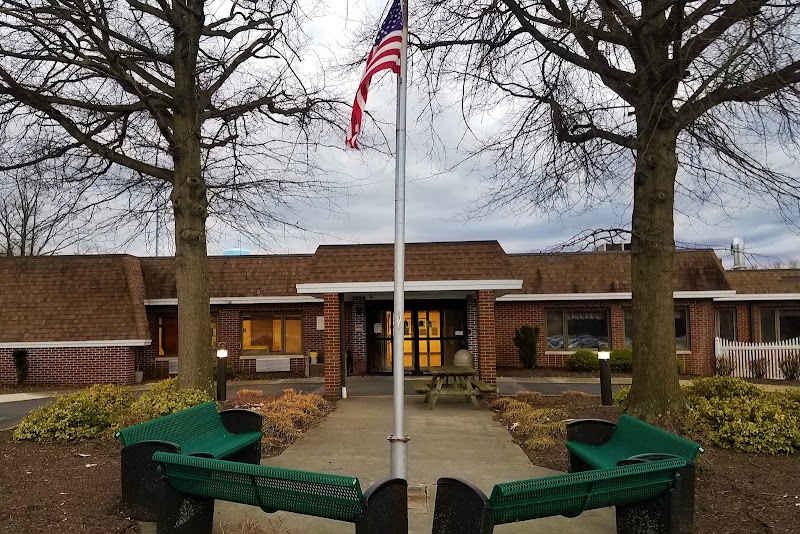
How is Northern Dauphin Staffed?

CMS rates NORTHERN DAUPHIN NURSING AND REHABILITATION CENTER's staffing level at 2 out of 5 stars, which is below average compared to other nursing homes. Staff turnover is 48%, compared to the Pennsylvania average of 46%.

What Have Inspectors Found at Northern Dauphin?

State health inspectors documented 45 deficiencies at NORTHERN DAUPHIN NURSING AND REHABILITATION CENTER during 2022 to 2025. These included: 1 Immediate Jeopardy (the most serious level, indicating potential for serious harm or death), 1 that caused actual resident harm, and 43 with potential for harm. Immediate Jeopardy findings are rare and represent the most serious regulatory concerns. They require immediate corrective action.
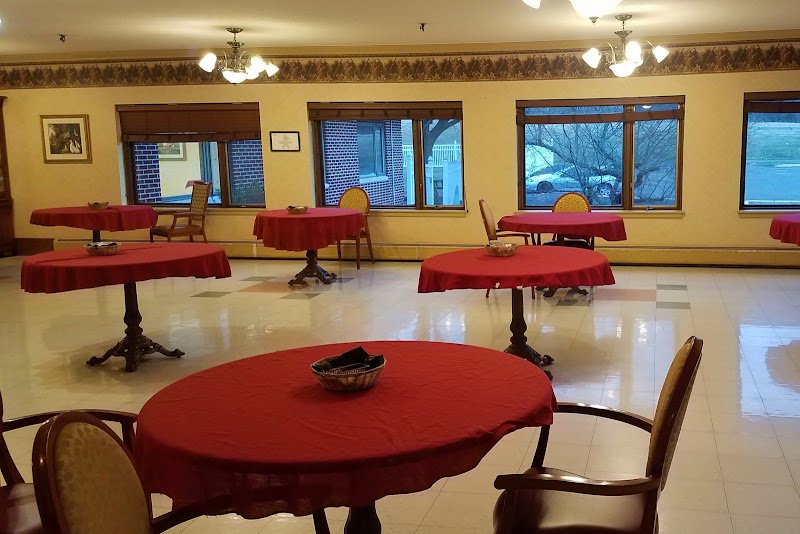
Who Owns and Operates Northern Dauphin?

NORTHERN DAUPHIN NURSING AND REHABILITATION CENTER is owned by a for-profit company. For-profit facilities operate as businesses with obligations to shareholders or private owners. The facility is operated by EPHRAM LAHASKY, a chain that manages multiple nursing homes. With 194 certified beds and approximately 162 residents (about 84% occupancy), it is a mid-sized facility located in MILLERSBURG, Pennsylvania.
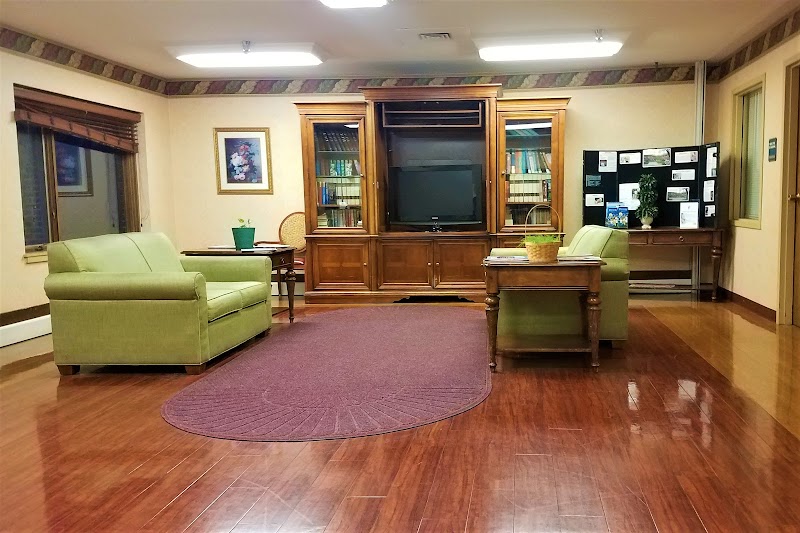
How Does Northern Dauphin Compare to Other Pennsylvania Nursing Homes?

Compared to the 100 nursing homes in Pennsylvania, NORTHERN DAUPHIN NURSING AND REHABILITATION CENTER's overall rating (2 stars) is below the state average of 3.0, staff turnover (48%) is near the state average of 46%, and health inspection rating (2 stars) is below the national benchmark.

What Should Families Ask When Visiting Northern Dauphin?

Based on this facility's data, families visiting should ask: "What changes have been made since the serious inspection findings, and how are you preventing similar issues?" "Can you walk me through typical staffing levels on day, evening, and night shifts?" "Can I visit during a mealtime to observe dining assistance and food quality?" "How do you handle medical emergencies, and what is your hospital transfer rate?" These questions are particularly relevant given the facility's Immediate Jeopardy citations and the below-average staffing rating.

Is Northern Dauphin Safe?

Based on CMS inspection data, NORTHERN DAUPHIN NURSING AND REHABILITATION CENTER has documented safety concerns. Inspectors have issued 1 Immediate Jeopardy citation (the most serious violation level indicating risk of serious injury or death). The facility has a 2-star overall rating and ranks #100 of 100 nursing homes in Pennsylvania. Families considering this facility should ask detailed questions about what corrective actions have been taken since these incidents.

Do Nurses at Northern Dauphin Stick Around?

NORTHERN DAUPHIN NURSING AND REHABILITATION CENTER has a staff turnover rate of 48%, which is about average for Pennsylvania nursing homes (state average: 46%). Moderate turnover is common in nursing homes, but families should still ask about staff tenure and how the facility maintains care continuity when employees leave.

Was Northern Dauphin Ever Fined?

NORTHERN DAUPHIN NURSING AND REHABILITATION CENTER has been fined $19,822 across 2 penalty actions. This is below the Pennsylvania average of $33,277. While any fine indicates a compliance issue, fines under $50,000 are relatively common and typically reflect isolated problems that were subsequently corrected. Families should ask what specific issues led to these fines and confirm they've been resolved.

Is Northern Dauphin on Any Federal Watch List?

NORTHERN DAUPHIN NURSING AND REHABILITATION CENTER is not on any federal watch list. The most significant is the Special Focus Facility (SFF) program, which identifies the bottom 1% of nursing homes nationally based on persistent, serious quality problems. Not being on this list means the facility has avoided the pattern of deficiencies that triggers enhanced federal oversight. This is a positive indicator, though families should still review the facility's inspection history directly.