CONCORDIA OF THE SOUTH HILLS
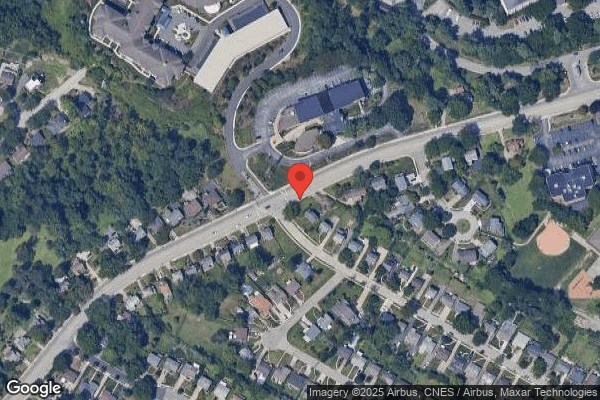
1300 BOWER HILL ROAD, PITTSBURGH, PA 15243 (412) 278-1300
Non profit - Corporation 46 Beds CONCORDIA LUTHERAN MINISTRIES Data: November 2025
Trust Grade
90/100
#22 of 653 in PA
Last Inspection: April 2025

Within standard 12-15 month inspection cycle. Federal law requires annual inspections.

Overview

Concordia of the South Hills in Pittsburgh has received a Trust Grade of A, indicating it is an excellent facility that is highly recommended for care. It ranks #22 out of 653 nursing homes in Pennsylvania, placing it in the top half, and #2 out of 52 in Allegheny County, suggesting it is one of the best local options available. The facility is improving, with issues decreasing from three in 2024 to one in 2025. Staffing is a strong point, with a 5/5 star rating and a turnover rate of 35%, which is well below the state average. On the downside, there were some concerns noted during inspections, including failures to properly store medications and to assess blood glucose levels, raising potential health risks for residents. However, the facility has no fines on record and maintains more RN coverage than 79% of other Pennsylvania facilities, which helps ensure better oversight.

Trust Score
A
90/100
In Pennsylvania
#22/653
Top 3%
Safety Record
Low Risk
No red flags
Inspections
Getting Better
3 → 1 violations
Staff Stability
○ Average
35% turnover. Near Pennsylvania's 48% average. Typical for the industry.
Penalties
✓ Good
No fines on record. Clean compliance history, better than most Pennsylvania facilities.
Skilled Nurses
✓ Good
Each resident gets 68 minutes of Registered Nurse (RN) attention daily — more than 97% of Pennsylvania nursing homes. RNs are the most trained staff who catch health problems before they become serious.
Violations
○ Average
7 deficiencies on record. Average for a facility this size. Mostly minor or procedural issues.
★★★★★
5.0
Overall Rating
★★★★★
5.0
Staff Levels
★★★★★
5.0
Care Quality
★★★★☆
4.0
Inspection Score
Stable
2024: 3 issues
2025: 1 issues

The Good

  • 5-Star Staffing Rating · Excellent nurse staffing levels
  • 5-Star Quality Measures · Strong clinical quality outcomes
  • Full Sprinkler Coverage · Fire safety systems throughout facility
  • No fines on record
  • Staff turnover below average (35%)

    13 points below Pennsylvania average of 48%

Facility shows strength in staffing levels, quality measures, fire safety.

The Bad

Staff Turnover: 35%

11pts below Pennsylvania avg (46%)

Typical for the industry

Chain: CONCORDIA LUTHERAN MINISTRIES

Part of a multi-facility chain

Ask about local staffing decisions and management

The Ugly 7 deficiencies on record

Apr 2025 1 deficiency
CONCERN (D)

Potential for Harm - no one hurt, but risky conditions existed

Quality of Care (Tag F0684)

Could have caused harm · This affected 1 resident

**NOTE- TERMS IN BRACKETS HAVE BEEN EDITED TO PROTECT CONFIDENTIALITY** Based on review of clinical records, and staff interviews, it was determined that the facility failed to assess, document, and n...

Read full inspector narrative →
**NOTE- TERMS IN BRACKETS HAVE BEEN EDITED TO PROTECT CONFIDENTIALITY** Based on review of clinical records, and staff interviews, it was determined that the facility failed to assess, document, and notify physicians of increased and decreased Capillary Blood Glucose (CBG) levels for two of seven residents reviewed (Residents R1, and R12) Findings include: The Centers for Disease Control defines diabetes as: Diabetes Mellitus is a chronic (long-lasting) health condition that affects how your body turns food into energy. Most of the food you eat is broken down into sugar (also called glucose) and released into your bloodstream. When your blood sugar goes up, it signals your pancreas to release insulin. Insulin acts like a key to let the blood sugar into your body's cells for use as energy. If you have diabetes, your body either doesn't make enough insulin or can't use the insulin it makes as well as it should. When there isn't enough insulin or cells stop responding to insulin, too much blood sugar stays in your bloodstream. Over time, that can cause serious health problems, such as heart disease, vision loss, and kidney disease. Hypoglycemia is a condition that occurs when blood glucose is lower than normal, usually below 70 milligrams per deciliter (mg/dl). If left untreated, hypoglycemia may lead to weakness, confusion, unconsciousness, arrhythmias and even death. People with Diabetes Mellitus may be prescribed injectable insulin to assist in maintaining acceptable levels of CBG's. Hyperglycemia, or high blood glucose, occurs when there is too much sugar in the blood. This happens when your body has too little insulin. Hyperglycemia is blood glucose greater than 125 mg/dL while fasting (not eating for at least eight hours, or a blood glucose greater than 180 mg/dL one to two hours after eating. If you have hyperglycemia and it ' s untreated for long periods of time, you can damage your nerves, blood vessels, tissues and organs. Damage to blood vessels can increase your risk of heart attack and stroke, and nerve damage may also lead to eye damage, kidney damage and non-healing wounds. Review of the clinical record indicated Resident R1 was admitted to the facility on [DATE], with diagnoses that included diabetes, legal blindness (severe visual impairment that cannot be corrected with glasses or contacts), and high blood pressure. Review of Resident R1 Minimum Data Set (MDS - a mandated assessment of a resident's abilities and care needs) dated 1/29/25, indicated the diagnoses remain current. Review of Resident R1 physician ' s order revealed the following orders: - An order dated 5/9/24, oral hypoglycemia protocol: If blood glucose is less than 70 mg/dl and resident is able to swallow, administer 4 ounces (oz) of high-calorie shake; if unable to swallow follow emergency glucagon order, recheck blood glucose level in 15 minutes. If blood glucose remains below 70, contact MD (doctor). - An order dated 5/9/24, accu-check every 15 minutes as needed for signs and symptoms of low blood sugar. If blood glucose is less than 70 mg/dl and resident is able to swallow, administer 4 ounces (oz) of high-calorie shake, recheck blood glucose level in 15 minutes, if unable to swallow - administer glucagon per MD order. - An order dated 5/9/24, glucagon emergency injection kit 1 mg give if blood glucose less than 70 and resident unable to swallow/unconscious. recheck blood glucose in 15 minutes, if less than 70 (after glucagon administration) call 911. - An order dated 5/30/24, Humalog (fast-acting insulin that starts to work about 15 minutes after injection, peaks in about 1 hour, and keeps working for 2 to 4 hours) 4 units in morning, hold if accucheck less than 70. - An order dated 12/2/24, Humalog 4 units before lunch and dinner. - An order dated 12/2/24, Humalog sliding scale 341-400 = 6 units. - An order dated 10/15/24, glargine (long-acting type of insulin that works slowly, over about 24 hours) 12 units in the morning. - An order dated 10/15/24, glargine 8 units at 6 pm (resident's preferred time). Review of the clinical record, and electronic Medication Administration Record (eMAR) revealed that the resident's CBG's were as follows: - On 12/8/24, at 6:33 a.m. the CBG was noted to be 58. - On 2/5/25, at 6:34 a.m. the CBG was noted to be 60. Review of the care plan dated 1/8/24, indicated the following interventions: Provider follow up as needed. Resident will receive medications as ordered. Staff will cue resident to comply with measures to maintain blood sugars within desired range. Staff will evaluate resident for sign and symptoms of hyper-/hypoglycemia. Review of Resident's eMAR and clinical progress notes indicated the resident was not assessed for hypoglycemia, the blood glucose was not monitored for effectiveness of treatment, staff failed to follow interventions of the care plan, and the physician was not notified of abnormal results on the above listed dates. Review of a clinical record indicated Resident R12 was admitted to the facility on [DATE], with diagnoses that included diabetes, high blood pressure, and anxiety. Review of the MDS dated [DATE], indicated the diagnoses remain current. Review of Resident R12 physician ' s orders revealed the following orders: - An order dated 12/26/24, oral hypoglycemia protocol: If blood glucose is less than 70 mg/dl and resident is able to swallow, administer 4 ounces (oz) of high-calorie shake; if unable to swallow follow emergency glucagon order, recheck blood glucose level in 15 minutes. If blood glucose remains below 70, contact MD (doctor). - An order dated 12/26/24, accu-check every 15 minutes as needed for signs and symptoms of low blood sugar. If blood glucose is less than 70 mg/dl and resident is able to swallow, administer 4 ounces (oz) of high-calorie shake, recheck blood glucose level in 15 minutes, if unable to swallow - administer glucagon per MD order. - An order dated 12/26/24, glucagon emergency injection kit 1 mg give if blood glucose less than 70 and resident unable to swallow/unconscious. recheck blood glucose in 15 minutes, if less than 70 (after glucagon administration) call 911. - An order dated 2/10/25, Humalog sliding scale 0-70 = 0 units initiate hypoglycemic protocol; 451-999 = call MD. - An order dated 12/26/24 through 3/24/25, glargine 35 units at bedtime. - An order dated 3/24/25, glargine 40 units at bedtime. Review of the clinical record, and electronic Medication Administration Record (eMAR) revealed that the resident's CBG's were as follows: - On 3/9/25, at 3:57 p.m. the CBG was noted to be 521. - On 3/10/25, at 5:52 a.m. the CBG was noted to be 65. - On 3/21/24, at 11:23 a.m. the CBG was noted to be 549. - On 3/28/24, at 10:23 p.m. the CBG was noted to be 591. Review of the care plan dated 8/13/24, indicated the following interventions: Provider follow up PRN (as needed). Resident will received medications as ordered. Staff will evaluate resident for signs and symptoms of hyper-/hypoglycemia. Review of Resident R12's eMAR and clinical progress notes indicated the resident was not assessed for hyperglycemia, failed to follow interventions of the care plan, blood sugar was not rechecked, and the physician was not notified of abnormal results. During an interview on 4/4/25, at 9:15 a.m. Licensed Practical Nurse (LPN) Employee E1 stated she would follow the ordered sliding scale. If the reading was low, she would give juice or a snack, recheck the blood glucose and call the doctor. If the reading was high, she would call the doctor for orders, recheck the blood glucose, and document. During an interview on 4/4/25, at 9:45 a.m. LPN Employee E2 stated she would follow the sliding scale, and if there was not a sliding scale , she would follow facility policy. During an interview on 4/4/25, at 10:45 a.m. the Director of Nursing confirmed the facility failed to notify the doctor of a change in condition, failed to document an assessment or interventions used related to blood glucose, and failed to follow physicians orders for Residents R1 and R12. She stated the facility does not have policies regarding diabetic care of the residents, the facility follows nursing standards of below 70 and greater than 400, unless otherwise ordered. 28 Pa. Code 201.18 (b)(1) Management 28 Pa. Code 201.29(d) Resident Rights 28 Pa. Code 211.10 (c)(d) Resident Care policies 28 Pa. Code 211.12 (d)(1)(2)(3)(5) Nursing services
Apr 2024 3 deficiencies
CONCERN (D)

Potential for Harm - no one hurt, but risky conditions existed

Quality of Care (Tag F0684)

Could have caused harm · This affected 1 resident

**NOTE- TERMS IN BRACKETS HAVE BEEN EDITED TO PROTECT CONFIDENTIALITY** Based on review of facility policy, clinical records, and staff interviews, it was determined that the facility failed to assess...

Read full inspector narrative →
**NOTE- TERMS IN BRACKETS HAVE BEEN EDITED TO PROTECT CONFIDENTIALITY** Based on review of facility policy, clinical records, and staff interviews, it was determined that the facility failed to assess residents for hypoglycemia (low blood glucose), failed to document and/or institute interventions for hypoglycemia, and failed to document notification to physicians of decreased capillary blood glucose (CBG) levels for one of three residents (Residents R154). Findings include: Review of the facility Hypoglycemia Protocol dated 8/3/23, indicated for conscious persons with a CBG level: - less than 45 mg/dl (milligrams per deciliter), to give 30 g (grams) of carbohydrates (8 ounces of juice or soda or 2 tablespoons jelly or sugar). Repeat CBG level in 15 minutes. - between 45-59 mg/dl, to give 20 g of carbohydrates (6 ounces of juice or soda or 1.5 tablespoons jelly or sugar). Repeat CBG level in 15 minutes. - between 60-100 mg/dl, to give 15 g of carbohydrates (4 ounces of juice or soda or 1 tablespoon jelly or sugar). Repeat CBG level in 15 minutes. Review of the facility policy Notification of Changes dated 8/3/23, indicated the facility will promptly consult with the resident's physician when there is a change requiring notification. Circumstances requiring notification include significant changes in the resident's physical, mental, or psychosocial conditions. Review of the clinical record indicated Resident R1 was admitted to the facility on [DATE]. Review of Resident R154's Minimum Data Set (MDS - a mandated assessment of a resident's abilities and care needs) dated 4/11/24, included diagnoses of chronic obstructive pulmonary disease (COPD, a group of progressive lung disorders characterized by increasing breathlessness) and diabetes (a metabolic disorder in which the body has high sugar levels for prolonged periods of time). Review of a physician's order dated 4/5/24, indicated to inject Humalog insulin (fast-acting medication to lower blood sugar levels) per sliding scale; if blood glucose is less than 70 initiate hypoglycemic protocol. Review of the Resident R154's blood sugar record revealed: -4/11/24, at 6:28 a.m. the CBG was 44 mg/dl. The clinical record failed to reveal documentation in a progress note addressing the low CBG level, failed to reveal the initiation of the hypoglycemic protocol, failed to reveal a recheck of the CBG level, and failed to reveal documentation of physician notification. -4/14/24, at 5:49 a.m. the CBG was 48 mg/dl. The clinical record failed to reveal a recheck of the CBG level and failed to reveal documentation of physician notification. -4/16/24, at 5:50 a.m. the CBG was 62 mg/dl. The clinical record failed to reveal documentation in a progress note addressing the low CBG level, failed to reveal the initiation of the hypoglycemic protocol, failed to reveal a recheck of the CBG level, and failed to reveal documentation of physician notification. During an interview on 4/18/24, at approximately 11:05 a.m. the Corporate Director of Nursing confirmed the facility failed to assess residents for hypoglycemia (low blood glucose), failed to document and/or institute interventions for hypoglycemia, and failed to document notification to physicians of decreased capillary blood glucose (CBG) levels for one of three residents. 28 Pa. Code 201.18 (b)(1) Management. 28 Pa. Code 201.29(d) Resident rights. 28 Pa. Code 211.10 (c)(d) Resident care policies. 28 Pa. Code 211.12 (d)(1)(2)(3)(5) Nursing services.
CONCERN (D)

Potential for Harm - no one hurt, but risky conditions existed

Pressure Ulcer Prevention (Tag F0686)

Could have caused harm · This affected 1 resident

**NOTE- TERMS IN BRACKETS HAVE BEEN EDITED TO PROTECT CONFIDENTIALITY** Based on review of facility policy, clinical record review, and staff interview, it was determined that the facility failed to p...

Read full inspector narrative →
**NOTE- TERMS IN BRACKETS HAVE BEEN EDITED TO PROTECT CONFIDENTIALITY** Based on review of facility policy, clinical record review, and staff interview, it was determined that the facility failed to provide prescribed treatment and services related to the care of pressure ulcers for one of three residents (Resident R7). Findings include: Review of the facility policy Pressure Ulcer Protocol dated 8/3/23, indicated the facility will provide a program of prevention, care, and treatment of pressure ulcers to all residents to prevent skin breakdown and to promote healing. Review of the clinical record indicated Resident R7 was admitted to the facility on [DATE]. Review of the Minimum Data Set (MDS - periodic assessment of care needs) dated 2/14/24, included the diagnoses of anemia (too little iron in the body causing fatigue) and dementia (a group of symptoms that affects memory, thinking and interferes with daily life). Review of Section GG - Functional Abilities and Goals indicated that Resident R1 required partial/ moderate assistance to roll left and right. Review of the list of residents with pressure ulcers provided by the facility on 4/16/24, indicated Resident R1 had an unstageable pressure ulcer (full-thickness skin and tissue loss in which the extent of tissue damage within the ulcer cannot be confirmed because it is obscured by slough or eschar) on her left buttock, present upon her admission on [DATE]. Review of Resident R7's clinical admission evaluation dated 2/7/24, indicated Resident R7 had skin warm & dry, skin color WNL (within normal limits), mucous membranes moist, turgor (ability of skin to change shape and return to normal) normal. This document further indicated Detailed documentation of skin issues can be completed within the COMS Skin Only Evaluation. Further review of Resident R1's clinical record revealed the skin only evaluation was not completed. Review of the section Body System Notes revealed Skin as unchecked. Review of the Braden Scale Assessment (a tool utilized to assess a patient's risk of developing a pressure ulcer) dated 2/7/24, revealed Resident R7 was at risk for the development of pressure ulcers. Review of Resident R7's baseline care plan dated 2/7/24, revealed the entry for pressure ulcer to be unchecked, and the need for wound care to be unchecked. Review of MDS dated [DATE], Section M - Skin Conditions indicated that Resident R7 had no current pressure ulcers. Review of Resident R7's physicians orders failed to reveal an order for treatment of pressure ulcers until 3/9/24, when an order was placed for care of a left buttock wound. Review Resident R7's care plan dated 2/7/24, for skin impairment, risk of impaired skin integrity, indicated Resident R1 will remain free of any new skin breakdown through next review date. Resident R7's care plan was updated on 3/12/24, to include an actual unstageable pressure ulcer of the left buttock. Review of a progress note dated 3/9/24, at 6:55 a.m. indicated an open area was noted on left medial buttocks. Review of a wound nurse practitioner's progress note dated 3/11/24, at 8:06 a.m. indicated Resident R7 is being seen for a new left buttock wound noted by the facility staff on 3/9/24. Review of Resident R7's clinical record revealed no Skin & Wound Evaluation assessments completed for the left buttock wound until 3/11/24. Review of Resident R7's Treatment Administration Record for April 2024, revealed no documentation for completion of Resident R7's left buttock wound treatment on 4/11/24 and 4/15/24. Review of progress notes for those dates failed to reveal information on the wound treatment's completion. Review of a physician's orders dated 2/7/24, indicated to Encourage to turn & reposition and Bed Wedge. Review of Resident R7's [NAME] (document that outlines the patients' ADLs, continence levels, and behaviors, as well as physician, advanced directives, diet, and allergies) utilized by nurse aide staff as of 4/16/24, indicated for staff to turn and reposition. During observations completed on: -4/16/24, at approximately 10:45 a.m., and 1:30 p.m. -4/17/24, at approximately 9:00 a.m., 11:30 a.m., 1:30 p.m., and 3:00 p.m. -4/17/24, at approximately 9:00 a.m., and 11:00 a.m. all revealed Resident R7 to be lying flat on her back, with her head slightly elevated. During the above observations, the bed wedge was noted to be on a chair in the room, not utilized. During an interview on 4/18/24, at approximately 11:05 a.m. the Corporate Director of Nursing confirmed the inaccuracy of the facility provided pressure ulcer list, confirmed the development of a new pressure ulcer for Resident R7, and was made aware of the lack of assistance from staff for Resident R7 to turn and reposition. During an interview on 4/18/24, at approximately 12:15 p.m. the Nursing Home Administrator confirmed the facility failed to provide prescribed treatment and services related to the care of pressure ulcers for one of three residents. 28 Pa. Code 211.5(f) Clinical records. 28 Pa. Code: 211.12(d)(1)(5) Nursing services.
CONCERN (E)

Potential for Harm - no one hurt, but risky conditions existed

Deficiency F0761 (Tag F0761)

Could have caused harm · This affected multiple residents

**NOTE- TERMS IN BRACKETS HAVE BEEN EDITED TO PROTECT CONFIDENTIALITY** Based on review of manufacturer ' s guidelines, observations, and staff interview, it was determined that the facility failed to...

Read full inspector narrative →
**NOTE- TERMS IN BRACKETS HAVE BEEN EDITED TO PROTECT CONFIDENTIALITY** Based on review of manufacturer ' s guidelines, observations, and staff interview, it was determined that the facility failed to make certain that medications and medication supplies were properly stored and/or disposed of in one of two medication rooms (First-floor medication room) and one of one medication carts (First-floor medication cart). The facility failed to make certain medication rooms were secured for one of two medication rooms (Second Floor Medication room). Findings include: Review of the facility policy Medication Storage dated [DATE], indicated the facility will ensure all medications housed on our premises will be stored in the pharmacy and/or medication rooms according to the manufacturer's recommendations. The policy further stated all medication rooms are routinely inspected for discontinued and outdated medications, which would be destroyed. Review of the facility policy Medication Storage dated [DATE]. indicated the facility will ensure all medications will be stored in med rooms according to manufacturers recommendations sufficient to ensure proper sanitation, light and security. Review of the facility provided document Medication Storage in the facility - expiration dates other than the manufacturer's, updated [DATE], indicated that ophthalmic medications have an expiration date 28 days from the date opened. During an observation of the First-floor medication room on [DATE], at 10:50 a.m. revealed the following: -(11) bottles of glucometer testing control solution with an expiration date of [DATE]. -(3) bottles of glucometer testing control solution with an expiration date of [DATE]. -(11) bottles of glucometer testing control solution with an expiration date of [DATE]. -(9) colostomy barriers with an expiration date [DATE]. -(9) colostomy pouches with an expiration date [DATE]. -(2) colostomy pouches with an expiration date [DATE]. -(5) urinary pouches with an expiration date 12/2022. -(28) ostomy pouches with an expiration date 12/2022. -(8) ostomy pouches with an expiration date [DATE]. During an interview on [DATE], at 11:20 a.m. Licensed Practical Nurse Employee E1 confirmed the above expired items. During an observation of the First-floor medication cart on [DATE], at 2:30 p.m. revealed the following: -(1) bottle of atropine ophthalmic solution, with an open date of [DATE], and no use-by date noted. -(1) bottle of prednisolone ophthalmic solution, with an open date of [DATE], with a use-by date of [DATE]. -(1) bottle of brimonidine ophthalmic solution, with an open date of [DATE]/24, with a use-by date of [DATE]. -(1) bottle of tobramycin ophthalmic solution, with an open date of [DATE], and no use-by date noted. During an interview on [DATE], at 2:35 p.m. Licensed Practical Nurse Employee E1 confirmed the above expired items. During an interview on [DATE], at approximately 12:15 p.m. the Nursing Home Administrator(NHA) confirmed that the facility failed to make certain that medications and medication supplies were properly stored and/or disposed of in one of two medication rooms (First-floor medication room) and one of one medication carts (First-floor medication cart). During an observation on [DATE], at 11:00 a.m., Housekeeping Employee E2 was exiting the second floor medication room after mopping. During an interview on [DATE], at 11:12 a.m., Licensed Practical Nurse Employee E3 stated that she had opened the door of the medication room for Housekeeping Employee E2 and did not know that he was not authorized to be in the room without authorized staff. During an interview on [DATE], at 11:48 a.m., the NHA and Corporate Director of Nursing confirmed that the facility failed to make certain medication rooms are secured. 28 Pa. Code: 201.14 (a) Responsibility of licensee. 28 Pa. Code: 201.18 (b)(1)(e)(1) Management. 28 Pa. Code: 211.9 (a)(1) Pharmacy services. 28 Pa. Code: 211.12 (d)(1)(3)(5) Nursing services.
May 2023 3 deficiencies
CONCERN (D) 📢 Someone Reported This

A family member, employee, or ombudsman was alarmed enough to file a formal complaint

Potential for Harm - no one hurt, but risky conditions existed

Deficiency F0655 (Tag F0655)

Could have caused harm · This affected 1 resident

**NOTE- TERMS IN BRACKETS HAVE BEEN EDITED TO PROTECT CONFIDENTIALITY** Based on clinical record review and interviews with staff, it was determined that the facility did not develop a person-centered...

Read full inspector narrative →
**NOTE- TERMS IN BRACKETS HAVE BEEN EDITED TO PROTECT CONFIDENTIALITY** Based on clinical record review and interviews with staff, it was determined that the facility did not develop a person-centered baseline care plan within 48 hours of a resident's admission related to infection control for two out of eight newly admitted residents (Resident R102 and Resident 201). Findings include: The facility Care plan summary policy dated 12/2/22, indicated that the facility will provide the resident with a written summary of the baseline care plan that includes resident's initial goals, summary of resident's medications, any services and treatments to be administered and any information based on the details of the comprehensive care plan. The care plan summary will be completed within 48 hours after admission. Review of Resident R102's admission record indicated he was admitted on [DATE]. Review of Resident R102's MDS assessment dated [DATE], indicated he was admitted with diagnoses that included Bacteremia (infection in the blood stream), Chronic Obstructive Pulmonary Disease (COPD-a disease characterized by persistent respiratory symptoms involving breathlessness, coughing, and obstructed airflow to the lungs), Endocarditis(inflammation impacting the inner lining of the heart), and heart failure (a progressive heart disease that affects pumping action of the heart muscles). The MDS assessment indicated that these diagnoses were the most current upon review. Review of Resident R102's clinical admission assessment dated [DATE], indicated he had an infection upon admission. Review of Resident R102's physician orders dated 5/2/23, indicated to administer Ceftriaxone Sodium (antibiotic) intravenously every morning for 30 minutes until 5/31/23 for Bacteremia. Review of Resident R102's base line care plans did not include that he had an infection and was to receive an IV antibiotic treatment. During observations on 5/15/23, at 10:52 a.m. Resident R102 was observed in his room with use of IV antibiotic treatment in use and under isolation precautions. During an interview on 5/15/23, at 11:18 a.m. interview with Licensed Practical Nurse (LPN) Employee E1 stated that Resident R102 was still on IV antibiotic for an infection. Review of Resident 201's admission record indicated she was admitted on [DATE], with the diagnoses of diabetes, high blood pressure, and hyperlipidemia (high fats in the blood). Review of Resident 201's clinical admission assessment dated [DATE], indicated an IV (intravenous) catheter present to right antecubital (inner elbow area). Review of Resident 201's physician orders dated 5/12/23, failed to include orders for the presence and care of the IV catheter. Review of Resident 201's base line care plan did not include the presence and care of the IV catheter. During an observation on 5/15/23, at 10:03 a.m. Resident 201 was observed in her room with IV catheter to right antecubital area. During an interview on 5/16/23, at 1:45 p.m. the Director of Nursing (DON) confirmed the base line care plan and physician orders failed to include orders and care for the IV catheter. During an interview on 5/15/23, at 3:01 p.m. the Nursing Home Administrator (NHA) confirmed that the facility failed to develop a person-centered baseline care plan within 48 hours of Resident R102's admission related to infection control as required and Resident 201's IV catheter care and maintenance. 28 Pa. Code 211.11(a)(b)(c)(d) Resident care plan.
CONCERN (D) 📢 Someone Reported This

A family member, employee, or ombudsman was alarmed enough to file a formal complaint

Potential for Harm - no one hurt, but risky conditions existed

Quality of Care (Tag F0684)

Could have caused harm · This affected 1 resident

**NOTE- TERMS IN BRACKETS HAVE BEEN EDITED TO PROTECT CONFIDENTIALITY** Based on review of facility policy, clinical records, and staff interview it was determined that the facility failed to assess a...

Read full inspector narrative →
**NOTE- TERMS IN BRACKETS HAVE BEEN EDITED TO PROTECT CONFIDENTIALITY** Based on review of facility policy, clinical records, and staff interview it was determined that the facility failed to assess and properly manage surgical wound characteristics for one of four closed records (Resident CR153). Findings include: Review of the facility policy Documentation of Wound Treatments dated 10/17/22, indicated the following elements are documented as part of a complete wound assessment: -The type of wound (pressure injury, surgical, etc.) and anatomical location -Measurements: height, width, depth, undermining, tunneling -Description of wound characteristics. Review of the admission record indicated Resident CR153 admitted to the facility on [DATE]. Review of Resident CR153's Minimum Data Set (MDS- a periodic assessment of care needs) dated 1/20/23, indicated the diagnoses of right hip fracture, high blood pressure, and hyperlipidemia (high fats in the blood). Review of Resident CR153's care plan dated 1/17/23, indicated wound to right outer thigh - monitor for signs and symptoms of infection including: pain, fever, drainage, and periwound (surrounding area of wound). Review of Resident CR153's physician orders dated 1/13/23, indicated do not remove Aquacel dressing (absorbent wound treatment) until 1/20/23. Cleanse right outer thigh surgical dressing with normal sterile saline, apply a dry dressing daily and as needed to start on 1/20/23. Review of Resident CR153's progress note dated 1/13/23, indicated patient has two surgical incisions covered by an Aquacel dressing to the right outer thigh. Review of remaining progress notes from 1/13/23 -1/24/23 failed to include any mention of right outer thigh surgical wound. Review of Resident CR153's Treatment Administration Record (TAR) dated January 2023 indicated that the right outer thigh dry dressing was changed on 1/20/23 - 2/24/23 and findings were within normal limits. Review of the clinical record to include Physician orders, progress notes, care plan, TAR, and discharge note failed to include any mention of sutures that were in place after Aquacel dressing was removed on 1/20/23 and failed to include instructions or inquiry to physician of when a removal date is warranted. Interview with the Director of Nursing and the Nursing Home Administrator on 5/16/23, at 1:45 p.m. confirmed the facility failed to assess and properly manage surgical wound characteristics for one of four closed records (Resident CR153). 28 Pa. Code: 201.18(b)(1)(e)(1) Management. 28 Pa. Code: 211.10(d) Resident care policies. 28 Pa. Code: 211.12(d)(1)(2)(5) Nursing services.
CONCERN (D)

Potential for Harm - no one hurt, but risky conditions existed

Deficiency F0761 (Tag F0761)

Could have caused harm · This affected 1 resident

**NOTE- TERMS IN BRACKETS HAVE BEEN EDITED TO PROTECT CONFIDENTIALITY** Based on review of facility policies, observations and staff interview it was determined that the facility failed to store all d...

Read full inspector narrative →
**NOTE- TERMS IN BRACKETS HAVE BEEN EDITED TO PROTECT CONFIDENTIALITY** Based on review of facility policies, observations and staff interview it was determined that the facility failed to store all drugs and biologicals in a safe, secure and orderly manner for three residents (Resident R4, R15, and R200) on one of two nursing units (First floor). Findings include: Review of the facility policy Medication Storage in the Facility dated 8/5/22, indicated all medications and biologicals are stored safely, securely, properly, and are accessible only to licensed nursing personnel, pharmacy personnel, or staff members lawfully authorized to administer medications. Review of admission record indicated Resident R4 was admitted to the facility on [DATE], with the diagnoses of diabetes, heart failure (heart doesn't pump blood as well as it should), and atrial fibrillation (irregular heart rhythm). Observation on 5/14/23, at 8:44 a.m. of Resident R4's bed side stand indicated a bottle of Systane eye drops (medication used for dry eyes), unlocked and unattended. Review of admission record indicated Resident R200 was admitted to the facility on [DATE], with the diagnoses of high blood pressure, sacroiliitis (painful condition to lower back, buttocks, and thighs), and malaise (general feeling of discomfort). Observation on 5/14/23, at 8:50 a.m. of Resident R200's nightstand indicated a box of Paxlovid (medication used for Covid infections), unlocked and unattended. Review of admission record indicated Resident R15 was admitted to the facility on [DATE]. Review of Resident R15's Minimum Data Set (MDS - a periodic assessment of care needs) dated 4/16/23, indicated diagnoses of heart failure, high blood pressure, and atrial fibrillation. Observation on 5/14/23, at 9:10 a.m. of Resident R15's nightstand indicated a box of Chloraseptic medication (used for sore throat), unlocked and unattended. Interview and tour on 5/14/23, at 9:15 a.m. Licensed Practical Nurse (LPN) Employee E2 confirmed the above observations and that the facility failed to store all drugs and biologicals in a safe, secure, and orderly manner for three residents (Resident R4, R15, and R200) on one of two nursing units (First floor). 28 Pa. Code: 201.18(b)(1)(e)(1) Management. 28 Pa. Code: 211.10(d) Resident care policies. 28 Pa. Code: 211.12(d)(1)(2)(5) Nursing services.
Understanding Severity Codes (click to expand)
Life-Threatening (Immediate Jeopardy)
J - Isolated K - Pattern L - Widespread
Actual Harm
G - Isolated H - Pattern I - Widespread
Potential for Harm
D - Isolated E - Pattern F - Widespread
No Harm (Minor)
A - Isolated B - Pattern C - Widespread

Questions to Ask on Your Visit

  • "Can I speak with families of current residents?"
  • "What's your RN coverage like on weekends and overnight?"

Our Honest Assessment

Strengths
  • • Grade A (90/100). Above average facility, better than most options in Pennsylvania.
  • • No major safety red flags. No abuse findings, life-threatening violations, or SFF status.
  • • No fines on record. Clean compliance history, better than most Pennsylvania facilities.
  • • 35% turnover. Below Pennsylvania's 48% average. Good staff retention means consistent care.
Concerns
  • • No significant concerns identified. This facility shows no red flags across CMS ratings, staff turnover, or federal penalties.
Bottom line: Generally positive indicators. Standard due diligence and a personal visit recommended.

About This Facility

What is Concordia Of The South Hills's CMS Rating?

CMS assigns CONCORDIA OF THE SOUTH HILLS an overall rating of 5 out of 5 stars, which is considered much above average nationally. Within Pennsylvania, this rating places the facility higher than 99% of the state's 100 nursing homes. This rating reflects solid performance across the metrics CMS uses to evaluate nursing home quality.

How is Concordia Of The South Hills Staffed?

CMS rates CONCORDIA OF THE SOUTH HILLS's staffing level at 5 out of 5 stars, which is much above average compared to other nursing homes. Staff turnover is 35%, compared to the Pennsylvania average of 46%. This relatively stable workforce can support continuity of care.

What Have Inspectors Found at Concordia Of The South Hills?

State health inspectors documented 7 deficiencies at CONCORDIA OF THE SOUTH HILLS during 2023 to 2025. These included: 7 with potential for harm.
Who Owns and Operates Concordia Of The South Hills?

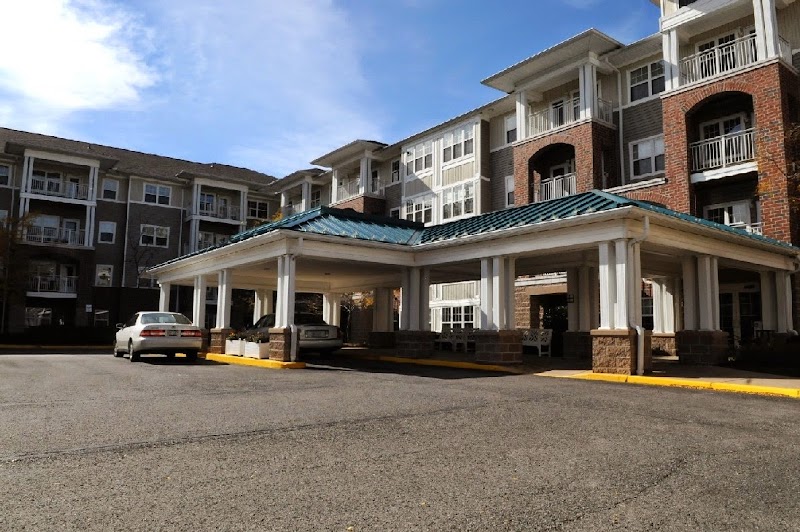
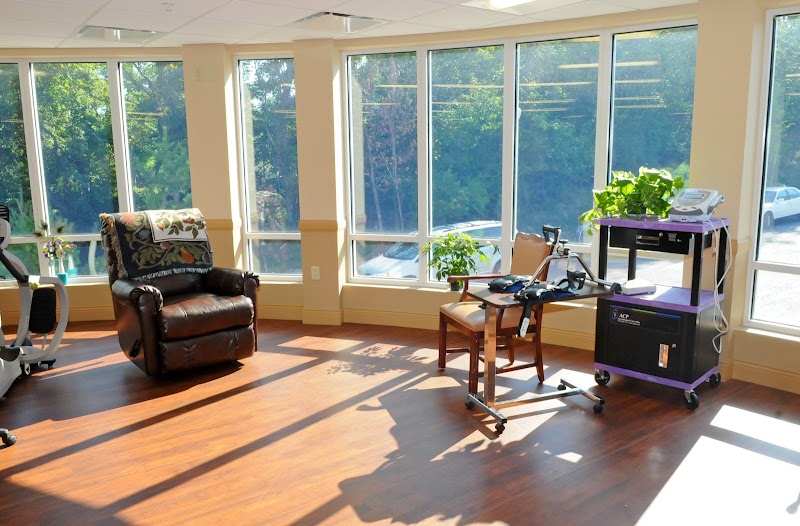
CONCORDIA OF THE SOUTH HILLS is owned by a non-profit organization. Non-profit facilities reinvest revenue into operations rather than distributing to shareholders. The facility is operated by CONCORDIA LUTHERAN MINISTRIES, a chain that manages multiple nursing homes. With 46 certified beds and approximately 44 residents (about 96% occupancy), it is a smaller facility located in PITTSBURGH, Pennsylvania.

How Does Concordia Of The South Hills Compare to Other Pennsylvania Nursing Homes?

Compared to the 100 nursing homes in Pennsylvania, CONCORDIA OF THE SOUTH HILLS's overall rating (5 stars) is above the state average of 3.0, staff turnover (35%) is significantly lower than the state average of 46%, and health inspection rating (4 stars) is above the national benchmark.

What Should Families Ask When Visiting Concordia Of The South Hills?

Based on this facility's data, families visiting should ask: "Can I visit during a mealtime to observe dining assistance and food quality?" "How do you handle medical emergencies, and what is your hospital transfer rate?" "Can I speak with family members of current residents about their experience?"

Is Concordia Of The South Hills Safe?

Based on CMS inspection data, CONCORDIA OF THE SOUTH HILLS has a clean safety record: no substantiated abuse findings (meaning no confirmed cases of resident harm), no Immediate Jeopardy citations (the most serious violation level indicating risk of serious injury or death), and is not on the Special Focus Facility watch list (a federal program monitoring the lowest-performing 1% of nursing homes). The facility has a 5-star overall rating and ranks #1 of 100 nursing homes in Pennsylvania. While no facility is perfect, families should still ask about staff-to-resident ratios and recent inspection results during their visit.

Do Nurses at Concordia Of The South Hills Stick Around?

CONCORDIA OF THE SOUTH HILLS has a staff turnover rate of 35%, which is about average for Pennsylvania nursing homes (state average: 46%). Moderate turnover is common in nursing homes, but families should still ask about staff tenure and how the facility maintains care continuity when employees leave.

Was Concordia Of The South Hills Ever Fined?

CONCORDIA OF THE SOUTH HILLS has no federal fines on record. CMS issues fines when nursing homes fail to meet care standards or don't correct problems found during inspections. The absence of fines suggests the facility has either maintained compliance or corrected any issues before penalties were assessed. This is a positive indicator, though families should still review recent inspection reports for the full picture.

Is Concordia Of The South Hills on Any Federal Watch List?

CONCORDIA OF THE SOUTH HILLS is not on any federal watch list. The most significant is the Special Focus Facility (SFF) program, which identifies the bottom 1% of nursing homes nationally based on persistent, serious quality problems. Not being on this list means the facility has avoided the pattern of deficiencies that triggers enhanced federal oversight. This is a positive indicator, though families should still review the facility's inspection history directly.