Harmony Physical Rehabilitation
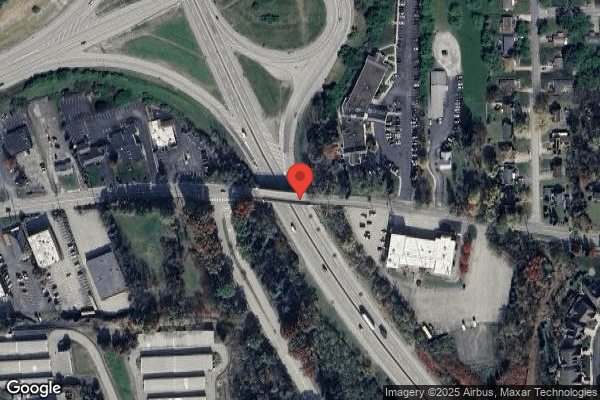

4365 NORTHERN PIKE, MONROEVILLE, PA 15146 (724) 352-1571
Non profit - Corporation 30 Beds CONCORDIA LUTHERAN MINISTRIES Data: November 2025
Trust Grade
83/100
#183 of 653 in PA
Last Inspection: February 2025

Within standard 12-15 month inspection cycle. Federal law requires annual inspections.

Overview

Harmony Physical Rehabilitation in Monroeville, Pennsylvania, has a Trust Grade of B+, indicating it is above average and recommended for families seeking care. It ranks #183 out of 653 facilities in Pennsylvania, placing it in the top half of the state, and #7 out of 52 in Allegheny County, meaning there are only six local options considered better. The facility's trend is stable, with the number of issues remaining consistent at one per year for 2024 and 2025. Staffing is a relative strength with a 4 out of 5 rating and a low turnover rate of 25%, much lower than the state average, suggesting that staff are experienced and familiar with residents. However, there are some concerns, including incidents where the facility failed to maintain kitchen sanitation, which could lead to food safety risks, and issues with the availability of prescribed medications for some residents. Additionally, they did not sufficiently manage risks related to Legionella bacteria in their water system, indicating some areas needing improvement. Overall, while there are strengths, families should be aware of these weaknesses when considering this facility for their loved ones.
Trust Score
B+
83/100
In Pennsylvania
#183/653
Top 28%
Safety Record
Low Risk
No red flags
Inspections
Holding Steady
1 → 1 violations
Staff Stability
✓ Good
25% annual turnover. Excellent stability, 23 points below Pennsylvania's 48% average. Staff who stay learn residents' needs.
Penalties
✓ Good
No fines on record. Clean compliance history, better than most Pennsylvania facilities.
Skilled Nurses
✓ Good
Each resident gets 57 minutes of Registered Nurse (RN) attention daily — more than average for Pennsylvania. RNs are trained to catch health problems early.
Violations
○ Average
8 deficiencies on record. Average for a facility this size. Mostly minor or procedural issues.
★★★★☆
4.0
Overall Rating
★★★★☆
4.0
Staff Levels
★★★★☆
4.0
Care Quality
★★★★☆
4.0
Inspection Score
Stable
2024: 1 issues
2025: 1 issues

The Good

  • 4-Star Staffing Rating · Above-average nurse staffing levels
  • 4-Star Quality Measures · Strong clinical quality outcomes
  • Low Staff Turnover (25%) · Staff stability means consistent care
  • Full Sprinkler Coverage · Fire safety systems throughout facility
  • No fines on record
  • Staff turnover is low (25%)

    23 points below Pennsylvania average of 48%

Facility shows strength in staffing levels, quality measures, staff retention, fire safety.

The Bad

Chain: CONCORDIA LUTHERAN MINISTRIES

Part of a multi-facility chain

Ask about local staffing decisions and management

The Ugly 8 deficiencies on record

Feb 2025 1 deficiency
CONCERN (D)

Potential for Harm - no one hurt, but risky conditions existed

Infection Control (Tag F0880)

Could have caused harm · This affected 1 resident

Based on review of facility policy , documentation, and review of Centers for Disease Control (CDC) guidelines for Legionella (bacteria that causes disease found in contaminated water) control, and st...

Read full inspector narrative →
Based on review of facility policy , documentation, and review of Centers for Disease Control (CDC) guidelines for Legionella (bacteria that causes disease found in contaminated water) control, and staff interviews it was determined that the facility failed to maintain a comprehensive program for water management to monitor the potential development and spread of Legionella and failed to implement control measures for Legionella within the facility for eleven of twelve months (February 2024 through January 2025). Finding include: Review of the facility policy Water Management Program dated 1/16/25 indicated the facility will utilize water management practices to reduce the risk of growth and spread of Legionella and other opportunistic pathogens in building water systems. Core Elements of the Water Management Plan are: 1. Establish Water Management Plan team. 2. Describe Center's water system using text and flow diagram. 3. Risk assessment with control methods and corrective actions. 4. Monitoring control measures. 5. Corrective actions. 6. Verification and validation. 7. Documentation and communication. Review of Department of Health and Human services, Centers for Medicare and Medicaid services (CMS) memo, Requirement to Reduce Legionella Risk in Healthcare Facility Water Systems to Prevent Cases and Outbreaks of Legionnaires' Disease (LD) dated 7/6/18, revealed, Facilities must develop and adhere to policies and procedures that inhibit microbial growth in building water systems that reduce the risk of growth and spread Legionella and other opportunistic pathogens in water. This policy memorandum applies to Hospitals, Critical Access Hospitals (CAHs) and Long-Term Care (LTC). However, this policy memorandum is also intended to provide general awareness for all healthcare organizations. Facilities must have water management plans and documentation that, at minimum, ensure each facility: -Conducts a facility risk assessment to identify where Legionella and other opportunistic waterborne pathogens (e.g. Pseudomonas, Acinetobacter, Nontuberculous Mycobacteria, Burkholderia, Stenotrophomonas, and fungi) could grow and spread in the facility water system. -Develops and implements a water management program that considers the ASHRAE (American Society of Heating, Refrigerating, and Air Conditioning Engineers) industry standard and the CDC toolkit. -Specifies testing protocols and acceptable ranges for control measures and document the results of testing and corrective actions taken when control limits are not maintained. -Maintains compliance with other applicable Federal, State and local requirements. Review of the ASHRAE guidance Managing the Risk of Legionellosis Associated with Building Water Systems dated December 2020, indicated the most commonly used supplemental disinfection methods are treatment with chlorine, chlorine-dioxide, copper-silver ions, and monochloramine. The guidance further indicated the recommended levels of residual chlorine are 0.50-3.00 ppm (part per million). Review of the facility provided water management information failed to include specific testing protocols and acceptable ranges for control measures along with a description of the facility's water system using a flow diagram. The facility was keeping a log of water temperatures and maintaining these levels at 140-150 degrees and then mixed down to 110 degrees for resident use. Review of the Water Management Program Control Measures did not contain a log for Point of Use Disinfectant (the level of chlorine concentration in the water) indicated to measure and record hot water and cold water chlorine concentration as point of use, and to note that chlorine concentration below 0.5 ppm and above 4.0 ppm as outside the control limits. During an interview on 2/19/25, at 9:00 a.m. the Maintenance Director stated that they did not perform any water testing because they have public water and felt that they did not need to test for this reason. They were only testing water temperatures daily in random resident rooms. During an interview on 2/20/25, at approximately 10:10 a.m. the Nursing Home Administrator confirmed that a new Maintenance Director will be starting at the facility and that the overseeing Maintenance Director from a sister facility failed to maintain a comprehensive program for water management to monitor the potential development and spread of Legionella and failed to implement control measures for Legionella within the facility. 28 Pa. Code: 201.14(a) Responsibility of licensee. 28 Pa. Code: 201.18(b)(1)(e)(1) Management.
Jan 2024 1 deficiency
CONCERN (D) 📢 Someone Reported This

A family member, employee, or ombudsman was alarmed enough to file a formal complaint

Potential for Harm - no one hurt, but risky conditions existed

Quality of Care (Tag F0684)

Could have caused harm · This affected 1 resident

**NOTE- TERMS IN BRACKETS HAVE BEEN EDITED TO PROTECT CONFIDENTIALITY** Based on a review of facility policy and investigative documents, it was it was determined that the facility failed to follow ph...

Read full inspector narrative →
**NOTE- TERMS IN BRACKETS HAVE BEEN EDITED TO PROTECT CONFIDENTIALITY** Based on a review of facility policy and investigative documents, it was it was determined that the facility failed to follow physician's orders for one of five residents (Resident R131). This was identified as past non-compliance. Review of the facility policy Medication Administration dated 1/19/23, indicated for staff to compare medication source with MAR (medication administration record) to verify resident name, medication name, form, dose, route, and time. Review of the clinical record revealed Resident R131 was admitted to the facility on [DATE]. Review of the Minimum Data Set (MDS, periodic assessment of resident care needs dated 12/14/23, included diagnoses of CAD and hip fracture. Review of the physician's order dated 12/14/23, indicated for Resident R131 to receive two 10 mg tablets of baclofen (medication used to treat muscle spasms) every 24 hours, as needed for pain. Total dose ordered was 20 mg. Review of facility investigation documents indicated that on 12/14/23, at approximately 8:45 a.m. Resident R131 received two 20 mg tablets, for a total dose of 40 mg. On 12/16/23, the facility initiated a plan of correction that included education for all nursing staff including Registered Nurses and Licensed Practical Nurses to ensure that safe and accurate medication practices are followed as ordered. The facility provided documentation of the in-service training that was provided to the nursing staff, including Registered Nurses and Licensed Practical Nurses, at the facility on 12/16/23, and 12/17/23, which addressed safe and accurate medication practices. Education on medication practices which included verifying resident name, medication name, form, dose, route, and time. The facility reviewed like residents for non-compliance with medication practices on 12/16/23, and it was determined that this was an isolated incident. During an interview on 1/31/24, at approximately 12:00 p.m. the Nursing Home Administrator and the Director of Nursing confirmed that the facility failed to follow physician's orders for one of five residents.
Nov 2023 1 deficiency
CONCERN (E) 📢 Someone Reported This

A family member, employee, or ombudsman was alarmed enough to file a formal complaint

Potential for Harm - no one hurt, but risky conditions existed

Pharmacy Services (Tag F0755)

Could have caused harm · This affected multiple residents

**NOTE- TERMS IN BRACKETS HAVE BEEN EDITED TO PROTECT CONFIDENTIALITY** Based on review of clinical records, and staff interview, it was determined that the facility failed to implement procedures to ...

Read full inspector narrative →
**NOTE- TERMS IN BRACKETS HAVE BEEN EDITED TO PROTECT CONFIDENTIALITY** Based on review of clinical records, and staff interview, it was determined that the facility failed to implement procedures to ensure availability of prescribed medications for four of six residents (Residents R1, R2, R3, and R4). Findings include: Review of the National Institute of Health, National Institute on Aging published information reviewed on 10/1/22, defined high blood pressure as systolic pressure of 130 or higher (first/top number, or a diastolic pressure of 80 or higher (second/bottom number). Review of the clinical record indicated Resident R1 was admitted to the facility on [DATE]. Review of the facility diagnosis list included anemia (too little iron in the body causing fatigue) and aftercare following joint replacement surgery. Review of a physician's orders dated 11/5/23, indicated Resident R1 was to receive Pantoprazole (medication to treat too much stomach acid and/or damaged esophagus) 40 mg one time daily and Citalopram (anti-depressant medication) 20 mg one time daily. Review of Resident R1's Medication Administration Record (MAR) for November 2023, indicated: 11/6/23 Pantoprazole: no documentation. 11/6/23 Citalopram: documented as 14 (14 is code for order clarification). Review of progress notes for Resident R1 failed to include notes on 11/6/23, related to whether the Pantoprazole was provided, and related to the need for an order clarification for the Citalopram. Review of the facility provided inventory for the Omnicell (automated medication dispensing machine) included Citalopram 10 mg tablets and Pantoprazole 40 mg tablets. Review of the clinical record indicated Resident R2 was admitted to the facility on [DATE]. Review of the facility diagnosis list included heart failure (a progressive heart disease that affects pumping action of the heart muscles) and high blood pressure. Review of a physician's orders dated 11/5/23, indicated Resident R2 was to receive Finasteride (medication to treat enlarged prostate) 5 mg once daily, Rosuvastatin (medication to treat high cholesterol and triglycerides) 10 mg once daily, and Carvedilol (medication to treat high blood pressure) 25 mg twice daily. Review of Resident R2's Medication Administration Record (MAR) for November 2023, indicated: 11/9/23 Finasteride, Rosuvastatin, Carvedilol: documented as 9 (9 is code for order Other/See Nurse Notes). Review of progress notes for Resident R2 dated 11/9/23 at 10:38 a.m. and 10:39 a.m., revealed that the above medications were not in cart. Review of Resident R2's blood pressure record on 11/9/23, included a reading of 183/89 mmHg (millimeters of mercury) at 9:34 a.m. and a reading of 182/79 mmHg at 6:23 p.m. Review of the facility provided inventory for the Omnicell included Carvedilol 3.125 mg tablets. Review of the clinical record indicated Resident R3 was admitted to the facility on [DATE]. Review of the facility diagnosis list included diabetes (a metabolic disorder in which the body has high sugar levels for prolonged periods of time) and urinary tract infection. Review of a physician's orders dated 11/13/23, indicated Resident R3 was to receive calcium 600+D (vitamin and mineral supplement) once in the morning, Gemfibrozil (medication to treat cholesterol), a multivitamin, and Lidoderm 5% patch (medicated patch placed on the skin for pain relief) on for 12 hours, off for 12 hours. Review of Resident R3's Medication Administration Record (MAR) for November 2023, indicated: 11/14/23 calcium 600+D, gemfibrozil, multivitamin, and Lidoderm patch 5% were documented as 9. Review of progress notes for Resident R3 dated 11/14/23 at 9:07 a.m. and 9:08 a.m., revealed that the above medications were not in cart. Review of the facility provided inventory for the Omnicell (automated medication dispensing machine) included Lidoderm 5% patches. Review of the clinical record indicated Resident R4 was admitted to the facility on [DATE]. Review of the facility diagnosis list included lung cancer with cancer spread to the bone, cancer related pain, and cancer related anemia. Review of a physician's orders dated 11/13/23, indicated Resident R4 was to receive Cetirizine (allergy medication) 10 mg in the morning, Cholecalciferol (vitamin supplement) 25 mcg one time per day, cyanocobalamin (medication to treat types of anemia) 1000 mcg in the morning, dronabinol (medication for appetite stimulation and to prevent nausea and vomiting caused by chemotherapy) 2.5 mg in the morning, ferrous sulfate (iron supplement for anemia) 325 mg one time per day, folic acid (vitamin supplement) 1mg one time per day, and Lidoderm 5% patch Lidoderm 5% patch (medicated patch placed on the skin for pain relief) on in AM (morning), off at HS (hour of sleep). Review of Resident R4's Medication Administration Record (MAR) for November 2023, indicated: 11/14/23: Cetirizine, Cholecalciferol, cyanocobalamin, dronabinol, ferrous sulfate, folic acid, and Lidoderm 5% patch were documented as 9. Review of progress notes for Resident R4 dated 11/14/23 at 8:16 a.m., 8:17 a.m., and 9:21 a.m., revealed that the above medications were not in cart. Review of the facility provided inventory for the Omnicell included Lidoderm 5% patches. During an interview on 11/14/23, at approximately 1:30 p.m. the Director of Nursing confirmed that the facility failed to implement procedures to ensure availability of prescribed medications for four of six residents. 28 Pa. Code 211.12(d)(1)(3)(5) Nursing services.
Oct 2023 1 deficiency
CONCERN (D) 📢 Someone Reported This

A family member, employee, or ombudsman was alarmed enough to file a formal complaint

Potential for Harm - no one hurt, but risky conditions existed

Accident Prevention (Tag F0689)

Could have caused harm · This affected 1 resident

**NOTE- TERMS IN BRACKETS HAVE BEEN EDITED TO PROTECT CONFIDENTIALITY** Based on review of facility policy, clinical records, facility investigation records, and staff interview it was determined that...

Read full inspector narrative →
**NOTE- TERMS IN BRACKETS HAVE BEEN EDITED TO PROTECT CONFIDENTIALITY** Based on review of facility policy, clinical records, facility investigation records, and staff interview it was determined that the facility failed to provide fall interventions for two of three residents ( Resident R1 and Resident R2). Findings include: Review of facility policy Incidents and Accidents dated 1/19/23, indicated: The purpose of incident reporting can include: Assuring that appropriate and immediate interventions are implemented and corrective actions are taken to prevent recurrences and improve the management of resident care. Review of Resident R1 clinical record indicated resident was admitted on [DATE]. Review of Resident R1 MDS (minimum data set - a brief periodic assessment of resident needs) dated 8/11/23, indicated diagnosis of hypertension (a condition in which the force of the blood against the artery wall is too high) and anxiety disorder (mental health disorder characterized by feelings of worry, anxiety, or fear that are strong enough to interfere in one's daily activities). Review of incident report dated indicated that Resident R1 had a fall on 8/7/23, one of the assessments/recommendations on the incident report predisposing situation factors indicated improper footwear, dated 8/7/23, Resident R1 to wear non-skid footwear (which they did not have on at the time of the fall). Review of an incident report dated 8/11/23, indicated that Resident R1 had fallen and the assessment/recommendations for Resident R1 to wear non-skid footwear (which they did not have on at the time of the fall), predisposing situation factors indicated improper footwear. Review of Resident R1 clinical record failed to include other information about Resident R1 non-skid footwear. Review of Resident R2 clinical record indicated that resident was admitted on [DATE]. Review of Resident R2's MDS dated [DATE], indicated diagnosis of hypertension and history of falling ( a sudden loss of gait causing the hitting of any part of the body to the floor). Review of Resident R2 clinical record indicated resident had falls on the following days: 7/21/23 7/22/23 7/25/23 7/28/23 7/31/23 Review of the care plans dated 8/21/23, indicated Resident R2 was to wear non-skid footwear. Review of Resident R2 clinical record and review of facility documentation failed to include other information about non-skid footwear. During an interview on 10/3/23, at 5:04 p.m. the Administrator in Training (AIT) and the Director of Nursing confirmed that no further information could be found in the clinical record for Resident R1 and Resident R2 addressing the fall preventions of non-skid footwear, and that the facility failed to provide fall interventions for Resident R1 and Resident R2. 28 Pa. Code 201.14 (a) Responsibility of licensee. 28 Pa. Code 201.18 (e)(1) Management. 28 Pa. Code 207.2 (a) Administrator's responsibility. 28 Pa. Code 211.10 (d) Resident care policies.
Mar 2023 4 deficiencies
CONCERN (D)

Potential for Harm - no one hurt, but risky conditions existed

Comprehensive Care Plan (Tag F0656)

Could have caused harm · This affected 1 resident

**NOTE- TERMS IN BRACKETS HAVE BEEN EDITED TO PROTECT CONFIDENTIALITY** Based on review of clinical record, facility documents and staff interview it was determined that the facility failed to develop...

Read full inspector narrative →
**NOTE- TERMS IN BRACKETS HAVE BEEN EDITED TO PROTECT CONFIDENTIALITY** Based on review of clinical record, facility documents and staff interview it was determined that the facility failed to develop comprehensive care plans for one of four residents (Resident R2). Findings include: Review of the clinical record indicated that Resident R2 was admitted to the facility on [DATE], with diagnoses which included fractured left radius(arm), fractured left hip, falls,stroke, malnutrition, muscle wasting and irregular heart beat. Review of the plan of care for Resident R2 did not include any skin preventive measures to address the potential for skin breakdown for Resident R2 until after she developed open areas. Review of the clinical record indicated that on 2/14/23, Resident R2 had developed skin breakdown of her coccyx and a right buttock skin tear. Review of the facility provided plan of care for skin/wound care was not initiated until 3/2/23. During an interview on 3/3/23, at 12:26 p.m. the Director of Nursing confirmed that the facility failed to implement a plan of care for Resident R2 timely. 28 Pa. Code: 211.11(a)(b)(c)(d) Resident care plan.
CONCERN (D)

Potential for Harm - no one hurt, but risky conditions existed

Pressure Ulcer Prevention (Tag F0686)

Could have caused harm · This affected 1 resident

**NOTE- TERMS IN BRACKETS HAVE BEEN EDITED TO PROTECT CONFIDENTIALITY** Based on review of facility policy, clinical records, observations, and staff interviews, it was determined that the facility fa...

Read full inspector narrative →
**NOTE- TERMS IN BRACKETS HAVE BEEN EDITED TO PROTECT CONFIDENTIALITY** Based on review of facility policy, clinical records, observations, and staff interviews, it was determined that the facility failed to provide timely treatment and services, consistent with professional standards of practice, to prevent pressure sore development, promote healing, and prevent worsening of pressure injuries for a dependent, incontinent, at risk resident as required for one of four residents reviewed (Resident R2). Findings include: Review of the facility policy Pressure Injury Prevention and Management, last reviewed on 1/19/23, with a previous review date of 1/20/22, indicated that the facility is committed to the prevention of avoidable pressure ulcers and to provide treatment and services to heal the pressure ulcer/injury, prevent infection and the development of additional pressure ulcers/injuries. The facility shall establish and utilize a systematic approach for pressure injury prevention and management including prompt assessment and treatment. Review of the clinical record indicated that Resident R2 was admitted to the facility on [DATE], with diagnoses which included fractured left radius(arm), fractured left hip, falls,stroke, malnutrition, muscle wasting and irregular heart beat. The Minimum Data Set (MDS- A periodic assessment of resident care needs) dated 2/8/23, indicated that Resident R2 required extensive assistance with bed mobility with assistance of one staff. Review of the initial admission skin assessment dated [DATE], indicated Resident R2 had no skin issues. Review of Resident R2's admission Braden assessment dated [DATE], indicated Resident R2 was at risk for skin breakdown. Review of admission orders did not include turning and repositioning or any any preventive measures for Resident R2's skin. Resident R2 was identified as incontinent due to limited mobility. Resident R2 had no showers prior to wound being identified. Review of Physician assessments completed prior to wound development did not include Resident R2 having skin issues. Review of a skin assessment done on 2/5/23, indicated no skin issues. Review of a skin assessment done on 2/11/23, indicated no skin issues. Review of the clinical record indicated that on 2/14/23, Resident R2 had developed a 1cm (centimeter) x 1cm open area of her coccyx (tailbone) and a right buttock skin tear. Barrier cream was applied and an air mattress added. Review of an incident report dated 2/14/23, indicated that the area was assessed by the wound team on 2/15/23, and no staging had occurred at that time, The note indicated coccyx wound measured 0.9 cm x 0.6 cm x 0. 1cm with light serous drainage and left buttock cluster of two areas measured 2.3 cm x 1.9 cm x 0.1 cm, with light serous drainage. A low loss mattress in place, treatment ordered, therapy notified for pressure reduction cushion for wheelchair and recliner. Dietary consulted for nutritional support. Wound physician would see on Monday, which would be 2/20/23, 5 days later. Review of a progress note dated 2/16/23, indicated the left buttock was identified as a Stage III pressure ulcer (full-thickness skin loss potentially extending to the subcutaneous tissue - fat layer) measured 1.9 cm x 2.3 cm x 1.9 cm and two other areas measured 2.3 cm x 1.9 cm x .1cm. The note also staed Areas worsened. No changes in care. Review of the clinical record indicated that Resident R2 was sent out to the hospital on 2/17/23, and admitted for pneumonia, sepsis and a urinary infection She had also been diagnosed as having MRSA in the coccyx and buttock wounds the area were now identified as Stage IV. Review of Resident R2's care plan did not include any skin care plan/interventions until 3/3/23; after the hospital return and the area worsened with infection. During an interview on 3/3/23, at 12:26 p.m. the Director of Nursing (DON) confirmed that the facility failed to provide care and services timely to prevent an avoidable pressure ulcer which then worsened. The DON stated I don't know what else we could have done. I'm trying to come out of this having learned something, The DON stated what could I have done to prevent this wound. 28 Pa. Code:211.10(a)(c)(d) Resident care policies. 28 Pa. Code: 211.12(d)(1)(2)(3)(5) Nursing services.
CONCERN (D)

Potential for Harm - no one hurt, but risky conditions existed

Tube Feeding (Tag F0693)

Could have caused harm · This affected 1 resident

**NOTE- TERMS IN BRACKETS HAVE BEEN EDITED TO PROTECT CONFIDENTIALITY** Based on observation, clinical record review and staff interview, it was determined the facility failed to provide nutritional s...

Read full inspector narrative →
**NOTE- TERMS IN BRACKETS HAVE BEEN EDITED TO PROTECT CONFIDENTIALITY** Based on observation, clinical record review and staff interview, it was determined the facility failed to provide nutritional services by enteral feeding as ordered by the physician for one of two residents reviewed (Residents R9). Findings include: The facility policy entitled Enteral Feeding (delivery of food or medication via tube surgically inserted into stomach)dated 1/19/23, indicated that enteral feedings may be prescribed for residents who are physically unable to take food by mouth in amounts that will support adequate nutrition. Review of admission record indicated Resident R9 admitted to the facility on [DATE]. Review of Resident R9's Minimum Data Set (MDS- periodic assessment of care needs) dated 12/30/22, indicated diagnoses of anemia (the blood doesn ' t have enough health red blood cells), respiratory failure ( a serious condition that makes it difficult to breathe on your own), and diabetes (too much sugar in the blood). Review of a physician order dated 9/22/22, indicated that Resident R9 was to receive Glucerna 1.5 via enteral tube at a rate of 55 cubic centimeters (cc.) per hour for 24 hours daily. Review of Resident R9's progress notes dated 1/3/23, indicated a blood glucose check was 257(elevated level). Resident also noted to be drenched in sweat, respirations fast at that time and use of accessory muscles to breath. Resident R9 was more lethargic (sluggish) than usual. Insulin administered as per order. blood pressure-100/52, pulse 122, respiratory rate -38, temperature -98.8, oxygen saturation 93% (the amount of oxygen in blood)) on 2L (liters) of oxygen via nasal cannula. Aerosolized breathing treatment administered. It was noted that the resident received Jevity Tube Feed instead of Glucerna as ordered by the physician. Review of facility documentation dated 1/3/23, indicated the incorrect enteral feeding product was administered to Resident R9. Interview with Director of Nursing on 1/3/23, at 2:00 p.m. confirmed the facility failed to provide nutritional services by enteral feeding as ordered by the physician for one of two residents reviewed (Residents R9). 28 Pa. Code 201.18(b)(1) Management. 28 Pa. Code 211.12(d)(1) Nursing services. 28 Pa. Code: 211.10(c) Resident care policies.
CONCERN (F)

Potential for Harm - no one hurt, but risky conditions existed

Food Safety (Tag F0812)

Could have caused harm · This affected most or all residents

Based on a review of facility policy, observations and staff interview, it was determined that the facility failed to properly maintain kitchen equipment in a sanitary condition and failed to prepare ...

Read full inspector narrative →
Based on a review of facility policy, observations and staff interview, it was determined that the facility failed to properly maintain kitchen equipment in a sanitary condition and failed to prepare and serve food in a sanitary manner creating the potential for cross contamination in the kitchenette of the facility. Findings include: Review of the facility policy Dietary Infection Control last reviewed on 1/19/23, with a previous review date of 1/20/22, indicated that the dietary department follows standards of all regulatory agencies for cleanliness and proper food storage, preparation and handling. Review of the facility policy General Sanitation of Kitchen, last reviewed on 1/19/23, with a previous review date of 1/20/22, indicated the staff shall maintain the sanitation of the kitchen through a cleaning schedule. The cleaning schedule included cleaning of cabinets, refrigerators, cutting boards, counter spaces, floors, tables, chairs, food carts, food prep appliances and microwave ovens. During an observation on 3/1/23, from 11:40 a.m. through 1230 p.m., the microwave utilized by staff outside of kitchenette was very soiled with food debris, the counter space and cabinets near this microwave which contained tea bags, sugar, napkins, etc had spills and food debris, The cabinets underneath which stored extra supplies and salad dressings was soiled with food debris throughout. The main kitchenette are had a large refrigerator/ freezer which was soiled on the outside with food debris and stains, the handles were very soiled. The inside had food debris throughout the refrigerator and freezer. The countertops of the front area, the island and the microwave areas all had food debris and spills, the cabinets below had spill marks and were unclean, The floors throughout the kitchenette had various food debris, spills, sticky substances, and a mouse trap beside the cabinet and refrigerator. The sink was full of soiled dishes and a cutting board. Dietary Manager (DM) Employee E5 was attempting to prepare a salad for a resident who came up to eat with her family, he took a prepared salad from the cart that had come from the main kitchen and took a soiled knife from the sink, put it back down in the sink and went to the drawer for another knife, cut up the salad, never washed hands before donning gloves. During the trayline observation at this same time, Dietary Aide(DA) Employee E6 was serving from two hot holding surfaces. She also had a hot griddle surface which included two hamburgers and a cut up hot dog. During the observation at 12:14 p.m., DA Employee E6 opened a drawer under the griddle area opened a bread bag, pulled out a piece, closed the bag and placed he bread on a plate, never changing gloves between tasks, contaminating bread. She then placed the hot dog on the bread. She then removed her gloves, changed gloves, no handwashing. Then got bun from another bag placed it on a plate, placed hamburger. removed glove from left hand, went into refrigerator opening with non gloved hand pulled out container with lettuce and tomato, grabbed tomato with ungloved hand pulled out a plate to cut tomato on, not using cutting board an sliced tomato holding it with her ungloved, unclean hand and placed slices on plate with hamburger. During an interview on 3/1/23, at 2:20 p.m., the Dietary Manager Employee E5 confirmed that the facility failed to maintain infection control practices for food service and failed to maintain a clean kitchen. He indicated that the facility failed to have a cleaning schedule for the kitchenette. 28 Pa. Code: 211.6(b)(c)(d) Dietary services.
Understanding Severity Codes (click to expand)
Life-Threatening (Immediate Jeopardy)
J - Isolated K - Pattern L - Widespread
Actual Harm
G - Isolated H - Pattern I - Widespread
Potential for Harm
D - Isolated E - Pattern F - Widespread
No Harm (Minor)
A - Isolated B - Pattern C - Widespread

Questions to Ask on Your Visit

  • "Can I speak with families of current residents?"
  • "What's your RN coverage like on weekends and overnight?"

Our Honest Assessment

Strengths
  • • Grade B+ (83/100). Above average facility, better than most options in Pennsylvania.
  • • No major safety red flags. No abuse findings, life-threatening violations, or SFF status.
  • • No fines on record. Clean compliance history, better than most Pennsylvania facilities.
  • • 25% annual turnover. Excellent stability, 23 points below Pennsylvania's 48% average. Staff who stay learn residents' needs.
Concerns
  • • No significant concerns identified. This facility shows no red flags across CMS ratings, staff turnover, or federal penalties.
Bottom line: Generally positive indicators. Standard due diligence and a personal visit recommended.

About This Facility

What is Harmony Physical Rehabilitation's CMS Rating?

CMS assigns Harmony Physical Rehabilitation an overall rating of 4 out of 5 stars, which is considered above average nationally. Within Pennsylvania, this rating places the facility higher than 99% of the state's 100 nursing homes. This rating reflects solid performance across the metrics CMS uses to evaluate nursing home quality.

How is Harmony Physical Rehabilitation Staffed?

CMS rates Harmony Physical Rehabilitation's staffing level at 4 out of 5 stars, which is above average compared to other nursing homes. Staff turnover is 25%, compared to the Pennsylvania average of 46%. This relatively stable workforce can support continuity of care.

What Have Inspectors Found at Harmony Physical Rehabilitation?

State health inspectors documented 8 deficiencies at Harmony Physical Rehabilitation during 2023 to 2025. These included: 8 with potential for harm.

Who Owns and Operates Harmony Physical Rehabilitation?

Harmony Physical Rehabilitation is owned by a non-profit organization. Non-profit facilities reinvest revenue into operations rather than distributing to shareholders. The facility is operated by CONCORDIA LUTHERAN MINISTRIES, a chain that manages multiple nursing homes. With 30 certified beds and approximately 26 residents (about 87% occupancy), it is a smaller facility located in MONROEVILLE, Pennsylvania.

How Does Harmony Physical Rehabilitation Compare to Other Pennsylvania Nursing Homes?

Compared to the 100 nursing homes in Pennsylvania, Harmony Physical Rehabilitation's overall rating (4 stars) is above the state average of 3.0, staff turnover (25%) is significantly lower than the state average of 46%, and health inspection rating (4 stars) is above the national benchmark.

What Should Families Ask When Visiting Harmony Physical Rehabilitation?

Based on this facility's data, families visiting should ask: "Can I visit during a mealtime to observe dining assistance and food quality?" "How do you handle medical emergencies, and what is your hospital transfer rate?" "Can I speak with family members of current residents about their experience?"

Is Harmony Physical Rehabilitation Safe?

Based on CMS inspection data, Harmony Physical Rehabilitation has a clean safety record: no substantiated abuse findings (meaning no confirmed cases of resident harm), no Immediate Jeopardy citations (the most serious violation level indicating risk of serious injury or death), and is not on the Special Focus Facility watch list (a federal program monitoring the lowest-performing 1% of nursing homes). The facility has a 4-star overall rating and ranks #1 of 100 nursing homes in Pennsylvania. While no facility is perfect, families should still ask about staff-to-resident ratios and recent inspection results during their visit.

Do Nurses at Harmony Physical Rehabilitation Stick Around?

Staff at Harmony Physical Rehabilitation tend to stick around. With a turnover rate of 25%, the facility is 21 percentage points below the Pennsylvania average of 46%. Low turnover is a positive sign. It means caregivers have time to learn each resident's needs, medications, and personal preferences. Consistent staff also notice subtle changes in a resident's condition more quickly. Registered Nurse turnover is also low at 17%, meaning experienced RNs are available to handle complex medical needs.

Was Harmony Physical Rehabilitation Ever Fined?

Harmony Physical Rehabilitation has no federal fines on record. CMS issues fines when nursing homes fail to meet care standards or don't correct problems found during inspections. The absence of fines suggests the facility has either maintained compliance or corrected any issues before penalties were assessed. This is a positive indicator, though families should still review recent inspection reports for the full picture.

Is Harmony Physical Rehabilitation on Any Federal Watch List?

Harmony Physical Rehabilitation is not on any federal watch list. The most significant is the Special Focus Facility (SFF) program, which identifies the bottom 1% of nursing homes nationally based on persistent, serious quality problems. Not being on this list means the facility has avoided the pattern of deficiencies that triggers enhanced federal oversight. This is a positive indicator, though families should still review the facility's inspection history directly.