MONROEVILLE POST ACUTE
885 MACBETH DRIVE, MONROEVILLE, PA 15146 (412) 856-7071
For profit - Corporation 131 Beds PACS GROUP Data: November 2025
Trust Grade
0/100
#606 of 653 in PA
Last Inspection: December 2024

Within standard 12-15 month inspection cycle. Federal law requires annual inspections.

Overview

Monroeville Post Acute has received a Trust Grade of F, indicating significant concerns about the quality of care provided at this facility. Ranking #606 out of 653 in Pennsylvania places it in the bottom half of nursing homes in the state, and it is #42 out of 52 in Allegheny County, suggesting very few local options are better. While the trend shows improvement with a decrease in issues from 53 in 2024 to 12 in 2025, the facility still faces serious problems, including 82 total deficiencies, of which four caused actual harm to residents. Staffing is a relative strength, with a rating of 4 out of 5 stars and a turnover rate of 46%, which is comparable to the state average. However, the facility has incurred fines totaling $39,416, which is higher than 80% of Pennsylvania facilities, indicating ongoing compliance issues. Specific incidents included a failure to provide adequate supervision, resulting in a resident suffering a hematoma and facial laceration that required sutures, highlighting the need for improvement in resident care and safety.

Trust Score
F
0/100
In Pennsylvania
#606/653
Bottom 8%
Safety Record
High Risk
Review needed
Inspections
Getting Better
53 → 12 violations
Staff Stability
⚠ Watch
46% turnover. Above average. Higher turnover means staff may not know residents' routines.
Penalties
⚠ Watch
$39,416 in fines. Higher than 88% of Pennsylvania facilities, suggesting repeated compliance issues.
Skilled Nurses
✓ Good
Each resident gets 65 minutes of Registered Nurse (RN) attention daily — more than 97% of Pennsylvania nursing homes. RNs are the most trained staff who catch health problems before they become serious.
Violations
⚠ Watch
82 deficiencies on record. Higher than average. Multiple issues found across inspections.
★☆☆☆☆
1.0
Overall Rating
★★★★☆
4.0
Staff Levels
★★☆☆☆
2.0
Care Quality
★☆☆☆☆
1.0
Inspection Score
Stable
2024: 53 issues
2025: 12 issues

The Good

  • 4-Star Staffing Rating · Above-average nurse staffing levels
  • Full Sprinkler Coverage · Fire safety systems throughout facility
  • No fines on record

Facility shows strength in staffing levels, fire safety.

The Bad

1-Star Overall Rating

Below Pennsylvania average (3.0)

Significant quality concerns identified by CMS

Staff Turnover: 46%

Near Pennsylvania avg (46%)

Higher turnover may affect care consistency

Federal Fines: $39,416

Above median ($33,413)

Moderate penalties - review what triggered them

Chain: PACS GROUP

Part of a multi-facility chain

Ask about local staffing decisions and management

The Ugly 82 deficiencies on record

4 actual harm
Aug 2025 2 deficiencies
CONCERN (D) 📢 Someone Reported This

A family member, employee, or ombudsman was alarmed enough to file a formal complaint

Potential for Harm - no one hurt, but risky conditions existed

Comprehensive Care Plan (Tag F0656)

Could have caused harm · This affected 1 resident

**NOTE- TERMS IN BRACKETS HAVE BEEN EDITED TO PROTECT CONFIDENTIALITY** Based on review of clinical record was determined that the facility failed to develop a person-centered care plan related to fal...

Read full inspector narrative →
**NOTE- TERMS IN BRACKETS HAVE BEEN EDITED TO PROTECT CONFIDENTIALITY** Based on review of clinical record was determined that the facility failed to develop a person-centered care plan related to falls for one of five residents (Residents R15). This was identified as past non-compliance.Findings include: Review of the facility policy, Fall Risk Assessment dated 6/20/25, indicated, The nursing staff, in conjunction with the attending physician, consultant pharmacist, therapy staff, and others, will seek to identify and document resident risk factors for falls and establish a resident-centered falls prevention plan based on relevant assessment information. Review of the facility policy, Care Plans, Comprehensive Person-Centered dated 6/20/25, indicated, A comprehensive, person-centered care plan that includes measurable objectives and timetables to meet the resident's physical, psychosocial and functional needs is developed and implemented for each resident. Review of the clinical record indicated Resident R15 was admitted to the facility on [DATE]. Review of the minimum data set (MDS, periodic assessment of resident care needs) dated 6/24/25, included diagnoses of anemia (too little iron in the body causing fatigue) , cancer, and multiple fractures. Review of Section V: Care Area Assessment revealed that Falls was triggered to review for care plan development. Review of a nurse practitioner's note created 6/18/25, at 9:27 a.m. indicated Resident R15 was admitted to the facility after hospitalization due to falls. Assessing this patient today due to risks of falls possibly leading to fracture or other significant injury, decreased participation in therapy with longer length of stay, aspiration and/or anorexia due to weakness and fatigue. All potentially leading to rehospitalization and/or death. Review of a Fall Risk Observation Assessment dated 6/18/25, indicated that Resident R15 was at high risk for falls. Review of a progress note dated 7/9/25, at 7:00 a.m. indicated, Called to assess resident post fall. Resident observed on floor next to bed. Resident has terminal restlessness and agitation. Call light was in reach, not activated. Resident was not incontinent. Resident has small skin tear to right elbow, cleansed with NS and optifoam (silicone faced foam dressing) applied. Resident assisted into bed per facility protocol. Fall mats applied. Hospice and family notified. Review of a change in condition note dated 7/10/25, at 10:32 a.m. indicated Resident R15 was experiencing Falls Pain (uncontrolled) Urinary incontinence (new or worsening) New or Worsening Pain. Review of Resident R15's care plan initiated on 6/18/25, and active on 7/9/25, indicated, Resident is at risk for falls with or without injury related to unsteady gait, history of falls with the intervention of Keep call light within reach. No other interventions to prevent falls were documented. Review of facility submitted information dated 7/17/25, indicated Family member called APS (Adult Protective Services) alleging neglect after her fall on 7.9.2025 for a lack of fall interventions. APS alerted facility on 7.17.2025 of this accusation. Review of fall care plan shows it was initiated on 6.18.2025. Fall mats added as an intervention post fall. No injuries noted and no further falls. Terminal agitation a factor. Multiple hospice and CRNP (certified nurse practitioner) visits and medication adjustments have been made. This incident will be taken to QA (Quality Assurance) for tracking and trending. **the original fall did not meet criteria as a reportable event. A more robust fall care plan for new admissions to be discussed.** *Resident rolled out of bed. Bed was in low position and call bell in reach but not activated. Fall mats put in place post fall. ** On 7/17/25, the facility initiated a plan of correction that included:-QAPI (Quality Assurance and Performance Improvement) performance improvement plan initiated on 7/17/25.-Education to nursing leadership regarding rounding related to fall care plans.-Audits of new admissions for fall care plan completion.-Staff meetings completed 8/7/25 on rounding and fall care plans. -Current plans of care were updated as appropriate. During an electronic communication on 8/13/25, at approximately 1:00 p.m. the Nursing Home Administrator confirmed the facility failed to develop a person-centered care plan related to falls for one of five residents. This was identified as past non-compliance.
CONCERN (E) 📢 Someone Reported This

A family member, employee, or ombudsman was alarmed enough to file a formal complaint

Potential for Harm - no one hurt, but risky conditions existed

Deficiency F0725 (Tag F0725)

Could have caused harm · This affected multiple residents

Based on review of resident and staff interviews, and grievance review, it was determined that the facility failed to have sufficient nursing staff to provide nursing and related services to attain or...

Read full inspector narrative →
Based on review of resident and staff interviews, and grievance review, it was determined that the facility failed to have sufficient nursing staff to provide nursing and related services to attain or maintain the highest practicable physical, mental, and psychosocial well-being of 14 of 20 residents (Residents R1, R2, R3, R4, R5, R6, R7, R8, R9, R10. R11, R12, R13, and R14).Findings include: During an interview on 8/10/25, at 2:40 p.m. when asked if he felt the facility maintained enough staff to care for resident needs, Resident R1 stated, No. Resident R1 stated that call light response takes a long time. During an interview on 8/10/25, at 2:42 p.m. when asked if he felt the facility maintained enough staff to care for resident needs, Resident R2 stated, Could be better. During an interview on 8/10/25, at 2:43 p.m. when asked if he felt the facility maintained enough staff to care for resident needs, Resident R3 stated, Not at all. Resident R2 further stated that call light response times can be long and he waits a long time for assistance to get out of bed. During an interview on 8/10/25, at 2:47 p.m., Resident R4, when asked if she felt the facility maintained sufficient staff to care for resident needs, stated that sometimes she needs to wait a long time for call light response. During an interview on 8/10/25, at 2:50 p.m., Resident R5, when asked if she felt the facility maintained sufficient staff to care for resident needs, stated, No, I think they could use more help. Resident R5 further stated that call light response times can be long. During an interview on 8/10/25, at 2:56 p.m., Resident R6, when asked if she felt the facility maintained sufficient staff to care for resident needs, stated that call light response time was sometimes good, sometimes bad. During an interview on 8/10/25, at 2:58 p.m., Resident R7, when asked if she felt the facility maintained sufficient staff to care for resident needs, stated, No. Too long to answer the call lights. I've been hollering help. Nobody came. During an interview on 8/10/25, at 4 14p.m., Resident R8, when asked if she felt the facility maintained sufficient staff to care for resident needs, stated, No. Resident R8 further stated that sometimes it takes an hour or more for call light response. Sometimes I'm in excruciating pain, and it takes an hour to get my pain meds. It's horrible. During an interview on 8/10/25, at 4 18 p.m., Resident R9, when asked if she felt the facility maintained sufficient staff to care for resident needs, stated, Hell no. When asked about call light response time, Resident R9 stated, Well it all depends on if it's close to quitting time. Can be 45 minutes to an hour. You push the button, the don't even answer. Resident R9 stated she would like more showers, I don't like the smell of myself. Observation at this time confirmed that Resident R9 was malodorous. During an interview on 8/10/25, at 4 23 p.m., Resident R10, when asked if she felt the facility maintained sufficient staff to care for resident needs, stated, Not really and stated call light response time can be long. During a confidential staff interview, when asked if the staff member felt there was sufficient staff to care for resident needs, the staff member stated, Absolutely not. We are running our asses off. Friday night there was one nurse up (second floor) and one nurse down (first floor), and one supervisor. We've had an increase in fall, increase in wounds, increase in not getting shit done. Review of a grievance filed on behalf of Resident R11, dated 5/28/25, revealed concerns documented for incontinence care, grooming, availability of fresh water, protective booties not applied, and call light availability. Review of a grievance generated from a resident council meeting dated 7/15/25, indicated Multiple residents reported wait time of 30 minutes for call lights to be answered. Review of a grievance filed on behalf of Resident R12, dated 7/25/25, indicated Resident R12 reported to a staff member, [Resident R12 has filed 3 grievances and no one has gotten back to her. Her roommate/husband [Resident R13] was tangled up in a phone cord, his urine bottle spilled and was all over the floor, and she and her husband both needed to be changed but the aide never came in to help them. The nurse told her to turn the aide in for not showing up. [Resident R12] tried calling the supervisor but only got a dial tone, so she called me instead. This all happened at 4:00 p.m. When I went up to the second floor to ask for help I saw [two staff members] were helping them. Review of a grievance filed on behalf of Resident R14, dated 7/30/25, revealed concerns documented for incontinence care and call light response times. During an electronic communication on 8/13/25, at approximately 1:00 p.m. the Nursing Home Administrator and confirmed that the facility failed to have sufficient nursing staff to provide nursing and related services to attain or maintain the highest practicable physical, mental, and psychosocial well-being of 14 of 20 residents. 28 Pa. Code: 201.14(a) Responsibility of licensee. 28 Pa. Code 201.18(e)(6) Management. 28 Pa. Code: 201.20(a) Staff development. 28 Pa. Code: 211.12(a)(c)(d)(1)(2)(3)(4) Nursing services.
May 2025 2 deficiencies 2 Harm
SERIOUS (G) 📢 Someone Reported This

A family member, employee, or ombudsman was alarmed enough to file a formal complaint

Actual Harm - a resident was hurt due to facility failures

Free from Abuse/Neglect (Tag F0600)

A resident was harmed · This affected 1 resident

**NOTE- TERMS IN BRACKETS HAVE BEEN EDITED TO PROTECT CONFIDENTIALITY** Based on review of facility policies and documents, clinical record review, and staff interview, it was determined that the faci...

Read full inspector narrative →
**NOTE- TERMS IN BRACKETS HAVE BEEN EDITED TO PROTECT CONFIDENTIALITY** Based on review of facility policies and documents, clinical record review, and staff interview, it was determined that the facility failed to protect residents from neglect that resulted in the actual harm of a hematoma (pooling of blood under the skin) and a facial laceration that required sutures for one of three residents (Resident R1). Findings include: Review of the facility policy, Abuse, Neglect, Exploitation and Misappropriation Prevention Program dated 11/1/24, indicated that residents have the right to be free of neglect. Review of the clinical record indicated Resident R1 was admitted to the facility on [DATE]. Review of the Minimum Data Set (MDS - periodic assessment of resident care needs) dated 4/7/25, included diagnoses of achondroplasia (a disorder of that prevents the changing of cartilage to bone), muscle weakness, and repeated falls. Review of the MDS dated [DATE], Section GG: Functional Abilities indicated Resident R1 utilized a wheelchair, had lower extremity impairment on both sides, and was dependent on staff for transferring into his wheelchair. Review of a progress note dated 2/11/25, at 7:33 p.m. indicated Resident R1 was found on the floor in front of his wheelchair facing down. Resident R1 had a hematoma on his forehead. Emergency services were called and Resident R1 was transferred to the hospital. Review of a progress note dated 2/12/25, at 6:55 a.m. indicated Resident R1 was returning to the facility, with all testing at the hospital negative for injuries. Review of a facility incident report dated 2/11/25, indicated, Was called to room where pt (patient) was on the floor in front of his wheelchair facing down. Pt denies pain, resident was seen approx. 1 hour prior when trays picked up and no needs were identified at that time. Review of a nurse practitioner note dated 2/14/25, at 11:57 a.m. indicated that after the fall, Resident R1 had been evaluated by occupational therapy, with staff being educated on positioning in the wheelchair, tilt and recline functions of the wheelchair, and the need for leg rests to be on. Review of Resident R1's plan of care for At risk for falls initiated on 6/19/18, included an intervention dated 2/12/25, that indicated, Foot rests on wheelchair when OOB (out of bed). Review of Resident R1's [NAME] as of 2/12/25, included the instruction of OOB to personal chair with leg rests. Review of the document, Inservice for Positioning dated 2/13/25-2/20/25, provided by occupational therapy, revealed eight staff members educated on positioning in wheelchair, use of leg rests when in wheelchair, and how to tilt and recline in the wheelchair for Resident R1. Nurse Aide (NA) Employee E2 signed that she received this education. Review of facility provided education documents dated 3/7/25, revealed education provided to staff on the need to use the [NAME] for appropriate assistance levels and individual resident safety needs. Nurse Aide (NA) Employee E2 signed that she received this education. Review of a progress note created on 3/19/25, at 4:06 p.m. indicated, Staff responded to a call to [Resident R1's] room because he was found on the floor in a pool of blood. I responded immediately and obtained 2 sets of vitals before EMS arrived. The resident, who sustained a head injury, did not provide details about the incident or his intended destination but repeatedly stated that he was fine. When EMS arrived, I assisted with holding his neck and head, as per their instructions. His head was bandaged and neck collar applied. His BP (blood pressure) was slightly elevated but other vitals stable, he has breathing easily on room air. Review of a nurse practitioner note dated 3/19/25, at 12:40 p.m. indicated, Pt was found on the floor by a PT (physical therapy) assistant. I was in the hallway and was able to see him immediately. He was found on the floor in a large pool of blood. He was laying on his right side of the most part with his R (right) shoulder pushed out from under him making his trunk face downward. Review of a nurse's note dated 3/19/25, at 9:24 p.m. indicated, Resident returned from [hospital] with sutures to forehead and a hematoma. Review of facility submitted information dated 3/19/25, indicated, On the morning of 3/19/2025 he [Resident R1] sustained a fall from his wheelchair and was transferred to the hospital. The last time the resident was seen was 20 minutes prior to the fall sitting in his wheelchair watching television. RN (registered nurse) and CRNP (certified registered nurse practitioner) assessed post fall. Upon return from the hospital, he will be evaluated for fall interventions. Review of emergency room documentation dated 3/19/25, at 3:30 p.m. indicated Resident R1 was treated for a fall with a head injury, with the laceration repaired by plastic surgery, and will need suture removal in the plastic surgery clinic in seven days. Review of a nurse practitioner note dated 3/20/25, at 9:52 a.m. indicated that at the hospital on 3/19/25, Resident R1 received five sutures to the laceration on his forehead and that the laceration measured 3.5 centimeters. Review of an update to the submitted information dated 3/25/25, indicated, On return from the hospital, resident was evaluated for seating. Upon investigation, it was noted by CNA (nurse aide) that she did not apply leg rests as indicated. Review of an undated employee statement written by NA Employee E2 indicated, When I got [Resident R1] put him in the chair and didn't put the leg rest on because they cause him pain. So I just sat him up straight and put him in front of the television. Review of the Report Form for Investigation of Alleged Abuse, Neglect, Misappropriation of Property dated 3/28/25, indicated that NA Employee E2 neglected to follow facility recommended safety measures, and was terminated from her employment. Attempts to call and interview NA Employee E2 were unsuccessful. During an interview on 5/7/25, at 11:00 a.m., NA Employee E5 confirmed the use of the [NAME] when caring for residents to provide instruction for additional safety measures or any other needs. During an interview on 5/7/15, at 11:50 a.m., NA Employee E10 confirmed the use of the [NAME] when caring for residents to provide instruction for additional safety measures or any other needs. During an interview on 5/7/25, at approximately 3:45 p.m. the Nursing Home Administrator and the Director of Nursing confirmed NA Employee E2 had two separate educations on the need to use leg rests for Resident R1 and the need to use the [NAME] for appropriate assistance levels and safety information, confirmed that NA Employee E2 did not appropriately position Resident R1 in his wheelchair, and confirmed that the facility failed to provide adequate supervision to prevent falls that resulted in the actual harm of a hematoma and a facial laceration that required sutures for one of three residents (Resident R1). 28 Pa. Code 201.14(a) Responsibility of licensee. 28 Pa. Code 201.18(b)(e)(1) Management. 28 Pa. Code 201.29(a) Resident rights. 28 Pa. Code 211.10(c)(d) Resident care policies. 28 Pa Code 211.12(d)(1)(2)(5) Nursing services.
SERIOUS (G) 📢 Someone Reported This

A family member, employee, or ombudsman was alarmed enough to file a formal complaint

Actual Harm - a resident was hurt due to facility failures

Accident Prevention (Tag F0689)

A resident was harmed · This affected 1 resident

**NOTE- TERMS IN BRACKETS HAVE BEEN EDITED TO PROTECT CONFIDENTIALITY** Based on review of facility policies and documents, clinical record review, and staff interview, it was determined that the faci...

Read full inspector narrative →
**NOTE- TERMS IN BRACKETS HAVE BEEN EDITED TO PROTECT CONFIDENTIALITY** Based on review of facility policies and documents, clinical record review, and staff interview, it was determined that the facility failed to provide adequate supervision to prevent falls that resulted in the actual harm of a hematoma (pooling of blood under the skin) and a facial laceration that required sutures for one of three residents (Resident R1). Findings include: Review of the facility policy, Supporting Activities of Daily Living (ADL) dated 11/1/24, indicated Residents will be provided with care, treatment, and services as appropriate to maintain or improve their ability to carry out activities of daily living (ADLs). Review of the clinical record indicated Resident R1 was admitted to the facility on [DATE]. Review of the Minimum Data Set (MDS - periodic assessment of resident care needs) dated 4/7/25, included diagnoses of achondroplasia (a disorder that prevents the changing of cartilage to bone), muscle weakness, and repeated falls. Review of the MDS dated [DATE], Section GG: Functional Abilities indicated Resident R1 utilized a wheelchair, had lower extremity impairment on both sides, and was dependent on staff for transferring into his wheelchair. Review of Resident R1's plan of care for Requires assistance / potential to restore function for MOBILITY dated 2/9/23, indicated the intervention of a high back w/c (wheelchair) with fitted leg rests and a foot buddy (a stable platform for the wheelchair user's feet). Review of Resident R1's [NAME] (document that outlines the patients' ADLs, continence levels, and behaviors, as well as physician, advanced directives, diet, and allergies) as of 2/10/25, did not include information related to the use of a high back wheelchair or a foot buddy. Review of a progress note dated 2/11/25, at 7:33 p.m. indicated Resident R1 was found on the floor in front of his wheelchair facing down. Resident R1 had a hematoma on his forehead. Emergency services were called and Resident R1 was transferred to the hospital. Review of a progress note dated 2/12/25, at 6:55 a.m. indicated Resident R1 was returning to the facility, with all testing at the hospital negative for injuries. Review of a facility incident report dated 2/11/25, indicated, Was called to room where pt (patient) was on the floor in front of his wheelchair facing down. Pt denies pain, resident was seen approx. 1 hour prior when trays picked up and no needs were identified at that time. Review of Resident R1's plan of care for At risk for falls initiated on 6/19/18, included an intervention dated 2/12/25, that indicated, Foot rests on wheelchair when OOB (out of bed). Review of Resident R1's [NAME] as of 2/12/25, included the instruction of OOB to personal chair with leg rests. Review of a nurse practitioner note dated 2/14/25, at 11:57 a.m. indicated that after the fall, Resident R1 had been evaluated by occupational therapy, with staff being educated on positioning in the wheelchair, tilt and recline functions of the wheelchair, and the need for leg rests to be on. Review of the document, Inservice for Positioning dated 2/13/25-2/20/25, provided by occupational therapy, revealed eight staff members educated on positioning in wheelchair, use of leg rests when in wheelchair, and how to tilt and recline in the wheelchair for Resident R1. During an interview on 5/7/25, at approximately 2:00 p.m. Director of Therapy Employee E1 confirmed that only eight staff were educated, with the expectation that those staff would disseminate the information to their coworkers. Review of a progress note created on 3/19/25, at 4:06 p.m. indicated, Staff responded to a call to [Resident R1's] room because he was found on the floor in a pool of blood. I responded immediately and obtained 2 sets of vitals before EMS arrived. The resident, who sustained a head injury, did not provide details about the incident or his intended destination but repeatedly stated that he was fine. When EMS arrived, I assisted with holding his neck and head, as per their instructions. His head was bandaged and neck collar applied. His BP (blood pressure) was slightly elevated but other vitals stable, he has breathing easily on room air. Review of a nurse practitioner note dated 3/19/25, at 12:40 p.m. indicated, Pt was found on the floor by a PT (physical therapy) assistant. I was in the hallway and was able to see him immediately. He was found on the floor in a large pool of blood. He was laying on his right side of the most part with his R (right) shoulder pushed out from under him making his trunk face downward. Review of a nurse's note dated 3/19/25, at 9:24 p.m. indicated, Resident returned from [hospital] with sutures to forehead and a hematoma. Review of facility submitted information dated 3/19/25, indicated, On the morning of 3/19/2025 he [Resident R1] sustained a fall from his wheelchair and was transferred to the hospital. The last time the resident was seen was 20 minutes prior to the fall sitting in his wheelchair watching television. RN (registered nurse) and CRNP (certified registered nurse practitioner) assessed post fall. Upon return from the hospital, he will be evaluated for fall interventions. Review of emergency room documentation dated 3/19/25, at 3:30 p.m. indicated Resident R1 was treated for a fall with a head injury, with the laceration repaired by plastic surgery, and will need suture removal in the plastic surgery clinic in seven days. Review of a nurse practitioner note dated 3/20/25, at 9:52 a.m. indicated that at the hospital on 3/19/25, Resident R1 received five sutures to the laceration on his forehead and that the laceration measured 3.5 centimeters. Review of an update to the submitted information dated 3/25/25, indicated, On return from the hospital, resident was evaluated for seating. Upon investigation, it was noted by CNA (nurse aide) that she did not apply leg rests as indicated. Review of an undated employee statement written by NA Employee E2 indicated, When I got [Resident R1] put him in the chair and didn't put the leg rest on because they cause him pain. So I just sat him up straight and put him in front of the television. Attempts to call and interview NA Employee E2 were unsuccessful. During an interview on 5/7/25, at 11:00 a.m., NA Employee E5 confirmed the use of the [NAME] when caring for residents to provide instruction for additional safety measures or any other needs. During an interview on 5/7/15, at 11:50 a.m., MA Employee E10 confirmed the use of the [NAME] when caring for residents to provide instruction for additional safety measures or any other needs. Review of the Report Form for Investigation of Alleged Abuse, Neglect, Misappropriation of Property dated 3/28/25, indicated that Nurse Aide Employee E2 neglected to follow facility recommended safety measures, and was terminated from her employment. During an interview on 5/7/25, at approximately 3:45 p.m. the Nursing Home Administrator and the Director of Nursing confirmed the facility failed to provide adequate supervision to prevent falls that resulted in the actual harm of a hematoma and a facial laceration that required sutures for one of three residents (Resident R1). 28 Pa. Code 201.14(a) Responsibility of licensee. 28 Pa. Code 201.18(b)(e)(1) Management. 28 Pa. Code 201.29(a) Resident rights. 28 Pa. Code 211.10(c)(d) Resident care policies. 28 Pa Code 211.12(d)(1)(2)(5) Nursing services.
Feb 2025 8 deficiencies 1 Harm
SERIOUS (G) 📢 Someone Reported This

A family member, employee, or ombudsman was alarmed enough to file a formal complaint

Actual Harm - a resident was hurt due to facility failures

Accident Prevention (Tag F0689)

A resident was harmed · This affected 1 resident

**NOTE- TERMS IN BRACKETS HAVE BEEN EDITED TO PROTECT CONFIDENTIALITY** Based on review of facility policies and facility provided documents, clinical record review, and staff interview, it was determ...

Read full inspector narrative →
**NOTE- TERMS IN BRACKETS HAVE BEEN EDITED TO PROTECT CONFIDENTIALITY** Based on review of facility policies and facility provided documents, clinical record review, and staff interview, it was determined that the facility failed to provide adequate supervision to prevent falls that resulted in the actual harm of a facial laceration requiring two sutures for one of three residents (Resident R1). Findings include: Review of the facility policy, Supporting Activities of Daily Living (ADL) dated 11/1/24, indicated Residents will be provided with care, treatment, and services as appropriate to maintain or improve their ability to carry out activities of daily living (ADLs) . Review of the American Congress of Rehabilitation Medicine - Caregiver Guide and Instructions for Safe Bed Mobility published 4/28/17, indicated bed mobility refers to activities such as scooting in bed, rolling, side-lying to sitting, and sitting to lying down. Review of the clinical record indicated Resident R1 was admitted to the facility on [DATE]. Review of the Minimum Data Set (MDS, periodic assessment of resident care needs) dated 12/29/24, included diagnoses of morbid obesity (chronic disease in which a person has a body mass index (BMI) of 40 or higher or a BMI of 35 or higher and is experiencing obesity-related health conditions), muscle weakness, and osteoarthritis (degeneration of the joint causing pain and stiffness). Review of Section GG - Functional Abilities indicated that Resident R1 was dependent (Helper does ALL of the effort. Resident does none of the effort to complete the activity. Or, the assistance of 2 or more helpers is required for the resident to complete the activity) for rolling left and right. Review of Resident R1's physicians' orders did not reveal an order specifying an assistance level for bed mobility. Review of Resident R1's MDS assessment history revealed the following: 09/03/21: Assist 2 people for bed mobility. 11/10/21: Assist 2 people for bed mobility. 02/01/22: Assist 2 people for bed mobility. 05/02/22: Assist 2 people for bed mobility. 08/10/22: Assist 2 people for bed mobility, using extensive assist. 11/08/22: Assist 2 people for bed mobility, using extensive assist. 02/02/23: Assist 2 people for bed mobility, using extensive assist. 05/10/23: Assist 2 people for bed mobility, using extensive assist. 08/10/23: Assist 2 people for bed mobility, using extensive assist. 11/02/23: Assist 2 people for bed mobility, using extensive assist. 02/15/24: Assist: 2 people for bed mobility. using a sit to stand. 07/17/24: Assist: 2 people for bed mobility. using a sit to stand. 10/15/24: Assist: 2 people for bed mobility. using a sit to stand. 12/09/24: Assist: 2 people for bed mobility. using a sit to stand. Review of Resident R1's [NAME] (document that outlines the patients' ADLs, continence levels, and behaviors, as well as physician, advanced directives, diet, and allergies) as of 2/3/25, indicated Resident R1 was ADL Assist:1- 2 people for bed mobility; 2 while using a sit to stand. During an electronic communication on 2/11/25, at 3:49 p.m. the Director of Nursing confirmed that wording sit to stand would be while using a lift for transfers, not for bed mobility. Review of a Physical Therapy Discharge Summary dated 1/7/25, indicated that for Rolling Resident R1 is maximum assistance. Review of a progress note written by Unit Manager Employee E1 dated 2/4/25, at 12:28 p.m. indicated, Upon entering the room resident was observed laying face down on right side of bed. Resident noted to have a laceration to left eyebrow area. Blood noted on her face and hair. Resident C/O (complained of) headache. Did not voice visual changes, or nausea. Able to move upper and lower extremities. CRNP (Certified Registered Nurse Practitioner) into assess resident and gave orders to send to [hospital] for evaluation and treatment. Review of a CRNP note dated 2/4/25, at 1:16 p.m. indicated, [Resident R1] is being seen emergently following a fall out of bed onto the floor. On exam she is laying on her back on the floor. she has a head laceration to her left eyebrow that is bleeding significantly. she has large amounts of blood in her hair but do not see a visible laceration. she does endorse neck pain on palpation. Per her report and nursing report at bedside she was receiving care and was rolled out of bed. She states that she did try to brace herself with her hands but didn't do a good job and hit her head off the floor. She denies any hand, wrist, back, hip or knee pain. Review of a progress note dated 2/4/25, at 7:11 p.m. indicated, resident returned from [hospital] with stated closed head injury with facial laceration. Review of a CRNP note dated 2/5/25, at 9:32 a.m. indicated, [Resident R1] evaluated today for a mechanical fall that occurred yesterday. The fall did result in injury. Pt (patient) sustained a laceration to her L (left) eyebrow. Bleeding was large in amount, pt was sent to [hospital] where she received wound cleanse and 2 sutures to the area. Imaging results not immediately available for review, however, pt verbalizes that her imaging was unremarkable. The pt states that she was leaning her head on her bedside table, but was stuck between the stable and another furniture object (?). A staff member came to help her get unstuck, but the table was pulled from underneath her, and she fell, hitting the left side of her body. Review of emergency room discharge paperwork dated 2/4/25, revealed Resident R1 was treated for a left eyebrow laceration that was repaired with sutures, and evaluated for a closed head injury, left knee pain, and left ankle pain. Review of facility submitted information dated 2/5/25, indicated, [Resident R1] was being washed by CNA (nurse aide) when she rolled out of bed and received a small laceration to her forehead. Resident was an assist of 1 for bed mobility and was receiving care per her care plan/orders. No suspected abuse. Resident was assessed by the RN and the CRNP and was sent to the ER for further precautionary eval. MD (doctor of medicine) and family were aware. Resident received 2 sutures, and all of the scans were negative for any further findings. Resident has since returned to facility and has been re-evaluated by the care plan team. resident is now an assist of 2 in bed during care to assist in prevention of future incidents. Review of an employee statement written by Nurse aide (NA) Employee E8 dated 2/4/25, indicated, I [NA Employee] was doing care on [Resident R1]. Her bed was waist level and she was a full bed change. I rolled her to the right and told her to hold on to the headboard. She said that other people told her not to do that. I told her to do it so she wouldn ' t't roll out of bed. I tried to catch her but it happened too fast. I saw blood coming from her head so I ran and got the nurse. During an interview on 2/8/25, at approximately 3:30 p.m. the Director of Nursing confirmed that the nurse aide requested Resident R1 to grasp the headboard to assist in maintaining her position in bed, which indicated the expectation of Resident R1 being able to assist in her care, contrary to her MDS level of Dependent. During interviews completed on 2/8/25, to confirm staff understood how to review bed mobility status, revealed the following: NA Employee E9 stated to review the [NAME]. NA Employee E10 stated to review the computer. NA Employee E11 stated to review the [NAME]. RN Employee E12 stated to review the [NAME]. RN Employee E13 stated she was familiar with her residents. Licensed Practical Nurse Employee E3 was not able to describe a process. During an interview on 2/8/25, at approximately 3:00 p.m. the Director of Nursing confirmed the facility failed to provide adequate supervision to prevent falls that resulted in the actual harm of a facial laceration requiring two sutures for one of three residents. 28 Pa. Code: 201.14(a) Responsibility of licensee 28 Pa. Code: 201.18(b)(1)(e)(1) Management. 28 PA. Code: 211.12(d)(1)(2)(3)(5) Nursing services.
CONCERN (D) 📢 Someone Reported This

A family member, employee, or ombudsman was alarmed enough to file a formal complaint

Potential for Harm - no one hurt, but risky conditions existed

Report Alleged Abuse (Tag F0609)

Could have caused harm · This affected 1 resident

**NOTE- TERMS IN BRACKETS HAVE BEEN EDITED TO PROTECT CONFIDENTIALITY** Based on review of state laws, facility policies, clinical records, and staff interviews, it was determined that the facility fa...

Read full inspector narrative →
**NOTE- TERMS IN BRACKETS HAVE BEEN EDITED TO PROTECT CONFIDENTIALITY** Based on review of state laws, facility policies, clinical records, and staff interviews, it was determined that the facility failed to implement policies and procedures to report allegations of neglect for one of four residents (Resident R122). Findings include: Review of the Older Adult Protective Services Act of 11/6/87, amended by Act 1997-13, Chapter 7, Section 701, requires any employee or administrator of a facility who suspects abuse is mandated to report the abuse. All reports of abuse should be reported to the local area agency on aging and licensing agencies. Review of the facility's policy Abuse, Neglect, Exploitation and Misappropriation Prevention Program dated 11/1/24, indicated the facility will investigate and report any allegations withing timeframes required by federal requirements. Review of abuse education provided to facility staff defined abuse as willful mistreatment that can be verbal, sexual, physical, or mental. The education further stated that employees of nursing homes are mandated to immediately report any suspected abuse of a recipient of care, and provided a toll-free hot, elder abuse hot line to report abuse. Review of the Resident Assessment Instrument 3.0 User's Manual effective October 2024, indicated that a Brief Interview for Mental Status (BIMS) is a screening test that aides in detecting cognitive impairment. The BIMS total score suggests the following distributions: 13-15: cognitively intact 8-12: moderately impaired 0-7: severe impairment Review of the clinical record indicated Resident R12 was originally admitted to the facility on [DATE], and readmitted on [DATE]. Review of the Minimum Data Set (MDS, periodic assessment of resident care needs) dated 11/27/24, included diagnoses of diabetes (a metabolic disorder in which the body has high sugar levels for prolonged periods of time), heart failure (a progressive heart disease that affects pumping action of the heart muscles), and muscle weakness. Review of Section GG: Functional Abilities indicated Resident R12 required partial/moderate assistance for chair/bed to chair transfers, and for the ability to get on and off the toilet. Review of Section C: Cognitive Patterns indicated Resident R12 had a BIMS score of 15. Review of a change in condition note dated 1/12/25, at 3:06 p.m. indicated Resident R12 sustained a fall and a right knee x-ray was ordered. Review of a note in draft status dated 1/12/25, at 5:00 p.m. indicated, Resident noted on the right side of the bed s/p (status post, after) fall no injury while attempting to transfer from bed to wheelchair with sliding board. Review of a progress note dated 1/13/25, at 11:51 a.m. indicated Resident noted on right side of bed. S/P fall no injury while attempting to transfer from bed to wheelchair with sliding board. Review of a Nurse Practitioner follow-up note dated 1/14/25, at 11:56 a.m. indicated, Patient fell out of bed on 1/12- no injuries. She said she was trying to yell for staff but no one was coming and she slid out of bed on her bottom. Review of a facility provided incident report dated 1/12/25, indicated, Per progress note was being transferred with sliding board from bed to chair and slid to floor. No injury noted. Review of a facility provided Rehab - Status Post-Fall Screen dated 1/13/25, indicated, Per patient, she was attempting to get OOB (out of bed) into her wheelchair and did not use the slideboard. She reports that she had her call bell on and when no one came in for an extended period of time, she attempted to complete the transfer herself. She reports she slid to the floor. Review of facility submitted events to the state survey agency failed to include the report of an allegation of neglect. During an interview on 2/13/23, at approximately 2:00 p.m. the Nursing Home Administrator and the Director of Nursing confirmed that facility failed to implement policies and procedures to report allegations of neglect for one of four residents. 28 Pa. Code 201.14(a)(c)(e) Responsibility of licensee. 28 Pa. Code 201.18(b)(1) Management. 28 Pa. Code 201.18(e)(1) Management.
CONCERN (D) 📢 Someone Reported This

A family member, employee, or ombudsman was alarmed enough to file a formal complaint

Potential for Harm - no one hurt, but risky conditions existed

Deficiency F0745 (Tag F0745)

Could have caused harm · This affected 1 resident

**NOTE- TERMS IN BRACKETS HAVE BEEN EDITED TO PROTECT CONFIDENTIALITY** Based on a review of facility policy, clinical record, and staff and family interviews, it was determined that the facility fail...

Read full inspector narrative →
**NOTE- TERMS IN BRACKETS HAVE BEEN EDITED TO PROTECT CONFIDENTIALITY** Based on a review of facility policy, clinical record, and staff and family interviews, it was determined that the facility failed to provide medically-related social services related to a resident transfer for one of three residents (Resident R11). Findings include: Review of the Resident Assessment Instrument 3.0 User's Manual, effective October 2024, indicated that a Brief Interview for Mental Status (BIMS) is a screening test that aides in detecting cognitive impairment. The BIMS total score suggests the following distributions: 13-15: cognitively intact 8-12: moderately impaired 0-7: severe impairment Review of the facility policy, Social Services dated 11/1/24, indicated the facility provides medically-related social services to assure each resident can attain or maintain his/her highest practicable physical, mental, or psychosocial well-being. The social worker / social services staff are responsible for helping residents with transitions of care services (for example, community placement options, home care services, transfer arrangements, etc.). Review of the clinical record revealed that Resident R11 was originally admitted to the facility on [DATE], and readmitted on [DATE]. Review of the Minimum Data Set (MDS - periodic assessment of care needs) dated 1/2/25, included diagnoses of cerebral palsy (group of disorders that affect a person's ability to move and maintain balance and posture), autistic disorder (a neurological and developmental disorder that affects how people interact with others, communicate, learn, and behave), and a seizure disorder. Review of Section C: Cognitive Patterns revealed Resident R11's BIMS score to be 00. Review of Resident R11's plan of care for Discharge/Transfer Preference initiated on 1/7/25, indicated that Resident R11's responsible party / family member indicated a preference to discharge to an assisted living facility. During an interview on 2/7/25, at 9:32 a.m. Social Services (SS) Employee E15 confirmed that the first set of documents were completed by the physician on 11/1/24, and sent to the assisted living facility on 11/6/24. Review of facility provided documentation dated 11/1/24, revealed the following: -Annual Physical Examination was missing documentation in the following sections: the date of birth , age, exam date, address, allergies to medications, height, weight, pulse, respirations, blood pressure, medications and treatments, visual screening, hearing screening, review of previous medical history, recommended diet, medical information pertinent to diagnosis and treatment in case of emergency, whether a walker or helmet was required, reason why the prostate exam was not completed, date of last diphtheria/tetanus (DTaP) vaccination, date of last Mantoux (tuberculosis screening test), the Seizure Procedure Verification Form indicated No Seizures, the audiometric (hearing) examination form was blank, the Abnormal Involuntary Movement Scale (AIMS) evaluation form was blank, the Vision and Eye Health Evaluation form was blank, the Dental Exam form was blank, and the Verification of Disability form was blank and unsigned. Review of information submitted by Resident R11's Autism Advocate dated 1/6/25, stated [Resident R11] client with autism and other developmental and mental health disabilities. The [ALF] has had a bed available in a community residential group home ready for him since about the end of October, 2024. Here we are two months later with simple paperwork left undone despite advocacy by family, supports coordination, Autism Connection of PA, and ALF. Here is a list of what remains outstanding which I received today from [Resident R11's] supports coordinator. I visited [Resident R11] to have him read and sign a release of his health records to his sister specifically so she could assure things were completed correctly. Every day [Resident R11] is kept in this inappropriate institutional setting harms his mental health. Please help [Resident R11] and his team correctly execute this simple paperwork and evaluation issues so he can access a least restrictive, community-based and age appropriate setting as soon as possible. During an interview on 2/12/25, at 12:15 p.m. the Vice-President of Corporate Compliance for the Assisted Living Facility (ALF) stated that an open bed became available for Resident R11 in October of 2024, and the resident/family accepted the vacancy on 10/22/24. A preadmission packet was provided to the facility on [DATE]. Per the ALF, no additional information was received from the facility until 12/20/24, at which time 10 of the required items were provided to the ALF. Additionally, one item was provided on 1/6/25, one on 1/8/25, three on 1/13/25, two corrected items received on 1/15/25, and two corrected items on 1/22/25, which allowed the Resident R11 to transfer to the facility on 1/23/25. During an interview on 2/13/25, at approximately 11:00 a.m. the Nursing Home Administrator and the Director of Nursing confirmed the facility failed to provide medically-related social services related to a resident transfer for one of three residents. 28 Pa. Code 201.14(a) Responsibility of licensee. 28 Pa. Code 201.18 (b)(1))(3)(e)(1) Management. 28 Pa. Code 201.29 (a)(j) Resident rights. 28 Pa. Code 211.2 (a) Physician services. 28 Pa. Code 211.16 (a) Social services. 28 Pa. Code 211.12(d)(1)(3)(5) Nursing services.
CONCERN (D) 📢 Someone Reported This

A family member, employee, or ombudsman was alarmed enough to file a formal complaint

Potential for Harm - no one hurt, but risky conditions existed

Deficiency F0761 (Tag F0761)

Could have caused harm · This affected 1 resident

Based on review of facility policy, observations, and staff interview, it was determined that the facility failed to make certain that medications were properly secured in one of three two of seven me...

Read full inspector narrative →
Based on review of facility policy, observations, and staff interview, it was determined that the facility failed to make certain that medications were properly secured in one of three two of seven medication carts (First-floor medication cart for rooms 100-117) Findings include: Review of the facility policy Security of Medication Cart dated 11/1/24, indicated medication carts must be securely locked at all times when out of the nurse ' s view. During an observation on 2/8/24, at 2:18 p.m. of the the 100-117 medication cart was observed unlocked. The surveyor remained with the medication cart. At approximately 2:22 p.m. the surveyor opened and the medication cart drawers, and observed that the narcotic drawer was not secured. The surveyor reviewed the narcotic book, and narcotic cards. At 2:30 p.m. Registered Nurse Employee E4 was requested to confirm that the medication cart and the narcotic drawer were both unsecured. During an interview on 2/11/25, at approximately 3:00 p.m., the Nursing Home Administrator and the Director of Nursing confirmed that the facility failed to make certain that medications were properly secured in one of three two of seven medication carts. 28 Pa. Code: 201.14 (a) Responsibility of licensee. 28 Pa. Code: 201.18 (b)(1)(e)(1) Management. 28 Pa. Code: 211.9 (a)(1) Pharmacy services. 28 Pa. Code: 211.12 (d)(1)(3)(5) Nursing services.
CONCERN (E) 📢 Someone Reported This

A family member, employee, or ombudsman was alarmed enough to file a formal complaint

Potential for Harm - no one hurt, but risky conditions existed

Grievances (Tag F0585)

Could have caused harm · This affected multiple residents

Based on review of facility documents, and staff interviews it was determined that the facility failed to institute corrective actions and resolve resident grievances for seven of fifteen residents (R...

Read full inspector narrative →
Based on review of facility documents, and staff interviews it was determined that the facility failed to institute corrective actions and resolve resident grievances for seven of fifteen residents (Resident R2, R3, R4, R5, R6, R7, and R8). Findings include: Review of the facility policy Filing Grievances/Complaints dated 11/1/24, indicated the administrator and staff will make prompt efforts to resolve grievances to the satisfaction of the residents and/or representatives. The administrator will review the findings with the grievance officer to determine what corrective actions, if any, need to be taken. Review of facility grievances filed in January 2025, revealed the following: -On 1/15/24, Resident R2 had voiced a concern about not being assisted to shower and not receiving nail care. -On 1/15/24, Resident R3 had voiced a concern about not being assisted to shower. -On 1/15/24, Resident R4 had voiced a concern about not being assisted to shower. -On 1/15/24, Resident R5 had voiced a concern about not being assisted to shower. -On 1/15/24, Resident R6 had voiced a concern about not being assisted to shower. -On 1/15/24, Resident R7 had voiced a concern about not being assisted to shower. -On 1/15/24, Resident R8 had voiced a concern about not being assisted to shower. On each of the above grievances, the recommended corrective action was documented to be Staff Education. On each of the above grievances, the question, Was grievance/concern resolved? was checked Yes, and signed by the former Director of Nursing. On 2/7/25, the current Director of Nursing was asked to provide evidence of staff education related to the above grievances. During an interview on 2/8/25, at approximately 3:30 p.m. the current Director of Nursing confirmed the facility was unable to provide evidence that the above education occurred. During an interview on 2/10/24, at approximately 3:00 p.m. the Nursing Home Administrator and the Director of Nursing confirmed the facility failed to institute corrective actions and resolve resident grievances for seven of fifteen residents. 28 PA. Code:201.18(b)(2) Management. 28 PA. Code:201.29(a) Resident's Rights.
CONCERN (E) 📢 Someone Reported This

A family member, employee, or ombudsman was alarmed enough to file a formal complaint

Potential for Harm - no one hurt, but risky conditions existed

Investigate Abuse (Tag F0610)

Could have caused harm · This affected multiple residents

**NOTE- TERMS IN BRACKETS HAVE BEEN EDITED TO PROTECT CONFIDENTIALITY** Based on review of facility policy, clinical records, and staff interviews, it was determined that the facility failed to implem...

Read full inspector narrative →
**NOTE- TERMS IN BRACKETS HAVE BEEN EDITED TO PROTECT CONFIDENTIALITY** Based on review of facility policy, clinical records, and staff interviews, it was determined that the facility failed to implement policies and procedures to investigate possible abuse and/or neglect for two of four residents. Findings include: Review of the facility policy Abuse, Neglect, Exploitation and Misappropriation Prevention Program dated 11/1/24, indicated residents have the right to be free from abuse, neglect, misappropriation of resident property and exploitation. Review of the Resident Assessment Instrument 3.0 User's Manual, effective October 2024, indicated that a Brief Interview for Mental Status (BIMS) is a screening test that aides in detecting cognitive impairment. The BIMS total score suggests the following distributions: 13-15: cognitively intact 8-12: moderately impaired 0-7: severe impairment Review of the clinical record revealed that Resident R11 was originally admitted to the facility on [DATE], and readmitted on [DATE]. Review of the Minimum Data Set (MDS - periodic assessment of care needs) dated 1/2/25, included diagnoses of cerebral palsy (group of disorders that affect a person's ability to move and maintain balance and posture) and autistic disorder (a neurological and developmental disorder that affects how people interact with others, communicate, learn, and behave). Review of Section C: Cognitive Patterns revealed Resident R11's BIMS score to be 00. Review of Resident R11's plan of care for behavior management initiated 7/10/24, did not include the mention of scratching or other self-inflicted behaviors until 1/21/25. Review of Resident R11's progress notes since admission related to scratches until 1/17/25. Review of physician's order dated 11/27/24, for behavior charting to be documented on the Medication Administration Record revealed that the nurse documented that he/she monitored for behaviors, but not if any behaviors occurred, or what they were. Review of a progress note dated 1/17/25, at 11:58 p.m. indicated Resident R11 was being seen for a cough and a fall. Per nursing the patient sustained a fall earlier today and was found laying on his fall mats beside his bed. He does not have any visible injuries but the fall was unwitnessed. He does not have any red marks or bruising but does have old scratch marks to his bilateral arms. Review of nurse aide charting on behaviors failed to indicate any behaviors documented. Review of a police report filed by [Police Officer A] in reference to a welfare check completed on Resident R11 on 1/19/25, at 5:26 p.m. indicated that a family member of Resident R11 requested a welfare check in regards to multiple scratches to both his forearms as well as the right inside and back of his neck. Resident R11's family member stated that through yes/no questioning, Resident R11 indicated Registered Nurse (RN) Employee E14 as the alleged perpetrator. In addition, the following interview dated 1/19/25, at 6:20 p.m. was documented with Resident R11: I [Police Officer B] asked Resident R11 if he knew how he received these injuries and he responded, Yes. I pointed to family member's husband and asked Resident R11 if he caused the injuries, Resident R11 replied No. I asked Resident R11 if family member caused the injuries to which he again replied, No. I showed Resident R11 a picture of an employee who family member reported as the actor to which he replied, Yes. [Police Officer A] and I later identified the employee as RN Employee E14. RN Employee E14 reported she is the registered nurse on duty and functions as the supervisor. I informed RN Employee E14 we were investigating an allegation as to an unknown employee leaving Resident R11 reclined in his chair to teach him a lesson. Family member reported that Resident R11's roommate had informed her that he overheard staff stating they were leaving Resident R11 in a reclined position to teach him a lesson. RN Employee E14 advised that she already notified the Director of Nursing of our presence and she would relay the purpose of our visit to her as well. Review of facility submitted information dated 1/20/25, indicated the facility was notified on 1/20/25, at 3:29 p.m., by an Adult Protective Services representative on the telephone, that resident, [Resident R11], his sister made allegations of scratches on resident. Resident is known to have self-inflicted scratches due to gait instability and behaviors, on BLE (bilateral lower extremities, both lower legs). Resident BIMS of 00. Resident is independent for bed mobility, an assist of 1 for transfers, and independent for wheelchair mobility. Investigation on-going. No AP (alleged perpetrator) identified at this time. Review of a progress note dated 1/21/25, at 10:34 a.m. indicated, Resident had a head-to-toe skin assessment completed by this writer after notification by APS (Adult Protective Services) that sister, had reported scratch marks on him. Resident does have scratches scattered across his body habitus, in various stages of healing. These are not new or acute findings as evidenced by provider documentation in recent history and behavior patterns observed that include wandering, restlessness, scratching, and agitation. Review of the clinical record indicated Resident R12 was originally admitted to the facility on [DATE], and readmitted on [DATE]. Review of the MDS dated [DATE], included diagnoses of diabetes (a metabolic disorder in which the body has high sugar levels for prolonged periods of time), heart failure (a progressive heart disease that affects pumping action of the heart muscles), and muscle weakness. Review of Section GG: Functional Abilities indicated Resident R12 required partial/moderate assistance for chair/bed to chair transfers, and for the ability to get on and off the toilet. Review of Section C: Cognitive Patterns indicated Resident R12 had a BIMS score of 15. Review of a change in condition note dated 1/12/25, at 3:06 p.m. indicated Resident R12 sustained a fall and a right knee x-ray was ordered. Review of a note in draft status dated 1/12/25, at 5:00 p.m. indicated, Resident noted on the right side of the bed s/p (status post, after) fall no injury while attempting to transfer from bed to wheelchair with sliding board. Review of a progress note dated 1/13/25, at 11:51 a.m. indicated Resident noted on right side of bed. S/P fall no injury while attempting to transfer from bed to wheelchair with sliding board. Review of a Nurse Practitioner follow-up note dated 1/14/25, at 11:56 a.m. indicated, Patient fell out of bed on 1/12- no injuries. She said she was trying to yell for staff but no one was coming and she slid out of bed on her bottom. Review of a facility provided incident report dated 1/12/25, indicated, Per progress note was being transferred with sliding board from bed to chair and slid to floor. No injury noted. Review of a facility provided Rehab - Status Post-Fall Screen dated 1/13/25, indicated, Per patient, she was attempting to get OOB (out of bed) into her wheelchair and did not use the slideboard. She reports that she had her call bell on and when no one came in for an extended period of time, she attempted to complete the transfer herself. She reports she slid to the floor. During an interview on 2/13/24, at approximately 2:00 p.m. the Nursing Home Administrator (NHA) and the Director of Nursing (DON) confirmed that Resident R11 had no mention of self-inflicted behaviors prior to the incident above, and confirmed that an alleged perpetrator was identified, but an investigation was not completed to rule out possible abuse. The NHA and the DON further confirmed that Resident R12 had made an allegation of neglect when she stated that she attempted to self-transfer after no response to her call light, that the progress notes and the incidents reports / Post-Fall Screen did not coincide, but no further investigation was completed to rule out neglect. 28 Pa Code: 201.14(a)(c)(e) Responsibility of licensee 28 Pa Code: 201.18 (b)(1)(e)(1) Management
CONCERN (E) 📢 Someone Reported This

A family member, employee, or ombudsman was alarmed enough to file a formal complaint

Potential for Harm - no one hurt, but risky conditions existed

ADL Care (Tag F0677)

Could have caused harm · This affected multiple residents

**NOTE- TERMS IN BRACKETS HAVE BEEN EDITED TO PROTECT CONFIDENTIALITY** Based on review of facility documents, observations, and resident and staff interviews it was determined that the facility faile...

Read full inspector narrative →
**NOTE- TERMS IN BRACKETS HAVE BEEN EDITED TO PROTECT CONFIDENTIALITY** Based on review of facility documents, observations, and resident and staff interviews it was determined that the facility failed to provide necessary services to maintain grooming and personal hygiene for nine of 16 residents (Residents R2, R3, R4, R5, R6, R7, R8, R20, and R23). Findings include: Review of the Resident Assessment Instrument 3.0 User's Manual, effective October 2024, indicated that a Brief Interview for Mental Status (BIMS) is a screening test that aides in detecting cognitive impairment. The BIMS total score suggests the following distributions: 13-15: cognitively intact 8-12: moderately impaired 0-7: severe impairment Review of the facility policy Supporting Activities of Daily Living (ADL) dated 11/1/24, indicated appropriate care and services will be provided for residents who are unable to carry out ADLs independently, with the consent of the resident and in accordance with the plan of care, including appropriate support and assistance with: a. hygiene (bathing, dressing, grooming, and oral care) b. mobility (transfer and ambulation, including walking) c. elimination (toileting). Review of facility grievances filed in January 2025, revealed the following: -On 1/15/24, Resident R2 had voiced a concern about not being assisted to shower and not receiving nail care. -On 1/15/24, Resident R3 had voiced a concern about not being assisted to shower. -On 1/15/24, Resident R4 had voiced a concern about not being assisted to shower. -On 1/15/24, Resident R5 had voiced a concern about not being assisted to shower. -On 1/15/24, Resident R6 had voiced a concern about not being assisted to shower. -On 1/15/24, Resident R7 had voiced a concern about not being assisted to shower. Review of the clinical record indicated Resident R2 was admitted to the facility on [DATE]. Review of the Minimum Data Set (MDS, periodic assessment of resident care needs) dated 1/24/25, included diagnoses of weakness, gait abnormalities, and history of a stroke. Review of Section C: Cognitive Patterns revealed Resident R2 to have a BIMS score of 15. During an interview and observation on 2/7/25, at approximately 1:30 p.m. Resident R2 was noted to have long, dirty fingernails. When asked, Resident R2 stated he would like assistance in cleaning and clipping his fingernails. Review of the clinical record indicated Resident R3 was admitted to the facility on [DATE]. Review of the MDS dated [DATE], included diagnoses of multiple sclerosis (a disease that affects central nervous system) and absence of both legs above the knee. Review of Section C: Cognitive Patterns revealed Resident R3 to have a BIMS score of 15. Review of Resident R3 ' s shower record for 1/9/25, through 2/7/25, revealed Resident R3 was scheduled to receive showers on Mondays and Thursdays. Resident R3 was documented as having received four showers, with no refusals documented. Review of the clinical record indicated Resident R4 was admitted to the facility on [DATE]. Review of the MDS dated [DATE], included diagnoses of gait abnormalities, muscle weakness, and muscle wasting. Review of Section C: Cognitive Patterns revealed Resident R4 to have a BIMS score of 14. Review of Resident R4 ' s shower record for 1/9/25, through 2/7/25, revealed Resident R4 was scheduled to receive showers on Wednesday s and Saturdays. Resident R4 was documented as having received three showers, with no refusals documented. Review of the clinical record indicated Resident R5 was admitted to the facility on [DATE]. Review of the MDS dated [DATE], included diagnoses of diabetes (a metabolic disorder in which the body has high sugar levels for prolonged periods of time), muscle wasting, and hemiplegia (paralysis on one side of the body) following a stroke. Review of Section C: Cognitive Patterns revealed Resident R5 to have a BIMS score of 15. Review of Resident R5 ' s shower record for 1/9/25, through 2/7/25, revealed Resident R5 was scheduled to receive showers on Mondays and Thursdays. Resident R5 was documented as having received two showers, with three refusals documented. During an interview on 2/7/25, at 1:36 p.m. Resident R5 stated she does not receive enough showers, and further stated that she has never refused a shower. Review of the clinical record indicated Resident R6 was originally admitted to the facility on [DATE], and readmitted on [DATE]. Review of the MDS dated [DATE], included diagnoses of diabetes, glaucoma (a group of eye conditions that can cause blindness), and muscle weakness. Review of Section C: Cognitive Patterns revealed Resident R6 to have a BIMS score of 15. Review of Resident R6 ' s shower record for 1/9/25, through 2/7/25, revealed Resident R6 was scheduled to receive showers on Wednesday s and Saturdays. Resident R6 was documented as having received one shower, with one refusal documented. Review of the clinical record indicated Resident R7 was originally admitted to the facility on [DATE], and readmitted on [DATE]. Review of the MDS dated [DATE], included diagnoses of morbid obesity (chronic disease in which a person has a body mass index (BMI) of 40 or higher or a BMI of 35 or higher and is experiencing obesity-related health conditions), muscle weakness, and hemiplegia following a stroke. Review of Section C: Cognitive Patterns revealed Resident R7 to have a BIMS score of 9. Review of Resident R7 ' s shower record for 1/9/25, through 2/7/25, revealed Resident R7 was scheduled to receive showers on Tuesdays and Fridays. Resident R7 was documented as having received two showers, with one refusal documented. Review of the clinical record indicated Resident R8 was admitted to the facility on [DATE]. Review of the MDS dated [DATE], included diagnoses dementia (a group of symptoms that affects memory, thinking and interferes with daily life), osteoporosis (condition when the bones become brittle and fragile), and muscle weakness. Section H: Bladder and Bowel indicated Resident R8 is frequently incontinent of both bladder and bowel. Review of Resident R8 ' s task care record for 2/7/25, indicated Resident R8 was incontinent of bladder, documented at 7:47 a.m. and incontinent of bowel, documented at 7:52 a.m. No further bladder or bowel movements were documented until 2/7/25, at 10:59 p.m. During an observation on 2/7/25, at 1:39 p.m. a soiled brief was observed on the floor by the door to Resident R8 ' s room. During an interview on 2/7/25, at 1:41 p.m. Registered Nurse (RN) Employee E16 confirmed the presence of the soiled brief on the floor of Resident R8 ' s room. During an observation on 2/7/25, at 2:05 p.m. the call light for Resident R20 and R23 ' s room was noted to be illuminated. An environmental service worker was observed passing the room, without entering. Licensed Practical Nurse (LPN) Employee E17 was observed entering the room next to Resident R20 and R23 ' s room. During an observation on 2/7/25, at 2:12 p.m. three staff members were observed at the nurses ' station (RN Employee E18 charting, RN Employee E4 working at a computer, and Nurse Aide Employee E19 using her personal phone). During an observation on 2/7/25, LPN Employee E17 was observed responding to Resident R20 and R23 ' s room. The three staff members at the nurses ' station were still engaged in their same activity. During an interview on 2/13/25, at approximately 2:00 p.m. the Nursing Home Administrator and the Director of Nursing confirmed the facility failed to institute corrective actions and resolve resident grievances for seven of fifteen residents. 28 PA. Code:201.18(b)(2) Management. 28 PA. Code:201.29(a) Resident's Rights.
CONCERN (E) 📢 Someone Reported This

A family member, employee, or ombudsman was alarmed enough to file a formal complaint

Potential for Harm - no one hurt, but risky conditions existed

Medical Records (Tag F0842)

Could have caused harm · This affected multiple residents

**NOTE- TERMS IN BRACKETS HAVE BEEN EDITED TO PROTECT CONFIDENTIALITY** Based on the review of facility policy, observations, clinical records, and staff interviews, it was determined that the facilit...

Read full inspector narrative →
**NOTE- TERMS IN BRACKETS HAVE BEEN EDITED TO PROTECT CONFIDENTIALITY** Based on the review of facility policy, observations, clinical records, and staff interviews, it was determined that the facility failed to accurately document meal consumption for two of two residents observed. (Residents R9 and R10). Findings include: Review of the facility policy, Meals - Feeding the Resident dated 11/1/24, indicated the percentage of the diet consumed is recorded. Review of the clinical record indicated Resident R9 was admitted to the facility on [DATE]. Review of the Minimum Data Set (MDS, periodic assessment of resident care needs) dated 1/30/25, included diagnoses of dementia (a group of symptoms that affects memory, thinking and interferes with daily life), anemia (too little iron in the body causing fatigue), and dysphagia (difficulty swallowing). Review of Resident R9's care plan for nutritional risk due to dementia and a mechanically altered diet initiated 6/20/24, included the intervention of Monitor intake at all meals. Review of Resident R9's ADL Care Record indicated that Amount Eaten was to be documented three times per day, (9:00 a.m., 1:00 p.m., and 6:00 p.m.). Review of the clinical record indicated Resident R10 was admitted to the facility on [DATE]. Review of the MDS dated [DATE], included diagnoses of diabetes (a metabolic disorder in which the body has high sugar levels for prolonged periods of time), Alzheimer's disease (a type of brain disorder that causes problems with memory, thinking and behavior), and dysphagia (difficulty swallowing). Review of Resident R10's care plan for nutritional risk due to diabetes and dysphagia initiated 10/12/22, and updated 4/18/24, included the intervention of PROVIDE 1:1 (one to one) ASSISTANCE WITH MEALS. Review of Resident R10's ADL Care Record indicated that Amount Eaten was to be documented three times per day, (9:00 a.m., 1:00 p.m., and 6:00 p.m.). During an observation on 2/7/25, at approximately 1:30 p.m. Resident R9 and Resident R10 were observed in the lounge across from the nurses' station. Resident R9 was seated in her wheelchair at the entrance to the lounge. Resident R10 was seated in her wheelchair at the first table upon entering the lounge. The meal trays were observed at the table behind the first table, with the lids removed. No food had been eaten from the trays. During an observation on 2/7/25, at 1:51 p.m. the surveyor entered the lounge, and residents and meal trays were in the same position, no food had been removed from the trays. Licensed Practical Nurse (LPN) Employee E3 was seated in a chair in the corner of the room. The surveyor seated themselves in the lounge for observation. During an observation 2/7/25, at 1:58 p.m. LPN Employee E3 exited the lounge. During an observation on 2/7/25, at 1:59 p.m. Registered Nurse (RN) Employee E5 entered the lounge, greeted the residents, and picked up the meal trays. Review of Resident R9's Task List history indicated that on 2/7/25, at 12:24 p.m. NA Employee E6 documented Resident R9's meal consumption was 51-75%. Review of Resident R10's Task List history indicated that on 2/7/25, at 1:05 p.m. NA Employee E7 documented Resident R10's meal consumption was 51-75%. During an interview on 2/7/25, at approximately 2:30 p.m. NA Employee E7 was asked why she documented 51-75% of meal consumption when Resident R10 did not consume any of her meal, almost an hour prior to Resident R10's meal tray picked up. NA Employee E7 stated, That's how much she normally consumes when she is in my presence. Ten additional residents were reviewed that NA Employee E6 charted meal consumption for on 2/7/25, revealed the following: Resident R13, Breakfast 51-75%, Lunch 51-75%: Resident R14, Breakfast 51-75%, Lunch 51-75%: Resident R15, Breakfast 51-75%, Lunch 51-75%: Resident R16, Breakfast 51-75%, Lunch 51-75%: Resident R17, Breakfast 51-75%, Lunch 51-75%: Resident R18, Breakfast 51-75%, Lunch 51-75%: Resident R19, Breakfast 51-75%, Lunch 51-75%: Resident R2, Breakfast 51-75%, Lunch 51-75%: Resident R21, Breakfast 51-75%, Lunch 51-75%: Resident R22, Breakfast 51-75%, Lunch 76-100%: During an interview on 2/7/25 at approximately 3:00 p.m., the Director of Nursing confirmed that the facility failed to accurately document meal consumption for two of two residents observed. 28 Pa. Code: 211.5(f)(g)(h) Clinical records.
Dec 2024 19 deficiencies
CONCERN (D) 📢 Someone Reported This

A family member, employee, or ombudsman was alarmed enough to file a formal complaint

Potential for Harm - no one hurt, but risky conditions existed

Safe Environment (Tag F0584)

Could have caused harm · This affected 1 resident

Based on observations and resident and staff interviews it was determined that the facility failed to provide a clean and homelike environment on one of six nursing units (One East nursing unit) and f...

Read full inspector narrative →
Based on observations and resident and staff interviews it was determined that the facility failed to provide a clean and homelike environment on one of six nursing units (One East nursing unit) and for two of two residents (Residents R35 and R4). Findings include: During an observation on 12/20/24, at 11:00 a.m., of the One East nursing unit (Room of R4 and R35) the ceiling tile above the toilet revealed a large brown colored stain. During an interview on 12/20/24, at 11:05 a.m., Resident R35 stated The ceiling leaks down the wall and onto the floor. It's been going on for a long time. During an interview on 12/20/24 at 11:05 a.m., Resident R4 stated They changed the tile 3 times and it keeps happening. During an interview on 12/20/24 at 11:30 a.m., The Nursing Home Administrator confirmed the above findings and that the facility failed to provide a clean, comfortable homelike environment on One East nursing. 28 Pa. Code: 207.2(a) Administrator's responsibility. 28 Pa. Code: 201.29(k) Resident rights.
CONCERN (D)

Potential for Harm - no one hurt, but risky conditions existed

Report Alleged Abuse (Tag F0609)

Could have caused harm · This affected 1 resident

**NOTE- TERMS IN BRACKETS HAVE BEEN EDITED TO PROTECT CONFIDENTIALITY** Based on review of facility policy, resident record, investigation documents, and staff interview, it was determined that the fa...

Read full inspector narrative →
**NOTE- TERMS IN BRACKETS HAVE BEEN EDITED TO PROTECT CONFIDENTIALITY** Based on review of facility policy, resident record, investigation documents, and staff interview, it was determined that the facility failed to report an allegation of neglect for one of four sampled residents (Resident R166). Findings include: A review of the facility Abuse, Neglect, Exploitation or Misappropriation-Reporting and Investigating policy dated 11/1/24, indicated that the facility will thoroughly investigate and report all allegations of abuse/neglect and will report to the Administrator and other officials as required. A review of Resident R166's admission record indicated the resident was admitted on [DATE], with diagnoses that included fracture of the cervical (neck) vertebrae, high blood pressure, and pain. Resident R166 discharged to home on [DATE]. A review of Resident R166's Minimum Data Set assessment (MDS -a periodic assessment of resident care needs) dated 11/12/24, indicated that the diagnoses were current upon review and the resident was alert, oriented, and cognitively intact. A review of a nurse progress note dated 11/21/22, indicated Resident R166 had a high level of pain while a resident at the facility. A review of a facility grievance form dated 11/12/24, indicated Resident R166 stated the nursing staff was giving her a hard time about giving the resident pain medication. The night nurse refused to give the pain medication, stating I have 30 other residents to take care of. This concern was signed as received by the Director of Nursing (DON). A review of reports submitted to the local state field office did not include Resident R166's allegation of neglect. During an interview on 12/17/24, at 2:00 p.m. the Director of Nursing (DON) confirmed that the facility failed to report Resident R166's allegation of neglect as required. 28 Pa Code: 201.14 (a) Responsibility of management. 28 Pa Code: 201.18 (e)(1) Management.
CONCERN (D)

Potential for Harm - no one hurt, but risky conditions existed

Investigate Abuse (Tag F0610)

Could have caused harm · This affected 1 resident

**NOTE- TERMS IN BRACKETS HAVE BEEN EDITED TO PROTECT CONFIDENTIALITY** Based on review of facility policy and clinical records and staff interview, it was determined that the facility failed to make ...

Read full inspector narrative →
**NOTE- TERMS IN BRACKETS HAVE BEEN EDITED TO PROTECT CONFIDENTIALITY** Based on review of facility policy and clinical records and staff interview, it was determined that the facility failed to make certain allegations of abuse, neglect, exploitation, or mistreatment are thoroughly investigated and the results of all investigations are reported to the administrator or his or her designated representative and to other officials in accordance with State law, including to the State Survey Agency, within five working days of the incident, and if the alleged violation is verified appropriate corrective action must be taken for one of four residents reviewed. (Resident R166). A review of the facility Abuse, Neglect, Exploitation or Misappropriation-Reporting and Investigating policy dated 11/1/24, indicated that the facility will thoroughly investigate all allegations of abuse/neglect and will report to the Administrator and other officials as required. A review of Resident R166's admission record indicated the resident was admitted on [DATE], with diagnoses that included fracture of the cervical (neck) vertebrae, high blood pressure, and pain. Resident R166 discharged to home on [DATE]. A review of Resident R166 Minimum Data Set assessment (MDS-a periodic assessment of resident care needs) dated 11/12/24, indicated that the diagnoses were current upon review and the resident was alert, oriented, and cognitively intact. A review of a nurse progress note dated 11/21/22, indicated Resident R166 had a high level of pain while a resident at the facility. A review of a facility grievance form dated 11/12/24, indicated Resident R166 stated the nursing staff was giving her a hard time about giving the resident pain medication. The night nurse refused to give the pain medication, stating I have 30 other residents to take care of. The grievance form indicated the facility would investigate the staff roster and description of the alleged perpetrator. This concern was signed as received by the Director of Nursing (DON). There was no documented evidence that the facility investigated the alleged incident of neglect for Resident R166. During an interview on 12/17/24, at 2:00 p.m. the Director of Nursing (DON) confirmed that the facility failed to investigate an alleged incident of neglect for Resident R166. 28 Pa. Code: 201.14 (a) Responsibility of licensee. 28 Pa. Code: 201.14 (c) (e) Responsibility of licensee. 28 Pa. Code: 201.18 (e) (1) Management. 28 Pa. Code: 201.20 (b) Staff development.
CONCERN (D) 📢 Someone Reported This

A family member, employee, or ombudsman was alarmed enough to file a formal complaint

Potential for Harm - no one hurt, but risky conditions existed

Respiratory Care (Tag F0695)

Could have caused harm · This affected 1 resident

**NOTE- TERMS IN BRACKETS HAVE BEEN EDITED TO PROTECT CONFIDENTIALITY** Based on review of facility policy, clinical record review, observations, and staff interview, it was determined that the facili...

Read full inspector narrative →
**NOTE- TERMS IN BRACKETS HAVE BEEN EDITED TO PROTECT CONFIDENTIALITY** Based on review of facility policy, clinical record review, observations, and staff interview, it was determined that the facility failed to provide respiratory care/oxygen services consistent with professional standards of practice for one of four residents reviewed (Resident R106). Findings include: Review of facility policy, titled Oxygen Administration, with a review date of 3/15/24, purpose is to provide guidelines for safe oxygen administration. This includes verification of a physician order for oxygen or facility protocol, portable oxygen, regulator checking equipment and periodic assessment. The Long-Term Care Facility Resident Assessment Instrument (RAI) User's Manual, which provides instructions and guidelines for completing required Minimum Data Set (MDS) assessments (mandated assessments of a resident's abilities and care needs), dated October 2023, indicated that a BIMS (Brief Interview of Mental Status) is a brief screener that aids in detecting cognitive impairment. Scores from a BIMS assessment suggests the following distributions: 13 - 15: cognitively intact 8 - 12: moderately impaired 0 - 7: severe impairment Review of Resident R106's clinical record indicates admission to the facility on [DATE]. Review of Resident R106's Minimum Data Set (MDS - a periodic assessment of care needs) dated 11/15/24, indicated diagnoses of pressure ulcer (PU) of sacral region, pressure ulcer of left hip (open wound with tissue damage), paraplegia (paralysis of the lower half of the body) and severe protein calorie malnutrition (not enough protein and calories are consumed and/or metabolized). Review of Section C: Cognitive Patterns, indicated, intact cognition with a BIMS Score of 15. During an interview with Resident on 12/16/24 at 11:00 a.m., resident was actively using oxygen. With an oxygen concentrator (uses a process to create a purer oxygen from ambient air). in his room and two e-cylinder (portable oxygen tanks) at his bed side. During a second interview of Resident R106 on 12/18/24, at 10:00 a.m., Resident R106 was not wearing oxygen. He reported the two e-cylinders were empty and the concentrator only works for a short time before it alarms. Resident R106 reported that he intermittent has difficulty breathing and his concerned with the condition of the existing oxygen equipment. During an interview on 12/18/24, at approximately 10:15 a.m., Employee E1, confirmed the portable oxygen e-cylinders in Resident R106 room were empty and the oxygen concentrator needed replaced. Employee E1, removed the empty oxygen e-cylinders and had a replacement concentrator placed in Resident R106's room. During an interview on 12/19/24, at approximately 2:00 p.m., the Director of Nursing (DON) confirmed the facility failed to provide respiratory care/oxygen services consistent with professional standards of practice for one of four residents reviewed (Resident R106). 28 Pa. Code: 211.10(c)(d) Resident care policies. 28 Pa. Code: 211.12(d)(1)(2)(3)(5) Nursing services.
CONCERN (D)

Potential for Harm - no one hurt, but risky conditions existed

Deficiency F0761 (Tag F0761)

Could have caused harm · This affected 1 resident

Based on review of facility policy, observations, and staff interview, it was determined that the facility failed to make certain that medications were properly stored and/or disposed of in one of two...

Read full inspector narrative →
Based on review of facility policy, observations, and staff interview, it was determined that the facility failed to make certain that medications were properly stored and/or disposed of in one of two medication rooms (First Floor medication room). Findings include: Review of facility policy Medication Labeling and Storage dated 11/1/24, stated that if the facility has discontinued, outdated, or deteriorated medications or biologicals, the dispensing pharmacy is contacted for instructions regarding returning or destroying these items. During an observation of the First Floor medication room on 12/16/24, at 2:05 p.m. the following was observed: -(1) vacutainer with an expiration date of 5/31/23. -(2) vacutainers with an expiration date of 11/30/23. -(34) vacutainers with an expiration date of 2/29/24. -(6) vacutainers with an expiration date of 3/31/24. -(10) vacutainers with an expiration date of 4/30/24. -(6) vacutainers with an expiration date of 8/31/24. -(5) vacutainers with an expiration date of 9/30/24. -(1) I.V. start kit with an expiration date of 2/29/24. -(6) Bacterial collection culture bottles with an expiration date of 11/6/24. -(6) Bacterial collection culture bottles with an expiration date of 11/13/24. -(4) Glucose monitoring control solutions with an expiration date of 9/22/24. -(1) Package of wound vacuum dressing with an expiration date of 2/29/24. During an interview on 12/16/24, at 2:36 p.m. Unit Manager Employee E3 confirmed the above observations. During an interview on 12/20/24, at approximately 1:00 p.m. the Nursing Home Administrator and the Director of Nursing confirmed that the facility failed to make certain that medications were properly stored and/or disposed of in one of two medication rooms. 28 Pa. Code: 201.14 (a) Responsibility of licensee. 28 Pa. Code: 201.18 (b)(1)(e)(1) Management. 28 Pa. Code: 211.9 (a)(1) Pharmacy services. 28 Pa. Code: 211.12 (d)(1)(3)(5) Nursing services.
CONCERN (E)

Potential for Harm - no one hurt, but risky conditions existed

Resident Rights (Tag F0550)

Could have caused harm · This affected multiple residents

**NOTE- TERMS IN BRACKETS HAVE BEEN EDITED TO PROTECT CONFIDENTIALITY** Based on clinical record review, staff interview, and observation, it was determined that the facility failed to provide an envi...

Read full inspector narrative →
**NOTE- TERMS IN BRACKETS HAVE BEEN EDITED TO PROTECT CONFIDENTIALITY** Based on clinical record review, staff interview, and observation, it was determined that the facility failed to provide an environment and care to promote dignity for each resident's quality of life for two of 16 sampled residents (Resident R47 and R36). Findings: Review of facility policy Dignity reviewed 11/1/24, indicated each resident shall be cared for in a manner that promotes and enhances his or her sense of well-being, level of satisfaction with life, and feelings of self-worth and self-esteem. The Long-Term Care Facility Resident Assessment Instrument (RAI) User's Manual, which provides instructions and guidelines for completing required Minimum Data Set (MDS) assessments (mandated assessments of a resident's abilities and care needs), dated October 2023, indicated that a BIMS (Brief Interview of Mental Status) is a brief screener that aids in detecting cognitive impairment. Scores from a BIMS assessment suggests the following distributions: 13 - 15: cognitively intact 8 - 12: moderately impaired 0 - 7: severe impairment Review of the clinical record revealed Resident R47 was admitted to the facility on [DATE]. Review of the Minimum Data Set (MDS - a mandated assessment of a resident's abilities and care needs) dated 9/26/24, included diagnoses of dementia (a group of symptoms that affects memory, thinking and interferes with daily life) and muscle wasting. Review of Section C: Cognitive Patterns, indicated severe cognitive impairment. Review of Section G:, revealed physical impairments of both the upper and lower extremities on both sides of the body, and that Resident R47 was dependent on staff for both upper and lower body dressing. During an observation on 12/17/24, at 9:37 a.m. Resident R47 was in the hallway, dressed in a sweater and athletic shoes. Resident R47 did not have any clothing on her lower body, and the brief was visible. During an interview on 12/17/24, at 9:40 a.m. Unit Manager Employee E3 confirmed that Resident R47 had no clothing on the lower body. During an interview on 12/20/24, at Nurse Aide Employee E4 stated, when asked if Resident R47 was able to put her clothing or shoes on, or take them off, stated, No, not at all. Review of the clinical record revealed Resident R36 was admitted to the facility on [DATE]. Review of the MDS dated [DATE], included diagnoses of Myelopathy (an injury to the spinal cord symptoms can include pain, difficulty walking loss of bowel and bladder control) and cervical vertebra fractures (commonly called a broken neck). Review of Section C: Cognitive Patterns, indicated, intact cognition with a BIMS Score of 14. Review of Section GG 0130 Functional Abilities and Goals: revealed Resident R36 was dependent for bed and chair mobility. During an interview on 12/18/24, at 10:56 a.m. Resident R36 stated one night in 10/24 (unable to recall exact date) his call light repeatedly activated on its own. A staff member entered his room and said, you touch that thing one more time and you're getting in the hoyer and going to the television room for the rest of the night. At approximately 1:30 a.m. staff got Resident R36 out of bed and placed him in the television room until approximately 7:30 a.m. Resident R36 asked facility staff for a supervisor and he contacted the police from his cell phone. He reported the police informed him he needs to work this out with the facility, and he did not get to see the facility supervisor. Resident R36 stated he was informed the day after the incident, there was a malfunction with his call light that was repaired. During an interview on 12/18/24, with the Nursing Home Administrator (NHA) a request was made for work orders and repairs to the call system for the month of 10/24. The NHA confirmed the TELS (electronic work order system) was not functioning during this time and there are no records available for review. During review of facility reported incidents and the facility complaint and grievance files for the months of September, October, November and December, there is no record of the event. During an interview on 12/19/24, at approximately 2:21 p.m., the NHA and Director of Nursing (DON) confirmed they were unaware of this event reported by Resident R36. The NHA and DON confirmed that an investigation, report, and follow up will be conducted. During an interview on 12/20/24, at approximately 1:00 p.m. the Nursing Home Administrator and the Director of Nursing confirmed the facility failed to provide an environment and care to promote dignity for each resident's quality of life for two of sixteen residents. 28 Pa. Code 201.29(j) Resident rights.
CONCERN (E) 📢 Someone Reported This

A family member, employee, or ombudsman was alarmed enough to file a formal complaint

Potential for Harm - no one hurt, but risky conditions existed

Deficiency F0725 (Tag F0725)

Could have caused harm · This affected multiple residents

Based on review of facility policy, resident observations, resident and staff interviews, and grievance review, it was determined that the facility failed to have sufficient nursing staff to provide n...

Read full inspector narrative →
Based on review of facility policy, resident observations, resident and staff interviews, and grievance review, it was determined that the facility failed to have sufficient nursing staff to provide nursing and related services to attain or maintain the highest practicable physical, mental, and psychosocial well-being of 17 of 17 residents (Residents R10, R16, R59, R105, R27, R36, R318, R500, R501, R502, R503, R504, R505, R506, R507, R508, and R509. Findings include: Review of the facility policy Call System dated 11/1/24, indicated calls for assistance are answered as soon as possible. During an observation on 12/16/24, at 2:40 p.m., the call light for Resident R59 was noted to be alarming. During an interview on 12/16/24, at 2:46 p.m. Resident R59 was asked why she needed help, and she responded that she was thirsty, and hadn't had a drink. During an observation on 12/16/24, at 2:51 p.m. Registered Nurse (RN) Employee was observed walking by Resident R59's room door and looking inside. When it appeared that she noted the State Agency (SA) in the room, stopped abruptly, looked up at the call light, and backed up to enter the room to assist the resident. During a resident group interview on 12/17/24, at 10:30 a.m.,, ten of ten residents in attendance stated it often takes one hour or more for call lights to be answered (Residents R500, R501, R502, R503, R504, R505, R506, R507, R508, and R509). During an interview on 12/17/24, at 11:54 a.m., Resident R105, when asked if she felt the facility maintained sufficient staff, stated, No and further stated that call lights take forever. During an interview on 12/17/24, at 12:00 p.m., Resident R27, when asked about call light response, stated it could be very long. During an interview on 12/17/24, at 2:34 p.m., Resident R318, when asked if he felt the facility maintained sufficient staff, stated, They are low on staffing, have a skeleton crew. During an interview on 12/17/24, at 2:38 p.m. Resident R319, when asked if she felt the facility maintained sufficient staff, stated, No. Resident R319 proceeded to describe long waits for call light responses, long waits for prescribed medications, and the need to go to the nurses' station for assistance as staff who stated they would assist her when answering the call light never returned to do so. During an interview on 12/18/24, at 10:30 a.m. Resident R10, when asked if she felt call lights are answered timely. Resident R10 laughed and asked, are you serious, it takes forever to get help. During an interview on 12/18/24, at 10:40 a.m. Resident R16, when asked to detail call light response time, she asked, is this a joke. You must plan ahead for what you need, you can find yourself waiting up to an hour or more for help. During an interview on 12/18/24, at 10:56 a.m. Resident R36, when asked his thoughts on call light response. I waited 5 hours once to be cleaned after soiling myself. You're lucky if it takes less than an hour to get help. During an interview on 12/20/24, at approximately 1:00 p.m. the Nursing Home Administrator and the Director of Nursing confirmed that the facility failed to have sufficient nursing staff to provide nursing and related services to attain or maintain the highest practicable physical, mental, and psychosocial well-being of 17 of 17 residents. 28 Pa. Code: 201.14(a) Responsibility of licensee. 28 Pa. Code 201.18(e)(6) Management. 28 Pa. Code: 201.20(a) Staff development. 28 Pa. Code: 211.12(a)(c)(d)(1)(2)(3)(4) Nursing services.
CONCERN (E) 📢 Someone Reported This

A family member, employee, or ombudsman was alarmed enough to file a formal complaint

Potential for Harm - no one hurt, but risky conditions existed

Deficiency F0809 (Tag F0809)

Could have caused harm · This affected multiple residents

Based on review of facility policy and interview with residents and staff, it was determined that the facility failed to routinely offer or make available evening snacks as desired by nine of ten orie...

Read full inspector narrative →
Based on review of facility policy and interview with residents and staff, it was determined that the facility failed to routinely offer or make available evening snacks as desired by nine of ten oriented residents (Residents R500, R501, R502, R503, R504, R505, R507, R508, and R509). Findings include: A review of facility policy Snacks (Between Meal and Bedtime), Serving dated 3/15/24. Indicates the purpose is to provide the resident with adequate nutrition. Facility staff report any problems or complaints made by the resident related to the snack. Report other information in accordance with the facility policy and professional standards of practice. Review of facility Snack Audits conducted during the months of August and September 2024 revealed only the volume and itemized list of snacks that were delivered to the nursing units. During a resident group interview on 12/17/24, at 10:30 a.m., nine of ten residents in attendance stated that they are not consistently offered a nourishing evening snack and there are not enough snacks for those who request them (Residents R500, R501, R502, R503, R504, R505, R507, R508, and R509). The residents in attendance expressed frustration about not having snacks and the alternative is purchasing snacks from the vending machine. The residents reported they no longer share this at the Resident Council Meeting as they fell it's a waste of time as there has been no improvement with snack availability. During an interview on 12/19/24, at approximately 2:15 p.m., the Nursing Home Administrator and Director of Nursing were unable to explain why residents are reporting the facility does not have enough evening snacks. The Director of Nursing confirmed it is the facility's policy to offer and serve residents a nourishing snack in accordance with their needs, preferences, and requests at bedtime. 28 Pa. Code 211.12 (d)(3)(5) Nursing services.
CONCERN (E)

Potential for Harm - no one hurt, but risky conditions existed

Medical Records (Tag F0842)

Could have caused harm · This affected multiple residents

**NOTE- TERMS IN BRACKETS HAVE BEEN EDITED TO PROTECT CONFIDENTIALITY** Based on review of facility policies and clinical records and staff interview, it was determined that the facility failed to mak...

Read full inspector narrative →
**NOTE- TERMS IN BRACKETS HAVE BEEN EDITED TO PROTECT CONFIDENTIALITY** Based on review of facility policies and clinical records and staff interview, it was determined that the facility failed to make certain that medical records on each resident are complete and accurately documented for two of six residents (Resident R106 and R42). Findings include: Review of facility policy Charting and Documentation dated 3/15/2024, indicated Documentation of procedures and treatments shall include care-specific details and shall include at a minimum, whether the resident refused the procedure/treatment, signature, and title of individual documenting. Review of Resident R106's clinical record indicated the resident was admitted to the facility on [DATE]. Review of Resident R106's Minimum Data Set (MDS - a periodic assessment of care needs) dated 11/15/24, indicated diagnoses of pressure ulcer (PU) of sacral region, pressure ulcer of left hip (open wound with tissue damage), paraplegia (paralysis of the lower half of the body) and severe protein calorie malnutrition (not enough protein and calories are consumed and/or metabolized). Review of a physician order dated 11/12/24, cleanse left hip with NSS and pack with Dakins solution and apply santyl and cover with optifoam dressing every day shift and PRN for unstageable PU. Review of Resident R106's Treatment Administration Record (TAR), daily entires from 12/1/24 through 12/18/24, revealed no entries made for the left hip treatment on 12/2, 12/5, 12/7, 12/10, 12/11, 12/12, 12/13, and 12/15. Review of a physician order dated 12/9/24 cleanse left buttock with NSS and apply Xeroform and cover with optifoam dressing every day shift and PRN for abrasion. Review of Resident R106's Treatment Administration Record (TAR), daily entires from 12/1/24 through 12/18/24, revealed no entries made for the left buttock treatment on 12/11, 12/13, and 12/15. During an interview on 12/19/24 at 1:45 p.m., The Director of Nursing (DON) confirmed the above findings and that the facility failed to make certain that medical records were complete and accurately documented for one of four residents (Resident R106). Review of Resident R42's clinical record indicated the resident was admitted to the facility on [DATE], and readmitted on [DATE]. Review of Resident R42's MDS dated [DATE], included diagnoses of hemiplegia (paralysis on one side of the body) and post-surgical infection. Review of hospital discharge paperwork dated 6/18/24, indicated the removal of Resident R42's gastrostomy tube (a feeding tube inserted through the wall of the abdomen directly into the stomach). Review of Resident R42's physician and nurse practitioner progress notes from July 2024, through December 2024, included information of current nighttime tube feedings in each of the notes. During a interview on 12/19/24, at 1:00 p.m., the DON confirmed that the provider progress notes failed to accurately represent Resident R42's current health status. During an interview on 12/20/24, at approximately 1:00 p.m., the Nursing Home Administrator and the DON confirmed that the facility failed to make certain that medical records on each resident are complete and accurately documented for two of six residents. 28 Pa. Code: 211.5(f) Clinical records.
CONCERN (E)

Potential for Harm - no one hurt, but risky conditions existed

Deficiency F0849 (Tag F0849)

Could have caused harm · This affected multiple residents

**NOTE- TERMS IN BRACKETS HAVE BEEN EDITED TO PROTECT CONFIDENTIALITY** Based on review of facility policy, resident clinical records and staff interview, it was determined that the facility failed to...

Read full inspector narrative →
**NOTE- TERMS IN BRACKETS HAVE BEEN EDITED TO PROTECT CONFIDENTIALITY** Based on review of facility policy, resident clinical records and staff interview, it was determined that the facility failed to maintain hospice records for three out of five residents receiving hospice services (Resident R2, R72, and R92). Findings include: The facility Hospice Services Agreement policy dated 8/28/23, indicated that the facility will participate in hospice care as an approach for terminally ill residents. The facility must ensure that the hospice services meet professional standards and principles that apply to individuals providing services in the facility. Review of facility policy Hospice Program reviewed 3/15/24 and 11/1/24, indicated hospice services are available ro residents at the end of life. Collaborating with hospice representatives and coordinating staff participation in the hospice care planning, communicating with hospice representatives and other healthcare providers participating in the provision of care for the terminal illness, related conditions to ensure quality of care for the resident, and ensuring the facility communicates with the hospice medical director, the resident's attending physician, and other practitioners participating in the provision of care to the resident as needed to coordinate the hospice care with the medical care provided by other physicians. The following information must be obtained from the hospice service: -the most recent plan of care, specific to each resident. -hospice election form -physician certification and recertification of the terminal illness specific to each resident -names and contact information for hospice personnel involved in the hospice care of each resident -instructions on how to access the hospice's 24 hour on-call system -hospice medication information -hospice physician and attending physician (if any) orders specific to each resident. Review of Resident R2's admission record indicated she was admitted on [DATE]. Review of Resident R2's MDS assessment (MDS-Minimum Data Set assessment: periodic assessment of resident care needs) dated 11/9/24, indicated she had diagnoses that included Cerebral Palsy (group of neurological disorders that affect a person's ability to move, maintain balance, and control their muscles). The MDS assessment Section O-0110 Special treatments indicated an x for hospice services. Review of Resident R2's care plan dated 12/1/24, indicated she had hospice services. Review of Resident R2's physician order dated 11/9/24, indicated to admit to hospice. Review of a practitioner progress note dated 12/9/24, indicated Resident R2 is on hospice services. Review of Resident R2's hospice records did not include the hospice election documentation signed by Resident R2's Representative, hospice visit documents after 11/9/24, and hospice plan of care documents dated after 11/9/24. Reivew of Resident R72's admission record indicated she was admitted on [DATE]. Review of Resident R72's MDS dated [DATE], indicated diagnoses of high blood pressure, dementia (group of symptoms affecting memory, thinking and social abilities), and anxiety. Review of Resident R72's physician order dated 10/21/24, indicated admit to hospice. Review of Resident R72's care plan dated 7/17/23, indicated she had hospice services. Review of Resident R72's hospice record did not include the hospice election documentation signed by Resident R72 or representative, hospice visit documentation, medications, hospice providers, and current hospice plan of care. Reivew of Resident R92's admission record indicated he was admitted on [DATE]. Review of Resident R92's MDS dated [DATE], indicated diagnoses of high blood pressure, dementia and hemiplegia (paralysis of one side of the body) following cerebral infarction (blood flow to the brain is obstructed by a blood clot resulting in death of brain cells) affecting left side. Review of Resident R92's physician order dated 8/30/24, indicated admit to hospice. Review of Resident R92's care plan dated 10/18/24, indicated he had hospice services. Review of Resident R92's hospice record did not include the hospice election documentation signed by Resident R92 or representative, hospice visit documentation, medications, hospice providers, and current hospice plan of care. During an interview on 12/20/24, at 12:30 p.m. the Director of Nursing (DON) confirmed that the facility failed to maintain hospice records for Residents R2, R72, and R92 as required. 28 Pa Code: 211.5(f)(h) Clinical records. 28 Pa Code: 211.12 (d)(3)(5) Nursing services.
CONCERN (F)

Potential for Harm - no one hurt, but risky conditions existed

Food Safety (Tag F0812)

Could have caused harm · This affected most or all residents

**NOTE- TERMS IN BRACKETS HAVE BEEN EDITED TO PROTECT CONFIDENTIALITY** Based on facility policy review, observations, and staff interview, it was determined that the facility failed to restrain hair ...

Read full inspector narrative →
**NOTE- TERMS IN BRACKETS HAVE BEEN EDITED TO PROTECT CONFIDENTIALITY** Based on facility policy review, observations, and staff interview, it was determined that the facility failed to restrain hair and failed to perform handing washing to prevent the potential for cross contamination in the Kitchen. Findings include: Review of facility policy Preventing Foodborne Illness - Employee Hygiene and Sanitary Practices reviewed 11/1/24, indicated food and nutritional services employees follow appropriate hygiene and sanitary procedures to prevent the spread of foodborne illness. Employees must wash their hands after handling soiled equipment or utensils. Hair nets or caps and/or beard restraints are worn when cooking, preparing, or assembling food to keep hair from contacting exposed food, clean equipment, utensils, and linens. Review of facility policy Policies and Procedures - Infection Prevention and Control reviewed 11/1/24, indicated the facility adopted infection prevention and control policies and procedures intended to help maintain a safe, sanitary, and comfortable environment and to help prevent and manage transmission of diseases and infections. During an observation in the Kitchen on 12/18/24, between 11:30 a.m. and 12:30 p.m., the following was observed: -At 11:33 a.m. Kitchen Aide Employee E5 was observed gathering food items for the dinner meal prep with a hair net that did not cover her two braided buns on the back of her head. -At 11:34 a.m. Kitchen Aide Employee E6 was observed working tray line assembly without a beard guard on. -At 12:15 p.m. [NAME] Employee E16 was observed placing soiled dishes in the dishwasher, and without washing her hands putting the clean dishes away. During an interview on 12/18/24, at 11:35 a.m., Kitchen Aide Employee E5 confirmed she did not have the hair net fully covering her hair. During an interview on 12/18/24, at 12:15 p.m., [NAME] Employee E16 confirmed she failed to wash her hands in between soiled and clean dishes. During an interview on 12/18/24, at 12:20 a.m., Dietary Manager Employee E7 confirmed the facility failed to properly restrain hair in hair nets and beard guards and failed to prevent cross contamination by not washing hands in between soiled and clean dishes. During an observation of the First Floor nutrition room on 12/17/24, at 2:08 p.m., the following was observed: -A glass [NAME] jar with what appeared to be soup in it, with no name and no date. -A partially consumed bottle of strawberry lemonade, with no name and no date, that felt swollen. -A take-out food container with a resident room number on it, with no date. -One large box of rice cereal, open and undated. -One large box of raisin bran cereal, open and undated. -Two bags of tortilla chips, open and undated, with only the top of the bag folded over. -One package of chocolate sandwich cookies, open to air, with no name or date. During an interview on 12/20/24, at approximately 1:00 p.m., the Nursing Home Administrator and the Director of Nursing confirmed the facility failed to restrain hair and failed to perform handing washing to prevent the potential for cross contamination in the Main Kitchen and failed to properly label food items in one of two nutrition rooms. 28 Pa. Code: 211.6 (c) (f) Dietary services.
MINOR (B)

Minor Issue - procedural, no safety impact

Deficiency F0941 (Tag F0941)

Minor procedural issue · This affected multiple residents

Based on review of facility policy, personnel in-service training records, and staff interview, it was determined that the facility failed to provide training on Effective Communication for four of te...

Read full inspector narrative →
Based on review of facility policy, personnel in-service training records, and staff interview, it was determined that the facility failed to provide training on Effective Communication for four of ten staff members (Employee E9, E10, E11, E12). Findings include: Review of the facility policy, In-Service Training dated 11/1/24, indicated all staff are required to participate in regular in-service education. Review of the facility ' s previous policy Inservice Training dated 9/1/23, indicated the facility will provide in-service training for all personnel on a regularly scheduled basis. All mandatory in-services must be completed annually as a condition of employment. Review of facility provided documents and training records revealed the following staff members did not have documented training on Effective Communication. Nurse Aide (NA) Employee E9 had a hire date of 7/5/11, failed to have Effective Communication in-service education between 7/5/23, and 7/5/24. NA Employee E10 had a hire date of 10/20/22, failed to have Effective Communication in-service education between 10/20/23, and 10/20/24. Registered Nurse Employee E11 had a hire date of 9/15/14, failed to have Effective Communication in-service education between 9/15/23, and 9/15/24. Licensed Practical Nurse (LPN) Employee E12 had a hire date of 9/25/19, failed to have Effective Communication in-service education between 9/25/23, and 9/25/24. During an interview on 12/20/24, at approximately 1:00 p.m. the Nursing Home Administrator and the Director of Nursing confirmed that the facility failed to provide training on Effective Communication for four of ten staff members. 28 Pa Code: 201.14 (a) Responsibility of licensee. 28 Pa Code: 201.18 (b)(1) Management. 28 Pa Code: 201.20 (a)(c) Staff development.
MINOR (B)

Minor Issue - procedural, no safety impact

Deficiency F0942 (Tag F0942)

Minor procedural issue · This affected multiple residents

Based on review of facility policy, personnel in-service training records, and staff interview, it was determined that the facility failed to provide training on Resident Rights for four of ten staff ...

Read full inspector narrative →
Based on review of facility policy, personnel in-service training records, and staff interview, it was determined that the facility failed to provide training on Resident Rights for four of ten staff members (Employee E9, E13, E14, E15). Findings include: Review of the facility policy, In-Service Training dated 11/1/24, indicated all staff are required to participate in regular in-service education. Review of the facility ' s previous policy Inservice Training dated 9/1/23, indicated the facility will provide in-service training for all personnel on a regularly scheduled basis. All mandatory in-services must be completed annually as a condition of employment. Review of facility provided documents and training records revealed the following staff members did not have documented training on Resident Rights. Nurse Aide (NA) Employee E9 had a hire date of 7/5/11, failed to have Resident Rights in-service education between 7/5/23, and 7/5/24. Licensed Practical Nurse (LPN) Employee E13 had a hire date of 11/29/22, failed to have Resident Rights in-service education between 11/29/23, and 11/29/24. LPN Employee E14 had a hire date of 8/25/22, failed to have Resident Rights in-service education between 8/25/23, and 8/25/24. Therapy Employee E15 had a hire date of 10/16/06, failed to have Resident Rights in-service education between 10/16/23, and 10/16/24. During an interview on 12/20/24, at approximately 1:00 p.m. the Nursing Home Administrator and the Director of Nursing confirmed that the facility failed to provide training on Resident Rights for four of ten staff members. 28 Pa Code: 201.14 (a) Responsibility of licensee. 28 Pa Code: 201.18 (b)(1) Management. 28 Pa Code: 201.20 (a)(c) Staff development.
MINOR (B)

Minor Issue - procedural, no safety impact

Deficiency F0944 (Tag F0944)

Minor procedural issue · This affected multiple residents

Based on review of facility policy, personnel in-service training records, and staff interview, it was determined that the facility failed to provide training on Quality Assurance and Performance Impr...

Read full inspector narrative →
Based on review of facility policy, personnel in-service training records, and staff interview, it was determined that the facility failed to provide training on Quality Assurance and Performance Improvement (QAPI) for six of ten staff members (Employee E9, E10, E11, E12, E13, and E14). Findings include: Review of the facility policy, In-Service Training dated 11/1/24, indicated all staff are required to participate in regular in-service education. Review of the facility ' s previous policy Inservice Training dated 9/1/23, indicated the facility will provide in-service training for all personnel on a regularly scheduled basis. All mandatory in-services must be completed annually as a condition of employment. Review of facility provided documents and training records revealed the following staff members did not have documented training on QAPI. Nurse Aide (NA) Employee E9 had a hire date of 7/5/11, failed to have QAPI in-service education between 7/5/23, and 7/5/24. NA Employee E10 had a hire date of 10/20/22, failed to have QAPI in-service education between 10/20/23, and 10/20/24. Registered Nurse Employee E11 had a hire date of 9/15/14, failed to have QAPI in-service education between 9/15/23, and 9/15/24. Licensed Practical Nurse (LPN) Employee E12 had a hire date of 9/25/19, failed to have QAPI in-service education between 9/25/23, and 9/25/24. LPN Employee E13 had a hire date of 11/29/22, failed to have QAPI in-service education between 11/29/23, and 11/29/24. LPN Employee E14 had a hire date of 8/25/22, failed to have QAPI in-service education between 8/25/23, and 8/25/24. During an interview on 12/20/24, at approximately 1:00 p.m. the Nursing Home Administrator and the Director of Nursing confirmed that the facility failed to provide training on QAPI for six of ten staff members. 28 Pa Code: 201.14 (a) Responsibility of licensee. 28 Pa Code: 201.18 (b)(1) Management. 28 Pa Code: 201.20 (a)(c) Staff development.
MINOR (B)

Minor Issue - procedural, no safety impact

Deficiency F0946 (Tag F0946)

Minor procedural issue · This affected multiple residents

Based on review of facility policy, personnel in-service training records, and staff interview, it was determined that the facility failed to provide training on Compliance and Ethics for two of ten s...

Read full inspector narrative →
Based on review of facility policy, personnel in-service training records, and staff interview, it was determined that the facility failed to provide training on Compliance and Ethics for two of ten staff members (Employee E9 and E13). Findings include: Review of the facility policy, In-Service Training dated 11/1/24, indicated all staff are required to participate in regular in-service education. Review of the facility ' s previous policy Inservice Training dated 9/1/23, indicated the facility will provide in-service training for all personnel on a regularly scheduled basis. All mandatory in-services must be completed annually as a condition of employment. Review of facility provided documents and training records revealed the following staff members did not have documented training on Compliance and Ethics. Nurse Aide (NA) Employee E9 had a hire date of 7/5/11, failed to have Compliance and Ethics in-service education between 7/5/23, and 7/5/24. Licensed Practical Nurse (LPN) Employee E13 had a hire date of 11/29/22, failed to have Compliance and Ethics in-service education between 11/29/23, and 11/29/24. During an interview on 12/20/24, at approximately 1:00 p.m. the Nursing Home Administrator and the Director of Nursing confirmed that the facility failed to provide training on Compliance and Ethics for two of ten staff members. 28 Pa Code: 201.14 (a) Responsibility of licensee. 28 Pa Code: 201.18 (b)(1) Management. 28 Pa Code: 201.20 (a)(c) Staff development.
MINOR (B)

Minor Issue - procedural, no safety impact

Deficiency F0949 (Tag F0949)

Minor procedural issue · This affected multiple residents

Based on review of facility policy, personnel in-service training records, and staff interview, it was determined that the facility failed to provide training on Behavioral Health for two of ten staff...

Read full inspector narrative →
Based on review of facility policy, personnel in-service training records, and staff interview, it was determined that the facility failed to provide training on Behavioral Health for two of ten staff members (Employee E9, E13, and E15). Findings include: Review of the facility policy, In-Service Training dated 11/1/24, indicated all staff are required to participate in regular in-service education. Review of the facility ' s previous policy Inservice Training dated 9/1/23, indicated the facility will provide in-service training for all personnel on a regularly scheduled basis. All mandatory in-services must be completed annually as a condition of employment. Review of facility provided documents and training records revealed the following staff members did not have documented training on Behavioral Health. Nurse Aide (NA) Employee E9 had a hire date of 7/5/11, failed to have Behavioral Health in-service education between 7/5/23, and 7/5/24. Licensed Practical Nurse (LPN) Employee E13 had a hire date of 11/29/22, failed to have Behavioral Health in-service education between 11/29/23, and 11/29/24. Therapy Employee E15 had a hire date of 10/16/06, failed to have Behavioral Health in-service education between 10/16/23, and 10/16/24. During an interview on 12/20/24, at approximately 1:00 p.m. the Nursing Home Administrator and the Director of Nursing confirmed that the facility failed to provide training on Behavioral Health for three of ten staff members. 28 Pa Code: 201.14 (a) Responsibility of licensee. 28 Pa Code: 201.18 (b)(1) Management. 28 Pa Code: 201.20 (a)(c) Staff development.
MINOR (C)

Minor Issue - procedural, no safety impact

Deficiency F0575 (Tag F0575)

Minor procedural issue · This affected most or all residents

Based on observations and staff interview, it was determined that the facility failed to post contact information for the Medicaid Fraud Unit and Adult Protective Services as required, on two of two (...

Read full inspector narrative →
Based on observations and staff interview, it was determined that the facility failed to post contact information for the Medicaid Fraud Unit and Adult Protective Services as required, on two of two (first and second floor) nursing units. Findings include: Observations conducted on December 17, 2024, at 9:30 a.m., on the first and second floor nursing units, revealed the facility did not have the Medicaid Fraud Unit contact information posted or accessible to residents. Observations conducted on December 17, 2024, at 9:30 a.m., on the first and second floor nursing units, revealed the facility did not have the Adult Protective Services contact information posted or accessible to residents. During interview, on December 17, 2024, at 2:40 p.m., the Nursing Home Administrator confirmed that the Adult Protective Services and Medicaid Fraud Unit contact information was not posted in areas available to residents and visitors. 28 Pa. Code: 201.14(a)Responsibility of licensee. 28 Pa. Code: 201.18(e) Management.
MINOR (C)

Minor Issue - procedural, no safety impact

Deficiency F0577 (Tag F0577)

Minor procedural issue · This affected most or all residents

Based on observation, resident group interview and staff interview, it was determined that the facility failed to post notice of the availability of survey results in a prominent location on two of tw...

Read full inspector narrative →
Based on observation, resident group interview and staff interview, it was determined that the facility failed to post notice of the availability of survey results in a prominent location on two of two nursing units (first and second floors). Findings include: During an observation on 12/17/24, at 9:40 a.m. no signage was identified indicating survey results are available. During a resident group interview on 12/17/24, at 10:30 a.m. 10 out of 10 residents agreed that they were unaware of the location of the survey results (Residents R500, R501, R502, R503, R504, R505, R506, R507, R508, and R509). During an interview on 12/17/24, at 2:40 p.m. the Nursing Home Administrator, confirmed the facility failed to post notice of the location of survey results in the facility. 28 Pa. Code 201.13(g) Issuance of license.
MINOR (C)

Minor Issue - procedural, no safety impact

Deficiency F0579 (Tag F0579)

Minor procedural issue · This affected most or all residents

Based on observations and staff interview, it was determined the facility failed to display written information on applying for Medicare and Medicaid benefits and receiving refunds for previous paymen...

Read full inspector narrative →
Based on observations and staff interview, it was determined the facility failed to display written information on applying for Medicare and Medicaid benefits and receiving refunds for previous payments covered by Medicare and Medicaid on two of two nursing units (first and second floor). Findings include: Observations conducted on 12/17/24, at 9:30 a.m., on the first and second floor nursing units, revealed the facility failed to include information on how to apply for Medicare and Medicaid benefits and receiving refunds for previous payments covered by Medicare and Medicaid . During interview, on 12/17/24, at 2:40 p.m., the Nursing Home Administrator confirmed the facility failed to display written information on applying for Medicare and Medicaid benefits and receiving refunds for previous payments covered by Medicare and Medicaid on two of two nursing units (first and second floor). 28 Pa. Code: §201.29(i) Resident rights.
Oct 2024 7 deficiencies
CONCERN (D) 📢 Someone Reported This

A family member, employee, or ombudsman was alarmed enough to file a formal complaint

Potential for Harm - no one hurt, but risky conditions existed

Notification of Changes (Tag F0580)

Could have caused harm · This affected 1 resident

**NOTE- TERMS IN BRACKETS HAVE BEEN EDITED TO PROTECT CONFIDENTIALITY** Based on a review of facility records and staff interviews it was determined that the facility failed to notify the resident's r...

Read full inspector narrative →
**NOTE- TERMS IN BRACKETS HAVE BEEN EDITED TO PROTECT CONFIDENTIALITY** Based on a review of facility records and staff interviews it was determined that the facility failed to notify the resident's responsible party of two of two room changes (Resident R2) as required. Finding include: During a review of Resident R2's census record it was revealed that the resident had two room changes on 10/16/24. Census records indicated that Resident R2 was moved from room [ROOM NUMBER] bed A to room [ROOM NUMBER] bed A and then to room [ROOM NUMBER] bed A. A review of Resident R2's progress notes failed to provide evidence that the facility notified the resident's guardian/responsible party of the room changes. During an interview on 10/18/24, at 1:41 pm Resident R2's Guardian/Responsible Party RP1 confirmed that the facility failed to notify her of Resident R2's room changes. During an interview on 10/26/24, at 11:00 am information regarding the facility's failure to notify Resident R2's guardian/responsible party of the two room changes was addressed with the Nursing Home Administrator and Director of Nursing. Pa Code: 201.29(a) Resident rights.
CONCERN (D) 📢 Someone Reported This

A family member, employee, or ombudsman was alarmed enough to file a formal complaint

Potential for Harm - no one hurt, but risky conditions existed

Grievances (Tag F0585)

Could have caused harm · This affected 1 resident

Based on a review of facility policies, documents and resident and staff interviews, it was determined that the facility failed to properly complete the grievance process for two of two resident alleg...

Read full inspector narrative →
Based on a review of facility policies, documents and resident and staff interviews, it was determined that the facility failed to properly complete the grievance process for two of two resident allegations regarding the misappropriation of the resident's personal property. (Resident R1 and R3). Findings include: A review of facility Grievances/Concerns policy dated 9/10/24, indicated that the facility implements a grievance process by creating a grievance form, documents steps taken to investigate the grievance, complies a summary of the findings or conclusions, confirms a decision of either confirmed or unconfirmed, documents corrective action taken and dates when the resolution was issued. During a review of facility grievance documents on 10/15/24, it was revealed that the facility created a grievance form on 7/26/24, as the result of Resident R1's allegation that the maintenance department threw away her glasses. The grievance form provided no documentation of the findings of the facility's investigation, a summary of the findings, a decision of confirmed or unconfirmed allegations, any corrective action taken and the date of the resolve of the grievance. During an interview on 10/15/24, at 11:00 a.m., Assistant Director of Nursing (ADON) Employee E3 confirmed that the facility failed to complete the investigation of Resident R1's allegation and to timely resolve the resident's grievance as required. During a review of Resident R3's progress notes it was revealed that during a care conference conducted by the facility on 8/8/24, Resident R3 stated that she was missing her teeth, cell phone and articles of clothing. During an interview on on 10/26/24, at 10:30 a.m., Resident R3 confirmed that the facility had failed to respond to her allegations regarding misappropriation of her personal property. During a review of the facility grievance log it was revealed that the facility failed to implement the grievance process by creating a grievance form and beginning an investigation into Resident R3's allegations. During an interview on 10/26/24, at 11:00 am the Nursing Home Administrator and Director of Nursing confirmed that the facility failed to properly implement the grievance process and resolve the allegations of misappropriation of Resident R1's and R3's personal property in a timely manner as required . PA Code: 201.18(e)(4) Management.
CONCERN (E) 📢 Someone Reported This

A family member, employee, or ombudsman was alarmed enough to file a formal complaint

Potential for Harm - no one hurt, but risky conditions existed

Safe Environment (Tag F0584)

Could have caused harm · This affected multiple residents

**NOTE- TERMS IN BRACKETS HAVE BEEN EDITED TO PROTECT CONFIDENTIALITY** Based on observations and staff interviews it was determined that the facility failed to provide the residents with a homelike e...

Read full inspector narrative →
**NOTE- TERMS IN BRACKETS HAVE BEEN EDITED TO PROTECT CONFIDENTIALITY** Based on observations and staff interviews it was determined that the facility failed to provide the residents with a homelike environment in room [ROOM NUMBER], the second floor Dining Room, the first floor resident lounge, and the second floor resident lounge. (room [ROOM NUMBER], Second floor Dining Room, First Floor resident lounge, and second floor resident lounge). Findings include: During an observation on 10/26/24, at 11:20 am it was revealed that the ceiling tile for the bathroom in room [ROOM NUMBER] contained a wet spot and brown markings indicating prior leaking water. The ceiling tile was located over the toilet. During an interview on 10/26/24, at 11:25 am Licensed Practical Nurse (LPN) Employee E5 confirmed that the ceiling tile contained brown marks indicating prior leaks and a current wet spot. A review of facility maintenance work orders revealed that a work order was submitted for the repair of the leak and replacement of ceiling tile in room [ROOM NUMBER] due to the resident voicing a concern that he felt water dripping on him when he was using the bathroom facilities on 10/20/24. During a observation of the facility on 10/26/24, it was revealed that the second floor dining room was being utilized by the facility as a storage room failing to provide the resident with an area to dine. In the dining room was stored the following: * 6 oxygen concentrators * 6 bed frames * 10 wheelchairs * 4th of July decorations * 26 boxes * 11 IV poles * a housekeeping cart * 7 various floor scrubbing machines * 2 floor fans * 6 mattresses * 1 air mattress * an organ * 2 potty chairs * 3 Hazardous material bins * a steamtable * An elevated toilet seat * a radio * 3 packages of briefs During an observation of the second floor nursing unit it was revealed that the entrance to the resident lounge area contained a broken utility cart blocking the entrance. The door was locked failing to allow residents access to a common area, and the lounge was being utilized as a storage area containing 14 boxes and a hazard material bin . During an observation of the first floor nursing unit it was revealed that the door was locked to the resident lounge area failing to allow residents access to a common area. During an interview on 10/26/24, at 11:30 am the Nursing Home Administrator confirmed that the facility failed to provide a home like environment by failing to repair the leak in the ceiling of the bathroom for room [ROOM NUMBER], failing to permit residents access to common areas, and utilizing resident common areas and dining rooms for storage. PA Code: 201.29(k) Resident rights. PA Code: 207.2(a) Administrator's responsibility.
CONCERN (E) 📢 Someone Reported This

A family member, employee, or ombudsman was alarmed enough to file a formal complaint

Potential for Harm - no one hurt, but risky conditions existed

Room Equipment (Tag F0908)

Could have caused harm · This affected multiple residents

Based on observations and staff interviews it was determined that the facility failed to maintain in proper working order equipment used for two of two methods for visitors to gain entrance to the fac...

Read full inspector narrative →
Based on observations and staff interviews it was determined that the facility failed to maintain in proper working order equipment used for two of two methods for visitors to gain entrance to the facility during off hours. (Intercom system and Telephone system) Findings include: During an observation on 10/26/24, at 9:18 a. m., which was a Saturday morning, it was revealed that the intercom system used to notify staff of a visitor requesting access to the facility was not functioning properly. It was revealed that the intercom located at the first floor nursing unit had been removed from the wall which left exposed wire hanging from the wall and the nursing staff the inability to respond to an activated intercom and the visitor to gain access to the facility. During an observation on 10/26/24, at 9:20 am it was revealed that the facility's telephone number when unanswered by staff would disconnect and failed to transfer the call to another telephone extension which created the inability for the visitor to gain access to the facility. During an interview on 10/26/24, at 11:00 am the Nursing Home Administrator and Director of Nursing confirmed that the facility failed to maintain two of two methods for visitor entrance to the facility is proper working order as required. PA Code: 207.2(a) Administator's responsibility.
CONCERN (F) 📢 Someone Reported This

A family member, employee, or ombudsman was alarmed enough to file a formal complaint

Potential for Harm - no one hurt, but risky conditions existed

Deficiency F0557 (Tag F0557)

Could have caused harm · This affected most or all residents

Based on observations and staff interviews it was determined that the facility failed to provide a dignified dining experience to the residents during the lunch meal service on October 15, 2024, as re...

Read full inspector narrative →
Based on observations and staff interviews it was determined that the facility failed to provide a dignified dining experience to the residents during the lunch meal service on October 15, 2024, as required. Findings include: During an observation on 10/15/24, at 10:45 am it was revealed that the facility was utilizing disposable styrofoam bowls to serve the residents their dessert (cinnamon apples) for the lunch meal. During an interview on 11/15/24, at 10:57 am [NAME] Employee E1 confirmed that the facility was utilizing disposable styrofoam bowls to serve the residents their lunch dessert. During an interview on 10/15/24, at 11:15 am Food Service Director Employee E2 confirmed that the facility failed to maintain a supply of china or thermal serving bowls and was utilizing disposable styrofoam bowls to serve residents their dessert which failed to provide the resident with a dignified dining experience as required. PA Code: 201.29(k) Resident rights.
CONCERN (F) 📢 Someone Reported This

A family member, employee, or ombudsman was alarmed enough to file a formal complaint

Potential for Harm - no one hurt, but risky conditions existed

Deficiency F0563 (Tag F0563)

Could have caused harm · This affected most or all residents

**NOTE- TERMS IN BRACKETS HAVE BEEN EDITED TO PROTECT CONFIDENTIALITY** Based on observations and staff interviews it was determined that the facility failed to provide a method for resident visitors ...

Read full inspector narrative →
**NOTE- TERMS IN BRACKETS HAVE BEEN EDITED TO PROTECT CONFIDENTIALITY** Based on observations and staff interviews it was determined that the facility failed to provide a method for resident visitors to easily access the facility to permit visitation of the resident during off hours (Saturday 10/26/24). as required. Findings include: During an observation on 10/26/24, at 9:18 a.m., the State Agency (SA) attempted to enter the facility. Upon entering the foyer area of the facility there was secured double doors preventing access to the facility. The SA attempted to gain access to the facility by activation of the intercom located on the right of the double doors. Upon activation a door bell sounded. No staff member responded to the door bell or the activated intercom. A notice displayed on the left side double door indicated that during off hours to call the facility's main telephone number that was provided on the posting. The surveyor placed a telephone call to this number. The telephone rang for approximately two minutes and then disconnected failing to be answered by staff or the ability to leave a voice mail message. The SA again attempted to activate the intercom and call then call the facility telephone number with the facility continuing to fail to respond. The SA walked around the side of the building and encountered three staff members at the facility's service entrance. One staff member responded are you not able to enter the building? The SA identied themselves and gained access to the facility through the facility's service entrance. During an interview on 10/26/24, at 9:45 am Receptionist Employee E4 confirmed that her scheduled work hours for a Saturday were from 10:00 am until 4:00 pm and she was uncertain how visitors gained access to the facility if attempting to visit outside of those hours. During an observation on 10/26/24, at 9:50 a.m., it was determined that a notice instructing visitors to activate the intercom by pressing the button on the right was obscured by a fall decorative [NAME]. In addition a notice indicating to call the facility's main telephone number during off hours failed to identify the timeframe for off hours. During an observation on 10/26/24, at 10:00 am it was revealed that the facility's intercom system was non operational and the equipment located at the first floor nursing unit had been removed from the wall leaving exposed wires. During an interview on 10/26/24, at 11:00 am the Nursing Home Administrator and Director of Nursing confirmed that they were aware that the facility's intercom system was non operational and that the facility's main telephone number when left unanswered would disconnect after ringing for approximately two minutes which prevented visitors access to the facility during off hours. It was further confirmed that the facility failed to detail off hours on postings displayed in the facility's foyer entrance which failed to create easy access for visitors to visit residents as required. PA Code: 201.30(a)(b) Access requirements.
CONCERN (F) 📢 Someone Reported This

A family member, employee, or ombudsman was alarmed enough to file a formal complaint

Potential for Harm - no one hurt, but risky conditions existed

Transfer Notice (Tag F0623)

Could have caused harm · This affected most or all residents

Based on a review of facility documents, an audit conducted by the State Ombudsman Office and staff interviews, it was determined that the facility failed to notify the State Ombudsman office of resid...

Read full inspector narrative →
Based on a review of facility documents, an audit conducted by the State Ombudsman Office and staff interviews, it was determined that the facility failed to notify the State Ombudsman office of residents transfers and discharges for 42 of 42 months (3/21, 4/21, 5/21, 6/21, 7/21, 8/21, 9/21, 10/21, 11/21, 12/21, 1/22, 2/22, 3/22, 4/22, 5/22, 6/22, 7/22, 8/22, 9/22, 10/22, 11/22, 12/22, 1/23, 2/23, 3/23, 4/23, 5/23, 6/23, 7/23, 8/23, 9/23, 10/23, 11/23, 12/23, 1/24, 2/24, 3/24, 5/24, 6/24, 7/24, 8/24 and 9/24) as required. Finding include: A request to review facility documents on 10/15/24, of the facility's compliance in notifying the State Ombudsman Office revealed that the facility failed to provide documented evidence of notifying the State Ombudsman Office of residents transfers and discharges for the time period of 3/21, through 9/24. A review of an audit conducted on 8/1/24, by the State Ombudsman Office revealed that the facility failed to notify the State Ombudsman Office of resident transfers and discharges since 2/10/21. During an interview on 10/15/24, at 1:00 pm the Nursing Home Administrator confirmed that the facility failed to report resident transfers and discharges to the State Ombudsman Office for 42 months from 3/21, through 9/24, as required PA Code: 201.29(f)(g) Resident rights.
Aug 2024 5 deficiencies
CONCERN (D) 📢 Someone Reported This

A family member, employee, or ombudsman was alarmed enough to file a formal complaint

Potential for Harm - no one hurt, but risky conditions existed

Deficiency F0809 (Tag F0809)

Could have caused harm · This affected 1 resident

**NOTE- TERMS IN BRACKETS HAVE BEEN EDITED TO PROTECT CONFIDENTIALITY** Based on a review of facility policy and documents, observation, and interviews, it was determined the facility failed to ensure...

Read full inspector narrative →
**NOTE- TERMS IN BRACKETS HAVE BEEN EDITED TO PROTECT CONFIDENTIALITY** Based on a review of facility policy and documents, observation, and interviews, it was determined the facility failed to ensure the provision of a substantial evening snack to the residents when up to 16 hours elapsed from the supper meal to breakfast the next day, and failed to [NAME] resident group acceptance of a meal span of greater than 14 hours. Findings include: Review of the facility policy Meal Times and Delivery dated 7/24/24, previously reviewed 3/11/24, indicated Meals are provided at predictable time, three times daily. Meals are spaced not greater than 14 hours between the evening meal and breakfast meal. Review of facility's scheduled meal care delivery times revealed the following: Breakfast: First meal cart delivery at 7:00 a.m. - 7:15 a.m. (Rooms 100-119). Lunch: First meal cart delivery at 11:30 a.m. - 11:45 a.m. (Rooms 100-119). Dinner: First meal cart delivery at 4:45 p.m. - 5:00 p.m. (Rooms 100-119). During an observation on 8/4/24, at 3:53 p.m. the evening meal began to be distributed to residents. During an interview on 8/4/24, at 4:12 p.m. Resident R12 stated, Who wants to eat dinner at 4 (p.m.). During an interview on 8/4/24, at 4:15 p.m. Licensed Practical Nurse (LPN) Employee E6 stated that meal trays usually arrive between 4:00 p.m. - 4:15 p.m. During an interview on 8/4/24, at 4:18 p.m. Nurse Aide (NA) (NA) Employee E7 stated the facility does not supply a substantial evening snack to all residents. During an observation of the First-floor nutrition room at this time, NA Employee E7 opened a drawer, displaying approximately 15 single serve packets of bear-shaped graham cookies, and stated, This is a good night, we have something to give them and further stated, When we tell them (the kitchen) that we need stuff, they say they don't have it. NA Employee E7 further confirmed that residents have voiced complaints about having their evening meal so early. During an interview on 8/4/24, at 4:22 p.m. Dietary Worker Employee E8 confirmed that the evening meal was provided to residents almost an hour prior to the scheduled time of 4:45 p.m. During an interview on 8/8/24, at approximately 2:00 p.m. the Nursing Home Administrator confirmed the facility failed to ensure the provision of a substantial evening snack to the residents when up to 16 hours elapsed from the supper meal to breakfast the next day, and failed to [NAME] resident group acceptance of a meal span of greater than 14 hours. 28 Pa. Code 211.6(a)(b) Dietary services
CONCERN (E) 📢 Someone Reported This

A family member, employee, or ombudsman was alarmed enough to file a formal complaint

Potential for Harm - no one hurt, but risky conditions existed

Free from Abuse/Neglect (Tag F0600)

Could have caused harm · This affected multiple residents

Based on review of facility provided policies and documentation, clinical record review, and staff interviews, it was determined that the facility failed to protect residents from neglect of services ...

Read full inspector narrative →
Based on review of facility provided policies and documentation, clinical record review, and staff interviews, it was determined that the facility failed to protect residents from neglect of services for seven of 14 residents (R1, R2, R3, R4, R5, R6, and R7). Review of the facility policy Abuse Prohibition dated 7/24/24, previously reviewed 3/11/24, indicated the facility will prohibit abuse, mistreatment, neglect, misappropriation of property, and exploitation. The policy defined neglect as the failure, indifference, or disregard of the Center, its employees, or service providers to provide care, comfort, safety, goods and services to a patient that are necessary to avoid physical harm, pain, mental anguish, or emotional distress. Review of the facility provided Wound Care Report dated 7/22/24, had handwritten notes on it. During an interview on 8/4/24, at 1:45 p.m. Wound Care Nurse Employee E1 stated that the report is the results of the wound rounds on 7/22/24; it was utilized as a reference on 7/29/24, and the handwritten information was the notes and changes from the wound round of 7/29/24. Review of Resident R1's July 2024 TAR (treatment administration record) from 7/26/24, through 7/29/24, revealed the following wound care documentation: 7/26/24: Day shift wound care completed by Wound Nurse Employee E1. 7/26/24: Evening shift wound care documented as completed by Licensed Practical Nurse (LPN) Employee E2. 7/27/24: Day shift wound care documented as completed by LPN Employee E3. 7/27/24: Evening shift wound documented as care completed by LPN Employee E4. 7/28/24: Day shift wound care documented as completed by LPN Employee E4. 7/28/24: Evening shift wound documented as care completed by LPN Employee E4. Review of the Wound Care Report indicated on 7/29/24, next to Resident R1's name, was written dressing 7/26. Review of Resident R2's July 2024 TAR from 7/26/24, through 7/29/24, revealed the following: 7/26/24: Wound care completed by Wound Nurse Employee E1. 7/27/24: Dressing not scheduled. 7/28/24: No documentation of wound care completed. Review of the Wound Care Report indicated on 7/29/24, next to Resident R2's name, was written dressing 7/26. Review of Resident R3's July 2024 TAR (treatment administration record) from 7/24/24, through 7/29/24, revealed the following wound care documentation: 7/24/24: Day shift wound care completed by Wound Nurse Employee E1. 7/24/24: Evening shift, no documentation of wound care completed. 7/25/24: Day shift, no documentation of wound care completed. 7/25/24: Evening shift, no documentation of wound care completed. 7/26/24: Day shift, no documentation of wound care completed. 7/26/24: Evening shift wound care documented as completed by LPN Employee E5 7/27/24: Day shift, no documentation of wound care completed. 7/27/24: Evening shift wound care documented as completed by LPN Employee E3 7/28/24: Day shift, no documentation of wound care completed. 7/28/24: Evening shift wound care documented as completed by LPN Employee E3 Review of the Wound Care Report indicated on 7/29/24, next to Resident R3's name, was written dressing 7/24. Review of Resident R4's July 2024 TAR (treatment administration record) from 7/26/24, through 7/29/24, revealed the following wound care documentation: 7/26/24: Wound care completed by Wound Nurse Employee E1. 7/27/24: No documentation of wound care completed. 7/28/24: No documentation of wound care completed. Review of the Wound Care Report indicated on 7/29/24, next to Resident R4's name, was written dressing 7/26. Review of Resident R5's July 2024 TAR (treatment administration record) from 7/26/24, through 7/29/24, revealed the following wound care documentation: 7/26/24: Wound care completed by Wound Nurse Employee E1. 7/27/24: No documentation of wound care completed. 7/28//24: Evening shift wound care completed by LPN Employee E3. Review of Resident R6's July 2024 TAR from 7/26/24, through 7/29/24, revealed the following: 7/26/24: Wound care completed by Wound Nurse Employee E1. 7/27/24: Wound care not scheduled to be completed. 7/28/24: No documentation of wound care completed. Review of the Wound Care Report indicated on 7/29/24, next to Resident R6's name, was written dressing 7/26. Review of Resident R7's July 2024 TAR from 7/26/24, through 7/29/24, revealed the following: 7/26/24: Wound care completed by Wound Nurse Employee E1. 7/27/24: Wound care not scheduled to be completed. 7/28/24: No documentation of wound care completed. Review of the Wound Care Report indicated on 7/29/24, next to Resident R7's name, was written dressing 7/26. During an interview on 8/4/24, at approximately 1:45 p.m. Wound Care Nurse Employee E1 confirmed that the handwritten dates were the dates written on the dressings she removed on 7/29/24. Wound Care Nurse Employee E1 further confirmed that the dressing she removed on 7/24/24, for Resident R3, and removed on 7/26/24, for Residents R1, R2, R5, R6, and R7 were the dressings she herself had applied on 7/24/24, and 7/26/24, respectively. During an interview on 8/8/24, at approximately 2:00 p.m. the Nursing Home Administrator and the Director of Nursing confirmed that the above residents had multiple instances of dressing changes not completed, and instances where the dressing changes were documented by staff, but not actually completed. The Nursing Home Administrator further confirmed that the facility failed to protect residents from neglect of services for six of 14 residents. 28 Pa. Code 201.14(a) Responsibility of licensee. 28 Pa. Code 201.18(b)(1)(3) Management. 28 Pa. Code 201.29(a)(c)(d)(j) Resident rights. 28 Pa. Code 211.10(c)(d) Resident care policies. 28 Pa. Code 211.12(d)(1)(3) Nursing services.
CONCERN (E) 📢 Someone Reported This

A family member, employee, or ombudsman was alarmed enough to file a formal complaint

Potential for Harm - no one hurt, but risky conditions existed

Quality of Care (Tag F0684)

Could have caused harm · This affected multiple residents

**NOTE- TERMS IN BRACKETS HAVE BEEN EDITED TO PROTECT CONFIDENTIALITY** Based on review of facility policies and documents, clinical records, and staff interviews, it was determined that the facility ...

Read full inspector narrative →
**NOTE- TERMS IN BRACKETS HAVE BEEN EDITED TO PROTECT CONFIDENTIALITY** Based on review of facility policies and documents, clinical records, and staff interviews, it was determined that the facility failed to provide prescribed treatment and services related to the care of wounds for three of seven residents (Resident R1, R3, and R4). The facility policy Skin Integrity and Wound Management dated 7/24/24, previously reviewed 3/11/24, indicated the facility will provide safe and effective care to promote optimal skin health, prevent pressure injuries, and promote healing within the context of what matters most to all patients. Review of the facility provided Wound Care Report dated 7/22/24, had handwritten notes on it. During an interview on 8/4/24, at 1:45 p.m. Wound Care Nurse Employee E1 stated that the report is the results of the wound rounds on 7/22/24; it was utilized as a reference on 7/29/24, and the handwritten information was the notes and changes from the wound round of 7/29/24. Review of the clinical record indicated Resident R1 was admitted to the facility on [DATE]. Review of the Minimum Data Set (MDS - periodic assessment of resident care needs) dated 5/2/24, included the diagnoses of hemiplegia (paralysis on one side of the body), lymphedema (the build-up of fluid in soft body tissues), and wound infection. Review of a wound nurse practitioner's consult note dated 8/5/24, revealed Resident R1 was being followed for a pressure wound, a venous wound, and abrasions. Review of a physician's order dated 5/14/24, indicated cleanse scrotum and top of penis with NSS and apply Silvadene External Cream 1% and cover with ABD pad and PRN every day shift for abrasion. Review of Resident R1's July 2024 TAR (treatment administration record) for this order, revealed no documentation that wound care was provided on 7/3/24, and 7/4/24. Review of a physician's order dated 7/15/24, indicated cleanse scrotum with NSS and apply Xeroform (fine mesh gauze)/ABD Pad (highly absorbent dressing that provides padding and protection for large wounds) and PRN (as needed). This order was scheduled to be completed on Mondays, Wednesdays, Fridays, and Sundays. Review of Resident R1's July 2024 TAR for this order, revealed no documentation that wound care was provided on 7/22/24. Review of a physician's order dated 7/16/24, through 7/29/24, indicated to cleanse top of penis with NSS and apply Silvadene External Cream 1% (topical cream used to treat and prevent wound infections). Review of Resident R1's July 2024 TAR for this order, revealed no documentation that wound care was provided on 7/17/24, 7/19/24, 7/20/24, and 7/22/24. Review of a physician's order dated 7/3/24, indicated to cleanse L(left) shin with NSS and apply calcium alginate (highly absorptive, non-occlusive dressings made of soft, non-woven calcium alginate fibers) and cover with ABD pad and wrap with Kerlix (absorbent rolled bandage) wrap and PRN, every day shift every Mon, Wed, Fri, Sun for skin integrity. Review of Resident R1's July 2024 TAR for this order, revealed no documentation that wound care was provided on 7/19/24, and 7/22/24. Review of the Wound Care Report indicated on 7/29/24, next to Resident R1's name, was written dressing 7/26. During an interview on 8/4/24, at approximately 1:45 p.m. Wound Care Nurse Employee E1 confirmed that this notation meant that the wound dressings that were removed on 7/29/24, for Resident R1 had the date written on it of 7/26/24. Review of the clinical record indicated Resident R3 was admitted to the facility on [DATE]. Review of the MDS dated [DATE], included the diagnoses of anemia (too little iron in the body causing fatigue) and osteoarthritis (degeneration of the joint causing pain and stiffness). Review of a wound nurse practitioner's consult note dated 8/5/24, revealed Resident R3 was being followed for chronic surgical wounds. Review of a physician's order dated 8/22/23, indicated for Resident R3's right hip blister treatment Cleanse right hip blister with NSS (normal saline solution), Pat dry, pack area with 1/2 inch iodoform gauze (single cotton gauze strip impregnated with formulated Iodoform antiseptic) and cover with optifoam (non-adhesive foam wound dressing) BID (twice daily) (dry dressing if not available), every day and evening shift for Wound care. Review of a physician's order dated 3/4/24, indicated for Resident R3's right hip treatment cleanse with NSS and pat dry, pack area with 1/2 inch iodoform gauze and cover with Optifoam BID (twice daily) (dry dressing if not available). Review of Resident R3's TAR (treatment administration record) for July 2024, revealed the following dates with no documentation that wound care was provided for either of the above physician's orders: 7/1/24: Evening shift. 7/3/24: Evening shift. 7/4/24: Evening shift. 7/10/24: Evening shift. 7/11/24: Evening shift. 7/12/24: Evening shift. 7/16/24: Evening shift. 7/18/24: Evening shift. 7/21/24: Evening shift. 7/22/24: Evening shift. 7/24/24: Evening shift. 7/25/24: Day and Evening shift. 7/26/24: Day shift. 7/27/24: Day shift. 7/28/24: Day shift. 7/31/24: Evening shift. Review of the Wound Care Report indicated on 7/29/24, next to Resident R3's name, was written dressing 7/24. During an interview on 8/4/24, at approximately 1:45 p.m. Wound Care Nurse Employee E1 confirmed that this notation meant that the wound dressing that was removed on 7/29/24, for Resident R3 had the date written on it of 7/24/24. Review of the clinical record indicated Resident R4 was admitted to the facility on [DATE]. Review of the MDS dated [DATE], included the diagnoses of peripheral vascular disease (PVD, circulatory condition in which narrowed blood vessels reduce blood flow to the limbs) and high blood pressure. Review of a wound nurse practitioner's consult note dated 8/5/24, revealed Resident R4 was being followed for a left groin abrasion. Review of a physician's order dated 6/25/24, discontinued on 7/8/24, indicated for Resident R4's left groin treatment cleanse left groin with NSS and apply Nystatin cream (antifungal cream) and PRN, every day and evening shift for skin integrity. Review of Resident R4's July 2024 TAR (7/1/24 - 7/8/24) for this order, revealed that no documentation that wound care was provided for evening shift 7/1/24, evening shift 7/3/24, evening shift 7/4/24, and day shift 7/8/24. Review of a physician's order dated 7/8/24, indicated for Resident R4's left groin treatment cleanse left groin with NSS and apply Nystatin cream (antifungal cream) and PRN, every day shift for skin integrity. Review of Resident R4's July 2024 TAR (7/9/24 - 7/31/24) for this order, revealed that no documentation that wound care was provided on 7/27/24, and 7/27/24. During an interview on 8/8/24, at approximately 2:00 p.m. the Nursing Home Administrator confirmed that the facility failed to provide prescribed treatment and services related to the care of wounds for three of seven residents. 28 Pa. Code 201.14(a) Responsibility of licensee. 28 Pa. Code 201.18(b)(1)(3) Management. 28 Pa. Code 211.10(c)(d) Resident care policies. 28 Pa. Code 211.12(d)(1)(3) Nursing services.
CONCERN (E) 📢 Someone Reported This

A family member, employee, or ombudsman was alarmed enough to file a formal complaint

Potential for Harm - no one hurt, but risky conditions existed

Pressure Ulcer Prevention (Tag F0686)

Could have caused harm · This affected multiple residents

**NOTE- TERMS IN BRACKETS HAVE BEEN EDITED TO PROTECT CONFIDENTIALITY** Based on review of facility policy and documents, clinical records, and staff interview, it was determined that the facility fai...

Read full inspector narrative →
**NOTE- TERMS IN BRACKETS HAVE BEEN EDITED TO PROTECT CONFIDENTIALITY** Based on review of facility policy and documents, clinical records, and staff interview, it was determined that the facility failed to provide prescribed treatment and services related to the care of pressure ulcers for two of five residents (Resident R1 and R2). Findings include: Review of the United States Department of Health and Human Services, Agency for Healthcare Research & Quality's, Safety Program for Nursing Home: On-Time Pressure Ulcer Prevention dated May 2016, indicated that Pressure ulcers cause pain, disfigurement, and increased infection risk and are associated with longer hospital stays and increased morbidity and mortality. Three critical components in preventing pressure ulcers were listed: comprehensive skin assessments, standardized pressure ulcer risk assessments, and care planning and implementation to address areas of risk. Review of the National Library of Medicine, The Braden Scale for Predicting Pressure Sore Risk indicated the scale was developed to foster early identification of patients at risk for forming pressure ulcers. The scale consists of six subscales and the total range from 6-23, with the following distributions: -Severe Risk: Less than or equal to 9. -High Risk: 10-12. -Moderate Risk: 13-14. -Mild Risk: 15-18. Review of the clinical record indicated Resident R1 was admitted to the facility on [DATE]. Review of the Minimum Data Set (MDS - periodic assessment of care needs) dated 5/2/24, included the diagnoses of hemiplegia (paralysis on one side of the body), lymphedema (the build-up of fluid in soft body tissues), and wound infection. Review of Section M: Skin Conditions, indicated Resident R1 was at risk of pressure ulcer development, and had one deep tissue injury (DTI, type of pressure ulcers defined as purple or maroon localized area of discolored intact skin or blood?filled blister due to damage of underlying soft tissue from pressure and/or shear). Review of a wound nurse practitioner's consult note dated 8/5/24, revealed Resident R1 was being followed for a pressure wound, a venous wound, and abrasions. Review of a physician's order dated 6/26/24, through 7/31/24, indicated cleanse R (right) heel with betadine (antiseptic used for skin disinfection) and PRN, every day and evening shift for DTI, off-loading boot to be in place WOOB (when out of bed) and in bed. Documentation is as follows: 7/3/24: Day and Evening shift. 7/4/24: Day and Evening shift. 7/11/24: Evening shift. 7/12/24: Evening shift. 7/15/24: Evening shift. 7/16/24: Evening shift. 7/18/24: Evening shift. 7/19/24: Day shift. 7/20/24: Day shift. 7/22/24: Day shift. 7/29/24: Evening shift. Review of the Wound Care Report indicated on 7/29/24, next to Resident R1's name, was written dressing 7/26. During an interview on 8/4/24, at approximately 1:45 p.m. Wound Care Nurse Employee E1 confirmed that this notation meant that the wound dressings that were removed on 7/29/24, for Resident R1 had the date written on it of 7/26/24. Review of the clinical record indicated Resident R2 was admitted to the facility on [DATE]. Review of the MDS dated [DATE], included the diagnoses of coronary artery disease (damage or disease in the heart's major blood vessels) a seizure disorder. Review of Section M: Skin Conditions, indicated Resident R2 had one Stage IV pressure wound (full-thickness skin and tissue loss with exposed or directly palpable fascia, muscle, tendon, ligament, cartilage or bone in the ulcer). Review of a wound nurse practitioner's consult note dated 8/5/24, revealed Resident R2 was being followed for a Stage IV pressure wound of the right heel. Review of a physician's order dated 6/26/24, discontinued on 7/8/24, indicated for Resident R2's right heel treatment Cleanse Right heal with NSS (normal saline solution) and apply collagen moisten with NSS, layer over wound bed then add calcium alginate (highly absorptive, non-occlusive dressings made of soft, non-woven calcium alginate fibers, impregnated with silver for antimicrobial protection)cover with ABD (highly absorbent dressing that provides padding and protection for large wounds)/ kerlix (absorbent rolled bandage)/ ace wrap (elastic bandage) daily and PRN. Review of Resident R2's July 2024 TAR (7/1/24 - 7/8/24) for this order revealed that 7/5/24, and 7/7/24. had no documentation that wound care was provided. Review of a physician's order dated 7/10/24, indicated for Resident R2's right heel treatment Cleanse Right heal with NSS and apply collagen, moisten with NSS, layer over wound bed then add calcium alginate (silver) cover with ABD/ kerlix/ ace wrap daily and PRN, every day shift every Mon, Wed, Fri, Sun for pressure sore. Review of Resident R2's July 2024 TAR (7/9/24 - 7/31/24) for this order, revealed that 7/27/24, and 7/28/24. had no documentation that wound care was provided. Review of the Wound Care Report indicated on 7/29/24, next to Resident R2's name, was written dressing 7/26. During an interview on 8/4/24, at approximately 1:45 p.m. Wound Care Nurse Employee E1 confirmed that this notation meant that the wound dressings that were removed on 7/29/24, for Resident R2 had the date written on it of 7/26/24. During an interview on 8/8/24, at approximately 2:00 p.m. the Nursing Home Administrator confirmed the facility failed to provide prescribed treatment and services related to the care of pressure ulcers for two of five residents. 28 Pa. Code 201.14(a) Responsibility of licensee. 28 Pa. Code 201.29(a)(c)(d)(j) Resident rights 28 Pa. Code 211.10(c)(d) Resident care policies. 28 Pa. Code 211.12(d)(1)(3)(5) Nursing services.
CONCERN (E) 📢 Someone Reported This

A family member, employee, or ombudsman was alarmed enough to file a formal complaint

Potential for Harm - no one hurt, but risky conditions existed

Deficiency F0725 (Tag F0725)

Could have caused harm · This affected multiple residents

Based on review of facility policy, resident observations, resident and staff interviews, and grievance review, it was determined that the facility failed to have sufficient nursing staff to provide n...

Read full inspector narrative →
Based on review of facility policy, resident observations, resident and staff interviews, and grievance review, it was determined that the facility failed to have sufficient nursing staff to provide nursing and related services to attain or maintain the highest practicable physical, mental, and psychosocial well-being of 13 of 15 residents (Residents R6, R9, R10, R11, R12, R13, R14, R15, R16, R17, R18, R19, and R20). Findings Include: Review of the facility policy Staffing/Center Plan dated 7/24/24, previously reviewed 3/11/24, indicated centers will provide qualified and appropriate staffing levels to meet the needs of the patient population. The staffing plan will include all shifts, seven days per week. During an interview on 8/4/24, at 3:30 p.m. Resident R6, when asked if she felt the facility maintained sufficient staff, stated, If they show up. During an interview on 8/4/24, at 3:57 p.m. Resident R9, when asked if she felt the facility maintained sufficient staff, stated, No and further stated that she felt that she required more personal care than was provided. When asked if call lights took a long time to be answered, stated, Too long to tell. It's not fair to the workers. During an interview on 8/4/24, at 4:00 p.m. Resident R10, when asked if he felt the facility maintained sufficient staff, stated, No and stated that recently his colostomy bag was leaking, and when he pushed his call light, no staff responded. Resident R10 stated that he then had to yell, Help me, help me. for a staff member to respond. Resident R10 stated then it was an additional 40 minutes before someone was able to assist him with his leaking colostomy bag. During an interview on 8/4/24, at 4:03 p.m. Resident R11, when asked if he felt the facility maintained sufficient staff, stated, No. When asked if call lights took a long time to be answered, stated, 45-60 minutes. During an interview on 8/4/24, at 4:12 p.m. Resident R12, when asked if she felt the facility maintained sufficient staff, stated, No. When asked if call lights took a long time to be answered, stated, A long time. Sometimes an hour, sometimes more. When asked if she received sufficient showers, Resident R12 stated, sometimes you can't even get them on your designated day, there's not enough people. During an observation at this time, Resident R12 was noted to have a knot of matted hair at the back of her head. Review of Resident R12's shower schedule (Tuesdays and Fridays, day shift) record from 7/25/24 (admission date), through 8/6/24, revealed one shower, and one refusal on 7/26/24 (morning after admission). Progress notes on 7/26/24, indicated Resident R12 was seen by the medical provider on her shower day of 7/26/24, day shift. No documentation was provided for the lack of showers on 7/30/24, and 8/2/24. During an interview on 8/4/24, at 4:14 p.m. Resident R13, when asked if she felt the facility maintained sufficient staff, she stated, No. During an observation at this time, Resident R13 was noted to have facial hair. During an interview on 8/4/24, at 4:20 p.m. Resident R14, when asked if she felt the facility maintained sufficient staff, she stated, No. When asked if call lights took a long time to be answered, stated, It depends, and confirmed that she has waited almost an hour. During an interview on 8/4/24, at 4:23 p.m. Resident R15, when asked if she felt the facility maintained sufficient staff, she stated, There's not enough people and stated she waited up to an hour for call light response. During an observation at this time, Resident R15 was noted to be malodorous and have facial hair. Review of information provided to the State Agency, indicated a concern that Resident R15 was not being provided sufficient showers. Review of Resident R15's shower record from 7/8/24, through 8/6/24, revealed three showers, with bed baths being given the remainder of days. No refusals were documented during this review time. During an interview on 8/4/24, at 4:30 p.m. Resident R16, asked if call lights took a long time to be answered, stated, Sometimes, When asked if he receives sufficient showers, Resident R16 stated, I want a shower, but it's lucky if they have a nurse aide to help. An observation at this time revealed a paper taped to Resident R16's wall that stated, Your shower days are Weds and Sat on 3-11 pm shift. Review of Resident R12's shower record (no designated days) from 7/8/24, through 8/6/24, revealed no showers were provided. No refusals were documented during this review time. During an interview on 8/4/24, at 4:33 p.m. Resident R17, when asked if he felt the facility maintained sufficient staff, stated, So-so. When asked about call light response time, stated, A long time. During an interview on 8/4/24, at 4:38 p.m. Resident R18, when asked if call light response time was long stated, Yes, a long time. When asked if he receives sufficient showers, Resident R18 stated that his shower days are Mondays and Thursdays but sometimes I don't get it. During an observation at this time, Resident R18 was noted to be malodorous and have greasy appearing hair. During an observation on 8/4/24, at 4:40 p.m. Resident R19 was noted to have long, unclean fingernails. During an interview on 8/4/24, at 4:43 p.m. Resident R20, when asked if call light response time was long stated, A half hour, maybe longer. During an interview on 8/8/24, at 2:00 p.m. the Nursing Home Administrator confirmed that the facility failed to have sufficient nursing staff to provide nursing and related services to attain or maintain the highest practicable physical, mental, and psychosocial well-being of 13 of 15 residents. 28 Pa. Code: 201.14(a) Responsibility of licensee. 28 Pa. Code 201.18(e)(6) Management. 28 Pa. Code: 201.20(a) Staff development. 28 Pa. Code: 211.12(a)(c)(d)(1)(2)(3)(4) Nursing services.
Mar 2024 1 deficiency
CONCERN (E) 📢 Someone Reported This

A family member, employee, or ombudsman was alarmed enough to file a formal complaint

Potential for Harm - no one hurt, but risky conditions existed

Deficiency F0745 (Tag F0745)

Could have caused harm · This affected multiple residents

**NOTE- TERMS IN BRACKETS HAVE BEEN EDITED TO PROTECT CONFIDENTIALITY** Based on review of clinical records and staff interviews, it was determined that the facility failed to schedule ordered appoint...

Read full inspector narrative →
**NOTE- TERMS IN BRACKETS HAVE BEEN EDITED TO PROTECT CONFIDENTIALITY** Based on review of clinical records and staff interviews, it was determined that the facility failed to schedule ordered appointments for three of five residents (Resident R1, R2, and R3). Findings include: Review of the clinical record indicated that Resident R1 was admitted to the facility on [DATE]. Review of the Minimum Data Set (MDS - periodic assessment of resident care needs) dated 2/3/24, included diagnoses of end stage renal disease (ESRD, an inability of the kidneys to filter the blood), atrial fibrillation (disease of the heart characterized by irregular and often faster heartbeat), and dementia (a group of symptoms that affects memory, thinking and interferes with daily life). Review of facility census information indicated Resident R1 was hospitalized from [DATE], through 1/23/24. Review of hospital discharge paperwork dated on 1/23/24, at 3:54 p.m. indicated that Resident R1 was to follow-up with a pulmonologist in four weeks (approximately 2/20/24). Review of Resident R1's clinical record failed to reveal evidence that this follow-up appointment had taken place. During an interview on 3/26/24, at 2:45 p.m. Scheduler Employee E1 confirmed that the pulmonologist appointment had not been scheduled. Review of the clinical record indicated that Resident R2 was admitted to the facility on [DATE]. Review of the MDS dated [DATE], included diagnoses of heart failure (a progressive heart disease that affects pumping action of the heart muscles), diabetes (a metabolic disorder in which the body has high sugar levels for prolonged periods of time), and the presence of an indwelling urinary catheter (a tube inserted into the urethra to drain the bladder). Review of facility census information indicated Resident R2 was hospitalized from [DATE], through 2/3/24. Review of hospital discharge paperwork dated on 2/3/24, at 11:15 a.m. indicated that Resident R2 was to follow-up with a urologist related to urinary retention (difficulty urinating or completely emptying the bladder), sepsis (infection in the bloodstream), urinary tract infection (infection in any part of the kidneys, bladder or urethra), and bilateral hydronephrosis (excess urine in the kidneys causing swelling and pain, on both kidneys). Review of Resident R2's clinical record failed to reveal evidence that this follow-up appointment had taken place. During an interview on 3/26/24, at 2:45 p.m. Scheduler Employee E1 confirmed that the urologist appointment for Resident R2 had not been scheduled. Review of the clinical record indicated that Resident R3 was admitted to the facility on [DATE]. Review of the MDS dated [DATE], included diagnoses of hemiplegia (paralysis on one side of the body), heart failure, and Parkinson's disease (neuromuscular disorder causing tremors and difficulty walking). Review of facility census information indicated Resident R3 was hospitalized from [DATE], through 2/23/24. Review of hospital discharge paperwork dated on 2/23/24, at 11:04 a.m. indicated that Resident R3 was to follow-up with a cardiologist and a surgeon in two weeks (approximately 3/8/24). The notation with the surgery follow-up indicated Schedule an appointment with [surgeon] as soon as possible for a visit in two weeks. Review of Resident R3's clinical record indicated no appointments had been attempted to be scheduled until 3/8/24, with the cardiologist appointment scheduled for 3/14/24, and the surgeon appointment scheduled for 3/21/24. During an interview on 3/26/24, at 2:45 p.m. Scheduler Employee E1 confirmed that she had been unaware of the need for follow-up appointments until a discussion with Resident R3's family member on 3/7/24, and had not scheduled the appointments until 3/8/24. During an interview on 3/26/24, at 3:45 p.m. the Nursing Home Administrator confirmed that the facility failed to schedule ordered appointments for three of five residents. 28 Pa. Code: 211.16(a) Social services.
Mar 2024 1 deficiency
CONCERN (E) 📢 Someone Reported This

A family member, employee, or ombudsman was alarmed enough to file a formal complaint

Potential for Harm - no one hurt, but risky conditions existed

Deficiency F0836 (Tag F0836)

Could have caused harm · This affected multiple residents

Based on a review of facility documents, invoices, account payable ledgers, vendor account receivable ledgers, and vendor and staff interviews, it was determined that the facility failed to pay invoic...

Read full inspector narrative →
Based on a review of facility documents, invoices, account payable ledgers, vendor account receivable ledgers, and vendor and staff interviews, it was determined that the facility failed to pay invoices from their transportation vendor for six of six months (10/23, 11/23, 12/23, 1/24, 2/24, and 3/24) which caused the transportation vendor to terminate transport services to the residents. Finding include: 28 PA Code of the Pennsylvannia Department of Health, Long Term Care Facility Regulations, effective July 1, 2023, indicated that 201.14 subsection (g): A facility owner shall pay in a timely manner bills incurred in the operation of a facility that are not in dispute and that are for services without which the resident's health and safety are jeopardized. A review of facility documents it was revealed that on 3/1/24, the facility was notified by a dialysis center that Resident R1's transportation to return to the facility was cancelled due to non payment. A review on 3/11/24, of the transportation vendor's account receivable ledger revealed that the facility had unpaid past due invoices with dates of service of 10/2/23, to 3/1/24 with a total unpaid balance of $131,256.30 which included a finance charge posted on 3/4/24. During an interview on 3/11/24, at 10:58 am the transportation vendor representative confirmed that their records indicate that the facility owes an unpaid balance of $131,256.30 in unpaid invoices and finance charges. A review on 3/11/24, of facility accounts payable ledger revealed that the facility documented unpaid 61 to 90 days past due invoices for a transportation vendor that had a total unpaid balance of $36,589.00. During an interview on 3/11/24, at 11:35 am the Nursing Home Administrator confirmed the unpaid balance owed to their transportation vendor is $36,589.00. During an interview on 3/11/24, at 3:10 pm the Nursing Home Administrator confirmed that the facility has unpaid invoices owed to the transportation vendor. PA Code: 201.14(g) Responsibility of licensee.
Feb 2024 1 deficiency
CONCERN (D) 📢 Someone Reported This

A family member, employee, or ombudsman was alarmed enough to file a formal complaint

Potential for Harm - no one hurt, but risky conditions existed

Accident Prevention (Tag F0689)

Could have caused harm · This affected 1 resident

**NOTE- TERMS IN BRACKETS HAVE BEEN EDITED TO PROTECT CONFIDENTIALITY** Based on review of facility policy, facility provided information, clinical record, observation and staff interviews it was dete...

Read full inspector narrative →
**NOTE- TERMS IN BRACKETS HAVE BEEN EDITED TO PROTECT CONFIDENTIALITY** Based on review of facility policy, facility provided information, clinical record, observation and staff interviews it was determined that the facility failed to consistently maintain resident safety during a transfer resulting in a laceration of the left leg for one of three residents (Resident R1), Findings include: Review of the facility policy Accidents/Incidents, last reviewed on 2/1/24, with a previous review date of 12/1/23, indicated that center staff will report, review and investigate all accidents/incidents. The nurse assessing the resident will document the accident/incident the patient's chart and include all pertinent information. The Director of Nursing(DON) and Administrator will review all the information for completion and report the incident. The root cause should be determined through a thorough investigation. Review of the facility Safe Resident Handling Program last reviewed on 2/1/24, with a previous review date of 12/1/23, indicated that all residents are evaluated on admission by a licensed nurse for the need for a lift, transfer, mobility, and repositioning assistance. Review of the clinical record indicated that Resident R1 was admitted to the facility on [DATE], with diagnoses which included Myasthenia Gravis (a long term neuromuscular junction disease, affecting skeletal muscle weakness, the most common affected are of the eyes, face and swallowing) visual and audible hallucinations. The clinical record indicated Resident R1 had been hospitalized after having a Myasthenia Gravis crisis causing ambulatory dysfunction. A Minimum Data Set (MDS- a periodic assessment of resident care needs) dated 12/26/23, indicated the diagnoses remained current and Section GG 0115, indicated Resident R1 had impairments of her bilateral upper and lower extremities. Section GG 070 indicated Resident R1 required maximal aid for transfers(indicating staff performed more than half of all assistance). Review of the Social Service note dated 12/20/23, indicated that Resident R1's son-in-law and POA stated that Resident R1 had not ambulated for a long time. Review of the facility provided information dated 1/31/24, indicated that Resident R1 had sustained a laceration of her left lateral leg. The documentation indicated that Resident R1 was a assist of two staff for all transfers and that the wheelchair had been assessed with no sharp edges identified. Review of the facility provided document identified as Admission/re-admission Evaluation dated 12/19/23, indicated Resident R1 hospital records and current status are evaluated to determine a transfer status. The form indicated Resident R1 was independent for bed mobility, in moving from lying to sitting independently, and could a stand t pivot transfer with contact guard. During an interview on 2/22/24, at 1:00 p.m., with the Director of Nursing (DON) when reviewing the document of the admission Evaluation on admission, stated that the staff person had not completed and accurate assessment of Resident R1 upon her admission. The DON provided another assessment of Resident R1 dated 1/31/24, the date of the incident indicating Resident R1 was unable to transfer independently, perform a stand to pivot transfer, and she required a transfer utilizing a Hoyer lift with two staff assistance. During an interview on 2/22/23, with Therapy Manager Employee E1 stated that she is under the impression that if a resident comes in on a Friday, which Resident R1 had, that the staff nurse assesses the resident for transfer status until officially assessed by therapist. The facility has wheelchairs in each empty cleaned resident room to be used. During an interview on 2/22/24, at 8:44 a.m. Nurse Aide (NA) Employee E2 stated that staff can get transfer information through the resident's clinical record in the computer and it is accessible to any nurse aides. Staff usually review any information about residents changes to oncoming staff verbally. During an interview with Therapy Assistant Employee E3 stated that when she had treated Resident R1 she required total assistance which is identified as the use of a hoyer lift, that it took two people to sit her up. During an interview on 2/22/23, at 11:47 a.m., Occupational Therapist Employee E4 stated that the therapy department would often do co-treatments with her as she was difficult. She would refuse some therapy situations and do others. During an interview on 2/22/24, at 12:45 p.m. with NA Employee E5 indicated that all staff have access to a residents plan of care in the computer. NA Employee E2 showed me where the information could be found. During an interview on 2/22/23, at 12:25 p.m. , the Director of Nursing stated that in my opinion the leg rests had been removed to transfer Resident R1 from the wheelchair to her bed using a pivot transfer and that there was sharp edges where they were attached and that is what caused the laceration. Resident R1 should have been a Hoyer transfer with two staff from her admission. Attempts had been made on two occasions to contact the two Nurse Aides who had performed the transfer without call back or response. Review of the statement obtained on 1/31/24, at 5:00 p.m. from Nurse Aide Employee E6 and E7 indicated that Resident R1 had fallen asleep in her wheelchair and when they transferred her they removed the leg rests and pivoted her into bed and the laceration was obtained. Review of the Incident Accident Report dated 1/30/24, identified that Resident R1 obtained a laceration of her left lower front of her leg. Review of the POC Response History, dated 1/24/24, through 2/22/24, identified Resident R1 as dependent transfer, indicating transfer as staff perform total transfer. During an interview on 2/22/24, at 12:50 p.m., the Director of Nursing stated Resident R1 should have been a lift from the beginning, and confirmed that the facility failed to maintain resident safety during a transfer resulting in a a laceration of the left leg. 28 Pa. Code: 201.14(a) Responsibility of licensee. 28 Pa. Code: 201.18(e)(1) Management. 28 Pa. Code: 207.2(a) Administrator's responsibility. 28 Pa. Code: 211.10(d) Resident care policies.
Jan 2024 19 deficiencies
CONCERN (D)

Potential for Harm - no one hurt, but risky conditions existed

Safe Environment (Tag F0584)

Could have caused harm · This affected 1 resident

Based on observations and staff interviews it was determined that the facility failed to provide a clean and homelike environment in one of two shower rooms(Second floor) and for two of four residents...

Read full inspector narrative →
Based on observations and staff interviews it was determined that the facility failed to provide a clean and homelike environment in one of two shower rooms(Second floor) and for two of four residents( Resident R83 and R84). Findings include: During an observation on 1/9/24, at 11:27 a.m., of the second floor bathroom located in the shower room, the toilet had hard stool and paper towels lying in toilet, the toilet was partially blocked with three shower chairs and other equipment. During an interview on 1/9/24, at 11:27 a.m., the Maintenance Director Employee E3 confirmed that the facility failed to provide a clean comfortable homelike environment for the residents of the second floor. During an observation on 1/10/24, at 8:23 a.m., of Residents R83 and R84 room, indicated soiled floor with debris under beds and black spots on the floor as well as food debris and personal belongings, the bathroom trash can was overflowing and the residents overbed tables were soiled with debris. During an interview on 1/10/24, at 8:25 a.m., Licensed Practical Nurse(LPN) Employee E4 confirmed that Residents R83 and R84 room was in need of cleaning, the facility failed to provide a clean, comfortable homelike environment for Residents R83 and R84. 28 Pa. Code: 207.2(a) Administrator's responsibility. 28 Pa. Code: 201.29(k) Resident rights.
CONCERN (D)

Potential for Harm - no one hurt, but risky conditions existed

Accident Prevention (Tag F0689)

Could have caused harm · This affected 1 resident

Based on a observation and staff interview, it was determined that the facility failed to provide a safe environment for residents in one of two resident lounges/activity areas (second-floor activity ...

Read full inspector narrative →
Based on a observation and staff interview, it was determined that the facility failed to provide a safe environment for residents in one of two resident lounges/activity areas (second-floor activity room). Findings include: During an observation on 1/10/24, at 5:52 p.m. two large bread knives, three steak knives, five paring knives, and one utility knife were observed in an unsecured drawer in the activity room. During an interview on 1/10/24, at 5:55 p.m. Activities Director Employee E1 confirmed that the second-floor activities room is available for resident use when staff members are not present, and confirmed that the presence of eleven knives in an unlocked, waist-height drawer posed a safety risk to the residents. During an interview on 1/12/23, at approximately 3:00 p.m. the Nursing Home Administrator confirmed that the facility failed to provide a safe environment for residents in one of two resident lounges/activity areas. 28 Pa. Code 201.18(e)(1) Management. 28 Pa. Code 201.20(a)(b) Staff development. 28 Pa. Code 201.29(a)(c)(d) Resident rights.
CONCERN (D)

Potential for Harm - no one hurt, but risky conditions existed

Deficiency F0868 (Tag F0868)

Could have caused harm · This affected 1 resident

Based on review of facility documents and staff interview, it was determined that the facility failed to make certain that all of the required members were in attendance at least quarterly at the Qual...

Read full inspector narrative →
Based on review of facility documents and staff interview, it was determined that the facility failed to make certain that all of the required members were in attendance at least quarterly at the Quality Assurance Process Improvement (QAPI) Committee meetings for two of four quarters, and failed to provide sign in sheet for QAPI Committee meetings for four of five meetings held (April 2023, May 2023, August 2023 and October 2023). Findings include: Review of the CFR (Code of Federal Regulations) §483.75(g) Quality assessment and assurance. §483.75(g) Quality assessment and assurance. §483.75(g)(1) A facility must maintain a quality assessment and assurance committee consisting at a minimum of: (i) The director of nursing services; (ii) The Medical Director or his/her designee; (iii) At least three other members of the facility's staff, at least one of who must be the administrator, owner, a board member or other individual in a leadership role; and (iv) The infection Preventionist. (i) Meet at least quarterly and as needed to coordinate and evaluate activities under the QAPI program, such as identifying issues with respect to which quality assessment and assurance activities, including performance improvement projects required under the QAPI program, are necessary. Review of QAPI Committee meeting sign-in sheets for April 2023, indicated that only the Medical Director, Nursing Home Administrator, Director of Nursing and the Infection Control Nurse were present with no other attendees as required. Review of QAPI Committee meeting sign-in sheets for May 2023, indicated that only the Medical Director, Nursing Home Administrator and the Director of Nursing were present with no Infection Control Nurse and other attendees as required. Review of QAPI Committee meeting sign-in sheets for August 2023, indicated that only the Medical Director, Nursing Home Administrator, Infection Control Nurse and other attendees were present, A Director of Nursing was not present as required. Review of QAPI Committee meeting sign-in sheets for October 2023, indicated that only the Medical Director, Nursing Home Administrator, Infection Control Nurse and Director of Nursing were present with no other staff members in attendance as required. During an interview on 1/11/24, at 12:28 p.m., the Nursing Home Administrator confirmed that the facility failed to make certain that all required members was in attendance at least quarterly at the Quality Assurance Process Improvement (QAPI) Committee meetings. 28 Pa. Code 201.18(e)(1)(2)(3) Management.
CONCERN (E)

Potential for Harm - no one hurt, but risky conditions existed

Deficiency F0575 (Tag F0575)

Could have caused harm · This affected multiple residents

Based on observations and staff interview, it was determined the facility failed to display the contact information (name, address, email address, and phone number) for the local State Survey Agency a...

Read full inspector narrative →
Based on observations and staff interview, it was determined the facility failed to display the contact information (name, address, email address, and phone number) for the local State Survey Agency and a statement that the resident may file a complaint with the State Survey Agency concerning any suspected violation of state or federal nursing facility regulation for six of six resident information areas (first floor elevator area, internet cafe, 100 unit, second floor elevator area, resident lounge, and 200 unit). Findings include: During an observation on 1/9/24, at 11:20 a.m. contact information was not displayed for the State Survey Agency, and there was no information that the resident may file a complaint with the State Survey Agency concerning any suspected violation of state or federal nursing facility regulation on the first floor elevator area. During an observation on 1/9/24, at 11:23 a.m. contact information was not displayed for the State Survey Agency, and there was no information that the resident may file a complaint with the State Survey Agency concerning any suspected violation of state or federal nursing facility regulation in the first floor internet cafe on the 100 unit. During an observation on 1/9/24, at 11:25 a.m. contact information was not displayed for the State Survey Agency, and there was no information that the resident may file a complaint with the State Survey Agency concerning any suspected violation of state or federal nursing facility regulation on the 100 unit. During an observation on 1/9/24, at 11:30 a.m. contact information was not displayed for the State Survey Agency, and there was no information that the resident may file a complaint with the State Survey Agency concerning any suspected violation of state or federal nursing facility regulation on the second floor elevator area. During an observation on 1/9/24, at 11:34 a.m. contact information was not displayed for the State Survey Agency, and there was no information that the resident may file a complaint with the State Survey Agency concerning any suspected violation of state or federal nursing facility regulation in the second floor resident lounge. During an observation on 1/9/24, at 11:36 a.m. contact information was not visible, covered with a licensure certificate, for the State Survey Agency, and there was no information that the resident may file a complaint with the State Survey Agency concerning any suspected violation of state or federal nursing facility regulation on the 200 unit. During an interview on 1/9/24, at 11:40 a.m. the Nursing Home Administrator confirmed the facility failed to display the contact information (name, address, email address, and phone number) for the local State Survey Agency and a statement that the resident may file a complaint with the State Survey Agency concerning any suspected violation of state or federal nursing facility regulation. 28 Pa. Code: §201.29(i) Resident rights.
CONCERN (E)

Potential for Harm - no one hurt, but risky conditions existed

Grievances (Tag F0585)

Could have caused harm · This affected multiple residents

Based on a review of facility policy, observations, and staff interview, it was determined the facility failed to identify the current grievance official who is responsible for overseeing the grievanc...

Read full inspector narrative →
Based on a review of facility policy, observations, and staff interview, it was determined the facility failed to identify the current grievance official who is responsible for overseeing the grievance process necessary to take immediate action to prevent further potential violations of any resident right at six of six posting areas (first floor elevator area, internet cafe, 100 unit, second floor elevator area, second floor resident lounge, and 200 unit.) Findings include: Review of facility policy titled Grievance Concerns last reviewed 9/1/23, informed a description of the procedure for voicing grievances/concerns will be on each unit in a prominent location and must include the contact information of the grievance official with whom a grievance can be filed, that is, their name, business address (mailing and email) and business phone number. During an observation on 1/9/24, at 11:20 a.m. the contact information for the current grievance official was not posted at the first floor elevator area. During an observation on 1/9/24, at 11:23 a.m. the contact information for the current grievance official was not posted in the internet cafe. During an observation on 1/9/24, at 11:25 a.m. the contact information for the current grievance official was not posted on the 100 unit. During an observation on 1/9/24, at 11:30 a.m. the contact information for the current grievance official was not posted at the second floor elevator area. During an observation on 1/9/24, at 11:34 a.m. the contact information for the current grievance official was not posted in the second floor resident lounge. During an observation on 1/9/24, at 11:36 a.m. the contact information for the current grievance official was not posted on the 200 unit. During an interview on 1/9/24, at 11:40 a.m. the Nursing Home Administrator confirmed the facility failed to identify the current grievance official who is responsible for overseeing the grievance process necessary to take immediate action to prevent further potential violations of any resident right. 28 Pa. Code: §201.29(i) Resident rights.
CONCERN (E)

Potential for Harm - no one hurt, but risky conditions existed

Quality of Care (Tag F0684)

Could have caused harm · This affected multiple residents

**NOTE- TERMS IN BRACKETS HAVE BEEN EDITED TO PROTECT CONFIDENTIALITY** Based on a review of facility policy, resident record reviews, and staff interviews, it was determined the facility failed to pr...

Read full inspector narrative →
**NOTE- TERMS IN BRACKETS HAVE BEEN EDITED TO PROTECT CONFIDENTIALITY** Based on a review of facility policy, resident record reviews, and staff interviews, it was determined the facility failed to provide fundamental care and treatment in accordance with professional standards of practice to ensure each resident will meet the highest practicable level of physical, mental, and psychological well-being by failing to follow physician orders for nutritional services for one of two residents (Resident R53), and failed to document wound care for four of seven residents with pressure ulcers (Residents R55, R71, R103 and R217) and failed to follow a physicians order to send one of four residents to a follow up appointment (Resident R71). Findings include: Review of facility policy titled Nutrition/Hydration Care and Services last reviewed 9/1/23, informed staff will provide nutritional and hydration care services for each patient consistent with the patient's comprehensive care assessment and will provide a therapeutic diet that accounts for the patient's clinical conditions and preferences. Review of Resident R53's record indicated the resident was admitted to the facility on [DATE]. Diagnoses included traumatic subdural hemorrhage (bleeding in the brain, compressing brain tissue), dysphagia (difficulty in swallowing food and liquids), and gastro-esophageal reflux disorder (GERD - a chronic disease when stomach acid irritates the lining of the food pipe). Review of Resident R53's Minimum Data Set (MDS - a periodic assessment of needs) dated 12/12/23, Section GG Eating - indicated the resident contributed less than half effort, and Section K Swallowing/Nutritional Status - indicated the resident needs a mechanically altered and therapeutic diet. Review of Resident R53's current physician orders, dated 1/11/24, documented on 6/14/23, the resident was ordered total feed (staff to feed the resident meals). Review of Resident R53's care plan dated 12/12/23, documented on 6/21/23, the resident requires assistance with eating and that staff was to provide total feeding. Review of Resident R53's record revealed meals were not documented as provided on: 12/1/23 - breakfast/lunch 12/2/23 -breakfast/lunch/dinner 12/4/23 - breakfast/lunch/dinner 12/5/23 - dinner 12/6/23 - breakfast/lunch/dinner 12/7/23 - breakfast/lunch 12/8/23 - dinner 12/9/23 - breakfast/lunch 12/10/23 - breakfast/lunch/dinner 12/11/23 - breakfast/lunch/dinner 12/12/23 - breakfast/lunch 12/13/23 - breakfast/lunch/dinner 12/16/23 - breakfast/lunch 12/17/23 - dinner 12/18/23 - breakfast/lunch/dinner 12/20/23 - dinner 12/21/23 - dinner 12/23/23 - breakfast/lunch 12/24/23 - breakfast/lunch/dinner 12/25/23 - breakfast/lunch/dinner 12/26/23 - breakfast 12/27/23 - breakfast/lunch 12/28/23 - dinner 12/30/23 - breakfast/lunch/dinner 1/1/24 - breakfast/lunch/dinner 1/2/24 - breakfast/lunch/dinner 1/3/24 - dinner 1/4/24 - breakfast/lunch dinner 1/5/24 - dinner 1/6/24 - dinner 1/7/24 - dinner 1/8/24 - dinner 1/10/24 - breakfast lunch/dinner Review of Resident R53's record recorded meal assistance as follows: 12/1/23 - resident was not provided assistance with dinner meal 12/3/23 - resident provided partial assistance with breakfast and lunch meals 12/5/23 - resident was provided meal set up for breakfast; resident was not provided assistance with lunch meal 12/7/23 - resident was not provided assistance with dinner meal 12/14/23 - resident was provided meal set up for breakfast and lunch 12/15/23 - resident was provided set up for breakfast meal 12/17/23 - resident was not provided assistance with breakfast and lunch meal 12/18/23 - resident was provided set up for lunch meal 12/20/23 - resident was provided set up for breakfast and lunch meal 12/21/23 - resident was provided set up for breakfast and lunch meal 12/22/23 - resident was not provided assistance for breakfast meal 12/26/23 - resident was not provided assistance for dinner meal 12/29/23 - resident was provided set up for breakfast and dinner meals 1/3/24 - resident was provided set up for breakfast and lunch meal 1/5/24 - resident was provided set up for breakfast and lunch meal 1/6/24 - resident was provided set up for breakfast and lunch meals 1/7/24 - resident was provided set up for breakfast and lunch meals During an interview on 1/11/24, at 10:05 a.m. the Director of Nursing confirmed the facility failed to provide fundamental care and treatment in accordance with professional standards of practice to ensure each resident will meet the highest practicable level of physical, mental, and psychological well-being by failing to follow physician orders in providing nutritional services to residents. Review of the clinical record indicated that Resident R55 was admitted to the facility on [DATE], with diagnoses including Multiple Sclerosis (a progressive disease affecting the central nervous system causing communication issues between the brain and other parts of the body), severe protein caloric malnutrition and lung disease. A MDS dated [DATE], indicated the diagnoses remained current, Resident R55 was admitted to the facility with open areas of his coccyx(tailbone) area. Review of Resident R55's Treatment Administration Record (TAR) for December 2023, for his pressure ulcers did not indicate that Resident R55 received wound care on 12/23/23, 12/27/23 and 12/29/23. Review of a progress note dated 12/29/23, by Licensed Practical Nurse Employee(LPN) E5 indicated for the TAR documentation as to reason for treatments not being completed was that there was not enough staff to complete care for Resident R55. During an interview on 1/9/24, at 2:11 p.m. the Director of Nursing (DON) confirmed that Resident R55's treatments had not been completed according to physician orders. Review of the clinical record indicated that Resident R71 was admitted to the facility on [DATE], with diagnoses which included Bilateral below the knee amputations and pressure ulcers of the sacral region. a MDS dated [DATE], indicated the diagnoses remained current. Review of Resident R71's TAR for December 2023, for his sacral wound did not indicate that wound care was provided on 12/23/23 and 12/24/23. During an interview on 1/9/24, at 10:20 a.m., Resident R71 stated that his wounds had not been cared for several days in a row and he was supposed to see a surgeon to get a colostomy to help in his wound healing and had not been scheduled yet and its been months and they're not gonna get better until I get the colostomy. Review of the clinical record for Resident R71 revealed a physician's written order dated 10/13/23, for Resident R71 to have a consult appointment with a outside surgeon for evaluation for a colostomy. During an interview on 1/9/24, at 2:11 p.m. the DON confirmed that Resident R71's wound care was not completed per physician order and that his consult appointment had not been scheduled per physician order. Review of the clinical record indicated that Resident R103 was admitted to the facility on [DATE], with diagnoses which included left below the knee amputation (BKA), heart failure, and malnutrition. Resident R103 had a stage III pressure ulcers of coccyx and buttocks and an open wound of his left BKA. Review of Resident R103's December TAR, for his wound care did not indicate that wound care had been provided per physician's order on 12/23/23, 12/27/23 and 12/28/23. Review of the clinical record indicated that Resident R217 was admitted to the facility on [DATE], with diagnoses which included a stroke and anxiety. A MDS dated [DATE], indicated the diagnoses remained current. Resident R217 was admitted with stage III pressure ulcers of her left buttock. Review of Resident 217's December TAR did not indicate wound care had been provided on 12/23/23 and 12/28/23. During an interview on 1/9/24, at 2:11 p.m. the DON confirmed that Resident R103 and R217's wound care was not documented as provided. 28 Pa. Code: 201.14(a) Responsibility of licensee. 28 Pa. Code: 201.18(b)(1)(e)(1) Management. 28 Pa. Code: 201.29(j) Resident rights. 28 Pa. Code: 211.12(d)(1)(2)(3)(5) Nursing services.
CONCERN (E)

Potential for Harm - no one hurt, but risky conditions existed

Deficiency F0697 (Tag F0697)

Could have caused harm · This affected multiple residents

**NOTE- TERMS IN BRACKETS HAVE BEEN EDITED TO PROTECT CONFIDENTIALITY** Based on a review of clinical records and resident and staff interviews, it was determined that the facility failed to provide p...

Read full inspector narrative →
**NOTE- TERMS IN BRACKETS HAVE BEEN EDITED TO PROTECT CONFIDENTIALITY** Based on a review of clinical records and resident and staff interviews, it was determined that the facility failed to provide pain management consistent with professional standards of practice, the comprehensive person-centered care plan, and the residents' goals and preferences for one of two residents (Resident R26). Review of the clinical record indicated Resident R26 was admitted to the facility on [DATE]. Review of the Minimum Data Set (MDS, periodic assessment of resident care needs) dated 11/9/23 included diagnoses of diabetes (a metabolic disorder in which the body has high sugar levels for prolonged periods of time) and chronic obstructive pulmonary disease (COPD, a group of progressive lung disorders characterized by increasing breathlessness). Review of Section J: Health Conditions revealed resident R26 is on a scheduled pain medication regimen. Review of the facility diagnosis list included an open wound of the abdominal wall and polyosteoarthritis (condition when five or more joints are affected with joint pain). Review of Resident R26's care plan for chronic pain related dated 2/7/23, indicated for staff to administer pain medication per physician orders Review of a physician's order dated 11/6/23, indicated for Resident R26 to receive a fentanyl (opioid pain medication used to treat severe pain) 50 mcg (microgram) patch every 72 hours. Review of Resident R26's Medication Regimen Review (MAR, record of medication administrations) for December 2023, revealed Resident R26 had a patch applied on 12/18/23, and did not receive a new dosage of fentanyl on 12/21/23. A new patch not provided until 12/24/24. Review of the facility provided inventory for the Omnicell (automated medication dispensing machine) included fentanyl in 12, 25, 50, and 100 mcg doses. During an interview on 1/9/23, at 10:27 a.m. Resident R26 stated that when the facility ran out of her pain patches she spent three days crying in bed. During an interview on 1/12/23, at 2:00 p.m. the Nursing Home Administrator confirmed the facility failed to provide pain management consistent with professional standards of practice, the comprehensive person-centered care plan, and the residents' goals and preferences for one of two residents.
CONCERN (E)

Potential for Harm - no one hurt, but risky conditions existed

Deficiency F0698 (Tag F0698)

Could have caused harm · This affected multiple residents

**NOTE- TERMS IN BRACKETS HAVE BEEN EDITED TO PROTECT CONFIDENTIALITY** Based on review of facility policy, resident records and staff interviews, it was determined the facility failed to maintain com...

Read full inspector narrative →
**NOTE- TERMS IN BRACKETS HAVE BEEN EDITED TO PROTECT CONFIDENTIALITY** Based on review of facility policy, resident records and staff interviews, it was determined the facility failed to maintain complete and accurate dialysis communication forms and failed to maintain ongoing communication with the dialysis center (an outpatient treatment center for those with chronic kidney failure) for three of six residents. (Residents R20, R62, and R600). Findings include: Review of facility policy titled Dialysis: Hemodialysis (HD) - Communication and Documentation, last reviewed on 9/1/23, informed staff will communicate with the certified dialysis facility regarding the ongoing assessment of the patient's condition by monitoring for complications before and after hemodialysis (a machine that filters waste from the blood when the kidneys are no longer able) treatments received at a certified dialysis facility. Prior to leaving the Center for HD, a licensed nurse will complete the top portion of the Hemodialysis Communication Record ot the state required form and send with the resident to his/her HD facility visit. A Practice Standard included to maintain the Hemodialysis Communication Record or state required form in the patient's medical record. Review of Resident R20's record indicated the resident was admitted to the facility on [DATE]. Diagnoses included End Stage Renal Disease (ESRD), and dependence on renal dialysis. Review of Resident R20's Minimum Data Set (MDS - a periodic assessment of needs) dated 11/3/23, indicated the diagnoses remained current. Review of Resident R20's current physician orders dated 1/10/24, included dialysis: every Monday/Wednesday/Friday, and weigh every Monday/Wednesday/Friday in the morning for congestive heart failure and dialysis. Review of Resident R20's record failed to include complete and accurate dialysis communication forms for 1/3/24, 12/29/23, 12/27/23 and 12/22/23. The resident's record failed to included a dialysis communication form for 12/1/23, 12/4/23, 12/6/23, 12/8/23, 12/11/23, 12/13/23, 12/15/23, 12/18/23, 12/20/23, 12/25/23, 1/1/24, and 1/5/24. Review of Resident R62's record indicated the resident was admitted to the facility on [DATE]. Diagnoses included ESRD, and dependence on renal dialysis. Review of Resident R62's MDS dated [DATE], indicated the diagnoses remained current. Review of Resident R62's current physician orders dated 1/10/24, included dialysis: every Monday/Wednesday/Friday, and monitor hemodialysis site for signs/symptoms of complications (e.g. bleeding, swelling, pain, drainage, hardness or redness at site). Review of Resident R62's record failed to include complete and accurate dialysis communication forms for 12/1/23, 12/4/23, 12/6/23, 12/11/23, 12/13/23, 12/15/23, 12/18/23, 12/21/23, 12/27/23, 12/29/23, 1/3/24, 1/5/24. The resident's record failed to include dialysis communication forms for 12/8/23, 12/20/23, and 12/22/23. Review of Resident R600's record indicated the resident was admitted to the facility on [DATE]. Diagnoses included ESRD, and dependence on renal dialysis. Review of Resident R600's MDS dated [DATE], indicated the diagnoses remained current. Review of Resident R600's current physician orders dated 1/10/24, included dialysis: every Monday/Wednesday/Friday, and monitor hemodialysis site for signs/symptoms of complications (e.g. bleeding, swelling, pain, drainage, hardness or redness at site). Review of Resident R600's record failed to include complete and accurate dialysis communication forms for 12/16/23, 12/19/23, 12/21/23, 12/23/23, 12/26/23, 12/28/23, 12/30/23 and 1/6/24. The resident's record failed to include dialysis communication forms for 12/8/23, 12/11/23, 12/13/23, 12/15/23, 12/18/23, 12/20/23, 12/22/23, 12/27/23, 12/29/23, 1/3/24, and 1/5/24. During an interview on 1/8/24, at 10:20 a.m. Registered Nurse Supervisor Employee E2 confirmed the facility failed to maintain ongoing communication with the dialysis center and failed to maintain complete and accurate communication forms. 28 Pa. Code: 201.14(a) Responsibility of Licensee. 28 Pa. Code: 201.18(b)(1)(e)(1) Management. 28 Pa. Code: 211.12(d)(1)(3)(5) Nursing services.
CONCERN (E)

Potential for Harm - no one hurt, but risky conditions existed

Drug Regimen Review (Tag F0756)

Could have caused harm · This affected multiple residents

Based on review of the clinical record and staff interview, it was determined that the facility failed to provide documentation that it acted on the pharmacy recommendations two of five residents (Res...

Read full inspector narrative →
Based on review of the clinical record and staff interview, it was determined that the facility failed to provide documentation that it acted on the pharmacy recommendations two of five residents (Resident R26 and R92). Findings include: Review of Resident R26's and Resident R92's clinical records indicated Pharmacist Medication Regimen Reviews completed at least monthly. Review of Resident R26's reviews completed on 8/9/23, 9/11/23, 10/26/23, 11/5/23, 11/27/23, and 12/28/23, all indicated Comment/Recommendation noted - see report. Review of Resident R92's reviews completed on 9/11/23, 10/26/23, 11/27/23, and 12/28/23, all indicated Comment/Recommendation noted - see report. On 1/10/24, the pharmacist reports were requested from the facility. The recommendations were not received. During an interview on 1/12/24, at 2:00 p.m. the Nursing Home Administrator confirmed that the facility failed to provide documentation that it acted on the pharmacy recommendations two of five residents. 28 Pa. Code 211.12(d)(1)(3)(5) Nursing services.
CONCERN (E)

Potential for Harm - no one hurt, but risky conditions existed

Infection Control (Tag F0880)

Could have caused harm · This affected multiple residents

Based on review of facility policy, water testing logs and staff interview, it was determined that the facility failed to implement an effective Water Management Program for the prevention and control...

Read full inspector narrative →
Based on review of facility policy, water testing logs and staff interview, it was determined that the facility failed to implement an effective Water Management Program for the prevention and control of water-borne contaminants, such as Legionella (a bacteria that may cause Legionnaires' Disease, a serious type of pneumonia) for ten of twelve months(April 2023 through January 2024). Findings include: The facility has no Water Management Program based on framework outlined in ASHRAE and CDC Standards identified as per the Maintenance Director Employee E3 and confirmed with the Nursing Home Administrator to minimize risk for Legionella associated with the building water systems at Monroeville Skilled Nursing and Rehabilitation Center. During an interview on 1/11/24, at 1:15 p.m., Maintenance Director Employee E3 and the Nursing Home Administrator confirmed that the facility did not implement and effective water management program for the prevention and control of water-borne contaminants, such as Legionella since 2022. 28 Pa. Code: 201.14(a) Responsibility of licensee. 28 Pa. Code:201.18(b)(1)(e)(1) Management. 28 Pa. Code: 201.20(c) Staff development. 28 Pa. Code: 211.10(d) Resident care policies.
CONCERN (E)

Potential for Harm - no one hurt, but risky conditions existed

Deficiency F0943 (Tag F0943)

Could have caused harm · This affected multiple residents

Based on review of facility policy and documents, and staff interview, it was determined that the facility failed to provide training on resident protection from abuse and neglect for 13 of 15 staff m...

Read full inspector narrative →
Based on review of facility policy and documents, and staff interview, it was determined that the facility failed to provide training on resident protection from abuse and neglect for 13 of 15 staff members (Employees E7, E8, E9, E10, E12, E13, E14, E15, E16, E17, E18, E19, and E20). Findings include: Review of the Facility Assessment dated 11/28/23, indicated that all employees will receive training and education on abuse protection during general orientation. Review of the policy Inservice Training dated 9/1/23, indicated the facility will provide in-service training for all personnel on a regularly scheduled basis. All mandatory inservices must be completed annually as a condition of employment. Review of personnel files for newly hired Employees E7, E8, E9, and E10 revealed the following staff members did not have documented training on resident protection from abuse and neglect. Activities Employee E7 had a hire date of 10/2/23, failed to have documentation of training in resident protection from abuse and neglect completed upon hire. Dietary Employee E8 had a hire date of 9/25/23, failed to have documentation of training in resident protection from abuse and neglect completed upon hire. Registered Nurse Employee E9 had a hire date of 12/20/23, failed to have documentation of training in resident protection from abuse and neglect completed upon hire. Nurse Aide (NA) Employee E10 had a hire date of 11/6/23, failed to have documentation of training in resident protection from abuse and neglect completed upon hire. Review of facility provided documents and trainng record for Employees E12, E13, E14, E15, E16, E17, E18, E19, and E20 revealed the following staff members did not have documented training on resident protection from abuse and neglect. NA Employee E12 had a hire date of 9/27/07, failed to have resident protection from abuse and neglect in-service education between 9/27/22, and 9/27/23. NA Employee E13 had a hire date of 8/19/21, failed to have resident protection from abuse and neglect in-service education between 8/19/22, and 8/19/23. NA Employee E14 had a hire date of 1/3/19, failed to have resident protection from abuse and neglect in-service education between 1/3/23, and 1/3/24. NA Employee E15 had a hire date of 6/30/21, failed to have resident protection from abuse and neglect in-service education between 6/30/22, and 6/30/23. Scheduling Employee E16 had a hire date of 9/22/21, failed to have resident protection from abuse and neglect in-service education between 9/22/22, and 9/22/23. Dietary Employee E17 had a hire date of 12/7/09, failed to have resident protection from abuse and neglect in-service education between 12/7/22, and 12/7/23. Dietary Employee E18 had a hire date of 11/10/20, failed to have resident protection from abuse and neglect in-service education between 11/10/22, and 11/10/23. Licensed Practical Nurse (LPN) Employee E19 had a hire date of 9/23/13, failed to have resident protection from abuse and neglect in-service education between 9/23/22, and 9/23/23. LPN Employee E20 had a hire date of 12/1/21, failed to have resident protection from abuse and neglect in-service education between 12/1/22, and 12/1/23. During an interview on 1/12/24, at approximately 3:00 p.m. the Nursing Home Administrator confirmed that the facility failed to provide training on resident protection from abuse and neglect for 13 of 15 staff members. 28 Pa Code: 201.14 (a) Responsibility of licensee. 28 Pa Code: 201.18 (b)(1) Management. 28 Pa Code: 201.20 (a)(c) Staff development.
CONCERN (E)

Potential for Harm - no one hurt, but risky conditions existed

Deficiency F0945 (Tag F0945)

Could have caused harm · This affected multiple residents

Based on review of facility policy and documents, and staff interview, it was determined that the facility failed to provide training on infection control procedures for six of ten staff members (Empl...

Read full inspector narrative →
Based on review of facility policy and documents, and staff interview, it was determined that the facility failed to provide training on infection control procedures for six of ten staff members (Employees E12, E13, E14, E17, E18, and E19). Findings include: Review of the policy Inservice Training dated 9/1/23, indicated the facility will provide in-service training for all personnel on a regularly scheduled basis. All mandatory inservices must be completed annually as a condition of employment. Review of facility provided documents and training record for Employees E12, E13, E14, E17, E18, and E19 revealed the following staff members did not have documented training on infection control procedures . Nurse Aide (NA) Employee E12 had a hire date of 9/27/07, failed to have infection control procedures in-service education between 9/27/22, and 9/27/23. NA Employee E13 had a hire date of 8/19/21, failed to have infection control procedures in-service education between 8/19/22, and 8/19/23. NA Employee E14 had a hire date of 1/3/19, failed to have infection control procedures in-service education between 1/3/23, and 1/3/24. Dietary Employee E17 had a hire date of 12/7/09, failed to have infection control procedures in-service education between 12/7/22, and 12/7/23. Dietary Employee E18 had a hire date of 11/10/20, failed to have infection control procedures in-service education between 11/10/22, and 11/10/23. Licensed Practical Nurse (LPN) Employee E19 had a hire date of 9/23/13, failed to have infection control procedures in-service education between 9/23/22, and 9/23/23. During an interview on 1/12/24, at approximately 2:00 p.m. the Nursing Home Administrator confirmed that the facility failed to provide training on infection control procedures for six of ten staff members. 28 Pa Code: 201.14 (a) Responsibility of licensee. 28 Pa Code: 201.18 (b)(1) Management. 28 Pa Code: 201.20 (a)(c) Staff development.
CONCERN (E)

Potential for Harm - no one hurt, but risky conditions existed

Deficiency F0947 (Tag F0947)

Could have caused harm · This affected multiple residents

Based on review of facility policy, staff education records, and staff interviews, it was determined that the facility failed to conduct at least 12 hours of in-service education, within 12 months of ...

Read full inspector narrative →
Based on review of facility policy, staff education records, and staff interviews, it was determined that the facility failed to conduct at least 12 hours of in-service education, within 12 months of their hire date anniversary, for nurse aides as required for four of five nurse aides (Employees E12, E13, E14, and E15). Finding include: Review of the Facility Assessment dated 11/28/23, indicated nursing assistants are required to complete 12 hours of in-service training per year, including areas of weakness as identified in performance evaluations. Review of the policy Inservice Training dated 9/1/23, indicated the facility will provide in-service training for all personnel on a regularly scheduled basis. All mandatory inservices must be completed annually as a condition of employment. Review of Nurse Aide (NA) Employees E12, E13, E14, and E15 education records with hire date greater than 12 months revealed the following: Nurse Aide (NA) Employee E12 had a hire date of 9/27/07, with 1.04 hours in-service education between 9/27/22, and 9/27/23. NA Employee E13 had a hire date of 8/19/21, with 0.00 hours in-service education between 8/19/22, and 8/19/23. NA Employee E14 had a hire date of 1/3/19, with 0.00 hours in-service education between 1/3/23, and 1/3/24. NA Employee E15 had a hire date of 6/30/21, with 8.35 hours in-service education between 6/30/22, and 6/30/23. During an interview on 1/12/24, at approximately 2:00 p.m. the Nursing Home Administrator that the facility failed to provide the required 12 hours annual in-service education within 12 months of their hire date anniversary for four of five nurse aides. 28 Pa. Code: 201.14(a) Responsibility of Licensee. 28 Pa. Code: 201.20(c) Staff Development.
MINOR (B)

Minor Issue - procedural, no safety impact

Deficiency F0941 (Tag F0941)

Minor procedural issue · This affected multiple residents

Based on review of facility policy and documents, and staff interview, it was determined that the facility failed to provide training on effective communication for seven of eight staff members (Emplo...

Read full inspector narrative →
Based on review of facility policy and documents, and staff interview, it was determined that the facility failed to provide training on effective communication for seven of eight staff members (Employees E12, E13, E14, E15, E18, E19, and E20). Findings include: Review of the policy Inservice Training dated 9/1/23, indicated the facility will provide in-service training for all personnel on a regularly scheduled basis. All mandatory inservices must be completed annually as a condition of employment. Review of facility provided documents and trainng record for Employ Employees E11, E12, E13, E14, E15, E17, E18, E19, and E20 revealed the following staff members did not have documented training on effective communication. Nurse Aide (NA) Employee E12 had a hire date of 9/27/07, failed to have effective communication in-service education between 9/27/22, and 9/27/23. NA Employee E13 had a hire date of 8/19/21, failed to have effective communication in-service education between 8/19/22, and 8/19/23. NA Employee E14 had a hire date of 1/3/19, failed to have effective communication in-service education between 1/3/23, and 1/3/24. NA Employee E15 had a hire date of 6/30/21, failed to have effective communication in-service education between 6/30/22, and 6/30/23. Dietary Employee E18 had a hire date of 11/10/20, failed to have effective communication in-service education between 11/10/22, and 11/10/23. Licensed Practical Nurse (LPN) Employee E19 had a hire date of 9/23/13, failed to have effective communication in-service education between 9/23/22, and 9/23/23. LPN Employee E20 had a hire date of 12/1/21, failed to have effective communication in-service education between 12/1/22, and 12/1/23. During an interview on 1/12/24, at approximately 2:00 p.m. the Nursing Home Administrator confirmed that the facility failed to provide training on effective communication for seven of eight staff members. 28 Pa Code: 201.14 (a) Responsibility of licensee. 28 Pa Code: 201.18 (b)(1) Management. 28 Pa Code: 201.20 (a)(c) Staff development.
MINOR (B)

Minor Issue - procedural, no safety impact

Deficiency F0942 (Tag F0942)

Minor procedural issue · This affected multiple residents

Based on review of facility policy and documents, and staff interview, it was determined that the facility failed to provide training on resident rights for nine of ten staff members (Employees E11, E...

Read full inspector narrative →
Based on review of facility policy and documents, and staff interview, it was determined that the facility failed to provide training on resident rights for nine of ten staff members (Employees E11, E12, E13, E14, E15, E17, E18, E19, and E20). Findings include: Review of the policy Inservice Training dated 9/1/23, indicated the facility will provide in-service training for all personnel on a regularly scheduled basis. All mandatory inservices must be completed annually as a condition of employment. Review of facility provided documents and trainng record for Employ Employees E11, E12, E13, E14, E15, E17, E18, E19, and E20 revealed the following staff members did not have documented training on resident rights. Nurse Aide (NA) Employee E11 had a hire date of 12/17/16, failed to have residents rights in-service education between 12/17/22, and 12/17/23. NA Employee E12 had a hire date of 9/27/07, failed to have residents rights in-service education between 9/27/22, and 9/27/23. NA Employee E13 had a hire date of 8/19/21, failed to have residents rights in-service education between 8/19/22, and 8/19/23. NA Employee E14 had a hire date of 1/3/19, failed to have residents rights in-service education between 1/3/23, and 1/3/24. NA Employee E15 had a hire date of 6/30/21, failed to have residents rights in-service education between 6/30/22, and 6/30/23. Dietary Employee E17 had a hire date of 12/7/09, failed to have residents rights in-service education between 12/7/22, and 12/7/23. Dietary Employee E18 had a hire date of 11/10/20, failed to have residents rights in-service education between 11/10/22, and 11/10/23. Licensed Practical Nurse (LPN) Employee E19 had a hire date of 9/23/13, failed to have residents rights in-service education between 9/23/22, and 9/23/23. LPN Employee E20 had a hire date of 12/1/21, failed to have residents rights in-service education between 12/1/22, and 12/1/23. During an interview on 1/12/24, at approximately 2:00 p.m. the Nursing Home Administrator confirmed that the facility failed to provide training on resident rights for nine of ten staff members. 28 Pa Code: 201.14 (a) Responsibility of licensee. 28 Pa Code: 201.18 (b)(1) Management. 28 Pa Code: 201.20 (a)(c) Staff development.
MINOR (B)

Minor Issue - procedural, no safety impact

Deficiency F0944 (Tag F0944)

Minor procedural issue · This affected multiple residents

Based on review of facility policy and documents, and staff interview, it was determined that the facility failed to provide training on QAPI (quality assurance and performance improvement) for nine o...

Read full inspector narrative →
Based on review of facility policy and documents, and staff interview, it was determined that the facility failed to provide training on QAPI (quality assurance and performance improvement) for nine of ten staff members (Employees E12, E13, E14, E15, E16, E17, E18, E19, and E20). Findings include: Review of the policy Inservice Training dated 9/1/23, indicated the facility will provide in-service training for all personnel on a regularly scheduled basis. All mandatory inservices must be completed annually as a condition of employment. Review of facility provided documents and training record for Employees E12, E13, E14, E15, E16, E17, E18, E19, and E20 revealed the following staff members did not have documented training on QAPI . Nurse Aide (NA) Employee E12 had a hire date of 9/27/07, failed to have QAPI in-service education between 9/27/22, and 9/27/23. NA Employee E13 had a hire date of 8/19/21, failed to have QAPI in-service education between 8/19/22, and 8/19/23. NA Employee E14 had a hire date of 1/3/19, failed to have QAPI in-service education between 1/3/23, and 1/3/24. NA Employee E15 had a hire date of 6/30/21, failed to have QAPI in-service education between 6/30/22, and 6/30/23. Scheduling Employee E16 had a hire date of 9/22/21, failed to have QAPI in-service education between 9/22/22, and 9/22/23. Dietary Employee E17 had a hire date of 12/7/09, failed to have QAPI in-service education between 12/7/22, and 12/7/23. Dietary Employee E18 had a hire date of 11/10/20, failed to have QAPI in-service education between 11/10/22, and 11/10/23. Licensed Practical Nurse (LPN) Employee E19 had a hire date of 9/23/13, failed to have QAPI in-service education between 9/23/22, and 9/23/23. LPN Employee E20 had a hire date of 12/1/21, failed to have QAPI in-service education between 12/1/22, and 12/1/23. During an interview on 1/12/24, at approximately 2:00 p.m. the Nursing Home Administrator confirmed that the facility failed to provide training on QAPI for nine of ten staff members. 28 Pa Code: 201.14 (a) Responsibility of licensee. 28 Pa Code: 201.18 (b)(1) Management. 28 Pa Code: 201.20 (a)(c) Staff development.
MINOR (B)

Minor Issue - procedural, no safety impact

Deficiency F0946 (Tag F0946)

Minor procedural issue · This affected multiple residents

Based on review of facility policy and documents, and staff interview, it was determined that the facility failed to provide training on compliance and ethics for four of ten staff members (Employees ...

Read full inspector narrative →
Based on review of facility policy and documents, and staff interview, it was determined that the facility failed to provide training on compliance and ethics for four of ten staff members (Employees E12, E13, E14, and E19). Findings include: Review of the policy Inservice Training dated 9/1/23, indicated the facility will provide in-service training for all personnel on a regularly scheduled basis. All mandatory inservices must be completed annually as a condition of employment. Review of facility provided documents and trainng record for Employees E12, E13, E14, and E19 revealed the following staff members did not have documented training on compliance and ethics . Nurse Aide (NA) Employee E12 had a hire date of 9/27/07, failed to have compliance and ethics in-service education between 9/27/22, and 9/27/23. NA Employee E13 had a hire date of 8/19/21, failed to have compliance and ethics in-service education between 8/19/22, and 8/19/23. NA Employee E14 had a hire date of 1/3/19, failed to have compliance and ethics in-service education between 1/3/23, and 1/3/24. Licensed Practical Nurse (LPN) Employee E19 had a hire date of 9/23/13, failed to have compliance and ethics in-service education between 9/23/22, and 9/23/23. During an interview on 1/12/24, at approximately 2:00 p.m. the Nursing Home Administrator confirmed that the facility failed to provide training on compliance and ethics for four of ten staff members. 28 Pa Code: 201.14 (a) Responsibility of licensee. 28 Pa Code: 201.18 (b)(1) Management. 28 Pa Code: 201.20 (a)(c) Staff development.
MINOR (B)

Minor Issue - procedural, no safety impact

Deficiency F0949 (Tag F0949)

Minor procedural issue · This affected multiple residents

Based on review of facility policy and documents, and staff interview, it was determined that the facility failed to provide training on behavioral health for six of ten staff members (Employees E12, ...

Read full inspector narrative →
Based on review of facility policy and documents, and staff interview, it was determined that the facility failed to provide training on behavioral health for six of ten staff members (Employees E12, E13, E14, E15, E16, and E19). Findings include: Review of the policy Inservice Training dated 9/1/23, indicated the facility will provide in-service training for all personnel on a regularly scheduled basis. All mandatory inservices must be completed annually as a condition of employment. Review of facility provided documents and trainng record for Employees E12, E13, E14, E15, E16, and E19 revealed the following staff members did not have documented training on behavioral health . Nurse Aide (NA) Employee E12 had a hire date of 9/27/07, failed to have behavioral health in-service education between 9/27/22, and 9/27/23. NA Employee E13 had a hire date of 8/19/21, failed to have behavioral health in-service education between 8/19/22, and 8/19/23. NA Employee E14 had a hire date of 1/3/19, failed to have behavioral health in-service education between 1/3/23, and 1/3/24. NA Employee E15 had a hire date of 6/30/21, failed to have behavioral health in-service education between 6/30/22, and 6/30/23. Scheduling Employee E16 had a hire date of 9/22/21, failed to have behavioral health in-service education between 9/22/22, and 9/22/23. Licensed Practical Nurse (LPN) Employee E19 had a hire date of 9/23/13, failed to have behavioral health in-service education between 9/23/22, and 9/23/23. During an interview on 1/12/24, at approximately 2:00 p.m. the Nursing Home Administrator confirmed that the facility failed to provide training on behavioral health for six of ten staff members. 28 Pa Code: 201.14 (a) Responsibility of licensee. 28 Pa Code: 201.18 (b)(1) Management. 28 Pa Code: 201.20 (a)(c) Staff development.
MINOR (C)

Minor Issue - procedural, no safety impact

Deficiency F0730 (Tag F0730)

Minor procedural issue · This affected most or all residents

Based on review of facility policy, personnel records, and staff interview it was determined that the facility failed to complete annual performance evaluations for five out of five nurse aide (NA Emp...

Read full inspector narrative →
Based on review of facility policy, personnel records, and staff interview it was determined that the facility failed to complete annual performance evaluations for five out of five nurse aide (NA Employee E11, E12, E13, E14, and E15). Findings include: During an interview on 1/10/23, at 2:30 p.m. the Nursing Home Administrator confirmed that the facility does not have performance reviews completed on NA Employee E11, E12, E13, E14, and E15. During an interview on 1/12/23, at 2:00 p.m. the Nursing Home Administrator confirmed that the facility failed to complete annual performance evaluations for five of five nurse aides as required. 28 Pa Code: 201.20 (a)(b)(c)(d) Staff development. 28 Pa Code: 201.14 (a) Responsibility of licensee.
Dec 2023 3 deficiencies
CONCERN (E) 📢 Someone Reported This

A family member, employee, or ombudsman was alarmed enough to file a formal complaint

Potential for Harm - no one hurt, but risky conditions existed

Menu Adequacy (Tag F0803)

Could have caused harm · This affected multiple residents

Based on a review of facility policies, three week Fall/ Winter cycle menu, menu postings and staff interviews it was determined that the facility failed to properly plan and post a cycle menu with al...

Read full inspector narrative →
Based on a review of facility policies, three week Fall/ Winter cycle menu, menu postings and staff interviews it was determined that the facility failed to properly plan and post a cycle menu with alternative selections of equal nutrient value and to have a Registered Dietitian review and approve the three week cycle menu prior to implementation for three of three weeks of the cycle menu (Week one, Week two, and Week three of the Fall/ Winter cycle menu). Findings include: During an observation on 12/11/23 at 10:00 am of the facility's menu selection displayed in the first floor dining room it was determined that the facility failed to list an alternate menu selection of equal nutrient value. During a review of the facility's three week Fall/ Winter cycle menu it was revelaed that the menu failed to list an alternate menu selection of equal nutrient value for each meal of the cycle and failed to provide documented evidence that the facility's Registered Dietitian reviewed and approved the menus prior to implementation. During an interview on 12/11/23 at 12:05 pm Registered Dietitian (RD) Employee E1 confirmed that the facility failed to list an alternate menu selection of equal nutrient value for each meal of the cycle menu and that the facility failed to make certain that the RD reviewed and approved the three week cycle Fall/Winter menu prior to implementation. A review of an email dated 12/19/23, sent at 2:20 pm revealed that the Nursing Home Administrator confirmed that the three week cycle Fall/Winter menu was implemented the second week of October 2023. (implementation date of 10/8/23). Pa Code: 211.6(a)(b) Dietary services.
CONCERN (E) 📢 Someone Reported This

A family member, employee, or ombudsman was alarmed enough to file a formal complaint

Potential for Harm - no one hurt, but risky conditions existed

Room Equipment (Tag F0908)

Could have caused harm · This affected multiple residents

Based on a review of facility documents, observations and staff interviews it was determined that the facility failed to maintain equipment vital to the operation of the facility in proper work condit...

Read full inspector narrative →
Based on a review of facility documents, observations and staff interviews it was determined that the facility failed to maintain equipment vital to the operation of the facility in proper work condition in the Main Kitchen and Laundry. (Main Kitchen, Laundry) Findings include: During an observation on 12/11/23, at 12:05 pm of the lunch meal food temperature audit it was determined that the point of service food temperatures failed to meet the facility's guidelines for palatable food. During this observation Registered Dietitian Employee E1 confirmed that the facility's induction heater for heating the thermal bases utilized to maintain point of service food temperatures was non operational. A review of facility documents revealed that on 10/15/23, Food Service Regional Manager Employee E8 emailed the corporate office regarding the heat induction system being non operational effective 10/14/23. During an interview of 12/11/23, at 1:00 pm the Nursing Home Administrator confirmed that the facility was aware of the Induction Heater being non operational. He further confirmed that the corporate office had failed to approve the purchase of a new system as of 12/11/23 which resulted in the facility failing to maintain equipment vital to the operation of the facility in proper working condition. During an observation on 12/18/23 at 10:35 am it was determined that the facility failed to maintain a supply of linen on the second floor nursing unit linen cart and linen supply closet. During an interview on 12/18/23, at 10:35 am Housekeeping Supervisor Employee E 7 confirmed that the facility had one of two washing machines and one on two clothes dryers in need of repair and that they were non operational. A review of facility documents revealed that the facility obtained a service/repair quote from an outside vendor on 11/8/23 for the service and repair of the washer and clothes dryer. During an interview on 12/18/23, at 1:30 pm Nursing Home Administrator confirmed that the corporate office failed to approve the repair of the laundry equipment as of 12/18/23, which resulted in the facility failing to maintain equipment vital to the operation of the facility in proper working condition. Pa Code: 207.2(a) Administrator's responsibility.
CONCERN (F) 📢 Someone Reported This

A family member, employee, or ombudsman was alarmed enough to file a formal complaint

Potential for Harm - no one hurt, but risky conditions existed

Deficiency F0801 (Tag F0801)

Could have caused harm · This affected most or all residents

Based on a review of facility personnel files and staff interviews it was determined that the facility failed to employ a qualified full time Food Service Director for four of four months. (9/23, 10/2...

Read full inspector narrative →
Based on a review of facility personnel files and staff interviews it was determined that the facility failed to employ a qualified full time Food Service Director for four of four months. (9/23, 10/23, 11/23, and 12/23), Findings include: During an interview on 12/11/23, at 8:55 am Registered Dietitian Employee E1 confirmed that the facility failed to employ a full time Food Service Director. She stated that she was uncertain how long the prior Food Service Director resigned the position but she felt it was a couple months. During a review of Food Service Director (FSD) Employee E4's personnel file it was revealed that FSD Employee E4 resigned the position without notice on 9/22/23. During an interview on 12/11/23, at 9:00 am the Nursing Home Administrator confirmed that the facility failed to employ a full time Food Service Director since the resignation of FSD Employee E4. PA Code: 211.6(c)(d) Dietary Services.
Nov 2023 2 deficiencies
CONCERN (D) 📢 Someone Reported This

A family member, employee, or ombudsman was alarmed enough to file a formal complaint

Potential for Harm - no one hurt, but risky conditions existed

Accident Prevention (Tag F0689)

Could have caused harm · This affected 1 resident

**NOTE- TERMS IN BRACKETS HAVE BEEN EDITED TO PROTECT CONFIDENTIALITY** Based on a review of clinical records, facility documents, and resident and staff interviews, it was determined that the facilit...

Read full inspector narrative →
**NOTE- TERMS IN BRACKETS HAVE BEEN EDITED TO PROTECT CONFIDENTIALITY** Based on a review of clinical records, facility documents, and resident and staff interviews, it was determined that the facility failed to provide appropriate assistance to prevent avoidable falls for one of five residents reviewed (Resident R5). Findings include: Review of the Resident Assessment Instrument 3.0 User's Manual effective October 2019, indicated that a Brief Interview for Mental Status (BIMS) is a screening test that aides in detecting cognitive impairment. The BIMS total score suggests the following distributions: 13-15: cognitively intact 8-12: moderately impaired 0-7: severe impairment Review of the clinical record indicated Resident R5 was admitted to the facility on 4//26/21. Review of the Minimum Data Set (MDS - periodic assessment of resident care needs) dated 10/12/23, revealed diagnoses of osteoarthritis (degeneration of the joint causing pain and stiffness), diabetes (a metabolic disorder in which the body has high sugar levels for prolonged periods of time), and muscle weakness. Review of Section C: Cognitive Patterns, Questions C0500 BIMS Summary Score revealed Resident R5 ' s score to be 09. Review of the MDS dated [DATE], Section G: Functional Status indicated Resident R5 required extensive assistance of two or more persons for bed mobility, transfers, dressing, and personal hygiene. Review of facility provided documentation dated 10/23/23, indicated that on 10/23/23 (dated entered in error, actual incident date 10/21/23), at 2:02 p.m. (Resident R5) was receiving care from a nurse and nurse aide, the nurse stepped out to get more linen and resident was found to be on lying on the floor. CNA (nurse aide) stated the bed wheels did not lock and the resident slid out of bed landing on both knees, resident did not hit her head. Resident was examined by a physician regarding the knee injury with no issues noted. Full head to toe was done on the resident by the RN (registered nurse) supervisor and resident was placed back in her bead via the hoyer lift. Resident stated that when she rolled back onto her lift pad her knee popped back into place. Review of a progress note written by RN Employee E9 dated 10/21/23, at 6:45 p.m. indicated Writer went up to assess resident after fall off of bed that does not lock, writer observed that right knee was going to the left side and did ROM (range of motion), resident screamed out in pain that the leg hurt every time moved around. Sent to (hospital) for evaluation. Review of a progress note written by Licensed Practical Nurse (LPN) Employee E2 dated 10/21/23, at 6:58 p.m. indicated Resident was receiving care from this nurse and assigned nurse aide, this nurse stepped out to get more linen, resident was lying on side, bed wheels do not lock, nurse aide stated the bed moved and resident slid out of bed landing on both knees, resident did not hit her head, resident was lowered to floor, assessed by RN supervisor, placed back in bed via hoyer, resident stated when rolled onto lift pad her knee popped back in place, MD (doctor of medicine) notified and gave order to send out to (hospital emergency room), son notified, EMTs arrived to transport, moving resident to stretcher was difficult as the bed continued to move. Review of a progress note written by RN Employee E10 dated 10/22/23, at 3:48 a.m. indicated Review includes initial order for x-ray however resident with increased discomfort and order to send resident to hospital for further evaluation. Review of a progress note dated 10/24/23, at 9:42 p.m. indicated Resident R5 returned to the facility from the hospital at 5:07 p.m. with a diagnosis of a right femur fracture. Immobilizer present to the right lower extremity, to remain in place seven days. Aquacel (type of wound dressing) present to right lower extremity to remain in place seven days, then remain covered until follow-up with surgeon. Review of hospital paperwork dated 10/24/23, indicated Resident R5 was found to have an acute moderately displaced spiral fracture of the distal femoral diaphysis extending into the metaphysis. The hospital documentation further revealed that on 10/22/23, Resident R5 underwent surgery to repair her femur fracture. Review of a physician's note created 10/25/23, at 1:19 p.m. indicated patient was recently hospitalized on 10/21-10/24 after a fall out of her bed that resulted in a right femur fracture. Patient underwent on 10/22 an open reduction internal fixation (surgical procedure to repair a fractured bone) right femoral shaft fracture, open reduction internal fixation right distal femur periprosthetic fracture and revision total knee arthroplasty, tibial component only, polyethylene exchange today. Started 7 days of Duracef (antibiotic medication) (1st dose - 10/24/23) for infection prophylaxis per Ortho. On DVT (deep vein thrombosis, a blood clot in a deep vein) prophylaxis with Lovenox (medication used to prevent DVT's) for 30 days per Ortho. Patient will be non-weight bearing to right lower extremity for 6-8 weeks. Review of Resident R5's physician orders indicated that Resident R5 had not received opioid pain medication since 6/2/21, after having received a right knee replacement on 4/10/21. Review of a physician order dated 10/24/23, indicated Resident R5 was to receive oxycodone (narcotic medication to treat severe pain) five milligrams every four hours as needed. Review of a physician order dated 10/24/23, indicated Resident R5 was to receive scheduled oxycodone five milligrams three times per day. During an interview on 10/28/23, at 3:06 p.m. Resident R5 stated her bed has been broken as long as she has been in the facility. She confirmed that maintenance staff had come to fix it, but was unable to do so. During an interview on 10/28/23, at 6:06 p.m. NA Employee E1 was asked what she would do if she had a maintenance concern for resident equipment. NA Employee E1 stated she would tell the nurse manager on duty. During an interview on 10/28/23, at 6:11 p.m. LPN Employee E4 was asked what she would do if she had a maintenance concern for resident equipment. LPN Employee E4 stated she would enter the concern into the facility TELS system (internet-based facility maintenance tracking program). During an interview on 10/28/23, at 6:17 p.m. LPN Employee E5 was asked what she would do if she had a maintenance concern for resident equipment. LPN Employee E5 stated she would enter the concern into electronic medical record communication system, as this system is to be viewed daily by facility management. LPN Employee E5 confirmed she did not remember how to put a request into TELS. During an interview on 10/28/23, at 6:23 p.m. NA Employee E6 was asked what she would do if she had a maintenance concern for resident equipment. NA Employee E6 stated she would tell the nurse manager on duty. During an interview on 10/28/23, at 6:24 p.m. NA Employee E7 was asked what she would do if she had a maintenance concern for resident equipment. NA Employee E7 stated she would enter the concern into the facility TELS system. During an interview on 10/28/23, at 6:31 p.m. NA Employee E8 was asked what she would do if she had a maintenance concern for resident equipment. NA Employee E8 stated she would enter the concern into the facility TELS system. During an interview on 10/30/23, at 10:53 a.m. LPN Employee E2 stated that she had been assisting NA Employee E1 to provide care because she was aware that Resident R5's wheels on her bed do not lock, So when you try to do anything with her, the wheels move. When asked how long the bed wheels have been unable to be locked, LPN Employee E2 responded, As far back as I can remember. When asked if she had ever put in a maintenance request to have the bed repaired, LPN Employee E2 stated that she hadn't, as she had been told by coworkers that it had already been requested. During an interview on 10/30/23, at 10:59 a.m. Maintenance Director Employee E3 stated that Resident R5's bed was in fact, not broken. He stated that Resident R5 and one other resident had a different type of bed, that required the wheels to be aligned with the direction of the bed in order to be locked. He stated that the nursing staff thought the bed wheels were broken, as they could not be locked in any position, as the other beds are bed be locked. During an interview on 11/1/23, at 2:30 p.m. the Nursing Home Administrator confirmed that the facility failed to provide appropriate assistance to prevent avoidable falls, for one of five residents reviewed. 28 Pa. Code 201.18(e)(1) Management. 28 Pa. Code 201.20(a)(b) Staff development. 28 Pa. Code 201.29(a)(c)(d) Resident rights.
CONCERN (E) 📢 Someone Reported This

A family member, employee, or ombudsman was alarmed enough to file a formal complaint

Potential for Harm - no one hurt, but risky conditions existed

Deficiency F0725 (Tag F0725)

Could have caused harm · This affected multiple residents

**NOTE- TERMS IN BRACKETS HAVE BEEN EDITED TO PROTECT CONFIDENTIALITY** Based on review of facility policy, resident observations, resident and staff interviews, and grievance review, it was determine...

Read full inspector narrative →
**NOTE- TERMS IN BRACKETS HAVE BEEN EDITED TO PROTECT CONFIDENTIALITY** Based on review of facility policy, resident observations, resident and staff interviews, and grievance review, it was determined that the facility failed to have sufficient nursing staff to provide nursing and related services to attain or maintain the highest practicable physical, mental, and psychosocial well-being of 17 of 25 residents (Residents R1, R2, R3, R4, R5, R6, R7, R8, R9, R10, R11, R12, R13, R14, R15, R16, and R17). Findings Include: Review of the facility policy Staffing/Center Plan dated 8/7/23, indicated centers will provide qualified and appropriate staffing levels to meet the needs of the patient population. The staffing plan will include all shifts, seven days per week. During an interview on 10/28/23, at 1:02 p.m. Resident R1, when asked if call lights took a long time to be answered, stated, I have to wait a lot. During an interview on 10/28/23, at 1:02 p.m. Resident R2, when asked if he felt the facility maintained sufficient staff, he stated loudly, No. Resident R2 stated that he has been left in a soiled brief for up to three hours. He further stated that he wants a shower but does not get them. During an interview on 10/28/23, at 1:12 p.m. Resident R3, when asked if call lights took a long time to be answered, stated, Lord, yes. And when they answer, they don't assist you the way you need. I had to wait 45 minutes for ice water. In reference to staffing, Resident R3 stated there's not enough, from dietary, to laundry, to aides. During an observation on 10/28/23, at 2:42 p.m. Resident R4 was seated in a wheelchair in her room doorway wearing a shirt and brief, no pants. During an interview and observation on 10/28/23, at 3:06 p.m. with Resident R5 was noted to have greasy appearing hair. When asked if she gets showers, Resident R5 confirmed that with her fracture, she only gets bed baths, but would like to have her hair washed. When asked the last time staff washed her hair, Resident R5 responded, They haven't. Resident R5 stated the staffing was so-so and stated that she has been told there is a lot of call offs. During an interview on 10/28/23, at 3:11 p.m. Resident R6 stated, when asked about facility staffing, There's never enough, and that she has waited a pretty long time for call light response. During an interview and observation on 10/28/23, at 3:15 p.m. Resident R7 was noted to have unbrushed hair. During an interview and observation on 10/28/23, at 3:17 p.m. Resident R8 was noted to have unbrushed hair. During an observation on 10/28/23, at 3:21 p.m. Resident R9 was noted to have unbrushed, greasy-appearing hair. During an observation on 10/28/23, at 3:24 p.m. Resident R10 was noted to be wearing a gown, which was only on one shoulder, a plastic bag was on the bed, and the clothing protector used for lunch was on the bed. During an interview on 10/28/23, at 3:28 p.m. Resident R11 stated, the care, it's terrible. There is not enough help. I went for hours, sometimes worse, when I needed a bed pan. They [NAME]-wow in the hall instead of working. The company prioritizes money over care. During an interview on 10/28/23, at 3:38 p.m. Resident R12 family member stated that she comes in every day because she is not confident of the care her mother receives. It is after 3:30 (p.m.) and her teeth are still not in. I came in last week around 5:00 p.m. my mother was in bed, with only a shirt and a brief on, no pants. She was soaked, all the way up her back. Sometimes I wait an hour and a half for them to come and put her to bed at night. During an observation on 10/28/23, at 5:38 p.m. Resident R13 was noted to have unbrushed hair. During an observation on 10/28/23, at 5:40 p.m. Resident R14 was noted to have unbrushed, greasy-appearing hair. During an interview on 10/28/23, at 5:42 p.m. Resident R15 stated the facility staffing was no one is ever around, it is out of hand. Review of a grievance filed on behalf of Resident R16 on 9/15/22, stated that Resident R16 didn't have her dressing change completed. Review of a grievance filed by Resident R17 on 9/28/23, stated Resident R17 waited three hours for incontinence care. Interviews conducted during the survey about sufficient facility staffing indicated the following: During a group interview on 10/28/22, Employees E100, E101, E102, and E103 asked questions about required staffing, and confirmed that the facility fails to meet local staffing guidelines. Additionally, they confirmed that many shifts they work short and that call light response, ability to provide showers, and to provide hygiene and incontinence care is negatively affected due to insufficient staffing. During an interview on 11/1/23, at 2:30 p.m. the Nursing Home Administrator confirmed that the facility failed to have sufficient nursing staff to provide nursing and related services to attain or maintain the highest practicable physical, mental, and psychosocial well-being of 17 of 35 residents. 28 Pa. Code: 201.14(a) Responsibility of licensee. 28 Pa. Code 201.18(e)(6) Management. 28 Pa. Code: 201.20(a) Staff development. 28 Pa. Code: 211.12(a)(c)(d)(1)(2)(3)(4) Nursing services.
Aug 2023 2 deficiencies
CONCERN (D) 📢 Someone Reported This

A family member, employee, or ombudsman was alarmed enough to file a formal complaint

Potential for Harm - no one hurt, but risky conditions existed

Deficiency F0694 (Tag F0694)

Could have caused harm · This affected 1 resident

**NOTE- TERMS IN BRACKETS HAVE BEEN EDITED TO PROTECT CONFIDENTIALITY** Based on a review of facility policy, resident clinical record, resident interview and staff interview, it was determined the fa...

Read full inspector narrative →
**NOTE- TERMS IN BRACKETS HAVE BEEN EDITED TO PROTECT CONFIDENTIALITY** Based on a review of facility policy, resident clinical record, resident interview and staff interview, it was determined the facility failed to administer parenteral fluids consistent with professional standards of practice required to meet the nutritional needs of residents for one of two residents (Resident R1). Findings include: Review of facility policy titled Parenteral Nutrition Support, last reviewed 5/1/23, informed patients/residents whose nutritional needs cannot be met via oral or tube feeding are nourished via Total Parenteral Nutrition (TPN). TPN is indicated for a resident who has established malnutrition (or is at significant risk of developing malnutrition), and has a gastrointestinal tract that is either non-functional or cannot be accessed. Review of Resident R1's clinical record indicated the resident was admitted to the facility on [DATE]. Diagnoses included anemia (blood produces lower then normal red blood cells), dehydration, acute kidney failure (kidneys suddenly become unable to filter waste products from the blood), obesity, pulmonary hypertension (high blood pressure), diabetes, peripheral vascular disease (a circulatory condition of narrowed blood vessels that reduces blood flow to the limbs), gastrointestinal hemorrhage (heavy bleeding in the upper digestive tract), and fistula of intestine (an abnormal opening in the stomach or intestines that allows the contents to leak to another part of the body leading to dehydration, malnutrition or infections), and malnutrition (a condition that develops when the body is deprived of vitamins, minerals, and other nutrients needed to maintain healthy tissue and organ function). Review of Resident R1's Minimum Data Set (MDS- a periodic assessment of needs) dated 8/15/23, indicated the diagnoses remained current. The Brief Interview for Mental Status (BIMS) screening tool that determines cognitive function recorded a score of 15, indicating the resident is cognitively intact. Review of Resident R1's current physician orders dated 8/30/23, revealed the resident was ordered laboratory services every Monday for TPN monitoring and every night shift every Sunday for TPN monitoring. Review of Resident R1's care plan initiated 2/7/23, addressed imbalance nutrition and need for TPN and lab work as ordered. Review of Resident R1's progress note dated 8/7/23, documented Resident R1 had not had labs since 7/29/23, and the pharmacy has not been able to give any TPN and the resident may have missed four doses. Review of Resident R1's progress note dated 8/7/23, documented Resident R1 was sent to a local hospital for lab work and PICC (peripherally inserted central catheter - a long catheter inserted into a large vein, usually the arm, when intravenous treatment is required over a long period of time) line maintenance. Resident R1 has been receiving dextrose 10% glucose due to no TPN secondary to no lab work for the past four days. Review of Resident R1's hospital record indicated the resident was admitted on [DATE], and discharged [DATE]. The admitting diagnosis was dehydration. The record also reflected the resident had electrolyte abnormalities and significant acute kidney injury. Diagnoses remain unchanged from admission. During an interview conducted on 8/30/23, at 4:25 p.m. Resident R1 reported receiving TPN. The resident explained they had missed four days of TPN and reported I was feeling wacky, kept seeing flashes, lightening flashes. Got bad on the fourth day. 'I told the staff I wasn't feeling right and seeing flashes. The facility sent her to the hospital for high blood pressure.' During an interview on 8/30/23, at 3:30 p.m. the Nursing Home Administrator confirmed the facility failed to obtain laboratory services which resulted in Resident R1 to miss four of TPN. 28 Pa. Code: 210.14(a) Responsibility of licensee.
CONCERN (D) 📢 Someone Reported This

A family member, employee, or ombudsman was alarmed enough to file a formal complaint

Potential for Harm - no one hurt, but risky conditions existed

Deficiency F0800 (Tag F0800)

Could have caused harm · This affected 1 resident

**NOTE- TERMS IN BRACKETS HAVE BEEN EDITED TO PROTECT CONFIDENTIALITY** Based on a review of facility policy, observations, and staff interviews it was determined the facility failed to meet the daily...

Read full inspector narrative →
**NOTE- TERMS IN BRACKETS HAVE BEEN EDITED TO PROTECT CONFIDENTIALITY** Based on a review of facility policy, observations, and staff interviews it was determined the facility failed to meet the daily nutritional and special dietary needs for two of two residents (Resident R2 and Resident R3). Findings include: Review of facility policy titled Supplementation last reviewed 5/1/23, informed the purpose is to provide medical food supplements to a resident whose meal intake is inconsistent or inadequate and only when ordered by a physician/advanced practice provider. Review of Resident R2's record indicated the resident was admitted to the facility on [DATE]. Diagnoses included diabetes, anemia (low red blood cells reducing oxygen to the organs), chronic obstructive pulmonary disease (constricted airways cause difficulty or discomfort in breathing), atrial fibrillation (irregular fast heartbeat), right hip fracture, and congestive heart failure (the heart doesn't pump blood effectively). Review of Resident R2's current physician orders dated 8/30/23, included a House Shake (nutritional supplement) with meals. Review of Resident R2's care plan initiated 8/26/23, included the resident is at risk for alteration in nutritional status with the intervention to encourage and assist as needed to consume foods and supplements. During an observation on 8/30/23, at 12:45 p.m. Resident R2 was not provided with the House Shake on their lunch tray. Review of Resident R2's lunch meal ticket dated 8/30/23, indicated the House Shake was to be included. During an interview on 8/30/23, at 12:50 p.m. Registered Nurse Employee E1 confirmed the House Shake was not included on Resident R2's lunch tray and got one from the kitcten. Review of Resident R3's record indicated the resident was admitted to the facility on [DATE]. Diagnoses included dementia, pressure induced deep tissue wound to the left heel, anemia, and sacral region (bottom of the spine) pressure ulcer. Review of Resident R3's current physician orders dated 8/30/23, included a House Shake at breakfast and dinner, and a nutritional treat (nutritional supplement) one time a day. Review of Resident R3's care plan initiated 5/3/23, included the resident was at risk for alteration in nutritional status with the intervention to encourage and assist as needed to consume foods and supplements. Review of Resident R3's progress note dated 8/22/23, a Certified Registered Nurse Practioner documented the resident is at risk for protein calorie malnutrition due to decreased caloric intake and dysphagia (difficulty in swallowing foods and liquids). During an observation on 8/30/23, at 1:00 p.m. Resident R3 was not provided with the nutritional treat on their lunch tray. Review of resident R3's lunch meal ticket dated 8/30/23, indicated the nutritional treat was to be included. During an interview on 8/30/23, at 1:05 p.m. Registered Nurse Supervisor Employee E2 confirmed the nutritional treat was not included on Resident R3's lunch tray. During an interview on 8/30/23, at 1:10 p.m. Registered Nurse Supervisor Employee E2 confirmed facility failed to meet the daily nutritional and special dietary needs of residents. 28 Pa. Code: 211.6(b)(c) Dietary services. 28 Pa. Code: 201.14(a) Responsibility of licensee.
Jul 2023 2 deficiencies
CONCERN (E) 📢 Someone Reported This

A family member, employee, or ombudsman was alarmed enough to file a formal complaint

Potential for Harm - no one hurt, but risky conditions existed

Quality of Care (Tag F0684)

Could have caused harm · This affected multiple residents

**NOTE- TERMS IN BRACKETS HAVE BEEN EDITED TO PROTECT CONFIDENTIALITY** Based on observations and resident and staff interviews, it was it was determined that the facility failed to follow physician's...

Read full inspector narrative →
**NOTE- TERMS IN BRACKETS HAVE BEEN EDITED TO PROTECT CONFIDENTIALITY** Based on observations and resident and staff interviews, it was it was determined that the facility failed to follow physician's orders for three of five residents (Resident R1, R2, and R3). Findings include: Review of Resident R1's admission record indicated he was admitted to the facility on [DATE]. Review of the Minimum Data Set (MDS, periodic assessment of resident care needs) dated 6/23/23, included diagnoses of coronary artery disease (damage or disease in the heart's major blood vessels) and diabetes (a metabolic disorder in which the body has high sugar levels for prolonged periods of time). Review of an active physician order dated 1/12/23, indicated Resident R1 should have ACE wraps applied to both lower extremities every morning for edema (swelling caused by too much fluid trapped in the body's tissues). Review of Resident R1's plan of care for edema/excess fluid volume reviewed 3/27/23, failed to include the intervention of ACE wraps. During an interview on 7/20/23, at 12:41 p.m. Resident R1 stated that he has edema and his left foot is supposed to be wrapped. Observation at that time revealed that Residents R1's legs were not wrapped, and he had swelling present. Review of Resident R2's admission record indicated she was admitted to the facility on [DATE]. Review of the MDS dated [DATE], included diagnoses of chronic kidney disease (gradual loss of kidney function) and high blood pressure. Review of an active physician order dated 6/12/23, indicated Resident R2 should have ACE wraps applied to both lower extremities every morning for edema. Review of Resident R2's plan of care initiated 5/16/23, failed to include a care plan developed for edema, swelling, or the use of ACE wraps. During an interview and observation on 7/20/23, at 1:30 p.m. Resident R2's ACE wraps were noted to be laying on her bed. Resident R2 stated she did not refuse the application of her ACE wraps, and that no staff member had attempted to put them on. During an interview and observation on 7/20/23. At 1:35 p.m. Unit Manager Employee E1 confirmed that Resident R2's ACE wraps were not applied and that she had +3 pitting edema (when pressed with a fingertip, there is 5-6 mm of depression, rebounding in 60 seconds). Review of Resident R3's admission record indicated she was admitted to the facility on [DATE]. Review of the MDS dated [DATE], included diagnoses of heart failure (a progressive heart disease that affects pumping action of the heart muscles) and high blood pressure. Review of an active physician order dated 1/16/29, indicated Resident R3 should have ACE wraps applied to both lower extremities every morning for edema. Review of Resident R3's plan of care for edema/excess fluid volume reviewed 6/12/23, failed to include the intervention of ACE wraps. During an observation on 7/20/23, at 1:41 p.m. Resident R3's ACE wraps were not on. During an interview and observation on 7/20/23. At 1:35 p.m. Registered Nurse Employee E2 confirmed that Resident R3's ACE wraps were not applied and that he had +2 edema (when pressed with a fingertip, there is 3-4 mm of depression, rebounding in 15 seconds or less). During an interview on 7/20/23, at 2:15 p.m. the Nursing Home Administrator confirmed that the facility failed to follow physicians' orders for three of five residents.
CONCERN (E) 📢 Someone Reported This

A family member, employee, or ombudsman was alarmed enough to file a formal complaint

Potential for Harm - no one hurt, but risky conditions existed

Deficiency F0725 (Tag F0725)

Could have caused harm · This affected multiple residents

**NOTE- TERMS IN BRACKETS HAVE BEEN EDITED TO PROTECT CONFIDENTIALITY** Based on review of facility policy, resident observations, resident interviews and confidential staff interviews, and grievance ...

Read full inspector narrative →
**NOTE- TERMS IN BRACKETS HAVE BEEN EDITED TO PROTECT CONFIDENTIALITY** Based on review of facility policy, resident observations, resident interviews and confidential staff interviews, and grievance review, it was determined that the facility failed to have sufficient nursing staff to provide nursing and related services to attain or maintain the highest practicable physical, mental, and psychosocial well-being of 12 of 17 residents (Resident R1, R3, R4, R5, R6, R7, R8, R9, R10, R11, R12, and R13). Findings Include: Review of the Staffing / Center Plan dated 5/1/23, indicated the facility will provide qualified and appropriate staffing levels to meet the needs of the patient population. Review of the Activities of Daily Living dated 5/1/23, indicated the facility will ensure activities of daily living are provided in accordance with accepted standards of practice, the care plan, and the patient's choices and preferences. During an observation on 7/20/23, at 10:58 a.m. Licensed Practical Nurse (LPN) Employee E3 confirmed that she was providing Resident R4's medications that were scheduled at 8:00 a.m. and 9:00 a.m. During an observation on 7/20/23, at 11:15 a.m. Registered Nurse (RN) Employee E2 confirmed that she was providing Resident R3's medications that were scheduled at 8:00 a.m. During an interview on 7/20/23, at 11:17 a.m. Resident R5 stated that call light times vary, It might take a while. I don't know what you would do if you had a heart attack. I guess adios [NAME]. Resident R5 further stated I'd love to get a shower. During an interview at this time, Resident R5 was observed to have long, uncut fingernails with a brown substance under them, long facial hair, and his brief had visible feces in it. Resident R5 confirmed at this time that he does not want a beard, stating I've never had facial hair in my life. During an interview on 7/20/23, at 12:15 p.m. Resident R6 stated that she has waited as long as an hour and a half, and when that happened, she soiled herself due to the delay. Resident R6 stated Sometimes we don't have fresh water all day. I hope they treat some people better than they treat me. During an interview on 7/20/23, at 12:21 p.m. when asked if the facility had enough staff, Resident R7 stated Uh-uh and that call light responses take a long time. During an interview on 7/20/23, at 12:26 p.m. when asked if the facility had enough staff, Resident R8 stated Could be better. During an interview on 7/20/23, at 12:28 p.m. when asked if the facility had enough staff, Resident R9 stated No! During an interview on 7/20/23, at 12:29 p.m. when asked if the facility had enough staff, Resident R10 stated There's never enough. During a second observation on 7/20/23, at 12:35 p.m. Resident R5 remained in the same soiled brief. During an interview on 7/20/23, at 12:41 p.m. when asked if the facility had enough staff, Resident R1 stated No. I want to get out this bed. They taking all day to get me up out this bed. Resident R1 confirmed that he has not been provided assistance to get out of bed previously, stated Aides says she is going to help me get up and get dressed, but then she disappears. During an interview on 7/20/23, a family member for Resident R11 stated It's been rough. Not enough aides. Stated that previously she had visited her family member, and Resident R11 had been wearing the same socks she had on the day before. Review of a grievance filed by Resident R12's family member on 5/25/23, stated that Resident R12's hair was dirty, her teeth not brushed, and wasn't being provided assistance. Review of a grievance filed by Resident R13's visitor on 6/16/23, stated that Resident R11's room smelled of urine and the bed linens were wet with urine. Review of Resident Council minutes dated 4/18/23 indicated concerns about long call light response. Review of Resident Council minutes dated 5/18/23 indicated concerns about needing more aides. Review of Resident Council minutes dated 6/15/23 indicated concerns about long call light response. During an interview on 7/20/23, at 2:30 p.m. the Nursing Home Administrator confirmed that the facility failed to have sufficient nursing staff to provide nursing and related services to attain or maintain the highest practicable physical, mental, and psychosocial well-being of 12 of 17 residents. 28 Pa. Code: 201.14(a) Responsibility of licensee. 28 Pa. Code 201.18(e)(6) Management. 28 Pa. Code: 201.20(a) Staff development. 28 Pa. Code: 211.12(a)(c)(d)(1)(2)(3)(4) Nursing services.
Apr 2023 8 deficiencies 1 Harm
SERIOUS (G)

Actual Harm - a resident was hurt due to facility failures

Quality of Care (Tag F0684)

A resident was harmed · This affected 1 resident

**NOTE- TERMS IN BRACKETS HAVE BEEN EDITED TO PROTECT CONFIDENTIALITY** Based on review of clinical records, review of facility policies, facility documentation and interviews with staff, it was deter...

Read full inspector narrative →
**NOTE- TERMS IN BRACKETS HAVE BEEN EDITED TO PROTECT CONFIDENTIALITY** Based on review of clinical records, review of facility policies, facility documentation and interviews with staff, it was determined that the facility failed to make certain that residents were provided appropriate treatment and services to maintain bowel function that resulted in actual harm of a severe fecal impaction and required hospitalization for one of three residents, (Resident R34), notify the physician in a timely manner of a resident's change in medical condition for two of six residents (Resident R6, and R50). Findings include: During an interview on 4/18/23, at 11:00 a.m., the Director of Nursing (DON) indicated that the facility did not have a policy relating to a bowel protocol and that bowel monitoring was individualized to each resident's needs through the care plan. Review of the Cleveland Clinic's (a non-profit academic medical center) definition of symptoms for severe fecal impaction (hardened stool in the rectum or colon that is not moving) indicated nausea, dehydration, increased confusion and diarrhea (patient may pass watery stool around hardened feces that the patient cannot pass), and bleeding. The Centers for Disease Control defines diabetes as: Diabetes Mellitus is a chronic (long-lasting) health condition that affects how your body turns food into energy. Most of the food you eat is broken down into sugar (also called glucose) and released into your bloodstream. When your blood sugar goes up, it signals your pancreas to release insulin. Insulin acts like a key to let the blood sugar into your body's cells for use as energy. If you have diabetes, your body either doesn't make enough insulin or can't use the insulin it makes as well as it should. When there isn't enough insulin or cells stop responding to insulin, too much blood sugar stays in your bloodstream. Over time, that can cause serious health problems, such as heart disease, vision loss, and kidney disease. Hypoglycemia is a condition that occurs when blood glucose is lower than normal, usually below 70 milligrams per deciliter (mg/dl). If left untreated, hypoglycemia may lead to weakness, confusion, unconsciousness, arrhythmias and even death. People with Diabetes Mellitus may be prescribed injectable insulin to assist in maintaining acceptable levels of CBG's. Hyperglycemia, or high blood glucose, occurs when there is too much sugar in the blood. This happens when your body has too little insulin. Hyperglycemia is blood glucose greater than 125 mg/dL while fasting (not eating for at least eight hours, or a blood glucose greater than 180 mg/dL one to two hours after eating. If you have hyperglycemia and it ' s untreated for long periods of time, you can damage your nerves, blood vessels, tissues and organs. Damage to blood vessels can increase your risk of heart attack and stroke, and nerve damage may also lead to eye damage, kidney damage and non-healing wounds. those changes early and getting the resident to a higher level of care faster may prevent damage for a better outcome. A review of the facility Diabetes Protocol last reviewed 9/9/22 and 2/6/23, indicated the management of residents with diabetes should be patient-centered, determine and document blood glucose, determine frequency of hyperglycemic episodes, review current interventions for effectiveness, and manage the diabetes appropriately with diet and medication, as indicated, following relevant guidelines and protocols. Review of the admission record indicated that Resident R34 was admitted to the facility on [DATE]. Review of Resident R34's Minimum Data Set (MDS - periodic assessment of care needs) dated 3/27/23, indicated diagnoses of high blood pressure, cerebral palsy (a congenital disorder of movement, muscle tone, or posture caused by abnormal brain development), and pneumonia (infection that inflames air sacs in one or both lungs which may fill with fluid). Section H Bladder and Bowel, Question H0400 Bowel Incontinence indicated that Resident R34 was always incontinent of bowel. A review of physician orders for March 2023, indicated the following: -Diet - Nothing by mouth (NPO) -Jevity 1.2 ( liquid nutrition provided via a tube, when one cannot eat orally) at 60ml/hr (milliliters/hour) continuously through a Percutaneous Endoscopic Gastrostomy (PEG tube -the creation of an artificial external opening into the stomach for nutritional support) and an infusion pump due to the inability to swallow properly. -Ordered 10/29/22 through current, medication of Polyethylene Glycol 3350 give 17 grams via PEG tube every 24 hours as needed for constipation. A review of Resident R34's care plan on 4/18/23, at 12:00 p.m., failed to include any problems, goals, or interventions for bowel monitoring. A review of Resident R34's bowel record on the Documentation Survey Report v2 with Registered Nurse Assessment Coordinator (RNAC) Employee E4 indicated: -3/1/23, through 3/16/23, Resident R34 had 30 of 48 shifts (10 days) without a bowel movement. -More specifically 3/11/23 -3/16/23 resident had 13 of 18 shifts (four days and one shift) without a bowel movement and five soft movements. The March 2023, medication administration record indicated the order for Polyethylene Glycol 3350 give 17 grams via PEG tube every 24 hours as needed for constipation was not documented as administered. A review of the Physician note dated 3/7/23, at 5:53 p.m., indicated Resident R34's bowel movements have been inconsistent and has been somewhat constipated the past few days. The physician made reference to a CT scan (an x-ray that takes images from different angles around your body and uses the computer to create cross sectional images of bones, blood vessels and soft tissues inside the body) of the abdomen and pelvis that indicated that it was notable for rectal fecal impaction, date of this CT scan is unknown, and there were not any new physician orders in relation to this notation by the physician. A review of a progress note dated 3/17/23, at 7:49 a.m. indicated Resident R34 currently having projectile vomiting, blood pressure 145/104, bilateral wheezing in upper lungs and was being sent to the emergency room. A review of progress notes dated 3/1/23, through 3/17/23, (with the exception of the physician note above) failed to indicate any progress notes related to Resident R34's lack of a bowel movements or loose bowel movements. A review of CT abdomen and pelvis results dated 3/17/23 indicated: heavy colonic (colon) and rectal stool burden with rectal wall thickening and mild perirectal edema (swelling around rectum). Without intervention patient may be at increased risk for pressure necrosis (severe damage from pressure that causes tissue to die), ischemia (inadequate blood supply to an organ or part of the body), and perforation (pierce and make a hole or multiple holes). Clinical correlation is advised for constipation/fecal impaction. A review of hospital paperwork, Gastroenterology Physician note dated 3/20/23, at 7:31 a.m., indicated, Assessment: Resident R34 admitted to the hospital with an episode of nausea and vomiting which appears to have resolved. Resident R34 had severe fecal impaction for which treatment was received. Resident R34 was hospitalized from [DATE] - 3/20/23 to resolve the impaction. During an interview on 4/18/23, at 8:57 a.m., Registered Nurse (RN) Employee E10 indicated the bowel protocol was three days, the system alerts in the computer, it goes off the Nursing Assistant's charting, also we ask the residents if they are alert and the nursing assistants will also report to the nurses. During an interview on 4/18/23, at 8:58 a.m., Licensed Practical Nurse (LPN) Employee E6 indicated after three days we take action (if the resident has not moved their bowels), for me after two days I give prune juice, push fluids and give as needed meds if they have them. If they don't have medication we have to call for an order. We are told through report who has not gone to the bathroom. During an interview on 4/18/23, at 9:00 a.m., RN Employee E11 indicated we have to contact the doctor for orders, there's not a standard protocol for every resident, the system generates an alert, which was demonstrated, and it goes off what the Nursing Assistants document. After three days we start something. During an interview on 4/18/23, at 9:01 a.m., Nurse Aide (NA) Employee E12 indicated we report to nurse if no bowel movement in three days, aides are able to go back and look at previous charting. During an interview on 4/18/23, at 9:03 a.m., LPN Employee E13 indicated if no bowel movement in three days then protocol starts, usually begins with Milk of Magnesia (MOM - a laxative), the system doesn't alert, usually hear about it from the RNAC, Unit Manager, or Director of Nursing from morning meeting. The night shift supervisor makes a list. The aides will tell us and we ask the residents if they are alert. The nurses are able to look back in the aides charting, but the aides are not able to. During an interview on 4/18/23, at 9:04 a.m., NA Employee E7 indicated we chart in the computer if they have a small, medium, or large and the nurses track it that way. We don't have to verbally tell the nurse because they review our charting. During an interview on 4/18/23, at 9:05 a.m., NA Employee E8 indicated they (the nurses) start doing stuff if they (the residents) don't go for three days. The RNAC or nurses make a list. During an interview on 4/18/23, at 9:06 a.m., RN Employee E14 indicated the protocol starts after three days with no bowel movement with MOM, then Senna (a laxative) or something a bit stronger, the enema (liquid medication inserted into the rectum to help stimulate bowel movement). The system alerts for everyone on the floor. I ask the residents if they are alert to make sure. A nurse alert assessment is completed if not. The aides do pass off the information also. During an interview on 4/18/23, at 9:08 a.m., LPN Employee E9 indicated everyone has something different, we don't really have a protocol. There is not an alert created in the computer that I'm aware of, I have gotten a list in the past of residents who have not moved their bowels for three or more days. Some of them are already on something daily to prevent constipation. During an interview on 4/18/23, at 9:10a.m., NA Employee E15 indicated the aides chart the bowel movement, if no movement charted in three days it's reported in the morning meeting. Unit Manager pulls it every day and they start protocol. The aides aren't able to go back in the charting to check, they get report from the previous shift. During an interview on 4/18/23, at 9:21 a.m., Registered Nurse Assessment Coordinator (RNAC) Employee E4 indicated the facility doesn't have a standard bowel protocol, alerts show up on dashboard if it's nine shifts or greater, I believe a small counts as going. We go over it at morning meeting and give it to the unit managers who then take it to the floors. If they have no order for medication management the floors' have to call and get one. During an interview on 4/18/23, at 10:20 a.m., DON indicated she wasn't aware if the nine shift alert in the computer included or excluded small in the count and confirmed the facility did not have a standard bowel protocol that was individualized for each resident through their plan of care. Review of the clinical record for Resident R6 revealed that the resident was admitted to the facility on [DATE], with diagnoses including anxiety, depression, and diabetes. A review of the Minimum Data Set ((MDS - periodic assessment of care needs) dated 2/22/23, indicated the diagnoses remain current. A review of a physician order dated 2/15/23, indicated for staff to give Lispro (rapid-acting insulin) insulin and notify the doctor for blood glucose levels over 400. A review of the Medication Administration Record (MAR) indicated the following fingerstick (FS) blood glucose results: On 4/13/23, at 4:32 p.m. FS was 462. On 4/13/23, at 8:53 p.m. FS was 443. On 4/14/23, at 3:54 p.m. FS was 474. A review of the care plan dated 3/1/23, indicated for staff to give diabetes medication as ordered by the doctor, educate resident/family/caregiver as to the correct protocol for glucose monitoring, and monitor/report to the doctor signs and symptoms of hyperglycemia. A review of the progress notes failed to reveal the physician was notified of fingerstick blood glucose over 400. Review of the clinical record for Resident R50 revealed that the resident was admitted to the facility on [DATE], with diagnoses including obesity, high blood pressure, and diabetes. A review of the Minimum Data Set (MDS - periodic assessment of care needs) dated 3/24/23, indicated the diagnoses remain current. A review of a physician order dated 3/27/23, indicated for staff to give Humalog (rapid-acting insulin) insulin and notify the doctor for blood glucose levels over 401. A review of the Medication Administration Record (MAR) indicated the following fingerstick (FS) blood glucose results: On 4/7/23, at 8:00 p.m. FS was 436. On 4/13/23, at 8:00 p.m. FS was 440. A review of the care plan dated 12/9/22, indicated for staff to give diabetes medication as ordered by the doctor, educate resident/family/caregiver as to the correct protocol for glucose monitoring, and monitor/report to the doctor signs and symptoms of hyperglycemia. Further review of the care plan dated 11/8/22, indicated for staff to obtain glucometer readings and report abnormalities as ordered. A review of the progress notes failed to reveal the physician was notified of fingerstick blood glucose over 401. During an interview on 4/19/23, at 11:30 a.m. Registered Nurse (RN) Employee E10 stated for a fingerstick blood glucose reading over 400, he would check the orders and follow the doctor ' s protocol and chart the notification in the progress notes. During an interview on 4/19/23, at 11:35 a.m. RN Employee E11 stated he would check the physician order for protocol for blood glucose over 400, he would notify the doctor, chart any new order received, and chart the notification in the progress notes. During an interview on 4/19/23, at 11:37 a.m. Licensed Practical Nurse Employee E13 stated she had a resident with a blood glucose over 400 she would check the orders for protocol, notify the doctor, and chart the incident in the progress notes. During an interview on 4/19/23, at 12:58 p.m. the Director of Nursing confirmed the facility failed to notify the providers of fingerstick blood glucose levels as ordered for Resident R6, and R50. During an interview on 4/20/23, at 11:00 a.m. the DON confirmed that the facility failed to make certain that appropriate treatment and services were provided to maintain bowel function for Resident R34 that resulted in actual harm of a severe fecal impaction and required hospitalization 28 Pa. Code: 201.18(b)(1)(3) Management 28 Pa. Code: 211.12(d)(1)(3)(5) Nursing services 28 Pa. Code: 211.2(a) Physician services
CONCERN (D)

Potential for Harm - no one hurt, but risky conditions existed

Comprehensive Care Plan (Tag F0656)

Could have caused harm · This affected 1 resident

**NOTE- TERMS IN BRACKETS HAVE BEEN EDITED TO PROTECT CONFIDENTIALITY** Based review of facility policy, facility provided documents, clinical records, observations, and staff interviews, it was deter...

Read full inspector narrative →
**NOTE- TERMS IN BRACKETS HAVE BEEN EDITED TO PROTECT CONFIDENTIALITY** Based review of facility policy, facility provided documents, clinical records, observations, and staff interviews, it was determined the facility failed to develop and implement comprehensive care plans for two of 16 residents (Resident R34 and R217). Findings include: Review of facility policy titled Person Centered Care Plan dated 2/16/23, indicated a comprehensive, individualized care plan will be developed to include measurable objectives and timetables to meet a patient's medical, nursing, nutrition, and mental and psychosocial needs that are identified in resident assessments. Review of the admission record indicated that Resident R34 admitted to the facility on [DATE]. Review of Resident R34's Minimum Data Set (MDS - periodic assessment of care needs) dated 3/27/23, indicated diagnoses of high blood pressure, cerebral palsy (a congenital disorder of movement, muscle tone, or posture caused by abnormal brain development), and pneumonia (infection that inflames air sacs in one or both lungs which may fill with fluid). Section H Bladder and Bowel, Question H0400 Bowel Incontinence indicated that Resident R34 was always incontinent of bowel. Resident 34's Physician order dated 10/29/22, for medication of Polyethylene Glycol 3350 give 17 grams via Peg tube every 24 hours as needed for constipation. Review on 4/18/23, at 12:00 p.m. indicated Resident R34's care plan failed to include any problems, goals, or interventions for bowel monitoring. Review of progress note dated 3/17/23, at 7:49 a.m. indicated Resident R34 currently having projectile vomiting, blood pressure 145/104, bilateral wheezing in upper lungs and was being sent to the emergency room. Review of CT abdomen and pelvis results dated 3/17/23 indicated heavy colonic (colon) and rectal stool burden with rectal wall thickening and mild perirectal edema (swelling around rectum). Without intervention patient may be at increased risk for pressure necrosis (severe damage from pressure that causes tissue to die), ischemia (inadequate blood supply to an organ or part of the body), and perforation (pierce and make a hole or multiple holes). Clinical correlation is advised for constipation/fecal impaction. Interview on 4/18/23, at 2:00 p.m. Registered Nurse Assessment Coordinator (RNAC) Employee E4 confirmed Resident R34's care plan failed to include any problems, goals, or interventions for bowel monitoring. Review of Resident R217's record indicated the resident was admitted on [DATE]. Diagnoses included post traumatic stress disorder (PTSD - a psychiatric disorders that may occur in persons that have witnessed a traumatic event causing intense, disturbing thoughts and feelings related to the experience), depression, paraplegia (paralysis of the lower body), and chronic pain. Review of physician orders dated 4/20/23, included Meditelehealth (technology enabled healthcare services) to evaluate and treat psychiatric and psychological health, monitor side effects related to the use of psychotropic medications, Quetiapine Fumarate (PTSD), Sertraline (depression), and Xanax (anxiety). Review of Resident R217's Social Service assessment dated [DATE], indicated a BIMS (Brief Interview for Mental Status, a screening tool to determine cognition) score of 15, indicating the resident is cognitively intact, is diagnosed with a mental illness, was assessed to have mild depression, and a Meditelecare referral was made. Review of Resident R217's Social Service progress note dated 4/7/23, indicated a referral was made to Meditelecare due to tearfulness [and] depressed. Review of Resident R217's Social Service progress note dated 4/11/23, indicated the resident was tearful at times. Review of Resident R217's evaluations revealed a Meditelecare evaluation conducted on 4/10/23. The report included a history of PTSD and included a description of the event that occurred. The Meditelecare plan of care included Meditelecare to follow for supportive therapy. During an interview on 4/20/23, at 12:48 p.m. Resident R217 reported having re-occurring memories and flashbacks [of the traumatic event] every day. The resident reported tearfulness and has to let the tape play. The resident reported staff have observed the tearfulness. The resident also reported, prior to admission, receiving weekly counseling sessions for PTSD. During an interview on 4/20/23, at 1:00 p.m. Registered Nurse Employee E11 reported not knowing that Resident R217 suffered from PTSD and did not observed PTSD as a care focus with goals and interventions in the resident's care plan. Review of Resident R217's care plan dated 4/6/23, addressed medication monitoring for adverse effects from antianxiety and antipsychotic medication use. The care plan did not address PTSD and depression as a care focus with goals and interventions. Interview on 4/20/23 at 1:45 p.m. the Director of Nursing confirmed that the facility failed to develop and implement comprehensive care plans for two of 16 residents (Resident's R34 and R217). 28 Pa. Code: 211.10(d) Resident care policies. 28 Pa. Code: 211.12(d)(1)(2)(3)(5) Nursing services.
CONCERN (D)

Potential for Harm - no one hurt, but risky conditions existed

Deficiency F0657 (Tag F0657)

Could have caused harm · This affected 1 resident

**NOTE- TERMS IN BRACKETS HAVE BEEN EDITED TO PROTECT CONFIDENTIALITY** Based on review of facility policy, clinical records and staff interview, it was determined that the facility failed to update a...

Read full inspector narrative →
**NOTE- TERMS IN BRACKETS HAVE BEEN EDITED TO PROTECT CONFIDENTIALITY** Based on review of facility policy, clinical records and staff interview, it was determined that the facility failed to update a care plan for one of eight residents (Resident R47) to accurately reflect the care of the suprapubic catheter of the resident. Findings include: A review of the facility policy Person-Centered Care Plan reviewed 9/9/22 and 2/6/23, indicates care plans are revised as information about the resident and the resident's condition changes, and will describe the services that are furnished. A review of the clinical record indicated Resident R47 was admitted to the facility on [DATE], with diagnoses that included high blood pressure, neurogenic dysfunction of the bladder (when a person lacks bladder control due to brain, spinal cord or nerve problems), and diabetes. A review of the Minimum Data Set (MDS - periodic assessment of care needs) date 4/4/23, indicated the diagnoses remain current. A review of the physician orders dated 2/15/23, indicated to maintain suprapubic catheter. A review of the care plan revised on 2/16/23, failed to reveal specific suprapubic catheter care that needed to be provided every shift. During an interview on 4/19/23, the Director of Nursing confirmed the facility failed to have an order for the care of the suprapubic catheter for Resident R47. 28 Pa. Code 201.14 (a) Responsibility of licensee. 28 Pa. Code: 211.10 (c) (d) Resident care policies. 28 Pa. Code 211.12 (d) (1) (3) (5) Nursing services.
CONCERN (D)

Potential for Harm - no one hurt, but risky conditions existed

Incontinence Care (Tag F0690)

Could have caused harm · This affected 1 resident

**NOTE- TERMS IN BRACKETS HAVE BEEN EDITED TO PROTECT CONFIDENTIALITY** Based on review of facility policy, clinical records, and staff interview, it was determined that the facility failed to obtain ...

Read full inspector narrative →
**NOTE- TERMS IN BRACKETS HAVE BEEN EDITED TO PROTECT CONFIDENTIALITY** Based on review of facility policy, clinical records, and staff interview, it was determined that the facility failed to obtain a physician order for care of a supra-pubic catheter (a hollow flexible tube that is used to drain urine from the bladder that is inserted into the bladder through a cut in the abdomen) for one of five residents (Resident R47). Findings include: A review of the facility policy Catheter: Urinary - Justification for Use reviewed 9/9/22 and 2/6/23, failed to address supra-pubic catheters. A review of the clinical record indicated Resident R47 was admitted to the facility on [DATE], with diagnoses that included high blood pressure, neurogenic dysfunction of the bladder (when a person lacks bladder control due to brain, spinal cord or nerve problems), and diabetes. A review of the Minimum Data Set (MDS - periodic assessment of care needs) dated 4/4/23, indicated the diagnoses remain current. A review of the physician orders dated 2/15/23, indicated to maintain suprapubic catheter. Further review of the physician orders failed to reveal an order for care of the supra-pubic catheter. A review of the care plan revised on 2/16/23, indicated catheter care every shift. During an interview on 4/19/23, the Director of Nursing confirmed the facility failed to have an order for the care of the suprapubic catheter for Resident R47. 28 Pa. Code: 201.18(b)(1)(e)(1)Management. 28 Pa. Code: 201.20(c)Staff development. 28 Pa. Code: 211.10(d)Resident care policies. 28 Pa. Code: 211.12(d)(1)(2)(3)(5)Nursing services.
CONCERN (D)

Potential for Harm - no one hurt, but risky conditions existed

Deficiency F0699 (Tag F0699)

Could have caused harm · This affected 1 resident

**NOTE- TERMS IN BRACKETS HAVE BEEN EDITED TO PROTECT CONFIDENTIALITY** Based on review of facility policy, resident record review, resident interview, and staff interviews, it was determined to facil...

Read full inspector narrative →
**NOTE- TERMS IN BRACKETS HAVE BEEN EDITED TO PROTECT CONFIDENTIALITY** Based on review of facility policy, resident record review, resident interview, and staff interviews, it was determined to facility failed to provide a trauma survivor with trauma informed care to eliminate or mitigate triggers that may cause re-traumatization of the resident for one of two residents (Resident R217). Findings include: Review of facility policy titled Assessments last reviewed 2/16/23, informed the purpose is to determine the patient's social, functional, emotional, and cognitive status and history of trauma and /or post traumatic stress disorder (PTSD), and to develop an individualized Social Services plan of care. Practice standards included to communicate identified cognitive patterns, mood/recent experiences, adjustment, mental health, and trauma history to the interdisciplinary team. Review of Resident R217's record indicated the resident was admitted on [DATE]. Diagnoses included post traumatic stress disorder (PTSD - a psychiatric disorders that may occur in persons that have witnessed a traumatic event causing intense, disturbing thoughts and feelings related to the experience), depression, paraplegia (paralysis of the lower body), and chronic pain. Review of physician orders dated 4/20/23, included Meditelehealth (technology enabled healthcare services) to evaluate and treat psychiatric and psychological health, monitor side effects related to the use of psychotropic medications of Quetiapine Fumarate (PTSD), Sertraline (depression), and Xanax (anxiety), pain evaluation every shift, Review of Resident R217's care plan dated 4/6/23, addressed chronic pain, and medication monitoring for adverse effects from antianxiety and antipsychotic medication use. The care plan did not address PTSD and depression. Review of Resident R217's assessments did not include a Trauma Informed Care Evaluation (a data collection tool that gathers information on traumatic events and aids in identifying and addressing the resident's needs). Review of Resident R217's Social Service assessment dated [DATE], indicated a BIMS (Brief Interview for Mental Status, a screening tool to determine cognition) score of 15, indicating the resident is cognitively intact, is diagnosed with a mental illness, was assessed to have mild depression, and a Meditelecare referral was made. Review of Resident R217's progress notes revealed a Social Service note dated 4/7/23, indicating a referral was made to Meditelecare due to tearfulness [and] depressed. Review of Resident R217's Social Service progress note dated 4/11/23, indicated the resident was tearful at times. Review of Resident R217's evaluations revealed a Meditelecare evaluation conducted on 4/10/23. The report included a history of PTSD and included a description of the event that occurred. The plan of care included Meditelecare to follow for supportive therapy. During an interview on 4/20/23, at 12:48 p.m. Resident R217 reported having re-occuring memories and flashbacks [of the traumatic event] every day. The resident reported tearfulness and has to let the tape play. The resident reported staff have observed the tearfulness. The resident also reported, prior to admission, receiving weekly counseling sessions for PTSD. During an interview on 4/20/23, at 1:00 p.m. Registered Nurse Employee E11 reported not knowing that Resident R217 suffered from PTSD not observed PTSD in the resident's care plan. During an interview on 4/20/23, at 11:45 a.m. the Director of Nursing confirmed the facility failed to provide a trauma survivor with trauma informed care to eliminate or mitigate triggers that may cause re-traumatization. 28 Pa. Code: 201.14(a) Responsibility of licensee. 28 Pa. Code: 201.18(b)(1) Management.
CONCERN (E)

Potential for Harm - no one hurt, but risky conditions existed

Deficiency F0554 (Tag F0554)

Could have caused harm · This affected multiple residents

**NOTE- TERMS IN BRACKETS HAVE BEEN EDITED TO PROTECT CONFIDENTIALITY** Based on a review of facility policy, observations, resident record reviews, resident interviews, and staff interviews it was de...

Read full inspector narrative →
**NOTE- TERMS IN BRACKETS HAVE BEEN EDITED TO PROTECT CONFIDENTIALITY** Based on a review of facility policy, observations, resident record reviews, resident interviews, and staff interviews it was determined the facility failed to appropriately assess and obtain physician orders for residents to safely self -administer medications for three of six residents (Residents R57, R220, and R221). Findings include: The facility policy titled Medications: Self Administration last reviewed on 2/16/23, informed patients who request to self-administer medications will be evaluated for safe and clinically appropriate capability based on the the patient's functionality and health condition. If it is determined that the patient is able to self-administer: a physician/advanced provider (APP) order is required, self-administration and medication storage must be care planned, patient must be provided with with a secure, locked area to maintain medications, patient must be instructed in self-administration. A review of the admission Record indicated Resident R57 admitted to the facility on [DATE]. A review of Resident R57's Minimum Data Set (MDS - a mandated assessment of a resident's abilities and care needs) dated 3/23/23, indicated diagnoses of diabetes (too much sugar in the blood), depression, and hyperlipidemia (high levels of fat in the blood). A review of Resident R57's physician orders on 4/17/23, indicated the following medications of aspirin (fever/pain reducer), Eliquis (a blood thinner/anticoagulant), Lasix (furosemide - a diuretic for fluid retention), Glipizide (used to lower blood sugar along with diet and exercise) Neurontin (used to treat seizures), Lexapro (used to treat Depression), Pepcid (used to treat stomach acid), and potassium chloride (used as a supplement). A review of Resident R57's April 2023, Medication Administration Record (MAR) indicated the medications were still active and marked as given. During an interview and observation on 4/17/23, at 9:51 a.m., Resident R57 was sitting at bedside, the medication cup was observed sitting on the bedside table beside the bed with 8 pills inside. Resident R57 stated that they were his and the nurse had left them on the table. Review of the clinical record failed to reveal an assessment done for self-administration of medications. Review of the physician's orders failed to include an order for self-administration. During an interview on 4/17/23, at 9:51 a.m. Registered Nurse (RN) Employee E14 confirmed the medications were left at the bedside. During an interview on 4/17/23, at 9:53 a.m. Licensed Practical Nurse (LPN) Employee E6 stated she left the medications on the bedside table because Resident R57's roommate was refusing his medications and she was busy notifying her supervisor that had occurred. During an interview on 4/17/23, at 9:55 a.m. LPN Employee E6 confirmed the facility failed to appropriately assess and obtain physician orders for residents to safely self -administer medications. A review of Resident R220's record revealed the resident was admitted to the facility on [DATE]. Diagnoses included seizures, atrial fibrillation (irregular heartbeat), depression, and alcohol abuse withdrawal. A review of Resident R220's physician note dated 4/17/23, indicated a past medical history to include glaucoma. A review of Resident R220's physician orders dated 4/20/23, included Brimonidine Tartrate 0.02% drops for glaucoma (increased eye pressure causing gradual loss of sight) to be administered one drop both eyes for three times a day. A review of Resident R220's care plan dated 4/14/23, included the resident has impaired vision evidenced by glaucoma. Interventions included to keep frequently used items within reach, eye examinations, activities of daily living assistance as needed, and report eye pain or decrease in vision. A review of Resident R220's medication administration record for April, 2023, documented the medication Brimonidine Tartrate 0.02% was administered by staff on 4/14/23, at 4:00 p.m., 4/15/23, at 8:00 a.m., 12:00 p.m. and 4:00 p.m., and on 4/16/23, at 8:00 a.m., 12:00 p.m. and 4:00 p.m. During an observation on 4/17/23, at 11:10 a.m., Resident R220 had a bottle of Brimonidine Tartrate 0.02% drops on the bedside tray table. During an interview on 4/17/23, at 11: 12 a.m. Resident R220 reported self - administering the eye drops. During an interview on 4/17/23, at 11:13 a.m., Licensed Practical Nurse Employee E13 confirmed the facility failed to obtain a physician order for Resident R220 to self - administer medication. A review of Resident R221's record revealed the resident was admitted to the facility on [DATE]. Diagnoses included diabetes, anemia, hypertension (high blood pressure), shortness of breath, hypothyroidism (underactive thyroid resulting in fatigue, weight gain, and intolerance to cold temperatures) and hyperlipidemia (high cholesterol). During an observation on 4/17/23, at 11:15 a.m. Resident R221 had a bottle of Sooth XL eye drops on the bedside tray table. A review of Resident R221's physician orders dated 4/20/23, did not include the over the counter medication of Soothe XL eye drops. A review of Resident R221's medication administration record for April, 2023, did not include the over the counter medication of Soothe XL eye drops. A review of Resident R221's care plan dated 4/14/23, did not include the resident was assessed to self - administer medications. During an interview on 4/17/23, at 11: 15 a.m., Resident R221 reported self - administering the eye drops. During an interview on 4/17/23, at 11:18 a.m., Licensed Practical Nurse Employee E13 confirmed the facility failed to appropriately assess and obtain physician orders for residents to safely self -administer medications. 28 Pa. Code: 211.9(d) Pharmacy Services
CONCERN (E)

Potential for Harm - no one hurt, but risky conditions existed

Accident Prevention (Tag F0689)

Could have caused harm · This affected multiple residents

**NOTE- TERMS IN BRACKETS HAVE BEEN EDITED TO PROTECT CONFIDENTIALITY** Based on review of facility policy and clinical records and staff interview, it was determined that the facility failed to asses...

Read full inspector narrative →
**NOTE- TERMS IN BRACKETS HAVE BEEN EDITED TO PROTECT CONFIDENTIALITY** Based on review of facility policy and clinical records and staff interview, it was determined that the facility failed to assess residents for smoking safety for three of three residents (Resident R24, R52 and R110). Findings include: Review of facility provided documents on 4/17/23, indicated the facility has zero smokers in the building and is a smoke free campus. A review of the facility Smoking Policy dated 2/16/23, indicated the facility is a smoke-free community and smoking in any form through the use of tobacco products (pipes, cigars, and cigarettes) or vaping with electronic cigarettes is prohibited. For Centers that allow smoking - smoking (including the use of e-cigarettes) will be permitted in designated areas only. Residents will be assessed on admission, quarterly, and with change in condition for the ability to smoke safely and, if necessary, will be supervised. Review of admission Record indicated Resident R24 was admitted to the facility on [DATE]. Review of Resident R24's Minimum Data Set (MDS-a periodic assessment of care needs) dated 2/14/23, indicated the diagnoses of thyroid disorder (dysfunction of the butterfly-shaped gland at the base of the neck), depression, and chronic pain and Section J1300 indicated R24 was not an active smoker. Review of Resident R24's clinical record failed to indicate a smoking assessment was completed. Review of Resident R24's physician orders failed to indicate an order for smoking privileges. Review of Resident R24's care plan failed to indicate a problem, goal, or interventions relating to smoking. Observation on 4/19/23, at `12:45 p.m. Resident R24 was observed on the front patio in a wheelchair, with a lit cigarette in her mouth and hand. On 4/19/23, at 12:49 p.m. Nursing Home Administrator confirmed Resident R24 was smoking and had attempted to hide it by cupping it up against the wheelchair in her hand. When asked to lift the towel that was on her lap to ensure the cigarette was not burning the resident, in an attempt to hide it, Resident R24 gave permission and lifted the towel revealing a pack of [NAME] cigarettes. Review of admission Record indicated Resident R52 was admitted to the facility on [DATE]. Review of Resident R52's MDS dated [DATE], indicated the diagnoses of high blood pressure, depression and convulsions (sudden, violent, irregular movement of a limb or the entire body caused by a brain disorder) and Section J1300 indicated R52 was not an active smoker. Review of Resident R52's clinical record failed to indicate a smoking assessment was completed. Review of Resident R52's physician orders failed to indicate an order for smoking privileges. Review of Resident R52's care plan failed to indicate a problem, goal, or interventions relating to smoking. On 4/19/23, at 1:00 p.m. interview with Receptionist Employee E16 indicated the residents must present a slip from their nursing unit in order to go on leave outside of the facility and Resident R52 goes out daily. When asked if they knew the facility was smoke free, she indicated the residents know. Review of the admission Record indicated Resident R110 was admitted to the facility on [DATE]. Review of Resident R110's MDS dated [DATE], indicated the diagnoses of liver cancer, spinal stenosis (a narrowing of the spinal canal), and transient Ischemic attacks (TIA's- a brief, stroke like attack). Review of Resident R110's clinical record failed to indicate a smoking assessment was completed. Review of Resident R110's physician orders failed to indicate an order for smoking privileges. Review of Resident R110's care plan failed to indicate a problem, goal, or interventions relating to smoking. Observation on 4/19/23, at `12:45 p.m. Resident R110 was observed on the front patio in a wheelchair, with a lit cigarette in his right hand and several cigarette butts on the ground around his wheelchair. On 4/19/23, at 12:49 p.m. Nursing Home Administrator confirmed Resident R110 was smoking and stayed with residents to intervene. On 4/19/23, at 1:00 p.m. interview with Receptionist Employee E16 indicated that day was the first time Resident R24 brought a slip to go outside, but Resident R52 and R110 bring slips since the beginning and go out daily to smoke on the patio out front. During an interview on 4/19/23, at 2:00 p.m. the Nursing Home Administrator confirmed they were unaware of Residents R24, R52, and R110 smoking on the campus and the facility failed to complete a smoking safety assessment. 28 Pa. Code 201.14(a) Responsibility of licensee. 28 Pa. Code 201.18(b)(1)(e)(1) Management. 28 Pa. Code 211.11(d) Resident care policies. 28 Pa. Code 211.12(d)(1)(5) Nursing services.
CONCERN (E)

Potential for Harm - no one hurt, but risky conditions existed

Deficiency F0698 (Tag F0698)

Could have caused harm · This affected multiple residents

**NOTE- TERMS IN BRACKETS HAVE BEEN EDITED TO PROTECT CONFIDENTIALITY** Based on review of clinical records and staff interviews, it was determined that facility staff failed to maintain ongoing commu...

Read full inspector narrative →
**NOTE- TERMS IN BRACKETS HAVE BEEN EDITED TO PROTECT CONFIDENTIALITY** Based on review of clinical records and staff interviews, it was determined that facility staff failed to maintain ongoing communication with the dialysis (a machine filters wastes, salts and fluid from your blood when your kidneys are no longer healthy enough to do this work adequately) center for three of five residents reviewed (Resident R4, R17, and R63), and failed to reveal a physician order for dialysis for two of five (Resident R17, and R315 ), and failed to reveal a physician order for care of the dialysis tessio catheter (allows vascular access in adult patients requiring hemodialysis) for one of two residents (Resident R315). Findings include: A review of the facility policy Dialysis: Hemodialysis Provided by a Certified Dialysis Center reviewed 9/9/22 and 2/6/23, indicated residents will receive care consistent with professional standards of practice that included ongoing assessment of the residents condition and monitoring before and after dialysis treatments, ongoing communication and collaboration with the dialysis facility, documentation requirements are met to assure the dialysis is provided as ordered, a physician order is required to provide dialysis, and the vascular access device is monitored for bleeding and other complications. A review of the clinical record indicated that Resident R4 was admitted to the facility on [DATE], with diagnoses that included end stage renal disease (a person's kidneys cease functioning on a permanent basis leading to the need for a regular course of long-term dialysis or a kidney transplant to maintain life), dependance on renal dialysis, and high blood pressure. A review of the Minimum Data Set (MDS - periodic assessment of care needs) date 3/1/23, indicated the diagnoses remain current. A review of a physician's order dated 12/1/22, indicated Resident R4 was to receive dialysis three days a week on Tuesday/Thursday/Saturday. Review of a care plan initiated 5/14/21, indicated to confer with physician and/or dialysis center regarding changes, coordinate dialysis care with dialysis treatment center, and dialysis is on Tuesday/Saturday A review of the clinical record failed to reveal consistent dialysis communications sheets for treatment dates from 12/6/22 through 4/18/23, missing 18 of 59 dialysis complete communication forms. A review of the clinical record indicated that Resident R17 was admitted to the facility on [DATE], with diagnoses that included end stage renal disease, dependance on renal dialysis, and heart failure (progressive heart disease that affects pumping action of the heart muscles). A review of the Minimum Data Set (MDS - periodic assessment of care needs) date 4/10/23, indicated the diagnoses remain current. A review of the physician orders failed to reveal an order for dialysis. Review of a care plan initiated 8/20/21, indicated to confer with physician and/or dialysis center regarding changes, coordinate dialysis care with dialysis treatment center, and dialysis is on Tuesday/Thursday/Saturday. A review of the clinical record failed to reveal consistent dialysis communications sheets for treatment dates from 1/3/23 through 4/18/23, missing 16 of 42 dialysis complete communication forms. During an interview on 4/19/23, at 9:00 a.m. Registered Nurse (RN) Employee E14 confirmed the dialysis communications were not completely filled out when Resident R4 and R17 returned from dialysis treatment. A review of the clinical record indicated that Resident R63 was admitted to the facility on [DATE], with diagnoses that included end stage renal disease, dependance on renal dialysis, and high blood pressure. A review of the Minimum Data Set (MDS - periodic assessment of care needs) date 2/4/23, indicated the diagnoses remain current. A review of a physician's order dated 8/28/21, indicated Resident R63 was to receive dialysis three days a week on Monday, Wednesday, and Friday. Review of a care plan initiated 2/17/23, indicated to confer with physician and/or dialysis center regarding changes, coordinate dialysis care with dialysis treatment center, and dialysis is on Monday, Wednesday, and Friday. A review of the clinical record failed to reveal consistent dialysis communications sheets for treatment dates of : 12/12/22, 1/13/23, 2/15/23, 2/22/23, 2/27/23, 3/10/23, 3/27/23 and 3/31/23. Interview on 4/20/23, at 1:00 p.m. RN Employee E17 confirmed the dialysis communications were not completely filled out when Resident R63 returned from dialysis. A review of the clinical record indicated that Resident R315 was admitted to the facility on [DATE], with diagnoses that included end stage renal disease, dependance on renal dialysis, and high blood pressure. A review of the Minimum Data Set (MDS - periodic assessment of care needs) date 4/14/23, indicated the diagnoses remain current. A review of the physician orders failed to reveal an order for Dialysis and failed to have physician orders for the right chest tessio catheter. Review of a care plan dated 3/17/23, indicated to confer with physician and/or dialysis center regarding changes, coordinate dialysis care with dialysis treatment center, and dialysis is on Monday, Wednesday, and Friday and to observe right chest tessio catheter site for signs of infection, dislodgement, or leaking. A interview on 4/20/23, at 11:00 a.m. RNAC Employee E4 confirmed the facility failed to have a physician order for dialysis and for the right chest tessio catheter. During an interview on 4/19/23, at 10:30 a.m. the Director of Nursing confirmed the facility failed to ensure the dialysis communication forms for Resident R4, R17, and R63 were completed for each dialysis treatment day. 28 Pa. Code: 211.12(d)(1)(3)(5) Nursing services.
Understanding Severity Codes (click to expand)
Life-Threatening (Immediate Jeopardy)
J - Isolated K - Pattern L - Widespread
Actual Harm
G - Isolated H - Pattern I - Widespread
Potential for Harm
D - Isolated E - Pattern F - Widespread
No Harm (Minor)
A - Isolated B - Pattern C - Widespread

Questions to Ask on Your Visit

  • "What safeguards are in place to prevent abuse and neglect?"
  • "Can I speak with families of current residents?"
  • "What's your RN coverage like on weekends and overnight?"

Our Honest Assessment

Strengths
  • • Licensed and certified facility. Meets minimum state requirements.
Concerns
  • • Multiple safety concerns identified: Federal abuse finding, 4 harm violation(s), $39,416 in fines. Review inspection reports carefully.
  • • 82 deficiencies on record, including 4 serious (caused harm) violations. Ask about corrective actions taken.
  • • $39,416 in fines. Higher than 94% of Pennsylvania facilities, suggesting repeated compliance issues.
  • • Grade F (0/100). Below average facility with significant concerns.
Bottom line: This facility has a substantiated abuse finding. Extreme caution advised. Explore alternatives.

About This Facility

What is Monroeville Post Acute's CMS Rating?

CMS assigns MONROEVILLE POST ACUTE an overall rating of 1 out of 5 stars, which is considered much below average nationally. Within Pennsylvania, this rating places the facility higher than 0% of the state's 100 nursing homes. A rating at this level reflects concerns identified through health inspections, staffing assessments, or quality measures that families should carefully consider.
How is Monroeville Post Acute Staffed?

CMS rates MONROEVILLE POST ACUTE's staffing level at 4 out of 5 stars, which is above average compared to other nursing homes. Staff turnover is 46%, compared to the Pennsylvania average of 46%.

What Have Inspectors Found at Monroeville Post Acute?

State health inspectors documented 82 deficiencies at MONROEVILLE POST ACUTE during 2023 to 2025. These included: 4 that caused actual resident harm, 64 with potential for harm, and 14 minor or isolated issues. Deficiencies causing actual harm indicate documented cases where residents experienced negative health consequences.
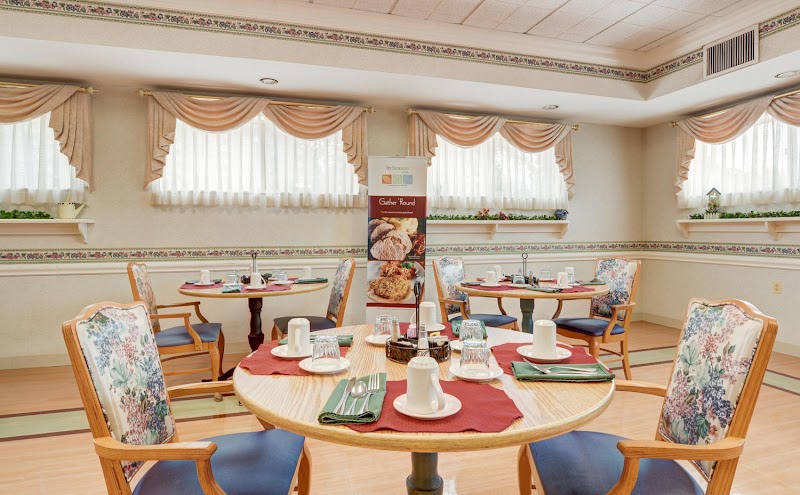
Who Owns and Operates Monroeville Post Acute?

MONROEVILLE POST ACUTE is owned by a for-profit company. For-profit facilities operate as businesses with obligations to shareholders or private owners. The facility is operated by PACS GROUP, a chain that manages multiple nursing homes. With 131 certified beds and approximately 112 residents (about 85% occupancy), it is a mid-sized facility located in MONROEVILLE, Pennsylvania.
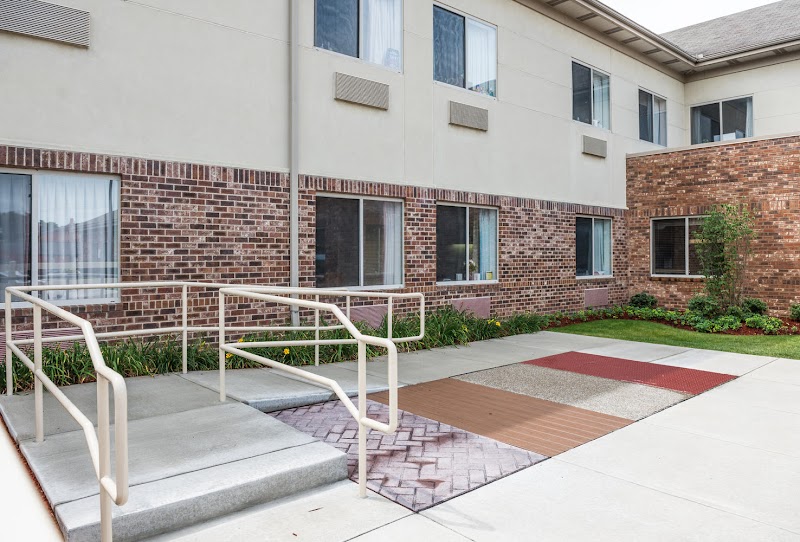
How Does Monroeville Post Acute Compare to Other Pennsylvania Nursing Homes?

Compared to the 100 nursing homes in Pennsylvania, MONROEVILLE POST ACUTE's overall rating (1 stars) is below the state average of 3.0, staff turnover (46%) is near the state average of 46%, and health inspection rating (1 stars) is much below the national benchmark.

What Should Families Ask When Visiting Monroeville Post Acute?

Based on this facility's data, families visiting should ask: "What safeguards and monitoring systems are in place to protect residents from abuse or neglect?" "Can I visit during a mealtime to observe dining assistance and food quality?" "How do you handle medical emergencies, and what is your hospital transfer rate?" "Can I speak with family members of current residents about their experience?" These questions are particularly relevant given the substantiated abuse finding on record.

Is Monroeville Post Acute Safe?

Based on CMS inspection data, MONROEVILLE POST ACUTE has documented safety concerns. The facility has 1 substantiated abuse finding (meaning confirmed case of resident harm by staff or other residents). The facility has a 1-star overall rating and ranks #100 of 100 nursing homes in Pennsylvania. Families considering this facility should ask detailed questions about what corrective actions have been taken since these incidents.

Do Nurses at Monroeville Post Acute Stick Around?

MONROEVILLE POST ACUTE has a staff turnover rate of 46%, which is about average for Pennsylvania nursing homes (state average: 46%). Moderate turnover is common in nursing homes, but families should still ask about staff tenure and how the facility maintains care continuity when employees leave.

Was Monroeville Post Acute Ever Fined?

MONROEVILLE POST ACUTE has been fined $39,416 across 1 penalty action. The Pennsylvania average is $33,473. While any fine indicates a compliance issue, fines under $50,000 are relatively common and typically reflect isolated problems that were subsequently corrected. Families should ask what specific issues led to these fines and confirm they've been resolved.

Is Monroeville Post Acute on Any Federal Watch List?

MONROEVILLE POST ACUTE is not on any federal watch list. The most significant is the Special Focus Facility (SFF) program, which identifies the bottom 1% of nursing homes nationally based on persistent, serious quality problems. Not being on this list means the facility has avoided the pattern of deficiencies that triggers enhanced federal oversight. This is a positive indicator, though families should still review the facility's inspection history directly.