WECARE AT MONROEVILLE REHABILITATION AND NSG CTR
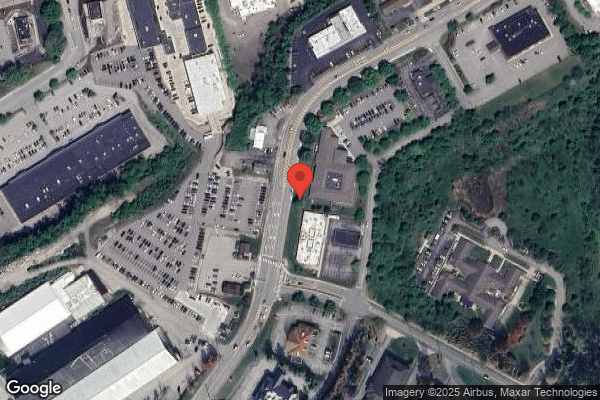
4142 MONROEVILLE BLVD, MONROEVILLE, PA 15146 (412) 856-7570
For profit - Limited Liability company 120 Beds WECARE CENTERS Data: November 2025 1 Immediate Jeopardy citation
Trust Grade
0/100
#642 of 653 in PA
Last Inspection: June 2025

Inspected within the last 6 months. Data reflects current conditions.

Overview

Wecare at Monroeville Rehabilitation and Nursing Center has received a Trust Grade of F, indicating significant concerns about the quality of care provided. It ranks #642 out of 653 facilities in Pennsylvania, placing it in the bottom half of nursing homes in the state, and #48 out of 52 in Allegheny County, suggesting very few local options are worse. The facility's situation is worsening, with the number of issues increasing from 7 in 2024 to 17 in 2025. Staffing is below average, with a 2 out of 5-star rating and a concerning 77% turnover rate, which is much higher than the state average. Despite having more RN coverage than 76% of Pennsylvania facilities, the home has incurred $94,306 in fines, higher than 90% of similar facilities, indicating repeated compliance problems. Specific incidents raise serious concerns, such as a failure to adequately supervise residents, leading to an elopement risk for one cognitively impaired resident, which put multiple others in jeopardy. Additionally, the facility did not properly monitor refrigerator temperatures, potentially risking food safety for residents. Overall, while there are some strengths like RN coverage, the issues highlighted suggest families should proceed with caution when considering this nursing home.

Trust Score
F
0/100
In Pennsylvania
#642/653
Bottom 2%
Safety Record
High Risk
Review needed
Inspections
Getting Worse
7 → 17 violations
Staff Stability
⚠ Watch
77% turnover. Very high, 29 points above average. Constant new faces learning your loved one's needs.
Penalties
○ Average
$94,306 in fines. Higher than 57% of Pennsylvania facilities. Some compliance issues.
Skilled Nurses
✓ Good
Each resident gets 45 minutes of Registered Nurse (RN) attention daily — more than average for Pennsylvania. RNs are trained to catch health problems early.
Violations
⚠ Watch
44 deficiencies on record. Higher than average. Multiple issues found across inspections.
★☆☆☆☆
1.0
Overall Rating
★★☆☆☆
2.0
Staff Levels
★★☆☆☆
2.0
Care Quality
★☆☆☆☆
1.0
Inspection Score
Stable
2024: 7 issues
2025: 17 issues

The Good

  • Full Sprinkler Coverage · Fire safety systems throughout facility
  • No fines on record

Facility shows strength in fire safety.

The Bad

1-Star Overall Rating

Below Pennsylvania average (3.0)

Significant quality concerns identified by CMS

Staff Turnover: 77%

31pts above Pennsylvania avg (46%)

Frequent staff changes - ask about care continuity

Federal Fines: $94,306

Well above median ($33,413)

Moderate penalties - review what triggered them

Chain: WECARE CENTERS

Part of a multi-facility chain

Ask about local staffing decisions and management

Staff turnover is very high (77%)

29 points above Pennsylvania average of 48%

The Ugly 44 deficiencies on record

1 life-threatening 1 actual harm
Jul 2025 3 deficiencies
CONCERN (E) 📢 Someone Reported This

A family member, employee, or ombudsman was alarmed enough to file a formal complaint

Potential for Harm - no one hurt, but risky conditions existed

Safe Environment (Tag F0584)

Could have caused harm · This affected multiple residents

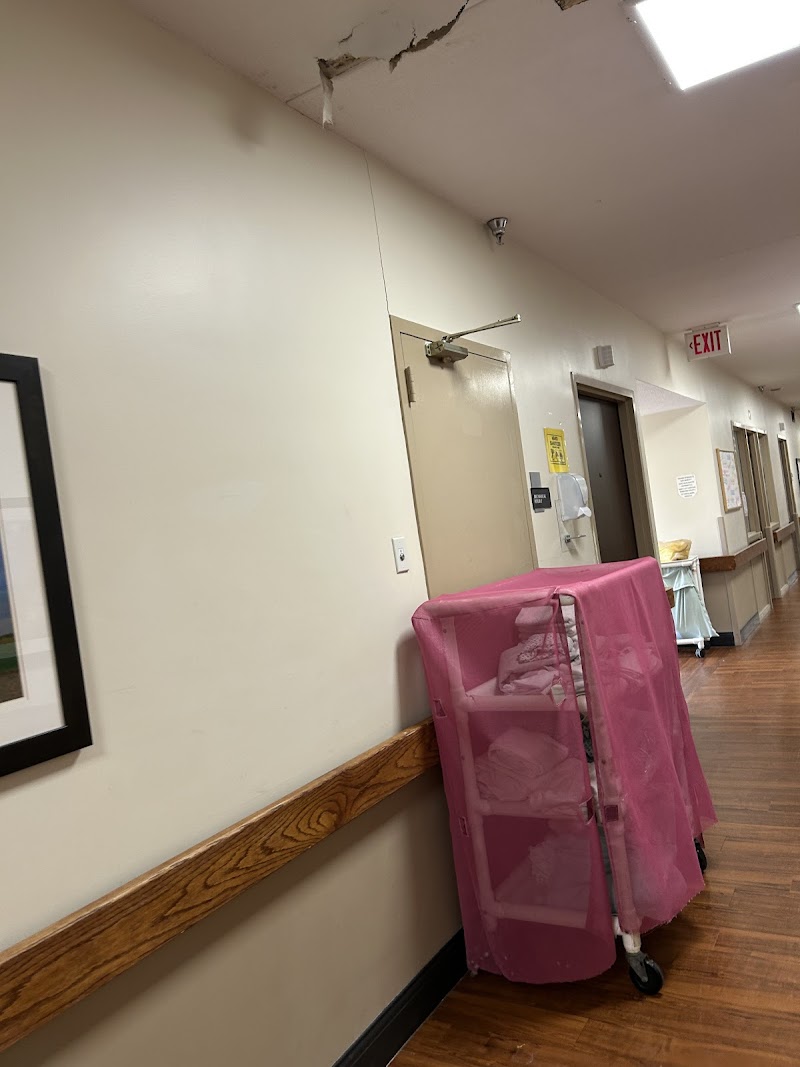
Based on review of facility policy, observation, resident, and staff interviews, it was determined that the facility failed to provide a safe, clean, comfortable, and homelike environment for three of...

Read full inspector narrative →
Based on review of facility policy, observation, resident, and staff interviews, it was determined that the facility failed to provide a safe, clean, comfortable, and homelike environment for three of ten residents as required (Residents R1, R2, and R3) on two of two nursing units side one and side two. Findings included:Review of the facility policy Homelike Environment dated 6/1/25, indicated in part The facility staff and management maximizes, to the extent possible, the characteristics of the facility that reflect a personalized, homelike setting. These characteristics include clean bed and bath linens that are in good condition. During an interview on 7/31/25, at approximately 10:00 a.m. Resident R1 verbalized frustration with the lack of linen at the facility. They always run out of sheets and bath towels, sometimes I have an accident in bed and the staff have to run all over the building to try and find linen it can take an hour. Sometimes you can't get new sheets on your bed after your shower because there isn't any available. During an interview on 7/31/25, at approximately 10:30 a.m. Resident R2 stated you never know if there will be clean sheets for your bed, what can you do? During an interview on 7/31/25, at approximately 11:00 a.m. Resident R3 stated there is a shortage of bath towels, washcloths and sheets. The shortage is every day. Record reviewed indicated at the 5/23/25 and 6/19/25 Resident Council meeting grievance reports indicating not enough linen and lack of linen. During a tour of the units on 7/31/25, at approximately 1:30 p.m. with the Director of Nursing (DON) one linen cart was inspected. There were approximately three bath towels, four sheets, six washcloths and several resident gowns available. During an interview on 7/31/25 at approximately 1:45 p.m. Director of Housekeeping and Laundry Employee E4 confirmed there has been a shortage of linen. A purchase order was made approximately 7/3/25 and was delayed due to billing related issues. During an interview on 7/31/25 at approximately 3:10 p.m. Nurse Aide (NA) Employee E2 confirmed there is a shortage of linen in the facility. During an interview on 7/31/25 at approximately 3:15 p.m. NA Employee E3 confirmed there is a shortage of linen in the facility. During an interview on 7/31/25, at approximately 4:00 p.m., the Nursing Home Administrator (NHA) and DON confirmed the facility failed to provide a safe, clean, comfortable, and homelike environment for three of ten residents as required (Residents R1, R2, and R3) on two of two nursing units side one and side two. 28 Pa. Code: 207.2(a) Administrator's responsibility.28 Pa. Code: 201.29(k) Resident rights.
CONCERN (E) 📢 Someone Reported This

A family member, employee, or ombudsman was alarmed enough to file a formal complaint

Potential for Harm - no one hurt, but risky conditions existed

Deficiency F0807 (Tag F0807)

Could have caused harm · This affected multiple residents

Based on observations, review of facility documentation, resident, and staff interviews, it was determined that the facility failed to make certain that fresh drinking water was consistently readily a...

Read full inspector narrative →
Based on observations, review of facility documentation, resident, and staff interviews, it was determined that the facility failed to make certain that fresh drinking water was consistently readily accessible to residents to promote adequate hydration, meet resident preferences, and maintain their comfort for three of ten residents (Residents R1, R2, and R3).Findings include:The U.S. National Academies of Sciences, Engineering, and Medicine suggests adequate daily fluid intake for men: 3,700 mL (milliliter) per day and women: 2,700 mL per day.A review of the facility current Certified Nursing Assistant Job Description indicated Keep residents' water pitchers clean and filled with fresh water (on each shift), and within easy reach of the resident. During an interview and observation on 7/31/25, at approximately 10:00 a.m., Resident R1 was asked by the surveyor if drinking water was provided. Resident R1 stated; they are supposed to bring it three times a day and that never happens. You usually have to ask for water if you want it. You can't get ice because the ice machines are broken. Resident R1 reported he asked for water today and had not received it, no water was observed in Resident R1's room and Resident R1 confirmed he received water once the prior day after requesting. Record review of Resident R1 Nutrition Fluids Tasks documentation, how much did the resident drink in milliliters ( mls)? revealed fluid intake with no documentation on 7/27/25, 7/28/25 total 620 mL, 729/25 total 660 mL, 7/30/25 total 590 mL, 7/31/25 total 330 mL, daily total is cumulative for the three shifts per day. During an interview and observation on 7/31/25, at approximately 10:30 a.m. Resident R2 was asked by the surveyor if drinking water was provided. Resident R2 stated; not often, you have to ask for it and forget about getting ice. Resident R2 reported he asked for water today and had not received it, no water was observed in Resident R2's room and Resident R2 confirmed he only received water once the prior day after requesting. Record review of Resident R2 Nutrition Fluids Tasks documentation, how much did the resident drink in mls? revealed fluid intake with no documentation on 7/27/25, 7/28/25 total 620 mL, 729/25 total 620 mL, 7/30/25 total 470 mL, 7/31/25 total 330 mL, daily total is cumulative for the three shifts per day. Resident R2's care plan initiated 3/1/22 Focus; inadequate food/beverage intake. During an interview and observation on 7/31/25, at approximately 11:00 a.m. Resident R3 was asked by the surveyor if drinking water was provided. Resident R3 stated; I can't tell you the last time I was provided water. I usually get myself soda and drink that. Resident R3 reported he rarely asks anymore because you won't get it, no water was observed in Resident R3 Room.Record review of Resident R3 Nutrition Fluids Tasks documentation, how much did the resident drink in mls? revealed fluid intake with no documentation on 7/27/25, 7/28/25 total 500 mL, 729/25 total 240 mL, 7/30/25 total 1060 mL, 7/31/25 total 1220 mL, daily total is cumulative for the three shifts per day. Resident R3's care plan initiated 12/22/24 and revised on 2/21/25 Focus; has dehydration or potential fluid deficit r/t Nausea, Vomiting, diarrhea. During rounds on 7/31/25, approximately 1:30 p.m. with the Director of Nursing (DON) there are two coolers filled with ice, side one and side two each have a cooler. The cooler on side two appeared full without room for additional ice the cooler on side one appeared as if ice was dispensed. Interview with Resident R1 and R2 revealed both residents confirmed just got the water requested this morning. No ice was provided. Resident R3 reported no water or ice provided or offered as usual. During an interview with the Director of Food and Nutrition Services Employee E5 on 7/31/25, at approximately 2:00 p.m., confirmed the two coolers were filled with ice, one at approximately 7:00 a.m. and the other at approximately 8:30 a.m. no refills had been requested. During an interview on 7/31/25, at approximately 4:00 p.m., the Nursing Home Administrator (NHA) and DON confirmed the facility failed to make certain that fresh drinking water was consistently readily accessible to residents to promote adequate hydration, meet resident preferences, and maintain their comfort for three of ten residents (Residents R1, R2, and R3).28 Pa. Code 211.12 (d)(3)(5) Nursing services.28 Pa. Code 211.10 (a)(d) Resident care policies.
CONCERN (E) 📢 Someone Reported This

A family member, employee, or ombudsman was alarmed enough to file a formal complaint

Potential for Harm - no one hurt, but risky conditions existed

Room Equipment (Tag F0908)

Could have caused harm · This affected multiple residents

Based on observations, review of facility documentation, and staff interviews, it was determined that the facility failed to make certain that equipment was in safe operating condition for one of one ...

Read full inspector narrative →
Based on observations, review of facility documentation, and staff interviews, it was determined that the facility failed to make certain that equipment was in safe operating condition for one of one AEDs (Automatic External Defibrillators).Findings include:Review of facility policy Automatic External Defibrillator, Use and Care of dated 6/1/25, indicated; Keep a spare battery and adhesive pads in the case, as instructed. Record the expiration date of the battery and the pads on the maintenance log or tag. Check the device and perform maintenance tasks, as directed. Document checks, maintenance steps and date performed on maintenance log and store log with the device.During an observation on 7/31/25, approximately 1:00 p.m. with the Director of Nursing (DON) of the Automatic External Defibrillator (AED, a portable electronic device that can automatically diagnoses and treat the life-threatening heart rhythms) located at the Nursing Station (Side 2) revealed the last AED audit date of 10/8/2020. During an interview on 7/31/25, at approximately 3:15 p.m. RN Employee E1 stated, I didn't know that was there. RN Employee E1 was unable to identify who is responsible for completing the AED Audit Log. During an interview on 7/31/25, at approximately 4:00 p.m. the DON confirmed there were no other complete AED Audit Logs, was unable to identify who is responsible for completing the log, and the facility did not have the Manufacture Guidelines for the AED. During an interview on 7/31/25, at approximately 4:00 p.m. the DON confirmed the facility failed to make certain that equipment was in safe operating condition for one of one AEDs (Automatic External Defibrillators).28 Pa. Code: 201.14(a) Responsibility of licensee.
Jun 2025 2 deficiencies
CONCERN (E)

Potential for Harm - no one hurt, but risky conditions existed

Deficiency F0761 (Tag F0761)

Could have caused harm · This affected multiple residents

**NOTE- TERMS IN BRACKETS HAVE BEEN EDITED TO PROTECT CONFIDENTIALITY** Based on review of facility policies, observations, and staff interviews it was determined that the facility failed to store dru...

Read full inspector narrative →
**NOTE- TERMS IN BRACKETS HAVE BEEN EDITED TO PROTECT CONFIDENTIALITY** Based on review of facility policies, observations, and staff interviews it was determined that the facility failed to store drugs and biologicals in a safe, secure, and orderly manner for one of four nursing medication carts (100 Hall) and failed to label multi-dose vials and check expiration dates for two of four nursing medication carts (100 and 200 Hall). Finding include: Review of facility policy Administering Medications dated [DATE], indicated during administration of medications, the medication cart is kept closed and locked when out of site of the medication nurse or aide. The policy also states the expiration/beyond use date on the medication label is checked prior to administering. When opening a multi-dose container, the date opened is recorded on the container. During an observation and staff interview on [DATE] at approximately 8:43 a.m. the Side 1-Front 100 Hallway medication cart was left open and computer screen visible with patient information with no nurse or aide at cart. During an observation of the Side 1-Front 100 Hallway cart and the Back Hallway 200 side cart indicated that multi-dose bottles of medication were not labeled with open date and some of those same bottles had expired. During an observation of the Medication Room and Central Supply Room multiple expired supplies were discovered. -100 Cart: Vitamin A, Expired 5/2025, not labeled when opened. -100 Cart: Dairy Aid, Expired 3/2024, not labeled when opened. -200 Cart: Bisacodyl Suppository, Expired 1/2025, 2 boxes, not labeled when opened. -200 Cart: Omeprazole, Unable to read expiration date and not labeled when opened. -200 Cart: Fish Oil 500mg, Expired 4/2025 and was labeled opened [DATE]. -200 Cart: Saccharomyces boulardii probiotic, Expired 11/2024, dated with an opened date of [DATE]. -200 Cart: Zinc 50mg, Expired 3/2025, not labeled when opened. -Central Supply: Purple top blood collection tubes- Expired [DATE] -Central Supply: Grey top blood collection tubes-Expired [DATE] -Central Supply: Gastroccult test slides- Expired [DATE] -Central Supply: Next Temp Disposable Thermometers- Expired 5-12-25 -Central Supply: EMS IV Start kit- Expired [DATE] -Central Supply: Dairy Aid- Expired 3/2024 (3 bottles) -Central Supply: Preservision-Expired 5/2025 -Central Supply: Geri-tussin-Expired 5/2025 (3 bottles) -Central Supply-IV Administration set- Expired 5-16-25 Interview on [DATE], at 8:53 a.m., Licensed Practical Nurse (LPN) Employee E2 verified the findings noted above. 28 Pa. Code: 211.12(d)(1)(2)(3)(5) Nursing Services 28 Pa. Code: 211.10(a)(c)(d) Resident Care policies.
CONCERN (E)

Potential for Harm - no one hurt, but risky conditions existed

Deficiency F0883 (Tag F0883)

Could have caused harm · This affected multiple residents

**NOTE- TERMS IN BRACKETS HAVE BEEN EDITED TO PROTECT CONFIDENTIALITY** Based on facility policy, clinical record review and staff interviews, it was determined that the facility failed to complete ed...

Read full inspector narrative →
**NOTE- TERMS IN BRACKETS HAVE BEEN EDITED TO PROTECT CONFIDENTIALITY** Based on facility policy, clinical record review and staff interviews, it was determined that the facility failed to complete education regarding, Coronavirus Disease (COVID) vaccination for three of five residents (R9, R18, R50), influenza vaccination education for two of five residents (R32, R50) and pneumococcal vaccination education for five of five residents (R9, R18, R32, R36, R50). Finding include: Review of the facility policy Coronavirus Disease (COVID-19)-Vaccination of Residents policy dated 6/1/25, indicated before the COVID-19 vaccine is offered, the resident is provided with education regarding the benefits, risks, and potential side effects associated with the vaccine. Review of the facility policy Influenza Vaccine dated 6/1/25, indicated the resident (or resident's legal representative) or employee will be provided information and education regarding the benefits and potential side effects of the influenza vaccine. Provision of such education shall be documented in the resident's/employee's medical record. Review of the facility policy Pneumococcal Vaccine dated 6/1/25, indicated before receiving a pneumococcal vaccine, the resident or legal representative receives information and education regarding the benefits and potential side effects of the pneumococcal vaccine. Provision of such education is documented in the resident's medical record. Review of the facility's policy Vaccination of Residents dated 6/1/25, all residents prior to receiving vaccinations, the resident or legal representative will be provided information and education regarding the benefits and potential side effects of the vaccinations. Provisions of such education shall be documented in the residents medical record. Review of the admission record indicated Resident R9 was admitted to the facility on [DATE], and received the COVID-19 vaccine on 12/2/21, Pneumococcal vaccine received on 11/3/22, with education documented as not completed. Review of the admission record indicated Resident R18 was admitted to the facility on [DATE], and received the COVID-19 vaccine on 7/6/22, Pneumococcal vaccine was received on 10/26/23, with education documented as not completed. Review of the admission record indicated Resident R32 was admitted to the facility on [DATE], and received the Pneumococcal vaccine on 6/20/24, the Influenza vaccine was refused, with education documented as not completed. Review of the admission record indicated Resident R36 was admitted to the facility on [DATE], and received the Pneumococcal vaccine on 6/20/24, with education documented as not completed. Review of the admission record indicated Resident R50 was admitted to the facility on [DATE], and received the COVID-19 vaccine on 10/29/21, Pneumococcal vaccine on 10/26/23, with education documented as not completed. During an interview on 6/13/25, at 1:15 p.m. Nursing Home Administrator (NHA) and Regional Administrator confirmed that the facility failed to document or provide education for COVID-19 for three of five residents (Resident R9, R18, R50) Influenza for two of five residents (Resident R32, R50), or Pneumococcal vaccines for five of five residents (Resident R9, R18, R32, R36, R50). 28 Pa. code: 211.5(f) Clinical Records
May 2025 1 deficiency
CONCERN (E) 📢 Someone Reported This

A family member, employee, or ombudsman was alarmed enough to file a formal complaint

Potential for Harm - no one hurt, but risky conditions existed

ADL Care (Tag F0677)

Could have caused harm · This affected multiple residents

**NOTE- TERMS IN BRACKETS HAVE BEEN EDITED TO PROTECT CONFIDENTIALITY** Based on review of facility policy and documents, clinical record review, and staff interviews, it was determined that the facil...

Read full inspector narrative →
**NOTE- TERMS IN BRACKETS HAVE BEEN EDITED TO PROTECT CONFIDENTIALITY** Based on review of facility policy and documents, clinical record review, and staff interviews, it was determined that the facility failed to make certain that showers and baths were provided for three of five residents (Resident R1, R2, and R3). Findings include: Review of facility policy Activities of Daily Living (ADL), Supporting reviewed 1/22/25, indicated resident will be provided with care, treatment and services as appropriate to maintain activities of daily living. Appropriate care and services will be provided for residents who are unable to carry out ADLs independently, including appropriate support and assistance with hygiene/bathing. Review of the clinical record indicated Resident R1 was admitted to the facility on [DATE], with diagnoses that included diabetes, right ankle foot ulcer, and morbid obesity. Review of the Minimum Data Set (MDS - comprehensive, standardized assessment of each resident's functional capabilities and health needs) dated 4/14/25, indicated the diagnoses remain current and Resident R1 requires extensive assistance of two people for ADLs. A review of the facility shower schedules indicated Resident R1 gets showers on Wednesdays and Saturdays. A review of the ADL-Shower Task documentation dated April 2025 indicated a shower was not given or offered on 4/19, 4/23, and 4/30/25 as scheduled for Resident R1. Review of the clinical record indicated Resident R2 was admitted to the facility on [DATE], with diagnoses that included dementia and Down's Syndrome (a genetic condition where a person is born with an extra copy of chromosome 21 that can affect how the brain and body develop). Review of the MDS dated [DATE], indicated the diagnoses remain current and Resident R2 requires extensive assistance of one person for ADLs. A review of the facility shower schedules indicated Resident R2 gets showers on Wednesdays and Saturdays. A review of the ADL-Shower Task documentation dated April 2025 indicated a shower was not given or offered on 4/2, 4/5, 4/12, 4/16, 4/26, and 4/30/25 as scheduled for Resident R2. Review of the clinical record indicated Resident R3 was admitted to the facility on [DATE], with diagnoses that included diabetes, PVD (peripheral vascular disease - a slow and progressive disorder of the blood vessels), and chronic pain. Review of the MDS dated [DATE], indicated the diagnoses remain current and Resident R3 requires extensive assistance of two people for ADLs. A review of the facility shower schedules indicated Resident R3 gets showers on Tuesdays and Fridays. A review of the ADL-Shower Task documentation dated April 2025 indicated a shower was not given or offered on 4/1, 4/4, 4/8, 4/18, and 4/25/25 as scheduled for Resident R3. During an interview on 5/6/25, at 4:00 p.m. The Nursing Home Administrator confirmed the above findings, and the facility failed to make certain that showers and baths were provided or offered as scheduled for Residents R1, R2, and R3. 28 Pa. Code: 211.12(1) Nursing services. 28 Pa. Code: 211.10(d) Resident care policies. 28 Pa. Code: 211.12 (2)(5) Nursing services.
Mar 2025 11 deficiencies 1 IJ
CRITICAL (J) 📢 Someone Reported This

A family member, employee, or ombudsman was alarmed enough to file a formal complaint

Immediate Jeopardy (IJ) - the most serious Medicare violation

Accident Prevention (Tag F0689)

Someone could have died · This affected 1 resident

**NOTE- TERMS IN BRACKETS HAVE BEEN EDITED TO PROTECT CONFIDENTIALITY** Based on facility policy review, clinical and facility record review, facility submitted documents, and staff interviews, it was...

Read full inspector narrative →
**NOTE- TERMS IN BRACKETS HAVE BEEN EDITED TO PROTECT CONFIDENTIALITY** Based on facility policy review, clinical and facility record review, facility submitted documents, and staff interviews, it was determined that the facility failed to provide adequate supervision to prevent elopement for one of two residents (Resident R1). This failure created an immediate jeopardy situation for 19 of 91 residents. This was identified as past non-compliance. Review of the facility policy Resident Elopement dated 1/22/25, indicated cognitively impaired residents at risk for elopement will be appropriately monitored to reduce the potential for injury. Elopement is defined as a resident leaving the physical structure of the facility without knowledge of facility staff. Review of the clinical record revealed Resident R1 was initially admitted to the facility on [DATE], and readmitted on [DATE]. Review of the Minimum Data Set (MDS - periodic assessment of resident care needs) dated 1/31/25, included diagnoses Alzheimer's disease (a type of brain disorder that causes problems with memory, thinking and behavior), bipolar disorder (mental illness that causes unusual shifts in a person's mood, energy, activity levels, and concentration), schizophrenia (a mental disorder characterized by delusions, hallucinations, disorganized speech and behavior), and a seizure disorder. Review of Section C: Cognitive Patterns revealed Resident R1 had severe cognitive impairment. Review of an Elopement Risk Assessment completed on 1/31/25, indicated Resident R1 wandered aimlessly/non-goal directed, that her wandering behavior was likely to affect the safety or well-being of self/others, and concluded that Resident R1 had, Risk of Elopement, proceed with identification of resident as an elopement risk including but not limited to wander guard (electronic monitoring bracelet) placement and facility notification. Proceed to the Care Plan and Initiate. Review of the physician's orders indicated Resident R1 was ordered an electronic monitoring bracelet, initially ordered 2/9/17, continuously reordered, and remains a current order. Review of Resident R1's plan of care for At risk for elopement related to: Wandering initiated 8/20/18, undated 8/21/24, included the goal of [Resident R1] will have no incidence of elopement. Review of a late entry progress note dated for 3/12/25, at 3:05 p.m. (created on 3/13/25, at 2:25 p.m.) indicated that the physician was notified of Resident R1's elopement. Further review of Resident R1's progress notes failed to include any other notes on 3/12/25. Review of facility submitted information dated 3/13/25 by the Director of Nursing (DON), indicated that on 3/12/25, at 5:00 p.m. [Resident R1] was observed by a Nurse Aide (NA) Employee E1 outside near [Resident R3's room]. Resident was redirected and brought inside by Registered Nurse (RN) Employee E2. RN Supervisor (RNS) Employee E4 immediately performed assessment on resident with no injury noted. At 5:19 (p.m.) Resident R1 was seen in parking lot by RN Employee E3 and redirected to inside of facility. Resident was dressed appropriately. No injuries noted. Review of an undated employee statement written by the DON indicated, On Wednesday March 12, I had left the building at 3:45 for the day and informed the ADON and RN sup (supervisor). At 4:34 p.m. RN Employee E4 called me and stated there was an elopement. Resident R1 was located outside of a window trying to crawl in. Resident was brought back into the building by NA Employee E1. RN Employee E2 was the med cart nurse, and she was taken back to her. I told RNS Employee E4 to set up a 4 point system to mark all exits to be seen and do an immediate census count. I asked if [ADON, Assistant Director of Nursing] was available, the ADON, she stated yes, and would have her call me. Told her she could assist with this and anyone in the building. Asked her to also complete Wanderguard check and function on all elopement residents I called the [NHA, Nursing Home Administrator] to inform him of the elopement, he stated he would contact [Maintenance Director Employee E5] to assist with alarm system check, as the IDT (inter-disciplinary team) text chain did not have a response from him. He stated he would contact him, Maintenance director Employee E5 has responded back in the text chain on phone and system was reset. ADON stated she had assistance from Social Worker Employee E6, Activities Director Employee E7. I had missed a call from RN Employee E3 while on the phone with RNS Employee E4. Reported that Resident R1 was in the parking lot and had returned her safely. I spoke to RNS Employee E4 again and she had all alarms in place, complete census done/complete. Resident R1 was safe, would continue ½ hour checks on Resident R1 and doors thru the night until safety check done on alarm system. Review of an undated employee statement written by the Human Resources Director (HRD) Employee E8 indicated, NA Employee E9 began telling me they just brought Resident R1 back into the building 5 minutes ago, Resident R1 was standing outside the window around I asked her if she was brought back to her room. The answer was yes. 4:43 pm, I called and texted DON to confirm. If she was aware of these things happening. I went look for NA Employee E9 was hallway ADON also was texted and called to find her. As I was looking for I was approached about Resident R3 trying to get out through the lobby around 5:01 pm. ADON told NA Employee E9 to call DON. I was walking toward the lobby when I (saw) that Resident R1 was outside and refused to come in, I ran to side 2 for nursing staff. Everyone was passing trays and told me Resident R1 was in her room. First by Employee E10, then by RN Employee E2 the nurse tells me twice she is too busy, and resident is in her room. I again state no she is not she is outside. I was told I was late that was earlier by RN Employee E2. I told all 200 (unit) staff she is in a car being brought back to the facility by RN Employee E3 then someone checked her bed. Resident R1 was brought back safe with RN Employee E3. Review of an employee statement dated 3/13/25, by Activities Director Employee E7 indicated, On Wed 3/12/25 I was working and heard someone saying we had an elopement. I came to the front and noticed [Resident R2] in the doorway, and the receptionist trying to tell her she needs to get to her room to have dinner. I then took Resident R2 by the hand and she walked back on the unit. A little bit later, I was getting my things together to leave for the day when I heard staff saying Resident R1 was out front. I went to get a wheelchair, they put her in the chair, and I pushed her to her room and got her sitting on her bed and advised her to eat her dinner. She was calm and agreed to eat. I then took the chair back and helped staff make sure all residents were accounted for. Review of an undated employee statement written by RN Employee E3 I was driving on Monroeville Blvd, as I was about to enter [facility name/address] I noticed one of the residents, Resident R1, getting into a caravan [license plate number]. I parked my car at the entrance of Wecare. Monroeville parking lot got out of my car and began to run towards the van, waving my hands yelling stop, stop, wait as the van was driving away. The caravan stopped and I ran up to the van and motioned my hands to put the window down. The lady that was driving put the window down and I asked her to open the door, and I asked her a second time in a stern voice open the door so I could get the resident out of the van. I tried to remove the resident from the caravan, and she said no, I am going home. I asked the driver where she was going, the driver stated East Liberty [neighborhood approximately 11 miles away]. I told the patient I would take her home to East Liberty and the patient exited the caravan, I walked a patient towards my car, she was very resistant to go with me. As she became aggressive. I tried to sit her on the passenger side of my car and proceeded to call the supervisor, DON and ADON. The supervisor responded, I drove into the parking lot and the supervisor and social worker met me outside in the parking lot to assist with getting the resident back inside the building. Review of a community member witness statement indicated, I was driving home on Wednesday 3/12 and turning right onto Monroeville Blvd at the stoplight around 5:15 p.m. I saw a gold minivan parked on Monroeville Blvd with its hazard lights on and an older woman with tied back gray hair wearing a dark pink shirt standing beside the van on the sidewalk. She was standing between the WeCare sign and the speed limit sign. Another car was parked crooked in the facility driveway, and what appeared to be a staff member was walking towards the older woman. I turned my car around up the street on [NAME] Drive back onto Monroeville Blvd and pulled into the facility driveway in front of the crooked car as the staff member was helping put the woman into her car. I asked her if she needed help and who to get for help. She stated to go to the front door and ask for [RN Employee E3's name]. I drove up to the facility and was able to tell the receptionist that a resident was down the driveway with a staff member. At that time, staff had come to the front and were notified that a resident was down the driveway with a staff member at that current time. They brought out a wheelchair to the lobby, and were able to transfer the resident into the wheelchair and back into the facility safely. No further questions were asked and no nursing staff acknowledgment, except the staff member who was with the resident outside saying thank you. I left the facility. Review of an undated employee statement written by RN Employee E2 indicated, On Wednesday March 12th, I was working the 200's hall. During the resident's first elopement, I was told she was outside by one of the CNA's (nurse aides). Assisted her back into the building. Her Wanderguard was again checked for placement and was present. During her second elopement another resident had a choking incident that utilized multiple staff members and again was notified by staff. Review of an undated, handwritten employee statement written by RNS Employee E4 indicated, RN Employee E2 was assigned as the nurse for Resident R1. She eloped twice on the shift. She did not complete a risk management, vitals, 15 min (minute) checks, head to toe assessment, progress note, did not notify family or Md (Doctor of Medicine). RN Employee E2 was the nurse assigned for 16 hours. Review of a second, typed, undated employee statement written by RNS Employee E4 stated, Resident R1 was observed by NA Employee E1 outside near Resident R3's room, the resident was redirected and brought inside by host of staff. Head to toe assessment completed by writer and no injury noted. MD and family notified. At 5:19 Resident R1 was seen in the parking lot by staff FN and redirected to inside of facility by writer and social worker. Head to toe assessment completed. No new injuries noted. New Wanderguard placed on l (left) ankle. Door checks put in place. Resident R1 was placed on q 15 min (every 15 minute) checks. ADON spoke to maintance and checked door and Accutech (alarm system) for proper functionality, had her check q (every) door that magnets where locked, and had Wanderguard system check at each door. Maintenance provided an all clear. Family, DON, and physician notified. During a follow-up interview on 3/28/25, at 11:58 a.m. RNS Employee E4 confirmed she had been terminated by the facility for lack of actions related to Resident R1's elopement. RNS Employee E4 stated that the evening had been extremely busy, with two residents attempting to leave, one resident having a choking episode, one resident found to be smoking in the facility, and one resident having a seizure while unattended in the dining room. RNS Employee E4 confirmed that she had delegated the 15 minute checks and risk assessment form to the cart nurse, RN Employee E2. The NHA and the DON were made aware that an Immediate Jeopardy situation existed for residents on 3/26/25, at 11:36 a.m. and a corrective action plan was requested. The Immediate Jeopardy template was provided to the facility administration at 11:45 a.m. On 3/26/25, at 4:29 p.m. an acceptable Corrective Action Plan was received which included the following interventions: 1. Immediate action(s) taken for the resident(s) found to have been affected include: -Facility immediately recovered resident and provided safety. RN assessed resident and provided safety. -Physician and Resident Representative was notified of event. -Wander guard device -checked for placement and function. -All door alarms checked for function and lock mechanism to ensure facility is secure. -Resident care plan reviewed and updated to ensure accurate and appropriate interventions in place. -Witness statements were obtained, and immediate headcount checks completed. -On 3/12/25 Supervisor immediately conducted door securement and alarm audit and initiated a 4 point system to monitor doors to ensure security -On 3/12/25 Supervisor posted staff at each door while audit conducted to ensure doors are shut, locked, and alarms are on and functioning -On 3/12/25 DON directed RN supervisor and assigned nurse to ensure Resident receives an assessment, and notify physician and family of incident, as well as ensure resident is monitored to prevent reoccurrence. -On 3/13/25 RN Supervisor immediately performed assessment on the resident for injuries; none noted. -On 3/13/25 Door audits completed to ensure doors are secure every 30 minutes. Door alarm checks are completed to ensure alarms are functioning. -On 3/13/25 New alarms were ordered to ensure that alarm sounds are loud enough to hear. -On 3/13/25, Facility notified the attending physician to report findings and conditions of the resident and the resident's legal representative -On 3/13/24, Documentation of incident in residents record completed -On 3/13/25, resident's care plan and orders were reviewed and updated to ensure Wanderguard and exit seeking behaviors addressed in care plan and orders as appropriate -On 3/13 all residents were assessed for Elopement Risk -On 3/13/25, residents newly identified to have potential for elopement had care plans updated with appropriate interventions. -On 3/13, facility-initiated house audit for exit/entry points to ensure alarm function and doors lock appropriately -On 3/13, facility conducted whole house resident head count to ensure accountability of residents. -On 3/13, house audit conducted on resident wanderguard orders to ensure accuracy. -On 3/13, all Wanderguards placed on residents were assessed for function, care plans updated as needed. -On 3/13, Elopement Books were audited to ensure accuracy and placed at each nurses station and reception area. -On 3/17/25- RN Supervisor was provided a discipline due to not following DON directive to ensure that Resident was assessed and notifications occurred and documented- RN was terminated due to failing to complete these tasks. -On 3/17/25 Nurse assigned to resident on cart also failed to ensure resident was accounted for and skin checks performed following incident. DON provided discipline to this nurse for failure to complete tasks. Termination resulted. 2. Identification of other residents having the potential to be affected was accomplished by: -All residents in house will be assessed for elopement risk by the Director of Nursing or designee by 3/18/25. -All care plans for residents identified with elopement risks will be reviewed and updated with elopement risks will be reviewed and updated with interventions to prevent elopement by the Director of Nursing or designee by 3/18/25. -All residents identified to be elopement risk will have wanderguard placed and added to Elopement Binder per protocol by 3/18/25. -House audit on all doors and exit points will be conducted by Maintenance to ensure that facility is secure and alarms are functional by 3/18/25. -House audit on all wanderguards will be conducted to ensure placement and function by 3/18/25. 3. Actions taken/systems put into place to reduce the risk of future occurrence include: -Facility Director of Nursing or designee will conduct education to all facility staff regarding dementia/behavior in LTC residents, Elopement risk and mitigation, and Elopement Policy and Procedures to include keeping doors secure by 3/21/25. -Education will be completed for all clinical staff on Elopement Risks, Assessments, Care Plans, and Supervision of Residents by the Director of Nursing or designee by 3/21/25. -Elopement Books with identified resident photos will be placed on all nurses' stations in addition to the current one at the receptionist's desk by the Administrator or designee 3/21/25. 4. How the corrective action(s) will be monitored to ensure the practice will not recur: -Audits will be conducted on all doors/exits by Supervisor twice per shift daily for 4 weeks and then weekly thereafter. -Maintenance Director or designee will conduct daily (twice per shift) audit on doors to ensure secure and alarmed. Audit will remain ongoing. -All new admissions will be reviewed for elopement risks by IDT 5 days per week weeks and ongoing. -Elopement assessments will be audited for compliance by IDT 5 days per week and will remain ongoing. -An Ad Hoc Quality Assurance and Process Improvement Meeting will be held by the Administrator or designee. This plan of correction will be monitored at the Quality Assurance and Process Improvement meeting until such time consistent substantial compliance has been met. Review of facility provided information indicated the facility staged an elopement drill on 3/20/24, at 11:40 a.m. to familiarize staff with procedures. During staff interviews on 3/26/25, between 1:00 p.m. and 4:00 p.m. NA Employees E12, E13, E14, E15, E16, E17, and E18 and LPN Employee E19 confirmed they received education on the elopement policy, elopement prevention and actions to take in the instance of elopement. During an observation on 3/27/25, at approximately 10:00 a.m. Resident R1's and Resident R2's pictures and information were present in the elopement book at the entrance/exit of the building. Further review of the elopement book with resident charts revealed all residents identified as elopement risks were included in the elopement book. During staff interviews on 3/27/25, between 9:00 a.m. and 11:00 a.m. LPN Employees E20 and E21, RN Employee E22, NA Employees E23 and E24, Occupational Therapy Employee E25, Dietary Employees E26, E27, and E28, Environmental Services Employees E29, E30, and E31, and Laundry Employee E32 were provided scenarios to test their knowledge on and confirmed they received education on the elopement policy, elopement prevention and actions to take in the instance of elopement. The Immediate Jeopardy was removed on 3/27/25, at 11:00 a.m. when the action plan implementation was verified. The facility had demonstrated compliance as of 3/18/25. During an interview on 3/31/25, at approximately 1:00 p.m. the Nursing Home Administrator and the Director of Nursing confirmed that the facility failed to provide adequate supervision to prevent elopement for one of two residents. This failure created an immediate jeopardy situation for 19 of 91 residents. 28 Pa. Code 201.14(a) Responsibility of licensee. 28 Pa. Code 201.18(b)(e)(1) Management. 28 Pa. Code 211.10(c)(d) Resident care policies. 28 Pa Code 211.12(d)(1)(2)(5) Nursing services.
SERIOUS (G) 📢 Someone Reported This

A family member, employee, or ombudsman was alarmed enough to file a formal complaint

Actual Harm - a resident was hurt due to facility failures

Free from Abuse/Neglect (Tag F0600)

A resident was harmed · This affected 1 resident

**NOTE- TERMS IN BRACKETS HAVE BEEN EDITED TO PROTECT CONFIDENTIALITY** Based on review of facility policies and documents, clinical record review, and staff interview, it was determined that the faci...

Read full inspector narrative →
**NOTE- TERMS IN BRACKETS HAVE BEEN EDITED TO PROTECT CONFIDENTIALITY** Based on review of facility policies and documents, clinical record review, and staff interview, it was determined that the facility failed to protect residents from neglect that resulted in the actual harm of an elopement for one of two residents (Resident R1). This was identified as past non-compliance. Review of the facility policy Abuse and Neglect - Clinical Protocol dated 1/22/25, defined neglect as the failure of the facility, its employees or service providers to provide goods and services to a resident that are necessary to avoid physical harm, pain, mental anguish or emotional distress. Review of the facility policy Resident Elopement dated 1/22/25, indicated cognitively impaired residents at risk for elopement will be appropriately monitored to reduce the potential for injury. Elopement is defined as a resident leaving the physical structure of the facility without knowledge of facility staff. Review of the clinical record revealed Resident R1 was initially admitted to the facility on [DATE], and readmitted on [DATE]. Review of the Minimum Data Set (MDS - periodic assessment of resident care needs) dated 1/31/25, included diagnoses Alzheimer's disease (a type of brain disorder that causes problems with memory, thinking and behavior), bipolar disorder (mental illness that causes unusual shifts in a person's mood, energy, activity levels, and concentration), schizophrenia (a mental disorder characterized by delusions, hallucinations, disorganized speech and behavior), and a seizure disorder. Review of Section C: Cognitive Patterns revealed Resident R1 had severe cognitive impairment. Review of an Elopement Risk Assessment completed on 1/31/25, indicated Resident R1 wandered aimlessly/non-goal directed, that her wandering behavior was likely to affect the safety or well-being of self/others, and concluded that Resident R1 had, Risk of Elopement, proceed with identification of resident as an elopement risk including but not limited to wander guard (electronic monitoring bracelet) placement and facility notification. Proceed to the Care Plan and Initiate. Review of the physician's orders indicated Resident R1 was ordered an electronic monitoring bracelet, initially ordered 2/9/17, continuously reordered, and remains a current order. Review of Resident R1's plan of care for At risk for elopement related to: Wandering initiated 8/20/18, undated 8/21/24, included the goal of [Resident R1] will have no incidence of elopement. Review of a late entry progress note dated for 3/12/25, at 3:05 p.m. (created on 3/13/25, at 2:25 p.m.) indicated that the physician was notified of Resident R1's elopement. Further review of Resident R1's progress notes failed to include any other notes on 3/12/25. Review of facility submitted information dated 3/13/25 by the Director of Nursing (DON), indicated that on 3/12/25, at 5:00 p.m. [Resident R1] was observed by a Nurse Aide (NA) Employee E1 outside near [Resident R3's room]. Resident was redirected and brought inside by Registered Nurse (RN) Employee E2. RN Supervisor (RNS) Employee E4 immediately performed assessment on resident with no injury noted. At 5:19 (p.m.) Resident R1 was seen in parking lot by RN Employee E3 and redirected to inside of facility. Resident was dressed appropriately. No injuries noted. Review of an undated employee statement written by the DON indicated, On Wednesday March 12, I had left the building at 3;45 for the day and informed the ADON and RN sup (supervisor). At 4:34 p.m. RN Employee E4 called me and stated there was an elopement. Resident R1 was located outside of a window trying to crawl in. Resident was brought back into the building by NA Employee E1. RN Employee E2 was the med cart nurse, and she was taken back to her. I told RNS Employee E4 to set up a 4-point system to mark all exits to be seen and do an immediate census count. I asked if [ADON, Assistant Director of Nursing] was available, the ADON, she stated yes, and would have her call me. Told her she could assist with this and anyone in the building. Asked her to also complete Wanderguard check and function on all elopement residents I called the [NHA, Nursing Home Administrator] to inform him of the elopement, he stated he would contact [Maintenance Director Employee E5] to assist with alarm system check, as the IDT (inter-disciplinary team) text chain did not have a response from him. He stated he would contact him, Maintenance director Employee E5 has responded back in the text chain on phone and system was reset. ADON stated she had assistance from Social Worker Employee E6, Activities Director Employee E7. I had missed a call from RN Employee E3 while on the phone with RNS Employee E4. Reported that Resident R1 was in the parking lot and had returned her safely. I spoke to RNS Employee E4 again and she had all alarms in place, complete census done/complete. Resident R1 was safe, would continue 1/2 hour checks on Resident R1 and doors thru the night until safety check done on alarm system. Review of an undated employee statement written by the Human Resources Director (HRD) Employee E8 indicated, NA Employee E9 began telling me they just brought Resident R1 back into the building 5 minutes ago, Resident R1 was standing outside the window around I asked her if she was brought back to her room. The answer was yes. 4:43 pm, I called and texted DON to confirm. If she was aware of these things happening. I went look for NA Employee E9 was hallway ADON also was texted and called to find her. As I was looking for I was approached about Resident R3 trying to get out through the lobby around 5:01 pm. ADON told NA Employee E9 to call DON. I was walking toward the lobby when I (saw) that Resident R1 was outside and refused to come in, I ran to side 2 for nursing staff. Everyone was passing trays and told me Resident R1 was in her room. First by Employee E10, then by RN Employee E2 the nurse tells me twice she is too busy, and resident is in her room. I again state no she is not she is outside. I was told I was late that was earlier by RN Employee E2. I told all 200 (unit) staff she is in a car being brought back to the facility by RN Employee E3 then someone checked her bed. Resident R1 was brought back safe with RN Employee E3. Review of an undated employee statement written by RN Employee E3 I was driving on Monroeville Blvd, as I was about to enter [facility name/address] I noticed one of the residents, Resident R1, getting into a caravan [license plate number]. I parked my car at the entrance of Wecare Monroeville parking lot got out of my car and began to run towards the van, waving my hands yelling stop, stop, wait as the van was driving away. The caravan stopped and I ran up to the van and motioned my hands to put the window down. The lady that was driving put the window down and I asked her to open the door, and I asked her a second time in a stern voice open the door so I could get the resident out of the van. I tried to remove the resident from the caravan, and she said no, I am going home. I asked the driver where she was going, the driver stated East Liberty [neighborhood approximately 11 miles away]. I told the patient I would take her home to East Liberty and the patient exited the caravan, I walked a patient towards my car, she was very resistant to go with me. As she became aggressive. I tried to sit her on the passenger side of my car and proceeded to call the supervisor, DON and ADON. The supervisor responded, I drove into the parking lot and the supervisor and social worker met me outside in the parking lot to assist with getting the resident back inside the building. Review of an undated employee statement written by RN Employee E2 indicated, On Wednesday March 12th, I was working the 200's hall. During the resident's first elopement, I was told she was outside by one of the CNA's (nurse aides). Assisted her back into the building. Her Wanderguard was again checked for placement and was present. During her second elopement another resident had a choking incident that utilized multiple staff members and again was notified by staff. Review of an undated, handwritten employee statement written by RNS Employee E4 indicated, RN Employee E2 was assigned as the nurse for Resident R1. She eloped twice on the shift. She did not complete a risk management, vitals, 15 min (minute) checks, head to toe assessment, progress note, did not notify family or Md (Doctor of Medicine). RN Employee E2 was the nurse assigned for 16 hours. Review of an additional typed, undated employee statement with RNS Employee E4's name typed on it stated, Resident R1 was observed by NA Employee E1 outside near Resident R3's room, the resident was redirected and brought inside by host of staff. Head to toe assessment completed by writer and no injury noted. MD and family notified. At 5:19 Resident R1 was seen in the parking lot by staff RN and redirected to inside of facility by writer and social worker. Head to toe assessment completed. No new injuries noted. New Wanderguard placed on L (left) ankle. Door checks put in place. Resident R1 was placed on q 15 min (every 15 minute) checks. ADON spoke to maintance and checked door and Accutech (alarm system) for proper functionality, had her check q (every) door that magnets where locked, and had Wanderguard system check at each door. Maintenance provided an all clear. Family, DON, and physician notified. During a follow-up interview on 3/28/25, at 11:58 a.m. RNS Employee E4 confirmed she had been terminated by the facility for lack of actions related to Resident R1's elopement. RNS Employee E4 stated that the evening had been extremely busy, with two residents attempting to leave, one resident having a choking episode, one resident found to be smoking in the facility, and one resident having a seizure while unattended in the dining room. RNS Employee E4 confirmed that she had delegated the 15-minute checks and risk assessment form to the cart nurse, RN Employee E2. During an interview on 3/26/25, at 11:36 a.m. the Director of Nursing confirmed that after Resident R1 was brought back into the facility after her first elopement attempt, RNS Employee E4 was provided direction by the DON to notify the physician and Resident R1's emergency contact, ensure a resident assessment was completed, and have 15-minute checks begun on Resident R1. The DON confirmed that RNS Employee E4 and RN Employee E2 neglected to complete the assessment and the 15-minutes checks, which allowed Resident R1 to exit the facility again, and get into an unknown community members car. The DON and the Nursing Home Administrator confirmed that RN Employee E2 and RNS Employee E4 were terminated from their employment to this negligence of duties. Review of facility provided education documents indicated all facility staff were provided electronic education on abuse and neglect on 3/18/25, with confirmations documented that all staff received and understood the provided education. The facility has demonstrated compliance since 3/18/25. During an interview on 3/31/24, at approximately 1:00 p.m. the Nursing Home Administrator and the Director of Nursing confirmed that RN Employee E2 and RNS Employee E4 were terminated from their employment as of 3/17/25, and confirmed that the facility failed to protect residents from neglect that resulted in the actual harm of an elopement for one of two residents. 28 Pa. Code 201.14(a) Responsibility of licensee. 28 Pa. Code 201.18(b)(1) Management. 28 Pa Code 211.12(d)(1)(2)(5) Nursing services.
CONCERN (D) 📢 Someone Reported This

A family member, employee, or ombudsman was alarmed enough to file a formal complaint

Potential for Harm - no one hurt, but risky conditions existed

Deficiency F0726 (Tag F0726)

Could have caused harm · This affected 1 resident

**NOTE- TERMS IN BRACKETS HAVE BEEN EDITED TO PROTECT CONFIDENTIALITY** Based on a review facility policy, clinical records, and staff interviews, it was determined that the facility failed to assure ...

Read full inspector narrative →
**NOTE- TERMS IN BRACKETS HAVE BEEN EDITED TO PROTECT CONFIDENTIALITY** Based on a review facility policy, clinical records, and staff interviews, it was determined that the facility failed to assure that licensed nurses displayed the appropriate competencies and skills sets to provide nursing services for one of two residents (Resident R11). Findings include: Review of the facility policy, Management of Hypoglycemia (low blood sugar) dated 1/22/25, indicated that Level 3 hypoglycemia is when a resident has altered mental status and/or physical status requiring assistance for the treatment of hypoglycemia. In the actions listed to take include: 1. Call 911 (in accordance with resident ' s advance directives); 2. Administer glucagon (emergency injectable medicine used to treat severe hypoglycemia); 3. Notify the provider immediately ' Review of the Facility Assessment dated 1/1/25, indicated the facility is able to provide care for residents with diabetes (a metabolic disorder in which the body has high sugar levels for prolonged periods of time). Review of the clinical record indicated Resident R11 was originally admitted to the facility on [DATE], and readmitted on [DATE]. Review of the Minimum Data Set (MDS, mandated assessment of a resident's abilities and care needs) for Resident R11 dated 3/5/25, included diagnoses of coronary artery disease (damage or disease in the heart's major blood vessels), chronic kidney disease (gradual loss of kidney function), and diabetes. Review of a physician's order dated 3/1/25, for Glucagon: Inject 1mg (milligram) intramuscularly every 1 hours as needed for hypoglycemia of less than or equal to 70 mg/dl who are unresponsive or cannot swallow. Review of a physician's order dated 3/1/25, for Glucose Gel 40 % (edible dextrose gel) Give 1 applicatorful by mouth every 1 hours as needed for hypoglycemia of less than or equal to 70 mg/dl in patients who are asymptomatic or symptomatic and able to swallow. Review of a physician's order dated 3/8/25, for Glucagon: Inject 1 application intramuscularly every 8 hours for hypoglycemia. Review of a progress note written by Registered Nurse (RN) Employee E33 dated 3/23/25, at 10:45 a.m. indicated, Res became unresponsive. Son here at bedside. CBG (capillary blood glucose) was 59. 1/2 tube of glucose gel given. Only 1/2 tube because re (resident) was not swallowing and sounded slightly gurling (gurgling). Administered 1 glucagon injection. cbg only came up to 65. During interviews on 3/26/25, Licensed Practical Nurse (LPN) Employee E20, LPN Employee E34, RN Employee E35, LPN Employee E36 were able to correctly answer questions on the appropriate care to give to residents with hypoglycemia, that are unresponsive. During an interview on 3/26/25, at approximately 3:45 p.m. LPN Employee E37 when asked to describe the actions to take when a resident has hypoglycemia and is unresponsive, LPN Employee E37 stated she would try to get them up (raise their blood sugar) and would give them glucose gel. When asked if glucose gel was appropriate to give to a resident that is unresponsive, LPN Employee E37 corrected herself and stated that she would not give glucose gel. When asked if she would provide any medications to the resident, LPN Employee E37 stated that she would not. During an interview on 3/26/25, at approximately 4:15 p.m. the Director of Nursing provided documentation of a corrective action provided to RN Employee E33 related to Diabetes protocol with low blood sugar. During an interview on 3/31/25, at approximately 1:00 p.m. the Nursing Home Administrator and the Director of Nursing confirmed that the facility failed to assure that licensed nurses displayed the appropriate competencies and skills sets to provide nursing services for one of two residents. 28 Pa. Code: 201.14(1) Responsibility of licensee. 28 Pa. Code: 201.18(a)(3) Management.
CONCERN (E) 📢 Someone Reported This

A family member, employee, or ombudsman was alarmed enough to file a formal complaint

Potential for Harm - no one hurt, but risky conditions existed

Notification of Changes (Tag F0580)

Could have caused harm · This affected multiple residents

**NOTE- TERMS IN BRACKETS HAVE BEEN EDITED TO PROTECT CONFIDENTIALITY** Based on review of facility policy, clinical records, and staff interview, it was determined that the facility failed to notify ...

Read full inspector narrative →
**NOTE- TERMS IN BRACKETS HAVE BEEN EDITED TO PROTECT CONFIDENTIALITY** Based on review of facility policy, clinical records, and staff interview, it was determined that the facility failed to notify resident representative and/or medical providers of a newly ordered medication or a change in condition for three of seven residents (Resident R10, R11, and R2). Findings include: Review of the policy Next of Kin Notification for Medication Changes, dated 1/22/25, indicated the interdisciplinary team shall notify the next of kin or designated responsible party/HCP (healthcare proxy)/POA (power of attorney) of medication changes for residents in a timely manner to promote informed decision-making and continuity of care. Review of the Resident Assessment Instrument 3.0 User's Manual effective October 2024, indicated that a Brief Interview for Mental Status (BIMS), is a screening test that aides in detecting cognitive impairment. The BIMS total score suggests the following distributions: 13-15: cognitively intact 8-12: moderately impaired 0-7: severe impairment Review of Resident R10's clinical admission record indicated that resident was initially admitted to the facility on [DATE], and readmitted on [DATE]. Review of Resident R10's Minimum Data Set (MDS, periodic assessment of care needs) dated 3/3/25, included diagnoses of osteoporosis (condition when the bones become brittle and fragile), high blood pressure, and intellectual disabilities. Section C: Cognitive Patterns revealed a BIMS score of 03. Review of Resident R10's demographic information in her electronic medical record indicated that Resident R10 had a healthcare power of attorney. Review of physician orders revealed that Resident R10 had the following orders for Eliquis (an anticoagulant medication): 1/6/25 - 1/9/25: 2.5 mg (milligrams) twice daily. 1/9/25 - 2/24/25: 5 mg twice daily. 2/25/25 - 3/3/25: 2.5 mg twice daily. Review of a nurse practitioner progress note dated 1/6/25, created at 9:41 p.m. indicated, Begin Eliquis 5mg BID for 3 days then 2.5mg BID (twice daily). Review of a physician progress note dated 1/8/25, created at 9:41 p.m. indicated, Continue Eliquis 5mg BID. Further review of progress notes failed to reveal a communication to the resident representative of the newly ordered anticoagulant medication. Review of Resident R11's clinical admission record indicated that resident was admitted to the facility on [DATE]. Review of Resident R11's MDS dated [DATE], included diagnoses of atrial fibrillation (disease of the heart characterized by irregular and often faster heartbeat), anemia (too little iron in the body causing fatigue), and cirrhosis (chronic damage leading to scarring and failure) of the liver. Section C: Cognitive Patterns revealed a BIMS score of 10. Review of Resident R11's demographic information in his electronic medical record indicated that Resident R11's spouse as his responsible party. Progress notes on 1/8/25, at 1:50 p.m. and 1/13/25, at 7:02 p.m. both documented Resident R11's spouse as his healthcare decision maker. Review of a progress note dated 1/5/25, at 9:21 p.m. revealed Resident R11 was on contact isolation for c-diff (Clostridium difficile, bacterium that causes diarrhea and inflammation of the colon). Review of a progress note dated 1/9/25, at 2:34 p.m. indicated that Resident R11 stated he does not want to eat because he feels as though he will have an emesis. Review of a progress note dated 1/13/25, at 2:50 p.m. indicated Resident R11 complained of not feeling well. The note additionally stated that Resident R11 was to begin intravenous fluids for hydration. Review of a nurse practitioner progress note dated 1/13/25, created at 7:02 p.m. indicated, Begin Eliquis 5mg BID for 3 days then 2.5mg BID (twice daily). Review of a physician progress note dated 1/8/25, created at 9:41 p.m. indicated, When seeing patient today he kept repeating he didn't feel well. Unable to verbalize what was wrong. Review of a progress note dated 1/12/25, at 10:31 p.m. indicted Resident R11 ate less than 25% of his meal. Review of a therapy progress note dated 1/14/25, at 1:28 p.m. indicated that therapy staff attempted to complete occupational therapy, but that Resident R11 refused stating he has been throwing up all day. Review of a progress note dated 1/14/25, at 8:30 p.m. indicated Resident R11 experienced dark projectile vomiting. The note indicated the provided was notified at this time. Review of Resident R11's meal consumption record revealed the following: 1/6/25, Breakfast: No documentation of meal consumed 1/6/25, Lunch: No documentation of meal consumed 1/6/25, Dinner: 26-50% of meal consumed 1/7/25, Breakfast: No documentation of meal consumed 1/7/25, Lunch: No documentation of meal consumed 1/7/25, Dinner: 26-50% of meal consumed 1/8/25, Breakfast: No documentation of meal consumed 1/8/25, Lunch: No documentation of meal consumed 1/8/25, Dinner: 76-100% of meal consumed 1/9/25, Breakfast: No documentation of meal consumed 1/9/25, Lunch: No documentation of meal consumed 1/9/25, Dinner: 26-50% of meal consumed 1/10/25, Breakfast: 76-100% of meal consumed 1/10/25, Lunch: 76-100% of meal consumed 1/10/25, Dinner: 0-25% of meal consumed 1/11/25, Breakfast: Resident refused 1/11/25, Lunch: Resident refused 1/11/25, Dinner: 51-75% of meal consumed 1/12/25, Breakfast: No documentation of meal consumed 1/12/25, Lunch: No documentation of meal consumed 1/12/25, Dinner: 51-75% of meal consumed 1/13/25, Breakfast: 76-100% of meal consumed 1/13/25, Lunch: 26-50% of meal consumed 1/13/25, Dinner: 76-100% of meal consumed Review of Resident R11's physician's orders failed to reveal any orders for medications to treat nausea and vomiting. Review of the Medication Administration record confirmed that Resident R11 did not receive any medicinal support to treat nausea and vomiting. Further review of progress notes failed to reveal a communication to the resident representative of the initiation of intravenous fluids, and failed to reveal a communication to the medical provider to notify them of Resident R11's low food consumption, refusal of meals, or to request treatment for Resident R11's nausea and vomiting. Review of Resident R2's clinical admission record indicated that resident was initially admitted to the facility on [DATE], and readmitted on [DATE]. Review of Resident R2's MDS dated [DATE], included diagnoses of coronary artery disease (damage or disease in the heart's major blood vessels), high blood pressure, and a psychotic disorder. Section C: Cognitive Patterns revealed a BIMS score of 6. Review of Resident R2's demographic information in his electronic medical record indicated that Resident R2's daughter as her responsible party and power of attorney. Progress notes on 1/20/25, at 1:52 p.m., 1/27/25, at 1:35 p.m., and 2/17/25, at 5:27 p.m. all documented Resident R2's daughter as her healthcare decision maker. Review of a progress note dated 2/25/25, at 7:56 p.m. indicated, Resident was found sitting on the toilet (at 7PM) and not responding to verbal stimuli; as a result, she fell onto the floor where she was monitored and found to be pale and clammy; [provider] was called and then 911 was called when her vital signs were taken and found to be declining. Further review of progress notes failed to reveal documentation that Resident R2's resident representative was notified of her change in condition and transport to the hospital. Review of the Transfer/Discharge/Bed Hold Form Notice dated 3/25/2/, at 1:43 p.m. indicated under the Key Contacts section for staff to review the resident face sheet for contact information. Under the Bed Hold Notice section indicated that the resident representative was notified of the bed hold information, but no and for the staff to indicate if the bed hold was elected or not. No documentation of a choice was made. The section to document the name of the resident representative was blank, the phone number for the representative was blank, the date was listed as 2/25/25, at 00:00. The name of the staff member completing the notification was documented as RN. During an interview on 3/31/25, at approximately 1:00 p.m. the Nursing Home Administrator and the Director of Nursing confirmed that the facility failed to notify resident representative and/or medical providers of a newly ordered medication or a change in condition for three of seven residents. 28 Pa. Code 201.18 (b)(1) Management. 28 Pa. Code 201.29 (d) Resident rights. 28 Pa. Code 211.10 (c)(d) Resident care policies. 28 Pa. Code 211.12 (d)(1)(2)(3)(5) Nursing services.
CONCERN (E) 📢 Someone Reported This

A family member, employee, or ombudsman was alarmed enough to file a formal complaint

Potential for Harm - no one hurt, but risky conditions existed

Quality of Care (Tag F0684)

Could have caused harm · This affected multiple residents

**NOTE- TERMS IN BRACKETS HAVE BEEN EDITED TO PROTECT CONFIDENTIALITY** Based on review of facility policy, clinical records and staff interviews, it was determined that the facility failed to notify ...

Read full inspector narrative →
**NOTE- TERMS IN BRACKETS HAVE BEEN EDITED TO PROTECT CONFIDENTIALITY** Based on review of facility policy, clinical records and staff interviews, it was determined that the facility failed to notify physicians of increased and decreased Capillary Blood Glucose (CBG) levels for four of eight residents (Residents R7, R18, R19, and R20). Findings: Review of the facility policy, Diabetes - Clinical Protocol dated 1/22/25, indicated, The physician will order desired parameters for monitoring and reporting information related to blood sugar management. The staff will incorporate such parameters into the Medication Administration Record (MAR) and care plan. Review of the clinical record revealed Resident R7 was admitted to the facility on [DATE]. Review of the Minimum Data Set (MDS, periodic assessment of resident care needs) dated 3/7/25, included diagnoses of coronary artery disease (damage or disease in the heart's major blood vessels) and diabetes (a metabolic disorder in which the body has high sugar levels for prolonged periods of time) Review of Resident R7's care plan initiated 7/16/24, for diabetes indicated to monitor for hyperglycemia (elevated blood sugar). Review of a physician order dated 6/26/24, indicated Hypoglycemia Protocol Observe Sign/Symptoms of hypoglycemia as needed if blood glucose is less than 70 mg/dl or ordered low parameter follow Hypoglycemia protocol. NOTIFY md > 400 BLOOD SUGAR. ADDITION OF PROGRESS NOTE Review of Resident R7's blood sugar record revealed the following elevated blood sugar levels without documentation that the provider was notified: 3/24/25, at 7:44 p.m. - 582.0 mg/dL 3/24/25, at 12:47 p.m. - 500.0 mg/dL 3/16/25, at 10:24 a.m. - 487.0 mg/dL 3/10/25, at 8:43 p.m. - 600.0 mg/dL 3/09/25, at 11:56 p.m. - 478.0 mg/dL 2/17/25, at 11:41 a.m. - 508.0 mg/dL 1/21/25, at 1:22 p.m. - 64.0 mg/dL 1/13/25, at 7:40 p.m. - 506.0 mg/dL 1/04/25, at 8:25 a.m. - 53.0 mg/dL Review of the clinical record revealed Resident R18 was initially admitted to the facility on [DATE], and readmitted on [DATE]. Review of the Minimum Data Set (MDS, periodic assessment of resident care needs) dated 1/16/25, included diagnoses of multiple sclerosis (a disease that affects central nervous system) and diabetes (a metabolic disorder in which the body has high sugar levels for prolonged periods of time) Review of Resident R18's care plan initiated 4/19/24, for diabetes indicated to monitor for hyperglycemia (elevated blood sugar). Review of a physician order dated 3/13/25, indicated Resident R18 received insulin lispro (fast-acting injectable medication to treat diabetes) before meals, the amount based on the blood sugar level at the time of administration. The order indicated for staff to call the MD (Doctor of Medicine) for blood sugar levels greater that 341 mg/dl (milligrams per deciliter). Review of Resident R18's blood sugar record revealed the following elevated blood sugar levels without documentation that the provider was notified: 3/22/25, at 8:26 p.m. - 378.0 mg/dL 3/21/25, at 11:37 a.m. - 348.0 mg/dL 3/21/25, at 8:00 a.m. - 360.0 mg/dL 3/21/25, at 6:04 a.m. - 360.0 mg/dL 3/19/25, at 11:40 a.m. - 357.0 mg/dL 3/15/25, at 7:25 p.m. - 364.0 mg/dL 3/13/25, at 11:51 a.m. - 359.0 mg/dL 3/11/25, at 1:22 p.m. - 405.0 mg/dL 3/11/25, at 9:29 a.m. - 372.0 mg/dL 3/11/25, at 5:49 a.m. - 372.0 mg/dL 3/10/25, at 7:59 p.m. - 357.0 mg/dL 2/06/25, at 8:24 a.m. - 351.0 mg/dL 2/06/25, at 6:04 a.m. - 351.0 mg/dL Review of the clinical record revealed Resident R19 was admitted to the facility on [DATE]. Review of the MDS dated [DATE], included diagnoses of chronic obstructive pulmonary disease (COPD, a group of progressive lung disorders characterized by increasing breathlessness) and diabetes. Review of Resident R19's care plan initiated 3/4/24, for diabetes indicated to monitor for hyperglycemia. Review of a physician order dated 11/8/24, indicated Resident R19 received Novolog insulin (rapid-acting injectable medication to treat diabetes) before meals and at bedtime, the amount based on the blood sugar level at the time of administration (in addition to 6 units before meals) The order indicated for staff to call the MD (Doctor of Medicine) for blood sugar levels greater that 400 mg/dl. Review of Resident R19's blood sugar record revealed the following elevated blood sugar levels without documentation that the provider was notified: 2/23/25, at 4:41 p.m. - 402.0 mg/dL 2/09/25, at 11:12 a.m. - 415.0 mg/dL 1/31/25, at 11:06 a.m. - 427.0 mg/dL Review of Resident R20's clinical admission record indicated that resident was initially admitted to the facility on [DATE], and readmitted on [DATE]. Review of Resident R20's MDS dated [DATE], included diagnoses of paraplegia (paralysis of the legs and lower body, typically caused by spinal injury or disease) and diabetes. Review of Resident R20's care plan initiated 1/29/24, for diabetes indicated to monitor for hypoglycemia (decreased blood sugar). Review of Resident R20's blood sugar record revealed the following elevated blood sugar levels without documentation that the provider was notified: 3/24/25, at 9:43 p.m. - 38.0 mg/dL Review of progress notes failed to reveal a reassessment of Resident R20's blood sugar level, or treatment for the low blood sugar. During an interview on 3/31/25, at approximately 1:00 p.m. the Nursing Home Administrator and the Director of Nursing confirmed the facility failed to notify physicians of increased and decreased Capillary Blood Glucose levels for four of eight residents. 28 Pa. Code 201.18 (b)(1) Management 28 Pa. Code 201.29(d) Resident rights 28 Pa. Code 211.10 (c)(d) Resident care policies 28 Pa. Code 211.12 (d)(1)(2)(3)(5) Nursing services
CONCERN (E) 📢 Someone Reported This

A family member, employee, or ombudsman was alarmed enough to file a formal complaint

Potential for Harm - no one hurt, but risky conditions existed

Pressure Ulcer Prevention (Tag F0686)

Could have caused harm · This affected multiple residents

**NOTE- TERMS IN BRACKETS HAVE BEEN EDITED TO PROTECT CONFIDENTIALITY** Based on review of facility policy, clinical records, observation, and interviews with staff, it was determined that the facilit...

Read full inspector narrative →
**NOTE- TERMS IN BRACKETS HAVE BEEN EDITED TO PROTECT CONFIDENTIALITY** Based on review of facility policy, clinical records, observation, and interviews with staff, it was determined that the facility failed to make certain residents were provided necessary treatment and services, consistent with professional standards of practice, for a pressure ulcer (PU/PIs- injuries to skin and underlying tissue resulting from prolonged pressure on the skin) for two of five residents (Resident R4 and R5). Findings include: Review of the facility policy Pressure Ulcer/Skin Breakdown - Clinical Protocol last reviewed 1/22/25, indicated the physician will order pertinent wound treatments. Review of the clinical record revealed that Resident R4 was initially admitted to the facility 6/2/22, and readmitted on [DATE]. Review of Resident R4's Minimum Data Set (MDS, periodic assessment of resident care needs) dated 3/4/25, included diagnoses of heart failure (a progressive heart disease that affects pumping action of the heart muscles), arthritis (inflammation of one or more joints, causing pain and stiffness), and cancer. Section G: Functional Abilities indicated that Resident R4 required assistance to roll left and right in bed. Review of Resident R4's care plan failed to include a plan of care for risk or actual skin impairment. Review of a physician order dated 3/4/25, indicated, Licensed Nurse to perform head to toe skin check w/ (with) shower. Review of a Shower/Skin Observation dated 3/21/25, indicated a new skin impairment observed. Review of Resident R4's progress notes from 3/21/25, through 3/23/25, failed to include information related to Resident R4's new skin impairment. Review of the wound care nurse practitioner note dated 3/24/25, at 10:29 a.m. indicated Resident R4 had a new Stage 2 Pressure Injury on the right buttock and with measurements if 1.9 cm (centimeters) length x 2cm width x 0.1 cm depth. Within the note, the nurse practitioner ordered: -Cleanse wound with warm soap and water - and apply calmoseptine (wound care ointment) TID (three times daily) and as needed. -Protein supplements to promote wound healing Review of Resident R4's physician's orders on 3/27/25, failed to include any orders for the care of the new pressure injury on Resident R4's right buttock, and failed to include an order for a protein supplement for wound healing. Review of Resident R4's Treatment Administration Record (TAR) on 3/27/25, failed to include documentation that Resident R4 had received treatment for his new pressure injury. During an interview on 3/28/25, at approximately 9:00 a.m. the Assistant Director of Nursing confirmed a new wound was observed on 3/21/25, no interim treatment orders were put in place until Resident R4 was seen by the wound care provider, and that when new orders were placed by the wound care provider, they were not entered into the electronic medical record. Review of the clinical record revealed that Resident R5 was admitted to the facility on [DATE]. Review of Resident R5's MDS dated [DATE], included diagnoses of diabetes (a metabolic disorder in which the body has high sugar levels for prolonged periods of time), osteomyelitis (inflammation of bone or bone marrow, usually due to infection) of the sacrococcygeal (tailbone) area, and the presence of pressure ulcers. Section G: Functional Abilities indicated that Resident R5 required substantial/maximal assistance to roll left and right in bed. Review of Resident R5's care plan initiated on 11/6/24, for pressure ulcers indicated for staff to administer medications and treatments as ordered. Monitor/document for side effects and effectiveness. Review of a physician order dated 10/19/24, indicated, Licensed Nurse to perform head to toe skin check w/ (with) shower. Review of a Shower/Skin Observation dated 3/19/25, and 3/24/25, indicated no new skin impairments observed. Review of Resident R5's progress notes from 3/17/25, through 3/23/25, failed to include information related to a new skin impairment. Review of the wound care nurse practitioner note dated 3/24/25, at 12:40 p.m. indicated Resident R5 had a new Stage 2 Pressure Injury of the right lower leg. Within the note, the nurse practitioner ordered: -Cleanse with 0.025% Acetic Acid (antimicrobial acid solution) - apply medical grade honey product, ABD pad (highly absorbent dressing that provides padding and protection for large wounds), and Kerlix (absorbent rolled bandage) daily. -Protein supplements to promote wound healing. Review of Resident R5's physician's orders on 3/28/25, failed to include any orders for the care of the new pressure injury on Resident R5's right lower leg, and failed to include an order for a protein supplement for wound healing. Review of Resident R5's Treatment Administration Record (TAR) on 3/28/25, failed to include documentation that Resident R5 had received treatment for his new pressure injury. During an interview on 3/28/25, at approximately 3:45 p.m. the Nursing Home Administrator and the Director of Nursing confirmed that the facility failed to make certain residents were provided necessary treatment and services, consistent with professional standards of practice, for a pressure ulcer for two of five residents. 28 Pa. Code: 201.29(a) Resident Rights. 28 Pa. Code 211.12(d)(1)(3)(5) Nursing services.
CONCERN (E) 📢 Someone Reported This

A family member, employee, or ombudsman was alarmed enough to file a formal complaint

Potential for Harm - no one hurt, but risky conditions existed

Deficiency F0691 (Tag F0691)

Could have caused harm · This affected multiple residents

**NOTE- TERMS IN BRACKETS HAVE BEEN EDITED TO PROTECT CONFIDENTIALITY** Based on facility policy review, clinical record review, resident, and staff interviews, it was determined that the facility fai...

Read full inspector narrative →
**NOTE- TERMS IN BRACKETS HAVE BEEN EDITED TO PROTECT CONFIDENTIALITY** Based on facility policy review, clinical record review, resident, and staff interviews, it was determined that the facility failed to provide colostomy care and services consistent with professional standards of practice for two of two residents (Resident R5 and R6). Findings include: Review of facility policy Colostomy/Ileostomy Care dated 1/22/25, indicated for staff to review the resident's care plan. Review of Resident R5's clinical admission record indicated that resident was initially admitted to the facility on [DATE], and readmitted on [DATE]. Review of Resident R5's Minimum Data Set (MDS, periodic assessment of care needs) dated 2/3/25, included diagnoses of diabetes, Ogilvie's syndrome (dilation of the colon in the absence of an anatomic lesion that obstructs the flow of intestinal contents), and the presence of pressure ulcers. Section H: Bladder and Bowel indicated the presence of an ostomy. Review of Resident R5's physician order dated 10/22/24, indicated Colostomy Appliance: Change wafer [Coloplast-Sensura Mio Convex Light/red stripe]/[16911] and bag [Coloplast-Sensura Mio click high output/red stripe]/[18640] q (every) week and prn (as needed). Review of plan of care initiated on 8/14/24, for potential to restore function / ileostomy characterized by inability to control bowel movements related to Ogilvie syndrome indicated for staff to change appliance per order. Specifications for the type and size were not included in the care plan. During an interview on 3/28/25, at approximately 11:18 a.m. Registered Nurse Employee E11 confirmed she was unaware of what size appliance and water to use, and that she uses the supplies in Resident R5's room or in the supervisor's office. Observation of Resident R5's ostomy supplies at this time revealed bags that were not in a box, without a type or size visible. Review of Resident R6's clinical admission record indicated that resident was admitted to the facility on [DATE]. Review of Resident R6's MDS dated [DATE], included diagnoses of ulcerative colitis (a chronic, inflammatory bowel disease that causes inflammation in the digestive tract), malnutrition, and history of a stroke. Section H: Bladder and Bowel indicated the presence of an ostomy. Review of Resident R6's physician order dated 1/13/25, indicated Colostomy Appliance: Change wafer [manufacturer]/[product number] and bag [manufacturer]/[product number] q week and prn. Review of Resident R6's plan of care on 3/28/25, failed to include a care plan developed for the presence of an ostomy. During an observation on 3/28/25, at 12:45 p.m. of Resident R6's room revealed a box with Coloplast bag 18640 in her room, and an empty box for Coloplast wafer 16911 on the floor. During an interview on 3/28/25, at 1:07 p.m. Central Supply Employee E12 stated that the sizes are present on the shipping receipt from the supplier. Review of an email dated 3/28/25, at 3:59 p.m. indicated Resident R5 utilizes Coloplast wafer 16911 and bag 18640 (which agrees with the order), and Resident R6 Coloplast wafer 10571 and bag 18658 (which does not agree with supplies in Resident R6's room). During an interview on 3/31/25, at approximately 1:00 p.m. the Nursing Home Administrator and the Director of Nursing confirmed the facility failed to provide colostomy care and services consistent with professional standards of practice for two of two residents. 28 Pa. Code: 201.18 (b) (1) (e) (1) Management. 28 Pa. Code: 211.10(c)(d) Resident care policies. 28 Pa. Code: 211.12(d)(1)(5) Nursing services.
CONCERN (E) 📢 Someone Reported This

A family member, employee, or ombudsman was alarmed enough to file a formal complaint

Potential for Harm - no one hurt, but risky conditions existed

Deficiency F0725 (Tag F0725)

Could have caused harm · This affected multiple residents

Based on review of facility policy, resident observations, resident and staff interviews, and grievance review, it was determined that the facility failed to have sufficient nursing staff to provide n...

Read full inspector narrative →
Based on review of facility policy, resident observations, resident and staff interviews, and grievance review, it was determined that the facility failed to have sufficient nursing staff to provide nursing and related services to attain or maintain the highest practicable physical, mental, and psychosocial well-being of ten of 18 residents (Residents R4, R5, R12, R13, R14, R15, R16, R17, R18, and R19). Findings Include: Review of the facility policy Answering the Call Light dated 1/22/25, indicated staff will ensure timely responses to the resident's requests and needs. During an observation on 3/26/25, at 3:39 p.m. the call light for Residents R19 was alarming. At this time, six nursing staff members were noted to be seated at the nursing station, without responding. When staff observed the surveyor noting the time, Nurse Aide Employee E13 responded to the call light. During an interview on 3/27/25, at 11:10 a.m. Resident R5 when asked if he felt the facility maintained enough staff, Resident R5 responded, No. Resident R5 stated that call light response time can be long, and further stated they don ' t have enough aides and the ones they do have are on break half the time. During an interview on 3/27/25, at 11:26 a.m. Resident R4 when stated that he often has late medication and that call lights can take up to an hour for response. During interviews and observations completed on 3/27/25, between 2:30 p.m. to 4:00 p.m. the following was noted: Resident R12 stated call lights can take up to a half hour. Resident R13 stated that there have been times when his call light was not responded to. Resident R14 stated that call lights can take 30-60 minutes. Resident R15 stated that often half of the time he waits a half hour or longer. Review of a grievance filed on 3/3/25, on behalf of Resident R16 indicated a concern of, There has only been 1 aide to work shifts. It ' s not fair to patients and the aides. Daughter is not being put to bed until 10:30. Today, 3/3/25, fed daughter breakfast and went back at lunch and she had not been moved, changed, or taken care of. She was put to bed at 9:30 p.m. and has not been touched since 6:30 a.m. because of diaper. Moaned all night due to diaper. They aided work hard but they need more help. Review of a grievance filed on 3/3/25, on behalf of Resident R17 indicated a concern of, Resident came to my office to say the aide was busy and told her she had to wait until the next shift to be changed. Review of a grievance filed on 3/3/25, on behalf of Resident R18 indicated a concern of that the aide didn ' t take the time to listen that he was asking to have his shirt changed and left room. Review of Resident Council concerns indicated: -1/22/25: 3-11 call light response and weekend call light response. -2/19/25: 3-11 call light response and weekend call light response. -3/19/25: call light response. During an interview on 3/31/25, at approximately 1:00 p.m. the Nursing Home Administrator and the Director of Nursing confirmed that the facility failed to have sufficient nursing staff to provide nursing and related services to attain or maintain the highest practicable physical, mental, and psychosocial well-being of ten of 18 residents 28 Pa. Code: 201.14(a) Responsibility of licensee. 28 Pa. Code 201.18(e)(6) Management. 28 Pa. Code: 201.20(a) Staff development. 28 Pa. Code: 211.12(a)(c)(d)(1)(2)(3)(4) Nursing services.
CONCERN (E) 📢 Someone Reported This

A family member, employee, or ombudsman was alarmed enough to file a formal complaint

Potential for Harm - no one hurt, but risky conditions existed

Medical Records (Tag F0842)

Could have caused harm · This affected multiple residents

Based on the review of facility policy, observations, clinical records, and staff interviews, it was determined that the facility failed to appropriately document physician notification for three of e...

Read full inspector narrative →
Based on the review of facility policy, observations, clinical records, and staff interviews, it was determined that the facility failed to appropriately document physician notification for three of eight residents (Residents R7, R8, and R9). Findings include: Review of the facility policy, Charting and Documentation dated 1/22/25, indicated All services provided to the resident, progress toward the care plan goals, or any changes in the resident's medical, physical, functional or psychosocial condition, shall be documented in the resident's medical record. The medical record should facility communication between the interdisciplinary team regarding the resident's condition and response to care. Review of a physician order for Resident R7 dated 6/26/24, indicated, Hypoglycemia Protocol Observe Sign/Symptoms of hypoglycemia as needed if blood glucose is less than 70 mg/dl or ordered low parameter follow Hypoglycemia protocol. NOTIFY md (Doctor of Medicine) > 400 BLOOD SUGAR. ADDITION OF PROGRESS NOTE. Review of Resident R7's blood sugar record revealed the following: 1/23/25, at 5:40 p.m. the blood sugar was documented as 438.0 mg/dL. 2/03/25, at 5:23 p.m. the blood sugar was documented as 416.0 mg/dL. 2/05/25, at 1:27 p.m. the blood sugar was documented as 410.0 mg/dL. 2/16/25, at 7:06 p.m. the blood sugar was documented as 479.0 mg/dL. 2/17/25, at 11:42 a.m. the blood sugar was documented as 408.0 mg/dL. 2/21/25, at 5:27 p.m. the blood sugar was documented as 477.0 mg/dL. 2/26/25, at 6:14 a.m. the blood sugar was documented as 61.0 mg/dL. 3/02/25, at 11:44 a.m. the blood sugar was documented as 438.0 mg/dL. 3/05/25, at 11:08 a.m. the blood sugar was documented as 427.0 mg/dL. 3/08/25, at 11:22 a.m. the blood sugar was documented as 499.0 mg/dL. 3/10/25, at 11:45 a.m. the blood sugar was documented as 478.0 mg/dL. 3/10/25, at 1:29 p.m. the blood sugar was documented as 503.0 mg/dL. 3/14/25, at 11:52 a.m. the blood sugar was documented as 420.0 mg/dL. 3/15/25, at 5:18 p.m. the blood sugar was documented as 507.0 mg/dL. Review of Resident R7's progress notes indicated late entries for each of the above out-of-range blood sugar levels, created on 3/20/25, by the Director of Nursing (DON), that indicated the physician was notified. Review of the DON's punch report from 1/13/25, through 3/20/25, indicated that the DON was not present in the facility on 1/23/25, 2/16/25, 2/21/25, 3/2/25, 3/5/25, 3/8/25, and 3/15/25. Review of a physician order for Resident R8 dated 3/23/25, indicated, indicated Resident R8 receives Humalog insulin (injectable medication for diabetes), and to notify the physician for blood sugar levels above 341. Review of Resident R8's blood sugar record revealed the following: 3/23/25, at 2:13 p.m. the blood sugar was documented as 581.0 mg/dL. 3/23/25, at 6:14 p.m. the blood sugar was documented as 553.0 mg/dL. 3/23/25, at 9:43 p.m. the blood sugar was documented as 415.0 mg/dL. 3/24/25, at 6:11 p.m. the blood sugar was documented as 449.0 mg/dL. Review of Resident R8's progress notes indicated late entries for each of the above out-of-range blood sugar levels, created on 3/25/25, by the DON, that indicated the physician was notified. Review of a physician order for Resident R9 dated 3/23/25, indicated, indicated Resident R8 receives Humalog insulin, and to notify the physician for blood sugar levels above 400. Review of Resident R9's blood sugar record revealed the following: 3/21/25, at 12:06 p.m. the blood sugar was documented as 498.0 mg/dL. 3/21/25, at 8:39 p.m. the blood sugar was documented as 505.0 mg/dL. 3/22/25, at 8:17 a.m. the blood sugar was documented as 555.0 mg/dL. 3/23/25, at 7:28 a.m. the blood sugar was documented as 419.0 mg/dL. Review of Resident R9's progress notes indicated late entries for each of the above out-of-range blood sugar levels, created on 3/26/25, DON, that indicated the physician was notified. During an interview on 3/27/25, the DON confirmed that the late entries were entered based on audits completed of the charts. When asked, the DON stated that there is a book at the nurses' station that documents the physician notifications. At this time, the DON was asked to provide that book for inspection. On 3/27/25, at approximately 2:30 p.m. the DON provided a photocopy of a one page, with dates of 3/21/25, through 3/26/25. The documentation included the following notifications: -3/21/25, Resident R9, 498 BS (blood sugar) LPN Employee E38. -3/21/25, Resident R9, 505 BS RN Employee E11. -3/22/25, Resident R9, 550 BS RN Employee E39. -3/24/25, Resident R7, 500 BS, LPN Employee E20. -3/24/25, Resident R7, 501 BS, documented in the medical record by LPN Employee E20. -3/24/25, Resident R7, 582 BS, documented in the medical record by RN Employee E3. -3/25/25, Resident R7, 400 BS, documented in the medical record by LPN Employee E36. -3/26/25, Resident R9, 490 BS, RN Employee E22. Review of the facility-provided photocopy revealed all of the above entries were written in the same handwriting. During an interview on 3/31/25, at approximately 1:00 p.m., the Nursing Home Administrator and the Director of Nursing confirmed that the facility failed to appropriately document physician notification for three of eight residents. 28 Pa. Code: 211.5(f)(g)(h) Clinical records.
CONCERN (E) 📢 Someone Reported This

A family member, employee, or ombudsman was alarmed enough to file a formal complaint

Potential for Harm - no one hurt, but risky conditions existed

Deficiency F0865 (Tag F0865)

Could have caused harm · This affected multiple residents

Based on a review of facility documentation, cited deficiencies from previous surveys, review of plan of correction documentation, and staff interview, it was determined that the facility's Quality As...

Read full inspector narrative →
Based on a review of facility documentation, cited deficiencies from previous surveys, review of plan of correction documentation, and staff interview, it was determined that the facility's Quality Assurance and Performance Improvement (QAPI) program failed to correct previously cited deficiencies. This has the potential to affect 18 of 91 residents. Findings include: Review of the facility policy, Quality Assurance and Performance Improvement (QAPI) Program dated 1/22/25, indicated objectives of the QAPI program include providing a means to establish and implement performance improvement projects to correct identified negative or problematic indicators and to establish systems through which to monitor and evaluate corrective actions. The facility's deficiencies and plan of correction for the State Survey and Certification (Department of Health) survey ending 2/28/24, revealed the facility developed a plan of correction that included quality assurance systems to ensure the facility maintained compliance with cited nursing home regulations. Review of the plan of correction for the survey ending 3/22/24, revealed the following: - The Director of Nursing (DON) completed a whole house audit of all diabetics on 6/26/24 assure all diabetic residents receiving blood glucose checks, had parameters for physician notification for both high and low blood sugars. - An education will be completed by 7/17/24, for licensed nurses on proper notification and documentation on blood sugars that fall out of established physician parameters for blood glucose levels. - The DON/designee will complete a weekly audit of five residents receiving blood glucose levels to assure that all reading out of parameters have been followed up according to policy and the attending physician has been made aware. This will be done for six weeks. - The DON/designee will submit a report to QAPI on the compliance with notification of physicians on high or low blood sugar levels. This will be done for a period of two months. The results of the current survey, ending 3/31/25, identified a repeated deficiency related to the lack of notification of medical providers for out-of-range blood sugar levels for four of eight residents. During the survey process the following was revealed: Review of Resident R7's blood sugar record revealed the following elevated blood sugar levels without documentation that the provider was notified: 3/24/25, at 7:44 p.m. - 582.0 mg/dL 3/24/25, at 12:47 p.m. - 500.0 mg/dL 3/16/25, at 10:24 a.m. - 487.0 mg/dL 3/10/25, at 8:43 p.m. - 600.0 mg/dL 3/09/25, at 11:56 p.m. - 478.0 mg/dL 2/17/25, at 11:41 a.m. - 508.0 mg/dL 1/21/25, at 1:22 p.m. - 64.0 mg/dL 1/13/25, at 7:40 p.m. - 506.0 mg/dL 1/04/25, at 8:25 a.m. - 53.0 mg/dL Review of Resident R18's blood sugar record revealed the following elevated blood sugar levels without documentation that the provider was notified: 3/22/25, at 8:26 p.m. - 378.0 mg/dL 3/21/25, at 11:37 a.m. - 348.0 mg/dL 3/21/25, at 8:00 a.m. - 360.0 mg/dL 3/21/25, at 6:04 a.m. - 360.0 mg/dL 3/19/25, at 11:40 a.m. - 357.0 mg/dL 3/15/25, at 7:25 p.m. - 364.0 mg/dL 3/13/25, at 11:51 a.m. - 359.0 mg/dL 3/11/25, at 1:22 p.m. - 405.0 mg/dL 3/11/25, at 9:29 a.m. - 372.0 mg/dL 3/11/25, at 5:49 a.m. - 372.0 mg/dL 3/10/25, at 7:59 p.m. - 357.0 mg/dL 2/06/25, at 8:24 a.m. - 351.0 mg/dL 2/06/25, at 6:04 a.m. - 351.0 mg/dL Review of Resident R19's blood sugar record revealed the following elevated blood sugar levels without documentation that the provider was notified: 2/23/25, at 4:41 p.m. - 402.0 mg/dL 2/09/25, at 11:12 a.m. - 415.0 mg/dL 1/31/25, at 11:06 a.m. - 427.0 mg/dL Review of Resident R20's blood sugar record revealed the following elevated blood sugar levels without documentation that the provider was notified: 3/24/25, at 9:43 p.m. - 38.0 mg/dL During an interview on 3/31/25, at approximately 1:00 p.m. the Nursing Home Administrator and the Director of Nursing confirmed that facility failed to maintain an effective Quality Assurance Committee to ensure that the concerns related to the use of elastic bandages were identified, with the potential to affect 18 of 91 residents. 28 Pa. Code 201.18(e)(1) Management. 28 Pa. Code 201.18(e)(2)(3)(4) Management.
CONCERN (E) 📢 Someone Reported This

A family member, employee, or ombudsman was alarmed enough to file a formal complaint

Potential for Harm - no one hurt, but risky conditions existed

Deficiency F0919 (Tag F0919)

Could have caused harm · This affected multiple residents

Based on review of facility documents, observations and staff interview, it was determined that the facility failed to maintain an effective call system for three of five restrooms accessible to resid...

Read full inspector narrative →
Based on review of facility documents, observations and staff interview, it was determined that the facility failed to maintain an effective call system for three of five restrooms accessible to residents. Findings include: Review of the Facility Assessment dated 1/1/25, indicated that listed under the Physical Environment resources was a nurse call system. During an observation on 3/27/25, at 9:38 a.m. the staff restroom across from the 200-Unit nursing station was observed unlocked, with the door open. Observation of the restroom revealed no emergency call light or call cord attached for emergency use. During an observation on 3/28/25, at approximately 1:00 p.m. the two staff restrooms across from the Activities room were observed unlocked, with the doors open. Observation of the restrooms revealed no emergency call light or call cord attached for emergency use. During an interview on 3/28/25, at approximately 1:00 p.m. the Nursing Home Administrator confirmed the restrooms were unlocked, which allowed access by residents, and confirmed that no call lights were available for resident use in the event of an emergency. During an interview on 3/28/25, at approximately 1:00 p.m. the Nursing Home Administrator confirmed the facility failed to maintain an effective call system for three of five restrooms accessible to residents. 28 Pa. Code 201.14 (a) Responsibility of licensee 28 Pa. Code 201.18 (b) (1) Management
Jun 2024 2 deficiencies
CONCERN (D)

Potential for Harm - no one hurt, but risky conditions existed

Deficiency F0761 (Tag F0761)

Could have caused harm · This affected 1 resident

Based on review of facility policy, observations, and staff interview, it was determined that the facility failed to make certain that medical supplies were properly stored and/or disposed of in one o...

Read full inspector narrative →
Based on review of facility policy, observations, and staff interview, it was determined that the facility failed to make certain that medical supplies were properly stored and/or disposed of in one of two supply rooms (100-Unit supply room ). Findings include: Review of the facility policy Storage of Medications dated 6/1/23, indicated medications are and biologicals are stored safely, securely, and properly, following manufacturer's recommendations. During an observation of the 100-Unit supply room on 6/27/24, at approximately 9:17 a.m. the following was observed: (6) boxes Shiley disposable inner trach cannulas, with expiration of 4/20/21 and 8/31/19. (2) boxes of wound irrigation trays, with expiration of 12/23. (6) boxes of 3ml syringes (100 count), with expiration of 10/18/23. (3) urethral catheter, with an expiration date of 6/28/23. (4) intravenous fluid administration sets, with an expiration date of 10/13/23. (1) box of mini-bore IV extension sets, with expiration of 10/30/23 (6 bags in box had prior resident's names). (1) box vacutainers, with an expiration date of 10/20/23. (6) boxes of luer locks, with an expiration date of 9/8/22. During an interview on 6/27/24, at 9:34 a.m. Employee E6 confirmed the above observation. During an interview on 6/27/24, at approximately 12:00 p.m. the Director of Nursing confirmed that the facility failed to make certain that medical supplies were properly stored in one of two supply rooms. 28 Pa. Code: 201.14 (a) Responsibility of licensee. 28 Pa. Code: 201.18 (b)(1)(e)(1) Management.
CONCERN (E)

Potential for Harm - no one hurt, but risky conditions existed

Quality of Care (Tag F0684)

Could have caused harm · This affected multiple residents

**NOTE- TERMS IN BRACKETS HAVE BEEN EDITED TO PROTECT CONFIDENTIALITY** Based on review of facility policy, clinical records and staff interviews, it was determined that the facility failed to notify ...

Read full inspector narrative →
**NOTE- TERMS IN BRACKETS HAVE BEEN EDITED TO PROTECT CONFIDENTIALITY** Based on review of facility policy, clinical records and staff interviews, it was determined that the facility failed to notify physicians of increased and decreased Capillary Blood Glucose (CBG) levels and failed to assess residents for hyperglycemia (high blood glucose) and hypoglycemia (low blood glucose), for 8 of 19 Residents (Residents R3, R9, R54, R55, R59, R61, R66, R187). Findings: Review of the clinical record revealed Resident R3 was admitted to the facility on [DATE], with diagnoses that included diabetes, high blood pressure, and depression. Review of the Minimum Data Set (MDS - a mandated assessment of a resident's abilities and care needs) dated 5/6/24, indicated the diagnoses remain current. Review of a physician order dated 10/12/23, revealed Novolog (fast-acting insulin that starts to work about 15 minutes after injection, peaks in about 1 hour, and keeps working for 2 to 4 hours) insulin, 8 units three times a day. On 4/10/24, Lantus (long-acting type of insulin that works slowly, over about 24 hours), 5 units once daily. Review of the clinical record electronic Medication Administration Record (eMAR) revealed that the resident's CBG's were as follows: On 1/8/24, at 9:43 p.m. CBG was noted to be 430. On 4/16/24, at 9:02 p.m. CBG was noted to be 409. Review of Resident's eMAR and clinical progress notes indicated the resident was not assessed for hyperglycemia, the blood glucose was not monitored for effectiveness of treatment, failed to follow interventions of the care plan, and the physician was not notified of abnormal results on the above listed dates. Review of the care plan dated 5/2/23, included diabetes medication as ordered by doctor. Monitor/document for side effects and effectiveness, monitor/document/report to MD as needed for signs and symptoms of hypo-/hyperglycemia. Review of the clinical record revealed Resident R9 was admitted to the facility on [DATE], with diagnoses that included diabetes, high blood pressure, and stroke. Review of the Minimum Data Set (MDS - a mandated assessment of a resident's abilities and care needs) dated 5/7/24, indicated the diagnoses remain current. Review of a physician order dated 5/23/24, revealed Humalog insulin, 14 units three times a day, hold if meal will be missed. A physician order dated 5/22/24, revealed Lantus 24 units twice daily. Review of the clinical record electronic Medication Administration Record (eMAR) revealed that the resident's CBG's were as follows: On 3/5/24, at 4:16 p.m. CBG was noted to be 410. On 4/19/24, at 8:37 p.m. CBG was noted to be 449. On 4/23/24, at 6:23 a.m. CBG was noted to be 450. On 5/15/24, at 4:26 p.m. CBG was noted to be 446. On 5/16/24, at 8:28 p.m. CBG was noted to be 411. Review of Resident's eMAR and clinical progress notes indicated the resident was not assessed for hyperglycemia, the blood glucose was not monitored for effectiveness of treatment, failed to follow interventions of the care plan, and the physician was not notified of abnormal results on the above listed dates. Review of the care plan dated 5/19/24, included diabetes medication as ordered by doctor. Monitor/document for side effects and effectiveness, monitor/document/report to MD as needed for signs and symptoms of hypo-/hyperglycemia. Review of the clinical record revealed Resident R54 was admitted to the facility on [DATE], with diagnoses that included diabetes, dementia (group of symptoms affecting memory, thinking and social abilities), and depression. Review of the MDS dated [DATE], indicated the diagnoses remain current. Review of a physician order dated 3/19/24, indicated to inject Novolog insulin per sliding scale, if over 400 give 12 units and call physician. Review of the clinical record electronic Medication Administration Record (eMAR) revealed that the resident's CBG's were as follows: On 4/6/24, at 5:05 p.m. CBG was noted to be 412. On 4/25/24, at 4:52 p.m. CBG was noted to be 485. On 5/17/24, at 5:36 a.m. CBG was noted to be 416. On 5/17/25, at 8:08 a.m. CBG was noted to be 416. On 6/13/24, at 5:34 a.m. CBG was noted to be 419. On 6/21/24, at 5:46 a.m. CBG was noted to be 475. Review of Resident's eMAR and clinical progress notes indicated the resident was not assessed for hyperglycemia, the blood glucose was not monitored for effectiveness of treatment, failed to follow interventions of the care plan, failed to follow physician ' s order, and the physician was not notified of abnormal results on the above listed dates. Review of the care plan dated 3/4/24, included diabetes medication as ordered by doctor. Monitor/document for side effects and effectiveness, monitor/document/report to MD as needed signs and symptoms of hypo-/hyperglycemia. Review of the clinical record revealed Resident R55 was re-admitted to the facility on [DATE], with diagnoses that included diabetes, high blood pressure, and anxiety. Review of the MDS dated [DATE], indicated the diagnoses remain current. Review of a physician order dated 7/20/23, instructed to inject Lispro (fast acting insulin) 10 units with meals. Review of the clinical record electronic Medication Administration Record (eMAR) revealed that the resident's CBG's were as follows: On 1/3/24, at 5:42 a.m. CBG was noted to be 412. On 1/3/24, at 1:26 p.m. CBG was noted to be 455. On 1/11/24, at 11:41 p.m. CBG was noted to be 433. On 1/12/24, at 11:41 p.m. CBG was noted to be 407. Review of Resident's eMAR and clinical progress notes indicated the resident was not assessed for hyperglycemia, the blood glucose was not monitored for effectiveness of treatment, failed to follow interventions of the care plan, and the physician was not notified of abnormal results on the above listed dates. Review of the care plan dated 7/11/19, included diabetes medication as ordered by doctor. Monitor/document for side effects and effectiveness, monitor/document/report to MD as needed signs and symptoms of hypo-/hyperglycemia. Review of the clinical record revealed Resident R59 was admitted to the facility on [DATE], with diagnoses that included diabetes, high blood pressure, and depression. Review of the MDS dated [DATE], indicated the diagnoses remain current. Review of the physician order dated 12/29/23, instructed to inject Aspart (fast acting insulin) per sliding scale, if over 401 give 20 units and call the doctor. Review of the clinical record electronic Medication Administration Record (eMAR) revealed that the resident's CBG's were as follows: On 1/31/24, at 4:22 p.m. CBG was noted to be 460. On 3/6/24, at 9:52 a.m. CBG was noted to be 415, confirmed at 9:58 a.m. Review of Resident's eMAR and clinical progress notes indicated the resident was not assessed for hyperglycemia, the blood glucose was not monitored for effectiveness of treatment, failed to follow interventions of the care plan, failed to follow physician ' s order, and the physician was not notified of abnormal results on the above listed dates. Review of the care plan dated 1/18/24, included diabetes medication as ordered by doctor. Monitor/document for side effects and effectiveness, monitor/document/report to MD as needed signs and symptoms of hypo-/hyperglycemia. Review of the clinical record revealed Resident R61 was admitted to the facility on [DATE], with diagnoses that included diabetes, high blood pressure, and repeated falls. Review of the Minimum Data Set (MDS - a mandated assessment of a resident's abilities and care needs) dated 5/8/24, indicated the diagnoses remain current. Review of a physician order dated 6/10/24, revealed Lantus (long-acting type of insulin that works slowly, over about 24 hours), 8 units twice daily. Review of the clinical record electronic Medication Administration Record (eMAR) revealed that the resident's CBG's were as follows: On 2/26/24, at 8:59 p.m. CBG was noted to be 431. On 5/24/24, at 4:34 a.m. CBG was noted to be 60. On 5/26/24, at 8:17 a.m. CBG was noted to be 69. Review of Resident's eMAR and clinical progress notes indicated the resident was not assessed for hyper-/hypoglycemia, the blood glucose was not monitored for effectiveness of treatment, failed to follow interventions of the care plan, and the physician was not notified of abnormal results on the above listed dates. Review of the care plan dated 4/18/24, included diabetes medication as ordered by doctor. Monitor/document for side effects and effectiveness, monitor/document/report to MD as needed for signs and symptoms of hypo-/hyperglycemia. Review of the clinical record revealed Resident R66 was admitted to the facility on [DATE], with diagnoses that included diabetes, high blood pressure, dementia, and repeated falls. Review of the Minimum Data Set (MDS - a mandated assessment of a resident's abilities and care needs) dated 5/14/24, indicated the diagnoses remain current. Review of a physician order dated 5/23/24, revealed Humalog insulin, 6 units with meals and additional Humalog-Sliding scale ordered 4/22/24, (less than 70 initiate diabetic protocol and notify physician, greater than 400 give 18 units and notify physician). Review of physician order dated 5/1/24, Metformin (oral medication to help control the amount of glucose in your blood and increase your body ' s response to insulin), 500 mg twice daily. Review of the clinical record electronic Medication Administration Record (eMAR) revealed that the resident's CBG's were as follows: On 4/29/24, at 11:33 a.m. CBG was noted to be 544. On 5/2/24, at 4:34 a.m. CBG was noted to be 430. On 5/17/24, at 4:52 p.m. CBG was noted to be 400. On 5/17/24, at 8:12 p.m. CBG was noted to be 441. On 6/14/24, at 12:22 p.m. CBG was noted to be 57. On 6/12/24, at 6:33 p.m. CBG was noted to be 70. Review of Resident's eMAR and clinical progress notes indicated the resident was not assessed for hyper/hypoglycemia, the blood glucose was not monitored for effectiveness of treatment, failed to follow interventions of the care plan, and the physician was not notified of abnormal results on the above listed dates. Review of the care plan dated 5/24/24, included diabetes medication as ordered by doctor. Monitor/document for side effects and effectiveness, monitor/document/report to MD as needed for signs and symptoms of hypo-/hyperglycemia. Review of the clinical record revealed Resident R187 was admitted to the facility on [DATE], with diagnoses that included diabetes, high blood pressure, and depression. Review of a physician order dated 6/19/24, instructed to inject Lispro insulin per sliding scale, if over 401 give 10 units. Review of the clinical record electronic Medication Administration Record (eMAR) revealed that the resident's CBG's were as follows: On 6/20/24, at 8:06 p.m. CBG was noted to be 424. Review of Resident's eMAR and clinical progress notes indicated the resident was not assessed for hyperglycemia, the blood glucose was not monitored for effectiveness of treatment, failed to follow interventions of the care plan, and the physician was not notified of abnormal results on the above listed dates. Review of the care plan dated 6/19/24, failed to include interventions for diabetes. During an interview on 6/26/24, at 8:10 a.m. Licensed Practical Nurse (LPN) Employee E1 stated for resident's without diabetic parameters they would notify the doctor for blood glucose levels under 100, or over 200. For a low fingerstick, they would start the facility protocol. For a high fingerstick, they would call the doctor, and document the incident everywhere I could in the medical chart. During an interview on 6/26/24, at 8:22 a.m. LPN Employee E2 stated for residents without ordered diabetic parameters they would notify the doctor if blood glucose was under 70, or over 250. They would follow facility protocol for low results, and if it was high, they would give the ordered insulin and call the doctor, and document in the progress notes and under the vital signs tab in the clinical record. During an interview on 6/26/24, at 8:24 a.m. LPN Employee E3 stated for residents without ordered parameters they would notify the doctor in blood glucose results were under 70, or over 300. If it was low, they would start the facility protocol, call the doctor and the RN (registered nurse) supervisor, and recheck the blood glucose in 15 minutes. They would document the incident in the progress notes and the eMAR. During an interview on 6/26/24, at 8:27 a.m. LPN Employee E4 stated they would notify the doctor is CBG was under 70, or over 160-190. If low, they would give a snack, or juice, and recheck in 15 minutes. If high, they would give the scheduled insulin and notify the doctor. They would document in the progress notes. During an interview on 6/26/24, at 8:32 a.m. LPN Employee E5 stated for diabetic resident's without an ordered parameter they would notify the doctor if blood glucose was under 70 or over 300. If low, they would offer juice or snack, if high, they would call the doctor. They would document in the progress notes, notify the RN supervisor, and pass it on in shift report. During an interview on 6/27/24, at 9:15 a.m. the Director of Nursing (DON) confirmed the facility failed to provide timely and complete communication to a physician when there was a change in condition. The DON confirmed the facility failed to recognize, assist and document the treatment of complications commonly associated with diabetes. Documentation should reflect the carefully assessed diabetic resident for vital signs, skin (color, temperature, dryness, sweating, irritation or abrasions), percentage of meals consumed, mood changes, pain, restlessness, numbness/tingling, results of any fingerstick, interventions to stabilize the blood glucose levels and response, notification of physician of unstable or significant variances from base line per physician order. 28 Pa. Code 201.18 (b)(1) Management 28 Pa. Code 201.29(d) Resident rights 28 Pa. Code 211.10 (c)(d) Resident care policies 28 Pa. Code 211.12 (d)(1)(2)(3)(5) Nursing services
Feb 2024 2 deficiencies
CONCERN (D) 📢 Someone Reported This

A family member, employee, or ombudsman was alarmed enough to file a formal complaint

Potential for Harm - no one hurt, but risky conditions existed

Safe Environment (Tag F0584)

Could have caused harm · This affected 1 resident

**NOTE- TERMS IN BRACKETS HAVE BEEN EDITED TO PROTECT CONFIDENTIALITY** Based on a review of facility policy, observations, resident record review, and resident and staff interviews, it was determined...

Read full inspector narrative →
**NOTE- TERMS IN BRACKETS HAVE BEEN EDITED TO PROTECT CONFIDENTIALITY** Based on a review of facility policy, observations, resident record review, and resident and staff interviews, it was determined the facility failed to provide a safe, clean, comfortable and homelike environment for one of four residents (Resident R2). Findings include: Based on a review of facility policy titled Environmental Services, Clean, Safe and Orderly Environment last reviewed 6/1/23, informed the exterior and interior of the facility will be maintained in clean, safe and orderly manner. Based on review of facility policy titled Maintenance Administration last reviewed 6/1/23, informed the maintenance department will maintain documentation to evidence preventative safety measures are implemented, maintain a log with daily checks, and makes rounds daily. Review of Resident R2's record indicated the resident was admitted to the facility on [DATE]. Current diagnoses included Parkinson's disease (a central nervous system disorder that affects movement), schizoaffective disorder (a mental health condition including schizophrenia - hallucinations or delusions, and mood disorders), bipolar type (depression or mania), chronic obstructive pulmonary disease (COPD - constricted airways causing difficulty or discomfort in breathing), osteoporosis (brittle and fragile bones), depression/anxiety, chronic pain, and muscle weakness/wasting/atrophy. Resident Assessment Instrument 3.0 User's Manual effective October 2019, indicated a Brief Interview for Mental Status (BIMS - a screening tool that aides in detecting cognitive impairment) total score suggests the following distributions: 13-15: cognitively intact 8-12: moderately impaired 0-7: severe impairment Review of Resident R2's Minimum Data Set (MDS- a periodic assessment of needs) dated 1/18/24, indicated a BIMS score of 14 indicating the resident was cognitively intact. During an observation on 2/20/24, at 1:05 p.m. the floor in the room of Resident R2 was littered with five sugar packets, two tea bags, a jelly packet, a ketchup packet, one sock, a television remote, one plastic knife, one plastic spoon, two plastic drinking cups, medication cups, one individual creamer, miscellaneous cellophane wrappers, and a key on a lanyard. The tan colored floor was a dingy gray around the bed of the resident. One tray table had six coffee/tea cups, and another tray table had four plastic drinking cups. The tray tables had dried substances and smears on the surface. During an interview on 2/20/24, at 1:05 p.m. Resident R2 reported their room had not been cleaned since before Christmas. During an observation on 2/20/24, at 1:05 p.m. the wall to the left of the head of the bed of Resident R2 had two large holes each measuring approximately one foot by one foot. During an interview on 2/20/24, at 1:08 p.m. Resident R2 reported the holes were there when they moved into the room. During an interview on 2/20/24, at 3:07 p.m. the Assistant Director of Nursing (ADON) Employee E1 confirmed the facility failed to provide a safe, clean, comfortable and homelike environment for residents. 28 Pa. Code: 201.14(a) Responsibility of licensee. 28 Pa. Code: 201.18(b)(1)(3)(e)(2.1) Management. 28 Pa. Code: 207.2(a) Adminstrator's responsibility.
CONCERN (E) 📢 Someone Reported This

A family member, employee, or ombudsman was alarmed enough to file a formal complaint

Potential for Harm - no one hurt, but risky conditions existed

Deficiency F0602 (Tag F0602)

Could have caused harm · This affected multiple residents

**NOTE- TERMS IN BRACKETS HAVE BEEN EDITED TO PROTECT CONFIDENTIALITY** Based on a review of facility policy, grievance reviews, facility provided documents, resident records, and resident and staff i...

Read full inspector narrative →
**NOTE- TERMS IN BRACKETS HAVE BEEN EDITED TO PROTECT CONFIDENTIALITY** Based on a review of facility policy, grievance reviews, facility provided documents, resident records, and resident and staff interviews, it was determined the facility failed to protect residents from misappropriation of resident property for three of three residents (Residents R2, R3 and R5). Findings include: Review of facility policy titled Abuse: Protection from Abuse last reviewed 6/1/23, informed the resident has right to be free from verbal, sexual, physical, and mental abuse, corporal punishment, involuntary seclusion, neglect, and misappropriation of property. Misappropriation is defined as the deliberate misplacement, exploitation, or wrongful (temporary or permanent) use of resident's belongings or funds without the resident's consent. Our facility is committed to protecting our residents from abuse by anyone including, but not necessarily limited to: facility staff, other residents, consultants, volunteers, staff members from other agencies providing services to our residents, family members, legal guardians, surrogates, sponsors, friends, visitors, or any other individual. Review of Resident R2's medical record indicated the resident was admitted to the facility on [DATE]. Current diagnoses included Parkinson's disease (a central nervous system disorder that affects movement), schizoaffective disorder (a mental health condition including schizophrenia - hallucinations or delusions, and mood disorders), bipolar type (depression or mania), chronic obstructive pulmonary disease (COPD - constricted airways causing difficulty or discomfort in breathing), osteoporosis (brittle and fragile bones), depression/anxiety, chronic pain, and muscle weakness/wasting/atrophy. Resident Assessment Instrument 3.0 User's Manual effective October 2019, indicated a Brief Interview for Mental Status (BIMS - a screening tool that aides in detecting cognitive impairment) total score suggests the following distributions: 13-15: cognitively intact 8-12: moderately impaired 0-7: severe impairment Review of Resident R2's Minimum Data Set (MDS- a periodic assessment of needs) dated 1/18/24, recorded a BIMS score of 14, indicating the resident was cognitively intact. Review of Resident R2's progress note dated 7/13/23, revealed the facility's Business Office Manager (BOM) received a check from the regional manager for $500.00 to cash and give the money to Resident R2. The BOM was accompanied with the Activities Director as a witness. Review of a grievance filed 7/28/23, Resident R2 questioned who cleaned their room as $500.00 was stolen from their nightstand. Review of facility provided documents dated 7/28/23, revealed Resident R2 withdrew $500.00 on 7/13/23, from their facility account and placed it in their nightstand. The resident was admitted to the hospital on [DATE], and returned on 7/26/23. On 7/28/23, the resident reported to a Registered Nurse the money was missing. During an observation on 2/20/24, at 1:05 p.m. revealed Resident R2 resided in a private room. During an interview on 2/20/24, at 1:05 p.m. Resident R2 reported they had $500.00 wrapped in papers in their nightstand. The resident went to hospital and when they returned, the money was gone. The resident had a night stand with the top and bottom drawers having key locks and two keys. When tried, the one key did not fit either lock. The second key fit the bottom drawer lock, but the latch was too short to lock the drawer. The resident reported they had not been reimbursed the $500.00. Review of Resident R3's record indicated the resident was admitted to the facility on [DATE]. Current diagnoses included COPD, diabetes, chronic kidney disease, depression, osteoarthritis, deformity of the musculoskeletal system, pain, and peripheral vascular disease (a narrowing or blockage in blood vessels causing poor circulation). Review of Resident R3's MDS dated [DATE], recorded a BIMS score of 13, indicating the resident was cognitively intact. Review of an undated grievance, documented Resident R3 had a misappropriation of funds from the resident's personal checking accounts. Review of facility provided documents dated 2/7/24, revealed Resident R3 reported to the nursing staff that there was suspicious activity on their bank account for transactions they did not make. Bank statements indicated a total of $517.40 in unauthorized charges. During an observation on 2/20/24, at 1:25 p.m. revealed Resident R3 resided in a private room. During an interview on 2/20/24, at 1:25 p.m. Resident R3 reported their bank card was not taken and that someone copied the numbers off of their card. Resident R3 reported feeling traumatized over the situation. Review of Resident R5's record revealed the resident was admitted to the facility on [DATE]. Current diagnoses included diabetes, heart disease, bipolar disorder, depression/anxiety, and Post Traumatic Stress Disorder (PTSD - a disorder in which a person has difficulty in recovering from experiencing or witnessing a traumatic event.) Review of Resident R5's MDS dated [DATE], recorded a BIMS score of 15, indicating the resident was cognitively intact. Review of an undated grievance, documented Resident R5 had a misappropriation of funds from the resident's personal checking accounts. Review of facility provided documents dated 12/12/23, revealed Resident R5 found charges on her card that she did not make. The resident had a debit from their account for a Playstation that they did not authorize. The resident also had a few paper checks missing. During an observation on 2/20/24, at 1:50 p.m. revealed Resident R5 resided in a private room. During an interview on 2/20/24, at 1:50 p.m. Resident R5 reported $1400.00 was deducted from their checking account. The resident also reported having four separate checkbooks and one check from each checkbook was taken. The resident further reported the debit card was not taken and suspected someone copied the numbers off their card. The resident has a locking nightstand drawer, but kept their wallet, with the key in it, under their bed pillow. During an interview on 2/20/24, at 3:15 p.m. the Nursing Home Administrator confirmed the facility failed to protect residents from misappropriation of resident property. 28 Pa. Code 201.14(a) Responsibility of license. 28 Pa. Code 201.18(b)(1) Management. 28 Pa. Code 211.12(d)(5) Nursing services.
Jan 2024 3 deficiencies
CONCERN (E) 📢 Someone Reported This

A family member, employee, or ombudsman was alarmed enough to file a formal complaint

Potential for Harm - no one hurt, but risky conditions existed

Deficiency F0563 (Tag F0563)

Could have caused harm · This affected multiple residents

Based on a review of facility documents and staff interviews, it was determined that the facility failed to ensure that the residents were aware of unrestricted visitation. Findings include: During an...

Read full inspector narrative →
Based on a review of facility documents and staff interviews, it was determined that the facility failed to ensure that the residents were aware of unrestricted visitation. Findings include: During an observation on 1/6/24, at 9:30 a.m. a stack of papers titled Family/Visitor Information were placed on the table with the visitor sign-in book. On this document was the following information: Visitor Information: Visitation Hours: -Monday - Friday 8AM-8PM (Enter through the front doors) -Saturday & Sunday 8AM-8PM (front doors lock at 1:00 PM; use ambulance entrance after hours). Further review of the document failed to reveal information relating the availability of 24 hour visitation. During an interview on 1/6/23, at approximately 2:30 p.m. the Nursing Home Administrator confirmed that the facility failed to ensure that the residents were aware of unrestricted visitation. 28 Pa. Code 201.29(a) Resident Rights.
CONCERN (E) 📢 Someone Reported This

A family member, employee, or ombudsman was alarmed enough to file a formal complaint

Potential for Harm - no one hurt, but risky conditions existed

Pressure Ulcer Prevention (Tag F0686)

Could have caused harm · This affected multiple residents

**NOTE- TERMS IN BRACKETS HAVE BEEN EDITED TO PROTECT CONFIDENTIALITY** Based on review of clinical records, observations, and staff interview, it was determined that the facility failed to provide pr...

Read full inspector narrative →
**NOTE- TERMS IN BRACKETS HAVE BEEN EDITED TO PROTECT CONFIDENTIALITY** Based on review of clinical records, observations, and staff interview, it was determined that the facility failed to provide prescribed treatment and services related to the care of pressure ulcers for five of nine residents (Resident R1, R2, R3, R4, and R5). Findings include: Review of the clinical record indicated Resident R1 was admitted to the facility on [DATE]. Review of the Minimum Data Set (MDS - periodic assessment of care needs) dated 12/3/23, included the diagnoses of Myelodysplastic syndrome (group of cancers where immature blood cells do not mature or become healthy blood cells) and lymphedema (the build-up of fluid in soft body tissues) high blood pressure. Review of Section GG: Functional Abilities and Goals indicated that Resident R1 had range of motion impairments of one upper and one lower extremity. Review of Section M: Skin Conditions, indicated Resident R1 had three Stage II pressure ulcers (partial-thickness skin loss with exposed middle layer of skin). Review of a physician's order dated 11/28/23, indicated for Resident R1 to have bunny boots (cushioned, heel protector booties) on while in bed, as tolerated. Review of a physician's order dated 12/7/23, indicated for Resident R1 to have feet elevated while in bed. Review Resident R1's care plan dated 12/15/23, indicated for staff to elevate feet when in bed every shift and to apply bilateral bunny boots while in bed as tolerated q shift for skin protection. Review of the nurse aide [NAME] (paper or electronic document that outlines the patients' activities of daily living - ADLs, continence levels, and behaviors, as well as physician, advanced directives, diet, and allergies) indicated for staff to apply bunny boots and to assist with turning and repositioning as needed. Review of the facility provided wound report dated 12/28/23 - 1/4/24, indicated under Provider Recommendations, Resident R1should have side to side offloading every 2-3 hours while in bed. On 1/6/24, observations of residents with wound orders began at approximately 10:25 a.m. (Observation 1), 11:45 a.m. (Observation 2), 1:00 p.m. (Observation 3), and 2:00 p.m. (Observation 4). During observations completed on 1/6/23, the following was noted: Observation 1: On back, feet flat on bed. No bunny boots observed. Observation 2: On back, knees bent. No bunny boots observed. Observation 3: Sitting up, eating. No bunny boots observed. Observation 4: On left side, feet flat on bed. No bunny boots observed. Review of the clinical record indicated Resident R2 was admitted to the facility on [DATE]. Review of the MDS dated [DATE], included the diagnoses of chronic kidney disease (gradual loss of kidney function) and heart failure (a progressive heart disease that affects pumping action of the heart muscles). Review of Section GG: Functional Abilities and Goals indicated that Resident R2 required substantial/maximal assistance (Helper does MORE THAN HALF the effort) to roll left and right in bed. Review of Section M: Skin Conditions, indicated Resident R2 had one deep tissue injury (DTI, an injury to a patient's underlying tissue below the skin's surface that results from prolonged pressure in an area of the body). Review of a physician's order dated 6/5/23, indicated for Resident R2 to have bunny boots on while in bed, as tolerated. Review of a physician's order dated 12/4/23, indicated for Resident R2 keep left foot elevated no pressure on toes nothing is to touch toes. Review Resident R2's care plan dated 12/4/23, indicated for staff to keep left foot elevated , no pressure on toes. Nothing is to touch toes every shift. Review of the nurse aide [NAME] dated 1/6/24, failed to include directions for staff to apply bunny boots or to keep pressure off of the left foot. Review of the facility provided wound report dated 12/28/23 - 1/4/24, indicated under Provider Recommendations soft heel boots to be worn at all times aside from ambulation. Nothing to touch left toes. During all four observations completed on 1/6/23, the following was noted: Resident R2 was on back, feet flat on bed, wearing bunny boots, with multiple blankets wrapped tightly over her feet. Review of the clinical record indicated Resident R3 was admitted to the facility on [DATE]. Review of the MDS dated [DATE], included the diagnoses of peripheral vascular disease (PVD, circulatory condition in which narrowed blood vessels reduce blood flow to the limbs) and heart failure. Review of Section GG: Functional Abilities and Goals indicated that Resident R3 required substantial/maximal assistance to roll left and right in bed. Review of Section M: Skin Conditions, indicated Resident R3 had one Stage III pressure ulcers (full-thickness loss of skin, in which fat is visible in the ulcer and granulation tissue slough and/or eschar may be visible). Review of a physician's order dated 8/7/23, indicated for Resident R3 reposition side to side as tolerated. Review Resident R3's care plan dated 5/11/23, indicated for Resident R3 while in bed, reposition frequently as tolerated into side lying wedge. Review of the nurse aide [NAME] dated 1/6/24, indicated for Resident R3 while in bed, to reposition frequently as tolerated into side lying wedge. Review of the facility provided wound report dated 12/28/23 - 1/4/24, indicated under Provider Recommendations side to side offloading every 2-3 hours while in bed with wedge. During all four observations completed on 1/6/23, the following was noted: Resident R3 was on back, feet flat directly on a pillow, with no wedge. During an interview on 1/6/23, at approximately 2:00 p.m. Nurse Aide (NA) Employee E1 confirmed that Resident R3 does not have a wedge in his room. Review of the clinical record indicated Resident R4 was admitted to the facility on [DATE]. Review of the MDS dated [DATE], included the diagnoses of diabetes (a metabolic disorder in which the body has high sugar levels for prolonged periods of time) and heart failure. Review of Section GG: Functional Abilities and Goals indicated that Resident R4 required dependent level of assistance (Helper does ALL of the effort. Resident does none of the effort to complete the activity. Or, the assistance of 2 or more helpers is required for the resident to complete the activity) to roll left and right in bed. Review of Section M: Skin Conditions, indicated Resident R4 had one unstageable pressure ulcer (full-thickness skin and tissue loss in which the extent of tissue damage within the ulcer cannot be confirmed because it is obscured by slough or eschar). Review of a physician's order dated 5/18/23, indicated for Resident R4 to be repositioned frequently into a right-side lying position using wedge and pillow placed under residual limb. Review Resident R4's care plan dated 5/234/23, indicated for Resident R4 to be repositioned frequently into a right-side lying position using a wedge & pillow placed under residual limb. Review of the nurse aide [NAME] dated 1/6/24, indicated for Resident R4 to be repositioned frequently into a right-side lying position using a wedge & pillow placed under residual limb. During all observations one, two, and three completed on 1/6/23, Resident R4 was on his back, feet flat on bed, and did not have a wedge. Resident R4 was receiving care during observation four. Review of the clinical record indicated Resident R5 was admitted to the facility on [DATE]. Review of the MDS dated [DATE], included the diagnoses of chronic obstructive pulmonary disease (COPD, a group of progressive lung disorders characterized by increasing breathlessness) and multiple sclerosis (a disease that affects central nervous system). Review of Section GG: Functional Abilities and Goals indicated that Resident R5 had a range of motion impairment to one lower extremity and required substantial/maximal assistance to roll left and right in bed. Review of Section M: Skin Conditions, indicated Resident R5 had a risk of developing pressure ulcers. Review of a physician's order dated 3/6/23, indicated for Resident R5 to reposition in bed frequently every shift, use wedge for side lying position. Review Resident R5's care plan dated 8/21/23, indicated for Resident R5 to reposition in bed frequently every shift as tolerated, use wedge for side lying position every shift. Review of the nurse aide [NAME] dated 1/6/24, indicated for staff to assist with turning and repositioning frequently & as needed using wedge for side lying position. During observations one, two, and three completed on 1/6/23, Resident R5 was on her back, feet flat on bed, without a wedge. Resident R4 was not in her room during observation four. During a group interview on 1/6/23, at approximately 2:15 p.m. NAs Employees E1, E2, E3, and E4 were asked how they learn the assistance level for a resident, if they need to be turned and repositioned, and if they should have a wedge or bunny boots. All NAs indicated they would use the electronic charting system [NAME], and additionally they indicated there were paper documents at the nurses' station. During an interview on 1/6/23, at approximately 2:30 p.m. the Nursing Home Administrator and the Director of Nursing confirmed the facility failed to provide prescribed treatment and services related to the care of pressure ulcers for five of nine residents. 28 Pa. Code: 211.12(d)(1)(5) Nursing services.
CONCERN (E) 📢 Someone Reported This

A family member, employee, or ombudsman was alarmed enough to file a formal complaint

Potential for Harm - no one hurt, but risky conditions existed

Social Worker (Tag F0850)

Could have caused harm · This affected multiple residents

Based on a review of facility documents, personnel records, and staff interview, it was determined that the facility failed to employ a qualified social worker for one of two employees (Employee E1). ...

Read full inspector narrative →
Based on a review of facility documents, personnel records, and staff interview, it was determined that the facility failed to employ a qualified social worker for one of two employees (Employee E1). Findings include: Review of the facility policy Social Services Administration dated 6/1/23, indicated the following: A qualified social worker is defined as an individual who meets, at a minimum, one of the following qualifications: 1. A bachelor's degree in social work, or 2. A bachelor's degree in human services field. 3. A bachelor's degree in social work or a bachelor's degree in a human services field including but not limited to sociology, special education, rehabilitation and counseling, and psychology. 4. One year of supervised social work experience in a health setting working directly with individuals. Review of the facility provided job description for the Social Services Director included the educational requirement of a bachelor's degree in social work or a related field. Review of the personnel record for Social Services Director (SSD) Employee E3 revealed that SSD Employee E3 did not have a bachelor's degree in any field of study as required and as stated in the Social Services Director's job description. During an interview on 1/6/24, at 11:30 a.m. the Assistant Director of Nursing (ADON) reviewed the federal regulation, and confirmed that the requirement is for a bachelor's degree and one year of supervised social work experience in a health care setting working directly with individuals. The ADON confirmed that he had thought it was a bachelor's degree or a year of experience. During interview with the Nursing Home Administrator on 1/6/24, at approximately 2:30 p.m. the Nursing Home Administrator confirmed that Employee E1 did not have a bachelor's degree in any field of study and confirmed that the facility failed to employ a qualified social worker for one of two employees. Pa Code 211.16. Social Services. Pa Code 201.14 (a)Responsibility of licensee.
Nov 2023 1 deficiency
CONCERN (E) 📢 Someone Reported This

A family member, employee, or ombudsman was alarmed enough to file a formal complaint

Potential for Harm - no one hurt, but risky conditions existed

Deficiency F0949 (Tag F0949)

Could have caused harm · This affected multiple residents

Based on review of staff interview and facility documents, it was determined that the facility failed to provide training on behavioral health for 16 of 38 staff members reviewed (E1, E2, E3, E4, E5, ...

Read full inspector narrative →
Based on review of staff interview and facility documents, it was determined that the facility failed to provide training on behavioral health for 16 of 38 staff members reviewed (E1, E2, E3, E4, E5, E6, E7, E8, E9, E10, E11, E12, E13, E14, E15, and E16). Findings Include: Review of the facility policy Staff Development dated 6/1/23, indicated All employees receive Inservice annually and as needed. Annual training will include Psychosocial Needs, Dementia, Trauma Informed Care, and Substance Use Disorder. During nine staff interviews conducted on 11/19/23, between 1:00 p.m. and 3:00 p.m. the following was indicated: Nurse Aides (NA) Employees E1 and E2 stated they had just begun working at the facility within the previous few days, and had not been provided behavioral health or dementia training from the facility. Licensed Practical Nurse (LPN) Employee E3 stated she had received dementia training at a previous facility she worked at, but not from the current facility. LPN Employee E4 stated she had not received behavioral health or dementia training from the facility. NA Employee E5 stated he had not received behavioral health or dementia training from the facility. Review of facility provided education records for the 38 currently employed staff members who began employment prior to 12/31/21, revealed the following: Review of the facility provided current staff list indicated Administrative Employee E1 was hired on 10/4/10. Administrative Employee E1's training record for failed to include current behavioral health training. Review of the facility provided current staff list indicated admission Director Employee E2 was hired on 7/21/21. admission Director Employee E2's training record for failed to include current behavioral health training. Review of the facility provided current staff list indicated EVS Supervisor Employee E3 was hired on 7/16/15. Administrative Employee E1's training record for failed to include current behavioral health training. Review of the facility provided current staff list indicated EVS Worker Employee E4 was hired on 8/9/10. EVS Worker Employee E1's training record for failed to include current behavioral health training. Review of the facility provided current staff list indicated Maintenance Supervisor Employee E5 was hired on 1/12/16. Maintenance Supervisor Employee E5's training record for failed to include current behavioral health training. Review of the facility provided current staff list indicated Nurse Aide (NA) Employee E6 was hired on 2/19/08. NA Employee E6's training record for failed to include current behavioral health training. Review of the facility provided current staff list indicated NA Employee E7 was hired on 5/15/01. NA Employee E7's training record for failed to include current behavioral health training. Review of the facility provided current staff list indicated Registered Nurse (RN) Employee E8 was hired on 3/15/18. RN Employee E8's training record for failed to include current behavioral health training. Review of the facility provided current staff list indicated RN Employee E9 was hired on 6/13/18. RN Employee E9's training record for failed to include current behavioral health training. Review of the facility provided current staff list indicated RN Employee E10 was hired on 8/26/10. RN Employee E10's training record for failed to include current behavioral health training. Review of the facility provided current staff list indicated RN Employee E11 was hired on 4/24/13. RN Employee E11's training record for failed to include current behavioral health training. Review of the facility provided current staff list indicated Therapy Employee E12 was hired on 6/3/21. Therapy Employee E12 ' s training record for failed to include current behavioral health training. Review of the facility provided current staff list indicated Therapy Employee E13 was hired on 3/9/17. Therapy Employee E13 ' s training record for failed to include current behavioral health training. Review of the facility provided current staff list indicated Therapy Employee E14 was hired on 2/1/17. Therapy Employee E14 ' s training record for failed to include current behavioral health training. Review of the facility provided current staff list indicated Therapy Employee E15 was hired on 6/3/21. Therapy Employee E15 ' s training record for failed to include current behavioral health training. Review of the facility provided current staff list indicated Therapy Employee E16 was hired on 7/3/06. Therapy Employee E16 ' s training record for failed to include current behavioral health training. During an interview on 11/19/23, at approximately 3:00 p.m. the Nursing Home Administrator confirmed the facility failed to provide training on behavioral health for 16 of 38 staff members reviewed.
Jun 2023 10 deficiencies
CONCERN (D)

Potential for Harm - no one hurt, but risky conditions existed

Grievances (Tag F0585)

Could have caused harm · This affected 1 resident

Based on review of facility policy, resident family and staff interviews, it was determined that the facility failed to document, resolve and provide a response to a grievance for the responsible part...

Read full inspector narrative →
Based on review of facility policy, resident family and staff interviews, it was determined that the facility failed to document, resolve and provide a response to a grievance for the responsible party of one of two residents (Resident R287). Findings include: Review of the facility policy Grievances last updated 6/1/23, indicated the resident has a right to voice grievances without fear of discrimination or reprisal. Such Grievances include those with respect to treatment which has been furnished as well as that which has not been furnished This facility will support each residents right to voice grievances those about treatment, care, management of funds, lost clothing or violation of rights and to assure that after receiving a compliant grievance, the facility actively seeks a resolution and keeps the resident appropriately appraised of its progress toward resolution. This facility will acknowledge complaint grievances and actively work toward resolution of that complaint grievance. During a phone interview on 6/26/26, at 10:45 a.m. the responsible party of Resident R287, indicated that within the last two weeks he found a tube of santyl (topical wound treatment) in the room that had another residents name on it, that he took a picture and showed it to the Director of Nursing, and that he was not provided a grievance, resolution or response to his concern. During an interview on 6/26/26, at 12:27 p.m. the Director of Nursing confirmed that the responsible party of Resident R287 showed her a picture he took and that he claimed that it was tube of santyl in the room that had another resident name it and that she failed to document, resolve, or provide a response to the responsible party. During an interview on 6/26/23, at 1:15 p.m. the Area Administrator confirmed that the facility failed to document, resolve, and provide a response to a grievance of the responsible party of Resident R287. 28 PA. Code: 201.18(b)(2) Management. 28 PA. Code: 201.29(a) Resident's Rights.
CONCERN (D)

Potential for Harm - no one hurt, but risky conditions existed

Comprehensive Care Plan (Tag F0656)

Could have caused harm · This affected 1 resident

**NOTE- TERMS IN BRACKETS HAVE BEEN EDITED TO PROTECT CONFIDENTIALITY** Based on a review of facility policy, clinical records, and staff interviews, it was determined that the facility failed to ensu...

Read full inspector narrative →
**NOTE- TERMS IN BRACKETS HAVE BEEN EDITED TO PROTECT CONFIDENTIALITY** Based on a review of facility policy, clinical records, and staff interviews, it was determined that the facility failed to ensure that a comprehensive resident care plan was implemented related to post traumatic stress disorder status for two of five residents (Residents R4, and R58). Findings include: Review of facility policy MDS/RAI/Care Planning last reviewed 6/1/23, indicated that the purpose of the Resident Assessment (RAI) is to incorporate the identified medical, nursing, nutritional, rehabilitative, and psychosocial needs of each resident into interventions and goals to meet those needs. the facility will review the resident's care plan to assess for any special needs of the resident. It shall be the responsibility of the Registered Nurse Assessment Coordinator in conjunction with the Director of Nursing and Medical Director, Director of Social Service, Director of Activities, and other disciplines as indicated to ensure coordination and implementation of each residents' plan of care. Review of the clinical record revealed that Resident R4 was admitted to the facility on [DATE]. Review of Resident R4's Minimum Data Set,(MDS-periodic assessment of resident care needs) dated 6/13/23, indicated diagnoses of post-traumatic stress disorder (PTSD- a disorder in which a person has difficulty recovering after experiencing or witnessing a terrifying event and may have [NAME] that can bring back memories of trauma accompanied by intense emotional and physical reactions), bipolar disorder (mental illness with extreme mood swings), and muscle weakness. Review of Resident R4's plan of care revealed no care plan was developed to address Resident R4's post-traumatic stress disorder. Review of the clinical record revealed Resident R58 was admitted to the facility on [DATE]. Review of Resident R58's MDS dated [DATE], indicated diagnoses PTSD, diabetes (a metabolic disorder in which the body has high sugar levels for prolonged periods of time), and hypertension (high blood pressure in the arteries). Review of Resident R58's plan of care revealed no care plan was developed to address Resident R58's post-traumatic stress disorder. During an interview on 6/23/23, at 12:49 p.m. the Regional Clinical Director confirmed that the facility failed to implement a comprehensive care plan for Residents R4, and R58 to address post-traumatic stress disorder. 28 Pa. Code: 211.11(a) Resident care plan.
CONCERN (D)

Potential for Harm - no one hurt, but risky conditions existed

Quality of Care (Tag F0684)

Could have caused harm · This affected 1 resident

**NOTE- TERMS IN BRACKETS HAVE BEEN EDITED TO PROTECT CONFIDENTIALITY** Based on review of clinical records, resident representative interview, and staff interview, it was determined that the facility...

Read full inspector narrative →
**NOTE- TERMS IN BRACKETS HAVE BEEN EDITED TO PROTECT CONFIDENTIALITY** Based on review of clinical records, resident representative interview, and staff interview, it was determined that the facility staff failed to provide splint treatments as ordered by the physician for one of three residents (Resident R76). Findings include: Review of facility policy Splint/Brace Management, last reviewed 6/1/23, indicated that residents will be assessed to determine a splint/brace device program to attain, maintain and prevent decline in joint mobility. It also indicated that application, removal and or refusal of splint/brace per schedule should be documented. During an interview on 6/20/23, at 11:35 a.m. a Resident Representative for Resident R76, indicated that the Resident R76 did not always receive her hand splint as ordered. Review of the clinical record indicated that Resident R76 was admitted to the facility on [DATE]. Review of the Minimum Data Set (MDS- periodic assessment of resident care needs) dated 4/1//23, included diagnoses of endometrial cancer (a type of cancer that begins in the lining of the uterus), dysphagia (difficulty swallowing), and hypertension (a condition in which the force of blood against the artery walls is too high). Review of Resident R76's physician order dated 5/1/23, indicated that a left resting hand splint is to be worn every day during the night shift. Review of clinical record revealed that Resident R76 did not receive treatment in the month of May with a left resting hand splint for the following dates: 5/13/23, 5/27/23, and 5/28/23. Review of clinical record revealed that Resident R76 did not receive treatment in the month of June with a left resting hand splint for the following dates: 6/3/23, 6/4/23, 6/10/23, 6/11/23, 6/17/23, and 6/18/23. During an interview on 6/22/23, at 2:00 p.m. the Regional Clinical Director Employee E9 confirmed that the facility failed to provide splint treatments as ordered by the physician one of three residents (Resident R76). 28 Pa. Code: 201.14(a) Responsibility of licensee. 28 Pa. Code: 201.18(a)(b)(3) Management. 28 Pa. Code: 211.12 (d)(1)(3)(5) Nursing services. 28 Pa. Code: 211.12 (d)(3) Nursing services.
CONCERN (D)

Potential for Harm - no one hurt, but risky conditions existed

Deficiency F0698 (Tag F0698)

Could have caused harm · This affected 1 resident

**NOTE- TERMS IN BRACKETS HAVE BEEN EDITED TO PROTECT CONFIDENTIALITY** Based on review of clinical records, facility policy, and staff interview, it was determined that the facility failed to provide...

Read full inspector narrative →
**NOTE- TERMS IN BRACKETS HAVE BEEN EDITED TO PROTECT CONFIDENTIALITY** Based on review of clinical records, facility policy, and staff interview, it was determined that the facility failed to provide ordered care and treatments related to dialysis (the process of removing excess water and toxins from the blood in people whose kidneys can no longer perform these functions naturally) care for one of three residents (Resident R62). Findings include: Review of the facility policy Dialysis Care dated 6/1/2023, indicated all residents receiving dialysis treatment will have their access site assessed every shift. Residents with an AV fistula (arteriovenous fistula - a connection that is surgically made between an artery and a vein for dialysis access) will have an order to check bruit (a consistent swoosh sound associated with blood flow) and thrill (a vibration felt over a fistula that implies patency). Residents with central access (a flexible, hollow tube inserted in a large vein in the neck, chest, or groin close to the heart) are to have an order to check that any port (the part of the access outside the body that connects to the dialysis machine) cap/clamp is taped. All access sites are to be assessed for signs of infection. Review of the clinical record indicated Resident R62 was admitted to the facility on [DATE]. Review of the MDS dated [DATE], indicated diagnoses of End-Stage Renal Disease, hypertension (high blood pressure), and muscle wasting. Review of the clinical record indicated Resident R62 receives hemodialysis every Monday, Wednesday, and Friday. Review of physician's orders dated 5/24/23, indicated a current order to assess Resident R62's left arm AV fistula every shift for bruit and thrill. Review of the Treatment Administration Record (TAR) dated May and June 2023, did not include documentation that bruit and thrill check was completed on 5/27 evening and night shifts, 5/28 day, evening, and night shifts, 6/3 evening and night shifts, 6/4 night shift, 6/10 night shift, 6/11 night shift, 6/17 evening and night shifts, 6/18 night shift, and 6/24 evening and night shifts. During an interview 6/26/23, at 10:33 a.m. the Director of Nursing (DON) confirmed the facility failed to provide care and treatments related to dialysis care for one of three residents (Resident R62). 28 Pa. Code: §211.5(g)(h) Clinical records. 28 Pa. Code: §201.14(a)(e)(1)(b)(3) Management. 28 Pa. Code: §211.10(c) Resident care policies. 28 Pa. Code: §211.12(c)(d)(1)(3)(5) Nursing services.
CONCERN (D)

Potential for Harm - no one hurt, but risky conditions existed

Deficiency F0790 (Tag F0790)

Could have caused harm · This affected 1 resident

**NOTE- TERMS IN BRACKETS HAVE BEEN EDITED TO PROTECT CONFIDENTIALITY** Based on a review of facility policy, resident clinical record review, resident interview, transportation provider interview, an...

Read full inspector narrative →
**NOTE- TERMS IN BRACKETS HAVE BEEN EDITED TO PROTECT CONFIDENTIALITY** Based on a review of facility policy, resident clinical record review, resident interview, transportation provider interview, and staff interviews, it was determined the facility failed to assist residents in obtaining routine and emergency dental care for one of two residents (Resident R58). Findings include: Review of facility policy titled Transfer to Appointment Outside the Facility last reviewed 6/1/23, indicated [the facility will] arrange for transportation as appropriate. Review of Resident R58's clinical record indicated the resident was admitted to the facility on [DATE]. Diagnoses included chronic obstructive pulmonary disease (COPD - constricted airways making breathing difficult), dementia (a progressive loss of intellectual functioning, memory and abstract thinking), diabetes, and post traumatic stress disorder (PTSD - difficulty in recovering after experiencing or witnessing a terrifying event). Review of Resident R58's Minimum Data Set (MDS - a periodic assessment of resident care needs) dated 5/24/23, indicated the diagnoses remained current. The Brief Interview for Mental Status (BIMS - a screening tool to determine cognition) recorded a score of 15, indicating the resident was cognitively intact. Review of Resident R58's current physician orders dated 6/23/23, revealed an order written on 4/20/23, for a dental appointment scheduled for 6/20/23, at 8:00 a.m. During an interview on 6/20/23, at 10:30 a.m. Resident R58 reported having a dental appointment that day at 8:00 a.m. to pick up lower dentures. The resident was visibly upset and reported having difficulty in chewing and eating without the dentures. Review of the appointment schedule for the week of 6/19/23 through 6/23/23, confirmed Resident R58 had a dental appointment at 8:00 a.m. on 6/20/23. During an interview on 6/22/23, at 9:15 a.m. Receptionist/Transportation Scheduler Employee E99 could not provide verification that transportation was arranged for Resident R58's dental appointment. During an interview on 6/23/23, at 11:55 a.m. a representative from the transportation company verified through reviewing their computer system that transportation for Resident R58 was not arranged by the facility. During an interview on 6/22/23, at 12:20 p.m the Nursing Home Administrator confirmed the facility failed to assist residents in obtaining routine and emergency dental care. 28 Pa. Code: 201.18(b)(1)e)(1) Management. 28 Pa. Code: 211.12(d)(3)(5) Nursing services. 28 Pa. Code: 211.15(a)(d) Dental services.
CONCERN (E)

Potential for Harm - no one hurt, but risky conditions existed

Deficiency F0554 (Tag F0554)

Could have caused harm · This affected multiple residents

**NOTE- TERMS IN BRACKETS HAVE BEEN EDITED TO PROTECT CONFIDENTIALITY** Based on review of facility policies, observations, resident interviews, and staff interviews, it was determined the facility fa...

Read full inspector narrative →
**NOTE- TERMS IN BRACKETS HAVE BEEN EDITED TO PROTECT CONFIDENTIALITY** Based on review of facility policies, observations, resident interviews, and staff interviews, it was determined the facility failed to obtain physician orders for residents to safely self administer medications for three of 30 residents (Resident R53, Resident R62, and Resident R69 ). Findings include: Review of facility policy titled Medication Administration last reviewed 6/1/23, indicated medications are administered, as prescribed, in accordance with good nursing principles and practices and only by persons legally authorized to do so to comply with Federal Laws governing Medication Administration and in order to ensure safe, accurate and timely administration of medications. Residents are allowed to self administer medications when specifically authorized by the attending physician and in accordance with procedures for self administration of medications. Review of facility policy titled Self-Administration of Medications last reviewed 6/1/23, indicated residents who desire to self-administer medications are permitted to do so if the facility's interdisciplinary team (a group of professionals working collaboratively to treat a resident's condition) has determined that the practice would be safe for the resident and other residents of the facility and there is a prescriber's order to self-administer. Review of Resident R53's clinical record indicated the resident was admitted to the facility on [DATE]. Diagnoses included heart failure, diabetes, hypertension (high blood pressure), hyperlipidemia (high cholesterol), pulmonary embolism (blood clots in the arteries of the lungs), hypothyroidism (underactive thyroid gland disrupting heart rate, body temperature and metabolism), respiratory disorder, anxiety, depression, and nutritional deficiency. Review of Resident R53's Minimum Data Set (MDS - a periodic assessment of needs) dated 4/21/23, indicated the diagnoses remained current. The resident's Brief Interview for Mental Status (BIMS - a screening tool to determine cognition) recorded a score of 15, indicating the resident is cognitively intact. Review of Resident R53's current physician orders dated 6/23/23, included a Ventolin inhaler, Amlodipine Besylate tablet (hypertension), 81 mg Aspirin, Atorvastatin (cholesterol), Claritin tablet (allergies), Eliquis tablet (blood thinner), Ergocalciferol capsule (nutritional deficiency), Jardiance (diabetes), Levothyroxine Sodium tablet (thyroid), Metformin (diabetes), Metoprolol Tartrate tablet (high blood pressure), multivitamin, Mucinex, and Tramadol tablet (pain). The physician's order did not include an order to self-administer medications. During an observation on 6/20/23, at 10:10 a.m. Resident R53 was asleep in bed. On a folding table at the entrance of the room was a medication cup containing nine pills. Registered Nurse (RN) Supervisor Employee E12 confirmed the medication cup contained Amlodipine, aspirin, Jardiance, Levothyroxine, a multivitamin, Eliquis, Metformin, Metoprolol, and Mucinex. A Ventolin inhaler was observed on the tray table next to the resident's bed. During an interview on 6/20/23, at 10:15 a.m. RN Supervisor Employee E12 confirmed nine medications were left on the folding table at the room entrance and a Ventolin inhaler was at bedside, and Resident R53 did not have an physician order to self administer medications. Review of Resident R62's clinical record indicated the resident was admitted to the facility on [DATE]. Diagnoses inlcuded diabetes, ESRD (end-stage renal disease- a final, permanent stage of kidney disease, where kidney function has declined to the point that the kidneys can no longer function on their own), and muscle weakness. Review of Resident R62's MDS dated [DATE], indicated the diagnoses remained current. The resident's BIMS recorded a score of 15, indicating the resident is cognitively intact. Review of Resident R62's current physician orders dated 6/23/23, included acetaminophen (medication for pain). There was no physician order for self-administration of medications. During an obervations on 6/20/23, at 11:27 a.m. a white, round pill was observed on Resident R62's bedside table. Resident R62 stated that it was Tylenol (name brand acetaminophen) From last night. They gave me two but I only took one. During an interview on 6/20/23, at 11:29 a.m. Licenced Practical Nurse Employee E10 confirmed the acetaminophen pill was left at bedside and Resident R62 did not have a physician order to self administer medications. Review of Resident R69's clinical record indicated the resident was admitted to the facility on [DATE]. Diagnoses included acute kidney failure, myeloma (cancer of plasma cells), cancer of genital organs, diabetes, chronic obstructive pulmonary disease (constriction of airways making breathing difficult), bipolar disorder (a mental health condition that causes extreme mood swings), hypokalemia (potassium deficiency)and hypertension (high blood pressure). Review of Resident R69's current physician orders dated 6/23/23, included the medication Ergocalciferol capsule (vitamin deficiency), Furosemide (edema), Humalog (diabetes), Lantus (diabetes), Metoprolol Tartrate (hypertension), Oxycodone (pain), Potassium tablet, and Revlimid capsule (cancer). There was not an order for self-administration of medications. Review of Resident R69's MDS dated [DATE], indicated the diagnoses remained current. The resident's BIMS recorded a score of 15, indicating the resident is cognitively intact. During an observation on 6/20/23, at 10:00 a.m. Resident R69 had a large oblong pill marked KCH 20 on the tray table. During an interview on 6/20/23, at 10:00 a.m. Resident R69 confirmed the pill was a potassium pill that wasn't taken with the other morning medications because it is difficult to swallow. During an interview on 6/20/23, at 10:05 a.m. Licensed Practical Nurse Employee E13 confirmed the potassium pill was left at bedside and Resident R69 did not have a physician order to self administer medications. During an interview on 6/20/23, at 10:15 p.m. Registered Nurse Supervisor Employee E12 confirmed facility failed to obtain physician orders for residents to safely self administer medications 28 Pa Code: 211.9(d) Pharmacy services.
CONCERN (E) 📢 Someone Reported This

A family member, employee, or ombudsman was alarmed enough to file a formal complaint

Potential for Harm - no one hurt, but risky conditions existed

Safe Environment (Tag F0584)

Could have caused harm · This affected multiple residents

Based on observations, resident interview, facility policy, and staff interview, it was determined that the facility failed to maintain a safe, comfortable, home-like environment for nine of 20 reside...

Read full inspector narrative →
Based on observations, resident interview, facility policy, and staff interview, it was determined that the facility failed to maintain a safe, comfortable, home-like environment for nine of 20 resident rooms (Resident R2, R7, R11, R29, R44, R60, R73, R81, and R286), one of two Dayrooms (Side 1), one of two common restrooms (Side 2), and one common area (Main lobby). Findings include: Review of facility policy Resident Environment, last reviewed 6/1/23, indicated that the facility will provide an environment that is safe, clean, comfortable, and homelike. During an observation on 6/20/23, at 12:35 p.m. in Resident R44's room, four large holes were observed in the wall behind the bed. The holes had the approximate measurements of 18 inches by 24 inches, 12 inches by 18 inches, eight inches by eight inches and 12 inches by eight inches. It was also noted that one of the holes that measured eight inches by eight inches had exposed conduit (a tube for protecting electric wiring). During an interview on 6/20/23, at 12:40 p.m., Resident R44 stated that it had been that way for months. During an observation on Side One on 6/26/23, at 10:00am, the following was noted: Resident R60's doorway had a broken corner rail surrounding the doorframe that had exposed sharp edges. Resident R73's doorway had a broken corner rail surrounding the doorframe that had exposed sharp edges. Resident R81's doorway had a broken corner rail surrounding the doorframe that had exposed sharp edges. Resident R286 was missing a screen on the left side of the room window. The Dayroom doorway had a broken corner rail surrounding the doorframe that had exposed sharp edges. During an observation on Side Two on 6/26/23, at 10:10 a.m., the following was noted: The doorway leading into the restroom had a broken corner rail surrounding the doorframe that had exposed sharp edges. Resident R2's doorway had a broken corner rail surrounding the doorframe that had exposed sharp edges. Resident R7's doorway had a broken corner rail surrounding the doorframe that had exposed sharp edges. Resident R11's room had walls that had been plastered but were not sanded or painted. Resident R29's room had a large hole behind the head of her bead that was approximately 12 inches by 24 inches, which was surrounding by crumbling drywall. During an observation in the Main Lobby on 6/26/23 at 10:15a.m., the ceiling was noted to have water damage. During an interview on 6/26/23, at 10:18 a.m. Maintenance Director Employee E1 confirmed that the facility failed to create a safe, comfortable, homelike environment for nine resident rooms, one Dayroom, one common restroom, and the Main Lobby. 28 Pa. Code 207.2(a) Administrator's responsibility. 28 Pa. Code 201.18(b)(1) Management.
CONCERN (E)

Potential for Harm - no one hurt, but risky conditions existed

Deficiency F0730 (Tag F0730)

Could have caused harm · This affected multiple residents

Based on review of facility policy, personnel files and staff interview, it was determined that the facility failed to complete annual performance evaluations for five of six Nurse Aides (NA Employee'...

Read full inspector narrative →
Based on review of facility policy, personnel files and staff interview, it was determined that the facility failed to complete annual performance evaluations for five of six Nurse Aides (NA Employee's E4, E5, E6, E7 and E8). Findings include: Review of facility policy Nurse Aide Performance Assessment updated 6/1/23, indicated the performance assessment must be completed on an annual basis for Nurse Aides. Review of Nurse Aides (NA) Employee E4's personnel file indicated she was hired on 12/4/23, and revealed that it failed to an include an annual performance evaluation. Review of NA Employee E5's personnel file indicated she was hired on 4/24/98, and revealed that it failed to an include an annual performance evaluation. Review of NA Employee E6's personnel file indicated he was hired on 2/19/08, and revealed that it failed to an include an annual performance evaluation. Review of NA Employee E7's personnel file indicated she was hired on 5/15/01, and revealed that it failed to an include an annual performance evaluation. Review of NA Employee E8's personnel file indicated she was hired on 2/10/11, and revealed that it failed to an include an annual performance evaluation. During an interview on 6/23/23, at 9:56 a.m. Human Resources Employee E2, confirmed that the facility failed to complete annual performance evaluations for the above listed NA's. 28 Pa Code: 201.20 (a)(d) Staff development.
CONCERN (E)

Potential for Harm - no one hurt, but risky conditions existed

Deficiency F0761 (Tag F0761)

Could have caused harm · This affected multiple residents

Based on review of facility policy, observations and staff interview it was determined that the facility failed to date opened medications and properly store medications in two of four medication cart...

Read full inspector narrative →
Based on review of facility policy, observations and staff interview it was determined that the facility failed to date opened medications and properly store medications in two of four medication carts (Cart 150 and Cart 100), and failed to limit access to the main medication storage room. Findings include: Review of the facility policy Storage of Medications last updated 6/1/23, indicated the medication supply is accessible only to licensed nursing personnel, pharmacy personnel, or staff members lawfully authorized to administer medications. Internally administered medications are kept separate from externally used medications such as lotions, creams, ointments and suppository. Eye medications are kept separate from ear medications and inhalers etcetera. Insulin should be stored in the refrigerator until opened. Date insulin vials when first opened. During an observation on 6/21/23 at 12:40 p.m. of Medication Cart 150, the following was observed: One Aspart flex pen (prefilled pen to inject fast acting insulin under the skin) was opened and undated. One Glargine pen (prefilled pen to inject long acting insulin under the skin) was opened and undated. One Lantus pen (prefilled pen to inject long acting insulin under the skin) was opened and undated. One Basaglar pen (prefilled pen to inject long acting insulin under the skin) was opened and undated. In one of the bottom drawers of the cart not boxed and clustered together were R79's budesonide inhaler (treats seasonal allergies inhaled into lungs) along with R58's breztri inhaler (inhaled into lungs treat asthma). Clustered together and not separated by route of administration was one package of tylenol suppositories (topical treatment) together with three boxes of mucinex (taken by mouth treats allergies). During an observation on 6/21/23, at 12:50 p.m. of Cart 100, the following was observed: In one of the bottom drawers of the cart clustered together and not separated by route of administration was one box of tylenol suppositories with two bottles of fluticasone (intranasal allergy spray) and one box of loperamide (tablets taken by mouth to treat diarrhea) During an observation on 6/21/23, at 2:15 p.m. the Director of Maintenance Employee E1 was observed to enter a combination of numbers into the keypad lock of the main medication storage room and then entered the room and failed to have licensed nursing personnel present with him in the main medication storage room. During an interview on 6/23/23, at 12:06 p.m. the Director of Nursing confirmed that the facility failed to date opened insulin pens, failed to properly store medications by storing Resident's R79 and R58 unboxed medications together and by not separating medications by route administration, and failed to limit access to the main medication room by unauthorized personnel. 28 Pa. Code 211.9(a)(1) Pharmacy services. 28 Pa. Code 211.12(d)(1)(5) Nursing services.
CONCERN (F)

Potential for Harm - no one hurt, but risky conditions existed

Food Safety (Tag F0812)

Could have caused harm · This affected most or all residents

Based on a review of facility policies, observations, and staff interviews, it was determined that the facility failed to properly monitor refrigerator temperatures on two of two nursing unit food pan...

Read full inspector narrative →
Based on a review of facility policies, observations, and staff interviews, it was determined that the facility failed to properly monitor refrigerator temperatures on two of two nursing unit food pantries (Side 1 and Side 2), creating the potential for food-borne illness. Findings include: A review of facility policy Storage of Refrigerated Foods, last reviewed 6/1/23, indicated that every refrigerator in the center used to store food for patient consumption should be equipped with an internal thermometer. Record all unit temperatures on the Record of Refrigeration Temperatures Tracking Form. During an observation in the Side 2 Pantry on 6/23/23, at 9:49 a.m., a Refrigerator Temperature Log for the month of June was revealed with missing recorded refrigerator temperature for the following dates: 6/2/23, 6/3/23, 6/4/23, 6/8/23, 6/9/23, 6/10/23, 6/11/23, and 6/17/23. During an observation in the Side 1 Pantry on 6/23/23, at 9:55 a.m., a Refrigerator Temperature Log for the month of June was revealed with missing recorded refrigerator temperature for the following dates: 6/2/23, 6/3/23, 6/4/23, 6/5/23, 6/6/23, 6/7/23, 6/8/23, 6/9/23, 6/10/23/ 6/11/23, 6/12/23, and 6/17/23. During an interview on 6/23/23, at 9:56 a.m., Registered Dietitian Employee E 11 confirmed that the facility failed to monitor refrigerator temperatures for two of two nursing unit pantries creating a potential for food-borne illness. 28 Pa. Code: 201.14(a) Responsibility of licensee 28 Pa. Code: 201.18(b)(1) Management. 28 Pa. Code: 211.6(c) Dietary services.
Apr 2023 2 deficiencies
CONCERN (D) 📢 Someone Reported This

A family member, employee, or ombudsman was alarmed enough to file a formal complaint

Potential for Harm - no one hurt, but risky conditions existed

Deficiency F0565 (Tag F0565)

Could have caused harm · This affected 1 resident

Based on review of facility policy, Resident interviews, Resident Council meeting minutes and staff interview it was determined the facility failed to consider the views of a resident and act promptly...

Read full inspector narrative →
Based on review of facility policy, Resident interviews, Resident Council meeting minutes and staff interview it was determined the facility failed to consider the views of a resident and act promptly on grievances and recommendations concerning issues of resident care and life in the facility for three of three months (January, February and March 2023). Findings include: Review of facility policy titled Grievances, indicated the facility will acknowledge complaint/grievances and actively work toward resolution of that complaint/grievance. Review of Resident Council meeting minutes revealed the following facility concerns: 1/30/23 New Business Call bells not being answered within a reasonable time. Aids not getting residents out of bed for days on end and hiding out from doing their jobs. Mostly agency. More staff in all departments 2/27/23 New Business Staff on 3-11 not wearing name badges Resident's not getting food trays Resident's that are feeds are not getting fed at t every meal Plugging in anyone who has a electric wheel chair right after the aid puts them in bed for the evening 3/27/23 New Business Resident's would like the Nurse/aid to come in and introduce themselves before giving any care Problems ongoing with batteries not being fully charged Showers still not being consistently done is a issue During resident interview's on 4/10/23 at 12:15 p.m. Resident R1 reported staff don't pay attention to the call bells and that the facility doesn't always handle their concerns from meeting to meeting. Resident R2 reported today the food is warm. Resident R3 reported that noise is an that she has reported at resident council and she doesn't believe it has been handled. The facility could not provide documentation that the facility investigated and provided a resolution of the Resident Council concerns. During an interview on 4/10/23, at 1:45 p.m. the Nursing Home Administrator confirmed the facility did not investigate or provide a resolution for the Resident Council Concerns. 28 Pa. Code: 201.18(e)(4) Management 28 Pa. Code: 201.29(i) Resident Rights 28 Pa. Code: 211.12(d)(3) Nursing Services
CONCERN (D) 📢 Someone Reported This

A family member, employee, or ombudsman was alarmed enough to file a formal complaint

Potential for Harm - no one hurt, but risky conditions existed

Comprehensive Assessments (Tag F0636)

Could have caused harm · This affected 1 resident

**NOTE- TERMS IN BRACKETS HAVE BEEN EDITED TO PROTECT CONFIDENTIALITY** Based on facility job descriptions, clinical record review, and staff interview, it was determined that the facility failed to c...

Read full inspector narrative →
**NOTE- TERMS IN BRACKETS HAVE BEEN EDITED TO PROTECT CONFIDENTIALITY** Based on facility job descriptions, clinical record review, and staff interview, it was determined that the facility failed to complete admission activites and social work admission evaluation for three of three residents as required. (Residents R1, R2 and R3) Findings include: Review of the facility Director of Activities Job Description, indicated resident's will be evaluated to identify and monitored for their spiritual, social, recreational, and emotional needs. Review of the facility Director of Social Services Description, indicated resident's will have a social assessment and care plan developed which identifies social and emotional problems. Be actively involved in admissions processes. During a review of clinical record indicated that Resident R1 was admitted [DATE]. During a review of clinical record clinical assessment summary indicated Resident R1 admission Activities and Social Services Evaluation due date was 3/1/23, and it was not completed and overdue. During a review of clinical record indicated that Resident R2 was admitted [DATE]. During a review of clinical record clinical assessment summary indicated Resident R2 admission Activities Evaluation and Social Services Evaluation due date was 3/8/23, and it was not completed and overdue. During a review of clinical record indicated that Resident R3 was admitted [DATE]. During a review of clinical record clinical assessment summary indicated Resident R3 admission Activities Evaluation and Social Services Evaluation due date was 3/14/23, and it was not completed and overdue. During an interview on 4/10/23, at 1:45 p.m., Nursing Home Administrator confirmed the that admission Activities and Social Service Evaluation's were not completed as required. 28 Pa. Code: 211.10(d) Resident care policies.
Mar 2023 3 deficiencies
CONCERN (E) 📢 Someone Reported This

A family member, employee, or ombudsman was alarmed enough to file a formal complaint

Potential for Harm - no one hurt, but risky conditions existed

Investigate Abuse (Tag F0610)

Could have caused harm · This affected multiple residents

**NOTE- TERMS IN BRACKETS HAVE BEEN EDITED TO PROTECT CONFIDENTIALITY** Based on review of facility policy, clinical records, facility documents, and staff interview, it was determined that the facili...

Read full inspector narrative →
**NOTE- TERMS IN BRACKETS HAVE BEEN EDITED TO PROTECT CONFIDENTIALITY** Based on review of facility policy, clinical records, facility documents, and staff interview, it was determined that the facility failed to fully investigate allegations of neglect and injuries of unknown origin for three of six residents (Residents R8, R9, and R10). Findings include: A review of the facility policy Abuse Protection dated 12/8/21, stated neglect refers to failure through inattentiveness, carelessness, or omission to provide timely, consistent, safety adequate, and appropriate services. The policy further stated that injuries of unknown origin will be evaluated for potential abuse or suspected abuse. Review of the clinical record revealed that Resident R8 was admitted to the facility on [DATE]. Review of the Minimum Data Set (MDS - periodic assessment of care needs) dated 1/17/23, included diagnoses of ischemic cardiomyopathy (ineffective blood pumping by the heart as a result of damage) and debility. Review of Section G: Functional Status indicated Resident R8 required physical assistance with bed mobility, transfers, dressing, toilet use, and personal hygiene. Review of the resident grievance dated 1/18/23, stated last evening a male caregiver brought her dinner tray in. She asked for assistance, and said he stated, Fend for yourself. She said she almost fell. Review of all documentation associated with the grievance failed to include statements from male caregivers on shift, failed to include statements from other residents to learn if there were other concerns, and failed to include statements from other staff or possible witnesses to the alleged neglect. Review of the clinical record revealed that Resident R9 was admitted to the facility on [DATE]. Review of the MDS dated [DATE], included diagnoses of radiculopathy (disease of the root of a nerve, such as from a pinched nerve or a tumor) and dementia (a group of symptoms that affects memory, thinking and interferes with daily life). Review of the facility provided incident report and dated 2/5/23, indicated Resident (R9) presents with open area on inner left foot measuring 0.5 cm x 0.25 cm. No drainage noted. Resident unable to give description. Area assessed and cleansed with NSS (normal saline solution). Supervisor aware so she can get treatment order. No additional investigative information was provided. Review of the clinical record revealed that Resident R10 was admitted to the facility on [DATE]. Review of the MDS dated [DATE], included diagnoses of intellectual disabilities and dementia. Review of the facility provided incident report and dated 3/10/23, indicated Resident (R10) presents with skin tear on top of right hand. Resident unable to give description. Skin tear measuring 0.8 cm in length, no drainage noted. Area around site is reddish/purplish measuring 3.8 cm x 2.7 cm. Area cleansed and covered. ADON (Assistant Director of Nursing) and supervisor aware. No additional investigative information was provided. During an interview on 3/14/23, at 3:45 p.m. the Director of Nursing confirmed that the facility failed to fully investigate an allegation of neglect and injuries of unknown origin for three of six residents. 483.13 - Resident Behavior and Facility Practices, 10-1-1998 edition 28 Pa. Code: 201.14 (a) Responsibility of licensee. 28 Pa. Code: 201.14 (c)(e) Responsibility of licensee. 28 Pa. Code: 201.18 (e)(1) Management.
CONCERN (E) 📢 Someone Reported This

A family member, employee, or ombudsman was alarmed enough to file a formal complaint

Potential for Harm - no one hurt, but risky conditions existed

Deficiency F0725 (Tag F0725)

Could have caused harm · This affected multiple residents

**NOTE- TERMS IN BRACKETS HAVE BEEN EDITED TO PROTECT CONFIDENTIALITY** Based on review of Resident Council Meeting minutes, grievances, clinical records, resident interviews, and staff interviews, it...

Read full inspector narrative →
**NOTE- TERMS IN BRACKETS HAVE BEEN EDITED TO PROTECT CONFIDENTIALITY** Based on review of Resident Council Meeting minutes, grievances, clinical records, resident interviews, and staff interviews, it was determined that the facility failed to have sufficient nursing staff to provide nursing and related services to attain or maintain the highest practicable physical, mental, and psychosocial well-being of seven of nine residents (Resident R1, R2, R3, R4, R5, R6, and R7). Findings Include: Review of facility policy titled Flow of Care , last reviewed 12/8/21, stated that residents are to have two bath/showers per week unless the resident states otherwise. Check activity calendar for appropriate activities for the resident and assist with transporting. Review of Resident Council Meeting Minutes from 2/27/23, at 1:45 p.m. stated the following: ·More staff to be hired but knowing the needs of the residents ·Some residents are not getting up out of bed even though they are asking their aide Review of grievance filed 1/11/23 by Resident R1 stated the following: ·Greasy hair Review of grievance filed 1/30/23 by Resident R2 stated the following: Hasn't had a shower in ten days and hasn't gone into the bathroom in four days, using her brief During an interview on 3/14/23, at 9:15 a.m Nursing Home Administrator (NHA), stated that both she and the Director of Nursing (DON) had been filling in as staff nurses due to staff shortages. During an interview on 3/14/23, at 9 :25 a.m., Licensed Practical Nurse Employee (LPN) E1 stated can't get everything done for a resident when you are short staffed. During an interview on 3/14/23, at 9:30 a.m. Resident R3 stated I went all day without being changed. I put on my call light, and they come in and say, ' I'll be back ' . During an interview on 3/14/23, at 9:45 a.m. Resident R4 stated that staffing is bad and the weekends are bad, as soon as Friday night comes you know everything is going to be late. During an interview on 3/14/23, at 11:55 a.m., Nurse Aide Employee E2 stated we need more help. These residents (gestures towards a room) are wet, and I can't get to them. They added more people to my assignment at eleven o'clock because of call offs. They (residents) are still in bed, and they want up and I can't get to them. Review of clinical record indicated that Resident R5 was admitted to the facility on [DATE], with diagnoses that included hypertension (a condition in which the force of blood against the artery walls is too high), diabetes (disease that results in too much sugar in the blood), and muscle weakness. Review of Minimum Data Set, MDS (periodic assessment of needs) completed on 12/24/22, indicated that those diagnoses remain current, and that resident required one-person physical assistance for bathing. Review of the clinical record indicated that Resident R5 was to receive baths/showers every Sunday and Wednesday. A review of clinical record revealed that Resident R5 did not receive a bath/shower on 3/1/23. 3/5/23, 3/8/23, or 3/12/23, having missed four out of four scheduled opportunities for bathing. During an interview on 3/14/23, at 12:00 p.m., Resident R5 stated most of the aides have 23 people (to take care of), and it's hard to get them to answer you. Then we are told ' I've got too many people ' , and then they run out. They don't have the help to get showers twice a week. Review of clinical record indicated that Resident R6 was admitted to the facility on [DATE] with diagnoses that included multiple sclerosis (a disease in which the immune system eats away at the protective covering of nerves), peripheral artery disease (a circulatory condition in which narrowed blood vessels reduce blood flow to the limbs), and paraplegia (paralysis of the legs). Review of MDS completed on 12/24/22, indicated that those diagnoses remain current, and that resident required two persons physical assistance for transfers to a wheelchair and that bathing activities did not occur. Review of the clinical record indicated that Resident R6 is to have baths/showers every Wednesday and Saturday. A review of clinical record revealed that Resident R6 did not receive a bath/shower on 3/1/23, 3/4/23, 3/8/23, or 3/11/23 as all these dates were marked NA for not applicable. Resident R 6 missed four out of four scheduled opportunities for bathing. Review of clinical record also indicated that Resident R6 was transferred to her wheelchair on 3/5/23, 3/7/23, and 3/10/23 having missed ten out of 13 opportunities to get out of bed. During an interview on 3/14/23, at 12:05 p.m. Resident R 6 stated I'm waiting to get up so I can go to activities. One time I got out of bed twice in two months. I didn't get out of bed until 2:00 p.m. yesterday but I prefer to get up in the morning. I was away from people too long during COVID and don't want to do it anymore ' . During an interview on 3/14/23, at 12:15 p.m. Resident R7 stated I get yelled at for not waiting for help to go to the bathroom, but they don't come to help so I do it myself. Review of clinical record indicated that Resident R1 was admitted to the facility on [DATE], with diagnoses that included hypertension (a condition in which the force of blood against the artery walls is too high), diabetes (disease that results in too much sugar in the blood), and muscle weakness. Review of MDS completed 2/10/23, indicated that those diagnoses remain current, and that resident required one-person physical assistance for bathing. Review of clinical record indicated that Resident R1 was to receive baths/showers every Wednesday and Saturday. A review of clinical record revealed that Resident R1 did not receive a bath/shower on 3/4/23, 3/8/23, and 3/11/23, having missed three out of four scheduled opportunities for bathing. During an interview on 3/14/23, at 12:22 p.m., Resident R1 stated that it hasn't gotten any better, regarding when she filed a grievance on 1/11/23. She stated that although she has received bed baths I would rather have a shower all over with hot water. You can't beat that feeling. Review of clinical record indicated that Resident R2 was admitted to the facility on [DATE], with diagnoses that included hypertension (a condition in which the force of blood against the artery walls is too high), diabetes (disease that results in too much sugar in the blood), and cerebral vascular accident (when blood flow to a part of the brain is stopped either by a blockage or a rupture of a blood vessel). Review of MDS completed 12/15/22, indicated that those diagnoses remain current, and that bathing activity did not occur and that Resident R2 requires extensive assistance with one person for toilet use. It also indicated that resident is frequently incontinent of urine and occasionally incontinent of bowel. Review of clinical record indicated that Resident R2 was to receive baths/showers every Wednesday and Saturday. A review of clinical record reveled that Resident R2 did not receive a bath/shower on 3/1/23, 3/4/23, 3/8/23, or 3/11/23, having missed four out of four scheduled opportunities for bathing. During an interview on 3/14/23, at 1:45 p.m., Resident R2 stated that it hasn't gotten any better, regarding the grievance she filed on 1/30/23. She stated it's been a week since I have had a shower. It's not staffs' fault, there's just not enough of them. She also stated I talk to the other residents here. We try hard to understand but we are human beings, and we deserve more. Resident stated that she does get bed baths but I don't like them. I want a shower. Nobody wants to lay here and smell. Resident R2 also stated that although she cannot control her bladder, she does have ability to use toilet for a bowel movement and would like to sit on the toilet once per day I had a bowel obstruction once and I don't want one again. It can take up to an hour for them to answer the bell. One time a rang to tell them I wanted on the toilet and ten hours later, I was still waiting. During an interview on 3/14/23, at 3:30 p.m. the NHA was informed of the observations and confirmed the facility failed to have sufficient nursing staff to provide nursing and related services to seven of nine residents. 28 Pa. Code: 201.14(a) Responsibility of licensee. 28 Pa. Code: 201.18(e)(6) Management. 28 Pa. Code: 211.12(a) Nursing services. 28 Pa. Code: 211.12(c) Nursing services. 28 Pa. Code 211.12(d)(1)(2) Nursing services 28 Pa. Code: 211.12(d)(3)(4) Nursing services. 28 Pa. Code: 201.20(a) Staff development.
CONCERN (F) 📢 Someone Reported This

A family member, employee, or ombudsman was alarmed enough to file a formal complaint

Potential for Harm - no one hurt, but risky conditions existed

QAPI Program (Tag F0867)

Could have caused harm · This affected most or all residents

Based on a review of the facility's documents, and the results of the previous and the current surveys, it was determined that the facility's Quality Assurance Performance Improvement (QAPI) committee...

Read full inspector narrative →
Based on a review of the facility's documents, and the results of the previous and the current surveys, it was determined that the facility's Quality Assurance Performance Improvement (QAPI) committee failed to correct quality deficiencies and make certain that plans to improve the delivery of care and services effectively addressed recurring deficiencies. Findings include: Review of the Facility Assessment dated 2/28/23, indicated, Facility needs are reviewed daily, and staffing patterns are based on those needs. The facility staffing levels remain at a 2.7 or above at all time. Review of the facility policy Quality Assurance/Performance Improvement dated 12/8/21, indicated the facility will ensure that there is an effective, facility-wide performance improvement program to evaluate resident care and performance of the organization. The policy further stated the plan is reviewed regularly to insure that policy, procedure and adherence to standards and regulations is attained and maintained. The facility's deficiencies and plans of correction for State Survey and Certification (Department of Health) surveys ending 1/22/21, 12/28/21, 3/11/22, 4/30/22, 10/14/22, and 1/26/23, revealed that the facility developed plans of correction that included quality assurance systems with audits to ensure that the facility maintained compliance with cited nursing home regulations. The results of the audits were to be reported to the QAPI committee for review. The results of the current survey, ending 3/14/23, identified repeated deficiencies regarding facility staffing. The facility's plan of correction for a deficiency regarding a failure to meet the state requirement for minimum staffing, cited during the survey ending on 1/22/21, revealed that the facility developed a plan of correction that included completing audits and reporting the results of the audits to the QAPI committee for review. The facility's plan of correction for a deficiency regarding a failure to provide sufficient staffing for resident care needs and failure to meet the state requirement for minimum staffing, cited during the survey ending on 12/28/21, revealed that the facility developed a plan of correction that included completing audits and reporting the results of the audits to the QAPI committee for review. The facility's plan of correction for a deficiency regarding a failure to meet the state requirement for minimum staffing, cited during the survey ending on 3/11/22, revealed that the facility developed a plan of correction that included completing audits and reporting the results of the audits to the QAPI committee for review. The facility's plan of correction for a deficiency regarding a failure to meet the state requirement for minimum staffing, cited during the survey ending on 4/30/22, revealed that the facility developed a plan of correction that included completing audits and reporting the results of the audits to the QAPI committee for review. The facility's plan of correction for a deficiency regarding a failure to meet the state requirement for minimum staffing, cited during the survey ending on 10/14/22, revealed that the facility developed a plan of correction that included completing audits and reporting the results of the audits to the QAPI committee for review. The facility's plan of correction for a deficiency regarding a failure to provide sufficient staffing for resident care needs and failure to meet the state requirement for minimum staffing, cited during the survey ending on 1/26/23, revealed that the facility developed a plan of correction that included completing audits and reporting the results of the audits to the QAPI committee for review. The results of the current survey ending 3/14/23, identified repeated deficiencies related to facility staffing. During an interview on 3/14/23, at 4:00 p.m. the Nursing Home Administrator confirmed the facility failed to correct quality deficiencies and make certain that plans to improve the delivery of care and services effectively addressed recurring deficiencies 28 Pa. Code 201.14(a) Responsibility of licensee 28 Pa. Code 201.18(e)(1) Management
Jan 2023 4 deficiencies
CONCERN (D) 📢 Someone Reported This

A family member, employee, or ombudsman was alarmed enough to file a formal complaint

Potential for Harm - no one hurt, but risky conditions existed

Transfer Requirements (Tag F0622)

Could have caused harm · This affected 1 resident

**NOTE- TERMS IN BRACKETS HAVE BEEN EDITED TO PROTECT CONFIDENTIALITY** Based on review of closed resident records and staff interview, it was determined that the facility failed to acquire and docume...

Read full inspector narrative →
**NOTE- TERMS IN BRACKETS HAVE BEEN EDITED TO PROTECT CONFIDENTIALITY** Based on review of closed resident records and staff interview, it was determined that the facility failed to acquire and document a physician's order for discharge for three out of five closed resident records (Closed Resident Record CR1, CR2, and CR3). Findings include: Review of Closed Resident Record CR1's admission record indicated she was admitted on [DATE], with diagnoses that included multiple sclerosis (a disease in which the immune system eats away at the protective covering of nerves), vitamin deficiency, and depression. Review of Closed Resident Record CR1's MDS admission assessment (MDS--Minimum Data Set assessment: periodic assessment of resident care needs) dated 1/16/23, indicated that the diagnoses current. Review of Closed Resident Record CR1's clinical record, indicated that she discharged from the facility on 1/16/23. Review of Closed Resident Record CR1's physician orders dated 1/15/23 to 1/16/23 did not include a signed physician's order for her to discharge from the facility. Review of Closed Resident Record CR2' s admission record indicated that he was admitted on [DATE], with diagnosis that included cerebral infarction (a process that results in an area of necrotic tissue in the brain), gastroesophageal reflux disease (a condition when stomach acid repeatedly flows back into the tube connecting the mouth and stomach), and depression. Review of Closed Resident Record CR2's MDS admission assessment dated [DATE], indicated that the diagnoses were current. Review of Closed Resident Record CR2's clinical record, indicated that he discharged from the facility on 1/5/23. Review of Closed Resident Record CR2's physician orders dated 12/31/22 to 1/5/23 did not include a signed physician's order for her to discharge from the facility. Review of Closed Resident Record CR3's admission record indicated that she was admitted on [DATE], with diagnosis that included hypertension (a condition impacting blood circulation through the heart related to poor pressure), gastroesophageal reflux disease (a condition when stomach acid repeatedly flows back into the tube connecting the mouth and stomach), and urinary tract infection. Review of Closed Resident Record CR3's MDS admission assessment dated [DATE], indicated that the diagnoses were current. Review of Closed Resident Record CR3's clinical record, indicated that she discharged from the facility on 1/10/23. Review of Closed Resident Record CR3's physician ordered dated 12/26/22 to 1/2/23 did not include a signed physician ' s order for her discharge from the facility. During an interview on 1/26/23, at 12:35 p.m. Nursing Home Administrator confirmed that the facility failed to acquire and document a physician's order for Closed Resident Record CR1, CR2, and CR3 prior to discharge as required. 28 Pa Code: 201.25 Discharge policy 28 Pa Code: 201.29 (f)(g) Resident rights.
CONCERN (E) 📢 Someone Reported This

A family member, employee, or ombudsman was alarmed enough to file a formal complaint

Potential for Harm - no one hurt, but risky conditions existed

Deficiency F0565 (Tag F0565)

Could have caused harm · This affected multiple residents

Based on review of resident council minutes, resident interview and staff interview, it was determined that the facility failed to offer residents the opportunity to meet as a group for three months d...

Read full inspector narrative →
Based on review of resident council minutes, resident interview and staff interview, it was determined that the facility failed to offer residents the opportunity to meet as a group for three months during 2022 (July, October and November 2022). Findings include: Review of the Residents Council minutes from January 2022 to December 2022 failed to include three months, July, October and November 2022. During an interview on 1/26/23, at 12:30 p.m., Resident R5 stated that they have not been having regular monthly meeting. During an interview on 1/26/23, at 12:49 p.m., Activities Director Employee E4, it was confirmed that the facility did not have resident minutes for three months and that the facility failed to offer residents the opportunity to meet as a group. 28 Pa. Code 201.1(i) resident rights.
CONCERN (F) 📢 Someone Reported This

A family member, employee, or ombudsman was alarmed enough to file a formal complaint

Potential for Harm - no one hurt, but risky conditions existed

Deficiency F0725 (Tag F0725)

Could have caused harm · This affected most or all residents

Based on review of Resident Council Meeting minutes, resident interviews, and staff interviews, it was determined that the facility failed to have sufficient nursing staff to provide nursing and relat...

Read full inspector narrative →
Based on review of Resident Council Meeting minutes, resident interviews, and staff interviews, it was determined that the facility failed to have sufficient nursing staff to provide nursing and related services to attain or maintain the highest practicable physical, mental, and psychosocial well-being of five of 11 residents (Resident R1, R2, R3, R4, R5). Findings Include: Review of Resident Council Meeting Minutes from 12/20/22, at 2:30 p.m. stated the following: · Showers are not being given · Being left too long in bed · Nurse Aides not meeting their responsibilities by hiding out from duties. · Residents feeling ignored During an interview on 1/26/23, at 9:15 a.m., Resident R1 stated that response to call bells takes forever, is at least a half an hour but can be up to an hour and a half. During an interview on 1/26/23, at 9:17 a.m., Resident R2 stated that response time for call bells is too long and last week I thought I had to pass gas, but it wasn't gas, so I messed myself and had to lay in it for two and a half hours until staff answered my call light. During an observation on 1/26/23, at 9:17 a.m., it was noted that Resident R2 had a dried, dark brown substance on his bed sheets. During an interview on 1/26/23, at 9:22 a.m., Resident R3 stated it takes a while to get help because they are always short-staffed. During an interview on 1/26/23, at 9:41 a.m., Resident R4 stated it ' s normal to wait 45 minutes for help. During an interview on 1/26/23, at 10:30 a.m., Resident R5 stated they are bad, in response to call bell response time. And they are pretty good today, but now I know why- since you are here. Resident R5 also stated you wait a while because they are so short staffed and you know it's bad when the housekeeper has to pass trays During an interview on 1/26/23, at 1:11 p.m., Nursing Assistant (NA) Employee E1 stated in response to call bell response time they (residents) just have to wait because of staffing. During an interview on 1/26/23, at 1:13 p.m. Licensed Practical Nurse (LPN) Employee E2 stated the facility is not staffed and residents often have a long wait, and weekends are really bad. During an interview on 1/26/23, at 1:16 p.m., Housekeeping Employee E3 stated that she is not required to pass meal trays but often does because they are just sitting there getting cold and no one is there to pass them. During an interview on 1//26/23, at 1:20 p.m. the Director of Nursing was informed of the observations and confirmed the facility failed to have sufficient nursing staff to provide nursing and related services to five of 11 residents. 28 Pa. Code: 201.14(a) Responsibility of licensee. 28 Pa. Code: 201.18(e)(6) Management. 28 Pa. Code: 211.12(a) Nursing services. 28 Pa. Code: 211.12(c) Nursing services. 28 Pa. Code 211.12(d)(1)(2) Nursing services 28 Pa. Code: 211.12(d)(3)(4) Nursing services. 28 Pa. Code: 201.20(a) Staff development.
MINOR (C) 📢 Someone Reported This

A family member, employee, or ombudsman was alarmed enough to file a formal complaint

Minor Issue - procedural, no safety impact

Deficiency F0680 (Tag F0680)

Minor procedural issue · This affected most or all residents

Based on a review of federal code, facility documentation and staff interview, it was determined that the facility failed to ensure that the Activities Department had a qualified director to oversee t...

Read full inspector narrative →
Based on a review of federal code, facility documentation and staff interview, it was determined that the facility failed to ensure that the Activities Department had a qualified director to oversee the activities program. The findings include: Review of the United States Code of Federal Regulations (CFR), §483.24(c)(2) indicted the activities program must be directed by a qualified professional. Review of the Activity Director personnel file Employee E4, did not include information regarding the Activity Director having completed a state approved program to be qualified to oversee the Activity Program. During an interview on 1/26/23, at 1:45 p.m., Nursing Home Administrator confirmed that the Activity Director was not qualified to oversee the Activity Program. 28 Pa. Code: 201.18(b)(3) Management.
Understanding Severity Codes (click to expand)
Life-Threatening (Immediate Jeopardy)
J - Isolated K - Pattern L - Widespread
Actual Harm
G - Isolated H - Pattern I - Widespread
Potential for Harm
D - Isolated E - Pattern F - Widespread
No Harm (Minor)
A - Isolated B - Pattern C - Widespread

Questions to Ask on Your Visit

  • "What changes have you made since the serious inspection findings?"
  • "What safeguards are in place to prevent abuse and neglect?"
  • "Why is there high staff turnover? How do you retain staff?"
  • "Can I speak with families of current residents?"
  • "What's your RN coverage like on weekends and overnight?"

Our Honest Assessment

Strengths
  • • Licensed and certified facility. Meets minimum state requirements.
Concerns
  • • Multiple safety concerns identified: Federal abuse finding, 1 life-threatening violation(s), 1 harm violation(s), $94,306 in fines. Review inspection reports carefully.
  • • 44 deficiencies on record, including 1 critical (life-threatening) violation. These warrant careful review before choosing this facility.
  • • $94,306 in fines. Extremely high, among the most fined facilities in Pennsylvania. Major compliance failures.
  • • Grade F (0/100). Below average facility with significant concerns.
Bottom line: This facility has a substantiated abuse finding. Extreme caution advised. Explore alternatives.

About This Facility

What is Wecare At Monroeville Rehabilitation And Nsg Ctr's CMS Rating?

CMS assigns WECARE AT MONROEVILLE REHABILITATION AND NSG CTR an overall rating of 1 out of 5 stars, which is considered much below average nationally. Within Pennsylvania, this rating places the facility higher than 0% of the state's 100 nursing homes. A rating at this level reflects concerns identified through health inspections, staffing assessments, or quality measures that families should carefully consider.
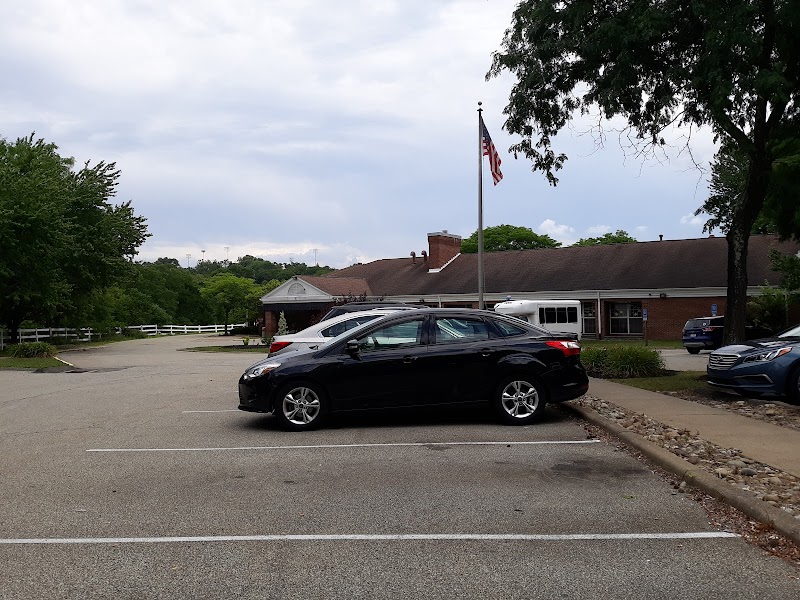
How is Wecare At Monroeville Rehabilitation And Nsg Ctr Staffed?

CMS rates WECARE AT MONROEVILLE REHABILITATION AND NSG CTR's staffing level at 2 out of 5 stars, which is below average compared to other nursing homes. Staff turnover is 77%, which is 31 percentage points above the Pennsylvania average of 46%. High turnover can affect care consistency as new staff learn residents' individual needs. RN turnover specifically is 63%, which is notably high. RNs provide skilled clinical oversight, so turnover in this role can affect medical care quality.

What Have Inspectors Found at Wecare At Monroeville Rehabilitation And Nsg Ctr?

State health inspectors documented 44 deficiencies at WECARE AT MONROEVILLE REHABILITATION AND NSG CTR during 2023 to 2025. These included: 1 Immediate Jeopardy (the most serious level, indicating potential for serious harm or death), 1 that caused actual resident harm, 41 with potential for harm, and 1 minor or isolated issues. Immediate Jeopardy findings are rare and represent the most serious regulatory concerns. They require immediate corrective action.
Who Owns and Operates Wecare At Monroeville Rehabilitation And Nsg Ctr?

WECARE AT MONROEVILLE REHABILITATION AND NSG CTR is owned by a for-profit company. For-profit facilities operate as businesses with obligations to shareholders or private owners. The facility is operated by WECARE CENTERS, a chain that manages multiple nursing homes. With 120 certified beds and approximately 90 residents (about 75% occupancy), it is a mid-sized facility located in MONROEVILLE, Pennsylvania.
How Does Wecare At Monroeville Rehabilitation And Nsg Ctr Compare to Other Pennsylvania Nursing Homes?

Compared to the 100 nursing homes in Pennsylvania, WECARE AT MONROEVILLE REHABILITATION AND NSG CTR's overall rating (1 stars) is below the state average of 3.0, staff turnover (77%) is significantly higher than the state average of 46%, and health inspection rating (1 stars) is much below the national benchmark.

What Should Families Ask When Visiting Wecare At Monroeville Rehabilitation And Nsg Ctr?

Based on this facility's data, families visiting should ask: "What changes have been made since the serious inspection findings, and how are you preventing similar issues?" "What safeguards and monitoring systems are in place to protect residents from abuse or neglect?" "How do you ensure continuity of care given staff turnover, and what is your staff retention strategy?" "Can you walk me through typical staffing levels on day, evening, and night shifts?" These questions are particularly relevant given the facility's Immediate Jeopardy citations, the substantiated abuse finding on record, the facility's high staff turnover rate, and the below-average staffing rating.

Is Wecare At Monroeville Rehabilitation And Nsg Ctr Safe?

Based on CMS inspection data, WECARE AT MONROEVILLE REHABILITATION AND NSG CTR has documented safety concerns. The facility has 1 substantiated abuse finding (meaning confirmed case of resident harm by staff or other residents). Inspectors have issued 1 Immediate Jeopardy citation (the most serious violation level indicating risk of serious injury or death). The facility has a 1-star overall rating and ranks #100 of 100 nursing homes in Pennsylvania. Families considering this facility should ask detailed questions about what corrective actions have been taken since these incidents.

Do Nurses at Wecare At Monroeville Rehabilitation And Nsg Ctr Stick Around?

Staff turnover at WECARE AT MONROEVILLE REHABILITATION AND NSG CTR is high. At 77%, the facility is 31 percentage points above the Pennsylvania average of 46%. Registered Nurse turnover is particularly concerning at 63%. RNs handle complex medical decisions and coordinate care — frequent RN changes can directly impact care quality. High turnover means new staff may not know residents' individual needs, medications, or preferences. It can also be disorienting for residents, especially those with dementia who rely on familiar faces. Families should ask: What is causing the turnover? What retention programs are in place? How do you ensure care continuity during staff transitions?

Was Wecare At Monroeville Rehabilitation And Nsg Ctr Ever Fined?

WECARE AT MONROEVILLE REHABILITATION AND NSG CTR has been fined $94,306 across 20 penalty actions. This is above the Pennsylvania average of $34,022. Fines in this range indicate compliance issues significant enough for CMS to impose meaningful financial consequences. Common causes include delayed correction of deficiencies, repeat violations, or care failures affecting resident safety. Families should ask facility leadership what changes have been made since these penalties.

Is Wecare At Monroeville Rehabilitation And Nsg Ctr on Any Federal Watch List?

WECARE AT MONROEVILLE REHABILITATION AND NSG CTR is not on any federal watch list. The most significant is the Special Focus Facility (SFF) program, which identifies the bottom 1% of nursing homes nationally based on persistent, serious quality problems. Not being on this list means the facility has avoided the pattern of deficiencies that triggers enhanced federal oversight. This is a positive indicator, though families should still review the facility's inspection history directly.