WOODHAVEN HEALTH & REHAB CENTER
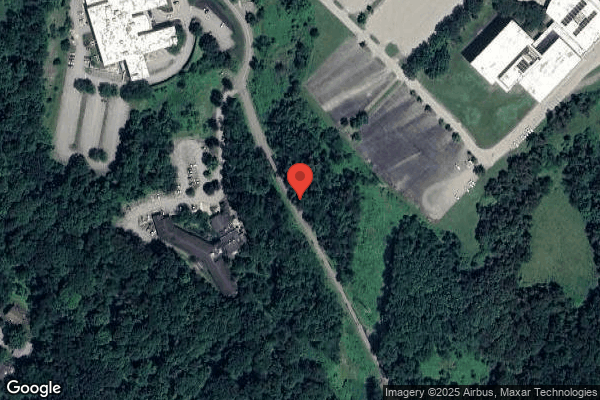
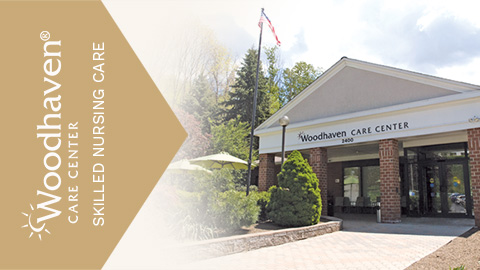
2400 MCGINLEY ROAD, MONROEVILLE, PA 15146 (412) 856-4770
For profit - Corporation 119 Beds SABER HEALTHCARE GROUP Data: November 2025 1 Immediate Jeopardy citation
Trust Grade
18/100
#651 of 653 in PA
Last Inspection: July 2025

Inspected within the last 6 months. Data reflects current conditions.

Overview

Woodhaven Health & Rehab Center has received a Trust Grade of F, indicating significant concerns about the facility's care and operations. With a state rank of #651 out of 653, they fall in the bottom half of nursing homes in Pennsylvania, and they are the lowest-ranked in Allegheny County. The facility is worsening, having increased from 11 issues in 2024 to 22 in 2025, and their staffing rating is below average at 2 out of 5 stars, with a troubling turnover rate of 63%. They have incurred $37,480 in fines, which is concerning and suggests ongoing compliance problems. Additionally, a critical finding noted that staff failed to monitor residents' blood glucose levels appropriately, putting six residents at immediate risk, while another concern highlighted the lack of a qualified director for the activities program, impacting residents' engagement.

Trust Score
F
18/100
In Pennsylvania
#651/653
Bottom 1%
Safety Record
High Risk
Review needed
Inspections
Getting Worse
11 → 22 violations
Staff Stability
⚠ Watch
63% turnover. Above average. Higher turnover means staff may not know residents' routines.
Penalties
○ Average
$37,480 in fines. Higher than 56% of Pennsylvania facilities. Some compliance issues.
Skilled Nurses
○ Average
Each resident gets 34 minutes of Registered Nurse (RN) attention daily — about average for Pennsylvania. RNs are the most trained staff who monitor for health changes.
Violations
⚠ Watch
45 deficiencies on record. Higher than average. Multiple issues found across inspections.
★☆☆☆☆
1.0
Overall Rating
★★☆☆☆
2.0
Staff Levels
★☆☆☆☆
1.0
Care Quality
★☆☆☆☆
1.0
Inspection Score
Stable
2024: 11 issues
2025: 22 issues

The Good

  • Full Sprinkler Coverage · Fire safety systems throughout facility
  • No fines on record

Facility shows strength in fire safety.

The Bad

1-Star Overall Rating

Below Pennsylvania average (3.0)

Significant quality concerns identified by CMS

Staff Turnover: 63%

17pts above Pennsylvania avg (46%)

Frequent staff changes - ask about care continuity

Federal Fines: $37,480

Above median ($33,413)

Moderate penalties - review what triggered them

Chain: SABER HEALTHCARE GROUP

Part of a multi-facility chain

Ask about local staffing decisions and management

Staff turnover is elevated (63%)

15 points above Pennsylvania average of 48%

The Ugly 45 deficiencies on record

1 life-threatening
Sept 2025 3 deficiencies
CONCERN (D) 📢 Someone Reported This

A family member, employee, or ombudsman was alarmed enough to file a formal complaint

Potential for Harm - no one hurt, but risky conditions existed

Quality of Care (Tag F0684)

Could have caused harm · This affected 1 resident

**NOTE- TERMS IN BRACKETS HAVE BEEN EDITED TO PROTECT CONFIDENTIALITY** Based on review of clinical records and staff interviews, it was determined that the facility failed to provide treatment and se...

Read full inspector narrative →
**NOTE- TERMS IN BRACKETS HAVE BEEN EDITED TO PROTECT CONFIDENTIALITY** Based on review of clinical records and staff interviews, it was determined that the facility failed to provide treatment and services related to heart failure (a progressive heart disease that affects pumping action of the heart muscles) for one of three residents (Resident R1).Findings Include:Review of the Unites States National Library of Medicine information Heart Failure dated 3/11/25, indicated symptoms of heart failure can include: Shortness of breath. Fatigue or weakness. Coughing. Swelling and weight gain from fluid in the ankles, lower legs, or abdomen. Difficulty sleeping when lying flat. Nausea and loss of appetite. Swelling in the veins of your neck. Needing to urinate often. Review of the clinical record indicated Resident R1 was admitted to the facility on [DATE]. Review of the Minimum Data Set (MDS - periodic assessment of resident care needs) dated 6/18/25, included diagnoses of atrial fibrillation (disease of the heart characterized by irregular and often faster heartbeat), chronic obstructive pulmonary disease (COPD, a group of progressive lung disorders characterized by increasing breathlessness), and diabetes (a metabolic disorder in which the body has high sugar levels for prolonged periods of time). Review of Resident R1's plan of care initiated 6/12/25, did not include documentation of goals and interventions related to heart failure upon its facility diagnosis on 7/21/25. Review of Resident R1's facility diagnosis list failed to include heart failure. Review of a provider order dated 6/13/25, indicated Weights: Obtain weight upon admission, then weekly x 4. Review of a provider order dated 7/22/25, indicated Please obtain weight on 7/25/25. Review of a provider order dated 7/23/25, indicated Resident R1 was to receive daily weights related to edema. Review of a provider's order dated 6/12/25, indicated Resident R1 was to be given furosemide (Lasix) 20 mg (milligrams) once daily as needed. Review of a provider's order dated 7/22/25, through 7/25/25, indicated Resident R1 was to be given Lasix 40 mg once daily. Review of a provider's order dated 7/26/25, indicated Resident R1 was to be given Lasix 20 mg once daily. Review of Resident R1's weight record revealed the following: 6/12/25: 220.7 lbs. (pounds)6/17/25: 218.0 lbs. 7/01/25: 217.0 lbs.7/04/25: 234.2 lbs. (Gain of 14 pounds in three days)7/15/25: 235.0 lbs. 7/22/25: 240.0 lbs. (Gain of five pounds in seven days) 7/23/25: 241.4 lbs. 7/25/25: 242.6 lbs. 7/26/25: 246.8 lbs. (Gain of four pounds in one day)8/01/25: 241.8 lbs.8/03/25: 238.2 lbs.8/04/25: 234.6 lbs.8/05/25: 232.5 lbs.8/07/25: 235.2 lbs.8/09/25: 213.0 lbs. Review of Resident R1's progress notes (6/12/25-8/9/25) failed to reveal documentation referencing the 17-pound weight gain that occurred between 7/1/25, and 7/4/25. Review of a nurse practitioner note dated 7/8/25, at 12:08 a.m. does not include documentation that the weight gain was reviewed or addressed. Review of a physician note dated 7/10/25, at 11:27 a.m. does not include documentation that the weight gain was reviewed or addressed. Review of a physician note dated 7/15/25, at 9:46 a.m. does not include documentation that the weight gain was reviewed or addressed. Review of a progress note dated 7/19/25, at 11:07 p.m. indicated, [Resident R1] has a PRN order for (Lasix, a medication to remove excess fluid in the tissue). I advised she would need to ask for it when she needs it and her legs are swollen. Otherwise, suggest switching to daily dose. Review of a progress note dated 7/21/25, at 9:04 a.m. indicated, Resident has increase resp (respirations) with use of accessory muscles. Lungs have wheezes bil (bilaterally, both sides) with scattered crackles bil. Pulse ox is 90% with oxygen at 3 liters via nasal cannula. Resident has increased confusion during verbal interaction. Resident is easy to arouse with verbal stimuli. Heart rate strong and strong and reg. Cap refill (capillary refill) is less than 3 sec. VSS (vital signs stable) resident is afebrile. RNS (Registered Nurse Supervisor) aware and will make MD (Doctor of Medicine) aware during AM (morning) rounds. Review of a physician's note dated 7/21/25, at 11:03 a.m. indicated, Patient seen for increased LE (lower extremity) edema. Daughter had called in expressing concern in swelling in her legs. Patient is seen in her room this morning. The note further stated suspect CHF congestive heart failure. Review of a progress note dated 7/22/25, at 1:02 p.m. indicated that the physician was advised of a 13-pound weight gain. Review of the weight records indicated that Resident R1 had a 23-pound weight gain, not 13-pound. Review of a physician's note dated 7/23/25, at 9:46 a.m. indicated, Patient seen for follow-up of recent visits for leg swelling and weight gain. This morning, nursing noted her HR (heart rate) to be elevated to 120s. Patient was started on increased dose of Lasix yesterday for finding of LLL (left lower lobe of the lung) fluid on CXR (chest x-ray). During an interview on 8/27/25, at approximately 12:45 p.m. the Nursing Home Administrator and the Director of Nursing confirmed the facility failed to provide treatment and services related to heart failure for one of three residents. 28 Pa. Code: 211.12(d)(1)(3)(5) Nursing services.
CONCERN (D) 📢 Someone Reported This

A family member, employee, or ombudsman was alarmed enough to file a formal complaint

Potential for Harm - no one hurt, but risky conditions existed

Deficiency F0742 (Tag F0742)

Could have caused harm · This affected 1 resident

**NOTE- TERMS IN BRACKETS HAVE BEEN EDITED TO PROTECT CONFIDENTIALITY** Based on review of the clinical record, physician documents, and staff interviews, it was determined that the facility failed to...

Read full inspector narrative →
**NOTE- TERMS IN BRACKETS HAVE BEEN EDITED TO PROTECT CONFIDENTIALITY** Based on review of the clinical record, physician documents, and staff interviews, it was determined that the facility failed to make certain residents with intellectual disabilities receive appropriate services for one of three residents (Resident R2).Based on review of clinical records, and staff interview it was determined that the facility failed to make certain residents receive appropriate treatment and services for highest practicable mental and psychosocial services for one of three residents (Resident R28). Findings include: Review of the Resident Assessment Instrument 3.0 User's Manual effective October 2023, indicated that a Brief Interview for Mental Status (BIMS) is a screening test that aides in detecting cognitive impairment. The BIMS total score suggests the following distributions:13-15: cognitively intact8-12: moderately impaired0-7: severe impairment Review of the clinical record indicated Resident R2 was initially admitted to the facility on [DATE]. Review of the Minimum Data Set (MDS, mandated assessment of a resident's abilities and care needs) for Resident R2 dated 3/30/24, included diagnoses of end stage renal disease (ESRD, an inability of the kidneys to filter the blood), cancer of the breast and lung, and intellectual disabilities. Review of Section C: Cognitive Patterns, Questions C0500 BIMS Summary Score revealed Resident R2's score to be 03. Review of a provider note dated 3/14/24, indicated, Left voicemail for Director of Nursing at [facility]. Advised patient was dropped off at the front door again without any caregiver/attendant. Patient needs to have a caregiver with her when she comes for her appointments. Review of a provider note dated 4/1/24, indicated, Spoke with nursing supervisor at [facility], advised patient needs to arrive with caregiver as she has been dropped off at front door of the cancer center in the past and this is inappropriate for this patient and her needs. Nursing supervisor stated they would send a caregiver with patient to her upcoming appointment. Review of a provider note dated 4/9/24, indicated, Called and spoke with nursing supervisor, reviewed appointment on 4/11 for Faslodex and to ensure someone would be coming with the patient. Nursing supervisor stated they were told patient did not need an attendant with her because it was an injection. Advised at patient's last visit, the patient was very fearful coming to the infusion area alone and it created a negative experience for her. Nursing supervisor stated they would ensure that someone came with her. Review of a provider note dated 11/15/24, indicated, Pt with Faslodex appt on 11/12: Unable to receive treatment as a member from the patient's facility was unable to stay with her. AVS (After Visit Summary) with next appts printed and mailed to patient's facility. A note stating that a member from her facility must accompany her and stay for the duration of her treatment, as this has been previously discussed and agreed upon. Review of a provider note dated 1/7/25, indicated, Called [facility] to discuss the need to send a caregiver to [Resident R2's] appts. Spoke to Nursing Supervisor, and let her know that moving forward we will need to have a caregiver with [NAME] during her visits. We reviewed [Resident R2's] appts. Nursing Supervisor apologized and said she will communicate this with the administrator and this will be the case moving forward. Review of a provider note dated 6/5/25, indicated, Pt did not show for her Faslodex injection today. She resides at [facility] and requires a caregiver to accompany her. This is an ongoing issue. Pt did receive her last injection in May. Review of a provider note dated 6/5/25, indicated, Received call from Director of Nursing (DON) at [facility]. Reviewed ongoing issue of patient coming for Faslodex injections without an escort as well as during her office visits with [Doctor]. Reviewed patient has missed multiple appointments. DON stated he would help facilitate these appointments. Able to reschedule patients' Faslodex to 6/1/25, at 3:30 p.m. Advised subsequent appointments in July would be changed. Review of provider office visit notes dated 8/19/25, indicated, [Urology provider] stated there have been 4 appointments scheduled for this patient and [facility] had cancelled 3 of these appointments and had reported to [Urology provider] the did not have a escort for the appointment. The last appointment (4th appointment) was a no show. During an interview on 9/3/25, at approximately 12:00 p.m. the Nursing Home Administrator confirmed the facility failed to schedule ordered appointments and failed to make certain residents with intellectual disabilities receive appropriate services for one of three residents. 28 Pa. Code 201.14(a) Responsibility of licensee. 28 Pa. Code 201.18 (b)(1)(3)(e)(1) Management. 28 Pa. Code 201.29 (a)(j) Resident rights. 28 Pa. Code 211.16 (a) Social services. 28 Pa. Code 211.12(d)(1)(3)(5) Nursing services.
CONCERN (D) 📢 Someone Reported This

A family member, employee, or ombudsman was alarmed enough to file a formal complaint

Potential for Harm - no one hurt, but risky conditions existed

Deficiency F0745 (Tag F0745)

Could have caused harm · This affected 1 resident

**NOTE- TERMS IN BRACKETS HAVE BEEN EDITED TO PROTECT CONFIDENTIALITY** Based on review of the clinical record, physician records, documents, and staff interviews, it was determined that the facility ...

Read full inspector narrative →
**NOTE- TERMS IN BRACKETS HAVE BEEN EDITED TO PROTECT CONFIDENTIALITY** Based on review of the clinical record, physician records, documents, and staff interviews, it was determined that the facility failed to schedule ordered appointments and failed to provide transportation for one of three residents (Resident R2). Findings include: Review of the United States Food and Drug Administration product information dated January 2021, indicated that Faslodex (fulvestrant) is an injectable medication for the treatment of advanced breast cancer. Not taking Faslodex for hormone receptor-positive (HR+), HER2-negative advanced or metastatic breast cancer can lead to the cancer progressing more quickly or returning sooner, potentially lowering the chances of extending life and improving symptoms. Review of the Resident Assessment Instrument 3.0 User's Manual effective October 2023, indicated that a Brief Interview for Mental Status (BIMS) is a screening test that aides in detecting cognitive impairment. The BIMS total score suggests the following distributions:13-15: cognitively intact8-12: moderately impaired0-7: severe impairment Review of the clinical record indicated Resident R2 was initially admitted to the facility on [DATE]. Review of the Minimum Data Set (MDS, mandated assessment of a resident's abilities and care needs) for Resident R2 dated 3/30/24, included diagnoses of end stage renal disease (ESRD, an inability of the kidneys to filter the blood), cancer of the breast and lung, and intellectual disabilities. Review of Section C: Cognitive Patterns, Questions C0500 BIMS Summary Score revealed Resident R2's score to be 03. Review of a provider note dated 3/7/24, indicated, Called [facility] and spoke to supervisor. Advised supervisor last dose of Faslodex here at the cancer center given in November 2023. Patient has not showed to appointment for follow up visit in January or CT scan. Advised that patient is to have monthly Faslodex injections to treat breast cancer. Supervisor confirmed patient is not receiving Faslodex at [facility]. Review of a provider note dated 10/31/24, indicated, [Facility] called about missed Faslodex appointment today. Rescheduled to next available opening on November 12th at 3:30 p.m. Adjusted future appointments to reflect every 28-day schedule. Review of a provider note dated 4/1/25, indicated, Spoke with staff at [facility] to alert them that [Resident R2] missed her 11:30 a.m. appt today for Faslodex. They will call back to reschedule. Review of a provider note dated 5/8/25, indicated, This writer called and spoke with nursing supervisor at [facility] where patient resides. Nursing supervisor aware patient needs to follow up/make appt with urology related to patient c/o (complaints of) right flank pain and hematuria. Review of a provider note dated 6/5/25, indicated, Pt did not show for her Faslodex injection today. She resides at [facility] and requires a caregiver to accompany her. This is an ongoing issue. Pt did receive her last injection in May. Review of a provider note dated 6/5/25, indicated, Received call from Director of Nursing (DON) at [facility]. Reviewed ongoing issue of patient coming for Faslodex injections without an escort as well as during her office visits with [Doctor]. Reviewed patient has missed multiple appointments. DON stated he would help facilitate these appointments. Able to reschedule patients' Faslodex to 6/1/25, at 3:30 p.m. Advised subsequent appointments in July would be changed. Review of a provider note dated 8/7/25, stated, Placed on hold by [facility], unable to leave message. Call was made to let caretakers know that [Resident R2] missed her appointment today. Waited on hold for 8 minutes but had to hang up. Review of office visit notes dated 8/19/25, indicated, [Urology provider] stated there have been 4 appointments scheduled for this patient and [facility] had cancelled 3 of these appointments and had reported to [Urology provider] they did not have an escort for the appointment. The last appointment (4th appointment) was a no show. Review of an appointment history from 4/1/25, through 8/27/25, provided by outside medical provider indicated the following cancelled or missed appointments: 4/01/25, Faslodex/labs: Cancelled.4/22/25, Faslodex injection: Cancelled.4/29/25, Faslodex injection: Cancelled.4/30/25, Abdominal CT: Cancelled.5/01/25, Faslodex/labs: Cancelled.5/13/25, Three-month follow-up: Cancelled.5/21/25, Abdominal CT: Cancelled.5/27/25, Faslodex injection: Cancelled.5/29/25, Faslodex injection: Cancelled.6/02/25, DXA (type of bone density x-ray): Cancelled.6/05/25, Faslodex/labs: No show.6/26/25, Faslodex injection: Cancelled.7/03/25, Faslodex injection: Cancelled.7/10/25, Faslodex injection: No show.7/31/25, Faslodex injection: Cancelled.8/07/25, Faslodex injection: No show. During an interview on 9/3/25, at approximately 12:00 p.m. the Nursing Home Administrator confirmed the facility failed to schedule ordered appointments and failed to provide transportation for one of three residents. 28 Pa. Code 201.14(a) Responsibility of licensee. 28 Pa. Code 201.18 (b)(1))(3)(e)(1) Management. 28 Pa. Code 201.29 (a)(j) Resident rights. 28 Pa. Code 211.2 (a) Physician services. 28 Pa. Code 211.16 (a) Social services. 28 Pa. Code 211.12(d)(1)(3)(5) Nursing services.
Jul 2025 15 deficiencies 1 IJ (1 affecting multiple)
CRITICAL (K)

Immediate Jeopardy (IJ) - the most serious Medicare violation

Quality of Care (Tag F0684)

Someone could have died · This affected multiple residents

**NOTE- TERMS IN BRACKETS HAVE BEEN EDITED TO PROTECT CONFIDENTIALITY** Based on facility review of policy, manufacturer's instructions, clinical records and staff interviews, the facility failed to n...

Read full inspector narrative →
**NOTE- TERMS IN BRACKETS HAVE BEEN EDITED TO PROTECT CONFIDENTIALITY** Based on facility review of policy, manufacturer's instructions, clinical records and staff interviews, the facility failed to notify physicians of elevated or decreased Capillary Blood Glucose (CBG) levels, failed to assess residents for hyperglycemia (high blood glucose) and hypoglycemia (low blood sugar) resulting in immediate jeopardy for six of 22 residents (R2, R11, R58, R73, R86, and R94). Findings Include: Review of facility policy Diabetic Protocol dated 6/1/25, previously dated 1/1/25, 1/1/24, indicated provider and staff will work together to give appropriate treatment to manage diabetes. The provider will follow up on any acute episodes associated with significant blood glucose level changes and deterioration of previous glucose control and document resident status at subsequent visits until the acute situation is resolved. The staff will identify and report complications such as hypoglycemia. Review of the facility Hypoglycemia Policy dated 6/1/25, previously dated 1/1/25, 1/1/24, indicated nursing personnel are responsible for recognizing signs and symptoms of hypoglycemia and responding accordingly. When acute hypoglycemia is suspected, assess mental status (alert, drowsy, uncooperative, or unconscious) and use glucometer to determine the resident's blood sugar level. A blood glucose of 70 mg/dL or less may indicate the need for intervention. If there are no provider orders for specific treatment do the following: -If the resident is conscious and treatment is indicated, give 1 tube of dextrose gel (15 grams). -After 15 minutes, repeat blood sugar and if still under 70 mg/dL, repeat glucose gel. -After 15 minutes repeat blood sugar. If above 70 mg/dL, give a snack of protein and a carbohydrate (ex. ½ sandwich with bread and a protein or crackers and a protein.) Monitor until stable. -If the resident is drowsy or unconscious or is unable or unwilling to consume anything orally, administer glucagon 1 mg subcutaneously. Monitor the resident for 15 minutes after treatment. -If, after 15 minutes, the resident is conscious and able to consume orally, give a snack of a protein and a carbohydrate (ex. ½ a sandwich with bread and a protein or crackers and a protein). Monitor until stable; -If, after 15 minutes the resident still cannot consume anything orally, repeat glucagon 1 mg subcutaneously and call 911. Further review of the policy failed to reveal procedures in the event of a resident experiencing hyperglycemia. Review of the Facility assessment dated [DATE], indicated the facility will provide care for residents diagnosed with diabetes. Review of the United States Food and Drug Administration prescribing information for basaglar insulin (insulin glargine, a long-acting injectable medication to diabetes) dated 12/2015, indicated basaglar insulin begins to work several hours after administration, the maximum effect of basaglar insulin is approximately 12 hours after administration, and works over 24 hours to lower blood sugar levels. Review of the glucometer manufacturer's instructions indicated Low refers to less than 20 mg/dl, and High refers to greater than 600 mg/dl. Review of the clinical record indicated that Resident R73 was admitted to the facility on [DATE]. Review of the Minimum Data Set (MDS - periodic assessment of resident care needs) dated 4/30/25, included diagnoses of diabetes (a metabolic disorder in which the body has high sugar levels for prolonged periods of time) and dementia (a group of symptoms that affects memory, thinking and interferes with daily life). Review of a physician order for Blood glucose parameters dated 4/17/25, indicated If resident blood glucose 70< initiate Hypoglycemic protocol and Notify MD (Doctor of Medicine). If resident blood glucose 400> Notify MD. Review of Resident R73's plan of care for diabetes dated 4/14/25, indicated Labs as ordered by doctor. Contact md with any abnormalities. Follow facility routines for hypo/hyperglycemic episodes. Review of Resident R73's blood sugar record for April 2025, through June 2025, revealed the following blood sugar values failed to have documentation of notification or follow-up.: 5/29: 539 5/28: 409 5/24: 411 5/21: 453 5/14: 462, notified 8 hours later 5/13: 540 5/11: 565 5/11: 445 5/08: 489 4/30: 412 4/29: 425 4/03: 517 Review of the physician's order dated 6/6/24, indicated to provide insulin lispro on a sliding scale before meals and at bedtime. Review of Resident R73's meal consumption record on 8/25/24, indicated Resident R73 had consumed 50-75% of her lunch. Consumption was documented at 11:01 a.m. Review of Resident R73's blood sugar record indicated a blood sugar assessment on 8/25/24, at 11:55 a.m. of 371. Review of Resident R73's medication administration record for August 2024, indicated Resident R73 received 10 units of insulin lispro, the appropriate amount for a blood sugar of 371, if the blood sugar was assessed prior to eating. Review of a progress note dated 8/25/24, at 3:22 p.m. indicated Resident R73 was not responding to voice, was cold and clammy, and had a decreased level of consciousness. Resident R73's blood sugar was assessed at this time, noted to be 31. Resident R73 was transferred to the hospital by emergency services. Review of a progress note dated 8/25/24, at 10:14 p.m. indicated Resident R73 was admitted to the hospital for hypoglycemia. Review of hospital discharge paperwork dated 8/31/24, indicated, [Resident R73] was found by staff at [facility] with a sugar of 20. Review of a progress note dated 10/6/24, at 4:10 p.m. indicated that Resident R73 had fallen in her room. A blood sugar value was not documented in the note. Review of a progress note dated 10/6/24, at 5:38 p.m. indicated that Resident R73 had fallen in the hall. Resident was walking on the unit and fell. No injuries noted. While taking her vitals, staff noted that her CBG was 523. Resident has a fx (fracture) to R (right) shoulder from a fall about a month ago which is not completely healed. Son requested that she be sent to [hospital] to have her R shoulder evaluated and elevated blood sugar. MD notified. 911 called for transport. Review of hospital discharge paperwork dated 10/6/24, indicated Resident R73's reason for the emergency room visit was a fall, with the diagnosis of hyperglycemia. Review of the clinical record indicated that Resident R11 was admitted to the facility on [DATE]. Review of the MDS dated [DATE], included diagnoses of diabetes and chronic kidney disease (gradual loss of kidney function). Review of physician orders dated 5/25/24, indicated Resident R11 received rapid acting insulin: with breakfast (7:00 a.m. - 10:00 a.m.), with lunch (11:00 a.m. - 12:00 p.m.), and with afternoon med pass (4:00 p.m. - 6:00 p.m.), If CBG <60 give 0 units. 60-100 give 8 units. If CBG >100, give 16 units. Review of Resident R11's plan of care for diabetes initiated 7/26/23, indicated for staff to Monitor for signs of hyperglycemia (blood glucose > 140mg/dl) and administer medications per physician's orders. Review of Resident R11's blood sugar record for April 2025, through June 2025, revealed the following blood sugar values failed to have documentation of notification or follow-up: 6/27: 480 6/24: 403 6/17: 533 6/17: 421 6/07: 421 6/07: 508 5/27: 490 5/24: 501 5/24: 430 5/22: 356 5/12: 360 5/11: 400 5/06: 388 5/05: 360 5/04: 369 5/08: 489 4/27: 357 4/18: High 4/15: 424 Review of Resident R11's blood sugar level on 5/29/25 indicated that at 8:26 p.m. Resident R11's blood sugar level was 515, and at 11:19 p.m. was 444. Review of a progress note written by Registered Nurse Supervisor Employee E9 dated 5/29/25, at 11:47 p.m. indicated, Call placed to on call provider for [doctor] in reference to resident blood glucose reading of 515, received 33u (units) of basaglar insulin, recheck performed and blood glucose 444. Spoke with on call physician, given order to transfer resident to ER for evaluation due to elevated blood glucose levels. Review of hospital discharge paperwork dated 5/30/25, indicated Resident R11 was seen in the emergency room for hyperglycemia and a urinary tract infection. Review of the physician notification sheet dated 5/29/25, indicated for Resident R11, Returning, had elevated (upward pointed arrow) BGM. During an interview on 7/2/25, at approximately 2:00 p.m. the Director of Nursing confirmed that basaglar insulin would not have an appreciable effect on Resident R11's elevated blood sugar level. Review of the clinical record indicated that Resident R2 was admitted to the facility on [DATE], and readmitted on [DATE]. Review of the MDS dated [DATE], included diagnoses of diabetes chronic obstructive pulmonary disease (COPD, a group of progressive lung disorders characterized by increasing breathlessness). Review of a physician order dated 4/2/25, indicated for Resident R2 to sliding scale insulin coverage with meals, and to notify the MD if Resident R2's CBG is less than 60 or greater than 340. Review of Resident R2's plan of care dated 6/13/25, for diabetes indicated Labs as ordered by doctor. Contact md with any abnormalities. Follow facility routines for hypo/hyperglycemic episodes. Review of Resident R2's blood sugar record for April 2025, through June 2025, revealed the following blood sugar values failed to have documentation of notification or follow-up: 6/24: 460 6/24: 387 6/24: 389 6/21: 451 6/20: 394 6/18: 346 6/13: 414 6/03: 401 6/03: 435 5/28: 413 5/28: 477 4/23: 395 4/08: 402 4/08: 516 Review of the clinical record indicated that Resident R58 was admitted to the facility on [DATE]. Review of the MDS for Resident R58 dated 6/4/25, included diagnoses of diabetes, acquired absence of right leg below knee (amputation below right knee), unspecified intracranial injury without loss of consciousness (injury to the brain without loss of consciousness, might experience confusion, headache or amnesia). Review of a physician order dated 6/18/25, indicated for Resident R58 a sliding scale insulin coverage with meals, and to notify the MD if Resident R58's CBG is less than 60 or greater than 341. Review of Resident R58's plan of care dated 5/6/25, for diabetes indicated Labs as ordered by doctor. Contact md with any abnormalities. Follow facility routines for hypo/hyperglycemic episodes. Review of Resident R58's blood sugar record for April 2025, through June 2025, revealed the following blood sugar values failed to have documentation of notification or follow-up: 6/29: 371 6/27: 368 6/10: 394 6/04: 434 5/29: 406 5/27: 390 5/24: 395 5/23: 381 5/19: 359 4/29: 401 4/23: 355 4/22: 358 4/20: 373 4/09: 378 4/07: 386 4/01: 350 Review of the clinical record indicated that Resident R86 was admitted to the facility on [DATE]. Review of the MDS for Resident R86 dated 6/3/25, included diagnoses of diabetes, high blood pressure, osteomyelitis of vertebrae, thoracic region (bone infection in the middle back). Review of a physician order dated 4/17/25, indicated for Resident R86 a sliding scale insulin coverage with meals, and to notify the MD if Resident R86's CBG is less than 60 or greater than 340. Review of Resident R86's plan of care dated 5/8/25, for diabetes indicated Labs as ordered by doctor. Contact md with any abnormalities. Follow facility routines for hypo/hyperglycemic episodes. Review of Resident R86's blood sugar record for April 2025, through June 2025, revealed the following blood sugar values failed to have documentation of notification or follow-up: 6/10: 350 6/04: 351 5/04: 350 5/03: 396 4/19: 403 4/19: 366 4/19: 371 4/17: 388 4/11: 345 4/05: 371 Review of the clinical record indicated that Resident R94 was admitted to the facility on [DATE]. Review of the MDS for Resident R94 dated 6/3/25, included diagnoses of diabetes, history of falling, fracture of left femur (a break in the long bone in upper leg). Review of a physician order dated 4/17/25, indicated for Resident R94 a sliding scale insulin coverage with meals, and to notify the MD if Resident R94's CBG is less than 70 or greater than 350. Review of Resident R94's plan of care dated 5/15/25, for diabetes indicated Labs as ordered by doctor. Contact md with any abnormalities. Follow facility routines for hypo/hyperglycemic episodes. Review of Resident R94's blood sugar record for April 2025, through June 2025, revealed the following blood sugar values failed to have documentation of notification or follow-up: 6/20: 360 6/10: LOW (no repeat conducted) 6/07: 419 5/10: LOW (no repeat conducted) 4/18: 417 4/18: 403 The Nursing Home Administrator (NHA) and the DON were made aware that an Immediate Jeopardy situation existed for residents on 7/1/25, at 12:50 p.m. and a corrective action plan was requested. The Immediate Jeopardy template was provided to the facility administration at this time. On 7/1/25, at 2:30 p.m. an acceptable Corrective Action Plan was received which included the following interventions: After record review, it was determined that [the facility] failed to notify the physician of blood sugars out of range timely for six residents and care plans were absent or did not include approaches for diabetic emergency management. Immediate Actions: -Resident R73, R11, R2, R94, R86, R58 was assessed by the Director of Nursing on 07/01/2025 at 1325. Residents R73, R11, R2, R94, R86, and R58 had no s/s hyperglycemia at that time. -Education was initiated on 07/01/2025 with facility RN's and LPN's on the Diabetic Protocol, the Hypoglycemia policy, and the Resident Change in Condition policy to include hyperglycemia is a change in condition, and notifications to the physician of blood sugars out of range. The facility is currently not using any agency staff. Moving forward, if any agency RN or LPN need to be utilized, they will be educated on the diabetic protocol before their first day of work. -On 07/01/2025, Residents R73, R11, R2, R86, R58's blood sugars were reviewed from the past 24 hours to ensure none were out of range without physician notification. -On 07/01/2025, an ad hoc QAPI committee meeting was held, and the medical director was made aware of the findings. Like Residents: -Current residents with diabetes have the potential to be affected. Current residents with diabetes were reviewed on 07/01/2025 by the DON to determine if blood sugars were out of range and none were noted out of range. Correction of System: -Root cause analysis completed by the center QAPI committee on 07/01/2025 and determined failure to follow the Resident Change in Condition policy led to the allegation. -To prevent recurrence, the Director of Nursing initiated education with facility RN's and LPN's on 07/01/2025 on the Diabetic Protocol, the Hypoglycemia policy, and the Resident Change in Condition policy to include hyperglycemia is a change in condition and notification of the physician of blood sugars out of range. RN's and LPN's that were not on duty received education via phone and will receive in person education on their next scheduled shift. -Moving forward any new RN's and LPN's hired will be educated on the Resident Change of Condition policy, the Diabetic Protocol, and the Hypoglycemia policy in orientation by the Director of Nursing/ designee. Monitoring: -To monitor and maintain compliance, the Director of Nursing/ designee will review blood sugars daily x 2 weeks, 3x a week x 2 week and then weekly x 2 weeks to determine if any blood sugars were out of range and notifications made. If notification not documented, the physician will be contacted at the time of discovery and notified and new orders implemented as needed. -To monitor and maintain compliance, new admissions/ readmissions with diabetes will be reviewed by the DON/ designee to ensure a care plan is implemented for diabetes including approaches for diabetic emergency management 5 x a week for 2 weeks, then weekly x 3 weeks. -Results of the audits will be forwarded to the center QAPI committee for review and recommendations. On 7/2/25, care plans for affected residents were reviewed, and confirmed they were corrected to show goals and interventions related to diabetes and blood glucose monitoring. On 7/2/25, the whole house audit was reviewed by surveyors, revealing its completion and accuracy. During interviews beginning at approximately 8:30 a.m. on 7/2/25, four of four LPNs on duty were able to describe the correct procedure for documenting, monitoring, and needs of notification for blood sugars outside of the ordered parameters. During interviews beginning at approximately 1:30 p.m. on 7/2/25, one of one RN on duty was able to describe the correct procedure for documenting, monitoring, and needs of notification for blood sugars outside of the ordered parameters. The Immediate Jeopardy was removed on 7/2/25, at 11:08 p.m. when the action plan implementation was verified. During an interview on 7/3/25, at approximately 3:00 p.m. the Nursing Home Administrator and the Director of Nursing confirmed the facility failed to notify physicians of elevated or decreased Capillary Blood Glucose (CBG) levels, failed to assess residents for hyperglycemia (high blood glucose) and hypoglycemia (low blood sugar) resulting in immediate jeopardy for six of 22 residents. 28 Pa. Code: 211.12(d)(1)(3)(5) Nursing services.
CONCERN (D)

Potential for Harm - no one hurt, but risky conditions existed

Resident Rights (Tag F0550)

Could have caused harm · This affected 1 resident

**NOTE- TERMS IN BRACKETS HAVE BEEN EDITED TO PROTECT CONFIDENTIALITY** Based on facility policy, observation, and staff interview, it was determined that the facility failed to ensure that care was p...

Read full inspector narrative →
**NOTE- TERMS IN BRACKETS HAVE BEEN EDITED TO PROTECT CONFIDENTIALITY** Based on facility policy, observation, and staff interview, it was determined that the facility failed to ensure that care was provided in a manner which maintained resident dignity for two of sixteen residents (Resident R 21 and R312). Findings include: Review of the facility Resident Rights and Facility Responsibilities policy last reviewed 6/1/25, indicated it the facility's policy to comply with all Residents Rights. A listing of Resident and Facility Responsibilities for the specific state of residence, and federal rights will be provided to the resident/resident representative upon admission and when requested. Review of the clinical record indicated Resident R21 was originally admitted to the facility on [DATE], and most recently readmitted on [DATE]. Review of the Minimum Data Set (MDS - a periodic assessment of care needs) dated 6/17/25, included diagnoses of heart failure (a progressive heart disease that affects pumping action of the heart muscles) and dementia (a group of symptoms that affects memory, thinking and interferes with daily life). During an observation on 7/3/25, at 9:48 a.m. Resident R21 was observed to be laying in bed. A nurse was on the far side of the bed, and had Resident R21's gown pulled up, and appeared to be observing Resident R21's stomach. At this time, neither Resident R21's privacy curtain nor room door closed, which allowed observation from the hallway. Review of the clinical record indicated Resident R312 was admitted to the facility on [DATE]. Review of Resident R312's MDS dated [DATE], did not contain diagnosis information at this time. Review of Resident R312's History and Physical (medical examination, assesses overall condition and medical history) dated 6/25/25, reveals diagnosis of anoxic brain injury after cardiac arrest (damage to the brain due to lack of oxygen), atrial fibrillation (irregular heartbeat) and diabetes. During an interview with the resident and spouse on 7/1/25 at approximately 10:30 a.m. When asking the resident and his spouse if they had any concerns related to care at the facility, the resident nodded yes and said, when I had to poop and then pointed to his spouse. Resident spouse stated approximately two days after admission, the resident engaged the call light to use the bathroom around the time for lunch. When staff came in the room, they stated they are passing trays, its lunch time and it would have to wait until after lunch service, the staff stated, he has a brief on he can go in his brief, that is what is there for. The resident spouse offered to take the resident to the bathroom, this was not permitted. Spouse reported, the resident had to hold it as he didn't want to go in his brief. The resident nodded his head yes as his spouse was sharing their experience. During an interview on 7/3/25, at 3:50 p.m. the Nursing Home Administrator (NHA) and Director of Nursing (DON) confirmed that the facility failed to ensure that care was provided in a manner which maintained resident dignity for three of sixteen residents (Resident R21, R32 and R312). 28 Pa. Code: 201.14(a) Responsibility of licensee. 28 Pa. Code: 201.29(a) Resident rights.
CONCERN (D)

Potential for Harm - no one hurt, but risky conditions existed

Deficiency F0579 (Tag F0579)

Could have caused harm · This affected 1 resident

Based on observations and staff interviews, it was determined, the facility failed to display written information on applying for Medicare and Medicaid benefits and receiving refunds for previous paym...

Read full inspector narrative →
Based on observations and staff interviews, it was determined, the facility failed to display written information on applying for Medicare and Medicaid benefits and receiving refunds for previous payments covered by Medicare and Medicaid as required, on two of two nursing floors (First Floor and Second Floor). Findings include: During observations completed on 7/3/25, of the First Floor and Second Floor nursing units, failed to include information on how to apply for Medicare and Medicaid benefits and receiving refunds for previous payments covered by Medicare and Medicaid. During observations and an interview with the Nursing Home Administrator (NHA), on 7/3/25, at approximately 8:23 a.m., the NHA confirmed that the facility failed to display written information on applying for Medicare and Medicaid benefits and receiving refunds for previous payments covered by Medicare and Medicaid as required, on two of two nursing floors (First Floor and Second Floor). 28 Pa. Code: 201.14(a)Responsibility of licensee. 28 Pa. Code: 201.18(e) Management.
CONCERN (D)

Potential for Harm - no one hurt, but risky conditions existed

Deficiency F0692 (Tag F0692)

Could have caused harm · This affected 1 resident

**NOTE- TERMS IN BRACKETS HAVE BEEN EDITED TO PROTECT CONFIDENTIALITY** Based on review of facility policy, clinical record review, and staff interviews, it was determined that the facility failed to ...

Read full inspector narrative →
**NOTE- TERMS IN BRACKETS HAVE BEEN EDITED TO PROTECT CONFIDENTIALITY** Based on review of facility policy, clinical record review, and staff interviews, it was determined that the facility failed to properly monitor weight and nutrition status by failing to obtain weights or act upon weight changes for four of twelve residents (Residents R14, R36, R66, and R94). Finding include: Review of the facility policy, Resident Policy dated 6/1/25, and 1/1/25, indicated it is the policy of the facility to obtain weights routinely in order to monitor nutritional health over time. Each resident's weight will be determined upon admission/readmission to the facility, weekly for the first four weeks after admission/readmission, and monthly or more often if risk is identified, or as ordered. Review of Resident R14's admission record indicated she was admitted to the facility on [DATE]. Review of Resident R14's Minimum Data Set (MDS-periodic assessment of care needs) assessment dated [DATE], included diagnoses of diabetes (a metabolic disorder in which the body has high sugar levels for prolonged periods of time), cerebral infarction due to unspecified occlusion or stenosis of cerebral artery (a stroke caused by a blockage or narrowing of a blood vessel in the brain, where the specific cause of the blockage is unknown), hemiplegia (loss of motor skills on one side of the body), unspecified dementia, severe with anxiety (a cognitive decline is evident, but the specific type of dementia cannot be identified). Review of physician's order dated 2/4/25, indicated for the facility to obtain Resident R14's weight monthly, on the first of the month. Review of Resident R14's weight record from 2/7/25, through 6/6/25, revealed the following: 2/7/25: 188.4 pounds 3/1/25: 189.3 pounds 4/1/25: 189.3 pounds 5/1/25: 188.0 pounds 6/6/25: 217.0 pounds No further notes were documented after 6/6/25. Review of Resident R14's clinical record indicated that on 6/9/25, Resident R14's weight was captured by Optum Healthcare, and the nurse practitioner note stated, per facility documentation she has gained 29# x1 month-needs reweighed, weights had been stable at 188 pounds previously. Review of Resident R14's clinical record indicated as of 6/6/25, Resident R14's weight was not captured by the physcian or the registered dietitian. Review of the clinical record indicated Resident R36 was admitted to the facility on [DATE]. Review of the minimum MDS dated [DATE], included diagnoses of dementia (a group of symptoms that affects memory, thinking and interferes with daily life), anemia (too little iron in the body causing fatigue), and history of a stroke. Review of Resident R36's weight record revealed the following: -4/01/25 - 155.5 pounds -4/08/25 - 156.0 pounds -6/02/25 - 175.0 pounds -6/19/25 - 141.2 pounds -6/26/25 - 125.8 pounds Review of progress notes from 6/19/25, through 7/3/25, failed to include documentation that Resident R36's weight loss was verified as accurate or addressed by the physician or registered dietitian. Review of a nurse practitioner note dated 6/17/25, at 10:27 p.m. failed to include information that Resident R36's documented weight loss was evaluated for accuracy or addressed. This note was electronically signed by MD Employee E6 on 6/21/25, at 10:28 p.m. Review of a physician's 60 day recapitulation note dated 7/1/25, at 10:14 a.m. indicated, No concerns from staff. This note failed to include information that Resident R36's documented weight loss was evaluated for accuracy or addressed. Review of Resident R66's admission record indicated she was admitted to the facility on [DATE]. Review of Resident R66's MDS dated [DATE], included diagnoses of metabolic encephalopathy (a brain dysfunction caused by an underlying medical condition that disrupts the body's metabolism), chronic obstructive pulmonary disease (COPD-a group of progressive lung disorders characterized by increasing breathlessness), dementia(a group of symptom that affects memory, thinking and interferes with daily life), and diabetes(a metabolic disorder in which the body has high sugar levels for prolonged periods of time). Review of physician's orders dated 5/26/25, through 6/29/25, and 5/28/25, through 7/1/25, indicated for the facility to obtain Resident R66's obtain weight on admission, then weekly x 4 weeks, once a day on Tuesday. Review of Resident R66's weight record from 5/27/25, through 6/26/25, revealed the following: 5/27/25: 168.8 pounds 5/29/25: 168.8 pounds 6/3/25: 166.0 pounds 6/5/25: 154.6 pounds 6/6/25: 175.4 pounds 6/12/25: 173.0 pounds 6/17/25: 170.0 pounds 6/19/25: 166.0 pounds 6/24/25: 150.6 pounds 6/26/25: 147.0 pounds No further notes were documented after 6/26/25. Review of Resident R66's clinical record indicated that on 6/12/25, Resident R66's weight was captured by Licensed Nutrition Health Aide (LNHA) with clinical note stating, Current weight-175.4, Are there any concerns with the residents weight:-No, If Yes, please note weight concerns-NA, Does the resident have supplementation ordered-No. Review of Resident R66's clinical record indicated as of 6/26/25, Resident R66's weight was not captured by the physcian or the registered dietician. Review of Resident R94's admission record indicated she was admitted to the facility on [DATE]. Review of Resident R94's MDS dated [DATE], included diagnoses of dementia, fracture of left femur (break in the long bone in the upper part of the leg), history of falling, diabetes. Review of physician's orders dated 2/27/25, through 3/12/25 and 3/17/25, through 4/20/25, obtain weight upon admission then weekly x 4 weeks. Review of physician order dated 6/19/25, stated to weigh monthly 1x a day the 1st of every month. Review of Resident R94's weight record from 2/27/25, through 6/6/25, revealed the following: 2/27/25: 103.6 pounds 3/6/25: Not taken 3/11/25: 117.0 pounds 3/18/25: 103.0 pounds 3/25/25: 109.0 pounds 4/1/25: 109.0 pounds 4/8/25: 106.0 pounds 6/6/25: 139.4 pounds No further notes were documented after 6/6/25. Review of Resident R94's clinical record indicated as of 6/6/25, Resident R94's weight was not captured by the physcian or the registered dietitian. During an interview on 7/3/25, at 1:22 p.m. the Medical Director, Employee E6 confirmed that the nursing staff leaves him information in a binder regarding weights, he reviews this information during his assessments of the residents but acknowledged that no documentation occurred as to a plan of care for the weight gain/weight loss of five of twelve residents. During an interview on 7/3/25, at 2:55 p.m. the Registered Dietetic (DTR) Employee E10 confirmed that the facility failed to properly monitor weight and nutrition status by failing to obtain weights or act upon weight changes for five of twelve residents.
CONCERN (D)

Potential for Harm - no one hurt, but risky conditions existed

Respiratory Care (Tag F0695)

Could have caused harm · This affected 1 resident

**NOTE- TERMS IN BRACKETS HAVE BEEN EDITED TO PROTECT CONFIDENTIALITY** Based on review of facility policy, clinical records, observations and staff interviews, it was determined that the facility fai...

Read full inspector narrative →
**NOTE- TERMS IN BRACKETS HAVE BEEN EDITED TO PROTECT CONFIDENTIALITY** Based on review of facility policy, clinical records, observations and staff interviews, it was determined that the facility failed to provide appropriate respiratory care and maintain oxygen equipment for one of three sampled residents (Resident R203). Findings include: The facility policy Oxygen Administration (all routes) Policy last reviewed 6/1/25 and 1/1/25, indicated licensed clinicians with demonstrated competence will administer oxygen via the specified route as ordered by a provider. In an emergency situation, clinicians may administer oxygen and obtain a provider's order as soon as practicably possible after patient stabilization or transfer. Review of Resident R203's admission record indicated she was admitted on [DATE]. Review of Resident R203's Minimum Data Set (MDS -a periodic assessment of resident care needs) dated 6/18/25, indicated that she had diagnoses that included diabetes (a metabolic disorder in which the body has high sugar levels for prolonged periods of time), COPD (Chronic Obstructive Pulmonary Disease- a disease characterized by persistent respiratory symptoms involving breathlessness, coughing, and obstructed airflow to the lungs), obstructive and reflux uropathy (two distinct conditions where one blocks the flow of urine and the other causes urine to back up into the kidneys), high blood pressure. Review of Resident R203's orders, baseline care plan and admission MDS revealed that the resident's need for oxygen was not captured. During observations on 7/1/25 at 9:30 a.m. Resident R203 observed with nasal cannula in place and oxygen set to 4 liters per minuted then 7/3/25 at 11:30 a.m. Resident R203 was observed with a nasal cannula in place, clinical record documented that oxygen was on for both observations. During an interview with the Director of Nursing (DON) and Nursing Home Administrator (NHA) on 7/3/25 at approximately 2:30 p.m. confirmed that the facility failed to provide clinician competence with administering oxygen via the specified route, obtaining an order by a provider, care planning the resident according to diagnoses relevant to oxygen usage and capturing oxygen need on MDS. 28 Pa. Code 201.29(i) Resident Rights. 28 Pa. Code 211.10(c)(d) Resident Care Policies. 28 Pa. Code 211.12(d)(1)(3)(5) Nursing Services.
CONCERN (D)

Potential for Harm - no one hurt, but risky conditions existed

Deficiency F0698 (Tag F0698)

Could have caused harm · This affected 1 resident

**NOTE- TERMS IN BRACKETS HAVE BEEN EDITED TO PROTECT CONFIDENTIALITY** Based on review of facility policy, clinical record, and staff interviews it was determined that the facility failed to make cer...

Read full inspector narrative →
**NOTE- TERMS IN BRACKETS HAVE BEEN EDITED TO PROTECT CONFIDENTIALITY** Based on review of facility policy, clinical record, and staff interviews it was determined that the facility failed to make certain consistent dialysis communication was maintained for two of three residents (Residents R20 and R61). Findings include: Review of the facility policy Hemodialysis Care Policy dated 1/1/25 and 6/1/25, indicates communication between the dialysis provider and facility staff will occur before and after each hemodialysis treatment and as needed. Pre-dialysis process: document assessment in the Dialysis Communication Tool vital signs, pre-treatment weight (unless performed at dialysis) medication adminstered before treatment, time of last meal, fluid intake and any additional alerts or information. Tool to be sent with resident to dialysis. Post-dialysis process: receive report from dialysis provider and or review Dialysis Communication Tool documentation by dialysis provider. Information post-dialysis will include: vital signs, post-treatment weight (unless to be completed by skilled nursing facility), lab draws and/or results, medication administered during or after treatment, any new orders, additional alerts or information, meal and/or fluids consumed at dialysis. Review of the admission record indicated Resident R20 was originally admitted to the facility on [DATE] and readmitted on [DATE]. Review of Resident R20's Minimum Data Set (MDS - a periodic assessment of care needs) dated 5/21/25, indicated diagnoses offend stage renal disease (condition where kidneys lose the ability to remove waste and balance fluids), intellectual disabilities, anemia (too little iron in the blood), and dependence on renal dialysis (treatment to replace the function of the kidneys). Review of Resident R20's physician orders dated 5/3/25, indicated dialysis: Monday, Wednesday, and Friday at [dialysis vendor]. Chair time scheduled at 11:15 a.m. Review of Resident R20's current care plan indicated dialysis three times a week, treatments as scheduled: Monday, Wednesday, and Friday at [dialysis vendor]. Chair time at 11:15 a.m. Dialysis folder (communication) to be given to driver, not resident. Resident has her own separate folder she can color/write in. Review of Resident R20's dialysis communication forms indicated the following: 7/2/25 and 6/30/25 dialysis communication forms were incomplete. 6/27/25 dialysis form failed to be present. 6/25/25 and 6/23/25 dialysis communication forms were incomplete. 6/20/25 dialysis forms failed to be present. 6/18/25, 6/16/25, 6/13/25, 6/11/25, 6/7/25, 6/4/25 and 6/2/25 dialysis communication forms were incomplete. Review of the admission record indicated Resident R61 was admitted to the facility on [DATE]. Review of Resident R61's MDS dated [DATE], indicated diagnoses of right below the knee amputation, high blood pressure, anemia (too little iron in the blood), and dependence on renal dialysis (treatment to replace the function of the kidneys). Review of Resident R61's physician orders dated 2/24/25 and 4/24/25, indicated dialysis: Monday, Wednesday, and Friday at dialysis vendor. Chair time scheduled at 6:30 a.m. Review of Resident R61's current care plan indicated dialysis three times a week, treatments as scheduled: Monday, Wednesday, and Friday at dialysis vendor. Chair time at 6:30 a.m. Review of Resident R61's dialysis communication forms indicated the following: 6/30/25, dialysis form failed to be present. 6/13/25, 6/18/25, and 6/25/25 dialysis communication forms were incomplete. 5/2/25 and 5/7/25, dialysis form failed to be present. 5/5/25, 5/9/25, 5/14/25, 5/23/25, 5/23/25, 5/26/25, and 5/28/25 dialysis communication forms were incomplete. (April 2025 resident was hospitalized ) 3/10/25 and 3/24/25 forms failed to be present. 3/5/25, 3/14/25, and 3/17/25 dialysis communication forms were incomplete. Interview on 7/3/25, at 1:00 p.m. the Director of Nursing confirmed the facility failed to make certain consistent dialysis communication was maintained for two of three residents (Residents R20 and R61). 28 Pa. Code: 211.5(f) Clinical records 28 Pa. Code: 211.12(d)(2)(3) Nursing services
CONCERN (D)

Potential for Harm - no one hurt, but risky conditions existed

Deficiency F0711 (Tag F0711)

Could have caused harm · This affected 1 resident

**NOTE- TERMS IN BRACKETS HAVE BEEN EDITED TO PROTECT CONFIDENTIALITY** Based on review facility documents, clinical records, and staff and resident interviews it was determined that the facility fail...

Read full inspector narrative →
**NOTE- TERMS IN BRACKETS HAVE BEEN EDITED TO PROTECT CONFIDENTIALITY** Based on review facility documents, clinical records, and staff and resident interviews it was determined that the facility failed to ensure the physician reviewed the resident's total program of care for one of eight residents (Resident R36).Findings include:Review of the Facility assessment dated [DATE], previously dated 2/27/25, indicated the facility will ensure resident health and safety by assessing needs and matching those needs to facility staff and other resources. Review of the facility provided, Medical Director's Responsibilities Checklist indicated that the Medical Director (MD Employee E6) will coordinate medical care in the facility and ensure the appropriateness and quality of medical care and medically related care.Review of the clinical record indicated Resident R36 was admitted to the facility on [DATE].Review of the minimum MDS dated [DATE], included diagnoses of dementia (a group of symptoms that affects memory, thinking and interferes with daily life), anemia (too little iron in the body causing fatigue), and history of a stroke.Review of Resident R36's weight record revealed the following:-4/01/25 - 155.5 pounds-4/08/25 - 156 pounds-6/02/25 - 175 pounds-6/19/25 - 141.2 pounds-6/26/25 - 125.8 poundsReview of progress notes from 6/19/25, through 7/3/25, failed to include documentation that Resident R36's weight loss was verified as accurate or addressed by the physician or registered dietician.Review of a nurse practitioner note dated 6/17/25, at 10:27 p.m. failed to include information that Resident R36's documented weight loss was evaluated for accuracy or addressed. This note was electronically signed by MD Employee E6 on 6/21/25, at 10:28 p.m. Review of a physician's 60 day recap note dated 7/1/25, at 10:14 a.m. indicated, No concerns from staff. This note failed to include information that Resident R36's documented weight loss was evaluated for accuracy or addressed.During an interview on 7/3/25, at 1:22 p.m. MD Employee E6 stated that he relies on nursing staff to put information in the communication log regarding weight changes, but during his recap visits he reviews all available information.During an interview on 7/5/25, at approximately 4:00 p.m. the Nursing Home Administrator confirmed that the facility failed to ensure the physician reviewed the resident's total program of care for one of eight residents.28 Pa. Code; 211.12(a)(c)(d)(1)(3)(5) Nursing Services.28 Pa. Code 211.2(a) Physician Services28 Pa. Code: 211.5 (f)(g)(h) Clinical records.
CONCERN (D)

Potential for Harm - no one hurt, but risky conditions existed

Deficiency F0740 (Tag F0740)

Could have caused harm · This affected 1 resident

**NOTE- TERMS IN BRACKETS HAVE BEEN EDITED TO PROTECT CONFIDENTIALITY** Based on review of facility policy, resident clinical records, and staff interviews, it was determined that the facility failed ...

Read full inspector narrative →
**NOTE- TERMS IN BRACKETS HAVE BEEN EDITED TO PROTECT CONFIDENTIALITY** Based on review of facility policy, resident clinical records, and staff interviews, it was determined that the facility failed to ensure a resident received appropriate behavioral health services to maintain the highest practicable well-being for one of eight residents (Resident R43). Findings include: The facility Behavior Management Program policy reviewed on 1/1/25 and 6/1/25, includes, the facility will assess and track a behavior(s) that negatively impacts each resident regarding their quality of life. The interdisciplinary team (IDT) will conduct record review. The IDT will review newly identified behaviors during risk rounds to ensure appropriate documentation in in place for new behaviors and/or different behaviors for a resident. The IDT will conduct a clinical record review. The IDT will complete behavior/psychotropic review form and identify the root cause for the behavior utilizing the behavioral management care paths. The resident with identified behaviors will be followed at the weekly resident review meetings. The weekly review meetings the IDT will discuss interventions, medication management, staff education and update/imitate care plans and document in clinical record. Review of Resident R43's admission record indicated he was originally admitted on [DATE]. Review of Resident R43's Minimum Data Set (MDS - a periodic assessment of care needs) assessment dated [DATE], indicated diagnoses included atrial fibrillation (irregular heart rhythm), morbid (severe) obesity (obesity associated with a higher risk of serious health issues), and diabetes. Review of Resident R43's History and Physical (medical examination, assesses overall condition and medical history) dated 7/4/23, reveals a diagnosis of depression (mood disorder, affects how you feel, think, and behave). Review of Resident R43's physician orders dated 8/16/23 Resident R43 was ordered Cymbalta (antidepressant used to treat major depressive disorder, anxiety and chronic pain). Review of Resident R43's physician progress note dated 9/7/23 the resident is on Cymbalta for depression and suicidal thoughts from November of 2022. Review of Resident R43's MDS completed on 5/12/25 Section D: Mood D0150 indicated Resident R43 reported feeling down, depressed, or hopeless two to six days over the last two weeks. Review of Section E: Behavior E0200 indicated the following behaviors have not been exhibited: A. physical behaviors directed toward others (hitting, kicking, pushing, grabbing, abusing others sexually). B. verbal behavioral symptoms directed toward others (threatening others, screaming at others, cursing at others). C. other behavioral symptoms not directed toward others (self-harm behavior verbal/vocal symptoms like screaming). Review of Resident 43's progress notes from 1/1/25 thru 6/30/25 revealed Resident 43's summary of documented behavior events on the following dates. 1/7/25 resident yelling at staff regarding staffing. 2/15/25 resident yelling to get him out of bed, requesting specific staff. 3/1/25 resident yelling and called 911 for his electric wheelchair (facility removed for safety and maintenance) a manual chair provided and explained to resident prior to the 911 call. 3/12/25 resident yelling and verbally aggressive to staff for taking too long to respond. 4/9/25 resident verbally aggressive to Resident R61 and Resident R43 placed hand on Resident R61's wheelchair and moved the resident causing Resident R61 to express frustration and anxiety. 4/27/25 resident yelling and verbally abusive to staff for someone to do his laundry, resident begins making barking noises at the nurse supervisor. 4/27/25 resident agitated, Resident R43 was chasing a female Resident R61 down the hall. 5/2/25 resident yelling at the nursing assistant and attempting to hit the nursing assistant with his wheelchair. 6/7/25 resident yelling obscenities toward staff and stated he was going to throw self out of bed if they don't get him up now, resident reportedly slid out of bed to the floor. Resident R43 informed staff he will do this again. 6/21/25 resident yelling and verbally abusive to staff for how they provide his care. Resident went to the nursing supervisor's office and Resident R43 began punching at the door and screaming obscenities at the nursing supervisor. Review of Resident R43's point of care history revealed on 6/7/2025, resident threatened to kill the staff member once the staff member got him out of bed. Review of Resident 43's social services notes from 1/1/25 thru 6/30/25 revealed, 2/13/25 Quarterly assessment, ARD 2/12/25. Resident is alert and oriented. Makes his needs and wants known. Understands/understood. He is independent with daily decision making. He is OOB to electric w/c daily. Needs assistance with some ADLs. Attends activities of choice. Continues to be appropriate for long term care. 4/11/25 Met with resident to see how he was doing after the incident he had yesterday with his foot and another resident. He said he was fine. Told him if he needs anything to please let me know. 4/23/25 Spoke with resident to see how he was doing after the incident the day prior. He said he was doing fine. 4/24/25 Stopped in to see resident this morning in his room to see how he was doing. He was doing good. 5/13/25 Annual ARD 5/12/25. Resident is alert and oriented. Makes his needs and wants known. Understands/understood. Independent with daily decision making. OOB to electric w/c daily. Needs assistance with some ADLs. Attends activities of choice. Continues to have behaviors at times. Continues to be appropriate for LTC. He had received his 30-day notice in March but is going through an appeal process and waiting for the judge's decision. Review of physician orders dated 6/21/25 indicated a consult to social services as needed prn (as needed) for aggressive/combative behavior. Review of Resident R43's care plans dated 10/18/23, indicated resident exhibits socially inappropriate disruptive behavioral symptoms: (verbal aggression towards staff at times and episodes of touching female staff inappropriately. Resident R43's care plan did not indicate behavioral health assistance, related to the Resident R43's actions and threats of self-abuse, physical, verbal abuse, and threats to others. During an interview on 7/1/25, 8:45 a.m. Resident R43 stated, the staff say I yell at them but it's not true. With further discussion, Resident R43 reported when things are not done the way or in the time he wants them, the hollering starts. Further review of Resident R43's clinical record lacked evidence that the facility provided, attempted to provide, arrange, or request ancillary services such as behavioral health care for the resident behaviors. This includes the threats and actions taken by the resident to do harm to self, other residents, or staff. During an interview on 7/3/25, at 3:50 p.m. the Nursing Home Administrator (NHA) and Director of Nursing (DON) confirmed that the facility failed to provide sufficient and timely social services to meet the residents needs for one of eight residents (Resident R43). 28 Pa. Code 201.14(a) Responsibility of licensee 28 Pa. Code 201.18(b)(1)(3)(e)(1) Management 28 Pa. Code 211.12(c)(d)(3) Nursing services 28 Pa. Code 211.16(a) Social services
CONCERN (D)

Potential for Harm - no one hurt, but risky conditions existed

Deficiency F0742 (Tag F0742)

Could have caused harm · This affected 1 resident

**NOTE- TERMS IN BRACKETS HAVE BEEN EDITED TO PROTECT CONFIDENTIALITY** Based on review of facility policy, resident clinical records, and staff interviews, it was determined that the facility failed ...

Read full inspector narrative →
**NOTE- TERMS IN BRACKETS HAVE BEEN EDITED TO PROTECT CONFIDENTIALITY** Based on review of facility policy, resident clinical records, and staff interviews, it was determined that the facility failed to ensure a resident received appropriate behavioral health services to maintain the highest practicable well-being for one of eight residents (Resident R43). Findings include: The facility Behavior Management Program policy reviewed on 1/1/25 and 6/1/25, includes, the facility will assess and track a behavior(s) that negatively impacts each resident regarding their quality of life. The interdisciplinary team (IDT) will conduct record review. The IDT will review newly identified behaviors during risk rounds to ensure appropriate documentation in in place for new behaviors and/or different behaviors for a resident. The IDT will conduct a clinical record review. The IDT will complete behavior/psychotropic review form and identify the root cause for the behavior utilizing the behavioral management care paths. The resident with identified behaviors will be followed at the weekly resident review meetings. The weekly review meetings the IDT will discuss interventions, medication management, staff education and update/imitate care plans and document in clinical record. Review of Resident R43's admission record indicated he was originally admitted on [DATE]. Review of Resident R43's Minimum Data Set (MDS - a periodic assessment of care needs) dated 5/12/25, included diagnoses of atrial fibrillation (irregular heart rhythm), morbid (severe) obesity (obesity associated with a higher risk of serious health issues), and diabetes. Review of Resident R43's History and Physical (medical examination, assesses overall condition and medical history) dated 7/4/23, reveals a diagnosis of depression (mood disorder, affects how you feel, think, and behave). Review of Resident R43's physician orders dated 8/16/23 Resident R43 was ordered Cymbalta (antidepressant used to treat major depressive disorder, anxiety and chronic pain). Review of Resident R43's physician progress note dated 9/7/23 the resident is on Cymbalta for depression and suicidal thoughts from November of 2022. Review of Resident R43's MDS completed on 5/12/25 Section D: Mood D0150 indicated Resident R43 reported feeling down, depressed, or hopeless two to six days over the last two weeks. Review of Section E: Behavior E0200 indicated the following behaviors have not been exhibited: A. physical behaviors directed toward others (hitting, kicking, pushing, grabbing, abusing others sexually). B. verbal behavioral symptoms directed toward others (threatening others, screaming at others, cursing at others). C. other behavioral symptoms not directed toward others (self-harm behavior verbal/vocal symptoms like screaming). Review of Resident 43's progress notes from 1/1/25 thru 6/30/25 revealed Resident 43's summary of documented behavior events on the following dates. 1/7/25 resident yelling at staff regarding staffing. 2/15/25 resident yelling to get him out of bed, requesting specific staff. 3/1/25 resident yelling and called 911 for his electric wheelchair (facility removed for safety and maintenance) a manual chair provided and explained to resident prior to the 911 call. 3/12/25 resident yelling and verbally aggressive to staff for taking too long to respond. 4/9/25 resident verbally aggressive to Resident R61 and Resident R43 placed hand on Resident R61's wheelchair and moved the resident causing Resident R61 to express frustration and anxiety. 4/27/25 resident yelling and verbally abusive to staff for someone to do his laundry, resident begins making barking noises at the nurse supervisor. 4/27/25 resident agitated, Resident R43 was chasing a female Resident R61 down the hall. 5/2/25 resident yelling at the nursing assistant and attempting to hit the nursing assistant with his wheelchair. 6/7/25 resident yelling obscenities toward staff and stated he was going to throw self out of bed if they don't get him up now, resident reportedly slid out of bed to the floor. Resident R43 informed staff he will do this again. 6/21/25 resident yelling and verbally abusive to staff for how they provide his care. Resident went to the nursing supervisor's office and Resident R43 began punching at the door and screaming obscenities at the nursing supervisor. Review of Resident R43's point of care history revealed on 6/7/2025, resident threatened to kill the staff member once the staff member got him out of bed. Review of Resident 43's social services notes from 1/1/25 thru 6/30/25 revealed, 2/13/25 Quarterly assessment, ARD 2/12/25. Resident is alert and oriented. Makes his needs and wants known. Understands/understood. He is independent with daily decision making. He is OOB to electric w/c daily. Needs assistance with some ADLs. Attends activities of choice. Continues to be appropriate for long term care. 4/11/25 Met with resident to see how he was doing after the incident he had yesterday with his foot and another resident. He said he was fine. Told him if he needs anything to please let me know. 4/23/25 Spoke with resident to see how he was doing after the incident the day prior. He said he was doing fine. 4/24/25 Stopped in to see resident this morning in his room to see how he was doing. He was doing good. 5/13/25 Annual ARD 5/12/25. Resident is alert and oriented. Makes his needs and wants known. Understands/understood. Independent with daily decision making. OOB to electric w/c daily. Needs assistance with some ADLs. Attends activities of choice. Continues to have behaviors at times. Continues to be appropriate for LTC. He had received his 30-day notice in March but is going through an appeal process and waiting for the judge's decision. Review of physician orders dated 6/21/25 indicated a consult to social services as needed for aggressive/combative behavior. Review of Resident R43's care plans dated 10/18/23, indicated resident exhibits socially inappropriate disruptive behavioral symptoms: (verbal aggression towards staff at times and episodes of touching female staff inappropriately. Resident R43's care plan did not indicate behavioral health assistance, related to the Resident R43's actions and threats of self-abuse, physical, verbal abuse, and threats to others. During an interview on 7/1/25, 8:45 a.m. Resident R43 stated, the staff say I yell at them but it's not true. With further discussion, Resident R43 reported when things are not done the way or in the time he wants them, the hollering starts. Further review of Resident R43's clinical record lacked evidence that the facility provided, attempted to provide, arrange, or request ancillary services such as behavioral health care for the resident behaviors. This includes the threats and actions taken by the resident to do harm to self, other residents, or staff. During an interview on 7/3/25, at 3:50 p.m. the Nursing Home Administrator (NHA) and Director of Nursing (DON) confirmed that the facility failed to ensure a resident received appropriate behavioral health services to maintain the highest practicable well-being for one of eight residents (Resident R43). 28 Pa. Code 201.18(b)(1)(3) Management 28 Pa. Code 211.12(d)(1)(3)(5) Nursing services
CONCERN (D)

Potential for Harm - no one hurt, but risky conditions existed

Deficiency F0745 (Tag F0745)

Could have caused harm · This affected 1 resident

**NOTE- TERMS IN BRACKETS HAVE BEEN EDITED TO PROTECT CONFIDENTIALITY** Based on review of the clinical records, resident, and staff interviews, it was determined that the facility failed to provide s...

Read full inspector narrative →
**NOTE- TERMS IN BRACKETS HAVE BEEN EDITED TO PROTECT CONFIDENTIALITY** Based on review of the clinical records, resident, and staff interviews, it was determined that the facility failed to provide sufficient and timely social services to meet the residents needs for one of eight residents (Resident R43). Findings include: Review of the facility's Social Service Job Description indicated the social worker: Plan develop, organize, implement, evaluate, supervise and direct the social services program of the community including coordination with all departments to provide suitable social services. Keep abreast of current federal and stat regulations, as well as professional standards of practice, and make recommendations on changes in policies and procedures to the administrator. Complete assessments and devise, review and revise comprehensive care plans. Ensure that all charted social service progress notes and all documentation is accurate, informative and descriptive of the services provided and of the resident's response to the services Coordinates ancillary services for the residents. Review of Resident R43's admission record indicated he was originally admitted on [DATE]. Review of Resident R43's Minimum Data Set: (MDS - a periodic assessment of care needs) dated 5/12/25, indicated diagnoses included atrial fibrillation (irregular heart rhythm), morbid (severe) obesity (obesity associated with a higher risk of serious health issues), and diabetes. Review of Resident R43's History and Physical (medical examination, assesses overall condition and medical history) dated 7/4/23, reveals a diagnosis of depression (mood disorder, affects how you feel, think, and behave). Review of Resident R43's physician orders dated 8/16/23 Resident R43 was ordered Cymbalta (antidepressant used to treat major depressive disorder, anxiety, and chronic pain). Review of Resident R43's physician progress note dated 9/7/23 the resident is on Cymbalta for depression and suicidal thoughts from November of 2022. Review of Resident R43's MDS completed on 5/12/25 Section D: Mood D0150 indicated Resident R43 reported feeling down, depressed, or hopeless two to six days over the last two weeks. Review of Section E: Behavior E0200 indicated the following behaviors have not been exhibited: A. physical behaviors directed toward others (hitting, kicking, pushing, grabbing, abusing others sexually). B. verbal behavioral symptoms directed toward others (threatening others, screaming at others, cursing at others). C. other behavioral symptoms not directed toward others (self-harm behavior verbal/vocal symptoms like screaming). Review of Resident 43's progress notes from 1/1/25 thru 6/30/25 revealed Resident 43's summary of documented behavior events on the following dates. 1/7/25 resident yelling at staff regarding staffing. 2/15/25 resident yelling to get him out of bed, requesting specific staff. 3/1/25 resident yelling and called 911 for his electric wheelchair (facility removed for safety and maintenance) a manual chair provided and explained to resident prior to the 911 call. 3/12/25 resident yelling and verbally aggressive to staff for taking too long to respond. 4/9/25 resident verbally aggressive to Resident R61 and Resident R43 placed hand on Resident R61's wheelchair and moved the resident causing Resident R61 to express frustration and anxiety. 4/27/25 resident yelling and verbally abusive to staff for someone to do his laundry, resident begins making barking noises at the nurse supervisor. 4/27/25 resident agitated, Resident R43 was chasing a female Resident R61 down the hall. 5/2/25 resident yelling at the nursing assistant and attempting to hit the nursing assistant with his wheelchair. 6/7/25 resident yelling obscenities toward staff and stated he was going to throw self out of bed if they don't get him up now, resident reportedly slid out of bed to the floor. Resident R43 informed staff he will do this again. 6/21/25 resident yelling and verbally abusive to staff for how they provide his care. Resident went to the nursing supervisor's office and Resident R43 began punching at the door and screaming obscenities at the nursing supervisor. Review of Resident R43's point of care history revealed on 6/7/2025, resident threatened to kill the staff member once the staff member got him out of bed. Review of Resident 43's social services notes from 1/1/25 thru 6/30/25 revealed, 2/13/25 Quarterly assessment, ARD 2/12/25. Resident is alert and oriented. Makes his needs and wants known. Understands/understood. He is independent with daily decision making. He is OOB to electric w/c daily. Needs assistance with some ADLs. Attends activities of choice. Continues to be appropriate for long term care. 4/11/25 Met with resident to see how he was doing after the incident he had yesterday with his foot and another resident. He said he was fine. Told him if he needs anything to please let me know. 4/23/25 Spoke with resident to see how he was doing after the incident the day prior. He said he was doing fine. 4/24/25 Stopped in to see resident this morning in his room to see how he was doing. He was doing good. 5/13/25 Annual ARD 5/12/25. Resident is alert and oriented. Makes his needs and wants known. Understands/understood. Independent with daily decision making. OOB to electric w/c daily. Needs assistance with some ADLs. Attends activities of choice. Continues to have behaviors at times. Continues to be appropriate for LTC. He had received his 30-day notice in March but is going through an appeal process and waiting for the judge's decision. Review of physician orders dated 6/21/25 indicated a consult to social services as needed for aggressive/combative behavior. Review of Resident R43's care plans dated 10/18/23, indicated resident exhibits socially inappropriate disruptive behavioral symptoms: (verbal aggression towards staff at times and episodes of touching female staff inappropriately. Resident R43's care plan did not indicate behavioral health assistance, related to the Resident R43's actions and threats of self-abuse, physical, verbal abuse, and threats to others. During an interview on 7/1/25, 8:45 a.m. Resident R43 stated, the staff say I yell at them but it's not true. With further discussion, Resident R43 reported when things are not done the way or in the time he wants them, the hollering starts. Further review of Resident R43's clinical record lacked evidence that the social worker provided, attempted to provide, arrange, or request ancillary services such as behavioral health care for the resident behaviors. This includes the threats and actions taken by the resident to do harm to self, other residents, or staff. During an interview on 7/3/25, at 3:50 p.m. the Nursing Home Administrator (NHA) and Director of Nursing (DON) confirmed that the facility failed to provide sufficient and timely social services to meet the residents needs for one of eight residents (Resident R43). 28 Pa. Code 201.14(b) Responsibility of licensee. 28 Pa. Code 201.18 (b)(1)(3)(e)(1) Management. 28 Pa. Code 201.29 (a) Resident rights. 28 Pa. Code 211.16 (a)(1) Social services. 28 Pa. Code 211.12(d)(1)(3)(5) Nursing services.
CONCERN (D)

Potential for Harm - no one hurt, but risky conditions existed

Deficiency F0761 (Tag F0761)

Could have caused harm · This affected 1 resident

**NOTE- TERMS IN BRACKETS HAVE BEEN EDITED TO PROTECT CONFIDENTIALITY** Based on review of facility policies, observations, and staff interviews, it was determined that the facility failed to properly...

Read full inspector narrative →
**NOTE- TERMS IN BRACKETS HAVE BEEN EDITED TO PROTECT CONFIDENTIALITY** Based on review of facility policies, observations, and staff interviews, it was determined that the facility failed to properly store medications and/or biologicals in one of two medication rooms (First Floor Medication Room). Findings include: Review of facility policy Storage and Expiration Dating of Medications and Biologicals dated [DATE], previously dated [DATE], indicated that medications and biologicals that have been retained longer than recommended by manufacturer or supplier guidelines are stored separate from other medications until destroyed. During an observation on [DATE], at 9:25 a.m. of the First Floor Medication Room the following was observed: (4) petroleum gauze dressing with an expiration date of 06/2023 (2) Aquacel Advantage dressing with an expiration date of [DATE] (3) Aquacel Extra dressing with an expiration date of [DATE] (1) tube Zinc Oxide ointment (1 ounce) with an expiration date of 04/2024 (1) Vacutainer Transfer Straw Kit with an expiration date of 01/2025 (5) Puracol Ultra Powder with an expiration date of [DATE] (2) Lemon Glycerin Swabs with an expiration date of 02/2025 (214) Povidone-Iodine prep pads with an expiration date of 12/2023 (96) Povidone-Iodine prep pads with an expiration date of 01/2025 (1) Container Iodoform Packing Strip with an expiration date of [DATE] During an interview on [DATE], at approximately 9:40 a.m. Licensed Practical Nurse Employee E8 confirmed the above items were expired. During an interview on [DATE], at approximately 4:00 p.m. the Nursing Home Administrator and the Director of Nursing confirmed the facililty failed to properly store medications and/or biologicals in one of two medication rooms. 28 Pa. Code: 211.9(a)(1)(j.1)(k) Pharmacy services. 28 Pa. Code: 211.12(d)(1)(2)(3)(5) Nursing services.
CONCERN (E)

Potential for Harm - no one hurt, but risky conditions existed

Assessment Accuracy (Tag F0641)

Could have caused harm · This affected multiple residents

Based on review of the Resident Assessment Instrument User's Manual, clinical records, and staff interviews, it was determined that the facility failed to make certain that comprehensive Minimum Data ...

Read full inspector narrative →
Based on review of the Resident Assessment Instrument User's Manual, clinical records, and staff interviews, it was determined that the facility failed to make certain that comprehensive Minimum Data Set (MDS - periodic assessment of care needs) assessments were accurate and fully completed for five of twenty-six residents (Resident R14, R22, R25, R36, and R80). Findings include: The Long-Term Care Facility Resident Assessment Instrument (RAI) User's Manual, which gives instructions for completing Minimum Data Set Assessments dated October 2024, indicated in: Section C: Cognitive Patterns, Question C0100 Should Brief Interview for Mental Status Be Conducted? (BIMS) should be coded as 0 if the resident is rarely/never understood, or it should be coded 1, and the BIMS assessment should be completed if the resident is at least sometimes understood. Section D: Mood, Question D0100 Should Resident Mood Interview Be Conducted? should be coded as 0 if the resident is rarely/never understood, and or it should be coded 1, and the assessment should be completed if the resident is at least sometimes understood. Section I: Active Diagnoses, that a diagnosis should be checked if they had had an active diagnosis for a disease or condition in the last seven days. Section K: Swallowing/Nutritional Status, to base weight on the most recent measure in the last 30 days. If the last recorded weight was taken more than 30 days prior to the assessment reference date of this assessment or the previous weight is not available, weigh the resident again. Section O: Special Treatments, Procedures, and Programs, indicated to document what services and treatments were performed while a resident of the facility and within the last 14 days. Resident R42 had an MDS completed on 4/29/25. Review of Section B: Hearing, Speech, and Vision, Question B0700 indicated Resident R42 is sometimes understood. Review of Section C: Cognitive Patterns, Question C0100 indicated that Resident R42 is rarely understood and the BIMS assessment was not completed. Review of Section D: Mood, Question D0100 indicated that Resident R42 is rarely understood and the Resident Mood Interview assessment was not completed. Resident R57 had an MDS completed on 4/4/25. Review of Section B: Hearing, Speech, and Vision, Question B0700 indicated Resident R57 is usually understood. Review of Section C: Cognitive Patterns, Question C0100 indicated that Resident R57 is rarely understood and the BIMS assessment was not completed. Review of Section D: Mood, Question D0100 indicated that Resident R57 is rarely understood and the Resident Mood Interview assessment was not completed. Resident R80 had an MDS completed on 4/3/25. Review of Section B: Hearing, Speech, and Vision, Question B0700 indicated Resident R80 is usually understood. Review of Section C: Cognitive Patterns, Question C0100 indicated that Resident R80 is rarely understood and the BIMS assessment was not completed. Review of Section D: Mood, Question D0100 indicated that Resident R80 is rarely understood and the Resident Mood Interview assessment was not completed. Resident R93 had an MDS completed on 5/28/25. Review of Section B: Hearing, Speech, and Vision, Question B0700 indicated Resident R93 is sometimes understood. Review of Section C: Cognitive Patterns, Question C0100 indicated that Resident R93 is rarely understood and the BIMS assessment was not completed. Review of Section D: Mood, Question D0100 indicated that Resident R93 is rarely understood and the Resident Mood Interview assessment was not completed. Review of Resident R22's psychiatric evaluations dated 6/17/25, included diagnoses of bipolar disorder post-traumatic stress disorder. Review of previous psychiatric evaluations included the diagnoses of bipolar disorder post-traumatic stress disorder on 12/30/24. Review of Resident R22's facility diagnosis list included bipolar disorder and post-traumatic stress disorder, both with a diagnosis date of 12/30/24. Resident R22 had an MDS completed on 4/15/25. Review of Section I: Diagnoses failed to include active diagnoses of bipolar disorder or post traumatic stress disorder. Resident R14 had an MDS completed 4/8/25, Review of Section I: Diagnoses failed to include active diagnosis of dementia with a diagnosis date of 9/29/23. Review of a physician's order dated 11/15/24, indicated Resident R25 was admitted to hospice services. Review of the clinical record confirmed that Resident R25 remained on hospice services at the time of the survey, without breaks in services. Resident R25 had an MDS completed on 5/7/25. Review of Section O: Special Treatments, Procedures, and Programs failed to indicate that Resident R25 received hospice services. Resident R203 had a MDS completed on 6/18/25. Review of Section O: Special Treatments, Procedures and Programs failed to indicate that Resident R203 received continuous oxygen therapy via a nasal cannula. Review of Resident R36's weight record revealed the following: -4/01/25 - 155.5 pounds -4/08/25 - 156 pounds -6/02/25 - 175 pounds -6/19/25 - 141.2 pounds -6/26/25 - 125.8 pounds Resident R36 had an MDS completed on 5/31/25. Review of Section K: Swallowing/Nutritional Status utilized the weight of 156 pounds, captured on 4/8/25, 53 days prior. During an interview on 7/3/25, at approximately 11:30 a.m. the Registered Nurse Assessment Coordinator (RNAC) confirmed the facility failed to make certain that comprehensive Minimum Data Set assessments were accurate and fully completed During an interview on 7/3/25, at approximately 3:50 p.m. the Nursing Home Administrator Director of Nursing confirmed that the facility failed to make certain that comprehensive Minimum Data Set assessments were accurate and fully completed for six of twenty-six residents (Resident R14, R22, R25, R36, R80 and R203). 28 Pa. Code: 211.5(f) Clinical records.
CONCERN (E)

Potential for Harm - no one hurt, but risky conditions existed

Comprehensive Care Plan (Tag F0656)

Could have caused harm · This affected multiple residents

**NOTE- TERMS IN BRACKETS HAVE BEEN EDITED TO PROTECT CONFIDENTIALITY** Based on review of facility policy, clinical records, and staff interview, it was determined the facility failed to develop and ...

Read full inspector narrative →
**NOTE- TERMS IN BRACKETS HAVE BEEN EDITED TO PROTECT CONFIDENTIALITY** Based on review of facility policy, clinical records, and staff interview, it was determined the facility failed to develop and implement comprehensive care plans for resident and care needs for five of twelve residents (Resident R14, R22, R43, R73 and R85). Findings include: Review of the facility policy Comprehensive Care Plan dated 1/1/25, indicated an interdisciplinary plan of care will be established for every resident and updated in accordance with State, and Federal requirements and on an as needed basis. Review of the clinical record indicated Resident R14 was admitted to the facility on [DATE]. Review of the Minimum Data Set (MDS-periodic assessment of resident care needs) dated 4/8/25, included diagnoses of diabetes (a metabolic disorder in which the body has high sugar levels for prolonged periods of time), cerebral infarction due to unspecified occlusion or stenosis of right posterior cerebral artery (a stroke caused by a blockage or narrowing of a blood vessel in the brain, where the specific cause of the blockage is unknown), hemiplegia (inability to move one side of the body), unspecified dementia,severe with anxiety (a condition where cognitive decline is evident, but the specific type of dementia cannot be identified). Review of Resident R14's facility diagnosis list included diabetes, cerebral infarction, hemiplegia. unspecified dementia with severe anxiety. Review of the clinical record revealed that Resident R14's comprehensive care plan initiated on 4/8/25, failed to include plans of care with goals and interventions for dementia care. Review of active diagnoses list revelaed dementia diagnosis was made on 9/29/23. Review of the clinical record indicated Resident R22 was admitted to the facility on [DATE]. Review of the MDS dated [DATE], included diagnoses of spinal stenosis (a narrowing of the spaces within the spine, which causes pain and weakness), anxiety, and depression. Further review confirmed that bipolar disorder (mental illness that causes unusual shifts in a person's mood, energy, activity levels, and concentration) and post-traumatic stress disorder (PTSD, mental health condition triggered by experiencing or witnessing a terrifying event) were not included as diagnoses. Review of Resident R22's facility diagnosis list included bipolar disorder and post-traumatic stress disorder, both with a diagnosis date of 12/30/24. Review of Resident R22's psychiatric evaluations dated 6/17/25, included the diagnoses of bipolar disorder post-traumatic stress disorder. Review of previous psychiatric evaluations included the diagnoses of bipolar disorder post-traumatic stress disorder on 12/30/24. Review of Resident R22's comprehensive care plan initiated on 7/10/24, failed to include plans of care with goals and interventions developed for bipolar disorder post-traumatic stress disorder. Review of the clinical record indicated Resident R73 was admitted to the facility on [DATE], and readmitted on [DATE]. Review of the MDS dated [DATE], included diagnoses of dementia (a group of symptoms that affects memory, thinking and interferes with daily life), diabetes, and depression. Review of Section F: Preferences for Customary Routines and Activities indicated that it is very important to Resident R73 to do things with groups of people. During on observation on 7/1/25, at 3:17 p.m. Resident R73 was noted to be in her room alone, seated next to her bed, without the television on or music playing. During on observation on 7/2/25, at 1:23 p.m. Resident R73 was noted to be in her room alone, seated next to her bed, without the television on or music playing. Review of a psychiatric evaluations dated 6/17/25, included the diagnoses of bipolar disorder post-traumatic stress disorder. Review of previous psychiatric evaluations included the diagnoses of bipolar disorder post-traumatic stress disorder on 12/30/24. Review of Resident R73's comprehensive care plan initiated on 1/28/25, for Activities included a plan of care for, [Resident R73] is dependent on staff for activities, cognitive stimulation, and social interaction due to -------------------. Review of the clinical record indicated Resident R43's was originally admitted on [DATE]. Review of Resident R43's MDS assessment (Minimum Data Set: MDS - a periodic assessment of care needs) dated 5/12/25, indicated diagnoses included atrial fibrillation (irregular heart rhythm), morbid (severe) obesity (obesity associated with a higher risk of serious health issues), and diabetes. Further review confirmed that depression (mood disorder, affects how you feel, think, and behave) was not included as a diagnosis. Review of Section D: Mood D0150 indicated Resident R43 reported feeling down, depressed, or hopeless two to six days over the last two weeks. Review of Section E: Behavior E0200 indicated the following behaviors have not been exhibited: A. physical behaviors directed toward others (hitting, kicking, pushing, grabbing, abusing others sexually). B. verbal behavioral symptoms directed toward others (threatening others, screaming at others, cursing at others). C. other behavioral symptoms not directed toward others (self-harm behavior verbal/vocal symptoms like screaming). Review of Resident 43's progress notes from 1/1/25 thru 6/30/25 revealed Resident 43's summary of documented behavior events on the following dates. 1/7/25 resident yelling at staff regarding staffing. 2/15/25 resident yelling to get him out of bed, requesting specific staff. 3/1/25 resident yelling and called 911 for his electric wheelchair (facility removed for safety and maintenance) a manual chair provided and explained to resident prior to the 911 call. 3/12/25 resident yelling and verbally aggressive to staff for taking too long to respond. 4/9/25 resident verbally aggressive to Resident R61 and Resident R43 placed hand on Resident R61's wheelchair and moved the resident causing Resident R61 to express frustration and anxiety. 4/27/25 resident yelling and verbally abusive to staff for someone to do his laundry, resident begins making barking noises at the nurse supervisor. 4/27/25 resident agitated, Resident R43 was chasing a female Resident R61 down the hall. 5/2/25 resident yelling at the nursing assistant and attempting to hit the nursing assistant with his wheelchair. 6/7/25 resident yelling obscenities toward staff and stated he was going to throw self out of bed if they don't get him up now, resident reportedly slid out of bed to the floor. Resident R43 informed staff he will do this again. 6/21/25 resident yelling and verbally abusive to staff for how they provide his care. Resident went to the nursing supervisor's office and Resident R43 began punching at the door and screaming obscenities at the nursing supervisor. Review of Resident R43's History and Physical (medical examination, assesses overall condition and medical history) dated 7/4/23, reveals a diagnosis of depression. Review of Resident R43's physician progress note dated 9/7/23 the resident is on cymbalta for depression and suicidal thoughts from November of 2022. Review of Resident R43's comprehensive care plan initiated on 10/28/23, failed to include plans of care with goals and interventions developed for depression. Resident R43's psychosocial well-being care plan goal edited on 4/24/25 will not harm self or others secondary to socially inappropriate disruptive behavior as described. Review of the clinical record indicated Resident R85 was admitted to the facility on [DATE]. Review of Resident R85's Minimum Data Set (MDS-periodic assessment of resident care needs) dated 4/1/25, included diagnoses of cancer of the colon, chronic obstructive pulmonary disease (COPD-a group of lung diseases that block airflow and make it difficult to breathe), depression. Review of Resident R85's facility diagnosis list included cancer of the colon, COPD, and depression. Review of the clinical record revealed that Resident R85's comprehensive care plan initiated on 4/22/25, failed to include plans of care with goals and interventions for hospice care and oxygen therapy. Review of the clinical record revealed orders were placed on 8/15/24, 12/10/24, and 6/17/24, for the resident to receive hospice evaluation and treatment. Further review of the clinical record revealed an order on 8/24/24, for resident to start oxygen therapy 2-4liters per minute via nasal cannula when necessary for shortness of breathe. During an interview on 7/3/25, at approximately 4:00 p.m. the Nursing Home Administrator and the Director of Nursing confirmed the facility failed to develop and implement comprehensive care plans for resident and care needs for five of twelve residents. 28 Pa. Code: 211.10(d) Resident care policies. 28 Pa. Code: 211.12 (d)(5) Nursing Services.
CONCERN (E)

Potential for Harm - no one hurt, but risky conditions existed

Deficiency F0680 (Tag F0680)

Could have caused harm · This affected multiple residents

Based on a review of facility documents, clinical records, and staff interview, it was determined that the facility failed to ensure that the Activities Director accurately completed, and/or directed ...

Read full inspector narrative →
Based on a review of facility documents, clinical records, and staff interview, it was determined that the facility failed to ensure that the Activities Director accurately completed, and/or directed or delegated the accurate completion of the activities component of the comprehensive assessment and failed to attempt to obtain information on resident preferences from family, significant others, or staff interviews for residents with severe cognitive impairment for 28 of 28 residents (Residents R8, R13, R14, R15, R16, R24, R29, R42, R45, R54, R59, R62, R65, R66, R72, R73, R81, R82, R88, R90, R91, R93, R96, R206, R210, R211, R310, and R311). The Long-Term Care Facility Resident Assessment Instrument (RAI) User's Manual, which provides instructions and guidelines for completing required Minimum Data Set (MDS) assessments (mandated assessments of a resident's abilities and care needs), dated October 2024, indicated that a BIMS (Brief Interview of Mental Status) is a brief screener that aids in detecting cognitive impairment. Scores from a BIMS assessment suggests the following distributions: 13 - 15: cognitively intact 8 - 12: moderately impaired 0 - 7: severe impairment Review of the Life Enrichment Director job description indicated the Director will, Perform administrative requirements, such as completing necessary forms, reports, attending meetings, trainings, consulting, etc., and submitting information to the Administrator or others, as required. Review of the RAI Manual, Section F: Preferences for Customary Routine and Activity, indicated, The intent of items in this section is to obtain information regarding the resident's preferences for their daily routine and activities. This is best accomplished when the information is obtained directly from the resident or through family or significant other, or staff interviews if the resident cannot report preferences. Review of the questions in Section F of the comprehensive assessment include: -How important is it to you to choose what clothes to wear? -How important is it to you to take care of your personal belongings or things -How important is it to you to choose between a tub bath, shower, bed bath, or sponge bath? -How important is it to you to have snacks available between meals? -How important is it to you to choose your own bedtime? -How important is it to you to have your family or a close friend involved in discussions about your care? -How important is it to you to be able to use the phone in private? -How important is it to you to have a place to lock your things to keep them safe? -How important is it to you to have books, newspapers, and magazines to read? -How important is it to you to listen to music you like? -How important is it to you to be around animals such as pets? -How important is it to you to keep up with the news? -How important is it to you to do things with groups of people? -How important is it to you to do your favorite activities? -How important is it to you to go outside to get fresh air when the weather is good? -How important is it to you to participate in religious services or practices? Each of the above questions provided the following options for answers: Very important Somewhat important Not very important Not important at all Important, but can't do or no choice No response or non-responsive During an interview on 7/3/25, at 12:20 p.m. Activities Director Employee E1 confirmed that she is responsible for completing the Activities component of the MDS comprehensive assessment. At this time, it was discussed with Activities Director Employee E1 that eight residents had been reviewed, and all eight residents had answers of Very Important documented for each of the above 16 questions. When asked if it was normal for each of the residents reviewed to have answered all the questions the same, the Activities Director confirmed that those were the answers told to her in the interviews and stated that possibly the eight chosen for review happened to be the same. Review of facility census information revealed that when the survey began, there were 106 residents present in the facility. Review of the clinical records revealed that 100 residents had been admitted to the facility long enough to have a comprehensive assessment completed. Review of the comprehensive assessments revealed the following: Activities Director Employee E1 completed 66 of the 100 assessments for Section F. -(3) assessments have differing answers for the above 16 questions. These assessments were completed in July and August 2024. -(1) assessment was documented as Not Assessed -(1) assessment had all answers documented as Somewhat Important -(61) assessments, 92.4%, had all answers documented as Very Important Registered Nurse Employee E2 completed 17 of the 100 assessments for Section F. -(7) assessments have differing answers for the above 16 questions. -(10) assessments, 58.8%, had all answers documented as Very Important Registered Nurse Assessment Coordinator Employee E3 completed 15 of the 100 assessments for Section F. -(3) assessments have differing answers for the above 16 questions. -(1) assessment was not completed -(11) assessments, 73.3%, had all answers documented as Very Important Employee E4 completed one of the 100 assessments for Section F, with all answers documented as Very Important. Employee E5 completed one of the 100 assessments for Section F, with all answers documented as Very Important. Review of the clinical record indicated Resident R8 had an Annual MDS completed on 12/11/24, with a BIMS score of 06. Review of Section F, documented as completed by the Registered Nurse Employee E2, revealed all questions to be answered as Very Important and that this information was garnered from the resident. Review of the clinical record indicated Resident R13 had an admission MDS completed on 1/22/25, with a BIMS score of 00. Review of Section F, documented as completed by Activities Director Employee E1, revealed all questions to be answered as Very Important and that this information was garnered from the resident. Review of the clinical record indicated Resident R14 had a Significant Change MDS completed on 11/19/24, with a BIMS score of 05. Review of Section F, documented as completed by Activities Director Employee E1, revealed all questions to be answered as Very Important and that this information was garnered from the resident. Review of the clinical record indicated Resident R15 had an Annual MDS completed on 3/5/25, with a BIMS score of 02. Review of Section F, documented as completed by the Activities Director Employee E1, revealed all questions to be answered as Very Important and that this information was garnered from the resident. Review of the clinical record indicated Resident R16 had a Significant Change MDS completed on 2/18/25, with a BIMS score of 03. Review of Section F, documented as completed by Activities Director Employee E1, revealed all questions to be answered as Very Important and that this information was garnered from the resident. Review of the clinical record indicated Resident R24 had an admission MDS completed on 3/19/25, with a BIMS score of 00. Review of Section F, documented as completed by the Registered Nurse Employee E2, revealed all questions to be answered as Very Important and that this information was garnered from the resident. Review of the clinical record indicated Resident R29 had a Significant Change MDS completed on 9/24/24, with a BIMS score of 04. Review of Section F, documented as completed by Activities Director Employee E1, revealed all questions to be answered as Very Important and that this information was garnered from the resident. Review of the clinical record indicated Resident R42 had an Annual MDS completed on 4/29/25, with a BIMS assessment unable to be completed due to the resident being rarely understood. Review of Section F, documented as completed by the Activities Director Employee E1, revealed all questions to be answered as Very Important and that this information was garnered from the resident. Review of the clinical record indicated Resident R45 had an Annual MDS completed on 4/8/25, with a BIMS score of 04. Review of Section F, documented as completed by the Activities Director Employee E1, revealed all questions to be answered as Very Important and that this information was garnered from the resident. Review of the clinical record indicated Resident R54 had a Significant Change MDS completed on 1/15/25, with a BIMS score of 05. Review of Section F, documented as completed by the Activities Director Employee E1, revealed all questions to be answered as Very Important and that this information was garnered from the resident. Review of the clinical record indicated Resident R59 had an Annual MDS completed on 7/30/24, with a BIMS assessment unable to be completed due to the resident being rarely understood. Review of Section F, documented as completed by the Activities Director Employee E1, revealed all questions to be answered as Very Important and that this information was garnered from the resident. Review of the clinical record indicated Resident R62 had an Annual MDS completed on 2/26/25, with a BIMS score of 04. Review of Section F, documented as completed by the Activities Director Employee E1, revealed all questions to be answered as Very Important and that this information was garnered from the resident. Review of the clinical record indicated Resident R65 had an admission MDS completed on 8/12/24, with a BIMS score of 05. Review of Section F, documented as completed by the Activities Director Employee E1, revealed all questions to be answered as Very Important and that this information was garnered from the resident. Review of the clinical record indicated Resident R66 had an admission MDS completed on 5/30/25, with a BIMS score of 00. Review of Section F, documented as completed by the Activities Director Employee E1, revealed all questions to be answered as Very Important and that this information was garnered from the resident. Review of the clinical record indicated Resident R72 had an admission MDS completed on 4/3/25, with a BIMS score of 00. Review of Section F, documented as completed by the Activities Director Employee E1, revealed all questions to be answered as Very Important and that this information was garnered from the resident. Review of the clinical record indicated Resident R73 had an Annual MDS completed on 4/30/25, with a BIMS score of 00. Review of Section F, documented as completed by the Activities Director Employee E1, revealed all questions to be answered as Very Important and that this information was garnered from the resident. Review of the clinical record indicated Resident R81 had a Significant Change MDS completed on 9/3/24, with a BIMS score of 00. Review of Section F, documented as completed by Activities Director Employee E1, revealed all questions to be answered as Very Important and that this information was garnered from the resident. Review of the clinical record indicated Resident R82 had an admission MDS completed on 1/23/25, with a BIMS score of 00.Review of Section F, documented as completed by the Activities Director Employee E1, revealed all questions to be answered as Very Important and that this information was garnered from the resident. Review of the clinical record indicated Resident R88 had an Annual MDS completed on 6/10/25, with a BIMS score of 05. Review of Section F, documented as completed by the Registered Nurse Assessment Coordinator Employee E3, revealed all questions to be answered as Very Important and that this information was garnered from the resident. Review of the clinical record indicated Resident R90 had an admission MDS completed on 1/11/25, with a BIMS score of 00. Review of Section F, documented as completed by the Registered Nurse Employee E2, revealed all questions to be answered as Very Important and that this information was garnered from the resident. Review of the clinical record indicated Resident R91 had an admission MDS completed on 5/24/25, with a BIMS score of 04. Review of Section F, documented as completed by the Activities Director Employee E1, revealed all questions to be answered as Very Important and that this information was garnered from the resident. Review of the clinical record indicated Resident R93 had a Significant Change MDS completed on 2/28/25, with a BIMS assessment unable to be completed due to the resident being rarely understood. Review of Section F, documented as completed by the Activities Director Employee E1, revealed all questions to be answered as Very Important and that this information was garnered from the resident. Review of the clinical record indicated Resident R96 had an admission MDS completed on 4/25/25, with a BIMS score of 00. Review of Section F, documented as completed by the Registered Nurse Assessment Coordinator Employee E3, revealed all questions to be answered as Very Important and that this information was garnered from the resident. Review of the clinical record indicated Resident R206 had an admission MDS completed on 4/25/25, with a BIMS score of 00. Review of Section F, documented as completed by the Activities Director Employee E1, revealed all questions to be answered as Very Important and that this information was garnered from the resident. Review of the clinical record indicated Resident R210 had an admission MDS completed on 6/22/25, with a BIMS score of 07. Review of Section F, documented as completed by Activities Director Employee E1, revealed all questions to be answered as Very Important and that this information was garnered from the resident. Review of the clinical record indicated Resident R211 had an admission MDS completed on 6/20/25, with a BIMS score of 06. Review of Section F, documented as completed by the Registered Nurse Assessment Coordinator Employee E3, revealed all questions to be answered as Very Important and that this information was garnered from the resident. Review of the clinical record indicated Resident R310 had an admission MDS completed on 6/14/25, with a BIMS score of 00. Review of Section F, documented as completed by Activities Director Employee E1, revealed all questions to be answered as Very Important and that this information was garnered from the resident. Review of the clinical record indicated Resident R311 had an admission MDS completed on 6/12/25, with a BIMS score of 04. Review of Section F, documented as completed by Activities Director Employee E1, revealed all questions to be answered as Very Important and that this information was garnered from the resident. During an interview on 7/3/25, at approximately 4:00 p.m. the Nursing Home Administrator was informed that the facility failed to ensure that the Activities Director accurately completed, and/or directed or delegated the accurate completion of the activities component of the comprehensive assessment and failed to attempt to obtain information on resident preferences from family, significant others, or staff interviews for residents with severe cognitive impairment.
CONCERN (E)

Potential for Harm - no one hurt, but risky conditions existed

Drug Regimen Review (Tag F0756)

Could have caused harm · This affected multiple residents

Based on review of clinical records and staff interview, it was determined that the facility failed to provide documentation of medication regimen reviews (MRR) completed at least monthly for two of f...

Read full inspector narrative →
Based on review of clinical records and staff interview, it was determined that the facility failed to provide documentation of medication regimen reviews (MRR) completed at least monthly for two of five residents (Resident R22 and R34). This was identified as past non-compliance. Finding include: On 7/2/25, the MRRs for Residents R22 and R34 were requested, for the months of January through June 2025. On 7/3/25, the facility provided information that the Quality Assurance and Performance Improvement (QAPI) program members had identified that pharmacy recommendations were not being completed timely. Review of the performance improvement plan developed on 4/24/25, included: -The Director of Nursing (DON) will begin to receive all pharmacy reports and recommendations. -Medical Records staff will ensure any recommendations that re received are handed directly to the ADON (Assistant Director of Nursing) or the DON. -Once the recommendation is received, it will be reviewed by a physician and returned. The ADON/DON will review and complete adjustments as necessary. -Audits will be completed monthly for three months with results reviewed by the QAPI committee. During an interview on 7/3/25, at 12:15 p.m. the Nursing Home Administrator confirmed that the facility failed to provide documentation of medication regimen reviews completed at least monthly. This was identified as past non-compliance. 28 Pa. Code: 201.14 (a) Responsibility of licensee. 28 Pa. Code 211.5(f) Medical records. 28 Pa. Code: 211.12(d)(1)(3)(5) Nursing services.
Mar 2025 3 deficiencies
CONCERN (D) 📢 Someone Reported This

A family member, employee, or ombudsman was alarmed enough to file a formal complaint

Potential for Harm - no one hurt, but risky conditions existed

Deficiency F0760 (Tag F0760)

Could have caused harm · This affected 1 resident

**NOTE- TERMS IN BRACKETS HAVE BEEN EDITED TO PROTECT CONFIDENTIALITY** Based on facility policy, observation, clinical record review, and staff interview, it was determined that the facility failed t...

Read full inspector narrative →
**NOTE- TERMS IN BRACKETS HAVE BEEN EDITED TO PROTECT CONFIDENTIALITY** Based on facility policy, observation, clinical record review, and staff interview, it was determined that the facility failed to make certain that residents are free of significant medication errors for one of four residents (Resident R7). Findings include: Review of facility policy General Dose Preparation and Medication Administration reviewed 6/27/24, indicated that prior to administration of medication, facility staff should take all measures required by facility policy and applicable law, including, but not limited to: Verify each time a medication is administered that it is the correct medication, at the correct dose, at the correct route, at the correct rate, at the correct time, for the correct resident. Review of the National Library of Medicine information dated , indicated insulin aspart is an injectable medication used to treat diabetes (a metabolic disorder in which the body has high sugar levels for prolonged periods of time). It further stated, If you are using insulin aspart suspension to treat type 2 diabetes, it is usually injected within 15 minutes before a meal. Review of the clinical record indicated Resident R7 was originally admitted to the facility on [DATE], and readmitted on [DATE]. Review of the Minimum Data Set (MDS - periodic assessment of resident care needs) dated 1/15/25, included diagnoses of coronary artery disease (damage or disease in the heart's major blood vessels), chronic kidney disease (gradual loss of kidney function), and type 2 diabetes. Review of the physician orders 6/30/23, indicated to give Resident R7 insulin aspart Inject SQ (subcutaneously) as per sliding scale before meals and at bedtime for diabetes mellitus II. The order provided times of 7:30 a.m., 11:30 a.m., 5:15 p.m., and 9:00 p.m. During an observation on 3/14/25, at 10:22 a.m. Resident R7 was observed receiving her insulin. During an interview on 3/14/25, at 10:23 a.m. Licensed Practical Nurse Employee E1 confirmed that this was Resident R7 ' s morning dose of insulin, scheduled before breakfast. Review of Resident R7 ' s Medication Administration History report revealed Resident R7 ' s morning insulin administration on 3/14/25, was documented at 8:53 a.m. During an interview on 3/14/25, at approximately 3:15 p.m. the Nursing Home Administrator confirmed that insulin administrations do not fall under the facility ' s flexible medication policy, and further confirmed that the facility failed to make certain that residents are free of significant medication errors for one of four residents. 28 Pa. Code 207.2(a) Administrator's responsibility. 28 Pa. Code: 211.10(c)(d) Resident care policies. 28 Pa. Code: 211.12(d)(1)(5) Nursing services.
CONCERN (E) 📢 Someone Reported This

A family member, employee, or ombudsman was alarmed enough to file a formal complaint

Potential for Harm - no one hurt, but risky conditions existed

Deficiency F0554 (Tag F0554)

Could have caused harm · This affected multiple residents

Based on review of facility policy, observations, resident, and staff interviews, it was determined that the facility failed to assess and care plan for self-administration of medications for three of...

Read full inspector narrative →
Based on review of facility policy, observations, resident, and staff interviews, it was determined that the facility failed to assess and care plan for self-administration of medications for three of twelve residents (Residents R1, R2, and R3). Findings include: Review of the facility policy General Dose Preparation and Medication Administration dated 6/7/24, indicated to observe resident consumption of medication. During an observation on 3/14/25, at 10:08 a.m. Resident R1 was reclined in bed. On her over-bed table a medicine cup was observed on its side, with one pill still in it and another pill on the over-bed table. During an observation on 3/14/25, at 10:08 a.m. Resident R2 was reclined in bed. On her over-bed table a medicine cup was observed with one pill still in. During an observation on 3/14/25, at 2:06 p.m. a pill was observed on the floor or Resident R3's room. Review of the clinical records for Resident R1, R2, and R3 failed to reveal an assessment for the self-administration of medications or a plan of care developed for self-administration of medications. During an interview on 3/14/25, at approximately 3:15 p.m. the Nursing Home Administrator confirmed the facility failed to assess and care plan for self-administration of medications for three of twelve residents. 28. Pa. Code 211.12(d)(1)(2) Nursing services.
CONCERN (E) 📢 Someone Reported This

A family member, employee, or ombudsman was alarmed enough to file a formal complaint

Potential for Harm - no one hurt, but risky conditions existed

Deficiency F0725 (Tag F0725)

Could have caused harm · This affected multiple residents

Based on review of facility policy, resident observations, resident and staff interviews, and grievance review, it was determined that the facility failed to have sufficient nursing staff to provide n...

Read full inspector narrative →
Based on review of facility policy, resident observations, resident and staff interviews, and grievance review, it was determined that the facility failed to have sufficient nursing staff to provide nursing and related services to attain or maintain the highest practicable physical, mental, and psychosocial well-being of 16 of 22 residents (Residents R1, R2, R4, R5, R6, R7, R8, R9, R10, R11, R12, R13, R14, R15, R16, R17). Findings Include: Review of the facility policy Resident Communication and Call Light Policy dated 6/27/24, indicated staff will respond to call lights promptly. During an observation on 3/14/25, at 9:59 a.m. Resident R4 room smelled strongly of urine and Resident R4 had messy, unkempt hair. During an interview on 3/14/25, at 1:02 a.m. Resident R5 was observed to have messy, unkempt hair. During an interview on 3/14/25, at 10:03 a.m. Resident R6, when asked if call lights took a long time to be answered stated, Sometimes it takes a long time. Resident R6 further stated his medications have been 30-90 minutes late. During an interview with Residents R1 and Resident R2 on 3/14/25, at 10:08 a.m. Resident R2 stated that she hears staff in the hall but that call lights have taken up to two hours and often staff don't return when they state they will. Resident R2 stated that she does not receive enough showers. Resident R2 stated that she has been told by nurse aides not to request assistance between 4:30 p.m. to 5:30 p.m. since staff are too busy to help her. Resident R2 a few days ago her niece had brought her and her roommate pizza, the that the leftovers were placed in the unit refrigerator. Resident R2 stated that when she and her roommate asked for it to be heated up for dinner, it was no longer in the refrigerator, and staff told her, If you got your tray, that's what you are eating. Resident R2 stated she and her roommate hadn't eaten their dinner trays as they were expecting to eat their pizza. Later they were brought dry cereal, but no milk until 10:00 p.m., and that they had to pick at dry cereal for dinner. Resident R1 confirmed the above information in relation to the pizza, a lack of showers, stated that call light response is terrible, and when she asks for assistance the nursing staff roll their eyes at her. Resident R1 further stated that she has been directed to pee in my diaper when she asked to be placed on the bed pan. Resident R1 also stated, I need my hair brushed. During an observation on 3/14/25, at 10:22 a.m. Resident R7 was noted to have extremely long toenails, the room floor was dirty, and a trash can without a bag, laying its side, with breaks in the rim causing sharp edges. During an interview with Residents R8 and Resident R9 on 3/14/25, at 1:23 p.m. when asked if they felt the facility maintained enough nursing staff, both residents stated, No. Resident R8 stated call light response time depends and that she has been left on the bed pan too long. Resident R9 stated that call light response time depends and that she does not get enough showers. During an observation on 3/14/25, at 1:28 p.m. Resident R10 was noted to have very messy, unkempt hair. During an observation on 3/14/25, at 1:35 p.m. Resident R11 was noted to have a large amount of brown substance under her fingernails. During an observation on 3/14/25, at 1:38 p.m. Resident R12 was noted to have messy, unkempt hair. During an observation on 3/14/25, at 1:41 p.m. the call light monitor at the nurse's station revealed the call light for Resident R13 had been alarming for 18 minutes. During an interview on 3/14/25, at 1:45 p.m. Resident R14 stated that the facility sometimes does not have enough staff to shower him. Resident R14 stated that around 3:00 p.m. the day shift staff leave, but the afternoon shift staff are often late, leaving not enough aides to assist the residents. During an observation on 3/14/25, at 2:14 p.m. the call light monitor at the nurse's station revealed the call light for Resident R15 had been alarming for 17 minutes. Further continued observation revealed the call light was not answered until 2:18 p.m. (having alarmed 21 minutes). Review of a grievance filed on 2/27/25, on behalf of Resident R16 indicated a concern of, took an hour for staff to answer call lights and/or answered and said they would be back and it took an hour. Review of a grievance filed on 2/24/25, on behalf of Resident R17 indicated a concerns of, hasn't had a shower yet, call lights not answered in a timely fashion, didn't get breakfast or lunch. Review of grievances filed based on Resident Council concerns indicated: -2/26/25: the facility needs more staff. -1/29/25: overall staffing needs improvement, not arriving on time, not rounding enough, showers not being completed on designated days and times. During an interview on 3/14/25, at approximately 3:15 p.m. the Nursing Home Administrator confirmed that the facility failed to have sufficient nursing staff to provide nursing and related services to attain or maintain the highest practicable physical, mental, and psychosocial well-being of 16 of 22 residents. 28 Pa. Code: 201.14(a) Responsibility of licensee. 28 Pa. Code 201.18(e)(6) Management. 28 Pa. Code: 201.20(a) Staff development. 28 Pa. Code: 211.12(a)(c)(d)(1)(2)(3)(4) Nursing services.
Jan 2025 1 deficiency
CONCERN (D) 📢 Someone Reported This

A family member, employee, or ombudsman was alarmed enough to file a formal complaint

Potential for Harm - no one hurt, but risky conditions existed

Notification of Changes (Tag F0580)

Could have caused harm · This affected 1 resident

**NOTE- TERMS IN BRACKETS HAVE BEEN EDITED TO PROTECT CONFIDENTIALITY** Based on review of facility policy, clinical records and staff interview, it was determined that the facility failed to notify t...

Read full inspector narrative →
**NOTE- TERMS IN BRACKETS HAVE BEEN EDITED TO PROTECT CONFIDENTIALITY** Based on review of facility policy, clinical records and staff interview, it was determined that the facility failed to notify the family of a change in condition in a timely manner for one of nineteen residents (Resident R1). Findings include: Review of the facility policy Resident Change in Condition Policy dated 6/27/24, indicated the responsible party or guardian is to be notified when there has been a significant change in the resident's physical condition. Review of the clinical record indicated that Resident R1 was admitted to the facility on [DATE], with diagnoses that included peripheral vascular disease (a circulatory condition in which narrowed blood vessels reduce blood flow to the limbs) and type 2 diabetes mellitus (condition in which the body has trouble controlling blood sugar) with diabetic neuropathy (complication that can cause nerve damage in the hands and feet). Review of the Minimum Data Set (MDS - a periodic assessment of care needs) dated 1/21/25, indicated the diagnoses remain current. Review of Resident R1's wound assessment dated [DATE], indicated the resident had a pressure ulcer to the right lateral heel 2.9 centimeters (cm) length by 2.6 cm width by 0.3 cm depth with moderate exudate (abrasion) and slough (dead skin cell) tissue. Review of Resident R1's wound assessment dated [DATE], indicated the resident had a pressure ulcer to the right lateral heel 12.5 cm length by 7.3 cm width by 0.5 cm depth with moderate exudate, eschar (dark falling away of dead skin) tissue, and mild wound odor. Wound status was declining. There was no evidence in the clinical record that the resident's family was notified of this change in condition. During an interview on 1/29/25, at 10:53 a.m. the Nursing Home Administrator and the Director of Nursing confirmed that the facility failed to notify the family of a change in condition in a timely manner for one of nineteen residents (Resident R1). 28 Pa. Code: 201.29(a)(b)(c)(d)(j)(m) Resident rights. 28 Pa. Code: 201.14(a)(c)(d)(e) Responsibility of licensee. 28 Pa. Code: 211.12(d)(1)(2)(3)(5) Nursing services. 28. Pa. Code: 211.10(a)(c)(d) Resident care policies.
Jun 2024 2 deficiencies
CONCERN (D)

Potential for Harm - no one hurt, but risky conditions existed

Deficiency F0578 (Tag F0578)

Could have caused harm · This affected 1 resident

**NOTE- TERMS IN BRACKETS HAVE BEEN EDITED TO PROTECT CONFIDENTIALITY** Based on review of facility policy, clinical records and staff interviews, it was determined that the facility failed to provide...

Read full inspector narrative →
**NOTE- TERMS IN BRACKETS HAVE BEEN EDITED TO PROTECT CONFIDENTIALITY** Based on review of facility policy, clinical records and staff interviews, it was determined that the facility failed to provide the opportunity to formulate an advance directive (written instructions such as a living will or durable power of attorney for health care for when the individual is incapacitated) for two of five residents reviewed (Resident R38,R57). Findings Include: A review of the facility policy Advanced Directives on 1/1/2024, indicated the facility will comply with the requirements related to maintaining written policies and procedures regarding advance directives, including provisions to inform and provide written information to all adult residents concerning the right to accept or refuse medical or surgical treatment and formulate an advance directive. A review of the medical record indicated Resident R38 was admitted to the facility on [DATE], with diagnoses that included diabetes(high blood sugar), high blood pressure, congestive heart failure(chronic condition in which the heart doesn't pump blood as well as it should), and morbid (severe) obesity. A review of the clinical record failed to reveal an advance directive or documentation that Resident R38 was given the opportunity to formulate an Advanced Directive. A review of the clinical record indicated Resident R57 was admitted to the facility on [DATE], with diagnoses that included morbid (severe) obesity, hypertensive heart disease with heart failure (uncontrolled high blood pressure that lead to the heart not being able to pump correctly), chronic obstructive pulmonary disease (COPD-a combination of lung diseases that block airflow and make it difficult to breathe), and wound to right lower leg. A review of the clinical record failed to reveal an advance directive or documentation that Resident R21 was given the opportunity to formulate an Advanced Directive. During an interview on 6/13/2024, at 10:32 p.m. the DON and Social Worker Employee E17 confirmed that the clinical record did not include documentation that Resident R38 and R57 were afforded the opportunity to formulate Advance Directives. 28 PA. Code 201.29(b)(d)(j) Resident rights.
CONCERN (F) 📢 Someone Reported This

A family member, employee, or ombudsman was alarmed enough to file a formal complaint

Potential for Harm - no one hurt, but risky conditions existed

Deficiency F0680 (Tag F0680)

Could have caused harm · This affected most or all residents

Based on review of facility policy, personnel records, clinical records and activity calendars, and staff interview, it was determined that the facility failed to ensure that the Activities Department...

Read full inspector narrative →
Based on review of facility policy, personnel records, clinical records and activity calendars, and staff interview, it was determined that the facility failed to ensure that the Activities Department had a qualified director to oversee the activities program. Findings include: Review of the Life Enrichment Director job description indicated the qualifications were as required by State and Federal Regulations. Review of Life Enrichment Director Employee E2's personnel record indicated she was hired on 12/27/23. Review of Life Enrichment Director Employee E2's personnel record did not include evidence that Life Enrichment Director Employee E2 had proper qualifications as a Life Enrichment Director. The personnel record did not include education in therapeutic services, education as a social worker or occupational therapist, or a background in recreational services. Further review of resident records and facility activity calendars since Life Enrichment Director Employee E2 hire date, indicated she has been performing this job without any required oversight from an employee qualified to hold this position. During an interview on 6/13/24, at 10:42 a.m. the Director of Nursing (DON) confirmed Life Enrichment Director Employee E2 was hired on 12/27/23, and the facility failed to ensure that the Activities Department had a qualified director to oversee the activities program. DON also confirmed that Life Enrichment Director Employee E2 was completing quarterly and annual assessments unsupervised by qualified staff. During an interview on 6/13/24, at 10:50 a.m. Life Enrichment Director Employee E2 confirmed that she did not have education in therapeutic services, education as a social worker or occupational therapist, or a background in recreational services. 28 Pa. Code: 201.18(b)(3) Management.
Apr 2024 2 deficiencies
CONCERN (E) 📢 Someone Reported This

A family member, employee, or ombudsman was alarmed enough to file a formal complaint

Potential for Harm - no one hurt, but risky conditions existed

Notification of Changes (Tag F0580)

Could have caused harm · This affected multiple residents

**NOTE- TERMS IN BRACKETS HAVE BEEN EDITED TO PROTECT CONFIDENTIALITY** Based on review of facility policy, clinical records and staff interview, it was determined that the facility failed to document...

Read full inspector narrative →
**NOTE- TERMS IN BRACKETS HAVE BEEN EDITED TO PROTECT CONFIDENTIALITY** Based on review of facility policy, clinical records and staff interview, it was determined that the facility failed to document notification of changes in conditions for three of six residents (Resident R1, R2, and R3). Findings include: Review of the facility, Resident Change of Condition Policy last reviewed 1/1/24, indicated the family/responsible party will be notified when there has been a accident or incident involving the resident, a discovery of an injury, a reaction to medication or treatment, a significant change in the resident's physical/emotional/mental condition, a need to alter the resident's medical treatment including a change in provider orders, when there is a consistent refusal of treatment or medications, and a need to transfer the resident to the emergency room and/or admission to the hospital. Review of the clinical record revealed that Resident R1 was originally admitted to the facility on [DATE], and readmitted on [DATE]. Review of the Minimum Data Set (MDS - periodic assessment of care needs) dated 4/3/24, included diagnoses chronic obstructive pulmonary disease (COPD, a group of progressive lung disorders characterized by increasing breathlessness) and chronic kidney disease (gradual loss of kidney function). Review of Section C: Cognitive Patterns indicated that Resident R1 is cognitively intact. Review of Resident R1's demographic information indicated her daughter to be her emergency contact, responsible party, and healthcare power of attorney. Review of a facility provided incident report dated 1/27/24, stated, CNA (nurse aide) went to answer call light as resident stated she lost her balance and put herself on the floor. RN (registered nurse) supervisor assessed resident. Right elbow with scrapes, right shoulder has pink area. Review of the portion of the report entitled Notifications revealed the question of Resident Representative Notified as No. Review of Resident R1's progress notes revealed a note dated 1/24/24, and no new notes until 1/29/24. No progress notes were present providing information on Resident R1 placing herself on the floor, the injuries sustained then, or notification to her daughter. Review of family submitted information dated 4/5/24, indicated the daughter of Resident R1 stated she was not informed of her mother's changes in condition. During an interview on 4/19/24, at 11:55 a.m. Resident R1 stated that she has had emergencies that her daughter had not been notified of. Review of the clinical record revealed that Resident R2 was admitted to the facility on [DATE]. Review of the MDS dated [DATE], included diagnoses psuedobulbar affect (inappropriate involuntary laughing and crying due to a nervous system disorder) and coronary artery disease (damage or disease in the heart's major blood vessels). Review of Section C: Cognitive Patterns indicated that Resident R2 had cognitive impairment. Review of Resident R2's demographic information indicated his son to be his emergency contact and responsible party. Review of a progress note dated 2/16/24, at 6:00 p.m. indicated Resident R1 had an unwitnessed fall at 5:10 p.m. Nurse was called to residents room by (nurse aides). Resident was on the floor on the right side of bed. RNS (Registered Nurse Supervisor) called and assessed resident. He said he was dancing in bed when he fell out of bed. Resident stated his right arm was in pain, no bruising or laceration noted at this time on right arm. Both knees have abrasions from the fall. Bed bolsters on bed, fall mats in place, and bed was in lowest position during fall with call light within reach. Resident placed back into bed, bed bolsters replaced, bed in lowest position, fall mats in place, and call bell left within reach. Non skid footwear placed on resident. VS WNL (Vital signs within normal limits). Neuro checks initiated. RNS notified MD and family. Review of a second progress note dated 2/16/24, at 6:37 p.m. indicated Call to MD and notified of fall, he has no family to notify. Review of a facility provided incident report dated 2/16/24, stated, Unwitnessed fall. Review of the portion of the report entitled Notifications revealed the question of Resident Representative Notified as No. Review of the clinical record revealed that Resident R3 was originally admitted to the facility on [DATE], and readmitted on [DATE]. Review of the MDS dated [DATE], included diagnoses diffuse traumatic brain injury (a widespread disruption in the normal function of the brain) and coronary artery disease. Review of Section C: Cognitive Patterns indicated that Resident R3 had severe cognitive impairment. Review of Resident R3's demographic information indicated his daughter to be his emergency contact and responsible party. Review of a grievance report submitted on 2/12/24, from Resident R3's daughter indicated that she was not notified that Resident R3 tested positive for Covid-19 on 2/5/24. Further review of the grievance form confirmed that the nurse failed to notify Resident R3's daughter. During an interview on 4/19/24, at approximately 1:15 p.m. the Nursing Home Administrator confirmed that the facility failed to document notification of changes in conditions for three of six residents. 28 Pa. Code 201.14(a) Responsibility of licensee. 28 Pa. Code 201.18(b)(1)(3) Management. 28 Pa. Code 201.29(a)(c)(d)(j) Resident rights. 28 Pa. Code 211.10(c)(d) Resident care policies. 28 Pa. Code 211.12(d)(1)(3)(5) Nursing services.
CONCERN (E) 📢 Someone Reported This

A family member, employee, or ombudsman was alarmed enough to file a formal complaint

Potential for Harm - no one hurt, but risky conditions existed

ADL Care (Tag F0677)

Could have caused harm · This affected multiple residents

Based on a review of facility policy, resident record, observation, resident interview and staff interview, it was determined the facility failed to provide necessary services to maintain adequate gro...

Read full inspector narrative →
Based on a review of facility policy, resident record, observation, resident interview and staff interview, it was determined the facility failed to provide necessary services to maintain adequate grooming and personal hygiene for ten of 18 residents (Resident R1, R2, R3, R4, R5, R6, R7, R8, R9, and R10). Findings include: Based on review of facility policy titled Resident Bath/Showering/Scheduling Policy dated 1/1/24, indicated residents will be bathed or showered according to their preferences in order to maintain health hygiene and skin condition. During in observation on 4/19/24, at 11:40 a.m. Resident R4 was noted to be seated in a wheelchair in the hallway, with unkempt hair and long facial hair. During an interview and observation on 4/19/24, at 11:43 a.m. Resident R5 confirmed that she had filed a grievance on 3/28/24, related to not receiving showers. Resident R5 stated she has missed multiple showers, and would like at least one per week adding, I don't want to look like a hag, just because I'm in a place like this. During an observation on 4/19/24, at 11:48 a.m. Resident R8 was observed with greasy appearing, unbrushed hair. During an interview and observation on 4/19/24, at 11:55 a.m. Resident R1 requested assistance from the surveyor to put her socks on, stating she had been waiting two hours for help. Review of a grievance report filed on 4/2/24, by Resident R2's son revealed a request for Resident R2 to have twice weekly showers, a haircut, and to be shaved. The resolution of the grievance indicated that Resident R2 received a shower on 4/2/24, and a haircut on 4/8/24, and that Resident R2's showers will be monitored for two weeks to ensure compliance from staff. Review of Resident R2's electronic shower record from 3/1/24, through 4/19/24, revealed only bed baths, no showers. During an observation on 4/19/24, at 12:05 p.m. Resident R2 was noted to be unshaven, with what appeared to be multiple days growth of facial hair. During an observation on 4/19/24, at 12:10 p.m. Resident R6 was sleeping in a wheelchair in the hallway, wearing only a gown. Resident R6 was noted to have long fingernails and toenails. Review of Resident R6's plan of care initiated 4/12/24, failed to include information related to a possible desire to remain in a gown. During an interview and observation on 4/19/24, at 12:15 p.m. Resident R7 was observed with long, matted hair and a full beard. When asked, Resident R7 stated that he desired to keep the long hair and beard, but would like to have it brushed. Resident R7 was noted to have long fingernails on his left hand. Resident R7 stated that he is able to pull at the other ones and displayed using his left hand to tear off pieces of nail on his right hand, and stated that he is not able to use his right hand to pull at the nails on his left (due to injury to right arm), I keep asking them to cut them. During an interview on 4/19/24, at 12:21 p.m. Resident R9 stated she had been waiting two hours to have her leaking colostomy bag changed. At this time, Resident R9 pulled her blanket to the side to display the leaking colostomy bag. During an observation on 4/19/24, at 12:27 p.m. Resident R10 was observed to be wearing pants and a shirt with food spillage on both. During an interview on 4/19/24, 12:31 p.m. Resident R3 was observed with long nails on his left hand, which appeared contracted. During an interview on 4/19/24, at approximately 1:15 p.m. the Nursing Home Administrator confirmed that the facility failed to provide necessary services to maintain good grooming and personal hygiene for ten of 18 residents. 28 Pa. Code: 211.10(a)(c)(d) Resident care policies. 28 Pa. Code: 211.12(d)(1)(2)(3)(5) Nursing services. 28 Pa. Code: 201.29(j) Resident rights
Mar 2024 1 deficiency
CONCERN (E) 📢 Someone Reported This

A family member, employee, or ombudsman was alarmed enough to file a formal complaint

Potential for Harm - no one hurt, but risky conditions existed

Deficiency F0725 (Tag F0725)

Could have caused harm · This affected multiple residents

Based on nursing unit observations, resident observations, and resident and staff interviews, it was determined that the facility failed to have sufficient nursing staff to provide nursing and related...

Read full inspector narrative →
Based on nursing unit observations, resident observations, and resident and staff interviews, it was determined that the facility failed to have sufficient nursing staff to provide nursing and related services to attain or maintain the highest practicable physical, mental, and psychosocial well-being of 18 of 23 residents (Resident R1, R2, R3, R4, R5, R6, R7, R8, R9, R10, R11, R12, R13, R14, R15, R16, R17, and R18). Findings include: During an interview on 3/8/24, at 9:50 a.m., when asked if there were enough nursing staff to care for the residents Resident R1 stated, I have to wait forever and ever for an aide. They gather out in the halls and they ignore the call lights. Sometimes I'm wet from 8:30 on. They just lolly-gag. I don't get no showers, are you kidding? I get a bed bath, swish swish. I'm just here. When asked about call light response, Resident R1 stated, I have to lay on the light, and I mean lay on the light. They don't answer. We have to holler. During an interview and observation on 3/8/24, at 10:00 a.m., when asked if there were enough nursing staff to care for the residents Resident R2 stated, No. When asked about call light response, Resident R2 stated, It takes a long time. When asked about staff not providing care, Resident R2 stated, We see it everyday. During the interview completed with Resident R1 and Resident R2, the room across the hall was observed (Resident R3 and Resident R4) to have the light above the door illuminated, and the audible call light sound was able to be heard. Social Services Employee E1 interrupted the above interviews to enquire if the surveyor needed assistance, but did not respond to the alarming call light at 9:57 a.m., or again when she passed the room at 10:04 a.m. Licensed Practical Nurse (LPN) Employee E2 (while training another staff member) passed the alarming room at 9:59 a.m., and again at 10:05 a.m. without providing assistance either time. Registered Nurse (RN) Supervisor Employee E3 passed the room without providing assistance at 10:03 a.m. RN Supervisor did answer the call for assistance at 10:05 a.m. During an interview on 3/8/24, at 10:07 a.m., when asked if there were enough nursing staff to care for the residents, Resident R5 stated, No. When asked about call light response, Resident R5 stated, I've waited 45 minutes. Resident R5 further confirmed that she has been told she needs to wait when she has asked for assistance. During an interview on 3/8/24, at 10:10 a.m., when asked if call light response was long, Resident R6 stated, Oh, yeah. Nobody comes. During an interview on 3/8/24, at 10:16 a.m., when asked if there were enough nursing staff to care for the residents, Resident R7 stated, No, big time no. They have to work their poor little bums off. During an interview on 3/8/24, at 11:40 a.m., Resident R8 stated that sometimes she receives her medications late. During an observation on 3/8/24, at 11:43. am. Resident R9 was noted to have greasy-appearing, unkempt hair and long fingernails with a brown substance under the nails. During an observation on 3/8/24, at 11:44 a.m., Resident R10 was noted to be laying in bed, with no top sheet or blanket available to him, positioned in the bed with his feet against the foot board and having to bend his legs, and the bottom sheet on the bed had what appeared to be feces on it. During an interview and observation on 3/8/24, at 11:51 a.m. when asked about call light response, Resident R11 stated, It depends on the day. Resident R11 was noted to have greasy-appearing hair. During an interview on 3/8/24, at 11:55 a.m. when asked if there were enough nursing staff to care for the residents, Resident R12 stated, 'No. No way. During an observation on 3/8/24, at 11:58 a.m., Resident R13 was noted to have unkempt hair. During a group staff interview completed with Nurse Aides (NA) Employees E3, E4, and E5, when asked about staffing the following was stated: NA Employee E3, They definitely could use more staff. NA Employee E4, This is a heavy hall, and we could use more. NA Employee E5, It's not worth it for me. I'm leaving. They need more staff. This interview was completed in approximately 2-3 minutes. During the above group staff interview completed at the nurse's station, NAs Employee E3 and E4 were eating salad, and NA Employee E5 was seated. While interviewing staff, the call light monitor was observed: Resident R6's call light had been alarming for 19:04 minutes. Resident R18's call light had been alarming for 17:24 minutes. Resident R5's call light had been alarming for 12:47 minutes. Resident R7's call light had been alarming for 9:13 minutes. During an observation on 3/8/24, at 12:10 p.m., Resident R14 was noted to be unshaven and have unkempt hair. During an interview on 3/8/24, at 12:12 p.m. when asked if there were enough nursing staff to care for the residents, Resident R15 stated, No. When asked about call light response, Resident R15 stated, It takes a long time for call lights. During an interview on 3/8/24, at 12:15 p.m., Resident R16 stated that she receives her medications at a different time every day. When asked about call light response, Resident R16 stated, They turn off the light and say, I'll be back, I'll be back. During an interview on 3/8/24, at 12:20 pm., when asked if there were enough nursing staff to care for the residents, Resident R17 stated, No. When asked about call light response, Resident R17 stated, Sometimes it's 15 minutes, sometimes it's an hour and a half. Then they just walk by. When asked if she has ever been left for a lengthy time in a soiled brief, Resident R17 stated, I had a wet diaper on for six and half hours on one time, and eight hours another. When asked if she receives her medications on time, Resident R17 stated, It depends on the nurses. During an interview on 3/8/24, at 1:00 p.m. the Nursing Home Administrator confirmed that the facility failed to have sufficient nursing staff to provide nursing and related services to 18 of 23 residents. 28 Pa. Code: 201.14(a) Responsibility of licensee. 28 Pa. Code: 201.18(e)(6) Management. 28 Pa. Code: 201.20(a) Staff development. 28 Pa. Code: 211.12(a) (c)(d)(1)(2)(3)(4)(5) Nursing services.
Feb 2024 6 deficiencies
CONCERN (D) 📢 Someone Reported This

A family member, employee, or ombudsman was alarmed enough to file a formal complaint

Potential for Harm - no one hurt, but risky conditions existed

Menu Adequacy (Tag F0803)

Could have caused harm · This affected 1 resident

Based on observations and staff interviews it was determined that the facility failed to follow the displayed menu for the lunch meal on 2/13/24 as required. (lunch meal 2/13/24). Findings include: ...

Read full inspector narrative →
Based on observations and staff interviews it was determined that the facility failed to follow the displayed menu for the lunch meal on 2/13/24 as required. (lunch meal 2/13/24). Findings include: During an observation on 2/13/24, at 9:00 a.m., of the displayed menu on the bulletin board located at the entrance to the second floor nursing unit it was revealed that the menu for the lunch meal consisted of fried chicken, mashed potatoes, spinach, and cobbler. The alternate menu selection consisted of salisbury steak. During an observation on 2/13/24, at 9:05 a.m., displayed on the Activities Department's bulletin board outlining the daily activities for 2/13/24, also contained menu selection information that included the lunch menu consisted of fried chicken. During an observation on 2/13/24, at 11:45 a.m., of the lunch meal tray line operations it was revealed that the menu selections being served to the residents consisted of stuffed shells with meat sauce, Italian green beans, and garlic bread. The alternate menu selection consisted of beef taco and corn. During an interview on 2/13/24, at 12:09 pm Food Service Director Employee E1 confirmed that the facility failed to properly display the menu being served to the residents for the lunch meal on 2/13/24. Pa Code: 211.6(a) Dietary services.
CONCERN (E) 📢 Someone Reported This

A family member, employee, or ombudsman was alarmed enough to file a formal complaint

Potential for Harm - no one hurt, but risky conditions existed

Deficiency F0679 (Tag F0679)

Could have caused harm · This affected multiple residents

Based on review of facility documents, observations and staff interviews it was determined that the facility failed to meet the physical, mental and psychosocial well being of the residents failing to...

Read full inspector narrative →
Based on review of facility documents, observations and staff interviews it was determined that the facility failed to meet the physical, mental and psychosocial well being of the residents failing to provide beautician services to residents desiring to have hair grooming services and failed to notify the residents of a proper fee structure for beautician services for residents covered by Medicare and Medicaid insurance providers for eight of eight months. (7/23, 8/23, 9/23, 10/23, 11/23, 12/23, 1/24, and 2/24) . Finding include: Federal Regulation 483.10(f)(11) (i) indicates Services included in Medicare or Medicaid payment. During the course of a covered Medicare or Medicaid stay, facilities must not charge a resident for the following categories of items and services: (E) Routine personal hygiene items and services as required to meet the needs of residents, including, but not limited to, hair hygiene supplies, comb, brush, bath soap hair and nail services, bathing assistance, and basic personal laundry. During observations resident's personal grooming on 2/13/24, it was revealed that the residents were in need of beautician services such as hair cuts and hair styling. A review of facility documents revealed a statement from the Activities Director indicating that beautician services would be available to the resident beginning 2/5/24. The statement further indicated that a fee schedule for beautician services was distributed to the residents. Residents were informed that the needed to register for beautician services although resident covered by Medicaid insurance would be automatically added to the list. A review of facility document Proposed Salon Menu and Fee Schedule dated 1/10/24, indicated that residents fee for a haircut was $26.00 and a set and blow dry was $32.00. During an interview on 2/13/24, at 10:30 am the Nursing Home Administrator confirmed that the facility failed to provide the residents with beautician services and that only Medicaid residents would receive a monthly hair cut at no charge. Pa Code: 211.10(d) Resident care policies.
CONCERN (E) 📢 Someone Reported This

A family member, employee, or ombudsman was alarmed enough to file a formal complaint

Potential for Harm - no one hurt, but risky conditions existed

Deficiency F0760 (Tag F0760)

Could have caused harm · This affected multiple residents

**NOTE- TERMS IN BRACKETS HAVE BEEN EDITED TO PROTECT CONFIDENTIALITY** Based on a review of facility policies, documents, resident medical records and staff interviews it was determined that the faci...

Read full inspector narrative →
**NOTE- TERMS IN BRACKETS HAVE BEEN EDITED TO PROTECT CONFIDENTIALITY** Based on a review of facility policies, documents, resident medical records and staff interviews it was determined that the facility failed to administer medications to six of six residents (Resident R5, R6, R7, R8, R9, and R10) in accordance with physician orders and follow through to make certain that the facility corrected the causes for the medication errors. Findings include: A review of policy Medication Administration Times dated 1/1/24, indicated that the facility should ensure that authorized personnel, administer medications according to times of administration as determined by Facility's pharmacy committee and/or Physician/Prescriber, A review of Resident R5's medical record indicated that the resident was readmitted to the facility on [DATE], with the diagnosis of congestive heart failure, diabetes, dementia, depression, history of falls, prostate cancer and high blood pressure. A review of facility documents indicated that Resident R5's medications were not entered into the facility's medication administration system upon his readmission. On 11/18/23, the medications were entered into the system. The document further indicates that the facility failed to administer Resident R5's medications from 11/16/23, until his evening medications on 11/18/23. A review of Resident R6's medical record indicated that the resident was admitted to the facility on [DATE], with the diagnosis of high blood pressure, Lyme disease, lower extremities weakness, renal insufficiency and constipation. A review of facility documents indicated that the nurse supervisor was responsible for the resident's admission and was to reconcile the resident's medications and administer her evening medications. The nurse supervisor failed to timely reconcile the resident's medications as a result the facility failed to administer Eliquis (blood thinner)5 milligrams (mg), doxycycline (antibiotic) 100 mg, and mesalamine (medication for treatment of the digestive tract) 400 mg. The Resident's son requested that the resident return to the hospital due to this medication error. A review of Resident R7's medical record indicated that the resident was admitted to the facility on [DATE] with the diagnosis of epilepsy, anxiety with depression, acid reflux, opioid abuse, history of falls, and arthritis. A review of facility documents indicated that on 12/3/23, Registered Nurse (RN) Employee E2 failed to administer Resident R7's following medication: Keppra (treatment of epilepsy) 100 mg, Prazosin (treatment of enlarged prostate) 2mg, Prozac (treatment of depression) 40 mg, thiamine (vitamin B1) 100 mg, Toprol ( treatment of high blood pressure) 12.5 mg and valsartan (treatment of high blood pressure) 40 mg. RN Employee E2 stated that she did not see any of these medications in the medication administration cart for this resident. A review of Resident R8's medical record indicated that the resident was admitted to the facility on [DATE], with the diagosis of bacteremia (bacteria in the blood), atrial fibrillation (irregular heat beat), sleep apnea, and alcohol use. A review of facility documents revealed that on 12/4/23, the facility failed to administer Resident R8's linezolid (antibiotic) due to it being out of stock. A review of Resident R9's medical record indicated that the resident was admitted to the facility on [DATE] with the diagnosis of high blood pressure, kidney disease, epilepsy and dementia. A review of facility documents indicated that on 12/8/23, the facility failed to administer Resident R9's evening dose of Keppra (treatment of epilepsy). A review of Resident R10's medical record indicated that the resident was admitted to the facility on [DATE], with the diagnosis of brain disease, asthma, failure to thrive, seizures and bipolar disorder. A review of facility documents revealed that on 1/26/24, the facility failed to administer Resident R10's following medications: baclofen (muscle relaxer) 20mg, divalproex ( treatment of bipolar disorder) 500mg and lorazepam (treatment of anxiety) 1mg. A review of facility documents revealed that the facility determined the root causes of the mediations errors to be the result of failure to reconcile medications for new admissions, Nursing staff not finding the medication in the medication administration cart, pharmacy error, nurse staff not pulling medication from emergency supply (access to Omnicell) and nurse stating that she was too busy. A review of facility documents indicated that the facility conducted one on one retraining of nurse staff regarding medication administration, conducted audits to prevent the errors from happening again, gave nurse staff access to the emergency medication supply, and termination of staff members ( RN Employee E2). During an interview on 2/13/24 at 8:45 am the Nursing Home Administrator confirmed the medication errors outlined above and that the facility had implemented a plan of correction that included reeducation of the nursing staff regarding medication administration and that all nursing all would be given the code to access emergency supplies of medication (Omnicell). During staff interviews on 2/13/24, at 9:00 am RN Employee E2, RN Employee E3 and Licensed Practical Nurse (LPN) Employee E4 indicated that the facility had failed to make certain that they were retrained on medication administration and that they did not have access to the emergency medication supply. During an interview on 2/13/24, at 9:15 am the Nursing Home Administrator confirmed that the facility failed to retrain agency nurses and that agency nurses did not have access to the emergency medication supply. She confirmed that the medication errors have happened over several months. Pa Code: 211.12(d)(1)(2)(5) Nursing services.
CONCERN (E) 📢 Someone Reported This

A family member, employee, or ombudsman was alarmed enough to file a formal complaint

Potential for Harm - no one hurt, but risky conditions existed

Deficiency F0804 (Tag F0804)

Could have caused harm · This affected multiple residents

Based on observations, review of facility standardized recipes and staff interviews, it was determined that the facility failed to properly prepare flavorful, palatable food products by failing to fol...

Read full inspector narrative →
Based on observations, review of facility standardized recipes and staff interviews, it was determined that the facility failed to properly prepare flavorful, palatable food products by failing to follow facility standardized recipes for the lunch meal on 2/13/24. (lunch meal 2/13/24). Findings include: During an observation of the lunch meal on 2/13/24, at 12 :20 pm the following was revealed: *the resident tray card indicated cheese stuffed shells, the facility served cheese stuffed shells with a meat sauce, * the resident tray card indicated Italian green beans, the facility served a heated marinated three bean salad that consisted of green beans, yellow beans and kidney beans in a vinegar dressing. * the resident tray card indicated beef taco, the facility served the taco wrapped in aluminum foil which caused the taco shell to be soggy and mushy. A review of the facility's standardized recipes revealed the following: * Cheese stuffed shell. A review of the recipe revealed that the cheese stuffed shells where to be heated and then served topped with a marinara sauce. The facility served this product with a meat sauce. * Italian green beans. A review of the recipe revealed that Italian green beans were to be steamed or boiled then tossed with margarine before serving. The facility served a heated marinated three bean salad. * Beef taco. A review of the recipe indicated that the ground beef was to be cooked and seasoned with spices, heat tortillas and fill with meat mixture and grated cheddar cheese. The recipe instructions do not include wrapping the taco in aluminum foil. The facility served a soggy, mushy beef taco that was wrapped in aluminum foil and had no indication of being topped with grated cheddar cheese. During an interview on 2/13/24, at 1:25 pm the Food Service Director Employee E1 confirmed that the facility failed to prepare food products according to standardized recipes which resulted in food products not being flavorful and palatable. Pa Code: 211.6(b)(c)(d) Dietary services
CONCERN (E) 📢 Someone Reported This

A family member, employee, or ombudsman was alarmed enough to file a formal complaint

Potential for Harm - no one hurt, but risky conditions existed

Deficiency F0806 (Tag F0806)

Could have caused harm · This affected multiple residents

Based on observations and staff interviews it was determined that the facility failed to provide accurate meal trays for four of 10 residents ( Resident R1, R2, R3 and R4). Findings include: During ...

Read full inspector narrative →
Based on observations and staff interviews it was determined that the facility failed to provide accurate meal trays for four of 10 residents ( Resident R1, R2, R3 and R4). Findings include: During an observation on 2/13/24, at 12:10 pm for tray accuracy during the lunch meal the following was revealed: Resident R1's tray card indicated that the resident was to receive double portion of the entree. Upon auditing Resident R1's lunch meal tray it was determined that the facility failed to provide Resident R1 with double portions of the lunch meal entree. Resident R2's tray card indicated that the resident was to receive 8 ounces of 2% milk. Upon auditing Resident R2's lunch meal tray it was determined that the facility failed to provide Resident R2 with 8 ounces of 2% milk. Resident R3's tray card indicated that the resident selected not to receive the Italian green beans vegetable offered on the menu. Upon auditing Resident R3's lunch meal tray it was determined that the facility failed to follow Resident R3's preference and served the resident a three bean salad medley. Resident R4's tray card indicated that the resident was to receive 8 ounces of Vanilla Boost plus, 4 ounces of strawberry yogurt and vanilla ice cream. Upon auditing Resident R4's lunch meal tray it was determined that the facility failed to provide 8 ounces of vanilla boost plus, and 4 ounces of strawberry yogurt. The facility also failed to follow Resident R4's preference and provided chocolate ice cream instead of the resident's preference of vanilla ice cream. During an interview on 2/13/24, at 12:14 pm Food Service Director Employee E1 confirmed that the facility failed to provide food products based of the resident's food preference for Residents R1, R2, R3, and R4. Pa Code: 211.6(a) Dietary services
CONCERN (F) 📢 Someone Reported This

A family member, employee, or ombudsman was alarmed enough to file a formal complaint

Potential for Harm - no one hurt, but risky conditions existed

Food Safety (Tag F0812)

Could have caused harm · This affected most or all residents

Based on an observation and staff interview it was determined that the facility failed to maintain a clean and sanitary enviornment in the Main Kitchen. (Main Kitchen) Findings include: During an ob...

Read full inspector narrative →
Based on an observation and staff interview it was determined that the facility failed to maintain a clean and sanitary enviornment in the Main Kitchen. (Main Kitchen) Findings include: During an observation of the Main Kitchen on 2/13/24 at 10:15 am the following was revealed: the baseboards around the kitchen floor contain a build up of debris, the floor in the kitchen and storeroom had a build up of dirt and grime, the burners on the range top contained a food and debris, the steamtable wells contained dirty water, the steamtable well edges contained a build up of dirt and debris, the top of convection ovens contained a build up of dust, the convection ovens contained a build up of a brown substance on the doors and inside the ovens, the soap dispenser at the hand wash sink was empty. During an interview on 2/13/24, at 10:30 am Food Service Director Employee E1 confirmed that the facility failed to maintain the Main Kitchen in a clean and sanitary condition. Pa Code: 211.6 (c)(d)(f) Dietary services.
Dec 2023 4 deficiencies
CONCERN (E) 📢 Someone Reported This

A family member, employee, or ombudsman was alarmed enough to file a formal complaint

Potential for Harm - no one hurt, but risky conditions existed

Resident Rights (Tag F0550)

Could have caused harm · This affected multiple residents

Based on resident, and staff interviews it was determined that the facility failed to provide a dignified dining experience for the Thanksgiving Holiday meal (Thanksgiving Holiday Meal). Findings inc...

Read full inspector narrative →
Based on resident, and staff interviews it was determined that the facility failed to provide a dignified dining experience for the Thanksgiving Holiday meal (Thanksgiving Holiday Meal). Findings include: During resident interviews on 12/13/23, Residents R2 and R3 revealed that the facility served the Thanksgiving Holiday meal using disposable styrofoam containers which they determined to not in the spirit of the holiday. During an interview on 12/13/23, at 11:30 am Food Service Director Employee E1 confirmed that the facility utilized disposable styrofoam containers to serve the resident's their Thanksgiving Holiday meal which failed to provide a dignified dining experience. PA Code: 201.29(j) Resident Rights
CONCERN (E) 📢 Someone Reported This

A family member, employee, or ombudsman was alarmed enough to file a formal complaint

Potential for Harm - no one hurt, but risky conditions existed

Deficiency F0679 (Tag F0679)

Could have caused harm · This affected multiple residents

Based on observations and staff interviews it was determined that the facility failed to meet the physical, mental and psychosocial well being of the residents by failing to provide beautician service...

Read full inspector narrative →
Based on observations and staff interviews it was determined that the facility failed to meet the physical, mental and psychosocial well being of the residents by failing to provide beautician services for residents desiring hair grooming services for six months (7/23, 8/23, 9/23, 10/23, 11/23, and 12/23). Findings include: During observations of resident's personal grooming on 12/13/23, it was revealed that residents were in need of beautician services such as hair cuts and hair styling. During an interview on 12/13/23, at 8:55 am the Nursing Home Administrator confirmed that the facility had failed to provide beautician services since 7/1/23. PA Code: 211.10(d) Resident Care Policies
CONCERN (E) 📢 Someone Reported This

A family member, employee, or ombudsman was alarmed enough to file a formal complaint

Potential for Harm - no one hurt, but risky conditions existed

Menu Adequacy (Tag F0803)

Could have caused harm · This affected multiple residents

Based on a review of the facilities four week cycle menu, observations, and resident and staff interviews it was determined that the facility failed to approve the four week cycle menu prior to implem...

Read full inspector narrative →
Based on a review of the facilities four week cycle menu, observations, and resident and staff interviews it was determined that the facility failed to approve the four week cycle menu prior to implementation (Week one, Week Two, Week Three, and Week Four) and provide food products as listed on the menu for the lunch meal on 12/13/23. (Lunch meal 12/13/23). Findings include: A review of facility policy Food and Nutrition Services Menus and Diets adopted for the period of January 1, 2023 to December 31, 2023 indicated that menus menu planning will be completed two weeks in advance of service. A Registered Dietitian (RD) will approve all menus. Posted menus shall indicate any menu substitutions in a timely manner. During an observation on 12/13/23, at 11:30 am it was revealed that the menus failed to provide evidence of the RD approving the menu for implementation by signing and dating the reviewed and approved menus. During an interview on 12/13/23, at 11:35 am the Food Service Director Employee E1 confirmed that the facility failed to make certain that the RD approved the Four Week Cycle menu prior to implementation on October 1, 2023. During an observation of the lunch meal on 12/13/23, at 1:10 pm it was revealed that the posted menu indicated the alternate menu consisted of boneless chicken wings. Further observation revealed that the facility substituted the boneless chicken wings with a chicken tender product and failed to post the substitution as required. During a resident interview on 12/13/23, at 1:10 pm Resident R3 revealed that the cheeseburger he received was served on two slices of bread and not on a bun as he had expected. During an interview on 12/13/23, at 1:24 pm Food Service Director Employee E1 confirmed that the facility failed to post the substitution for the boneless chicken wings and that the facility did not have buns available to serve cheeseburgers to the residents as they expected. PA Code 211.6(a)(b) Dietary Services
CONCERN (E) 📢 Someone Reported This

A family member, employee, or ombudsman was alarmed enough to file a formal complaint

Potential for Harm - no one hurt, but risky conditions existed

Deficiency F0804 (Tag F0804)

Could have caused harm · This affected multiple residents

Based on a review of facility policies, documents, observations, test tray audits, and staff interviews, it was determined that the facility failed to to serve food products at palatable temperatures ...

Read full inspector narrative →
Based on a review of facility policies, documents, observations, test tray audits, and staff interviews, it was determined that the facility failed to to serve food products at palatable temperatures for the lunch meal on 12/13/23. (lunch meal 12/13/23) Findings include: A review of facility policy Food and Nutrition Services Food Production and Safety adopted for the period of January 1, 2023 to December 31, 2023 indicated that Hot foods may not fall be low 135°F (farenheit) while holding after cooking. Hot foods should be palatable at the time of delivery. The temperature of potentially hazardous cold foods must be served at 41° F or below. A review of facility document Dining Observation/Test Tray form indicated that cold food is served at a maximum temperature of 41° F and Hot food is served at a minimum of 135°F. During an observation of a test tray audit conducted by Food Service Manager Employee E1 on 12/13/23 at 1:10 pm food temperatures were as follows: Corn Chowder 133.9°F Fish Taco 106°F Salsa 74.8°F Churro 110°F Chicken tender 110°F French Fries 108°F Coffee 132°F 2% Milk 50°F During an interview on 12/13/23, at 1:15 pm the Food Service Director Employee E1 confirmed that the food products tests at the point of service failed to met the guidelines indicated on the test tray form. Pa Code 211.6(b)(c)(d) Dietary Services
Oct 2023 1 deficiency
CONCERN (D) 📢 Someone Reported This

A family member, employee, or ombudsman was alarmed enough to file a formal complaint

Potential for Harm - no one hurt, but risky conditions existed

Notification of Changes (Tag F0580)

Could have caused harm · This affected 1 resident

Based on clinical record record review and staff interview, it was determined the facility failed to notify the physician of a change in condition for one of six residents. (Resident R1) Findings incl...

Read full inspector narrative →
Based on clinical record record review and staff interview, it was determined the facility failed to notify the physician of a change in condition for one of six residents. (Resident R1) Findings include: Review of the face sheet indicated Resident R1 was admitted to the facility 4/28/23. Review of Resident R1's minimum Data Set (MDS-a periodic assessment of care needs) dated 8/5/23, indicated the diagnoses of stroke ( blood flow to the brain is blocked), hypertension (force of the blood against the artery walls is too high), peripheral vascular disease (slow and progressive circulation disorder) and diabetes mellitus (amount of sugar in the blood is elevated). Review of Resident R1's physcian orders dated 10/13/23 NPO, Enteral feeding Diabetisource AC 75 ml/hr x 18 hours via enteral tube. Review of Resident R1's progress notes indicated on 8/31/23, at 2:32 p.m. that feeding tube was sucking into stomach. Review of Resident R1's progress notes indicated on 9/1/23, at 12:39 a.m. that feeding retracted back into stomach, only approximately one inch of tube showing, RN Supervisor replaced tube. Review of Resident R1's progress notes indicated on 9/18/23, at 2:04 p.m. that feeding tube was clogged, effort was made to unclog was futile. Tube was replaced. Review of Resident R1's progress notes on 8/31/23, 9/1/23, 9/18/23 and 9/18/23, failed to include documentation of notifying the physician of change in status. Interview on 10/24/23, at 1:14 p.m. the Nursing Home Administrator confirmed the physician was notify the physician of a change in condition for one of six residents. (Resident R1). 28 Pa. Code 201.14(a) Responsibility of licensee. 28 Pa. Code 201.14(c)(e) Responsibility of licensee. 28 Pa. Code 201.18(b)(1)(e)(1) Management.
Sept 2023 1 deficiency
CONCERN (F) 📢 Someone Reported This

A family member, employee, or ombudsman was alarmed enough to file a formal complaint

Potential for Harm - no one hurt, but risky conditions existed

Food Safety (Tag F0812)

Could have caused harm · This affected most or all residents

Based on observations, review of facility dish machine temperature logs dated from May 2023 through July 2023, and staff interviews, it was determined that the facility failed to store foods in a sani...

Read full inspector narrative →
Based on observations, review of facility dish machine temperature logs dated from May 2023 through July 2023, and staff interviews, it was determined that the facility failed to store foods in a sanitary manner to prevent the potential for food borne illness, maintain a sanitary environment in the main kitchen, failed to maintain necessary equipment in proper functioning order and failed to make certain the dish machine was running at proper temperatures. Findings include: During an observation on 8/31/23, at 8:50 a.m., the following was observed in the main kitchen: A small milk cooler in front of the food trayline area had a foam cup of crackers uncovered, a plastic milk crate with several packages of unopened cookies, a cloth apron and two bananas, and inside the cooler was a cup of pudding with a spoon in it sitting on top of a tray over cartons of milk with seven cups of pudding and applesauce undated. A cart was placed beside the milk cooler with a staff cup of coffee on top shelf of the cart and a foam container with a half eaten breakfast sandwich on the bottom shelf . The cart containing the silverware being placed on resident trays had two foam cups of drinks with straws, identified as staff drinks. The ice cream cooler had a box of ice cream cups with ice accumulated on tops of them and the bottom of the cooler had a thick layer of ice build up with a towel on the floor under the area. During an interview on 8/31/23, at 9:00 a.m., Dietary Tech Employee E1 confirmed that the facility failed to store foods in a sanitary manner to prevent the potential for food borne illness and failed to maintain a sanitary environment in the main kitchen. Review of the facility Dish Machine Temperature Logs, indicated that setting the right temperature for the commercial dishwasher is checked after breakfast, lunch and dinner and if rinse temperature is below 180 degrees, staff are to notify management and/or maintenance immediately and to document the action taken to ensure property sanitized cookware, dishes, and utensils to prevent foodborne illness. During an interview on 8/31/23, at 10:44 a.m., Dietary Manager Employee E2 stated that the dishwasher temperatures are maintained per manufacturer's guidelines and temperatures are checked and recorded before use for each meal cleanup period. During an observation in the Main Kitchen dish area, on 8/31/23, from 10:44 a,m, through 10:50 a.m., it was revealed that the facility failed to make certain that the final rinse temperature was operating properly to sanitize the equipment as temperatures for the final rinse would not reach the required 180 degrees or higher when observed multiple times. During an interview on 8/31/23, at 10:50 a.m., the Dietary Manager Employee E2 confirmed that the facility failed to make certain the final rinse temperature of the dish machine was operating properly to sanitize the equipment. 28 Pa. Code: 211.6 (c)(d)(f) Dietary Services.
Jul 2023 4 deficiencies
CONCERN (D)

Potential for Harm - no one hurt, but risky conditions existed

Medical Records (Tag F0842)

Could have caused harm · This affected 1 resident

Based on clinical record review and and staff interview, it was determined that the facility failed to ensure that clinical records were complete and accurate for one of 22 residents reviewed (Residen...

Read full inspector narrative →
Based on clinical record review and and staff interview, it was determined that the facility failed to ensure that clinical records were complete and accurate for one of 22 residents reviewed (Resident R57). Findings include: A review of the facility policy Nursing Documentation-General Guidelines date January 2023, indicated that documentation will be accurate. During an interview and observation on 7/5/23 at 11:00 a.m., Resident R57 indicated that my dressing was not changed yesterday. Resident R57's left lower leg dressing was dated 7/3/23. A review of the Treatment Administration Record (TAR) dated July 2023, indicated Resident R57's dressing change to the left lower leg was completed. During a telephone interview on 7/6/23 at 11:35 a.m., Licensed Practical Nurse (LPN) employee E1 revealed resident R57 refused to have her dressing to the left lower leg changed on 7/4/23, and she documented it was completed and forgot to change it to refused. During an interview on 7/6/23 at 1:00 p.m., the Nursing Home Administrator confirmed that Resident R57's dressing to the left lower leg was not changed on 7/4/23 due to a refusal, and the TAR dated 7/4/23 was is incorrect. 28 Pa. Code 211.5(f) Clinical records.
CONCERN (E)

Potential for Harm - no one hurt, but risky conditions existed

Deficiency F0761 (Tag F0761)

Could have caused harm · This affected multiple residents

Based on facility policy review, observation, and staff interview, it was determined that the facility failed to make certain in accordance with State and Federal laws, the facility stored all drugs a...

Read full inspector narrative →
Based on facility policy review, observation, and staff interview, it was determined that the facility failed to make certain in accordance with State and Federal laws, the facility stored all drugs and biologicals in locked compartments and permit only authorized personnel to have access for two of four treatment carts. (2 North and 2 South treatment carts). Findings include: A review of the facility policy Storage and Expiration Dating of Medications and Biologicals dated, 7/21/22, indicated the facility should ensure that all medications and biologicals including treatment items, are securely stored in a locked cabinet/cart or locked medication room that is inaccessible by residents and visitors. During an observation on 7/5/23, at 10:55 a.m., revealed the 2 North treatment cart contained resident treatment items, unlocked, not in view of facility staff, and accessible to residents and visitors. During an observation on 7/5/23, at 11:40 a.m., revealed the 2 South treatment cart contained treatment items, unlocked, not in view of facility staff, and accessible to residents and visitors. During an interview on 7/5/23 at 11:45 a.m., Unit Manager Registered Nurse (RN) Employee E4 confirmed that the 2 North and 2 South treatment carts were unsecured and unattended. 28 Pa. Code:201.14(a) Responsibility of licensee. 28 Pa. Code:211.12(d)(1)(5) Nursing services. 28 Pa. Code: 211.12(d)(2). Nursing services. 28 Pa. Code:211.19(a)(1)(c) Pharmacy services.
CONCERN (E)

Potential for Harm - no one hurt, but risky conditions existed

Deficiency F0883 (Tag F0883)

Could have caused harm · This affected multiple residents

**NOTE- TERMS IN BRACKETS HAVE BEEN EDITED TO PROTECT CONFIDENTIALITY** Based on review of facility policy, clinical record review and interview with staff, it was determined that the facility failed ...

Read full inspector narrative →
**NOTE- TERMS IN BRACKETS HAVE BEEN EDITED TO PROTECT CONFIDENTIALITY** Based on review of facility policy, clinical record review and interview with staff, it was determined that the facility failed to make certain that a flu immunization was offered to three of five residents reviewed (Residents R31, R33, and R63). Findings include: A review of the facility policy, Immunization Program for Influenza and Pneumonia-Residents dated January 2023, indicated the influenza vaccine will be offered to each Resident October 1st through March 31st annually. A review of the clinical record on 7/7/23 at 10:00 a.m., revealed Resident R31 was admitted to the facility on [DATE]. There was no documentation to indicate that the resident had been offered or assessed to receive the flu vaccine in 2022. A review of the clinical record on 7/7/23 at 10:00 a.m., revealed Resident R33 was admitted to the facility on [DATE]. There was no documentation to indicate that the resident had been offered or assessed to receive the flu vaccine in 2022. A review of the clinical record on 7/7/23 at 10:00 a.m., revealed Resident R63 was admitted to the facility on [DATE]. There was no documentation to indicate that the resident had been offered or assessed to receive the flu vaccine in 2022. During an interview on 7/7/23, at 10:15 a.m., the Director of Nursing (DON) confirmed the above findings and the facility failed to make certain that a flu immunization was offered to Residents R31, R33, and R63. 28 Pa. Code 211.5(f) Clinical records.
CONCERN (F)

Potential for Harm - no one hurt, but risky conditions existed

Food Safety (Tag F0812)

Could have caused harm · This affected most or all residents

Based on a review of facility policies, observations, and staff interviews, it was determined that the facility failed to properly label and date food and failed to monitor food expiration dates in tw...

Read full inspector narrative →
Based on a review of facility policies, observations, and staff interviews, it was determined that the facility failed to properly label and date food and failed to monitor food expiration dates in two of two nursing unit refrigerators (First Floor and Second Floor) creating the potential for food-borne illness. Findings include: A review of facility policy Food Brought in From Outside the Facility, last reviewed 1/1/23, indicated that foods brought in from an outside source will be labeled with name of food item and resident name, dated, and placed in an appropriate non-dietary refrigerator. Food dated by facility staff will be discarded within seven days from the mark. The refrigerator where the food will be stored will be cleaned routinely. During an observation on 7/6/23, at 5:55 p.m., the First Floor refrigerator contained opened containers of iced tea, diet coke and water with no names or dates, and a peanut butter and jelly sandwich with no name or date. During an interview on 7/6/23, at 5:55 p.m., Registered Nurse Employee E2 confirmed that the facility failed to ensure that foods were labeled and dated in the First Floor nursing unit refrigerators creating a potential for food-borne illness. During an observation on 7/6/23, at 6:00 p.m., the Second Floor refrigerator contained a plastic container of spaghetti with no name or date, a sausage cheddar sandwich with no name and a label from the store that indicated that the date it was made was on 6/11/23, and an opened container of milk with no name or date. During an interview on 7/6/23, at 6:00 p.m., Registered Nurse Supervisor Employee E3 confirmed that the facility failed to ensure that foods were labeled and dated and not expired for two of two nursing units creating the potential for food-borne illness. 28 Pa. Code: 201.14(a) Responsibility of licensee 28 Pa. Code: 201.18(b)(1) Management. 28 Pa. Code: 211.6(c) Dietary services.
Feb 2023 2 deficiencies
CONCERN (D) 📢 Someone Reported This

A family member, employee, or ombudsman was alarmed enough to file a formal complaint

Potential for Harm - no one hurt, but risky conditions existed

Deficiency F0657 (Tag F0657)

Could have caused harm · This affected 1 resident

**NOTE- TERMS IN BRACKETS HAVE BEEN EDITED TO PROTECT CONFIDENTIALITY** Based on review of facility policy, resident clinical record, and staff interview it was determined the facility failed to updat...

Read full inspector narrative →
**NOTE- TERMS IN BRACKETS HAVE BEEN EDITED TO PROTECT CONFIDENTIALITY** Based on review of facility policy, resident clinical record, and staff interview it was determined the facility failed to update a care plan for a change in condition for one of three residents (Resident R1). Findings include: Review of facility policy titled Care Plan last reviewed 12/2022, indicated it is the policy of this facility to develop and implement an individualized comprehensive person-centered care plan of care based on preferences, goals, needs, and strengths of the resident. Care plans will be updated when a change of condition occurs. Review of Resident R1's clinical record indicated the resident was admitted to the facility on [DATE]. Diagnoses included dementia, dysphagia (difficulty or discomfort in swallowing), cataracts, diabetes, polyarthritis (5 or more joints affected with arthritis), seizures, pacemaker, gastro-esophageal reflux disorder (GERD-stomach acid or bile flows into the food pipe that irritates the lining), and a lack of coordination. Review of physician recapitulation order report dated 2/17/23, documented Resident R1 was ordered total assist for all meals on 1/31/23. During the lunch observation on 2/16/23, at 1:02 p.m. Resident R1 was struggling to self-feed ice cream with [resident's] hands. The resident's plastic utensils had fallen on the floor. Review of Resident R1's care plan dated 12/19/22, did not include the update of total assist for all meals as ordered by the physician on 1/31/23. During an interview on 2/17/23, at 1:25 p.m. the Nursing Home Administrator confirmed the facility failed to update the Resident R1's care plan for a change in condition to provide feeding assistance as ordered by the physician. 28 Pa. Code: 211.11(a) Resident care plan
CONCERN (D) 📢 Someone Reported This

A family member, employee, or ombudsman was alarmed enough to file a formal complaint

Potential for Harm - no one hurt, but risky conditions existed

ADL Care (Tag F0677)

Could have caused harm · This affected 1 resident

**NOTE- TERMS IN BRACKETS HAVE BEEN EDITED TO PROTECT CONFIDENTIALITY** Based on a review of Nursing Assistant job description, resident clinical record, resident interview and staff interviews, it wa...

Read full inspector narrative →
**NOTE- TERMS IN BRACKETS HAVE BEEN EDITED TO PROTECT CONFIDENTIALITY** Based on a review of Nursing Assistant job description, resident clinical record, resident interview and staff interviews, it was determined the facility failed to provide feeding assistance as ordered by the physician for one of three residents (Resident R1). Findings include: Review of the job description titled Certified Nursing Assistant last revised 11/2016, indicated Nursing Assistants feeds resident as necessary. Review of Resident R1's clinical record indicated the resident was admitted to the facility on [DATE]. Diagnoses included dementia, dysphagia (difficulty or discomfort in swallowing), cataracts, diabetes, polyarthritis (5 or more joints affected with arthritis), seizures, pacemaker, gastro-esophageal reflux disorder (GERD-stomach acid or bile flows into the food pipe that irritates the lining), and a lack of coordination. The resident was discharged to an acute care hospital on 1/16/23, and returned to the facility on 1/30/23. Review of Resident R1's MDS (Minimum Data Set-a federally mandated periodic review of resident care needs) dated 2/6/23, recorded the resident needed extensive assistance of one staff with eating. The resident had a BIMS (Brief Interview for Mental Status-a screening tool to determine cognitive function) score of 05, indicating the resident had severe cognitive impairment. Review of physician recapitulation order report dated 2/17/23, for Resident R1 documented the order for assistive eating devices of blue handled built up utensils, inner lip plate, and thermal mug with lid were discontinued on 1/17/23. Resident R1 was ordered total assist for all meals on 1/31/23. Review of the Speech Therapy Plan of Care dated 1/31/23, documented Resident R1 was diagnosed with dysphagia oropharyngeal phase (swallowing problems in the mouth or throat that result from impaired muscle function, sensory changes, or growths obstructing the mouth or throat). The initial assessment indicated Resident R1 was to have assistance from caregivers with meals. Review of Resident R1's progress note dated 1/30/23, documented the resident was on a dysphagia 4 diet (pureed food with extremely thickened liquids) and a total feed. Review of Resident R1's progress note dated 2/3/23, documented the resident's diet is pureed with staff feeding assistance. Review of Resident R1's Dietary progress note dated 2/10/23, documented the resident is holding solid food in their mouth and is a total assistance with meals. During the lunch observation on 2/16/23, at 1:02 p.m. Resident R1 was struggling to self-feed ice cream with their hands. Review of Resident R1's lunch meal ticket dated 2/16/23, indicated the resident used assistive devices of blue built up utensils, inner lip plate, and thermal mug with lid. The blue built up utensils were not on the tray, and the resident had plastic disposable utensils which the spoon and fork had fallen on the floor. During an interview on 2/16/23, at 1:05 p.m. Nursing Assistant Employee E1 remarked the resident should be a feeding assist when observing the resident at the lunch meal. During an interview on 2/17/23, at 1:25 p.m. the Nursing Home Administrator confirmed the facility failed to follow physician orders to provide feeding assistance to a resident. 28 Pa. Code: 211.10(a)(c)(d) Resident care policies 28 Pa. Code: 211.12(d)(1)(2)(3)(5) Nursing services
Understanding Severity Codes (click to expand)
Life-Threatening (Immediate Jeopardy)
J - Isolated K - Pattern L - Widespread
Actual Harm
G - Isolated H - Pattern I - Widespread
Potential for Harm
D - Isolated E - Pattern F - Widespread
No Harm (Minor)
A - Isolated B - Pattern C - Widespread

Questions to Ask on Your Visit

  • "What changes have you made since the serious inspection findings?"
  • "Why is there high staff turnover? How do you retain staff?"
  • "Can I speak with families of current residents?"
  • "What's your RN coverage like on weekends and overnight?"

Our Honest Assessment

Strengths
  • • Licensed and certified facility. Meets minimum state requirements.
Concerns
  • • Multiple safety concerns identified: 1 life-threatening violation(s), $37,480 in fines, Payment denial on record. Review inspection reports carefully.
  • • 45 deficiencies on record, including 1 critical (life-threatening) violation. These warrant careful review before choosing this facility.
  • • $37,480 in fines. Higher than 94% of Pennsylvania facilities, suggesting repeated compliance issues.
  • • Grade F (18/100). Below average facility with significant concerns.
Bottom line: Trust Score of 18/100 indicates significant concerns. Thoroughly evaluate alternatives.

About This Facility

What is Woodhaven Health & Rehab Center's CMS Rating?

CMS assigns WOODHAVEN HEALTH & REHAB CENTER an overall rating of 1 out of 5 stars, which is considered much below average nationally. Within Pennsylvania, this rating places the facility higher than 0% of the state's 100 nursing homes. A rating at this level reflects concerns identified through health inspections, staffing assessments, or quality measures that families should carefully consider.
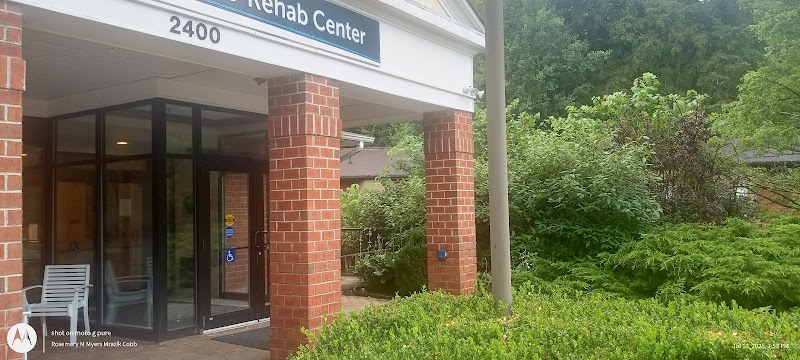
How is Woodhaven Health & Rehab Center Staffed?

CMS rates WOODHAVEN HEALTH & REHAB CENTER's staffing level at 2 out of 5 stars, which is below average compared to other nursing homes. Staff turnover is 63%, which is 17 percentage points above the Pennsylvania average of 46%. High turnover can affect care consistency as new staff learn residents' individual needs. RN turnover specifically is 79%, which is notably high. RNs provide skilled clinical oversight, so turnover in this role can affect medical care quality.

What Have Inspectors Found at Woodhaven Health & Rehab Center?

State health inspectors documented 45 deficiencies at WOODHAVEN HEALTH & REHAB CENTER during 2023 to 2025. These included: 1 Immediate Jeopardy (the most serious level, indicating potential for serious harm or death) and 44 with potential for harm. Immediate Jeopardy findings are rare and represent the most serious regulatory concerns. They require immediate corrective action.
Who Owns and Operates Woodhaven Health & Rehab Center?

WOODHAVEN HEALTH & REHAB CENTER is owned by a for-profit company. For-profit facilities operate as businesses with obligations to shareholders or private owners. The facility is operated by SABER HEALTHCARE GROUP, a chain that manages multiple nursing homes. With 119 certified beds and approximately 106 residents (about 89% occupancy), it is a mid-sized facility located in MONROEVILLE, Pennsylvania.
How Does Woodhaven Health & Rehab Center Compare to Other Pennsylvania Nursing Homes?

Compared to the 100 nursing homes in Pennsylvania, WOODHAVEN HEALTH & REHAB CENTER's overall rating (1 stars) is below the state average of 3.0, staff turnover (63%) is significantly higher than the state average of 46%, and health inspection rating (1 stars) is much below the national benchmark.

What Should Families Ask When Visiting Woodhaven Health & Rehab Center?

Based on this facility's data, families visiting should ask: "What changes have been made since the serious inspection findings, and how are you preventing similar issues?" "How do you ensure continuity of care given staff turnover, and what is your staff retention strategy?" "Can you walk me through typical staffing levels on day, evening, and night shifts?" "Can I visit during a mealtime to observe dining assistance and food quality?" These questions are particularly relevant given the facility's Immediate Jeopardy citations, the facility's high staff turnover rate, and the below-average staffing rating.

Is Woodhaven Health & Rehab Center Safe?

Based on CMS inspection data, WOODHAVEN HEALTH & REHAB CENTER has documented safety concerns. Inspectors have issued 1 Immediate Jeopardy citation (the most serious violation level indicating risk of serious injury or death). The facility has a 1-star overall rating and ranks #100 of 100 nursing homes in Pennsylvania. Families considering this facility should ask detailed questions about what corrective actions have been taken since these incidents.

Do Nurses at Woodhaven Health & Rehab Center Stick Around?

Staff turnover at WOODHAVEN HEALTH & REHAB CENTER is high. At 63%, the facility is 17 percentage points above the Pennsylvania average of 46%. Registered Nurse turnover is particularly concerning at 79%. RNs handle complex medical decisions and coordinate care — frequent RN changes can directly impact care quality. High turnover means new staff may not know residents' individual needs, medications, or preferences. It can also be disorienting for residents, especially those with dementia who rely on familiar faces. Families should ask: What is causing the turnover? What retention programs are in place? How do you ensure care continuity during staff transitions?

Was Woodhaven Health & Rehab Center Ever Fined?

WOODHAVEN HEALTH & REHAB CENTER has been fined $37,480 across 1 penalty action. The Pennsylvania average is $33,454. While any fine indicates a compliance issue, fines under $50,000 are relatively common and typically reflect isolated problems that were subsequently corrected. Families should ask what specific issues led to these fines and confirm they've been resolved.

Is Woodhaven Health & Rehab Center on Any Federal Watch List?

WOODHAVEN HEALTH & REHAB CENTER is not on any federal watch list. The most significant is the Special Focus Facility (SFF) program, which identifies the bottom 1% of nursing homes nationally based on persistent, serious quality problems. Not being on this list means the facility has avoided the pattern of deficiencies that triggers enhanced federal oversight. This is a positive indicator, though families should still review the facility's inspection history directly.