ELDERCREST REHABILITATION & HEALTHCARE CENTER
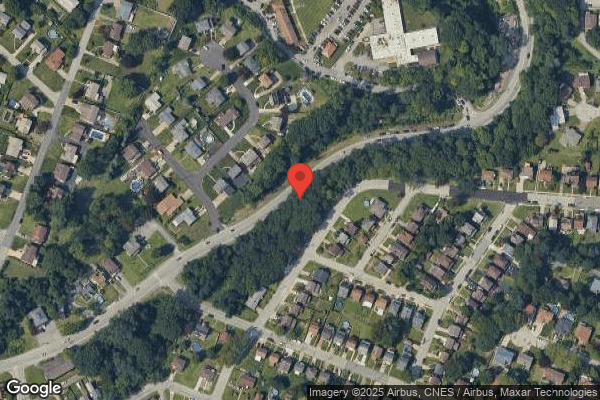

2600 WEST RUN ROAD, MUNHALL, PA 15120 (412) 462-8002
For profit - Corporation 48 Beds Independent Data: November 2025
Trust Grade
23/100
#411 of 653 in PA
Last Inspection: November 2024

Within standard 12-15 month inspection cycle. Federal law requires annual inspections.

Overview

Eldercrest Rehabilitation & Healthcare Center has received a Trust Grade of F, indicating significant concerns about the quality of care provided. Ranking #411 out of 653 facilities in Pennsylvania places them in the bottom half, and at #24 of 52 in Allegheny County, only a few local options are worse. The facility's trend is worsening, with issues increasing from 12 in 2023 to 14 in 2024. Staffing is a mixed bag; while they offer good RN coverage-better than 98% of state facilities-staff turnover is alarmingly high at 78%, much above the state average of 46%. Concerns include a lack of information on Medicare and Medicaid benefits for residents and a recent incident where two residents were not adequately protected from neglect. Overall, while there are some strengths in RN coverage, the high turnover and increasing issues raise serious red flags for families considering this nursing home.

Trust Score
F
23/100
In Pennsylvania
#411/653
Bottom 38%
Safety Record
High Risk
Review needed
Inspections
Getting Worse
12 → 14 violations
Staff Stability
⚠ Watch
78% turnover. Very high, 30 points above average. Constant new faces learning your loved one's needs.
Penalties
✓ Good
$18,962 in fines. Lower than most Pennsylvania facilities. Relatively clean record.
Skilled Nurses
✓ Good
Each resident gets 77 minutes of Registered Nurse (RN) attention daily — more than 97% of Pennsylvania nursing homes. RNs are the most trained staff who catch health problems before they become serious.
Violations
⚠ Watch
29 deficiencies on record. Higher than average. Multiple issues found across inspections.
★★☆☆☆
2.0
Overall Rating
★★★☆☆
3.0
Staff Levels
★★☆☆☆
2.0
Care Quality
★★☆☆☆
2.0
Inspection Score
Stable
2023: 12 issues
2024: 14 issues

The Good

  • Full Sprinkler Coverage · Fire safety systems throughout facility
  • No fines on record

Facility shows strength in fire safety.

The Bad

2-Star Overall Rating

Below Pennsylvania average (3.0)

Below average - review inspection findings carefully

Staff Turnover: 78%

32pts above Pennsylvania avg (46%)

Frequent staff changes - ask about care continuity

Federal Fines: $18,962

Below median ($33,413)

Minor penalties assessed

Staff turnover is very high (78%)

30 points above Pennsylvania average of 48%

The Ugly 29 deficiencies on record

Nov 2024 7 deficiencies
CONCERN (D)

Potential for Harm - no one hurt, but risky conditions existed

Deficiency F0583 (Tag F0583)

Could have caused harm · This affected 1 resident

Based on observation and staff interview, it was determined that the facility failed to maintain the personal privacy of one of three residents (Resident 143). Findings include: During an observation ...

Read full inspector narrative →
Based on observation and staff interview, it was determined that the facility failed to maintain the personal privacy of one of three residents (Resident 143). Findings include: During an observation on 11/26/24, from 11:15 a.m., through 11:44 a.m., Resident R143 had a dressing change to the abdomen at the entrance of his room with the door open, allowing for any passerby to see. During an interview on 11/26/24, at 11:44 a.m., Assistant Director of Nursing Employee E1 confirmed that the resident's personal privacy was not maintained. 28 Pa. Code: 201.29(j) Resident rights.
CONCERN (D)

Potential for Harm - no one hurt, but risky conditions existed

Quality of Care (Tag F0684)

Could have caused harm · This affected 1 resident

**NOTE- TERMS IN BRACKETS HAVE BEEN EDITED TO PROTECT CONFIDENTIALITY** Based on a review of facility policy, clinical record, and staff interview, it was determined that the facility failed to provid...

Read full inspector narrative →
**NOTE- TERMS IN BRACKETS HAVE BEEN EDITED TO PROTECT CONFIDENTIALITY** Based on a review of facility policy, clinical record, and staff interview, it was determined that the facility failed to provide a scheduled medication for one of four residents (Resident R147). Findings include: Review of the facility policy Medication Administration dated 2024, indicated the facility will administer all medications in accordance with prescriber orders and medication times are determined by resident need and benefit and are administered within the required time frame. Review of the clinical record indicated that Resident R147 was admitted to the facility on [DATE], with diagnoses which included prostate cancer, a pacemaker/defibrillator, left femur fracture after fall without surgical intervention. Review of Resident R147's hospital records and referral indicated the use of the drug Erleada for treatment of prostate cancer. Review of Resident R147's Medication Administration Record (MAR) indicated that from 11/18/24, through 11/25/24, staff had documented that the drug was unavailable and not given. During an interview on 11/25/24, at approximately 12:00 p.m., the Director of Nursing confirmed that the facility failed to provide the medication and had not contacted the provider to obtain an alternative drug or a order change for Resident R147. Resident R147 did not receive the cancer treatment drug for eight days. 28 Pa. Code: 201.18(b)(1) Management. 28 Pa. Code: 201.29(a) Resident rights. 28 Pa. Code: 201.10(c)(d) Resident care policies. 28 Pa. Code: 211.12(d)(1)(3)(5) Nursing services.
CONCERN (D)

Potential for Harm - no one hurt, but risky conditions existed

Deficiency F0760 (Tag F0760)

Could have caused harm · This affected 1 resident

**NOTE- TERMS IN BRACKETS HAVE BEEN EDITED TO PROTECT CONFIDENTIALITY** Based on review of facility policy, clinical record, and staff interview, it was determined that the facility failed to make cer...

Read full inspector narrative →
**NOTE- TERMS IN BRACKETS HAVE BEEN EDITED TO PROTECT CONFIDENTIALITY** Based on review of facility policy, clinical record, and staff interview, it was determined that the facility failed to make certain significant medications are administered as ordered by the physician for one of three residents (Resident R147). Findings include: Review of the facility policy Medication Administration dated 2024, indicated the facility will administer all medications in accordance with prescriber orders and medication times are determined by resident need and benefit and are administered within the required time frame. Review of the clinical record indicated that Resident R147 was admitted to the facility on [DATE], with diagnoses which included prostate cancer, a pacemaker/defibrillator, left femur fracture after fall without surgical intervention. Review of Resident R147's hospital records and referral indicated the use of the drug Erleada for treatment of prostate cancer. Review of Resident R147's Medication Administration Record (MAR) indicated that from 11/18/24, through 11/25/24, staff had documented that the drug was unavailable and not given. Resident R147 had not received the cancer treatment drug for eight days. During an interview on 11/25/24, at approximately 12:00 p.m., the Director of Nursing confirmed that the facility failed to make certain significant medications are administered as ordered by the physcian. 28 Pa. Code: 201.14(a) Responsibility of licensee. 28Pa. Code:211.9(e)(f)(g)(h) Pharmacy services. 28 Pa. Code: 211.10(c) Resident care policies.
CONCERN (E)

Potential for Harm - no one hurt, but risky conditions existed

Free from Abuse/Neglect (Tag F0600)

Could have caused harm · This affected multiple residents

**NOTE- TERMS IN BRACKETS HAVE BEEN EDITED TO PROTECT CONFIDENTIALITY** Based on review of facility policies, clinical records and staff interviews, it was determined that the facility failed to make ...

Read full inspector narrative →
**NOTE- TERMS IN BRACKETS HAVE BEEN EDITED TO PROTECT CONFIDENTIALITY** Based on review of facility policies, clinical records and staff interviews, it was determined that the facility failed to make certain a resident was free from neglect for two of three residents(Residents R21 and R300). Findings include: Review of the facility policy Abuse Prevention Program last reviewed in 2024 with a previous review date of 2/22/23, indicated that the facility will protect the residents from abuse by anyone including, but not necessarily limited to facility staff, other residents, consultants, etc. The facility policy included that it will identify and access all possible incidents of abuse and investigate all allegations. Employees will have training programs that include such topics as abuse prevention, identification and reporting. Review of the clinical record indicated that Resident R21 was admitted to the facility on [DATE], with diagnoses which included a stroke with left sided paralysis and left arm contracture and glaucoma. A Minimum Data Set (MDS- a periodic assessment of resident care needs) dated 11/5/24, indicated the diagnoses remained current. Section C0500 (Brief Interview for Mental Status - BIMS) indicated a score of 14; which indicated the resident was cognitively intact. During an attempted interview on 11/26/24, at 1:00 p.m., Resident R21 could not recall the date or lack of care. Review of a progress note dated 10/8/24, indicated that Registered Nurse Employee E2 had alleged that Resident R21 had not been provided care from 7:30 p.m., through the rest of the shift 11:00 p.m., on that date, after the Nurse Aide working the 7:00 a.m., through 7:00 p.m., shift left and the Nurse Aide currently on duty stated that she was not allowed in the resident room per the DON(Director of Nursing) and NHA(Nursing Home Administrator). Review of Resident R21's 10/8/24, Documentation Survey Report (an electronic report showing the care provided to a resident by the Nurse Aide's) did not include documented care for Resident R21 on 10/8/24, for the 3-11 shift. Review of the clinical record indicated that Resident R300 was admitted to the facility on [DATE], with diagnoses which inlcuded stage IV kidney disease and Guillain- Barre Syndrome( a disease that attacks nerves causing paralysis). The resident had been transferred to another facility. A MDS dated [DATE], indicated the diagnoses remained current. Section C0500 (Brief interview for mental status) indicated a score of 14; which indicated the resident was cognitively intact. Review of Resident R300's Documentation Survey Report did not include documented care for Resident R300 on 10/8/24, for the 3-11 shift. During an interview on 11/26/24, at 2:10 p.m., the DON stated that she cannot find any investigation and that she had identified the NA. During an interview on 9/12/24, at 1:25 p.m., the Director of Nursing confirmed that the facility failed to make certain a resident was free from neglect for two of three residents reviewed (Resident R21 and R300). 28 Pa. Code 201.14(a) Responsibility of licensee. 28 Pa. Code 201.18(b)(1)(e)(1) Management. 28 Pa. Code 211.12(c)(d)(1)(3)(5) Nursing services.
CONCERN (E)

Potential for Harm - no one hurt, but risky conditions existed

Investigate Abuse (Tag F0610)

Could have caused harm · This affected multiple residents

**NOTE- TERMS IN BRACKETS HAVE BEEN EDITED TO PROTECT CONFIDENTIALITY** Based on review of facility policy, clinical records, and staff interview, it was determined that the facility failed to investi...

Read full inspector narrative →
**NOTE- TERMS IN BRACKETS HAVE BEEN EDITED TO PROTECT CONFIDENTIALITY** Based on review of facility policy, clinical records, and staff interview, it was determined that the facility failed to investigate and/or report potential neglect for two of three residents (Resident R21 and R300). Findings include: Review of the facility policy Abuse Prevention Program, dated 2024 with a previous review date of 2/22/23, indicated that all reports of resident abuse, neglect, exploitation, etc. shall be promptly reported to local, state and federal agencies as defined by regulations, and thoroughly investigated by facility management. Review of the facility policy indicated that the Administrator is responsible for overall coordination and implementation of the facility program. Delegation of various components may include the Director of Nursing(DON), Director of Social Services, and other staff members. The policy indicated that he faiclity will protect the residents from harm during the investigation. Review of the clinical record indicated that Resident R21 was admitted to the facility on [DATE], with diagnoses which included a stroke with left sided paralysis and left arm contracture and glaucoma. A Minimum Data Set (MDS- a periodic assessment of resident care needs) dated 11/5/24, indicated the diagnoses remained current. Section C0500 (Brief Interview for Mental Status - BIMS) indicated a score of 14; which indicated the resident was cognitively intact. During an interview on 11/26/24, at 1:00 p.m., Resident R21 could not recall the date or lack of care. Review of a progress note dated 10/8/24, indicated that Registered Nurse Employee E2 had alleged that Resident R21 had not been provided care from 7:30 p.m., through the rest of the shift 11:00 p.m., on that date, after the Nurse Aide working the 7:00 a.m., through 7:00 p.m., shift left as the Nurse Aide currently on duty stated that she was not allowed in the resident room per the Director of Nursing and Nursing Home Administrator. Review of Resident R21's Documentation Survey Report (an electronic report showing the care provided to a resident by the Nurse Aide's) dated 10/8/24, did not include documented care for Resident R21 on the 3-11 shift. Review of the clinical record indicated that Resident R300 was admitted to the facility on [DATE], with diagnoses which inlcuded stage IV kidney disease and Guillain- Barre Syndrome( a disease that attacks nerves causing paralysis). The resident had been transferred to another facility. A MDS dated [DATE], indicated the diagnoses remained current. Section C0500 indicated a score of 14; which indicated the resident was cognitively intact. Review of Resident R300's Documentation Survey Report dated 10/8/24, did not include documented care for Resident R300 from the 3:00 p.m., through 11:00 p.m. shift. During an interview on 11/26/24, at 1:29 p.m., the DON stated that she did not investigate the allegations and did not know why the Nurse Aide(NA) would have stated that she could not care for Resident R21 but had been told she could not care for Resident R300. Further questioning she could not recall the NA's name and why she could not care for Resident R300. During an interview on 11/26/24, at 2:10 p.m., the DON stated that she failed to investigate and/or report the allegations as neglect for two of three residents (Resident R21 and R300). 28 Pa. Code: 201.14(a) Responsibility of licensee. 28 Pa. Code: 201.18(b)(1)(3) Management. 28 Pa. Code: 211. 10(d) Resident care policies. 28 Pa. Code: 211.12(d)(3) Nursing services.
CONCERN (E)

Potential for Harm - no one hurt, but risky conditions existed

Deficiency F0801 (Tag F0801)

Could have caused harm · This affected multiple residents

Based on review of facility employee personnel files, documents and staff interviews it was determined that the facility failed to employ a qualified Director of Dining Services(DDS) to manage the dai...

Read full inspector narrative →
Based on review of facility employee personnel files, documents and staff interviews it was determined that the facility failed to employ a qualified Director of Dining Services(DDS) to manage the daily operations of the Dietary Department. Findings include: During an interview on 11/25/23, at 8:30 a.m., Dietary Aide Employee E3 and Dietary [NAME] Employee E4 stated that the Dietitian comes in weekly on Wednesday. The facility has the Head Cook Employee E6 in school for Dietary Manager and she was off today. A review of Dietary Head [NAME] Employee E6 personnel file revealed evidence that Dietary [NAME] Employee E6 failed to meet the requirements for the Director of Dining Services position in education, experience, and certification. A review of information provided by the Administrator indicated that Dietary Head [NAME] Employee E6 is currently as of August of 2024 been enrolled in classes to become a Dietary Manager but had not graduated with her certification. During an interview on 11/25/24, at 10:33 a.m., the Nursing Home Administrator (NHA) confirmed that the facility failed to provide documented evidence that Dietary [NAME] Employee E6 met the qualifications for the position of Director of Dining Services. Pa Code: 211.6(c)(d) Dietary services.
CONCERN (E)

Potential for Harm - no one hurt, but risky conditions existed

Infection Control (Tag F0880)

Could have caused harm · This affected multiple residents

Based on review of facility policy, observations and staff interview, it was determined that the facility failed to exercise proper infection control techniques and wear proper Personal Protective Equ...

Read full inspector narrative →
Based on review of facility policy, observations and staff interview, it was determined that the facility failed to exercise proper infection control techniques and wear proper Personal Protective Equipment (PPE) during a dressing change to prevent the potential of spread of infection for one of three residents (Resident R143). Findings include: Review of the facility policy Wound Care, dated 2024, indicated that when preparing to perform a dressing change the resident's plan of care will be reviewed for special instructions needed. A disposable cloth will be placed on the resident's overbed table to establish a clean field for supplies. During the procedure gloves will be worn and a gown if there is a potential form soilage of feces, blood or any other fluids and a mask should be worn if there is a potential for splashing of fluids. The procedure states to wash your hands thoroughly before you begin and in between procedure steps. During an observation of wound care on 11/26/24, from 11:15 a.m., through 11:44 a.m., the following was observed: Assistant Director of Nursing(ADON) did not perform through hand washing prior to the beginning of the process. Resident R143 stated his colostomy pouch also needed changed. The ADON and her assistant Licensed Practical Nurse (LPN) Employee E7 did not don a gown due to the potential for contamination of clothing, etc. from blood and body fluids. The resident's overbed table was cleaned, however, personal items remained on the overbed table which led to the potential of contamination with fluids. Resident R143 had a leaking colostomy bag and the wound was adjacent to the leaking bag which contained stool. Resident R143 stated that staff have not been able to place the ostomy bag properly and it has been leaking. ADON Employee E1 removed the ostomy bag and the dressing covering the wound, while cleansing the stoma, also cleansed the wound with no sponge or glove change and no handwashing between procedures. ADON Employee E1 obtained a box of gloves, Dakin's solution (solution for cleaning wounds) bottle and hand sanitizer and placed them on the resident's over bed table. During the procedure the resident's door was left opened allowing any passerby to watch and see the residents wounds. During an interview on 11/26/24, the ADON Employee E1 indicated that Resident R43 was in enhanced precautions (staff to use PPE during dressing changes) although there was not a sign or PPE available in his room at that time. After the procedure, ADON Employee E1 took the gloves, bottle of Dakins and hand sanitizer from Resident R143's room and placed them back onto her treatment cart. During an interview on 11/26/24, at 11:44 a.m., ADON Employee E1 that the facility failed to exercise proper infection control techniques, perform proper handwashing, don proper PPE during a dressing change and dispose of contaminated items after the dressing change to prevent the potential of spread of infection for Resident R143. Also failed to maintain Resident R143's privacy during the dressing change with the resident door being left open during the procedure. 28 Pa. Code: 201.14(a) Responsibility of licensee. 28 Pa. Code: 201.18(b)(1)(e)(1) Management. 28 Pa. Code: 201.20(c) Staff Development. 28 Pa. Code: 211.10(d) Resident care policies. 28 Pa. Code: 211.12(d)(1)(2)(3)(5) Nursing services.
Sept 2024 4 deficiencies
CONCERN (D) 📢 Someone Reported This

A family member, employee, or ombudsman was alarmed enough to file a formal complaint

Potential for Harm - no one hurt, but risky conditions existed

Report Alleged Abuse (Tag F0609)

Could have caused harm · This affected 1 resident

**NOTE- TERMS IN BRACKETS HAVE BEEN EDITED TO PROTECT CONFIDENTIALITY** Based on review of facility policy, clinical records, incident reports, resident and staff interview it was determined that fail...

Read full inspector narrative →
**NOTE- TERMS IN BRACKETS HAVE BEEN EDITED TO PROTECT CONFIDENTIALITY** Based on review of facility policy, clinical records, incident reports, resident and staff interview it was determined that failed to report a misappropriation of resident property for one of two residents (Resident R2). Findings include: Review of the facility policy Abuse, Neglect, & Misappropriation dated 7/31/24, previously reviewed 12/15/23, indicated, When staff suspect a crime has occurred against a resident at a facility, they must report the incident to the State Survey Agency and local law enforcement. Review of the Resident Assessment Instrument 3.0 User's Manual effective October 2023, indicated that a Brief Interview for Mental Status (BIMS) is a screening test that aides in detecting cognitive impairment. The BIMS total score suggests the following distributions: 13-15: cognitively intact 8-12: moderately impaired 0-7: severe impairment Review of the clinical record revealed that Resident R1 was admitted to the facility on [DATE]. Review of the Minimum Data Set (MDS - periodic assessment of care needs) dated 6/3/24, included diagnoses of chronic kidney disease (gradual loss of kidney function), muscle weakness, and care needed after surgical amputation. Review of Section C revealed Resident R1's BIMS score to be 15. Review of a physician's order dated 5/26/24, indicated Resident R1 received Oxycodone HCL 5 mg (milligrams) tablet (a narcotic pain medication), to give 5 mg mouth every 4 hours as needed for pain moderate 5-7 AND give 10 mg mouth every 4 hours as needed for severe pain 8-10. Review of Resident R1's Medication Administration Record (MAR) for July 2024, indicated nine administrations of oxycodone: 7/01/24: 5 mg at 8:10 p.m. 7/05/24: 10 mg at 7:02 p.m. 7/06/24: 10 mg at 12:09 p.m. 7/27/24: 5 mg at 2:55 p.m. 7/28/24: 5 mg at 8:09 p.m.; 5 mg at 8:13 p.m. 7/29/24: 5 mg at 12:44 p.m. 7/30/24: 10 mg at 11:59 p.m. 7/31/24: 5 mg at 3:25 p.m. Review of Resident R1's MAR for August 2024, (8/1/24 - 8/15/24) indicated 15 administrations of oxycodone: 8/02/24: 5 mg at 3:38 p.m. 8/04/24: 10 mg at 2:10 a.m. 8/06/24: 5 mg at 9:02 p.m. 8/09/24: 10 mg at 4:28 p.m., 10 mg at 9:09 p.m. 8/10/24: 10 mg at 3:45 p.m., 10 mg at 8:13 p.m. 8/11/24: 10 mg at 4:11 p.m., 10 mg at 8:30 p.m. 8/13/24: 10 mg at 4:22 p.m. 8/14/24: 10 mg at 4:14 p.m., 10 mg at 8:42 p.m. 8/15/24: 10 mg at 12:50 a.m., 10 mg at 4:33 a.m.; 5 mg at 8:26 p.m. The MAR indicated all administrations between 8/10/24, through 8/15/24, at 4:33 a.m. were provided by Licensed Practical Nurse (LPN) Employee E1. Review of facility submitted documentation on 8/16/24, indicated that on 8/15/24, at approximately 0700 (7:00 a.m.), the oncoming nurse was informed via shift change report that the resident had received 10mg of oxycodone at 0430. When the assigned nurse went to pass the routine morning medications to the resident, the nurse inquired about the administration of the PRN oxycodone. Resident informed nurse that he had not received any pain medication at the reported time. The nurse that documented the completed med administration is an agency nurse. Review of a statement written by the Director of Nursing (DON) dated 8/15/24, indicated, At approximately 9:15 this morning, [Registered Nurse (RN) Employee E2] assigned to cart 1 reported to me that there was a suspicious med administration. The med administration involved [Resident R1]. It was reported that [Resident R1] received PRN (as needed) pain meds at 4:30 a.m., but the resident denied receiving them when [RN Employee E2] inquired. Upon learning of this situation, the narcotic medication book was inspected for accuracy. Patterns with the off going nurse, [LPN Employee E1], were apparent. Another resident [Resident R2], also seem to have a questionable med administration documented. I went to talk to [Resident R1], who is alert and oriented. He, again, stated that he had not received any pain medications this morning. I asked him if he received any pain medications throughout the night, he responded no. I asked him if he had received any pain medications last evening, he admitted to taking pain meds sometime around dinner. Between approximately 4pm and 4:30 am, [Resident R1] had 4 administrations documented by [LPN Employee E1]. After speaking with this resident, I went to speak with [Resident R2], who is also alert and oriented. [Resident R2] told me that she does not want to take narcotics because of a past addiction, but she does take Tylenol (acetaminophen, a non-prescription pain reliever). I asked her when the last time was that she too her oxycodone. She said sometime over the weekend. I asked her specifically if she received the pain medications last night, she responded no. [LPN Employee E1] documented the administration of [Resident R2's] narcotics at approximately 9:00 p.m. last night. Investigation has been launched and [LPN Employee E1] has been removed from the schedule, pending the investigation. Review of the clinical record indicated Resident R2 was admitted to the facility on [DATE]. Review of the MDS dated [DATE], included diagnoses of arthritis (inflammation of one or more joints, causing pain and stiffness), presence of a left artificial knee joint, and care after joint replacement surgery. Review of Section C revealed Resident R1's BIMS score to be 15. Review of a physician's order dated 8/2/24, indicated to give 5 mg mouth every 4 hours as needed for pain moderate 4-6 AND give 10 mg mouth every 4 hours as needed for severe pain 7-10. Review of Resident R2's MAR for August 2024, (8/1/24 - 8/15/24) indicated 15 administrations of oxycodone: 8/04/24: 10 mg at 10:18 a.m., 10 mg at 4:29 p.m. 8/05/24: 10 mg at 9:26 a.m. 8/06/24: 10 mg at 9:26 a.m. 8/07/24: 10 mg at 9:17 a.m., 10 mg at 4:18 p.m.; 10 mg at 10:32 p.m. 8/08/24: 10 mg at 5:41 a.m., 10 mg at 12:41 p.m. 8/09/24: 10 mg at 10:23 a.m., 10 mg at 10:25 p.m. 8/10/24: 10 mg at 5:46 a.m., 10 mg at 11:17 a.m.; 10 mg at 4:20 p.m.; 10 mg at 9:22 p.m. 8/11/24: 10 mg at 9:06 a.m., 10 mg at 3:50 p.m.; 10 mg at 9:50 p.m. 8/14/24: 10 mg at 8:57 p.m. The MAR indicated that LPN Employee E1 administered the oxycodone on: 8/10/24: 4:20 p.m. and 9:22 p.m. 8/11/24: 3:50 p.m. and 9:50 p.m. 8/14/24: 8:57 p.m. Review of the paper Controlled Drug Record signed by nursing staff when administering the controlled medication, indicated the last dose given of the medication order (36 tablets) was provided on 8/11/24, at 9:50 p.m. by LPN Employee E2. No further medication was available to provide to Resident R2 until the new order was received from the pharmacy, signed as received on 8/14/24. Review of a progress note dated 8/14/24, at 2:10 p.m. indicated, Pain Medication: PRN Tylenol effective per resident. Review of a progress note dated 8/15/24, at 2:53 p.m. indicated, DON asked [Resident R2] if she has been receiving pain medications, as she needs/requests them. Resident responded that she only asks for Tylenol, but she does receive it when requested. DON inquired if Tylenol works, resident responded that Tylenol takes the edge off and makes it bearable. DON explained to the resident that she has the option of taking her prescribed narcotics. Resident declined the invitation to take narcotics, stating that she was afraid of becoming addicted since she had a prior addiction sometime in the past. DON inquired if the resident had taken the narcotics the night prior, resident responded No. During an interview on 8/31/24, at approximately 4:55 p.m. the Director of Nursing confirmed that the report submitted to the State Survey Agency communicated one administration of oxycodone, suspect for drug diversion, for one resident, Resident R1. The Director of Nursing confirmed that the facility investigation revealed multiple instances of drug diversion for both Resident R1 and Resident R2. During an interview on 8/31/24, at approximately 4:55 p.m. the Director of Nursing confirmed that failed to report a misappropriation of resident property for one of two residents. 28 Pa. Code: 201.14(a)(c)(e) Responsibility of mangement. 28 Pa. Code: 201.18(b)(1)(e)(1) Management.
CONCERN (E) 📢 Someone Reported This

A family member, employee, or ombudsman was alarmed enough to file a formal complaint

Potential for Harm - no one hurt, but risky conditions existed

Deficiency F0602 (Tag F0602)

Could have caused harm · This affected multiple residents

**NOTE- TERMS IN BRACKETS HAVE BEEN EDITED TO PROTECT CONFIDENTIALITY** Based on a review of facility policy, clinical records, incident investigations, and staff interviews, it was determined that th...

Read full inspector narrative →
**NOTE- TERMS IN BRACKETS HAVE BEEN EDITED TO PROTECT CONFIDENTIALITY** Based on a review of facility policy, clinical records, incident investigations, and staff interviews, it was determined that the facility failed to ensure that residents are free from misappropriation of property for four of nine residents (Resident R1, R2, R3, and R4). Findings include: Review of the facility policy Abuse, Neglect, & Misappropriation dated 7/31/24, previously reviewed 12/15/23, defined misappropriation of resident property as the deliberate misplacement, exploitation, or wrongful, temporary, or permanent use of a resident's belongings or money without the resident's consent. Review of the facility policy Identifying Exploitation, Theft and Misappropriation of Resident Property dated 12/15/23, indicated misappropriation of resident property is strictly prohibited, with drug diversion (taking the resident's medication) provided as an example of misappropriation. Review of the Resident Assessment Instrument 3.0 User's Manual effective October 2023, indicated that a Brief Interview for Mental Status (BIMS) is a screening test that aides in detecting cognitive impairment. The BIMS total score suggests the following distributions: 13-15: cognitively intact 8-12: moderately impaired 0-7: severe impairment Review of the clinical record revealed that Resident R1 was admitted to the facility on [DATE]. Review of the Minimum Data Set (MDS - periodic assessment of care needs) dated 6/3/24, included diagnoses of chronic kidney disease (gradual loss of kidney function), muscle weakness, and care needed after surgical amputation. Review of Section C revealed Resident R1's BIMS score to be 15. Review of a physician's order dated 5/26/24, indicated Resident R1 received Oxycodone HCL 5 mg (milligrams) tablet (a narcotic pain medication), to give 5 mg mouth every 4 hours as needed for pain moderate 5-7 AND give 10 mg mouth every 4 hours as needed for severe pain 8-10. Review of Resident R1's Medication Administration Record (MAR) for July 2024, indicated nine administrations of oxycodone: 7/01/24: 5 mg at 8:10 p.m. 7/05/24: 10 mg at 7:02 p.m. 7/06/24: 10 mg at 12:09 p.m. 7/27/24: 5 mg at 2:55 p.m. 7/28/24: 5 mg at 8:09 p.m.; 5 mg at 8:13 p.m. 7/29/24: 5 mg at 12:44 p.m. 7/30/24: 10 mg at 11:59 p.m. 7/31/24: 5 mg at 3:25 p.m. Review of Resident R1's MAR for August 2024, (8/1/24 - 8/15/24) indicated 15 administrations of oxycodone: 8/02/24: 5 mg at 3:38 p.m. 8/04/24: 10 mg at 2:10 a.m. 8/06/24: 5 mg at 9:02 p.m. 8/09/24: 10 mg at 4:28 p.m., 10 mg at 9:09 p.m. 8/10/24: 10 mg at 3:45 p.m., 10 mg at 8:13 p.m. 8/11/24: 10 mg at 4:11 p.m., 10 mg at 8:30 p.m. 8/13/24: 10 mg at 4:22 p.m. 8/14/24: 10 mg at 4:14 p.m., 10 mg at 8:42 p.m. 8/15/24: 10 mg at 12:50 a.m., 10 mg at 4:33 a.m.; 5 mg at 8:26 p.m. The MAR indicated all administrations between 8/10/24, through 8/15/24, at 4:33 a.m. were provided by Licensed Practical Nurse (LPN) Employee E1. Review of facility submitted documentation on 8/16/24, indicated that on 8/15/24, at approximately 0700 (7:00 a.m.), the oncoming nurse was informed via shift change report that the resident had received 10mg of oxycodone at 0430. When the assigned nurse went to pass the routine morning medications to the resident, the nurse inquired about the administration of the PRN oxycodone. Resident informed nurse that he had not received any pain medication at the reported time. The nurse that documented the completed med administration is an agency nurse. Review of a statement written by the Director of Nursing (DON) dated 8/15/24, indicated, At approximately 9:15 this morning, [Registered Nurse (RN) Employee E2] assigned to cart 1 reported to me that there was a suspicious med administration. The med administration involved [Resident R1]. It was reported that [Resident R1] received PRN (as needed) pain meds at 4:30 a.m., but the resident denied receiving them when [RN Employee E2] inquired. Upon learning of this situation, the narcotic medication book was inspected for accuracy. Patterns with the off going nurse, [LPN Employee E1], were apparent. Another resident [Resident R2], also seem to have a questionable med administration documented. I went to talk to [Resident R1], who is alert and oriented. He, again, stated that he had not received any pain medications this morning. I asked him if he received any pain medications throughout the night, he responded no. I asked him if he had received any pain medications last evening, he admitted to taking pain meds sometime around dinner. Between approximately 4pm and 4:30 am, [Resident R1] had four administrations documented by [LPN Employee E1]. After speaking with this resident, I went to speak with [Resident R2], who is also alert and oriented. [Resident R2] told me that she does not want to take narcotics because of a past addiction, but she does take Tylenol (acetaminophen, a non-prescription pain reliever). I asked her when the last time was that she took her oxycodone. She said sometime over the weekend. I asked her specifically if she received the pain medications last night, she responded no. [LPN Employee E1] documented the administration of [Resident R2's] narcotics at approximately 9:00 p.m. last night. Investigation has been launched and [LPN Employee E1] has been removed from the schedule, pending the investigation. Review of a statement provided to the DON, signed by Resident R1, dated 8/15/24, indicated, DON asked [Resident R1] if he received pain medication early this morning. He responded that he did not remember getting pain medication at that time. DON asked when the last time he received pain meds, he responded around dinner time. DON asked if he received pain meds at all throughout the night, he said that he did not and that he slept through the night. During an interview on 8/31/24, at 12:28 p.m. RN Employee E2 stated that on the morning of 8/15/24, LPN Employee E1 had already left the facility when she arrived. RN Employee E2 stated she reviewed the report sheet left by LPN Employee E1 and noted multiple narcotic medication administrations that were not consistent with what was normally provided to the residents. RN Employee E1 stated she asked Resident R1 if he had taken any pain medication overnight, and he stated that he had not. RN Employee E1 stated that at this time she communicated her concerns to nursing administration. Review of the clinical record indicated Resident R2 was admitted to the facility on [DATE]. Review of the MDS dated [DATE], included diagnoses of arthritis (inflammation of one or more joints, causing pain and stiffness), presence of a left artificial knee joint, and care after joint replacement surgery. Review of Section C revealed Resident R2's BIMS score to be 15. Review of a physician's order dated 8/2/24, indicated to give 5 mg mouth every 4 hours as needed for pain moderate 4-6 AND give 10 mg mouth every 4 hours as needed for severe pain 7-10. Review of Resident R2's MAR for August 2024, (8/1/24 - 8/15/24) indicated 15 administrations of oxycodone: 8/04/24: 10 mg at 10:18 a.m., 10 mg at 4:29 p.m. 8/05/24: 10 mg at 9:26 a.m. 8/06/24: 10 mg at 9:26 a.m. 8/07/24: 10 mg at 9:17 a.m., 10 mg at 4:18 p.m.; 10 mg at 10:32 p.m. 8/08/24: 10 mg at 5:41 a.m., 10 mg at 12:41 p.m. 8/09/24: 10 mg at 10:23 a.m., 10 mg at 10:25 p.m. 8/10/24: 10 mg at 5:46 a.m., 10 mg at 11:17 a.m.; 10 mg at 4:20 p.m.; 10 mg at 9:22 p.m. 8/11/24: 10 mg at 9:06 a.m., 10 mg at 3:50 p.m.; 10 mg at 9:50 p.m. 8/14/24: 10 mg at 8:57 p.m. The MAR indicated that LPN Employee E1 administered the oxycodone on: 8/10/24: 4:20 p.m. and 9:22 p.m. 8/11/24: 3:50 p.m. and 9:50 p.m. 8/14/24: 8:57 p.m. Review of the paper Controlled Drug Record signed by nursing staff when administering the controlled medication, indicated the last dose given of the medication order (36 tablets) was provided on 8/11/24, at 9:50 p.m. by LPN Employee E2. No further medication was available to provide to Resident R2 until the new order was received from the pharmacy, signed as received on 8/14/24. Review of a progress note dated 8/14/24, at 2:10 p.m. indicated, Pain Medication: PRN Tylenol effective per resident. Review of a progress note dated 8/15/24, at 2:53 p.m. indicated, DON asked [Resident R2] if she has been receiving pain medications, as she needs/requests them. Resident responded that she only asks for Tylenol, but she does receive it when requested. DON inquired if Tylenol works, resident responded that Tylenol takes the edge off and makes it bearable. DON explained to the resident that she has the option of taking her prescribed narcotics. Resident declined the invitation to take narcotics, stating that she was afraid of becoming addicted since she had a prior addiction sometime in the past. DON inquired if the resident had taken the narcotics the night prior, resident responded No. Review of a progress note dated 8/19/24, at 11:20 a.m. indicated, resident being reviewed for recent medication concerns. Resident is currently functioning at psychological baseline. Resident still insists on only taking Tylenol for pain, even after being educated about other available alternatives. Resident's care plan has been updated to reflect possible mood changes in connection with medication concerns. Review of the clinical record indicated Resident R3 was admitted to the facility on [DATE], and discharged on 8/22/24. Review of the MDS dated [DATE], included diagnoses of spinal stenosis (a narrowing of the spaces within the spine, which causes pain and weakness) and care after an orthopedic procedure. Review of Section C revealed Resident R3's BIMS score to be 15. Review of a physician's order dated 8/7/24, indicated to give 5 mg mouth every 4 hours as needed for moderate pain. Review of a physician's order dated 8/7/24, indicated to give 10 mg mouth every 4 hours as needed for severe pain. Review of Resident R3's MAR for August 2024, (8/7/24 - 8/22/24) indicated one administration of oxycodone (10 mg) on 8/10/24, at 9:05 p.m., provided by LPN Employee E1. During a follow-up interview on 9/1/24, at 2:02 p.m. RN Employee E2 confirmed that she had been Resident R3's nurse from day one and he had never endorsed significant pain. Review of the clinical record indicated Resident R4 was admitted to the facility on [DATE]. Review of the MDS dated [DATE], included diagnoses hip/femur fracture and dementia (a group of symptoms that affects memory, thinking and interferes with daily life). Review of Section C revealed Resident R3's BIMS score to be 4. Review of a physician's order dated 7/25/24, discontinued 8/10/24, indicated to give 5 mg mouth every 6 hours as needed for severe pain. Review of a physician's order dated 8/10/24, indicated to give 5 mg mouth every 6 hours as needed for moderate pain 4-6 AND give 10 mg every 6 hours as needed for severe pain 7-10. Review of Resident R4's MAR for August 2024, (8/1/24 - 8/15/24) indicated: 8/02/24: 5 mg at 3:58 a.m. 8/03/24: 5 mg at 2:15 a.m., 5 mg at 11:41 a.m. 8/05/24: 5 mg at 4:21 a.m. 8/07/24: 5 mg at 8:29 a.m. 8/08/24: 5 mg at 7:26 a.m., 5 mg at 6:39 p.m. 8/09/24: 5 mg at 4:20 p.m. 8/10/24: 5 mg at 8:38 a.m.; 10 mg at 3:40 p.m.; 10 mg at 9:47 p.m. 8/11/24: 10 mg at 3:55 p.m.; 10 mg at 9:40 p.m. 8/12/24: 10 mg at 4:23 a.m. 8/13/24: 10 mg at 8:06 p.m. 8/14/24: 10 mg at 8:00 p.m. 8/15/24: 10 mg at 5:46 a.m. The MAR indicated that LPN Employee E1 administered the oxycodone on: 8/10/24: 3:40 p.m. and 9:47 p.m. 8/11/24: 3:55 p.m. and 9:40 p.m. 8/12/24: 4:23 a.m. 8/13/24: 8:06 p.m. 8/14/24: 8:00 p.m. 8/15/24: 5:46 a.m. Review of Resident R4's MAR for August 2024, revealed only one additional administrations of oxycodone on 8/21/24, at 12:26 p.m. (5 mg). Review of the paper Controlled Drug Record indicated additional doses of oxycodone signed out on paper, and not documented in the electronic medical record MAR: 8/22/24: 10 mg at 5:12 p.m. 8/23/24: 10 mg at 9:13 a.m. 8/24/24: 10 mg at 12:12 p.m. During an interview on 8/31/24, at 12:28 p.m. RN Employee E2 stated that on the morning of 8/15/24, she thought the administration of oxycodone to Resident R4 was unusual. RN Employee E2 stated that previously Resident R4 had told therapy staff she did not want to take oxycodone any longer, and that Resident R2 had told her (RN Employee E2) that she did not want pain medication because it made her loopy. During a follow-up interview on 9/1/24, at 2:02 p.m. RN Employee E2 confirmed that Resident R4 is not always able to verbalize her pain due to dementia, but she yells out, Oh shit, oh shit when she is in pain, and that Resident R4 had not been doing that often. During an interview on 9/3/24, at approximately 11:30 a.m. the Director of Nursing confirmed that the facility failed to ensure that residents are free from misappropriation of property for four of nine residents (Resident R1, R2, R3, and R4). 28 Pa. Code: 211.12 (d)(1)(5) Nursing services. 28 Pa. Code: 201.29(j) Resident rights.
CONCERN (E) 📢 Someone Reported This

A family member, employee, or ombudsman was alarmed enough to file a formal complaint

Potential for Harm - no one hurt, but risky conditions existed

Investigate Abuse (Tag F0610)

Could have caused harm · This affected multiple residents

**NOTE- TERMS IN BRACKETS HAVE BEEN EDITED TO PROTECT CONFIDENTIALITY** Based on review of facility policy, clinical records, and staff interviews, it was determined that the facility failed to implem...

Read full inspector narrative →
**NOTE- TERMS IN BRACKETS HAVE BEEN EDITED TO PROTECT CONFIDENTIALITY** Based on review of facility policy, clinical records, and staff interviews, it was determined that the facility failed to implement policies and procedures to investigate misappropriation of resident property for eight of nine residents (Resident R1, R2, R3, R4, R5, R6, R7, and R8) Findings include: Review of the facility policy Abuse, Neglect, & Misappropriation dated 7/31/24, previously reviewed 12/15/23, defined misappropriation of resident property as the deliberate misplacement, exploitation, or wrongful, temporary, or permanent use of a resident's belongings or money without the resident's consent. Review of the facility policy Controlled Substances Accountability Guide dated 12/29/21, indicated under Chapter 8: Suspected Diversion, indicated In cases where diversion is suspected or the suspicion of diversion needs to be ruled out, the facility should observe frequent PRN (as needed) use that cannot be explained by resident condition, frequent PRN use limited to a specific nurse, and frequent PRN use of narcotic analgesia not supported by pain assessment. Review of the Resident Assessment Instrument 3.0 User's Manual, effective October 2023, indicated that a Brief Interview for Mental Status (BIMS) is a screening test that aides in detecting cognitive impairment. The BIMS total score suggests the following distributions: 13-15: cognitively intact 8-12: moderately impaired 0-7: severe impairment Review of the clinical record revealed that Resident R1 was admitted to the facility on [DATE]. Review of the Minimum Data Set (MDS - periodic assessment of care needs) dated 6/3/24, included diagnoses of chronic kidney disease (gradual loss of kidney function), muscle weakness, and care needed after surgical amputation. Review of Section C revealed Resident R1's BIMS score to be 15. Review of a physician's order dated 5/26/24, indicated Resident R1 received Oxycodone HCL 5 mg (milligrams) tablet (a narcotic pain medication), to give 5 mg mouth every 4 hours as needed for pain moderate 5-7 AND give 10 mg mouth every 4 hours as needed for severe pain 8-10. Review of Resident R1's Medication Administration Record (MAR) for July 2024, indicated nine administrations of oxycodone: 7/01/24: 5 mg at 8:10 p.m. 7/05/24: 10 mg at 7:02 p.m. 7/06/24: 10 mg at 12:09 p.m. 7/27/24: 5 mg at 2:55 p.m. 7/28/24: 5 mg at 8:09 p.m.; 5 mg at 8:13 p.m. 7/29/24: 5 mg at 12:44 p.m. 7/30/24: 10 mg at 11:59 p.m. 7/31/24: 5 mg at 3:25 p.m. Review of Resident R1's MAR for August 2024, (8/1/24 - 8/15/24) indicated 15 administrations of oxycodone: 8/02/24: 5 mg at 3:38 p.m. 8/04/24: 10 mg at 2:10 a.m. 8/06/24: 5 mg at 9:02 p.m. 8/09/24: 10 mg at 4:28 p.m., 10 mg at 9:09 p.m. 8/10/24: 10 mg at 3:45 p.m., 10 mg at 8:13 p.m. 8/11/24: 10 mg at 4:11 p.m., 10 mg at 8:30 p.m. 8/13/24: 10 mg at 4:22 p.m. 8/14/24: 10 mg at 4:14 p.m., 10 mg at 8:42 p.m. 8/15/24: 10 mg at 12:50 a.m., 10 mg at 4:33 a.m.; 5 mg at 8:26 p.m. The MAR indicated all administrations between 8/10/24, through 8/15/24, at 4:33 a.m. were provided by Licensed Practical Nurse (LPN) Employee E1. Review of facility submitted documentation on 8/16/24, indicated that on 8/15/24, at approximately 0700 (7:00 a.m.), the oncoming nurse was informed via shift change report that the resident had received 10mg of oxycodone at 0430 (4:30 a.m.). When the assigned nurse went to pass the routine morning medications to the resident, the nurse inquired about the administration of the PRN oxycodone (a narcotic pain medication). Resident informed nurse that he had not received any pain medication at the reported time. The nurse that documented the completed med administration is an agency nurse. Review of a statement written by the Director of Nursing (DON) dated 8/15/24, indicated, At approximately 9:15 this morning, [Registered Nurse (RN) Employee E2] assigned to cart 1 reported to me that there was a suspicious med administration. The med administration involved [Resident R1]. It was reported that [Resident R1] received PRN (as needed) pain meds at 4:30 a.m., but the resident denied receiving them when [RN Employee E2] inquired. Upon learning of this situation, the narcotic medication book was inspected for accuracy. Patterns with the off going nurse, [LPN Employee E1], were apparent. Another resident [Resident R2], also seem to have a questionable med administration documented. I went to talk to [Resident R1], who is alert and oriented. He, again, stated that he had not received any pain medications this morning. I asked him if he received any pain medications throughout the night, he responded no. I asked him if he had received any pain medications last evening, he admitted to taking pain meds sometime around dinner. Between approximately 4pm and 4:30 am, [Resident R1] had 4 administrations documented by [LPN Employee E1]. After speaking with this resident, I went to speak with [Resident R2], who is also alert and oriented. [Resident R2] told me that she does not want to take narcotics because of a past addiction, but she does take Tylenol (acetaminophen, a non-prescription pain reliever). I asked her when the last time was that she too her oxycodone. She said sometime over the weekend. I asked her specifically if she received the pain medications last night, she responded no. [LPN Employee E1] documented the administration of [Resident R2's] narcotics at approximately 9:00 p.m. last night. Investigation has been launched and [LPN Employee E1] has been removed from the schedule, pending the investigation. Review of Resident R1's paper Controlled Drug Record indicated additional doses of oxycodone signed out on paper, and not documented in the electronic medical record MAR: 7/3/24: 5 mg at 8:00 p.m. 7/9/24: 5 mg at 9:00 p.m. 7/19/24: 5 mg at 12:00 p.m. 8/1/24: 5 mg at 5:00 p.m. 8/18/24: 5 mg at 9:00 p.m. 8/20/24: 5 mg at 9:00 p.m. 8/25/24: 5 mg at 8:00 p.m. 8/27/24: 5 mg at 6:37 p.m. Further review of the facility investigation documents and clinical record for Resident R1 failed to reveal that the additional doses of oxycodone provided without documentation were investigated. Review of the clinical record indicated Resident R2 was admitted to the facility on [DATE]. Review of the MDS dated [DATE], included diagnoses of arthritis (inflammation of one or more joints, causing pain and stiffness), presence of a left artificial knee joint, and care after joint replacement surgery. Review of Section C revealed Resident R2's BIMS score to be 15. Review of a physician's order dated 8/2/24, indicated to give 5 mg mouth every 4 hours as needed for pain moderate 4-6 AND give 10 mg mouth every 4 hours as needed for severe pain 7-10. Review of Resident R2's MAR for August 2024, (8/1/24 - 8/15/24) indicated 15 administrations of oxycodone: 8/04/24: 10 mg at 10:18 a.m., 10 mg at 4:29 p.m. 8/05/24: 10 mg at 9:26 a.m. 8/06/24: 10 mg at 9:26 a.m. 8/07/24: 10 mg at 9:17 a.m., 10 mg at 4:18 p.m.; 10 mg at 10:32 p.m. 8/08/24: 10 mg at 5:41 a.m., 10 mg at 12:41 p.m. 8/09/24: 10 mg at 10:23 a.m., 10 mg at 10:25 p.m. 8/10/24: 10 mg at 5:46 a.m., 10 mg at 11:17 a.m.; 10 mg at 4:20 p.m.; 10 mg at 9:22 p.m. 8/11/24: 10 mg at 9:06 a.m., 10 mg at 3:50 p.m.; 10 mg at 9:50 p.m. 8/14/24: 10 mg at 8:57 p.m. The MAR indicated that LPN Employee E1 administered the oxycodone on: 8/10/24: 4:20 p.m. and 9:22 p.m. 8/11/24: 3:50 p.m. and 9:50 p.m. 8/14/24: 8:57 p.m. Review of the paper Controlled Drug Record signed by nursing staff when administering the controlled medication, indicated the last dose given of the medication order (36 tablets) was provided on 8/11/24, at 9:50 p.m. by LPN Employee E2. No further medication was available to provide to Resident R2 until the new order was received from the pharmacy, signed as received on 8/14/24. Review of a progress note dated 8/14/24, at 2:10 p.m. indicated, Pain Medication: PRN Tylenol effective per resident. Review of a progress note dated 8/15/24, at 2:53 p.m. indicated, DON asked [Resident R2] if she has been receiving pain medications, as she needs/requests them. Resident responded that she only asks for Tylenol, but she does receive it when requested. DON inquired if Tylenol works, resident responded that Tylenol takes the edge off and makes it bearable. DON explained to the resident that she has the option of taking her prescribed narcotics. Resident declined the invitation to take narcotics, stating that she was afraid of becoming addicted since she had a prior addiction sometime in the past. DON inquired if the resident had taken the narcotics the night prior, resident responded No. Review of a progress note dated 8/19/24, at 11:20 a.m. indicated, resident being reviewed for recent medication concerns. Resident is currently functioning at psychological baseline. Resident still insists on only taking Tylenol for pain, even after being educated about other available alternatives. Resident's care plan has been updated to reflect possible mood changes in connection with medication concerns. Review of the paper Controlled Drug Record indicated additional doses of oxycodone signed out on paper, and not documented in the electronic medical record MAR: 8/16/24: 10 mg at 8:27 a.m. 8/20/24: 10 mg at 12:27 a.m. (time partially illegible) 8/21/24: 10 mg at 10:17 a.m. (time partially illegible) 8/22/24: 10 mg at 12:15 a.m. Further review of the facility investigation documents and clinical record for Resident R2 failed to reveal that the additional doses of oxycodone provided without documentation were investigated. Review of the clinical record indicated Resident R3 was admitted to the facility on [DATE], and discharged on 8/22/24. Review of the MDS dated [DATE], included diagnoses of spinal stenosis (a narrowing of the spaces within the spine, which causes pain and weakness) and care after an orthopedic procedure. Review of Section C revealed Resident R3's BIMS score to be 15. Review of a physician's order dated 8/7/24, indicated to give oxycodone 5 mg mouth every 4 hours as needed for moderate pain. Review of a physician's order dated 8/7/24, indicated to give oxycodone 10 mg mouth every 4 hours as needed for severe pain. Review of Resident R3's MAR for August 2024, (8/7/24 - 8/22/24) indicated one administration of oxycodone (10 mg) on 8/10/24, at 9:05 p.m., provided by LPN Employee E1. Review of the facility provided investigation revealed a Controlled Drug Record for August 2024, that confirmed LPN Employee E1 provided the only dose of oxycodone to Resident R4. Further review of the facility investigation documents and clinical record for Resident R4 failed to reveal any attempt to interview Resident R4, an alert and oriented resident, to confirm if the medication was received. No documentation was provided that indicated the oxycodone administration by LPN Employee E1 was investigated. Review of the clinical record indicated Resident R4 was admitted to the facility on [DATE]. Review of the MDS dated [DATE], included diagnoses hip/femur fracture and dementia (a group of symptoms that affects memory, thinking and interferes with daily life). Review of Section C revealed Resident R3's BIMS score to be 4. Review of a physician's order dated 7/25/24, discontinued 8/10/24, indicated to give 5 mg mouth every 6 hours as needed for severe pain. Review of a physician's order dated 8/10/24, indicated to give 5 mg mouth every 6 hours as needed for moderate pain 4-6 AND give 10 mg every 6 hours as needed for severe pain 7-10. Review of Resident R4's MAR for August 2024, (8/1/24 - 8/15/24) indicated LPN Employee E1 administered the oxycodone on: 8/10/24: 3:40 p.m. and 9:47 p.m. 8/11/24: 3:55 p.m. and 9:40 p.m. 8/12/24: 4:23 a.m. 8/13/24: 8:06 p.m. 8/14/24: 8:00 p.m. 8/15/24: 5:46 a.m. Review of Resident R4's MAR for August 2024, revealed only one additional administrations of oxycodone on 8/21/24, at 12:26 p.m. (5 mg). Review of the paper Controlled Drug Record indicated additional doses of oxycodone signed out on paper, and not documented in the electronic medical record MAR: 8/07/24: 5 mg at 2:40 p.m. 8/22/24: 10 mg at 5:12 p.m. 8/23/24: 10 mg at 9:13 a.m. 8/24/24: 10 mg at 12:12 p.m. Further review of the facility investigation documents and clinical record for Resident R4 failed to reveal that the oxycodone administrations by LPN Employee E1 were investigated, or that the additional doses of oxycodone provided without documentation were investigated. Review of the clinical record indicated Resident R5 was admitted to the facility on [DATE]. Review of the MDS dated [DATE], included diagnoses of arthritis (inflammation of one or more joints, causing pain and stiffness) and schizoaffective disorder (a mental disorder in which a person experiences a combination of schizophrenia and mood disorder symptoms). Review of Section B: Hearing, Speech, and Vision indicated Resident R5 is understood and understands. Section C was not assessed on this MDS. Review of the MDS dated [DATE], Review of Section C revealed Resident R5's BIMS score to be 13. Review of a physician's order dated 7/10/24, indicated to give tramadol (a narcotic pain medication) 50 mg mouth, three times per day, as needed for pain. Review of Resident R5's MAR for August 2024, indicated twelve administration of Tramadol 50 mg from 8/1/24, through 8/15/24, three of the twelve provided by LPN Employee E1. No further administrations were documented in the in August 2024 MAR. Review of the paper Controlled Drug Record indicated additional doses of Tramadol signed out on paper, and not documented in the electronic medical record MAR: 7/11/24 at 8:00 p.m. 7/18/24 at 8:30 (no a.m. or p.m. documented) 7/25/24 at 8:35 p.m. 8/06/24 at 10:00 p.m. 8/16/24 at 12:00 p.m. 8/17/24 at 9:00 a.m. 8/18/24 at 9:00 a.m. 8/18/24 at 7:00 p.m. 8/20/24 at 9:00 p.m. 8/25/24 at 9:00 p.m. Further review of the facility investigation documents and clinical record for Resident R5 failed to reveal any attempt to interview Resident R5, an alert and oriented resident, to confirm if the medication was received. No documentation was provided that indicated the Tramadol administrations by LPN Employee E1 were investigated or that the additional doses of Tramadol provided without documentation were investigated. Review of the clinical record indicated Resident R6 was admitted to the facility on [DATE], and discharged on 8/29/24. Review of the MDS dated [DATE], included diagnoses of chronic obstructive pulmonary disease (COPD, a group of progressive lung disorders characterized by increasing breathlessness) and care after joint replacement surgery. Review of Section C revealed Resident R2's BIMS score to be 14. Review of a physician's order dated 8/1/24, indicated to give oxycodone 5 mg by mouth, every six hours, as needed for severe pain. Review of Resident R6's MAR for August 2024, indicated LPN Employee E1 administered oxycodone 10 mg on the following dates and times: 8/10/24 at 3:50 p.m. 8/10/24 at 10:47 p.m. 8/11/24 at 7:58 p.m. 8/12/24 at 2:03 a.m. 8/13/24 at 6:26 p.m. 8/14/24 at 8:10 p.m. 8/15/24 at 1:36 a.m. Further review of the facility investigation documents and clinical record for Resident R6 failed to reveal any attempt to interview Resident R6, an alert and oriented resident, to confirm if the medication was received. No documentation was provided that indicated the oxycodone administrations by LPN Employee E1 were investigated. Review of the clinical record indicated Resident R7 was admitted to the facility on [DATE], and discharged on 8/23/24. Review of the MDS dated [DATE], included diagnoses of COPD and care after an orthopedic procedure. Review of Section C revealed Resident R2's BIMS score to be 14. Review of a physician's order dated 7/25/24, indicated to give oxycodone 5 mg by mouth, every six hours, as needed for pain. Review of Resident R7's MAR for August 2024, indicated LPN Employee E1 administered oxycodone 5 mg on the following dates and times: 8/10/24 at 3:33 p.m. 8/10/24 at 9:00 p.m. 8/11/24 at 9:25 p.m. 8/11/24 at 3:55 p.m. 8/12/24 at 3:02 a.m. 8/13/24 at 4:30 p.m. 8/14/24 at 3:30 p.m. 8/14/24 at 9:11 p.m. 8/15/24 at 2:27 a.m. Further review of the facility investigation documents and clinical record for Resident R7 failed to reveal any attempt to interview Resident R7, an alert and oriented resident, to confirm if the medication was received. No documentation was provided that indicated the oxycodone administrations by LPN Employee E1 were investigated. Review of the clinical record indicated Resident R8 was admitted to the facility on [DATE]. Review of the MDS dated [DATE], included diagnoses of chronic kidney disease (gradual loss of kidney function) and gout (a form of arthritis that causes severe pain, swelling, redness and tenderness in joints). Review of Section C revealed Resident R2's BIMS score to be 10. Review of a physician's order dated 5/9/23, indicated to give tramadol 50 mg mouth, every eight hours, as needed for pain. Review of the paper Controlled Drug Record indicated additional doses of Tramadol signed out on paper, and not documented in the electronic medical record MAR: 8/1/24 at (illegible time). 8/3/24 at 8:00 p.m. 8/4/24 at 9:00 a.m. 8/4/24 at 8:00 p.m. 8/6/24 at 9:15 a.m. 8/6/24 at 8:00 p.m. 8/8/24 at 9:11 p.m. 8/11/24 at 8:15 p.m. 8/18/24 at 8:00 p.m. 8/20/24 at 8:00 p.m. 8/21/24 at 8:00 p.m. 8/22/24 at (illegible time). 8/23/24 at 8:25 p.m. 8/25/24 at 9:00 p.m. 8/28/24 at 8:54 p.m. 8/31/24 at 8:00 p.m. 9/01/24 at 8:00 p.m. Further review of the facility investigation documents and clinical record for Resident R8 failed to reveal that the additional doses of Tramadol provided without documentation were investigated. During an interview on 9/3/24, at approximately 11:30 a.m. the Director of Nursing confirmed that the facility failed to implement policies and procedures to investigate misappropriation of resident property for eight of nine residents. 28 Pa. Code: 201.18(e)(1)(2) Management. 28 Pa. Code: 201.29(a)(c)(d) Resident rights. 28 PA. Code: 211.12(a)(c)(d)(1)(3)(5) Nursing services.
CONCERN (E) 📢 Someone Reported This

A family member, employee, or ombudsman was alarmed enough to file a formal complaint

Potential for Harm - no one hurt, but risky conditions existed

Deficiency F0725 (Tag F0725)

Could have caused harm · This affected multiple residents

Based on review of facility policy, resident observations, resident and staff interviews, and grievance review, it was determined that the facility failed to have sufficient nursing staff to provide n...

Read full inspector narrative →
Based on review of facility policy, resident observations, resident and staff interviews, and grievance review, it was determined that the facility failed to have sufficient nursing staff to provide nursing and related services to attain or maintain the highest practicable physical, mental, and psychosocial well-being of five of eight residents (Residents R1, R9, R10, R11, and R12). Findings Include: Review of the facility policy, Activities of Daily Living (ADLs), Supporting dated 7/31/24, previously reviewed 12/15/23, indicated residents who are unable to carry out activities of daily living independently will receive the services necessary to maintain good nutrition, grooming and personal and oral hygiene. During an interview on 8/31/24, at 2:15 p.m. Resident R12, when asked if she felt the facility maintained sufficient staff, stated, No, and the evening shift doesn't do their jobs. When asked if call lights took a long time to be answered, stated that she has waited 2 - 2 ½ hours for care to be provided, and further confirmed that she has been left in soiled briefs and clothing. During an interview on 8/31/24, at 2:22 p.m. Resident R9, when asked if she felt the facility maintained sufficient staff, stated, No, they need more help. When you are on the toilet you have to wait like an hour to get off. When asked if call lights took a long time to be answered, stated, A while, it's cause there's just not enough help, that's all. During an interview on 8/31/24, at 2:30 p.m. Resident R10, when asked if she felt the facility maintained sufficient staff, stated, No. When asked if she has ever been left soiled for an extended period of time, stated, Yes, constantly. I get left overnight. I rang the bell before shift change and didn't get changed until 1 p.m. today. I had diarrhea all up in my front parts. I've had diarrhea for four days and I've been left dirty for hours. Resident R10 further stated, If I don't get everything after dinner, you can forget it. Review of Resident R10's bowel record failed to reveal any incontinence care provided between 8/30/24, at 4:33 p.m. and 8/31/24, at 2:59 p.m. During an interview on 8/31/24, at 3;47 p.m. Resident R1, when asked if he felt the facility maintained sufficient staff, stated, No. When asked if call lights took a long time to be answered, stated, They come, and they say they will come back, but they don't. I've waited an hour. Resident R1 further stated that he has been left soiled multiple times, and has had staff members ask him why he cannot take himself to the bathroom. During an interview on 8/31/24, at approximately 4:55 p.m. the Director of Nursing confirmed that the facility failed to have sufficient nursing staff to provide nursing and related services to attain or maintain the highest practicable physical, mental, and psychosocial well-being of five of eight residents. 28 Pa. Code: 201.14(a) Responsibility of licensee. 28 Pa. Code 201.18(e)(6) Management. 28 Pa. Code: 201.20(a) Staff development. 28 Pa. Code: 211.12(a)(c)(d)(1)(2)(3)(4) Nursing services.
Apr 2024 1 deficiency
CONCERN (D) 📢 Someone Reported This

A family member, employee, or ombudsman was alarmed enough to file a formal complaint

Potential for Harm - no one hurt, but risky conditions existed

Notification of Changes (Tag F0580)

Could have caused harm · This affected 1 resident

**NOTE- TERMS IN BRACKETS HAVE BEEN EDITED TO PROTECT CONFIDENTIALITY** Based on review of clinical records and staff interview, it was determined that the facility failed to notify the physician of c...

Read full inspector narrative →
**NOTE- TERMS IN BRACKETS HAVE BEEN EDITED TO PROTECT CONFIDENTIALITY** Based on review of clinical records and staff interview, it was determined that the facility failed to notify the physician of changes in a resident's blood glucose (BG) levels for one of two Residents (Resident R1). Findings include: Review of facility policy Insulin Administration last reviewed 12/15/23, indicated to provide guidelines for the safe administration of insulin to residents with diabetes. Notify the physician if the resident has signs and symptoms of hypoglycemia (low blood sugar) that are not resolved by following the facility protocol for hypoglycemia management. Review of facility policy Management of Hypoglycemia last reviewed 12/15/23, indicated for level one BG less than 70 mg/dL. to notify the provider immediately. Review of the clinical record indicated Resident R1 was admitted to the facility on [DATE], with the diagnoses that included diabetes(level one - high sugar in the blood), hypertension (high blood pressure), atrial fibrillation (irregular heartbeat). Review of a nurse progress noted dated 3/29/24, indicated the following: At 12:30 a.m., BG was 52. At 1:30 a.m., BG was 59. At 2:30 a.m. BG was 60. At 5:00 a.m. BG was checked two times for a reading of 56 and 61. A review of the clinical record did not include documentation that the physcian was notified. During an interview on 4/4/24, at 1:58 p.m., the Director of Nursing (DON) confirmed the above findings that the facility failed to notify the physician of changes in a resident's blood glucose levels for Resident R1. 28 Pa. Code 201.14(a) Responsibility of licensee. 28 Pa. Code 201.14(c)(e) Responsibility of licensee. 28 Pa. Code 201.18(b)(1)(e)(1) Management.
Mar 2024 2 deficiencies
CONCERN (D) 📢 Someone Reported This

A family member, employee, or ombudsman was alarmed enough to file a formal complaint

Potential for Harm - no one hurt, but risky conditions existed

Deficiency F0660 (Tag F0660)

Could have caused harm · This affected 1 resident

**NOTE- TERMS IN BRACKETS HAVE BEEN EDITED TO PROTECT CONFIDENTIALITY** Based on a review of clinical records and resident and staff interview it was determined that the facility failed to involve the...

Read full inspector narrative →
**NOTE- TERMS IN BRACKETS HAVE BEEN EDITED TO PROTECT CONFIDENTIALITY** Based on a review of clinical records and resident and staff interview it was determined that the facility failed to involve the resident in the development of the discharge plan for two out of five closed resident records (Closed Resident Record CR1 and CR4). Findings include: The facility Preparing a resident for transfer or discharge policy last reviewed 12/15/23, indicated that residents will be prepared in advance for discharge. A post-discharge plan is developed for each resident prior to his or her transfer or discharge. This plan will be reviewed with the resident. The facility Discharge summary and plan last reviewed 12/15/23, indicated that the resident or resident representative will be involved in the post-discharge planning process and informed of the final discharge plan. Review of Closed Resident Record CR1's admission record indicated he was originally admitted on [DATE], with diagnoses that included diabetes (a metabolic disorder impacting organ function related to glucose levels in the human body), gastrointestinal hemorrhage (bleeding in the intestinal tract that may be life threatening), hypertension (a condition impacting blood circulation through the heart related to poor pressure) and hypothyroidism (decrease in production of thyroid hormone). Review of Closed Resident Record CR1's MDS assessment (Minimum Data Set assessment: MDS -a periodic assessment of resident care needs) dated 2/19/24, indicated these diagnoses were the most recent upon review. Review of Closed Resident Record CR1's care plan dated 2/26/24, indicated to discharge to the most appropriate level of care, evaluate potential for discharge. Review of Closed Resident Record CR1's physician orders dated 2/29/24, indicated to discharge Closed Resident Record CR1 to personal care with hospital bed and wheelchair. Review of Closed Resident Record CR1's clinical record indicated on 3/4/24, he was discharged to personal care with his belongings. Closed Resident Record CR1 signed his discharge summary on 3/4/24 along with his disposition of property. Review of Closed Resident Record CR1's clinical record did not indicate a review of the discharge plan with Closed Resident Record CR1 prior to discharge and did not include documentation of Closed Resident Record CR1's approval and input about his discharge plan. Review of Closed Resident Record CR4's admission record indicated she was originally admitted on [DATE], and readmitted on [DATE], with diagnoses that included hyperlipidemia (elevated lipid levels within the blood), diabetes, and chronic kidney disease (a loss of kidney function resulting in the swelling of feet, fatigue, high blood pressure and changes in urination). Review of Closed Resident Record CR4's MDS assessment dated [DATE], indicated that these were the most recent diagnoses upon review. Review of Closed Resident Record CR4's care plan dated 1/4/24, indicated to discharge to the most appropriate level of care. Review of Closed Resident Record CR4's physician orders dated 1/15/24, indicated to discharge home with occupational therapy, physical therapy, and nursing services. Review of Closed Resident Record CR4's clinical progress note dated 1/15/24, indicated that discharge instructions reviewed with Closed Resident Record CR4, all medications and belongings signed for and taken upon discharge, and she left for home with her daughter. Review of Closed Resident Record CR4's clinical record did not indicate a review of the discharge plan with Closed Resident Record CR4 prior to discharge and did not include documentation of Closed Resident Record CR4's approval and input about her discharge plan. During an interview on 3/23/24, at 1:22 p.m. the Director Social Services Employee E1 confirmed that that the facility failed to involve the resident in the development of the discharge plan and document the approval of a discharge plan with Closed Resident Records CR1 and CR4 as required. During an interview on 3/25/24, at 11:02 a.m. the Nursing Home Administrator (NHA) confirmed that the facility failed to involve the resident in the development of the discharge plan and document the approval of a discharge plan with Closed Resident Records CR1 and CR4 as required. 28 Pa. Code 211.11 (d)(e) Resident care plan. 28 Pa. Code 211.16 (a)(b) Social services.
CONCERN (E) 📢 Someone Reported This

A family member, employee, or ombudsman was alarmed enough to file a formal complaint

Potential for Harm - no one hurt, but risky conditions existed

Deficiency F0745 (Tag F0745)

Could have caused harm · This affected multiple residents

**NOTE- TERMS IN BRACKETS HAVE BEEN EDITED TO PROTECT CONFIDENTIALITY** Based on clinical record review and staff interview, it was determined that the facility failed to provide medically related soc...

Read full inspector narrative →
**NOTE- TERMS IN BRACKETS HAVE BEEN EDITED TO PROTECT CONFIDENTIALITY** Based on clinical record review and staff interview, it was determined that the facility failed to provide medically related social services and complete psycho-social based assessments upon admission for four out of five closed resident records (Closed Resident Record CR1, CR2, CR3 and Closed Resident Record CR4). Findings include: The facility Social services coordinator job description last reviewed 12/15/23, indicated that the social services coordinator requires professional knowledge and skills necessary to plan, organize and develop support services. Assist with admissions sign ins, assist discharge residents and families, and assess each resident within seven days of admission. Review of Closed Resident Record CR1's admission record indicated he was originally admitted on [DATE], with diagnoses that included diabetes (a metabolic disorder impacting organ function related to glucose levels in the human body), gastrointestinal hemorrhage (bleeding in the intestinal tract that may be life threatening), hypertension (a condition impacting blood circulation through the heart related to poor pressure) and hypothyroidism (decrease in production of thyroid hormone). Review of Closed Resident Record CR1's MDS assessment (Minimum Data Set assessment: MDS -a periodic assessment of resident care needs) dated 2/19/24, indicated these diagnoses were the most recent upon review. Review of Closed Resident Record CR1's clinical admission assessment dated [DATE], indicated that he was admitted oriented to person, place, and time. No noted behaviors present. Hearing noted to be adequate. Review of Closed Resident Record CR1's clinical progress notes and admission assessments did not include a psycho-social assessment upon admission to the facility. Review of Closed Resident Record CR2's admission record indicated she was originally admitted on [DATE], and readmitted on [DATE], with diagnoses that included a pelvis fracture, hypothyroidism, anxiety disorder (a medical condition creating a sense of acute fear, restlessness, and worry) and hypertension. Review of Closed Resident Record CR2's MDS assessment dated [DATE], indicated these diagnoses were the most recent upon review. Review of Closed Resident Record CR2's clinical admission assessment dated [DATE], indicated that she was admitted oriented to person, place, and time. No noted behaviors present. She utilized a walker for ambulation. Review of Closed Resident Record CR2's clinical progress notes and admission assessments did not include a psycho-social assessment upon admission to the facility. Review of Closed Resident Record CR3's admission record indicated she was originally admitted on [DATE], with diagnoses that included chronic obstructive pulmonary disease (COPD, a group of progressive lung disorders characterized by increasing breathlessness), diabetes, and vascular dementia (a condition characterized by memory loss and progressive or persistent loss of intellectual functioning). Review of Closed Resident Record CR3's MDS assessment dated [DATE], indicated these diagnoses were the most recent upon review. Review of Closed Resident Record CR3's Certified Registered Nurse Practitioner (CRNP) admission note dated 2/29/24, indicated she was admitted with general weakness and gait dysfunction. She was living with her mother prior to admission. Review of Closed Resident Record CR3's clinical progress notes and admission assessments did not include a psycho-social assessment upon admission to the facility. Review of Closed Resident Record CR4's admission record indicated she was originally admitted on [DATE], and readmitted on [DATE], with diagnoses that included hyperlipidemia (elevated lipid levels within the blood), diabetes, and chronic kidney disease (a loss of kidney function resulting in the swelling of feet, fatigue, high blood pressure and changes in urination). Review of Closed Resident Record CR4's MDS assessment dated [DATE], indicated that these were the most recent diagnoses upon review. Review of Closed Resident Record CR4's clinical admission assessment dated [DATE], indicated she was admitted and was alert, oriented to person, and able to make needs known to staff. Review of Closed Resident Record CR4's clinical progress notes and admission assessments did not include a psycho-social assessment upon admission to the facility. During an interview on 3/23/24, at 11:41 a.m. the Director Social Services Employee E1 confirmed that the facility failed to provide medically related social services and complete psycho-social based assessments upon admission for Closed Resident Record CR1, CR2, and Closed Resident Record CR3 as required During an interview on 3/25/24, at 11:20 a.m. the Nursing Home Administrator (NHA) confirmed that the facility failed to provide medically related social services and complete psycho-social based assessments upon admission for Closed Resident Record CR4 as required. 28 Pa. Code 211.16 (a) Social Services 28 Pa. Code 211.5 (h) Clinical records
Oct 2023 1 deficiency
CONCERN (F) 📢 Someone Reported This

A family member, employee, or ombudsman was alarmed enough to file a formal complaint

Potential for Harm - no one hurt, but risky conditions existed

Deficiency F0579 (Tag F0579)

Could have caused harm · This affected most or all residents

Based on observations and staff interview, it was determined the facility failed to display written information on applying for Medicare and Medicaid benefits, and receiving refunds for previous payme...

Read full inspector narrative →
Based on observations and staff interview, it was determined the facility failed to display written information on applying for Medicare and Medicaid benefits, and receiving refunds for previous payments covered by Medicare and Medicaid on two of two nursing units (Hall 1 and Hall 2). Findings include: During an observation on 10/25/23, at 2:25 p.m. Hall 1 and Hall 2 did not have written information available on applying for Medicare and Medicaid benefits, and receiving refunds for previous payments covered by Medicare and Medicaid. During an interview on 10/25/23, at 2:35 p.m. the Director of Nursing confirmed the facility failed to display written information on applying for Medicare and Medicaid benefits, and receiving refunds for previous payments covered by Medicare and Medicaid. 28 Pa. Code: §201.29(i) Resident rights.
Oct 2023 9 deficiencies
CONCERN (D)

Potential for Harm - no one hurt, but risky conditions existed

Resident Rights (Tag F0550)

Could have caused harm · This affected 1 resident

**NOTE- TERMS IN BRACKETS HAVE BEEN EDITED TO PROTECT CONFIDENTIALITY** Based on review of facility policy, resident records, and resident and staff interview it was determined that the facility faile...

Read full inspector narrative →
**NOTE- TERMS IN BRACKETS HAVE BEEN EDITED TO PROTECT CONFIDENTIALITY** Based on review of facility policy, resident records, and resident and staff interview it was determined that the facility failed to uphold the privacy and dignity of two of four residents (Residents R7 and R17). Findings include: The facility policy Resident Rights dated 3/15/23, indicated that facility residents have the right to a dignified existence. Review of the clinical record indicated Resident R7 was admitted to the facility on [DATE]. Review of the Minimum Data Set (MDS - periodic assessment of resident care needs) dated 8/10/23, included diagnoses of polyosteoarthritis (condition when five or more joints are affected with joint pain) and high blood pressure. Review of the clinical record indicated Resident R17 was admitted to the facility on [DATE]. Review of the MDS dated [DATE], included diagnoses of diabetes (a metabolic disorder in which the body has high sugar levels for prolonged periods of time) and anemia (too little iron in the body causing fatigue). During an interview completed on 10/12/23, at 2:00 p.m. Resident R7 stated that she was very upset when a resident of the opposite gender (Resident R17) entered her bathroom while she was using the commode. Resident R7 confirmed that Resident R17 resided in the room adjoining her, with a shared bathroom. Resident R7 stated that she needs staff to assist her to the restroom, but she uses the commode independently, and call for staff assistance when she is finished. Review of the facility floor plan and resident census information confirmed that Resident R7 and R17 resided in rooms next to each other, with a communal bathroom. During an interview on 10/12/23, at 2:30 p.m. Resident R17 confirmed that he utilizes the restroom independently. During an interview on 10/13/23, at 1:30 p.m. the Nursing Home Administrator and the Director of Nursing Employee confirmed that the facility failed to uphold the privacy and dignity of two of four residents. 28 Pa Code: 201.29 (i) Resident rights.
CONCERN (D)

Potential for Harm - no one hurt, but risky conditions existed

Deficiency F0582 (Tag F0582)

Could have caused harm · This affected 1 resident

**NOTE- TERMS IN BRACKETS HAVE BEEN EDITED TO PROTECT CONFIDENTIALITY** Based on a review of facility admission documents and staff interview, it was determined that the facility failed to ensure resi...

Read full inspector narrative →
**NOTE- TERMS IN BRACKETS HAVE BEEN EDITED TO PROTECT CONFIDENTIALITY** Based on a review of facility admission documents and staff interview, it was determined that the facility failed to ensure resident rights to make informed decisions and choices about important aspects of residents' health, safety and welfare by making certain residents understand the Notice of Medicare Non-Coverage (NOMNC) form and failed to ensure the agreement is explained to the resident and his or her representative in a form and manner that he or she understands for one of four residents (Resident R110). Findings include: Review of the Resident Assessment Instrument 3.0 User's Manual effective October 2019 indicated that a Brief Interview for Mental Status (BIMS), is a screening test that aides in detecting cognitive impairment. The BIMS total score suggests the following distributions: 13-15: cognitively intact 8-12: moderately impaired 0-7: severe impairment Review of Resident R110's admission record indicated the resident was admitted to the facility on [DATE]. Review Resident R110's admission assessment dated [DATE], indicated that Resident R110 was alert and oriented to person and place only. Review of Resident R110's demographic information available in the electronic medical record indicated that Resident R110's son was designated as the responsible party. Review of the Minimum Data Set (MDS - periodic assessment of care needs) dated 4/3/23, included diagnoses of diabetes (a metabolic disorder in which the body has high sugar levels for prolonged periods of time) and heart failure (a progressive heart disease that affects pumping action of the heart muscles). Review of Section C: Cognitive Patterns, Questions C0500 BIMS Summary Score revealed Resident R1's score to be 3, severe impairment. Review of the NOMNC form dated 4/4/23, revealed that it was signed by Resident R110. During an interview on 10/13/23, at 1:30 p.m. the Nursing Home Administrator and the Director of Nursing confirmed Resident R110 lacked the ability to have the arbitration agreement clearly explained to her, and confirmed the facility failed to ensure the NOMNC is explained to the resident and his or her representative in a form and manner that he or she understands for one of four residents. 28 Pa. Code 201.24 (b) admission Policy. 28 Pa. Code 201.14(a) Responsibility of Licensee. 28 Pa. Code 201.18(b)(2) Management. 28 Pa. Code 201.29(a)(j) Resident Rights.
CONCERN (D)

Potential for Harm - no one hurt, but risky conditions existed

Deficiency F0761 (Tag F0761)

Could have caused harm · This affected 1 resident

Based on observations, and staff interviews, it was determined that the facility failed to make certain that out-of-date medical supplies were disposed of in one of one medication rooms. Findings incl...

Read full inspector narrative →
Based on observations, and staff interviews, it was determined that the facility failed to make certain that out-of-date medical supplies were disposed of in one of one medication rooms. Findings include: During an observation on the facility medication room on 10/12/22, at 4:10 p.m. the following was observed: -Nine transport swabs with an expiration date of 8/31/23. -Five transport swabs with an expiration date of 7/31/23. -Thirty PICC line end caps with an expiration date of 3/2022. -Two dressing change kits with an expiration date of 2/28/23. During an interview on 10/12/23, at 4:25 p.m. the Director of Nursing confirmed the above observation, and confirmed the items were no longer in use. During an interview on 10/12/23, at 1:30 p.m. the Nursing Home Administrator and the Director of Nursing confirmed that the facility failed to make certain that out-of-date medical supplies were disposed of on one of one nursing units. 28 Pa. Code: 201.14 (a) Responsibility of licensee. 28 Pa. Code: 201.18 (b)(1)(e)(1) Management. 28 Pa. Code: 211.9 (a)(1) Pharmacy services. 28 Pa. Code: 211.12 (d)(1)(3)(5) Nursing services.
CONCERN (D)

Potential for Harm - no one hurt, but risky conditions existed

Deficiency F0847 (Tag F0847)

Could have caused harm · This affected 1 resident

**NOTE- TERMS IN BRACKETS HAVE BEEN EDITED TO PROTECT CONFIDENTIALITY** Based on a review of facility admission documents and staff interview, it was determined that the facility failed to ensure resi...

Read full inspector narrative →
**NOTE- TERMS IN BRACKETS HAVE BEEN EDITED TO PROTECT CONFIDENTIALITY** Based on a review of facility admission documents and staff interview, it was determined that the facility failed to ensure resident rights to make informed decisions and choices about important aspects of residents' health, safety and welfare by making certain residents understand the conditions of a binding arbitration agreement and failed to ensure the agreement is explained to the resident and his or her representative in a form and manner that he or she understands, one of four residents (Resident R110). Findings include: Review of the Resident Assessment Instrument 3.0 User's Manual effective October 2019 indicated that a Brief Interview for Mental Status (BIMS), is a screening test that aides in detecting cognitive impairment. The BIMS total score suggests the following distributions: 13-15: cognitively intact 8-12: moderately impaired 0-7: severe impairment Review of the facility's admission packet contained the document Voluntary Arbitration Agreement, indicated The parties understand and agree that this voluntary arbitration agreement is a binding contract which may be enforced by the parties and that by entering into this arbitration agreement, the parties are giving up and waiving their constitutional right to have their claim decided in a court of law before a judge and/or jury, as well as any appeal from a decision or award of damages. Review of Resident R110's admission record indicated the resident was admitted to the facility on [DATE], with an original admission date of 9/30/19. Review of a progress note from the original admission dated 9/30/19, at 6:30 p.m. indicated, Attempted to get admission paperwork signed with resident. Resident refused and stated that her son would sign it. Resident's son (son's name) is her POA. Call placed to (son), message left for him to call facility to obtain verbal consents from him. Review Resident R110's admission assessment dated [DATE], indicated that Resident R110 was alert and oriented to person and place only. Review of Resident R110's demographic information available in her electronic medical record indicated that Resident R110's son was designated as her responsible party. Review of the Minimum Data Set (MDS, periodic assessment of care needs) dated 4/3/23, included diagnoses of diabetes (a metabolic disorder in which the body has high sugar levels for prolonged periods of time) and heart failure (a progressive heart disease that affects pumping action of the heart muscles). Review of Section C: Cognitive Patterns, Questions C0500 BIMS Summary Score revealed Resident R1's score to be 3, severe impairment. Review of Resident R110's admission paperwork indicated all sections, including the Voluntary Arbitration Agreement, were signed by Resident R110. During an interview on 10/13/23, at 1:00 p.m. the Nursing Home Administrator and the Director of Nursing confirmed the facility failed to ensure resident rights to make informed decisions and choices about important aspects of residents' health, safety and welfare by making certain residents understand the conditions of a binding arbitration agreement and failed to ensure the agreement is explained to the resident and his or her representative in a form and manner that he or she understands, one of four residents. 28 Pa. Code 201.24 (b) admission Policy. 28 Pa. Code 201.14(a) Responsibility of Licensee. 28 Pa. Code 201.18(b)(2) Management. 28 Pa. Code 201.29(a)(j) Resident Rights.
CONCERN (E)

Potential for Harm - no one hurt, but risky conditions existed

Quality of Care (Tag F0684)

Could have caused harm · This affected multiple residents

**NOTE- TERMS IN BRACKETS HAVE BEEN EDITED TO PROTECT CONFIDENTIALITY** Based on review of facility policy, clinical records and staff interview, it was determined that the facility failed to make cer...

Read full inspector narrative →
**NOTE- TERMS IN BRACKETS HAVE BEEN EDITED TO PROTECT CONFIDENTIALITY** Based on review of facility policy, clinical records and staff interview, it was determined that the facility failed to make certain that residents were provided appropriate treatment and care to possibly prevent hospitalization for one of four residents (Resident R4). Findings include: Review of the facility policy, Heart Failure - Clinical Protocol (heart failure is a progressive heart disease that affects pumping action of the heart muscles), dated 3/15/23, indicated the physician will review and make recommendations for relevant aspects of the nursing care plan; for example, wheat symptoms to expect, how often and what (weights, renal function, digoxin level) to monitor, and when to report findings to the physician, etc. A review of the Resident Assessment Instrument 3.0 User's Manual effective October 2019, indicated that a Brief Interview for Mental Status (BIMS) is a screening test that aides in detecting cognitive impairment. The BIMS total score suggests the following distributions: 13-15: cognitively intact 8-12: moderately impaired 0-7: severe impairment Review of the clinical record revealed that Resident R4 was admitted to the facility on [DATE]. Review of the Minimum Data Set (MDS - periodic assessment of resident care needs) dated 8/17/23, included diagnoses of heart failure, aphasia (language disorder that affects communication and difficulty speaking), and history of a stroke. Review of Section C: Cognitive Patterns, Questions C0500 BIMS Summary Score revealed Resident R4's score to be not able to be assessed due to Resident R4 being rarely understood. Review of a physician's order dated 8/25/23, indicated that Resident R4 will have his weight assessed twice per week, on Tuesdays and Fridays. Review of Resident R4's care plan for cardiac disease included the intervention Obtain weights as indicated and report significant changes. Further review of the care plan failed to include parameters of what weight changes to report. Review of Resident R4's weight record from 8/25/23, through 9/20/23, revealed the following: 8/25/23: 224.4 lbs. (pounds) 8/29/23: Not assessed. 9/01/23: 229.8 lbs. 9/05/23: Not assessed. 9/08/23: 230.4 lbs. 9/12/23: Not assessed. 9/15/23: Not assessed. 9/18/23: 233.2 (unscheduled assessment). 9/19/23: Not assessed. Review of a progress note dated 9/18/23, at 10:32 p.m. indicated Resident's sister, again, concerned about increased edema in his RLE & RUE (right lower extremity and right upper extremity); a month ago there was the same concern & a weight gain, at that time M.D. ordered Lasix (medication to relieve fluid retention) 40mg QD (daily); resident again showing weight gain of 3 lbs. (pounds) in 10 days, was 230.4 on 9/8/23, tonight 233.2 in weight chair; RLE is hard, R-foot with +4 pitting edema. No change in respiratory status. M.D. made aware. Review of a progress note dated 9/19/23, at 2:22 p.m. indicated sent a fax to (physician) regarding residents weight gain of 3.2 lbs. Resident has no shortness of breath but remains with edema of lower extremities. Review of a progress note dated 9/20/23, at 11:30 a.m. indicated Resident sent out to hospital with paramedics. Resident was showing significant neuro changes, eyes rolling to the back of head, resident dropping cigarettes. Informed sister and she felt too that he needed to go because of the fluid he has had building up. Faxed doctor of resident being sent out. Review of hospital paperwork dated 9/20/23, indicated Resident R4 was to be admitted due to congestive heart failure exacerbation and hypoxia (low levels of oxygen in the body tissues). In this document's HPI (history of present illness) indicated that it had been reported to the hospital that Resident R4 had fluid overload in the past few days and patient has reportedly gained three pounds in the past few days. Review of a progress note dated 9/26/23, at 9:34 p.m. indicated Returned from hospital 9/25/23, after being diagnosed with congestive heart failure and hypoxia; weighed tonight before going to bed, down from pre-hospital weight of 233.8, now 213.2 in weight chair. Right lower extremity that was so swollen, now looking much thinner, as well as right upper extremity & face. During an interview on 10/13/23, at 1:30 p.m. the Nursing Home Administrator and the Director of Nursing confirmed that no parameters were put in place to advise nurses when to contact the medical provider, that weight gain went unreported until Resident R4's family member voiced her concerns, that the medical provider failed to assess the resident after notification, and confirmed that the facility failed to make certain that residents were provided appropriate treatment and care to possibly prevent hospitalization for one of four residents. 28 Pa. Code 201.14(a) Responsibility of Licensee. 28 Pa. Code 201.18(b)(1)(3) Management. 28 Pa. Code 201.29(a)(c)(d)(j) Resident Rights. 28 Pa. Code 211.10(c)(d) Resident Care Policies. 28 Pa. Code 211.12(d)(1)(3)(5) Nursing services.
CONCERN (E)

Potential for Harm - no one hurt, but risky conditions existed

Deficiency F0760 (Tag F0760)

Could have caused harm · This affected multiple residents

Based on review of manufacturer's instructions, clinical record review, observations, and staff interview, it was determined that the facility failed to make certain that residents are free of signifi...

Read full inspector narrative →
Based on review of manufacturer's instructions, clinical record review, observations, and staff interview, it was determined that the facility failed to make certain that residents are free of significant medication errors for three of four residents (Resident R102, R19, and R28). Findings include: Review of the facility policy Insulin Administration dated 3/15/23, indicated rapid-acting insulin as an onset time of 10-15 minutes. Review of the manufacturer's guidelines for Novolog Flex Pen (injectable diabetic medication to lower blood sugar) revised 10/21, indicated it is a rapid acting insulin and is to be administered five to ten minutes before a meal. Review of the manufacturer's guidelines for Humalog Kwik Pen (injectable diabetic medication to lower blood sugar) revised 4/20, indicated it is a rapid acting insulin and is to be administered within 15 minutes before a meal, or immediately after a meal. During an interview on 10/11/23, at 8:10 a.m. Licensed Practical Nurse (LPN) Employee E4 confirmed that residents receive their blood sugar checks and insulin by the night shift nurse. Review of the facility mealtimes indicated that breakfast is served on Hall 2 at 7:30 a.m., and on Hall 1 at 8:00 a.m. Dinner is served on Hall 2 at 5:30 p.m., and on Hall 1 at 6:00 p.m. Review of the physician order dated 9/28/23, indicated to give Resident R102 insulin aspart (rapid acting insulin) three times per day. During an observation on 10/13/23, at 4:13 p.m. Resident R102 was given four units of insulin aspart by Registered Nurse Employee E5. During an observation of the evening meal on 10/13/23, Resident R102 received his dinner at approximately 5:30 p.m., one hour and 17 minutes after the insulin administration. Review of the physician order dated 9/28/23, indicated to give Resident R19 Humalog insulin before meals and at bedtime. Review of Resident R19 ' s Medication Administration Record (MAR) for October 2023 revealed the following: 10/4/23, insulin given at 5:21 a.m. 10/6/23, insulin given at 5:10 a.m. 10/8/23, insulin given at 6:56 a.m. 10/12/23, insulin given at 5:04 a.m. Review of the physician order dated 9/30/23, indicated to give Resident R28 Novolog insulin before meals and at bedtime. Review of Resident R28 ' s Medication Administration Record (MAR) for October 2023 revealed the following: 10/1/23, insulin given at 6:41 a.m. 10/6/23, insulin given at 6:23 a.m. 10/7/23, insulin given at 5:47 a.m. During an interview on 10/13/23, at 1:30 p.m. the Nursing Home Administrator and the Director of Nursing confirmed that the facility failed to make certain that residents are free of significant medication errors for three of four residents. 28 Pa. Code 207.2(a) Administrator's responsibility. 28 Pa. Code: 211.10(c)(d) Resident care policies. 28 Pa. Code: 211.12(d)(1)(5) Nursing services.
CONCERN (E)

Potential for Harm - no one hurt, but risky conditions existed

Deficiency F0882 (Tag F0882)

Could have caused harm · This affected multiple residents

Based on review of facility policy, infection control documentation and staff interview, it was determined that the facility failed to have one or more individuals serving as the Infection Preventioni...

Read full inspector narrative →
Based on review of facility policy, infection control documentation and staff interview, it was determined that the facility failed to have one or more individuals serving as the Infection Preventionist, responsible for the facility's infection prevention plan, including Covid-19 transmission-based precautions for two of three residents (Resident R94 and R111) Based on observations, review of clinical records, facility policies and documentation, and staff interviews, it was determined that the facility failed to maintain an infection prevention and control program by failing to follow infection control guidelines from the Centers for Disease Control (CDC) and the Pennsylvania Department of Health (PA DOH) to reduce the spread of infections and prevent cross-contamination during the COVID-19 pandemic. This resulted one of seven residents who remained in a room with a COVID-19 positive resident becoming positive and symptomatic of COVID-19 (Resident R5). Findings include: Pennsylvania Health Alert Network (PA-HAN) - 694, UPDATE: Interim Infection Prevention and Control Recommendations for COVID-19 in Healthcare Settings (COVID-19, a contagious viral disease that can cause a variety of symptoms, including breathing problems, fever, and cough) dated 5/11/23, indicated: Residents with mild to moderate illness who are not moderately to severely immunocompromised: -At least ten days have passed since symptoms first appeared; and -At least 24 hours have passed since last fever with the use of fever-reducing medications; and -Symptoms (e.g., cough, shortness of breath) have improved. Review of the facility policy SARS-CoV-2 Management dated 3/15/23, indicated the Duration of transmission-based precautions for residents with SARS-CoV-2 infection: Residents with mild to moderate illness who are not moderately to severely immunocompromised: -At least ten days have passed since symptoms first appeared; and -At least 24 hours have passed since last fever with the use of fever-reducing medications; and -Symptoms (e.g., cough, shortness of breath) have improved. During an interview on 10/10/23, the Director of Nursing (DON) confirmed that she also acts as the Infection Preventionist. During this interview, the DON further confirmed that the facility did not have any residents with active Covid-19. During an observation on 10/10/23, at 12:30 p.m., Resident R94's room had isolation supplies hanging from the door. During an interview on 10/10/23, at 12:45 p.m. the DON stated the Resident R94 had come out of isolation over the previous weekend, and the supplies were not removed as of yet. Review of Resident R94's clinical record indicated she tested positive for Covid-19 on 10/3/23. During an interview on 10/10/23, at 2:30 p.m. the DON confirmed that Resident R94 was no longer required isolation, as she had been in transmission-based precautions for five days. It was confirmed with the DON at this time that five-day isolation is for community members, and residents in a health care facility required a ten-day isolation period. The DON stated that Resident R94 would continue in isolation. Review of the facility provided Covid-19 line list indicated Resident R111 tested positive for Covid-19 on 7/3/23. Review of facility census information indicated that Resident R111 remained in a private room from 7/3/23, through 7/10/23, at which time he was moved to a two-person room, with another resident in that room. Review of the facility-provided Infection Preventionist certificate indicated Registered Nurse Employee E3 was the facility designated Infection Preventionist. Review of the facility-provided listing of key personnel indicated Registered Nurse (RN) Employee E3 was employed in the capacity of a Human Resources employee. During an interview on 10/13/23, at 10:34 a.m. RN Employee E3 confirmed that she had been completing the portion of the Infection Preventionist position in relation to antibiotic stewardship, and had been working in Human Resources. When asked when the last time she had fully been completing the Infection Preventionist job duties, RN Employee E3 stated that it had been last year. During an interview on 10/13/23, at 11:15 a.m. the DON confirmed that she does not have Infection Preventionist certification. During an interview on 10/13/23, at 1:30 p.m. the Nursing Home Administrator and the Director of Nursing confirmed that the facility failed to have one or more individuals serving as the Infection Preventionist, responsible for the facility's infection prevention plan, including Covid-19 transmission-based precautions for two of three residents. 28 Pa. Code 201.14(a) Responsibility of licensee. 28 Pa. Code 201.18(b)(1)(3)(e)(1) Management. 28 Pa. Code: 211.12(d)(1)(3)Nursing services.
CONCERN (E)

Potential for Harm - no one hurt, but risky conditions existed

Deficiency F0947 (Tag F0947)

Could have caused harm · This affected multiple residents

Based on review of facility policy and documents, and staff interview, it was determined that the facility failed to conduct at least 12 hours of in-service education, within 12 months of their hire d...

Read full inspector narrative →
Based on review of facility policy and documents, and staff interview, it was determined that the facility failed to conduct at least 12 hours of in-service education, within 12 months of their hire date anniversary, for nurse aides as required for two of five nurse aides (Employees E1 and E2). Finding include: A review of the facility policy Competency of Nursing Staff dated 3/15/23, indicated all nursing staff must meet the specific competency requirements of their respective licensure and certification requirements defined by state law. Review of the Facility Assessment dated 3/15/23, indicated that Each department will receive the state/federal required trainings. Review of Nurse Aide (NA) Employees E1 and E2's education records with hire date greater than 12 months revealed the following: NA Employee E1 had a hire date of 8/17/85, with 7.00 hours in-service education between 8/17/22, and 8/17/23. NA Employee E2 had a hire date of 8/16/88, with 3.00 hours in-service education between 8/16/22, and 8/16/23. During an interview on 10/13/23, at 1:30 p.m. the Director of Nursing confirmed that the required education was completed after the end of the required timeframe, and further confirmed that the facility failed to provide the required 12 hours annual in-service education within 12 months of their hire date anniversary for two of five nurse aides. 28 Pa. Code: 201.14(a) Responsibility of Licensee. 28 Pa. Code: 201.20(c) Staff Development.
MINOR (C)

Minor Issue - procedural, no safety impact

Deficiency F0944 (Tag F0944)

Minor procedural issue · This affected most or all residents

Based on review of facility documents and staff interview, it was determined that the facility failed to provide Quality Assurance and Performance Improvement (QAPI) training to facility staff. Findin...

Read full inspector narrative →
Based on review of facility documents and staff interview, it was determined that the facility failed to provide Quality Assurance and Performance Improvement (QAPI) training to facility staff. Finding include: Review of the Facility Assessment dated 3/15/23, indicated that Each department will receive the state/federal required trainings. Review of facility education documents revealed the facility failed to offer QAPI education to its staff members. During an interview on 10/13/23, at 1:30 p.m. the Nursing Home Administrator confirmed that the facility failed to provide QAPI training to facility staff. 28 Pa. Code: 201.14(a) Responsibility of Licensee. 28 Pa. Code: 201.20(c) Staff Development.
Jun 2023 2 deficiencies
CONCERN (E) 📢 Someone Reported This

A family member, employee, or ombudsman was alarmed enough to file a formal complaint

Potential for Harm - no one hurt, but risky conditions existed

Deficiency F0802 (Tag F0802)

Could have caused harm · This affected multiple residents

**NOTE- TERMS IN BRACKETS HAVE BEEN EDITED TO PROTECT CONFIDENTIALITY** Based on facility policy, observations, staff interviews, and review of facility documents, it was determined that the facility ...

Read full inspector narrative →
**NOTE- TERMS IN BRACKETS HAVE BEEN EDITED TO PROTECT CONFIDENTIALITY** Based on facility policy, observations, staff interviews, and review of facility documents, it was determined that the facility failed to have sufficient dietary staff to provide timely meal service for two of two nursing units (Hall 1 and Hall 2). Findings include: Review of the facility policy Meal Times at Eldercrest dated 3/15/23, indicated that meal service times as: Breakfast: 1st cart 7:30 a.m. Hall 2 2nd cart 8:00 a.m. Hall 1 Lunch: 1 cart 12:00 p.m. Hall 2 2nd cart 12:10 p.m. Hall 1 Dining room [ROOM NUMBER]:15 p.m. Dinner: 1st cart 5:30 p.m. Hall 2 2nd cart 6:00 p.m. Hall 1 Dining room [ROOM NUMBER]:05 p.m. During an interview on 6/15/23, at 8:08 a.m., the Dietary [NAME] stated that meals are often late, Because I am usually alone trying to cook and plate and take carts to units by myself, and now there is no evening aide form 5:00 p.m. til 7:00 p.m. so dinner is late and when the previous Manager was here no one could come to the dining room for dinner because there was no one to serve residents. Review of the Resident Council Minutes dated 5/17/23, indicated resident concern for not enough dietary staff. During an interview on 6/15/23, at 8:50 a.m., the Nursing Home Administrator (NHA) confirmed that staffing in the Dietary Department has been an ongoing issue and that meals are always late. The new Certified Dietary Manager and Dietary aide/Cook are only in hiring stages, they have not had any trainings, and have not gotten past the interview stages at this point. The NHA went on to state that the Dietary [NAME] will have to be trained o be a [NAME] and she had no idea who would train them. During an observation on 6/15/23, from 8:00 a.m, until 8:45 a.m. and again from 11:50 a.m., through 12:30 p.m., revealed the following:: Breakfast: 1st Cart arrived at 8:08 a.m., delivery time was indicated to be 7:30 a.m. 2nd Cart arrived at 8:30 a.m., delivery time was indicated to be 8:00 a.m. Lunch: 1st cart arrived at 12:10 p.m., scheduled for 12:00 pm. During an observation, nursing staff was not in the dining room to monitor residents and the Corporate Dietician came to nurses station and stated there are no staff in the dining room and the state is watching, staff replied, we do not go into the Dining room until unit trays are passed. During an interview on 6/15/23, at 2:10 p.m., the Nursing Home Administrator confirmed the facility failed to have sufficient dietary staff to provide timely meal service for two of two nursing units. 28 Pa. Code: 211.6 (c) Dietary services.
CONCERN (F) 📢 Someone Reported This

A family member, employee, or ombudsman was alarmed enough to file a formal complaint

Potential for Harm - no one hurt, but risky conditions existed

Deficiency F0801 (Tag F0801)

Could have caused harm · This affected most or all residents

Based on a review of facility policy, facility documents, and staff interviews, it was determined that the facility failed to employ staff with the required skills and competencies to carry out the da...

Read full inspector narrative →
Based on a review of facility policy, facility documents, and staff interviews, it was determined that the facility failed to employ staff with the required skills and competencies to carry out the daily functions of the Dietary Department from 4/5/23 to 4/30/23. Findings include: Review of the facility polocy Department Hours, Food and Nutritional Services last reviewed on 3/15/23, indicated that the Food and Nutritional Services Manager shall make changes to work schedules and the Food Services Manager job description indicated that specialized training in food preperation and/or food service management is required and must be a Certified Dietary Manager. The Food Service Director will train, manage and supervise food service staff, and ensure the highest possible customer satisfaction. During an interview with the Dietary [NAME] Employee E1 and the Dietary Aide Employee E2, the Certified Dietary Manager last day working was 6/14/23 (the day prior), and they had no idea who was coming or when the position would be filled. During an interview on 6/15/23, at 9:20 a.m., the Corporate Dietician indicated that her working hours in the facility was a couple days a week during the time when a full time Certified Dietary Manager or qualified person was not in the facility, she did not work full time in the building. Review of personnel record Employee List indicated that there was no Food Service Director from 4/5/23, until 4/30/23. During an interview on 6/15/2, at 12:48 p.m., the Regional Dietician confirmed that the facility failed to employ a qualified Food Service Director during the time period of 4/5/23, to 4/30/23. 28Pa. Code: 211.6(c)(d) Dietary services.
Dec 2022 3 deficiencies
CONCERN (D)

Potential for Harm - no one hurt, but risky conditions existed

Deficiency F0655 (Tag F0655)

Could have caused harm · This affected 1 resident

Based on review of clinical record, facility policy, and staff interview, it was determined that the facility failed to develop a baseline care plan that included chest tube care and interventions nee...

Read full inspector narrative →
Based on review of clinical record, facility policy, and staff interview, it was determined that the facility failed to develop a baseline care plan that included chest tube care and interventions needed to provide effective and person-centered care for one of eight residents (Resident R34). Findings include: The facility policy Care Plans - Baseline dated 1/6/22, indicated a baseline plan of care to meet the resident's immediate needs shall be developed for each resident within forty-eight (48) hours of admission. A review of the clinical record revealed that Resident R34 was admitted the facility on 11/9/22. The Minimum Data Set (MDS- a periodic assessment of care needs) dated 11/16/22 included diagnoses of pyothorax (a collection of pus in the area between the lungs and the inner walls of the ribs), coronary artery disease (condition where the major blood vessels supplying the heart are narrowed) and high blood pressure. During a review of Resident R34's baseline care plan completed on 11/10/22, did not include a baseline care plan indicating care or interventions for a chest tube. During an interview on 12/13/22, at 3:04 p.m. the Nursing Home Administrator confirmed that the baseline care plan for Resident R34 did not include his immediate care needs. 28 Pa. Code: 211.11 (a)(c)(d) Resident care plan.
CONCERN (E) 📢 Someone Reported This

A family member, employee, or ombudsman was alarmed enough to file a formal complaint

Potential for Harm - no one hurt, but risky conditions existed

Safe Environment (Tag F0584)

Could have caused harm · This affected multiple residents

**NOTE- TERMS IN BRACKETS HAVE BEEN EDITED TO PROTECT CONFIDENTIALITY** Based on review of facility policy, resident and staff interviews, and observations, it was determined that the facility failed ...

Read full inspector narrative →
**NOTE- TERMS IN BRACKETS HAVE BEEN EDITED TO PROTECT CONFIDENTIALITY** Based on review of facility policy, resident and staff interviews, and observations, it was determined that the facility failed to maintain comfortable temperatures in two of two resident shower rooms, and five of fifteen resident hand sinks. (Hall One and Two Shower Rooms, and resident hand sinks in rooms 6/8, 9 /10, 16, 17/19, and 18/20). Findings include: During an interview on 12/11/22, at 11:08 a.m. Resident R27 stated that the water sometimes takes over 10 minutes to get warm. During a resident group interview on 12/12/22, at 10:24 a.m. Residents R600, R601 and R602 stated that for the past month the facility hand sinks in their rooms and showers in the shower rooms are cold and uncomfortable, both when staff prepares their bed baths in their rooms and when they are showering. During observation on 12/12/22, from 12:27 p.m. to 1:30 p.m. the survey team and Assistant Director of Nursing and Director of Nursing identified the following: Hall Two Shower Room: Hand Sink 94 Fahrenheit (F) Shower stall one 97 F Shared sink between rooms [ROOM NUMBERS] 93 F Shared sink between rooms [ROOM NUMBERS] 91 F Private room [ROOM NUMBER] sink 93 F Shared sink between rooms [ROOM NUMBERS] 92 F Shared sink between rooms [ROOM NUMBERS] 92 F During an observation on 12/13/22, from 9:23 a.m. to 10:30 a.m. the survey team and the Director of Maintenance identified the following: Hall One Shower Room: Hand Sink 96 F Shower stall one 111 F Shower stall two 111 F Hall Two Shower Room: Hand Sink 114 F Shower Stall One: 114 F During an interview on 12/13/22, at 9:28 a.m. Resident R16 stated when the resident is washed up in the morning the water temperature is freezing. During a resident interview on 12/13/22, at 9:30 a.m. Resident R29 indicated the resident would take showers if they were warm. During an interview on 12/13/22, at 1:50 p.m. Nursing Home Administrator confirmed the facility failed to maintain safe comfortable water temperatures. 28 Pa. Code: 207.2(a) Administrators Responsibility 28 Pa. Code: 201.29(j) Resident Rights
CONCERN (E)

Potential for Harm - no one hurt, but risky conditions existed

Deficiency F0761 (Tag F0761)

Could have caused harm · This affected multiple residents

**NOTE- TERMS IN BRACKETS HAVE BEEN EDITED TO PROTECT CONFIDENTIALITY** Based on review of facility policies, observation and staff interview, it was determined that the facility failed to make certai...

Read full inspector narrative →
**NOTE- TERMS IN BRACKETS HAVE BEEN EDITED TO PROTECT CONFIDENTIALITY** Based on review of facility policies, observation and staff interview, it was determined that the facility failed to make certain that medications were stored at the proper temperature in the medication room refrigerator. Findings include: The facility policy Storage of Medications last updated 1/6/22, indicated that medications requiring refrigeration or temperatures between 36 degrees and 46 degrees fahrenheit are kept in a refrigerator with a thermometer to allow temperature monitoring. During an observation on 12/11/22, at 2:15 p.m. the facility medication room refrigerator thermometer indicated the temperature was 22 degrees Fahrenheit. Store inside were the following medications: One Lantus (long acting insulin) multi dose vail. One Aspart (rapid acting insulin) multi dose vail. Four Glargine (long acting insulin) injector pens. Five Levemir (long acting insulin) injector pens. Four Novolog (fast acting insulin) injector pens. Two boxes of Fluzone (influenza vaccine) with ten injectors in each box. Five Purified Protein Derivatives (tests for presence of tuberculosis) multi dose [NAME]. Three Daptomycin (antibiotic) single use vials. During an interview on 12/11/22, at 2:20 p.m. the Assistant Director of Nursing confirmed the above observation and that the facility failed to ensure medications were stored at proper temperatures. 28 Pa. Code 211.9(a)(1) Pharmacy services. 28 Pa. Code 211.12(d)(1)(5) Nursing services.
Understanding Severity Codes (click to expand)
Life-Threatening (Immediate Jeopardy)
J - Isolated K - Pattern L - Widespread
Actual Harm
G - Isolated H - Pattern I - Widespread
Potential for Harm
D - Isolated E - Pattern F - Widespread
No Harm (Minor)
A - Isolated B - Pattern C - Widespread

Questions to Ask on Your Visit

  • "What safeguards are in place to prevent abuse and neglect?"
  • "Why is there high staff turnover? How do you retain staff?"
  • "Can I speak with families of current residents?"
  • "What's your RN coverage like on weekends and overnight?"

Our Honest Assessment

Strengths
  • • Licensed and certified facility. Meets minimum state requirements.
Concerns
  • • Multiple safety concerns identified: Federal abuse finding. Review inspection reports carefully.
  • • 29 deficiencies on record. Higher than average. Multiple issues found across inspections.
  • • $18,962 in fines. Above average for Pennsylvania. Some compliance problems on record.
  • • Grade F (23/100). Below average facility with significant concerns.
Bottom line: This facility has a substantiated abuse finding. Extreme caution advised. Explore alternatives.

About This Facility

What is Eldercrest Rehabilitation & Healthcare Center's CMS Rating?

CMS assigns ELDERCREST REHABILITATION & HEALTHCARE CENTER an overall rating of 2 out of 5 stars, which is considered below average nationally. Within Pennsylvania, this rating places the facility higher than 0% of the state's 100 nursing homes. A rating at this level reflects concerns identified through health inspections, staffing assessments, or quality measures that families should carefully consider.

How is Eldercrest Rehabilitation & Healthcare Center Staffed?

CMS rates ELDERCREST REHABILITATION & HEALTHCARE CENTER's staffing level at 3 out of 5 stars, which is average compared to other nursing homes. Staff turnover is 78%, which is 32 percentage points above the Pennsylvania average of 46%. High turnover can affect care consistency as new staff learn residents' individual needs. RN turnover specifically is 81%, which is notably high. RNs provide skilled clinical oversight, so turnover in this role can affect medical care quality.

What Have Inspectors Found at Eldercrest Rehabilitation & Healthcare Center?

State health inspectors documented 29 deficiencies at ELDERCREST REHABILITATION & HEALTHCARE CENTER during 2022 to 2024. These included: 28 with potential for harm and 1 minor or isolated issues.

Who Owns and Operates Eldercrest Rehabilitation & Healthcare Center?

ELDERCREST REHABILITATION & HEALTHCARE CENTER is owned by a for-profit company. For-profit facilities operate as businesses with obligations to shareholders or private owners. The facility operates independently rather than as part of a larger chain. With 48 certified beds and approximately 39 residents (about 81% occupancy), it is a smaller facility located in MUNHALL, Pennsylvania.

How Does Eldercrest Rehabilitation & Healthcare Center Compare to Other Pennsylvania Nursing Homes?

Compared to the 100 nursing homes in Pennsylvania, ELDERCREST REHABILITATION & HEALTHCARE CENTER's overall rating (2 stars) is below the state average of 3.0, staff turnover (78%) is significantly higher than the state average of 46%, and health inspection rating (2 stars) is below the national benchmark.

What Should Families Ask When Visiting Eldercrest Rehabilitation & Healthcare Center?

Based on this facility's data, families visiting should ask: "What safeguards and monitoring systems are in place to protect residents from abuse or neglect?" "How do you ensure continuity of care given staff turnover, and what is your staff retention strategy?" "Can I visit during a mealtime to observe dining assistance and food quality?" "How do you handle medical emergencies, and what is your hospital transfer rate?" These questions are particularly relevant given the substantiated abuse finding on record and the facility's high staff turnover rate.

Is Eldercrest Rehabilitation & Healthcare Center Safe?

Based on CMS inspection data, ELDERCREST REHABILITATION & HEALTHCARE CENTER has documented safety concerns. The facility has 1 substantiated abuse finding (meaning confirmed case of resident harm by staff or other residents). The facility has a 2-star overall rating and ranks #100 of 100 nursing homes in Pennsylvania. Families considering this facility should ask detailed questions about what corrective actions have been taken since these incidents.

Do Nurses at Eldercrest Rehabilitation & Healthcare Center Stick Around?

Staff turnover at ELDERCREST REHABILITATION & HEALTHCARE CENTER is high. At 78%, the facility is 32 percentage points above the Pennsylvania average of 46%. Registered Nurse turnover is particularly concerning at 81%. RNs handle complex medical decisions and coordinate care — frequent RN changes can directly impact care quality. High turnover means new staff may not know residents' individual needs, medications, or preferences. It can also be disorienting for residents, especially those with dementia who rely on familiar faces. Families should ask: What is causing the turnover? What retention programs are in place? How do you ensure care continuity during staff transitions?

Was Eldercrest Rehabilitation & Healthcare Center Ever Fined?

ELDERCREST REHABILITATION & HEALTHCARE CENTER has been fined $18,962 across 1 penalty action. This is below the Pennsylvania average of $33,268. While any fine indicates a compliance issue, fines under $50,000 are relatively common and typically reflect isolated problems that were subsequently corrected. Families should ask what specific issues led to these fines and confirm they've been resolved.

Is Eldercrest Rehabilitation & Healthcare Center on Any Federal Watch List?

ELDERCREST REHABILITATION & HEALTHCARE CENTER is not on any federal watch list. The most significant is the Special Focus Facility (SFF) program, which identifies the bottom 1% of nursing homes nationally based on persistent, serious quality problems. Not being on this list means the facility has avoided the pattern of deficiencies that triggers enhanced federal oversight. This is a positive indicator, though families should still review the facility's inspection history directly.