WECARE AT MURRYSVILLE REHAB AND NURSING CENTER
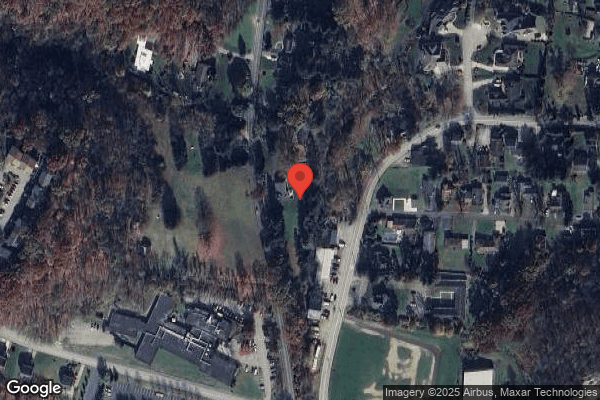
3300 LOGAN FERRY ROAD, MURRYSVILLE, PA 15668 (724) 325-1500
For profit - Corporation 120 Beds WECARE CENTERS Data: November 2025
Trust Grade
28/100
#644 of 653 in PA
Last Inspection: March 2025

Within standard 12-15 month inspection cycle. Federal law requires annual inspections.

Overview

WeCare at Murrysville Rehab and Nursing Center has a Trust Grade of F, indicating significant concerns about the facility's overall quality and care. It ranks #644 out of 653 in Pennsylvania, placing it in the bottom half of all state facilities, and is the lowest-ranked option in Westmoreland County. The facility's condition is worsening, as issues increased from 39 in 2024 to 40 in 2025. Staffing is rated average with a 3 out of 5 stars, but the turnover rate is concerning at 67%, significantly higher than the state average of 46%. While the nursing center has good RN coverage, more than 91% of Pennsylvania facilities, there are serious incidents reported, such as a resident suffering a head injury due to inadequate supervision and food safety violations that could lead to foodborne illnesses.

Trust Score
F
28/100
In Pennsylvania
#644/653
Bottom 2%
Safety Record
Moderate
Needs review
Inspections
Getting Worse
39 → 40 violations
Staff Stability
⚠ Watch
67% turnover. Above average. Higher turnover means staff may not know residents' routines.
Penalties
✓ Good
$8,883 in fines. Lower than most Pennsylvania facilities. Relatively clean record.
Skilled Nurses
✓ Good
Each resident gets 58 minutes of Registered Nurse (RN) attention daily — more than average for Pennsylvania. RNs are trained to catch health problems early.
Violations
⚠ Watch
95 deficiencies on record. Higher than average. Multiple issues found across inspections.
★☆☆☆☆
1.0
Overall Rating
★★★☆☆
3.0
Staff Levels
★★★☆☆
3.0
Care Quality
★☆☆☆☆
1.0
Inspection Score
Stable
2024: 39 issues
2025: 40 issues

The Good

  • Full Sprinkler Coverage · Fire safety systems throughout facility
  • No fines on record

Facility shows strength in fire safety.

The Bad

1-Star Overall Rating

Below Pennsylvania average (3.0)

Significant quality concerns identified by CMS

Staff Turnover: 67%

20pts above Pennsylvania avg (46%)

Frequent staff changes - ask about care continuity

Federal Fines: $8,883

Below median ($33,413)

Minor penalties assessed

Chain: WECARE CENTERS

Part of a multi-facility chain

Ask about local staffing decisions and management

Staff turnover is elevated (67%)

19 points above Pennsylvania average of 48%

The Ugly 95 deficiencies on record

1 actual harm
Sept 2025 2 deficiencies
CONCERN (D) 📢 Someone Reported This

A family member, employee, or ombudsman was alarmed enough to file a formal complaint

Potential for Harm - no one hurt, but risky conditions existed

Deficiency F0637 (Tag F0637)

Could have caused harm · This affected 1 resident

**NOTE- TERMS IN BRACKETS HAVE BEEN EDITED TO PROTECT CONFIDENTIALITY** Based on clinical record review and staff interview, it was determined that the facility failed to complete a significant change...

Read full inspector narrative →
**NOTE- TERMS IN BRACKETS HAVE BEEN EDITED TO PROTECT CONFIDENTIALITY** Based on clinical record review and staff interview, it was determined that the facility failed to complete a significant change Minimum Data Set (MDS- assessments completed indicating a change in condition of a resident requiring change in care) assessment for one of two residents (Residents R1). Findings include: Review of the Resident Assessment Instrument 3.0 User's Manual (reference used to complete an MDS) effective October 2024, indicated that the facility must conduct a comprehensive assessment of a resident within 14 days after the facility determines, or should have determined, that there has been a significant change in the resident's physical or mental condition. Review of the clinical record revealed that Resident R1 was admitted to the facility on [DATE]. Review of Resident R1's quarterly MDS dated [DATE], indicated diagnoses of high blood pressure, difficulty swallowing, and dementia (a group of symptoms that affects memory, thinking and interferes with daily life). Review of physician order dated 8/1/25, indicated Resident R3 was admitted under hospice services. Review of Resident R3's MDS assessments revealed a MDS significant change was not completed to include hospice services. During an interview on 9/19/25, at 2:54 a.m. Registered Nurse Assessment Coordinator Employee E1 confirmed that the facility failed to complete a significant change MDS for Resident R1. 28 Pa. Code 201.14(a) Responsibility of licensee28 Pa. Code 211.12(d)(2) Nursing services
CONCERN (D) 📢 Someone Reported This

A family member, employee, or ombudsman was alarmed enough to file a formal complaint

Potential for Harm - no one hurt, but risky conditions existed

Deficiency F0849 (Tag F0849)

Could have caused harm · This affected 1 resident

**NOTE- TERMS IN BRACKETS HAVE BEEN EDITED TO PROTECT CONFIDENTIALITY** Based on a review of resident clinical records, and staff interview, it was determined the facility failed to ensure the coordin...

Read full inspector narrative →
**NOTE- TERMS IN BRACKETS HAVE BEEN EDITED TO PROTECT CONFIDENTIALITY** Based on a review of resident clinical records, and staff interview, it was determined the facility failed to ensure the coordination of hospice services with facility services to meet the needs of each resident for end of life care for one of two residents (Resident R1).Findings include: Review of the clinical record revealed that Resident R1 was admitted to the facility on [DATE]. Review of Resident R1's quarterly MDS dated [DATE], indicated diagnoses of high blood pressure, difficulty swallowing, and dementia (a group of symptoms that affects memory, thinking and interferes with daily life). Review of physician order dated 8/1/25, indicated Resident R3 was admitted under hospice services. Review of Resident R1's current comprehensive care plan failed to indicate a plan of care by the facility that displayed the coordination of hospice services by failing to include contact information for the hospice agency and how to access the hospice's 24 hour on-call system. During an interview on 9/9/25, at 2:55 p.m. the Director of Nursing confirmed that the facility failed to include contact information for the hospice agency and how to access the hospice's 24 hour on-call system and that the facility failed to ensure the coordination of hospice services with facility services to meet the needs of Residents R1. 28 Pa. Code: 201.14(a) Responsibility of licensee.28 Pa. Code: 211.12(d)(3) Nursing services.
Aug 2025 2 deficiencies
CONCERN (D) 📢 Someone Reported This

A family member, employee, or ombudsman was alarmed enough to file a formal complaint

Potential for Harm - no one hurt, but risky conditions existed

Comprehensive Care Plan (Tag F0656)

Could have caused harm · This affected 1 resident

Based on review of facility policies, clinical records, and staff interviews, it was determined that the facility failed to develop a comprehensive care plan that included specific and individualized ...

Read full inspector narrative →
Based on review of facility policies, clinical records, and staff interviews, it was determined that the facility failed to develop a comprehensive care plan that included specific and individualized interventions to address the care needs of residents for one of six residents (Resident R1) reviewed, relating to wandering/elopement.Findings include: Review of facility policy Care Plans, Comprehensive Person-Centered dated 5/30/35, indicated a comprehensive, person-centered care plan that includes measurable objectives and timetables to meet the resident's physical, psychosocial and functional needs is developed and implement for each resident. Care plan interventions are chosen only after data gathering, proper sequencing of events, careful consideration of the relationship between the resident's problem areas and their causes, and relevant clinical decision making. Assessments of residents are ongoing and care plans are revised as information about the residents and the residents conditions change. Review of facility policy Wandering and Elopement dated 5/30/25, indicated the facility will identify residents who are at risk of unsafe wandering and strive to prevent harm while maintaining the least restrictive environment for residents. Elopement risk screenings with be completed on residents upon admission, re-admission, quarterly, significant change in status, and as needed. When a resident is identified to be at risk for elopement, this will be care planned along with interventions identified to reduce the resident's risk for elopement. Wander guard tag/bracelet shall be placed on resident. Review of the clinical record indicated Resident R1 was admitted to facility 8/7/25. Review of Resident 1's Minimum Data Set (MDS, periodic assessment of resident care needs) dated 8/10/25, included diagnoses of unspecified intercranial injury with loss of consciousness, hepatitis C (viral infection that causes liver swelling (inflammation), potentially leading to serious liver damage) , and liver cirrhosis (chronic condition characterized by replacement of healthy liver tissue with scar tissue, leading to impaired liver function and potentially life-threatening complications). Review of Section E: Behavior indicated Resident R1 had failed to display wandering behaviors. Review of clinical record form WEC: Admission/Re-Admit Eval, Section N Elopement Risk Evaluation dated 8/7/25, indicated Resident R1 as No, not at risk for elopement. Review of Resident R1's physician order dated 8/8/25, indicated Wander guard (wander management system designed to ensure safety of individuals): Check placement of Wander guard every shift. Monitor skin integrity every shift. RLE (right lower extremity) every shift for history of Wandering. Review of Resident R1's physician order dated 8/8/25, indicated to verify Wander Guard functionality every HS (hour of sleep) every night shift for Wander Guard verify functionality. Review of Resident R1's clinical record failed to indicate any documentation or assessment of wandering or elopement behaviors resulting in the use of a Wander Guard. Review of Resident R1's clinical progress note on 8/12/25, at 6:55p.m, identified as a late entry, revealed that Registered Nurse (RN) Employee E1 received notification from a staff member who was outside the facility that this resident (R1) was in the front of the building. Nurse Aide stated that she was with the resident in the front of the building. Resident R1 was immediately brought back into the facility. Resident R1 was taken to his room for a complete head to toe assessment with no injuries noted. Review of Resident R1 current care plan on 8/27/25, initiated 8/8/25, failed to indicate that a plan of care was developed from 8/8/25, through 8/12/25, for interventions related to use of a Wander Guard, as well as failing to establish problem area and their causes, and measurable objectives for use of the Wander Guard. During an interview on 8/27/25, at 3:30 p.m., the Nursing Home Administrator (NHA) and Director of Nursing (DON) confirmed that the facility failed to develop a comprehensive care plan that included specific and individualized interventions to address the care needs for one of six residents (Resident R1) reviewed, relating to wandering/elopement. 28 Pa. Code: 211.10(d) Resident care policies.28 Pa. Code: 211.12 (d)(5) Nursing Services.
CONCERN (D) 📢 Someone Reported This

A family member, employee, or ombudsman was alarmed enough to file a formal complaint

Potential for Harm - no one hurt, but risky conditions existed

Accident Prevention (Tag F0689)

Could have caused harm · This affected 1 resident

**NOTE- TERMS IN BRACKETS HAVE BEEN EDITED TO PROTECT CONFIDENTIALITY** Based on review of facility policy, clinical records, facility documents, and staff interviews, it was determined that the facil...

Read full inspector narrative →
**NOTE- TERMS IN BRACKETS HAVE BEEN EDITED TO PROTECT CONFIDENTIALITY** Based on review of facility policy, clinical records, facility documents, and staff interviews, it was determined that the facility failed to provide adequate supervision resulting in an elopement (resident exits to an unsupervised or unauthorized area without the facility's knowledge) for one of six residents (Resident R1).Findings include: Review of facility policy Wandering and Elopement dated 5/30/25, indicated the facility will identify residents who are at risk of unsafe wandering and strive to prevent harm while maintaining the least restrictive environment for residents. Elopement risk screenings with be completed on residents upon admission, re-admission, quarterly, significant change in status, and as needed. Review of the Resident Assessment Instrument 3.0 User's Manual effective October 2023, indicated that a Brief Interview for Mental Status (BIMS) is a screening test that aides in detecting cognitive impairment. The BIMS total score suggests the following distributions:13-15: cognitively intact8-12: moderately impaired0-7: severe impairment Review of the clinical record indicated Resident R1 was admitted to facility 8/7/25. Review of Resident 1's Minimum Data Set (MDS, periodic assessment of resident care needs) dated 8/10/25, included diagnoses of unspecified intercranial injury with loss of consciousness, hepatitis C (viral infection that causes liver swelling (inflammation), potentially leading to serious liver damage) , and liver cirrhosis (chronic condition characterized by replacement of healthy liver tissue with scar tissue, leading to impaired liver function and potentially life-threatening complications). Review of Section C: Cognitive Patterns, Questions C0500 BIMS Summary Score revealed Resident R1's score to be 6, severe cognitive impairment. Review of Section E: Behavior indicated Resident R1 had failed to display wandering behaviors. Review of clinical record form WEC: Admission/Re-Admit Eval, Section N Elopement Risk Evaluation dated 8/7/25, indicated Resident R1 as No, not at risk for elopement. Review of Resident R1's physician order dated 8/8/25, indicated Wander guard (wander management system designed to ensure safety of individuals): Check placement of Wander guard every shift. Monitor skin integrity every shift. RLE (right lower extremity) every shift for history of Wandering. Review of Resident R1's physician order dated 8/8/25, indicated to verify Wander Guard functionality every HS (hour of sleep) every night shift for Wander Guard verify functionality. Review of Resident R1's clinical record failed to indicate any documentation or assessment of wandering or elopement behaviors resulting in the use of a Wander Guard. Review of Resident R1's plan of care, initiated 8/8/25, indicated a focus regarding cognition: (R1) has impaired cognitive function or impaired thought processes in regard to TBI (traumatic brain injury), with intervention to cue, reorient, and supervise as needed. Review of Resident R1's clinical progress note on 8/12/25, at 6:55p.m, identified as a late entry, revealed that Registered Nurse (RN) Employee E1 received notification from a staff member who was outside the facility that this resident (R1) was in the front of the building. Nurse Aide stated that she was with the resident in the front of the building. Resident R1 was immediately brought back into the facility. Resident R1 was taken to his room for a complete head to toe assessment with no injuries noted. Resident R1 dressed in T-shirt, shorts, tennis shoes. Temperature outside 80 degrees. Neurological checks were within normal limits and resident was able to move all extremities. Orders received for neurological checks per facility protocol and every 15 minute checks. Resident R1 was moved to room [ROOM NUMBER]W for closer monitoring. Staff person positioned at exit door until service and security established. Review of facility provided witness statement provided by RN Employee E1, dated 8/12/25, at 6:55 p.m., indicated this supervisor received notification from a staff member who was outside the facility that this resident (R1) was in the front of the building. Nurse Aide stated that she was with this resident in the front of the building. Resident R1 was immediately brought into the facility. All doors checked and found one door down 100 hall not secure. Remaining doors locked and secure. During an interview on 8/27/25, at 3:30 p.m., the Nursing Home Administrator (NHA) and Director of Nursing (DON) confirmed that the facility failed to provide adequate supervision to prevent elopement for one of six residents (Resident R1). 28 Pa. Code 201.14 (a) Responsibility of licensee28 Pa. Code 201.18 (b)(1) Management28 Pa. Code 211.12 (d)(1)(3)(5) Nursing services
Mar 2025 31 deficiencies
CONCERN (D)

Potential for Harm - no one hurt, but risky conditions existed

Resident Rights (Tag F0550)

Could have caused harm · This affected 1 resident

**NOTE- TERMS IN BRACKETS HAVE BEEN EDITED TO PROTECT CONFIDENTIALITY** Based on review of facility policy, resident records, observation, and staff interview it was determined that the facility faile...

Read full inspector narrative →
**NOTE- TERMS IN BRACKETS HAVE BEEN EDITED TO PROTECT CONFIDENTIALITY** Based on review of facility policy, resident records, observation, and staff interview it was determined that the facility failed to uphold the privacy and dignity of two of four residents reviewed utilizing an indwelling urinary catheter (foley - a thin rubber tube inserted either through the urethra or suprapubic [abdomen] to allow for bladder drainage) for two of four residents (Residents R12 and R187). Findings include: Review of the facility policy Resident Rights last reviewed 2/12/25, indicated that employees shall treat residents with kindness, respect, and dignity. Resident rights include the right to a dignified existence. Review of the clinical record indicated Resident R12 was admitted to the facility on [DATE], and readmitted on [DATE]. Review of Resident R12's Minimum Data Set (MDS - a periodic assessment of care needs) dated 2/24/25, indicated diagnoses of high blood pressure, hyperlipidemia (high levels of fat in the blood), and neurogenic bladder (bladder problems due to disease or injury of the nervous system involved in the control of urination). Review of a physician order dated 3/2/25, indicated Resident R12 had a suprapubic catheter, size 18 French, 10 cc (cubic centimeters) balloon change every 30 days for neuromuscular dysfunction. During an observation on 3/24/25, at 10:53 a.m. Resident R12's catheter collection bag was observed hanging on her bed without a privacy cover present. Urine was visible in the collection bag. During an interview on 3/24/25, at 11:03 a.m. Licensed Practical Nurse (LPN) Employee E1 confirmed Resident R12's catheter collection bag did not have a privacy cover on it and that the facility failed to ensure care was provided in a manner in which maintained Resident R12's dignity. Review of the clinical record revealed Resident R187 was admitted to the facility on [DATE]. Review of Resident 187's MDS dated [DATE], indicated diagnoses of high blood pressure, urinary tract infection (infection in any part of the kidneys, bladder or urethra), and cancer. During an observation on 3/24/25, at 12:27 p.m. Resident R187 was observed utilizing an indwelling catheter without a privacy cover on the urine collection bag. The urinary bag was observed on the floor beside the resident's bed without a dignity bag covering the urine collection bag. Urine was visible in the bag. During an interview on 3/24/25, at 12:27 p.m. Licensed Practical Nurse Employee E10 confirmed that Resident R187 did not have a dignity bag covering the urine collection bag of the catheter, and that the facility failed to uphold his privacy and dignity. 28 Pa Code: 201.29 (a) Resident rights.
CONCERN (D)

Potential for Harm - no one hurt, but risky conditions existed

Deficiency F0575 (Tag F0575)

Could have caused harm · This affected 1 resident

Based on observations, and staff interview it was determined that the facility failed to have complete contact information for State Long-Term Care Ombudsman program posted at the facility. Findings i...

Read full inspector narrative →
Based on observations, and staff interview it was determined that the facility failed to have complete contact information for State Long-Term Care Ombudsman program posted at the facility. Findings include: During an observation, in the front lobby area, there was a poster with Ombudsman contact information which only consisted of the county of the Ombudsman and the phone number, and did not have Ombudsman name, address, or email address listed. During an interview on 3/28/25, at 10:29 a.m. the Nursing Home Administrator confirmed that the facility failed to post the Ombudsman's name, address, and email address as required. 28 Pa. Code: 201.14(a)Responsibility of licensee. 28 Pa. Code: 201.18(b)(3) Management.
CONCERN (D) 📢 Someone Reported This

A family member, employee, or ombudsman was alarmed enough to file a formal complaint

Potential for Harm - no one hurt, but risky conditions existed

Grievances (Tag F0585)

Could have caused harm · This affected 1 resident

**NOTE- TERMS IN BRACKETS HAVE BEEN EDITED TO PROTECT CONFIDENTIALITY** Based on review of facility policy, resident grievances for 90 days, clinical records, and resident and staff interviews, it was...

Read full inspector narrative →
**NOTE- TERMS IN BRACKETS HAVE BEEN EDITED TO PROTECT CONFIDENTIALITY** Based on review of facility policy, resident grievances for 90 days, clinical records, and resident and staff interviews, it was determined that the facility failed to effectively resolve, in a timely manner, a grievance in relation to concerns documented via Grievance procedure and complete the reports in their entirety for one of five grievances reviewed (R58), failed to provide grievance forms, and failed to post an updated policy and procedure that included the current grievance officer name in an accessible location (Front lobby area). Findings include: Review of facility policy, Resident Rights dated 2/12/25, indicated that the facility will treat all residents with kindness, respect and dignity. Residents have the right to voice grievances to the facility, or other agency that hears grievances, without discrimination or reprisal and without fear of discrimination or reprisal. Residents have the right to have the facility respond to his or her grievance. Review of facility policy, Grievance Policy and Procedures dated 2/12/25, indicated that the facility will record and resolve all grievances. The Grievance Officer shall be responsible for facilitating, tracking resolutions, and reporting to the Quality Assurance committee. Grievance form ' s location is at front reception desk. Facility members or grievance officer receiving the grievance form shall assign a responsible party to investigate and complete a resolution within five days dated on form. Review of Resident R58's clinical record indicated the resident was admitted [DATE]. Review of Resident R58's Minimum Data Set (MDS- a periodic assessment of resident care needs) dated 2/1/25, indicated he had diagnoses that included depression, chronic pain syndrome, and diabetes (a metabolic disorder in which the body has high sugar levels for prolonged periods of time). During a review of Complaint/Grievance form dated 2/20/25, indicated that the residents phone was missing. Resident R58 is alert and oriented and stated the last time he saw his phone was beside him laying on the bed. During a review of Complaint/Grievance form dated 2/20/25, corrective action taken/to be taken is blank. During an observation, Resident R58 does not have an easy assessable drawer that can be secured within reach to keep his belongings. During an interview on 3/24/25, at 10:44 a.m. Resident R58 stated that the facility talked to him and will not replace his personal item, but is not satisfied with the outcome. During an interview on 3/27/25, at 1:03 p.m. the Nursing Home Administrator stated, Just so you know, we are still investigating this concern. No updated solutions were identified on the grievance form. The facility was unable to produce documented evidence of Resident R58's was educated on lost personal items upon admission and failed to produce a copy of his inventory sheet. During an interview on 3/28/25, at 10:45 a.m. the Nursing Home Administrator (NHA) confirmed that the facility failed to resolve a dispute via grievance process in a timely manner. During an observation on 3/28/25, at 10:25 a.m. of the facility's posted grievance policy failed to indicate the current grievance officers name and failed to have grievance forms available to residents or representatives located by the front lobby. During an interview on 3/28/25, at 10:30 a.m. Social Worker Employee E13 confirmed that the grievance officer needed updated, and that there were no grievance forms located by the front lobby. During a group interview conducted on 3/25/25, at 1:00 p.m. indicated residents stated, there is no new business in Feb & March because it's the same issues. During an interview on 3/28/25, at 11:03 a.m. the NHA confirmed that the facility failed to effectively resolve, in a timely manner, a grievance in relation to concerns documented via Grievance procedure and complete the reports in their entirety for one of five grievances reviewed (R58), and failed to provide grievance forms and provide an updated policy and procedure that included the current grievance officer name in an accessible location.(Front lobby area 28 Pa. Code: 201.18(b)(3) Management 28 Pa. Code: 211.12(d)(1)(5) Nursing services
CONCERN (D)

Potential for Harm - no one hurt, but risky conditions existed

Free from Abuse/Neglect (Tag F0600)

Could have caused harm · This affected 1 resident

**NOTE- TERMS IN BRACKETS HAVE BEEN EDITED TO PROTECT CONFIDENTIALITY** Based on review of facility policy, clinical record review, and staff interviews, it was determined that the facility failed to ...

Read full inspector narrative →
**NOTE- TERMS IN BRACKETS HAVE BEEN EDITED TO PROTECT CONFIDENTIALITY** Based on review of facility policy, clinical record review, and staff interviews, it was determined that the facility failed to ensure that residents were free from neglect for one of three residents reviewed (Resident R46). Finding include: Review of facility policy Abuse and Neglect - Clinical Protocol dated 2/12/25, indicated neglect means the failure of the facility, its employees or service providers to provide goods and services to a resident that are necessary to avoid physical harm, pain, mental anguish or emotional distress. Review of the clinical record indicated Resident R46 was admitted to the facility on [DATE]. Review of Resident R46's Minimum Data Set (MDS - a periodic assessment of resident care needs) dated 2/7/25, indicated diagnoses of high blood pressure, depression, and repeated falls. Review of a physician order dated 3/18/25, indicated to apply Triple Antibiotic External Ointment to skin tear to right elbow every day shift for impaired skin integrity for 7 days. Cleanse skin tear with NSS (normal sterile saline), pay dry and apply TAO (Triple Antibiotic Ointment) and cover with border dressing (a self-adhering dressing). During an observation on 3/24/25, at 9:10 a.m. a dressing was observed on Resident R46's right elbow and was dated 3/22. During an interview on 3/24/25, at 9:18 a.m. Licensed Practical Nurse (LPN) Employee E1 confirmed the date on Resident R46's right elbow dressing was 3/22. During an interview on 3/27/25, at 11:06 a.m. the Director of Nursing (DON) stated, The nurse admitted she didn't do the dressing on 3/23/25, she said she forgot. During an interview on 3/26/25, at 11:06 a.m. the DON confirmed that the facility failed to ensure Resident R46 was free from neglect as required. 28. Pa Code 201.14(a) Responsibility of licensee. 28. Pa Code 201.18(b)(1)(e )(1) Management. 28. Pa. Code 211.12(d)(1)(5) Nursing services.
CONCERN (D)

Potential for Harm - no one hurt, but risky conditions existed

Deficiency F0604 (Tag F0604)

Could have caused harm · This affected 1 resident

**NOTE- TERMS IN BRACKETS HAVE BEEN EDITED TO PROTECT CONFIDENTIALITY** Based on review of facility policies and clinical records, observations and staff interviews it was determined that the facility...

Read full inspector narrative →
**NOTE- TERMS IN BRACKETS HAVE BEEN EDITED TO PROTECT CONFIDENTIALITY** Based on review of facility policies and clinical records, observations and staff interviews it was determined that the facility failed to identify a bolster (a long, thick cushion) as a possible restraint, failed to assess the functional status of the individual resident to determine if the use of a bolster is a restraint, and failed to obtain physician's order for the use of a bolster for one of two residents (Resident R70.) Findings include: The facility policy Use of Restraints last reviewed 2/12/25, indicated that restraints shall only be used for the safety and well-being of the resident(s) and only after other alternatives have been tried unsuccessfully. When the use of restraints is indicated, the least restrictive alternative will be used for the least amount of time necessary, and the ongoing reevaluation for the need for restraint will be documented. Physical Restraints are defined as any manual method or physical or mechanical device, material, or equipment attached or adjacent to the resident's body that the individual cannot remove easily, which restricts freedom of movement or restricts normal access to one's body. Prior to placing a resident in restraints, there shall be a pre-restraining assessment and review to determine the need for restraints. The assessment shall be used to determine possible underlying causes of the problematic medical symptom and to determine if there are less restrictive interventions (programs, devices, referrals, etc.) that may improve the symptoms. Restraints shall only be used upon the written order of a physician and after obtaining consent from the resident and/or representative. Restrained individuals shall be reviewed regularly (at least quarterly) to determine whether they are candidates for restraint reduction, less restrictive methods of restraints, or total restraint elimination. Review of the clinical record indicated Resident R70 was admitted to the facility on [DATE]. Review of Resident R70's Minimum Data Set (MDS - a periodic assessment of care needs) dated 3/23/25, indicated diagnoses of Post Traumatic Stress Disorder (PTSD- a disorder that develops when a person has experienced or witnessed a scary, shocking, terrifying, or dangerous event), high blood pressure, and stroke. During an observation on 3/24/25, at 12:24 p.m. Resident R70 was observed lying in bed with bolsters between his body and both sides of the bed. Review of Resident R70's clinical record failed to identify any assessments, orders, or ongoing evaluations for use of bolsters. During an interview on 3/28/25, at 11:12 a.m. the Director of Nursing confirmed the facility failed to assess Resident R70 for a restraint, failed to have any ongoing evaluation of a possible restraint, and failed to obtain a physician's order for use of bolsters. 28 Pa. Code: 211.8(d)(e) Use of restraints. 28 Pa. Code: 201.18(b)(1)(e)(1) Management.
CONCERN (D)

Potential for Harm - no one hurt, but risky conditions existed

Assessment Accuracy (Tag F0641)

Could have caused harm · This affected 1 resident

**NOTE- TERMS IN BRACKETS HAVE BEEN EDITED TO PROTECT CONFIDENTIALITY** Based on a review of Resident Assessment Instrument (RAI) User's Manual, clinical records, and staff interviews, it was determin...

Read full inspector narrative →
**NOTE- TERMS IN BRACKETS HAVE BEEN EDITED TO PROTECT CONFIDENTIALITY** Based on a review of Resident Assessment Instrument (RAI) User's Manual, clinical records, and staff interviews, it was determined that the facility failed to ensure that Minimum Data Set (MDs - a periodic assessment of care needs) assessments accurately reflected the resident's status for two of two residents (Residents R39 and R45). Findings include: The Resident Assessment Instrument (RAI) User's Manual, which gives instructions for completing Minimum Data Set (MDS) assessments (mandated assessments of a resident's abilities and care needs), dated October 2024, indicated the following instructions: - K0300 Weight Loss: code 2, yes if the resident has experienced a weight loss of 5% or more in the past 30 days or 10% or more in the last 180 days, and the weight loss was note planned and prescribed by a physician. - K0710A Proportion of Total Calories the Resident Received through Parental or Tube Feeding: review intake records within the last 7 days to determine actual intake through parental or tube feeding routes. Select the best response: 1 for 25% or less, 2 for 26% to 50%, or 3 for 51% or more. - K0710B Average Fluid Intake per Day by IV or Tube Feeding: review intake records from the last 7 days. Code 1 for 500 cc (cubic centimeters)/day or less. Code 2 for 501 cc/day or more. Review of Resident R39's clinical record indicated that he was admitted to the facility 8/1/24. Review of Resident R39's Minimum Data Set (MDS - a periodic assessment of care needs) dated 12/24/24, indicated diagnoses of high blood pressure, stroke (damage to the brain from interruption of its blood supply) and dysphagia (difficulty swallowing). Section K0520B indicated that resident has a feeding tube. Review of Resident R39's clinical record revealed a physician's order dated 10/2/24 to receive Osmolite 1.5 (a nutrition formula for use with a feeding tube) at 70 milliliters (ml) per hour for 18 hours per day, and an order dated 10/6/24 for mechanical soft (an oral diet that is easy to chew) pleasure feeds (food given for the resident's pleasure and comfort, rather than nutritional needs). Review of Resident R39's October Medication Administration Record (MAR) indicated the resident received enteral tube feeding as ordered. Review of Resident R39's MDS dated [DATE], Section K - Swallowing/Nutritional Status, Question K0520 B indicated the resident received feeding tube feeding while a resident during the look-back period. Question K07102A Proportion of total calories the resident received through parenteral or tube feeding was documented as 25% or less while a resident and during entire last 7 days. Review of the clinical record indicated Resident R45 was admitted to the facility on [DATE]. Review of Resident R45's quarterly MDS dated [DATE], indicated diagnoses of high blood pressure, dysphagia, and anemia (too little iron in the blood). Review of a physician order dated 7/31/24, indicated to administer enteral feeding every evening and night shift, Osmolite 1.5 at 70 mL cc/hour with 200 cc water flush every 6 hours. Up at 6 p.m. and down at 6 a.m. Review of Resident R45's August MAR indicated the resident received enteral tube feeding and water flushes as ordered. Review of Resident R45's annual MDS dated [DATE], Section K - Swallowing/Nutritional Status, Question K0520 B indicated the resident received feeding tube feeding while a resident during the look-back period. Question K07102A Proportion of total calories the resident received through parenteral or tube feeding was documented as a dash for while a resident and during entire last 7 days. Question K07102B Average fluid intake per day by IV or tube feeding was documented as a dash for while a resident and during entire last 7 days. During an interview on 3/28/25, at 10:40 a.m. RNAC Employee E12 confirmed that Resident R45's annual MDS dated [DATE], was coded inaccurately for the resident's tube feeding and fluid intake. Review of Resident R45's quarterly MDS dated [DATE], indicated the resident's weight was documented as 215 pounds. Review of Resident R45's quarterly MDS dated [DATE], indicated the resident's weight was documented as 178 pounds. Section K - Swallowing/Nutritional Status, Question K0300: Weight Loss was coded 0 no or unknown for a loss of 5% or more in the last month or a loss of 10% or more in the last 6 months. Compared to Resident R45's documented weight on 5/15/24, of 215 pounds, this was a weight loss of 17.2% in 6 months. During an interview on 3/28/25, at 10:40 a.m. RNAC Employee E12 confirmed that Resident R39's MDS dated [DATE], and R45's MDS dated [DATE], was coded incorrectly and Resident R45's MDS should have been coded to capture the resident's significant weight loss. 28 Pa. Code 201.14(a)(c) Responsibility of licensee. 28 Pa. Code 211.5(f) Medical records. 28 Pa. Code 211.12(c)(d)(5) Nursing services.
CONCERN (D)

Potential for Harm - no one hurt, but risky conditions existed

Quality of Care (Tag F0684)

Could have caused harm · This affected 1 resident

**NOTE- TERMS IN BRACKETS HAVE BEEN EDITED TO PROTECT CONFIDENTIALITY** Based on review of facility policy, clinical record review, and staff interviews, it was determined that the facility failed to ...

Read full inspector narrative →
**NOTE- TERMS IN BRACKETS HAVE BEEN EDITED TO PROTECT CONFIDENTIALITY** Based on review of facility policy, clinical record review, and staff interviews, it was determined that the facility failed to make certain that residents were provided appropriate treatment and care for one of four residents (Resident R12). Findings include: Review of facility policy Administering Medications dated 2/12/25, indicated medications are administered in accordance with prescriber order, including any required time frame. The Centers for Disease Control defines diabetes as: Diabetes Mellitus is a chronic (long-lasting) health condition that affects how your body turns food into energy. Most of the food you eat is broken down into sugar (also called glucose) and released into your bloodstream. When your blood sugar goes up, it signals your pancreas to release insulin. Insulin acts like a key to let the blood sugar into your body's cells for use as energy. If you have diabetes, your body either doesn't make enough insulin or can't use the insulin it makes as well as it should. When there isn't enough insulin or cells stop responding to insulin, too much blood sugar stays in your bloodstream. Over time, that can cause serious health problems, such as heart disease, vision loss, and kidney disease. People with Diabetes Mellitus may be prescribed injectable insulin to assist in maintaining acceptable levels of CBG's (capillary blood glucose). Hyperglycemia, or high blood glucose, occurs when there is too much sugar in the blood. This happens when your body has too little insulin. Hyperglycemia is blood glucose greater than 125 mg/dL (milligrams per deciliter) while fasting (not eating for at least eight hours, or a blood glucose greater than 180 mg/dL one to two hours after eating. If you have hyperglycemia and it's untreated for long periods of time, you can damage your nerves, blood vessels, tissues and organs. Damage to blood vessels can increase your risk of heart attack and stroke, and nerve damage may also lead to eye damage, kidney damage and non-healing wounds. Review of the clinical record indicated Resident R12 was admitted to the facility on [DATE], and readmitted on [DATE]. Review of Resident R12's Minimum Data Set (MDS - a periodic assessment of care needs) dated 2/24/25, indicated diagnoses of high blood pressure, hyperlipidemia (high levels of fat in the blood), and neurogenic bladder (bladder problems due to disease or injury of the nervous system involved in the control of urination). Review of a physician order dated 3/2/25, indicated Resident R12 had a suprapubic catheter (a thin, flexible rubber or plastic tube inserted into the bladder through a small hole in the lower belly), size 18 French, 10 cc (cubic centimeters) ball change every 30 days for neuromuscular dysfunction. Review of a physician order dated 2/19/25, indicated to irrigate with 60 cc of sterile water as needed for obstruction. Allow irrigation fluid to flow freely back to suprapubic bag. Review of a nursing progress note dated 3/16/25, stated, Resident complained of discomfort in vaginal area with some burning. Peri (perineal) care provided. SP cath (suprapubic catheter) drained 20 cc on 11 p.m. - 7 a.m. shift. Irrigated prn (as needed). Immediate return of yellow urine. SP cath care provided. Drained 650 cc. Review of a nursing progress note dated 12/1/24, stated, Irrigated foley without difficulty for return of sterile water and urine. During an observation on 3/24/25, at 10:53 a.m. revealed an open irrigation syringe on Resident R12's dresser. The date written on the open packaging was 11/7/24. During an interview on 3/24/25, at 11:03 a.m. Licensed Practical Nurse Employee E1 confirmed the written date on the open irrigation syringe packaging was 11/7/24 and that the facility failed to provide appropriate care and treatment. Review of a physician order dated 2/19/25, indicated to administer Humalog (a type of insulin) subcutaneously (beneath the skin into the fatty tissue layer) before meals, inject as per sliding scale: - If 70 - 140 = 0 units, < 70 initiate hypoglycemic protocol; - 141 - 180 = 1 unit; - 181 - 220 = 2 units; - 221 - 260 = 3 units; - 261 - 300 = 4 units; - 301 - 340 = 5 units; - If > 340, give 6 units and call MD (physician) Review of Resident R12's vitals records for March 2025, indicated the following blood glucose measurements: - 3/19/25 8:20 p.m. = 348 mg/dL - 3/22/25 6:12 a.m. = 375 mg/dL - 3/22/25 6:54 a.m. = 347 mg/dL Review of Resident R12's progress notes from 3/1/25, through 3/25/25, failed to include documentation that the physician was notified of the resident's increased blood glucose levels on the dates listed above. During an interview on 3/28/25, at 10:43 a.m. the Director of Nursing confirmed that the facility failed to document that the physician was notified of Resident R12's increased blood glucose levels and that the facility failed to make certain that Resident R12 was provided appropriate treatment and care. 28 Pa. Code 201.18 (b)(1) Management. 28 Pa. Code 211.10 (c)(d) Resident Care policies. 28 Pa. Code 211.12 (d)(1)(2)(3)(5) Nursing services.
CONCERN (D)

Potential for Harm - no one hurt, but risky conditions existed

Deficiency F0692 (Tag F0692)

Could have caused harm · This affected 1 resident

**NOTE- TERMS IN BRACKETS HAVE BEEN EDITED TO PROTECT CONFIDENTIALITY** Based a review of facility policy, clinical record review and staff interview, it was determined that the facility failed to add...

Read full inspector narrative →
**NOTE- TERMS IN BRACKETS HAVE BEEN EDITED TO PROTECT CONFIDENTIALITY** Based a review of facility policy, clinical record review and staff interview, it was determined that the facility failed to address the resident's specific nutritional interventions for two of two residents (Residents R39 and R45), failed to complete a comprehensive nutritional assessment for two of two residents (Resident R39 and R45), and failed to make certain that significant weight loss was addressed in a timely manner for two of two residents (Resident R39 and R45). Findings include: Review of facility policy Nutritional Assessment, dated 2/12/25, indicated that the dietitian, in conjunction with the nursing staff and healthcare practitioners, will conduct a nutritional assessment for each resident upon admission and as indicated by a change in condition that places the resident at risk for impaired nutrition. The nutritional assessment conducted by the dietitian shall identify at least the following components: - An estimate of calorie, protein, nutrient, and fluid needs - Whether the resident's current intake is adequate to meet his or her nutritional needs - Specific food formulations 1 month: 5% weight loss is significant; greater than 5% is severe. 3 months: 7.5% weight loss is significant; greater than 7.5% is severe. 6 months: 10% weight loss is significant; greater than 10% is severe. Review of Resident R39's clinical record indicated that he was admitted to the facility 8/1/24. Review of Resident R39's Minimum Data Set (MDS - a periodic assessment of care needs) dated 12/24/24, indicated diagnoses of high blood pressure, stroke (damage to the brain from interruption of its blood supply) and dysphagia (difficulty swallowing). Section K0520B indicated that resident has a feeding tube. Review of Resident R39's clinical record revealed the following weight: 12/11/24 140.4 pounds (8.4% weight loss in three months, and 10.3% weight loss in six months) 11/1/24 146.4 pounds 10/3/24 151.2 pounds 9/2/24 153.2 pounds 8/7/24 157.4 pounds 7/2/24 157.6 pounds 6/3/24 156.6 pounds Review of Resident R39's clinical record revealed a physician's order dated 7/18/24, to receive Osmolite 1.5 (a nutrition formula for use with a feeding tube) at 70 milliliters (ml) per hour for 18 hours per day. This provided 1890 calories per day. Review of Resident R39's clinical record revealed a physician's order dated 9/11/24 to receive Osmolite 1.5 at 70 ml per hour for 12 hours per day. This provided 1260 calories per day, which is a deficit of 630 calories from the previous order. Review of Resident R39's clinical record failed to reveal any documentation from Registered Dietitian (RD) Employee E11 from the 9/4/24 through 1/14/25. Review of Resident R39's clinical record revealed an MDS was completed on 10/15/24. During an interview on 3/27/25, at 12:56 p.m. RD Employee E11 confirmed that Resident R39 had a decrease in tube feeding formula on 9/11/24, and confirmed that the decrease in tube feeding was a loss of 630 calories per day that could cause weight loss. RD Employee E11 also confirmed that she did not have documentation in the clinical record to support this change or evaluate whether it was appropriate for Resident R39. RD Employee E11 also confirmed that she failed to conduct a quarterly assessment for the MDS dated [DATE]. During an interview on 3/28/25, at 9:19 a.m. RD Employee E11 also confirmed that the facility failed to address Resident R39's significant weight loss of 8.4% in three months, and 10.3% weight loss in six months that occurred with December's weight on 12/11/24. Review of the clinical record indicated Resident R45 was admitted to the facility on [DATE]. Review of Resident R45's MDS dated [DATE], indicated diagnoses of high blood pressure, dysphagia (difficulty swallowing), and anemia (too little iron in the blood). Review of a physician order dated 10/17/24, indicated to administer Osmolite 1.5 via PEG tube at 70 mL/hr via pump to a total volume of 840 mL with 200 mL water flush every 6 hours. Up at 6 p.m. and down at 6 a.m. Review of an order audit revealed that the above order was placed on hold 11/17/24, with the documented rational, pressure in PEG tube pushing tube feed tubing connector out, won't stay inserted. Further review revealed that the order was discontinued on 11/18/24, with the documented rational, discontinue, no longer indicated. Review of a nursing progress note dated 11/16/24, stated, Resident's tube feed hooked up and running as scheduled, after an hour and a half tube feed dislodged and unable to get feeding tube line to stay connected to tube feed catheter. Catheter flushed OK no resistance noted. Tube feeding catheter checked for placement and was in place. Tube feed stopped for 2 hours then restarted again at 10:45 p.m. Tube feed infusing without difficulty. Review of Resident R45's clinical record failed to include documentation by RD Employee E11 to support the discontinuation of Resident R45's tube feeding or evaluate whether it was appropriate for Resident R45. Review of Resident R45's clinical record indicated an annual MDS was completed on 8/10/24. Review of Resident R45's clinical record failed to reveal that an annual assessment had been completed by RD Employee E11 for the MDS dated [DATE]. Review of Resident R45's clinical record indicated a quarterly MDS was completed on 11/2/24. Review of Resident R45's clinical record failed to reveal that a quarterly assessment had been completed by RD Employee E11 for the MDS dated [DATE]. Review of Resident R45's clinical record revealed the following documented weights: - 8/5/24: 212.8 pounds - 9/3/24: 188.6 pounds, a 11.65% loss in one month - 9/6/24: 188 pounds Review of Resident R45's clinical record failed to include documentation that indicated the resident was assessed by the Registered Dietitian in September 2024. The review of the clinical record failed to reveal any documentation regarding the above weight changes or any nutritional recommendations. During an interview on 3/28/25, at 8:56 a.m. RD Employee E11 confirmed that an annual assessment was not completed for Resident R45 for the MDS dated [DATE], and that a quarterly assessment was not completed for the MDS dated [DATE]. During an interview on 3/28/25, at 9:20 a.m. RD Employee E11 confirmed that Resident R45's significant weight loss of 11.65% was not addressed with September's weight on 9/3/24. During this interview, RD Employee E11 confirmed that the physician gave an order to stop Resident R45's tube feeding on 11/18/24, and no documentation was available to support the discontinuation of the tube feeding. 28 Pa. Code: 201.18(b)(1) Management. 28 Pa. Code: 211.12(d)(1)(3)(5) Nursing services.
CONCERN (D)

Potential for Harm - no one hurt, but risky conditions existed

Deficiency F0699 (Tag F0699)

Could have caused harm · This affected 1 resident

**NOTE- TERMS IN BRACKETS HAVE BEEN EDITED TO PROTECT CONFIDENTIALITY** Based on review of facility policy, resident record review, and staff interviews, it was determined that the facility failed to ...

Read full inspector narrative →
**NOTE- TERMS IN BRACKETS HAVE BEEN EDITED TO PROTECT CONFIDENTIALITY** Based on review of facility policy, resident record review, and staff interviews, it was determined that the facility failed to provide a trauma survivor with trauma informed care to eliminate or mitigate triggers that may cause re-traumatization of the resident for one of two residents (Resident R70). Findings include: Review of facility policy Behavioral Assessment, Intervention and Monitoring dated 22/12/25, indicated that the facility will provide, and residents will receive behavioral health services as needed to attain or maintain the highest practicable physical, mental, and psychosocial well-being in accordance with comprehensive assessment and plan of care. Behavioral symptoms will be identified using facility approved behavioral screening tools and the comprehensive assessment. Review of the clinical record indicated Resident R70 was admitted to the facility on [DATE]. Review of Resident R70's Minimum Data Set (MDS - a periodic assessment of care needs) dated 3/23/25, indicated diagnoses of Post Traumatic Stress Disorder (PTSD- a disorder that develops when a person has experienced or witnessed a scary, shocking, terrifying, or dangerous event), high blood pressure, and stroke. Review of Resident R70's care plan indicated that resident had PTSD but failed to identify what the triggers were and how to avoid them. During an interview on 3/26/25, at 12:21 p.m. Social Worker Employee E13 confirmed that the facility failed to identify PTSD triggers for Resident R70 to eliminate or mitigate any triggers that may cause re-traumatization for these residents. 28 Pa. Code: 201.14(a) Responsibility of licensee. 28 Pa. Code: 201.18(b)(1) Management.
CONCERN (D)

Potential for Harm - no one hurt, but risky conditions existed

Deficiency F0700 (Tag F0700)

Could have caused harm · This affected 1 resident

**NOTE- TERMS IN BRACKETS HAVE BEEN EDITED TO PROTECT CONFIDENTIALITY** Based on observations, review of facility policy, clinical record review, and staff interview, it was determined that the facili...

Read full inspector narrative →
**NOTE- TERMS IN BRACKETS HAVE BEEN EDITED TO PROTECT CONFIDENTIALITY** Based on observations, review of facility policy, clinical record review, and staff interview, it was determined that the facility failed to conduct ongoing accurate assessments to ensure that bedrails were used to meet residents' needs and the risks associated with bedrail usage for one of two residents (Resident R40). Findings include: Review of the clinical record indicated Resident R40 was admitted to the facility on [DATE]. Review of Resident R40's Minimum Data Set (MDS - a periodic assessment of care needs) dated 2/1/25, indicated diagnoses of high blood pressure, anxiety, and chronic pain. During an observation on 3/24/25, at 8:58 a.m. two top enabler bars were present on Resident R40's bed. Review of Resident R40s clinical record on 3/26/25, failed to reveal an ongoing assessment for Resident R40's enabler bar usage. During an interview on 3/28/25, at 11:17 a.m. the Director of Nursing (DON) stated that it has now been triggered for Resident R40 to have a quarterly assessment completed for enabler bars. During an interview on 3/28/25, at 11:17 a.m. the DON confirmed that the facility failed to conduct ongoing accurate assessments to ensure that bedrails were used to meet residents' needs and the risks associated with bedrail usage as required. 28 Pa. Code: 201.14 (a) Responsibility of licensee. 28 Pa. Code: 201.18 (b)(1)(e)(1) Management. 28 Pa. Code 211.10 (c)(d) Resident care policies. 28 Pa. Code: 211.12 (d)(1)(3)(5) Nursing services.
CONCERN (D)

Potential for Harm - no one hurt, but risky conditions existed

Medication Errors (Tag F0758)

Could have caused harm · This affected 1 resident

**NOTE- TERMS IN BRACKETS HAVE BEEN EDITED TO PROTECT CONFIDENTIALITY** Based on facility policies, clinical record review, and staff interview, it was determined that the facility failed to make cert...

Read full inspector narrative →
**NOTE- TERMS IN BRACKETS HAVE BEEN EDITED TO PROTECT CONFIDENTIALITY** Based on facility policies, clinical record review, and staff interview, it was determined that the facility failed to make certain resident medication regimens were free from potentially unnecessary medications for two of six residents (Residents R6 and R45). Findings include: Review of facility policy Antipsychotic Medication Use dated 2/12/25, indicated antipsychotic medications will be prescribed at the lowest possible dosage for the shortest period of time and are subject to gradual dose reduction and re-review. Review of facility policy Drug Regimen Review dated 2/12/25, indicated Drug Regimen Reviews shall be conducted by the consultant pharmacist at least monthly. Any irregularities noted by the pharmacist during this review shall be documented on a separate, written report that is sent to the facility and list, at a minimum, the resident's name, the relevant drug, and the irregularity the pharmacist identified. Review of the clinical record revealed that Resident R6 was admitted to the facility on [DATE]. Review of Resident 6's MDS (Minimum Data Set, periodic assessment of resident care needs) dated 2/27/25, indicated diagnoses of high blood pressure, Alzheimer ' s disease (a type of brain disorder that causes problems with memory, thinking and behavior), and depression. Review of Resident R6's physician orders indicated she was prescribed the following medications: - Seroquel 25 mg daily related to depression Review of Resident R6's clinical record failed to reveal documentation that a medication regimen review had been completed by the consultant pharmacist for December 2024. Review of the clinical record indicated Resident R45 was admitted to the facility on [DATE]. Review of Resident R45's MDS dated [DATE], indicated diagnoses of high blood pressure, dysphagia (difficulty swallowing), and anemia (too little iron in the blood). Review of Resident R45's physician orders indicated he was prescribed the following medications: - Cymbalta 60 mg daily related to depression - Mirtazapine 45 mg at bedtime for depression Review of Resident R45's clinical record failed to reveal documentation that a medication regimen review had been completed by the consultant pharmacist for December 2024. During an interview on 3/26/25, at 1:36 p.m. the Director of Nursing confirmed that the facility was unable to locate and provide documentation that medication regimen reviews were completed and that the facility failed to make certain resident medication regimens were free from potentially unnecessary medications as required for Residents R6 and R45. 28 Pa Code 211.5(f) Medical records. 28 Pa code 211.10(c) Resident care policies. 28 Pa. 211.12(c)(d)(1)(3)(5) Nursing services.
CONCERN (D)

Potential for Harm - no one hurt, but risky conditions existed

Deficiency F0805 (Tag F0805)

Could have caused harm · This affected 1 resident

**NOTE- TERMS IN BRACKETS HAVE BEEN EDITED TO PROTECT CONFIDENTIALITY** Based on facility policy, observation, and staff interviews, it was determined that the facility failed to provide food in a for...

Read full inspector narrative →
**NOTE- TERMS IN BRACKETS HAVE BEEN EDITED TO PROTECT CONFIDENTIALITY** Based on facility policy, observation, and staff interviews, it was determined that the facility failed to provide food in a form to meet individuals' needs in one of six residents (Resident R44). Findings include: Review of the facility policy Resident Rights dated 2/12/25, indicated that residents have the right to be notified of his or her medical condition and of any changes in his or her condition. Review of the facility policy Nutritional Assessment dated 2/12/25, indicated an assessment including current nutritional status and risk factors for impaired nutrition, shall be conducted for each resident. Review of the clinical record revealed that Resident R44 was admitted to the facility on [DATE]. Review of Resident R44's MDS (Minimum Data Set, periodic assessment of resident care needs) dated 1/30/25, indicated diagnoses of depression, irritable bowel syndrome, and diabetes (a metabolic disorder in which the body has high sugar levels for prolonged periods of time). During a lunch observation and resident interview on 3/24/25, Resident R44 stated, Look at this meat, its all ground up. I keep telling them that I am a regular diet, but I keep getting the wrong food. During an observation of Resident R44's lunch meal ticket on 3/24/25, at 12:01 p.m. revealed a regular mechanical soft diet. Lunch meat serving was in small ground up pieces. During a review of Resident R44's physician orders revealed resident is ordered a regular texture diet with thin liquid consistency. During an interview on 3/24/25, at 12:05 p.m. Licensed Practical Nurse Employee E20 confirmed that Resident R44 was not provided the correct consistency of food on her lunch tray. During an interview on 3/24/25, at 2:54 p.m. the Director of Nursing confirmed that the facility failed to provide food in a form to meet individuals' needs in one of six residents (Resident R44). 28 Pa. Code: 201.18(b)(3) Management 28 Pa.Code: 211.10(c) Resident Care Policies
CONCERN (E)

Potential for Harm - no one hurt, but risky conditions existed

Abuse Prevention Policies (Tag F0607)

Could have caused harm · This affected multiple residents

**NOTE- TERMS IN BRACKETS HAVE BEEN EDITED TO PROTECT CONFIDENTIALITY** Based on review of facility documents, facility policy, clinical records, and staff interviews, it was determined that the facil...

Read full inspector narrative →
**NOTE- TERMS IN BRACKETS HAVE BEEN EDITED TO PROTECT CONFIDENTIALITY** Based on review of facility documents, facility policy, clinical records, and staff interviews, it was determined that the facility failed to implement written policies and procedures to ensure complete and thorough investigations of allegations of abuse and neglect for four of five residents (Resident R14, R44, R46, and R286). Findings include: Review of facility policy Abuse and Neglect - Clinical Protocol dated 2/12/25, indicated neglect means the failure of the facility, its employees or service providers to provide goods and services to a resident that are necessary to avoid physical harm, pain, mental anguish or emotional distress. Review of the clinical record indicated Resident R14 was admitted to the facility on [DATE]. Review of Resident R14's Minimum Data Set (MDS - a periodic assessment of care needs) dated 3/19/25, indicated diagnoses of high blood pressure, depression, and cerebral palsy (group of disorders that affect a person's ability to move and maintain balance and posture). During a review of facility provided documents, labeled Complaint/Grievance Form, on 3/27/25, at 9:02 a.m. indicated that Resident R14 stated his aide had an attitude and refused to change his brief on 9/22/24. Corrective actions taken included Nursing Assistant (NA) was added to the facilities Do Not Return list. During an interview on 3/27/25, at 10:55 a.m. the Director of Nursing (DON) confirmed that this was an allegation of neglect and confirmed that the facility failed to implement written policies and procedures to ensure a complete and thorough investigation of an allegation of neglect for Resident R14. Review of the clinical record indicated Resident R44 was admitted to the facility on [DATE]. Review of Resident R44's MDS dated [DATE], indicated diagnoses of depression, diabetes (a metabolic disorder in which the body has high sugar levels for prolonged periods of time), and irritable bowel syndrome. During a review of facility provided documents, labeled Complaint/Grievance Form on 3/27/25, at 9:15 a.m. indicated that Resident R44 reported that a NA was yelling and screaming at her when she needs her bedpan emptied and that the NA threw a clean brief at her on 11/22/24, when she asked for a brief to be put on her. During an interview on 3/27/25, at 10:51 a.m. the DON confirmed that this was an allegation of abuse and confirmed that the facility failed to implement written policies and procedures to ensure a complete and thorough investigation of an allegation of abuse for Resident R44. Review of the clinical record indicated Resident R46 was admitted to the facility on [DATE]. Review of Resident R46's MDS dated [DATE], indicated diagnoses of high blood pressure, depression, and repeated falls. Review of a physician order dated 3/18/25, indicated to apply Triple Antibiotic External Ointment to skin tear to right elbow every day shift for impaired skin integrity for 7 days. Cleanse skin tear with NSS (normal sterile saline), pay dry and apply TAO (Triple Antibiotic Ointment) and cover with border dressing (a self-adhering dressing). During an observation on 3/24/25, at 9:10 a.m. a dressing was observed on Resident R46's right elbow and was dated 3/22. During an interview on 3/24/25, at 9:18 a.m. Licensed Practical Nurse (LPN) Employee E1 confirmed the date on Resident R46's right elbow dressing was 3/22. During an interview on 3/27/25, at 11:06 a.m. the Director of Nursing (DON) stated, The nurse admitted she didn't do the dressing on 3/23/25, she said she forgot. The nurse was written up but I'm not sure if statements were obtained, I didn't realize that was neglect. During an interview on 3/26/25, at 11:06 a.m. the DON confirmed that the facility failed to implement written policies and procedures to ensure a complete and thorough investigation of an allegation of neglect for Resident R46. Review of clinical record indicated Resident R286 was admitted to the facility on [DATE], and was discharged on 10/31/24. Review of Resident R286 MDS dated [DATE], indicated diagnoses of heart failure, high blood pressure, and diabetes. During a review of facility provided documents, labeled Complaint/Grievance Form on 3/27/25, at 9:30 a.m. indicated that Resident R286 reported that she is very upset because she asked her NA to get her out of bed and was never assisted on 9/21/24. Resident was in bed for the daylight shift and the evening shift assisted her out of bed. Corrective actions taken was education was provided and a verbal warning was given. During an interview on 3/27/25, at 10:53 the DON confirmed that this was an allegation of neglect and confirmed that the facility failed to implement written policies and procedures to ensure a complete and thorough investigation of an allegation of neglect for Resident R286. 28. Pa Code 201.14(a) Responsibility of licensee. 28. Pa Code 201.18(b)(1)(e)(1) Management. 28. Pa. Code 211.12(d)(1)(5) Nursing services.
CONCERN (E)

Potential for Harm - no one hurt, but risky conditions existed

Report Alleged Abuse (Tag F0609)

Could have caused harm · This affected multiple residents

**NOTE- TERMS IN BRACKETS HAVE BEEN EDITED TO PROTECT CONFIDENTIALITY** Based on review of facility policy, clinical record review, reports submitted to the State, and staff interview, it was determin...

Read full inspector narrative →
**NOTE- TERMS IN BRACKETS HAVE BEEN EDITED TO PROTECT CONFIDENTIALITY** Based on review of facility policy, clinical record review, reports submitted to the State, and staff interview, it was determined that the facility failed to report allegations of abuse and neglect in the required time frame for four of five residents (Resident R14, R44, R46, and R286). Findings include: Review of facility policy Abuse and Neglect - Clinical Protocol dated 2/12/25, indicated neglect means the failure of the facility, its employees or service providers to provide goods and services to a resident that are necessary to avoid physical harm, pain, mental anguish or emotional distress. Review of the clinical record indicated Resident R14 was admitted to the facility on [DATE]. Review of Resident R14's Minimum Data Set (MDS - a periodic assessment of care needs) dated 3/19/25, indicated diagnoses of high blood pressure, depression, and cerebral palsy (group of disorders that affect a person's ability to move and maintain balance and posture). During a review of facility provided documents, labeled Complaint/Grievance Form, on 3/27/25, at 9:02 a.m. indicated that Resident R14 stated his aide had an attitude and refused to change his brief on 9/22/24. Corrective actions taken included Nursing Assistant (NA) was added to the facilities Do Not Return list. During an interview on 3/27/25, at 10:55 a.m. the Director of Nursing (DON) confirmed that the facility failed to report an allegation of neglect in the required timeframe for Resident R14. Review of the clinical record indicated Resident R44 was admitted to the facility on [DATE]. Review of Resident R44's MDS dated [DATE], indicated diagnoses of depression, diabetes (a metabolic disorder in which the body has high sugar levels for prolonged periods of time), and irritable bowel syndrome. During a review of facility provided documents, labeled Complaint/Grievance Form on 3/27/25, at 9:15 a.m. indicated that Resident R44 reported that a NA was yelling and screaming at her when she needs her bedpan emptied and that the NA threw a clean brief at her on 11/22/24, when she asked for a brief to be put on her. During an interview on 3/27/25, at 10:51 a.m. the DON confirmed that the facility failed to report an allegation of neglect in the required timeframe for Resident R44. Review of the clinical record indicated Resident R46 was admitted to the facility on [DATE]. Review of Resident R46's MDS dated [DATE], indicated diagnoses of high blood pressure, depression, and repeated falls. Review of a physician order dated 3/18/25, indicated to apply Triple Antibiotic External Ointment to skin tear to right elbow every day shift for impaired skin integrity for 7 days. Cleanse skin tear with NSS (normal sterile saline), pay dry and apply TAO (Triple Antibiotic Ointment) and cover with border dressing (a self-adhering dressing). During an observation on 3/24/25, at 9:10 a.m. a dressing was observed on Resident R46's right elbow and was dated 3/22. During an interview on 3/24/25, at 9:18 a.m. Licensed Practical Nurse (LPN) Employee E1 confirmed the date on Resident R46's right elbow dressing was 3/22. During an interview on 3/27/25, at 11:06 a.m. the Director of Nursing (DON) stated, The nurse admitted she didn't do the dressing on 3/23/25, she said she forgot. The nurse was written up but I'm not sure if statements were obtained, I didn't realize that was neglect. It wasn't reported. During an interview on 3/26/25, at 11:06 a.m. the DON confirmed that the facility failed to report an allegation of neglect in the required timeframe for Resident R46. Review of clinical record indicated Resident R286 was admitted to the facility on [DATE], and was discharged on 10/31/24. Review of Resident R286 MDS dated [DATE], indicated diagnoses of heart failure, high blood pressure, and diabetes. During a review of facility provided documents, labeled Complaint/Grievance Form on 3/27/25, at 9:30 a.m. indicated that Resident R286 reported that she is very upset because she asked her NA to get her out of bed and was never assisted on 9/21/24. Resident was in bed for the daylight shift and the evening shift assisted her out of bed. Corrective actions taken was education was provided and a verbal warning was given. During an interview on 3/27/25, at 10:53 the DON confirmed that the facility failed to report an allegation of neglect in the required timeframe for Resident R286. 28 Pa. Code 201.14(a)(c) Responsibility of licensee. 28 Pa. Code 201.18(b)(1)(3)(e)(1) Management. 28 Pa. Code 201.20(b) Staff development. 28 Pa. Code 211.10(c)(d) Resident care policies.
CONCERN (E)

Potential for Harm - no one hurt, but risky conditions existed

Investigate Abuse (Tag F0610)

Could have caused harm · This affected multiple residents

**NOTE- TERMS IN BRACKETS HAVE BEEN EDITED TO PROTECT CONFIDENTIALITY** Based on review of facility documents, facility policy, clinical records, and staff interview, it was determined that the facili...

Read full inspector narrative →
**NOTE- TERMS IN BRACKETS HAVE BEEN EDITED TO PROTECT CONFIDENTIALITY** Based on review of facility documents, facility policy, clinical records, and staff interview, it was determined that the facility failed to conduct thorough investigations of allegations of abuse neglect for four of five residents (Resident R14, R44, R46, and R286). Findings include: Review of facility policy Abuse and Neglect - Clinical Protocol dated 2/12/25, indicated neglect means the failure of the facility, its employees or service providers to provide goods and services to a resident that are necessary to avoid physical harm, pain, mental anguish or emotional distress. Review of the clinical record indicated Resident R14 was admitted to the facility on [DATE]. Review of Resident R14's Minimum Data Set (MDS - a periodic assessment of care needs) dated 3/19/25, indicated diagnoses of high blood pressure, depression, and cerebral palsy (group of disorders that affect a person's ability to move and maintain balance and posture). During a review of facility provided documents, labeled Complaint/Grievance Form, on 3/27/25, at 9:02 a.m. indicated that Resident R14 stated his aide had an attitude and refused to change his brief on 9/22/24. Corrective actions taken included Nursing Assistant (NA) was added to the facilities Do Not Return list. During an interview on 3/27/25, at 10:55 a.m. the Director of Nursing (DON) confirmed that this was an allegation of neglect and confirmed that the facility failed to conduct a thorough investigation of an allegation of neglect for Resident R14. Review of the clinical record indicated Resident R44 was admitted to the facility on [DATE]. Review of Resident R44's MDS dated [DATE], indicated diagnoses of depression, diabetes (a metabolic disorder in which the body has high sugar levels for prolonged periods of time), and irritable bowel syndrome. During a review of facility provided documents, labeled Complaint/Grievance Form on 3/27/25, at 9:15 a.m. indicated that Resident R44 reported that a NA was yelling and screaming at her when she needs her bedpan emptied and that the NA threw a clean brief at her on 11/22/24, when she asked for a brief to be put on her. During an interview on 3/27/25, at 10:51 a.m. the DON confirmed that this was an allegation of abuse and confirmed that the facility failed to conduct a thorough investigation of an allegation of neglect for Resident R44. Review of the clinical record indicated Resident R46 was admitted to the facility on [DATE]. Review of Resident R46's MDS dated [DATE], indicated diagnoses of high blood pressure, depression, and repeated falls. Review of a physician order dated 3/18/25, indicated to apply Triple Antibiotic External Ointment to skin tear to right elbow every day shift for impaired skin integrity for 7 days. Cleanse skin tear with NSS (normal sterile saline), pay dry and apply TAO (Triple Antibiotic Ointment) and cover with border dressing (a self-adhering dressing). During an observation on 3/24/25, at 9:10 a.m. a dressing was observed on Resident R46's right elbow and was dated 3/22. During an interview on 3/24/25, at 9:18 a.m. Licensed Practical Nurse (LPN) Employee E1 confirmed the date on Resident R46's right elbow dressing was 3/22. During an interview on 3/27/25, at 11:06 a.m. the Director of Nursing (DON) stated, The nurse admitted she didn't do the dressing on 3/23/25, she said she forgot. The nurse was written up but I'm not sure if statements were obtained, I didn't realize that was neglect. During an interview on 3/26/25, at 11:06 a.m. the DON confirmed that the facility failed to conduct a thorough investigation of an allegation of neglect for Resident R46. Review of clinical record indicated Resident R286 was admitted to the facility on [DATE], and was discharged on 10/31/24. Review of Resident R286 MDS dated [DATE], indicated diagnoses of heart failure, high blood pressure, and diabetes. During a review of facility provided documents, labeled Complaint/Grievance Form on 3/27/25, at 9:30 a.m. indicated that Resident R286 reported that she is very upset because she asked her NA to get her out of bed and was never assisted on 9/21/24. Resident was in bed for the daylight shift and the evening shift assisted her out of bed. Corrective actions taken was education was provided and a verbal warning was given. During an interview on 3/27/25, at 10:53 the DON confirmed that this was an allegation of neglect and confirmed that the facility failed to conduct a thorough investigation of an allegation of neglect for Resident R286. 28 Pa. Code 201.14(a)(c) Responsibility of licensee. 28 Pa Code: 201.18 (b)(1)(e)(1)(2) Management. 28 Pa. Code 211.10(c)(d) Resident care policies. 28 Pa Code: 211.12 (c)(d)(1)(3)(5) Nursing services.
CONCERN (E)

Potential for Harm - no one hurt, but risky conditions existed

Transfer Requirements (Tag F0622)

Could have caused harm · This affected multiple residents

**NOTE- TERMS IN BRACKETS HAVE BEEN EDITED TO PROTECT CONFIDENTIALITY** Based on review of facility policy, clinical record review, and staff interview, it was determined that the facility failed to m...

Read full inspector narrative →
**NOTE- TERMS IN BRACKETS HAVE BEEN EDITED TO PROTECT CONFIDENTIALITY** Based on review of facility policy, clinical record review, and staff interview, it was determined that the facility failed to make certain that the necessary resident information was communicated to the receiving health care provider for three of three residents sampled with facility-initiated transfers (Residents R22, R45, and R58). Findings include: Review of facility policy Transfer or Discharge Documentation dated 2/12/25, indicated should a resident be transferred or discharged for any reason, the following information will be communicated to the receiving facility or provider: - The basis for the transfer or discharge - Contact information of the practitioner responsible for the care of the resident - Resident representative information including contact information - Advance directive information - All special instructions or precautions for ongoing care, as appropriate - All other necessary information including a copy of the residents discharge summary, and any other documentation, as applicable, to ensure a safe and effective transition of care Review of the clinical record indicated Resident R22 was admitted to the facility on [DATE]. Review of Resident R22's Minimum Data Set (MDS - a periodic assessment of care needs) dated 3/11/25, indicated diagnoses of heart failure, high blood pressure, and diabetes (a metabolic disorder in which the body has high sugar levels for prolonged periods of time). Review of the clinical record indicated Resident R22 was transferred to the hospital on 3/6/25. Review of Resident R22's clinical record revealed no documented evidence that the facility had communicated specific information to the receiving health care provider for the residents transferred and expected to return, which included the resident's care plan goals, advanced directive information, specific instructions for ongoing care, resident representative information, and all information necessary to meet the resident's specific needs at the receiving facility. Review of the clinical record indicated Resident R45 was admitted to the facility on [DATE]. Review of Resident R45's MDS dated [DATE], indicated diagnoses of high blood pressure, dysphagia (difficulty swallowing), and anemia (too little iron in the blood). Review of the clinical record indicated Resident R45 was transferred to the hospital on 7/3/24. Review of Resident R45's clinical record revealed no documented evidence that the facility had communicated specific information to the receiving health care provider for the residents transferred and expected to return, which included the resident's care plan goals, advanced directive information, specific instructions for ongoing care, resident representative information, and all information necessary to meet the resident's specific needs at the receiving facility. Review of the clinical record indicated Resident R58 was admitted to the facility on [DATE]. Review of Resident R58's MDS dated [DATE], indicated diagnoses of diabetes, depression, and chronic pain syndrome. Review of the clinical record indicated Resident R58 was transferred to the hospital on 6/28/24. Review of Resident R58's clinical record revealed no documented evidence that the facility had communicated specific information to the receiving health care provider for the residents transferred and expected to return, which included the resident's care plan goals, advanced directive information, specific instructions for ongoing care, resident representative information, and all information necessary to meet the resident's specific needs at the receiving facility. During an interview on 3/27/25, at 2:40 p.m. the Director of Nursing confirmed that the facility failed to make certain that the necessary resident information was communicated to the receiving health care provider for three of three residents as required. 28 Pa. Code: 201.29 (a)(c. 3)(2) Resident rights.
CONCERN (E)

Potential for Harm - no one hurt, but risky conditions existed

Comprehensive Assessments (Tag F0636)

Could have caused harm · This affected multiple residents

Based on review of the Resident Assessment Instrument User's Manual, clinical records, and staff interview, it was determined that the facility failed to make certain that comprehensive Minimum Data S...

Read full inspector narrative →
Based on review of the Resident Assessment Instrument User's Manual, clinical records, and staff interview, it was determined that the facility failed to make certain that comprehensive Minimum Data Set assessments were completed in the required time frame for three of three residents reviewed (Residents R45, R48, and R54). Findings include: Review of the Long-Term Care Facility Resident Assessment Instrument (RAI) User's Manual, which provides instructions and guidelines for completing required Minimum Data Set (MDS) assessments (mandated assessments of a resident's abilities and care needs), dated October 2024, indicated that an admission MDS assessment was to be completed no later than 14 calendar days following admission (admission date plus 13 calendar days), and an annual MDS assessment was to be completed no later than the Assessment Reference Date (ARD) plus 14 calendar days. Resident R45 had an annual ARD of 8/10/24, and was due to be completed 8/24/24. The MDS was signed as completed on 9/10/24, 17 days after the due date. Resident R48 had an annual ARD of 8/24/24, and was due to be completed 9/7/24. The MDS was signed as completed on 9/11/24, four days after the due date. Resident R54 had an annual ARD of 8/9/24, and was due to be completed 8/23/24. The MDS was signed as completed 9/10/24, 18 days after the due date. During an interview on 3/28/25, at 9:52 a.m. Registered Nurse Assessment Coordinator (RNAC) Employee E12 stated, Our RNAC walked out in August, so we were behind on completing assessments at that time. During an interview on 3/28/25, at 9:52 a.m. RNAC Employee E12 confirmed that the facility failed to make certain that comprehensive Minimum Data Set assessments were completed in the required time frame as required. 28 Pa. Code 211.5(f) Medical records.
CONCERN (E)

Potential for Harm - no one hurt, but risky conditions existed

Deficiency F0638 (Tag F0638)

Could have caused harm · This affected multiple residents

Based on review of the Resident Assessment Instrument User's Manual, clinical records, and staff interview, it was determined that the facility failed to make certain that quarterly Minimum Data Set a...

Read full inspector narrative →
Based on review of the Resident Assessment Instrument User's Manual, clinical records, and staff interview, it was determined that the facility failed to make certain that quarterly Minimum Data Set assessments were completed within the required time frame for four of four residents (Residents R2, R8, R23, and R41). Findings include: Review of the Long-Term Care Facility Resident Assessment Instrument (RAI) User's Manual, which provides instructions and guidelines for completing required Minimum Data Set (MDS) assessments (mandated assessments of a resident's abilities and care needs), dated October 2024, indicated that quarterly MDS assessments were to be completed no later than 14 calendar days after the Assessment Reference Date (ARD). Resident R2 had a quarterly ARD of 8/2/24, and was due to be completed 8/16/24. The MDS was signed as completed on 9/4/24, 19 days after the due date. Resident R8 had a quarterly ARD of 8/16/24, and was due to be completed 8/30/24. The MDS was signed as completed on 9/8/24, nine days after the due date. Resident R23 had a quarterly ARD of 8/8/24, and was due to be completed 8/22/24. The MDS was signed as completed 9/5/24, 14 days after the due date. Resident R41 had a quarterly ARD of 8/2/24, and was due to be completed 8/16/24. The MDS was signed as completed 9/8/24, 23 days after the due date. During an interview on 3/28/25, at 9:52 a.m. Registered Nurse Assessment Coordinator (RNAC) Employee E12 stated, Our RNAC walked out in August, so we were behind on completing assessments at that time. During an interview on 3/28/25, at 9:52 a.m. RNAC Employee E12 confirmed that the facility failed to make certain that quarterly Minimum Data Set assessments were completed in the required time frame as required. 28 Pa. Code 211.5(f) Medical records.
CONCERN (E)

Potential for Harm - no one hurt, but risky conditions existed

Accident Prevention (Tag F0689)

Could have caused harm · This affected multiple residents

Based on observation, and staff interviews, it was determined that the facility failed to provide a resident environment free of potential accidental hazards in four out of six resident care areas (Zo...

Read full inspector narrative →
Based on observation, and staff interviews, it was determined that the facility failed to provide a resident environment free of potential accidental hazards in four out of six resident care areas (Zone 1, Zone 2, Zone 4, and Zone 5). Findings include: During an observation on 3/24/25, at 11:40 a.m. in Zone 5, Resident R31 was observed sitting in her wheelchair without leg rests, and her feet resting on the floor, when Nurse Aide (NA) Employee E15 pushed Resident R31 in her wheelchair towards the [NAME] Dining Room. During an interview on 3/24/25, at 11:41 a.m. NA Employee E15 confirmed that Resident R31 did not have leg rests on her wheelchair while she was being transported. During an observation on 3/24/25, at 11:50 a.m. in Zone 1 Resident R11 was observed being pushed into the Main Dining Room by an unidentified employee without leg rests on her wheelchair. During an observation on 3/25/25, at 10:21 a.m. in Zone 1, Resident R16 was observed being pushed in her wheelchair without leg rests by Housekeeping Employee E16 into the Main Dining Room. During an interview on 3/25/25, at 10:21 a.m. Receptionist Employee E17 confirmed that Resident was being pushed in wheelchair without leg rests. During an observation on 3/25/25, at 10:43 a.m. in Zone 4 Resident R189 was observed being pushed in her wheelchair without leg rests by NA Employee E18. During an interview on 3/25/25, at 10:43 NA Employee E18 confirmed that Resident R189 did not have leg rests on her wheelchair, and confirmed that a resident should have leg rests on their wheelchair if they being pushed by an employee to avoid their legs being caught under the wheelchair during transport. NA Employee E18 added, I was just pushing her now to weigh her. During an interview on 3/26/25, at 8:54 a.m. Physical Therapist Employee E19 stated that all wheelchairs are issued with leg rests, and that leg rests should be applied to a wheelchair prior to an employee pushing the wheelchair as it poses a safety risk for lower body injury without the leg rests being utilized. During an observation on 3/26/25, at 9:07 a.m. in Zone 2 NA Employee E9 was observed transporting Resident R8 in a wheelchair without leg rests on her wheelchair. Resident R8 was observed with slippers on and her feet were audibly and visually dragging on the floor as she was being pushed by NA Employee E9. During an interview on 3/26/25, at 9:07 a.m. NA Employee E9 stated, I've never seen her have leg rests on her wheelchair. I would put the leg rests on to transport a resident if they have them. During an interview on 3/26/25, at 9:08 a.m. NA Employee E9 stated that he would go to Resident R8's room to see if leg rests for her wheelchair were in her room. During an interview on 3/26/25, at 9:09 a.m. NA Employee E9 stated that he found Resident R8's leg rests for her wheelchair and would place them on the wheelchair. During an interview on 3/26/25, at 9:32 a.m. the Director of Nursing Confirmed that the facility failed to provide a resident environment free of potential accidental hazards by not utilizing leg rests on wheelchairs while being transported by staff. 28 Pa. Code: 201.14(a) Responsibility of licensee. 28 Pa. Code: 201.18 (b)(1)(e)(1) Management. 28 Pa. Code: 211.10(c)(d) Resident care policies. 28 Pa. Code: 211.12(d)(1)(5) Nursing services.
CONCERN (E)

Potential for Harm - no one hurt, but risky conditions existed

Drug Regimen Review (Tag F0756)

Could have caused harm · This affected multiple residents

**NOTE- TERMS IN BRACKETS HAVE BEEN EDITED TO PROTECT CONFIDENTIALITY** Based on review of the clinical records and staff interview, it was determined that the facility failed to provide documentation...

Read full inspector narrative →
**NOTE- TERMS IN BRACKETS HAVE BEEN EDITED TO PROTECT CONFIDENTIALITY** Based on review of the clinical records and staff interview, it was determined that the facility failed to provide documentation that medication regimen reviews (MRR) were completed for four of six residents (Residents R6, R22, R45, and R76). Findings include: Review of facility policy Drug Regimen Review dated 2/12/25, indicated Drug Regimen Reviews shall be conducted by the consultant pharmacist at least monthly. Any irregularities noted by the pharmacist during this review shall be documented on a separate, written report that is sent to the facility and list, at a minimum, the resident's name, the relevant drug, and the irregularity the pharmacist identified. Review of the clinical record revealed that Resident R6 was admitted to the facility on [DATE]. Review of Resident R6's MDS (Minimum Data Set, periodic assessment of resident care needs) dated 2/27/25, indicated diagnoses of high blood pressure, Alzheimer's disease (a type of brain disorder that causes problems with memory, thinking and behavior), and depression. Review of Resident R6's clinical record failed to reveal documentation that a MRR had been completed by the consultant pharmacist for December 2024. Review of the clinical record revealed that Resident R22 was admitted to the facility on [DATE]. Review of Resident R22's MDS dated [DATE], indicated diagnoses of heart failure, high blood pressure, and diabetes (a metabolic disorder in which the body has high sugar levels for prolonged periods of time). Review of Resident R22's clinical record failed to reveal documentation that a MRR had been completed by the consultant pharmacist for April 2024, May 2024, June 2024, July 2024, October 2024, December 2024, January 2025, and February 2025. Review of the clinical record indicated Resident R45 was admitted to the facility on [DATE]. Review of Resident R45's MDS dated [DATE], indicated diagnoses of high blood pressure, dysphagia (difficulty swallowing), and anemia (too little iron in the blood). Review of Resident R45's clinical record failed to reveal documentation that a MRR had been completed by the consultant pharmacist for December 2024. During an interview on 3/26/25, at 1:36 p.m. the DON confirmed that the facility failed to provide documentation that a medication regimen review was completed for Residents R6 and R45 in December 2024. Review of clinical record indicated Resident R76 was admitted to the facility on [DATE]. Review of Resident R76's MDS dated [DATE], indicated diagnoses of depression, irritable bowel syndrome, and hypothyroidism (a condition in which the thyroid gland doesn't produce enough thyroid hormone). Review of Resident R76's clinical record failed to reveal documentation that a MRR had been completed by the consultant pharmacist for January 2025, and February 2025. During an interview on 3/28/25, at 9:10 a.m. the DON confirmed that the facility failed to provide documentation that a medication regimen review was completed for Residents R22 and R76 during the above months. 28 Pa Code: 201.14 (a) Responsibility of licensee. 28 Pa. Code 211.5(f) Medical records. 28 Pa. Code 211.12(c)(d)(1)(3)(5) Nursing services.
CONCERN (E)

Potential for Harm - no one hurt, but risky conditions existed

Deficiency F0800 (Tag F0800)

Could have caused harm · This affected multiple residents

Based on a review of facility policies, observations, and resident and staff interviews, it was determined that the facility failed to provide therapeutic meal selections for residents with diabetes (...

Read full inspector narrative →
Based on a review of facility policies, observations, and resident and staff interviews, it was determined that the facility failed to provide therapeutic meal selections for residents with diabetes (a metabolic disorder in which the body has high sugar levels for prolonged periods of time) and resident preferences for eight of twelve months. Findings include: Review of facility policy Therapeutic Diets dated 2/12/25, indicated that therapeutic diets are prescribed by the attending physician to support the resident's treatment and plan of care and in accordance with his or her goals and preferences. Review of facility Diet Manual indicated that the facility offers a Low- Concentrated Sweets (LCS) diet which indicated that food containing high amounts of concentrated sugar, such as syrup, jelly, honey, desserts, etc. are replaced with sugar free/reduced calorie products, served in a smaller portion or eliminated. Review of the American Diabetes Association Understanding Carbs (carbohydrates-sugar molecules in foods) indicated that residents with diabetes should try to eat less of these: refined, highly processed carbohydrate foods and those with added sugar. These include sugary drinks like soda, sweet tea and juice, refined grains like white bread, white rice and sugary cereal, and sweets and snack foods like cake, cookies, candy, and chips. And that residents should eat more whole, minimally processed carbohydrate foods, such as starchy carbohydrates, and fruits, whole intact grains like brown rice, whole wheat bread, whole grain pasta and oatmeal. During an interview on 3/24/25, at 8:31 a.m. Resident R52 stated that he has been newly diagnosed with diabetes and that he has been monitoring his glucose levels with a wearable continuous glucose monitoring device. He is able to check his blood glucose readings throughout the day via an application on his cellular phone which reads information from a device attached to his arm. Resident R52 stated that he has noted that his blood glucose readings increase after he consumes white bread, however the facility won't provide him with wheat bread. He also stated that the facility does not offer any sugar free beverages other than diet ginger ale, which he does not like. Resident R52 stated that the facility carries iced tea, lemonade, etc., but not in sugar free versions, and added All I can drink is water. Resident R52 has stated that he has spoken to the dietitian about his requests for sugar free beverages and wheat bread, but that he was told that these are not available due to the budget. During an interview on 3/25/25, at 2:04 p.m. Registered Dietitian (RD) Employee E11 stated that the menu is developed on the corporate level, out of state, and that the facility used to provide a Consistent Carb diet (consuming a similar amount of carbohydrates at each meal to help regulate blood sugar levels). However, this diet was discontinued, and a Low Concentrated Sweets diet was adopted when the facility was taken over by new owners in August 2024. RD Employee E11 confirmed that the facility no longer has any sugar free beverages other than diet ginger ale, and no longer has wheat bread, as they were cut for the budget, after the company was sold. RD Employee E11 confirmed that sugar free beverages and wheat bread are standards in diabetes management, and that the facility failed to provide therapeutic menu selections for a diabetic diet and resident preference. 28 Pa. Code: 201.14(a) Responsibility of licensee. 28 Pa. Code: 211.1 (c) Resident care policies.
CONCERN (E)

Potential for Harm - no one hurt, but risky conditions existed

Infection Control (Tag F0880)

Could have caused harm · This affected multiple residents

**NOTE- TERMS IN BRACKETS HAVE BEEN EDITED TO PROTECT CONFIDENTIALITY** Based on review of facility policy, clinical record review, observations, and staff interview, it was determined that the facili...

Read full inspector narrative →
**NOTE- TERMS IN BRACKETS HAVE BEEN EDITED TO PROTECT CONFIDENTIALITY** Based on review of facility policy, clinical record review, observations, and staff interview, it was determined that the facility failed to prevent the potential spread of infection for two of two residents in isolation precautions (Resident R25, and R66), and failed to maintain proper infection control practices related to care of indwelling urinary catheters (tube inserted in the bladder to drain urine) for one of three residents (Resident R187). Findings include: Review of facility policy Isolation - Categories of Transmission-Based Precautions dated 2/12/25, indicated contact precautions are implemented for residents known or suspected to be infected with microorganisms that can be transmitted by direct contact with the resident or indirect contact with environmental surfaces or resident-care items in the resident's environment. Staff and visitors wear gloves (clean, non-sterile) and a disposable gown upon entering the room. The gloves and gown are removed before leaving the room and hand hygiene is performed before leaving the room. Review of facility policy Enhanced Barrier Precautions (EBP) dated 2/12/25, indicated EBP are utilized to prevent the spread of multi-drug resistant organisms. EBP employ targeted gown and glove use during high contact resident care activities. Gloves and gowns are applied prior to performing the high contact resident care activity. Review of the facility policy Catheter Care, Urinary dated 2/12/25, indicated to ensure that catheter tubing and drainage bag are kept off the floor. Review of the clinical record indicated Resident R25 was admitted to the facility on [DATE]. Review of Resident R25's MDS (Minimum Data Set, periodic assessment of resident care needs) dated 2/25/25, indicated diagnoses of high blood pressure, colostomy (an opening in the abdominal wall to divert stool from the colon directly to the outside of the body). MDS Section H-Bowel and Bladder H0100 was coded C- colostomy. Review of physician order dated 1/22/25, indicated EBP every shift. Review of Resident R25's care plan dated 4/16/24, indicated Resident R25 has a colostomy. Empty colostomy every shift and as needed. During an observation on 3/24/25, at 11:50 a.m. Licensed Practical Nurse (LPN) Employee E20 was emptying Resident R25's colostomy and failed to wear a gown to prevent the spread of organisms. During an interview on 3/24/25, at 11:54 a.m. LPN Employee E20 confirmed that she failed to wear all the required personal protection equipment (gown) while providing colostomy care for Resident R25. Review of the clinical record indicated Resident R66 was admitted to the facility on [DATE]. Review of Resident R66's MDS dated [DATE], indicated diagnoses of high blood pressure, anxiety, and chronic pain. Review of a physician order dated 11/13/24, indicated contact isolation for ESBL (Extended-spectrum beta-lactamases) and MRSA (methicillin-resistant Staphylococcus aureus) in the urine. During an observation on 3/26/25, at 8:55 a.m. a sign was noted outside of Resident R66's room indicating that the resident was in Contact Isolation. During an observation on 3/26/25, at 9:20 a.m. LPN Employee E10 entered Resident R66's room to administer medication without putting on a disposable gown. During an interview on 3/26/25, at 9:25 a.m. LPN Employee E10 confirmed that she did not put on a disposable gown before entering Resident R66's room to administer medication and that facility failed to prevent the potential spread of infection. Review of the clinical record revealed Resident R187 was admitted to the facility on [DATE]. Review of Resident 187's MDS dated [DATE], indicated diagnoses of high blood pressure, urinary tract infection (infection in any part of the kidneys, bladder or urethra), and cancer. During an observation on 3/24/25, at 12:27 p.m. Resident R187 was observed utilizing an indwelling catheter without a privacy cover on the urine collection bag. The urinary bag was observed on the floor beside the resident's bed without a dignity bag covering the urine collection bag. During an interview on 3/24/25, at 12:27 p.m. Licensed Practical Nurse Employee E10 confirmed that Resident R187's urine collection bag was on the floor and that the facility failed to maintain proper infection control with the use of a catheter for Resident R187. 28 Pa. Code: 201.14 (a) Responsibility of licensee. 28 Pa. Code: 201.18 (b)(1)(e)(1) Management. 28 Pa. Code: 211.10 (d) Resident care policies. 28 Pa. Code: 211.12 (d)(1)(2)(5) Nursing services.
CONCERN (E)

Potential for Harm - no one hurt, but risky conditions existed

Room Equipment (Tag F0908)

Could have caused harm · This affected multiple residents

**NOTE- TERMS IN BRACKETS HAVE BEEN EDITED TO PROTECT CONFIDENTIALITY** Based on observations and staff interview it was determined that the facility failed to maintain essential PTAC (a ductless self...

Read full inspector narrative →
**NOTE- TERMS IN BRACKETS HAVE BEEN EDITED TO PROTECT CONFIDENTIALITY** Based on observations and staff interview it was determined that the facility failed to maintain essential PTAC (a ductless self-contained air conditioning and heating unit that plugs directly into an electrical outlet, providing climate control for individual rooms) units for seven rooms on the east and west wings (room [ROOM NUMBER], 123, 127, 146, 147, 148, and 156). Findings include: Review of facility policy Homelike Environment dated 2/12/25, indicated residents are provided with a safe, clean, comfortable and homelike environment that includes comfortable and safe temperatures. During a tour of the facility, with the Nursing Home Administrator (NHA), on 3/25/25, at 10:45 a.m. observations of the following were observed: East Wing: room [ROOM NUMBER] - PTAC was not in working order room [ROOM NUMBER] - PTAC was not in working order West Wing: room [ROOM NUMBER] - PTAC was not in working order room [ROOM NUMBER] - PTAC was not in working order room [ROOM NUMBER] - PTAC was not in working order room [ROOM NUMBER] - PTAC was not in working order room [ROOM NUMBER] - PTAC was not in working order During an interview on 3/25/25, at 11:07 a.m. the NHA stated the above rooms were uninhabitable and confirmed that the facility failed to maintain essential PTAC units for seven rooms on the east and west wings (room [ROOM NUMBER], 123, 127, 146, 147, 148, and 156). 28 Pa Code 201.14 (a) Responsibility of Licensee 28 Pa. Code 201.18 (b)(3) Management
CONCERN (E)

Potential for Harm - no one hurt, but risky conditions existed

Deficiency F0919 (Tag F0919)

Could have caused harm · This affected multiple residents

**NOTE- TERMS IN BRACKETS HAVE BEEN EDITED TO PROTECT CONFIDENTIALITY** Based on review of facility policy, observations and staff interview, it was determined that the facility failed to maintain an ...

Read full inspector narrative →
**NOTE- TERMS IN BRACKETS HAVE BEEN EDITED TO PROTECT CONFIDENTIALITY** Based on review of facility policy, observations and staff interview, it was determined that the facility failed to maintain an effective call system for four rooms on East and [NAME] wing (room [ROOM NUMBER], 147, 148, and 158) Findings include: During a tour, with the Nursing Home Administer (NHA), on 3/25/25, at 10:48 a.m. an observation was made that included the following: East Wing: room [ROOM NUMBER] - call light not in working order West Wing: room [ROOM NUMBER] - call light not in working order room [ROOM NUMBER] - call light not in working order room [ROOM NUMBER] - call light not in working order During an interview on 3/25/25, at 11:07 a.m. the NHA confirmed that the facility failed to maintain an effective call system for four rooms on East and [NAME] wing (room [ROOM NUMBER], 147, 148, and 158). 28 Pa. Code 201.14 (a) Responsibility of licensee 28 Pa. Code 201.18 (b) (1) Management
CONCERN (E)

Potential for Harm - no one hurt, but risky conditions existed

Deficiency F0941 (Tag F0941)

Could have caused harm · This affected multiple residents

Based on review of facility policy, facility documents and staff interviews, it was determined that the facility failed to provide Communication training to five of five direct care facility staff rev...

Read full inspector narrative →
Based on review of facility policy, facility documents and staff interviews, it was determined that the facility failed to provide Communication training to five of five direct care facility staff reviewed (Employees E3, E4, E5, E6, and E7). Finding include: Review of the facility policy In-service Training dated 1/16/25, indicated all staff must participate in initial orientation and annual in-service training. During an interview on 3/26/25, at 9:45 a.m. Human Resources Director Employee E8 stated that the facility was bought 8/1/24, and he has no records from the previous human resources manager. Review of facility education documents for the year 2024 revealed the following concerns: Review of Nurse Aide (NA) Employee E3's facility provided information did not include training on effective communication. Review of NA Employee E4's facility provided information did not include training on effective communication. Review of NA Employee E5's facility provided information did not include training on effective communication. Review of NA Employee E6's facility provided information did not include training on effective communication. Review of NA Employee E7's facility provided information did not include training on effective communication. During an interview on 3/26/25, at 10:00 a.m. the Human Resources Director Employee E8 confirmed that the facility failed to provide training on effective communication for five of five staff members. 28 Pa. Code: 201.14(a) Responsibility of Licensee. 28 Pa. Code: 201.20(a) Staff Development.
CONCERN (E)

Potential for Harm - no one hurt, but risky conditions existed

Deficiency F0942 (Tag F0942)

Could have caused harm · This affected multiple residents

Based on review of facility policy, facility documents, and staff interview, it was determined that the facility failed to provide training on Resident Rights for five of five staff members (Employee ...

Read full inspector narrative →
Based on review of facility policy, facility documents, and staff interview, it was determined that the facility failed to provide training on Resident Rights for five of five staff members (Employee E3, E4, E5, E6, and E7). Findings include: Review of the facility policy In-service Training dated 1/16/25, indicated all staff must participate in initial orientation and annual in-service training. During an interview on 3/26/25, at 9:45 a.m. Human Resources Director Employee E8 stated that the facility was bought 8/1/24, and he has no records from the previous human resources manager. Review of facility education documents for the year 2024, revealed the following concerns: Review of Nurse Aide (NA) Employee E3's facility provided information did not include training on resident rights. Review of NA Employee E4's facility provided information did not include training on resident rights. Review of NA Employee E5's facility provided information did not include training on resident rights. Review of NA Employee E6's facility provided information did not include training on resident rights. Review of NA Employee E7's facility provided information did not include training on resident rights. During an interview on 3/26/25, at 10:00 a.m. the Human Resources Director Employee E8 confirmed that the facility failed to provide training on resident rights for five of five staff members. 28 Pa Code: 201.14 (a) Responsibility of licensee. 28 Pa Code: 201.18 (b)(1) Management. 28 Pa Code: 201.20 (a) Staff development.
CONCERN (E)

Potential for Harm - no one hurt, but risky conditions existed

Deficiency F0944 (Tag F0944)

Could have caused harm · This affected multiple residents

Based on review of facility policy, facility documents, and staff interview, it was determined that the facility failed to provide training on Quality Assurance and Performance Improvement (QAPI) for ...

Read full inspector narrative →
Based on review of facility policy, facility documents, and staff interview, it was determined that the facility failed to provide training on Quality Assurance and Performance Improvement (QAPI) for five of five staff members (Employee E3, E4, E5, E6, and E7). Findings include: Review of the facility policy In-service Training dated 1/16/25, indicated all staff must participate in initial orientation and annual in-service training. During an interview on 3/26/25, at 9:45 a.m. Human Resources Director Employee E8 stated that the facility was bought 8/1/24, and he has no records from the previous human resources manager. Review of facility education documents for the year 2024, revealed the following concerns: Review of Nurse Aide (NA) Employee E3's facility provided information did not include training on QAPI. Review of NA Employee E4's facility provided information did not include training on QAPI. Review of NA Employee E5's facility provided information did not include training on QAPI. Review of NA Employee E6's facility provided information did not include training on QAPI. Review of NA Employee E7's facility provided information did not include training on QAPI. During an interview on 3/26/25, at 10:00 a.m. the Human Resources Director Employee E8 confirmed that the facility failed to provide training on Quality Assurance and Performance Improvement for five of five staff members. 28 Pa Code: 201.14 (a) Responsibility of licensee. 28 Pa Code: 201.18 (b)(1) Management. 28 Pa Code: 201.20 (a) Staff development.
CONCERN (E)

Potential for Harm - no one hurt, but risky conditions existed

Deficiency F0949 (Tag F0949)

Could have caused harm · This affected multiple residents

Based on review of facility policy, facility documents and staff interviews, it was determined that the facility failed to provide Behavioral Health training to five of five direct care facility staff...

Read full inspector narrative →
Based on review of facility policy, facility documents and staff interviews, it was determined that the facility failed to provide Behavioral Health training to five of five direct care facility staff reviewed (Employees E3, E4, E5, E6, and E7). Finding include: Review of the facility policy In-service Training dated 1/16/25, indicated all staff must participate in initial orientation and annual in-service training. During an interview on 3/26/25, at 9:45 a.m. Human Resources Director Employee E8 stated that the facility was bought 8/1/24, and he has no records from the previous human resources manager. Review of facility education documents for the year 2024, revealed the following concerns: Review of Nurse Aide (NA) Employee E3's facility provided information did not include training on behavioral health. Review of NA Employee E4's facility provided information did not include training on behavioral health. Review of NA Employee E5's facility provided information did not include training on behavioral health. Review of NA Employee E6's facility provided information did not include training on behavioral health. Review of NA Employee E7's facility provided information did not include training on behavioral health. During an interview on 3/26/25, at 10:00 a.m. the Human Resources Director Employee E8 confirmed that the facility failed to provide training on behavioral health for five of five staff members. 28 Pa. Code: 201.14(a) Responsibility of Licensee. 28 Pa. Code: 201.20(a) Staff Development.
CONCERN (F)

Potential for Harm - no one hurt, but risky conditions existed

Deficiency F0725 (Tag F0725)

Could have caused harm · This affected most or all residents

Based on review of facility policy, resident and staff interviews, and group interviews, it was determined that the facility failed to have sufficient nursing staff to provide nursing and related serv...

Read full inspector narrative →
Based on review of facility policy, resident and staff interviews, and group interviews, it was determined that the facility failed to have sufficient nursing staff to provide nursing and related services to attain or maintain the highest practicable physical, mental, and psychosocial well-being of ten out of ten residents during group. Findings Include: Review of the facility policy Resident Rights dated 2/12/25, indicated all residents will be treated with kindness, respect, and dignity. Residents have the right to a dignified existence, Review of the facility Facility Assessment Tool dated 1/1/25, indicated the nursing facility will conduct, document, and annually review a facility-wide assessment, which includes both their resident population and the resources the facility needs to care for their residents. The purpose of the assessment is to determine what resources are necessary to care for residents competently during both day-to-day operations and emergencies. Use this assessment to make decisions about your direct care staff needs. Facility needs are reviewed daily, and staffing patterns are based on those needs. The facility levels always remain at a 3.2 or above. During review of facility Payroll Based Journal (PBJ-a tool used to identify problems with staffing) on 3/21/25, at 1:15 p.m. revealed the following: - Quarter Four 2024 (July 1 through September 30) - triggered for excessively low weekend staffing - Quarter One 2025 (October 1 through December 31) - triggered for excessively low weekend staffing During a group interview on 3/25/25, at 1:00 p.m. revealed the following concerns: - Nursing Assistants (NA) not reacting to call bells timely - Fluctuation in medication administration times because of only one nurse passing medications to a couple hallways - No back up for call offs - Weekend staffing is poor During an interview on 3/28/25, at 10:15 a.m. Licensed Practical Nurse Employee E21 stated that she has been assigned to 35 residents. We have multiple blood sugars to obtain. It ' s hard to keep up with, medications are not on time, it ' s overwhelming. Nurses were working as aides, but they stopped that. They are running us ragged. We only had four NA ' s this weekend. During an interview on 3/28/25. At 10:20 a.m. NA Employee E22 stated, We can ' t take care of resident ' s 100 percent. We are not able to shave them or shower them at times. We give bed baths to save time. During an interview on 3/28/25, at 11:10 a.m. Nurse Assistant (NA) Employee E9 stated that there is not enough staff to take care of the residents, and that weekend staffing is the worse. NA Employee E9 stated, Not everyone is getting a shower when we are short staffed. Sometimes we have 18 residents and sometimes residents don ' t get out of bed because we don ' t have time. During an interview on 3/28/25, at 12:15 p.m. Nursing Home Administrator stated the facility utilizes very little agency staff, only when there is an outbreak such as Covid-19, They come for a few days and then they are done. NHA confirmed that the facility only has one signed contract with Agency staffing at this time. During an interview on 3/28/25, at 12:20 p.m. the Nursing Home Administrator confirmed that the facility failed to have sufficient nursing staff to provide nursing and related services to attain or maintain the highest practicable physical, mental, and psychosocial well-being of ten out of ten residents during group. 28 Pa. Code: 201.14(a) Responsibility of licensee. 28 Pa. Code 201.18(e)(6) Management. 28 Pa. Code: 201.20(a) Staff development. 28 Pa. Code: 211.12(c)(d)(1)(2)(3)(4) Nursing services.
CONCERN (F)

Potential for Harm - no one hurt, but risky conditions existed

Food Safety (Tag F0812)

Could have caused harm · This affected most or all residents

Based on a review of facility policies, observations and staff interviews it was determined that the facility failed to properly label and date food products in one of two nursing unit pantries (Rose ...

Read full inspector narrative →
Based on a review of facility policies, observations and staff interviews it was determined that the facility failed to properly label and date food products in one of two nursing unit pantries (Rose Dining Room) which created the potential for food borne illness. Findings Include: During an observation in the [NAME] Dining Room, resident refrigerator, on 3/28/25, at 10:25 a.m. the following items were found with no label, name, or date; a glass bowl containing cucumber salad, a plastic container of Chinese food, a plastic container with pumpkin pie, a plastic container of spaghetti and meatballs that had a fuzzy, green substance on top, and a cardboard container of rice. During an interview on 3/28/25, at 10:34 a.m. Registered Nurse Supervisor Employee E14 confirmed the above observation, and that the facility failed to properly label and date food in one of two nursing unit pantries (Rose Dining Room) which created the potential for food borne illness. 28 Pa. Code 201.14(a)Responsibility of licensee. 28 Pa. Code 201.18(b)(1) Management. 28 Pa. code 211.12 (d)(3) Nursing Services.
CONCERN (F)

Potential for Harm - no one hurt, but risky conditions existed

Deficiency F0922 (Tag F0922)

Could have caused harm · This affected most or all residents

Based on review of facility policy, observation, and staff interview, it was determined that the facility failed to follow established procedures of water storage to ensure that water is available to ...

Read full inspector narrative →
Based on review of facility policy, observation, and staff interview, it was determined that the facility failed to follow established procedures of water storage to ensure that water is available to essential areas when there is a loss of normal water supply for two of two nursing wings (East Wing, and [NAME] Wing) Findings include: Review of the facility policy Disaster Manual dated 2/12/25, indicated that the food service department will continue to provide essential functions at the time of a disaster. In the event of an emergency, which prohibits use of internal water sources, alternate potable (drinking water) water sources are available. Water I available in the Boiler room and storage room. The facility is storing one gallon per day for three days plus an additional 50 gallons for staff and volunteers. An agreement is in place for additional water. Upon entering facility on 3/24/25, resident census was 85. This census would require the facility to maintain a minimum of 255 gallons of drinkable water on hand in case of an emergency for residents. During a tour of the facility, with the Nursing Home Administrator (NHA), on 3/25/25 revealed a storage closet in zone two that stored five-gallon containers of water on shelving units. Inventory of the water supply revealed 25 - five-gallon containers, in which the NHA could not confirm the expiration date. Total gallons of water available is 125 gallons. NHA confirmed this was water used for emergency purposes. The facility was unable to provide an invoice for the above water to ensure that the expiration date was still within date and the water was safe for drinking at this time. During an interview on 3/25/25, at 10:45 a.m. the NHA stated that the facility also may utilize the water that the hot water tank can hold if there is an emergency. The facility has three tanks. One will hold 200 gallons of water, and two that will hold 100 gallons of water. The water is currently hot, per NHA, because it's a hot water tank. During an interview on 3/25/25, at 5:55 p.m. a representative from the facility provided company of the hot water tanks stated, If water was contaminated that came into the facility and through the pipe into the hot water tank, then that means the hot water is contaminated too. The representative continues to state, The water is going to stagnate. It would be a breeding ground for bacteria and other things. This is not water to be used as an emergency source and not recommended to drink. To many potential things that could cause sickness. If you would see what is on the inside of a tank, I guarantee you would not want to drink it. During an observation on 3/26/25, at 2:30 p.m. the 25-five gallons of water stored in zone two storage room were dated with an expiration date of 2021, and 2022. The dates were stamped near the top of each container. During an interview on 3/26/25, at 2:55 p.m. the NHA confirmed that the facility failed to have any drinkable emergency water supply on hand at this time for residents and staff in case of an emergency. 28 Pa. Code 201.18(b)(1) Management
Jan 2025 5 deficiencies
CONCERN (D) 📢 Someone Reported This

A family member, employee, or ombudsman was alarmed enough to file a formal complaint

Potential for Harm - no one hurt, but risky conditions existed

Abuse Prevention Policies (Tag F0607)

Could have caused harm · This affected 1 resident

Based on review of facility policy, newly hired personnel records and staff interviews it was determined that the facility failed to properly screen an employment by completing a state background chec...

Read full inspector narrative →
Based on review of facility policy, newly hired personnel records and staff interviews it was determined that the facility failed to properly screen an employment by completing a state background check prior to hire for two out of five personnel records (Licensed Practical Nurse Employee E1, and Registered Nurse Employee E4). Findings include: The facility Abuse, Neglect, Exploitation, and Misappropriation policy dated 1/11/24, indicated the residents have the right to be free from abuse, neglect, misappropriation of resident property and exploitation. Conduct employee background checks. The facility Background Checks for Nursing Home Employees policy dated 1/11/24, indicated that the purpose of the background check is to ensure the safety and well-being of all residents and staff by conducting background checks on all potential and current employees. Background checks requirements, Pre-Employment Screening include: - Criminal history check, including national and state records. - Verification of identity through government-issued identification. - Verification of professional licenses, certifications, and qualifications as required for the position. - Monitoring for changes in professional licensure status. Review of Licensed Practical Nurse (LPN) Employee E1's personnel record indicated she was hired on 11/14/24. Review of LPN Employee E1's personnel record did not include a completed state criminal background check prior to her date of hire. Review of Registered Nurse (RN) Employee E4's personnel record indicated he was hired on 11/4/24. Review of RN Employee E4's personnel record did not include a completed state criminal background check prior to his date of hire. During an interview on 1/16/25, at 10:05 a.m. the Regional Human Resource Employee E2 stated, The background checks should have been completed prior to their start date. During an interview on 1/17/25, at 3:30 p.m. the Nursing Home Administrator confirmed that the facility failed to properly screen LPN Employee E1, and RN Employee E4 by completing a state criminal background check prior to hire, as required. 28 Pa Code: 201.14(a) (c)(d)(e) Responsibility of licensee 28 Pa Code: 201.19 Personnel policies and procedures 28 Pa Code: 201.20 (a)(b)(c)(d) Staff development
CONCERN (D) 📢 Someone Reported This

A family member, employee, or ombudsman was alarmed enough to file a formal complaint

Potential for Harm - no one hurt, but risky conditions existed

Deficiency F0658 (Tag F0658)

Could have caused harm · This affected 1 resident

**NOTE- TERMS IN BRACKETS HAVE BEEN EDITED TO PROTECT CONFIDENTIALITY** Based on review of facility policy, job descriptions, and staff interviews, it was determined that the facility failed to provid...

Read full inspector narrative →
**NOTE- TERMS IN BRACKETS HAVE BEEN EDITED TO PROTECT CONFIDENTIALITY** Based on review of facility policy, job descriptions, and staff interviews, it was determined that the facility failed to provide care and services to meet the accepted standards of practice for one of five employees reviewed (Registered Nurse (RN) Employee E4). Findings include: The facility RN job description indicated that licensed personnel have graduated from a State Accredited Educational Institution/Program registered by the State education department. Nursing license is valid for life, unless it is surrendered or revoked, annulled or suspended by the State Board. Registration certificate will authorize licensed personnel to practice nursing and renewed as per state mandate to continue practicing in nursing. Licensed personnel are not legally allowed to practice nursing while registration is expired. Legal/ Ethical- RNS is required to understand legal/ethical professional standards of practice including but not limited to: -Practicing in accordance with legislation affecting nursing practice -Fulfilling duty of care including recognizing standards of care, clarifying responsibilities for aspects of care with other members of the interdisciplinary team, and recognizing responsibility to prevent harm. -Recognizing and responding appropriately to unsafe or unprofessional practice -Practicing within the professional and ethical nursing framework, practicing in accordance with nursing profession code of ethics -Understanding and practicing within own scope of practice Review of personnel record on [DATE], at 9:45 a.m. revealed that RN Employee E4 was hired on [DATE]. Review of Employee E4's license verification that was completed on [DATE], revealed that the expiration date was [DATE], and the status of his license was expired - on probation. Review of facility provided documentation on [DATE], at 2:30 p.m. indicated that RN Employee E4 worked as med cart nurse (provides medications prescribed by a physician to the residents), and worked as a RN supervisor while having an expired RN license throughout his employment. Review of RN Employee E4's job task revealed that he was performing duties, providing care, completing documentation in residents medical record failed to be with in his scope of practice with an expired RN license. During an interview on [DATE], at 12:17 p.m. the DON confirmed that the facility failed to provide care and services to meet the accepted standards of practice as required. 28 Pa. Code: 201.14(a) Responsibility of licensee. 28 Pa. Code 211.12(d)(1)(2)(3)(5) Nursing services.
CONCERN (D) 📢 Someone Reported This

A family member, employee, or ombudsman was alarmed enough to file a formal complaint

Potential for Harm - no one hurt, but risky conditions existed

Deficiency F0726 (Tag F0726)

Could have caused harm · This affected 1 resident

**NOTE- TERMS IN BRACKETS HAVE BEEN EDITED TO PROTECT CONFIDENTIALITY** Based on review of personnel files, facility documentation, policy review and interviews with staff, it was determined that the ...

Read full inspector narrative →
**NOTE- TERMS IN BRACKETS HAVE BEEN EDITED TO PROTECT CONFIDENTIALITY** Based on review of personnel files, facility documentation, policy review and interviews with staff, it was determined that the facility failed to ensure that nursing staff possessed the required skills to properly care for residents' needs for one out of five personnel files reviewed (Registered Nurse Employees E4). Findings include: The facility RN job description indicated that licensed personnel have graduated from a State Accredited Educational Institution/Program registered by the State education department. Nursing license is valid for life, unless it is surrendered or revoked, annulled or suspended by the State Board. Registration certificate will authorize licensed personnel to practice nursing and renewed as per state mandate to continue practicing in nursing. Licensed personnel are not legally allowed to practice nursing while registration is expired. Legal/ Ethical- RNS is required to understand legal/ethical professional standards of practice including but not limited to: -Practicing in accordance with legislation affecting nursing practice -Fulfilling duty of care including recognizing standards of care, clarifying responsibilities for aspects of care with other members of the interdisciplinary team, and recognizing responsibility to prevent harm. -Recognizing and responding appropriately to unsafe or unprofessional practice -Practicing within the professional and ethical nursing framework, practicing in accordance with nursing profession code of ethics -Understanding and practicing within own scope of practice Review of personnel record on [DATE], at 9:45 a.m. revealed that RN Employee E4 was hired on [DATE]. Review of employee personnel records on [DATE], at 10:05 a.m. revealed that RN Employee E4's RN license expired on [DATE], and was working with an expired RN license. During an interview on [DATE], at 11:30 a.m. Director of Nursing stated that RN Employee E4 works the night shift full time. He works as a cart nurse (passing medications), documents in medical records, and sometimes works as an RN supervisor overseeing the function of the building, and the care of the residents. Review of personnel record indicated that Employee E4 was working as a license professional RN performing duties that can only be done with a current and active license in the state of PA while possessing an expired RN license. During an interview on [DATE], at 3:30 p.m. Nursing Home Administrator and Director of Nursing confirmed that the facility failed to ensure that nursing staff possessed the required skills to properly care for residents' needs for one out of five personnel files reviewed (Registered Nurse Employees E4). 28 Pa. Code 201.19(7) Personnel records 28 Pa. Code 201.20(b) Staff development
CONCERN (D) 📢 Someone Reported This

A family member, employee, or ombudsman was alarmed enough to file a formal complaint

Potential for Harm - no one hurt, but risky conditions existed

Deficiency F0839 (Tag F0839)

Could have caused harm · This affected 1 resident

**NOTE- TERMS IN BRACKETS HAVE BEEN EDITED TO PROTECT CONFIDENTIALITY** Based on clinical record review, review of facility documentation, and staff interview, it was determined that the facility fai...

Read full inspector narrative →
**NOTE- TERMS IN BRACKETS HAVE BEEN EDITED TO PROTECT CONFIDENTIALITY** Based on clinical record review, review of facility documentation, and staff interview, it was determined that the facility failed to ensure licensed professional staff held an active license in accordance with state laws for one of five staff members reviewed (Registered Nurse (RN) Employee E4). Findings include: Review of facility policy Background Checks for Nursing Home Employees policy dated [DATE], indicated that the purpose of the background check is to ensure the safety and well-being of all residents and staff by conducting background checks on all potential and current employees. Background checks requirements, Pre-Employment Screening include: - Criminal history check, including national and state records. - Verification of identity through government-issued identification. - Verification of professional licenses, certifications, and qualifications as required for the position. - Monitoring for changes in professional licensure status. The facility Abuse, Neglect, Exploitation, and Misappropriation policy dated [DATE], indicated the residents have the right to be free from abuse, neglect, misappropriation of resident property and exploitation. Conduct employee background checks. The facility RN job description indicated that licensed personnel have graduated from a State Accredited Educational Institution/Program registered by the State education department. Nursing license is valid for life, unless it is surrendered or revoked, annulled or suspended by the State Board. Registration certificate will authorize licensed personnel to practice nursing and renewed as per state mandate to continue practicing in nursing. Licensed personnel are not legally allowed to practice nursing while registration is expired. Review of personnel record on [DATE], at 9:45 a.m. revealed that RN Employee E4 was hired on [DATE]. Review of facility provided documents indicated that the Human Resource Employee (terminated on [DATE]) commented on his application that He sent up for his RN renewal license, but failed to ensure his license was updated and in an active status prior to his start date. Review of RN Employee E4 personnel record indicated that the facility failed to verify his RN license until [DATE], in which it showed that his RN license expired [DATE], and that he was on probation. During an interview on [DATE], at 10:15 a.m. Regional Human Resource Employee E2 stated that Human Resource employee at the time has been terminated, and that she should have made management aware of the expired license and criminal background check but failed to do so. Regional Human Resource Employee E2 stated that she was completing audits of employee files on [DATE], and indicated that she let the Nursing Home Administrator know at that time of RN Employee E4's expired license and criminal background check status. During a review of the facility provided document titled, Daily Time Card, for RN Employee E4 revealed that the staff member had worked 48 shifts from [DATE] through [DATE] while his RN license was expired: [DATE] on 11/4, 11/5, 11/6, 11/7, 11/8, 11/9, 11/11, 11/12, 11/13, 11/14, 11/15, 11/19, 11/20, 11/21, 11/22, 11/23, 11/24, 11/26, 11/27, 11/28, and 11/29. [DATE] on 12/3, 12/4, 12/5, 12/6, 12/7, 12/8, 12/10, 12/11, 12/12, 12/13, 12/17, 12/18, 12/19, 12/20, 12/21, 12/22, 12/24, 12/25, 12/26, 12/27, 12,29, and 12/31. [DATE] on 1/1, 1/2, 1/3,1/4, and 1/5. During an interview on [DATE], at 1:33 p.m. Director of Nursing stated that RN Employee E4 worked as a medication passing nurse and as a RN supervisor during his employment. During an interview on [DATE], at 3:30 p.m. Nursing Home Administrator confirmed that the facility failed to ensure licensed professional staff held an active license in accordance with state laws for one of five staff members reviewed (Registered Nurse (RN) Employee E4). 28 Pa. Code 201.18(b)(1) Management 28 Pa. Code 211.12(c)(d)(1)(3)(5) Nursing services
CONCERN (D) 📢 Someone Reported This

A family member, employee, or ombudsman was alarmed enough to file a formal complaint

Potential for Harm - no one hurt, but risky conditions existed

Deficiency F0865 (Tag F0865)

Could have caused harm · This affected 1 resident

**NOTE- TERMS IN BRACKETS HAVE BEEN EDITED TO PROTECT CONFIDENTIALITY** Based on review of facility documentation and interviews with staff it was determined that the facility failed to maintain and i...

Read full inspector narrative →
**NOTE- TERMS IN BRACKETS HAVE BEEN EDITED TO PROTECT CONFIDENTIALITY** Based on review of facility documentation and interviews with staff it was determined that the facility failed to maintain and implement an effective, quality assurance and performance improvement program that focuses on outcome as required by failing to follow a performance improvement project (PIP) for new hire employee files. Finding include: Review of facility Quality Assurance Assurance policy dated [DATE], indicated that facility is to establish a framework for continuous improvement in the quality of care and services provided. Quality assurance ensures that the facility meets or exceeds regulatory standards, promotes resident satisfaction, and fosters a culture of accountability and excellence. Review of facility provided documentation on [DATE], at 10:02 a.m. indicated a new process for new hire employees were initiated at facility on [DATE]. During an interview on [DATE], at 10:15 a.m. Regional Human Resource (HR) Employee E2 stated I put this initiative together after one of my other buildings that I oversee got a Federal citation for employee files so I started it across all of my buildings. During five employee record reviews completed on [DATE], at 9:30 a.m. revealed the following: - Four out of Five professional license were not verified to ensure accuracy of license prior to employment. - Five out of Five physicals were not completed prior to employment. - Five out of Five Tuberculin tests (a test to detect respiratory disease) was not completed. - Four out of Five employee job descriptions were missing. - Two out of Five background checks were not completed prior to employment. During a personnel record review on [DATE], at 10:20 a.m. revealed that the facility performed a Registered Nurse (RN) license verification for RN Employee E4 on [DATE], in which it came back as expired-on probation and continued to allow RN Employee to work. During an interview on [DATE] at 2:15 pm Director of Nursing stated the past HR director did not tell anyone about the expired license and confirmed that the facility failed to maintain and implement an effective, quality assurance and performance improvement program by failing to implement an effective QAPI plan for new employees hired. 28 Pa. Code 201.14(a)Responsibility of licensee. 28 Pa. Code 201.18(a)(b)(3)e(1)(3)(4)Management.
Dec 2024 1 deficiency
CONCERN (D) 📢 Someone Reported This

A family member, employee, or ombudsman was alarmed enough to file a formal complaint

Potential for Harm - no one hurt, but risky conditions existed

Deficiency F0625 (Tag F0625)

Could have caused harm · This affected 1 resident

**NOTE- TERMS IN BRACKETS HAVE BEEN EDITED TO PROTECT CONFIDENTIALITY** Based on review of facility document, clinical records, and staff interviews, it was determined that the facility failed to noti...

Read full inspector narrative →
**NOTE- TERMS IN BRACKETS HAVE BEEN EDITED TO PROTECT CONFIDENTIALITY** Based on review of facility document, clinical records, and staff interviews, it was determined that the facility failed to notify the resident or resident's representative of the facility bed-hold policy (an agreement for the facility to hold a bed for an agreed upon rate during a hospitalization) for one of two resident hospital transfers (Resident R1). Findings Include: Review of the facility document admission Agreement indicated that before a resident may be transferred to a hospital or for therapeutic leave, the facility is required to provide the facility's Bed Hold Policy to the resident and a family member or Resident Representative. Review of the clinical record indicated Resident R1 was admitted to the facility on [DATE]. Review of Resident R1's Minimum Data Set (MDS - a periodic assessment of care needs) dated 11/1/24, indicated diagnoses of high blood pressure, diabetes (a disorder in which the body has high sugar levels for prolonged periods of time), and difficulty in walking. Review of Resident R1's clinical record revealed that the resident was transferred to the hospital on [DATE]. Review of Resident R1's clinical record failed to include documented evidence that the resident or the resident's representative were provided with written information about the facility's bed hold policy at the time of the transfer to the hospital on [DATE]. During an interview on 12/9/24, at 12:27 p.m. the Director of Nursing confirmed that the facility failed to notify the resident or resident's representative of the facility bed-hold policy for Resident R1. 28 Pa. Code: 201.29(b)(d)(j) Resident rights.
Oct 2024 2 deficiencies
CONCERN (D) 📢 Someone Reported This

A family member, employee, or ombudsman was alarmed enough to file a formal complaint

Potential for Harm - no one hurt, but risky conditions existed

Investigate Abuse (Tag F0610)

Could have caused harm · This affected 1 resident

**NOTE- TERMS IN BRACKETS HAVE BEEN EDITED TO PROTECT CONFIDENTIALITY** Based on review of facility policy, clinical record reviews and staff interviews, it was determined that the facility failed to ...

Read full inspector narrative →
**NOTE- TERMS IN BRACKETS HAVE BEEN EDITED TO PROTECT CONFIDENTIALITY** Based on review of facility policy, clinical record reviews and staff interviews, it was determined that the facility failed to initiate a thorough investigation for incident or accidents for one of three residents (Residents R1). Findings include: The facility Accident and Incidents-Investing and Reporting policy dated 1/1/24, indicated all accidents and incidents occuring on the premises must be investigated and reported. Review of clinical record indicated Resident R1 was admitted [DATE], with diagnoses which included diabetes mellitus, rheumatoid arthritis and major depressive disorder. A review of Resident R1's Minimum Data Set (MDS-a periodic assessment of resident care needs), dated 8/11/24, indicated diagnoses remained current. Review of facility provided documents submitted 10/14/24, Resident R1 accidently spilled coffee on his abdomen that was microwaved by another resident. Review of Resident R1's dated 10/14/24 at 10:53 p.m. revealed nurse aide informed nurse that resident had a burn to his abdomen, he stated he accidently poured hot coffee on himself. Resident R1 denies pain, top layer of skin red, no swelling. Review of Resident R1's investigation report dated 10/14/24, failed to include signed and dated witness statements from the resident and all staff members who had contact with the resident during the period of the alleged incident. During an interview on 10/29/24, at 1:45 p.m. Director of Nursing (DON) confirmed the facility did not conduct a through investigation on Resident R1 as required. 28 Pa. Code: 201.14(a) Responsibility of licensee 28 Pa. Code: 201.18(b)(1)(3) Management 28 Pa. Code: 211. 10(d) Resident care policies 28 Pa. Code: 211.12(d)(3) Nursing services
CONCERN (D) 📢 Someone Reported This

A family member, employee, or ombudsman was alarmed enough to file a formal complaint

Potential for Harm - no one hurt, but risky conditions existed

Accident Prevention (Tag F0689)

Could have caused harm · This affected 1 resident

**NOTE- TERMS IN BRACKETS HAVE BEEN EDITED TO PROTECT CONFIDENTIALITY** Based on facility policy review, clinical and facility record review, facility provided documents and staff interviews, it was d...

Read full inspector narrative →
**NOTE- TERMS IN BRACKETS HAVE BEEN EDITED TO PROTECT CONFIDENTIALITY** Based on facility policy review, clinical and facility record review, facility provided documents and staff interviews, it was determined that the facility failed to provide adequate supervision for one resident resulting in a burn for one of four resident's (Residents R1). Findings include: Review of facility policy Safety and Supervision of residents dated 1/1/24, indicated facility strives to make environment as free hazards as possible Review of the admission Record indicated Resident R1 was admitted to the facility on [DATE]. Review of the Resident Assessment Instrument 3.0 User's Manual effective October 2019, indicated that a Brief Interview for Mental Status (BIMS) is a screening test that aides in detecting cognitive impairment. The BIMS total score suggests the following distributions: 13-15: cognitively intact 8-12: moderately impaired 0-7: severe impairment Review of Resident R1's Minimum Data Set (MDS - a periodic assessment of care needs) dated 8/11/24, indicated the diagnoses of diabetes mellitus, rheumatoid arthritis and major depressive disorder. Section C: Cognitive Patterns, Question C0100 indicated a BIMS score of 15- cognitively intact. Review of facility provided documents submitted 10/14/24, Resident R1 accidently spilled coffee on his abdomen that was microwaved by another resident. Review of Resident R1's dated 10/14/24 at 10:53 p.m. revealed nurse aide informed nurse that resident had a burn to his abdomen, he stated he accidently poured hot coffee on himself. Resident R1 denies pain, top layer of skin red, no swelling. Interview with Nursing Home Administator on 10/29/24 at 1:00 p.m. indicated staff and resident's were reeducated after incident. During an interview on 10/29/24 at 1:15 p.m. the Director of Nursing confirmed the facility failed to provide adequate supervision for one resident resulting in a burn (Resident R1). 28 Pa. Code 211.12(d)(1)(3)(5) Nursing services 28 Pa. Code 211.10(d) Resident care policies. 28 Pa. Code: 201.29(a)(b)(c)(I)(n) Resident rights. 28 Pa. Code 201.18(b)(1) Management.
Sept 2024 1 deficiency
CONCERN (D) 📢 Someone Reported This

A family member, employee, or ombudsman was alarmed enough to file a formal complaint

Potential for Harm - no one hurt, but risky conditions existed

Deficiency F0865 (Tag F0865)

Could have caused harm · This affected 1 resident

Based on review of facility documentation and interviews with staff it was determined that the facility failed to maintain and implement an effective, quality assurance and performance improvement pro...

Read full inspector narrative →
Based on review of facility documentation and interviews with staff it was determined that the facility failed to maintain and implement an effective, quality assurance and performance improvement program that focuses on outcome as required by failing to implement a QAPI for overall PPD calculation for four days. Finding include: Review of Plan of Correction for PA State tag 5540 indicated: The facility will insure that staffing ratios are met every shift. Outcomes will be reported to the Quality Assurance Performance Improvement Committee for review and recommendations. Review of the Plan of Correction dated 9/3/24, and accepted by the state survey agency on 9/13/24, indicated if the facility projects not to meet staffing ratios on a shift, nursing administration/designee will be responsible . or call extra support staff to assist. Review of staffing sheets from 9/14/24, indicated the following: 9/14/24 - census 84 needed 3.20 had 3.08. 9/15/24 - census 86 needed 3.20 had 2.73. 9/16/24 - census 87 needed 3.20 had 3.02. 9/22/24 - census 89 needed 3.20 had 2.98. During an interview on 9/25/24, at 3:30 p.m. Director of Nursing and Nursing Home Administrator confirmed that the facility failed to maintain and implement effective, quality of assurance and performance improvement program by failing to implement a QAPI for overall PPD calculations. 28 Pa. Code 201.14(a)Responsibility of licensee. 28 Pa. Code 201.18(a)(b)(3)e(1)(3)(4)Management.
Sept 2024 2 deficiencies
CONCERN (D) 📢 Someone Reported This

A family member, employee, or ombudsman was alarmed enough to file a formal complaint

Potential for Harm - no one hurt, but risky conditions existed

Accident Prevention (Tag F0689)

Could have caused harm · This affected 1 resident

**NOTE- TERMS IN BRACKETS HAVE BEEN EDITED TO PROTECT CONFIDENTIALITY** Based on a review of facility policies, resident medical records, facility submitted documents, and staff interviews it was dete...

Read full inspector narrative →
**NOTE- TERMS IN BRACKETS HAVE BEEN EDITED TO PROTECT CONFIDENTIALITY** Based on a review of facility policies, resident medical records, facility submitted documents, and staff interviews it was determined that the facility failed to provide adequate supervision to be aware of a resident's departure from the facility for one of six residents (Resident R1). Findings include: A review of facility Safety and Supervision of Residents date 1/1/24, indicated that the facility takes an initialized resident centered approach to resident safety including implementing interventions with adequate supervision. A review of facility Wandering and Elopements policy dated 1/1/24, indicated that the facility implements interventions for at risk resident that show behaviors of wandering and elopement. The facility will implement strategies and interventions documented in the resident's care plan. Review of Resident R1's medical record indicated that the resident was admitted to the facility on [DATE], with the the diagnoses of alcohol dependence, back pain, muscle weakness, and depression Review of an Elopement Risk Assessment completed on 6/11/24, indicated Resident R1 was at risk for elopement. Review of Resident R1's plan of care for Potential for Elopement and repeatedly removing wanderguard initiated 7/18/23, provided evidence that the facility failed to implement initialized interventions to maintain the resident's safety due to the resident noncompliance with wanderguard monitoring. Review of progress notes dated 9/8/24 indicated that the resident was seen outside the facility at approximately 2:50 am. It was determined that Resident R1 broken the window in her room and exited through the window. She removed her wheelchair, three totes, a potted plant and a box of chocolates and was pushing the wheelchair with her belongings when observed. She had walked through a court yard area and exited through an open gate and then proceeded to walk around the building when she was noticed by staff. Resident R1 confirmed that she want out of the facility. She stated that if she was not going to left to leave she would get out on her own. She stated to staff that she was going to hitchhike to [NAME] and that she had been planning on breaking the window for two weeks. During an interview on 9/12/24, at 12:30 pm the Director of Nursing (DON) confirmed that Resident R1 was known to be exit seeking, at risk for elopement, and failed to wear a wanderguard. The DON confirmed that the facility failed to implement initialized interventions to maintain the safety of Resident R1 as required which resulted in the facility's failure to provide adequate supervision for a resident at risk for elopement. 28 Pa. Code 201.14(a) Responsibility of licensee. 28 Pa. Code 201.18(b)(e)(1) Management. 28 Pa. Code 201.20(b)(1) Staff Development. 28 Pa. Code 201.29(a) Resident rights. 28 Pa. Code 211.10(c)(d) Resident care policies. 28 Pa. Code 211.11(d) Resident care plan. 28 Pa Code 211.12(d)(1)(2)(5) Nursing services.
CONCERN (E) 📢 Someone Reported This

A family member, employee, or ombudsman was alarmed enough to file a formal complaint

Potential for Harm - no one hurt, but risky conditions existed

Transfer Notice (Tag F0623)

Could have caused harm · This affected multiple residents

Based on a review of facility documents, an audit conducted by the State Ombudsman Office and staff interviews, it was determined that the facility failed to notify the State Ombudsman Office of resid...

Read full inspector narrative →
Based on a review of facility documents, an audit conducted by the State Ombudsman Office and staff interviews, it was determined that the facility failed to notify the State Ombudsman Office of resident transfers and discharges for 28 of 28 months (5/22, 6/22, 7/22, 8/22, 9/22, 10/22, 11/22, 12/22, 1/23, 2/23, 3/23, 4/23, 5/23, 6/23, 7/23, 8/23, 9/23, 10/23, 11/23, 12/23, 1/24, 2/24, 3/24, 4/24, 5/24, 6/24, 7/24, and 8/24) as required. Findings include: A request to review facility documents on 9/12/24, of the facility's compliance in notifying the State Ombudsman Office revealed that the facility failed to provide documented evidence of notifying the State Ombudsman Office of residents transfers and discharges for the time period of 5/22, through 8/24. A review of an audit conducted on 8/1/24, by the State Ombudsman Office revealed that the facility failed to notify the State Ombudsman Office of resident transfers and discharges since 4/22. During an interview on 9/12/24, at 9:00 am Director of Social Services Employee E1 confirmed that she was recently informed of the facility's noncompliance in reporting resident transfers and discharges to the State Ombudsman Office and that it was her responsibility to notify the State Ombudsman Office of the resident transfer and discharges. She further confirmed that she failed to correct the deficient practice by continuing to fail to submit the notifications as required. During an interview on 9/12/24, at 9:05 am the Director of Nursing confirmed that the facility failed to report resident transfers and discharges to the State Ombudsman Office for 28 months from 5/22, through 8/24, as required. Pa Code: 201.29(f)(g) Resident Rights
Aug 2024 2 deficiencies
CONCERN (D) 📢 Someone Reported This

A family member, employee, or ombudsman was alarmed enough to file a formal complaint

Potential for Harm - no one hurt, but risky conditions existed

Deficiency F0801 (Tag F0801)

Could have caused harm · This affected 1 resident

Based on staff interviews it was determined that the facility failed to employ a full-time director of food service for the past six out of 31 days (August 2024). Findings include: During a kitchen to...

Read full inspector narrative →
Based on staff interviews it was determined that the facility failed to employ a full-time director of food service for the past six out of 31 days (August 2024). Findings include: During a kitchen tour on 8/20/24 at 9:10 a.m. kitchen staff stated the kitchen currently does not have a manager. During an interview on 8/20/24 at 12:30 p.m. the Nursing Home Administrator confirmed that the facility has not had a Dietary Manager since 8/15/24 as required, the Registered Dietitian is approximately two days a month and the Consultant Manager one day per week. 28 Pa. Code 201. 18(e)(1)(6)Management 28 Pa. Code 211. 6(c) Dietary services
CONCERN (F) 📢 Someone Reported This

A family member, employee, or ombudsman was alarmed enough to file a formal complaint

Potential for Harm - no one hurt, but risky conditions existed

Food Safety (Tag F0812)

Could have caused harm · This affected most or all residents

**NOTE- TERMS IN BRACKETS HAVE BEEN EDITED TO PROTECT CONFIDENTIALITY** Based on observations and staff interview, it was determined that the facility failed to properly store food and maintain sanita...

Read full inspector narrative →
**NOTE- TERMS IN BRACKETS HAVE BEEN EDITED TO PROTECT CONFIDENTIALITY** Based on observations and staff interview, it was determined that the facility failed to properly store food and maintain sanitary conditions in the Main Kitchen and the facility failed to properly label and date food products in East nursing unit failed to maintain sanitary conditions which created the potential for cross contamination (1 of 2 units). Findings include: During an observation of the main designated kitchen on 8/20/24, at 9:10 a.m. the following was observed: - Dry Storage: 5 boxes of food products stored on the floor, 6 buckets of dishmachine sanitizer -Walk in freezer- 25 boxes of food stored on the floor During an observation of the main designated kitchen on 8/20/24, at 9:20 a.m. the following was observed: -Juice dispenser nozzles, fuzzy, slimy debris (2) During an observation on the East Nursing Unit on 8:20/24 at 10:30 a.m. the following was observed: -5 food items not labeled or dated, [NAME] milk, green tea, cottage cheese and two plates of leftover food During an interview on 8/20/24 at 12:00 p.m. Nursing Home Administrator confirmed that the facility failed properly store food and maintain sanitary conditions in the Main Kitchen and properly label and date food products in one nursing unit which created the potential for food borne illness. 28 Pa. Code: 201.18(b)(1) Management. 28 Pa. Code: 211.6(c) Dietary services. 28 Pa. Code: 201.14(a) Responsibility of licensee.
Apr 2024 25 deficiencies
CONCERN (D)

Potential for Harm - no one hurt, but risky conditions existed

Notification of Changes (Tag F0580)

Could have caused harm · This affected 1 resident

**NOTE- TERMS IN BRACKETS HAVE BEEN EDITED TO PROTECT CONFIDENTIALITY** Based on facility policy, clinical record review and staff interviews, it was determined the facility failed to notify the physi...

Read full inspector narrative →
**NOTE- TERMS IN BRACKETS HAVE BEEN EDITED TO PROTECT CONFIDENTIALITY** Based on facility policy, clinical record review and staff interviews, it was determined the facility failed to notify the physician of a change in condition for one of three residents. (Resident R56) Findings include: Review of facility policy Notification of Changes dated 7/24/23, indicated the facility will immediately inform the resident; consult with the resident's physician; and if known, notify the resident's legal representative or an interested family member when there is: - An accident involving the resident which results in injury and has the potential for requiring physician intervention. - A significant change in the resident ' s physical, mental, or psychosocial status - A need to alter treatment significantly. Review of the clinical record indicated Resident R56 was admitted to the facility on [DATE]. Review of Resident R56's MDS (Minimum Data Set, periodic assessment of resident care needs) dated 3/13/24, indicated diagnoses of heart failure (a progressive heart disease that affects pumping action of the heart muscles), hypertension (high blood pressure in the arteries) and, coronary artery disease (damage or disease in the heart's major blood vessels). Review of Resident R56's physician orders revealed an order written on 10/5/23, that indicated, LifeVest (A LifeVest is a wearable defibrillator worn by patients at risk for sudden cardiac arrest) to wear at all times, may remove for hygiene and skin checks. Review of Resident R56's physician orders revealed an order written on 10/5/23, that indicated, check function Q-shift (every shift) and, change batteries every 24 hours. Place removed battery on the charger (every night shift) Review of Resident R56's progress note indicated on 3/29/24, at 1:13 p.m. that nursing contacted customer service of LifeVest and notified regarding malfunction with residents vest. Customer service stated malfunction was noted and a replacement was being sent. Review of Resident R56's progress notes on 3/29/24, failed to include documentation of notifying the physician of change in condition. During an Interview on 4/3/24, at 10:26 a.m. the Director of Nursing (DON) confirmed the facility failed to notify the physician of a change in condition for one of three residents. (Resident R56) 28 Pa. Code 201.14(a) Responsibility of licensee. 28 Pa. Code 201.14(c)(e) Responsibility of licensee. 28 Pa. Code 201.18(b)(1)(e)(1) Management.
CONCERN (D)

Potential for Harm - no one hurt, but risky conditions existed

Report Alleged Abuse (Tag F0609)

Could have caused harm · This affected 1 resident

**NOTE- TERMS IN BRACKETS HAVE BEEN EDITED TO PROTECT CONFIDENTIALITY** Based on review of facility policy, resident record, investigation documents, resident interveiw, and staff interview, it was de...

Read full inspector narrative →
**NOTE- TERMS IN BRACKETS HAVE BEEN EDITED TO PROTECT CONFIDENTIALITY** Based on review of facility policy, resident record, investigation documents, resident interveiw, and staff interview, it was determined that the facility failed to report allegation of neglect and report an allegation of verbal abuse for two out of four sampled residents (Resident R40 and Resident R69). Findings include: The facility Abuse protection policy dated 1/1/24, indicated that the resident has the right to be free from verbal, sexual, physical, and mental abuse. The facility Abuse reporting and investigation policy dated 1/1/24, indicated that the facility will thoroughly investigate all reports of suspected or alleged abuse. The Department of Health will be notified of the alleged event by the Administrator per regulation. Review of Resident R40's admission record indicated he was admitted on [DATE], with diagnoses that included hypertension (a condition impacting blood circulation through the heart related to poor pressure), diabetes (a metabolic disorder in which the body has high sugar levels for prolonged periods of time), and difficulty walking. Review of Resident R40's MDS assessment (Minimum Data Set assessment: MDS -a periodic assessment of resident care needs) dated 2/3/24, indicated that the diagnoses were current upon review. During an interview on 4/2/24, at 11:40 a.m. Resident R40 stated that a nurse aide had told him in the past that Resident R40 had reminded her of [NAME] Gacy (a convicted serial killer and sex offender), and that another aide told one of her coworkers who had asked her for assistance moving Resident R40 that I'm not helping roll him over. He's too fucking fat, while in front of Resident R40. During an interview on 4/2/24, at 11:50 a.m. Resident R40's allegation of verbal abuse reported to the Nursing Home Administrator (NHA). Review of Resident R69's admission record indicated she was admitted on [DATE], with diagnoses that included hypertension, anxiety disorder (a medical condition creating a sense of acute fear, restlessness, and worry), and dementia (a condition characterized by memory loss and progressive or persistent loss of intellectual functioning). Review of Resident R69's MDS assessment dated [DATE], indicated that the diagnoses were current upon review. Review of Resident R69's grievance statement dated 2/4/24, indicated an allegation that staff removed Resident R69 call bell from her reach. The staff person stated Resident R69 doesn't need to be ringing it. The facility investigated and were unable to identify an allege perpetrator. Review of reports submitted to the local state field office did not include Resident R69's allegation of neglect. During a resident council group interview on 4/2/24, at 1:00 p.m. Resident R69 stated that staff once answered her call bell and disconnected it. During an interview on 4/2/24, at 2:52 p.m. the Director of Nursing (DON) confirmed that the facility failed to report Resident R69's allegation of neglect as required. Review of reports submitted to the local state field office from 4/1/24 through 4/4/24 did not include Resident R40's allegation of verbal abuse. During an interview on 4/4/24, at 2:39 p.m. NHA confirmed that the facility failed to report Resident R40's allegation of verbal abuse within 24 hours to the local state field office as required. 28 Pa Code: 201.14 (a) Responsibility of Management. 28 Pa Code: 201.18 (e)(1) Management.
CONCERN (D)

Potential for Harm - no one hurt, but risky conditions existed

Deficiency F0620 (Tag F0620)

Could have caused harm · This affected 1 resident

**NOTE- TERMS IN BRACKETS HAVE BEEN EDITED TO PROTECT CONFIDENTIALITY** Based on review of facility policy, resident records, admissions documentation and staff interview it was determined that the fa...

Read full inspector narrative →
**NOTE- TERMS IN BRACKETS HAVE BEEN EDITED TO PROTECT CONFIDENTIALITY** Based on review of facility policy, resident records, admissions documentation and staff interview it was determined that the facility failed to provide a comprehensive review of resident admission rights and maintain admission documentation for one out of out three sampled records (Resident R4). Finding include: The facility Admissions documents: statement of resident rights last reviewed 1/1/24, indicated that the facility shall protect and promote the rights of each resident. The resident has the right to be informed and participate in his or her treatment. The resident has the right to be informed before or at the time of admission of the facilities policies and procedures. Review of Resident R4 admission record indicated he was admitted on [DATE]. Review of Resident R4 MDS assessment (Minimum Data Set assessment: MDS -a periodic assessment of resident care needs) dated 1/5/24, indicated that he was admitted with diagnosed that included lung cancer, chronic obstructive pulmonary disease (COPD: a disease characterized by persistent respiratory symptoms involving breathlessness, coughing, and obstructed airflow to the lungs), hypertension (a condition impacting blood circulation through the heart related to poor pressure), and chronic kidney disease (a loss of kidney function resulting in the swelling of feet, fatigue, high blood pressure and changes in urination). The assessment indicted that the diagnoses were still current. Review of Resident R4 physician orders dated 12/29/23, indicated to admit to the skilled nursing care facility. Review of Resident R4's admission packet (no date) did not indicate a signature from Resident R4 or a representative's signature, a date for review of the admission packet, or indicate that Resident R4 resident rights were reviewed. Review of Resident R4 Nurse practitioner note dated 1/2/24, indicated that Resident R4 did not have the capacity to make medical decisions. Review of Resident R4's clinical nurse notes and admission documents did not indicate that Resident R4 or his representative reviewed resident rights and the admission packet. During an interview on 4/2/24, at 10:05 a.m. the Admissions coordinator Employee E5 confirmed that the facility failed to provide a comprehensive review of resident admission rights and maintain admission documentation for Resident R4 as required. 28 Pa Code: 201.18 (b)(2) Management. 28 Pa Code: 201.24 (a) admission policy. 28 Pa Code: 201.19 (i) Resident rights.
CONCERN (D)

Potential for Harm - no one hurt, but risky conditions existed

Comprehensive Care Plan (Tag F0656)

Could have caused harm · This affected 1 resident

**NOTE- TERMS IN BRACKETS HAVE BEEN EDITED TO PROTECT CONFIDENTIALITY** Based on a review of clinical records, and staff interview, it was determined that the facility failed to ensure that a comprehe...

Read full inspector narrative →
**NOTE- TERMS IN BRACKETS HAVE BEEN EDITED TO PROTECT CONFIDENTIALITY** Based on a review of clinical records, and staff interview, it was determined that the facility failed to ensure that a comprehensive resident care plan was complete for resident care needs related to a Life Vest (a wearable defibrillator designed to protect residents from sudden cardiac death) for one of five residents (Resident R56). Findings include: Review of facility's policy MDS/RAI/Care Planning dated 7/24/23, indicated the resident assessment instrument (RAI) and care planning process provide a tool for an interdisciplinary approach to plan the care of the resident. The purpose of the RAI is to incorporate the identified medical, nursing, nutritional, rehabilitative, and psychosocial needs of each resident into interventions and goals to meet those needs. Review of the clinical record revealed that Resident R56 was admitted to the facility on [DATE]. Review of Resident R56's MDS (Minimum Data Set, periodic assessment of resident care needs) dated 3/13/24, indicated diagnoses of heart failure (a progressive heart disease that affects pumping action of the heart muscles), hypertension (high blood pressure in the arteries) and, coronary artery disease (damage or disease in the heart's major blood vessels). Resident R56's MDS assessment section C0200 Brief Interview for Mental Status (BIMS, a screening test that aides in detecting cognitive impairment). The BIMS total score suggests the following distributions: 13-15: cognitively intact, 8-12: moderately impaired, 0-7: severe impairment. Resident R56's BIMS score was a fifteen, indicating Resident R56 was cognitively intact. Review of Resident R56's physician orders revealed an order written on 10/5/23, that indicated, LifeVest (A LifeVest is a wearable defibrillator worn by patients at risk for sudden cardiac arrest) to wear at all times, may remove for hygiene and skin checks. Review of Resident R56's physician orders revealed an order written on 10/5/23, that indicated, check function Q-shift (every shift) and, change batteries every 24 hours. Place removed battery on the charger (every night shift) Review of Resident R56's progress note indicated on 9/20/23, at 2:05 p.m. that nursing was called to PT (physical therapy) gym by certified nursing assistant (CNA). PT stated resident went unresponsive. Stated resident started to stare and answering therapist and then PT layed resident on back on the table. LifeVest did not go off. Battery needed changed. Patient unresponsive for less than 10 seconds. MD notified. Ordered resident to be sent to hospital. Review of Resident R56's care plan, dated on 9/20/23, revealed that the facility failed to ensure that the resident received education on the ability to care for and manage his LifeVest, which includes battery management, independently was not care planned. During an observation on 4/2/24, at 9:15 a.m. resident demonstrated where to put his LifeVest battery to charge, stated when he changes the battery and how to tell if the battery is charging/charged. Resident stated, I do not allow anyone to touch my LifeVest, I do it all myself. During an interview on 4/3/24, at 10:26 a.m. the Director of Nursing (DON) confirmed that the facility failed to ensure that a comprehensive resident care plan was complete for resident care needs related to a Life Vest for one of five residents (Resident R56) 28 Pa. Code: 211.11(a) Resident care plan.
CONCERN (D)

Potential for Harm - no one hurt, but risky conditions existed

Deficiency F0658 (Tag F0658)

Could have caused harm · This affected 1 resident

**NOTE- TERMS IN BRACKETS HAVE BEEN EDITED TO PROTECT CONFIDENTIALITY** Based on the review of facility job descriptions, clinical records, and staff interviews, it was determined that the facility fa...

Read full inspector narrative →
**NOTE- TERMS IN BRACKETS HAVE BEEN EDITED TO PROTECT CONFIDENTIALITY** Based on the review of facility job descriptions, clinical records, and staff interviews, it was determined that the facility failed to follow standards of professional practice for one of six residents (Resident R25). Findings include: Review of Title 42 Code of Federal Regulations (CFR) §483.709(i) Medical records. In accordance with accepted professional standards and practice, the facility must maintain medical records that are complete, accurately documented, readily accessible, and systematically organized. Review of the facility document Staff Nurse RN (Registered Nurse) Job Description indicated that facility RN must: · Chart nurse's notes in an informative, relevant, concise, and descriptive manner that reflects the care provided to the resident, as well as the resident's response to care. · Develop a nursing care plan, individualizing the care, revises the plan as necessary. · Routinely assesses the total needs of the residents and adjust care plans as needed. · Reviews care plan daily to ensure that appropriate care is being provided. · Interact/communicate with residents, staff, and visitors in a courteous manner. · Acts as a positive representative of the facility. · Ensure that all residents are treated fairly, and with kindness, dignity, and respect. · Must possess the ability to deal tactfully with personnel, resident, family members, visitors, government agencies/personnel, and the general public. · Must be able to relate information concerning a resident's condition. Review of the facility document LPN (Licensed Practical Nurse) Job Description indicated that the facility LPN must: · Ensure that nurse's notes are charted in an informative and descriptive manner that reflects the care provided to the resident, as well as the resident's response to the care. · Maintain established nursing objectives and standards. · Administer professional services such as catheterization as required. · Ensure that resident care plans are reviewed for appropriate resident goals, problems, approaches, and revisions based on nursing needs. · Must possess the ability to deal tactfully with personnel, residents, family members, visitors, government agencies or personnel, and the general public. · Must be knowledgeable of nursing and medical procedures, as well as laws, regulations, and guidelines that pertain to nursing care facilities. Review of the clinical record indicated Resident R25 was admitted to the facility on [DATE]. Review of Resident R25's Minimum Data Set (MDS) (assessment of a resident's abilities and care needs) dated 2/5/24, indicated diagnoses of Post Traumatic Stress Disorder (PTSD- a disorder in which a person has difficulty recovering after experiencing or witnessing a terrifying event), benign prostatic hyperplasia (an enlarged prostate gland that may contribute to difficulty urinating), and high blood pressure. Review of the nursing progress notes for Resident R25 dated 5/7/23, stated the following: After treatment to penis was completed by this nurse and during dressing change to right lower leg, resident stated that he was talking to a female from the VA (Veterans Affairs) and was telling her about a staff member in this facility that he trusts to take care of his penis dressing. He stated that this nurse took good care of his dressings and that he got a hard on with this nurse was rubbing his penis up and down while cleaning it. He stated that it felt good his [NAME] got as hard as a rock. Review of the above note did not reveal that any of the language was in quotation marks to suggest that Resident R25 had verbalized these words. Review of the clinical record revealed a care plan for Resident R25 dated 5/7/23 that stated the following: He got a hard on with this nurse rubbing his penis up and down, it felt so good his penis got as hard as a rock. Review of the above note did not reveal that any of the language was in quotation marks to suggest that Resident R25 had verbalized these words. During an interview on 4/4/24, at 9:15 a.m. RN Supervisor Employee E1 confirmed that the facility failed to follow professional standards of practice for one of six residents reviewed (Resident R25). 28 Pa. Code: 201.14(a) Responsibility of licensee. 28 Pa. Code 211.12(d)(1)(2)(5) Nursing services 28 Pa. Code: 211.12(d)(3) Nursing services.
CONCERN (D)

Potential for Harm - no one hurt, but risky conditions existed

ADL Care (Tag F0677)

Could have caused harm · This affected 1 resident

**NOTE- TERMS IN BRACKETS HAVE BEEN EDITED TO PROTECT CONFIDENTIALITY** Based on facility policy clinical record review and staff interviews, it was determined that the facility failed to make certain...

Read full inspector narrative →
**NOTE- TERMS IN BRACKETS HAVE BEEN EDITED TO PROTECT CONFIDENTIALITY** Based on facility policy clinical record review and staff interviews, it was determined that the facility failed to make certain that residents receive assistance with nail care for one of two residents (Resident R53). Findings include: Review of the facility policy Nail Care, last reviewed 1/1/24, indicated that resident's finger nails will be cleaned and trimmed as needed or requested. Review of the clinical record indicated Resident R53 was admitted to the facility on [DATE], with diagnoses of hemiplegia (paralysis of one side of body) affecting the right dominant side, and polyneuropathy (damage to multiple peripheral nerves). Review of Resident R53's MDS assessment (Minimum Data Set- a periodic assessment of resident needs) dated 2/22/24, indicated the diagnoses remained current and that Resident R53 requires assistance with ADL's (activities of daily living). Review of Resident R53's [NAME] (documentation system that enables nurses to write, organize, and easily reference key patient information that shapes their nursing care plan) report on 4/1/24, it was indicated to ensure the resident is well groomed. During an observation and interview on 4/1/24, at 10:12 a.m. Resident R53 nails were observed to be long. Resident R53 indicated he would like his nails clipped. During an observation and interview on 4/2/24, at 11:41 a.m. Resident R53 indicated he still needed his nails clipped. Resident R53's nail were observed to be long. Nail clippers were located on the resident's bedside table. During an interview on 4/2/24, at 11:45 a.m. Nurse Aide, Employee E4 confirmed Resident R53's nails were long and needed clipped. During an interview on 4/2/24, at 11:47 a.m. Registered Nurse Supervisor, Employee E1 confirmed the facility failed to make certain that residents receive assistance with nail care for one of two residents (Resident R53). 28 Pa. Code: 211.10(a)(c)(d) Resident care policies. 28 Pa. Code: 211.12(d)(1)(2)(3)(5) Nursing services.
CONCERN (D)

Potential for Harm - no one hurt, but risky conditions existed

Deficiency F0688 (Tag F0688)

Could have caused harm · This affected 1 resident

**NOTE- TERMS IN BRACKETS HAVE BEEN EDITED TO PROTECT CONFIDENTIALITY** Based on review of facility policy, clinical record review, observation, and staff interview, it was determined that the facilit...

Read full inspector narrative →
**NOTE- TERMS IN BRACKETS HAVE BEEN EDITED TO PROTECT CONFIDENTIALITY** Based on review of facility policy, clinical record review, observation, and staff interview, it was determined that the facility failed to provide services and treatment to prevent further limitations in range of motion for one of two residents who had limitations in range of motion (Resident R81). Findings include: Review of facility policy Resident Screening for Therapy Services Best Practices, dated 1/1/24, indicated that skilled therapy services may be necessary to improve a patient's condition, to maintain the patient's current condition, or to slow further deterioration of the patient's condition. Thus, therapists must document the [NAME] need of the therapy services and support that therapy interventions are reasonable and medically necessary. Walking clinical rounds are conducted to observe positioning for comfort, posture, function, mobility, adaptive equipment use, ability to feed oneself, grooming/hygiene needs, etc. Review of previously established care includes evaluation of wheelchair to ensure sizing is appropriate, and mobility, comfort, and function is optimal. Review of Resident 81's admission record indicated he was admitted to the facility on [DATE]. Review of Resident 81's MDS (Minimum Data Set, periodic assessment of resident care needs) dated 3/6/24, indicated diagnoses of cerebral vascular accident (an event that occurs when something blocks blood supply to part of the brain or when a blood vessel in the brain bursts), Parkinson's disease (a disorder of the central nervous system that affects movement, often including tremors), and weakness. Review of Resident R81's clinical record revealed a physician order dated 1/11/24, to be out of bed in Broda Chair (a type of high back wheelchair that tilts) with abductor wedge (a type of pillow placed between the legs to stabilize the hips), and a pillow behind the left back. During an observation on 4/1/24, at 1:21 p.m. Resident R81 was observed in his Broda Chair without an abductor wedge in between his legs or a pillow behind his back as ordered. During an interview on 4/1/24, at 1:28 p.m. Certified Occupational Therapy Assistant (COTA) Employee E12 confirmed that the facility failed to provide Resident R81 with an abductor wedge, and pillow behind his left back in accordance with the physician's orders. 28 Pa. Code 211.10(c): Resident care policies. 28 Pa. code 211.12(d)(1): Nursing services.
CONCERN (D)

Potential for Harm - no one hurt, but risky conditions existed

Accident Prevention (Tag F0689)

Could have caused harm · This affected 1 resident

**NOTE- TERMS IN BRACKETS HAVE BEEN EDITED TO PROTECT CONFIDENTIALITY** Based on review of facility policy, clinical records and staff interviews, it was determined that the facility failed to make ce...

Read full inspector narrative →
**NOTE- TERMS IN BRACKETS HAVE BEEN EDITED TO PROTECT CONFIDENTIALITY** Based on review of facility policy, clinical records and staff interviews, it was determined that the facility failed to make certain each resident received adequate supervision and assistance to prevent accidents for one of five residents (Resident R11). Findings include: Review of the facility MDS/RAI/Care Planning policy last reviewed 1/1/24, indicated the facility must develop a written plan of care individualized for each resident, which identifies through his/her strengths, problems and needs. Review of Resident R11's admission record indicated Resident R11 was admitted on [DATE]. Review of Resident R11's MDS assessment (Minimum Data Set Assessment: A periodic assessment of resident care needs) dated 2/3/24, indicated she was admitted with the following diagnoses that included bipolar disorder (a serious mental illness characterized by extreme mood swings), anxiety, and developmental disorders of scholastics skills (significant disability of learning that cannot be solely accounted for by mental retardation, visual acuity, or inadequate schooling). Resident R11's MDS assessment section C0200 Brief Interview for Mental Status (BIMS, a screening test that aides in detecting cognitive impairment). The BIMS total score suggests the following distributions: 13-15: cognitively intact, 8-12: moderately impaired, 0-7: severe impairment. Resident R11's BIMS score was a 00 indicating Resident R11 was severely cognitively impaired. Review of Resident R11's Follow-Up summary dated 10/25/23, indicated Resident R11 had a small bowel obstruction in the past related to the ingestion of foreign objects. Review of Resident R11's progress note dated 2/26/24, stated a nurse aide reported that he caught Resident R11 eating shaving cream from the canister. Review of Resident R11's investigation it was indicated the unnamed nurse aide reported that he caught resident eating shaving cream from canister. It was indicated the shaving cream was removed from the bedside drawer. All care products removed from bedside drawers. Poison control was notified and instructed to give resident water to help dilute the shaving cream. The resident was provided a glass of water and consumed it. It was indicated all hygiene items placed in basin on top shelf in closet. 2 Review of the Event Report the facility submitted to the Department of Health on 2/27/24, at 1:41 p.m. it was indicated Resident R11 with a BIMS of 0 was observed consuming shaving cream. It was estimated the resident consumed one mouth full. It was indicated the room was searched for any other unacceptable items. It stated Resident R11 has a tendency to roam the building and pick up items not belonging to him. Review of Resident R11's 1-Month physician follow-up summary dated 3/21/24, indicated Resident R11 has a history of ingesting foreign substances. Review of Resident R11's care plan on 4/1/24, failed to include interventions to prevent the resident from ingesting foreign objects and substances. During an interview on 4/3/24, at 9:54 a.m. Dietician, Employee E8 stated Resident R11 has PICA (an eating disorder where a person compulsively eats things that aren ' t food and don ' t have any nutritional value or purpose), we have to be really careful, he will drink anything, eat anything. Dietician, Employee E8 indicated Resident R11 came from poor home environment and his brother was feeding him alcohol and popsicle sticks. It was indicated the facility was aware. During an interview on 4/3/24, at 9:59 a.m. Registered Nurse (RN), Employee E3 indicated she is aware of Resident R11's history of ingesting foreign objects and substances. RN, Employee E3 stated his personal care items including his body wash and shampoo are located in his bedside drawer. During an observation on 4/3/24, at 10:02 a.m. the following was observed in Resident R11's room: -One 2 fluid (fl.) ounce (oz.) shampoo bottle on the bedside table -One 2 fl. oz. shampoo body wash on dresser -One tube of Antifungal cream with 1% Clotrimazole (medication used to treat yeast infections) in dresser drawer -One 2.5 oz. tube of Triad butt paste in night stand drawer located beside the resident's bed -One 4 oz. tube of skin protective with zinc oxide in night stand drawer located beside the residnet's bed -Five markers on top of the resident's dresser During an interview on 4/3/24, at 10:06 a.m. Director of Central Supply, Employee E7 confirmed the above observation and stated oh no, he shouldn't have that in here or access to it. She stated, that's why I have to keep my office locked. Director of Central Supply, Employee E7's office and storage of the facility's supply was located across Resident R11's room. During an interview on 4/3/24, at 10:24 a.m. the Director of Nursing confirmed the facility failed to failed to make certain each resident received adequate supervision and assistance to prevent accidents for one of five residents (Resident R11). 28 Pa. Code 201.18(e)(1) Management 28 Pa. Code 201.20(a)(b) Staff development 28 Pa. Code 201.29(a)(c)(d) Resident rights
CONCERN (D) 📢 Someone Reported This

A family member, employee, or ombudsman was alarmed enough to file a formal complaint

Potential for Harm - no one hurt, but risky conditions existed

Deficiency F0692 (Tag F0692)

Could have caused harm · This affected 1 resident

**NOTE- TERMS IN BRACKETS HAVE BEEN EDITED TO PROTECT CONFIDENTIALITY** Based on a review of clinical record, and staff interview, it was determined that the facility failed to ensure a resident was o...

Read full inspector narrative →
**NOTE- TERMS IN BRACKETS HAVE BEEN EDITED TO PROTECT CONFIDENTIALITY** Based on a review of clinical record, and staff interview, it was determined that the facility failed to ensure a resident was offered sufficient fluid intake to maintain proper hydration and health for one of seven residents (Resident R55). Findings include: Review of the Hydration Guideline policy dated 1/1/24, stated residents will be monitored for decreased oral fluids intake and hydration status. Interventions will be initiated to prevent dehydration. It was indicated the facility must ensure residents sufficient fluid intake to maintain hydration and health. It was indicated the facility staff must offer a variety of fluids based on resident preference. Review of the clinical record revealed that Resident R55 was admitted to the facility on [DATE]. Review of Resident 55's MDS (Minimum Data Set, periodic assessment of resident care needs) dated 3/25/21, indicated diagnoses of constipation, depression, and adult failure to thrive (happens when an older adult has a loss of appetite, eats and drinks less than usual, loses weight, and is less active than normal). During an observation on 4/1/24, at 10:18 a.m. Resident R55's lips were observed cracked and dry. Resident R55 complained of a dry mouth. No water was observed at the bedside available to the resident. During an interview on 4/1/24, at 11:12 a.m. Registered Nurse, Employee E3 confirmed the facility failed to offer sufficient fluid intake to maintain proper hydration and health for Resident R55. During an interview on 4/1/24, at 11:32 Nurse Aide, Employee E4 confirmed she failed to provide Resident R55 with fresh water this morning. 28 Pa. Code: 201.18(b)(1)(e)(1) Management 28 Pa. Code: 201.12(d)(1)(3)(5) Nursing services
CONCERN (D)

Potential for Harm - no one hurt, but risky conditions existed

Respiratory Care (Tag F0695)

Could have caused harm · This affected 1 resident

**NOTE- TERMS IN BRACKETS HAVE BEEN EDITED TO PROTECT CONFIDENTIALITY** Based on review of facility policy, observations, staff interviews, and clinical record review, it was determined that the facil...

Read full inspector narrative →
**NOTE- TERMS IN BRACKETS HAVE BEEN EDITED TO PROTECT CONFIDENTIALITY** Based on review of facility policy, observations, staff interviews, and clinical record review, it was determined that the facility failed to provide oxygen as ordered for one of four residents (Resident R55). Findings include: Review of undated and unsigned Staff Nurse (RN) job description indicated the Registered Nurse is responsible for the interpretation and execution of physician orders. Review of the clinical record revealed that Resident R55 was admitted to the facility on [DATE]. Review of Resident 55's MDS (Minimum Data Set, periodic assessment of resident care needs) dated 2/21/24, indicated diagnoses of constipation, depression, and adult failure to thrive (happens when an older adult has a loss of appetite, eats and drinks less than usual, loses weight, and is less active than normal). Review of Resident R55's physician's order dated 3/27/24, indicated to administer two liters of oxygen continuously every shift for shortness of breath. During an observation on 4/1/24, at 11:10 a.m. Resident R55 was observed lying in bed without oxygen as ordered. During an interview and observation on 4/1/24, at 11:24 p.m. Registered Nurse, Employee E3 confirmed Resident R55 was not receiving his oxygen as ordered. During an interview on 4/1/24, at 2:53 a.m. the Director of Nursing and Nursing Home Administrator confirmed that the facility failed to provide oxygen as ordered for one of four residents (Resident R55). 28 Pa. Code: 201.14(a) Responsibility of licensee. 28 Pa. Code 211.12(d)(1)(2)(5) Nursing services 28 Pa. Code: 211.12(d)(3) Nursing services.
CONCERN (D)

Potential for Harm - no one hurt, but risky conditions existed

Deficiency F0740 (Tag F0740)

Could have caused harm · This affected 1 resident

**NOTE- TERMS IN BRACKETS HAVE BEEN EDITED TO PROTECT CONFIDENTIALITY** Based on review of facility policy, clinical record review, resident interview, and staff interviews it was determined that the ...

Read full inspector narrative →
**NOTE- TERMS IN BRACKETS HAVE BEEN EDITED TO PROTECT CONFIDENTIALITY** Based on review of facility policy, clinical record review, resident interview, and staff interviews it was determined that the facility failed to develop and implement a person-centered care plan that supports the behavioral health care needs for one of three residents (Resident R11), and that the facility failed to provide on-going, necessary behavioral healthcare services to a resident to maintain the highest practicable mental and psychosocial well-being for one of three residents (Resident R33), the discontinuation of behavioral healthcare services preceded an attempt of suicide for one resident (Resident R33), and also failed to offer psychiatric services for one resident (Resident R33) after an attempt of suicide. Findings include: Review of the facility MDS/RAI/Care Planning policy last reviewed 1/1/24, indicated the facility must develop a written plan of care individualized for each resident, which identifies through his/her strengths, problems and needs. Review of Title 42 Code of Federal Regulations (CFR) §483.40 -Providing behavioral health care services is an integral part of the person-centered environment. This involves the interdisciplinary approach to care, with qualified staff that demonstrate the competencies and skills necessary to provide appropriate services to the resident. Individualized approaches to care (including direct care and activities) are provided as part of a supportive physical, mental, and psychosocial environment, and are directed toward understanding, preventing, relieving, and/or accommodating a resident's distress or loss of abilities Review of Resident R11's admission record indicated Resident R11 was admitted on [DATE], with diagnoses that included bipolar disorder (a serious mental illness characterized by extreme mood swings), anxiety, and developmental disorders of scholastics skills (significant disability of learning that cannot be solely accounted for by mental retardation, visual acuity, or inadequate schooling). Review of Resident R11's MDS assessment (Minimum Data Set Assessment: A periodic assessment of resident care needs) dated 2/3/24, indicated the diagnoses were current. Resident R11's MDS assessment section C0200 Brief Interview for Mental Status (BIMS, a screening test that aides in detecting cognitive impairment) indicated the BIMS total score suggests the following distributions: 13-15: cognitively intact, 8-12: moderately impaired, 0-7: severe impairment. Resident R11's BIMS score was a 00 indicating Resident R11 was severely cognitively impaired. Review of Resident R11's Follow-Up summary dated 10/25/23, indicated Resident R11 had a small bowel obstruction in the past related to the ingestion of foreign objects. Review of Resident R11's progress note dated 2/26/24, stated a nurse aide reported he caught Resident R11 eating shaving cream from the canister. Review of Resident R11's 1-Month physician follow-up summary dated 3/21/24, indicated Resident R11 has a history of ingesting foreign substances. Review of Resident R11's care plan on 4/1/24, failed to include interventions to prevent the resident from ingesting foreign objects and substances. During an interview on 4/3/24, at 9:54 a.m. Dietician, Employee E8 stated Resident R11 has PICA (an eating disorder where a person compulsively eats things that aren't food and don't have any nutritional value or purpose), we have to be really careful, he will drink anything, eat anything. Dietician, Employee E8 indicated Resident R11 came from poor home environment and his brother was feeding him alcohol and popsicle sticks. It was indicated the facility was aware. During an interview on 4/3/24, at 9:59 a.m. Registered Nurse, Employee E3 indicated she has worked at the facility for 30 years. It was indicated the facility is aware of Resident R11's history of ingesting foreign objects and substances. During an interview on 4/3/24, at 10:24 a.m. the Director of Nursing confirmed the facility failed to develop and implement person-centered care plan that include and support the behavioral health care needs for one of three residents (Resident R11). Review of Resident R33's admission record indicated Resident R 33 was admitted on [DATE]. Review of Resident R33's MDS assessment dated [DATE], indicated diagnoses that included schizophrenia (a mental disorder characterized by delusions, hallucinations, disorganized speech and behavior), bipolar disorder, and dementia (a group of symptoms that affects memory, thinking and interferes with daily life). Review of Resident R33's clinical record revealed a progress note from psychiatric services provided in-house by the facility dated 1/24/24, that stated resident has Passive suicidal ideation (thinking about suicide). Thinking often about death in general, denies plan or intent. Review of Resident R33s clinical record revealed a progress note from psychiatric services provided in-house by the facility dated 2/1/24, that stated Met with patient today to discuss his decision on which practitioner he would liked to continue with. Patient decided to go with the psychiatrist he has been with for years at Behavioral Health Center. Facility made aware. Will discharge from services. Review of Resident R33's clinical record revealed a progress note dated 3/31/24, that stated that Resident R33 took his weighted fork (a eating utensils that has extra weight to help minimize tremors while eating) and made a stabbing motion towards his throat this morning while charge nurse was passing his meds. Spoke with resident. Resident stated 'I wasn't going to do anything. I don't know why I do it'. Asked resident for the silverware in his room. He had two butter knives, 1 fork, 1 spoon, 1 weighted spoon and 1 weighted fork. All silverware removed from his room. Resident placed on 15 minute checks. MD aware. During an interview on 4/3/24, at 11:02 a.m. Social Worker Employee E6 stated that Resident R33 had been going to an outside facility for Behavioral Health services two times per week, but had not gone in several weeks because The wheelchair van is broken. During an interview on 4/4/24, at 12:28 p.m. Medical Supply/Resident Appointment/Transportation Employee E7 stated that Resident R33 had been going to group therapy twice per week on Tuesdays and Thursdays at the Behavioral Health Center, and was also seeing a psychiatrist and a social worker at the Behavioral Health Center but hasn't seen anyone since 2/15/24 as he had a contract that only allowed a set number of visits and that he had utilized all of his allowed visits. Medical Supply/Resident Appointment/Transportation Employee E7 also stated that the van was broken but only for residents who required transportation in a wheelchair as something was wrong with the lift mechanism that loaded residents into the van while in a wheelchair, but since Resident R33 is able to walk he could ride in the front of the van. Medical Supply/Resident Appointment/Transportation Employee E7 stated that Resident R33 was just in here asking if he could restart therapy. During an interview on 4/4/24, at 1:00 p.m. Resident R33 stated he had not received any psychiatric services since the incident when he threatened to stab himself in the throat, but added I still need it though. Resident R33 also stated that he did not want to see the provider of psychiatric services that came into the facility and wanted to see his established providers at the Behavioral Health Center. During an interview on 4/5/24, at 2:14 p.m. Registered Nurse (RN) Supervisor Employee E1 stated that Resident R33 had a contract for a set amount of visits at the Behavioral Health Center and was no longer receiving them as the contract was exhausted. During a phone interview on 4/5/24, at 10:49 a.m. Behavior Health Center Licensed Social Worker (LSW) stated that Resident R33 no longer receives services at the Behavior Health Center as the facility's van is broken. When Behavior Health Center LSW was asked if Resident R33 had a contract for a set amount of visits, she replied We don't offer contracts. I'm not sure what they (the facility) are talking about. Behavior Health Center LSW stated that resident is still able to get all of his behavioral health services at the Behavioral Health Center, and that they even offer telehealth visits if the resident could not come into the Center in person, however she knows that Resident R33 prefers to come into the Center in person. He likes to get out. Behavior Health Center LSW stated that the facility had told her that Resident R33 could receive psychiatric services at the facility, and that he probably could not continue services at the Behavioral Health Center as it may be a duplication of services. When Behavior Health Center LSW was asked of Resident R33 would still have a need for therapy she replied Oh yeah. He also has dementia and confusion and needs therapy. During an interview on 4/5/24, at 10:56 a.m. Nursing Home Administrator was asked about the discontinuation of Resident R33 Behavioral Health Center visits, and NHA stated that the wheelchair van is out of inspection, as it was due 4/1/24. Informed NHA that his last appointment at the Behavioral Health Center was 2/15/24. During an interview on 4/5/24, at 11:35 p.m. Licensed Practical Nurse (LPN) Employee E10 stated that Resident R33 had been going out of the facility for psychiatric services but was told that He wasn't allowed any more services, and that he had been offered psychiatric services in the facility by an outside contract company that who comes into the facility every other week, but that Resident R33 had refused this service and wanted to go to the Behavioral Health Center. LPN Employee E10 also stated that Resident R33 has made comments about jumping off a bridge. During an interview on 4/5/24, at 11:37 a.m. Nurse Aide (NA) Employee E11 stated that Resident R33 likes going to his appointments as He likes to go out in the sunlight. During an interview on 4/5/24, at 12:55 p.m. Van Driver Employee E9 stated that there was a recall with the wheelchair van regarding the lift control that moves wheelchairs into the van and that they are still waiting for a part, and that the inspection for the van was due 4/1/24. Van Driver Employee E9 stated that since there haven't been trips for him to take residents to, that he has been filling in as a receptionist. Van Driver Employee E9 stated that facility now has to contract out to other transportation services if a resident requires a wheelchair van. Van Driver Employee E9 stated that Resident R33 often comes up to him and asks him when he can take him back to the Behavioral Health Center. Van Driver Employee E9 stated that he explained to Resident R33 that he is not the one that makes appointments, but that he just drives residents where and when they need to go as scheduled. When Van Driver Employee E9 was asked if the wheelchair van could be used if someone did not need a wheelchair, he replied Yes, and that Resident R33 can ride up front because he only needs a walker. He (Resident R33) hasn't been to his appointments for over a month and I don't know why. During an interview on 4/5/24, at 1:59 a.m. Nursing Home Administrator confirmed that that the facility failed to provide Resident R33 with necessary behavioral healthcare services to maintain the highest practicable mental and psychosocial well-being, the discontinuation of behavioral health services preceded an attempt of suicide for one resident (Resident R33), and failed to offer psychiatric services for one resident (Resident R33) after a threat of suicide. 28 Pa. Code: 201.14 (a) Responsibility of licensee. 28 Pa. Code: 211.10 (a)(d) Resident care policies. 28 Pa. Code: 211.12 (d)(3)(5) Nursing Services.
CONCERN (D)

Potential for Harm - no one hurt, but risky conditions existed

Medication Errors (Tag F0758)

Could have caused harm · This affected 1 resident

**NOTE- TERMS IN BRACKETS HAVE BEEN EDITED TO PROTECT CONFIDENTIALITY** Based on a review of facility policy, clinical records and staff interviews, it was determined that the facility failed to limit...

Read full inspector narrative →
**NOTE- TERMS IN BRACKETS HAVE BEEN EDITED TO PROTECT CONFIDENTIALITY** Based on a review of facility policy, clinical records and staff interviews, it was determined that the facility failed to limit as needed antipsychotic drugs to 14 days for one of five residents (Resident R11). Findings include: Review of the facility Antipsychotic Drugs policy last reviewed 1/1/24, indicated evidence that supports justification of why a drug is being used outside the Guidelines, must be documented in the clinical record. Review of Resident R11's clinical record indicated the resident was admitted to the facility on [DATE], with diagnoses that included bipolar disorder (a serious mental illness characterized by extreme mood swings), anxiety, and developmental disorders of scholastics skills (significant disability of learning that cannot be solely accounted for by mental retardation, visual acuity, or inadequate schooling). A Minimum Data Set Assessment (MDS, a form completed at specific intervals to determine care needs) dated 2/3/24, indicated the diagnoses were current. Review of Resident R11's care plan dated 3/4/23, indicated the resident uses antianxiety medications. It was indicated to give antianxiety medications as ordered by physician and monitor for effectiveness. Review of Resident R11's physician order dated 9/11/23, through 10/11/23, indicated to administer 25 mg of hydroxyzine (medication used to treat anxiety) , one tablet by mouth every 12 hours as needed, twice a day for anxiety for 30 days. Review of Resident R11's physician order dated 8/11/23, through 9/11/23, indicated to administer 25 mg of hydroxyzine, one tablet by mouth every 12 hours as needed, twice a day for anxiety for 30 days. During an interview on 4/4/24, at 10:12 a.m. Registered Nurse, Supervisor Employee E1 confirmed the facility failed to limit as needed antipsychotic drugs to 14 days as required for one of five residents (Resident R11). 28 Pa Code 211.12 (d)(1)(2)(3)(5) Nursing services
CONCERN (D)

Potential for Harm - no one hurt, but risky conditions existed

Deficiency F0760 (Tag F0760)

Could have caused harm · This affected 1 resident

**NOTE- TERMS IN BRACKETS HAVE BEEN EDITED TO PROTECT CONFIDENTIALITY** Based on review of facility policy and clinical record, observation and staff interviews it was determined that the facility fai...

Read full inspector narrative →
**NOTE- TERMS IN BRACKETS HAVE BEEN EDITED TO PROTECT CONFIDENTIALITY** Based on review of facility policy and clinical record, observation and staff interviews it was determined that the facility failed to make certain that residents are free from significant medication errors for one of three residents (Resident R45). Findings include: Review of the facility's Medication Error policy dated, 1/1/24, indicated medications errors are documented and reported to the attending physician, Director of Nursing, Pharmacy Coordinator, and the facility Quality Assurance/Improvement Committee. Medication errors are any and all errors made in the administration and/or documentation of medications. Review of Resident R45's Minimum Data Set (MDS-periodic review of care needs) dated 3/6/24, indicated the resident was admitted on [DATE], with diagnoses of opiod and alcohol abuse, chronic viral Hepatitis C and major depressive disorder. Review of Resident R45's physician order dated 2/22/24, instructed the nurse to give Suboxone Sublingual Film 4-1 MG, 1 film sublingually every 12 hours for psychoactive substance abuse. Review of Resident R45 nurse progress notes dated 3/20/24 indicated Nurse Aide (NA) in room doing care heard resident frantically searching for something in a panic state. NA asked what she is looking for and resident stated, I can't find my Suboxone. NA came and informed med nurse of what just happened and med nurse went into room to do a search and found 3 Suboxone films in room that resident was hoarding. Review of Resident R45's March 2024 and April 2024 Medication Administration Record (MAR) indicated that the Suboxone was given as ordered. During an interview on 4/4/24, at 12:15 p.m. the Assistant Director of Nursing Employee E21 confirmed that the facility failed to make certain that residents are free from significant medication errors for one of three residents (Resident R45). 28 Pa Code: 211.9 (a) Pharmacy services. 28 Pa code: 211.12 (d)(1)(5) Nursing services.
CONCERN (D)

Potential for Harm - no one hurt, but risky conditions existed

Laboratory Services (Tag F0770)

Could have caused harm · This affected 1 resident

Based on clinical record review and staff interview it was determined the facility failed to obtain laboratory services as ordered for one of two residents reviewed (Resident R55). Findings Include: R...

Read full inspector narrative →
Based on clinical record review and staff interview it was determined the facility failed to obtain laboratory services as ordered for one of two residents reviewed (Resident R55). Findings Include: Review of the facility Transcribing Physician Orders policy dated 1/1/24, indicated physician orders will be transcribed when they are received. It was indicated ordered lab work will be documented in the facility's lab tracking tool, a lab form will be completed listing the ordered test, and diagnostic studies will be called to the appropriate diagnostic service for scheduling and noted in the nursing progress notes. Review of Resident R55's Follow-Up summary dated 3/25/23, completed by Nurse Practitioner (NP) Employee E23 indicated the resident was seen for follow up for pneumonia. It was indicated the resident's Blood Urea Nitrogen (a common blood test that reveals important information about how well your kidneys are working) and Creatine (a waste product in your blood that comes from muscle wear and tear, blood levels are checked to assess kidney function.) levels were slightly elevated. NP, Employee E23 ordered to repeat labs on 4/1/24. Review of Resident R 55's physician orders revealed an order dated 4/1/24, indicated to repeat CBC, BMP one time only for 5 days get blood work done on net lab draw day. Review of the Resident R55's clinical record failed to reveal the resident's labs were obtained on 4/1/23, as ordered. Interview with the Director of Nursing on 4/3/24, at 1:23 p.m. confirmed the facility failed to obtain laboratory services as ordered for one of two residents (Resident R55). 28 Pa. Code 211.12(c)(d) (1)(3)(5) Nursing services
CONCERN (D)

Potential for Harm - no one hurt, but risky conditions existed

Deficiency F0773 (Tag F0773)

Could have caused harm · This affected 1 resident

**NOTE- TERMS IN BRACKETS HAVE BEEN EDITED TO PROTECT CONFIDENTIALITY** Based on review of clinical records, and staff interview it was determined that the facility failed to ensure that a resident's ...

Read full inspector narrative →
**NOTE- TERMS IN BRACKETS HAVE BEEN EDITED TO PROTECT CONFIDENTIALITY** Based on review of clinical records, and staff interview it was determined that the facility failed to ensure that a resident's physician was notified about abnormal laboratory test results for one of two residents (Resident R60). Findings include: Review of facility policy Notification of Changes dated 7/24/23, indicated the facility will immediately inform the resident; consult with the resident ' s physician; and if known, notify the resident's legal representative or an interested family member when there is: - An accident involving the resident which results in injury and has the potential for requiring physician intervention. - A significant change in the resident's physical, mental, or psychosocial status - A need to alter treatment significantly. Review of the clinical record indicated Resident R60 was admitted to the facility on [DATE]. Review of Resident R60's MDS (Minimum Data Set, periodic assessment of resident care needs) dated 1/10/24, indicated diagnoses of heart failure (a progressive heart disease that affects pumping action of the heart muscles), hypertension (high blood pressure in the arteries) and, anemia (too little iron in the body causing fatigue). Review of Resident R60's physician orders revealed an order written on 3/22/24, that indicated CBC (complete blood count) blood laboratory test to be completed on 3/27/24. Review of Resident R60's clinical record reveal resident had CBC blood work obtained per physician's order on 3/27/24. Review of Resident R60's clinical record reveal that the facility obtained residents lab results. Resident's hemoglobin (a protein found in red blood cells that carries oxygen from the lungs to all other organs in the body) was 7.3, which is low and abnormal. Review of Resident R60's clinical record indicated that the facility failed to call the physician to review the abnormal results and/or obtain new orders. During an interview on 4/3/24, at 10:09 a.m. the Director of Nursing (DON) confirmed that the facility failed to ensure that a resident's physician was notified about abnormal laboratory test results for one of two residents (Resident R60). 28 Pa. Code 211.12(d)(3)(5) Nursing services.
CONCERN (D)

Potential for Harm - no one hurt, but risky conditions existed

Deficiency F0810 (Tag F0810)

Could have caused harm · This affected 1 resident

**NOTE- TERMS IN BRACKETS HAVE BEEN EDITED TO PROTECT CONFIDENTIALITY** Based on facility policy, observations, and staff interviews it was determined that the facility failed to provide adaptive feed...

Read full inspector narrative →
**NOTE- TERMS IN BRACKETS HAVE BEEN EDITED TO PROTECT CONFIDENTIALITY** Based on facility policy, observations, and staff interviews it was determined that the facility failed to provide adaptive feeding devices for one of three residents (Resident R55). Findings include: Review of the facility policy Flow of Care dated 1/1/224, indicated care will be provided to residents, as needed 24-hours a day to attain and maintain the highest level of functioning. Review of the clinical record indicated Resident R55 was admitted to the facility on [DATE], with diagnoses of anxiety, depression, and adult failure to thrive (happens when an older adult has a loss of appetite, eats and drinks less than usual, loses weight, and is less active than normal). Review of the Minimum Data Set (MDS, periodic assessment of resident care needs) dated 2/21/24, indicated the diagnoses were current. Review of Resident R55's physician order dated 2/19/24, indicated to provide red foam built up utensils for all meals. Review of Resident R55's care plan dated 2/20/24, indicated the resident is to use red foam built up utensils for all meals. Review of Resident R55's [NAME] (documentation system that enables nurses to write, organize, and easily reference key patient information that shapes their nursing care plan) dated 4/4/24, indicated the resident is to use red foam built up utensils for all meals. During an observation on 4/2/24, at 11:46 a.m. Resident R55 did not have built-up utensils as ordered with lunch. During an interview on 4/2/24, at 11:49 a.m., Registered Nurse, Employee E3 confirmed the facility failed to provide adaptive feeding devices for one of three residents (Resident R55). 28 Pa Code: 211.6(a) Dietary service.
CONCERN (D)

Potential for Harm - no one hurt, but risky conditions existed

Medical Records (Tag F0842)

Could have caused harm · This affected 1 resident

**NOTE- TERMS IN BRACKETS HAVE BEEN EDITED TO PROTECT CONFIDENTIALITY** Based on the review of facility job descriptions, clinical records, and staff interviews, it was determined that the facility fa...

Read full inspector narrative →
**NOTE- TERMS IN BRACKETS HAVE BEEN EDITED TO PROTECT CONFIDENTIALITY** Based on the review of facility job descriptions, clinical records, and staff interviews, it was determined that the facility failed to maintain and complete accurate documentation for one of six residents (Resident R25). Findings include: Review of Title 42 Code of Federal Regulations (CFR) §483.709(i) Medical records. In accordance with accepted professional standards and practice, the facility must maintain medical records that are complete, accurately documented, readily accessible, and systematically organized. Review of the facility document Staff Nurse RN (Registered Nurse) Job Description indicated that facility RN must: · Chart nurse's notes in an informative, relevant, concise, and descriptive manner that reflects the care provided to the resident, as well as the resident's response to care. · Develop a nursing care plan, individualizing the care, revises the plan as necessary. · Routinely assesses the total needs of the residents and adjust care plans as needed. · Reviews care plan daily to ensure that appropriate care is being provided. · Interact/communicate with residents, staff, and visitors in a courteous manner. · Acts as a positive representative of the facility. · Ensure that all residents are treated fairly, and with kindness, dignity, and respect. · Must possess the ability to deal tactfully with personnel, resident, family members, visitors, government agencies/personnel, and the general public. · Must be able to relate information concerning a resident's condition. Review of the facility document LPN (Licensed Practical Nurse) Job Description indicated that the facility LPN must: · Ensure that nurse's notes are charted in an informative and descriptive manner that reflects the care provided to the resident, as well as the resident's response to the care. · Maintain established nursing objectives and standards. · Administer professional services such as catheterization as required. · Ensure that resident care plans are reviewed for appropriate resident goals, problems, approaches, and revisions based on nursing needs. · Must possess the ability to deal tactfully with personnel, residents, family members, visitors, government agencies or personnel, and the general public. · Must be knowledgeable of nursing and medical procedures, as well as laws, regulations, and guidelines that pertain to nursing care facilities. Review of the clinical record indicated Resident R25 was admitted to the facility on [DATE]. Review of Resident R25's Minimum Data Set (MDS) (assessment of a resident's abilities and care needs) dated 2/5/24, indicated diagnoses of Post Traumatic Stress Disorder (PTSD- a disorder in which a person has difficulty recovering after experiencing or witnessing a terrifying event), benign prostatic hyperplasia (an enlarged prostate gland that may contribute to difficulty urinating), and high blood pressure. Review of the nursing progress notes for Resident R25 dated 5/7/23, stated the following: After treatment to penis was completed by this nurse and during dressing change to right lower leg, resident stated that he was talking to a female from the VA (Veterans Affairs) and was telling her about a staff member in this facility that he trusts to take care of his penis dressing. He stated that this nurse took good care of his dressings and that he got a hard on with this nurse was rubbing his penis up and down while cleaning it. He stated that it felt good his [NAME] got as hard as a rock. Review of the above note did not reveal that any of the language was in quotation marks to suggest that Resident R25 had verbalized these words. Review of the clinical record revealed a care plan for Resident R25 dated 5/7/23 that stated the following: He got a hard on with this nurse rubbing his penis up and down, it felt so good his penis got as hard as a rock. Review of the above note did not reveal that any of the language was in quotation marks to suggest that Resident R25 had verbalized these words. During an interview on 4/4/24, at 9:15 a.m. RN Supervisor Employee E1 confirmed that the facility failed to chart accurately and appropriately for one of six residents reviewed (Resident R25) 28 Pa. Code: 211.5(f)(g)(h) Clinical records.
CONCERN (D)

Potential for Harm - no one hurt, but risky conditions existed

Deficiency F0849 (Tag F0849)

Could have caused harm · This affected 1 resident

**NOTE- TERMS IN BRACKETS HAVE BEEN EDITED TO PROTECT CONFIDENTIALITY** Based on review of facility policy, resident record and staff interview it was determined that the facility failed to establish ...

Read full inspector narrative →
**NOTE- TERMS IN BRACKETS HAVE BEEN EDITED TO PROTECT CONFIDENTIALITY** Based on review of facility policy, resident record and staff interview it was determined that the facility failed to establish a written agreement with a Medicare-certified hospice provider prior to the start of hospice services for one of two sampled resident records (Resident R59). Findings include: The facility Hospice care last reviewed 1/1/24, indicated that all hospice services are provided under contractual arrangement. Complete details outlining the responsibilities of the facility and the hospice agency are contained in this agreement. A copy of this agreement is on file in the business office. Review of Resident R59's admission record indicated he was admitted on [DATE]. Review of Resident R59's MDS assessment (Minimum Data Set assessment: MDS -a periodic assessment of resident care needs) dated 1/11/24, with diagnoses that included lewy body dementia (a progressive form of dementia associated with protein deposits to the nervous system impacting memory, mood, and movement), anxiety disorder (a medical condition creating a sense of acute fear, restlessness, and worry), and hypertension (a condition impacting blood circulation through the heart related to poor pressure). Review of Resident R59's care plan dated 10/31/23, indicated he was receiving hospice services. Review of Resident R59's physician orders dated 10/30/23, indicated to admit to hospice. Review of Resident R59's physician note dated 3/12/24, indicated that the he is continuing hospice services. Review of Medicare-certified hospice contracts through October 2023 to March 2024 did not include a hospice contract between the facility and Resident R59's hospice provider. During an interview on 4/3/24, at 12:28 p.m. the Nursing Home Administrator (NHA) confirmed that the facility failed to establish a written agreement with a Medicare-certified hospice provider prior to the start of hospice services for Resident R59 as required. 28 Pa Code: 211.5(f)(h) Clinical records 28 Pa Code: 211.12 (d)(3)(5) Nursing services
CONCERN (D)

Potential for Harm - no one hurt, but risky conditions existed

Infection Control (Tag F0880)

Could have caused harm · This affected 1 resident

**NOTE- TERMS IN BRACKETS HAVE BEEN EDITED TO PROTECT CONFIDENTIALITY** Based on review of facility policy, clinical record review and staff interview, it was determined that the facility failed to im...

Read full inspector narrative →
**NOTE- TERMS IN BRACKETS HAVE BEEN EDITED TO PROTECT CONFIDENTIALITY** Based on review of facility policy, clinical record review and staff interview, it was determined that the facility failed to implement procedures to prevent the development and transmission of communicable diseases and infections for three of 11 residents. (Resident R55, R60, and R63) Findings include: A review of the facility 'COVID-19 Testing Schedule policy dated 1/1/24, indicated that residents, regardless of vaccination status, with signs or symptoms must be tested. A review of the facility policies Isolation Procedure: Resident placement in transmission-based precautions dated 1/1/24, indicated transmission-based precautions (airborne, contact, droplet) will be implemented when indicated by suspicion or presence of infectious disease. Review of Resident R55's progress note dated 3/14/24, indicated the resident complained of a non-productive cough. Lung sounds with rhonchi (an abnormal breathing sound caused when air passes through accumulated fluids or secretions in lungs) and wheezes. The resident complained of chest discomfort on inspiration. Review of Resident R55's clinical record failed to reveal he was tested for COVID-19. Review of the clinical record revealed that Resident R60 was admitted to the facility on [DATE]. Review of Resident R60's MDS (Minimum Data Set, periodic assessment of resident care needs) dated 1/10/24, indicated diagnoses of heart failure (a progressive heart disease that affects pumping action of the heart muscles), hypertension (high blood pressure in the arteries) and, anemia (too little iron in the body causing fatigue). Review of Resident R60's clinical records reveal a urine culture result was obtained by the facility from a hospital visit on 2-14-24. Review of Resident R60's clinical records reveal that the urine culture was positive for ESBL (extended-spectrum beta-lactamases, a multi drug resistive organism), indicating that resident was infectious and should have been placed in contact isolation precautions. Review of Resident R60's clinical record reveal that the facility failed to initiate contact precautions to prevent the spread of disease to other residents and staff. Review of Resident R60's physician orders dated February through April 2024, did not include an order for contact precautions for ESBL. Review of Resident R63's progress note dated 3/13/24, indicated the resident was coughing, pale, and had upper airway congestion. It was indicated there was period where the resident became slightly lethargic and confused. Review of Resident R63's clinical record failed to reveal she was tested for COVID-19. Review of the facility's undated COVID OUTBREAK testing log, failed to indicate Resident R55 and Resident R63 were tested for COVID-19. During an interview on 4/1/24, at 10:41 a.m. Infection Preventionist, Employee E21 stated the facility implements the COVID protocol as soon as possible whenever someone is exposed or displays symptoms, such as shortness of breath, wheezing in chest, or any respiratory symptoms. It was indicated there is a standing order for a rapid COVID test for all residents and once completed it is documented in the resident's electronic record and a progress note entered of result the. During an interview on 4/2/24, at 2:08 p.m. the Assistant Director of Nursing/Infection Preventionist, Employee E21, confirmed that Resident R60 was not placed in contact isolation. During an interview on 4/3/24, at 10:09 the Director of Nursing (DON) confirmed that the facility failed to implement procedures to prevent the development and transmission of communicable diseases and infections for one of two residents. (Resident R60). During an interview on 4/3/24, at 1:01 p.m. the Director of Nursing confirmed the facility tests for COVID-19 based on symptoms. The DON confirmed the facility failed to test for COVID for two of 11 residents (Resident R55 and R63). 28 Pa. Code 207.2(a) Administrator's Responsibility. 28 Pa. Code: 211.10(c)(d) Resident care policies. 28 Pa. Code: 211.12(d)(1)(5) Nursing services.
CONCERN (E) 📢 Someone Reported This

A family member, employee, or ombudsman was alarmed enough to file a formal complaint

Potential for Harm - no one hurt, but risky conditions existed

Deficiency F0565 (Tag F0565)

Could have caused harm · This affected multiple residents

Based on review of facility policy, resident council minutes, group interview, resident interviews, and staff interviews it was determined that the facility failed to respond to resident concerns and ...

Read full inspector narrative →
Based on review of facility policy, resident council minutes, group interview, resident interviews, and staff interviews it was determined that the facility failed to respond to resident concerns and grievances identified during resident council minutes for three of three months (January 2024 through March 2024). Findings include: Review of the facility policy Grievances, dated 1/1/24, indicated that the facility will support each resident's right to voice grievances and to assure that after receiving a complaint/grievance, the facility actively seeks a resolution and keeps the resident appropriately appraised of its progress toward resolution. Grievances may include a formal, written grievance process or a resident's verbalized complaint to facility staff. Review of Resident Council Meeting/Food Committee dated 1/4/24, stated: Is your hot food being delivered to you hot? No. Review of Resident Council Meeting/Food Committee dated 2/1/24, stated: Is your hot food being delivered to you hot? Hot foods are coming to the rooms cold but only if they are the last few rooms being served. Also mentioned that they are sitting on the carts for long period of time before being served. Review of Resident Council Meeting/Food Committee dated 3/7/24, stated: Is your hot food being delivered to you hot? No. Food sitting on carts on the floor for a while before being served to the residents. During an interview on 4/1/24, at 10:01 a.m. Resident R40 stated that the food is cold. During a group interview on 4/2/24, at 1:00 p.m. five of 11 residents stated that the food that should be hot is served cold. During an interview on 4/3/24, at 11:45 a.m. Food Service Director Employee E13 confirmed that the facility has failed to address resident concerns regarding receiving cold food as meal trays are not being passed promptly after being delivered to the nursing unit. 28 Pa. Code: 201.14(a) Responsibility of licensee. 28 Pa. Code: 201.18(b)(1) Management. 28 Pa. Code: 201.18(e)(1) Management.
CONCERN (E)

Potential for Harm - no one hurt, but risky conditions existed

Safe Environment (Tag F0584)

Could have caused harm · This affected multiple residents

Based on review of facility policy, observations, resident council group interview, and staff interviews, it was determined that the facility failed to maintain a clean, safe, homelike environment for...

Read full inspector narrative →
Based on review of facility policy, observations, resident council group interview, and staff interviews, it was determined that the facility failed to maintain a clean, safe, homelike environment for five out of 12 residents (Resident R33, R25, R70, R80, and Resident R81). Findings include: The facility Resident Environment policy dated 1/1/24, indicated it is the facility policy to provide an environment that is safe, clean, comfortable and homelike. During a resident council group interview on 4/2/24, at 1:00 p.m. two residents voiced that the facility was not clean and homelike. During an observation and interview on 4/4/24, at 9:54 a.m. Resident R70's bathroom baseboard was observed hanging off the wall. Nurse Aide, Employee E2 confirmed Resident R70's bathroom baseboard was hanging off the wall. During an observation and interview on 4/4/24, at 9:57 a.m. Resident R80's bathroom baseboard was observed broken and hanging off the wall. Resident R80's curtain was observed to be dirty. Nurse Aide, Employee E2 confirmed Resident R80's curtains were dirty and the bathroom baseboard was hanging off the wall. During an observation and interview on 4/4/24, at 11:42 a.m. Resident R25's wall had an area that was approximatley three inches by 12 inches, that had been plastered, but not painted. Maintenance Director Employee E14 confirmed that Resident R25's wall had not been properly sanded and painted. During an observation and interview on 4/4/24, at 11:43 a.m. Resident R33's wall had an area that was approximately 18 inches by six inches, that had been plastered, but not painted. Maintenance Director Employee E14 confirmed that Resident R33's wall had not been properly sanded and painted. During an observation and interview on 4/4/24, at 11:45 a.m. Resident R81's wall behind his head board had a hole that was approximately two inches by three inches, and an area of the wall in Resident R46's bathroom was approximatley two inches by two inches that had been plastered, but not painted. Maintenance Director Employee E14 confirmed that the wall behind Resident R81's bed had a hole that had not been repaired, and that a wall in Resident R81's bathroom that had not been properly sanded and painted. 28 Pa. Code:207.2(a) Administrator's responsibility. 28 Pa. Code: 201.29(j) Resident rights.
CONCERN (E) 📢 Someone Reported This

A family member, employee, or ombudsman was alarmed enough to file a formal complaint

Potential for Harm - no one hurt, but risky conditions existed

Investigate Abuse (Tag F0610)

Could have caused harm · This affected multiple residents

**NOTE- TERMS IN BRACKETS HAVE BEEN EDITED TO PROTECT CONFIDENTIALITY** Based on review of facility policies, clinical record reviews and staff interviews, it was determined that the facility failed t...

Read full inspector narrative →
**NOTE- TERMS IN BRACKETS HAVE BEEN EDITED TO PROTECT CONFIDENTIALITY** Based on review of facility policies, clinical record reviews and staff interviews, it was determined that the facility failed to initiate a thorough investigation for accidents or incidents included statements for three of five residents (Residents R11, R45, and R76). Findings include: The facility Accidents and Incidents-Investigating and Reporting policy dated 1/1/24, indicated all accidents or incidents occurring on our premises must be investigated and reported to the administrator. Regardless of how minor an accident or incident, injuries of unknown origin, it must be reported to the nursing supervisor and included on the facility 24-hour report. It was indicated a witness statement must be obtained immediately. Review of the clinical record indicated that Resident R11 was admitted to the facility on [DATE], with diagnoses which included bipolar disorder (a serious mental illness characterized by extreme mood swings), anxiety, and developmental disorders of scholastics skills (significant disability of learning that cannot be solely accounted for by mental retardation, visual acuity, or inadequate schooling). A review of Resident R45's Minimum Data Set (MDS- a periodic assessment of resident care needs), dated 2/3/24, indicated the diagnoses remained current. Review of Resident R11's progress note dated 2/26/24, stated a nurse aide reported that he caught Resident R11 eating shaving cream from the canister. Review of Resident R11's investigation it was indicated a nurse aide who was not named reported that he caught resident eating shaving cream from canister. The facility failed to obtain a witness statement from the nurse aide who found the resident eating shaving cream. During an interview on 4/3/24, at 10:38 a.m. the Nursing Home Administrator confirmed the facility failed to obtain a witness statement from the nurse aide that found Resident R11 eating shaving cream as required. The NHA confirmed the facility failed to conduct a complete investigation for Resident R11 as required. Review of the clinical record indicated that Resident R45 was admitted to the facility on [DATE], with diagnoses which included opioid and alcohol abuse, chronic viral Hepatitis C and major depressive disorder. A review of Resident R45's MDS, dated [DATE], indicated the diagnoses remained current. Review of Resident R45 nurse progress notes dated 3/20/24 indicated that at 8:44 p.m. resident was frantically searching for something in a panic state, Resident R45 stated, I can't find her Suboxone. Nurse found 3 Suboxone films in room that resident was hoarding. During an interview 4/4/24 at 12:15 p.m. Assistant Director of Nursing (ADON) confirmed the facility did no investigation related to the medication error. Review of the clinical record indicated that Resident R76 was admitted to the facility on [DATE], with diagnoses which included major depression disorder (a mood disorder that causes a persistent feeling of sadness and loss of interest), insomnia (trouble falling and/or staying asleep), schizoaffective disorder (a mental health disorder that is marked by a combination of symptoms, such as hallucinations (an experience in which you see, hear, feel, or smell something that does not exist), depression or mania (mental state of elevated or intense mood and behavior). A review of Resident R76's Minimum Data Set (MDS- a periodic assessment of resident care needs), dated 2/7/24, indicated the diagnoses remained current. Review of Resident R76 nurse progress notes dated 3/24/24 indicated that at 4:13 p.m. Resident R76 was observed outside facility, police notified, escorted back into the building. Complete head to toe assessment performed, no injuries. MD and sister notified. During an interview 4/2/24, at 11:30 a.m. ADON and Director of Nursing (DON) confirmed the facility did not conduct a complete elopement investigation on Resident R76 as required. 28 Pa Code: 201. 14(a) Responsibility of licensee 28 Pa Code: 201. 18 (b)(1)(3) Management 28 Pa Code: 211.10 (d) Resident care policies 28 Pa Code: 211.12 (d)(3) Nursing services
CONCERN (E)

Potential for Harm - no one hurt, but risky conditions existed

Quality of Care (Tag F0684)

Could have caused harm · This affected multiple residents

**NOTE- TERMS IN BRACKETS HAVE BEEN EDITED TO PROTECT CONFIDENTIALITY** Based on review of clinical records and staff interviews, it was determined that the facility failed to implement a bowel protoc...

Read full inspector narrative →
**NOTE- TERMS IN BRACKETS HAVE BEEN EDITED TO PROTECT CONFIDENTIALITY** Based on review of clinical records and staff interviews, it was determined that the facility failed to implement a bowel protocol as ordered (Resident R11), notify a physician of abnormal glucose readings (Resident R14), provide necessary care and treatment for Resident R60' s pacemaker, and ensure timely follow-up for a resident's appointment as ordered (Resident R62) for 4 out of 29 residents. (Residents R11, R14, R60, R62) Review of facility's policy, Transfer to Appointment Outside the Facility, policy interpretation dated 1/1/24, indicated the facility will verify that a physician order for an appointment/consult is present. Notify the appropriate office of the appointment by the next business day. Arrange for transportation as appropriate. Enter the appointment on the consultation/appointment log. Review of the facility Bowel Protocol policy dated 1/1/24, indicated it is the facility's policy to prevent constipation. The resident's bowel movements will be monitored daily by 11-7 supervisor. Residents who have not had a bowel movement in three days are identified and considered at risk for constipation. Nursing staff will encourage the resident to increase ingestion of fluids. Resident will continue to be monitored by nursing for bowel movements following each step of the protocol and document results as appropriate. First, nursing staff will provide prune juice to residents and will document acceptance on MAR (Medication Administration Record). Second, if no results from Milk of Magnesia (MOM-is a laxative that is thought to work by drawing water to the intestines, to assist with a bowel movement) within 24 hours of administration, then administer a Bisacodyl suppository (laxative used to treat constipation) rectally at bedtime. If no results from suppository after 12 hours, administer a fleet enema (liquid medicine used to help you have a bowel movement) . The facility Nursing Care of the Diabetic Resident policy, last reviewed on 1/1/24, indicated the facility will assist the resident to establish balance between diet, exercise, and insulin to prevent recurrence of hyperglycemia/hypoglycemia. The facility will recognize, assist and document the treatment of complications commonly associated with diabetes. Review of the clinical record revealed that Resident R11 was admitted to the facility on [DATE]. Review of Resident R11's MDS (Minimum Data Set, periodic assessment of resident care needs) dated 2/13/24, indicated diagnoses of constipation, anxiety, and developmental disorders of scholastics skills (significant disability of learning that cannot be solely accounted for by mental retardation, visual acuity, or inadequate schooling). Review of Resident R11's Documentation Survey Report v2 Oct-23 failed to indicate that Resident R11 had a bowel movement from 10/23/23, though 10/26/23. A total of four days. Review of Resident R11's clinical record failed to indicate Resident R11 was provided prune juice as per the facility's bowel protocol. Review of Resident R11's physician order dated 8/11/23, indicated to administer 30 ml of Magnesium Hydroxide Suspension (also known as MOM, laxative that is thought to work by drawing water to the intestines, to assist with a bowel movement) 400 MG/5ML by mouth as needed for constipation, Give on day three of no bowel movement. Review of Resident R11's physician order dated 8/11/24, indicated to insert one Bisacodyl suppository 10mg rectally as needed for constipation. Review of Resident R11's physician order dated 8/11/23, indicated to insert one applicatorful of Fleet Enema 7-19 GM/118ML rectally as needed for constipation. Review of Resident R11's progress note dated 10/25/23, indicated KUB (kidney, ureter, and bladder x-ray) results show moderate amount of stool in the colon and rectum. It was indicated the resident had a mild colonic ileus (occurs when your colon can't move to push food and waste out of your body, resulting in buildup and potential blockage of food material). It was indicated the Nurse Practitioner was notified and ordered to give MOM (Milk of Magnesia) and if ineffective follow facility bowel protocol. Review of Resident R11's Radiology Report dated 10/25/23, revealed there was a moderate amount of stool in colon and rectum. It was indicated the resident had a mild colonic ileus. It was observed in handwriting that a Nurse Practitioner gave a verbal order to give MOM tonight- if ineffective give suppository in morning. Review of Resident R11's October MAR indicated the resident was administered 30 ml of Magnesium Hydroxide Suspension 400 MG/5ML by mouth as needed for constipation on 10/25/24, at 5:55 p.m. that was ineffective. Review of Resident R11's clinical record failed to indicate the bowel protocol was followed as ordered. Review of the clinical record failed to indicated the resident was administered a suppository or enema on 10/26/23, after the MOM was ineffective. During an interview on 4/2/24, at 2:39 p.m. the Director of Nursing confirmed the facility failed to implement the bowel protocol as ordered for Resident R11. Review of Resident R14's admission record indicated he was admitted on [DATE], with diagnoses that included diabetes (metabolic disorder impacting organ function related to glucose levels in the human body), hypertension (when the pressure in your blood vessels is too high), and major depressive disorder. Review of Resident R14's quarterly MDS assessment (MDS-Minimum Data Set assessment: periodic assessment of resident care needs) dated 2/22/24 , indicated that the diagnoses were current upon review. Review of Resident R14's physician order's dated 3/23/23, indicated to administer insulin (Insulin Lispro) Inject as per sliding scale: 70 - 150 = 0 if less than 70 notify MD follow hypoglycemic protocol; 151 - 200 = 3 units; 201 - 250 = 6 units; 251 - 300 = 9 units; 301 - 350 = 12 units; 351 - 400 = 15 units; 401+ = 18 units if greater than 401 give 18 units and notify MD, subcutaneously with meals related to type 2 diabetes mellitus. Review of Resident R14's blood glucose monitoring documentation from March 2024 to May 2024, indicated the following abnormal glucose levels: 2/26/24-66 3/29/24-407 3/31/24- 528 Review of Resident R14's clinical nurse notes, physician notes, and Certified Registered Nurse Practitioner (CRNP) documentation did not include a notification to the physician about the abnormal glucose levels on 2/24/24, 3/29/24 & 3/31/24. During an interview on 4/4/24, at 11:00 a.m. the Assistant Director of Nursing Employee E21 confirmed that the failed to notify a physician of Resident R14's abnormal glucose readings as per physician's order. Review of the clinical record revealed that Resident R60 was admitted to the facility on [DATE]. Review of Resident R60's MDS dated [DATE], indicated diagnoses of heart failure (a progressive heart disease that affects pumping action of the heart muscles), hypertension (high blood pressure in the arteries) and, anemia (too little iron in the body causing fatigue). Review of Resident R60's physician orders revealed an order written on 2/9/24, that indicated, consult cardiology for pacemaker (a small battery-operated device that helps the heartbeat in a regular rhythm) management. Review of Resident R60's clinical record indicate that the facility failed to have active physician orders for a cardiologist appointment for the management of resident' s pacemaker. During an interview on 4/2/24, at 1:32 p.m. with the appointment scheduler, Employee E7, confirmed that the cardiologist office advised the facility to use the pacemaker app on residents' phone to perform a pacemaker check, however the resident does not have his phone. During an interview on 4/3/24, at 10:09 a.m. with the Director of Nursing confirmed that the facility failed to provide a plan of care on how the facility will check resident R60's pacemaker. Review of Resident R60's physician orders revealed an order written on 2/9/24, indicated, schedule appointment for Enteroscopy (a procedure used to examine the small bowel). Review of Resident R60's clinical record indicate that the facility failed to have an active physician order for a follow up appointment for an Enteroscopy. During an interview on 4/3/24, at 10:09 a.m. with the Director of Nursing confirmed that the facility failed to schedule an appointment for an Enteroscopy, for Resident R60, that was ordered by the physician. Review of the clinical record revealed that Resident R62 was admitted to the facility on [DATE]. Review of Resident R62's MDS dated [DATE], indicated diagnoses high blood pressure, anemia (deficiency of healthy red blood cells in blood), and polyneuropathy (damage to multiple peripheral nerves). Review of Resident R62's progress note dated 3/18/24, stated Nurse Partitioner, Employee E23 was in facility and wrote new order for bilateral lower extremity arterial/venous dopplers (ultrasound is a noninvasive test that can be used to measure the blood flow through your blood vessels.) for pain and swelling. Review of Resident R62's physician order dated 3/18/23, indicated to obtain arterial doppler on 3/20/24, for bilateral lower extremities due to pain and swelling. Review of Resident R62's physician order dated 3/18/23, indicated to obtain venous doppler on 3/20/24, for bilateral lower extremities due to pain and swelling. Review of Resident R62's progress note dated 3/21/24, entered by RN Supervisor, Employee E22 indicated the results of venous lower duplex study was completed and revealed a possible complete total occlusion on the right femoral artery. Review of Resident R62's physician order dated 3/22/24, indicated to consult vascular due to abnormal dopplers. Review of Resident R62's physician order dated 3/22/24, indicated to fax referral and test results to vascular consult. They will call to set up the appointment for vascular consult. During an interview on 4/1/24, at 11:19 a.m. Resident R62 stated both my legs are painful, it's been ongoing for a while. During an interview on 4/2/24, at 1:31 p.m. Scheduler, Employee E7 stated once the Vascular doctor received the referral, they were supposed to call to schedule an appointment. It was indicated the RN supervisor would have it in their office if the appointment was made. She indicated she was unsure if things needed to be faxed, were faxed, and if appointment was scheduled. It was indicated she would have to follow-up with the RN supervisor. During an interview on 4/2/24, at 1:40 p.m. RN Supervisor, Employee E22 stated, I personally have not received a call back and confirmed Resident R62 currently had no appointment scheduled. RN, Supervisor Employee E22 confirmed it had been 11 days since Resident R11 was ordered a vascular consult due to abnormal doppler results. 28 Pa. Code 201.14(a) Responsibility of Licensee. 28 Pa. Code 201.29(a) Resident rights. 28 Pa. Code 211.10(c)(d) Resident care policies 28 Pa Code 211.12(d)(1)(5) Nursing services.
CONCERN (E)

Potential for Harm - no one hurt, but risky conditions existed

Deficiency F0838 (Tag F0838)

Could have caused harm · This affected multiple residents

**NOTE- TERMS IN BRACKETS HAVE BEEN EDITED TO PROTECT CONFIDENTIALITY** Based on clinical record review, staff interview and a review of the facility's assessment it was determined that the facility f...

Read full inspector narrative →
**NOTE- TERMS IN BRACKETS HAVE BEEN EDITED TO PROTECT CONFIDENTIALITY** Based on clinical record review, staff interview and a review of the facility's assessment it was determined that the facility failed to implement and document a complete facility wide assessment, which identified the specific resources necessary to care for a resident using a LifeVest for eight out of eight months (September 2023 through April 2024 ) Findings include: Review of facility policy Facility Assessment, dated 7/24/23, indicated that the purpose of the assessment is to determine what resources are necessary to care for residents competently during both day-to-day operations and emergencies. Use this assessment to make decisions about your direct care staff needs, as well as your capabilities to provide services to the residents in the facility. Review of facility Facility Assessment Tool, dated 9/28/23, indicated that the intent of the facility assessment is for the facility to evaluate its resident population and identify the resources needed to provide the necessary person-centered care and services the residents require. Using a competency-based approach focuses on ensuring that each resident is provided care that allows the resident to maintain or attain their highest practicable physical, mental, and psychosocial well-being. Review of the clinical record revealed that Resident R56 was admitted to the facility on [DATE]. Review of Resident R56's MDS (Minimum Data Set, periodic assessment of resident care needs) dated 3/13/24, indicated diagnoses of heart failure (a progressive heart disease that affects pumping action of the heart muscles), hypertension (high blood pressure in the arteries) and, coronary artery disease (damage or disease in the heart's major blood vessels). Review of Resident R56's physician orders revealed an order written on 10/5/23, that indicated, LifeVest (A LifeVest is a wearable defibrillator worn by patients at risk for sudden cardiac arrest) to wear at all times, may remove for hygiene and skin checks. Review of Resident R56's physician orders revealed an order written on 10/5/23, that indicated, check function Q shift (every shift) and, change batteries every 24 hours. Place removed battery on the charger (every night shift) Review of the Facility assessment dated [DATE], failed to include the use of a LifeVest as a condition that requires complex medical care and management routinely cared for in the facility. During an interview on 4/3/24, at 10:26 a.m. the Director of Nursing confirmed the facility failed to implement and document a complete facility wide assessment, which identified the specific resources necessary to care for its specific resident population. 28 Pa. Code: 207.2(a) Administrator's responsibility.
CONCERN (F)

Potential for Harm - no one hurt, but risky conditions existed

Food Safety (Tag F0812)

Could have caused harm · This affected most or all residents

Based on a review of facility policies, observations, and staff interviews, it was determined that the facility failed to properly label and date food products, and to properly segregate damage food i...

Read full inspector narrative →
Based on a review of facility policies, observations, and staff interviews, it was determined that the facility failed to properly label and date food products, and to properly segregate damage food in the Main Kitchen, creating the potential for food-borne illness. Findings include: Review of facility policy Food Storage, dated 1/1/24, indicated that all foods will be dated at time of receipt and be inventoried using in the FIFO method (first in first out).Damaged, spoiled or recalled products will be segregated and held in a designated area. During an observation and interview on 4/1/24, at 9:15 a.m. in the tray line refrigerator in the Main Kitchen, a tray of cups were filled with juice and covered in plastic but did not have a date on them. Food Service Director (FSD)Employee E13 confirmed that the juices were not labeled and dated. During an observation and interview on 4/1/24, at 9:17 a.m. in the walk-in freezer in the Main Kitchen, a plastic bag of cookie dough was observed without a date, and a plastic bag of bread was observed without a date. FSD Employee E13 confirmed that the above products did not contain a date. During an observation and interview on 4/1/24, at 9:20 a.m. in the dry storage area of the Main Kitchen an opened, unsealed bag of rice was located and found to have to be no label or date. FSD Employee E13 confirmed that the rice was unsealed, and labeled and dated. During an observation on 4/2/24, at 11:05 a.m. in the dry storage area of the Main Kitchen, the following items were found without dates: six cans of pickles, three cans of northern beans, three cans of salsa, 11 cans of diced peaches, and two cans of chocolate pudding. During an observation on 4/2/24, at 11:05 a.m. in the dry storage area of the Main Kitchen, a can of diced white potatoes was found to have a large dent on the side of and top of the can. During an interview on 4/2/24, at 11:35 a.m. FSD Employee E13 confirmed that facility failed to properly date cans, and remove the damaged can from the usable inventory. 28 Pa. Code: 201.14(a) Responsibility of licensee 28 Pa. Code: 201.18(b)(1) Management. 28 Pa. Code: 211.6(c) Dietary services.
Jan 2024 6 deficiencies 1 Harm
SERIOUS (G) 📢 Someone Reported This

A family member, employee, or ombudsman was alarmed enough to file a formal complaint

Actual Harm - a resident was hurt due to facility failures

Accident Prevention (Tag F0689)

A resident was harmed · This affected 1 resident

**NOTE- TERMS IN BRACKETS HAVE BEEN EDITED TO PROTECT CONFIDENTIALITY** Based on review of facility policy, clinical records and staff interviews, it was determined that the facility failed to make ce...

Read full inspector narrative →
**NOTE- TERMS IN BRACKETS HAVE BEEN EDITED TO PROTECT CONFIDENTIALITY** Based on review of facility policy, clinical records and staff interviews, it was determined that the facility failed to make certain each resident received adequate supervision and assistance for bed mobility to prevent accidents which resulted in actual harm of a head injury for one of four residents (Resident CR1). Findings include: Review of the facility policy Accidents and Incidents-Investigating and Recording, dated 7/24/23, indicated all accidents occurring on our premises must be investigated and reported to the administrator. Review of facility policy Flow of Care dated 7/24/23, indicated care will be provided to residents, as needed 24-hours a day to attain and maintain the highest level of functioning. Review of Libre Texts Medicine procedure 12.8.5: Procedure- Turning and Positioning the Patient in Bed, indicated to position yourself on the side of the bed that the patient will be turned to. Review of admission record indicated Resident CR1 was admitted to the facility 7/27/23. Review of Resident CR1's Minimum Data Set (MDS - a periodic assessment of resident care needs) dated 11/2/23, indicated diagnoses of high blood pressure, blood clots, and prostate disease. Bed mobility was a moderate assist of one person. Review of CR1's [NAME] dated 1/20/24, indicated two people in the room at all times for care. Review of Resident CR1's care plan dated 11/7/23, indicated the resident required assistance with bed mobility and two people in room at all times for care. Resident CR1 had left side weakness due to previous stroke. Review of Resident CR1's progress note dated, on 1/5/24, at 3:34 p.m. indicated called to resident's room by nurse aide. Resident CR1 lying face down between both beds. Top of head touching wall. Blood noted under resident's face. Nurse Aide (NA) Employee E3 stated she was cleaning resident after being returned from an appointment. NA went to place a brief under resident and resident fell. Resident rolled over too far and out of the bed. Resident sustained a two and a half inch laceration (a deep cut) to center of the forehead. Review of NA Employee E3's Statement Form for Investigative Purpose Falls dated 1/5/24, indicated During a change after ambulance returned resident, I washed and completely cleaned resident. I was finishing closing up the brief and turned him away from me to apply cream to buttocks. Instead of staying still as instructed he continued to go over and the only thing I could grab was his arm before lowering him to the floor to immediately get nurse. Head was gashed from falling on bed controller while going to the floor. Review of Registered Nurse (RN) Employee E4's Witness Statement dated 1/5/24, indicated Called to resident room by NA. Resident CR1 on floor in middle of room lying face down on door side of bed. Moderate amount of bleeding noted from mid forehead. Resident alert and oriented stating he fell out of bed during care. Resident left with emergency medical team to the emergency room. Review of facility submitted investigation dated 1/13/24, at 10:30 a.m. indicated Conclusions NA Employee E3 rolled Resident CR1 away from her. Resident CR1 received five sutures at the hospital. NA Employee E3 was reported to the vendor and removed from all future shifts and will not return to facility. Interview on 1/22/24, at 1:20 p.m. NA Employee E5 indicated always towards you when asked how to roll a resident in bed by yourself. Interview on 1/22/24, at 1:22 p.m. NA Employee E6 indicated I always roll the resident towards me when asked how to roll a resident in bed by yourself. Interview on 1/22/24, at 1:24 p.m. NA Employee E7 indicated towards you when asked how to roll a resident in bed by yourself. Interview on 1/22/24, at 1:26 p.m. NA Employee E8 indicated roll them towards you when asked how to roll a resident in bed by yourself. Interview on 1/22/24, at 1:27 p.m. NA Employee E9 indicated I'd roll them towards me when asked how to roll a resident in bed by yourself. Any attempts to reach NA Employee E3 were unsuccessful. Interview on 1/22/24, at 2:00 p.m. the Director of Nursing confirmed NA Employee E3 was removed from the schedule for not rolling resident towards her as is the standard of practice. Interview on 1/22/24, at 3:00 p.m. the Nursing Home Administrator and Director of Nursing confirmed that NA Employee E3 did not have two people in the room for care and rolled the resident improperly and that the facility failed to make certain each resident received adequate supervision and assistance to prevent accidents which resulted in actual harm of a head injury for one of four residents (Resident CR1). 28 Pa. Code 201.14(a)(c)(d)(e) Responsibility of licensee. 28 Pa. Code 201.18(b)(1)(3)(e)(1) Management. 28 Pa. Code 201.29(a) Resident Rights. 28 Pa. Code 207.2(a) Administrator's responsibility. 28 Pa. Code 211.10(a)(d) Resident care policies. 28. Pa. Code. 211.12(d)(1)(2)(5) Nursing Services.
CONCERN (D) 📢 Someone Reported This

A family member, employee, or ombudsman was alarmed enough to file a formal complaint

Potential for Harm - no one hurt, but risky conditions existed

Deficiency F0565 (Tag F0565)

Could have caused harm · This affected 1 resident

Based on a review of the minutes from Resident Council meetings and grievances filed with the facility, resident interviews and staff interviews, it was determined that the facility failed to put fort...

Read full inspector narrative →
Based on a review of the minutes from Resident Council meetings and grievances filed with the facility, resident interviews and staff interviews, it was determined that the facility failed to put forth efforts to sustain resolution and prevent continued resident complaints expressed during Resident Council meetings for three of three months. (November 2023, December 2023, and January 2024). Findings Include: Review of resident council meeting minutes from 11/2/23, indicated that the residents in attendance voiced complaints regarding the following: -call bells not being answered -staff wearing ear buds and being on the phone during resident care -snacks not being passed out -staff being loud in hallways late at night and early in the mornings -trays not being picked up after meals -ice water not being passed on daylight and evening shift Review of resident council meeting minutes from 12/7/23, indicated that the residents in attendance voiced complaints regarding the following: -call bells not being answered -staff wearing ear buds and being on the phone during resident care -snacks not being passed out -staff being loud in hallways late at night and early in the mornings -trays not being picked up after meals -ice water not being passed on daylight and evening shift Review of resident council meeting minutes from 1/4/24, indicated that the residents in attendance voiced complaints regarding the following: -call bells not being answered -staff wearing ear buds and being on the phone during resident care -snacks not being passed out -staff being loud in hallways late at night and early in the mornings -trays not being picked up after meals During an interview on 1/22/24, at 11:30 a.m., the Nursing Home Administrator (NHA) confirmed the facility failed to put forth efforts to sustain resolution and prevent continued resident complaints expressed during Resident Council meetings for three of three months. (November 2023, December 2023, and January 2024). 28 Pa. Code 201.18 (e)(1)(4) Management 28 Pa. Code 201.29(a) Resident Rights
CONCERN (D) 📢 Someone Reported This

A family member, employee, or ombudsman was alarmed enough to file a formal complaint

Potential for Harm - no one hurt, but risky conditions existed

Deficiency F0583 (Tag F0583)

Could have caused harm · This affected 1 resident

**NOTE- TERMS IN BRACKETS HAVE BEEN EDITED TO PROTECT CONFIDENTIALITY** Based on facility policy, observations and staff interviews, it was determined that the facility failed to provide personal priv...

Read full inspector narrative →
**NOTE- TERMS IN BRACKETS HAVE BEEN EDITED TO PROTECT CONFIDENTIALITY** Based on facility policy, observations and staff interviews, it was determined that the facility failed to provide personal privacy during showers for one of three residents (Resident R1). Findings include: Review of the facility policy Resident Rights last reviewed on 7/24/23, indicated the facility will protect and promote the rights of each resident, including privacy and confidentiality. The facility shall implement written policies and procedures setting for the right of residents for the protection and preservation of dignity. Review of admission record indicated Resident R1 admitted to the facility on [DATE]. Review of Resident R1's Minimum Data Set (MDS- a periodic assessment of care needs) dated 12/19/23, indicated the diagnoses of high blood pressure, diabetes (too much sugar in the blood), and amputation of left toes (surgically removed). Review of Resident R1's care plan dated 11/13/23, indicated physical functioning deficit related to self-care impairment. Resident refuses showers at times. Interview with Resident R1 on 1/22/24, at 9:40 a.m. indicated Honestly, the only problem I have is with the privacy. The shower curtains don't cover me while I'm in there (Shower Room West), and staff just randomly walk in and out. Observation on 1/22/24, at 10:43 a.m. of Shower Room [NAME] indicated first shower stall with a white shower curtain that did not reach from one edge of the stall to the other, leaving open areas on either side of the stall's curtain, and allowed any passerby to see inside the shower stall. Tour on 1/22/24, at 10:56 a.m. of Shower Room West, first shower stall, Activity Director Employee E1 confirmed the curtain did not reach from one side to the other leaving open areas on either side of the stall's curtain, and allowed any passerby to see inside the shower stall. During an interview on 1/22/24, at 2:00 p.m. the Nursing Home Administrator confirmed that the facility failed to provide personal privacy during showers for one of three residents (Resident R1). 28 Pa. Code: 207.2(a) Administrator's responsibility. 28 Pa. Code: 211.12(d)(1)(5) Nursing services 28 Pa Code: 201.29 (I)(o) Resident rights.
CONCERN (D) 📢 Someone Reported This

A family member, employee, or ombudsman was alarmed enough to file a formal complaint

Potential for Harm - no one hurt, but risky conditions existed

Grievances (Tag F0585)

Could have caused harm · This affected 1 resident

**NOTE- TERMS IN BRACKETS HAVE BEEN EDITED TO PROTECT CONFIDENTIALITY** Based on a review of the grievance policy and clinical records, staff and resident interviews, it was determined that the facili...

Read full inspector narrative →
**NOTE- TERMS IN BRACKETS HAVE BEEN EDITED TO PROTECT CONFIDENTIALITY** Based on a review of the grievance policy and clinical records, staff and resident interviews, it was determined that the facility failed to resolve a grievance related no privacy during showers for one of three residents (Resident R1). Findings include: Review of facility policy Grievances/Concerns - Residents, Resident Representatives, Family Members, or Resident Advocates dated 7/24/23, indicated Grievances/Complaints will be handled promptly with the intent to have a satisfactory resolution in place within a reasonable expected time frame from the date of the concern, typically five days. Review of admission record indicated Resident R1 admitted to the facility on [DATE]. Review of Resident R1's Minimum Data Set (MDS- a periodic assessment of care needs) dated 12/19/23, indicated the diagnoses of high blood pressure, diabetes (too much sugar in the blood), and amputation of left toes (surgically removed). Review of Resident R1's care plan dated 11/13/23, indicated physical functioning deficit related to self-care impairment. Resident refuses showers at times. Review of Concern Form dated 12/28/23, indicated Resident R1 filed a grievance concerning not wanting to take a shower related to lack of privacy curtain. Review of Concern Form dated 12/28/23, on 1/22/24, at 11:14 a.m. failed to indicate immediate action steps, summary of findings, or corrective actions. Department Head and Nursing Home Administrator's signatures also failed to be present. Interview on 1/22/24, at 11:14 a.m. Social Services Employee E2 indicated a response to the grievance had not been received and the form was blank. Interview on 1/22/24, at 2:00 p.m. the Nursing Home Administrator confirmed that the facility failed to resolve a grievance related no privacy during showers for one of three residents (Resident R1). 28 Pa. Code: 207.2(a) Administrator's responsibility. 28 Pa. Code: 211.12(d)(1)(5) Nursing services 28 Pa Code: 201.29 (I)(o) Resident rights.
CONCERN (D) 📢 Someone Reported This

A family member, employee, or ombudsman was alarmed enough to file a formal complaint

Potential for Harm - no one hurt, but risky conditions existed

Deficiency F0919 (Tag F0919)

Could have caused harm · This affected 1 resident

**NOTE- TERMS IN BRACKETS HAVE BEEN EDITED TO PROTECT CONFIDENTIALITY** Based on review of facility policy, clinical records and staff interviews, it was determined that the facility failed to make ce...

Read full inspector narrative →
**NOTE- TERMS IN BRACKETS HAVE BEEN EDITED TO PROTECT CONFIDENTIALITY** Based on review of facility policy, clinical records and staff interviews, it was determined that the facility failed to make certain call bells were in reach for four of eight residents (R4, R5, R6, and R7) as required. Based on policy review, staff and resident interview, observations, and staff interview, it was determined that the facility failed to make certain call bells were in reach for four of eight residents observed (Resident R4, R5, R6, and R7). Findings include: The facility policy Call Light Response dated 7/24/23, indicated a call bell or alternative device will be placed within the reach of each resident while in their room, toilet or bathing area. Review of admission record indicated R4 admitted to the facility on [DATE]. Review of R4's Minimum Data Set (MDS- a periodic assessment of care needs) dated 11/30/23, indicated the diagnoses of high blood pressure, diabetes (too much sugar), and Alzheimer's Disease (a progressive disease that destroys memory and other important mental functions). Observation on 1/22/24, at 9:18 a.m. Resident R4's call bell was on the floor next to the bed. Review of admission record indicated R5 admitted to the facility on [DATE]. Review of R5's MDS dated [DATE], indicated the diagnoses of high blood pressure, stroke, and cerebral palsy (a congenital disorder of movement, muscle tone or posture due to abnormal brain development). Observation on 1/22/24, at 9:20 a.m. Resident R5's call bell was on the floor next to the bed. Review of admission record indicated R6 admitted to the facility on [DATE]. Review of R6's MDS dated [DATE], indicated the diagnoses of high blood pressure, depression, and Alzheimer's disease. Observation on 1/22/24, at 9:24 a.m. Resident R6's call bell was on the floor next to the bed. Review of admission record indicated R7 admitted to the facility on [DATE]. Review of R7's MDS dated [DATE], indicated the diagnoses of high blood pressure, depression, Sjogren's syndrome (immune disorder with dry eyes and dry mouth), and traumatic brain injury (brain dysfunction caused by an outside source). Observation on 1/22/24, at 9:28 a.m. Resident R7's call bell was on the floor next to the bed. Tour with Registered Nurse (RN) Employee E11 on 1/22/24, at 1:00 p.m. confirmed the call bells on the floor next to the beds as noted above. Interview on 1/22/24, at 1:25 p.m. the Director of Nursing confirmed the facility failed to make certain call bells were in reach for four of eight residents (R4, R5, R6, and R7) as required. 28 Pa. Code: 211.10(c)(d) Resident care policies. 28 Pa. Code: 211.12(d)(1)(2)(3)(5) Nursing services. 28 Pa Code: 201.29 (I)(o) Resident rights.
CONCERN (E) 📢 Someone Reported This

A family member, employee, or ombudsman was alarmed enough to file a formal complaint

Potential for Harm - no one hurt, but risky conditions existed

Medical Records (Tag F0842)

Could have caused harm · This affected multiple residents

**NOTE- TERMS IN BRACKETS HAVE BEEN EDITED TO PROTECT CONFIDENTIALITY** Based on review of facility policies and clinical records and staff interview, it was determined that the facility failed to mak...

Read full inspector narrative →
**NOTE- TERMS IN BRACKETS HAVE BEEN EDITED TO PROTECT CONFIDENTIALITY** Based on review of facility policies and clinical records and staff interview, it was determined that the facility failed to make certain that medical records on each resident are complete and accurately documented for three of six residents (Resident R2, R3, and CR1). Review of facility policy Flow of Care dated 7/24/23, indicated the provision of targeted care needs shall be documented on Care Tracker/Point of Care/ADL Flow Records (clinical documents). Review of the admission record indicated Resident R2 admitted to the facility on [DATE]. Review of Resident R2's Minimum Data Set (MDS- a periodic assessment of care needs) dated 11/6/23, indicated the diagnoses of high blood pressure, diabetes (too much sugar), and muscle weakness. Review of Resident R2's Documentation Survey Report v2 dated December 2023 indicated the following: Morning care , bed mobility, bowel and bladder, morning oral care, personal hygiene, pressure relieving device to chair, pressure relieving device to bed, toilet use, or amount eaten was not documented as being provided on 11 of 31 days during the daylight shift (12/1, 12/2, 12/3, 12/9, 12/10, 12/11, 12/15, 12/17, 12/24, 12/25, and 12/26/23). Review of Resident R2's Documentation Survey Report v2 dated January 2024 indicated the following: Morning care , bed mobility, bowel and bladder, morning oral care, personal hygiene, pressure relieving device to chair, pressure relieving device to bed, toilet use, or amount eaten was not documented as being provided on five of twenty days during the daylight shift (1/3, 1/4, 1/5, 1/9, and 1/11/24). Review of Resident R2's census information indicated resident remained in facility for the months of December and through January 20, 2024. Review of admission record indicated Resident R3 was admitted to the facility on [DATE]. Review of Resident R3's MDS dated [DATE], indicated the diagnoses of stroke, high blood pressure, and hemiplegia (weakness on one side). Review of Resident R3's Documentation Survey Report v2 dated December 2023 indicated the following: Morning care , bed mobility, bowel and bladder, morning oral care, personal hygiene, pressure relieving device to chair, pressure relieving device to bed, toilet use, or amount eaten was not documented as being provided on 13 of 31 days during the daylight shift (12/1, 12/3, 12/6, 12/11, 12/14, 12/16, 12/19, 12/21, 12/22, 12/23, 12/24, 12/28, and 12/30/23). Review of Resident R3's Documentation Survey Report v2 dated January 2024 indicated the following: Morning care , bed mobility, bowel and bladder, morning oral care, personal hygiene, pressure relieving device to chair, pressure relieving device to bed, toilet use, or amount eaten was not documented as being provided on eight of twenty days during the daylight shift (1/3, 1/6, 1/10, 1/12, 1/16, 1/17, 1/18, and 1/19/24). Review of admission record indicated Resident CR1 was admitted to the facility 7/27/23. Review of Resident CR1's MDS dated [DATE], indicated that the diagnoses of high blood pressure, blood clots, and prostate disease. Review of Resident CR1's physician orders dated 8/21/23, indicated to wear a left resting hand splint (type of brace) at night. Review of Resident CR1's Documentation Survey Report v2 dated September 2023 indicated the following: Splint device left hand apply at night may remove for hygiene and skin checks was not documented as being provided on 16 of 30 days (9/1, 9/2, 9/3, 9/4, 9/5, 9/9, 9/10, 9/16, 9/17, 9/18, 9,/22, 9/23, 9/24, 9/26, 9/28, and 9/30/23). Review of Resident CR1's Documentation Survey Report v2 dated October 2023 indicated the following: Splint device left hand apply at night may remove for hygiene and skin checks was not documented as being provided on 14 of 31 days (10/2, 10/5, 10/7, 10/8, 10/12, 10/13, 10/14, 10/15, 10/16, 10,/20, 10/21, 10/23, 10/25, and 10/30/23). Interview on 1/22/24, at 11:30 a.m. Therapy Director Employee E10 confirmed the documentation was not present as stated above for Resident CR1. Interview on 1/22/24, at 11:50 a.m. the Director of Nursing confirmed the above findings and the facility failed to make certain that medical records on each resident are complete and accurately documented for three of six residents (Resident R2, R3, and CR1). 28 Pa. Code: 211.12 (d)(1)(2)(5) Nursing services.
Dec 2023 1 deficiency
CONCERN (D) 📢 Someone Reported This

A family member, employee, or ombudsman was alarmed enough to file a formal complaint

Potential for Harm - no one hurt, but risky conditions existed

Deficiency F0801 (Tag F0801)

Could have caused harm · This affected 1 resident

Based on staff interview it was determined that the facility failed to employ a full-time qualified dietary services supervisor in the absence of a full-time qualified dietitian. Findings include: Du...

Read full inspector narrative →
Based on staff interview it was determined that the facility failed to employ a full-time qualified dietary services supervisor in the absence of a full-time qualified dietitian. Findings include: During a kitchen tour on 12/27/23 at 2:15 p.m. Dietary Manager Employee E1 stated that she was not certified and was not in classes to obtain a certification. During an interview on 12/27/23 at 2:30 p.m. Employee E1 stated the Registered Dietitian (RD) is part-time and only works approximately 15 hours per week. During an interview on 12/27/23 at 4:00 p.m. Nursing Home Administrator confirmed the facility's Dietary Manager is not qualitfied as required and the RD is part-time. 28 Pa. Code 201.18(e)(1)(6)Management 28 Pa. Code 211. 6(c)Dietary Services
Oct 2023 1 deficiency
CONCERN (D) 📢 Someone Reported This

A family member, employee, or ombudsman was alarmed enough to file a formal complaint

Potential for Harm - no one hurt, but risky conditions existed

Deficiency F0676 (Tag F0676)

Could have caused harm · This affected 1 resident

**NOTE- TERMS IN BRACKETS HAVE BEEN EDITED TO PROTECT CONFIDENTIALITY** Based on review of facility policy, clinical record review, observation, and resident and staff interview, it was determined tha...

Read full inspector narrative →
**NOTE- TERMS IN BRACKETS HAVE BEEN EDITED TO PROTECT CONFIDENTIALITY** Based on review of facility policy, clinical record review, observation, and resident and staff interview, it was determined that the facility failed to provide care and services to maintain personal hygiene by failing to provide scheduled showers for four of eight residents (Residents R1, R2, R3, and R4). Findings include: A review of facility policy Flow of Care dated 7/24/23, indicated that the flow of care is to be implemented on a continuous basis to promote quality of life with the resident and the provision of targeted care needs shall be documented on Care Tracker/Point of Care/ADL Flow Records (electronic documentation in resident's medical record). Residents are to have two bath/showers per week unless the resident states otherwise. A review of the clinical record indicated that Resident R1 was admitted to the facility on [DATE]. A review of Resident R1's Minimum Data Set (MDS - a periodic assessment of resident care needs) dated 9/8/23, indicated diagnoses of hypertension (high blood pressure in the arteries), diabetes (a metabolic disorder in which the body has high sugar levels for prolonged periods of time), and sleep apnea (a sleep disorder in which breathing repeatedly stops and starts). Section G indicated that Resident R1 was totally dependent upon staff for bathing assistance. During an interview on 10/5/23, at 9:58 a.m. Resident R1 stated, when I tested positive for COVID (a contagious infectious disease that affects the respiratory system), they told me I couldn't have a shower because I was in isolation. They let me go ten days without a shower. A review of the clinical record indicated that Resident R1 was placed in isolation precautions for COVID on 9/23/23 for ten days, ending on 10/3/23. A review of Resident R1's clinical record indicated that Resident R1 was scheduled showers on Tuesdays and Fridays on the 7 a.m. to 3 p.m. shift. A review of Resident R1's Documentation Survey Report v2 for September 2023, and October 2023, revealed no documentation to indicate that Resident R1 received a shower or bed bath on 9/27, 9/28, 9/29, 9/30, 10/1, and 10/2. A review of progress notes failed to reveal documentation that Resident R1 was offered and refused a shower or bed bath. A review of the clinical record indicated that Resident R2 was admitted to the facility on [DATE]. A review of Resident R2's MDS dated [DATE], indicated diagnoses of hypertension, diabetes, and chronic pain. Section G indicated that the resident required transfer assistance and assistance of one person for bathing. A review of the clinical record indicated that Resident R2 was placed in isolation precautions for COVID on 9/26/23, for ten days, ending on 10/6/23. A review of the clinical record indicated that Resident R2 was scheduled for showers on Tuesdays and Fridays on the 3 p.m. to 11 p.m. shift. A review of Resident R2's Documentation Survey Report v2 for September 2023, and October 2023, revealed no documentation to indicate Resident R2 received a shower or bath on 9/27, 9/28, 9/29, 9/30, 10/1, and 10/2. A review of progress notes failed to reveal documentation that Resident R2 was offered and refused a shower or bed bath. A review of the clinical record indicated that Resident R3 was admitted to the facility on [DATE]. A review of Resident R3's MDS dated [DATE], indicated diagnoses of hypertension, cerebral palsy (group of disorders that affect a person's ability to move and maintain balance and posture), and malnutrition (lack of sufficient nutrients in the body). Section G indicated that Resident R3 was totally dependent upon staff for bathing assistance. A review of the clinical record indicated that Resident R3 was placed in isolation precautions for COVID on 9/28/23, for ten days, ending on 10/8/23. A review of the clinical record indicated that Resident R3 was scheduled for showers on Mondays and Thursdays on the 3 p.m. to 11 p.m. shift. A review of Resident R3's Documentation Survey Report v2 for September 2023, and October 2023, revealed no documentation to indicate Resident R3 received a shower or bath on 9/29, 9/30, 10/1, and 10/2. A review of progress notes failed to reveal documentation that Resident R3 was offered and refused a shower or bed bath. A review of the clinical record indicated that Resident R4 was admitted to the facility on [DATE]. A review of Resident R4's MDS dated [DATE], indicated diagnoses of diabetes, difficulty in walking, and muscle weakness. Section G indicated that Resident R4 required assistance of one person for bathing. A review of the clinical record indicated that Resident R4 was placed in isolation precautions for COVID on 9/25/23, for ten days, ending on 10/5/23. A review of the clinical record indicated that Resident R4 was scheduled for showers on Tuesdays and Fridays on the 3 p.m. to 11 p.m. shift. A review of Resident R4's Documentation Survey Report v2 for September 2023, revealed no documentation to indicated Resident R4 received a shower or bed bath on 9/23, 9/24, 9/25, 9/26, 9/27, 9/28, and 9/29. A review of progress notes failed to reveal documentation that Resident R4 was offered and refused a shower or bed bath. During an interview on 10/5/23, at 1:15 p.m. with Nursing Assistant (NA) Employee E1, NA Employee 2, and NA Employee E3 all stated that they have had to skip showers and bed baths on shifts when not enough staff is scheduled to work. During an interview on 10/5/23, at 1:54 p.m. Registered Nurse (RN) Employee E4 stated that residents in COVID isolation are not to be brought out to one of the two shower rooms in the facility, however the residents are to be offered and provided bed baths instead. During an interview on 10/5/23, at 2:02 p.m. NA Employee E6 stated that residents are provided bed baths while they are in COVID isolation. During an interview on 10/5/23, at 2:03 p.m. NA Employee E7 stated that residents are to be provided bed baths while they are in COVID isolation because they cannot be brought out to potentially expose other residents. During an interview on 10/5/23, at 1:26 p.m. the Director of Nursing (DON) confirmed that the facility failed to provide care and services to maintain personal hygiene by failing to provide scheduled showers for four of eight residents. 28 Pa. Code 211.12(d)(5) Nursing services.
Sept 2023 2 deficiencies
CONCERN (D) 📢 Someone Reported This

A family member, employee, or ombudsman was alarmed enough to file a formal complaint

Potential for Harm - no one hurt, but risky conditions existed

Employment Screening (Tag F0606)

Could have caused harm · This affected 1 resident

Based on a review of employee personnel files and staff interviews, it was determined that the facility failed to complete State criminal background check prior to the date of hire for one out of thre...

Read full inspector narrative →
Based on a review of employee personnel files and staff interviews, it was determined that the facility failed to complete State criminal background check prior to the date of hire for one out of three reviewed personnel records (Activities Assistant Employee E2). Findings include: In accordance with Act 13 Elder Abuse Mandatory Reporting and Act 169 Criminal Background Checks, nursing facilities are required to obtain a criminal background check on all newly hired employees. Facilities are required to obtain the Pennsylvania State Police background check within 30 days of hire on all prospective employees. Review of Activities Assistant Employee E2 ' s personnel record indicated that the date of hire was 8/25/23. Review of Activities Assistant Employee E2 ' s personnel record did not include a State criminal background check. During an interview on 9/20/23, at 1:34 p.m., the Nursing Home Administrator confirmed that the facility failed to complete a State criminal background check prior to the date of hire for Activities Assistant Employee E2 as required. 28 Pa Code 201.18 (e)(1) Management 28 Pa. Code 201.29(a)(c) Resident rights
CONCERN (E) 📢 Someone Reported This

A family member, employee, or ombudsman was alarmed enough to file a formal complaint

Potential for Harm - no one hurt, but risky conditions existed

Notification of Changes (Tag F0580)

Could have caused harm · This affected multiple residents

**NOTE- TERMS IN BRACKETS HAVE BEEN EDITED TO PROTECT CONFIDENTIALITY** Based on review of clinical records and staff interview, it was determined that the facility failed to notify the family or resp...

Read full inspector narrative →
**NOTE- TERMS IN BRACKETS HAVE BEEN EDITED TO PROTECT CONFIDENTIALITY** Based on review of clinical records and staff interview, it was determined that the facility failed to notify the family or responsible party for a change in room assignment for three of six residents (Resident R1, R2, and R3). Findings included: A review of the policy Notification of Resident's Responsible Party last reviewed 7/24/23, indicated that prior to making a room change or roommate assignment, all persons involved in the change/assignment, such as residents and their representatives, will be notified. Review of clinical record indicated that Resident R1 was admitted to the facility on [DATE], with diagnosis that included right femur fracture and depression. Review of Resident R1's Minimum Data Set, MDS (periodic assessment of needs) completed on 6/19/23, indicated those diagnoses remain current. Review of Resident R1's clinical record indicated that resident was transferred to a different room on 7/5/23. Review of record did not indicate that a resident representative was notified of either room change. Review of clinical record indicated that Resident R2 was admitted to the facility on [DATE], with diagnosis that included Alzheimer's (a brain disorder that slowly destroys memory and thinking skills and, eventually, the ability to carry out the simplest tasks) and high blood pressure. Review of Resident R2's MDS completed on 7/7/23, indicated those diagnoses remain current. Review of Resident R2's clinical record indicated that resident was transferred to a different room on 8/1/23. Review of record did not indicate that a resident representative was notified of either room change. Review of clinical record indicated that Resident R3 was admitted to the facility on [DATE], with diagnosis that included non-Alzheimer's dementia (decline in memory and thinking) and anxiety. Review of Resident R3's MDS completed on 7/24/23, indicated those diagnoses remain current. Review of Resident R3's clinical record indicated that resident was transferred to a different room on 8/3/23. Review of record did not indicate that a resident representative was notified of either room change. During an interview on 9/20/23, at 11:26 a.m., Social Worker Employee E6 confirmed that the facility failed to include documentation in the clinical record that the family or responsible party was notified of the room changes for three of six residents (Resident R1, R2, and R3.) 28 Pa. Code 201.14(a) Responsibility of Licensee.
May 2023 1 deficiency
CONCERN (E) 📢 Someone Reported This

A family member, employee, or ombudsman was alarmed enough to file a formal complaint

Potential for Harm - no one hurt, but risky conditions existed

Quality of Care (Tag F0684)

Could have caused harm · This affected multiple residents

**NOTE- TERMS IN BRACKETS HAVE BEEN EDITED TO PROTECT CONFIDENTIALITY** Based on a review of resident clinical record review, resident interview, observation, and staff interview it was determined the...

Read full inspector narrative →
**NOTE- TERMS IN BRACKETS HAVE BEEN EDITED TO PROTECT CONFIDENTIALITY** Based on a review of resident clinical record review, resident interview, observation, and staff interview it was determined the facility failed to obtain physician orders as required for Wanderguard device was in place for seven of eleven elopement risk residents (Resident R1, R2, R3, R4, R5, R6 & R7). Findings include: Review of Resident R1's clinical record indicated the resident was admitted to the facility on [DATE]. Diagnoses included aphasia (language disorder that affects a person's ability to communicate), heart failure, cerebral infarction (disruption of blood flow to the brain) and Alzheimer's (progressive degeneration of the brain). Review of Resident R1's admission Elopement Risk assessment dated [DATE], score was 1, indicating the resident was at risk for elopement. A review of the clinical record indicated on 4/13/23 placed wanderguard to right lower extremity, resident ambulates by herself. Review of Resident R1's current physician orders dated 5/9/23, did not include an order for Wanderguard placement. During an interview on 5/9/23 at 1:45 p.m. Nursing Home Administrator confirmed the facility failed to obtain a physician orders for the placement of a Wanderguard on an elopement risk resident, Resident R1. Review of Resident R2-R7's physician's orders revealed they did not include an order for Wanderguard placement. Resident R2-R7 were all deemed elopement risks by the facility, Wanderguards were placed. During an interview on 5/9/23 at 2:00 p.m. Nursing Home Administrator confirmed the facility failed to obtain physician orders for Resident R1-R8 for the placement of a Wanderguard on elopement risk resident's. 28 Pa. Code: 201.14(a) Responsibility of licensee. 28 Pa. Code: 201.18(b)(1)(e)(1) Management. 28 Pa. Code: 211.10(c)(d) Resident care policies. 28 Pa. Code: 211.12(d)(1)(2)(3)(5) Nursing services.
Apr 2023 9 deficiencies
CONCERN (D)

Potential for Harm - no one hurt, but risky conditions existed

Assessment Accuracy (Tag F0641)

Could have caused harm · This affected 1 resident

**NOTE- TERMS IN BRACKETS HAVE BEEN EDITED TO PROTECT CONFIDENTIALITY** Based on review of the Resident Assessment Instrument (RAI) user's manual (gives instructions for completing Minimum Data Set - ...

Read full inspector narrative →
**NOTE- TERMS IN BRACKETS HAVE BEEN EDITED TO PROTECT CONFIDENTIALITY** Based on review of the Resident Assessment Instrument (RAI) user's manual (gives instructions for completing Minimum Data Set - periodic assessment of care needs), facility policy, clinical records and staff interview, it was determined that the facility failed to ensure that Minimum Data Set (MDS- periodic assessment of care needs) assessments accurately reflected the resident's status for one of three residents (Resident R31). Findings include: The RAI User's Manual, dated October 2019, indicated Section K, K0100: Swallowing Disorder do not code a swallowing problem when interventions have been successful in treating the problem and therefore the sign/symptoms of the problem (K0100A through K0100D) did not occur during the 7-day look-back period. A review of facility policy MDS/RAI/Care Planning dated 2/22/23, indicated that each discipline of the interdisciplinary team, will be responsible to sign the MDS attestation statement to certify that his/her section is accurate and complete. A review of the clinical face sheet indicated that Resident R31 was admitted to the facility 2/10/15, with diagnosis that included non-traumatic subarachnoid hemorrhage (bleeding within the subarachnoid space, an area between the brain and the tissue covering the brain), dysphagia (a condition with difficulty in swallowing food or liquid) following cerebral infarction (refers to damage to tissues in the brain due to a loss of oxygen to the area), and quadriplegia (a condition where both the arms and legs are paralyzed). A review of Resident R31's Quarterly MDS assessment (MDS-Minimum Data Set assessment: periodic assessment of resident care needs) dated 2/1/23, indicated that diagnoses remain current upon review. A review of the recapitulation of physician orders, as of 4/18/23, indicated that Resident R31 is NPO (nothing by mouth, a medical instruction meaning to withhold food and fluids). Further review of clinical records current care plan, initiated 2/10/15, revised 2/21/23, indicated Resident R31 is dependent on tube feeding (a way of delivering nutrition directly to your stomach or small intestine) related to chronic dysphagia and inability to meet needs via oral (by mouth) means. Interview conducted on 4/18/23, at 10:15 a.m., Registered Nurse Employee E11 confirmed that Resident R31 is NPO (nothing by mouth), and has been since admission to facility. Further review of Resident R31's Quarterly MDS assessment dated [DATE], indicated the following: Section K. Swallowing Disorder, Signs and Symptoms of possible swallowing disorder Check all that apply: K0100A. Loss of liquids/solids from mouth while eating or drinking was checked/coded with a X K0100B. Holding food in mouth/cheeks or residual food in mouth after meals was checked/coded with a X K0100C. Coughing or choking during meals or when swallowing medications was checked/coded with a X K0100D. Complaints of difficulty or pain with swallowing was checked/coded with a X Review of clinical records, Nutrition Status Review - Quarterly, dated 2/12/23, indicated resident R31 is receiving enteral nutrition support and Diet/Meal intake is NPO (nothing by mouth). Further review of Nutrition Status Review - Quarterly failed to indicate that Resident R31 was having signs/symptoms of possible swallowing disorder during the 7-day look-back period for Quarterly MDS assessment reference date (ARD) of 2/1/23. During an interview conducted on 4/18/23, at 10:00 a.m., Registered Dietitian Employee E12 confirmed that Resident R31's Quarterly MDS assessment dated [DATE], was incorrectly checked/coded in error with an X for Section K0100 (K0100A through K0100D). During an interview conducted on 4/19/23, at 9:45 a.m., Registered Nurse Assessment Coordinator (RNAC) Employee E13 confirmed that Resident R31's Quarterly MDS assessment, dated 2/1/23, Section K0100, was coded in error, and that the facility failed to ensure that MDS assessments accurately reflected the resident's status for one of three residents (Resident R31). 28 Pa. Code: 211.12 (d)(1)(2)(5) Nursing services.
CONCERN (D)

Potential for Harm - no one hurt, but risky conditions existed

Deficiency F0657 (Tag F0657)

Could have caused harm · This affected 1 resident

**NOTE- TERMS IN BRACKETS HAVE BEEN EDITED TO PROTECT CONFIDENTIALITY** Based on review of facility policy, clinical records, and staff interview, it was determined that the facility failed to revise/...

Read full inspector narrative →
**NOTE- TERMS IN BRACKETS HAVE BEEN EDITED TO PROTECT CONFIDENTIALITY** Based on review of facility policy, clinical records, and staff interview, it was determined that the facility failed to revise/update care plans for one of five residents to accurately reflect the current status of the resident (Resident R55). Findings include: A review of facility policy MDS/RAI/Care Planning dated 2/22/23, indicated that the Resident Assessment Instrument (RAI) and Care Planning Process provide a tool for an interdisciplinary approach to plan the care of the resident. Residents will have a comprehensive assessment completed by day 14 of stay and a Comprehensive Care Plan completed and reviewed within 7 days of the completion date of the MDS. The resident will then be assessed at least quarterly and care plan reviewed by the interdisciplinary team according to OBRA schedule and more often if required for Medicare reimbursement. A review of the clinical face sheet indicated that Resident R55 was admitted to the facility 10/26/22, with diagnosis that include bacterial infection, lung cancer, and rectal cancer. A review of Resident R31's Quarterly MDS assessment (MDS-Minimum Data Set assessment: periodic assessment of resident care needs) dated 3/3/23, indicated that diagnoses remain current upon review. A review of Resident R31's 5 day MDS assessment dated [DATE], Section K0300, Weight Loss was coded as a 2, yes, not on physician-prescribed weight-loss regimen, which indicated weight loss of 5% or more in the last month or loss of 10% or more in last 6 months. Further review of Resident R31's Quarterly MDS assessment dated [DATE], Section K0300, Weight Loss was coded as a 2, yes, not on physician-prescribed weight-loss regimen, which indicated significant weight loss of 5% or more in the last month or loss of 10% or more in last 6 months. A review of Resident R31's clinical record, Nutrition Status Review - Quarterly, dated 3/4/23, indicated a significant decrease of 29.3% (82#) over past 180 days. Recommendations were made to begin nutritional treat twice a day with lunch and dinner. A review of Resident R31's clinical record, active physician orders as of 4/18/23, indicated that Resident R55 is ordered Nutritious Treat Cup two times a day with lunch and dinner, initiated 3/7/23, and Nutritious Shake with meals, initiated 4/10/23. A review of Resident R31's current care plan failed to indicate goals and interventions for significant weight loss, and failed to indicate oral nutritional supplement (Nutritious Treat Cups and Nutritious Shakes) as interventions for nutritional problems. During an interview conducted 4/19/23, at 9:45 a.m., RNAC Employee E13 confirmed that the facility failed to revise/update the care plan to accurately reflect the current status of Resident R55's significant weight loss and use of oral nutritional supplements. 28 Pa. Code: 211.11(d) Resident care plan. 28 Pa. Code: 211.12(d)(5) Nursing services.
CONCERN (D)

Potential for Harm - no one hurt, but risky conditions existed

Quality of Care (Tag F0684)

Could have caused harm · This affected 1 resident

**NOTE- TERMS IN BRACKETS HAVE BEEN EDITED TO PROTECT CONFIDENTIALITY** Based on observation, clinical record review, staff interview, and facility policy it was determined that the facility failed to...

Read full inspector narrative →
**NOTE- TERMS IN BRACKETS HAVE BEEN EDITED TO PROTECT CONFIDENTIALITY** Based on observation, clinical record review, staff interview, and facility policy it was determined that the facility failed to notify a physician of abnormal glucose levels via a Capillary Blood Glucose (CBG) level as per order for one of three residents (Resident R64). Findings include: The Centers for Disease Control defines diabetes as: Diabetes Mellitus is a chronic (long-lasting) health condition that affects how your body turns food into energy. Most of the food you eat is broken down into sugar (also called glucose) and released into your bloodstream. When your blood sugar goes up, it signals your pancreas to release insulin. Insulin acts like a key to let the blood sugar into your body's cells for use as energy. If you have diabetes, your body either doesn't make enough insulin or can't use the insulin it makes as well as it should. When there isn't enough insulin or cells stop responding to insulin, too much blood sugar stays in your bloodstream. Over time, that can cause serious health problems, such as heart disease, vision loss, and kidney disease. Hypoglycemia is a condition that occurs when blood glucose is lower than normal, usually below 70 milligrams per deciliter (mg/dl). If left untreated, hypoglycemia may lead to weakness, confusion, unconsciousness, arrhythmias and even death. People with Diabetes Mellitus may be prescribed injectable insulin to assist in maintaining acceptable levels of CBG's. Hyperglycemia, or high blood glucose, occurs when there is too much sugar in the blood. This happens when your body has too little insulin. Hyperglycemia is blood glucose greater than 125 mg/dL while fasting (not eating for at least eight hours, or a blood glucose greater than 180 mg/dL one to two hours after eating. The facility Nursing care of the diabetic resident policy reviewed 2/22/23, indicated to obtain physician orders for finger stick blood sugar testing including parameters. Document the results of any fingerstick blood glucose monitoring, interventions to stabilize blood glucose levels, and notification to the physician of unstable or signification variances from baseline per physician order. The facility Notification of changes policy reviewed 2/22/23, indicated that the facility will inform the resident's physician when there is a significant change in the resident's physical, mental or psychosocial status. Review of Resident R64's admission record indicted she was admitted on [DATE]. Review of Resident R64's Minimum Data Set (MDS - a periodic assessment of care needs) dated 3/12/23, indicated that Resident R64 was admitted with diagnoses that included diabetes (a metabolic disorder in which the body has high sugar levels for prolonged periods of time), hypertension (a condition impacting blood circulation through the heart related to poor pressure), chronic kidney disease (a loss of kidney function resulting in the swelling of feet, fatigue, high blood pressure and changes in urination), and anxiety disorder (a medical condition creating a sense of acute fear, restlessness, and worry). Review of Resident R64's care plan dated 3/7/23, indicated to monitor, document, and report to doctor signs and symptoms of hyperglycemia. Review of Resident R64's physician orders dated 3/16/23, indicated to administer insulin (Humalog solution) before meals and at bedtime subcutaneously via insulin pen using Capillary Blood Glucose (CBG) monitoring and the following protocol: 0-70 70-139=0 units 141-180= 1 unit 181-220= 2 units 221-260= 3 units 261-340= 4 units 341-400=6 units Blood glucose greater than 401= call the physician Review of Resident R64's Capillary Blood Glucose (CBG) monitoring summary from 2/1/23 to 4/5/23, indicated the following high glucose levels: 3/18/23:464 mg/dl 3/20/23: 448 mg/dl Review of Resident R64's clinical nurse notes, physician notes and medical record did not include notifications to the physician about the abnormal glucose levels on 3/18/23 and 3/20/23. During an interview on 4/18/23, at 9:37 a.m. Licensed Practical Nurse (LPN) Employee E1 stated that if a resident had a high glucose staff would contact the doctor and there should be a progress note on record. During an interview on 4/18/23, at 10:29 a.m. the Director of Nursing (DON) confirmed that the facility failed to notify the physician of abnormal glucose levels as per order for Resident R64 as required. 28 Pa. Code: 211.10(c)(d) Resident care policies. 28 Pa. Code: 211.12(d)(1)(2)(3)(5) Nursing services.
CONCERN (D) 📢 Someone Reported This

A family member, employee, or ombudsman was alarmed enough to file a formal complaint

Potential for Harm - no one hurt, but risky conditions existed

Deficiency F0757 (Tag F0757)

Could have caused harm · This affected 1 resident

**NOTE- TERMS IN BRACKETS HAVE BEEN EDITED TO PROTECT CONFIDENTIALITY** Based on review of facility policy and clinical record review, and staff interviews, it was determined that the facility failed ...

Read full inspector narrative →
**NOTE- TERMS IN BRACKETS HAVE BEEN EDITED TO PROTECT CONFIDENTIALITY** Based on review of facility policy and clinical record review, and staff interviews, it was determined that the facility failed to administer medication for an appropriate diagnosis for one of six residents (Resident R63) Findings include: Review of facility policy Antipsychotic Drugs last reviewed 2/23/23, indicated residents who have not used antipsychotic drug therapy are not given these drugs unless antipsychotic drug therapy is necessary to treat a specific condition as diagnosed and documented in the clinical record. Review of Resident R63's Minimum Data Set (MDS - periodic assessment of care needs) dated 1/31/23, indicated the resident was admitted on [DATE] and current diagnosis included vascular dementia without behaviors (memory and other thought processes caused by brain damage from impaired blood flow to your brain) paranoid schizophrenia (characterized by predominantly positive symptoms of schizophrenia, including delusions and hallucinations), and high blood pressure. Review of Resident R63's physician order dated 5/15/22, indicated Haldol (manages symptoms of schizophrenia including hallucinations and delusions) 1.5 milligrams was ordered two times a day for agitation. During an interview on 4/19/23, at 11:47 a.m. the Director of Nursing confirmed that agitation is not a proper diagnosis for Haldol, and the facility failed to have an appropriate diagnosis for the administration of an antipsychotic. 28 Pa. Code 201.14(a) Responsibility of licensee. 28 Pa. Code 211.2(a)Physician services. 28 Pa. Code 211.9(a)(1) Pharmacy services. 28 Pa. Code 211.12(d)(1) Nursing services.
CONCERN (D)

Potential for Harm - no one hurt, but risky conditions existed

Deficiency F0761 (Tag F0761)

Could have caused harm · This affected 1 resident

Based on review of facility policy, observations, and staff interview, it was determined that the facility failed to accurately label medications as required in one of five medication carts (Cart 49) ...

Read full inspector narrative →
Based on review of facility policy, observations, and staff interview, it was determined that the facility failed to accurately label medications as required in one of five medication carts (Cart 49) Findings include: Review of facility policy Labeling of Medications indicated all medications maintained in the facility are properly labeled in accordance with current state and federal regulations. Labels for individual drug containers must contain the resident's name. During an observation on 4/17/23, at 11:10 a.m. the facility Medication Cart 49, had an open in use Saxenda (multi dose injector that treats obesity and injects medicine just under the skin) injector pen, that failed to have a medication label with a residents name, and a open in use Lantus insulin (treats diabetes and injects long acting insulin just under the skin) injector pen that failed to have a medication label with a residents name. During an interview on 4/17/23, at 1:23 p.m. the Director of Nursing confirmed the above observation, and that the facility failed to have medication labels with resident names on multi dose injector pens, as required. 28 PA Code 211.9: (a)(1)(h) Pharmacy services 28 PA Code 211.12: (1)(2) Nursing services.
CONCERN (D)

Potential for Harm - no one hurt, but risky conditions existed

Deficiency F0847 (Tag F0847)

Could have caused harm · This affected 1 resident

**NOTE- TERMS IN BRACKETS HAVE BEEN EDITED TO PROTECT CONFIDENTIALITY** Based on review of facility documents and resident clinical record and staff and resident interviews it was determined that the ...

Read full inspector narrative →
**NOTE- TERMS IN BRACKETS HAVE BEEN EDITED TO PROTECT CONFIDENTIALITY** Based on review of facility documents and resident clinical record and staff and resident interviews it was determined that the facility failed to ensure a resident had the capacity to understand the terms of a binding arbitration agreement for one of three residents (Resident R244). Findings include: Review of Resident R244's admission Minimum Data Set, dated [DATE], indicated she was admitted on [DATE], and her Brief Interview for Mental Status Score (BIMS - test of cognitive ability) score was 3 (indicated severe cognitive impairment). Review of Resident R244's clinical record indicated she has current diagnosis of Alzheimers Dementia (progressive disease that destroys memory and other important mental functions),seizures and urinary tract infections. Review of Resident R244's Binding Arbitration Agreement (a binding agreement by the parties to submit to arbitration all or certain disputes which have arisen or may arise between them in respect of a defined legal relationship, whether contractual or not. The decision is final, can be enforced by a court, and can only be appealed on very narrow grounds) indicated she signed the document on admission on [DATE]. During an interview on 4/19/23, at 8:53 a.m. with the Social Worker Employee E14 and Resident R244, the resident was confused at baseline and could not recall signing any paper work. The Social Worker Employee E14 confirmed this was her baseline cognitive status During an interview on 4/19/23, at 9:00 a.m. the admission Director Employee E15 confirmed the facility failed to ensure resident R244 had the capacity to understand the terms of a binding arbitration agreement. 28 Pa. Code 201.24 (b) admission Policy 28 Pa. Code 201.14(a) Responsibility of Licensee 28 Pa. Code 201.18(b)(2) Management 28 Pa. Code 201.29(a)(j) Resident Rights
CONCERN (E)

Potential for Harm - no one hurt, but risky conditions existed

Deficiency F0726 (Tag F0726)

Could have caused harm · This affected multiple residents

Based on review of facility policy, personnel records and staff interview, it was determined that the facility failed to complete timely annual resident rights competencies for six out of seven sample...

Read full inspector narrative →
Based on review of facility policy, personnel records and staff interview, it was determined that the facility failed to complete timely annual resident rights competencies for six out of seven sampled personnel records (Nurse Aide (NA) Employee E4, NA Employee E5, NA Employee E6, Licensed Practical Nurse (LPN) Employee E7, Registered Nurse (RN) Employee E8, and LPN Employee E9). Findings include: The facility Staff development policy last reviewed 2/22/23, indicated that the facility will provide staff development and education to employees. There shall be ongoing coordination of education program which is planned and conducted including training related to resident rights. All employees receive mandatory in-services annually and include resident rights, privacy, and dignity. Review of NA Employee E4's personnel record indicated she was hired 7/11/11. Review of NA Employee E5's personnel record indicated he was hired 6/4/91. Review of NA Employee E6's personnel record indicated she was hired 7/3/17. Review of LPN Employee E7's personnel record indicated he was hired 10/27/19. Review of RN Employee E8's personnel record indicated she was hired 8/30/11. Review of LPN Employee E9's personnel record indicated she was hired 7/24/06. Review of annual in-services for NA Employee E4, NA Employee E5, NA Employee E6, LPN Employee E7, RN Employee E8, and LPN Employee E9 did not include a 2022 annual in-service on resident rights. During an interview on 4/18/23, at 11:30 a.m. the Director of Human Resources Employee E10 confirmed the facility failed to complete timely annual resident rights competencies for NA Employee E4, NA Employee E5 ,NA Employee E6 , LPN Employee E7 , RN Employee E8, and LPN Employee E9 as required. 28 Pa. Code 201.20(a)(b)(d) Staff development. 28 Pa. Code: 207.2(a) Administrator's responsibility. 28 Pa. Code: 211.12(d)(1)(5) Nursing services
CONCERN (F)

Potential for Harm - no one hurt, but risky conditions existed

Food Safety (Tag F0812)

Could have caused harm · This affected most or all residents

Based on a review of policy, observation and staff interview, it was determined that the facility failed to properly maintain kitchen equipment in a sanitary condition creating the potential for cross...

Read full inspector narrative →
Based on a review of policy, observation and staff interview, it was determined that the facility failed to properly maintain kitchen equipment in a sanitary condition creating the potential for cross contamination in the main kitchen of the facility. Findings include: A review of facility Sanitation policy dated, 2/22/23, indicated the food service area shall be maintained in a clean and sanitary manner. During an observation made on 4/16/23, at 10:20 a.m., of the walk-in cooler in the designated main kitchen of the facility revealed that cold air condenser fan covers and the ceiling immediately forward of these cooler fans had a build-up of dust, grime, and debris. During an interview made on 4/16/23, at 10:20 a.m., Food Service [NAME] Employee E2 confirmed that the walk-in cooler fan covers and the ceiling immediately forward of the cooler fans had a built-up of dust, grime, and debris. During an interview made on 4/17/23, at 10:10 a.m., Regional Dietitian Employee E3 confirmed that the facility failed to maintain clean and sanitary equipment creating the potential for cross contamination in the Main Kitchen. 28 Pa. Code: 201.14(a) Responsibility of licensee. 28 Pa. Code: 201.18(b)(1) Management. 28 Pa. Code: 211.6(c) Dietary services.
MINOR (C)

Minor Issue - procedural, no safety impact

Staffing Information (Tag F0732)

Minor procedural issue · This affected most or all residents

Based on observation and staff interview, it was determined that the facility staff failed to display current nurse staffing hours on a daily basis as required. Findings include: During an entrance o...

Read full inspector narrative →
Based on observation and staff interview, it was determined that the facility staff failed to display current nurse staffing hours on a daily basis as required. Findings include: During an entrance observation on Sunday 4/16/23, at 8:30 a.m. in the main entrance lobby, posted nurse staffing hours were dated Wednesday 4/12/23. During an interview on Sunday 4/16/23, at 9:27 a.m. the Nursing Home Administrator confirmed the above observation and that the facility failed to display current nurse staffing hours on a daily basis as required. 28 Pa. Code 201.14(a) Responsibility of licensee. 28 Pa. Code 211.12(d)(1) Nursing services.
Dec 2022 1 deficiency
CONCERN (D) 📢 Someone Reported This

A family member, employee, or ombudsman was alarmed enough to file a formal complaint

Potential for Harm - no one hurt, but risky conditions existed

Comprehensive Care Plan (Tag F0656)

Could have caused harm · This affected 1 resident

**NOTE- TERMS IN BRACKETS HAVE BEEN EDITED TO PROTECT CONFIDENTIALITY** Based on review of facility policies, clinical records and staff interviews, it was determined that the facility failed to devel...

Read full inspector narrative →
**NOTE- TERMS IN BRACKETS HAVE BEEN EDITED TO PROTECT CONFIDENTIALITY** Based on review of facility policies, clinical records and staff interviews, it was determined that the facility failed to develop and implement individualized comprehensive care plans for identified problems for one of three residents (Resident R1). Findings include: A review of the facility policy Care Planning dated 11/10/2022, indicated the facility will develop a written plan of care individualized for each resident, which identifies through an assessment process his/her strength's, problems, and needs. A review of the clinical record revealed that Resident R1 was admitted to the facility on [DATE]. The Minimum Data Set (MDS- a periodic assessment of care needs) dated 11/8/2022, included diagnoses of dementia with agitation (a chronic or persistent disorder of the mental processes caused by brain disease or injury and marked by memory disorders, personality changes, and impaired reasoning), high blood pressure, and depression. Review of a physician order dated 9/26/2022, indicated that Resident R1's transfer status was assist of two persons via full body mechanical lift every shift. Review of the care plan for Resident R1 did not address transfer assistance and only stated, Tx assistance of ( ). During an interview on 12/19/2022, at 9:58 a.m., the Nursing Home Adminstrator confirmed that Resident R1's clinical record did not include a care plan to address transfer status. 28 PA Code: 211.12(d)(1)(3)(5) Nursing Services. 28 PA Code: 211.12(d)(2) Nursing Services. 28 PA Code: 211.11(a) (b)(c)(d) Resident Care Plans.
Nov 2022 1 deficiency
CONCERN (E) 📢 Someone Reported This

A family member, employee, or ombudsman was alarmed enough to file a formal complaint

Potential for Harm - no one hurt, but risky conditions existed

Medical Records (Tag F0842)

Could have caused harm · This affected multiple residents

**NOTE- TERMS IN BRACKETS HAVE BEEN EDITED TO PROTECT CONFIDENTIALITY** Based on review of facility policy, closed resident records and staff interview, it was determined that the facility failed to m...

Read full inspector narrative →
**NOTE- TERMS IN BRACKETS HAVE BEEN EDITED TO PROTECT CONFIDENTIALITY** Based on review of facility policy, closed resident records and staff interview, it was determined that the facility failed to maintain complete and accurate records for three out of four closed resident records (Closed resident records CR1, CR2, and CR3). Findings include: The facility Medical records organization policy dated 9/2017, last reviewed 11/10/22, indicated that resident medical records will be organized so that information can be easily retrieved. Closed medical records will be kept in chronological order and include disposition of personal belongings, physician discharge summary and final diagnoses and prognosis. Review of Closed resident record CR1's admission record indicated he was readmitted on [DATE], with diagnoses that included prostate cancer, intestinal obstruction and hypercalcemia (elevated levels of calcium in the blood causing nausea and fatigue). Review of Closed resident record CR1's MDS assessment (MDS-Minimum Data Set assessment: periodic assessment of resident care needs) dated 8/6/22, indicated that the diagnoses were the most recent upon review. Review of Closed resident record CR1's clinical nurse note dated 8/5/22, indicated he was readmitted and arrived from the hospital after evaluation and treatment for a bowel obstruction. Review of Closed resident record CR1's inventory list (document used to list personal belongings) no date, indicated the resident had two socks, a pair of shoes, a toothbrush and a shirt. The inventory list for Closed resident record CR1 did not include a signature from either the resident, the facility staff, or the Closed resident record CR1's representative. Review of Closed resident record CR2's admission record indicated she was admitted on [DATE], with diagnoses that included brain cancer, chronic obstructive pulmonary disease (COPD-a disease characterized by persistent respiratory symptoms involving breathlessness, coughing, and obstructed airflow to the lungs), and muscle weakness. Review of Closed resident record CR2's MDS assessment dated [DATE], indicated that the diagnoses were the most recent upon review. Review of Closed resident record CR2's nurse clinical notes on 9/13/22, indicated she ceased to breath at 7:16 a.m. Doctor and family notified. Further review of Closed resident record CR2's discharge documentation did not include a inventory list or documentation indicating that her belongings were checked in by facility staff upon admission. Review of Closed resident record CR3's admission record indicated she was admitted on [DATE], with diagnoses that included, lung cancer, chronic kidney disease (loss of kidney function resulting in the swelling of feet, fatigue, high blood pressure and changes in urination), and dysphagia (difficulty swallowing). Review of Closed resident record CR3's MDS assessment dated [DATE], indicated that the diagnoses were the most recent upon review. Review of Closed resident record CR3's clinical nurse notes dated 7/30/22, indicated she ceased to breath, the physician was notified, and her husband was notified. Further review of Closed resident record CR3's discharge documentation did not include a inventory list or documentation indicating that her belongings were checked in by facility staff upon admission. During an interview on 11/15/22, at 10:30 a.m. Medical Records Coordinator Employee E1 confirmed that the facility failed to maintain complete and accurate records for Closed resident records CR1, CR2, and CR3 as required. 28 Pa. Code 211.5(f) Clinical records. Previously cited 1/11/21
Understanding Severity Codes (click to expand)
Life-Threatening (Immediate Jeopardy)
J - Isolated K - Pattern L - Widespread
Actual Harm
G - Isolated H - Pattern I - Widespread
Potential for Harm
D - Isolated E - Pattern F - Widespread
No Harm (Minor)
A - Isolated B - Pattern C - Widespread

Questions to Ask on Your Visit

  • "Why is there high staff turnover? How do you retain staff?"
  • "Can I speak with families of current residents?"
  • "What's your RN coverage like on weekends and overnight?"

Our Honest Assessment

Strengths
  • • Licensed and certified facility. Meets minimum state requirements.
Concerns
  • • 95 deficiencies on record, including 1 serious (caused harm) violation. Ask about corrective actions taken.
  • • Grade F (28/100). Below average facility with significant concerns.
  • • 67% turnover. Above average. Higher turnover means staff may not know residents' routines.
Bottom line: Trust Score of 28/100 indicates significant concerns. Thoroughly evaluate alternatives.

About This Facility

What is Wecare At Murrysville Rehab And Nursing Center's CMS Rating?

CMS assigns WECARE AT MURRYSVILLE REHAB AND NURSING CENTER an overall rating of 1 out of 5 stars, which is considered much below average nationally. Within Pennsylvania, this rating places the facility higher than 0% of the state's 100 nursing homes. A rating at this level reflects concerns identified through health inspections, staffing assessments, or quality measures that families should carefully consider.
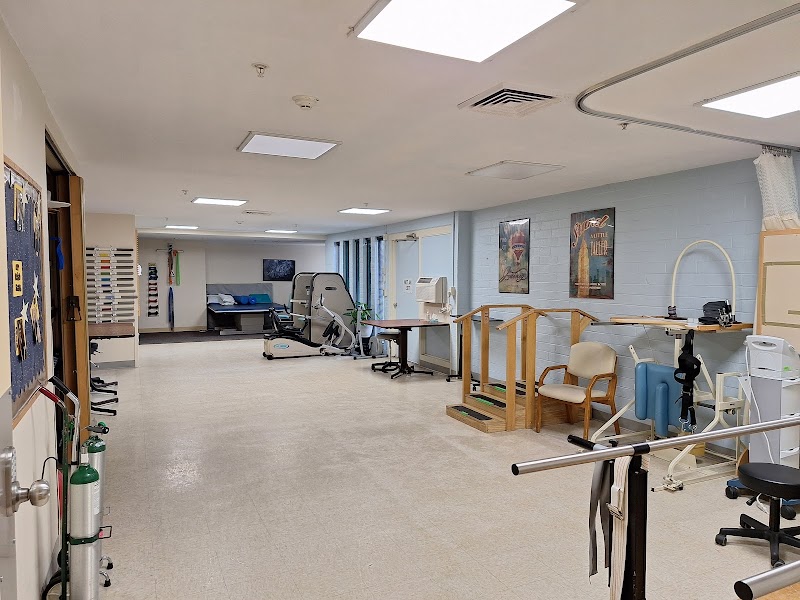
How is Wecare At Murrysville Rehab And Nursing Center Staffed?

CMS rates WECARE AT MURRYSVILLE REHAB AND NURSING CENTER's staffing level at 3 out of 5 stars, which is average compared to other nursing homes. Staff turnover is 67%, which is 20 percentage points above the Pennsylvania average of 46%. High turnover can affect care consistency as new staff learn residents' individual needs. RN turnover specifically is 62%, which is notably high. RNs provide skilled clinical oversight, so turnover in this role can affect medical care quality.

What Have Inspectors Found at Wecare At Murrysville Rehab And Nursing Center?

State health inspectors documented 95 deficiencies at WECARE AT MURRYSVILLE REHAB AND NURSING CENTER during 2022 to 2025. These included: 1 that caused actual resident harm, 93 with potential for harm, and 1 minor or isolated issues. Deficiencies causing actual harm indicate documented cases where residents experienced negative health consequences.
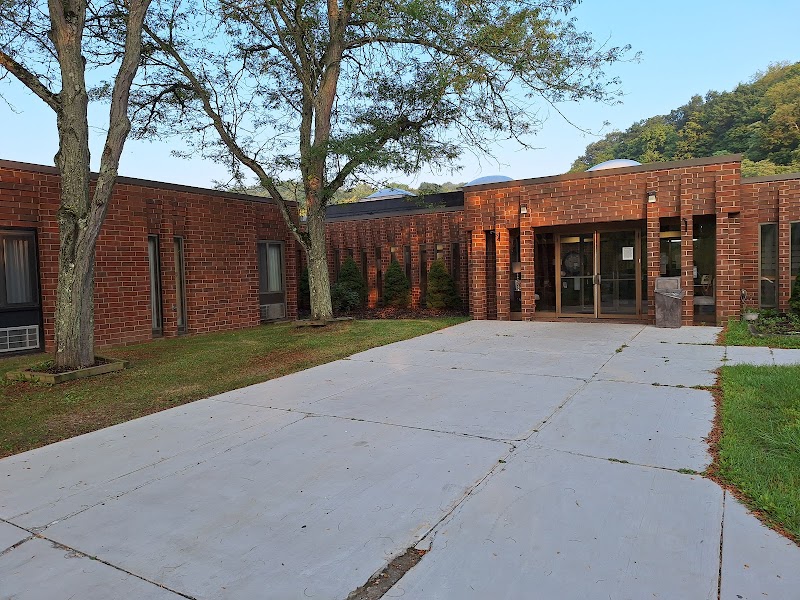
Who Owns and Operates Wecare At Murrysville Rehab And Nursing Center?

WECARE AT MURRYSVILLE REHAB AND NURSING CENTER is owned by a for-profit company. For-profit facilities operate as businesses with obligations to shareholders or private owners. The facility is operated by WECARE CENTERS, a chain that manages multiple nursing homes. With 120 certified beds and approximately 77 residents (about 64% occupancy), it is a mid-sized facility located in MURRYSVILLE, Pennsylvania.
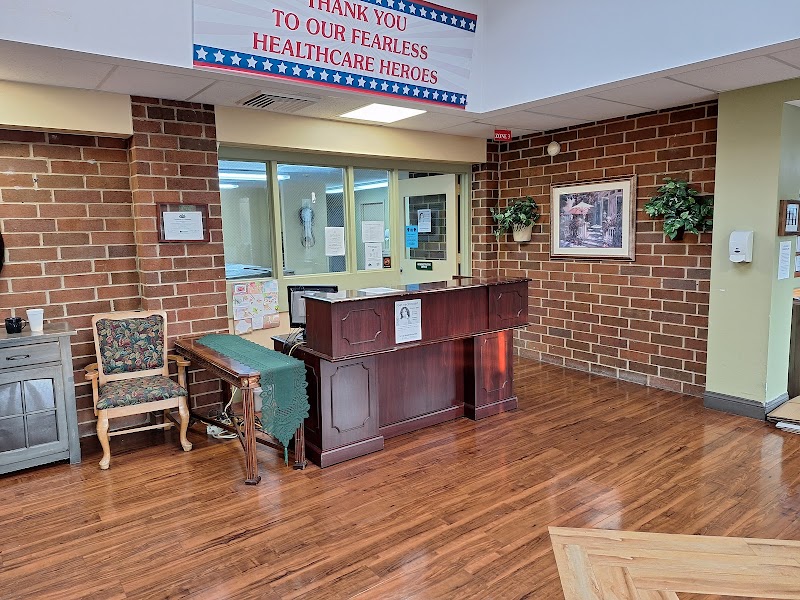
How Does Wecare At Murrysville Rehab And Nursing Center Compare to Other Pennsylvania Nursing Homes?

Compared to the 100 nursing homes in Pennsylvania, WECARE AT MURRYSVILLE REHAB AND NURSING CENTER's overall rating (1 stars) is below the state average of 3.0, staff turnover (67%) is significantly higher than the state average of 46%, and health inspection rating (1 stars) is much below the national benchmark.

What Should Families Ask When Visiting Wecare At Murrysville Rehab And Nursing Center?

Based on this facility's data, families visiting should ask: "How do you ensure continuity of care given staff turnover, and what is your staff retention strategy?" "Can I visit during a mealtime to observe dining assistance and food quality?" "How do you handle medical emergencies, and what is your hospital transfer rate?" "Can I speak with family members of current residents about their experience?" These questions are particularly relevant given the facility's high staff turnover rate.

Is Wecare At Murrysville Rehab And Nursing Center Safe?

Based on CMS inspection data, WECARE AT MURRYSVILLE REHAB AND NURSING CENTER has a clean safety record: no substantiated abuse findings (meaning no confirmed cases of resident harm), no Immediate Jeopardy citations (the most serious violation level indicating risk of serious injury or death), and is not on the Special Focus Facility watch list (a federal program monitoring the lowest-performing 1% of nursing homes). The facility has a 1-star overall rating and ranks #100 of 100 nursing homes in Pennsylvania. While no facility is perfect, families should still ask about staff-to-resident ratios and recent inspection results during their visit.

Do Nurses at Wecare At Murrysville Rehab And Nursing Center Stick Around?

Staff turnover at WECARE AT MURRYSVILLE REHAB AND NURSING CENTER is high. At 67%, the facility is 20 percentage points above the Pennsylvania average of 46%. Registered Nurse turnover is particularly concerning at 62%. RNs handle complex medical decisions and coordinate care — frequent RN changes can directly impact care quality. High turnover means new staff may not know residents' individual needs, medications, or preferences. It can also be disorienting for residents, especially those with dementia who rely on familiar faces. Families should ask: What is causing the turnover? What retention programs are in place? How do you ensure care continuity during staff transitions?

Was Wecare At Murrysville Rehab And Nursing Center Ever Fined?

WECARE AT MURRYSVILLE REHAB AND NURSING CENTER has been fined $8,883 across 1 penalty action. This is below the Pennsylvania average of $33,168. While any fine indicates a compliance issue, fines under $50,000 are relatively common and typically reflect isolated problems that were subsequently corrected. Families should ask what specific issues led to these fines and confirm they've been resolved.

Is Wecare At Murrysville Rehab And Nursing Center on Any Federal Watch List?

WECARE AT MURRYSVILLE REHAB AND NURSING CENTER is not on any federal watch list. The most significant is the Special Focus Facility (SFF) program, which identifies the bottom 1% of nursing homes nationally based on persistent, serious quality problems. Not being on this list means the facility has avoided the pattern of deficiencies that triggers enhanced federal oversight. This is a positive indicator, though families should still review the facility's inspection history directly.