Myerstown Nursing and Rehab LLC
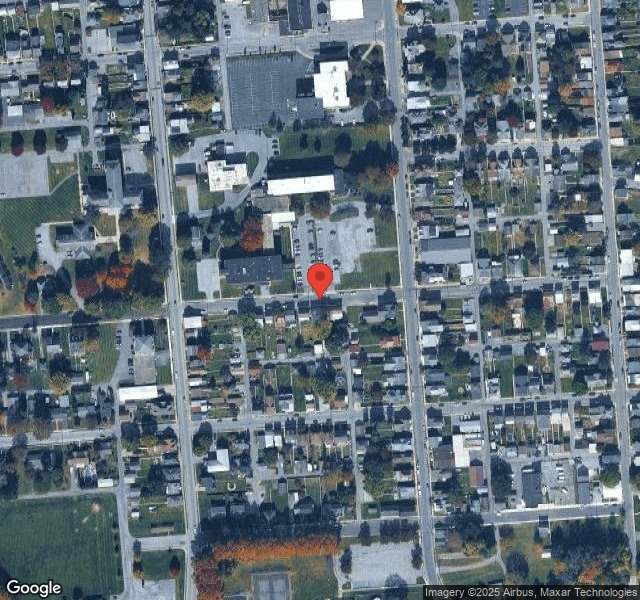

7 WEST PARK AVENUE, MYERSTOWN, PA 17067 (717) 866-6541
Non profit - Corporation 152 Beds Independent Data: November 2025
Trust Grade
90/100
#92 of 653 in PA
Last Inspection: July 2024

Within standard 12-15 month inspection cycle. Federal law requires annual inspections.

Overview

Myerstown Nursing and Rehab LLC has received an excellent Trust Grade of A, indicating it is highly recommended for families seeking care. Ranking #92 out of 653 facilities in Pennsylvania places it in the top half, while its #4 position out of 10 in Lebanon County shows it has only three local competitors that are better. The facility is improving, having reduced its issues from two in 2024 to one in 2025, and it has no fines on record, which is a positive sign. However, staffing is a weakness with a 2 out of 5-star rating, despite zero turnover, meaning that while staff stay, there may not be enough personnel available to meet residents' needs effectively. Specific incidents of concern include a failure to administer prescribed medications to residents, such as not providing gas relief medication and not notifying a physician of significant weight changes, which could impact resident health. Overall, while Myerstown has strengths in its trust rating and absence of fines, families should consider the staffing challenges and recent care issues.
Trust Score
A
90/100
In Pennsylvania
#92/653
Top 14%
Safety Record
Low Risk
No red flags
Inspections
Getting Better
2 → 1 violations
Staff Stability
○ Average
Turnover data not reported for this facility.
Penalties
✓ Good
No fines on record. Clean compliance history, better than most Pennsylvania facilities.
Skilled Nurses
✓ Good
Each resident gets 45 minutes of Registered Nurse (RN) attention daily — more than average for Pennsylvania. RNs are trained to catch health problems early.
Violations
○ Average
7 deficiencies on record. Average for a facility this size. Mostly minor or procedural issues.
★★★★★
5.0
Overall Rating
★★☆☆☆
2.0
Staff Levels
★★★★★
5.0
Care Quality
★★★★☆
4.0
Inspection Score
Stable
2024: 2 issues
2025: 1 issues

The Good

  • 5-Star Quality Measures · Strong clinical quality outcomes
  • Full Sprinkler Coverage · Fire safety systems throughout facility
  • No fines on record

Facility shows strength in quality measures, fire safety.

The Bad

No Significant Concerns Identified

This facility shows no red flags. Among Pennsylvania's 100 nursing homes, only 0% achieve this.

The Ugly 7 deficiencies on record

Jun 2025 1 deficiency
CONCERN (D) 📢 Someone Reported This

A family member, employee, or ombudsman was alarmed enough to file a formal complaint

Potential for Harm - no one hurt, but risky conditions existed

Pharmacy Services (Tag F0755)

Could have caused harm · This affected 1 resident

Based on clinical record review, resident interview, and staff interview, it was determined that the facility failed to ensure that physician's orders were implemented for one of six sampled residents...

Read full inspector narrative →
Based on clinical record review, resident interview, and staff interview, it was determined that the facility failed to ensure that physician's orders were implemented for one of six sampled residents. (Resident 1) Findings include: Clinical record review revealed that Resident 1 had diagnoses that included cervical disc disorder with myelopathy (spinal cord compressed in the neck), chronic pain, constipation, and muscle weakness. In an interview on June 5, 2025, at 10:50 a.m., Resident 1 stated that he did not receive his simethicone medication (medication to relieve bloating, pressure, and fullness; commonly referred to as gas) for the past four days and that he had severe gas pain. A physician's order dated January 24, 2025, directed staff to administer simethicone twice a day. Nursing documentation dated June 3, 2025, at 10:07 a.m., revealed the pharmacy did not have simethicone available. Further documentation on that date revealed that the physician was made aware that the medication was not available at 5:57 p.m. At that time, the physician ordered the simethicone to be administered twice a day as needed. Review of Resident 1's Medication Administration Record revealed that staff did not administer the simethicone on June 1 through June 4, 2025. In an interview on June 5, 2025, at 1:45 p.m., the Director of Nursing confirmed the medication was not available and administered as ordered. 28 Pa. Code 211.12(d)(1)(5) Nursing services
Jul 2024 2 deficiencies
CONCERN (D)

Potential for Harm - no one hurt, but risky conditions existed

Quality of Care (Tag F0684)

Could have caused harm · This affected 1 resident

Based on clinical record review and staff interview, it was determined that the facility failed to implement physician's orders for one of 15 sampled residents. (Resident 52) Findings include: Clinic...

Read full inspector narrative →
Based on clinical record review and staff interview, it was determined that the facility failed to implement physician's orders for one of 15 sampled residents. (Resident 52) Findings include: Clinical record review revealed that Resident 52 had diagnoses that included bacteremia (bacteria in the blood), congestive heart failure, and respiratory failure. A physician's order dated June 30, 2024, directed staff to weigh the resident daily and to notify the doctor for a weight gain of two or more pounds (lbs.) in one day. On July 20, 2024, the resident weighed 88.2 lbs. On July 21, 2024, the resident weighed 90.2 lbs., which reflected a weight gain of two lbs. in one day. There was no evidence that staff notified the doctor of the weight change per the order. A review of physician's orders dated July 1 through 9, 2024, and the Medication Administration Record for July 2024, revealed the following: Staff were to change administration tubing with the first dose of ampicillin (an antibiotic) daily. There was no evidence that the tubing was changed as ordered on two occasions. Staff were to administer ceftriaxone sodium (an antibiotic) two grams (g) intravenously (IV) every 12 hours daily. There was no evidence that the medication was administered as ordered on one occasion. Staff were to administer florastor oral capsule 250 milligrams (mg) two times per day. There was no evidence that the medication was administered as ordered on one occasion. Staff were to administer heparin sodium (a blood thinner) five milliliters (ml) via IV. There was no evidence that it was administered on ten occasions. Staff were to administer normal saline 10 ml via IV. There was no evidence to support that it was administered on 19 occasions. Staff were to replace a green antimicrobial cap to each port. There was no evidence that the cap was replaced on 10 occasions. Staff were to administer ampicillin sodium (an antibiotic) 2000 mg via IV three times per day. There was no evidence that the medication was administered as ordered on seven occasions. In an interview on July 25, 2024, at 10:00 a.m. the DON confirmed that there was no evidence staff notified the physician of the weight change or that staff administered the medications or treatments as ordered. 28 Pa. Code 211.12(d)(1)(5) Nursing services.
CONCERN (D)

Potential for Harm - no one hurt, but risky conditions existed

Incontinence Care (Tag F0690)

Could have caused harm · This affected 1 resident

**NOTE- TERMS IN BRACKETS HAVE BEEN EDITED TO PROTECT CONFIDENTIALITY** Based on review of facility policy, clinical record review, observation, and staff interview, it was determined that the facilit...

Read full inspector narrative →
**NOTE- TERMS IN BRACKETS HAVE BEEN EDITED TO PROTECT CONFIDENTIALITY** Based on review of facility policy, clinical record review, observation, and staff interview, it was determined that the facility failed to ensure that adequate catheter care was provided for one of two sampled residents with an indwelling urinary catheter. (Resident 40) Findings included: Review of the facility policy entitled, Catheter Care, last reviewed July 9, 2024, revealed that when a resident had a urinary catheter, an intervention was to prevent the urine in the tubing and drainage bag from flowing back into the bladder. Staff was to ensure that the urinary drainage bag be located below the level of the bladder, but not on the floor, and covered at all times. Clinical record review revealed that Resident 40 had diagnoses that included chronic obstructive pulmonary disease and congestive heart failure. The Minimum Data Set assessment dated [DATE], indicated that the resident required extensive assistance from staff for activities of daily living and had an indwelling urinary catheter. The current care plan revealed that Resident 40 had an indwelling catheter and was at increased risk for infection. On July 23, 2024, from 11:22 a.m. to 12:13 p.m., and again from 1:50 p.m. to 2:10 p.m., Resident 40 was observed in bed with the catheter drainage bag hanging off the bed, uncovered, and directly touching the floor. On July 24, 2024, from 8:25 a.m. to 8:50 a.m., Resident 40 was observed in bed with the catheter drainage bag hanging off the bed, uncovered, and directly touching the floor. In an interview on July 25, 2024, at 11:22 a.m., the Nursing Home Administrator confirmed that the catheter bag should not be uncovered and on the floor. 28 Pa. Code 211.12(d)(1)(2)(5) Nursing services.
Aug 2023 2 deficiencies
CONCERN (D)

Potential for Harm - no one hurt, but risky conditions existed

Deficiency F0697 (Tag F0697)

Could have caused harm · This affected 1 resident

Based on clinical record review and staff interview, it was determined that the facility failed to ensure pain management included the attempt to provide non-pharmacological interventions to alleviate...

Read full inspector narrative →
Based on clinical record review and staff interview, it was determined that the facility failed to ensure pain management included the attempt to provide non-pharmacological interventions to alleviate pain prior to or in conjunction with the administration of pain medication prescribed on an as needed basis for one of 13 sampled residents. (Resident 21) Findings include: Clinical record review revealed that Resident 21 had diagnoses that included a right humerus fracture, right ankle contusion, muscle wasting and atrophy (shrinking of muscles). On July 12, 2023, a physician ordered that staff administer a pain medication (oxycodone) every six hours as needed for pain. Review of the medication administration record (MAR) revealed that the resident received the as needed narcotic pain medication 30 times in July 2023, and 14 times in August 2023. There was a lack of documentation to support that non-pharmacological interventions were offered to address the assessed pain prior to or in conjunction with the administration of the as needed narcotic pain medication. In an interview on August 17, 2023, at 8:30 a.m., the Director of Nursing confirmed that there was no documented evidence staff offered non-pharmacological interventions prior to administration of the as needed pain medication. 28 Pa. Code 211.12(d)(1)(5) Nursing services.
CONCERN (D)

Potential for Harm - no one hurt, but risky conditions existed

Medication Errors (Tag F0758)

Could have caused harm · This affected 1 resident

**NOTE- TERMS IN BRACKETS HAVE BEEN EDITED TO PROTECT CONFIDENTIALITY** Based on clinical record review and staff interview, it was determined that the facility failed to offer non-pharmacological int...

Read full inspector narrative →
**NOTE- TERMS IN BRACKETS HAVE BEEN EDITED TO PROTECT CONFIDENTIALITY** Based on clinical record review and staff interview, it was determined that the facility failed to offer non-pharmacological interventions prior to the administration of as needed anti-anxiety medications for two of 13 sampled residents. (Residents 8, 199) Findings include: Clinical record review revealed that Resident 8 had diagnoses that included Alzheimer's disease and difficulty in walking. Review of the Minimum Data Set (MDS) assessment dated [DATE], revealed the resident had cognitive impairment. On July 26, 2023, and August 12, 2023, the physician ordered an anti-anxiety medication, alprazolam, be given every eight hours as needed for 14 days. Review of the medication administration record (MAR) for July 2023, revealed that staff had administered the as needed alprazolam five times. Review of the MAR for August 2023, revealed that staff had administered the as needed alprazolam 10 times. There was no documented evidence that staff attempted non-pharmacological interventions prior to the administration of the as needed anti-anxiety medication. Clinical record review revealed that Resident 199 had diagnoses that included chronic ulcer of the right lower leg, anxiety, and hearing loss. The MDS assessment dated [DATE], indicated that the resident had memory impairment and exhibited verbal and other behavioral symptoms one to three days in the assessment period. On August 4, 2023, the physician ordered an anti-anxiety medication, lorazepam, to be given every 12 hours as needed for 14 days. Review of the MAR for August 2023, revealed that staff had administered the as needed lorazepam 10 times. There was no documented evidence that staff attempted non-pharmacological interventions prior to the administration of the as needed anti-anxiety medication. In an interview on August 17, 2023, at 8:35 a.m., the Administrator confirmed that there was no documented evidence that staff attempted non-pharmacological interventions prior to the administration of the as needed anti-anxiety medication. 28 Pa. code 211.12(d)(1)(5) Nursing services.
Sept 2022 2 deficiencies
CONCERN (D)

Potential for Harm - no one hurt, but risky conditions existed

Notification of Changes (Tag F0580)

Could have caused harm · This affected 1 resident

**NOTE- TERMS IN BRACKETS HAVE BEEN EDITED TO PROTECT CONFIDENTIALITY** Based on facility policy review, clinical record review and staff interview, it was determined that the facility failed to notif...

Read full inspector narrative →
**NOTE- TERMS IN BRACKETS HAVE BEEN EDITED TO PROTECT CONFIDENTIALITY** Based on facility policy review, clinical record review and staff interview, it was determined that the facility failed to notify residents' responsible parties of a significant weight change and a pressure ulcer for two of 18 sampled residents. (Residents 52, 71) Findings include: Review of the facility policy entitled, Weight Policy, dated July 15, 2022, revealed that a resident's responsible party or family would be notified of a significant weight loss. Clinical record review revealed that Resident 52 had diagnoses that included Alzheimer's dementia, chronic obstructive pulmonary disease, and left femur fracture. Review of the Minimum Data Set (MDS) assessment, dated August 19, 2022, revealed the resident had cognitive impairment and had a weight loss of five percent or more in the last month. Review of Resident 8's care plan revealed that the resident was at risk for nutrional problems. On August 10, 2022, the resident weighed 139.4 pounds (lbs). On August 17, 2022, Resident 52 weighed 119.4 lbs, a 14.35 percent weight loss. There was no evidence that Resident 52's responsible party was notified of the resident's significant weight loss. Clinical record review revealed that Resident 71 had diagnoses that included dementia, adult failure to thrive, and atrioventricular block (heart block). Review of the MDS assessment dated [DATE], revealed the resident had cognitive impairment and three stage two pressure ulcers. Review of nursing documentation revealed that on August 29, 2022, the resident developed an open area to the left buttock, classified as a stage two pressure ulcer. On September 6, 2022, a nurse documented that Resident 71 developed open areas on his right buttocks and lower middle spine, both classified as stage two pressure ulcers. There was no documentation to support that Resident 71's responsible party was notified of the development of the three pressure ulcers. In an interview on September 22, 2022 at 10:21 a.m., the Administrator confirmed there was no documentation to support that Resident 52's responsible party was notified of the significant weight loss or that Resident 71's responsible party was notified of the development of pressure ulcers. 28 Pa Code 211.12(d)(1)(5) Nursing services.
MINOR (B)

Minor Issue - procedural, no safety impact

Abuse Prevention Policies (Tag F0607)

Minor procedural issue · This affected multiple residents

Based on facility policy review, review of personnel files, and staff interview, it was determined the facility failed to verify professional license/registration prior to the start of employment for ...

Read full inspector narrative →
Based on facility policy review, review of personnel files, and staff interview, it was determined the facility failed to verify professional license/registration prior to the start of employment for two of five newly hired employees. (E1, E2) Findings include: A review of facility policy entitled Abuse Policy, dated July 25, 2022, revealed that the facility was to conduct screening for all potential hires. This included a license or registry verification. Employee 1 had been working as a Licensed Practical Nurse since April 19, 2022, and no inquiry to the state licensure board had been completed. Employee 2 had been working as a nurse aide since March 21, 2022, and an inquiry to the state nurse aide registry was not completed until April 23, 2022. In an interview on September 22, 2022, at 12:23 p.m., the Administrator confirmed the license/registry verification for E1 and E2 was not done per facility policy. 28 Pa. Code 201.14(a) Responsibility of licensee.
Understanding Severity Codes (click to expand)
Life-Threatening (Immediate Jeopardy)
J - Isolated K - Pattern L - Widespread
Actual Harm
G - Isolated H - Pattern I - Widespread
Potential for Harm
D - Isolated E - Pattern F - Widespread
No Harm (Minor)
A - Isolated B - Pattern C - Widespread

Questions to Ask on Your Visit

  • "Can I speak with families of current residents?"
  • "What's your RN coverage like on weekends and overnight?"

Our Honest Assessment

Strengths
  • • Grade A (90/100). Above average facility, better than most options in Pennsylvania.
  • • No major safety red flags. No abuse findings, life-threatening violations, or SFF status.
  • • No fines on record. Clean compliance history, better than most Pennsylvania facilities.
Concerns
  • • No significant concerns identified. This facility shows no red flags across CMS ratings, staff turnover, or federal penalties.
Bottom line: Generally positive indicators. Standard due diligence and a personal visit recommended.

About This Facility

What is Myerstown Nursing And Rehab Llc's CMS Rating?

CMS assigns Myerstown Nursing and Rehab LLC an overall rating of 5 out of 5 stars, which is considered much above average nationally. Within Pennsylvania, this rating places the facility higher than 99% of the state's 100 nursing homes. This rating reflects solid performance across the metrics CMS uses to evaluate nursing home quality.

How is Myerstown Nursing And Rehab Llc Staffed?

CMS rates Myerstown Nursing and Rehab LLC's staffing level at 2 out of 5 stars, which is below average compared to other nursing homes.

What Have Inspectors Found at Myerstown Nursing And Rehab Llc?

State health inspectors documented 7 deficiencies at Myerstown Nursing and Rehab LLC during 2022 to 2025. These included: 6 with potential for harm and 1 minor or isolated issues.
Who Owns and Operates Myerstown Nursing And Rehab Llc?

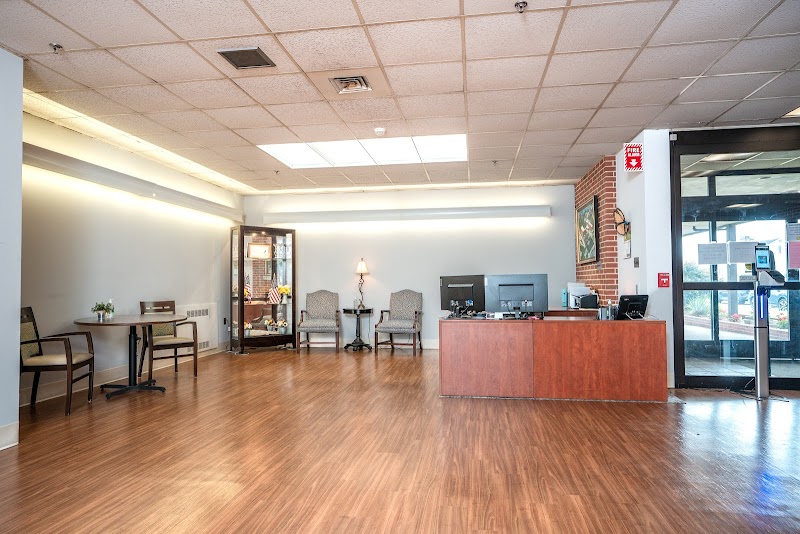
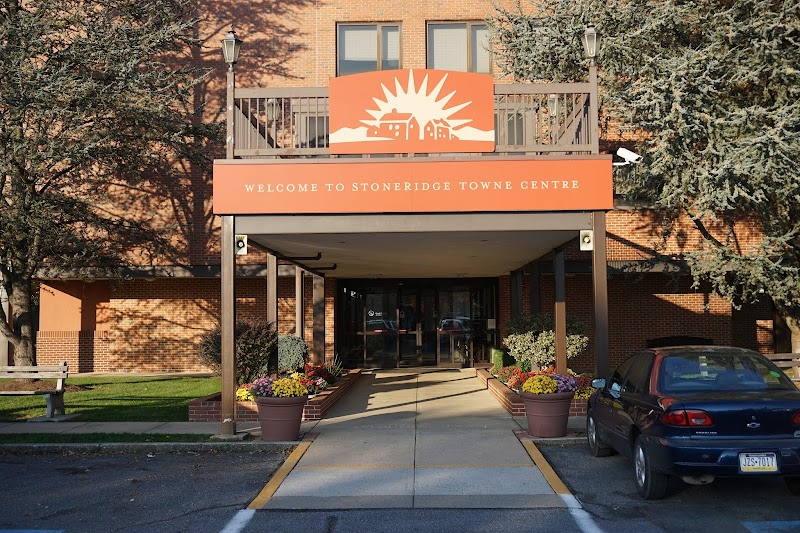
Myerstown Nursing and Rehab LLC is owned by a non-profit organization. Non-profit facilities reinvest revenue into operations rather than distributing to shareholders. The facility operates independently rather than as part of a larger chain. With 152 certified beds and approximately 57 residents (about 38% occupancy), it is a mid-sized facility located in MYERSTOWN, Pennsylvania.

How Does Myerstown Nursing And Rehab Llc Compare to Other Pennsylvania Nursing Homes?

Compared to the 100 nursing homes in Pennsylvania, Myerstown Nursing and Rehab LLC's overall rating (5 stars) is above the state average of 3.0 and health inspection rating (4 stars) is above the national benchmark.

What Should Families Ask When Visiting Myerstown Nursing And Rehab Llc?

Based on this facility's data, families visiting should ask: "Can you walk me through typical staffing levels on day, evening, and night shifts?" "Can I visit during a mealtime to observe dining assistance and food quality?" "How do you handle medical emergencies, and what is your hospital transfer rate?" "Can I speak with family members of current residents about their experience?" These questions are particularly relevant given the below-average staffing rating.

Is Myerstown Nursing And Rehab Llc Safe?

Based on CMS inspection data, Myerstown Nursing and Rehab LLC has a clean safety record: no substantiated abuse findings (meaning no confirmed cases of resident harm), no Immediate Jeopardy citations (the most serious violation level indicating risk of serious injury or death), and is not on the Special Focus Facility watch list (a federal program monitoring the lowest-performing 1% of nursing homes). The facility has a 5-star overall rating and ranks #1 of 100 nursing homes in Pennsylvania. While no facility is perfect, families should still ask about staff-to-resident ratios and recent inspection results during their visit.

Do Nurses at Myerstown Nursing And Rehab Llc Stick Around?

Myerstown Nursing and Rehab LLC has not reported staff turnover data to CMS. Staff turnover matters because consistent caregivers learn residents' individual needs, medications, and preferences. When staff frequently change, this institutional knowledge is lost. Families should ask the facility directly about their staff retention rates and average employee tenure.

Was Myerstown Nursing And Rehab Llc Ever Fined?

Myerstown Nursing and Rehab LLC has no federal fines on record. CMS issues fines when nursing homes fail to meet care standards or don't correct problems found during inspections. The absence of fines suggests the facility has either maintained compliance or corrected any issues before penalties were assessed. This is a positive indicator, though families should still review recent inspection reports for the full picture.

Is Myerstown Nursing And Rehab Llc on Any Federal Watch List?

Myerstown Nursing and Rehab LLC is not on any federal watch list. The most significant is the Special Focus Facility (SFF) program, which identifies the bottom 1% of nursing homes nationally based on persistent, serious quality problems. Not being on this list means the facility has avoided the pattern of deficiencies that triggers enhanced federal oversight. This is a positive indicator, though families should still review the facility's inspection history directly.